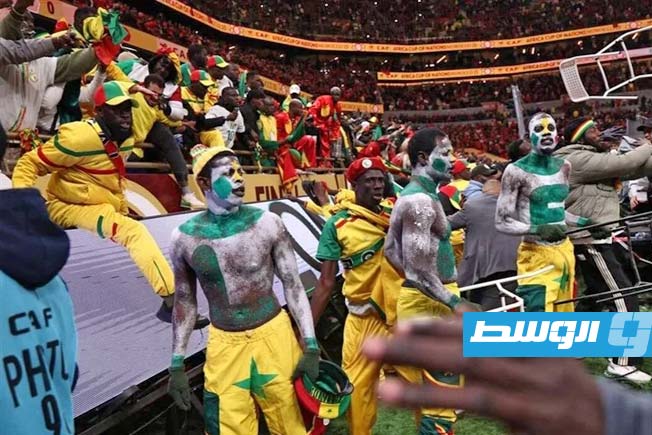
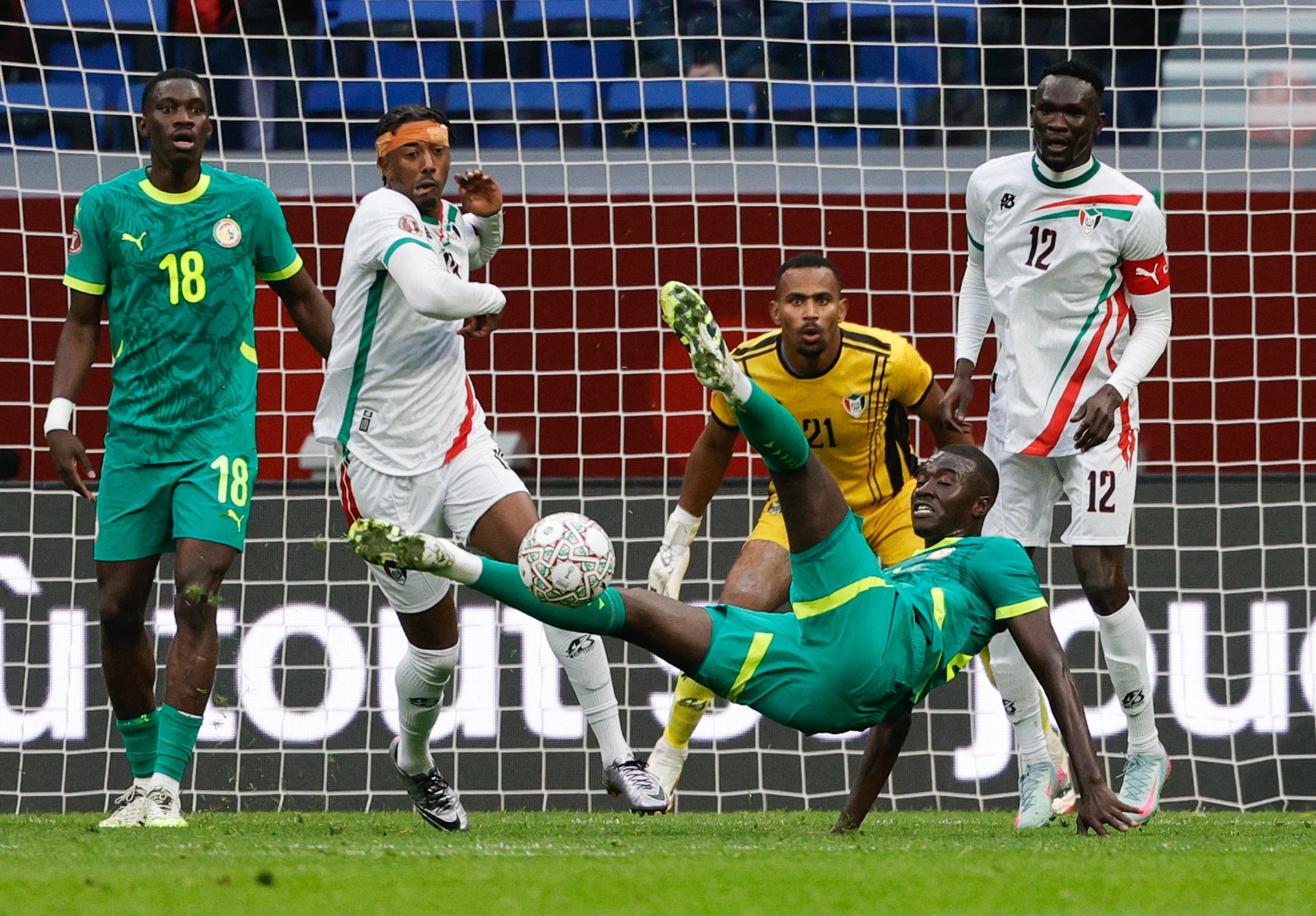
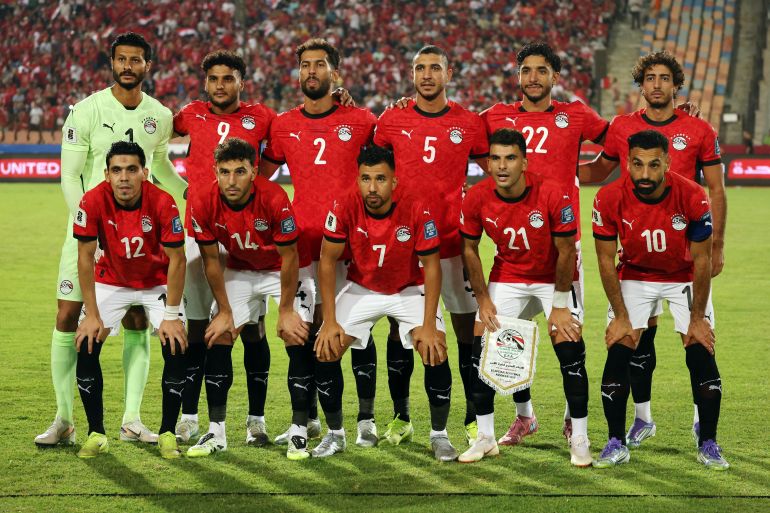
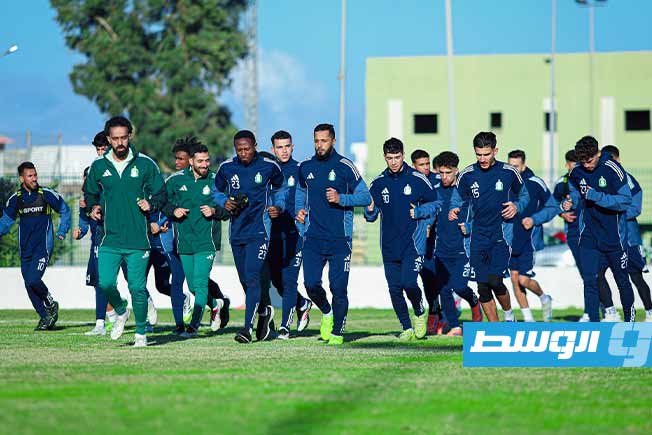
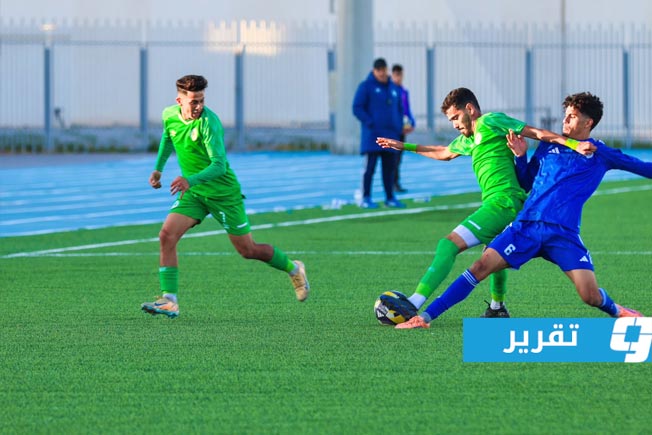
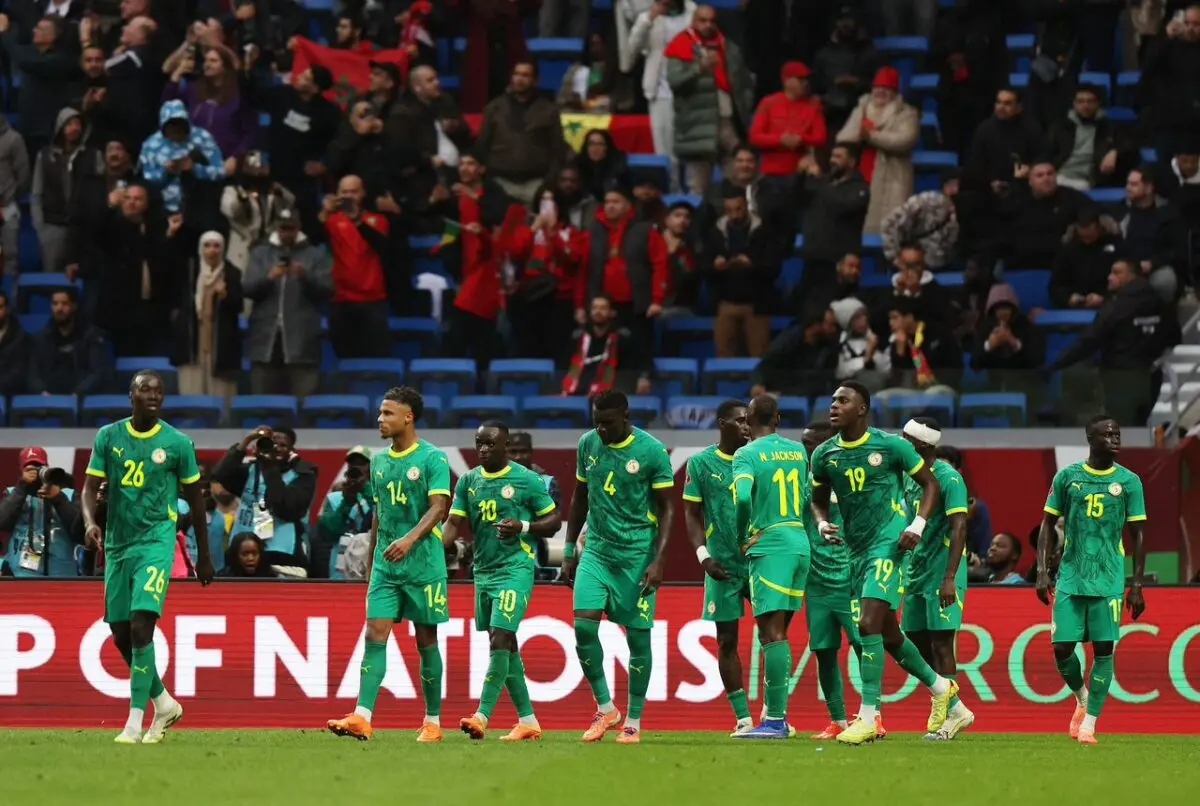
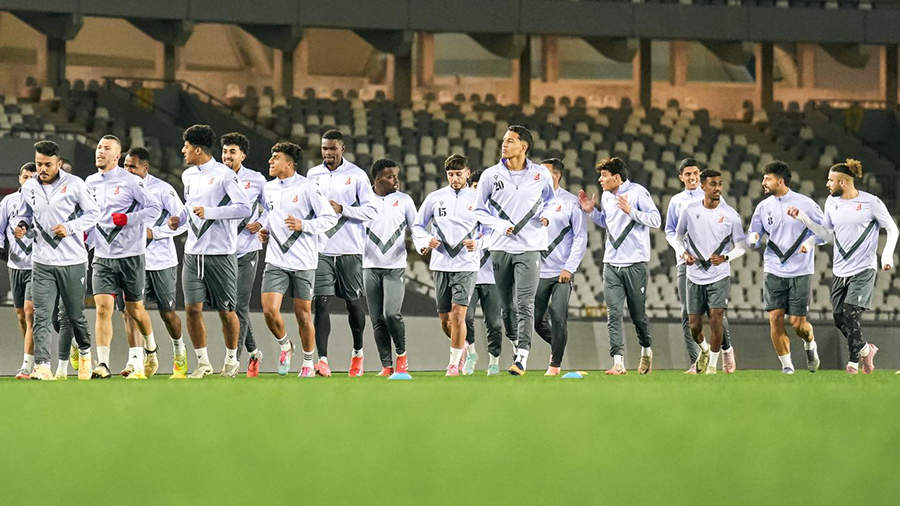
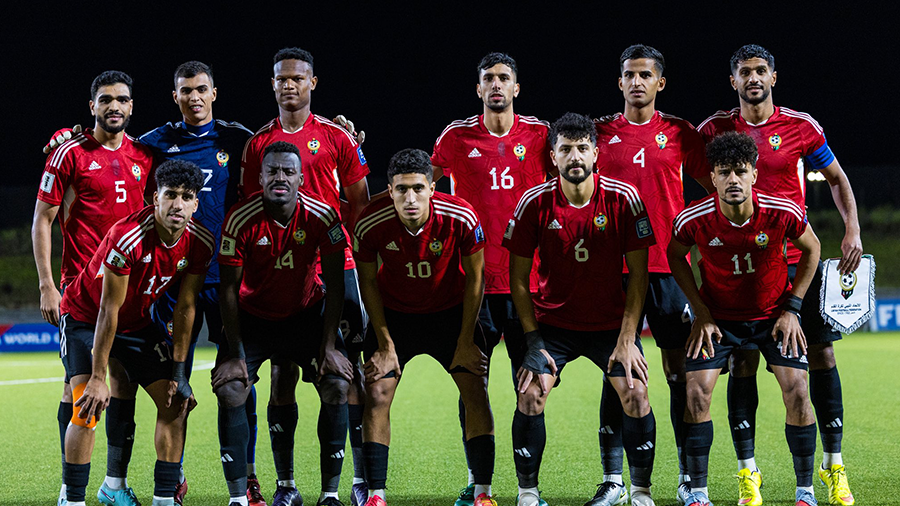
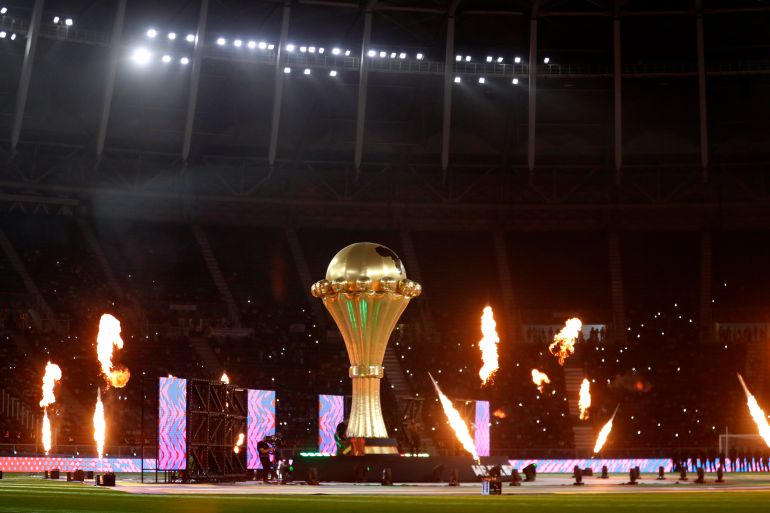
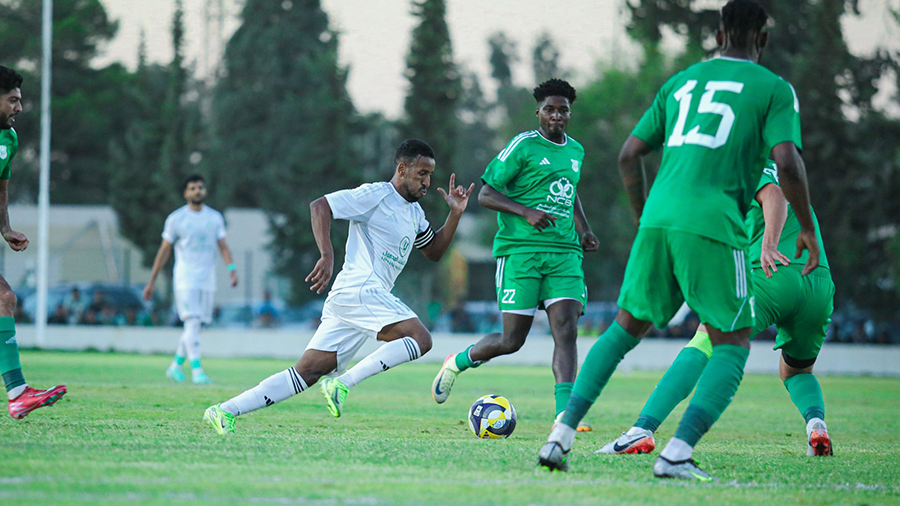
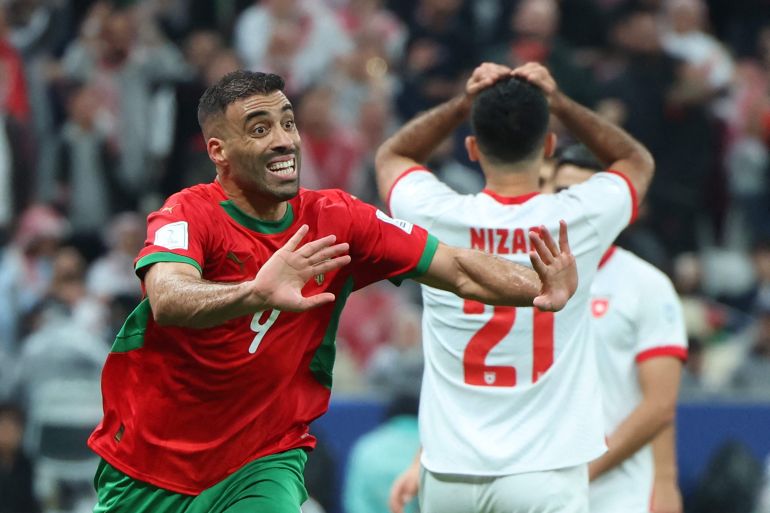
The lineup of the eight teams qualified for the quarter-finals of the 2025 Arab Cup in Doha has been completed following the conclusion of the third round of group stage matches in Groups Three and Four.
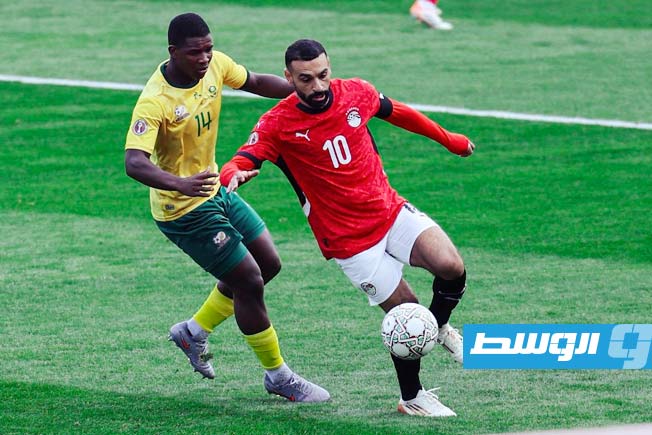
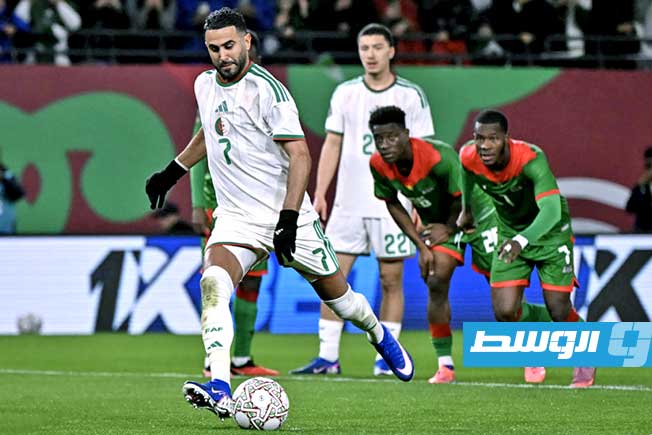
Algeria secured the top spot in Group Four with a 2-0 win over Iraq, with both teams advancing to the quarter-finals. In Group Three, the United Arab Emirates qualified after defeating Kuwait 3-1, benefiting from Egypt’s loss to Jordan, which secured its place as group leader.
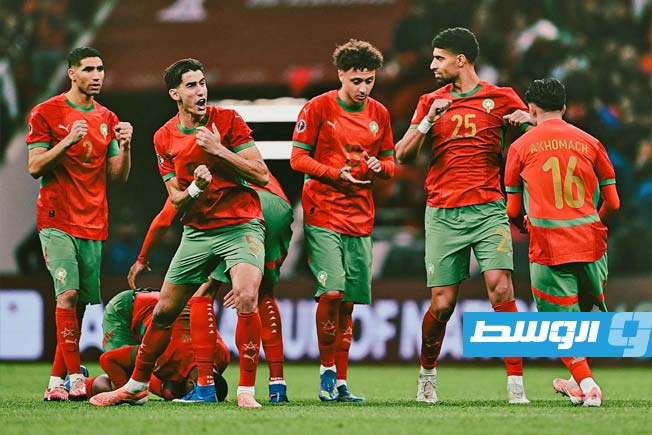
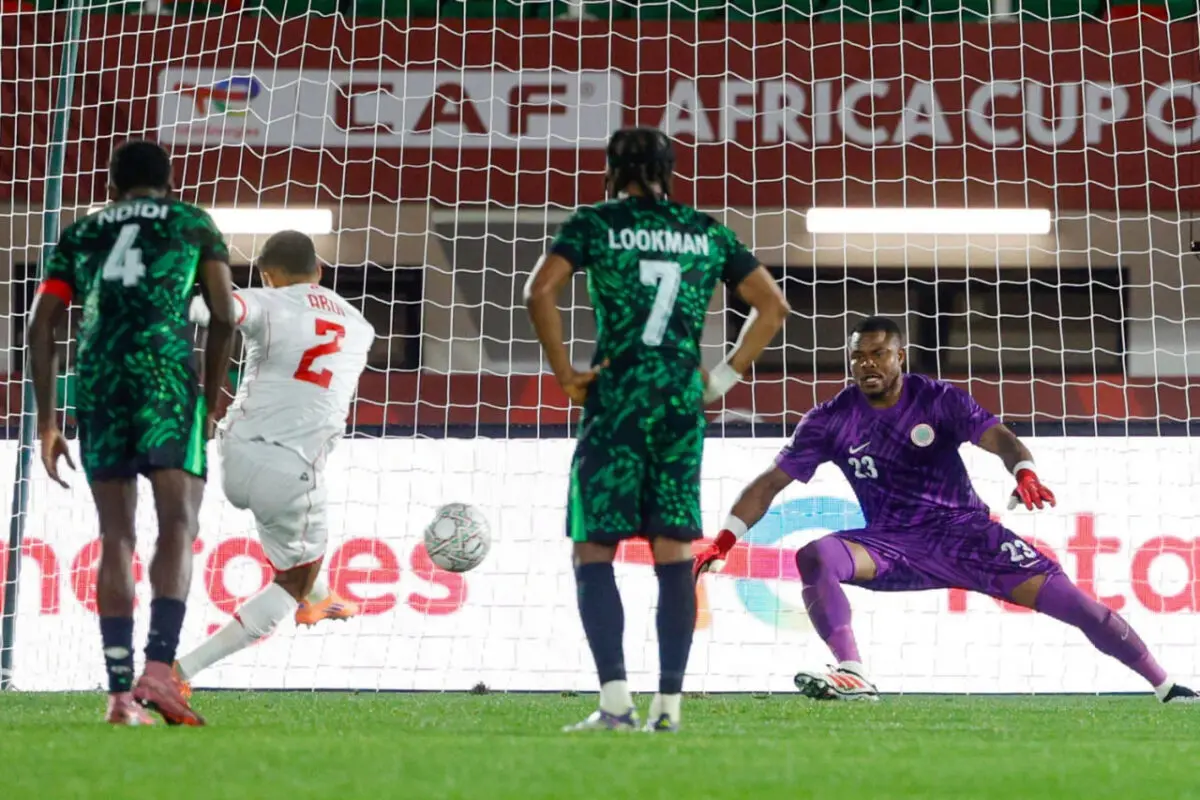
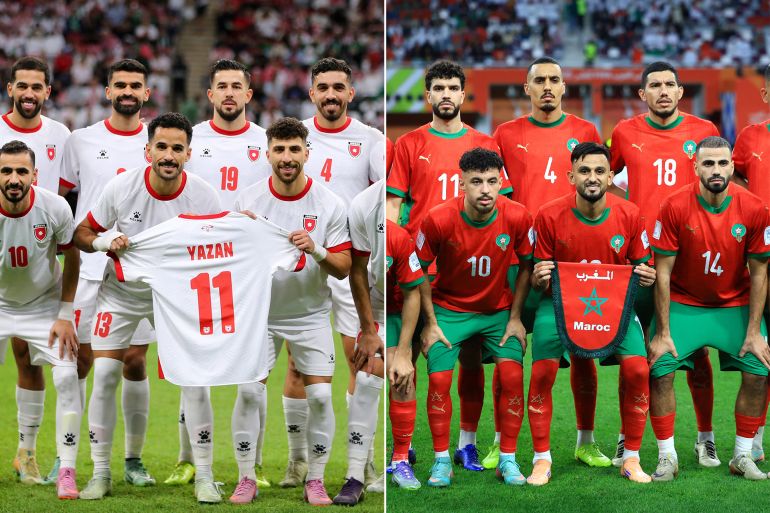
Palestine and Syria also qualified at the expense of Qatar and Tunisia, while Saudi Arabia and Morocco qualified ahead of Comoros and Oman, thus completing the list of eight teams competing for the tournament title.
The quarter-final draw revealed the following matchups:
- Match One: Morocco vs Syria
- Match Two: Palestine vs Saudi Arabia on Thursday, December 11
- Match Three: Jordan vs Iraq
- Match Four: Algeria vs United Arab Emirates
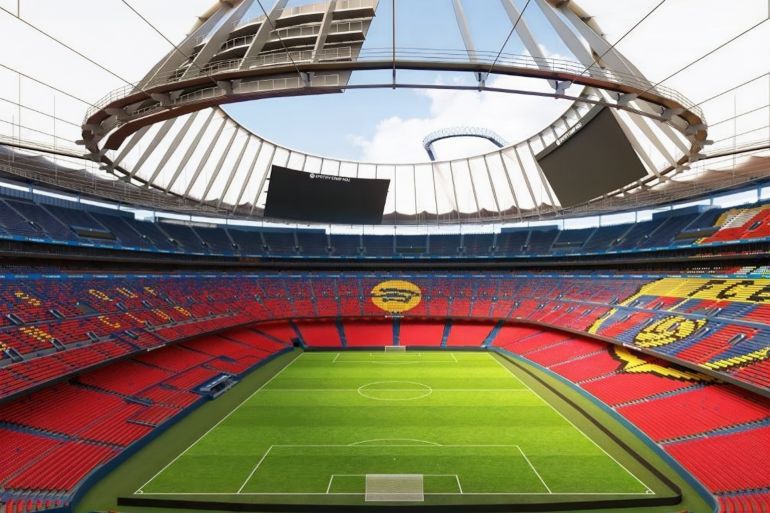
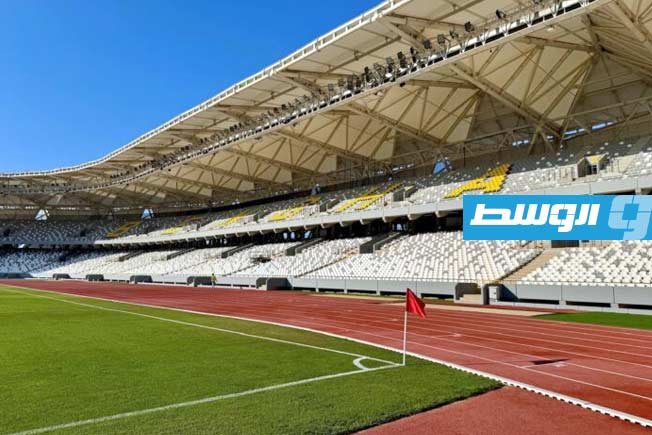
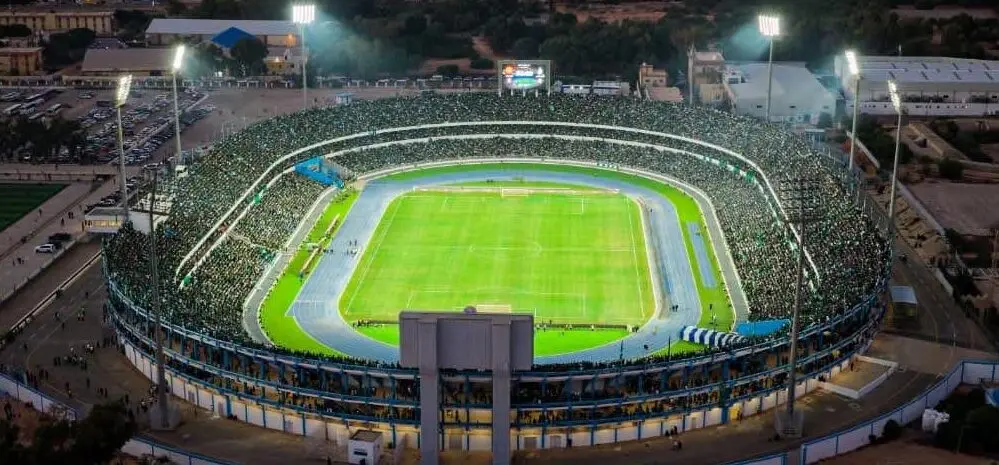
All quarter-final matches will be held at Lusail Stadium, in an atmosphere marked by intense competition among the Arab teams to qualify for the semi-finals.
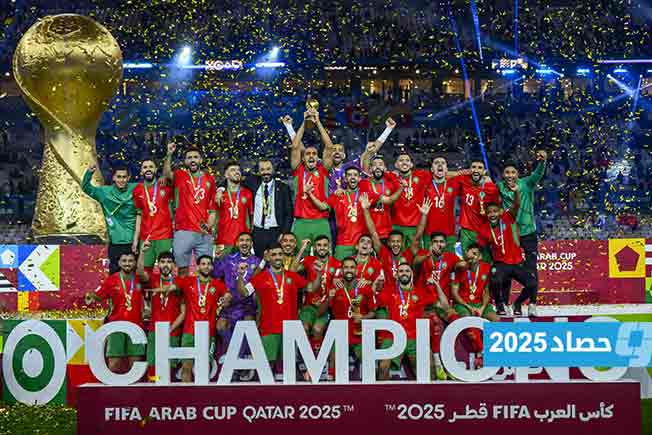
The 2025 Arab Cup has witnessed broad participation from Arab national teams in strong competitions, reflecting the tournament’s importance in enhancing Arab sports rivalry and developing the level of football in the region. The group stage results are also an indicator of the teams’ readiness for the decisive stage, with the tournament recording several surprises, most notably the early exit of Egypt, Qatar, and Tunisia.
The Arab Cup was launched in 1963 and has evolved over the years to become a major platform for enhancing sports competition among Arab national teams. It has also contributed to raising the level of football in the region by integrating professional experiences and exchanging expertise among the participating players and teams.
Doha
Doha is the capital city of Qatar, a modern metropolis that transformed from a small pearl fishing and trading port into a global hub during the 20th century following the discovery of oil and natural gas. Its cultural landscape is marked by institutions like the Museum of Islamic Art, which houses artifacts spanning 1,400 years, and the traditional Souq Waqif market, reflecting its historical mercantile roots.
Algeria
Algeria is a North African country with a rich history shaped by ancient Berber kingdoms, Roman rule, and centuries of Ottoman influence. It gained independence from France in 1962 after a prolonged and brutal war of liberation. The nation’s cultural heritage is reflected in diverse sites like the Roman ruins of Timgad and the historic Casbah of Algiers, a UNESCO World Heritage site.
Iraq
Iraq, historically known as Mesopotamia, is often called the “Cradle of Civilization” for its ancient Sumerian, Babylonian, and Assyrian empires, which pioneered writing, law, and urban life. Modern Iraq, established in the 20th century, is home to significant cultural and religious sites, including the ancient city of Babylon and the holy cities of Najaf and Karbala. The region has a complex modern history marked by conflict, including the Iraq War beginning in 2003, which significantly impacted its political and social structures.
United Arab Emirates
The United Arab Emirates is a federation of seven emirates on the Arabian Peninsula, established in 1971 following the end of British protection. Historically a region of pearl diving and trade, its modern history is defined by the discovery of oil in the mid-20th century, which rapidly transformed it into a global hub of commerce, tourism, and innovation.
Kuwait
Kuwait is a sovereign Arab state located at the head of the Persian Gulf, historically established as a sheikhdom in the 18th century by clans from the Arabian interior. Its modern history was profoundly shaped by the discovery of oil in the 1930s, which transformed it into a wealthy nation, and by its invasion and liberation during the 1990-1991 Gulf War.
Egypt
Egypt, home to one of the world’s oldest civilizations, is famed for its ancient monuments along the Nile River, including the Pyramids of Giza and the Great Sphinx, which date back over 4,500 years. Its long history encompasses the Pharaonic kingdoms, Greco-Roman rule, and later Islamic and Ottoman influences, making it a central cultural and historical crossroads. Modern Egypt remains a key political and cultural hub in the Arab world, with its rich heritage continuing to draw global interest.
Jordan
Jordan is a country in the Middle East with a rich historical legacy, most famously home to the ancient city of Petra, a Nabatean capital carved into rose-red sandstone cliffs over 2,000 years ago. The region has been a crossroads of civilizations, from the Roman Empire—evidenced by sites like Jerash—to later Islamic caliphates and the Ottoman Empire, before becoming the modern Hashemite Kingdom of Jordan in 1946.
Palestine
Palestine is a historic region in the Eastern Mediterranean, with a deeply rooted history as a cultural and religious crossroads for millennia, central to Judaism, Christianity, and Islam. Its modern political status is defined by the ongoing Israeli-Palestinian conflict, following the establishment of the State of Israel in 1948 and the subsequent displacement and occupation affecting the Palestinian people.
Syria
Syria is a country in the Middle East with a profound historical legacy, often called the “cradle of civilization” for its ancient cities like Damascus and Aleppo. It has been home to successive empires, including the Phoenicians, Romans, and Umayyads, whose influences are visible in its numerous archaeological sites. In recent history, the country has been severely impacted by a complex and ongoing civil war that began in 2011.
Qatar
Qatar is a sovereign country located on the northeastern coast of the Arabian Peninsula, historically shaped by its Bedouin heritage and maritime traditions like pearl diving. Its modern history is marked by the discovery of vast oil and natural gas reserves in the mid-20th century, which rapidly transformed it into one of the world’s wealthiest nations. A notable cultural site is the Museum of Islamic Art in Doha, which houses one of the world’s most comprehensive collections of Islamic artifacts spanning 1,400 years.
Tunisia
Tunisia is a North African country with a rich history shaped by ancient civilizations, including the Phoenicians who founded Carthage, followed by Roman, Arab, and Ottoman rule. It is renowned for its well-preserved Roman ruins, such as those at Dougga and El Jem, and its historic medinas, like that of Tunis, a UNESCO World Heritage site. The country was also the birthplace of the Arab Spring pro-democracy movement in 2010-2011.
Saudi Arabia
Saudi Arabia is a Middle Eastern nation founded in 1932 by King Abdulaziz Al Saud, unifying the regions of Najd and Hejaz. It is the birthplace of Islam, home to the religion’s two holiest cities, Mecca and Medina, and its history and culture are deeply intertwined with the Islamic faith. The country’s modern development has been heavily shaped by its vast reserves of petroleum, discovered in the 1930s.
Morocco
Morocco is a North African country with a rich history shaped by indigenous Amazigh (Berber) cultures, Arab influence from the 7th century, and successive dynasties like the Almoravids and Almohads. Its cultural sites, such as the ancient Roman ruins of Volubilis and the historic medinas of Fez and Marrakech, reflect this diverse heritage and its role as a crossroads of civilizations.
Comoros
The Comoros is an archipelago nation in the Indian Ocean, with a history shaped by a blend of African, Arab, and French influences. It was a key hub in early Indian Ocean trade routes and later became a French colony before gaining independence in 1975. The country is known for its volcanic landscapes, diverse culture, and being one of the world’s largest producers of ylang-ylang.
Oman
Oman is a country on the southeastern coast of the Arabian Peninsula with a rich maritime history as a powerful trading empire. Its historical and cultural identity is deeply tied to the Ibadi branch of Islam and a legacy of seafaring, with landmarks like the ancient Bahla Fort and the frankincense trade routes of Dhofar reflecting its long heritage. The modern nation is known for its distinctive traditional architecture, preserved forts, and the rapid development initiated under the late Sultan Qaboos bin Said.
Lusail Stadium
Lusail Stadium is a football venue located in Lusail, Qatar, which served as the primary stadium for the 2022 FIFA World Cup, hosting the final match. It was built specifically for the tournament and opened in 2021, designed with a capacity of approximately 88,966 spectators. Its design is inspired by traditional Arab craftsmanship, featuring motifs from regional bowls and vessels.