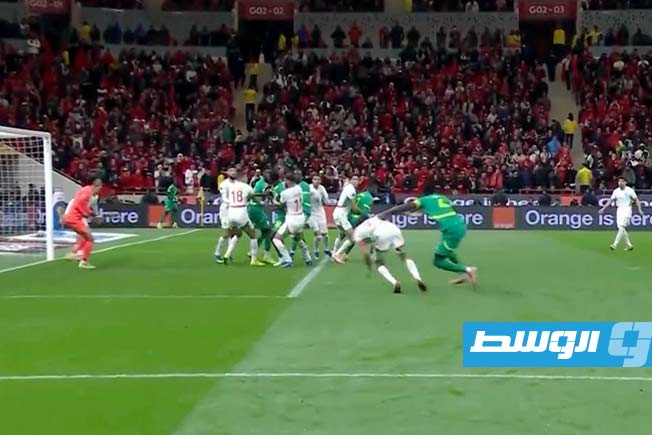
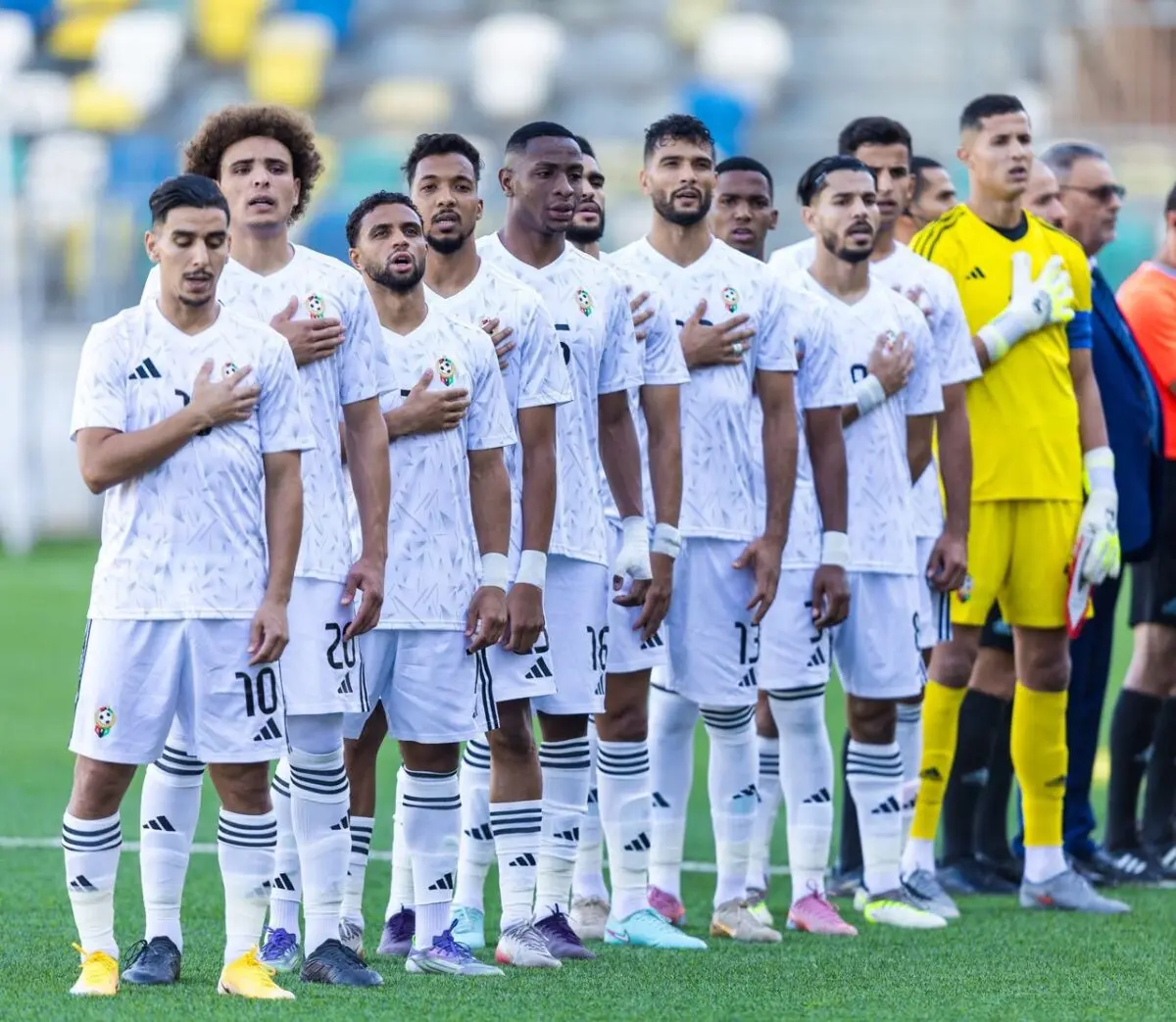
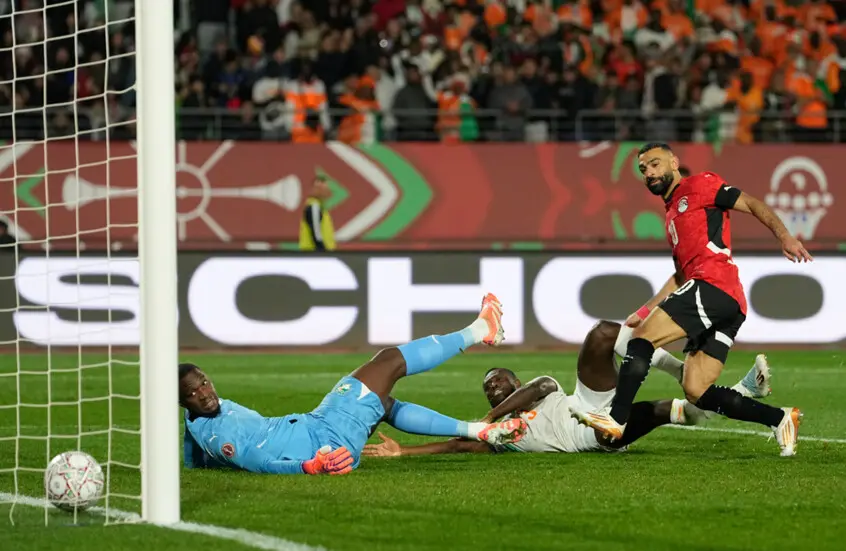
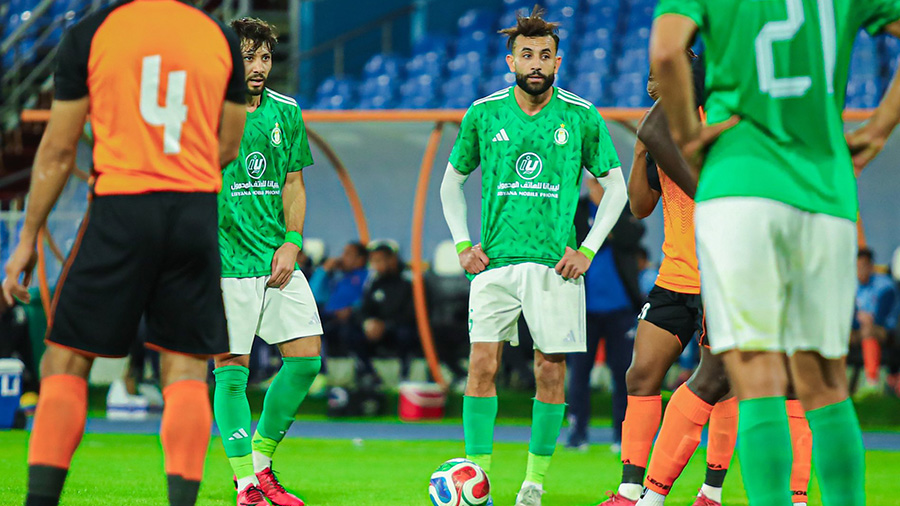
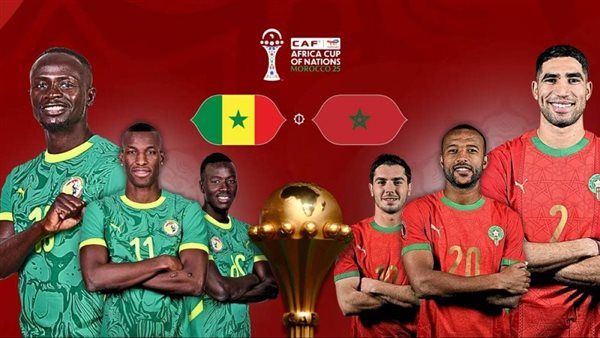
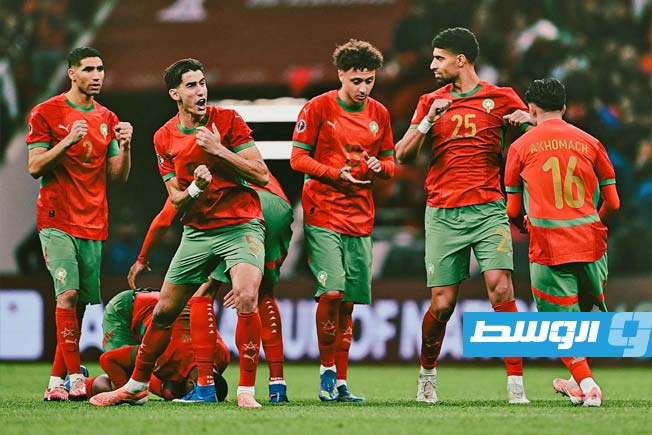
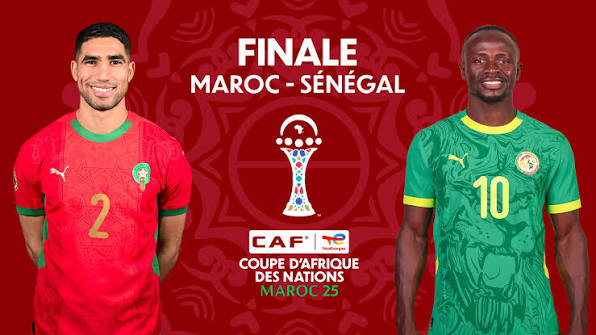
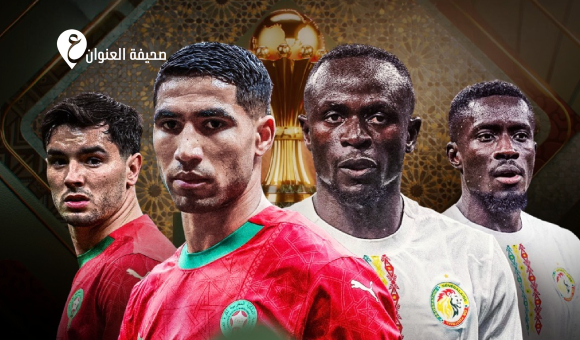
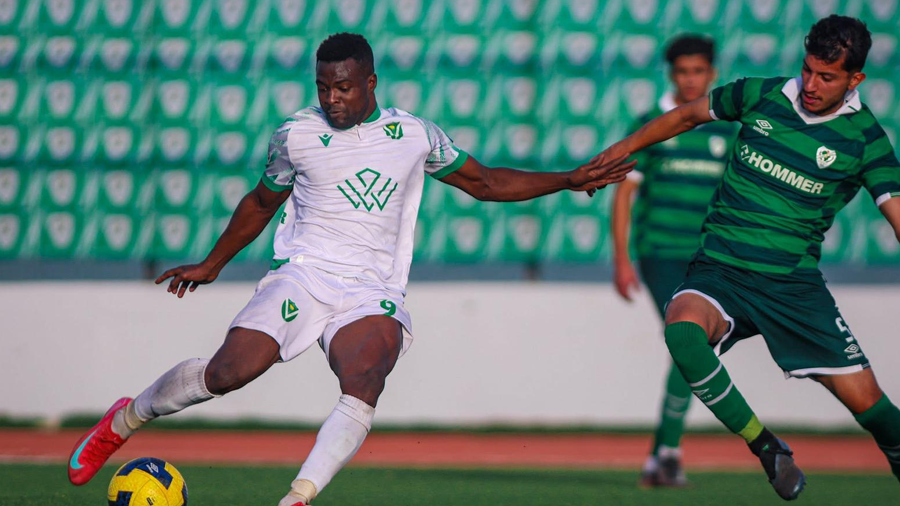
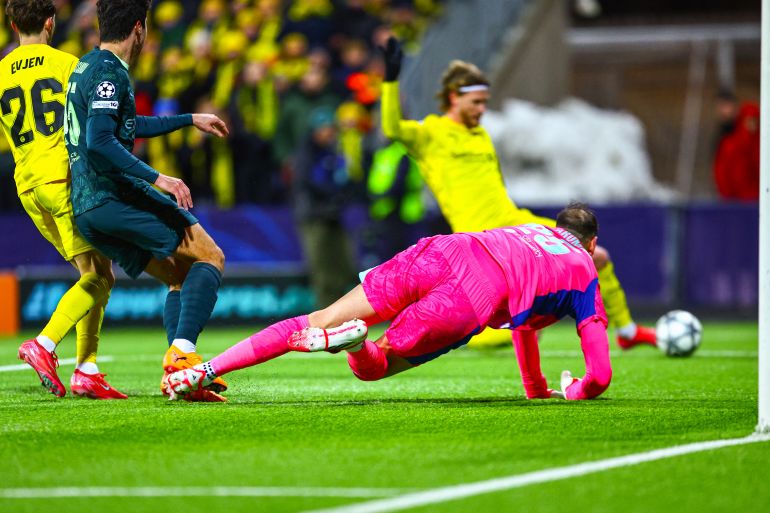
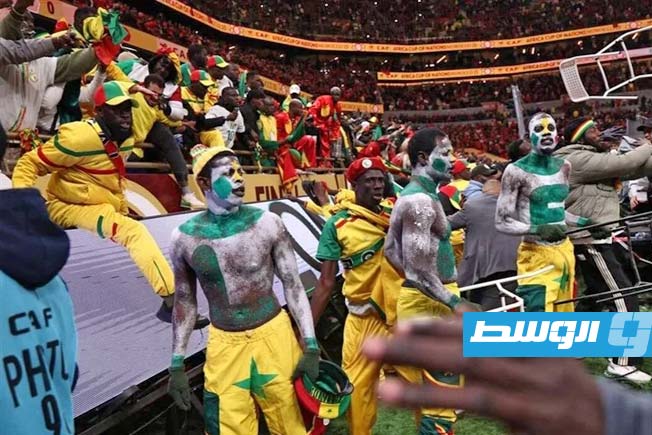
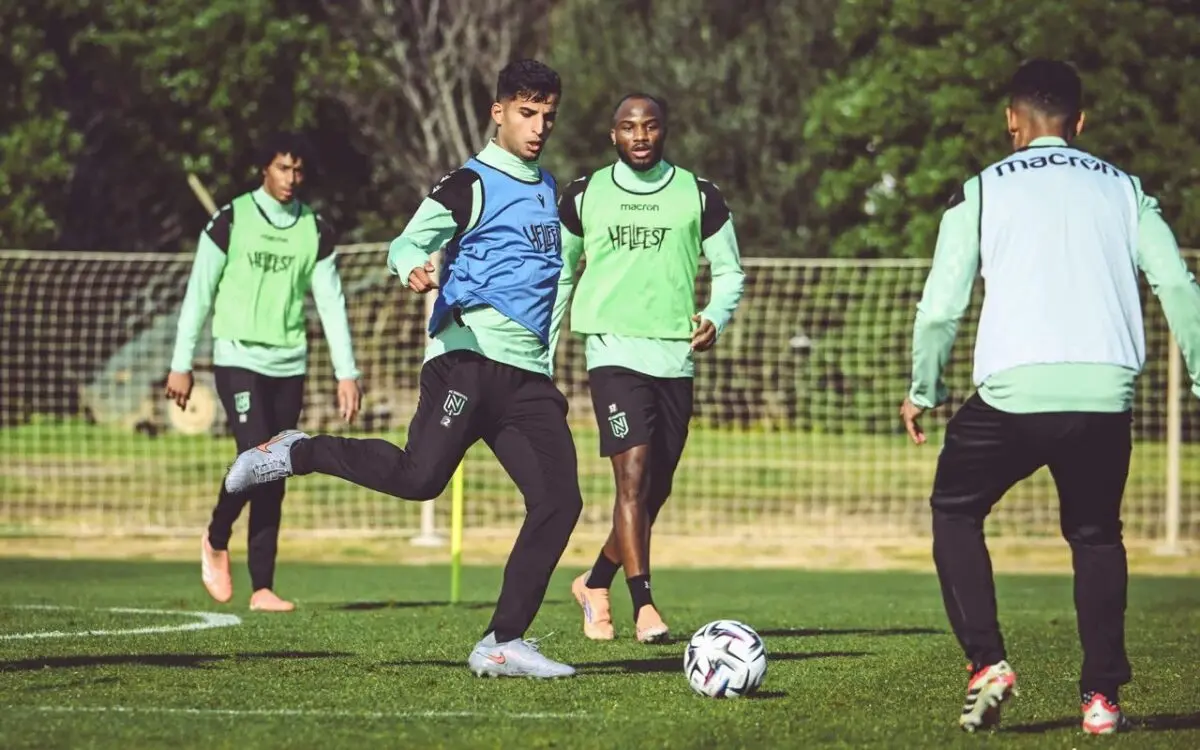
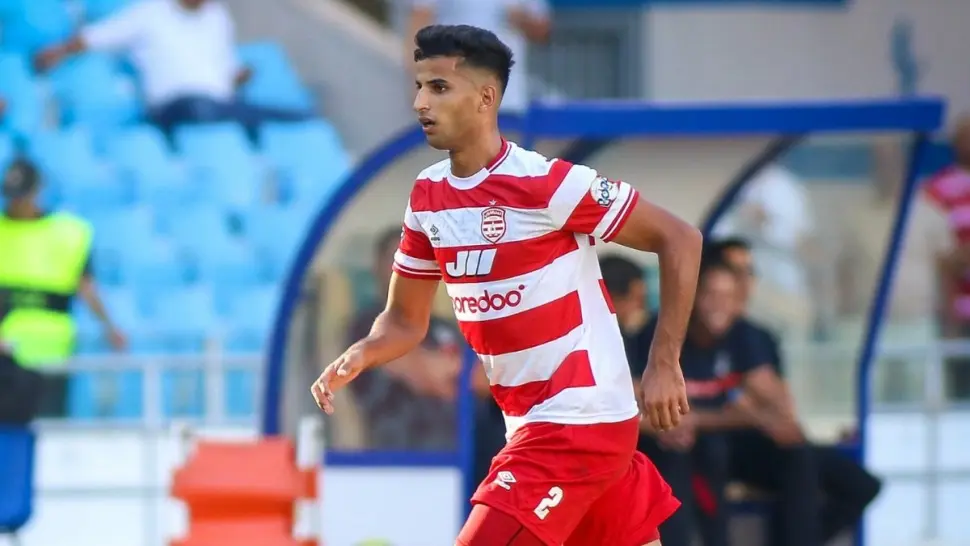
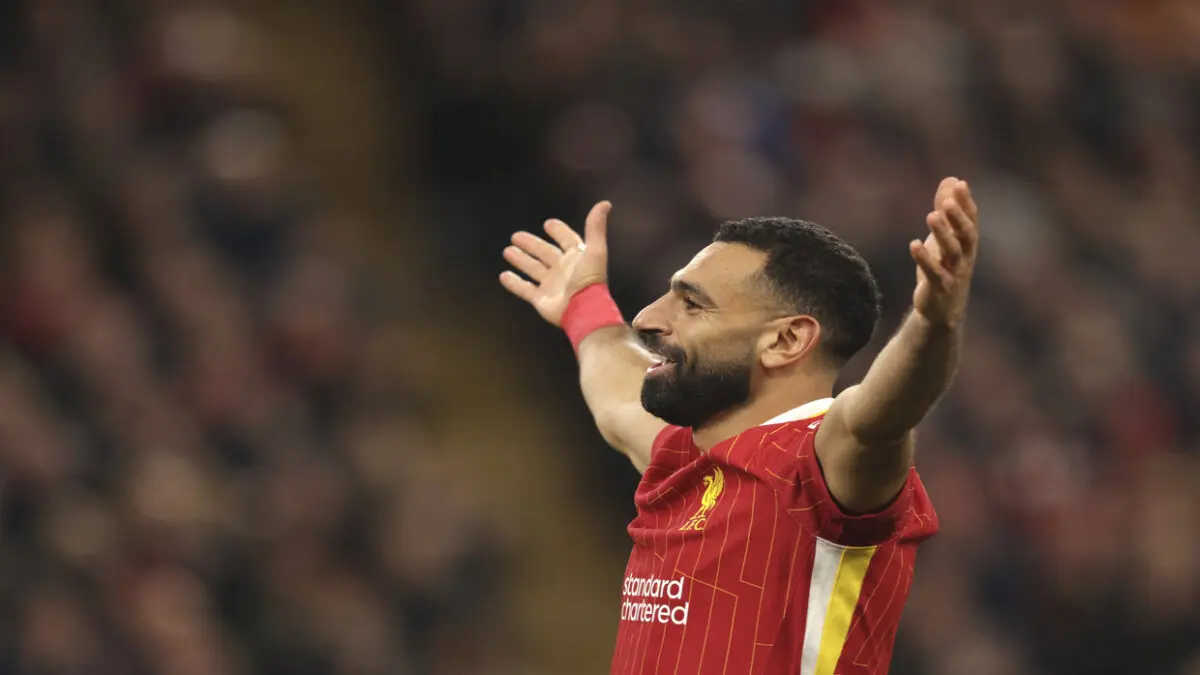
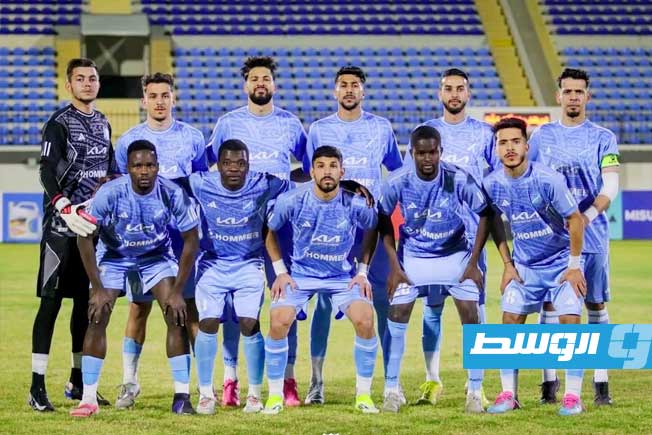
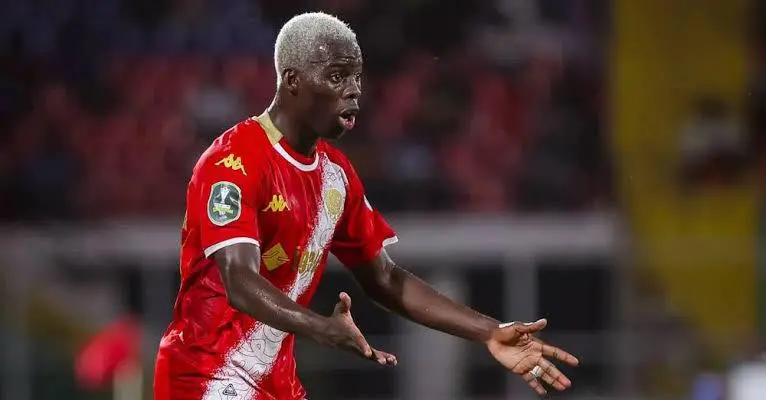
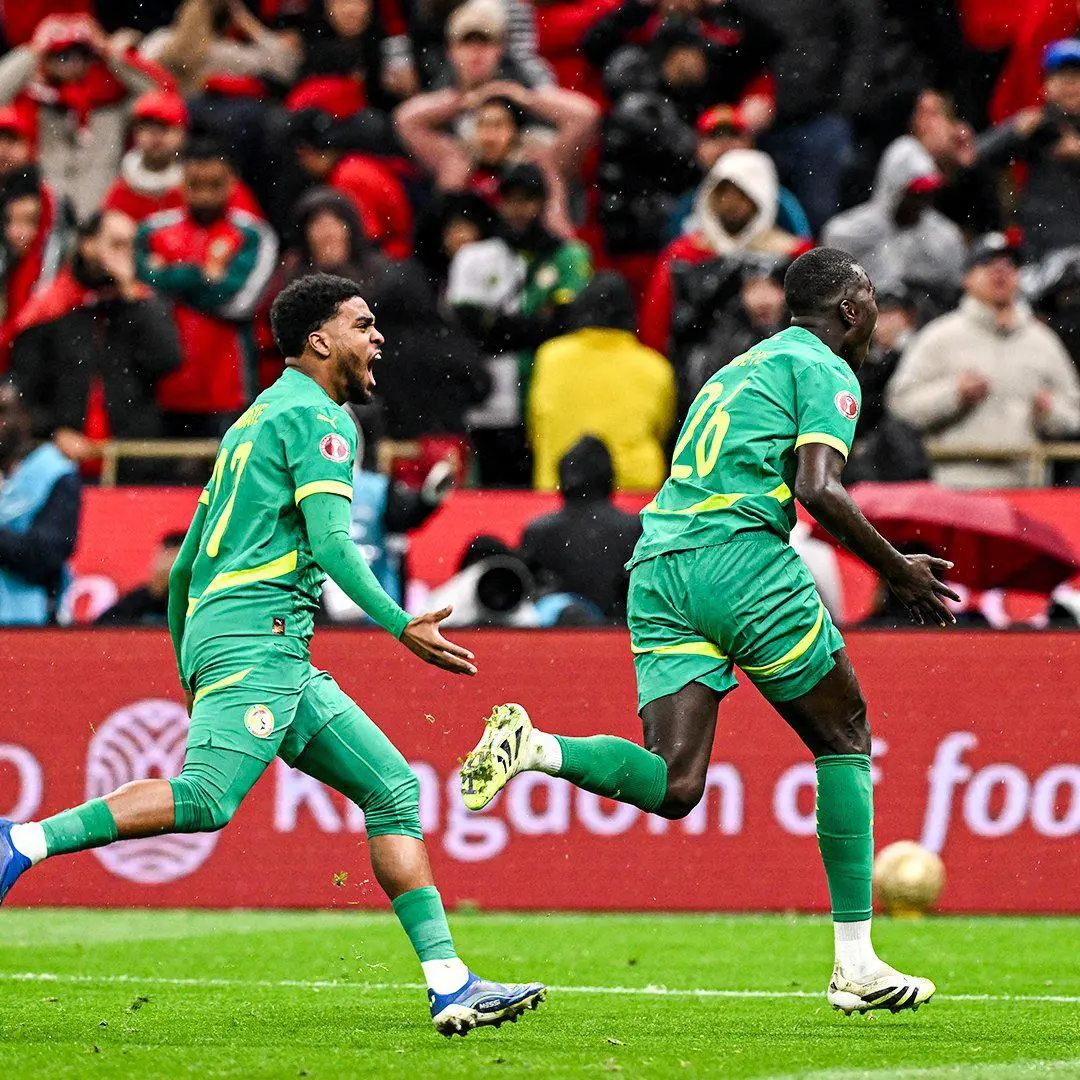
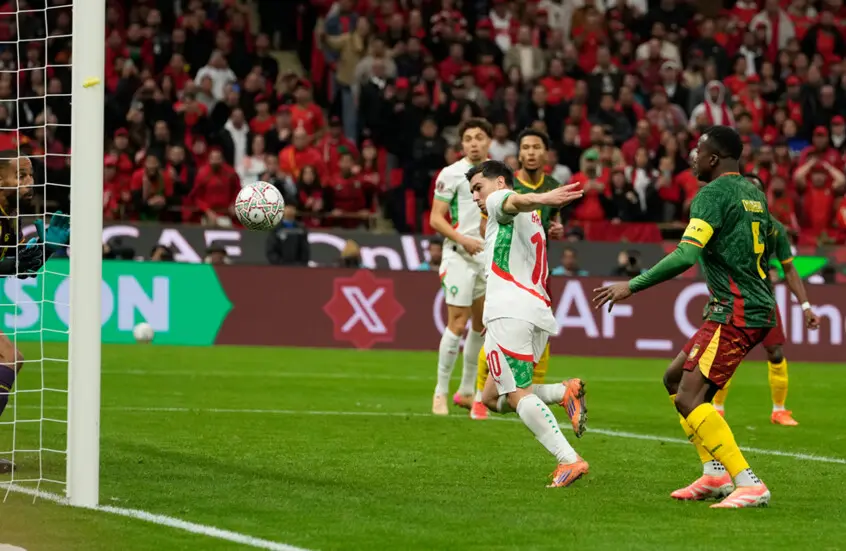
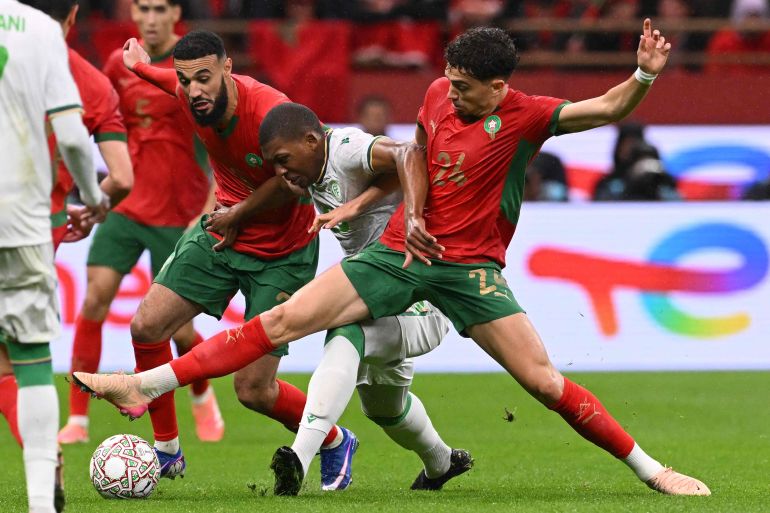
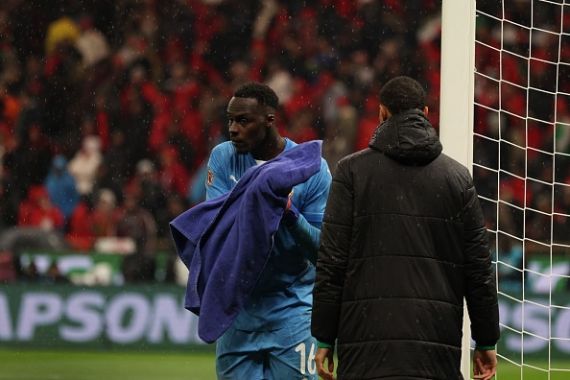
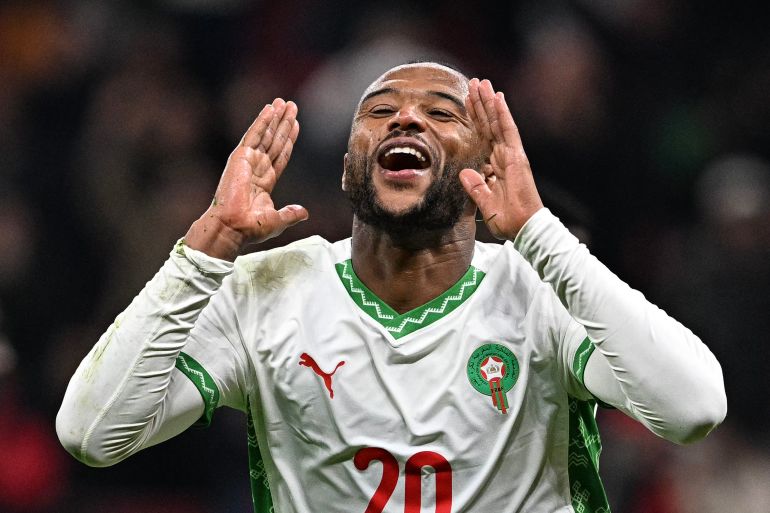
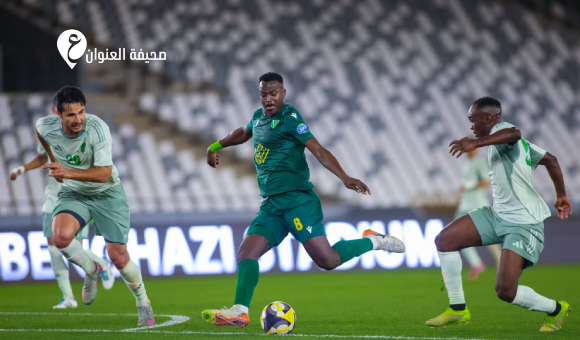
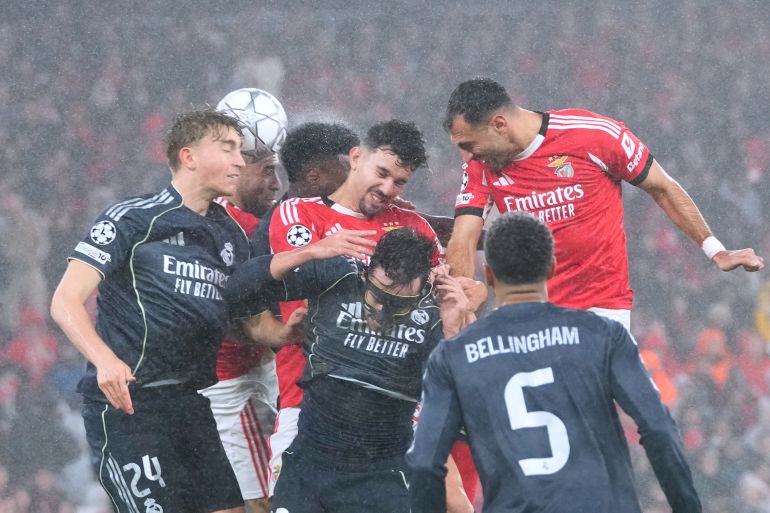
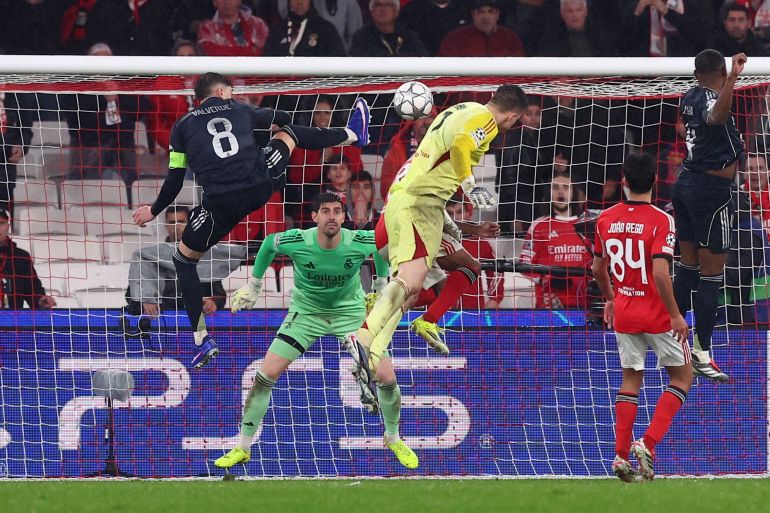
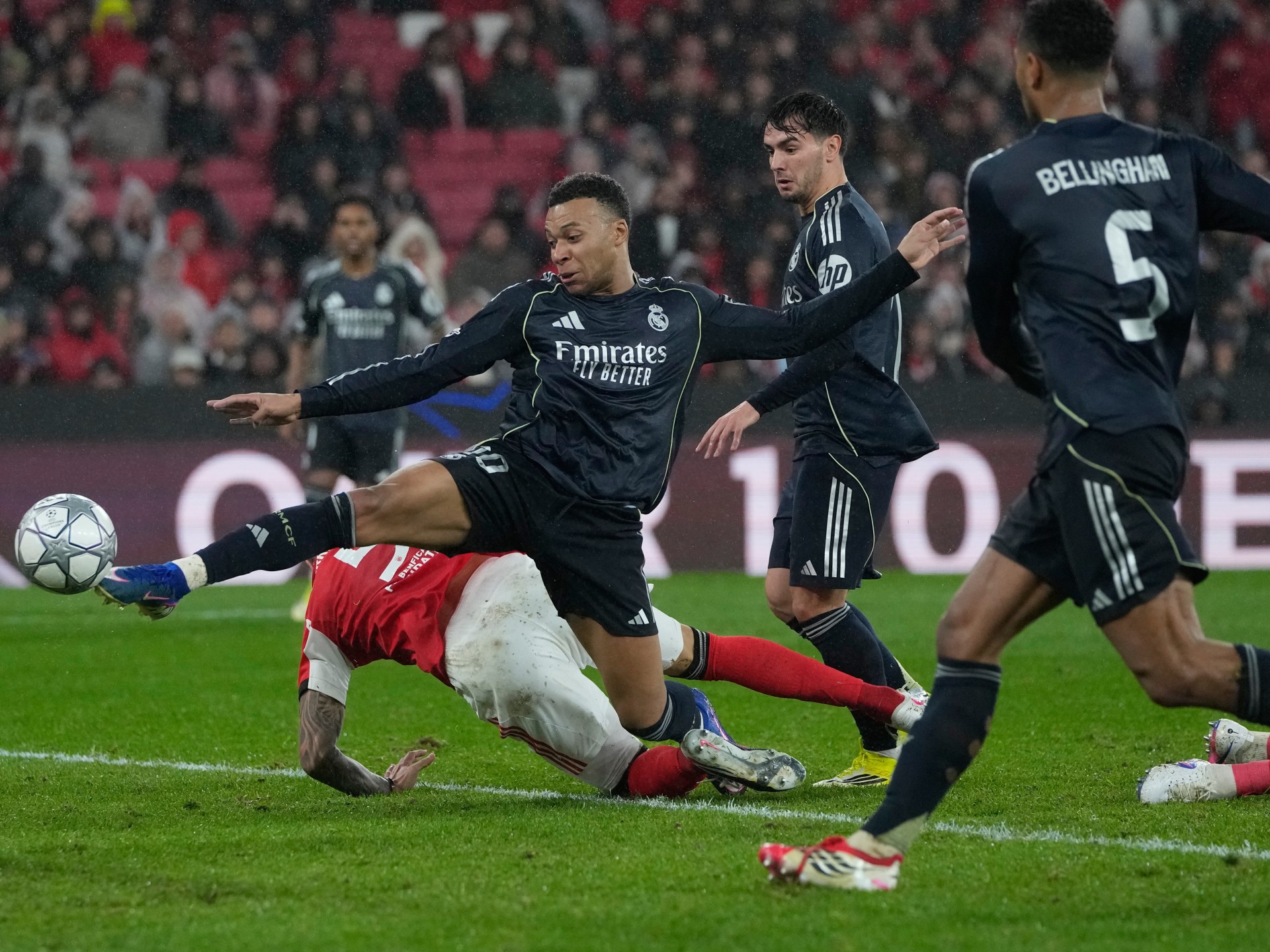
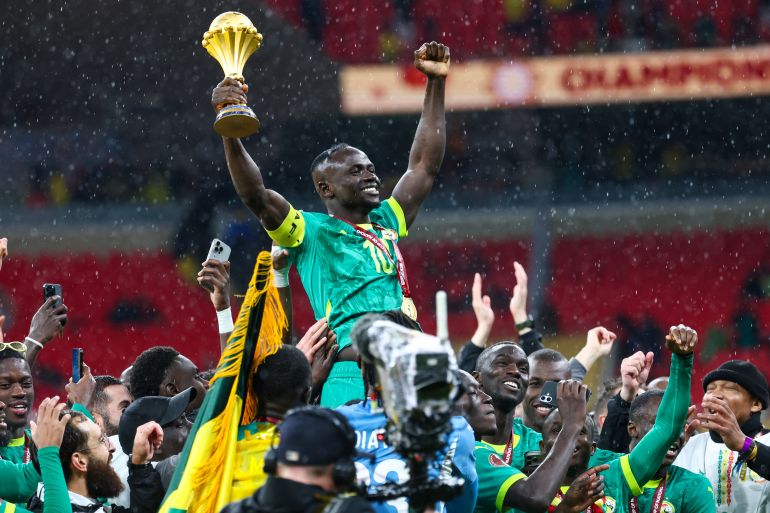
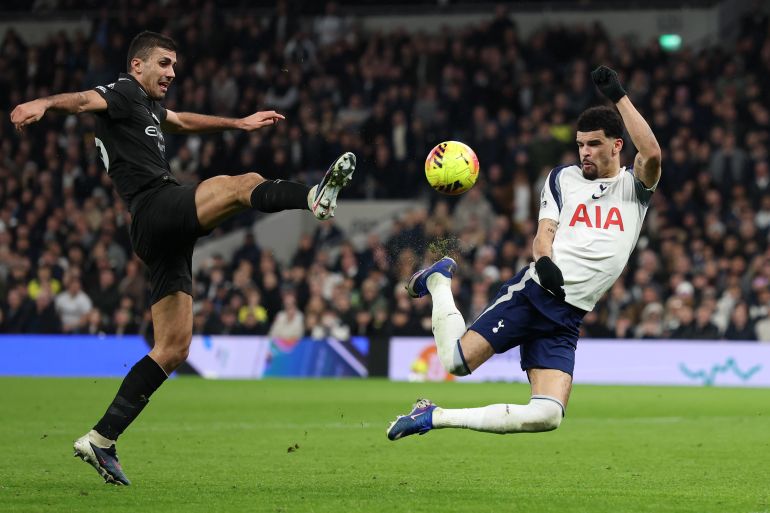
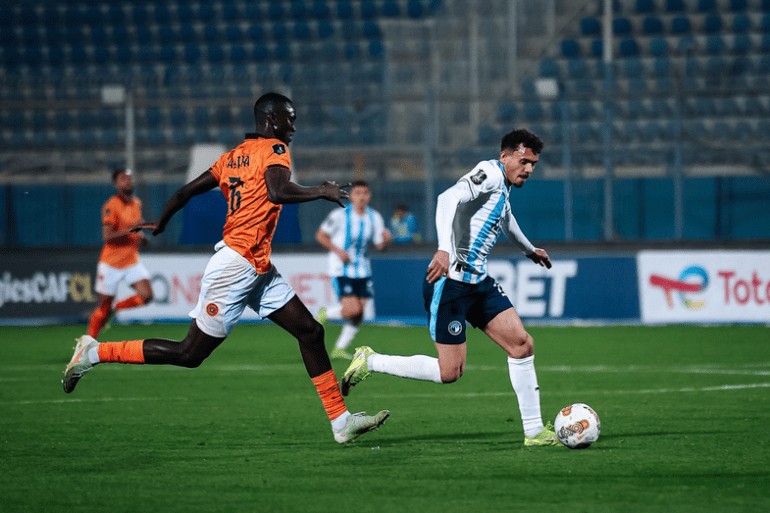
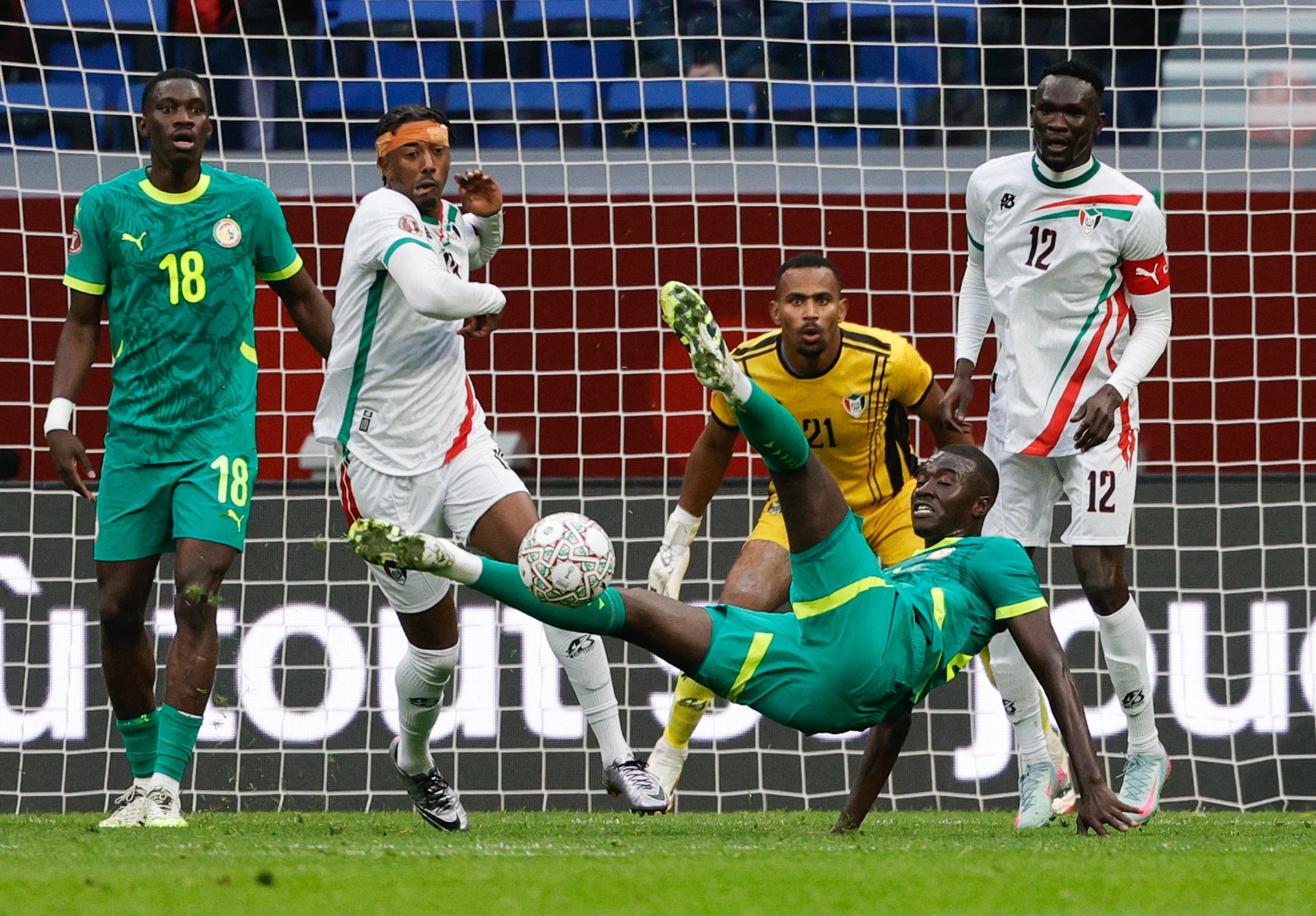
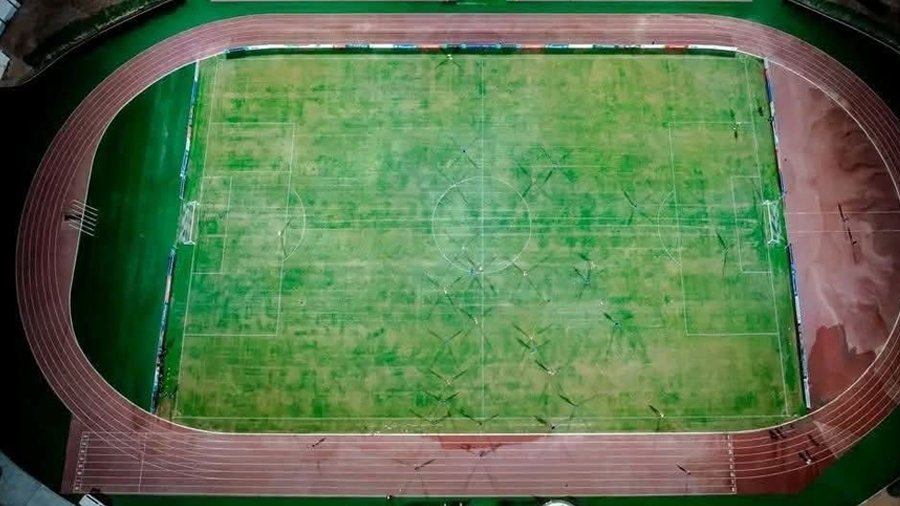
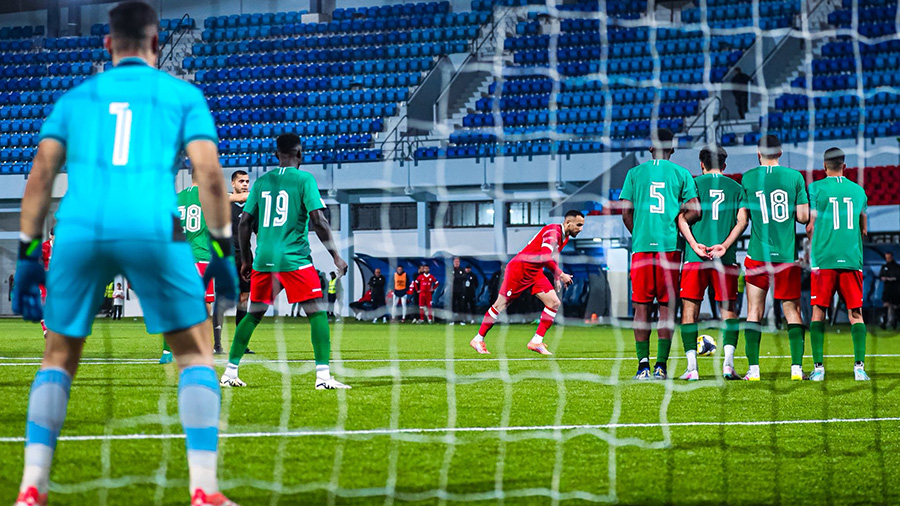
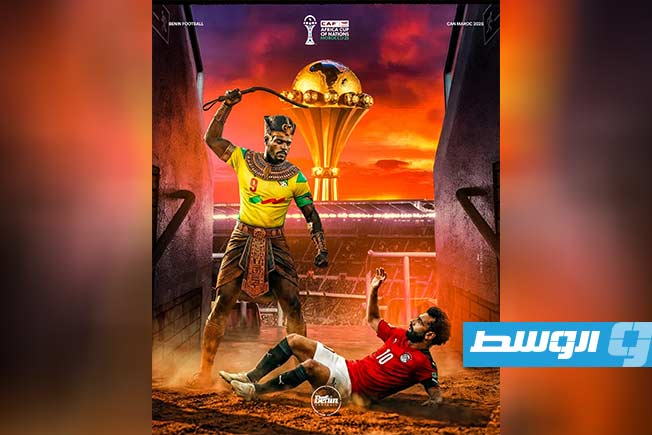
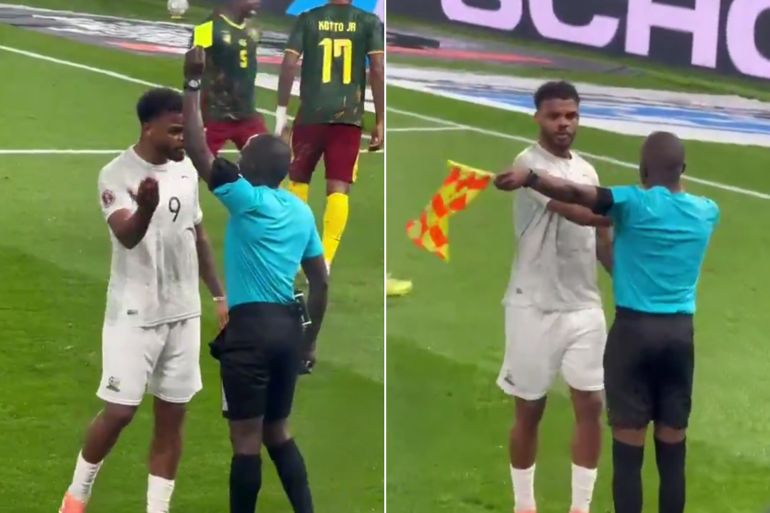
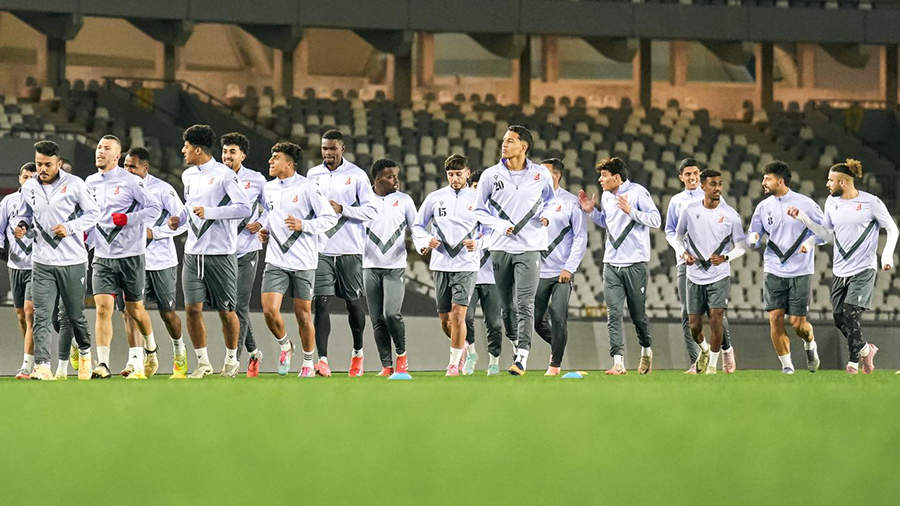
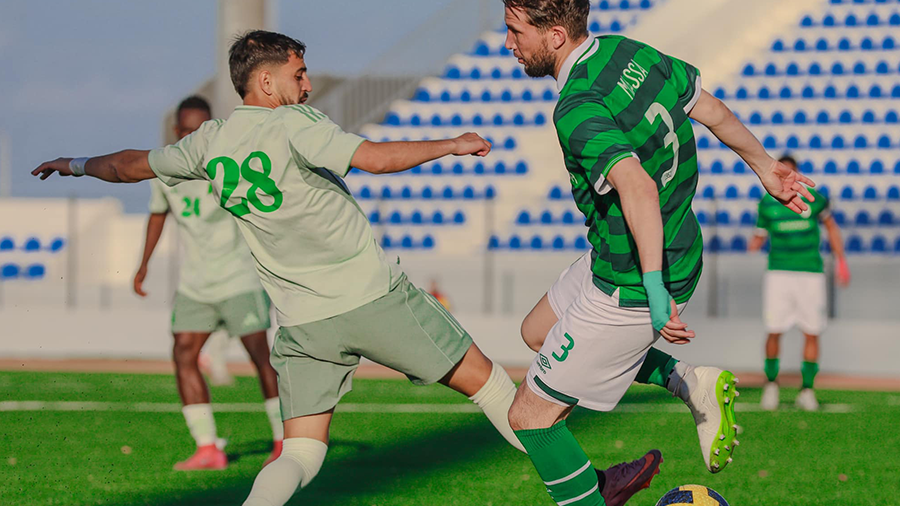
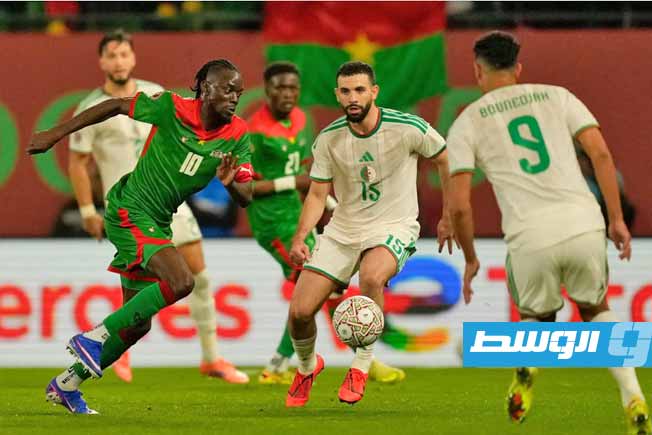
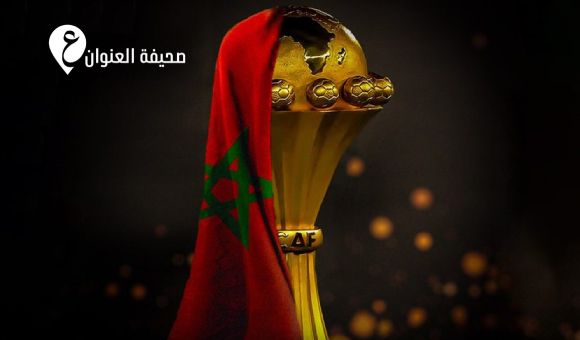
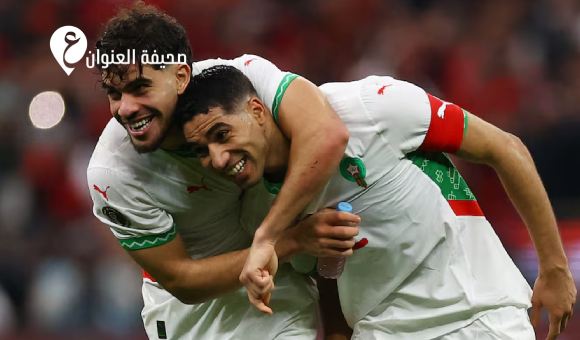
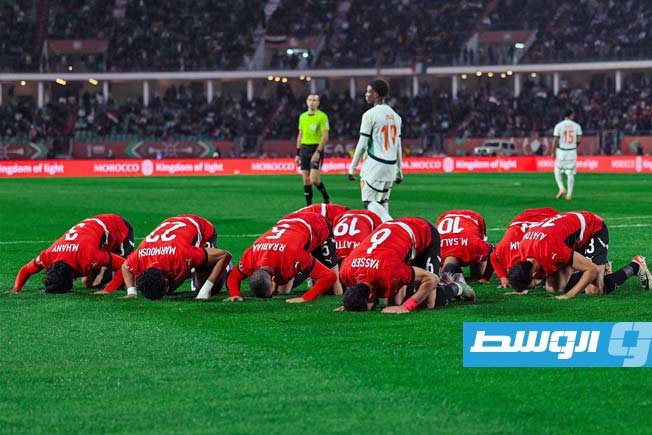
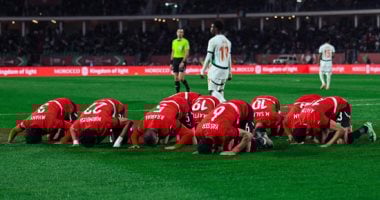
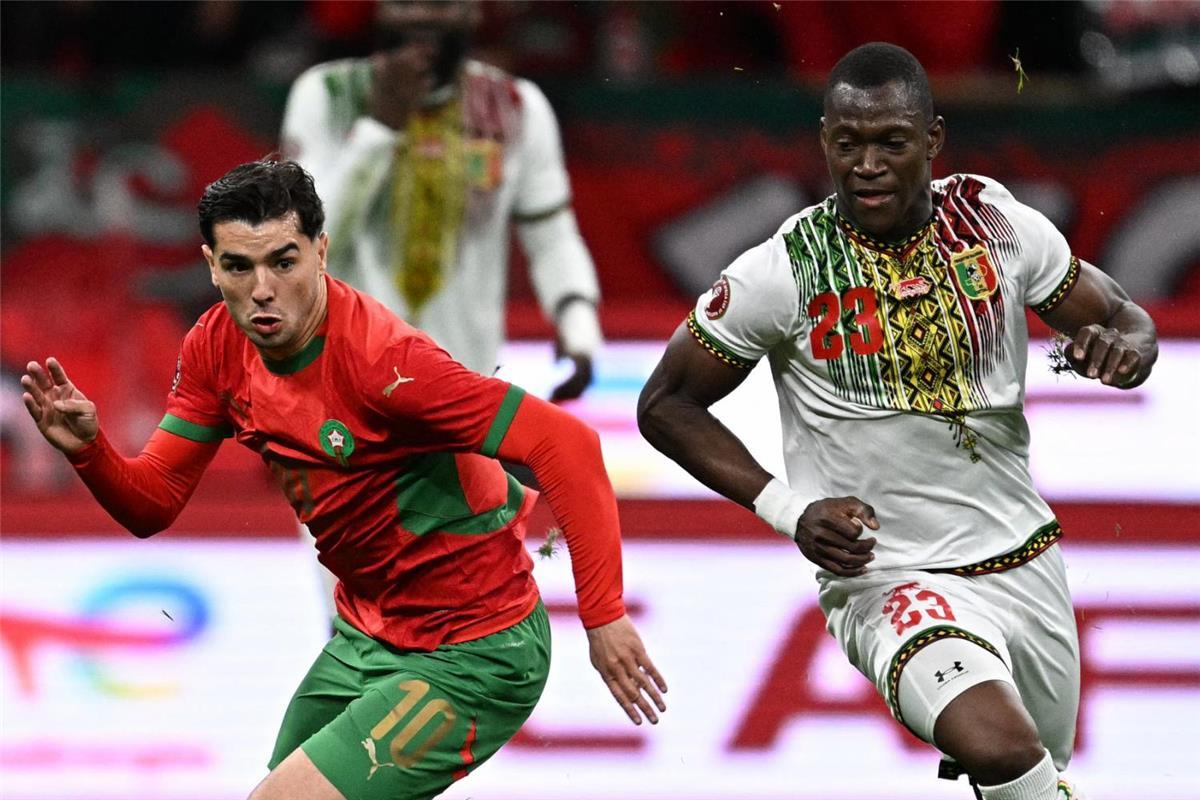
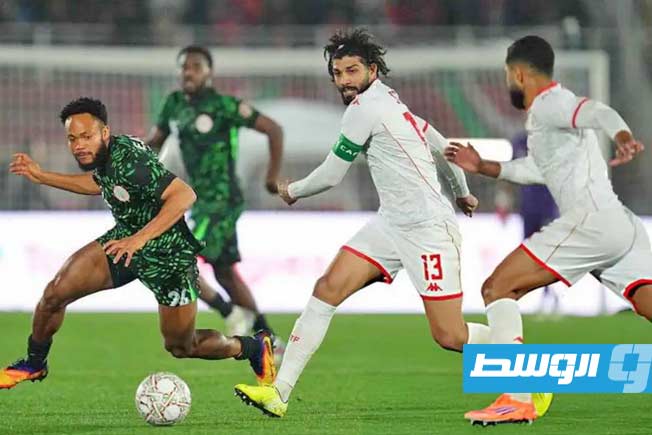
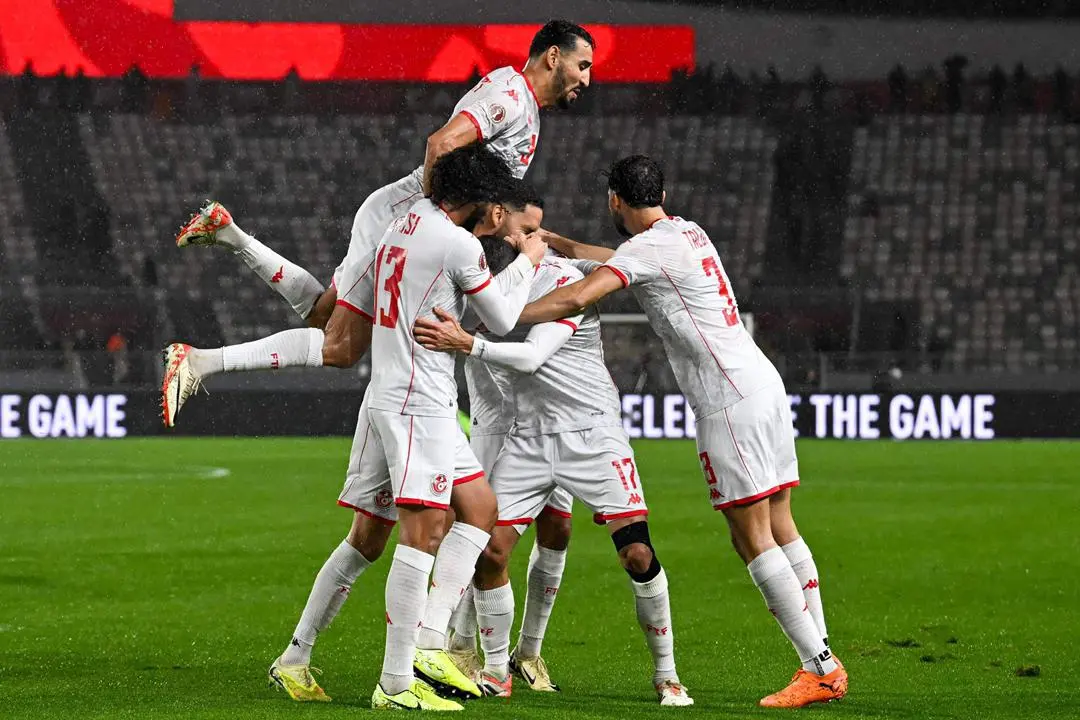
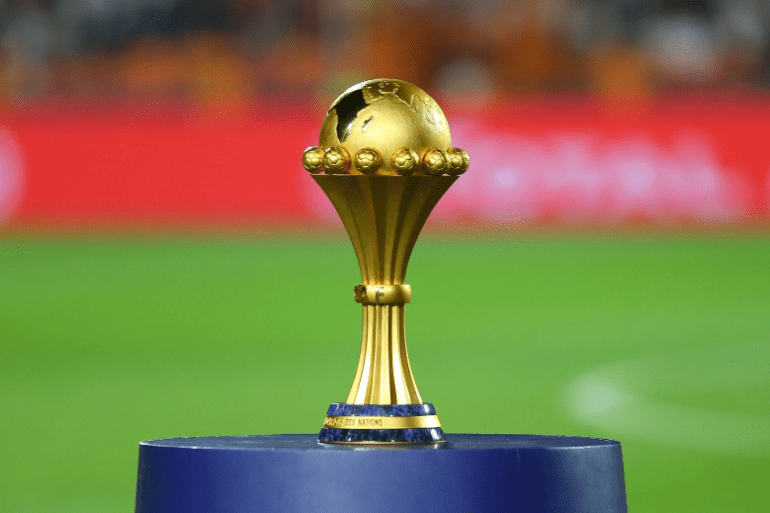
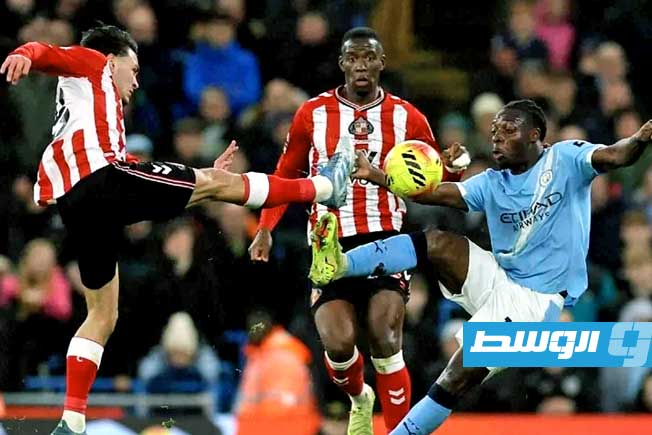
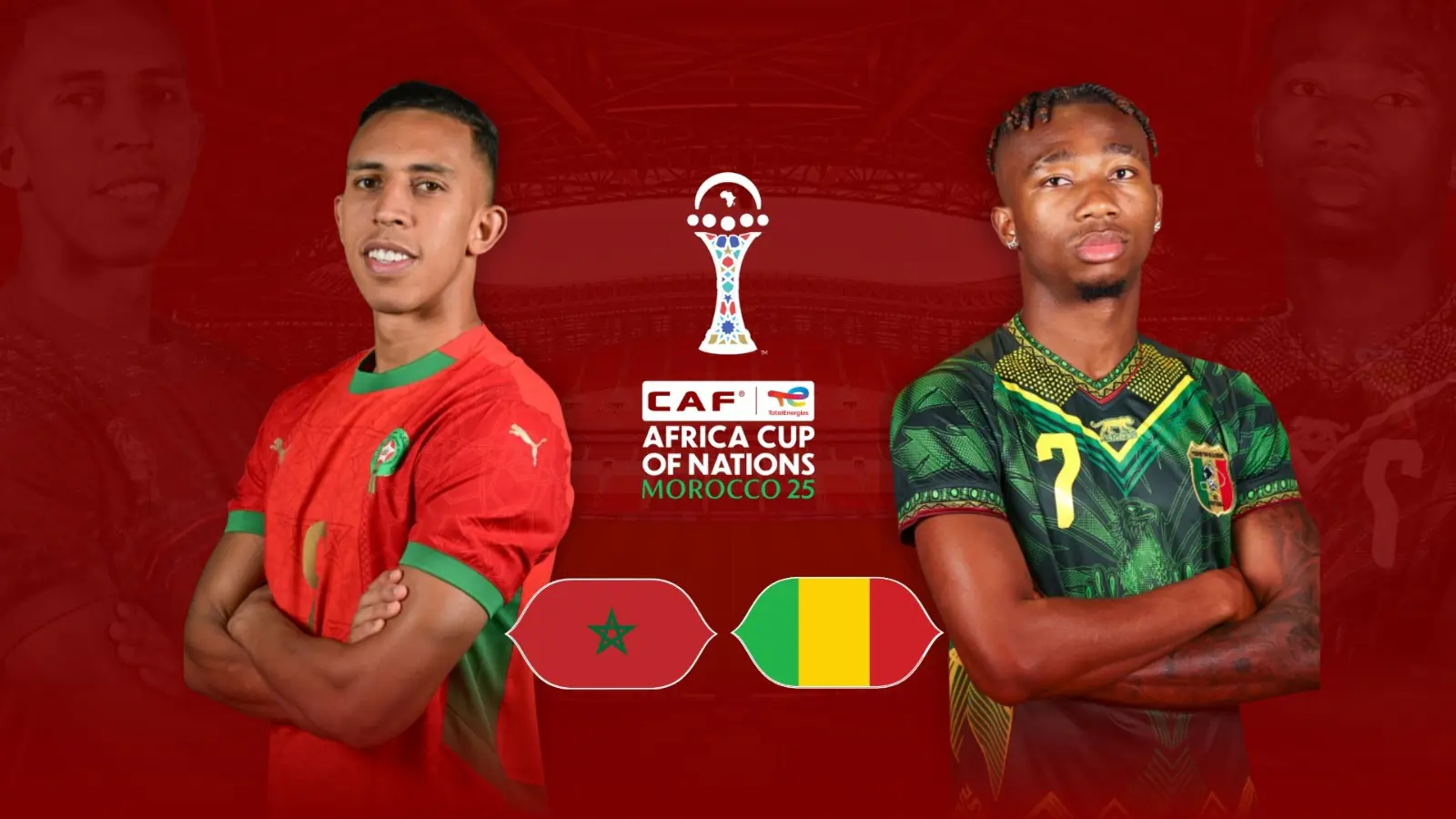
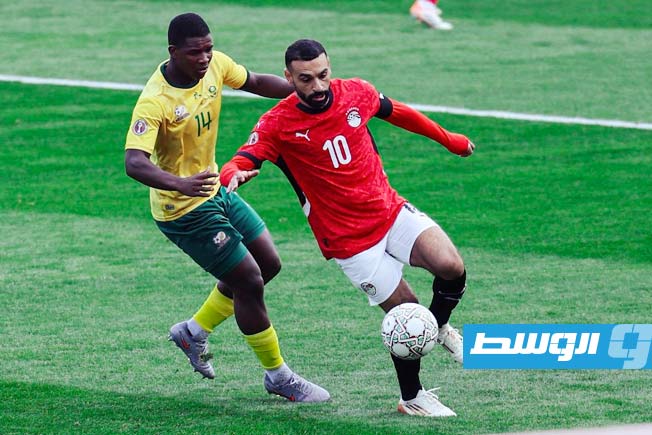
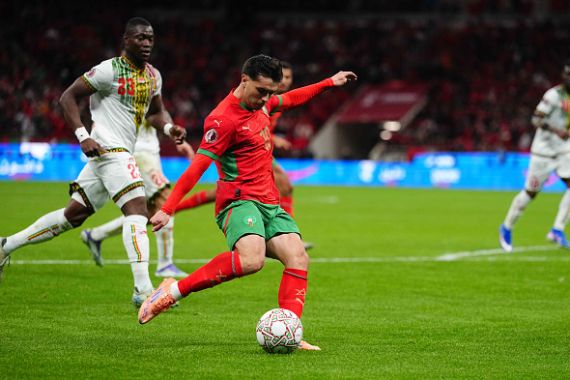
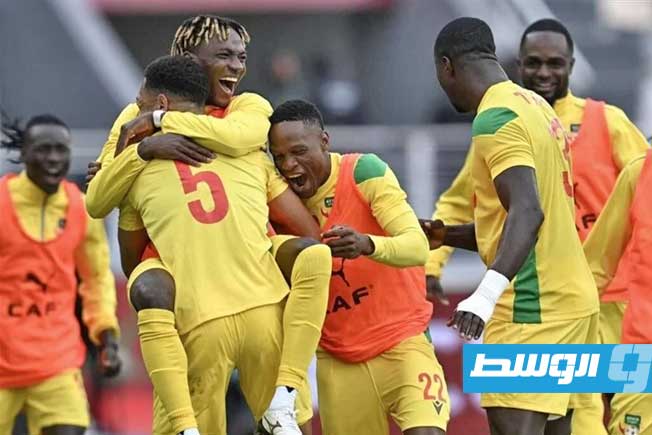
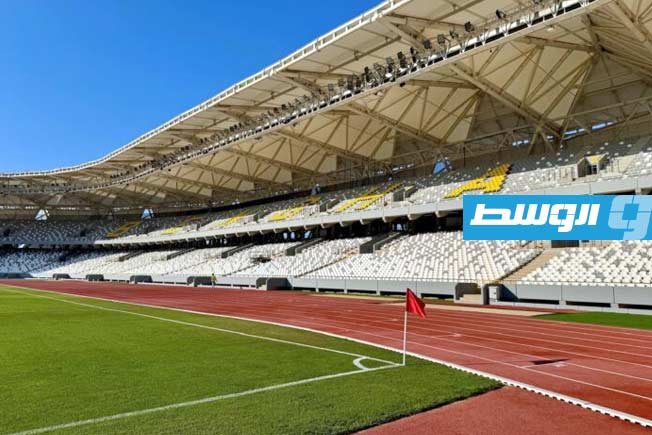
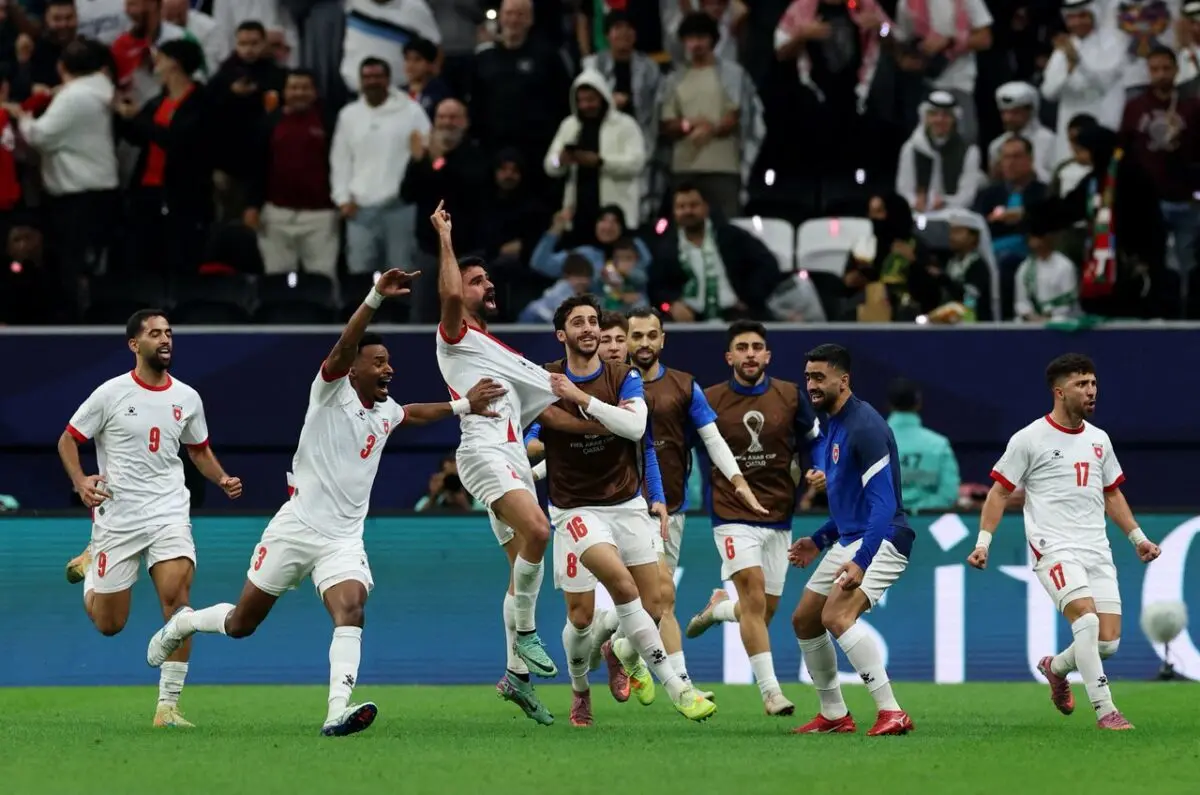
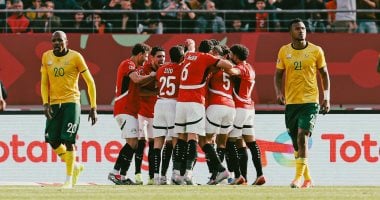
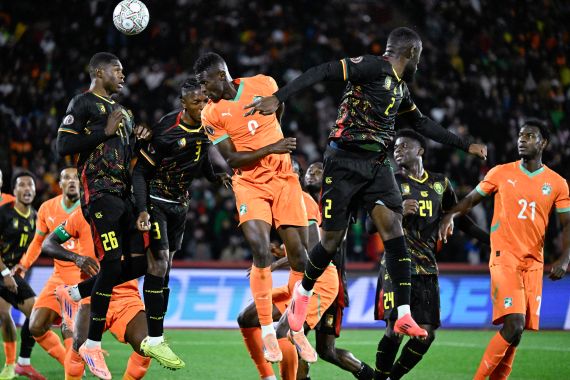
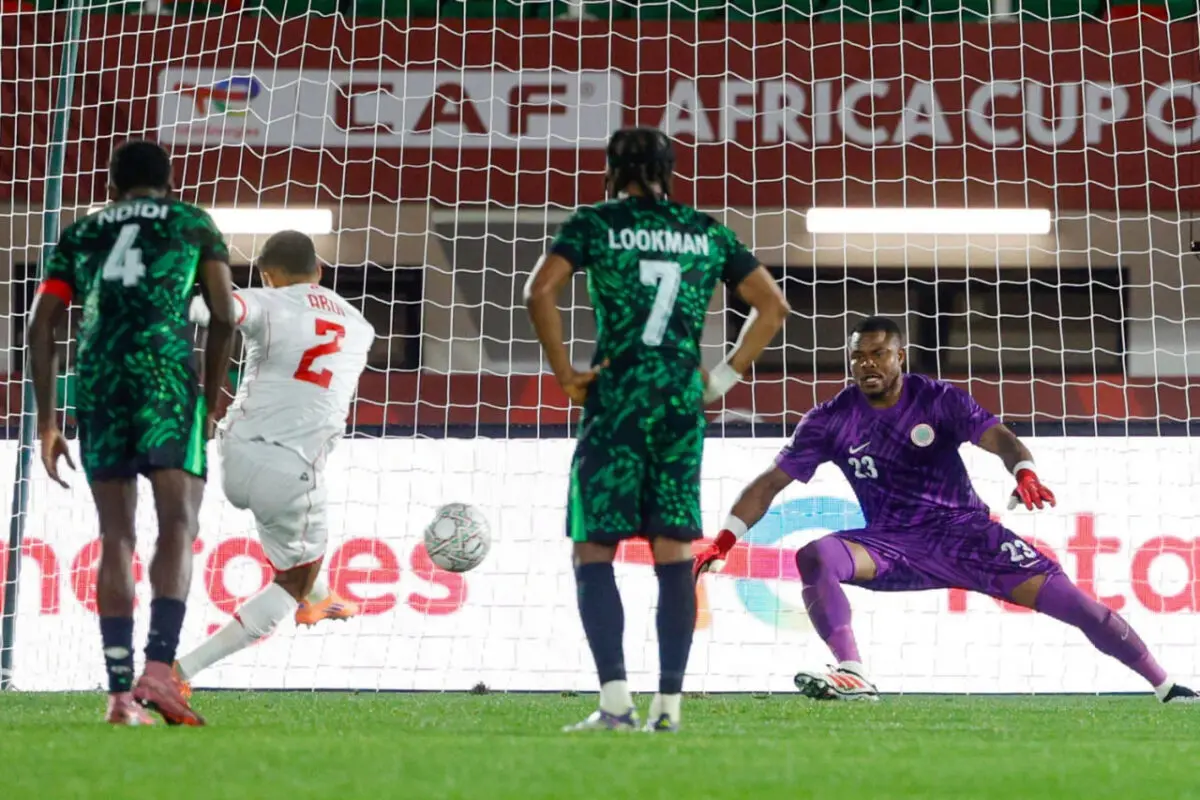
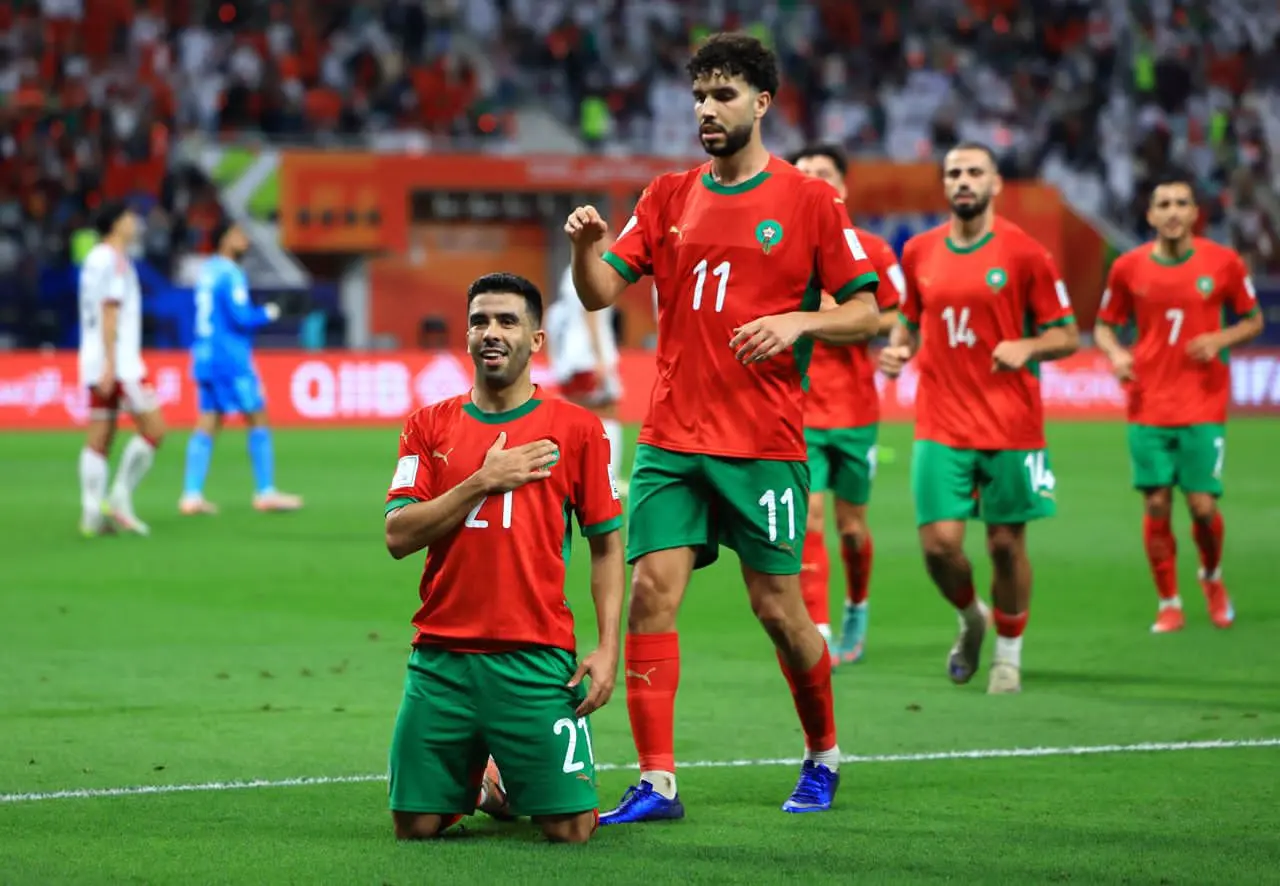
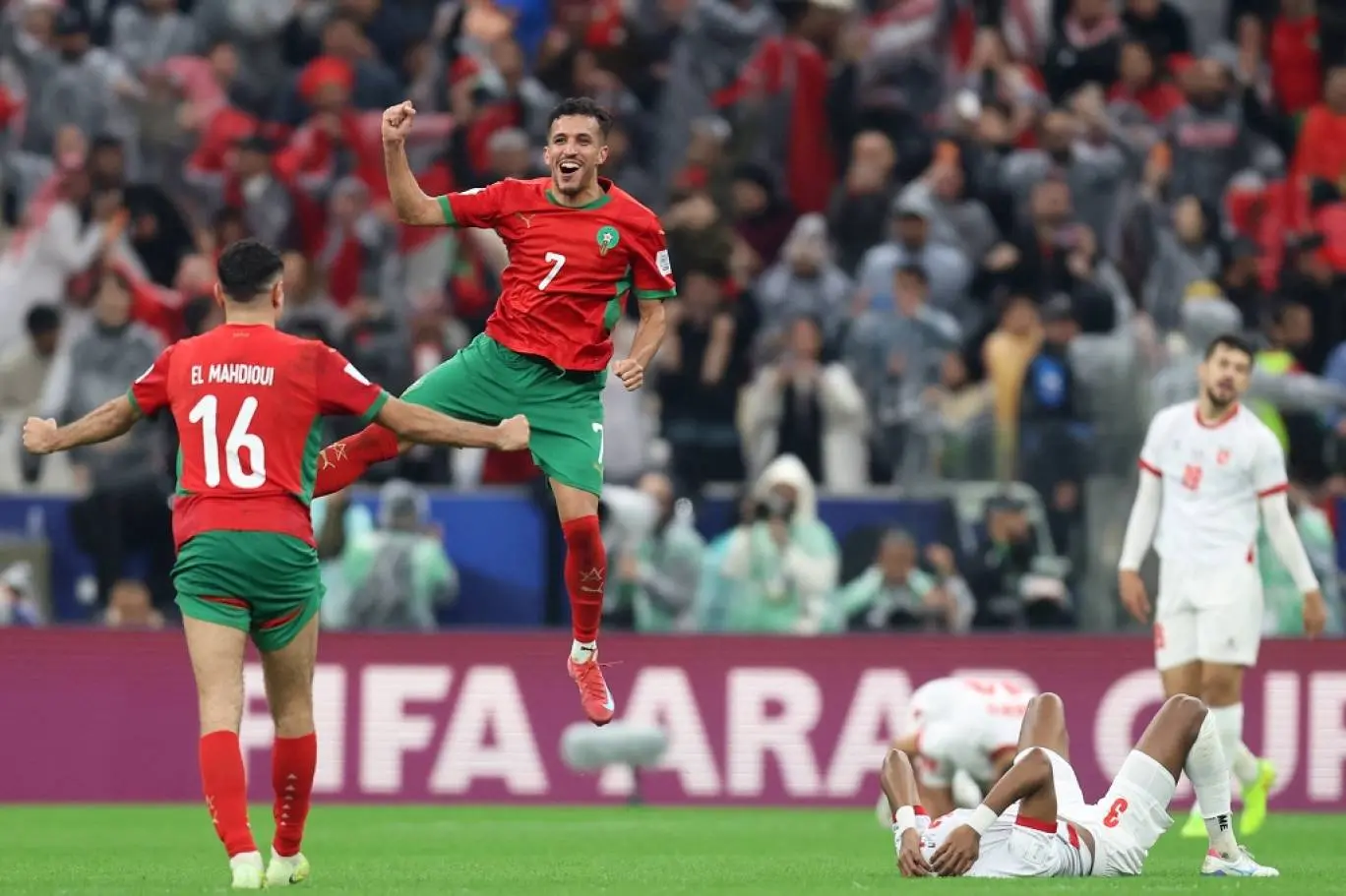
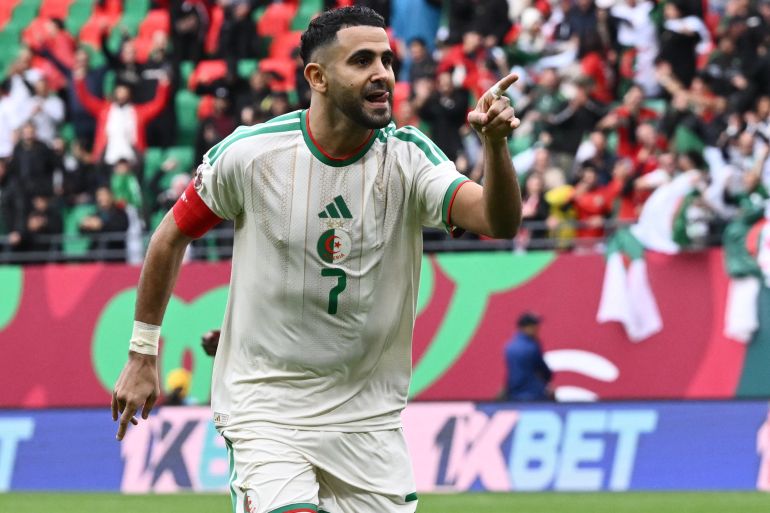
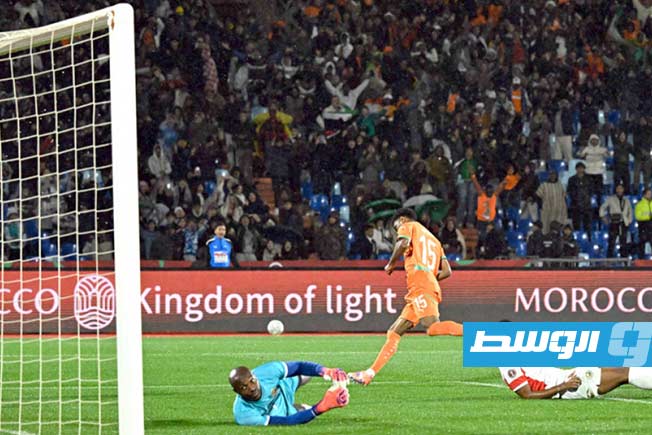
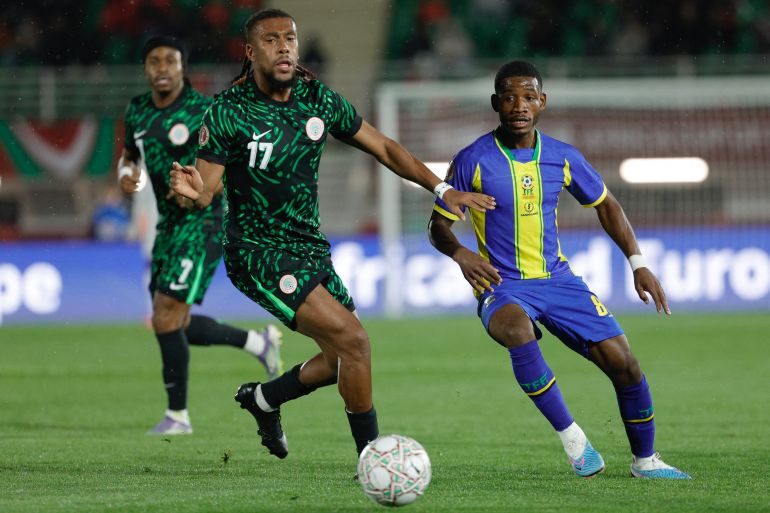
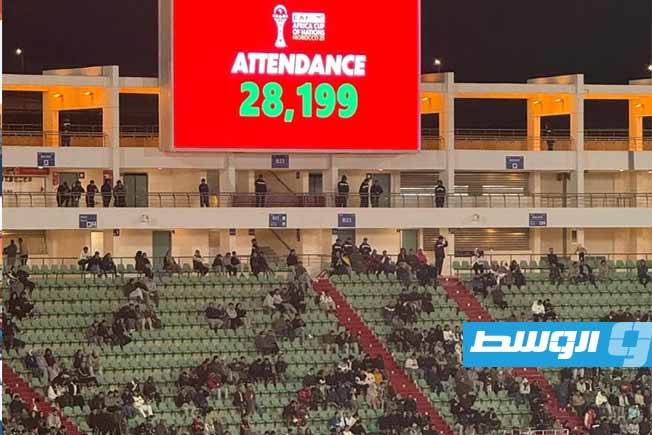
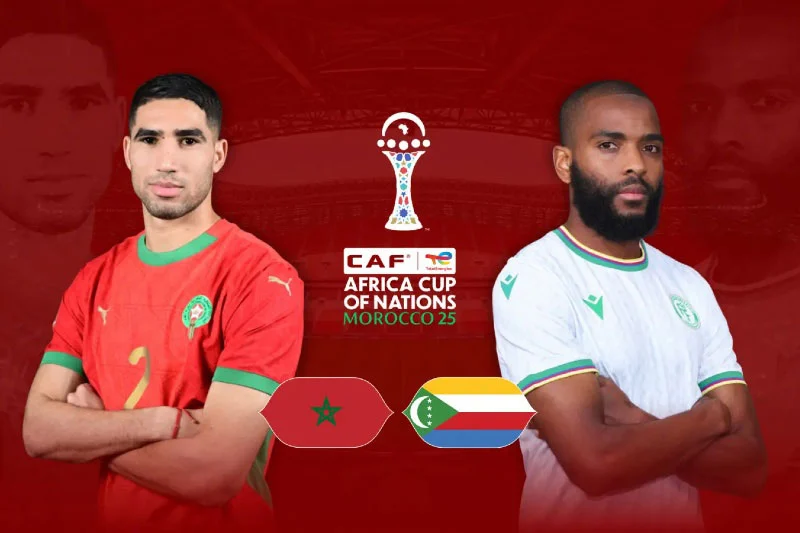
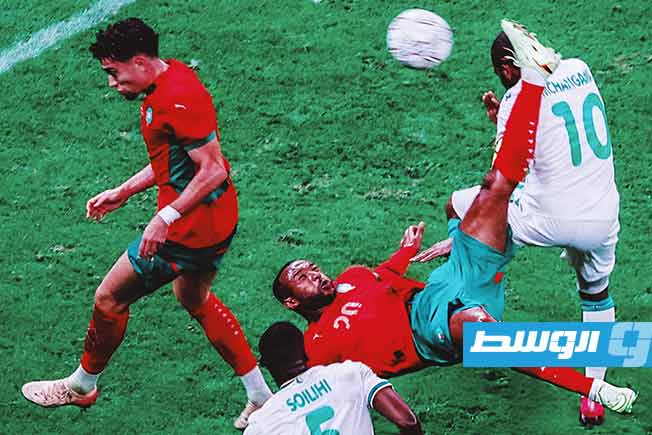
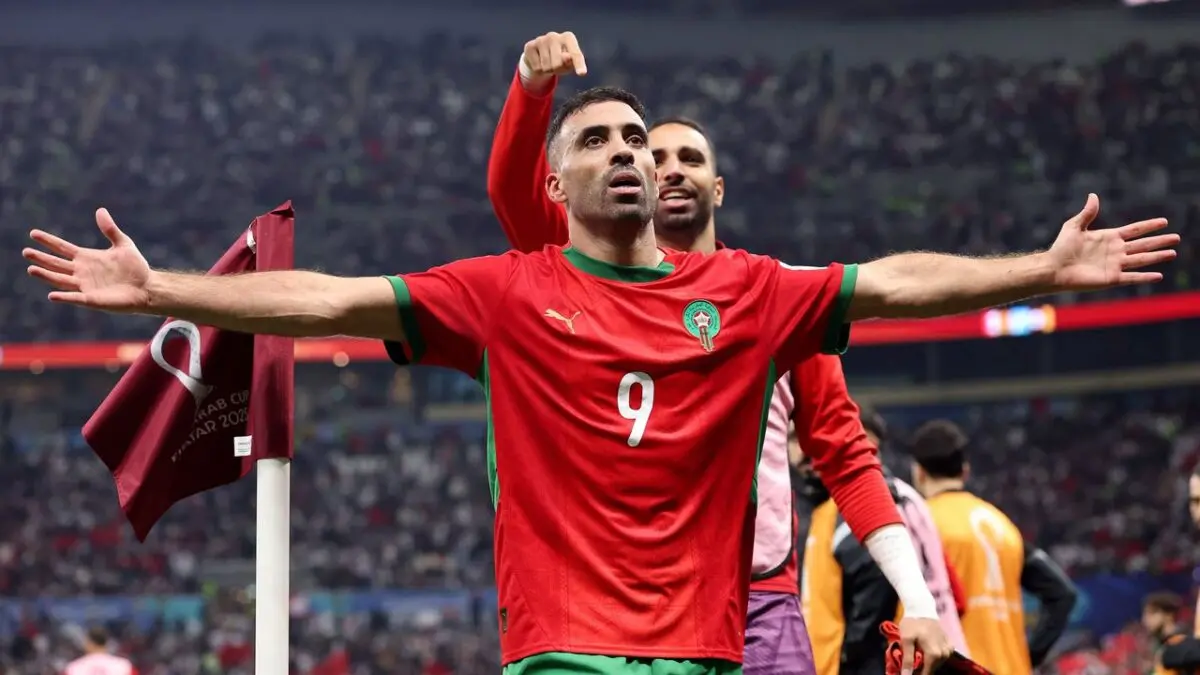
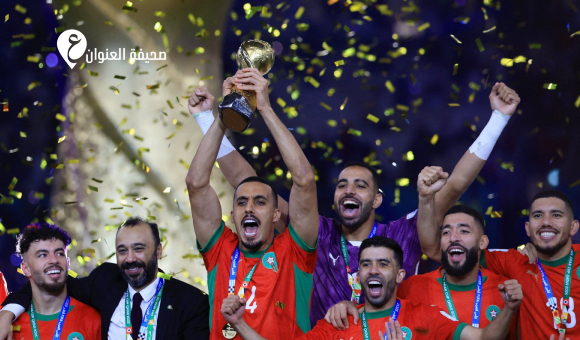
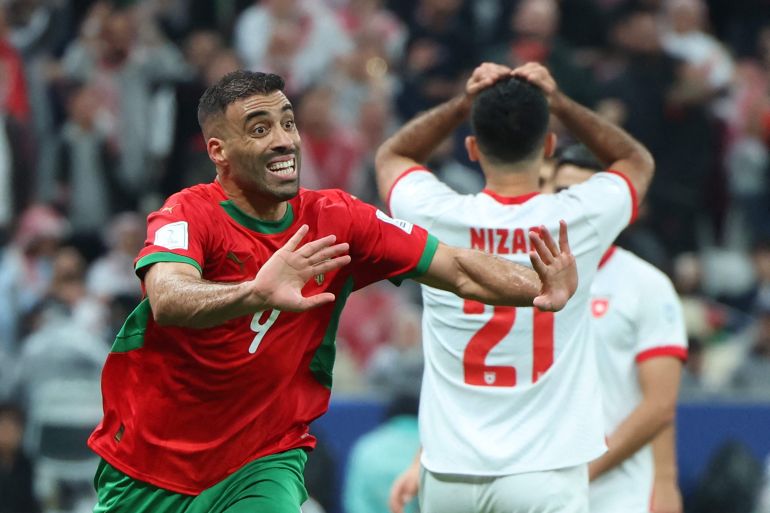
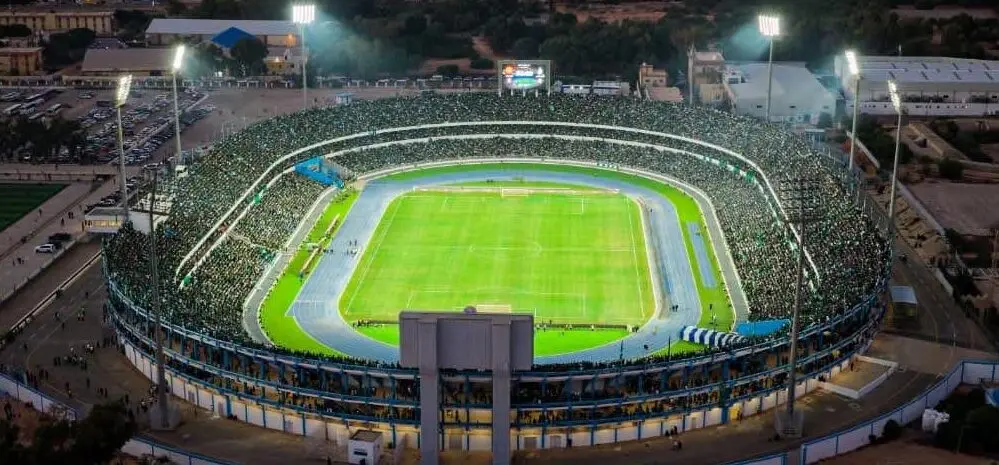
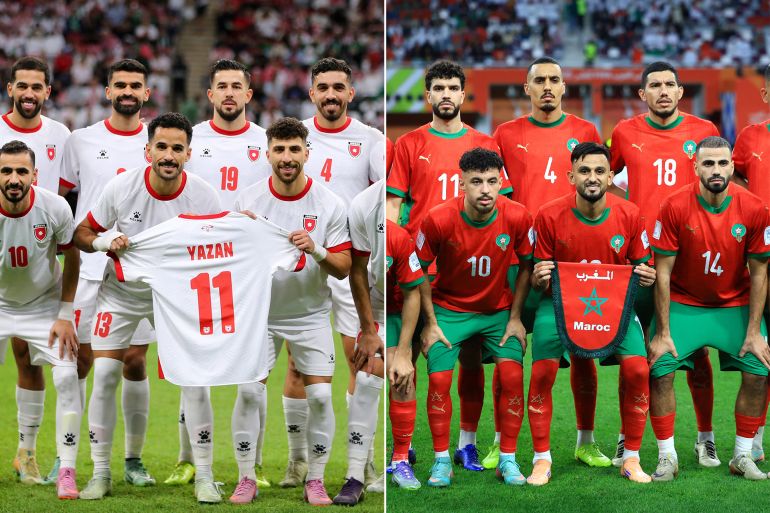
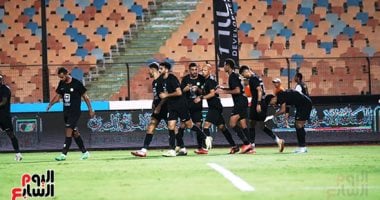
The Moroccan national team has qualified for the semifinals of the Africa Cup of Nations tournament, after defeating the Cameroonian team two-nil on Friday. Their match was held at the Prince Moulay Abdellah Stadium in Rabat during the quarterfinals. This victory marks the first time Morocco has beaten Cameroon in the Africa Cup of Nations tournaments, as their previous encounters in the championship resulted in two wins for Cameroon and one draw.
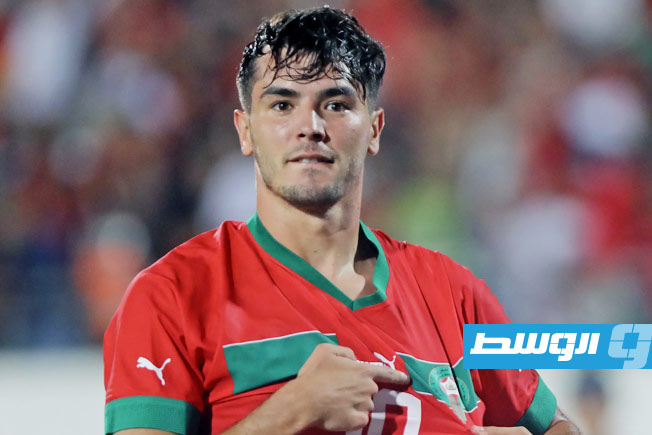
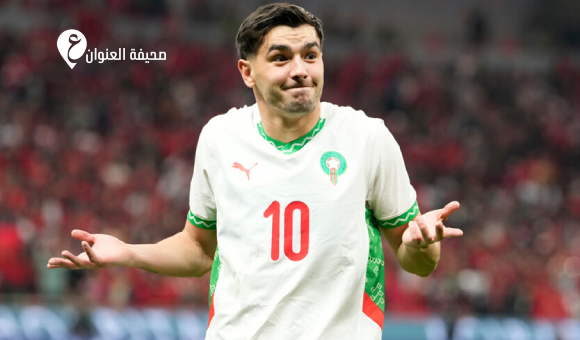
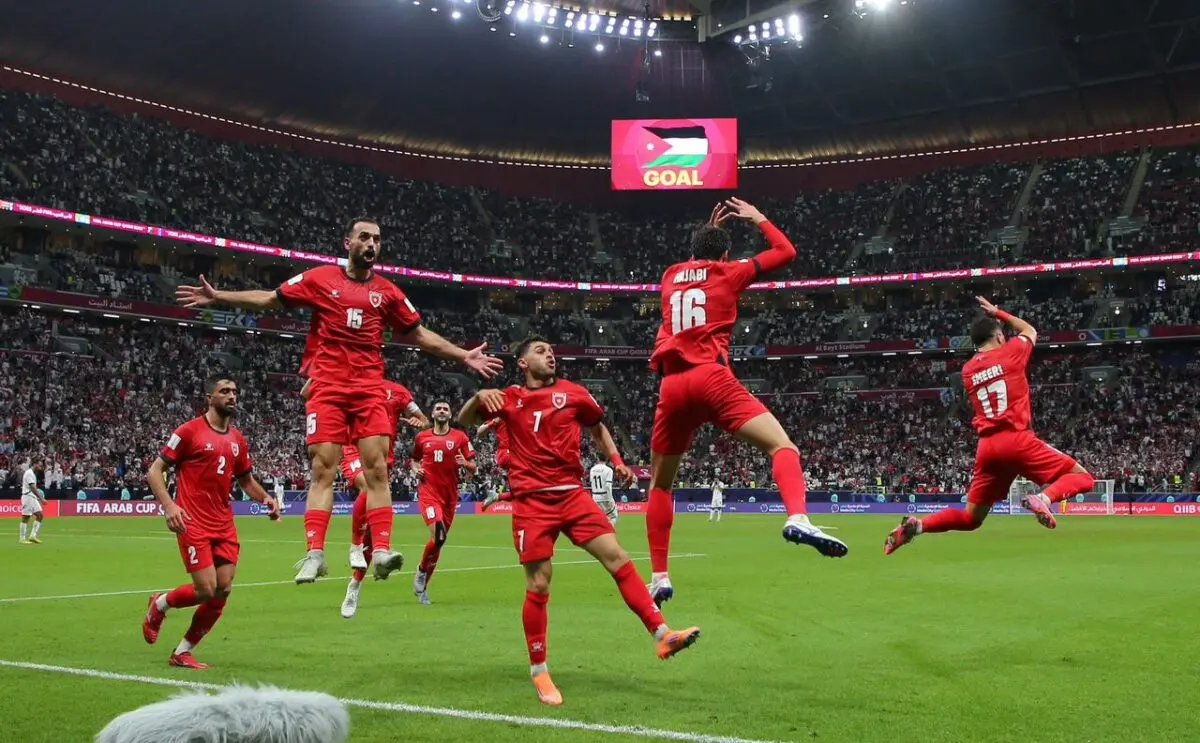
The Moroccan team opened the scoring in the 26th minute through its player Brahim Diaz, and in the 74th minute, Ismaili Saibari added the second goal.
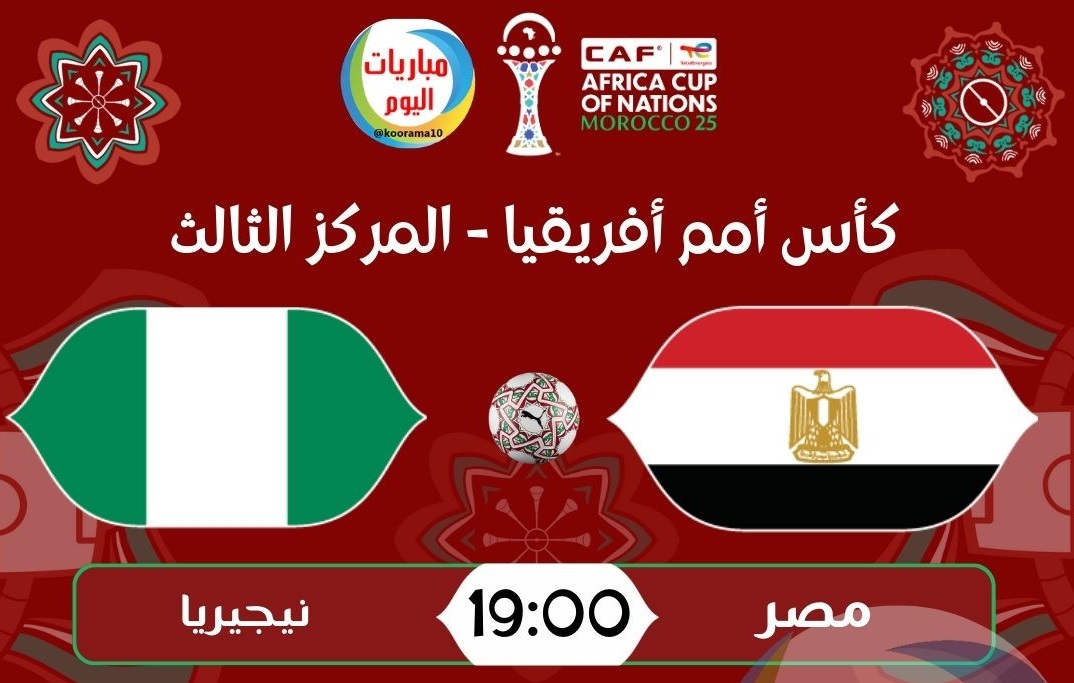
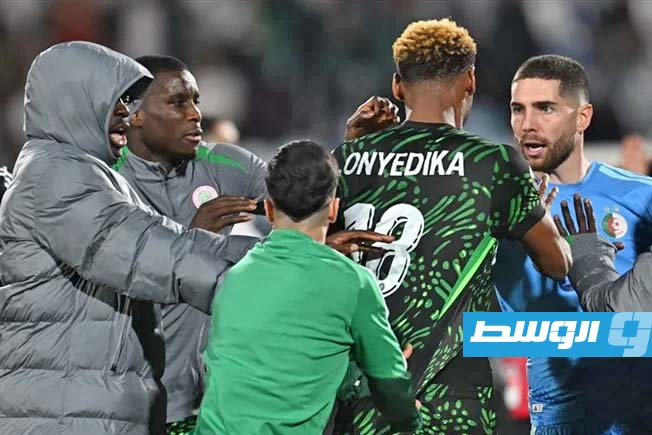
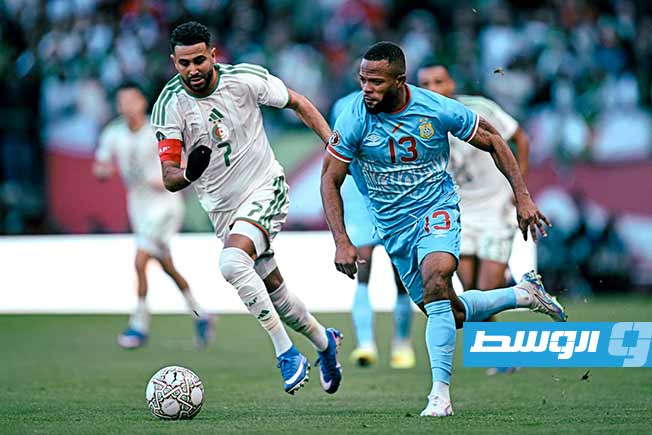
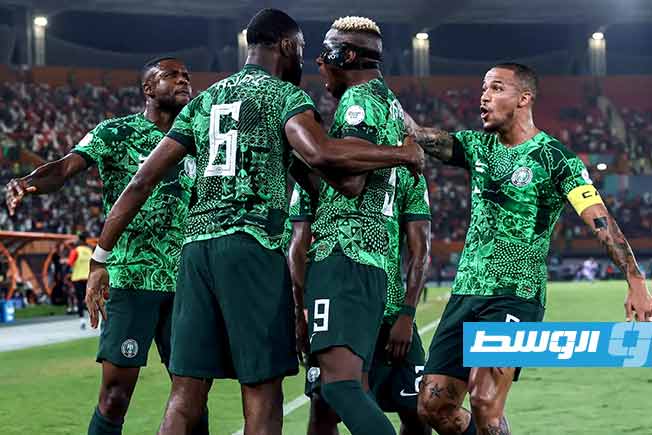
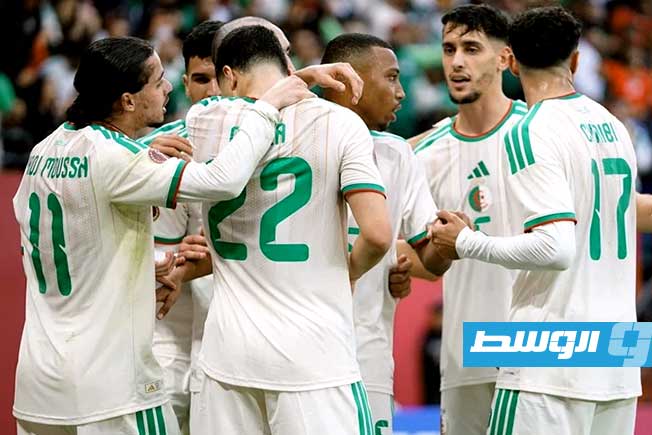
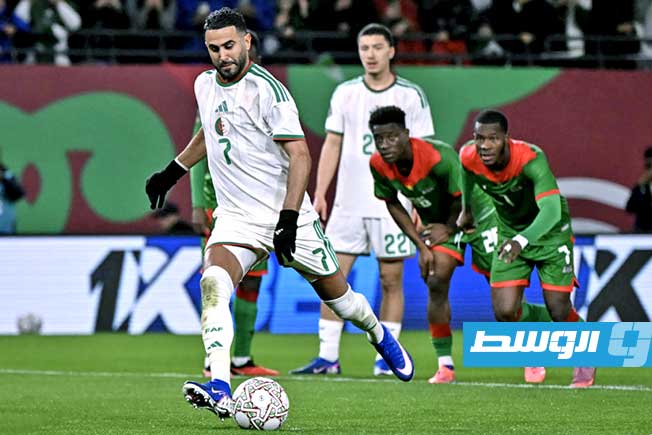
With its win over Cameroon, the Moroccan team awaits the winner of the match between the Algerian and Nigerian national teams, which will be held tomorrow, to face them in the semifinals.
Morocco
Morocco is a North African country with a rich history shaped by indigenous Amazigh (Berber) cultures, Arab influence from the 7th century, and successive dynasties like the Almoravids and Almohads. Its cultural sites, such as the ancient Roman ruins of Volubilis and the historic medinas of Fez and Marrakech, reflect this layered heritage and its position as a crossroads of civilizations.
Africa Cup of Nations
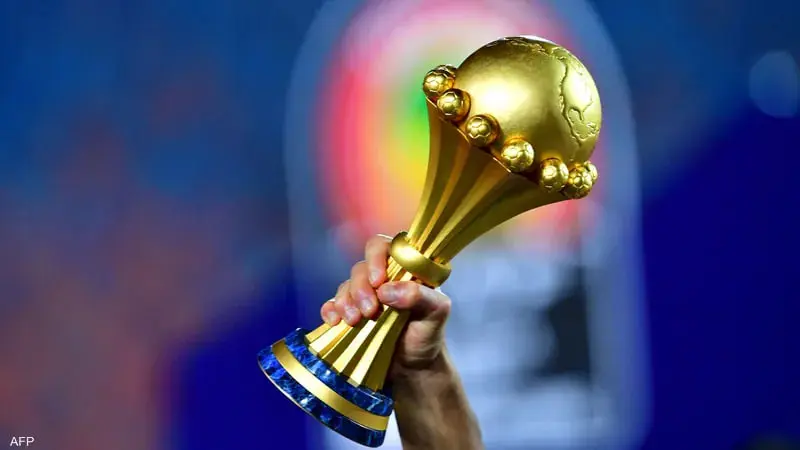
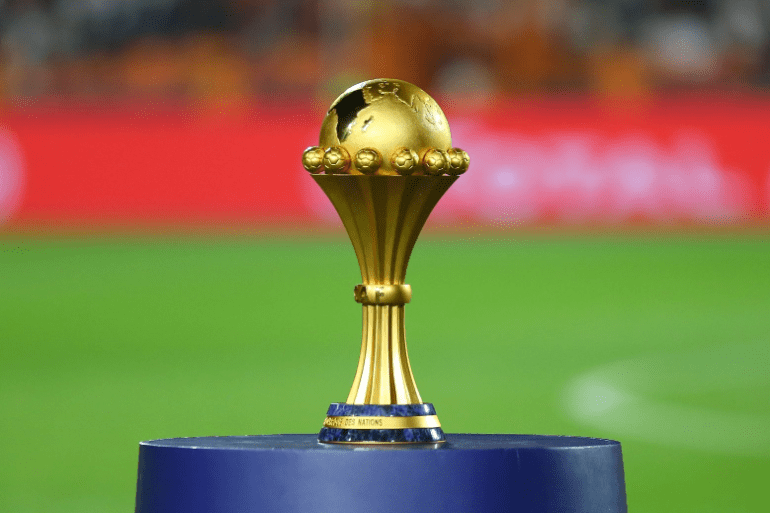
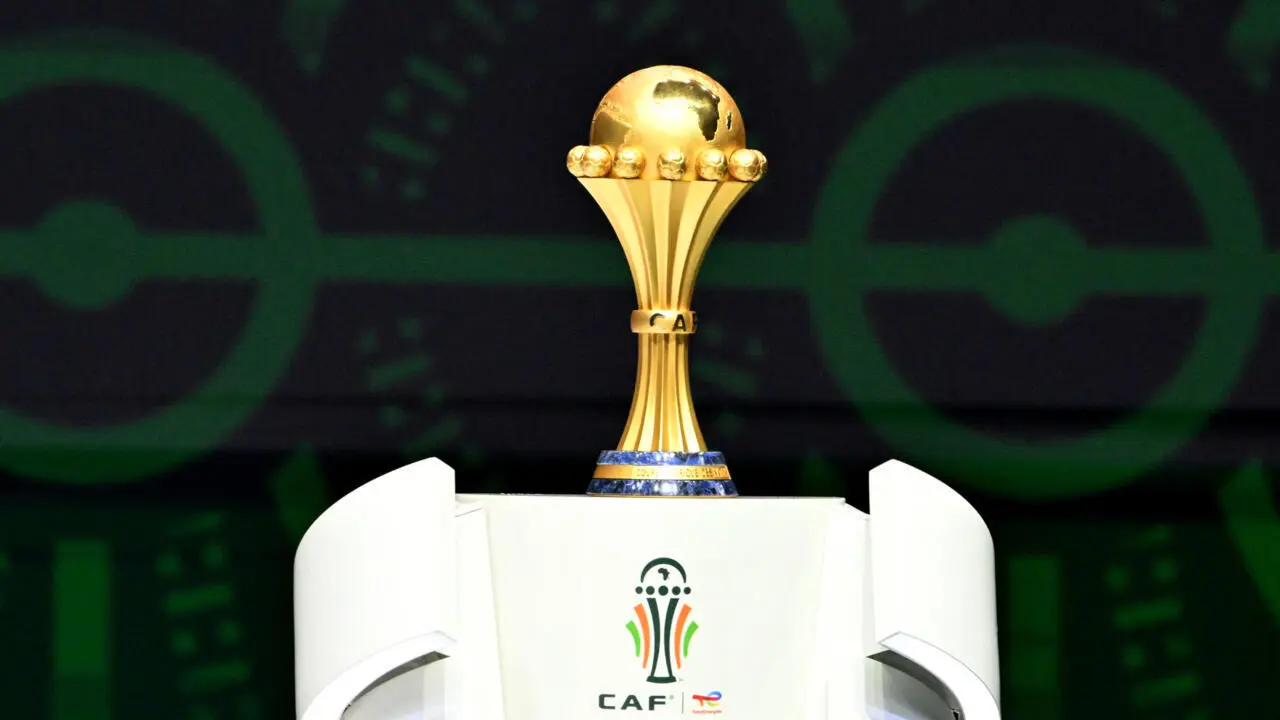
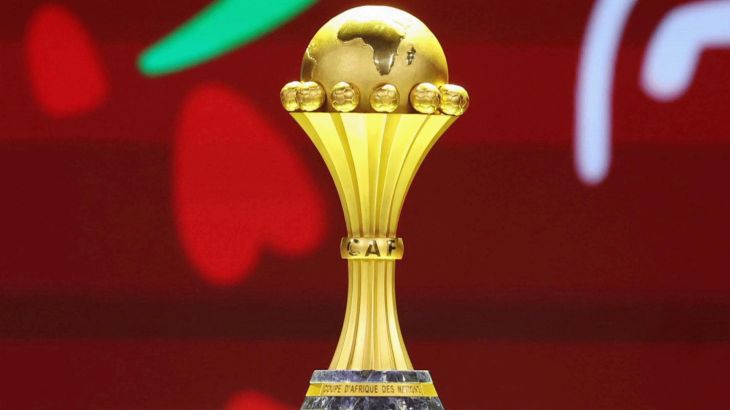
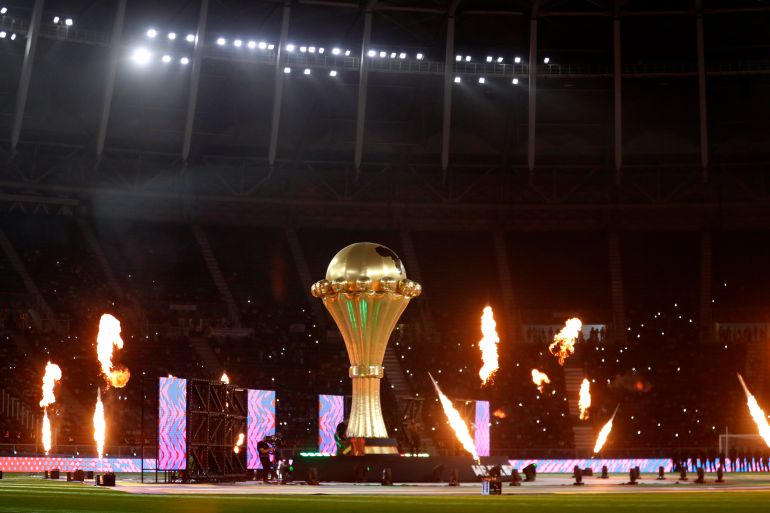
The Africa Cup of Nations (AFCON) is the premier international men’s football competition in Africa, first held in 1957. It was founded to unite African nations through sport and has grown significantly, now being organized by the Confederation of African Football (CAF) and held every two years.
Cameroon
Cameroon, located in Central Africa, is a culturally diverse nation often called “Africa in miniature” for its varied geography and over 250 ethnic groups. Its modern history stems from colonial rule by Germany, followed by French and British administration after World War I, leading to its independence and unification in 1960 and 1961.
Prince Moulay Abdellah Stadium
Prince Moulay Abdellah Stadium is a major sports venue in Rabat, Morocco, named after Prince Moulay Abdellah, the brother of King Hassan II. It was originally constructed in 1983 and later renovated to host the 2019 African Games, serving as a key site for football matches and athletic events.
Rabat
Rabat is the capital city of Morocco, founded in the 12th century by the Almohad Caliphate. It is a UNESCO World Heritage Site known for its well-preserved historic quarters, such as the Kasbah of the Udayas and the Hassan Tower, which is the minaret of an incomplete 12th-century mosque.
Brahim Diaz
Brahim Díaz is a professional footballer who currently plays as an attacking midfielder for Real Madrid and the Morocco national team. Born in Spain, he represented Spain at youth levels before making a senior international switch to Morocco in 2023, citing his Moroccan heritage.
Ismaili Saibari
The Ismaili Saibari is a cultural and religious center for the Ismaili Muslim community, a branch of Shia Islam. It is named in honor of Saibari, a historical figure revered in Ismaili tradition for his piety and service. These centers serve as modern hubs for community gathering, education, and spiritual practice.
Algerian
Algeria is a North African country with a rich history shaped by indigenous Amazigh (Berber) cultures, successive empires, and centuries of Ottoman influence. It was a French colony from 1830 until it gained independence in 1962 after a prolonged war of liberation. Today, its cultural heritage is reflected in diverse sites like the ancient Roman ruins at Timgad and the historic Casbah of Algiers, a UNESCO World Heritage site.
Nigerian
Nigeria is a country in West Africa with a rich cultural heritage shaped by diverse ethnic groups such as the Yoruba, Igbo, and Hausa. Historically, it was home to ancient kingdoms like the Nri and Benin before becoming a British colony in the early 20th century, gaining independence in 1960. Today, it is Africa’s most populous nation and a major cultural and economic hub on the continent.