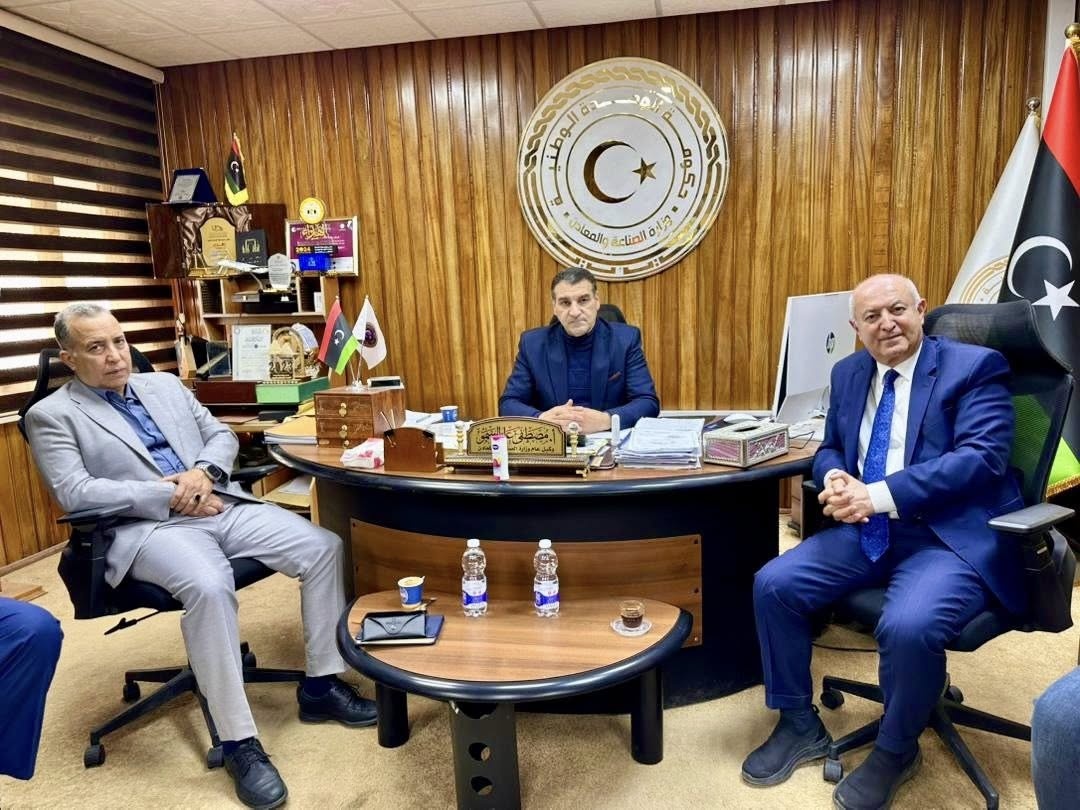
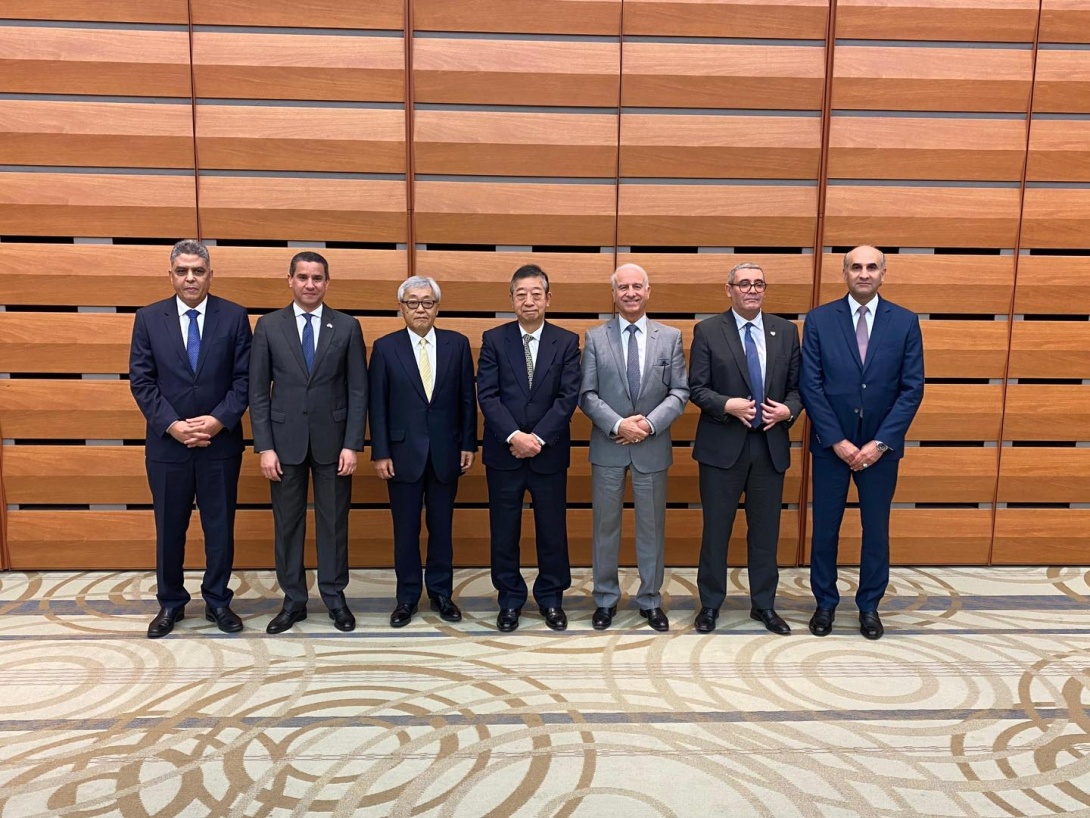
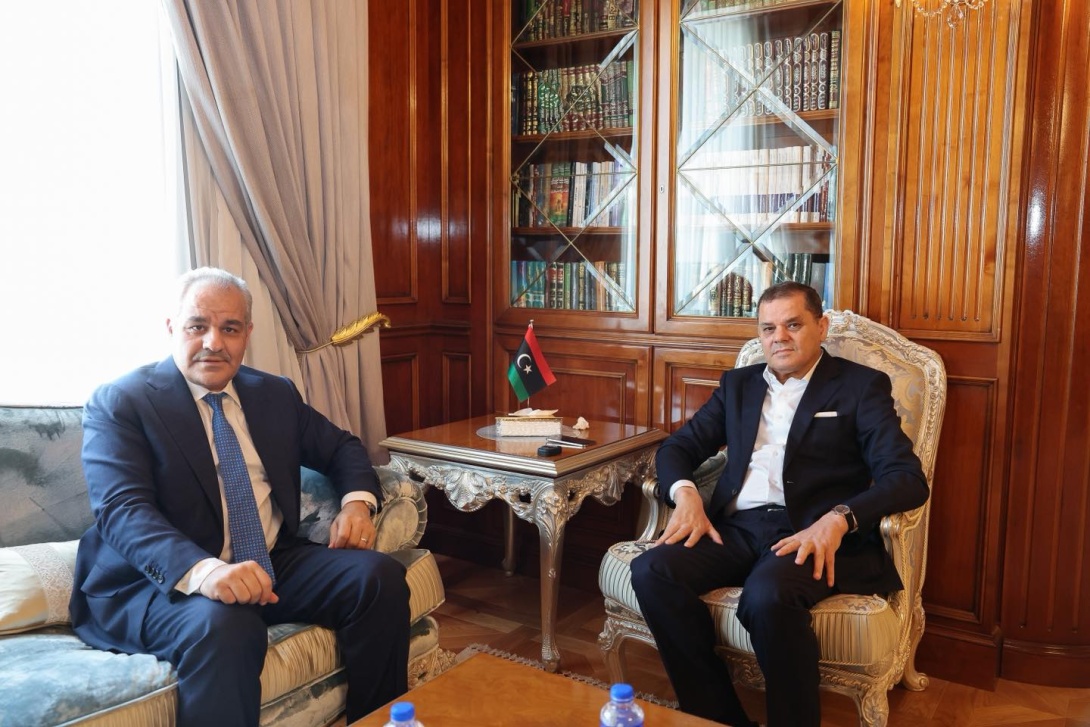
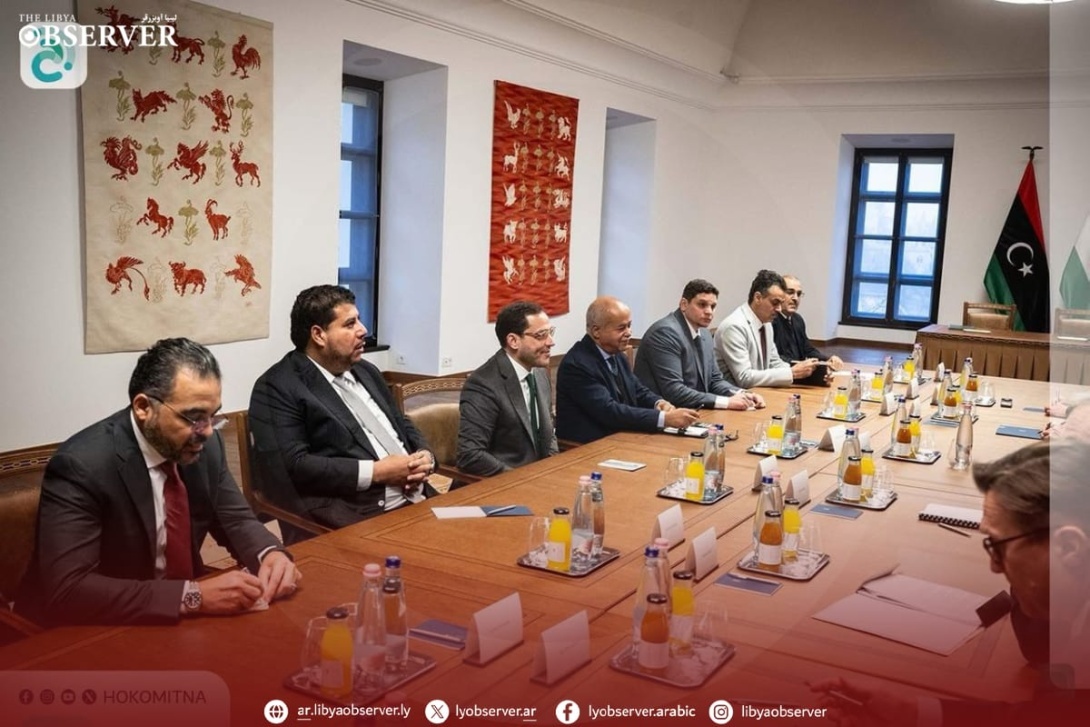
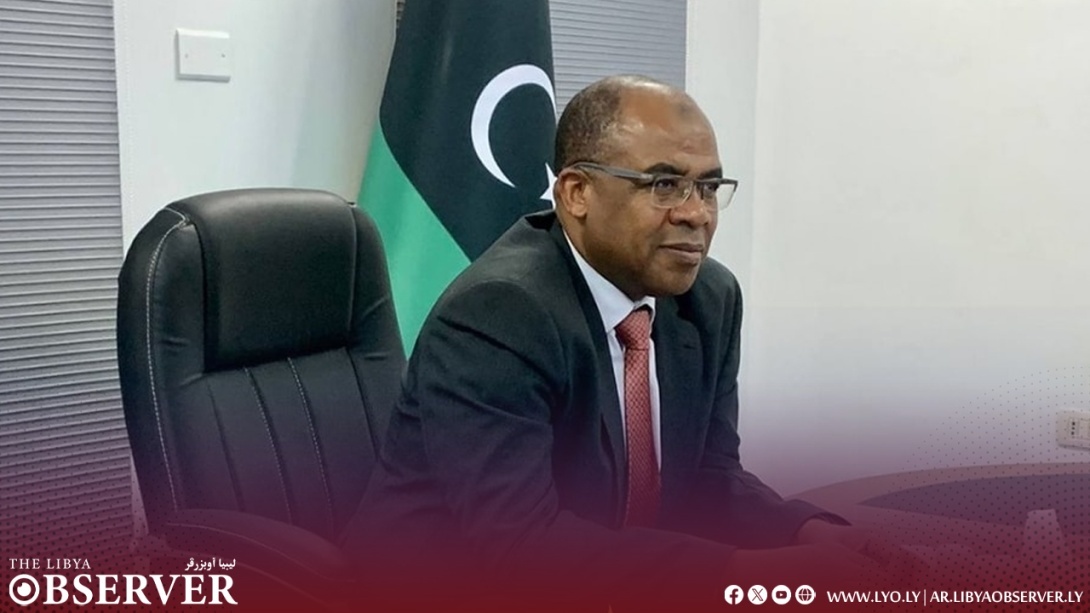
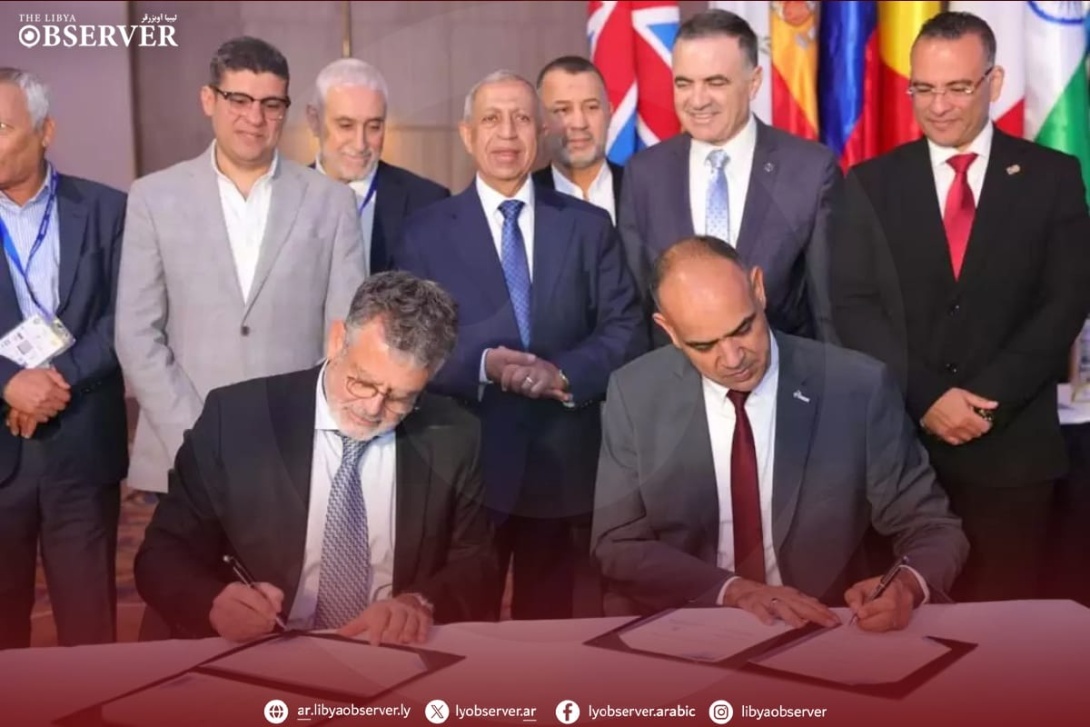
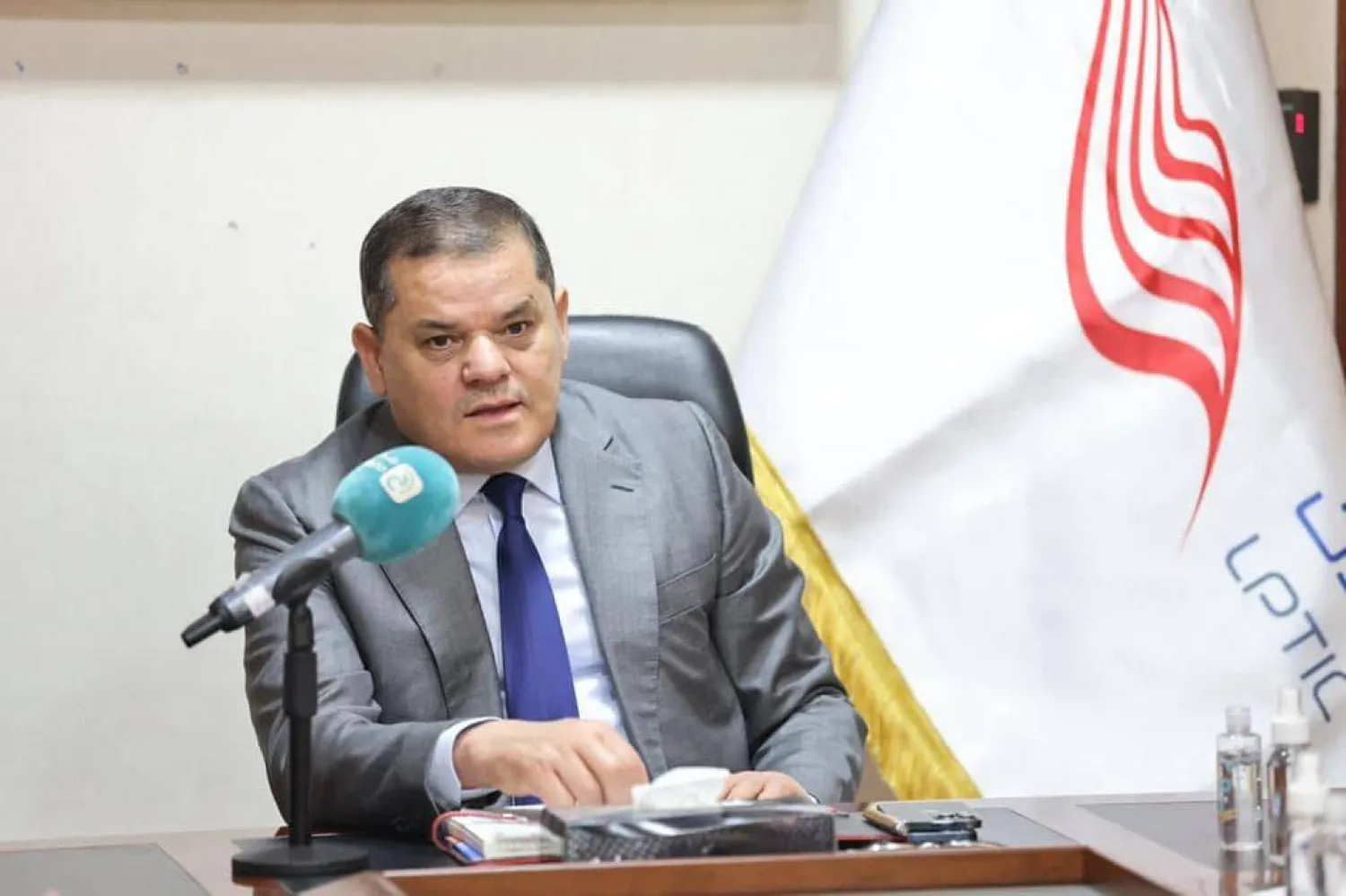
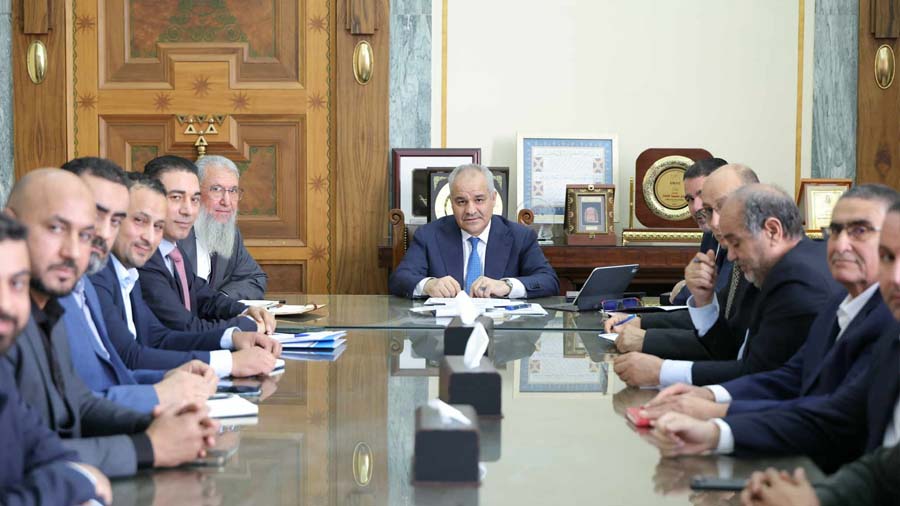
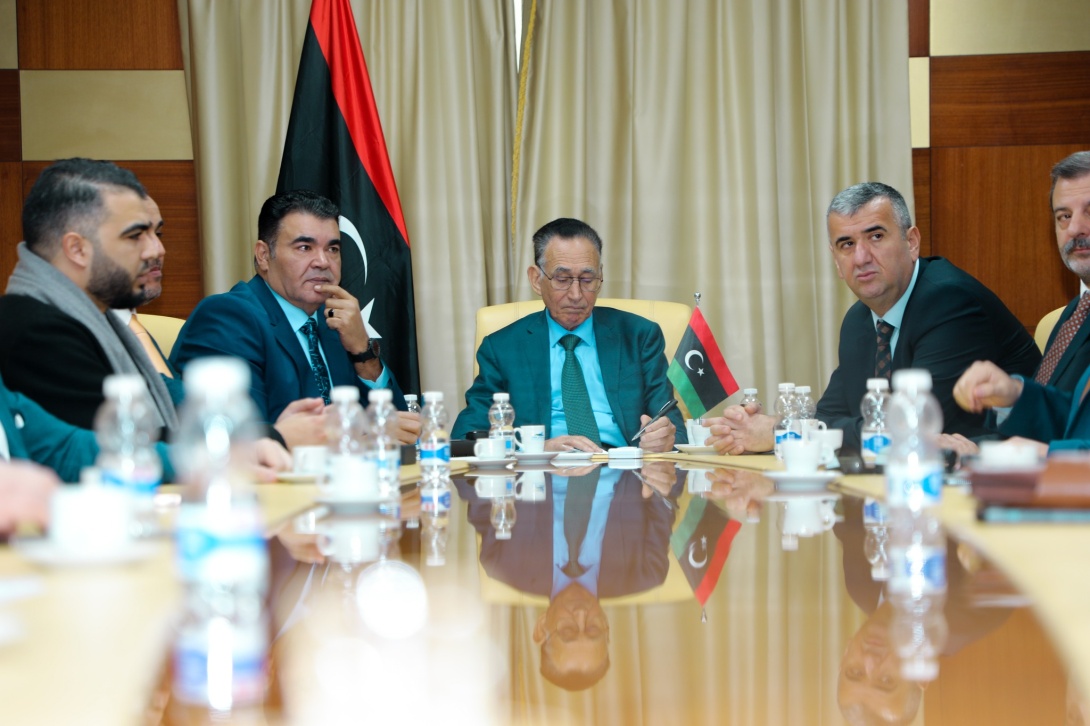
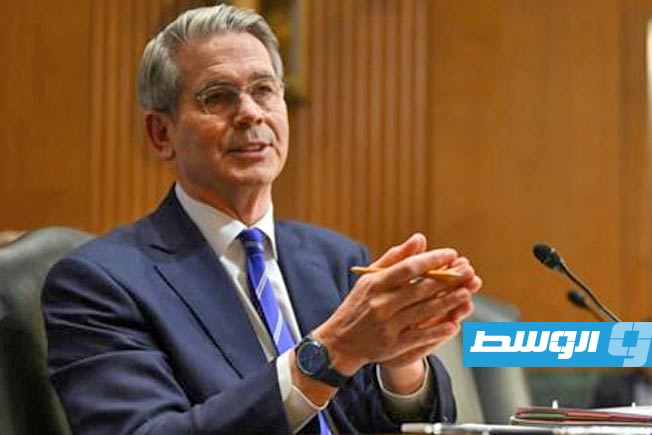
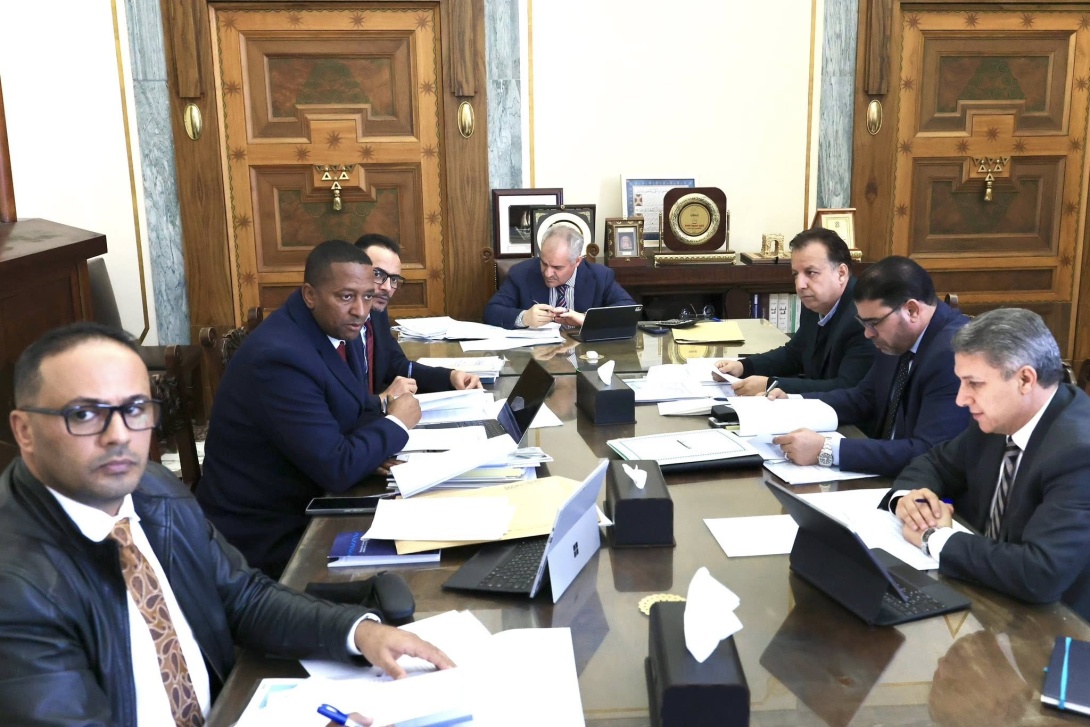
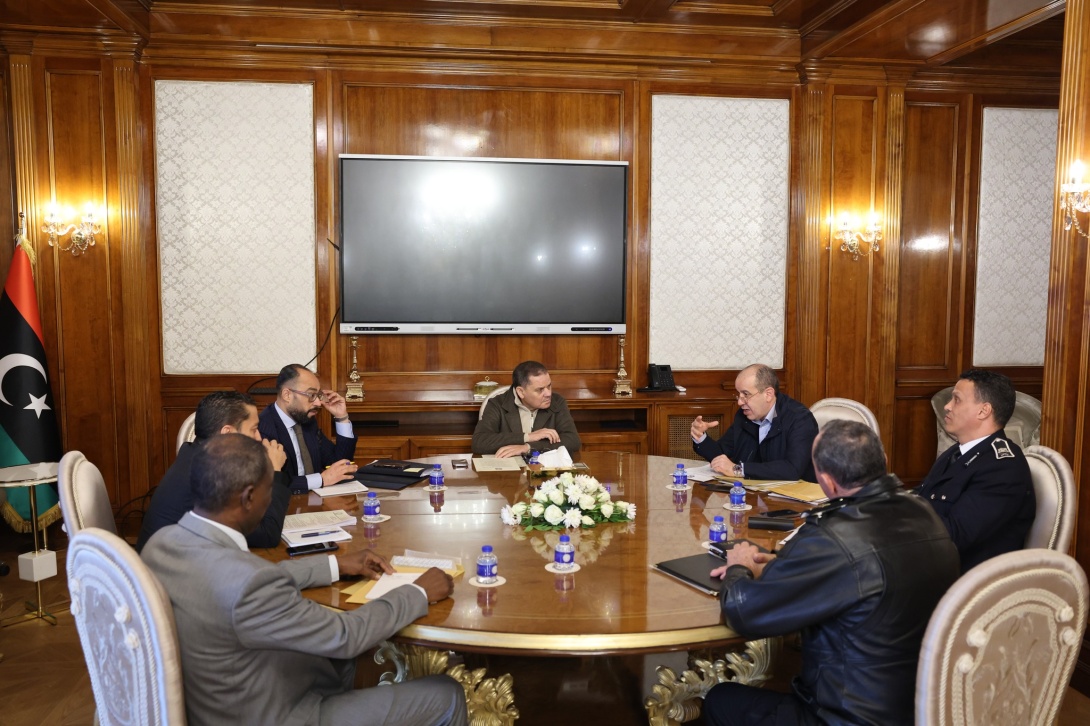
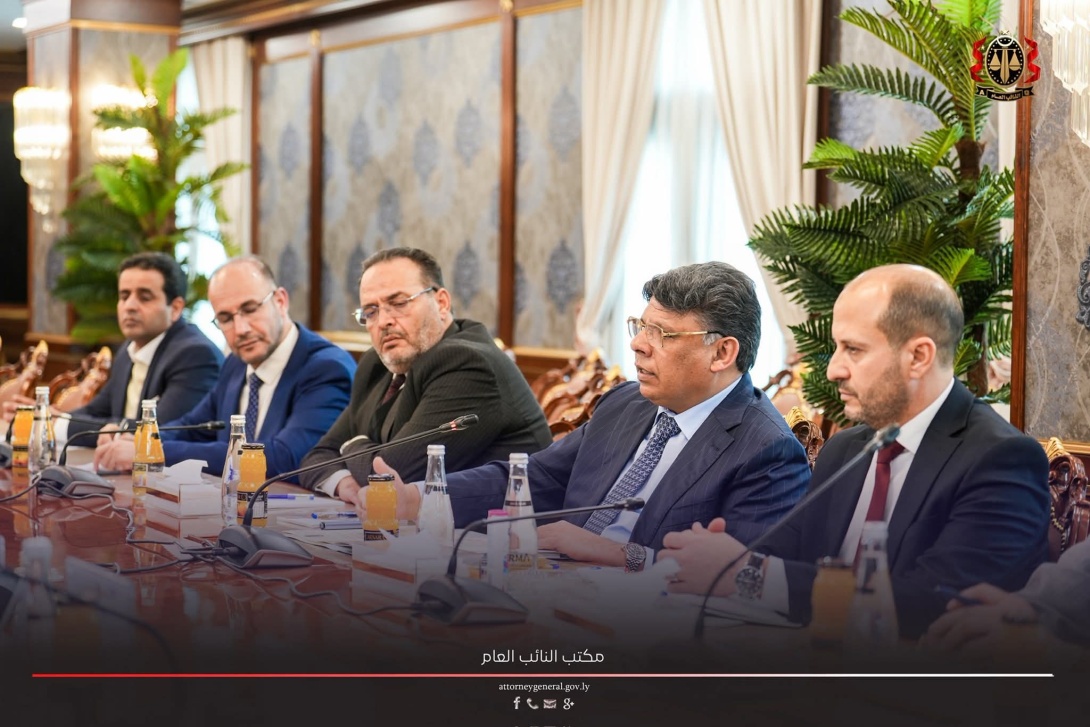
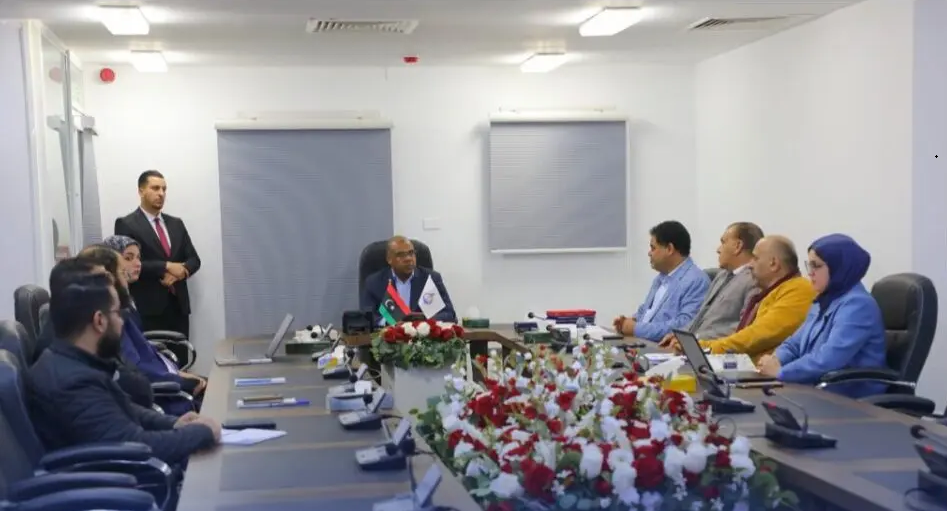
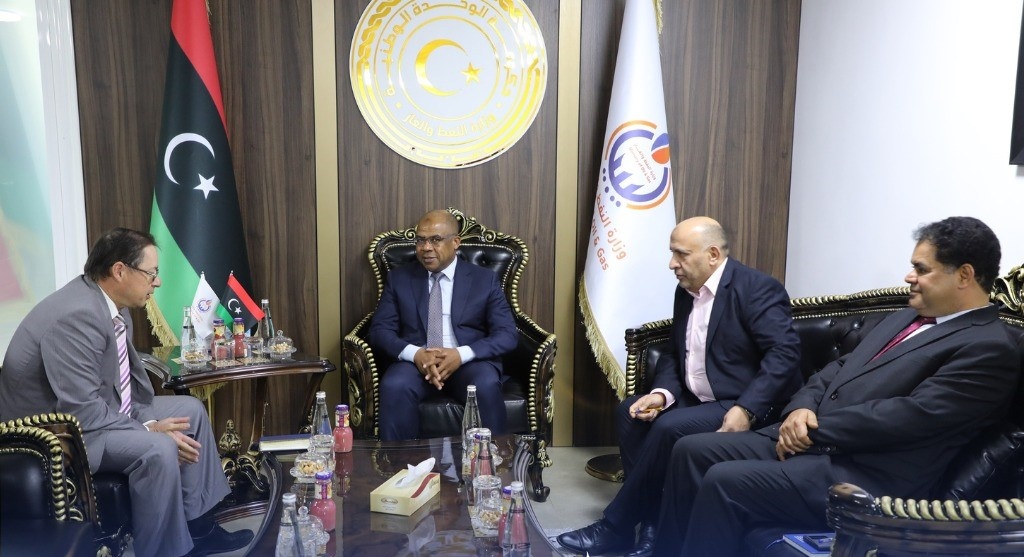
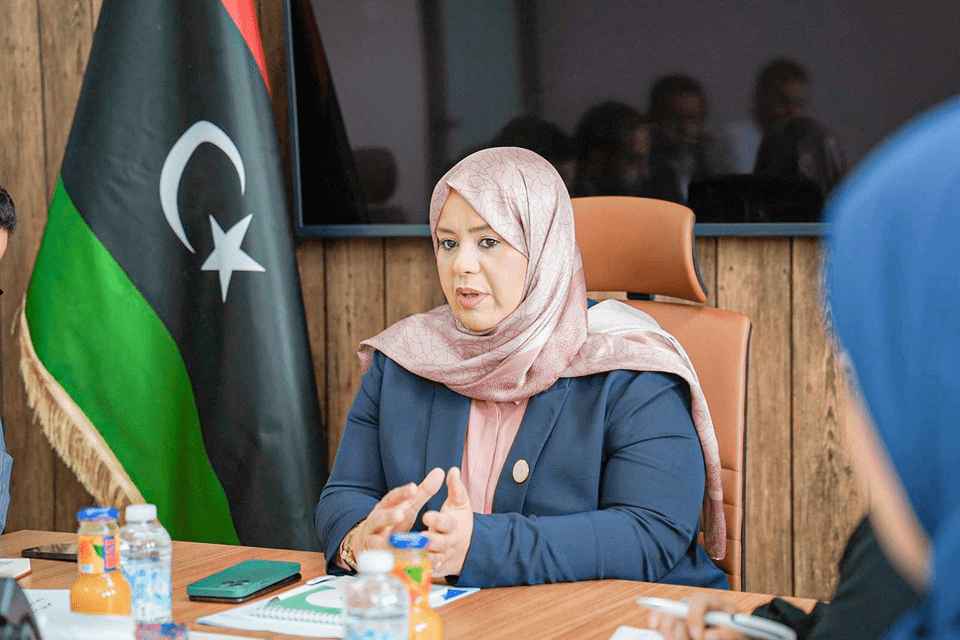
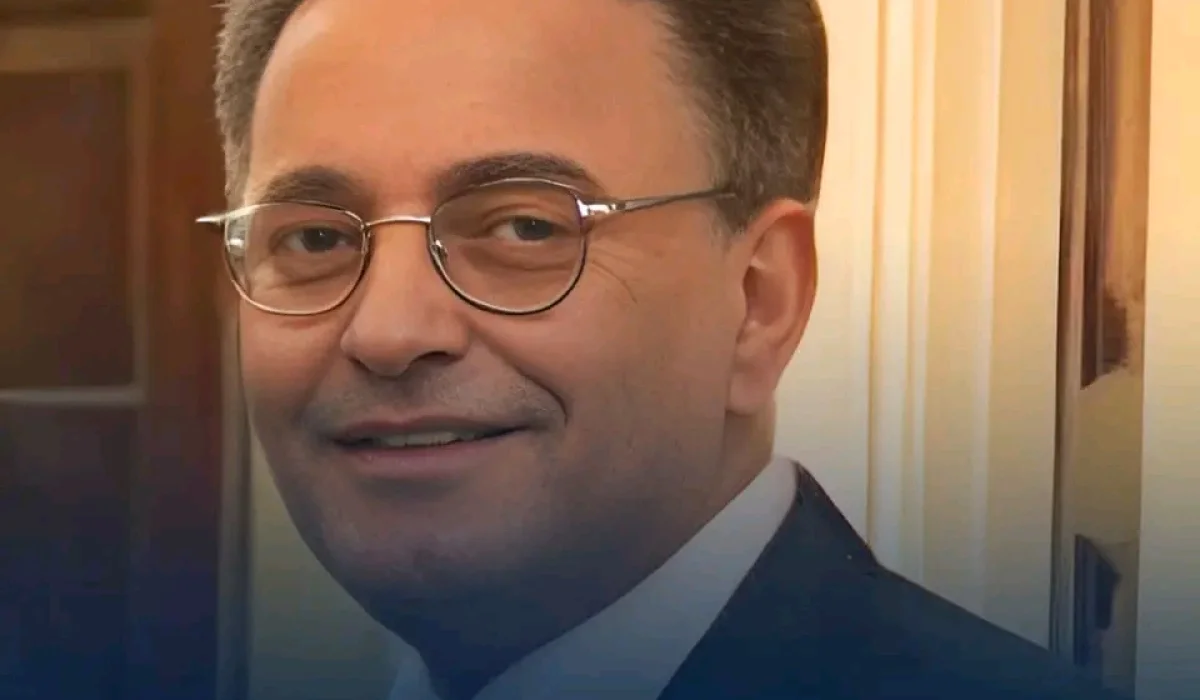
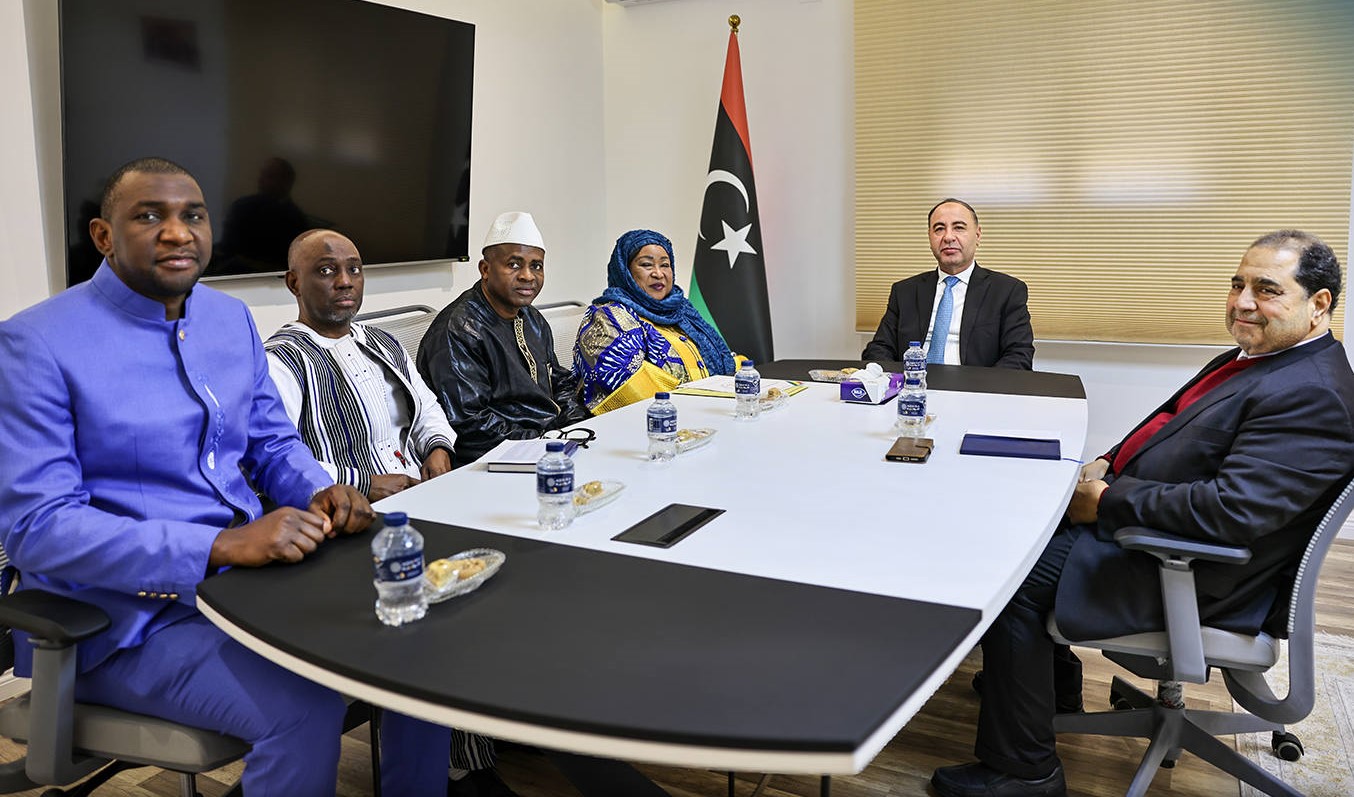
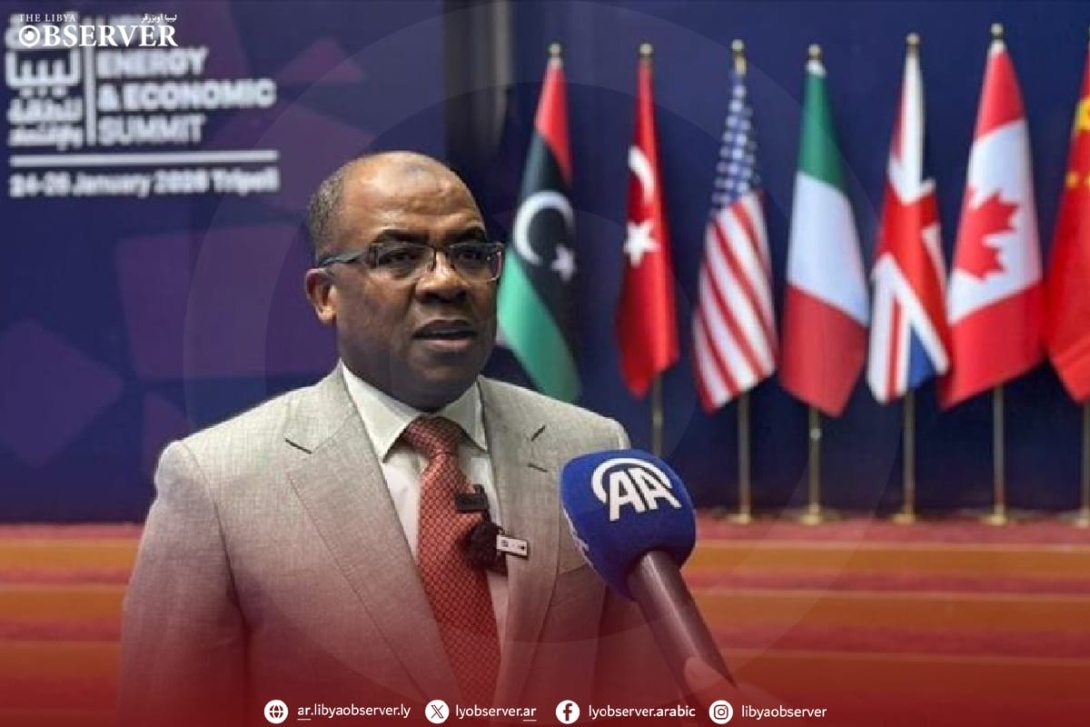
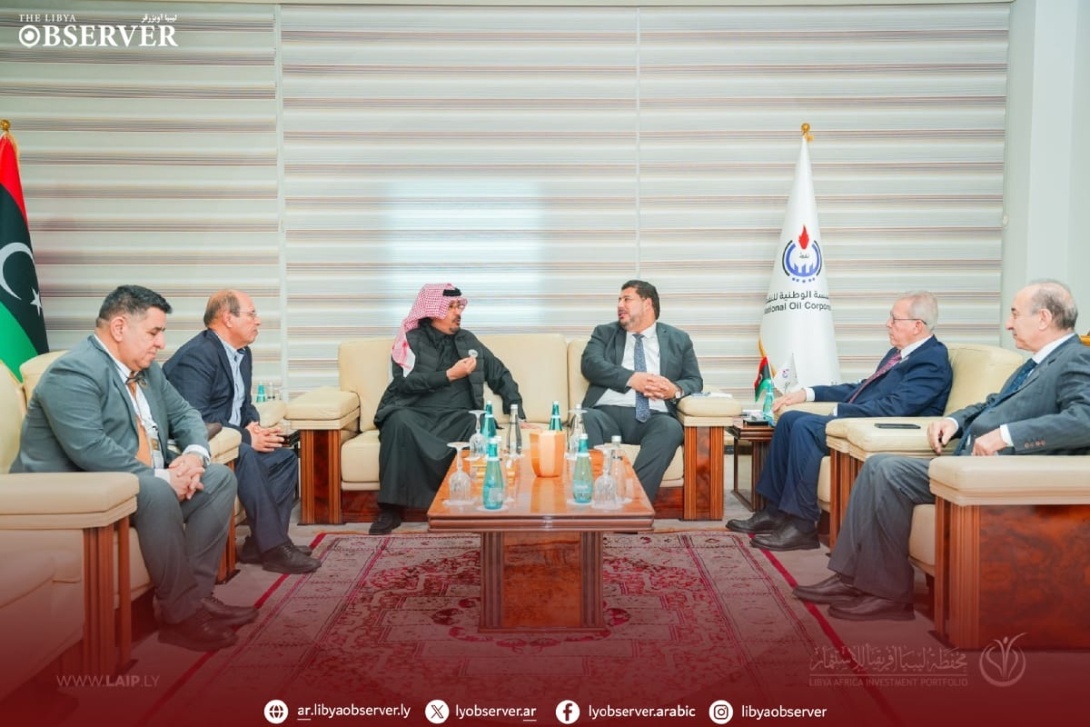
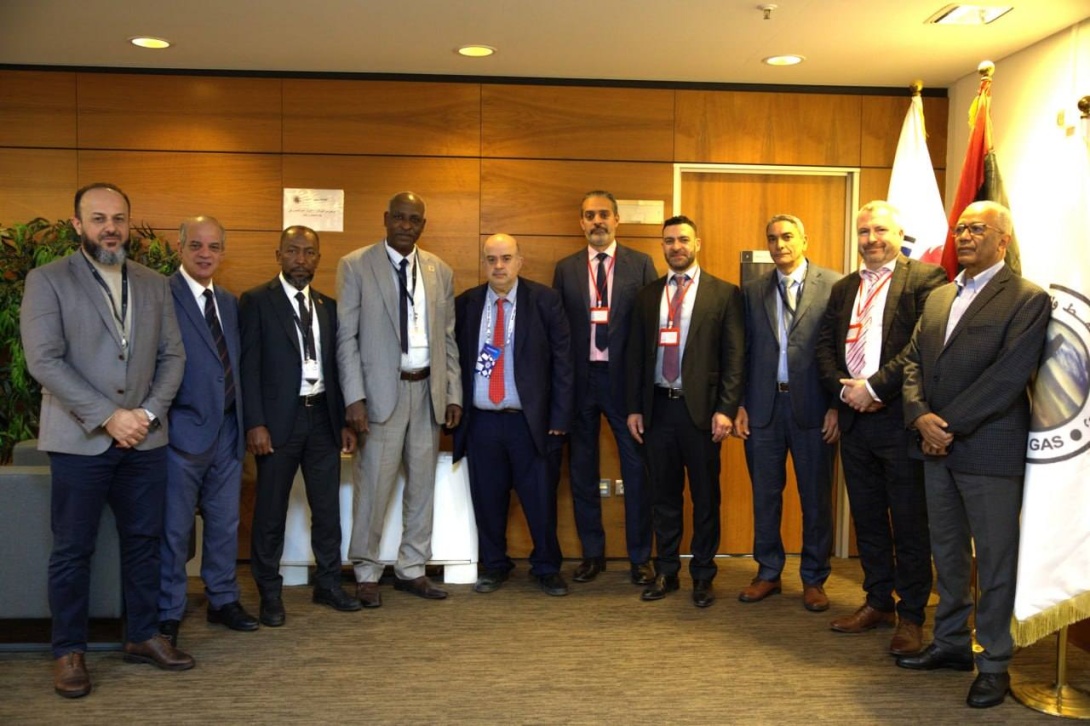
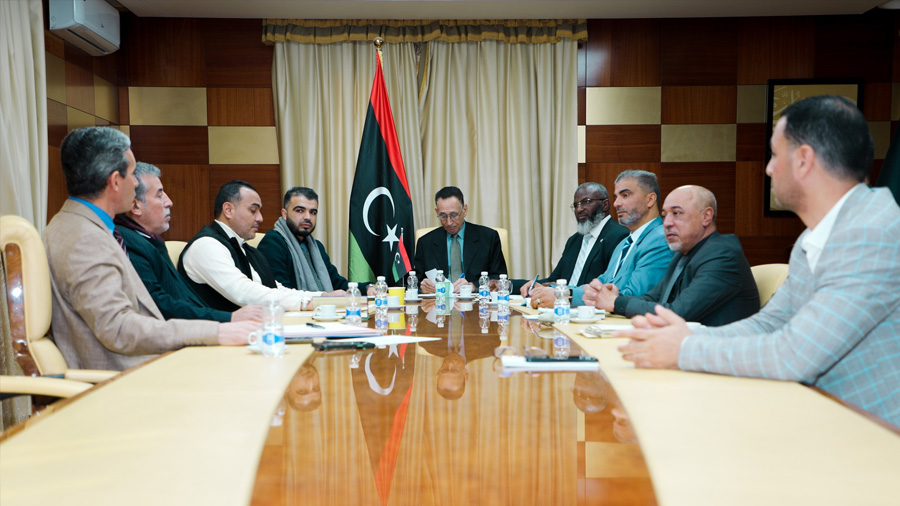
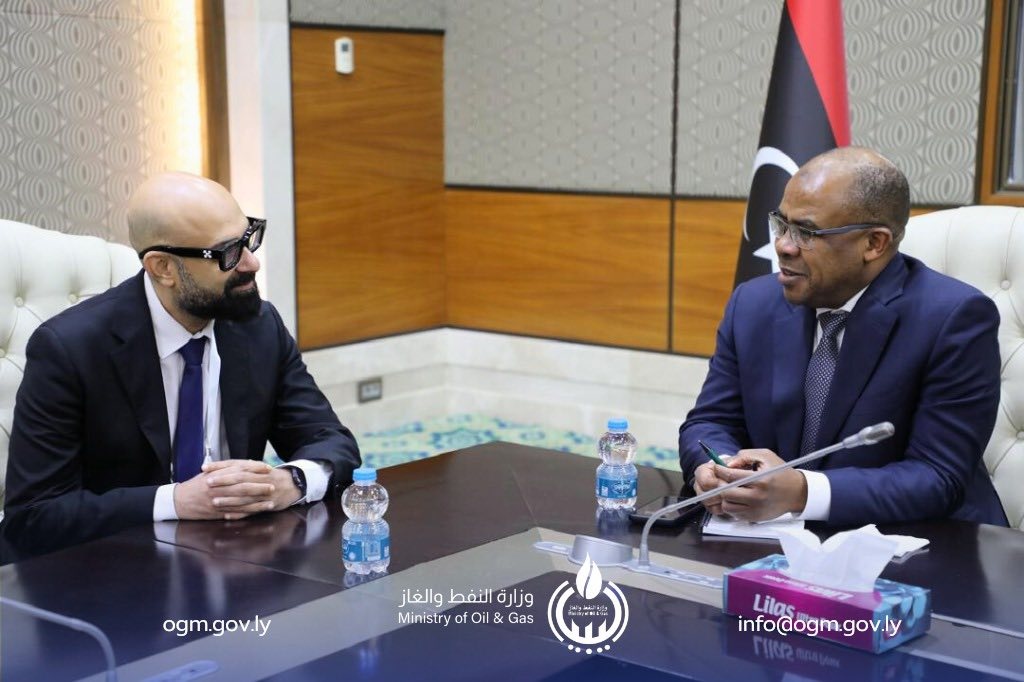
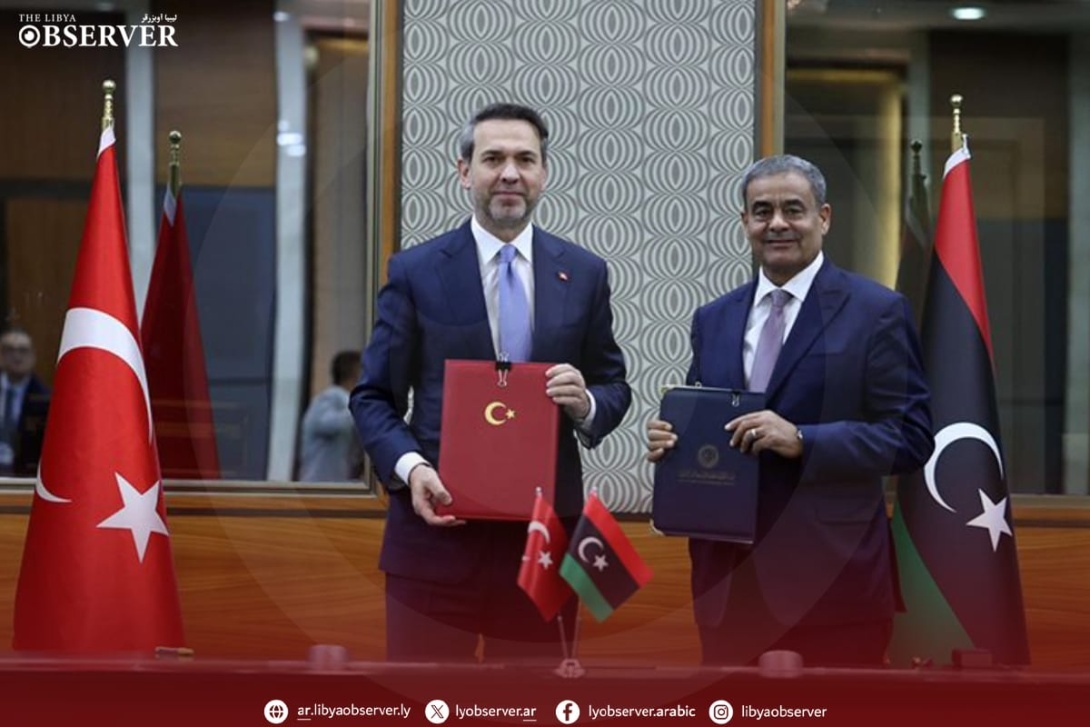
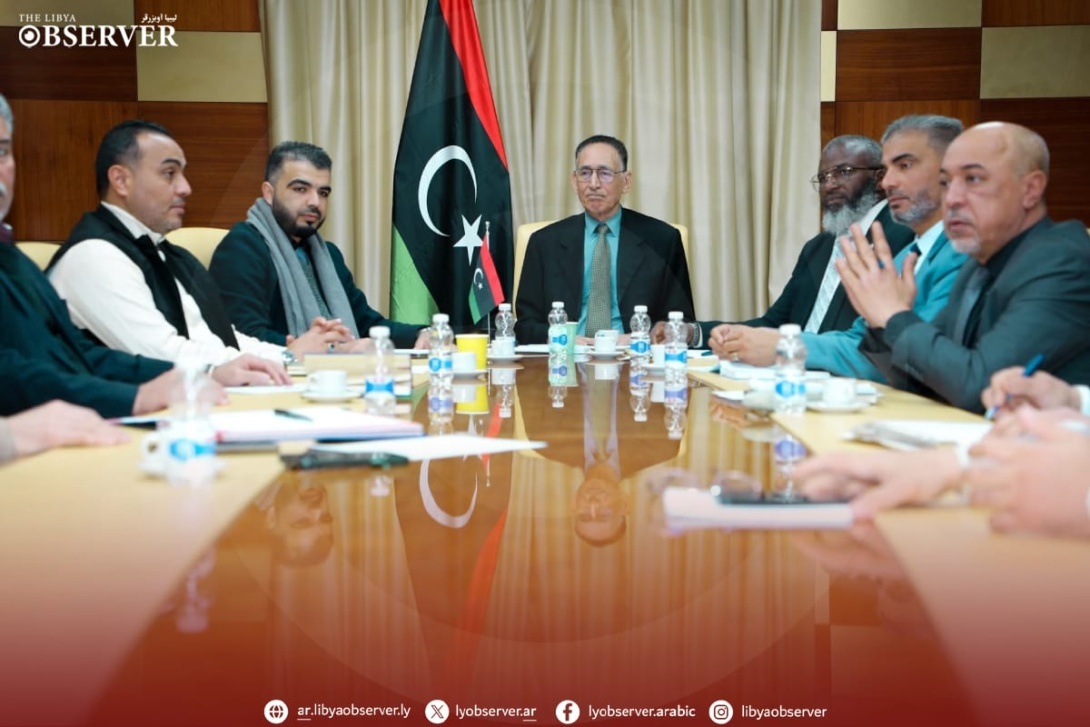
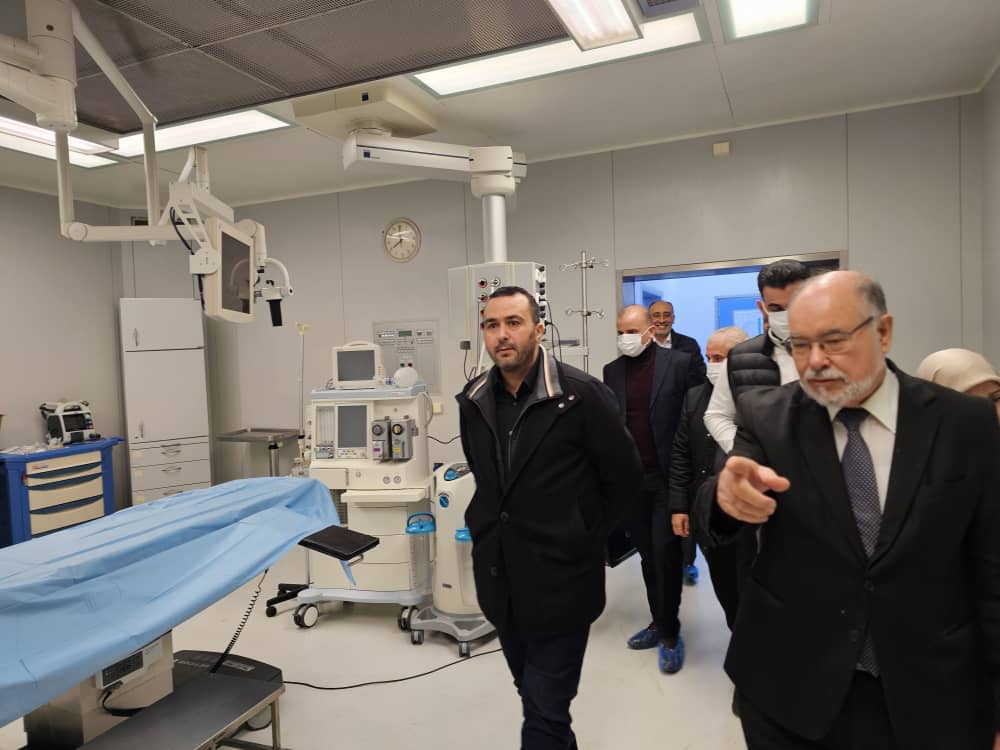
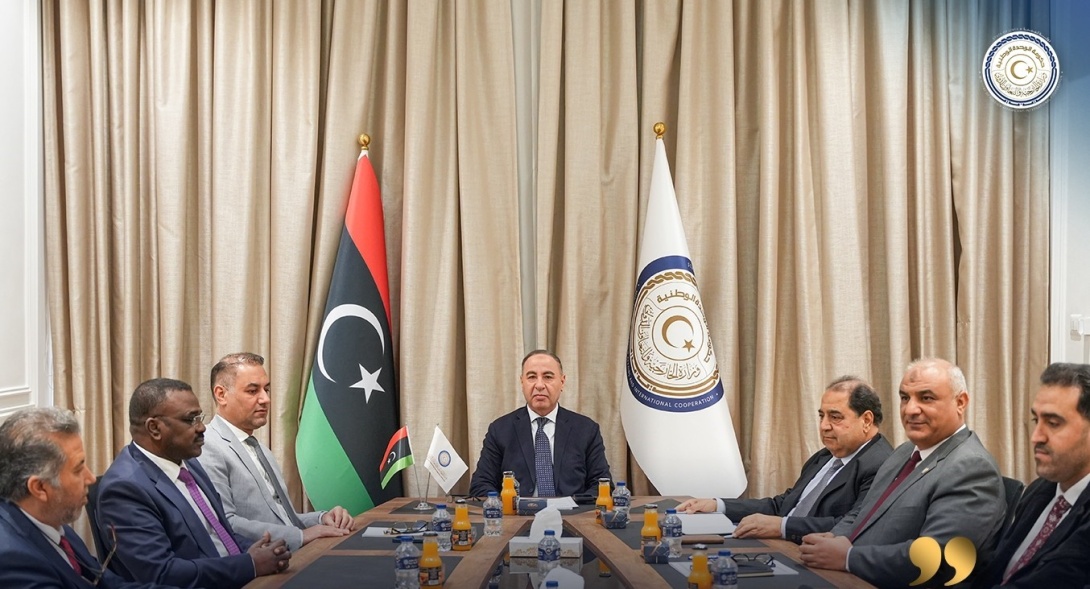
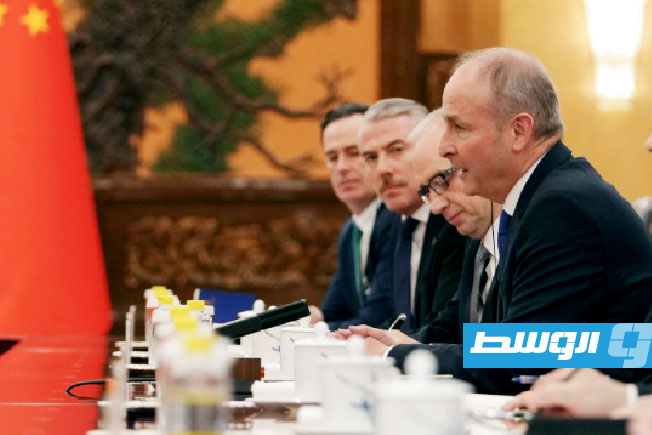
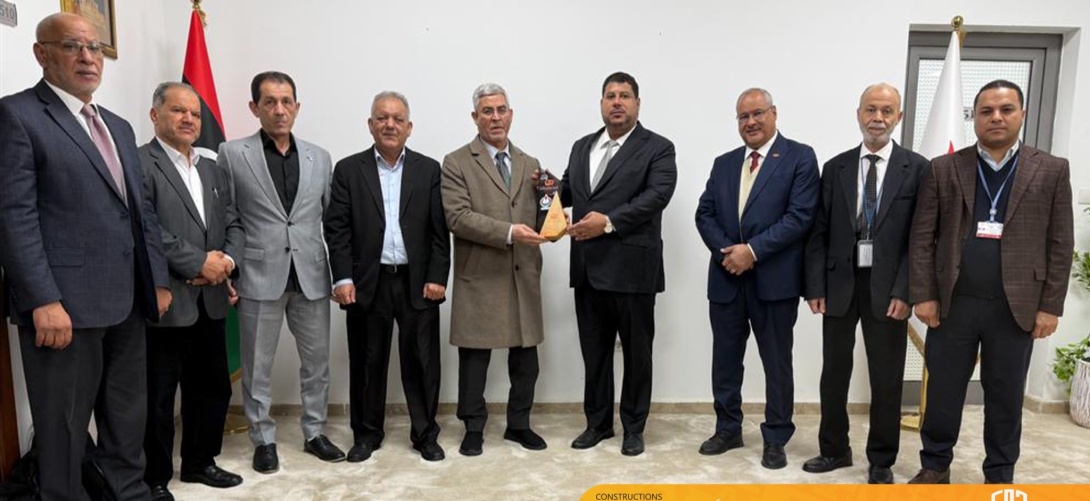
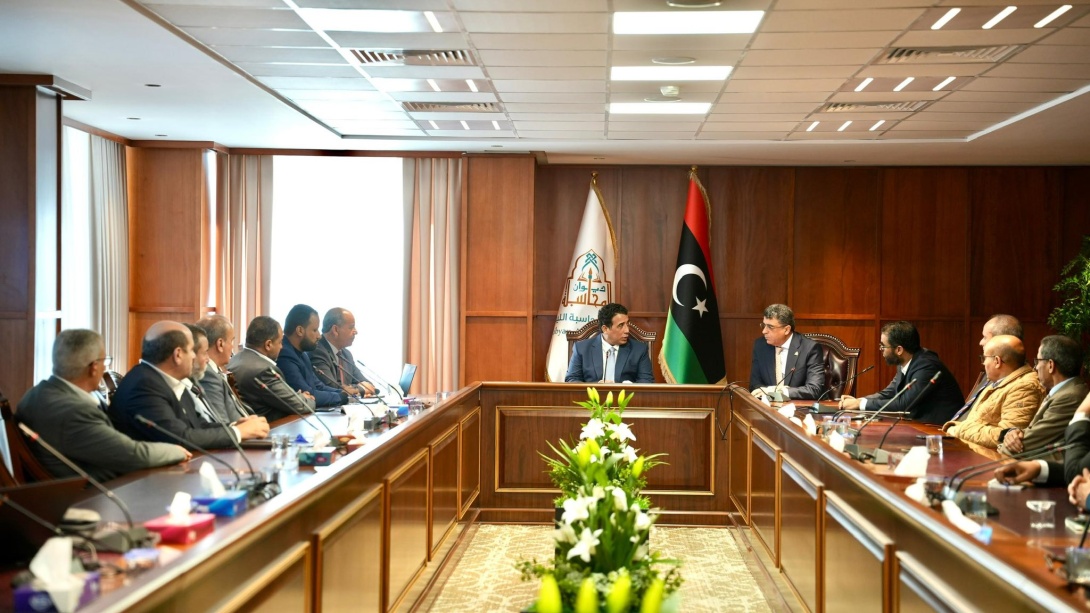
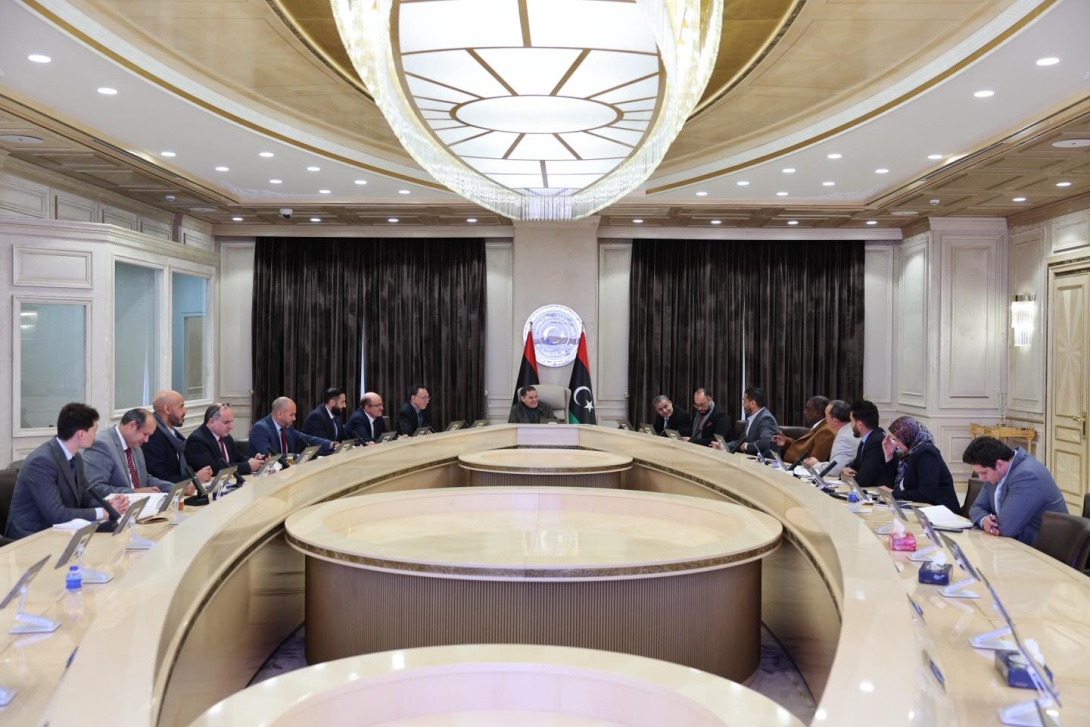
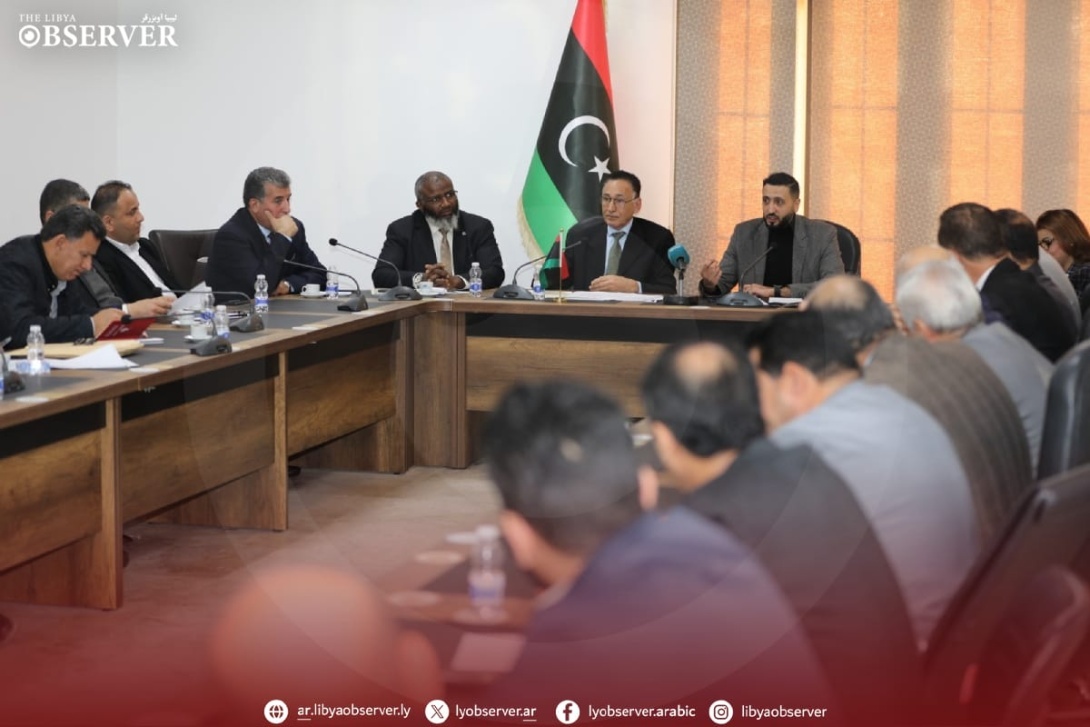
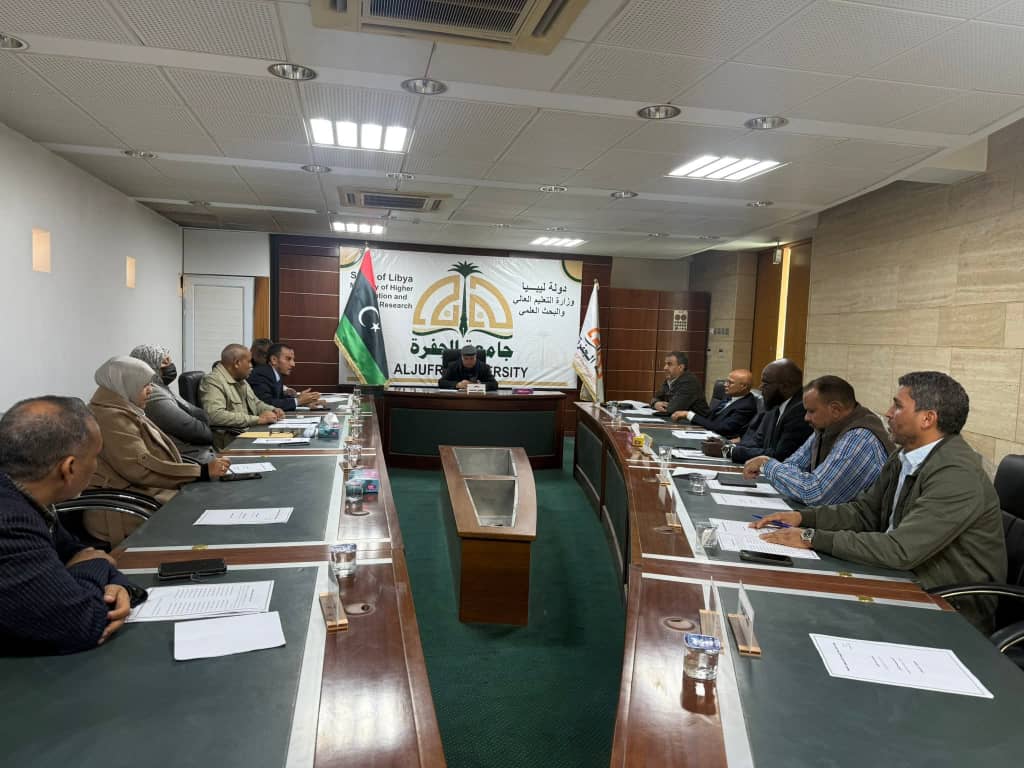
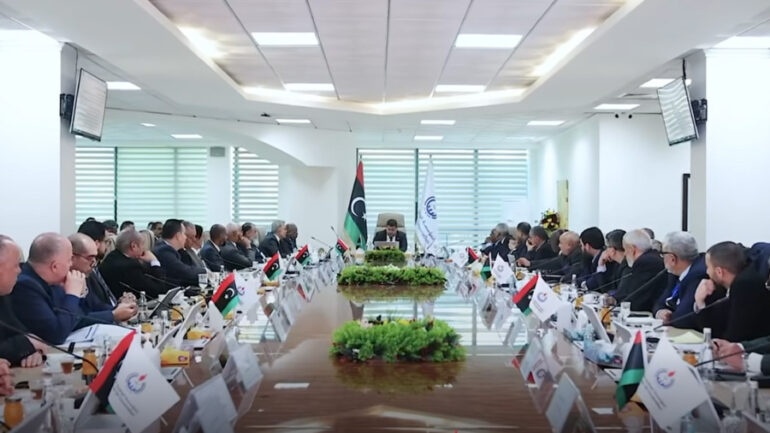
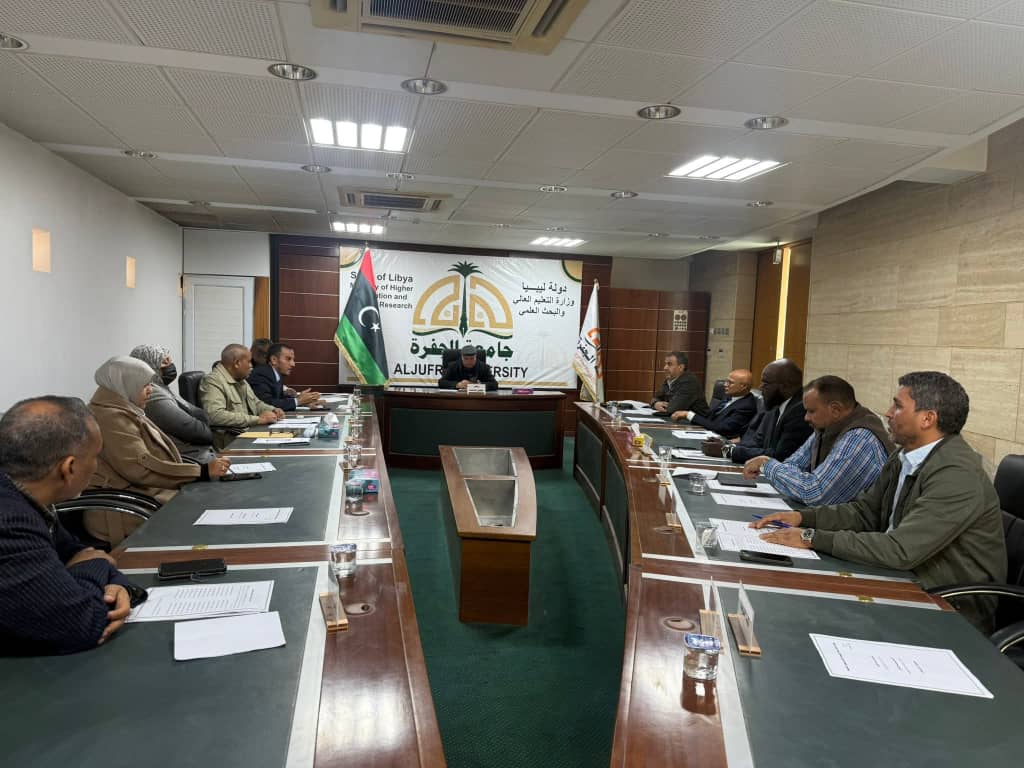
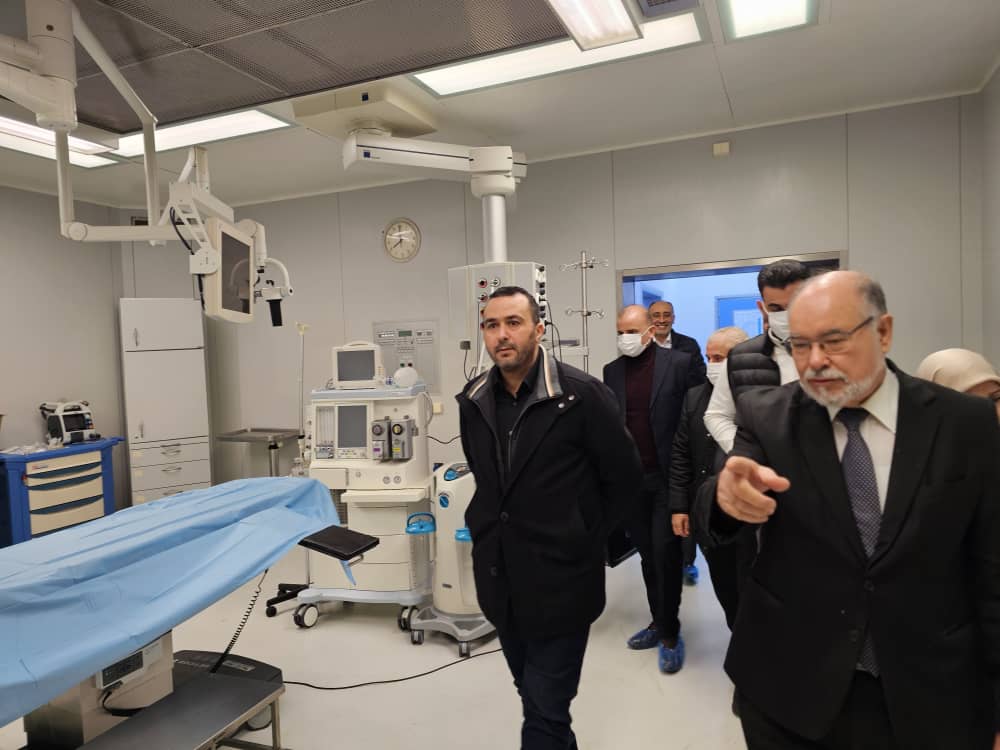
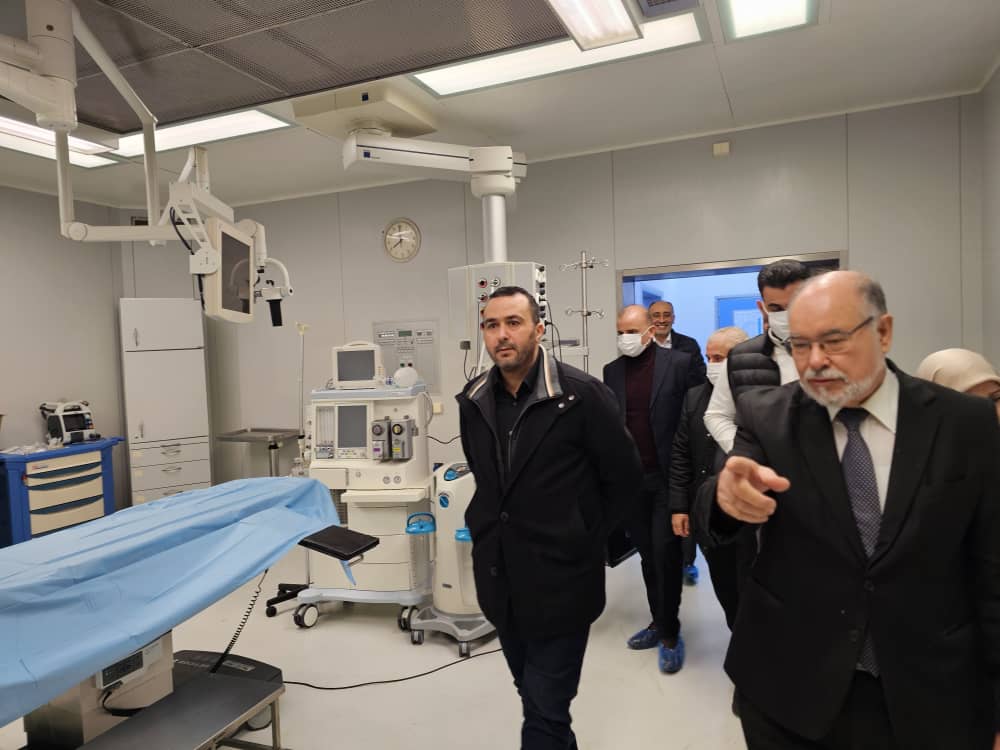
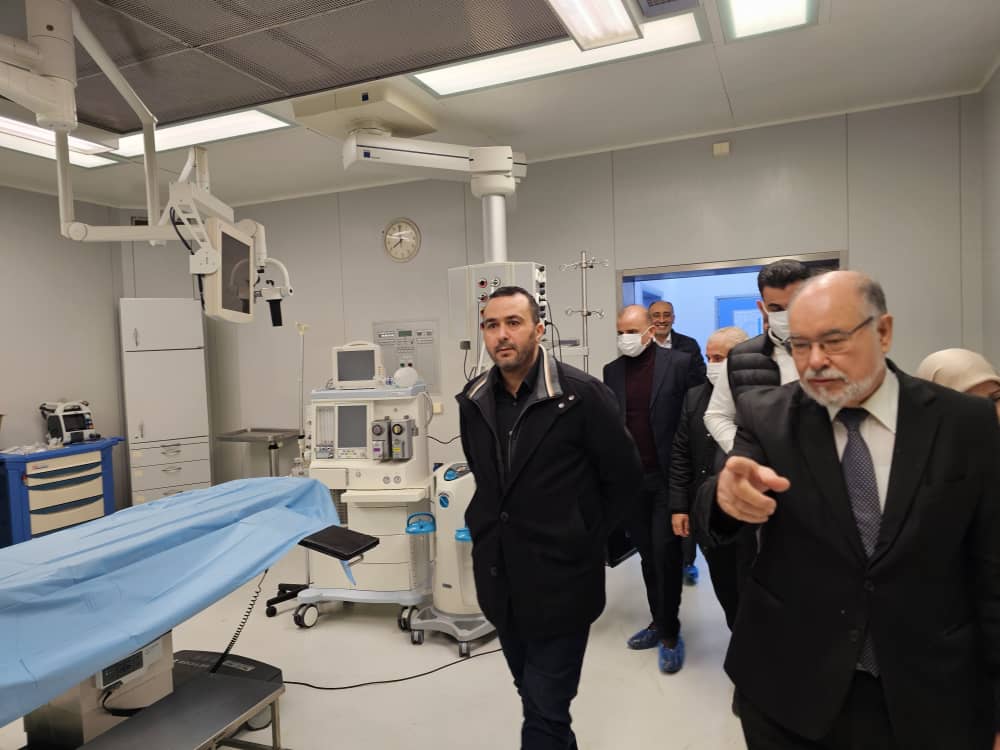
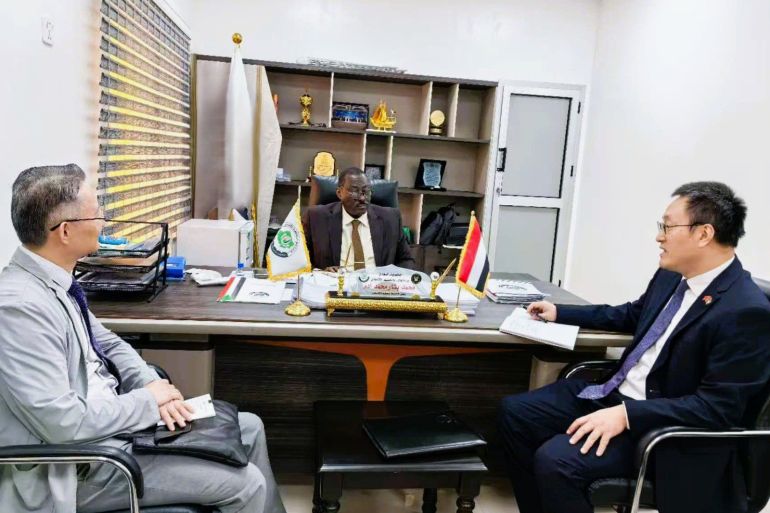
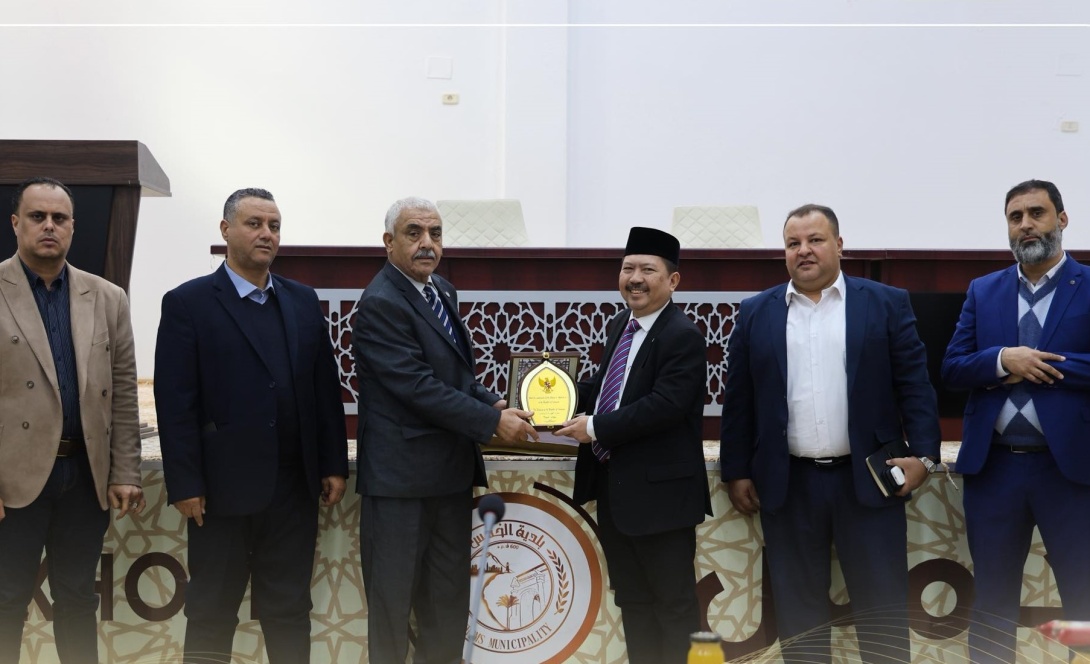
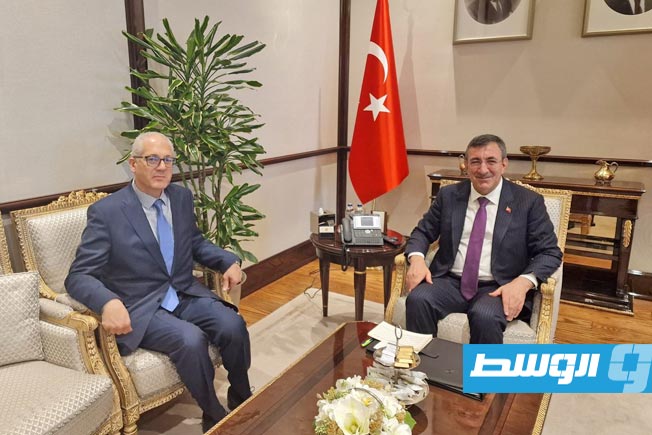
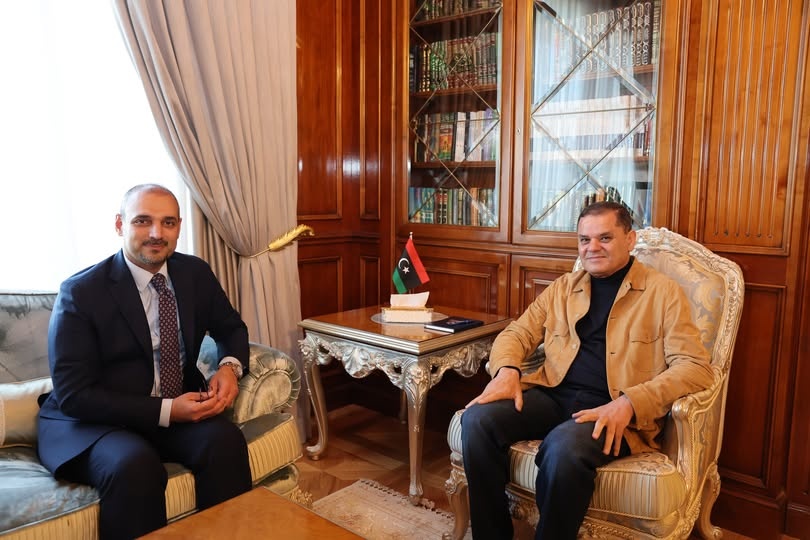
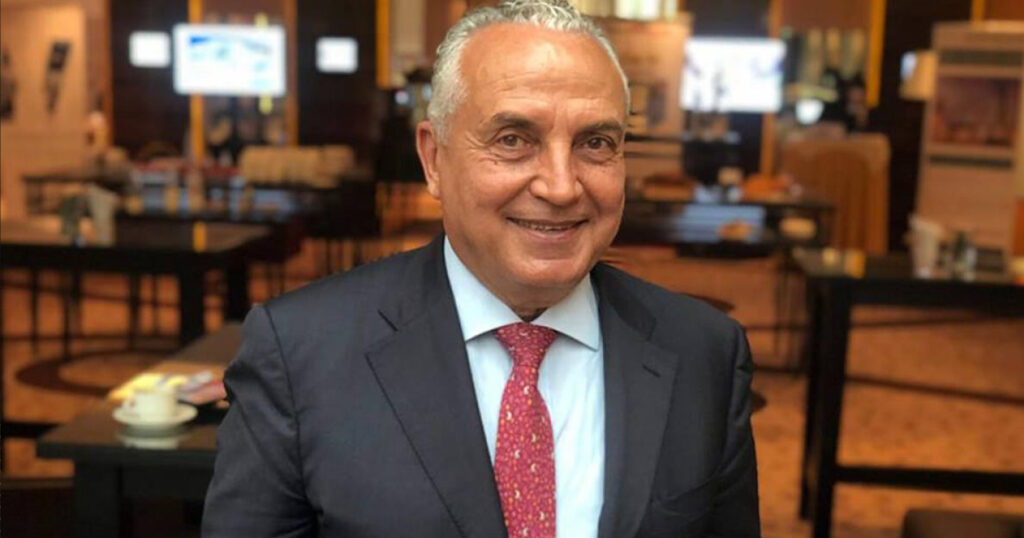
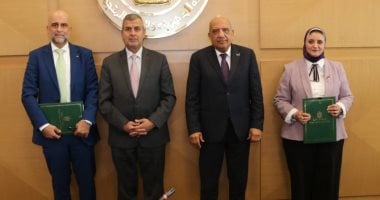
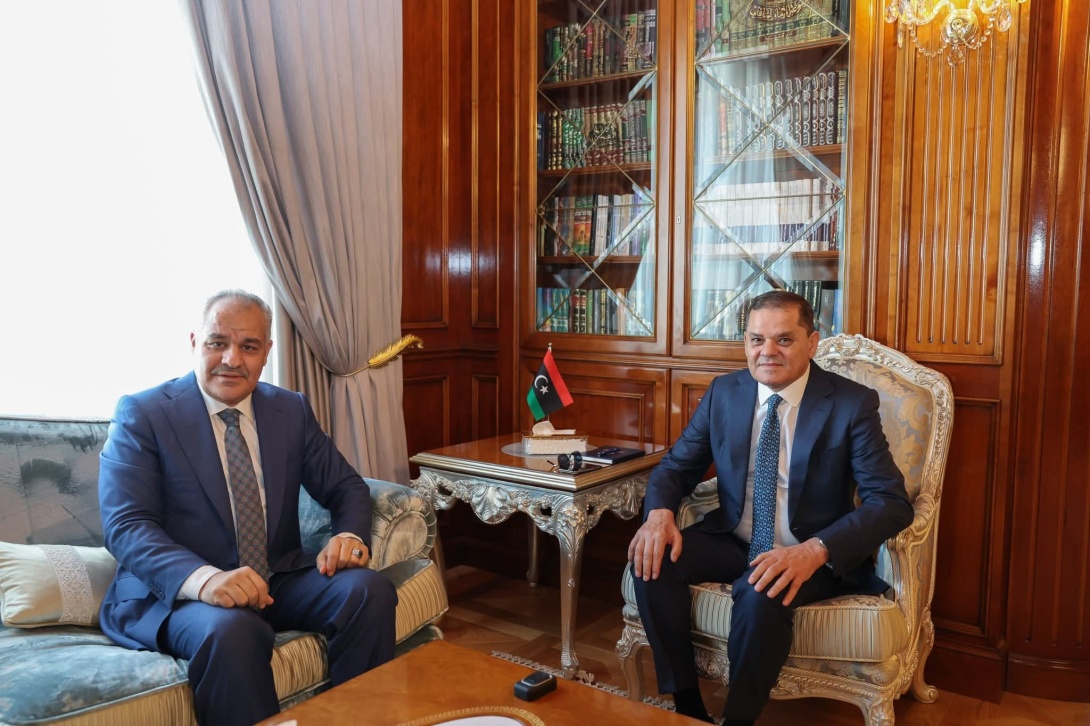
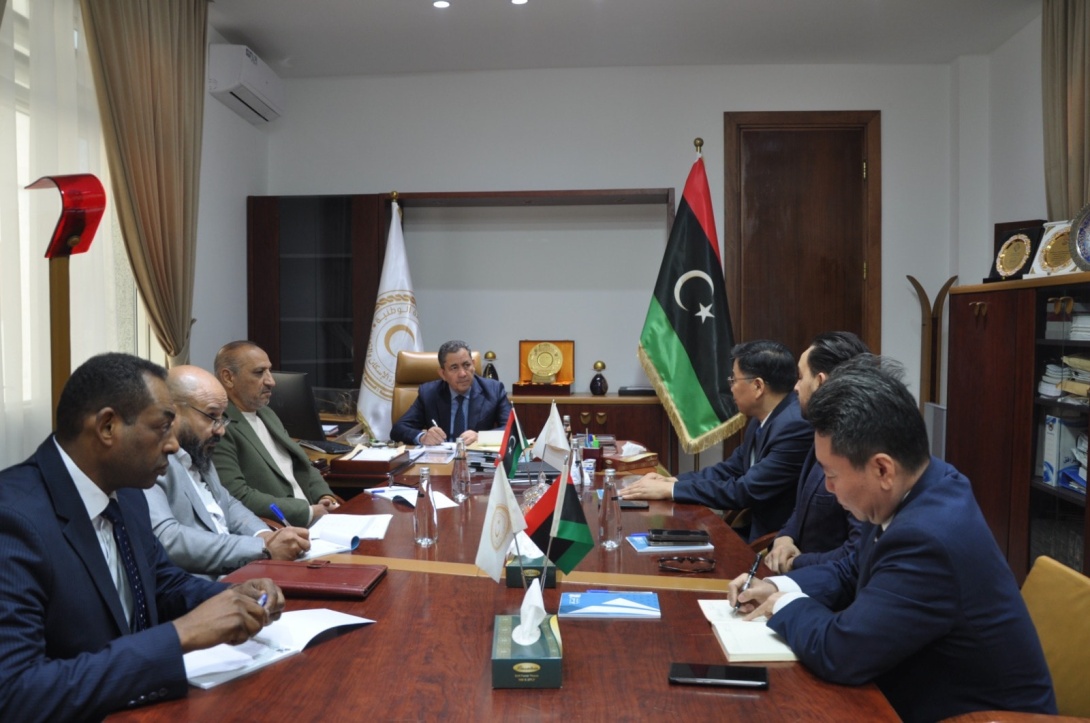
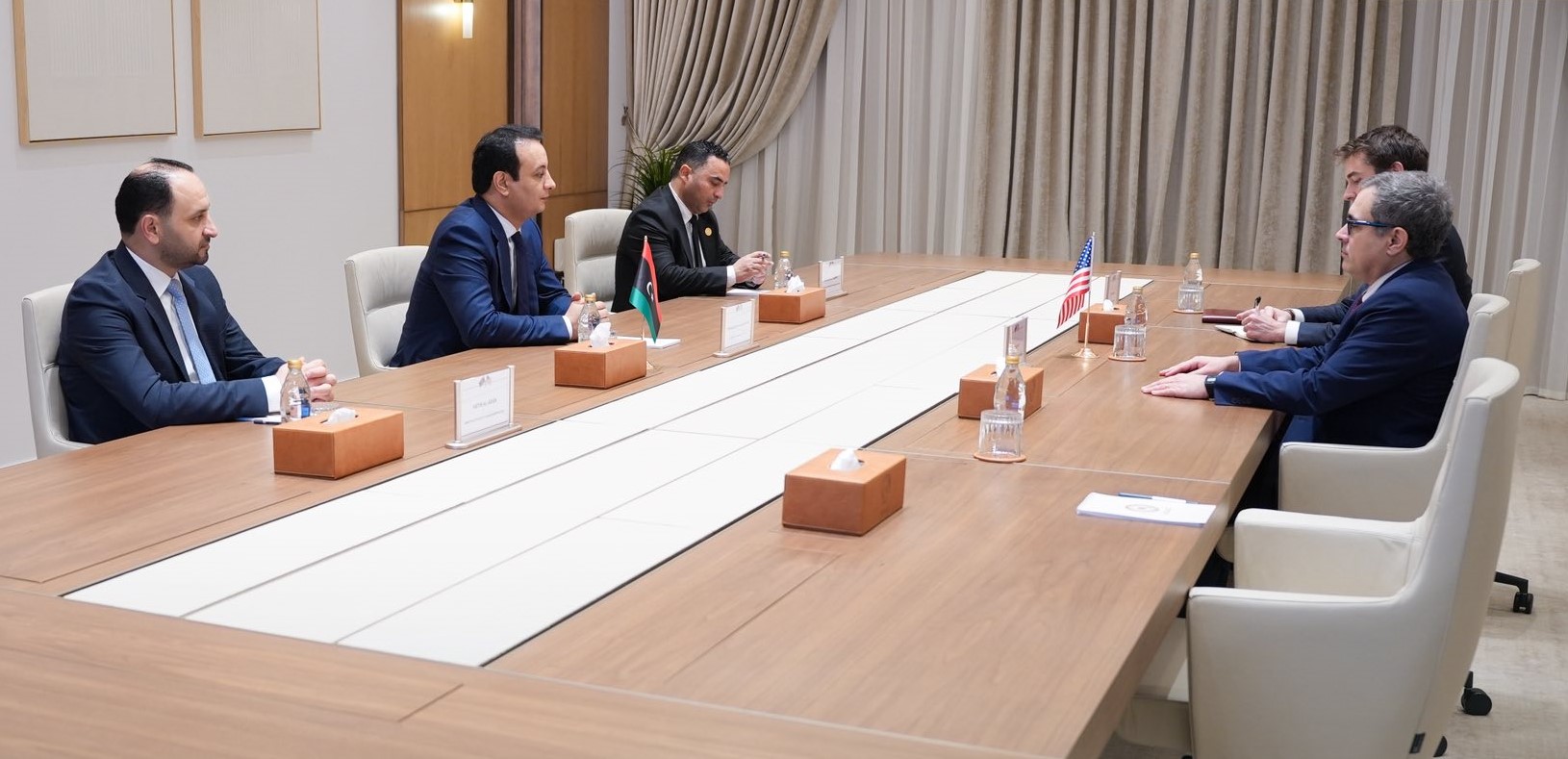
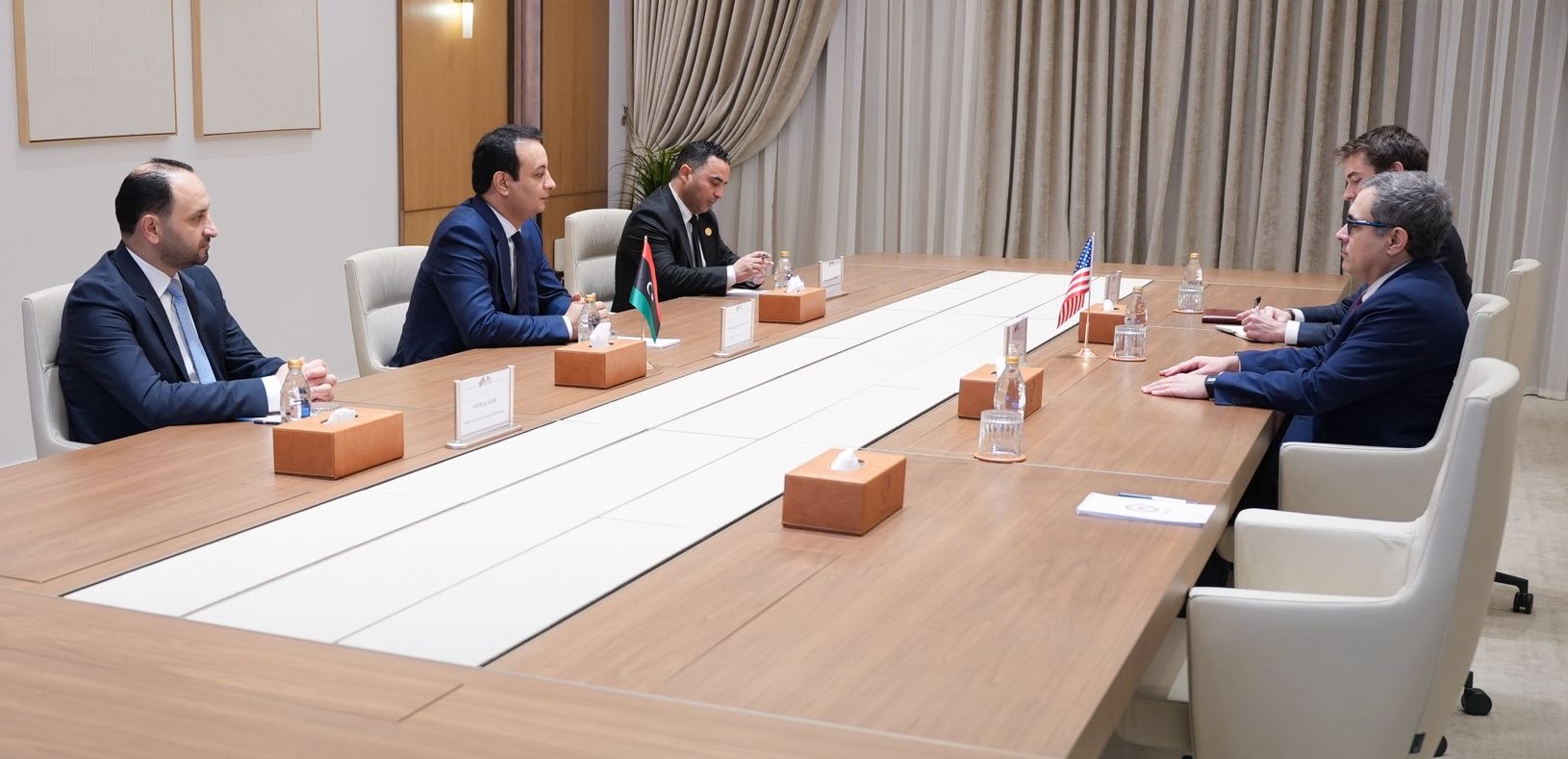
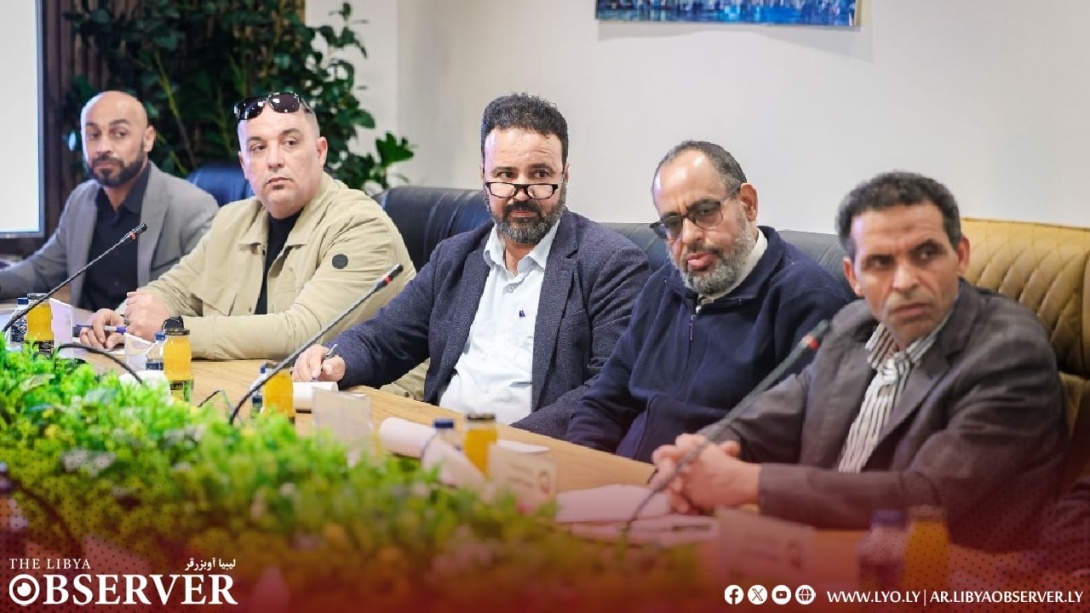
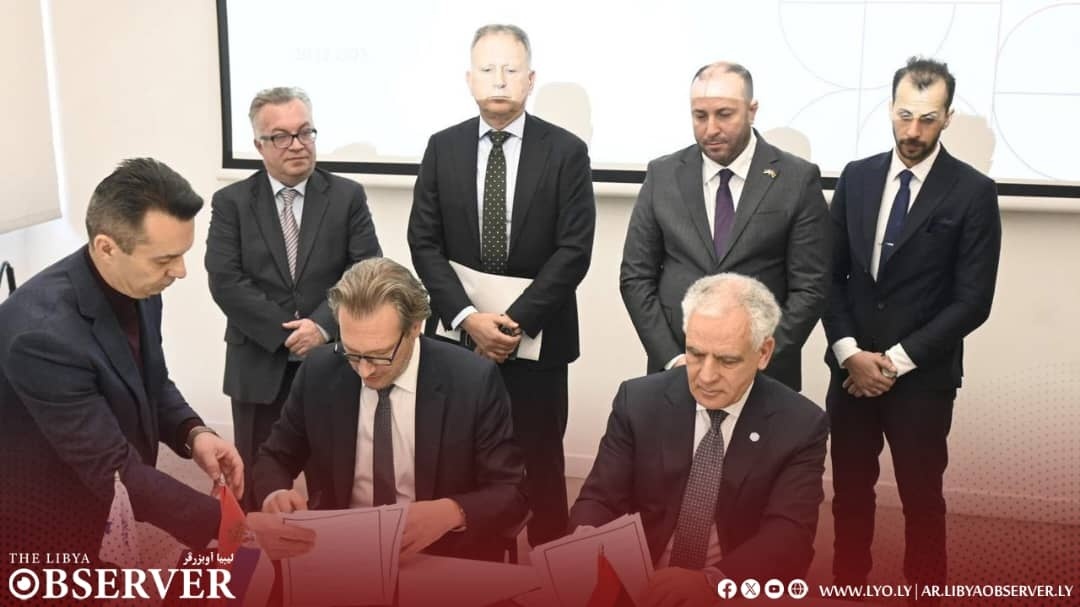
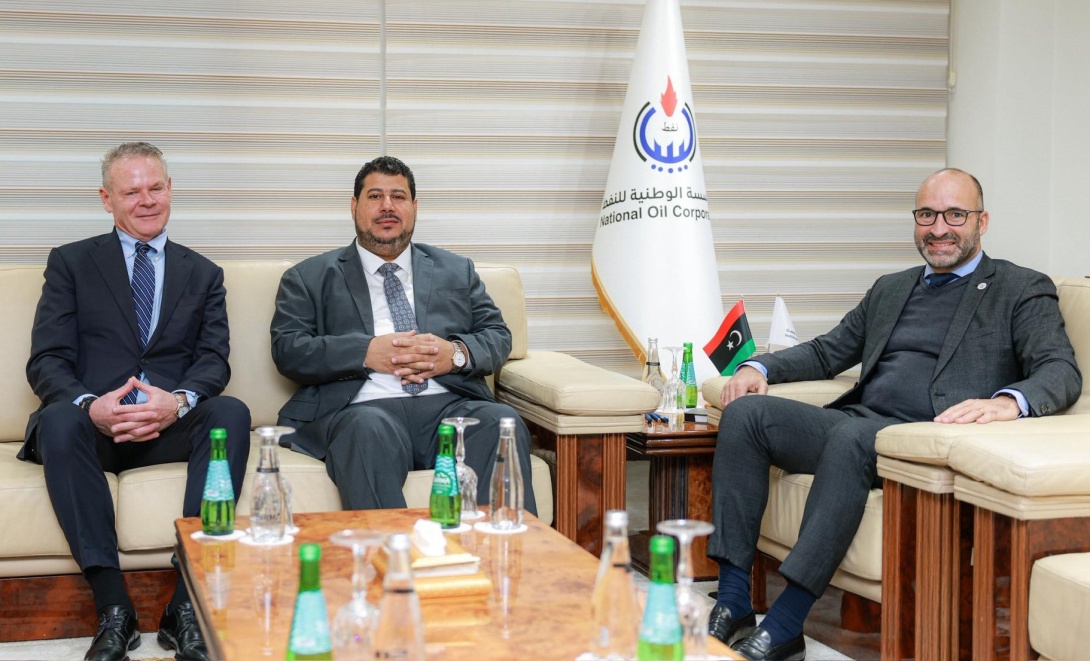
The Undersecretary of the Ministry of Industry and Minerals for General Affairs, Production and Industrial Zones held talks with a Turkish industrial company on expanding cooperation and supporting investment in the country’s manufacturing sector.
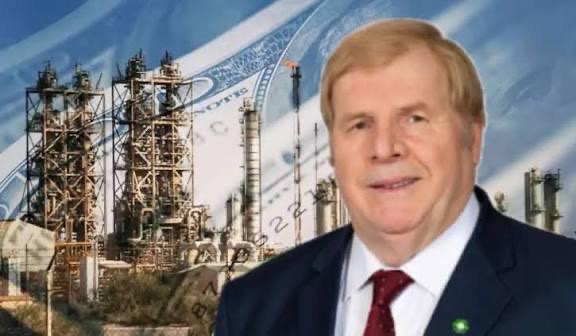
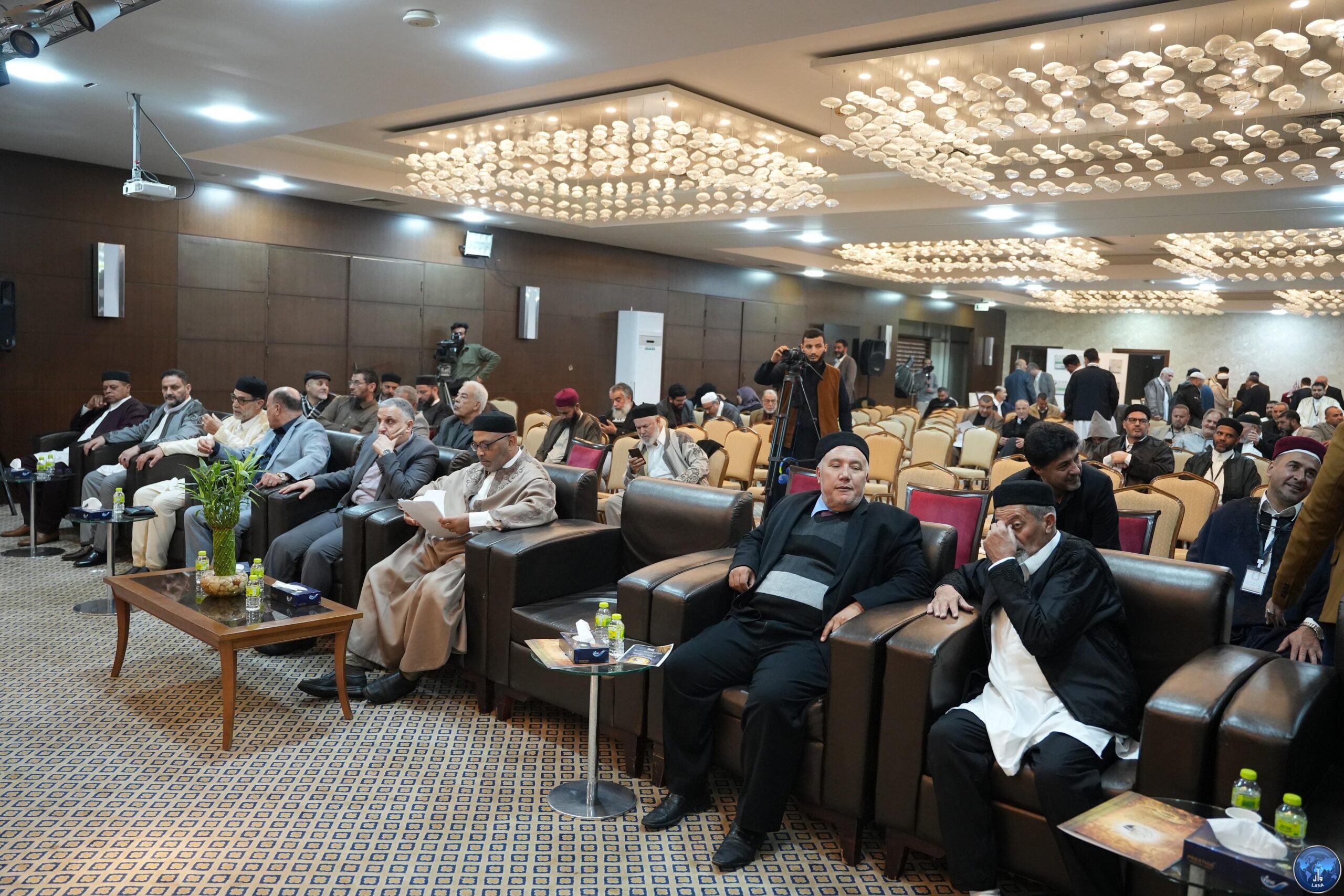
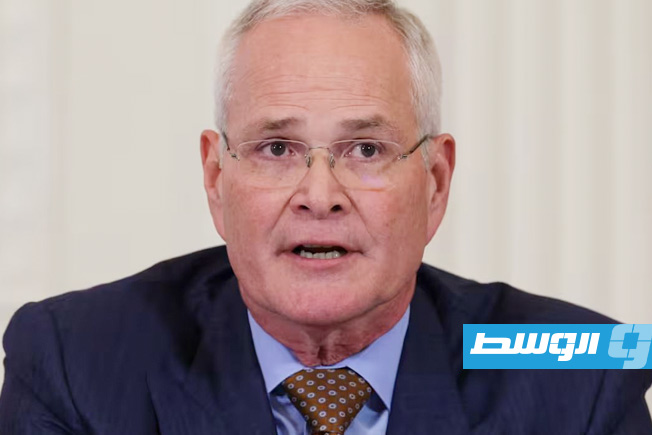
The meeting was held with the chairman of the Turkish company and the head of its Libya branch.
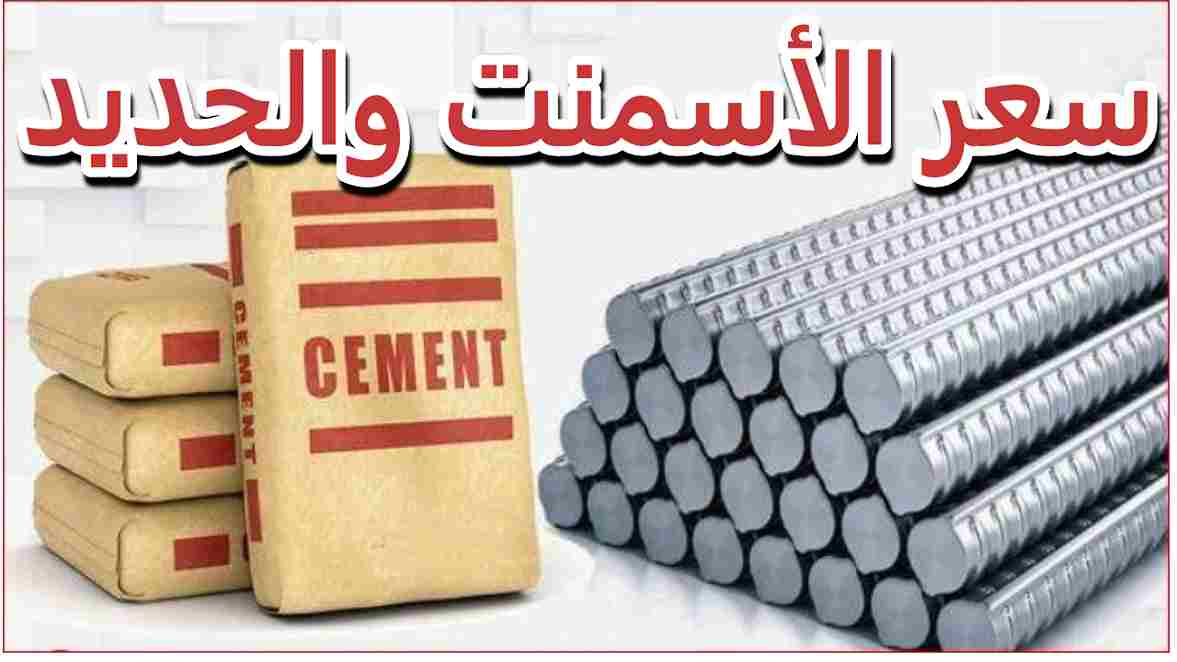
According to the ministry, the discussions focused on the company’s experience in delivering major industrial projects, particularly in the building materials sector. Officials highlighted projects previously implemented in Libya, including a lightweight sand-lime brick factory in the Sidi Al-Sayeh area.
The company also presented its portfolio of ongoing projects in several Arab countries.
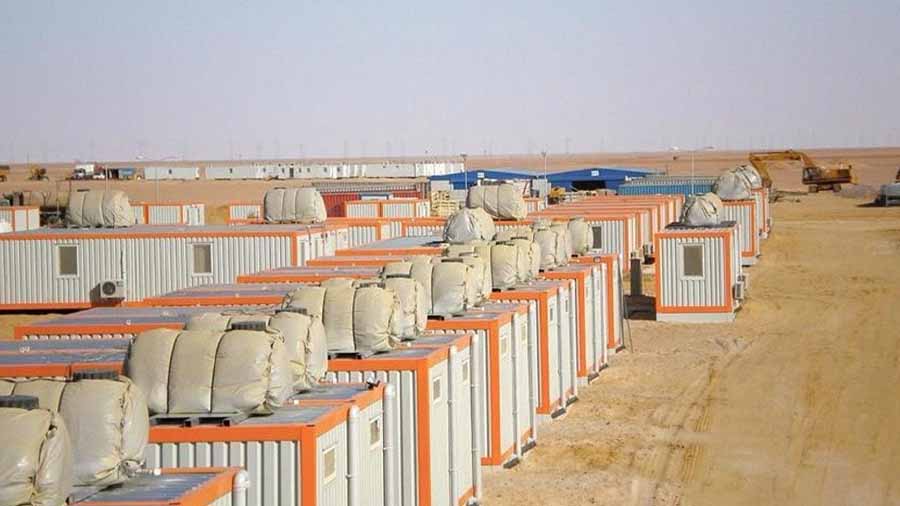
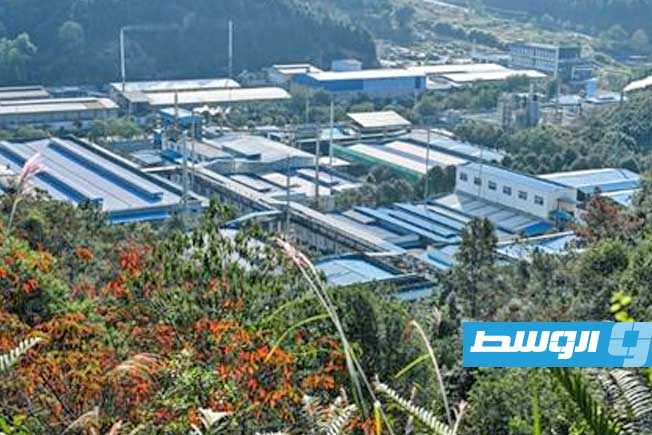
The ministry stated that the Undersecretary outlined plans to revitalise industrial zones through a package of strategic projects. These include establishing industrial complexes for the production of gypsum and gypsum boards, as well as expanding sand-lime brick production lines to help meet local demand and support reconstruction efforts.
It was stressed that any projects should be implemented in line with the country’s Investment Promotion Law and through mechanisms aimed at ensuring sustainable local production and affordable prices for consumers.
At the end of the meeting, the Turkish delegation expressed readiness to study the proposed opportunities and prepare a preliminary feasibility study for discussion at future technical meetings, the ministry said.
Ministry of Industry and Minerals
The Ministry of Industry and Minerals is the Iraqi government body responsible for overseeing the nation’s industrial and mining sectors. It was established to manage and develop Iraq’s significant state-owned industrial enterprises and mineral resources, which have historically been central to the country’s economy, particularly following the nationalization of the oil industry in the 1970s.
Libya
Libya is a North African country with a rich history rooted in ancient civilizations like the Phoenicians and Romans, followed by centuries of Arab and Ottoman influence. In the modern era, it was an Italian colony before gaining independence in 1951, later becoming known for Muammar Gaddafi’s lengthy rule from 1969 until the 2011 revolution. Its cultural heritage includes UNESCO World Heritage sites such as the ancient Greek city of Cyrene and the Roman ruins of Leptis Magna.
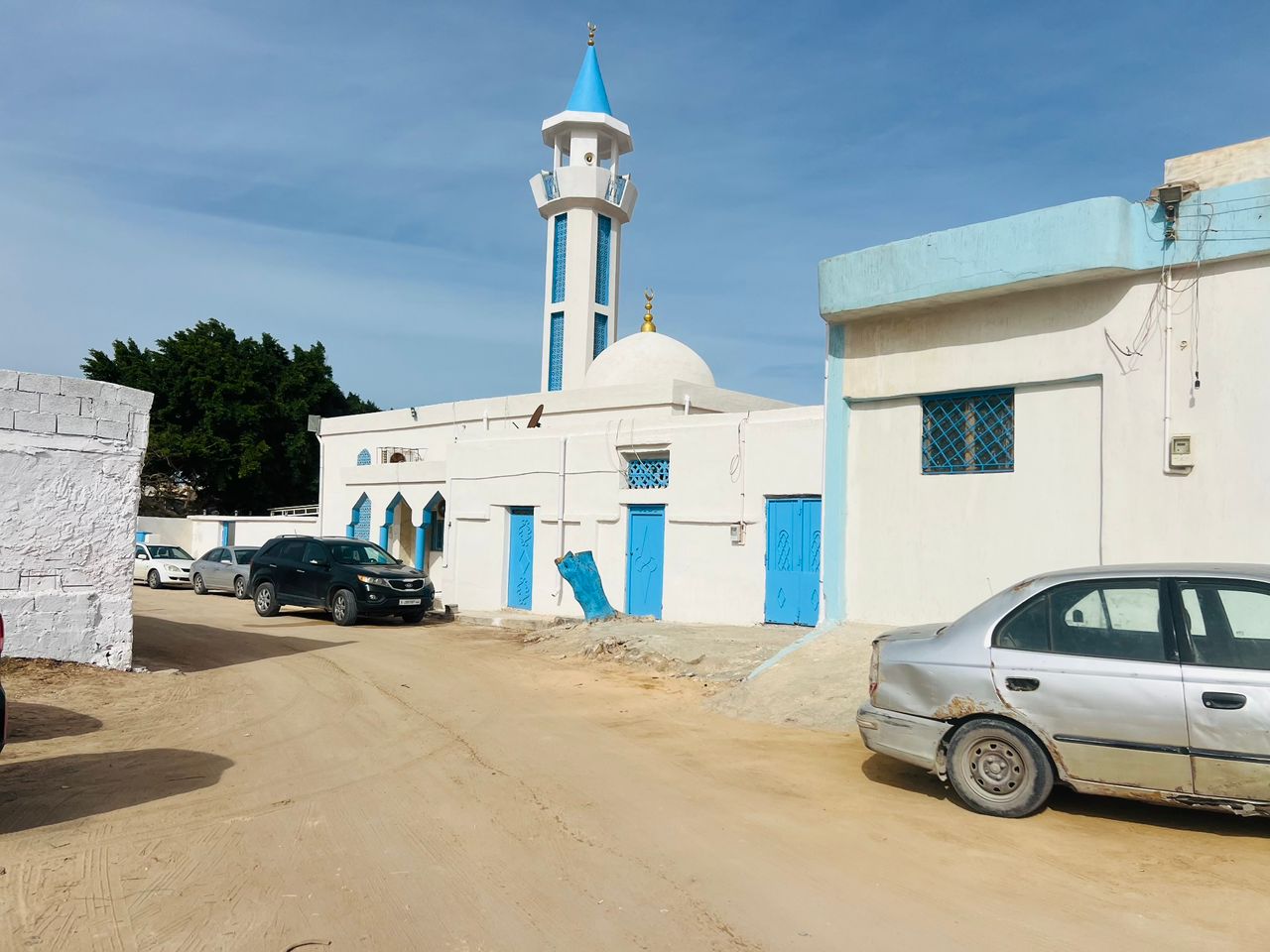
Sidi Al-Sayeh
Sidi Al-Sayeh is a historic mausoleum and religious site in Tunis, Tunisia, traditionally believed to be the tomb of a 13th-century Sufi saint. It is part of the Medina of Tunis, a UNESCO World Heritage site, and has served as a place of worship and spiritual retreat for centuries.
Turkey
Turkey is a transcontinental nation bridging Europe and Asia, with a rich history as the heart of the Byzantine and Ottoman Empires. Its cultural landscape is defined by iconic sites like the Hagia Sophia in Istanbul, which has served as a cathedral, mosque, and museum, reflecting the country’s layered historical influences. Modern Turkey was founded as a republic in 1923 by Mustafa Kemal Atatürk following the collapse of the Ottoman Empire.