Ministry of Foreign Affairs and International Cooperation discusses with the United Nations joint efforts to combat organized and cross-border crime.
libyawire.org > News > Society > Ministry of Foreign Affairs and International Cooperation discusses with the United Nations joint efforts to combat organized and cross-border crime.
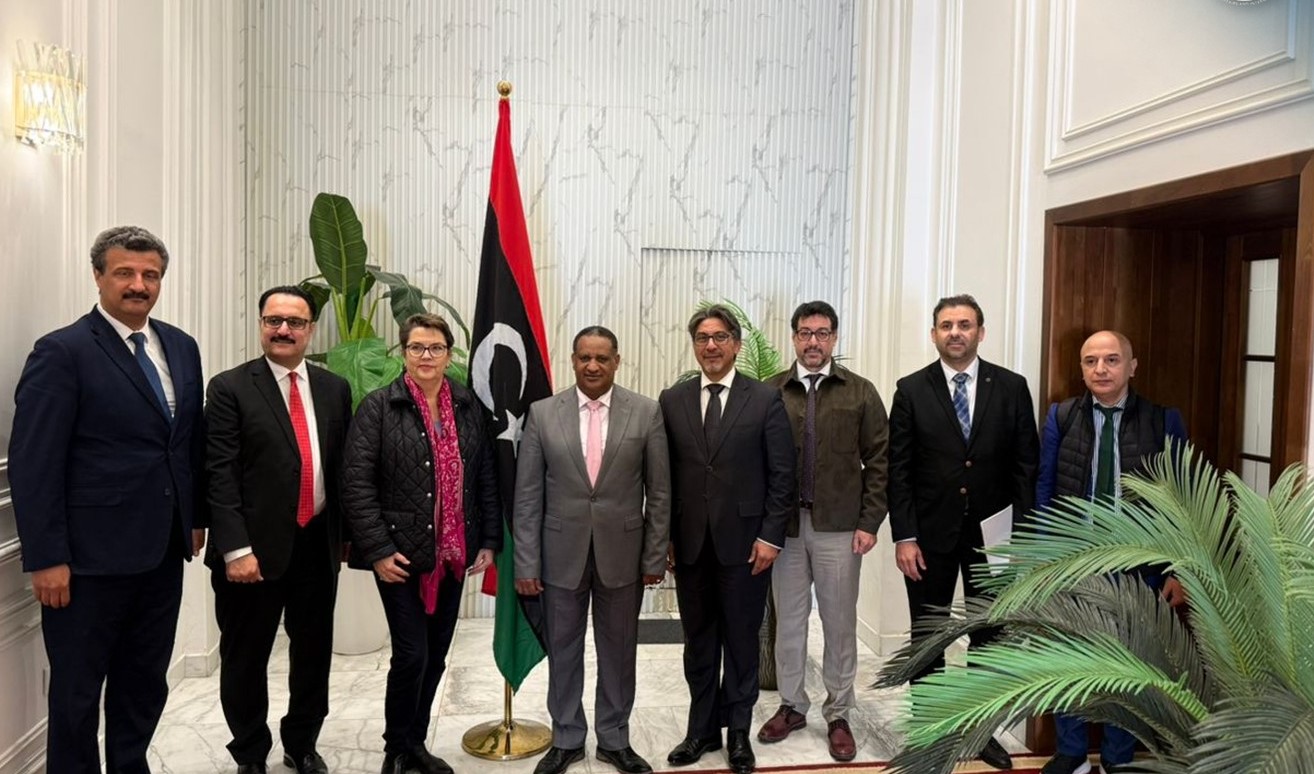
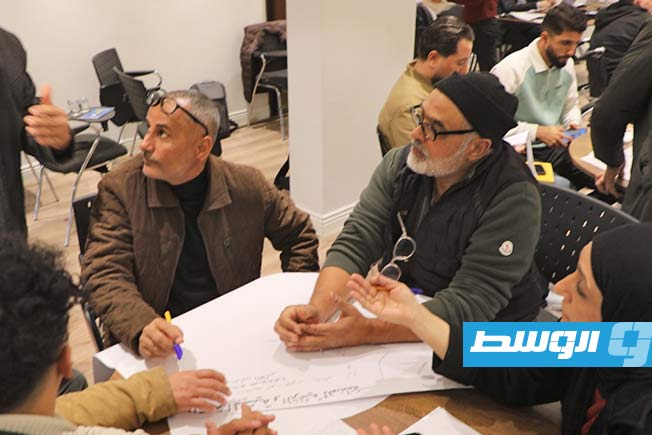
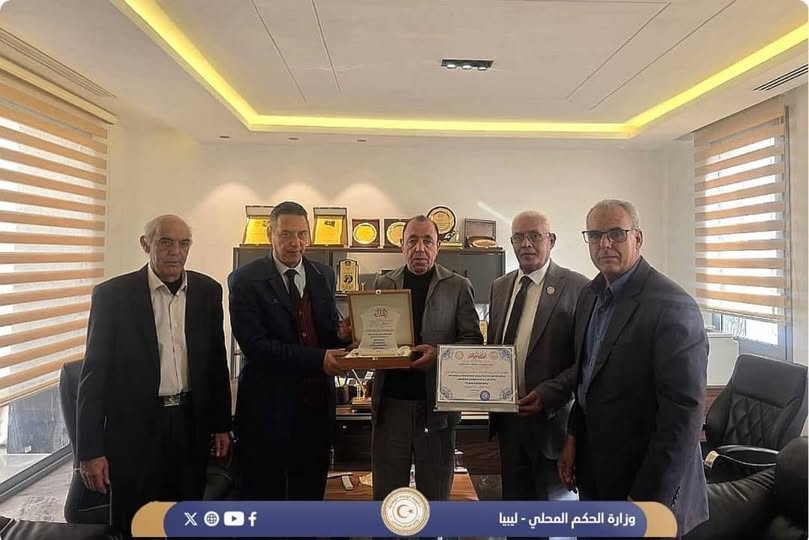
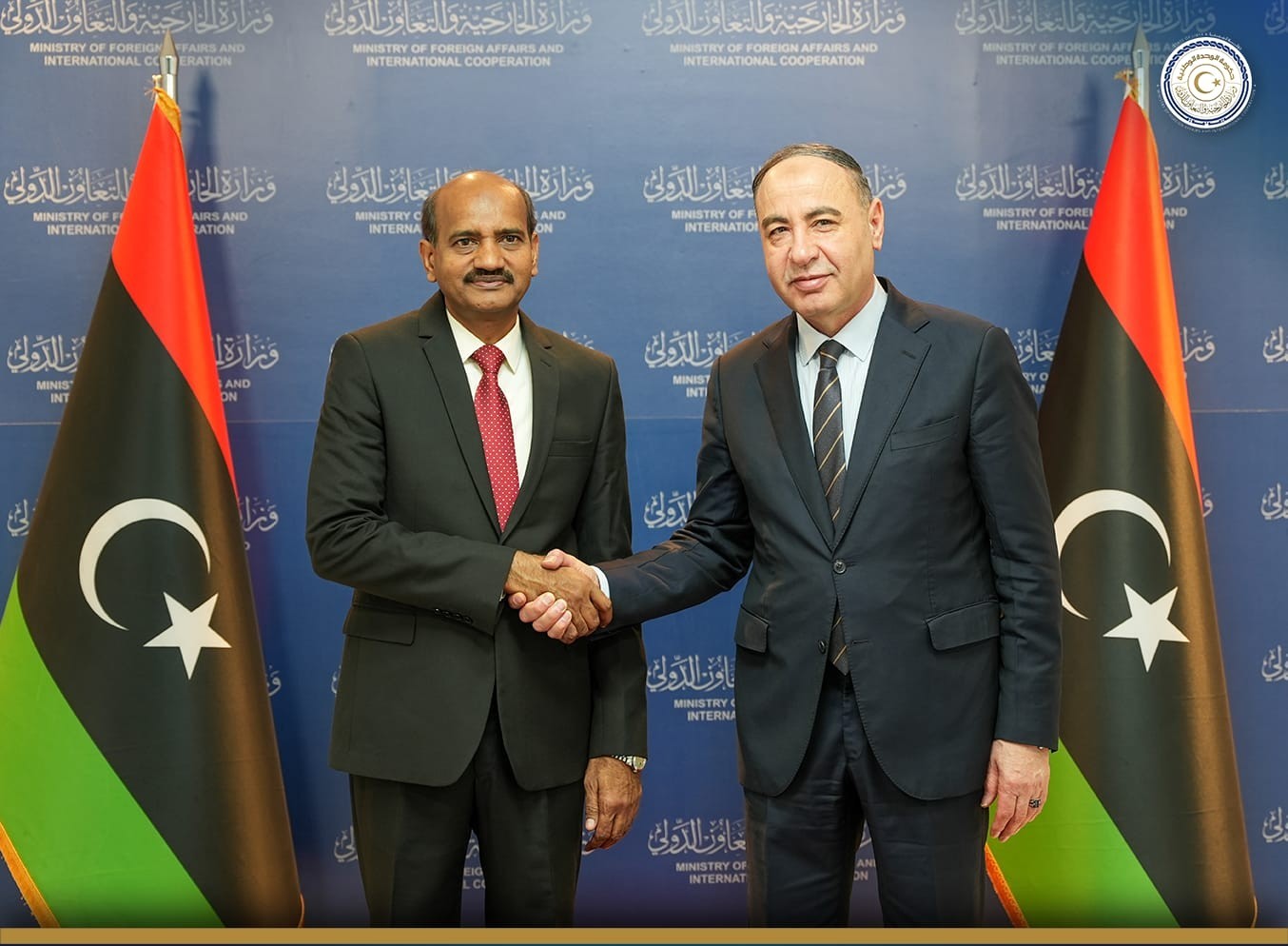
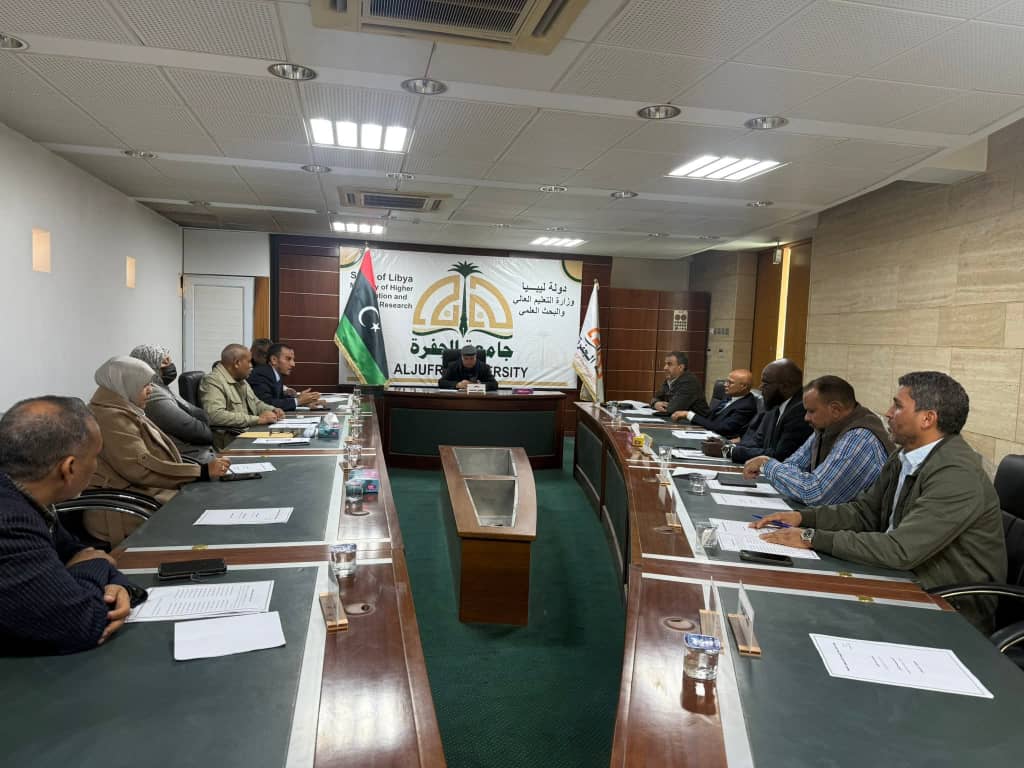
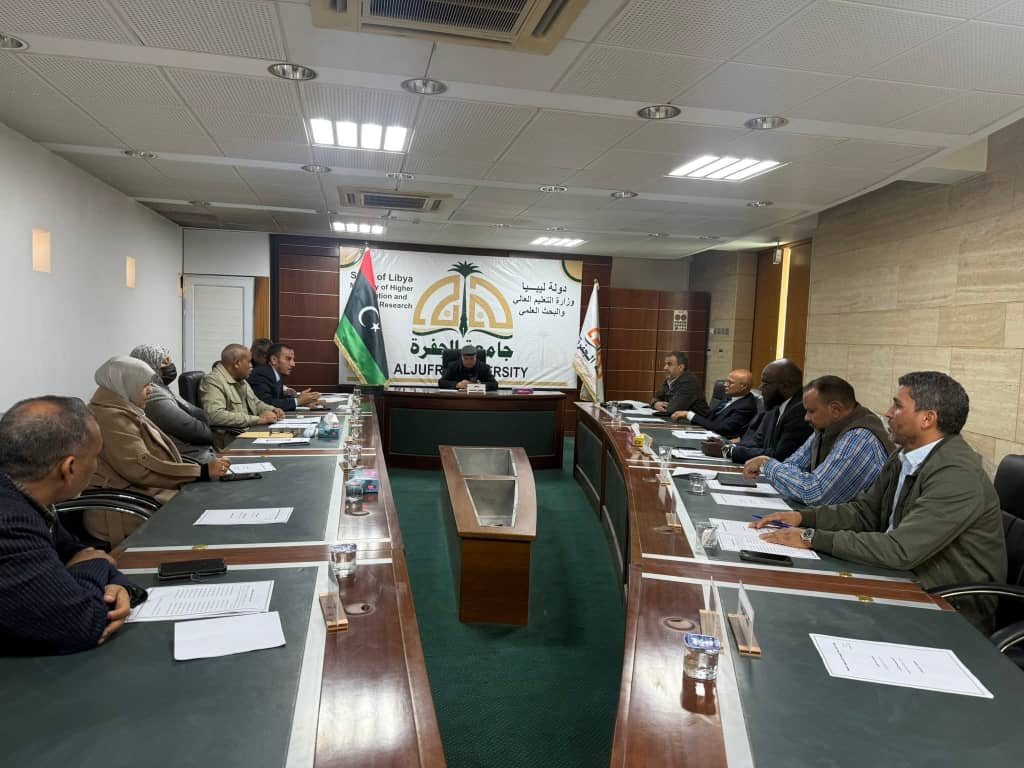
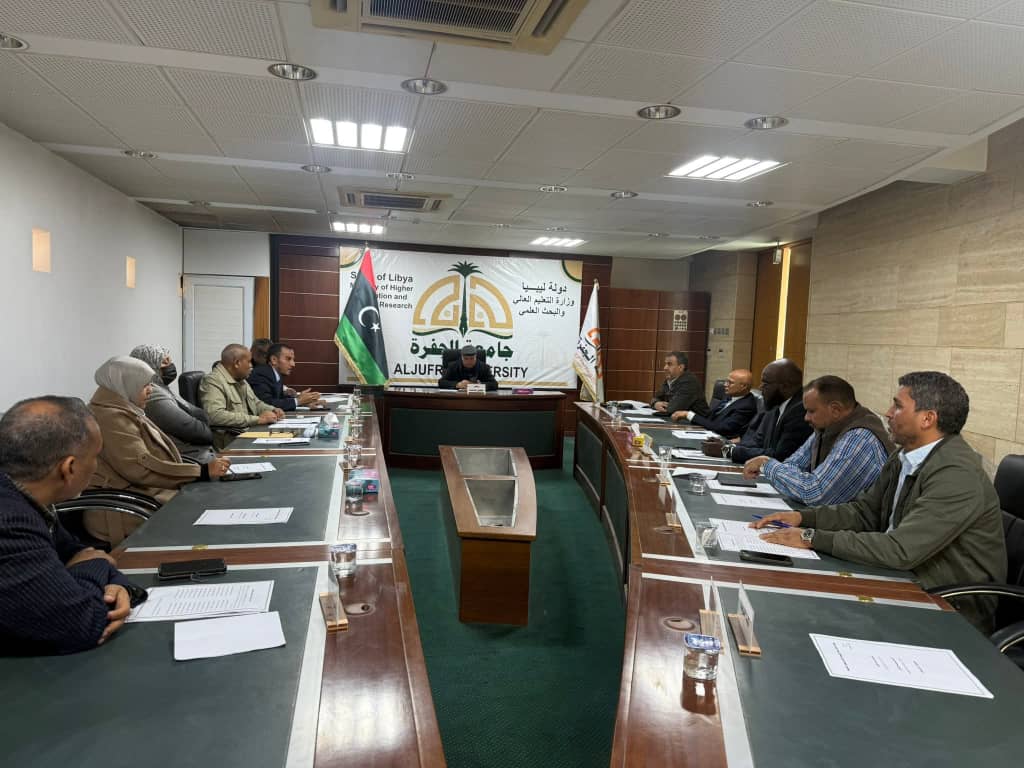
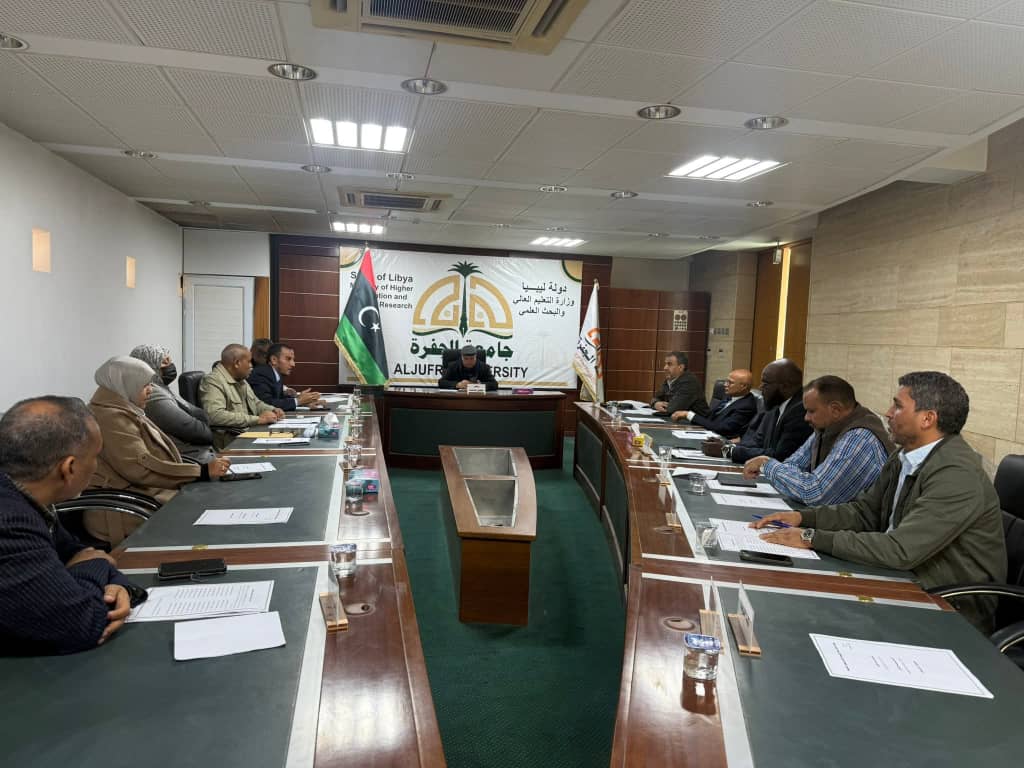
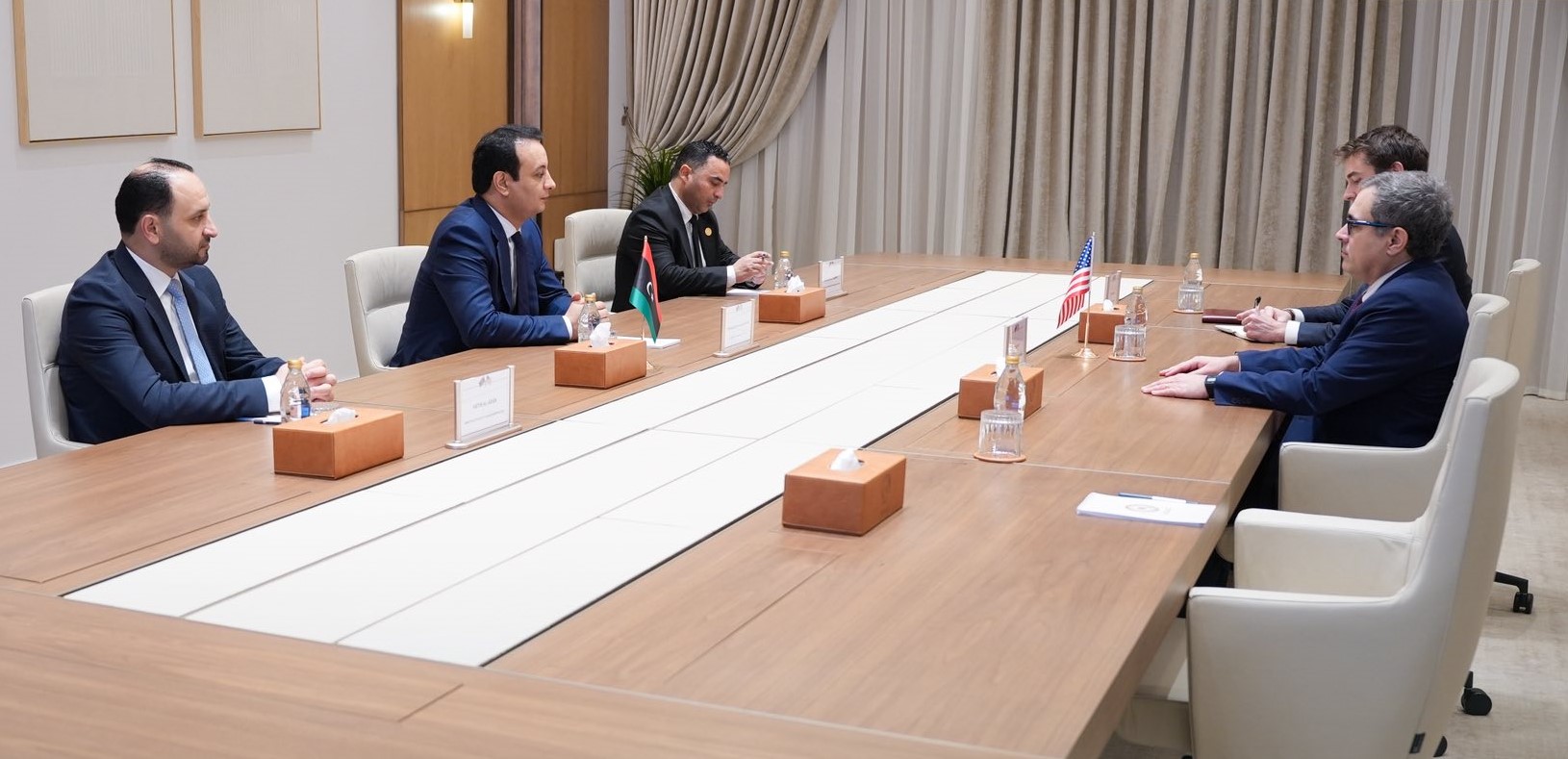
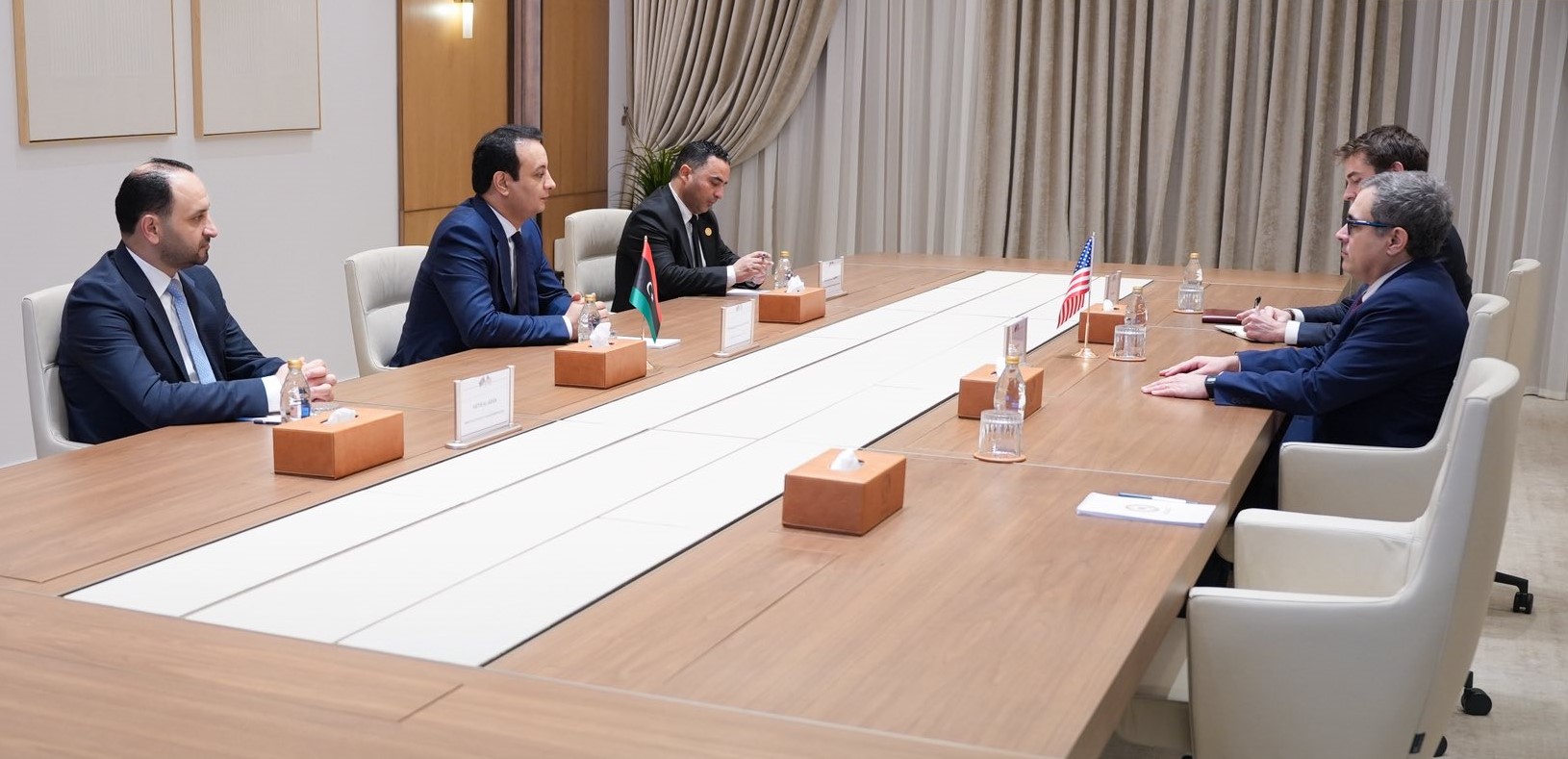
Tripoli, January 11, 2025 – The Deputy Minister of Foreign Affairs for Expatriate Affairs discussed today with the Regional Representative of the United Nations Office on Drugs and Crime for the Middle East and North Africa region aspects of joint cooperation in this field.
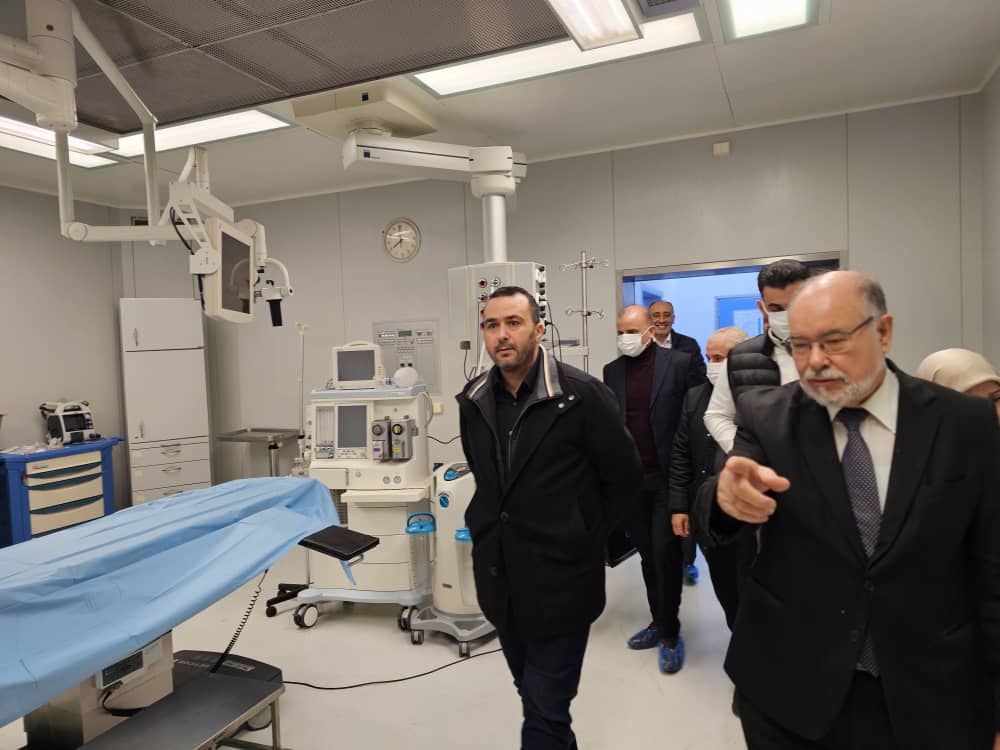
During the meeting, which was held at the Ministry’s headquarters in Tripoli in the presence of the Director of the International Organizations Department, both sides stressed the importance of continuing consultation and coordination to enhance joint efforts to combat organized and cross-border crime in all its forms.
During the meeting, emphasis was placed on the active role played by the United Nations mission in addressing the challenges of illegal migration, organized crime, and drug trafficking in the region, stressing the importance of strengthening joint cooperation in this field.
For her part, appreciation was expressed for the role played by the Ministry of Foreign Affairs and International Cooperation of the Government of National Unity in facilitating all necessary procedures for the work of the UN organization, which contributes to the performance of its tasks and the reduction of the spread of organized crime in all its forms.
…
Tripoli
Tripoli is the capital and largest city of Libya, located on the country’s Mediterranean coast. Historically, it was founded by the Phoenicians in the 7th century BC and has since been ruled by the Romans, Arabs, Ottomans, and Italians, which is reflected in its diverse architecture like the ancient Red Castle (Assaraya al-Hamra).
Ministry of Foreign Affairs
The Ministry of Foreign Affairs is the government department responsible for a nation’s international relations and diplomacy. Its history is tied to the development of the modern state, evolving from the roles of royal secretaries and chancellors into a formal cabinet-level ministry, typically established in the 18th or 19th century. It manages embassies, conducts foreign policy, and negotiates treaties.
United Nations Office on Drugs and Crime
The United Nations Office on Drugs and Crime (UNODC) is a global leader in the fight against illicit drugs, organized crime, corruption, and terrorism. Established in 1997 through the merger of the UN Drug Control Programme and the Centre for International Crime Prevention, it works to assist Member States in addressing these interconnected threats to security and development.
Middle East
The Middle East is a transcontinental region centered on Western Asia and parts of North Africa, historically known as the cradle of civilization where some of the world’s earliest human societies and major religions emerged. It has been a central crossroads for trade, culture, and empires for millennia, from ancient Mesopotamia and Persia to the later Islamic caliphates and the Ottoman Empire. In the modern era, the region’s vast oil reserves and complex geopolitical dynamics have made it a focal point of global affairs.
North Africa
North Africa is a region encompassing countries along the Mediterranean coast and the Sahara Desert, historically home to ancient civilizations like the Egyptians, Carthaginians, and Numidians. It later became a major part of the Islamic world following the Arab conquests in the 7th century, profoundly shaping its cultural and linguistic identity. The region’s modern history is marked by European colonialism and the subsequent independence movements of the 20th century.
International Organizations Department
The International Organizations Department is a specialized administrative body within a national government, typically part of the foreign ministry, responsible for managing a country’s relations with multilateral institutions like the United Nations. Its history is tied to the post-World War II expansion of global governance, as nations established dedicated offices to coordinate their participation in and contributions to these increasingly influential international bodies.
United Nations mission
The United Nations mission refers to the deployment of UN personnel, often including peacekeeping forces, political envoys, and humanitarian workers, to areas of conflict or crisis. These missions are established by the UN Security Council to maintain international peace and security, monitor ceasefires, protect civilians, and support political processes. Their history dates to the first UN observer mission in 1948 and has evolved to include complex, multidimensional operations worldwide.
Ministry of Foreign Affairs and International Cooperation
The Ministry of Foreign Affairs and International Cooperation is the government department responsible for managing Italy’s diplomatic relations and foreign policy. It was established shortly after the unification of Italy in 1861, originally named the Ministry of Foreign Affairs, with its current name reflecting a modern emphasis on global partnership.
Government of National Unity
The Government of National Unity (GNU) is a term most notably associated with the post-apartheid transitional government in South Africa, formed in 1994 following the country’s first multiracial elections. It was a coalition government led by Nelson Mandela’s African National Congress (ANC) and included its former political rivals, the National Party and the Inkatha Freedom Party, to foster reconciliation and stability during the nation’s democratic transition.
UN organization
The United Nations (UN) is an international organization founded in 1945 after World War II to promote peace, security, and cooperation among nations. It replaced the League of Nations and is headquartered in New York City, with its charter signed by 51 original member countries.