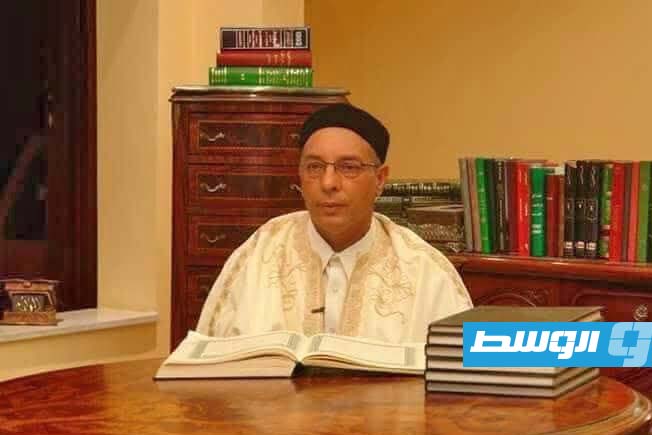
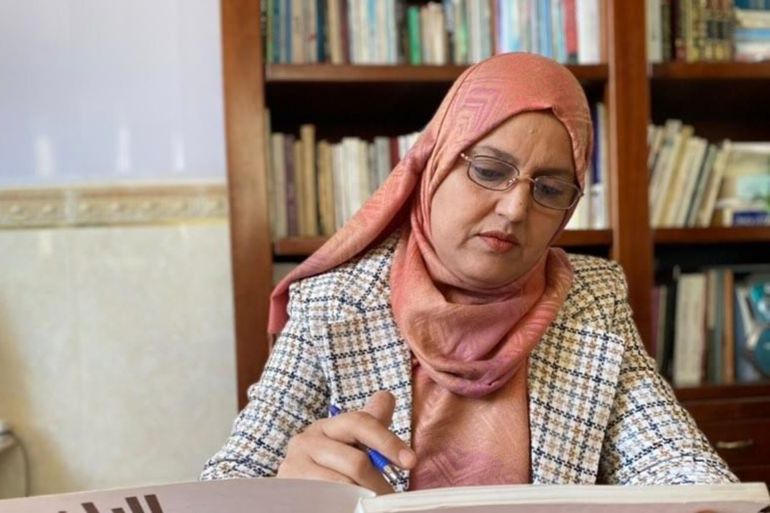
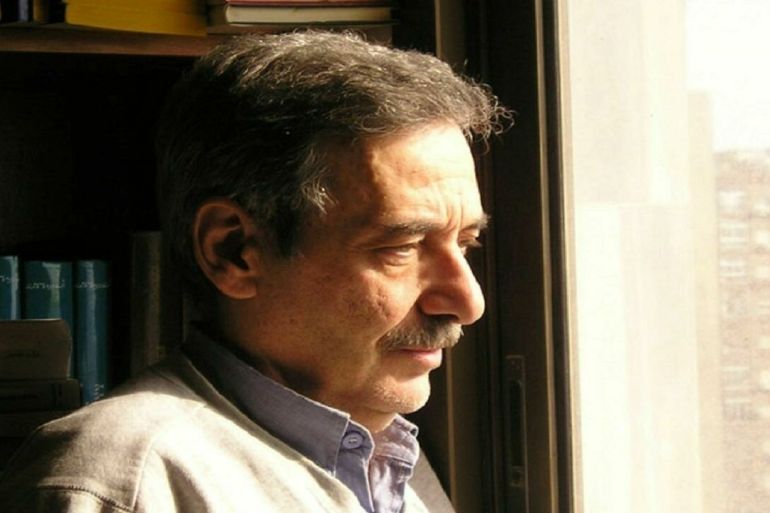
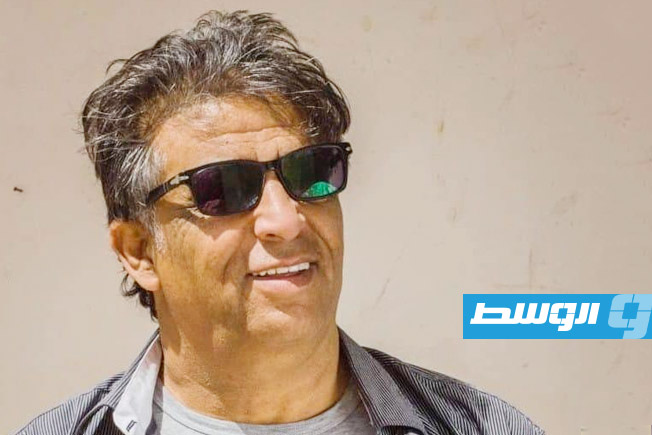
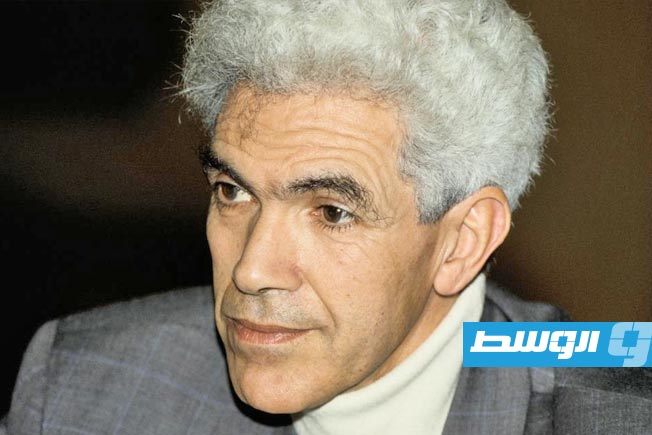
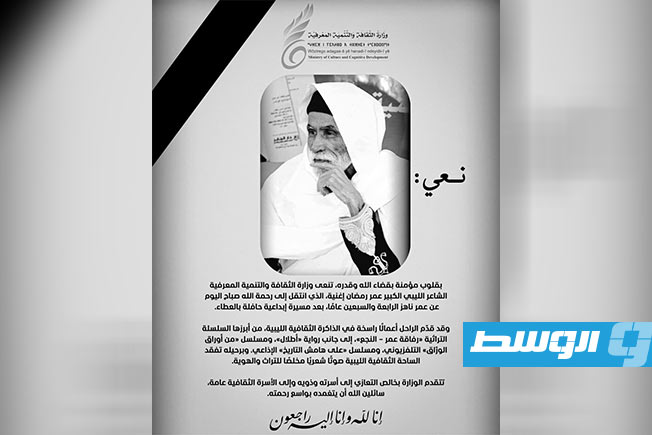
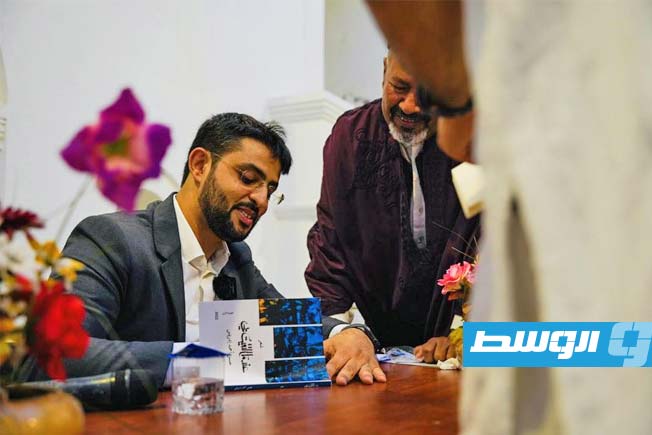
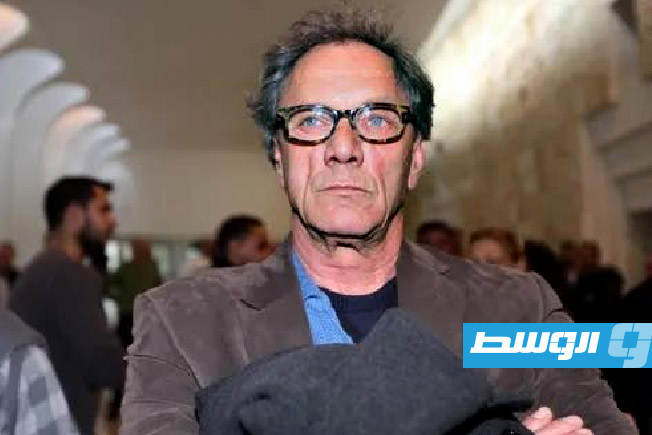
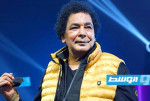
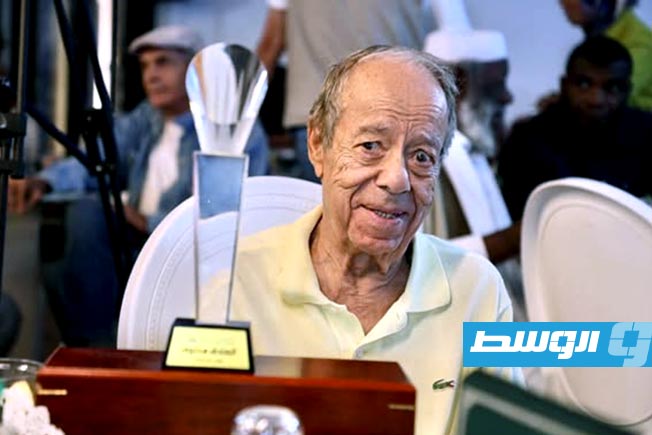
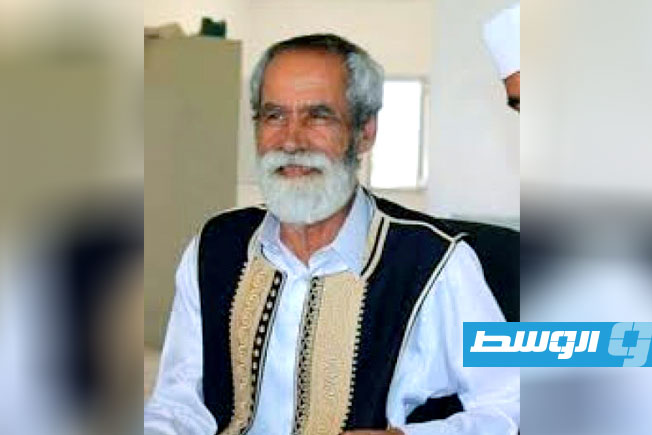
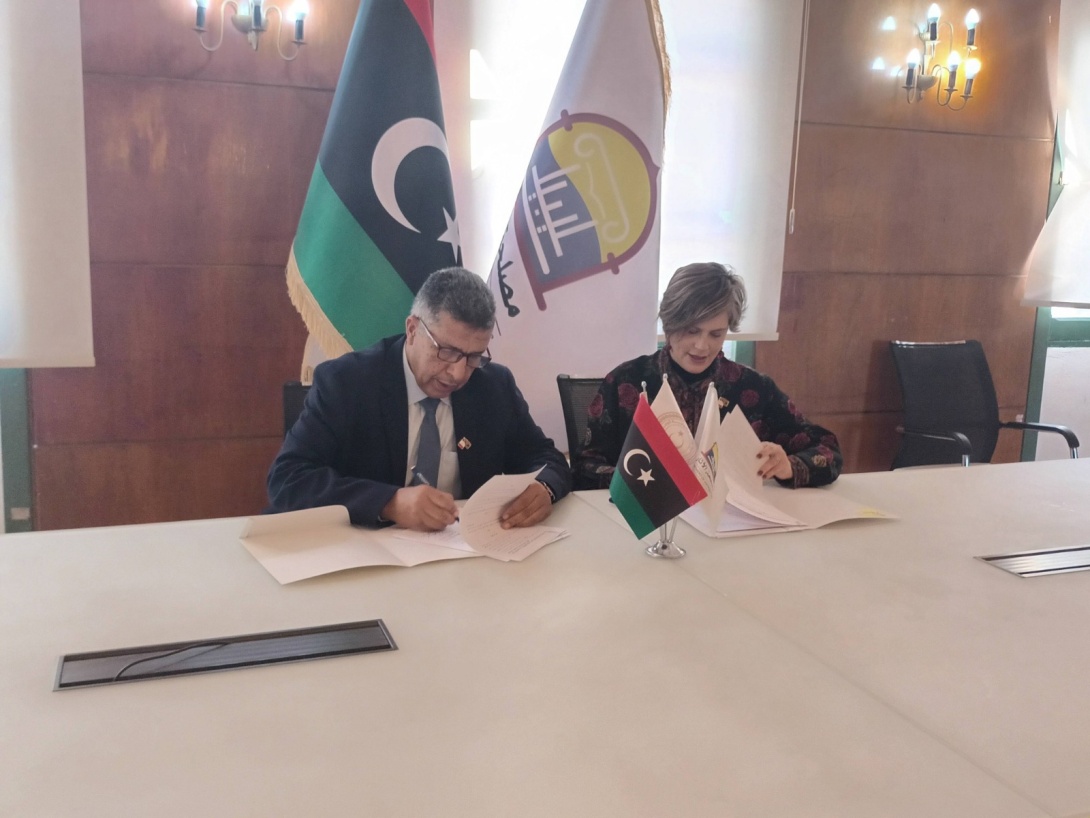
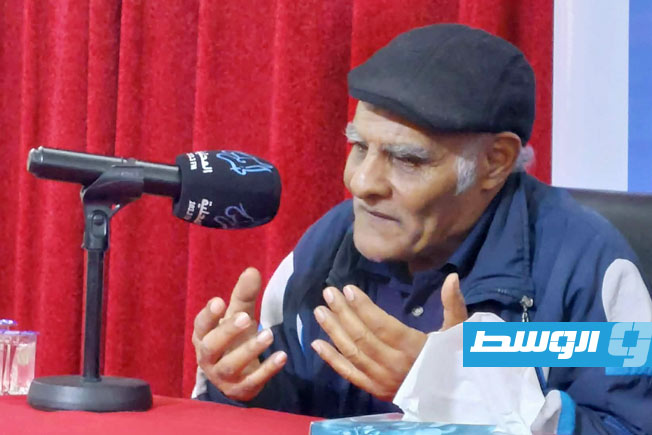
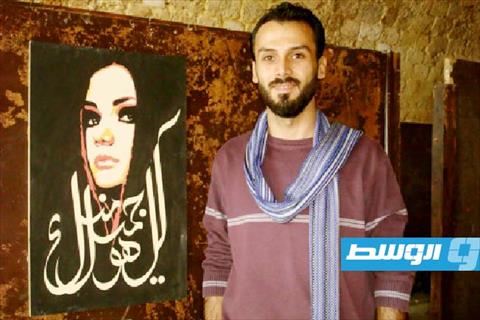
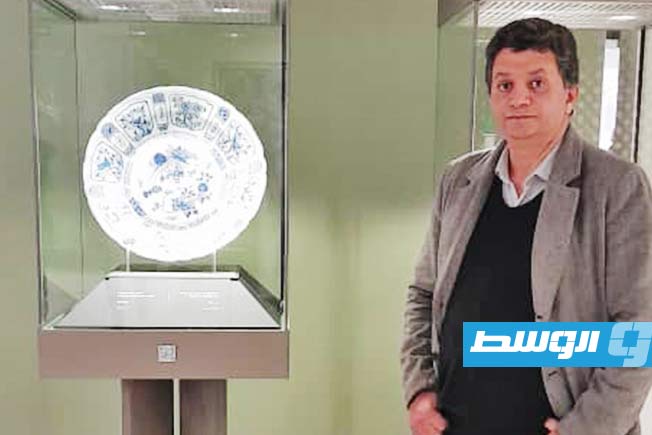
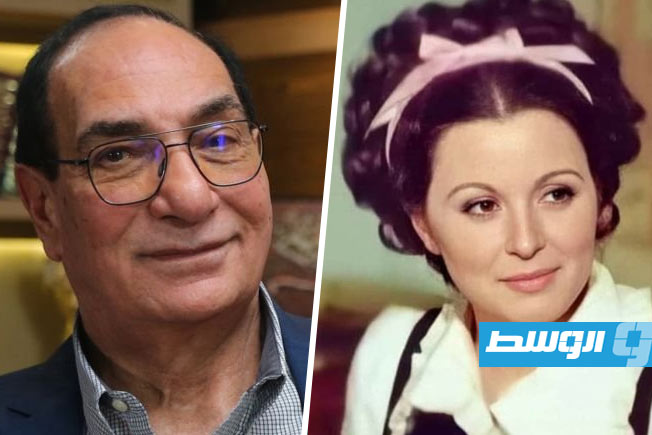
Tripoli – January 5, 2025 – The Ministry of Culture of the Government of National Unity expressed profound sadness and sorrow over the passing of the Libyan writer and poet Omar Ramadan, who died after a prolific literary career filled with dedication and creativity. Throughout his journey, he left a clear mark on the Libyan cultural scene and a poetic and human legacy that will remain present in the national memory.
The ministry stated in its obituary announcement that the deceased was one of the prominent literary figures who contributed to enriching the cultural movement through poetic works characterized by sincere expression and depth of experience. His works reflected the concerns and aspirations of Libyan society and helped solidify the values of beauty, humanity, and national identity.
It noted that the loss of poet Omar Ramadan is not limited to his family and loved ones but represents a significant loss for the Libyan cultural and literary scene, which has lost one of the sincere voices of the Arabic language and one of the knights of the word who dedicated their creativity to serving culture and thought. The ministry extended its sincere condolences and sympathy to the family of the deceased, to the literary and cultural family, and to all his admirers, praying to God Almighty to envelop him in His vast mercy, grant him a place in His spacious paradise, and grant his family and loved ones beautiful patience and solace.
…
Tripoli
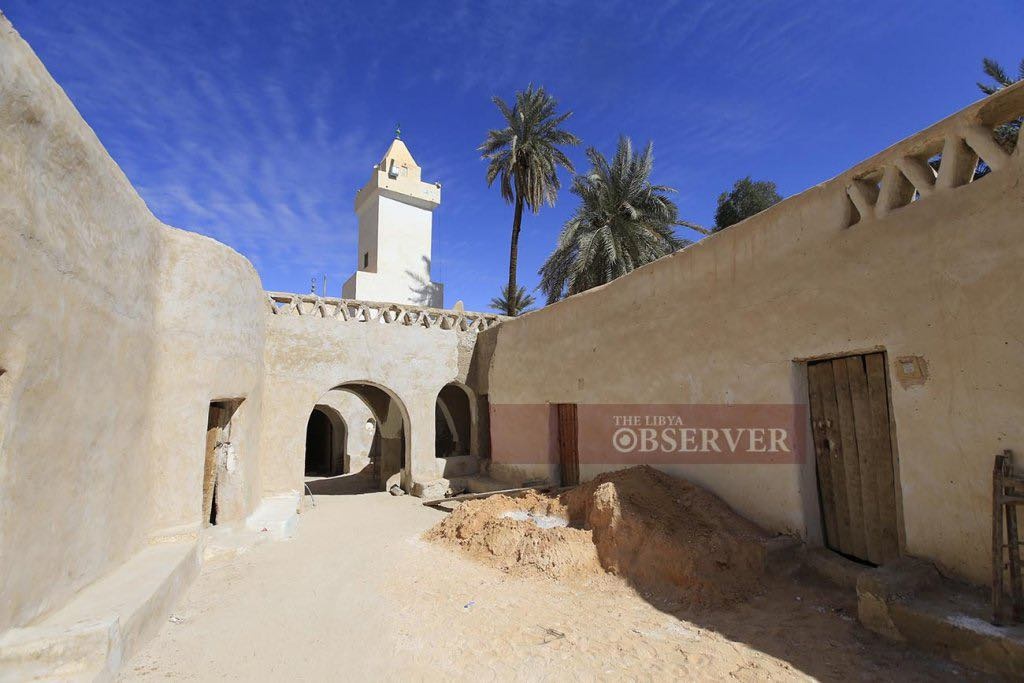
Tripoli is the capital and largest city of Libya, located on the country’s Mediterranean coast. Historically, it was founded by the Phoenicians in the 7th century BC and later became a significant Roman city, with its old town, the medina, showcasing a rich history of subsequent Arab, Ottoman, and Italian colonial rule.
Government of National Unity
The Government of National Unity (GNU) is a term most notably associated with the post-apartheid transitional government in South Africa, established in 1994 following the country’s first multiracial elections. It was a coalition government led by Nelson Mandela’s African National Congress (ANC) and included its former political rivals, the National Party and the Inkatha Freedom Party, to foster reconciliation and stability.
Ministry of Culture
The Ministry of Culture is a governmental department responsible for national policies concerning the arts, heritage, and cultural promotion. Its history varies by country, but such ministries were widely established in the 20th century to formally oversee and fund cultural institutions, preserve national heritage, and shape cultural identity.
Libyan writer
The Libyan writer is a cultural figure representing a rich literary tradition shaped by the nation’s complex history, including periods under Italian colonization and the Gaddafi regime. Their works often explore themes of identity, resistance, and social change, contributing significantly to modern Arabic literature.
Omar Ramadan
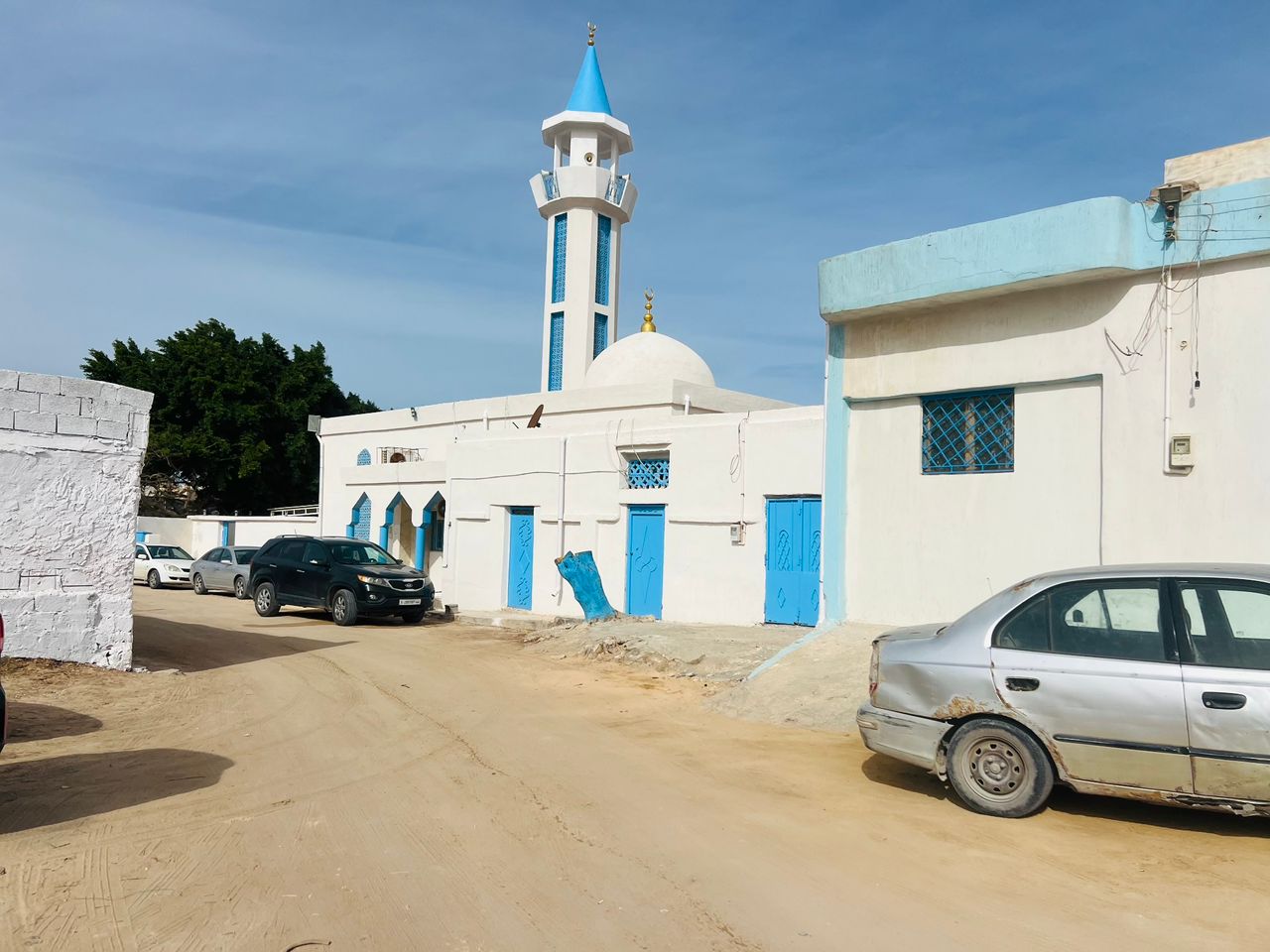
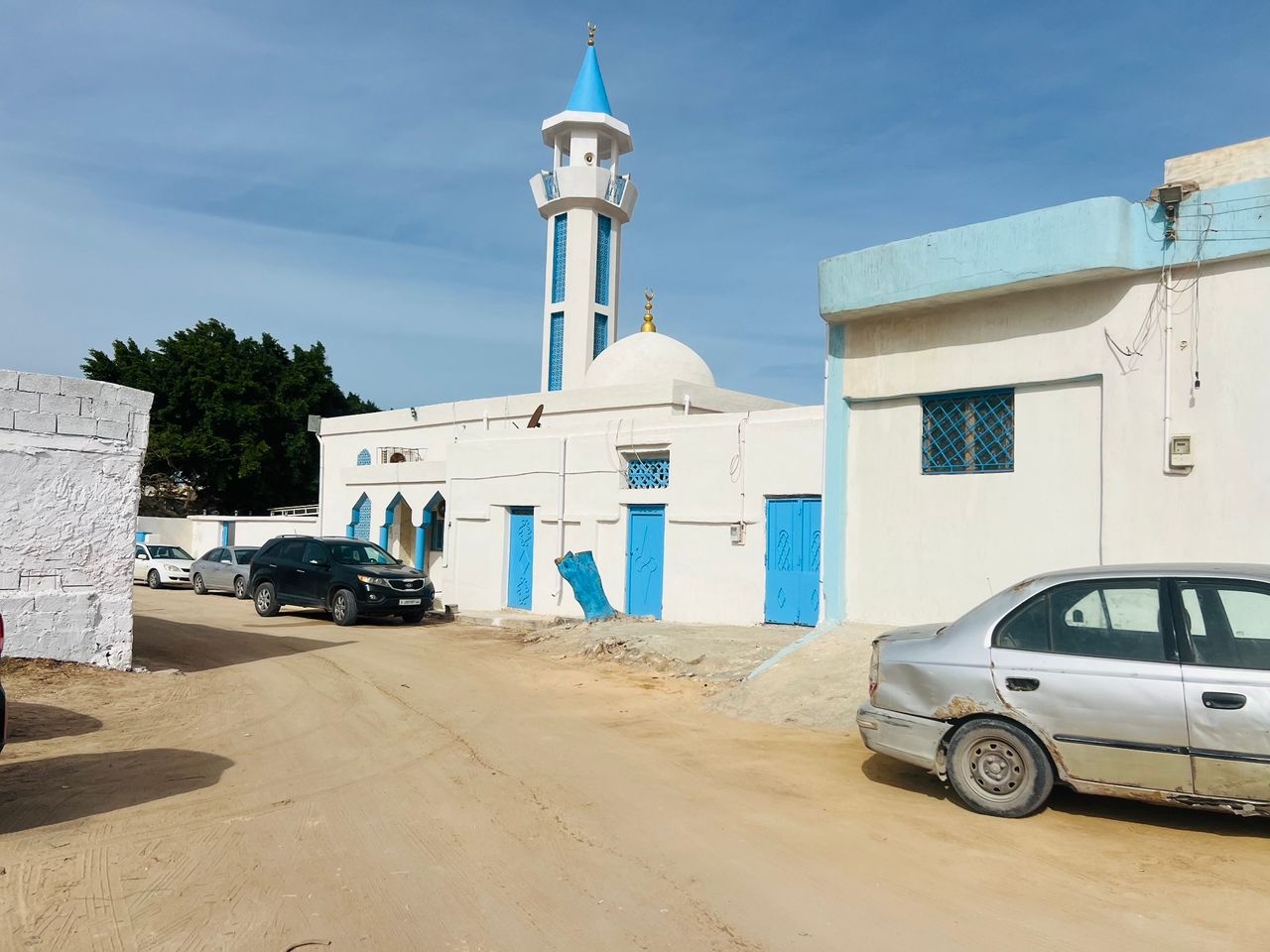
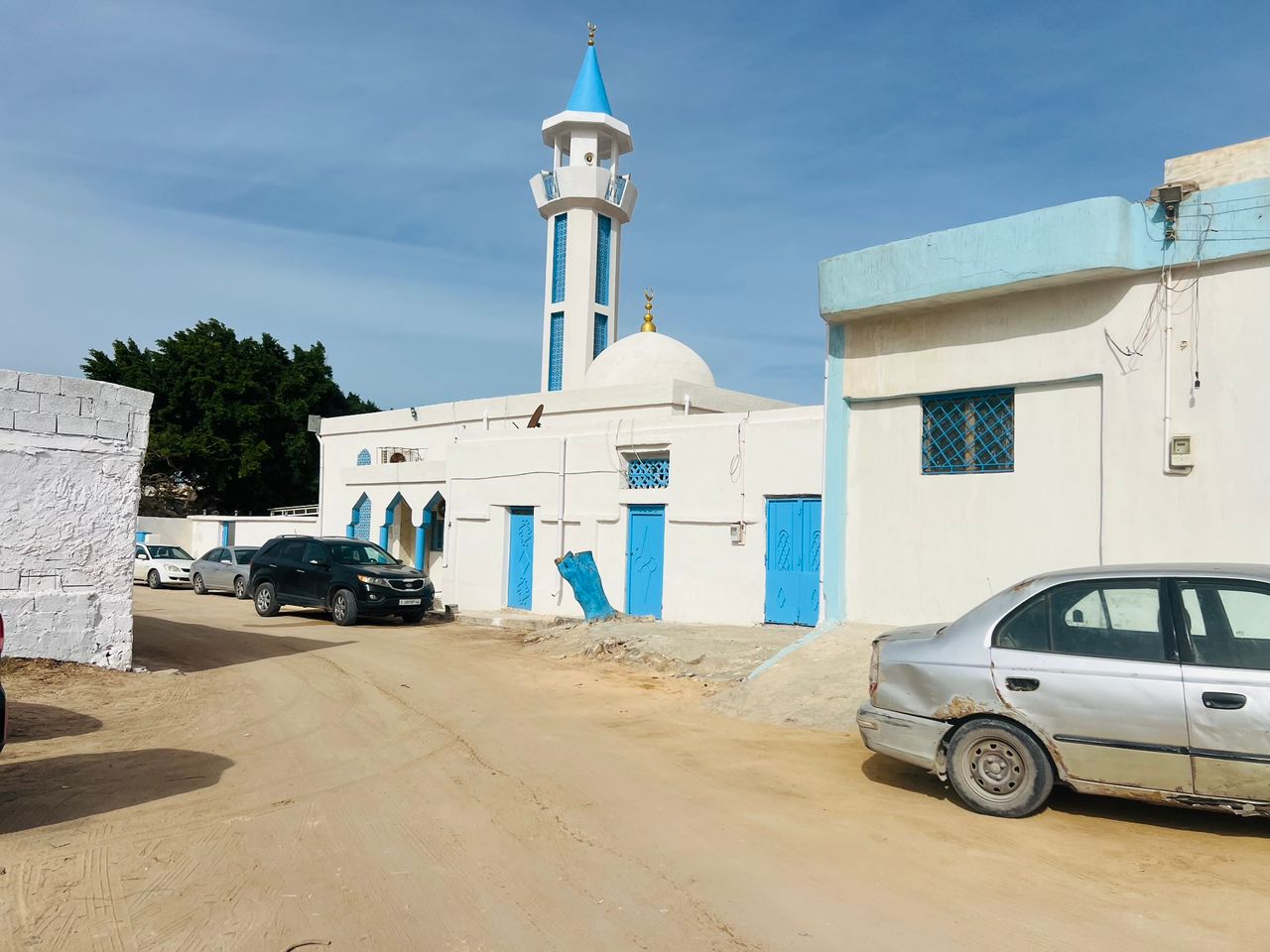
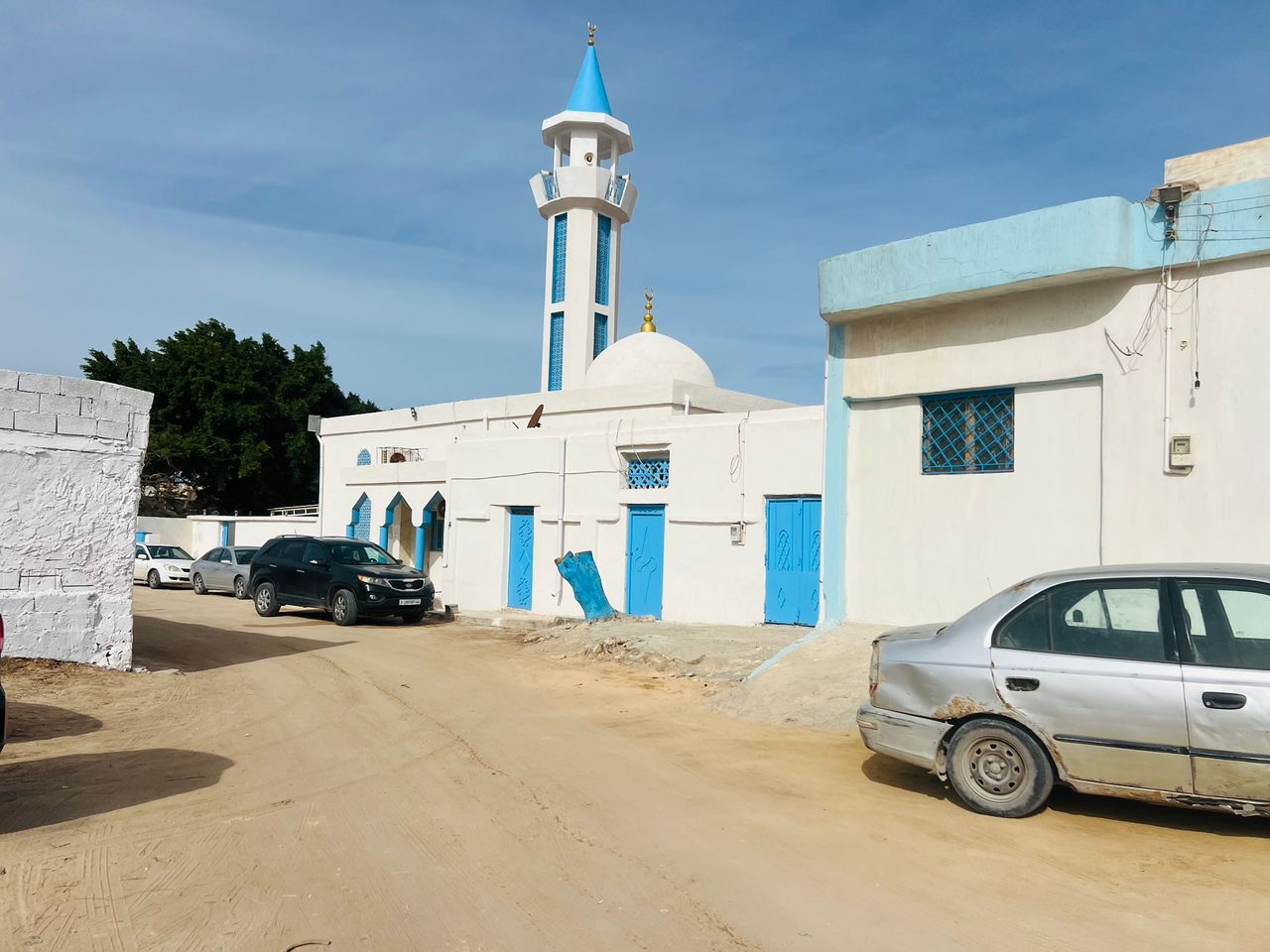
Omar Ramadan is a mosque located in the city of Tripoli, Lebanon. It was constructed in the early 20th century and is named after Omar Ibn al-Khattab, a prominent figure in early Islamic history. The mosque serves as a significant religious and community center in the city.
Libyan cultural scene
The Libyan cultural scene reflects the country’s diverse history, blending indigenous Berber traditions with influences from Phoenician, Roman, Arab, and Ottoman rule. It encompasses a rich heritage of music, oral poetry, and crafts, though its development has been significantly disrupted and fragmented by decades of political instability and conflict following the 2011 revolution.
Libyan society
Libyan society is rooted in a blend of Arab, Berber (Amazigh), and Mediterranean influences, with Islam and tribal affiliations serving as central pillars of its cultural identity. Its modern history was profoundly shaped by the 42-year rule of Muammar Gaddafi, followed by a period of instability and conflict after the 2011 revolution. Today, it remains a complex social fabric navigating post-conflict reconstruction and the redefinition of national unity.
Arabic language
The Arabic language is a Semitic language with origins dating back to the 1st millennium CE in the Arabian Peninsula. It is profoundly significant as the liturgical language of Islam and the vehicle for the Quran, which catalyzed its spread and standardization during the Islamic expansions from the 7th century onward. Today, it exists in a standardized classical form and numerous spoken dialects, serving as an official language for over 20 countries and a key pillar of Arab cultural identity.