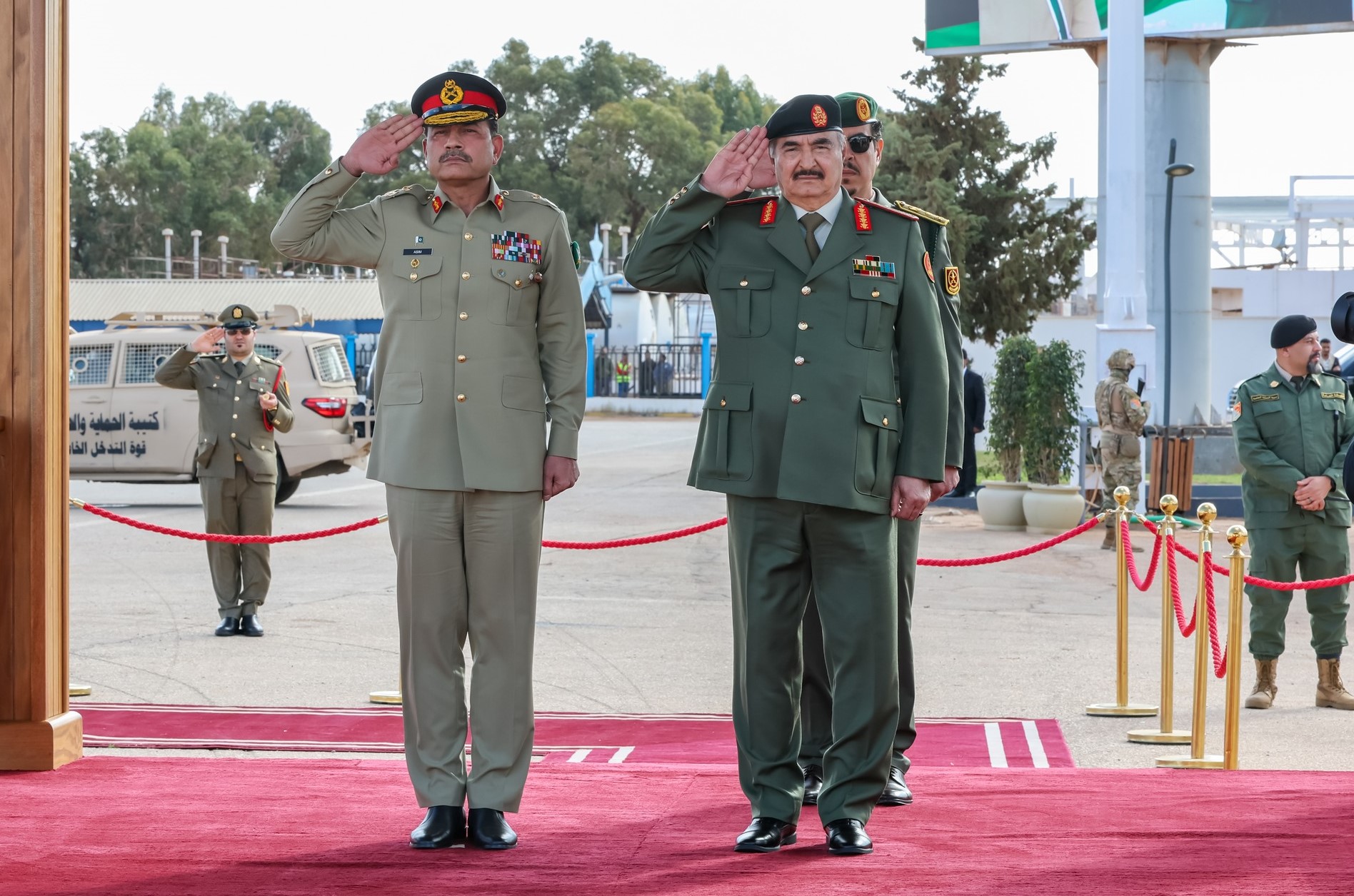
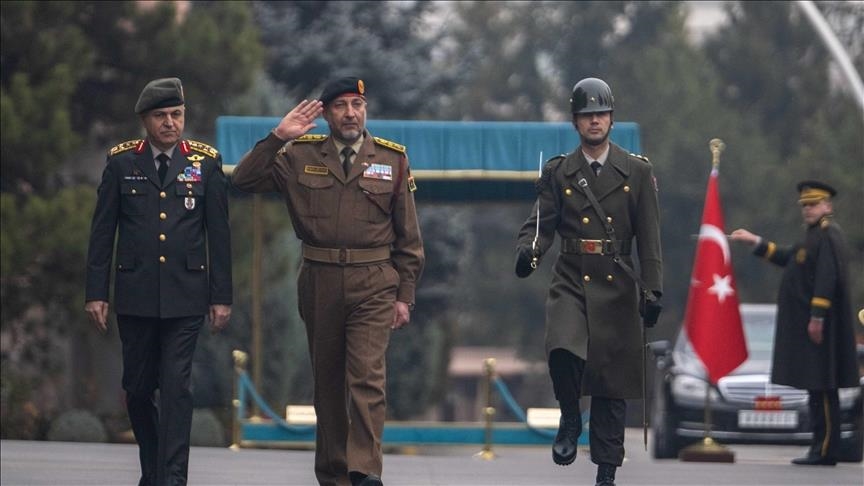
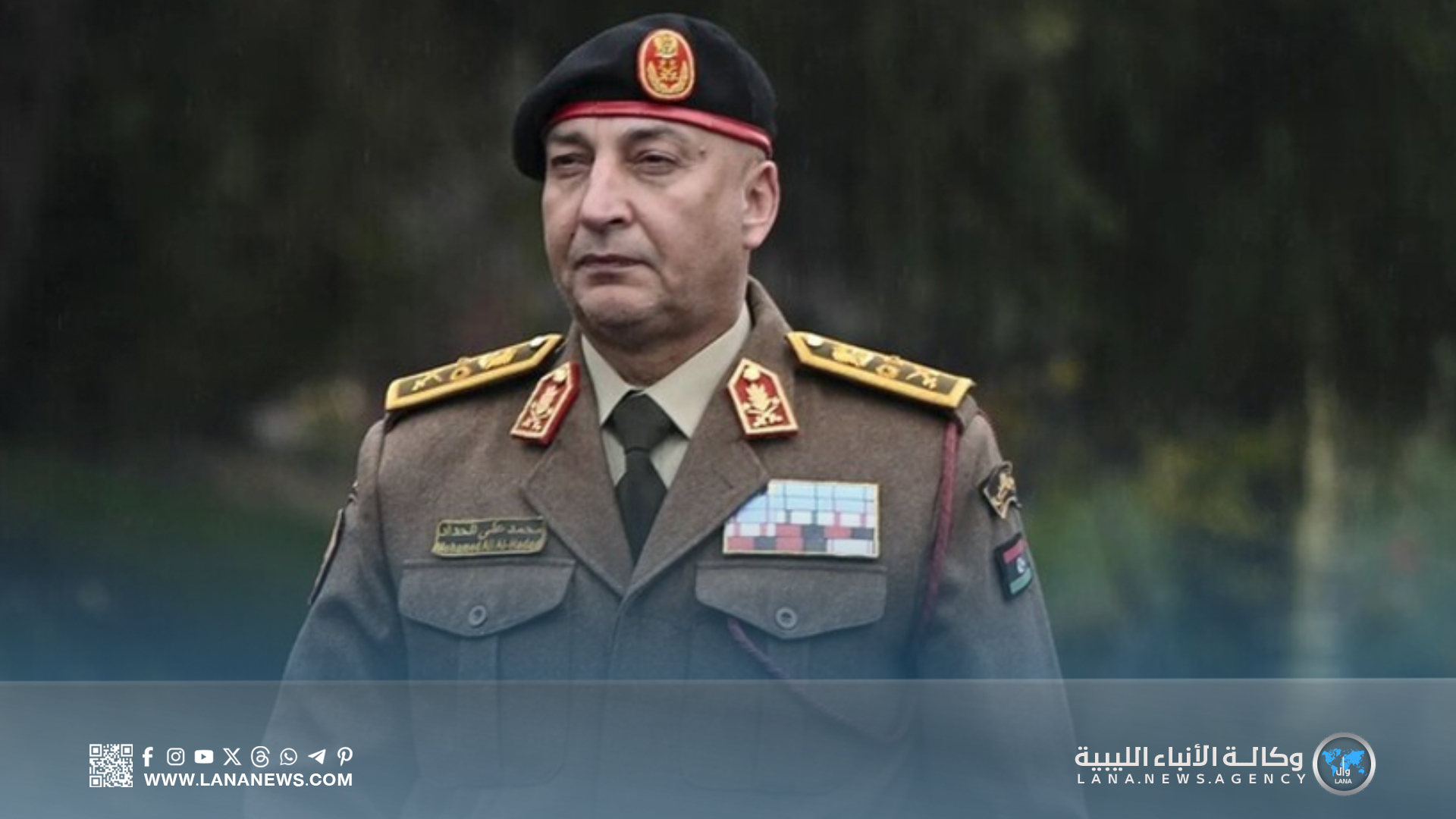
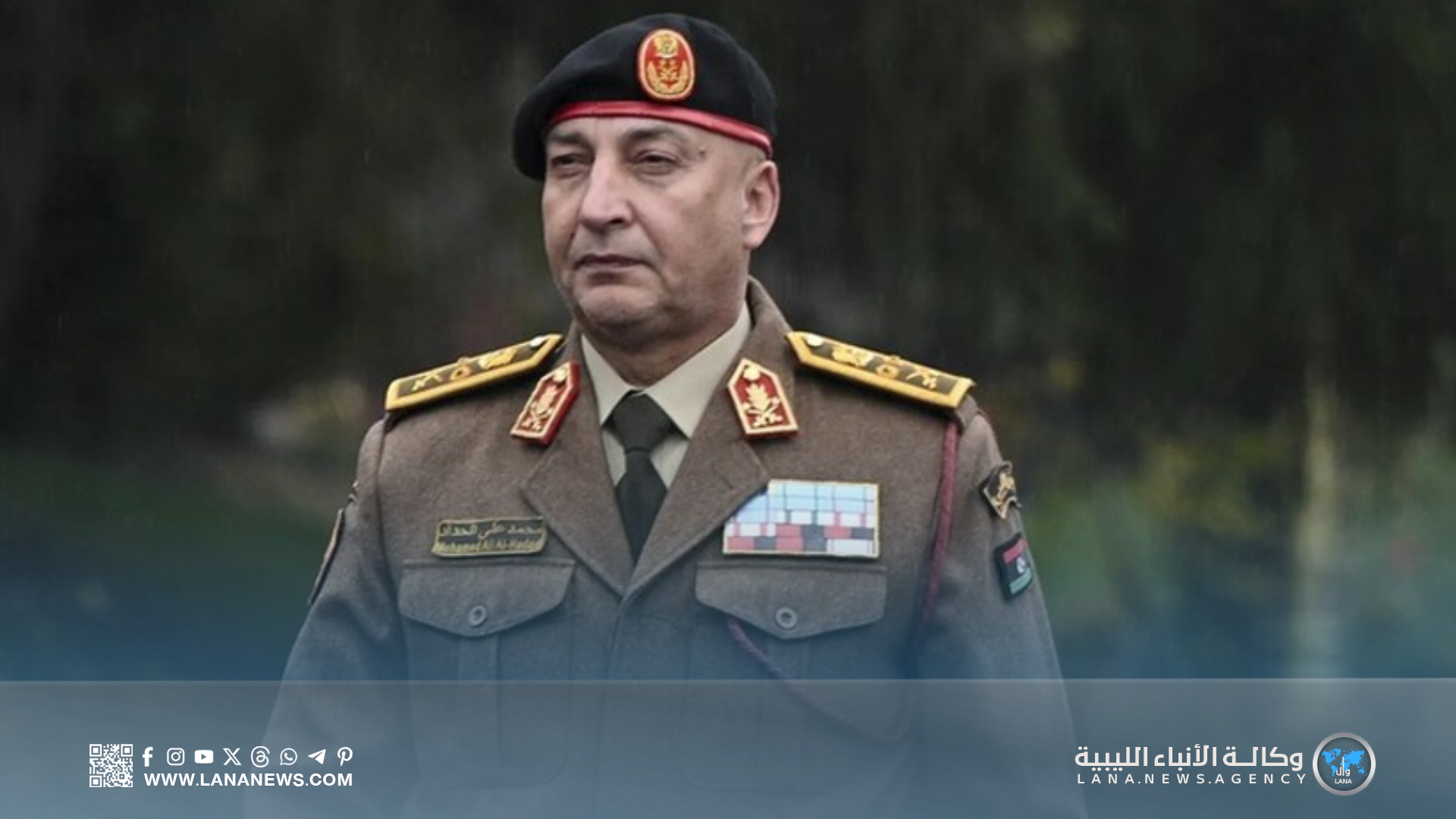
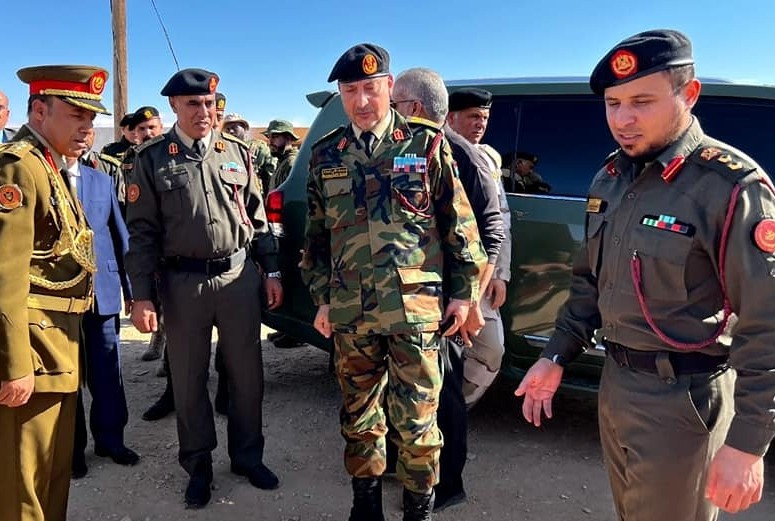
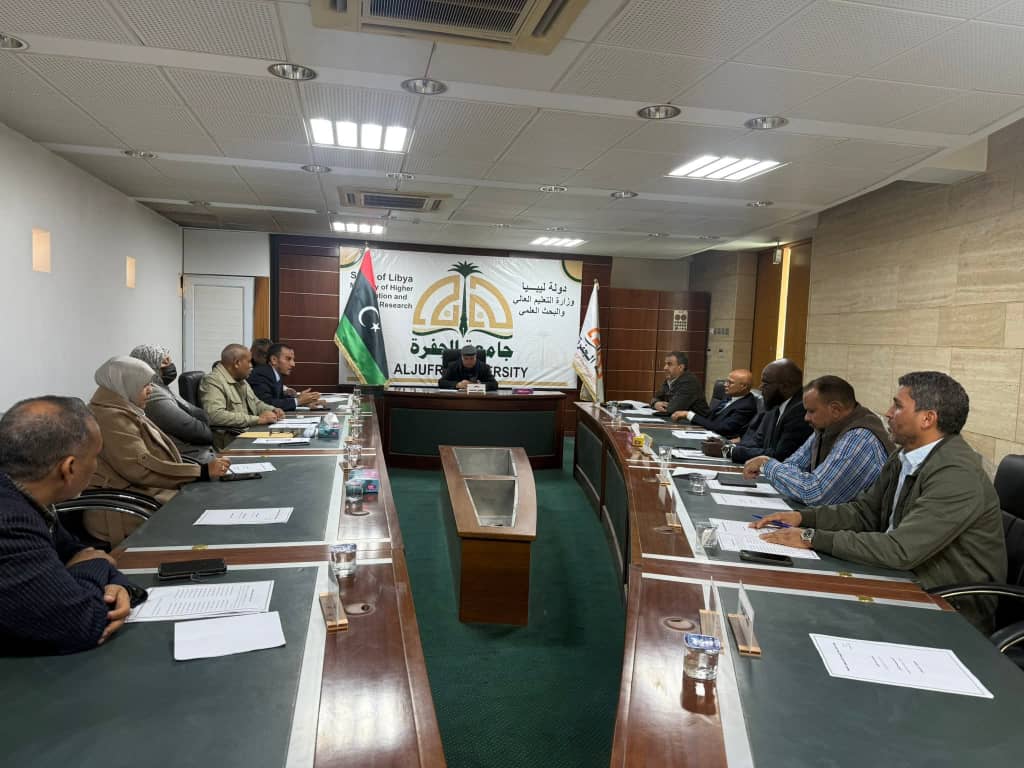
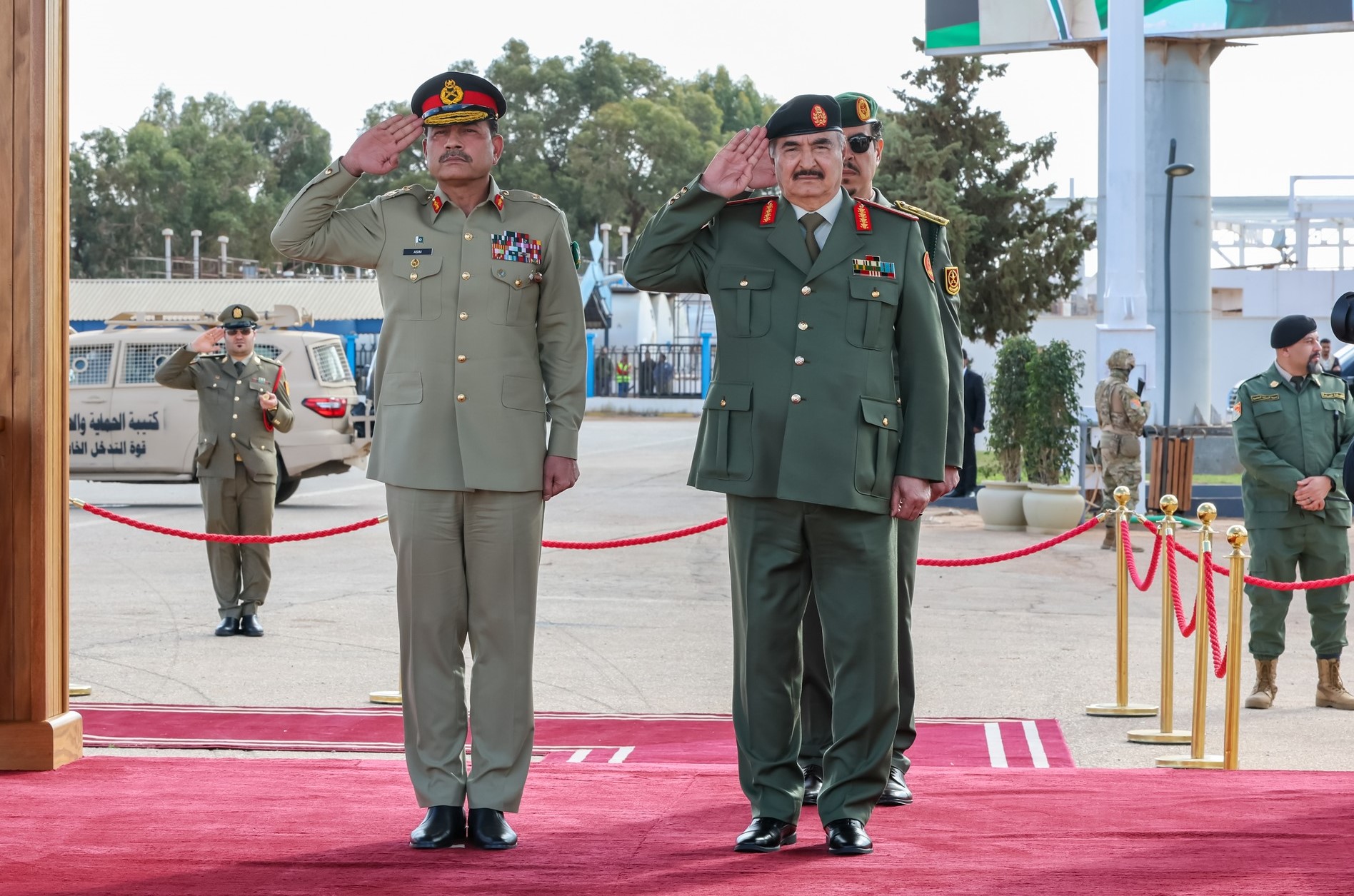
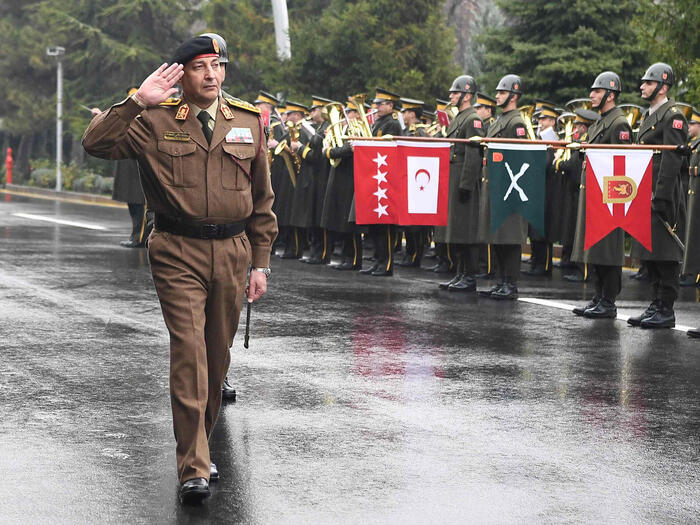
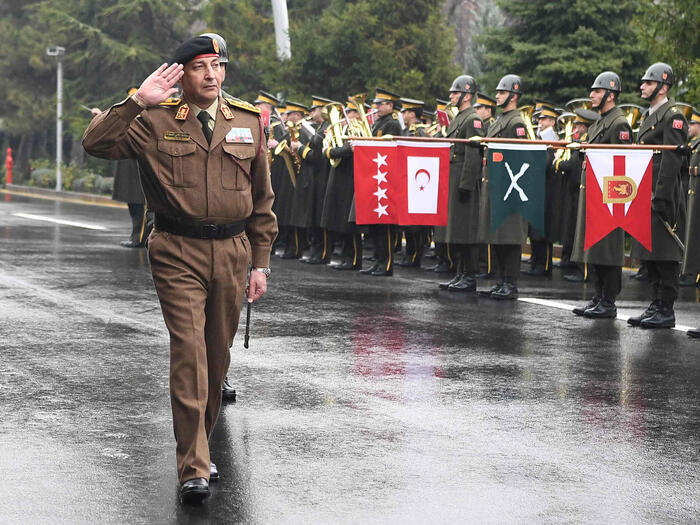
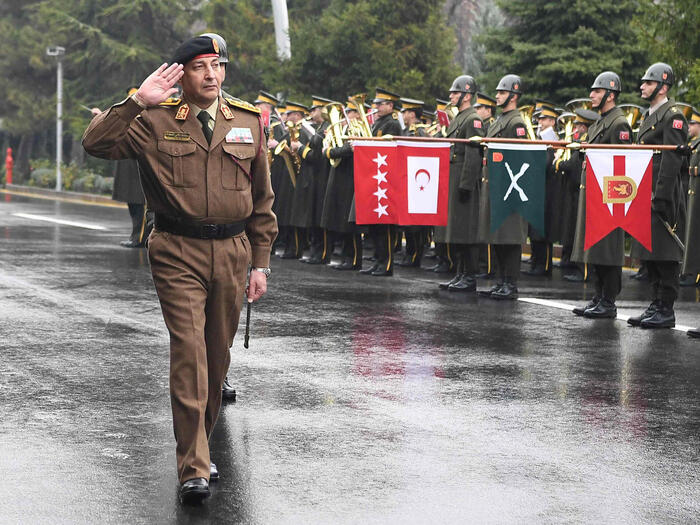
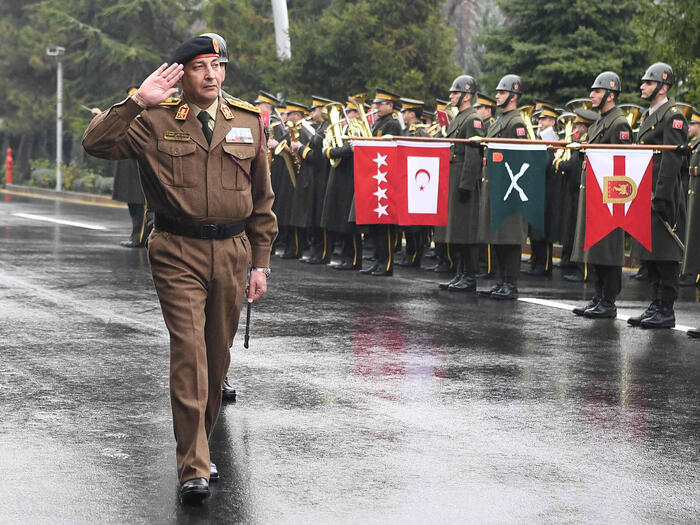
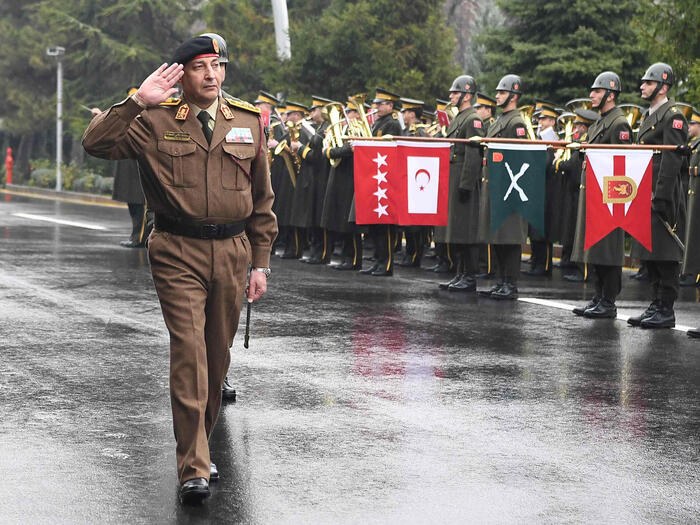
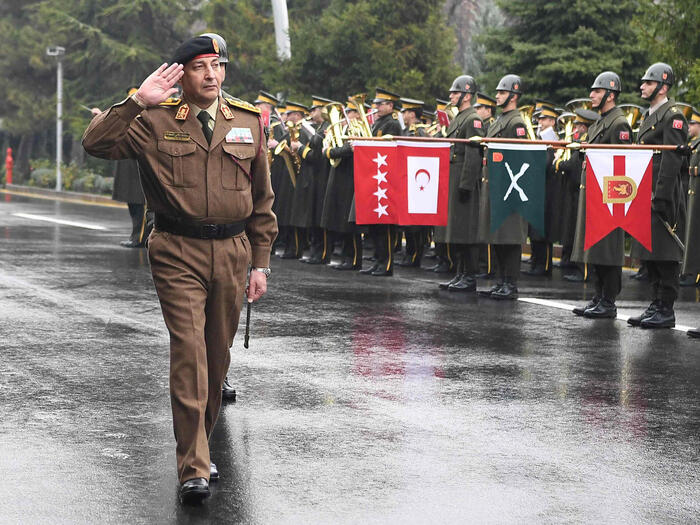
Military aircraft carrying Chief of Staff Mohammed al-Haddad and Army Chief of Staff al-Fitouri Gribil disappears after takeoff from Ankara.
libyawire.org > News > Society > Military aircraft carrying Chief of Staff Mohammed al-Haddad and Army Chief of Staff al-Fitouri Gribil disappears after takeoff from Ankara.
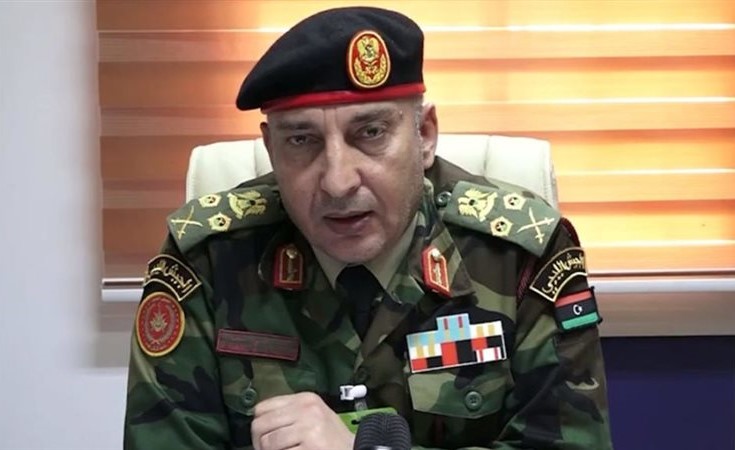
Tripoli, December 23, 2025 – The Turkish Ministry of Interior and Turkish media reported on Tuesday evening that contact was lost with a private plane that took off from Ankara’s “Esenboğa” Airport heading to Tripoli. On board were five people, including Libyan Chief of Staff Mohammed Al-Haddad and Chief of Staff of the Ground Forces Al-Fitouri Gharibbil.
The ministry indicated that contact with the plane, a Falcon 50 model, was lost after its crew reported a request for an emergency landing in the Haymana area near Ankara. Contact was not restored afterward, prompting Turkish authorities to begin search and rescue operations at the site.
The Government of National Unity announced that the Prime Minister has formed a crisis cell to communicate with Turkish authorities and follow all procedures to determine the fate of the plane and its passengers.
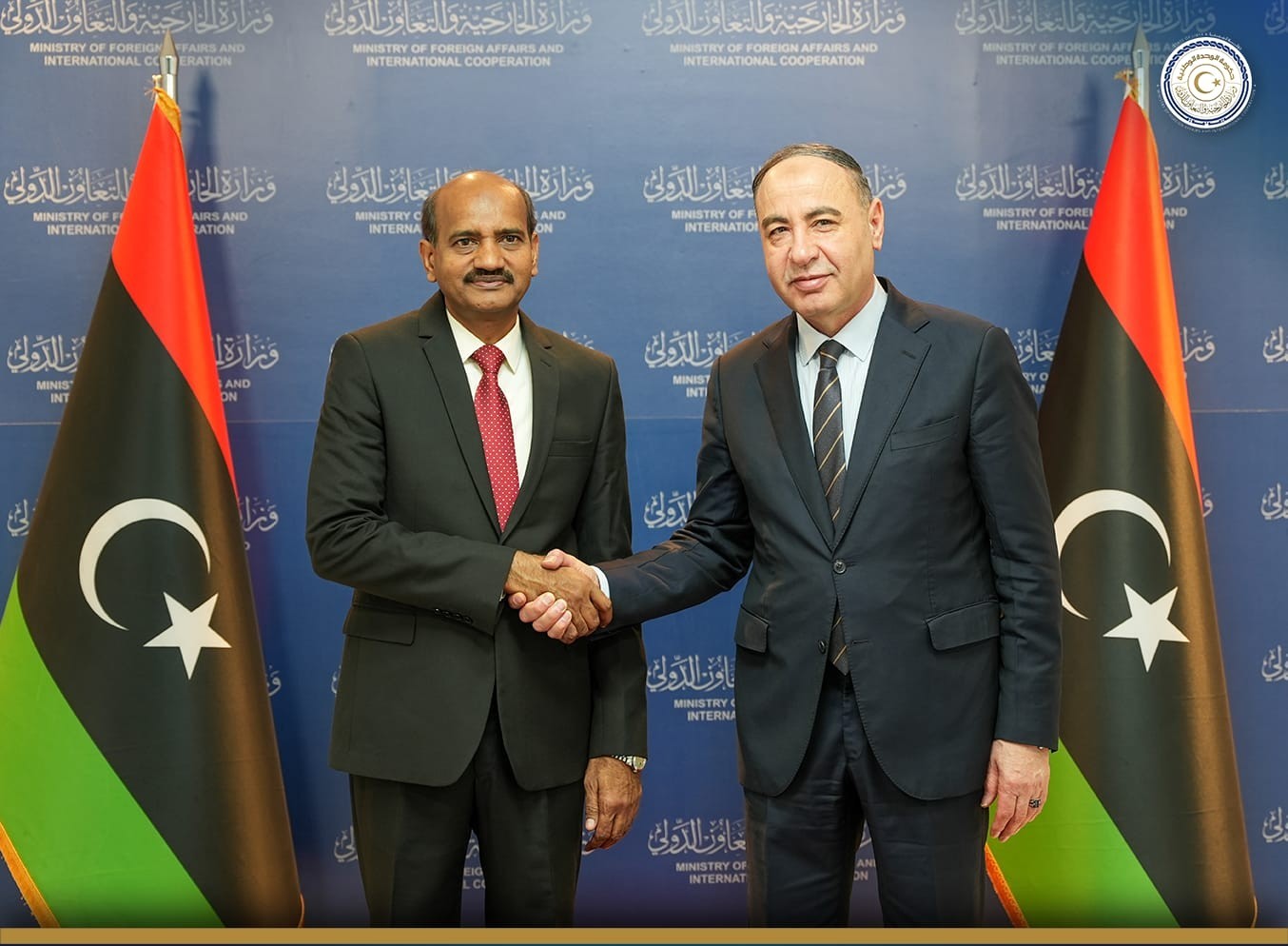
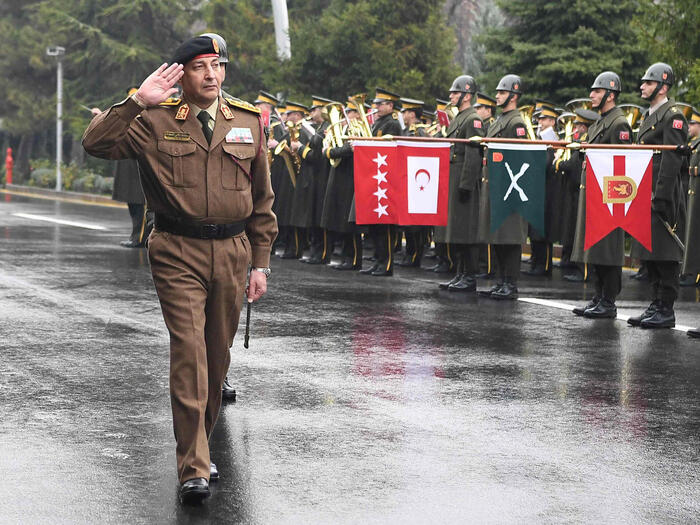
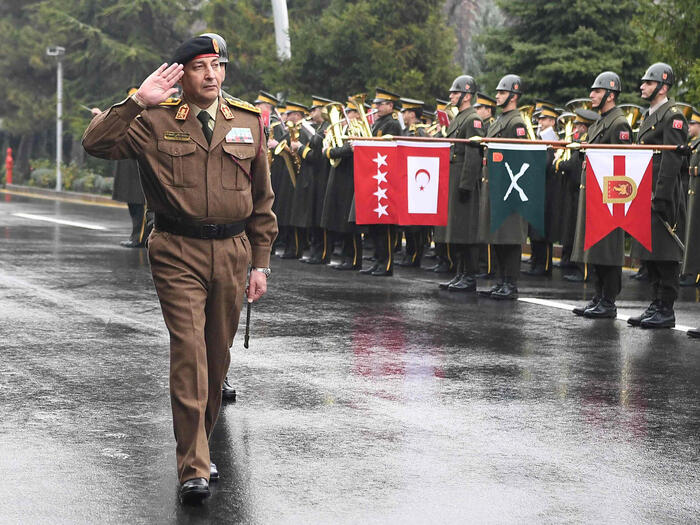
It is noted that the Libyan Chief of Staff Mohammed Al-Haddad had met with his Turkish counterpart Selçuk Bayraktaroğlu on Tuesday at the General Staff headquarters in the capital Ankara, and they held a closed-door meeting away from the media.
Turkish and Libyan authorities are closely monitoring the incident, as attempts to contact the plane and determine the potential causes of its disappearance continue.
Tripoli
Tripoli is the capital and largest city of Libya, located on the country’s Mediterranean coast. Historically, it was founded by the Phoenicians in the 7th century BC and has since been ruled by the Romans, Arabs, Ottomans, and Italians, which is reflected in its diverse architecture, such as the ancient Medina and the Red Castle.
Turkish Ministry of Interior
The Turkish Ministry of Interior is the central government department responsible for domestic security, civil administration, and public order in Turkey. It was formally established in 1845 during the Ottoman Empire’s Tanzimat reform period, evolving from earlier structures to become a key institution in the modern Republic of Turkey.
Ankara
Ankara is the capital city of Turkey, located in the central Anatolia region. It gained its modern political significance in 1923 when Mustafa Kemal Atatürk chose it as the capital of the newly founded Republic of Turkey, replacing Istanbul. The city has ancient roots, historically known as Ancyra, and was an important cultural and trading center for successive civilizations including the Hittites, Phrygians, Romans, and Ottomans.
Esenboğa Airport
Esenboğa Airport is the primary international airport serving Ankara, Turkey, opening in 1955. It is named after the nearby Esenboğa village, with “boğa” meaning “bull” in Turkish, and has undergone significant expansions to become a major modern aviation hub.
Libyan Chief of Staff
The Libyan Chief of Staff is the senior military officer leading the Libyan Armed Forces, a position deeply entwined with the country’s political instability since the 2011 revolution. The role has been contested between rival governments in the east and west, reflecting the broader civil conflict and foreign involvement in Libya.
Mohammed Al-Haddad
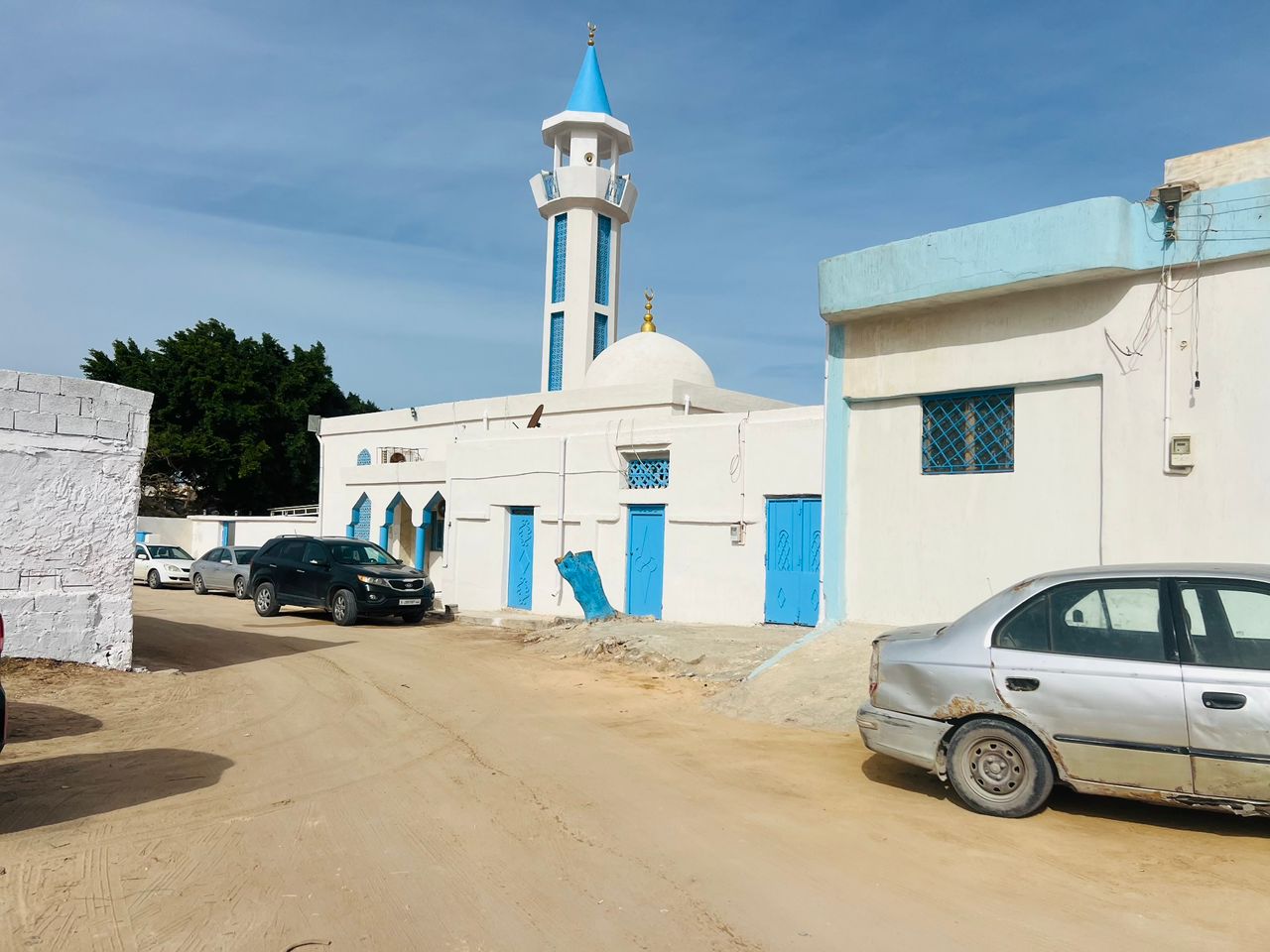
Mohammed Al-Haddad is a historic mosque located in the Al-Muraqqabat district of Dubai, United Arab Emirates. It was originally built in the early 20th century and is named after a respected local pearl merchant, serving as one of the city’s oldest and most significant places of worship.
Chief of Staff of the Ground Forces
The Chief of Staff of the Ground Forces is a senior military leadership position, typically within a nation’s army, responsible for overseeing operational planning, training, and administration of ground troops. The specific history of the role varies by country, often evolving from earlier command structures to meet the changing needs of modern warfare and defense organizations.
Al-Fitouri Gharibbil
Al-Fitouri Gharibbil is a cultural and religious site in Sudan, most notably associated with the tomb of Sheikh Al-Fitouri, a revered Sufi saint. It serves as a destination for pilgrimage and spiritual gatherings, reflecting Sudan’s deep Islamic and Sufi traditions. The site’s history is rooted in the spread of Sufi orders across the region, with the sheikh’s legacy contributing to its enduring significance.
Falcon 50
The Falcon 50 is a French-built trijet business aircraft first flown in 1976, developed by Dassault Aviation. It was historically significant as the first business jet to cross the Atlantic Ocean non-stop without needing to refuel, offering executives unprecedented long-range travel capability.
Haymana
Haymana is a district in Ankara Province, Turkey, historically known for its therapeutic thermal springs, which have been used since ancient Roman times. The area’s economy traditionally centered on agriculture and animal husbandry, with its baths remaining a notable regional feature.
Government of National Unity
The Government of National Unity (GNU) is a term most notably associated with the post-apartheid transitional government in South Africa, formed in 1994 following the country’s first multiracial elections. It was a coalition government led by Nelson Mandela’s African National Congress (ANC) and included its former political rivals, the National Party and the Inkatha Freedom Party, to foster reconciliation and stability during the democratic transition.
Selçuk Bayraktaroğlu
Selçuk Bayraktaroğlu is not a place or cultural site, but a prominent Turkish engineer and businessman. He is the chief technology officer of Baykar, a major Turkish defense company, and is widely known as the lead developer of Turkey’s Bayraktar TB2 unmanned aerial vehicle (UAV). His work has played a significant role in the growth of Turkey’s domestic defense industry in the 21st century.
General Staff headquarters
The General Staff Building in St. Petersburg, Russia, is an iconic Empire-style complex on Palace Square, constructed between 1819 and 1829 to a design by Carlo Rossi. Historically, it served as the headquarters for the Imperial Russian General Staff and now houses part of the State Hermitage Museum, notably its collection of 19th- and 20th-century European art. Its central triumphal arch, crowned by a chariot of victory, commemorates the Russian victory over Napoleon in the Patriotic War of 1812.
Ankara
Ankara is the capital city of Turkey, located in the central Anatolia region. It gained its modern political significance in 1923 when Mustafa Kemal Atatürk chose it as the capital of the newly founded Republic of Turkey, replacing Istanbul. The city’s ancient history dates back to the Hittite civilization, and it was also an important center for the Roman, Byzantine, and Ottoman empires.