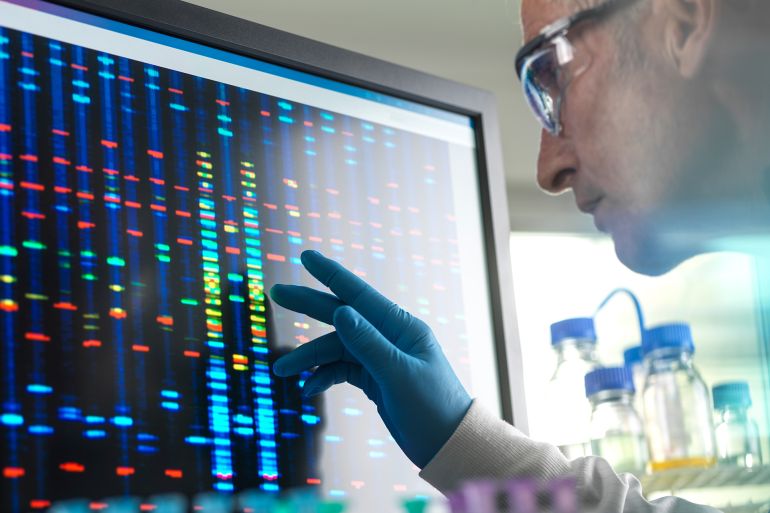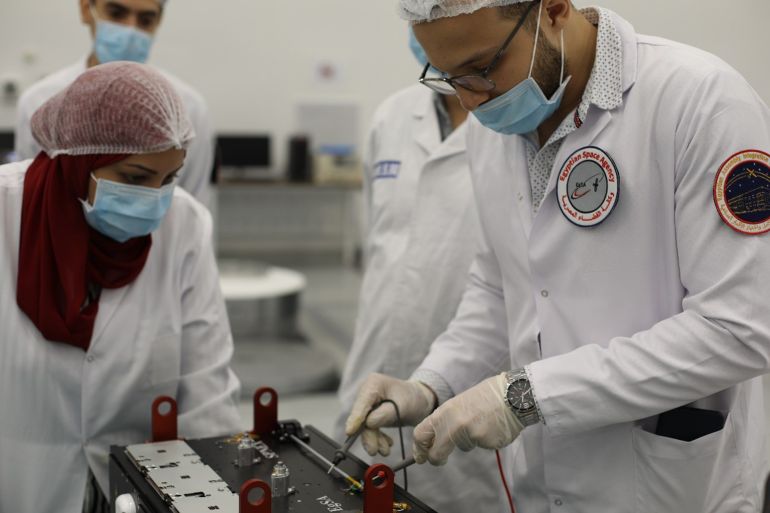
دخل ملف الهجرة العلمية في الولايات المتحدة مرحلة أكثر تشددًا على مستوى الخطاب والتنفيذ (غيتي)
  • January 12, 2026
  • libyawire
  • 0

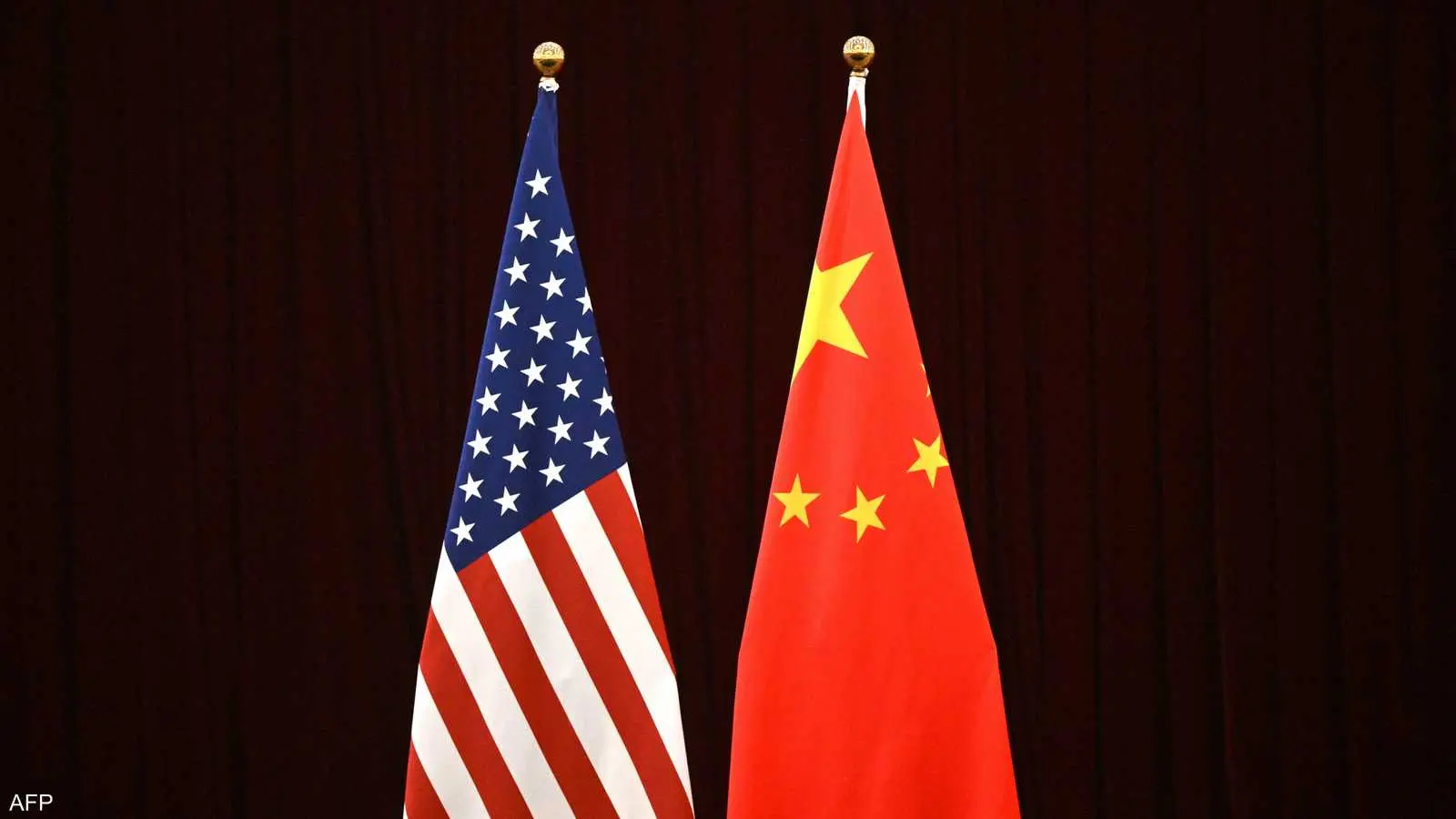
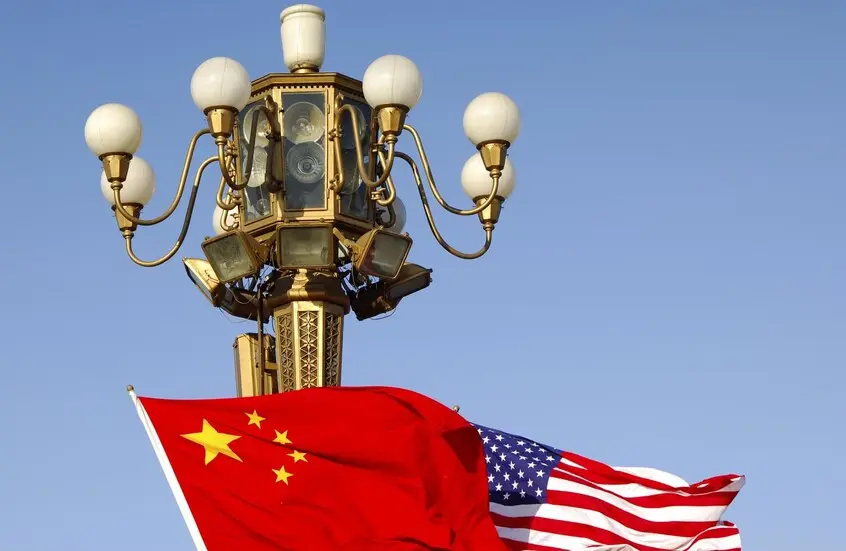
The movement of scientists between the United States and China is no longer just ordinary individual migration driven by personal motives. It has become part of a deeper landscape of competition between two global powers over funding, attracting scientists, publishing research papers, and within a political and security climate that is becoming increasingly sensitive in almost every corner of the world.

The result of this competition is that what was considered normal just two decades ago—studying in the United States and then settling long-term in its universities and laboratories—is beginning to crack in favor of returning to China or moving to other countries.
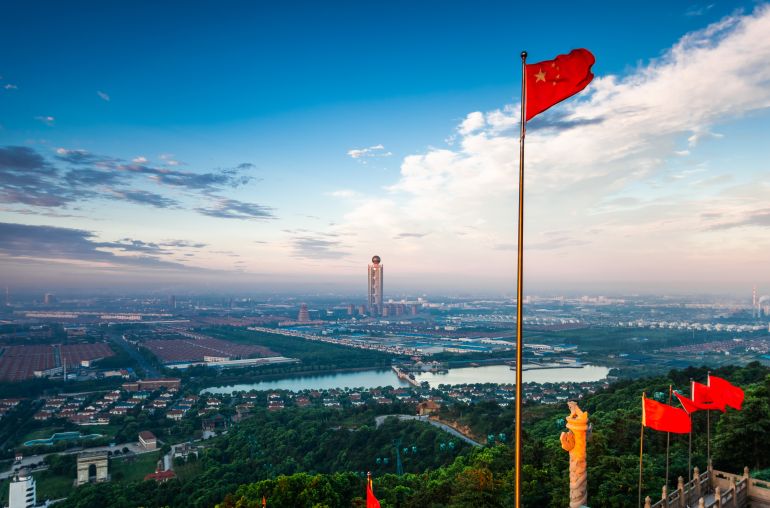
Chengdu, Sichuan Province, China - Sept 17, 2017 : Stairs and entry gate of building 10 of Huaxi West China University of Medical Sciences

What Happened in Washington

At the beginning of 2025, the immigration issue in the United States entered a more stringent phase in both rhetoric and implementation. On January 20, 2025, a presidential order titled “Protecting the American People Against Invasion” was issued, changing the enforcement processes of immigration laws and explicitly linking the issue to national security and public safety considerations.

This type of order not only changes the letter of the law but also alters the mood and daily behavior of the executive branch, which quickly reflects on foreign researchers’ sense of stability and universities’ ability to attract talent without fear of sudden rule changes.

In June 2025, the stringency took a clearer form through two parallel tracks. The first was the expansion of security vetting for study and exchange visas. The State Department announced it would apply comprehensive vetting, including the online activity of all applicants for student and academic exchange visas. This means the review will no longer be confined to academic documents or funding as was customary, but will also extend to the digital footprint.

The second track appeared with reports of a temporary freeze on new interview appointments for student and exchange visas in late May 2025, in preparation for expanding social media screening. This indicates these restrictions are no longer theoretical but have a direct impact on functional acceptance.

Then came a notable development in June 2025 with the announcement of entry and visa issuance restrictions against nationals of certain countries, citing deficiencies in vetting procedures and information exchange. This measure took effect on June 9, 2025.

On September 19, 2025, a presidential proclamation was issued restricting the entry of H-1B visa holders arriving from outside the United States unless the application was accompanied by a payment of $100,000 and for a limited duration.

This visa allows a U.S. employer to employ a foreign national in a “specialty occupation” that typically requires a university degree or equivalent experience. This visa was a tool for attracting talent to the United States, and has now become a path fraught with financial and regulatory risks.

If we were to summarize the U.S. government’s position in 2025 in one sentence from the perspective of actual policies, it is simply prioritizing the logic of “deterrence” and strict “security screening” over the logic of attraction and openness.
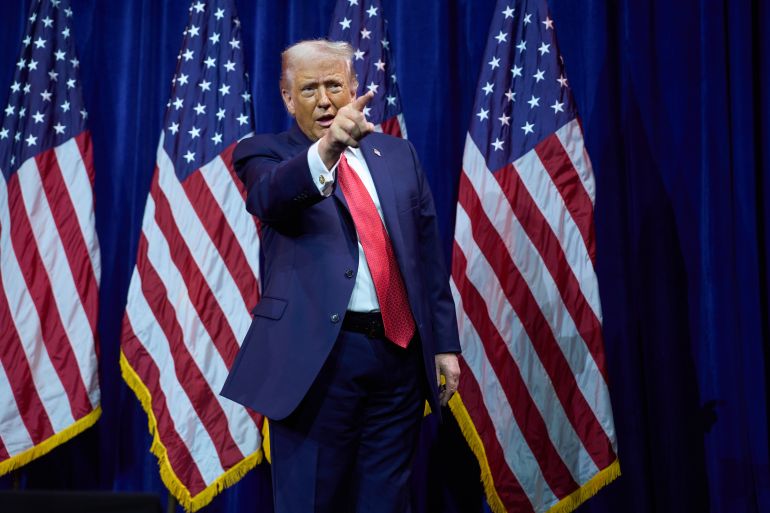
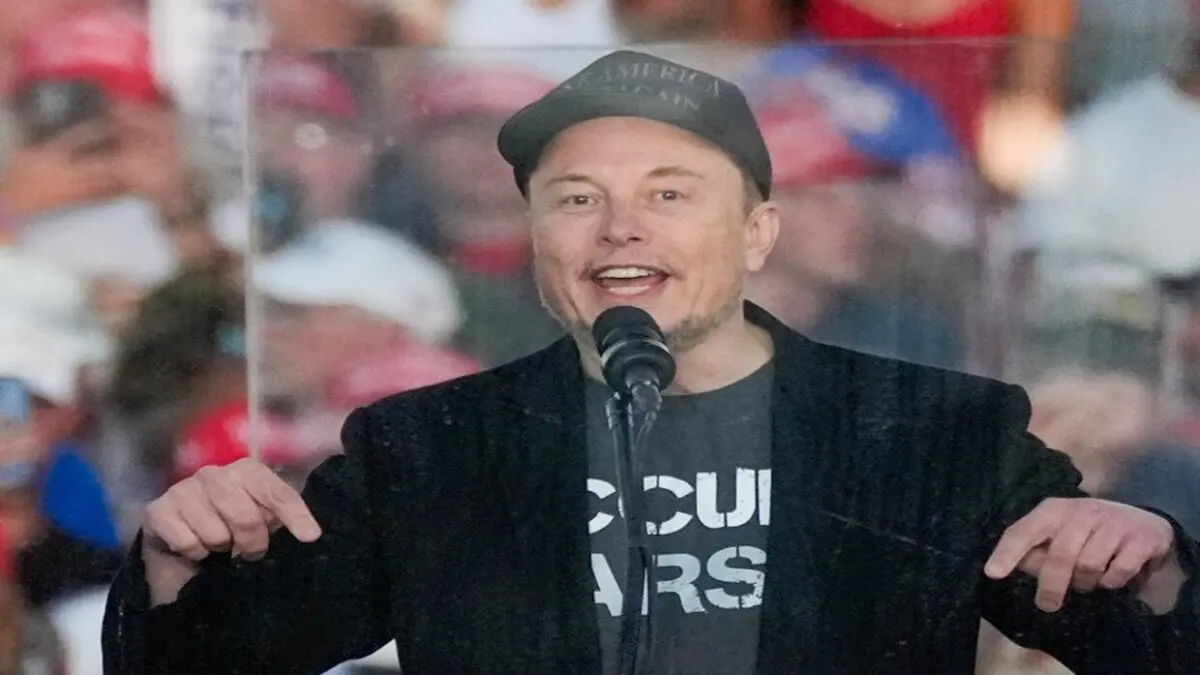
President Donald Trump points to the crowd as he walks off stage after speaking to House Republican lawmakers during their annual policy retreat, Tuesday, Jan. 6, 2026, in Washington. (AP Photo/Evan Vucci)
U.S. President Donald Trump (Associated Press)

Reasons for Returning

However, the matter is not limited to recent events; it has deeper roots. In a research analysis tracking the institutional affiliation of researchers through their scientific publications, it was observed that more than 19,000 U.S. scientists left for other countries, including China, between 2010 and 2021.

The report found that the proportion of those leaving and heading to China rose from 48% in 2010 to 67% in 202


United States

The United States is a federal republic founded in 1776 after declaring independence from Great Britain, with its modern government established by the Constitution in 1789. Its history is marked by westward expansion, industrialization, and its emergence as a global superpower in the 20th century. The nation is defined by its diverse cultural heritage, stemming from immigration, and its significant influence on global politics, economics, and popular culture.

China

China is one of the world’s oldest continuous civilizations, with a recorded history spanning over 4,000 years. It is home to numerous UNESCO World Heritage sites, such as the Great Wall and the Forbidden City, which reflect its long imperial dynasties and profound cultural achievements.

Chengdu

Chengdu is the capital of Sichuan province in southwestern China, historically serving as a major administrative and commercial center since its founding over 2,300 years ago during the Shu Kingdom. It is globally renowned as the home of the Chengdu Research Base of Giant Panda Breeding and for its profound cultural heritage, including Sichuan opera and its status as a UNESCO City of Gastronomy.

Sichuan Province

Sichuan Province is a southwestern region of China historically known as the “Land of Abundance” due to its fertile basin and agricultural productivity. Its history is deeply tied to the ancient Shu and Ba cultures, and it served as a crucial political and economic center during several dynastic periods. Today, it is renowned for its distinctive spicy cuisine, diverse landscapes, and cultural sites like the Leshan Giant Buddha.

Huaxi West China University of Medical Sciences

Huaxi West China University of Medical Sciences, now part of Sichuan University, is a prestigious medical institution in Chengdu, China, originally founded in 1910 as the West China Union University by Western missionaries. It played a pivotal role in introducing modern medicine and dentistry to western China and has a long-standing reputation for excellence in medical education and research.

Washington

Washington, D.C., is the capital city of the United States, founded in 1790 and named after the first U.S. president, George Washington. It is a planned city, designed by Pierre Charles L’Enfant, and is home to iconic landmarks such as the White House, the U.S. Capitol, and the Washington Monument, which symbolize the nation’s history and government.

Getty

The Getty refers to the J. Paul Getty Museum, which operates two locations in Los Angeles: the Getty Center in Brentwood and the Getty Villa in Pacific Palisades. Established by oil tycoon J. Paul Getty, the museum opened its original Malibu location in 1974, which was later recreated as the Getty Villa to house ancient art, while the Getty Center opened in 1997 for European and modern collections.

Shutterstock

Shutterstock is a global provider of stock photography, footage, and music, founded in 2003 by programmer and photographer Jon Oringer. It revolutionized the industry by offering a subscription-based model, making licensed visual content more accessible and affordable for businesses and creators.

Associated Press

The Associated Press is a not-for-profit news agency founded in 1846, originally established by five New York City newspapers to share the costs of transmitting news via telegraph. It has grown into one of the world’s largest and most trusted sources of independent newsgathering, serving thousands of media outlets globally.

Leave a Reply

Your email address will not be published. Required fields are marked *