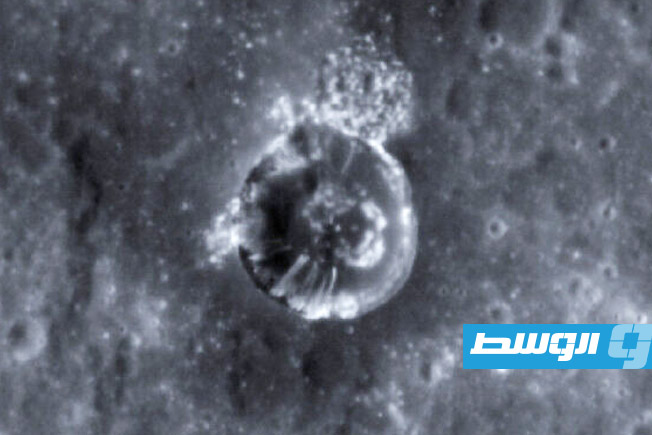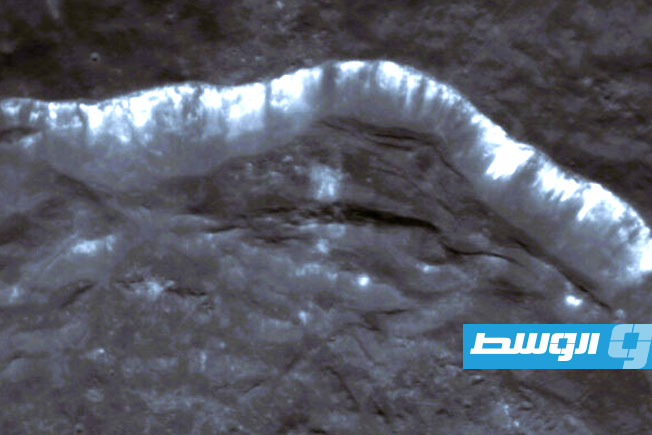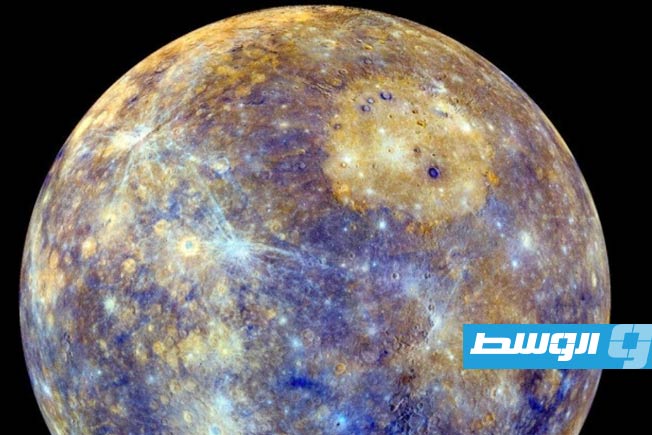
A new study reveals that the mysterious bright streaks scattered across the craters and slopes of the planet Mercury are evidence of very recent geological activity.
The study, published in the journal *Nature Communications Earth & Environment*, refutes the old perception that this planet is a dead body that quieted down billions of years ago.
For a long time, astronomers believed Mercury to be a stagnant planet due to its small size and lack of an atmosphere. However, a team of astronomers has presented a completely different view of this geological landscape.
The team used machine learning techniques to analyze one hundred thousand high-resolution images taken between 2011 and 2015. They scanned 84 of these bright streaks, scientifically known as “linea,” and found that these lines are mostly concentrated on sun-facing slopes inside impact craters.
Lines That Form and Evolve
The researchers believe these lines are forming and evolving today, not merely remnants from the distant past. Their hypothesis is based on volatile materials like sulfur reaching the surface from deep layers through networks of cracks resulting from past impacts.
– July offers a perfect viewing opportunity for space enthusiasts to see Mercury.
– The BepiColombo space probe is surveying Mercury in preparation for a better study in 2026.
– BepiColombo captures its first images of Mercury.
Most of these lines also begin from bright depressions called “hollows” or gaps, which are believed to have formed due to gases escaping from the planet’s interior. Since lines on other planets erode quickly, their clear presence on Mercury indicates an ongoing process continuing to the present day.
The team hopes to prove their hypothesis with new images that will be provided by future missions.