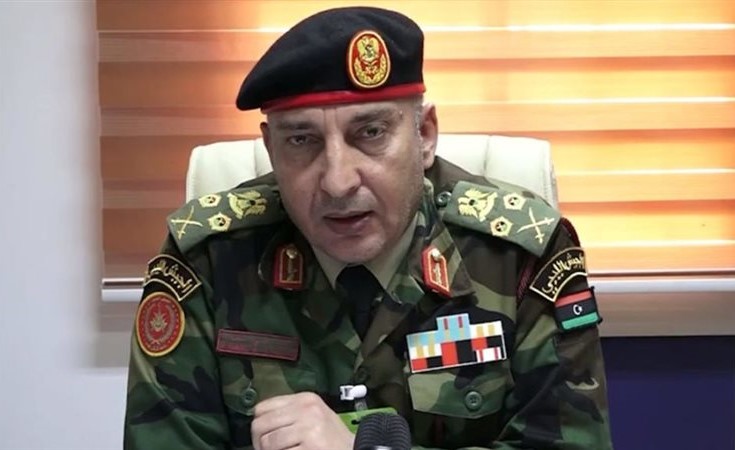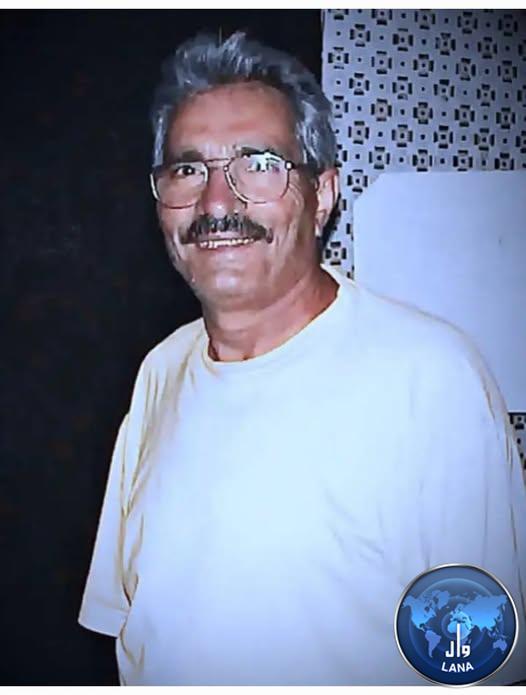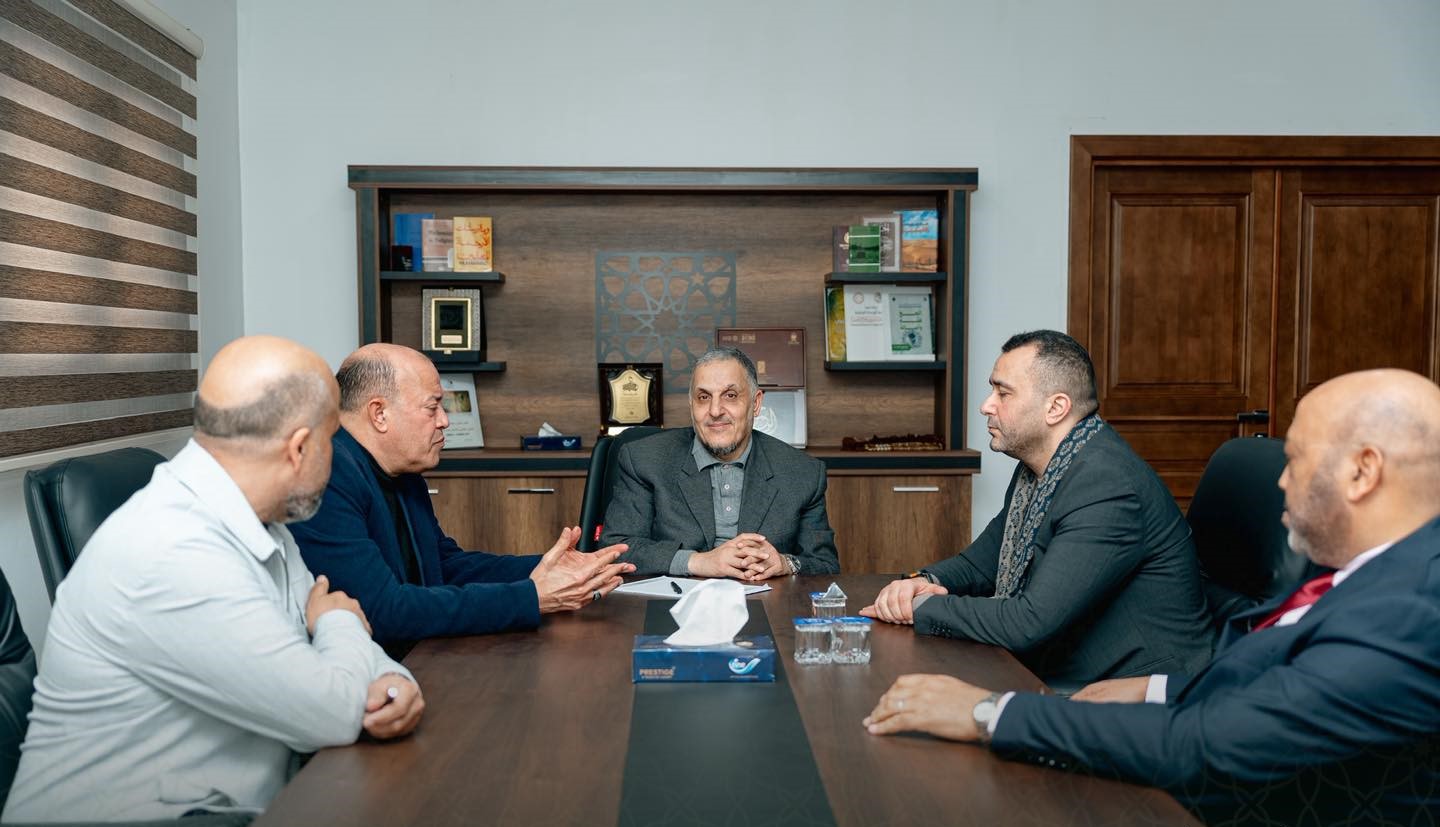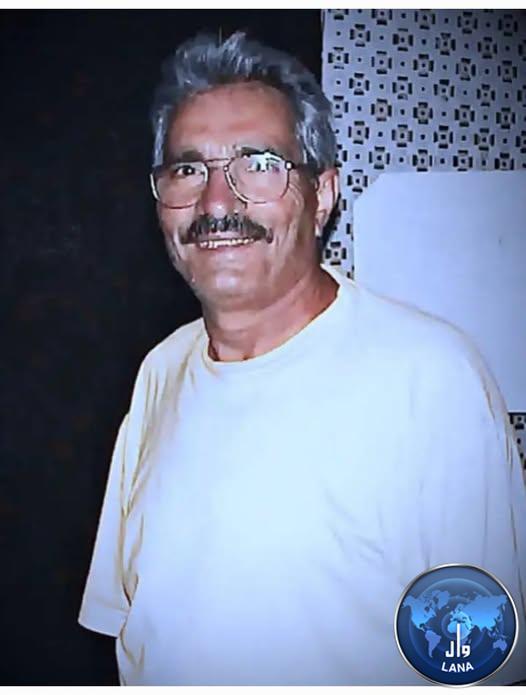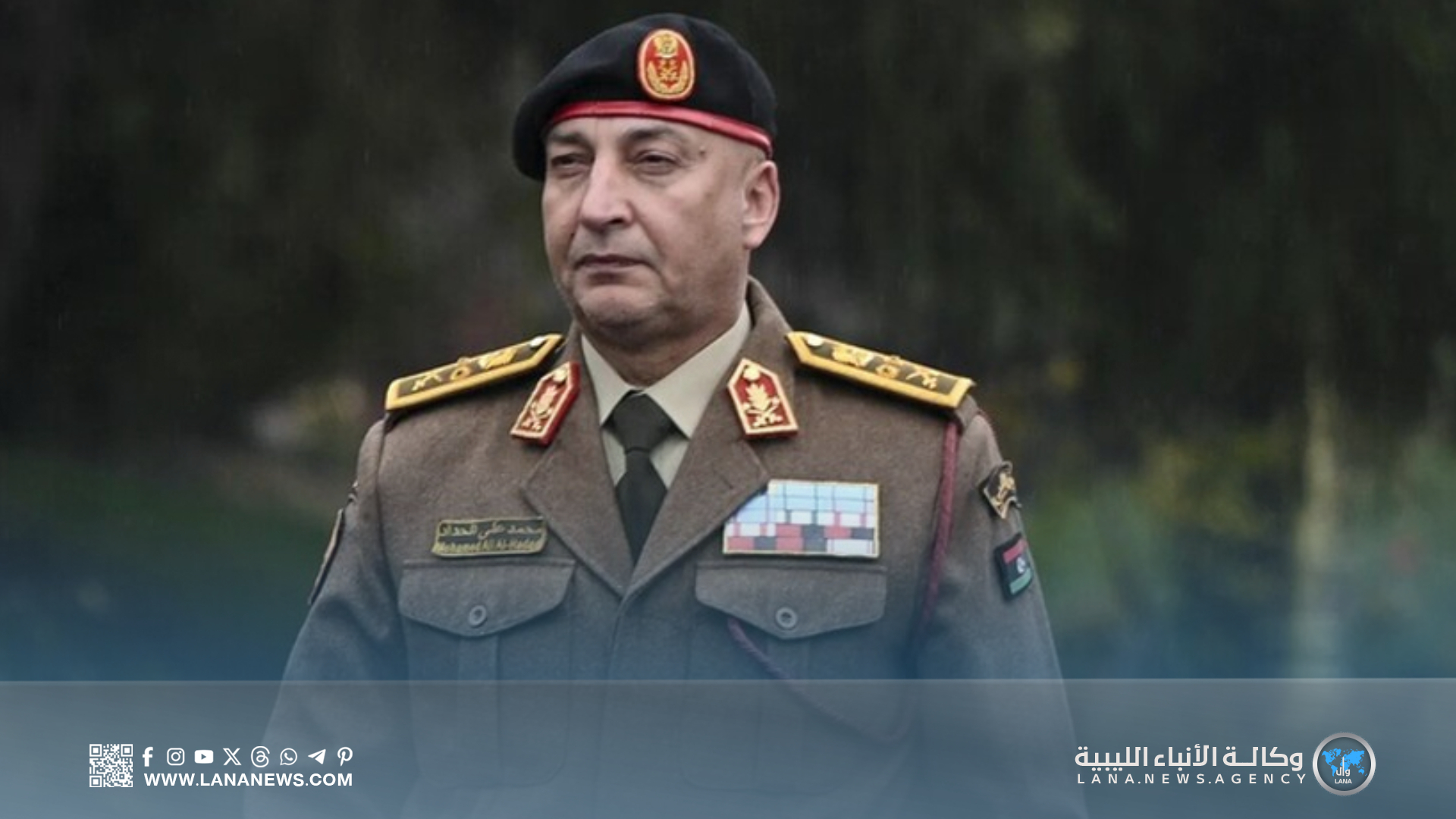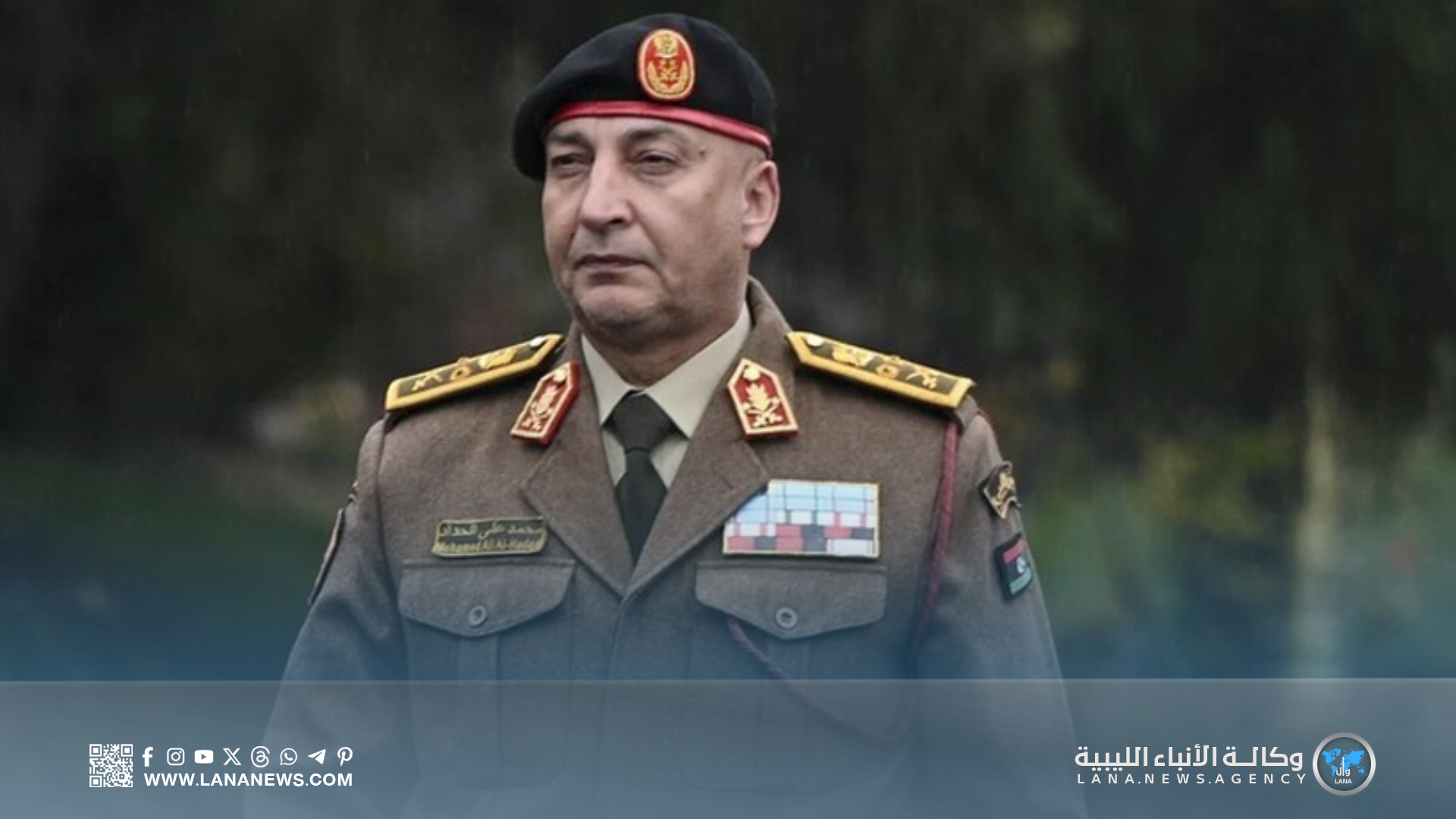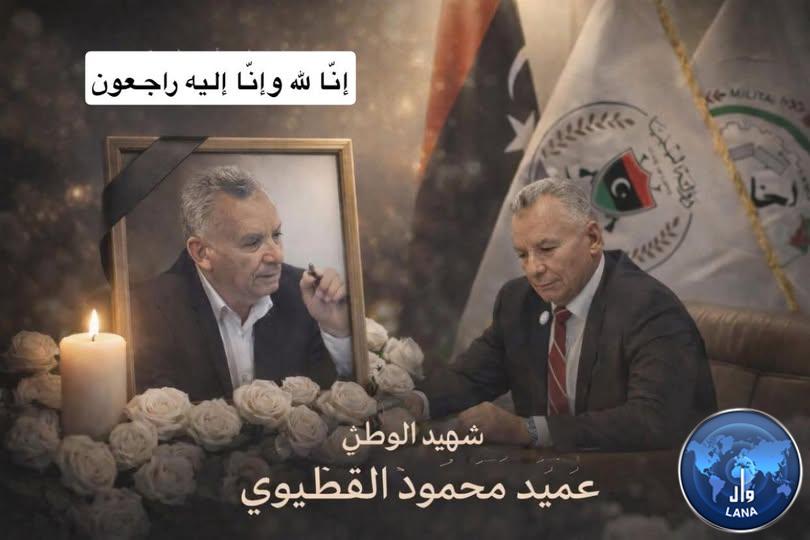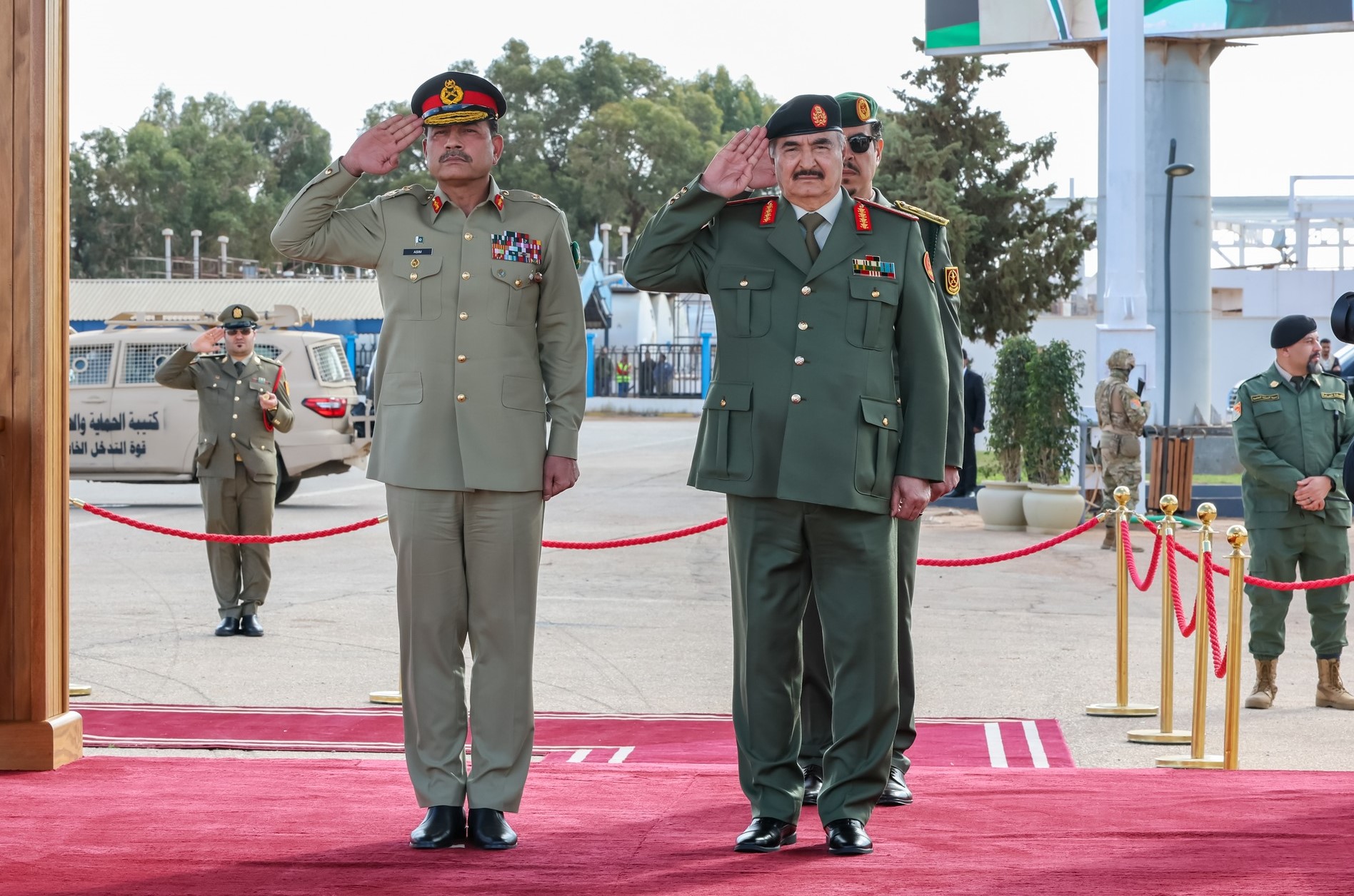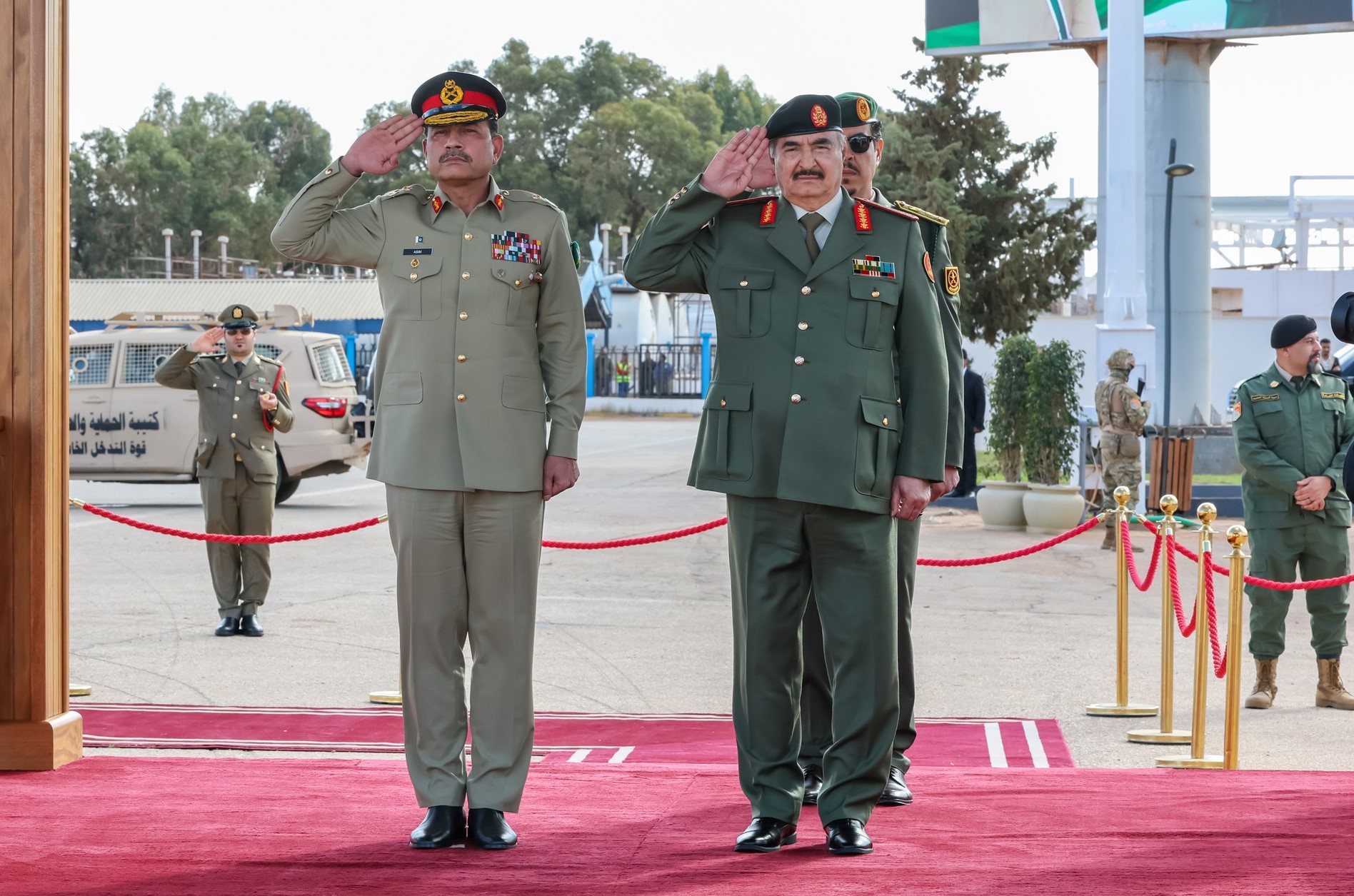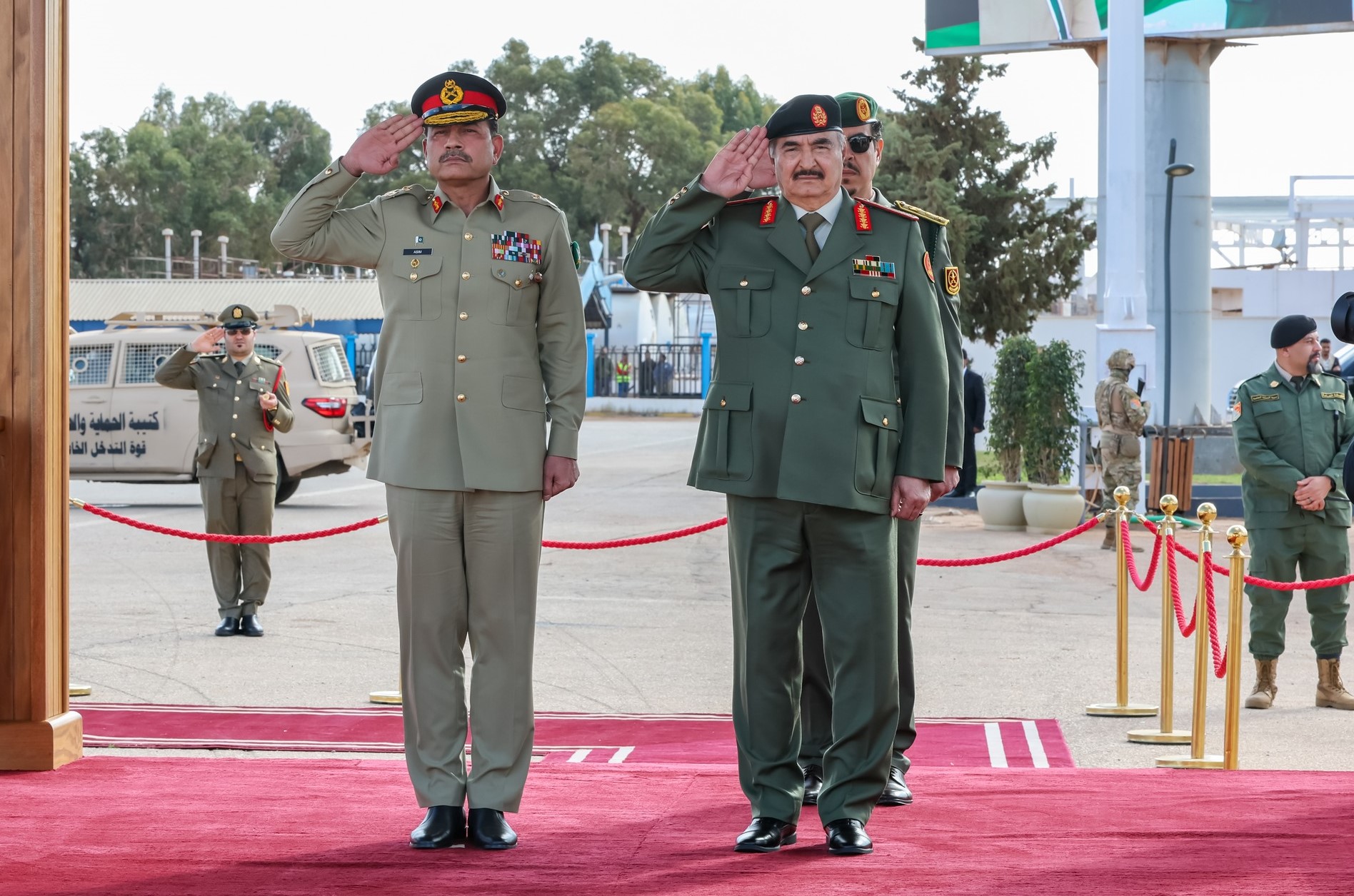
Tripoli, December 27, 2025 – An official memorial ceremony was held today, Saturday, at the headquarters of the Ministry of Defense of the Government of National Unity in Tripoli for the duty martyrs: Chief of the General Staff, First Lieutenant Mohammed Al-Haddad; Commander of the Ground Forces, Lieutenant General Al-Fitouri Gharibail; Brigadier General Mohammed Al-Qatwi; Advisor Mohammed Al-Asawi; and photographer Mohammed Mahjoub, who passed away after the plane they were on board crashed in Turkey.
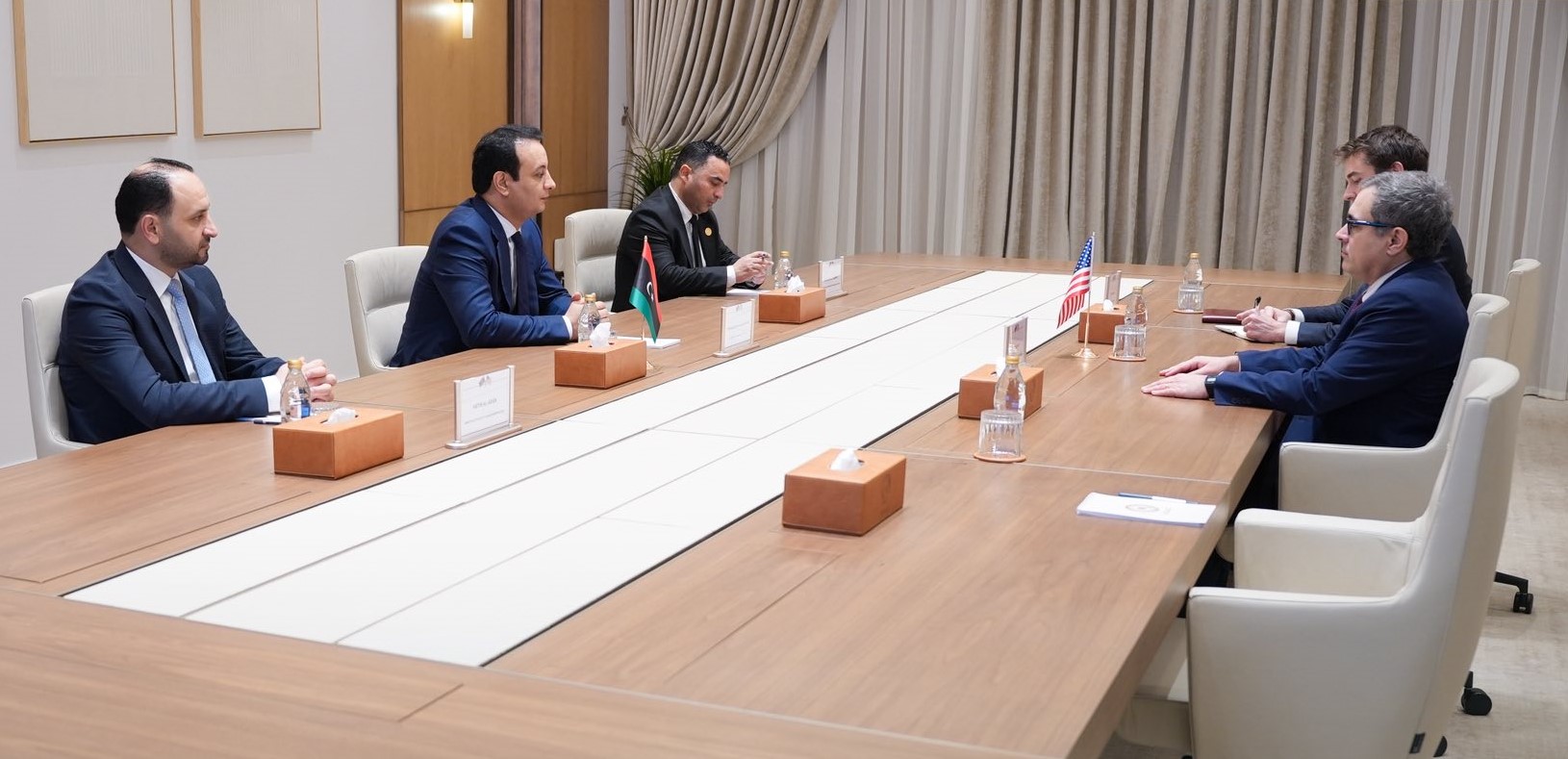
The memorial ceremony was attended by the President of the Presidential Council and Supreme Commander of the Army, the Deputy of the Council, the Prime Minister of the Government of National Unity and Minister of Defense, the Undersecretary of the Ministry of Defense, the Acting Chief of Staff, and delegations from Turkey and Malta.
The ceremony, which began with the recitation of verses from the Holy Quran, was also attended by a number of officers and soldiers from all branches of the Libyan army, several heads of diplomatic missions, the families of the martyrs, and a gathering of citizens.
The President of the Presidential Council and Supreme Commander of the Army delivered a eulogy for the martyrs, in which he announced the posthumous promotion of Lieutenant Mohammed Al-Haddad to the rank of Field Marshal, and the promotion of his companions to the rank following their current one.
He said, “Today we stand in a solemn farewell, with hearts filled with pain, to bid farewell to a group of Libya’s finest sons. They were men who went out to perform their duty; they did not leave the homeland, but ascended within it and returned carried on the shoulders of honor, crowned with the medal of sacrifice, as martyrs for duty and country.”
He added that the loss of Al-Haddad and his companions is not only a loss for their families and the military institution, but a loss for every Libyan who believes in the value of the state, the honor of service, and the price of redemption.
The President of the Presidential Council affirmed that a state that honors its martyrs is a state that knows its path, pointing out that a military institution built on the sacrifices of its men cannot be defeated or broken.
For his part, the Prime Minister and Minister of Defense said in a eulogy for Al-Haddad and his companions, “Today we bid farewell to men who contributed with their expertise and were a fundamental pillar in protecting the state and its stability,” confirming that investigations are continuing with all credibility and precision until the full results are clear, in coordination with the Republic of Turkey.
He continued, “Today we bid farewell to Field Marshal Mohammed Al-Haddad, the man who believed, and we believed with him, in a regular army whose loyalty is to God and then to the homeland, despite the prevailing darkness and the power of outlaw groups, until we reached this level for our regular forces.”
He affirmed that the martyrs were not merely military leaders, but statesmen characterized by wisdom and responsibility, who believed that the national army is the shield of the homeland and that building institutions is the truest path to building a secure and stable Libya.
He stressed that honoring the martyrs is not achieved by words alone, but through hard work to complete the path we have drawn together and to continue building a unified, professional military institution based on law and discipline—a solid institution not built on individuals, but on steadfast national values and principles.
For his part, the Acting Chief of Staff delivered a speech mourning Al-Haddad and his companions, reaffirming the pledge to continue unifying the Libyan army following in the footsteps of Al-Haddad and his comrades.
In his speech, he said, “Today we bid farewell to the men of the homeland who carried the nation, made discipline their approach, leadership their responsibility, and serving Libya their mission.”
He added that the honor of duty knows no time or place, and that this loss is not only a loss for their families but a loss for the homeland and the military institution, affirming that their legacy will remain and their stances will continue to be present.
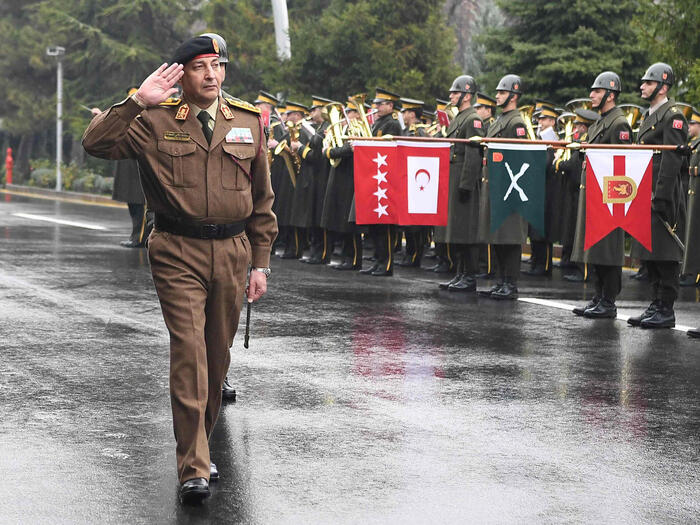
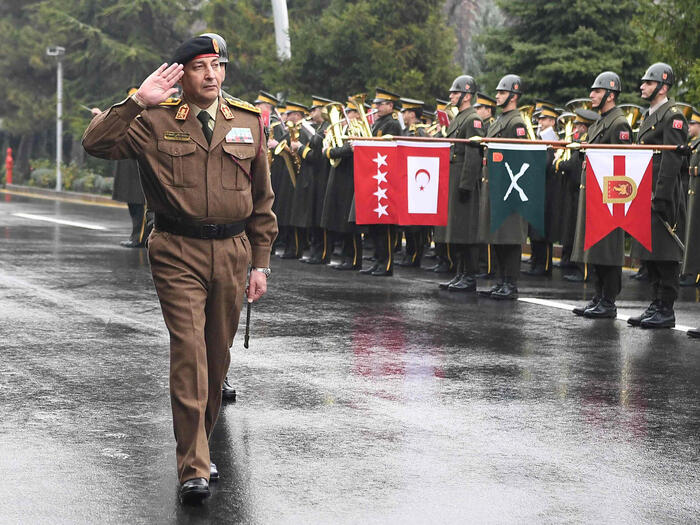
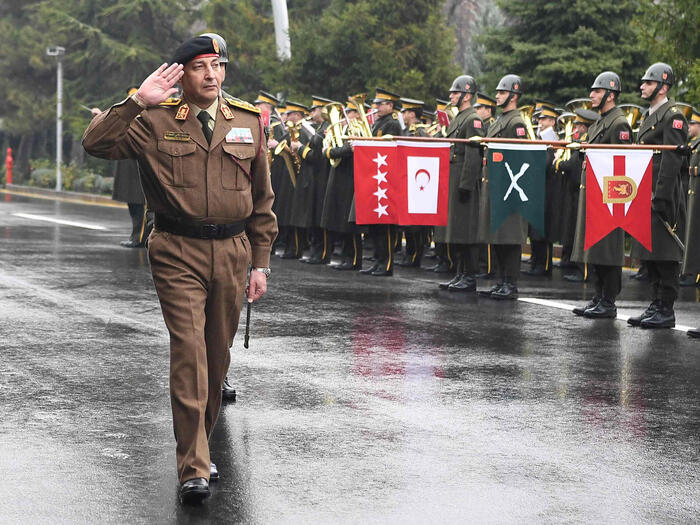
Earlier in the day, a military memorial ceremony was held for Chief of the General Staff, First Lieutenant Mohammed Al-Haddad, and his companions at the Murted Military Base in the Turkish capital, Ankara, prior to the transfer of their bodies to Libya.