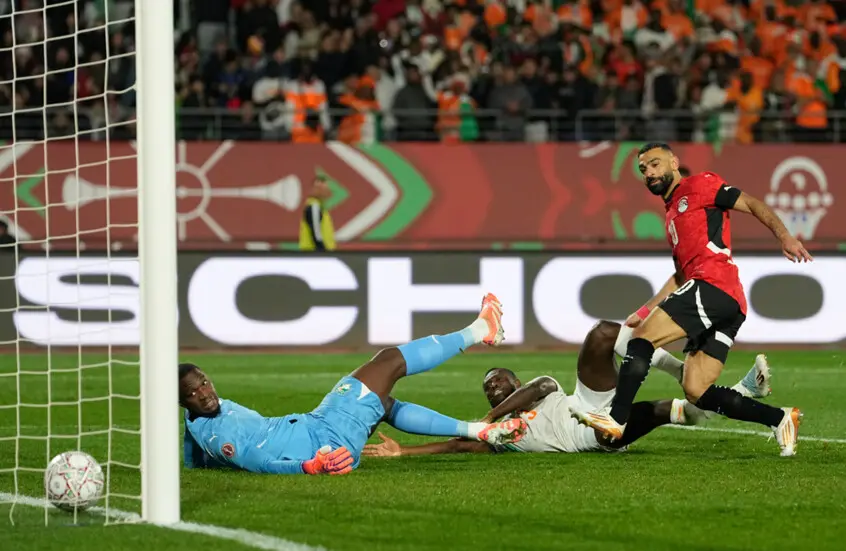
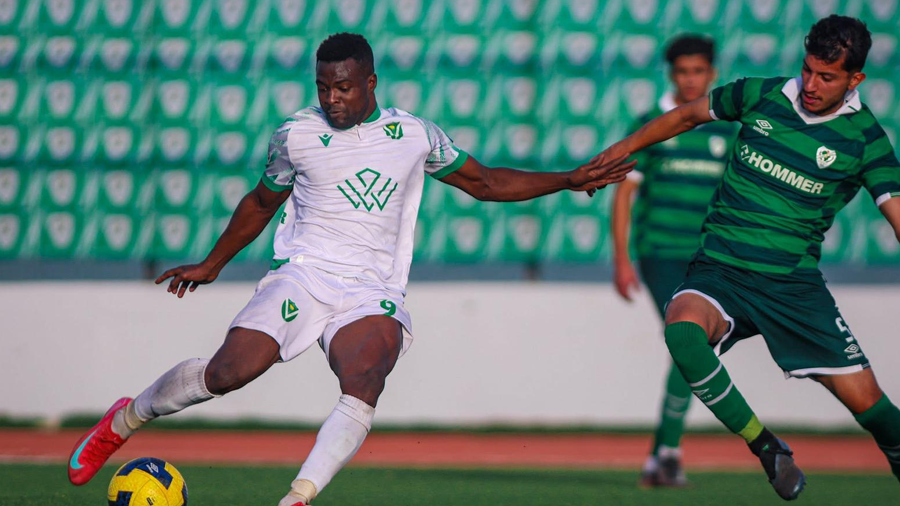
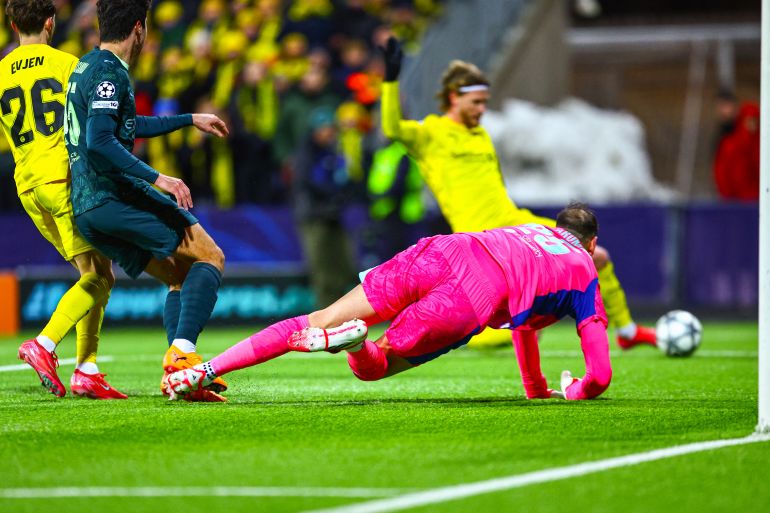
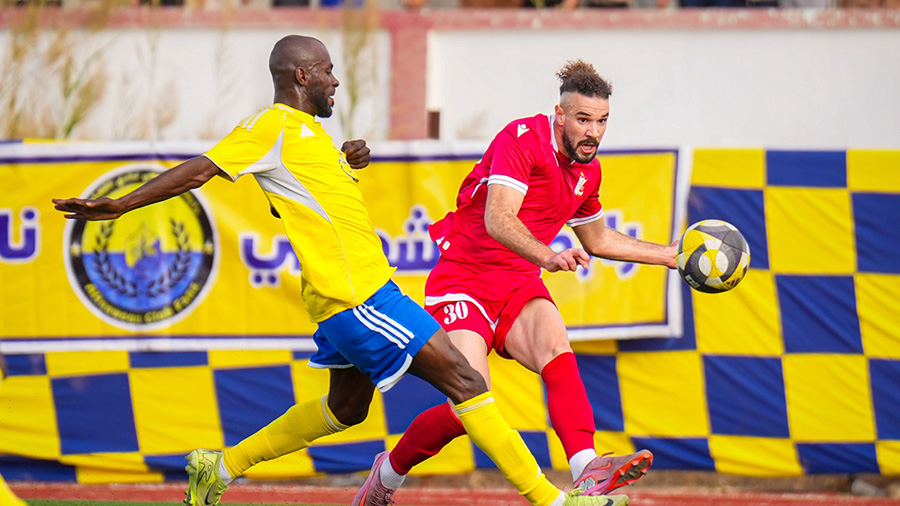
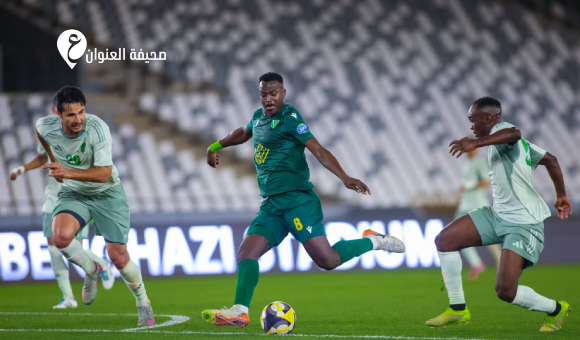
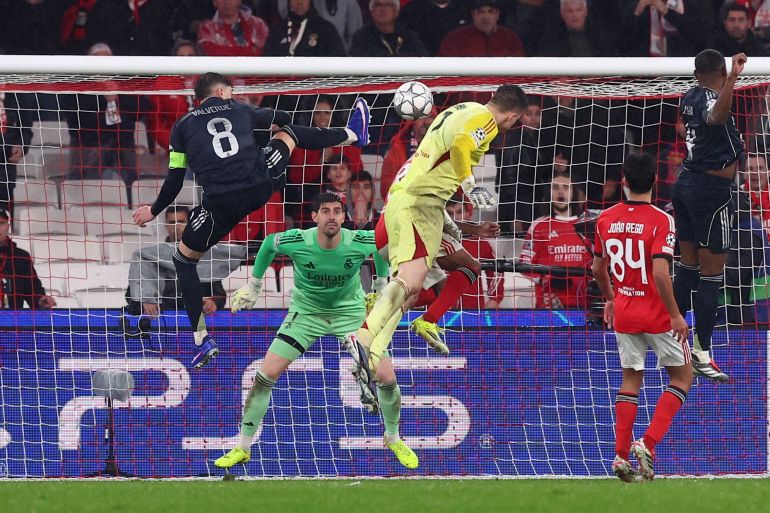
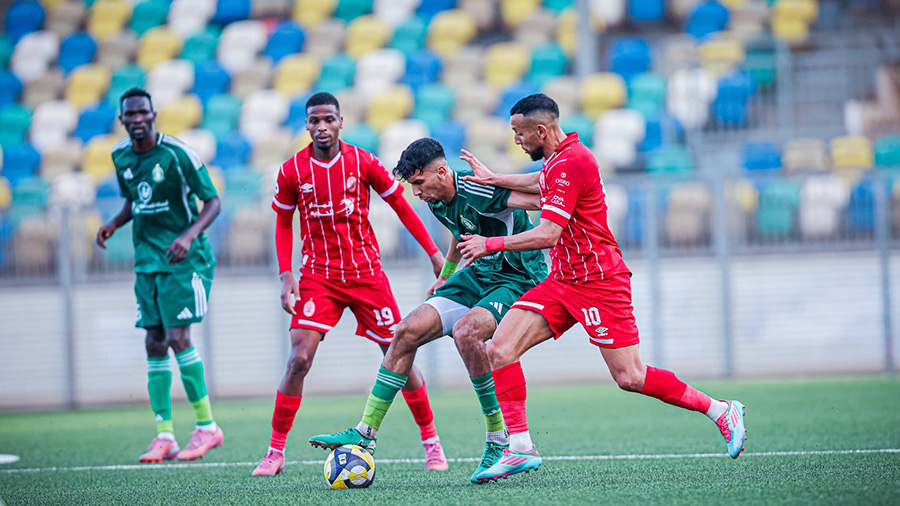
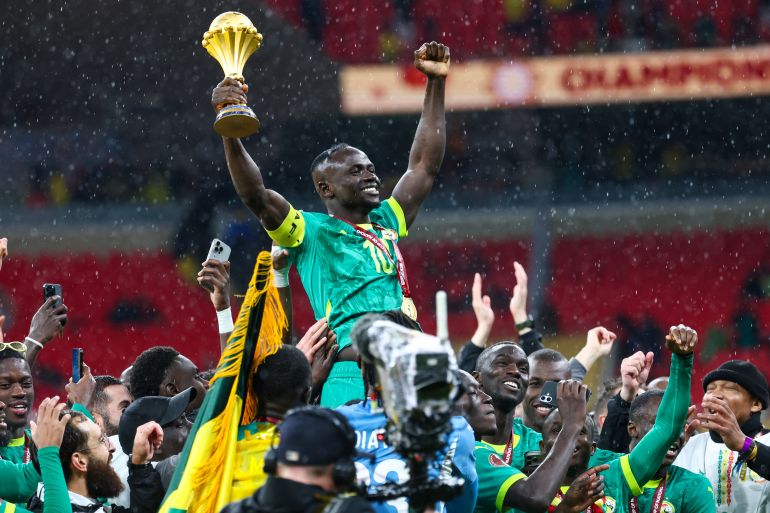
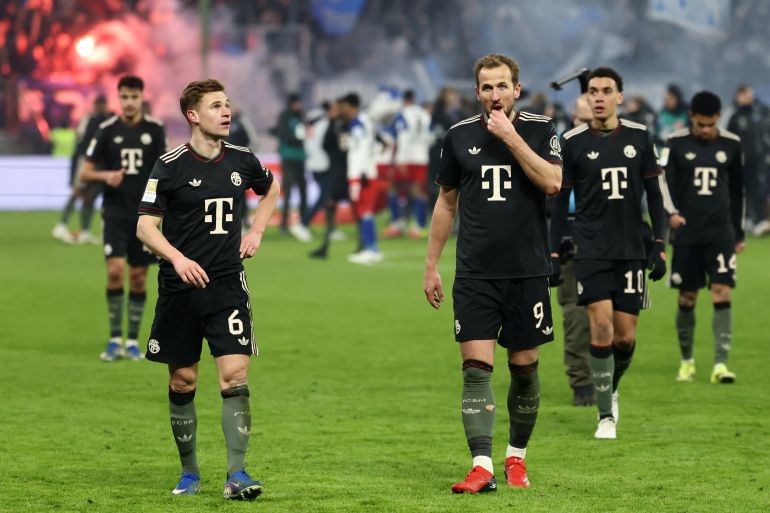
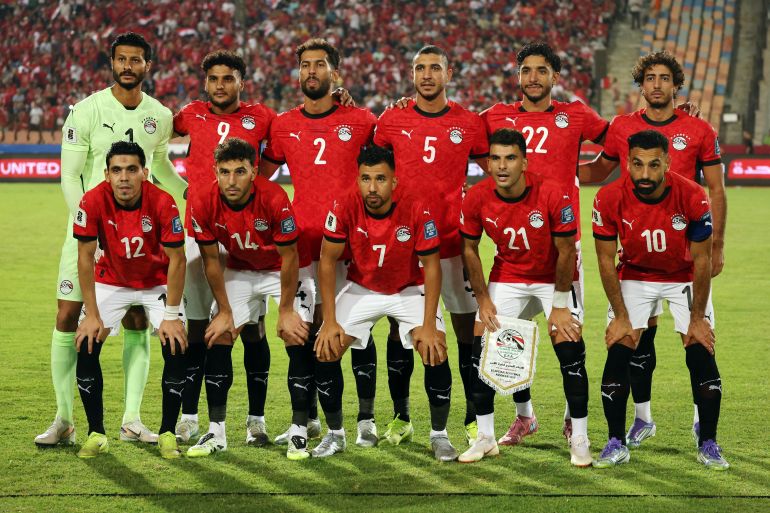
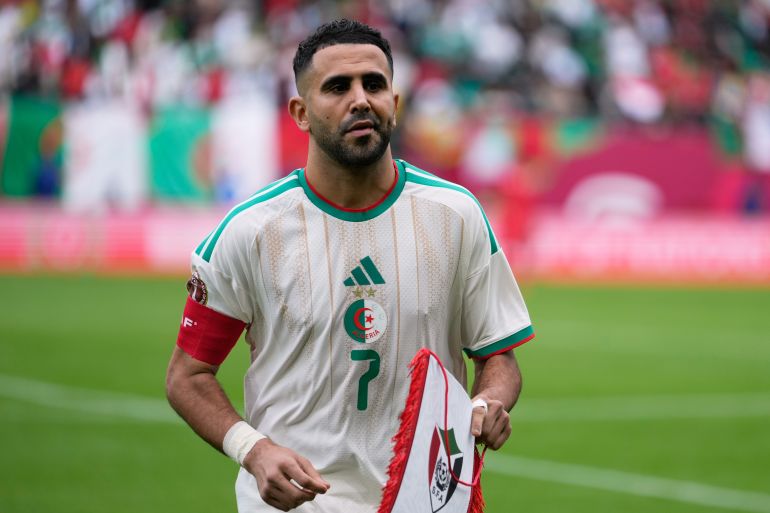
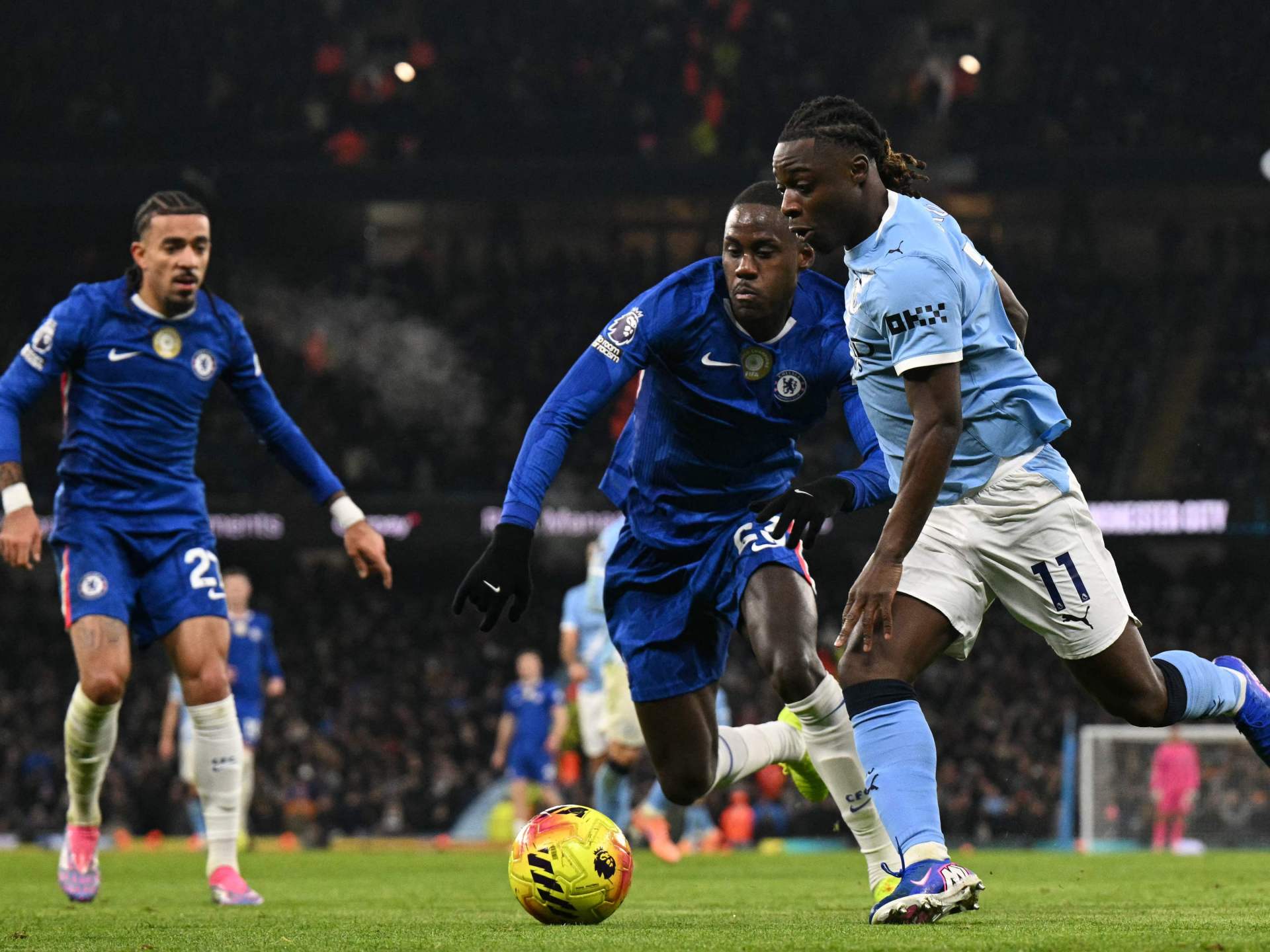
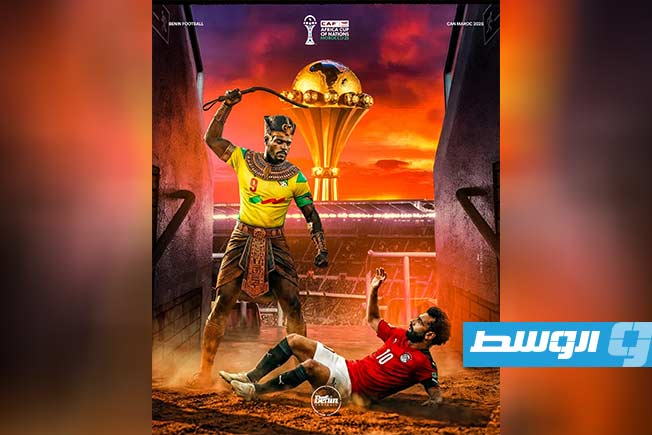
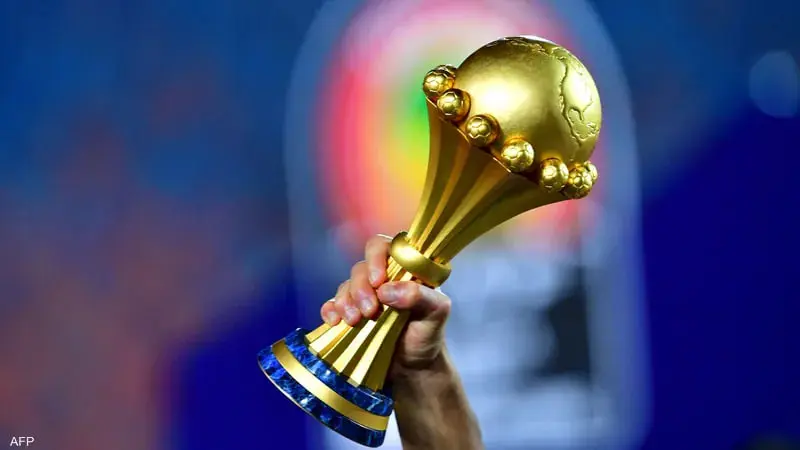
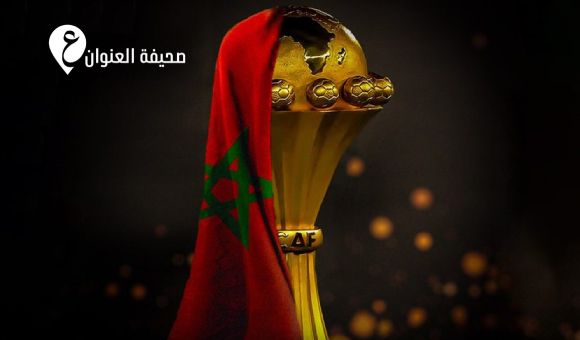
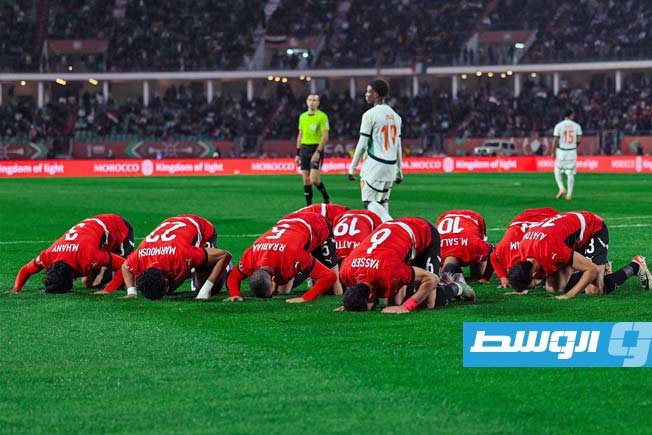
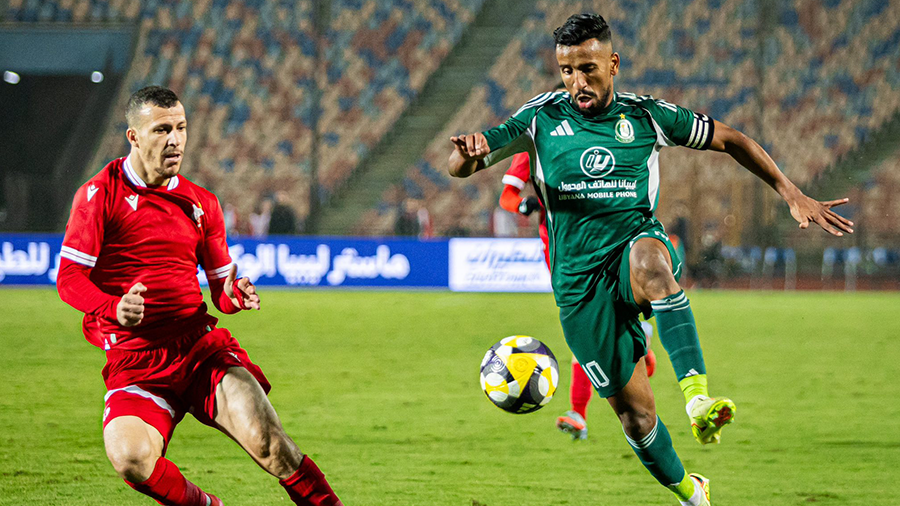
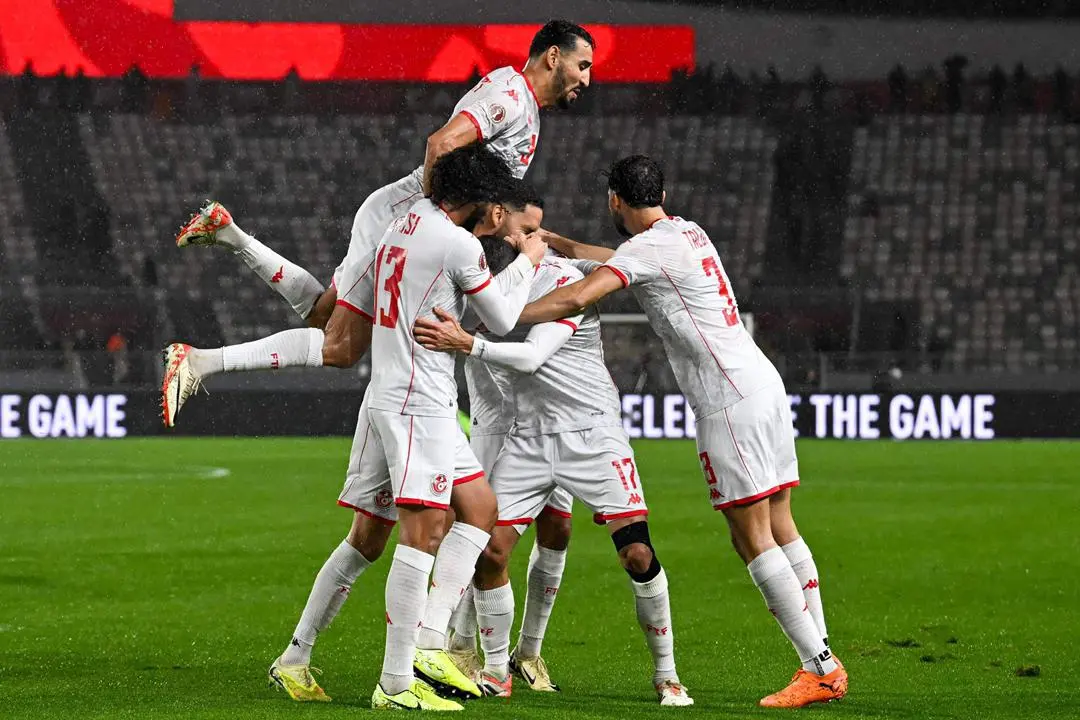
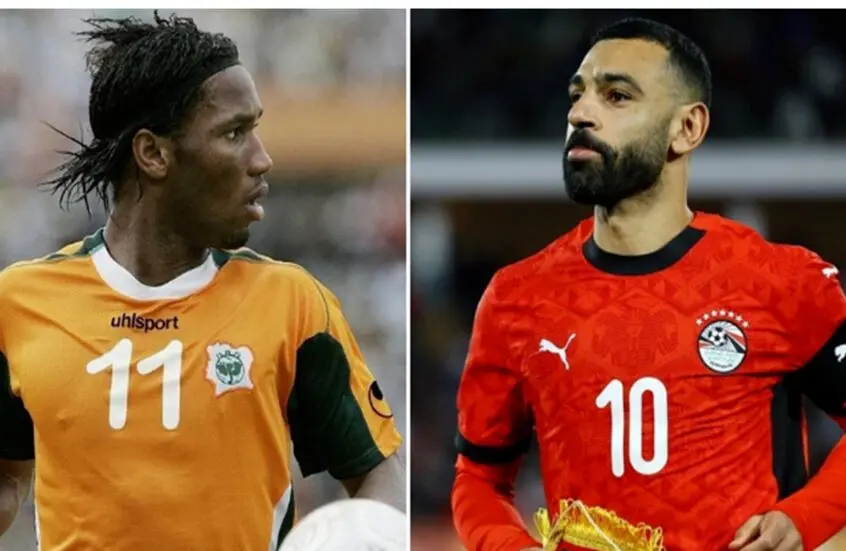
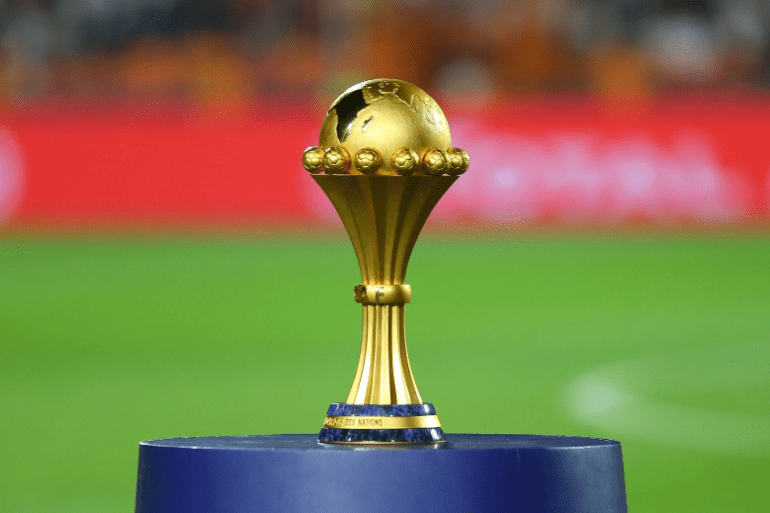
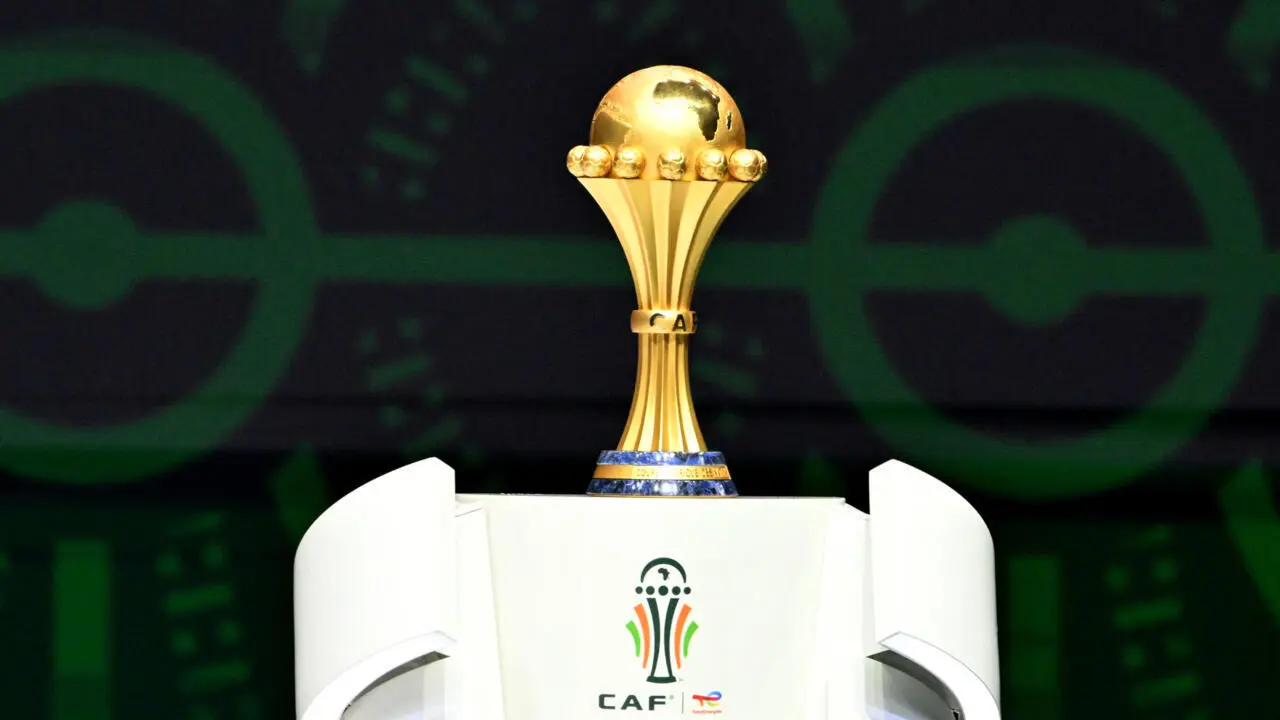
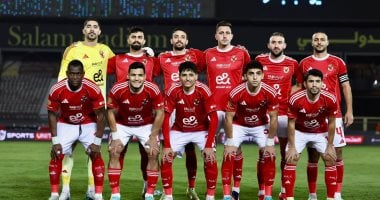
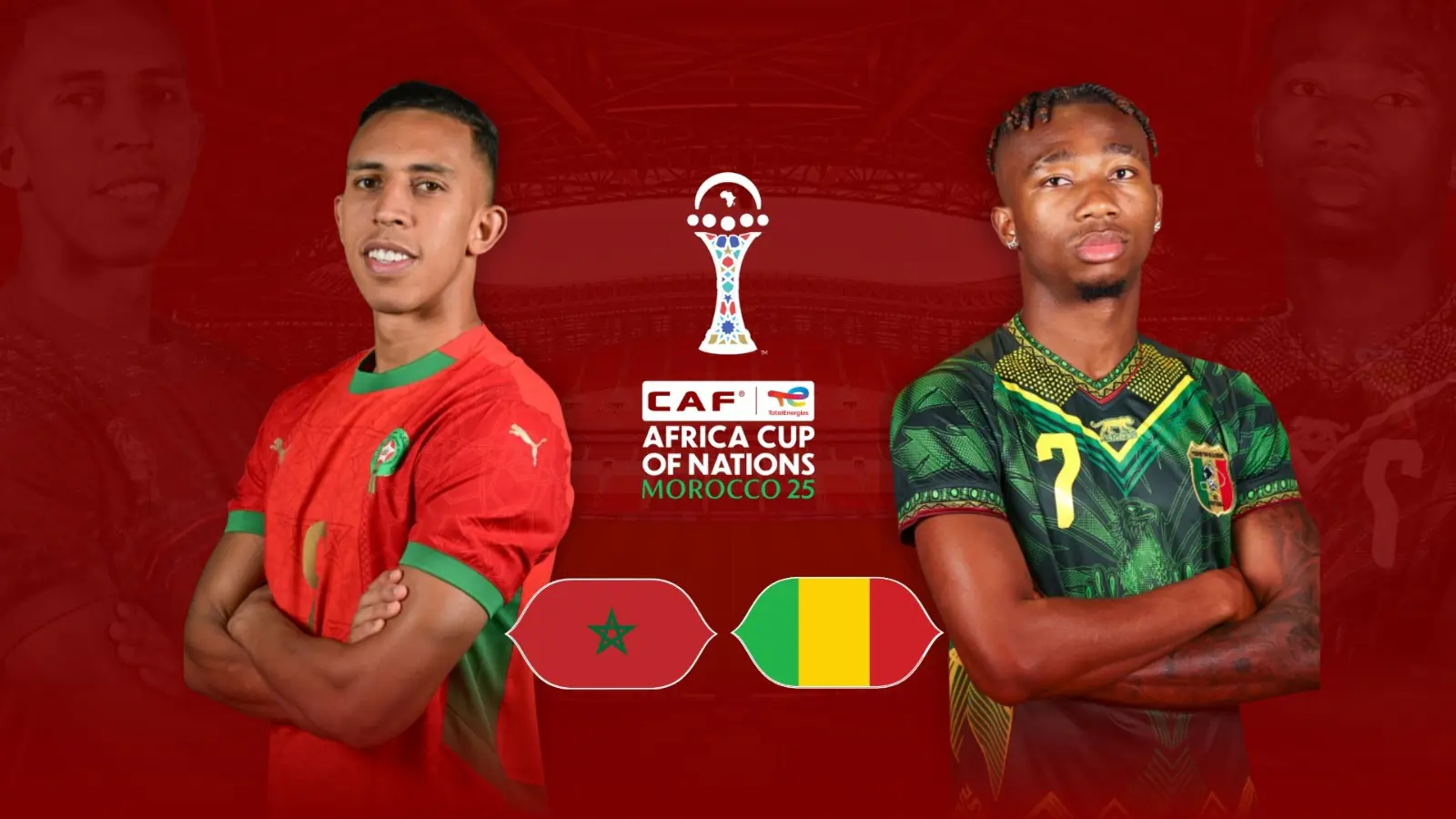
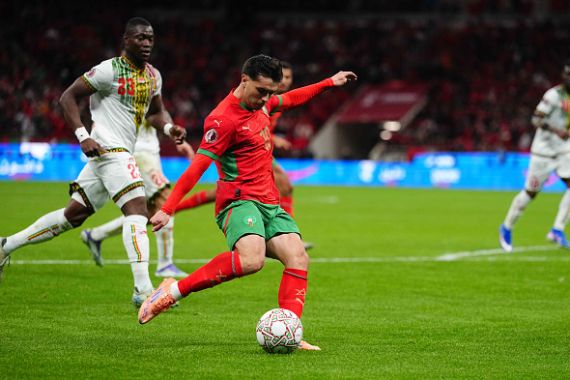
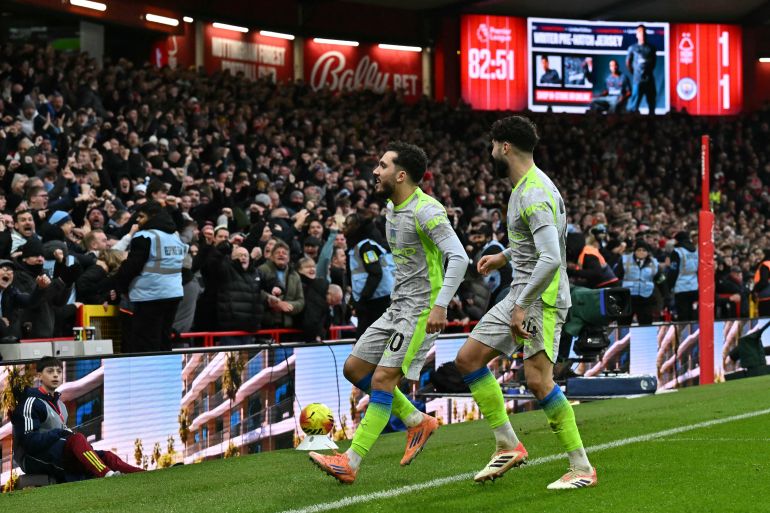
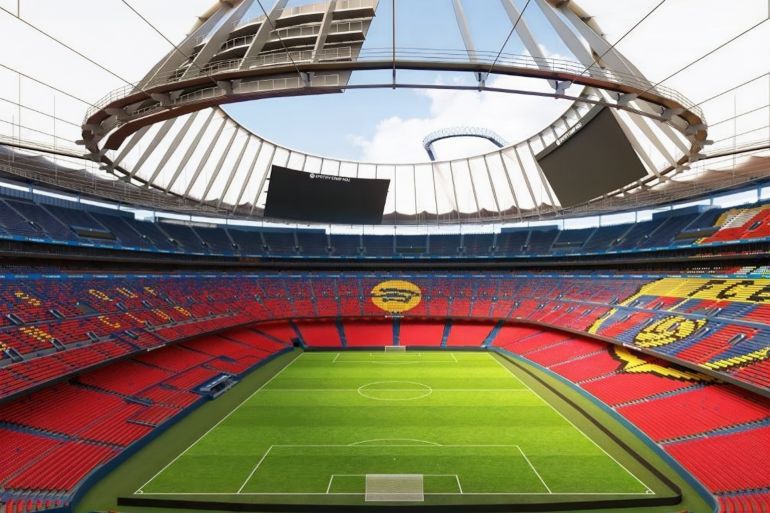
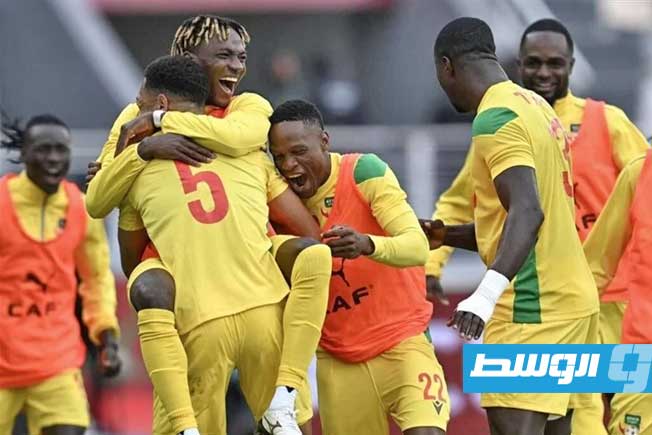
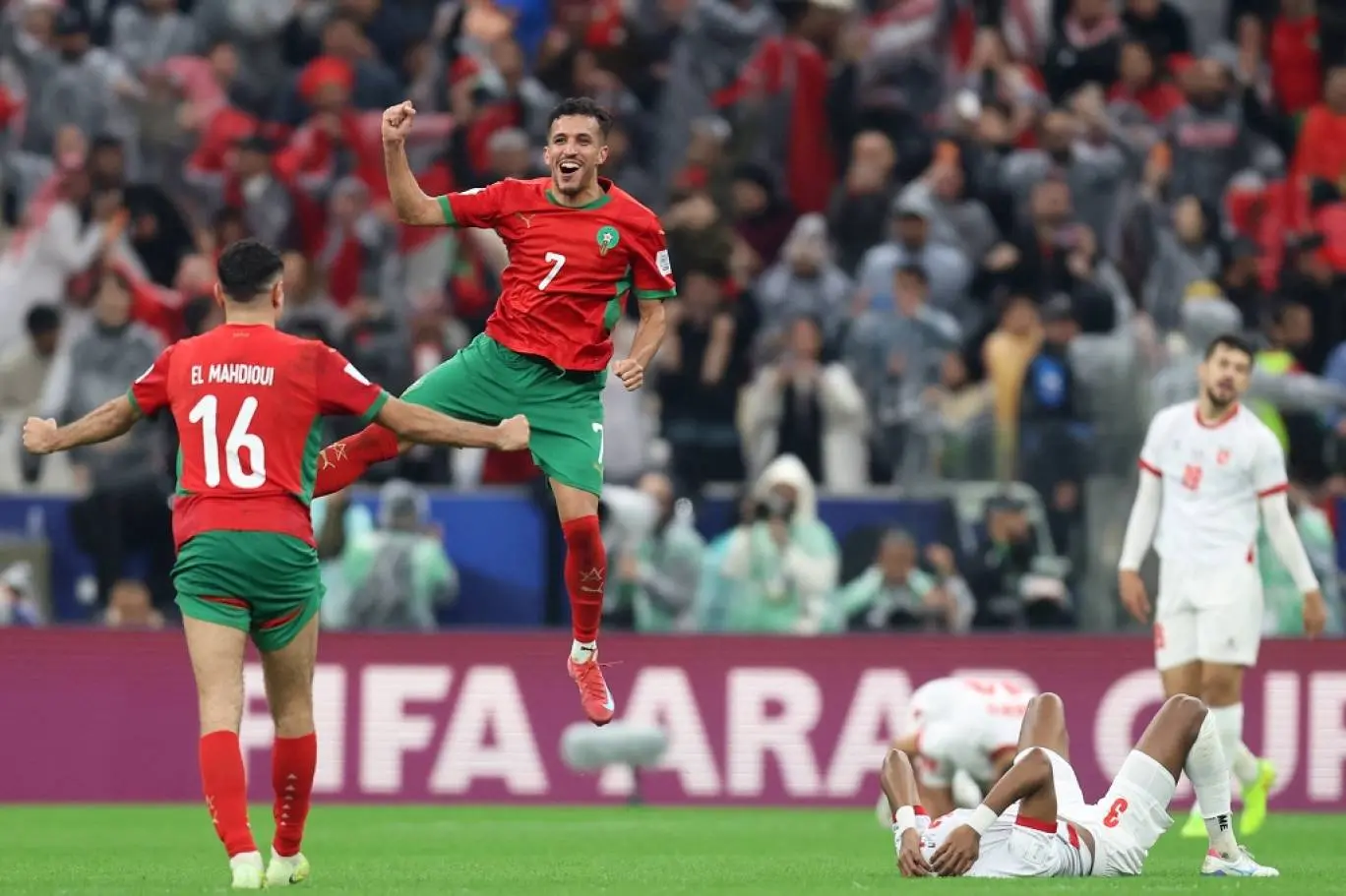
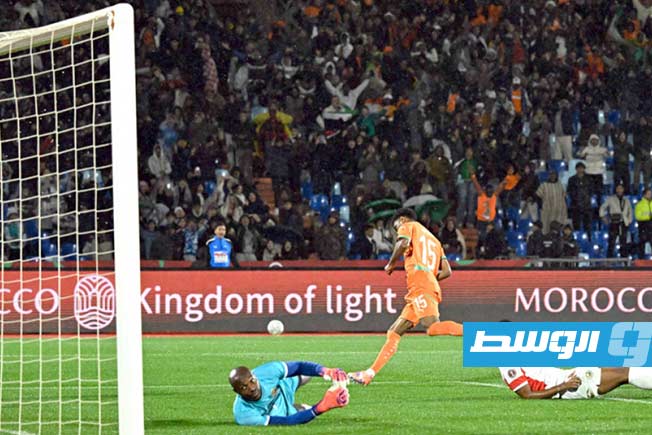
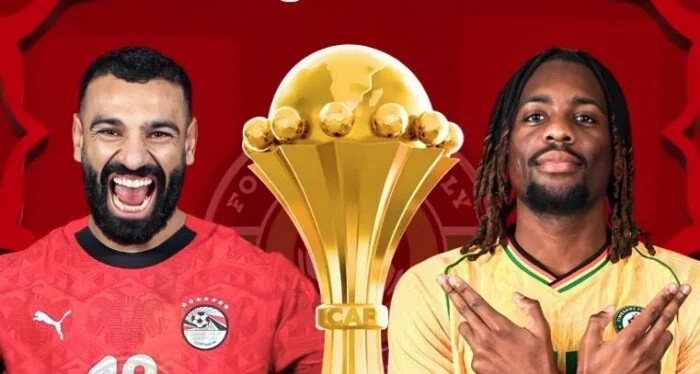
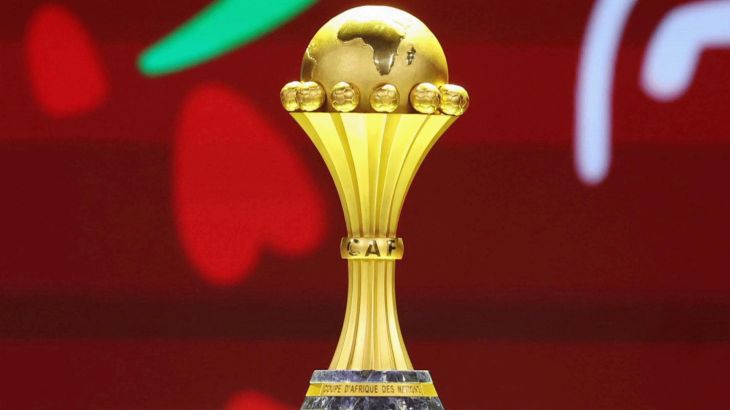
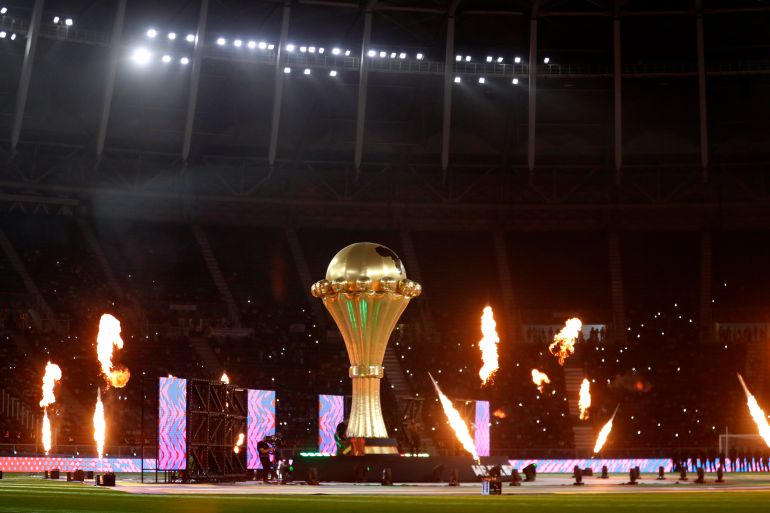
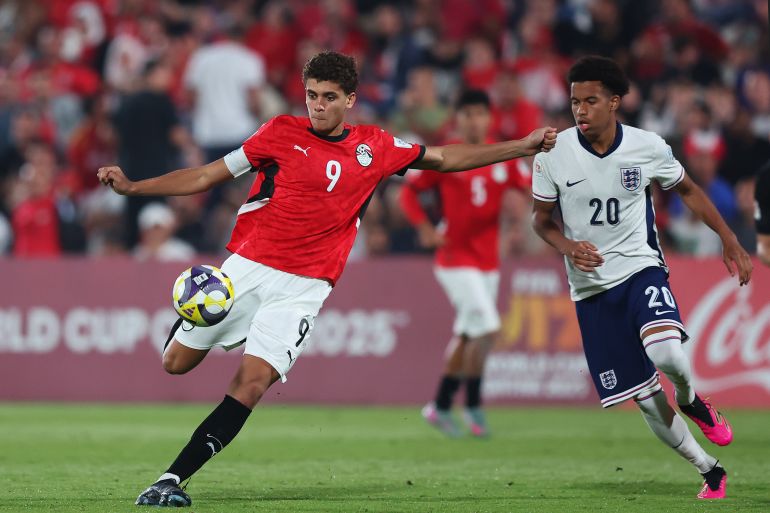
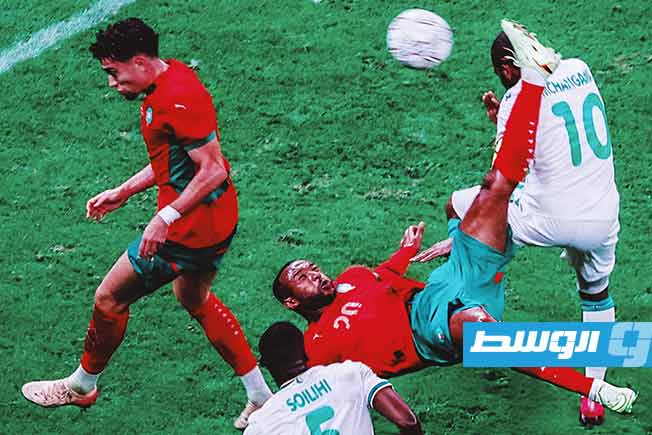
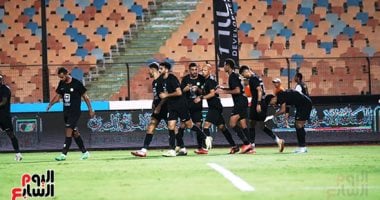
The Egyptian national team will face a tough match next Saturday evening, as part of the Africa Cup of Nations quarter-finals, currently being held in Morocco.
Egypt vs. Ivory Coast Match Time
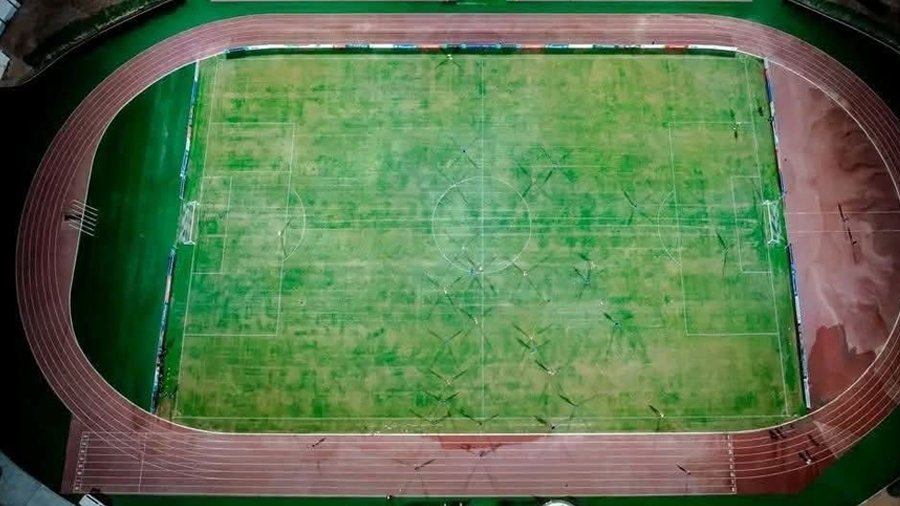
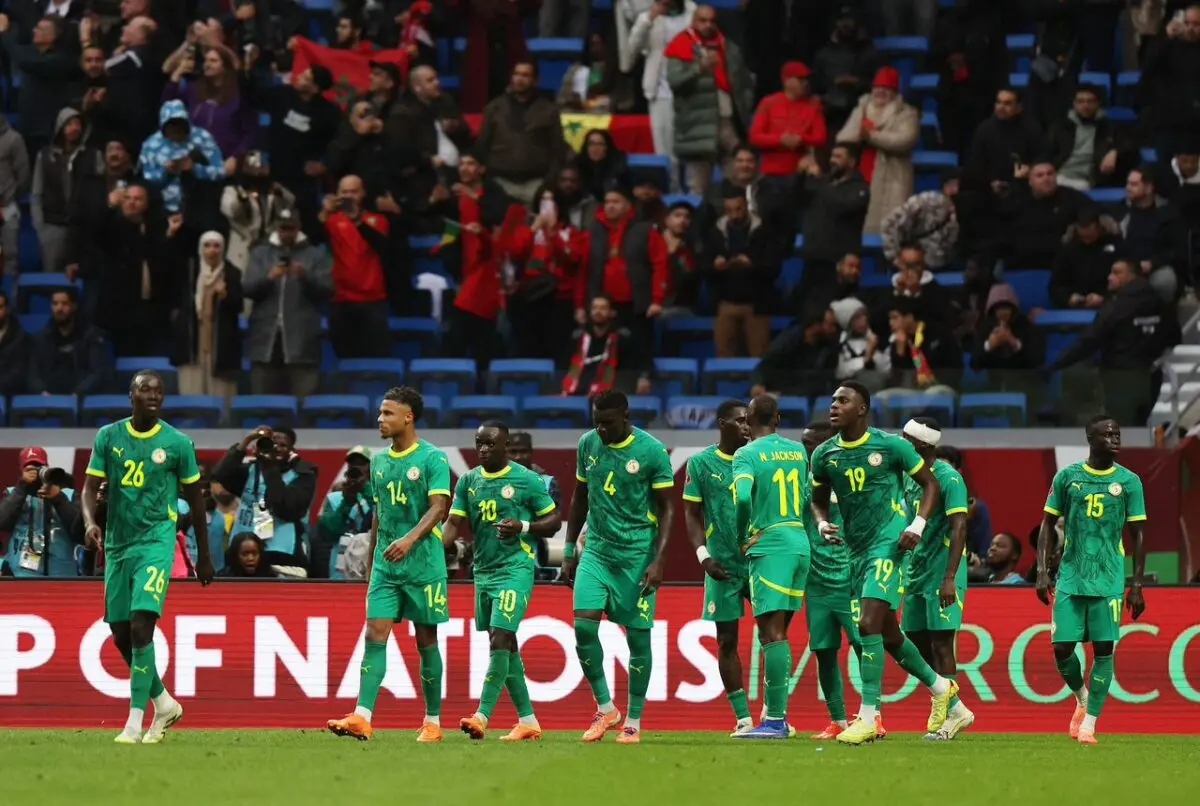
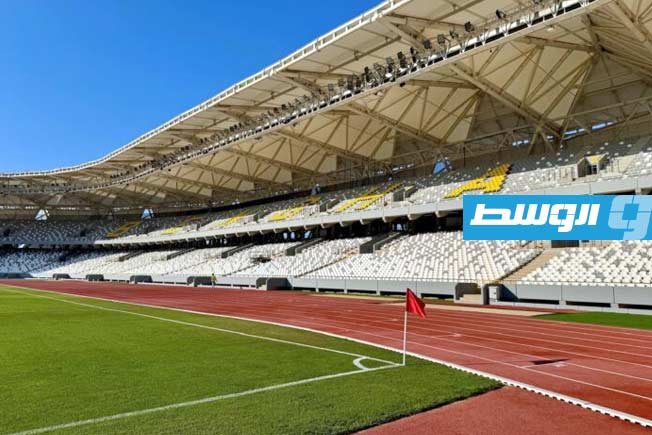
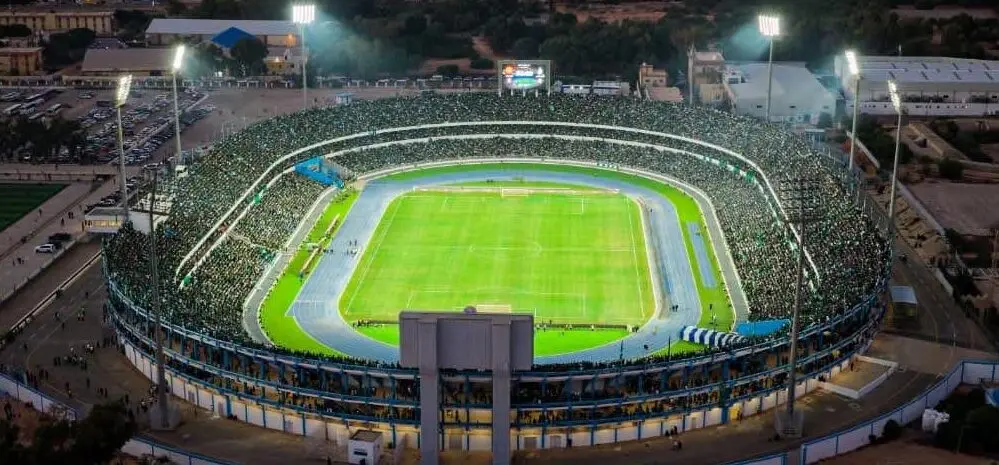
The Egyptian national team will meet Ivory Coast at nine o’clock next Saturday evening, at the Adrar Stadium in the city of Agadir, as part of the Africa Cup of Nations quarter-finals, currently being held in Morocco.
Egypt and Ivory Cup’s Tournament Journey
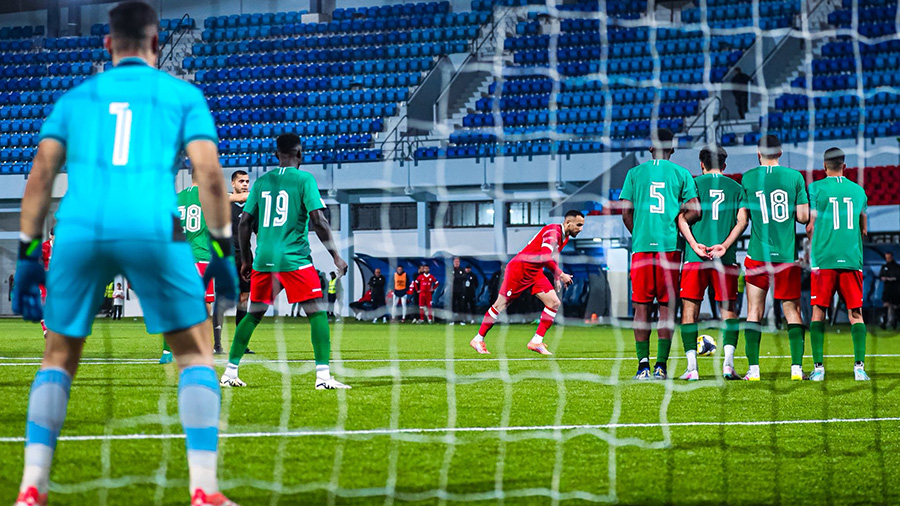
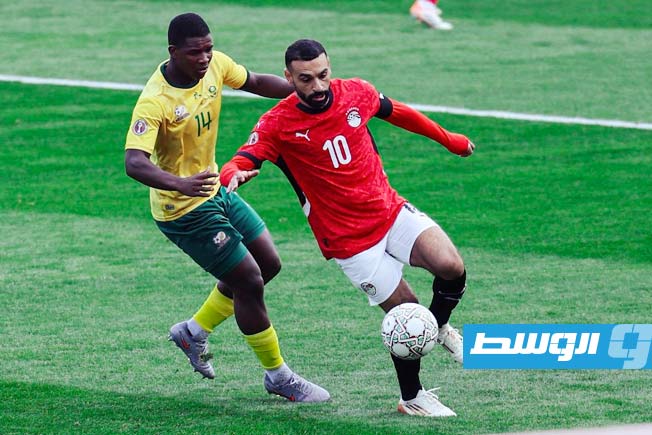
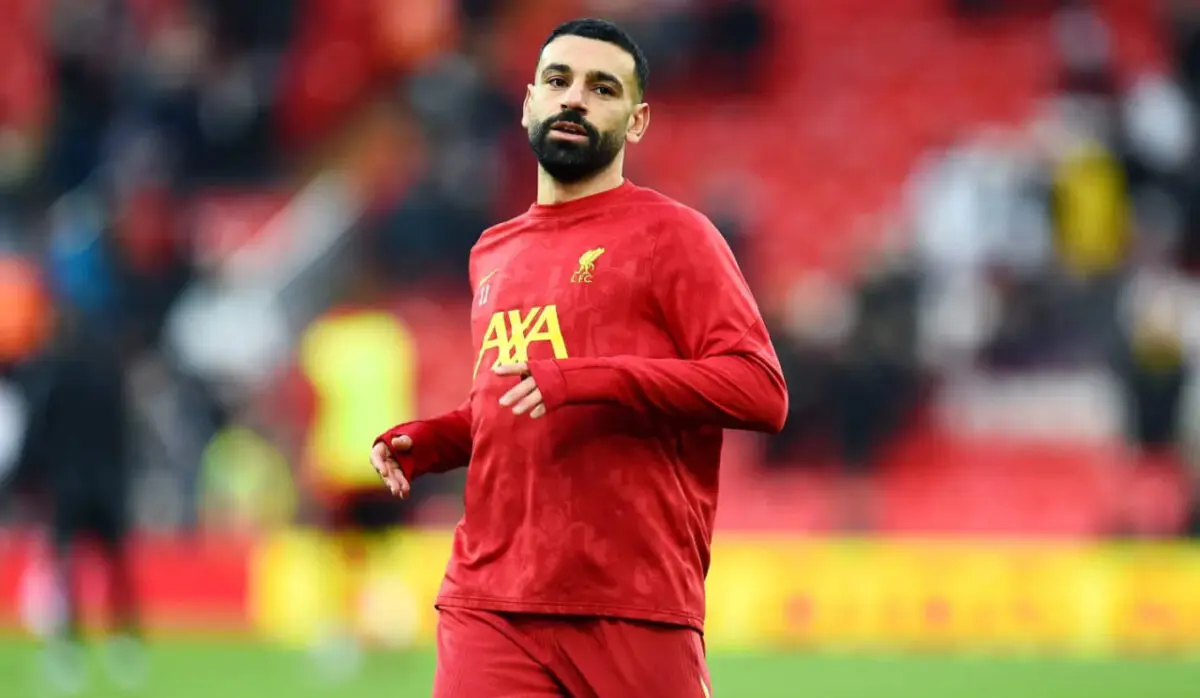
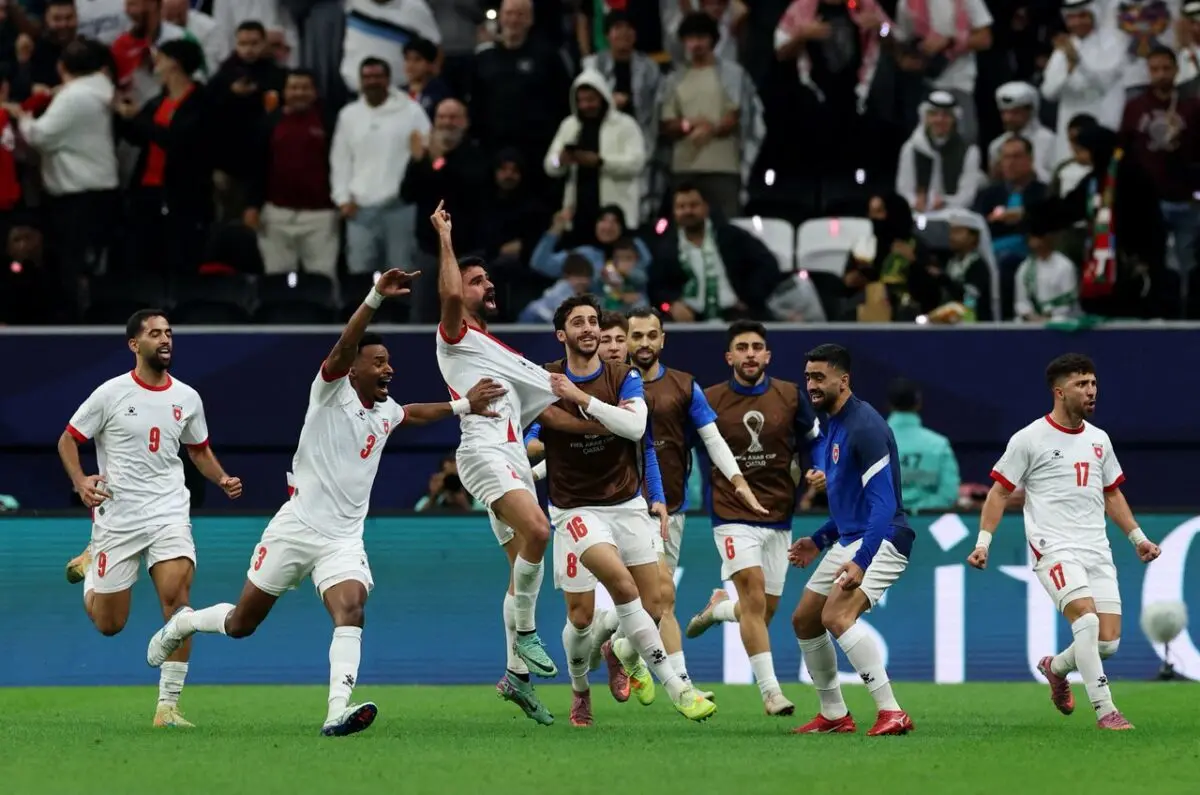
The Pharaohs aim to continue their strong journey towards reclaiming the title, which has been absent from Egyptian football’s trophy cabinet since 2010. The Pharaohs’ team began the tournament with a 2-1 win over Zimbabwe, then a 1-0 win over South Africa, followed by a goalless draw with Angola in the third round of the group stage. They then overcame Benin with a 3-1 victory to qualify for the quarter-finals.
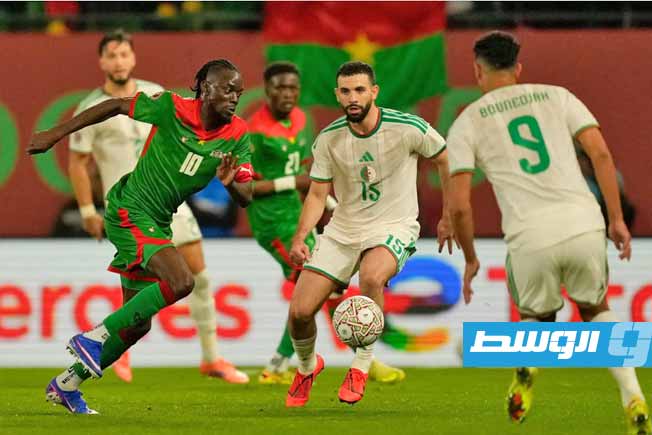
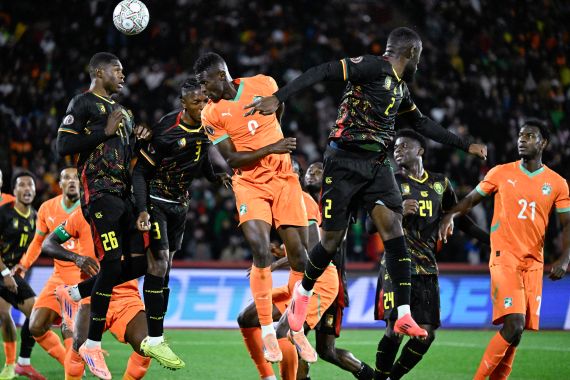
On the other hand, the Ivory Coast team began its journey with a 1-0 win over Mozambique, then a 1-1 draw with Cameroon, followed by a 3-1 win over Gabon, and overcame the hurdle of Burkina Faso in the round of 16 with a clean 3-0 victory.
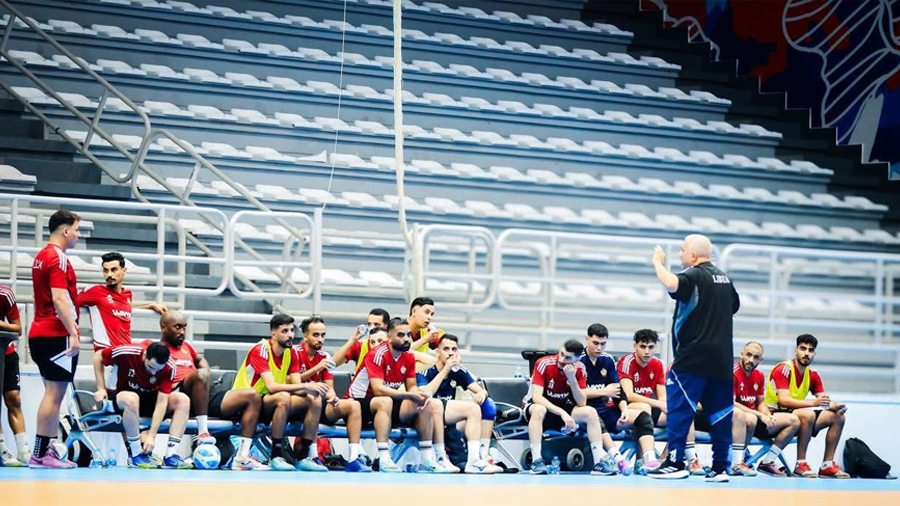
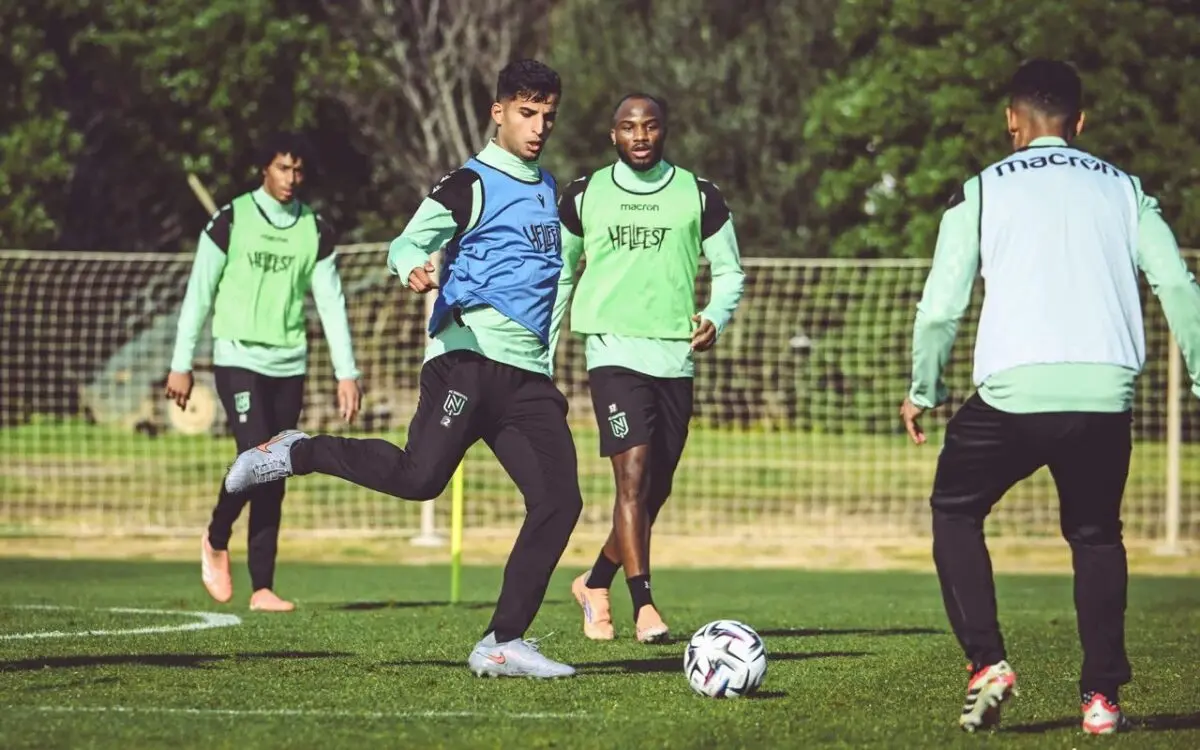
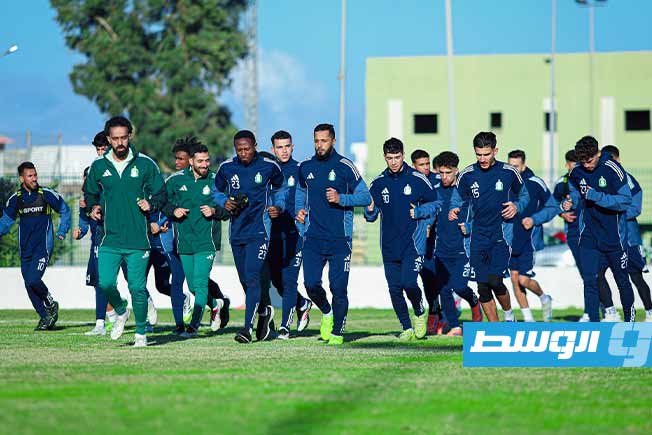
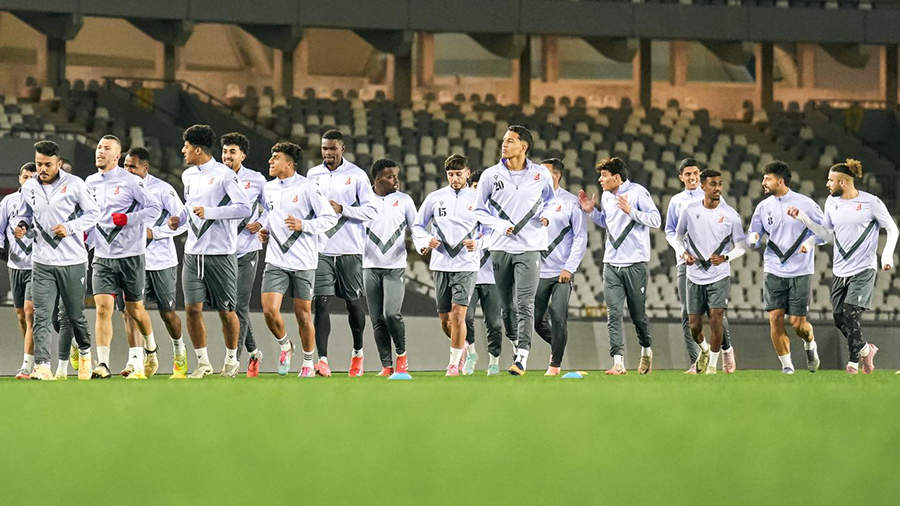
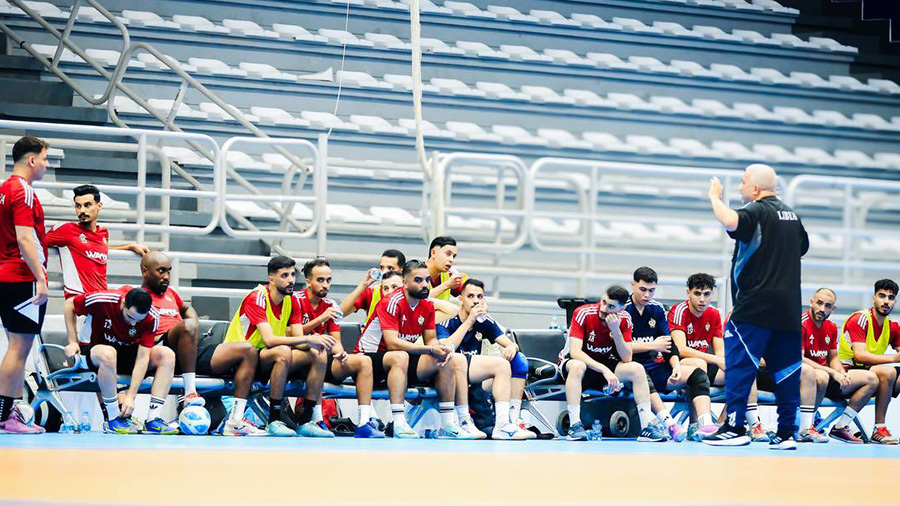
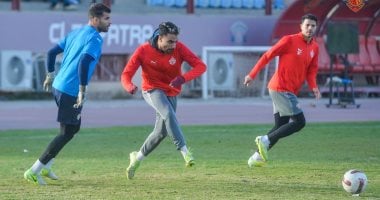
The Egyptian national team will hold its final training session this Friday evening, in preparation for the anticipated and decisive confrontation against the Ivory Coast national team, scheduled for next Saturday evening, as part of the Africa Cup of Nations quarter-final matches.
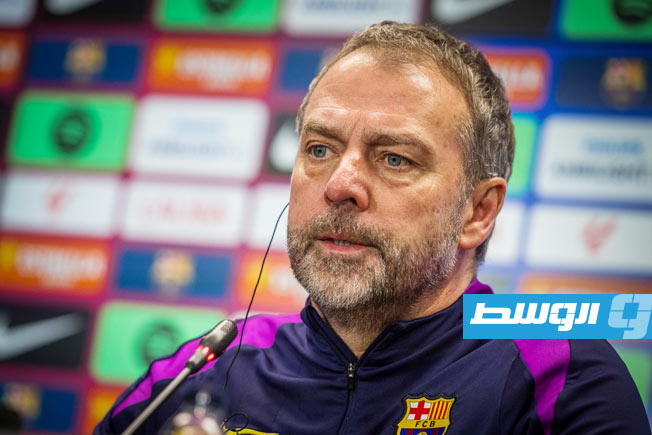
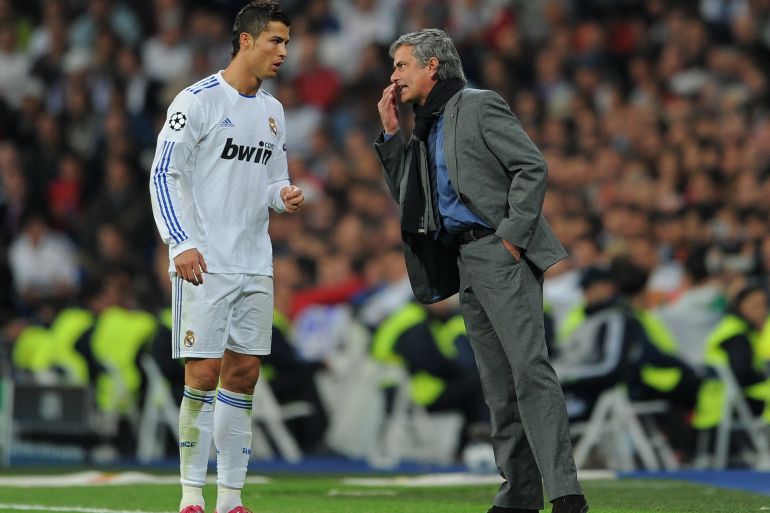
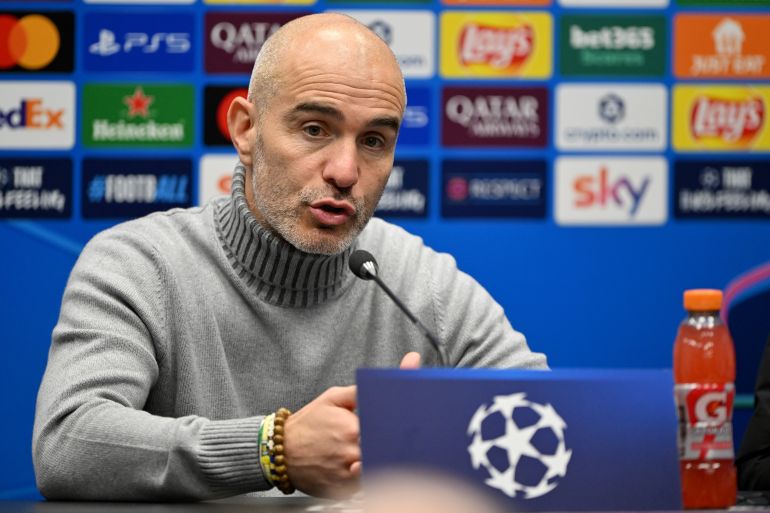
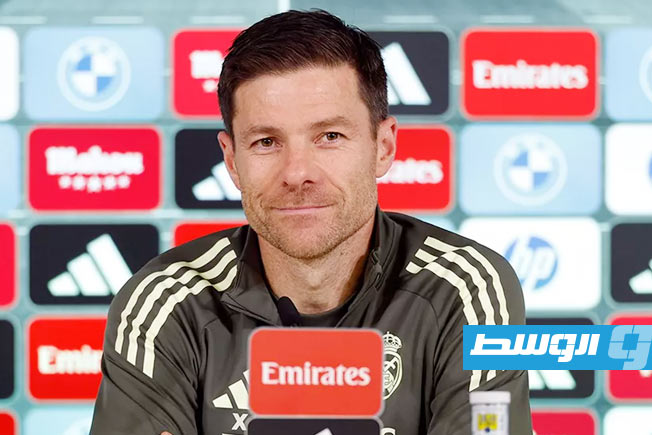
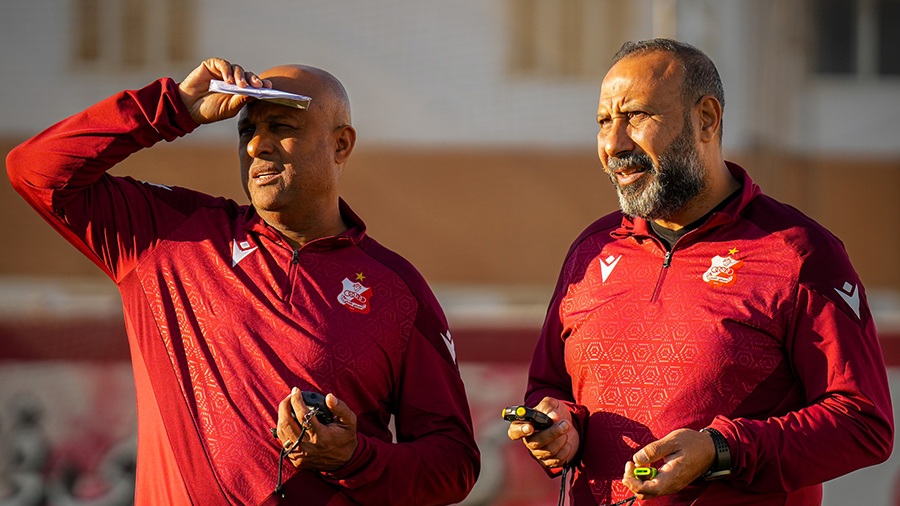
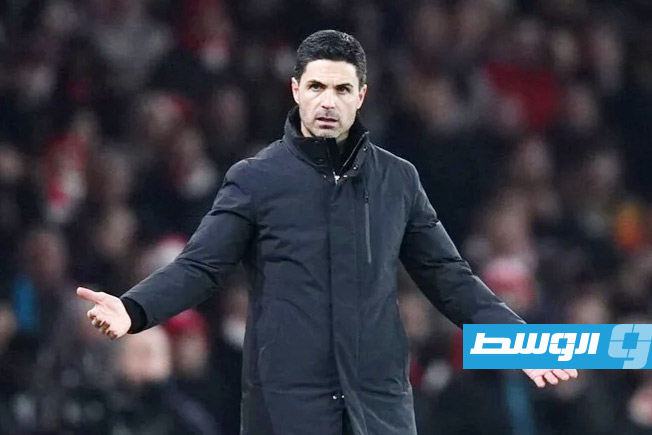
The Egyptian national team has entered a phase of maximum focus under the leadership of the technical director, who is today putting the final touches on the match plan. Reports from the team’s camp indicate that in the latest technical lectures, the focus was on studying the strengths and weaknesses of the Ivorian “Elephants” formation, warning of the speed of their wingers and the physical strength in the midfield.
Heater – Archive
Egypt
Egypt is home to one of the world’s oldest civilizations, with a recorded history spanning over 5,000 years and famous for its pharaohs, pyramids, and monuments along the Nile River. Its rich cultural heritage includes iconic sites like the Giza pyramid complex, the Valley of the Kings, and numerous temples, which were central to its ancient religious and political life.
Ivory Coast
The Ivory Coast, officially known as Côte d’Ivoire, is a West African nation whose history includes pre-colonial kingdoms, French colonization beginning in the late 19th century, and independence in 1960. A major cultural site is the Basilica of Our Lady of Peace in Yamoussoukro, which is one of the world’s largest churches and was completed in 1989 during the presidency of Félix Houphouët-Boigny.
Africa Cup of Nations
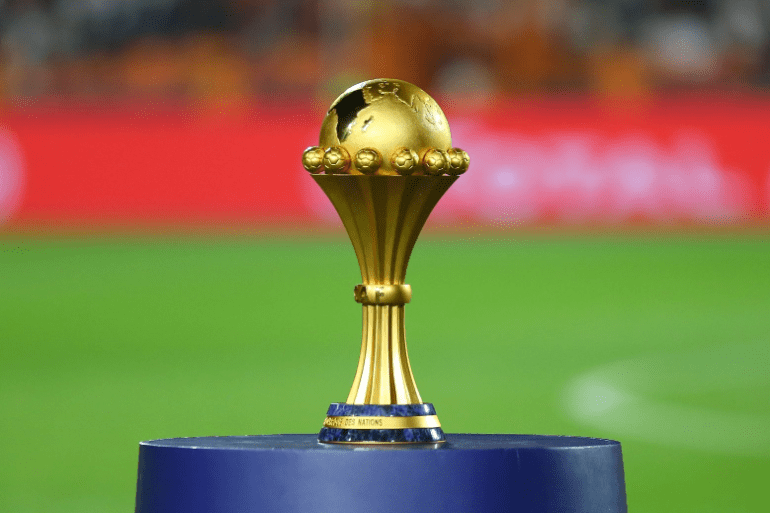
The Africa Cup of Nations (AFCON) is the premier international men’s football competition in Africa, first held in 1957. It was founded to unite African nations emerging from colonialism and is organized by the Confederation of African Football (CAF).
Morocco
Morocco is a North African country with a rich history shaped by indigenous Amazigh (Berber) cultures, Arab influence from the 7th century, and successive dynasties like the Almoravids and Almohads. Its cultural sites include imperial cities such as Fez, home to the ancient University of Al Quaraouiyine, and Marrakech with its bustling Jemaa el-Fnaa square. The country’s diverse heritage is also reflected in its architecture, cuisine, and traditions, blending Arab, Amazigh, and European influences.
Adrar Stadium
Adrar Stadium is a multi-purpose stadium located in Agadir, Morocco, primarily used for football matches and as the home ground of Hassania Agadir. It was inaugurated in 2013 and built to meet international standards, replacing the city’s older Stade Al Inbiaâte. The stadium’s construction was part of Morocco’s preparations to host the 2013 FIFA Club World Cup.
Agadir
Agadir is a major coastal city in Morocco, known today for its modern beach resorts. The city was largely rebuilt following a devastating earthquake in 1960, which destroyed much of its historic kasbah; the hilltop ruins of the old kasbah remain a key historical site overlooking the bay.
Zimbabwe
Zimbabwe is a country in southern Africa known for the ancient stone ruins of Great Zimbabwe, which was the capital of a powerful kingdom from the 11th to 15th centuries and is a UNESCO World Heritage Site. The modern nation, named after these ruins, gained independence from British colonial rule in 1980.
South Africa
South Africa is a country located at the southern tip of the African continent, known for its diverse cultures, languages, and dramatic landscapes. Its modern history is profoundly shaped by colonialism and the institutionalized racial segregation of apartheid, which ended in 1994 with the establishment of a constitutional democracy and the election of Nelson Mandela as president.
Angola
Angola is a country in southwestern Africa with a rich history shaped by powerful pre-colonial kingdoms like Kongo and Ndongo, followed by centuries of Portuguese colonization until it gained independence in 1975. Its cultural sites include the Fortress of São Miguel in Luanda, a historic Portuguese fort, and the Tundavala Gap, a stunning natural landscape. The nation’s culture reflects a blend of indigenous traditions and Portuguese influences, particularly in music, dance, and religion.
Benin
Benin refers to both a modern West African country and the historic Kingdom of Benin, which was centered in what is now southern Nigeria. The pre-colonial kingdom, lasting from the 11th century until 1897, was renowned for its sophisticated administration and exceptional bronze and ivory artworks. The modern Republic of Benin, formerly known as Dahomey, gained independence from France in 1960.
Mozambique
Mozambique is a country in Southeast Africa with a rich history shaped by Bantu-speaking peoples, Arab trade, and Portuguese colonization that lasted nearly five centuries until independence in 1975. Its cultural heritage includes a blend of African, Portuguese, and Islamic influences, visible in its music, cuisine, and historic sites like the Island of Mozambique, a UNESCO World Heritage site.
Cameroon
Cameroon, located in Central Africa, is a culturally diverse nation often called “Africa in miniature” due its varied geography and over 250 ethnic groups. Its modern history stems from colonial rule by Germany, followed by French and British administration after World War I, leading to its independence and unification in 1960 and 1961.
Gabon
Gabon is a country in Central Africa known for its dense rainforests and diverse wildlife. Historically inhabited by Bantu tribes, it became a French colony in the 19th century before gaining independence in 1960. A significant cultural site is the Lopé National Park, a UNESCO World Heritage site recognized for its ecological and archaeological value, containing evidence of human settlement dating back over 400,000 years.
Burkina Faso
Burkina Faso is a landlocked West African nation with a history shaped by several pre-colonial empires, such as the Mossi Kingdoms, followed by French colonial rule until it gained independence in 1960. The country’s name, meaning “Land of Honest People,” was adopted in 1984, and its culture is known for vibrant traditions, including music, masks, and the renowned FESPACO film festival.