The incident raised concerns about the risk of heavy metals leaking from old containers into beverages, especially as a result of prolonged exposure and deterioration.
Lead Poisoning
A Taiwanese man lost control of his car and crashed into a store without applying the brakes. He was taken to the hospital for medical examinations. Initial tests showed he was suffering from brain atrophy and impaired kidney function, which required his transfer to the nephrology department.
Prior to the accident, the man had been experiencing recurring symptoms such as severe fatigue and changes in taste perception, where food began to seem less salty than usual. Although such symptoms may seem common, their persistence over a long period can be an indicator of a serious health problem.
Laboratory tests revealed that the cause of his deteriorating health was chronic lead poisoning, which occurs due to continuous exposure to lead over an extended period.
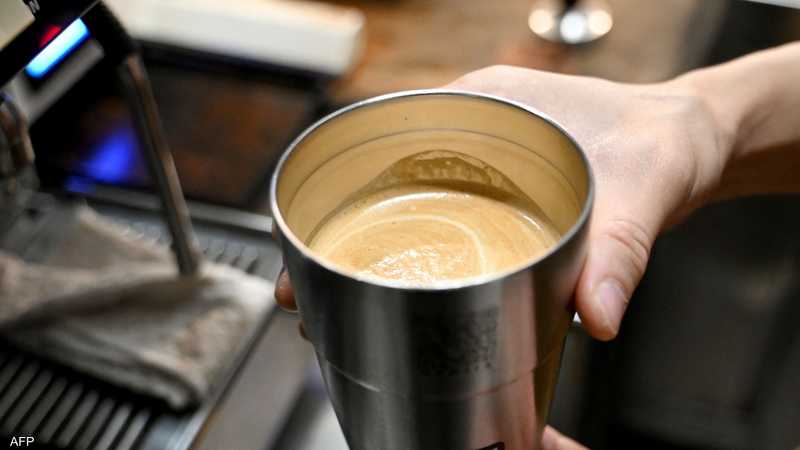
The tests confirmed that lead had been leaking into his body over the years as a result of his continuous use of a thermal mug.
Despite the treatments he received, the man’s health continued to decline, and he began to show degenerative symptoms similar to dementia. One year after the accident, the man died from respiratory pneumonia.
The Thermal Mug as a Source of Poisoning
After further investigation, doctors discovered that the primary source of the poisoning was the thermal mug the man had used daily for 20 years.
The inner layer of the mug had oxidized over time, allowing the lead metal to leak into beverages, especially acidic coffee. Frequent use of such a mug exposes the body to higher levels of lead.
Experts warn that beverages like coffee, tea, and juices can contribute to heavy metal leakage when stored in old or damaged containers. The chemical reaction in corroded or rusty containers can increase the risk of heavy metal poisoning.
Experts advise immediately replacing old containers and checking their condition regularly. It is also recommended to avoid using containers that show signs of corrosion or damage, especially when storing acidic beverages that may accelerate harmful chemical reactions.