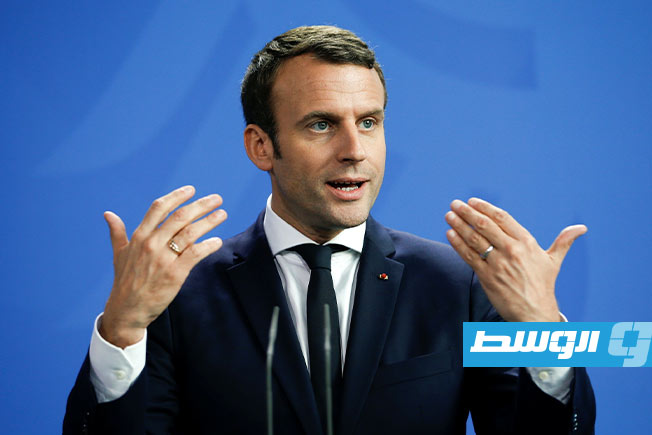
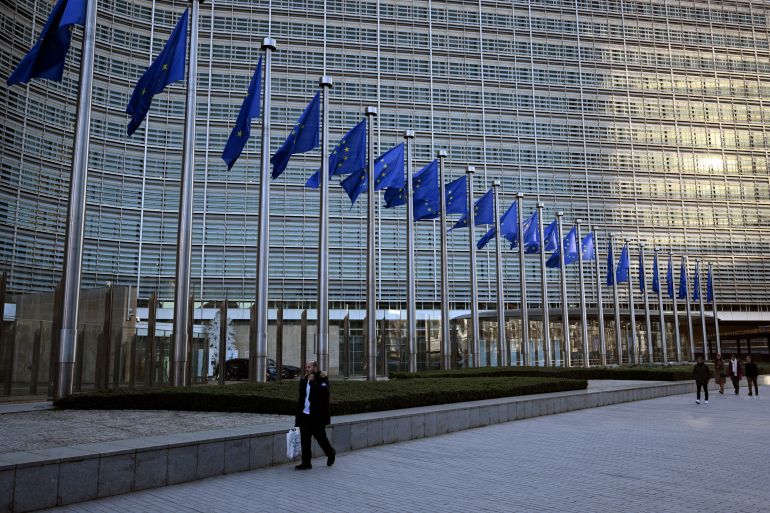
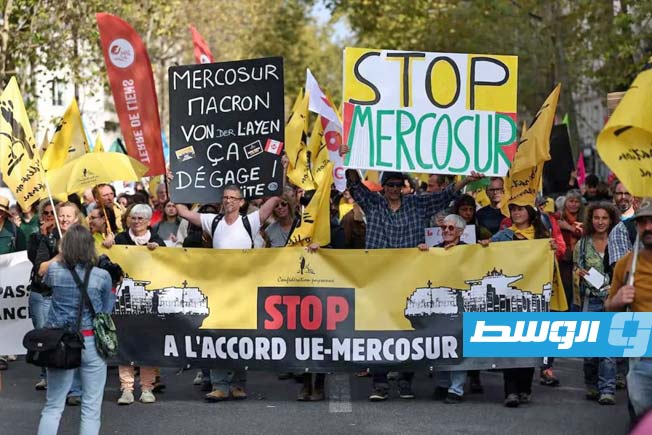
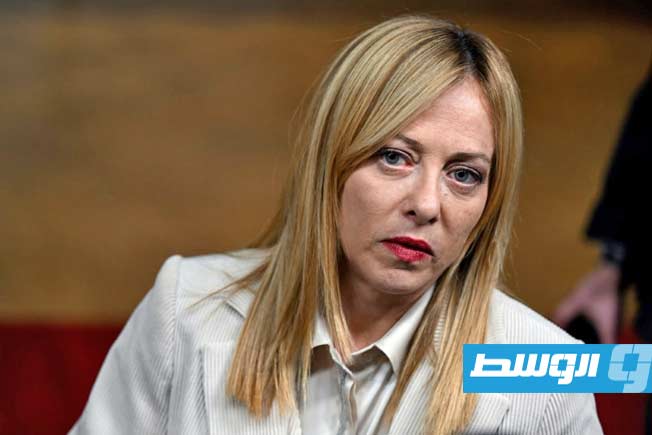
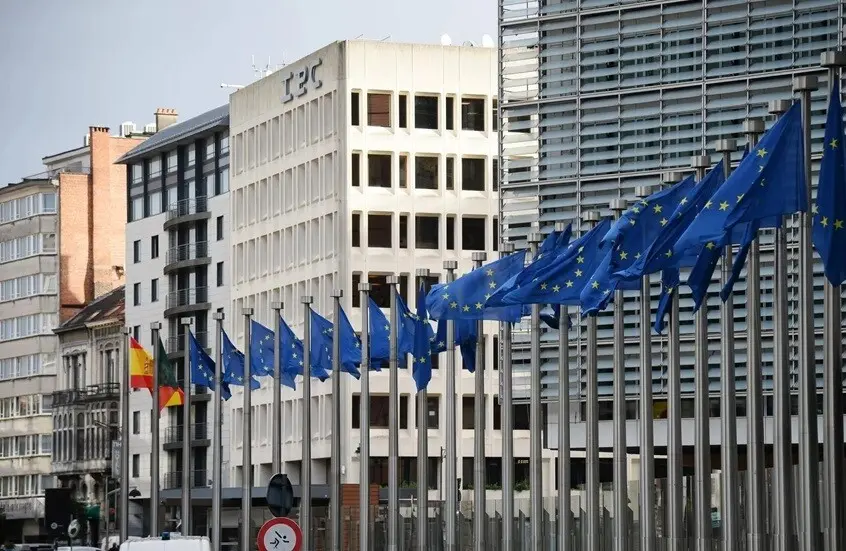
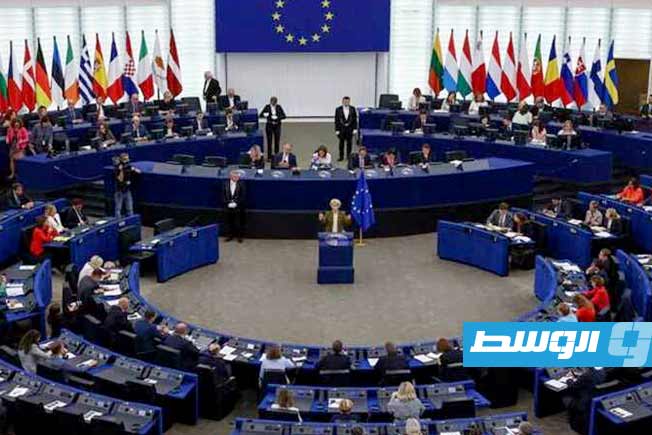
French President Emmanuel Macron confirmed on Thursday that his country is not ready to sign the trade agreement between the European Union and the South American common market “Mercosur” in its current form.
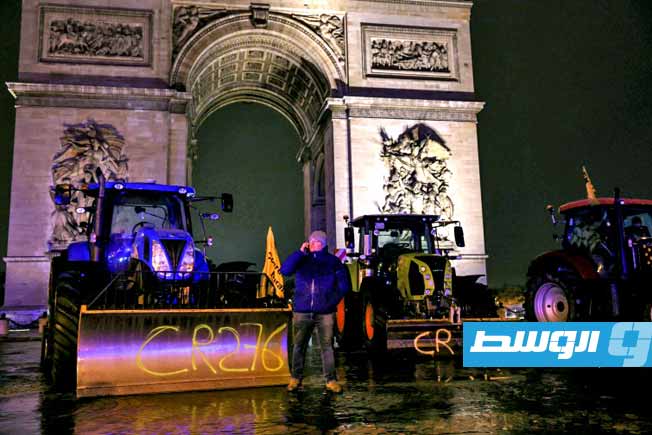
Macron said: “I want to make clear to our protesting farmers the clarity of France’s position from the beginning: regarding Mercosur, we consider the conditions are not met, and this agreement cannot be signed.”
Macron: The G20 is ‘in danger’ and struggling to resolve crises
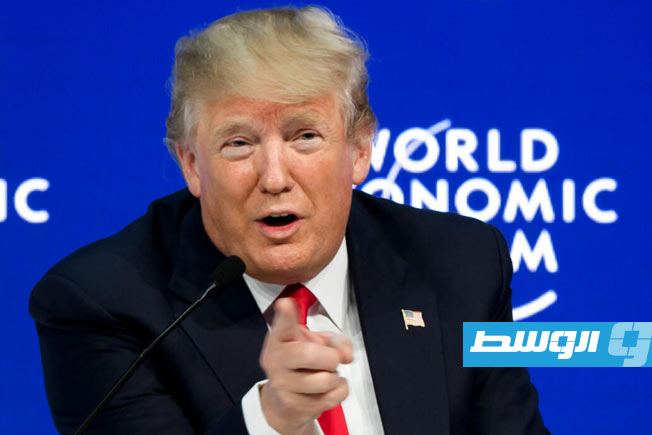
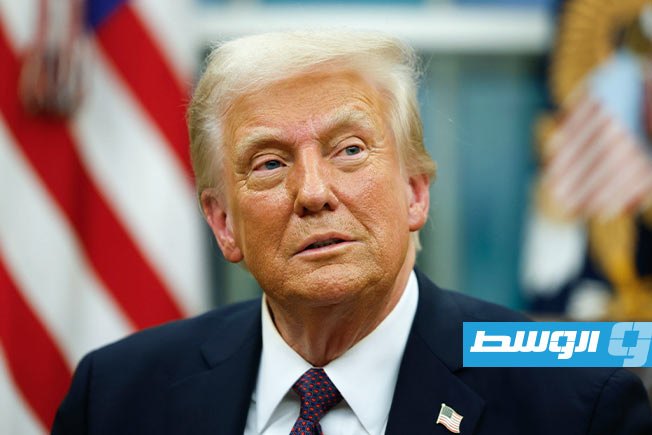
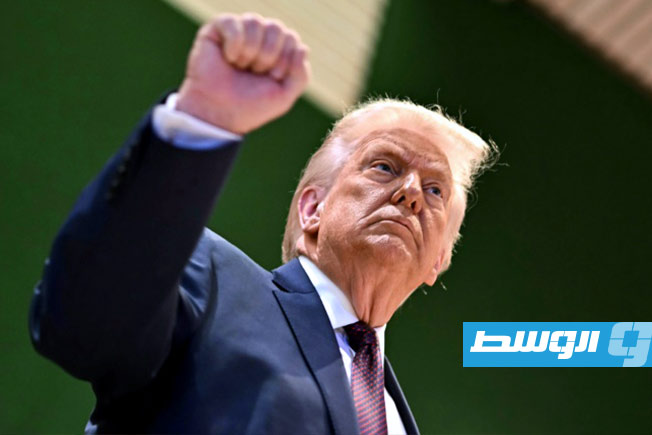
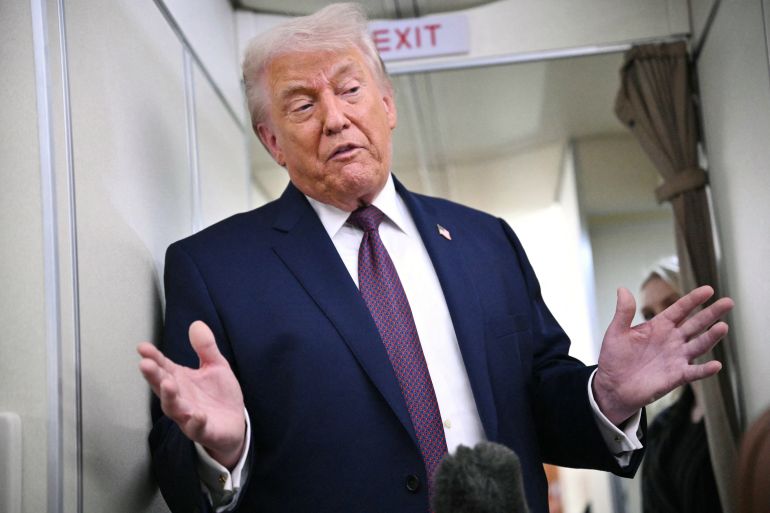
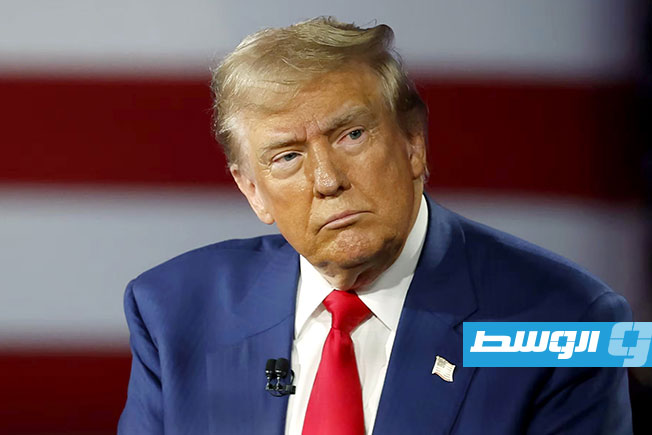
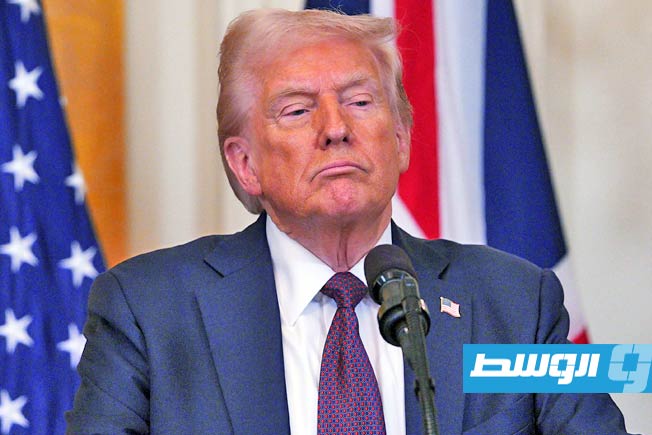
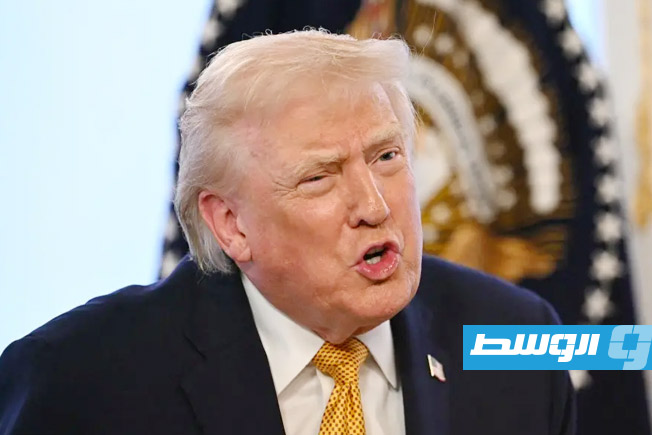
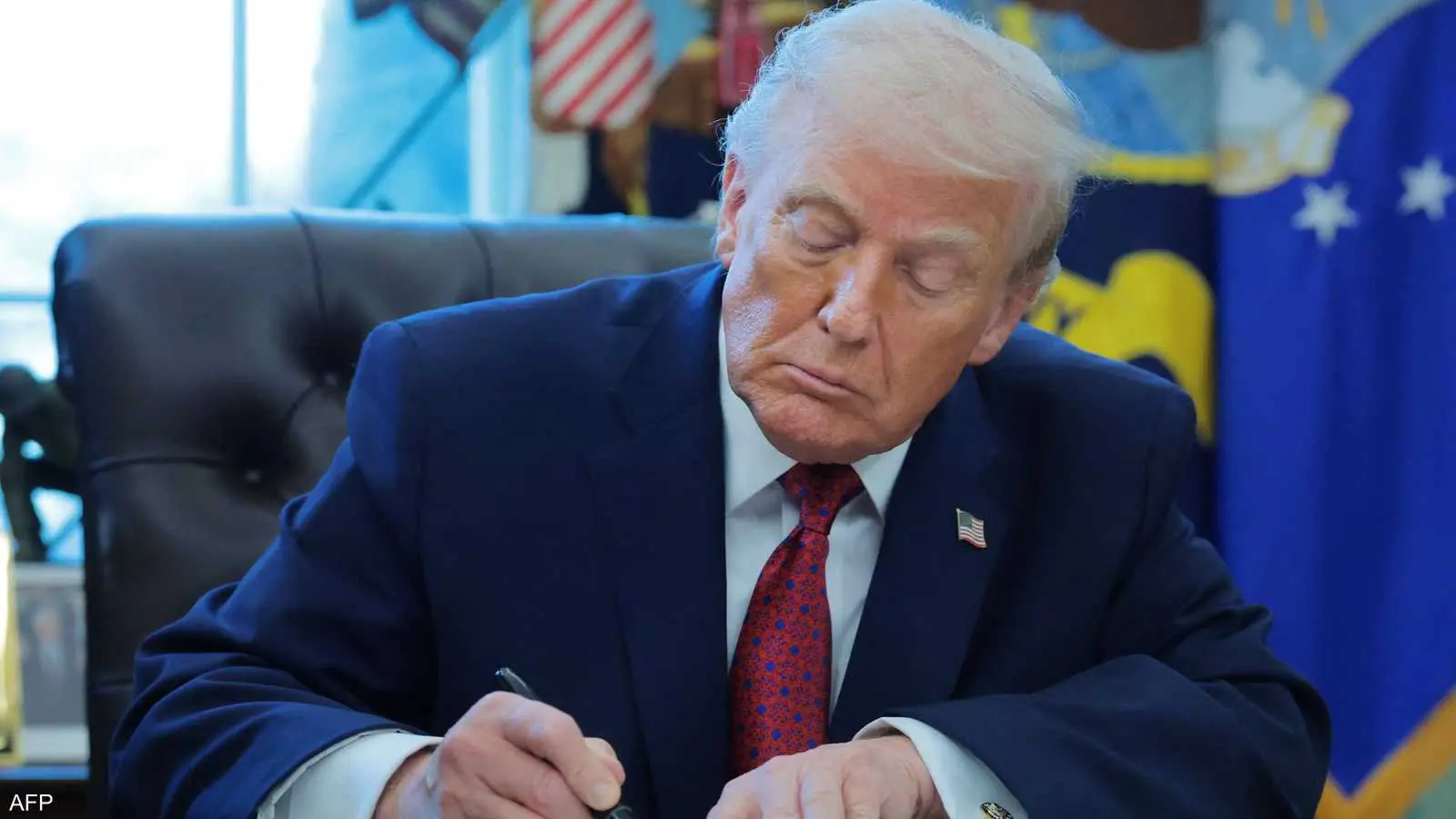
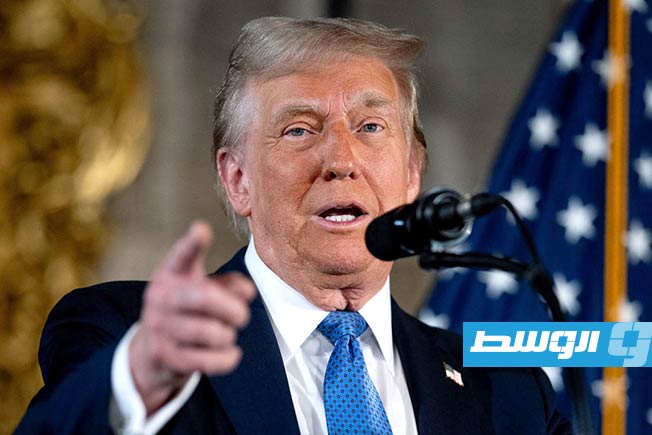
Macron: Trump’s Ukraine plan needs improvements
Last November, French President Emmanuel Macron confirmed that U.S. President Donald Trump’s peace plan needs improvement to be acceptable for Ukraine and Europe.
Macron said in comments to a radio station: “It is an initiative moving in the right direction: towards peace. But there are aspects of that plan that deserve to be discussed, negotiated, and improved.”
France
France is a Western European country with a rich history dating back to ancient Gaul, later evolving through monarchies, revolutions, and empires to become a modern republic. It is globally renowned for its influential art, philosophy, cuisine, and landmarks like the Eiffel Tower and the Palace of Versailles.
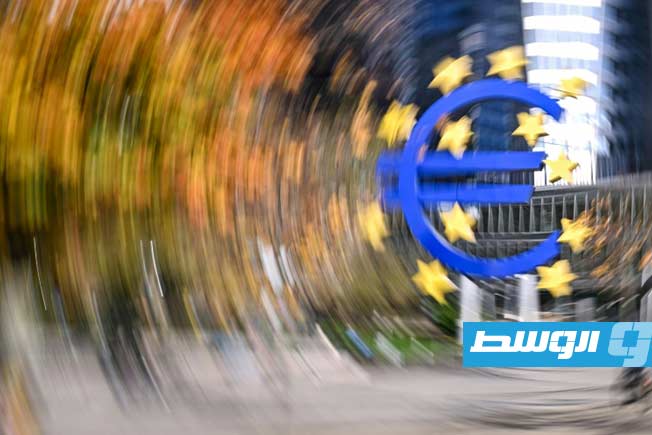
European Union
The European Union (EU) is a political and economic union of 27 European countries, founded after World War II to foster economic cooperation and prevent future conflict. It has evolved from the European Coal and Steel Community in 1951 into a major supranational entity with a single market, a common currency (the euro) used by 20 member states, and shared policies on various issues.
Mercosur
Mercosur is a South American trade bloc established in 1991 by the Treaty of Asunción, with the founding members being Argentina, Brazil, Paraguay, and Uruguay. Its primary aim is to promote free trade and the fluid movement of goods, people, and currency among its member states. Over time, it has expanded to include associate members and has sought to foster greater political and economic cooperation across the region.
South America
South America is a continent of diverse landscapes and cultures, with a history shaped by ancient civilizations like the Inca, European colonization primarily by Spain and Portugal, and subsequent waves of independence in the 19th century. It is home to significant cultural and natural sites, including the Amazon rainforest, the Andes mountains, and historical landmarks such as Machu Picchu.
G20
The G20, or Group of Twenty, is an international forum established in 1999 in response to financial crises, bringing together finance ministers and central bank governors from the world’s 19 largest economies and the European Union. It was elevated to a leaders’ summit in 2008 to coordinate global economic policy and address broader international issues. Today, it serves as a premier platform for discussing and promoting financial stability and sustainable growth worldwide.
Ukraine
Ukraine is a country in Eastern Europe with a long and complex history, having been a center of East Slavic culture under the medieval state of Kievan Rus’. It experienced centuries of foreign rule before gaining independence in 1991 following the dissolution of the Soviet Union. The nation is known for its Orthodox Christian cathedrals, Cossack heritage, and rich traditions in music and literature.
Europe
Europe is a continent with a rich and complex history, shaped by ancient civilizations like Greece and Rome, the medieval period, the Renaissance, and transformative modern events such as the Industrial Revolution and two World Wars. Culturally, it is renowned for its diverse array of historic cities, artistic movements, and architectural landmarks, from Gothic cathedrals to ancient ruins. In the contemporary era, a significant portion of the continent is politically and economically united under the European Union.
United States
The United States is a federal republic founded in 1776 after declaring independence from Great Britain, with its modern government established by the Constitution in 1789. Its history encompasses westward expansion, the Civil War, industrialization, and its emergence as a global superpower in the 20th century. The nation is defined by its diverse population, democratic ideals, and significant cultural and economic influence worldwide.