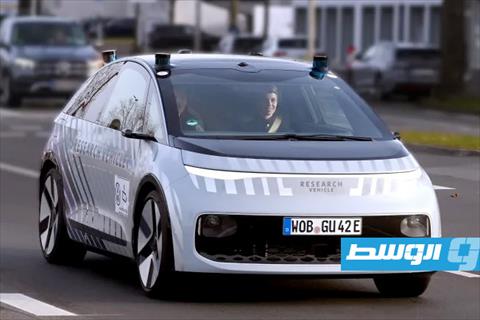
As we enter 2026, the world has moved past the question of “Should we switch to electric?” to “When will we do it?”. The electric transportation sector has left the “technical experiment” phase and has become a fundamental pillar of our daily lives, thanks to exceptional energy efficiency.
Electric vehicles are no longer just a technical alternative; they have reached a level of maturity that is hard to ignore. While traditional engines waste most of their fuel as lost heat, electric motors convert about two-thirds of the energy stored in the battery into actual motion, clearly outperforming their internal combustion counterparts.
This superiority is not only reflected in performance but also extends to the economic aspect. Drivers find themselves insulated from fuel price fluctuations and can benefit from smart home charging electricity tariffs. There is also the potential for additional income through Vehicle-to-Grid (V2G) technology, which allows selling surplus energy back to the public grid, in addition to the free services offered by shopping centers and workplaces.
Advantages and Challenges
Beyond economic feasibility, these vehicles give our planet a chance to breathe easier due to their lack of direct emissions, contributing to cleaning city air from traditional exhaust pollutants.
This technology also brings unprecedented comfort to the user experience. Home charging ends the era of waiting at fuel stations, and interior spaces become more spacious due to the absence of a large engine. The simplicity of the mechanical design—relying on a limited number of moving parts—ensures reduced maintenance costs and avoids complex breakdowns.
However, the electric vehicle sector still faces challenges related to high insurance and repair costs in cases of major accidents due to the integration of batteries into the vehicle’s structure. There is also continuous pressure on raw material supply chains to ensure sustainable production.
The experience is not without challenges that require planning. “Range anxiety” still accompanies some drivers, even though modern battery capacities now exceed 400 miles per charge. Trip efficiency is affected by weather conditions and the availability of charging stations, especially in rural areas.
Although ultra-fast chargers have reduced waiting time to about 20 minutes, it still takes longer compared to traditional refueling. The high cost of battery repair outside the warranty period also presents a financial hurdle, alongside environmental challenges related to raw material extraction and sustainable recycling of electronic waste.
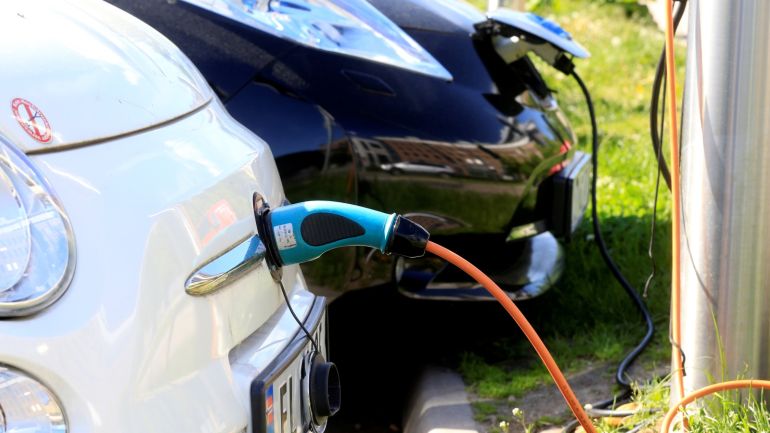
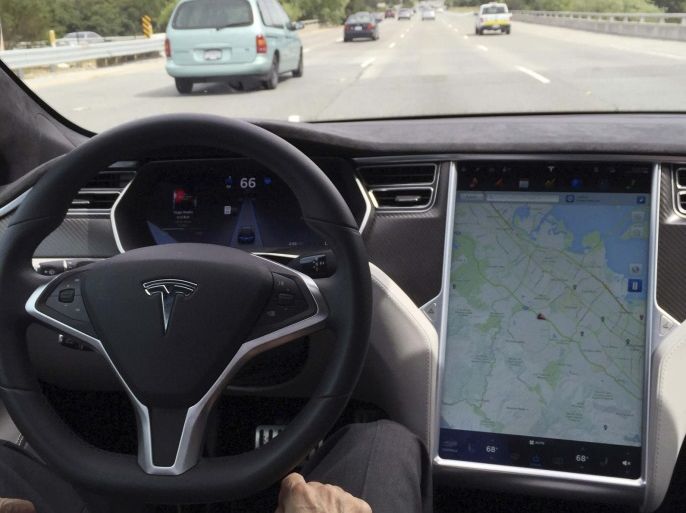
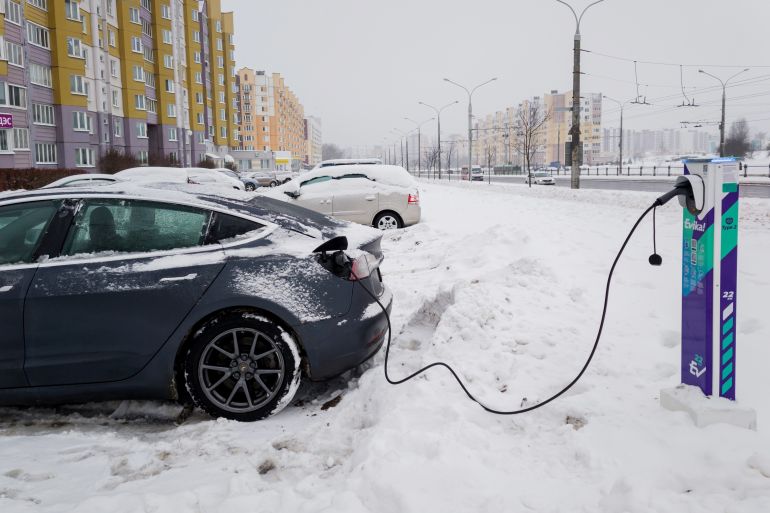
A home charger eliminates the need to visit fuel stations, as the car can be charged anytime from home or the office (Reuters)
Here are the pros and cons of electric vehicles according to a major digital platform for buying
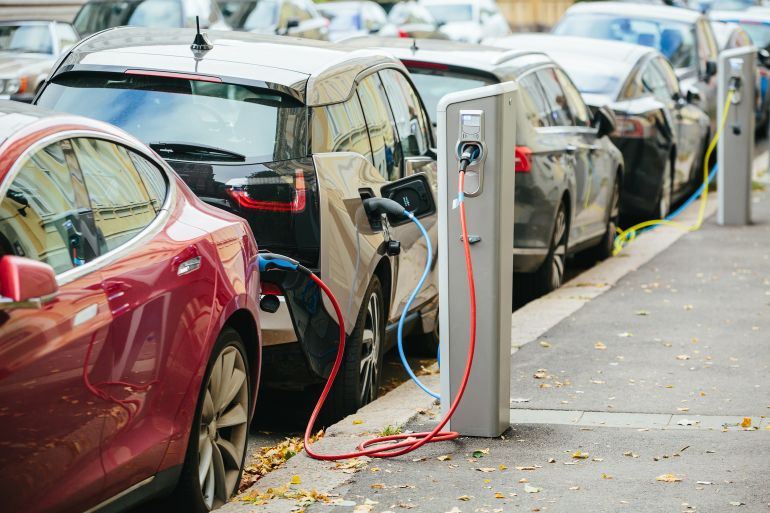
Shutterstock
Shutterstock is a global technology company founded in 2003, providing a commercial digital media library of stock photography, footage, and music. It operates primarily as a marketplace connecting content creators with businesses and individuals who need licensed visual assets.
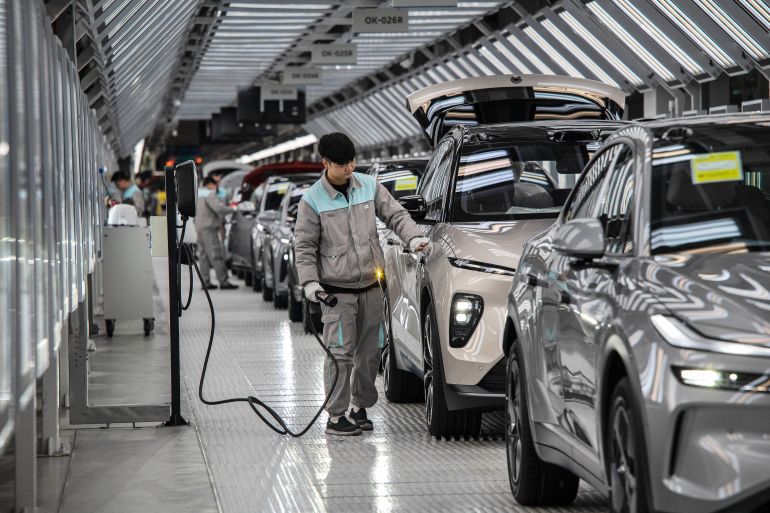
HEFEI
Hefei is the capital city of Anhui Province in eastern China, with a history dating back over 2,000 years to the Qin Dynasty. It is historically known as a strategic military stronghold and is now a major center for education, scientific research, and technology, home to institutions like the University of Science and Technology of China.
CHINA
China is one of the world’s oldest continuous civilizations, with a recorded history spanning over 4,000 years, marked by successive dynasties and profound cultural developments. Today, it is a modern nation-state known for its significant global economic and political influence, while also being home to numerous UNESCO World Heritage sites like the Great Wall and the Forbidden City.
NIO
NIO is a Chinese multinational automobile manufacturer specializing in designing and developing electric vehicles. Founded in 2014 by William Li, the company is known for its premium smart EVs, battery swap technology, and innovative user community. It has grown to become a significant player in the global premium EV market.
U.S.
The United States of America is a federal republic founded in 1776 following the American Revolutionary War, with its current government established by the U.S. Constitution in 1789. It grew from thirteen original colonies along the Atlantic coast to become a global superpower, shaped by significant historical events including westward expansion, the Civil War, and large-scale immigration.
Europe
Europe is a continent with a rich and complex history, shaped by ancient civilizations like Greece and Rome, the transformative periods of the Renaissance and the Enlightenment, and the profound impacts of two world wars. Culturally, it is renowned for its diverse artistic heritage, architectural landmarks, and as the birthplace of influential movements in philosophy, science, and politics.
Asia
Asia is the world’s largest and most populous continent, home to ancient civilizations like those in Mesopotamia, the Indus Valley, and China. Its history spans millennia, featuring the rise and fall of vast empires, the spread of major world religions, and profound developments in science, art, and governance. Today, it is a region of immense cultural, economic, and political diversity.
South America
South America is a continent known for its diverse landscapes and rich cultural heritage, shaped by ancient civilizations like the Inca and significant colonial history following European exploration and conquest. It is home to numerous UNESCO World Heritage sites, including Machu Picchu and the historic centers of cities like Quito and Cuzco, reflecting its complex pre-Columbian and colonial past.
Africa
Africa is the world’s second-largest continent, known as the cradle of humankind due to archaeological evidence showing the origins of human evolution. Its history encompasses ancient civilizations like Egypt and Mali, followed by periods of colonization and a widespread movement for independence in the 20th century. Today, it is a continent of immense cultural, linguistic, and ecological diversity, comprising 54 sovereign nations.
Getty
The Getty refers to the J. Paul Getty Museum, which operates two locations in Los Angeles: the Getty Center in Brentwood and the Getty Villa in Pacific Palisades. Established by oil tycoon J. Paul Getty, its history began with a gallery in his home in the 1950s, later evolving into a major institution. The Getty Center, opened in 1997, is renowned for its architecture, gardens, and collections of European art, while the Getty Villa focuses on ancient Greek, Roman, and Etruscan antiquities.
Oslo
Oslo is the capital and most populous city of Norway, founded around 1040 AD by King Harald Hardrada. It served as the nation’s capital since the reign of Håkon V in the early 14th century and is now known for its modern architecture, green spaces, and cultural institutions like the Viking Ship Museum and the Nobel Peace Center.
Norway
Norway is a Nordic country in Northern Europe known for its dramatic fjords, Viking heritage, and modern prosperity. Historically, it was unified into a single kingdom in the Viking Age, was part of a union with Denmark and later Sweden for centuries, and regained full independence in 1905. Today, it is a constitutional monarchy celebrated for its natural landscapes and high standard of living.
Reuters
Reuters is a global news agency founded in London in 1851 by Paul Julius Reuter, originally using telegraphy to transmit financial information across Europe. It has since grown into one of the world’s largest and most trusted international multimedia news providers, known for its commitment to speed, accuracy, and impartiality in reporting.