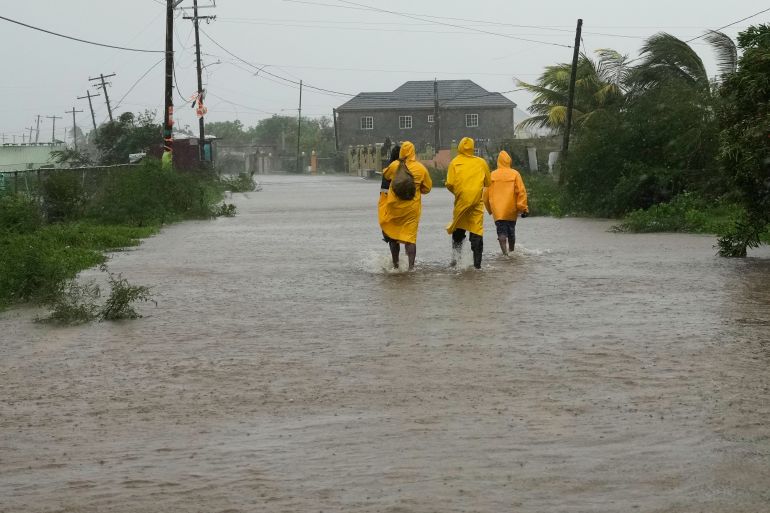
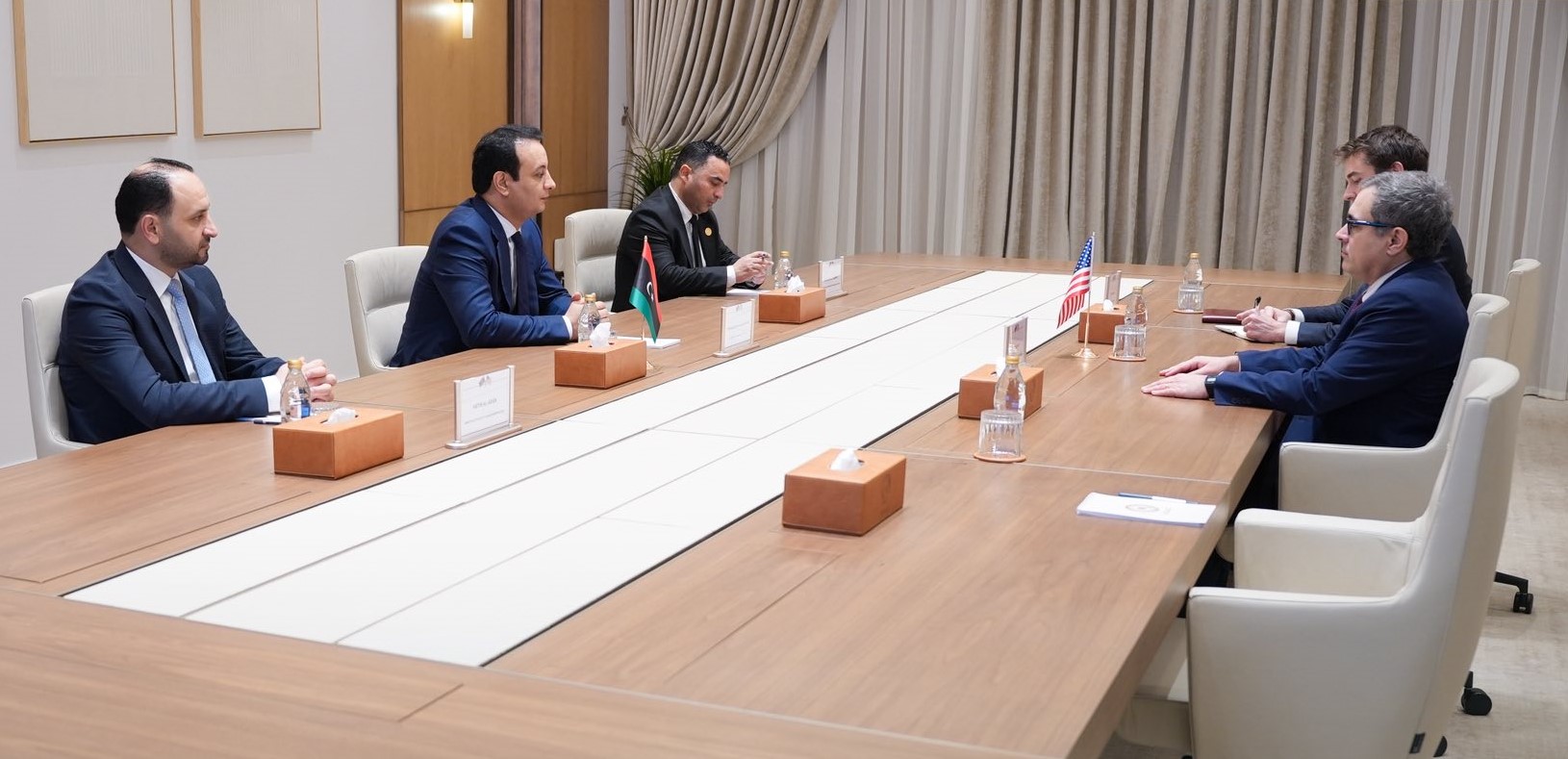
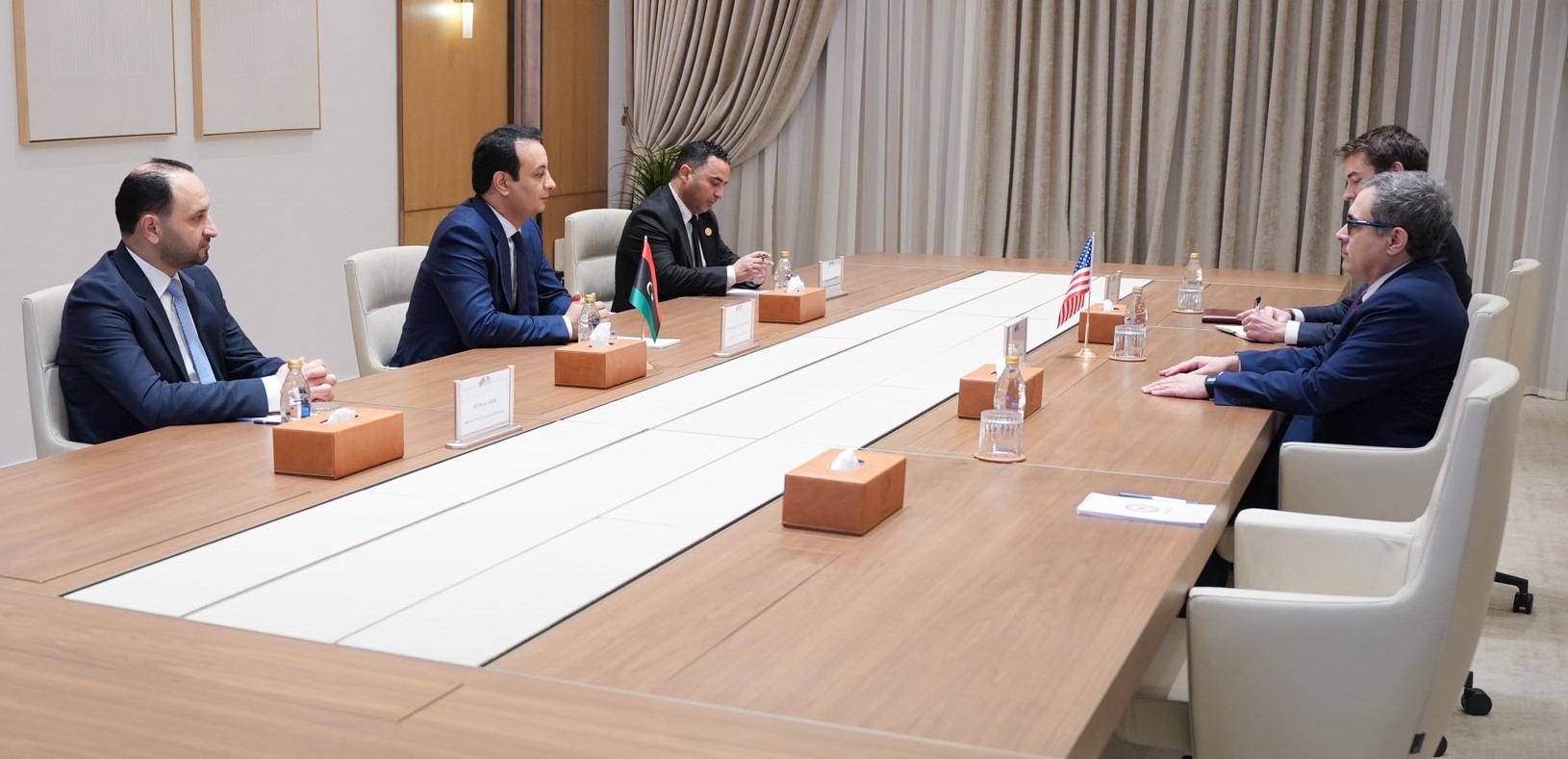
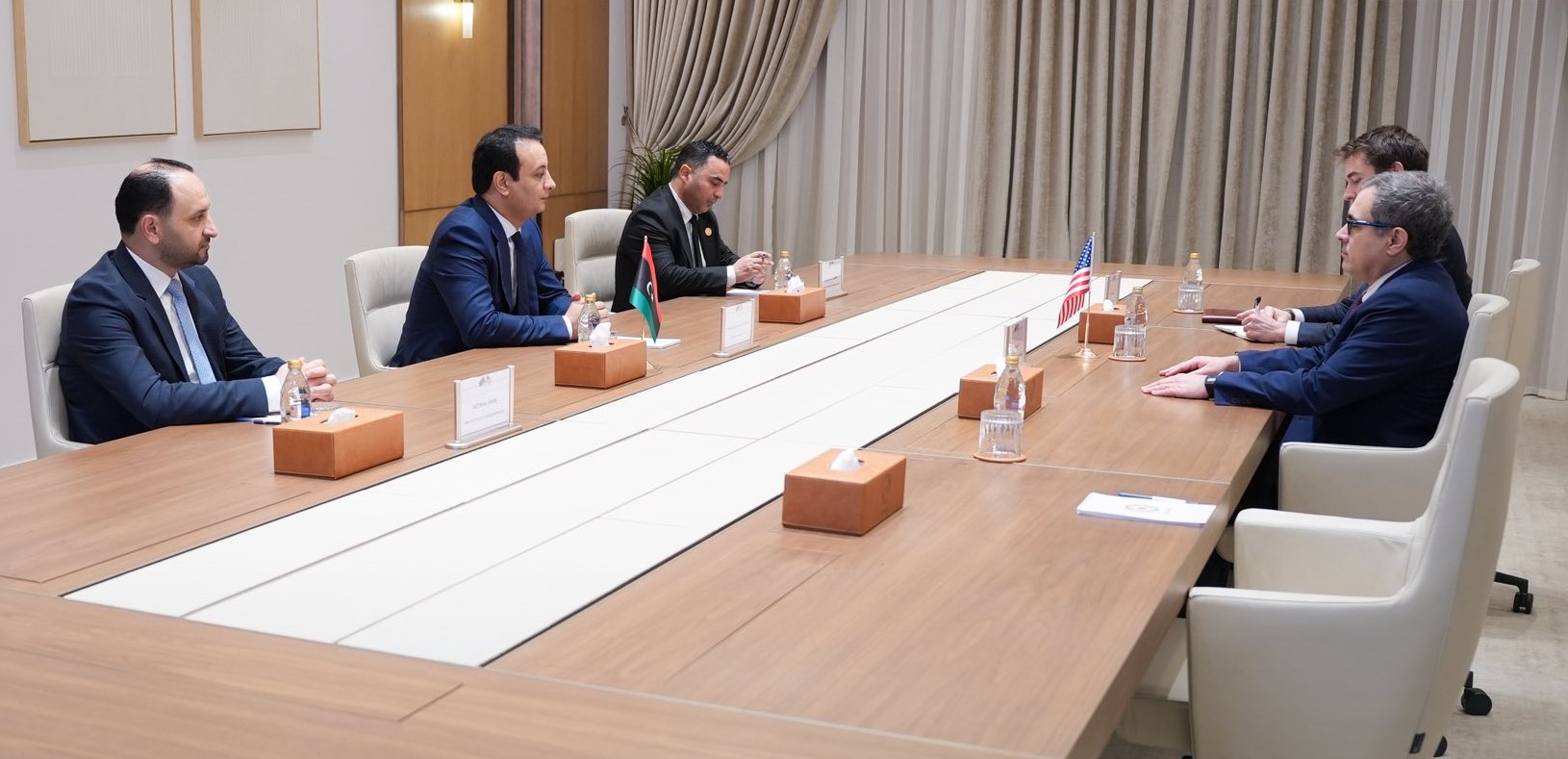
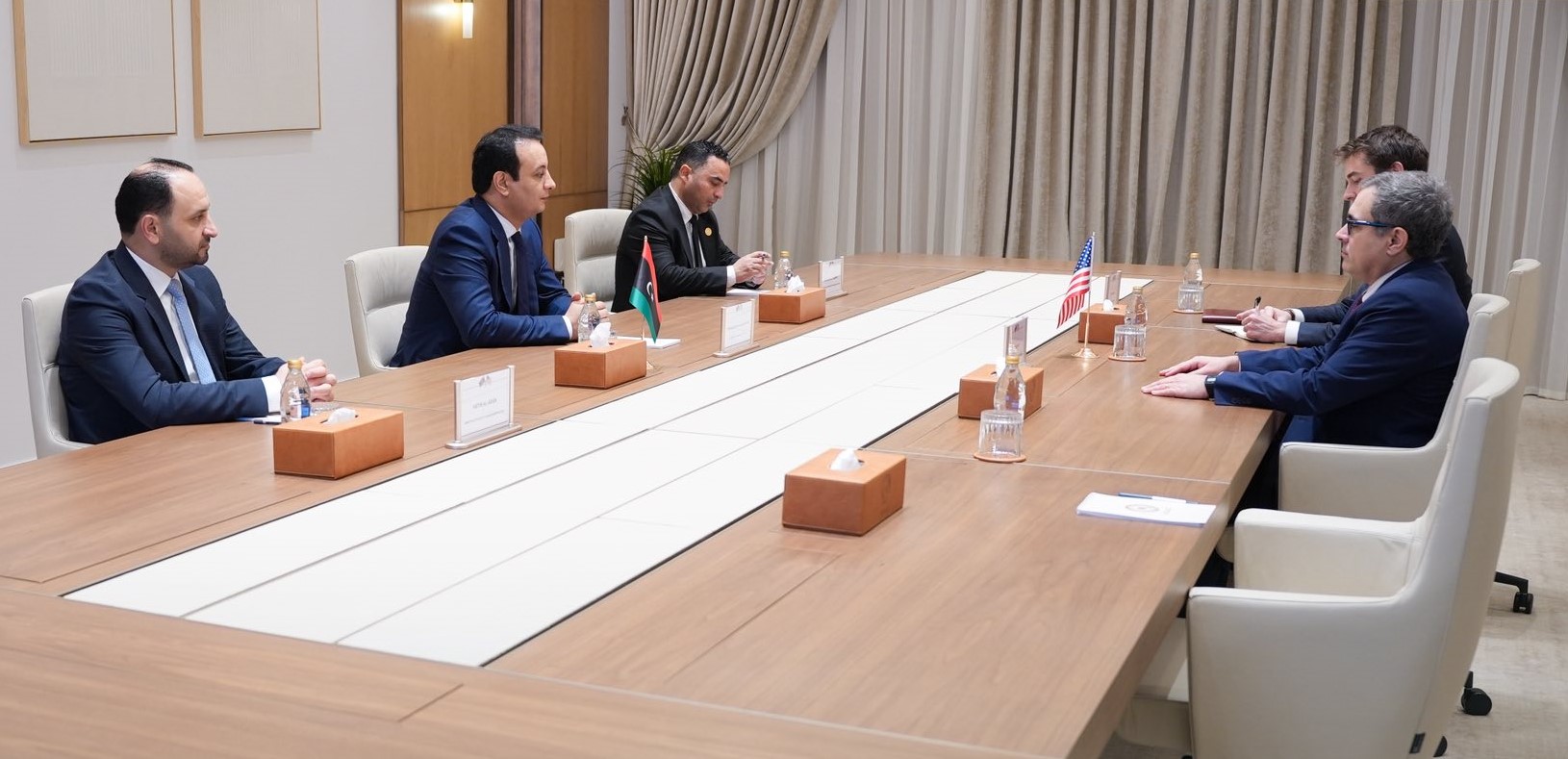
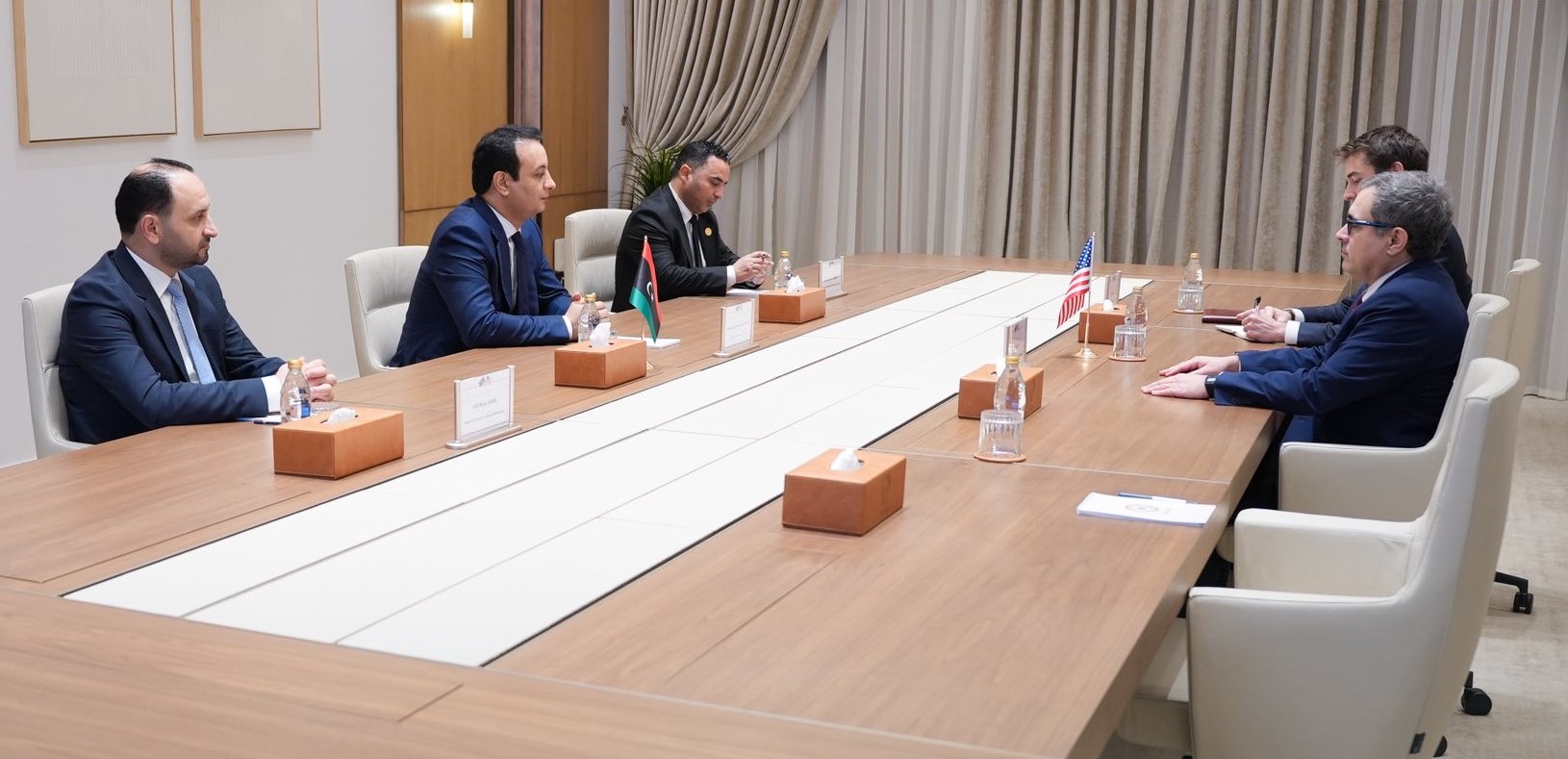
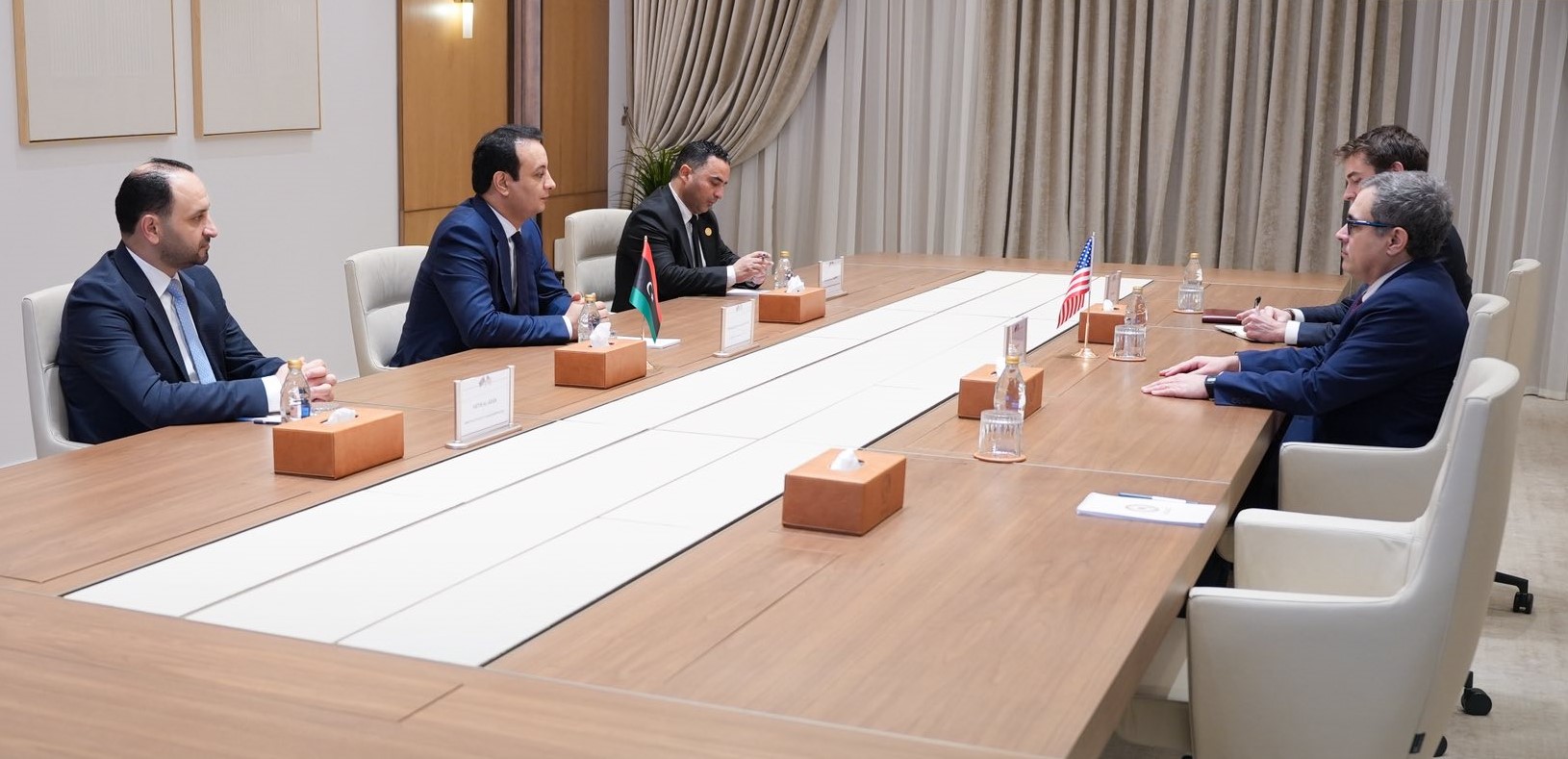
Tripoli, January 1, 2026 – The Ministry of Local Government of the National Unity Government discussed with the head of the Supreme Technical Committee for Monitoring Groundwater Flooding, Cracks, and Landslides ways to enhance institutional coordination between relevant authorities. This is to address the rising groundwater levels witnessed in Zliten Municipality and the resulting negative impacts on citizens and infrastructure.
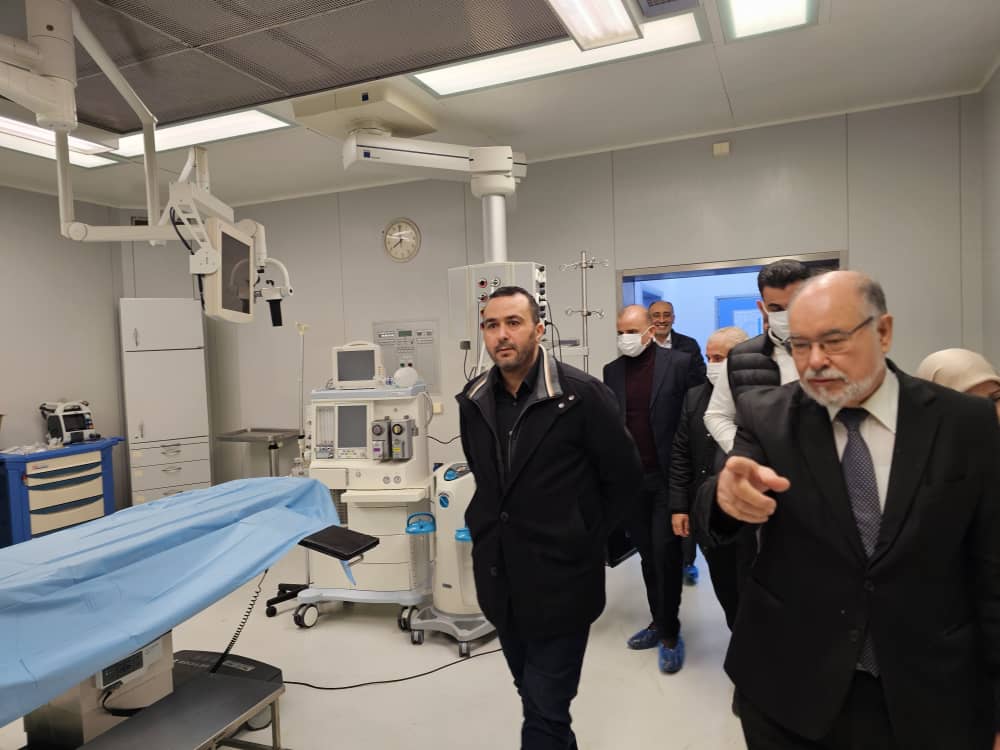
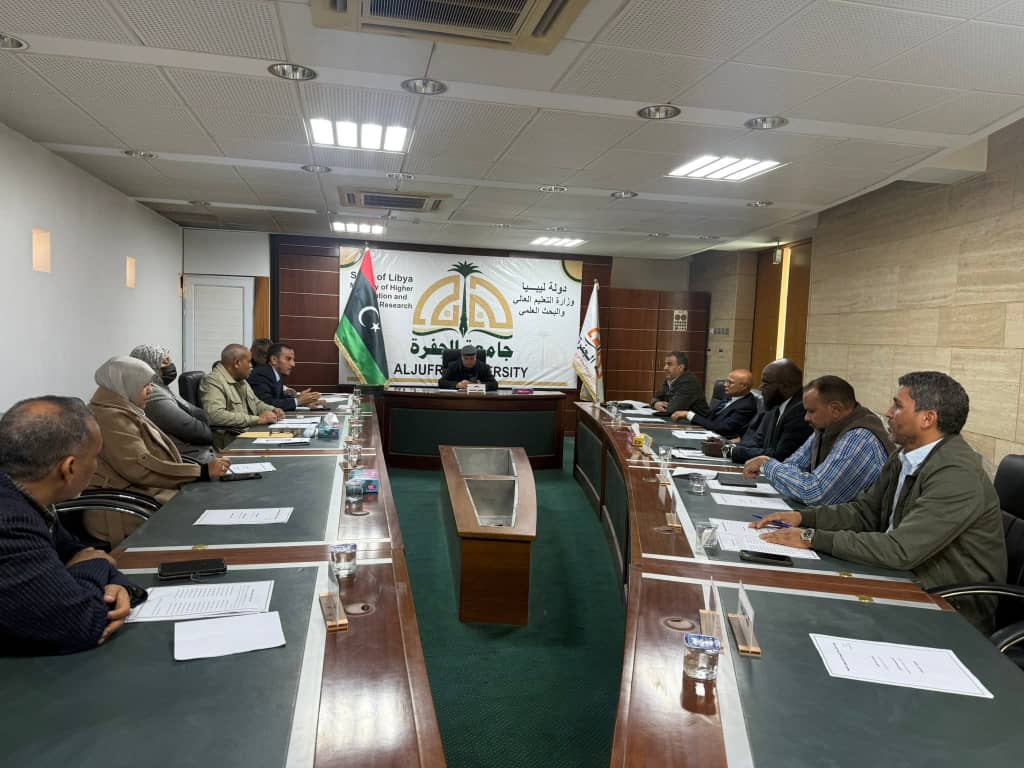
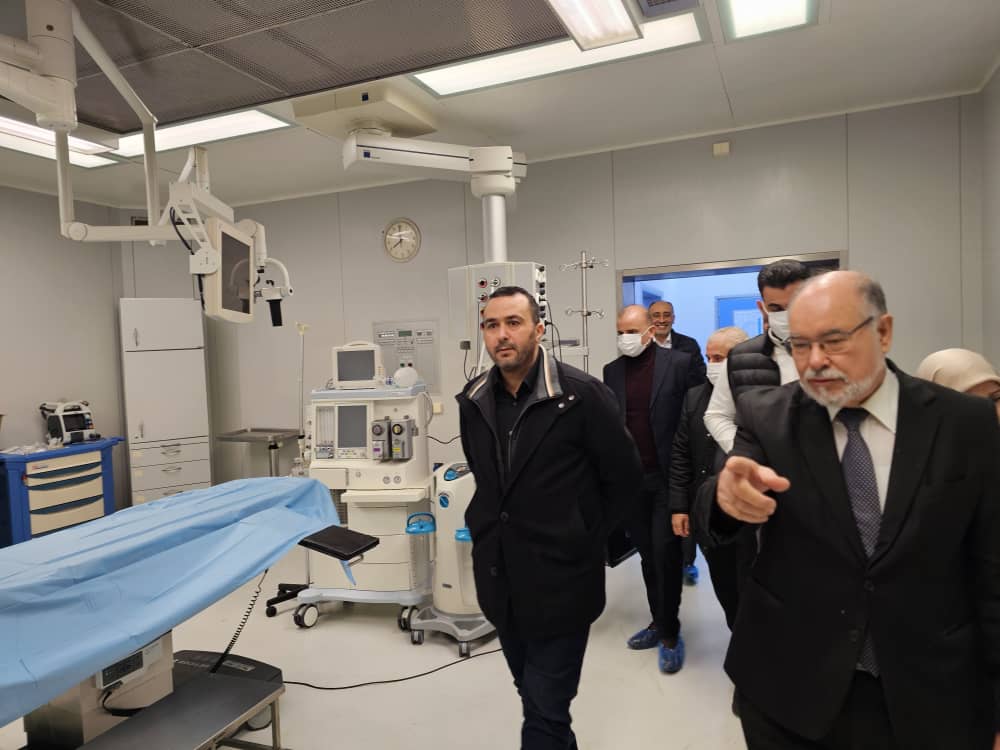
This came during an expanded meeting held by the Deputy Minister of Local Government for Municipal Affairs with the head of the Supreme Technical Committee, in the presence of the Secretary-General of the Supreme Council for Local Administration. The latest developments related to this phenomenon were reviewed, along with a discussion of the measures taken to mitigate its repercussions.
The attendees emphasized the importance of activating specialized technical solutions and plans for groundwater drainage, enhancing sewage networks, and developing water management mechanisms in the affected areas. This is to be done in coordination with the relevant authorities and based on related preliminary technical studies.
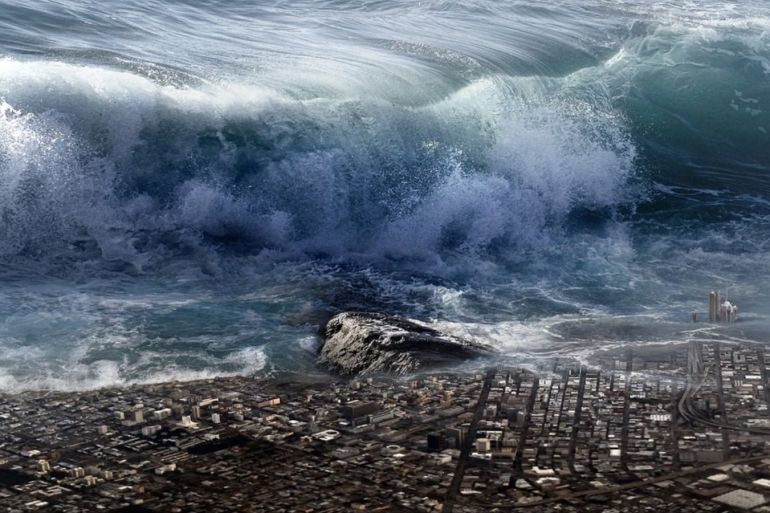
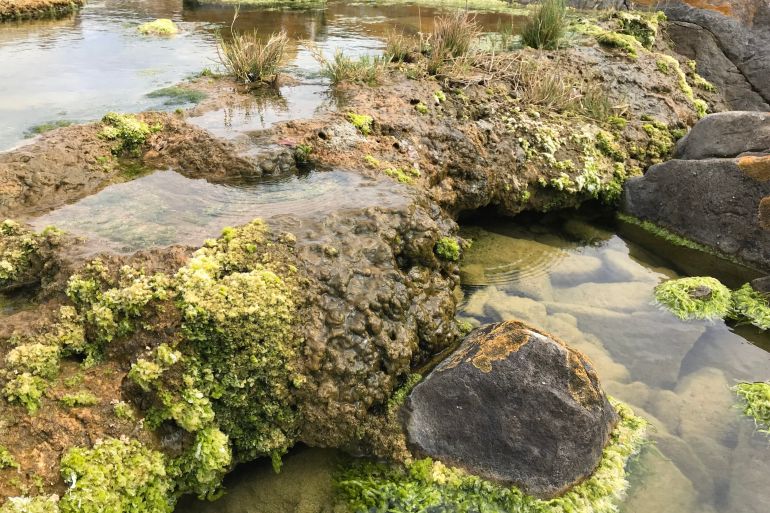
The meeting also addressed warnings issued by the National Center for Emergency, Crisis, and Disaster Management regarding rising sea levels and the necessity of prior preparation and gathering necessary data. This is within the framework of monitoring the repercussions of climate changes and the heavy rainfall the country has recently witnessed.
…
Tripoli
Tripoli is the capital and largest city of Libya, located on the country’s Mediterranean coast. Historically, it was founded by the Phoenicians in the 7th century BC and has since been ruled by the Romans, Arabs, Ottomans, and Italians, which is reflected in its diverse architecture like the ancient Red Castle (Assaraya al-Hamra).
Ministry of Local Government
The Ministry of Local Government is a central government department responsible for overseeing regional administration, local authorities, and municipal services. Its history is typically tied to the development of modern state governance, often established to decentralize power and improve public service delivery following a nation’s independence or major administrative reform.
National Unity Government
The National Unity Government is a term often used to describe a coalition government formed during times of crisis, such as war or political deadlock, to unite rival factions under a single administration. A prominent historical example is the British National Government formed in 1931 during the Great Depression, which included members from multiple major parties.
Supreme Technical Committee for Monitoring Groundwater Flooding, Cracks, and Landslides
The Supreme Technical Committee for Monitoring Groundwater Flooding, Cracks, and Landslides is a specialized Egyptian government body established to address geological hazards, particularly in the Luxor region. It was formed in response to significant incidents of land subsidence and structural damage threatening archaeological sites and urban areas, coordinating scientific assessment and mitigation efforts.
Zliten Municipality
Zliten Municipality is a coastal district in northwestern Libya, historically significant as part of the ancient Roman region of Tripolitania. It is notably home to the Zliten Mosaic, a renowned Roman floor mosaic from the 2nd century AD discovered in a villa, and contains the mausoleum of Sidi Abd As-Salam Al-Asmar, a 15th-century Islamic scholar.
Supreme Council for Local Administration
The Supreme Council for Local Administration is a governmental body in Syria, established to oversee and coordinate the work of local administrative units across the country. It was formed as part of administrative decentralization efforts, operating under the framework of Syria’s national laws to manage regional governance and development projects.
National Center for Emergency, Crisis, and Disaster Management
The National Center for Emergency, Crisis, and Disaster Management is a government body in the United Arab Emirates established to lead and coordinate national efforts in preparing for and responding to emergencies. It was created to enhance the country’s resilience and integrated management of crises following global best practices.