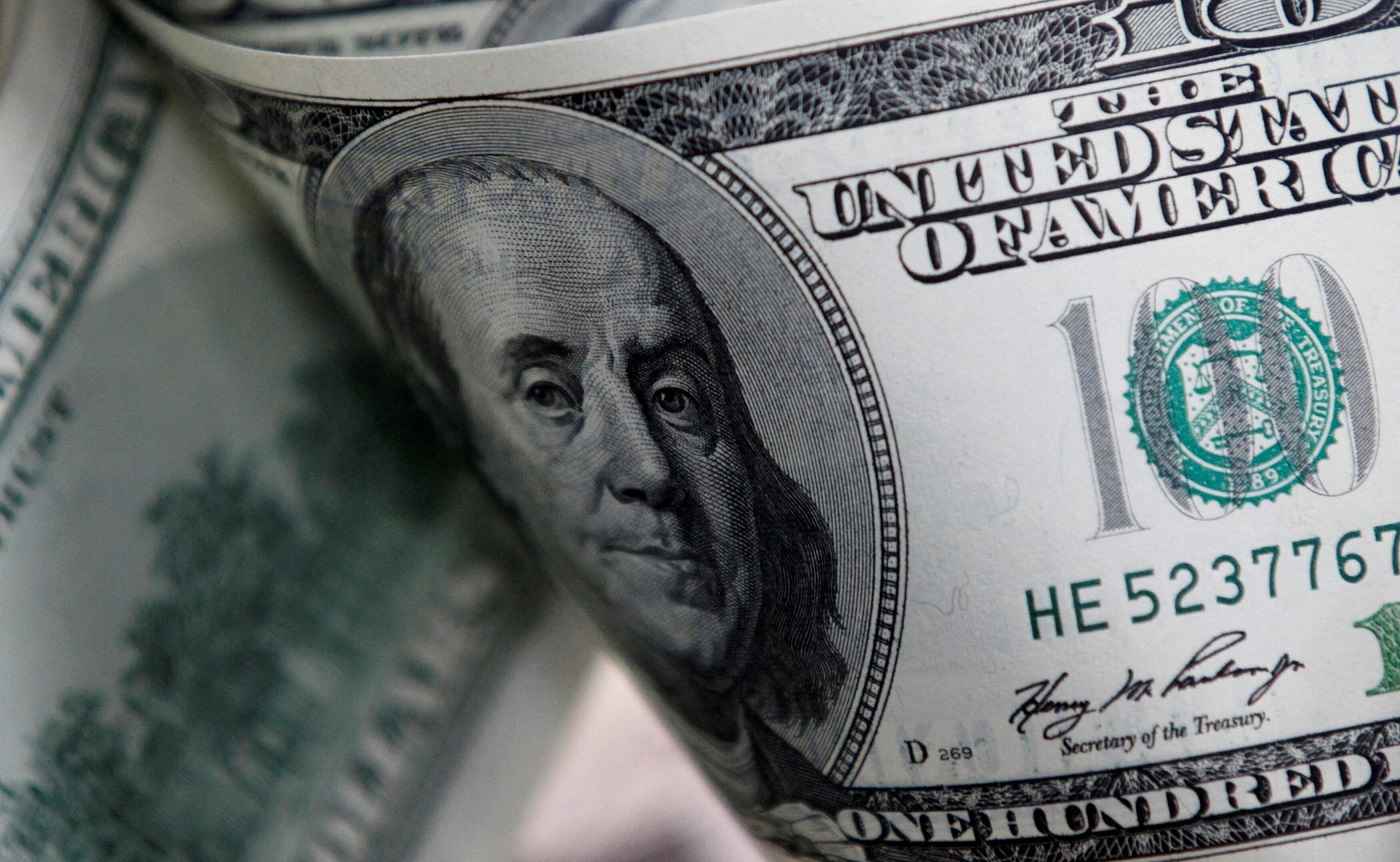
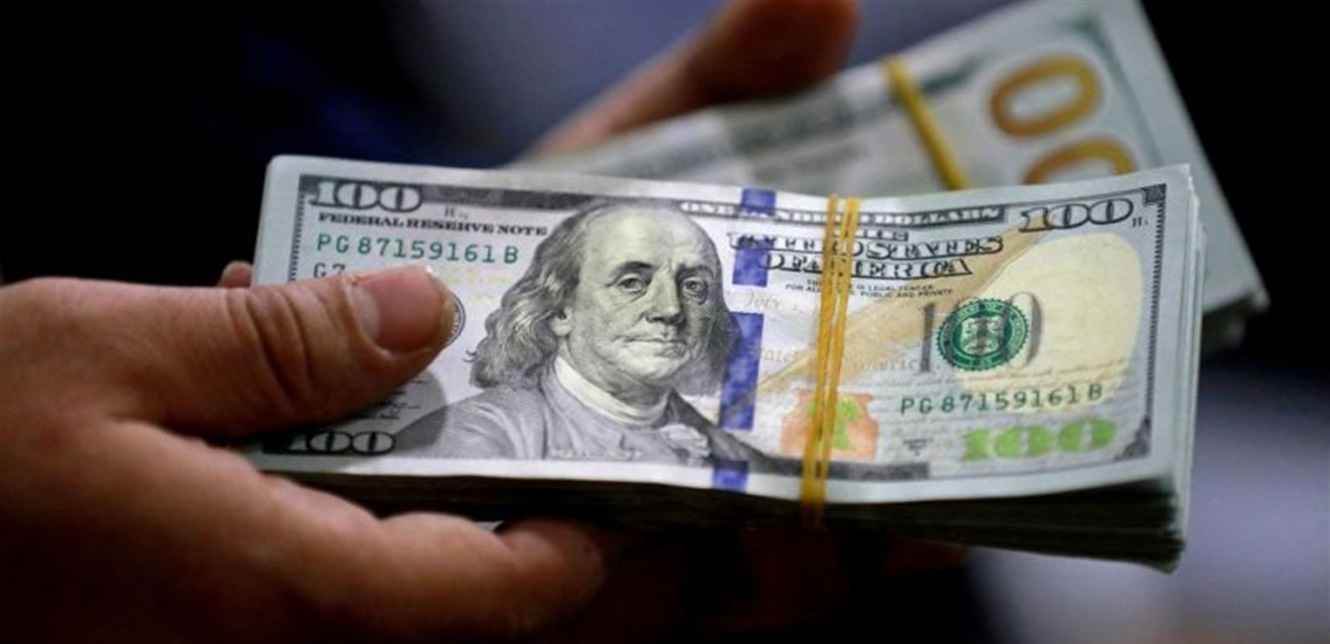
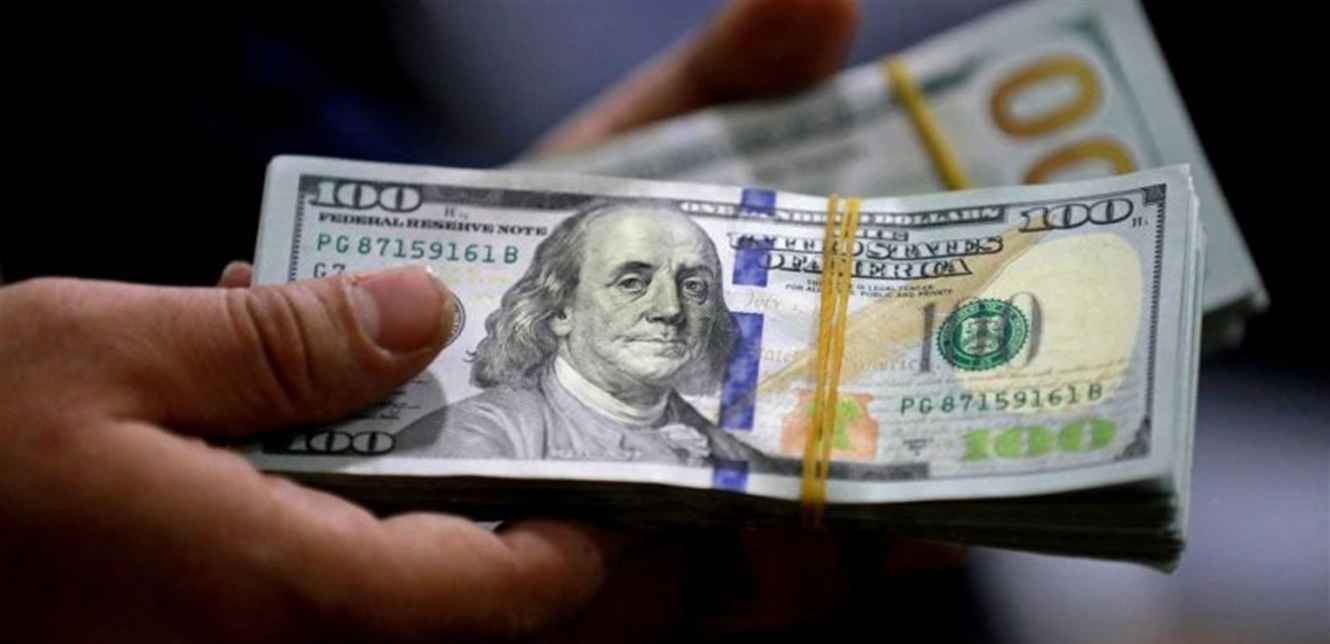
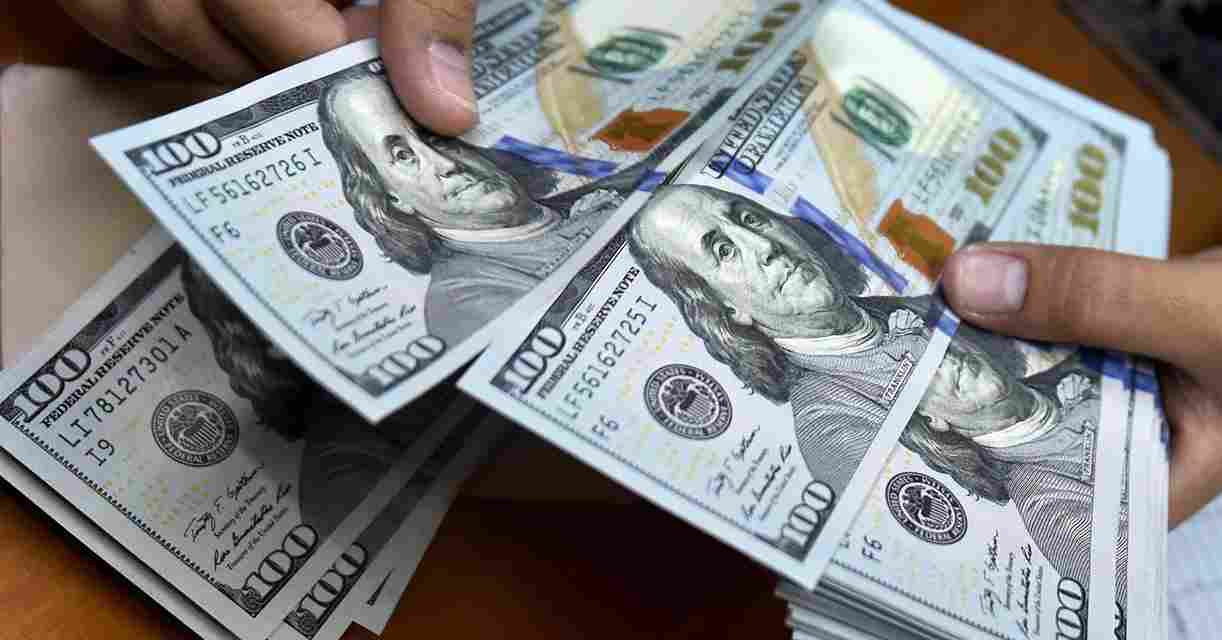
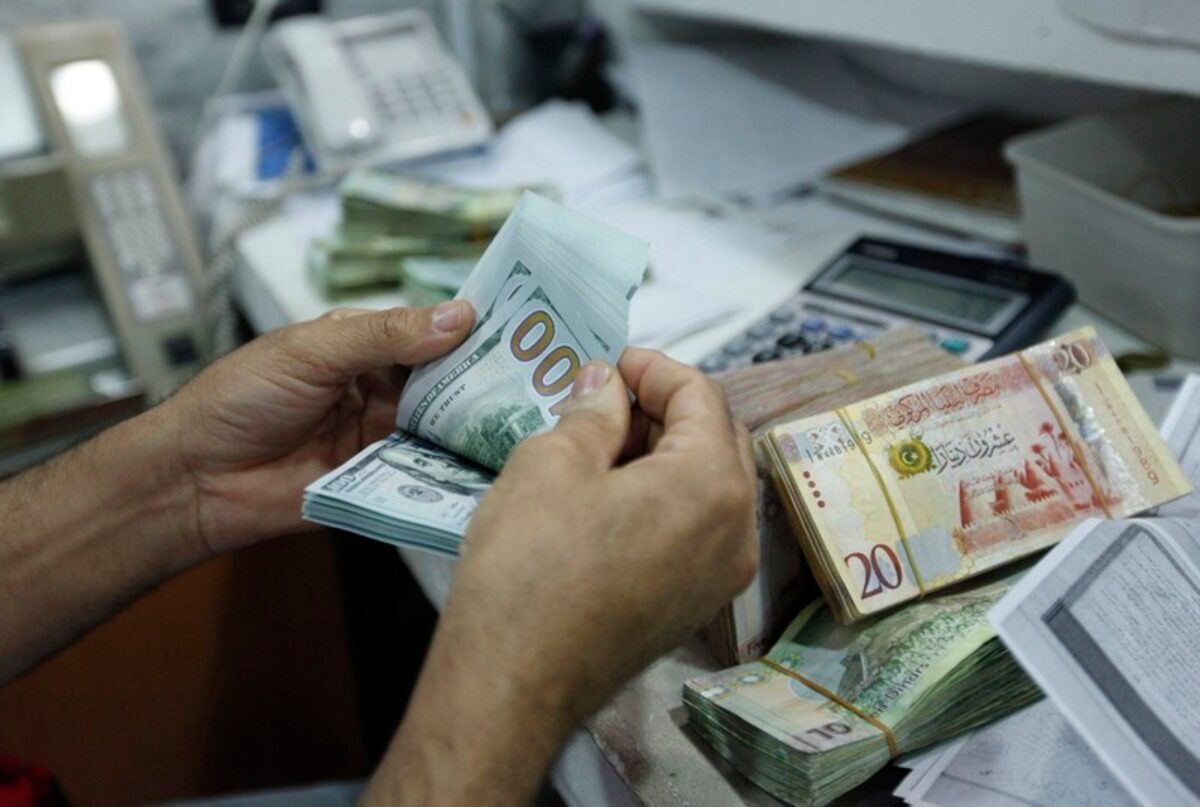
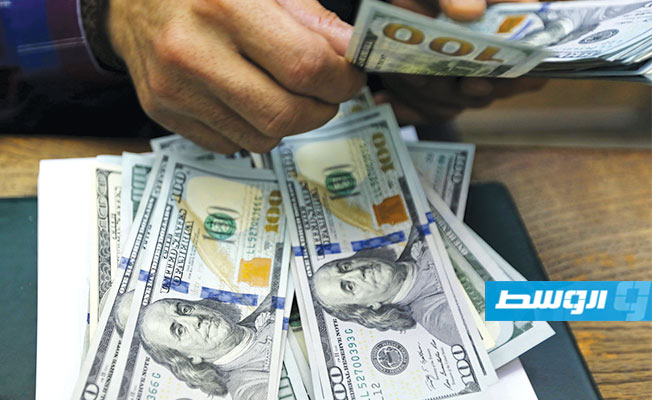
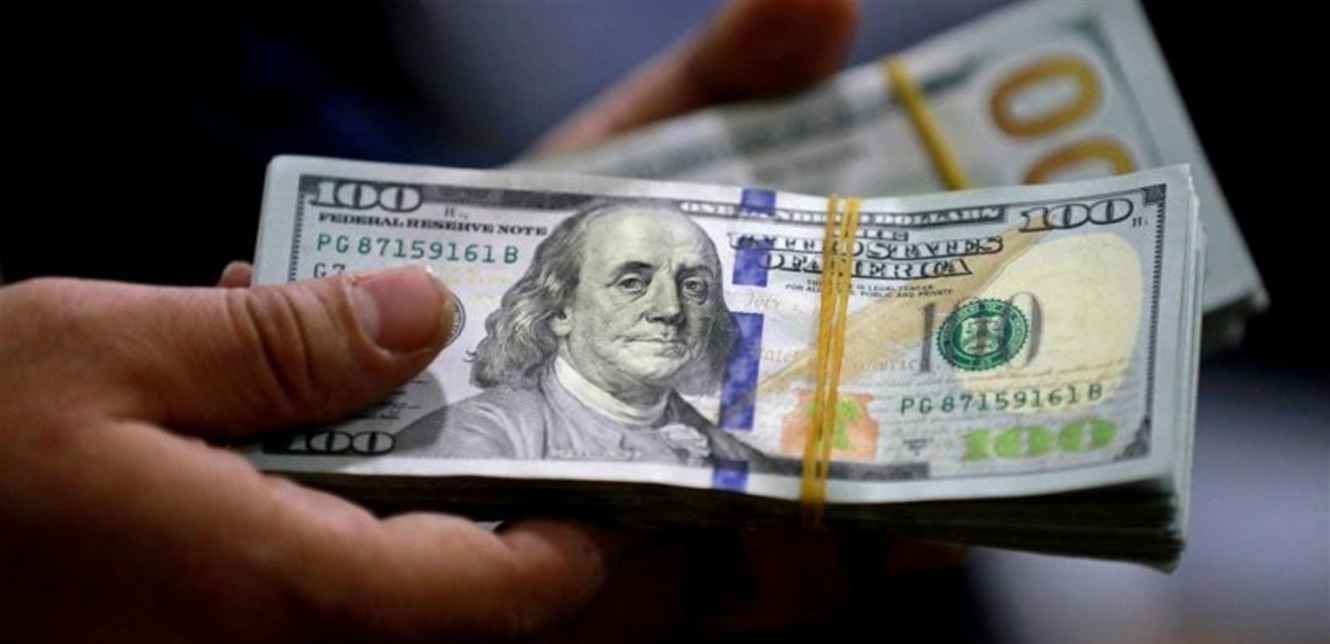
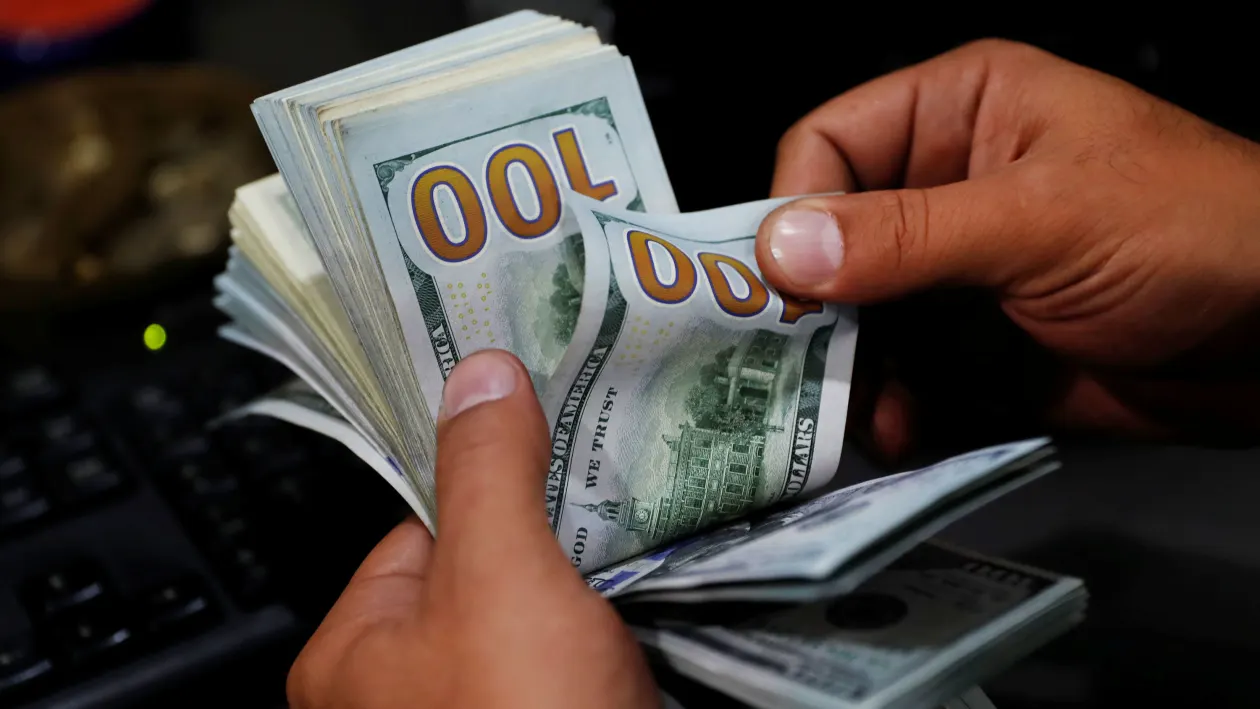
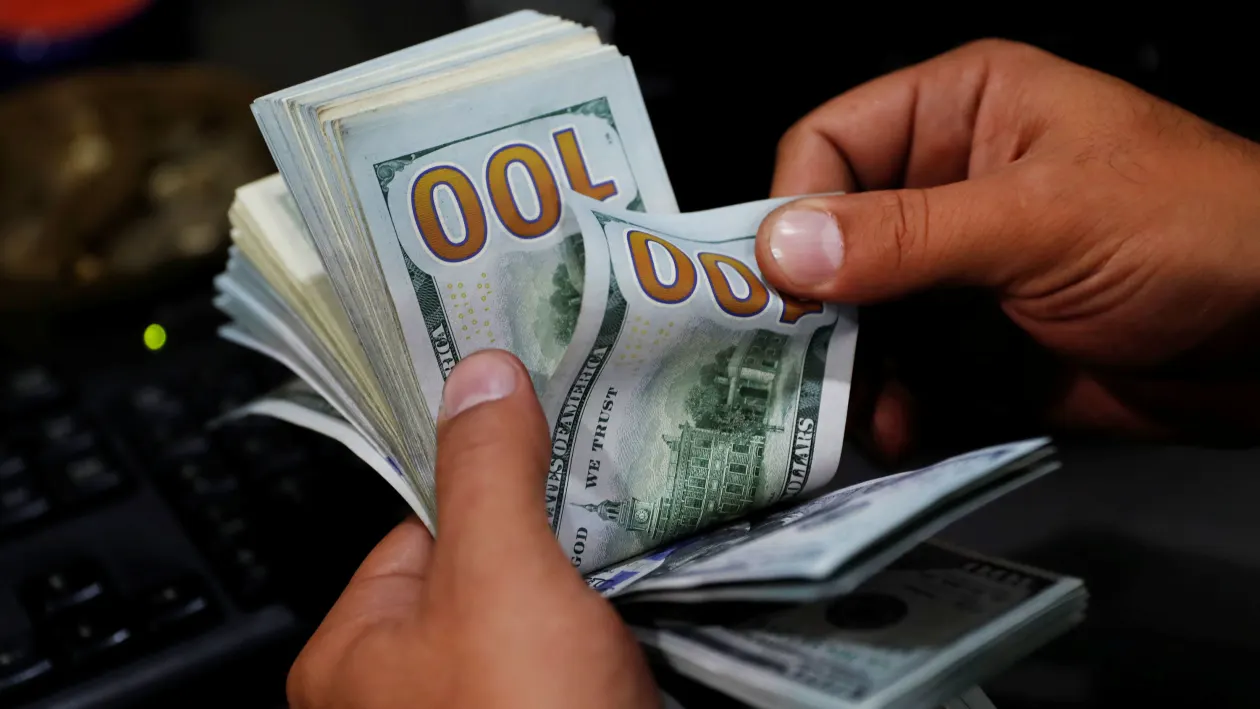
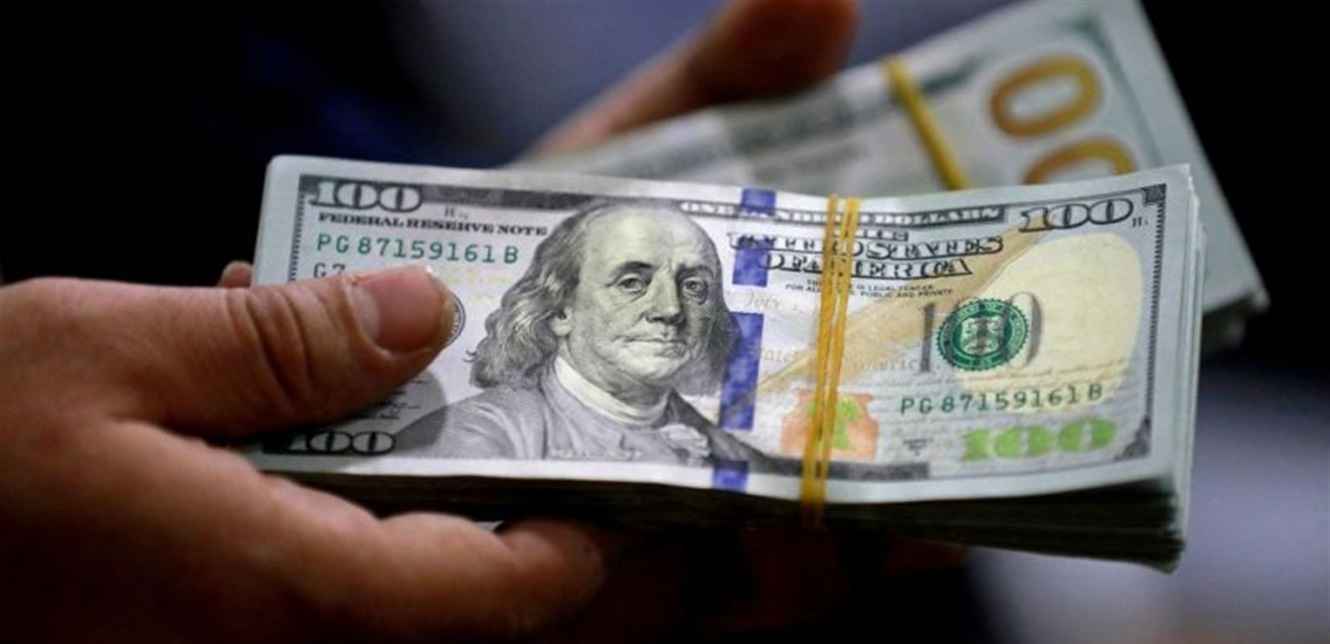
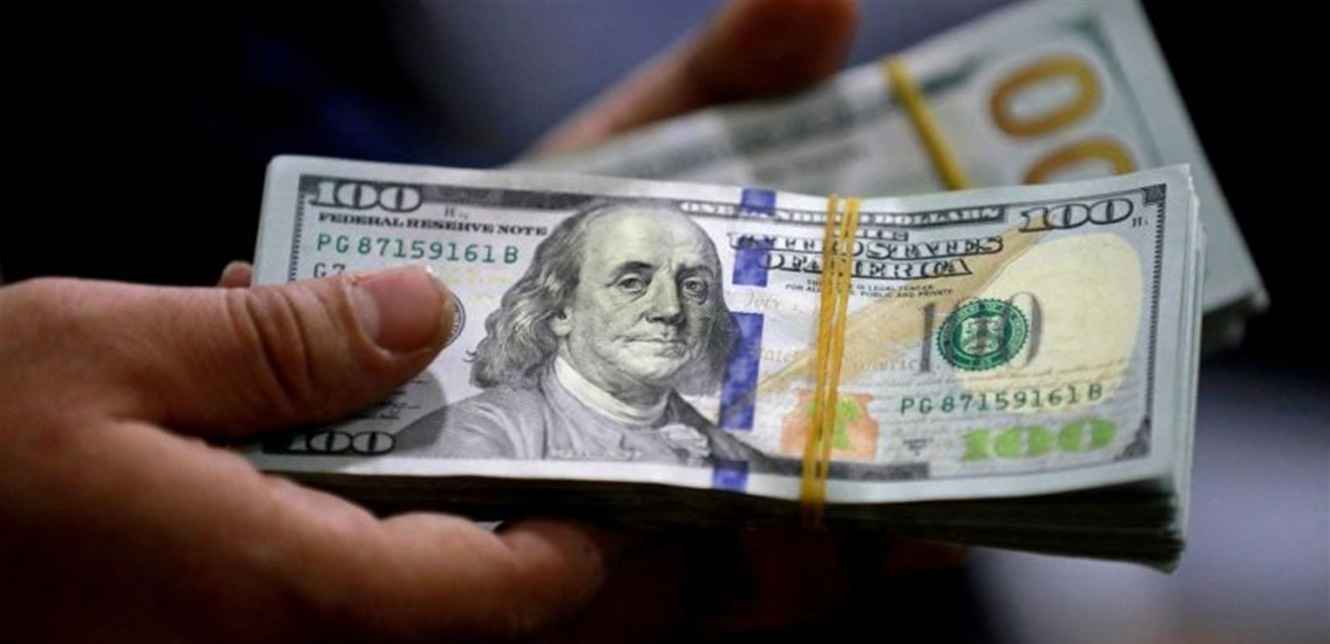
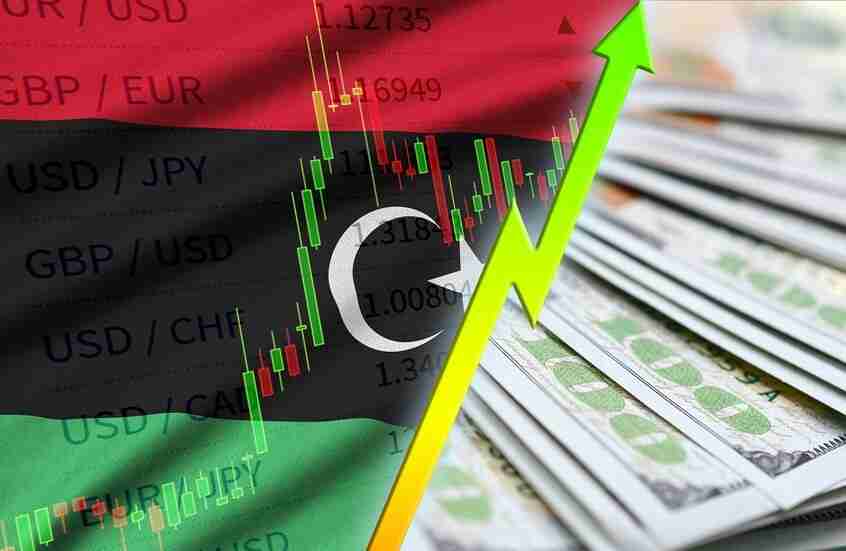
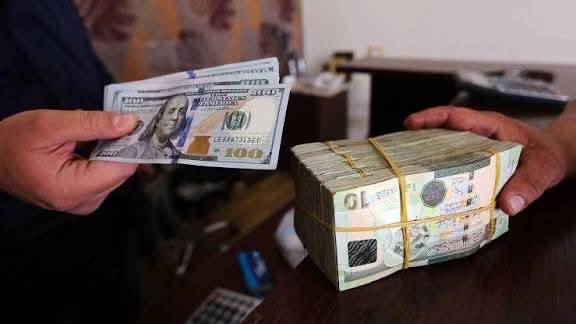
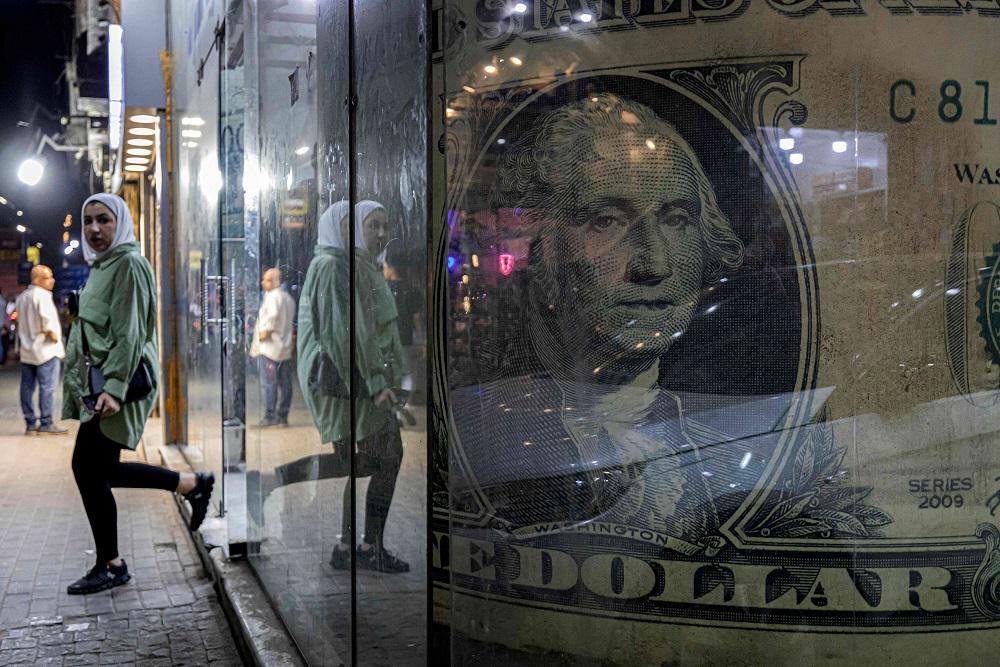
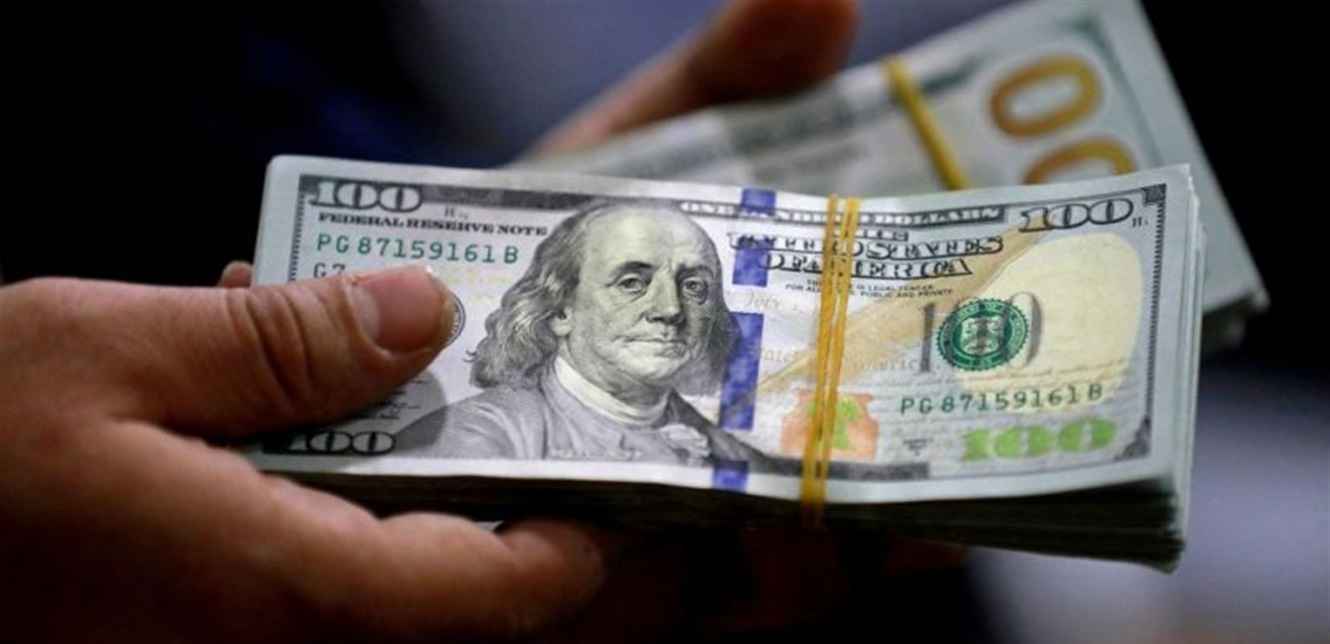
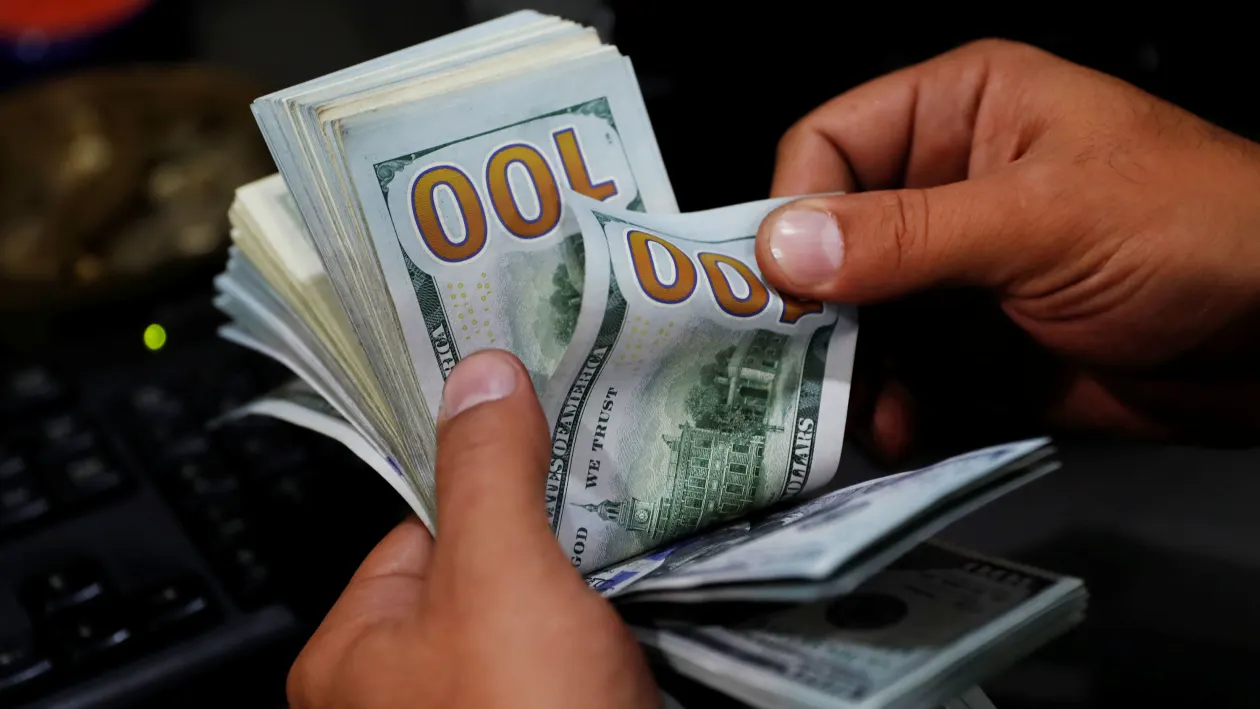
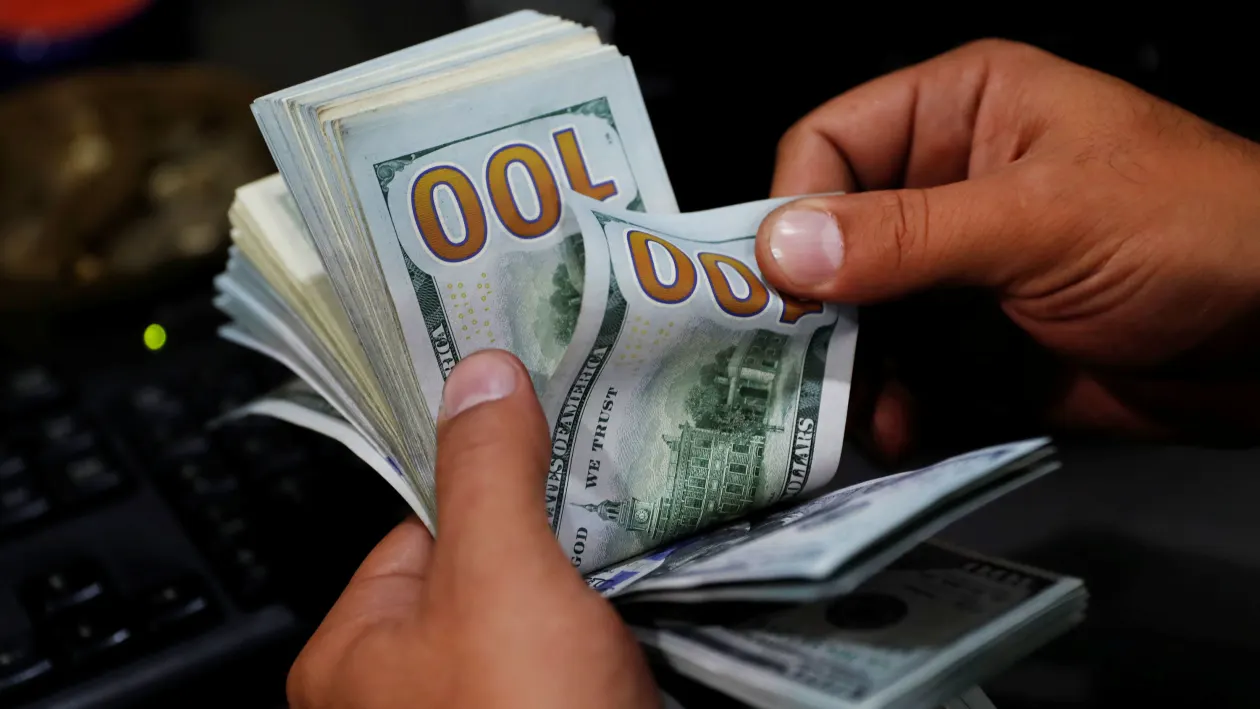
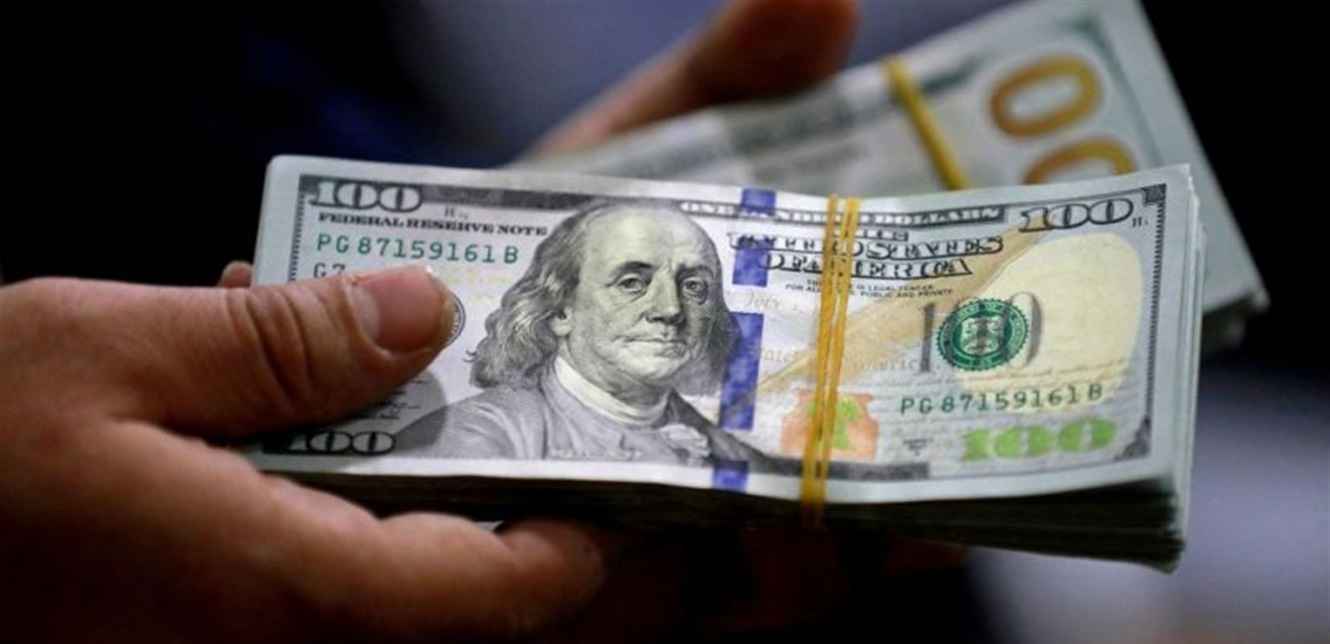
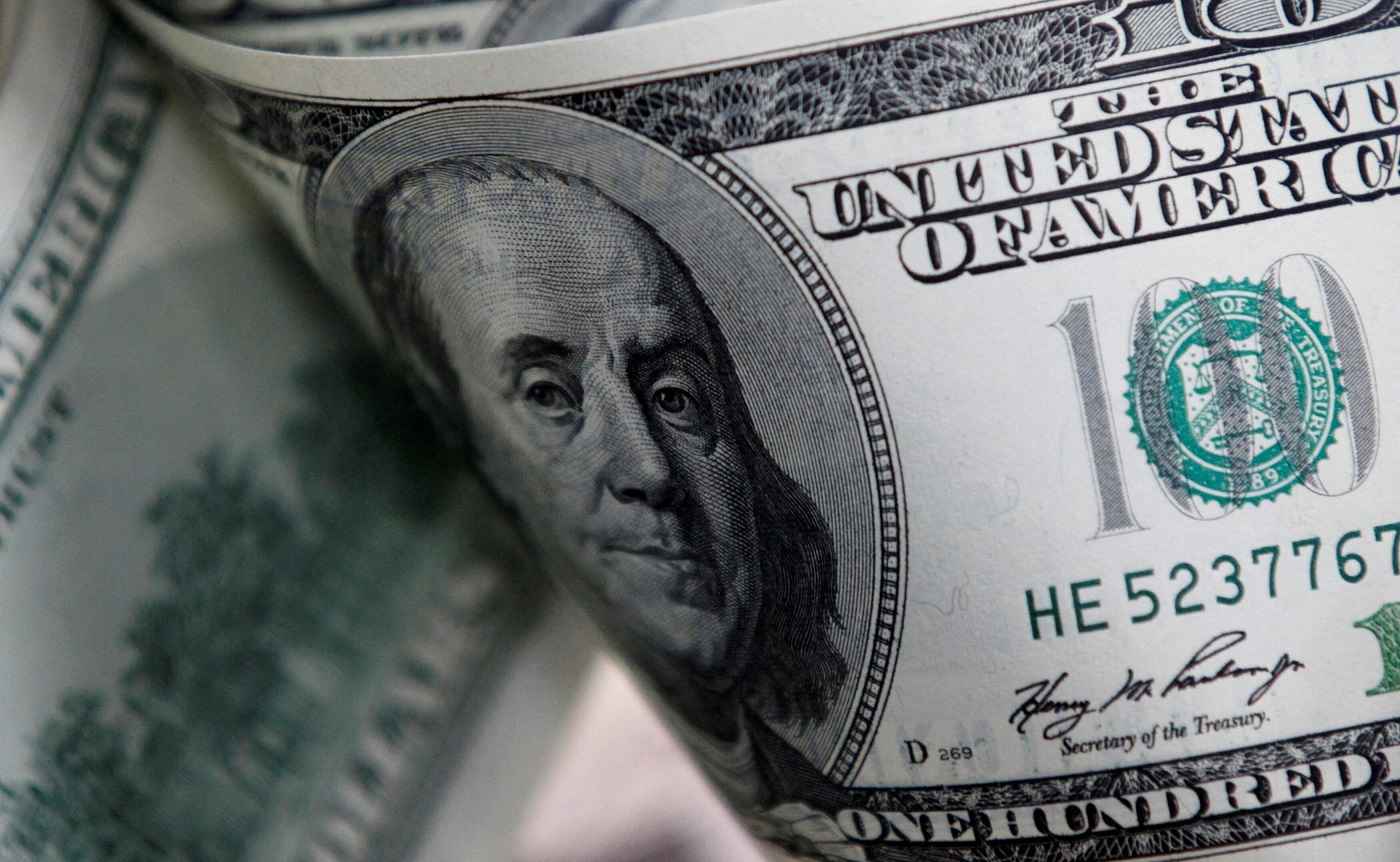
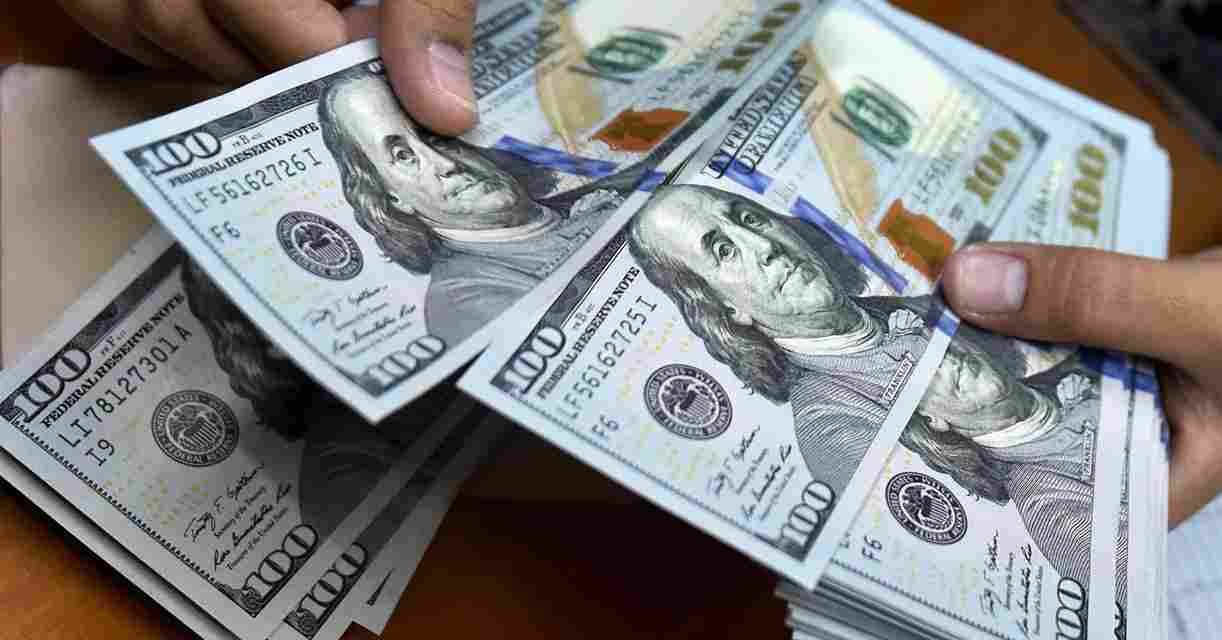
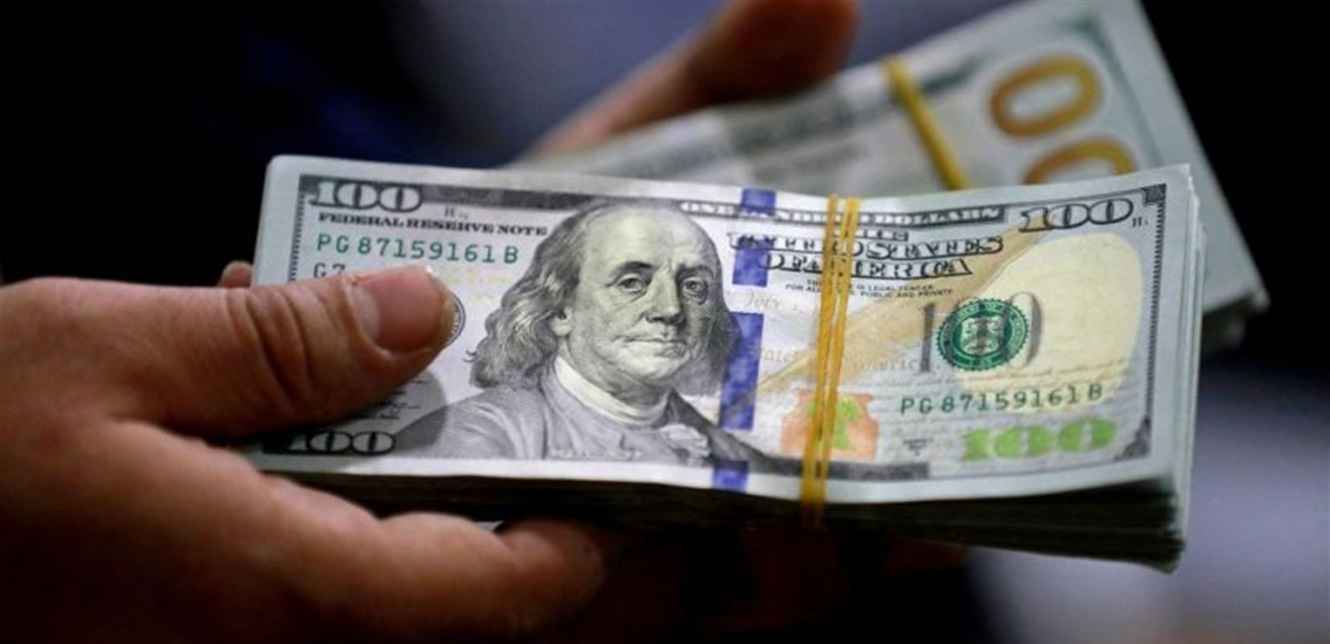
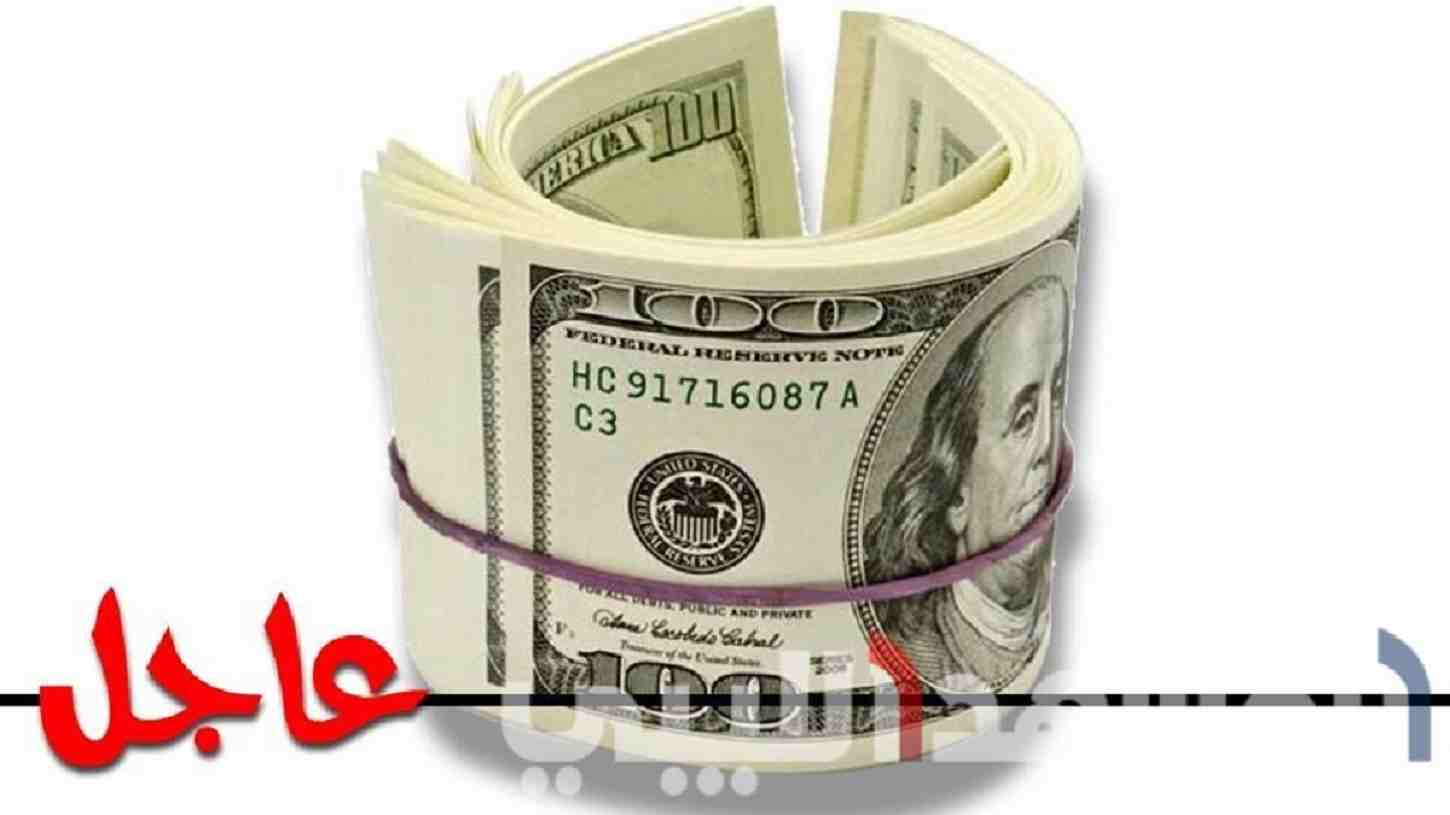
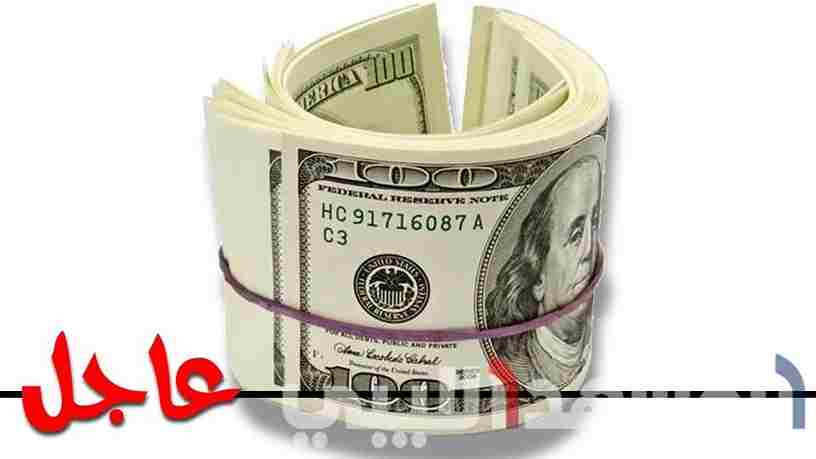
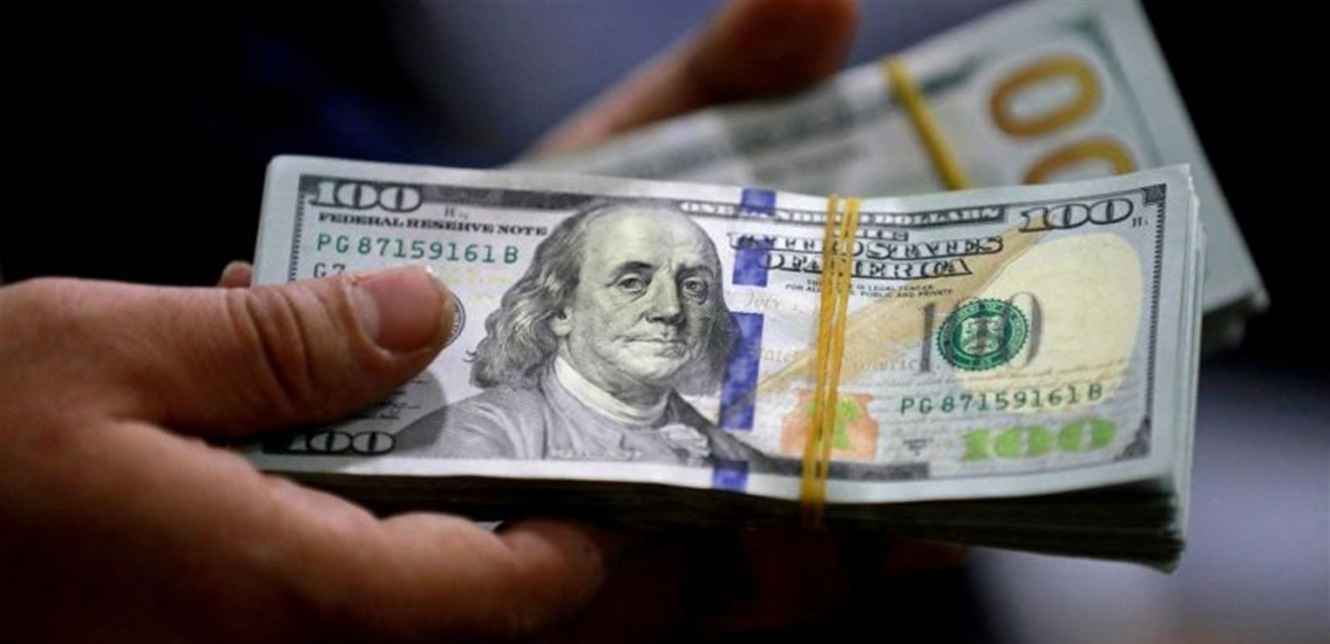
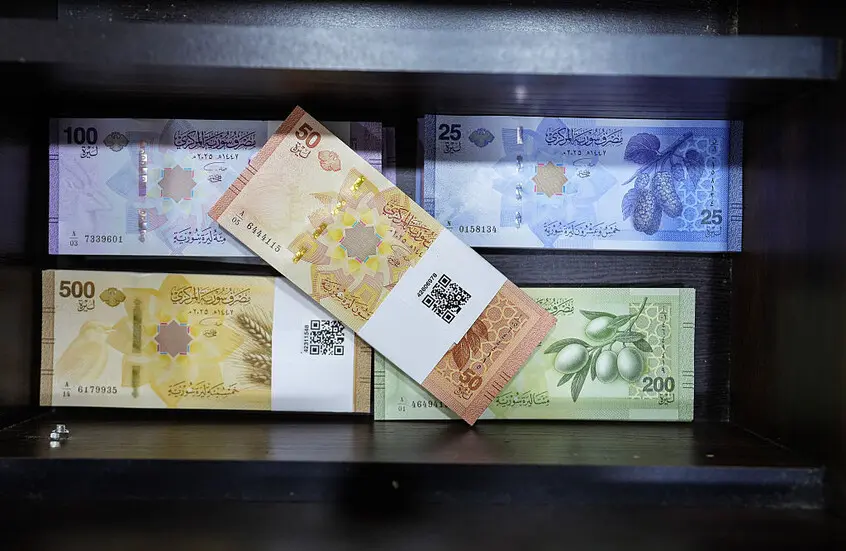
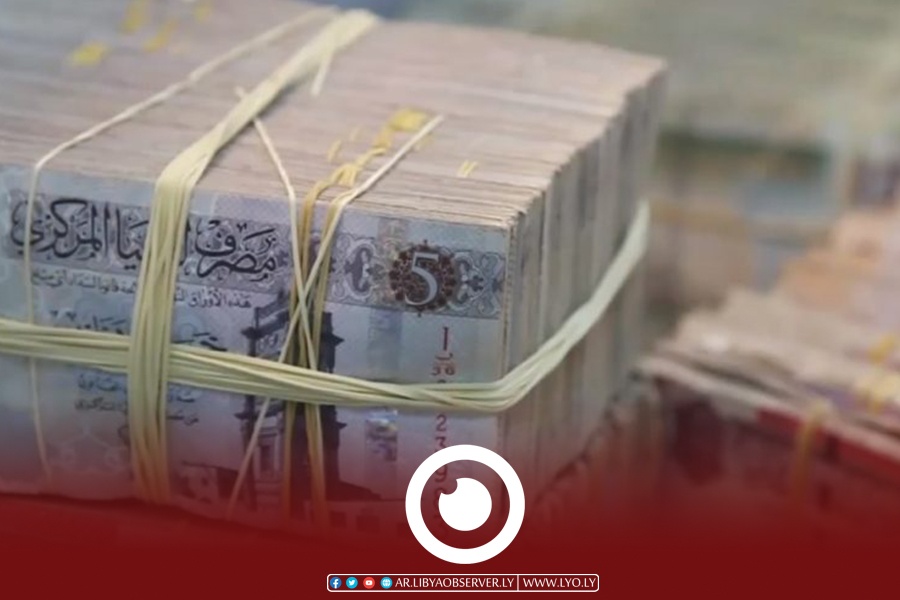
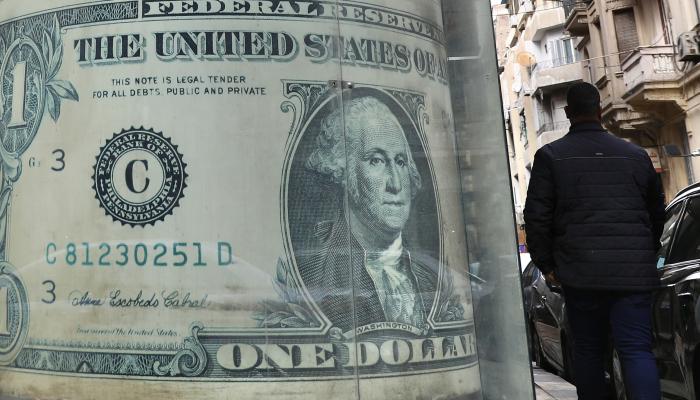
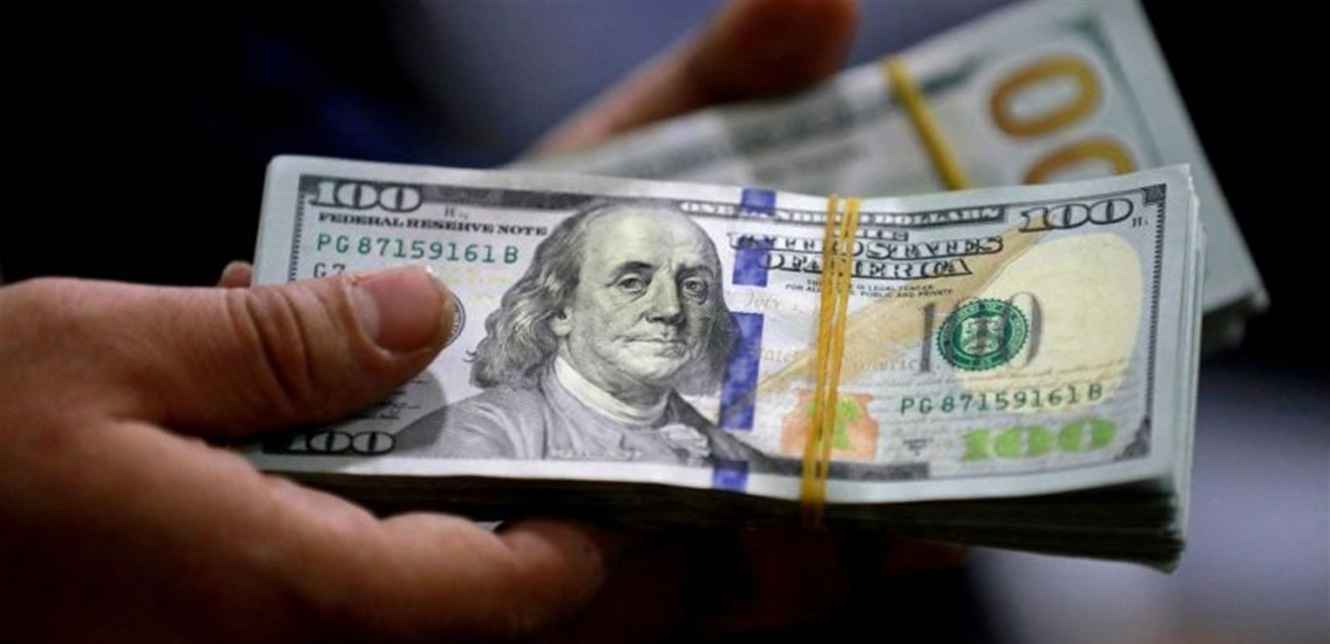
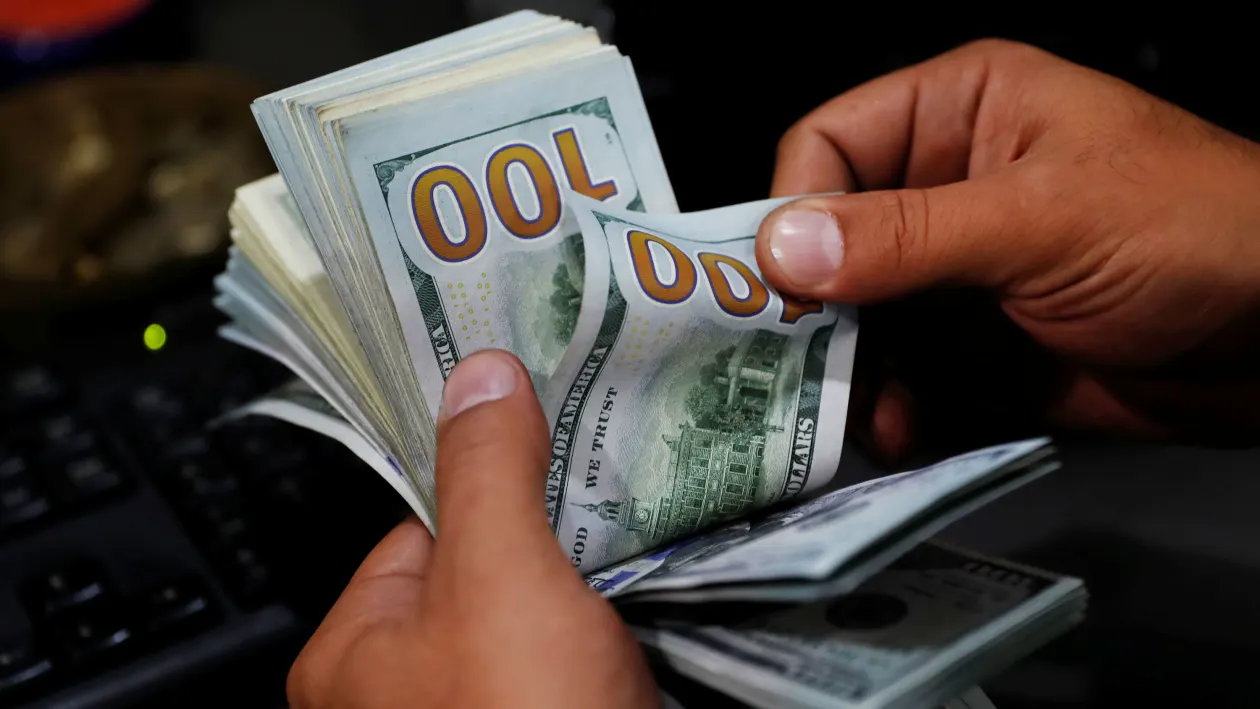
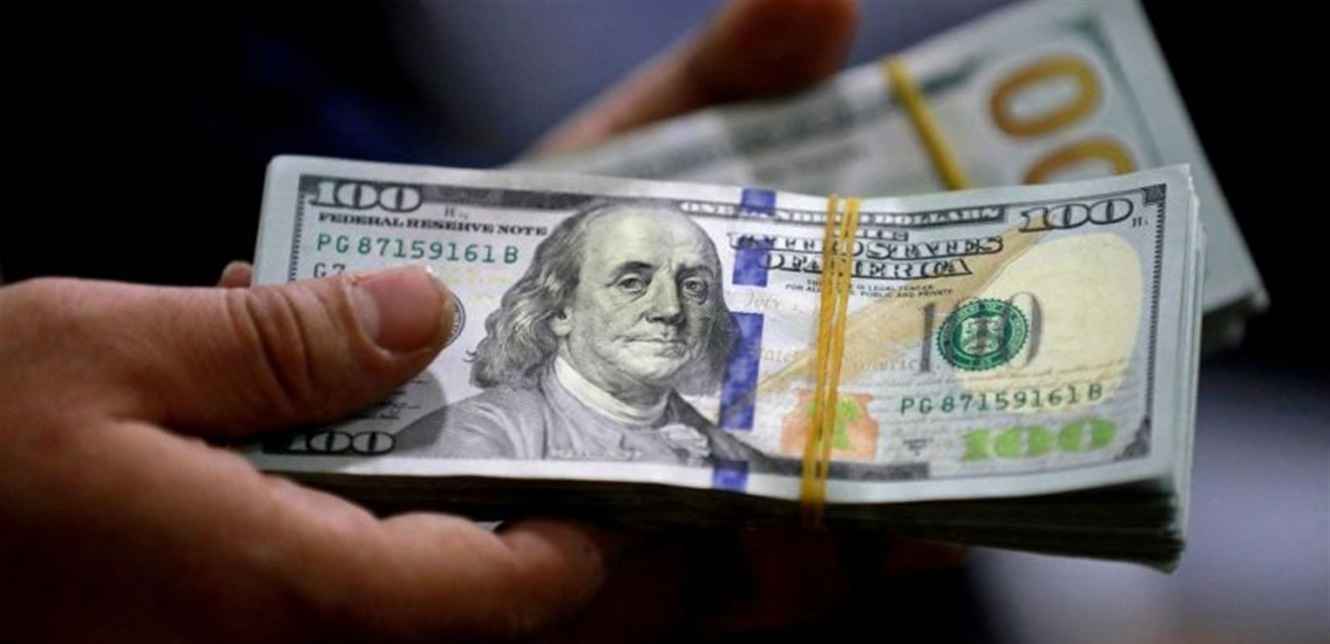
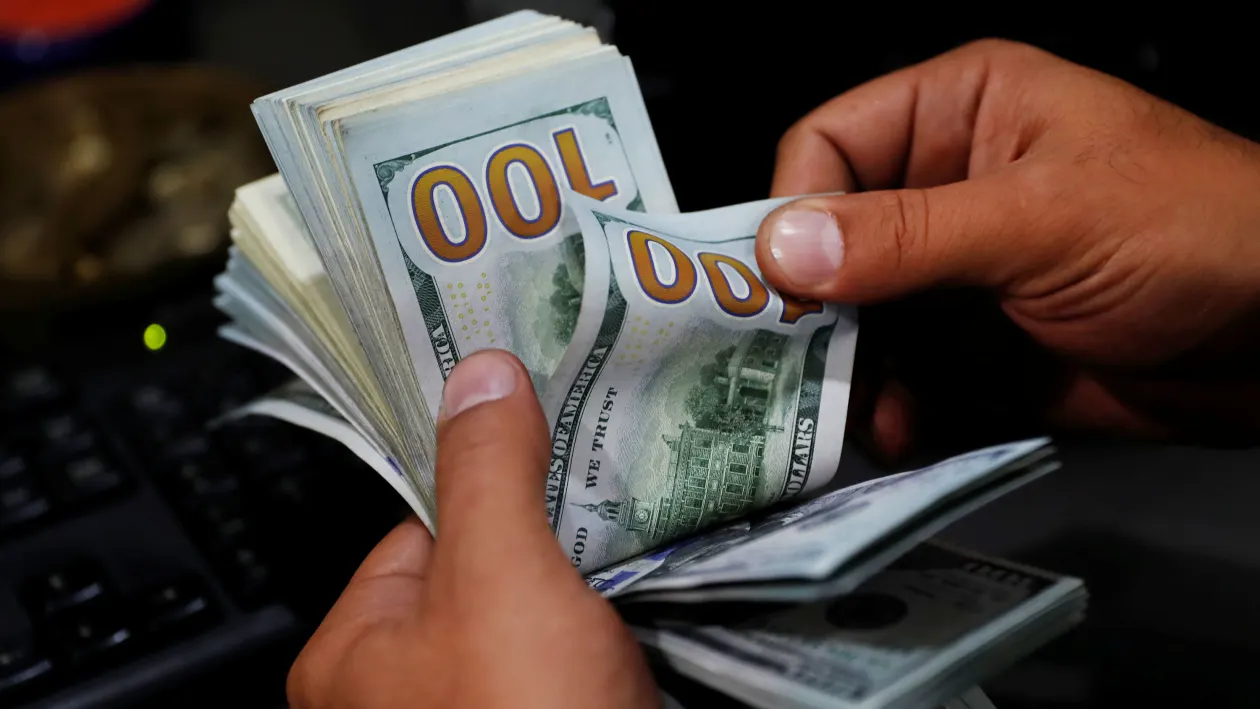
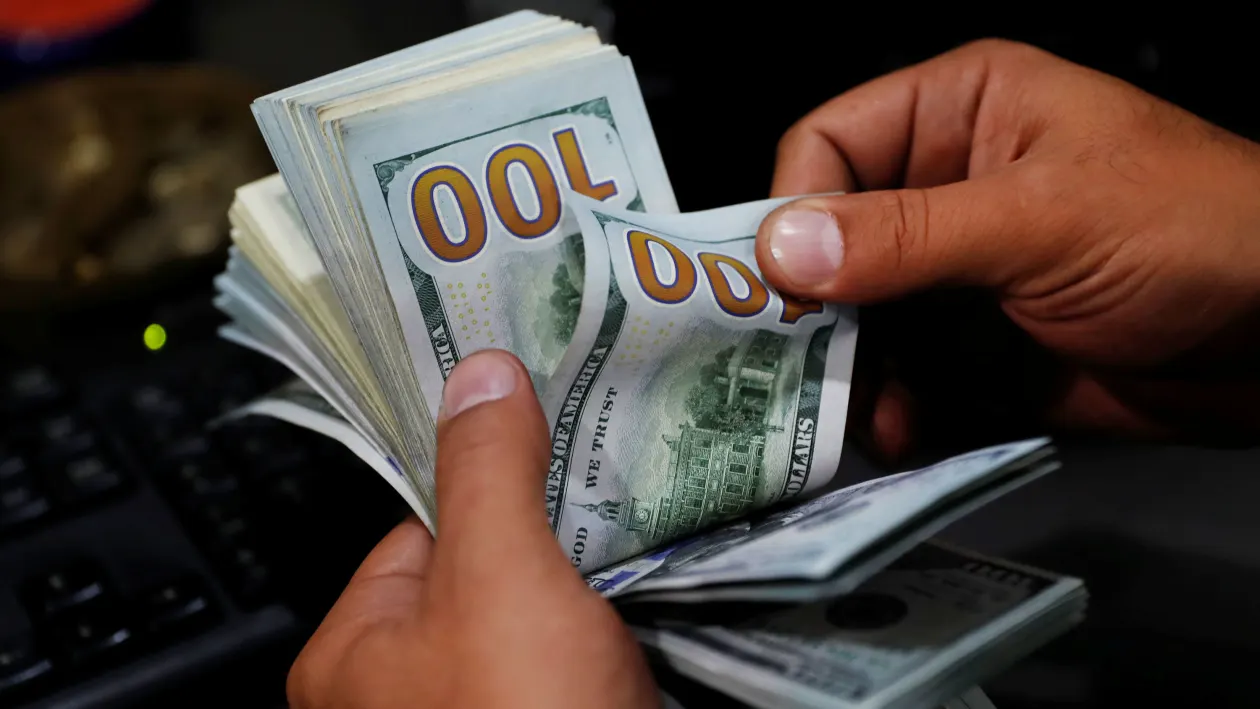
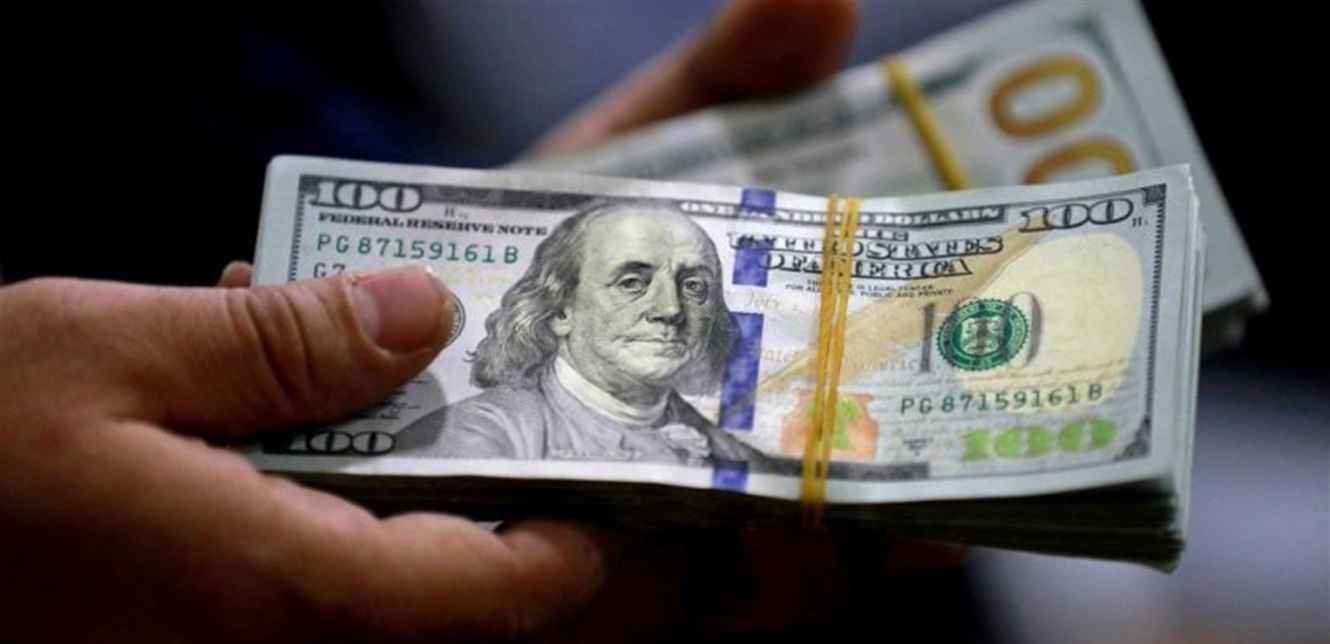
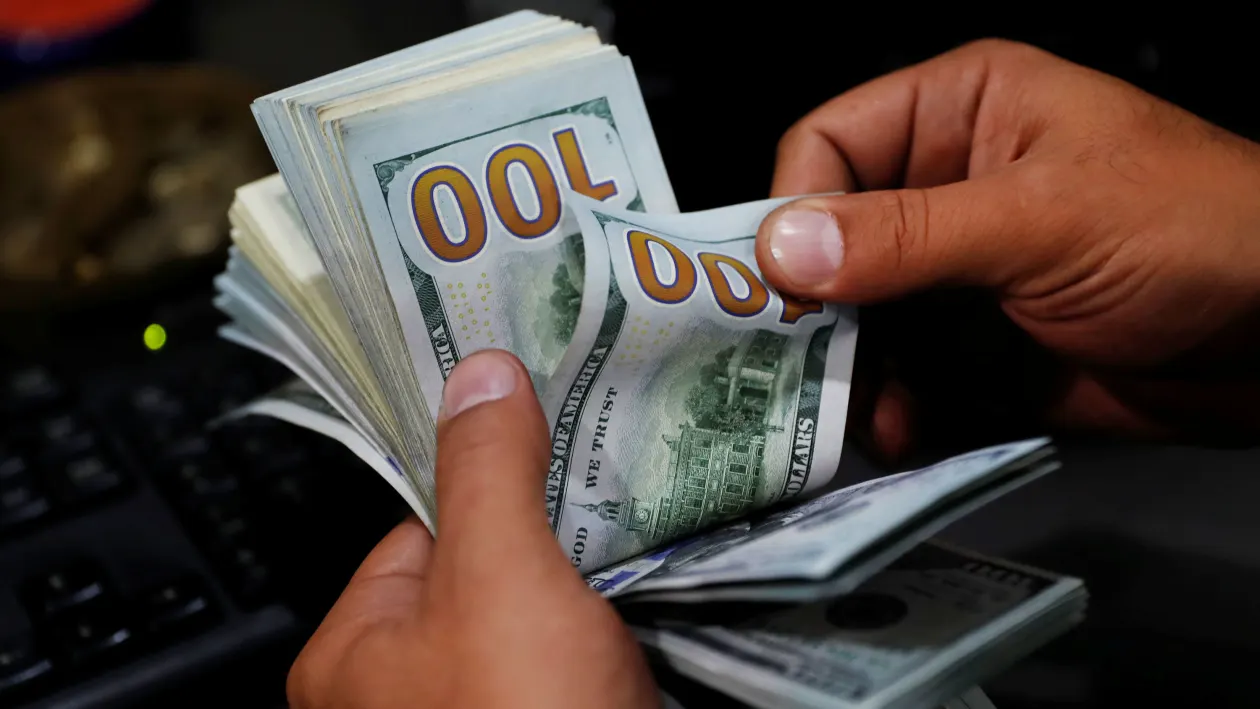
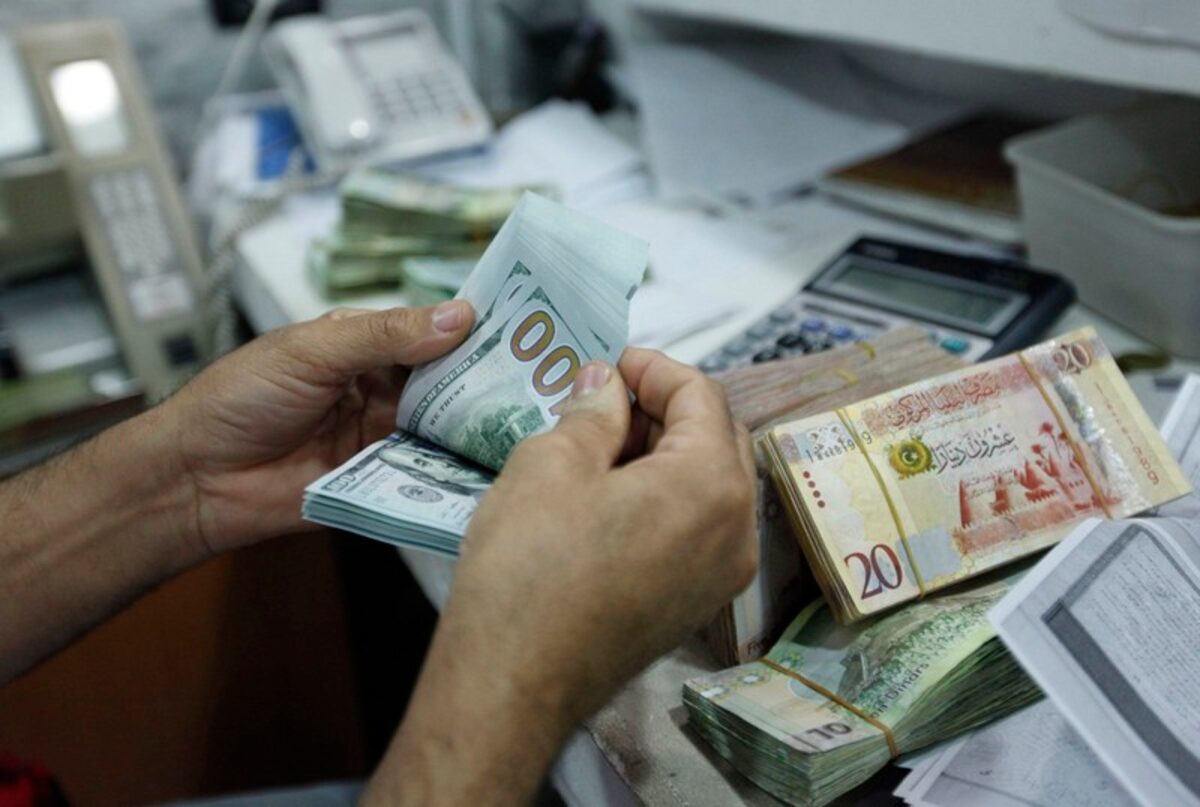
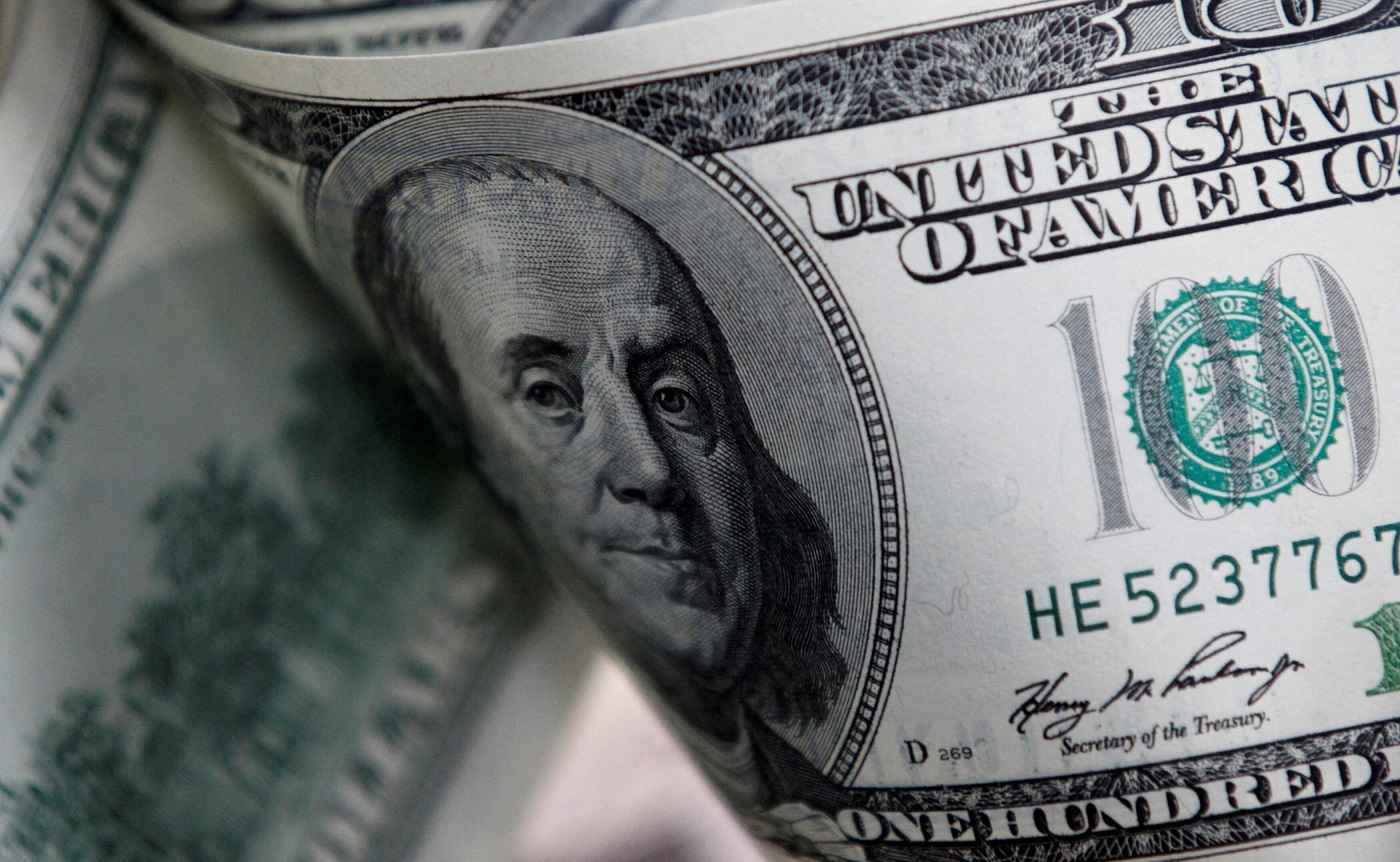
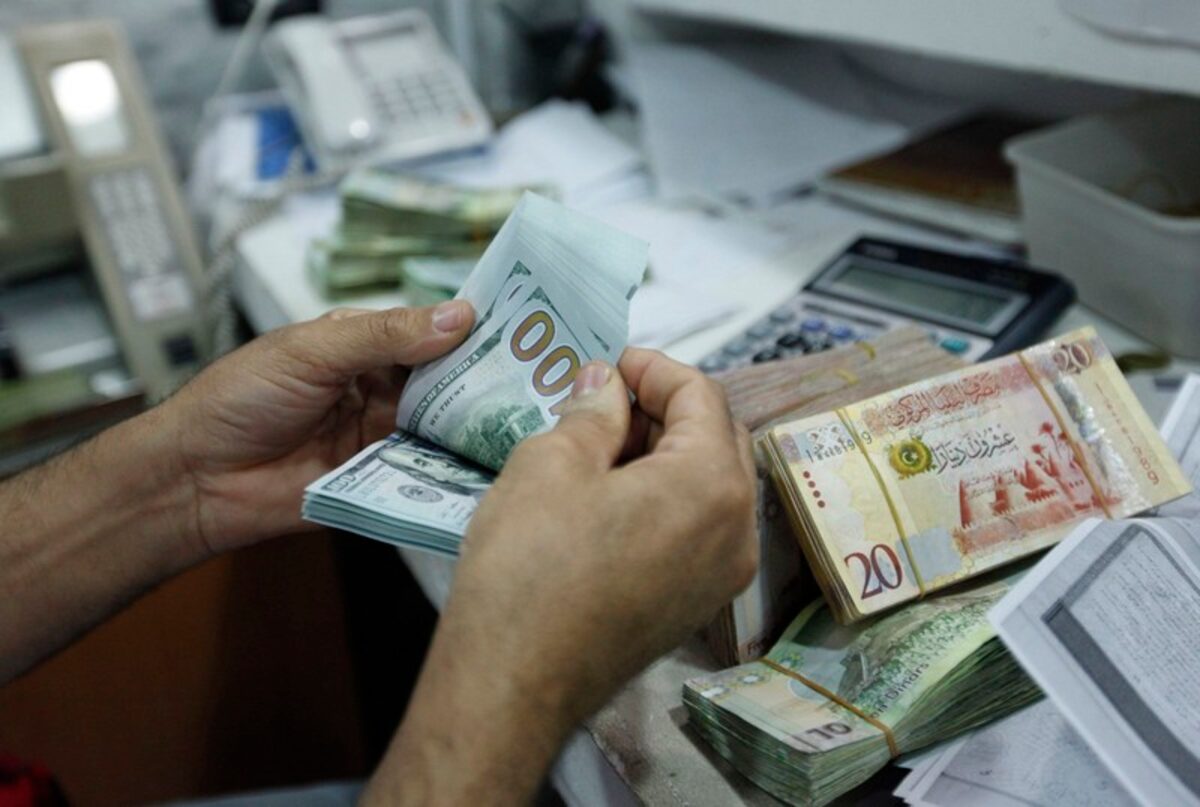
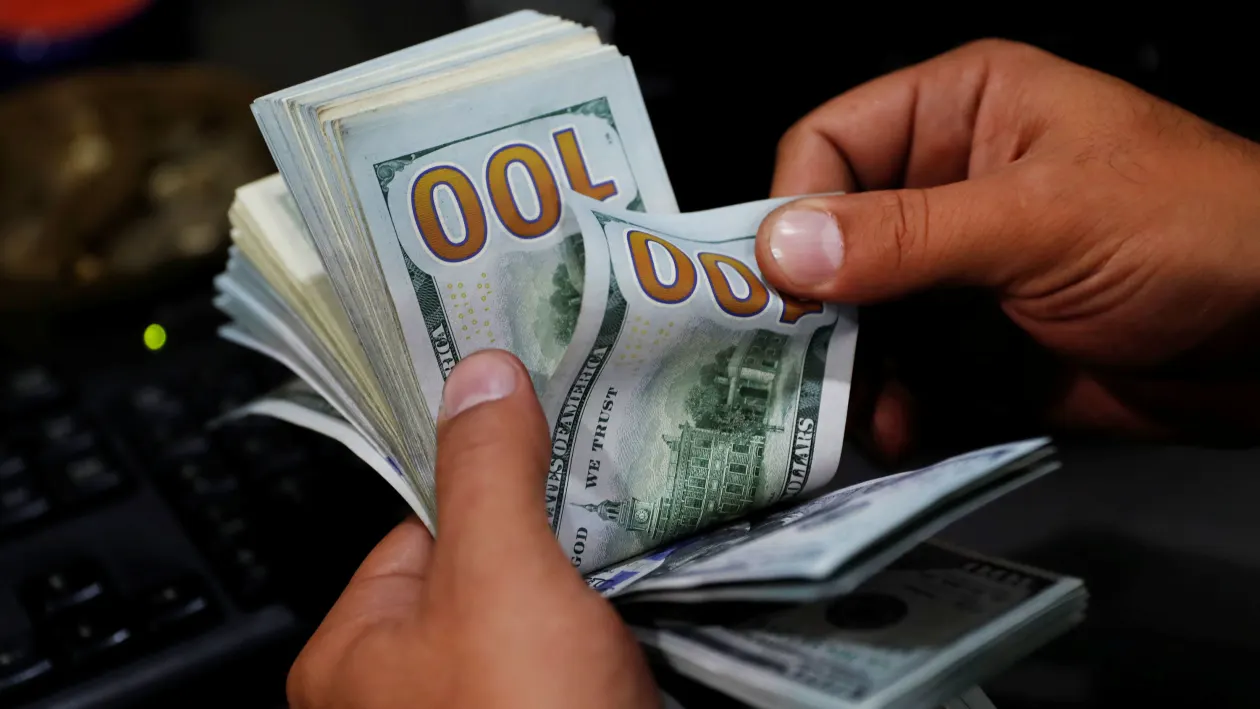
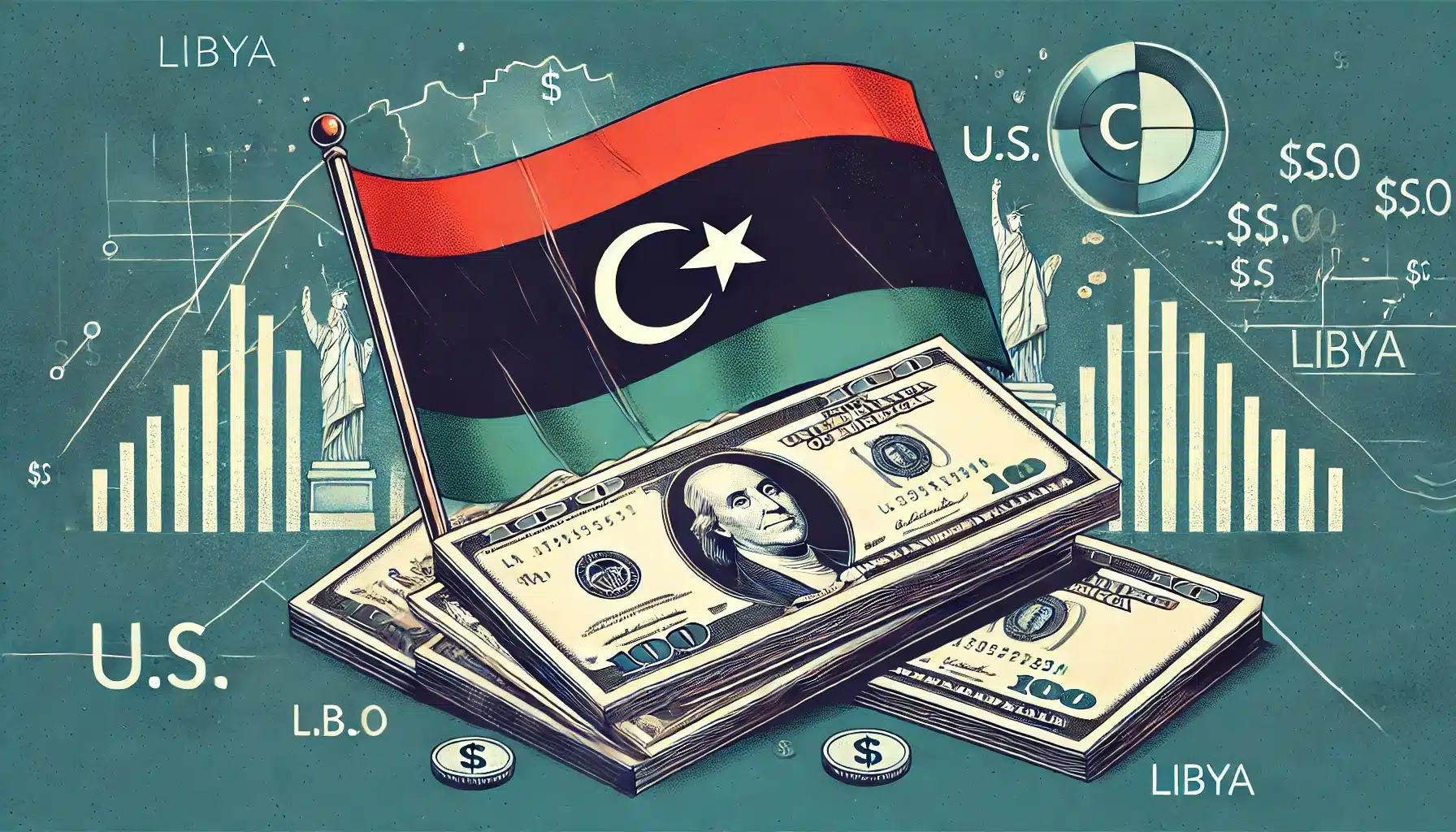
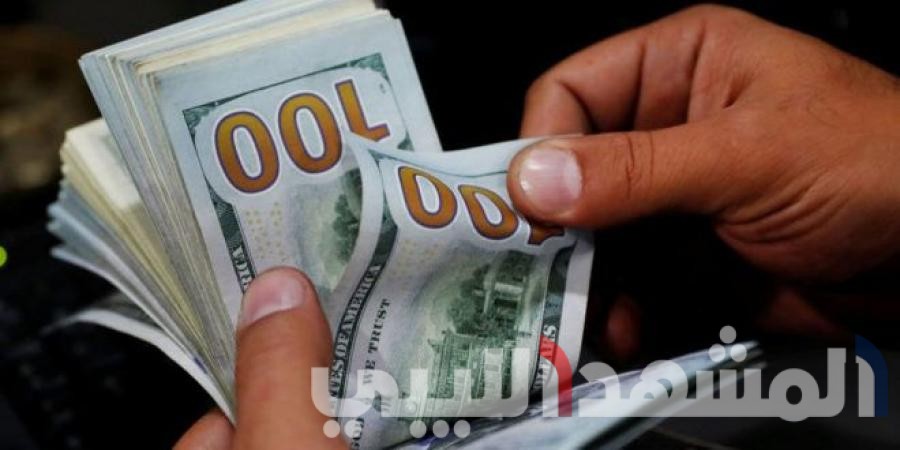
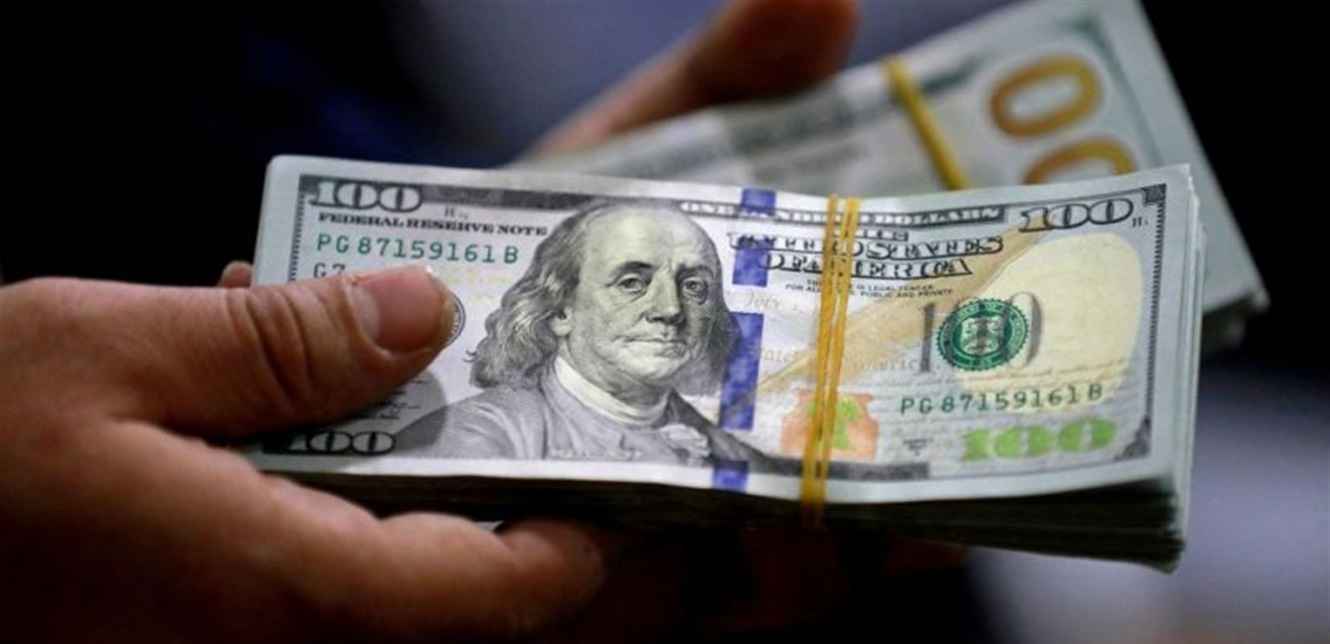
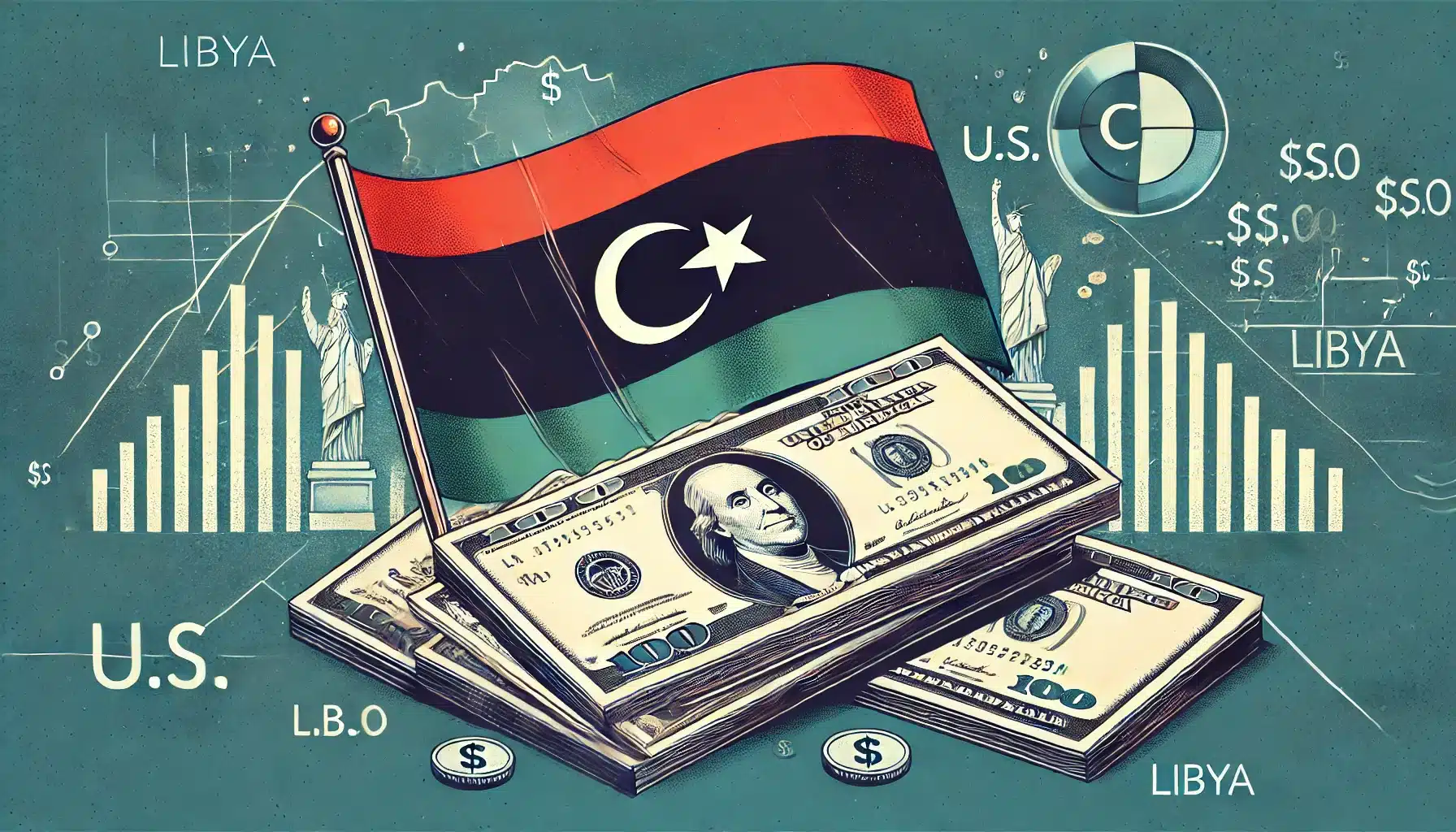
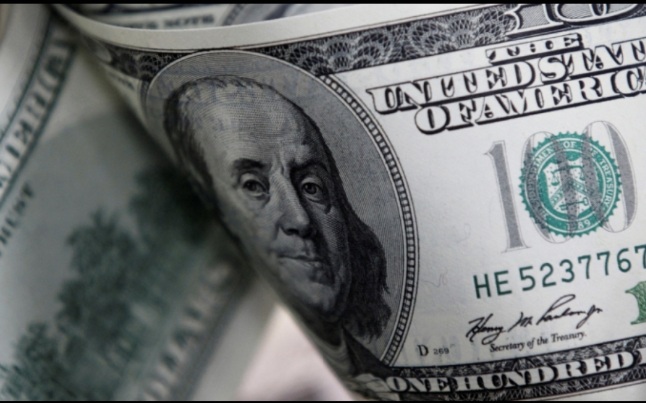
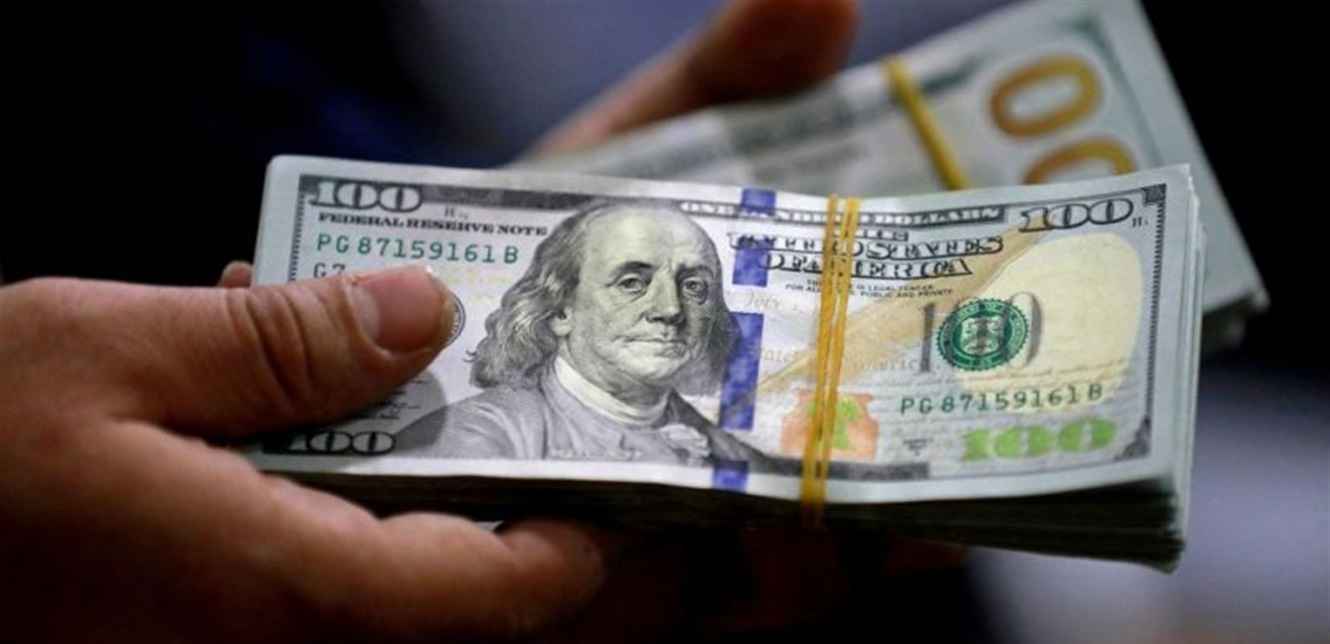
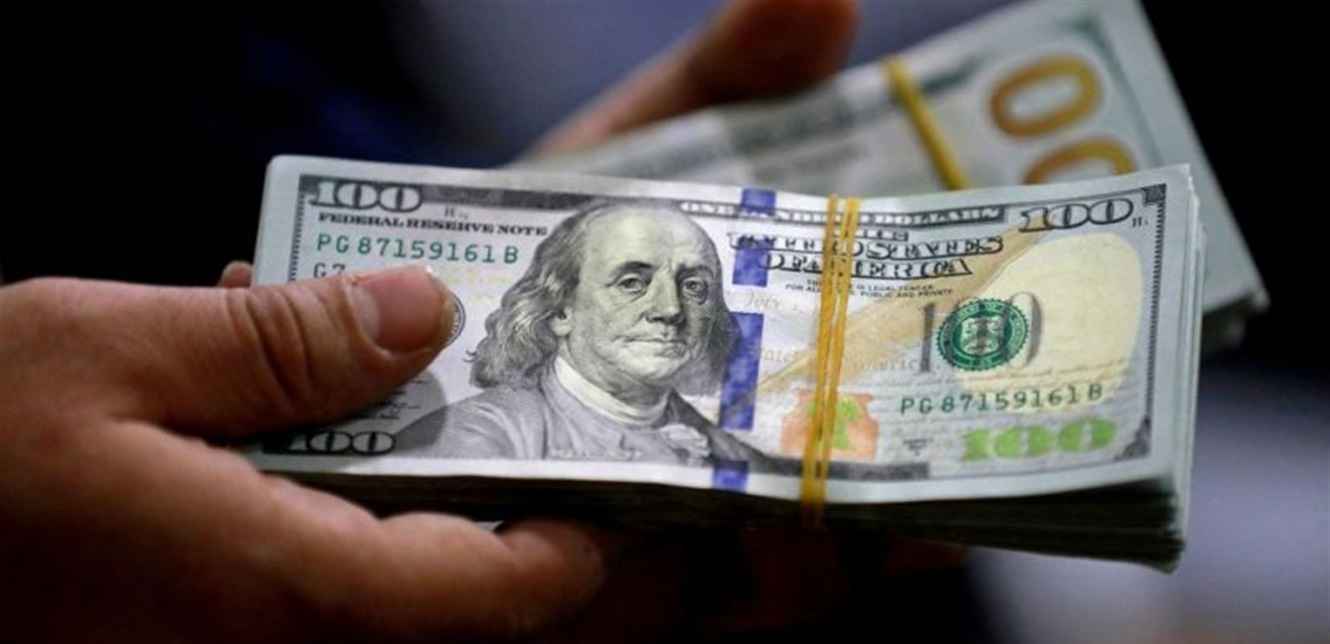
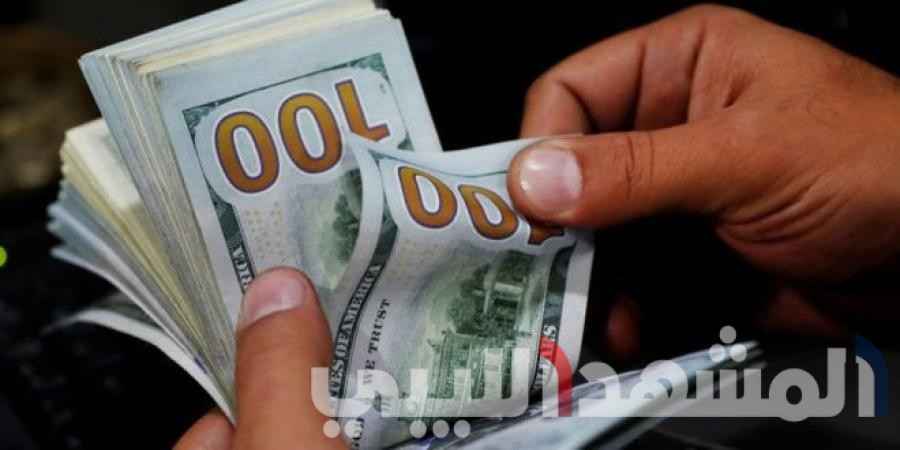
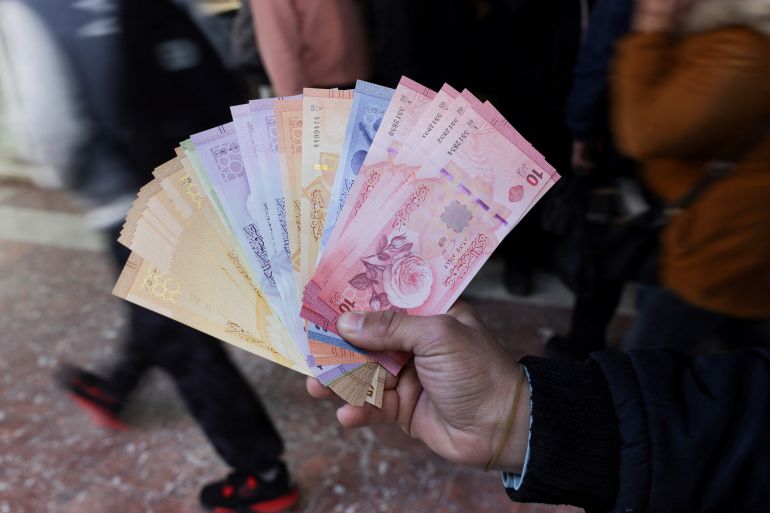
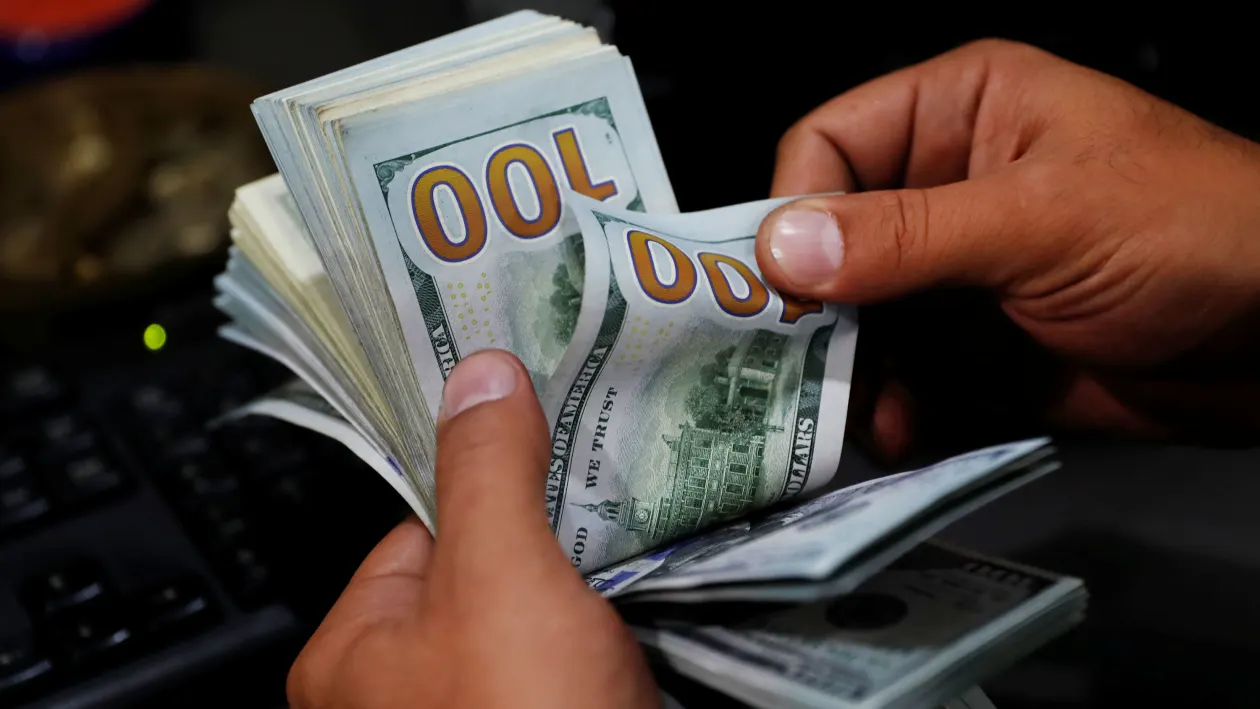
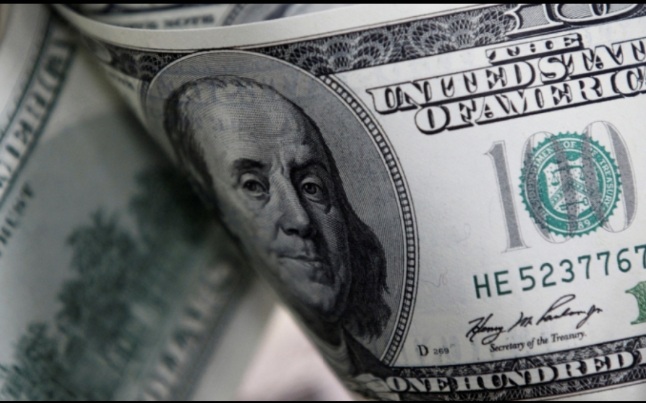
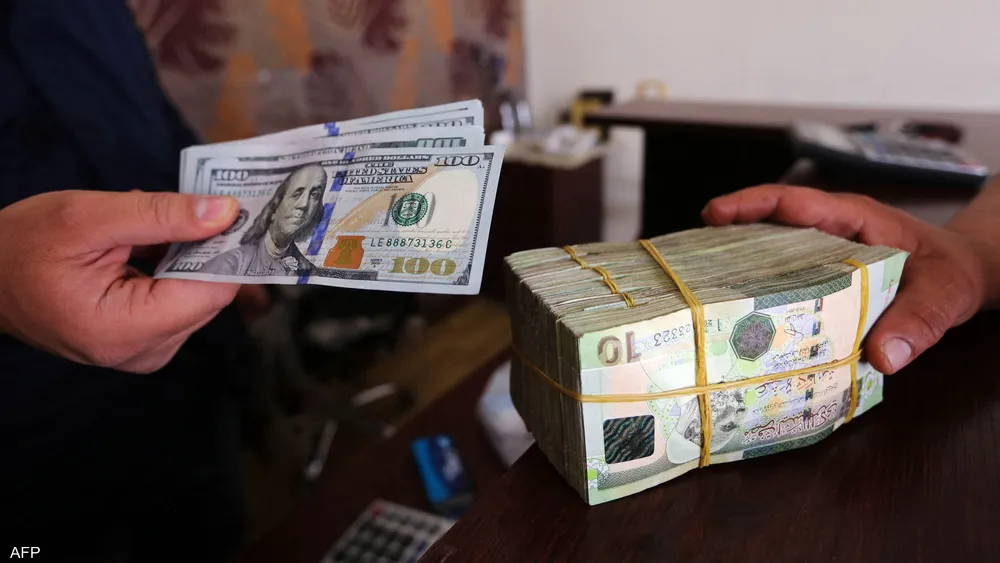
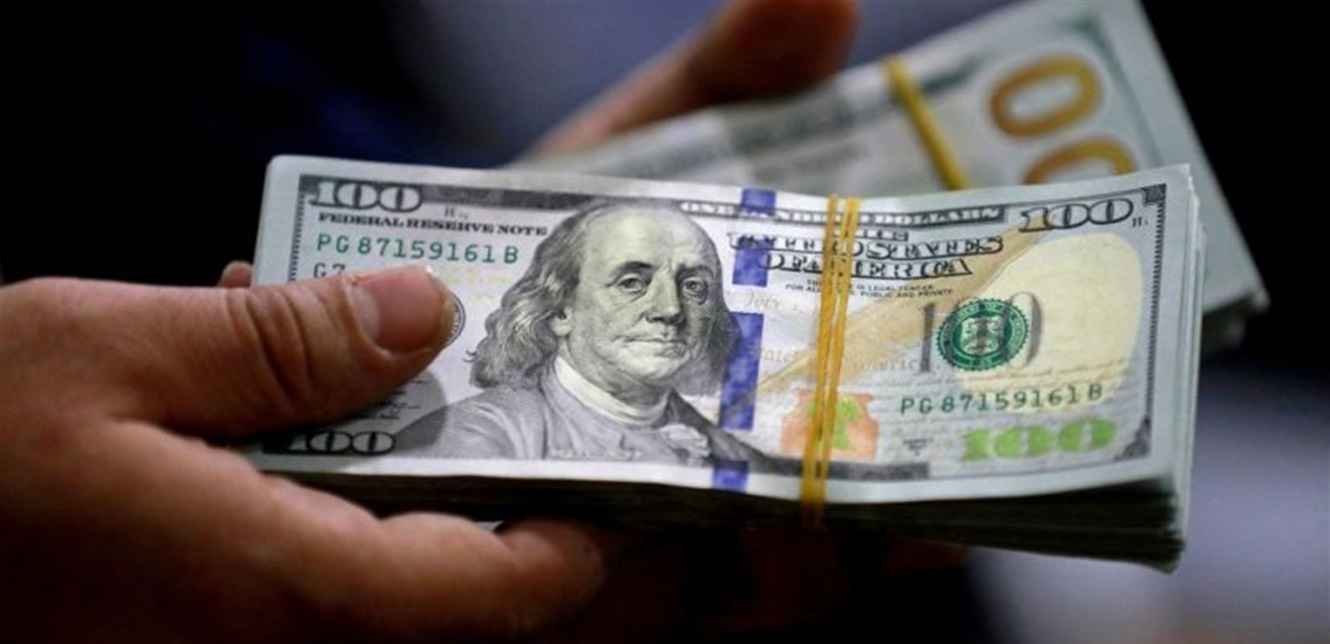
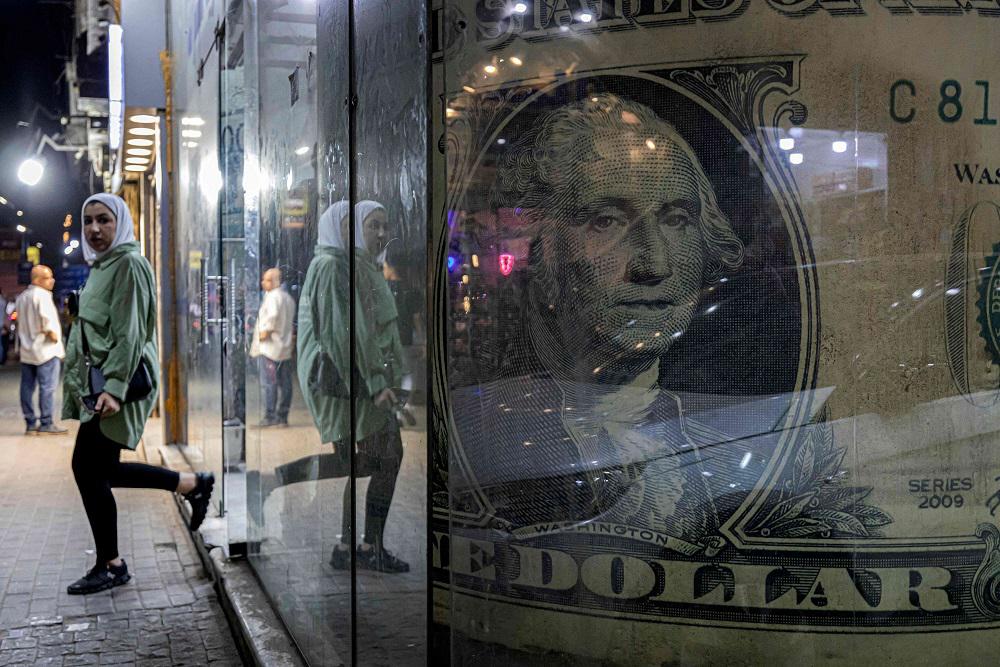
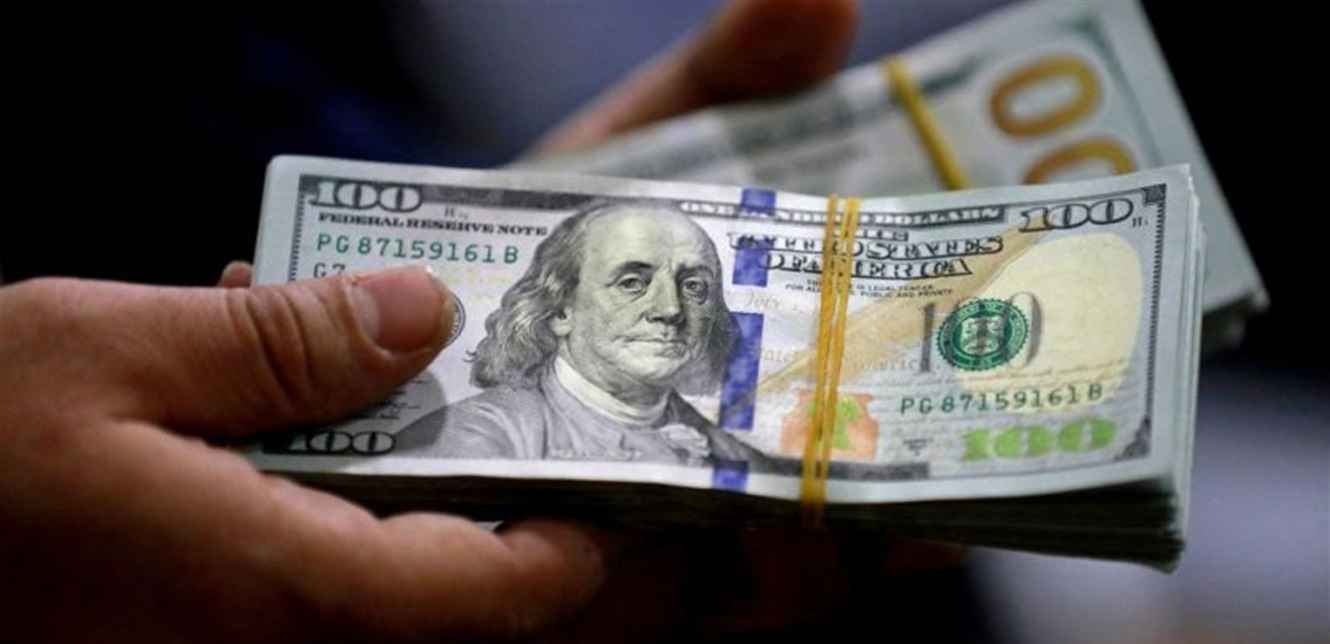
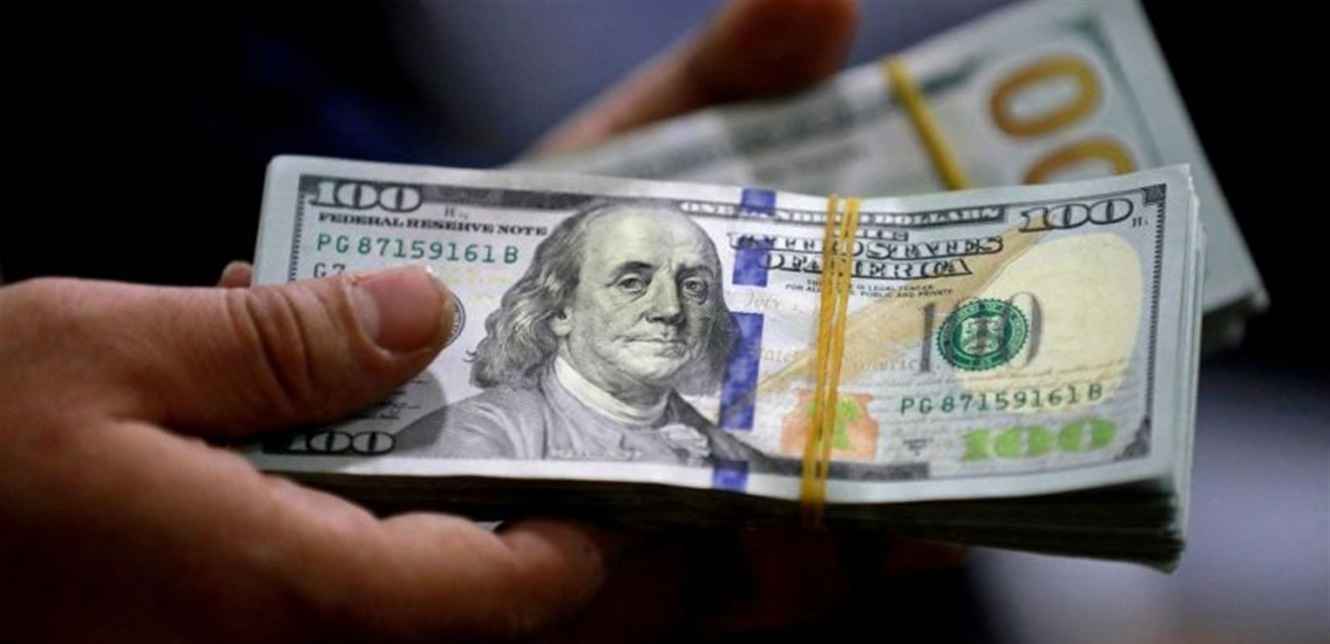
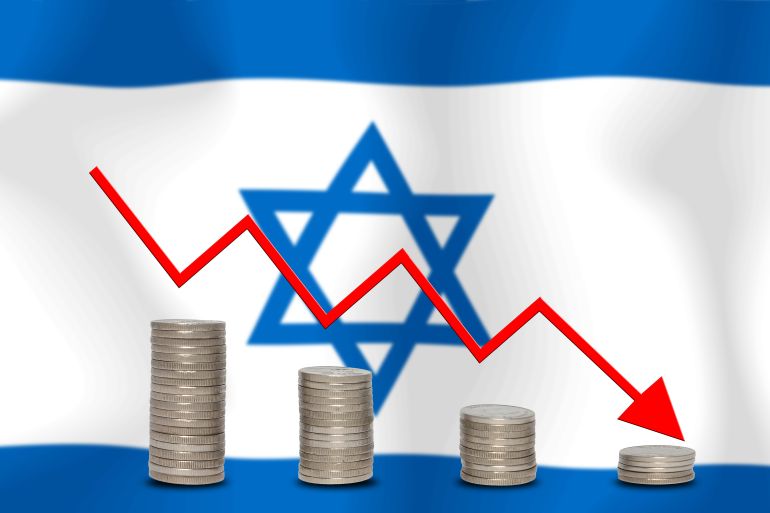
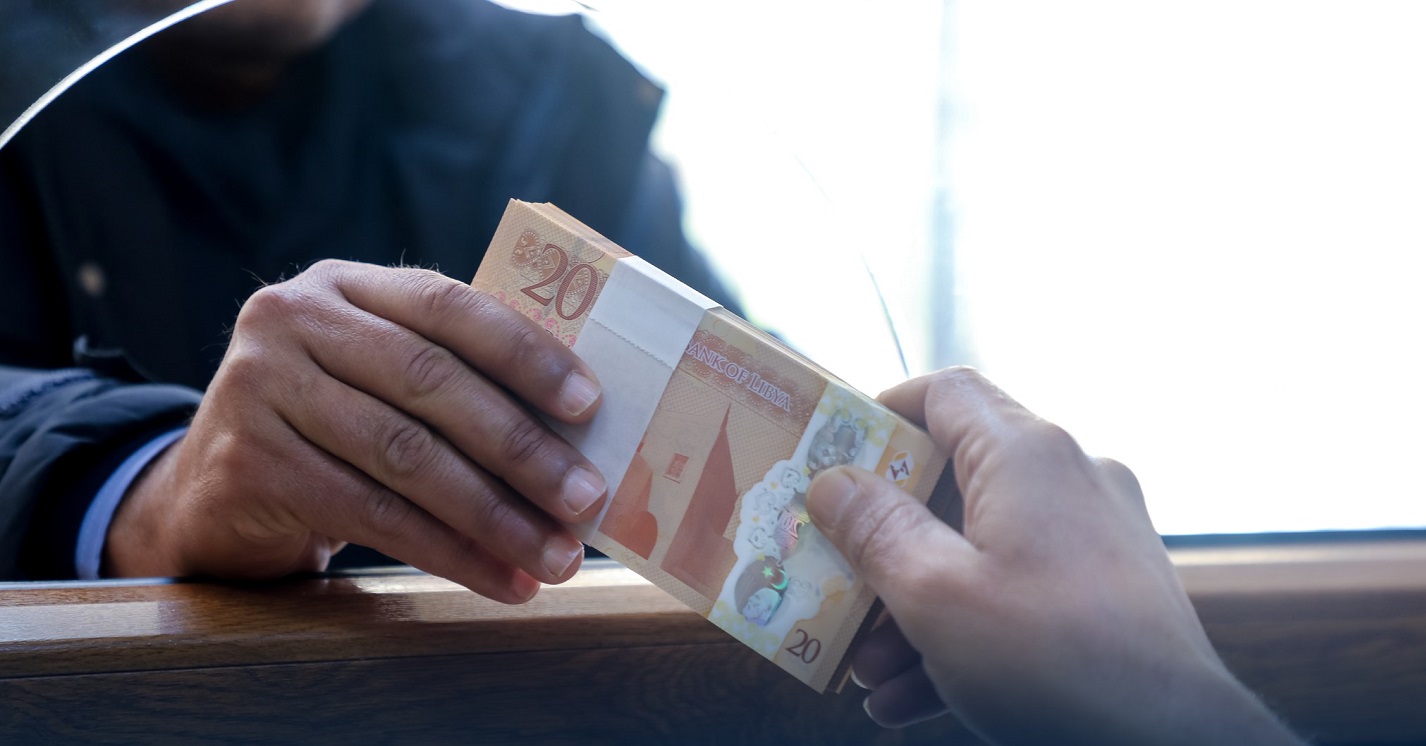
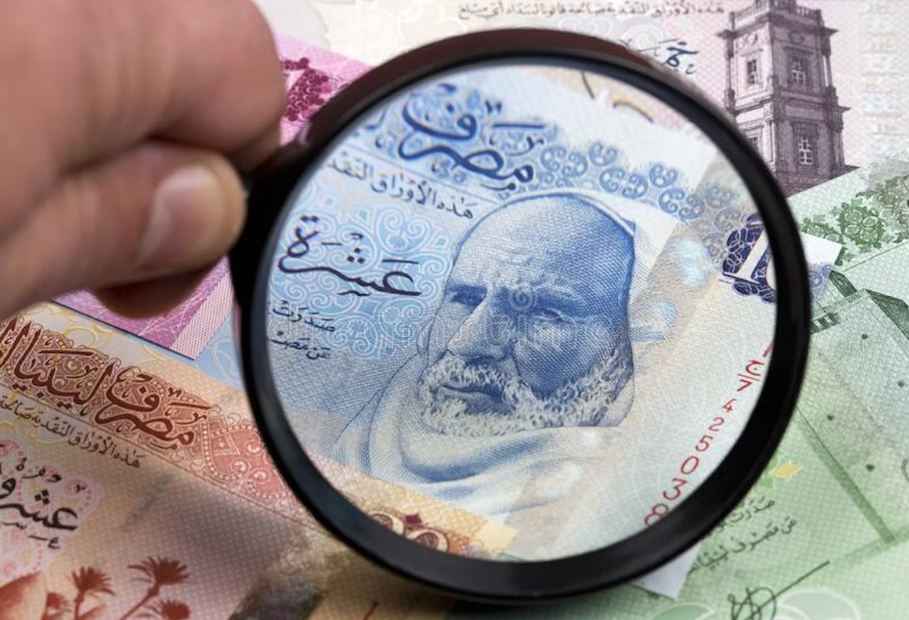
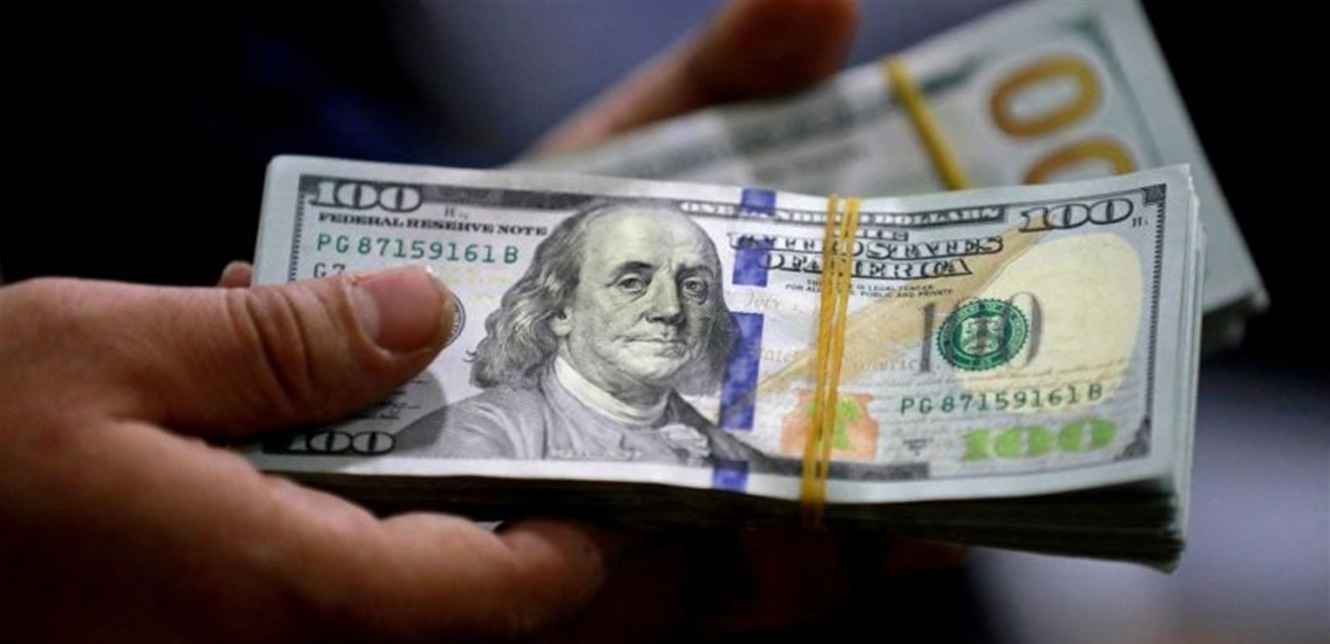
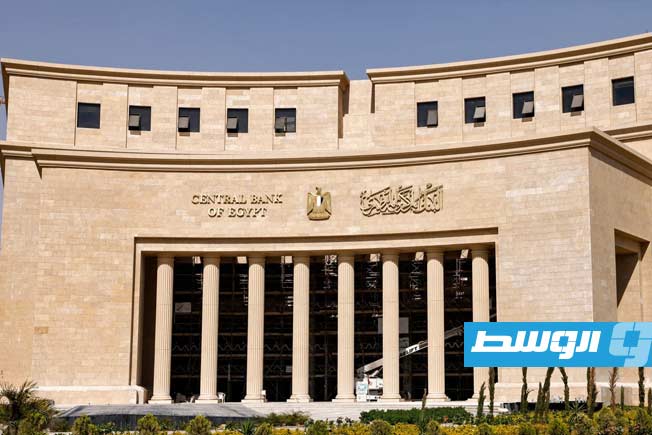
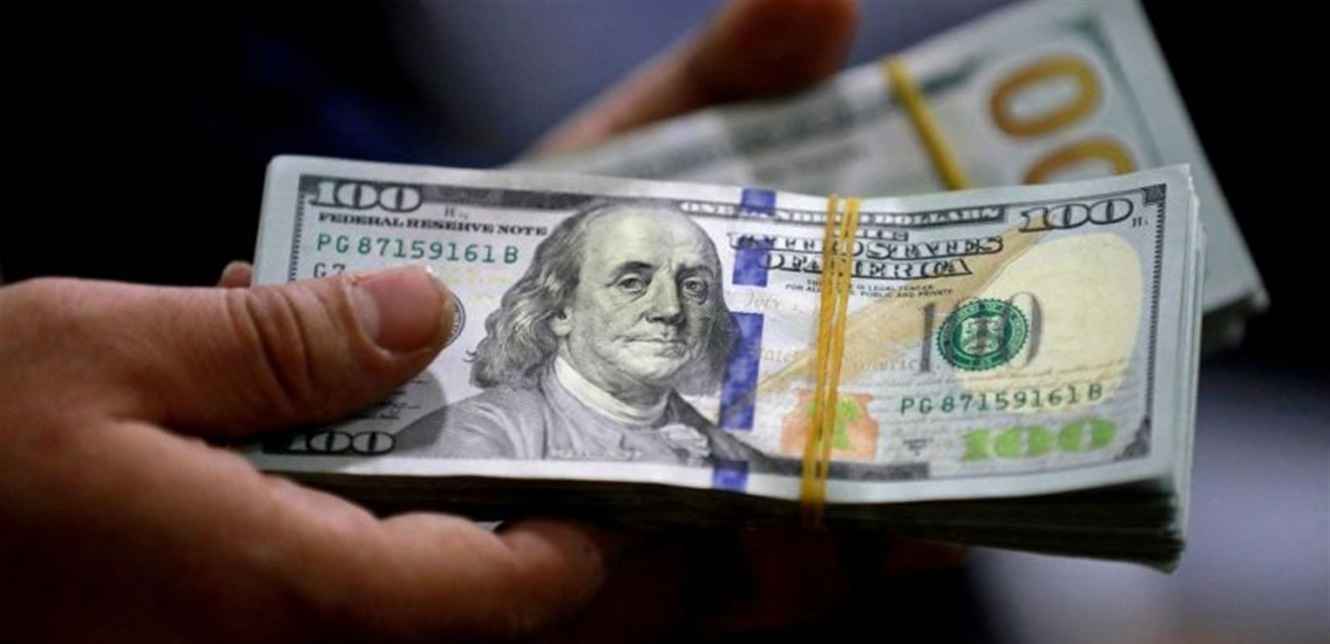
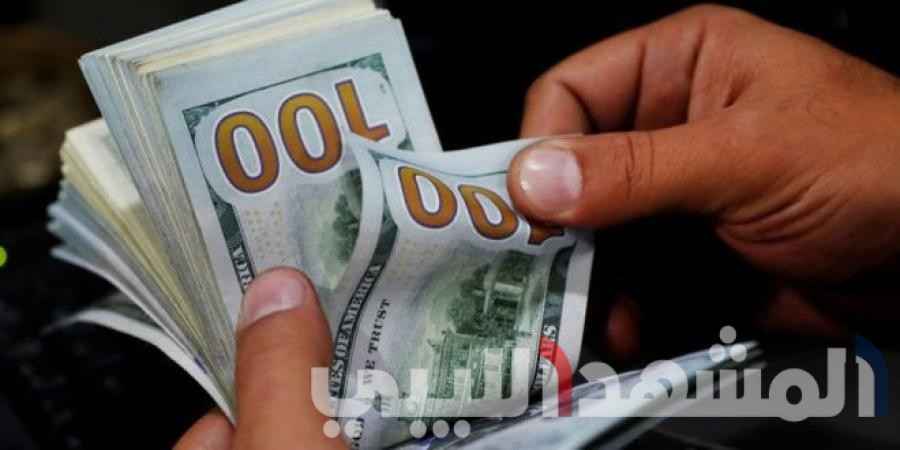
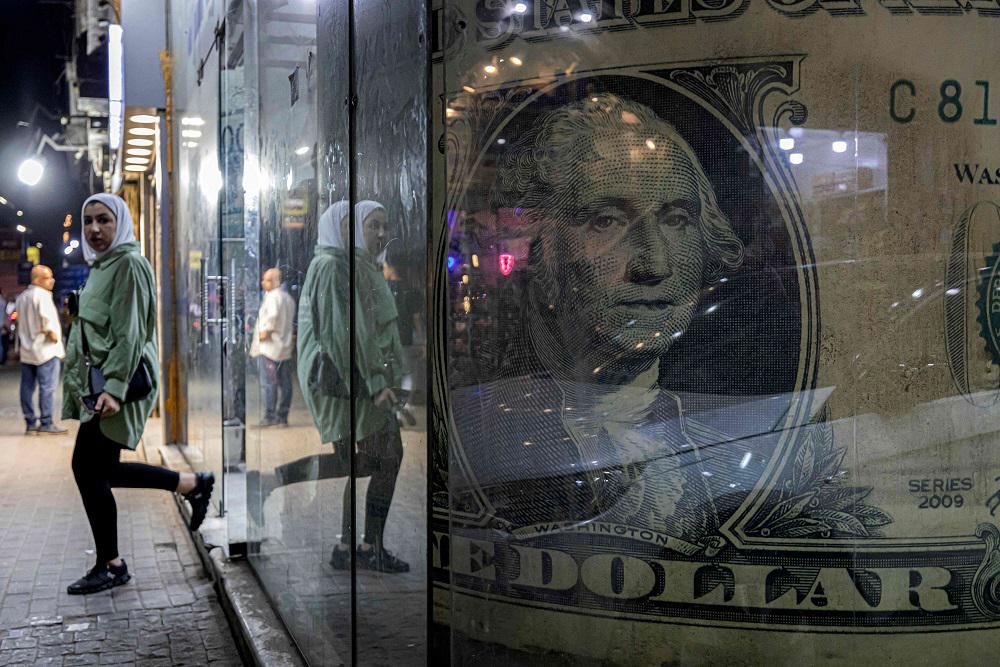
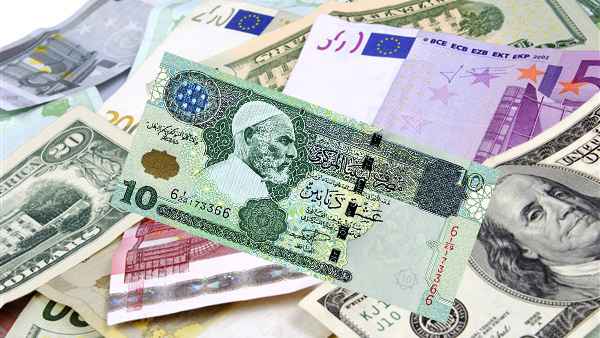
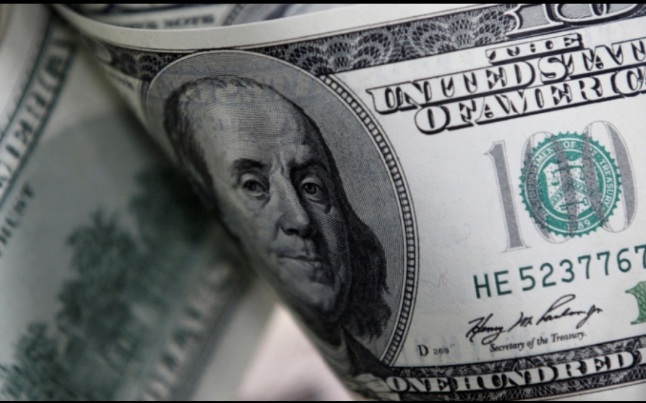
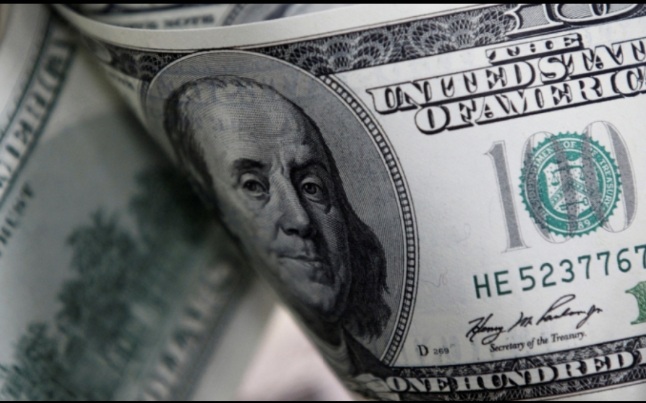
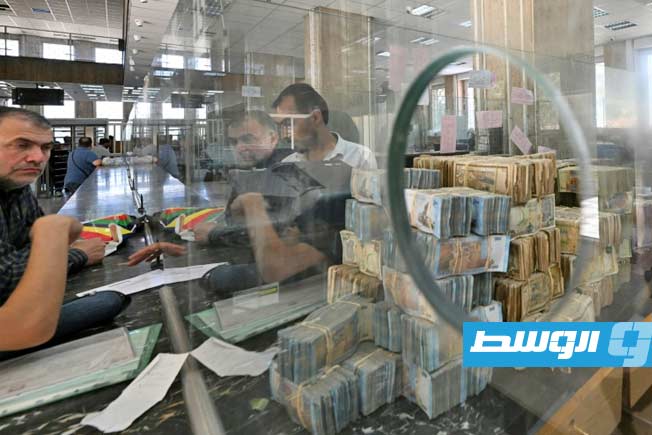
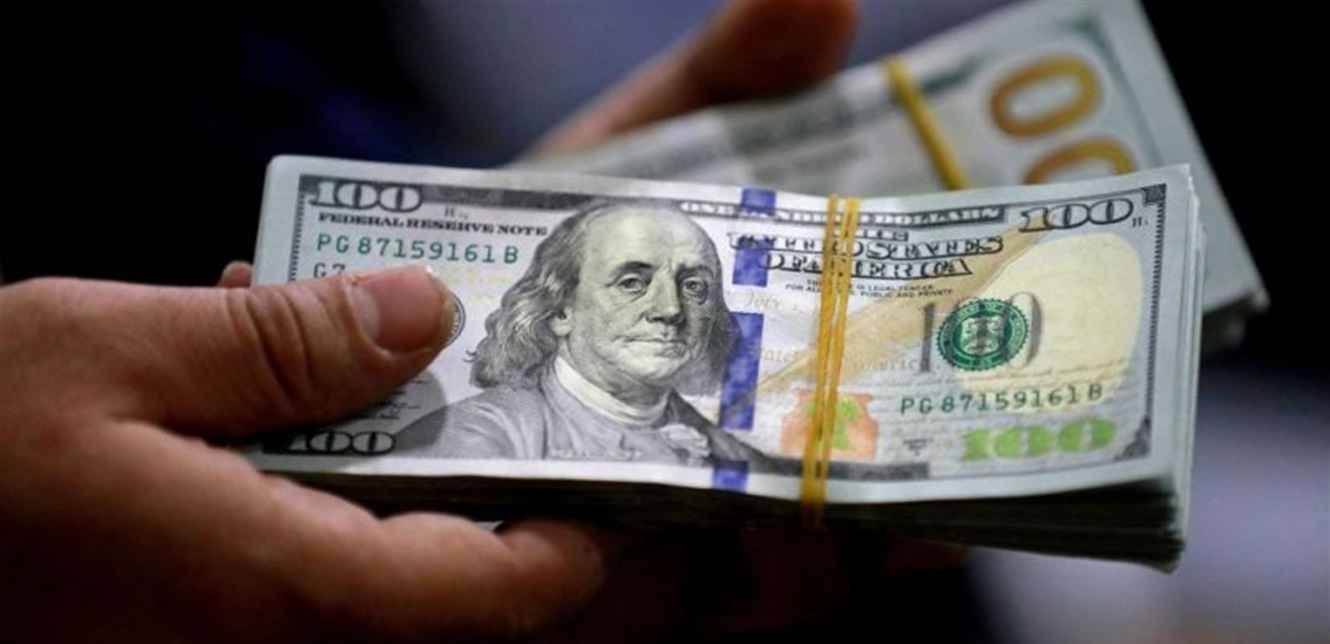
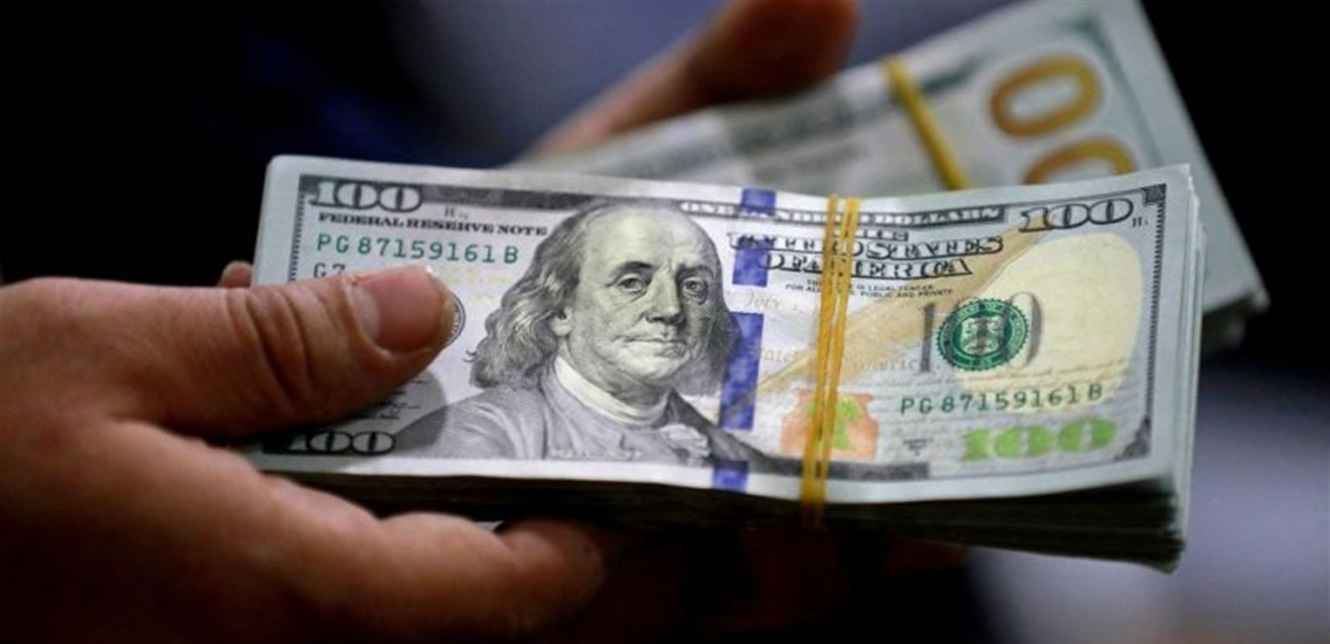
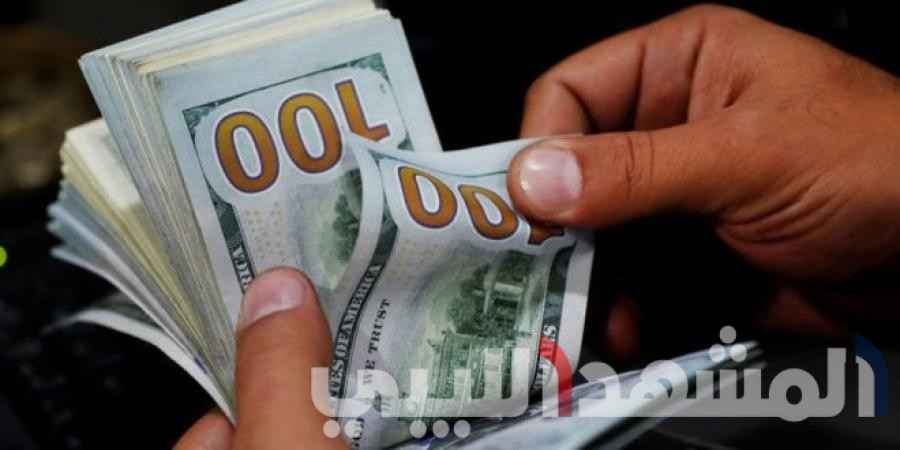
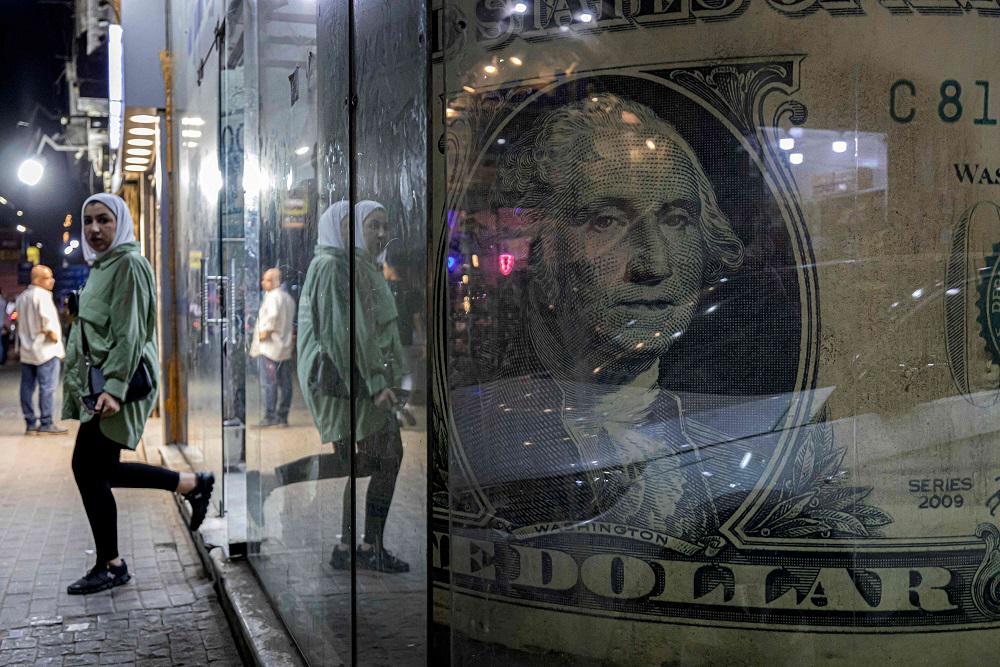
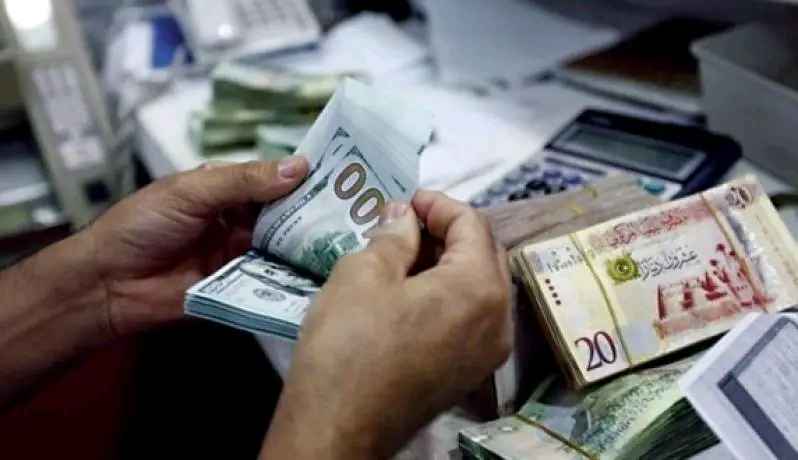
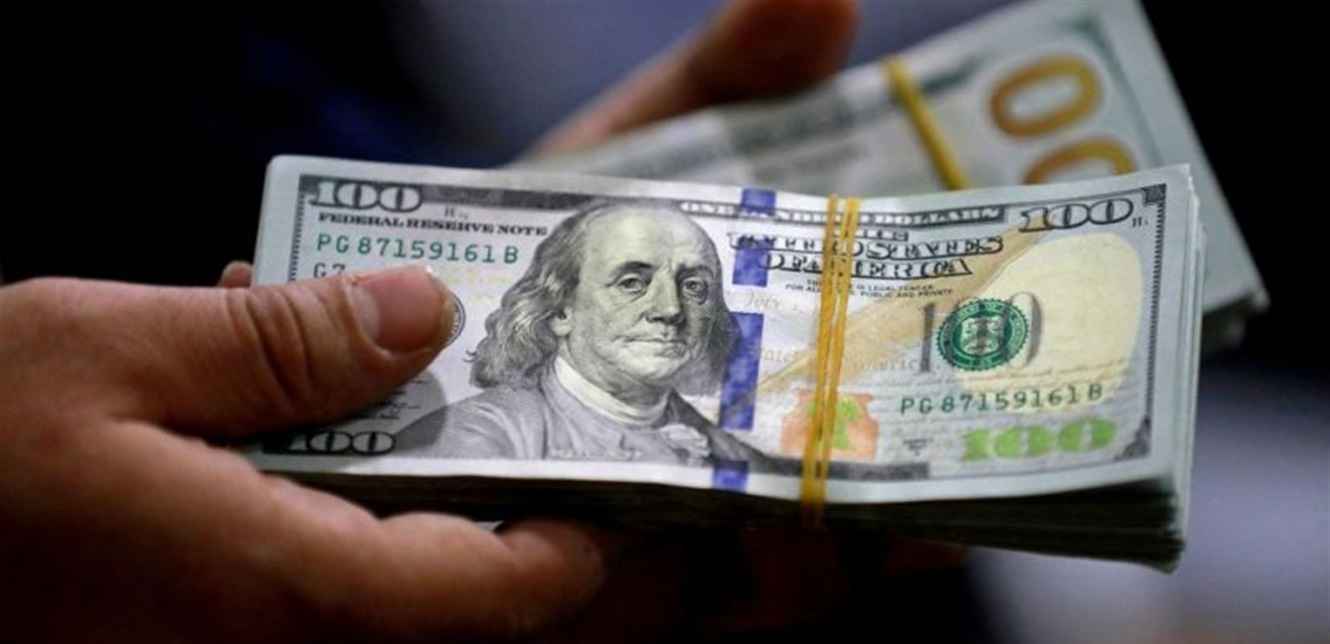
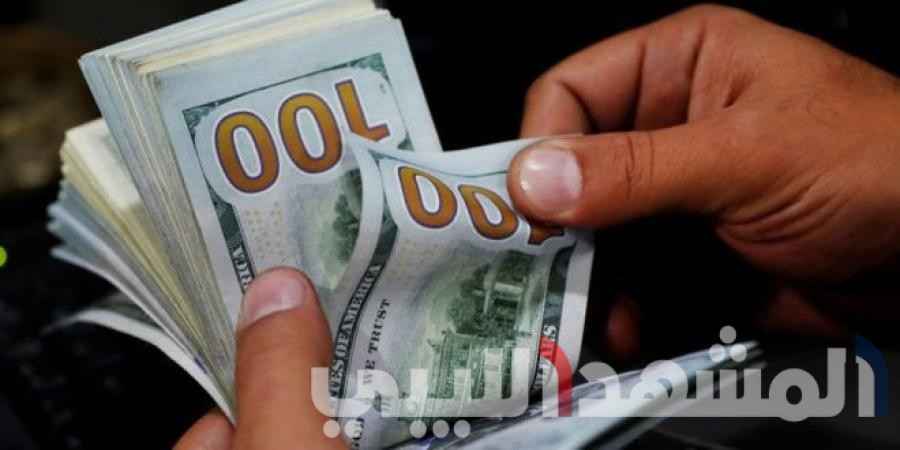
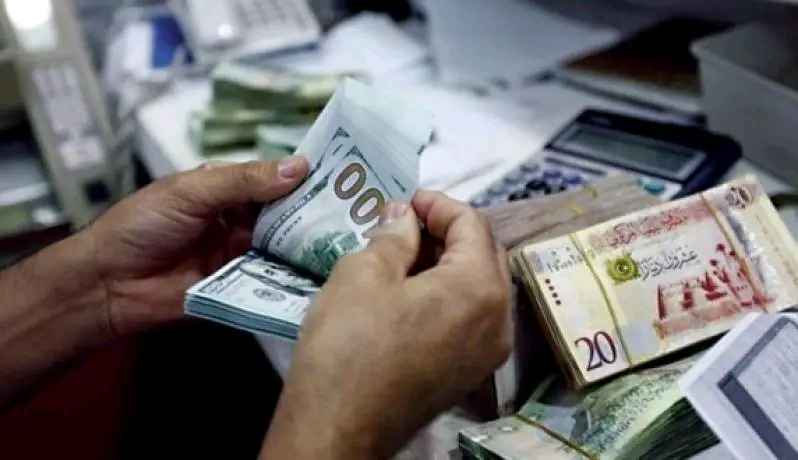
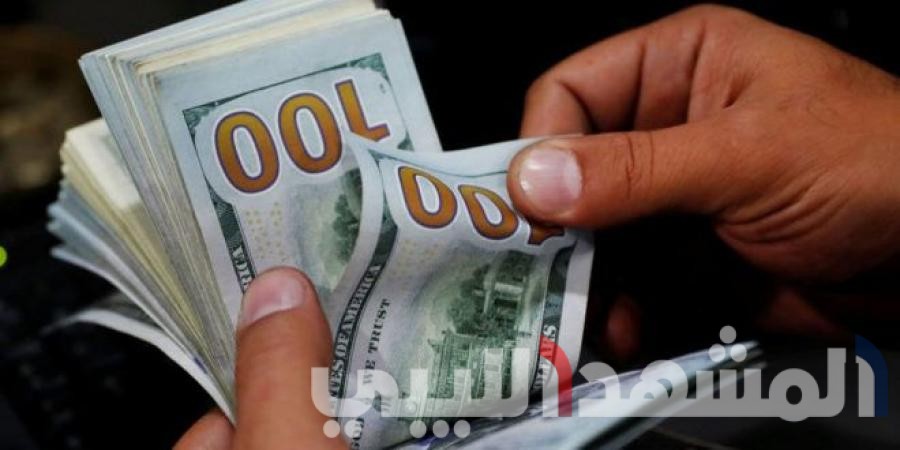
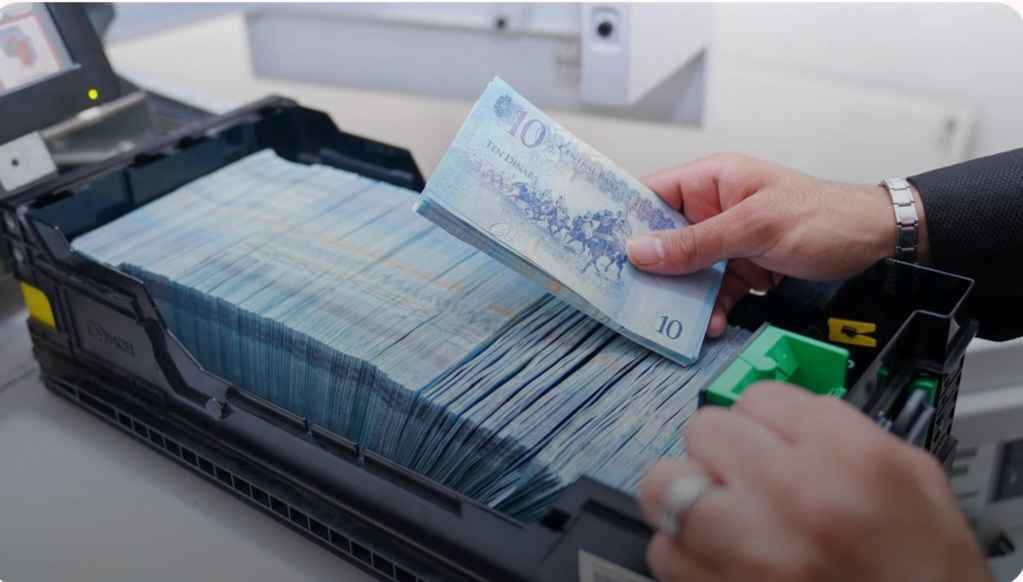
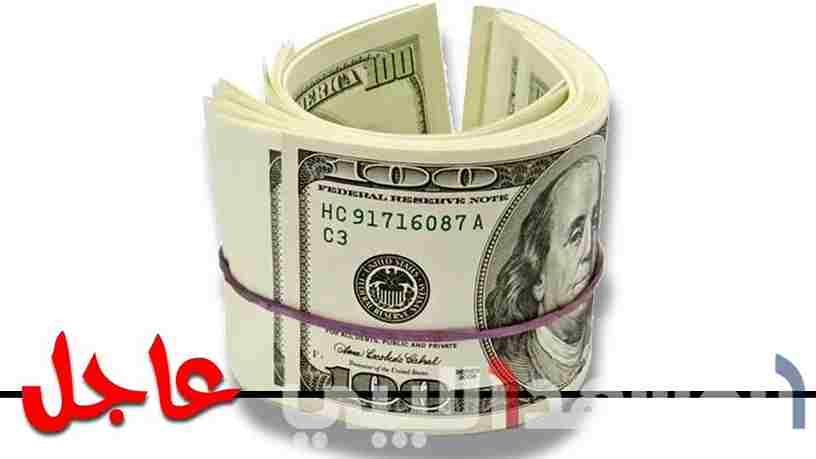
On Thursday, February 6, 2026, the US dollar remained stable against the Egyptian pound. At the Central Bank of Egypt, the rate was 46.86 EGP for buying and 46.99 EGP for selling.
The rate also remained stable at the National Bank of Egypt at 46.91 EGP for buying and 47.01 EGP for selling. At Banque Misr, it recorded 46.91 EGP for buying and 47.01 EGP for selling. At Banque du Caire, it recorded 46.91 EGP for buying and 47.01 EGP for selling. At the Commercial International Bank (CIB), the rate was 46.90 EGP for buying and 47.00 EGP for selling.
Today’s US dollar exchange rates are as follows:
US Dollar Rate at the National Bank of Egypt
46.91 EGP for buying.
47.01 EGP for selling.
US Dollar Rate at Banque Misr
46.91 EGP for buying.
47.01 EGP for selling.
US Dollar Rate at Bank of Alexandria
46.91 EGP for buying.
47.01 EGP for selling.
US Dollar at the Commercial International Bank (CIB)
46.90 EGP for buying.
47.00 EGP for selling.
US Dollar Rate at Banque du Caire
46.91 EGP for buying.
47.01 EGP for selling.
Zamalek Players – Archive
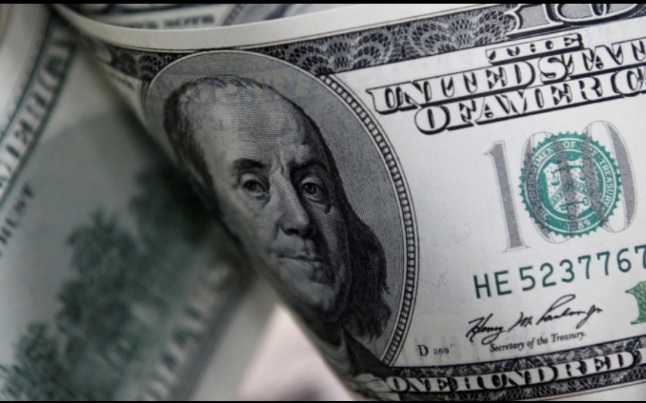
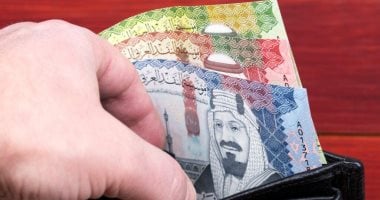
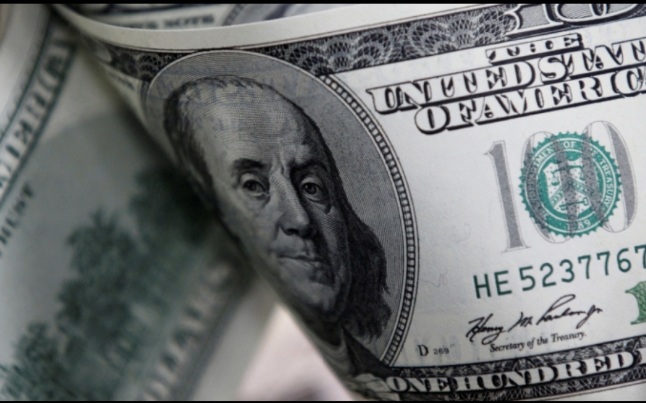
US Dollar
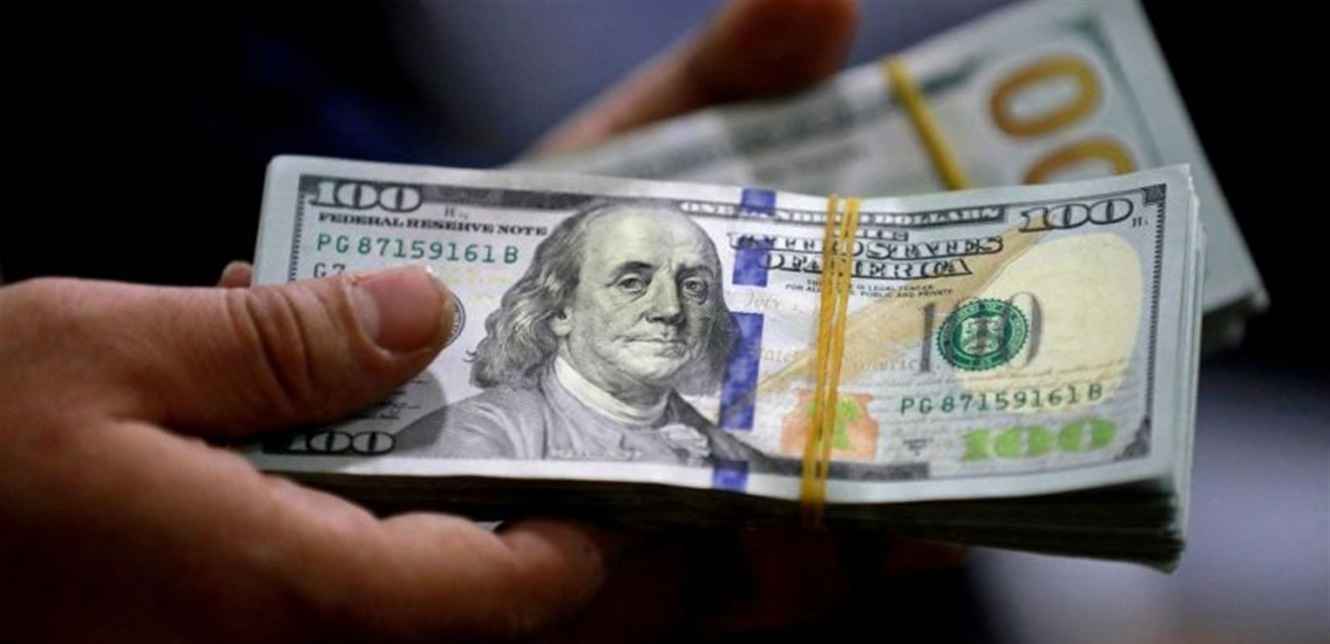
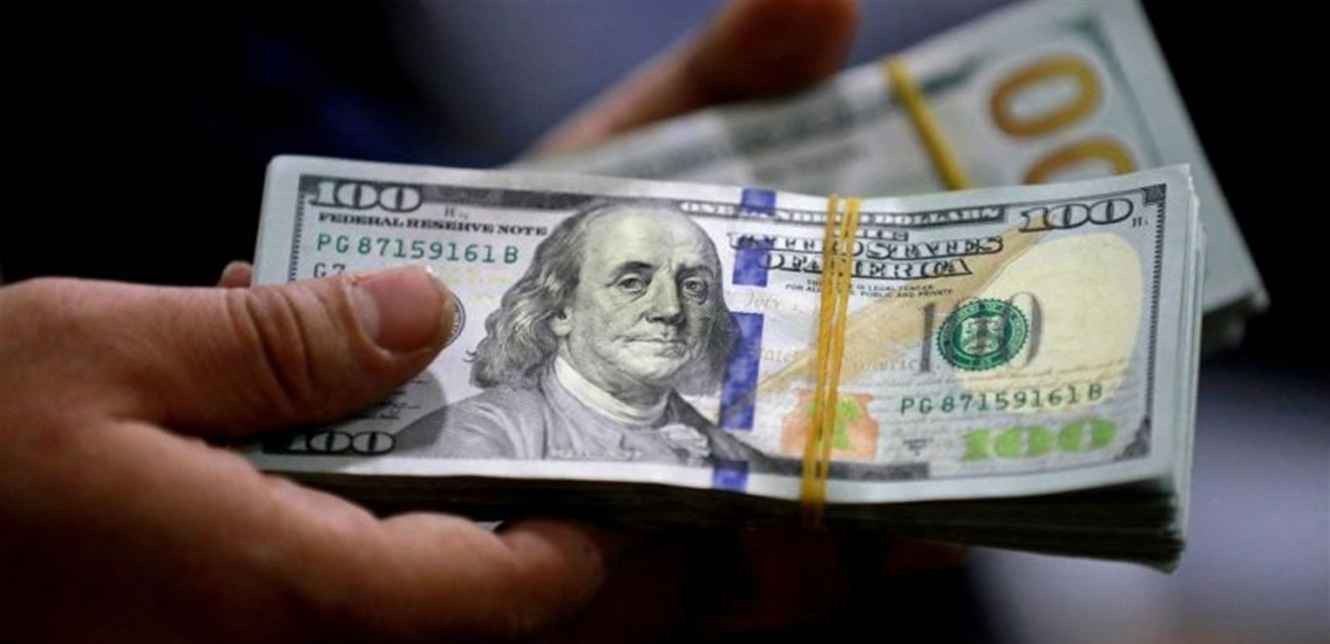
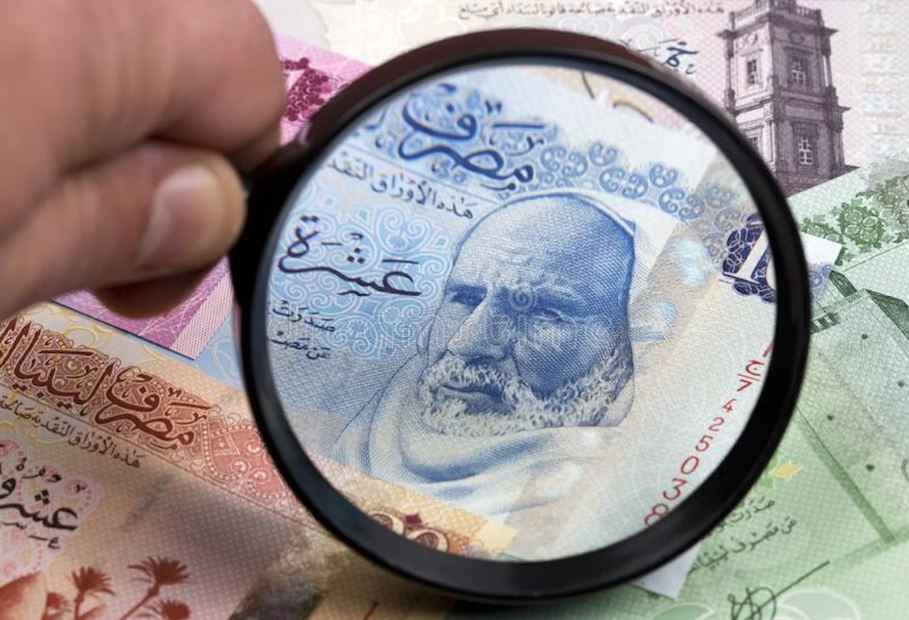
The US Dollar is the official currency of the United States, established by the Coinage Act of 1792. It evolved from a system based on precious metals to a fiat currency, and its global reserve status was solidified by the Bretton Woods Agreement in 1944.
Egyptian Pound
The Egyptian pound (EGP) is the official currency of Egypt, first introduced in 1834 to replace the Egyptian piastre. Its establishment was part of a broader modernization effort under Muhammad Ali Pasha, aiming to create a unified monetary system for the country’s economy.
Central Bank of Egypt
The Central Bank of Egypt was established in 1961, succeeding the National Bank of Egypt, to act as the country’s primary monetary authority and issuer of currency. It is responsible for regulating banks, managing Egypt’s foreign reserves, and implementing monetary policy to ensure economic stability.
National Bank of Egypt
The National Bank of Egypt (NBE), founded in 1898, is the country’s oldest and largest commercial bank. It was established during the reign of Khedive Abbas II and initially acted as Egypt’s central bank, issuing the nation’s currency until the Central Bank of Egypt was formed in 1961. Today, it remains a cornerstone of the Egyptian financial sector with a vast network of branches.
Banque Misr
Banque Misr is Egypt’s first fully Egyptian-owned bank, founded in 1920 by economist Talaat Harb Pasha as part of a nationalist movement to foster economic independence. It played a pivotal role in financing and establishing numerous Egyptian companies in sectors like textiles, transportation, film, and publishing throughout the 20th century. Today, it remains one of the largest and most prominent financial institutions in Egypt.
Banque du Caire
Banque du Caire is a major Egyptian commercial bank founded in 1952, initially to finance and support national projects and the Egyptian private sector following the 1952 Revolution. It has since grown into a significant financial institution with a wide network of branches across the country, playing a key role in Egypt’s modern economic development.
Commercial International Bank
Commercial International Bank (CIB) is Egypt’s largest private sector bank, founded in 1975. It has grown from a joint venture with Chase Manhattan Bank into a publicly traded financial institution that plays a major role in the country’s economy.
Bank of Alexandria
The Bank of Alexandria, founded in Egypt in 1957, was the first national bank established after the 1952 revolution. It played a key role in financing Egyptian industry and development projects, and today it operates as a major commercial bank following its privatization in 2006.
Cairo
Cairo is the sprawling capital of Egypt, founded in 969 CE by the Fatimid dynasty near ancient sites like the Pyramids of Giza. It is a historic center of the Islamic world, famed for landmarks such as the Al-Azhar Mosque and the medieval Cairo Citadel.
Zamalek
Zamalek is an affluent, leafy district located on Gezira Island in the Nile River within Cairo, Egypt. Historically developed in the late 19th and early 20th centuries, it became a prestigious residential area for foreign diplomats and the Egyptian elite, known for its European-style architecture and cultural venues like the Cairo Opera House.