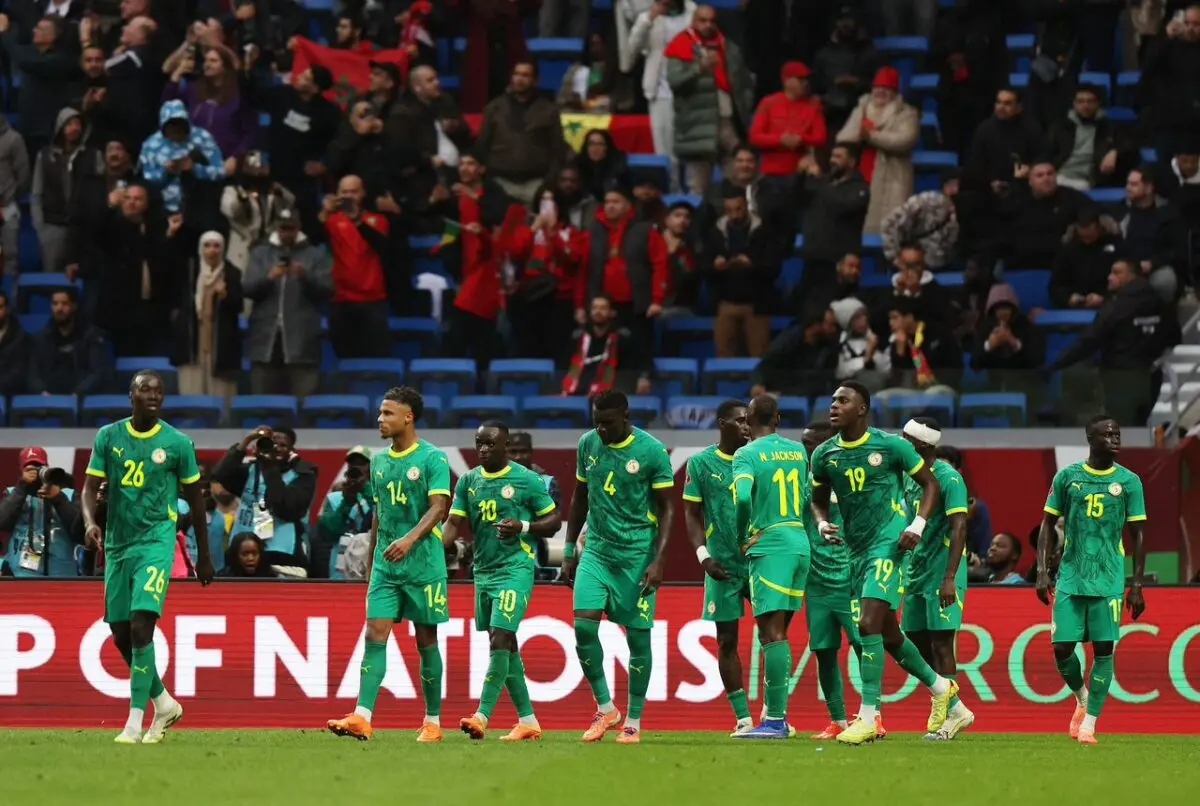
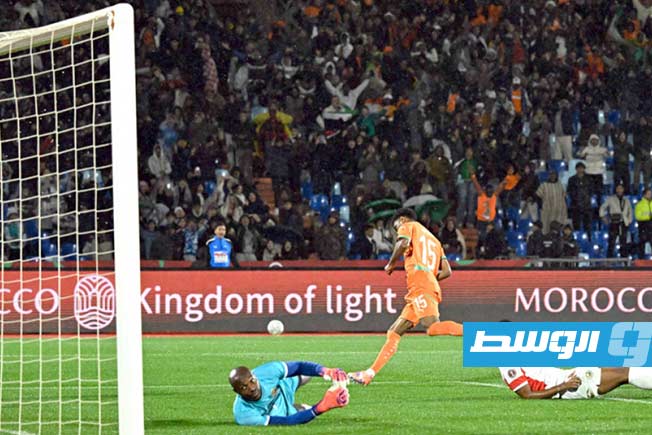
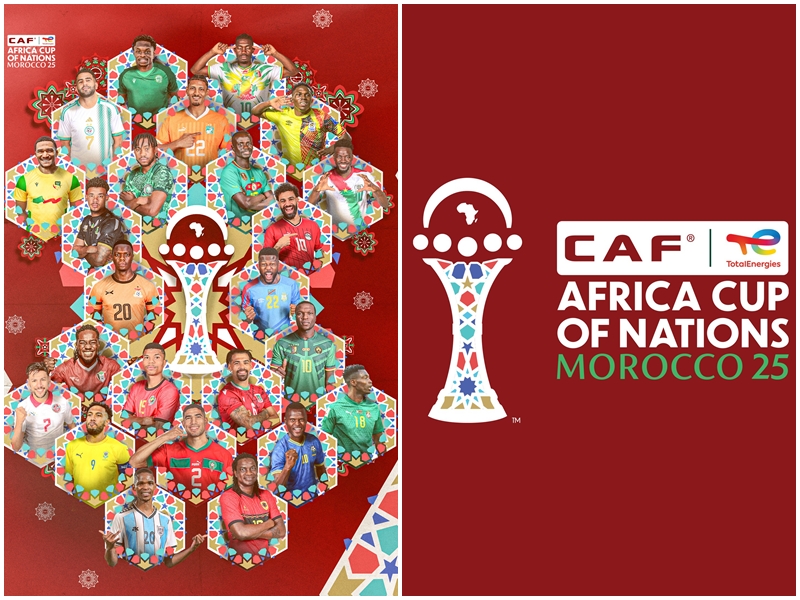
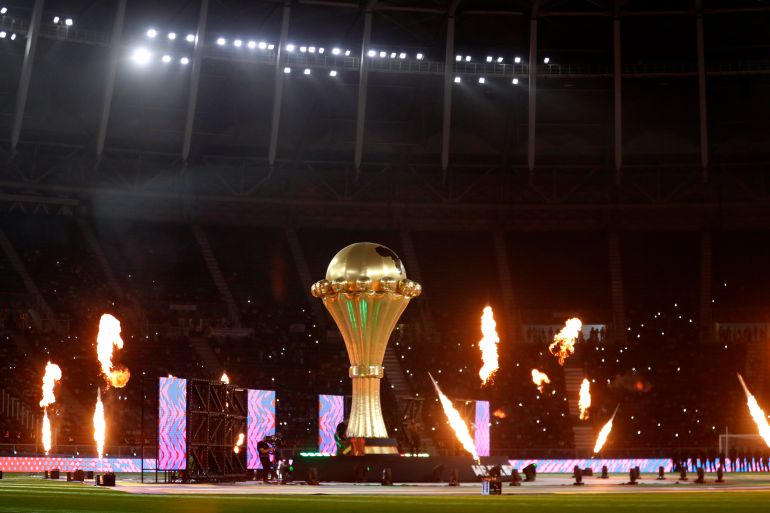
Parallel to the race for the top scorer title at the 2025 Africa Cup of Nations in Morocco, statistics from the first round have revealed a special battle in goal creation.
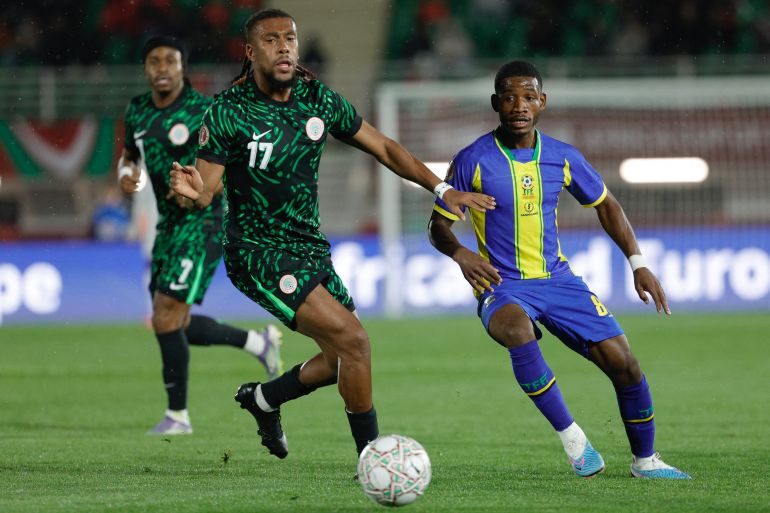
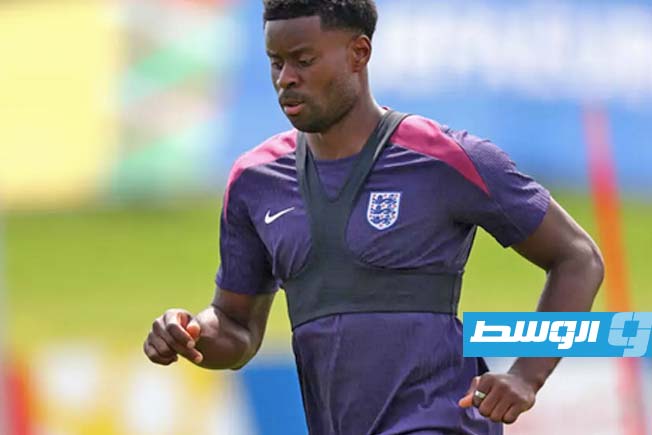
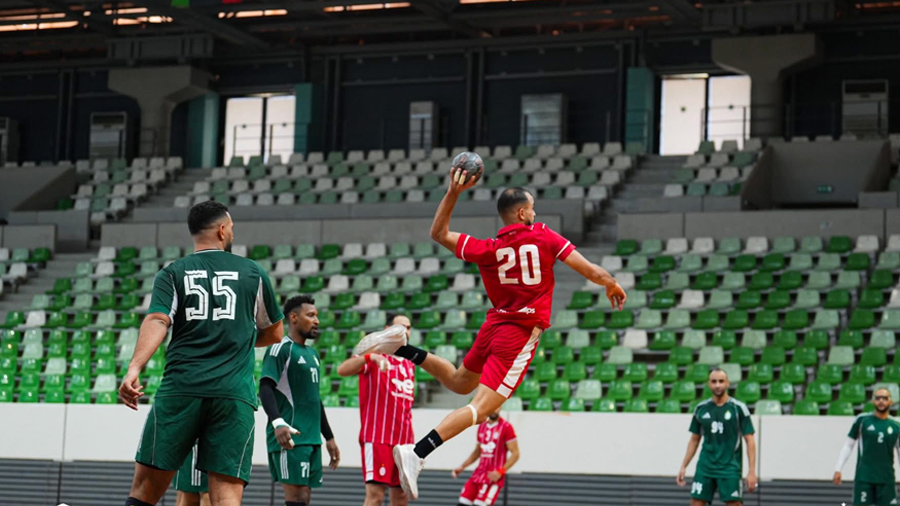
Nigerian star Alex Iwobi has taken sole possession of the top spot on the assist providers list, becoming the only player to successfully deliver two key passes during the opening round.
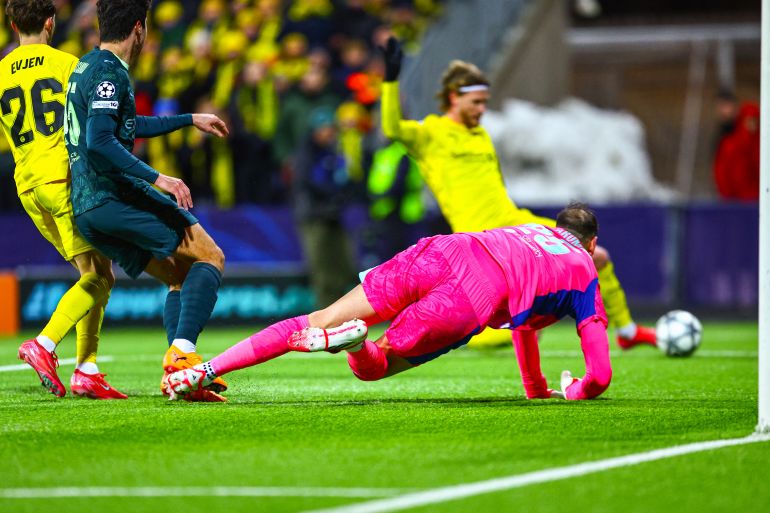
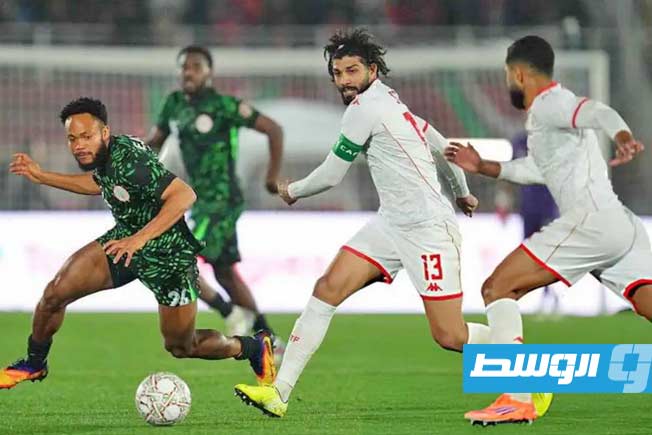
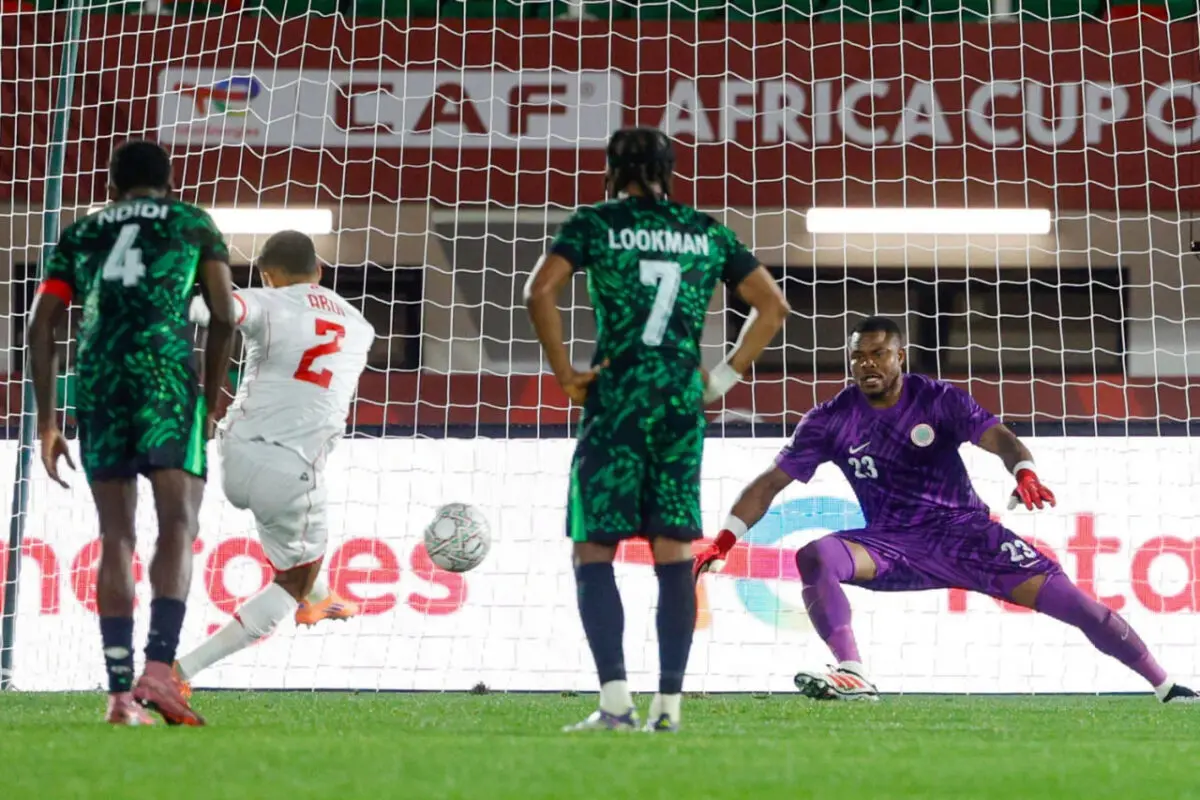
The English Fulham winger played a pivotal role in the “Super Eagles” 2-1 victory over Tanzania in Group C, after creating goals for his teammates Semi Ajayi and Ademola Lookman, confirming his technical superiority and his ability to make the difference with a single touch.
Thanks to his outstanding creative performance, Iwobi equaled a 12-year-old record previously held by former Super Eagles captain John Obi Mikel, becoming only the second Nigerian player since 2010 to record two key assists in a single Africa Cup of Nations match.
With this achievement, Iwobi sits atop the “assist providers” list, outperforming 23 other players who each managed only one key assist during the first 12 matches of the tournament.
The list also featured a notable Arab presence, reflecting the attacking strength of Arab national teams:
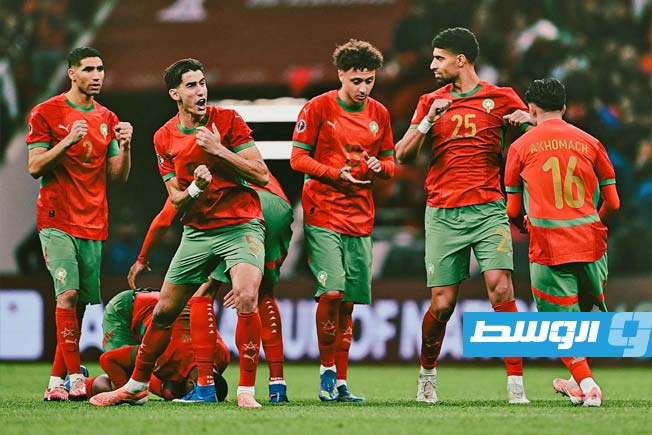
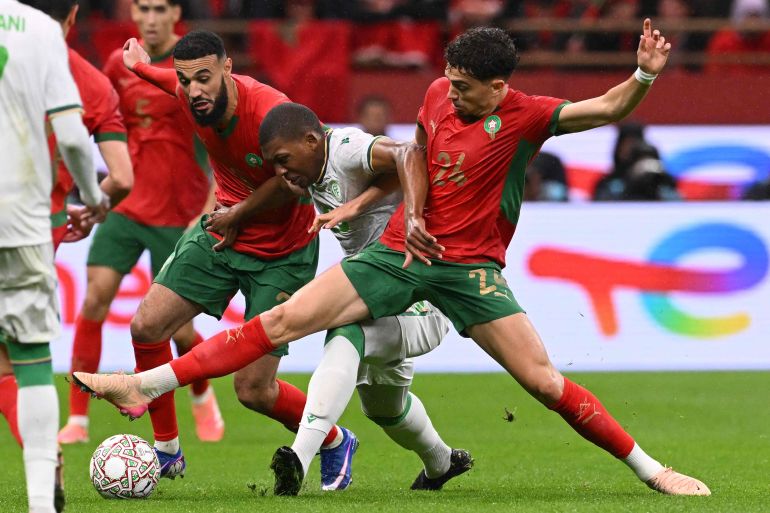
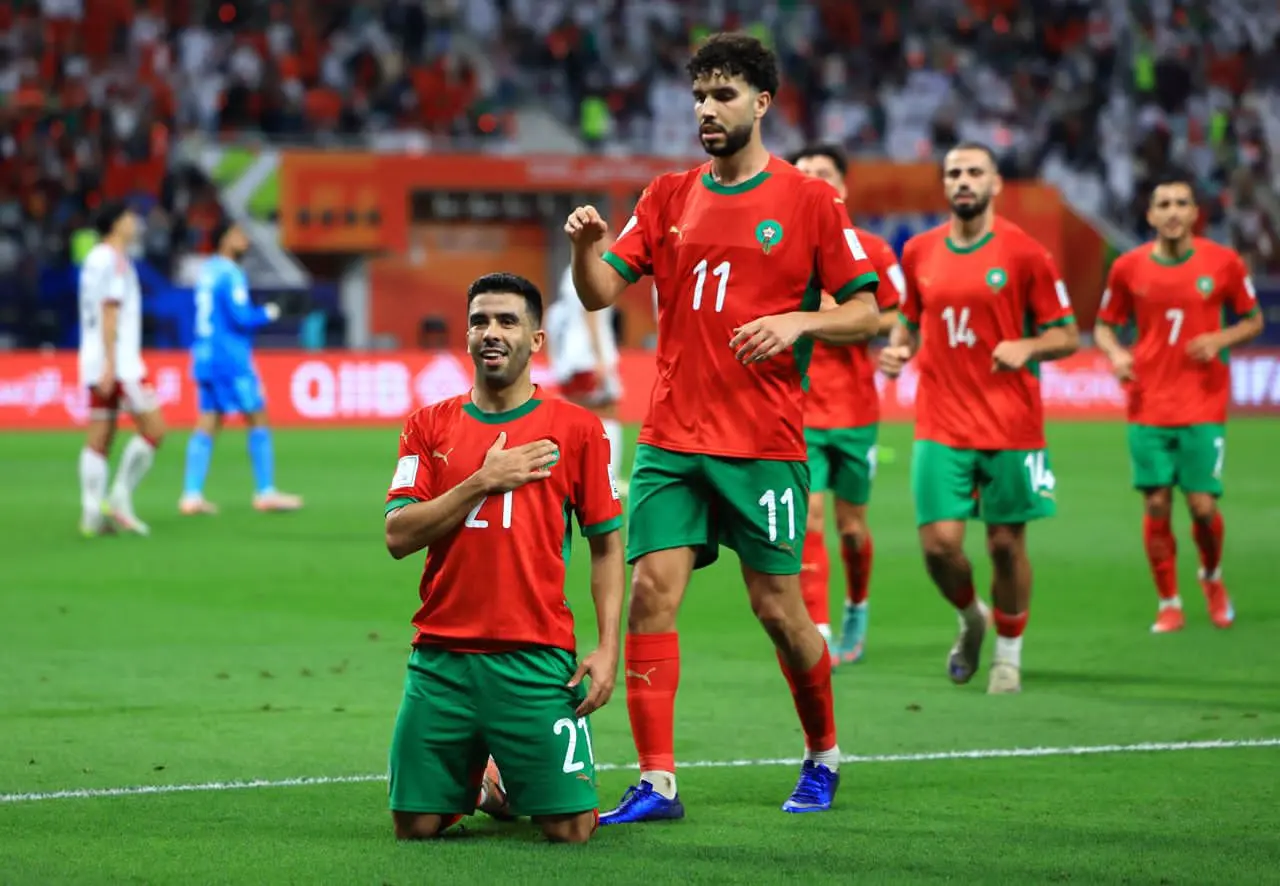
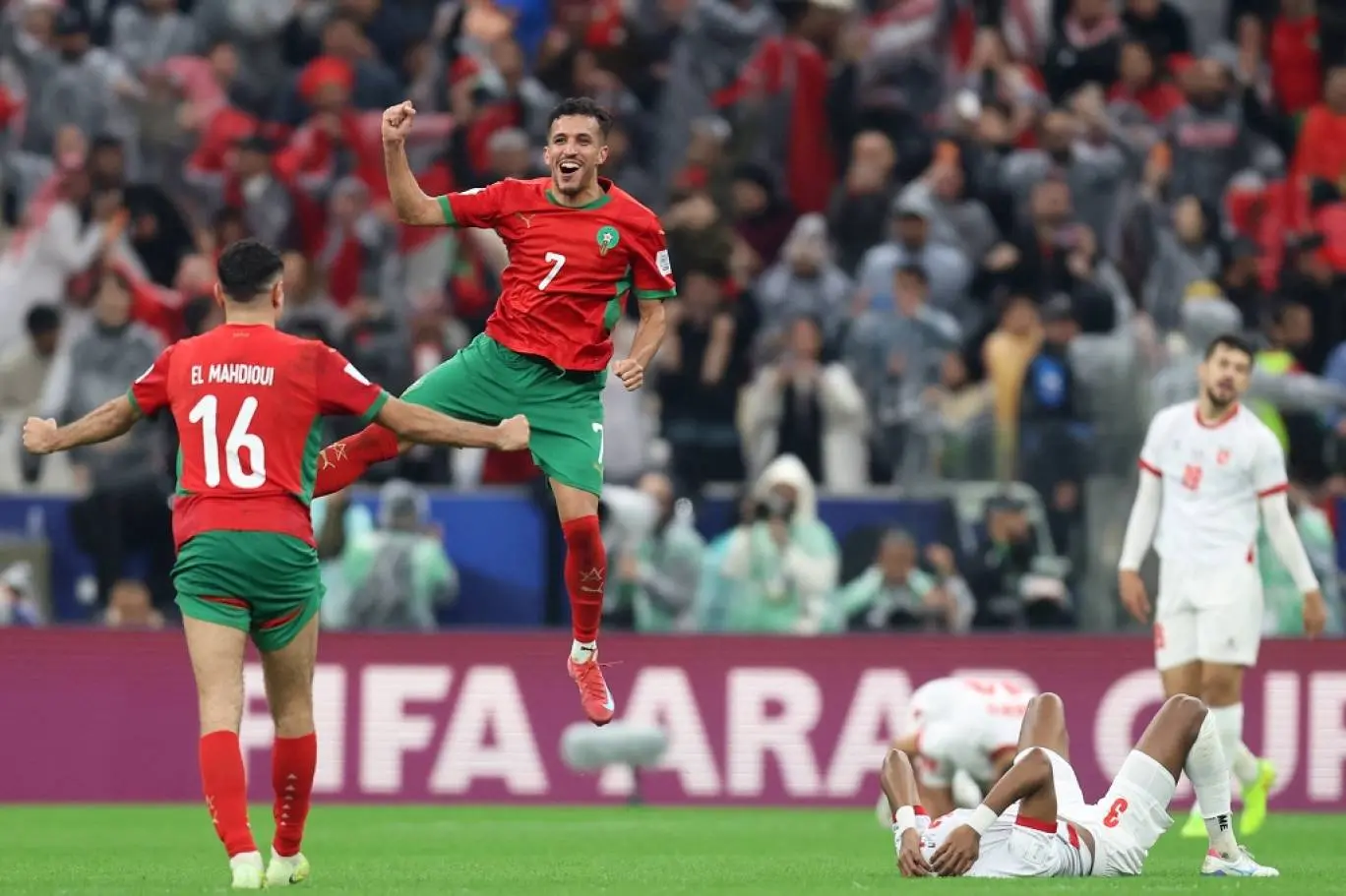
- The Moroccan duo Nassir Mazraoui and Anas Salah Eddine: (one key assist each)
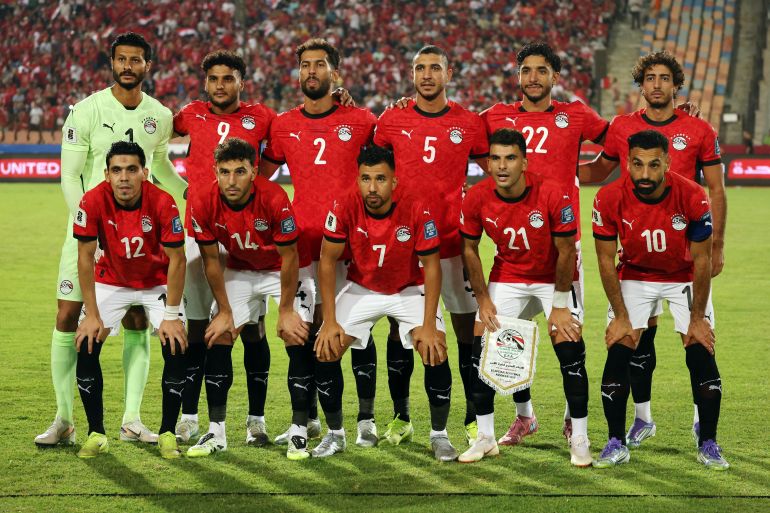
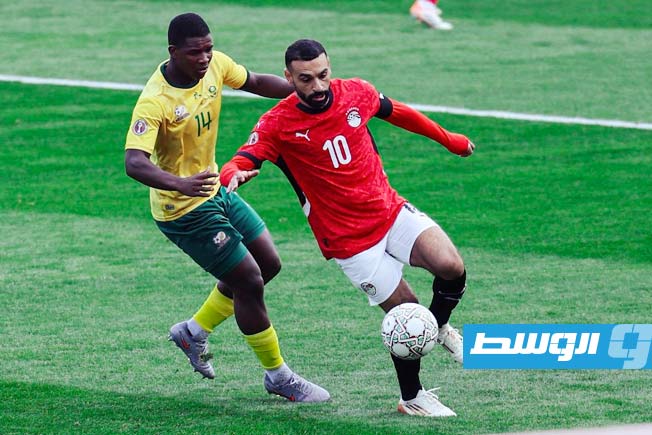
- The Egyptian duo Mostafa Mohamed and Mohamed Hamdy: (one key assist each in the 2-1 win over Zimbabwe)
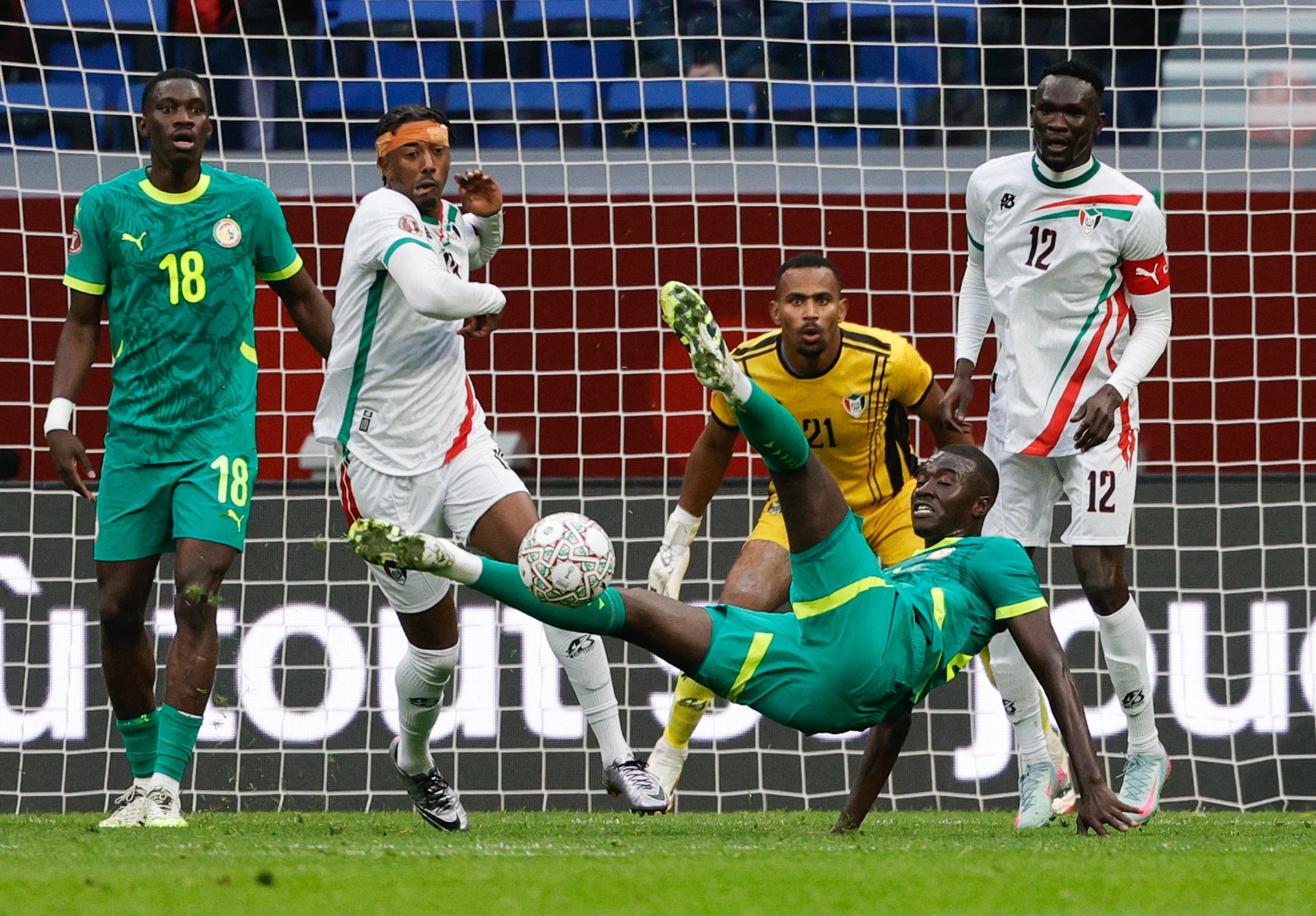
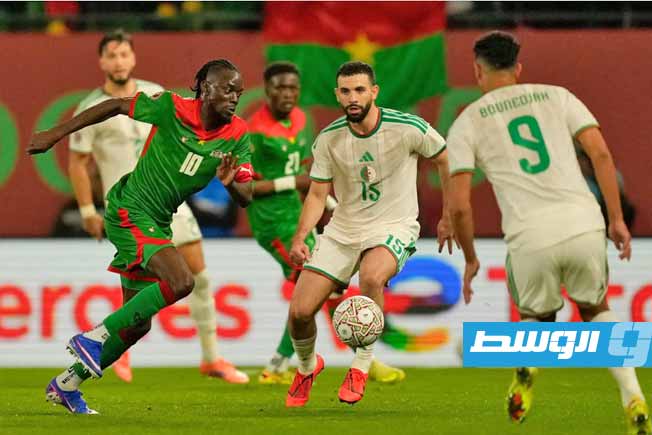
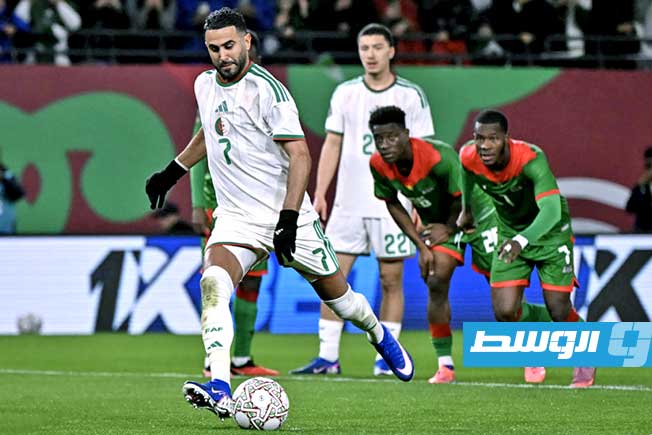
- The Algerian trio Mohamed Amoura, Hicham Boudaoui, and Baghdad Bounedjah: (one key assist each during the 3-0 win over Sudan).
- The Tunisian duo Ali Abdi and Hannibal Mejbri: (one key assist each during the 3-1 win over Uganda).
Nigeria
Nigeria is a West African country with a rich history shaped by ancient kingdoms like the Nri and Benin, the transatlantic slave trade, and British colonization before gaining independence in 1960. It is Africa’s most populous nation and a cultural powerhouse, notably through its globally influential film industry, Nollywood, and diverse artistic traditions.
Tanzania
Tanzania is an East African nation home to significant cultural and natural sites, most notably the Serengeti National Park and Mount Kilimanjaro. Its history includes being a hub for ancient trade routes, a German and later British colony, and achieving independence in 1961. The country is also renowned for its archaeological importance, containing some of the earliest human settlement sites at Olduvai Gorge.
Africa Cup of Nations
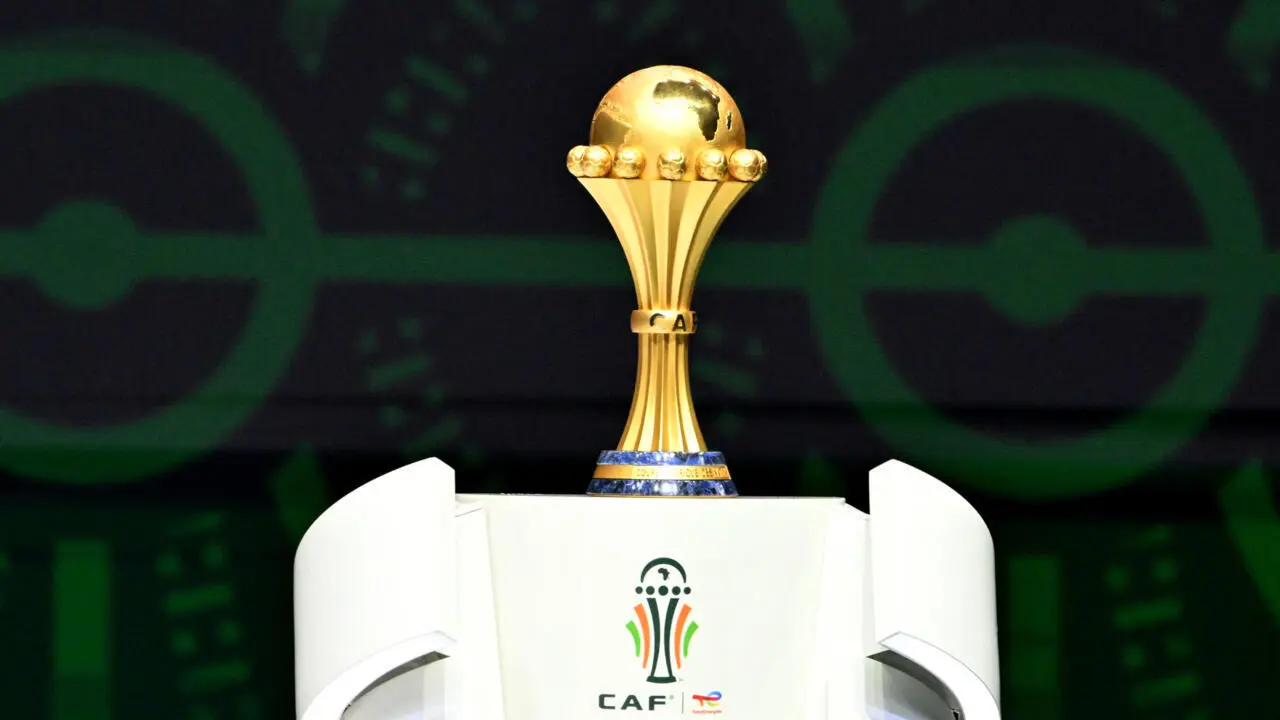
The Africa Cup of Nations (AFCON) is the premier international men’s football competition in Africa, first held in 1957. It was founded to unite African nations through sport and has grown from three initial participants to a major tournament featuring 24 national teams.
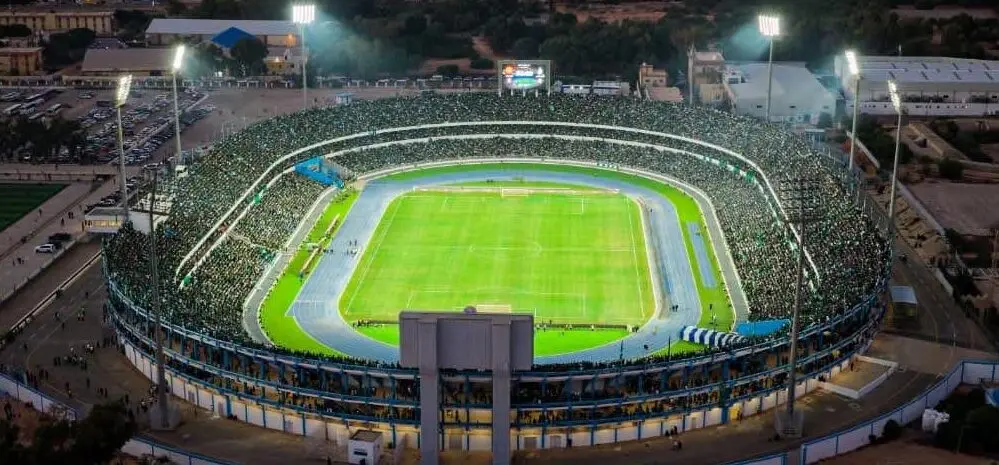
Fez Stadium
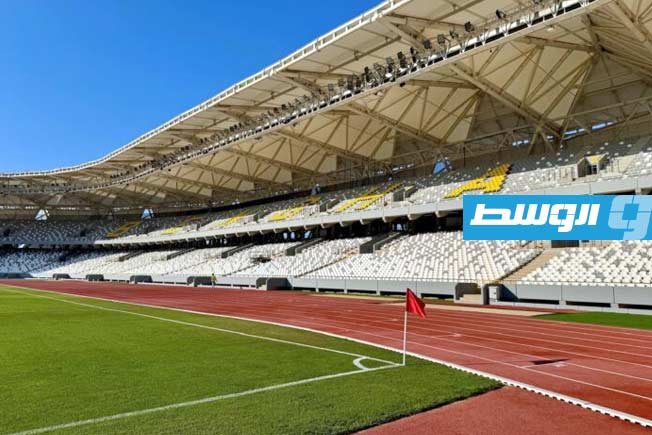
Fez Stadium, officially known as the Fez Sports Complex, is a multi-purpose stadium in Fez, Morocco, primarily used for football. It was inaugurated in 2003 and served as a key venue for the 2013 FIFA Club World Cup and the 2014 African Nations Championship. The stadium is the home ground of the Maghreb Association Sportive of Fez and represents a modern sporting hub in the historic city.
Fes
Fes, located in northern Morocco, is one of the world’s oldest and largest medieval cities, founded in the 8th and 9th centuries. It is renowned for its historic medina, Fes el Bali, a UNESCO World Heritage site, and for housing the University of al-Qarawiyyin, founded in 859 and considered the oldest continuously operating university in the world.
Morocco
Morocco is a North African country with a rich history shaped by indigenous Amazigh (Berber) cultures, Arab influence from the 7th century, and successive dynasties like the Almoravids and Almohads. Its cultural sites, such as the ancient Roman ruins of Volubilis and the historic medinas of Fez and Marrakech, reflect this diverse heritage and its role as a crossroads of civilizations.
Fulham
Fulham is a district in West London, historically part of Middlesex, known for its Thames-side location and the iconic Fulham Palace, which served as the residence of the Bishops of London for over 1,300 years. Its history is deeply tied to the river, with its growth significantly influenced by the arrival of the railway in the 19th century. Today, it is a residential area famous for its football club, Fulham F.C., and the historic Craven Cottage stadium.
Zimbabwe
Zimbabwe is a country in southern Africa known for the ancient stone city of Great Zimbabwe, which flourished between the 11th and 15th centuries as the capital of a wealthy trading empire. The modern nation, named after this archaeological site, gained independence from British colonial rule in 1980. Its history includes the pre-colonial Kingdom of Mapungubwe, the colonial era formerly known as Rhodesia, and a complex post-independence period.
Sudan
Sudan, located in Northeast Africa, is home to ancient civilizations, most notably the Kingdom of Kush, which ruled from the city of Meroë and even conquered Egypt to establish the 25th Dynasty. Its modern history was marked by a long civil war and the secession of South Sudan in 2011, leading to its current status as the third-largest country in Africa.
Uganda
Uganda is a landlocked East African nation known for its diverse landscapes, including the source of the Nile River and mountain gorilla habitats. Its history includes powerful kingdoms like Buganda, British colonial rule from the late 19th century, and independence achieved in 1962. The country’s rich culture is a blend of numerous ethnic groups, each with distinct traditions, music, and languages.