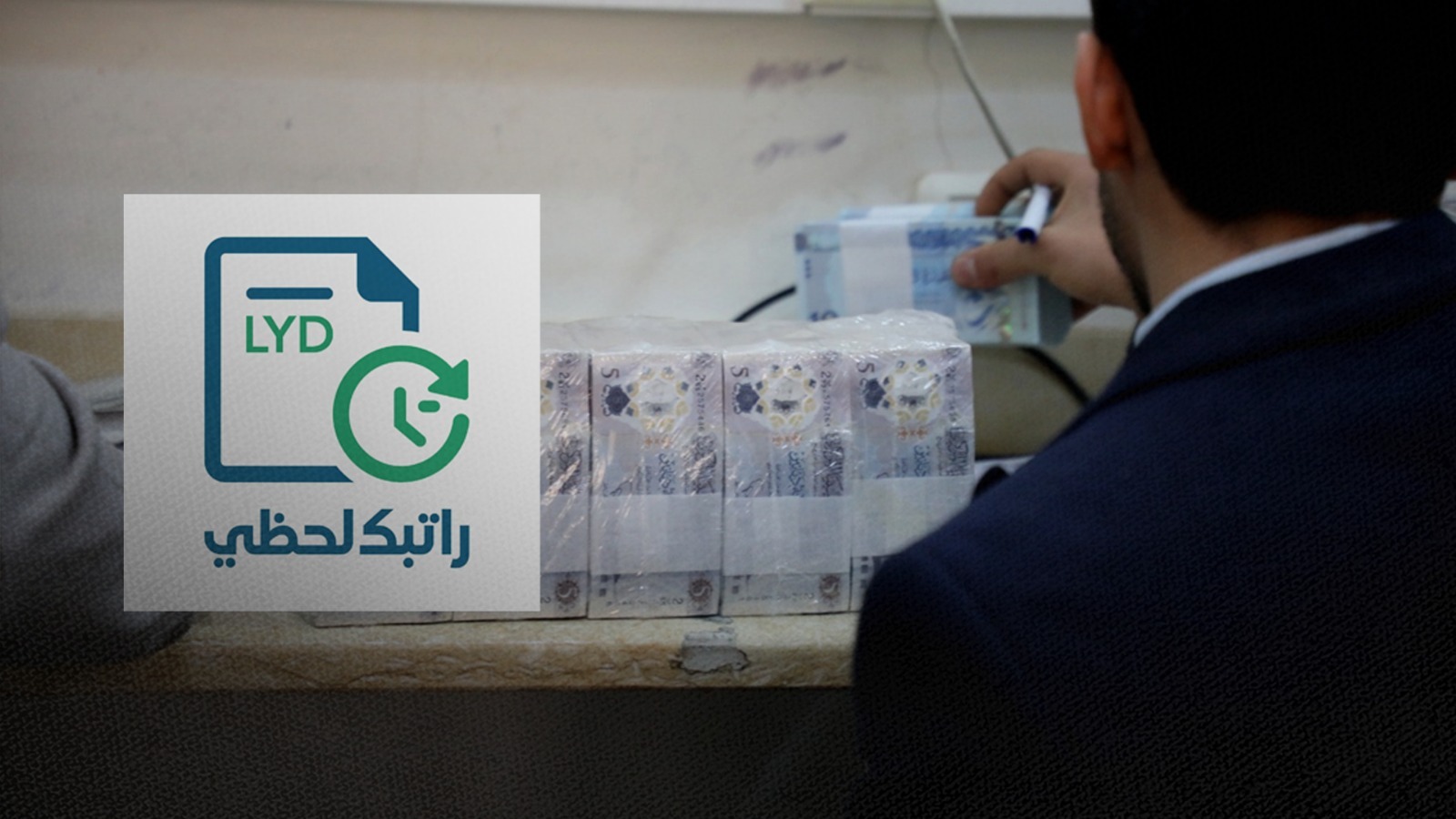
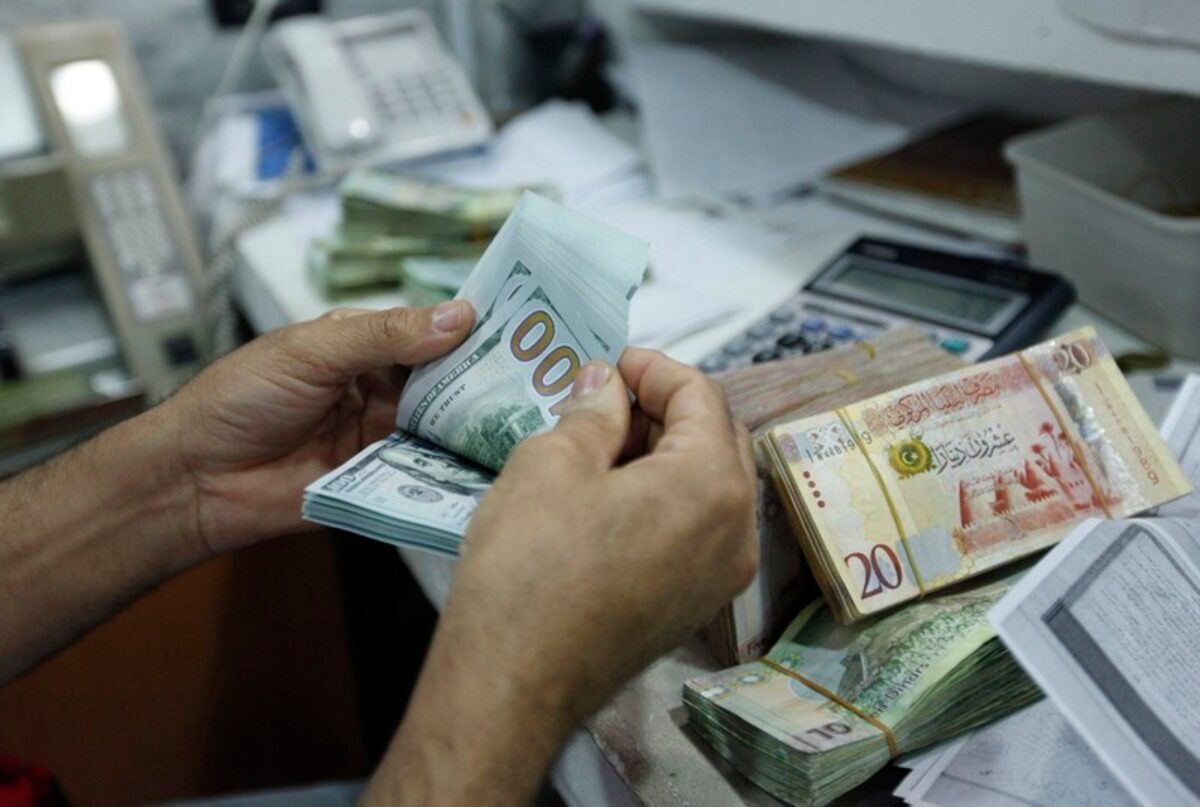
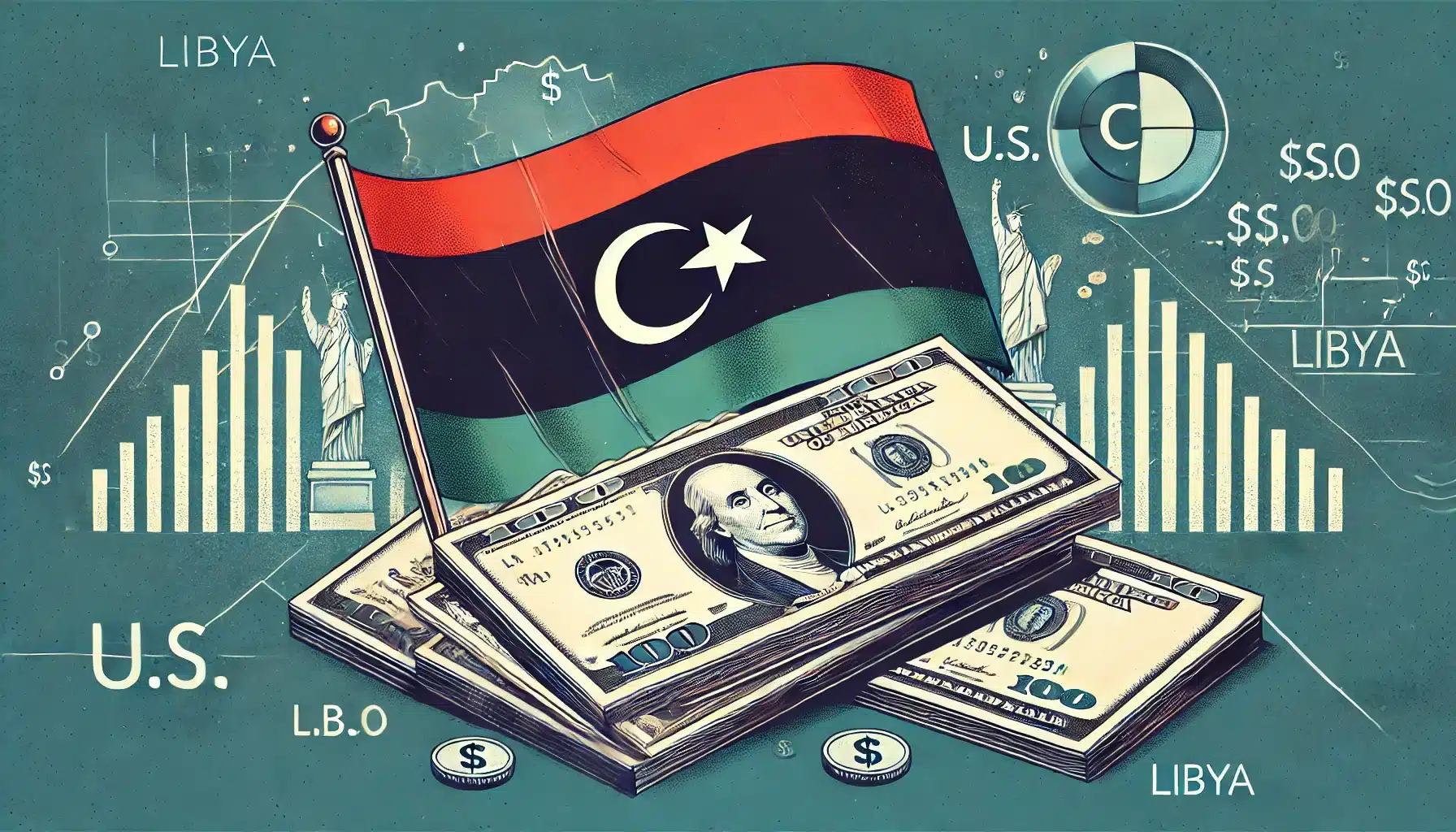
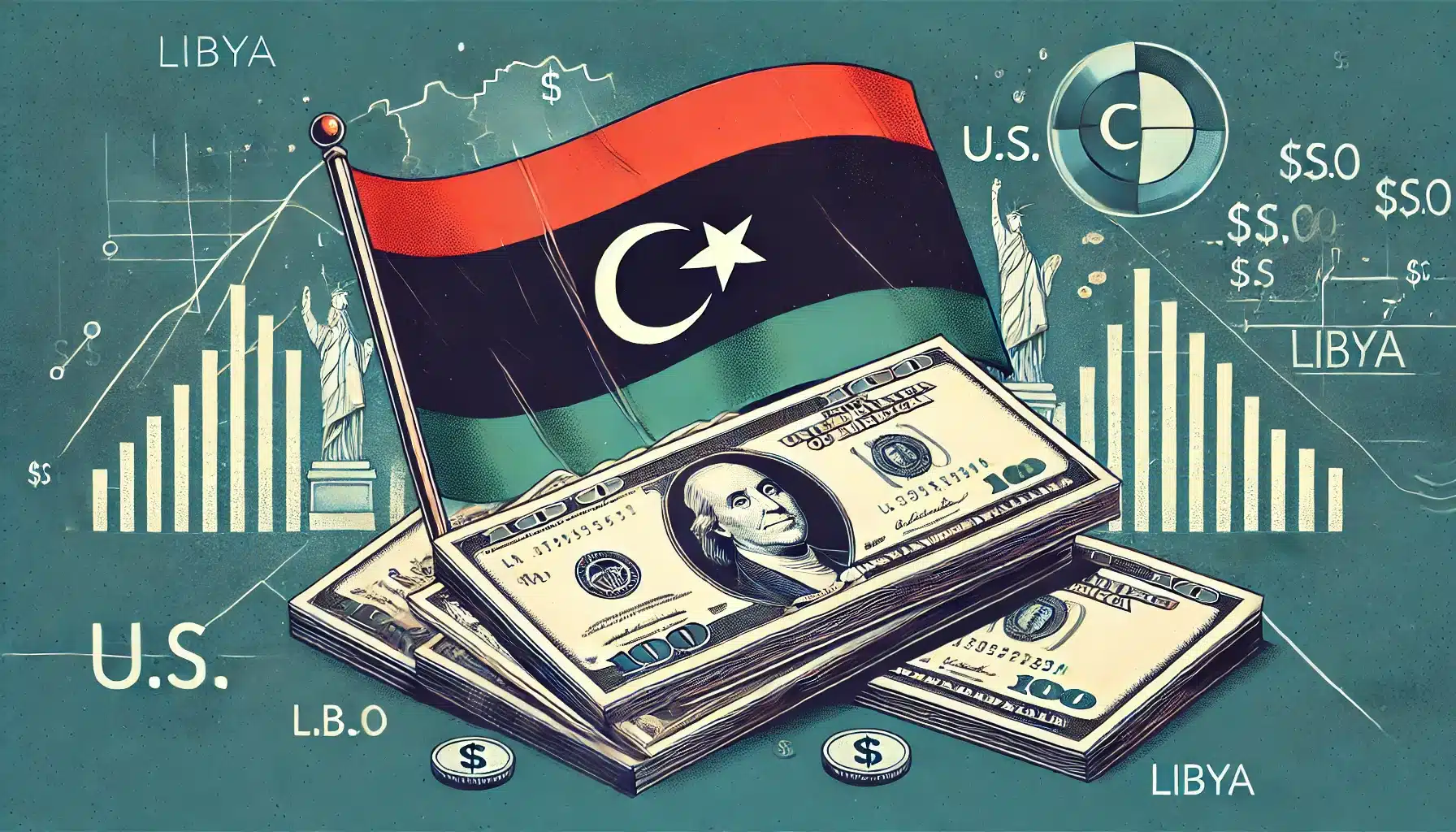
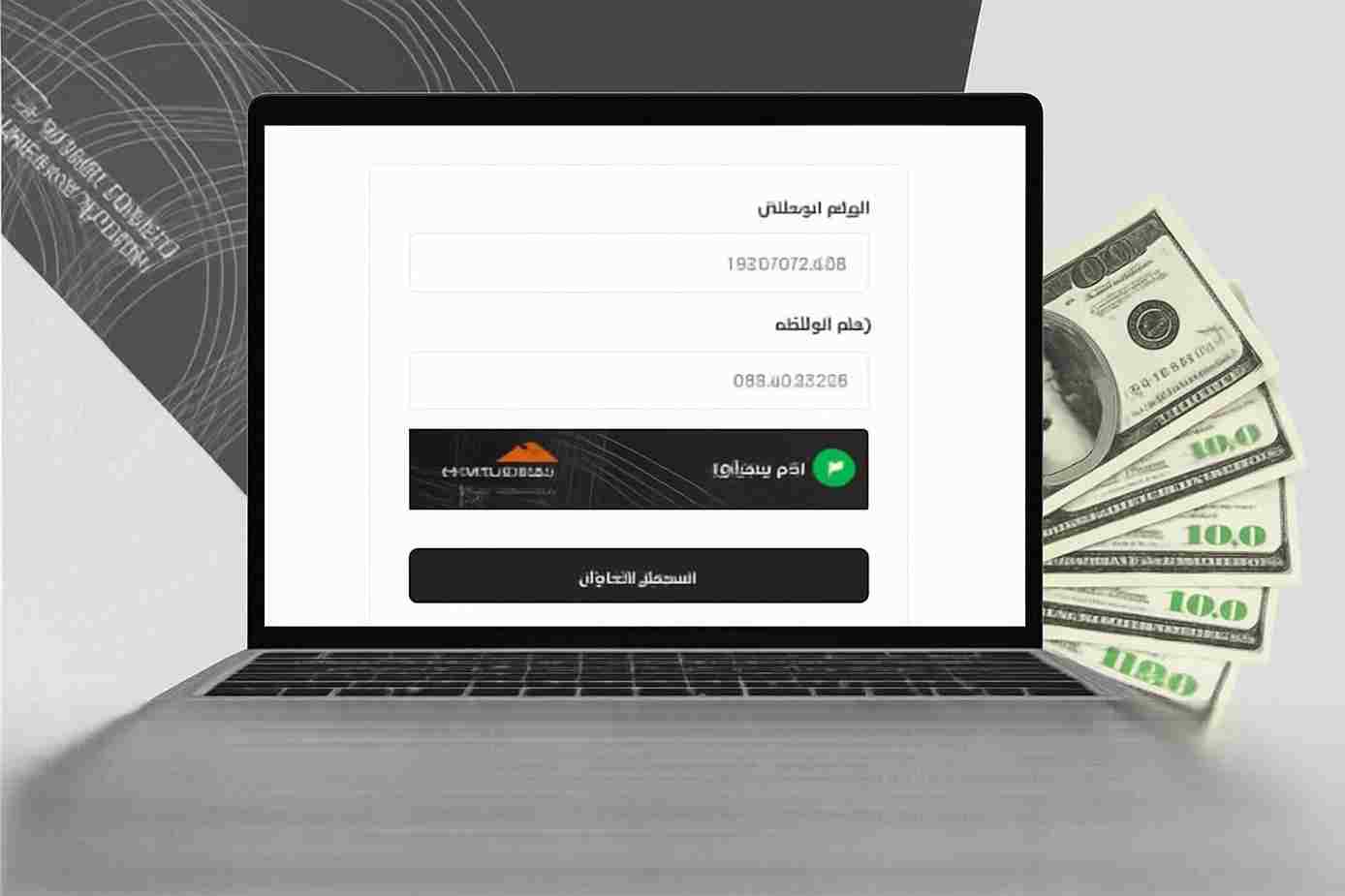
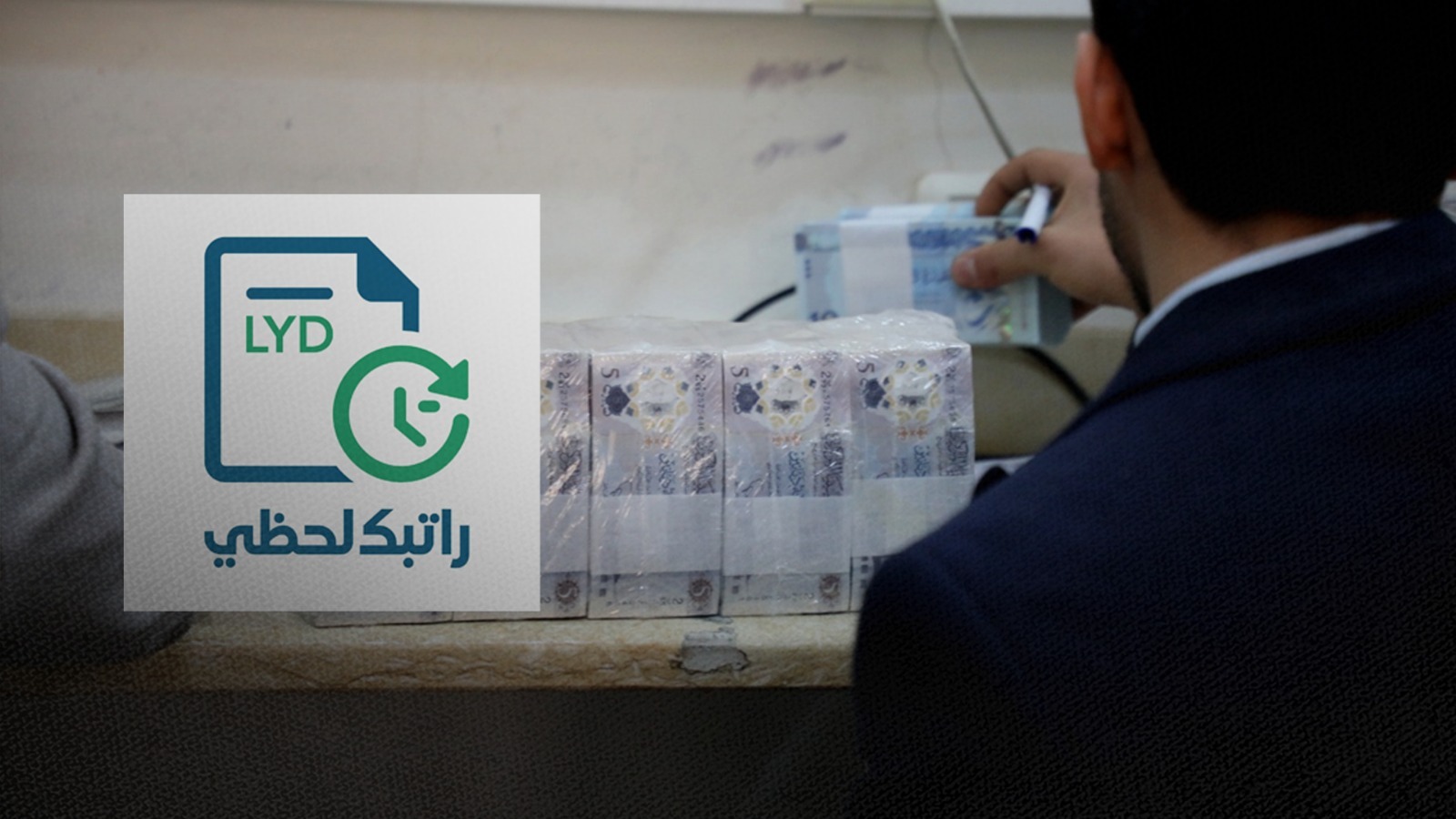
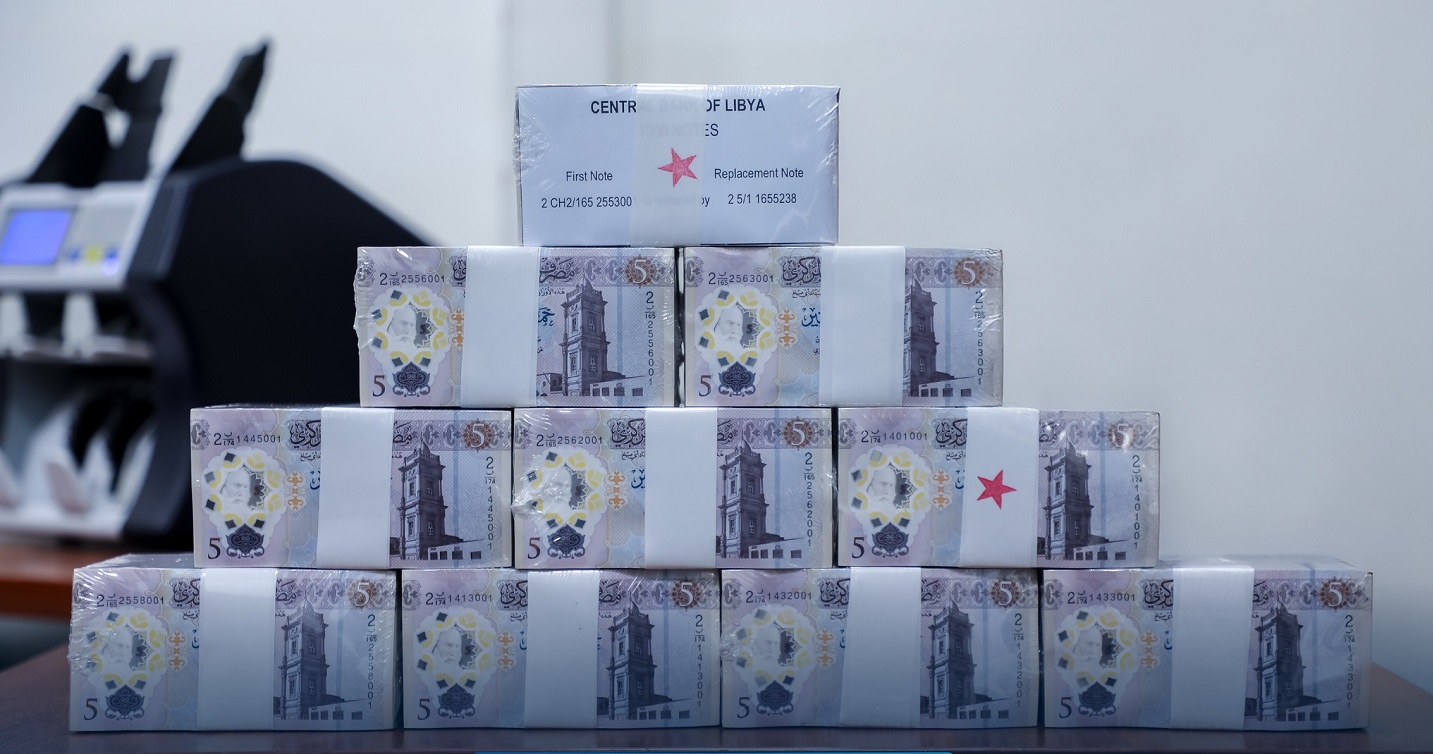
Despite salaries being disbursed nearly a week ago via the “Instant Salary” service, and the continued payment of salaries in a number of other sectors successively, the cash liquidity crisis continues to cast a shadow over citizens’ lives, due to the difficulty of obtaining money from banks.
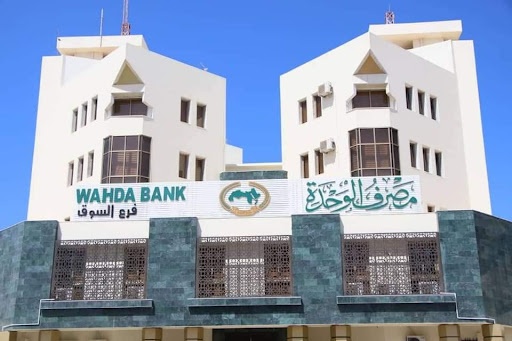
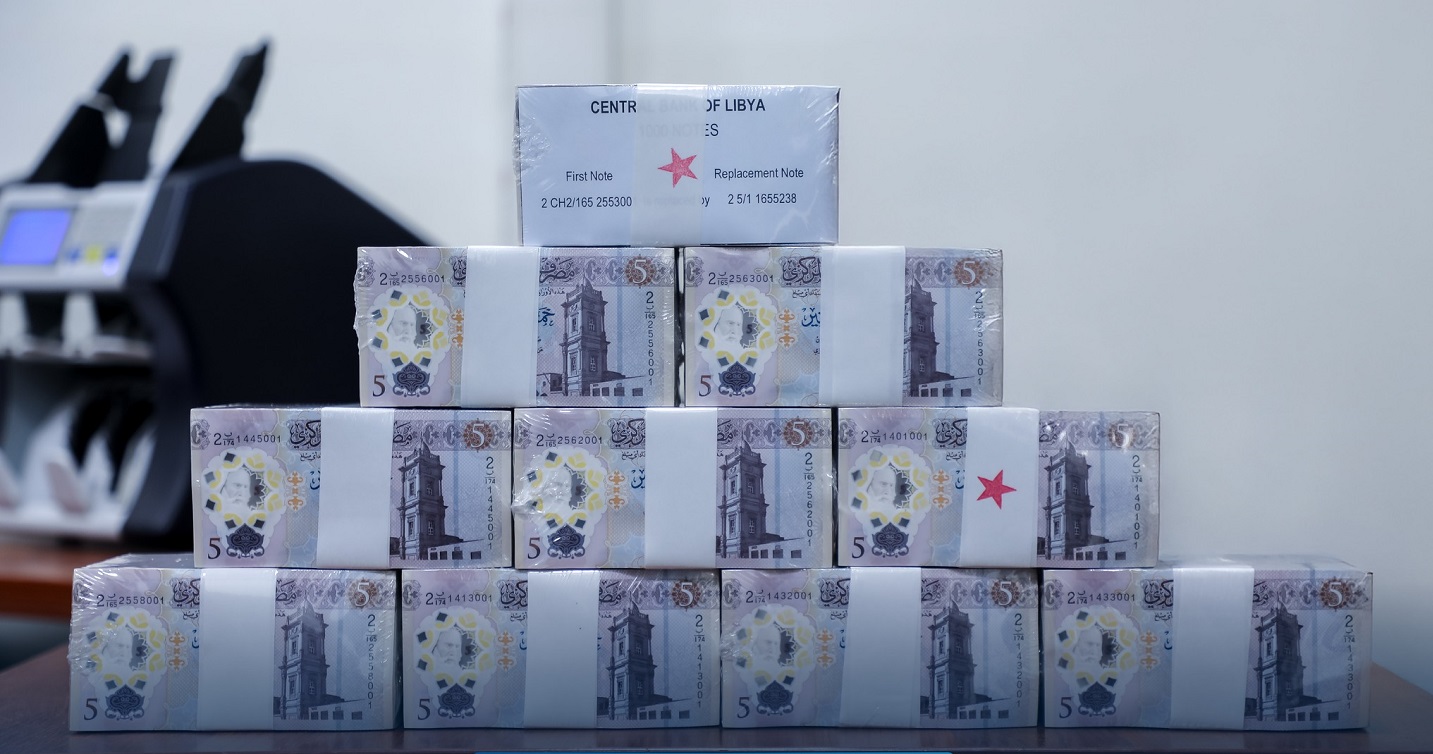
According to a field survey conducted at several branches of commercial banks, most bank branches have received quantities of cash liquidity in the recent period. However, this has not been reflected in the reality of withdrawals, as banks remain closed to regular disbursement operations, with most ATMs either out of service or lacking cash.
Citizens pointed out that the continuation of this situation increases their daily suffering, especially given living expenses and rising prices. They confirmed that receiving salaries without available liquidity turns them into electronic numbers that cannot be practically utilized.
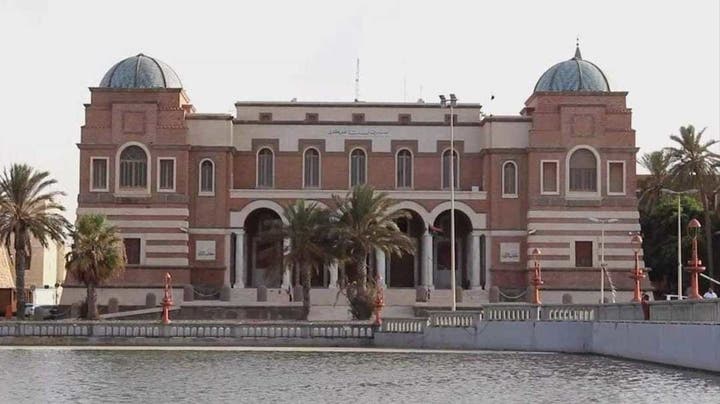
Amid this scene, citizens are awaiting urgent intervention from the central bank to put an end to the liquidity crisis and ensure they can access their financial entitlements, hoping for a near breakthrough that alleviates the severity of the deteriorating economic burdens.
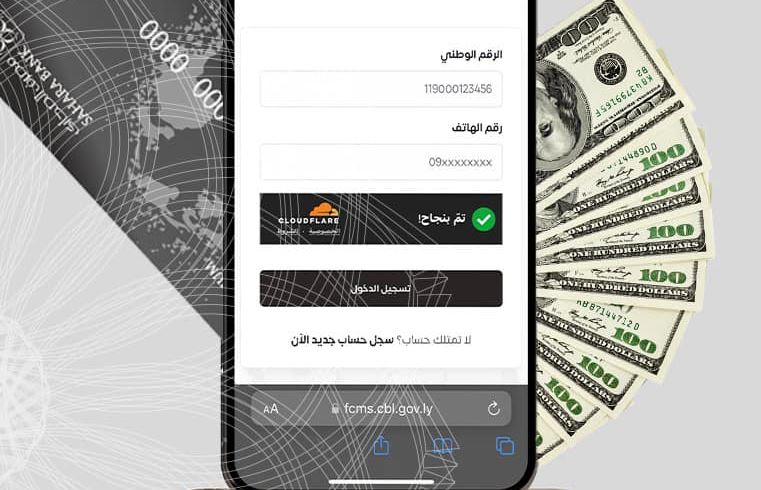
Instant Salary
“Instant Salary” is a modern financial service concept, not a traditional cultural or historical site. It refers to systems, often app-based, that allow employees to access a portion of their earned wages before the scheduled payday. This practice emerged in the 21st century as part of the fintech industry’s focus on providing greater liquidity and flexibility for workers.
banks
Banks are financial institutions that have existed since ancient times, with early forms emerging in Mesopotamia and later developing into more recognizable models in Renaissance Italy. They serve as custodians for deposits, provide loans, and facilitate economic transactions, forming a cornerstone of modern commerce and personal finance.
ATMs
ATMs, or Automated Teller Machines, are electronic banking outlets that allow customers to complete basic transactions without a bank teller. The first working ATM was installed by Barclays Bank in Enfield, London, in 1967, invented by John Shepherd-Barron. They have since become a ubiquitous global technology, revolutionizing personal finance by providing 24/7 access to cash withdrawals and other banking services.
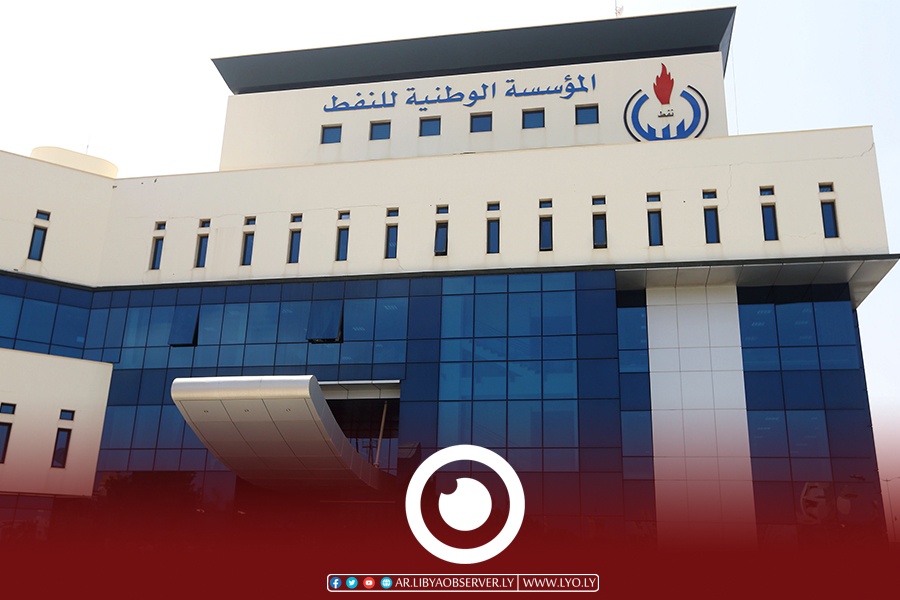
central bank
The central bank is a nation’s primary monetary authority, responsible for managing currency, controlling interest rates, and ensuring financial stability. Its modern history began with institutions like Sweden’s Riksbank (1668) and the Bank of England (1694), which evolved from financing government debt into pivotal regulators of the entire banking system.