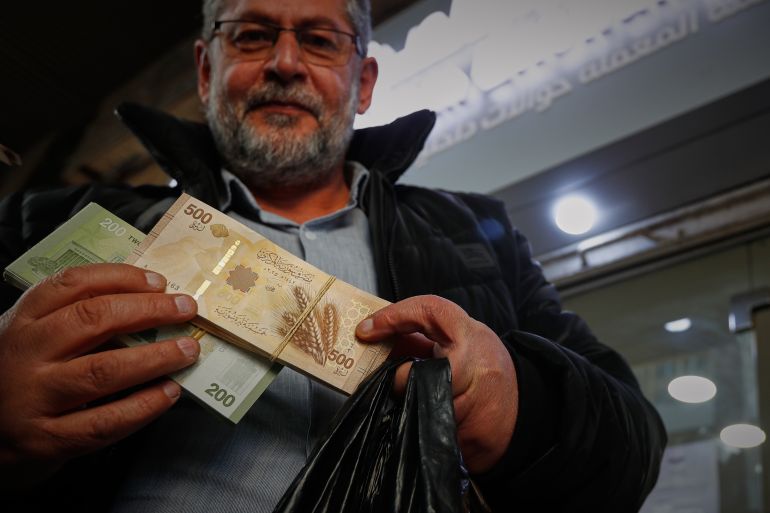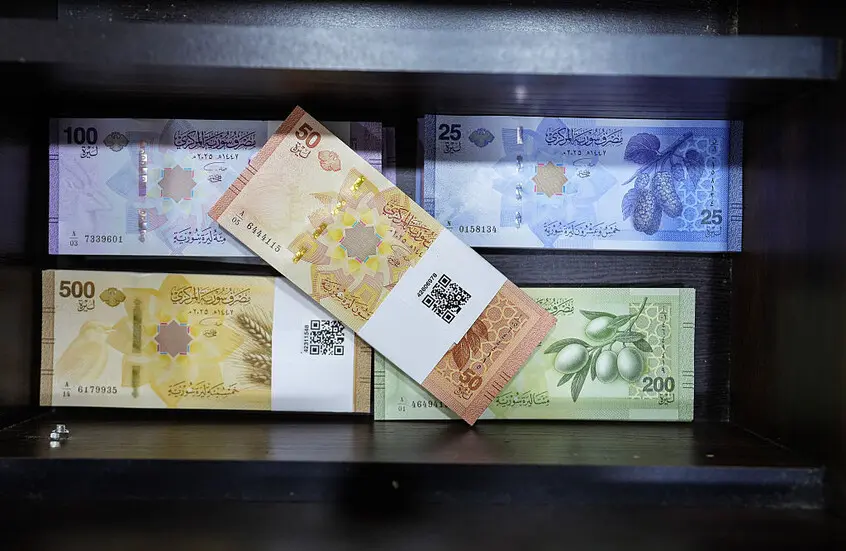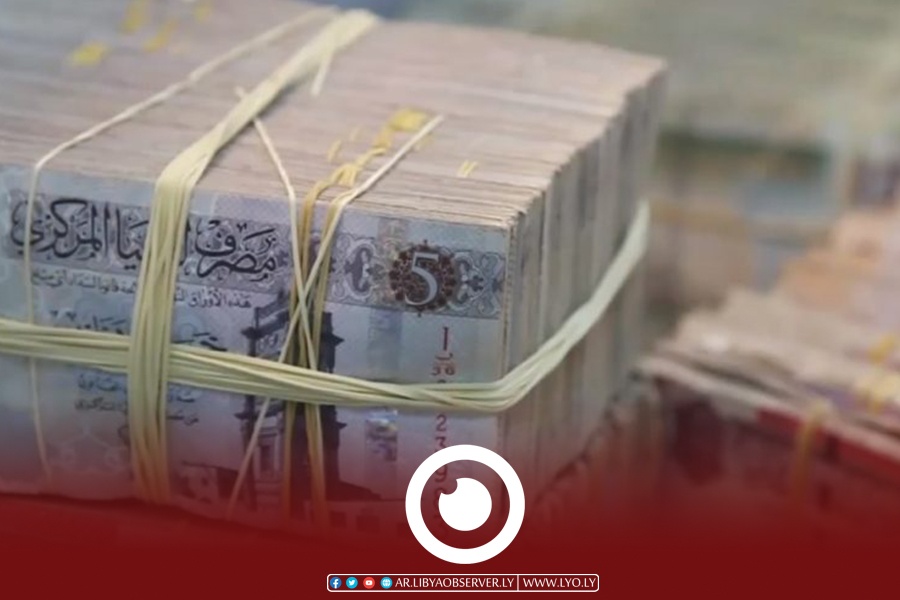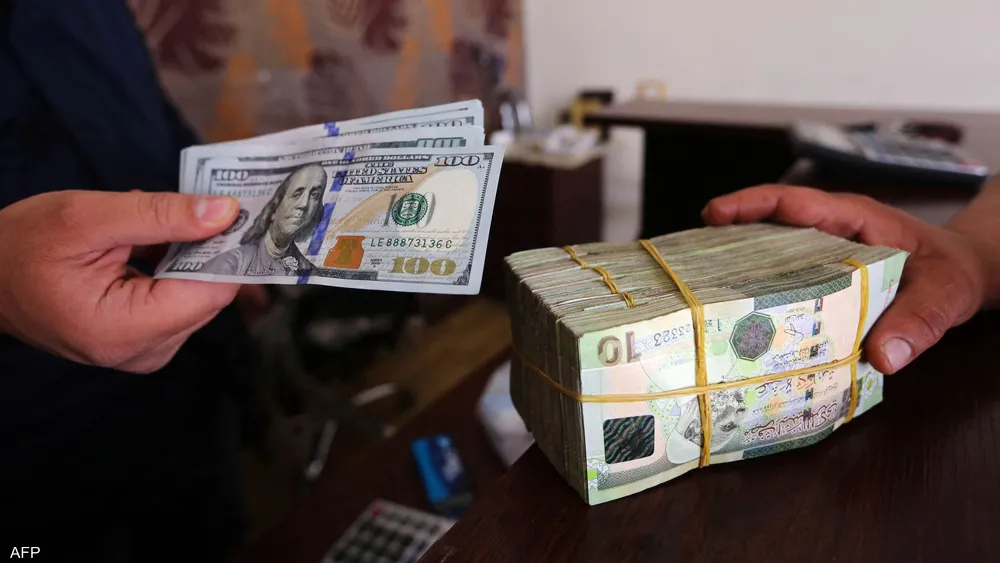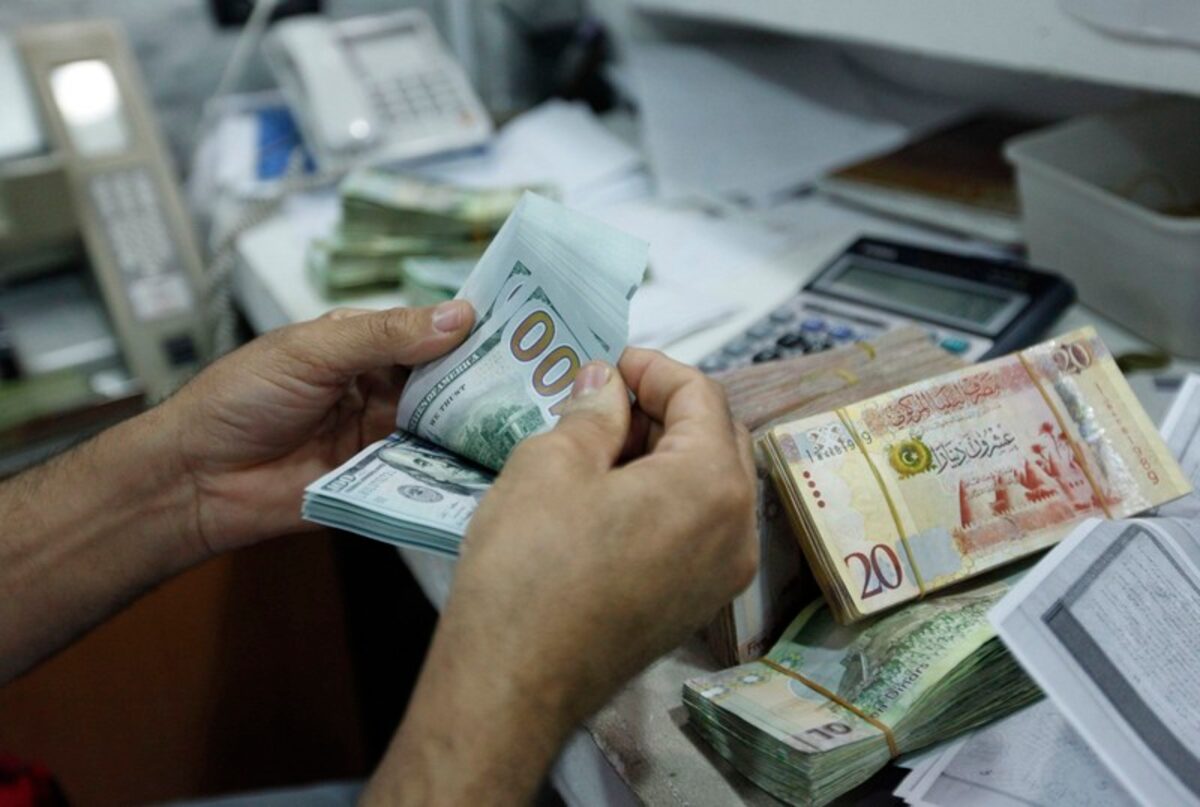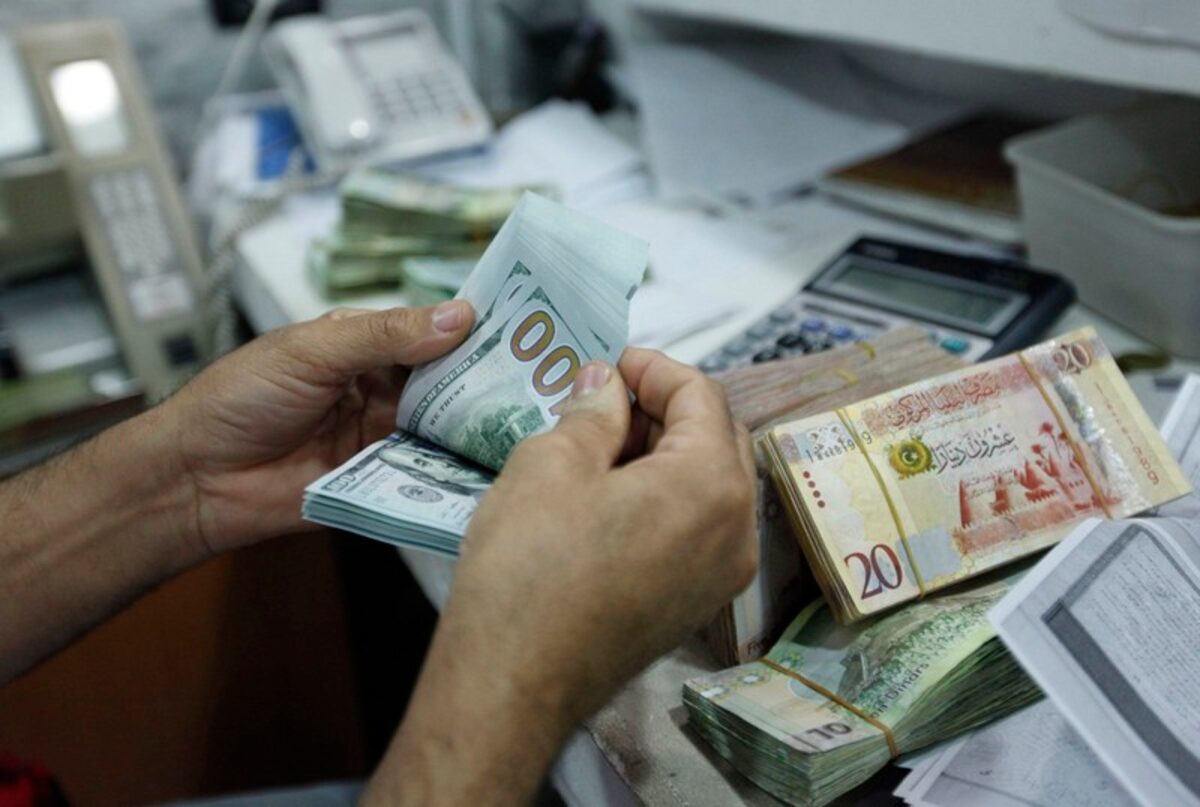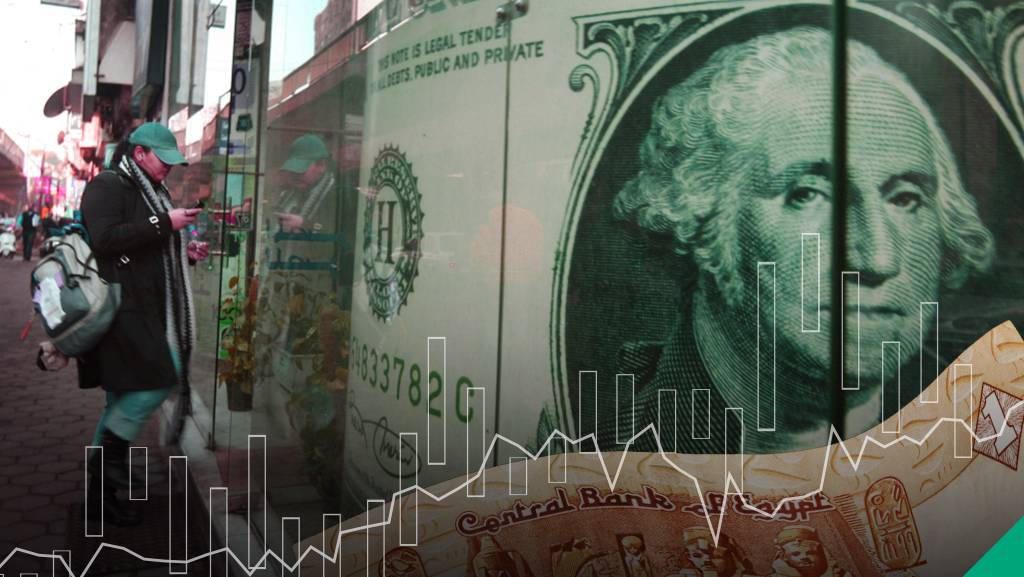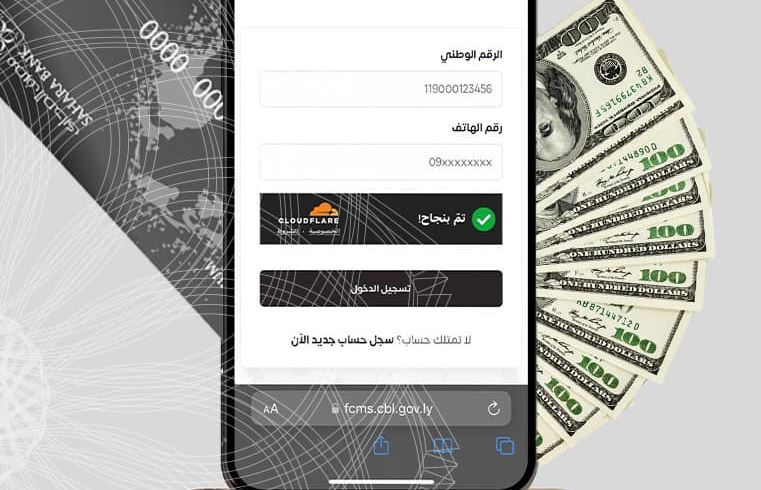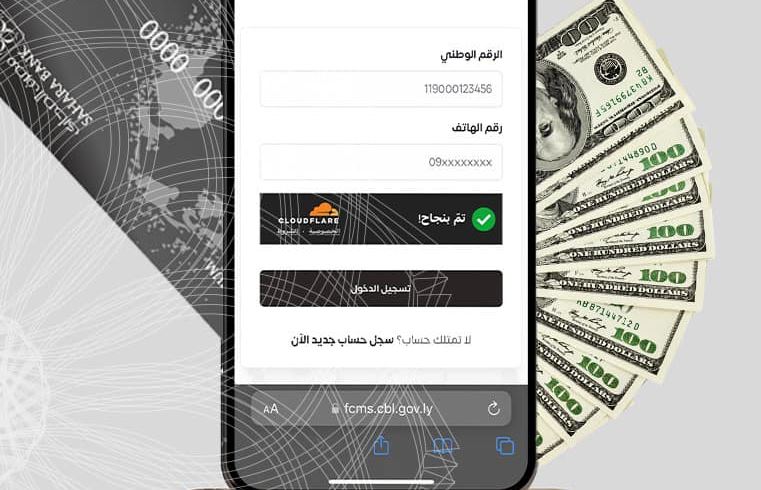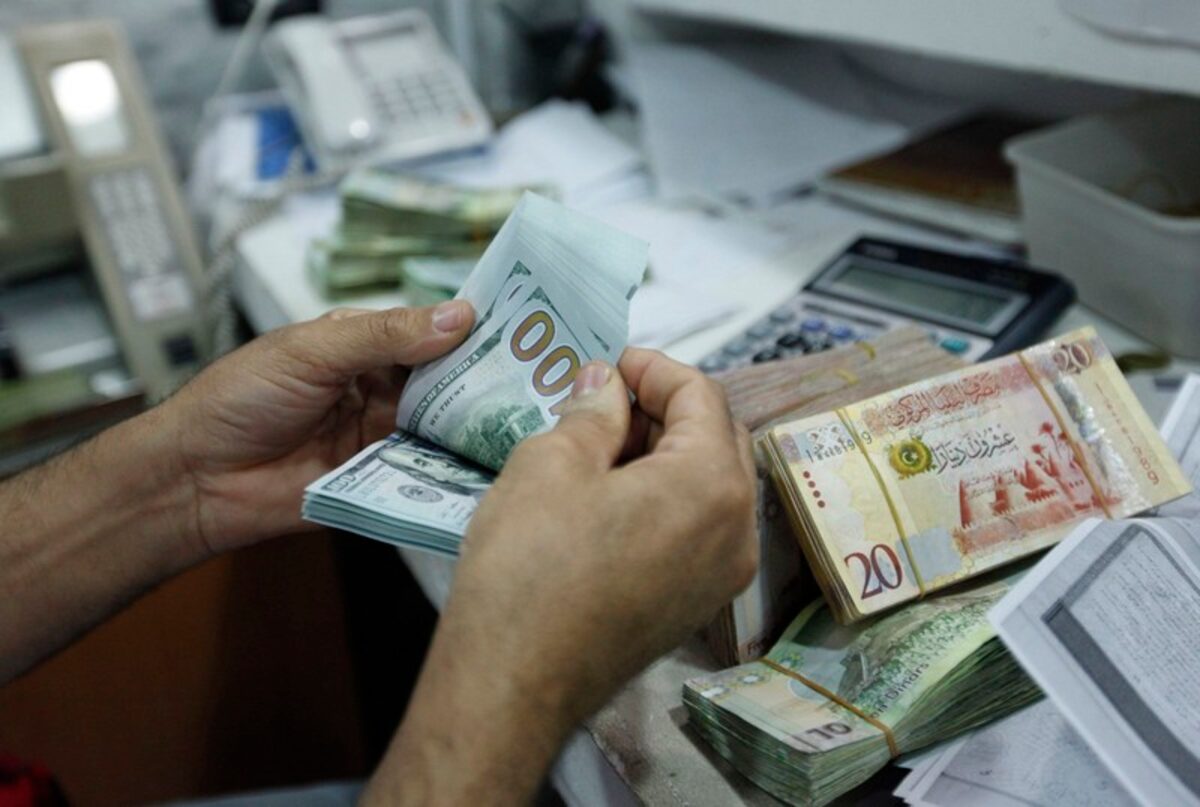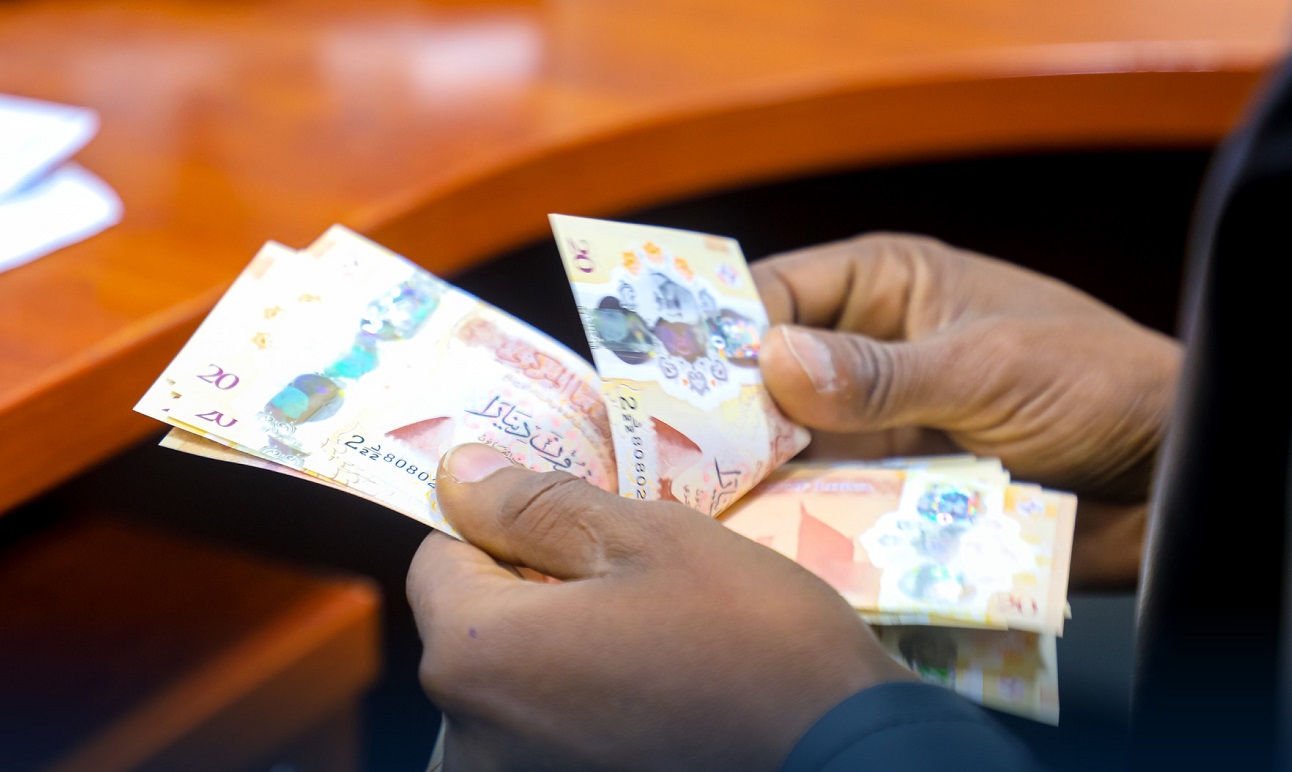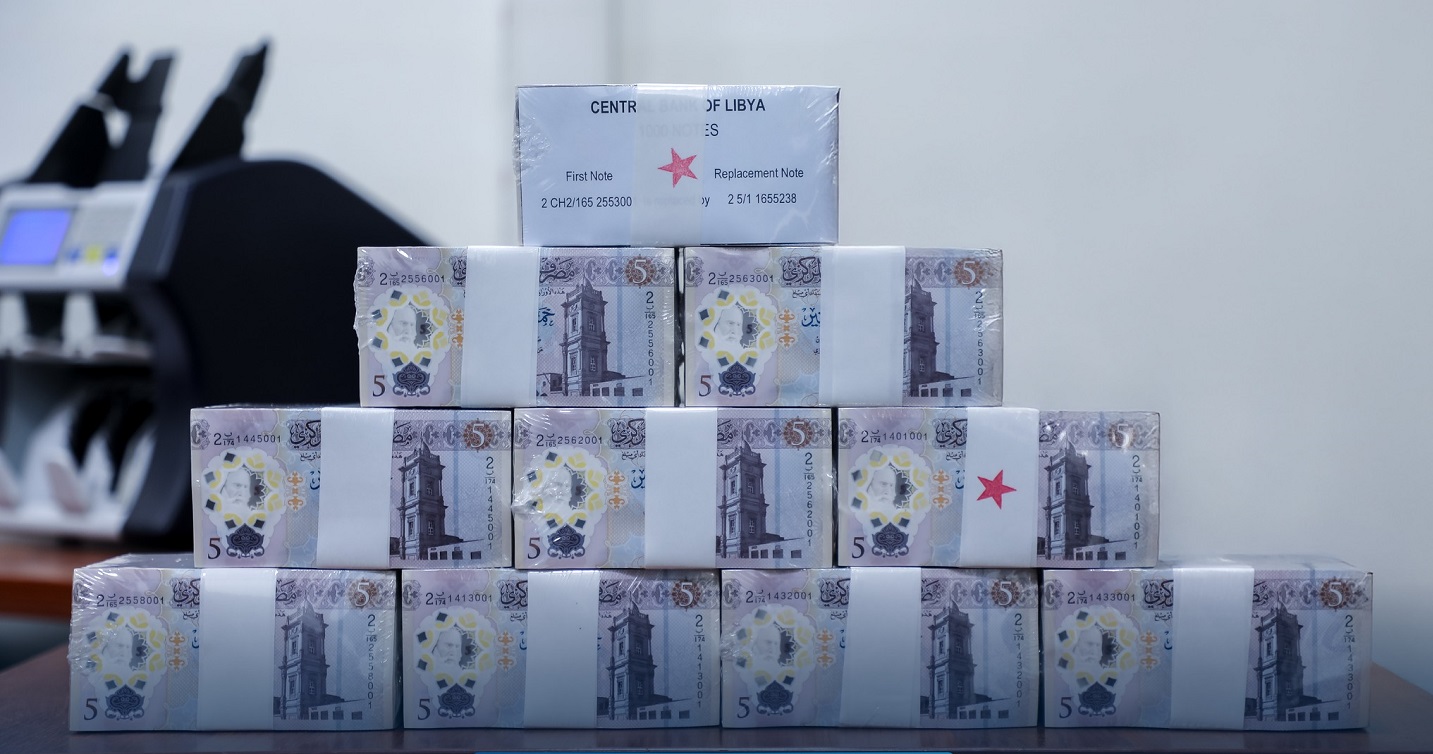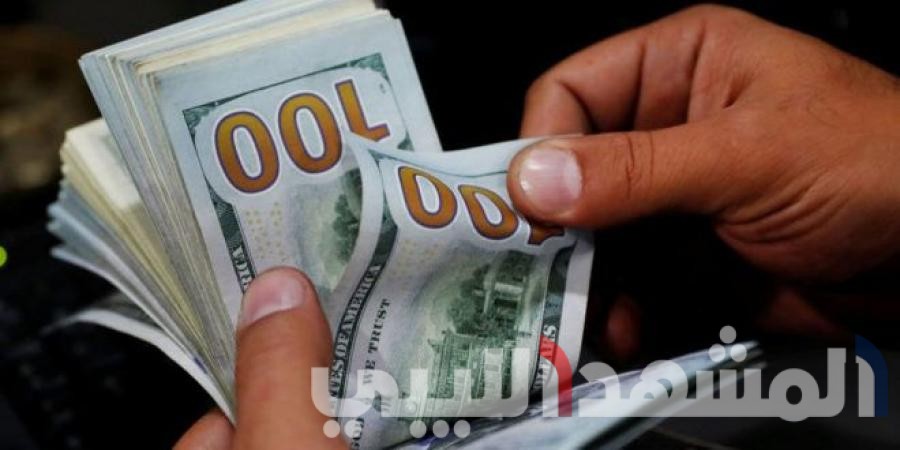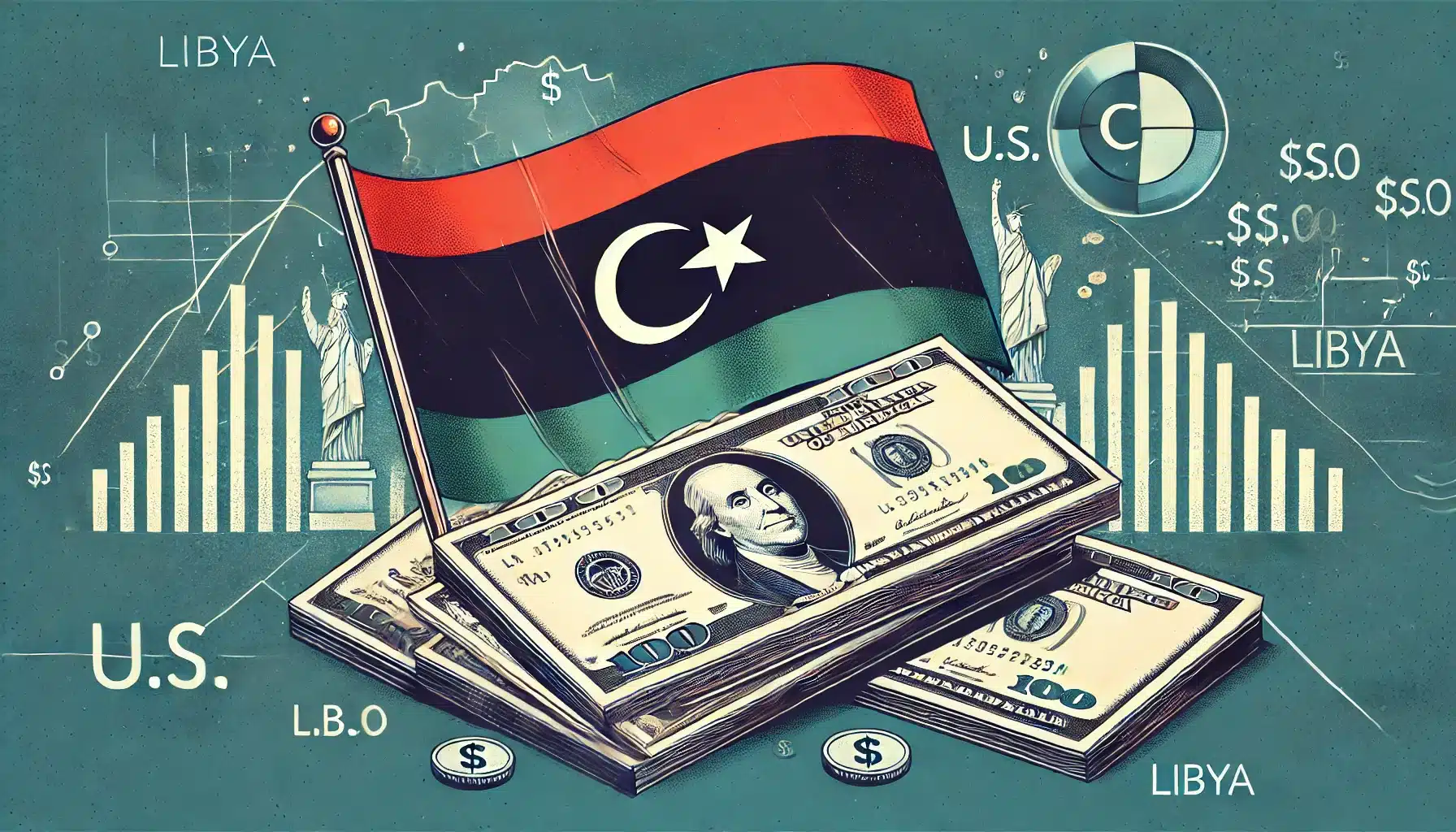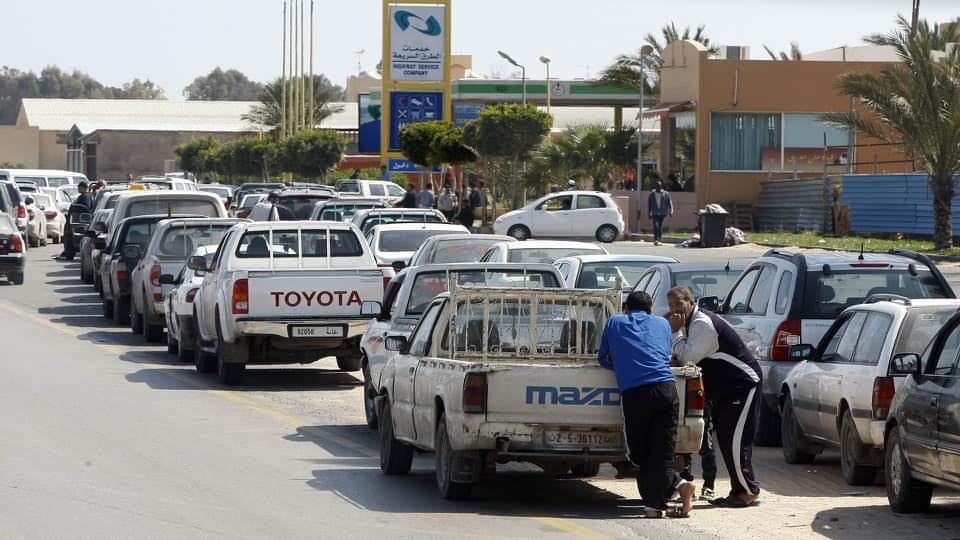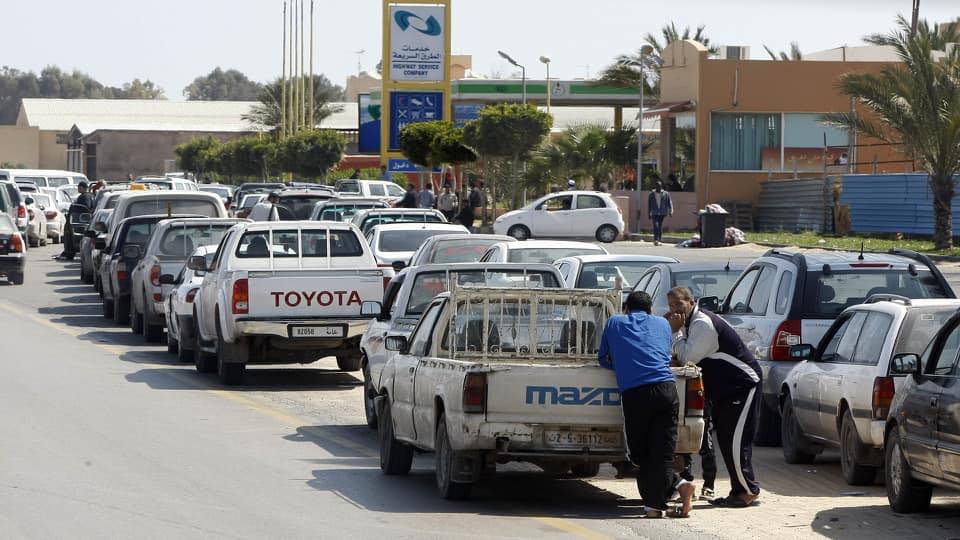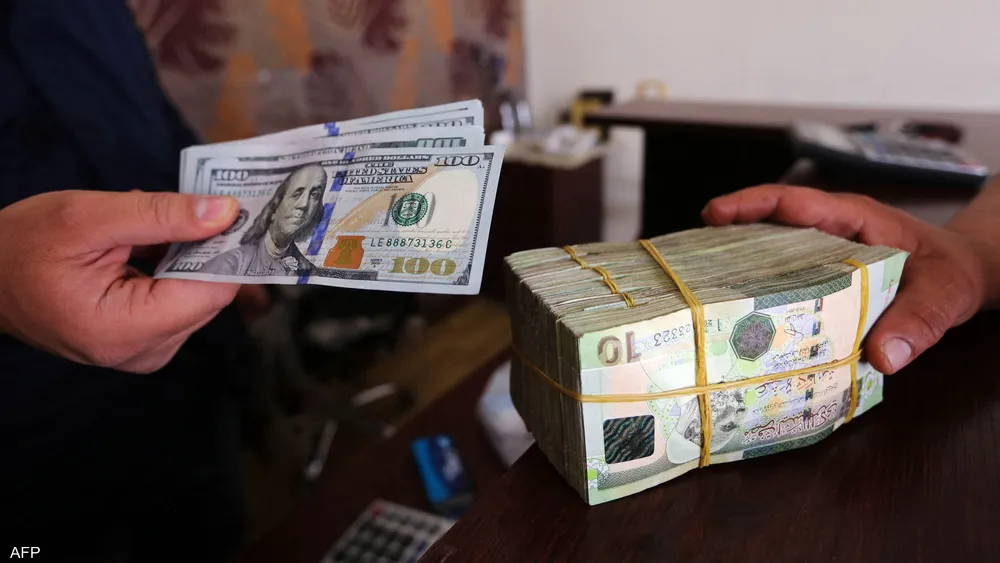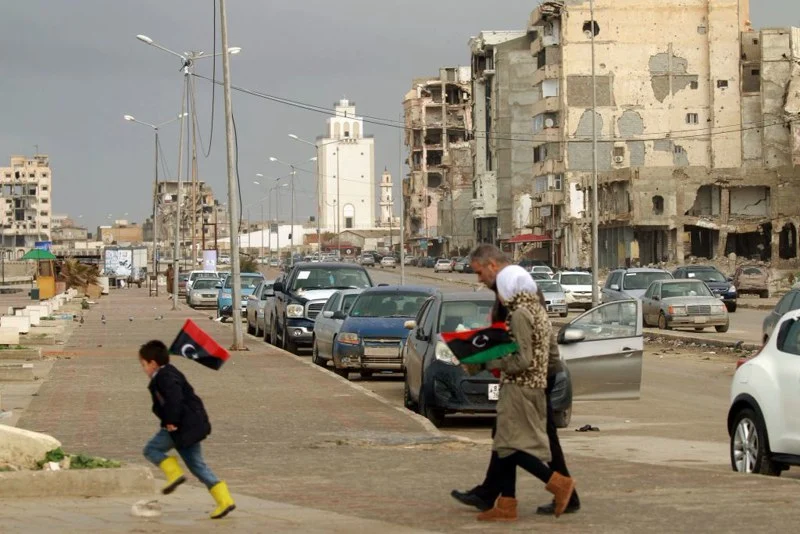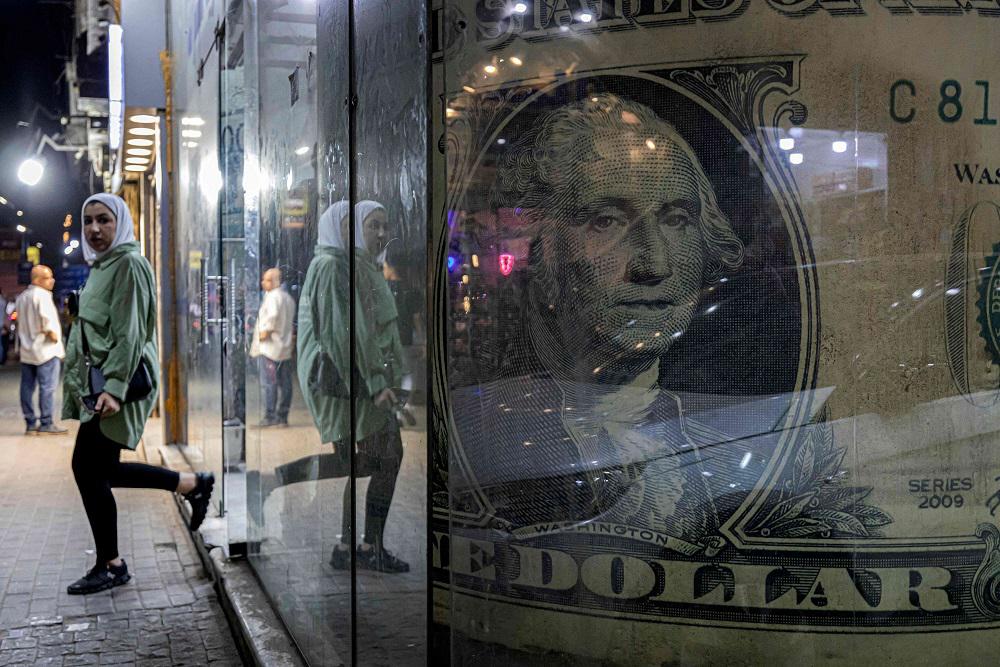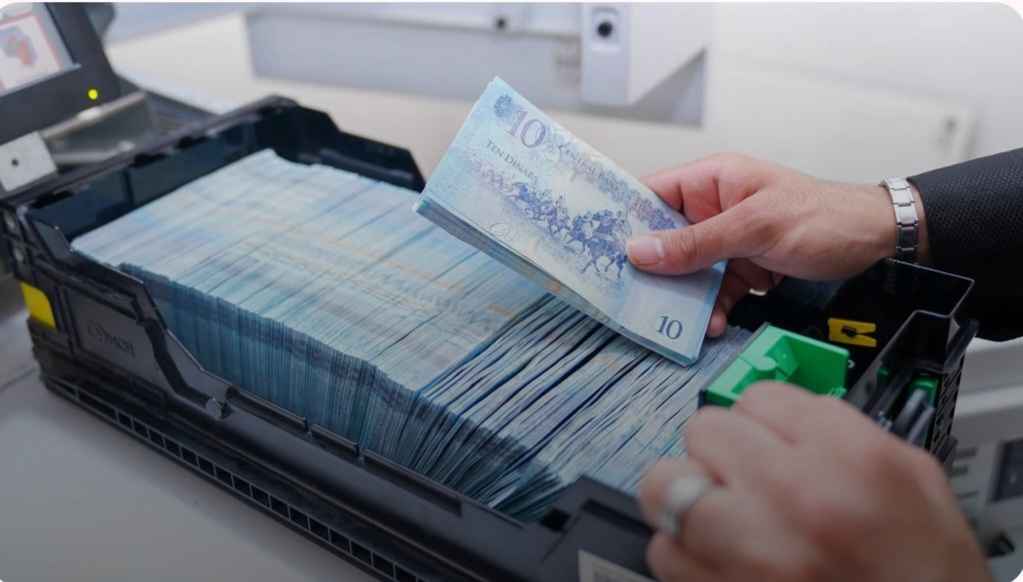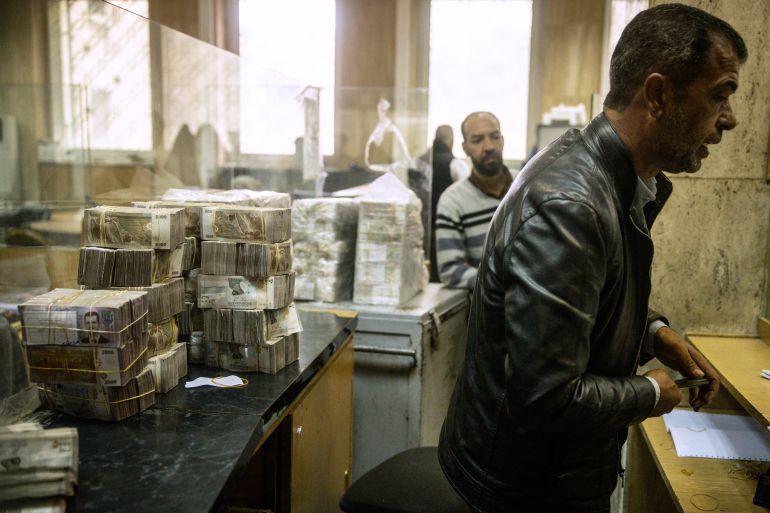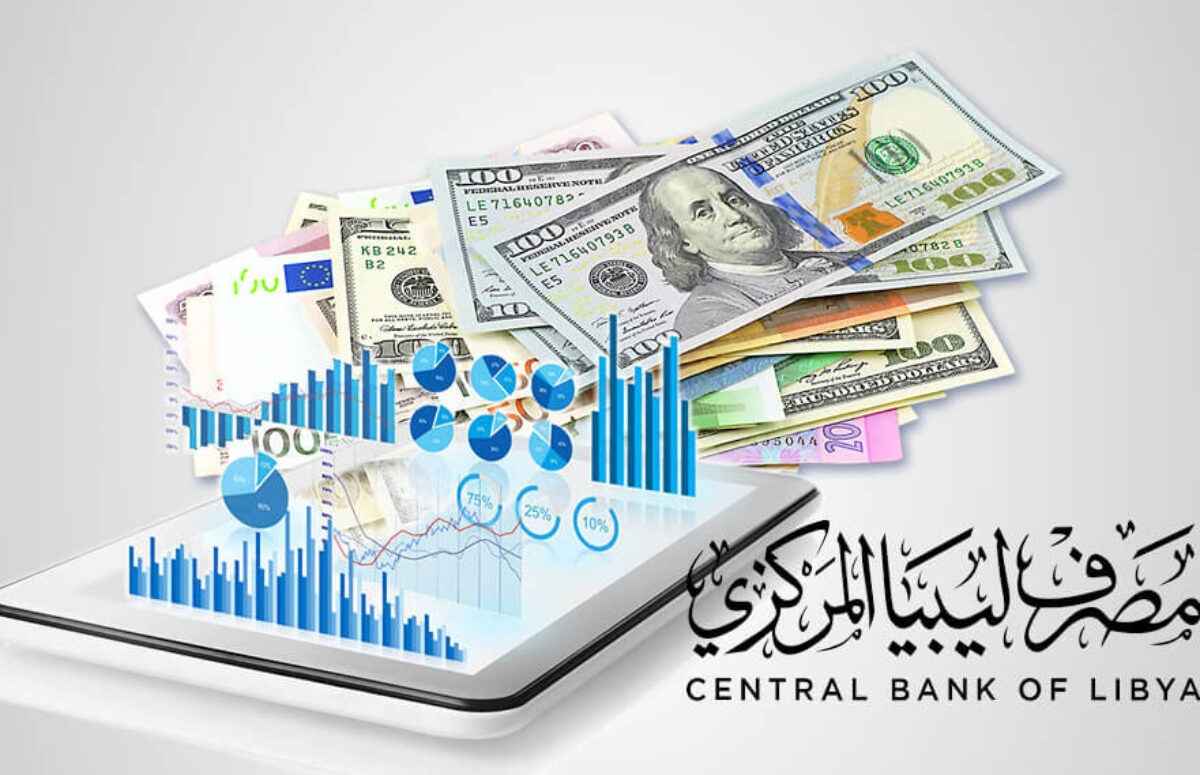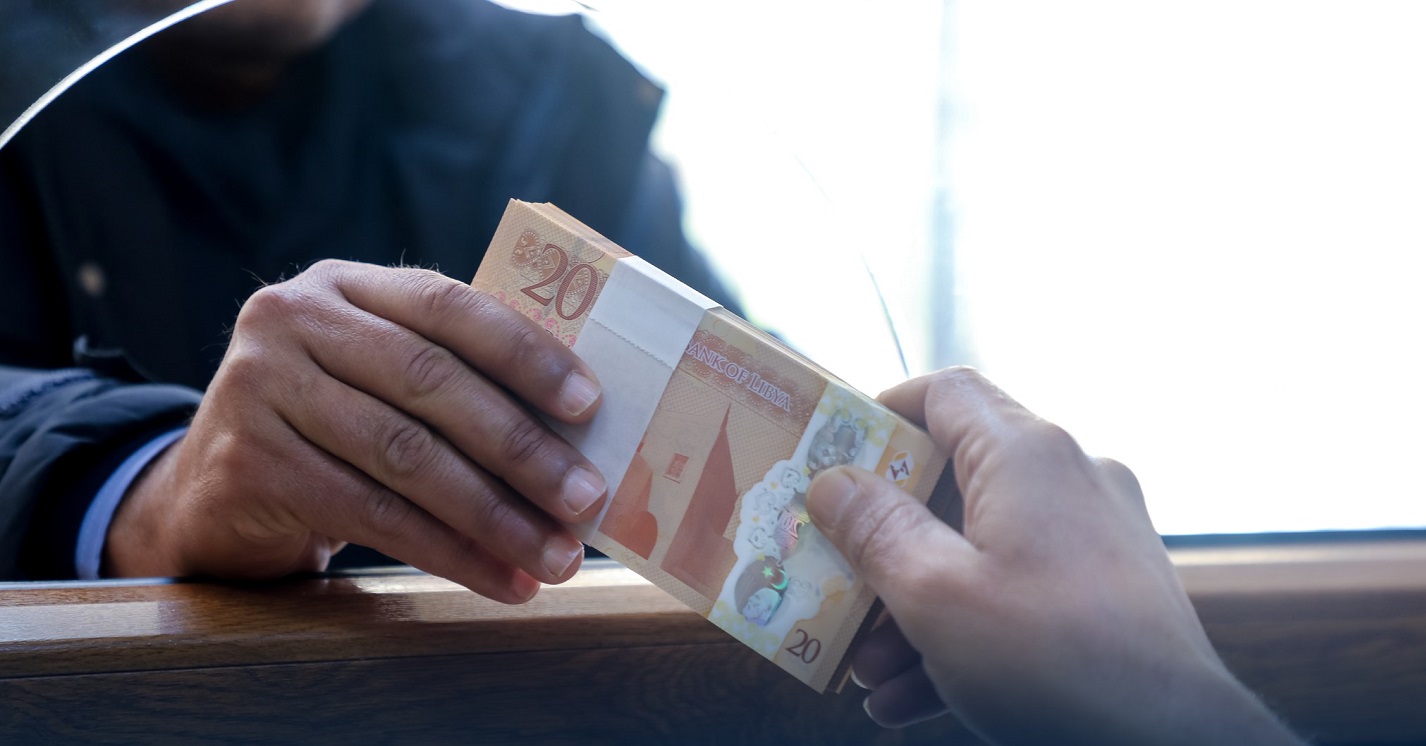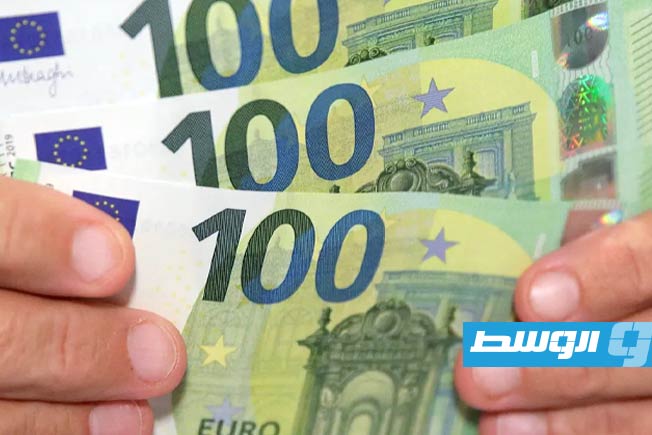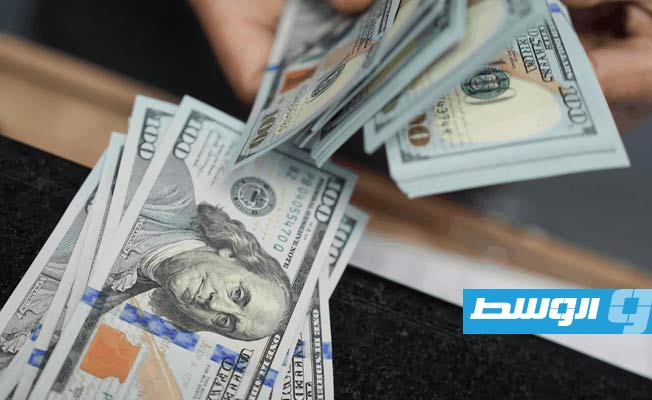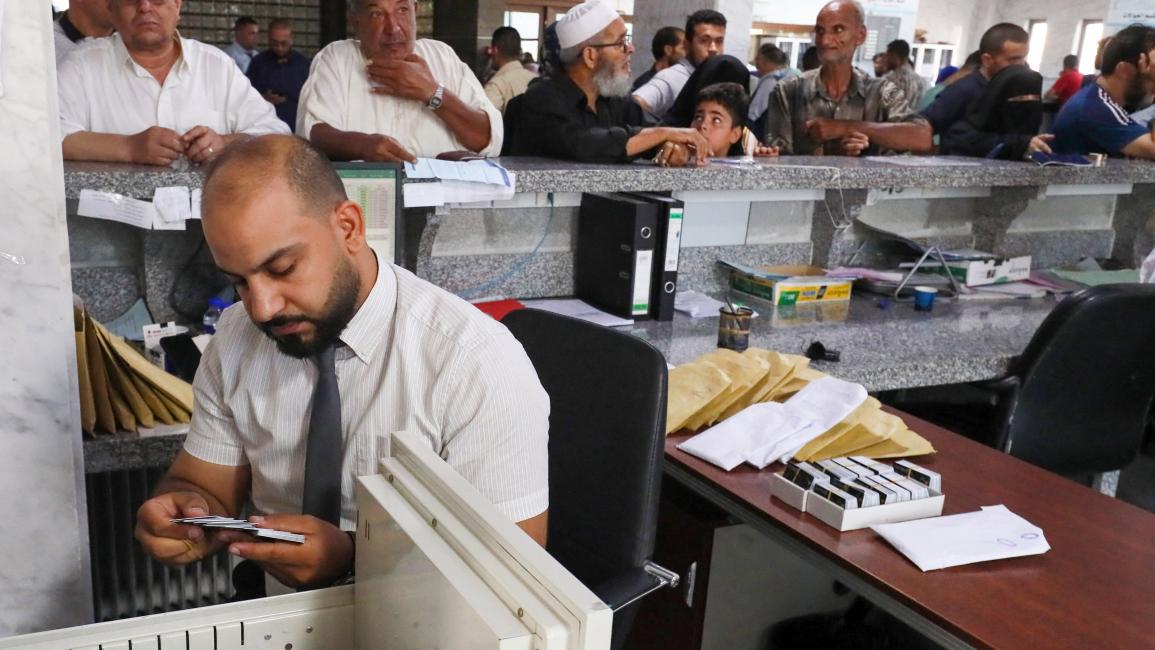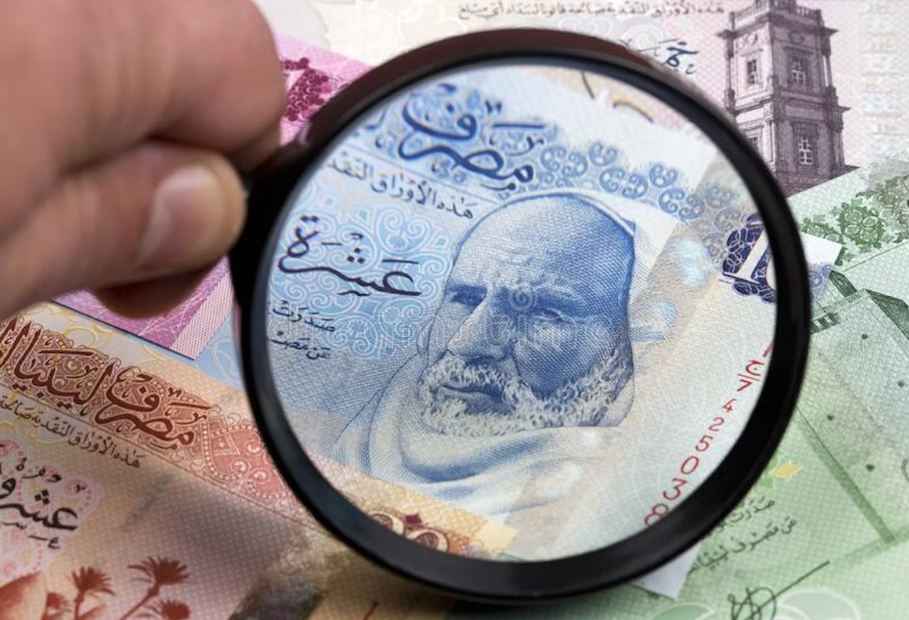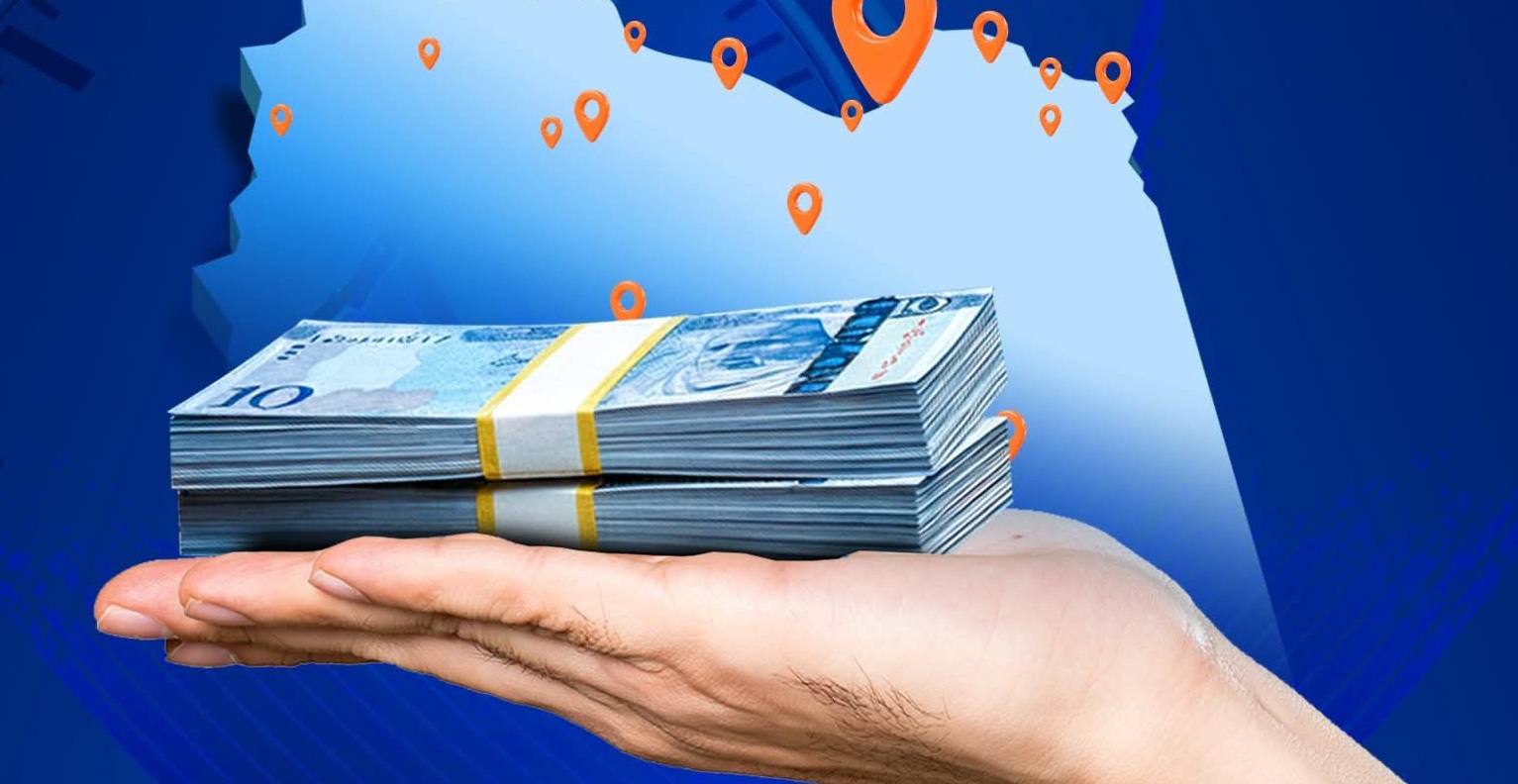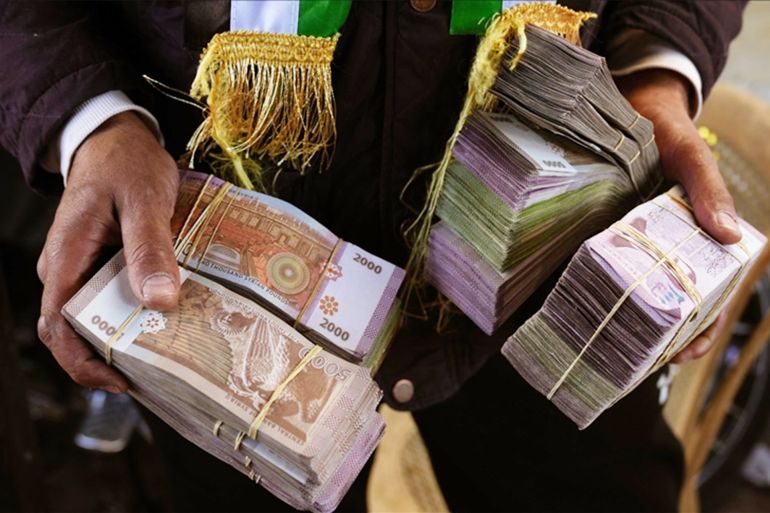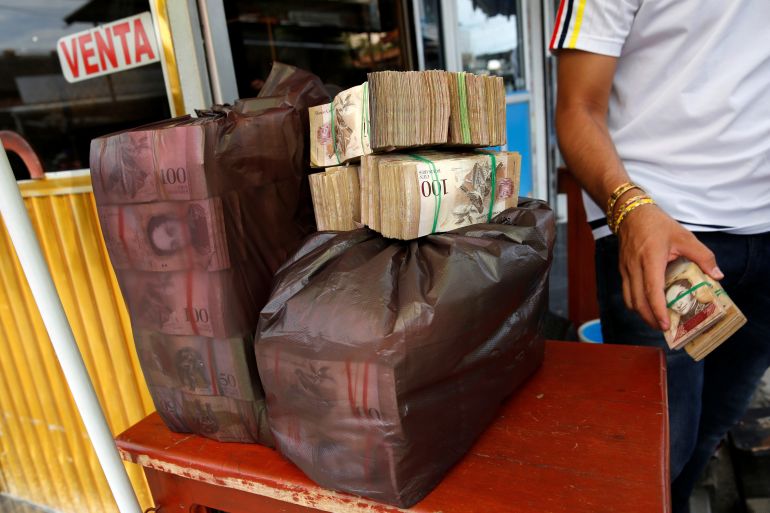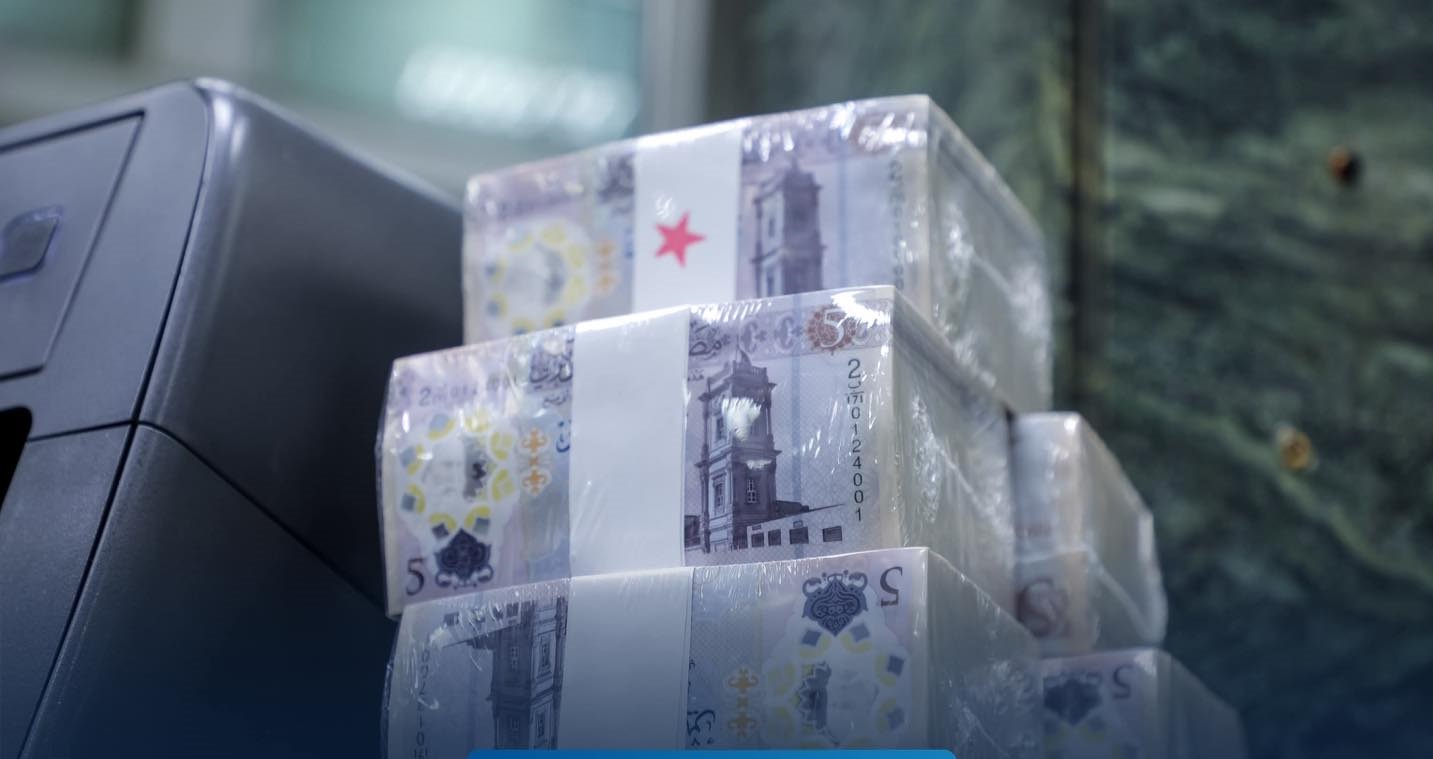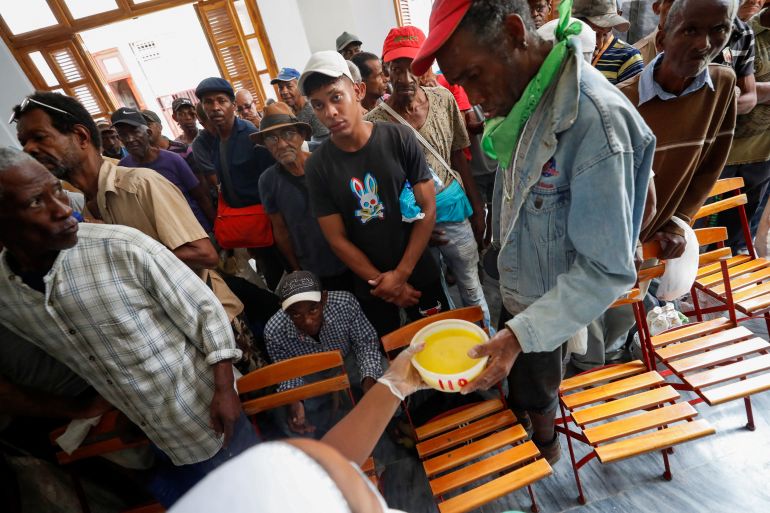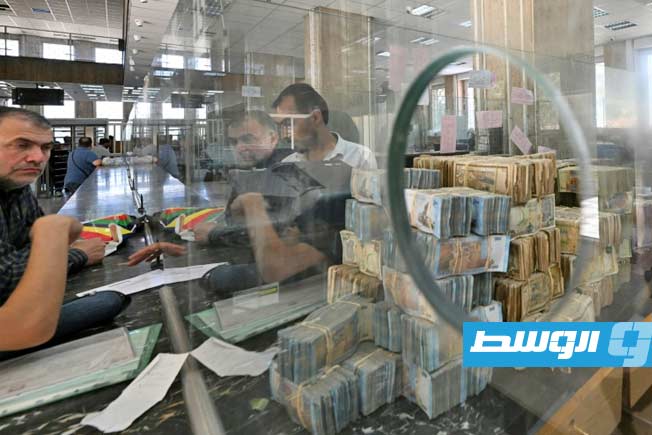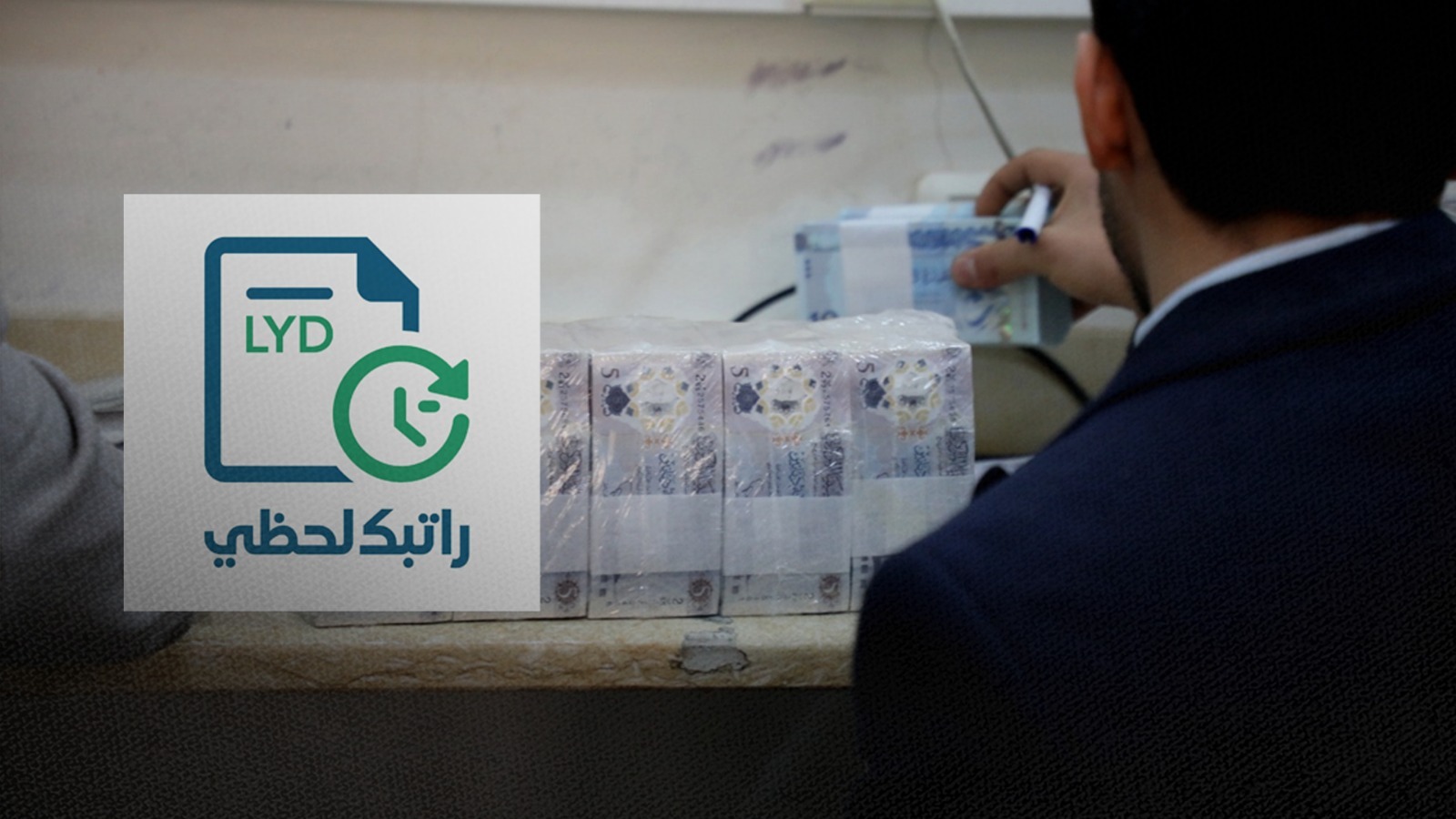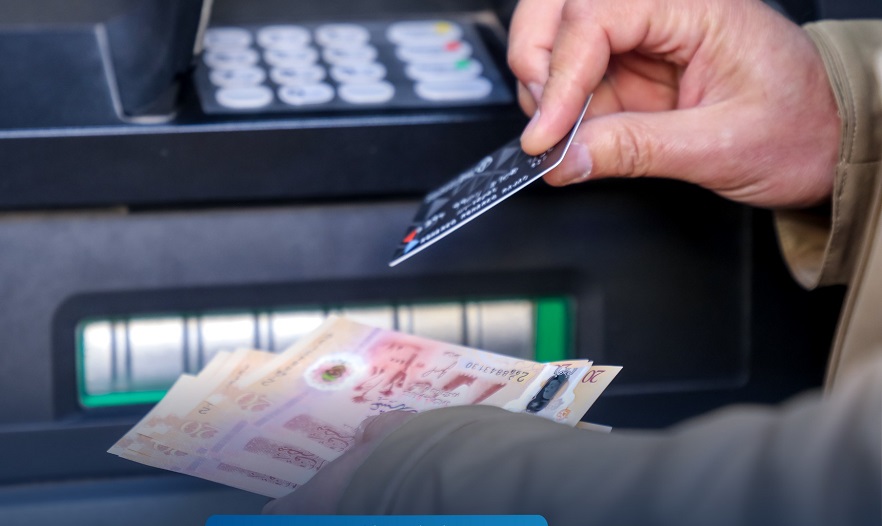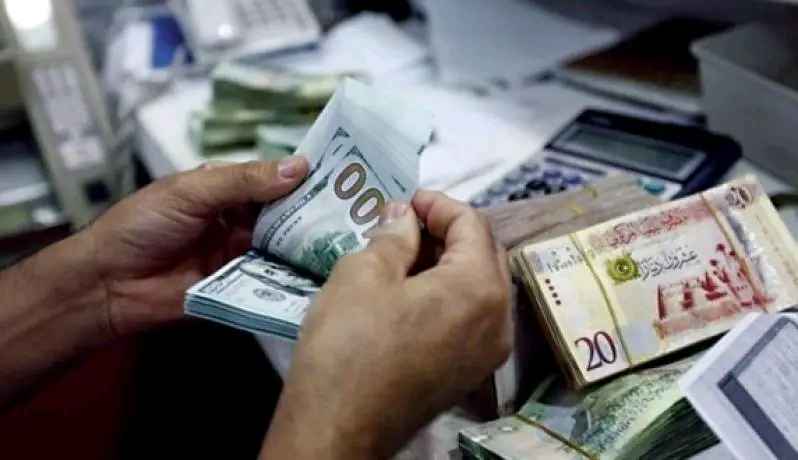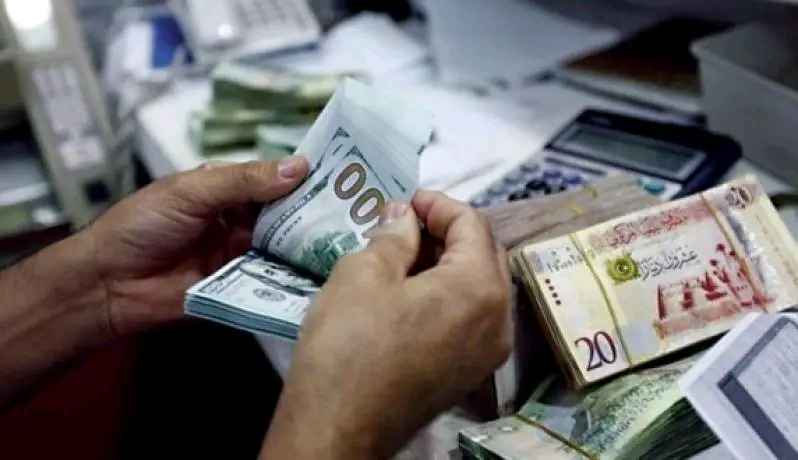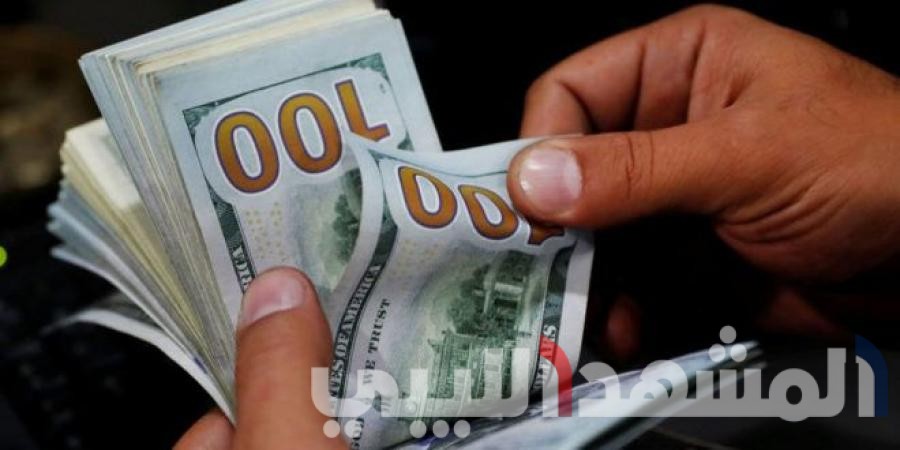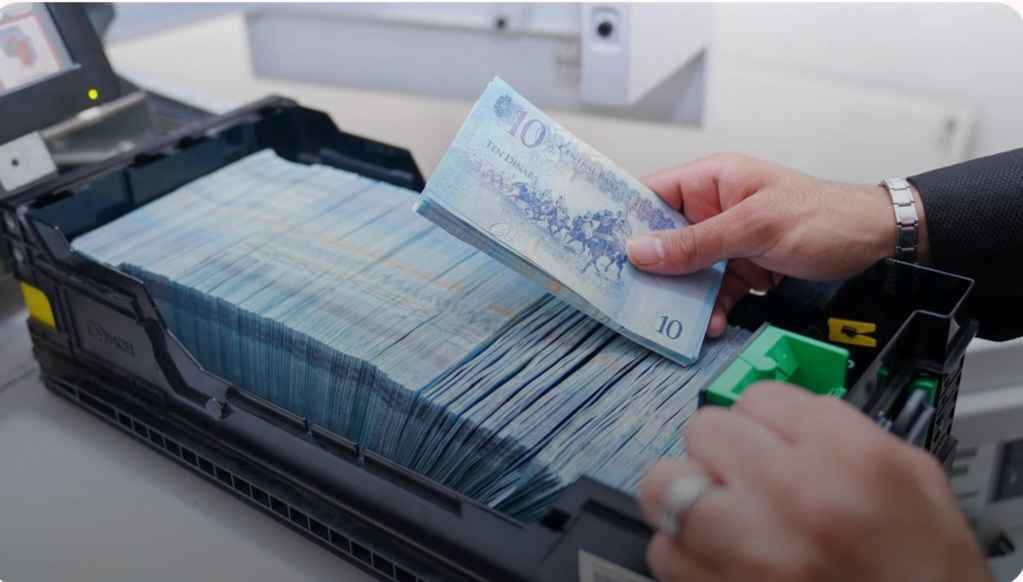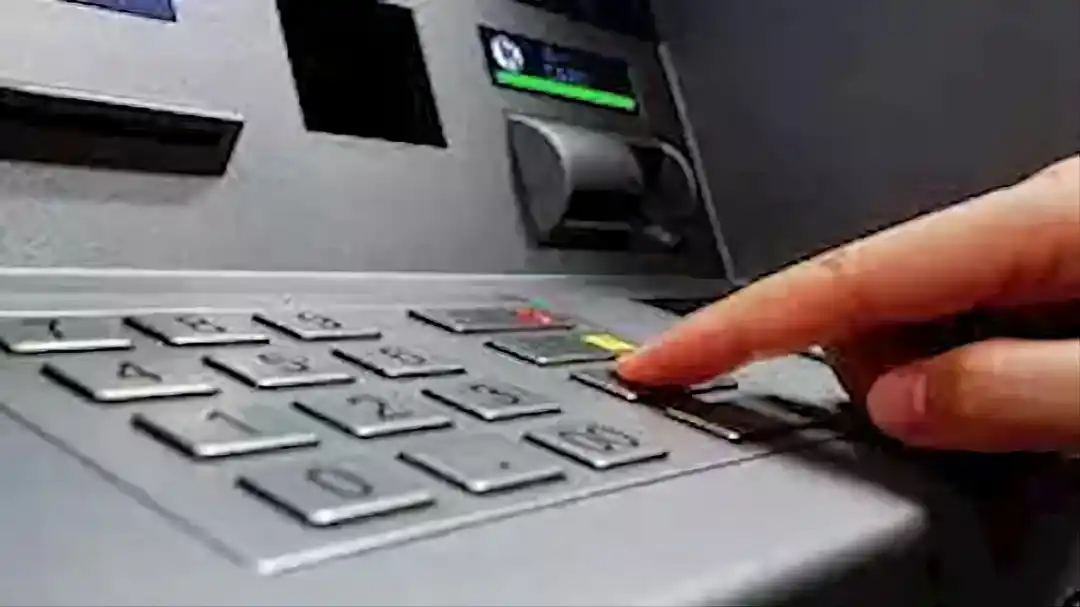
Libya – The Libyan citizen finds themselves today caught in a vice; a severe shortage of cash liquidity and a complete failure of the electronic payment system, which has stopped entirely, ushering in the new year with renewed daily hardship.
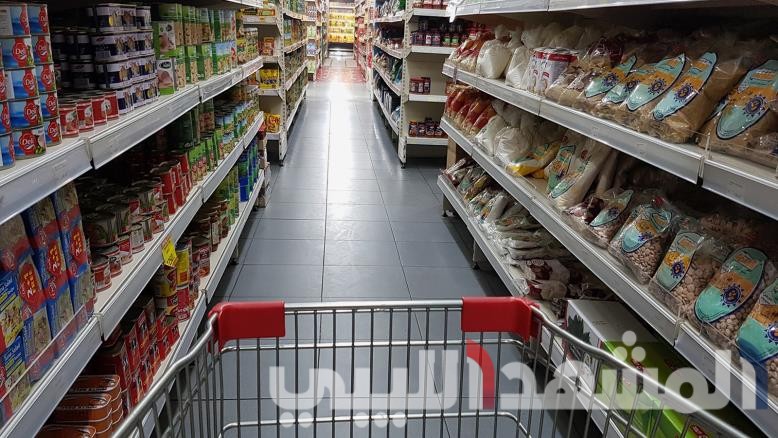
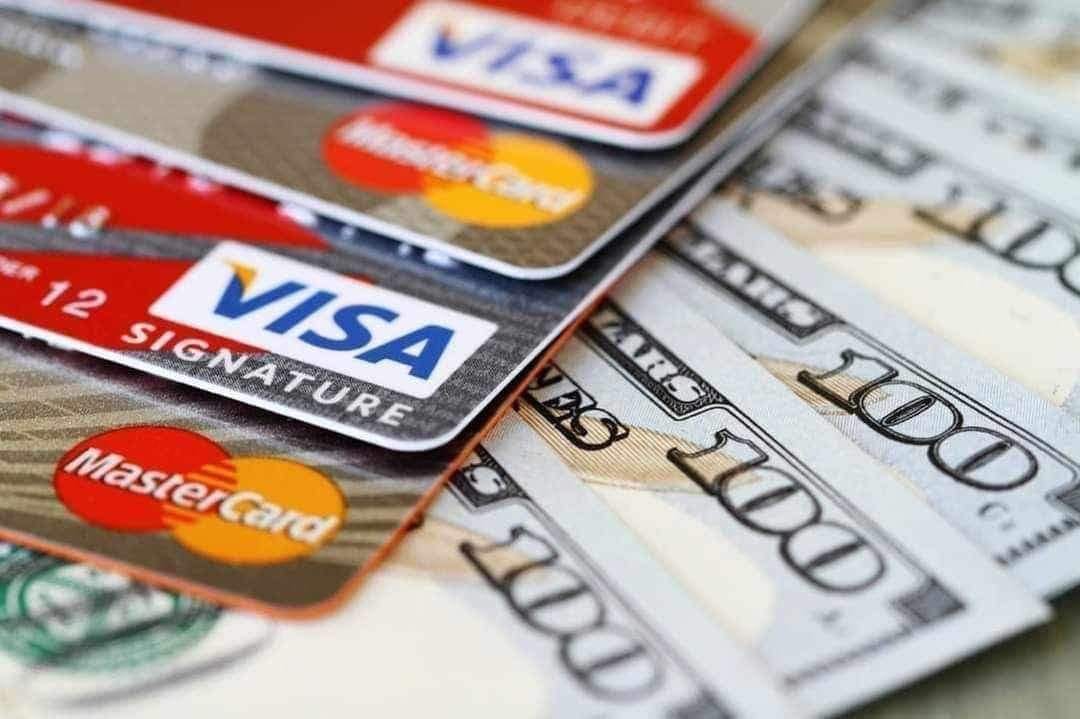
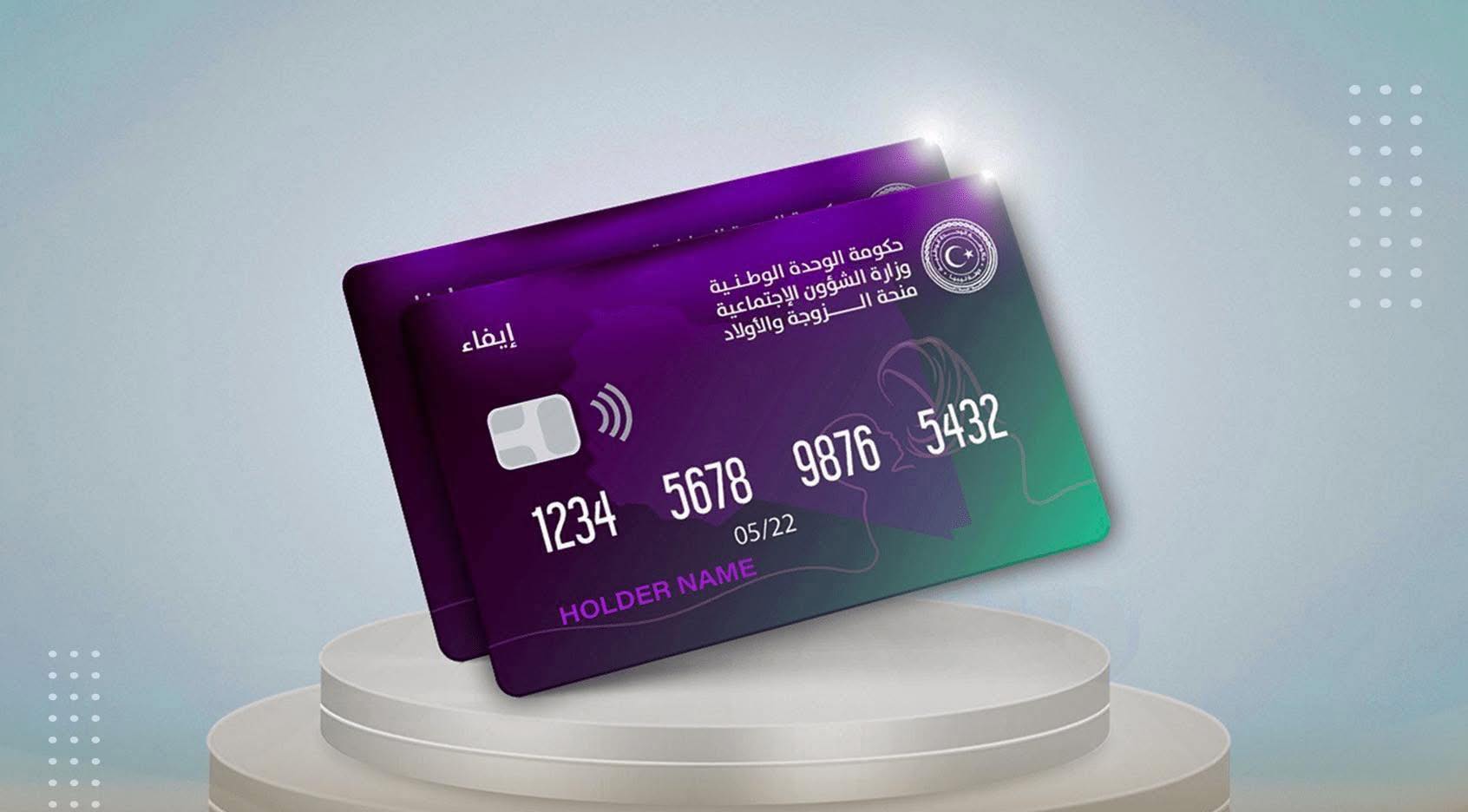
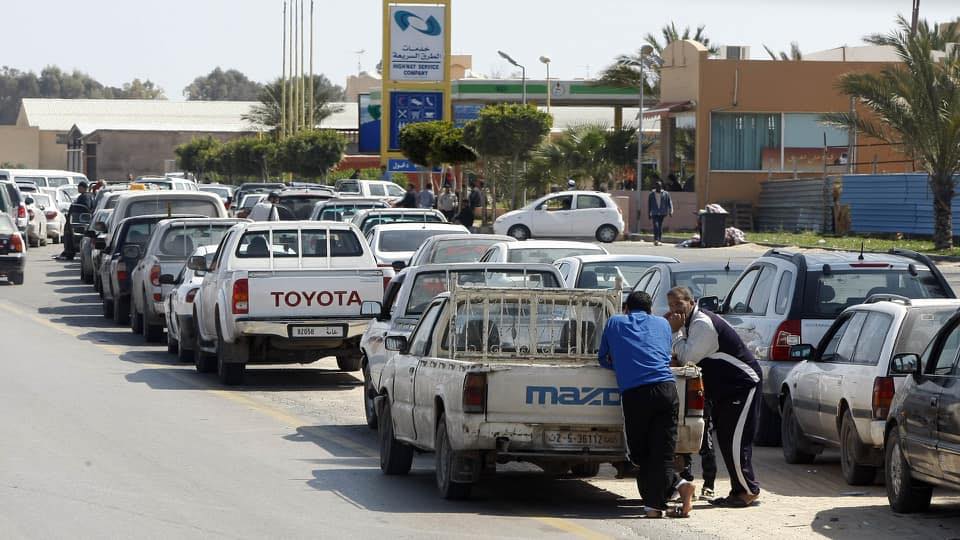
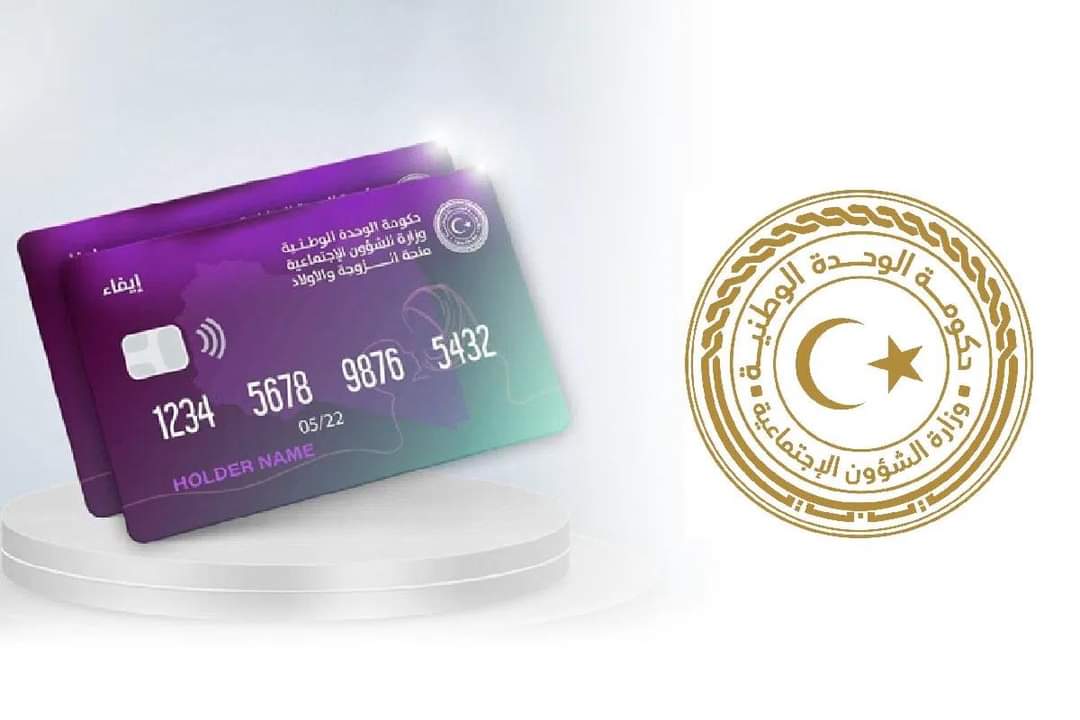
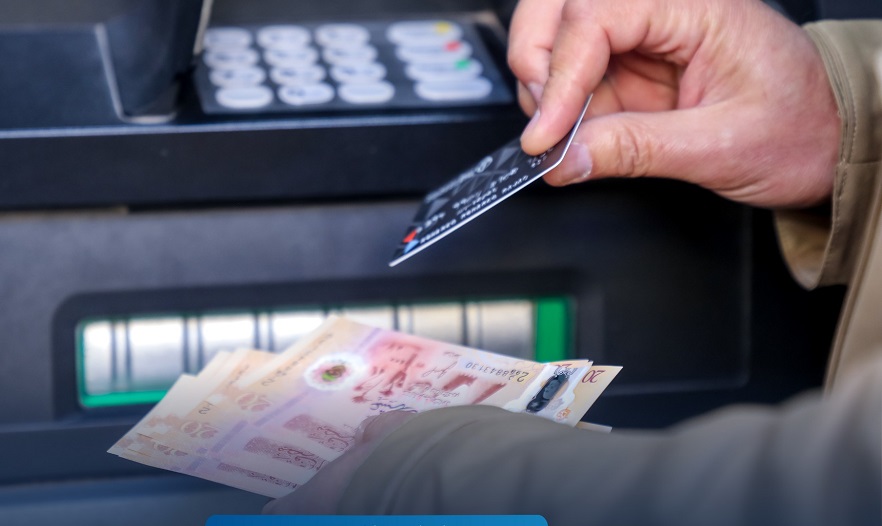
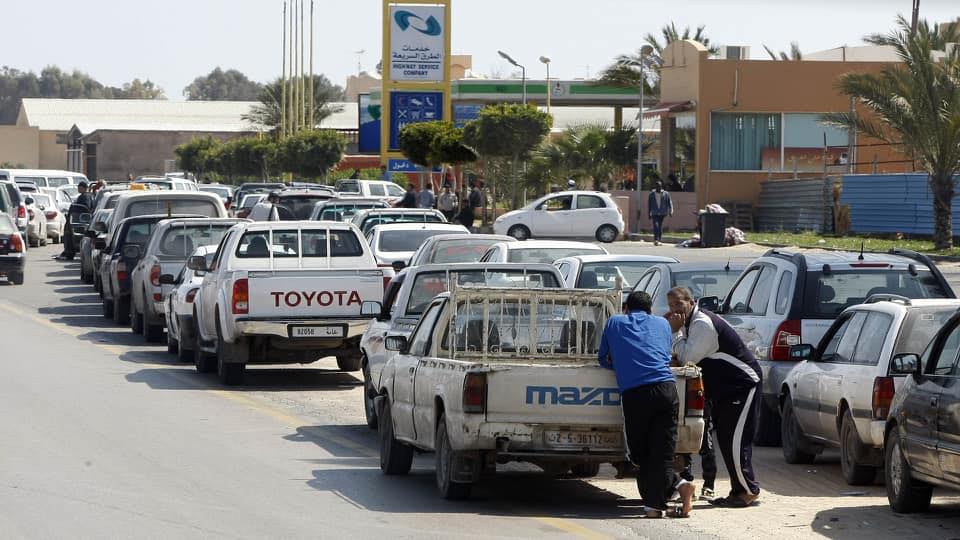
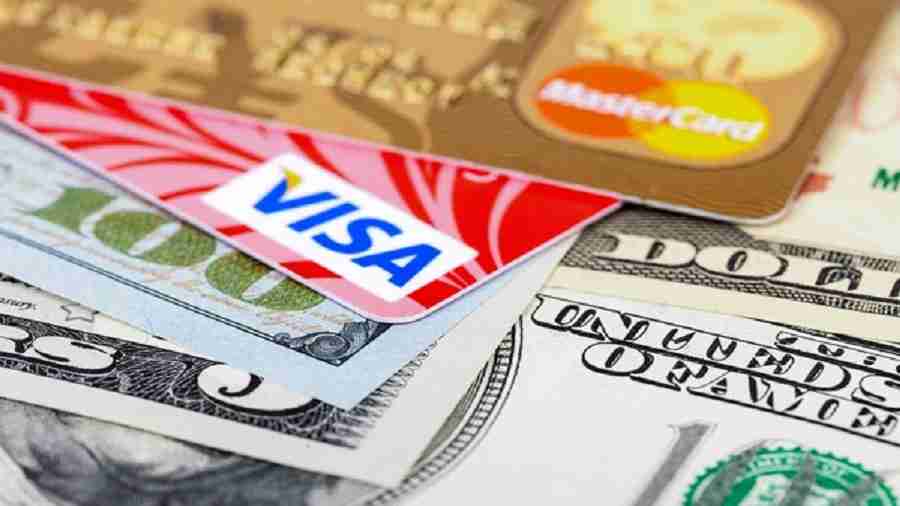
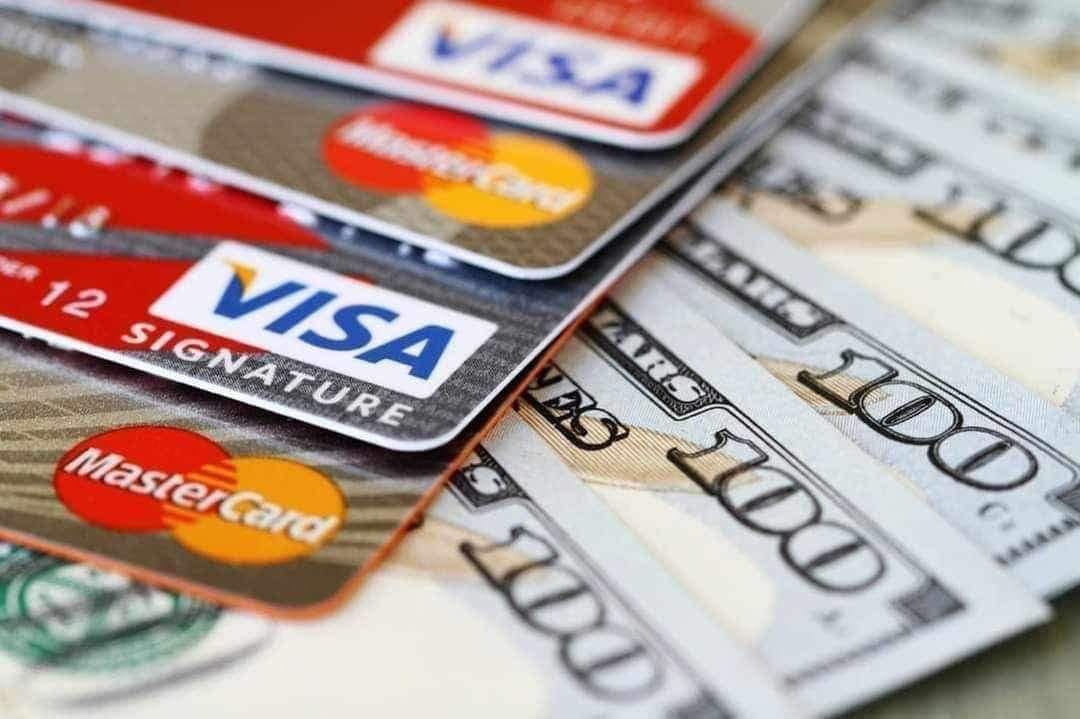
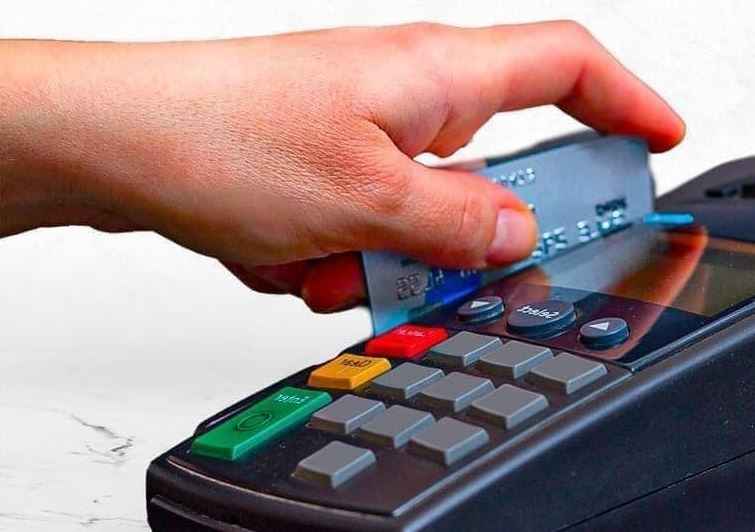
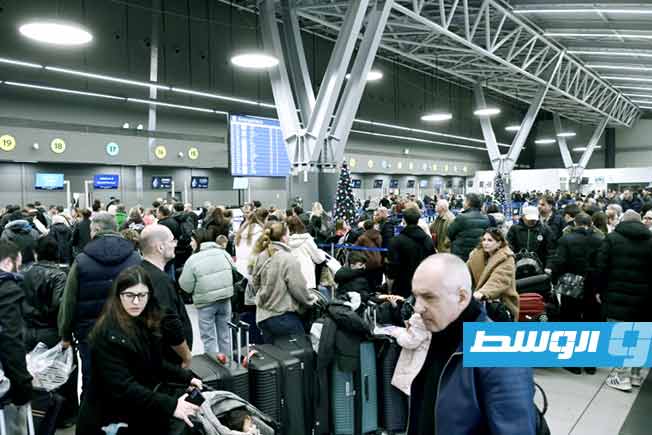
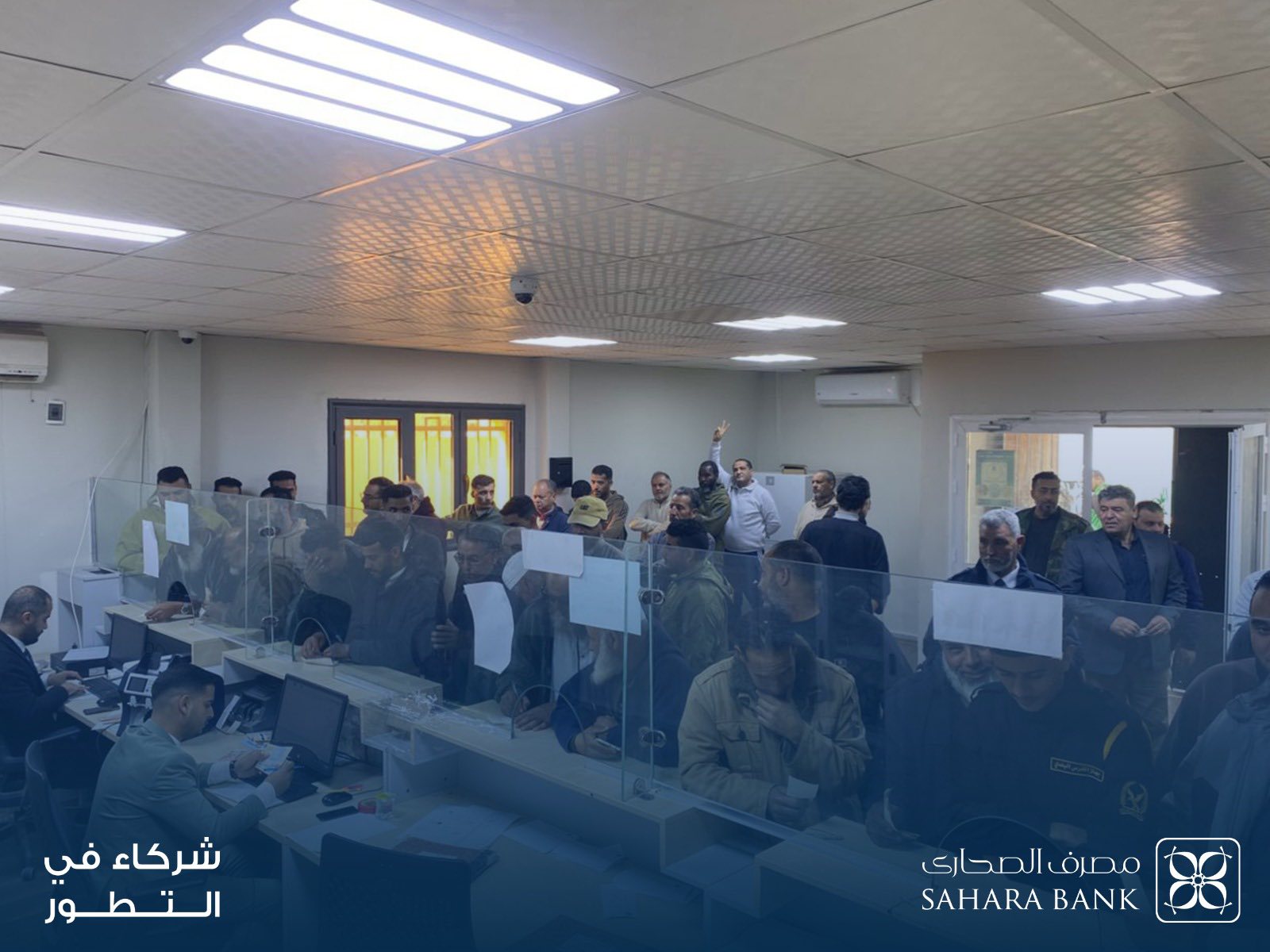
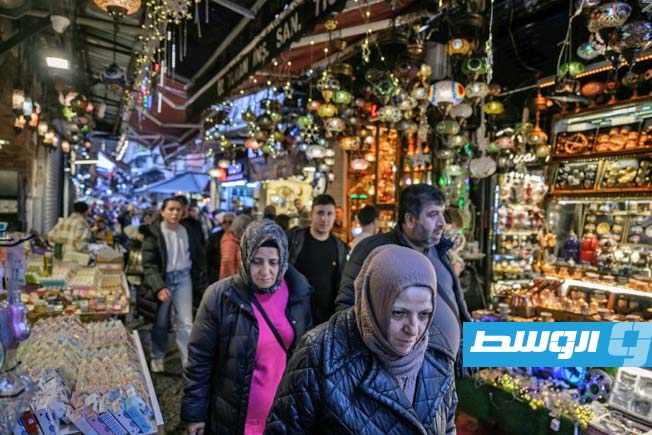
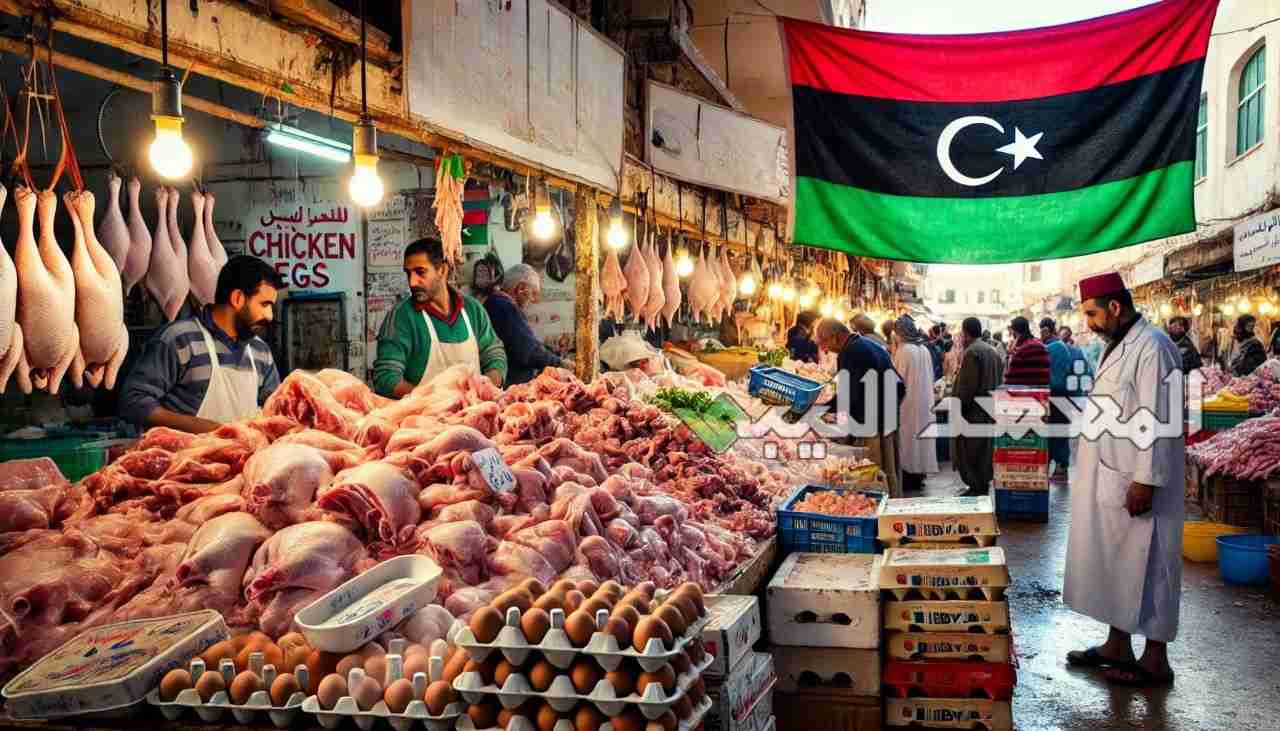
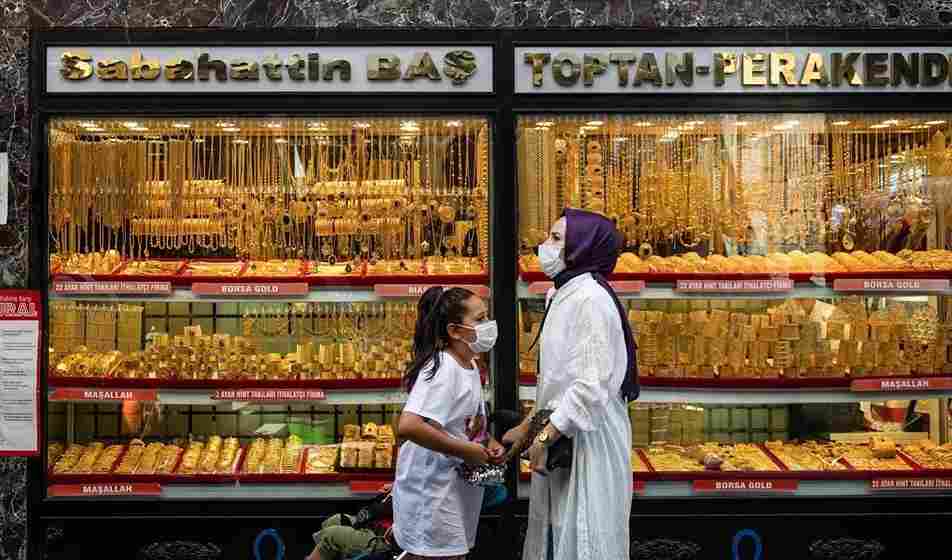
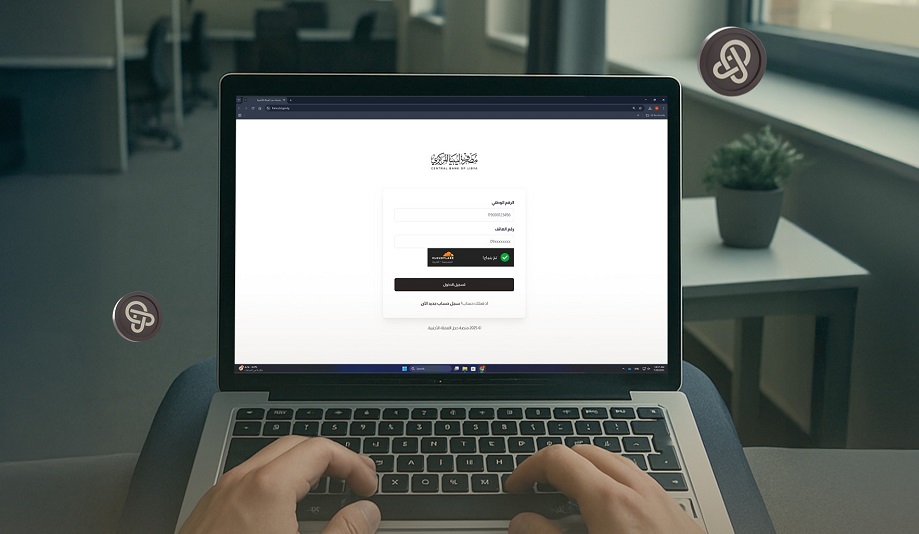
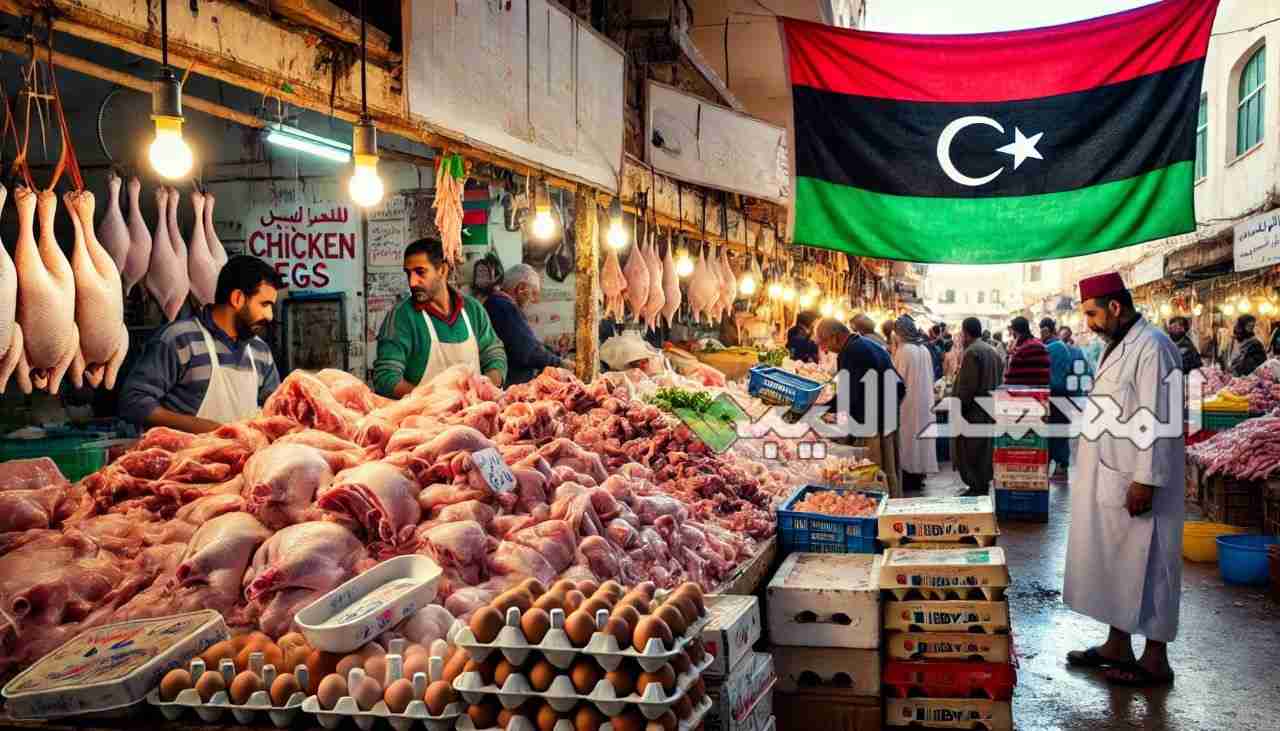
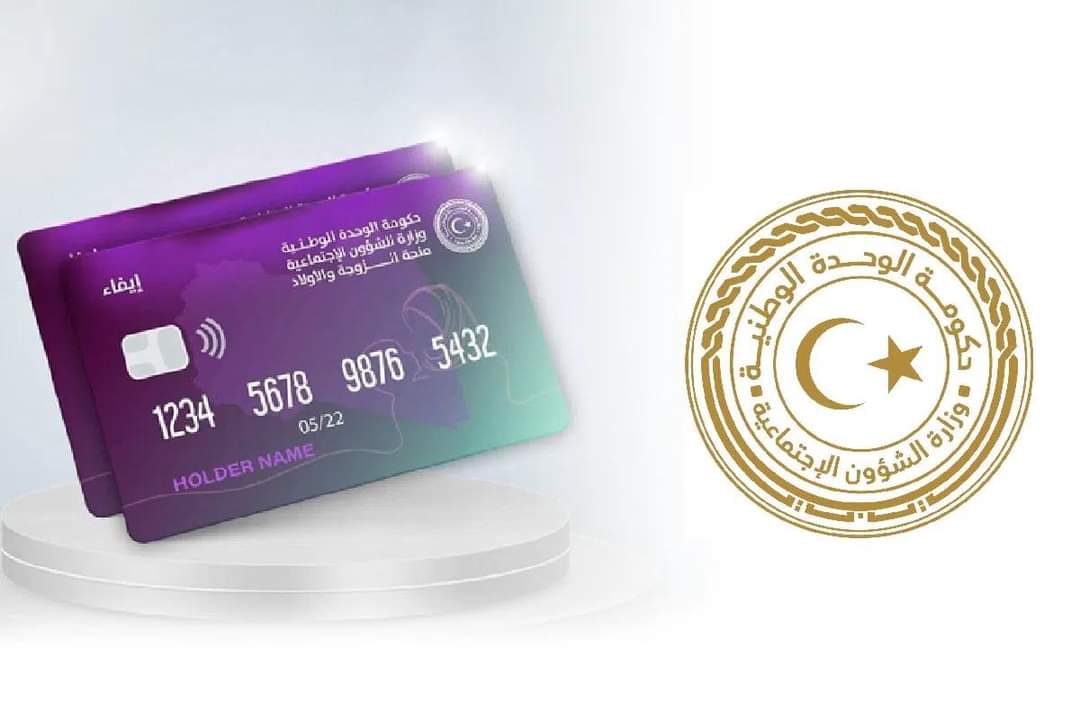
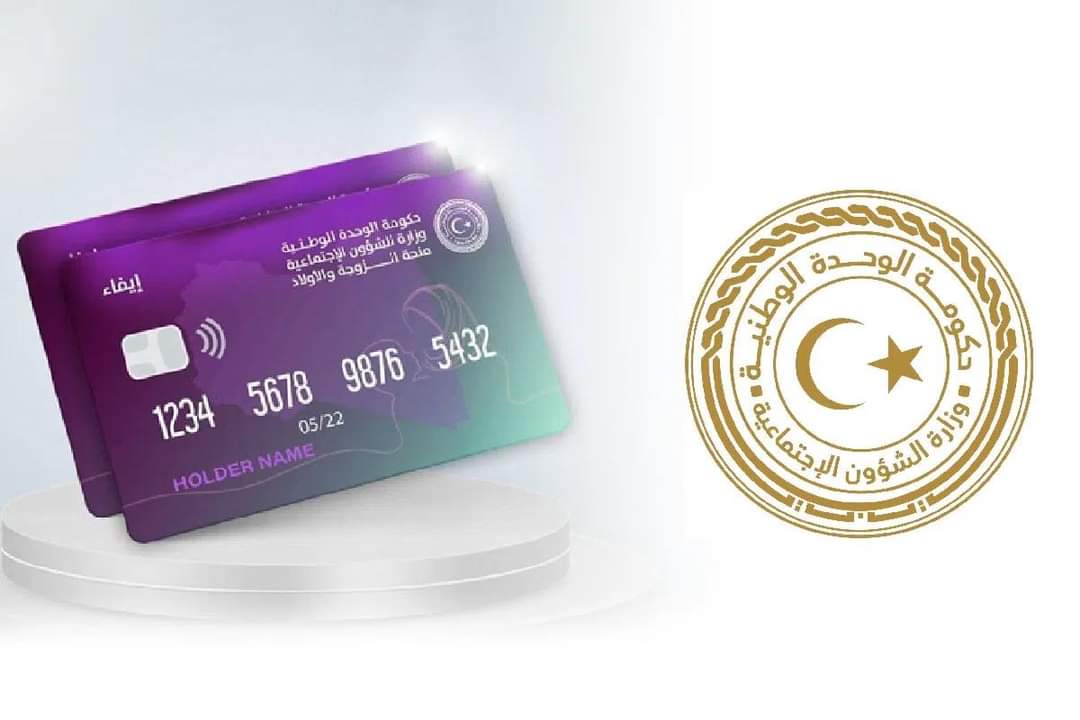
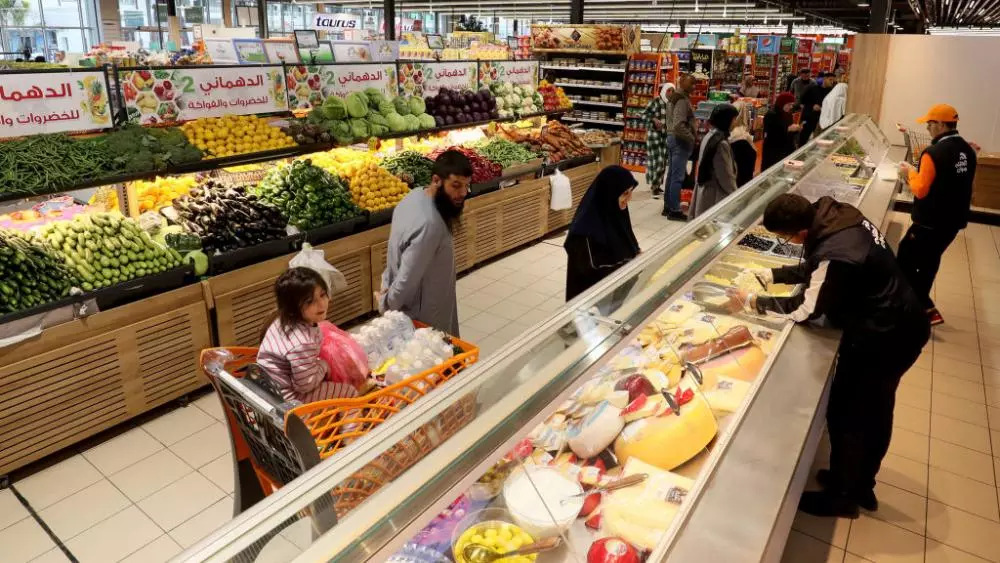
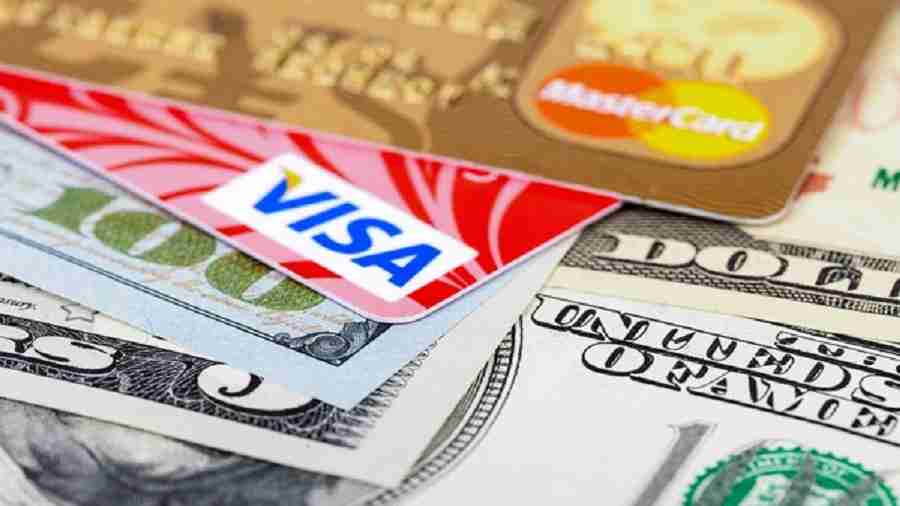
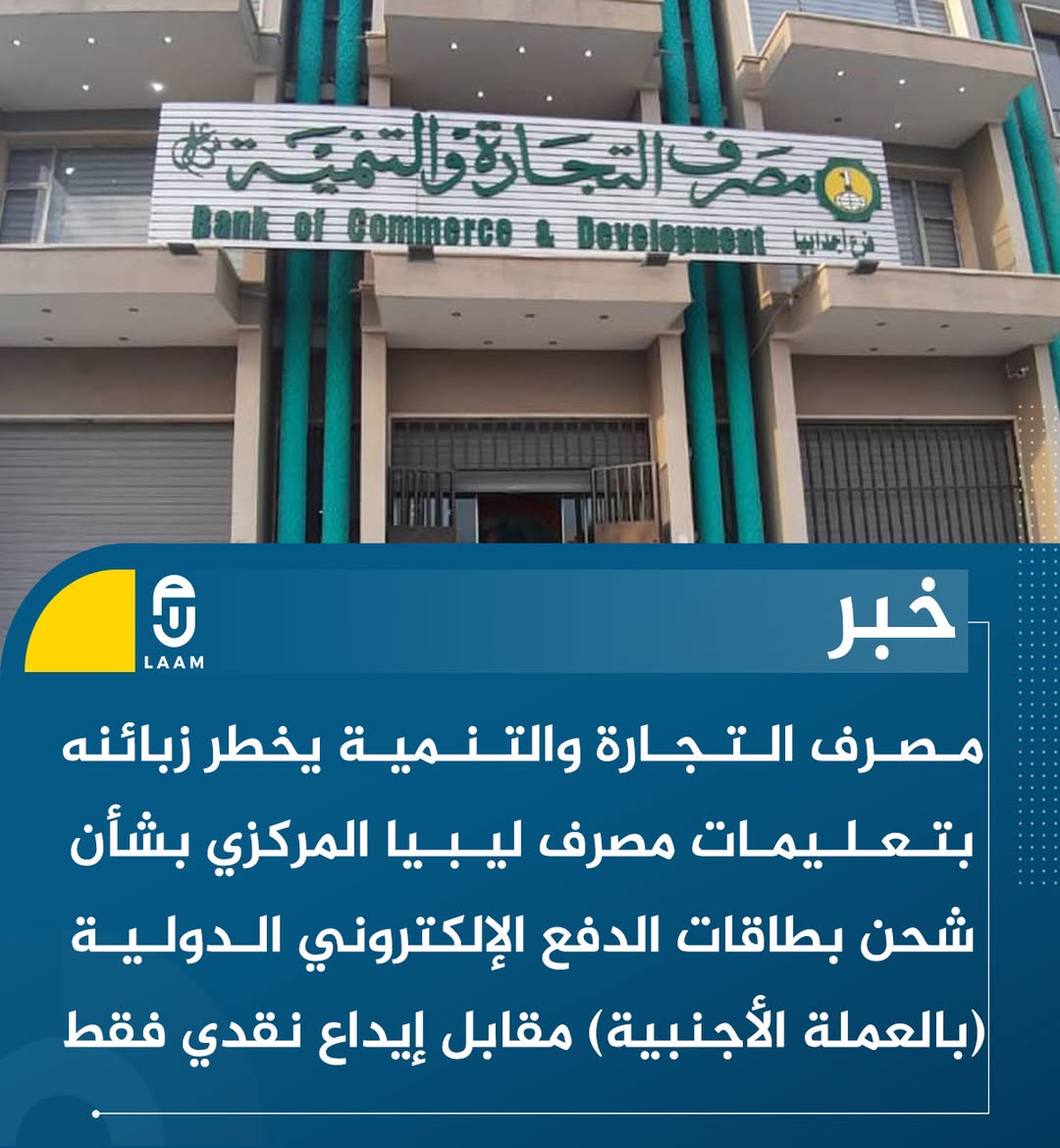
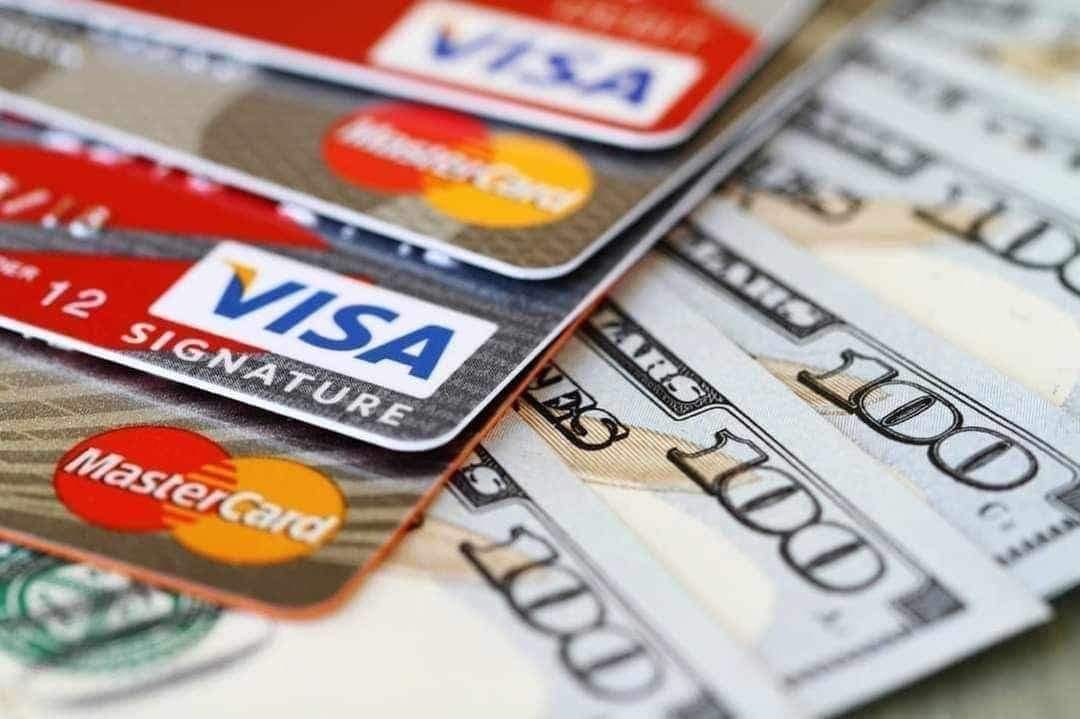
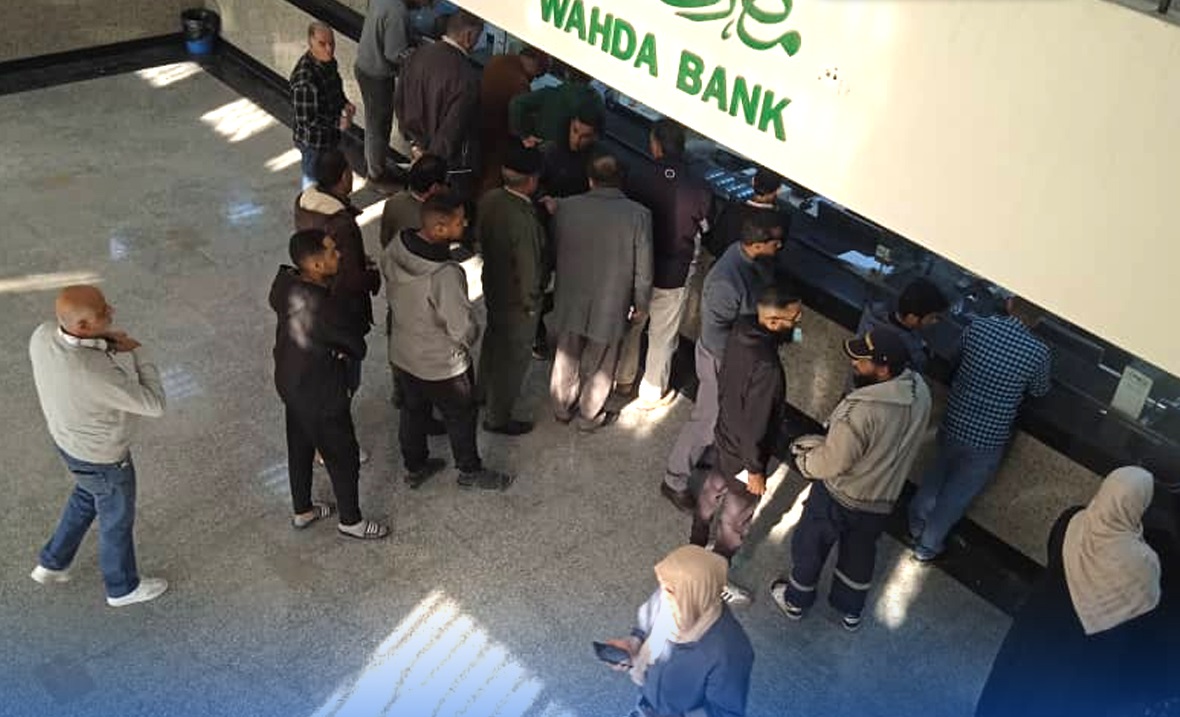
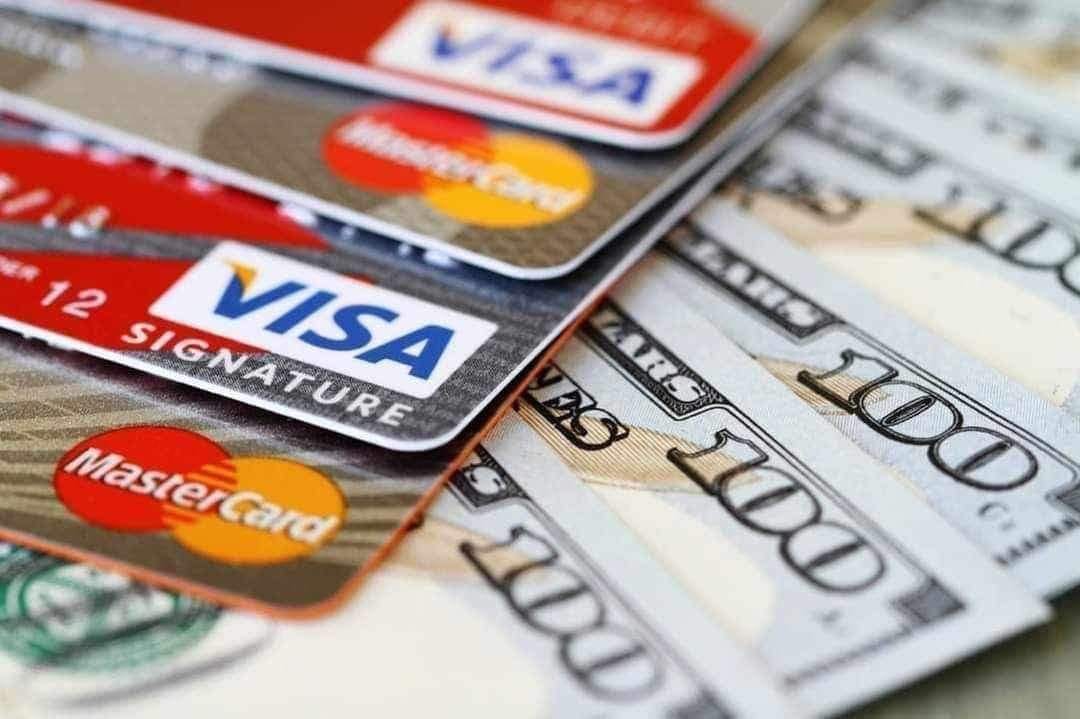
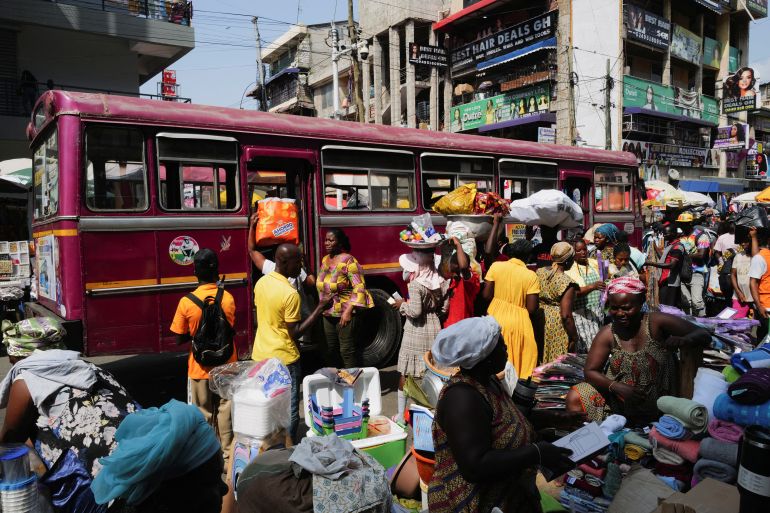
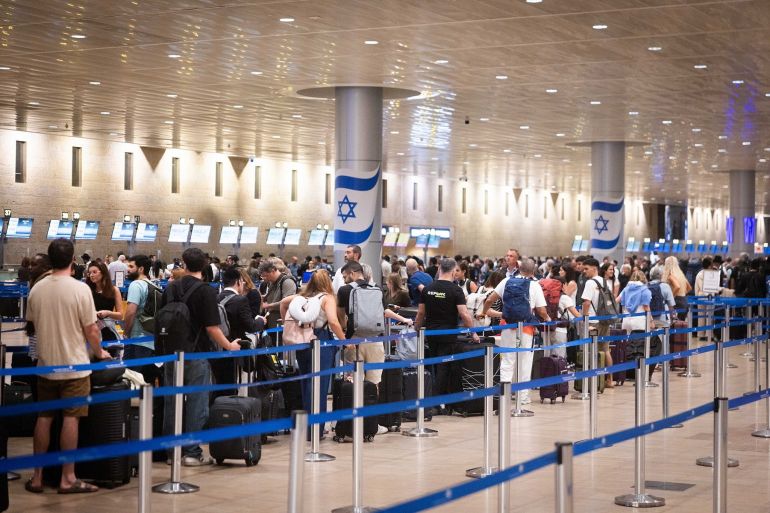
Despite repeated attempts by the central bank to encourage citizens to rely on “digital transformation,” the reality in markets and commercial stores tells a different story. Bank cards have become mere pieces of plastic “out of service,” placing citizens in embarrassing situations at payment counters and leading to the formation of pointless, long queues.
Why has the system faltered? Experts and economists attribute this recurring collapse to several structural reasons, most notably:
- Fragile technical infrastructure: Weak software systems and their inability to handle operational pressure.
- Monopoly policy: Reliance on a single company to operate the system and the absence of competition that would ensure service stability.
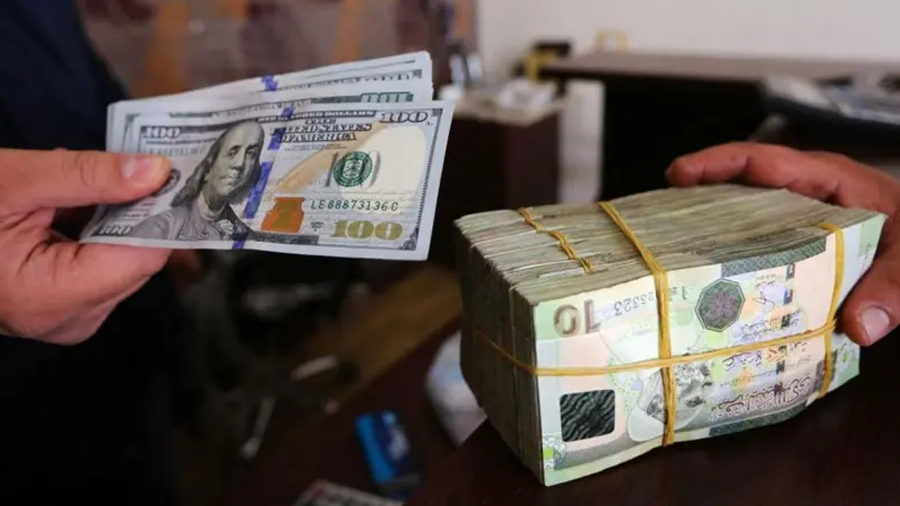
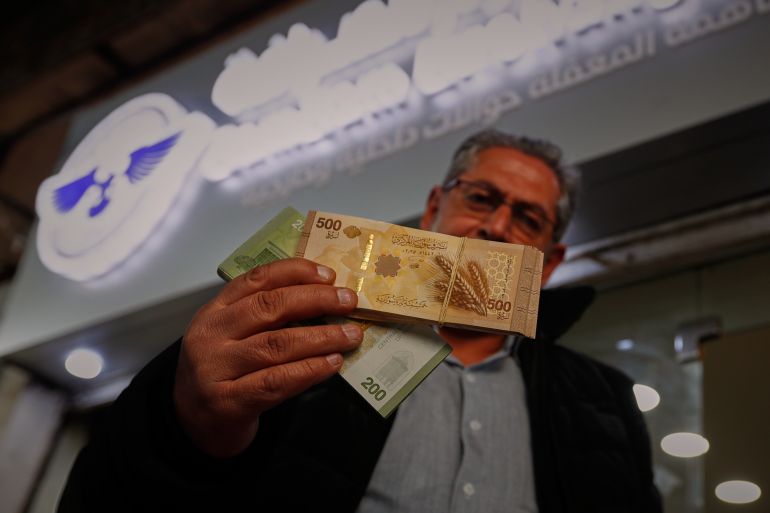
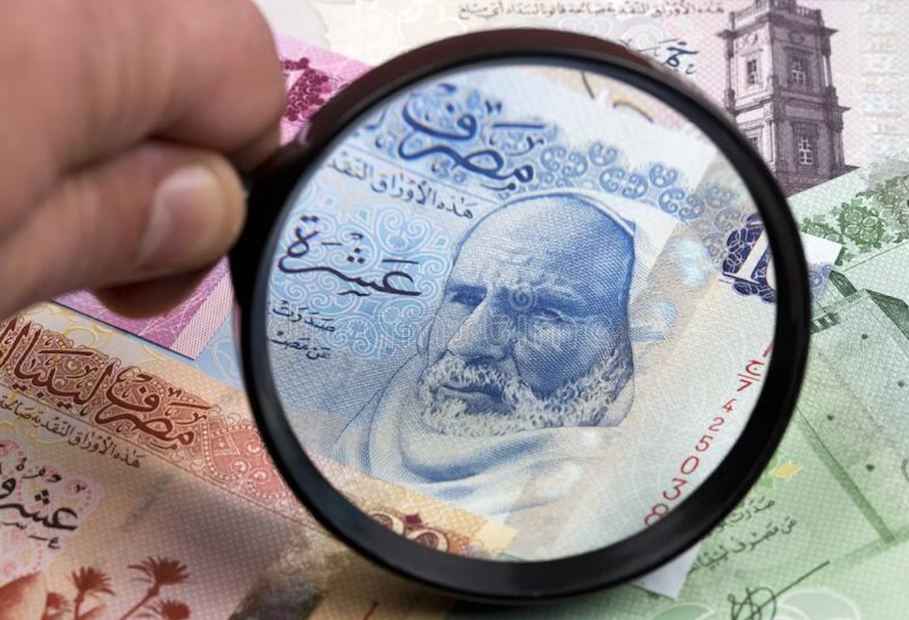
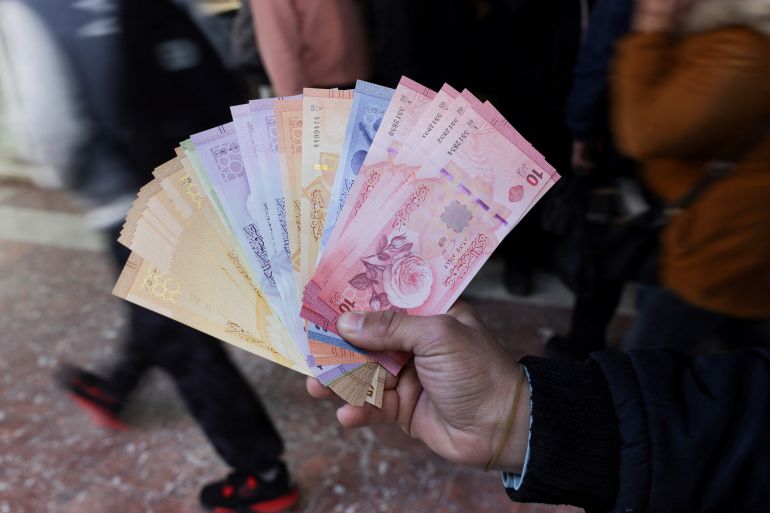
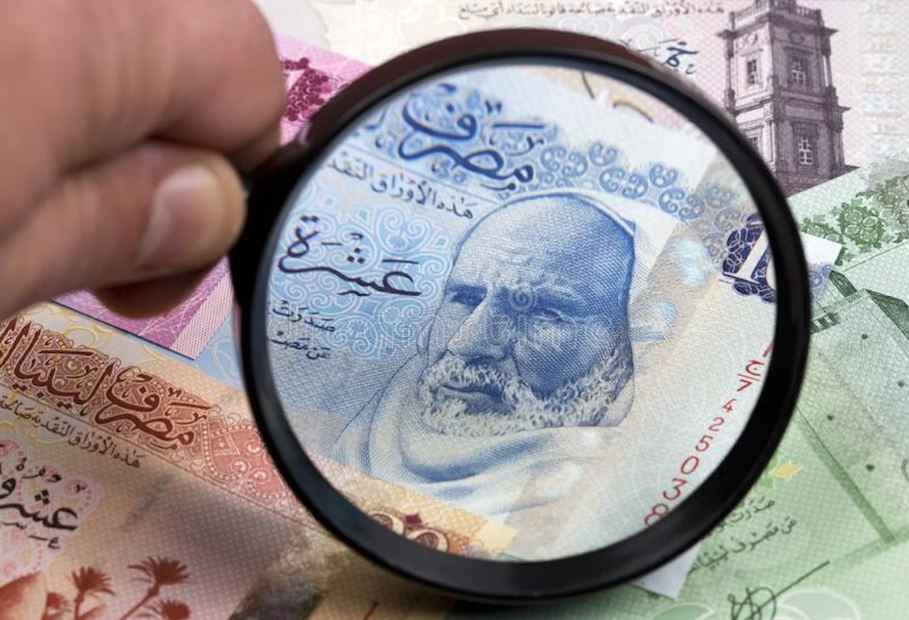
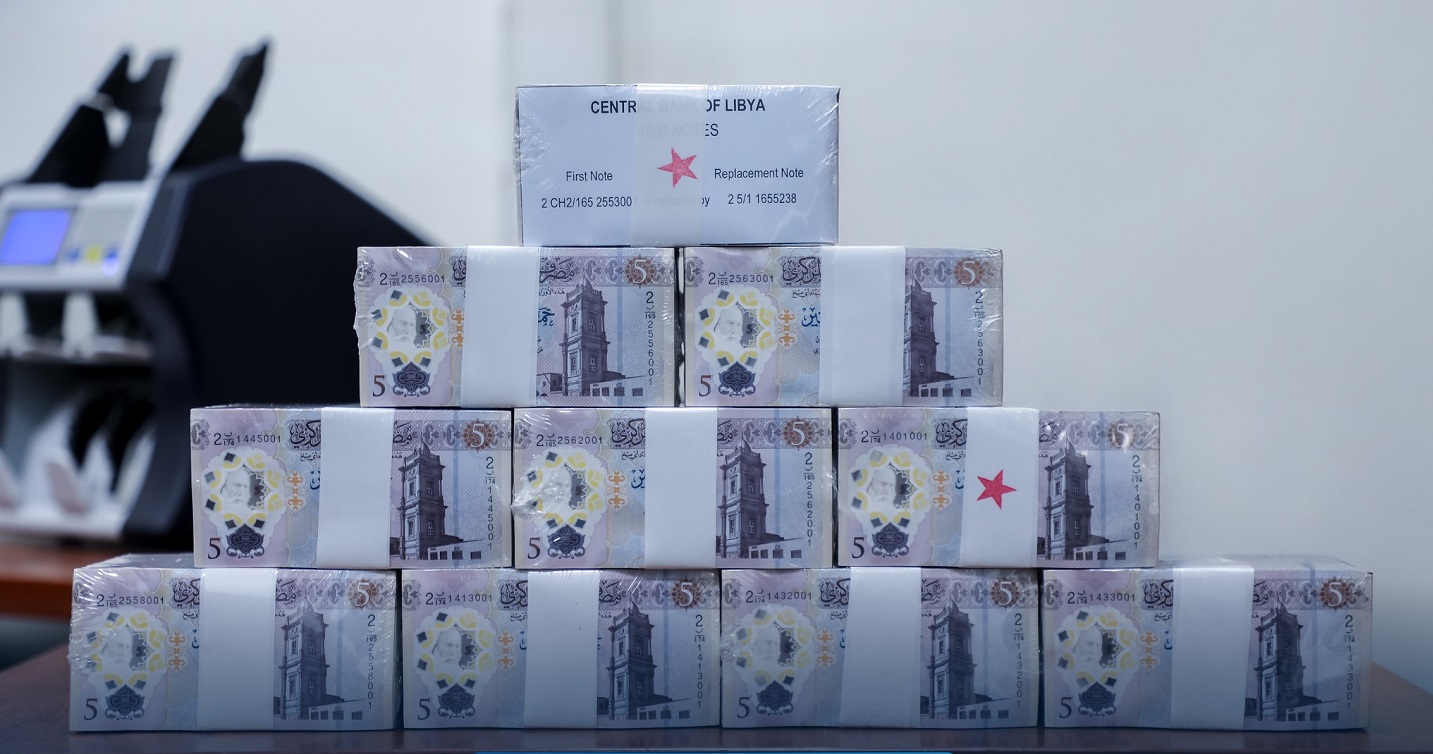
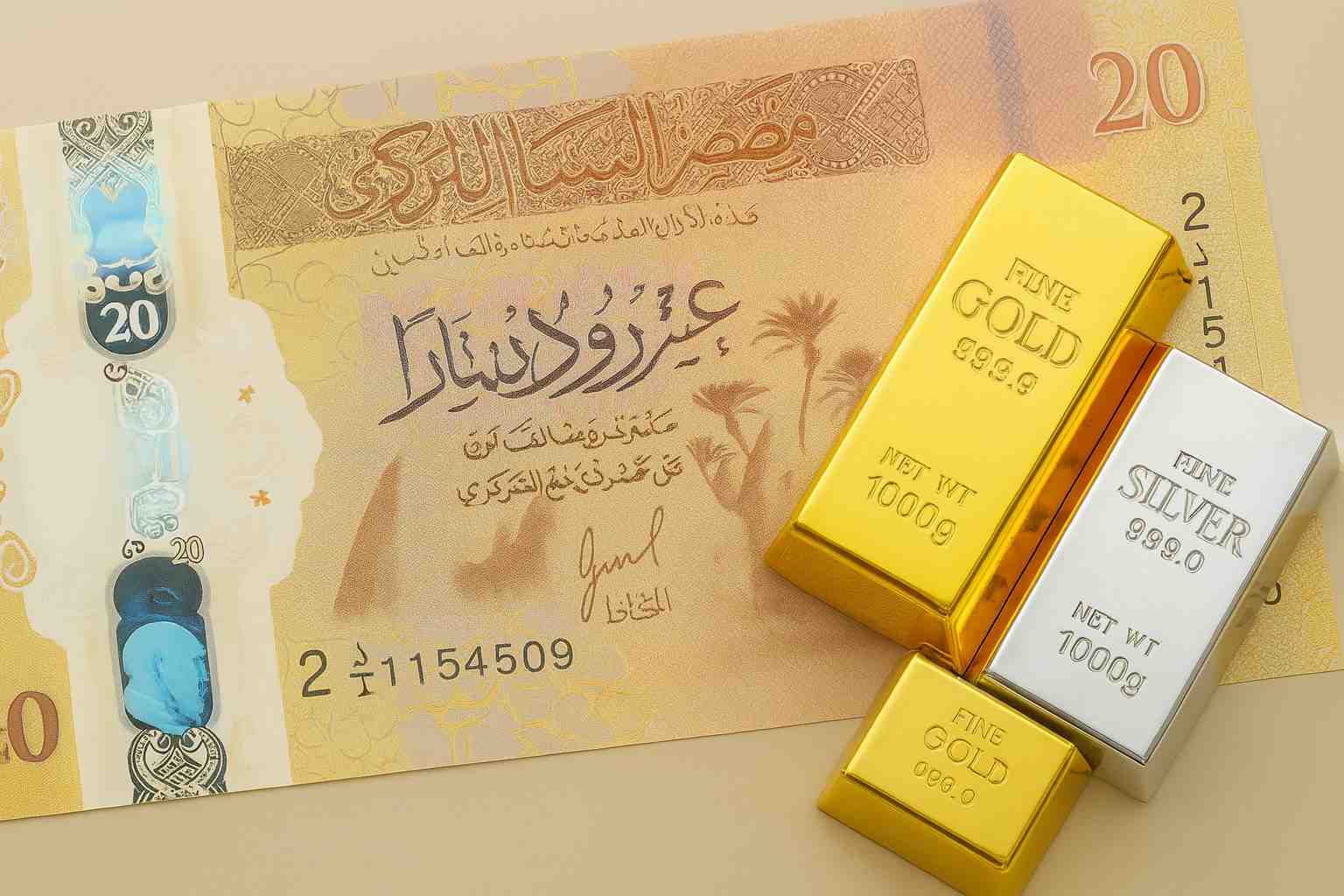
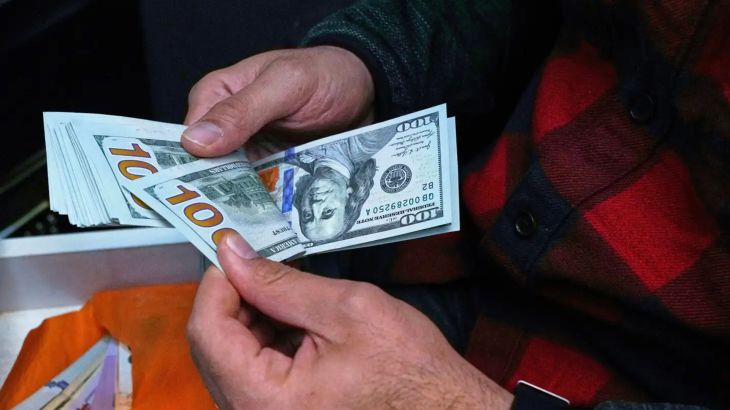
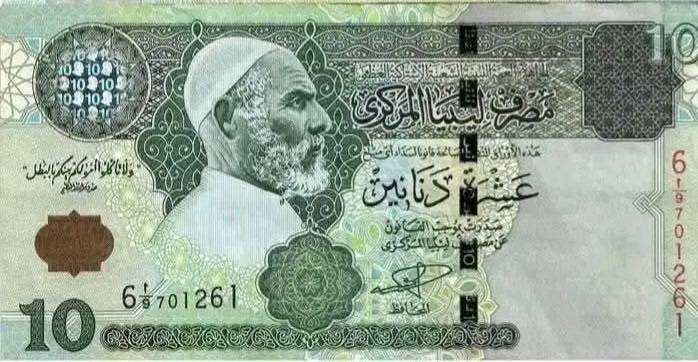
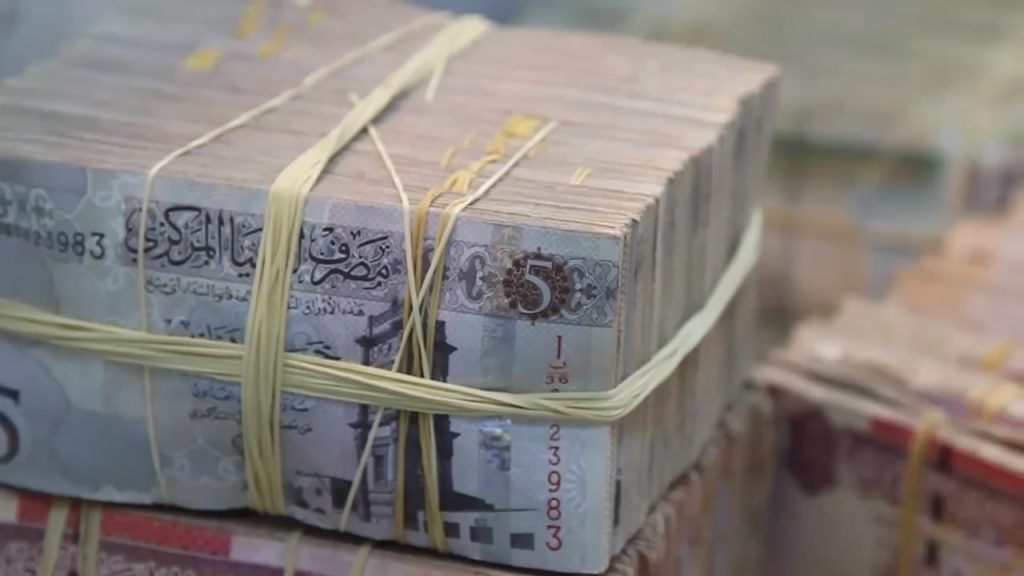
- Shortage of small denominations: The absence of small-denomination paper currency has further complicated simple daily transactions.
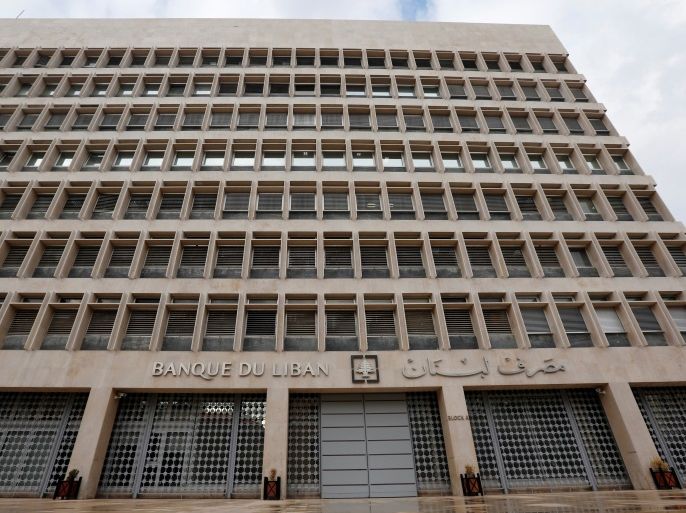
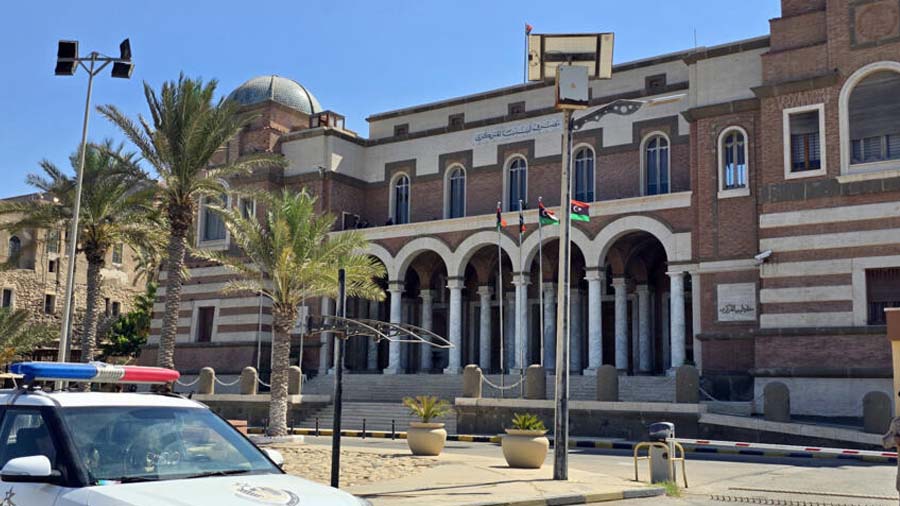
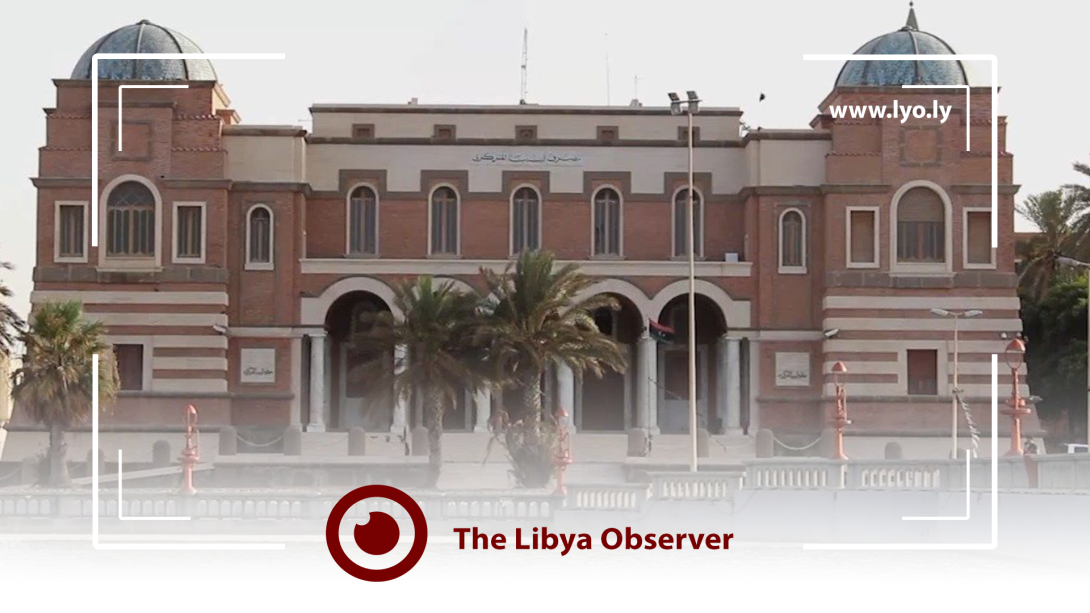
Observers confirm that this financial paralysis requires urgent action from the central bank to open the door to competition and develop the infrastructure, to ensure the stability of financial transactions and salvage what remains of citizens’ trust in the banking system.