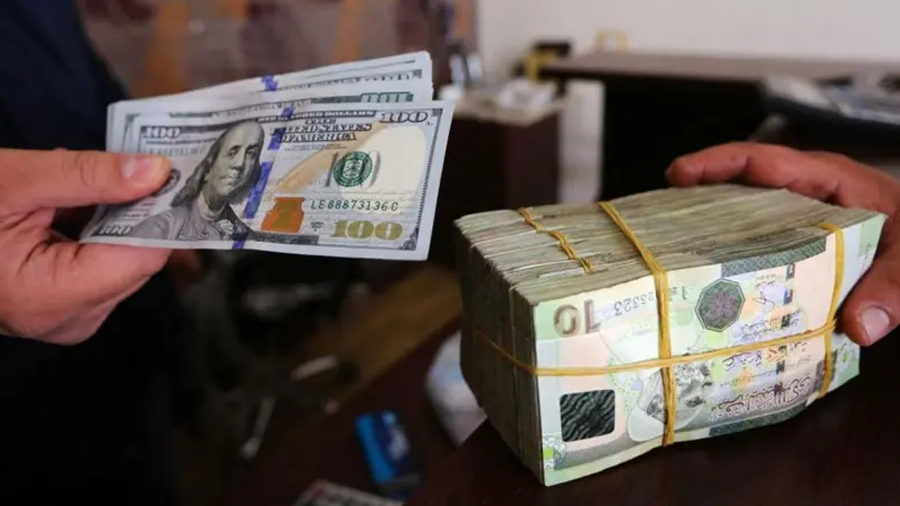
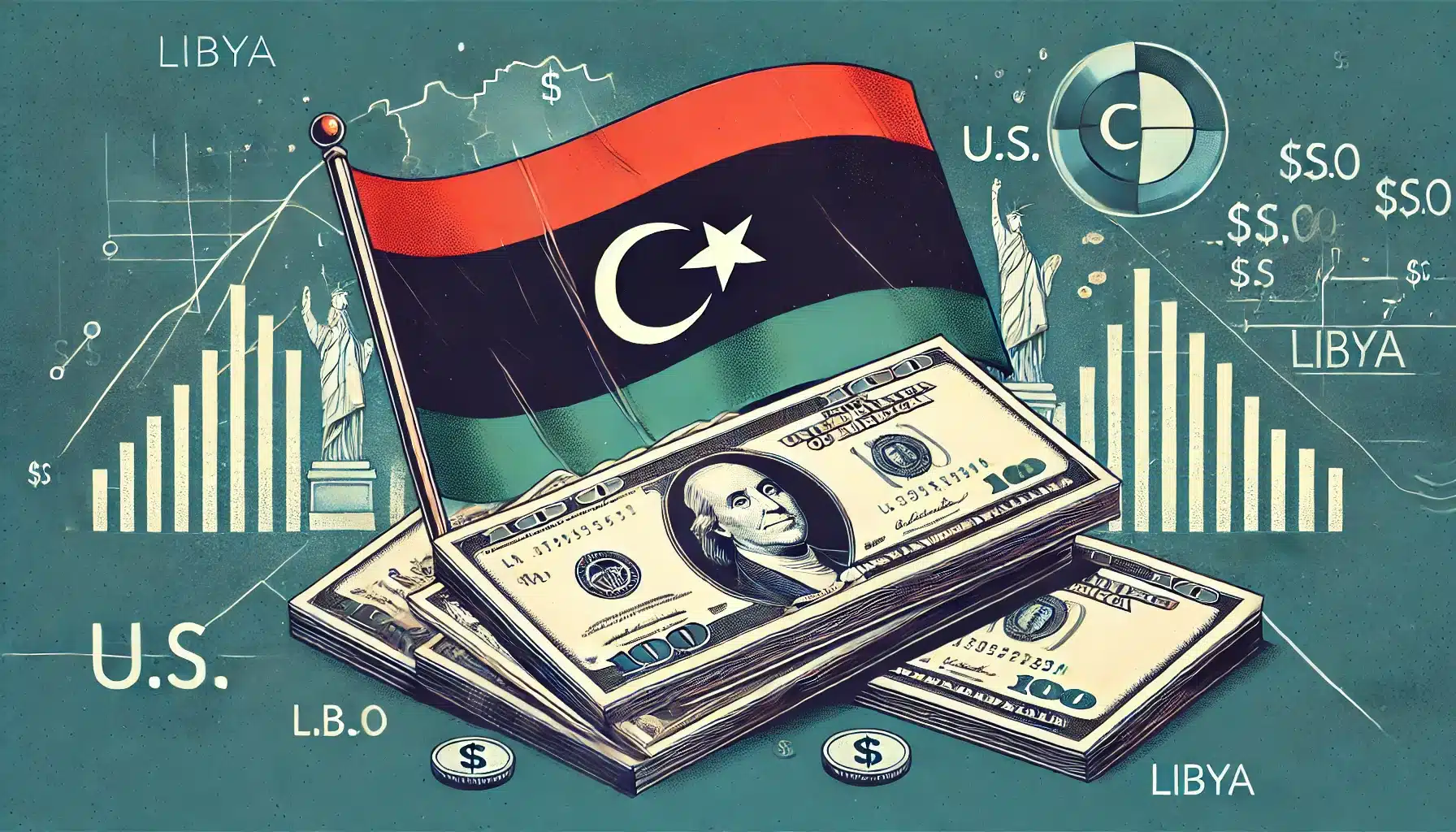
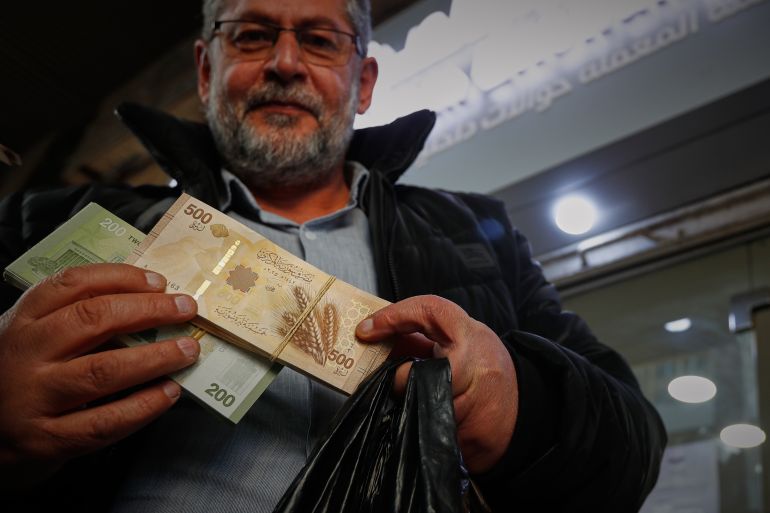
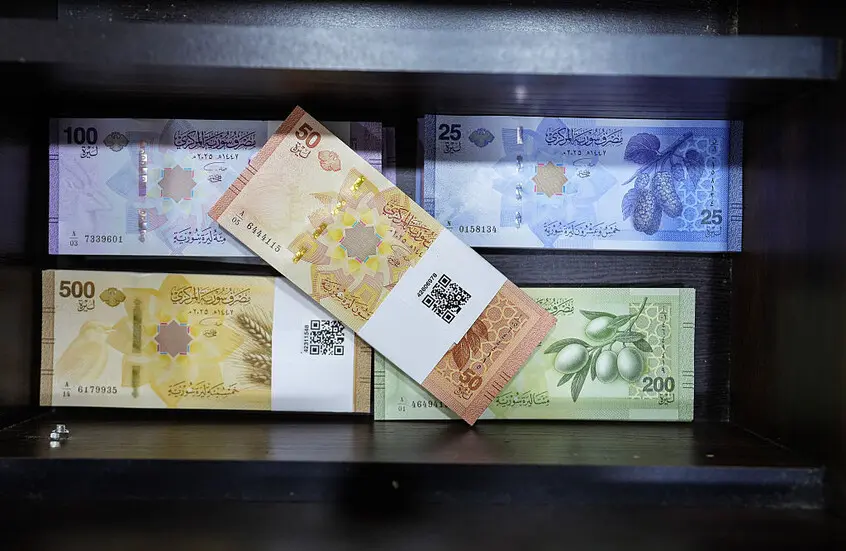
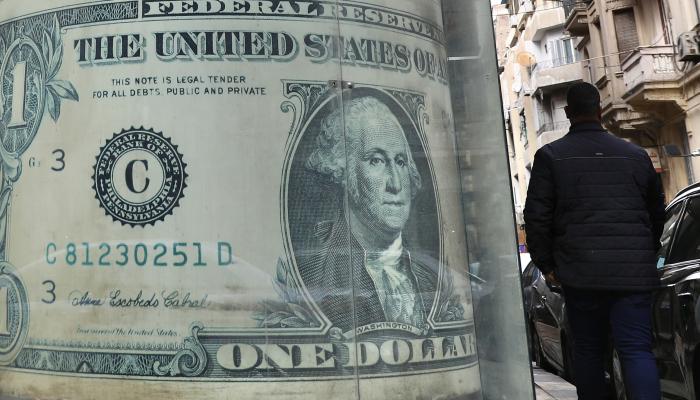
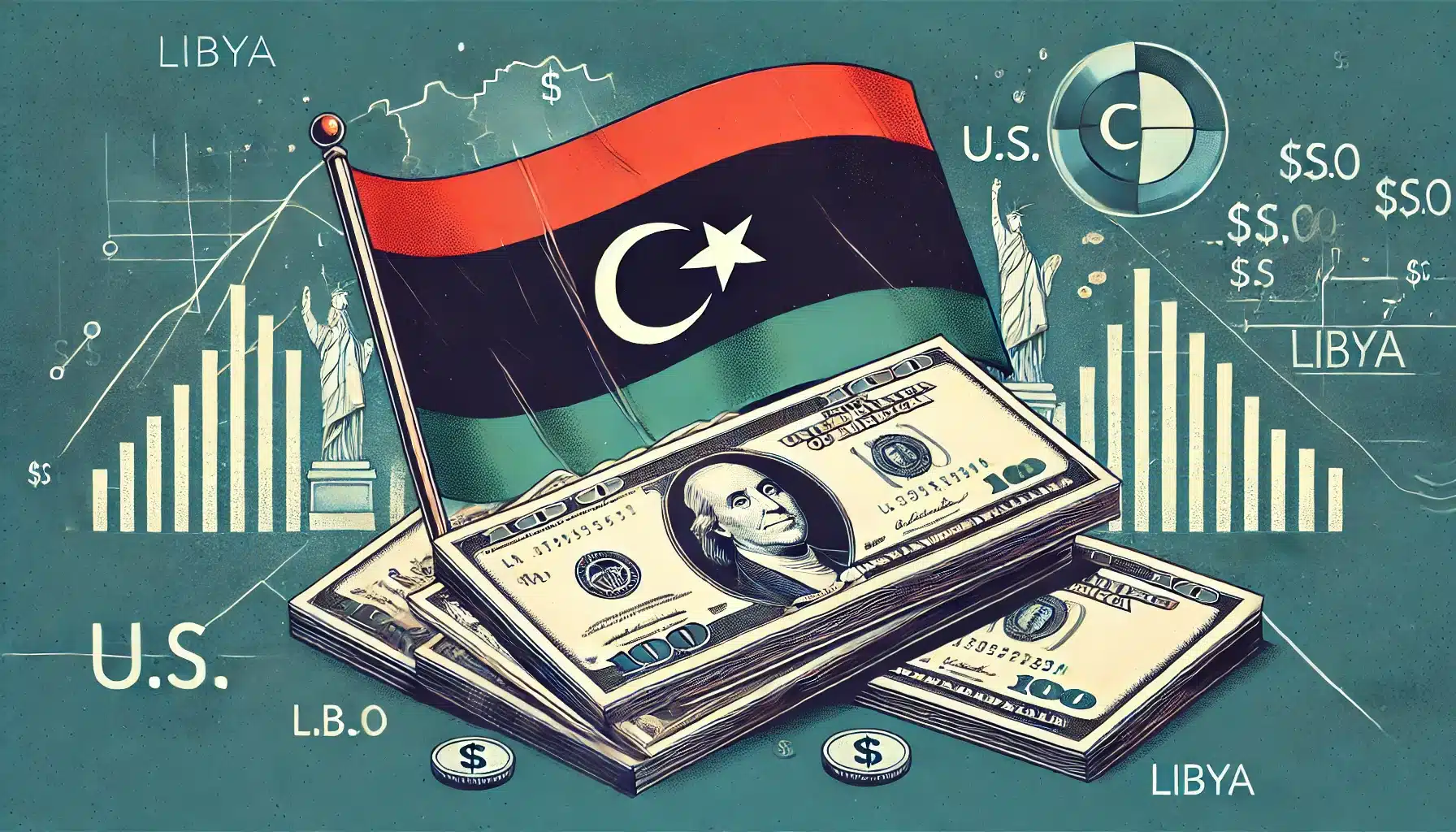
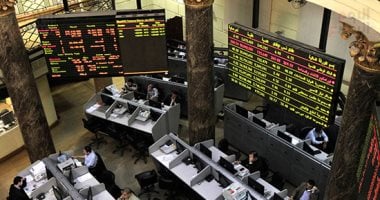
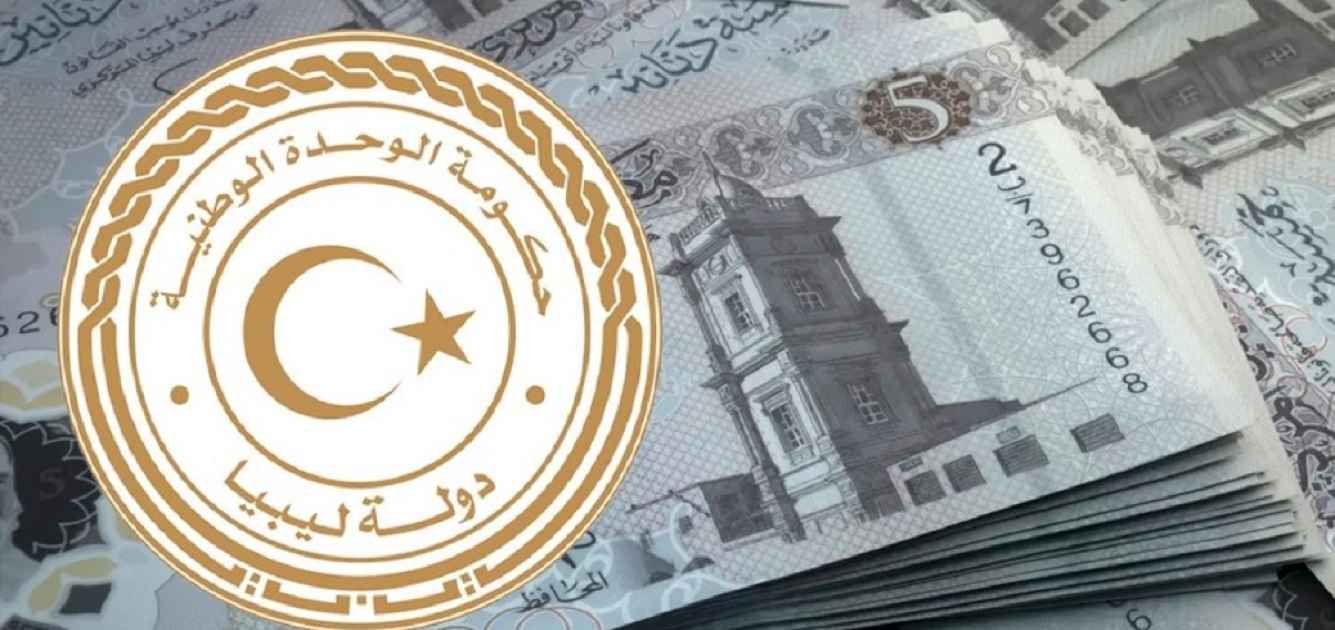
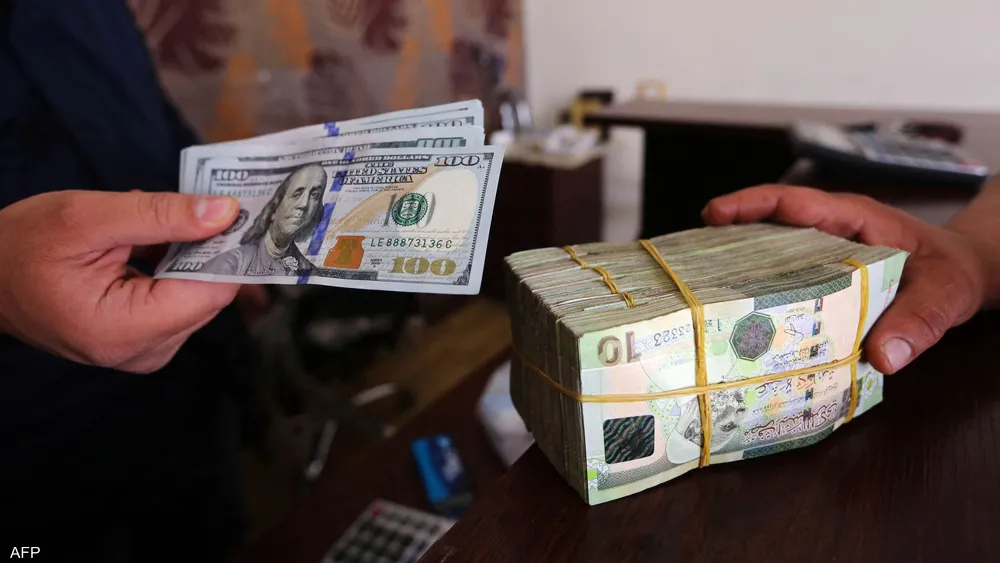
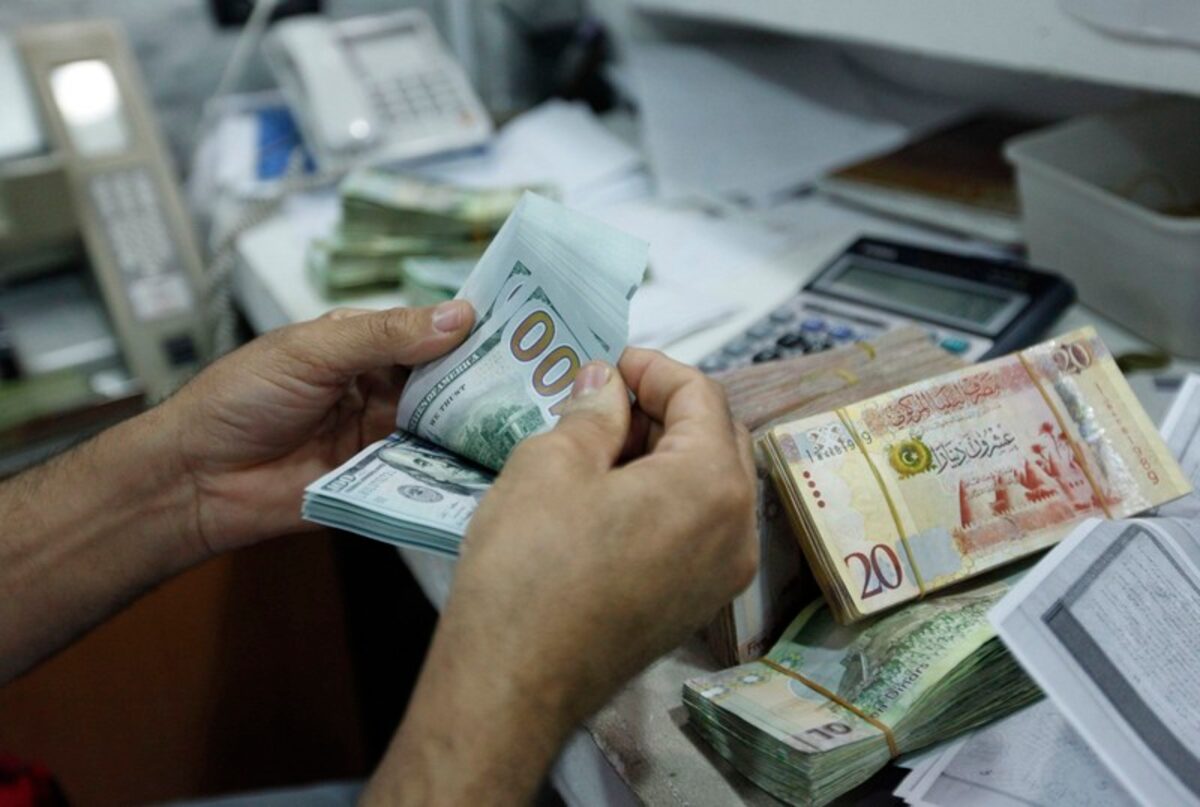
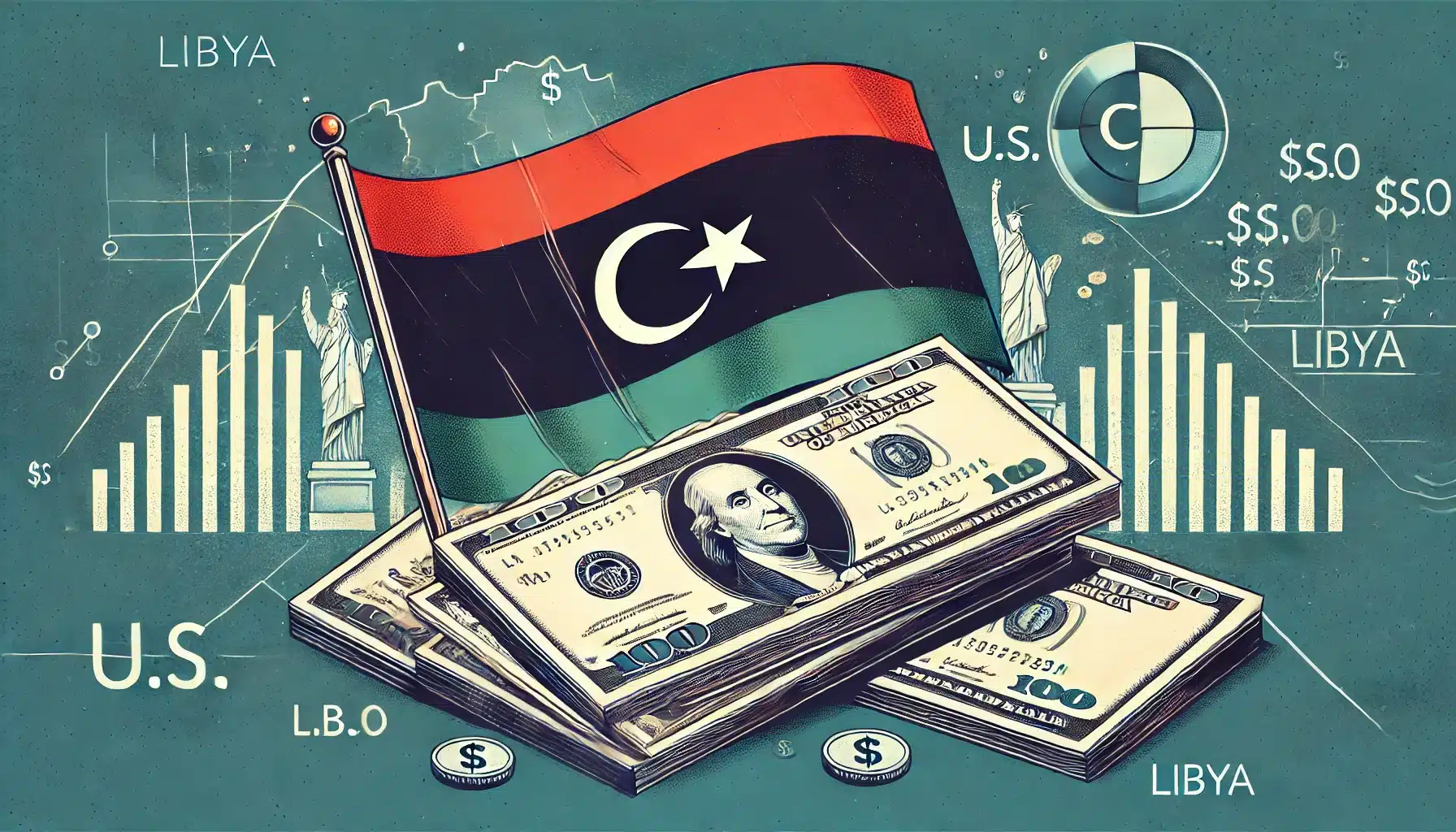
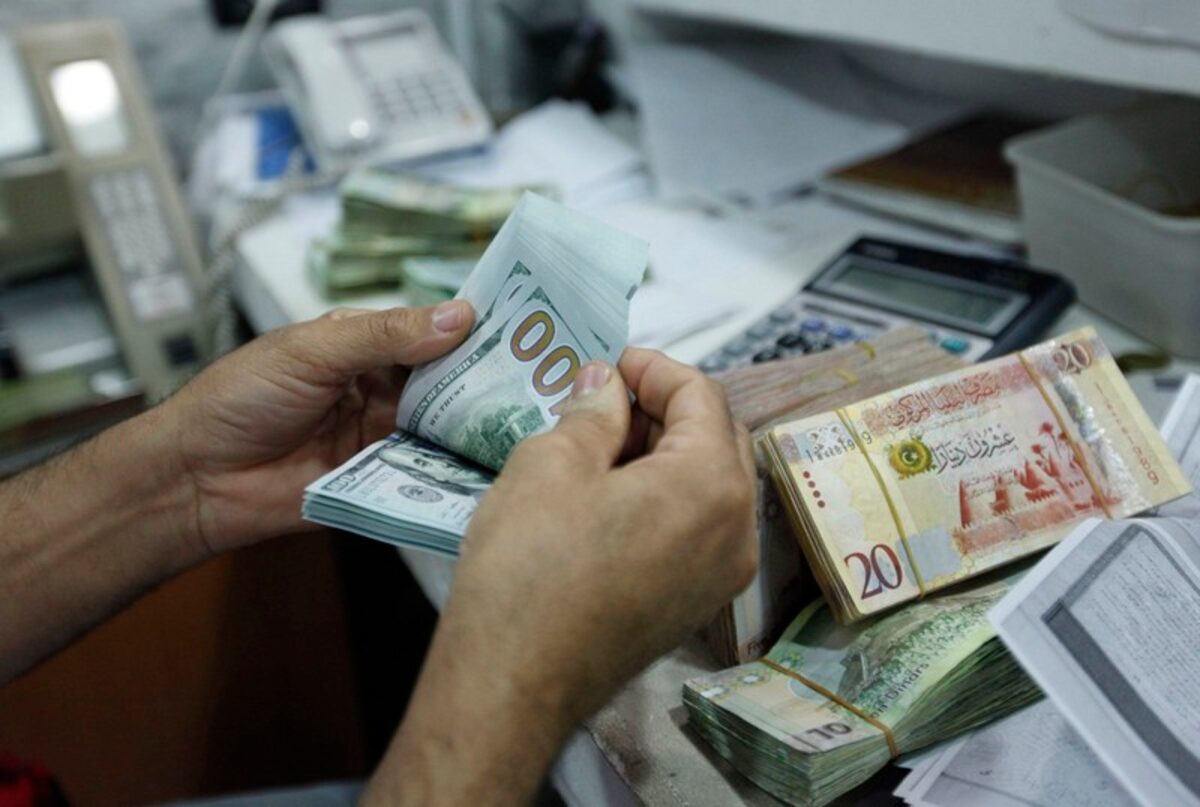
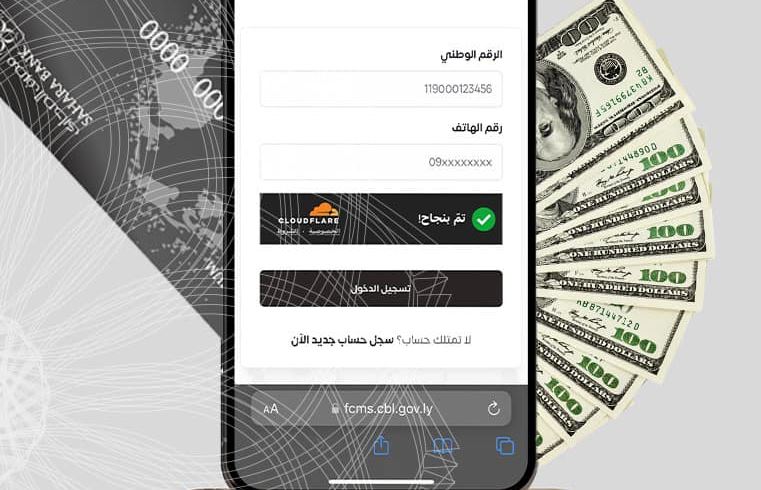
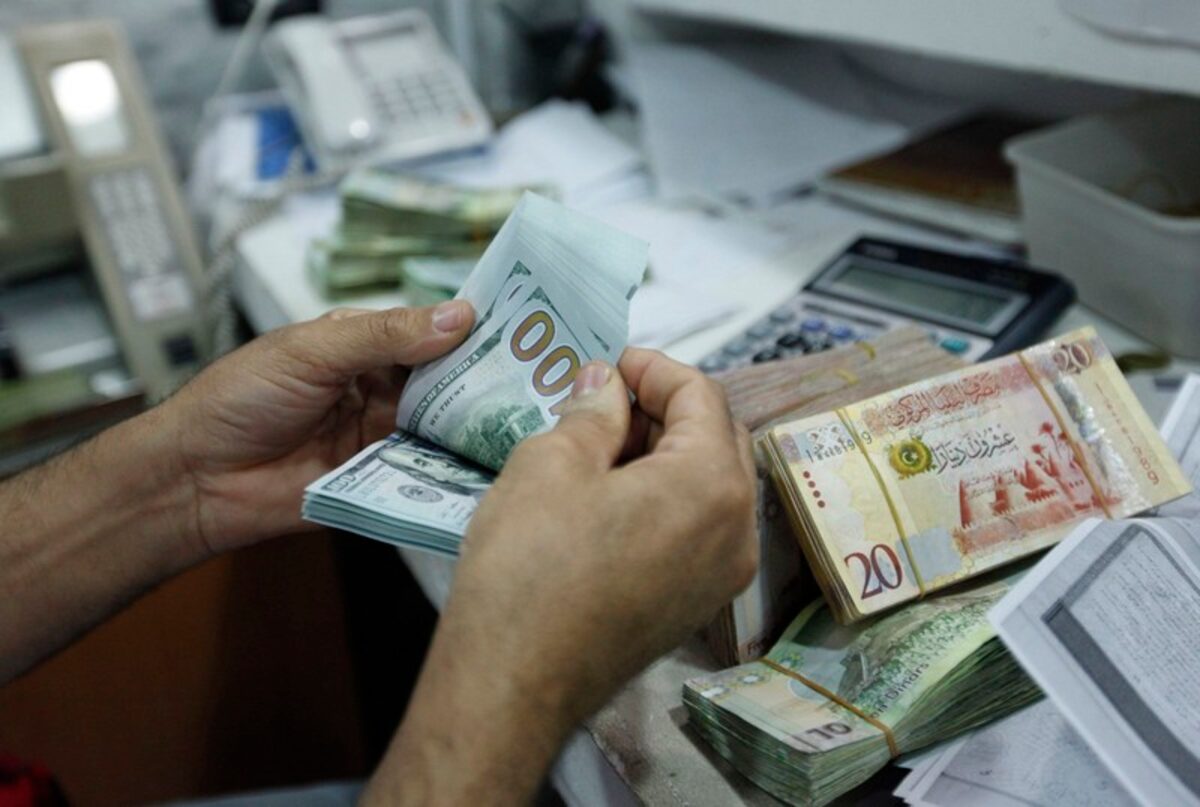
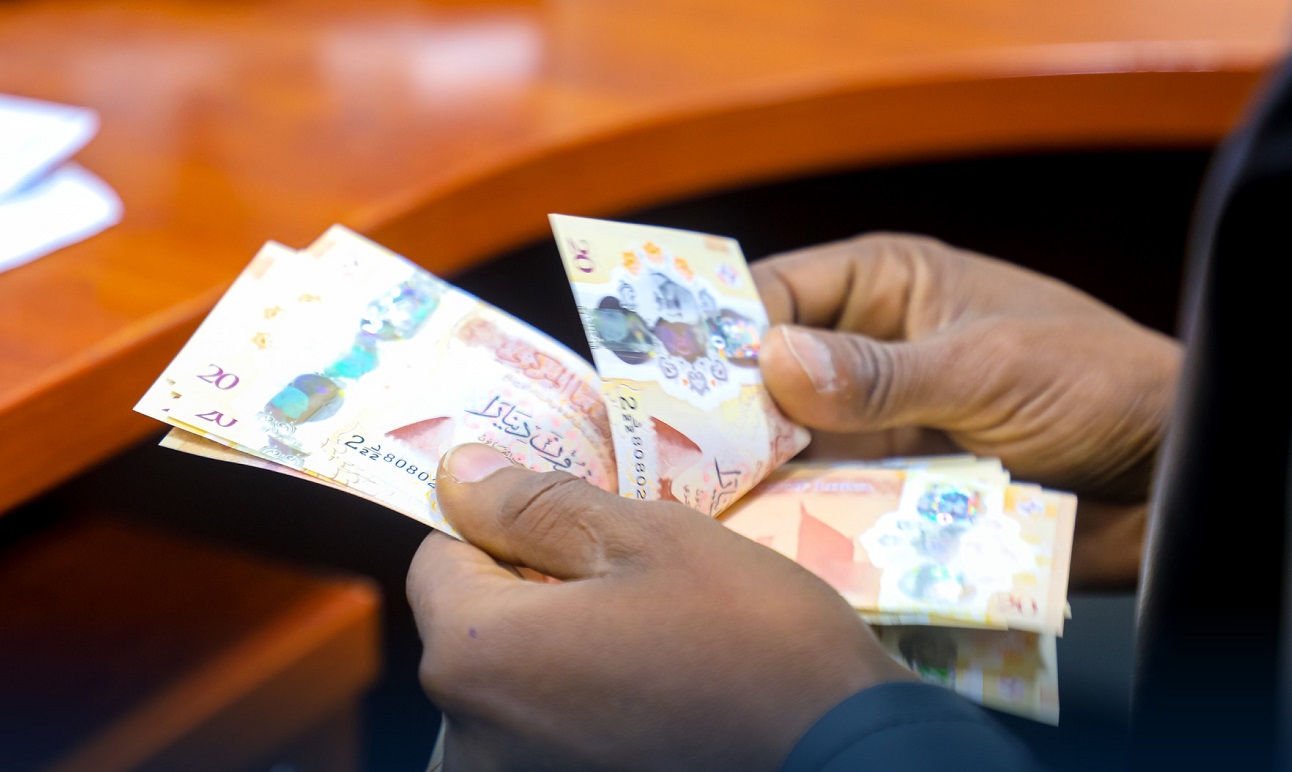
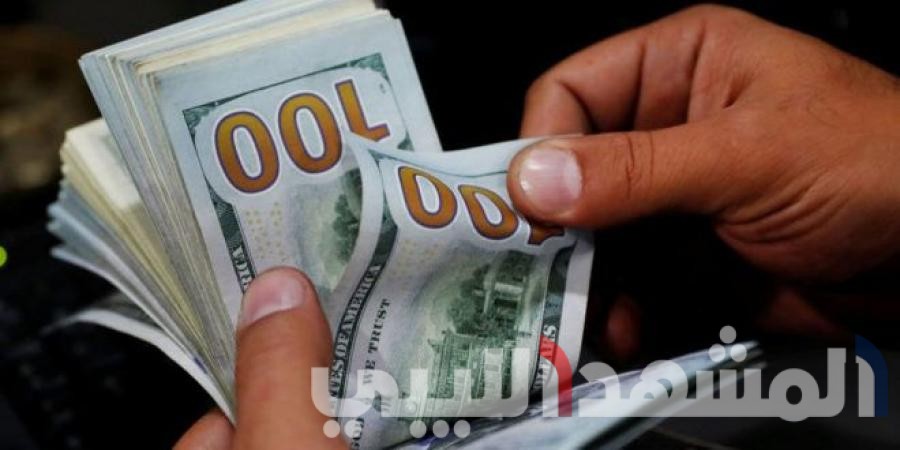
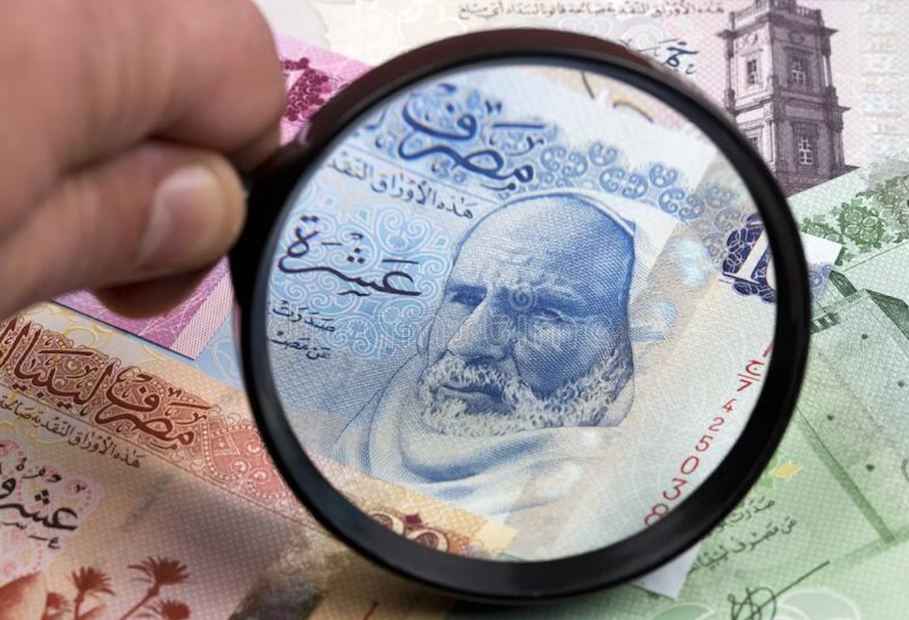
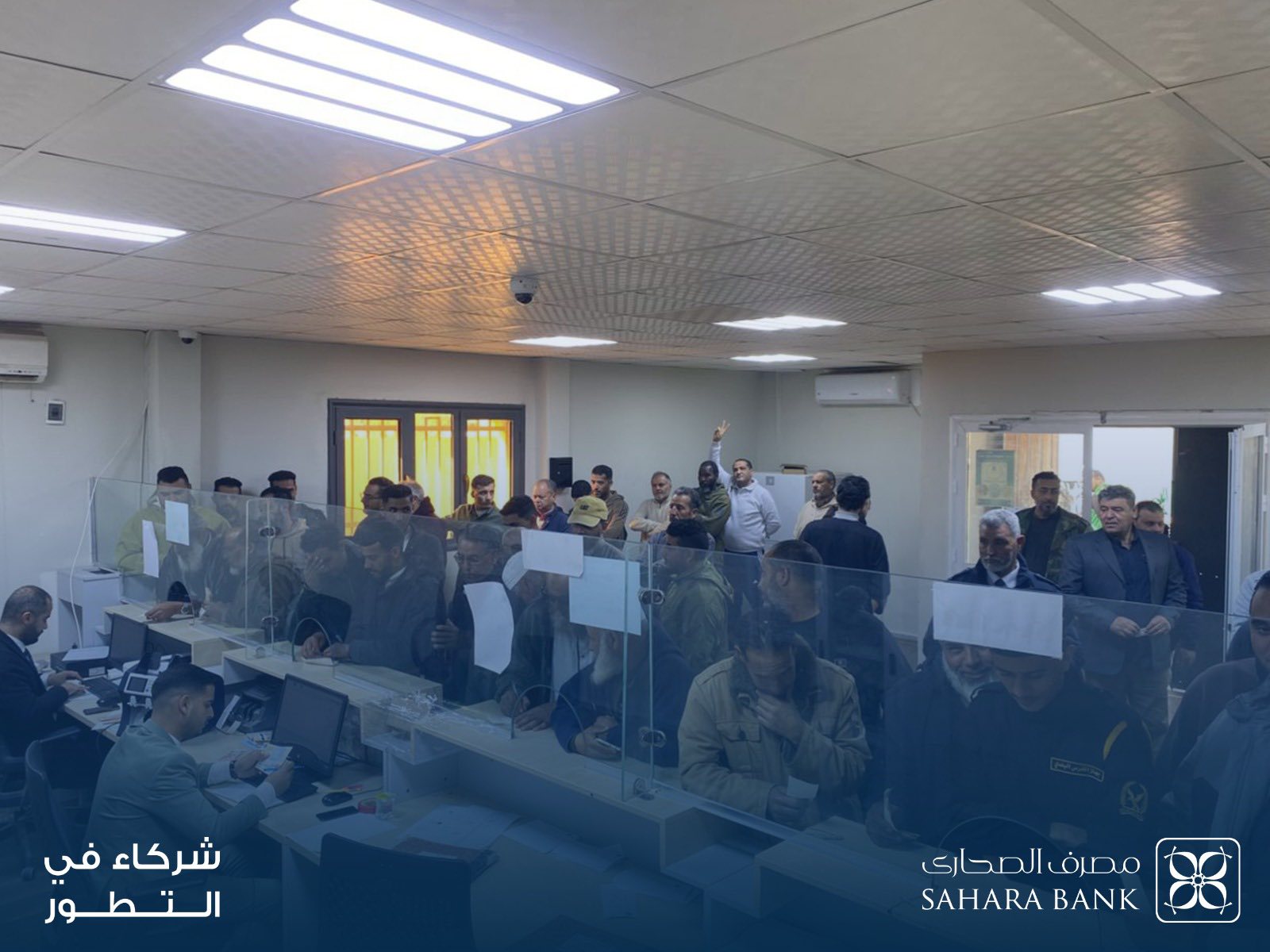
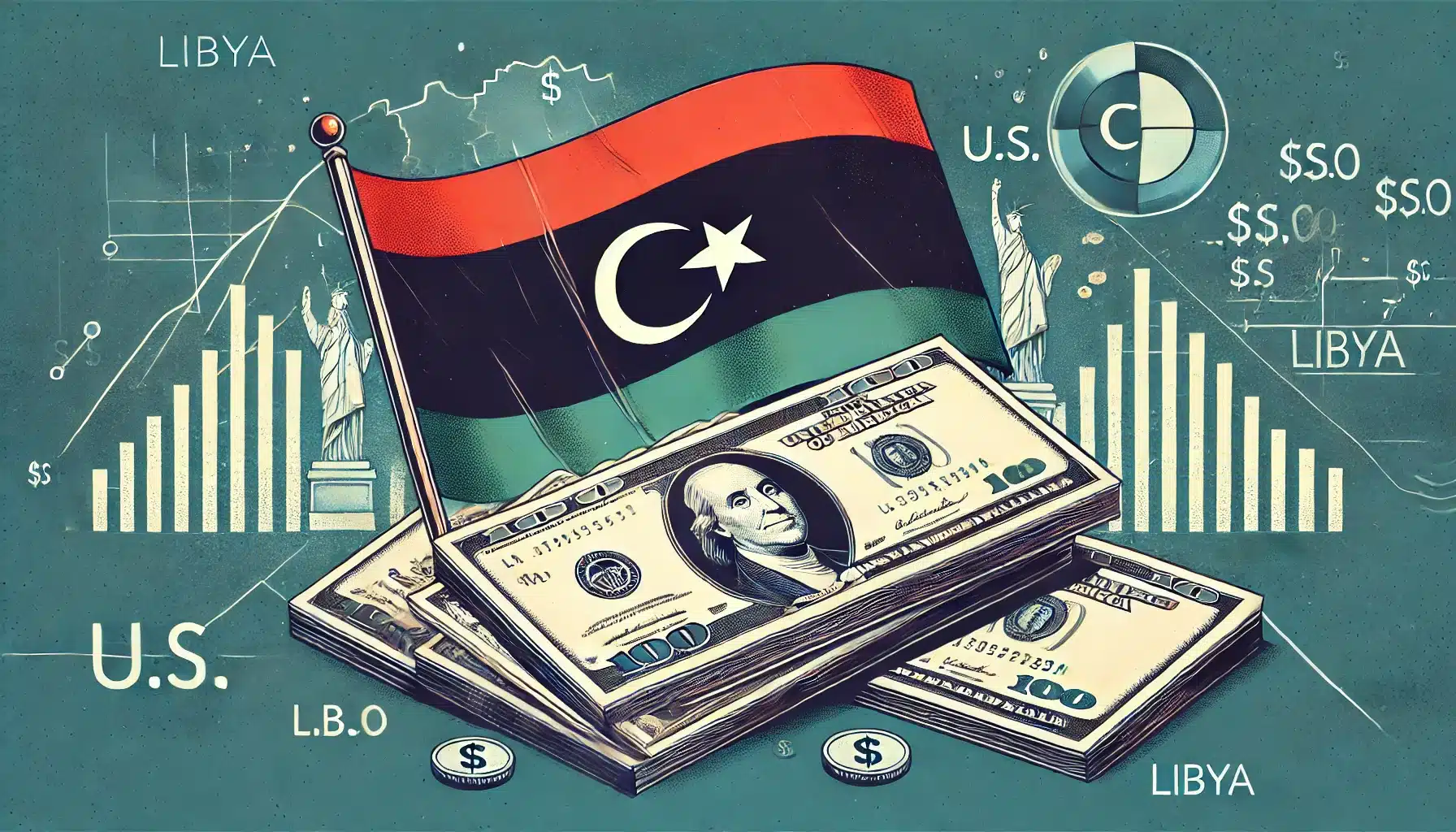
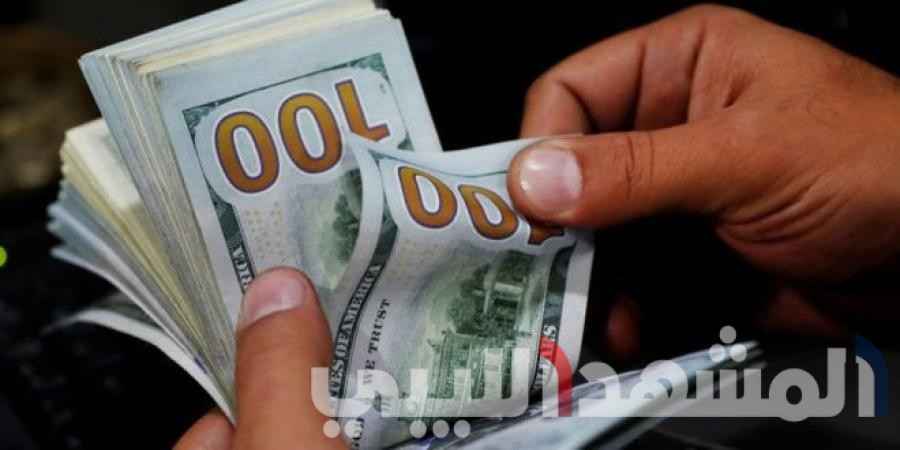
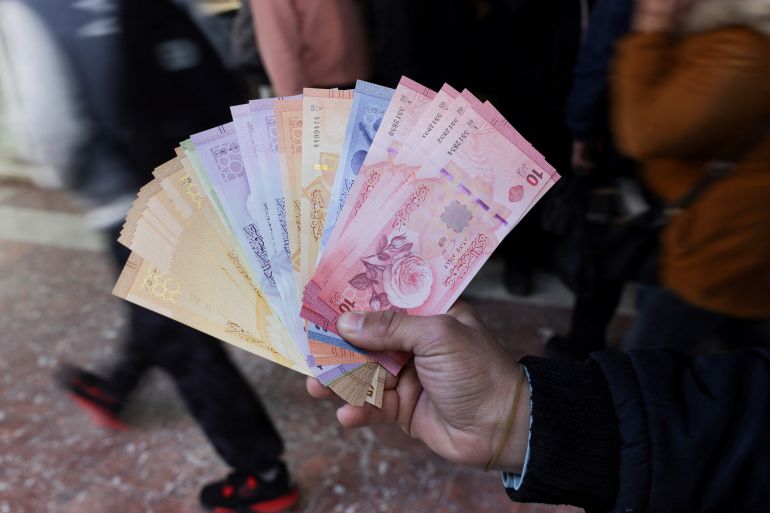
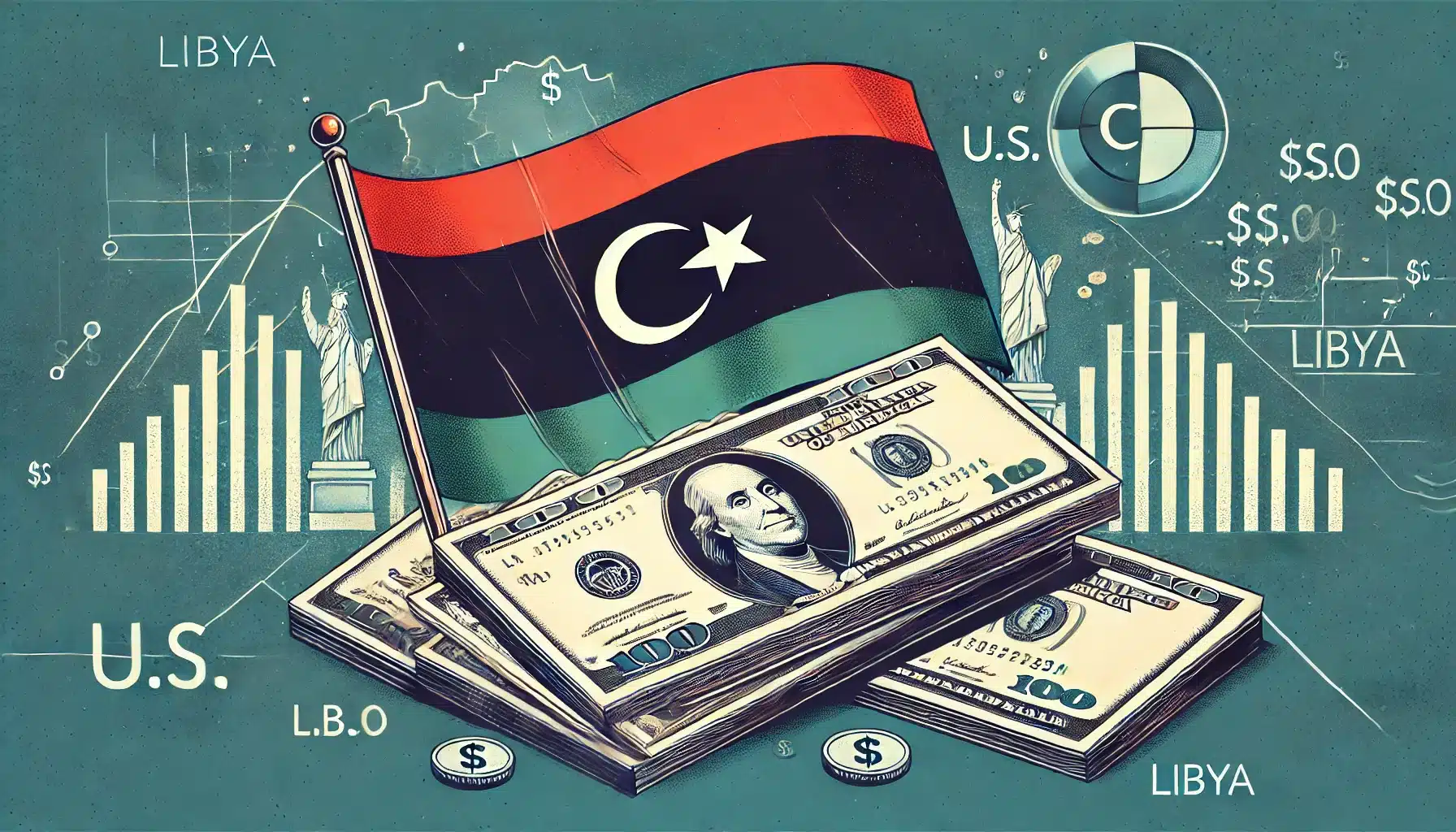
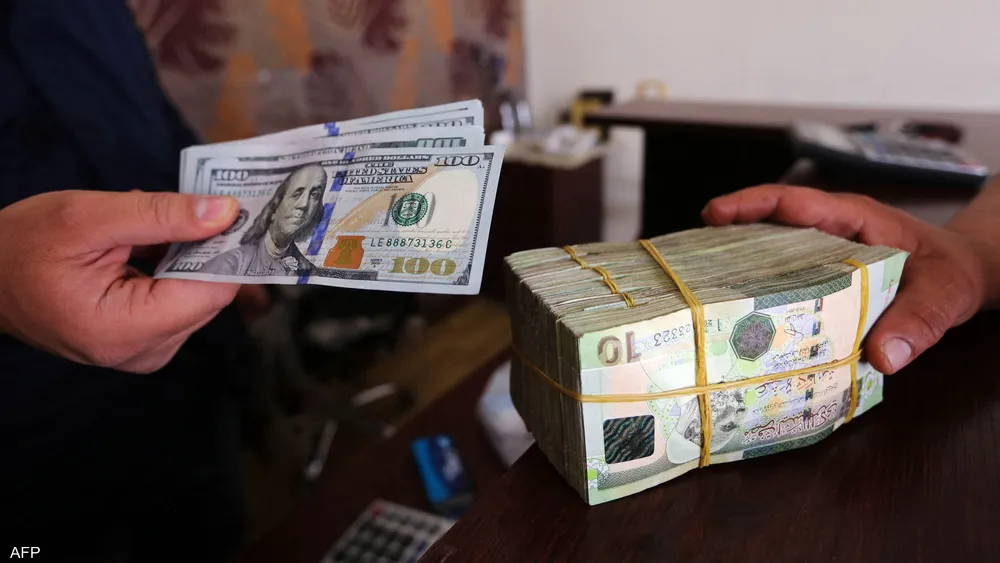
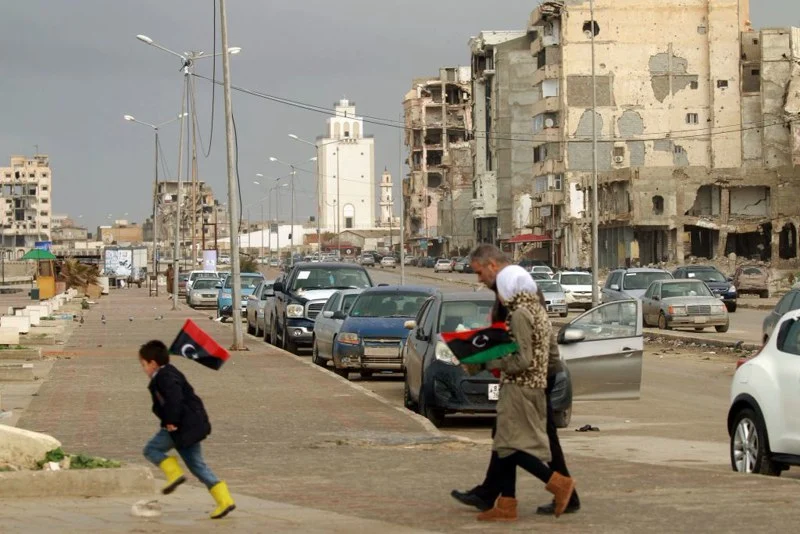
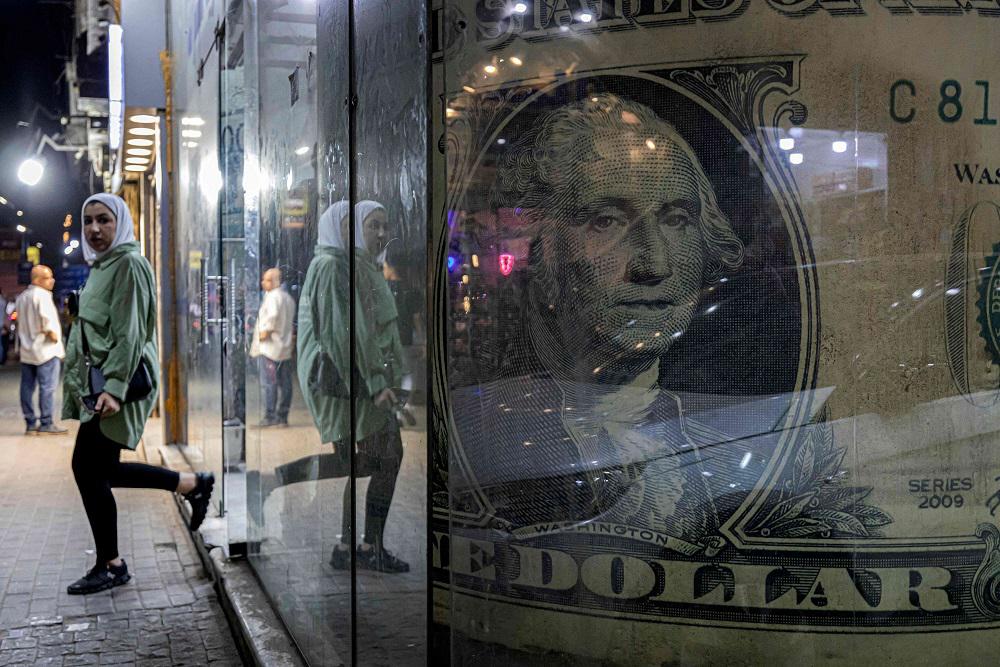
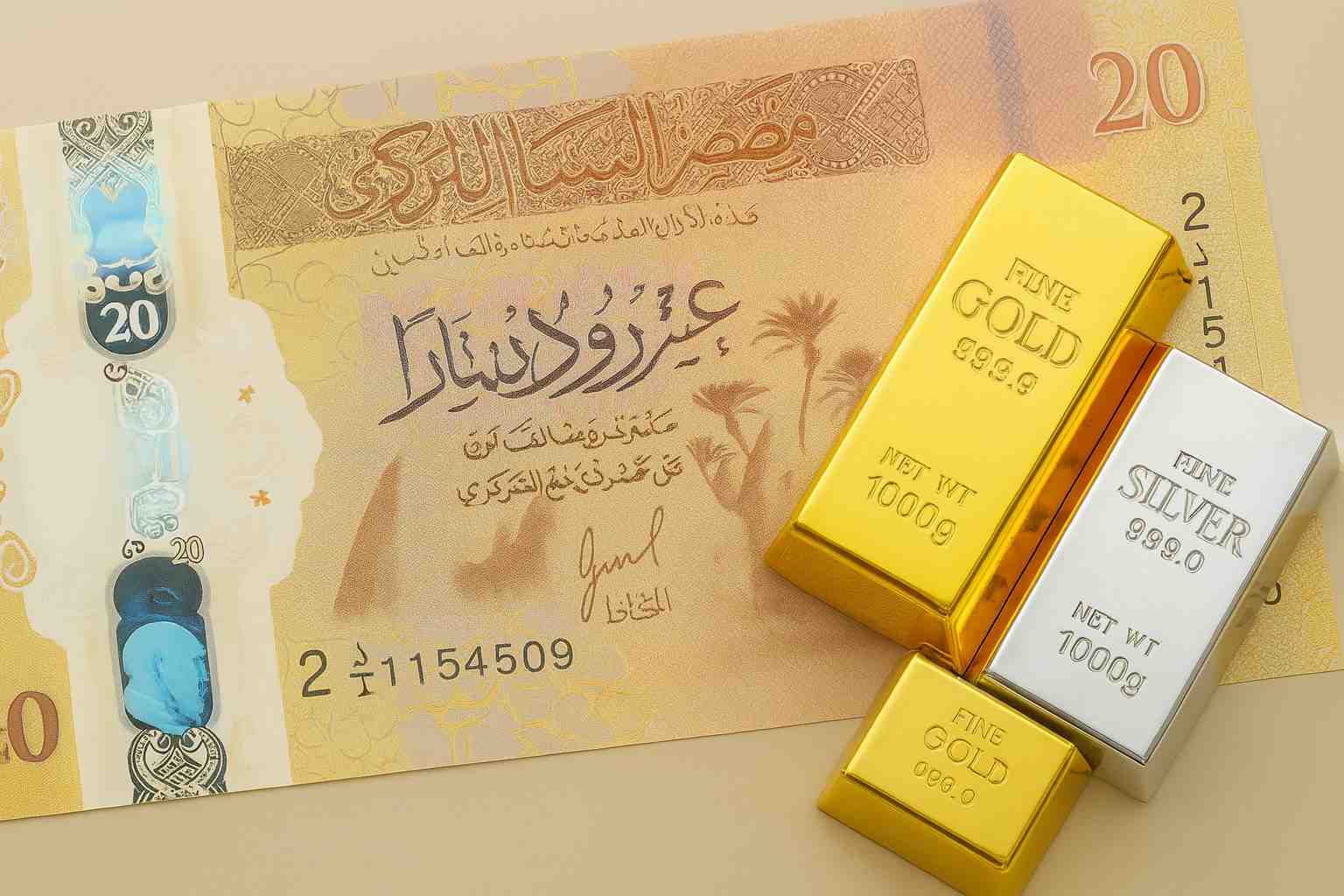
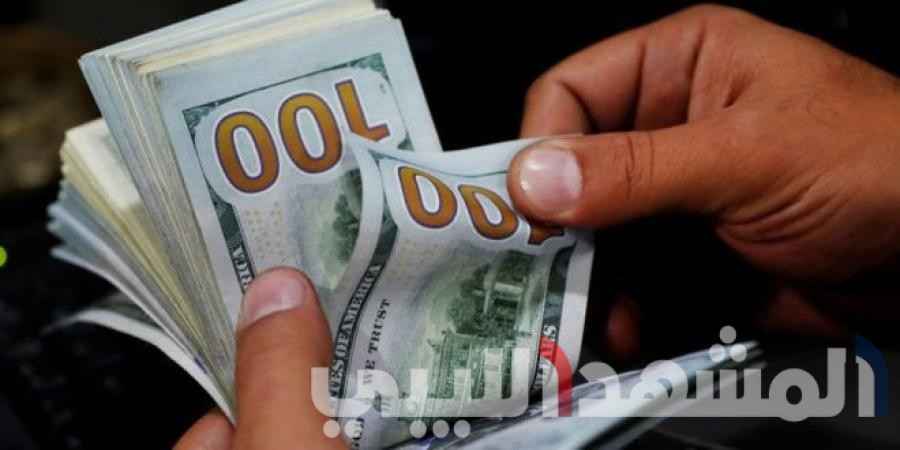
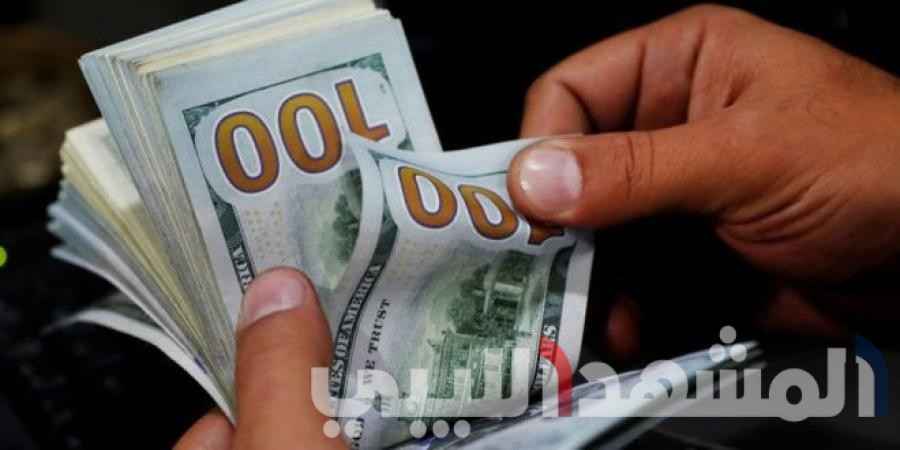
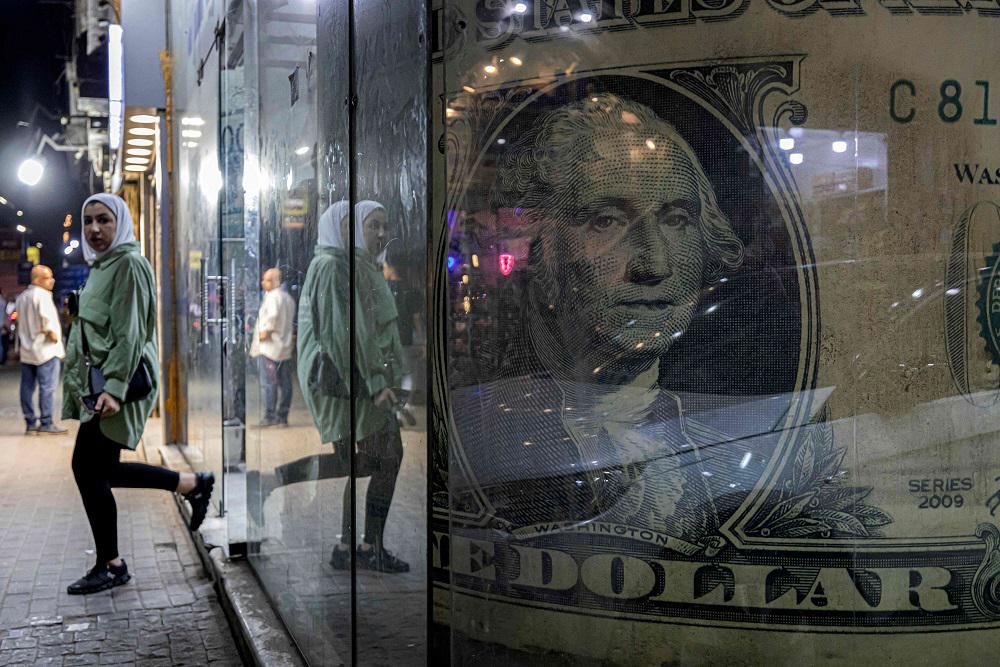
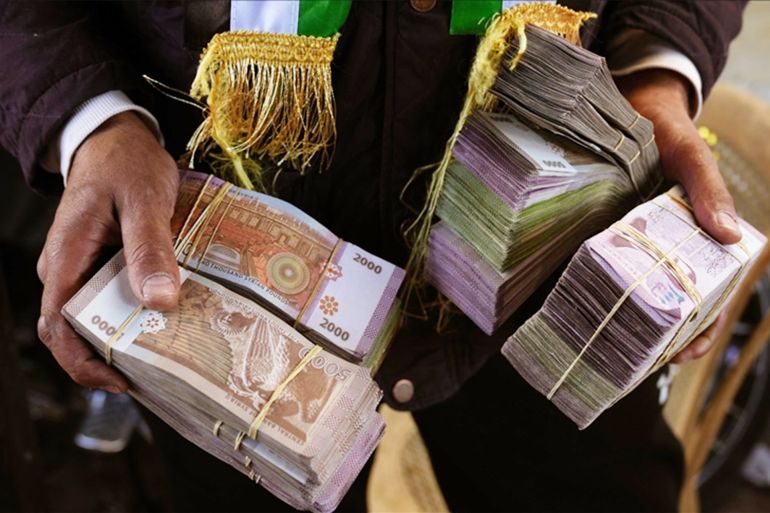
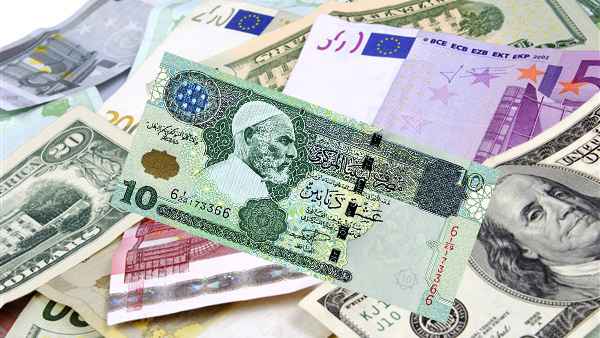
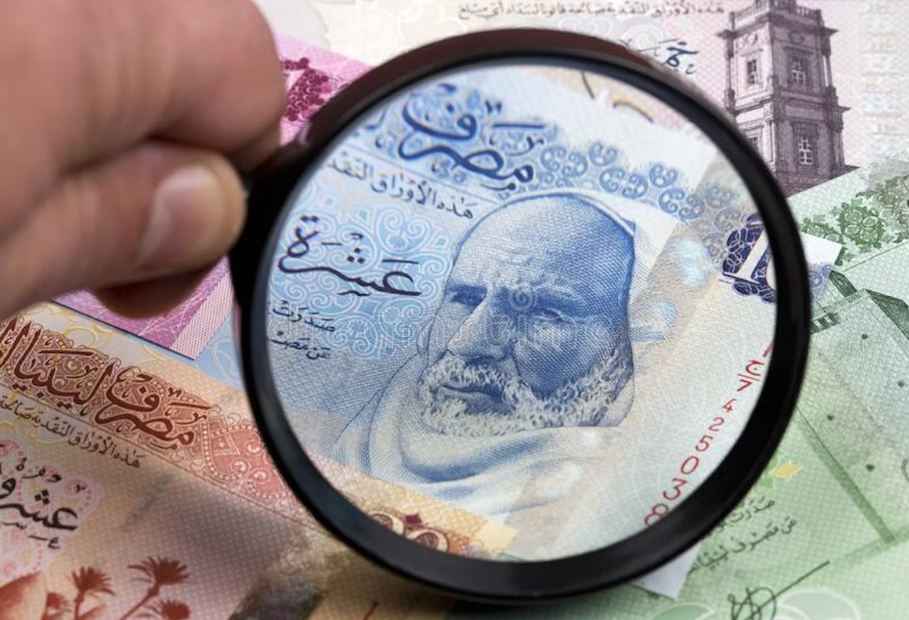
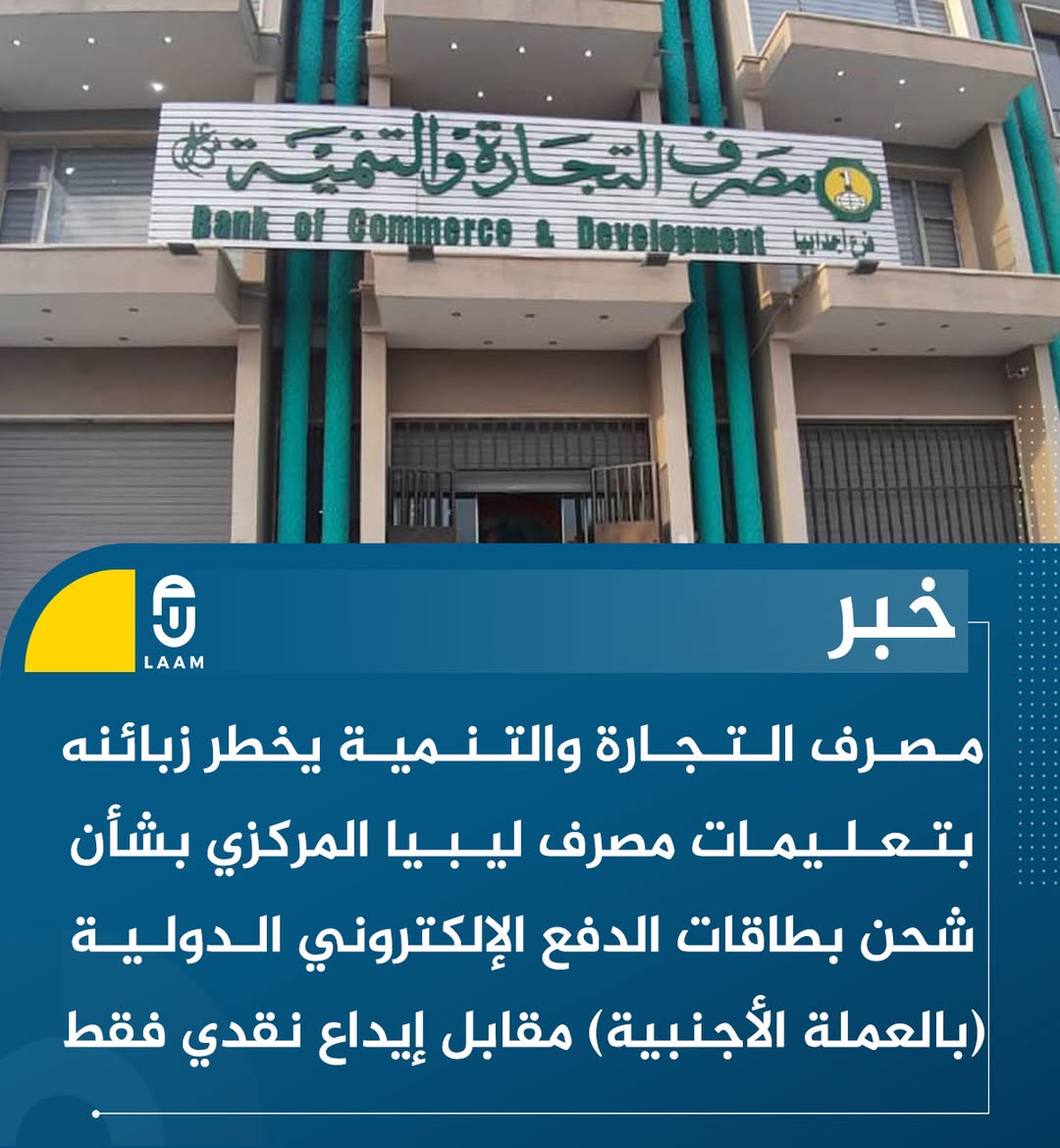
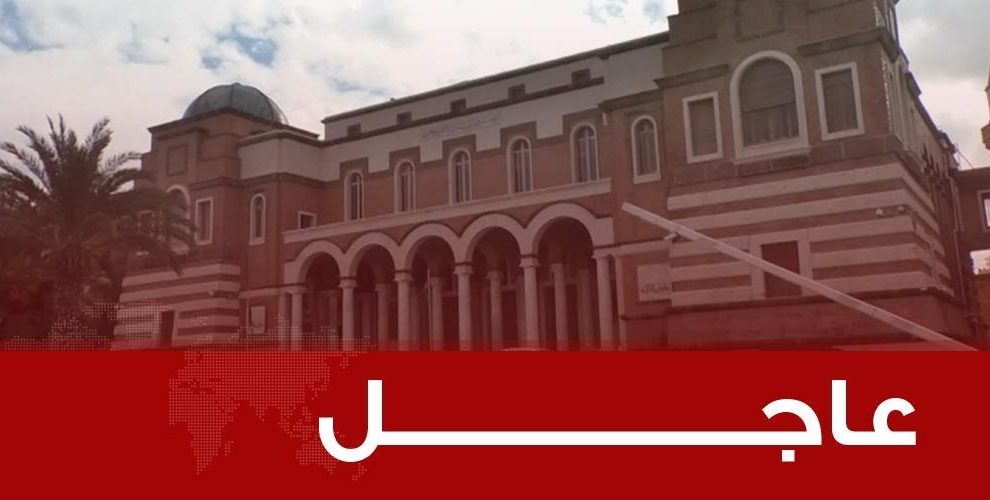
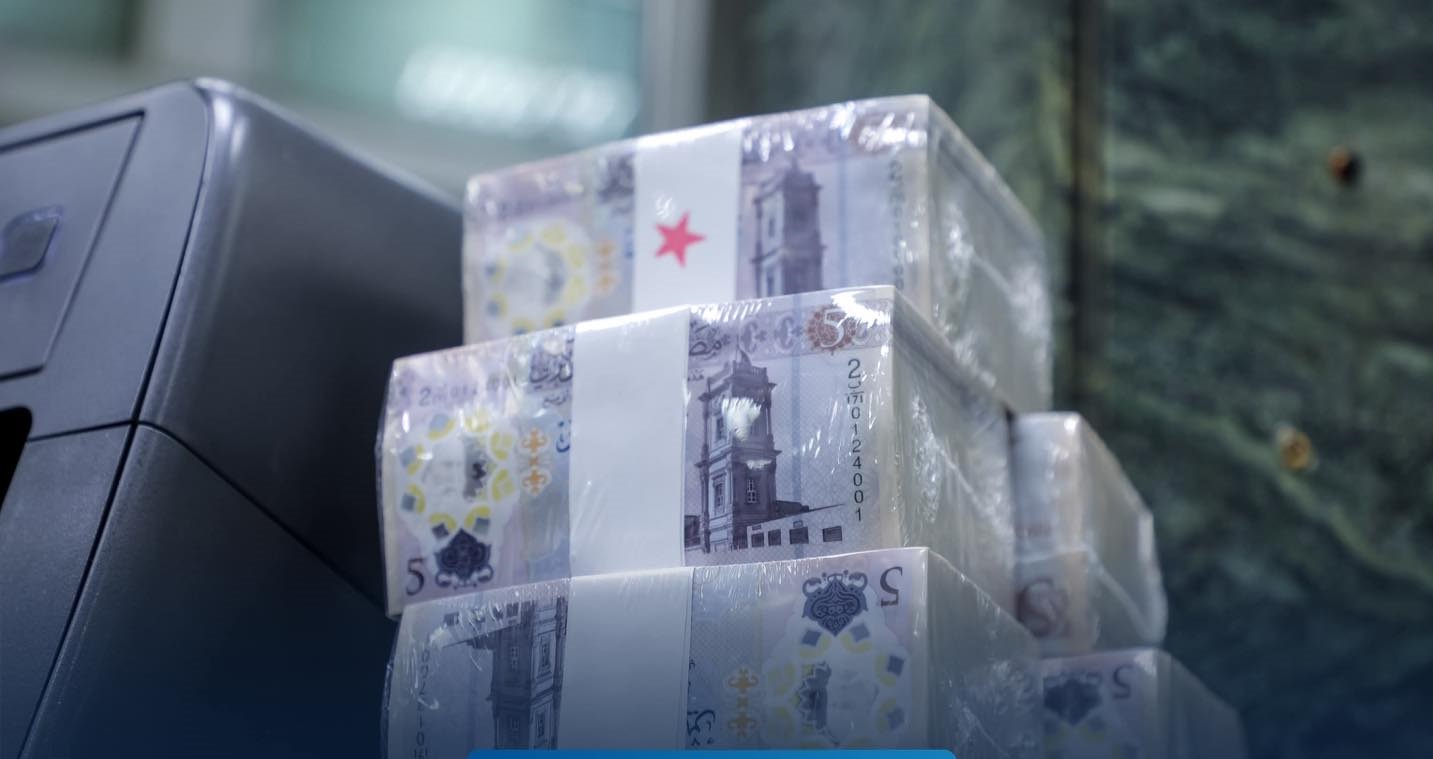
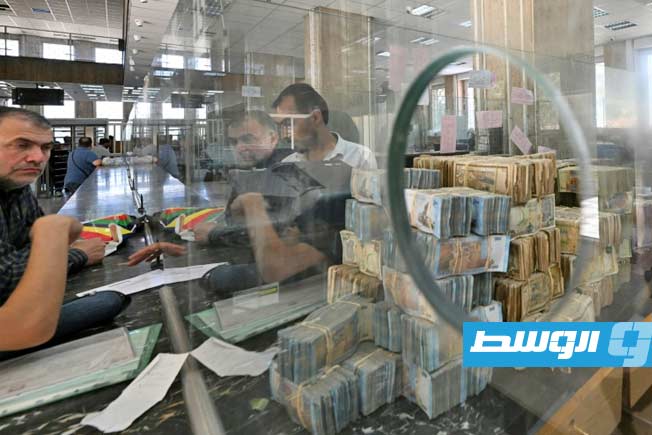
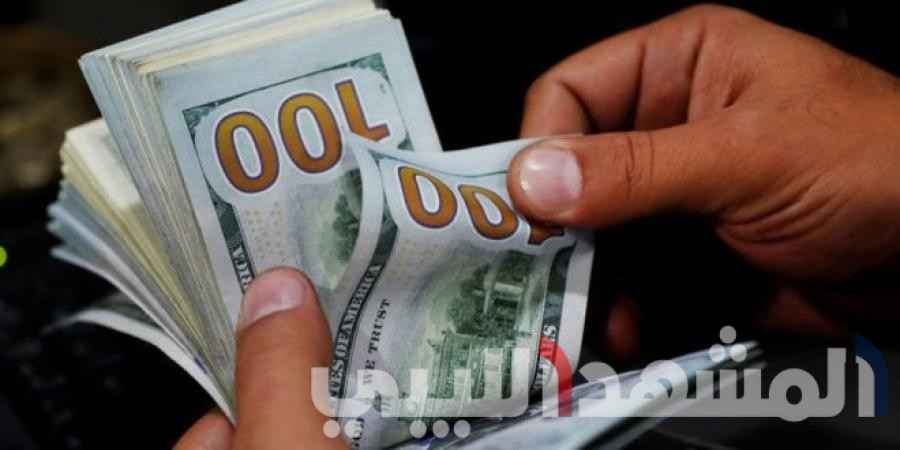
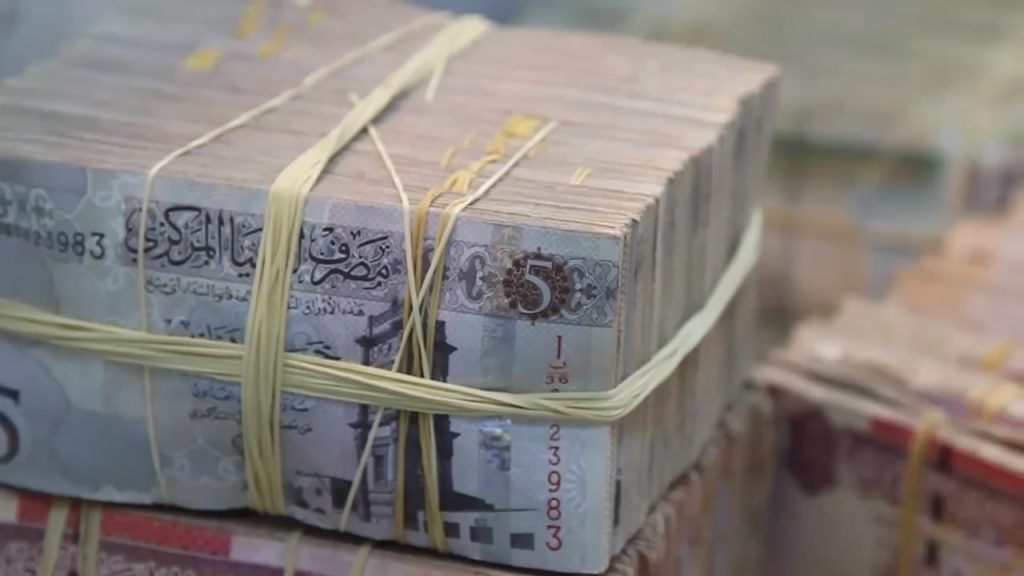
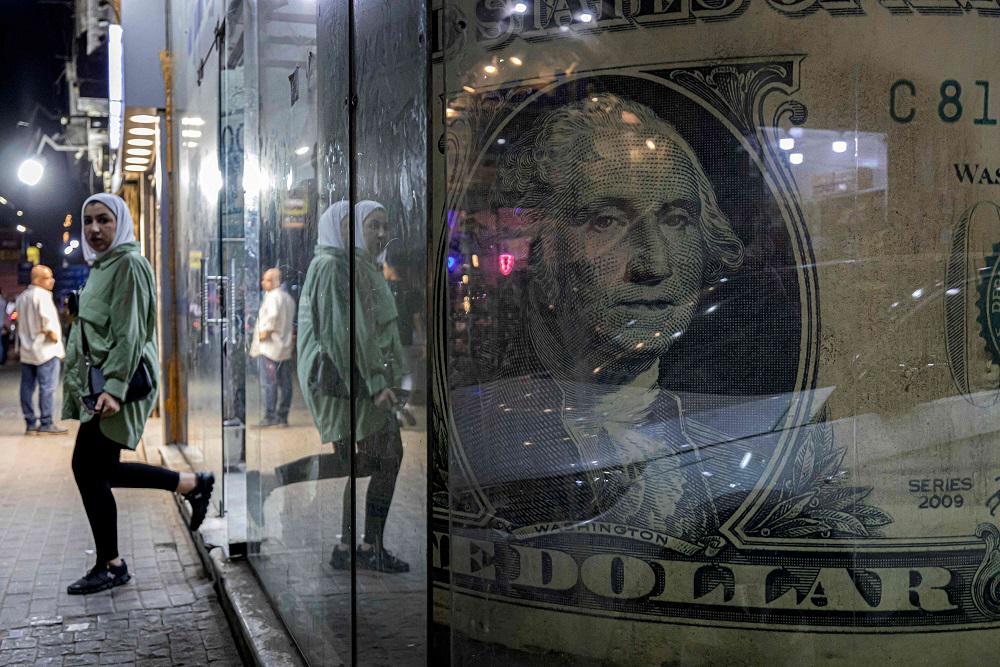
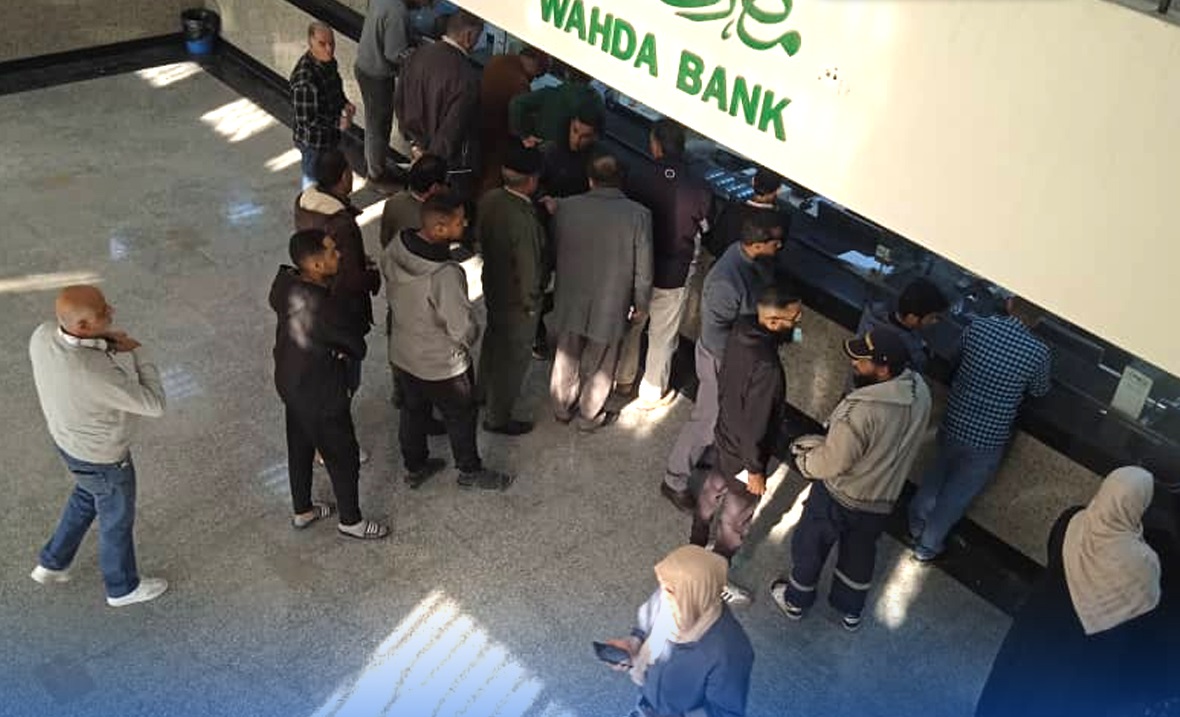
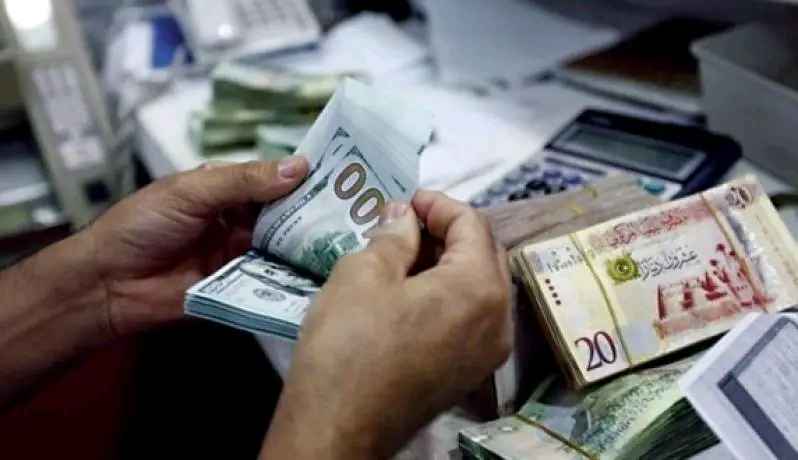
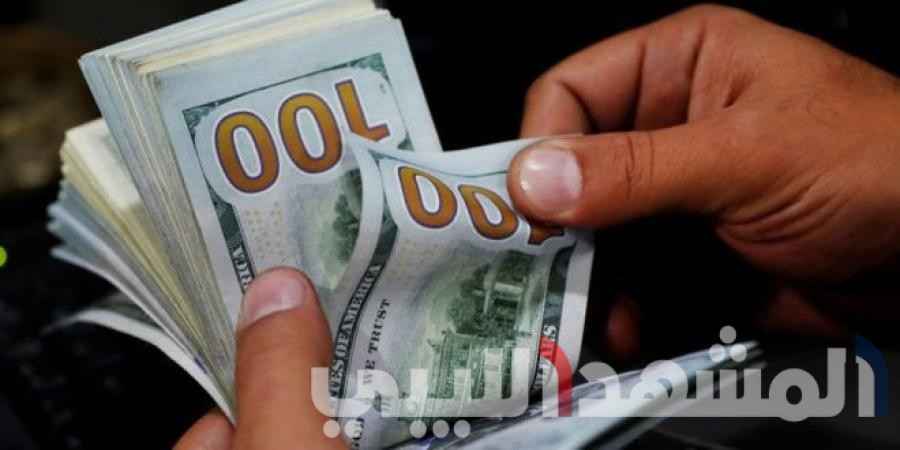
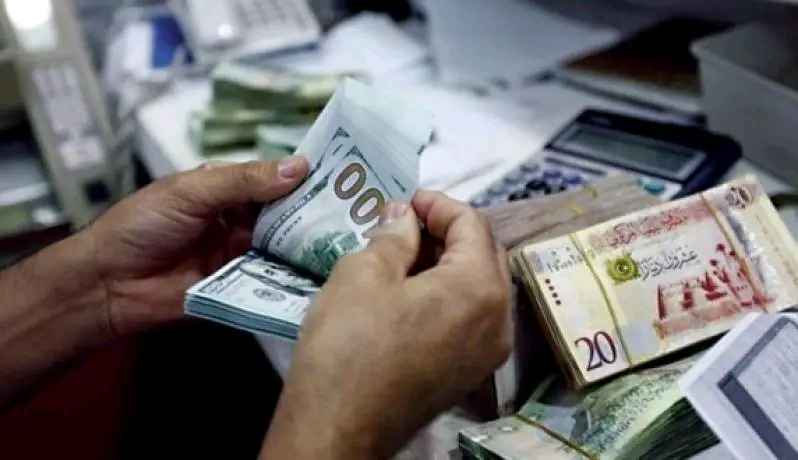
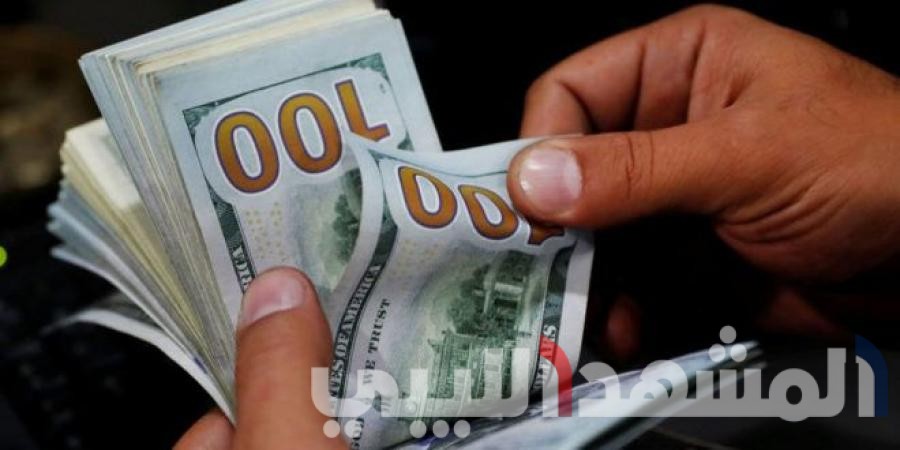
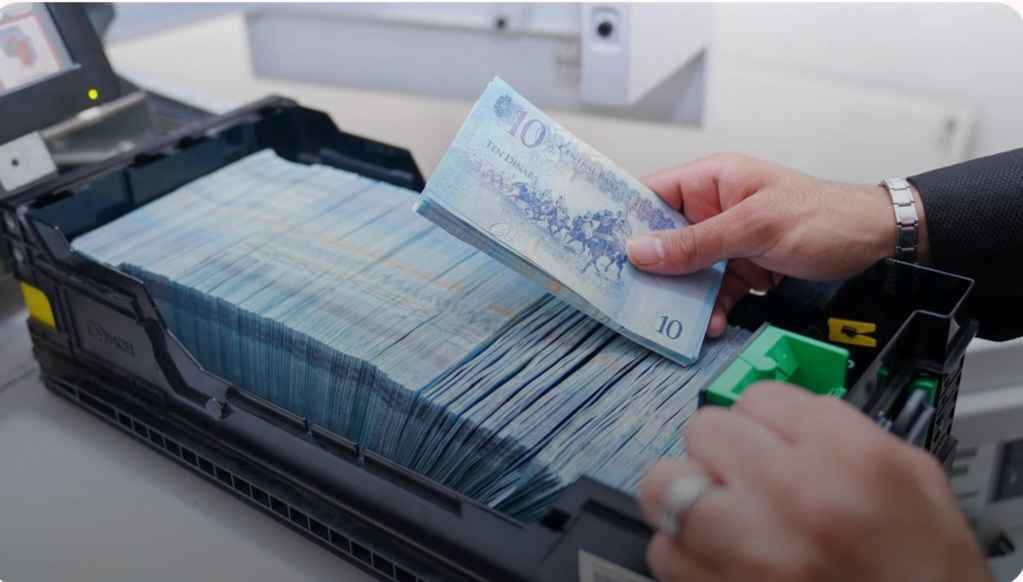
Saturday, September 20, 2025, trading closed with a notable rise in the US dollar price, despite a slight decline of about two qirsh in bank instrument prices from the previous close. Prices remained stable near the 10-dinar barrier in most banks, with trading halted in Benghazi.
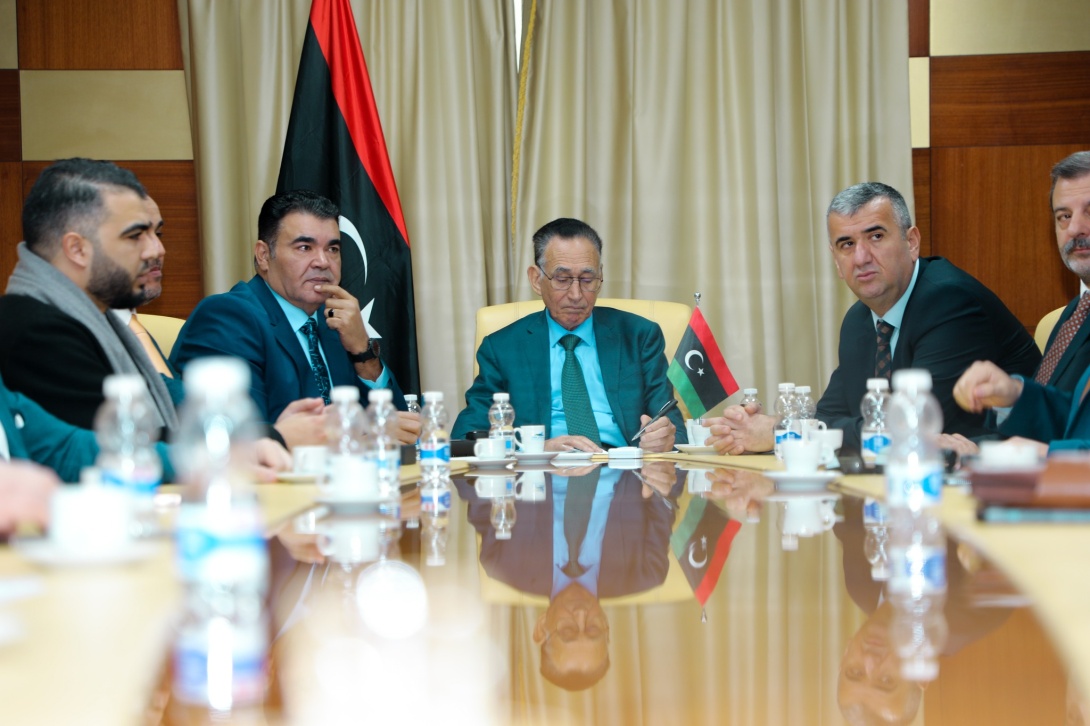
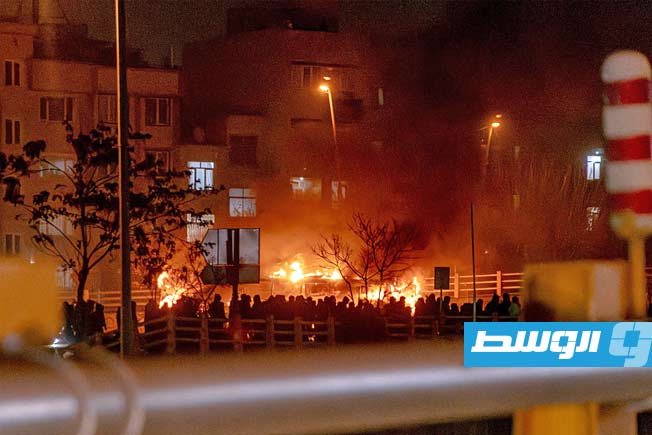
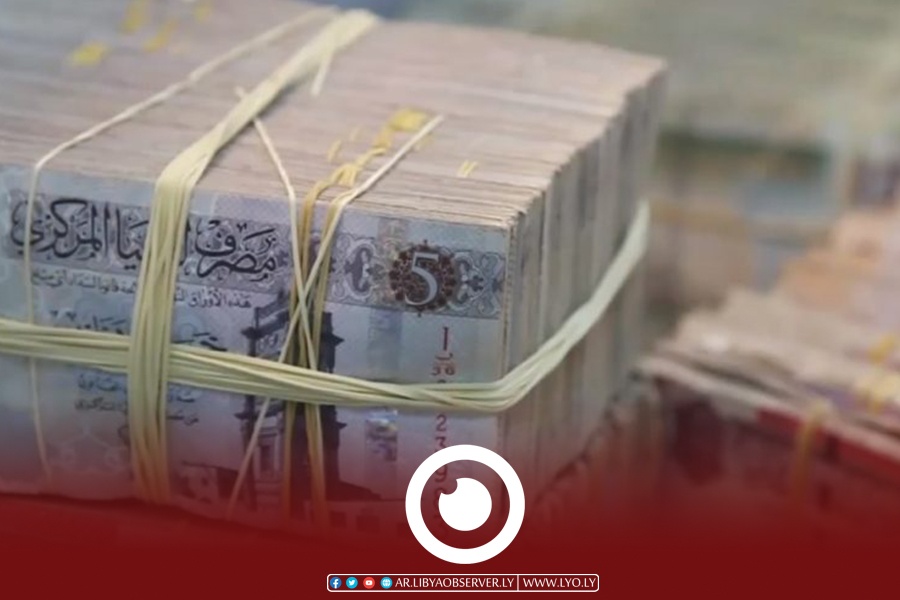
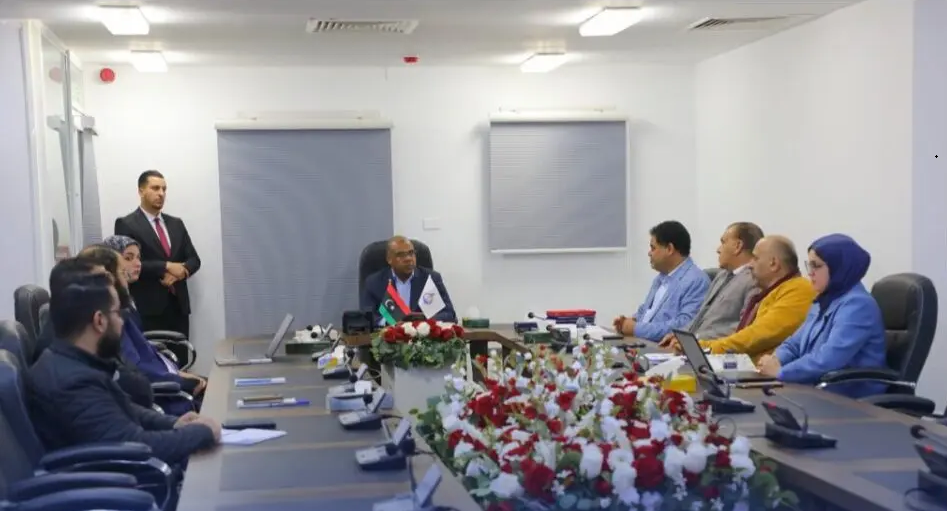
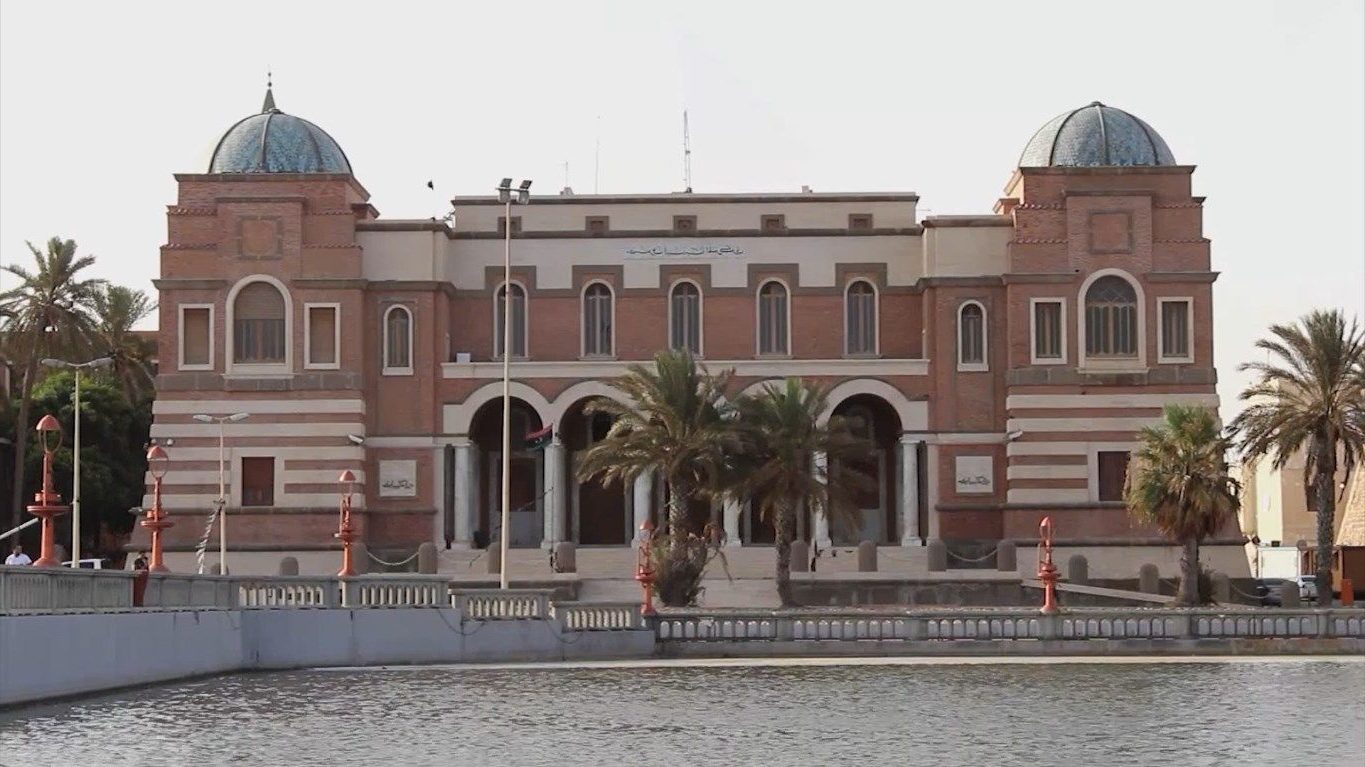
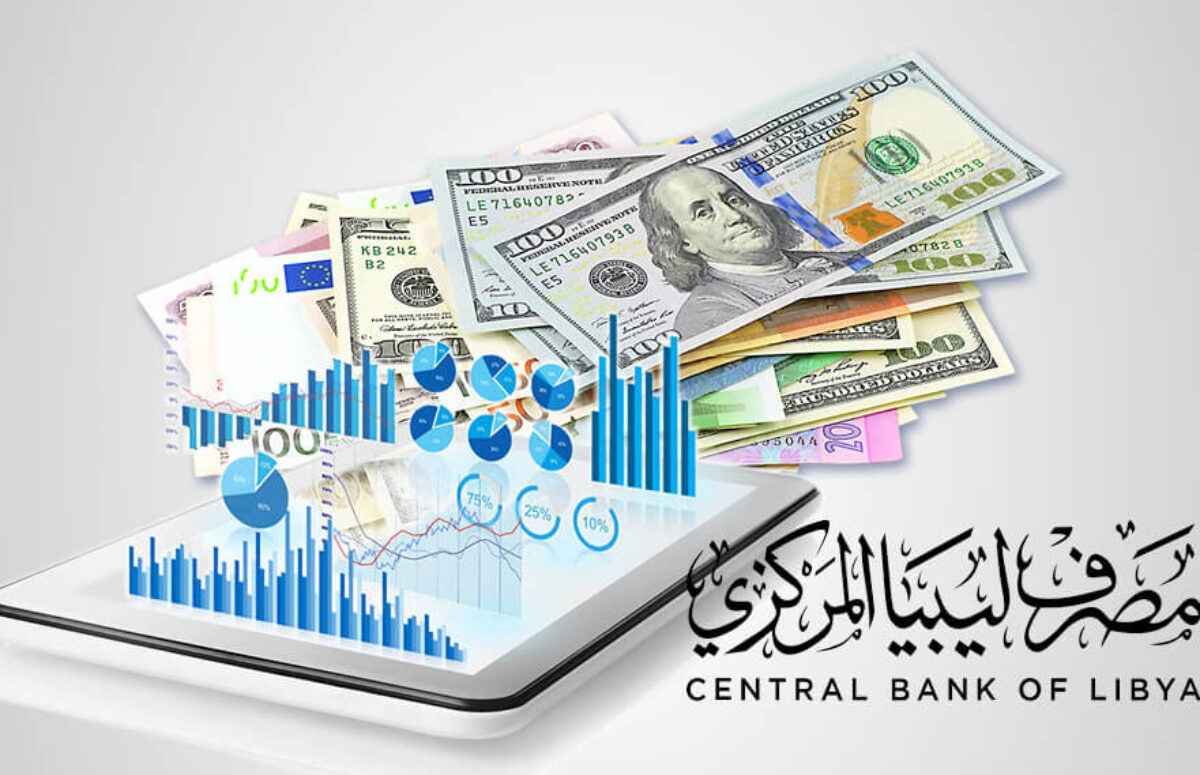
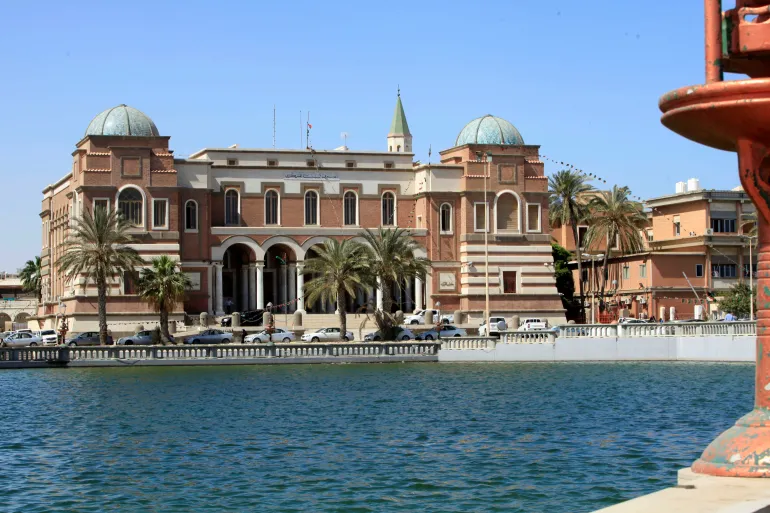
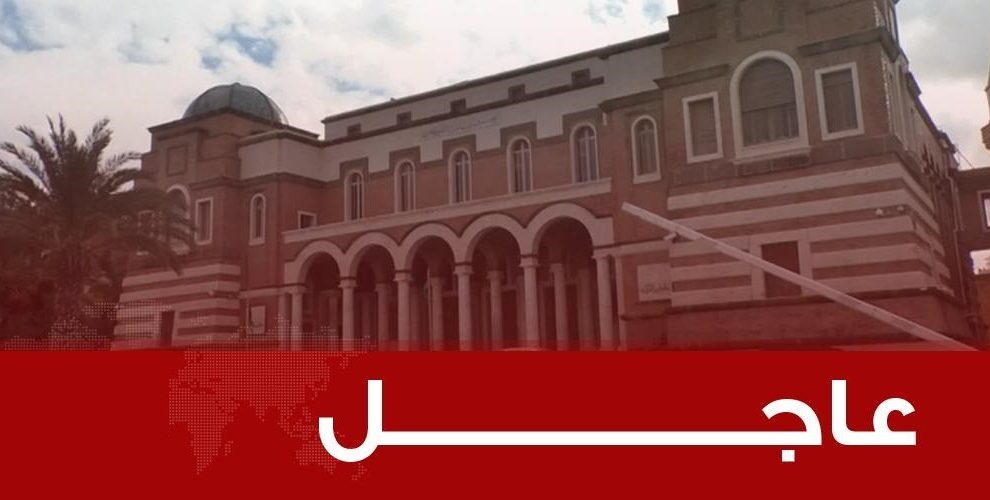
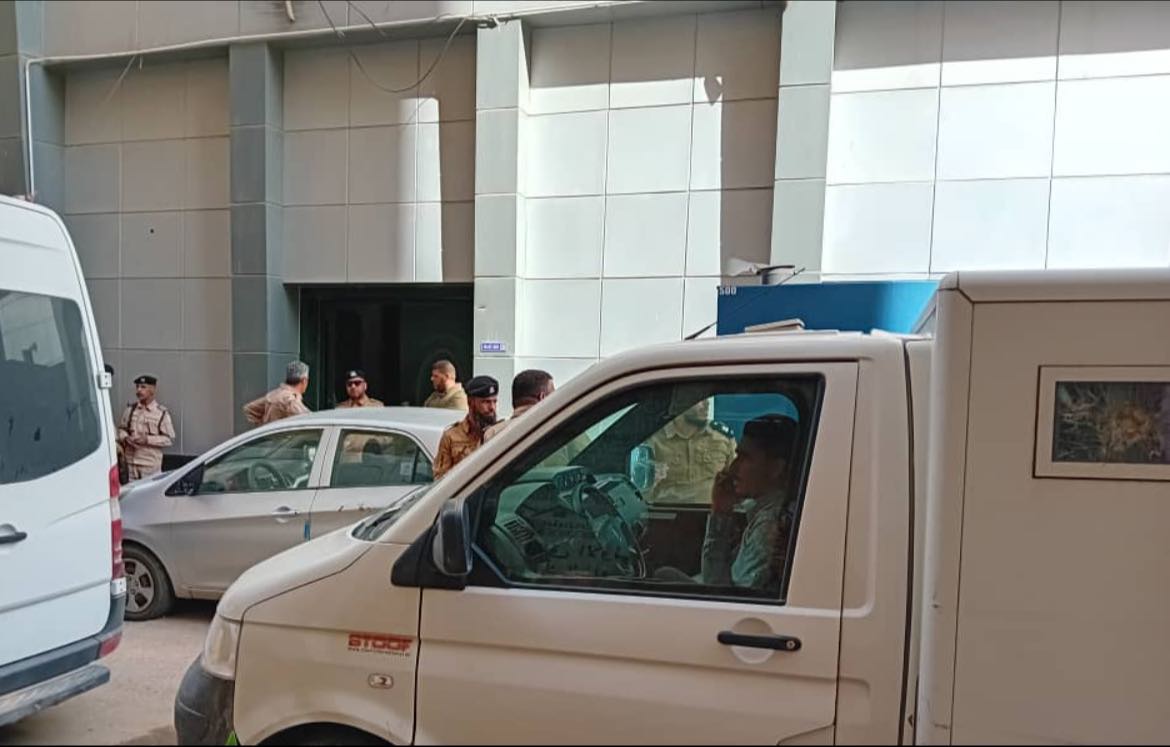
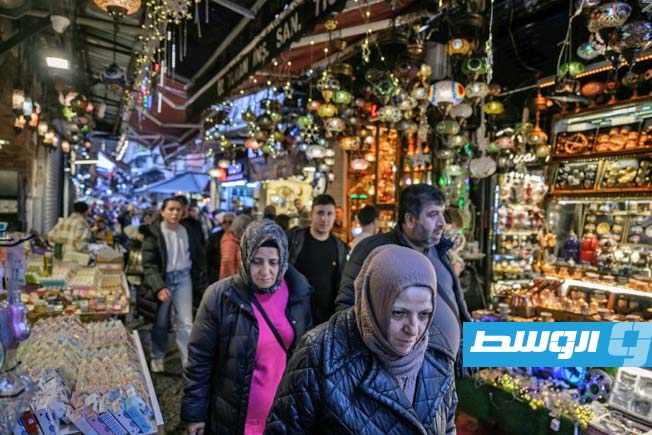
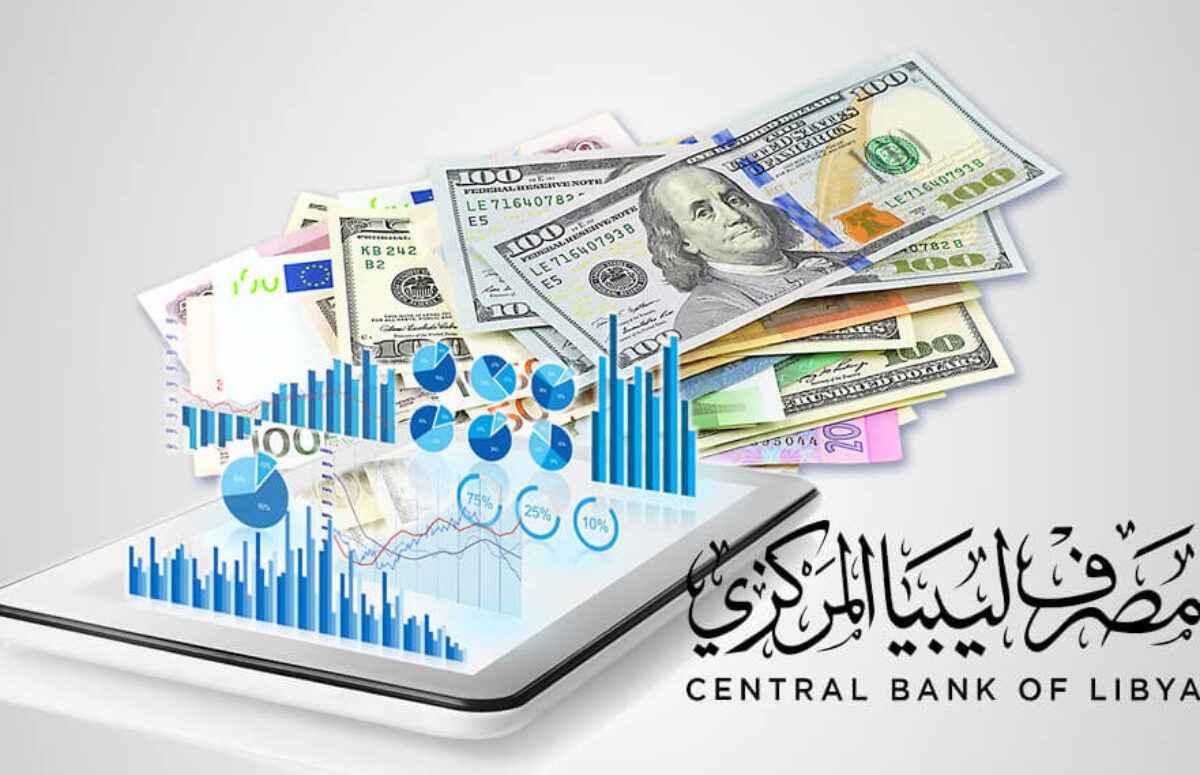
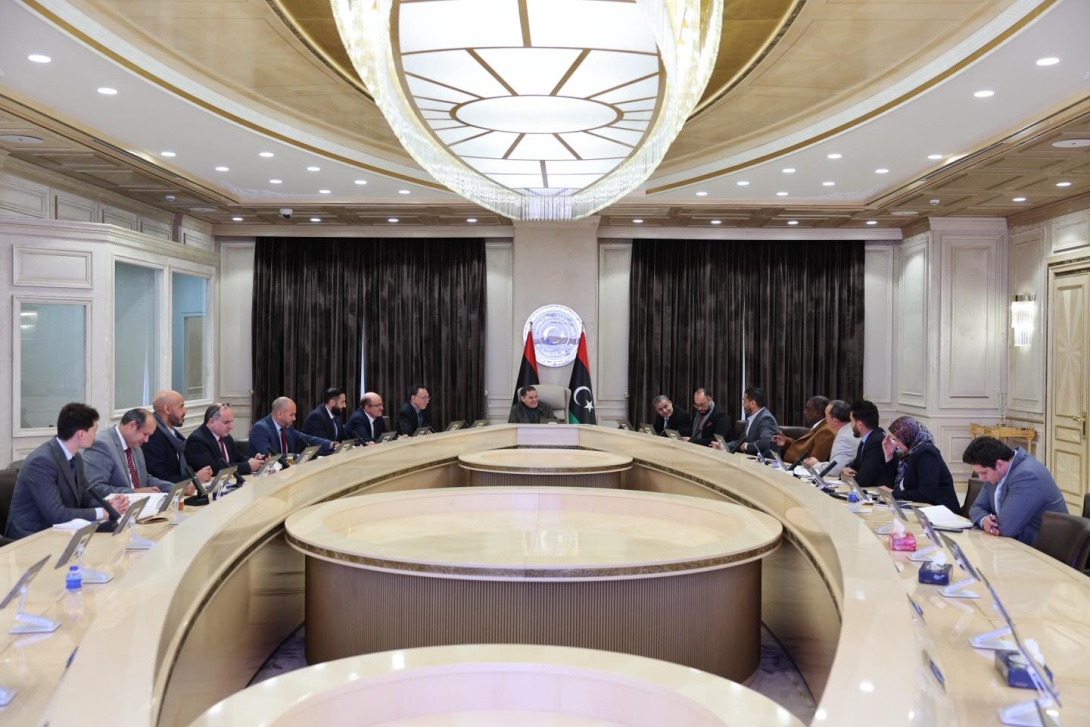
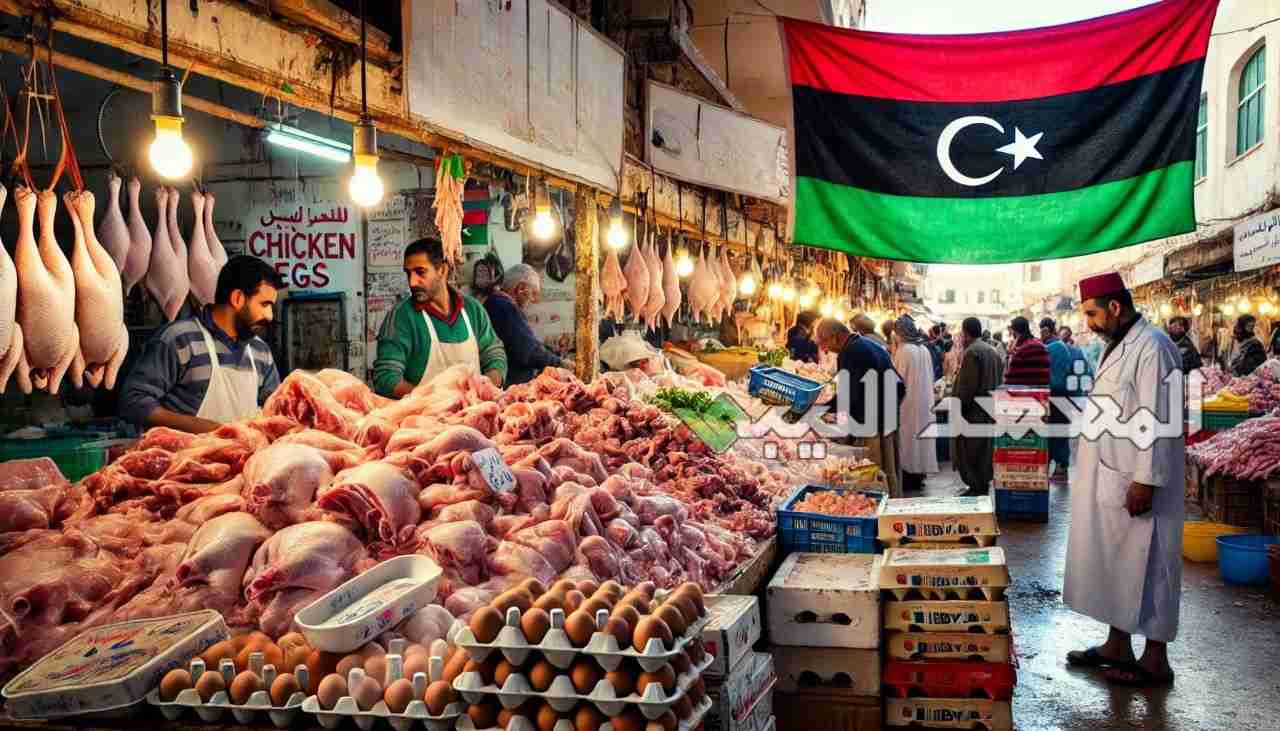
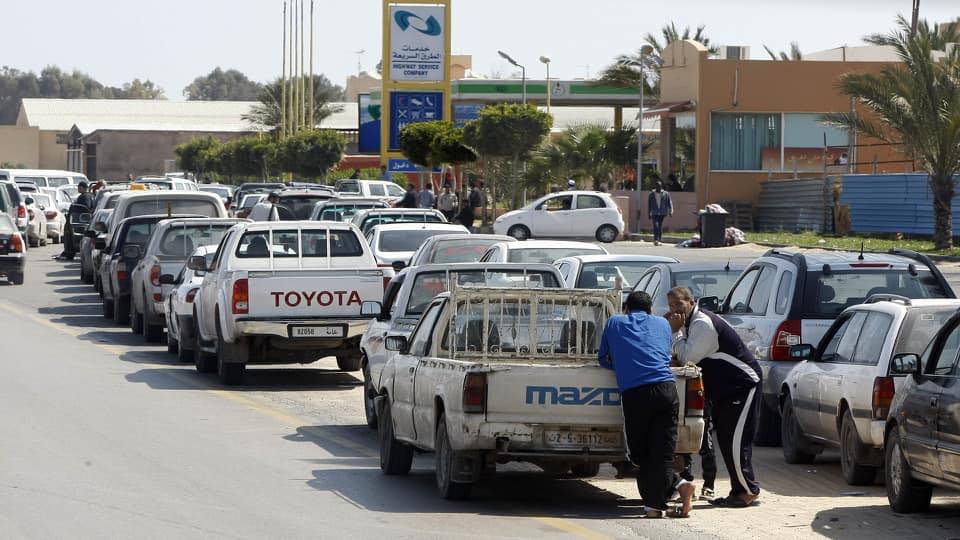
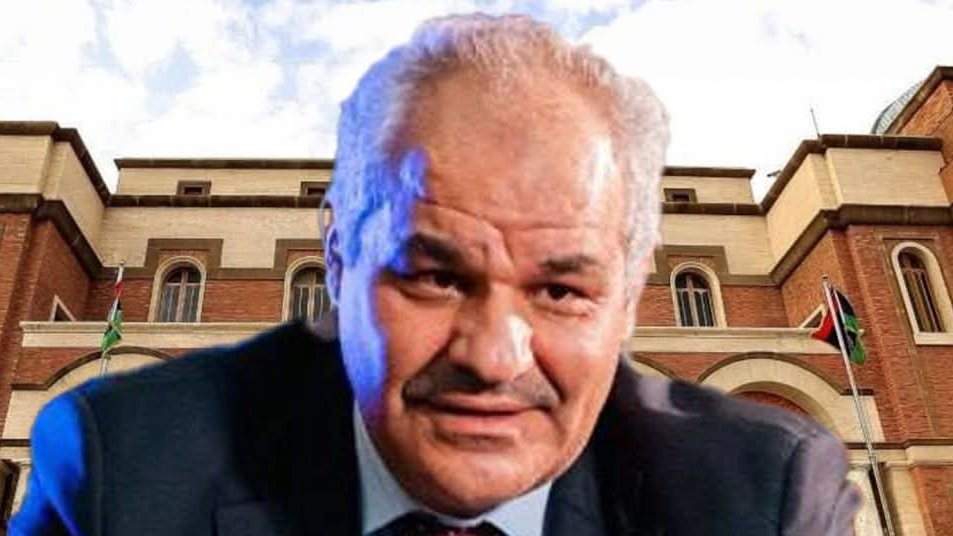
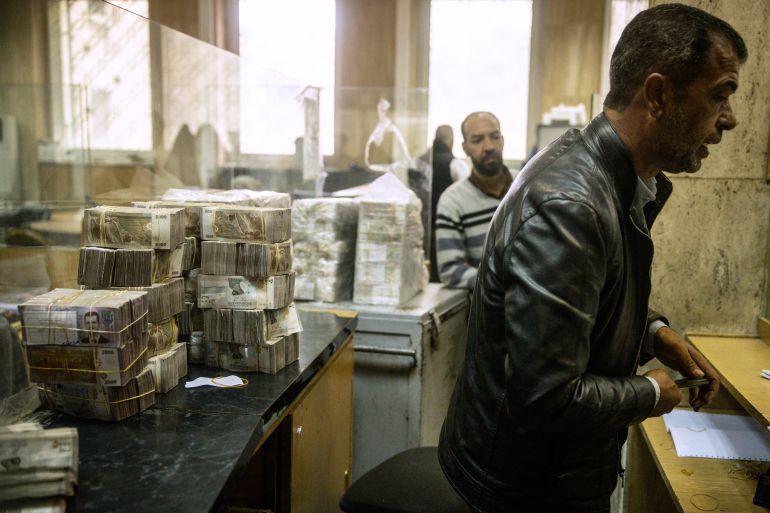
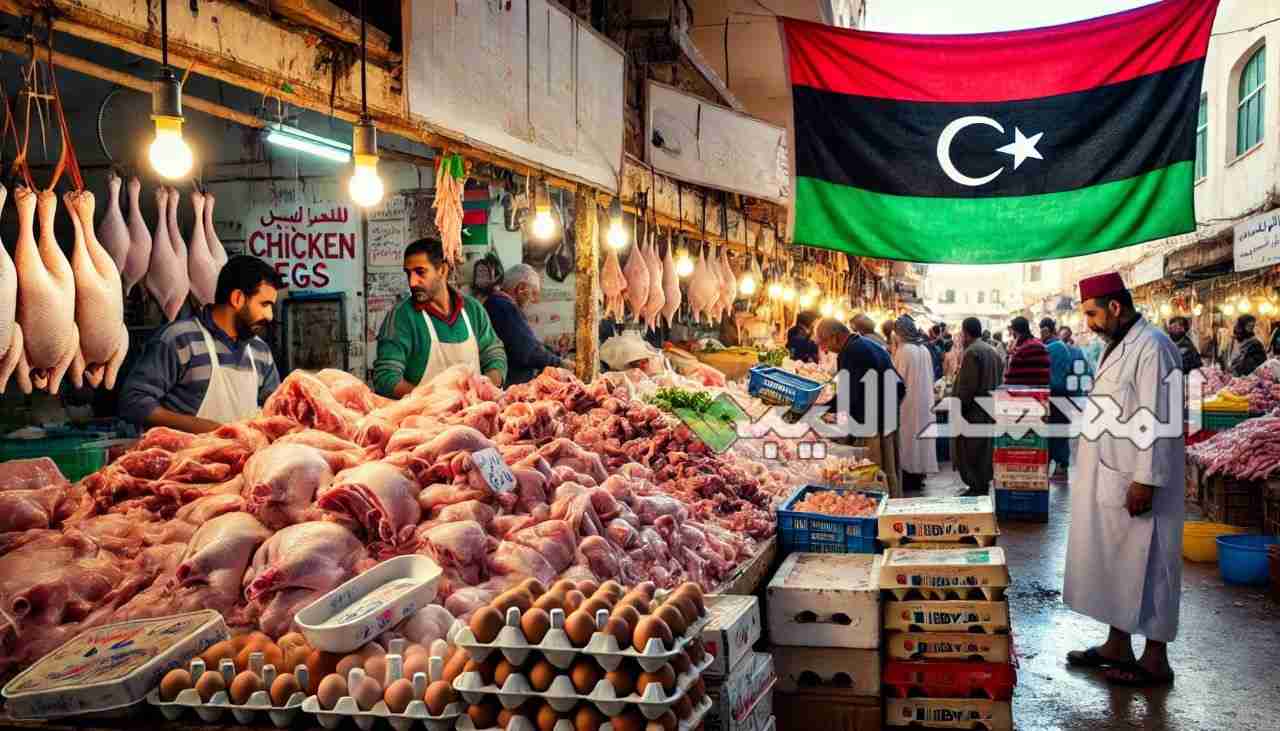
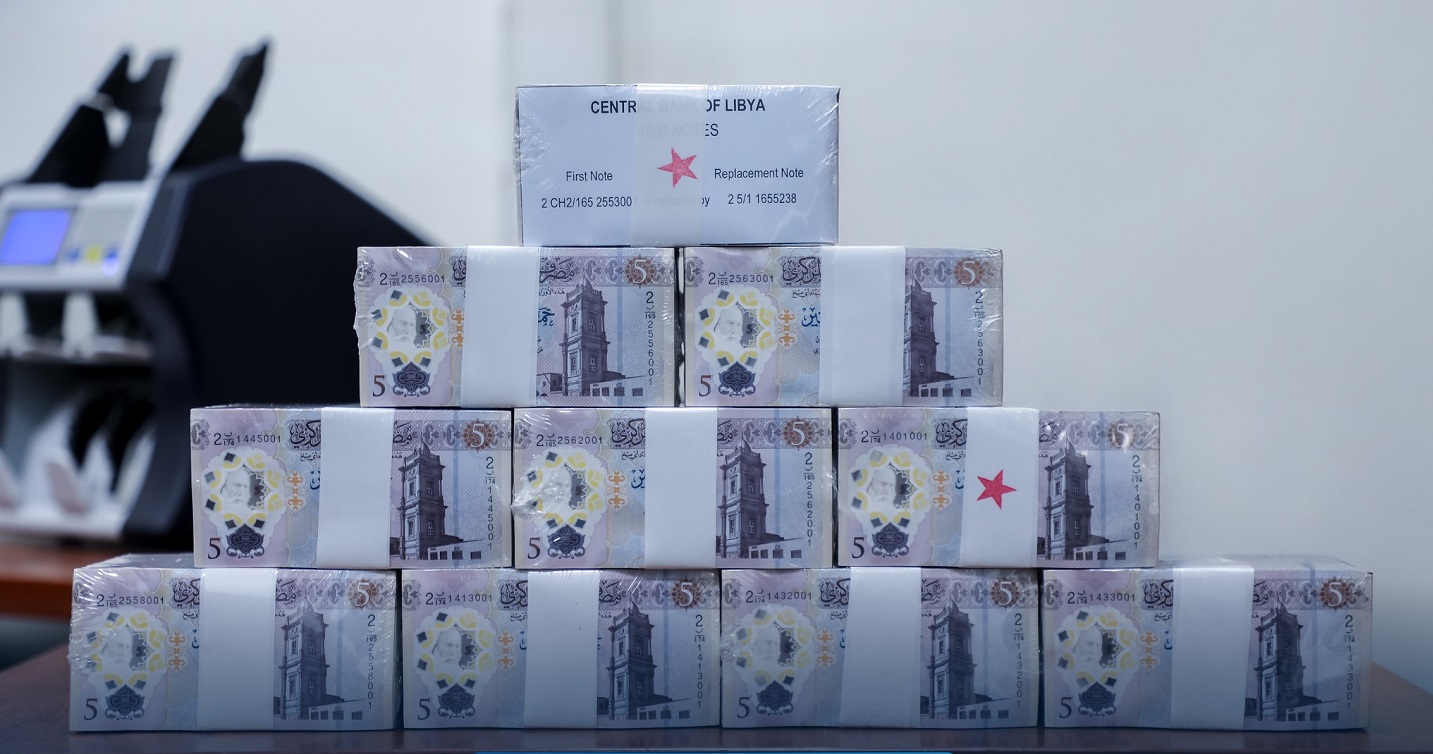
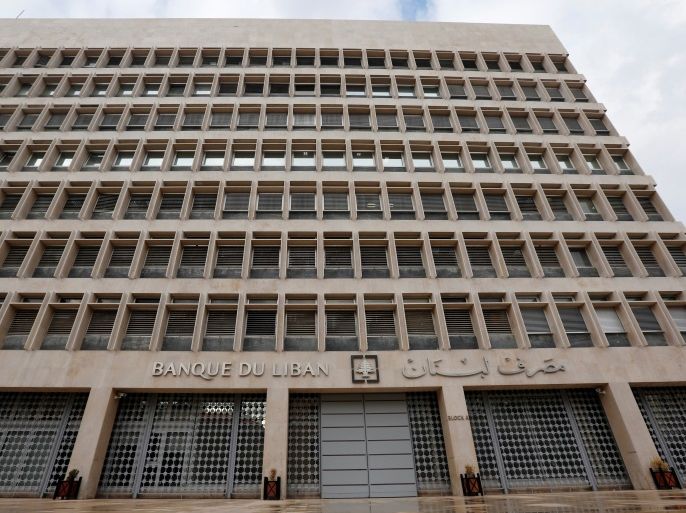
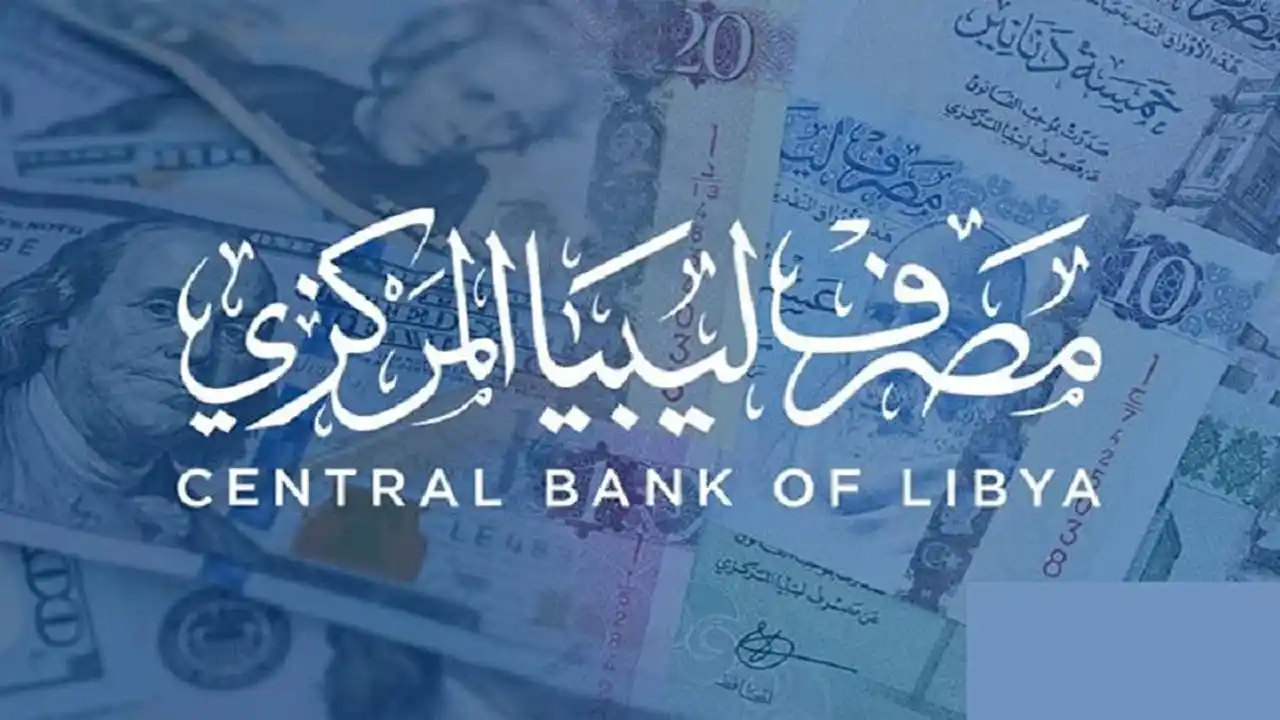
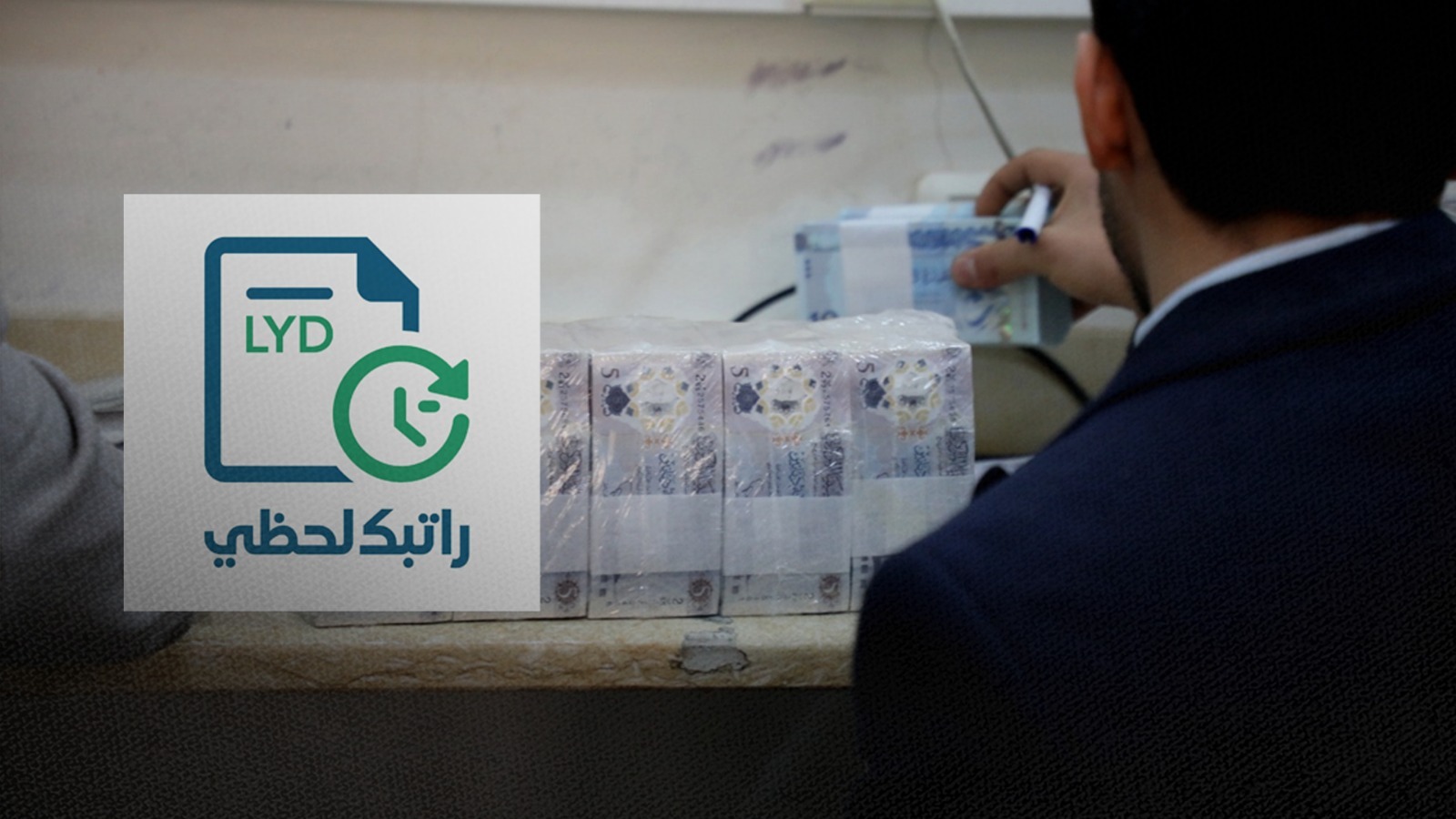
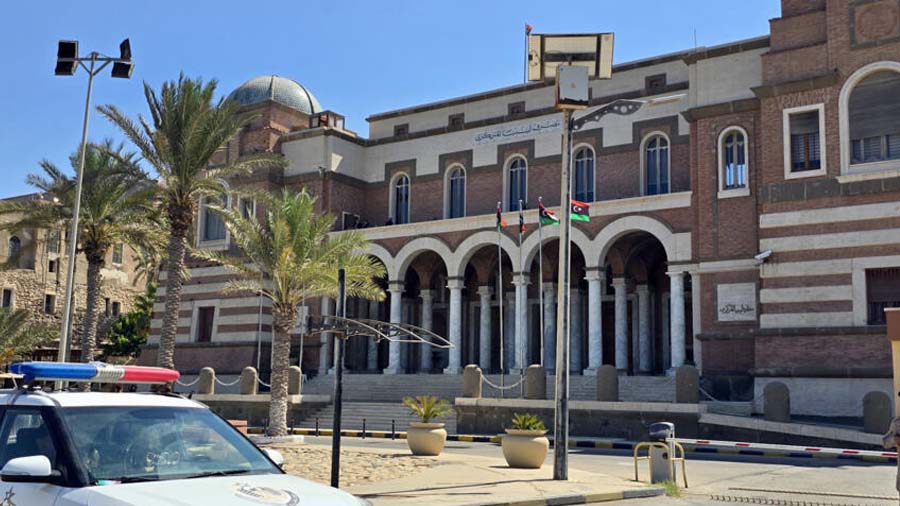
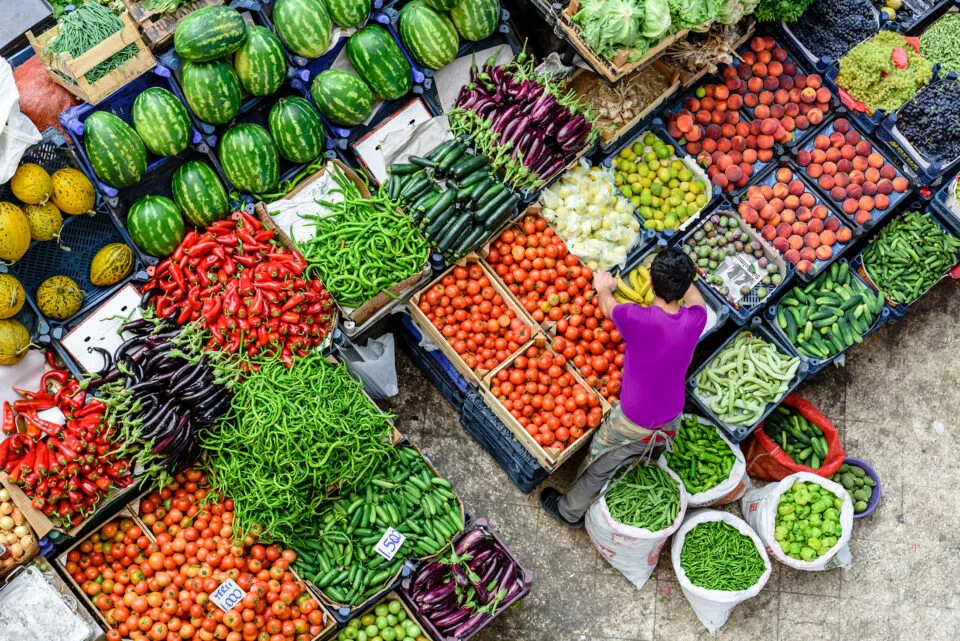
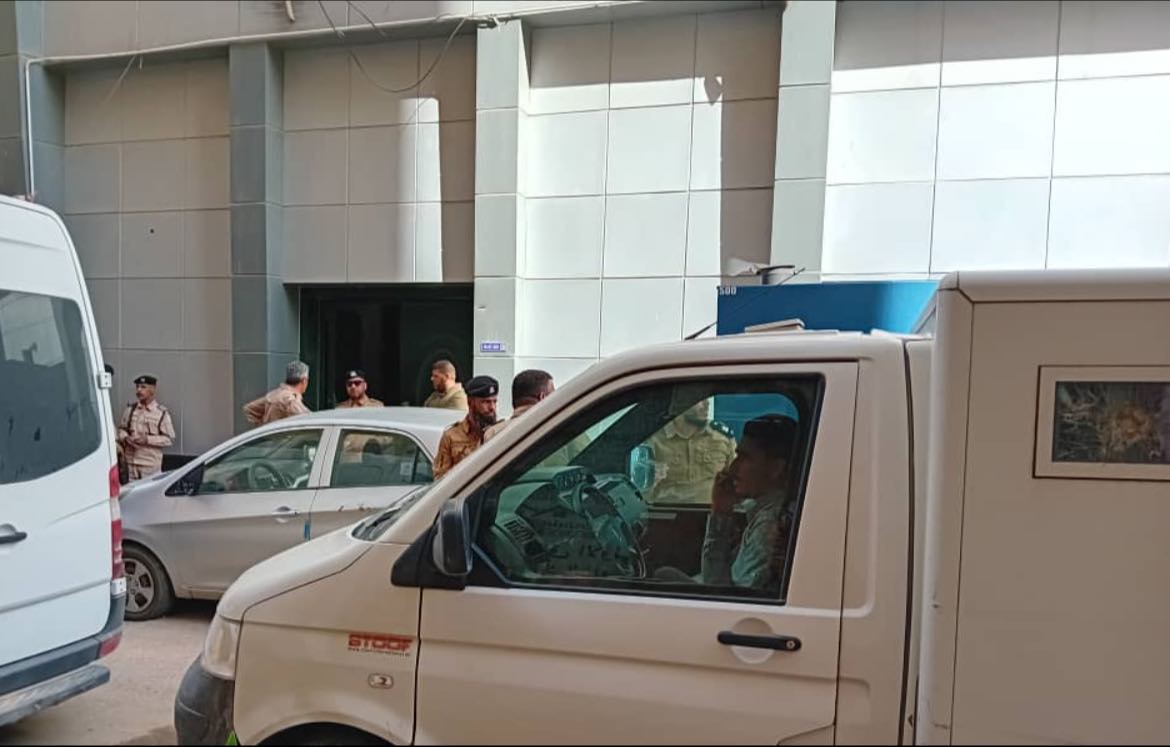
This performance reflects ongoing market pressures despite interventions by the Central Bank of Libya, which injected over $2 billion through credits and personal purposes since the beginning of the month, in addition to distributing 4 billion dinars in liquidity to cover bank needs. This coincided with the closure of the Al-Mashir market in Tripoli by traders protesting being held responsible for price increases and complicated licensing procedures, and in solidarity with traders at the Venice market in Benghazi affected by security violations.
📊 Dollar prices for instruments at market close:
| Bank |
Selling Price |
Buying Price |
| Al-Jumhuriya |
9.720 |
9.7175 |
| Trade and Development/Tripoli |
9.740 |
9.7375 |
| National Commercial |
9.720 |
9.7175 |
| Al-Aman |
9.720 |
9.7175 |
| Al-Wahda/Tripoli |
9.740 |
9.7375 |
| Development/Benghazi |
– |
– |
| Al-Wahda/Benghazi |
– |
– |
| North Africa |
9.720 |
9.7175 |
| Al-Sahari |
9.710 |
9.7075 |
| Al-Waha |
9.720 |
9.7175 |
| Islamic |
9.710 |
9.7075 |
| Al-Muttahid |
9.700 |
9.6975 |
| Al-Nouran |
9.700 |
9.6975 |
🔍 Market Movement Implications:
- An upward trend for the dollar despite attempts to calm the market through liquidity injections, amid high demand for foreign currency versus limited supply within banks.
- Market sensitivity to on-the-ground events such as the closure of Al-Mashir market and the halt in Benghazi.
- Continued pressure on instruments with prices remaining near a key psychological level (10 dinars).
US dollar
The US dollar is the official currency of the United States, established by the Coinage Act of 1792. It evolved from a system based on Spanish milled dollars and has become the world’s primary reserve currency since the Bretton Woods Agreement in 1944.
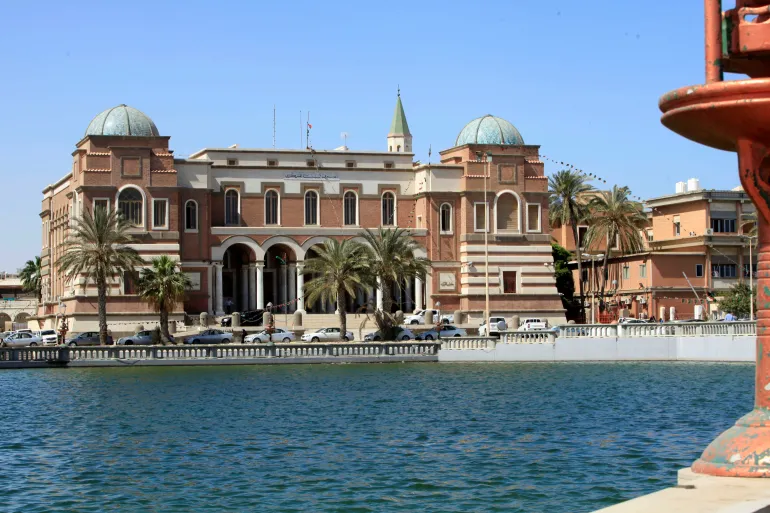
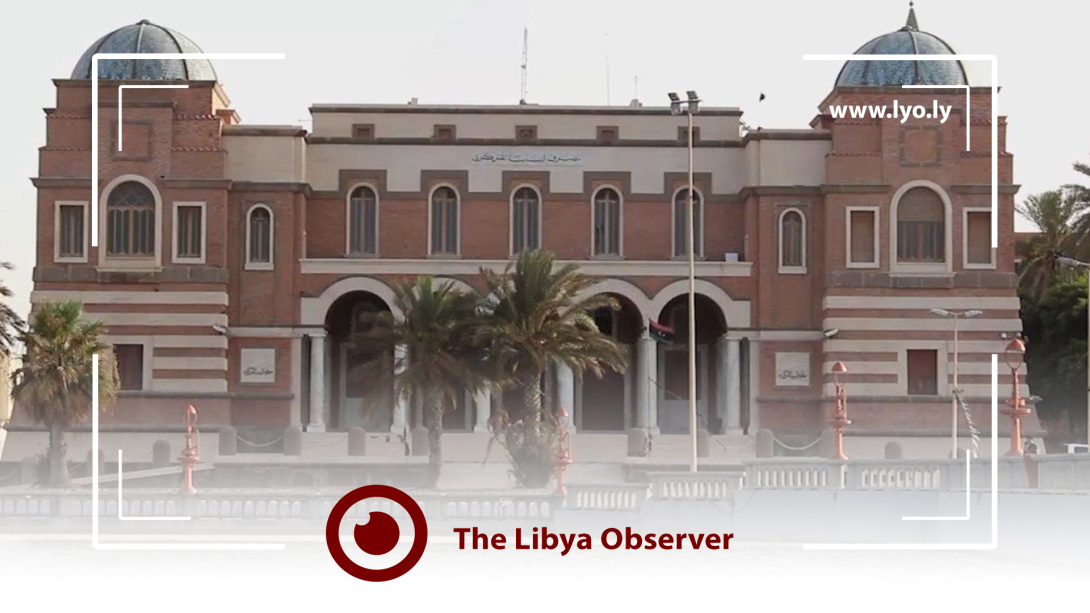
Central Bank of Libya
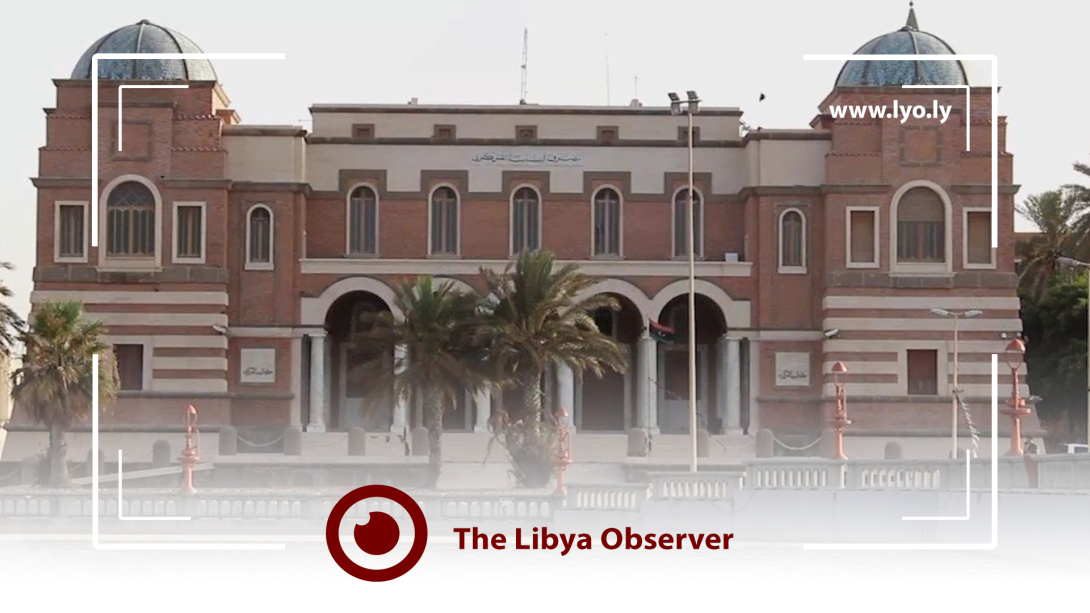
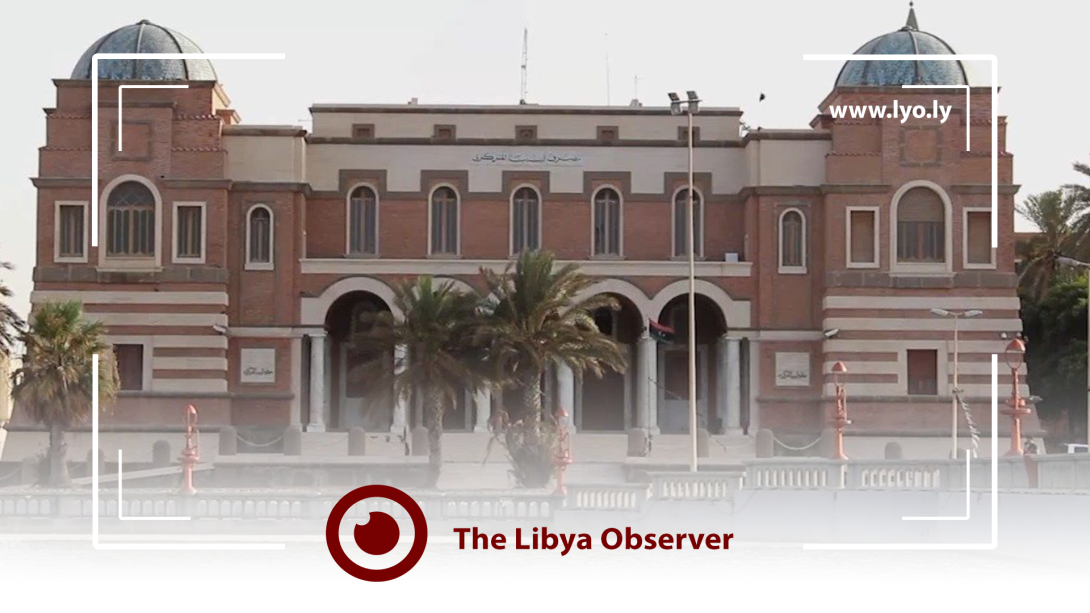
The Central Bank of Libya is the primary monetary authority of Libya, originally established in 1956 as the National Bank of Libya. It has played a critical and often divisive role in the country’s governance and economy, especially following the 2011 civil war, during which rival governments in the east and west claimed control over separate branches of the institution.
Al-Mashir market
Al-Mashir Market, also known as Souq Al-Mashir, is a historic marketplace located in the old city of Aleppo, Syria. It dates back to the Ottoman period and was traditionally a major hub for trading textiles and other goods. The market sustained significant damage during the Syrian Civil War but remains an important symbol of Aleppo’s commercial and cultural heritage.
Tripoli
Tripoli is the capital and largest city of Libya, located on the country’s Mediterranean coast. Historically, it was founded by the Phoenicians in the 7th century BC and has since been ruled by the Romans, Arabs, Ottomans, and Italians, serving as a major port and cultural crossroads. Its historic core, the medina of Old Tripoli, contains significant architecture from these various periods.
Venice market
The Venice Market, historically centered around the Rialto area, has been the city’s primary food and goods marketplace since around the 11th century. It flourished as a vital commercial hub during the Republic of Venice, connecting trade from the East and West. Today, it remains a bustling area with the famous Rialto Market, where vendors sell fresh fish, produce, and other goods.
Benghazi
Benghazi is a major city in eastern Libya, historically significant as a center of trade and culture since its founding as the Greek colony of Euesperides. It played a pivotal role in the 2011 Libyan Revolution and served as a temporary seat of government, though it has also been a site of significant conflict and instability in the years since.
Al-Jumhuriya
Al-Jumhuriya is a major public square in central Damascus, Syria, historically known as a focal point for political gatherings and public life. Its name, meaning “The Republic,” reflects its establishment and significance in the modern era following Syria’s independence. The square is surrounded by important government and cultural buildings, including the Central Bank of Syria and the Damascus Opera House.
Trade and Development
The United Nations Conference on Trade and Development (UNCTAD) is a permanent intergovernmental body established in 1964 to promote the integration of developing countries into the world economy. Its history is rooted in addressing the trade and development concerns of the Global South, advocating for fairer international economic relations and providing analysis to support policymaking.
National Commercial
The National Commercial is a historic bank in Saudi Arabia, originally founded in 1938 as a money exchange house. It later became the country’s first licensed commercial bank in 1953, playing a foundational role in the development of the Saudi financial sector.
Al-Aman
Al-Aman is a historic palace located in Amman, Jordan, originally built in the early 20th century as a residence for King Abdullah I. It served as the first royal palace in the Hashemite Kingdom of Jordan and is an important symbol of the nation’s modern founding. Today, it is used for official state ceremonies and diplomatic events.
Al-Wahda
Al-Wahda, meaning “Unity” in Arabic, is a common name for significant public projects and landmarks across the Arab world, often symbolizing national cohesion. Historically, the most prominent is the Al-Wahda Dam on the Yarmouk River, a major water storage and hydroelectric facility completed in 2011 as a joint venture between Syria and Jordan. These sites, whether dams, squares, or stadiums, are typically modern constructions that reflect 20th and 21st-century development goals and pan-Arab ideals.
Development
Development is a planned city in Malaysia, established in 1995 as the country’s federal administrative centre to relieve congestion in Kuala Lumpur. It is home to key government buildings, including the Prime Minister’s Office and the Perdana Putra complex, and was built to symbolize Malaysia’s modernization and progress.
North Africa
North Africa is a region encompassing countries such as Egypt, Libya, Tunisia, Algeria, and Morocco, historically defined by the Mediterranean Sea to the north and the Sahara Desert to the south. It is home to ancient civilizations like the Egyptians and Phoenicians, and its history has been profoundly shaped by successive empires, including the Roman, Arab, and Ottoman, as well as European colonialism. The region’s culture is a rich blend of indigenous Amazigh (Berber), Arab, and various Mediterranean influences.
Al-Sahari
Al-Sahari is a historic fortress located in the Asir region of southwestern Saudi Arabia, known for its distinctive stone and mud-brick architecture. It served as a key defensive and administrative center for local tribes for centuries, reflecting the region’s traditional building techniques and strategic importance.
Al-Waha
Al-Waha, meaning “The Oasis” in Arabic, is a historical region and cultural site in Saudi Arabia’s Eastern Province, historically vital as a fertile stop on ancient trade and pilgrimage routes. It is centered around the city of Al-Hofuf and is famed for its vast date palm groves and natural springs, which have sustained communities for millennia. The area is also home to the UNESCO World Heritage Site of Al-Ahsa Oasis, representing one of the world’s largest oases and a evolving cultural landscape of human settlement.
Islamic
“Islamic” is not a specific place or cultural site, but a broad term referring to the religion of Islam and its associated civilization. The Islamic world is historically linked to the Arabian Peninsula in the 7th century CE, from which it rapidly expanded, creating a vast civilization known for centers of learning, art, and architecture like the Great Mosque of Mecca, the Alhambra, and the Dome of the Rock.
Al-Muttahid
“Al-Muttahid” is a prominent cultural and social club in the city of Nablus, Palestine, historically known as a central gathering place for intellectuals, artists, and political figures. Founded in the early 20th century, it played a significant role in the national and cultural life of the region during the British Mandate period and beyond.
Al-Nouran
Al-Nouran is a prominent mosque and Islamic cultural center located in Gaza City, Palestine. It was historically established in the 7th century CE, shortly after the Islamic conquest of the region, and has been rebuilt and renovated several times over the centuries. The site remains an important hub for religious and community activities in Gaza.