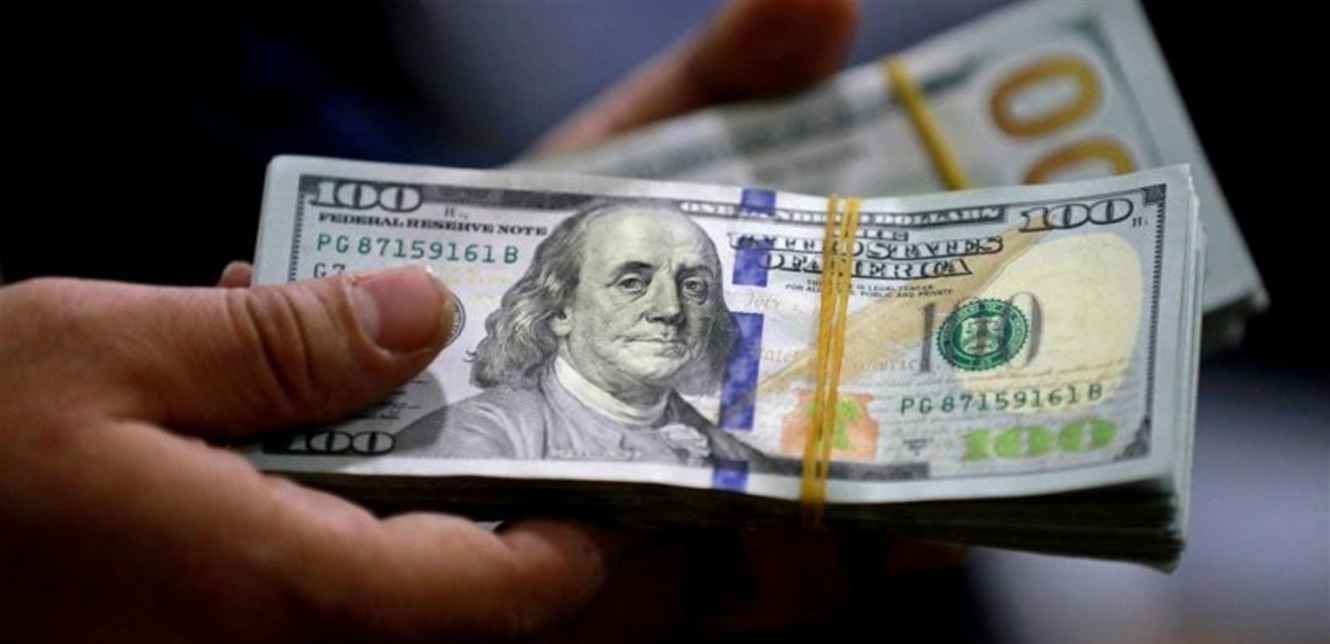
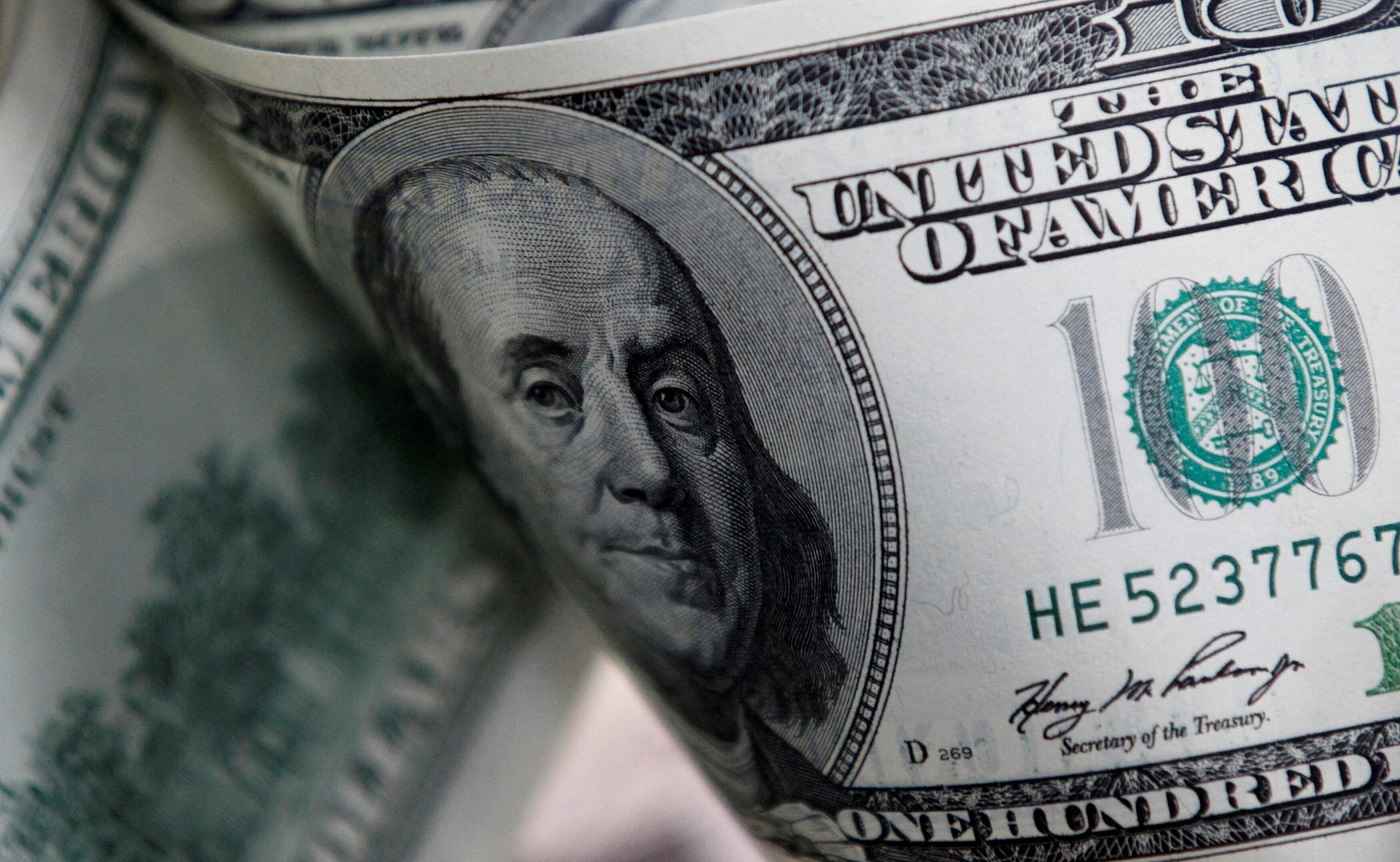
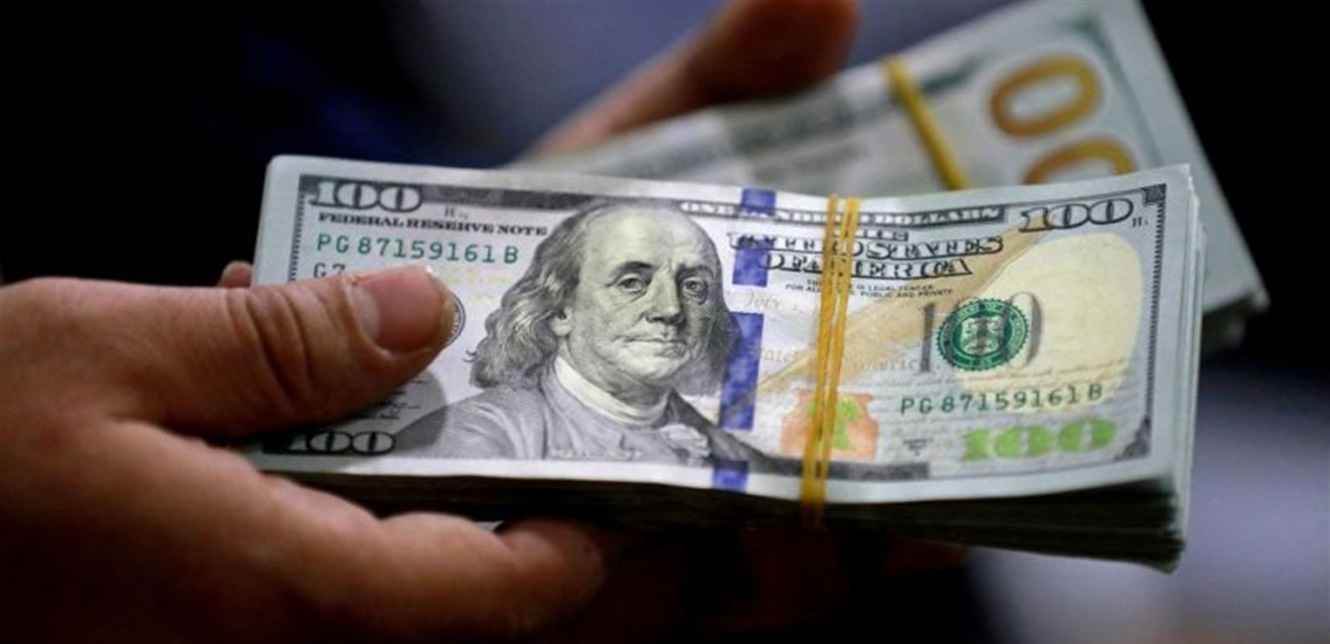
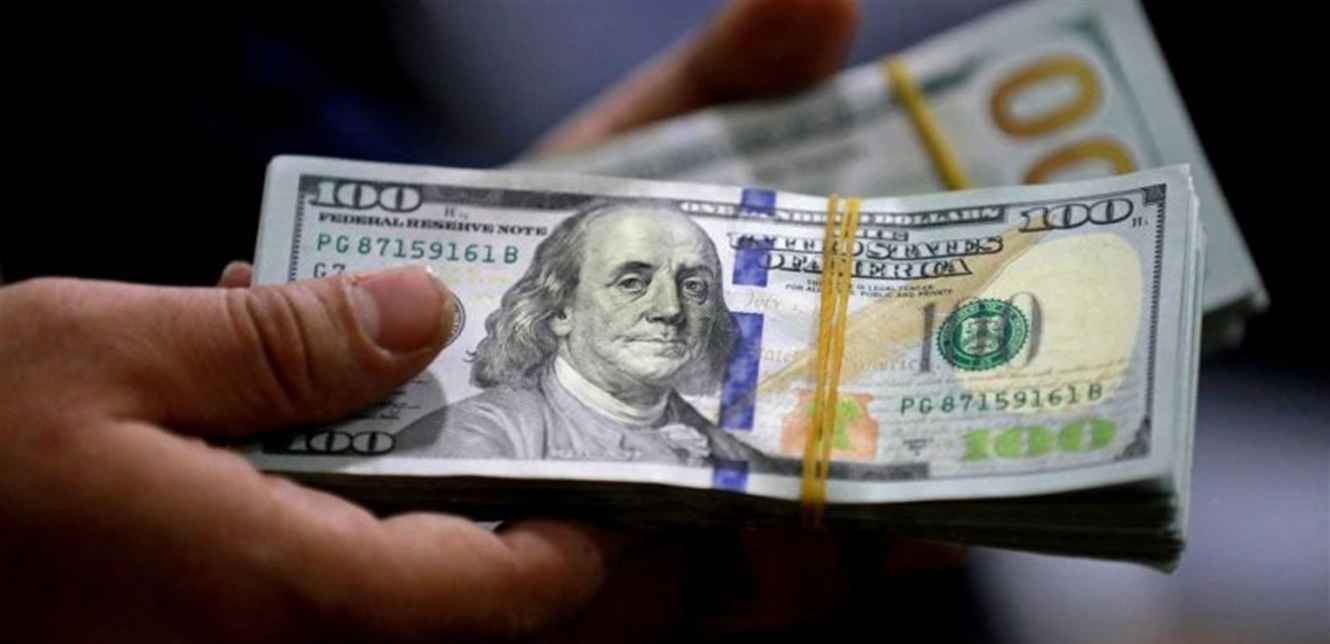
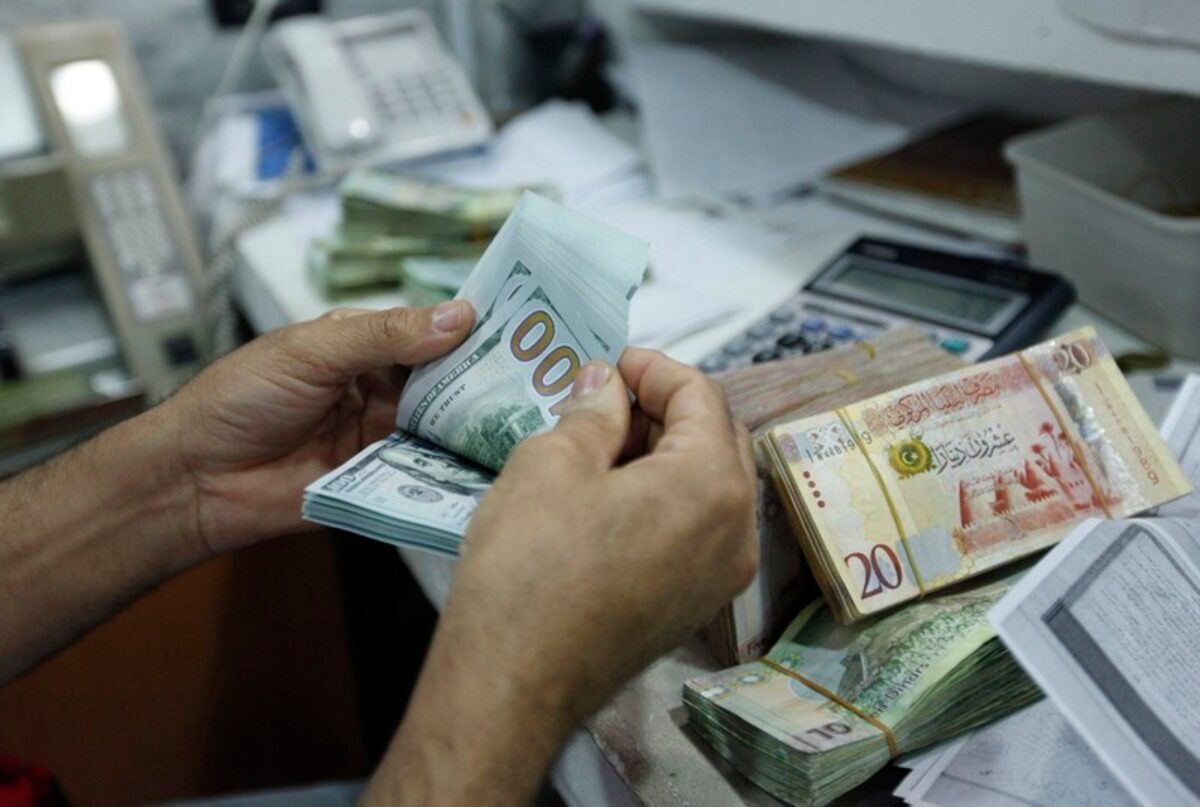
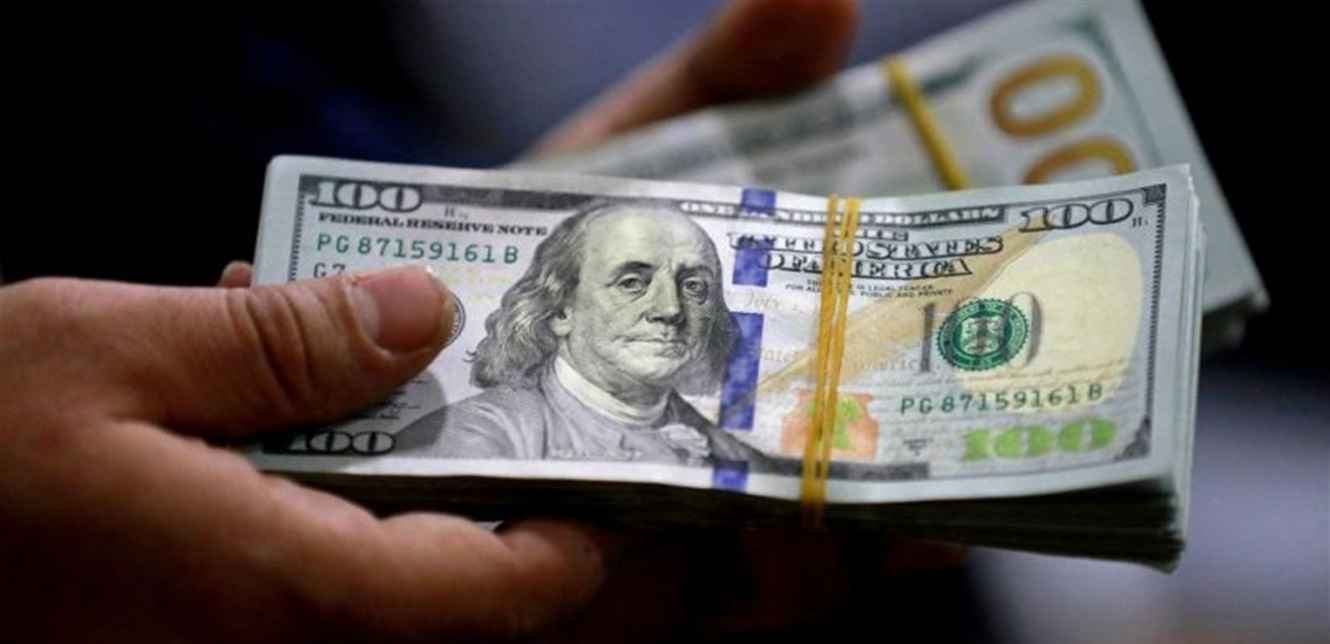
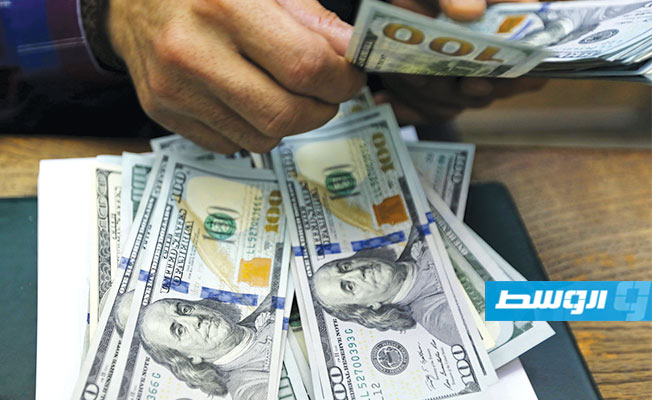
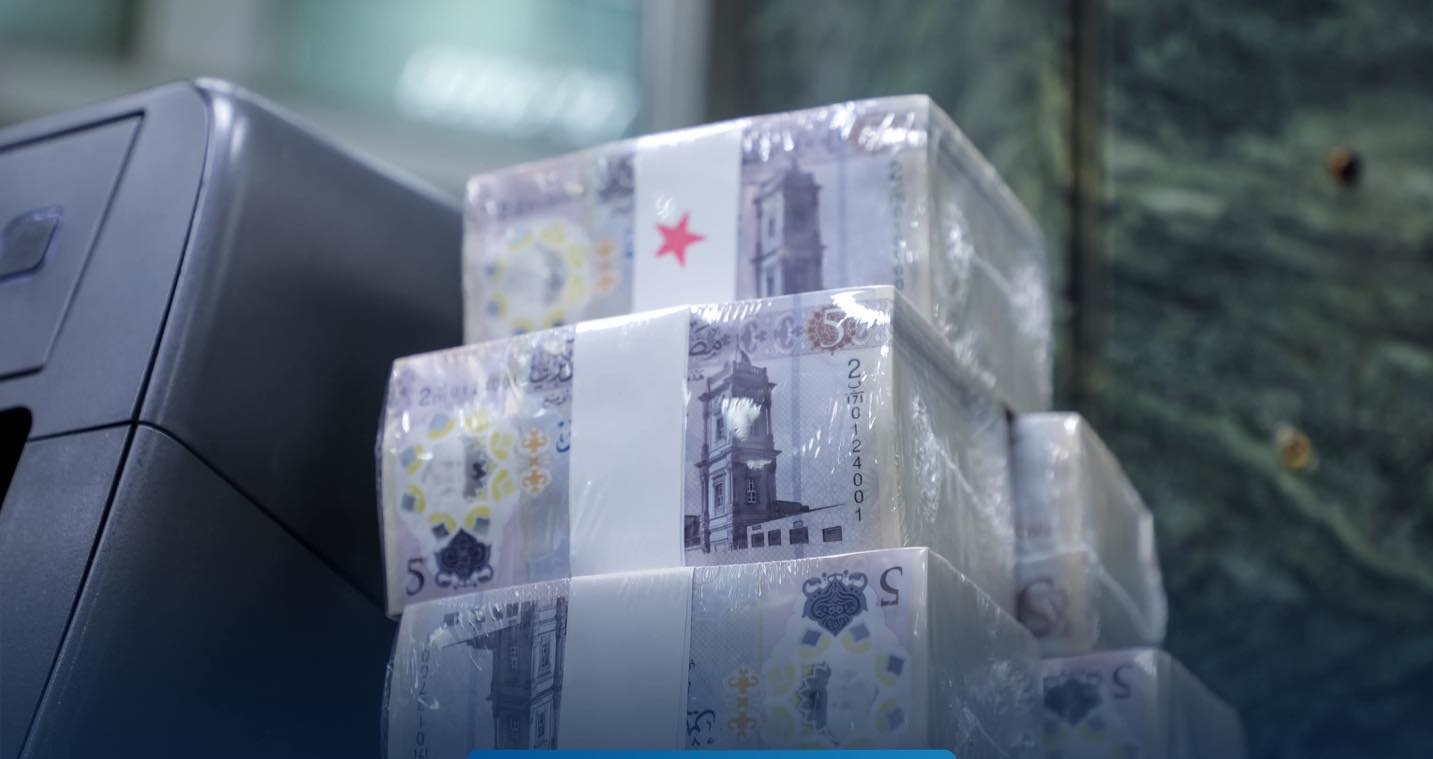
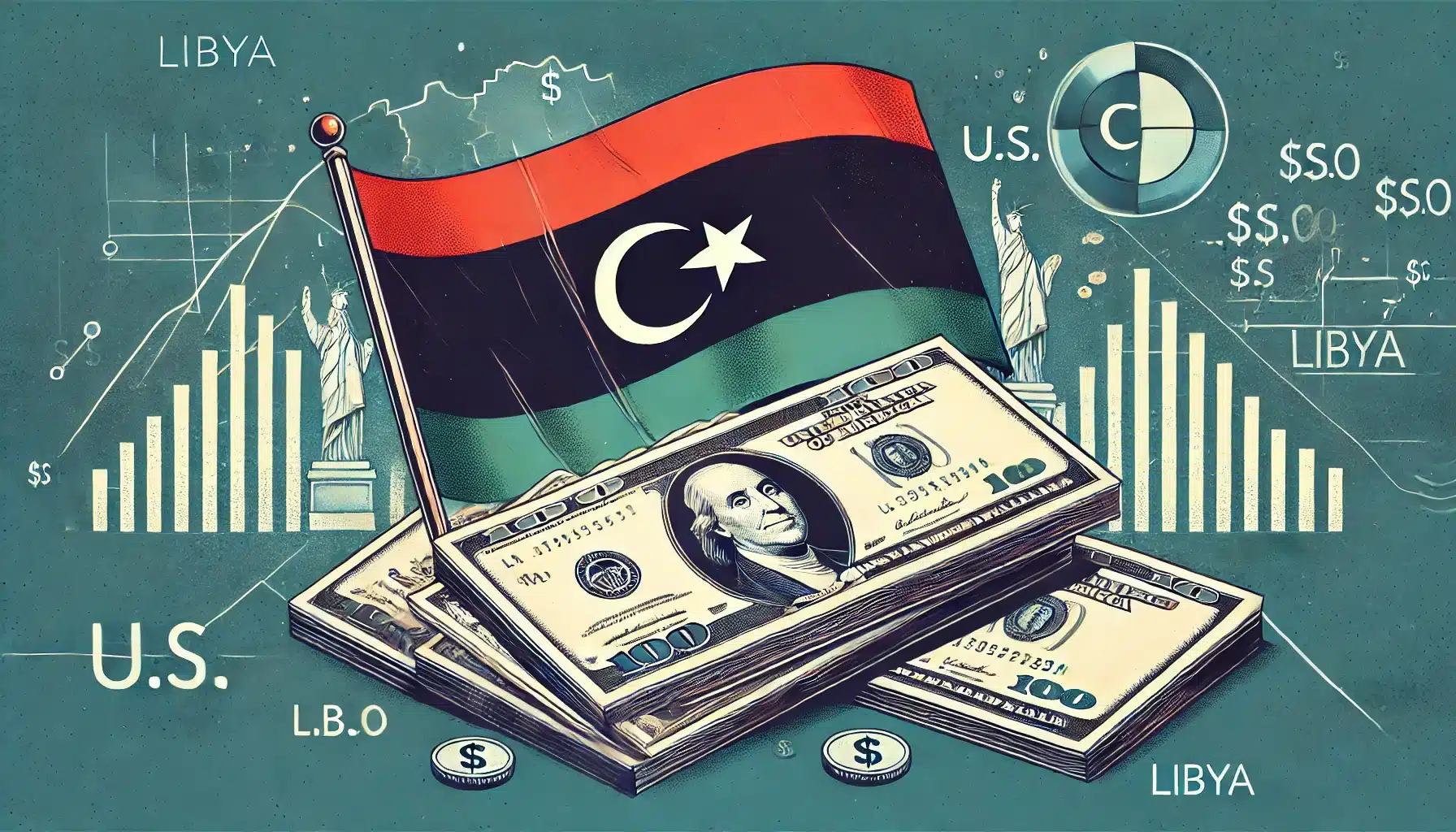
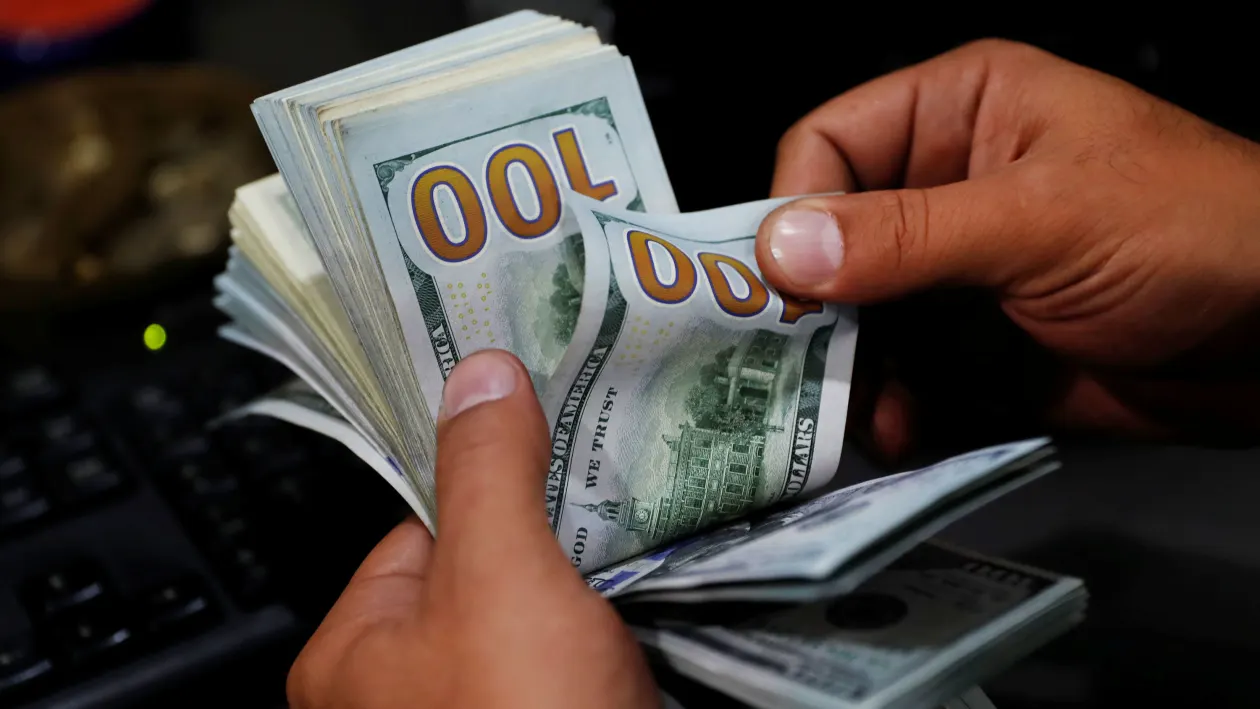
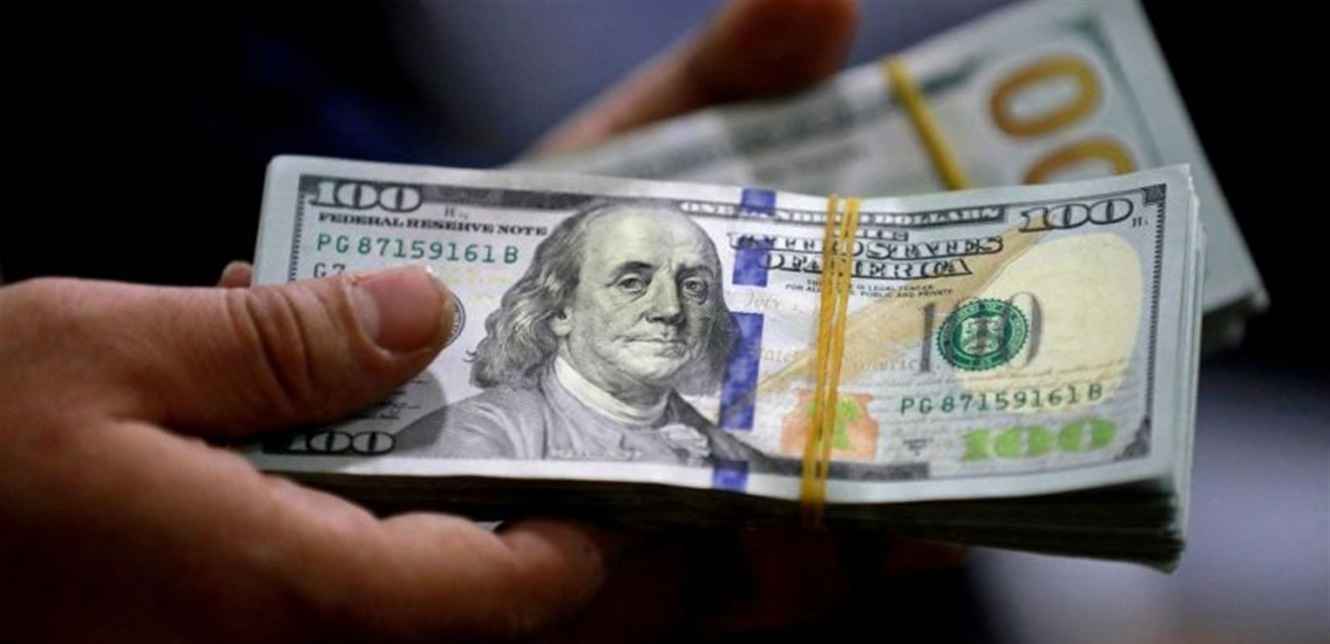
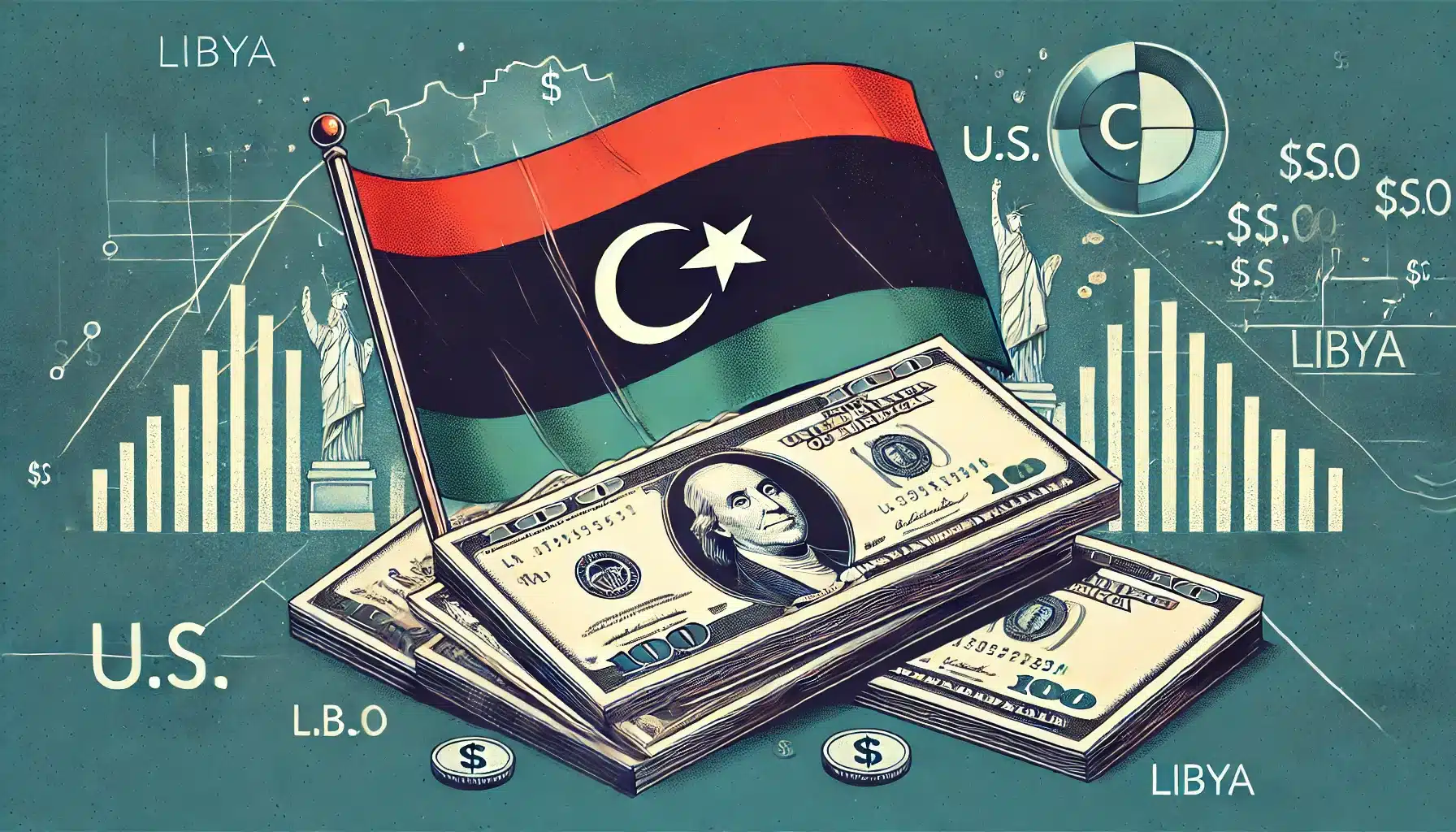
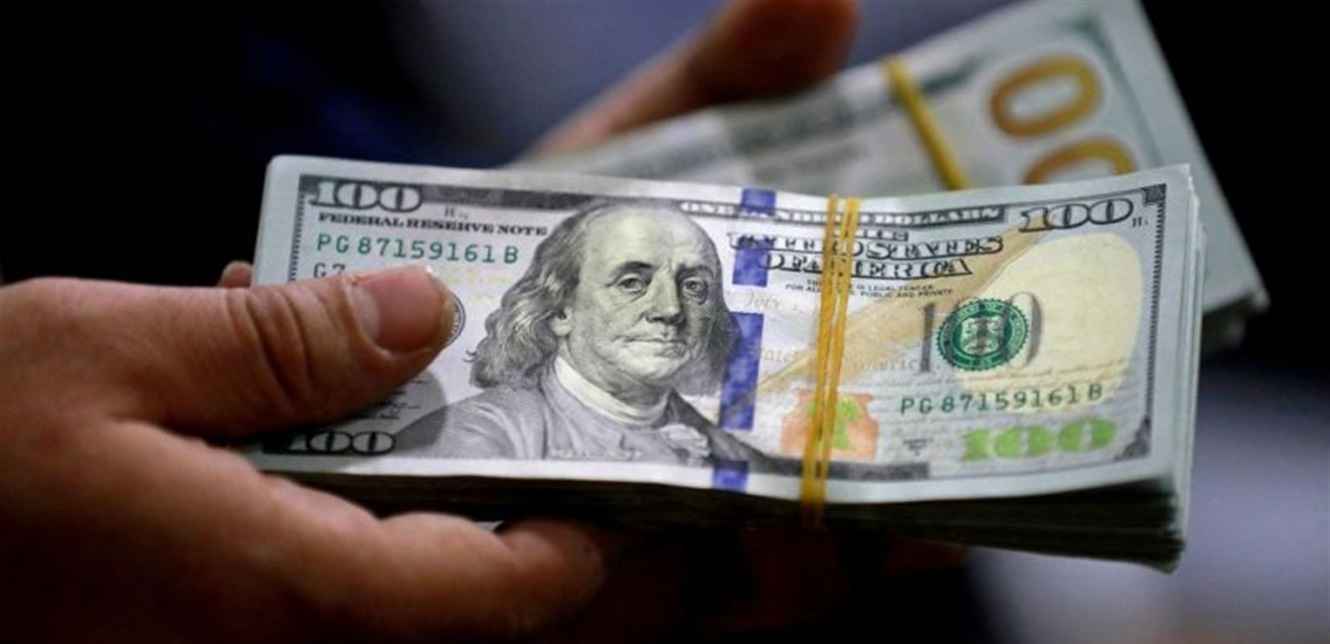
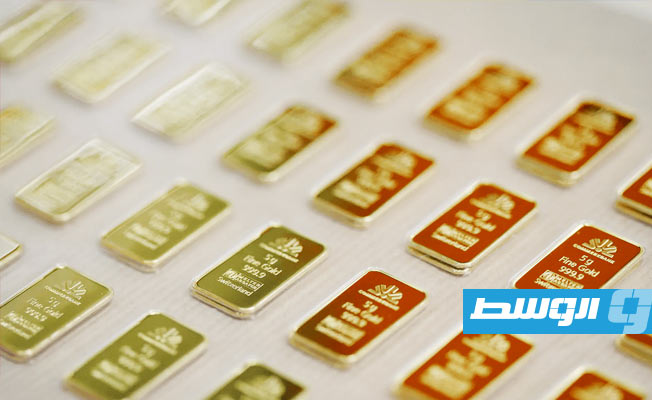
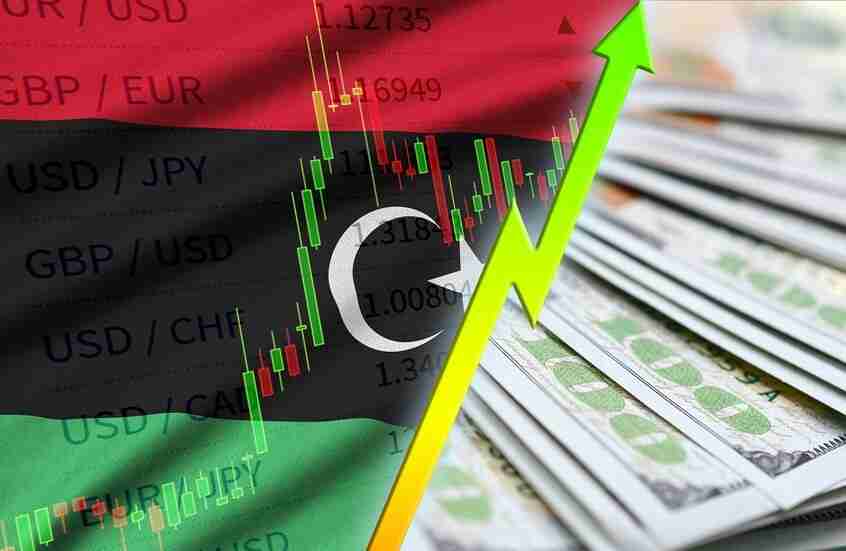
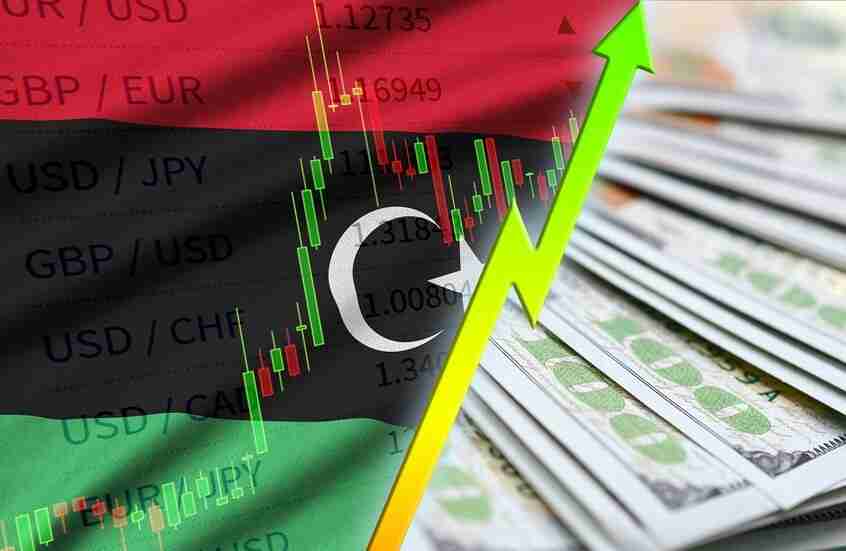
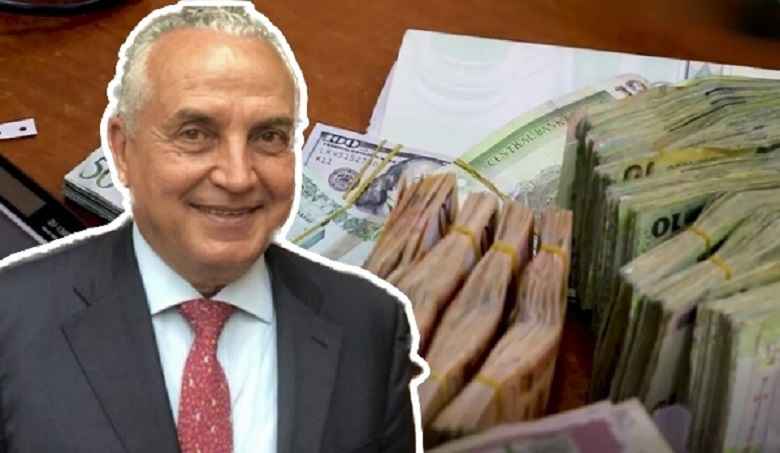
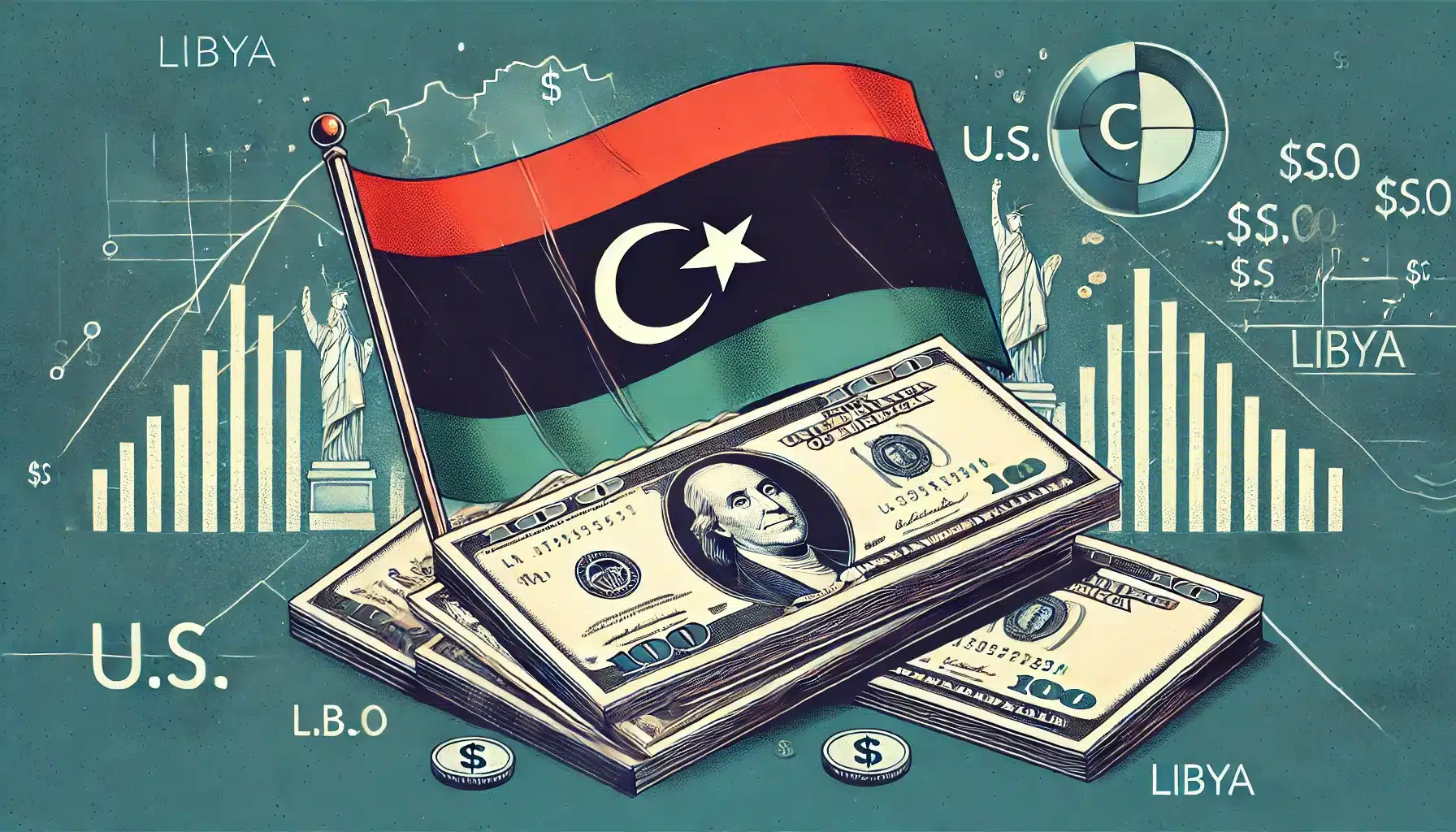
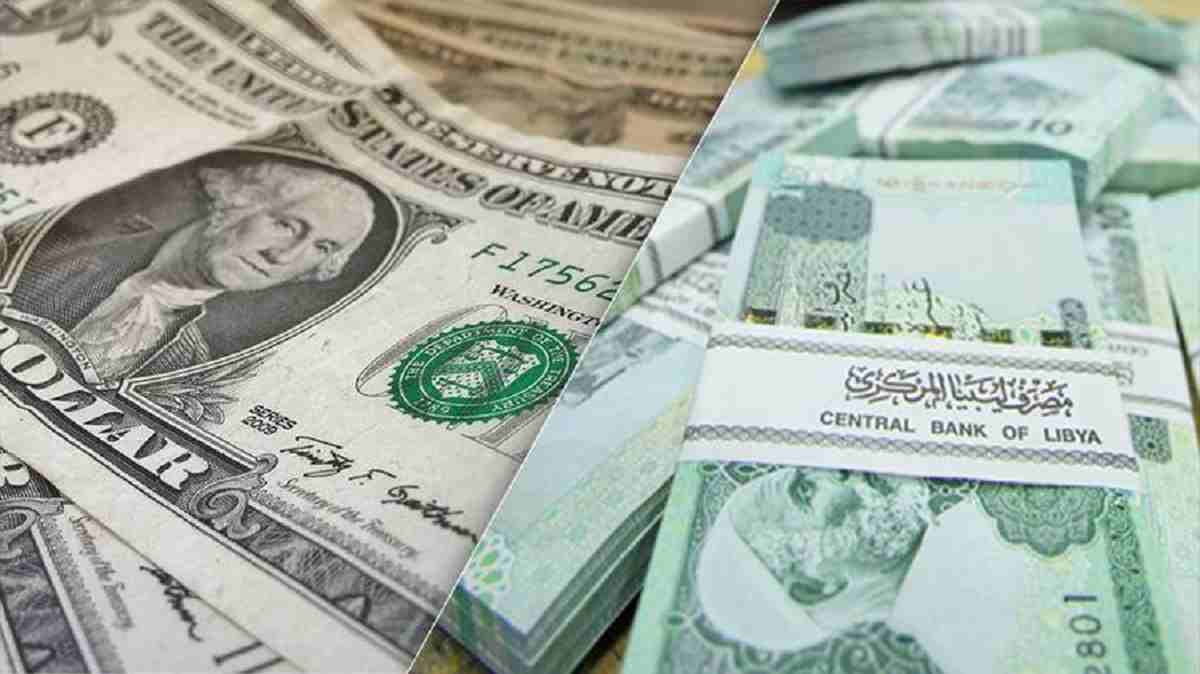
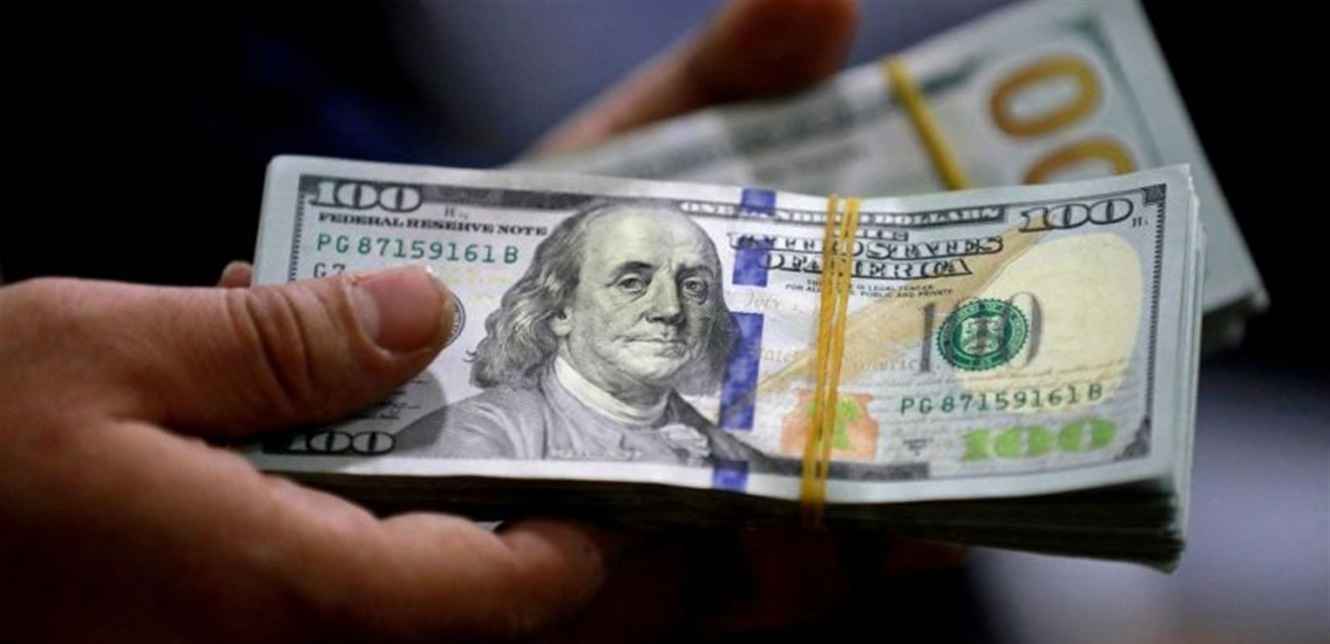
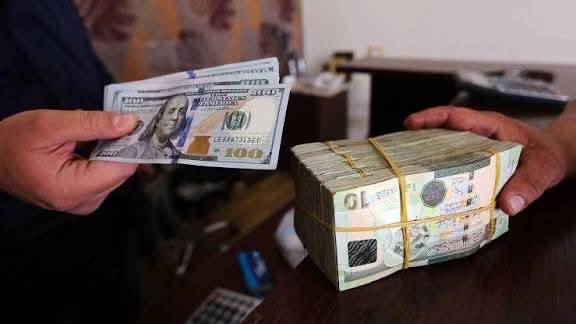
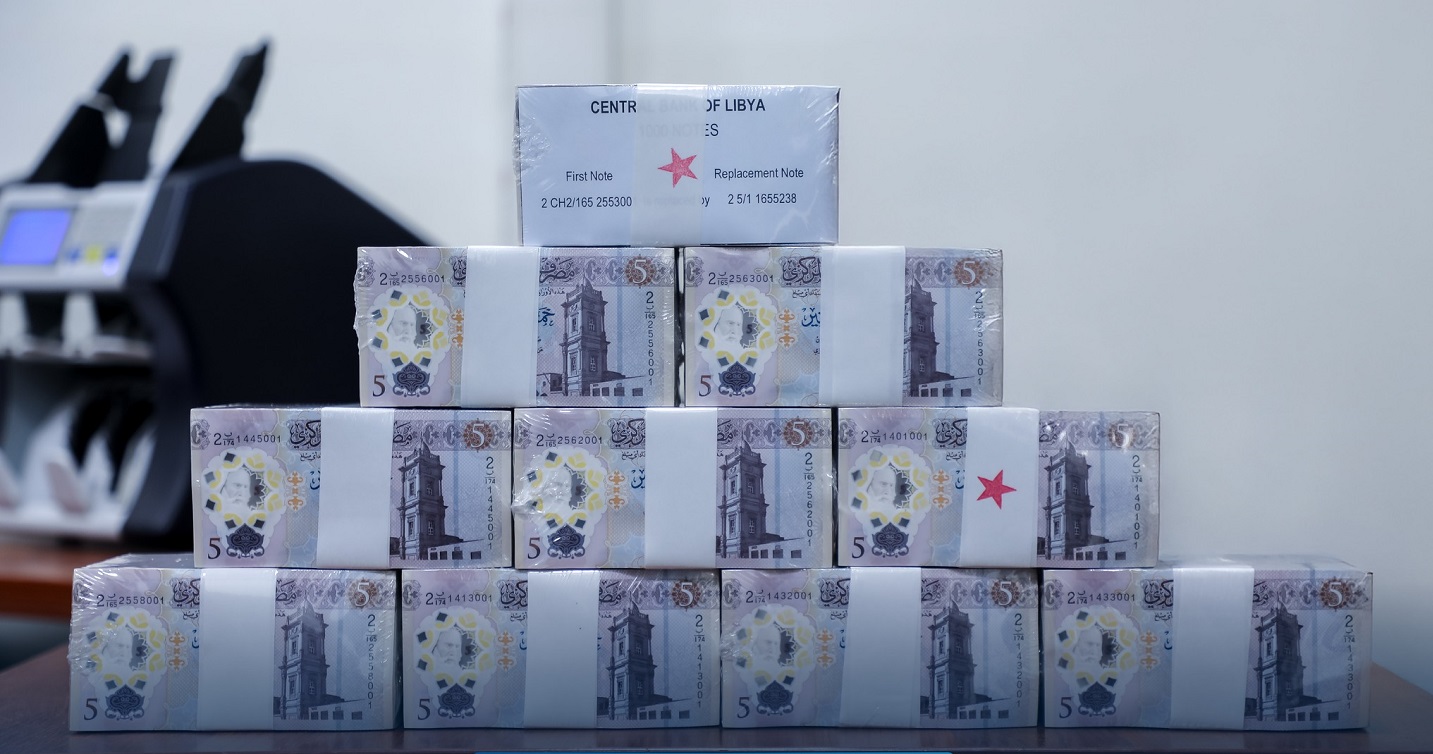
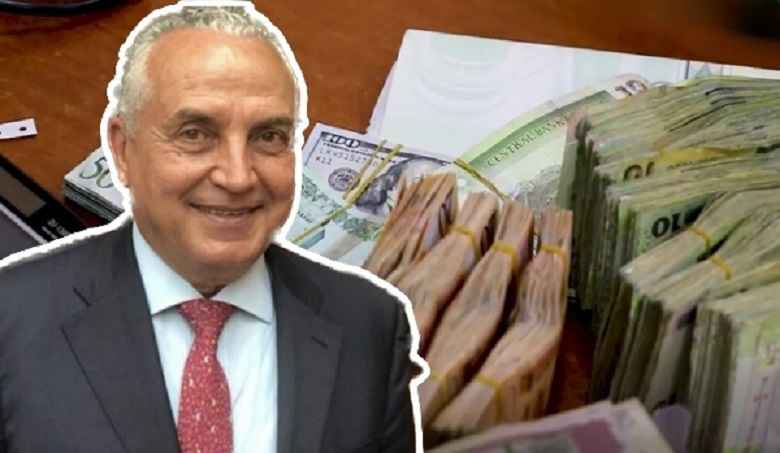
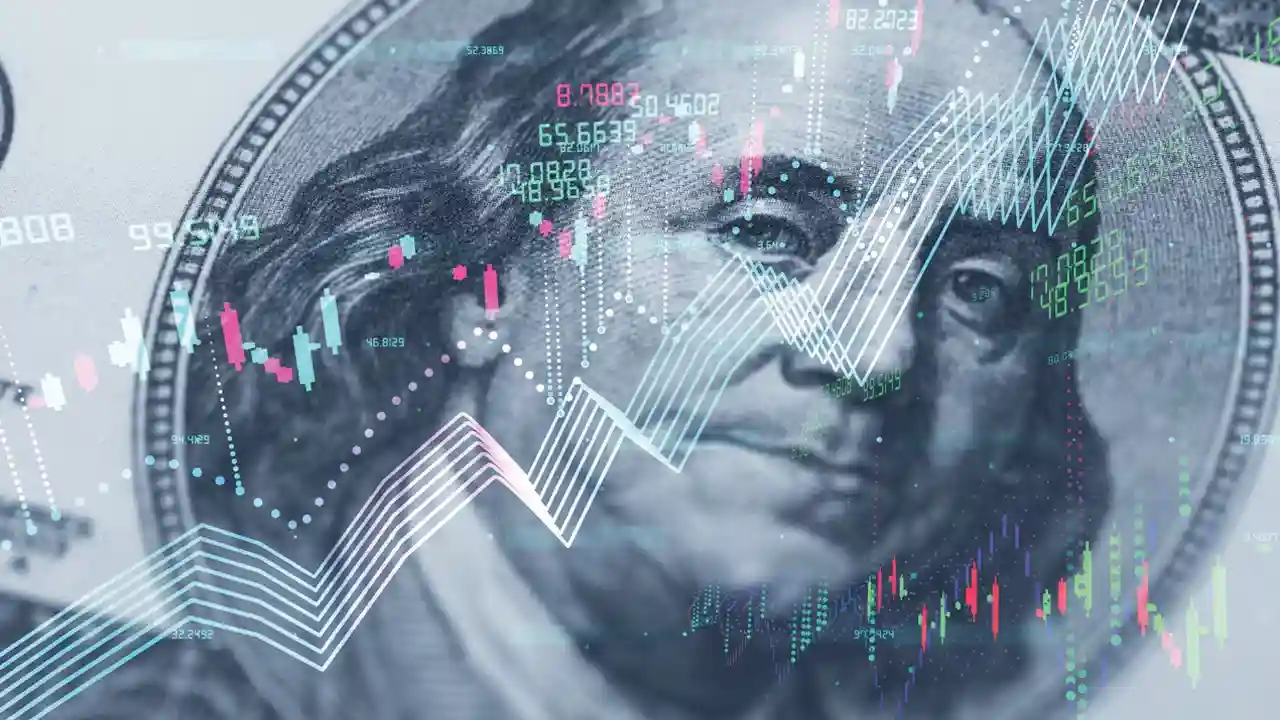
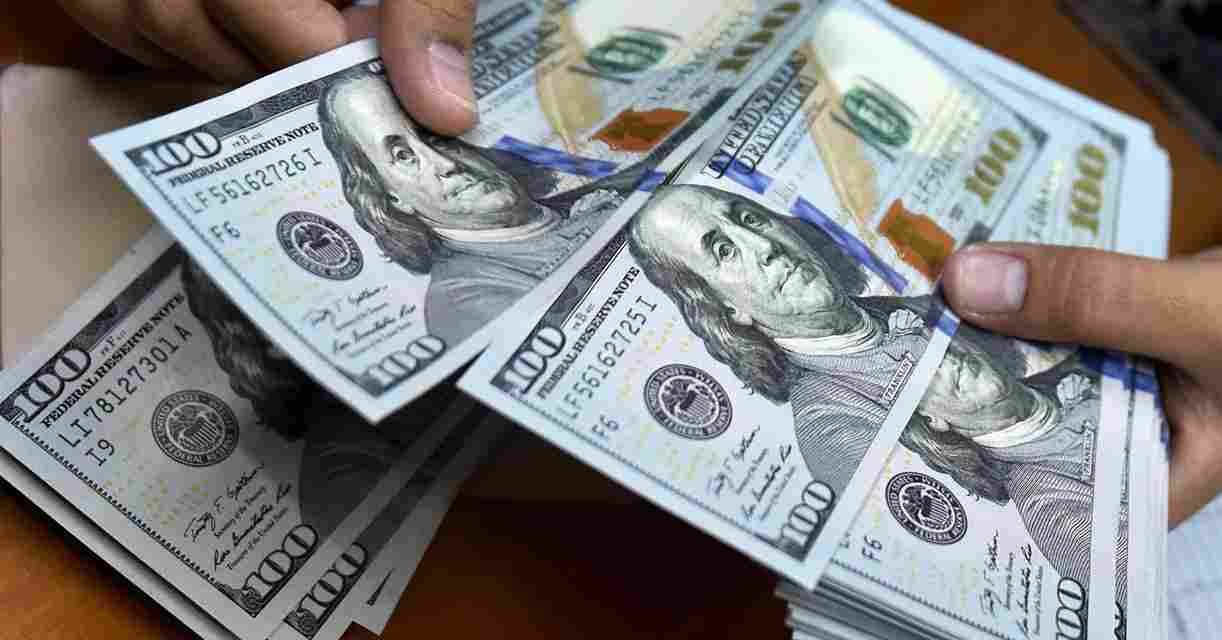
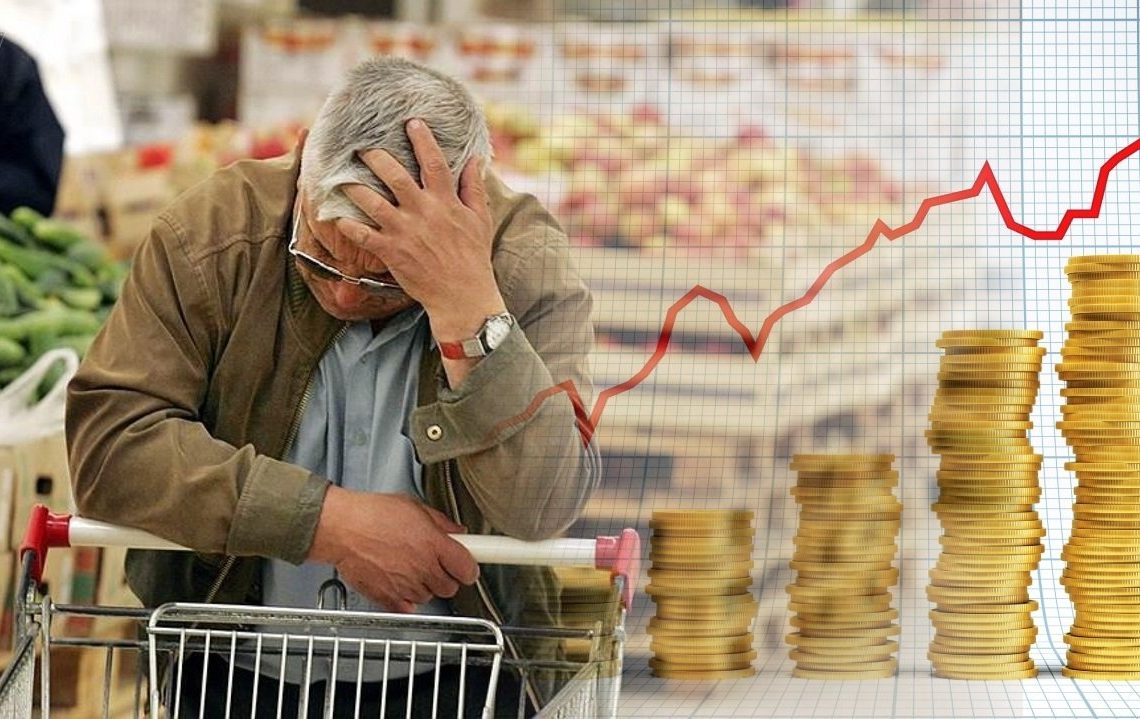
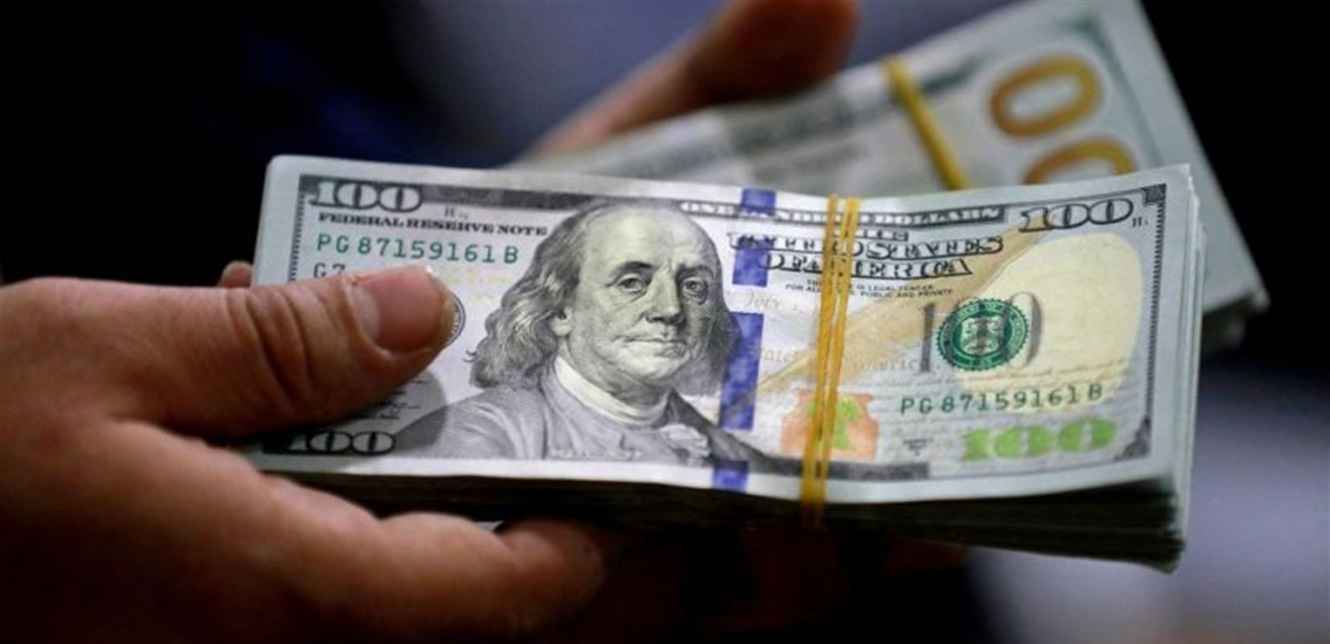
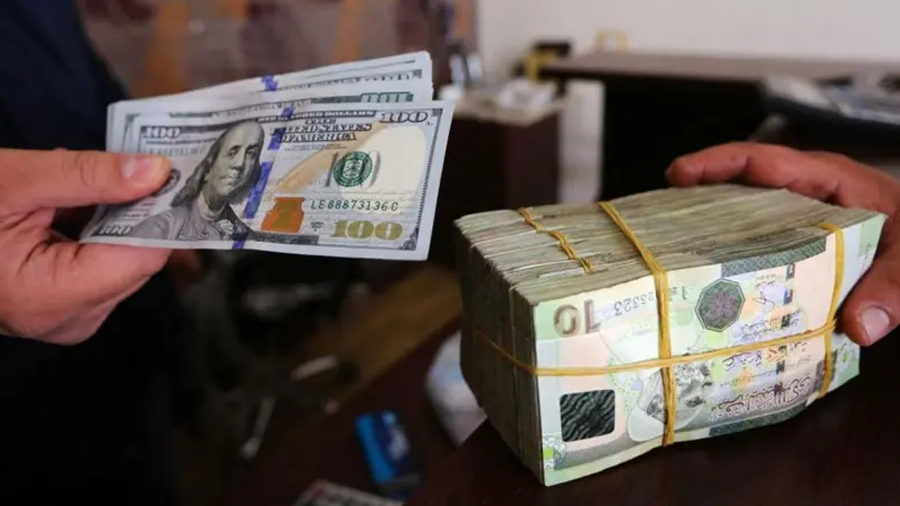
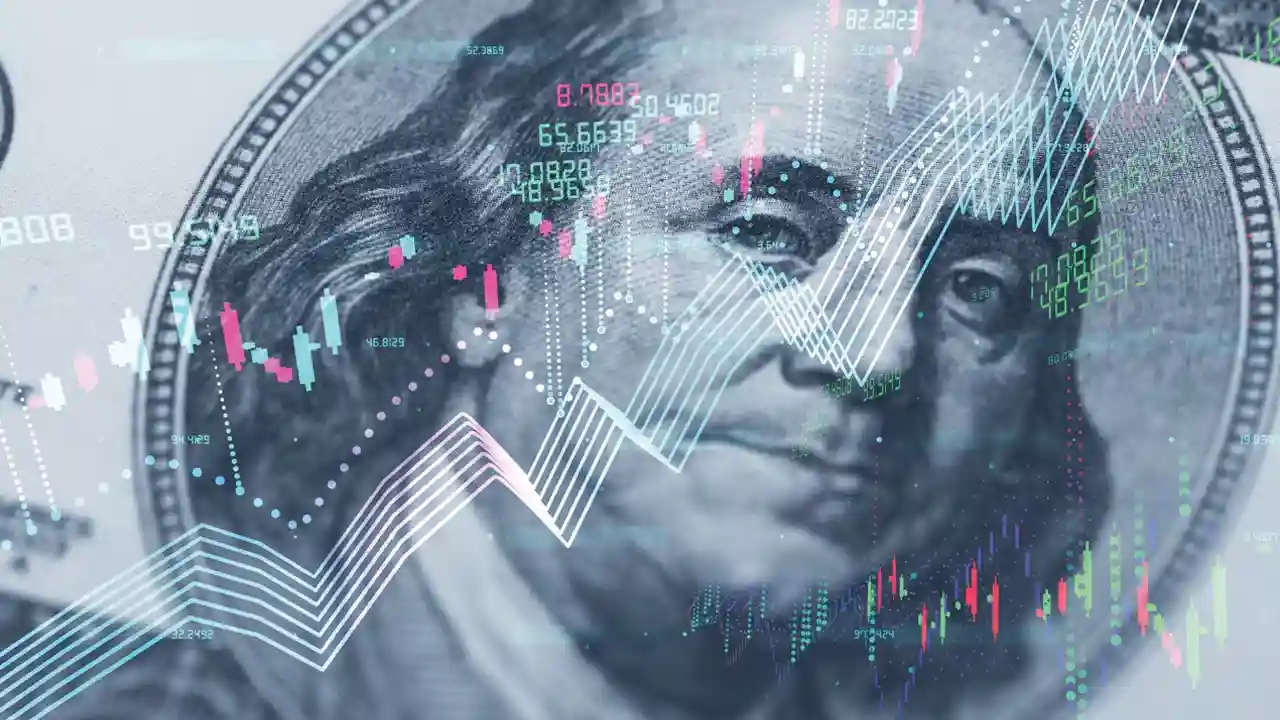
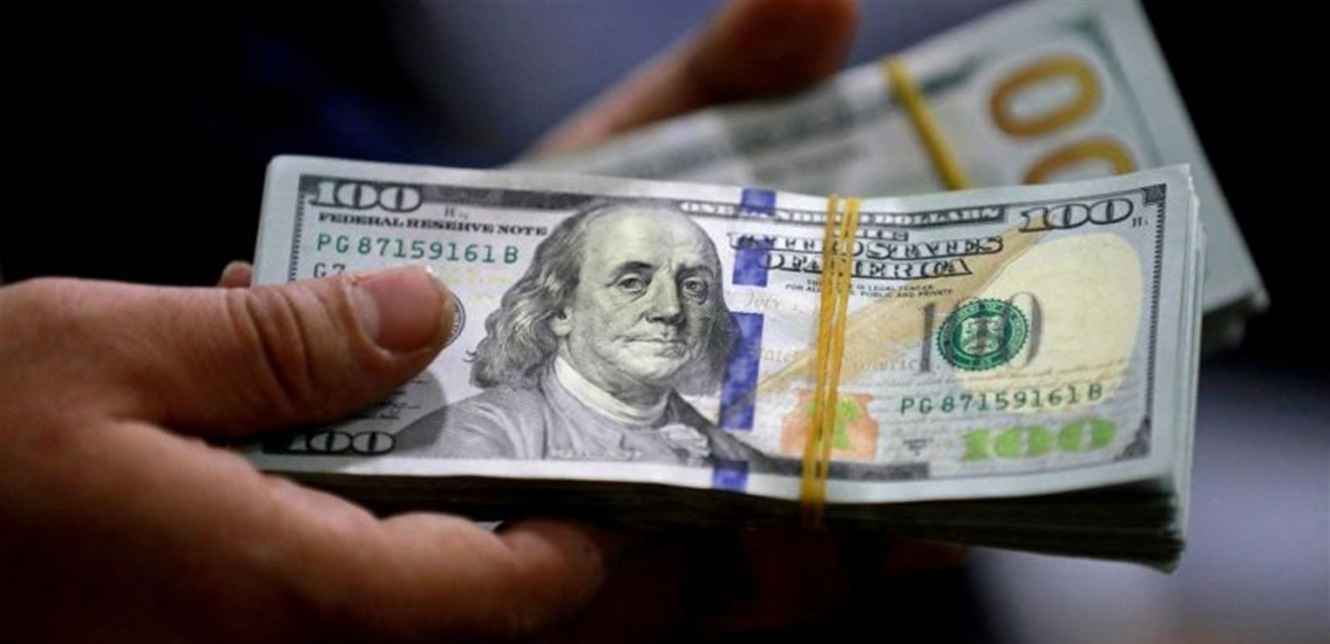
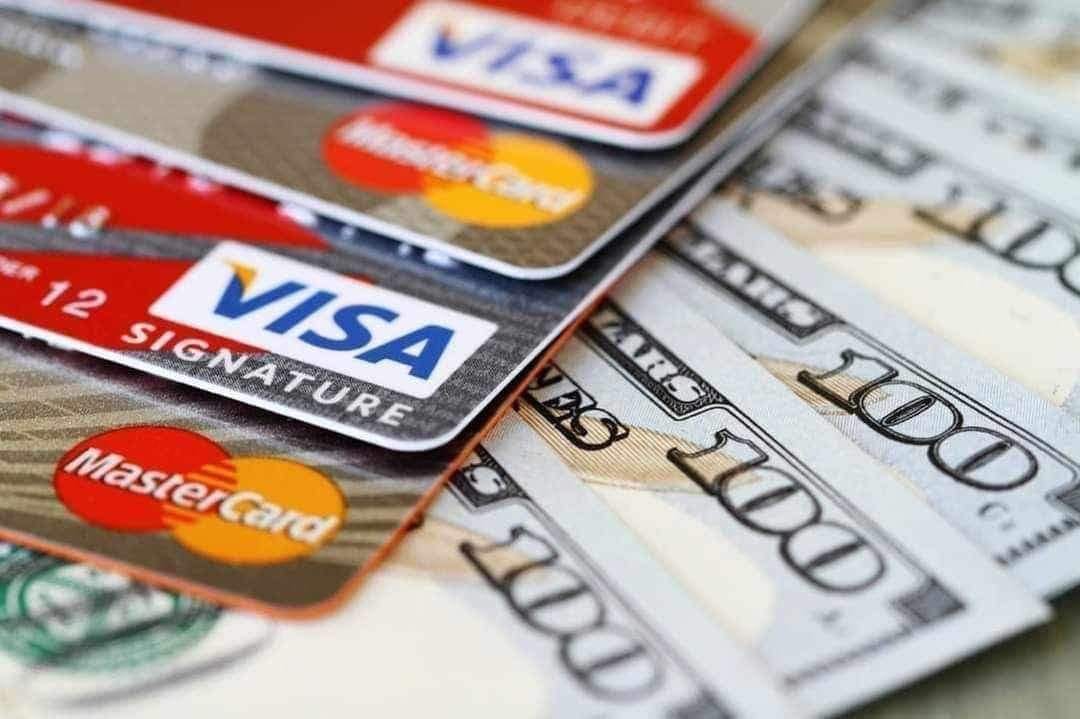
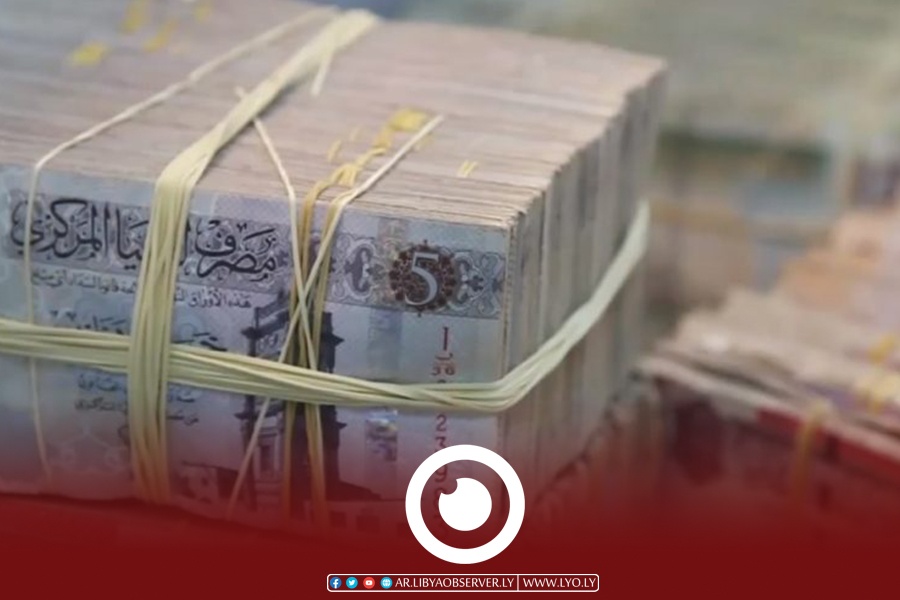
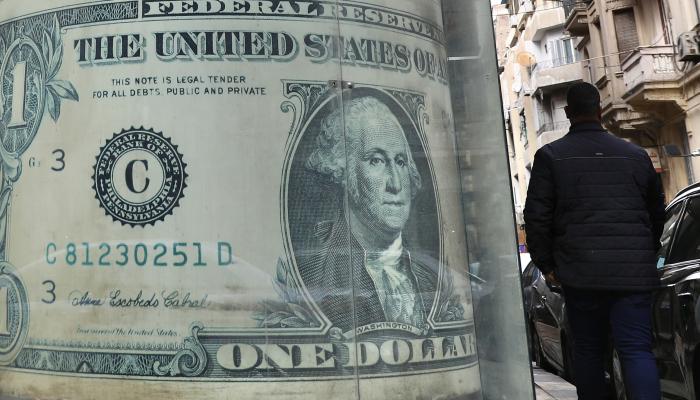
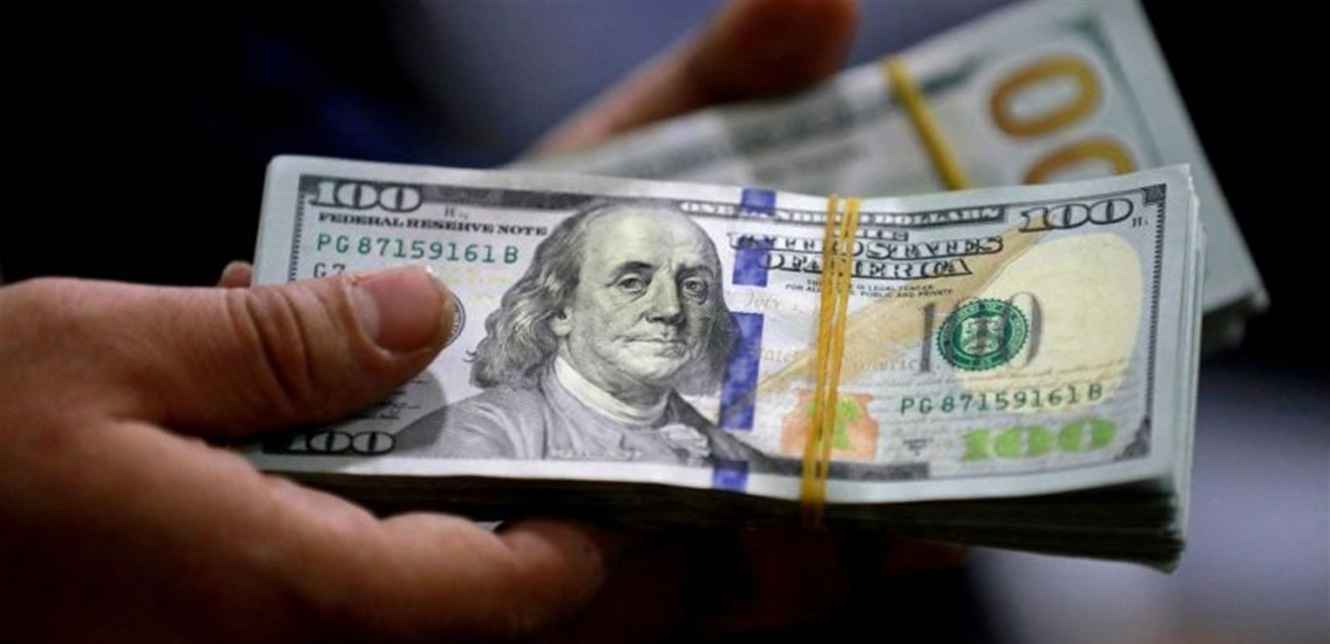
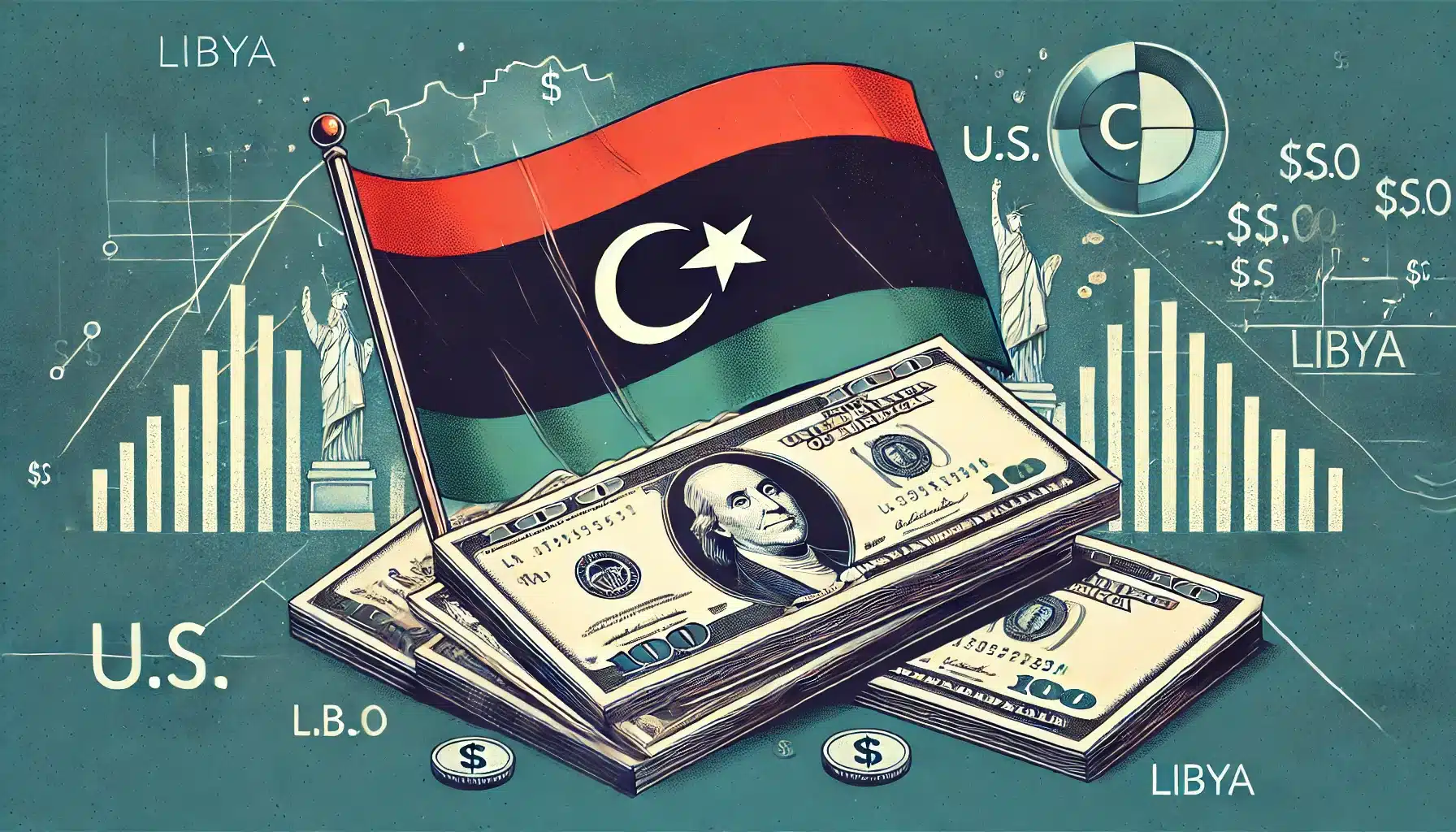
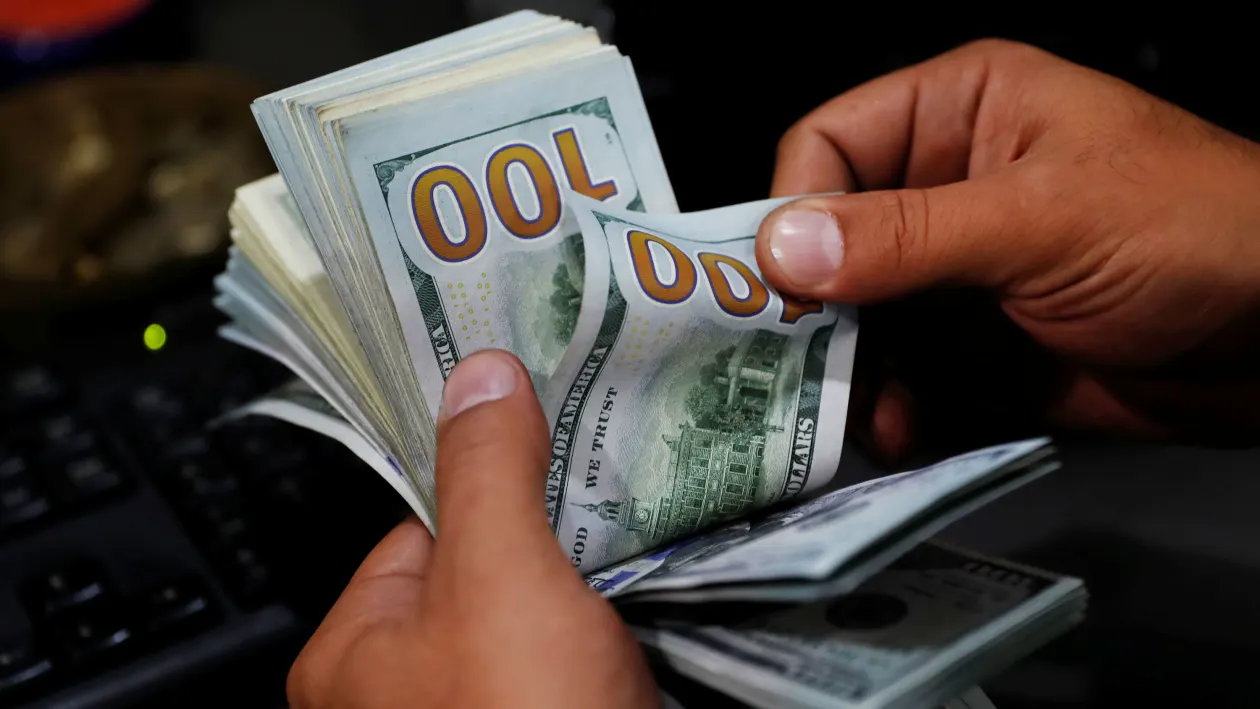
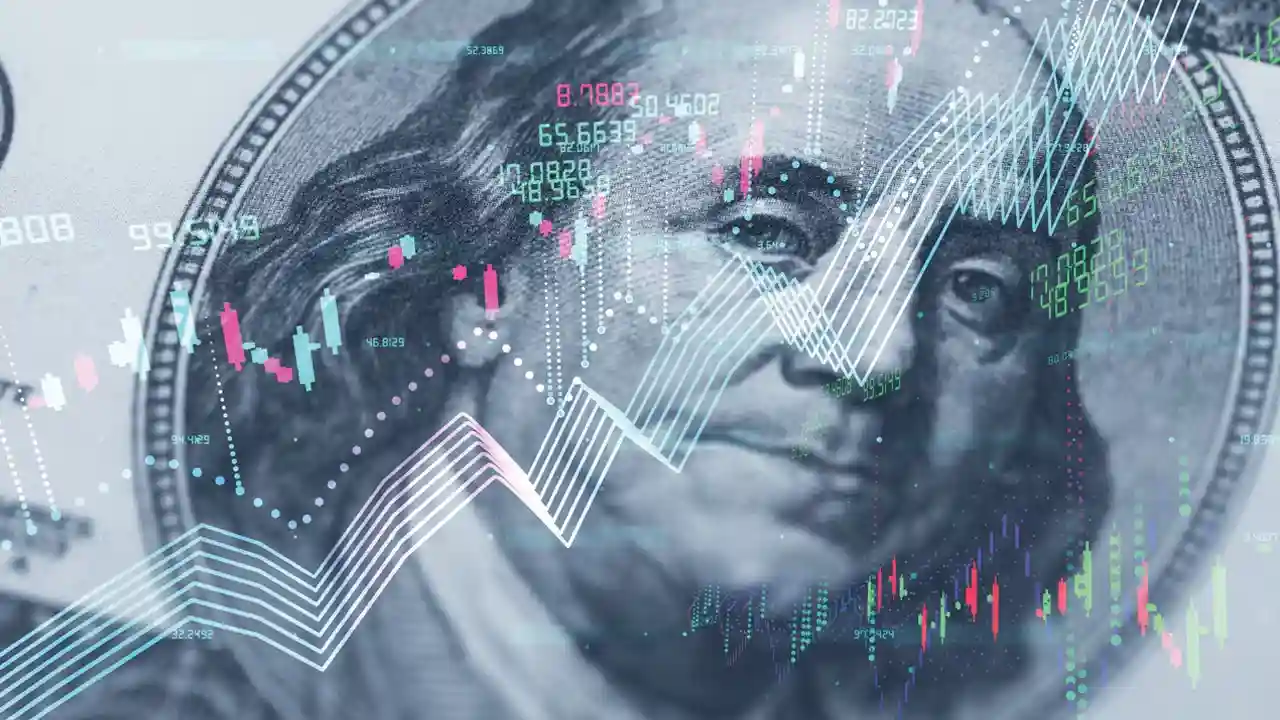
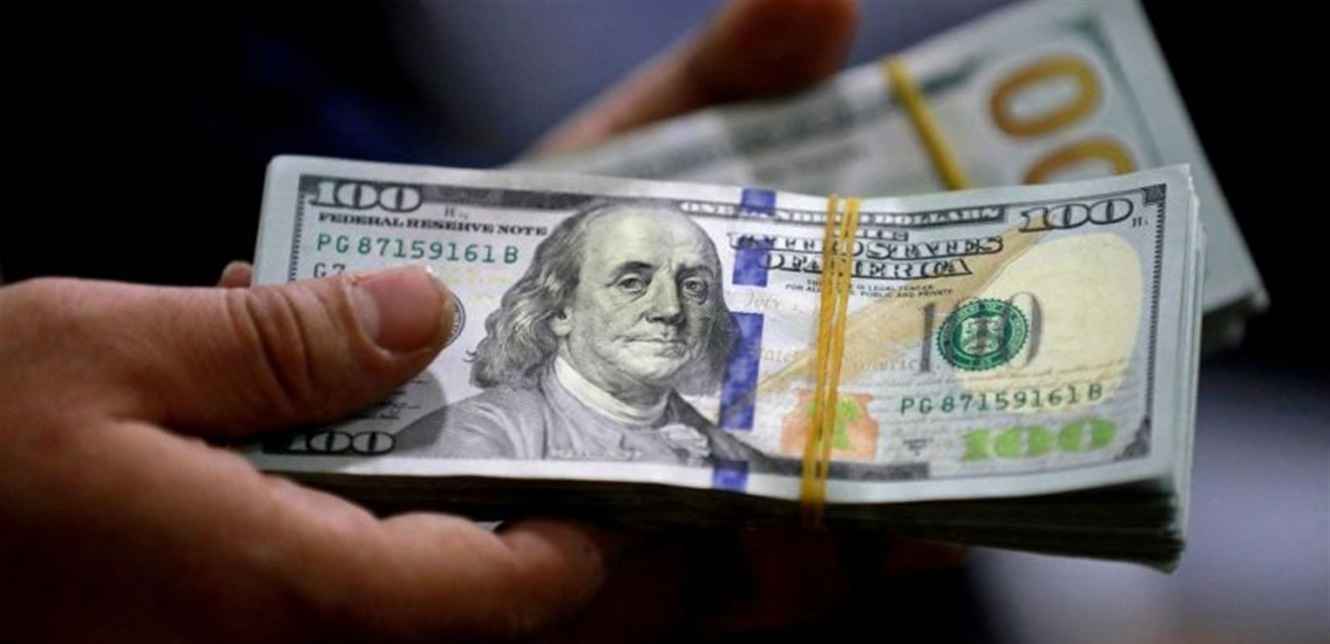
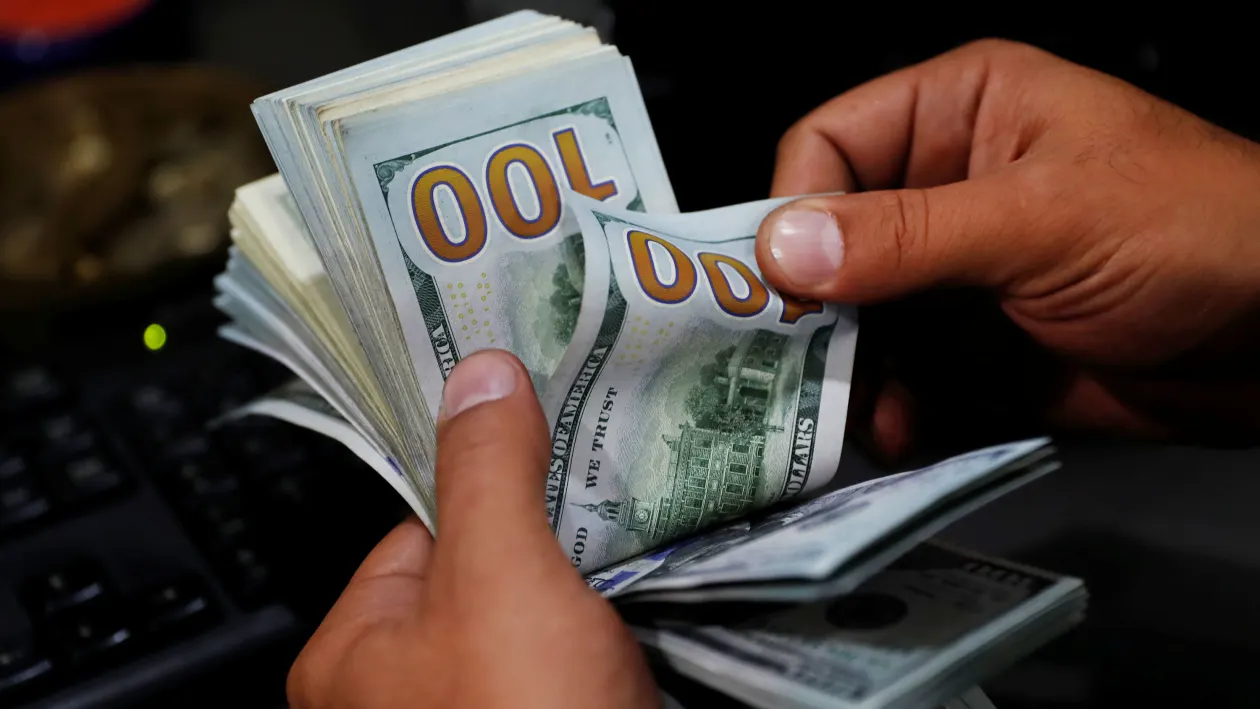
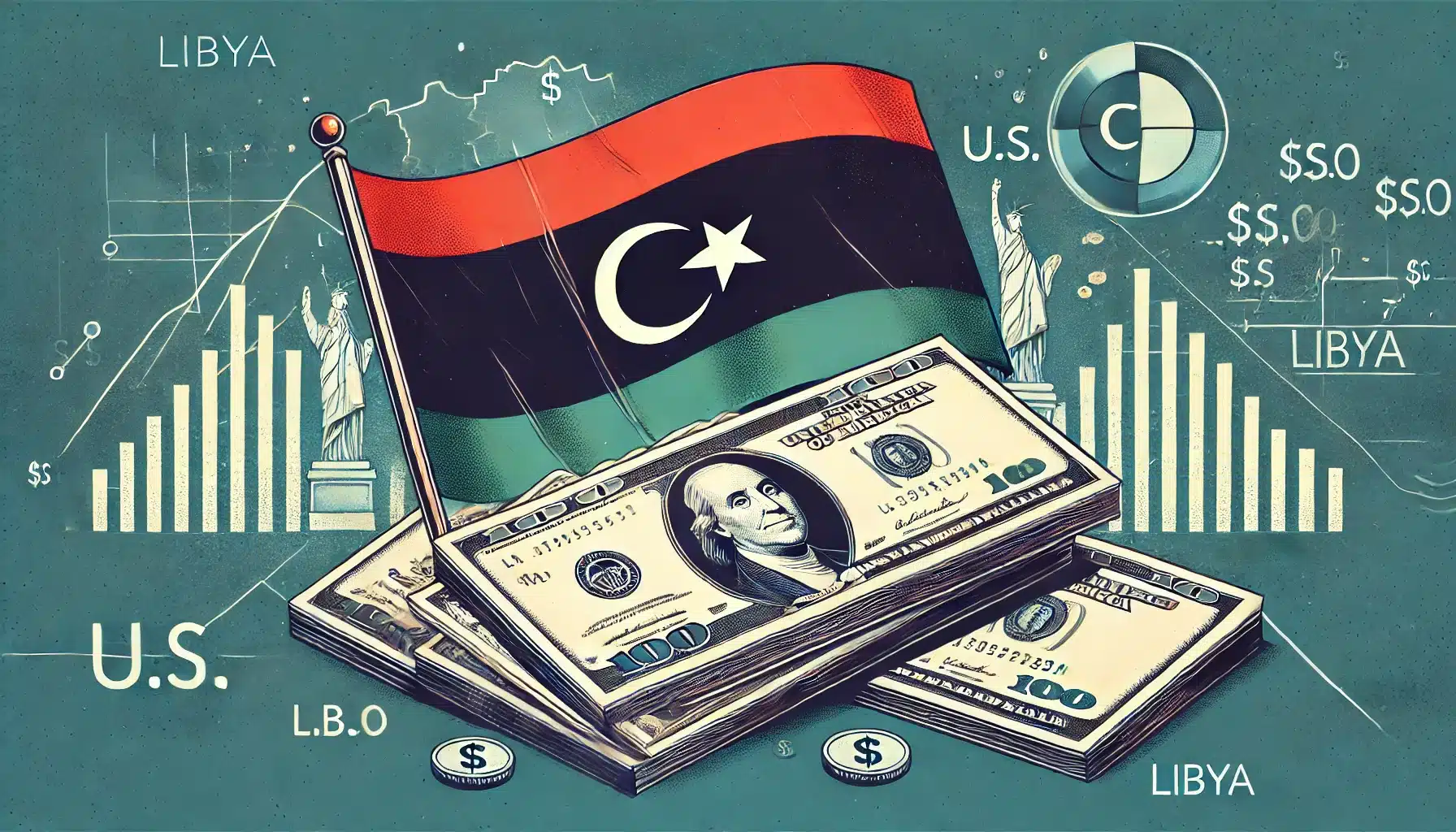
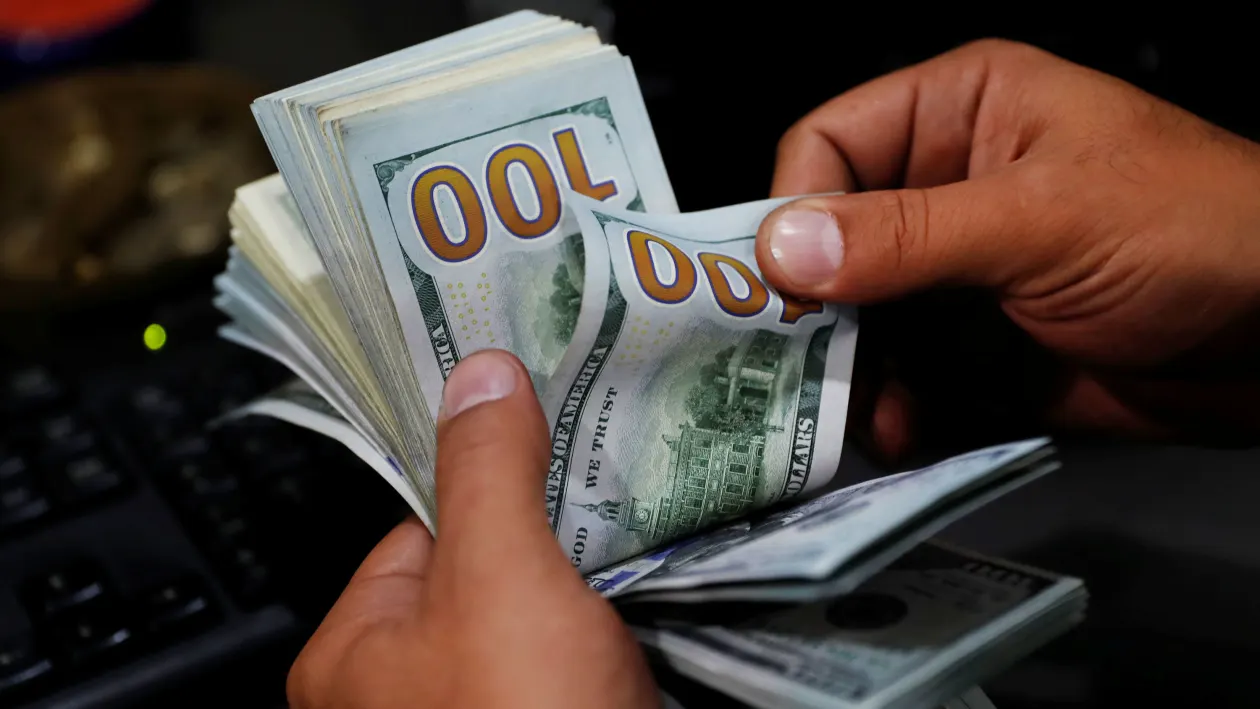
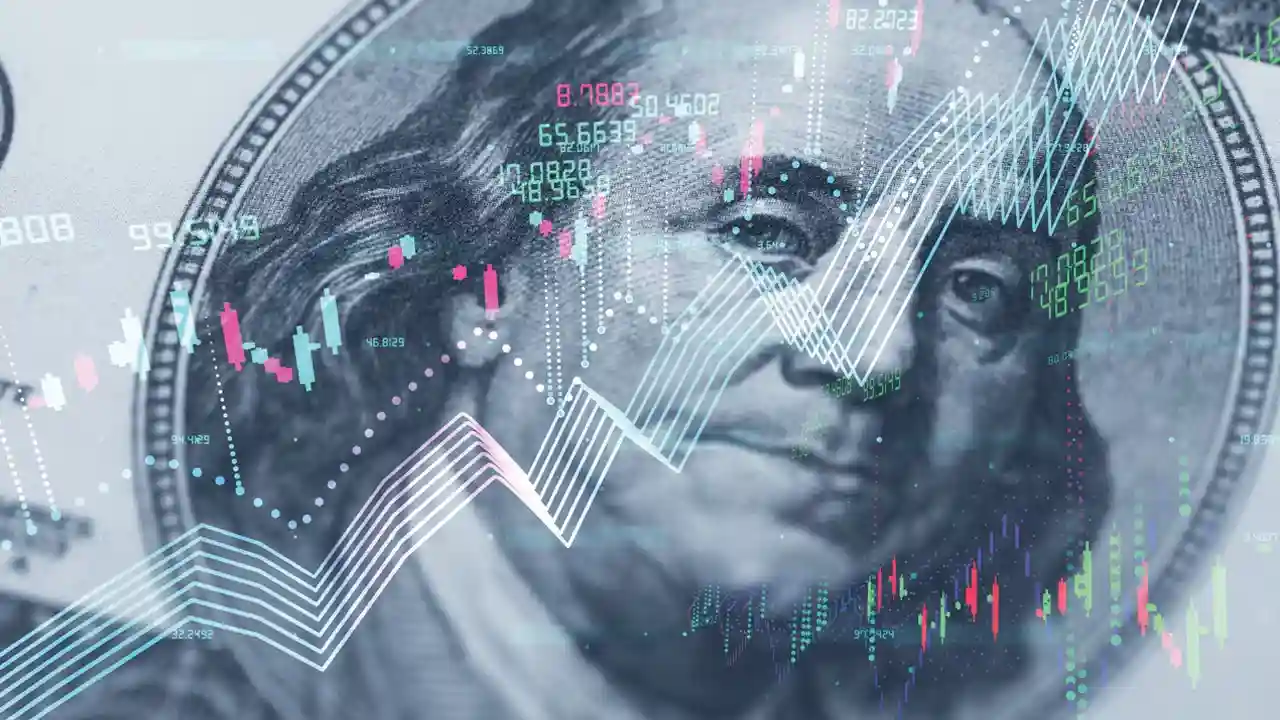
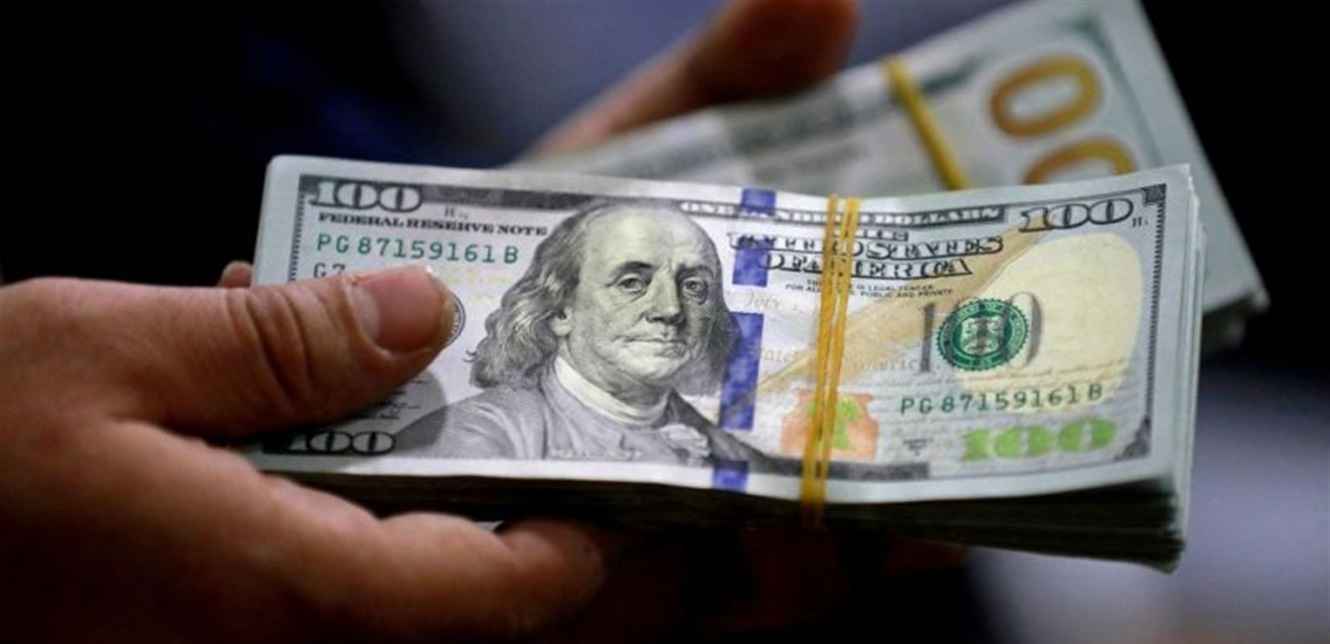
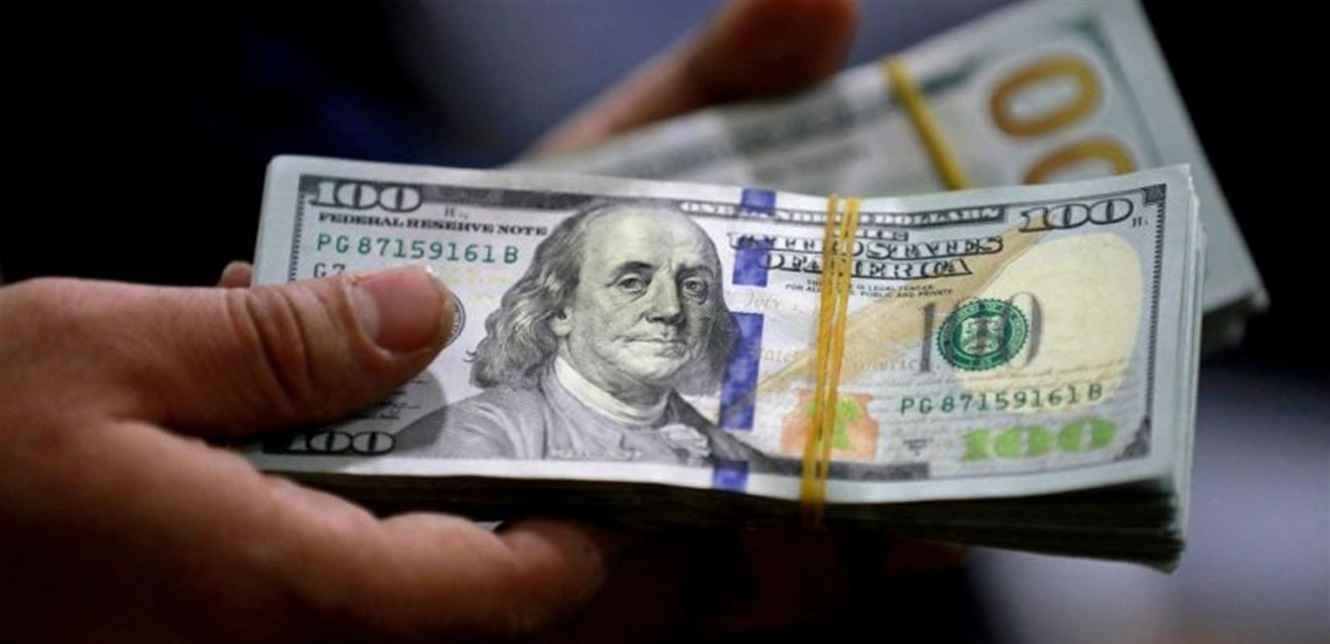
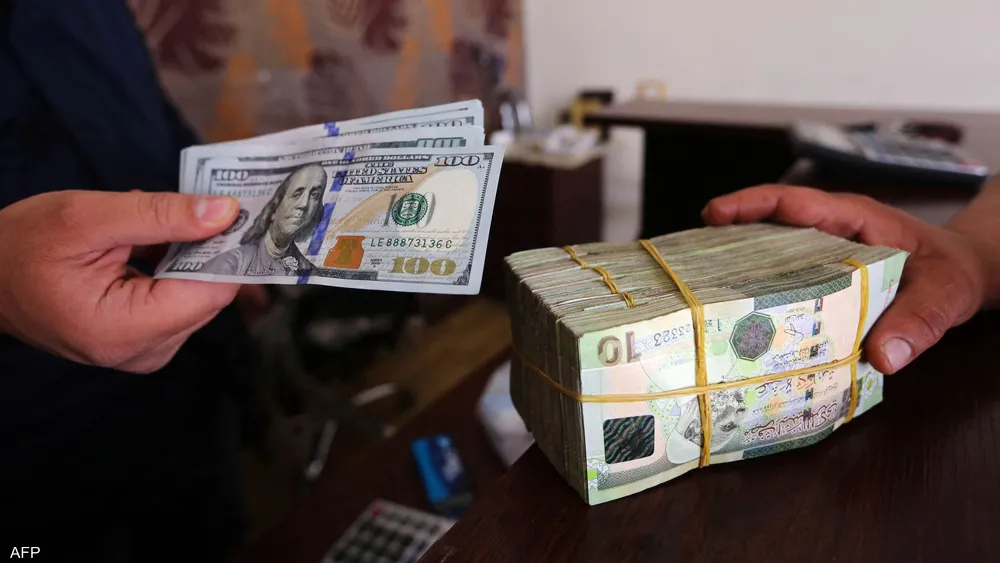
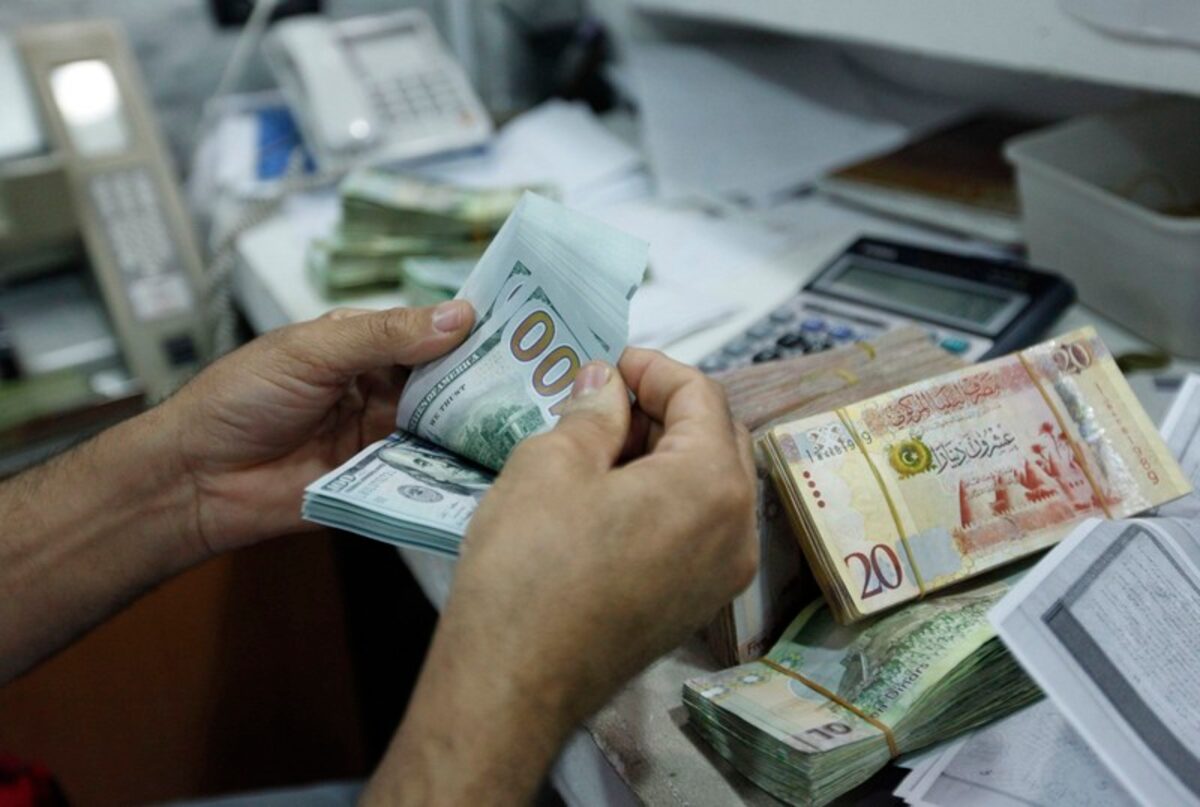
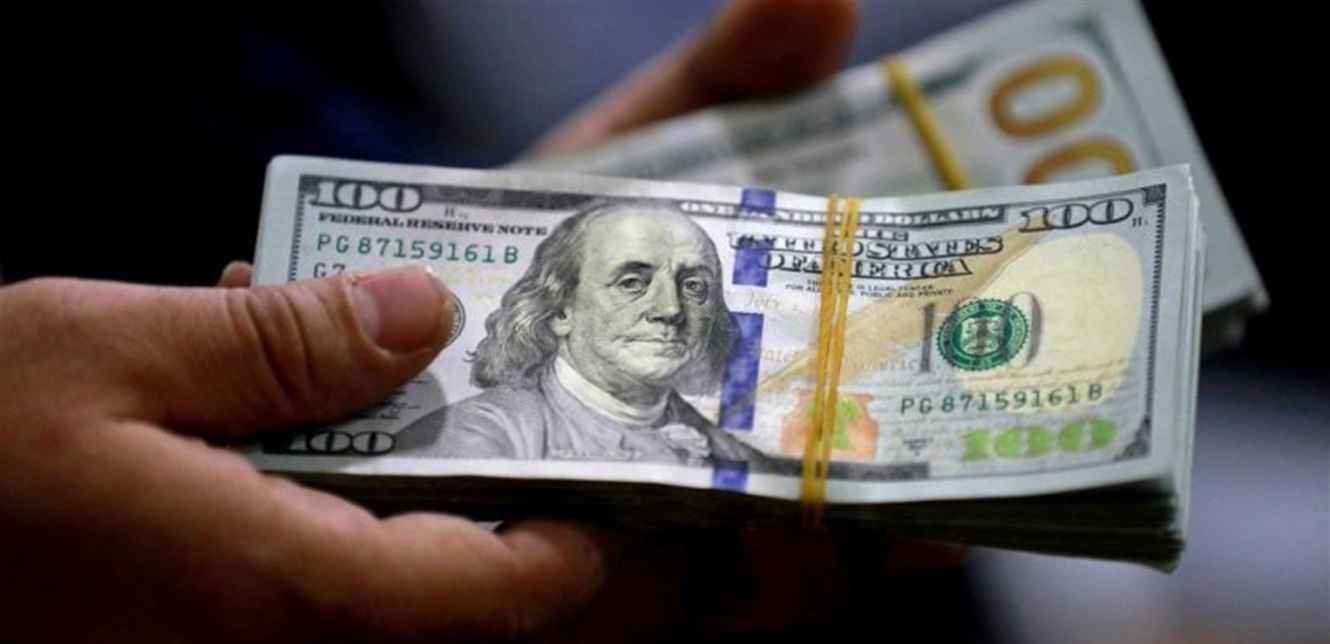
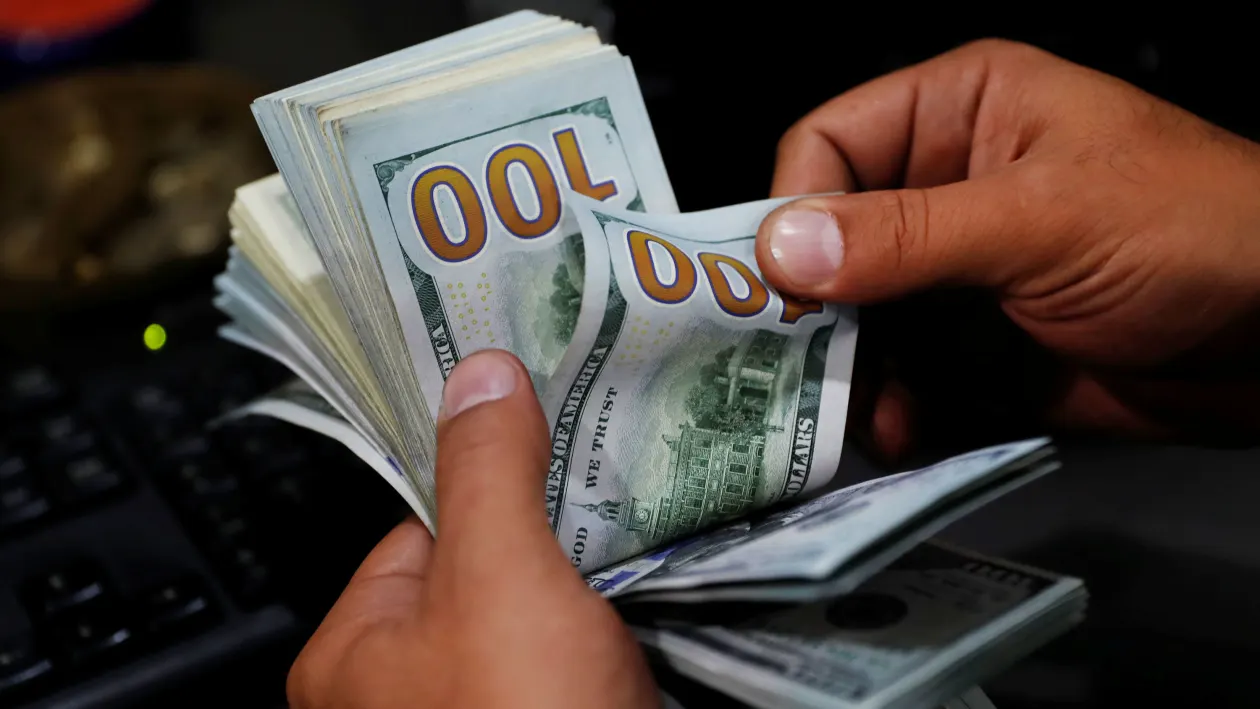
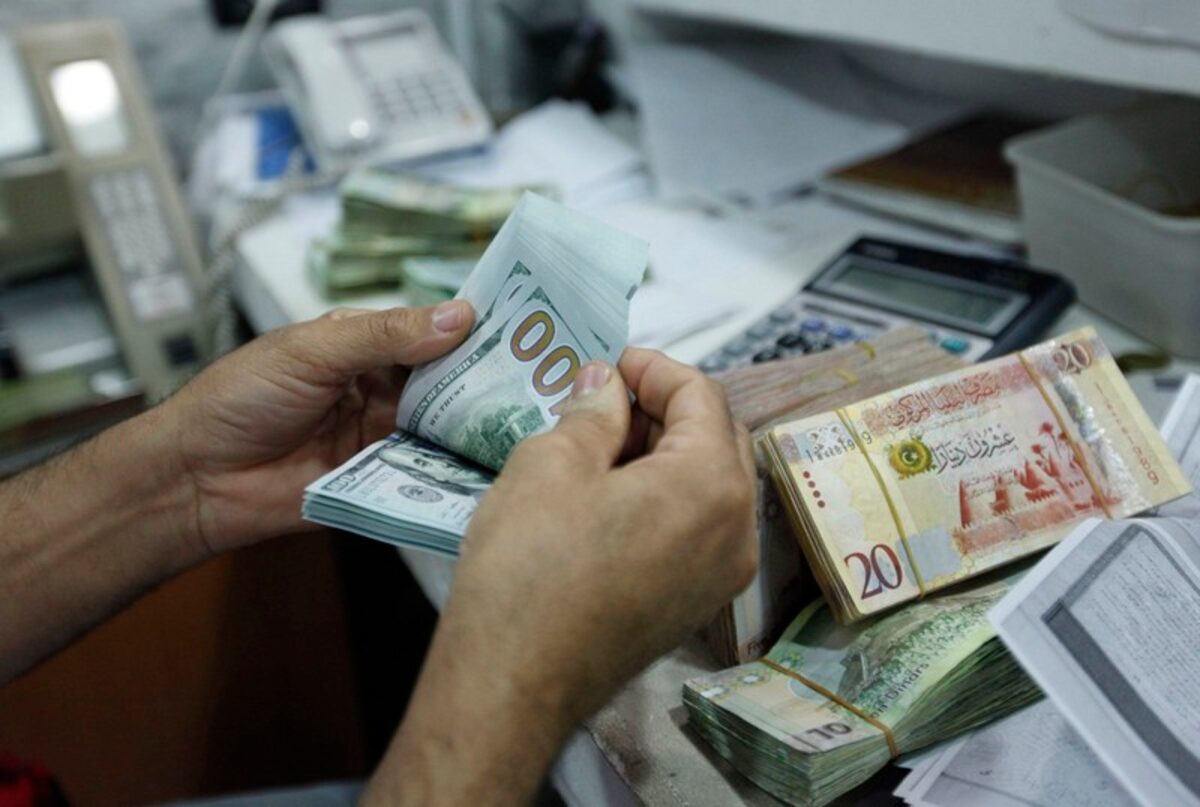
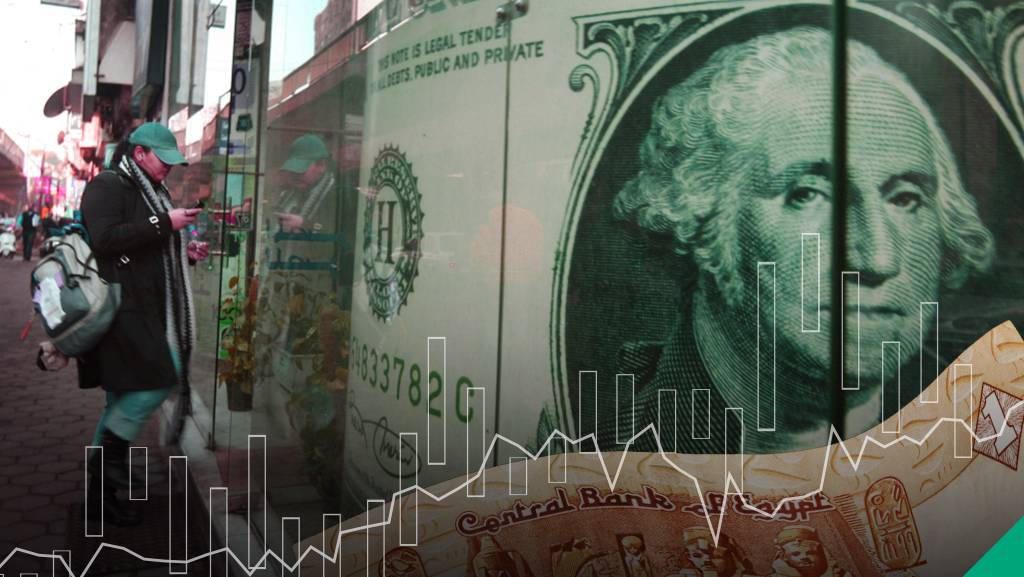
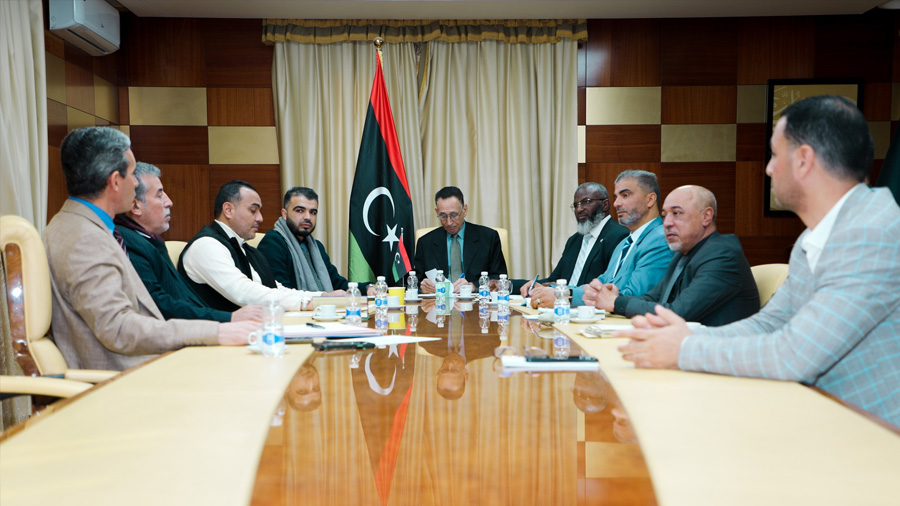
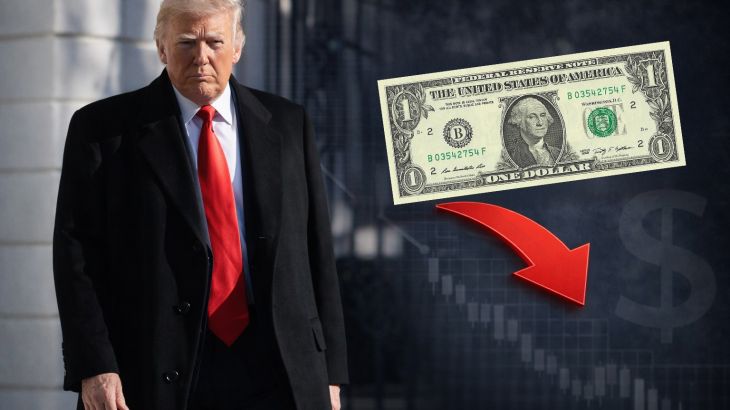
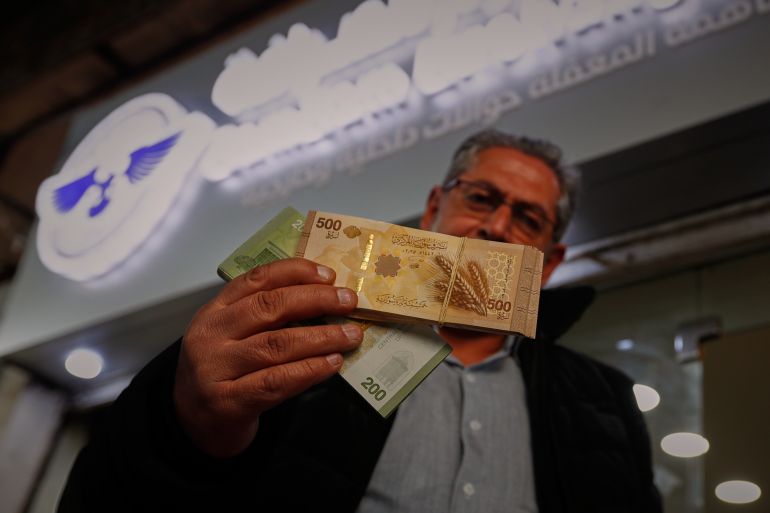
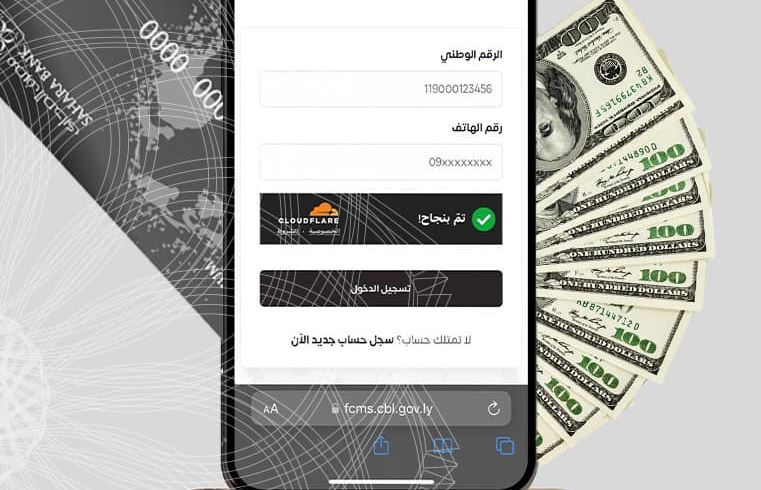
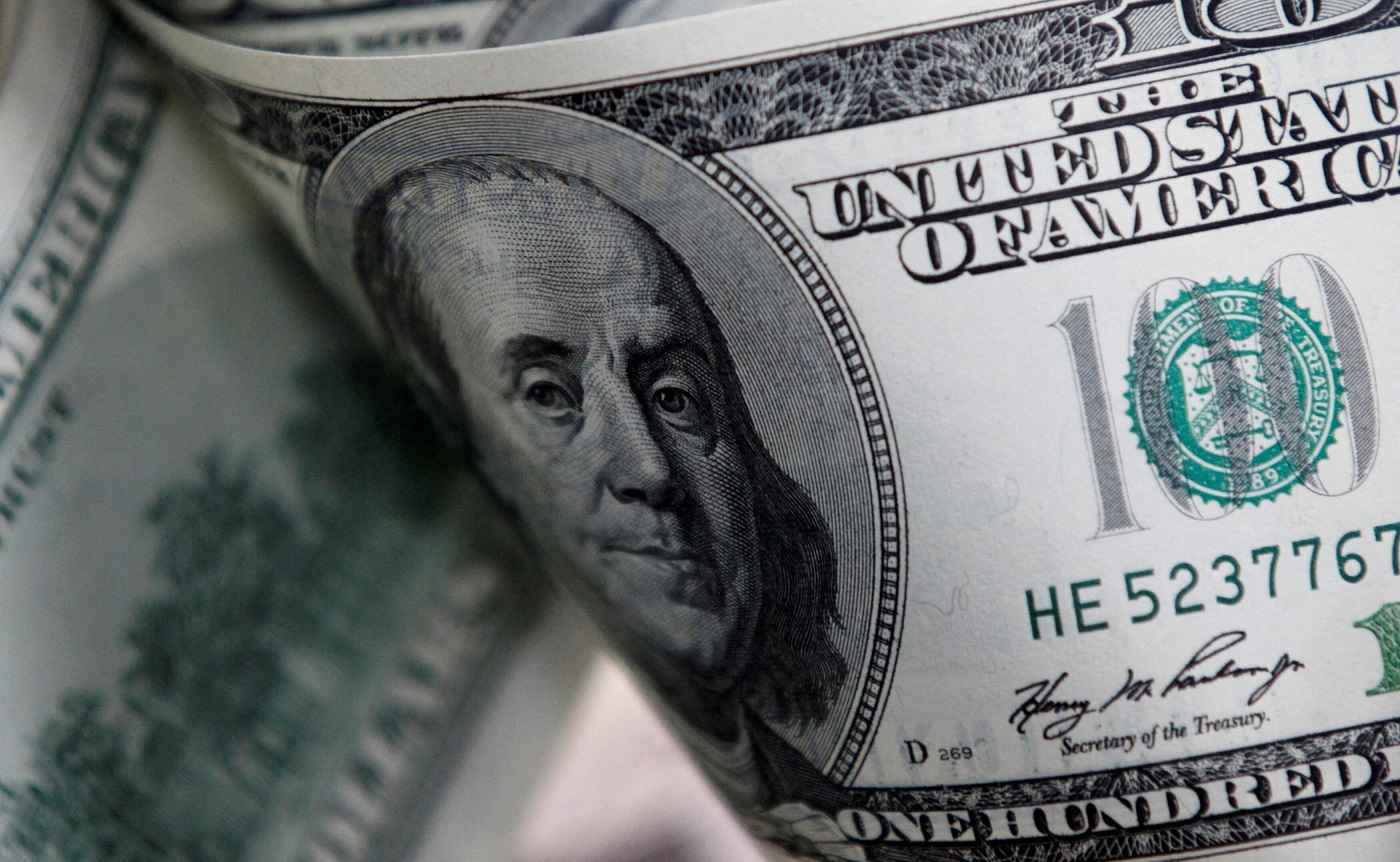
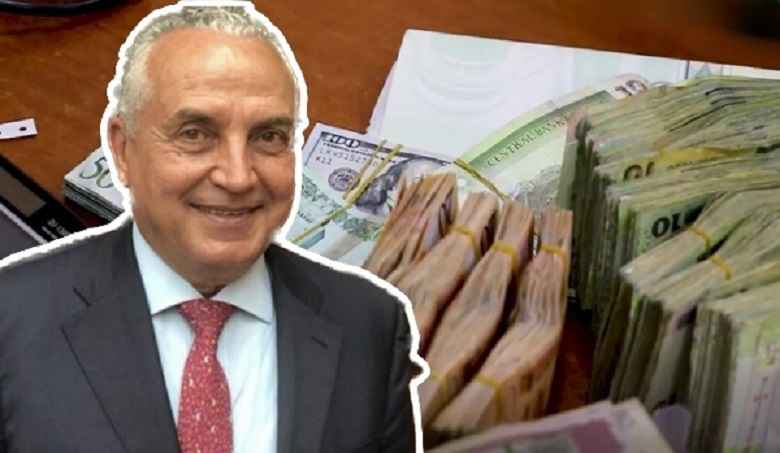
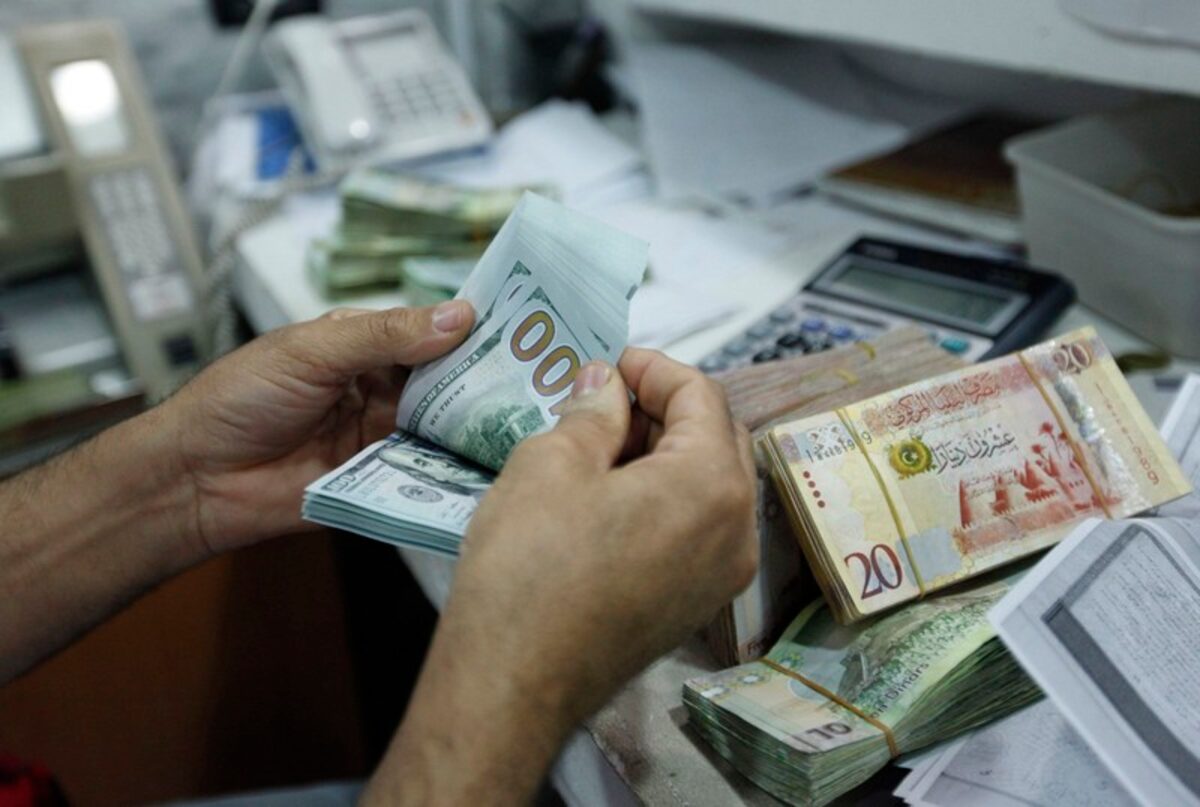
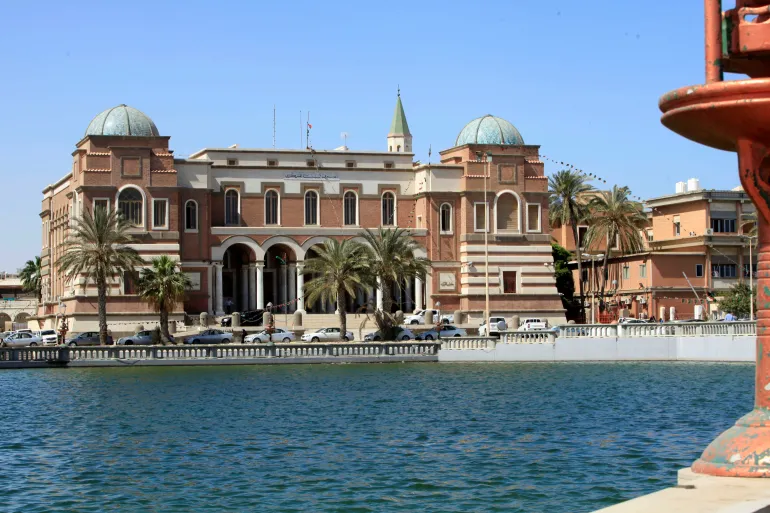
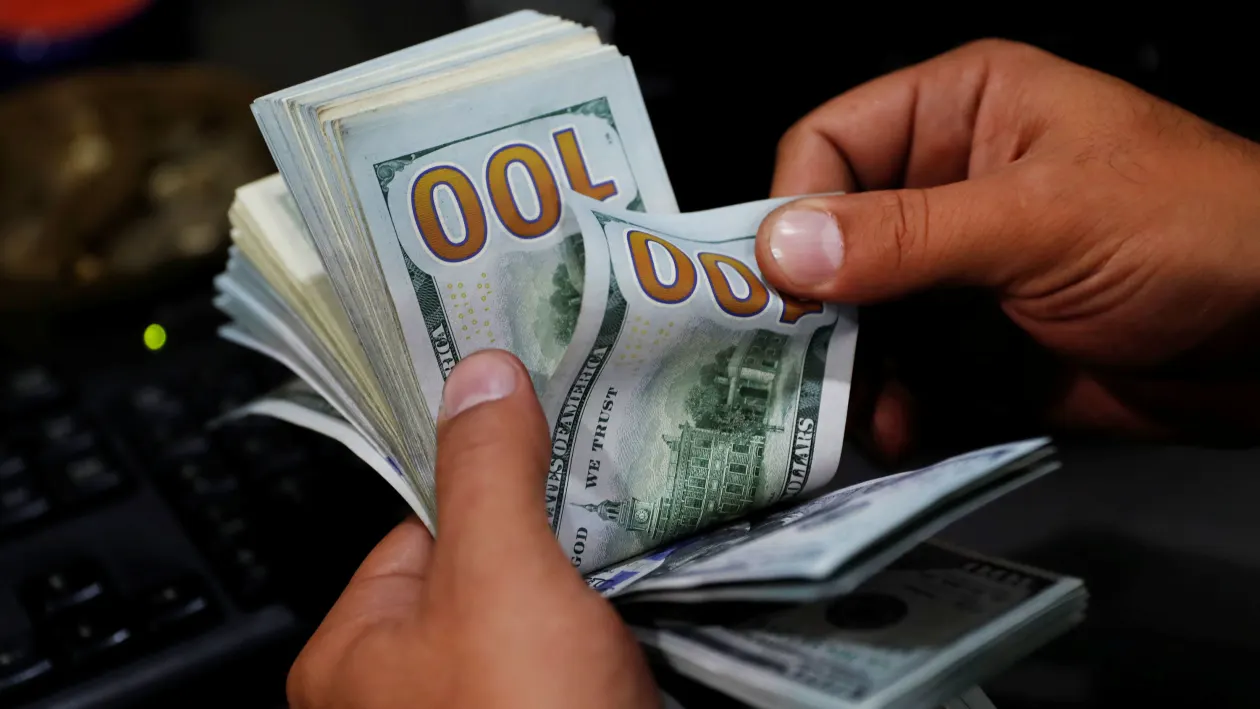
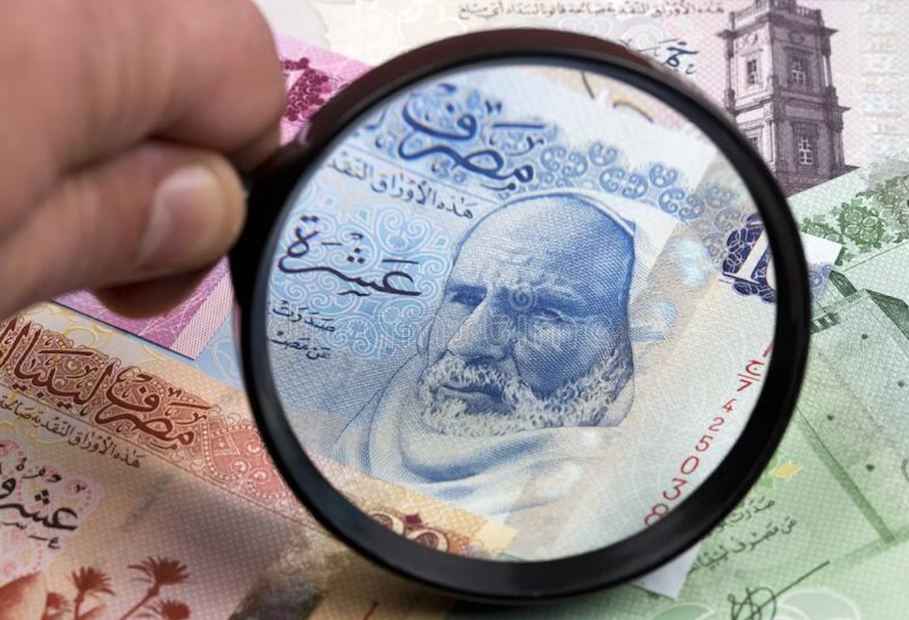
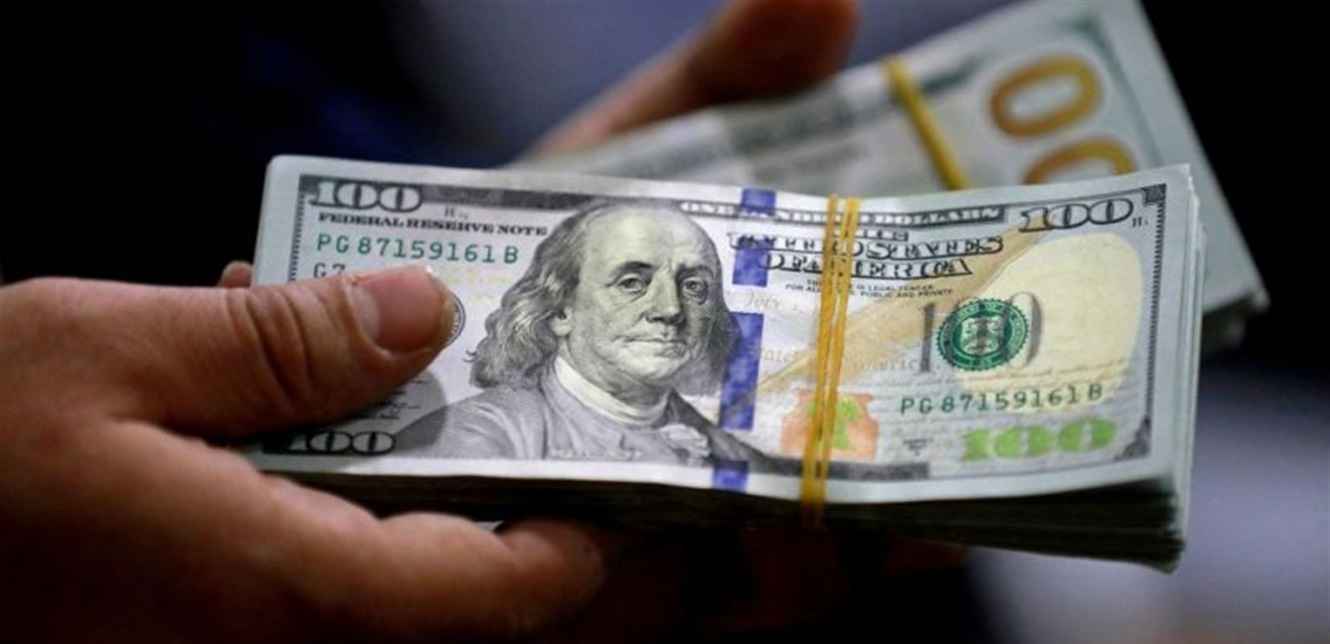
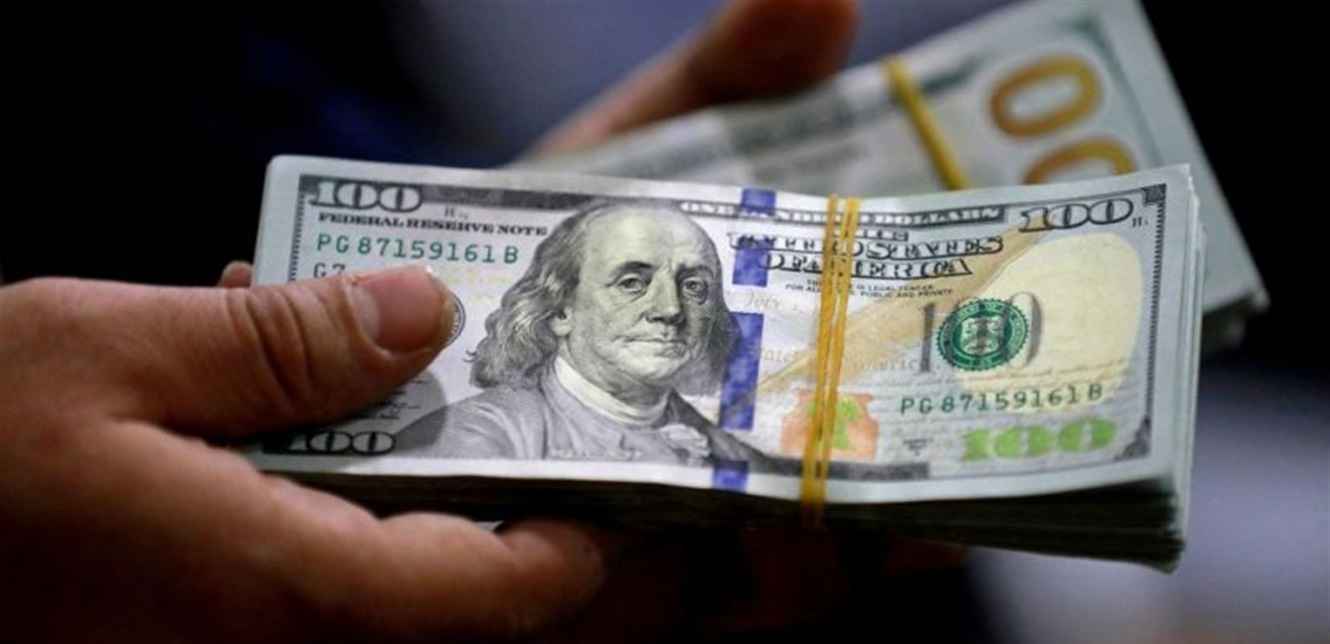
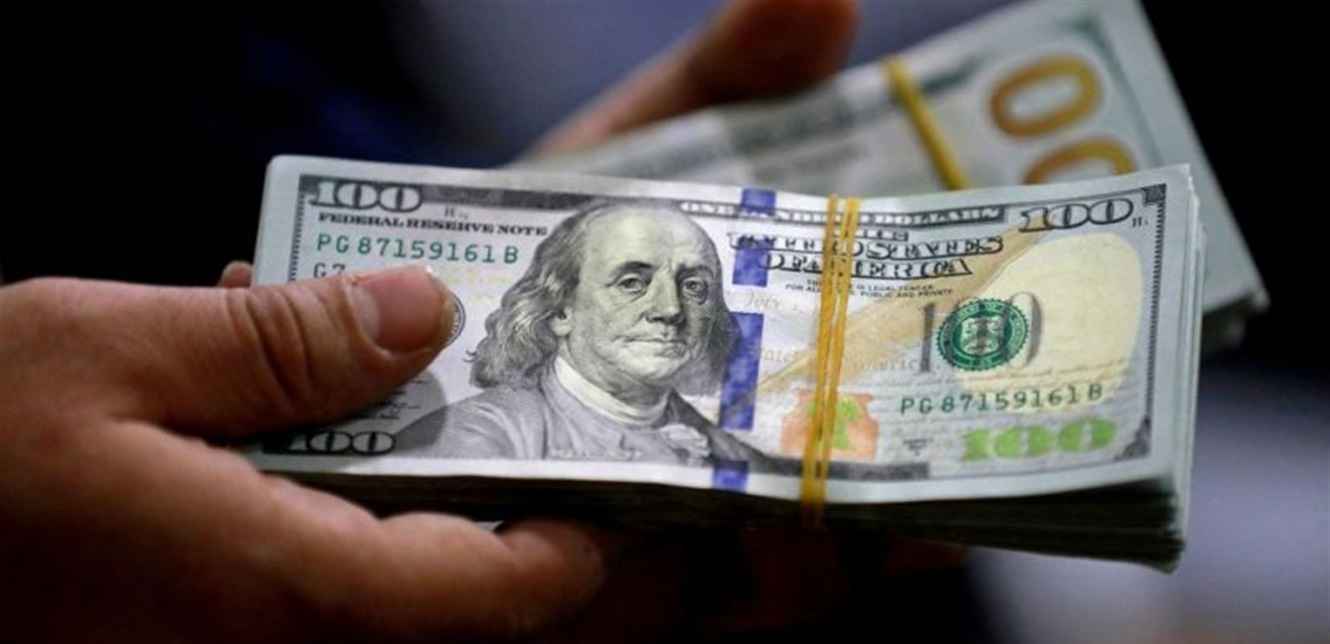
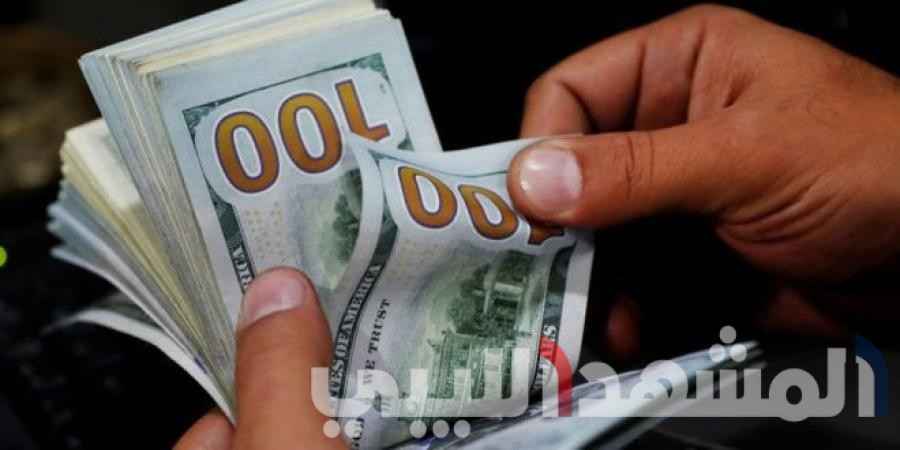
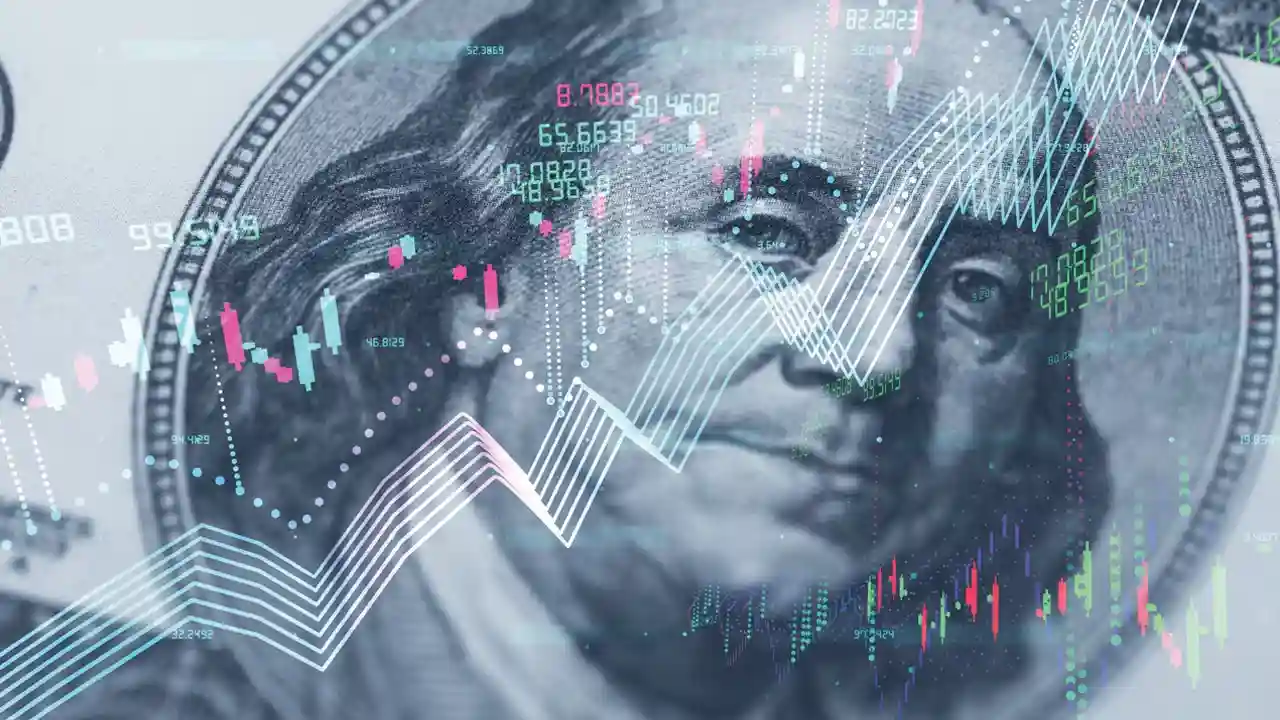
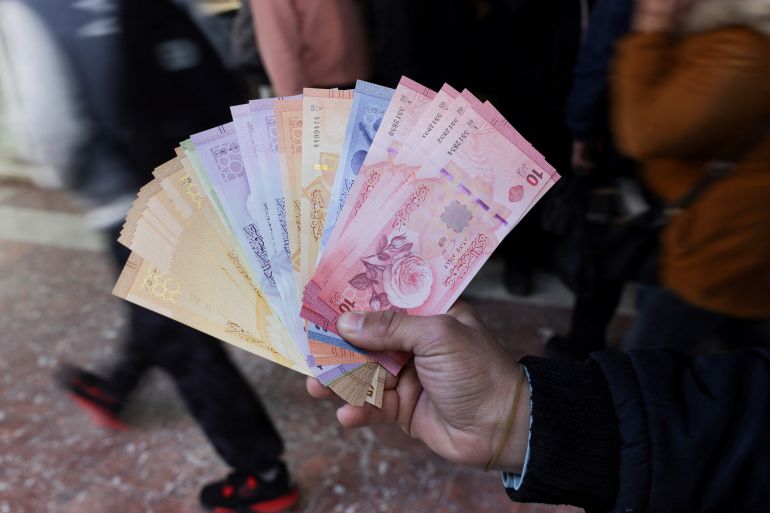
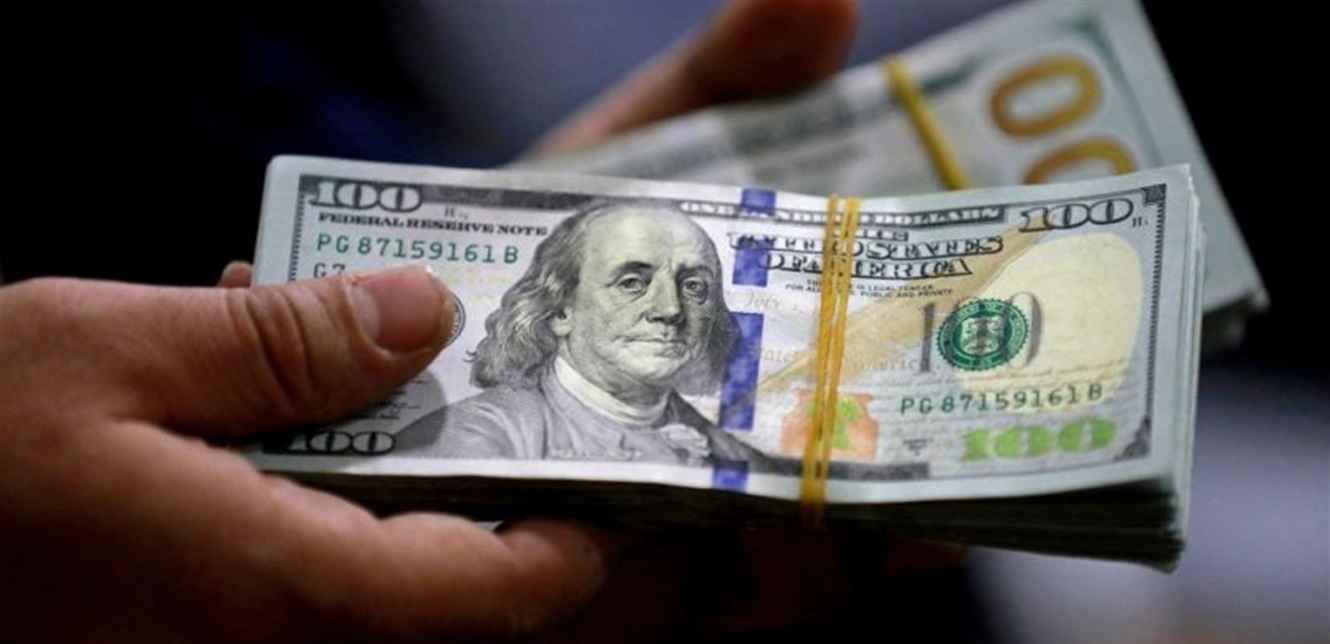
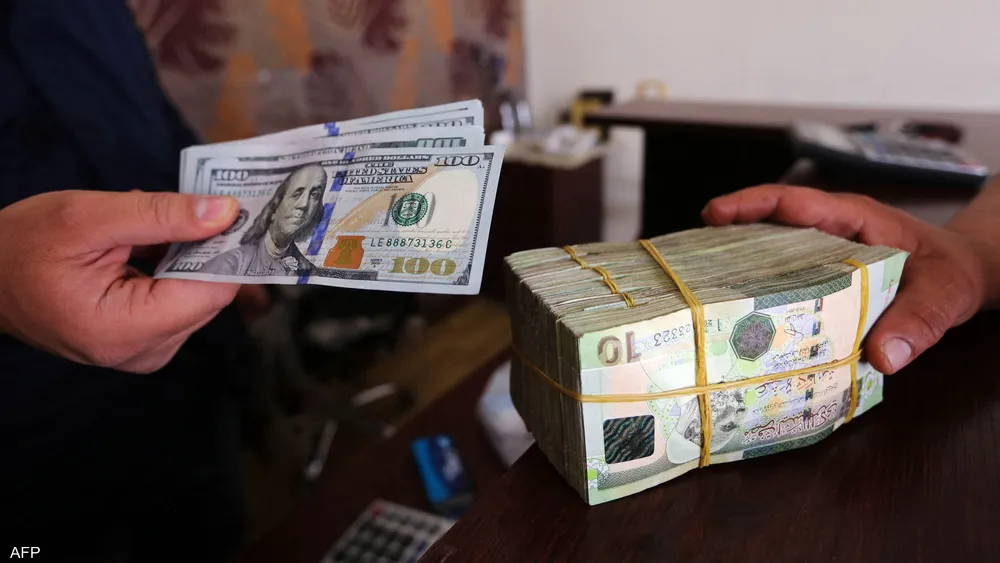
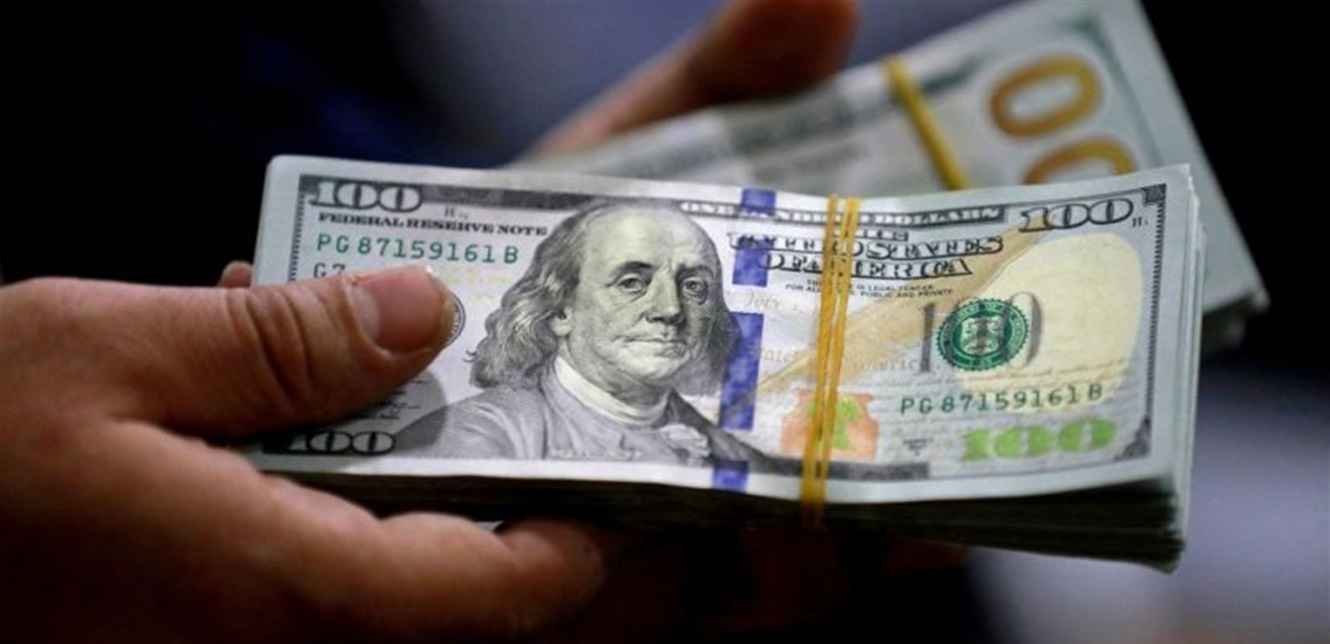
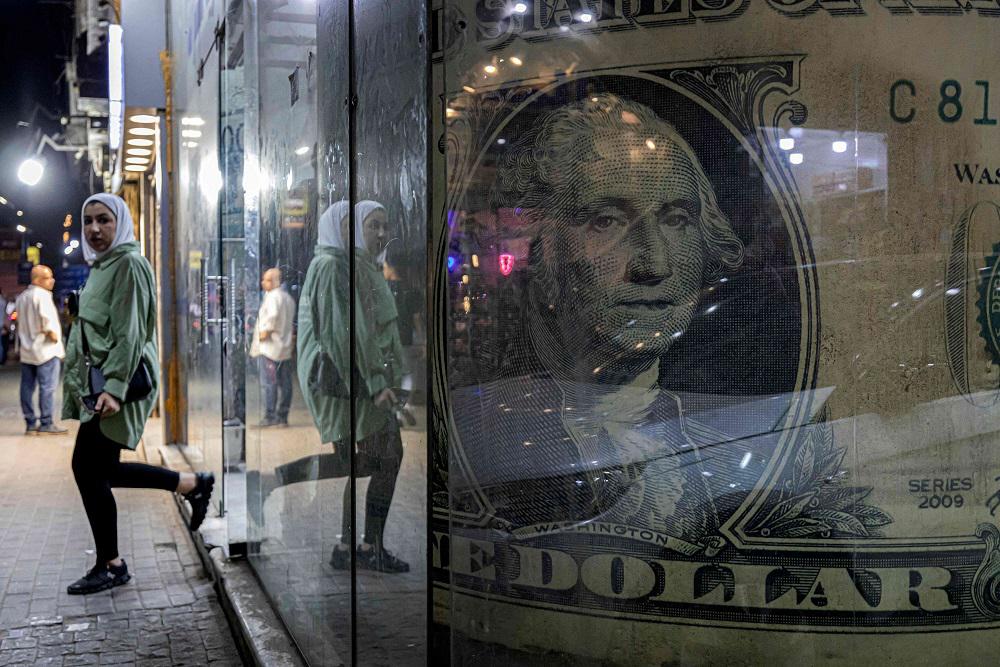
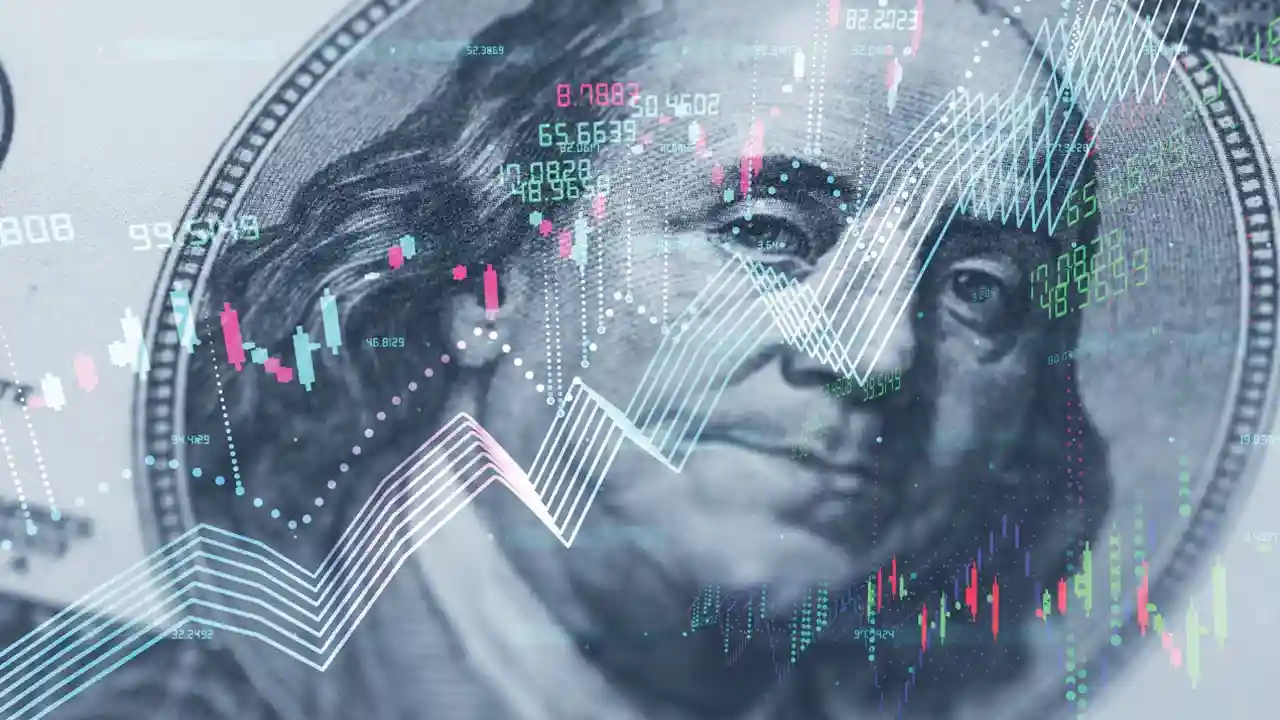
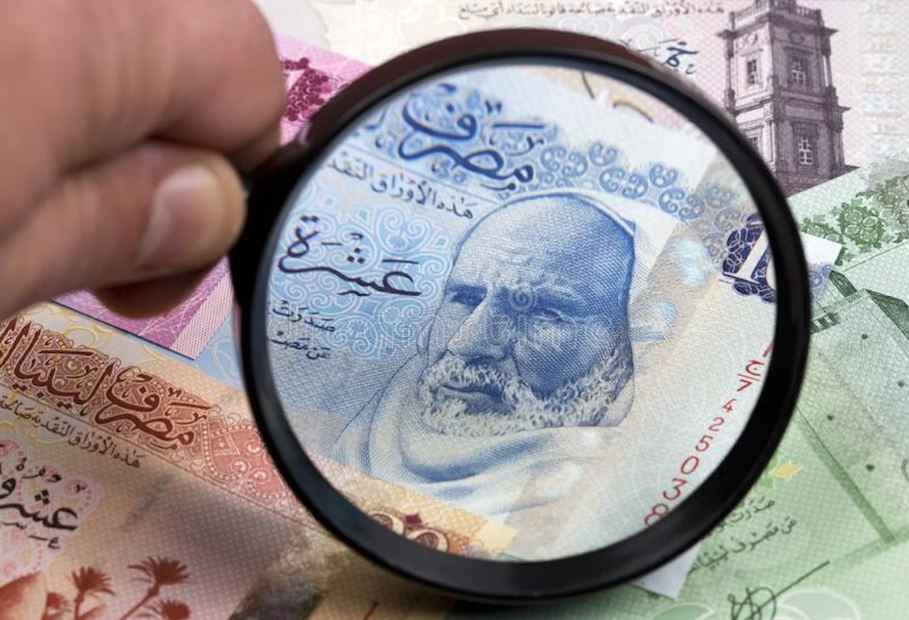
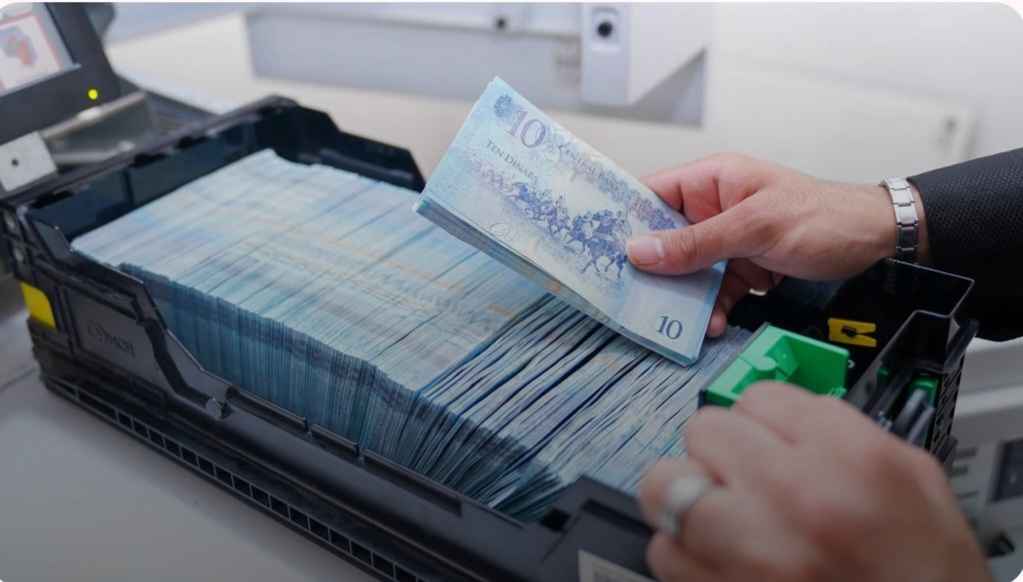
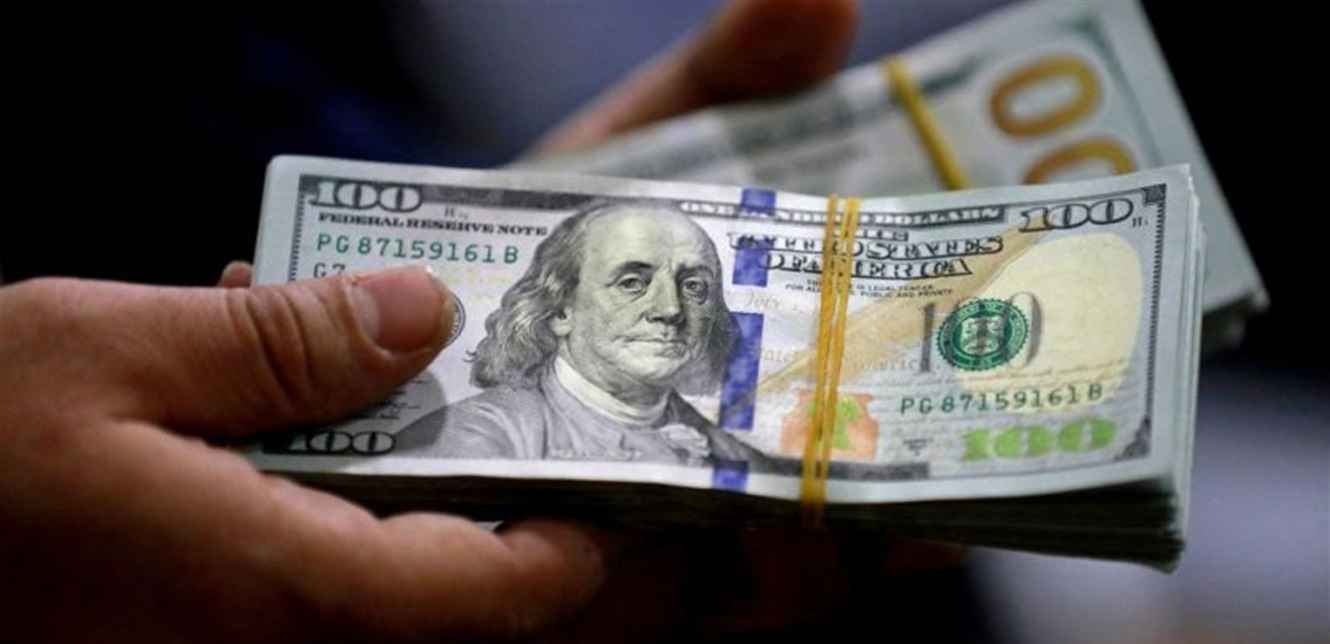
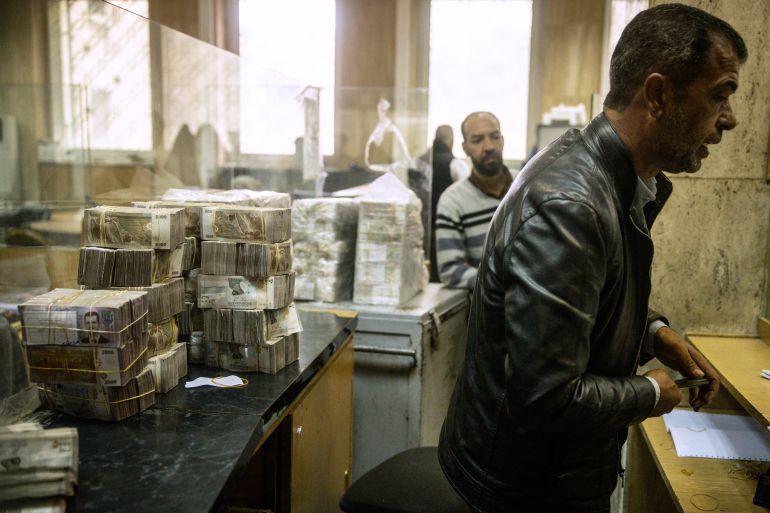
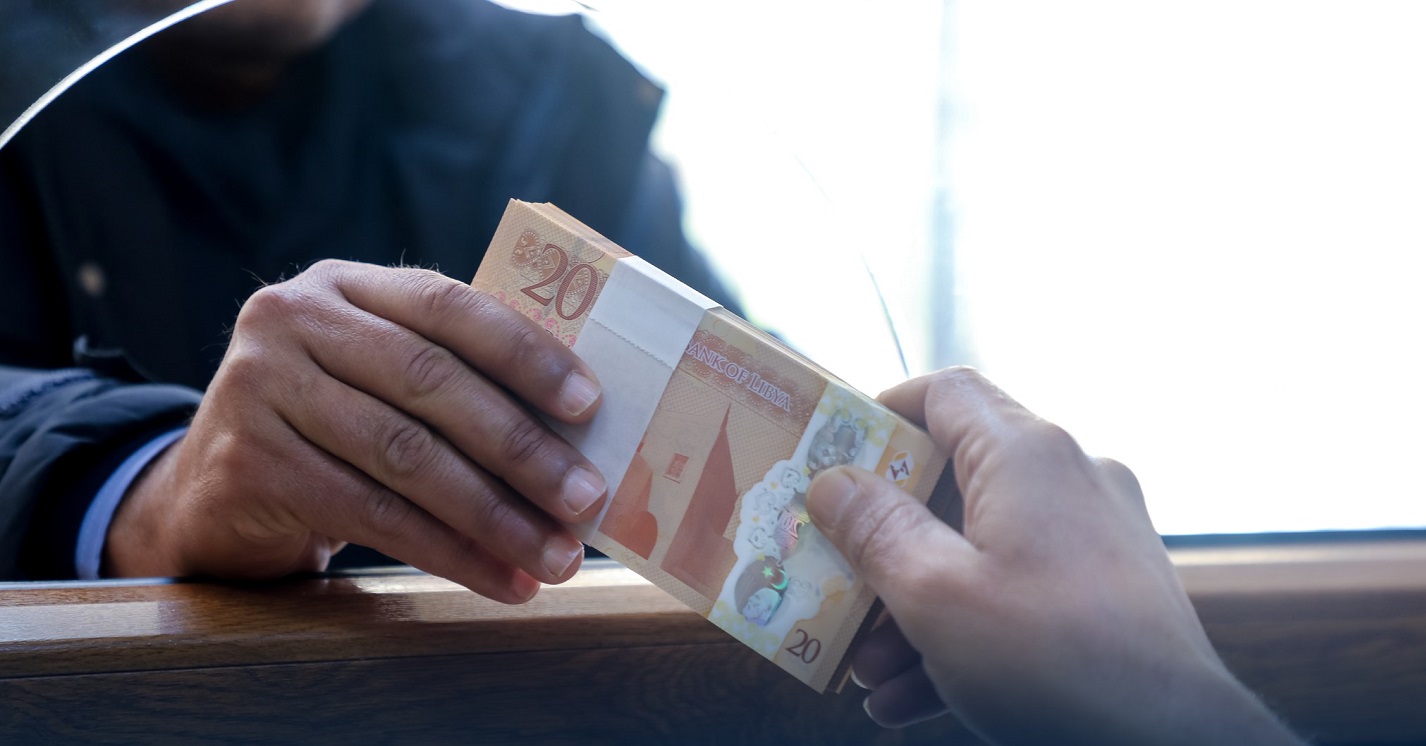
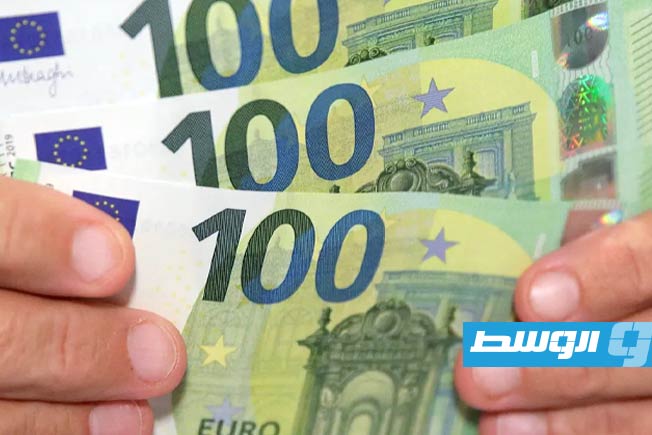
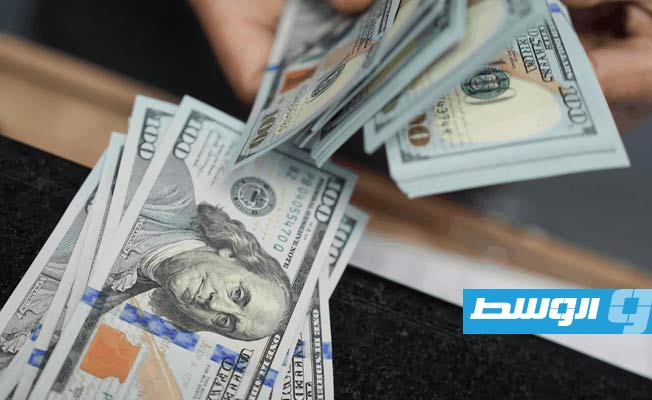
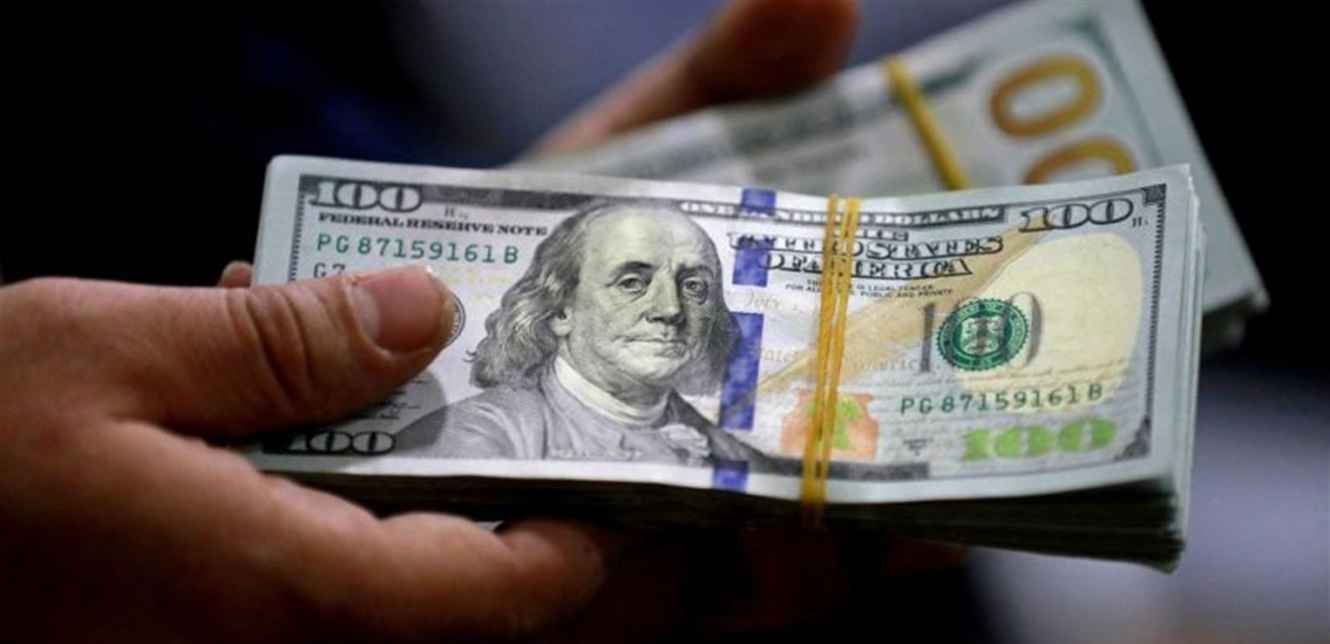
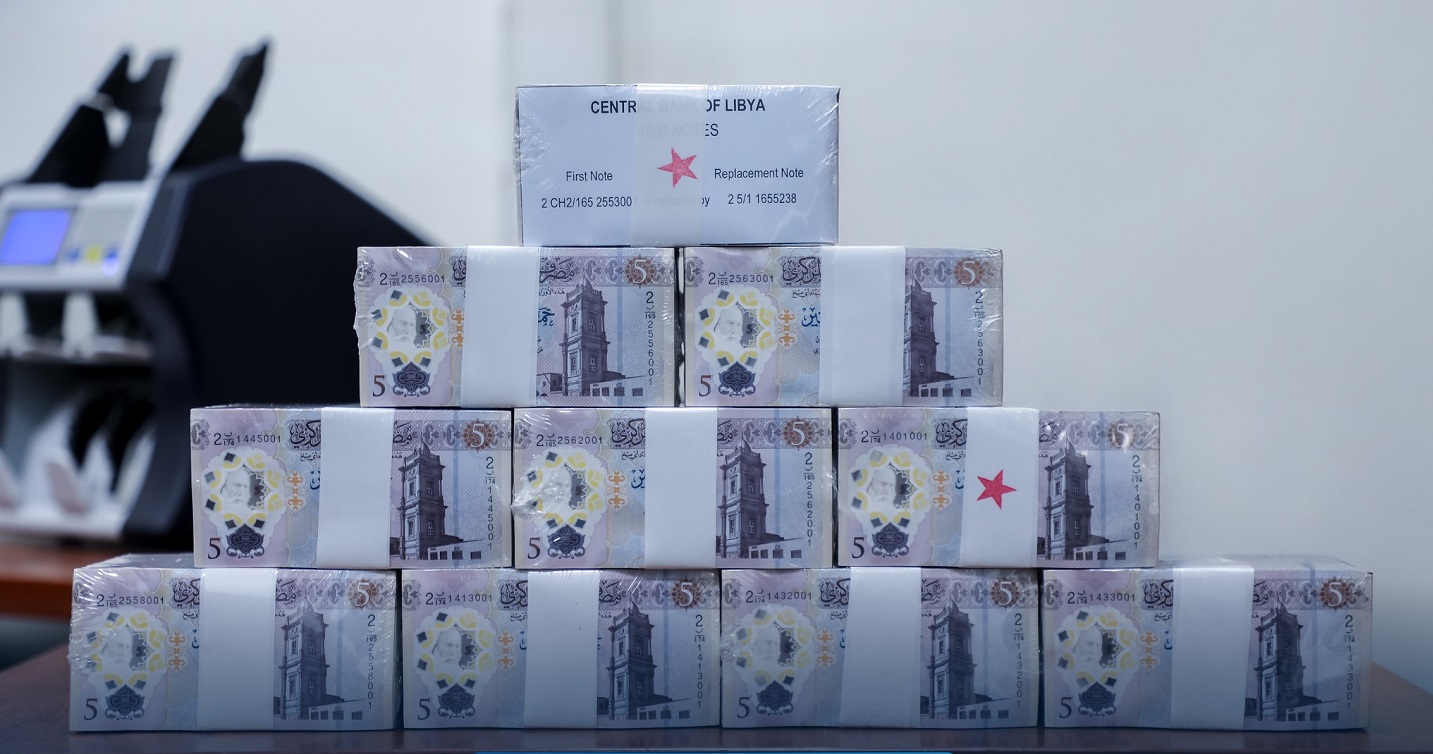
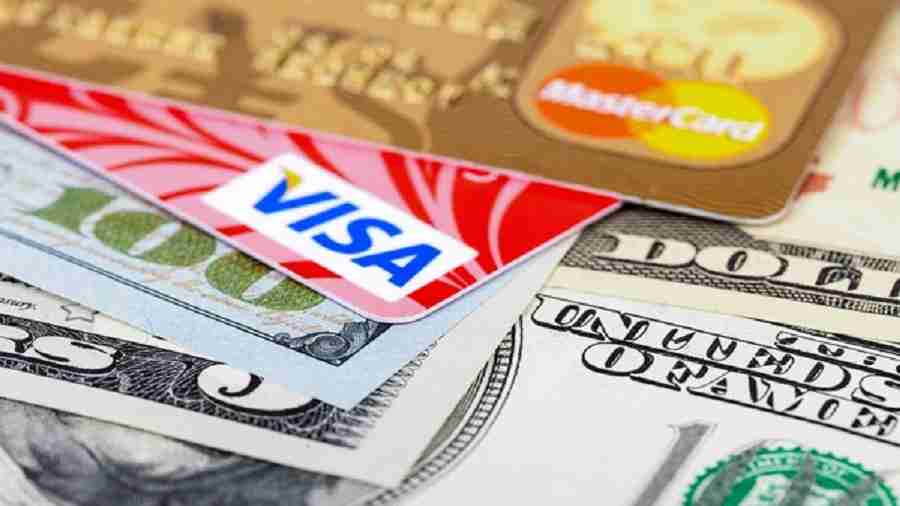
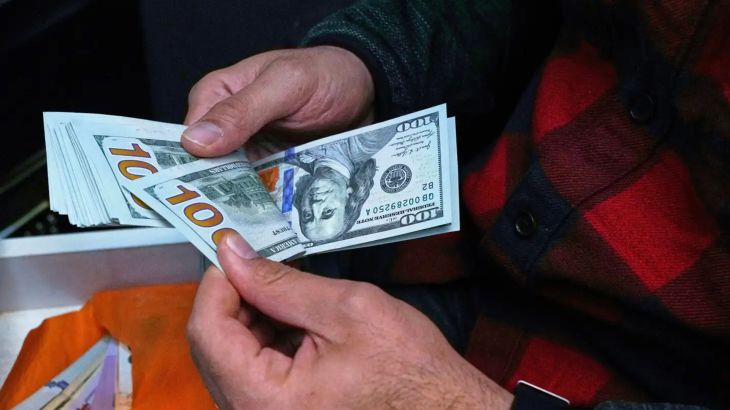
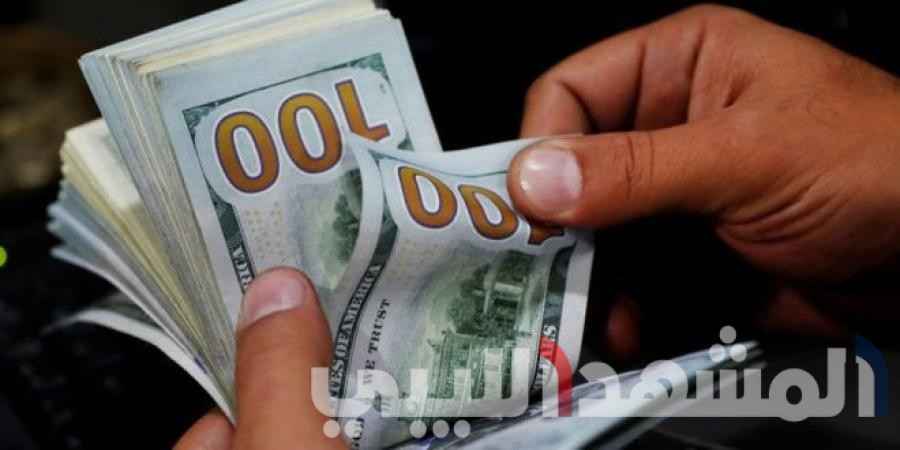
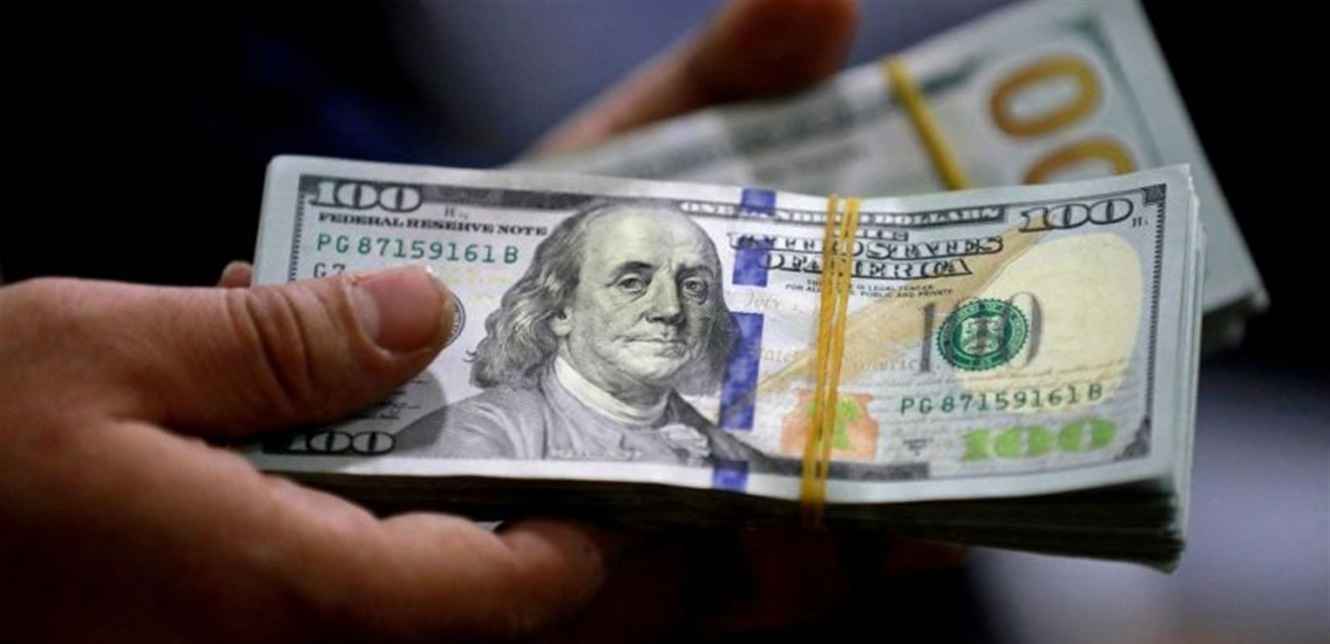
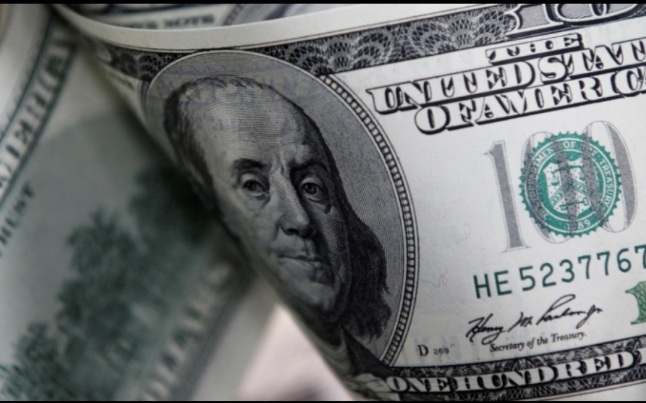
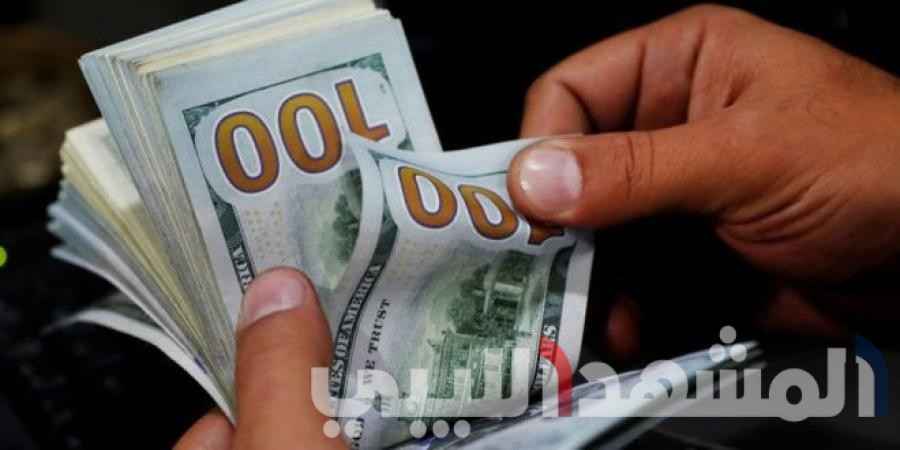
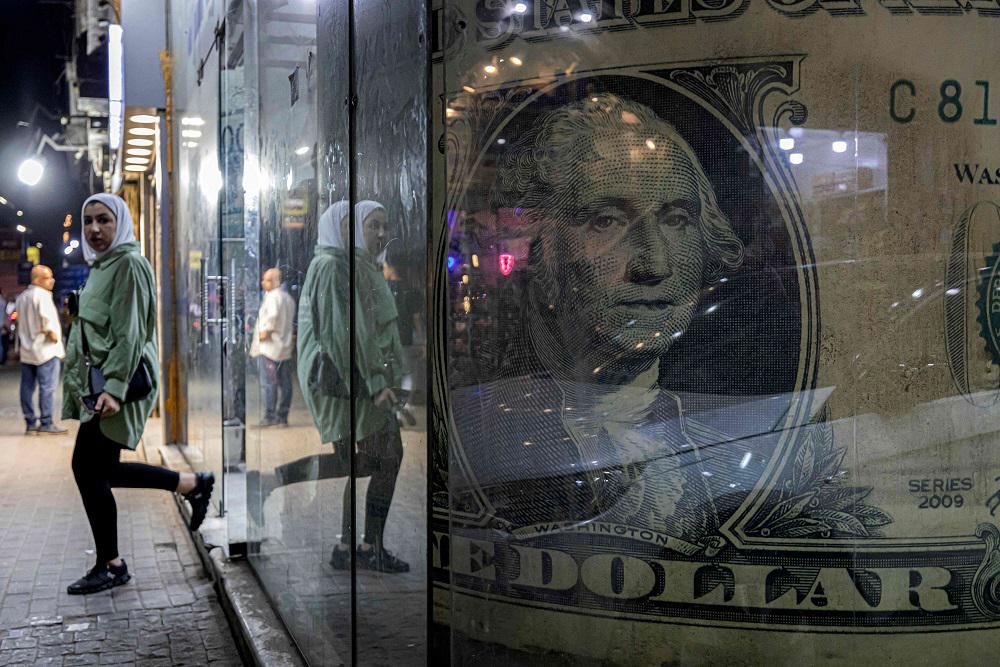
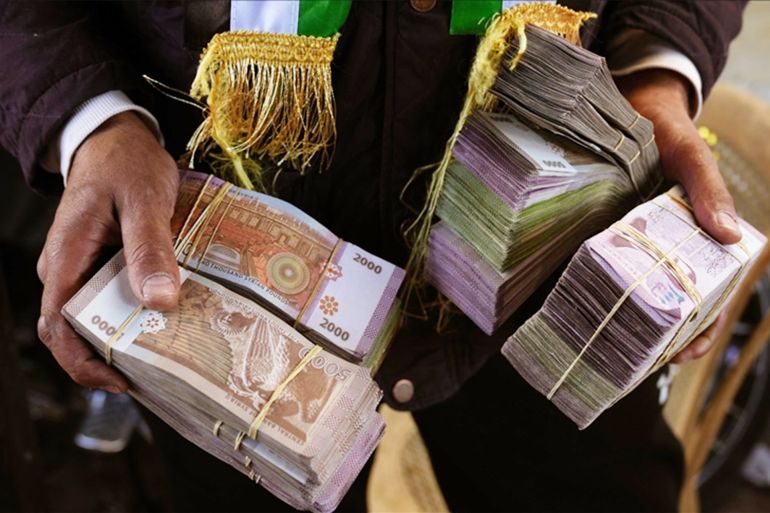
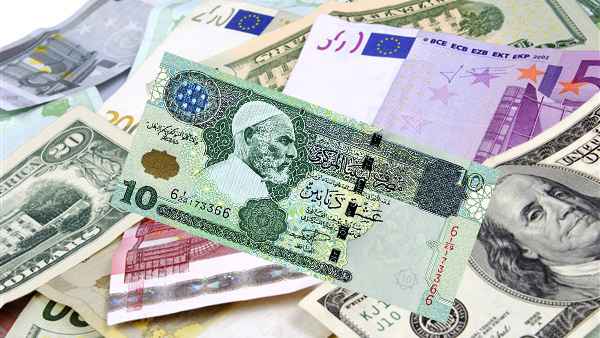
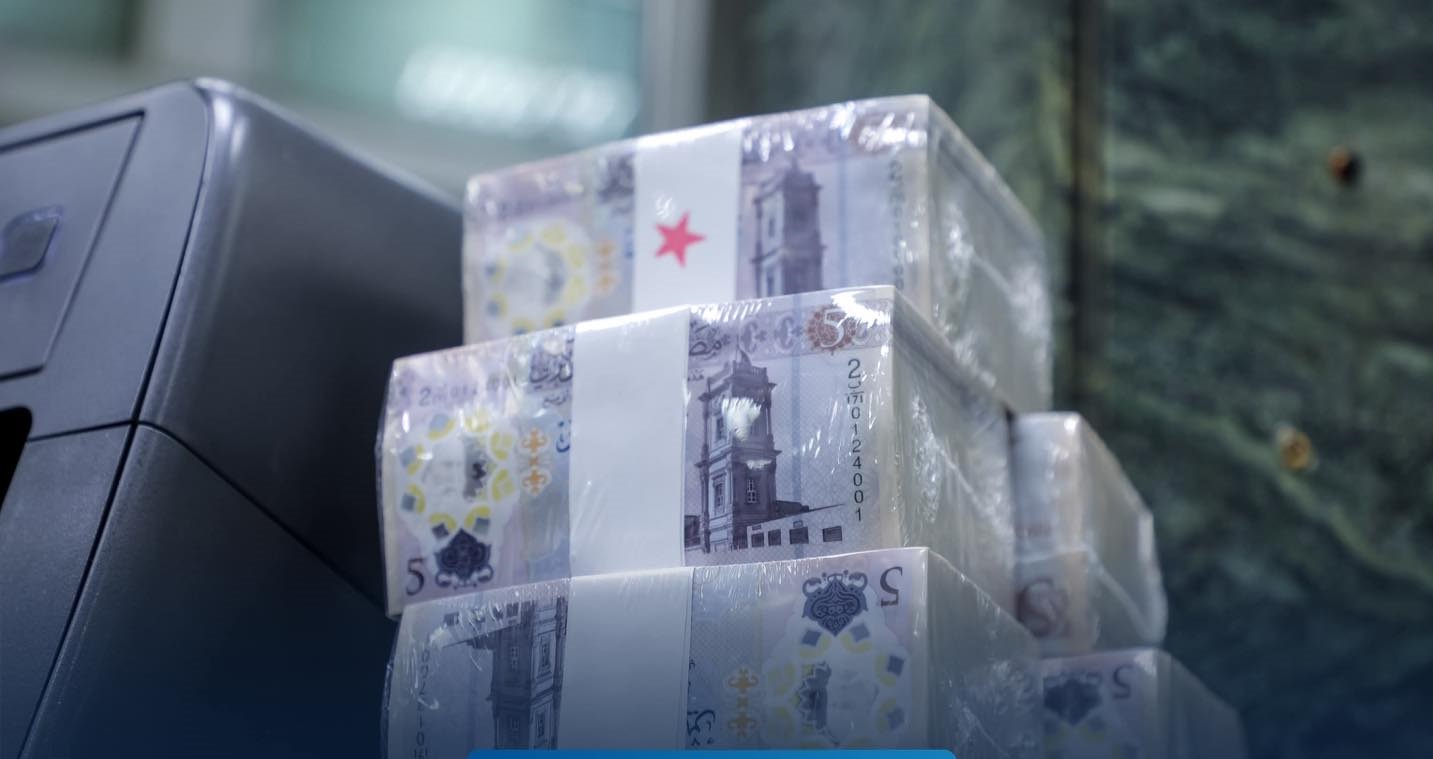
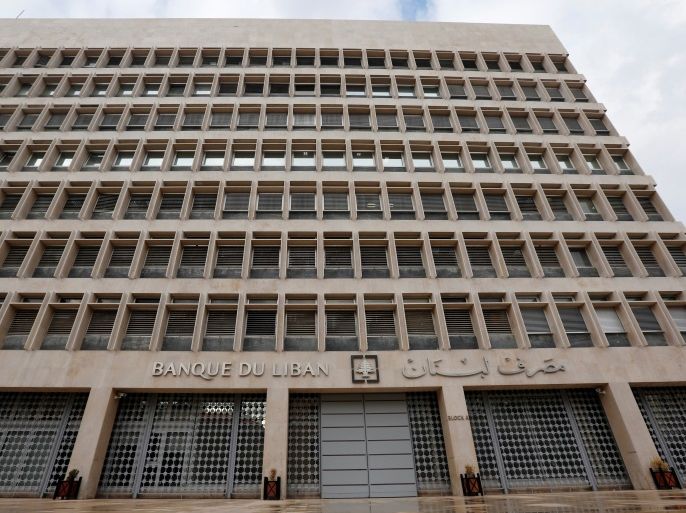
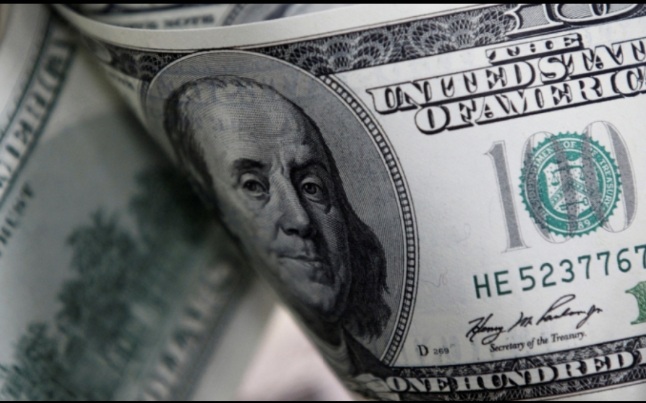
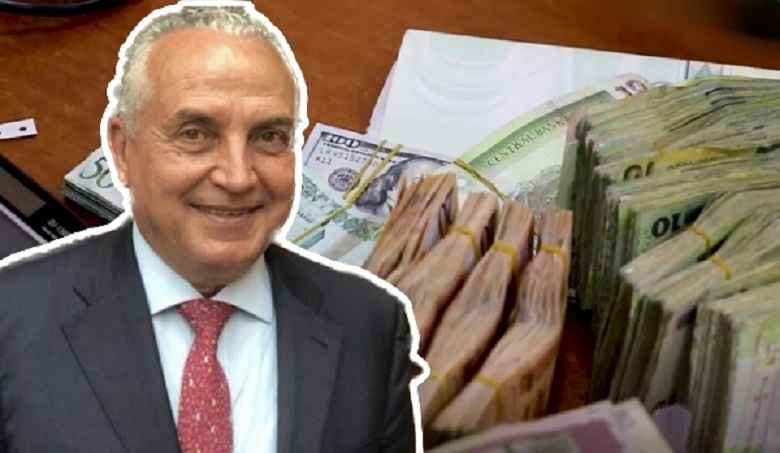
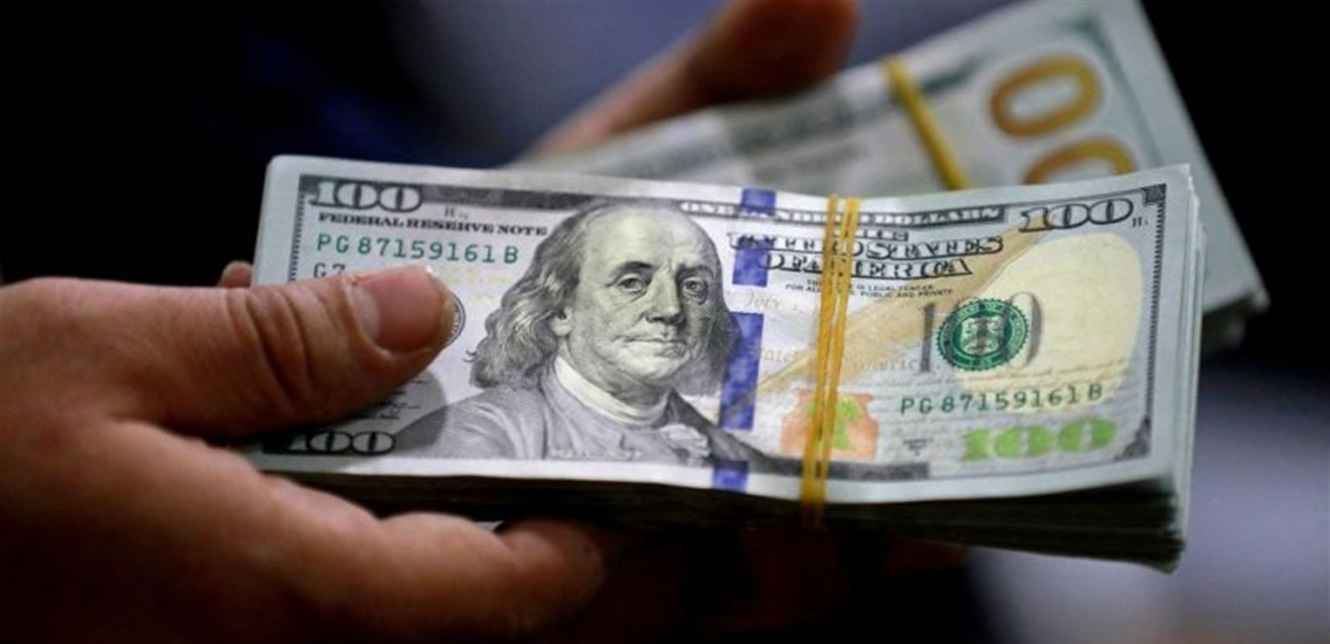
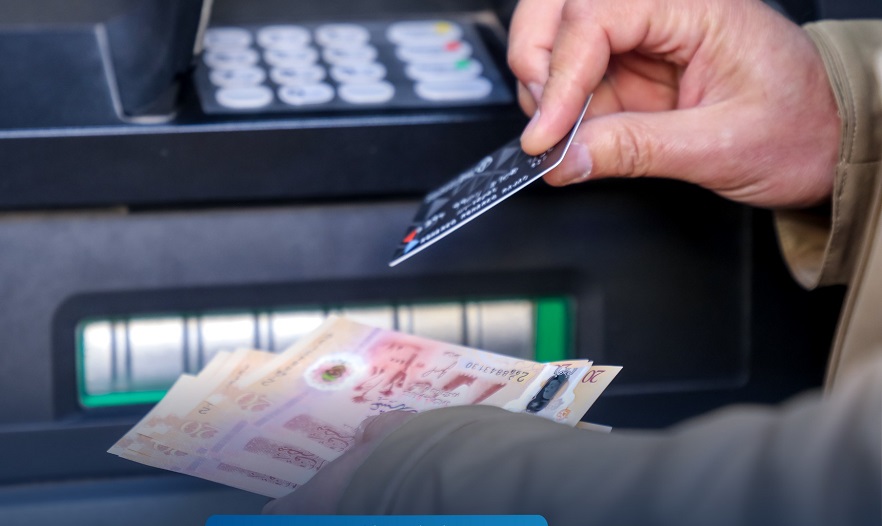
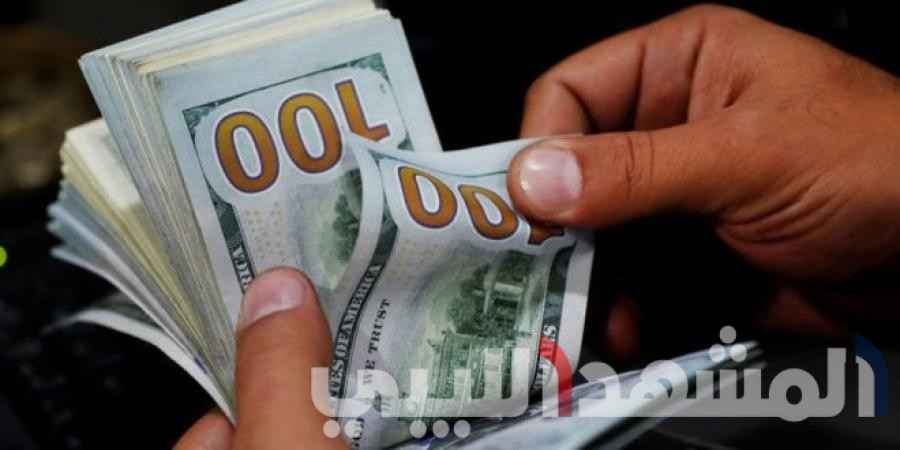
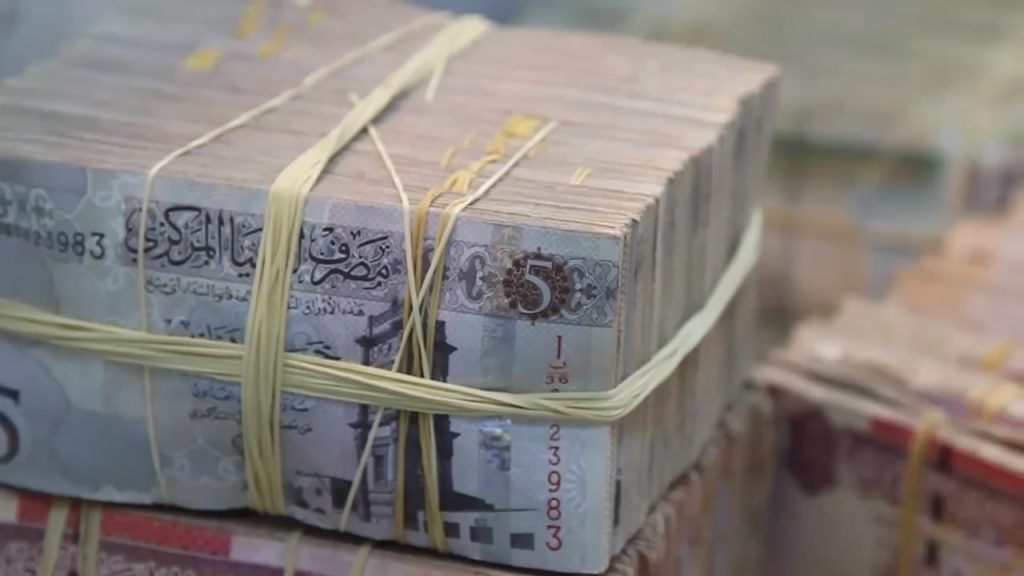
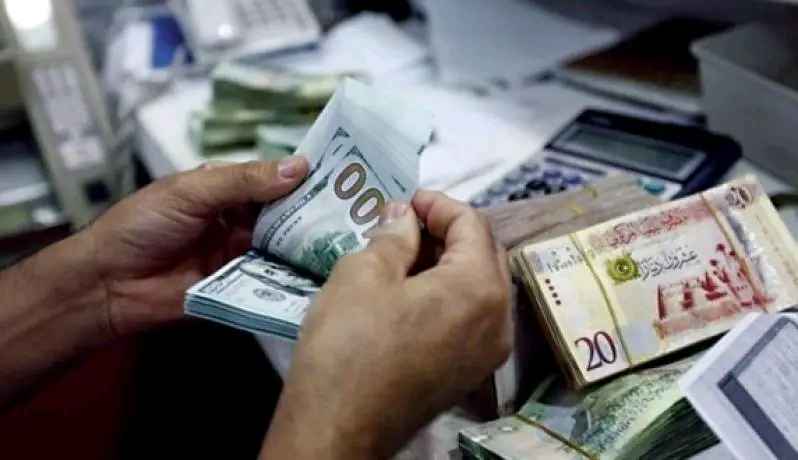
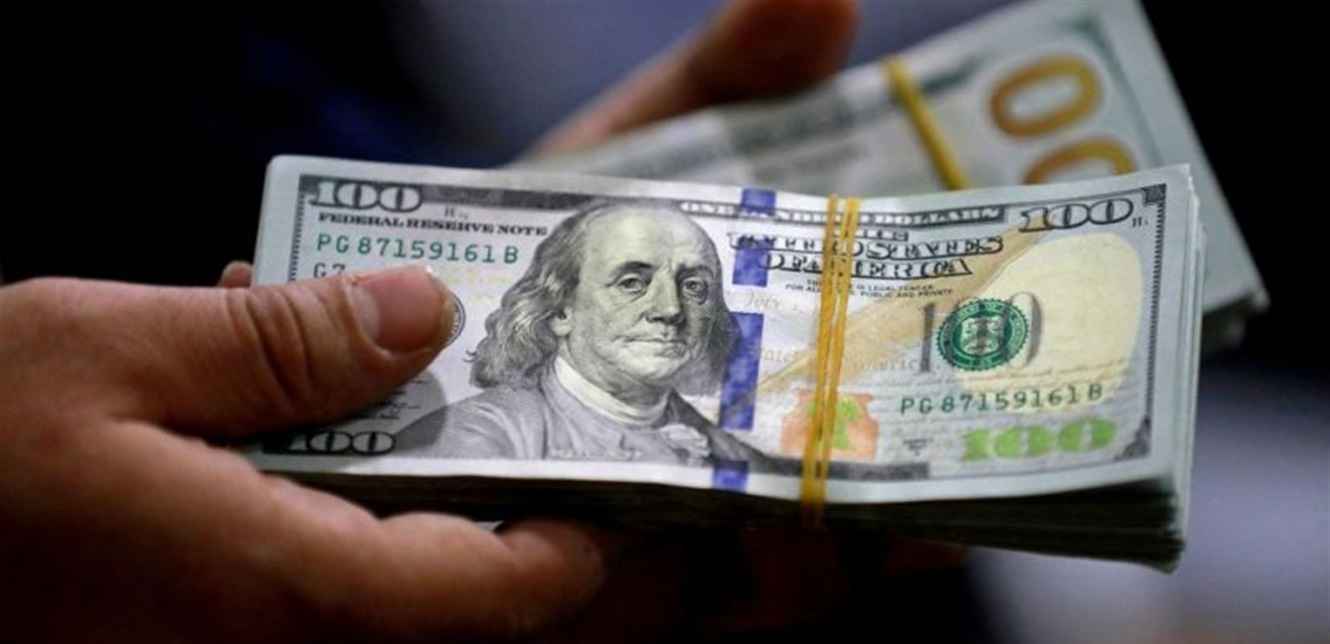
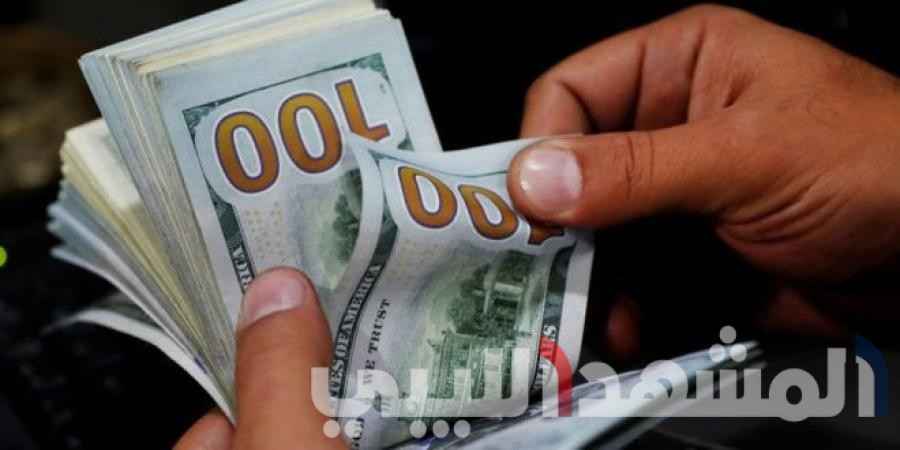
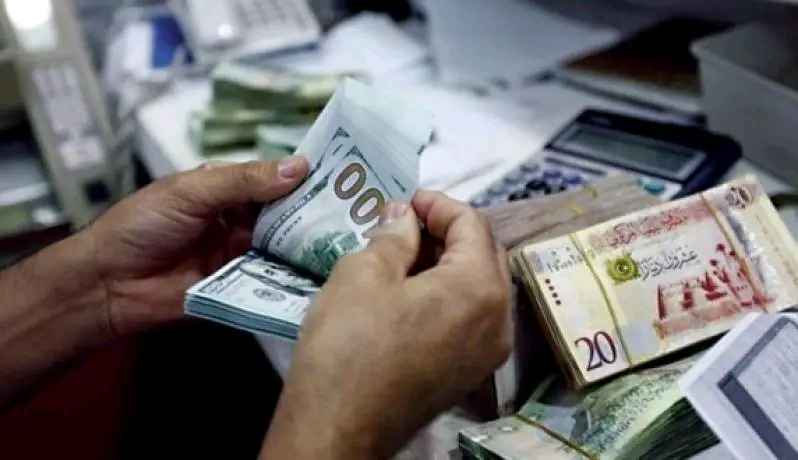
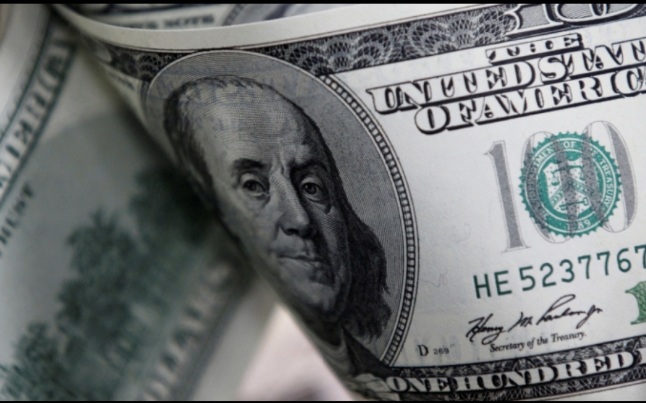
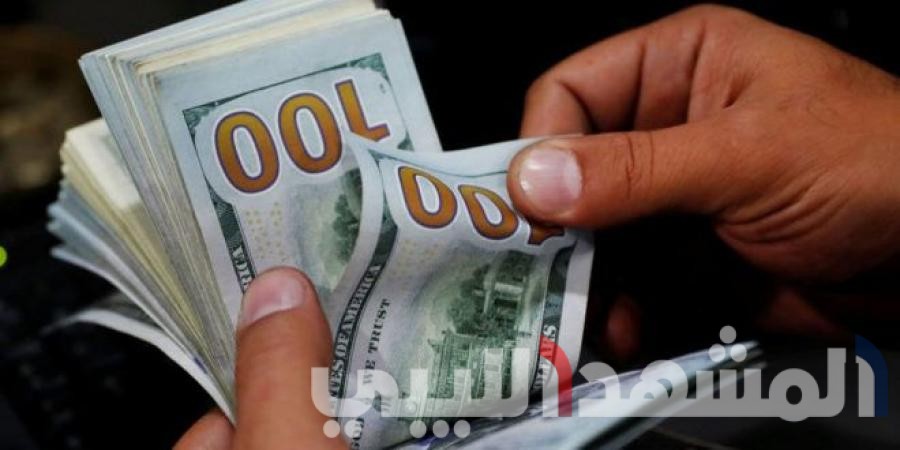
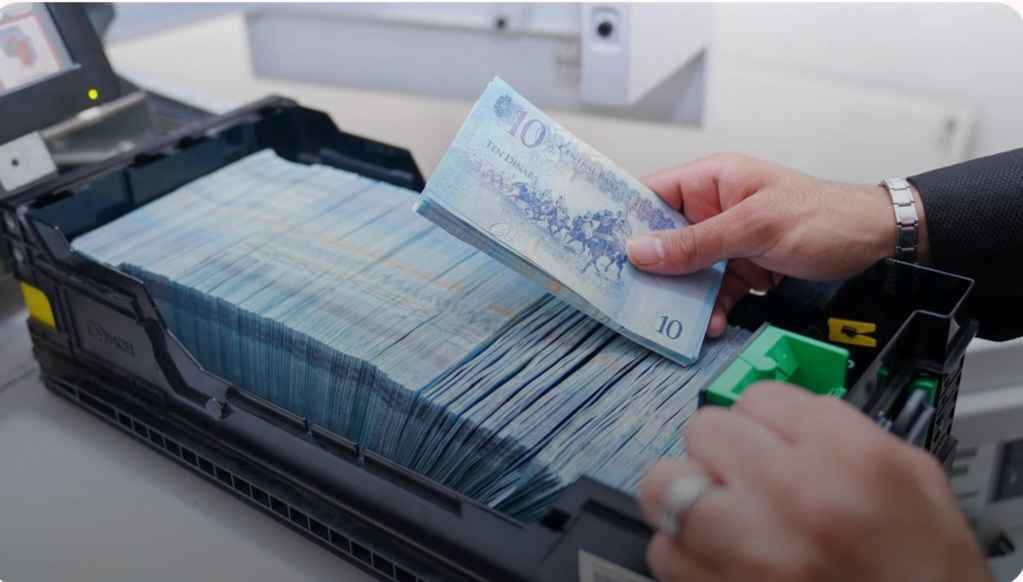
The Libyan currency market witnessed a limited decline in the exchange rate of the US dollar against bank checks as trading closed on Thursday, February 19, 2026. This came after the rate had reached its highest level in ten years in recent days. Despite this slight drop, the dollar maintained its overall upward trend, influenced by recent decisions from the Central Bank of Libya.
Prices Below the 11 Dinar Level
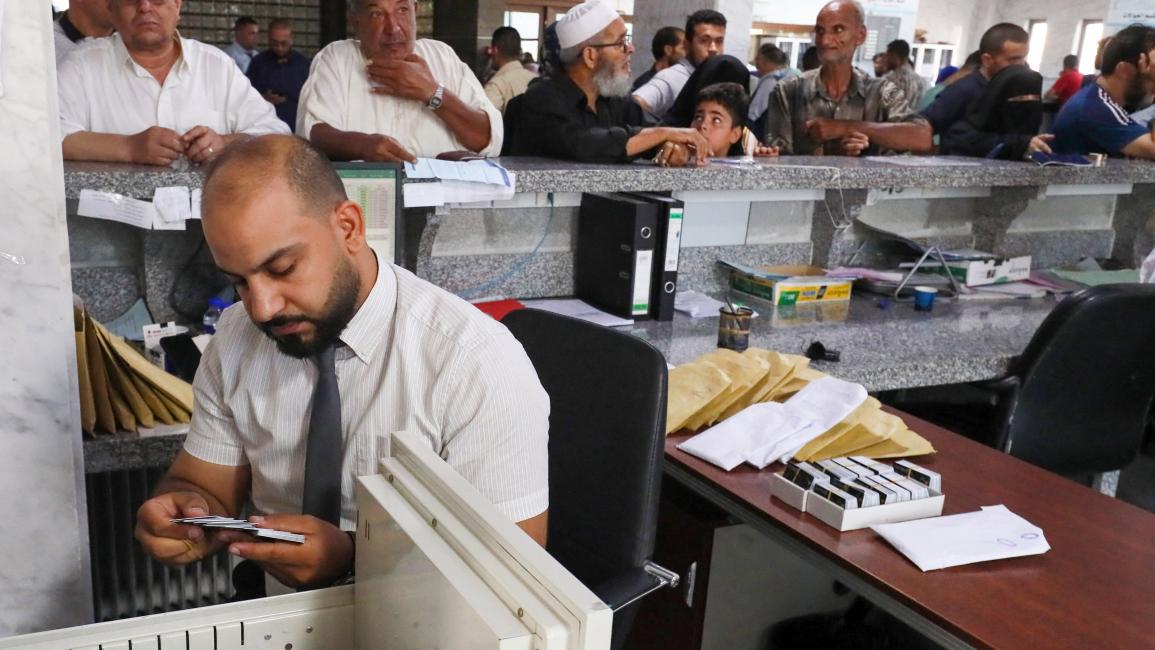
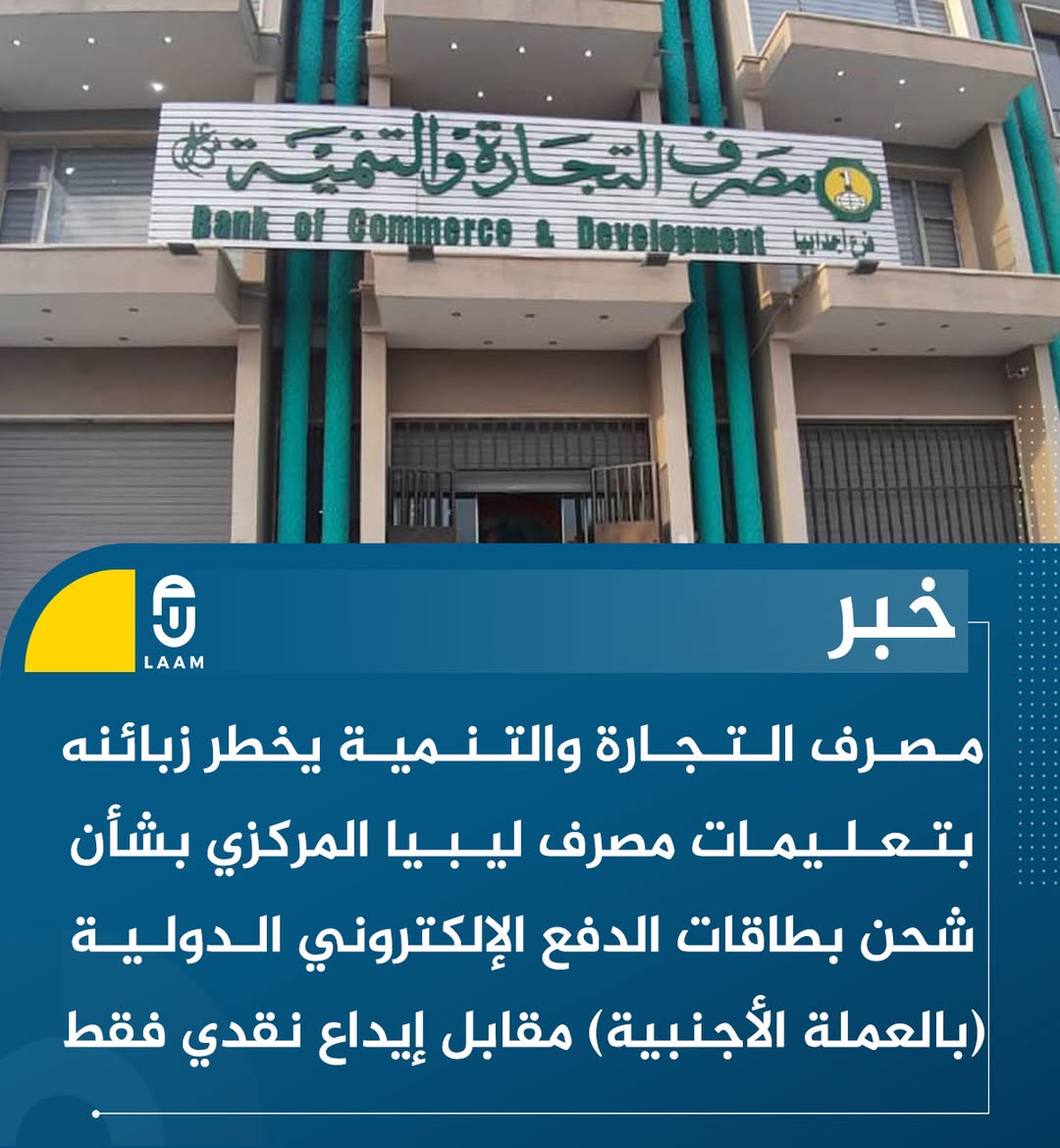
Prices retreated from the 11 dinar level they had previously reached due to increased demand and the recent wave of price hikes. Anticipated changes to the personal purposes system and the expansion of exchange companies’ authorities have contributed to a relative calming of the market. The price differences between banks in Tripoli and Benghazi remained limited.
📊 US Dollar Prices in Bank Checks at Market Close
The selling and buying prices at a number of banks were as follows:
| Bank |
Selling Price (Dinar) |
Buying Price (Dinar) |
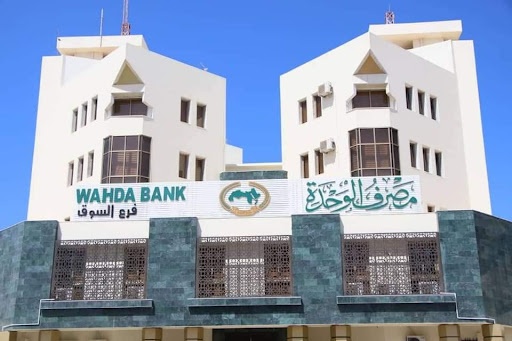
| Commerce & Development / Al-Wehda (Tripoli) |
10.960 |
10.9575 |
| Development / Al-Wehda (Benghazi) |
10.970 |
10.9675 |
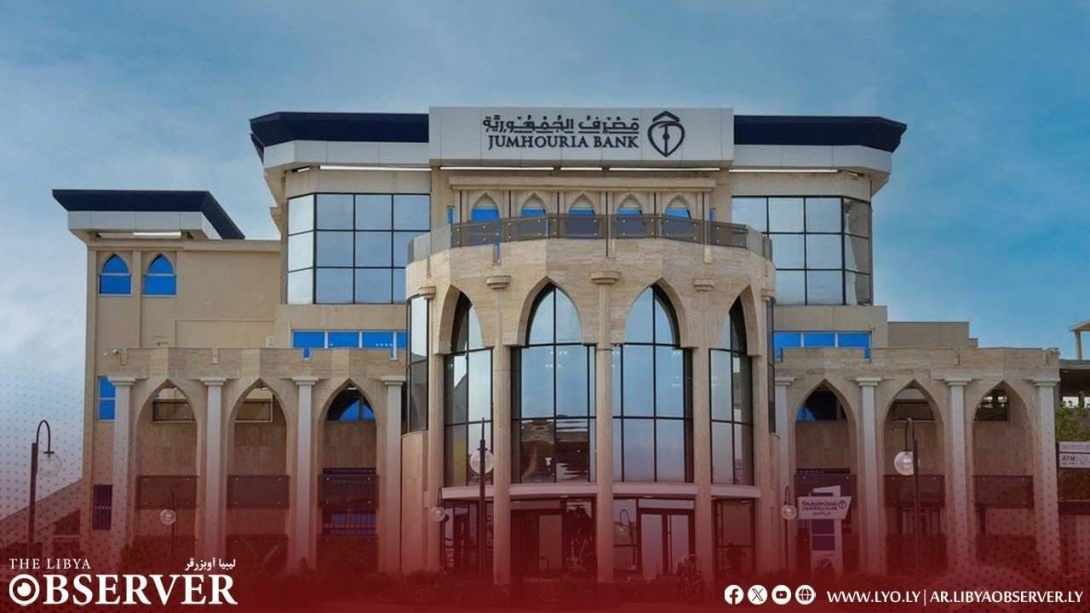
| Al-Jumhouria / National Commercial / Al-Aman |
10.950 |
10.9475 |
| Al-Sahari / Al-Waha / Islamic / North Africa |
10.940 |
10.9375 |
| Al-Muttahid / Al-Nouran / Al-Saray |
10.930 |
10.9275 |
Background of the Movements
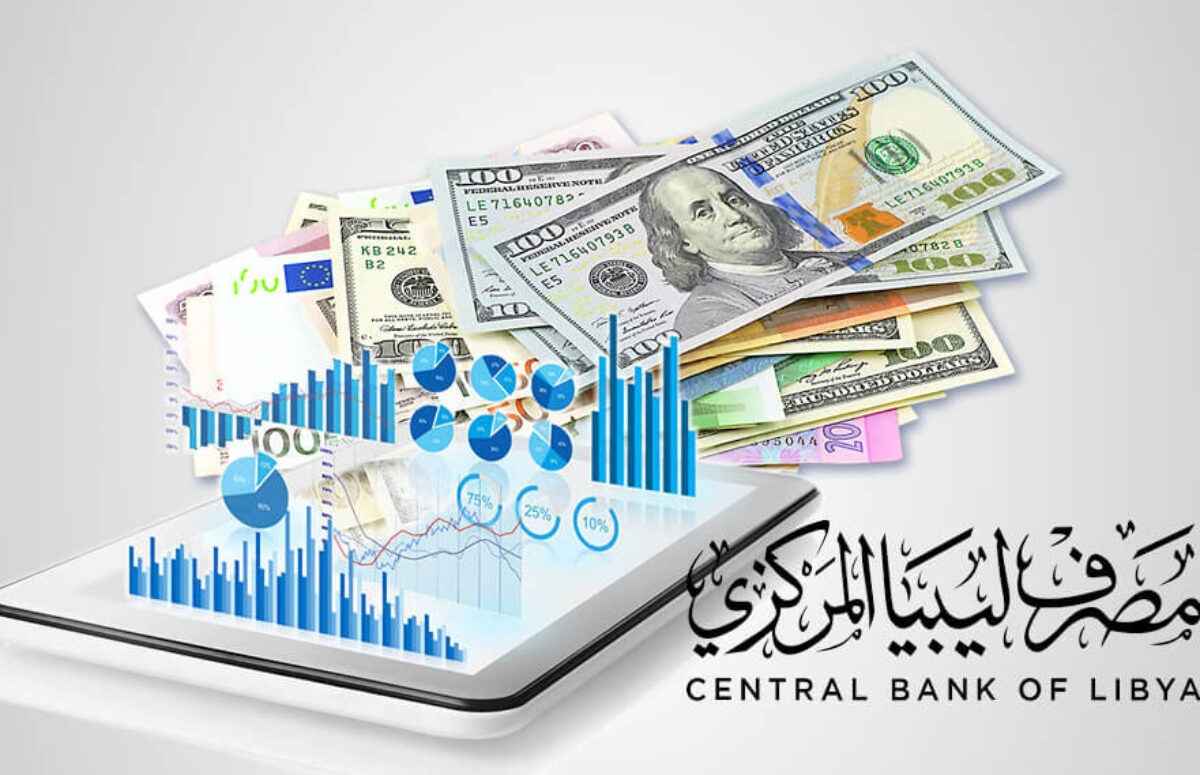
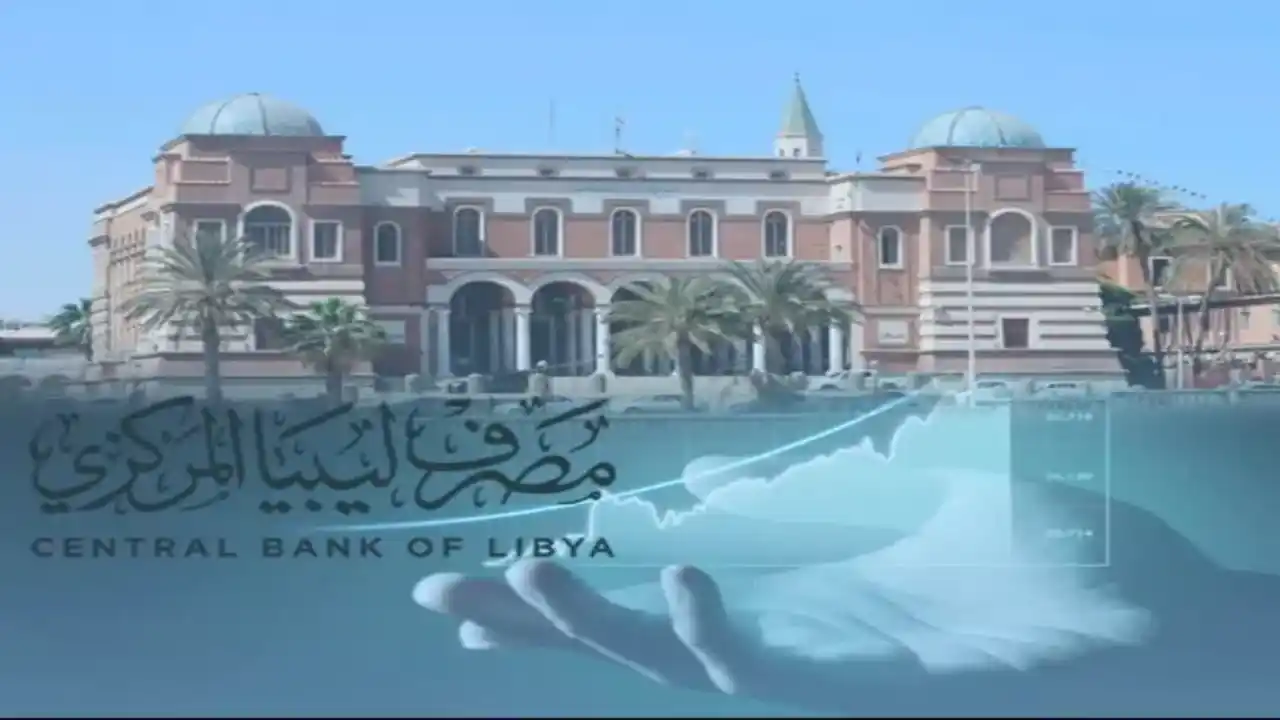
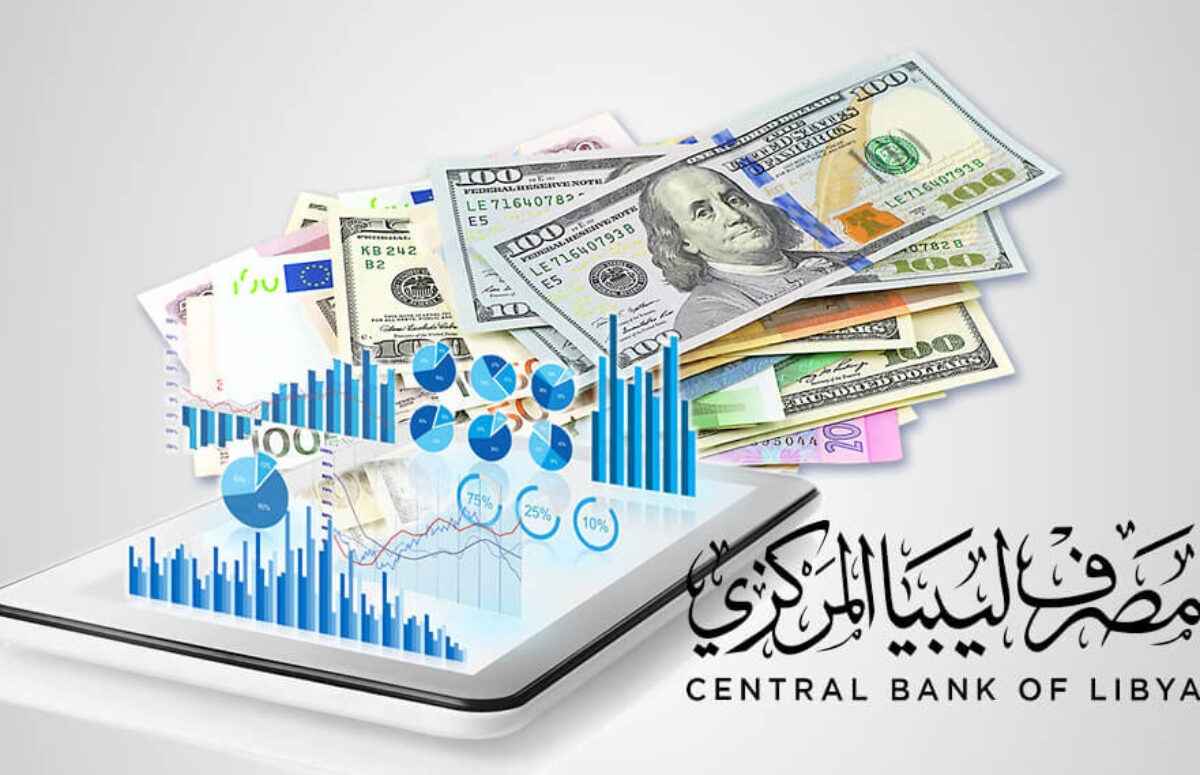
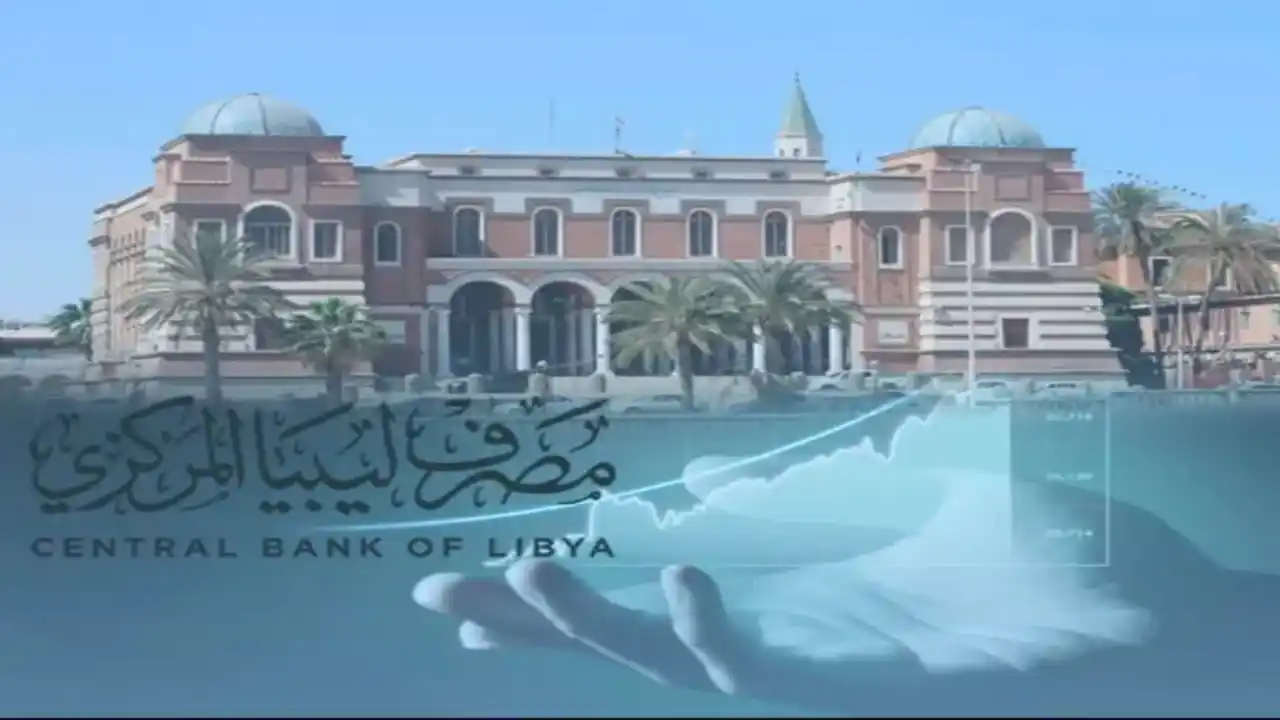
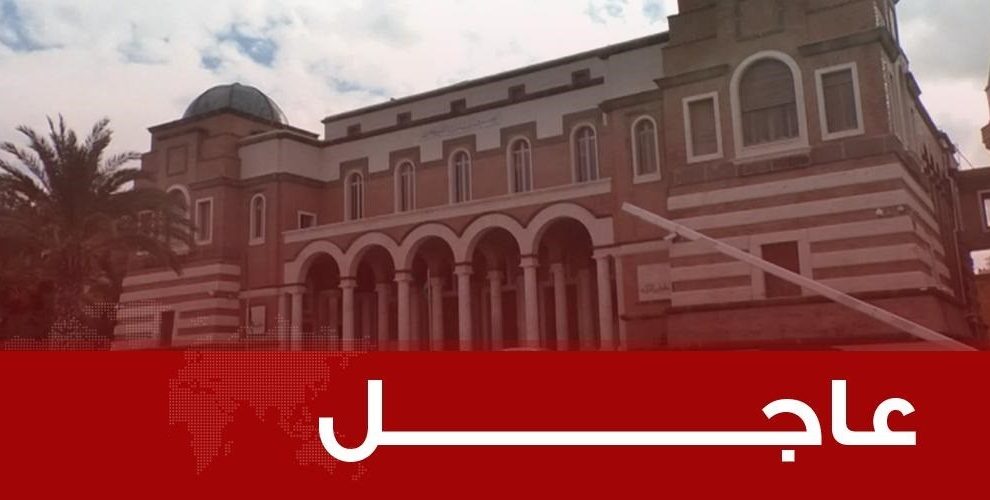
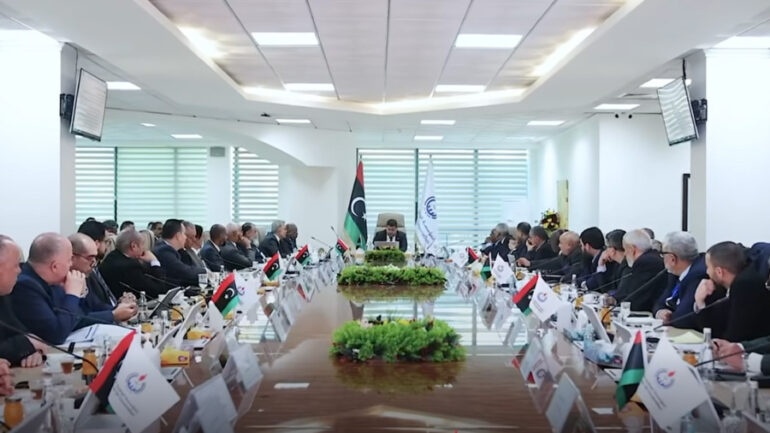
These developments followed an announcement by the Central Bank of Libya to devalue the dinar by 14.7% against the Special Drawing Rights (SDR) unit. The dinar’s value is now 0.1150 SDR instead of 0.1348 SDR, setting the new official exchange rate at approximately 6.40 dinars per US dollar.
This decision is considered one of the key factors that drove prices in the parallel market to record high levels in recent days.
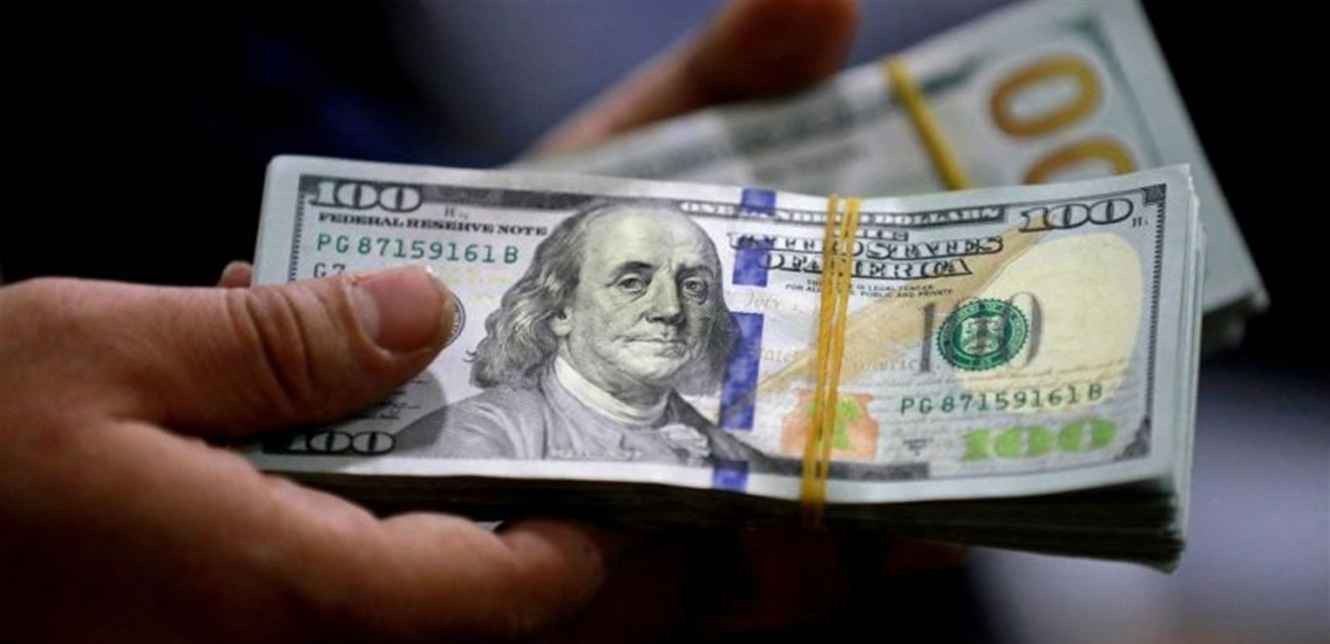
US dollar
The US dollar is the official currency of the United States, established by the Coinage Act of 1792. It evolved from a system based on Spanish milled dollars and has become the world’s primary reserve currency since the Bretton Woods agreement in the mid-20th century.
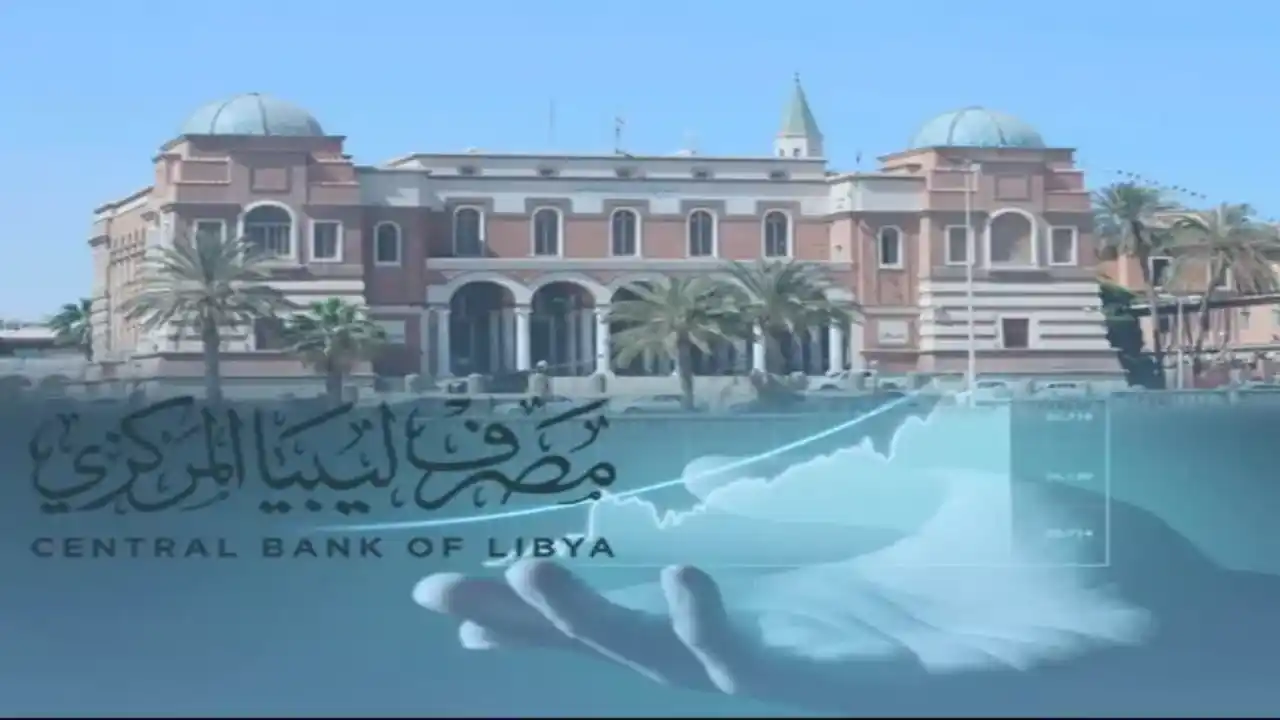
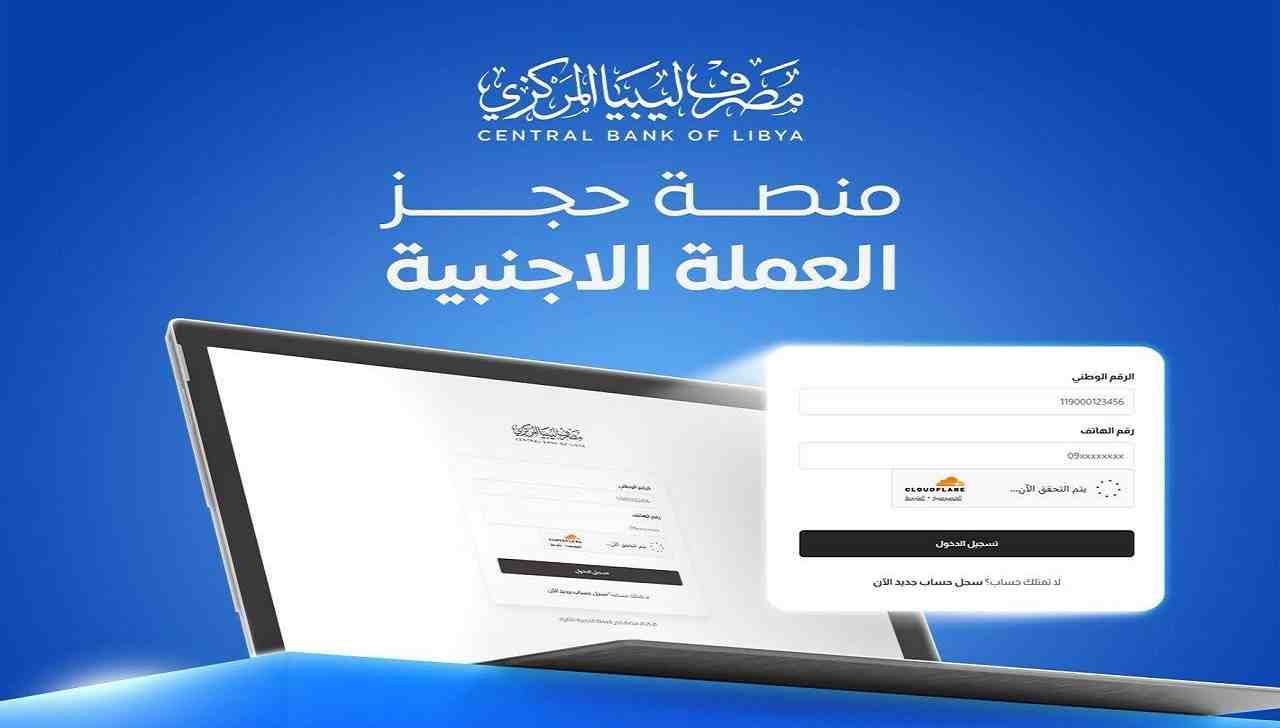
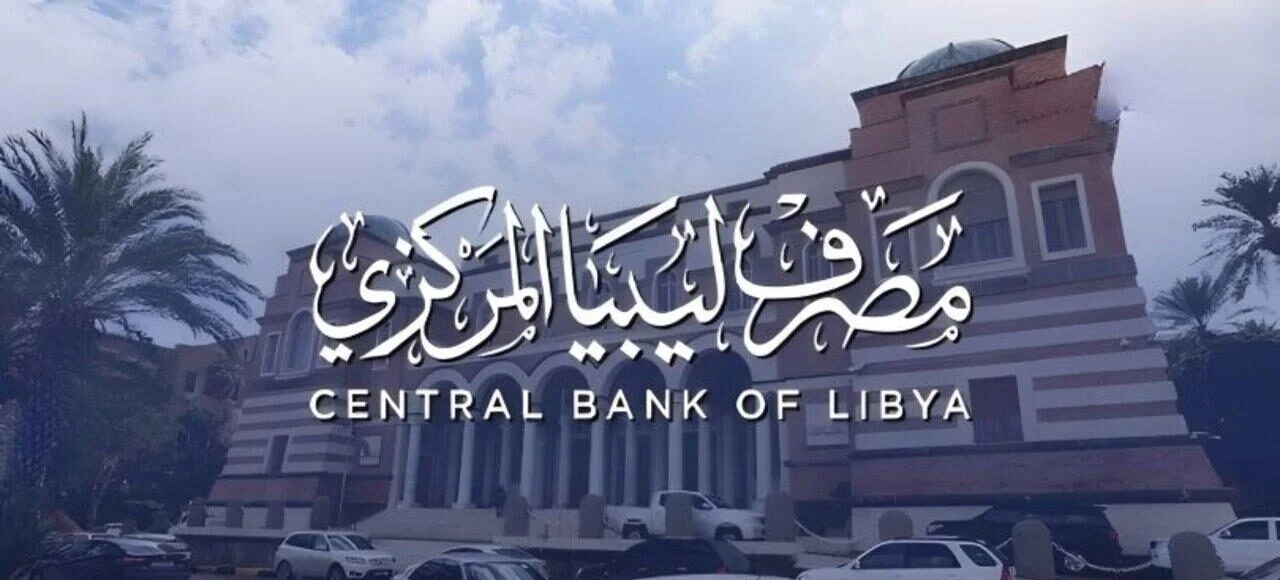
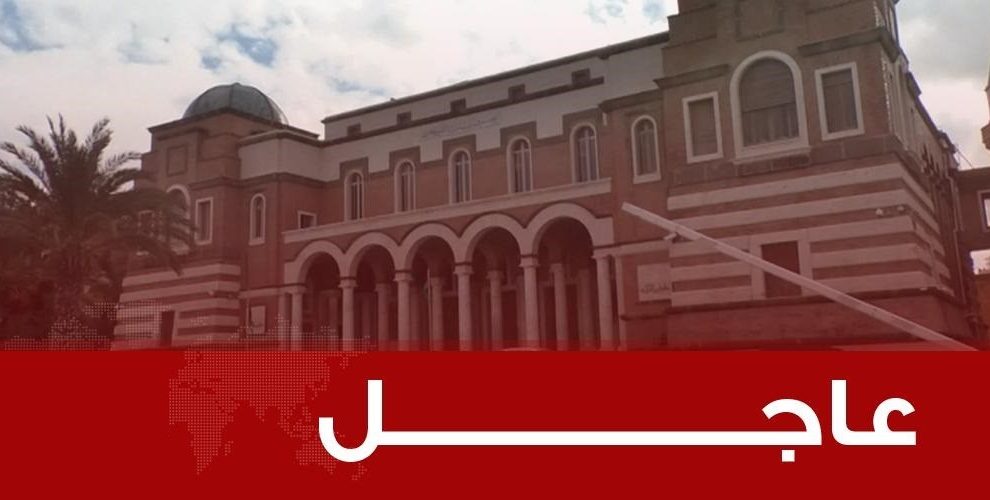
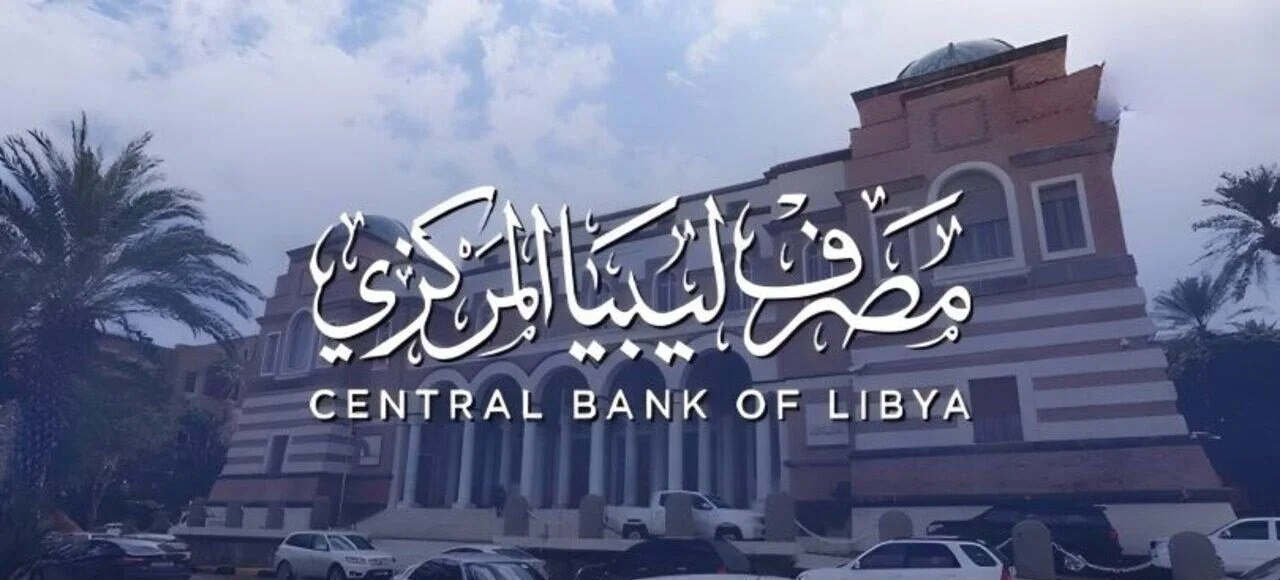
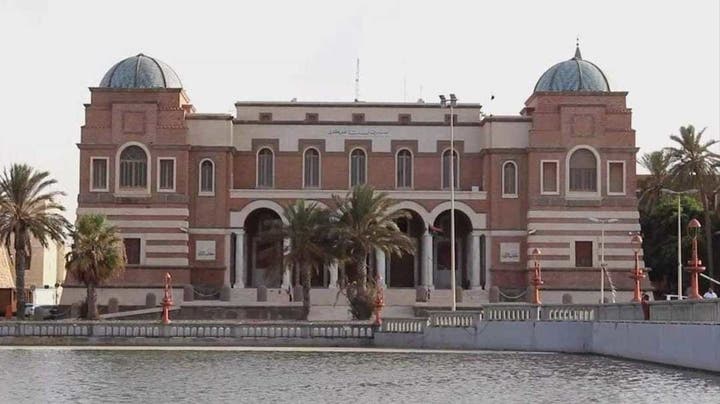
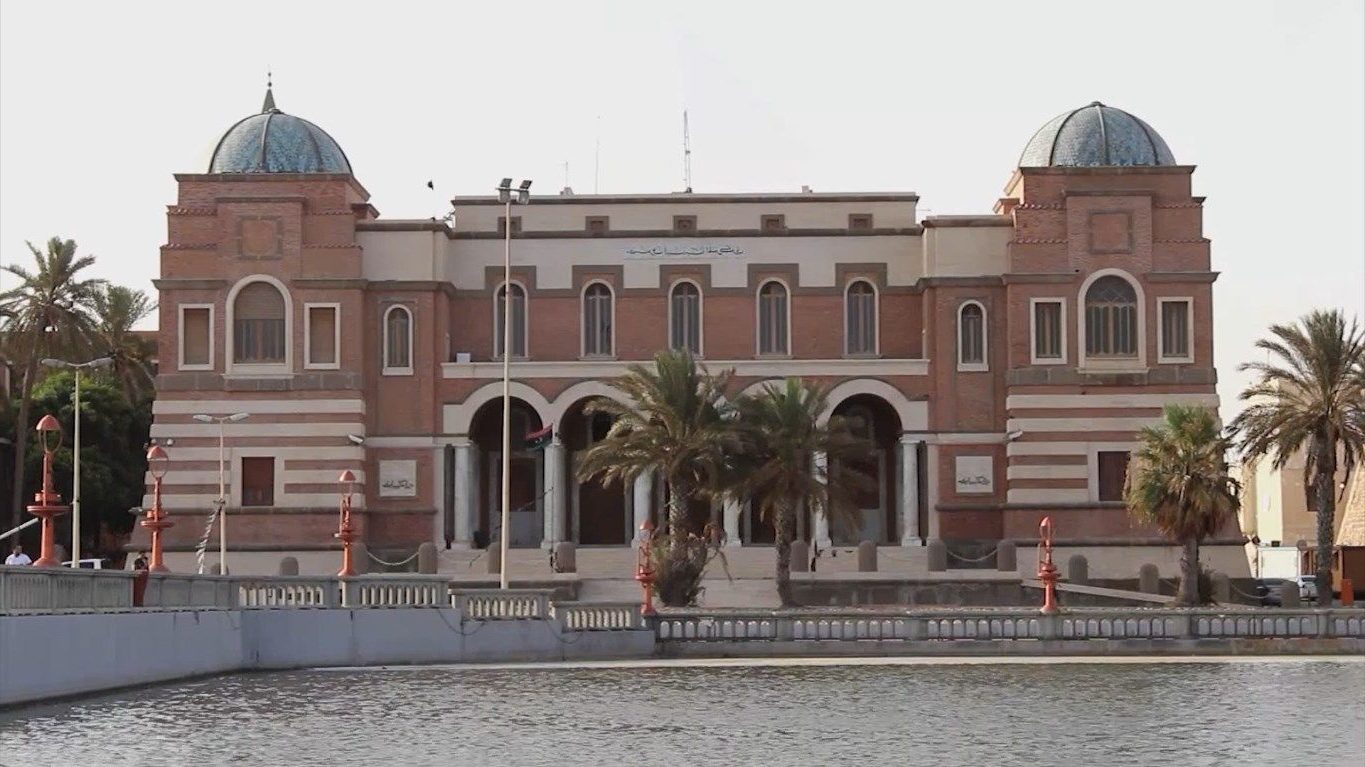
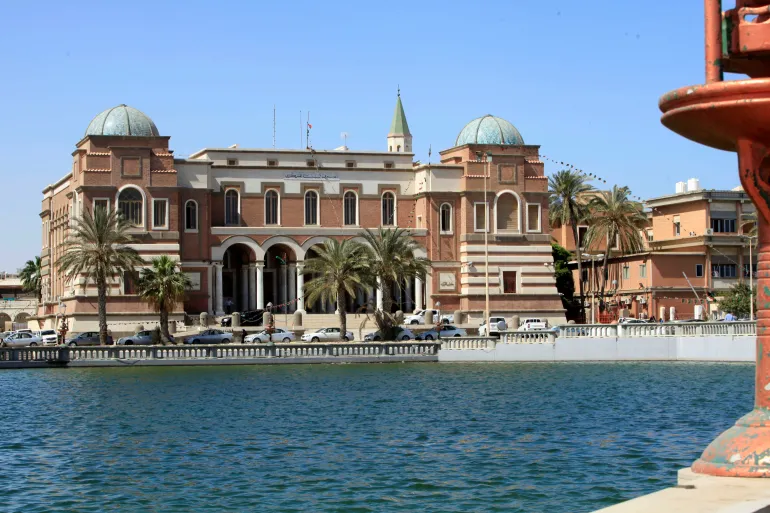
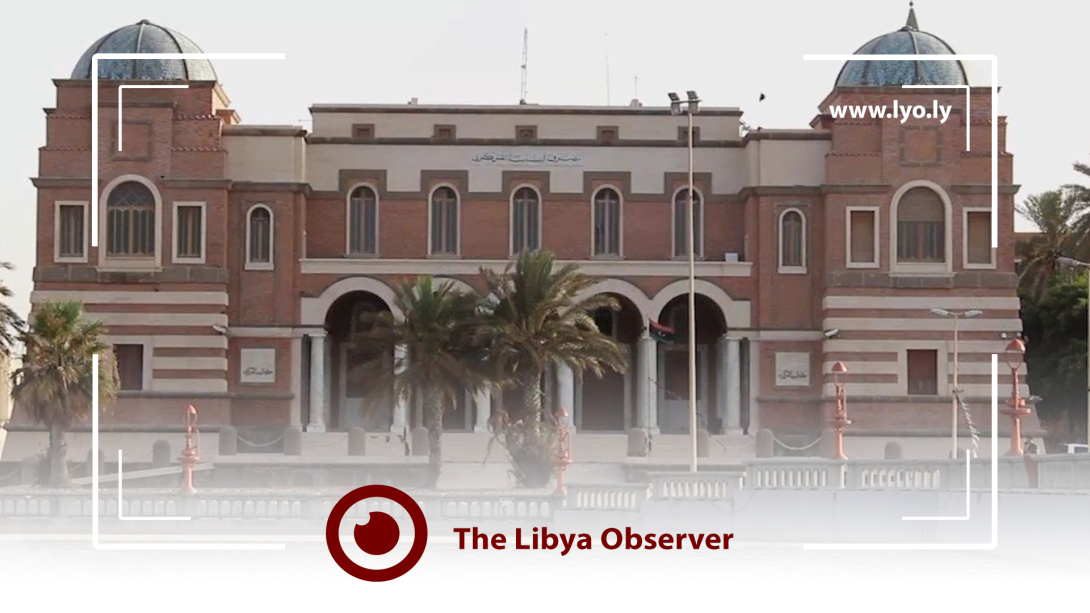
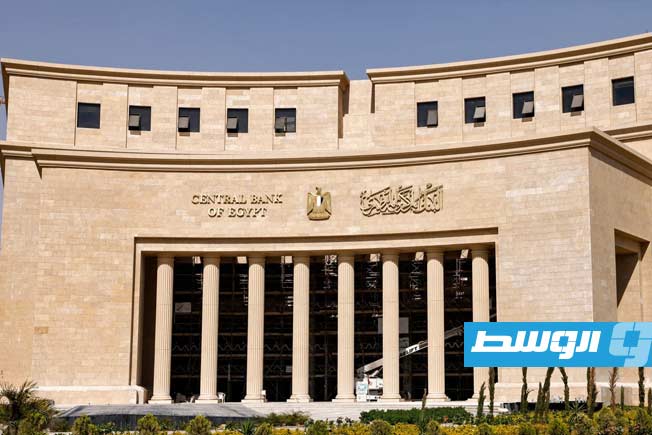
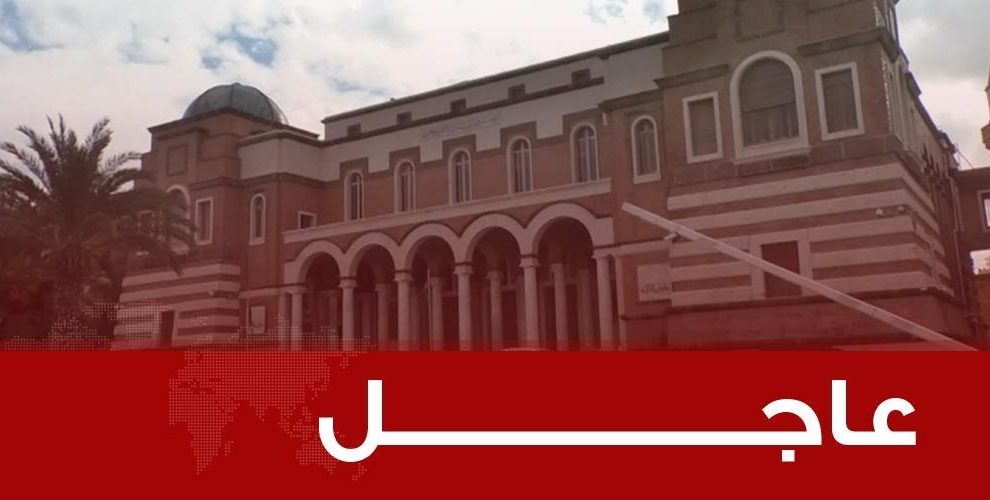
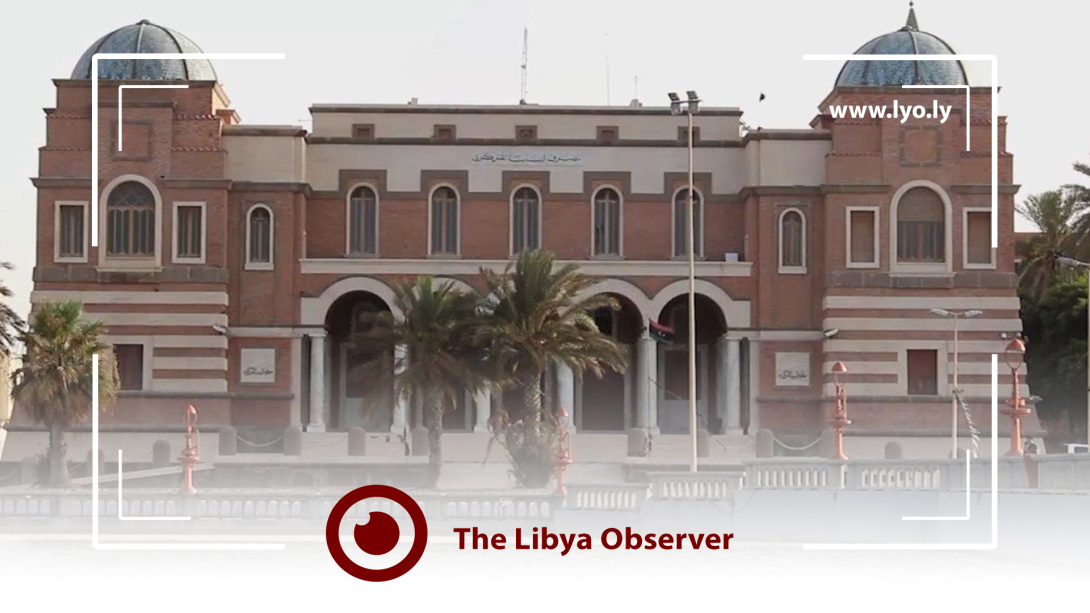
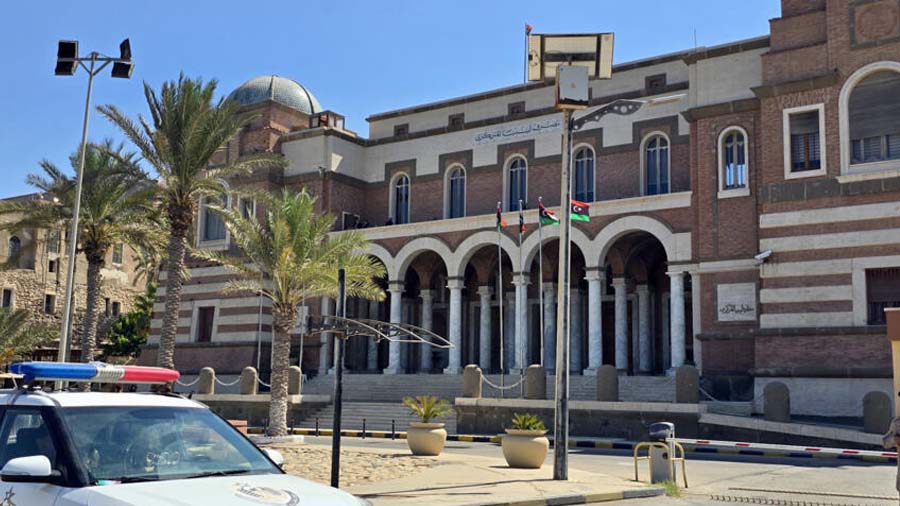
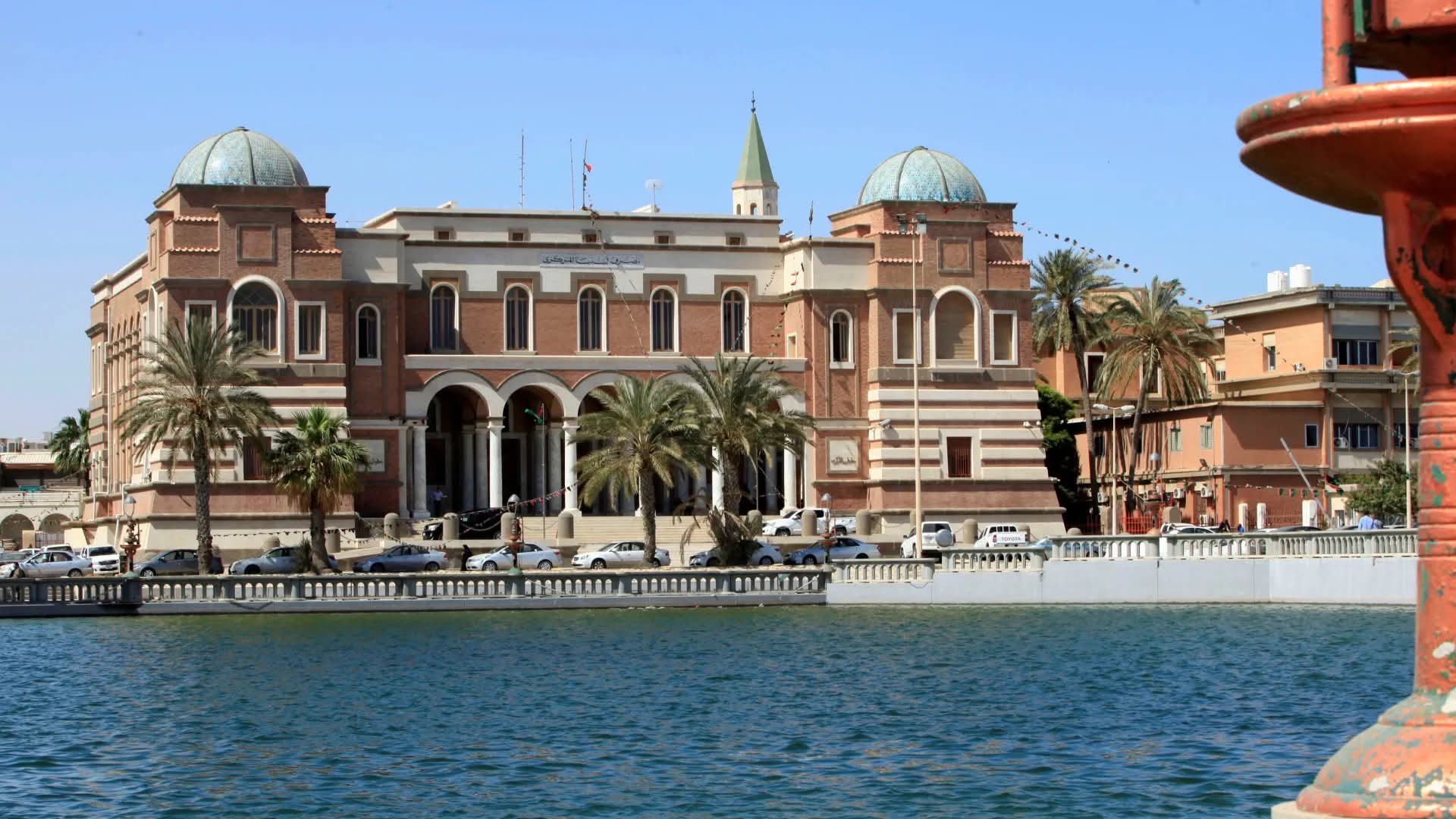
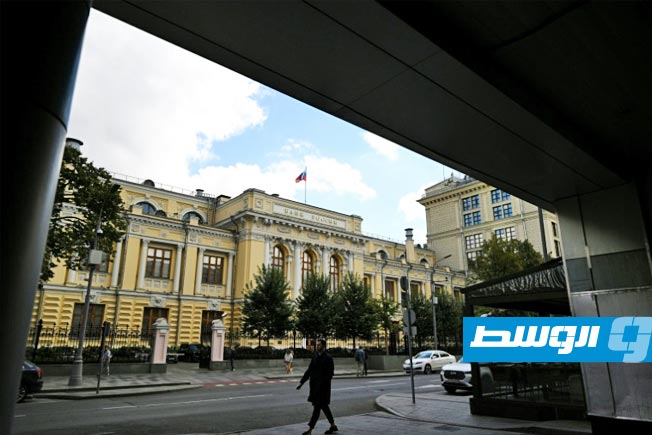
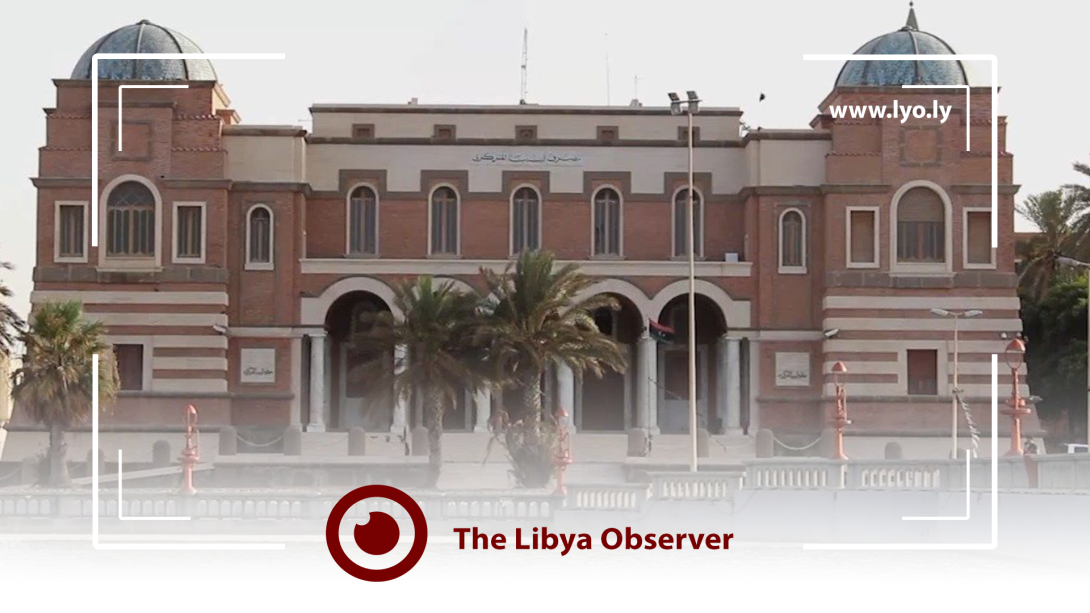
Central Bank of Libya
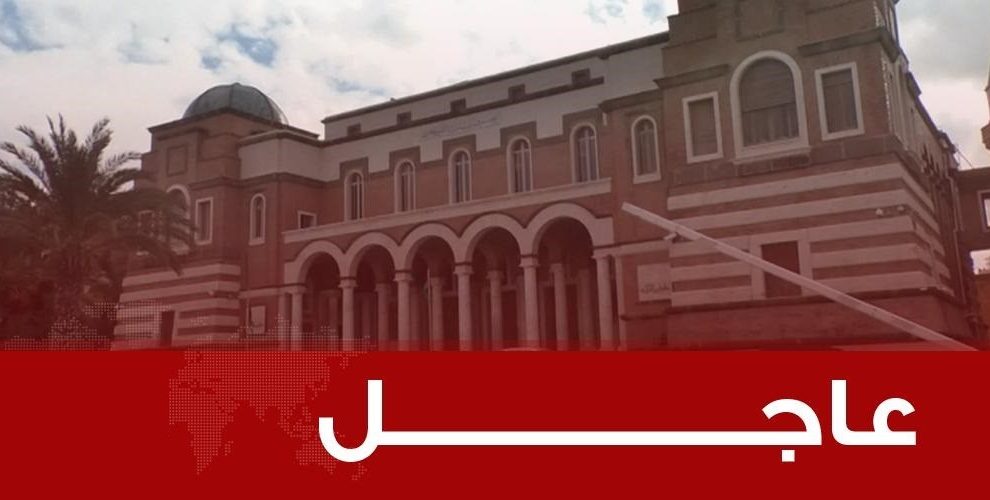
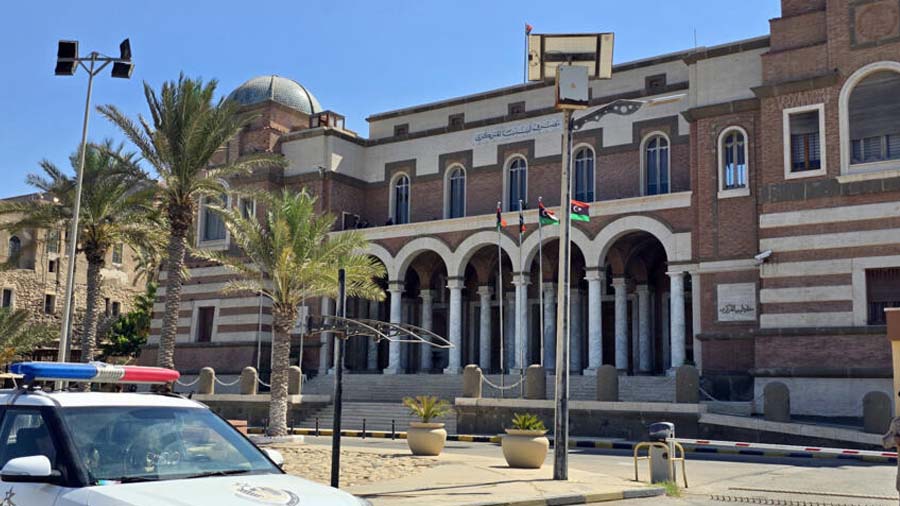
The Central Bank of Libya is the country’s primary monetary authority, established in 1956 to issue currency and manage monetary policy. It has played a critical and often divisive role in Libya’s recent history, notably functioning as a unified financial institution during the post-2011 civil war period despite the country’s political fragmentation.
Tripoli
Tripoli is the capital and largest city of Libya, located on the country’s Mediterranean coast. Historically, it was founded by the Phoenicians in the 7th century BC and has since been ruled by the Romans, Arabs, Ottomans, and Italians, serving as a major port and cultural crossroads. Its historic core, the medina of Old Tripoli, contains well-preserved examples of its diverse architectural heritage.
Benghazi
Benghazi is a major city in eastern Libya, historically significant as a center of trade and culture since its founding as the Greek colony of Euesperides. It played a pivotal role in the 2011 Libyan Civil War as a key base for the uprising against Muammar Gaddafi.
Commerce & Development / Al-Wehda (Tripoli)
The Commerce & Development, also known as Al-Wehda, is a prominent commercial and administrative district in Tripoli, Libya. Historically, it developed as a modern business hub during Libya’s economic growth in the mid-20th century, particularly following the discovery of oil. The area remains a key center for trade, banking, and government-related services in the city.
Development / Al-Wehda (Benghazi)
The Development (Al-Wehda) district in Benghazi is a major residential and commercial area that grew significantly during Libya’s oil boom in the mid-20th century. Its name, meaning “unity” in Arabic, reflects the nationalistic sentiment of the era following Libya’s independence in 1951.
Al-Jumhouria / National Commercial / Al-Aman
Al-Jumhouria, also known as the National Commercial Bank or Al-Aman Bank, is a major financial institution in Yemen. It was established in 1969 as the National Bank of Yemen and later rebranded, playing a central role in the country’s modern banking history. For decades, it has been a key pillar of Yemen’s commercial and public-sector financial activities.
Al-Sahari / Al-Waha / Islamic / North Africa
Al-Sahari, also known as Al-Waha, refers to a historical Islamic cultural site in North Africa, often associated with oasis settlements that served as crucial hubs for trans-Saharan trade and Islamic scholarship. These communities flourished from around the 8th century onward, facilitating the exchange of goods, ideas, and religious teachings across the desert.
Al-Muttahid / Al-Nouran / Al-Saray
Al-Muttahid, Al-Nouran, and Al-Saray are names for the same historic palace in Mosul, Iraq, which served as the primary government building for the Nineveh Governorate. Originally constructed in the late Ottoman period, it was a significant administrative and cultural landmark until it was severely damaged during the conflict with ISIS in 2014.
Special Drawing Rights (SDR)
Special Drawing Rights (SDR) is an international reserve asset created by the International Monetary Fund (IMF) in 1969 to supplement its member countries’ official reserves. Its value is based on a basket of five major currencies: the U.S. dollar, euro, Chinese renminbi, Japanese yen, and British pound sterling.