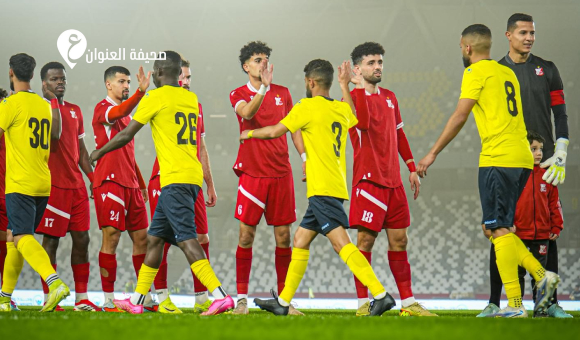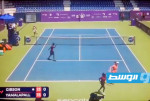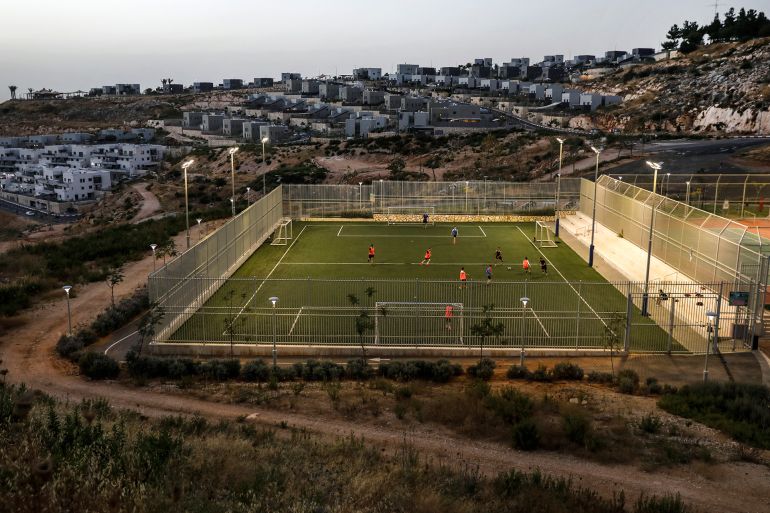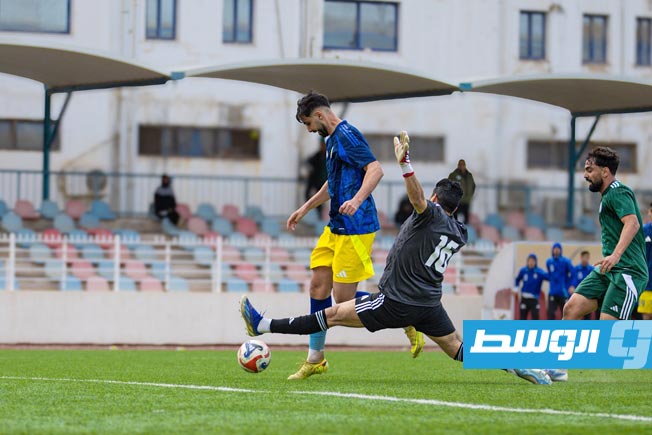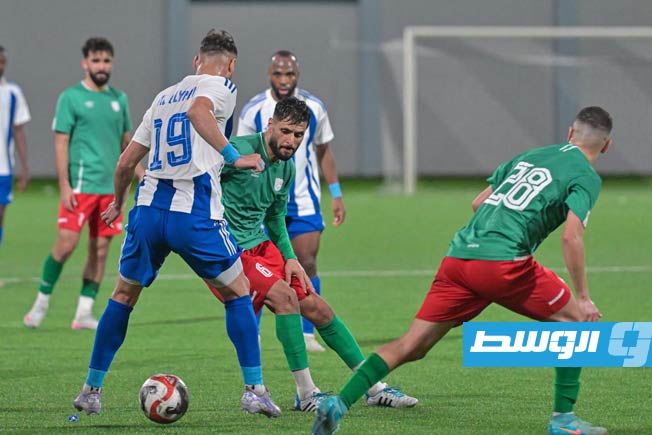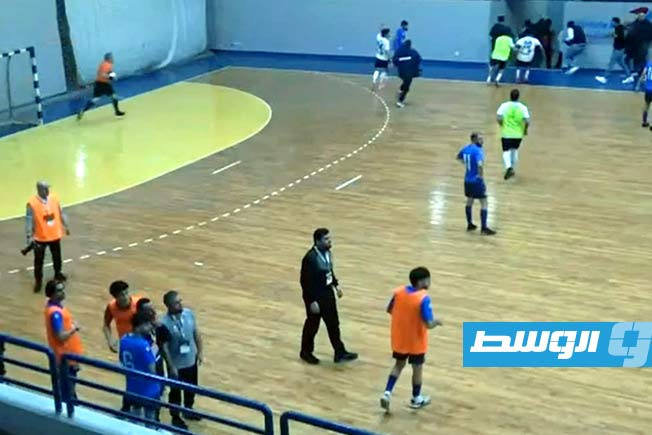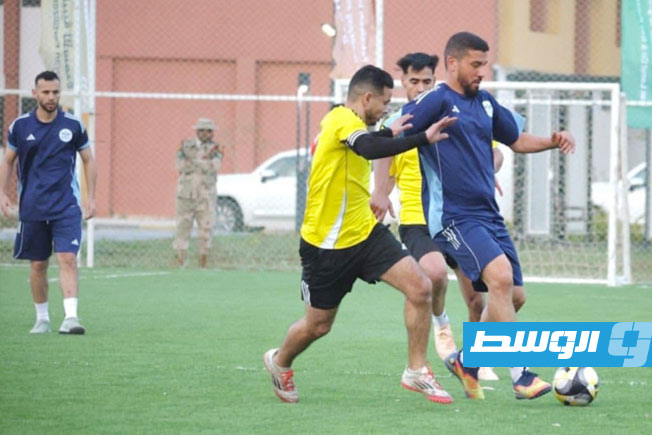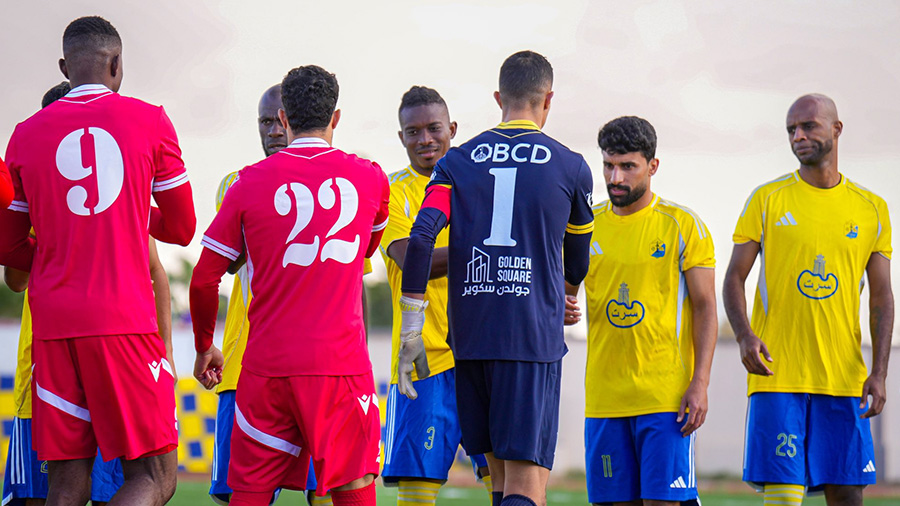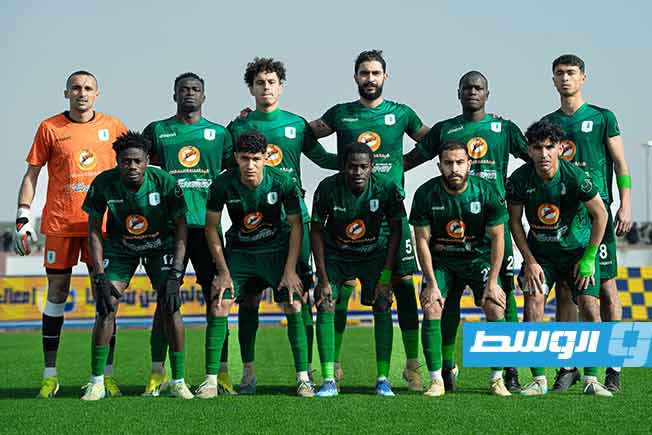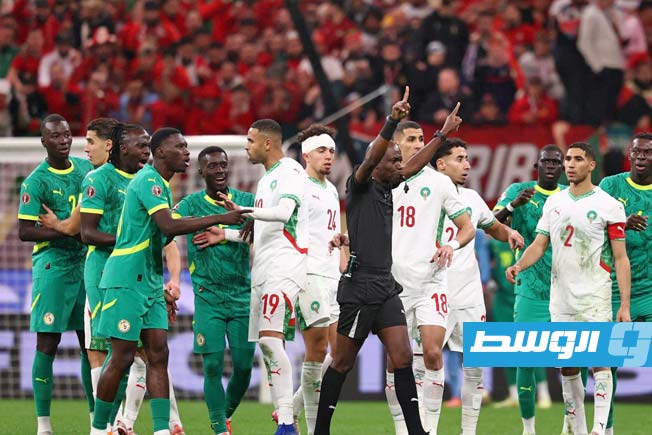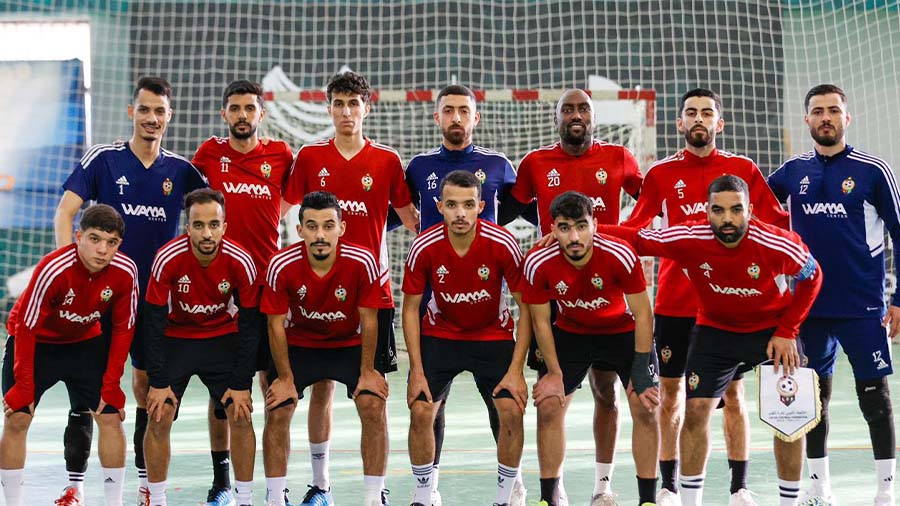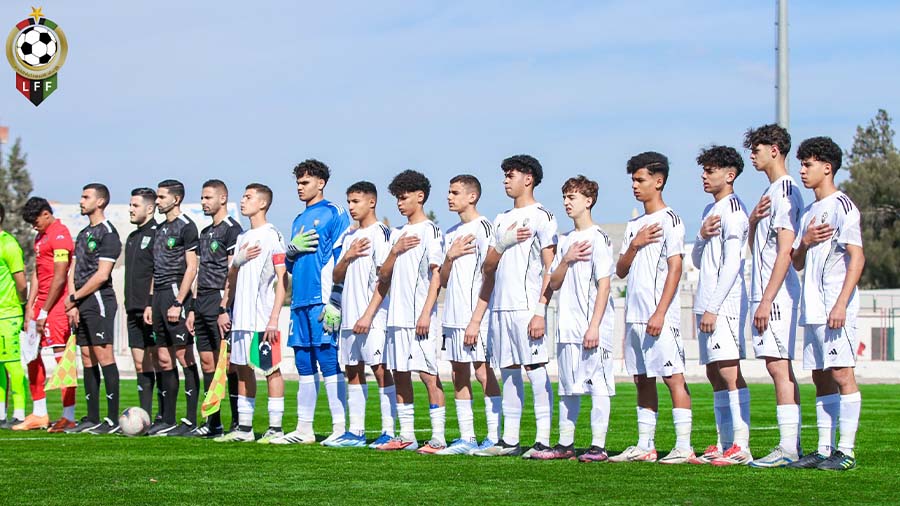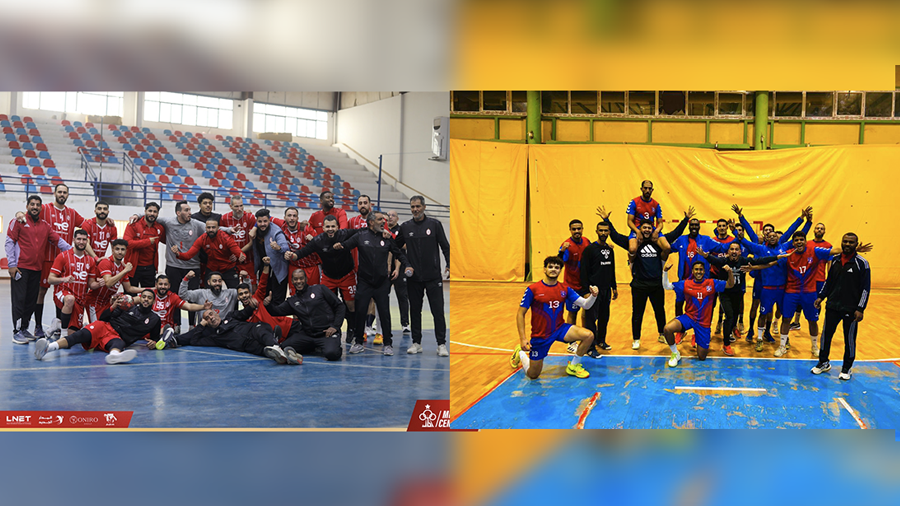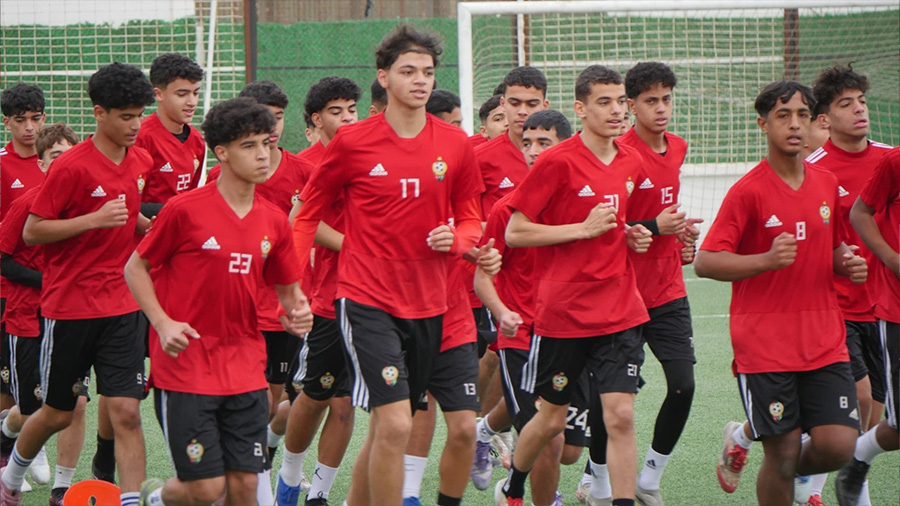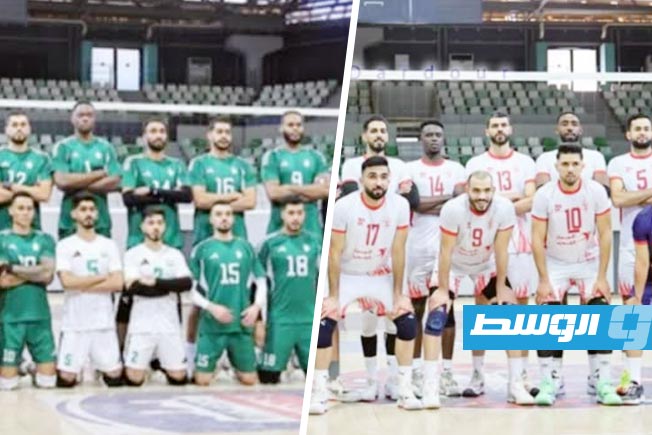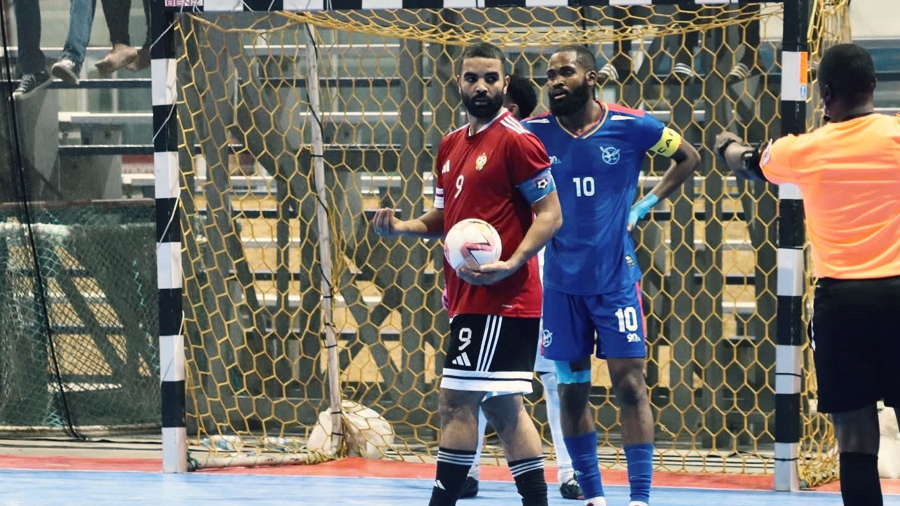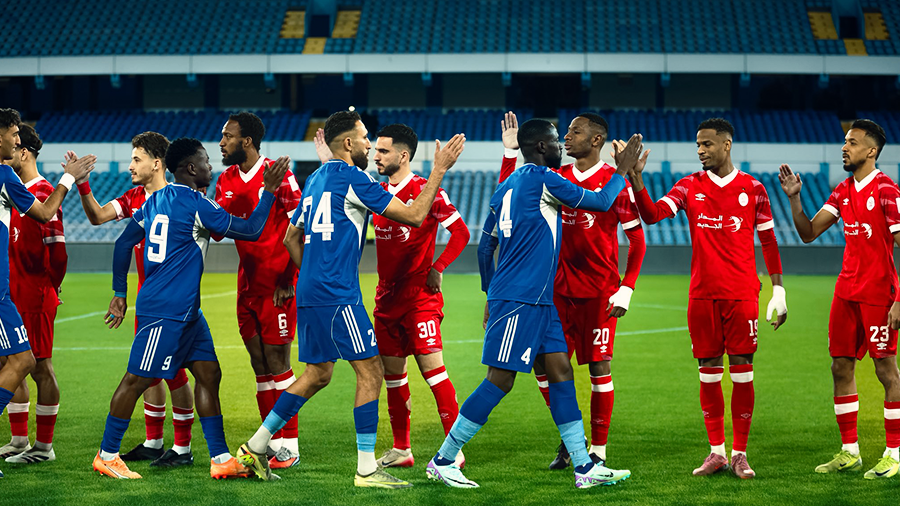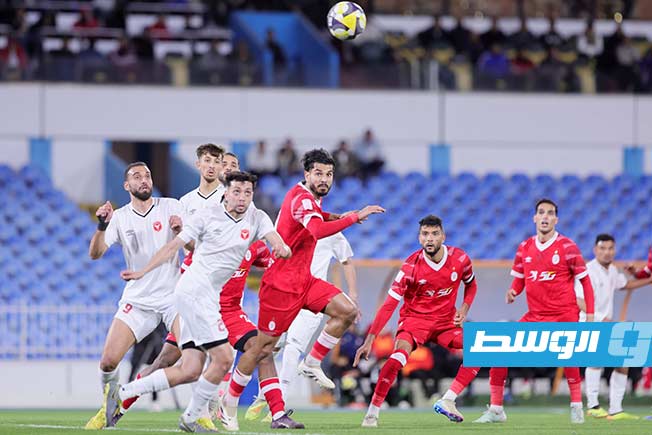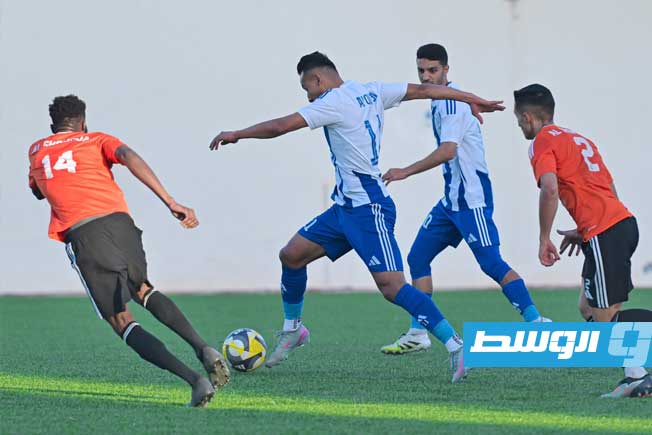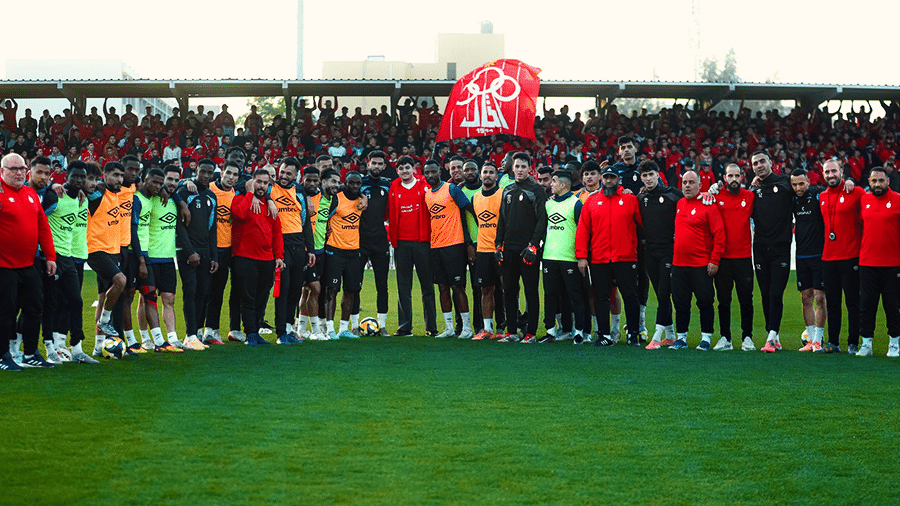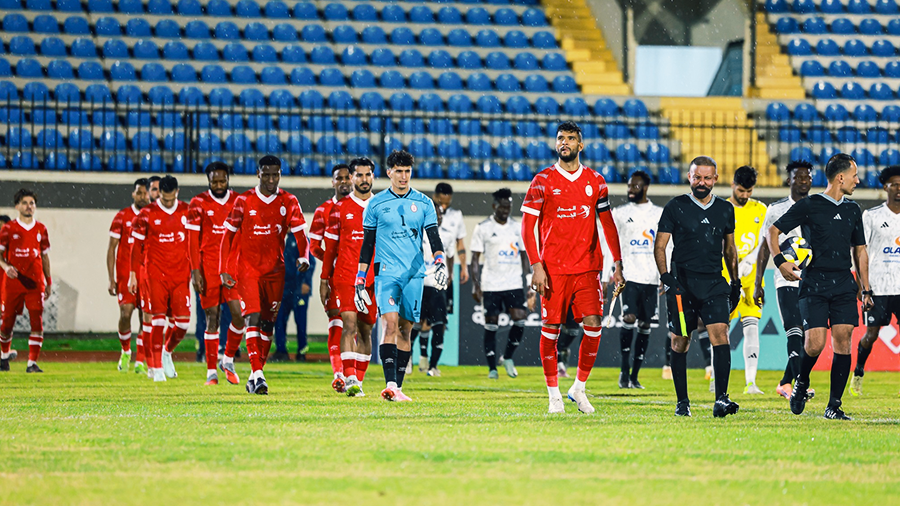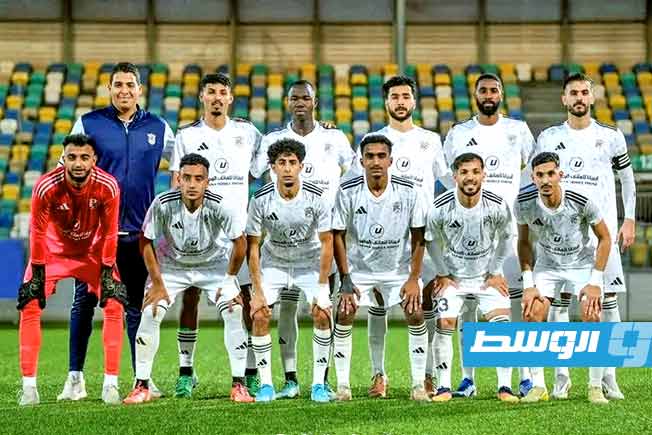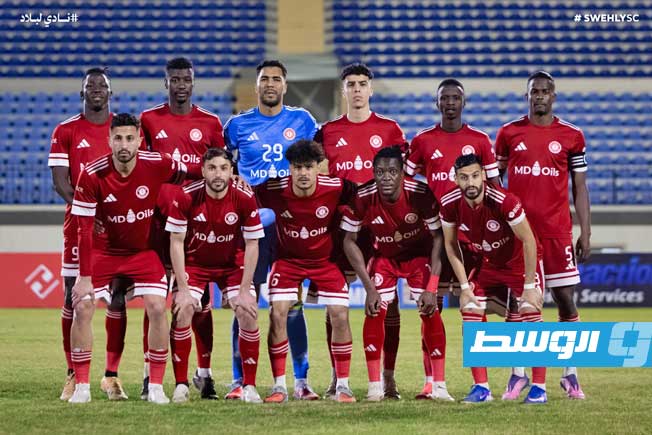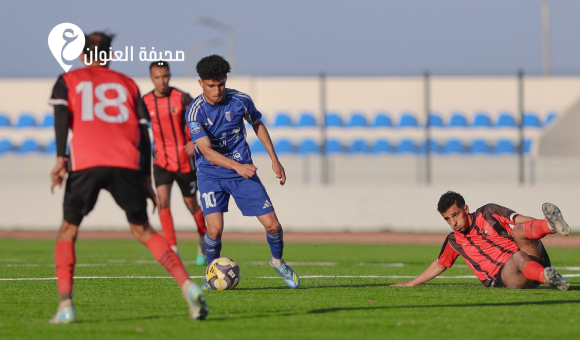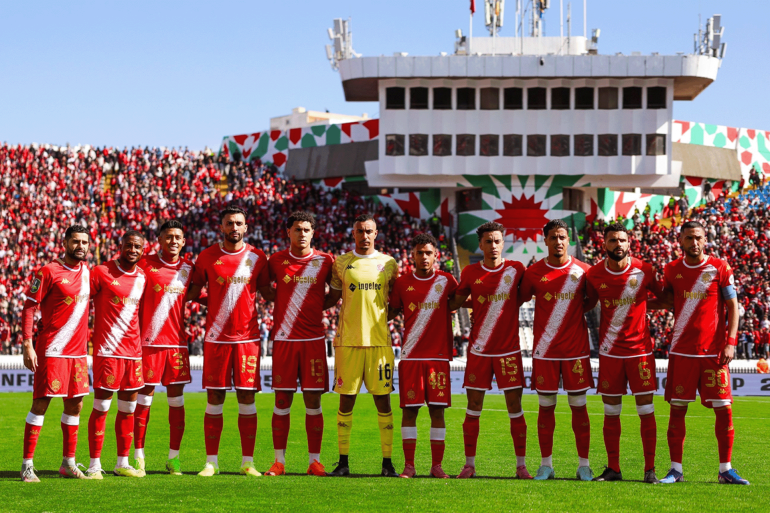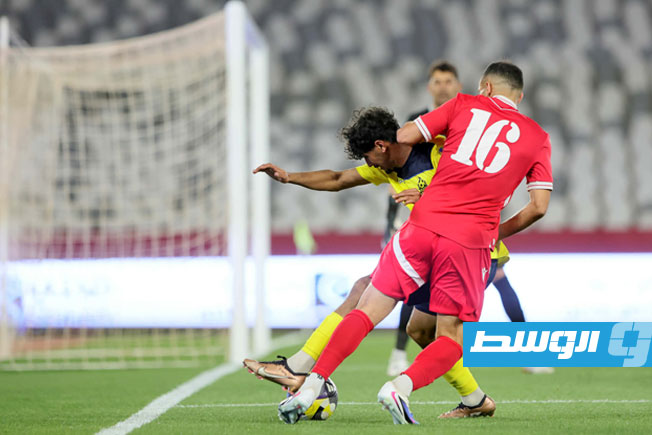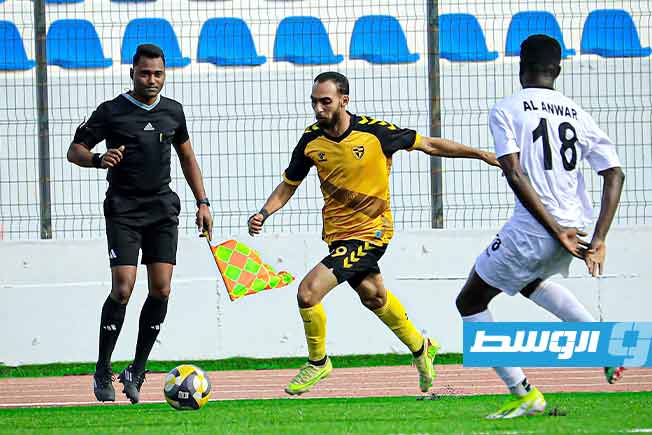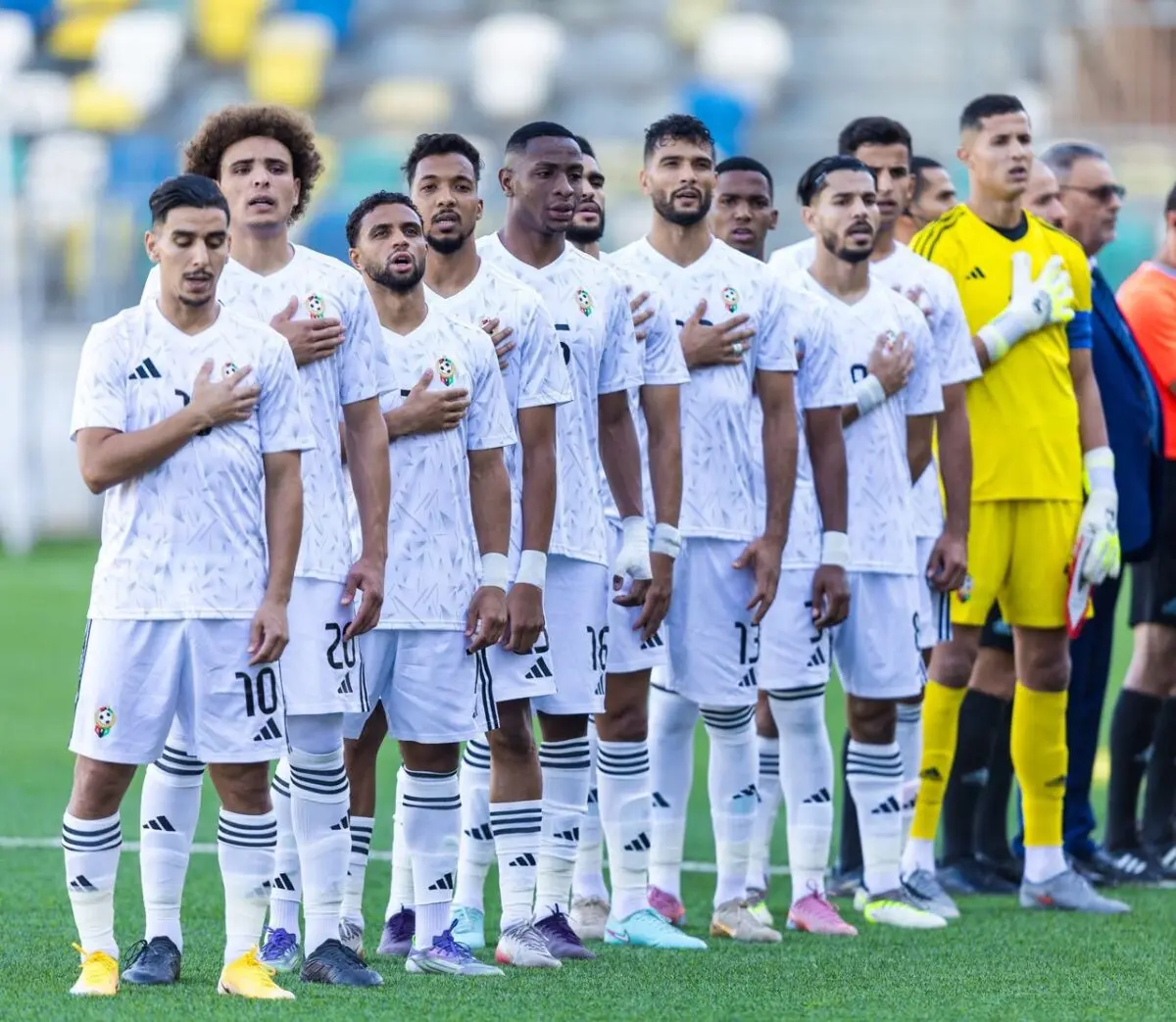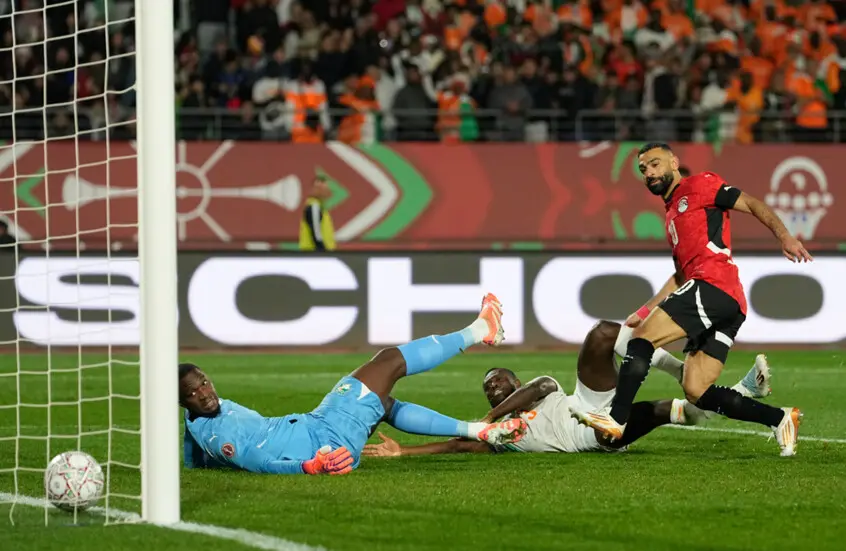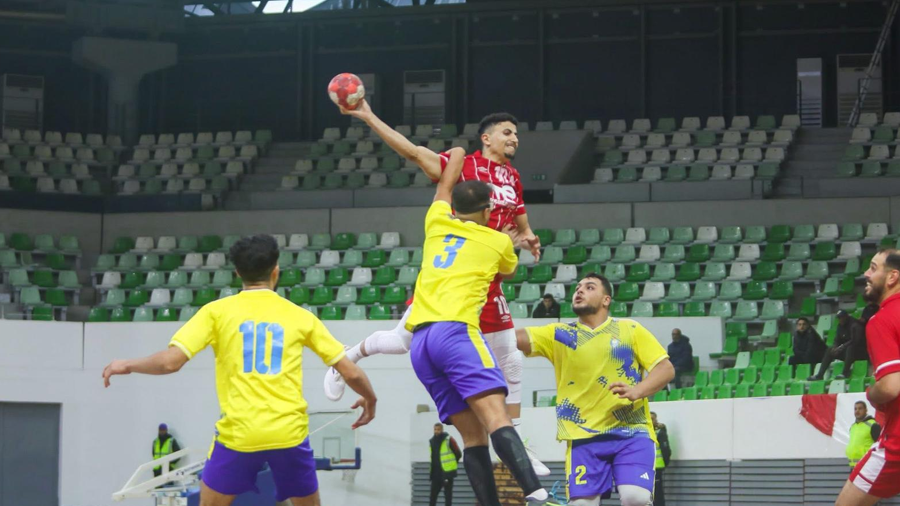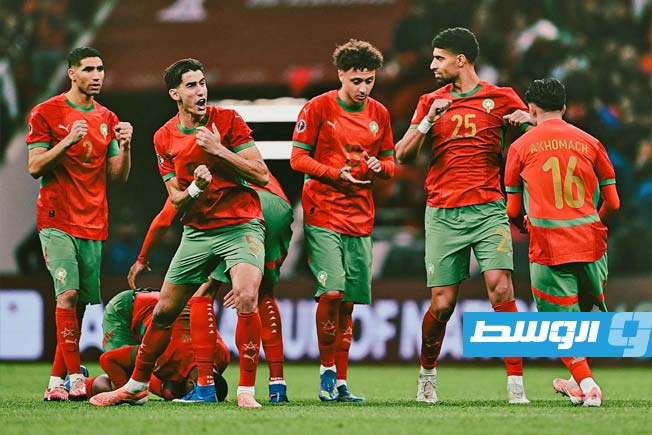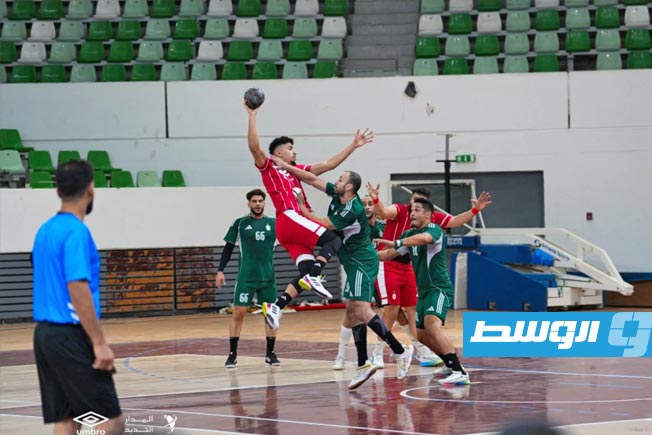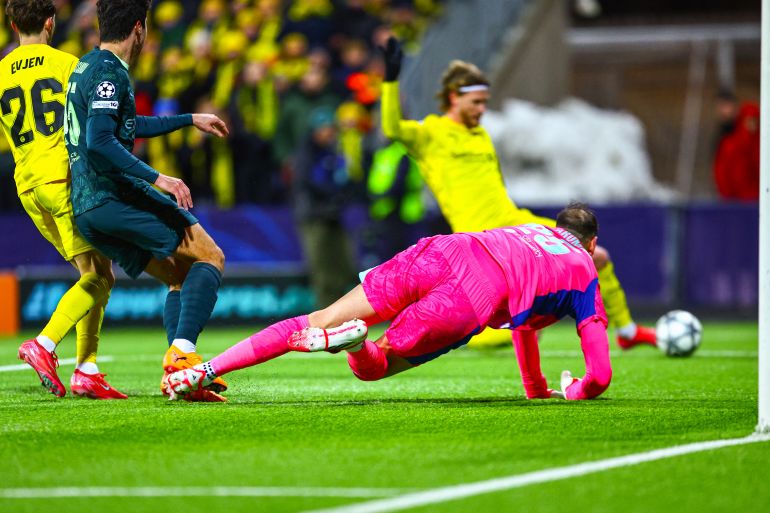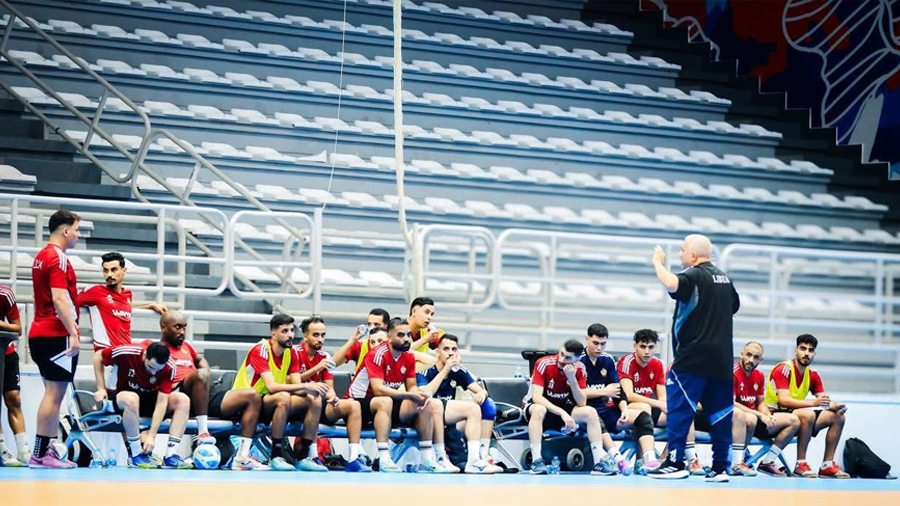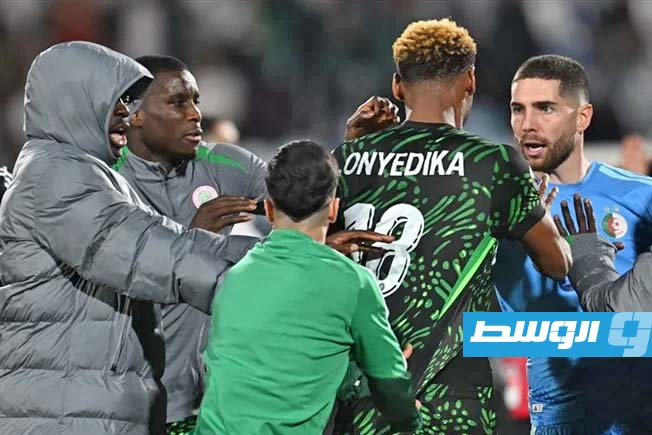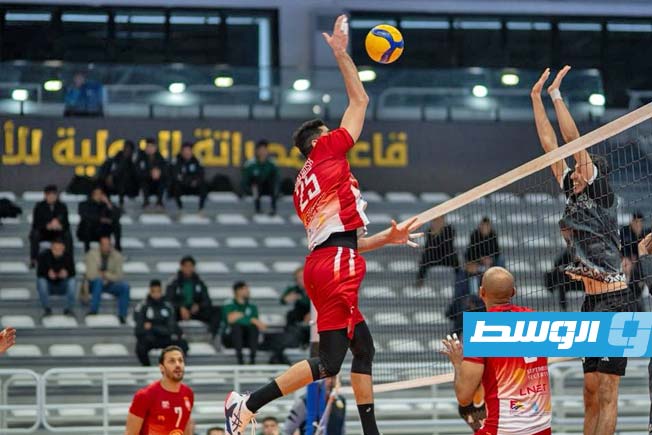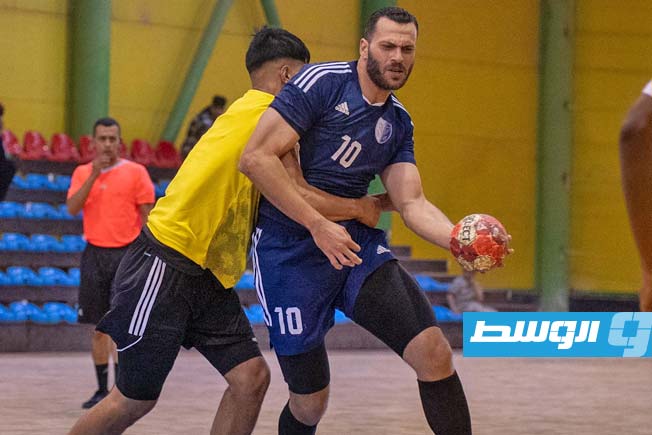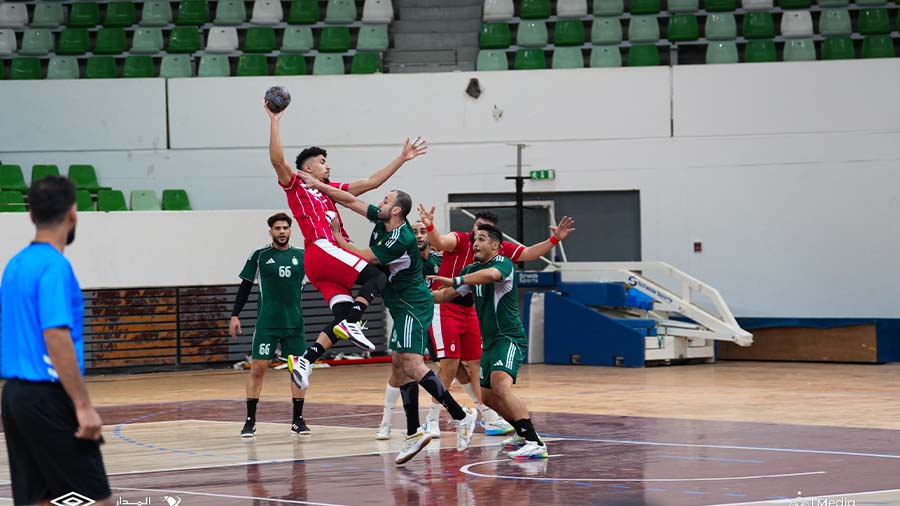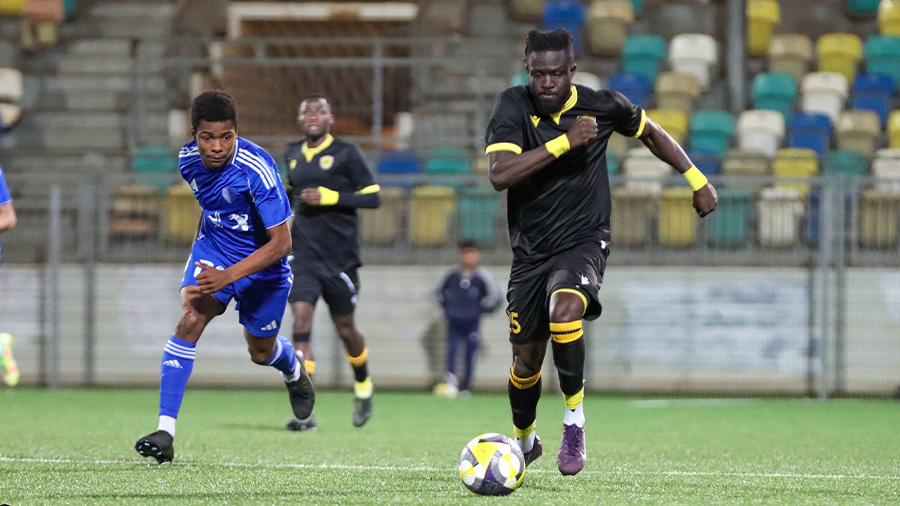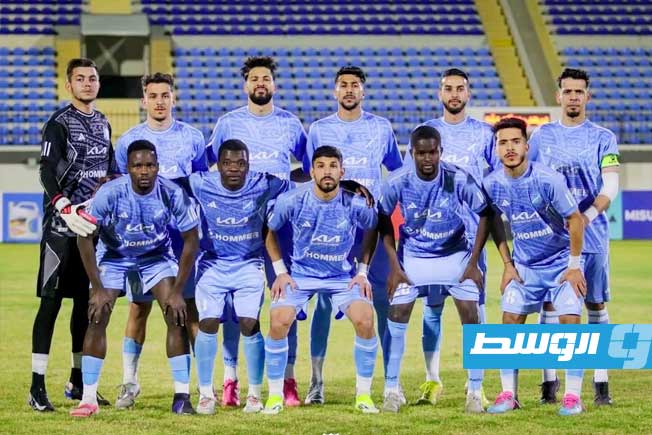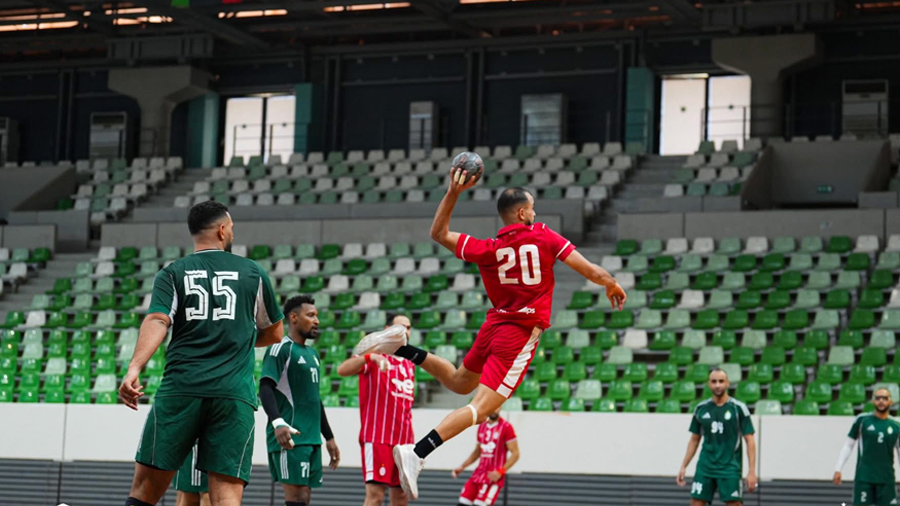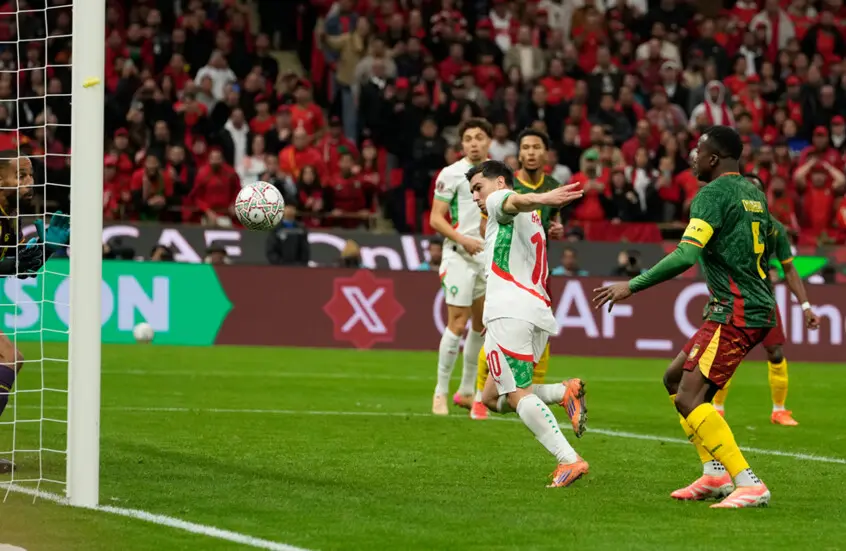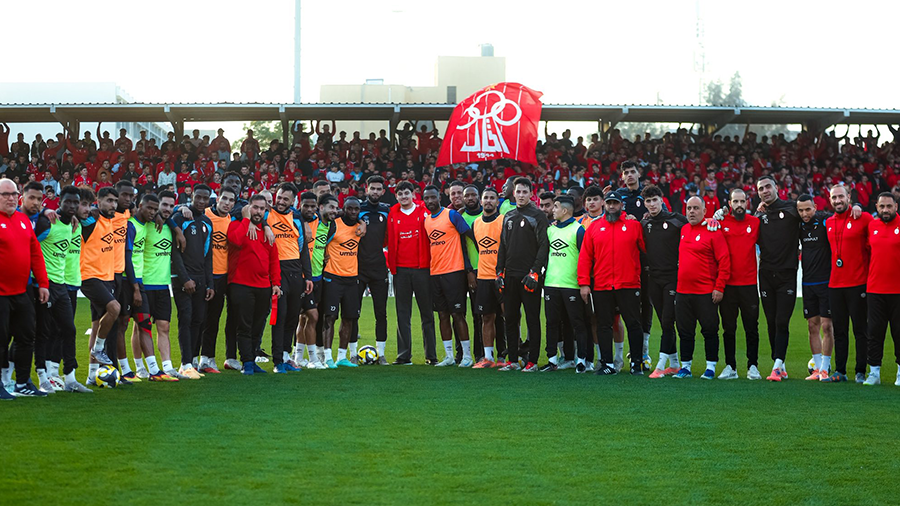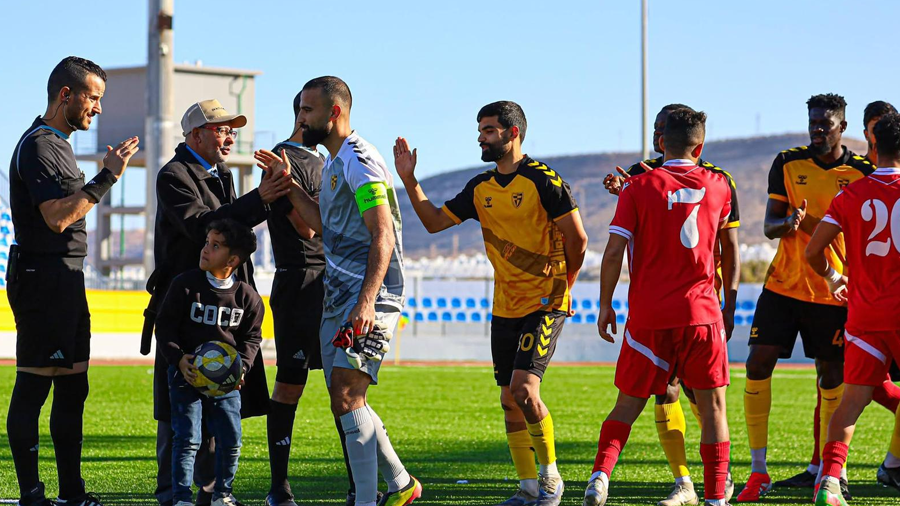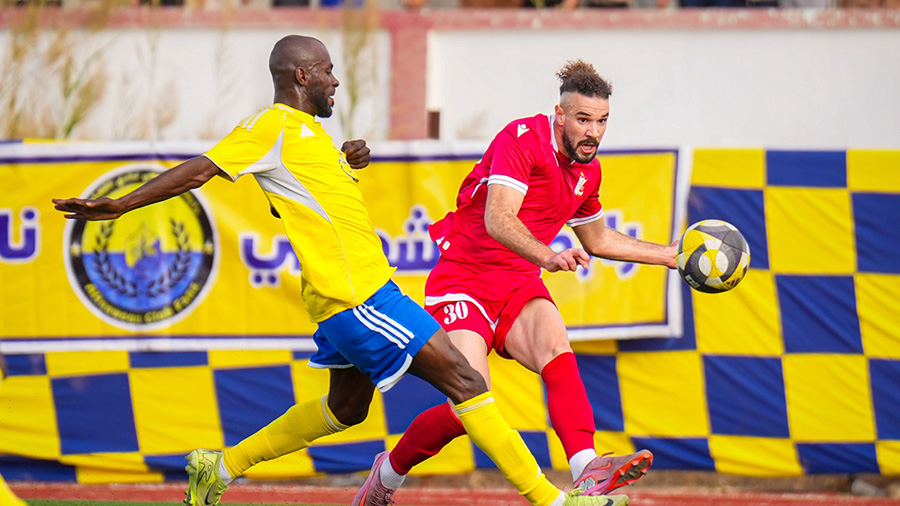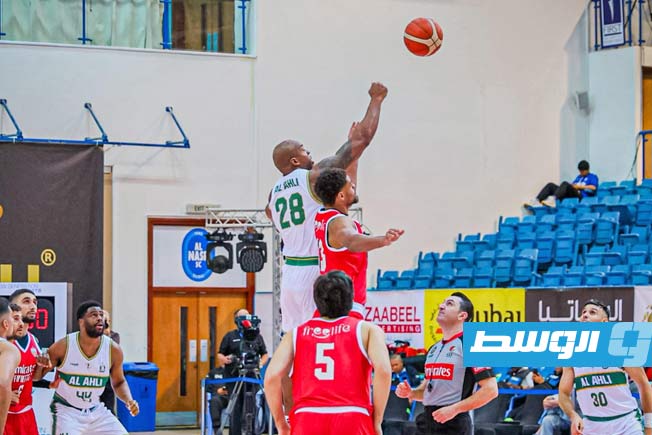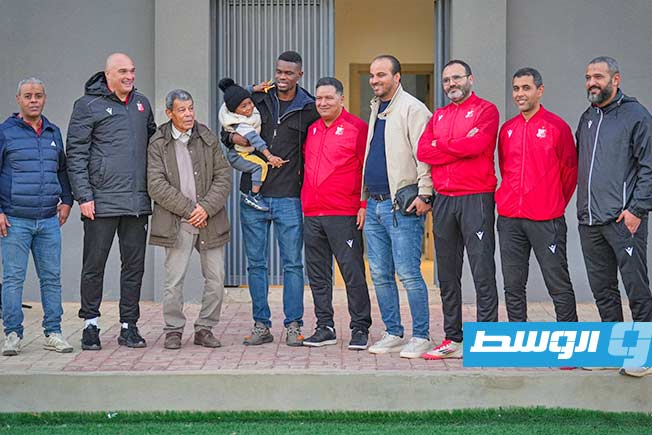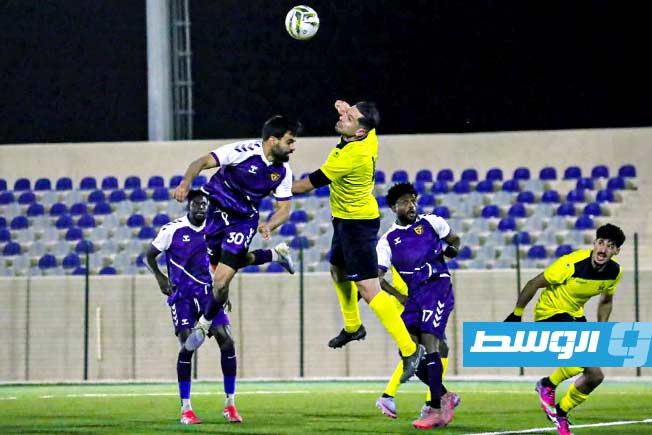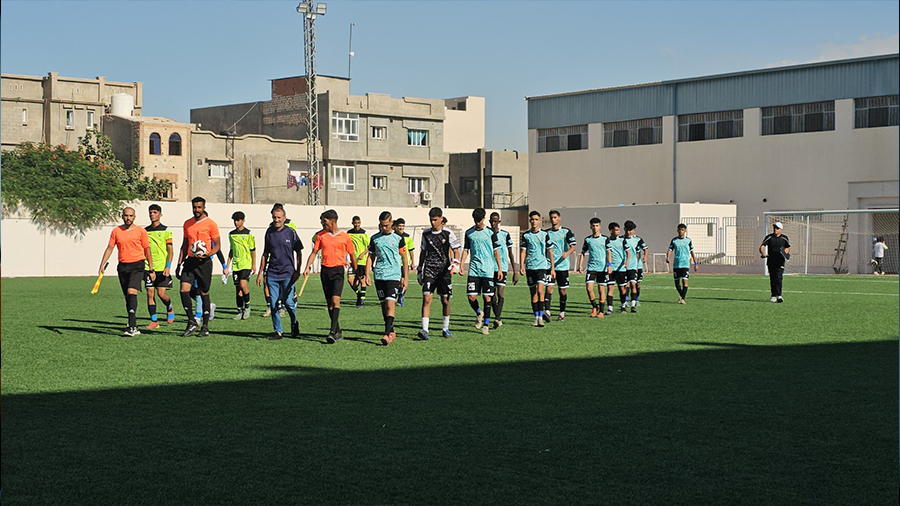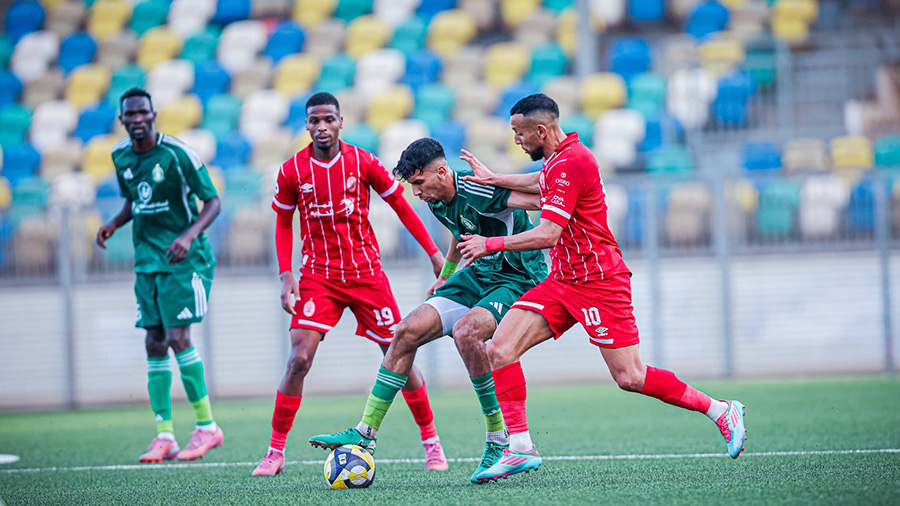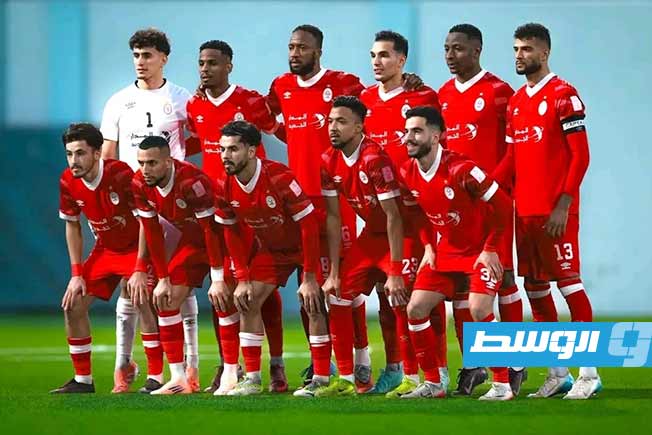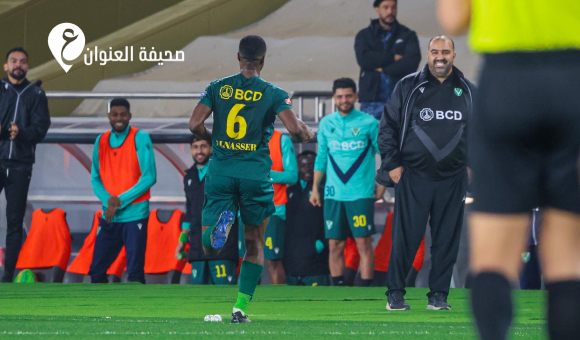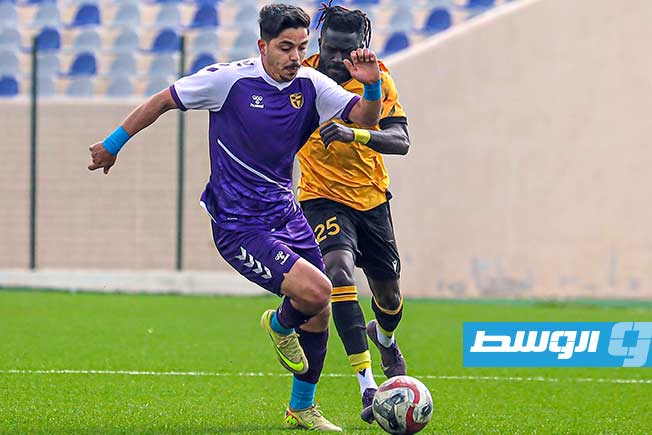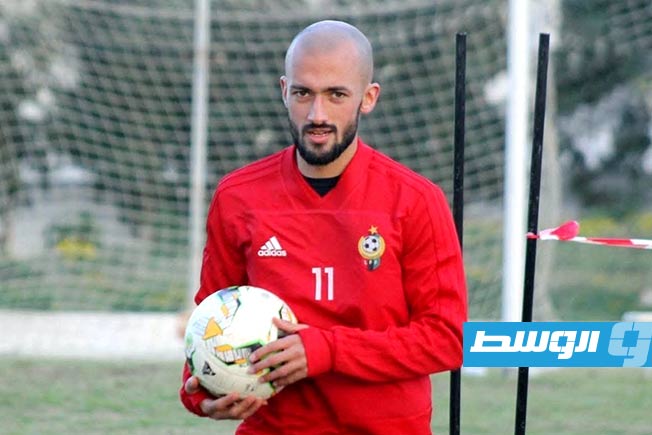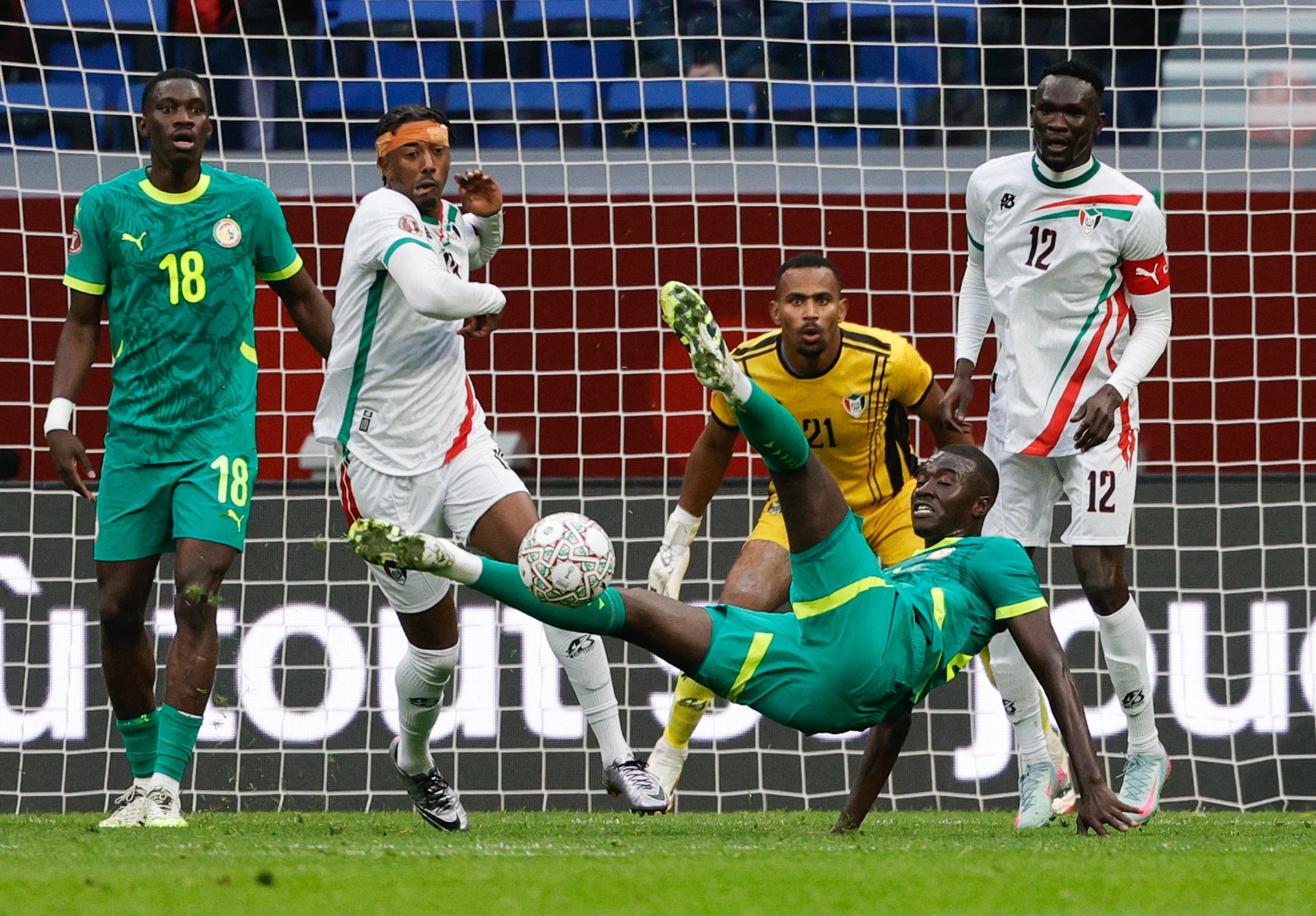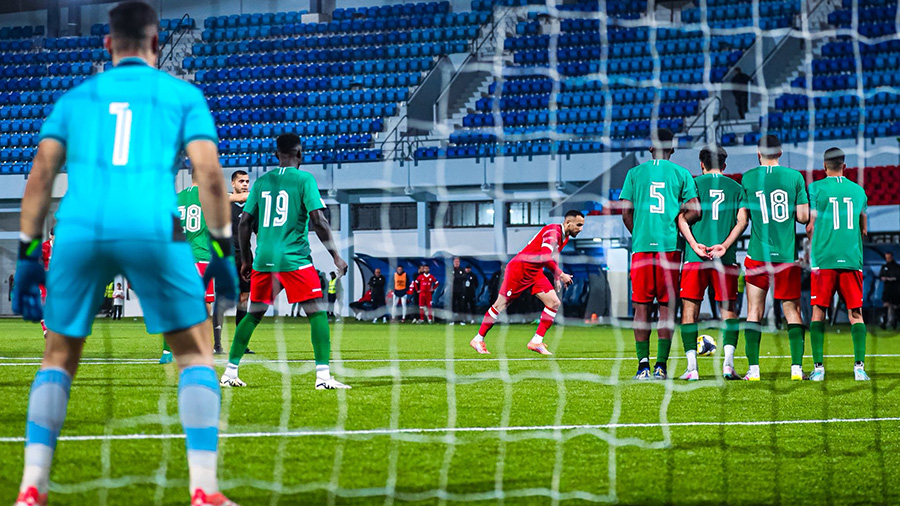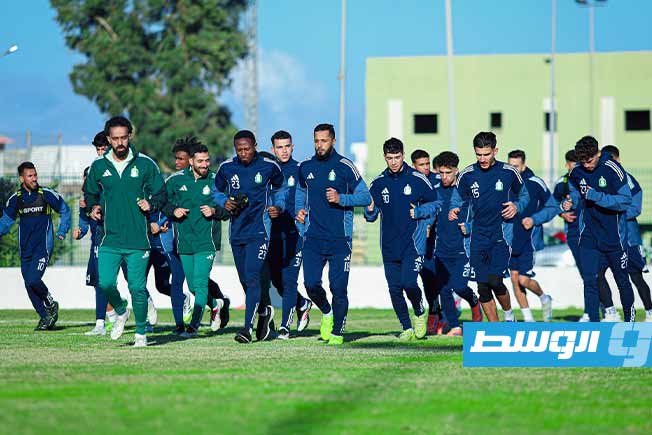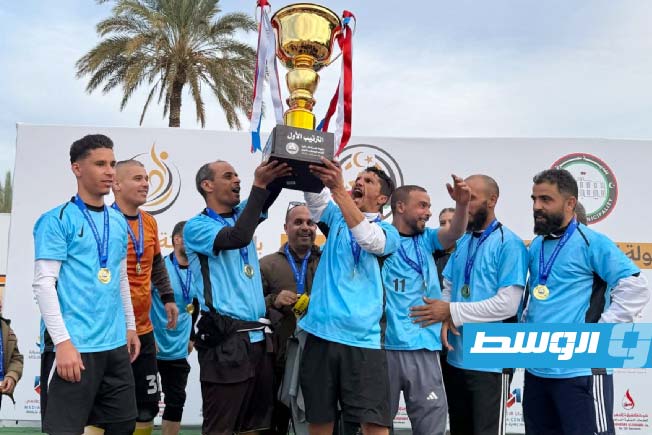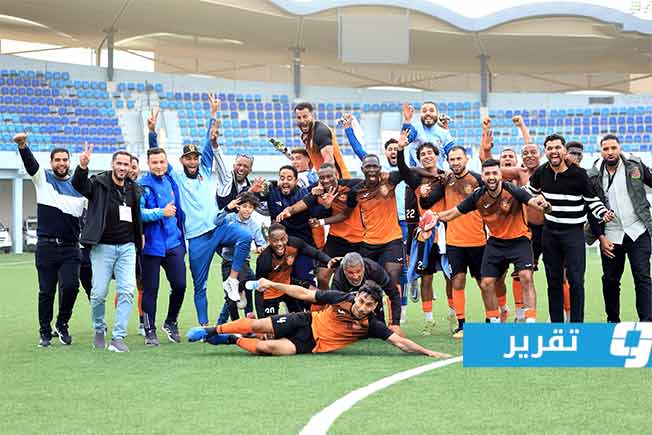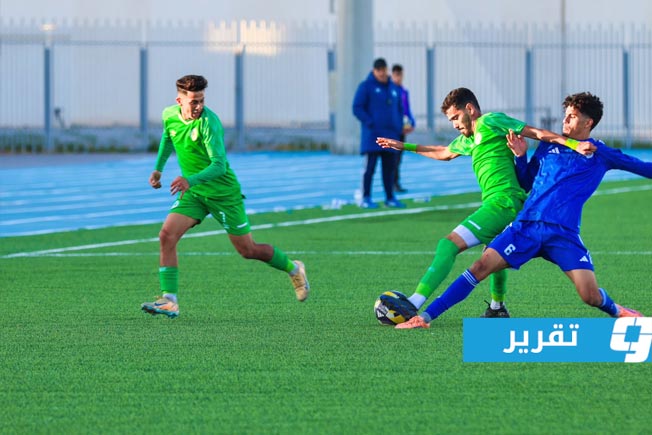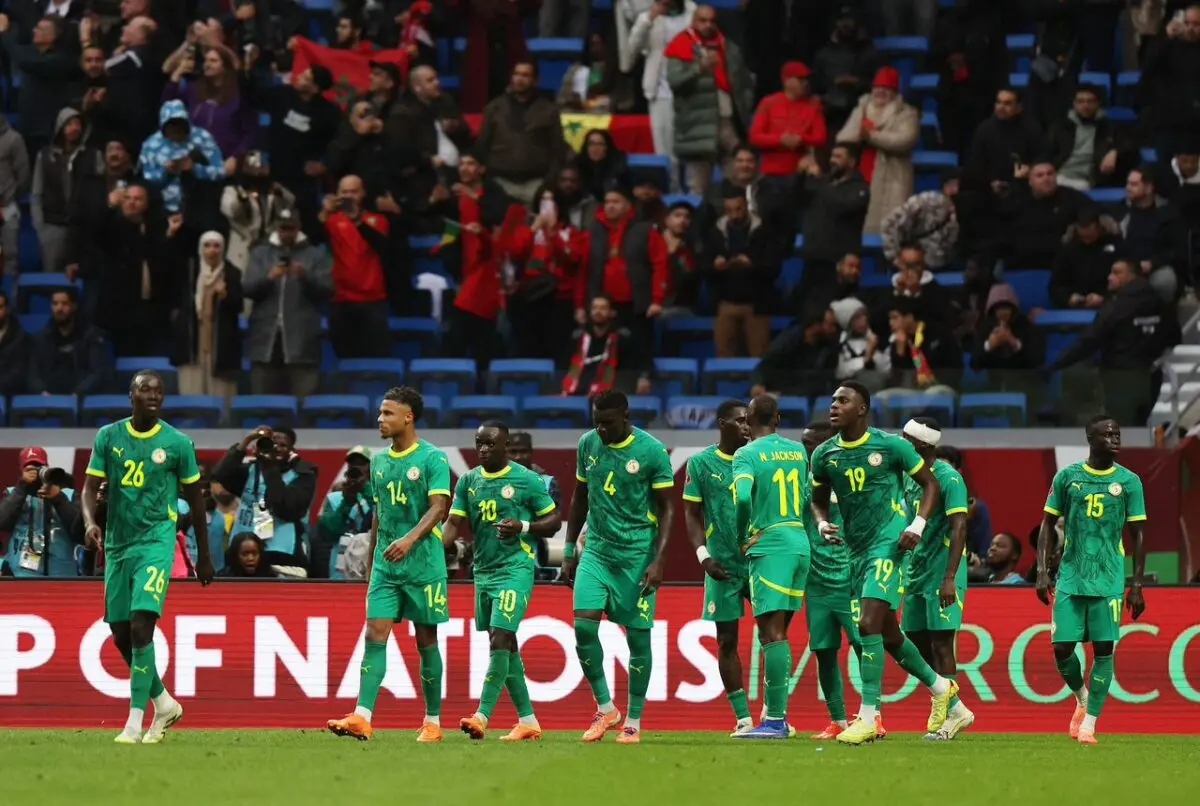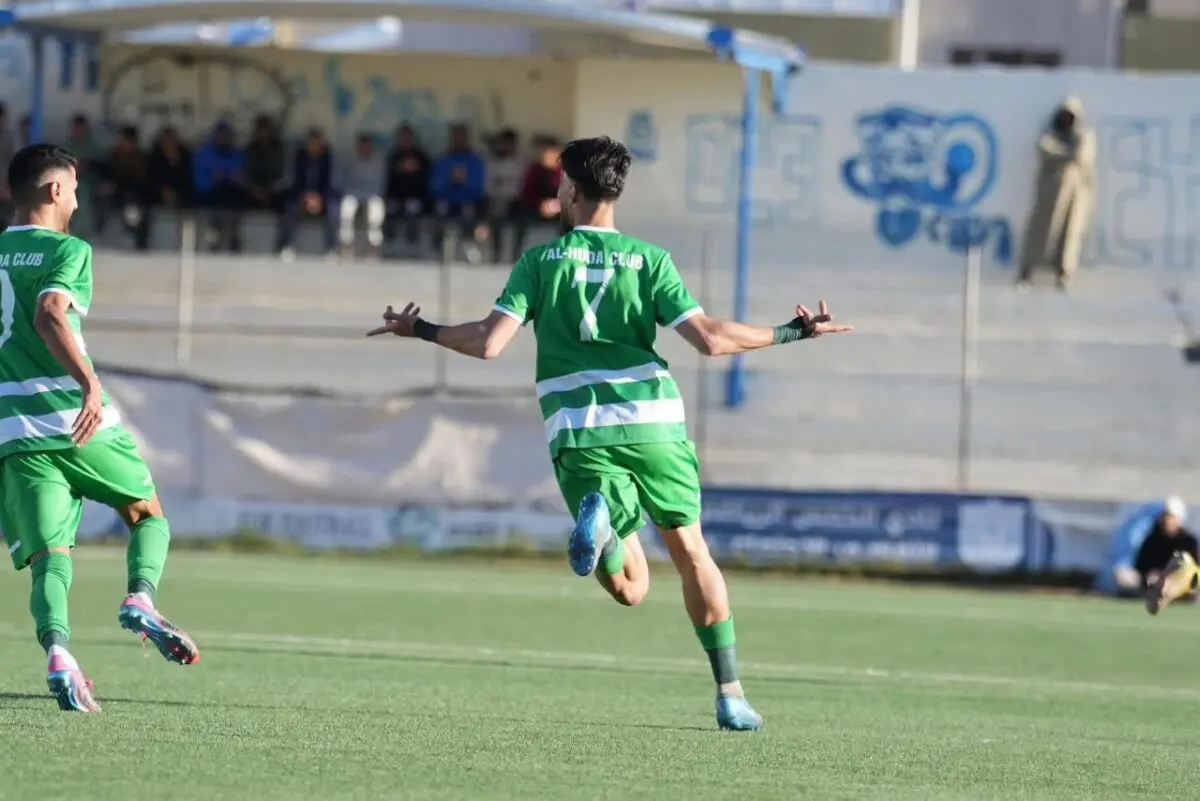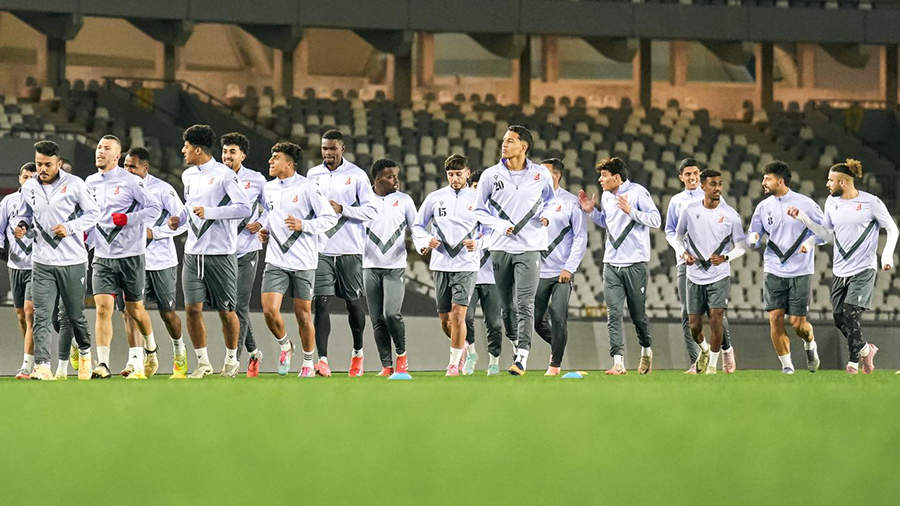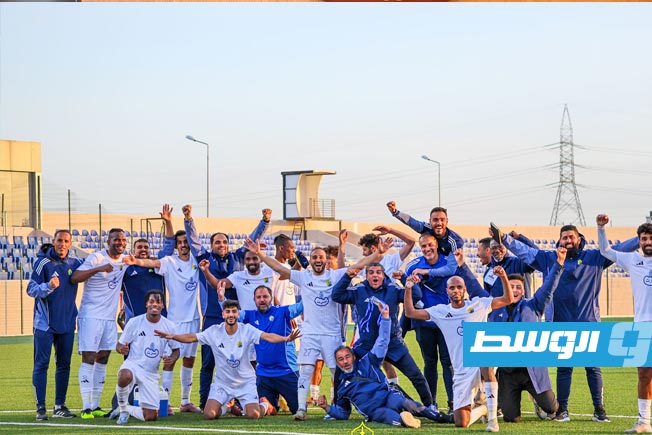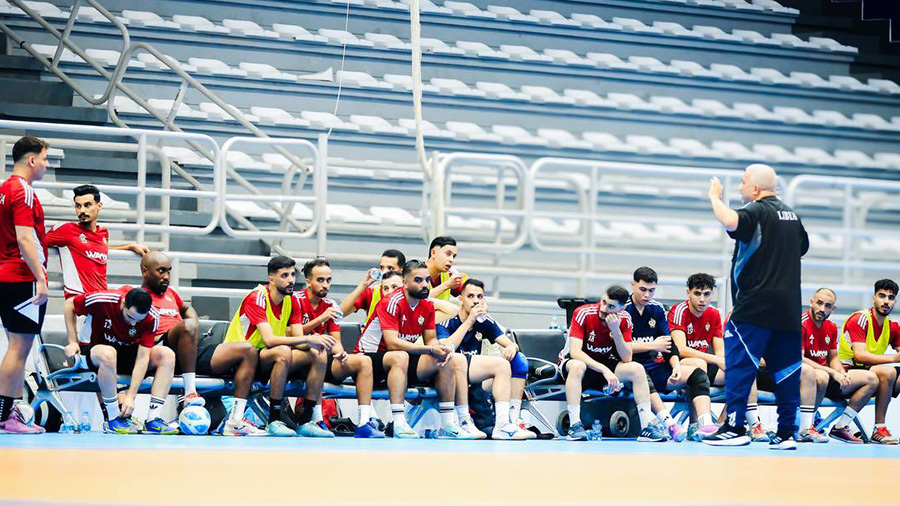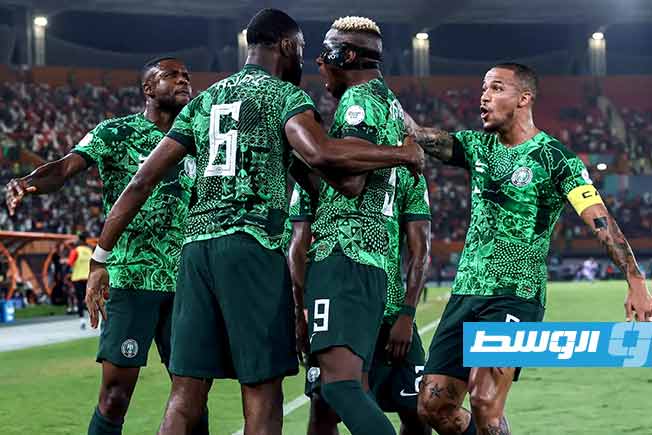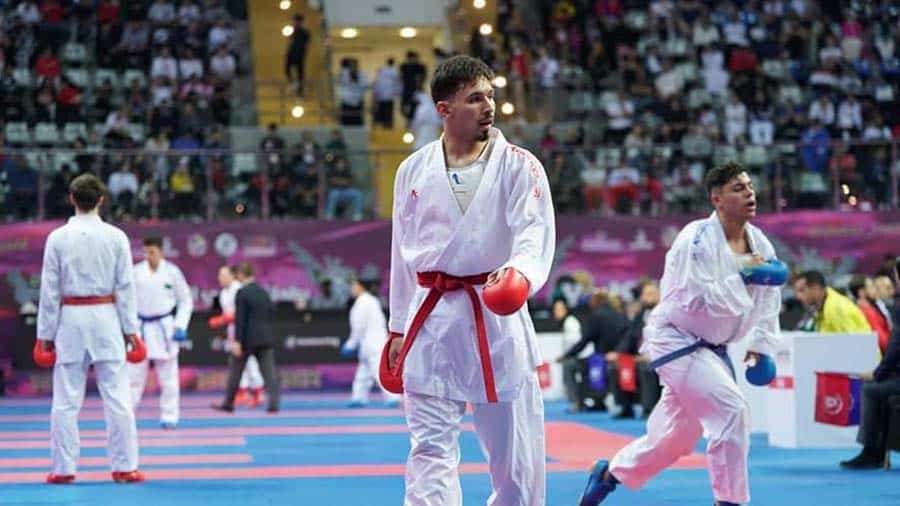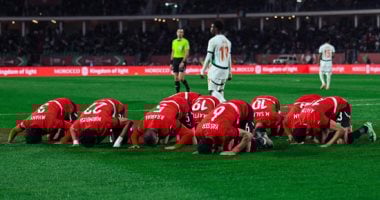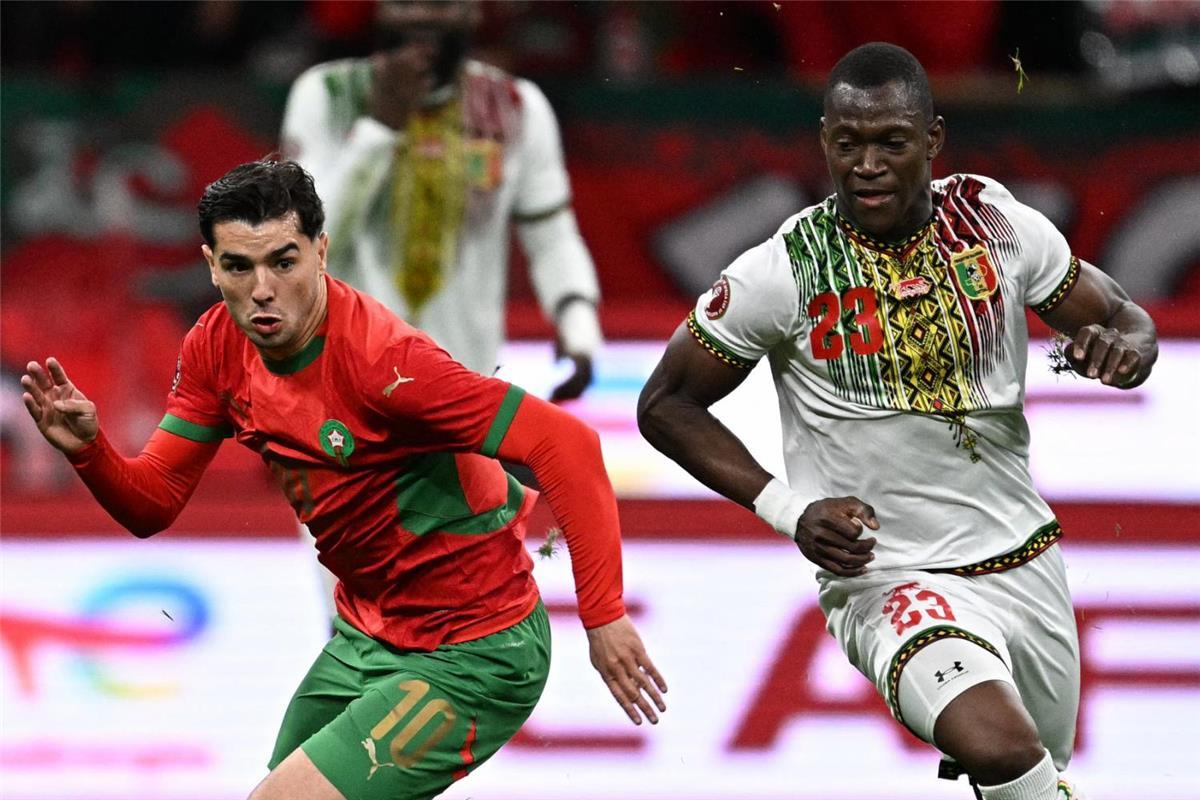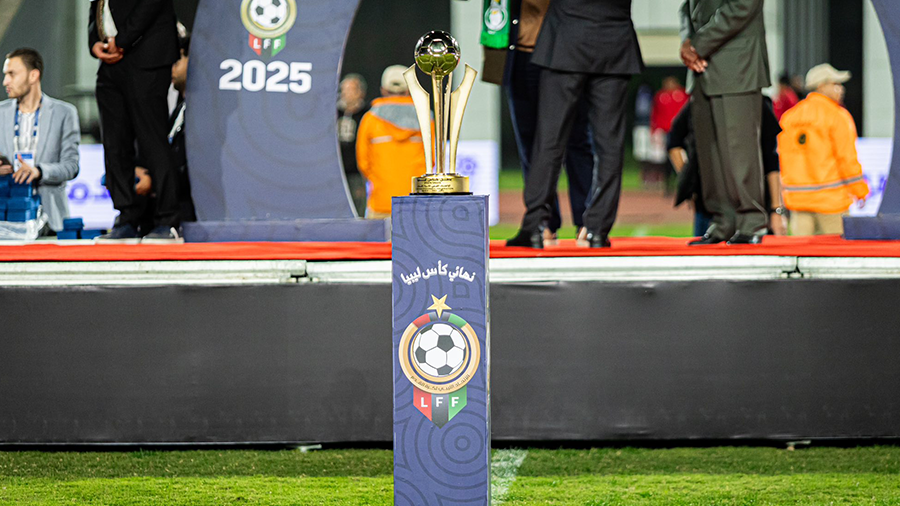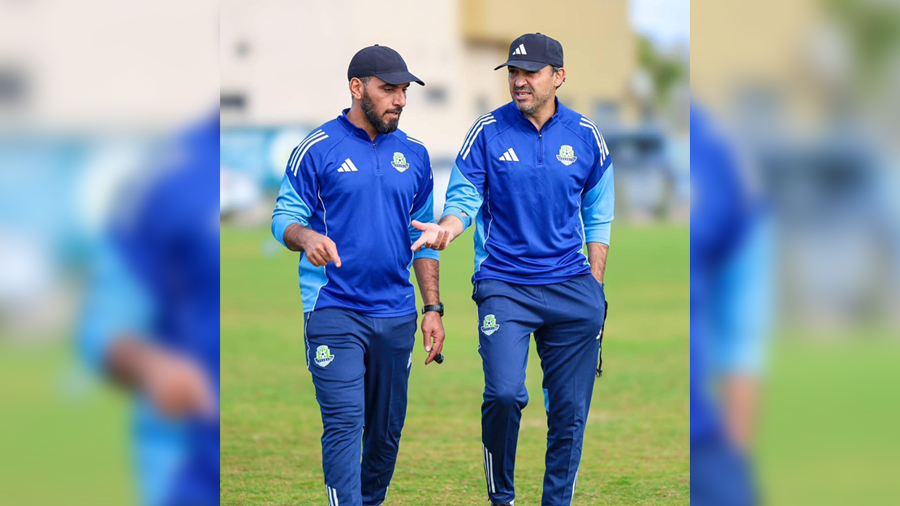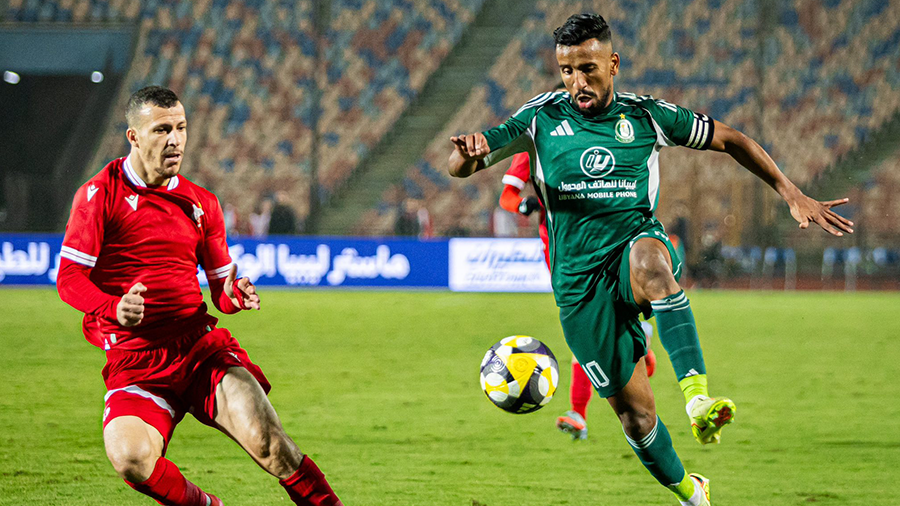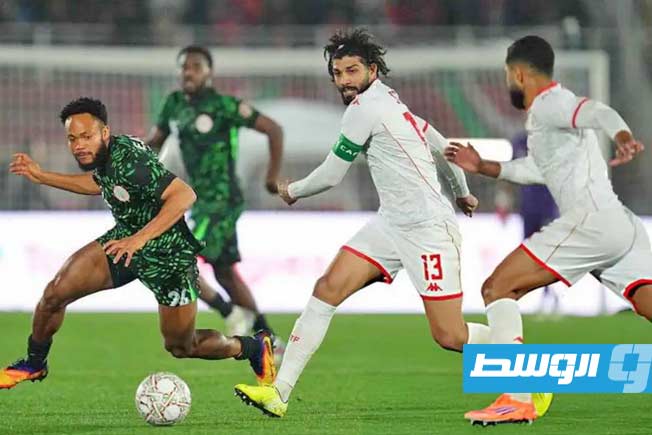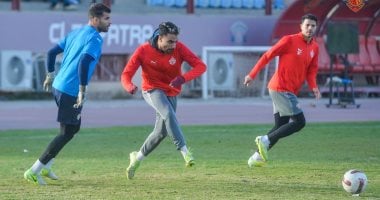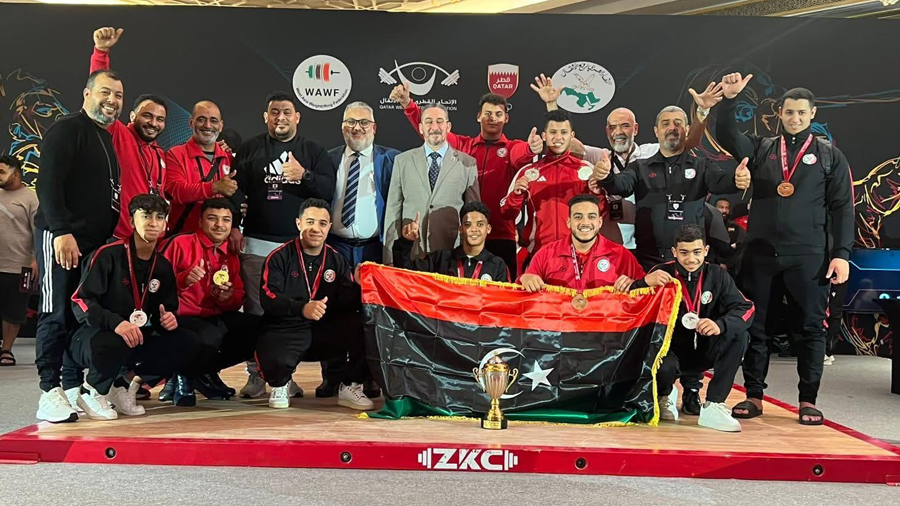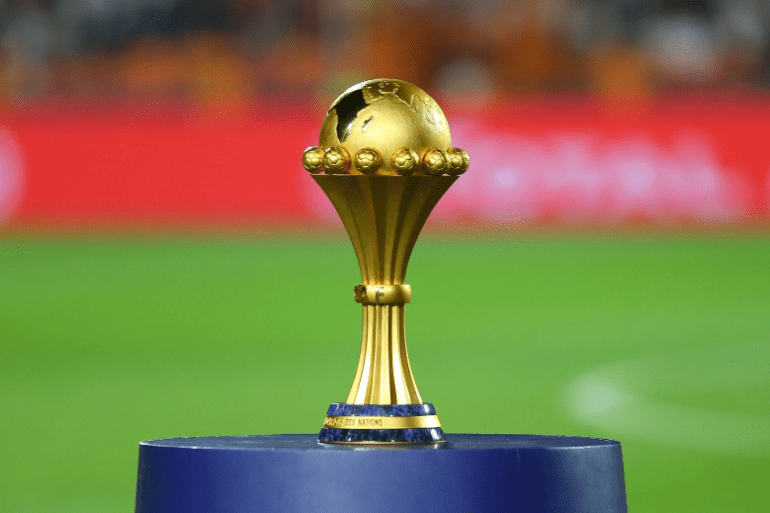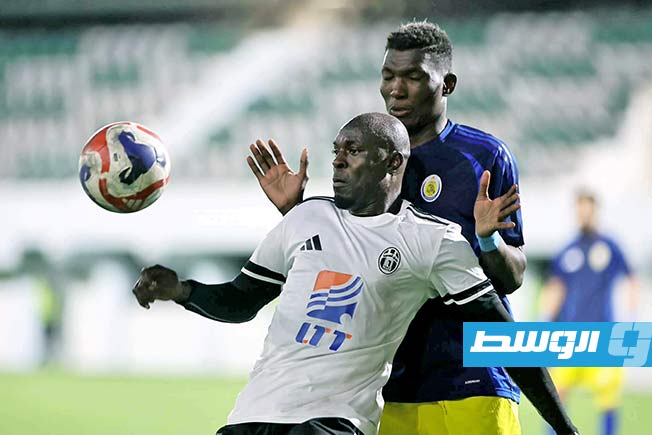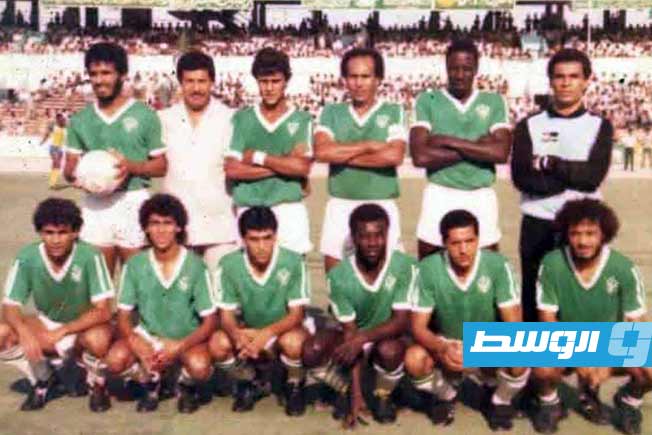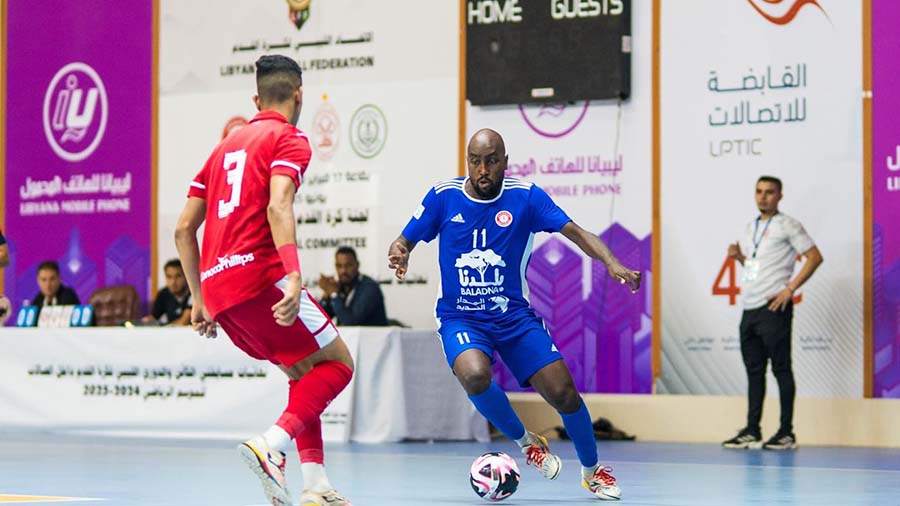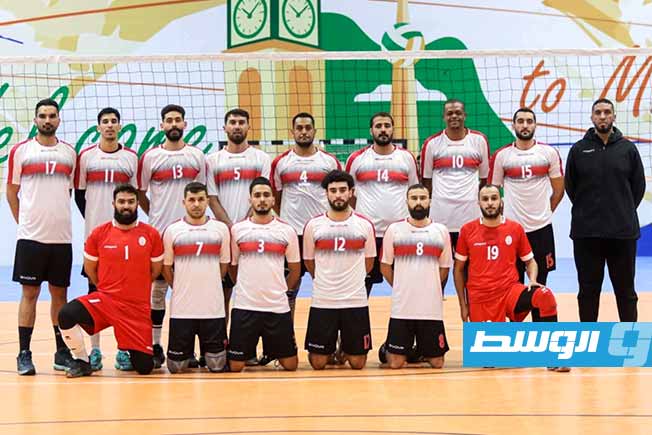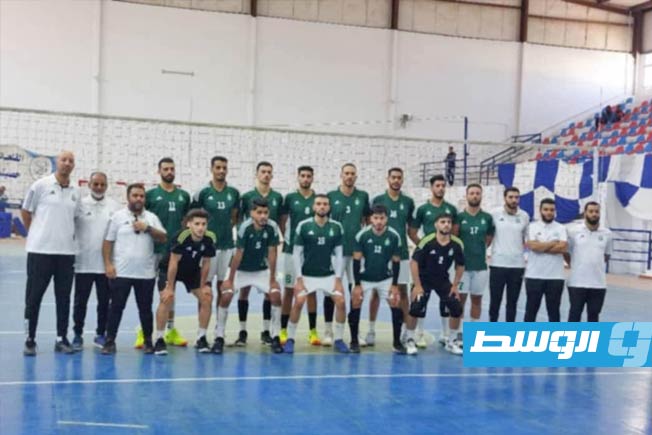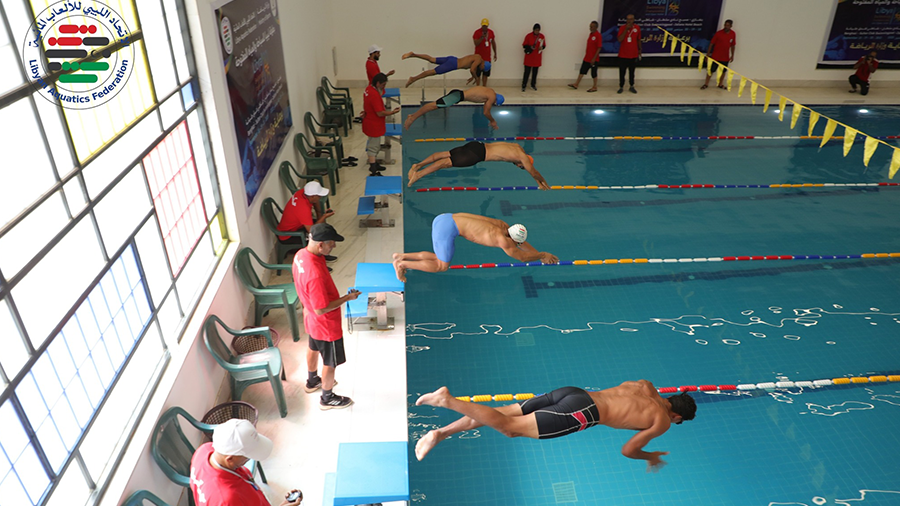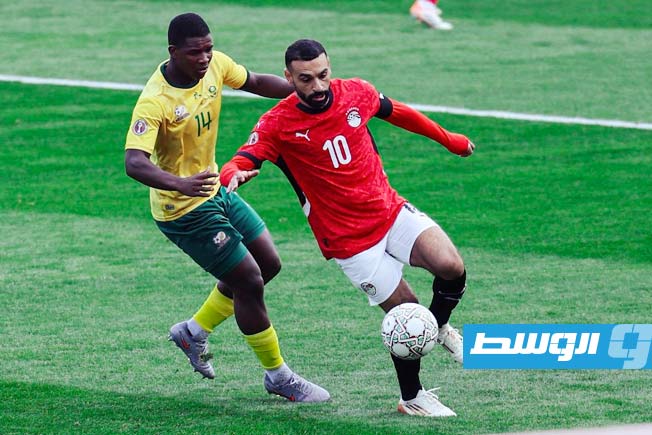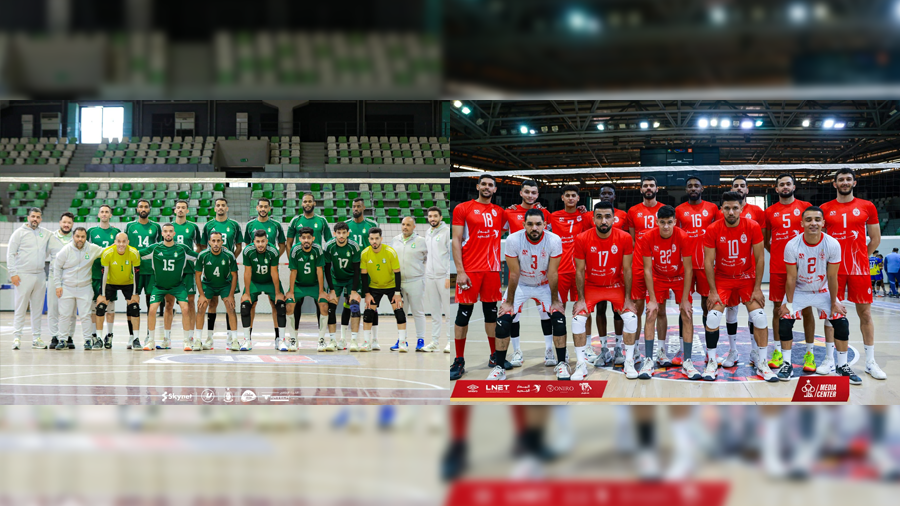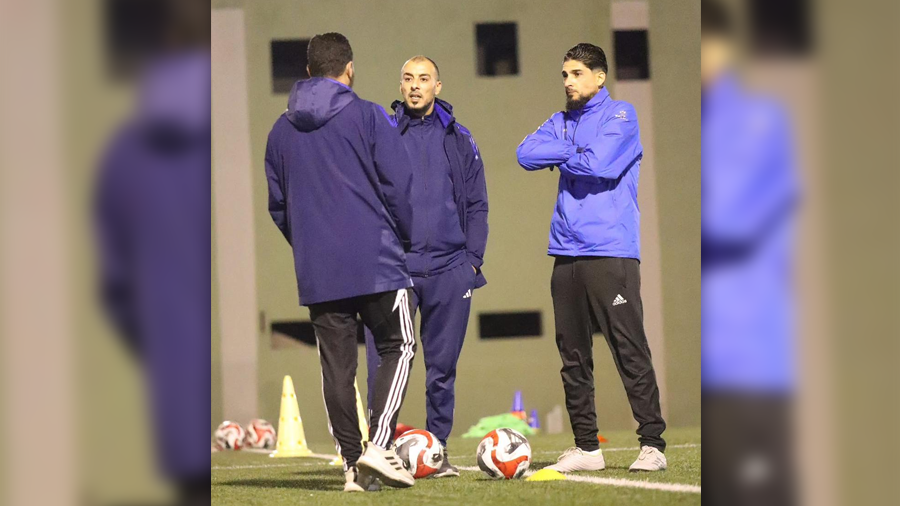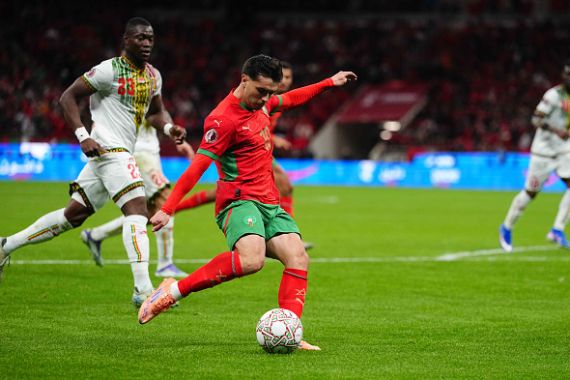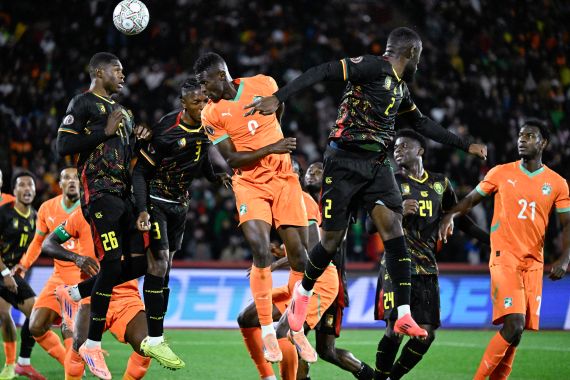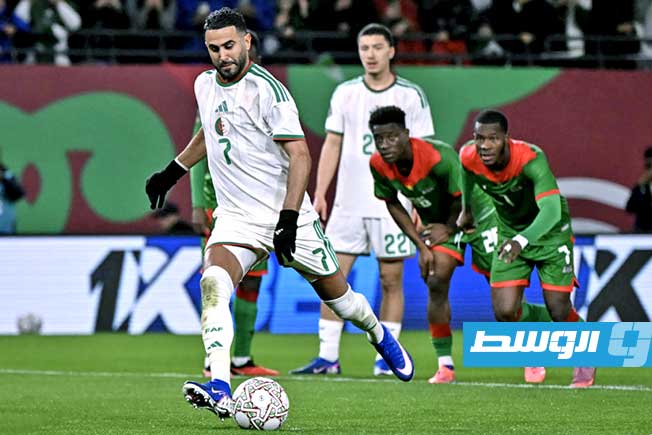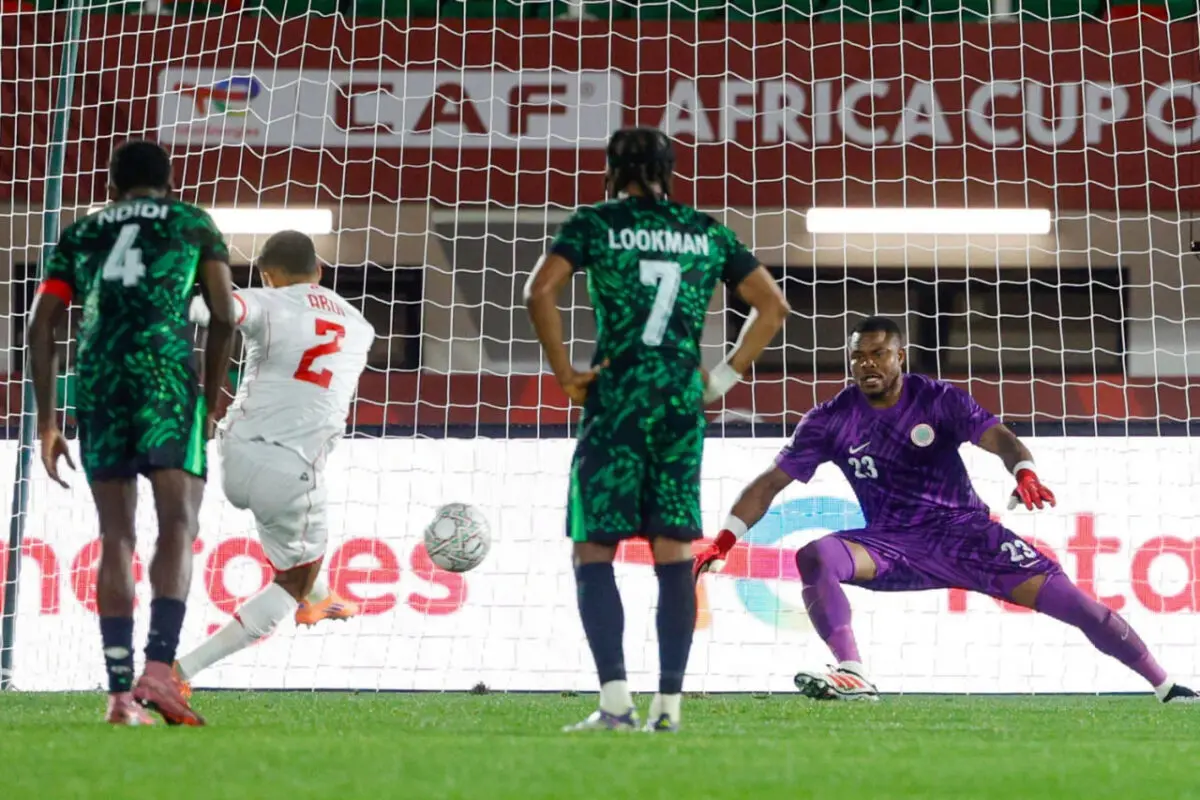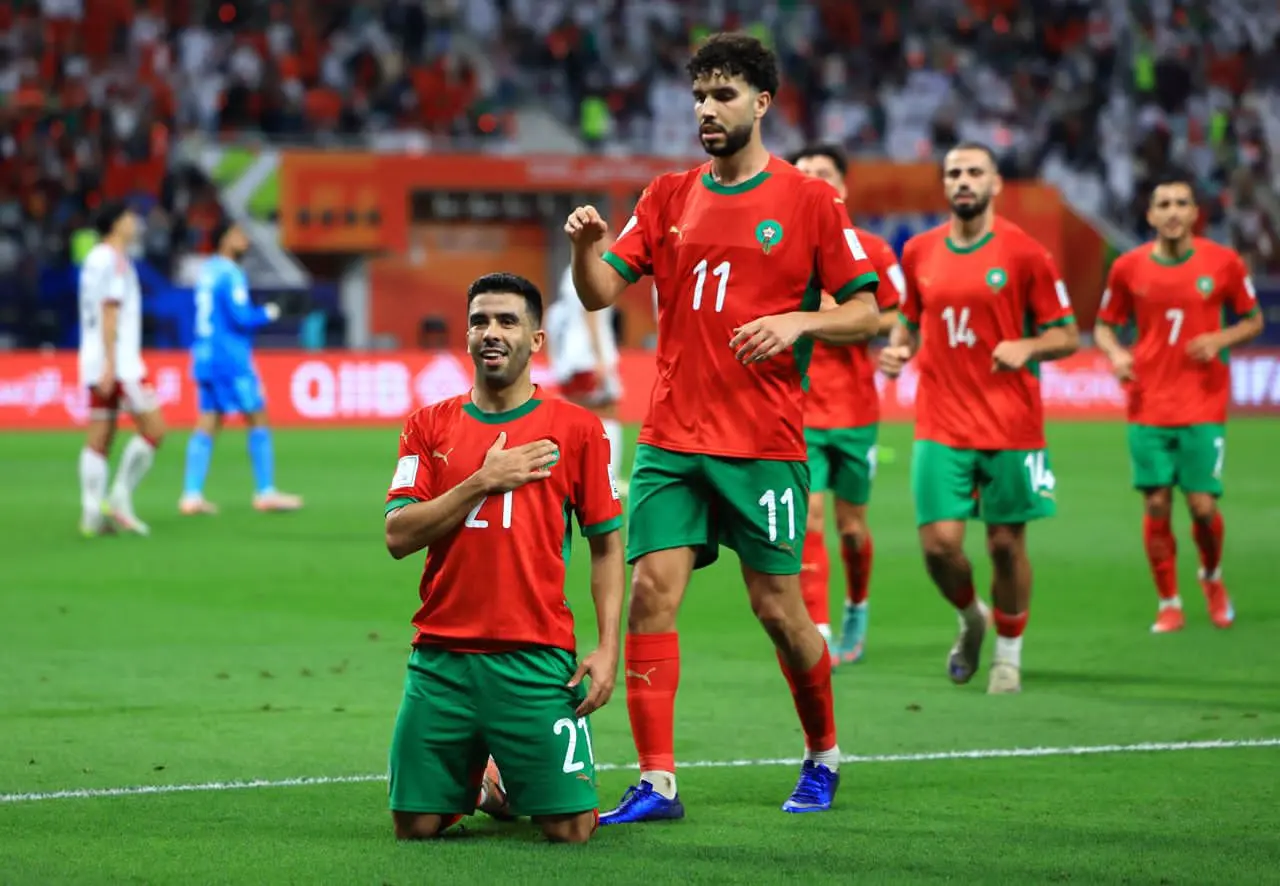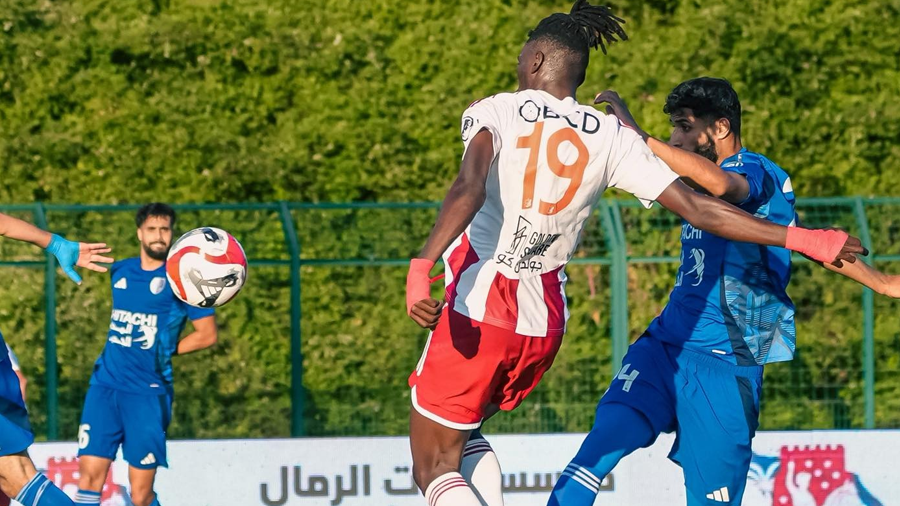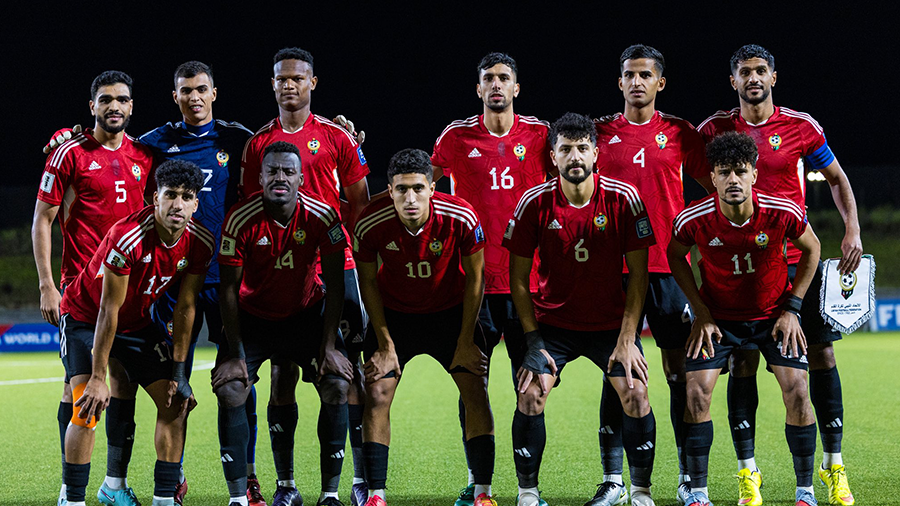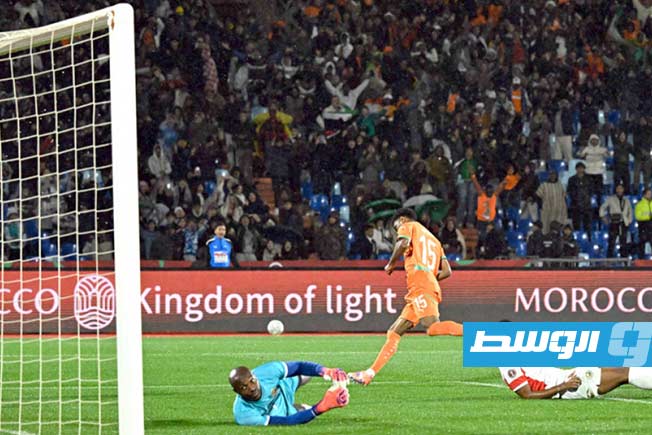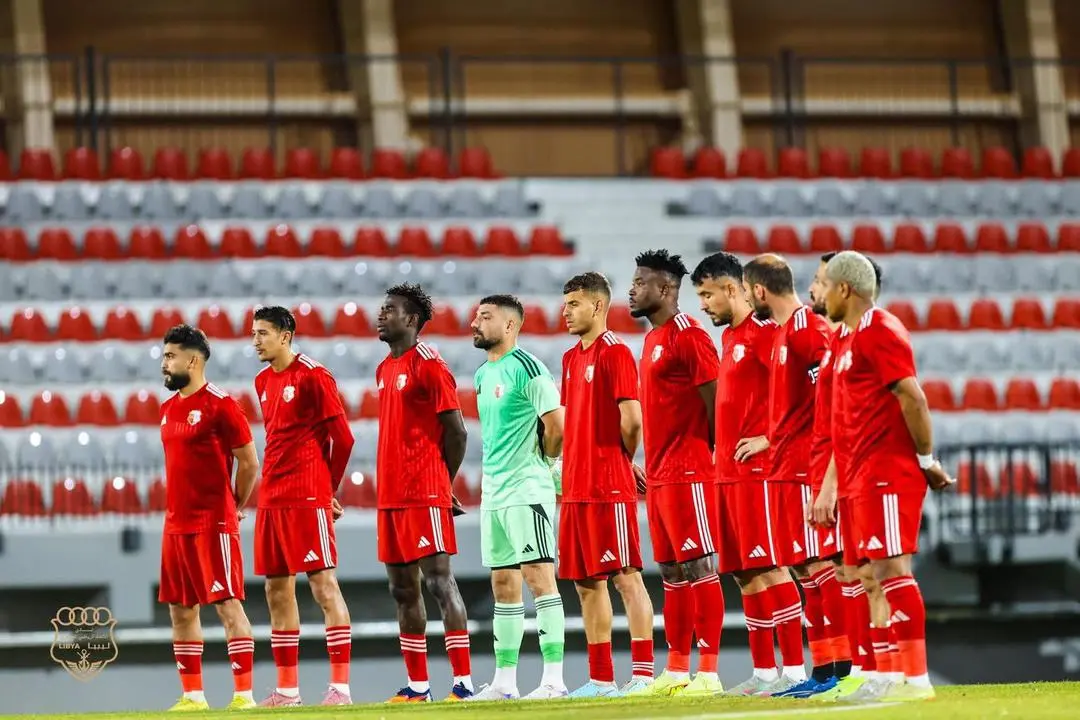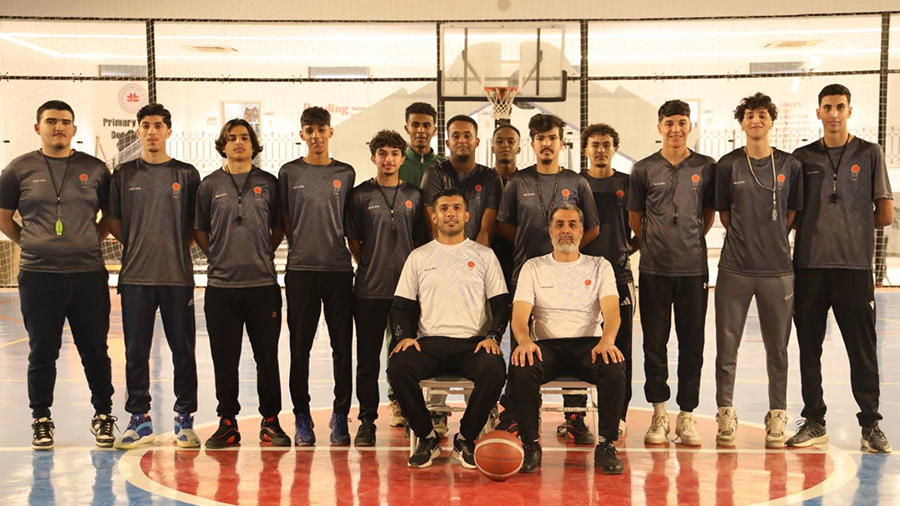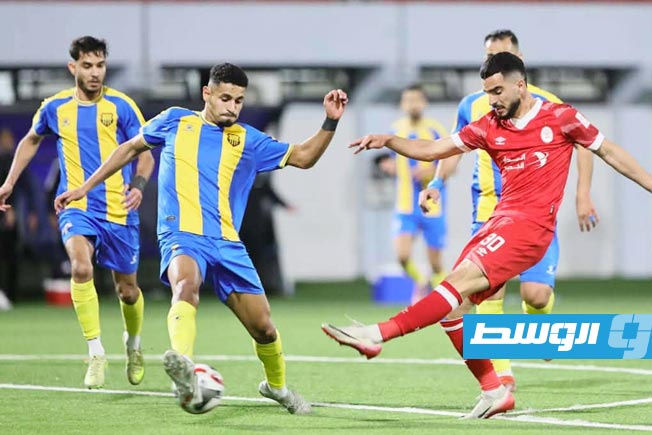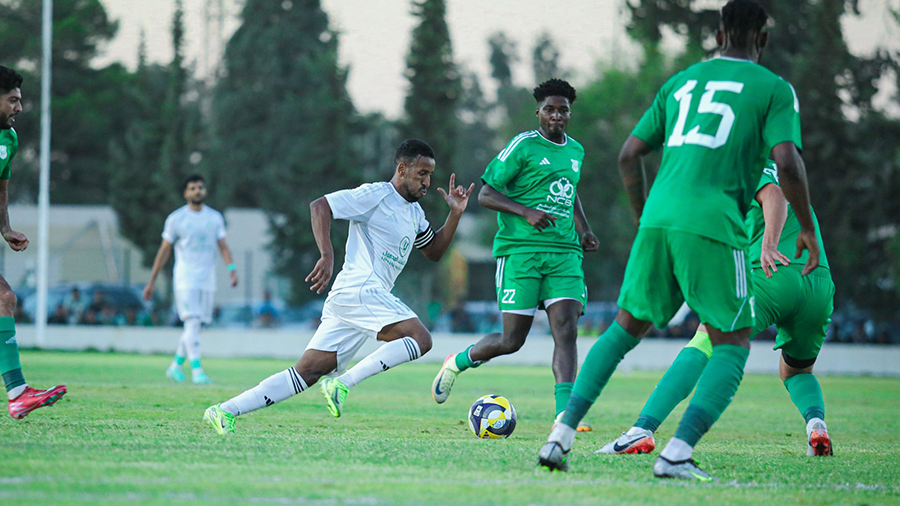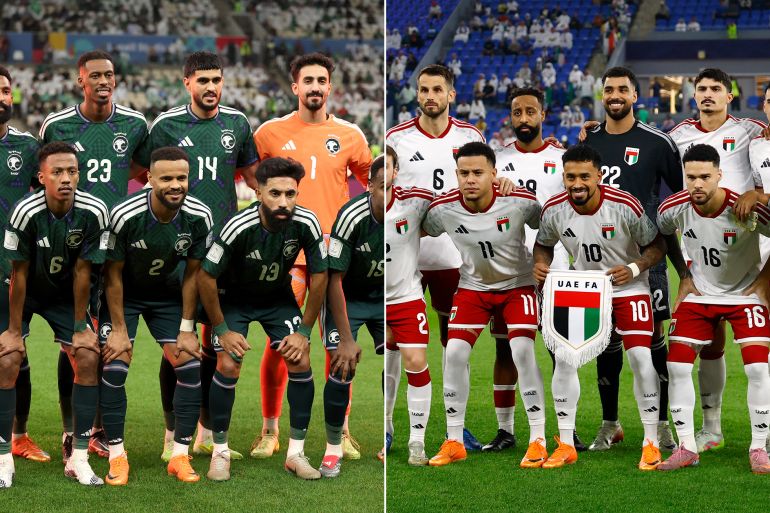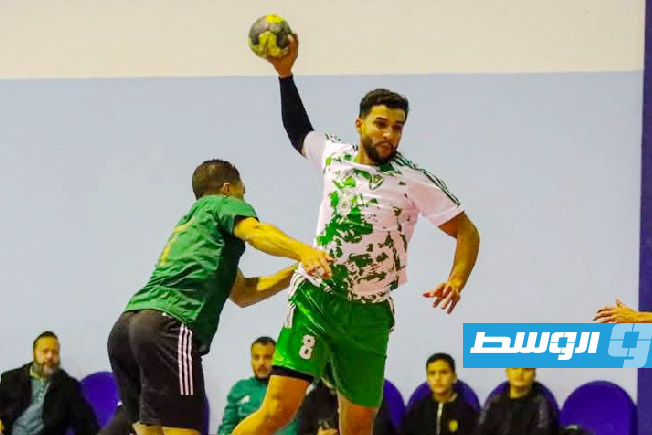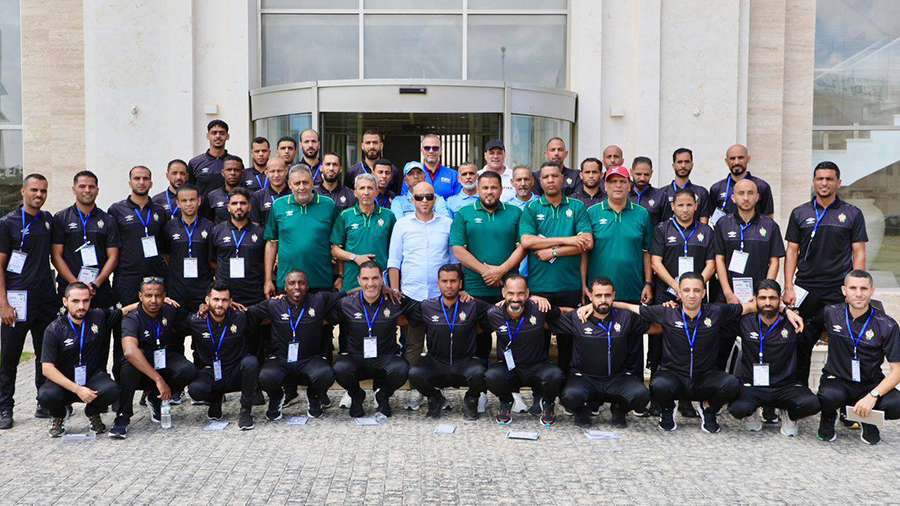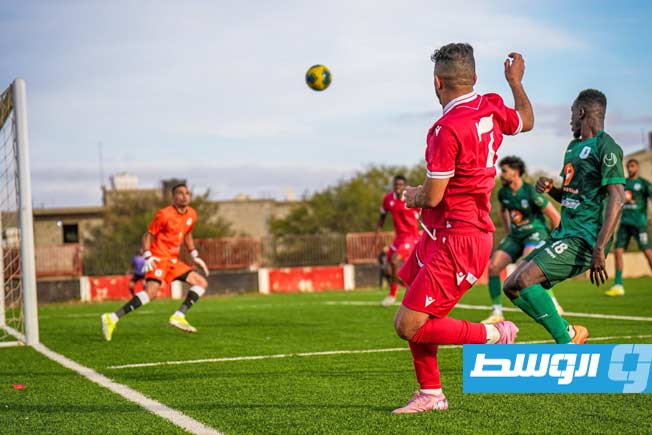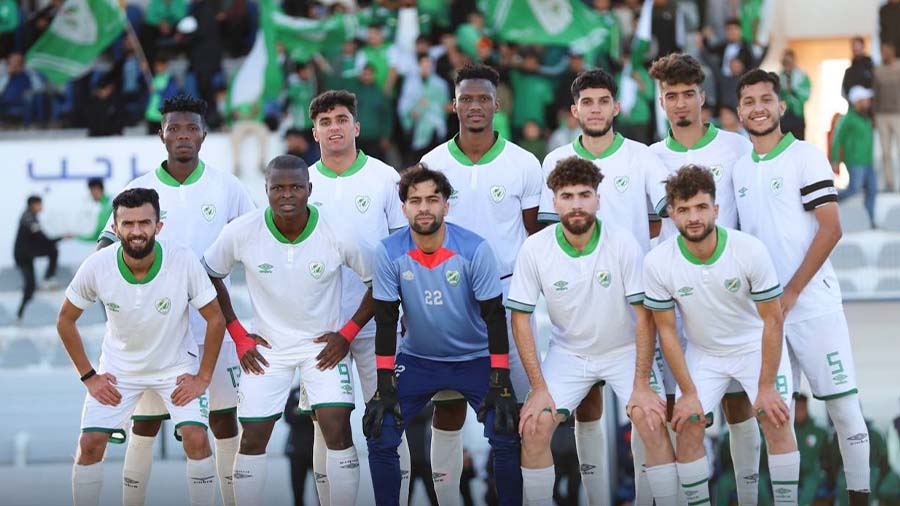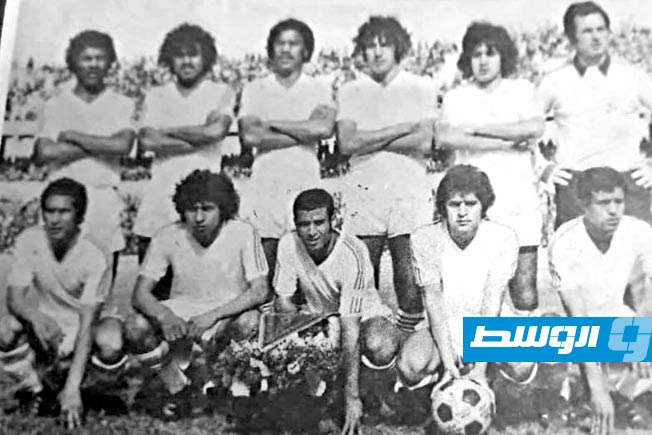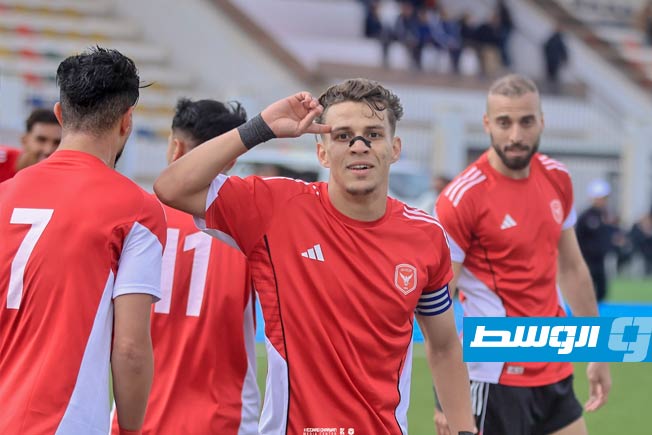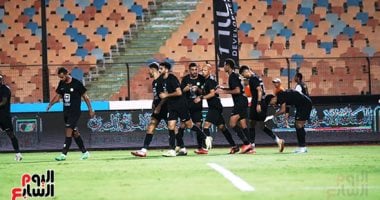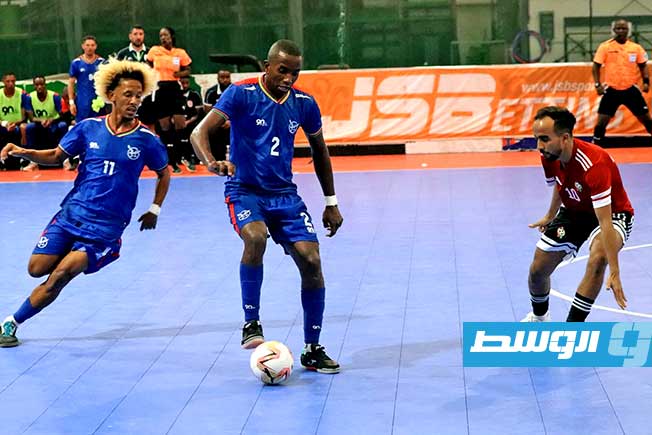
The Libyan national futsal team succeeded in crushing the Namibian team with a wide score of 11 goals to three, in the match held between them on Wednesday evening in Namibia, which comes within the first leg of the African qualifiers for the Africa Cup of Nations tournament.
– Futsal team concludes its matches by facing Uzbekistan in the Islamic Solidarity Games
– Libya’s futsal team loses to Azerbaijan at the start of its journey in the Islamic Solidarity Games
The goals for the Libyan national futsal team were scored by Ibrahim Al-Mahmal with five goals, Mohamed Khamseen with two goals, Ahmed Al-Yamani with two goals, and Ali Al-Shoushan and Hakim Rashid each scoring one goal.
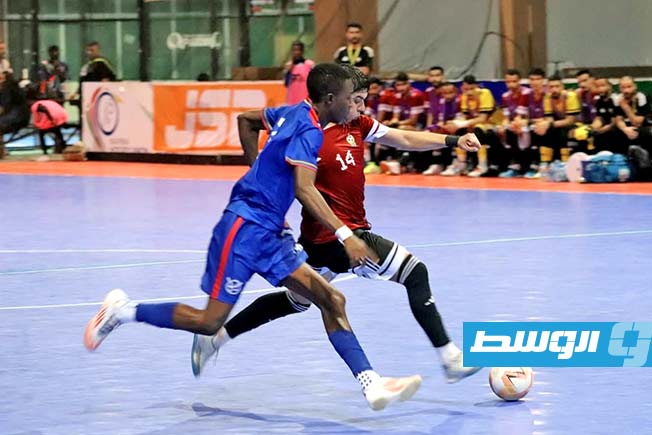
Libyan national futsal team
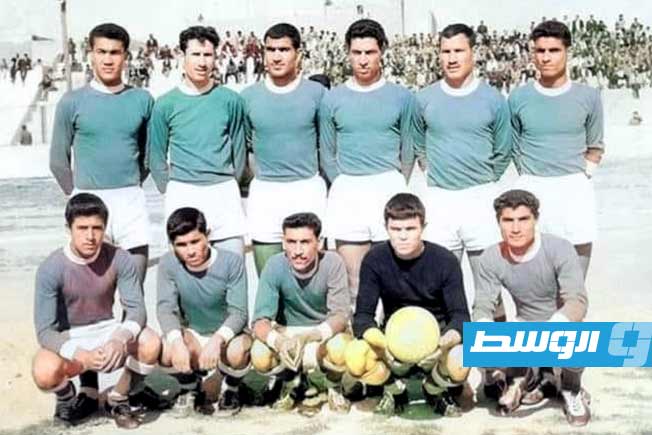
The Libyan national futsal team represents Libya in international futsal competitions. Its history is intertwined with the nation’s broader sporting development, though its international appearances have often been limited and disrupted by periods of political instability and conflict within the country.
Namibia
Namibia is a country in southwestern Africa known for its vast Namib Desert, Atlantic coastline, and diverse wildlife. It gained independence from South Africa in 1990 after a prolonged struggle, following earlier German colonial rule which ended after World War I. The country’s history and culture are deeply shaped by its indigenous groups, such as the San and Herero peoples, and its stark, beautiful landscapes.
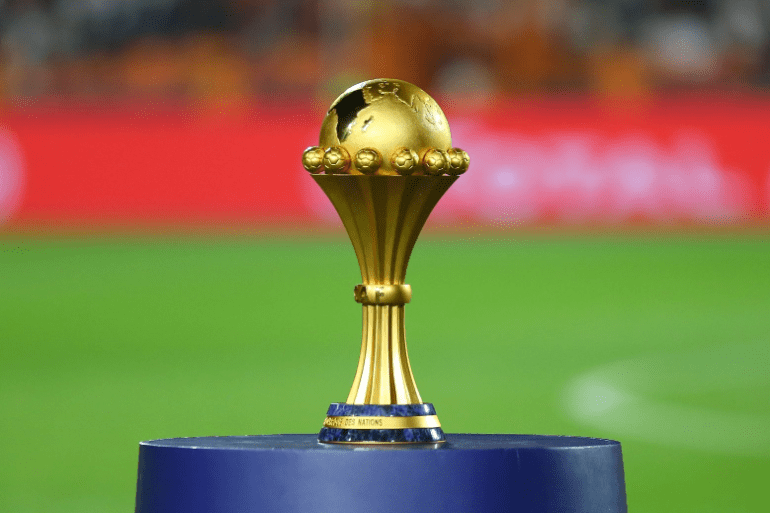
Africa Cup of Nations
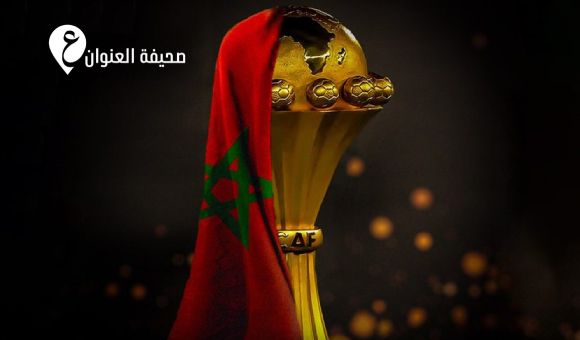
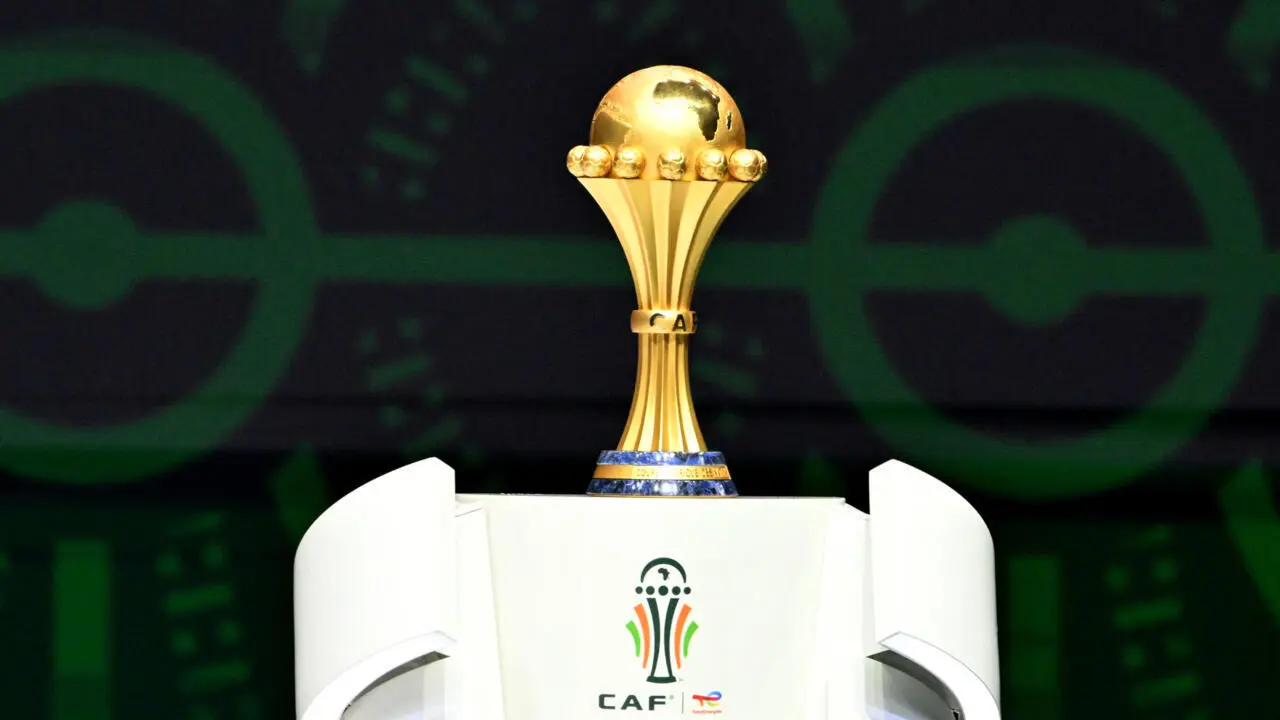
The Africa Cup of Nations (AFCON) is the premier international men’s football competition in Africa, first held in 1957. It was founded to unite African nations emerging from colonialism and is organized by the Confederation of African Football (CAF).
Uzbekistan
Uzbekistan, located in Central Asia, is a historic crossroads of the Silk Road, home to ancient cities like Samarkand, Bukhara, and Khiva. These cities feature stunning Islamic architecture, including madrasas and mosques, that flourished under Timurid rule in the 14th and 15th centuries. It gained independence from the Soviet Union in 1991, preserving its deep cultural heritage rooted in Turkic and Persian influences.
Islamic Solidarity Games
The Islamic Solidarity Games are a multinational, multi-sport event held for athletes from the member countries of the Islamic Solidarity Sports Federation. First held in 2005 in Saudi Arabia, the Games were established to promote Islamic unity and showcase athletic talent across the Muslim world. The event features both Olympic and traditional sports, with participation from dozens of nations.
Azerbaijan
Azerbaijan is a country at the crossroads of Eastern Europe and Western Asia, historically shaped by Persian, Turkic, and Russian influences. Its cultural landscape is epitomized by the Walled City of Baku, a UNESCO site featuring the medieval Maiden Tower and 15th-century Shirvanshah’s Palace. The region is also known for its ancient Zoroastrian fire temples, owing to natural gas vents that have burned for centuries.
Ibrahim Al-Mahmal
Ibrahim Al-Mahmal refers to a historic and ornate ceremonial palanquin (a covered litter) used in the annual Hajj pilgrimage processions from Egypt. Historically, it was paraded from Cairo to Mecca, symbolizing the Sultan’s authority and protection over the pilgrims and carrying the new *kiswa* (embroidered cloth cover) for the Kaaba. The tradition dates back to the Mamluk era and continued for centuries until it was discontinued in the mid-20th century.
Mohamed Khamseen
Mohamed Khamseen is a prominent mosque and Islamic cultural center located in the city of Basra, Iraq. It was built in the late 20th century and is named after a revered local religious scholar, serving as a key site for worship and community gatherings in the region.
Ahmed Al-Yamani
Ahmed Al-Yamani is not a known place or cultural site. It appears to be a personal name, most famously associated with Sheikh Ahmed Zaki Yamani, the former Saudi Arabian Minister of Petroleum and Mineral Resources. He was a key figure in 20th-century global oil politics, notably during the 1973 oil crisis.
Ali Al-Shoushan
Ali Al-Shoushan is a traditional heritage house and cultural center located in the Al-Ahsa Oasis of Saudi Arabia. It is a restored mud-brick structure that exemplifies traditional Najdi architecture and serves as a museum showcasing local history, crafts, and daily life from the region’s past.
Hakim Rashid
Hakim Rashid is a prominent traditional medicine market and cultural area in Tehran, Iran, historically known as a center for herbalists and practitioners of Persian traditional medicine. Its history dates back centuries, serving as a hub where hakims (traditional healers) would diagnose illnesses and prepare natural remedies. Today, it remains a vibrant marketplace for herbs, spices, and traditional goods, preserving this aspect of Iran’s cultural heritage.
Facebook is a social networking service founded in 2004 by Mark Zuckerberg and his Harvard University roommates. It began as a platform for college students before expanding globally, fundamentally changing online communication and becoming one of the world’s largest technology companies.