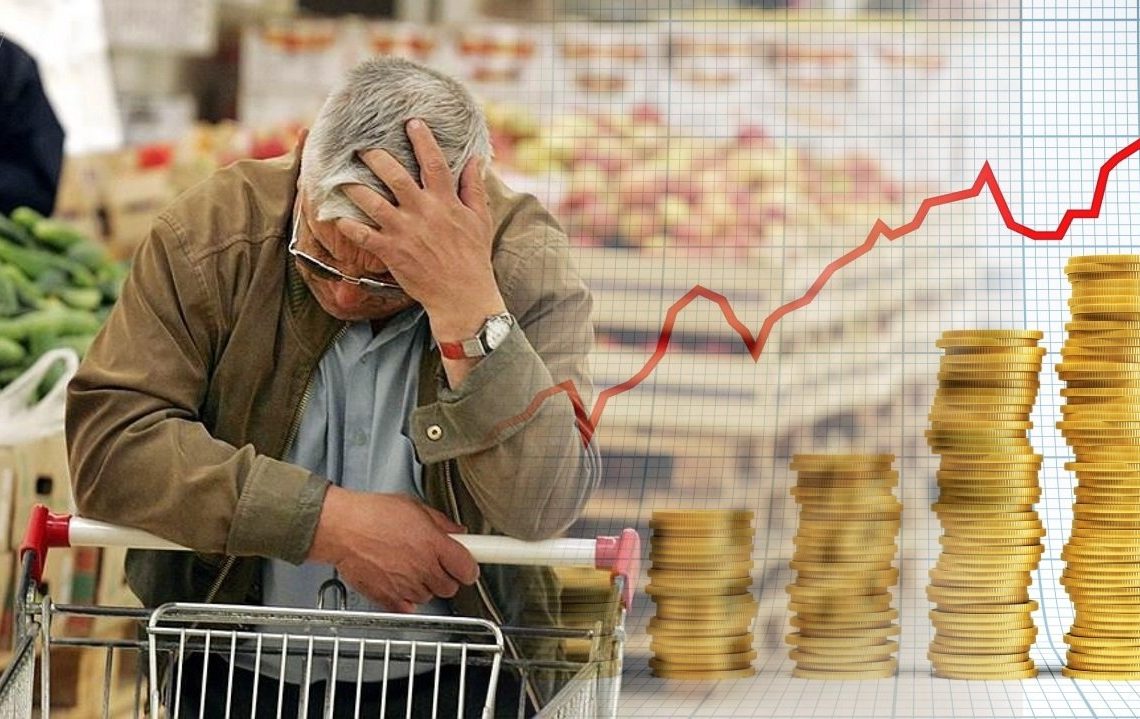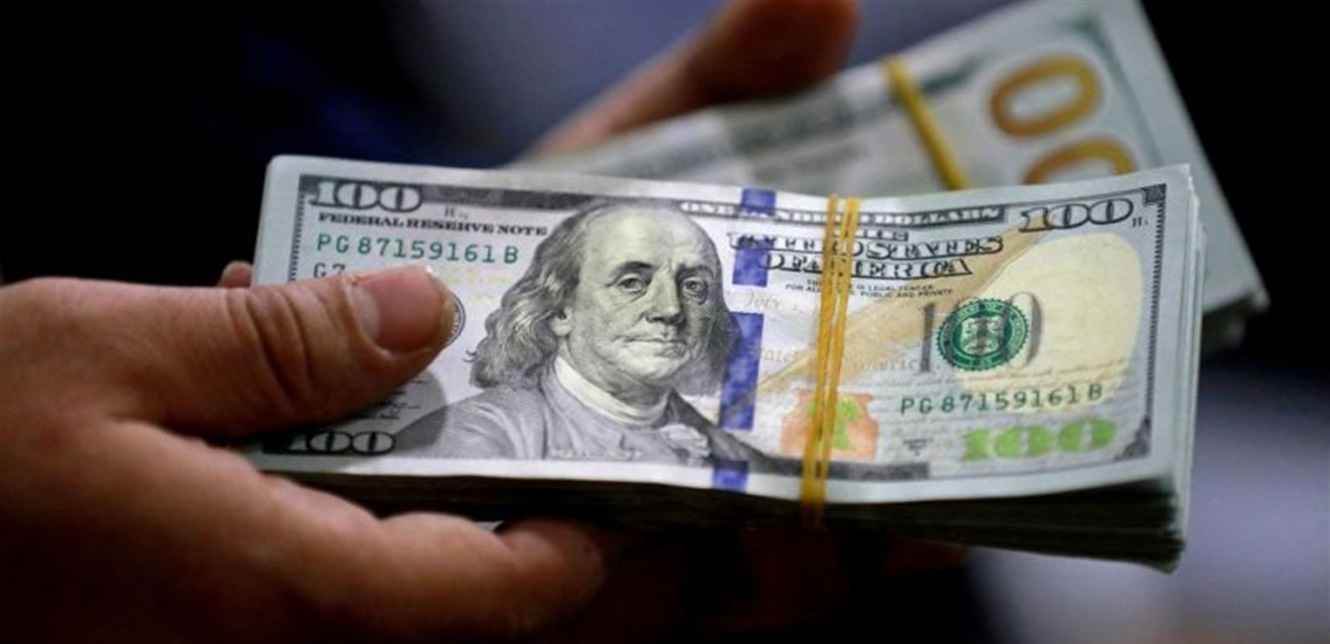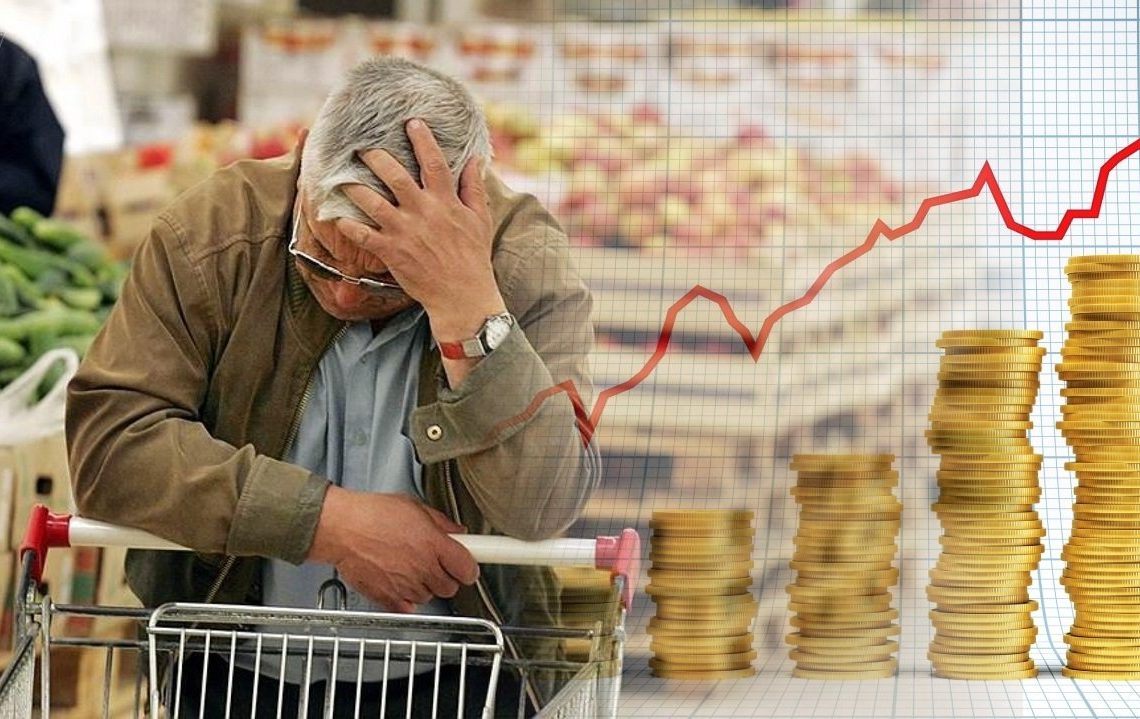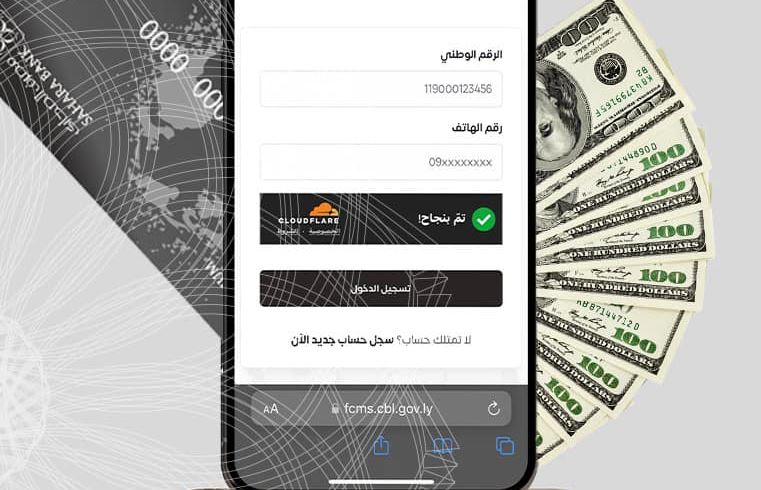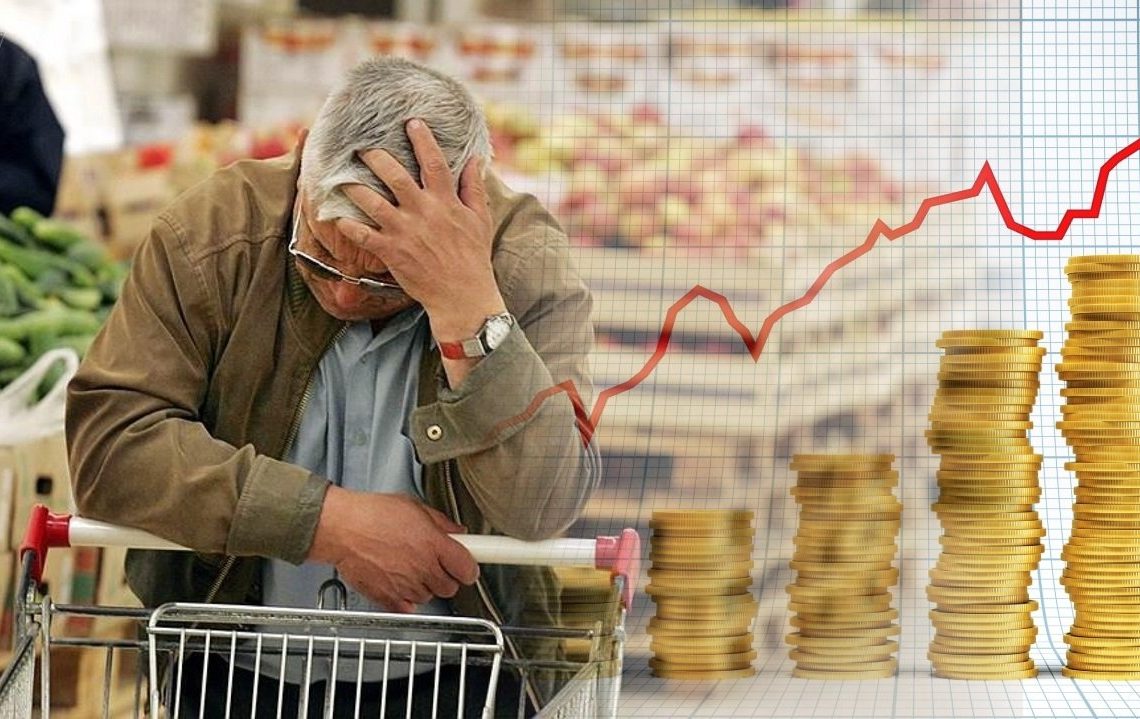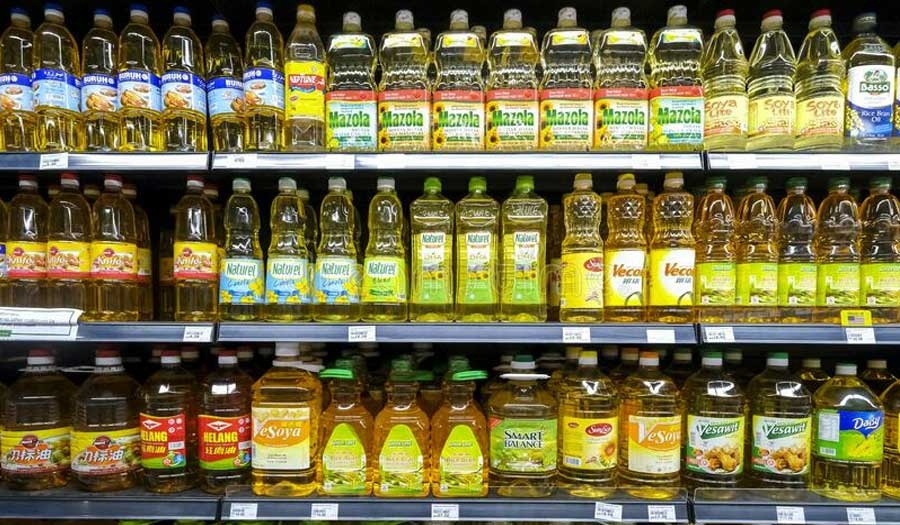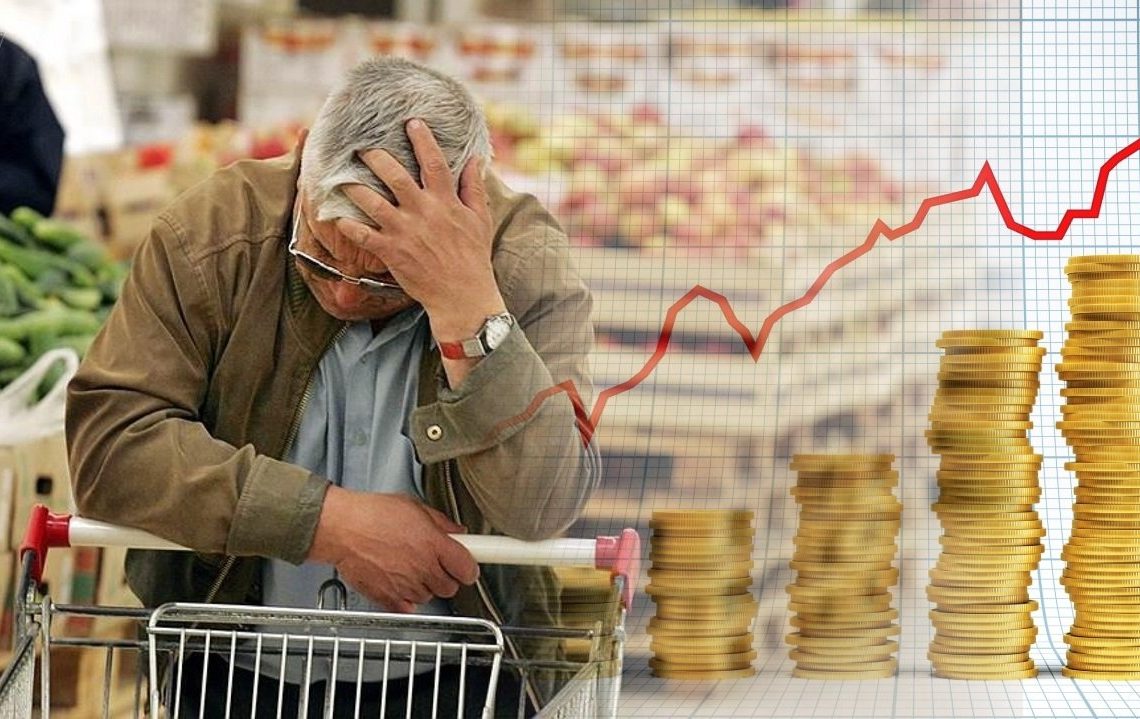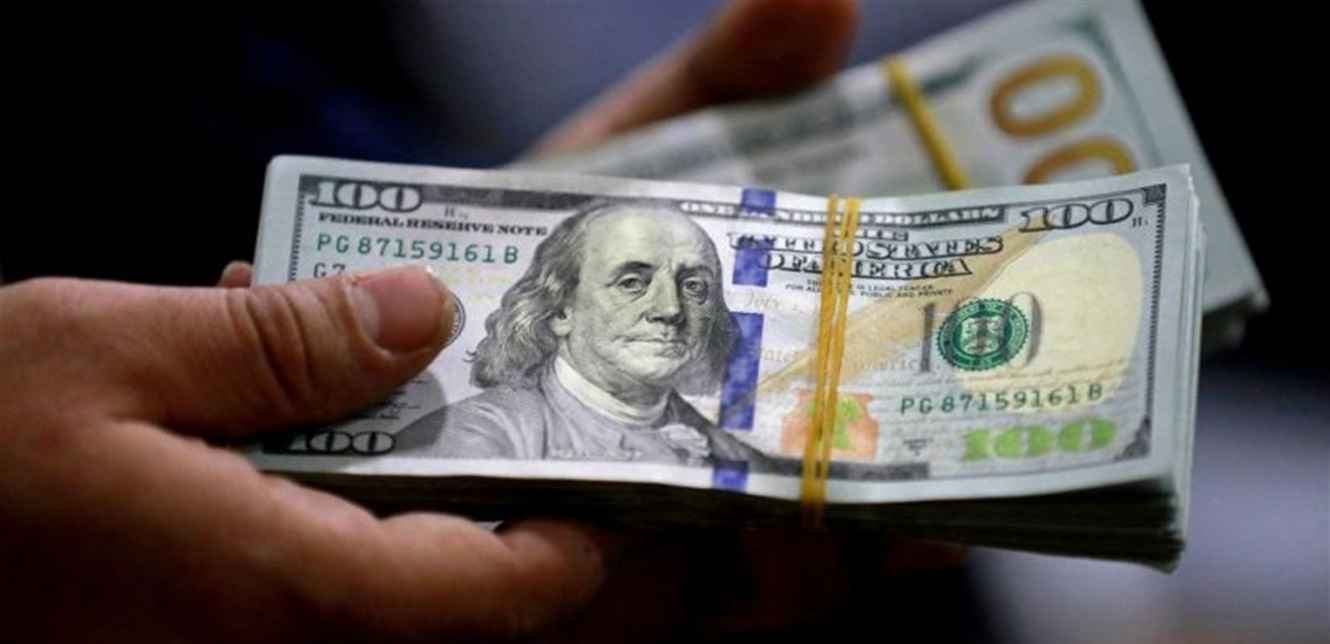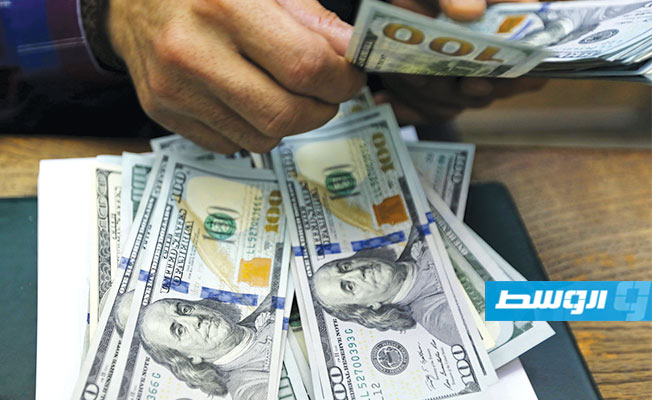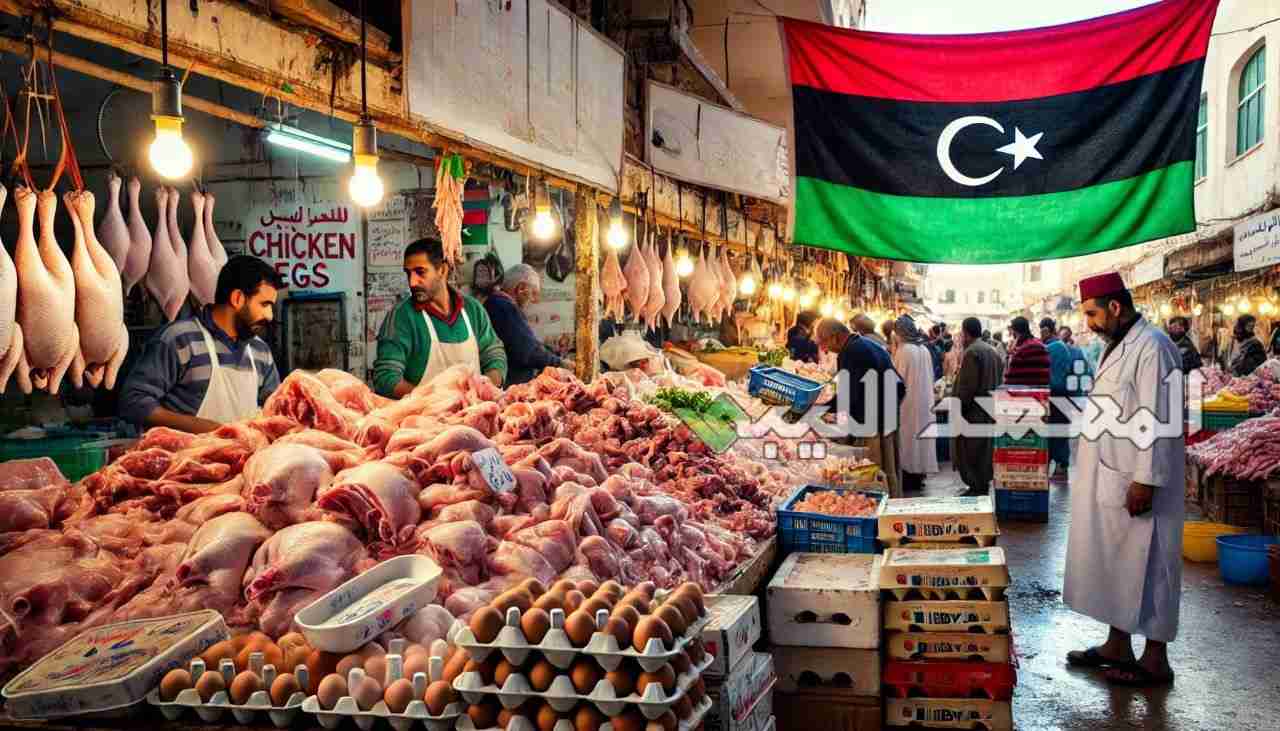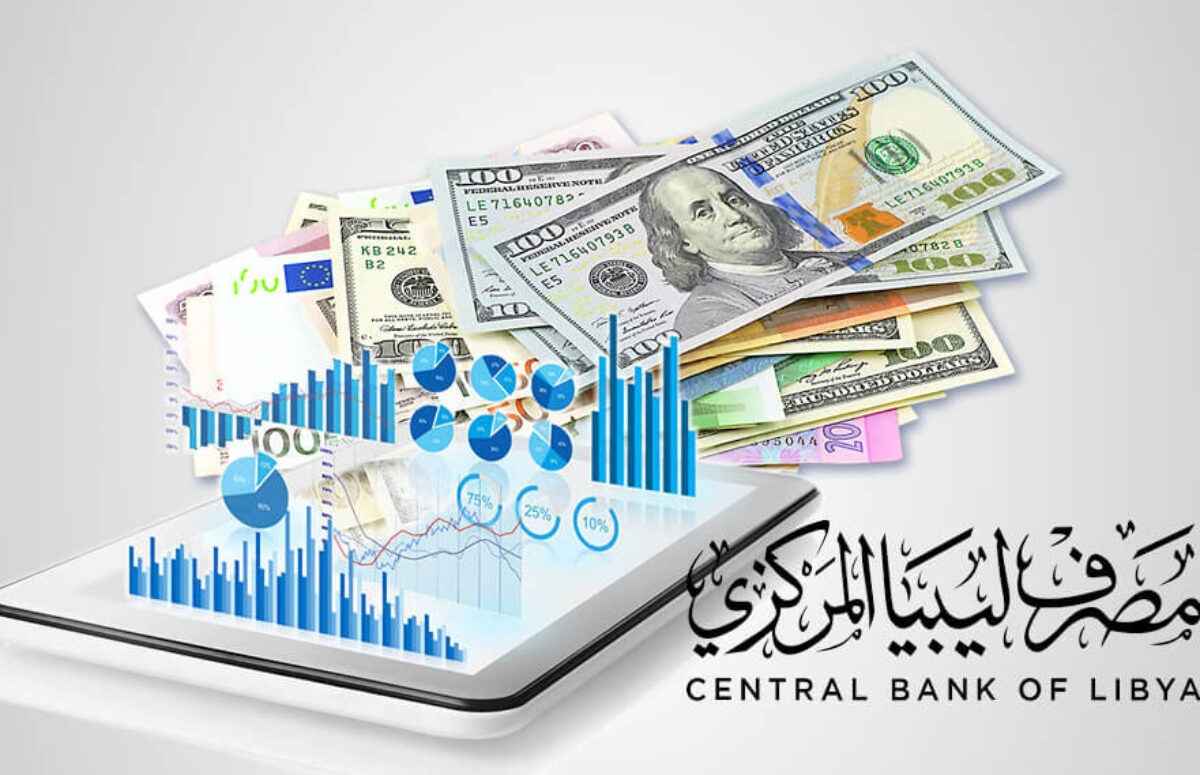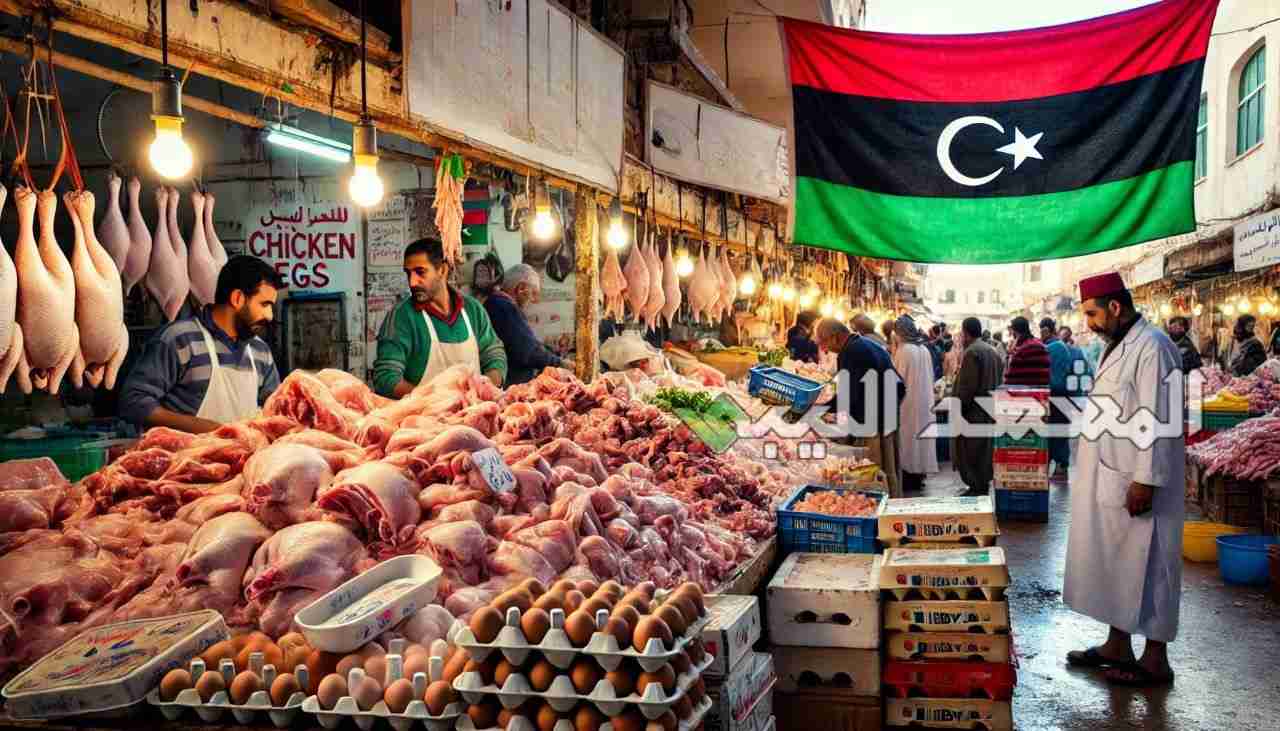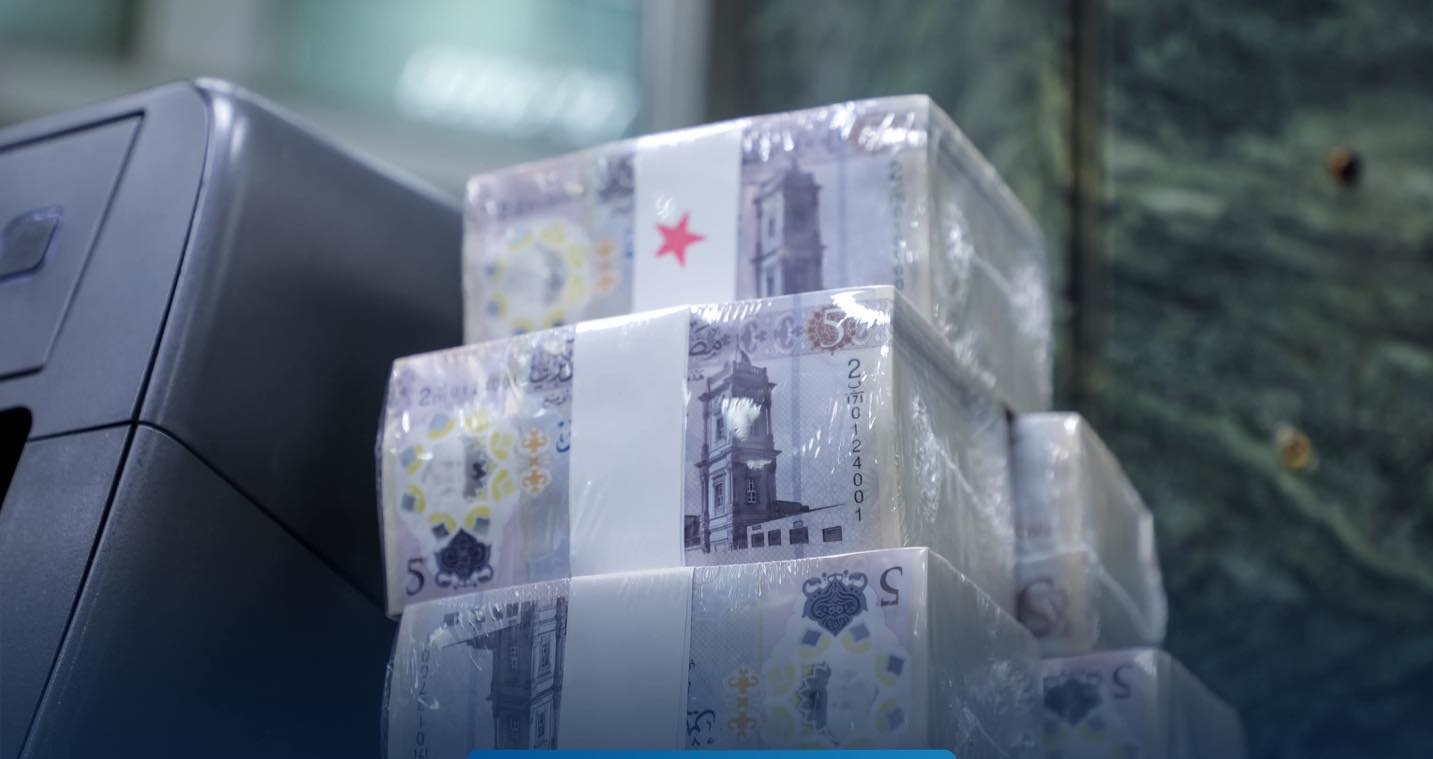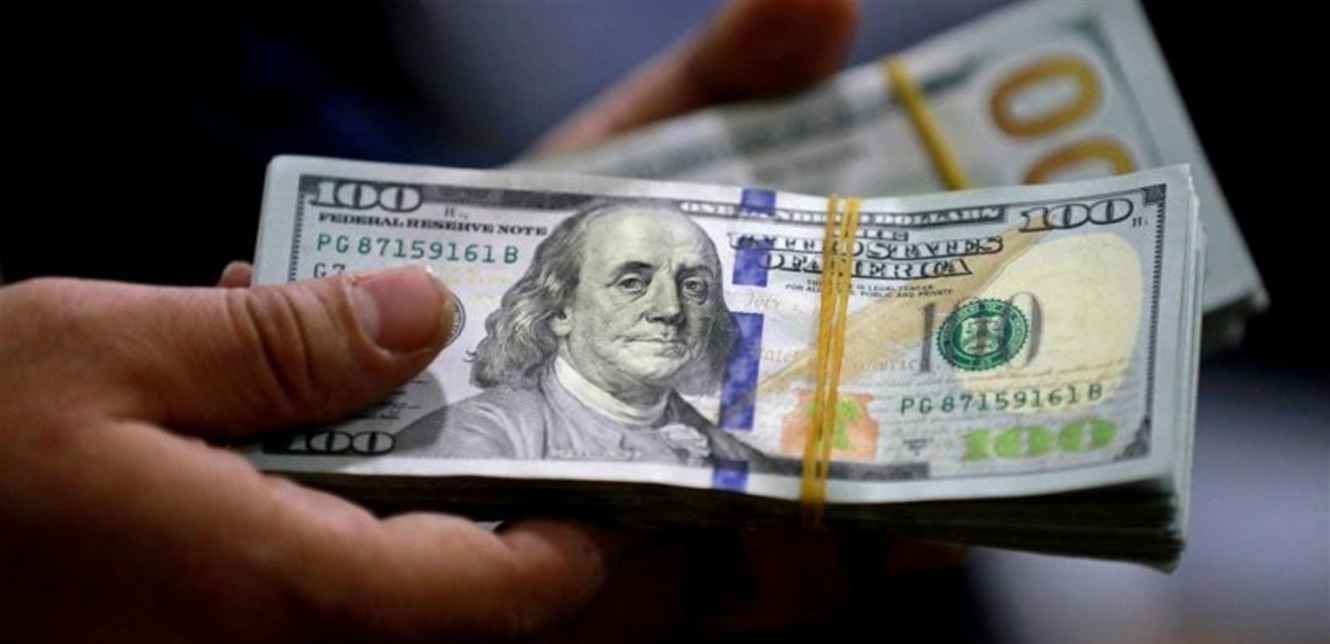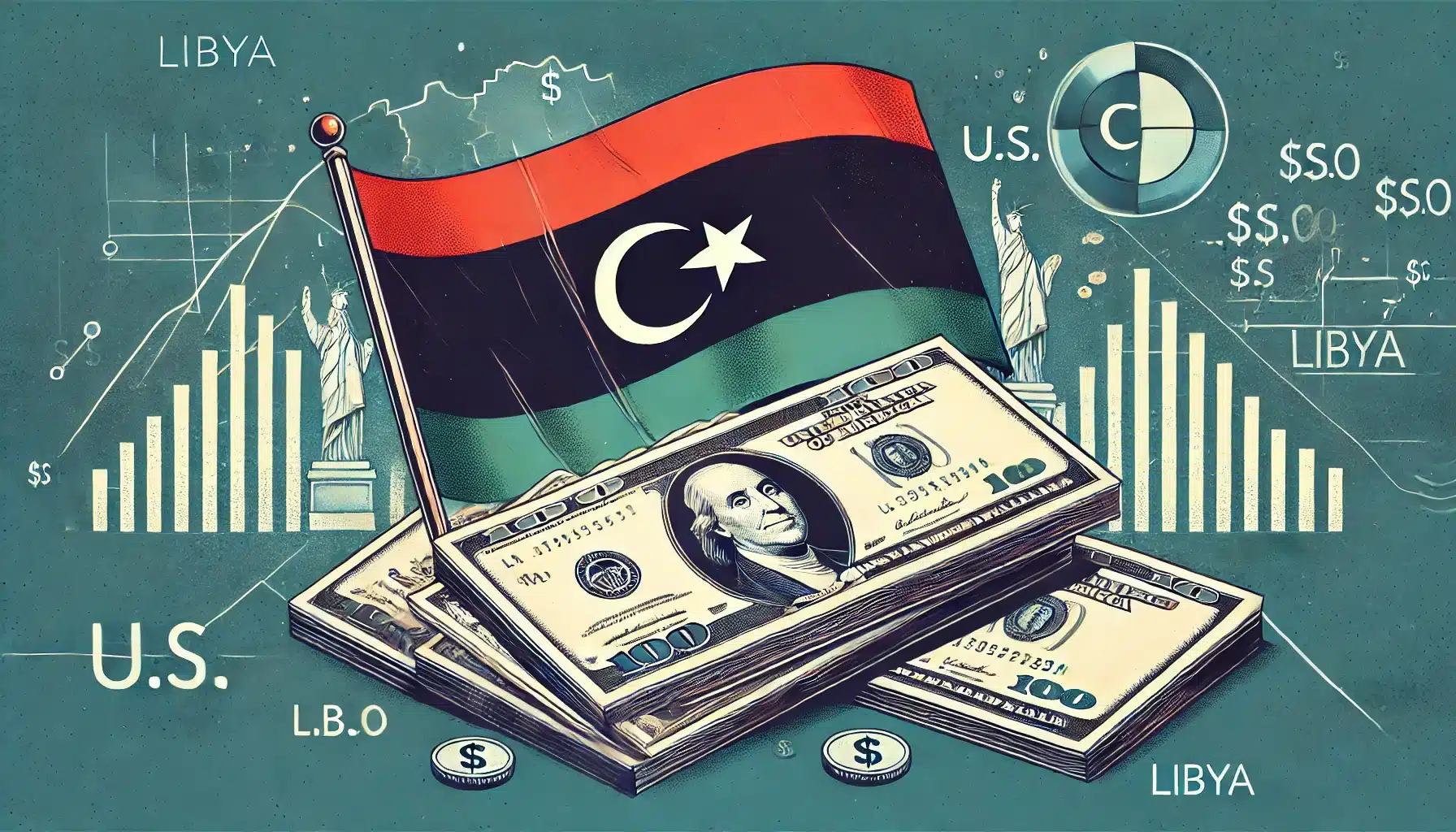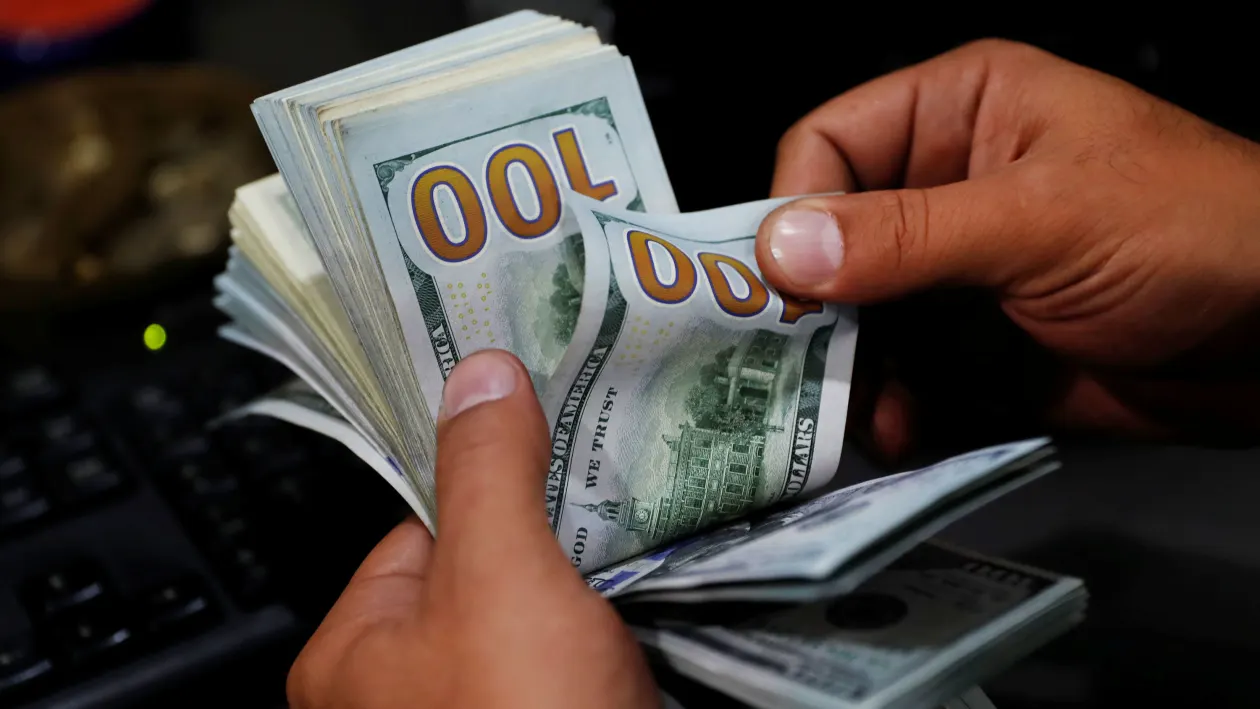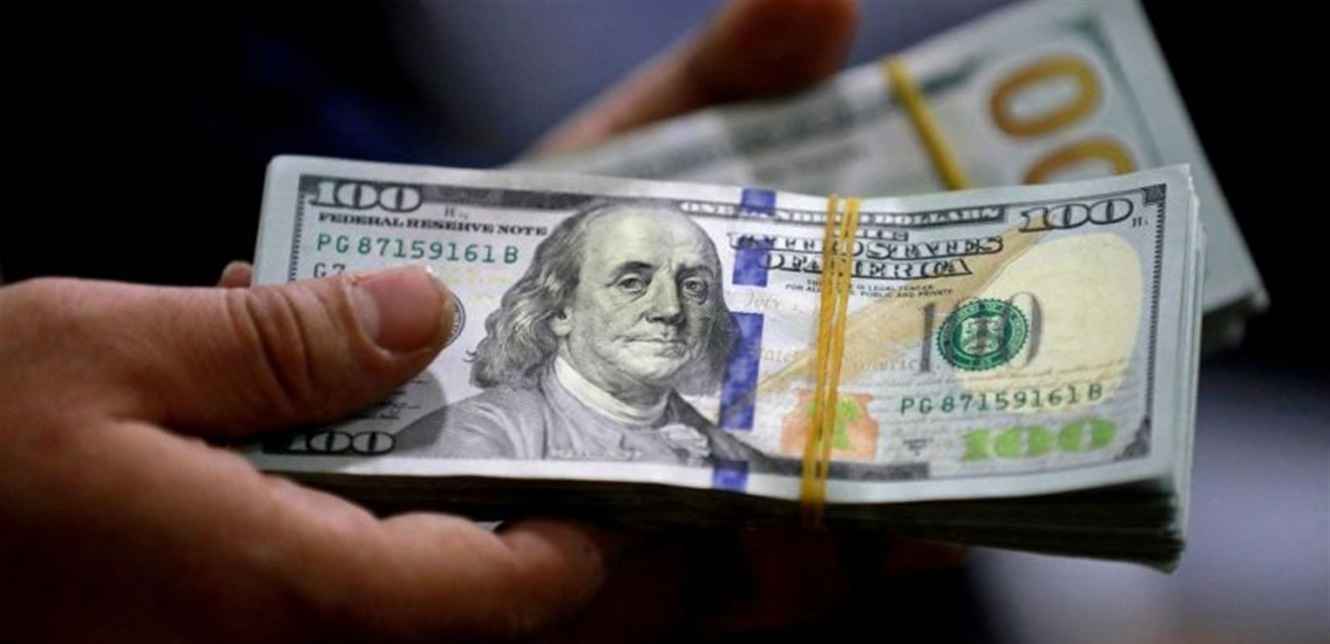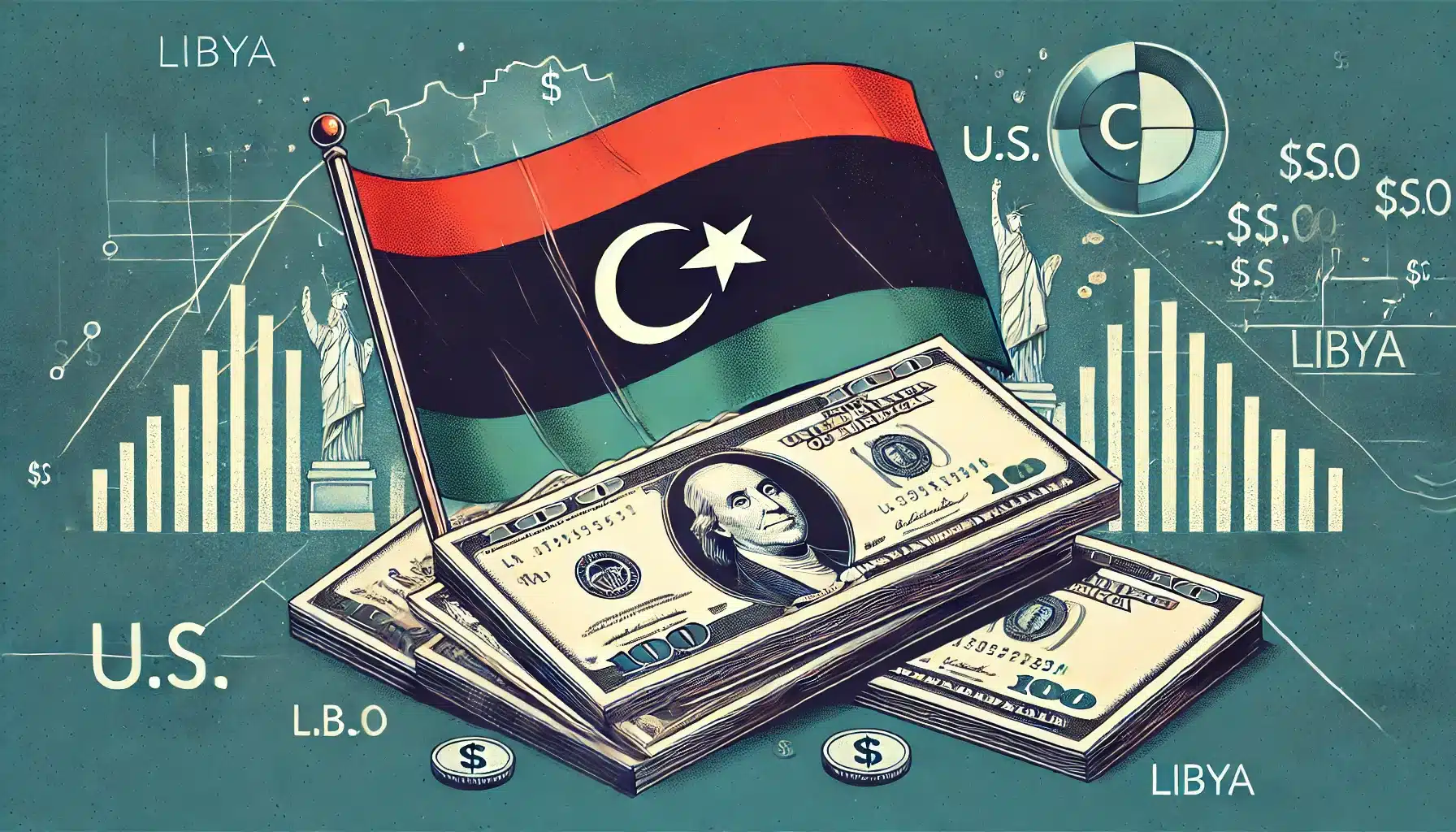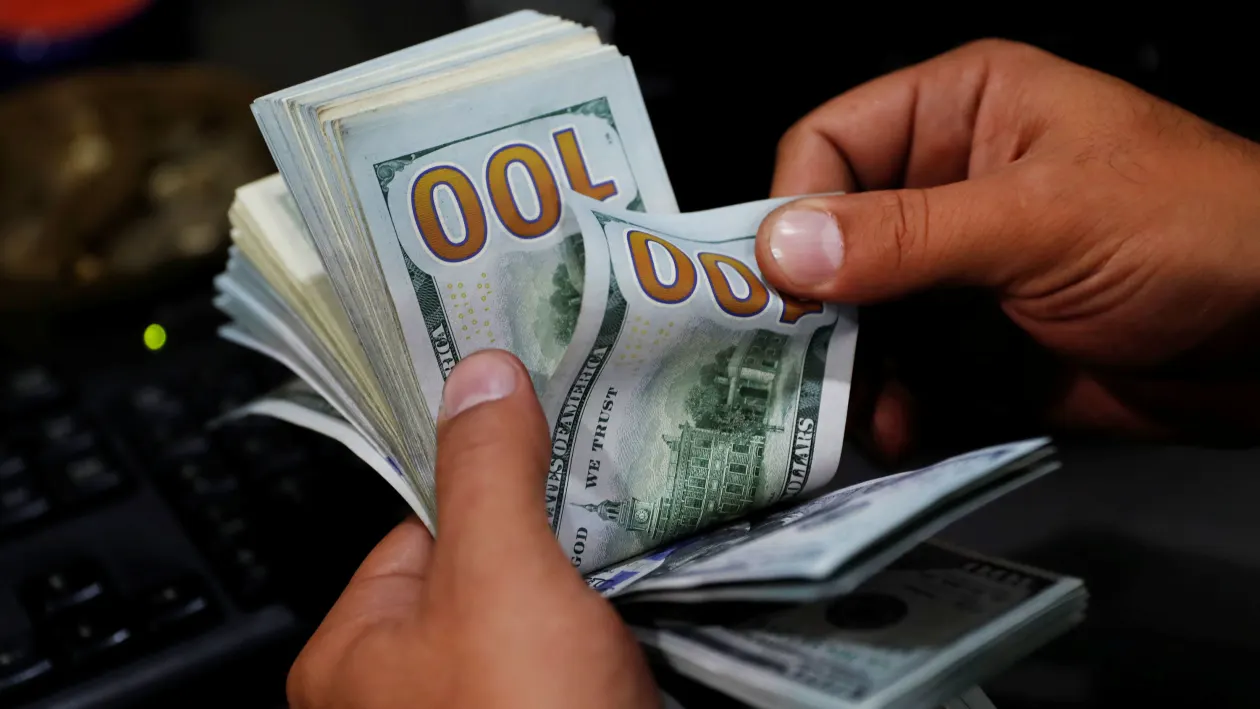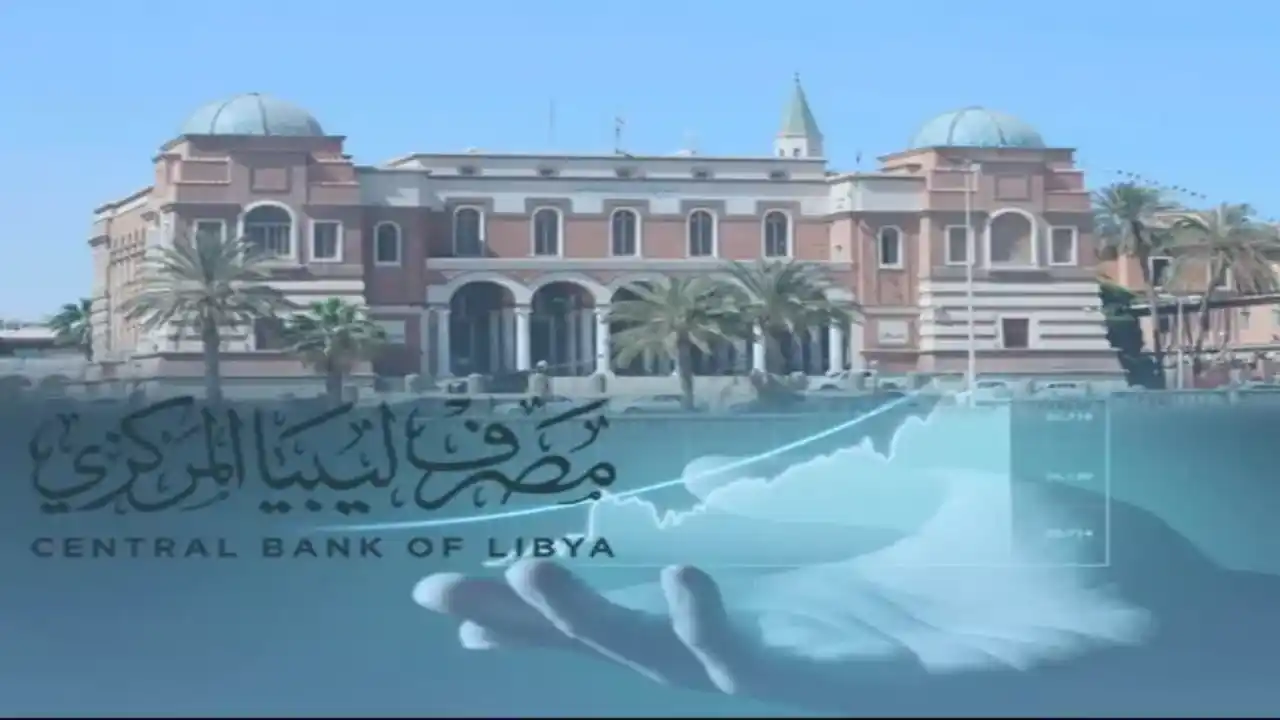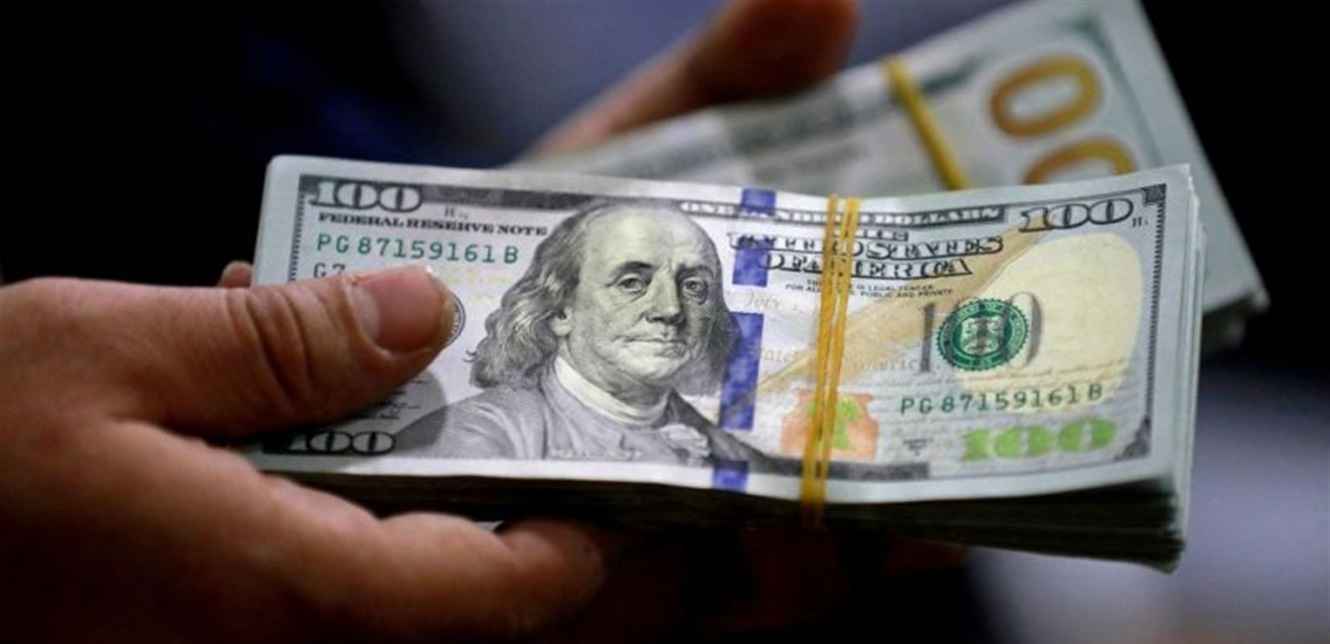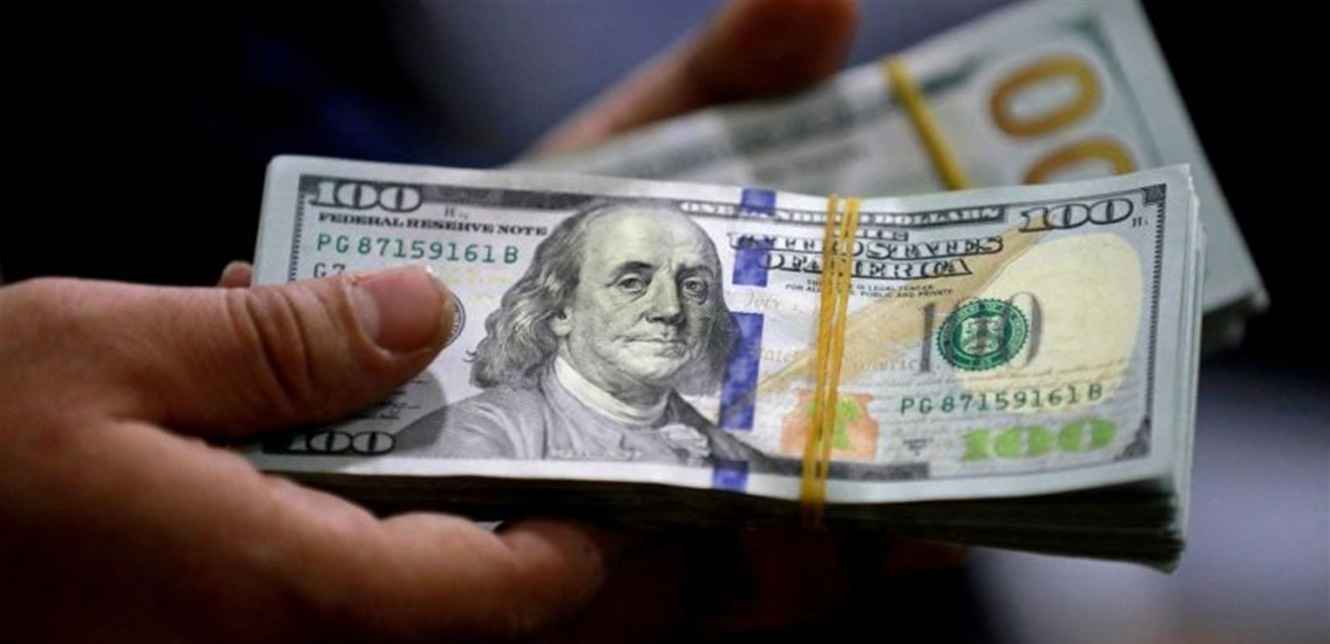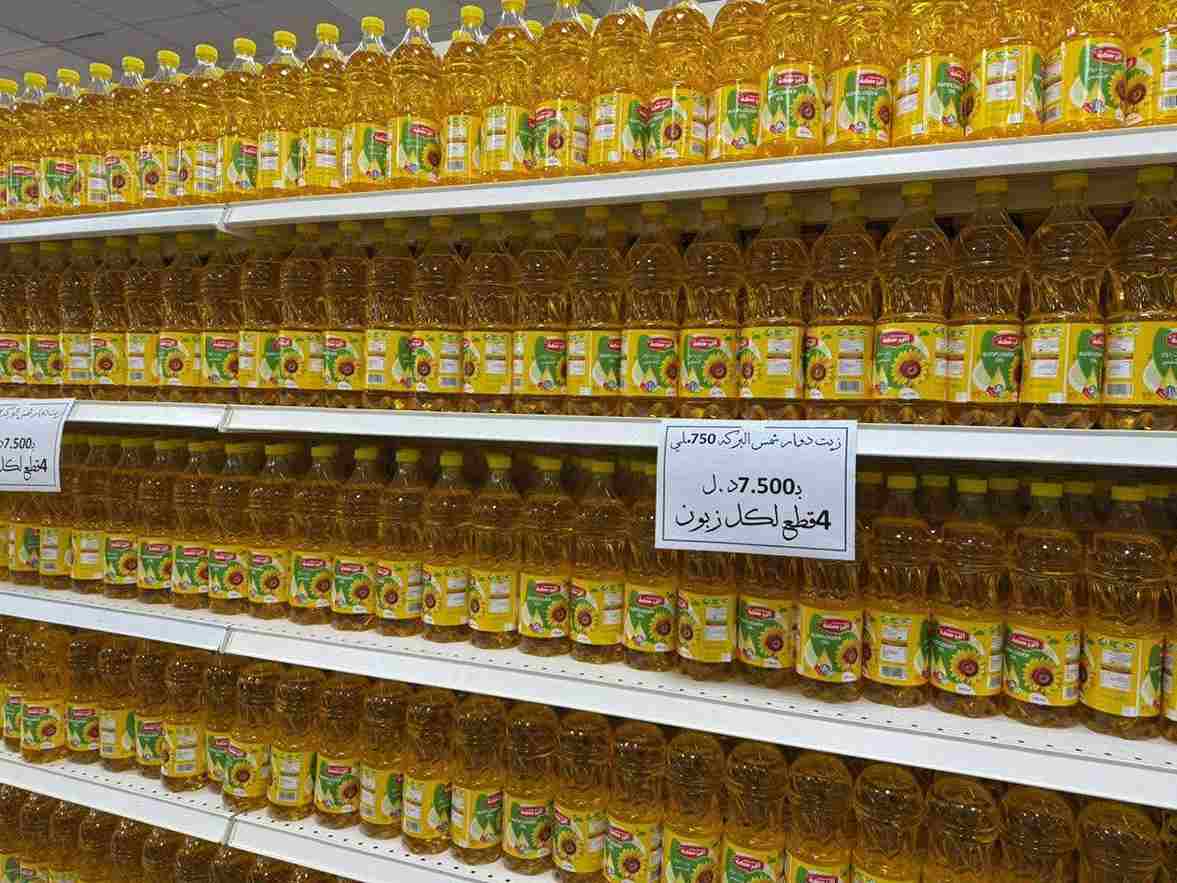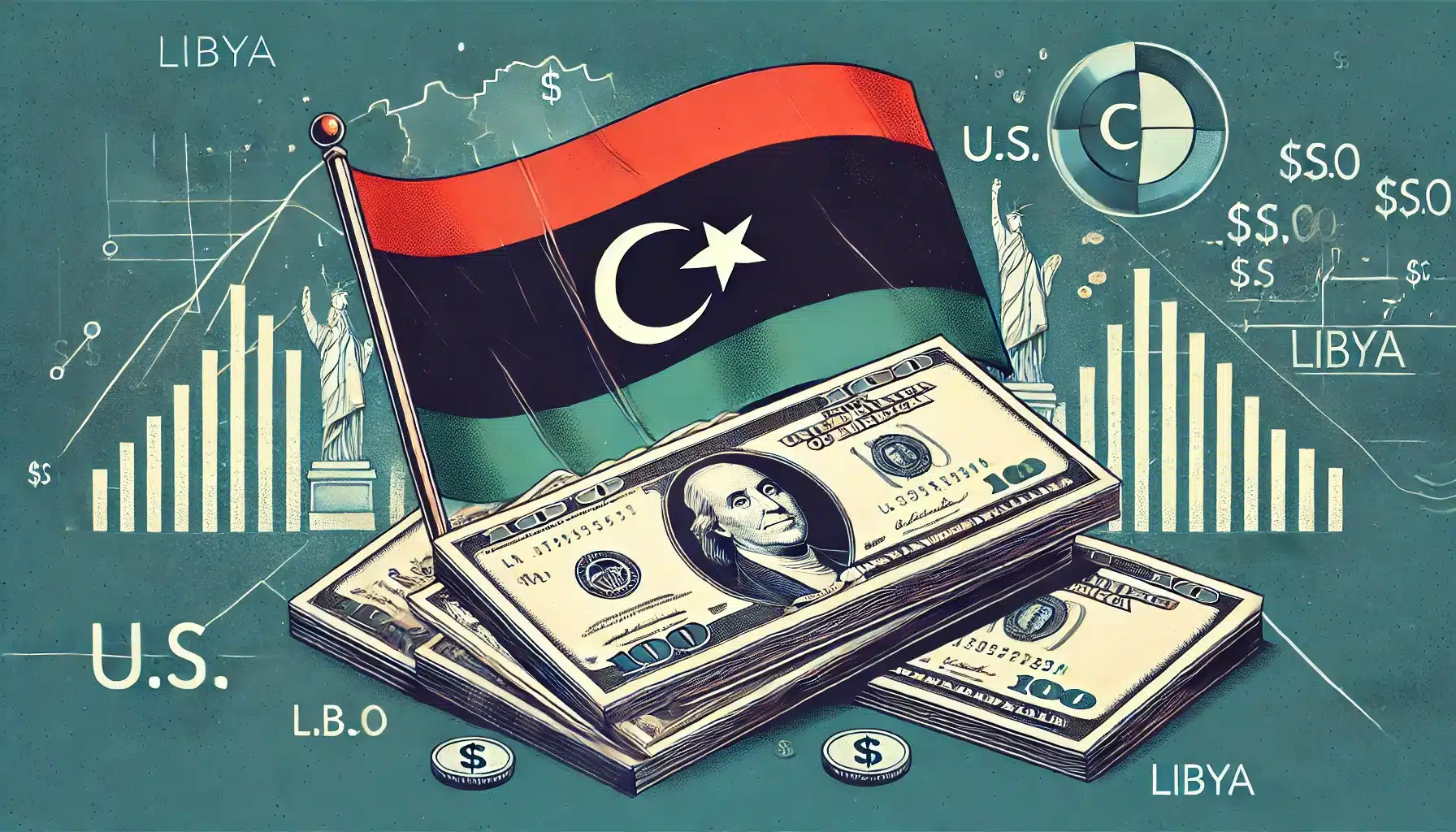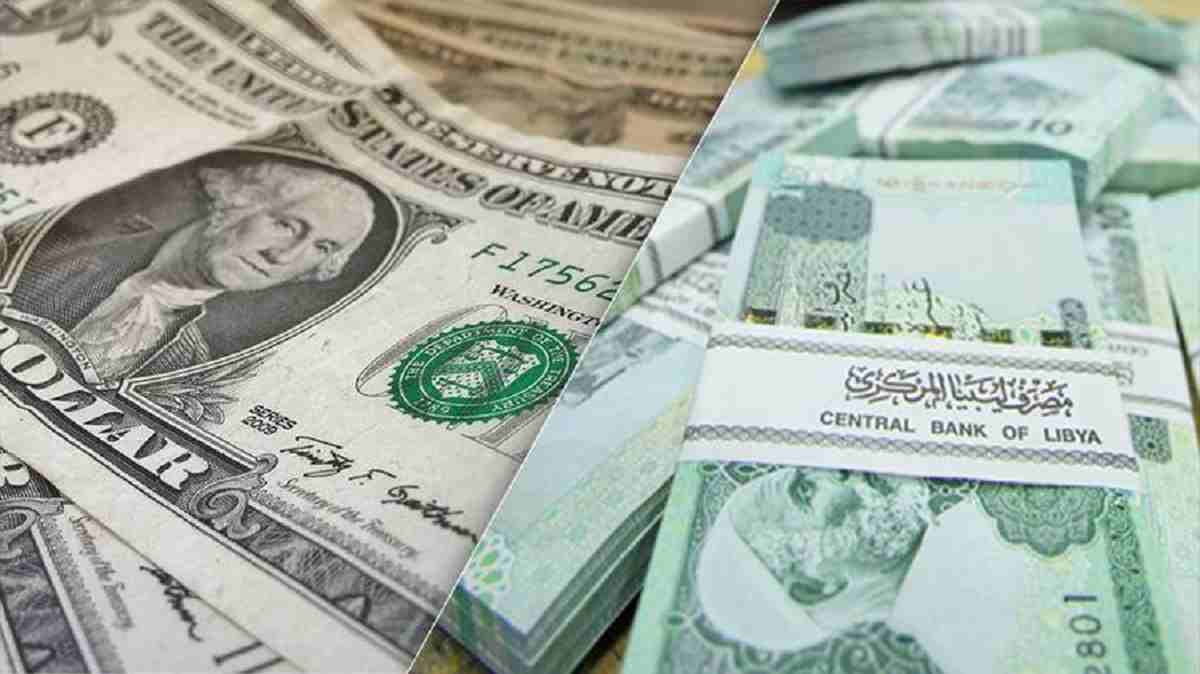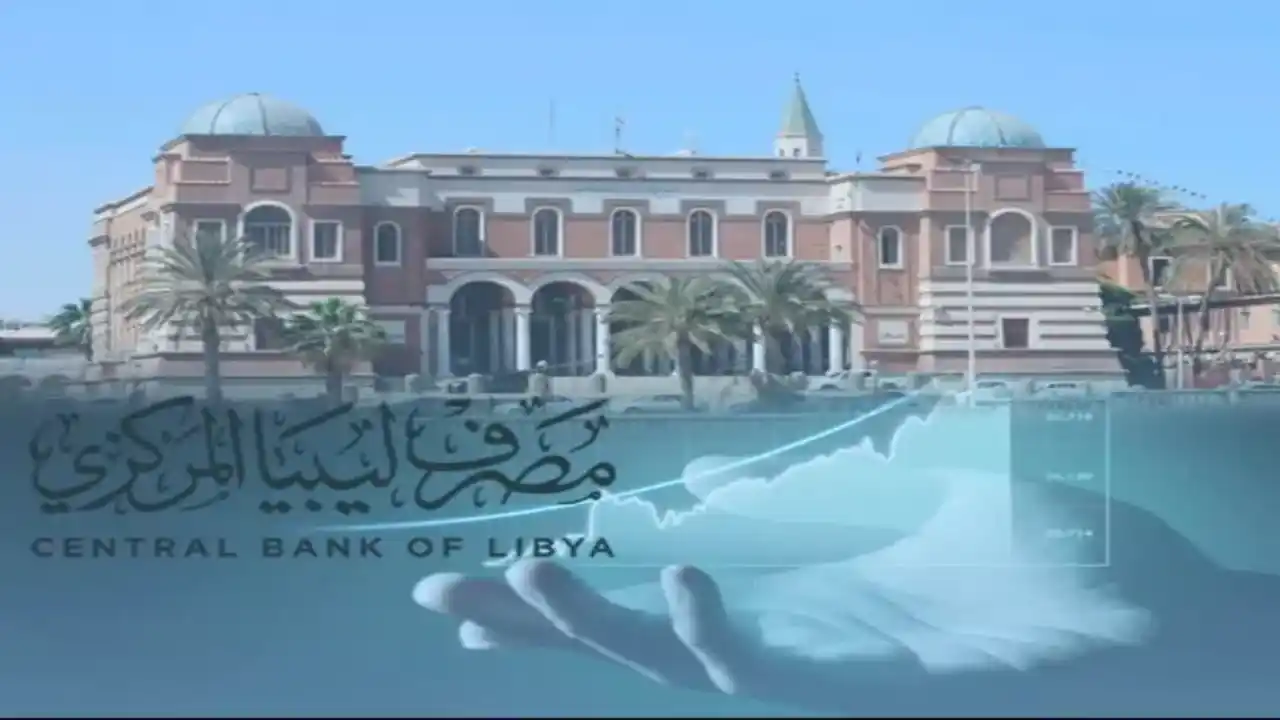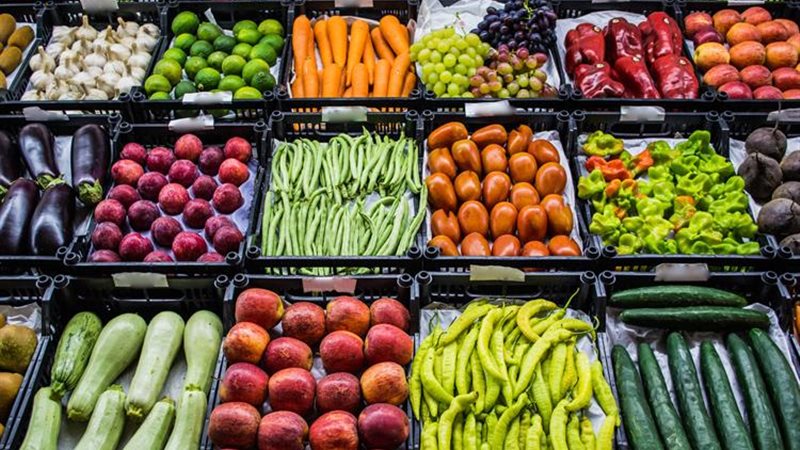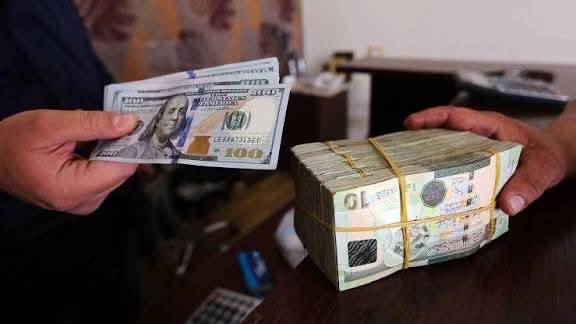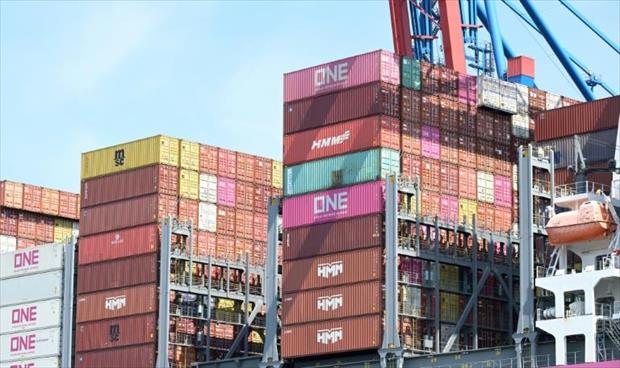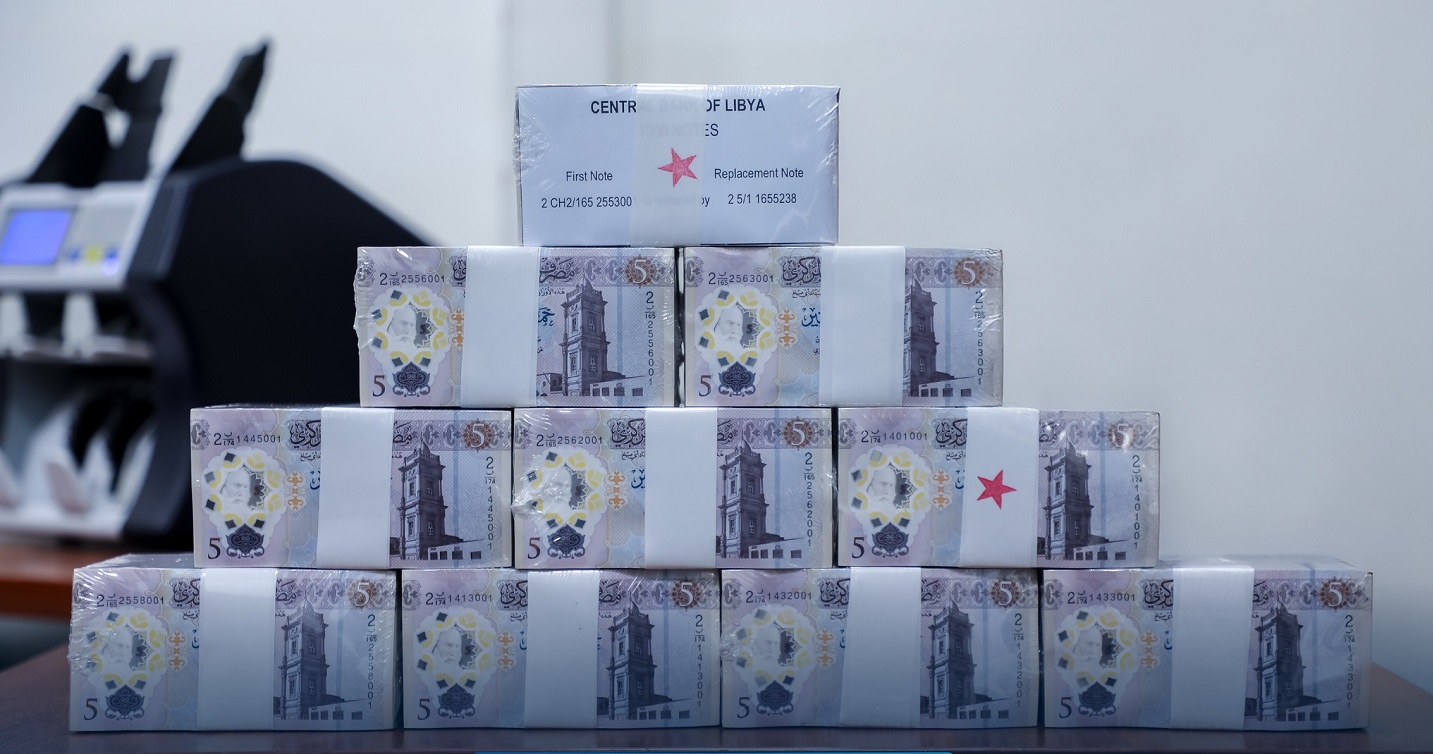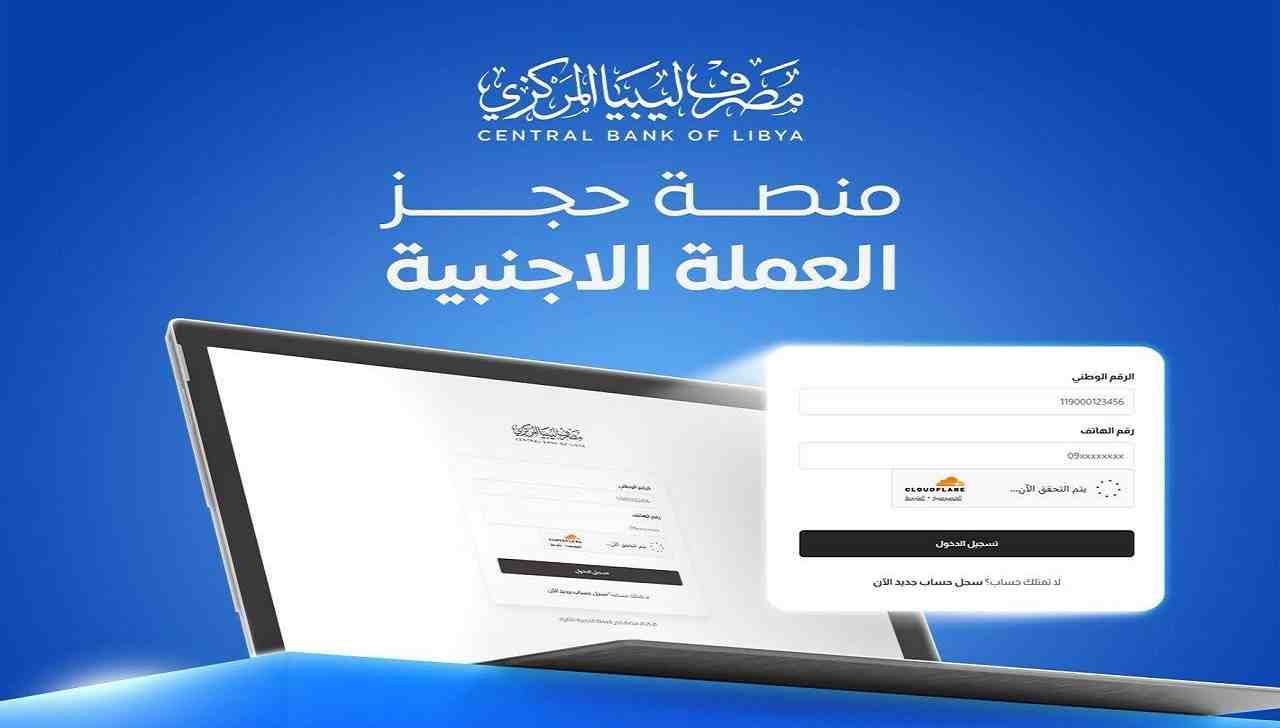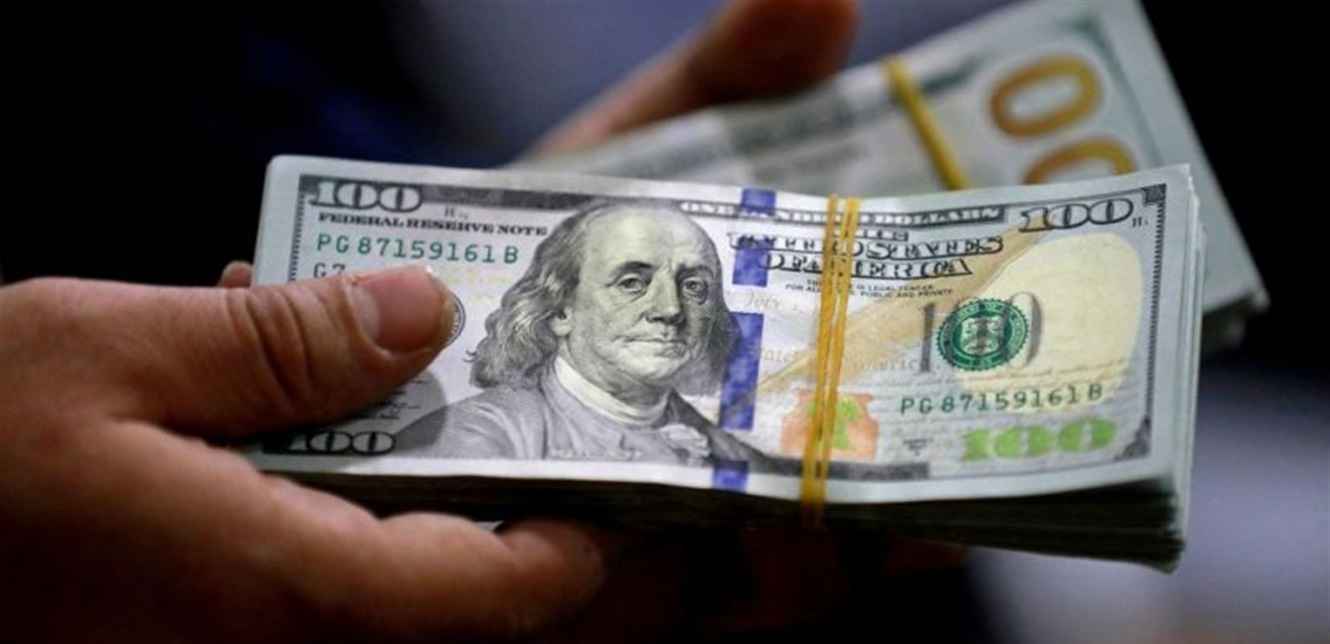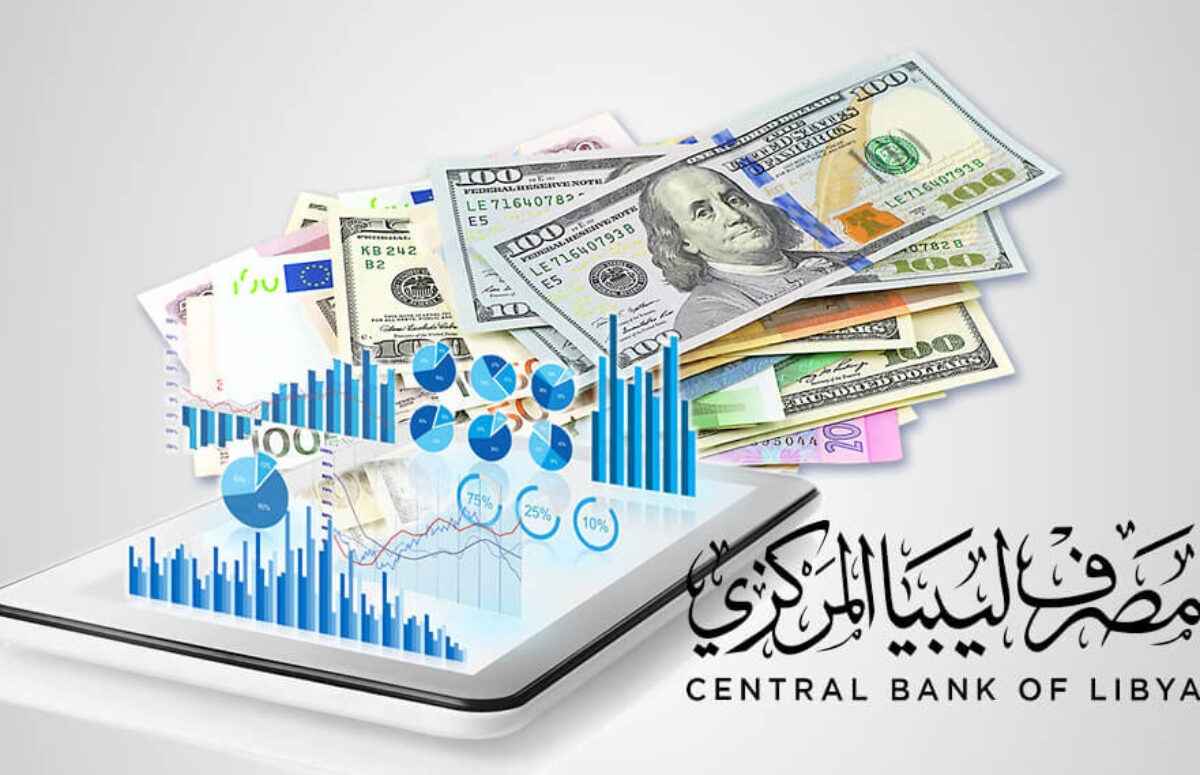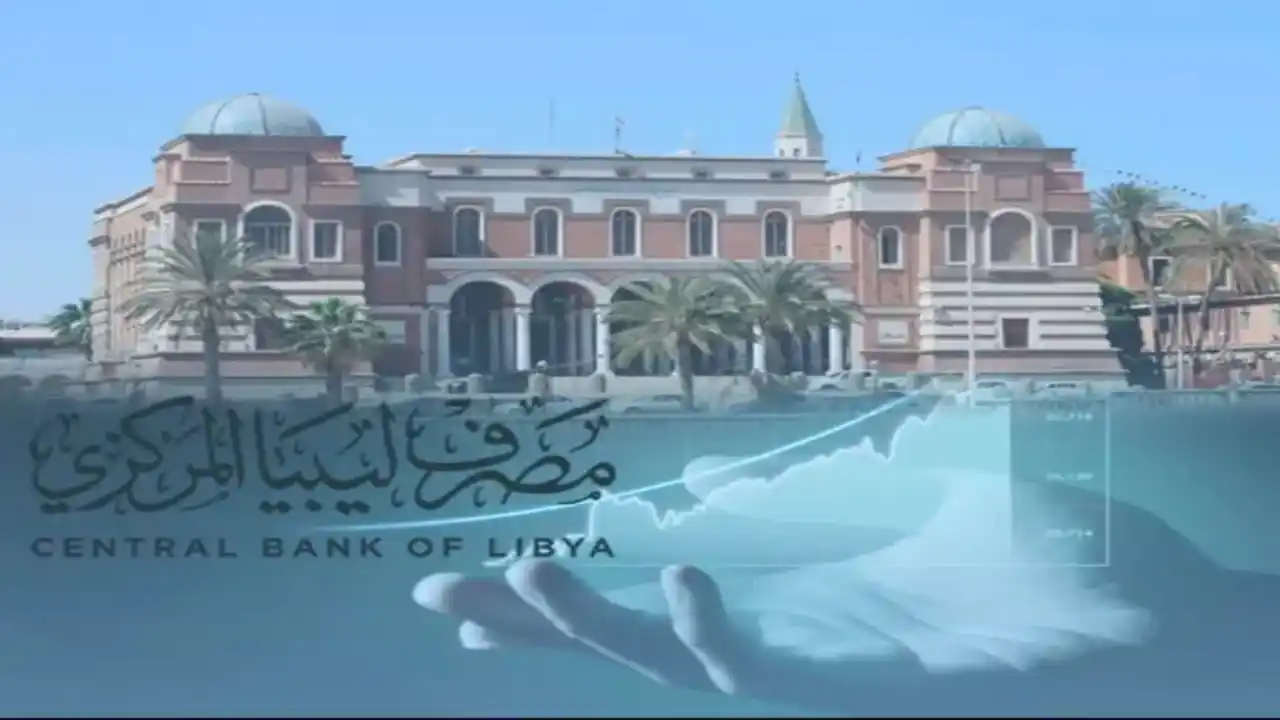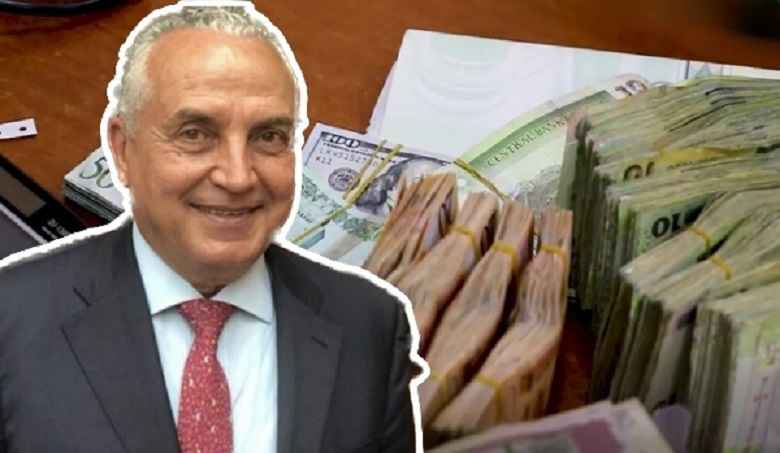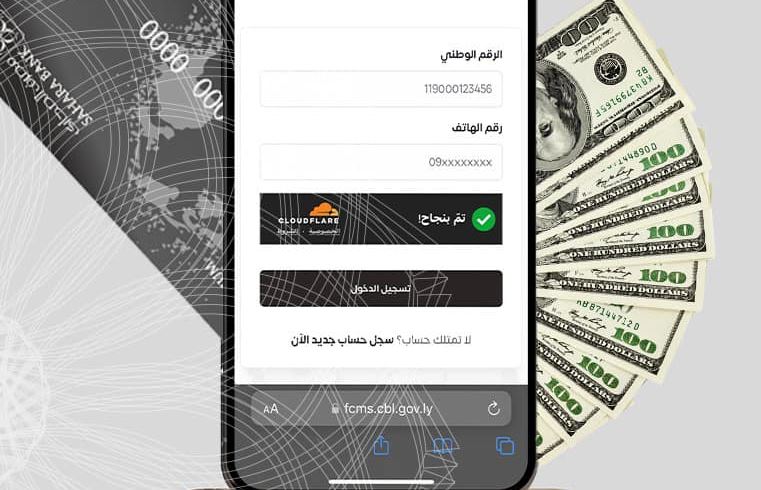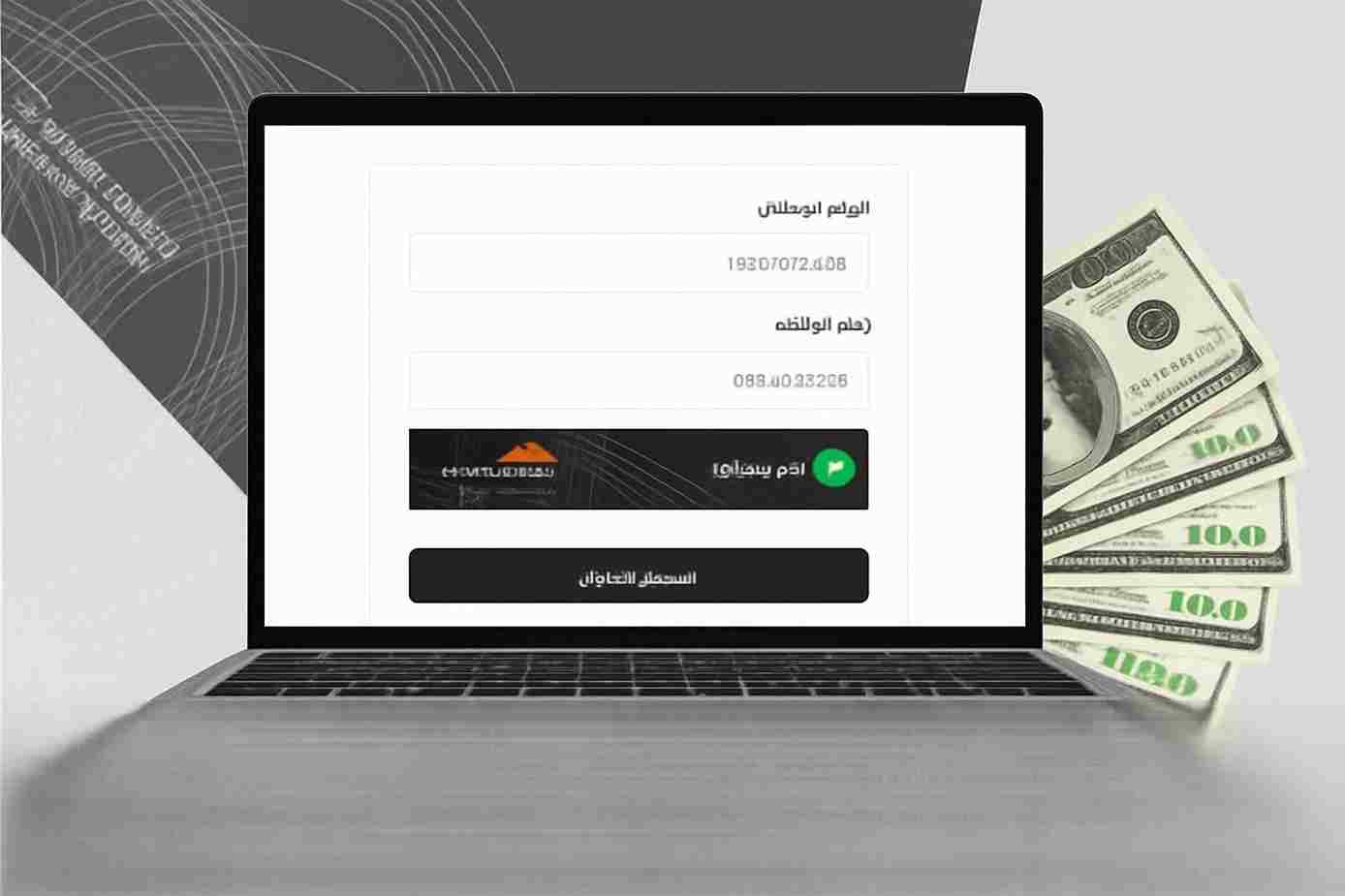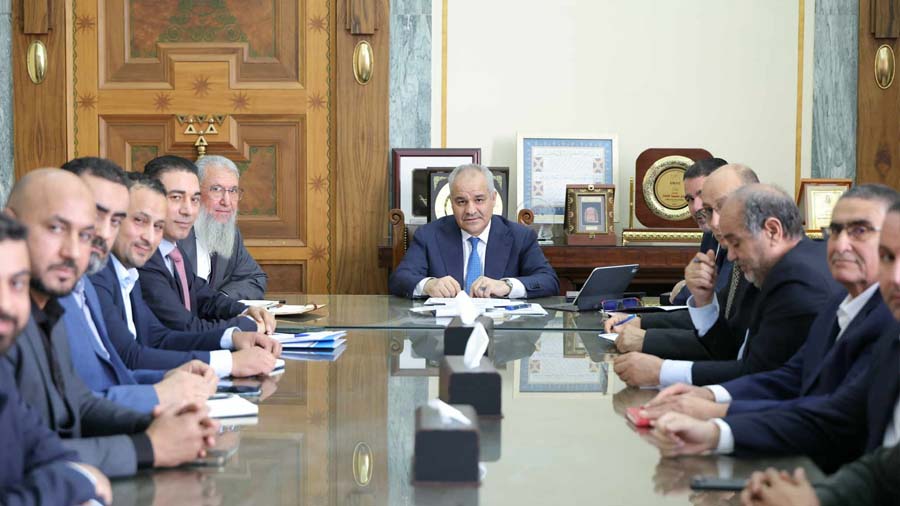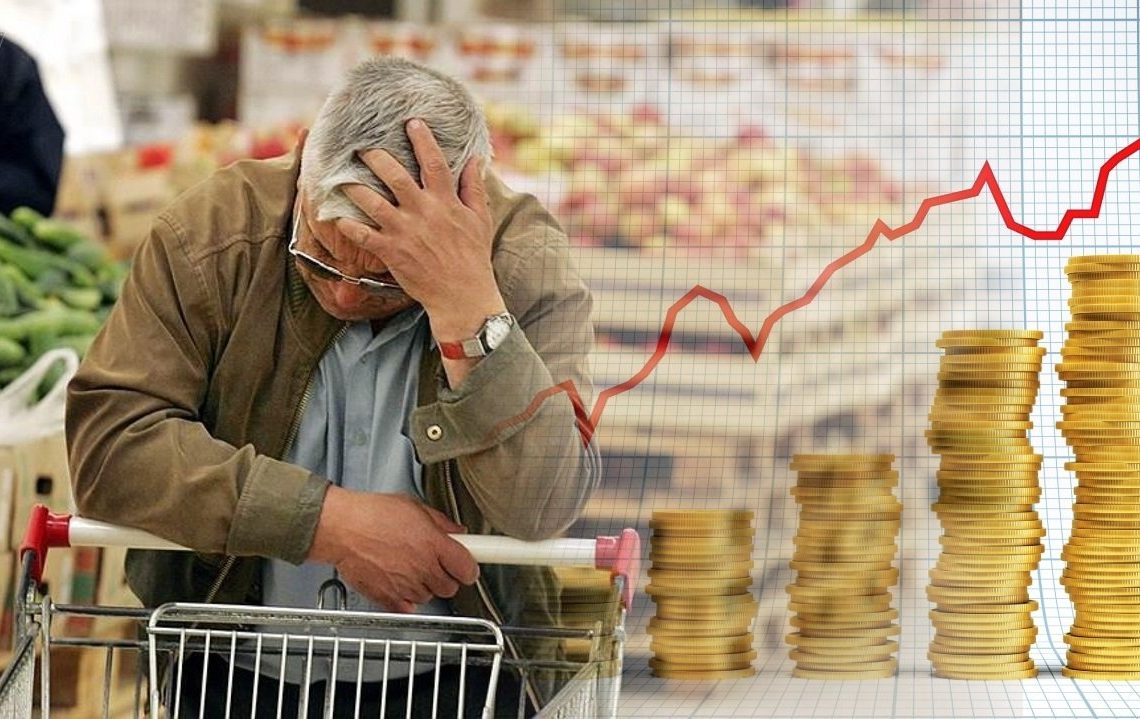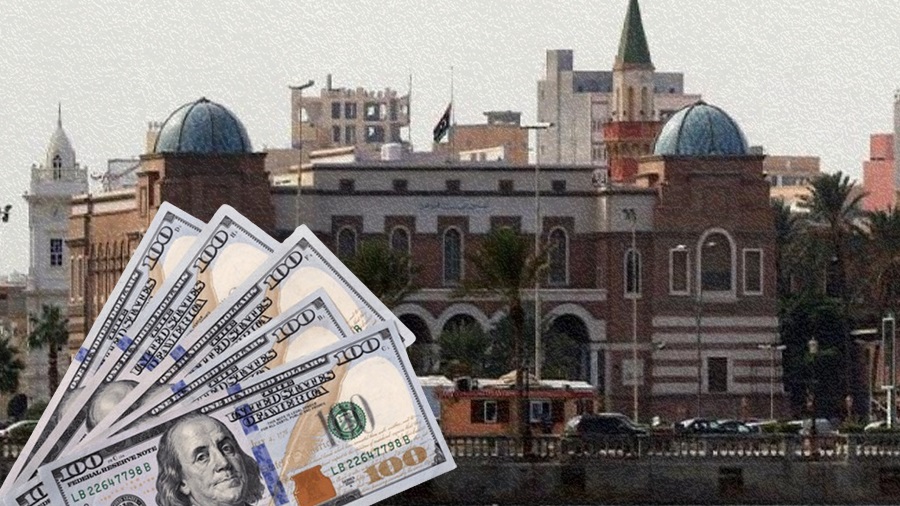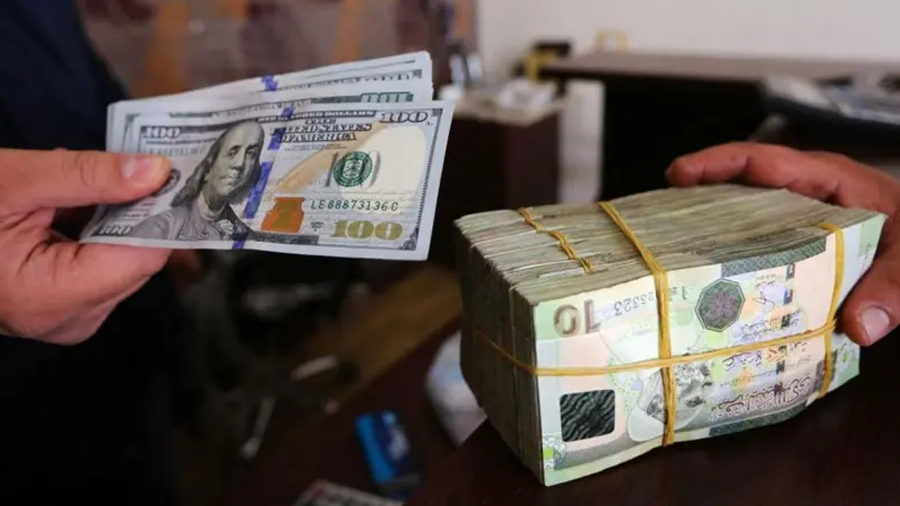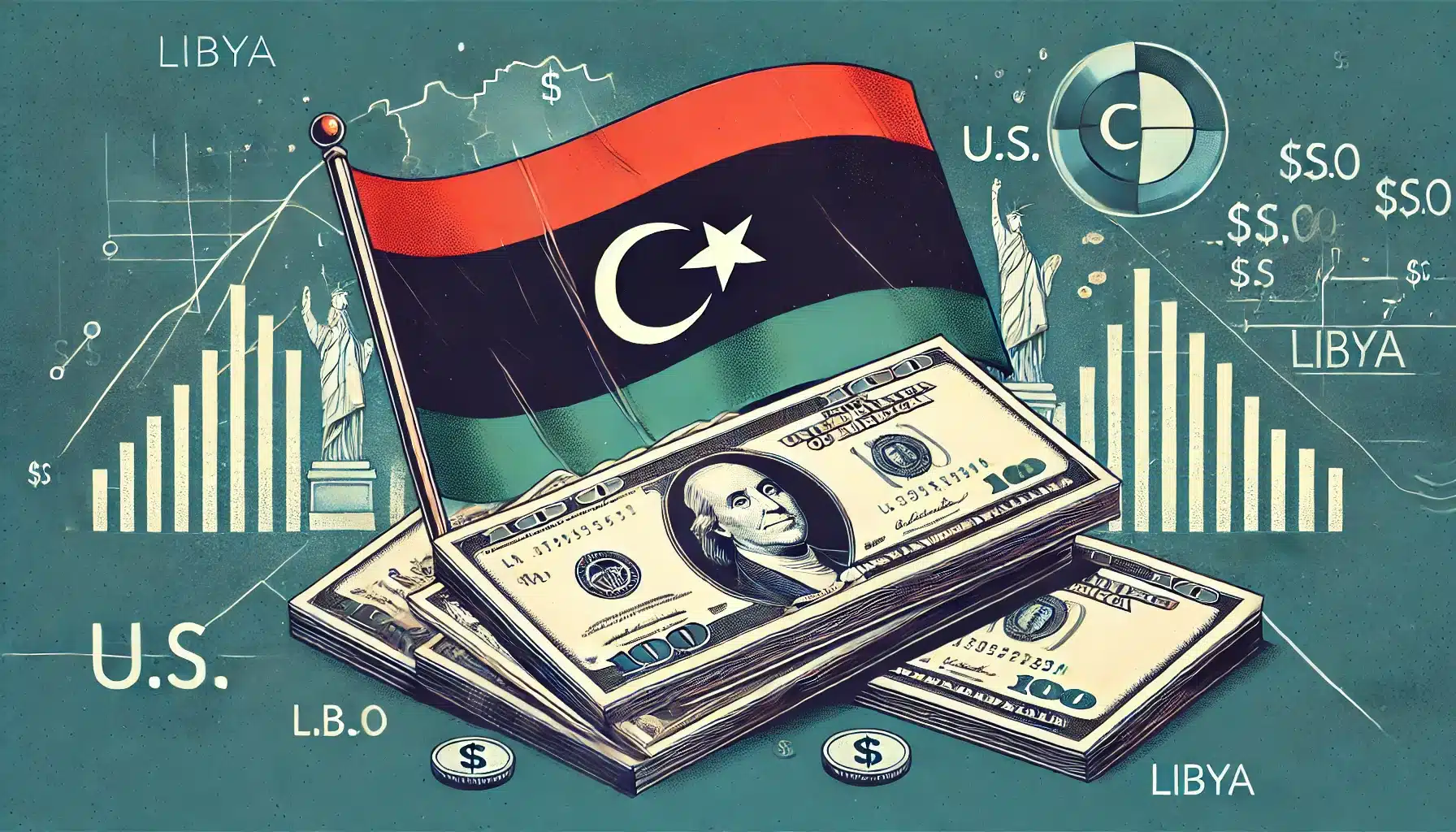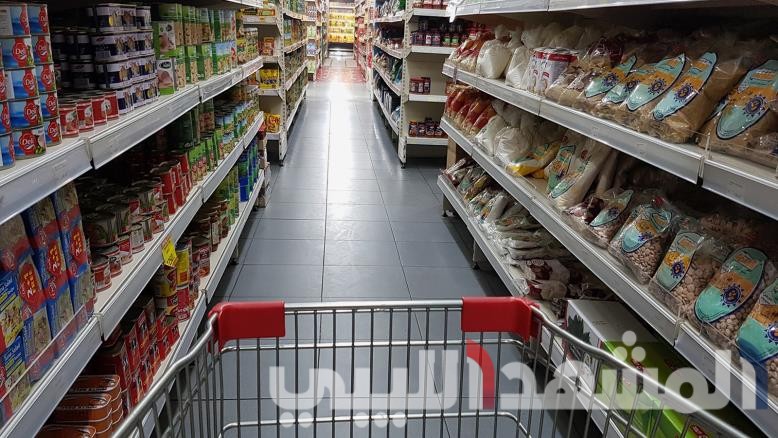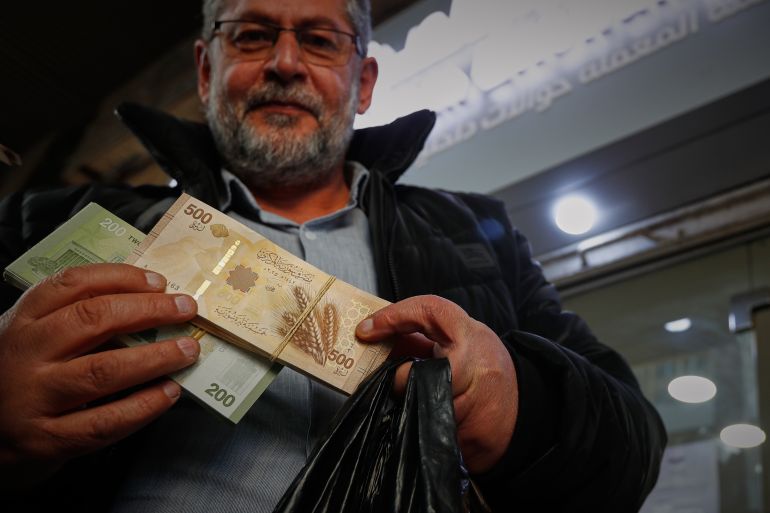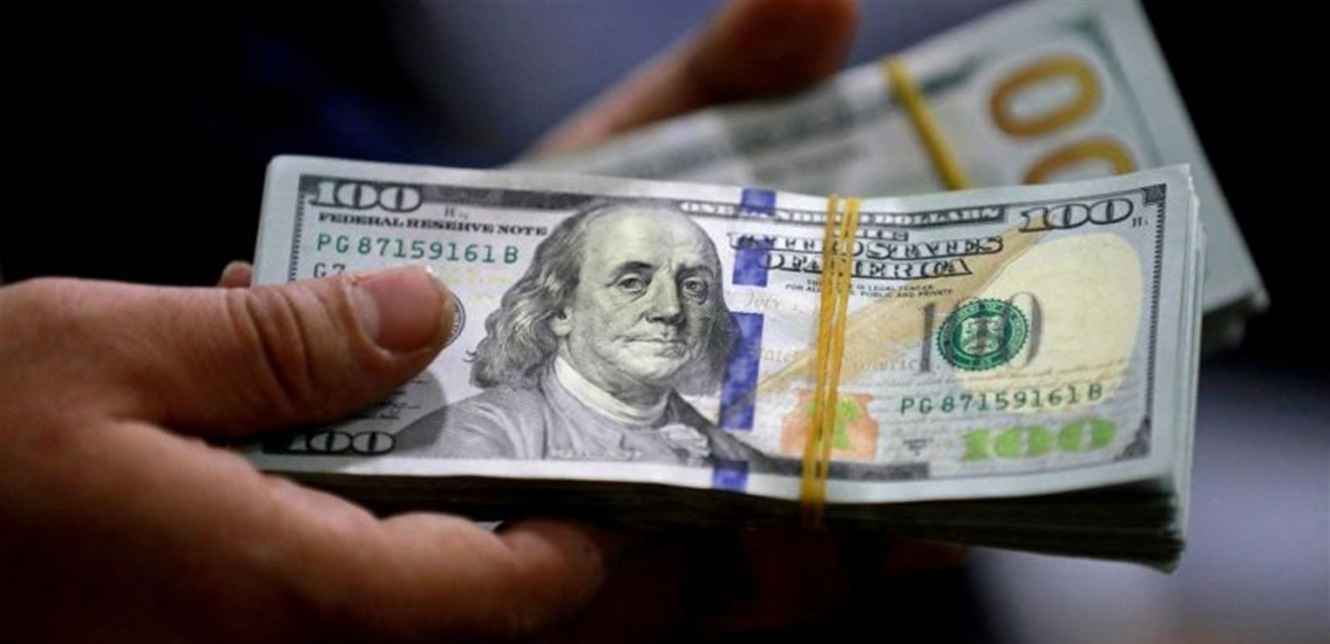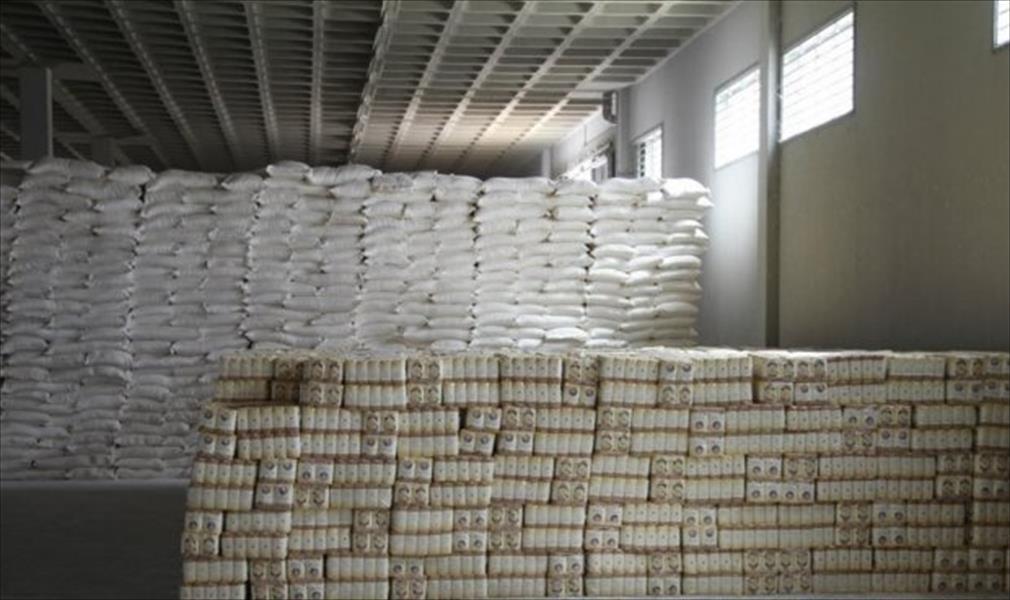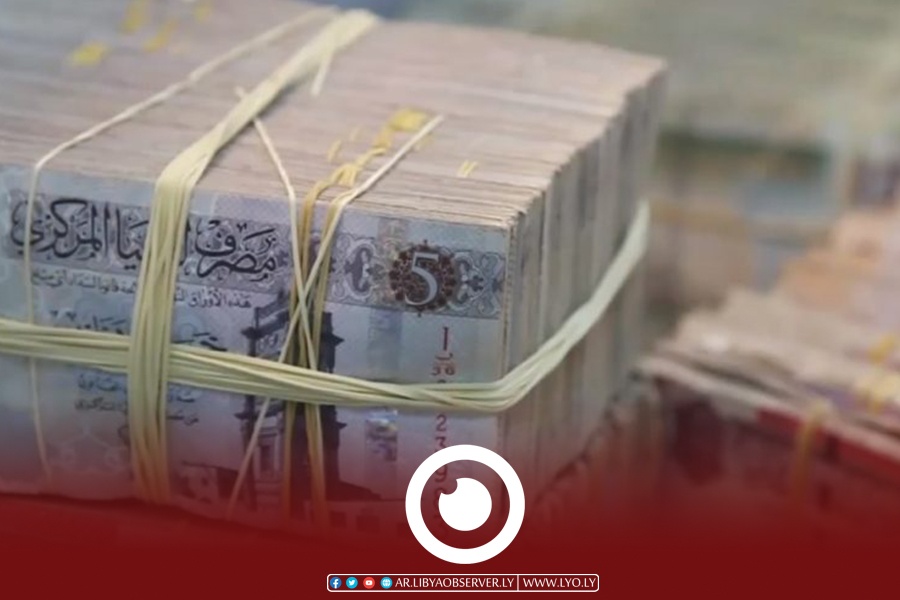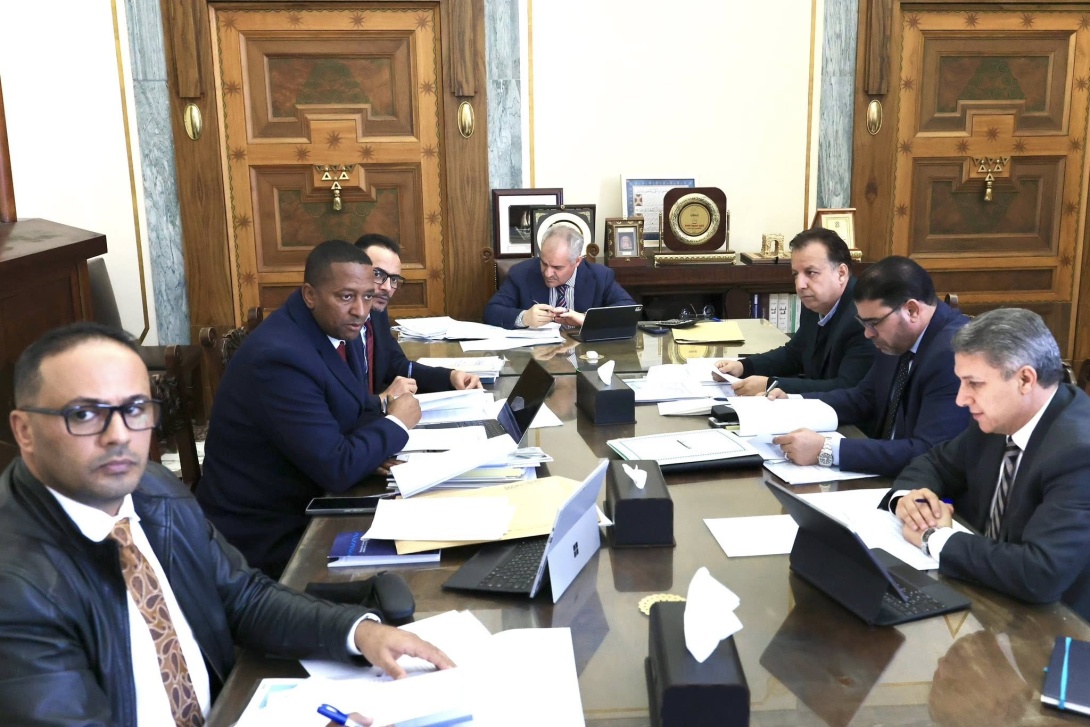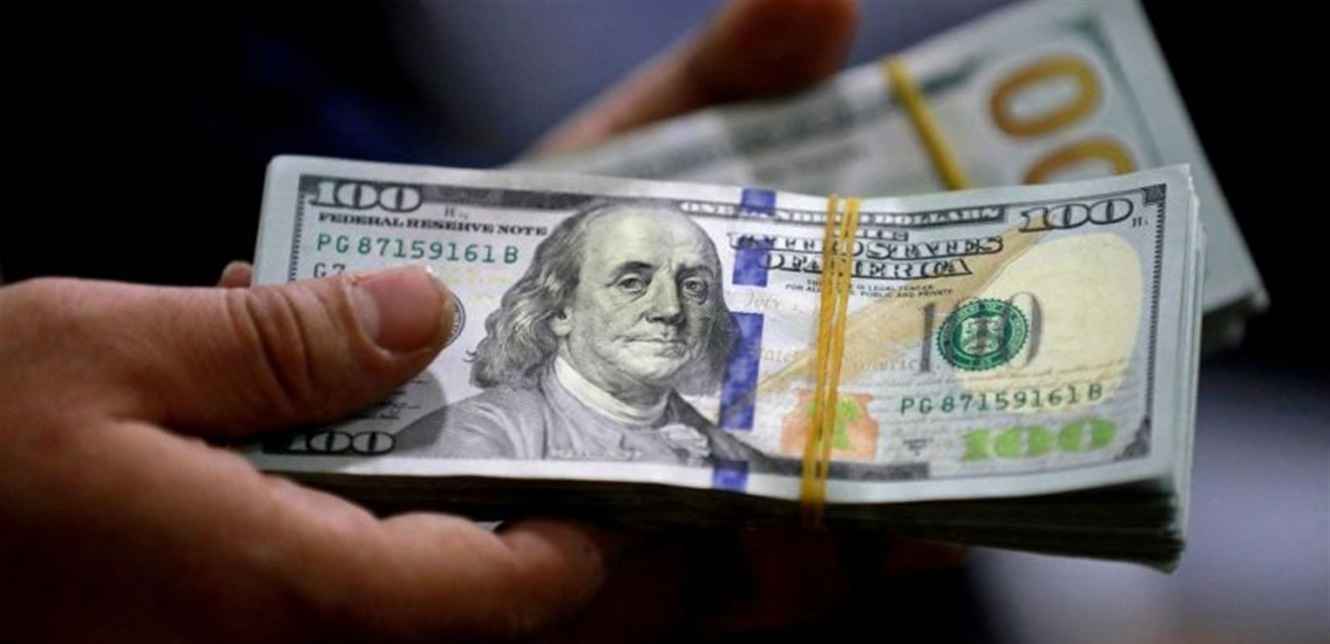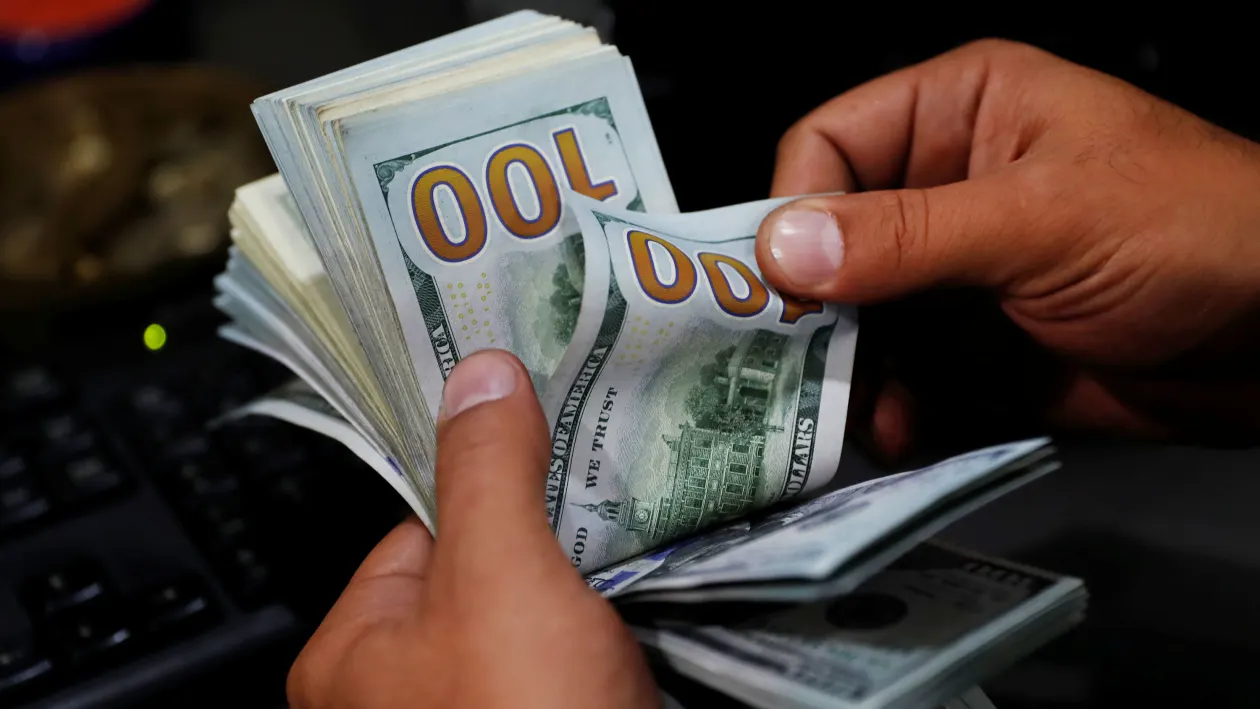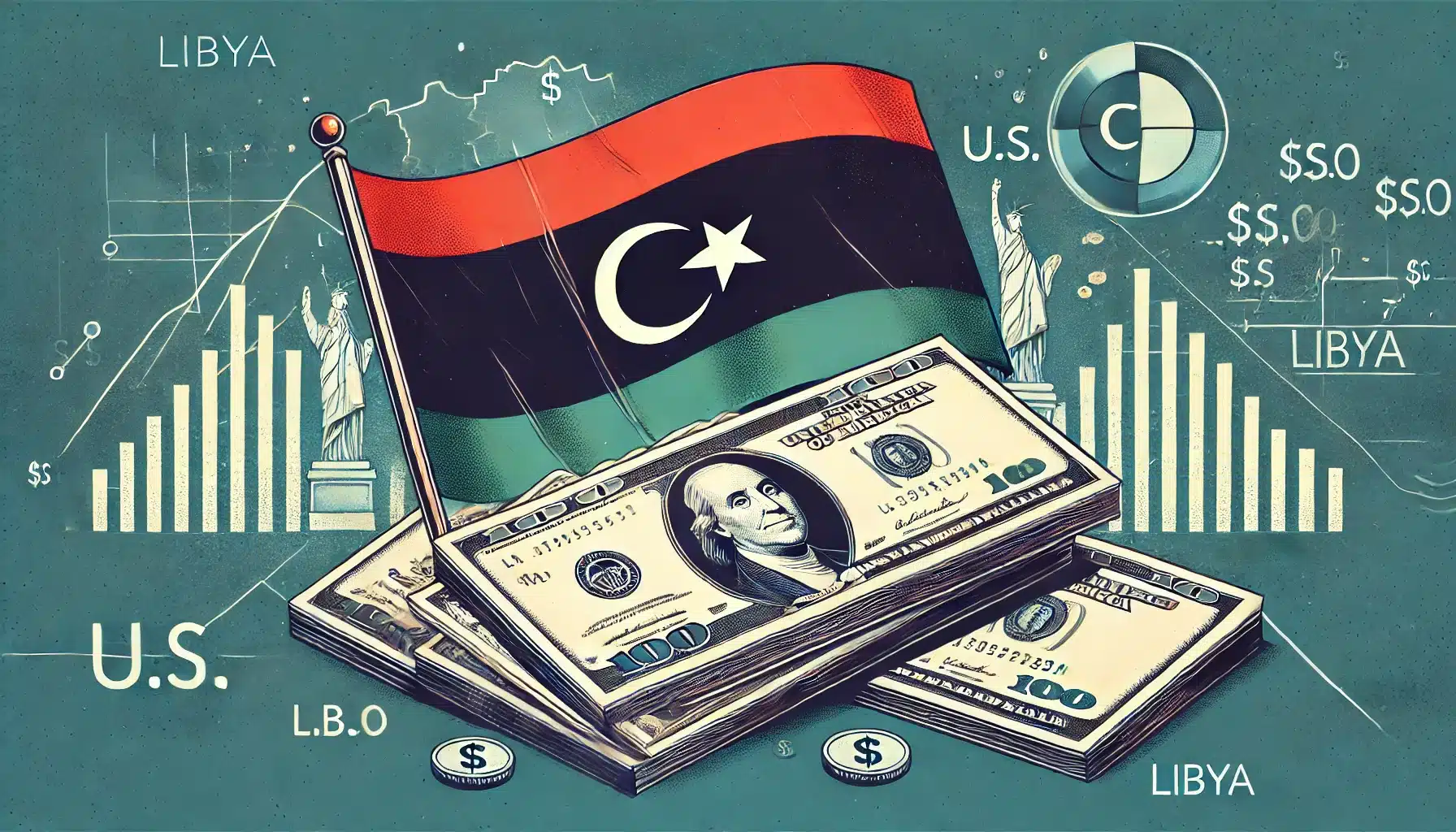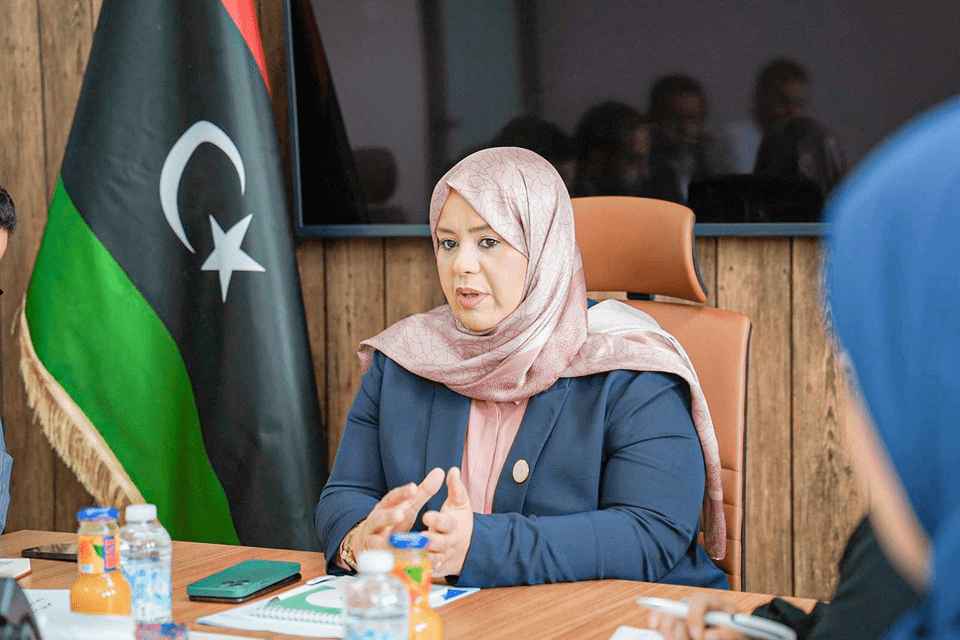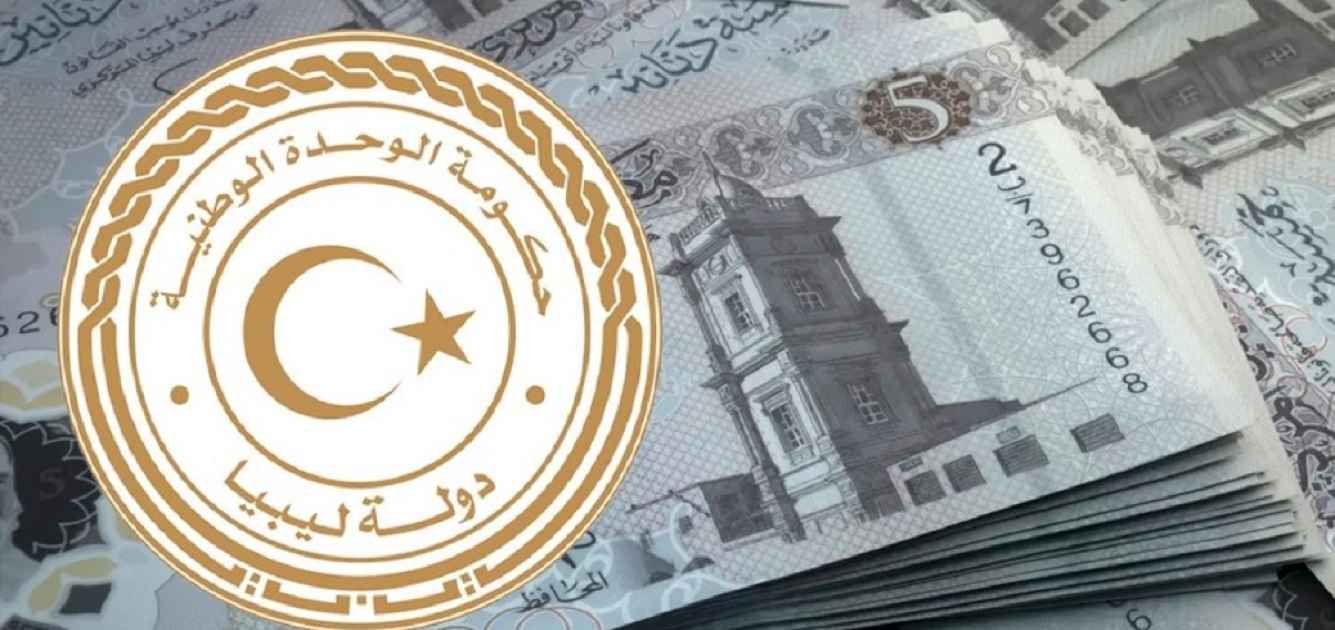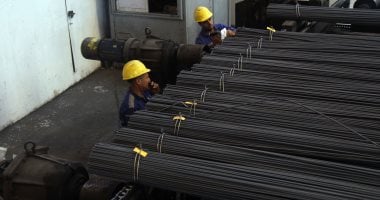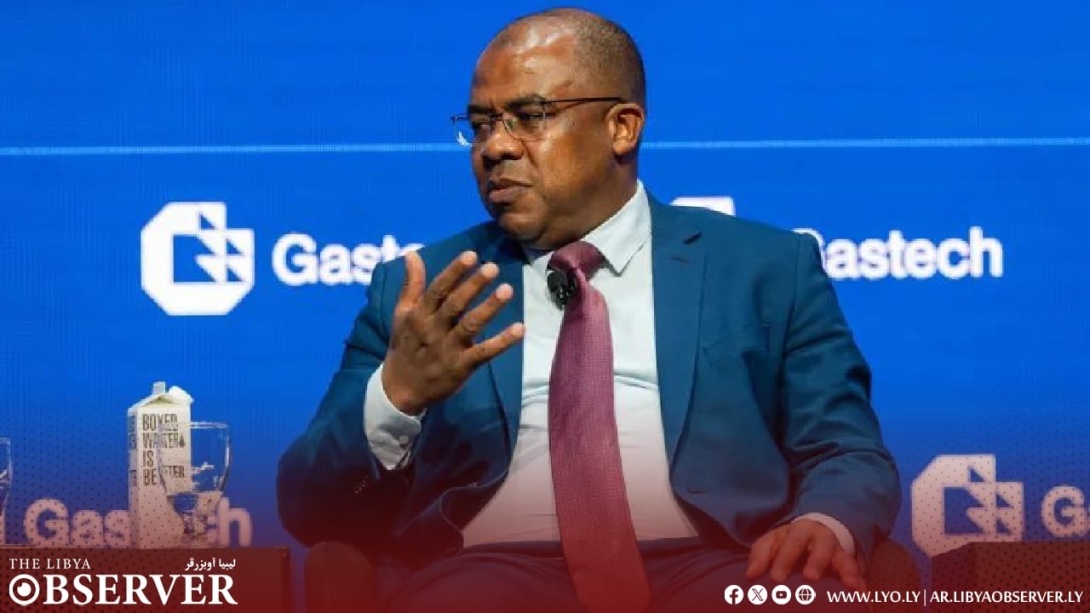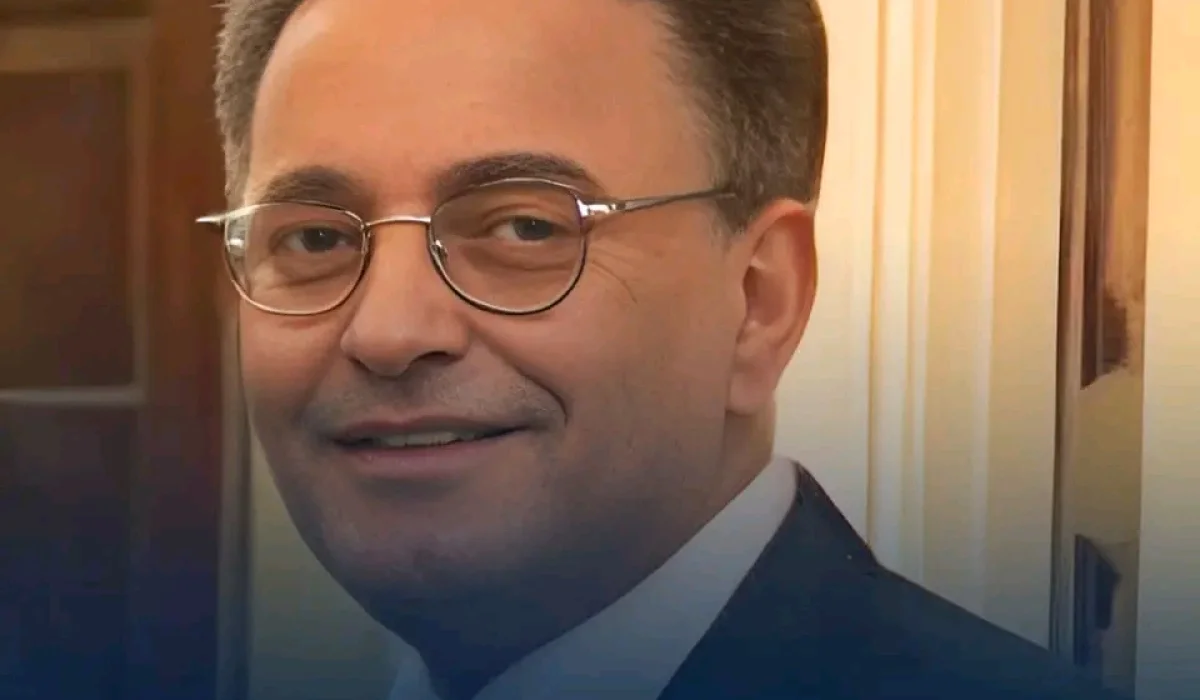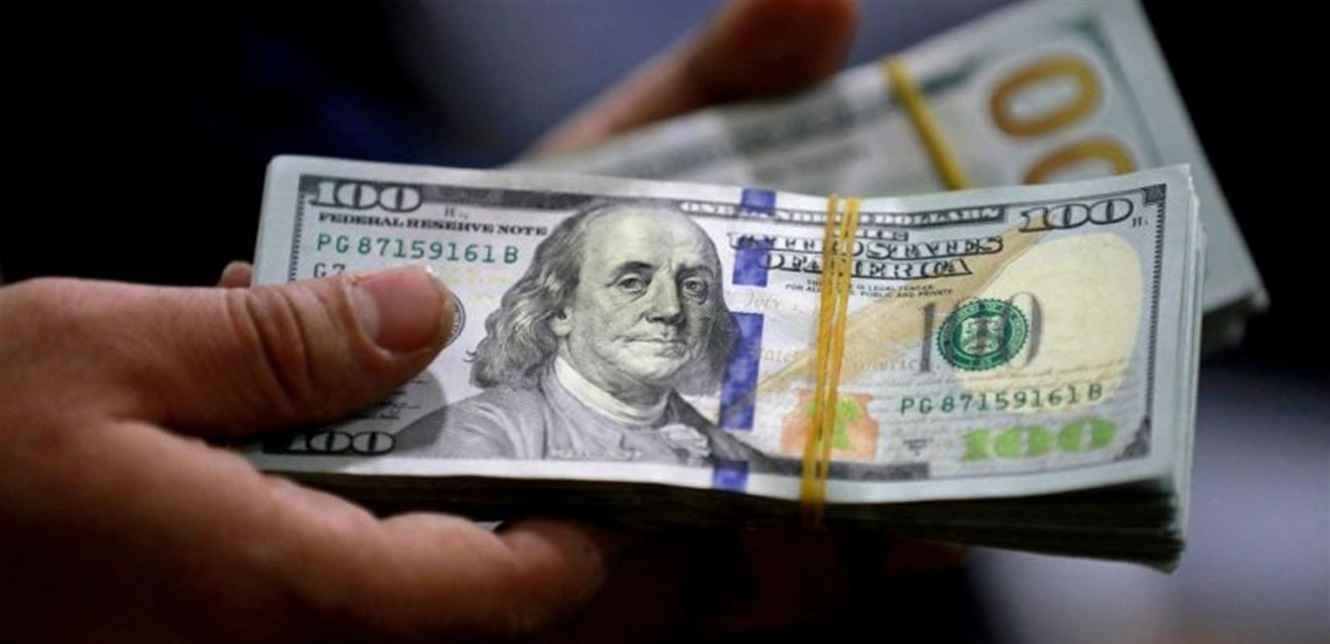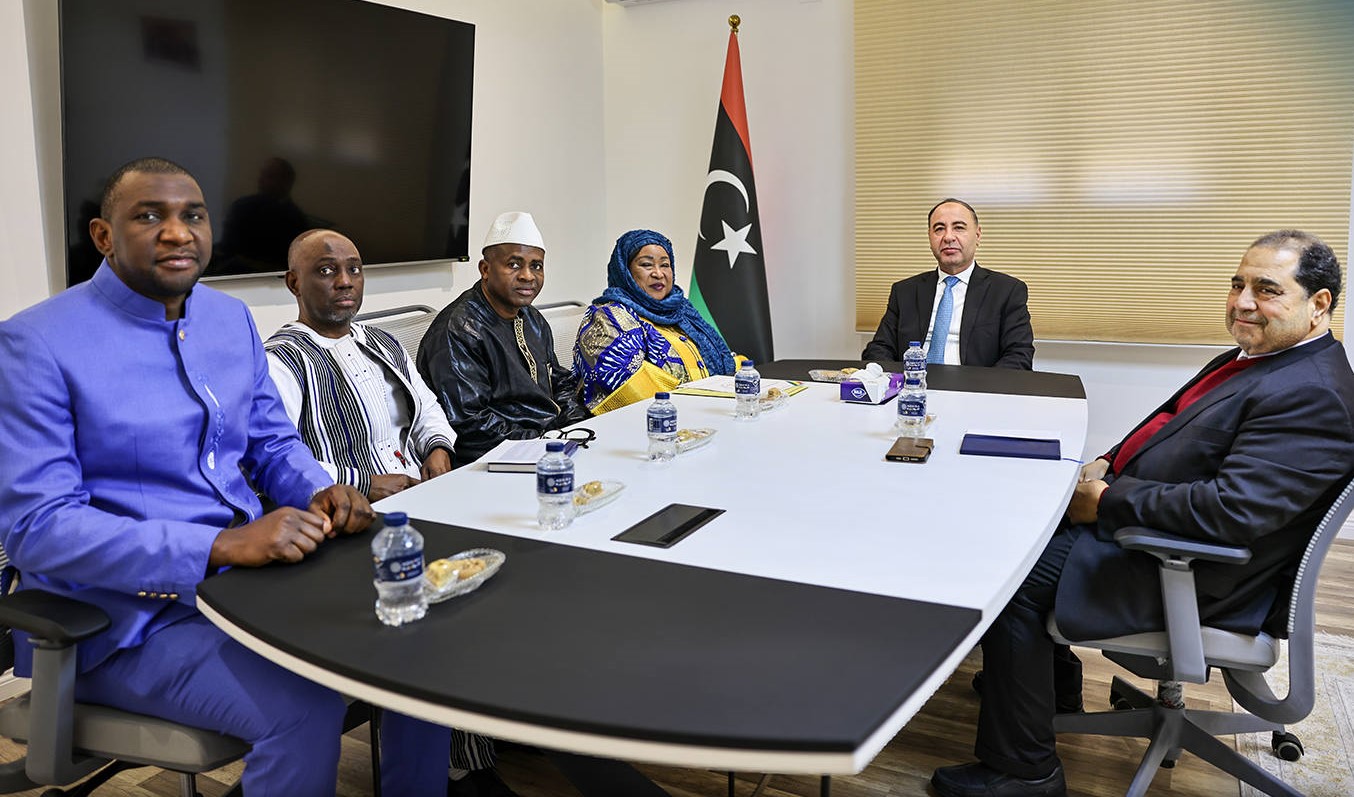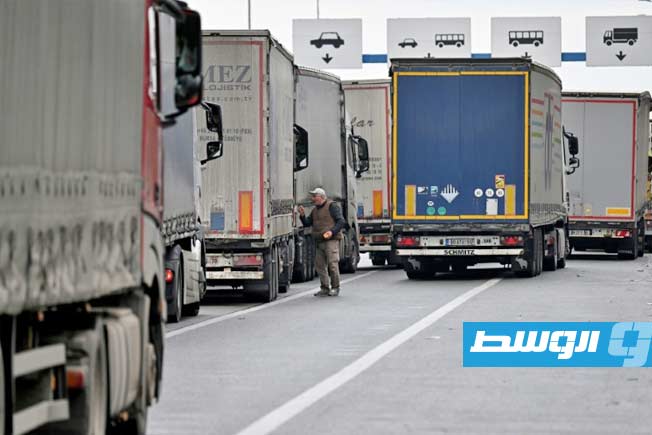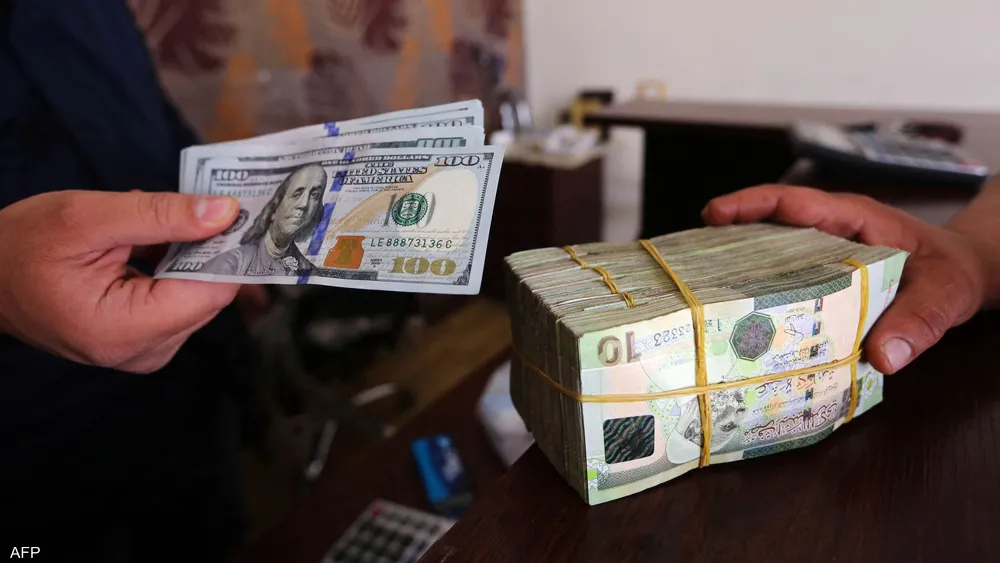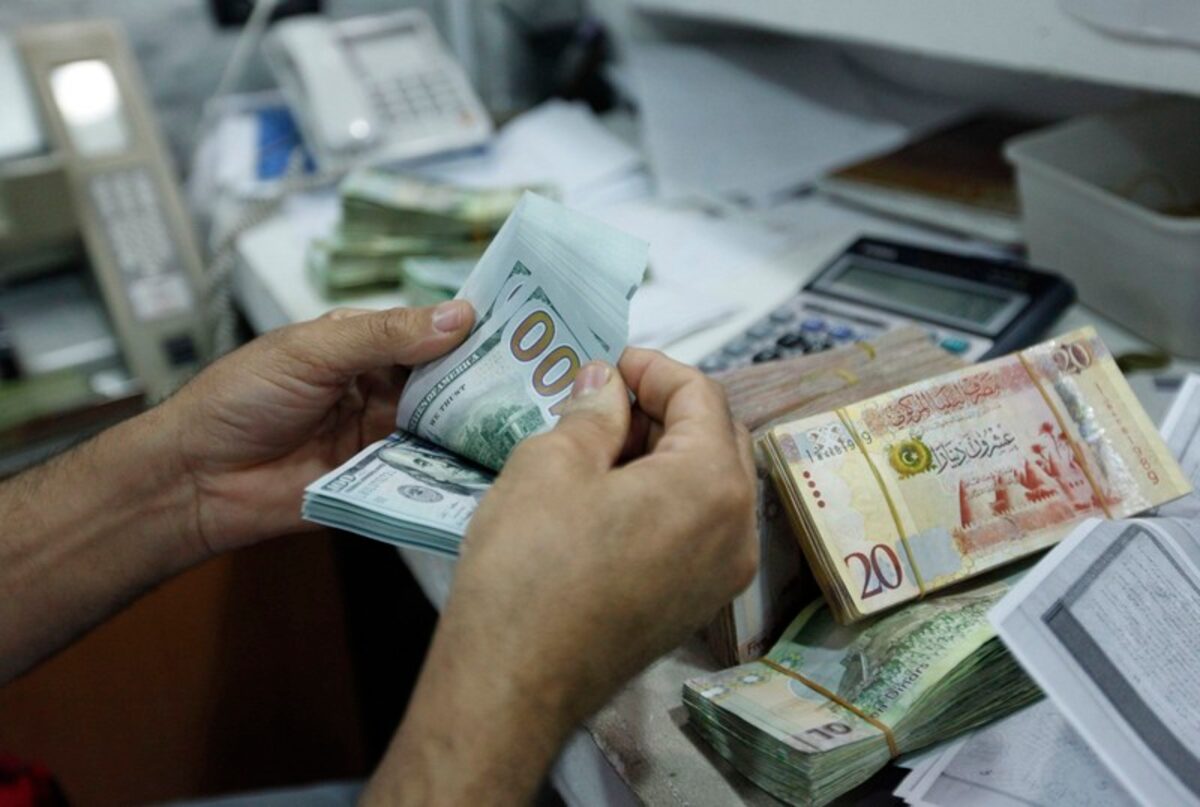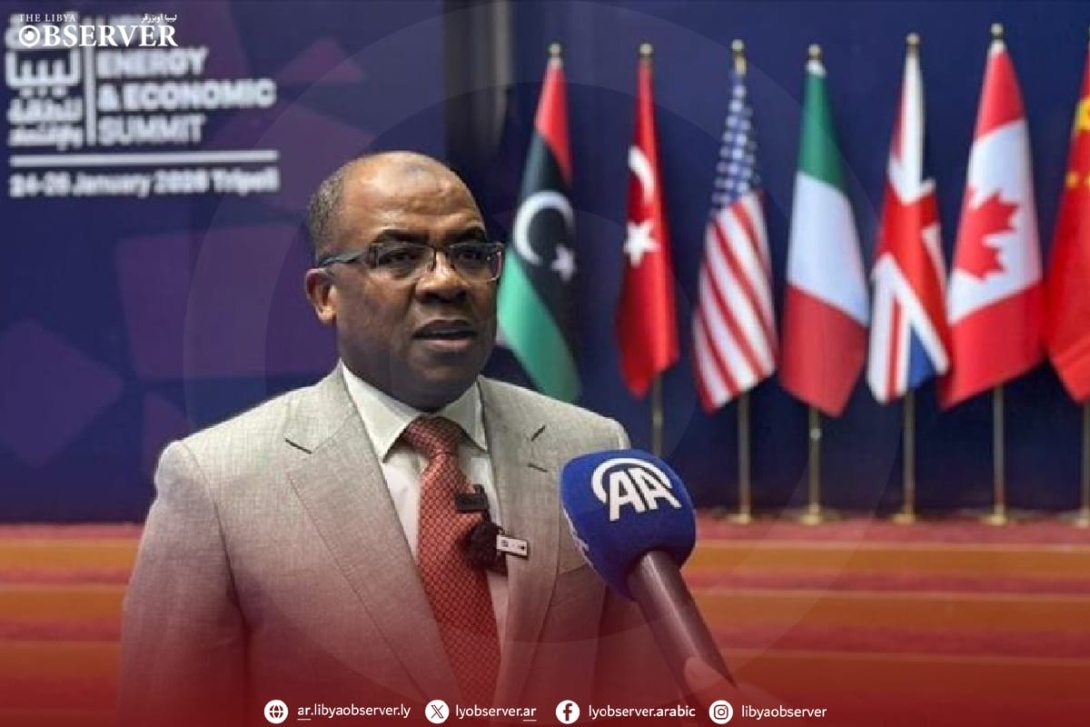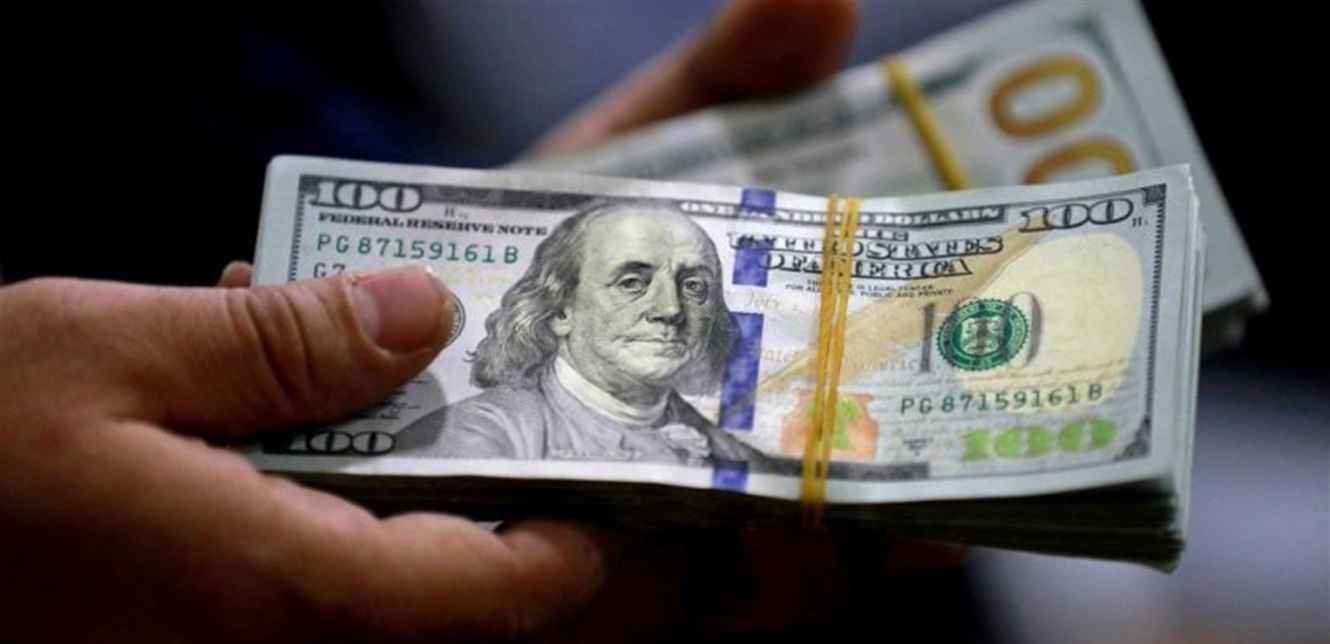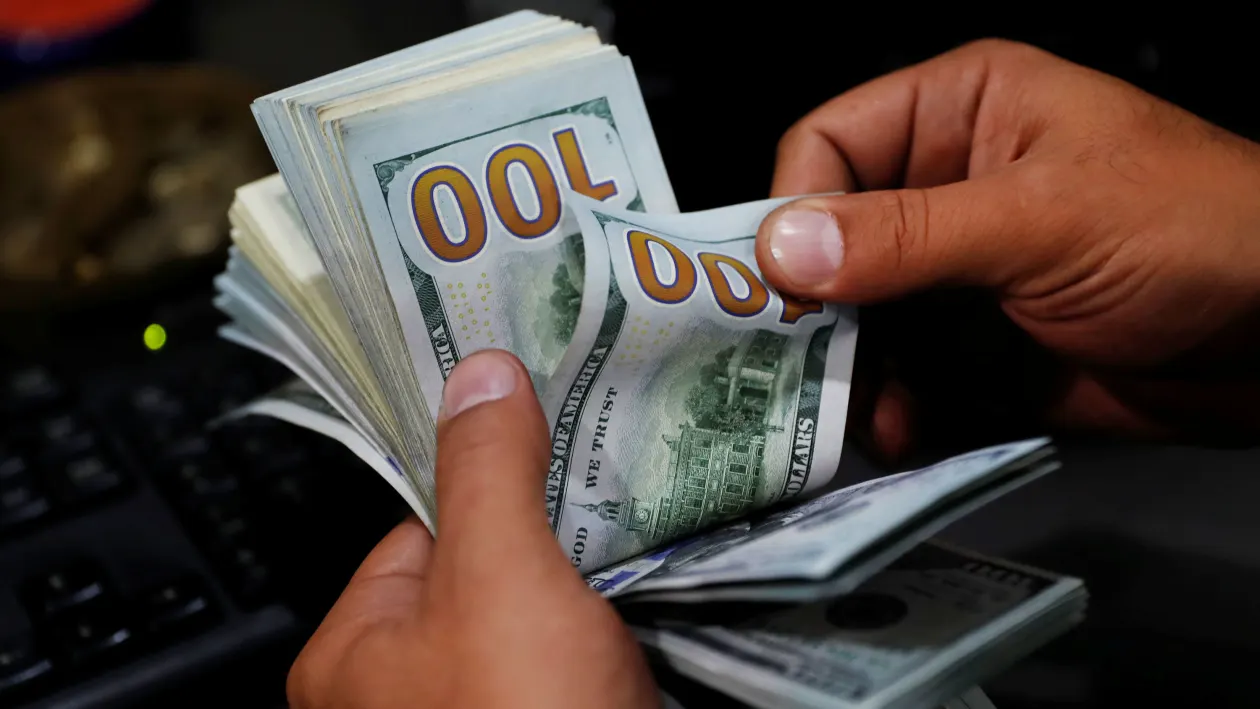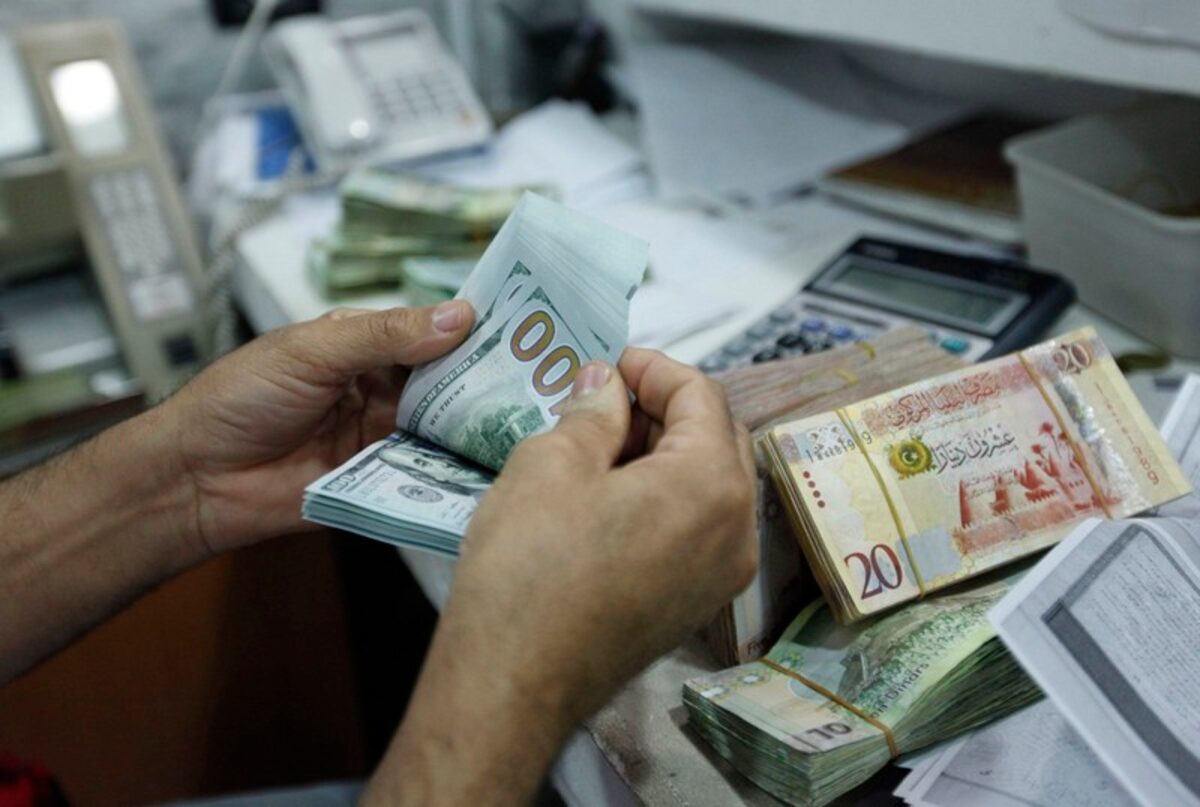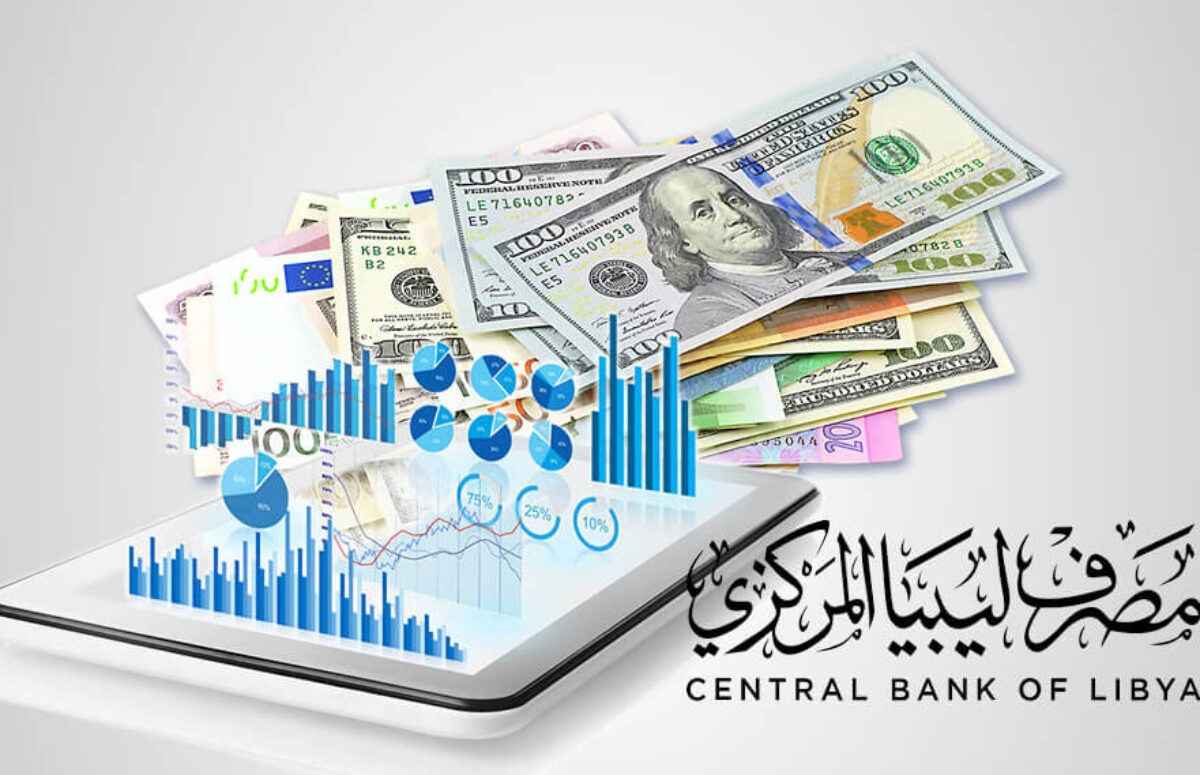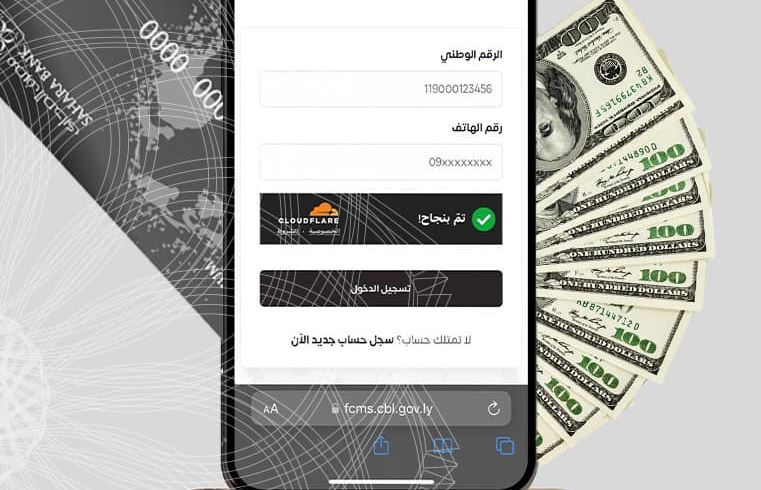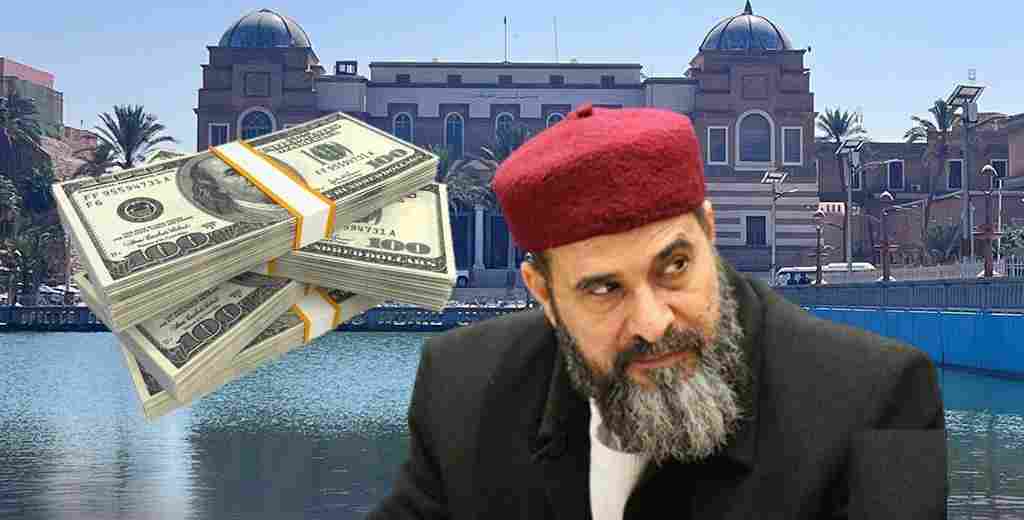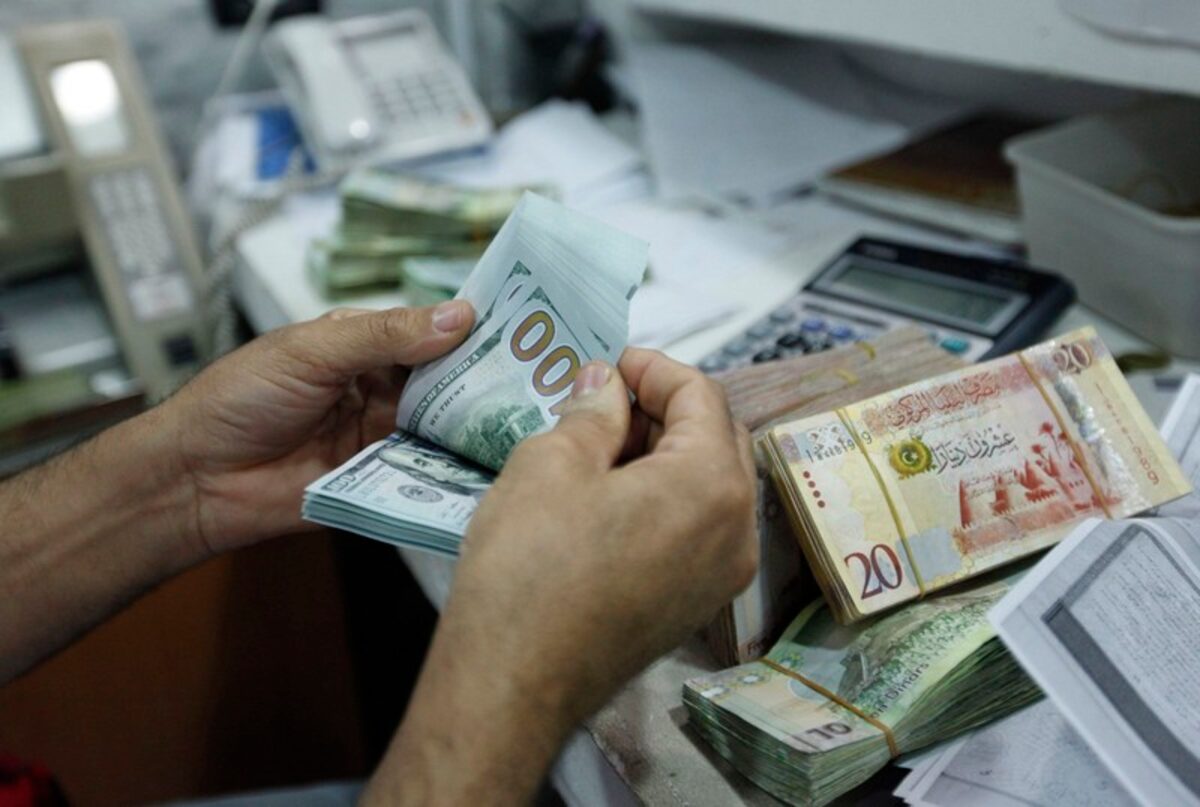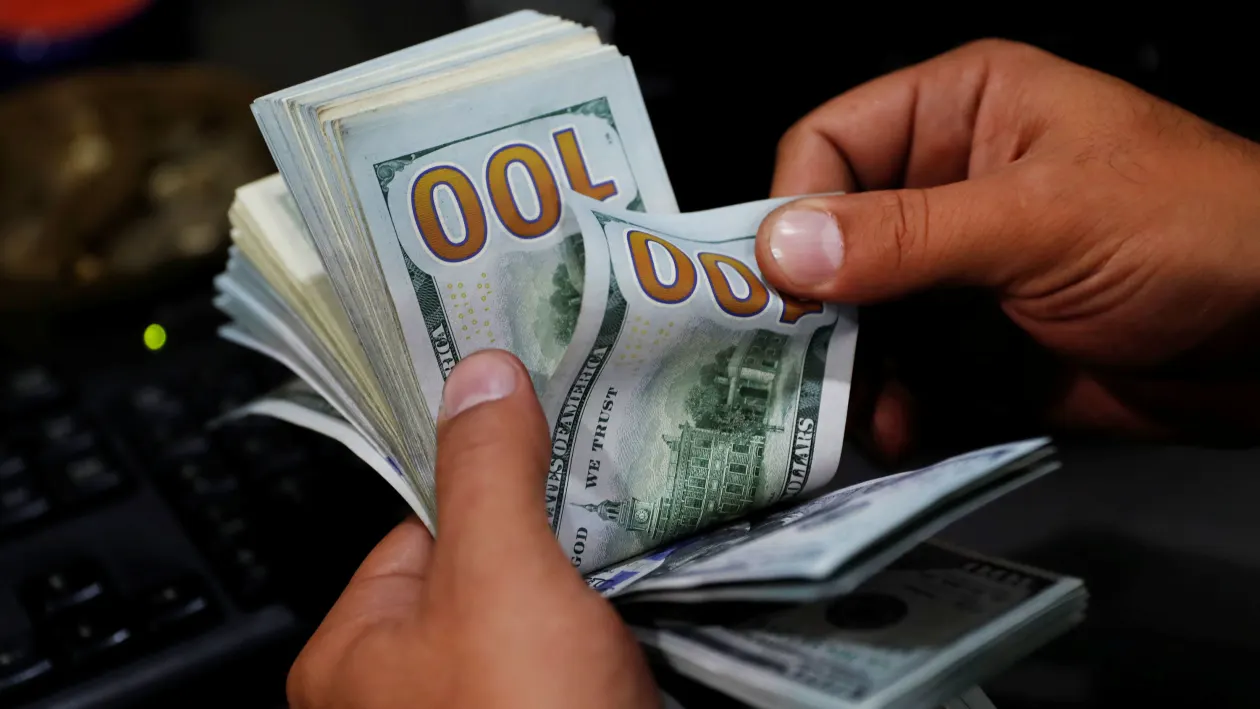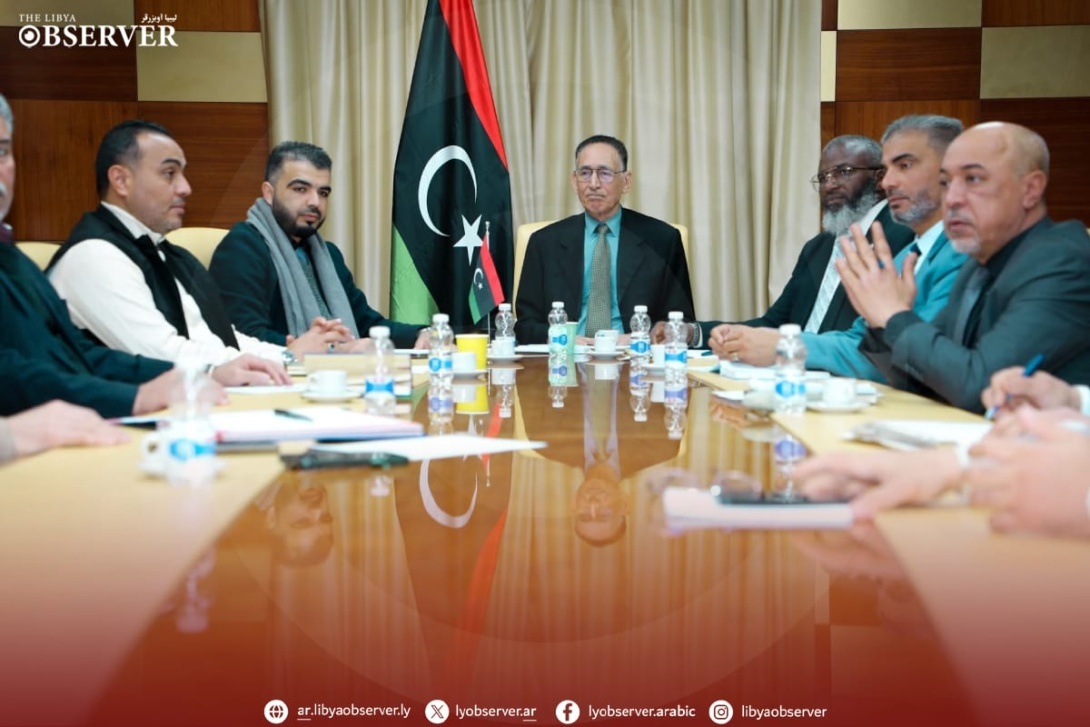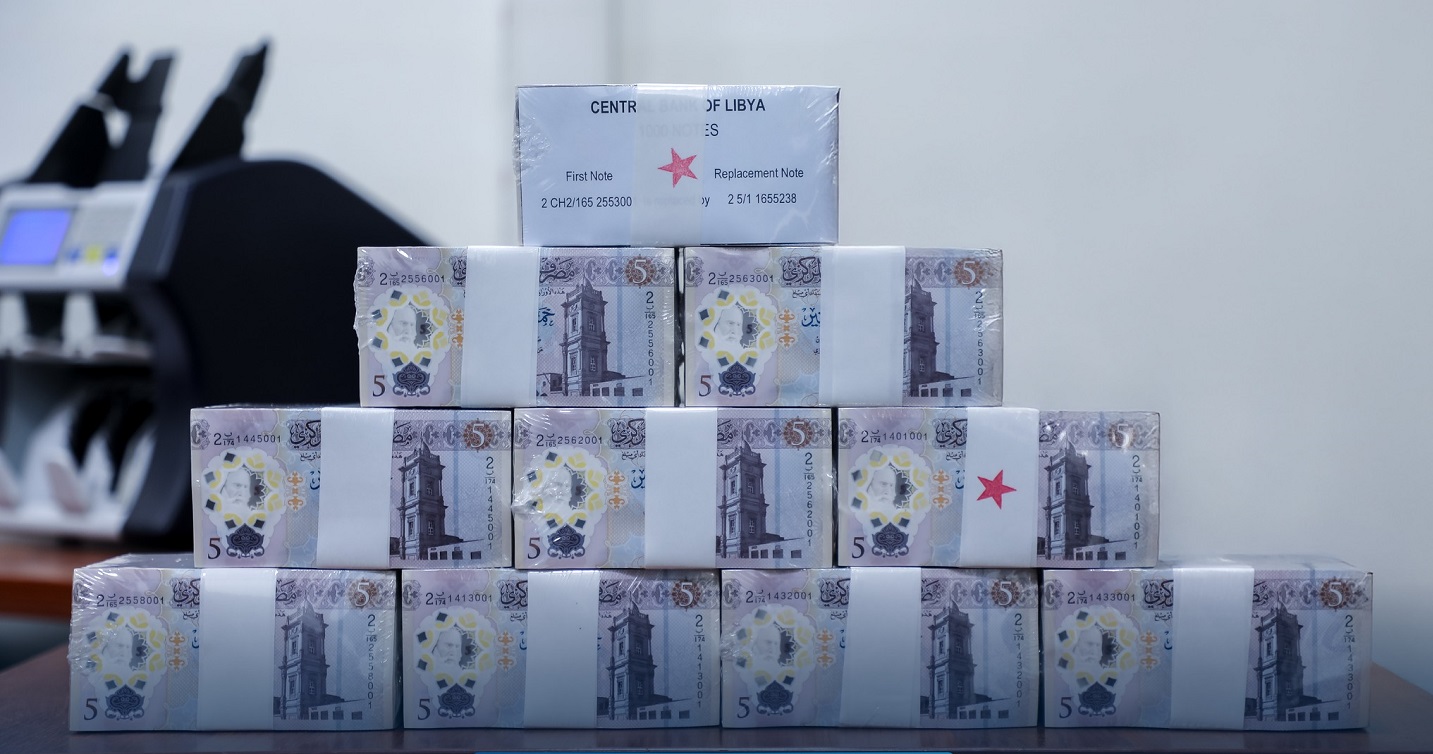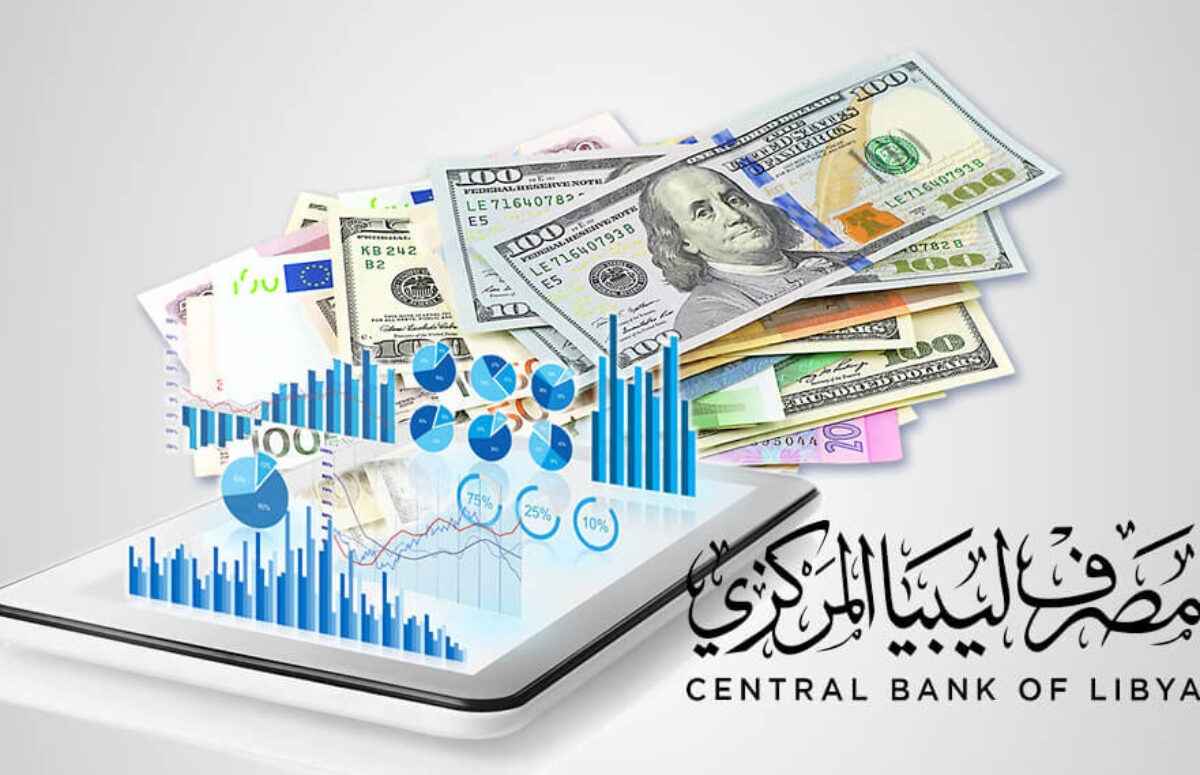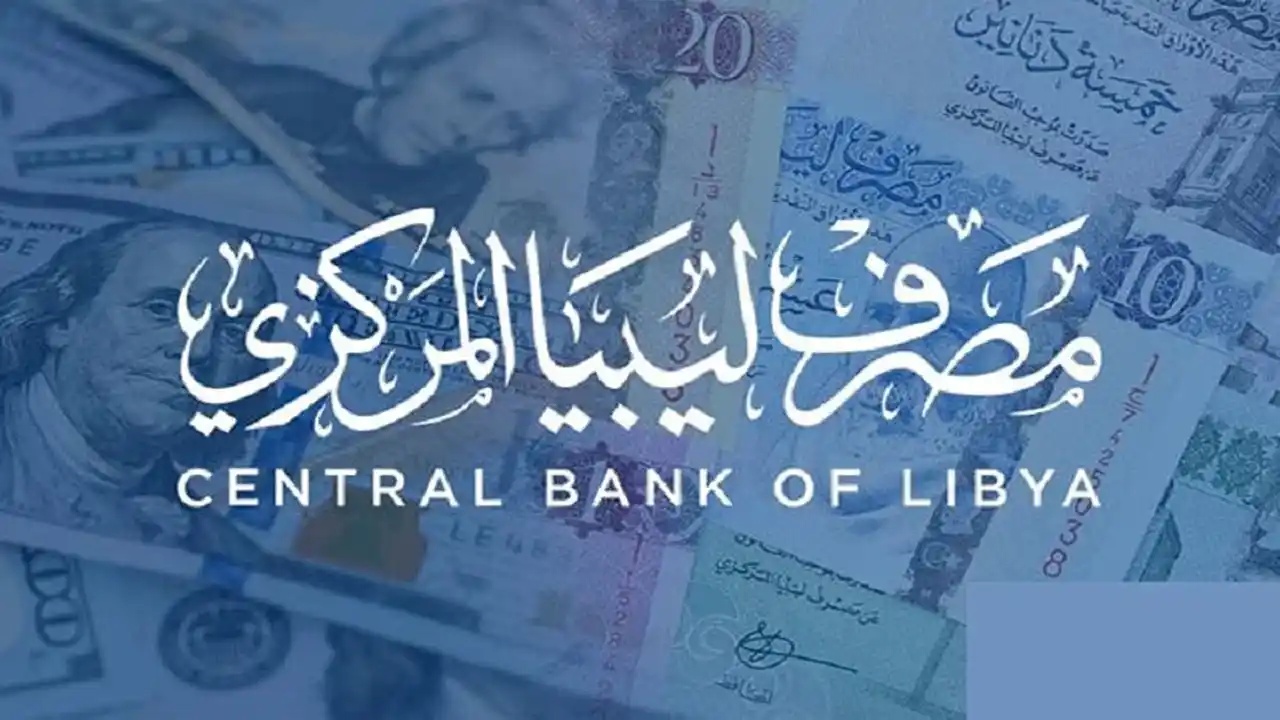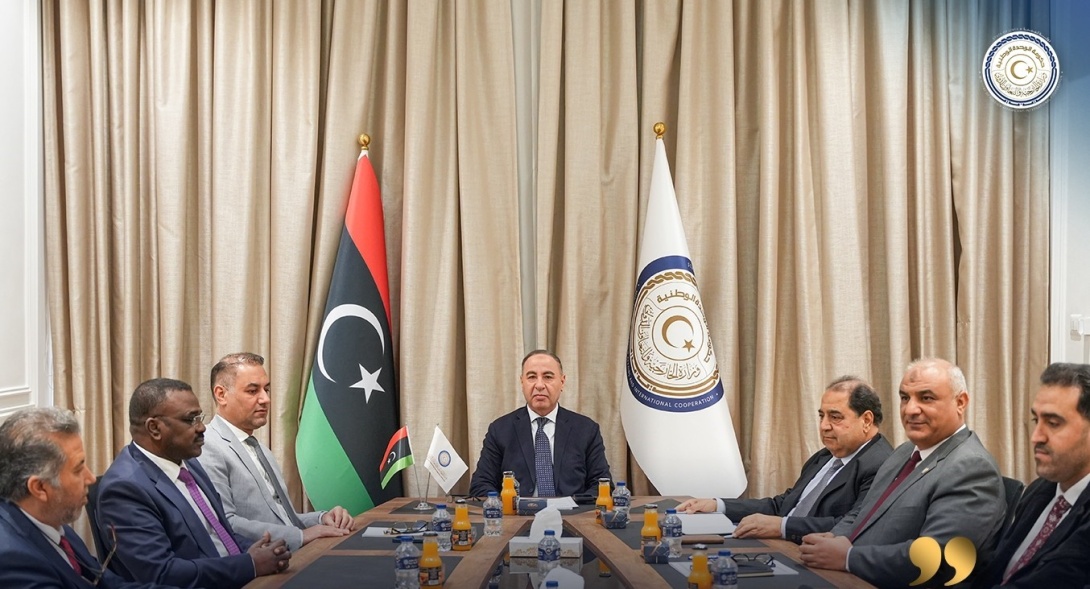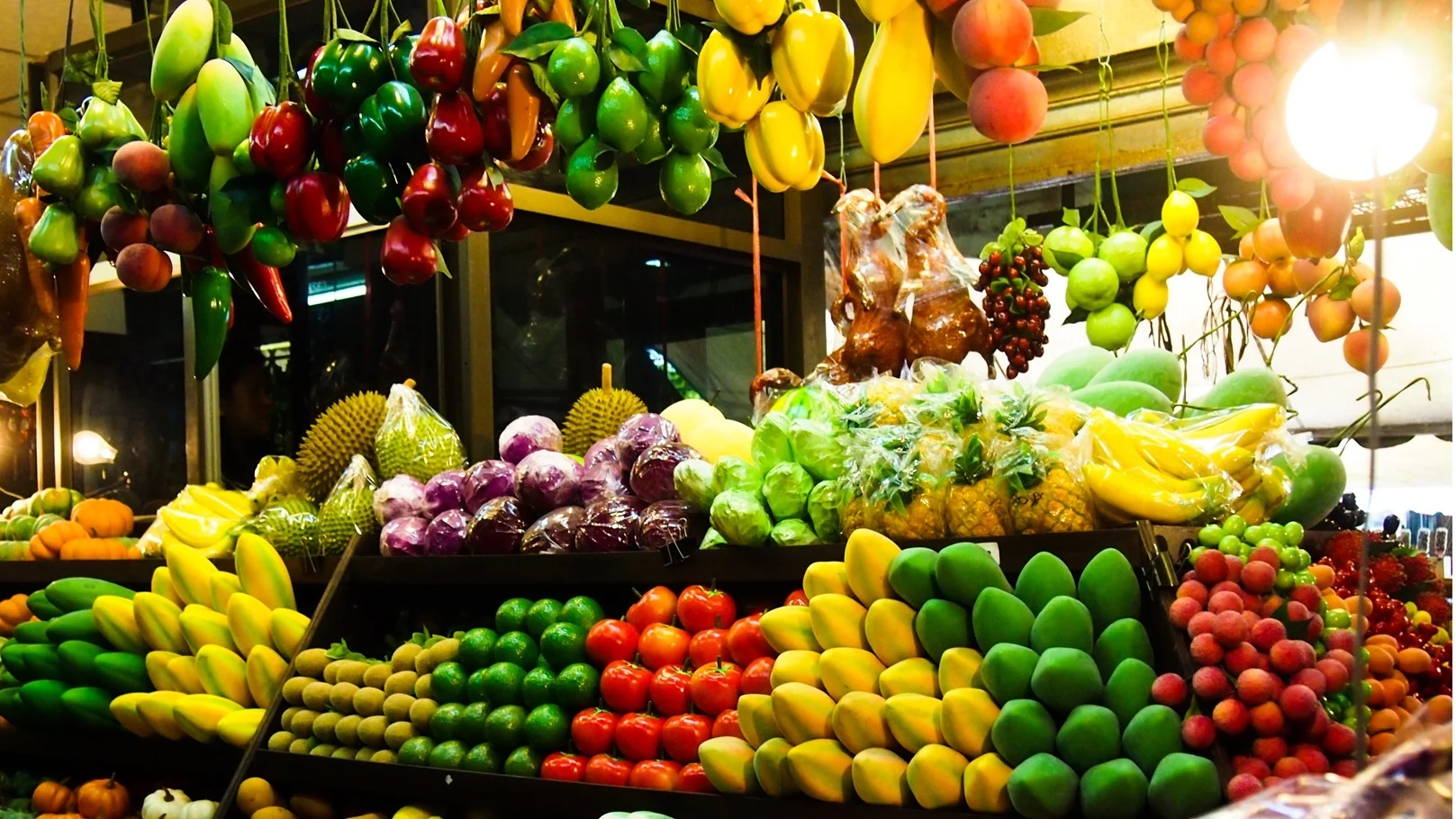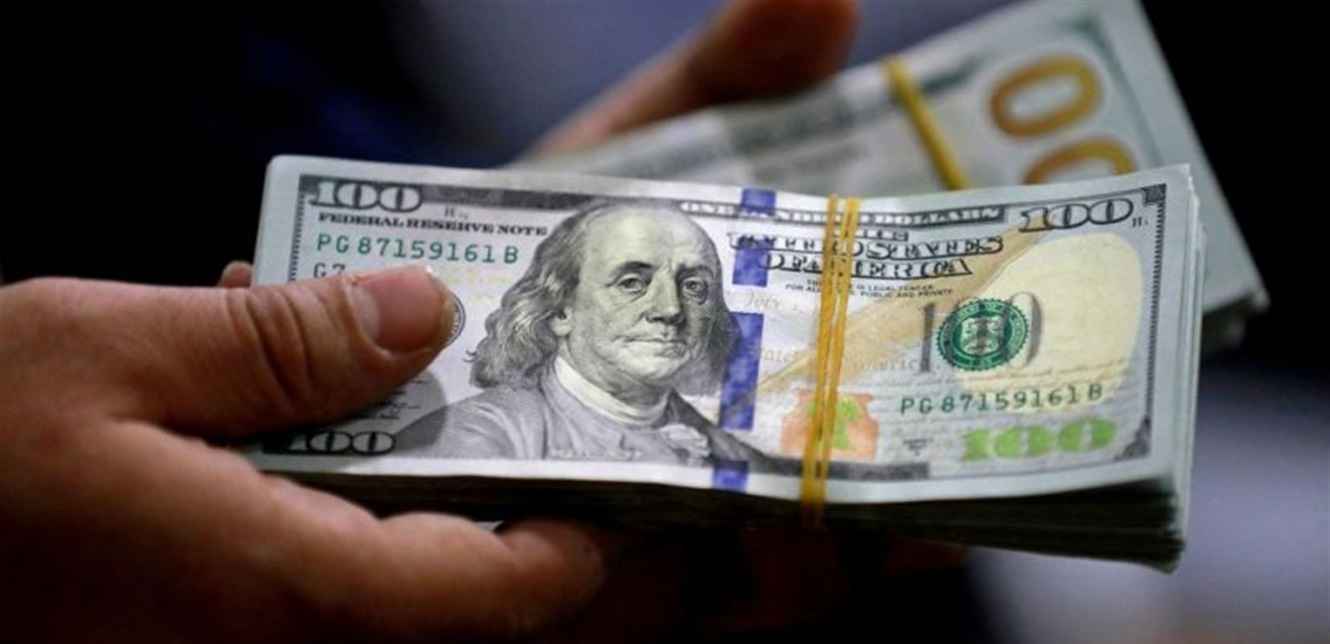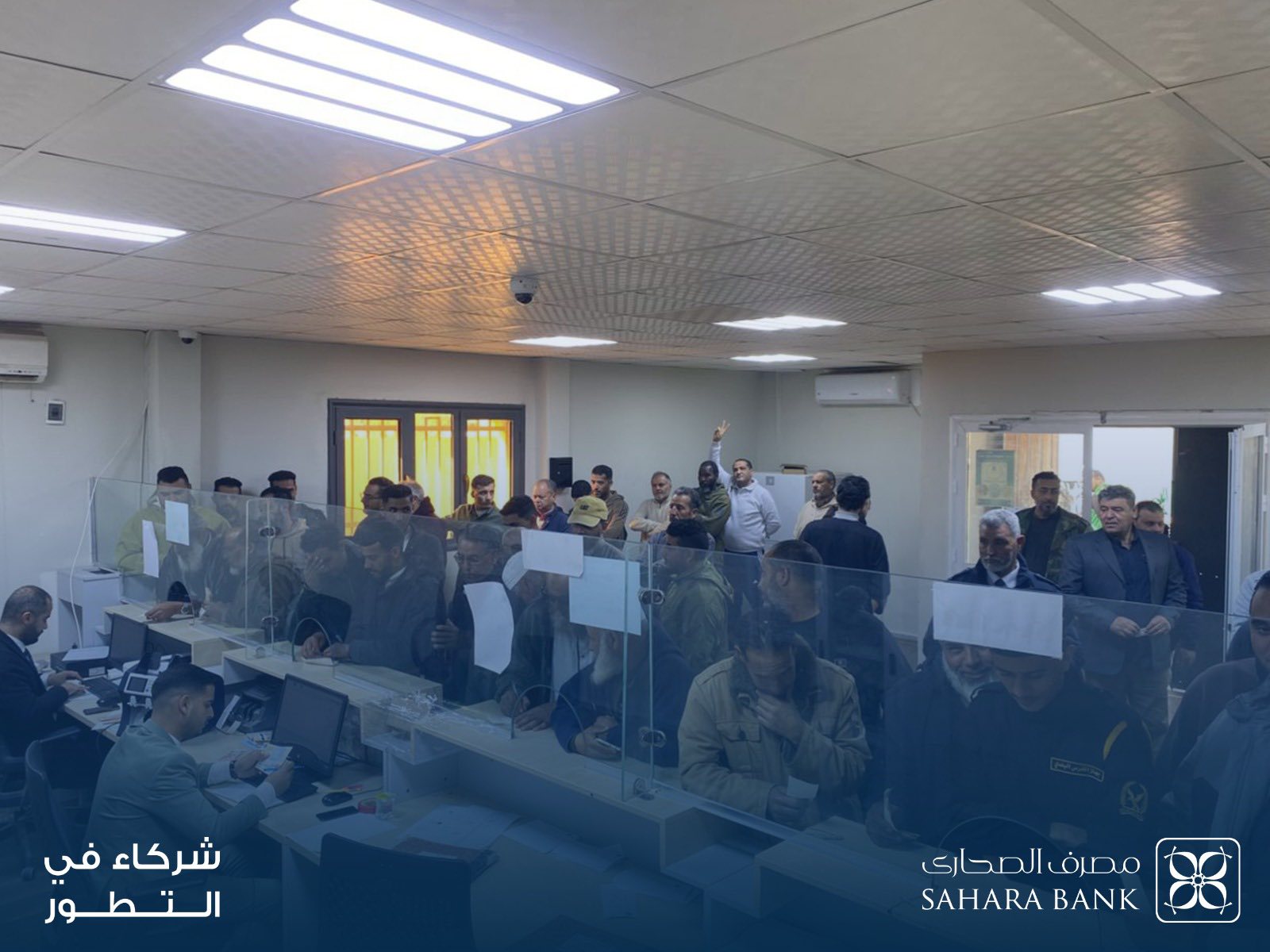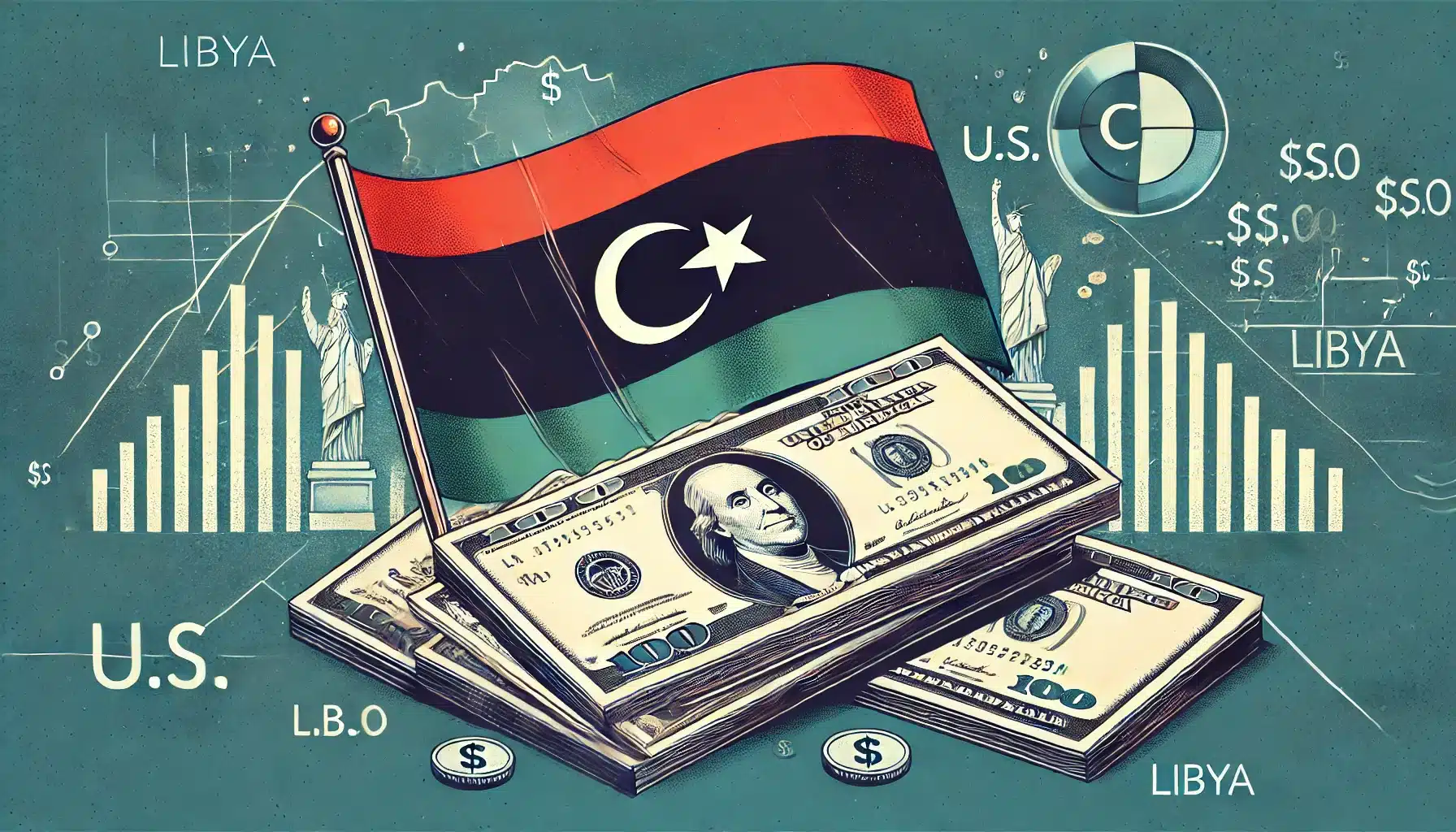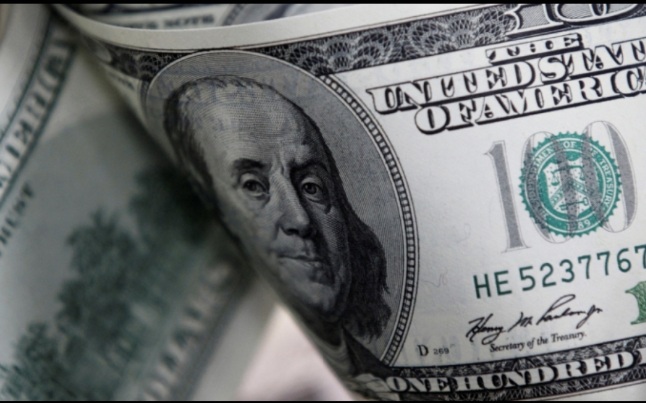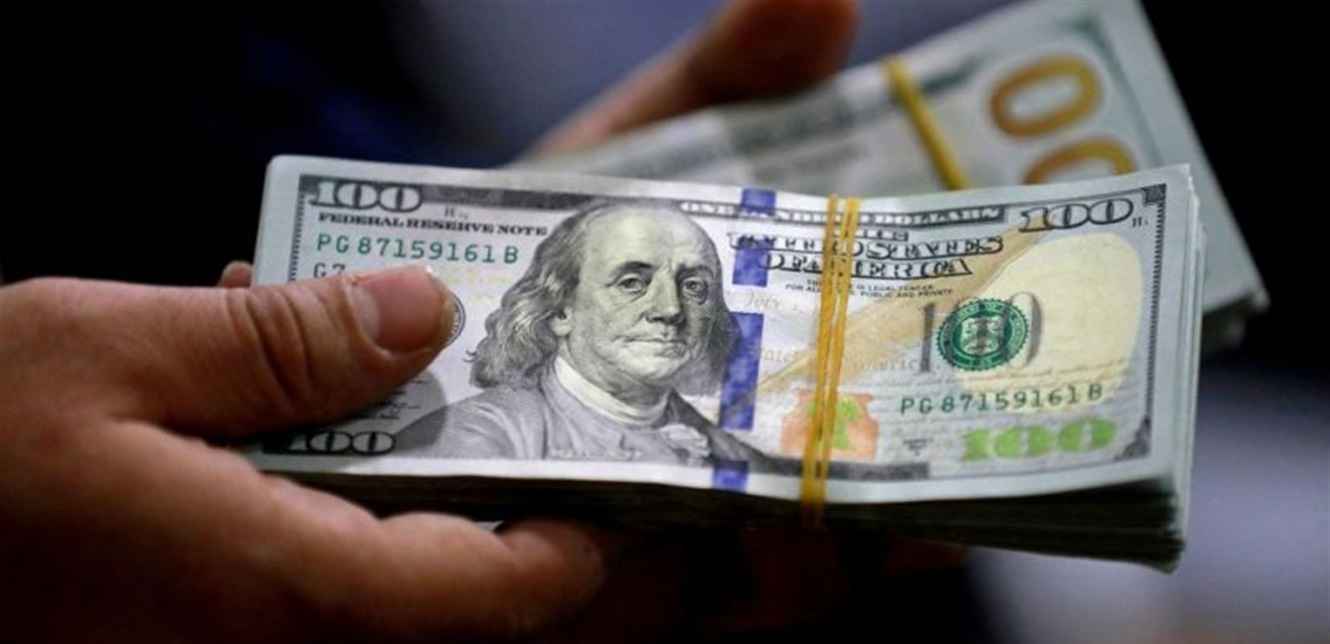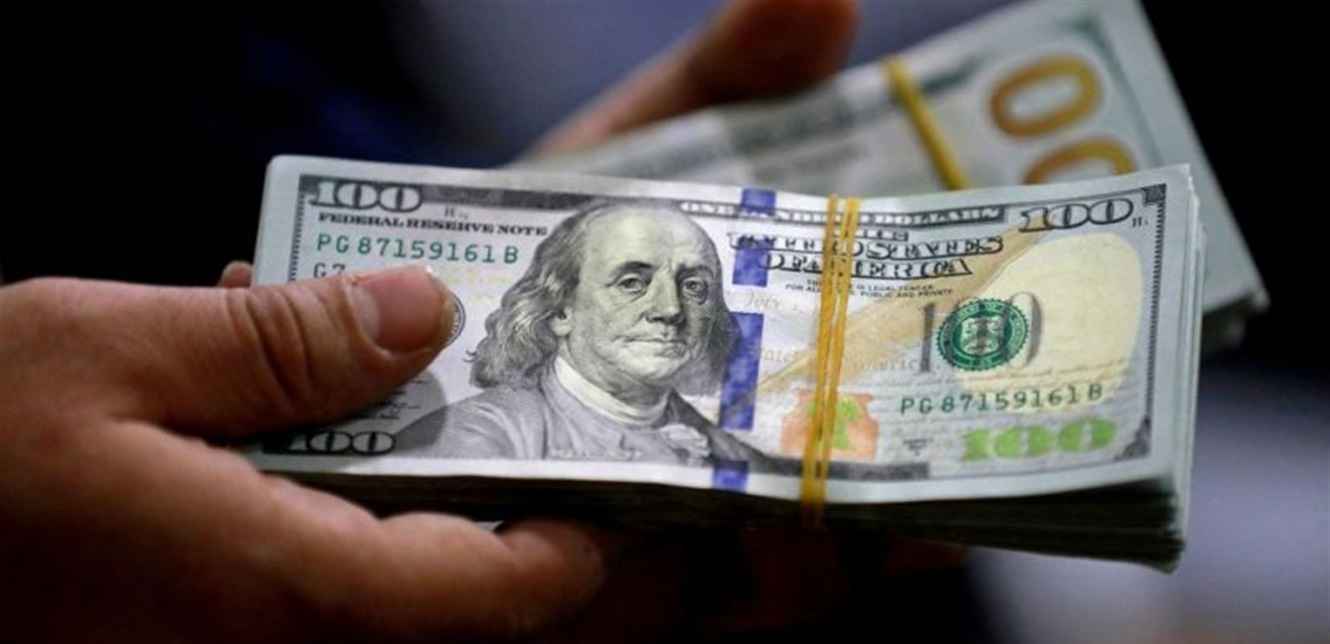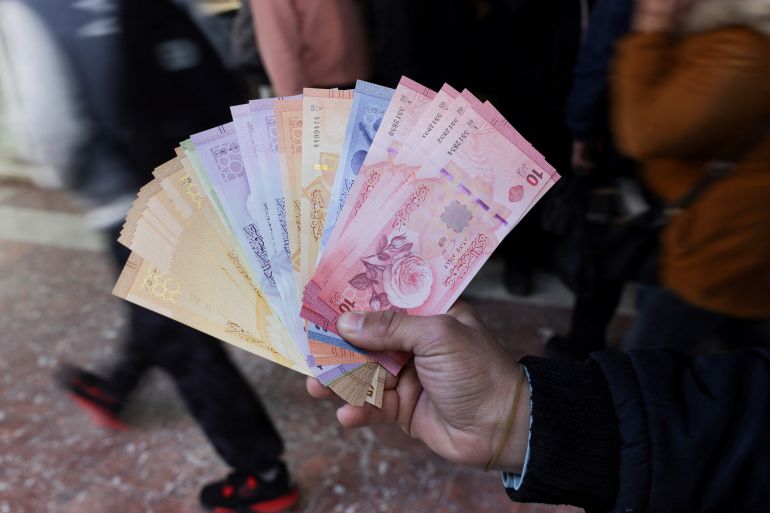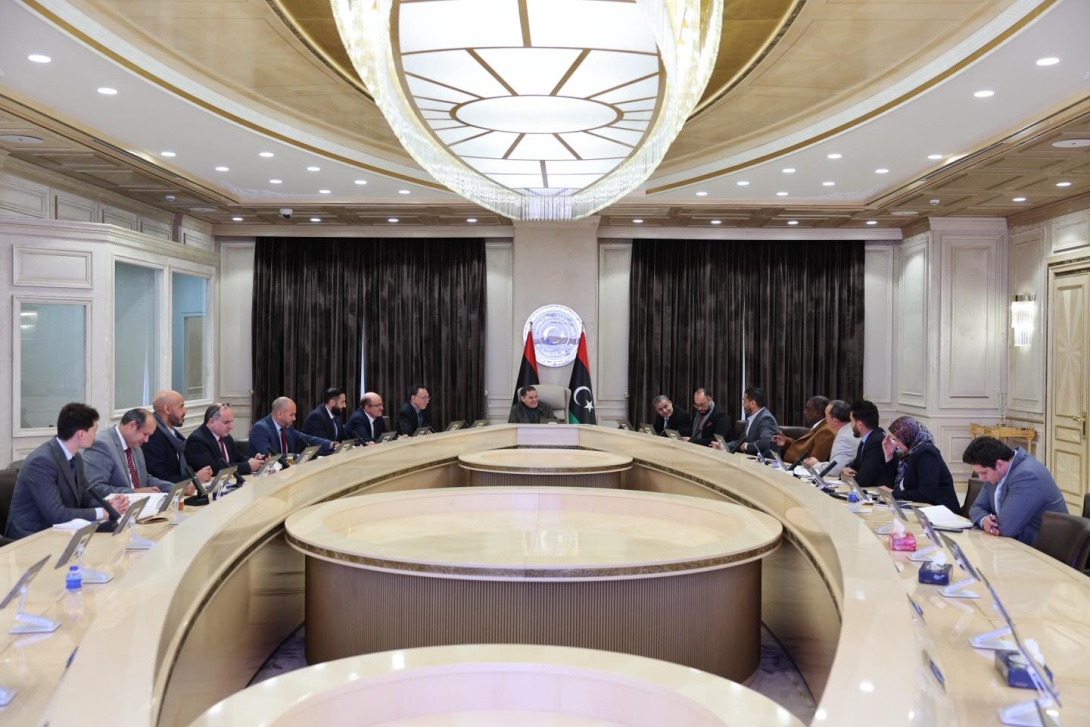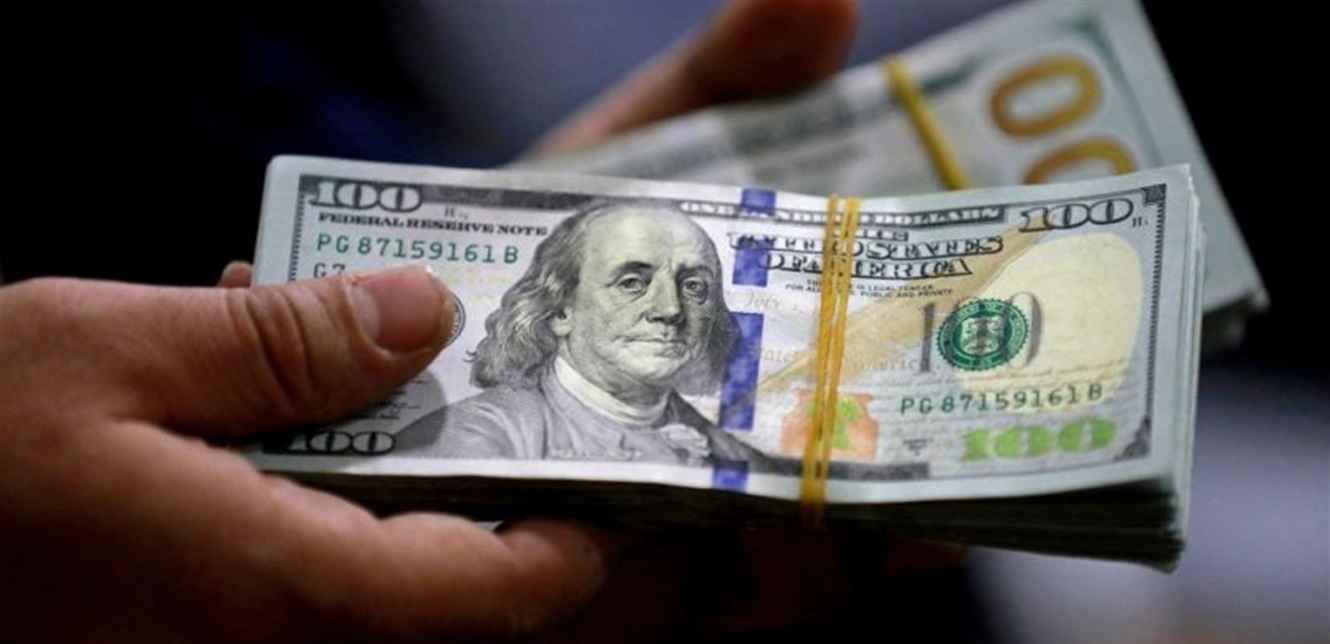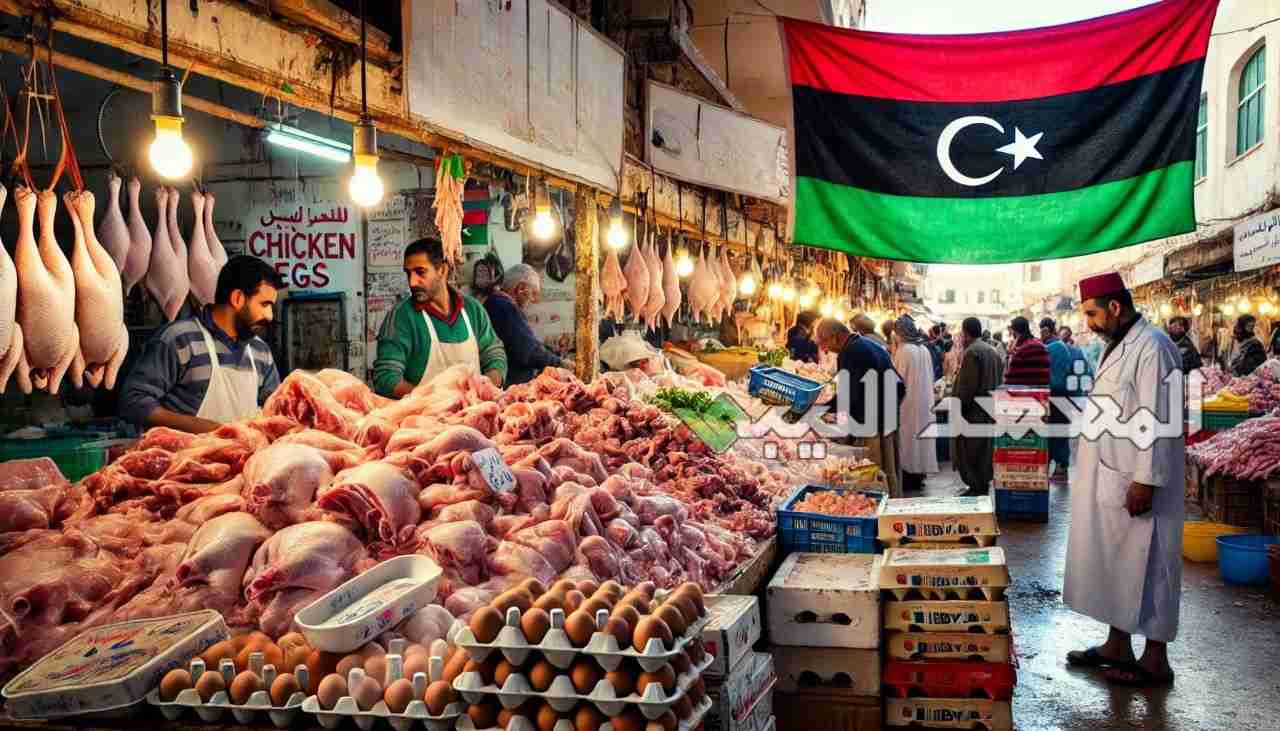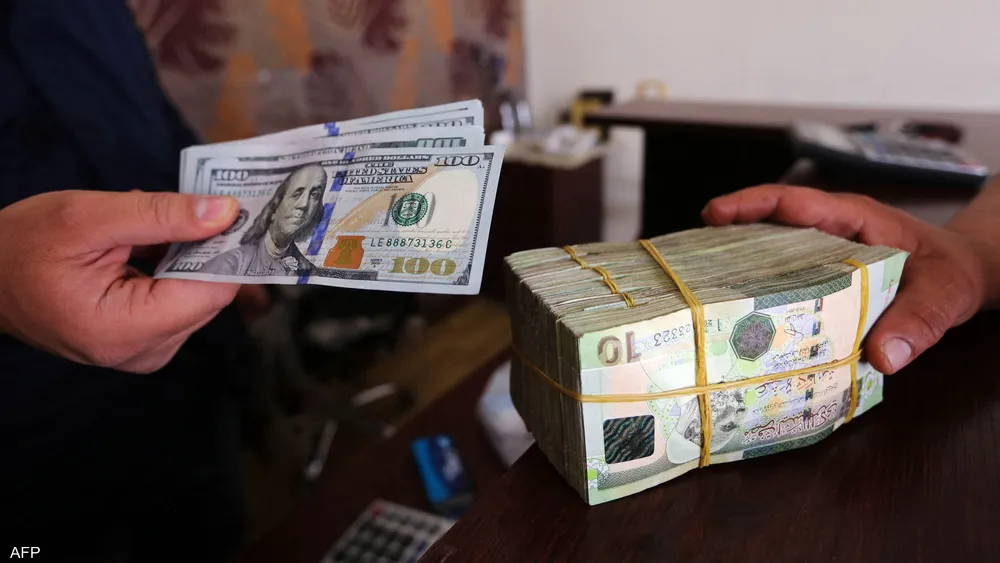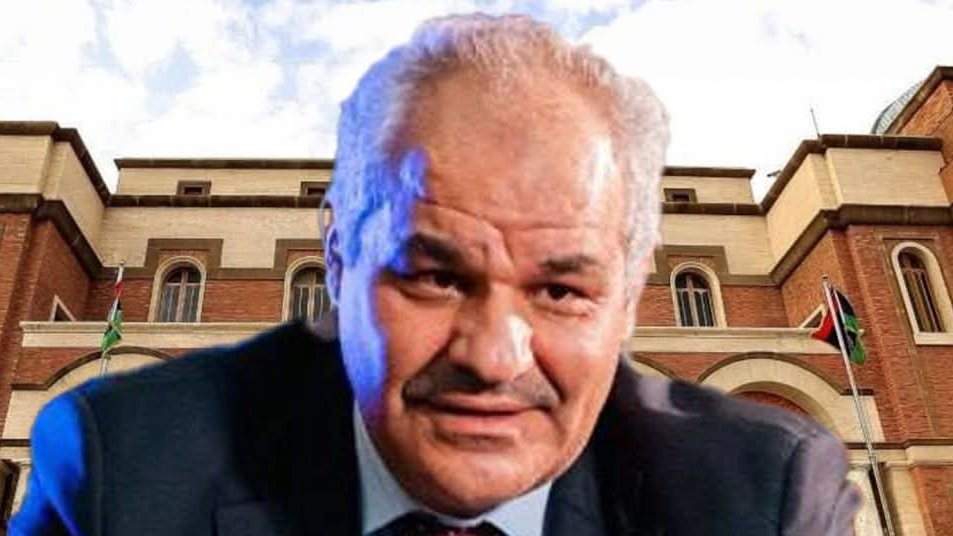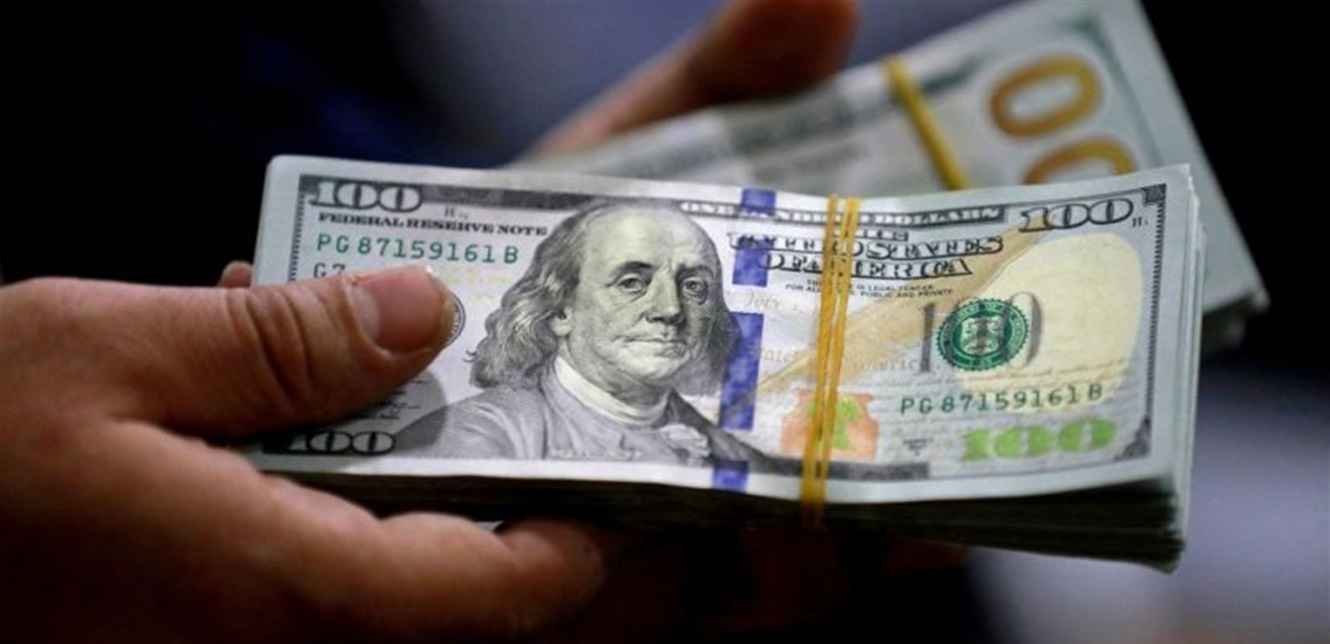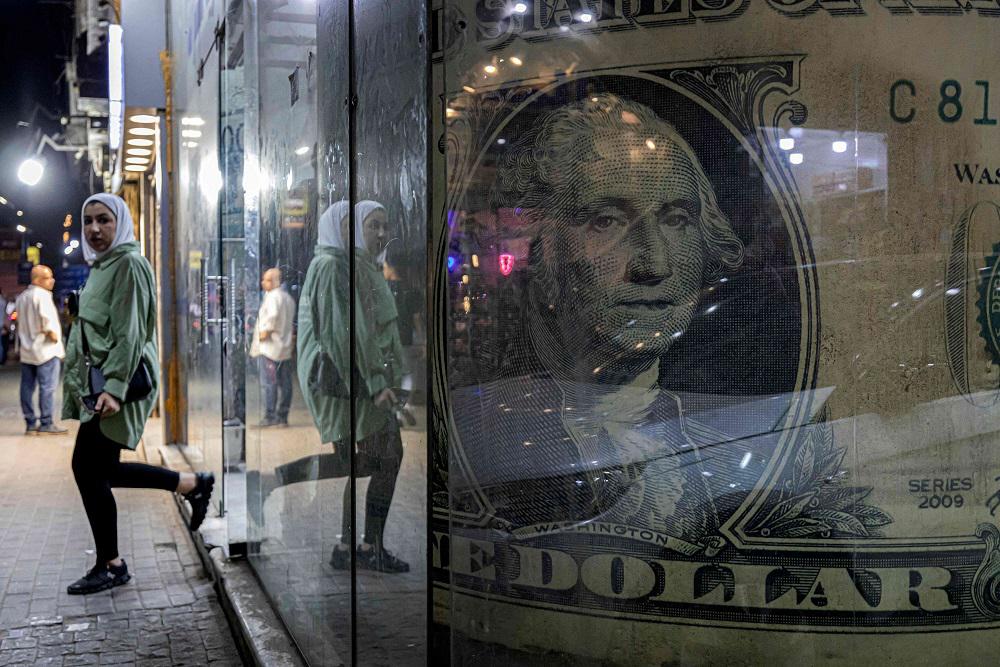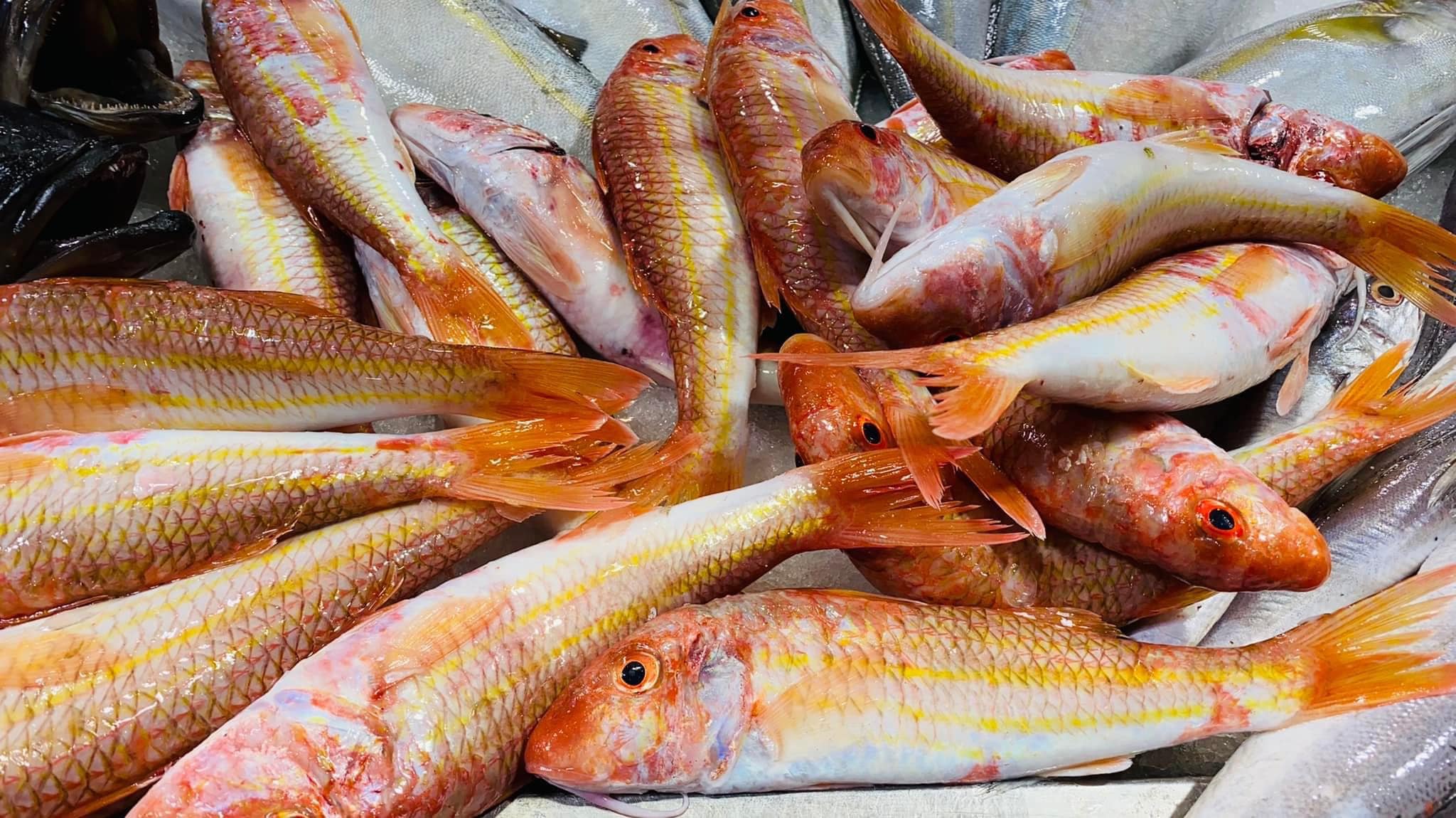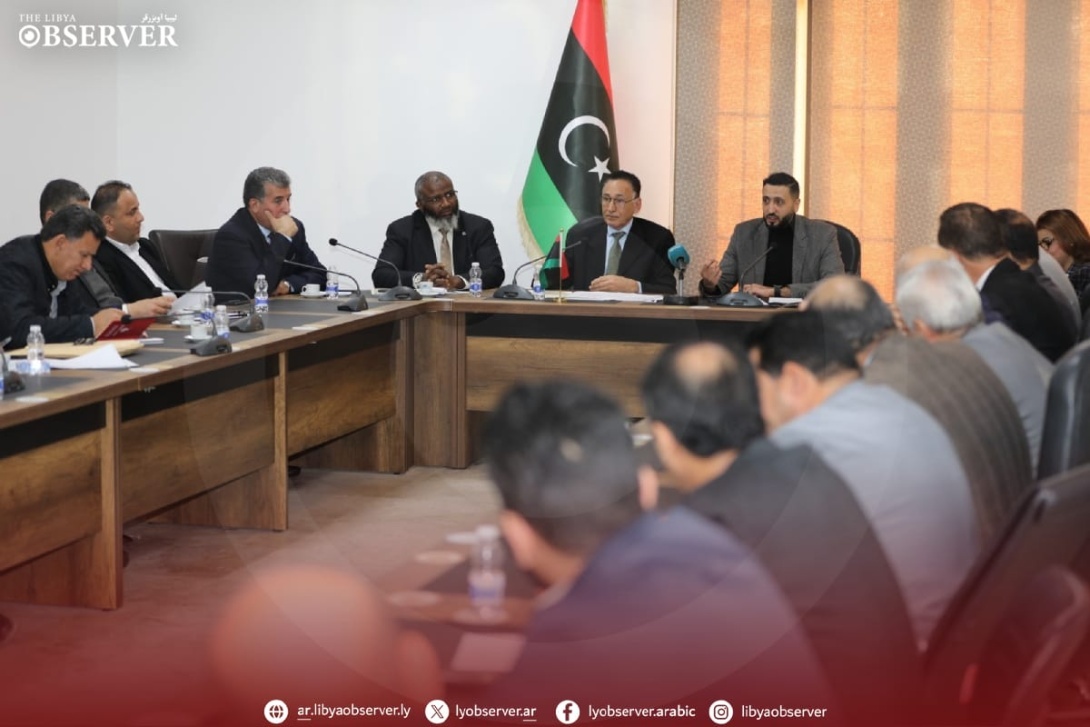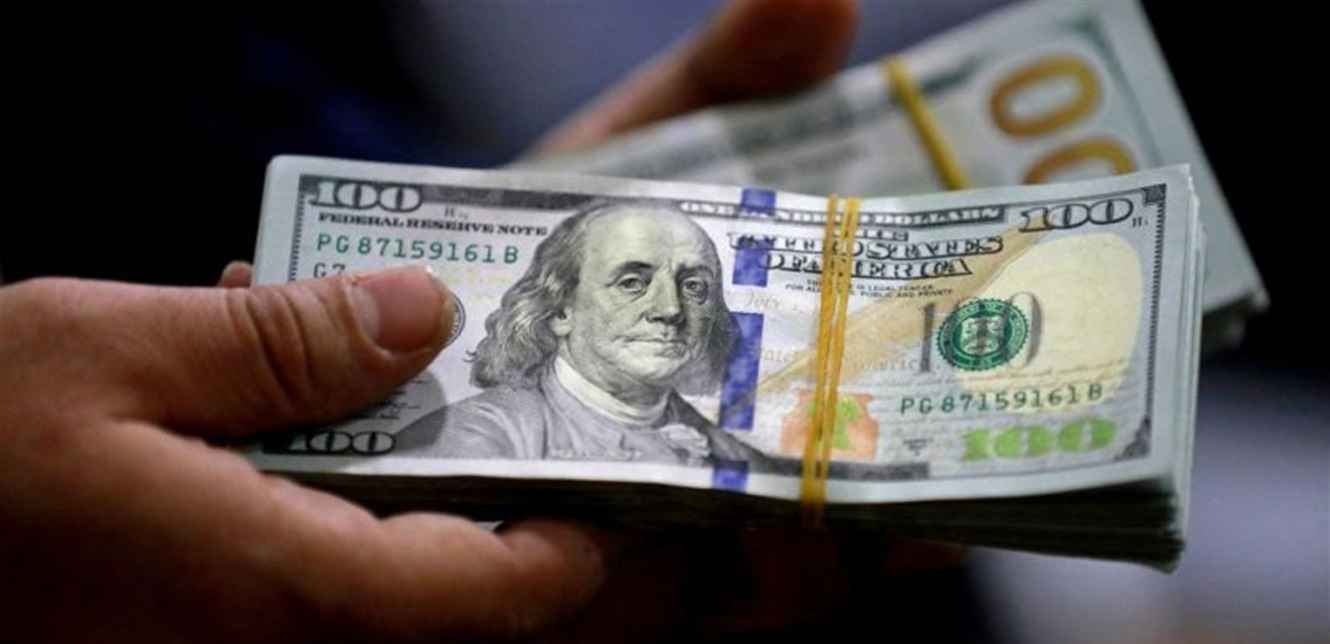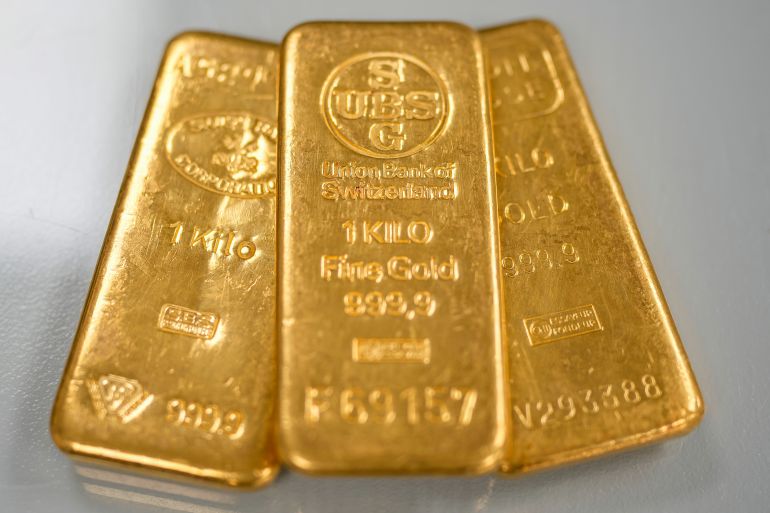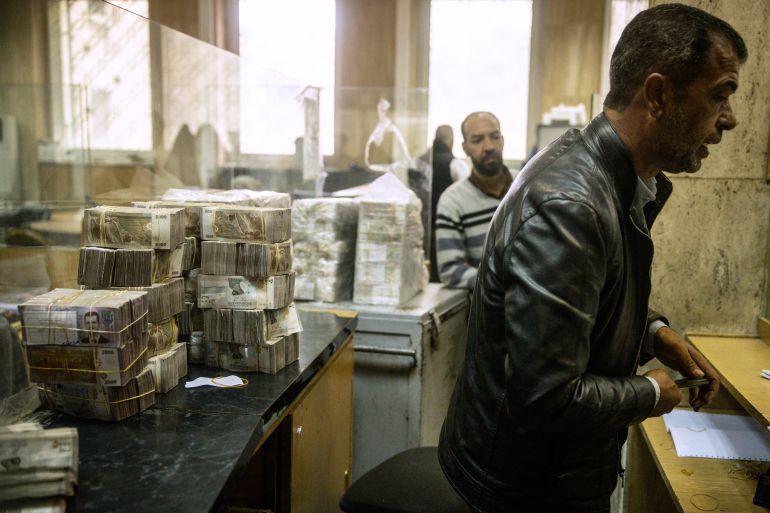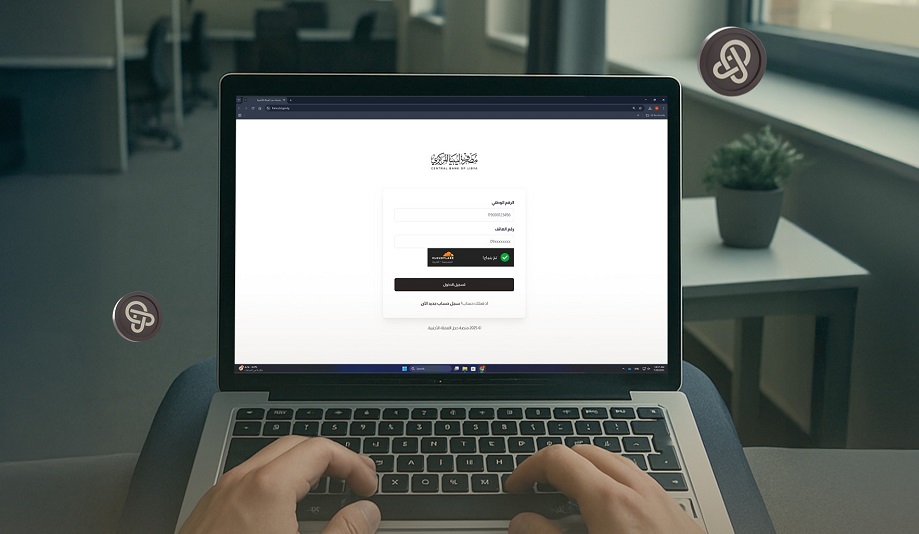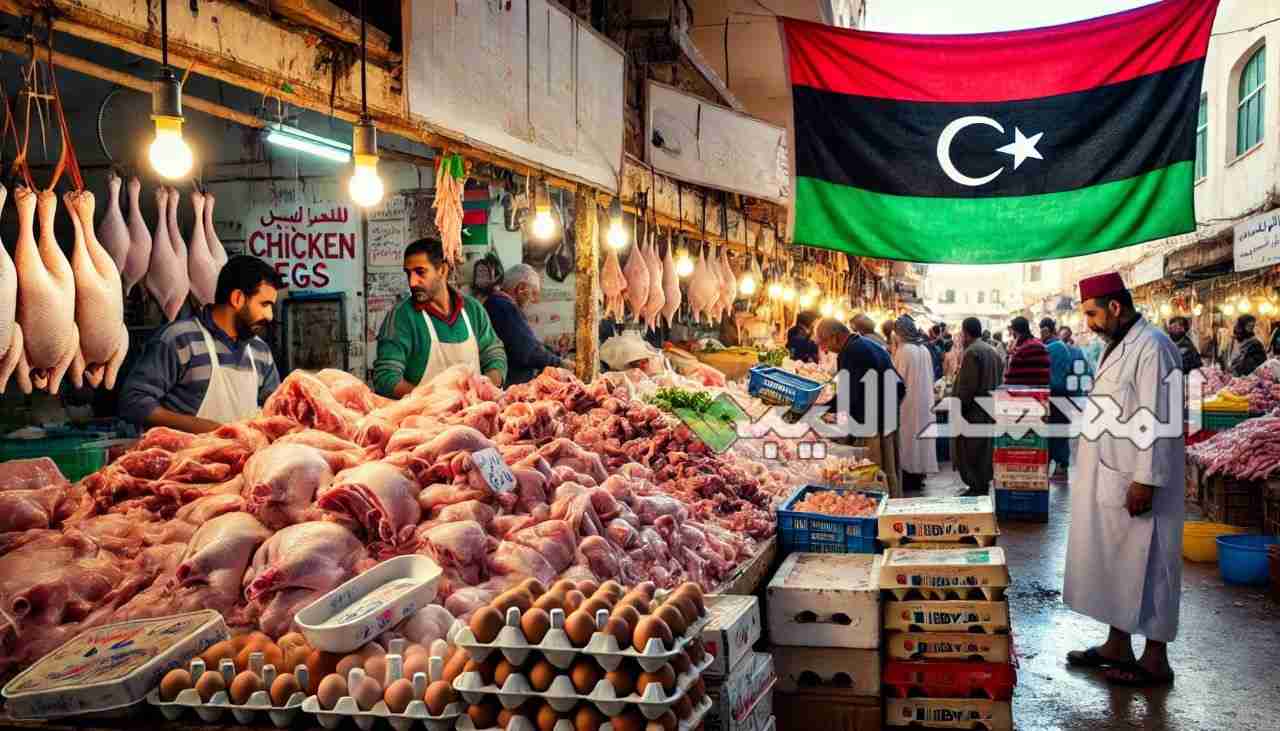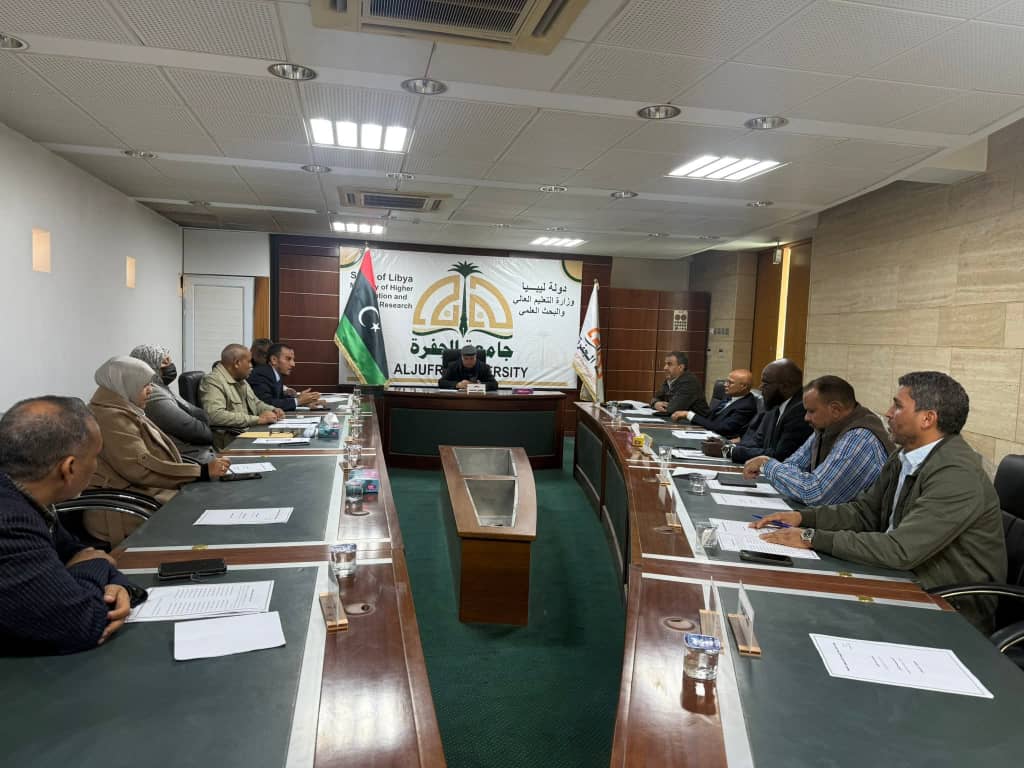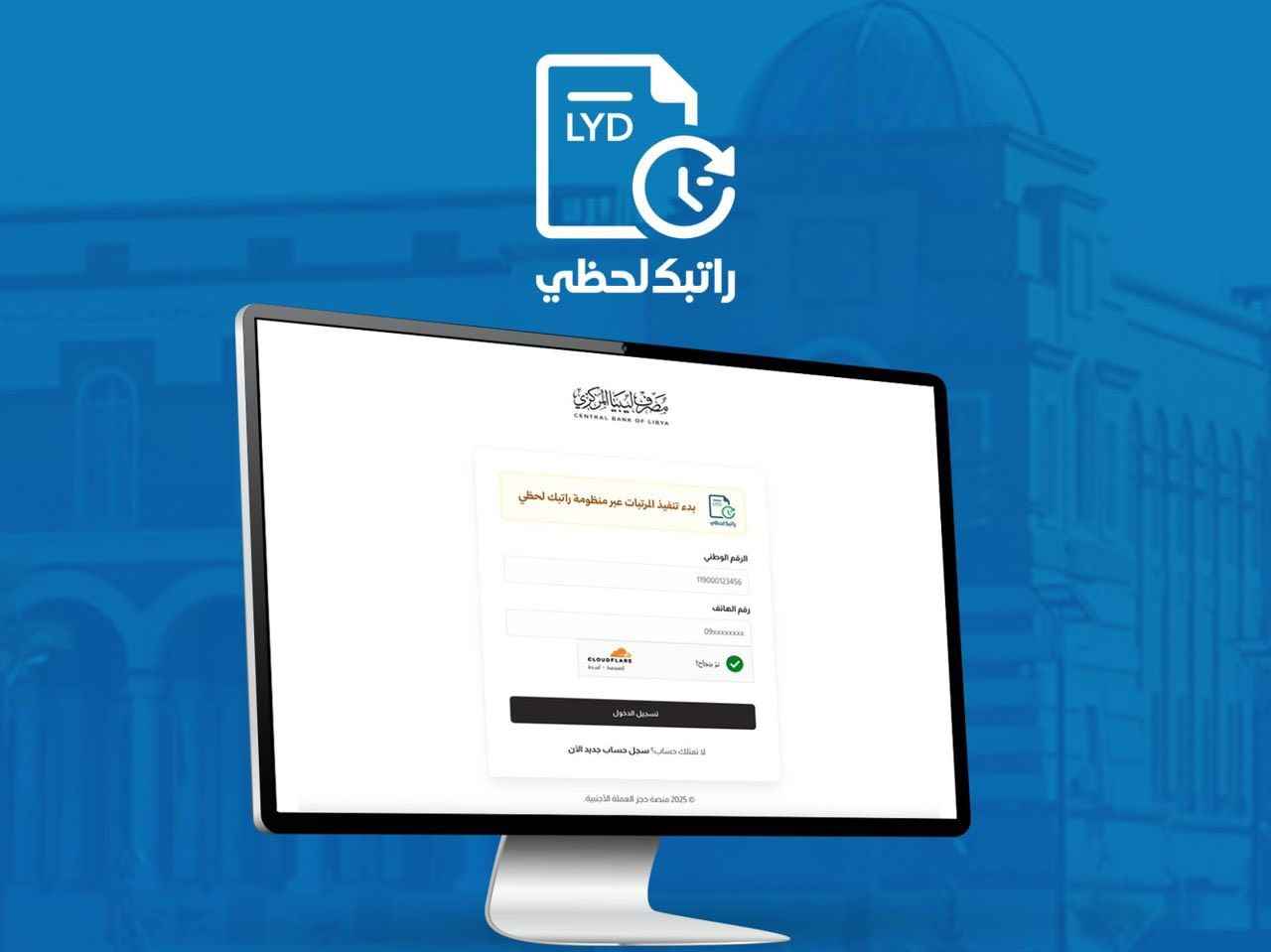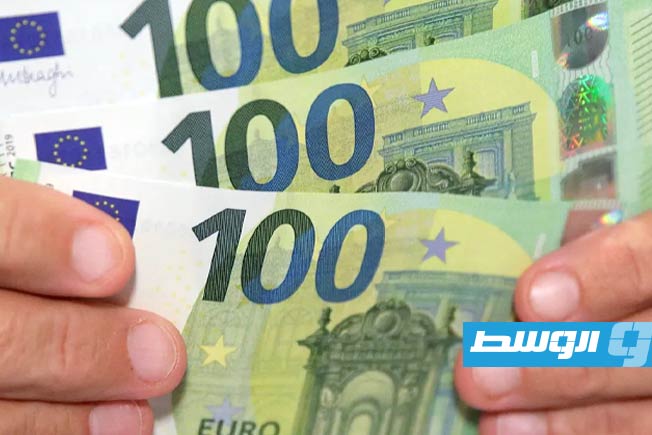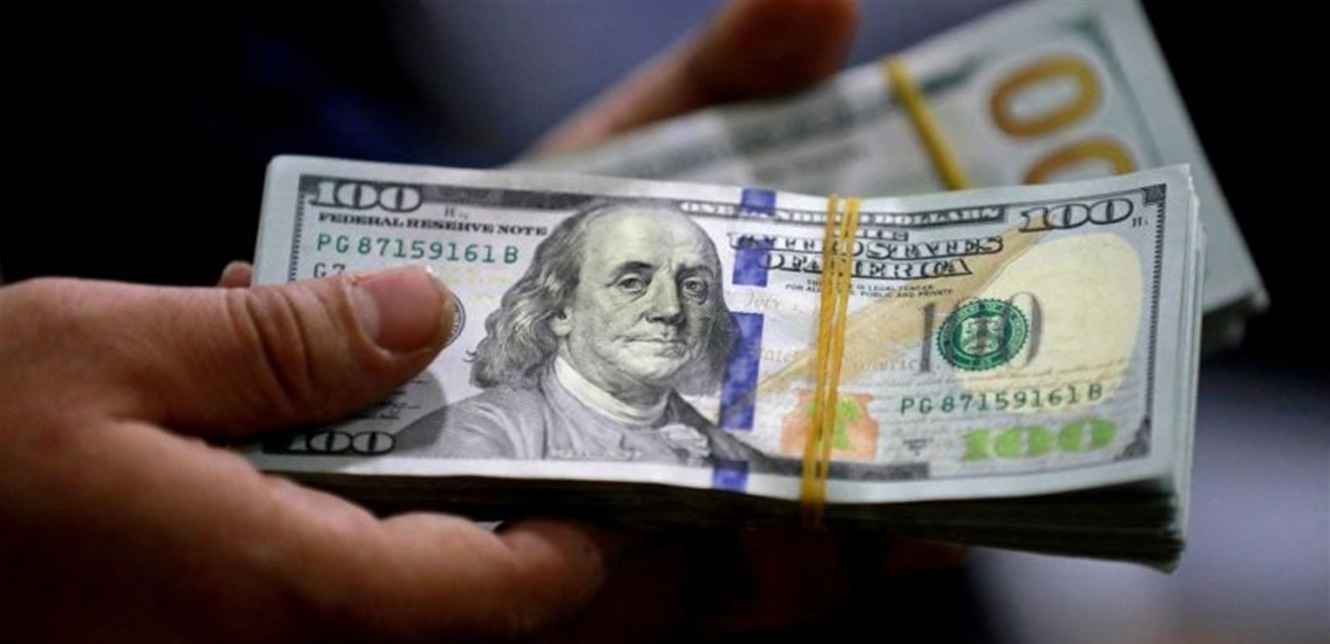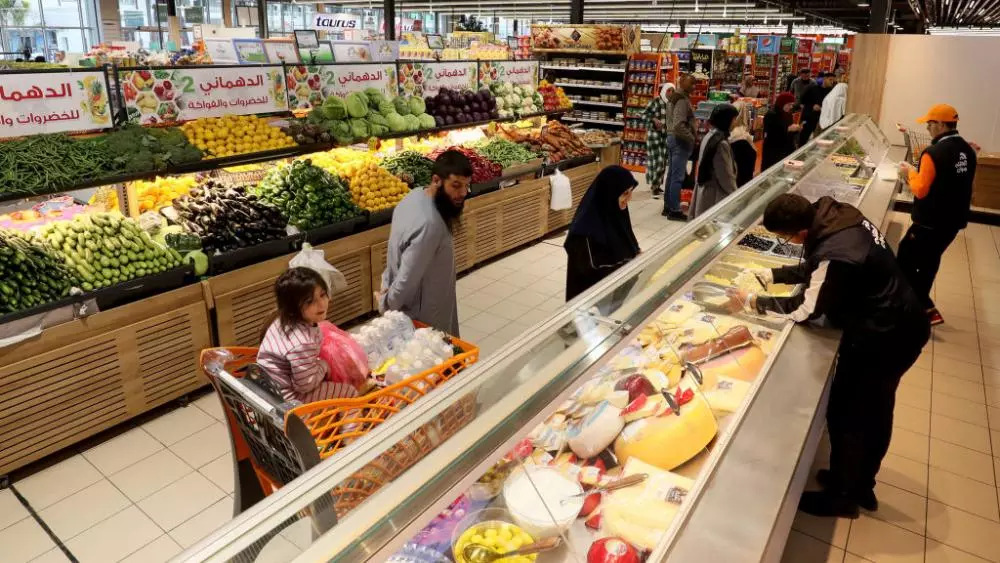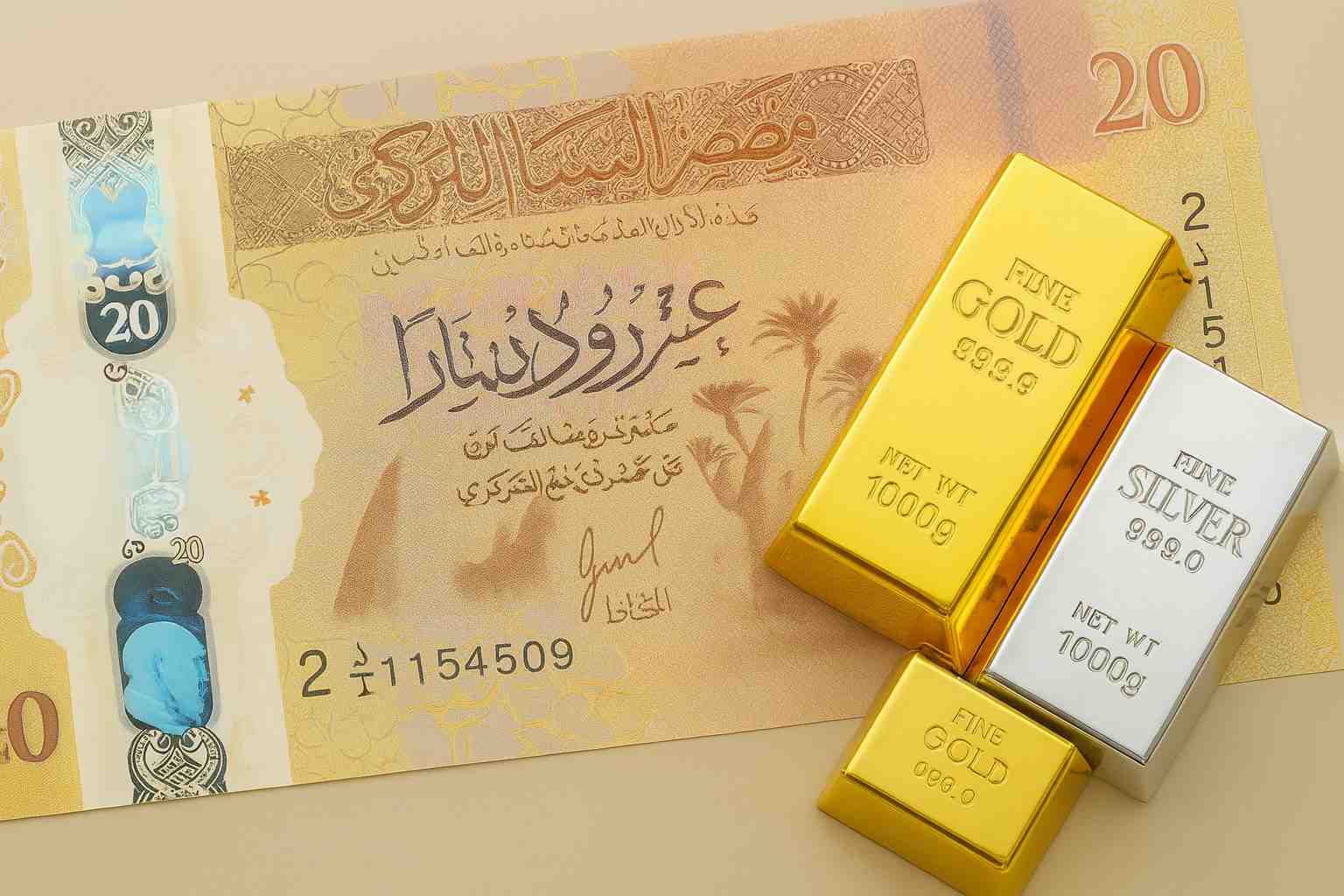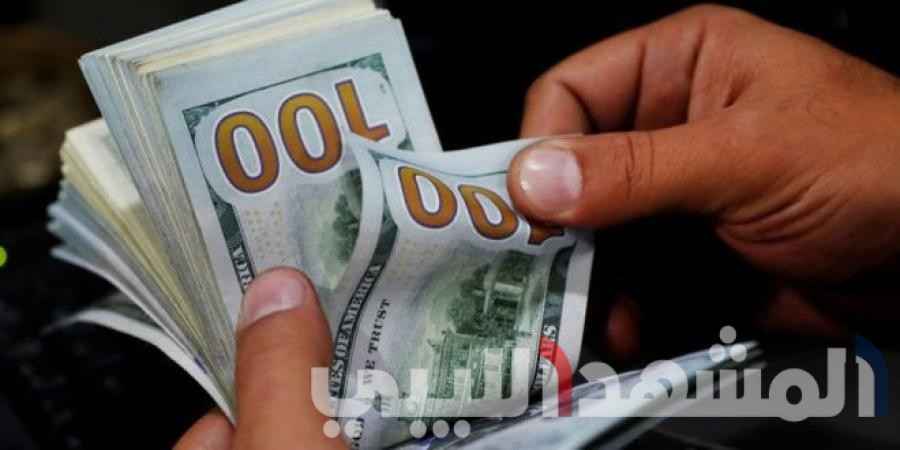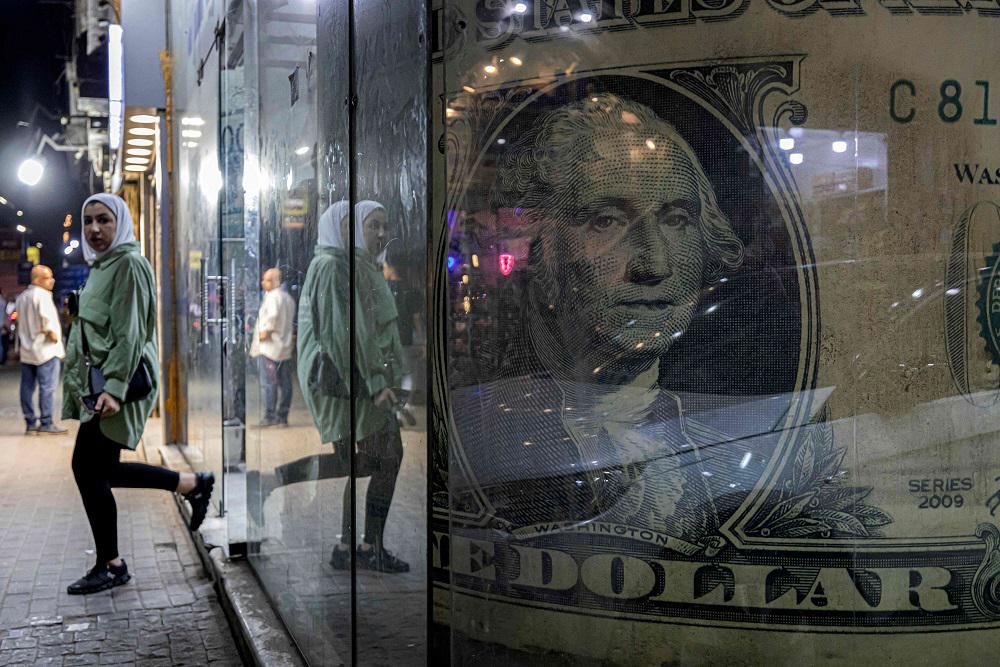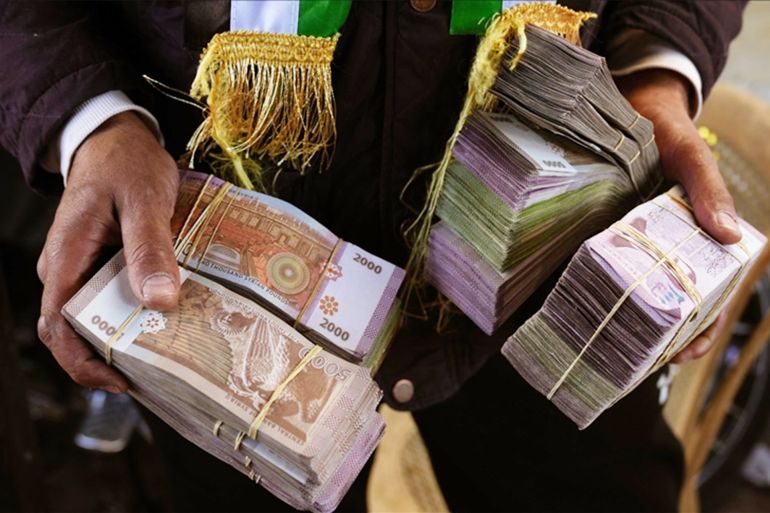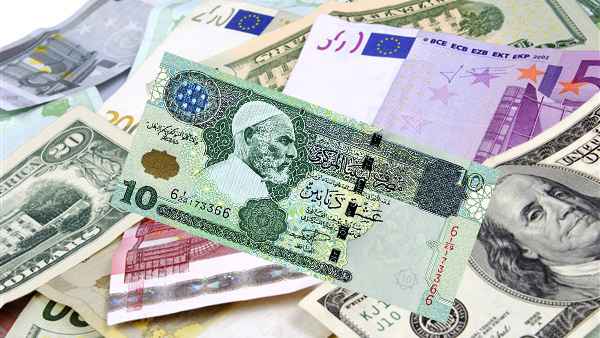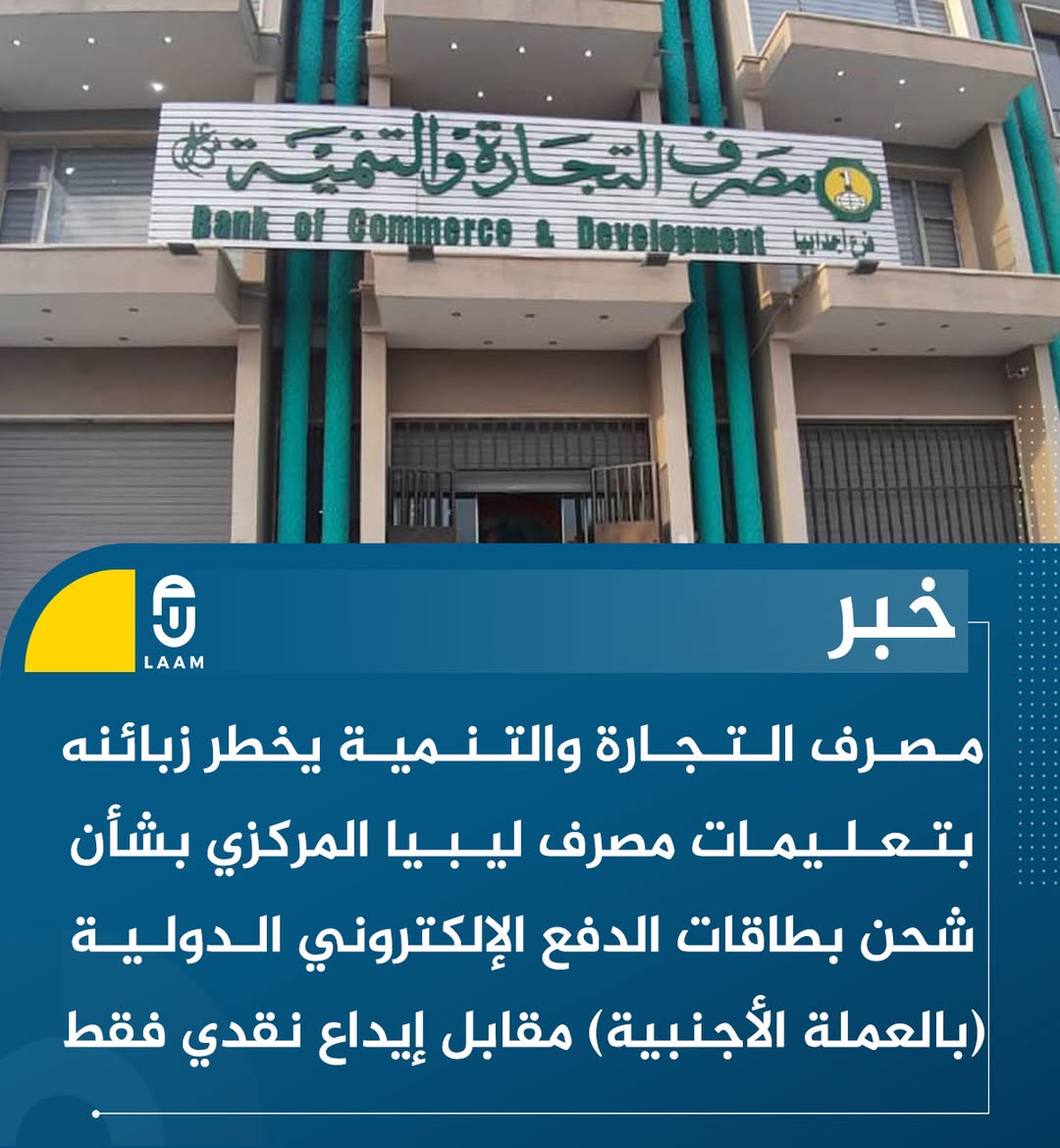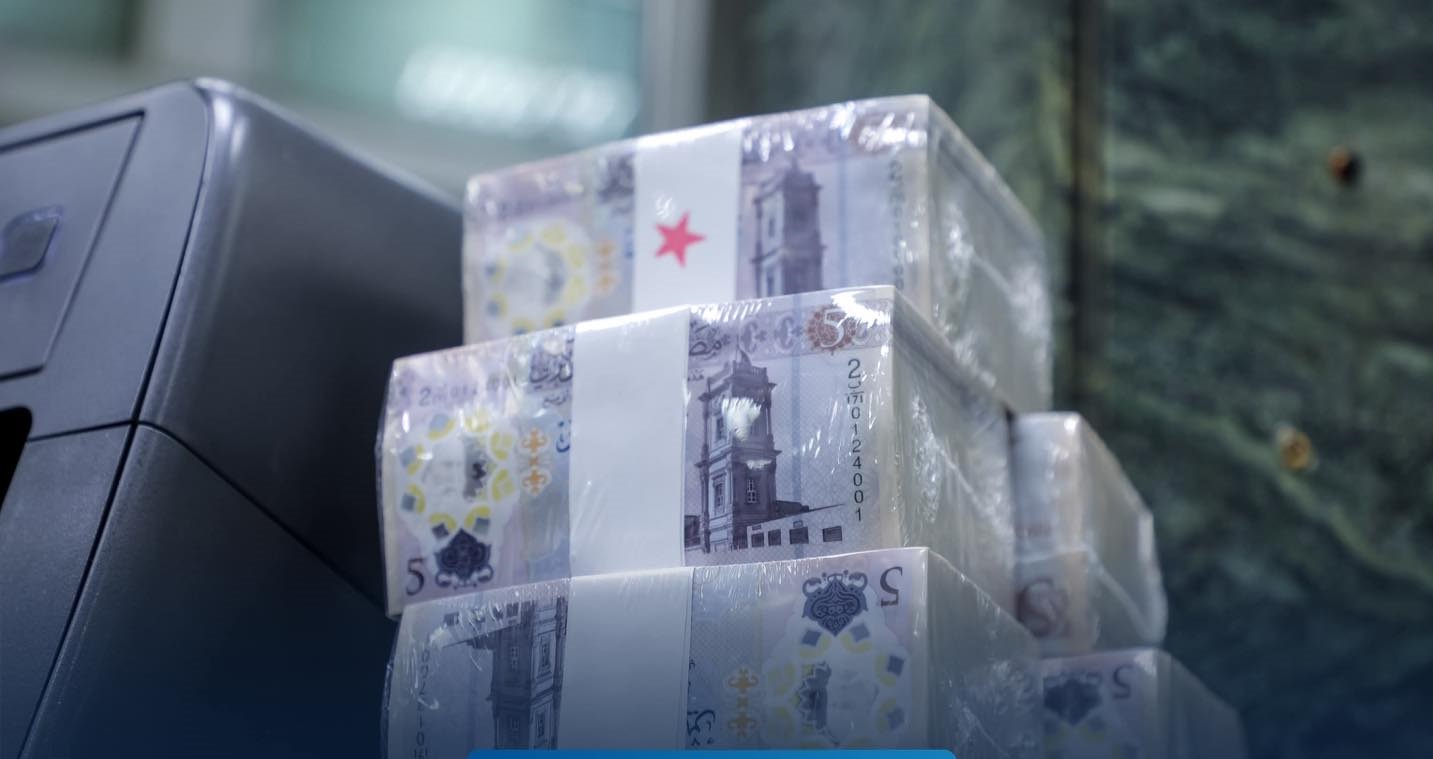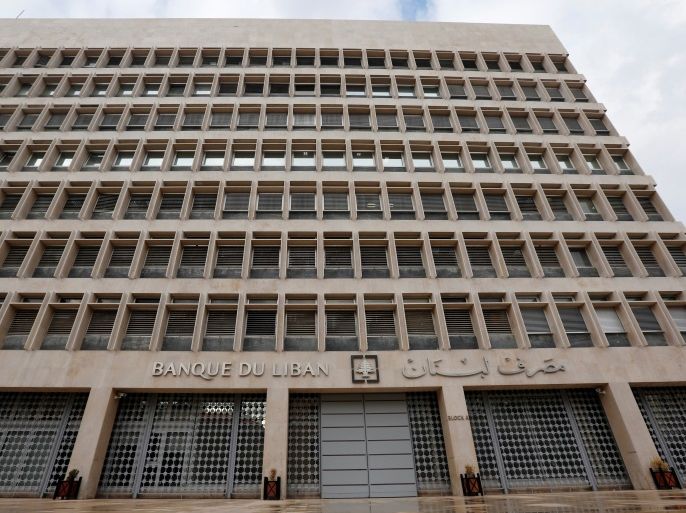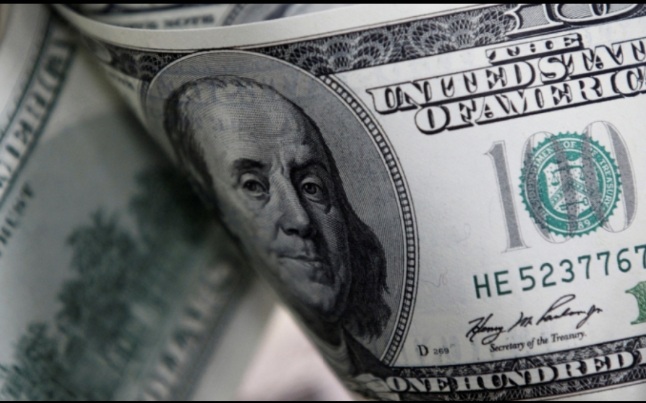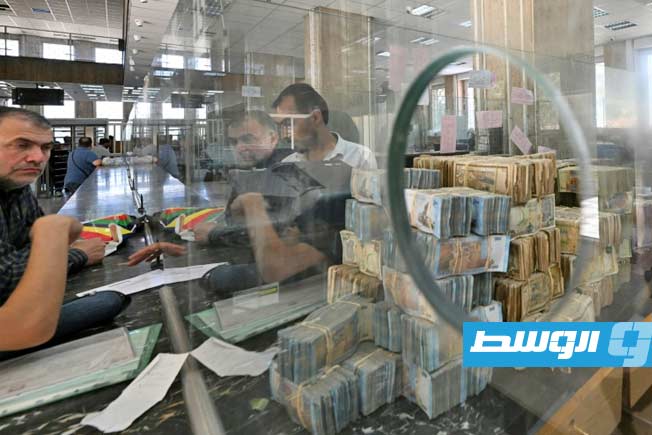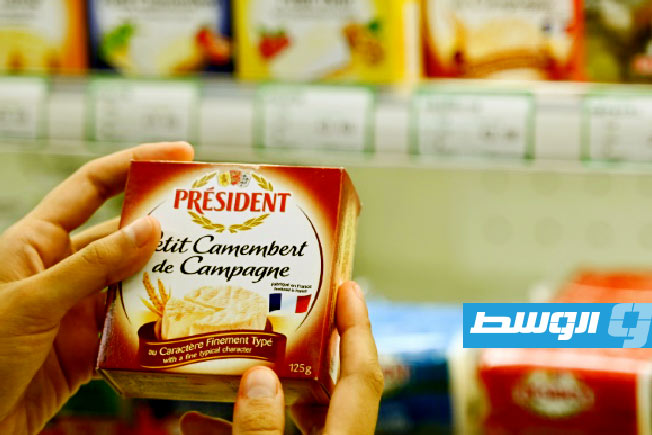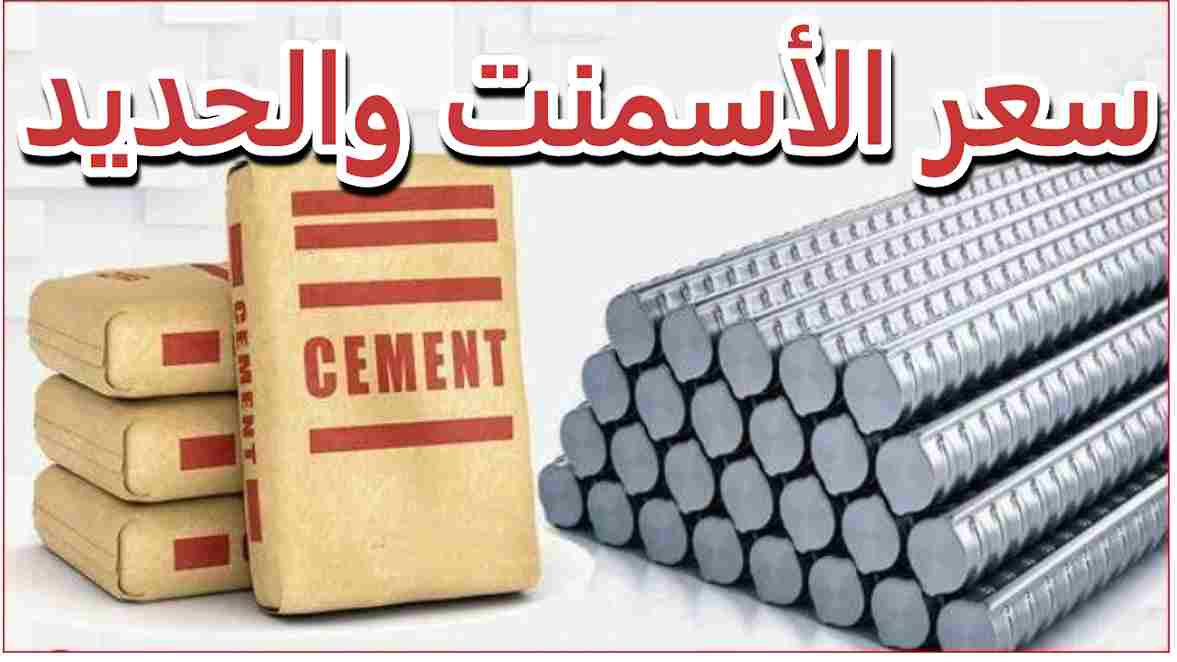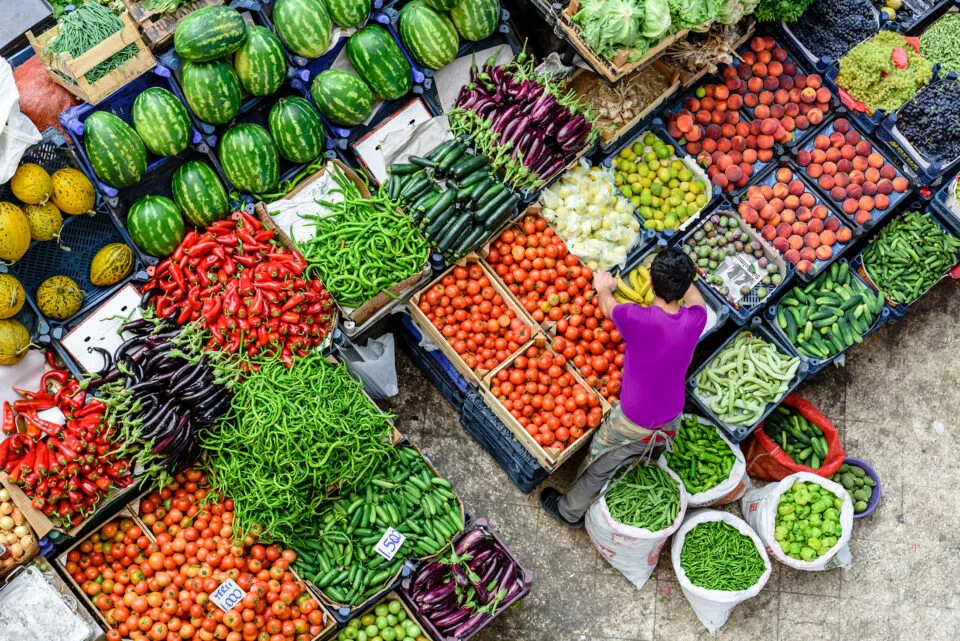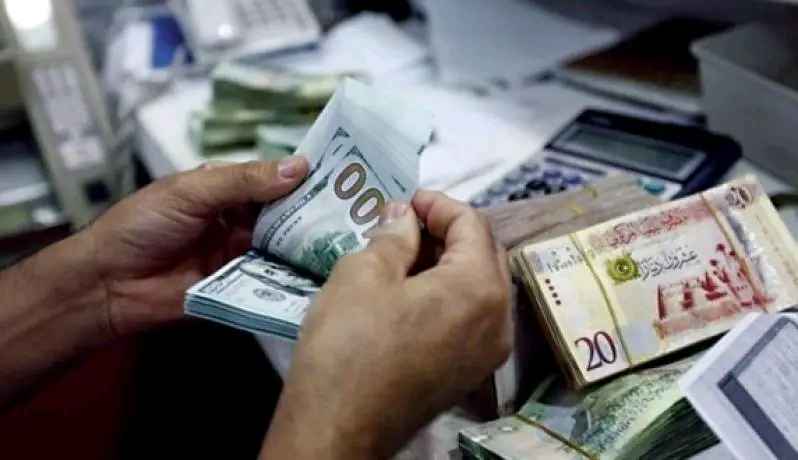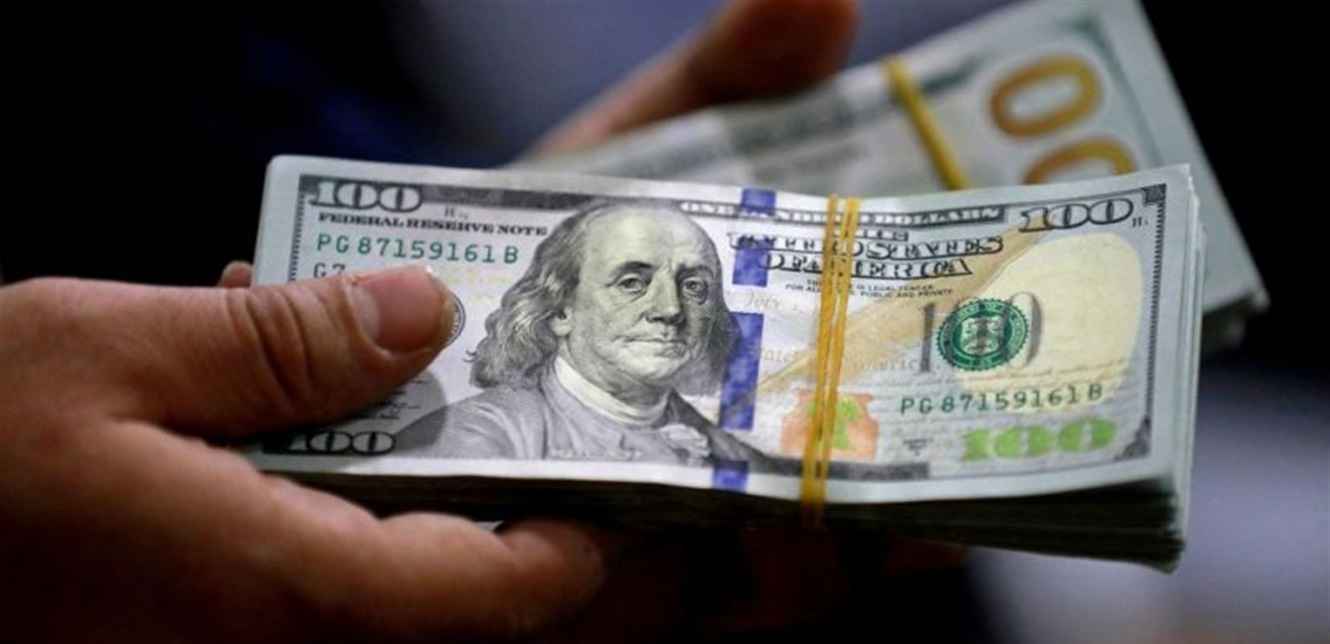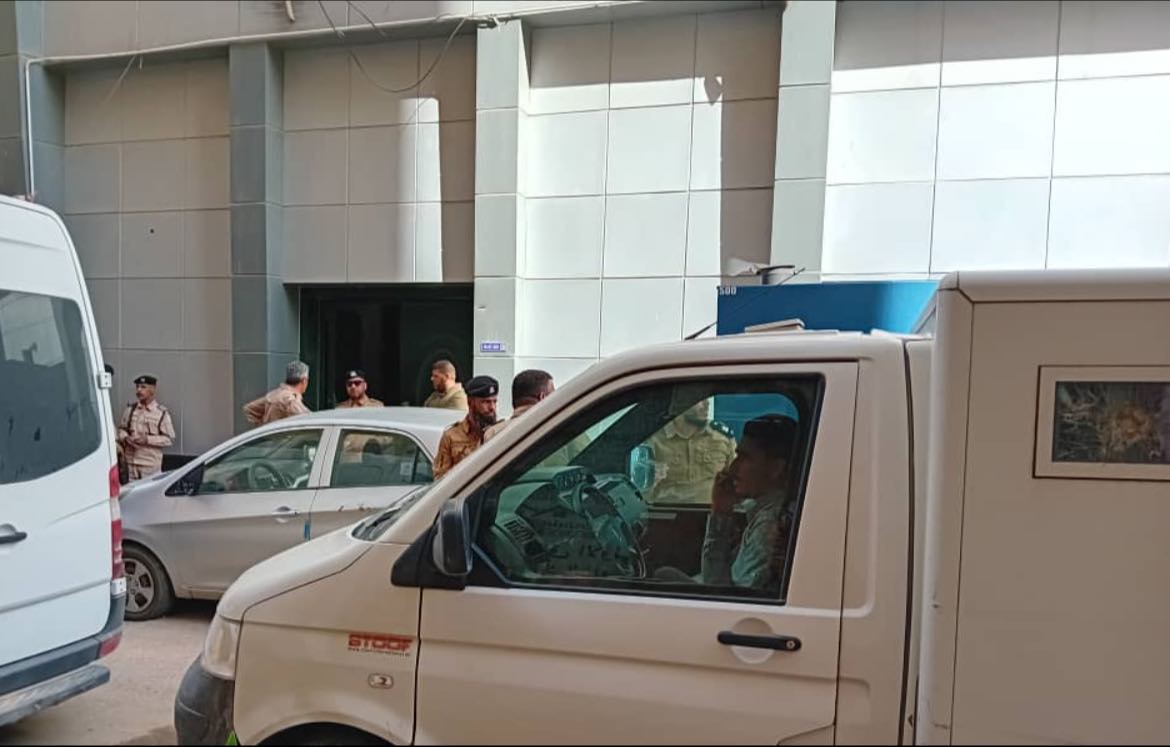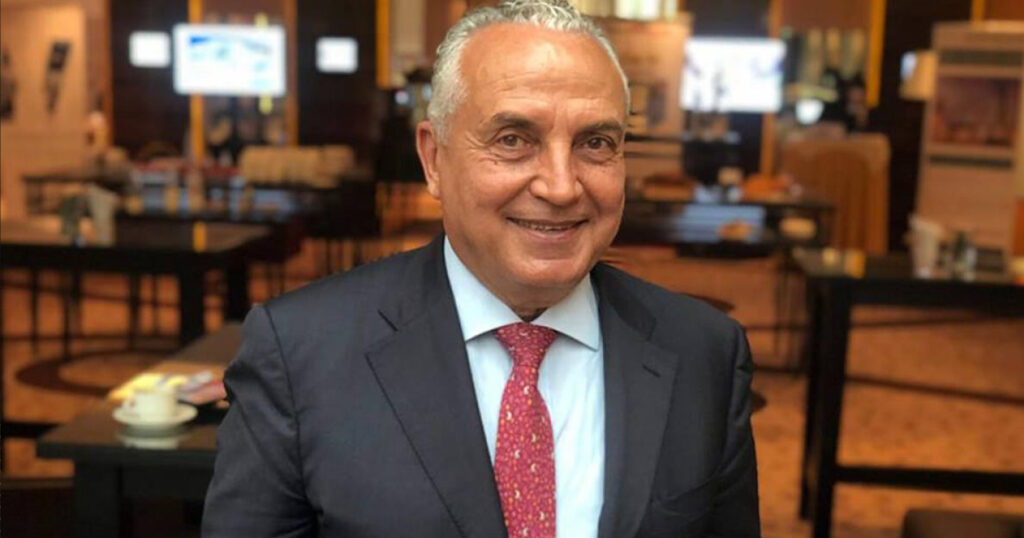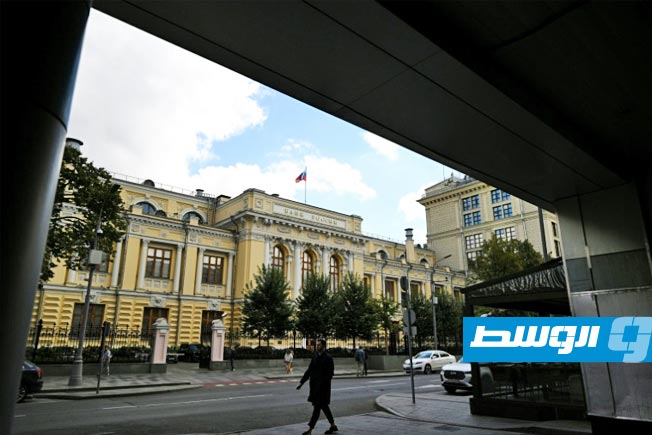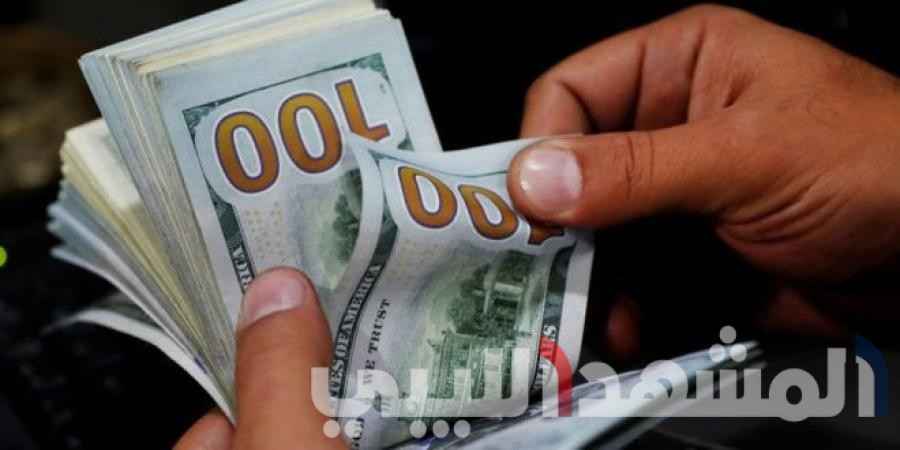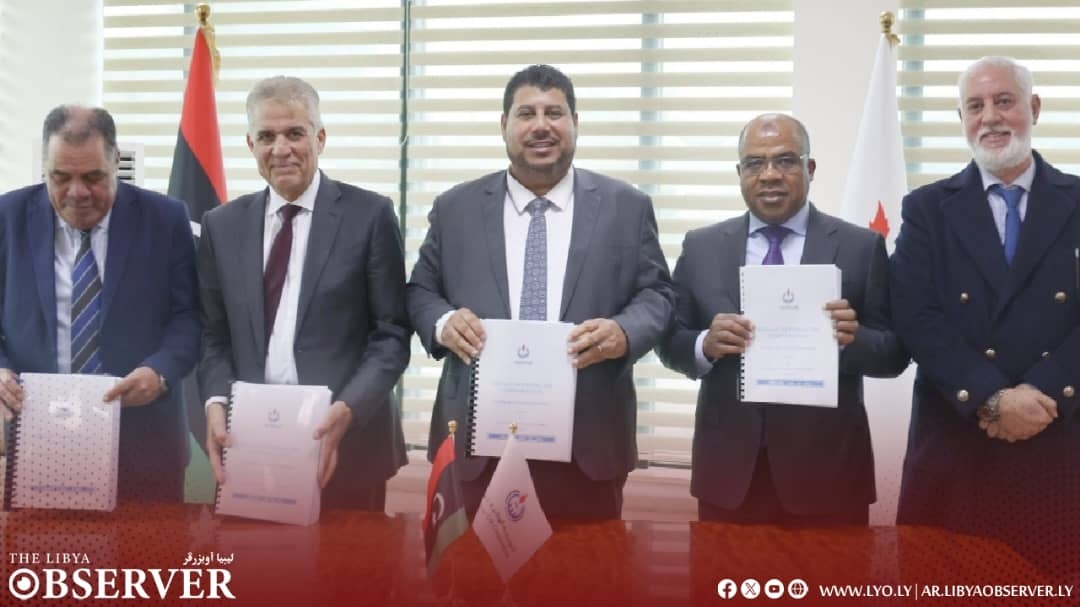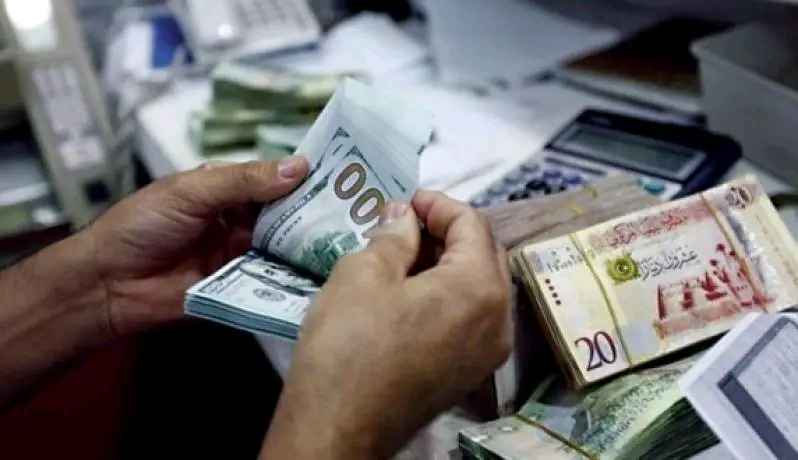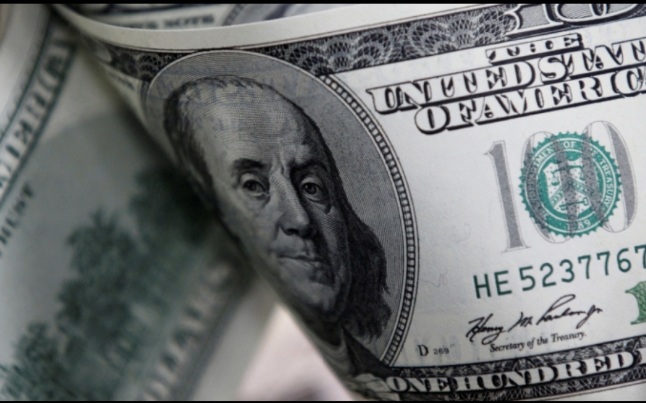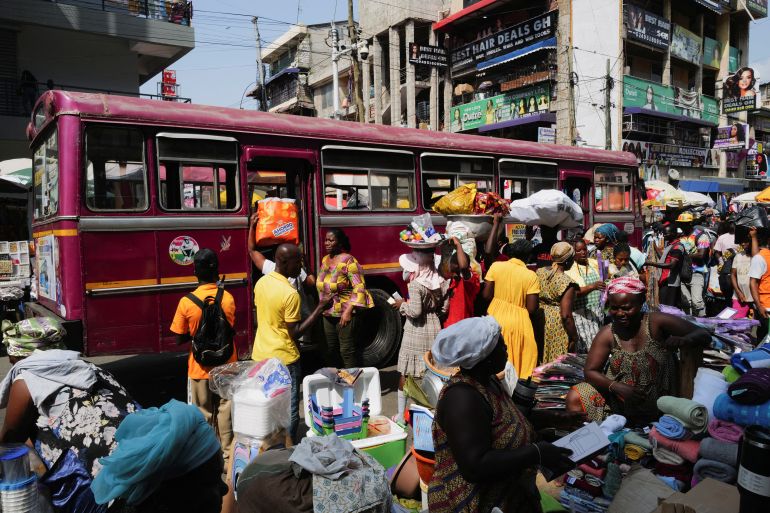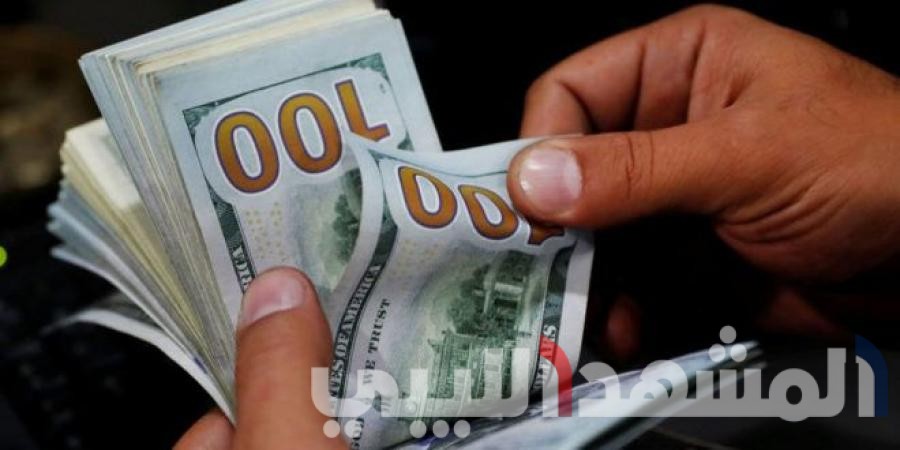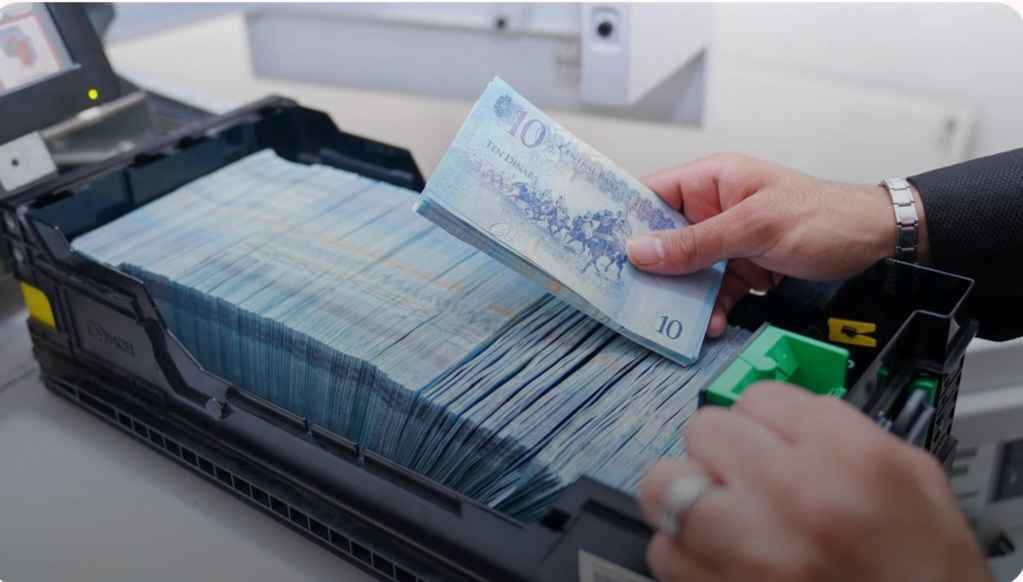
The Ministry of Economy and Trade of the Government of National Unity has reversed its decision to set fixed prices for vegetable oils. This follows the activation of this year’s foreign currency allocation and sales system by the Central Bank of Libya.
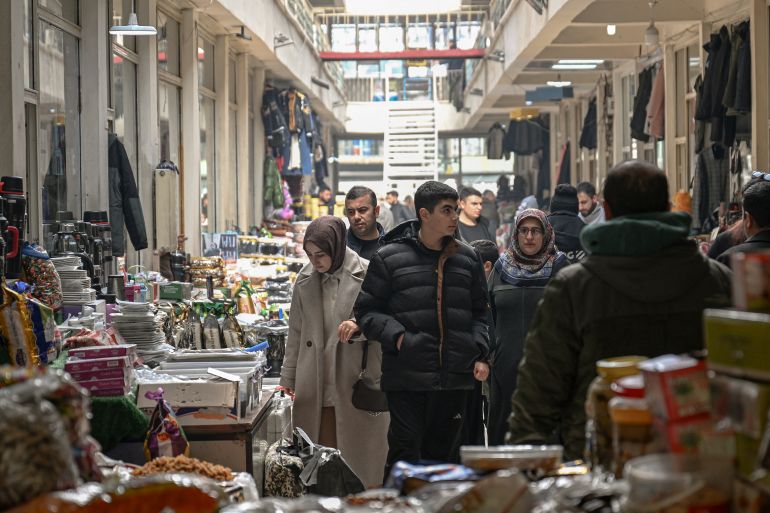
This step allows regulated competition mechanisms to help achieve price stability. The ministry retains the right to intervene in cases of unjustified price deviations or increases. It also affirmed its ongoing monitoring of basic commodity prices and its commitment to taking legal action against any violations or monopolistic practices.

Ministry of Economy and Trade
The Ministry of Economy and Trade is a government department responsible for formulating and implementing national economic and commercial policy. Its history is typically tied to the modern formation of the state it serves, often evolving from earlier departments of commerce, industry, or national economy to address contemporary economic challenges and trade relations.
Government of National Unity
The Government of National Unity (GNU) is a term most notably applied to the post-apartheid coalition government in South Africa, formed in 1994 following the country’s first multiracial elections. Led by Nelson Mandela as President, it brought together the African National Congress, the National Party, and the Inkatha Freedom Party to oversee the transition from minority rule to a democratic state.
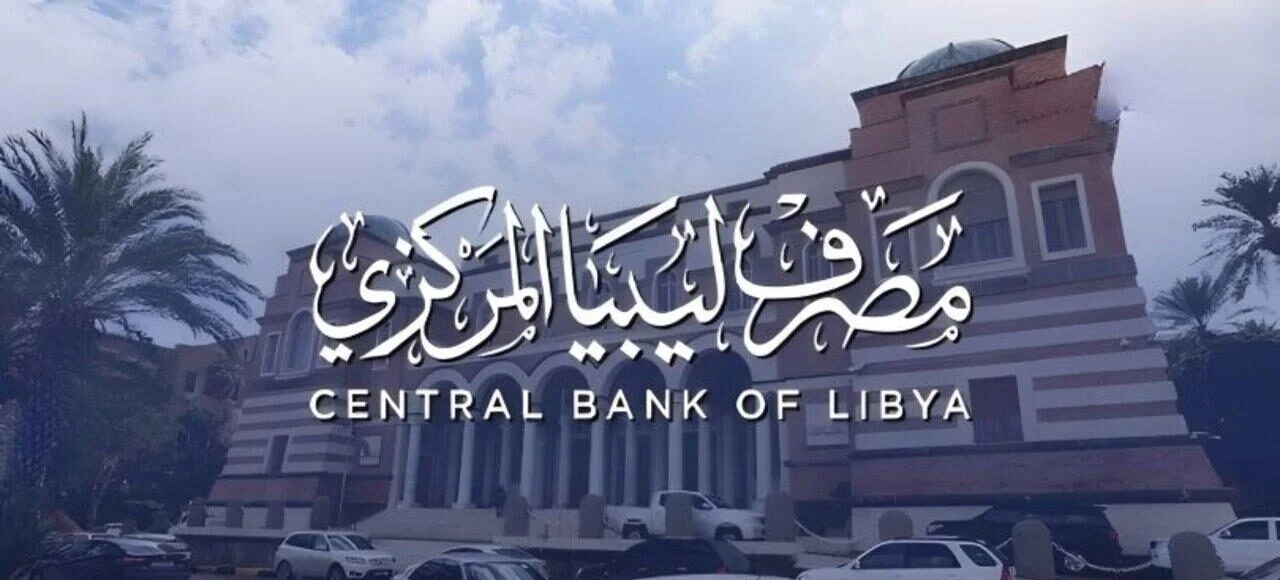
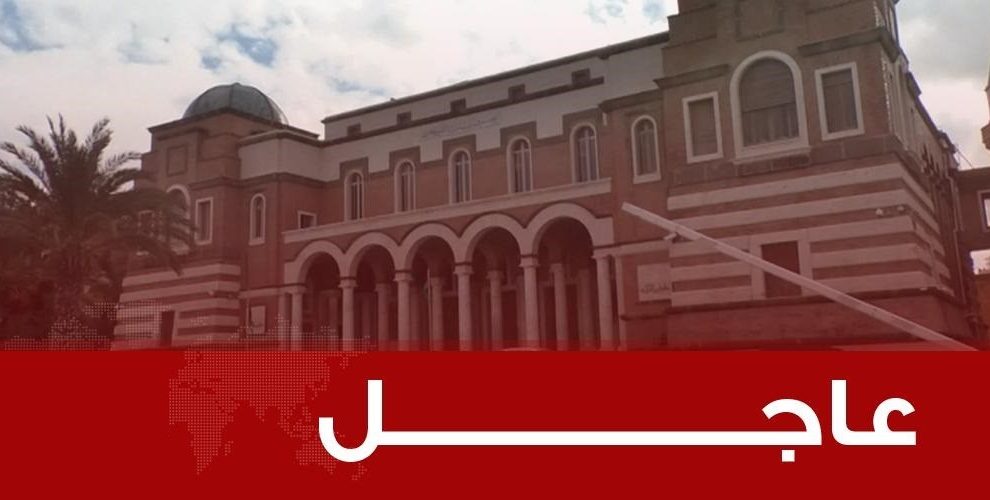
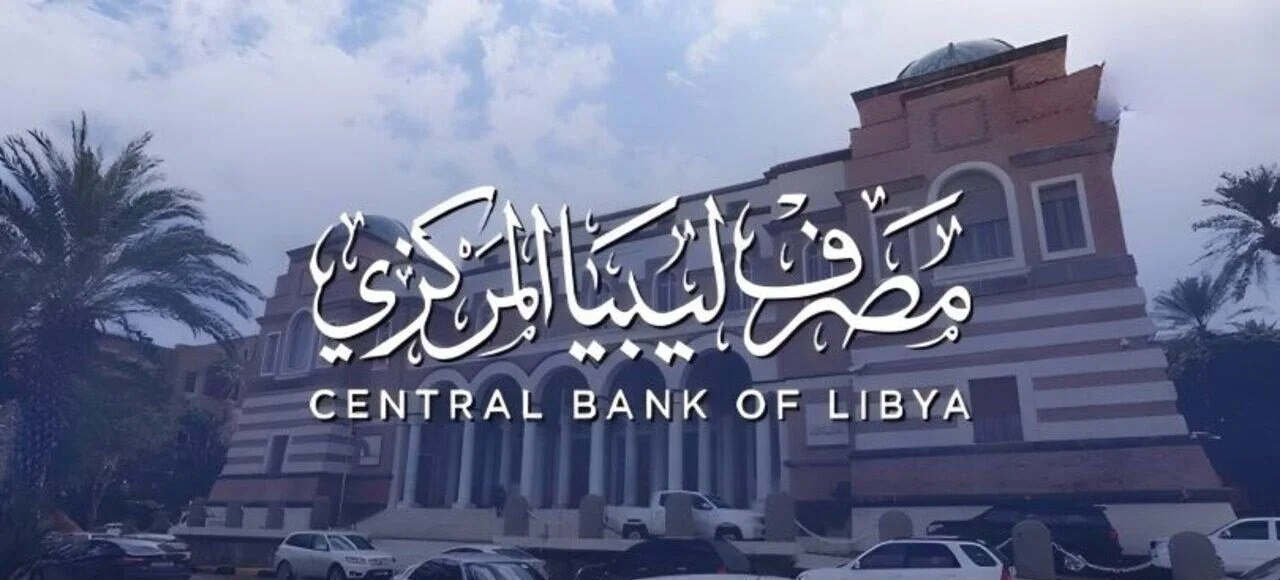
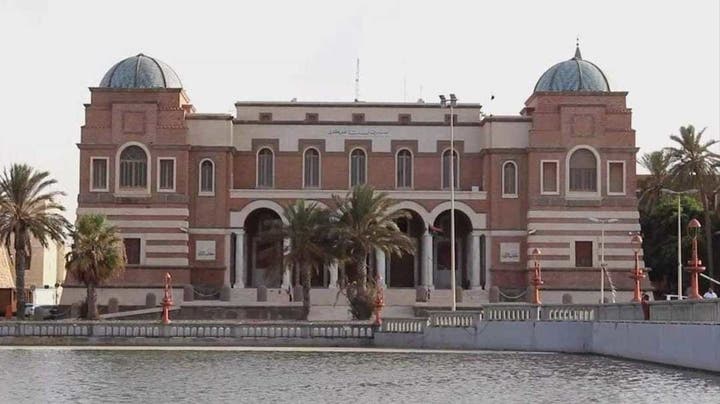
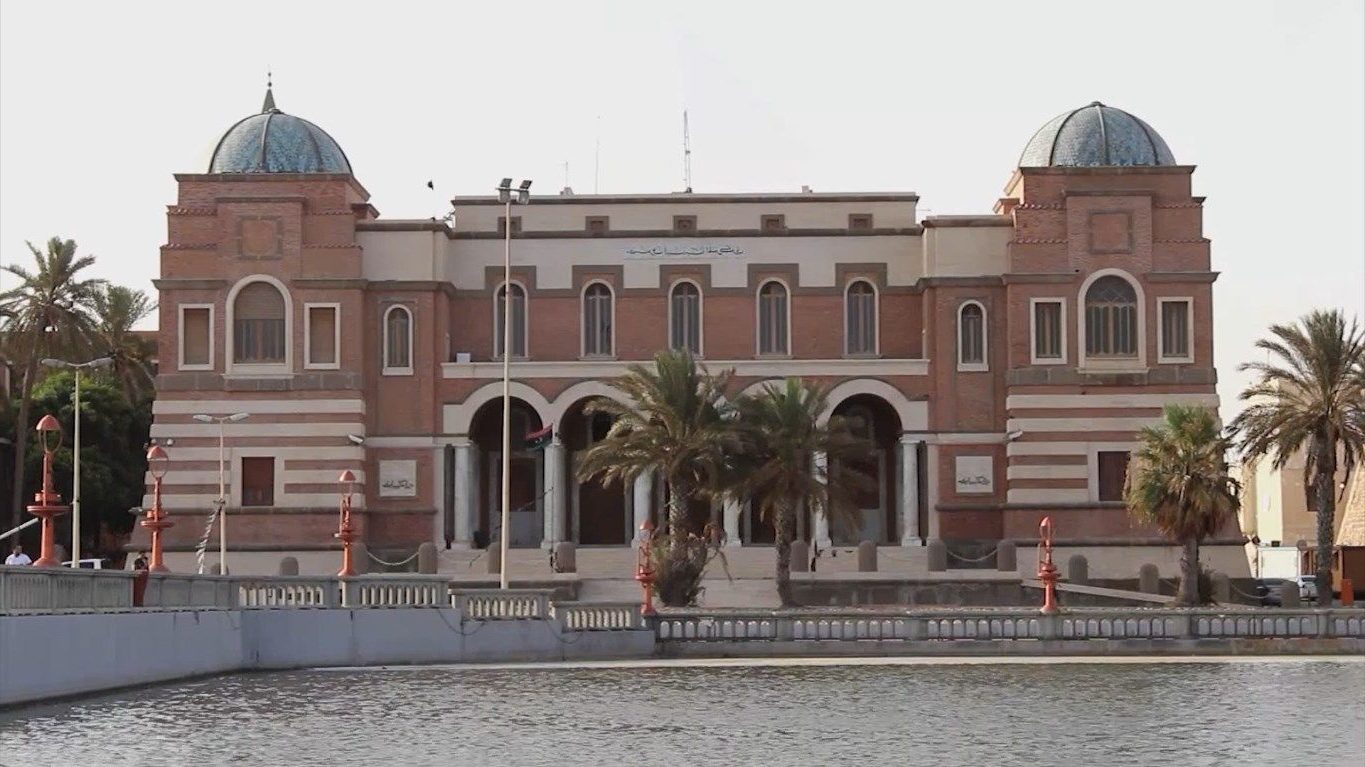
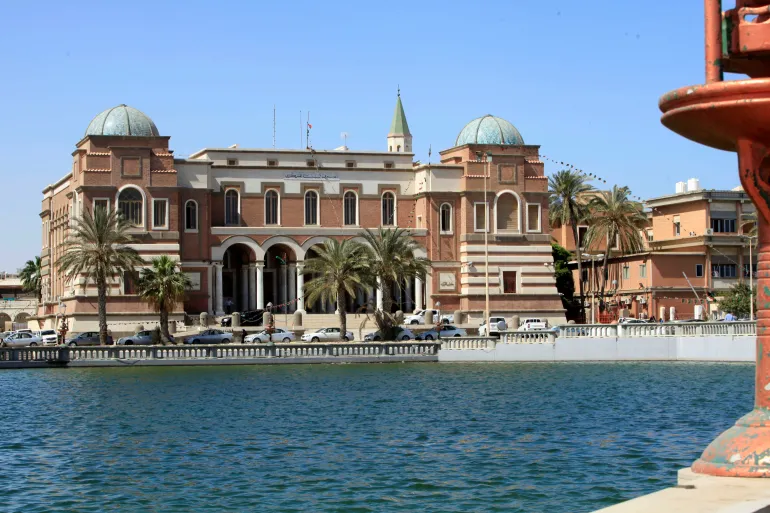
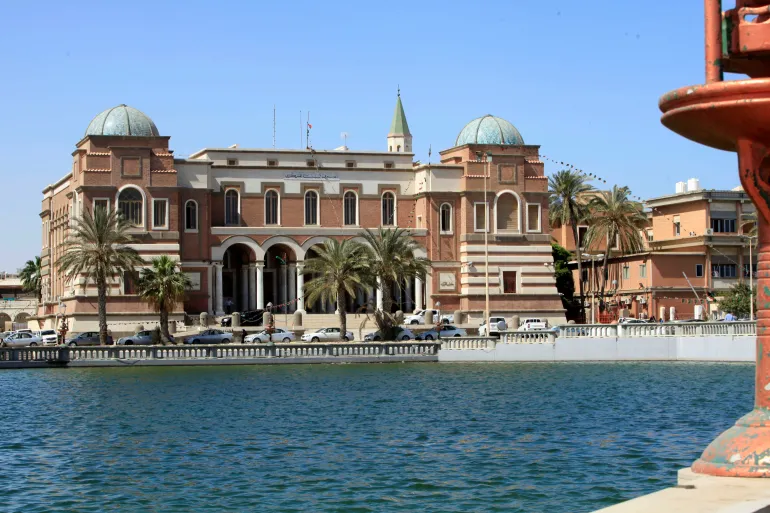
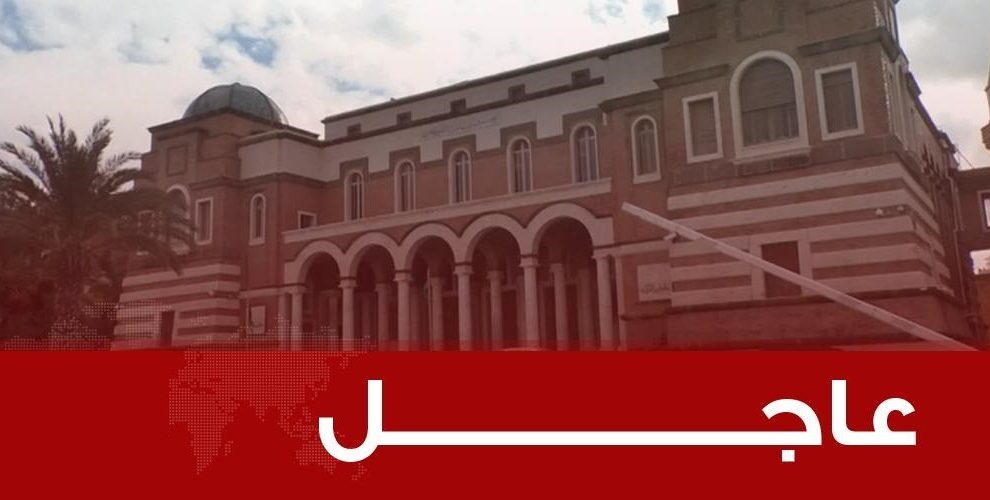
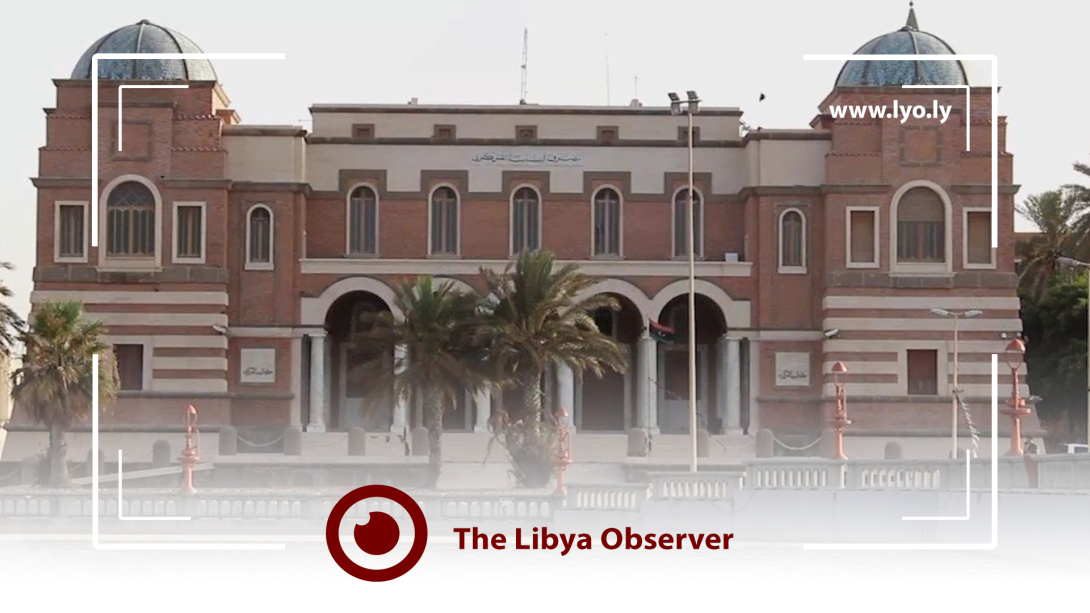
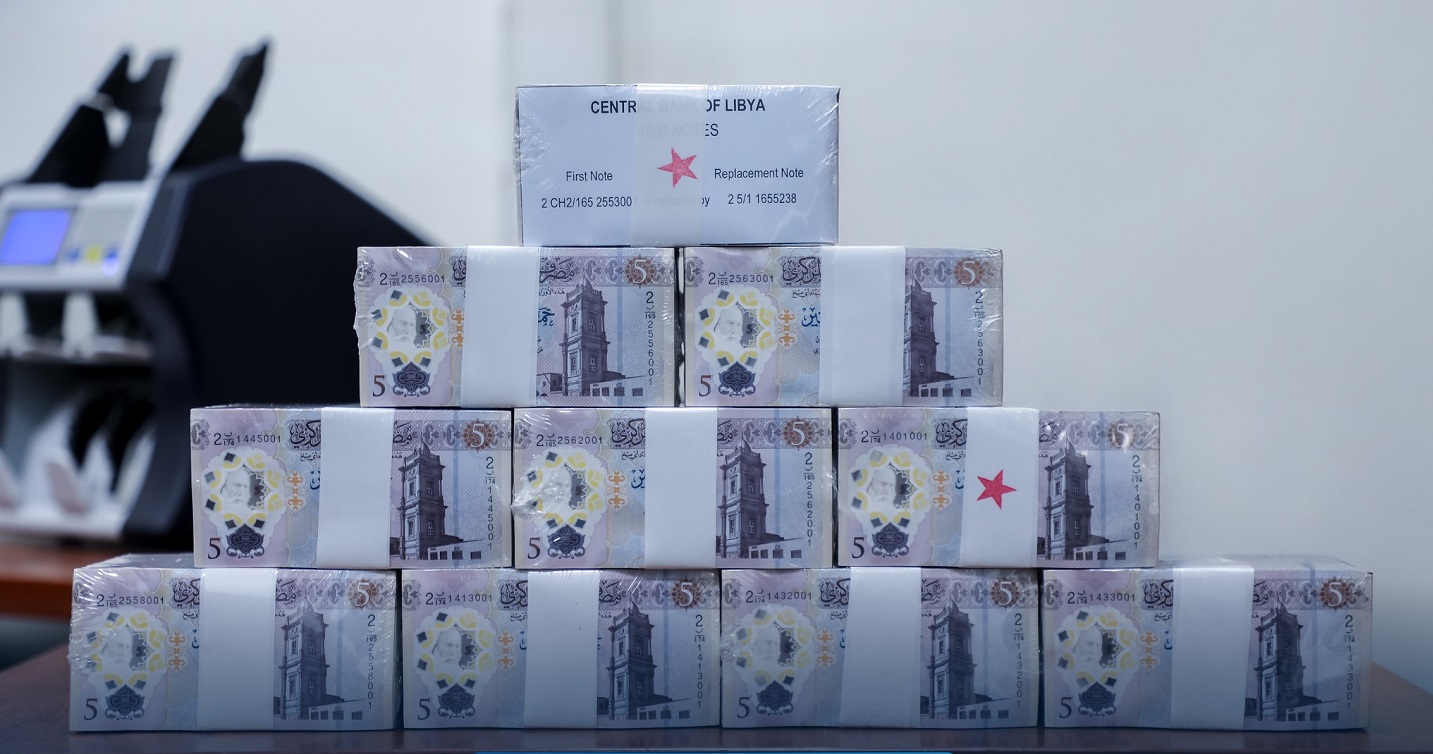
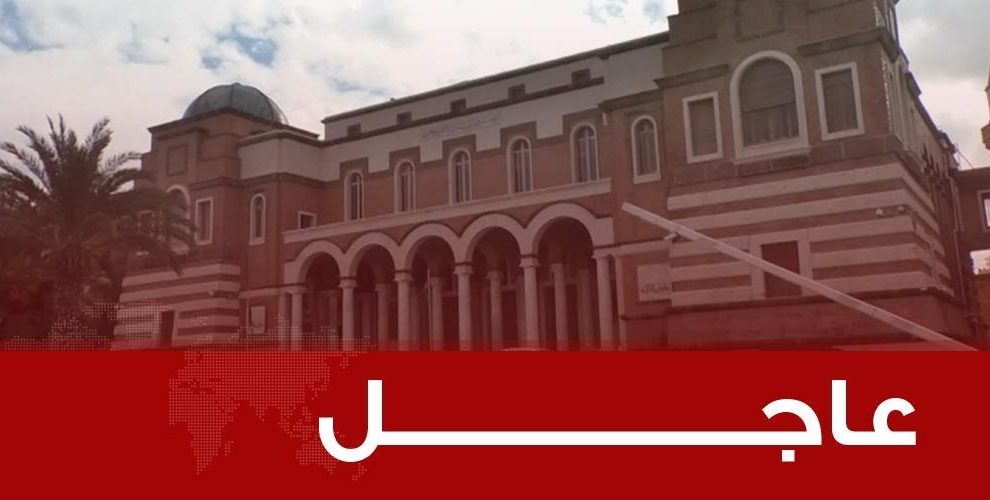
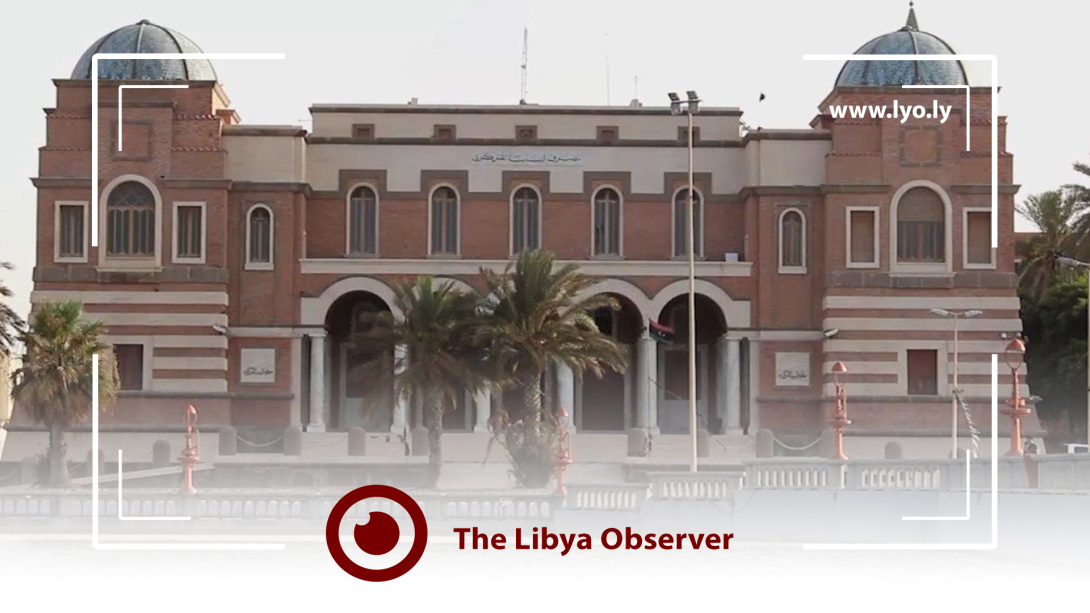
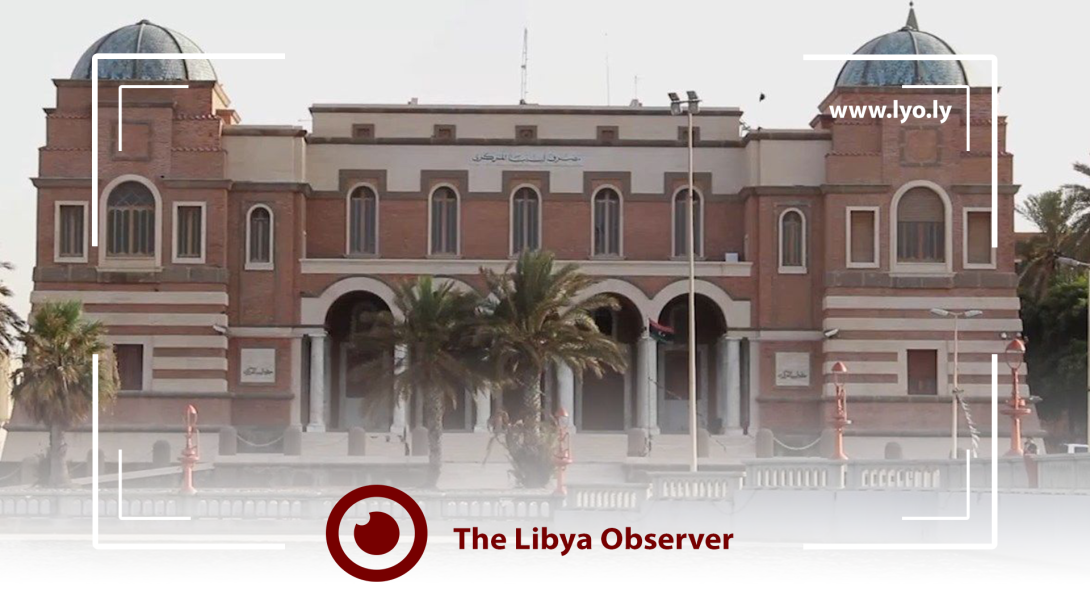
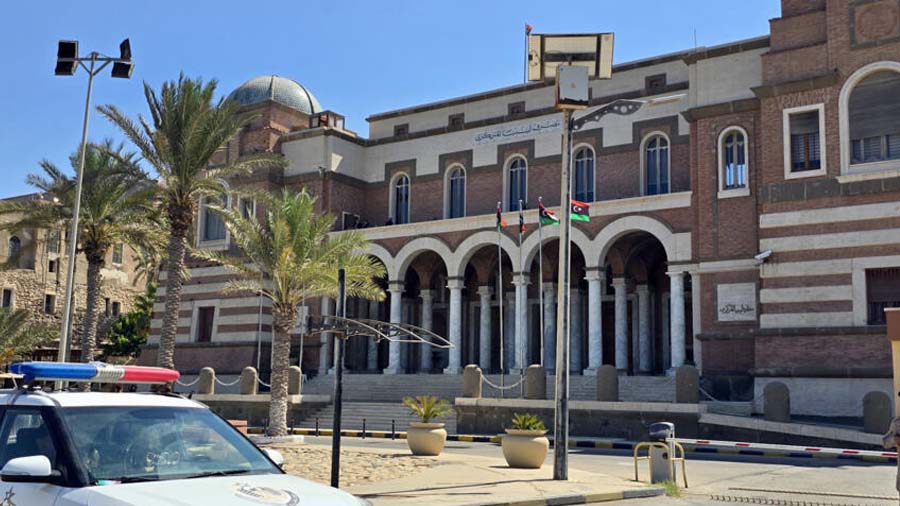
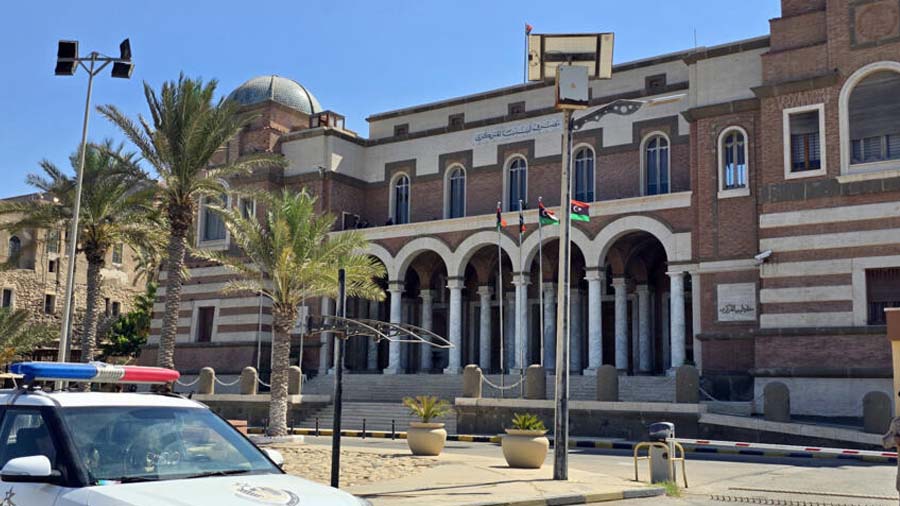
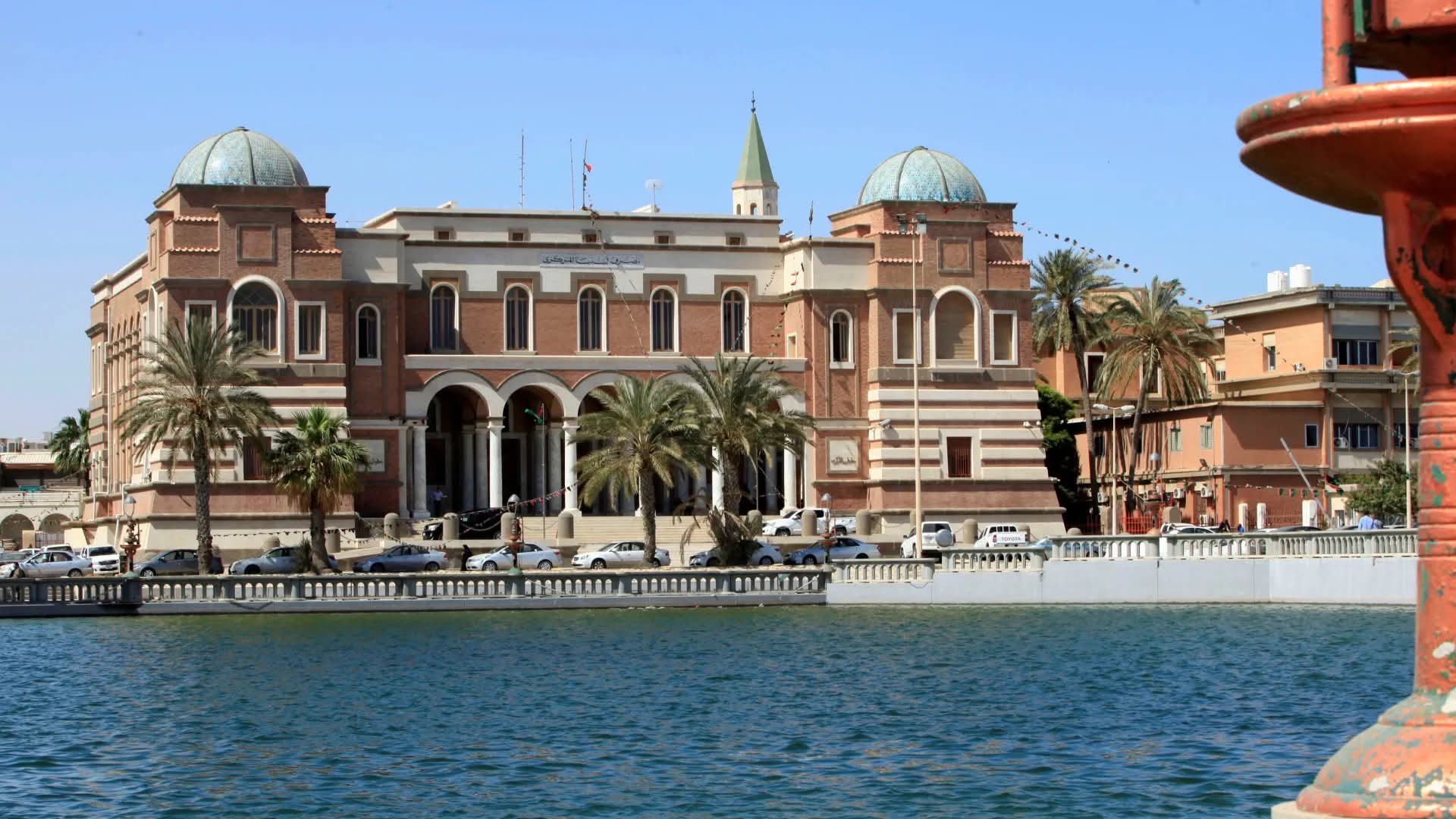
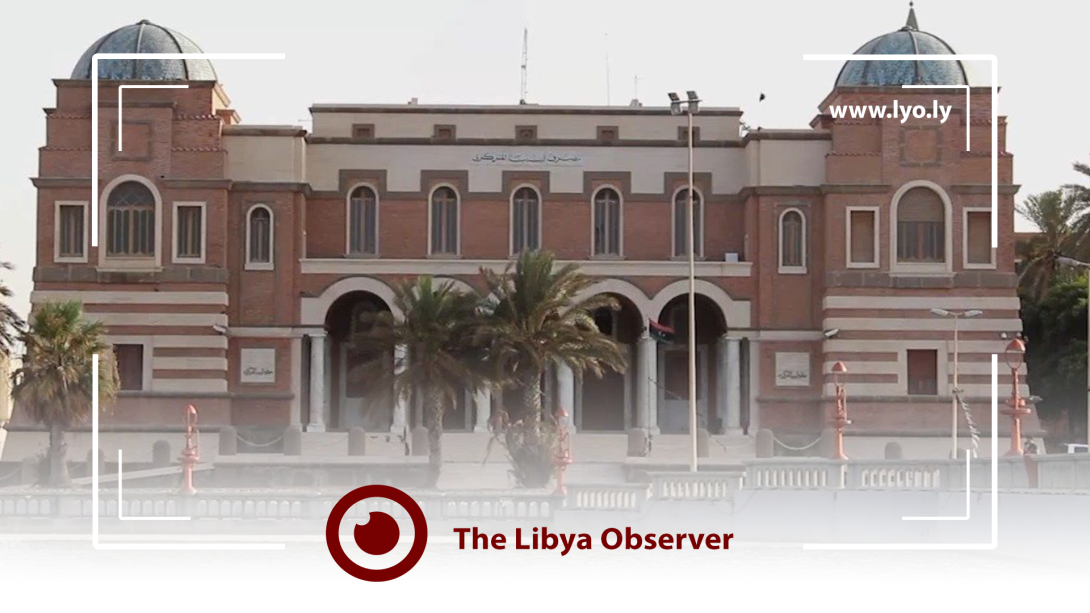
Central Bank of Libya
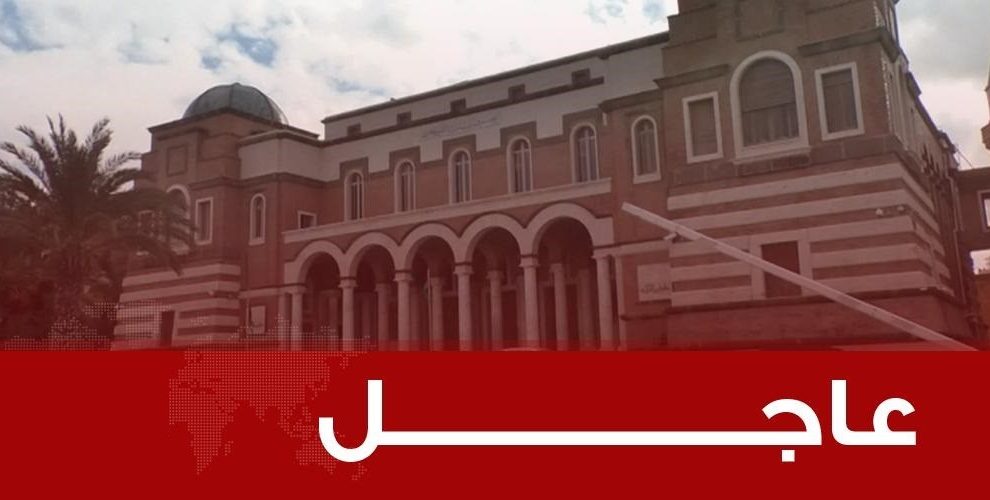
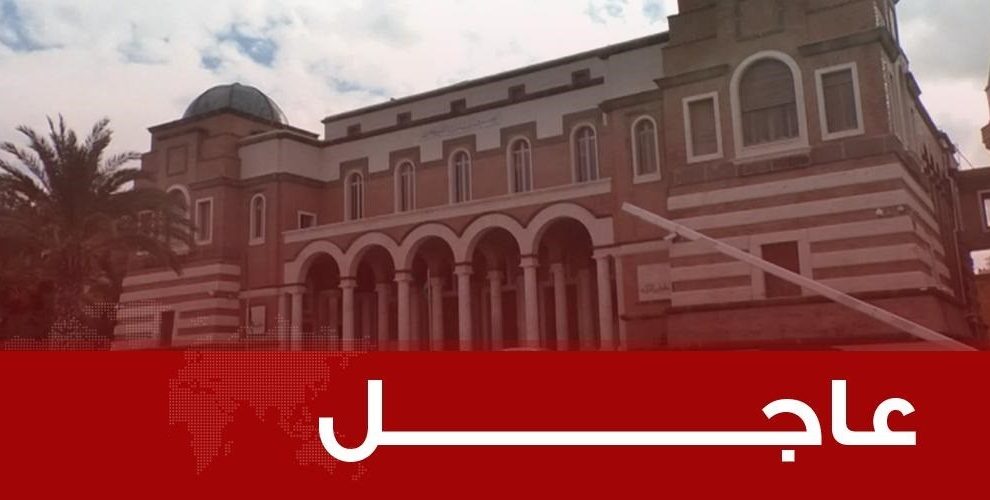
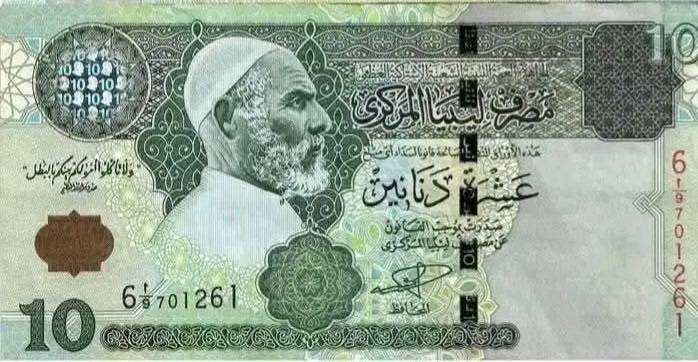
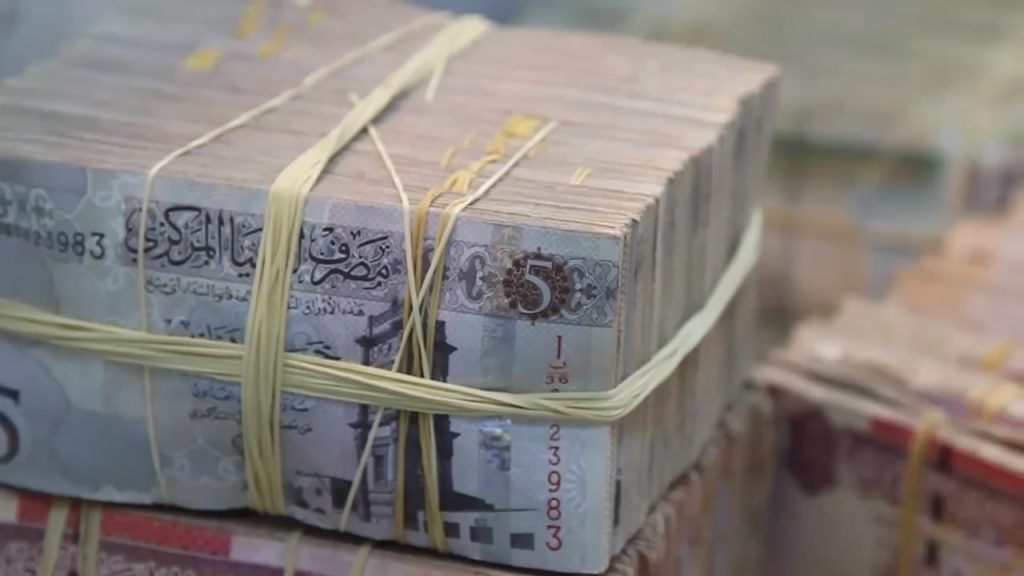
The Central Bank of Libya is the country’s primary monetary authority, established in 1956 to issue currency and manage monetary policy. It has played a critical and often divisive role in Libya’s recent history, notably functioning as a unified financial institution during the post-2011 civil war period despite the country’s political fragmentation.
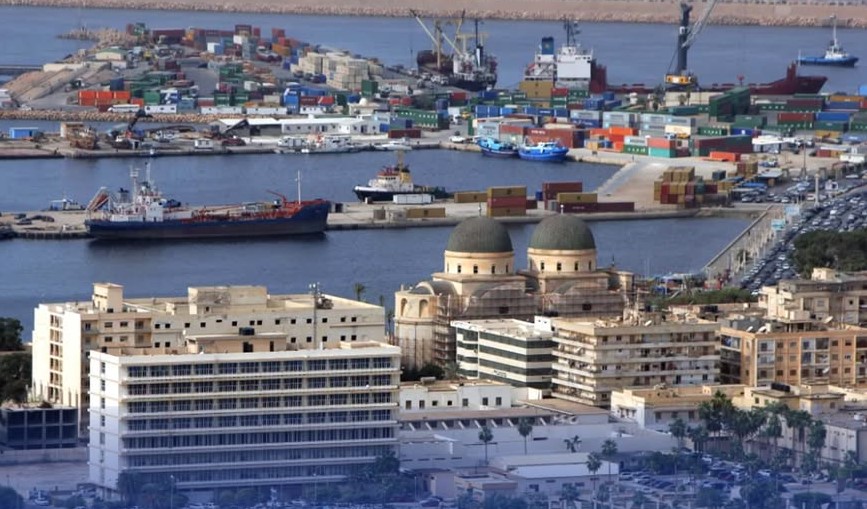
Libya
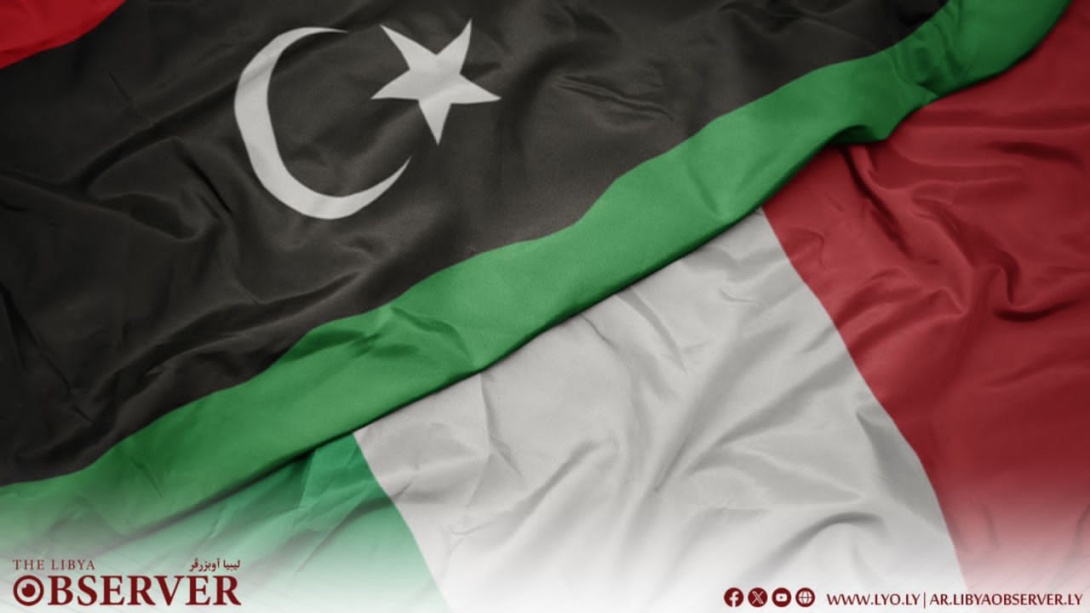
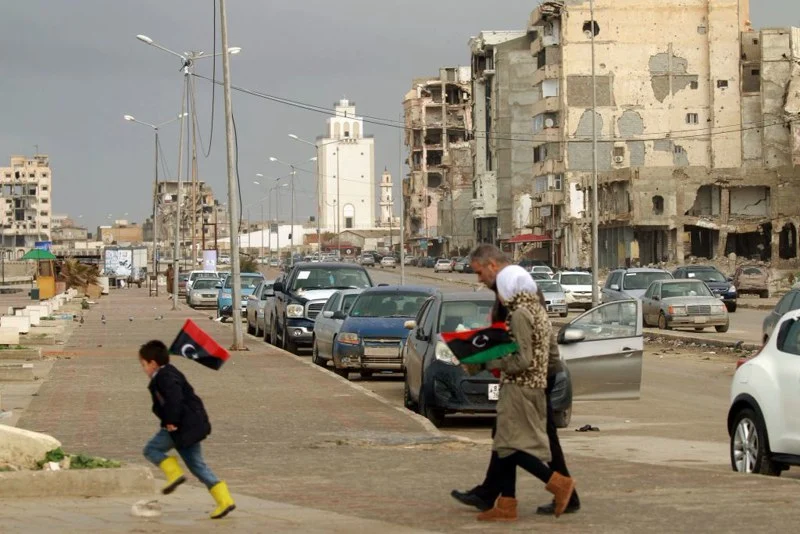
Libya is a North African country with a rich history rooted in ancient civilizations like the Phoenicians and Romans, followed by centuries of Arab and Ottoman influence. In the modern era, it was an Italian colony before gaining independence in 1951, later becoming known for Muammar Gaddafi’s lengthy rule from 1969 until the 2011 revolution. The country is home to UNESCO World Heritage sites, such as the ruins of Leptis Magna, which showcase its significant classical past.