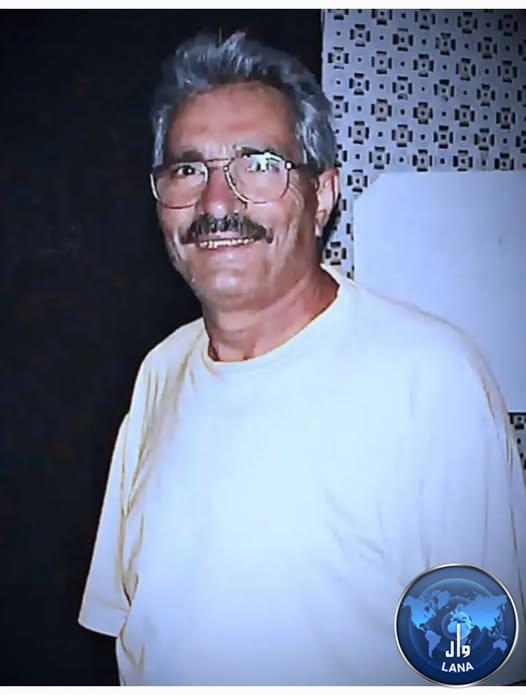
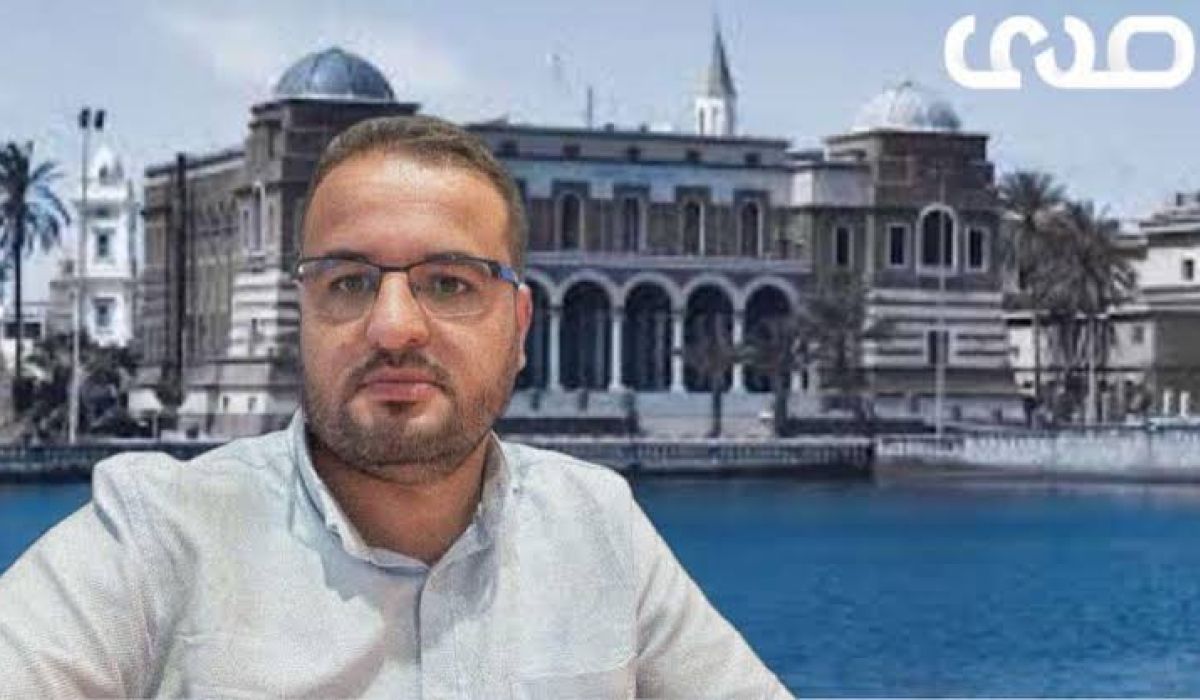
Libya’s Ambassador to Uganda discusses with Ugandan Foreign Ministry officials the importance of reopening the Ugandan embassy in Tripoli.
libyawire.org > News > Economy > Libya’s Ambassador to Uganda discusses with Ugandan Foreign Ministry officials the importance of reopening the Ugandan embassy in Tripoli.
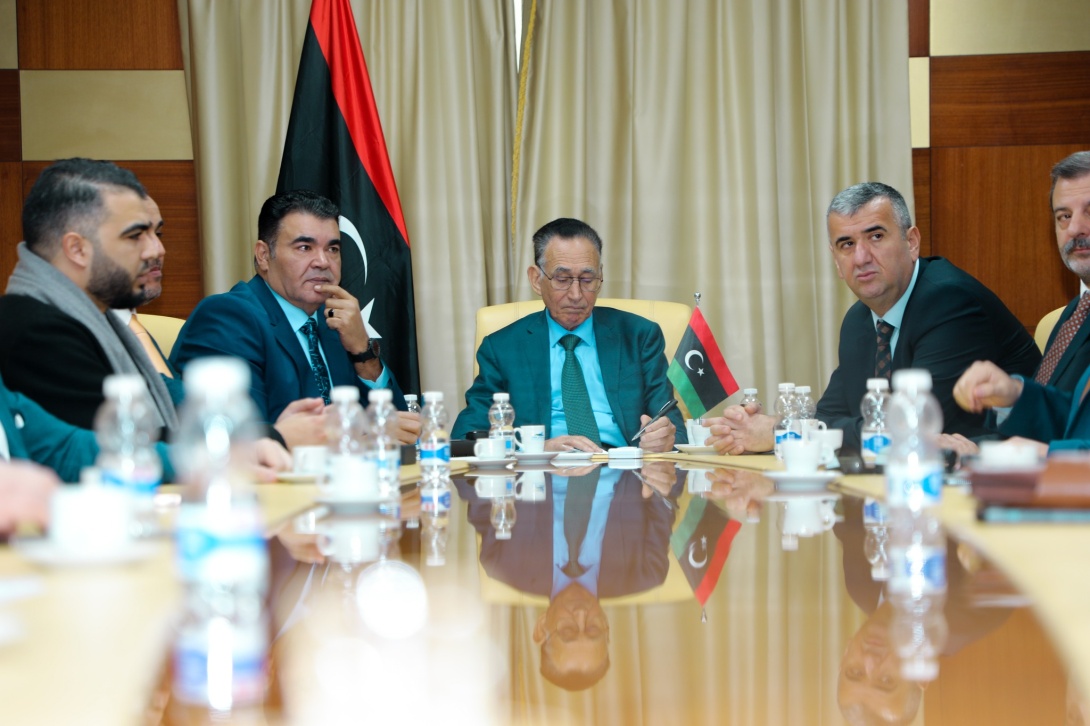
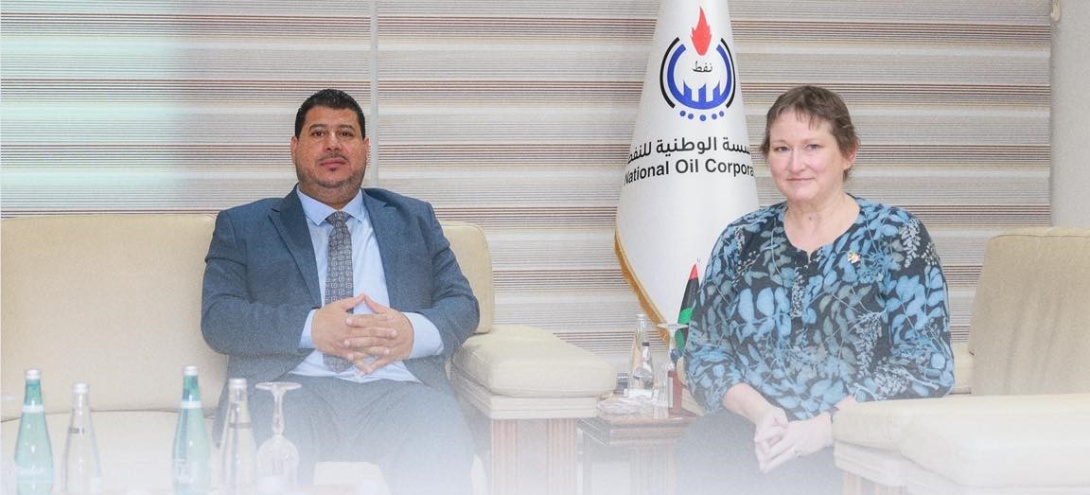
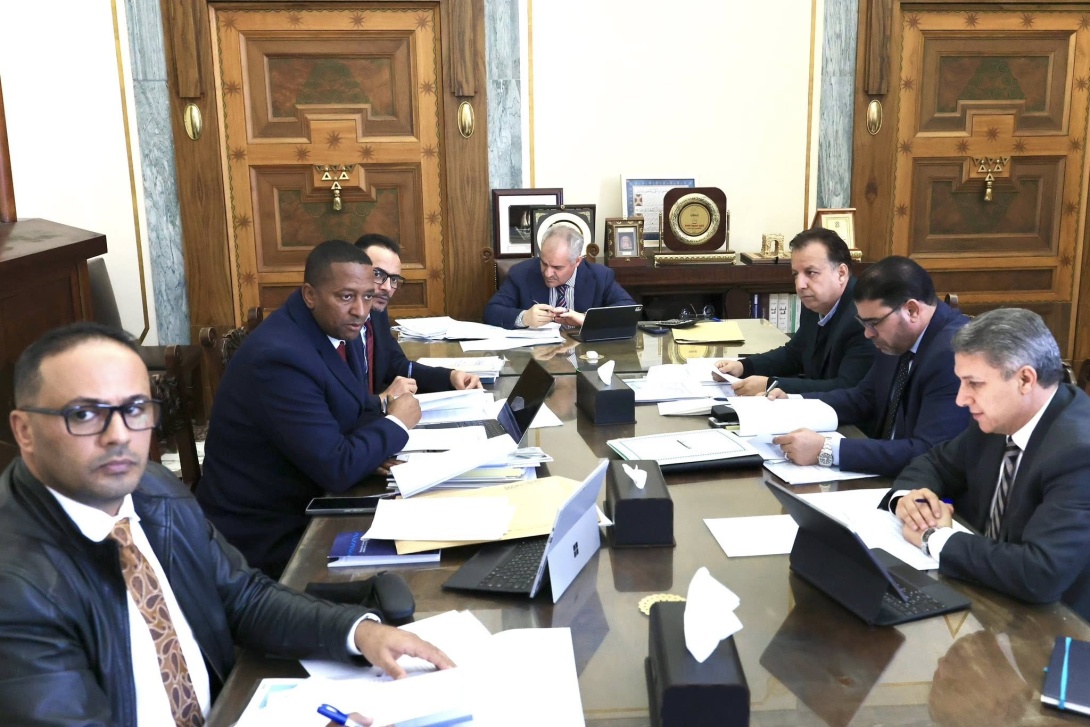
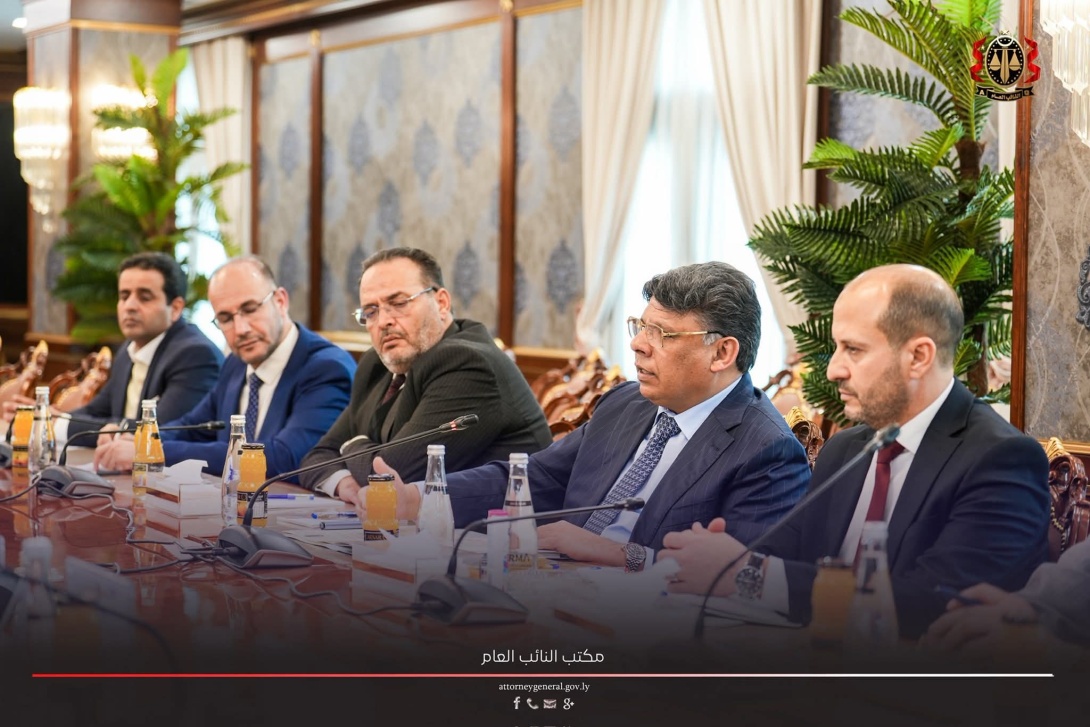
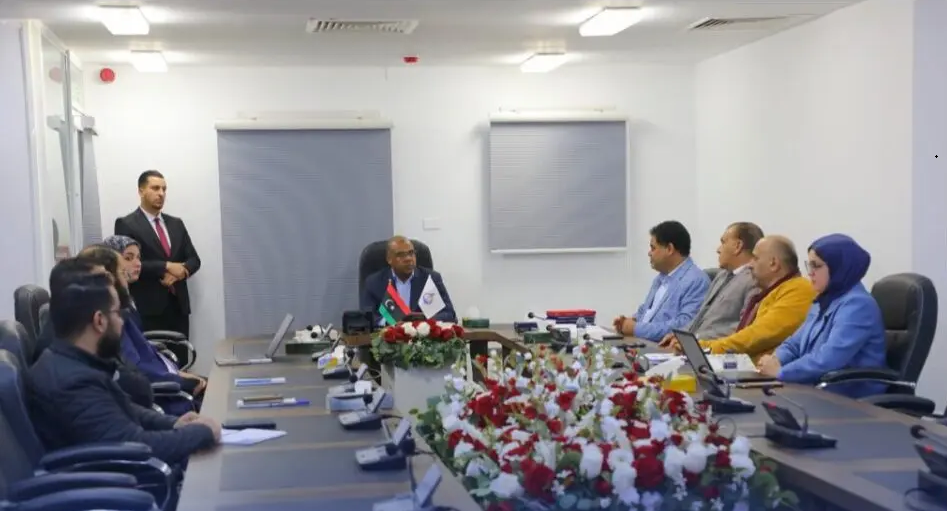
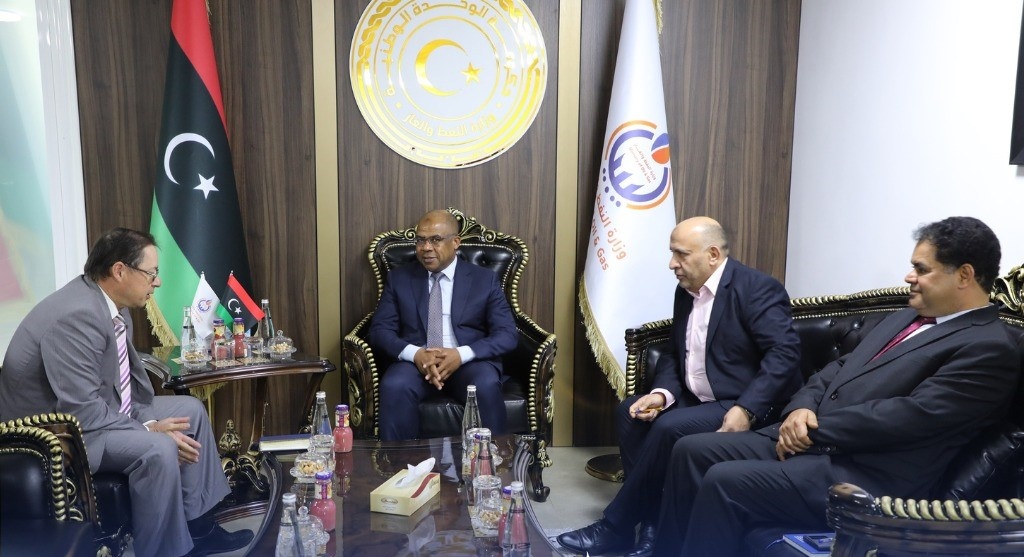
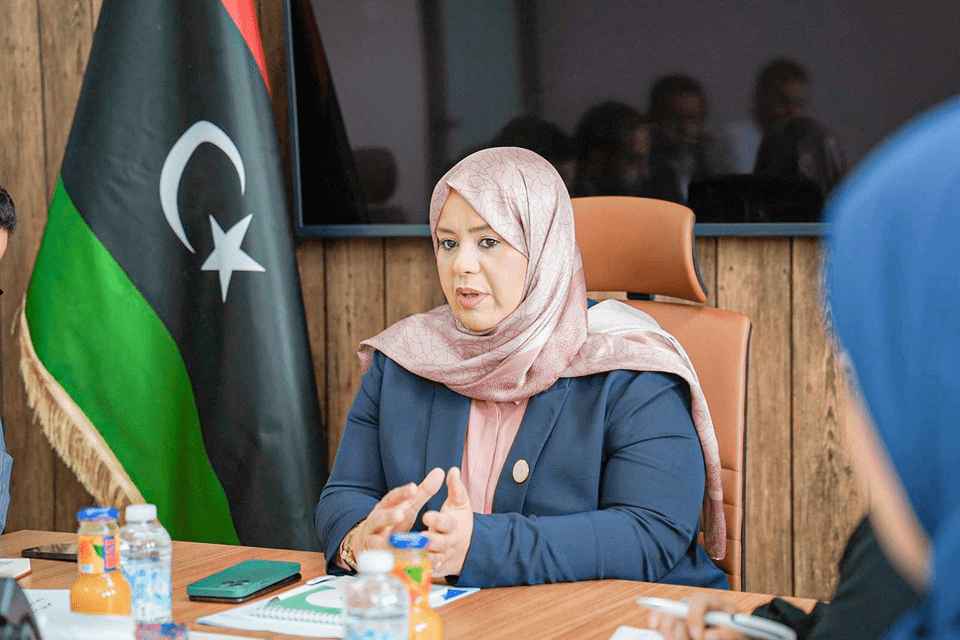
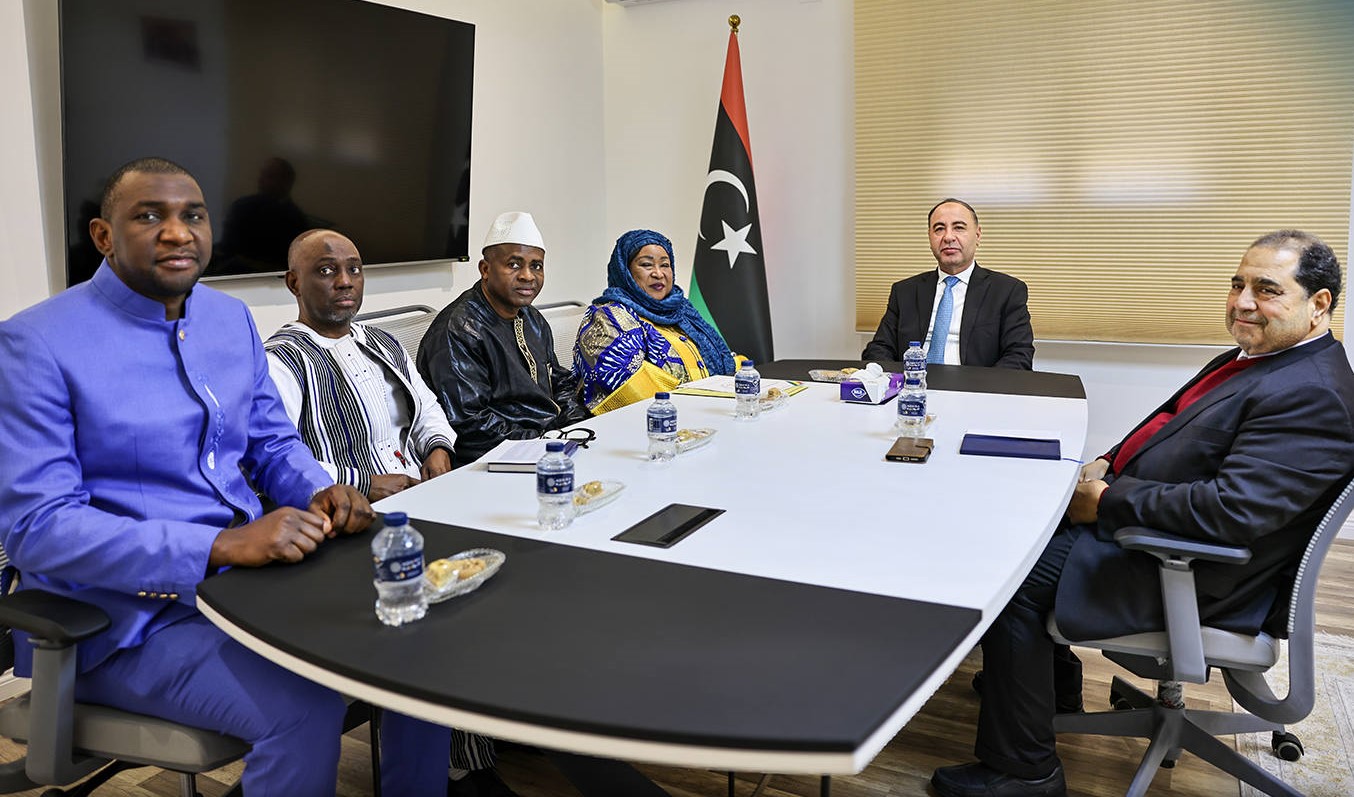
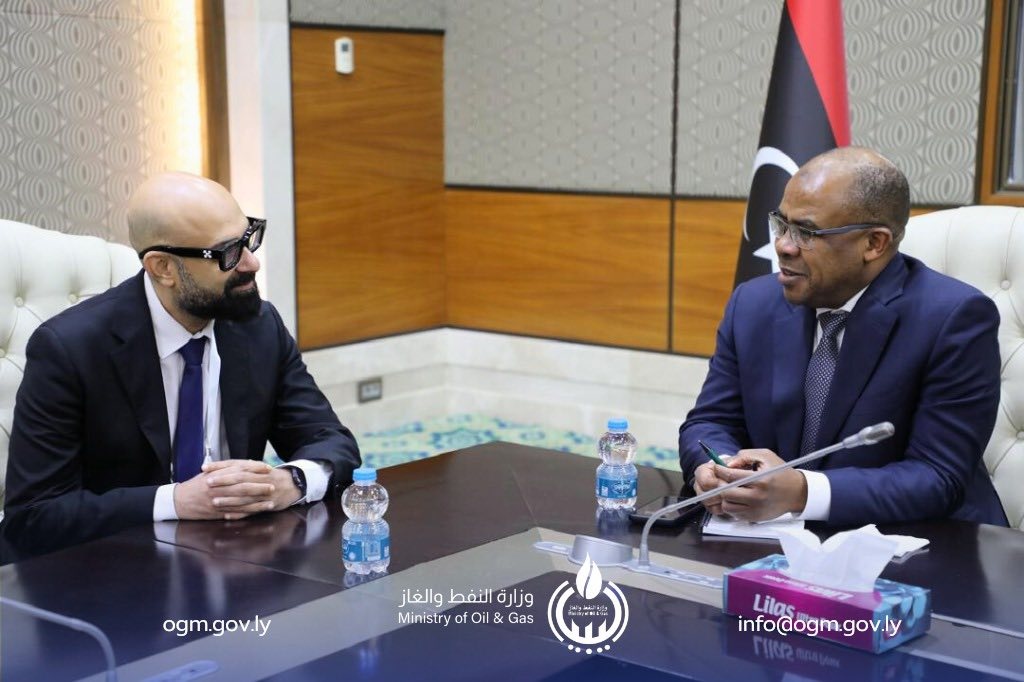
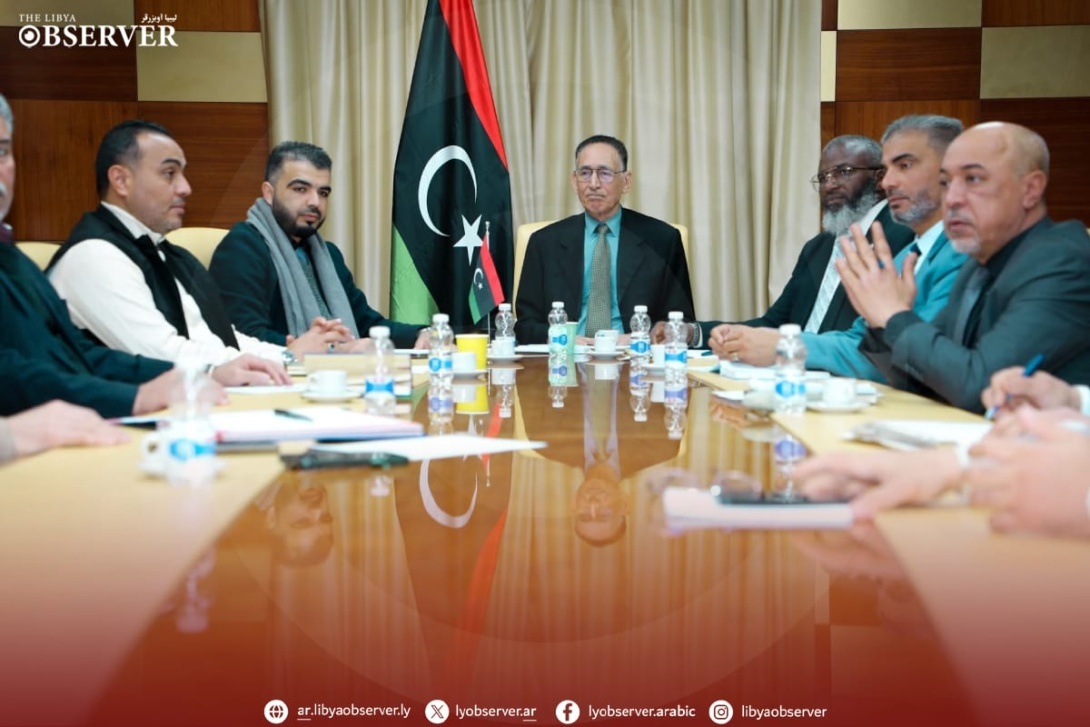
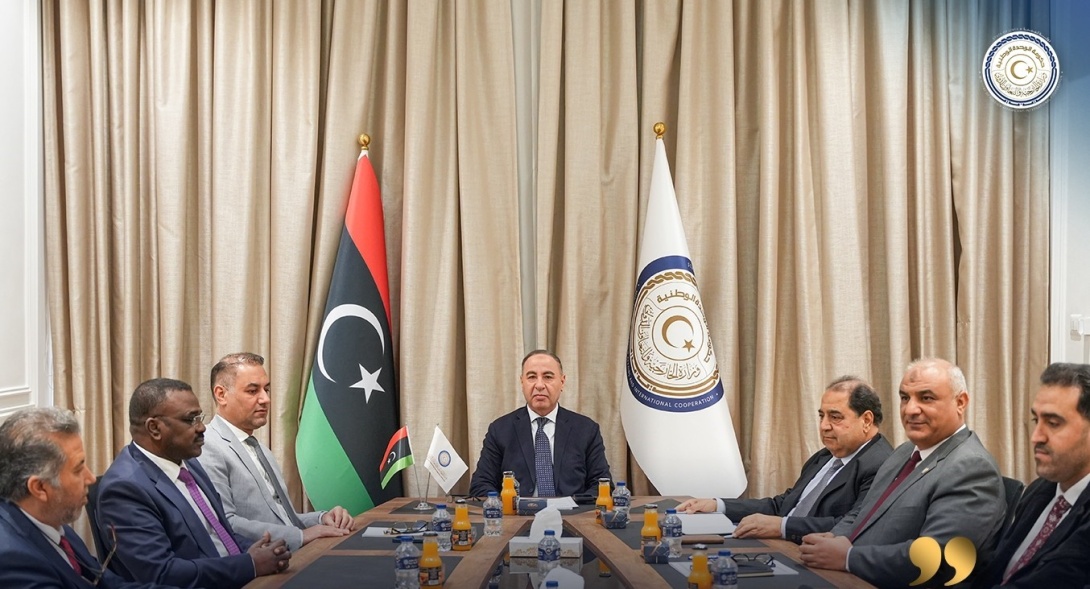
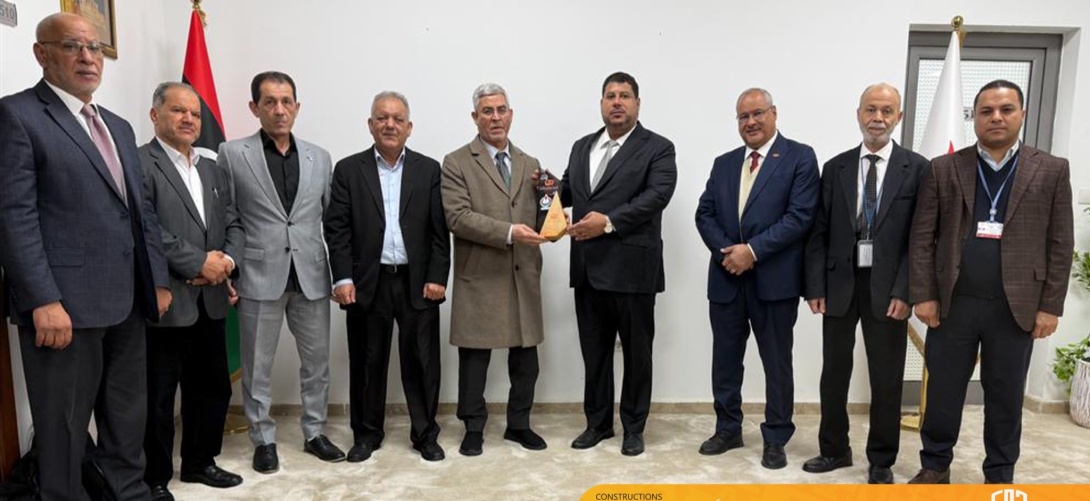
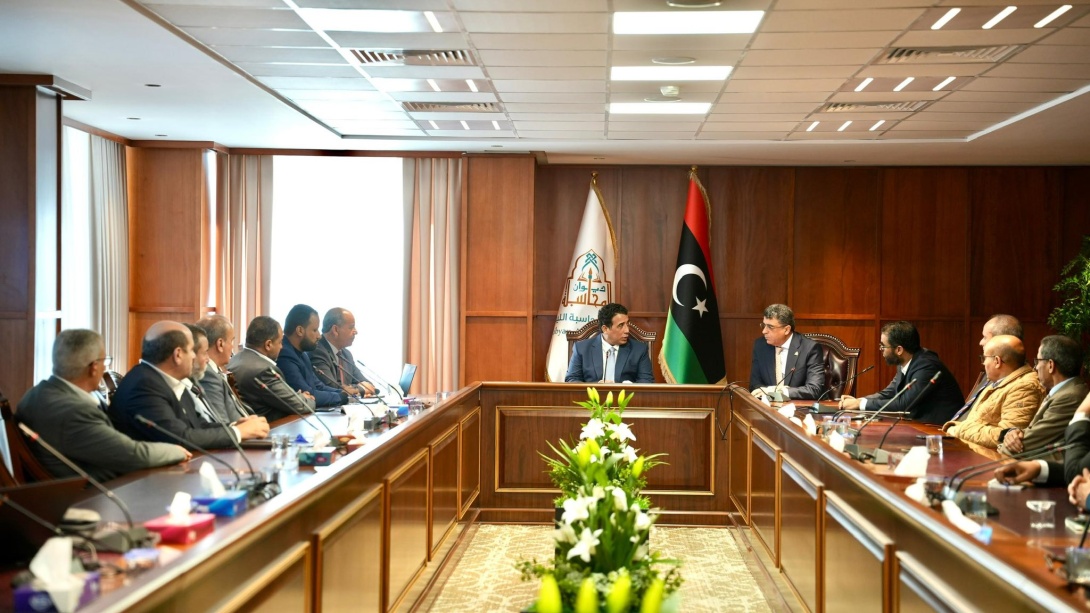
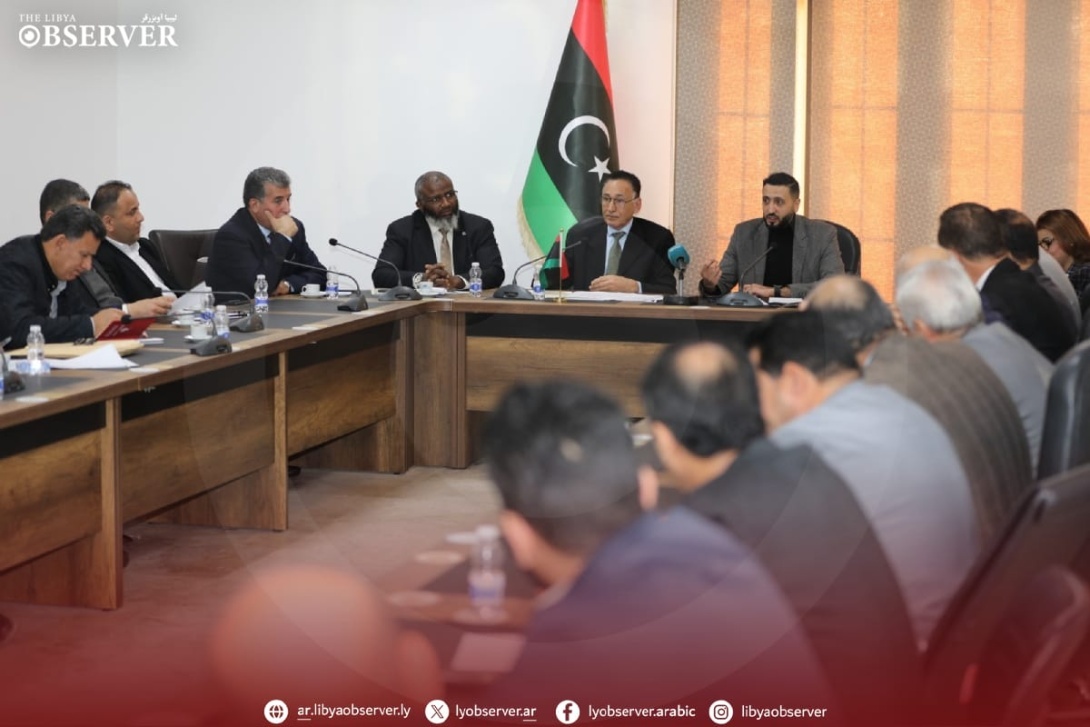
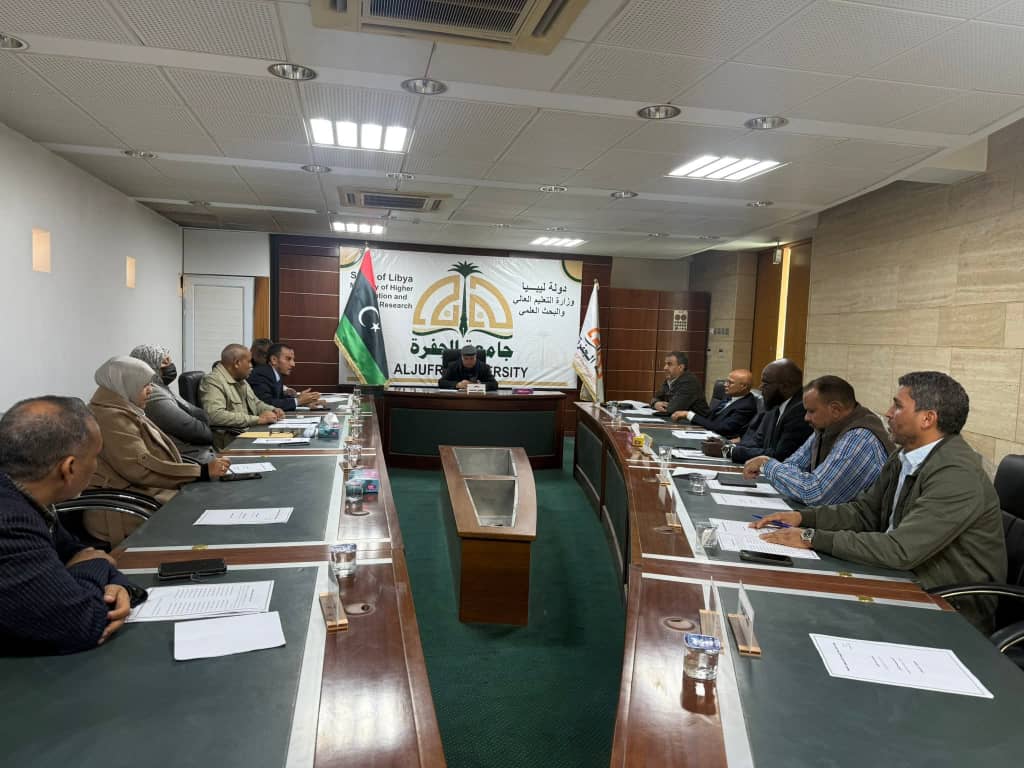
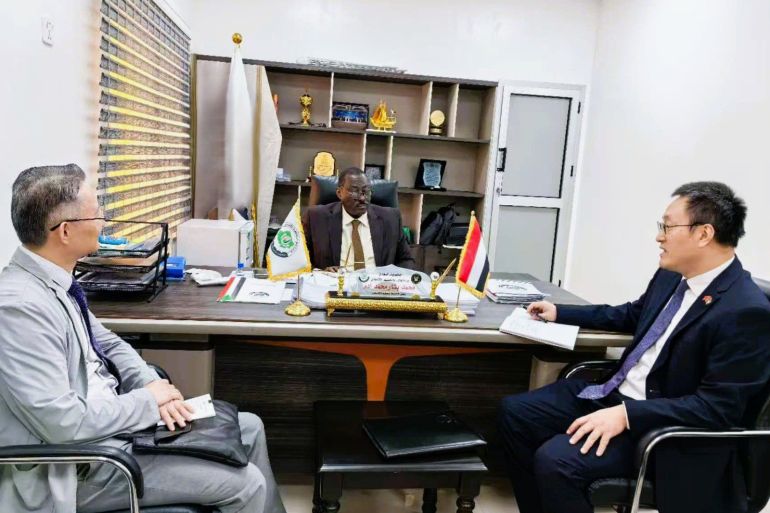
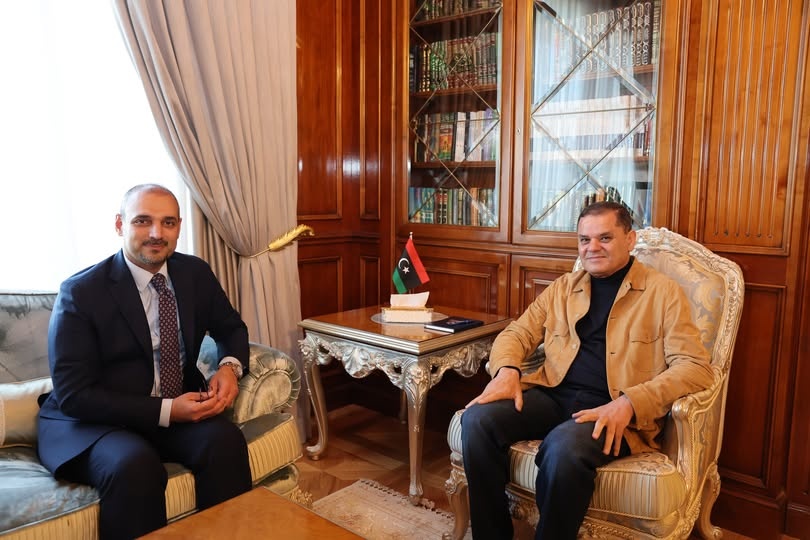
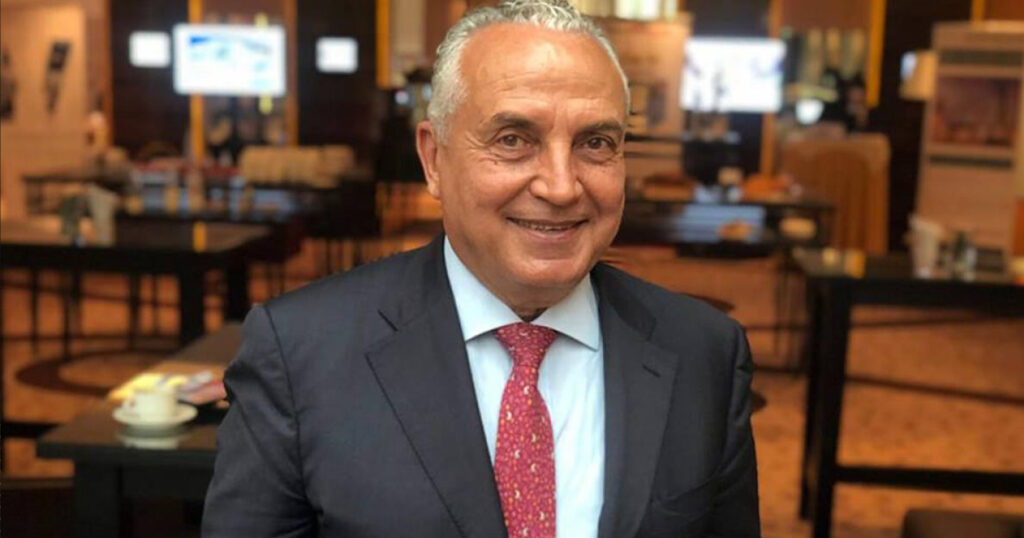
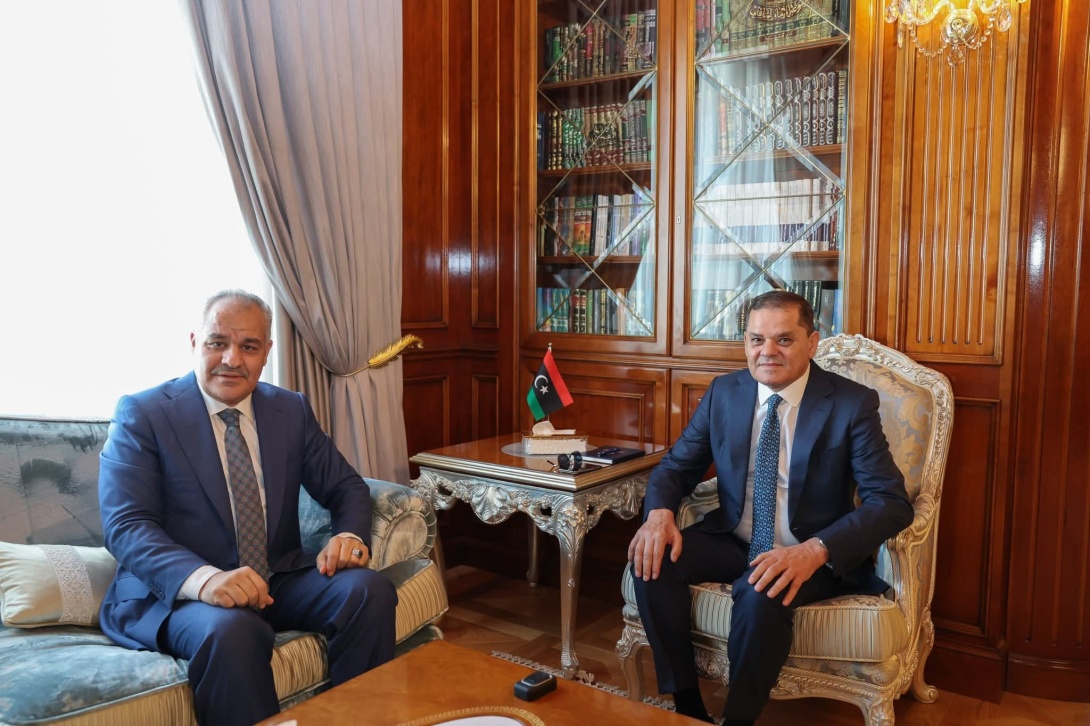
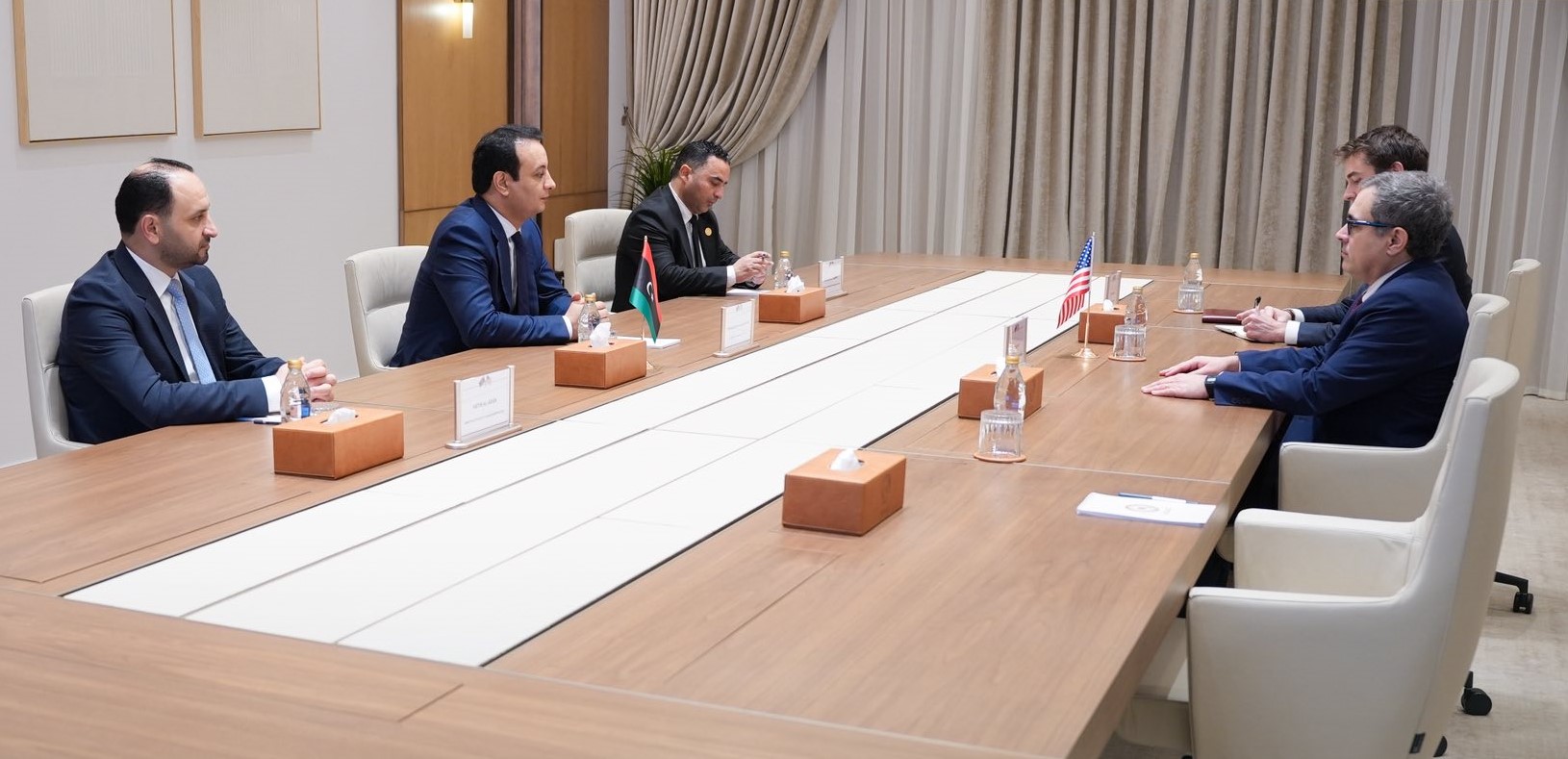
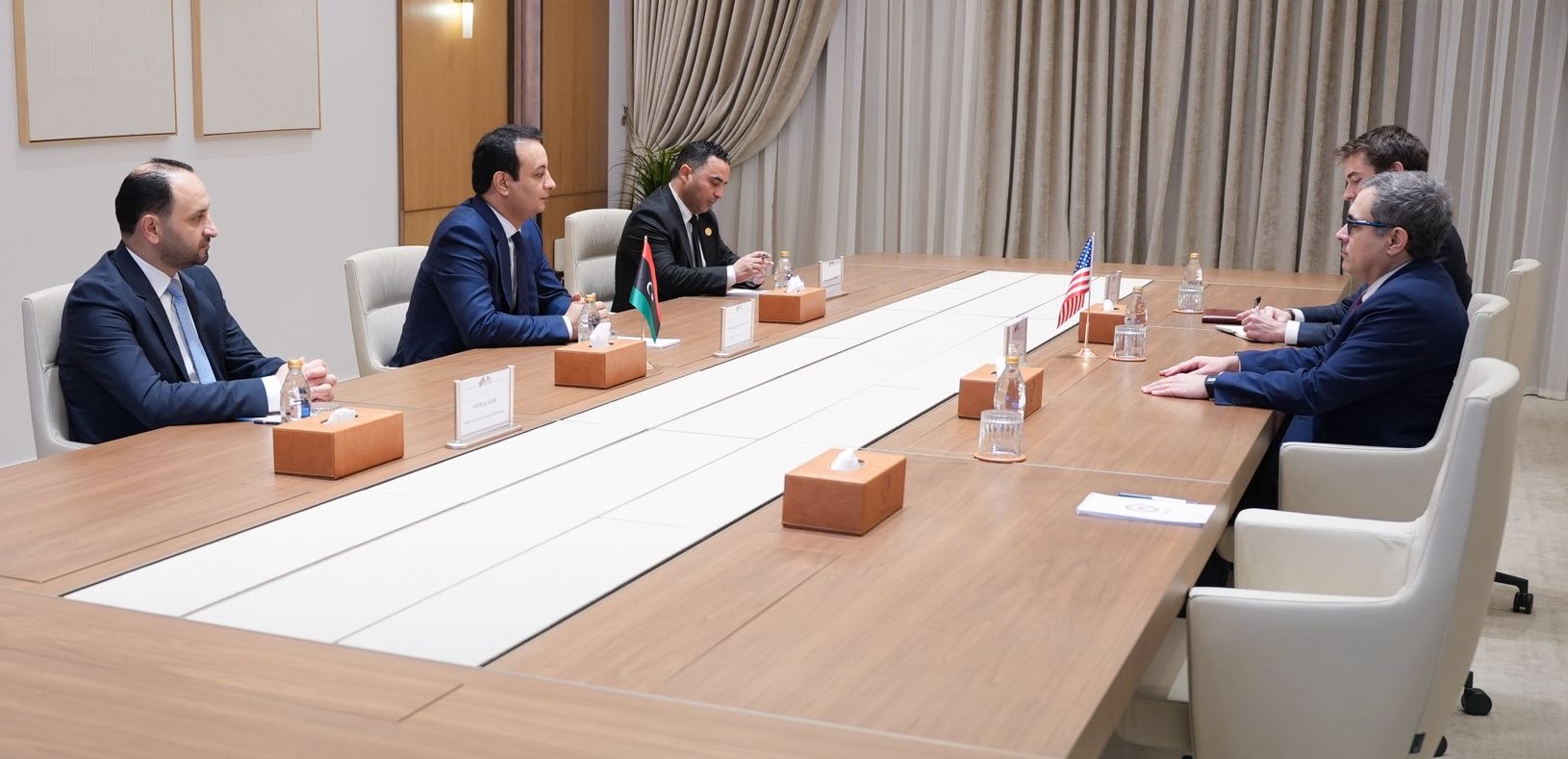
Tripoli, January 30, 2026 – The Libyan Ambassador to the Republic of Uganda discussed today with the Ugandan State Minister for Foreign Affairs the importance of reopening the embassy of the Republic of Uganda in Libya.
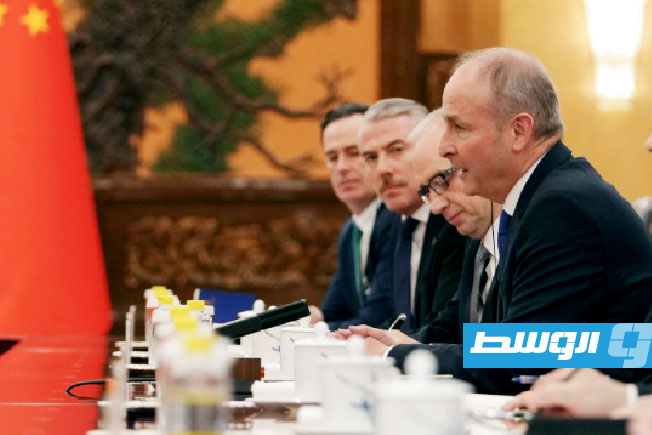
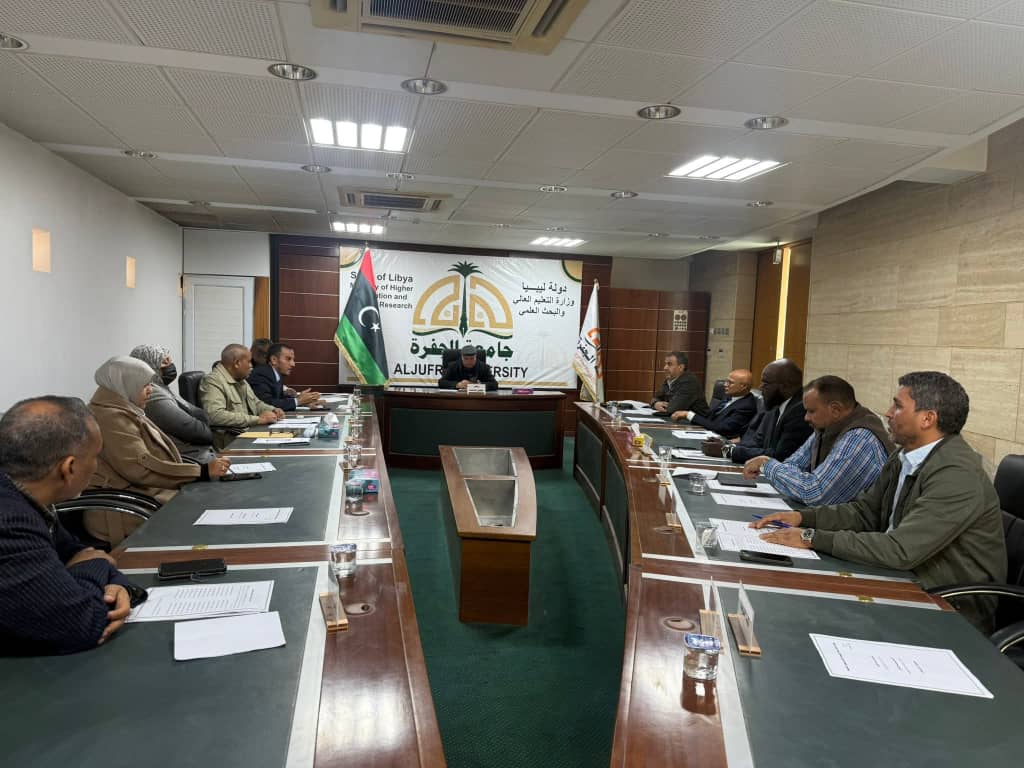
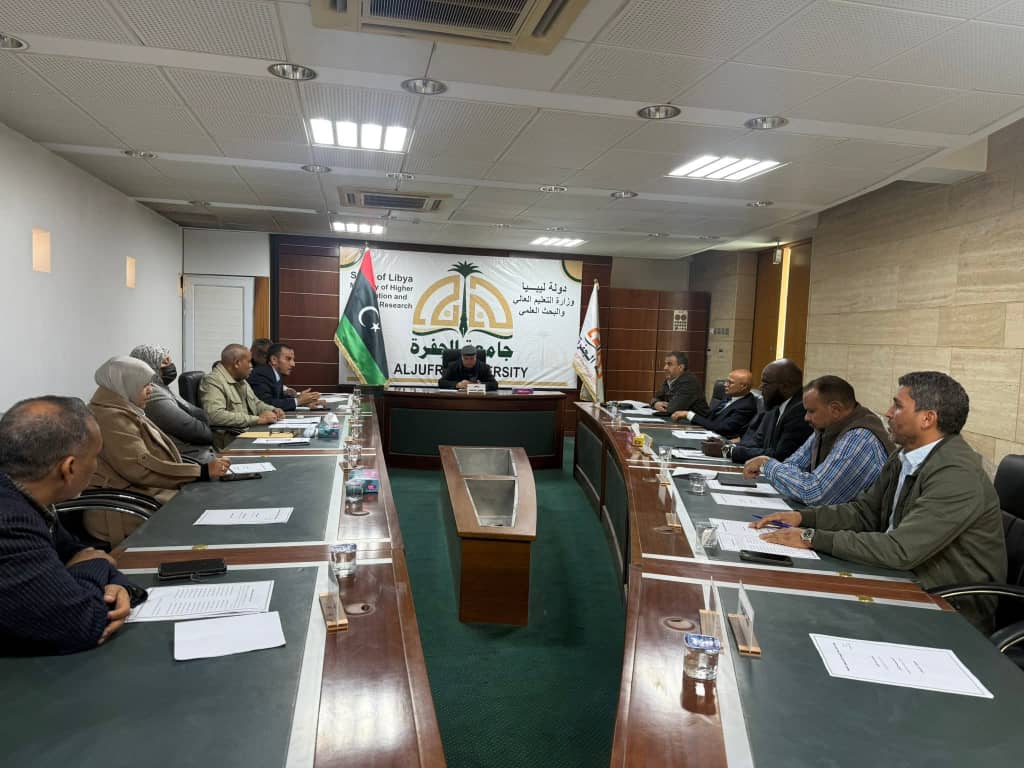
According to a statement, the meeting, held at the Ministry of Foreign Affairs in Kampala, discussed the importance of bilateral coordination and joint consultation on a number of issues of mutual interest at the bilateral and regional levels.
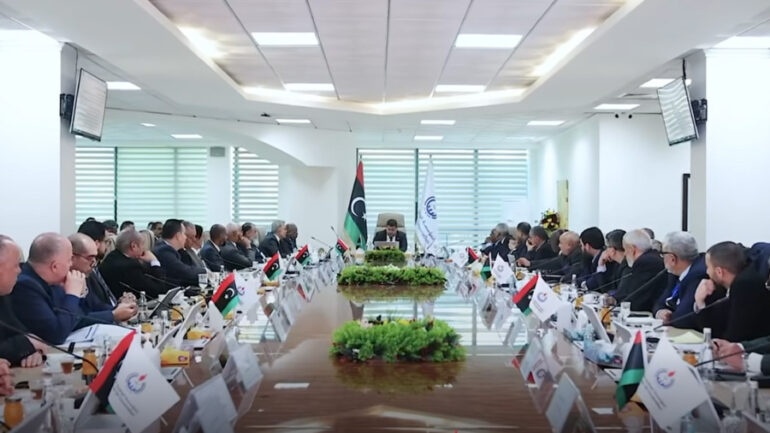
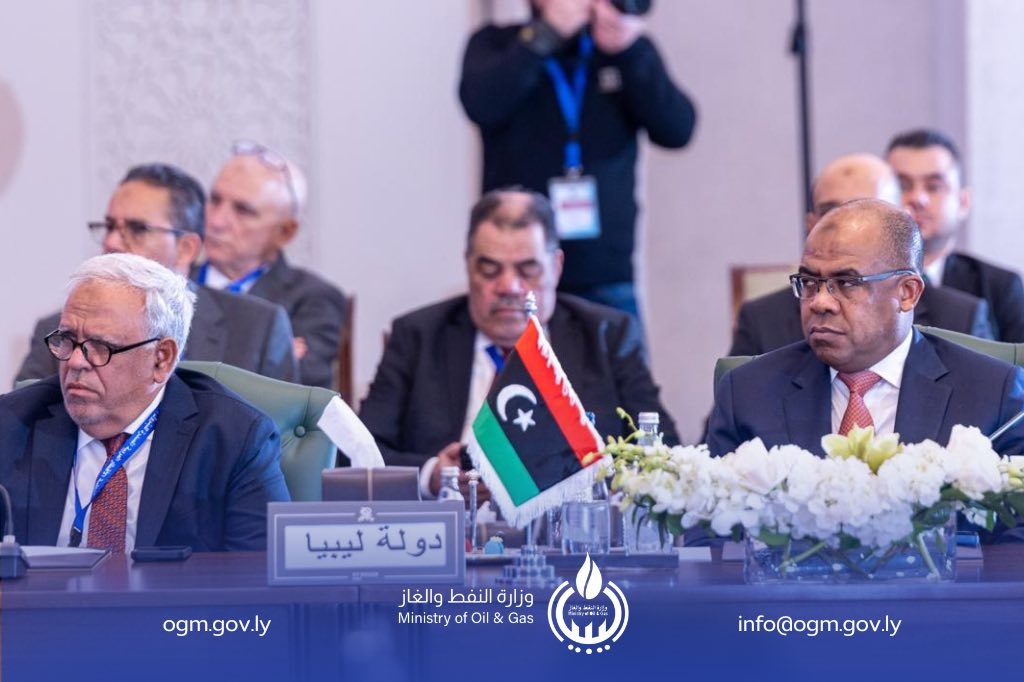
During the meeting, the Libyan Ambassador highlighted the key points raised by the President during his participation with the Libyan delegation in the Ministerial Summit of the Non-Aligned Movement, reflecting a keen interest in Libyan affairs and a commitment to supporting and enhancing regional and international cooperation.
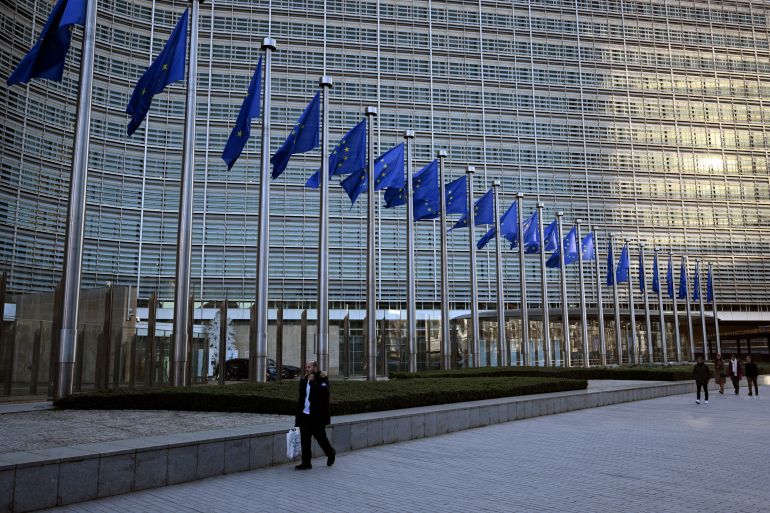
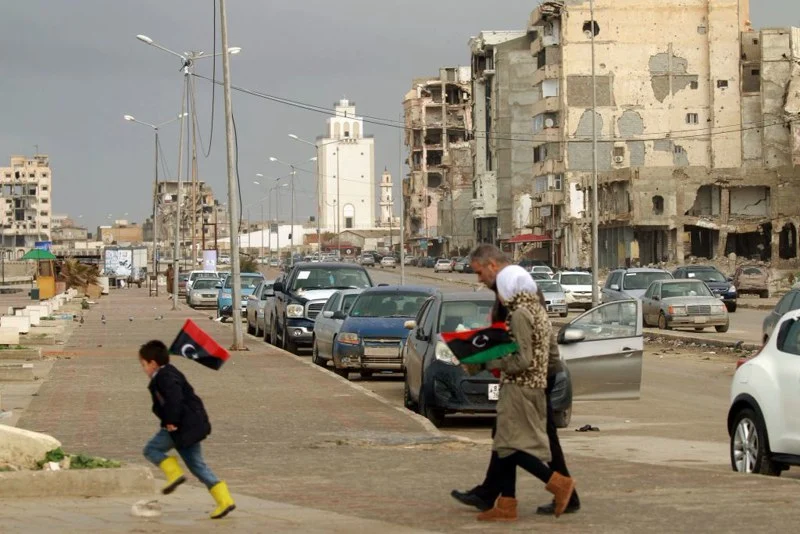
The meeting also addressed the issue of reopening the Ugandan embassy in Libya. The Ambassador noted the return of a number of European and African diplomatic missions to operate from within Libya, reflecting improvements in the security and political situation and fostering a climate for diplomatic cooperation.
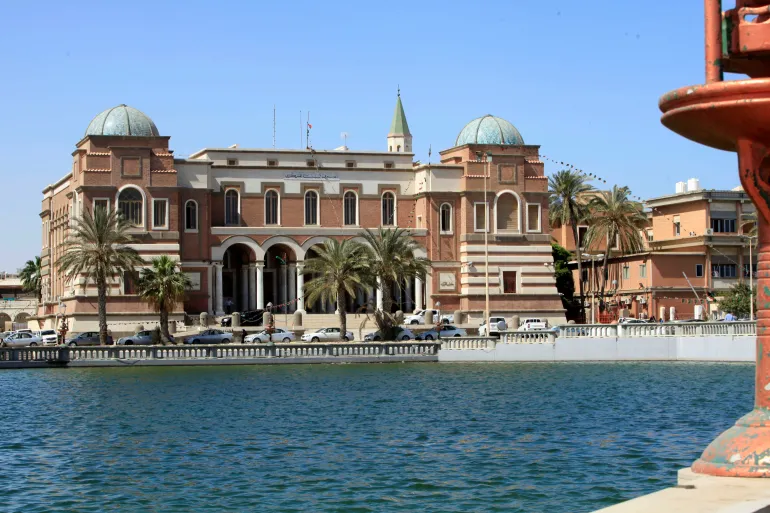
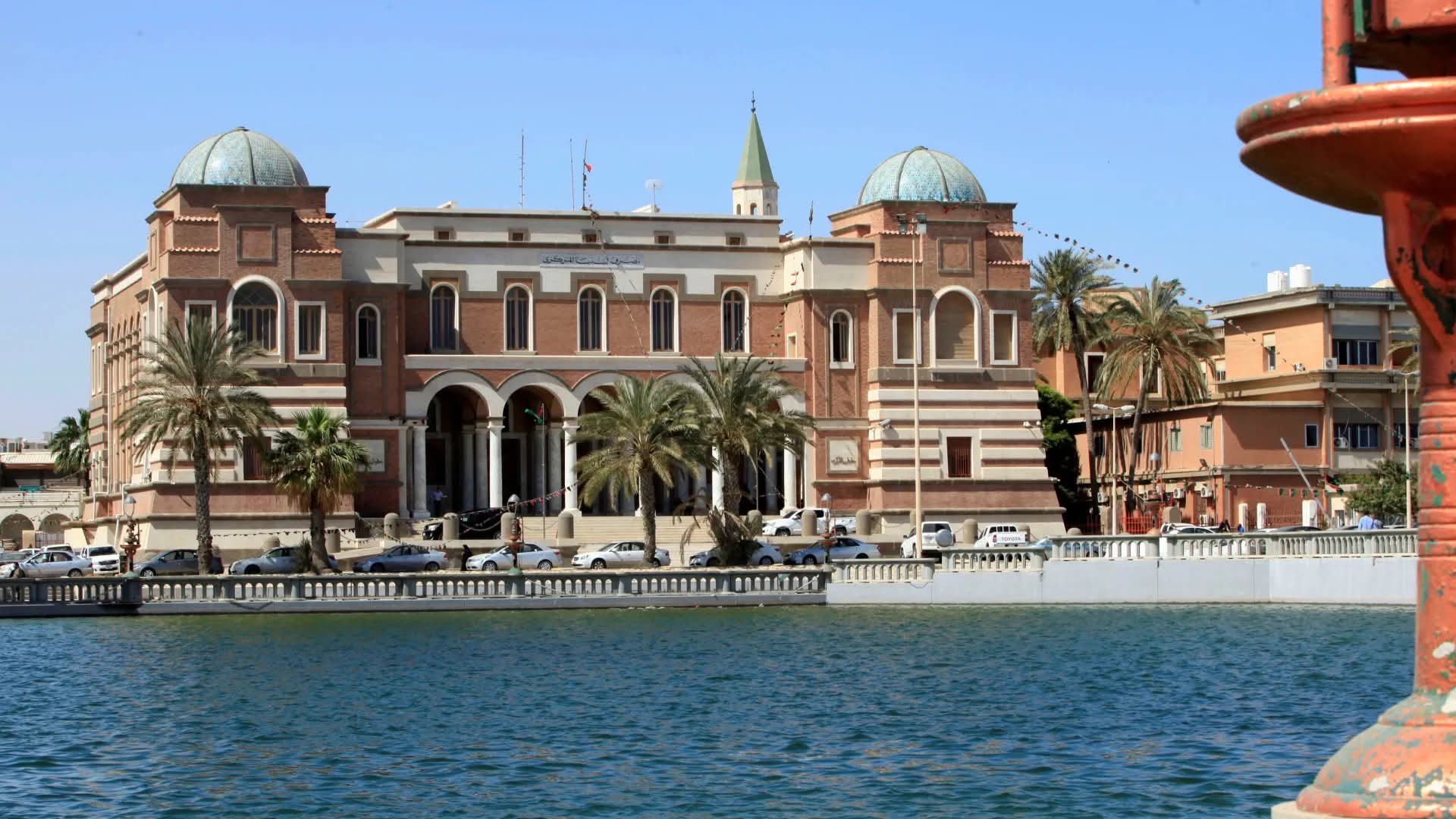
Tripoli
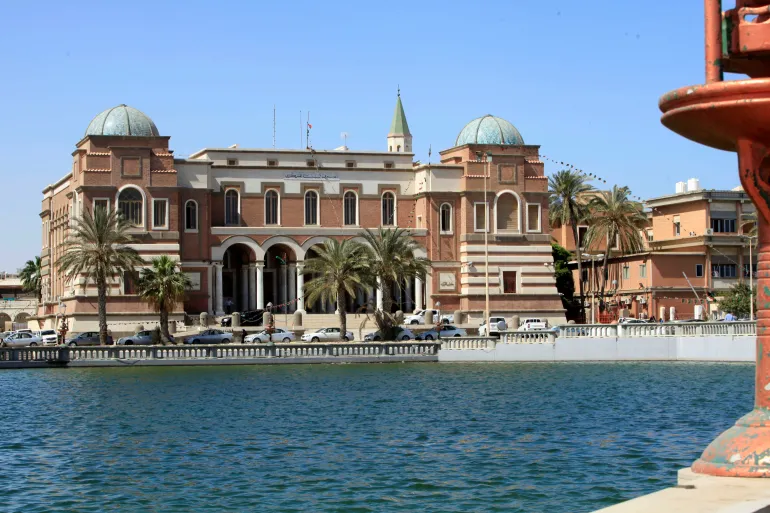
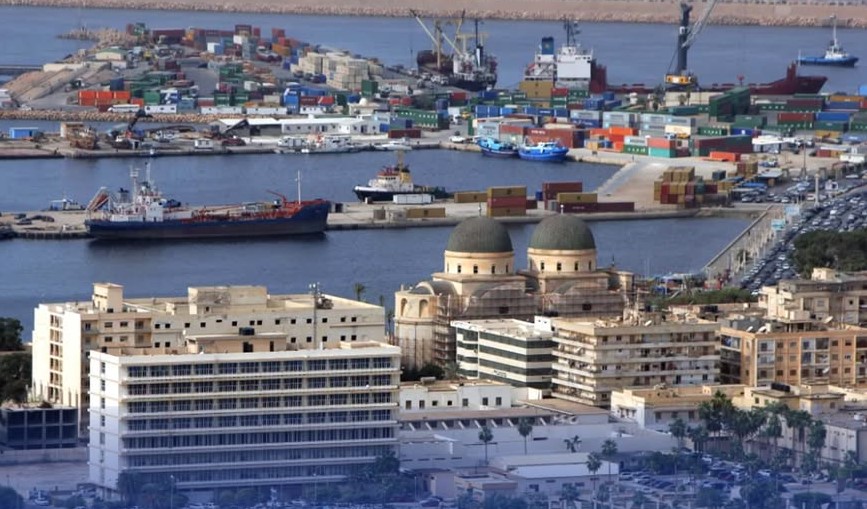
Tripoli is the capital and largest city of Libya, located on the country’s Mediterranean coast. Historically, it was founded by the Phoenicians in the 7th century BC and has since been ruled by the Romans, Arabs, Ottomans, and Italians, serving as a major port and cultural crossroads. Its historic center, the medina, features ancient architecture like the Arch of Marcus Aurelius and the Red Castle (Assai al-Hamra).
Libya
Libya is a North African country with a rich history rooted in ancient civilizations like the Phoenicians and Romans, followed by centuries of Arab and Ottoman influence. In the modern era, it was an Italian colony before gaining independence in 1951, later becoming known for Muammar Gaddafi’s lengthy rule from 1969 until the 2011 revolution. The country is home to UNESCO World Heritage sites, such as the ancient Greek city of Cyrene and the Roman ruins of Leptis Magna.
Republic of Uganda
The Republic of Uganda is a landlocked country in East Africa, historically home to several powerful kingdoms like Buganda. It gained independence from British colonial rule in 1962 and endured periods of political instability before achieving greater stability in recent decades.
Uganda
Uganda is a landlocked East African nation known for its diverse landscapes, including the source of the Nile River and mountain gorilla habitats. Its history includes powerful pre-colonial kingdoms like Buganda, followed by British colonization until independence in 1962, and a subsequent period of political turmoil. Today, it is recognized for its rich cultural heritage and wildlife tourism.
Ministry of Foreign Affairs
The Ministry of Foreign Affairs is a government department responsible for managing a nation’s diplomatic relations and foreign policy. Its history is tied to the development of the modern state, with many countries establishing formal foreign ministries in the 17th and 18th centuries to conduct diplomacy and negotiate treaties.
Kampala
Kampala is the capital and largest city of Uganda, originally built on seven hills and historically the site of the Buganda Kingdom’s royal capital at Mengo Hill. It grew as a British colonial administrative center in the late 19th century before becoming the capital of independent Uganda in 1962. Today, it is a bustling economic and cultural hub known for its diverse population and landmarks like the Kasubi Tombs and Uganda National Mosque.
Non-Aligned Movement
The Non-Aligned Movement (NAM) is a forum of over 120 developing states that are not formally aligned with or against any major power bloc. It was founded in 1961 during the Cold War, with key leaders like Josip Broz Tito of Yugoslavia, Jawaharlal Nehru of India, and Gamal Abdel Nasser of Egypt, to promote independence, sovereignty, and peaceful coexistence amidst superpower rivalry.