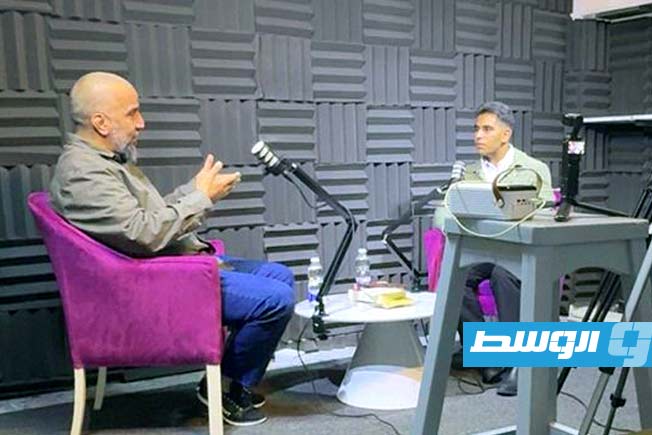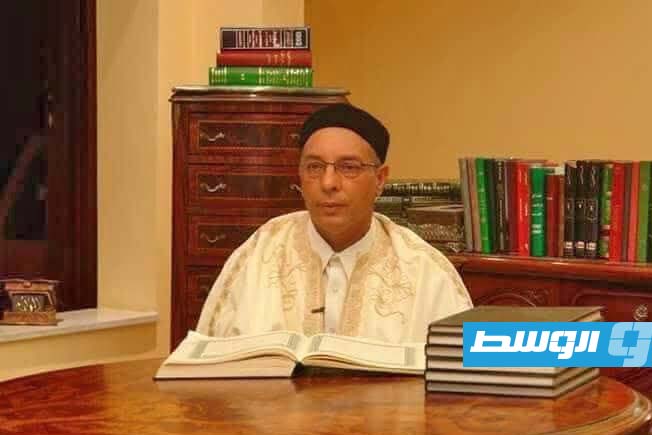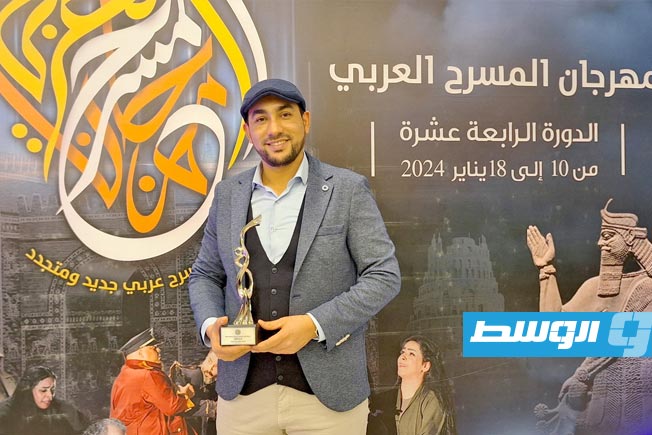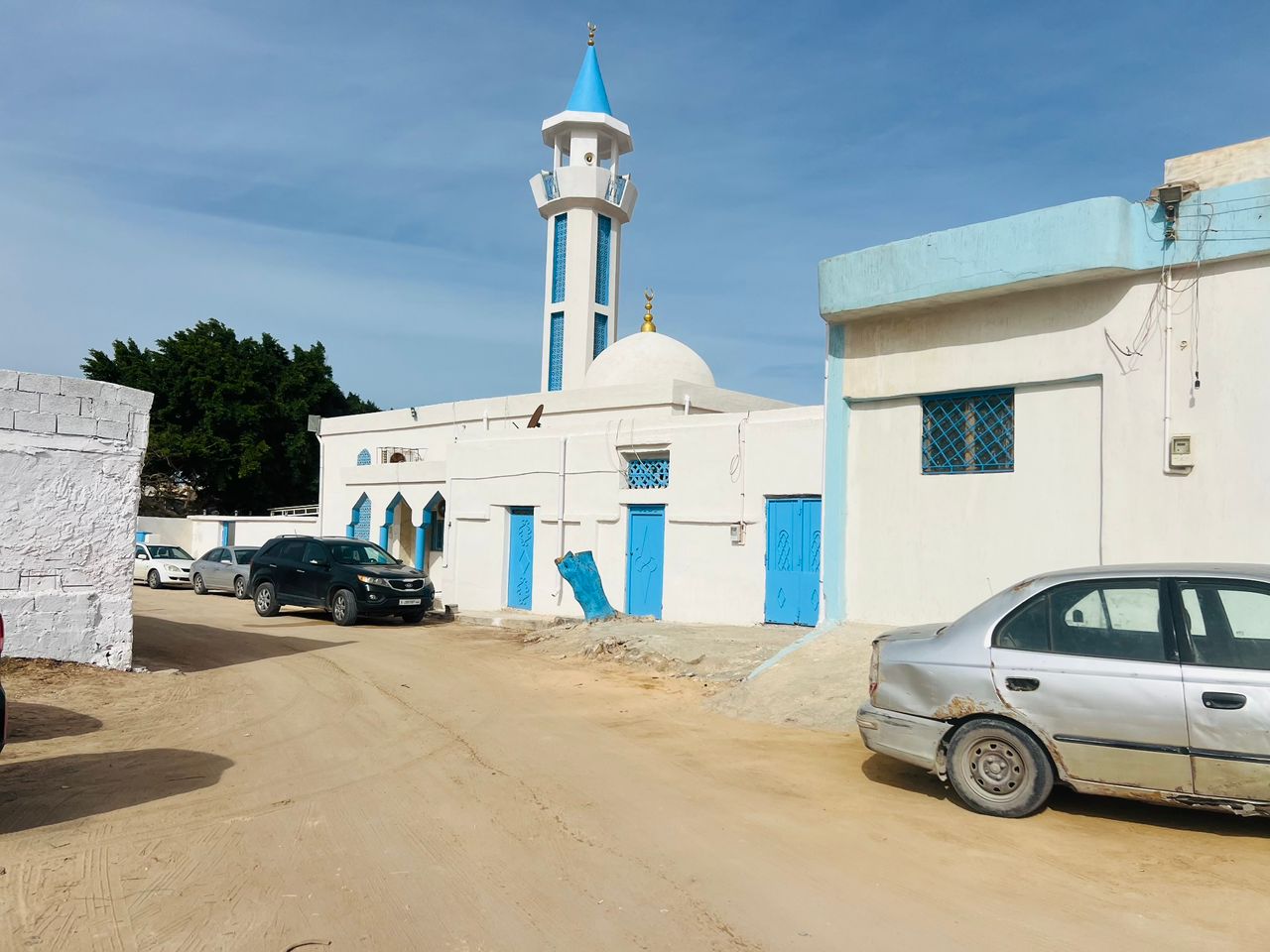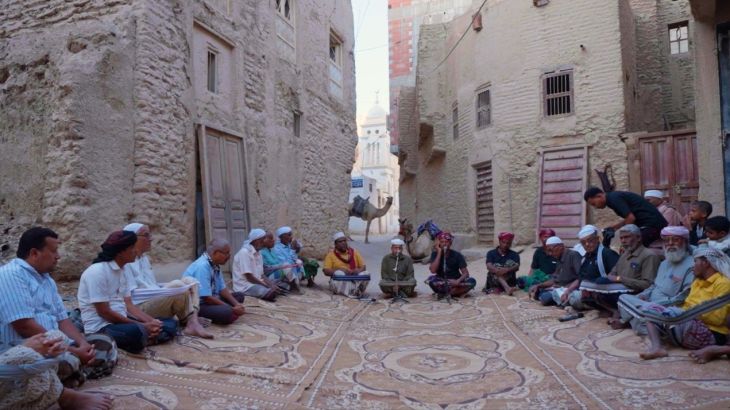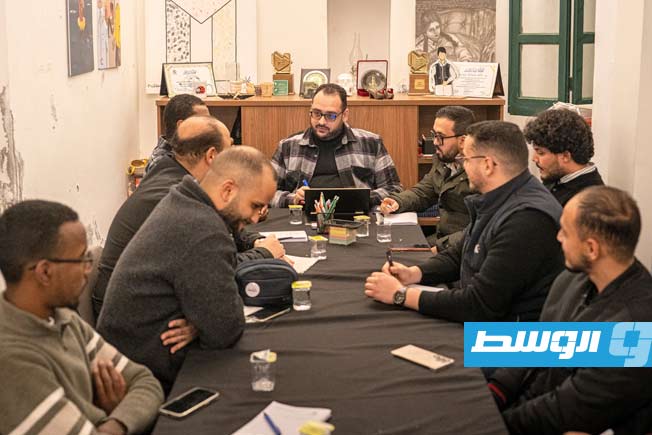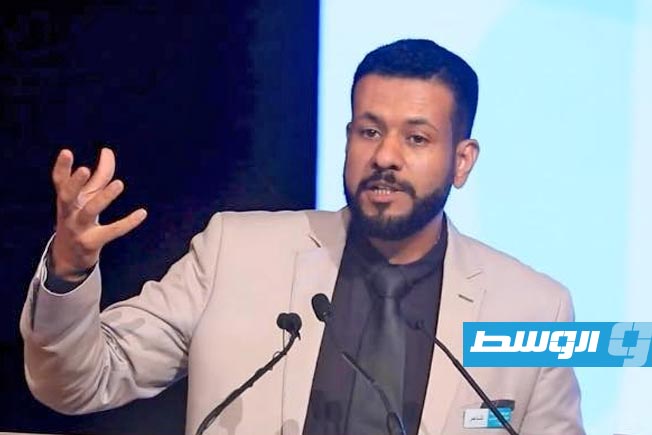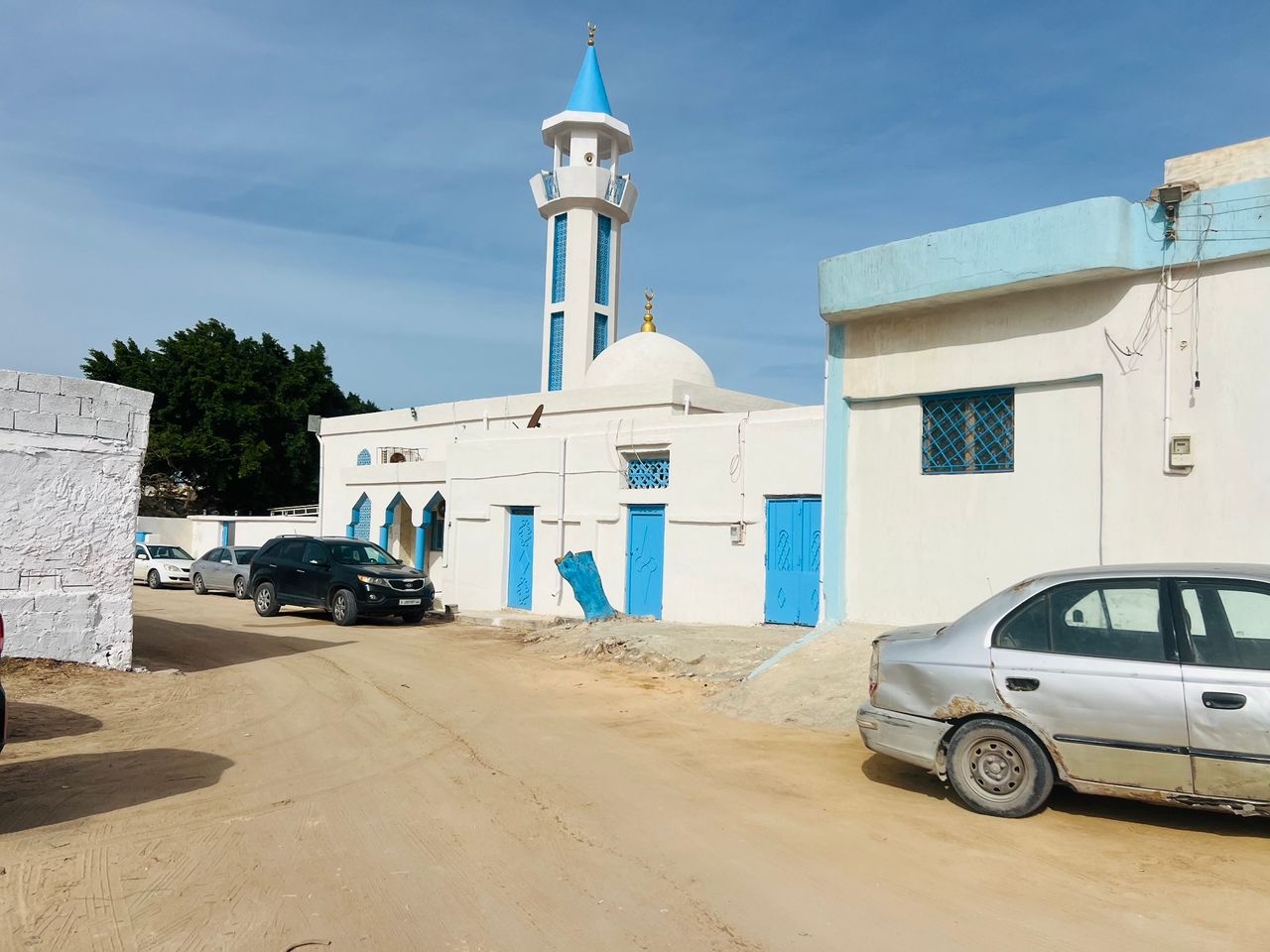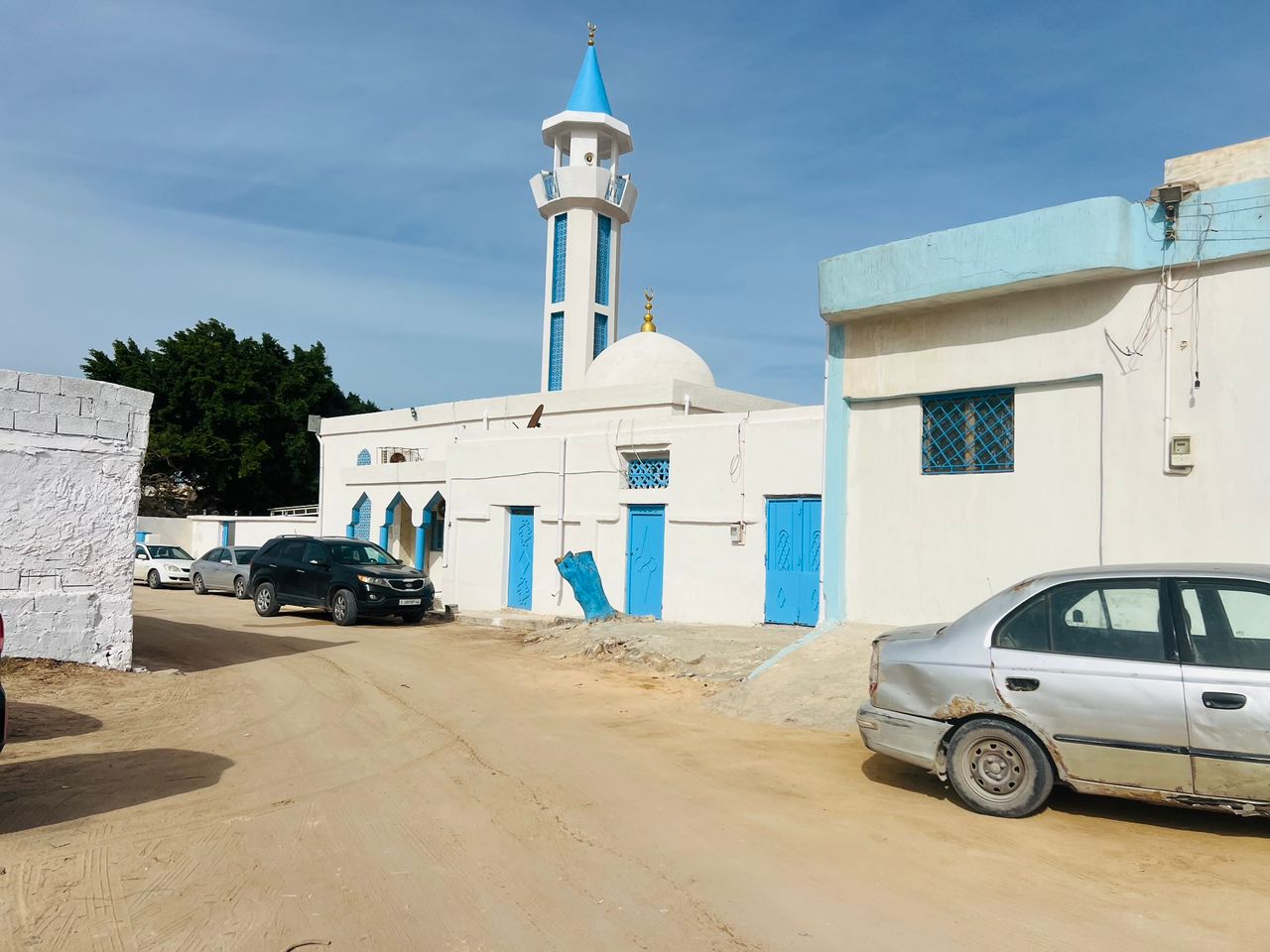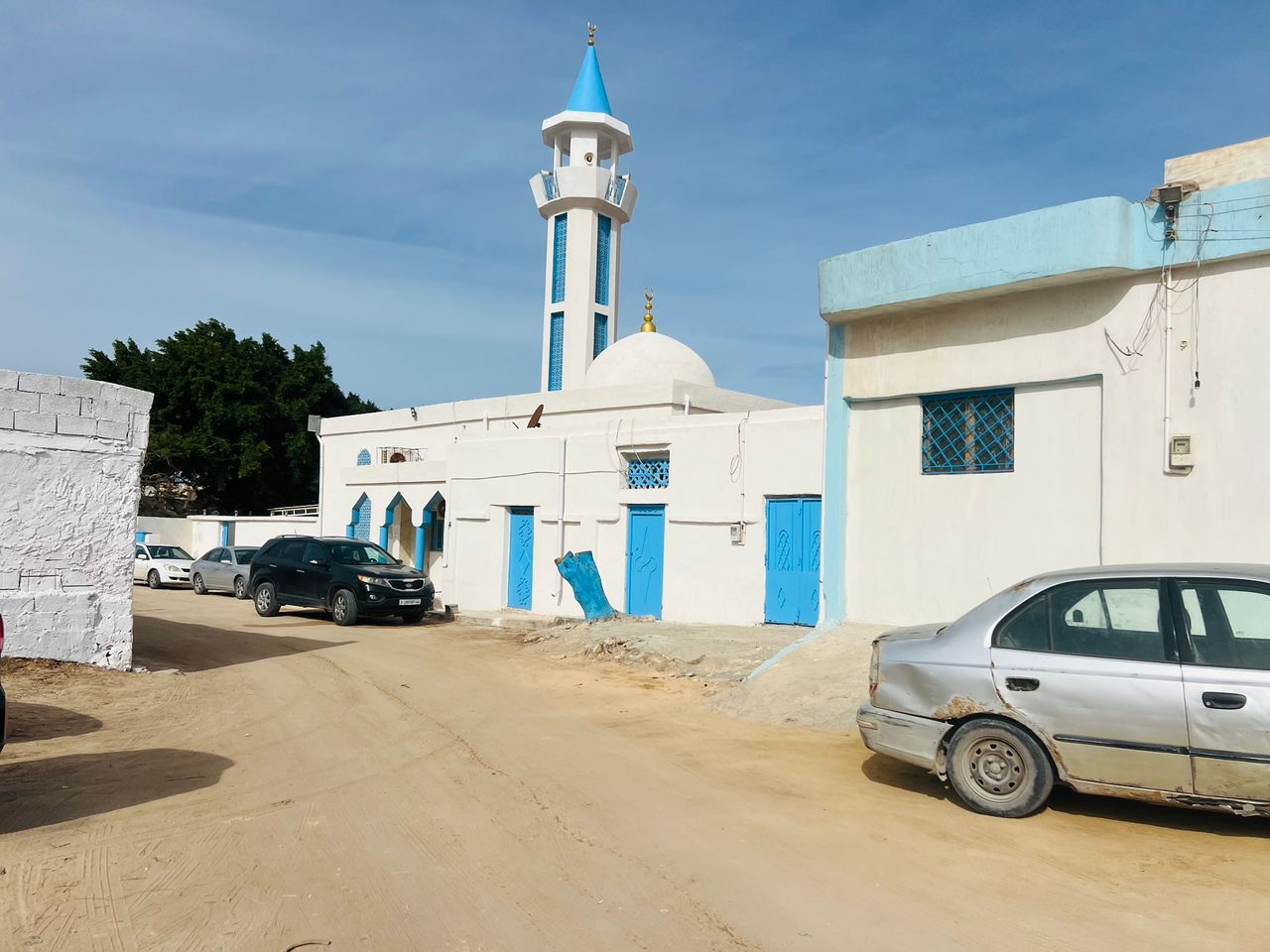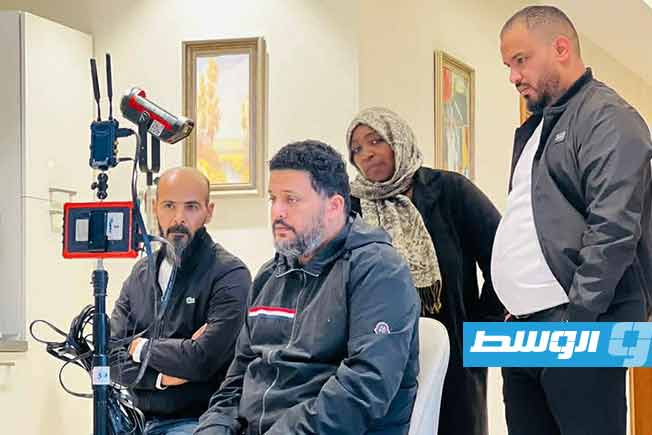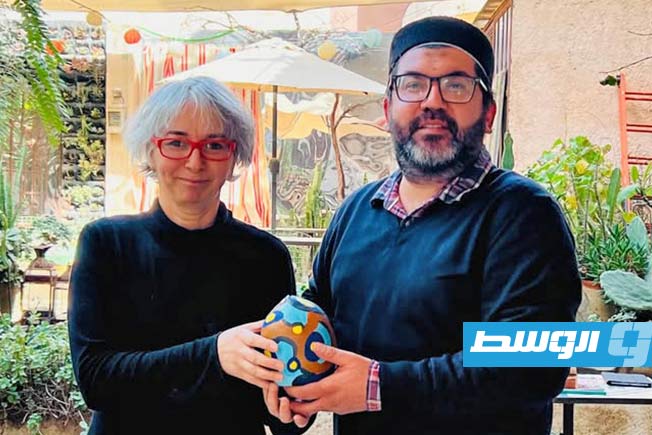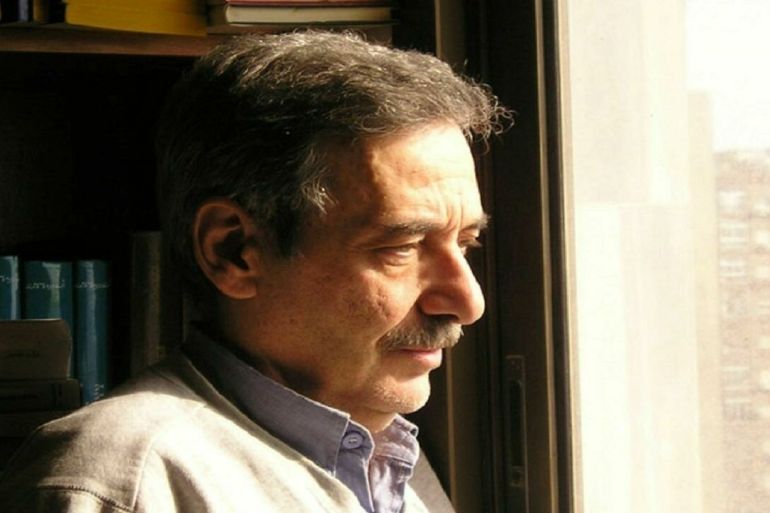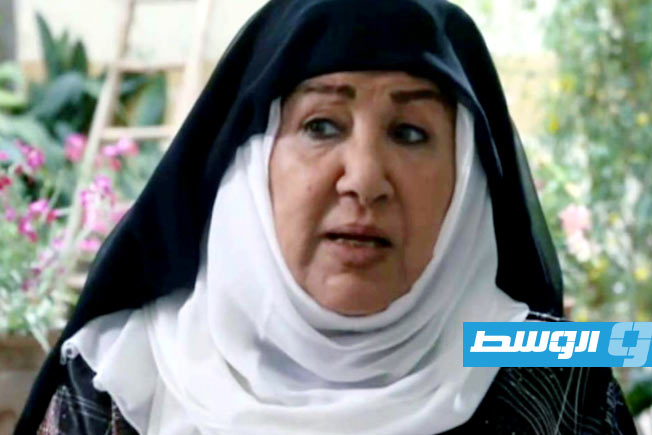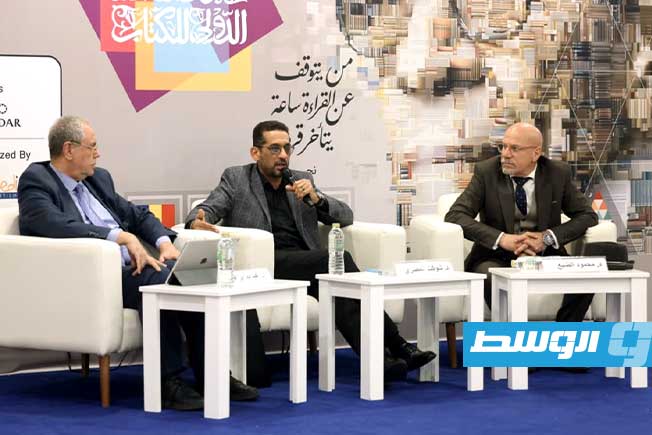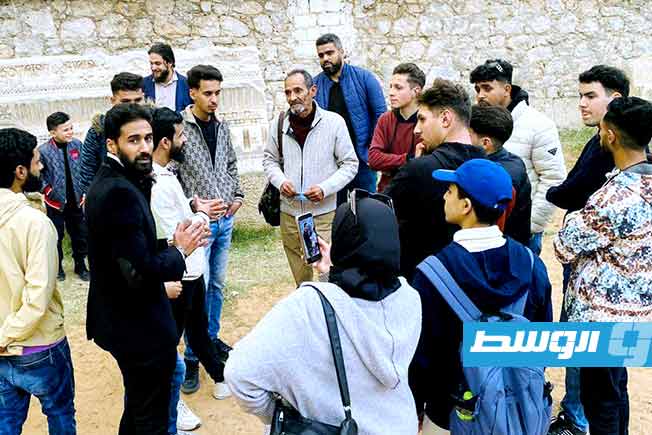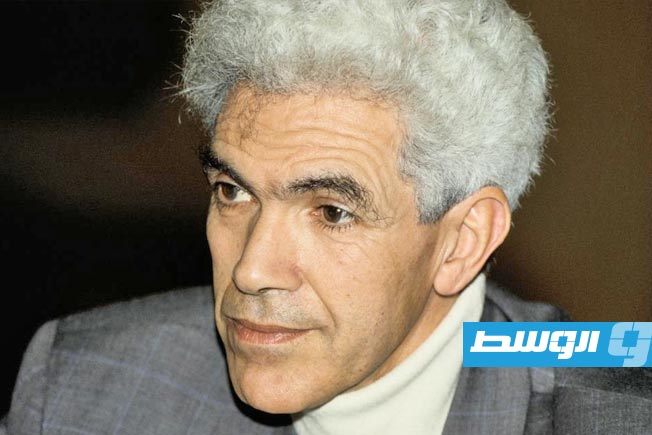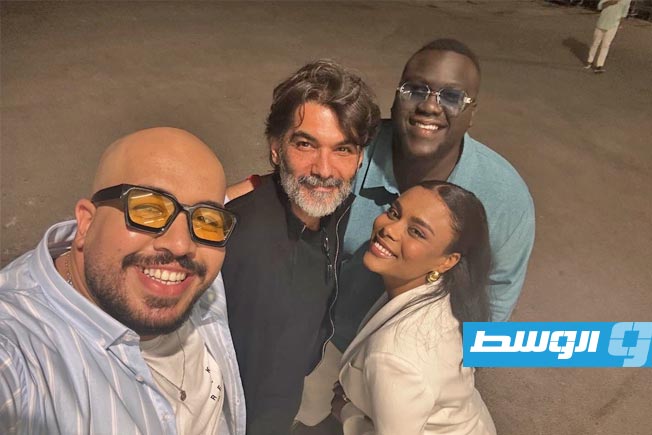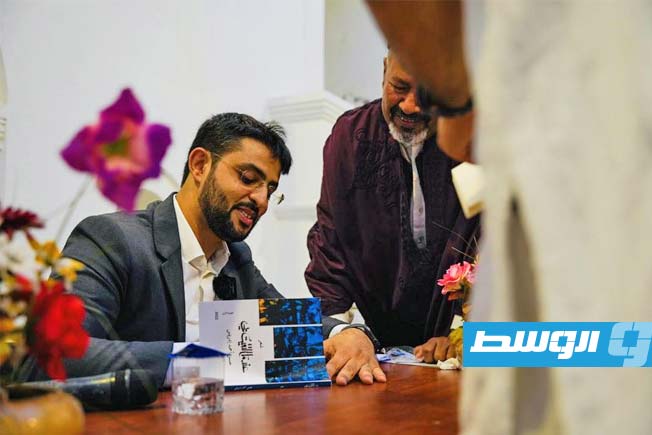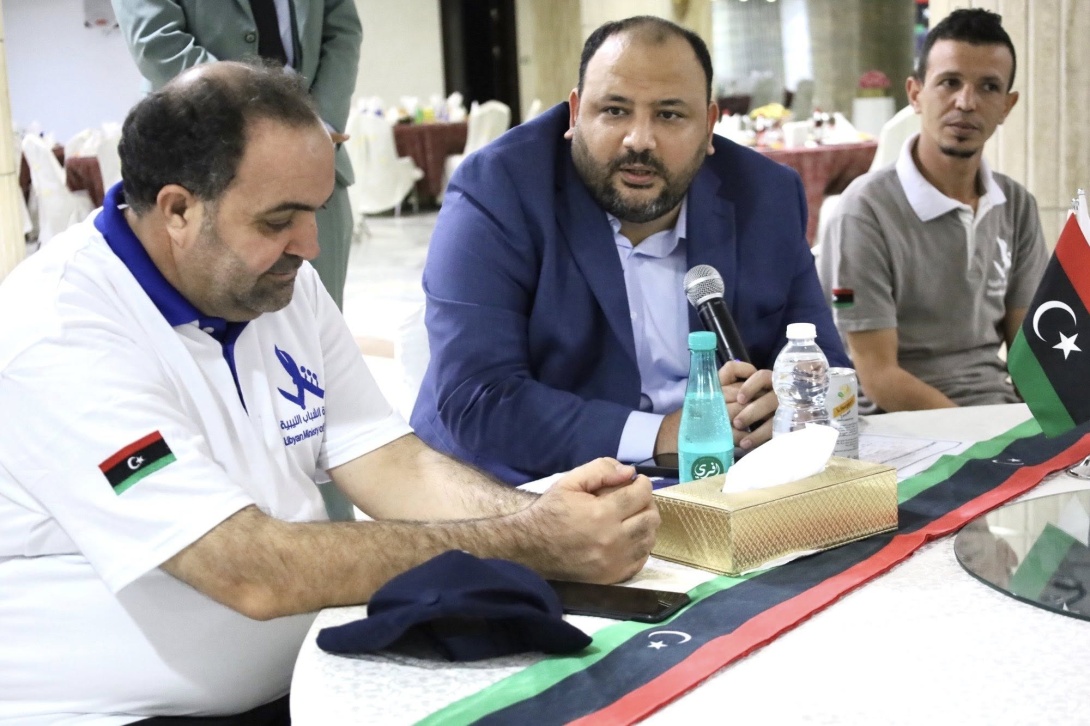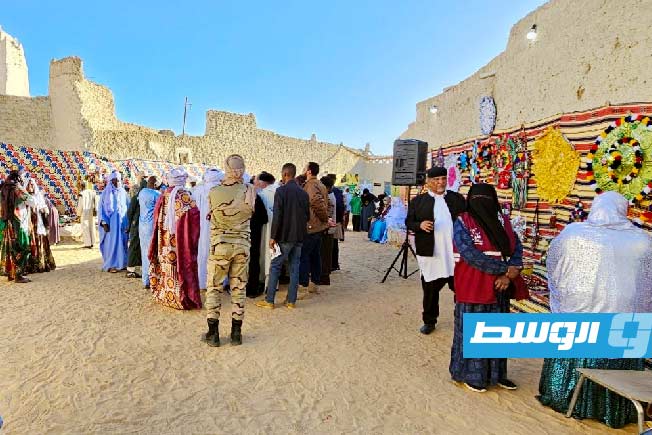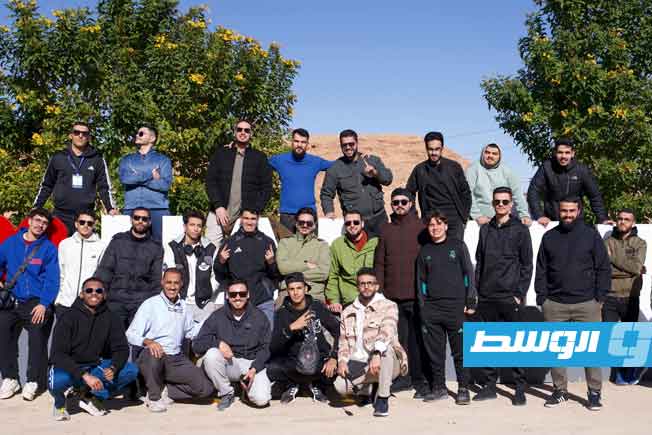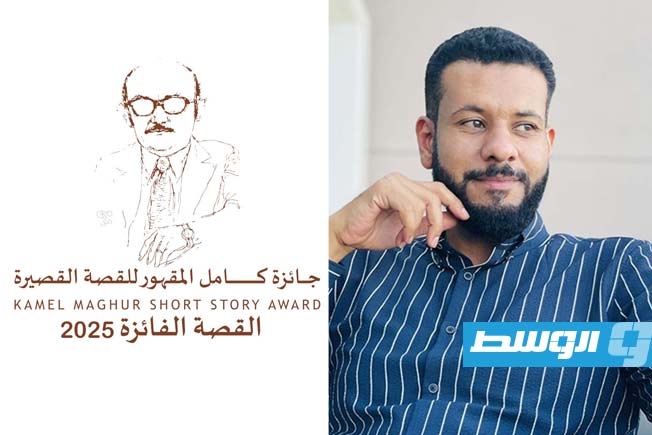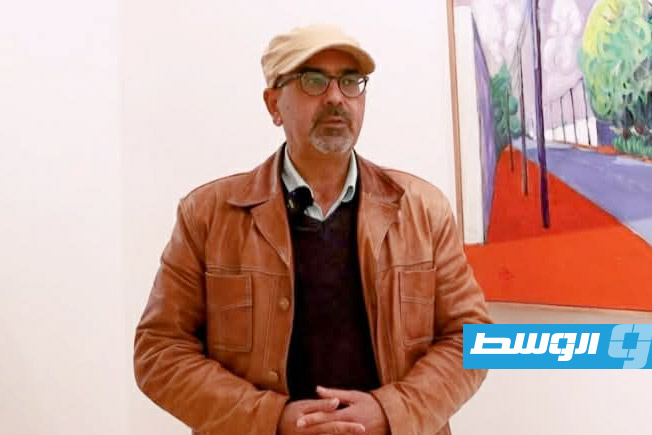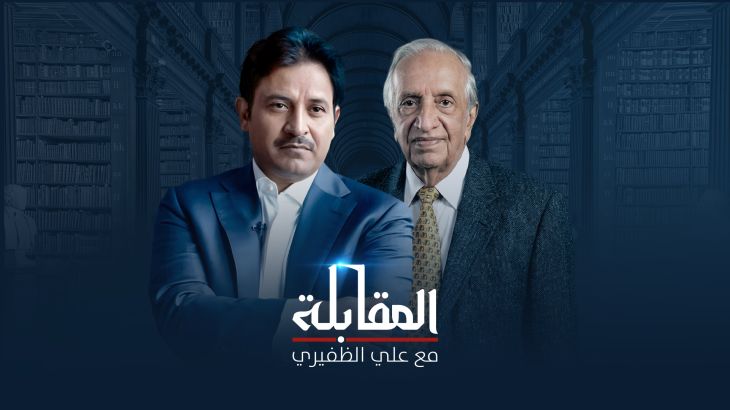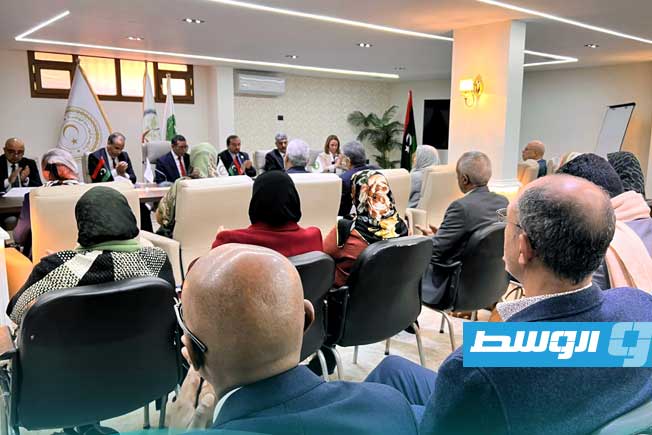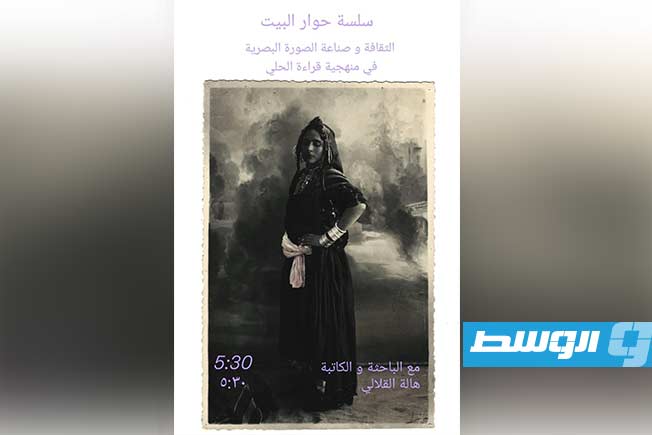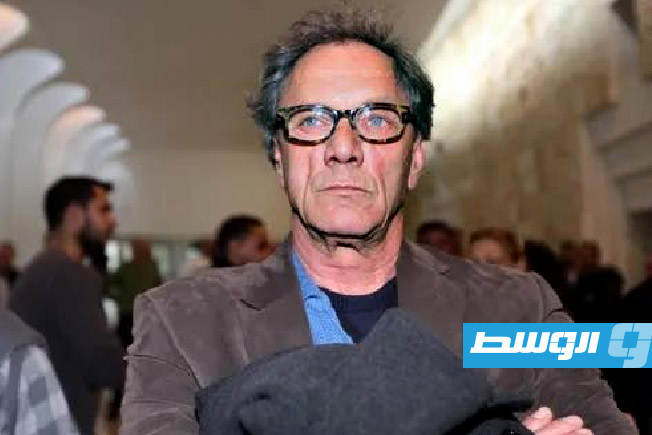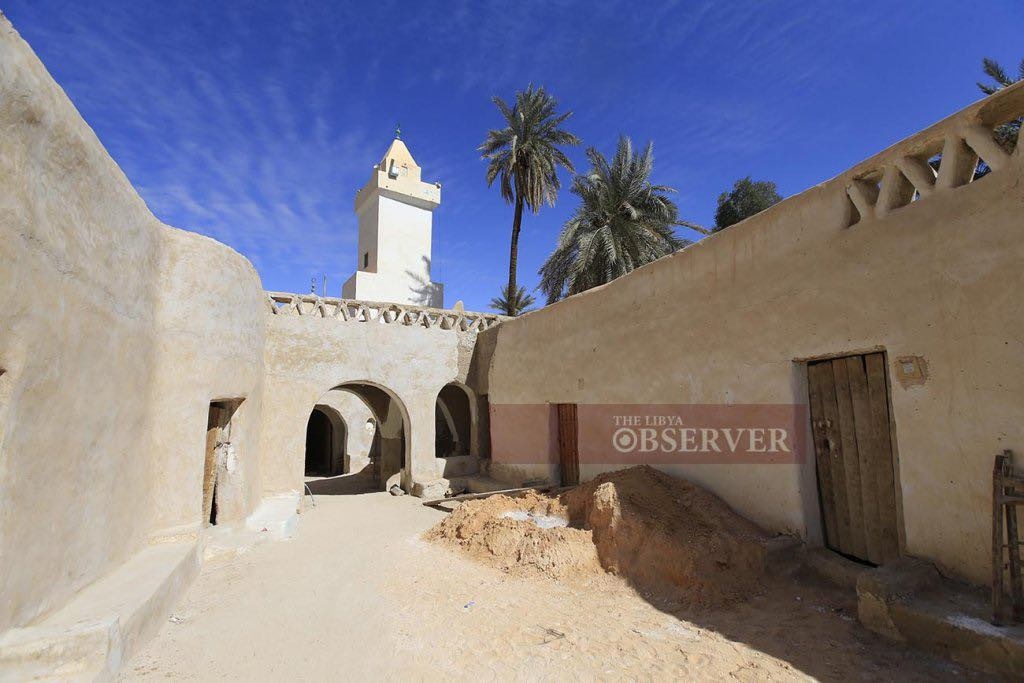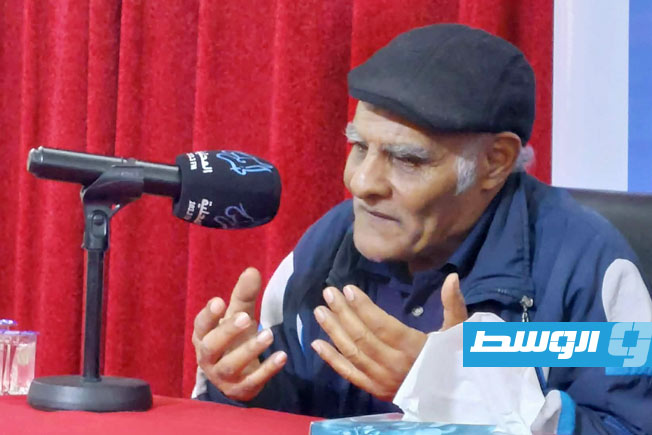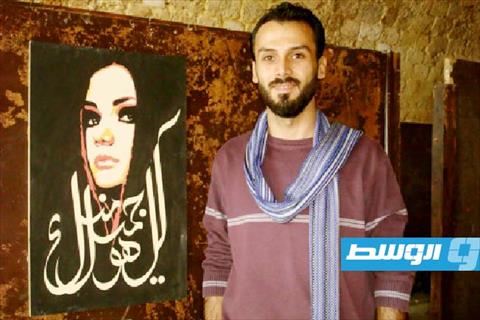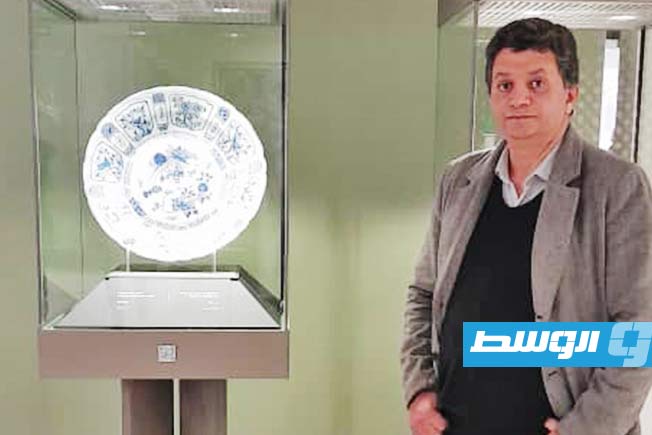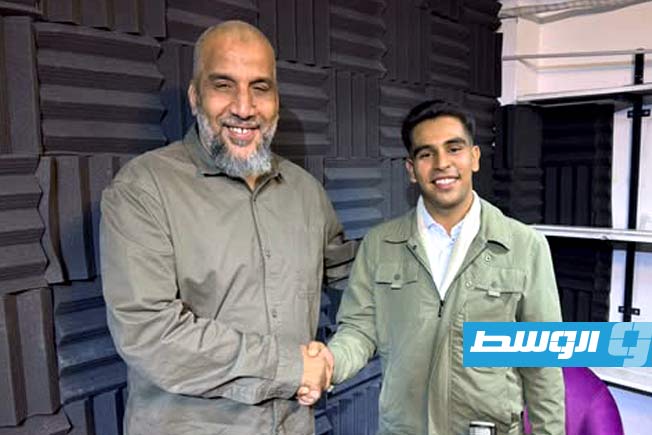
The first guest on the youth platform ‘Our Heritage’ was a Libyan writer and researcher, in a rich podcast session that addressed a number of historical and cultural issues related to Libyan heritage, with a special focus on the ancient city of Ghadames.
The Founding of Ghadames
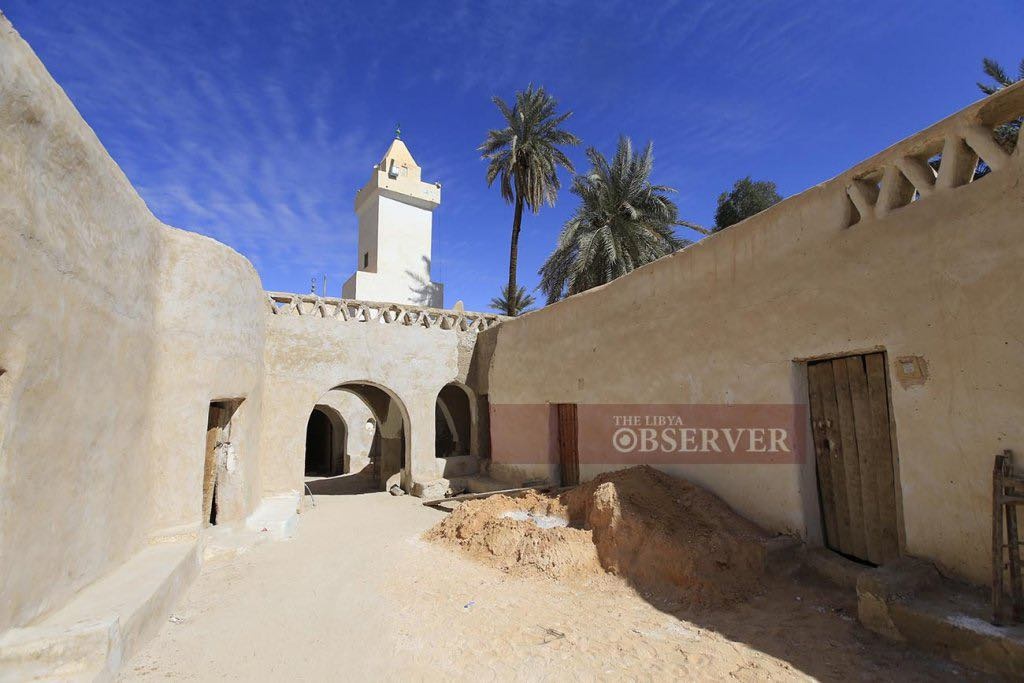
During the meeting, the history of the founding of the city of Ghadames was reviewed, stopping at the legend of its naming and highlighting its historical status as one of the oldest Saharan settlements. The discussion also shed light on its commercial importance in ancient times, where it formed the gateway to the desert and a vital center for trade exchange, benefiting from its geographical location which enabled its people to play a pivotal role in Saharan trade and caravan movement between north and south.
The City’s Customs and Its People
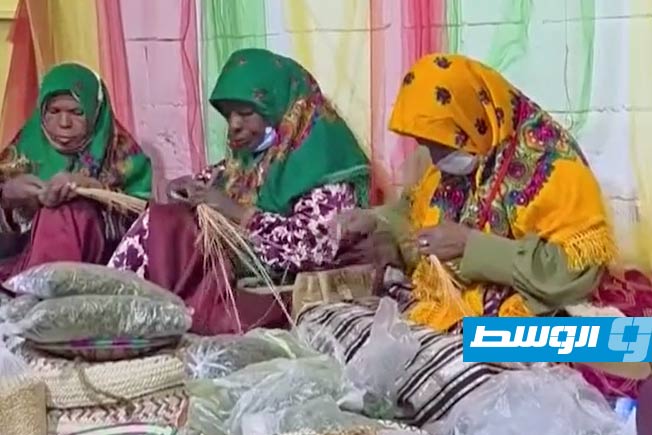
The dialogue also addressed the social customs and traditions that the people of Ghadames still preserve and practice to this day, as an authentic part of the city’s cultural identity.
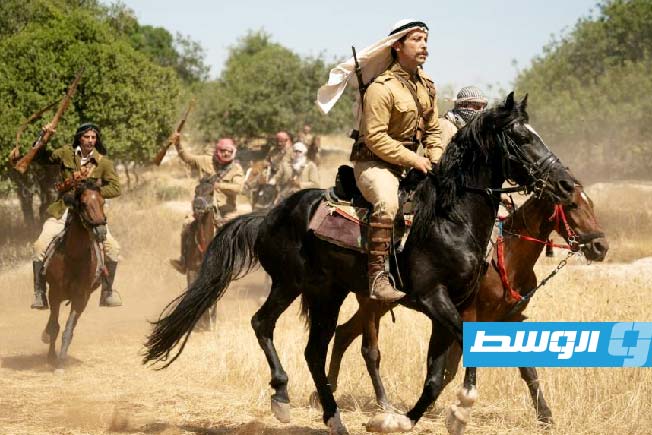
The discussion also touched upon the incident of the Bey’s War, which erupted as a result of Bey Ramadan’s attempt to control Ghadames in order to control one of the most important trade routes, pointing to the resistance, steadfastness, and successful thwarting of that campaign by the people to preserve their city’s independence.
Youth Interests
In another focus, the discussion addressed the interest of the youth in recent years in the national Libyan attire and its notable spread in official and international forums, considering this a reflection of the growing sense of national identity and the desire to express it visually and culturally.
The Legend of Queen Morena
The meeting also touched on the legend of Queen Morena and her invasions, alongside the pivotal role of Ghadames women in building and sustaining Ghadames civilization. The discussion also covered the city’s architecture, explaining its close connection to social engineering and the collective living pattern that characterized Ghadames society throughout history.
At the end of the session, the Libyan writer expressed his thanks and appreciation to the youth of the ‘Our Heritage’ platform for their interest in Libyan heritage and their keenness to highlight it through various modern media means, considering this clear evidence of their awareness of the Libyan identity and their determination to introduce it. He also wished them success, expressing his hope to return to participate in a future meeting after the platform achieves one million views, affirming his confidence that this goal would not take long given the enthusiasm, dedication, and seriousness he witnessed.
A Moral Boost
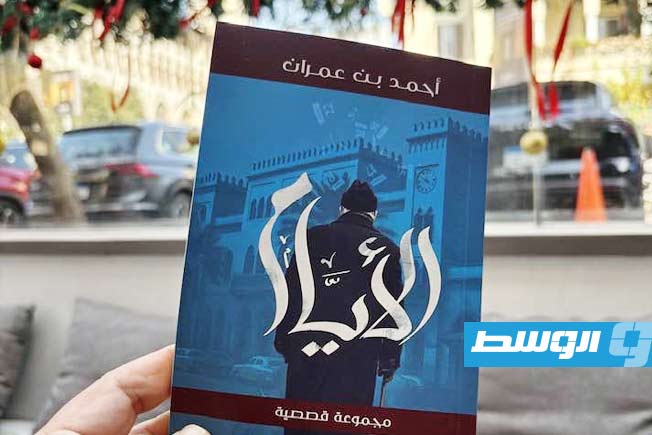
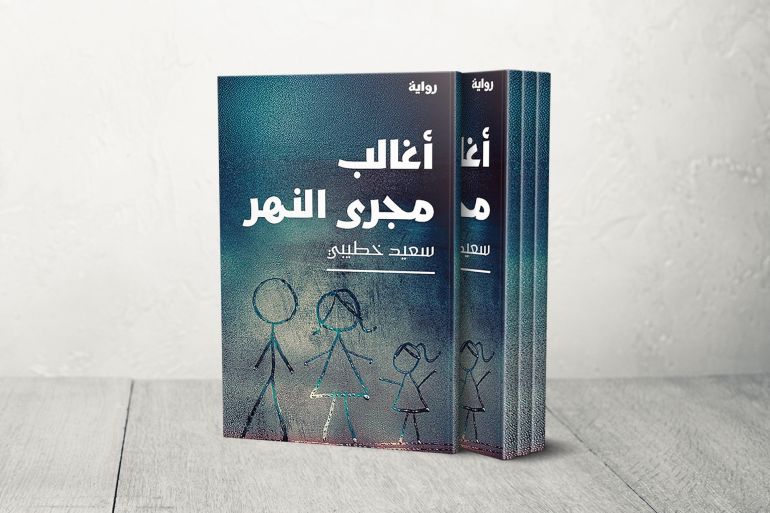
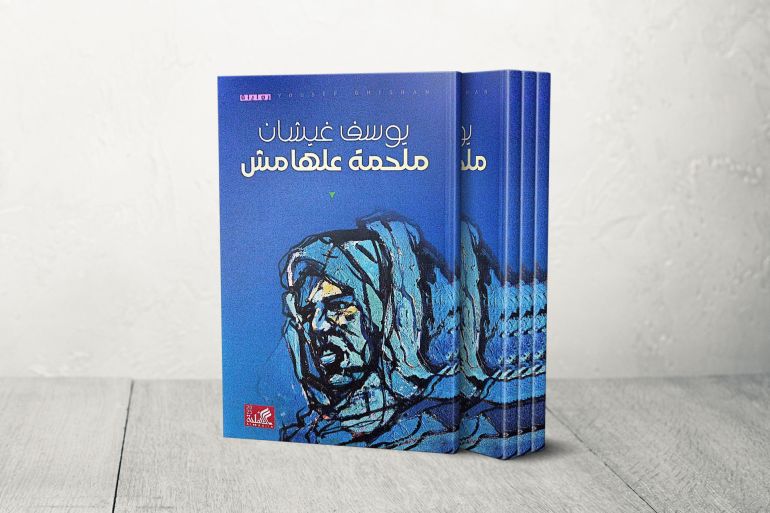
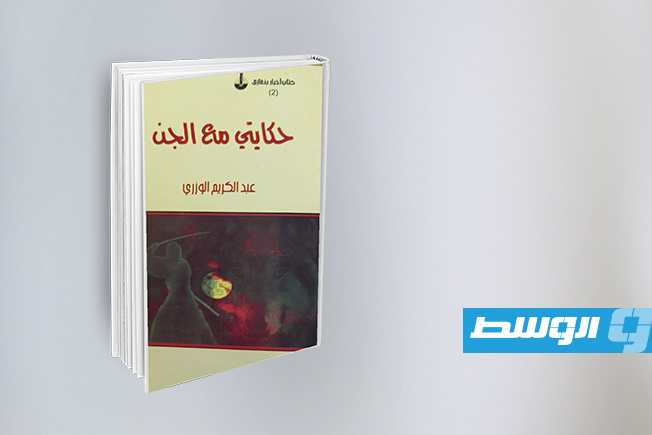
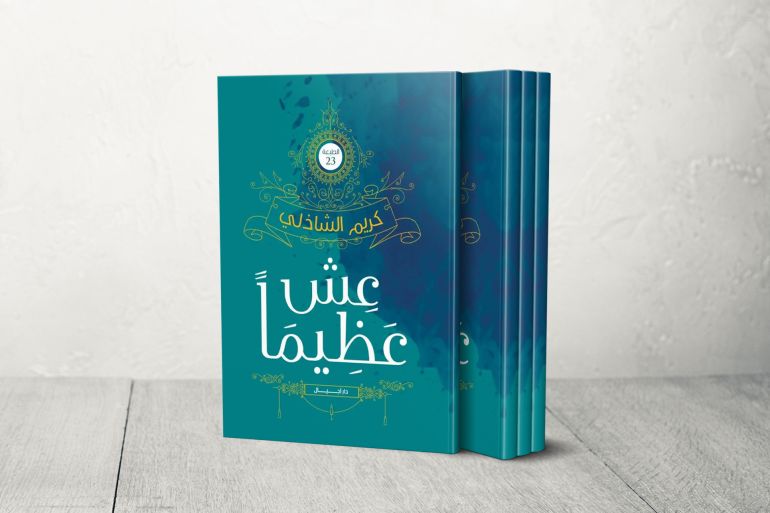
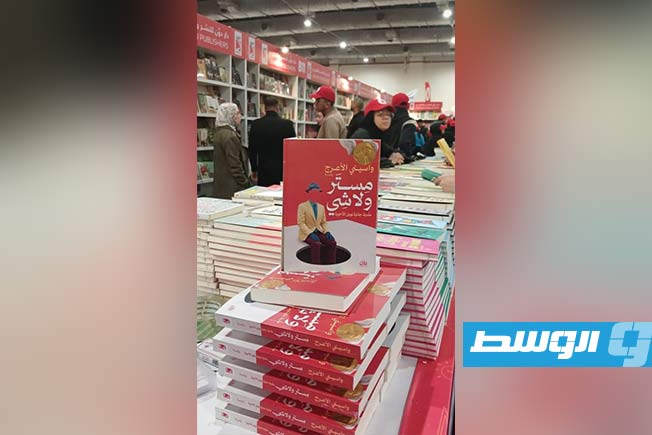
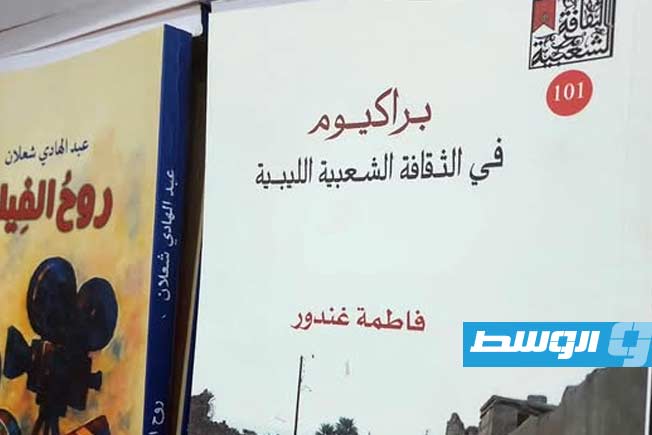
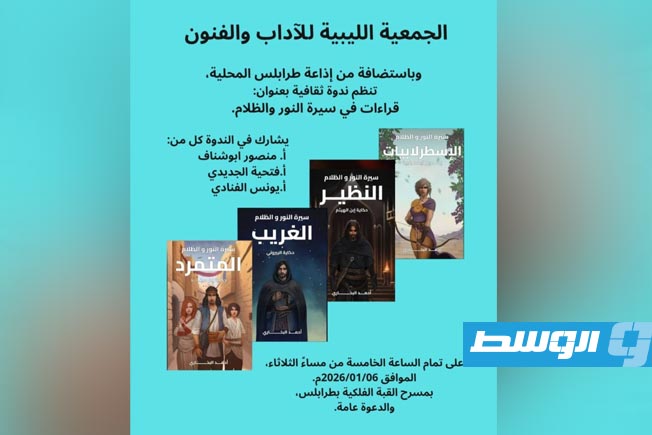
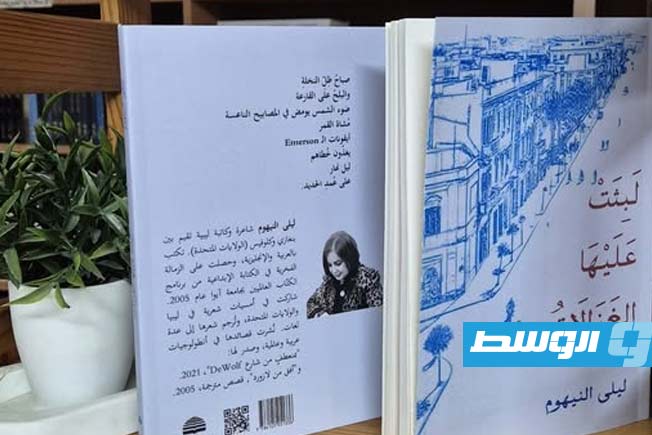
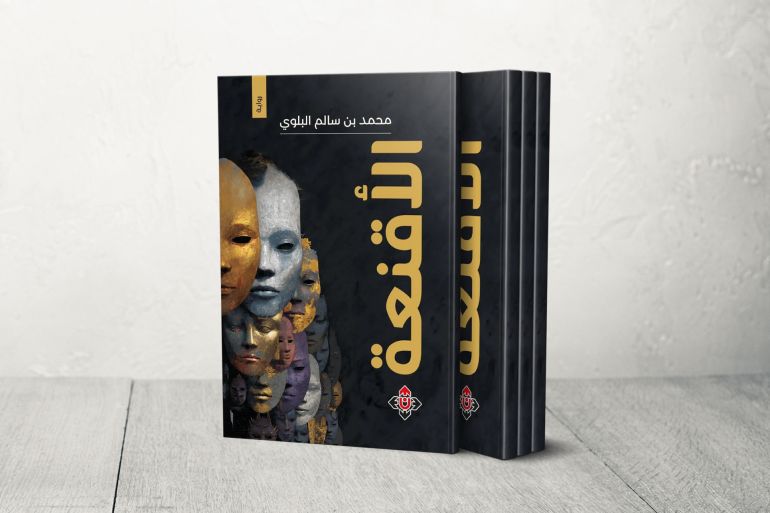
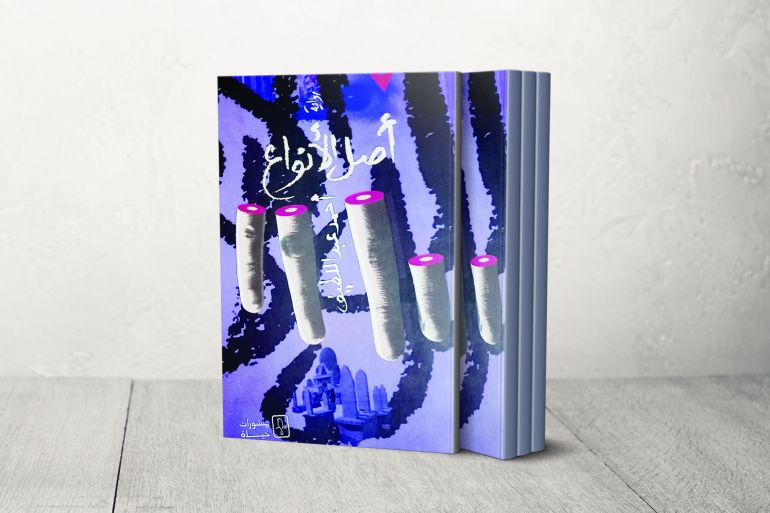
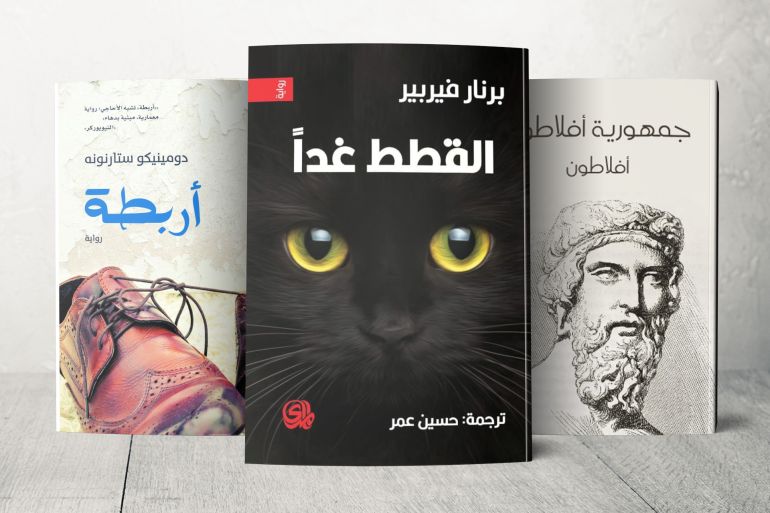
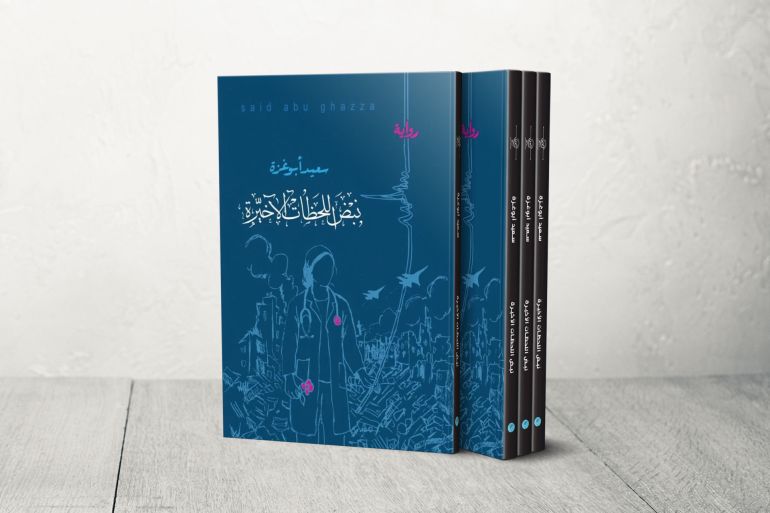
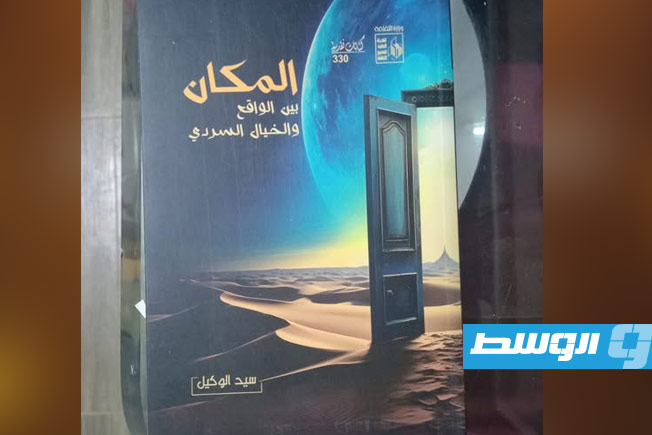
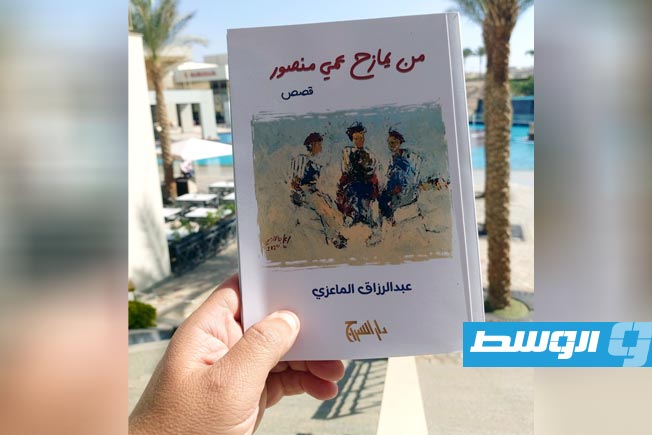
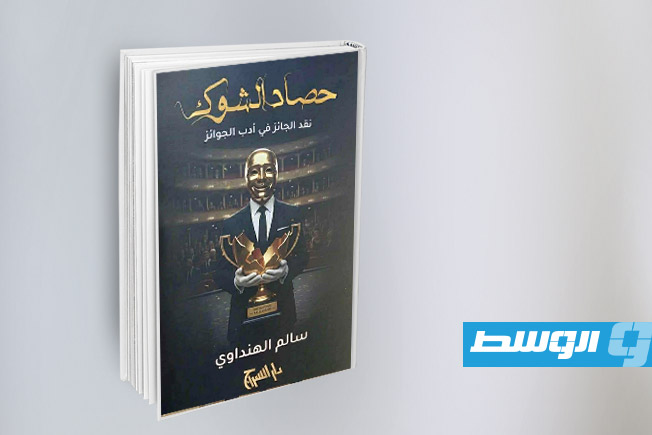
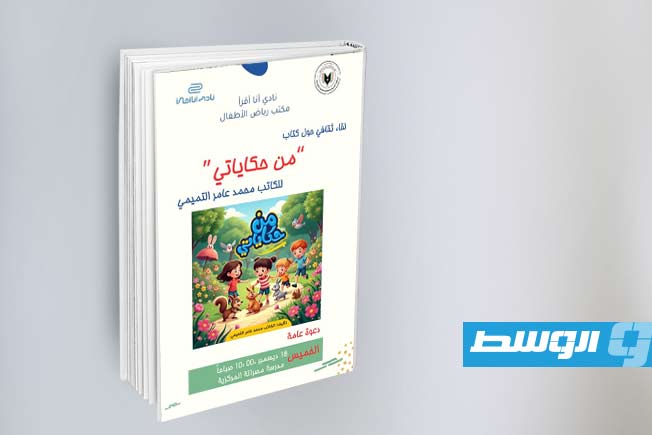
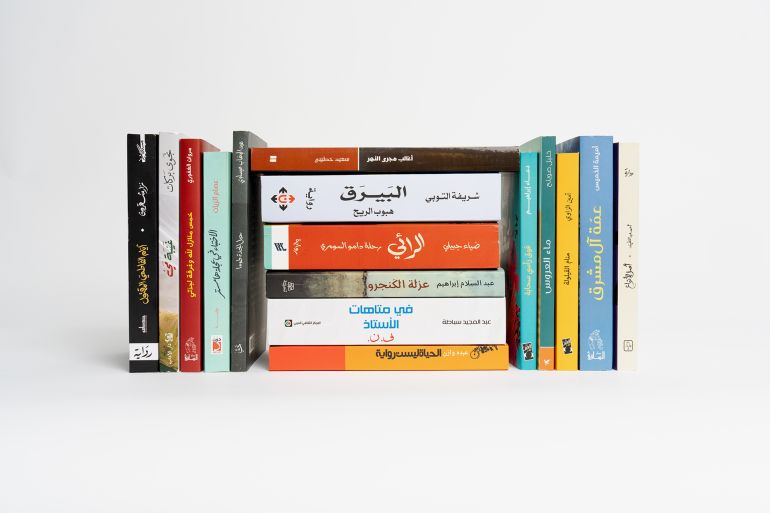
It was noted that the participant left this dialogue with positive energy and great moral motivation, praising the vision of the participating youth and their clear conception of what they offer. The discussion also touched on some of his fictional publications whose events took place in the heritage space, confirming his use of the novel and story as a means to convey Libyan heritage and history to the world.