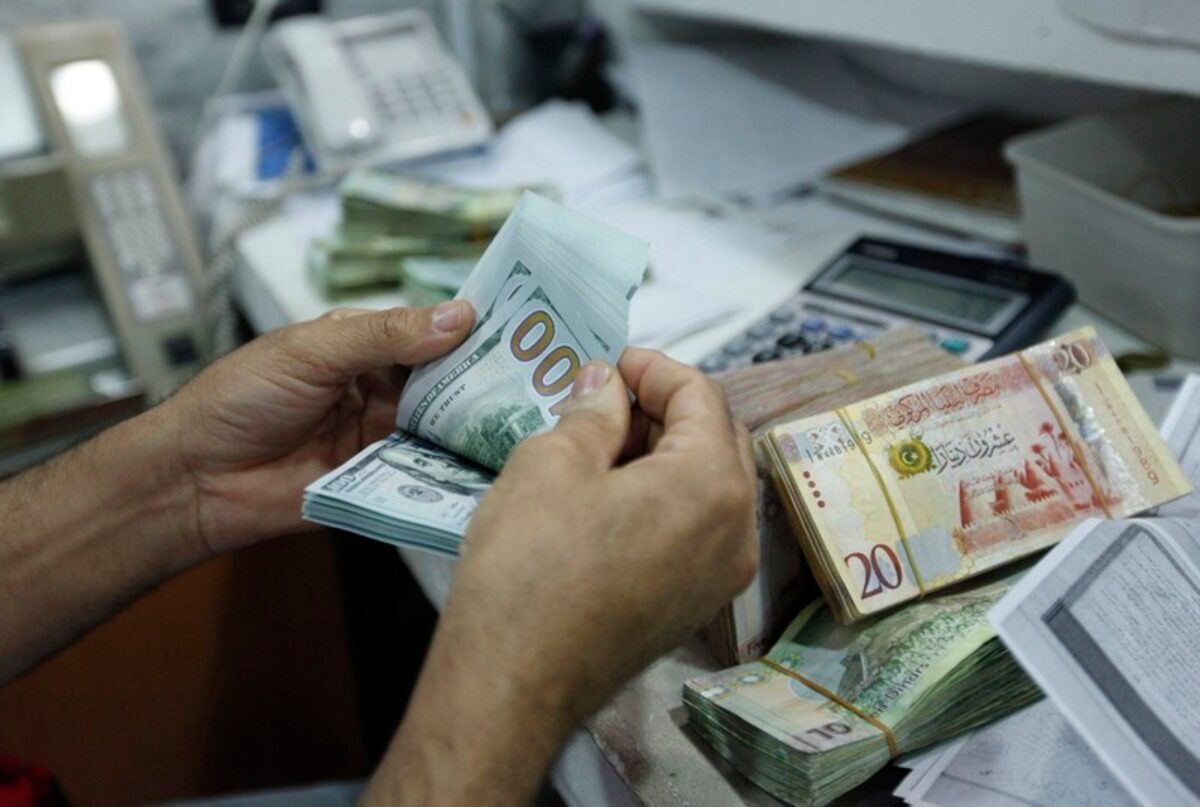
Tripoli, February 10, 2026 — The Libyan Stock Market index concluded Tuesday’s trading session with a rise of 1.90%, driven by positive performance in the investment and financial services sector, amid mixed performance in the banking sector and continued calm in the insurance sector.
The general market index rose by 21.37 points to close at 1,144.66 points, while the total market value of listed companies reached approximately 10.96 billion Libyan dinars by the end of the session.
Trading saw the execution of 14 transactions involving 11,054 shares with a total value of 281,348.47 dinars.
The investment and financial services sector led market activity, with the share of the Libyan Stock Market Company (LSM) rising by 12.24%, climbing from 29.40 dinars at opening to 33.00 dinars at closing, capturing the largest share of trading value.
In the banking sector, trading was mixed. The share of the National Commercial Bank declined by 4.17% to close at 11.50 dinars, while the share prices of Wahda Bank, Jumhouria Bank, and the Libyan Islamic Bank remained unchanged, with limited transactions recorded. Trading was absent for shares of Sahara Bank, Commerce and Development Bank, and Mediterranean Bank.
As for the insurance sector, it continued its stagnation without recording any trading transactions or changes in the market values of shares for Al Mutahida Insurance Company, Libya Insurance Company, and Sahara Insurance Company during the session.
The number of traded companies reached five, with one company rising and another declining, compared to three stable companies. This indicates improved confidence in the financial services sector, which helped keep the general index in positive territory.
Tripoli
Tripoli is the capital and largest city of Libya, located on the country’s Mediterranean coast. Historically, it was founded by the Phoenicians in the 7th century BC and has since been ruled by the Romans, Arabs, Ottomans, and Italians, serving as a major port and cultural crossroads. Its historic core, the medina of Old Tripoli, contains significant architecture from these various periods.
Libyan Stock Market
The Libyan Stock Market, established in 2006 in Tripoli, was created to help privatize state-owned companies and attract investment following the lifting of international sanctions. It operates as a key financial institution aimed at developing Libya’s private sector and capital markets.
Libyan Stock Market Company
The Libyan Stock Market Company, established in 2006 in Tripoli, was created to provide a regulated platform for securities trading and to help develop Libya’s private sector following economic liberalization efforts. Its operations have been significantly disrupted and suspended for extended periods due to the political instability and conflict in the country since 2011.
National Commercial Bank
The National Commercial Bank (NCB) is a major financial institution in Saudi Arabia, founded in 1953. It is historically significant as the first bank established in the Kingdom and has played a central role in the country’s economic development.
Wahda Bank
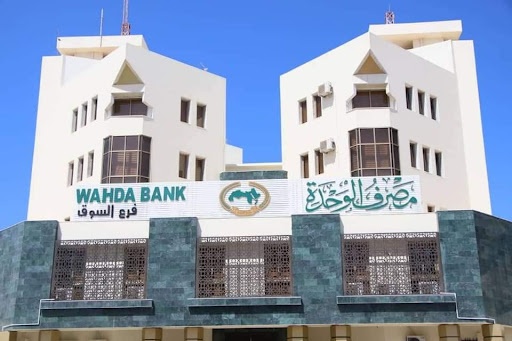
Wahda Bank is a major commercial bank in Libya, founded in 1970. It was established to support national economic development and has since grown into one of the country’s largest financial institutions, playing a key role in Libya’s banking sector.
Jumhouria Bank
Jumhouria Bank is a major state-owned commercial bank in Libya, originally established in 1969 as the National Commercial Bank following the country’s independence. It was later renamed and has played a central role in Libya’s financial system, supporting public sector funding and economic development initiatives.
Libyan Islamic Bank
The Libyan Islamic Bank is a financial institution established in 2010, operating under Islamic Sharia principles which prohibit interest and promote risk-sharing. It was founded as part of a broader movement to develop Islamic banking within Libya’s financial sector following the 2011 revolution.
Sahara Bank
Sahara Bank is a major commercial bank in Libya, originally established in 1969 as Jamahiriya Bank before being renamed in 2011. It has played a significant role in the country’s financial sector throughout periods of economic change and political transition.
Commerce and Development Bank
The Commerce and Development Bank (CDB) is a major financial institution in Yemen, founded in 1982. It has played a significant role in the country’s economic development, providing commercial and retail banking services while navigating periods of regional instability.
Mediterranean Bank
The Mediterranean Bank is a financial institution historically rooted in the Maltese banking sector, with its operations centered in Valletta. It was established in the 1970s and has played a role in the regional economy, though it has faced significant regulatory scrutiny and challenges in recent decades related to international financial compliance.
Al Mutahida Insurance Company
Al Mutahida Insurance Company is a prominent insurance provider based in the United Arab Emirates, primarily operating in Abu Dhabi. It was established in 1979 and has since grown to offer a wide range of general and health insurance products, contributing to the local financial services sector.
Libya Insurance Company
The Libya Insurance Company was established in 1964 as the country’s first national insurance provider, playing a key role in the development of Libya’s domestic financial sector. It was founded to localize the insurance industry following the discovery of oil, operating as a state-owned enterprise for decades.
Sahara Insurance Company
Sahara Insurance Company is a prominent insurance provider in India, founded in 1946 as a part of the Sahara India Pariwar conglomerate. It has grown to offer a wide range of life and general insurance products, contributing to the financial services landscape in the country for over seven decades.