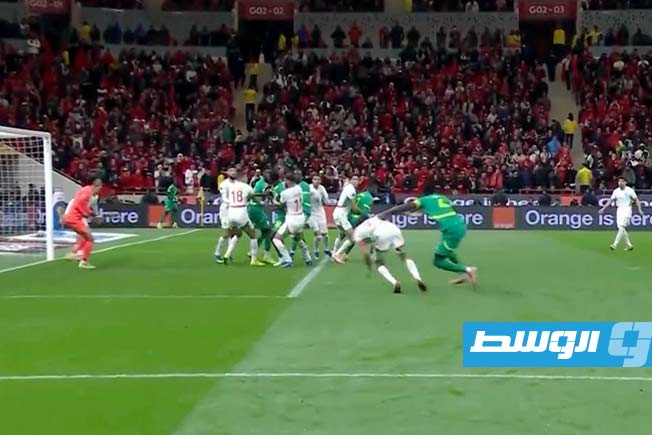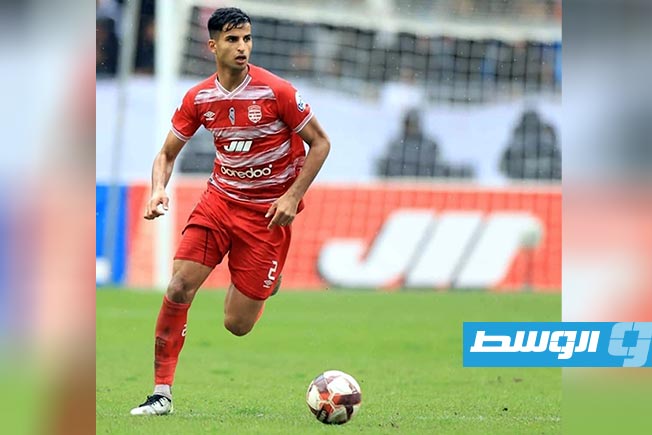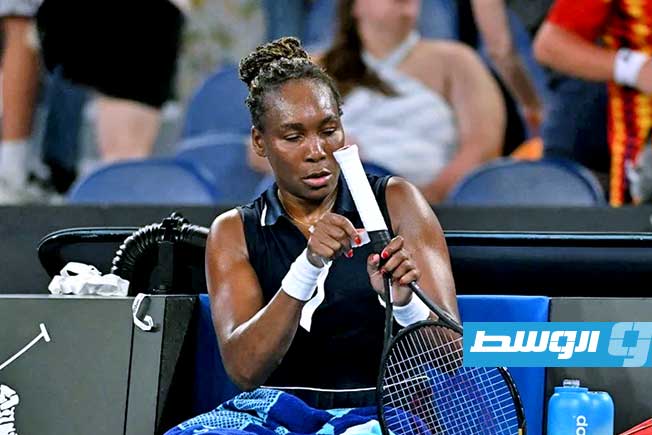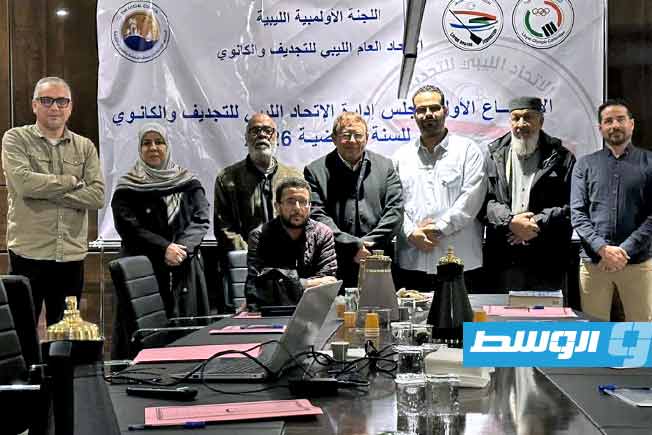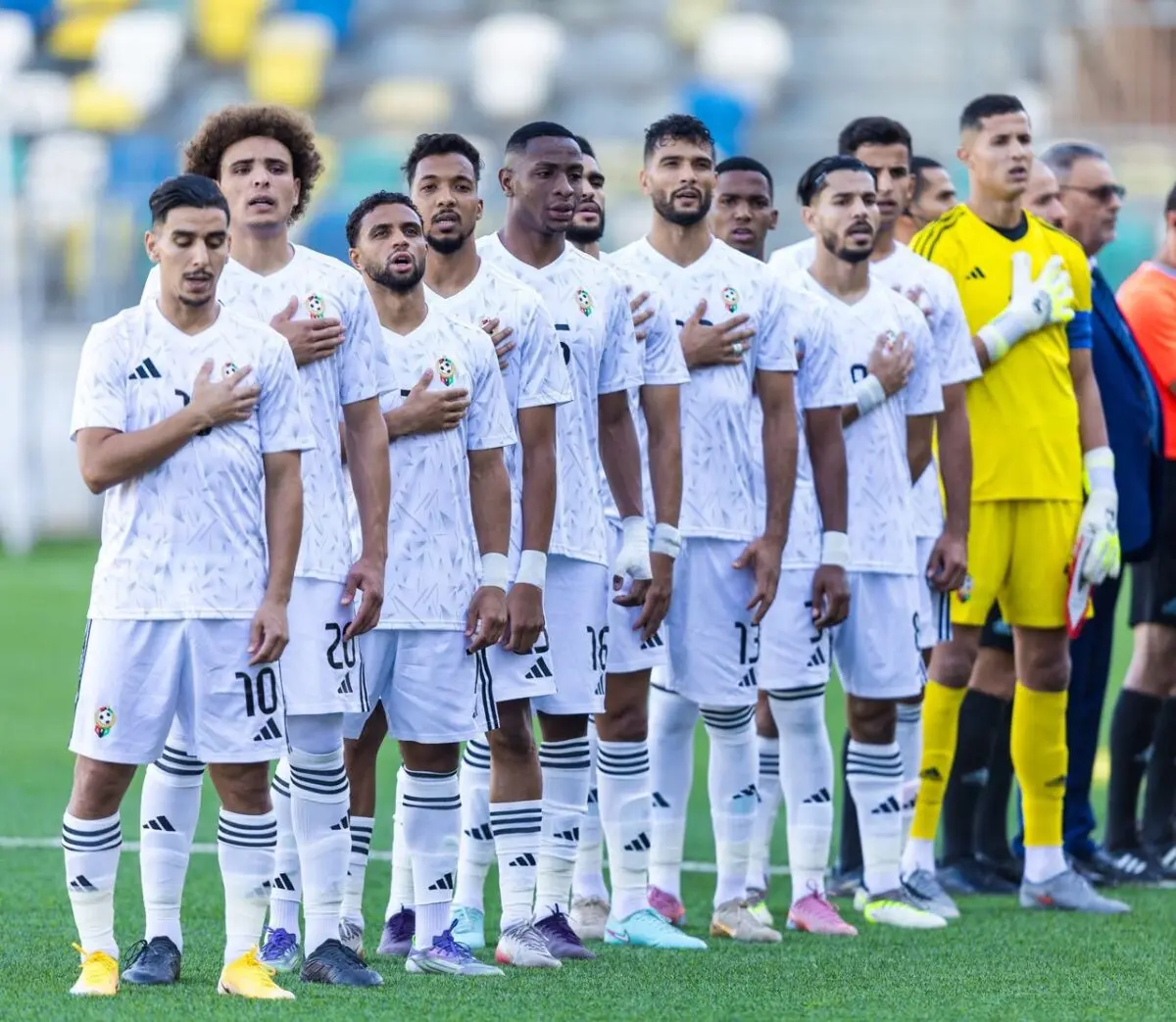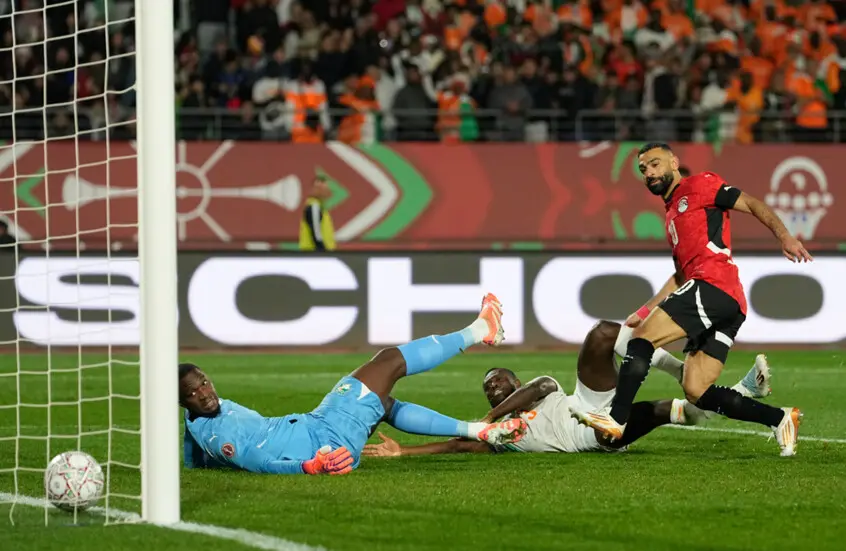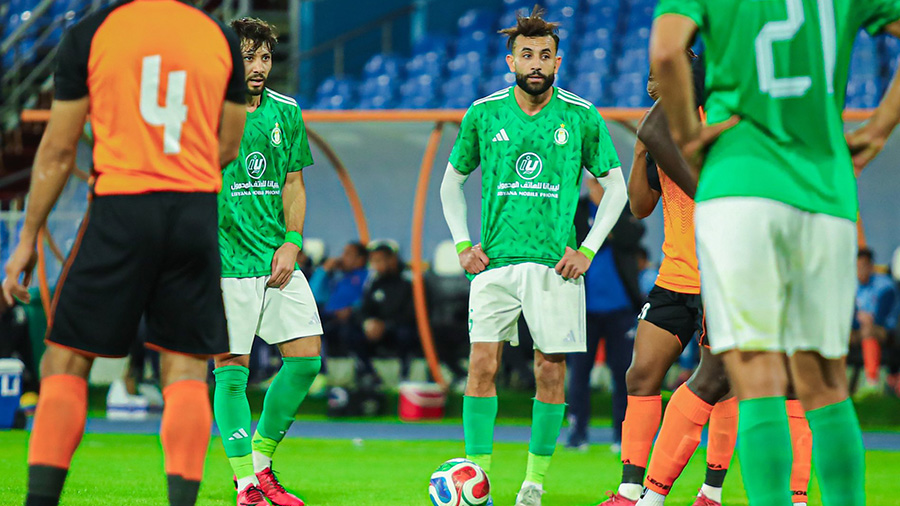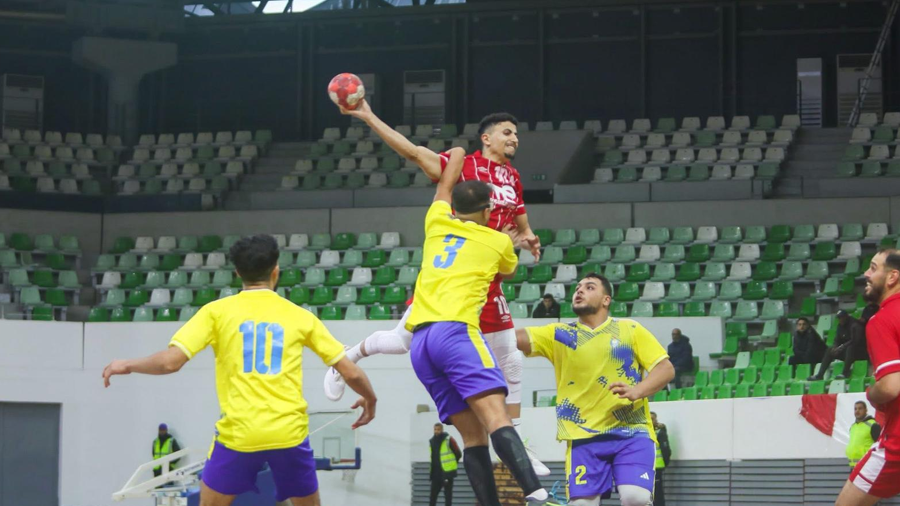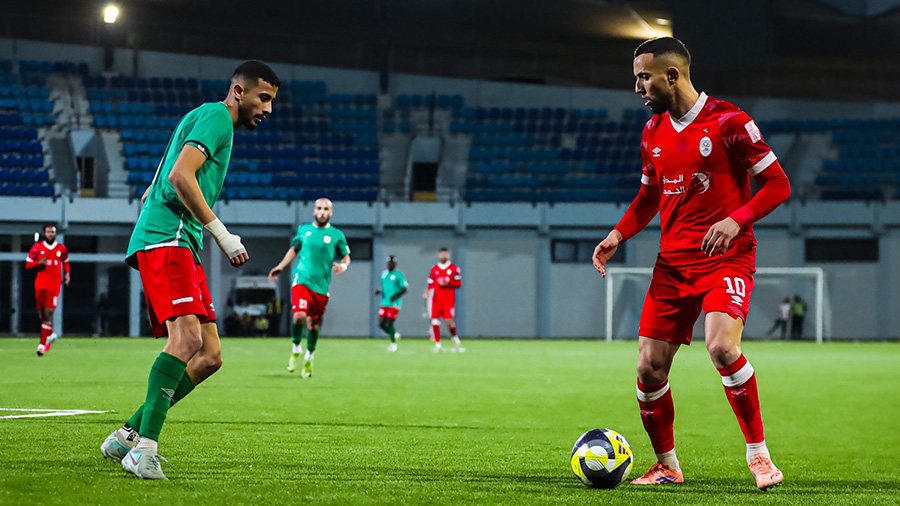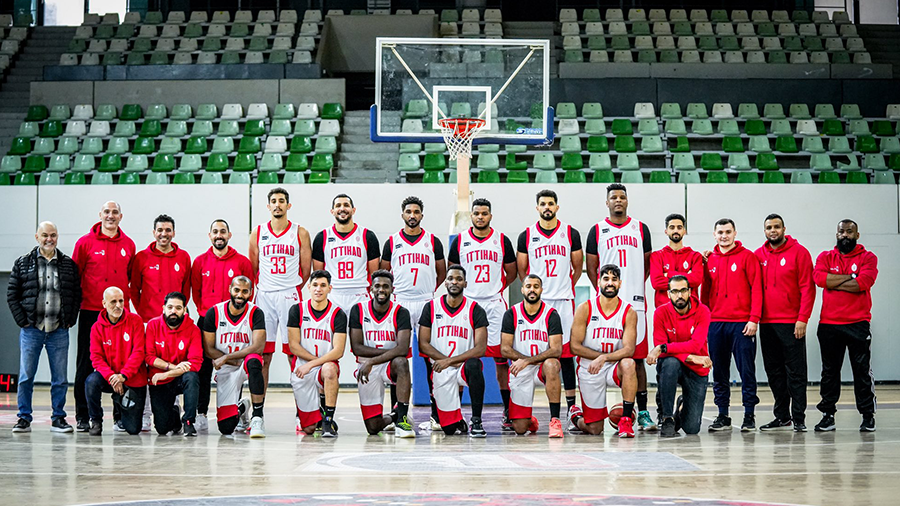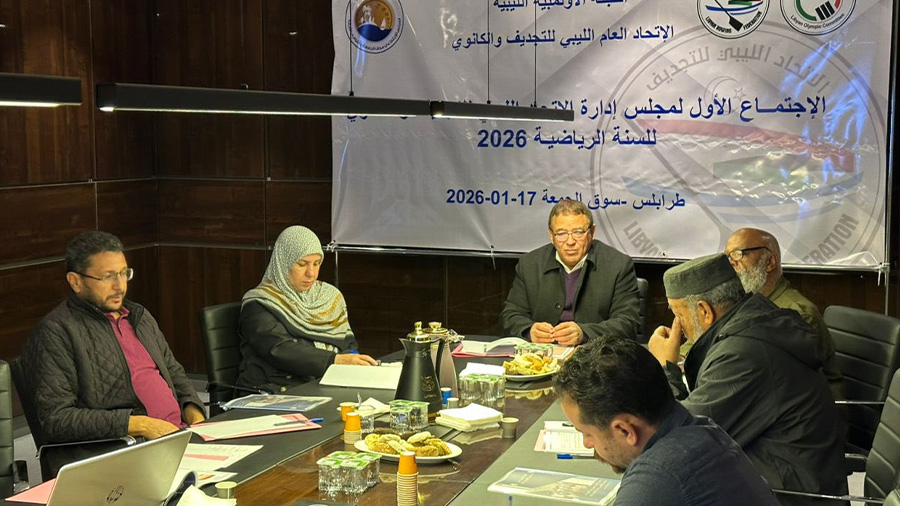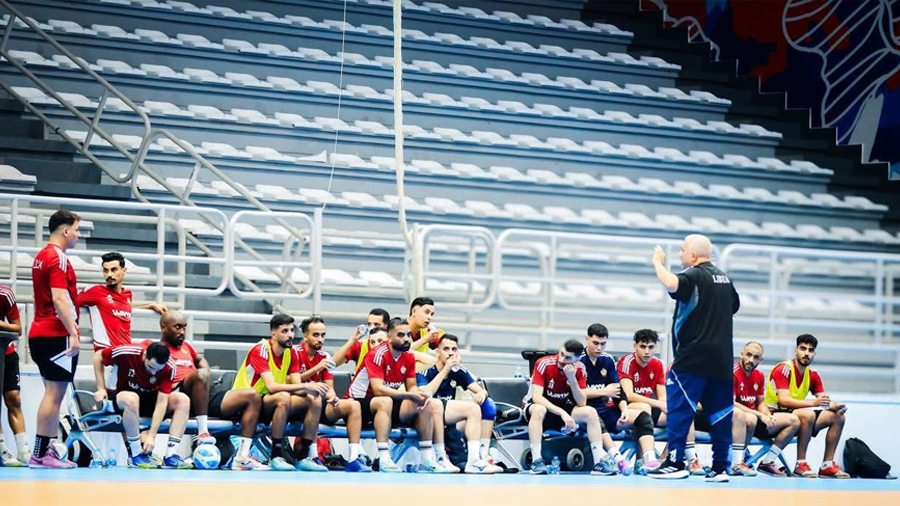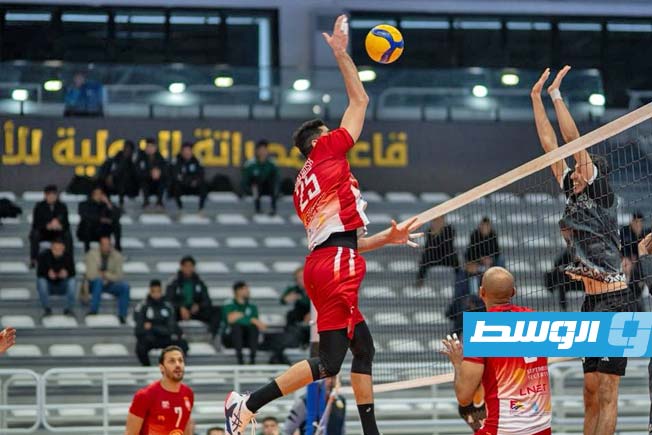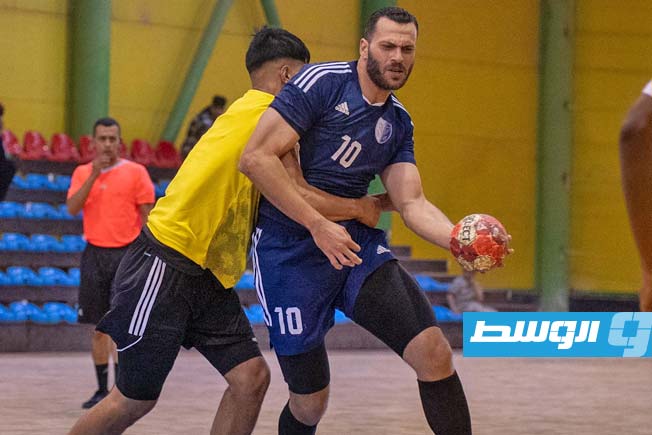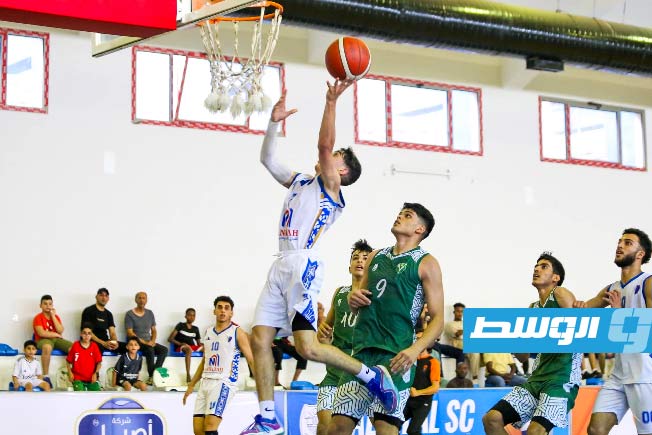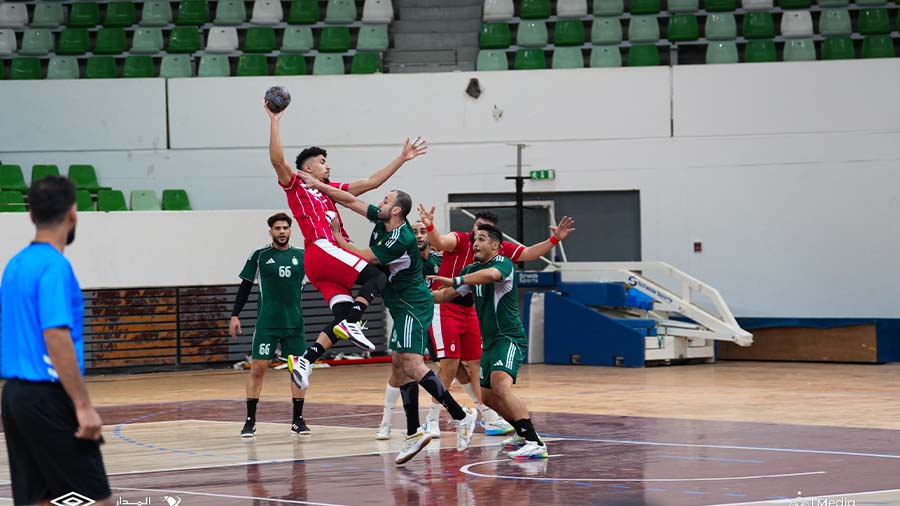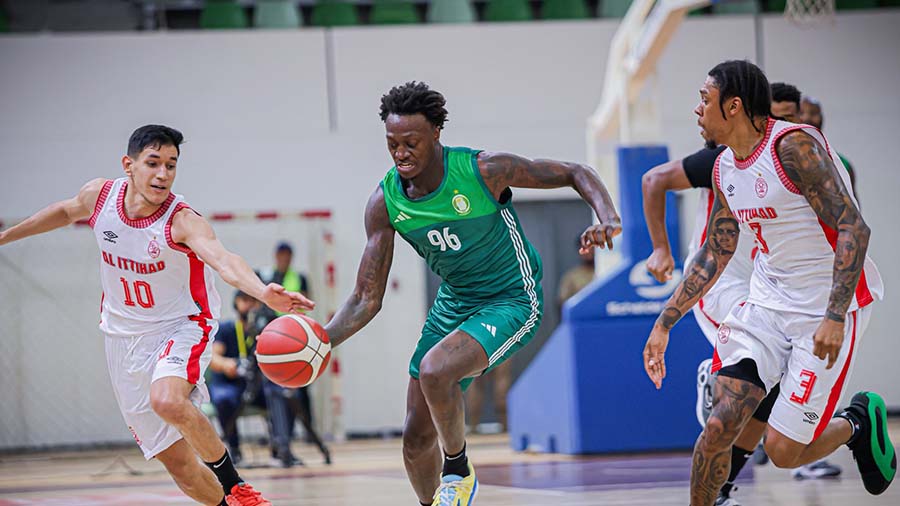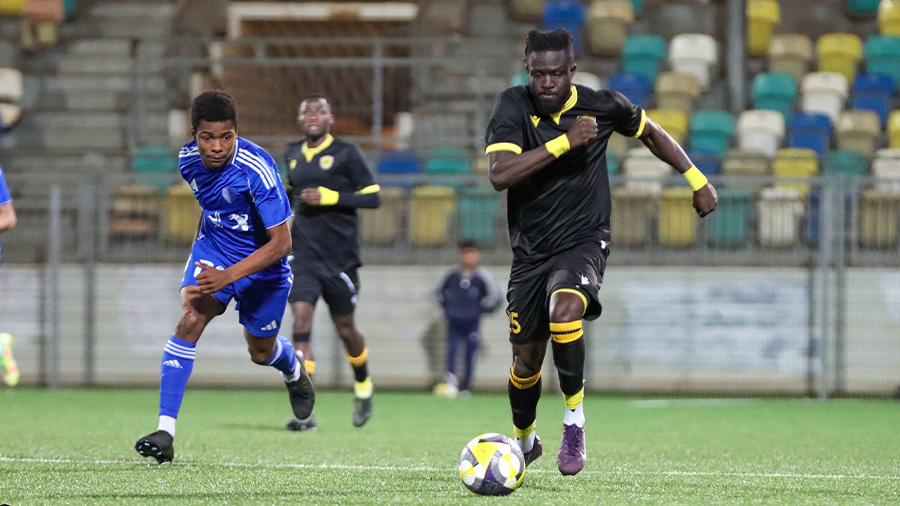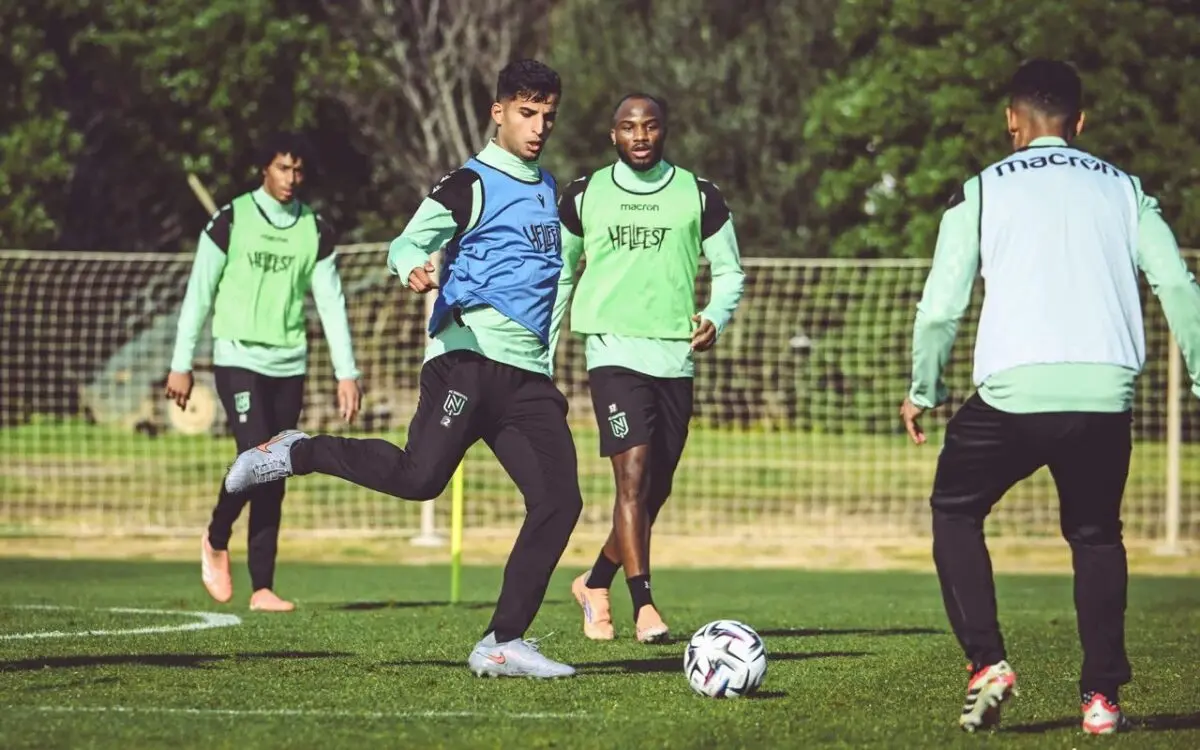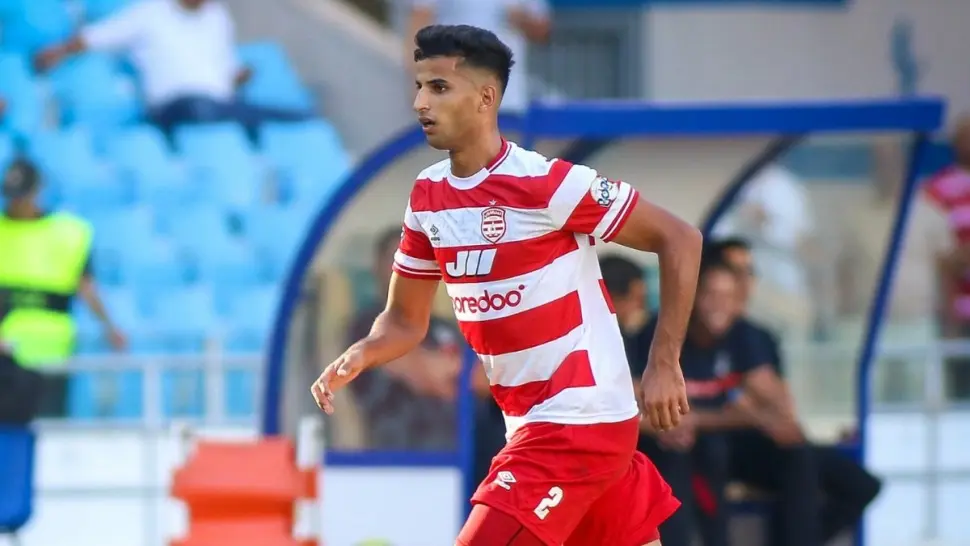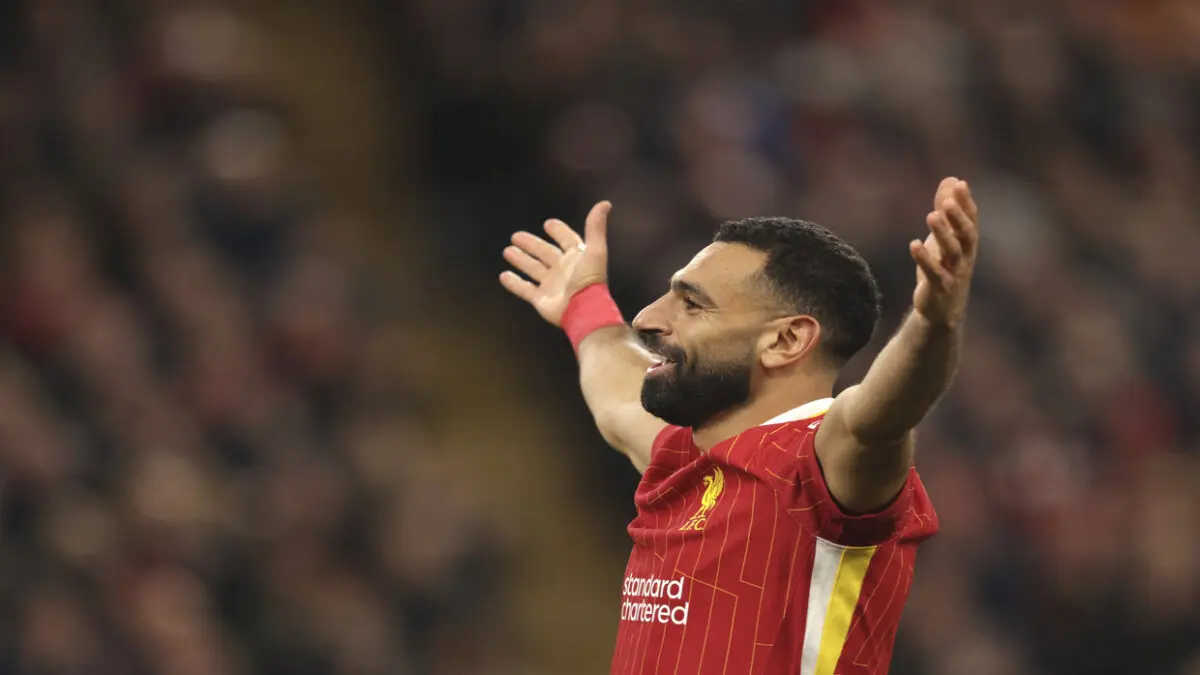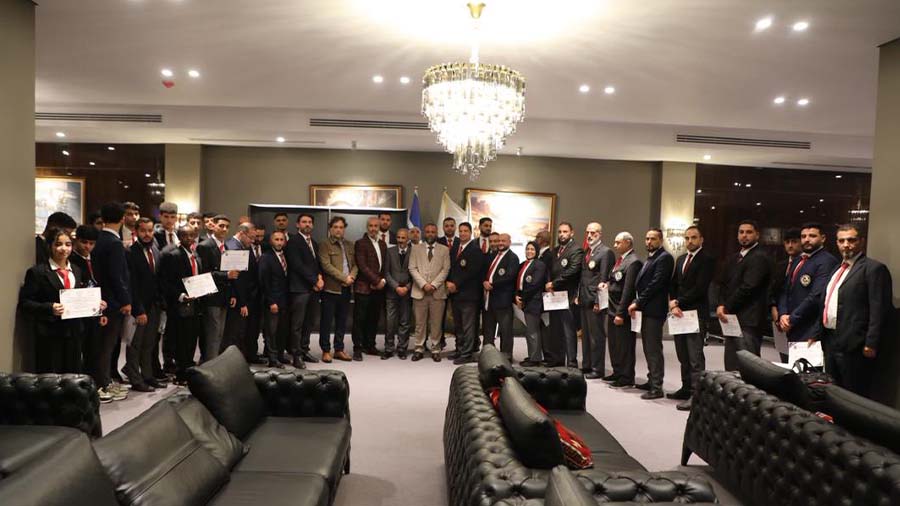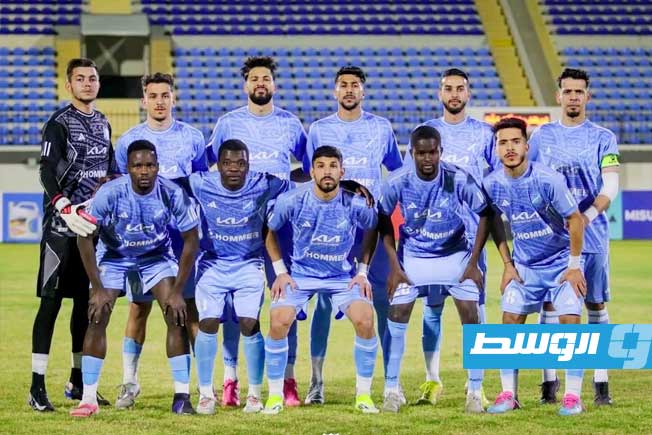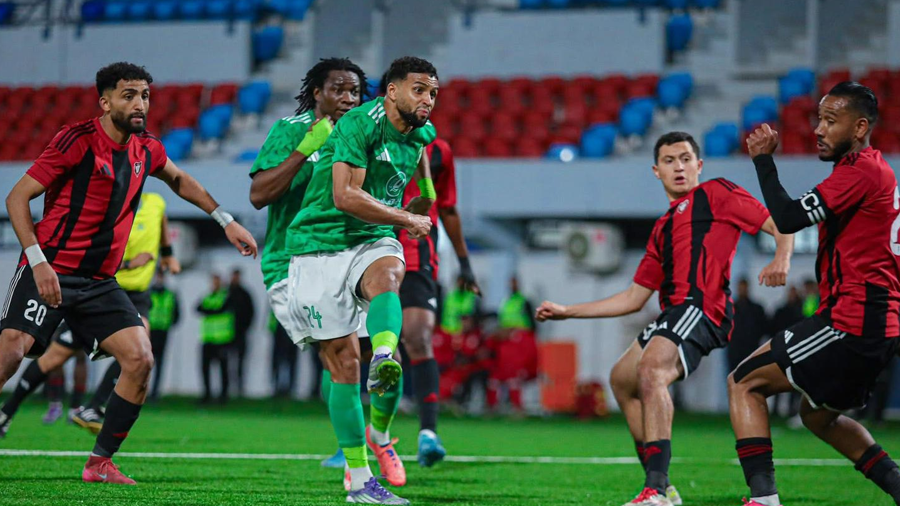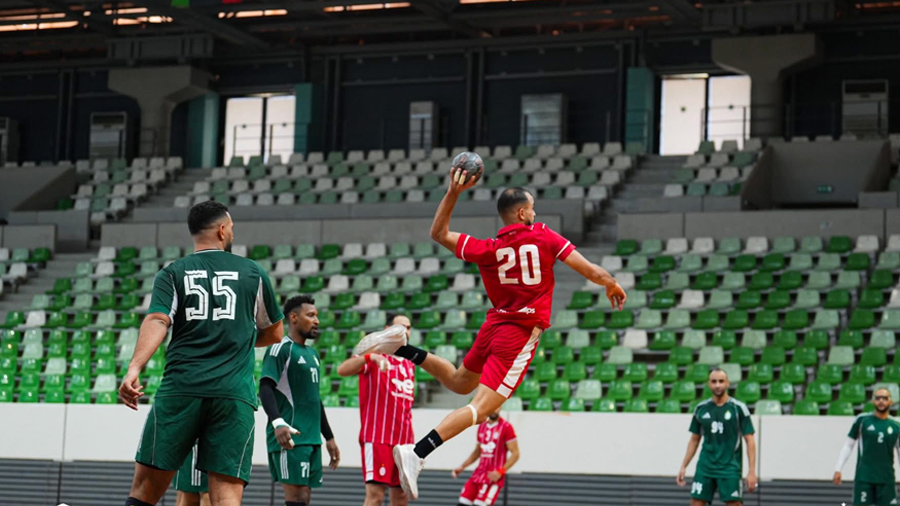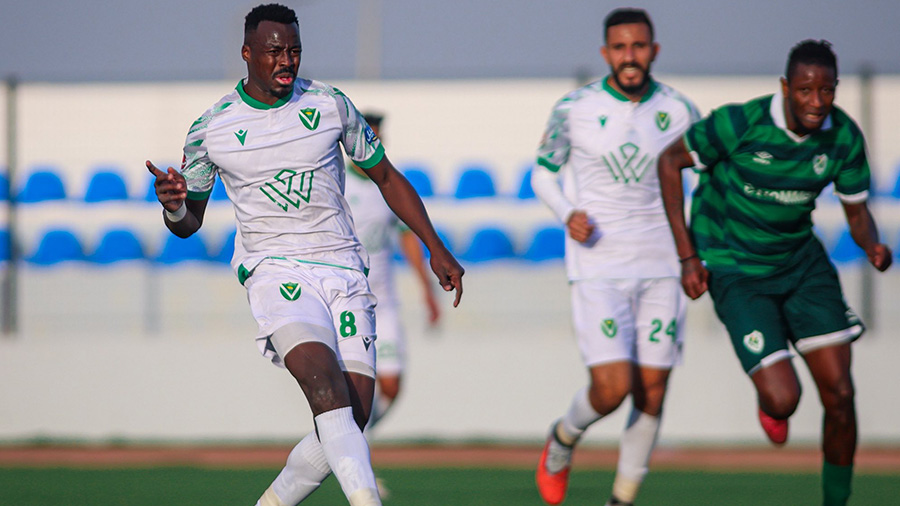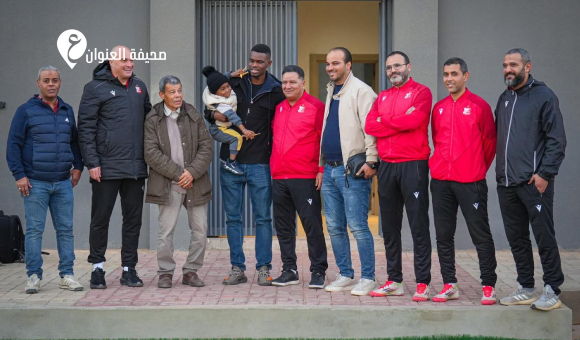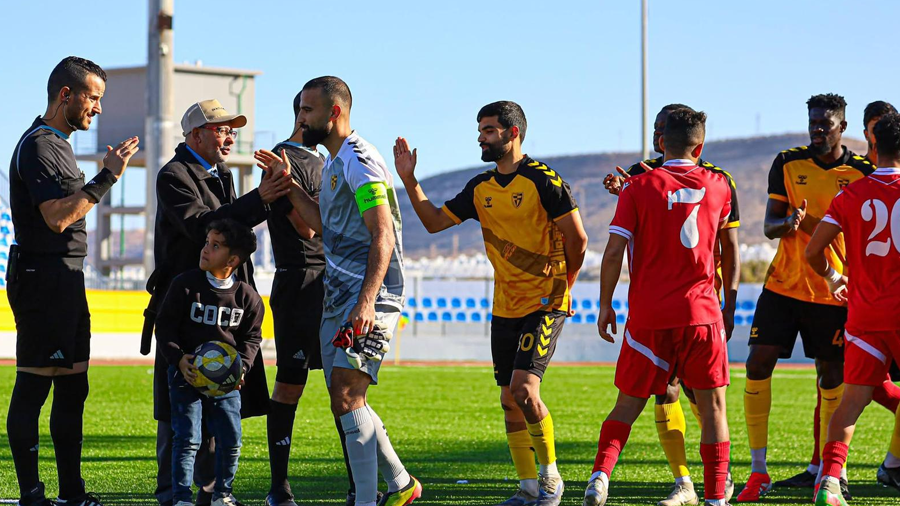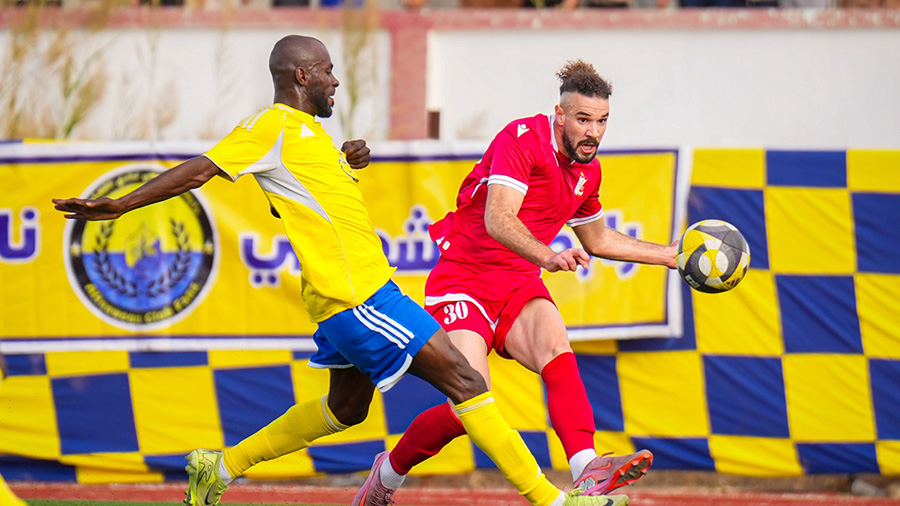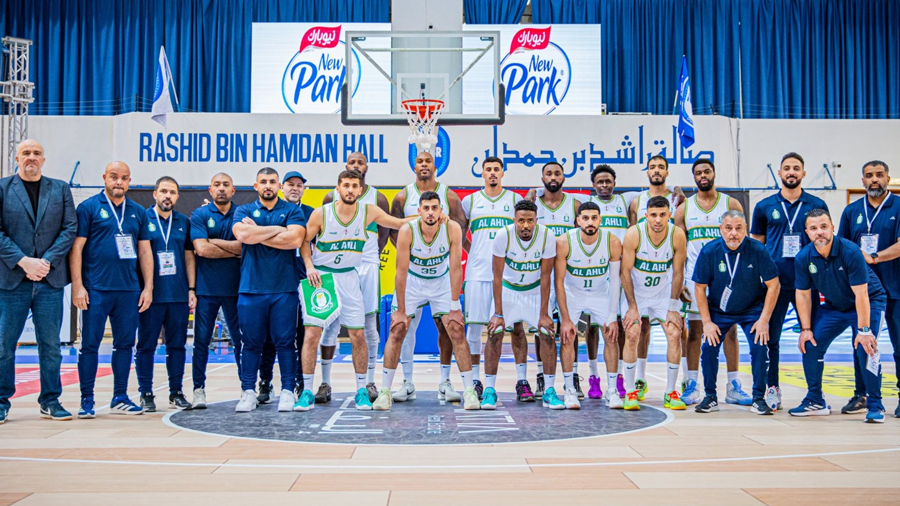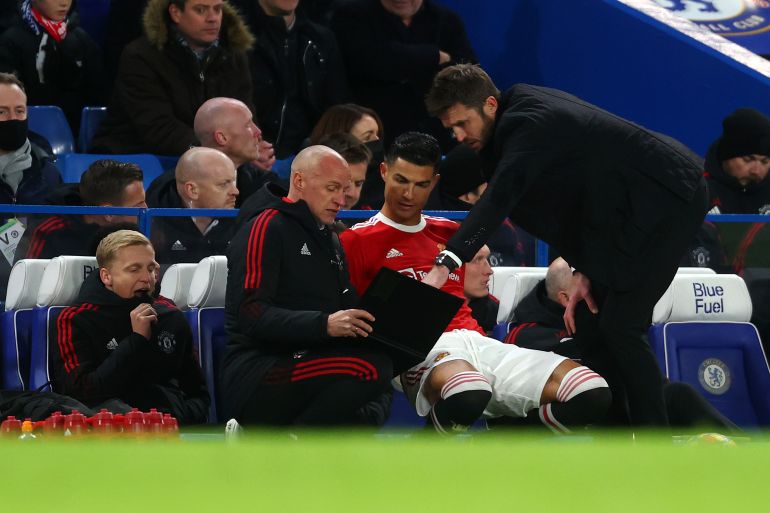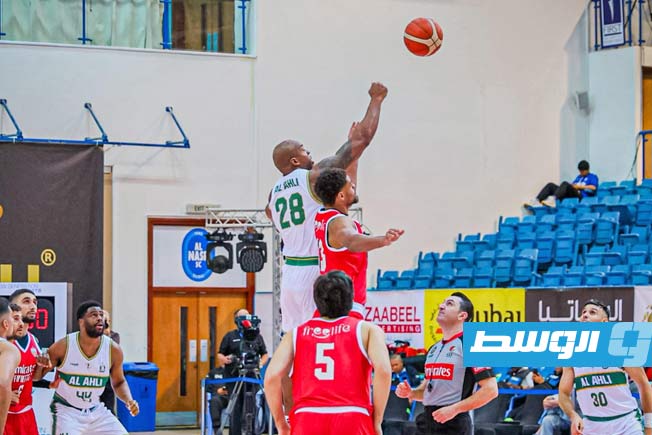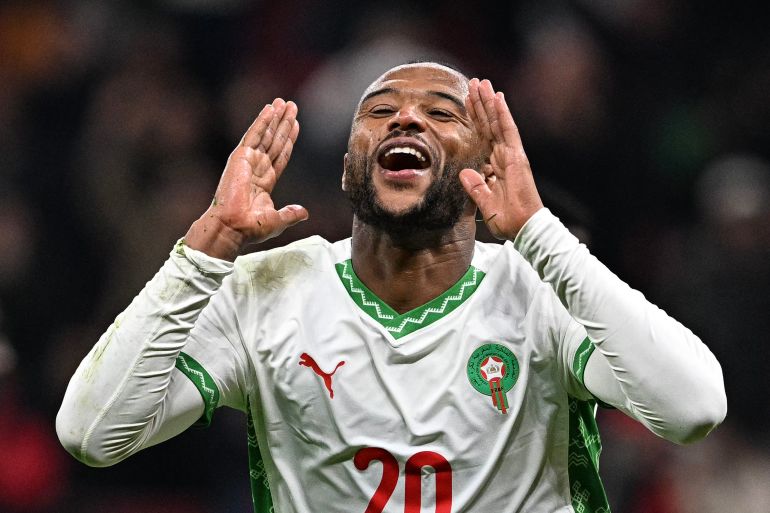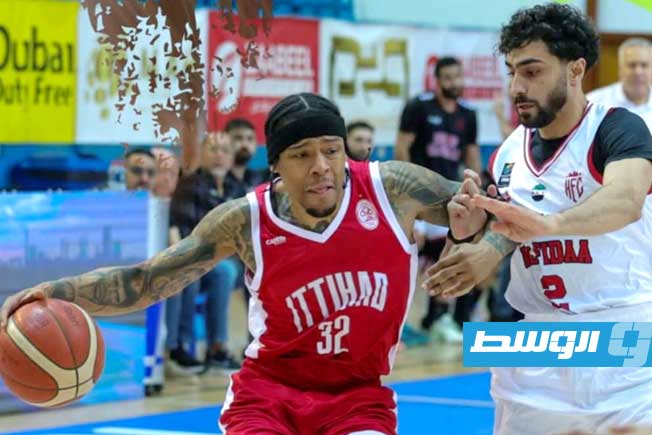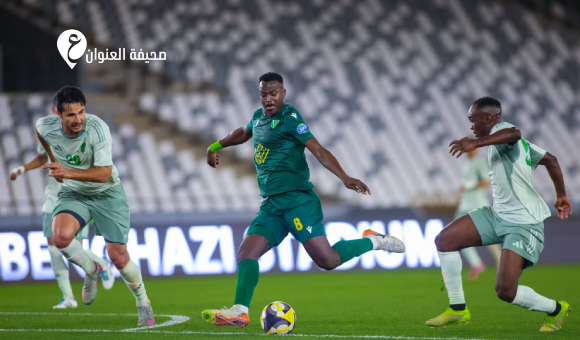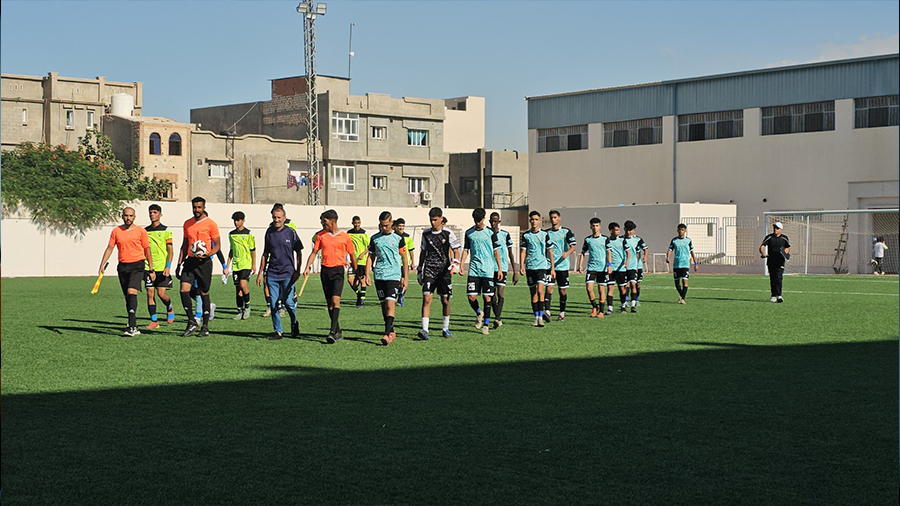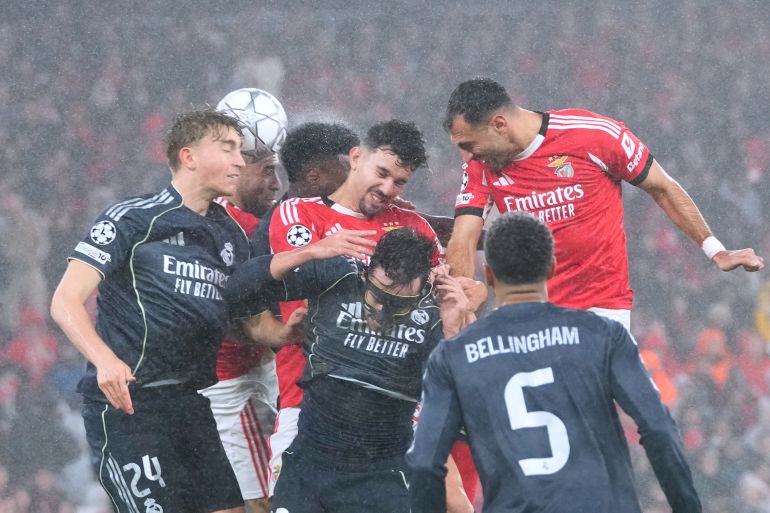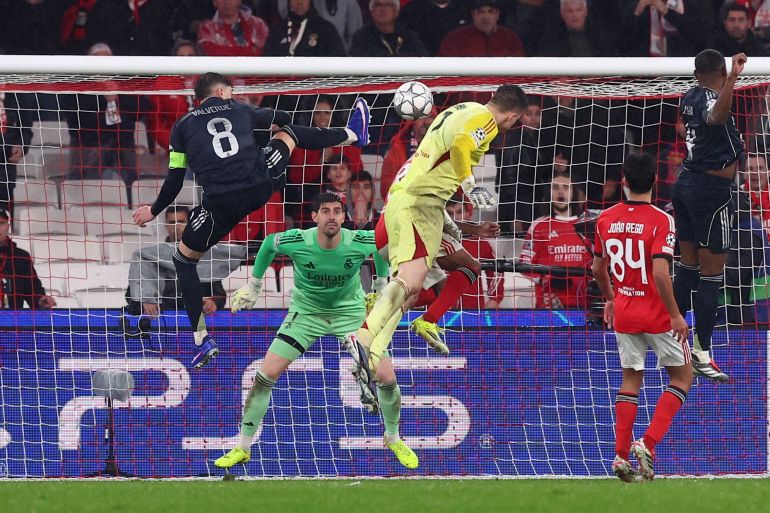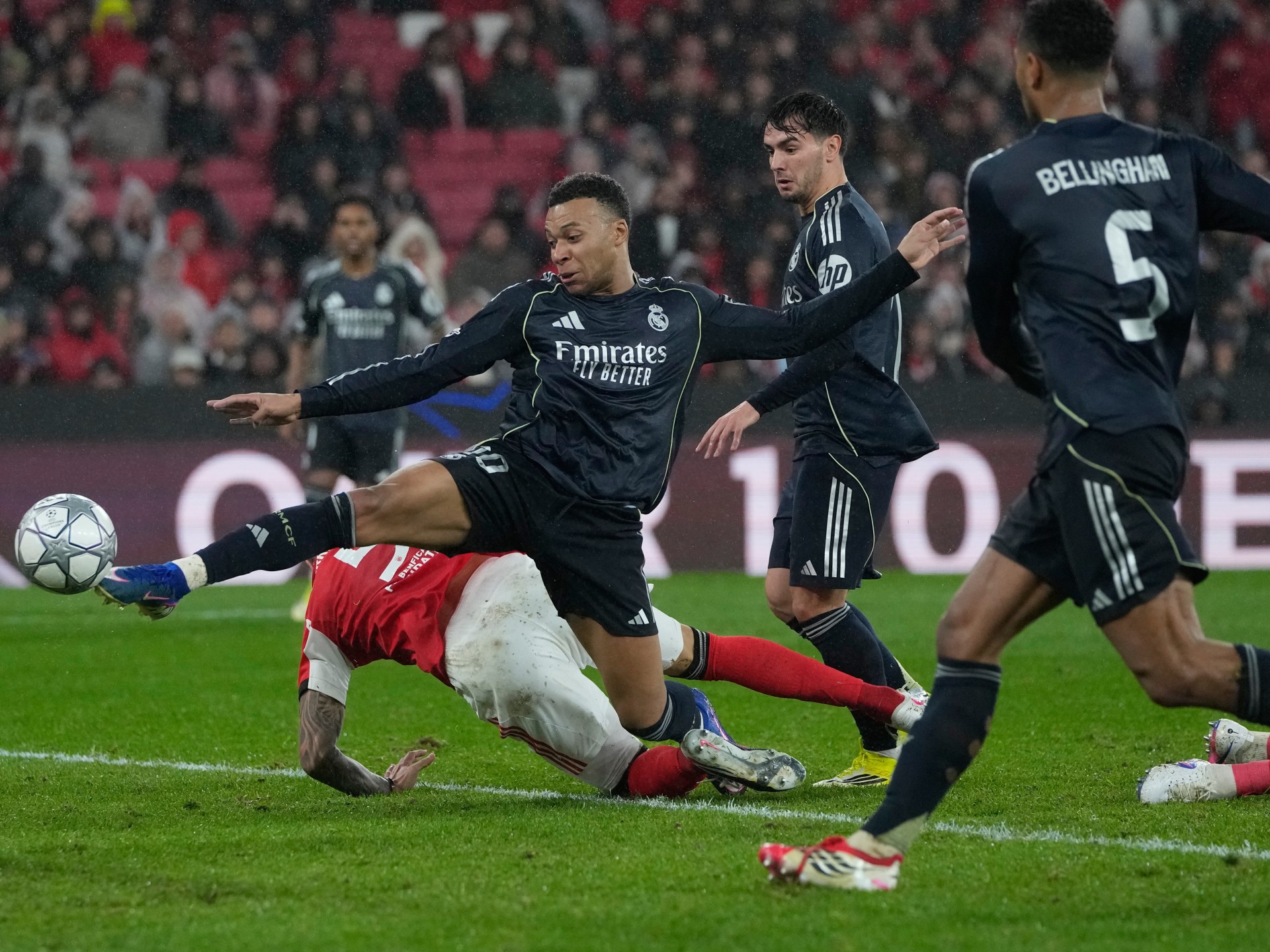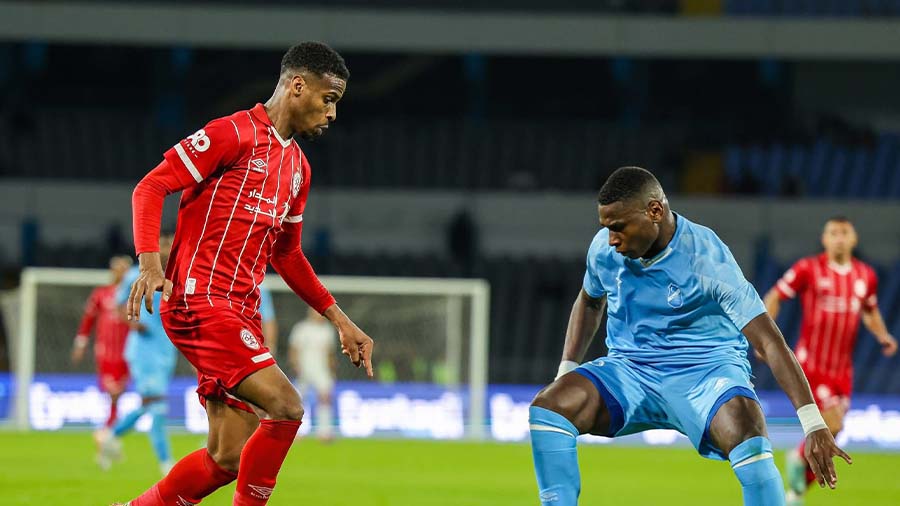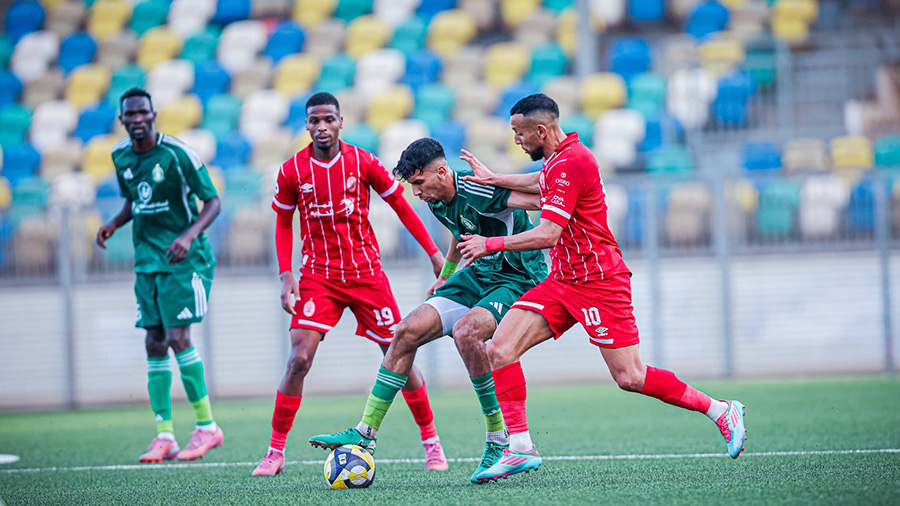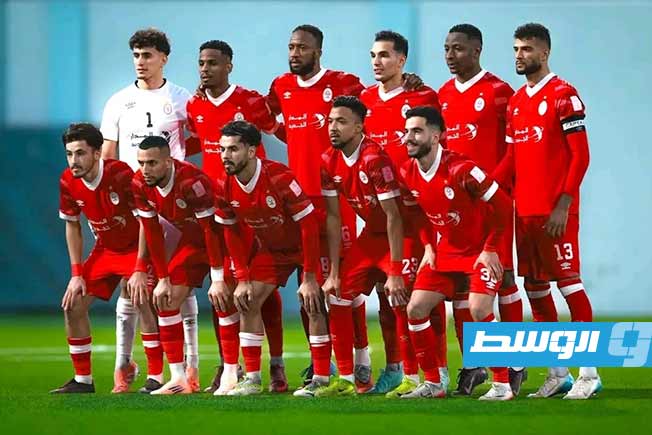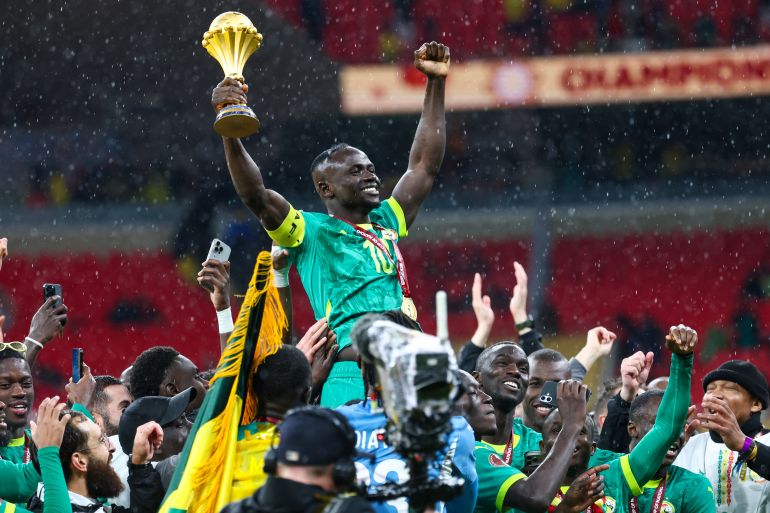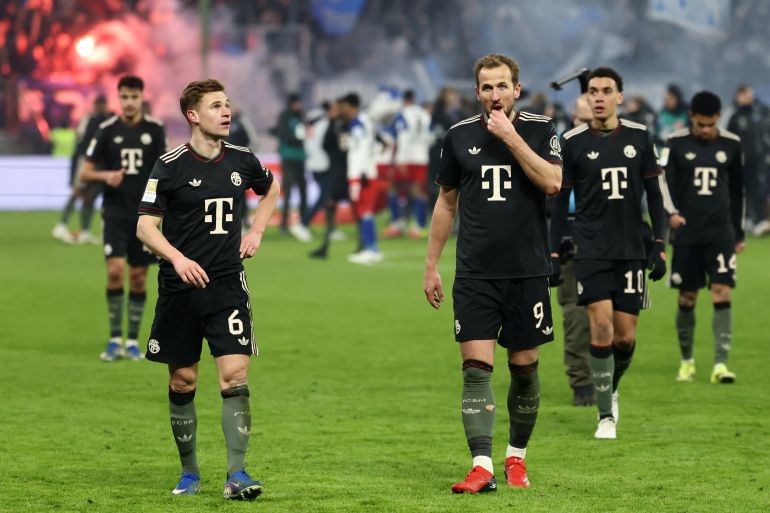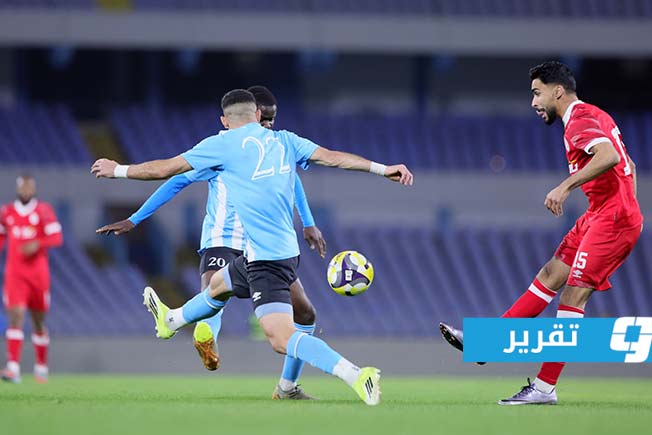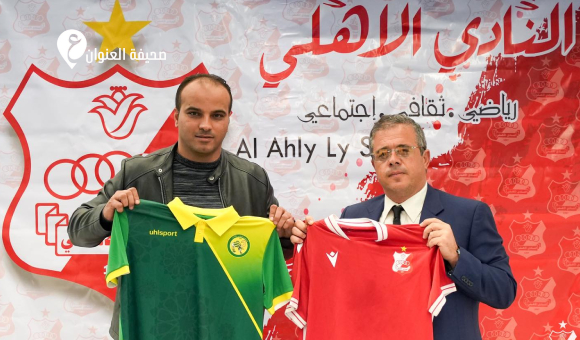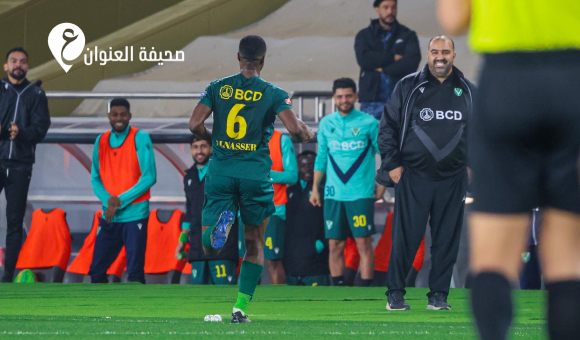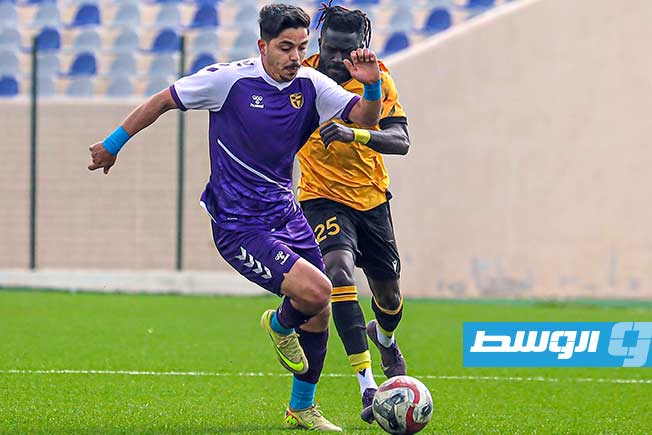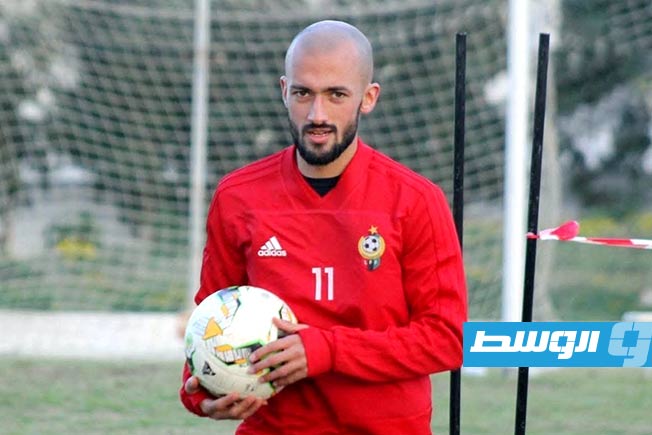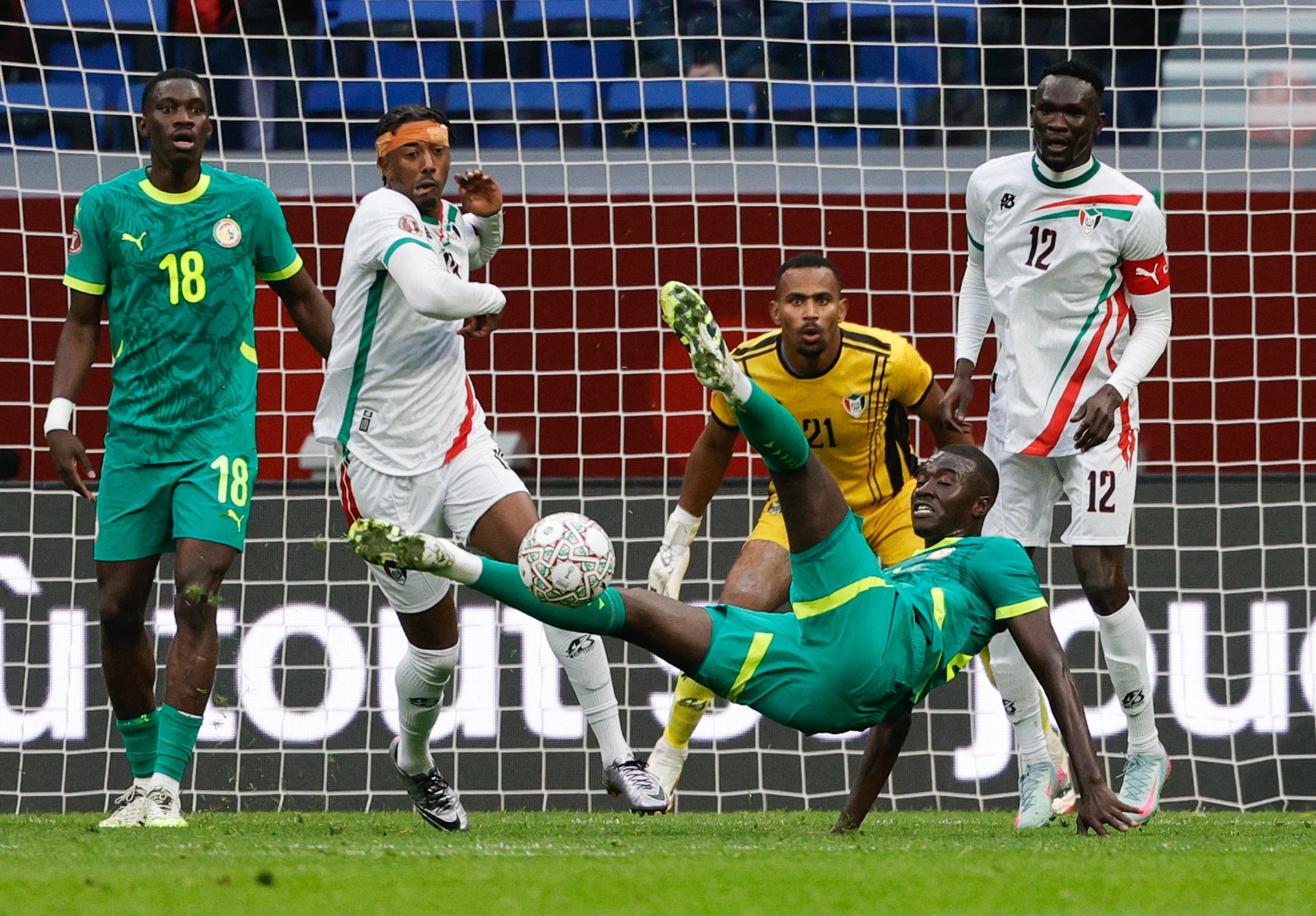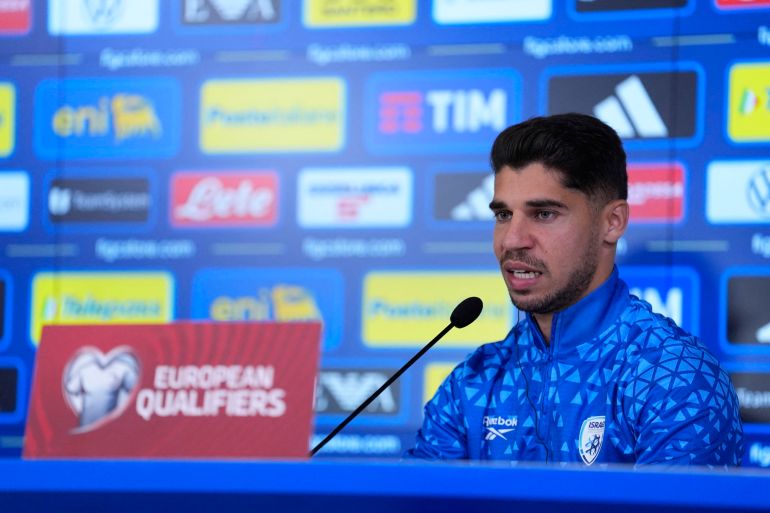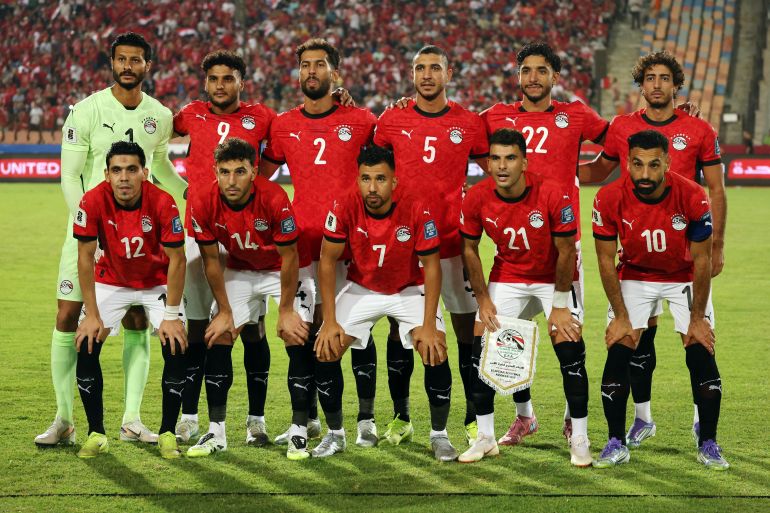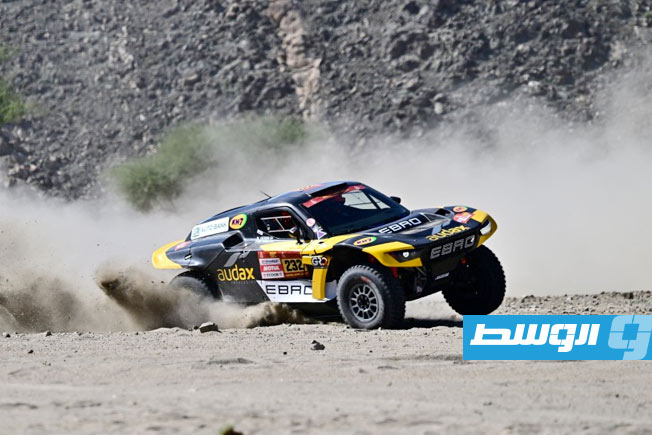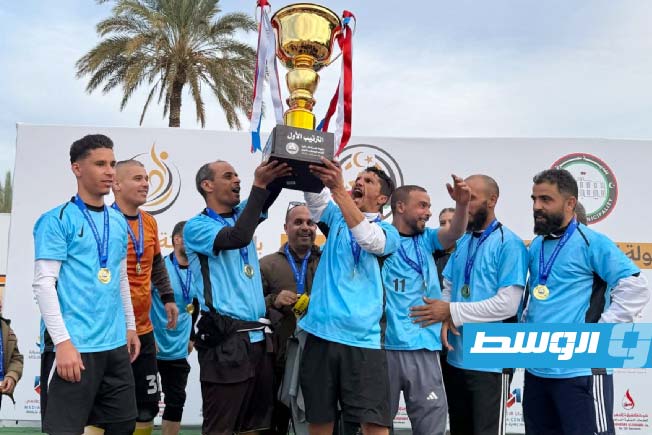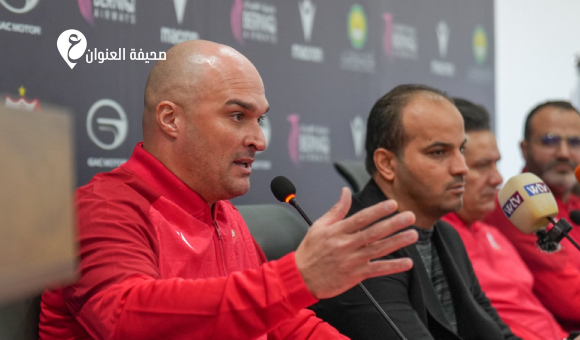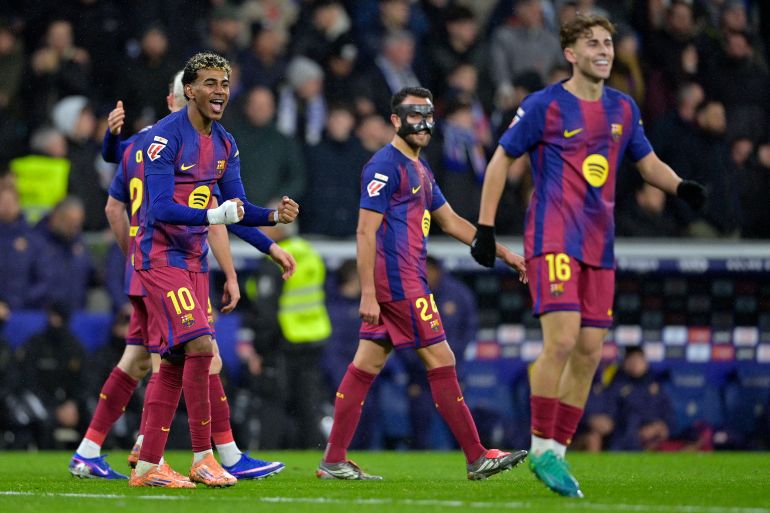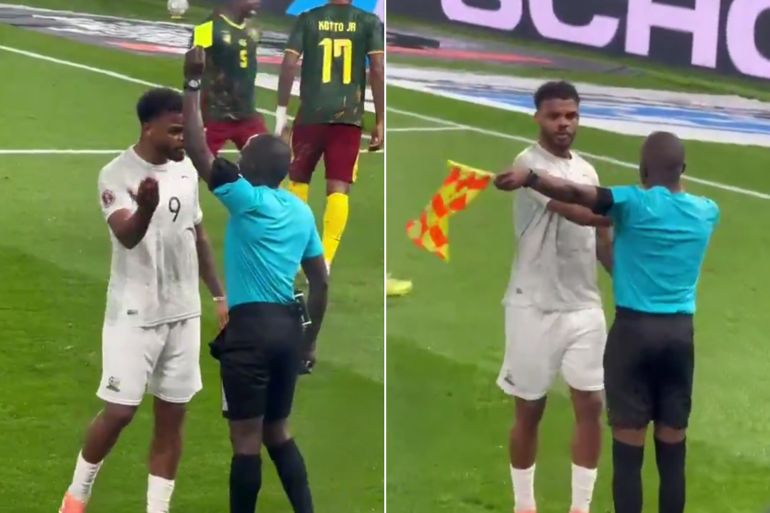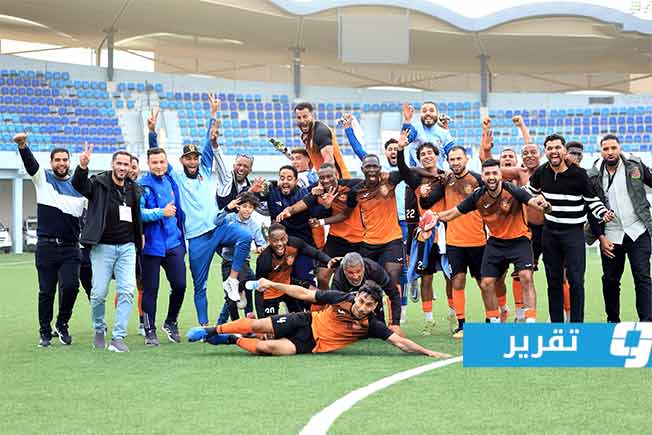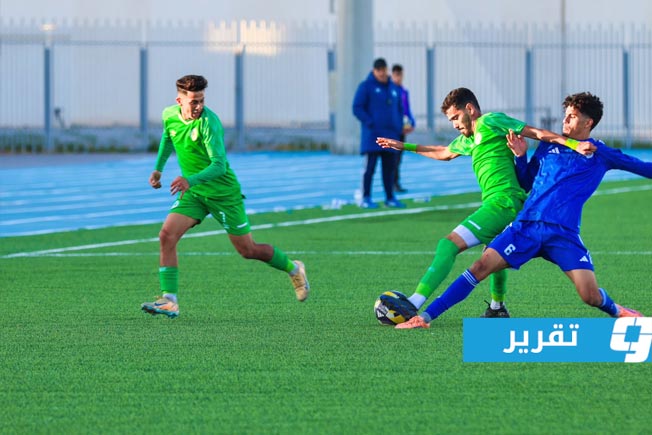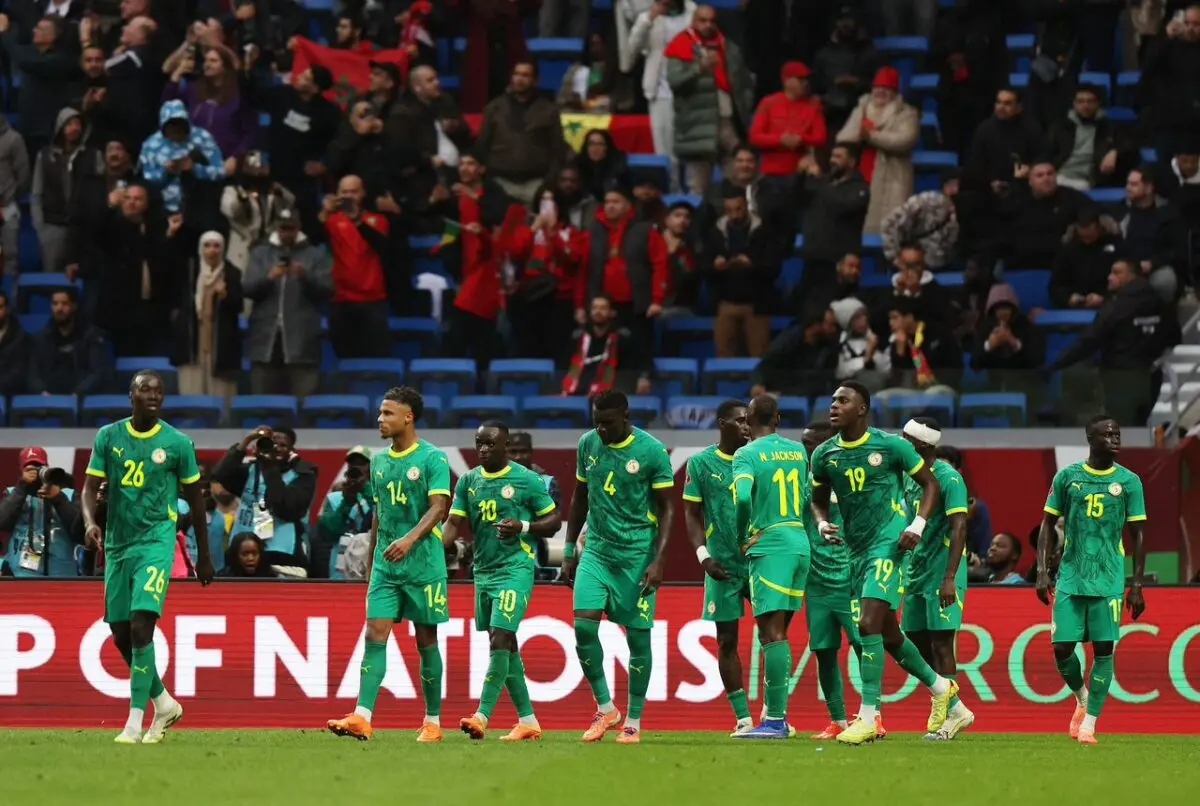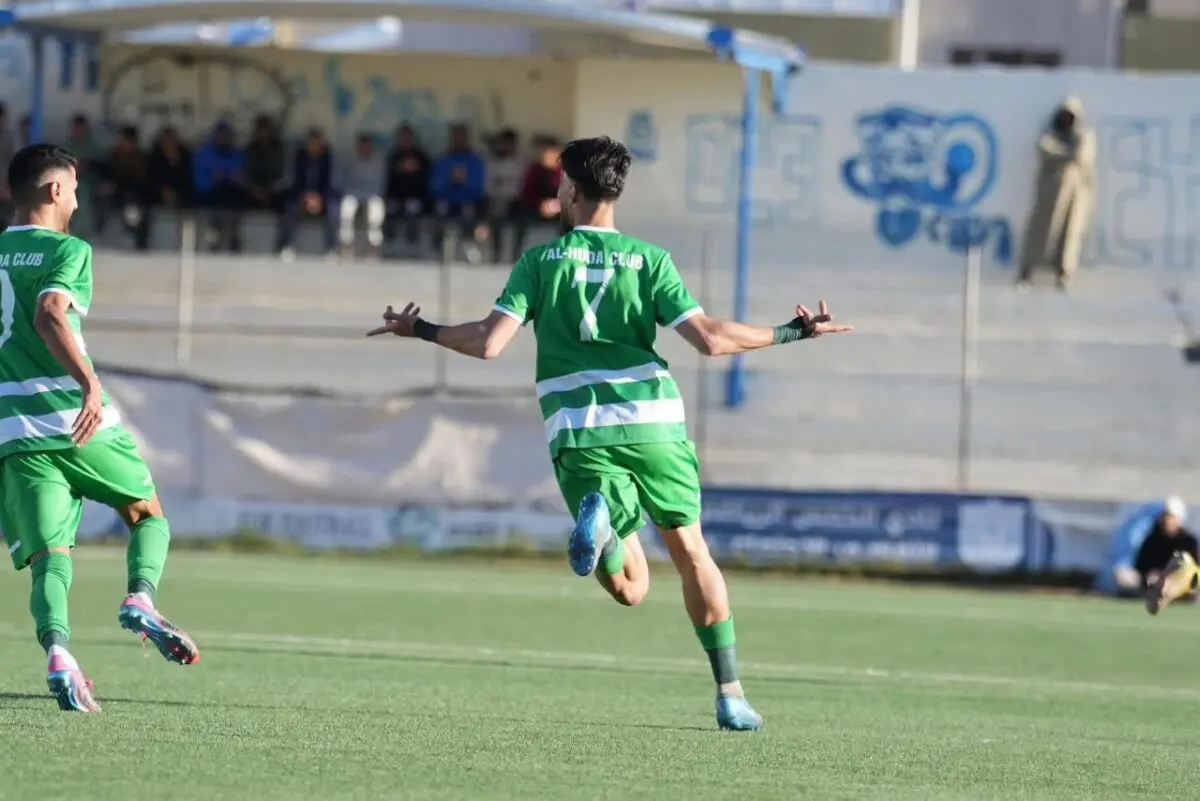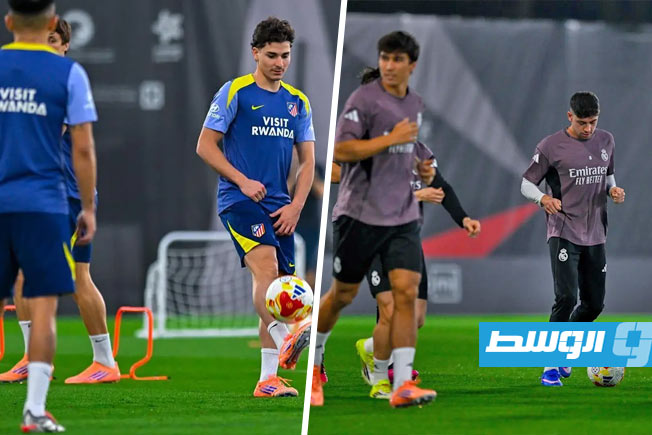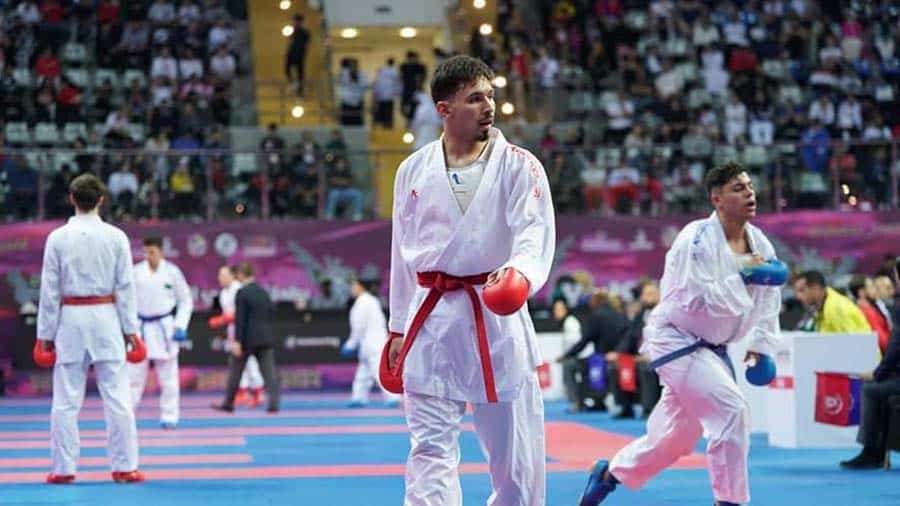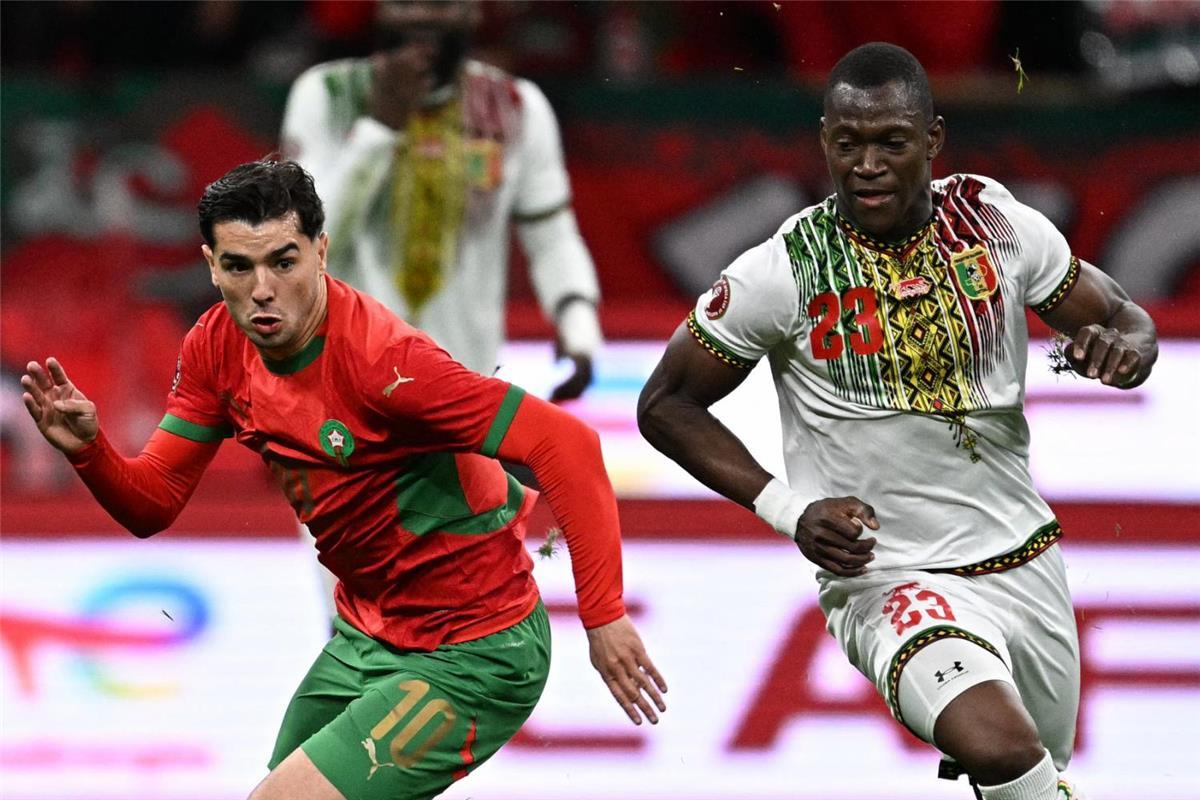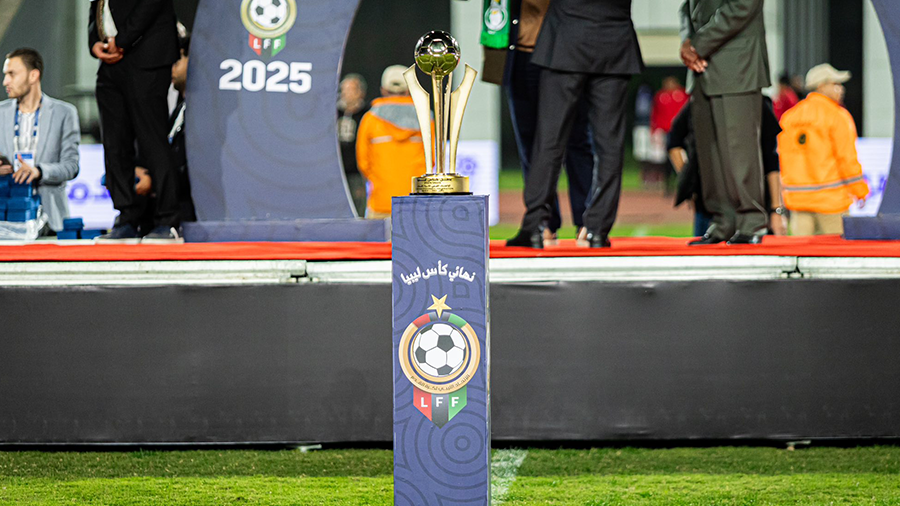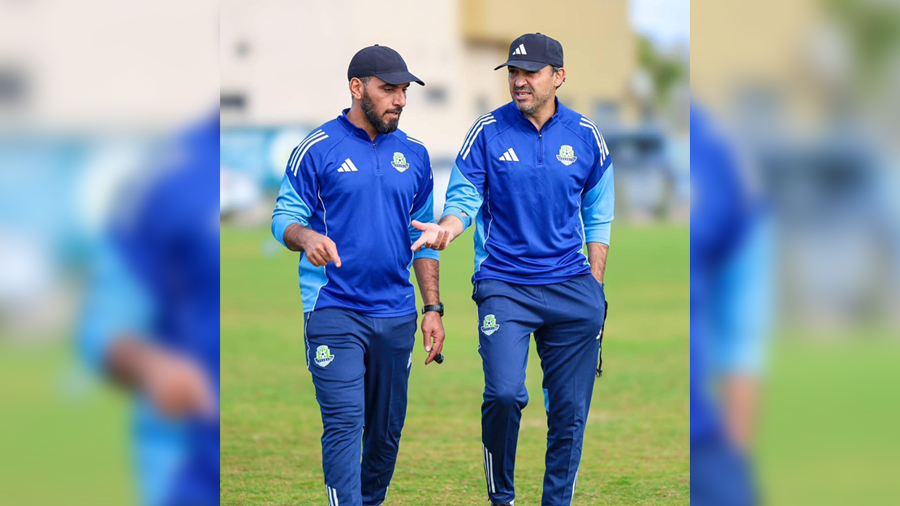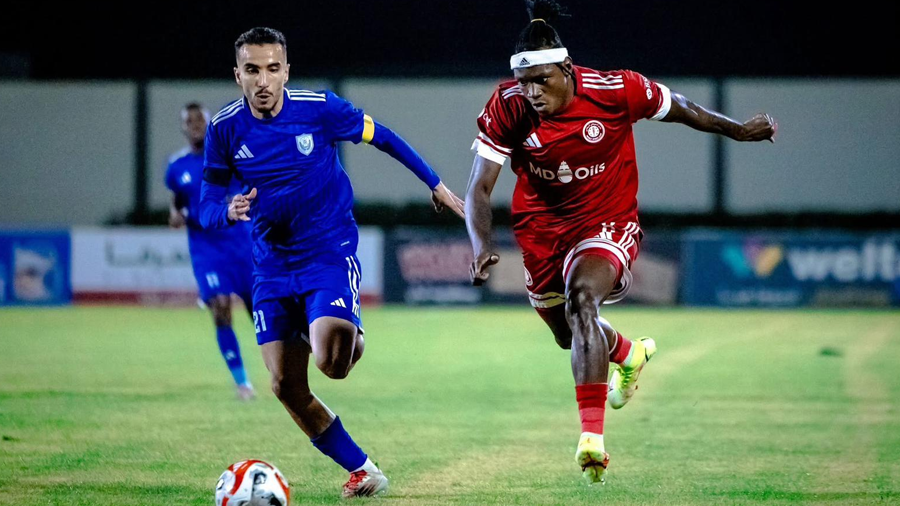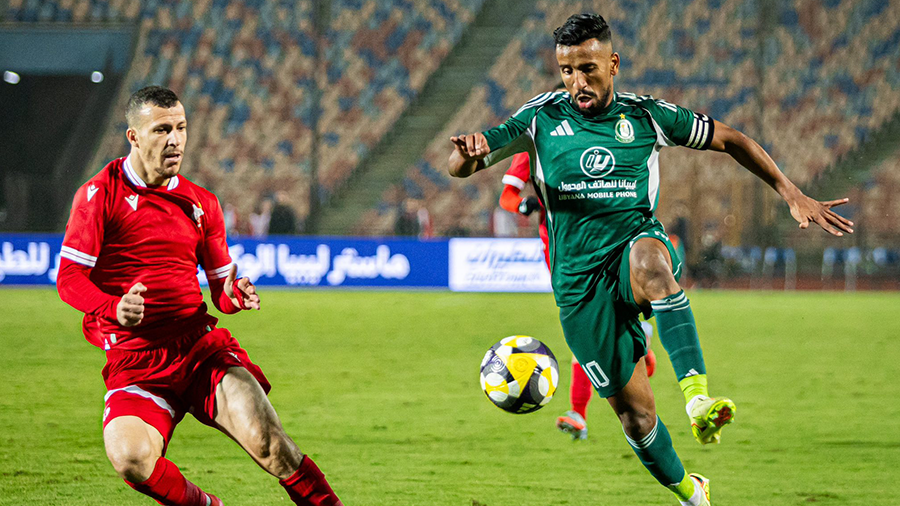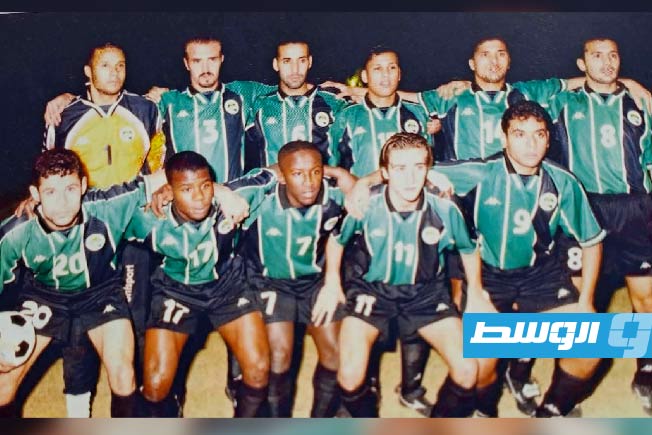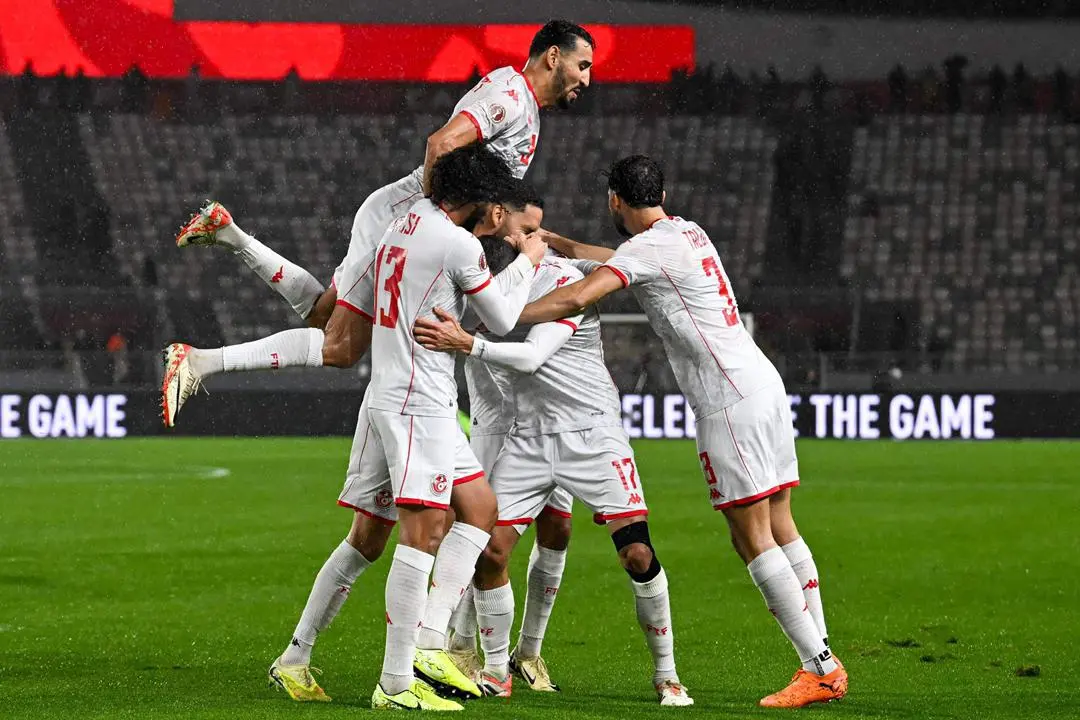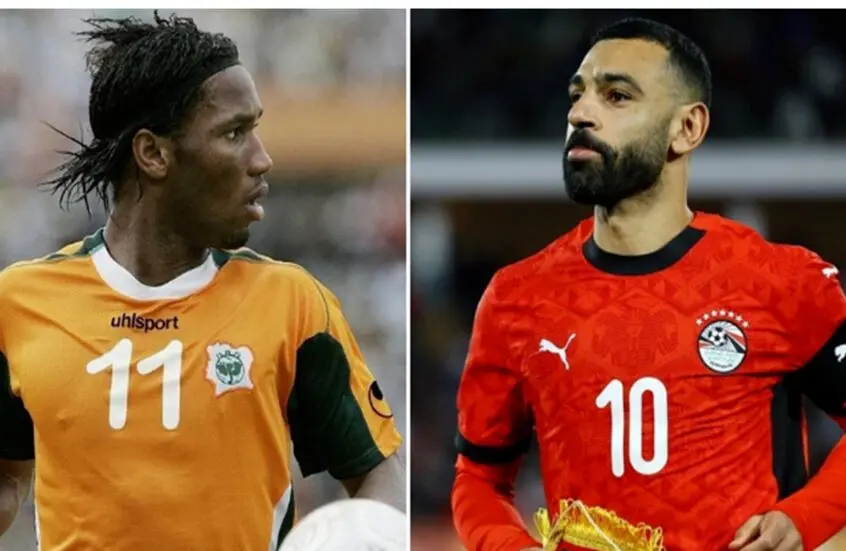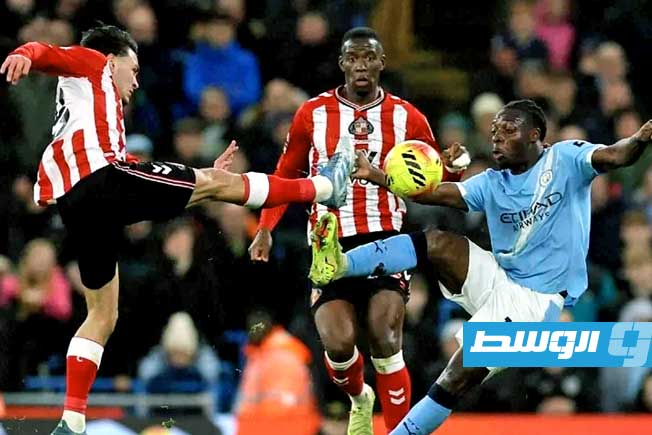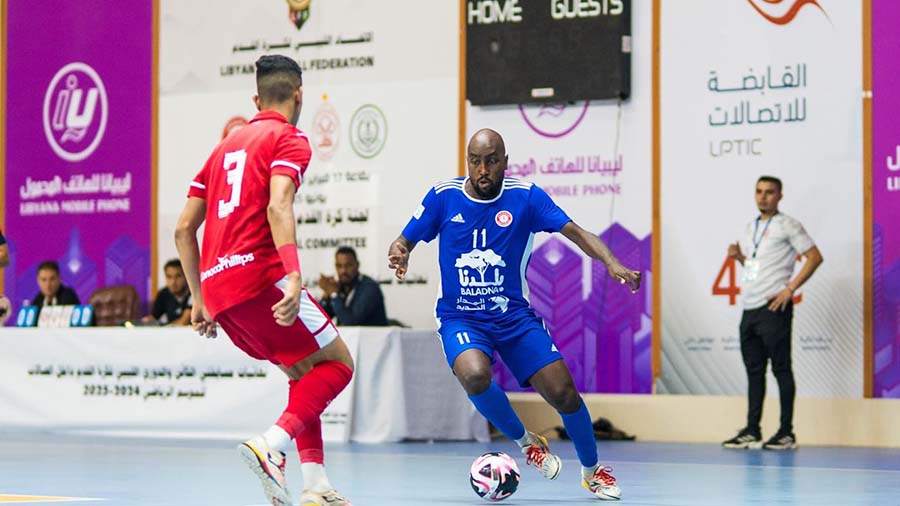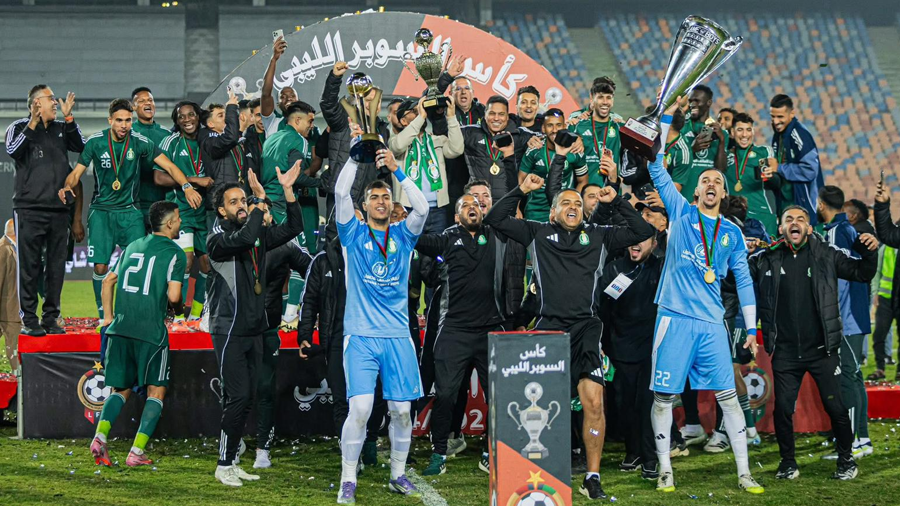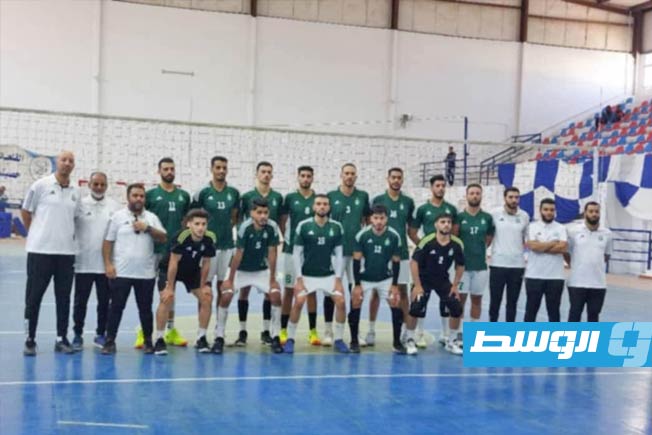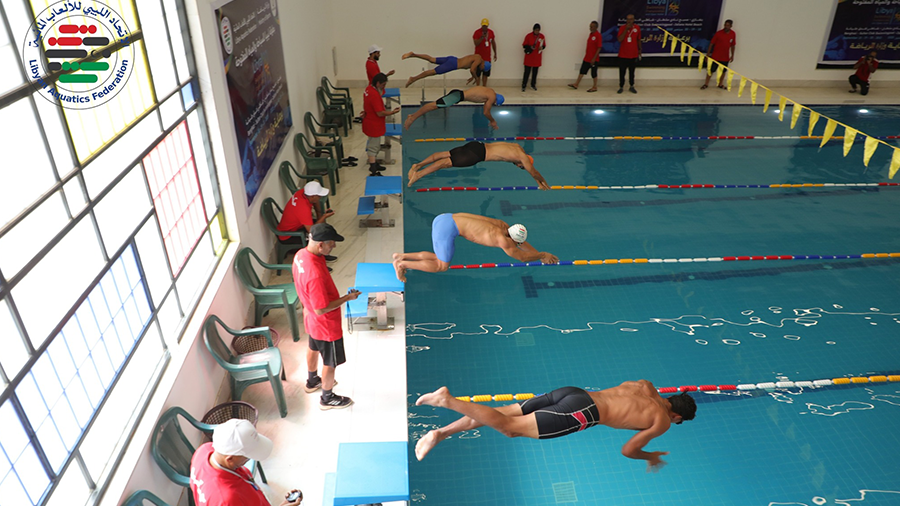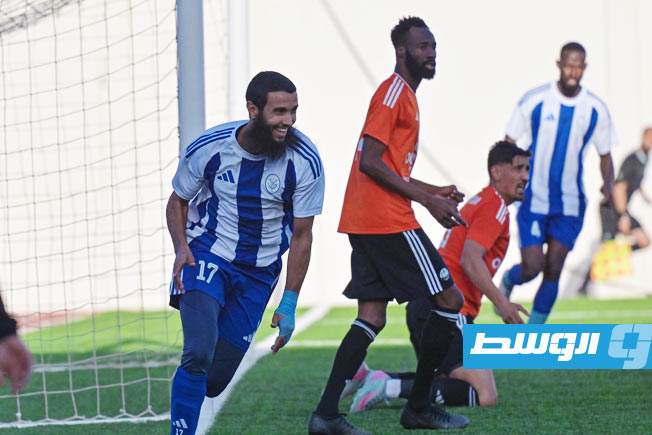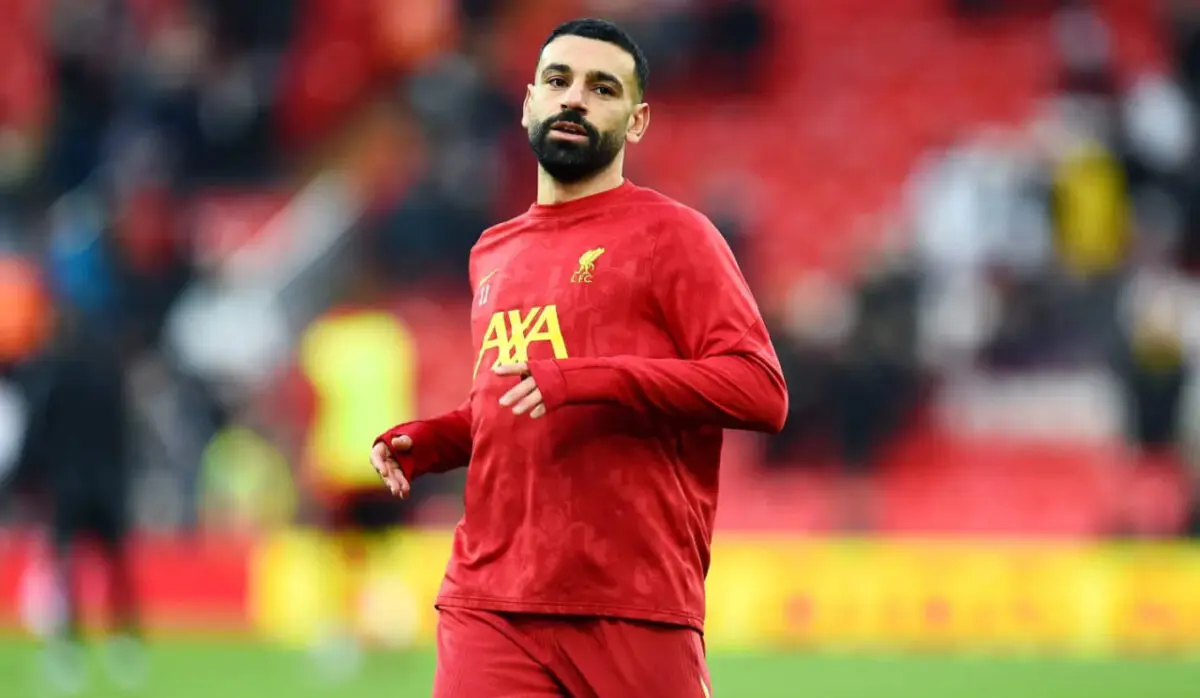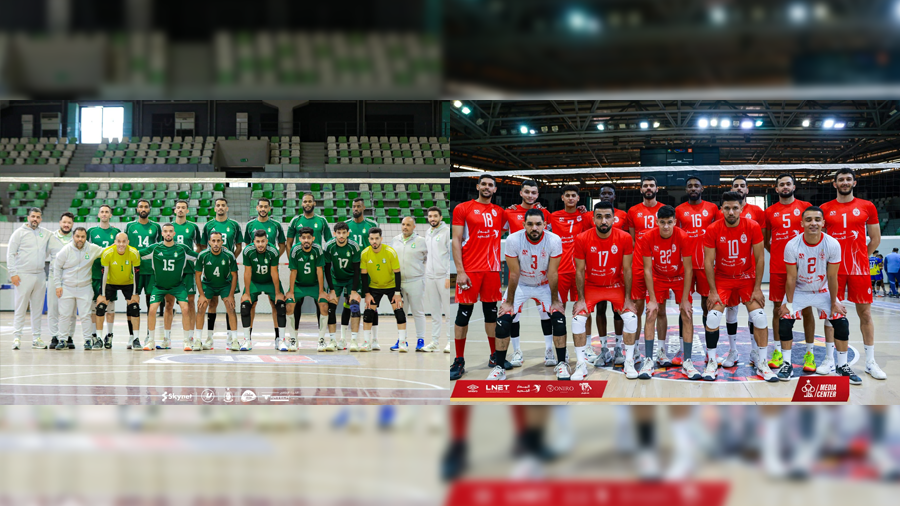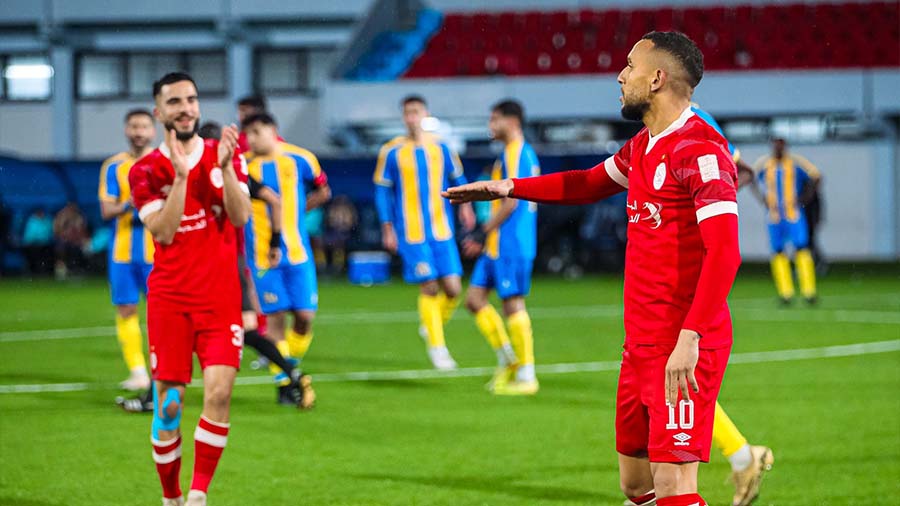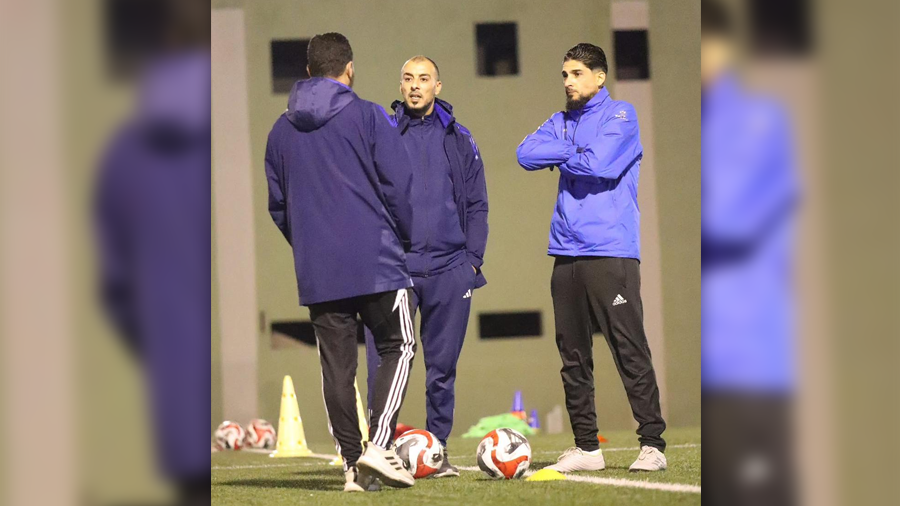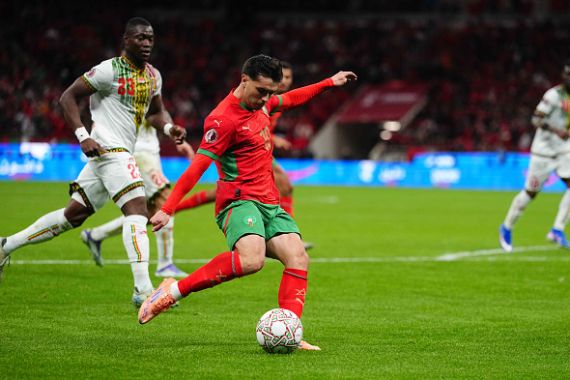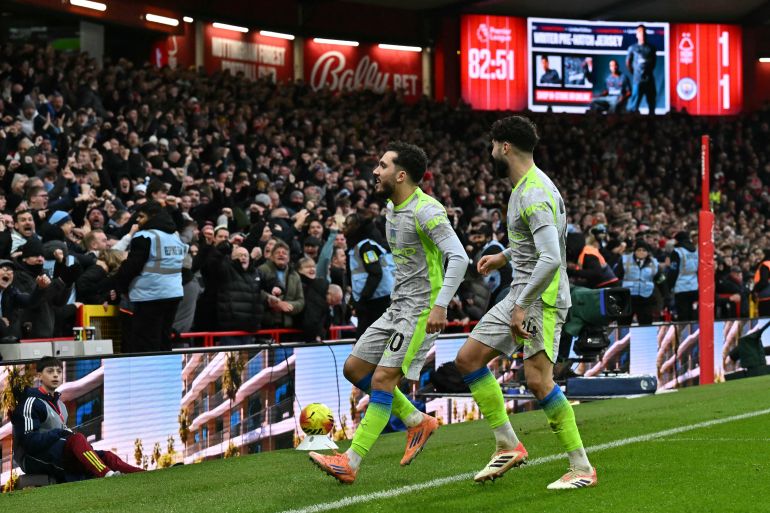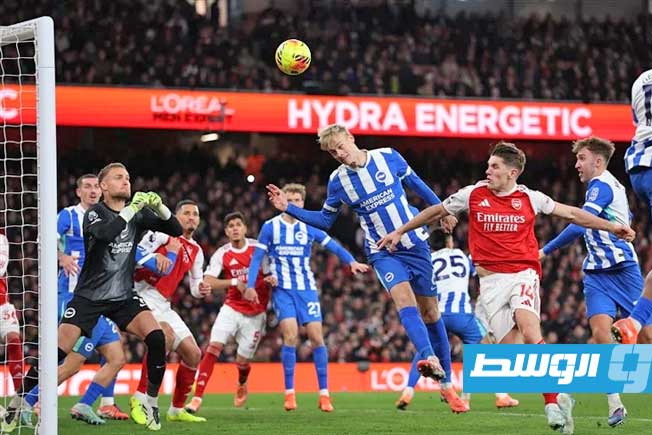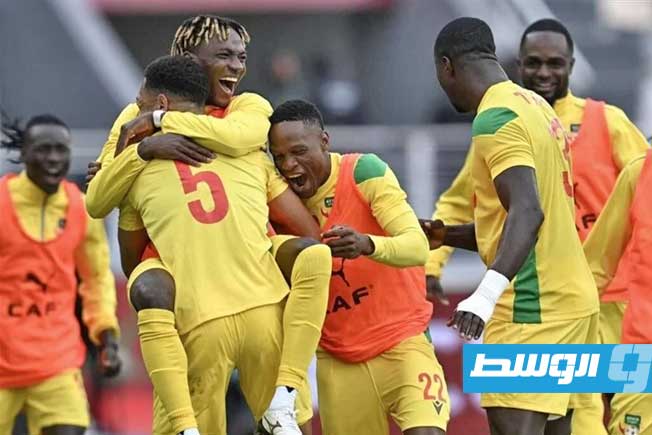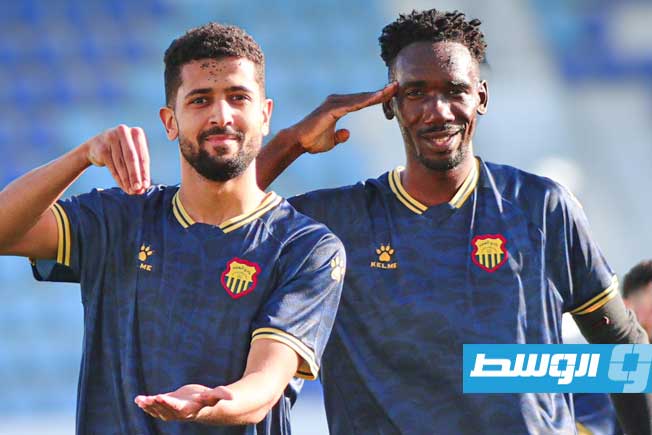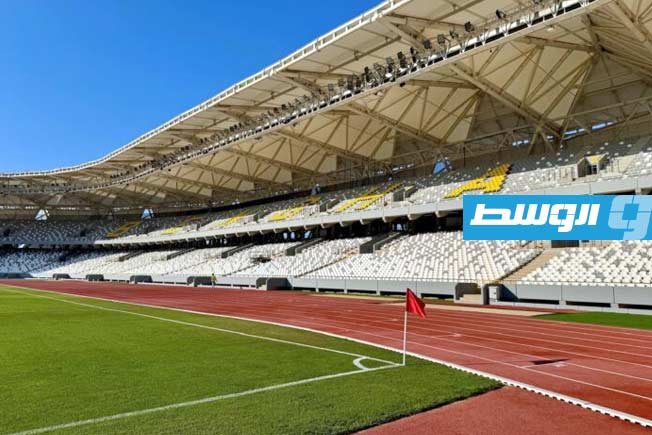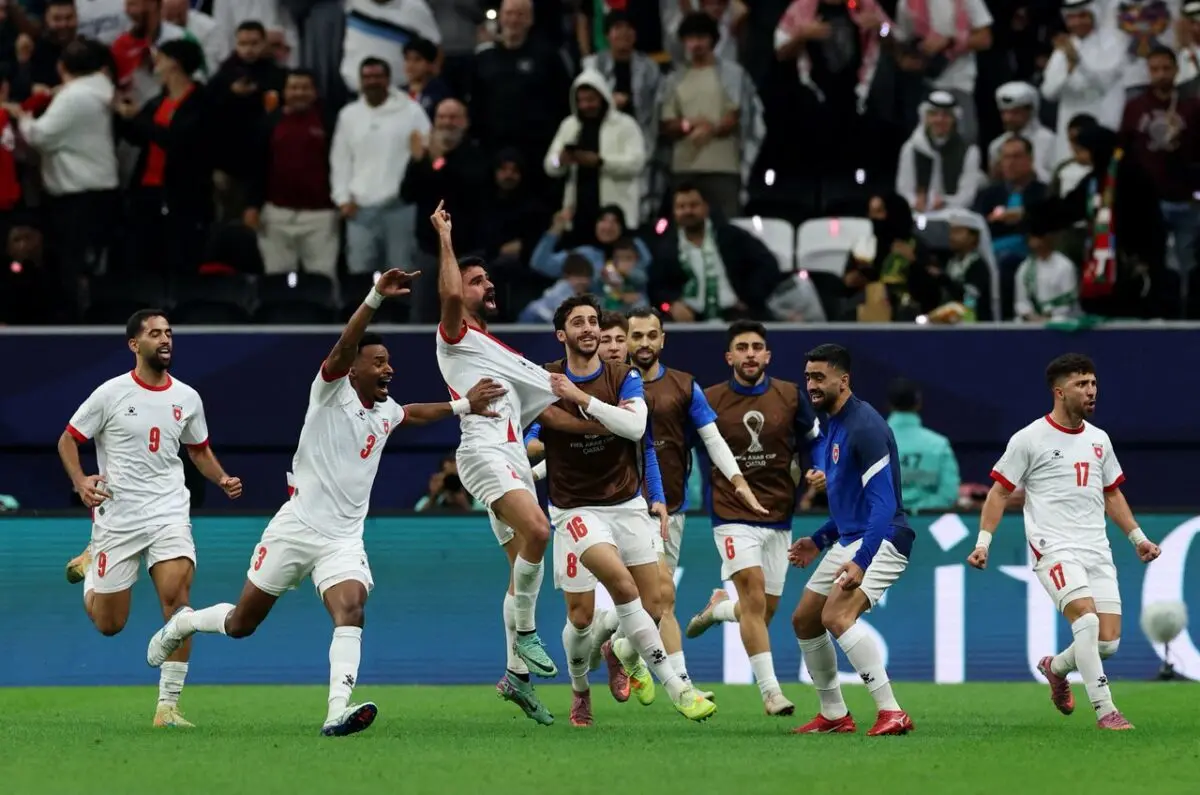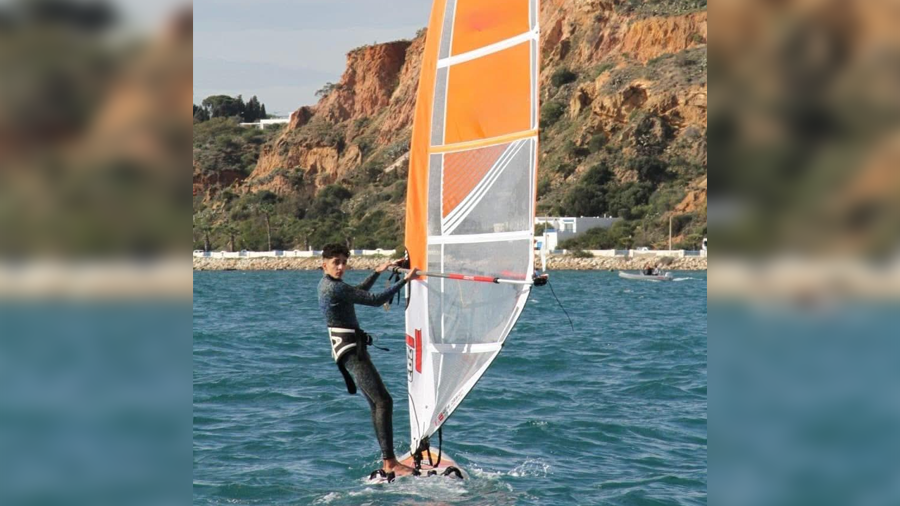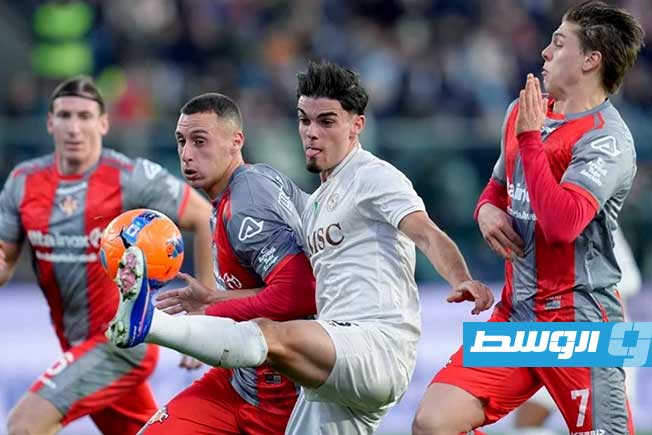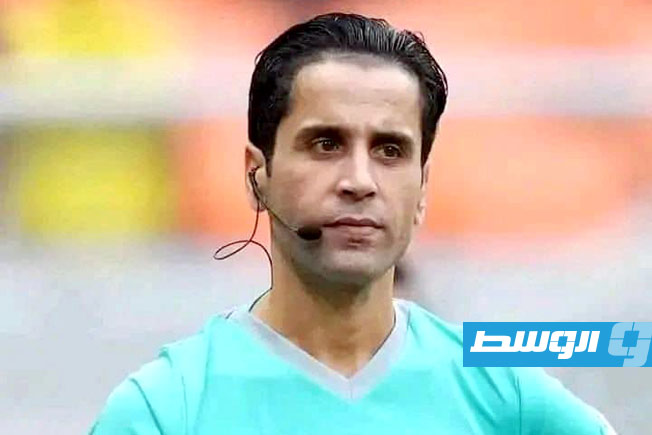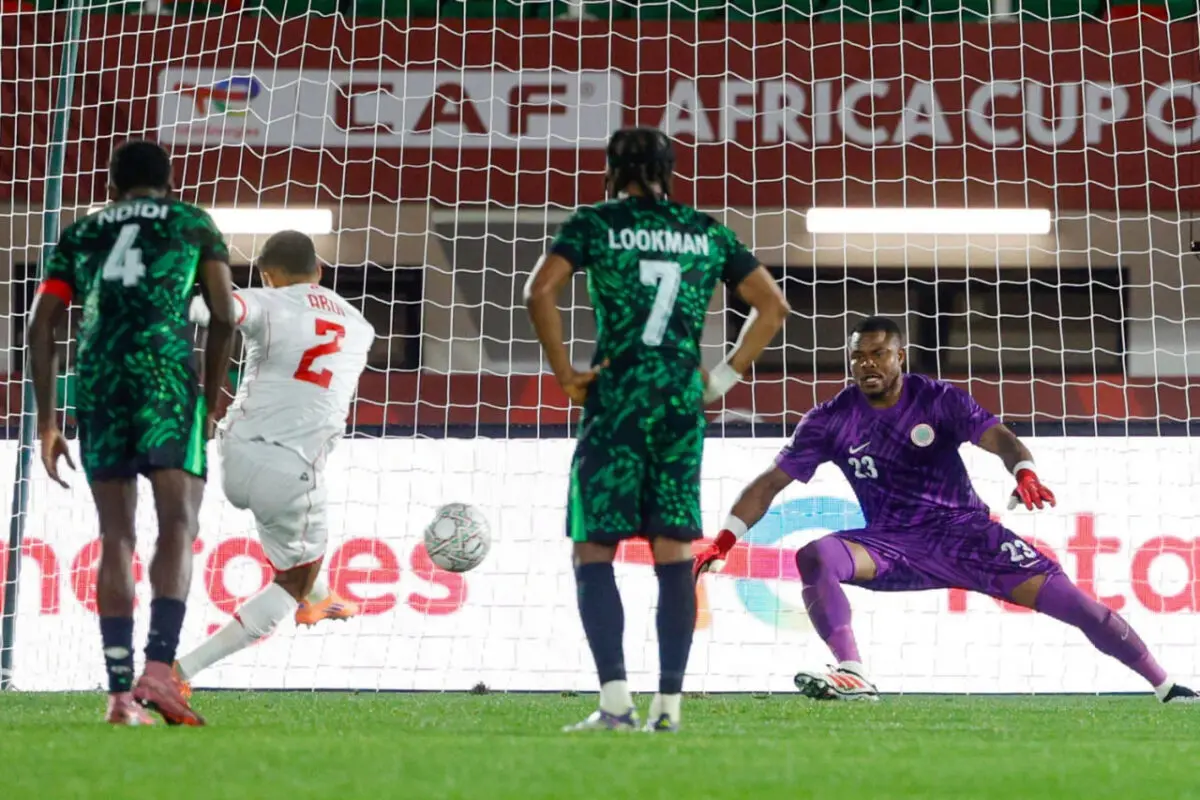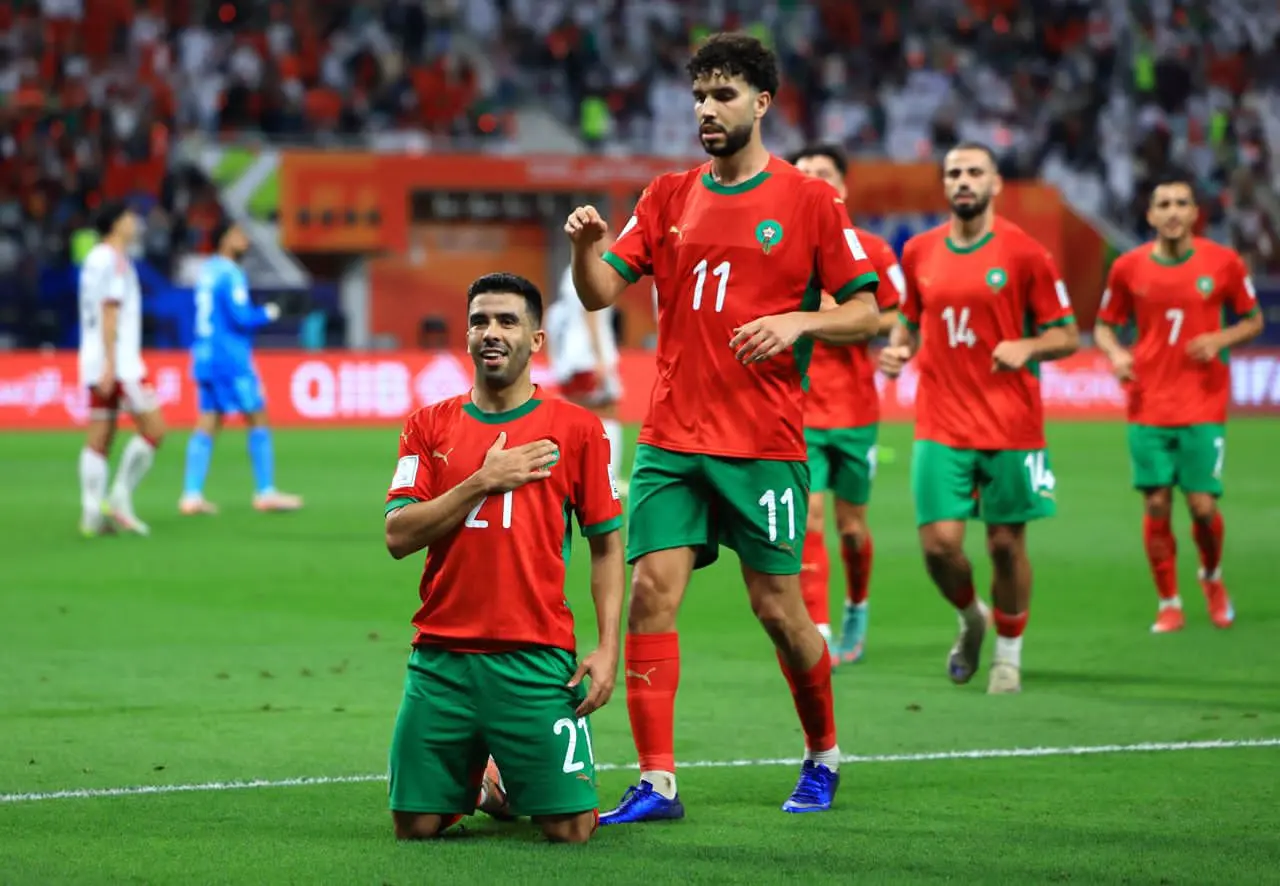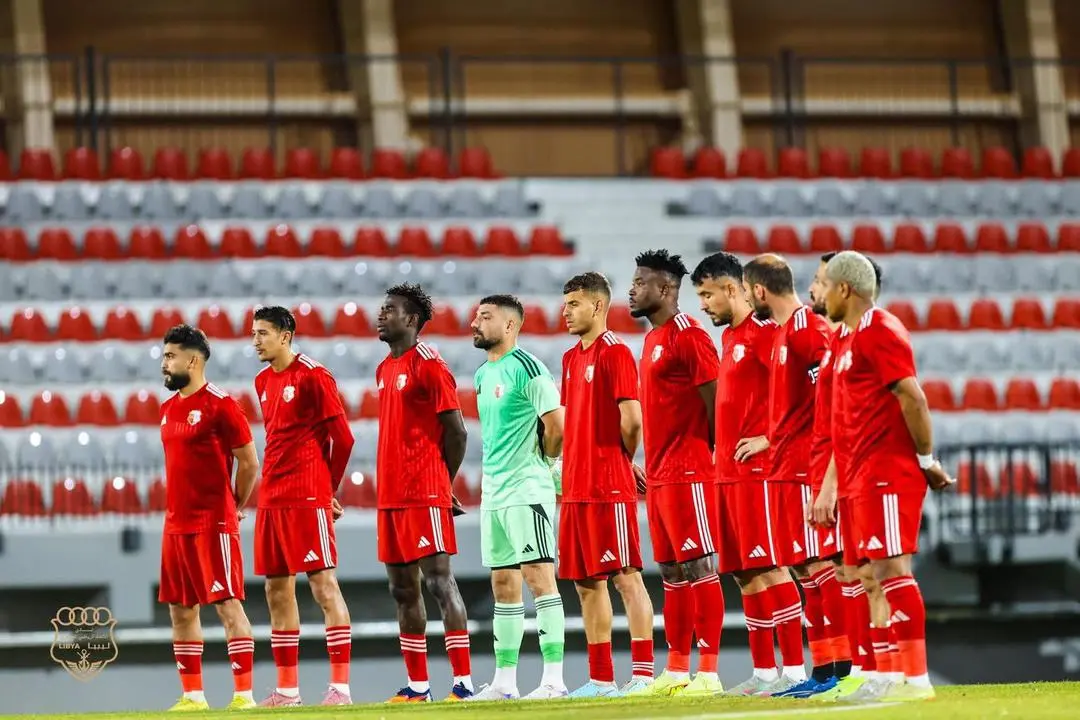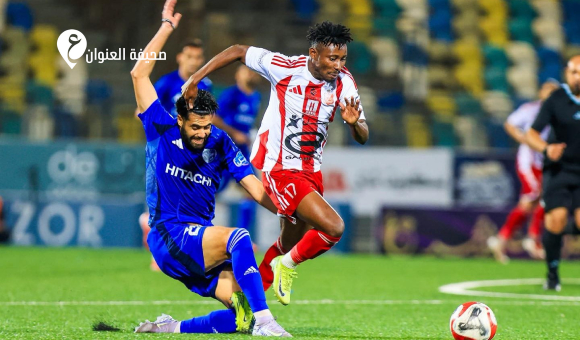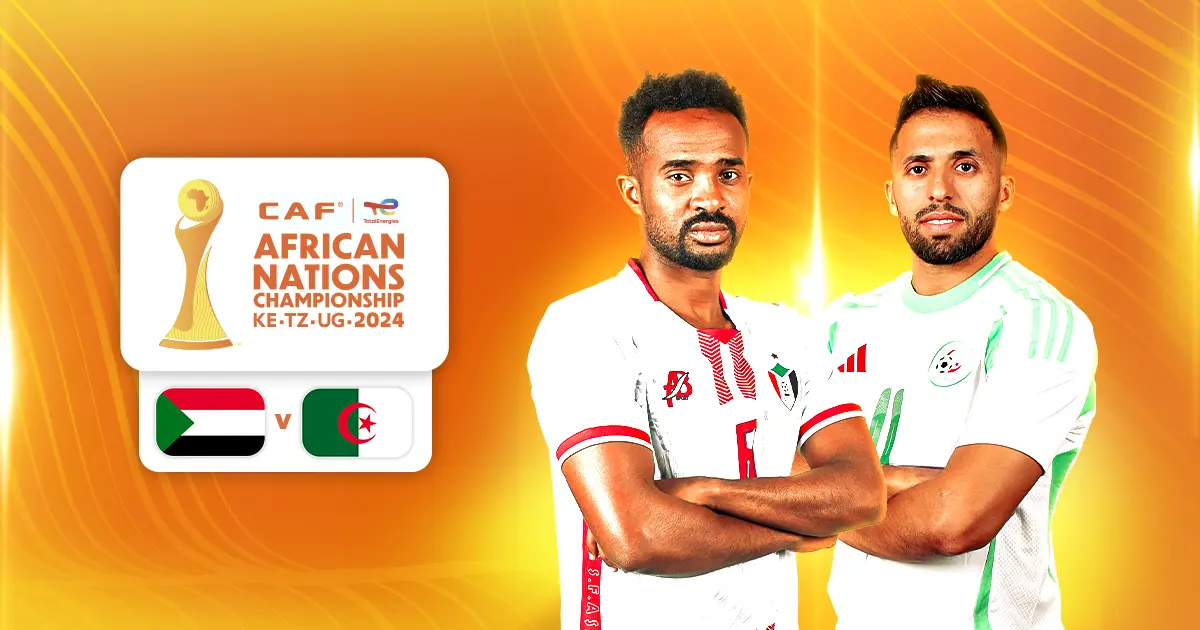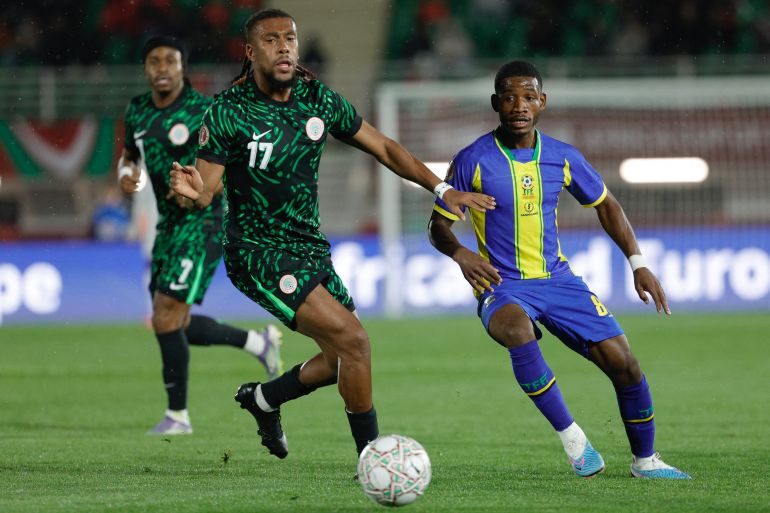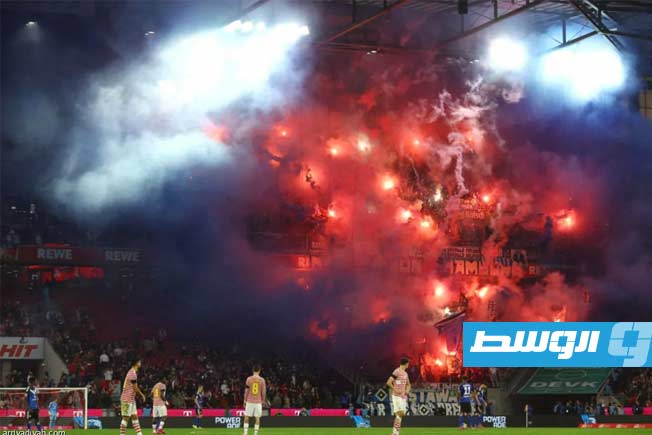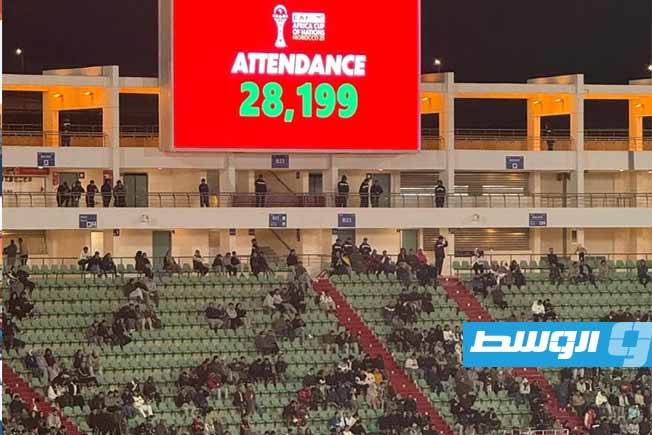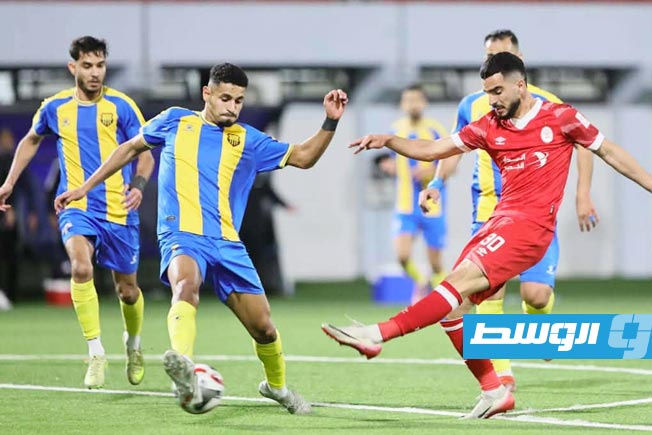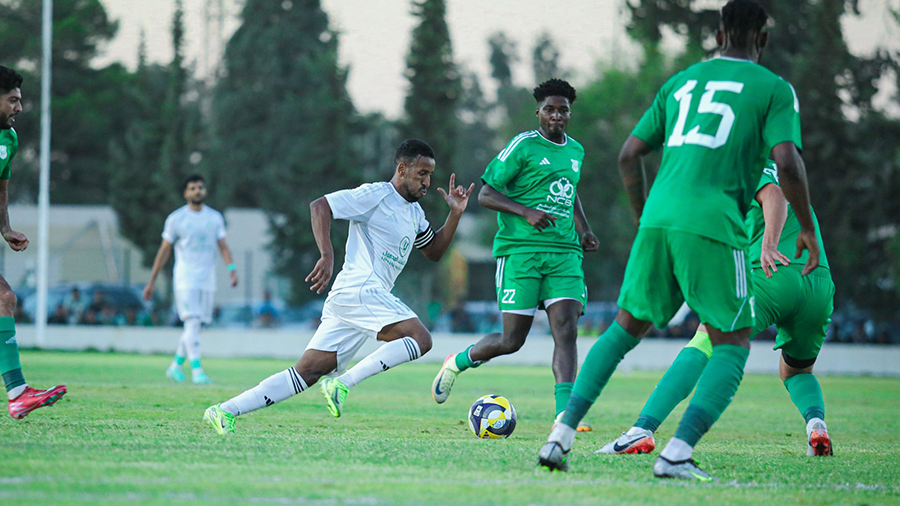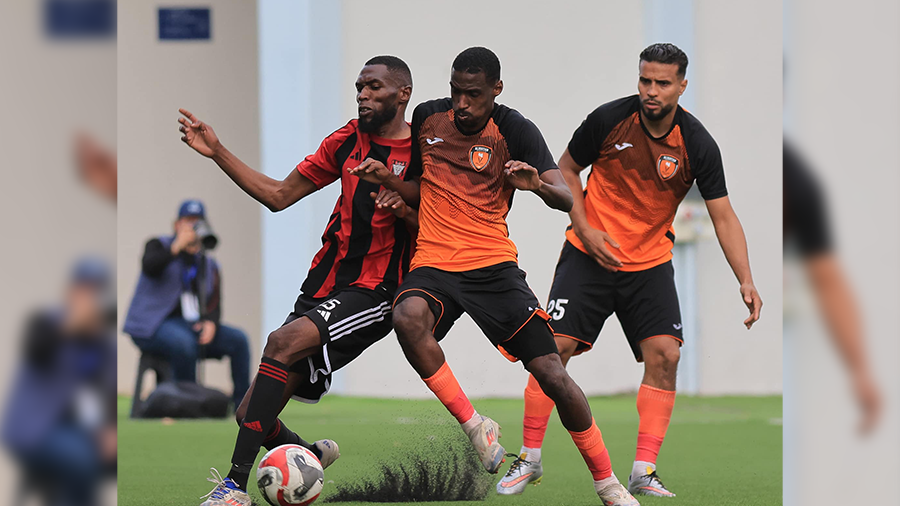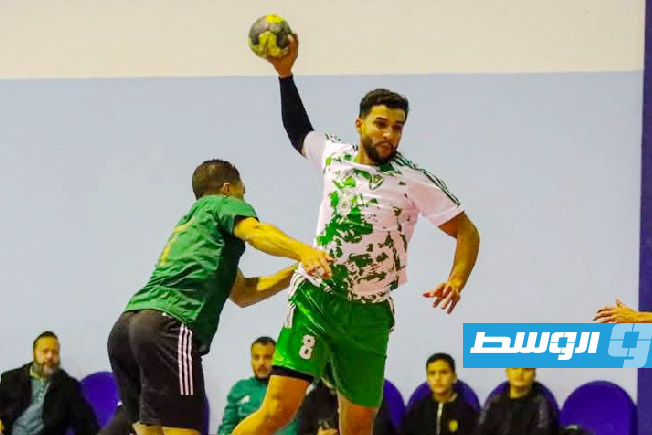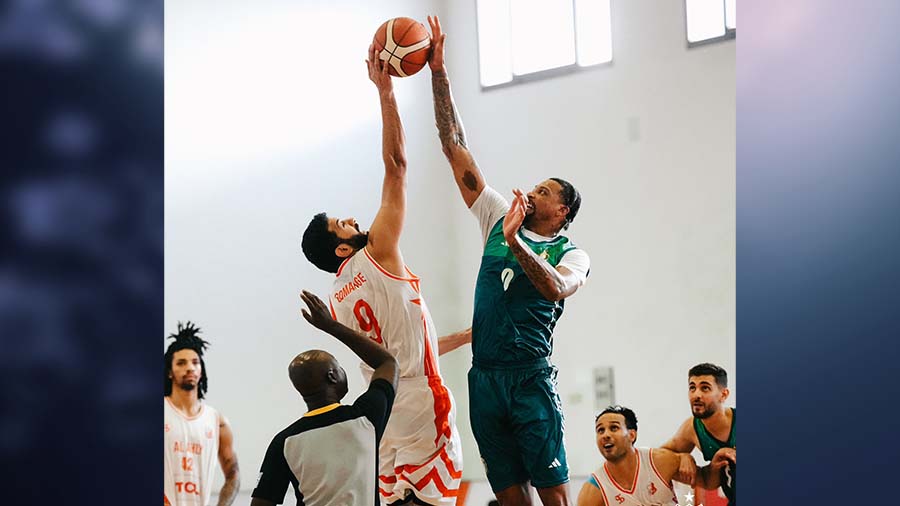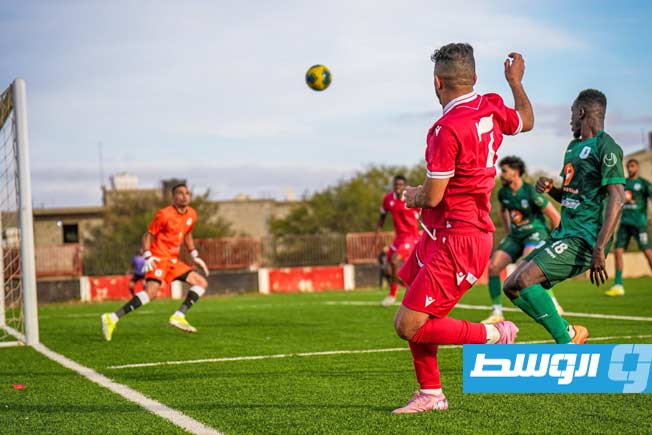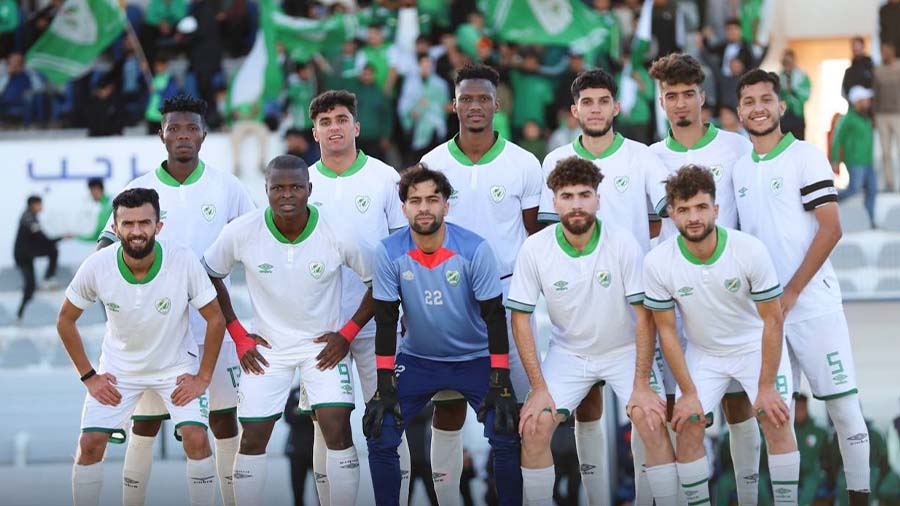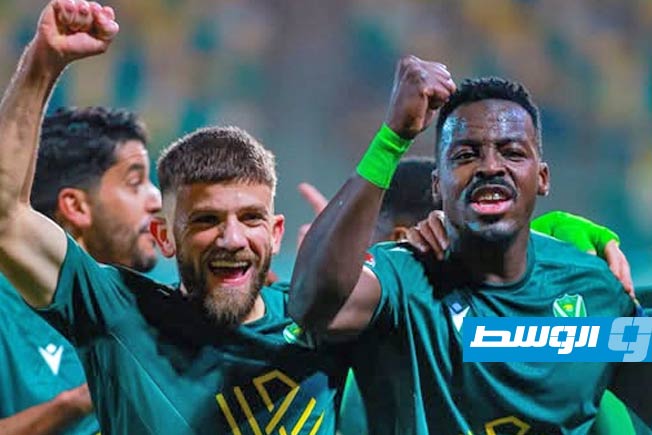
The year 2025 was an exceptional year in the record of Libyan sports, not only for the abundance or absence of titles, but because it clearly embodied the state of stark contradiction between a national team stuck in a spiral of failures, and clubs and individual champions who succeeded in raising Libya’s name high in continental and global forums.
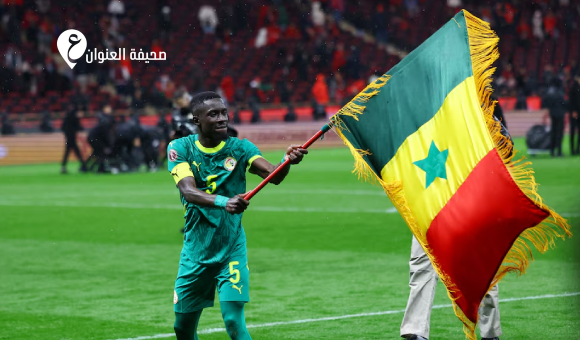
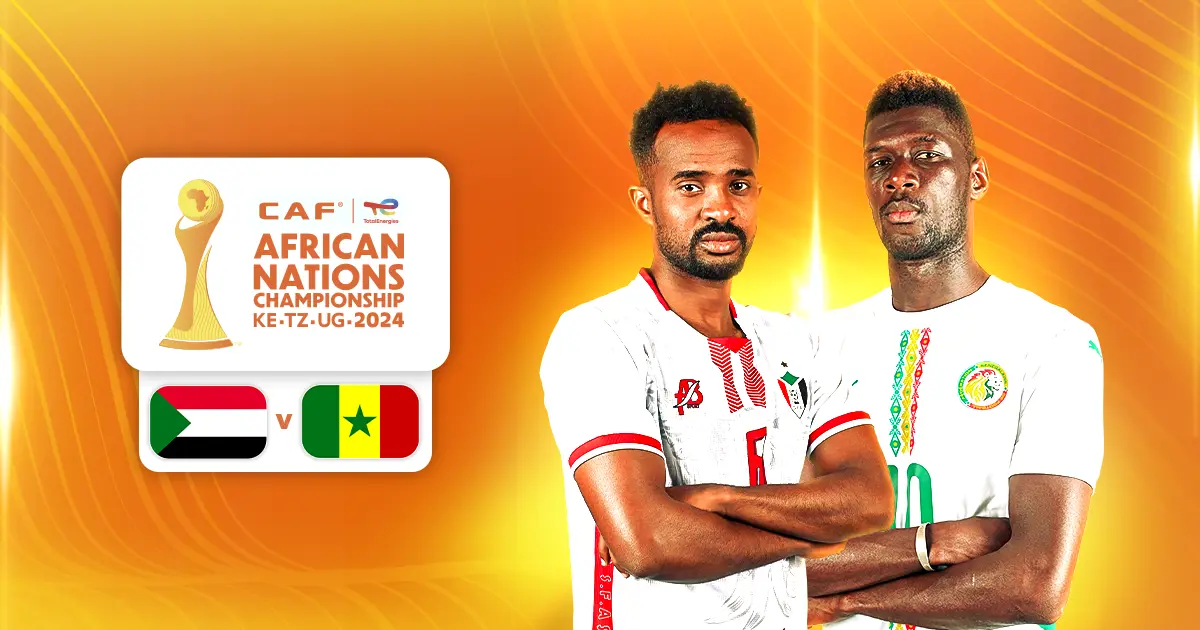
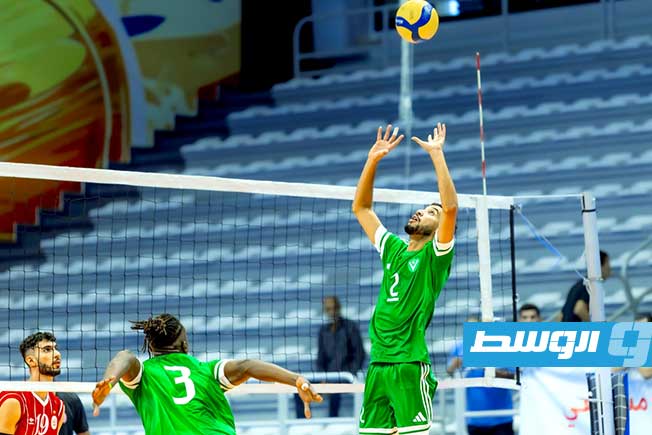
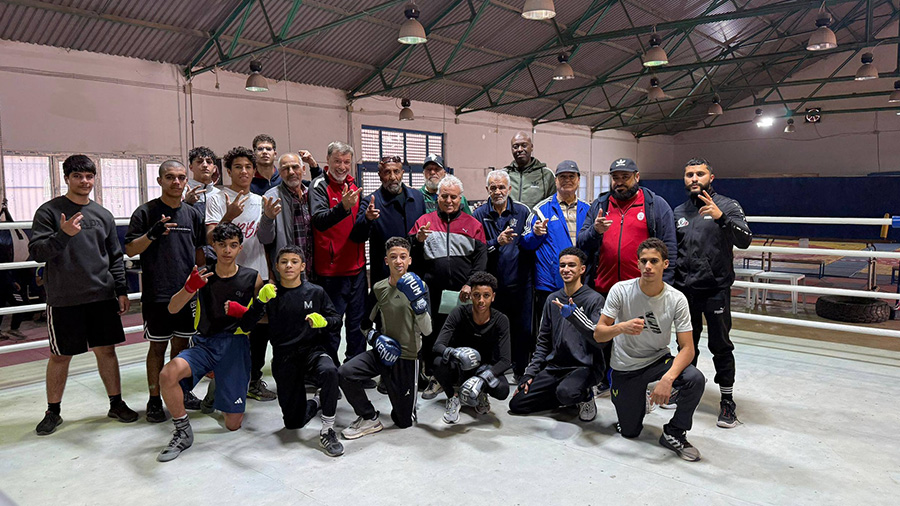
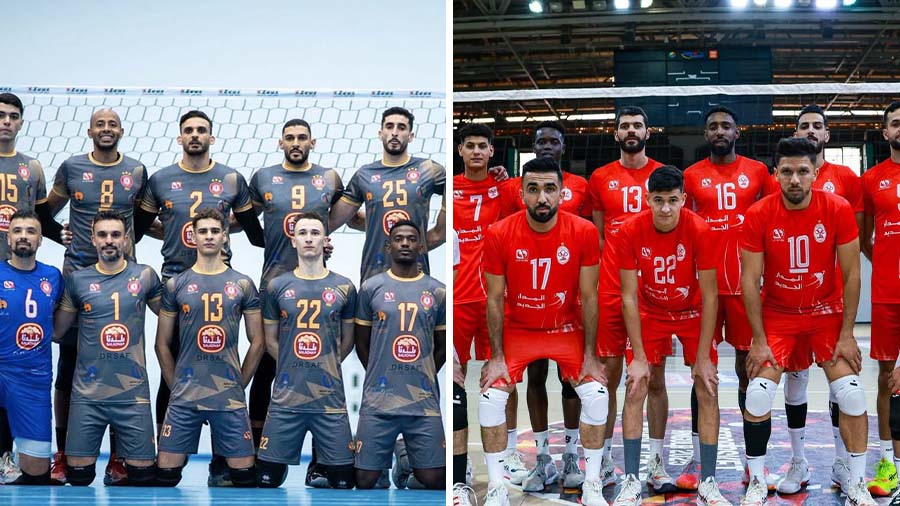
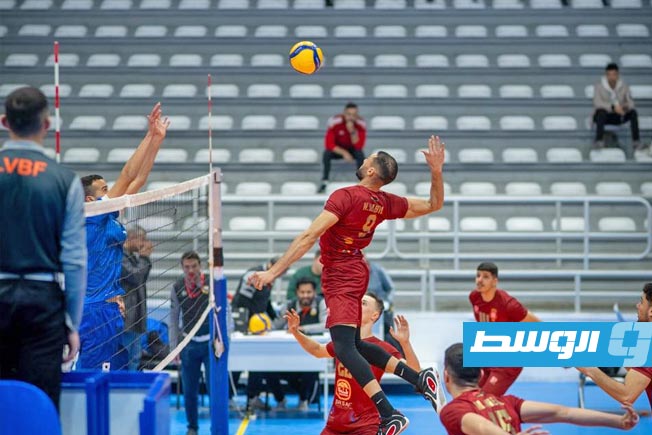
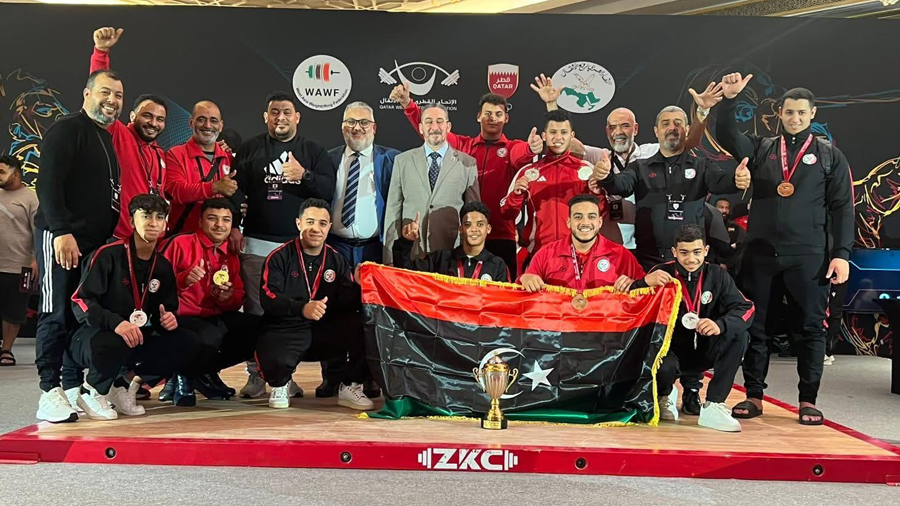
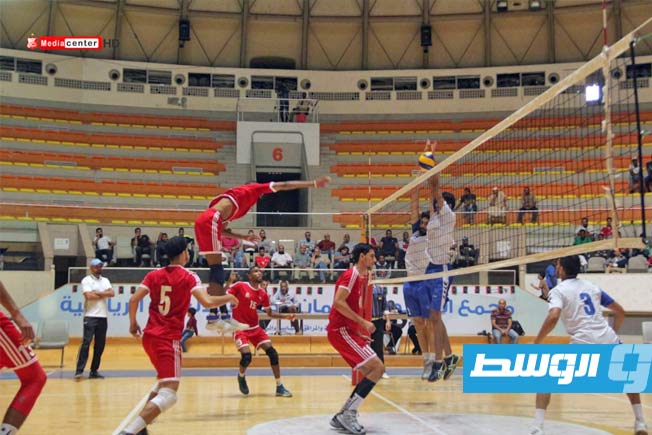
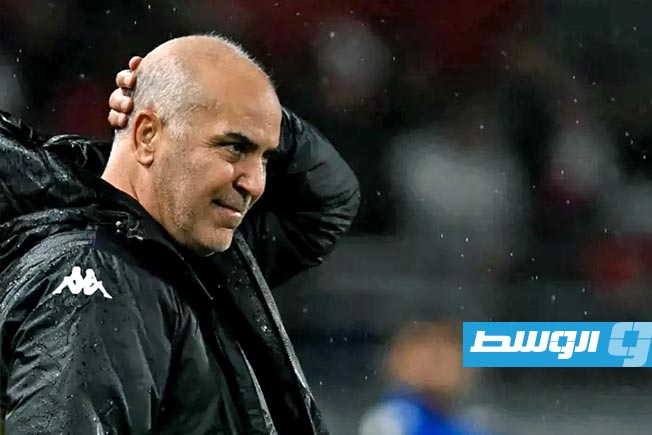
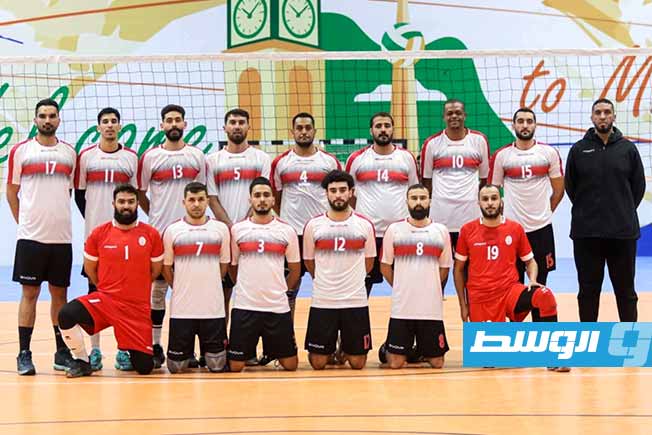
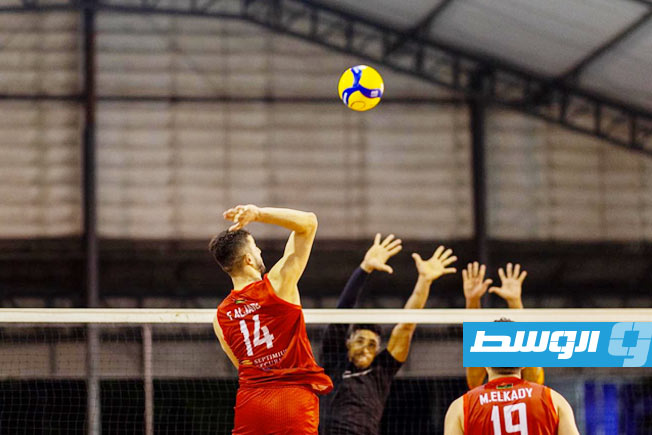
A year that carried disappointment for football fans with the “Knights of the Mediterranean,” despite the hiring of a big-name coach like Senegalese Aliou Cissé. However, on the other hand, other sports granted Libyans moments of pride in basketball, volleyball, weightlifting, and boxing, revived hope for the return of infrastructure, and solidified the presence of national competencies in Arab federations.
The year 2025 was not an ordinary year in Libyan sports memory; it came loaded with sharp contradictions. Between a national football team that ended its season empty-handed, and clubs and individual champions who succeeded in writing bright pages on both continental and global levels. A year that saw the disappointment of football fans meet with the pride of individual and collective achievements, reflecting the reality of Libyan sports with all its crises and opportunities.
The National Team… A Heavy Year Without Harvest
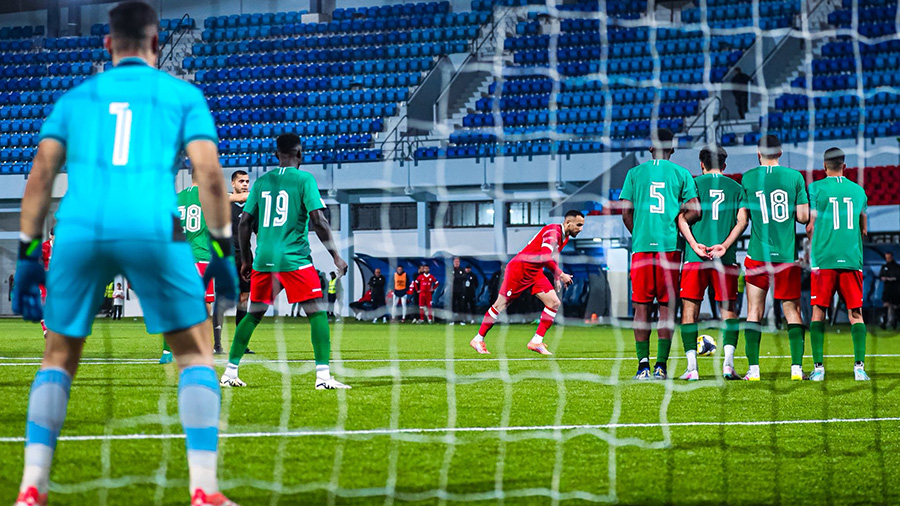
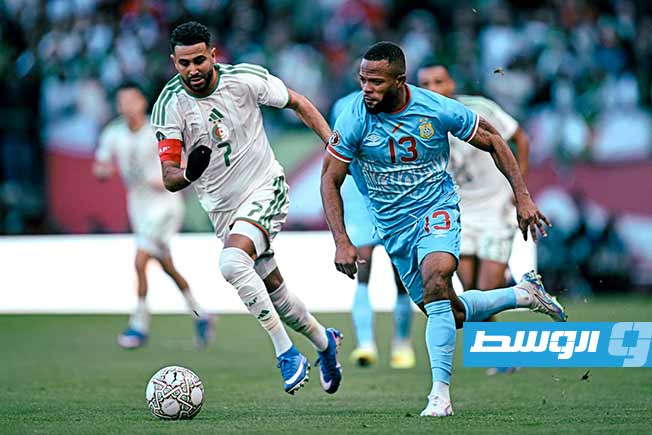
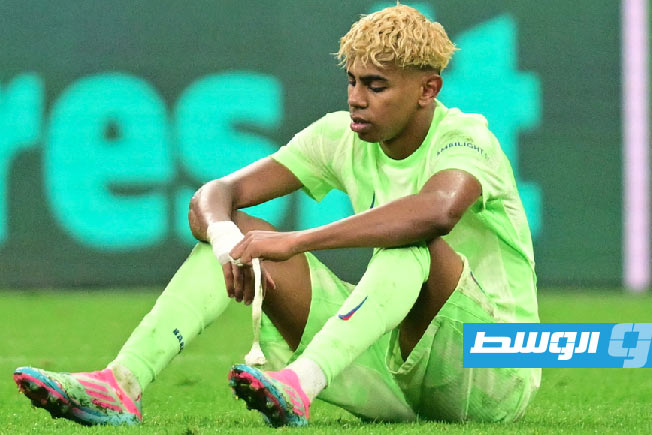
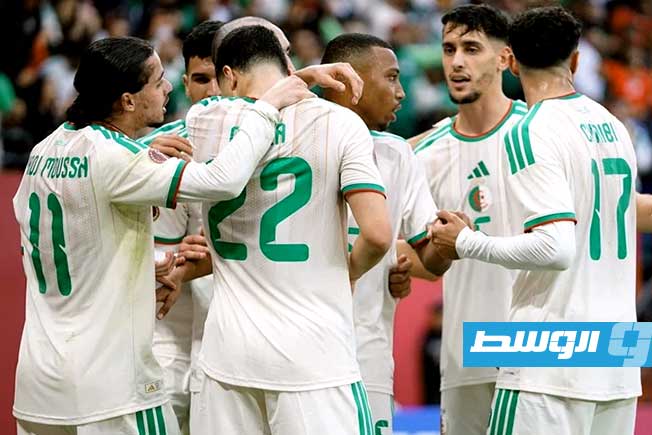
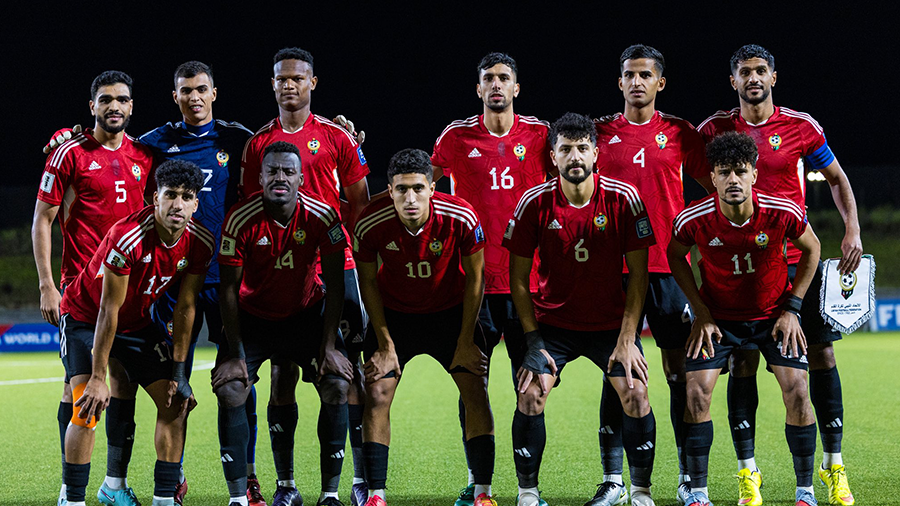
The Libyan national football team entered 2025 surrounded by great hopes, especially after the expansion in the number of teams qualifying for the 2026 World Cup, which gave medium-level teams a historic opportunity to knock on the doors of the World Cup. However, the “Knights of the Mediterranean” failed to turn this opportunity into reality and exited all the year’s competitions without a notable achievement.
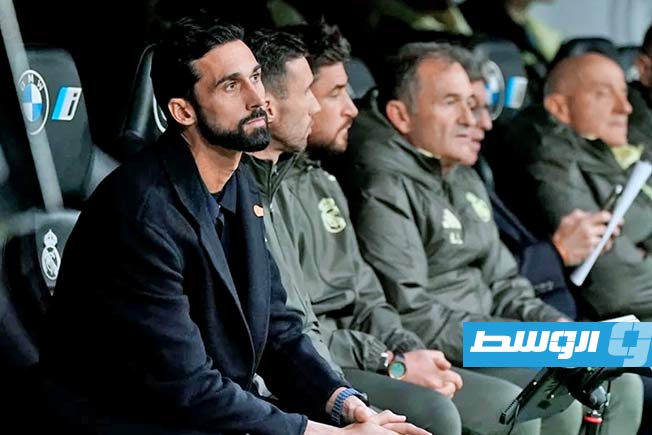
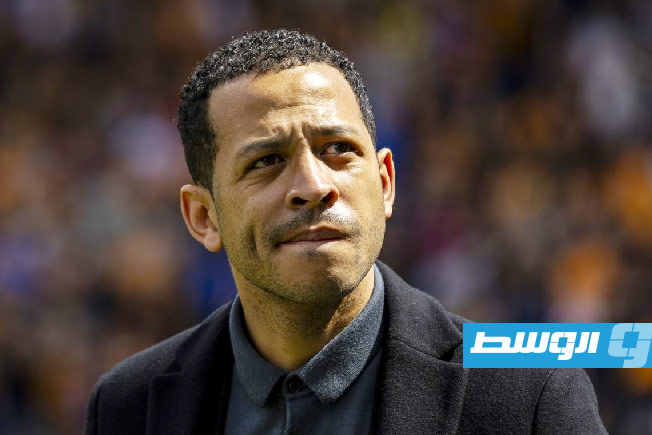
The failure was not as surprising as it was painful, because it came after years of waiting and anticipation, and because it brought back to the surface an old feeling among the fans that the national team is still stuck in the same cycle, without a clear project or long-term vision, despite hiring a big-name coach like Senegalese Aliou Cissé.
The World Cup Dream… Another Missed Opportunity
The 2026 World Cup qualifiers formed the most prominent headline for the national team’s failures during 2025. The Libyan team entered the competitions with legitimate dreams, supported by the increase in African spots, but soon collided with a difficult technical reality, manifested in fluctuating performance, weak offensive effectiveness, and a fragile backline in crucial moments.
Frequent changes in the technical staff and the absence of tactical stability negatively reflected on harmony on the field, making the team appear in many matches without a clear identity and unable to keep up with more organized and experienced teams. Thus, the World Cup dream evaporated early, adding to a long list of missed opportunities.
African Absence Continues
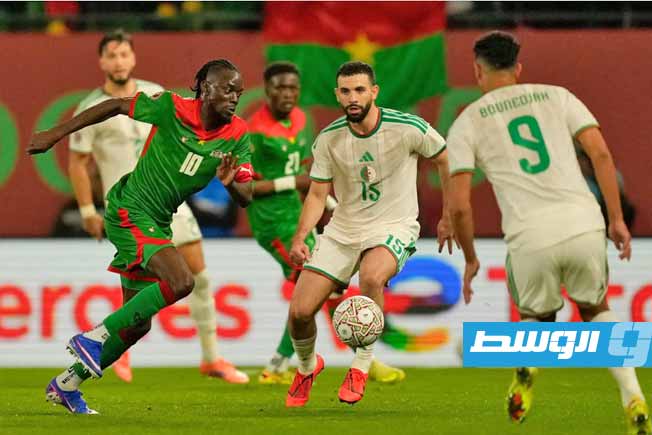
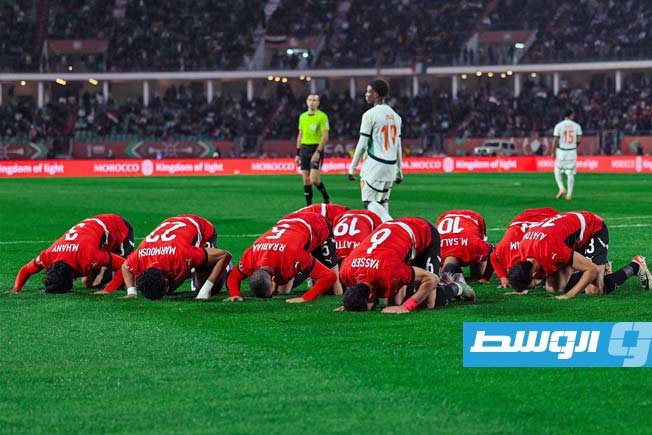
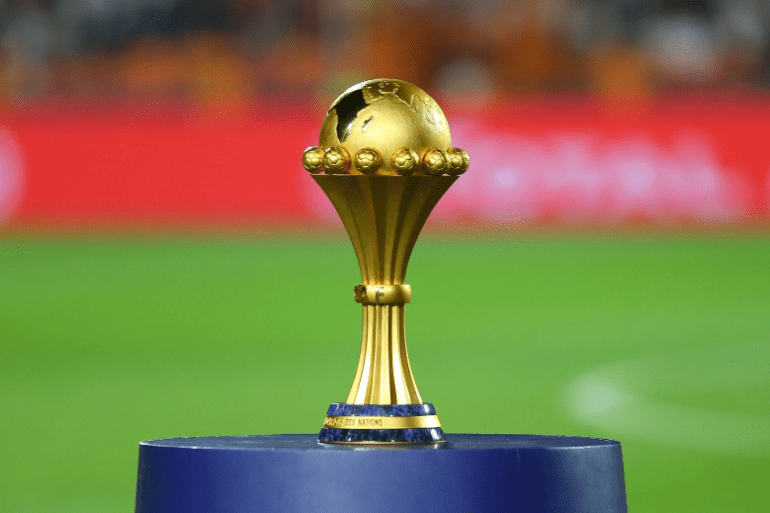
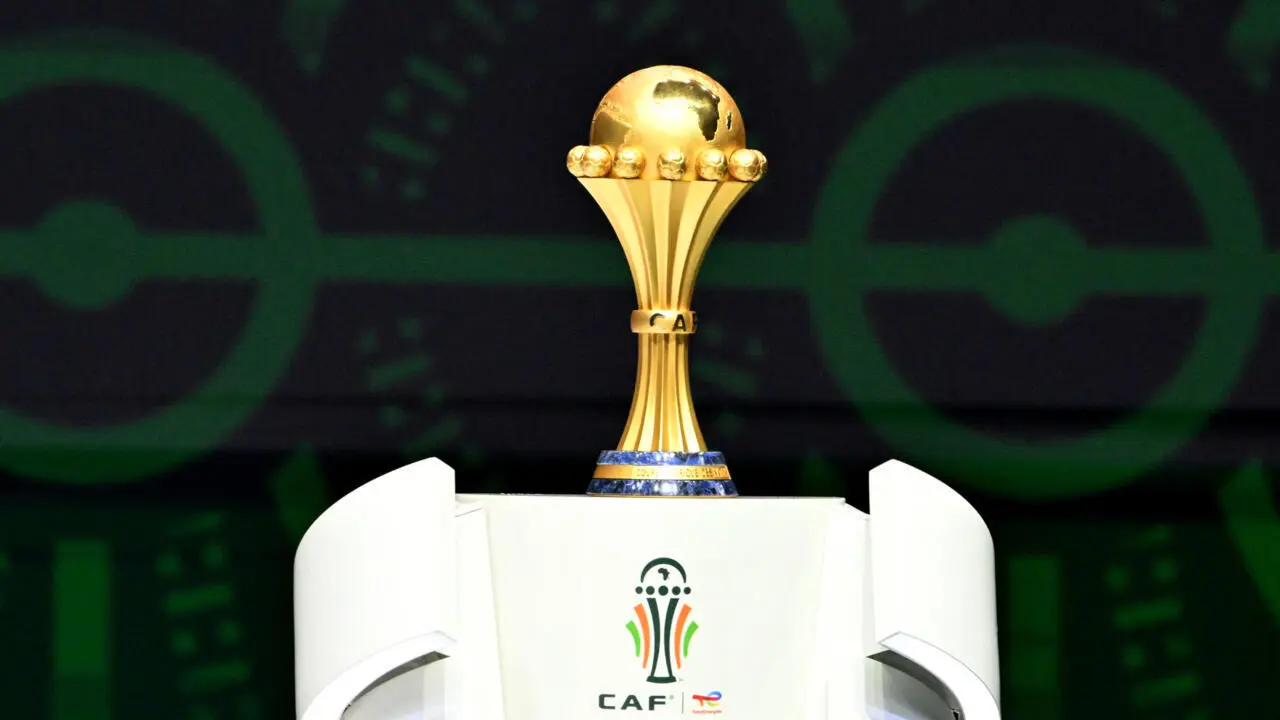
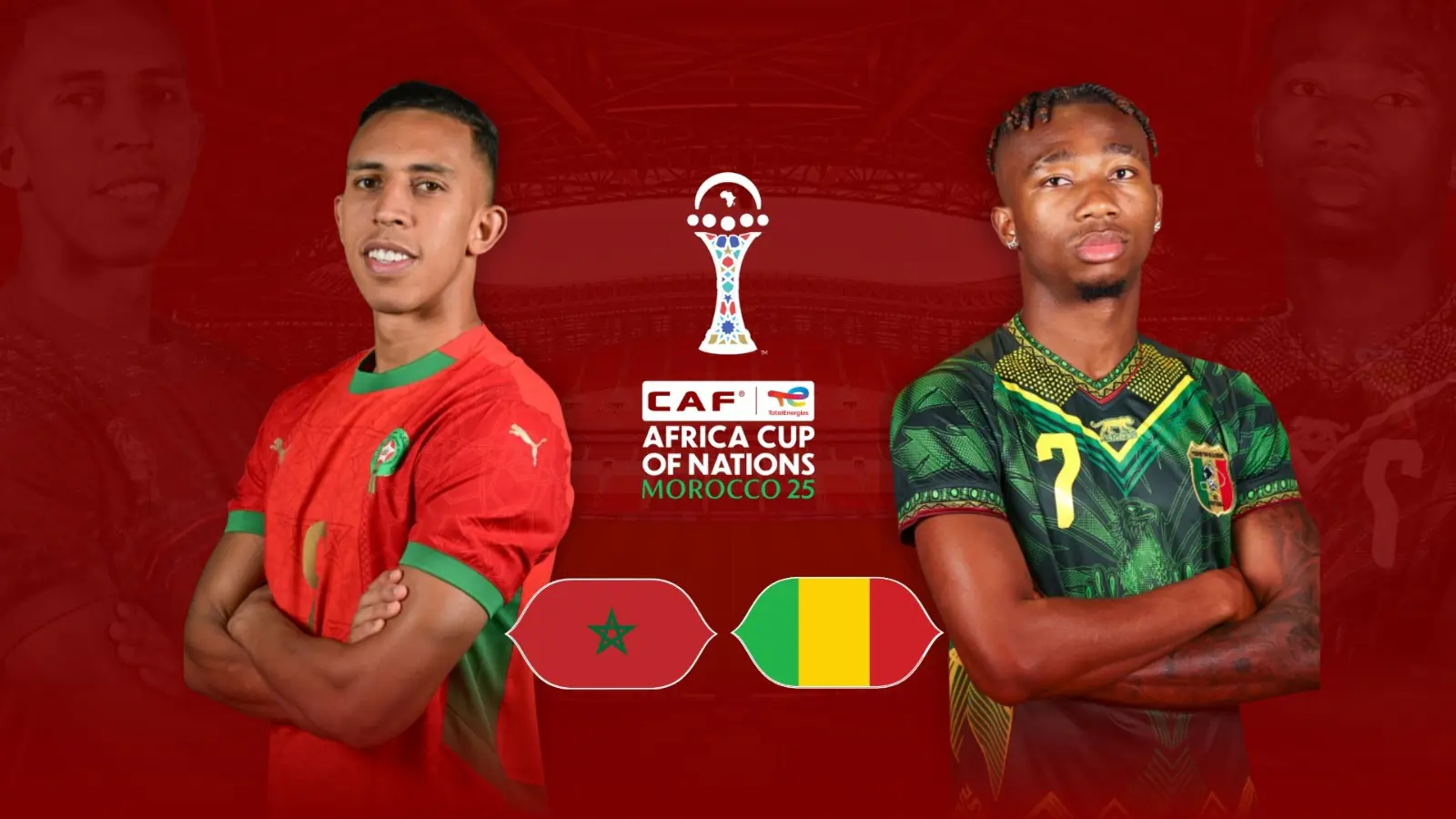
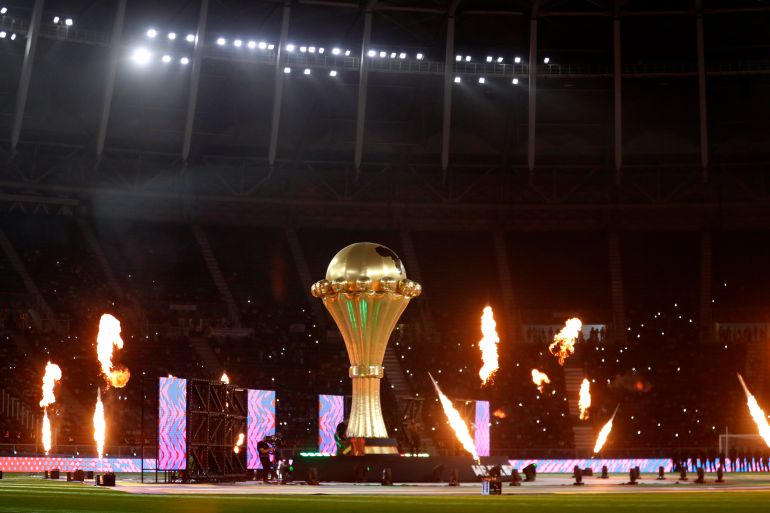
The exit from the World Cup qualifiers was merely an extension of a series of continental disappointments, after the national team failed to qualify for the finals of the Africa Cup of Nations currently being held in Morocco. A new absence deepened the wounds of the fans and raised legitimate questions about the usefulness of short-term preparation programs and the lack of a long-term project ensuring development and continuity.
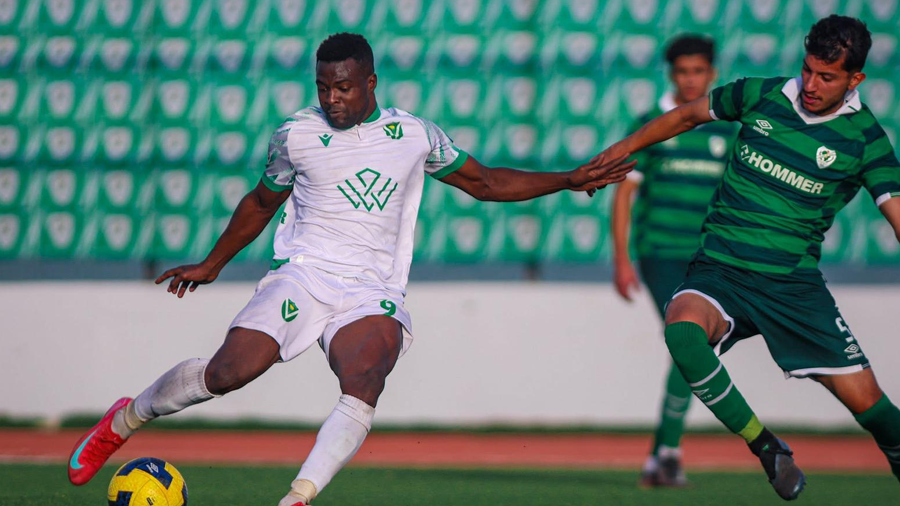
Libyan football possesses young talents, but these talents have not found the appropriate competitive environment to hone them, amid weak local competition and the fluctuating league calendar, which widened the gap between them and the rest of the continent’s teams.
Arab Exit Completes the Bleak Picture
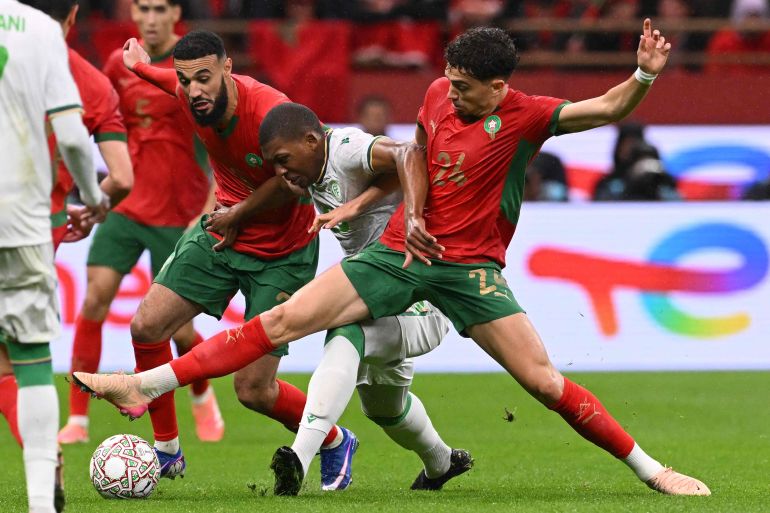
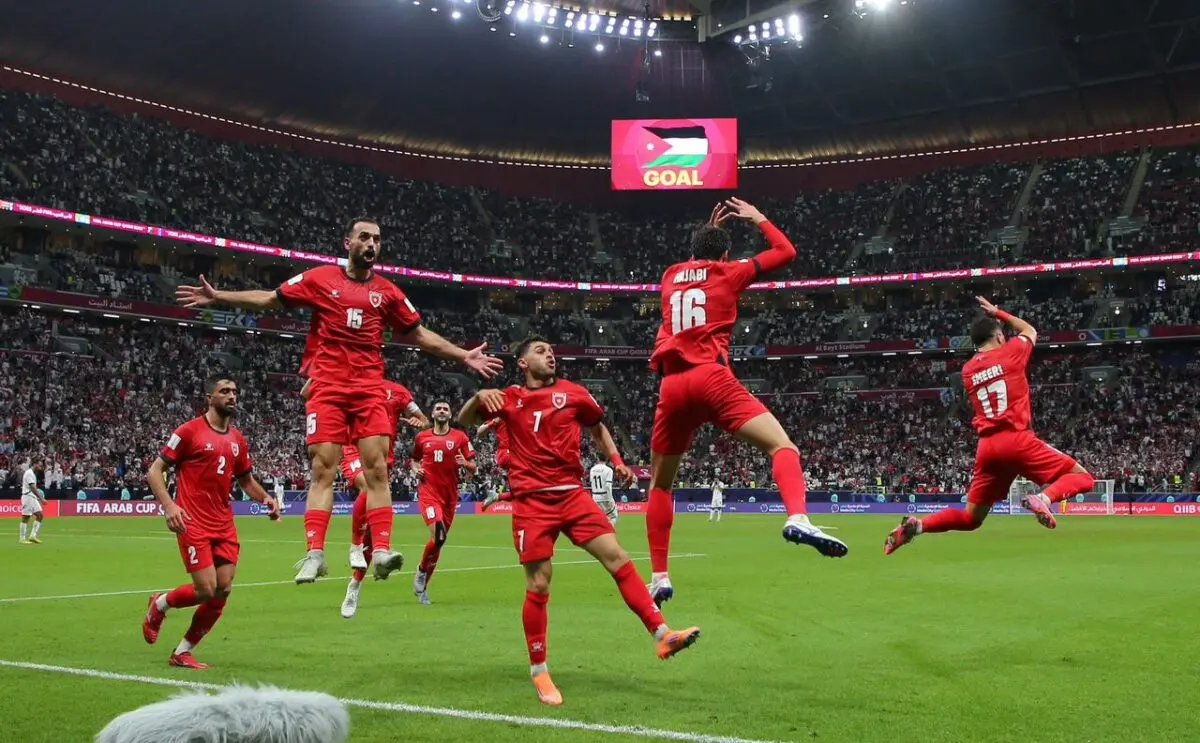
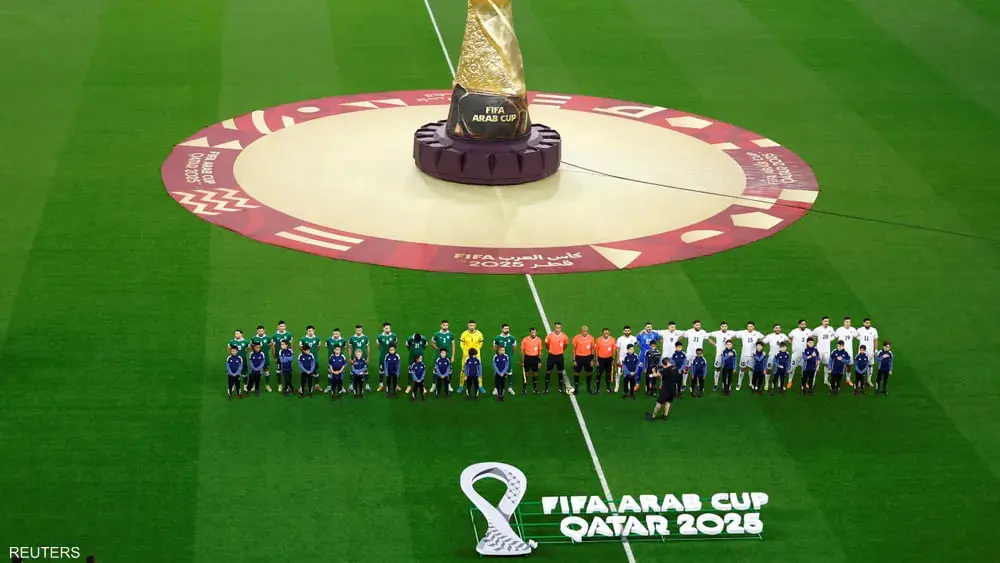
On the Arab level, the Libyan national team continued its negative results, exiting the qualifiers for the 2025 Arab Cup in Qatar after losing to the Palestinian team. A match that represented a pivotal station, but once again revealed the limitations of technical solutions and the absence of a strong character in decisive confrontations.
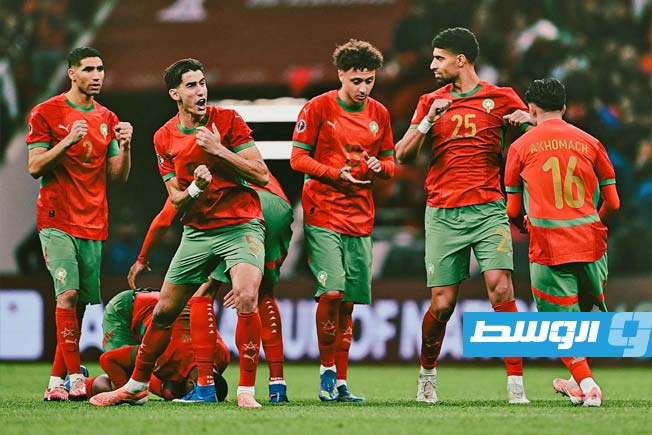
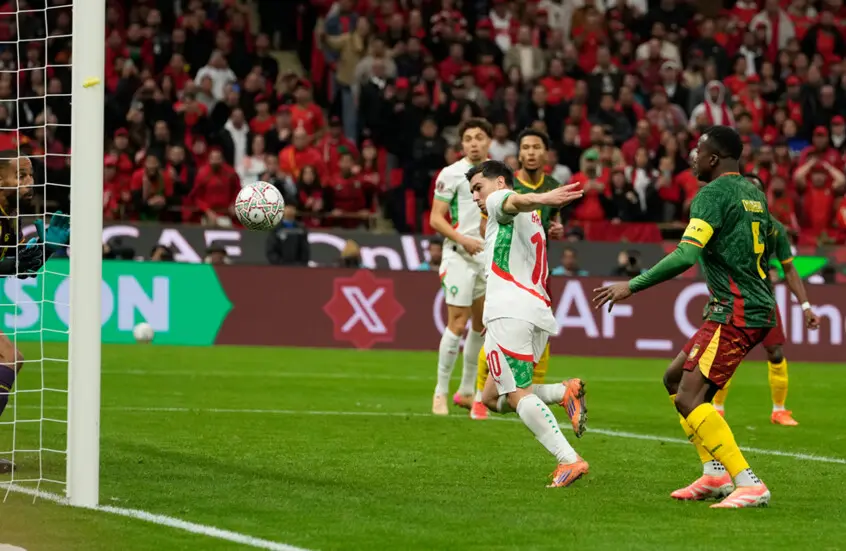
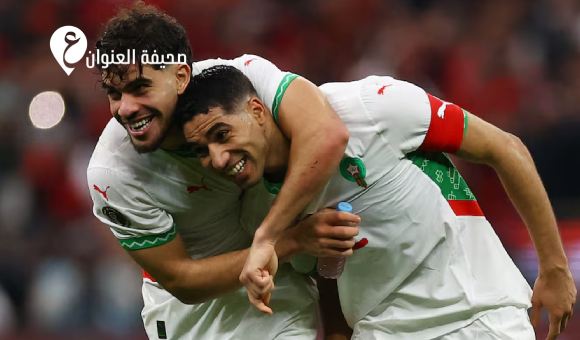
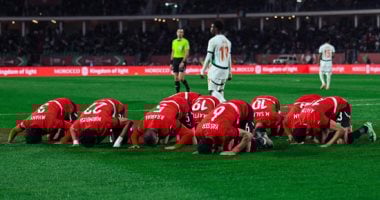
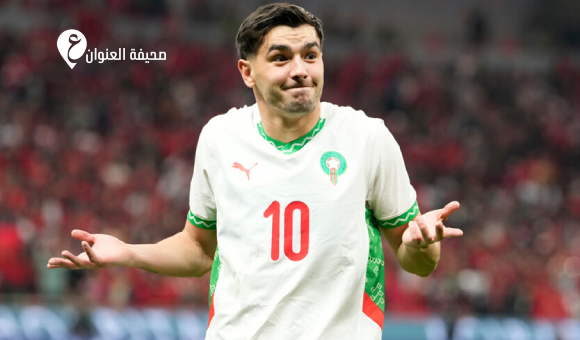
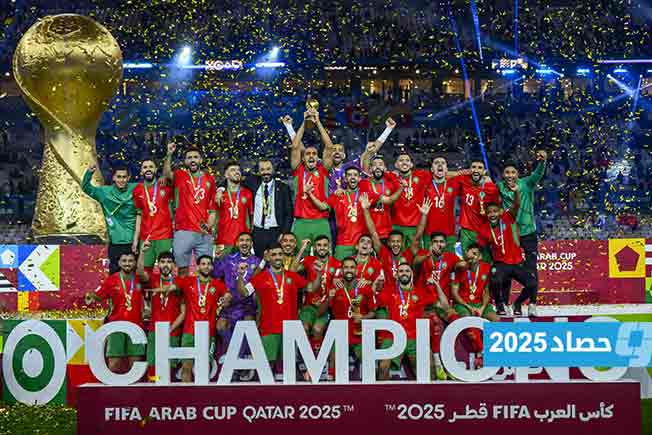
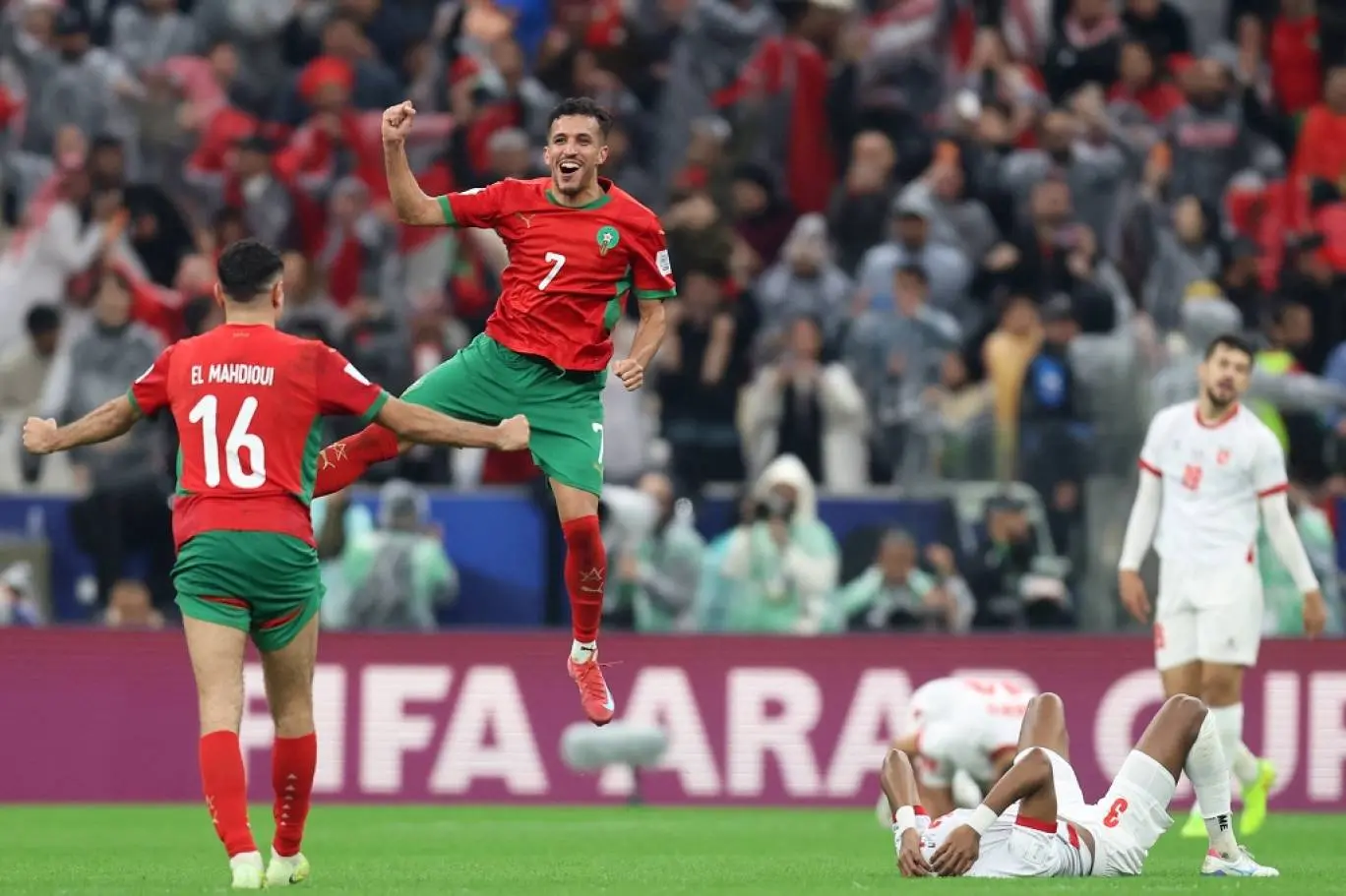
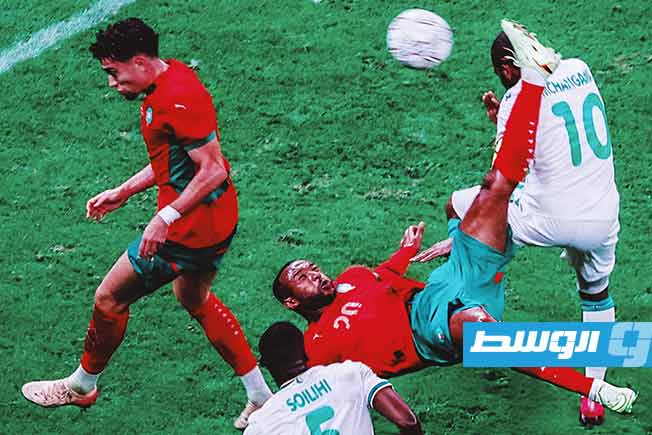
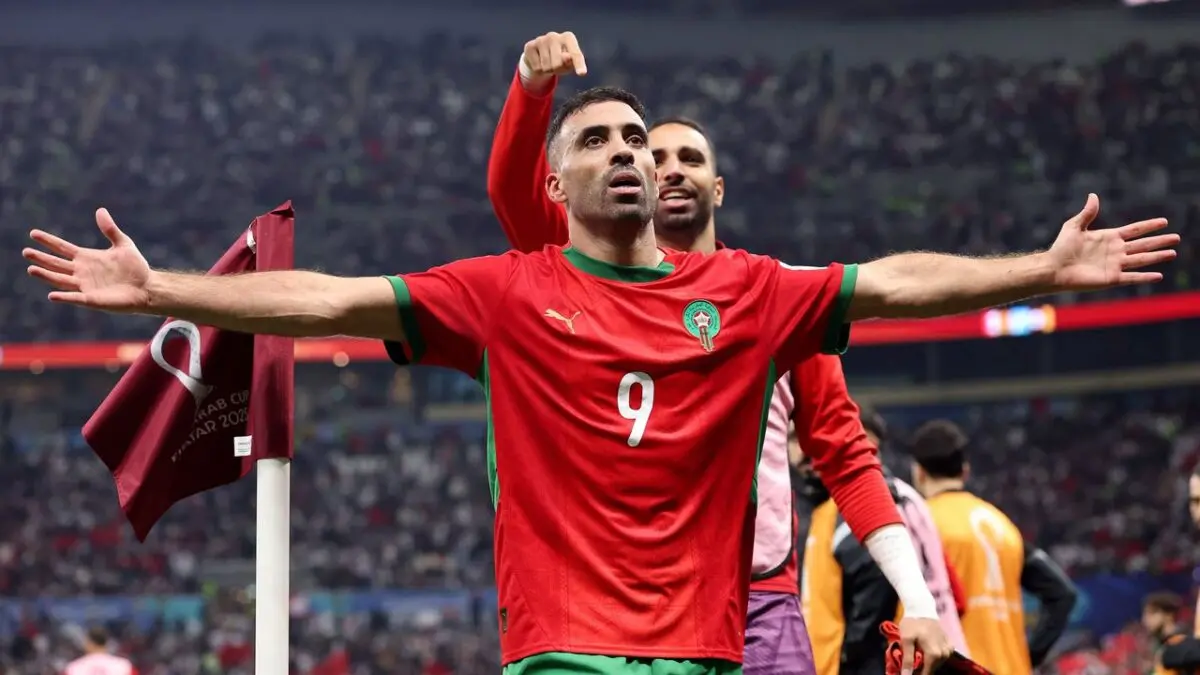
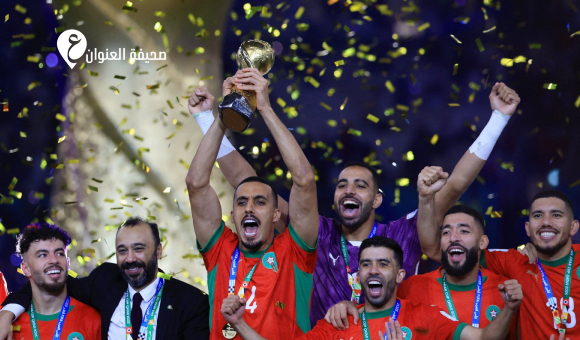
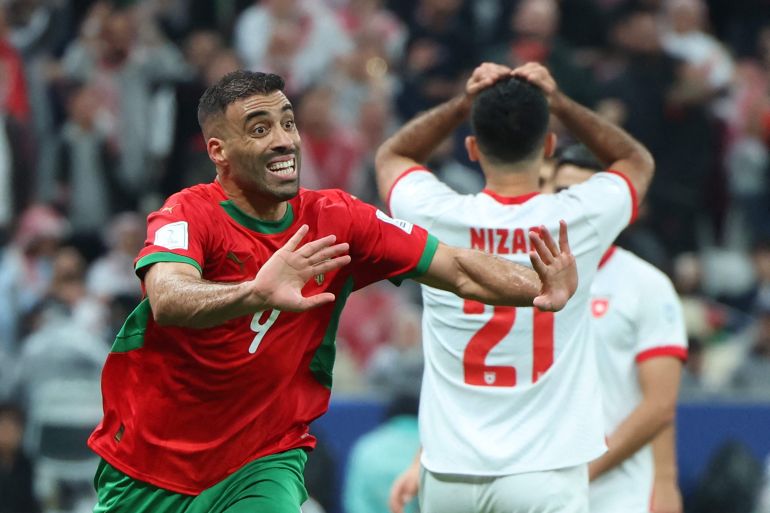
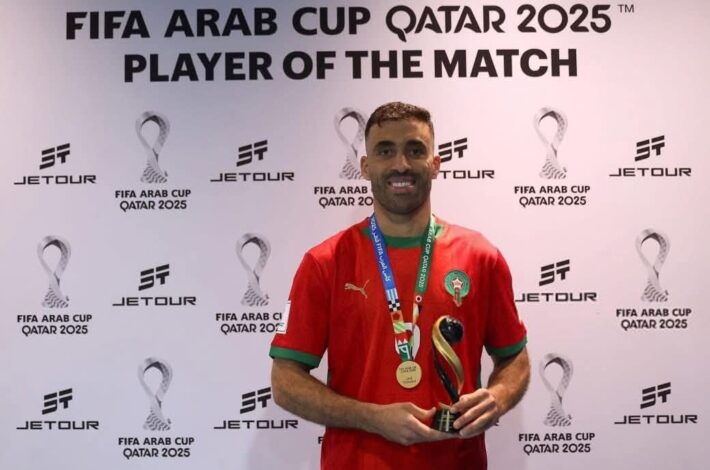
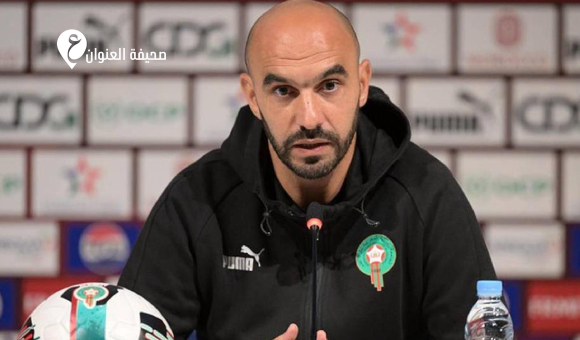
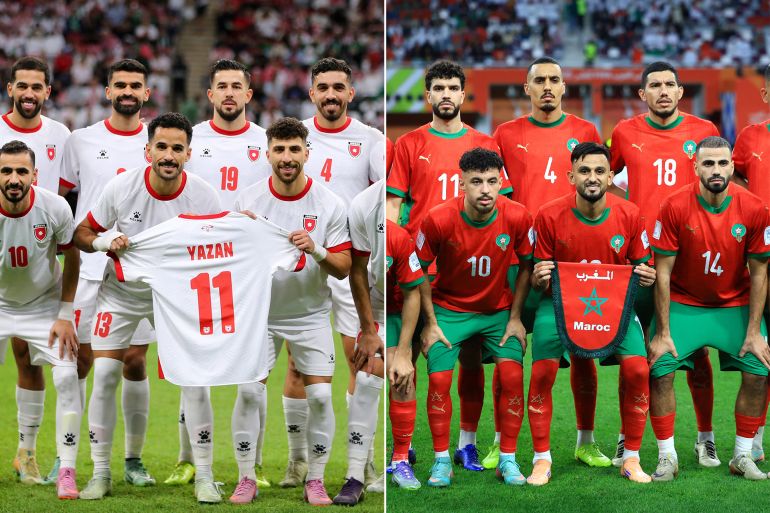
While the fans were following the tournament with passion, the Libyan journey ended quickly, concluding with the Moroccan team crowned champion, a scene that intensified comparisons and reopened the file of the gap between Libyan football and its Arab counterparts.
Accumulated Failures… No Coincidence
The overall outcome of the national team’s journey in 2025 confirmed that the failure was not a coincidence, but the result of administrative and technical accumulations, starting from the absence of stability within the football system, through the multiplicity and conflict of decisions, to weak long-term planning.
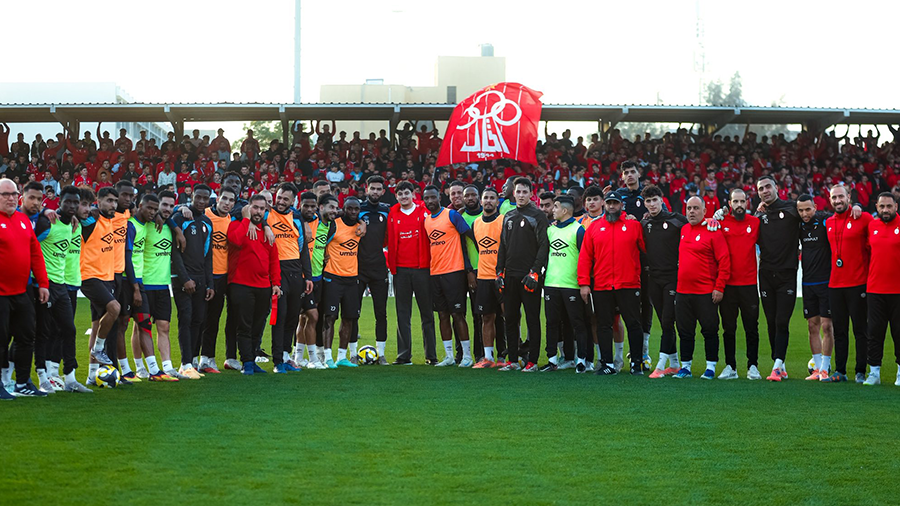
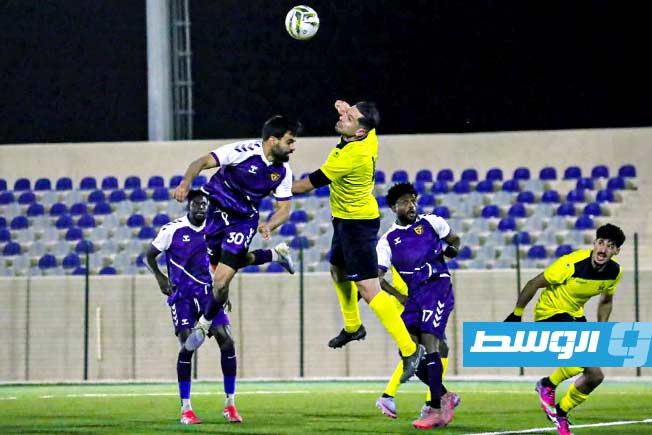
A reality that made the team pay the price for years of temporary solutions, at a time when modern football relies on sustainable projects and investment in the base, accompanied by an early farewell for the four clubs in Africa: Al-Ahli Tripoli and Al-Hil