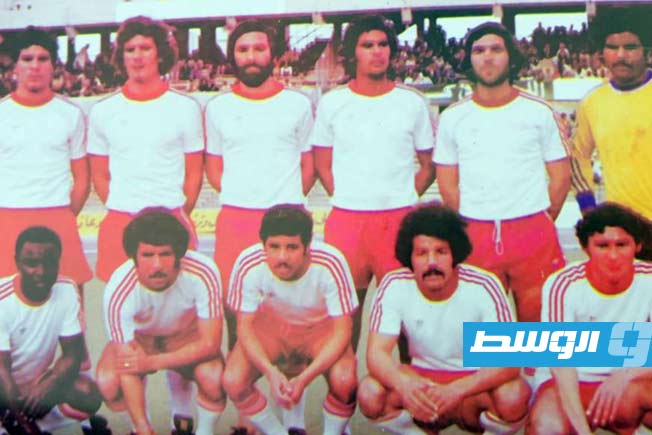
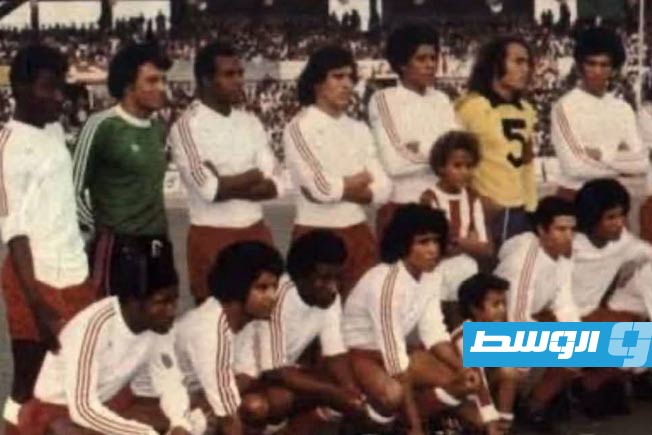
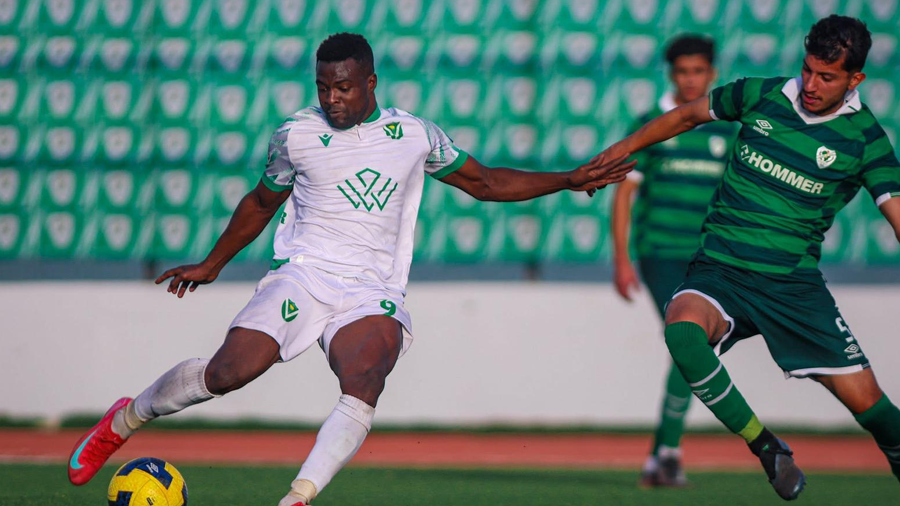
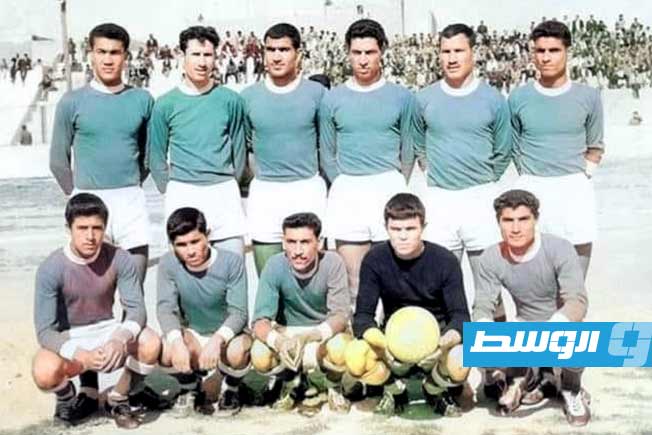
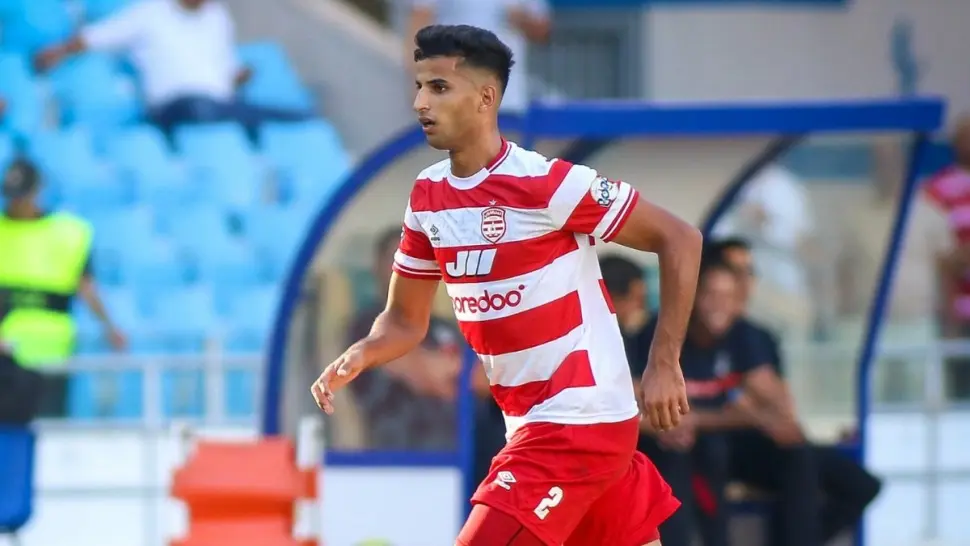
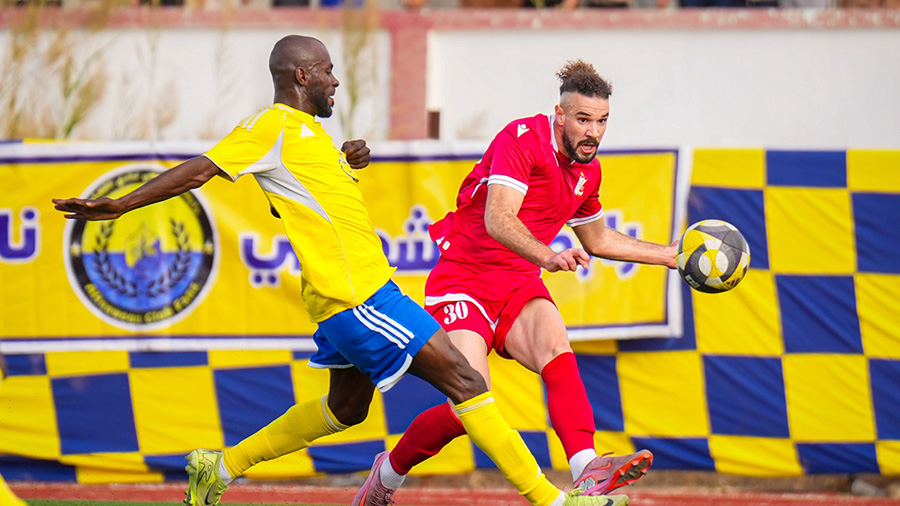
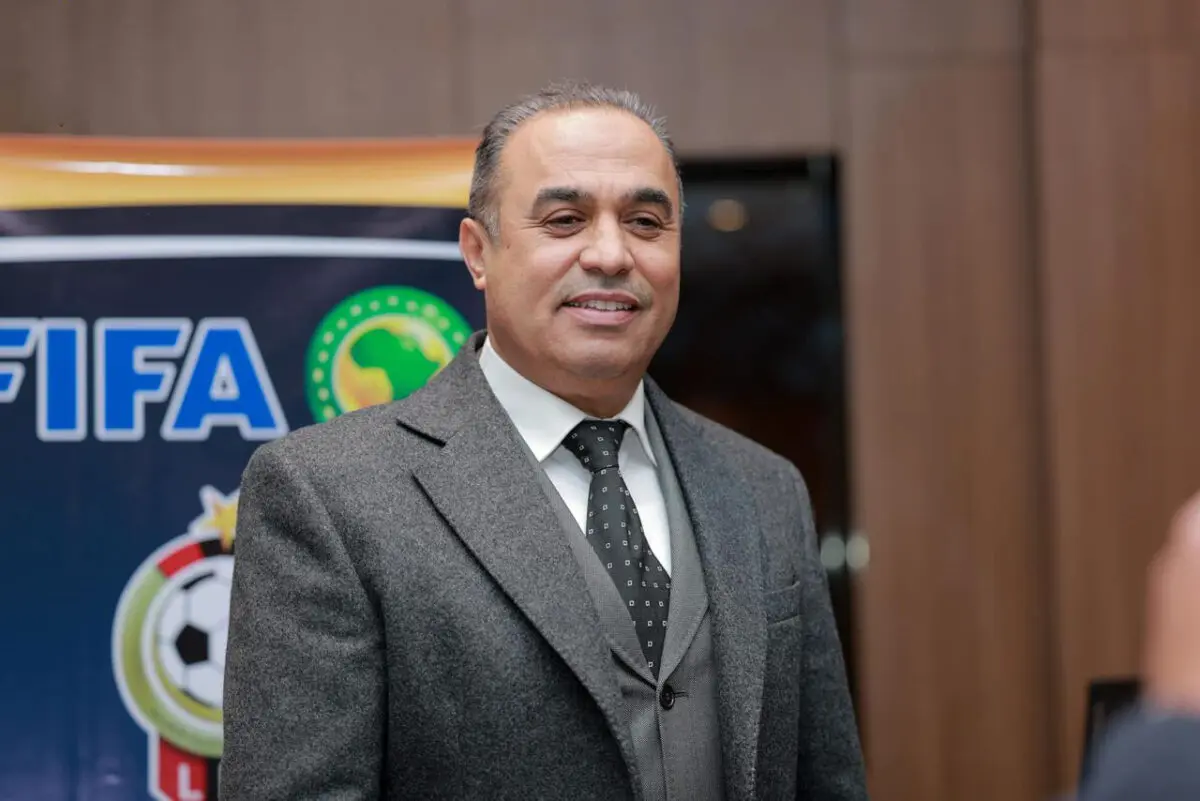
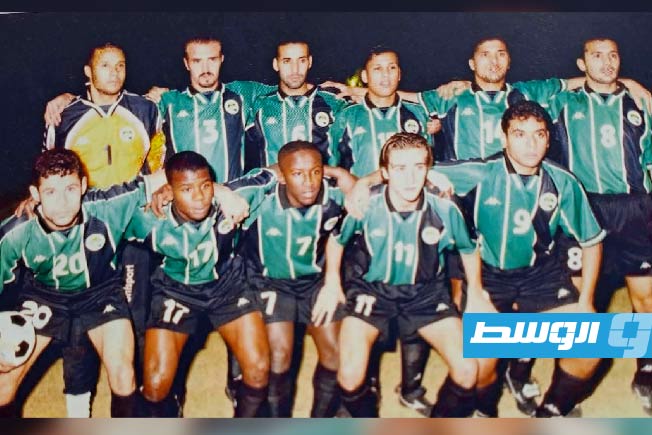
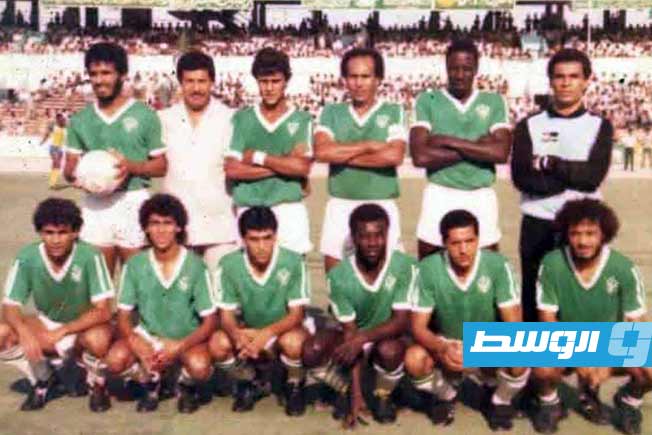
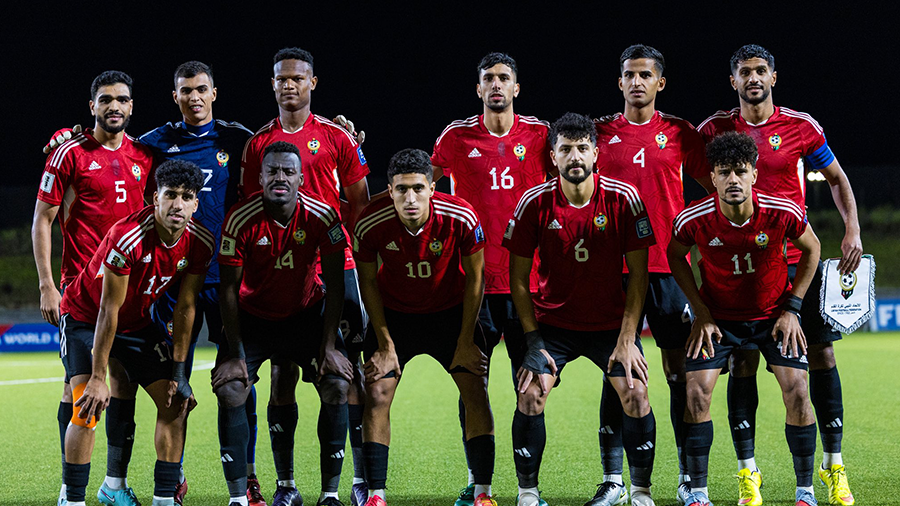
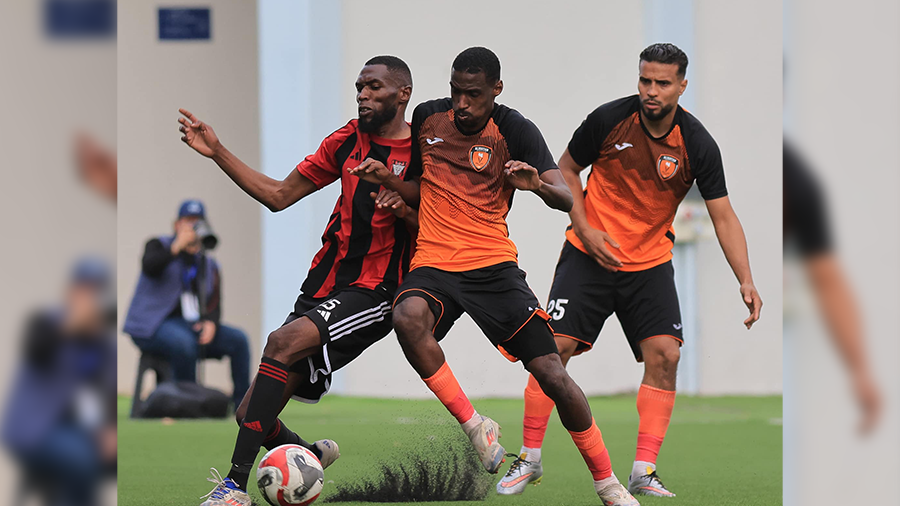
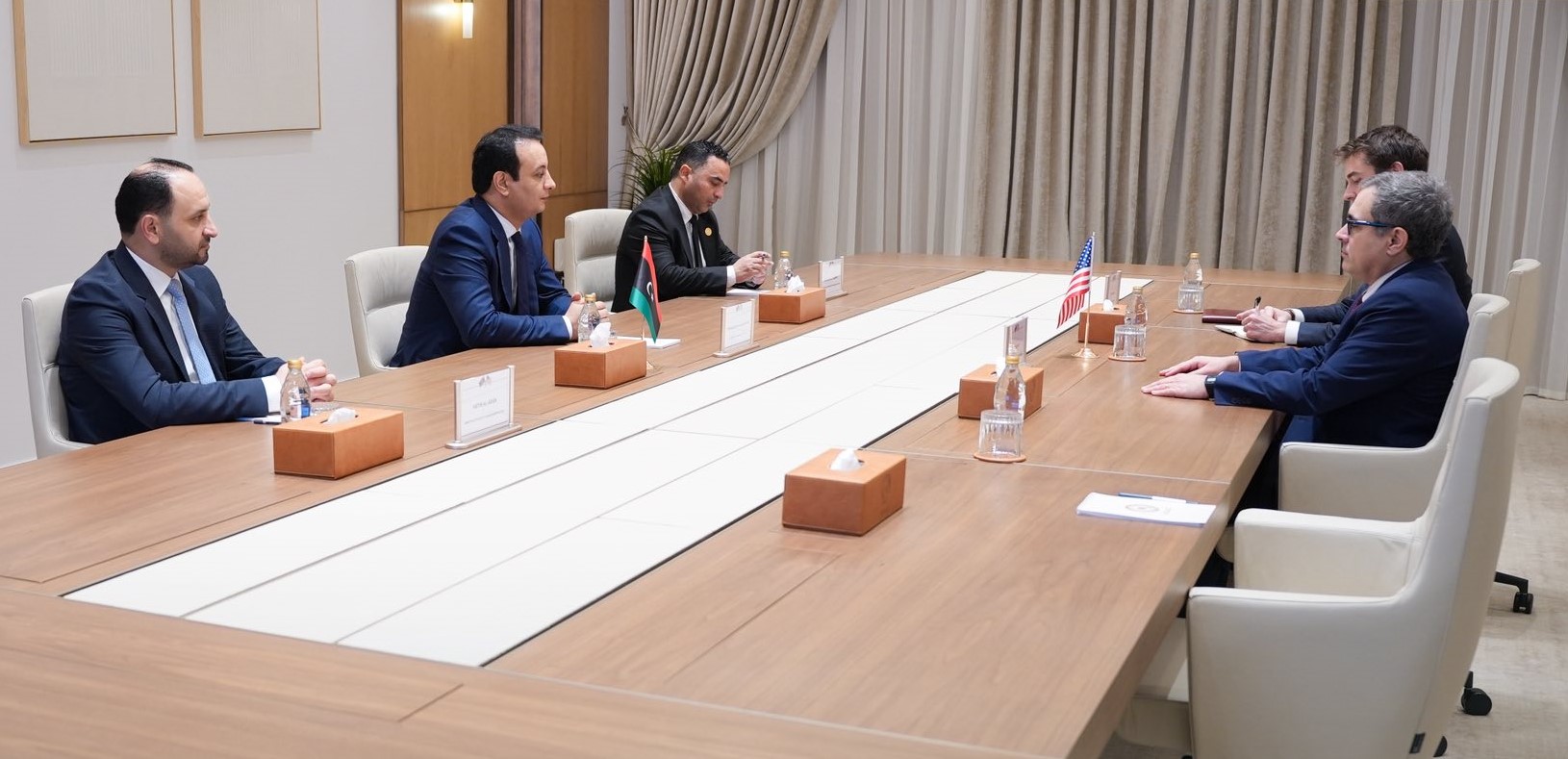
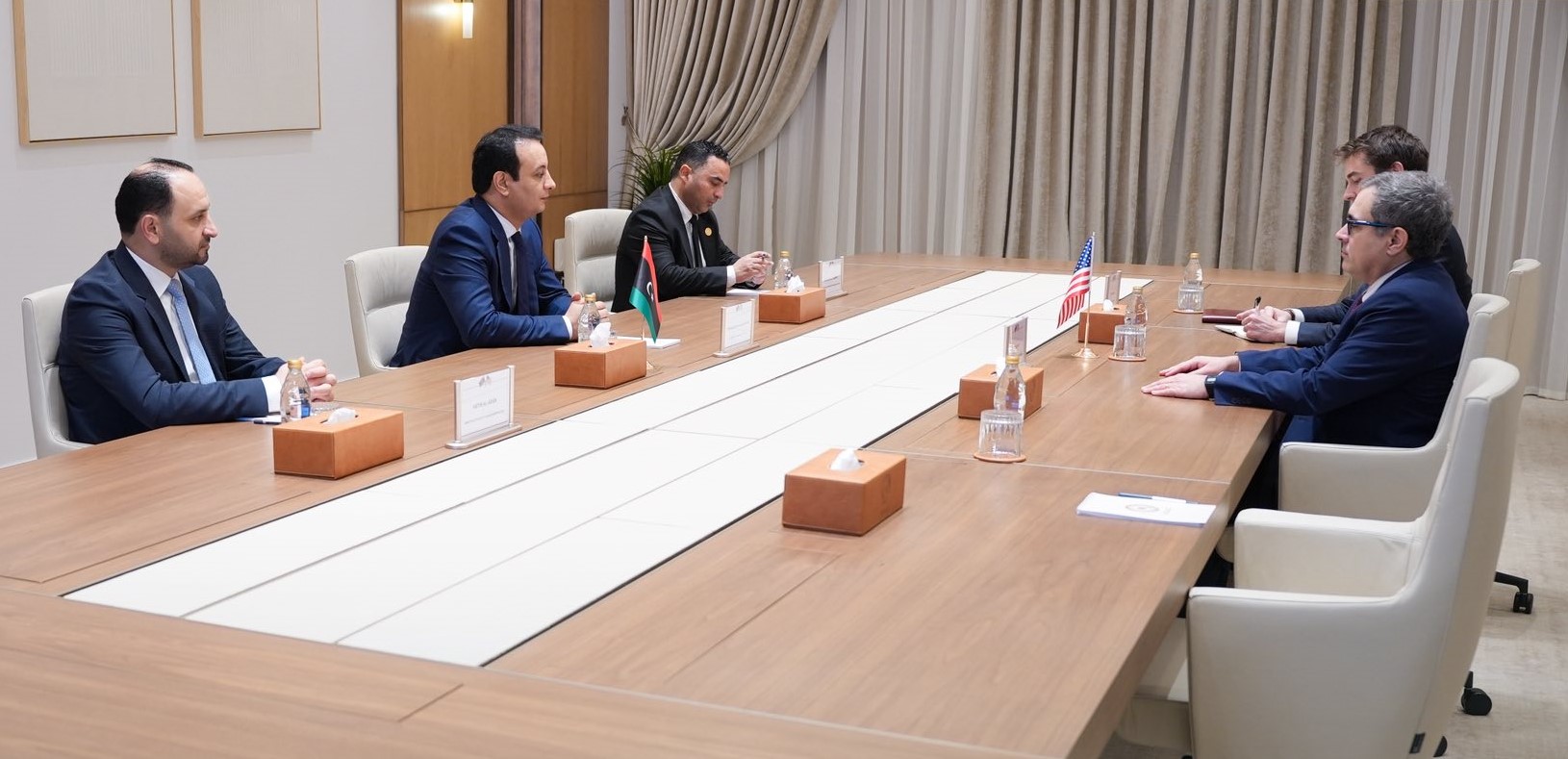
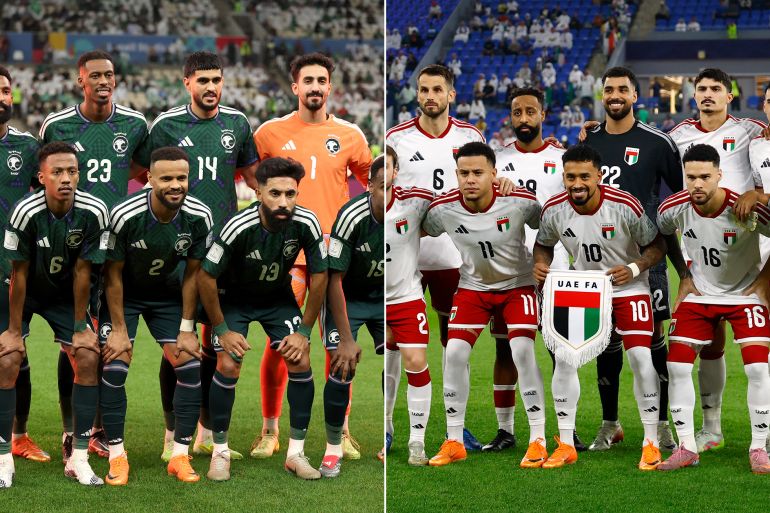
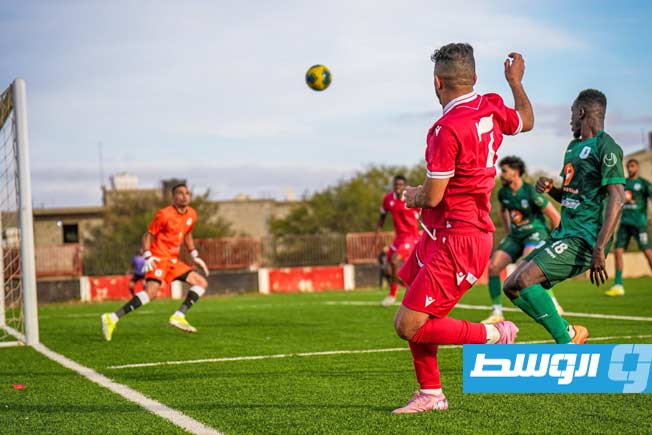
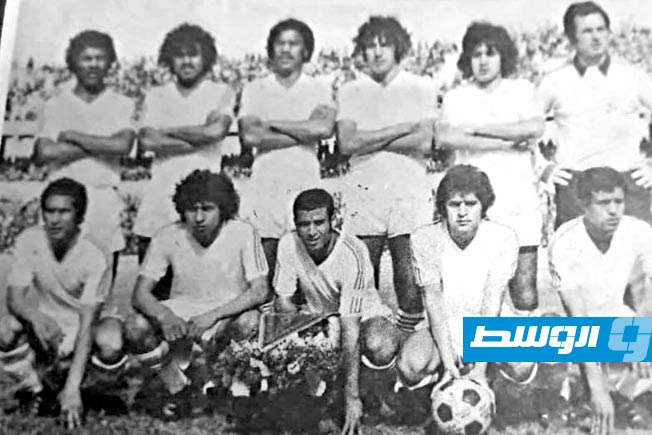
The city of Misrata and Libya have lost the late Al-Mabrouk Mustafa Al-Misrati, the former player for Al-Swehli Club and the Libyan national football team.
Al-Mabrouk Al-Misrati’s football career began in 1971 as a player in the youth sector of Al-Ittihad Club in Tripoli for a short period. The following year, he moved to Al-Swehli Club in Misrata, joining their youth team.
Al-Mabrouk Al-Misrati Joins Al-Akhdar
His journey with Al-Swehli’s youth team continued until the 1975-1976 sports season, where he progressed rapidly to become a key player and one of the main defenders for Al-Swehli’s first team. In 1978, he moved to the city of Al-Bayda to study at the College of Education and played for the Al-Akhdar team.
During his time in Al-Bayda, Al-Mabrouk Al-Misrati represented the Al-Jabal Al-Akhdar Municipality team in the Municipal Teams League, which was held after the official sports activity was suspended.
In the 1980-1981 sports season, he focused on his studies and traveled to Britain. He later returned to Al-Swehli Club, where he remained until the 1984-1985 season, quietly ending his playing career.
– Al-Mabrouk Al-Misrati: The Ministry of Sports is working to reorganize clubs effectively
–
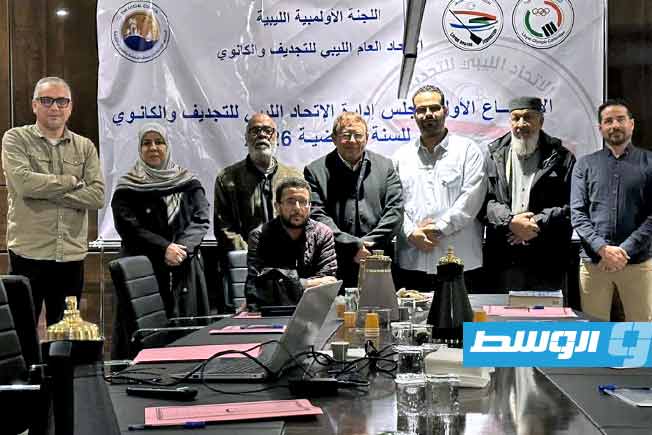
Al-Mabrouk Al-Misrati criticizes the Olympic Committee: Establishing new federations is against the law
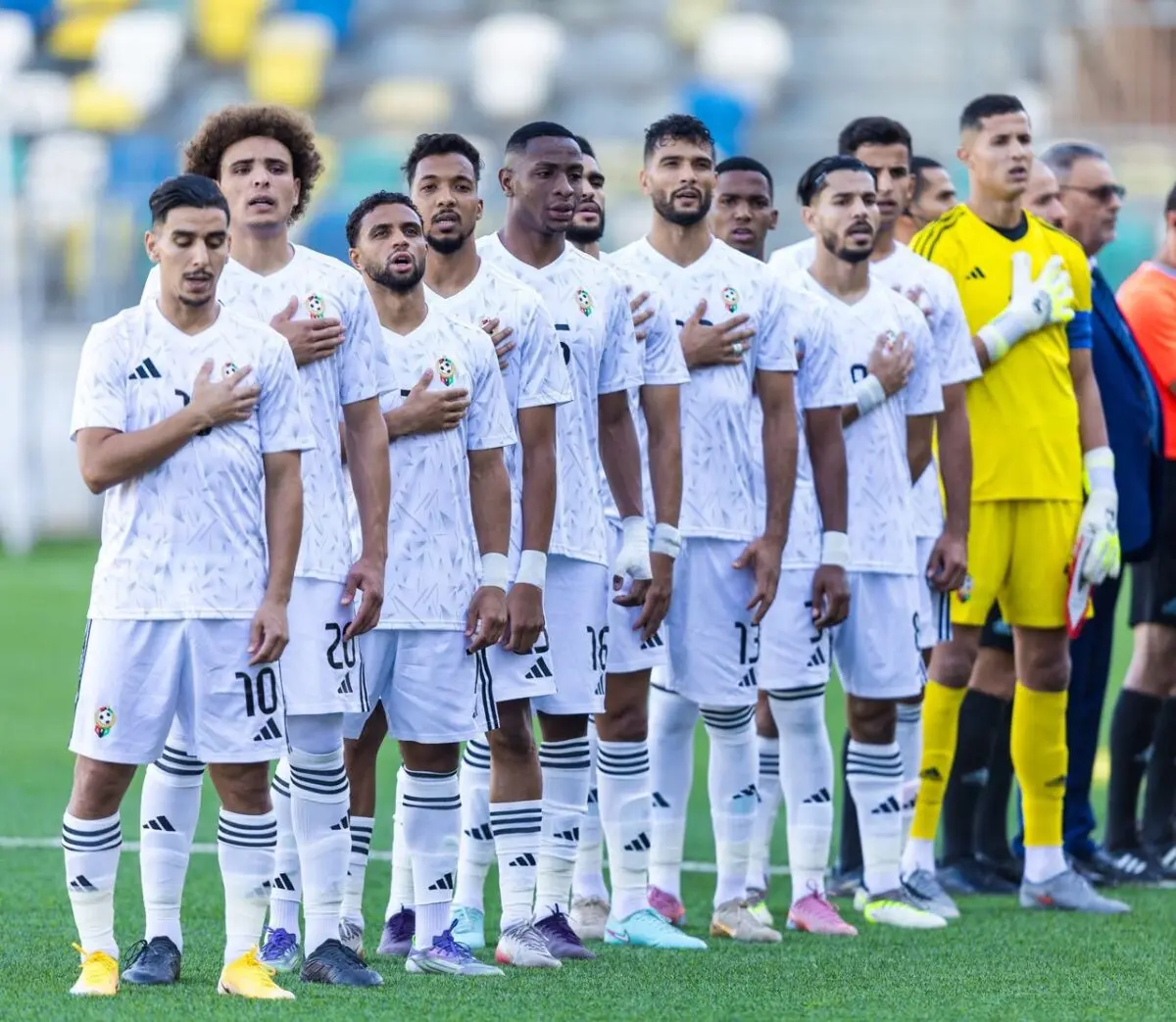
Regarding his career with the Libyan national team, he was first selected to join the Libyan school team, which won the gold medal at the 1977 Arab School Games in Tripolis. He also participated with the national team for the second time at the 1977 Merdeka Tournament in Kuala Lumpur, Malaysia.
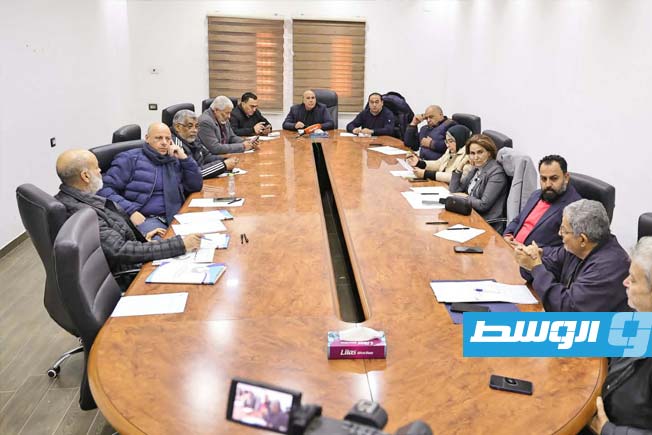
The late Al-Mabrouk Al-Misrati worked in sports administration for many years. He was a member of the board of directors of Al-Swehli Club in Misrata and witnessed its various administrations. In 2013, he was elected to the board of directors of the Libyan Football Federation and was appointed as the manager for the Libyan youth national team and later for the Libyan senior national team.
Libya
Libya is a North African country with a rich history rooted in ancient civilizations like the Phoenicians and Romans, followed by centuries of Arab and Ottoman influence. In the modern era, it was an Italian colony before gaining independence in 1951, later becoming known for Muammar Gaddafi’s lengthy rule from 1969 until the 2011 revolution. The country is home to UNESCO World Heritage sites, such as the ancient Greek city of Cyrene and the Roman ruins of Leptis Magna.
Misrata
Misrata is a major port city on the Mediterranean coast of northwestern Libya, historically known as a key trading and commercial center since at least the 7th century. It gained significant modern prominence for its pivotal and prolonged role during the 2011 Libyan Civil War, where it withstood a lengthy siege. Today, it remains one of Libya’s most important economic hubs, known for its industry and business community.
Al-Swehli Club
The Al-Swehli Club is a historic social and cultural club located in Tripoli, Libya, originally established in the early 20th century. It is named after Ramadan al-Swehli, a prominent Libyan resistance leader against Italian colonization, and has long served as an important gathering place for the city’s intellectuals and notables.
Libyan national football team
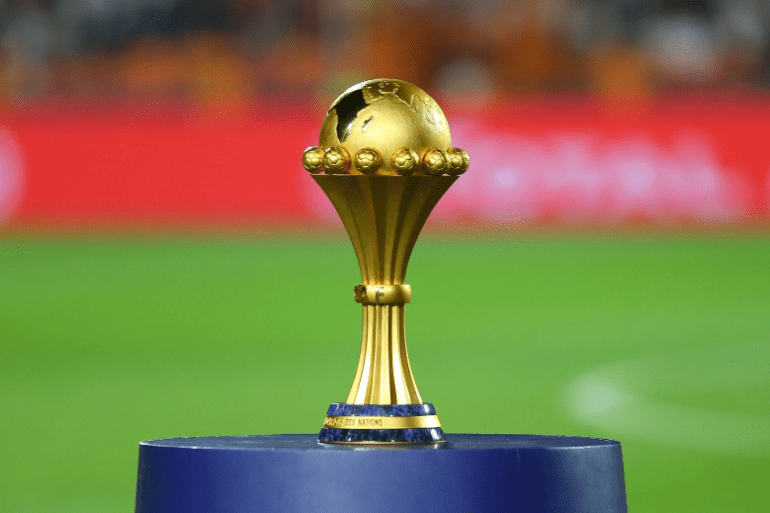
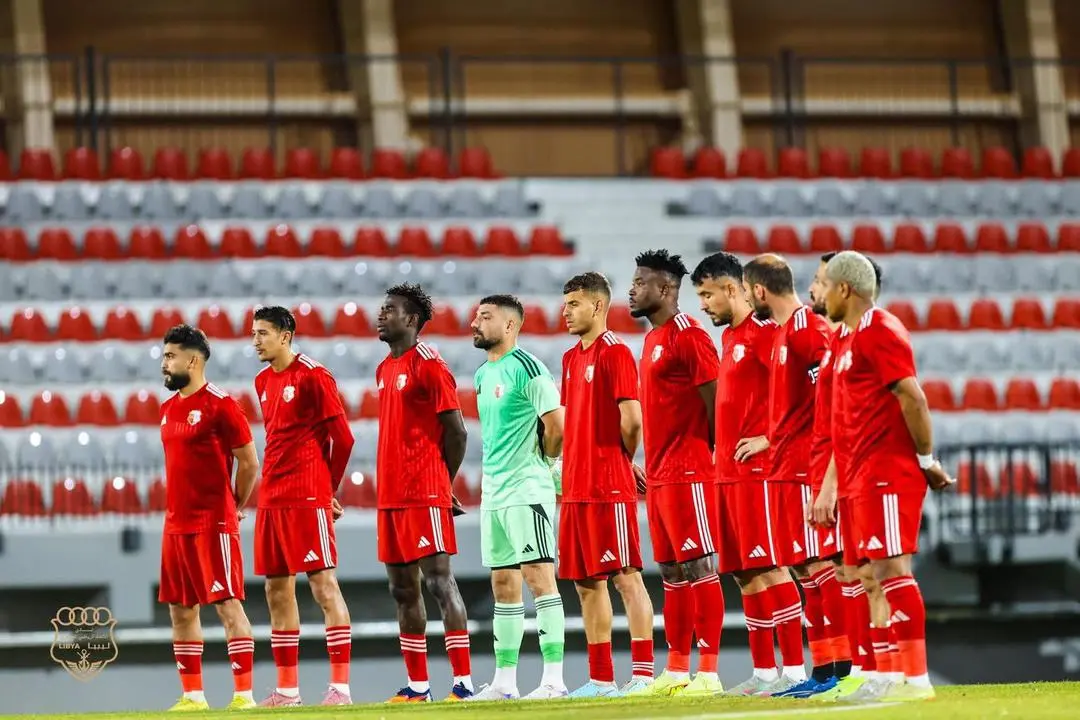
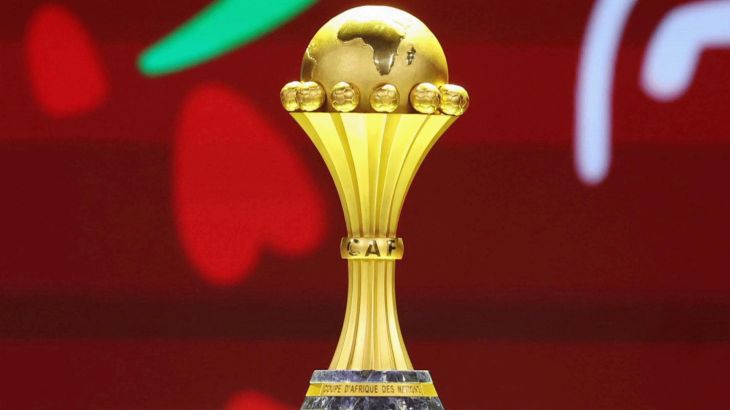
The Libyan national football team, representing Libya in international football, was founded in 1953 under the Libyan Football Federation. Historically, its most notable achievement was winning the African Cup of Nations in 1982 while hosting the tournament. The team’s fortunes have often been affected by the country’s political instability and conflict.
Al-Ittihad Club
Al-Ittihad Club is a major Saudi Arabian professional football club based in Jeddah, founded in 1927. It is one of the most successful clubs in the country and Asia, historically associated with the city’s merchant community and known for its fierce rivalry with Al-Hilal.
Tripoli
Tripoli is the capital and largest city of Libya, located on the country’s Mediterranean coast. Historically, it was founded by the Phoenicians in the 7th century BC and has since been ruled by the Romans, Arabs, Ottomans, and Italians, serving as a major port and cultural crossroads. Its historic core, the medina of Old Tripoli, contains significant architecture from these various periods.
Al-Akhdar team
The Al-Akhdar team is the national football team of Libya, representing the country in international competitions. The team, whose name means “The Greens” in Arabic, was founded in 1953 and is governed by the Libyan Football Federation. It has participated in several Africa Cup of Nations tournaments, with its most notable achievement being a runner-up finish in 1982.
Al-Bayda
Al-Bayda is a city in northeastern Libya, historically known as one of the country’s early modern capitals. It served as the seat of the Kingdom of Libya from 1963 to 1969 and is noted for its location in the fertile Jabal al Akhdar region.
College of Education
The College of Education is an academic institution dedicated to teacher training and educational research, typically established within a university. Its history is often tied to the formalization of pedagogy as a professional discipline, emerging prominently in the late 19th and early 20th centuries to improve public schooling standards.
Al-Jabal Al-Akhdar Municipality team
The Al-Jabal Al-Akhdar Municipality team is the administrative body responsible for local governance and public services in the Al-Jabal Al-Akhdar region of eastern Libya. This area, historically known as the “Green Mountain,” has been a significant cultural and agricultural center for centuries, with a history of settlement dating back to ancient Greek and Roman periods.
Britain
Britain is a sovereign island nation in Northwestern Europe with a rich history spanning thousands of years, from ancient Celtic tribes and Roman occupation to the rise and decline of the vast British Empire. Its modern constitutional monarchy and parliamentary democracy have been shaped by landmark events like the Magna Carta, the Industrial Revolution, and its 20th-century role in two world wars.
Ministry of Sports
The Ministry of Sports is a government department responsible for overseeing and regulating athletic activities, physical education, and national sports policy. Its establishment typically follows the formal recognition of sports as a vital component of public health, education, and national prestige, with many modern ministries being formed in the 20th century to coordinate these efforts.
Olympic Committee
The International Olympic Committee (IOC) is a non-governmental sports organization founded in 1894 by Pierre de Coubertin to revive the ancient Olympic Games. It is the supreme authority of the Olympic Movement, responsible for organizing the modern Summer and Winter Olympic Games and promoting Olympic values worldwide.
Libyan school team
The Libyan school team refers to youth sports teams representing Libyan schools, which have historically played a role in fostering national unity and athletic development. These teams were often promoted under the former Gaddafi government as part of state-run youth programs. Their activities have been significantly disrupted in recent years due to the country’s ongoing political instability and conflict.
Arab School Games
The Arab School Games are a multi-sport event for student-athletes from across the Arab world, first held in Tunisia in 1995. Organized by the Arab School Sports Federation, the event aims to promote sports, education, and cultural exchange among youth in the region.
Tripolis
Tripolis, also known as Tripoli, is a historic city in northern Lebanon, originally founded by the Phoenicians and later becoming a major center under the Seleucid Empire. It served as a significant Crusader stronghold after the 12th century, evidenced by the well-preserved Citadel of Raymond de Saint-Gilles. Today, it is Lebanon’s second-largest city, known for its medieval Mamluk architecture, including bustling souks and historic mosques.
Merdeka Tournament
The Merdeka Tournament is an international football competition hosted annually by Malaysia, first held in 1957 to coincide with the country’s independence (Merdeka) from British rule. It traditionally features national and club teams from across Asia and has served as a significant pre-season or friendly tournament for many participating sides.
Kuala Lumpur
Kuala Lumpur is the capital and largest city of Malaysia, founded in the mid-19th century as a tin-mining settlement at the confluence of the Klang and Gombak rivers. It grew rapidly under British colonial administration and later became a symbol of national progress, notably with the construction of iconic skyscrapers like the Petronas Twin Towers following independence. Today, it is a bustling global metropolis that blends modern infrastructure with historic colonial-era buildings and diverse cultural influences.
Malaysia
Malaysia is a Southeast Asian nation with a rich multicultural history shaped by ancient kingdoms, European colonization, and vibrant trade routes. Its modern identity is a blend of Malay, Chinese, Indian, and indigenous influences, reflected in its traditions, cuisine, and architecture. Key historical sites include the colonial-era city of Malacca and the iconic Petronas Twin Towers in Kuala Lumpur, symbolizing its economic growth.
Libyan Football Federation
The Libyan Football Federation is the governing body for football in Libya, founded in 1962. It oversees national teams and domestic competitions, though its operations have been significantly disrupted by political instability and conflict in the country since the 2011 revolution.
Libyan youth national team
The Libyan youth national football team represents Libya in international youth competitions and is governed by the Libyan Football Federation. Historically, its activities have been periodically disrupted by domestic political instability and conflict within the country.
Libyan senior national team
The Libyan senior national football team, representing Libya in international competitions, was founded in 1953 and is governed by the Libyan Football Federation. Historically, the team’s development has been significantly affected by periods of political instability and conflict within the country. Its most notable achievement was winning the African Cup of Nations in 1982 while hosting the tournament.