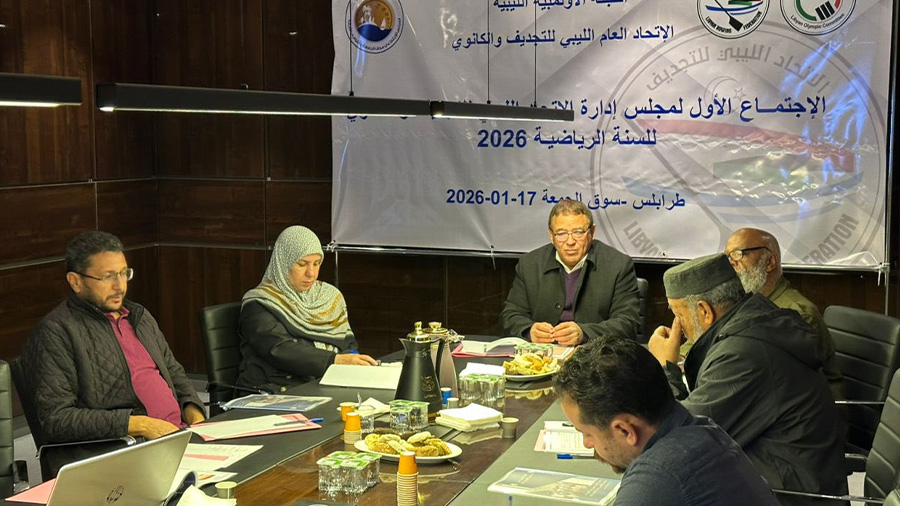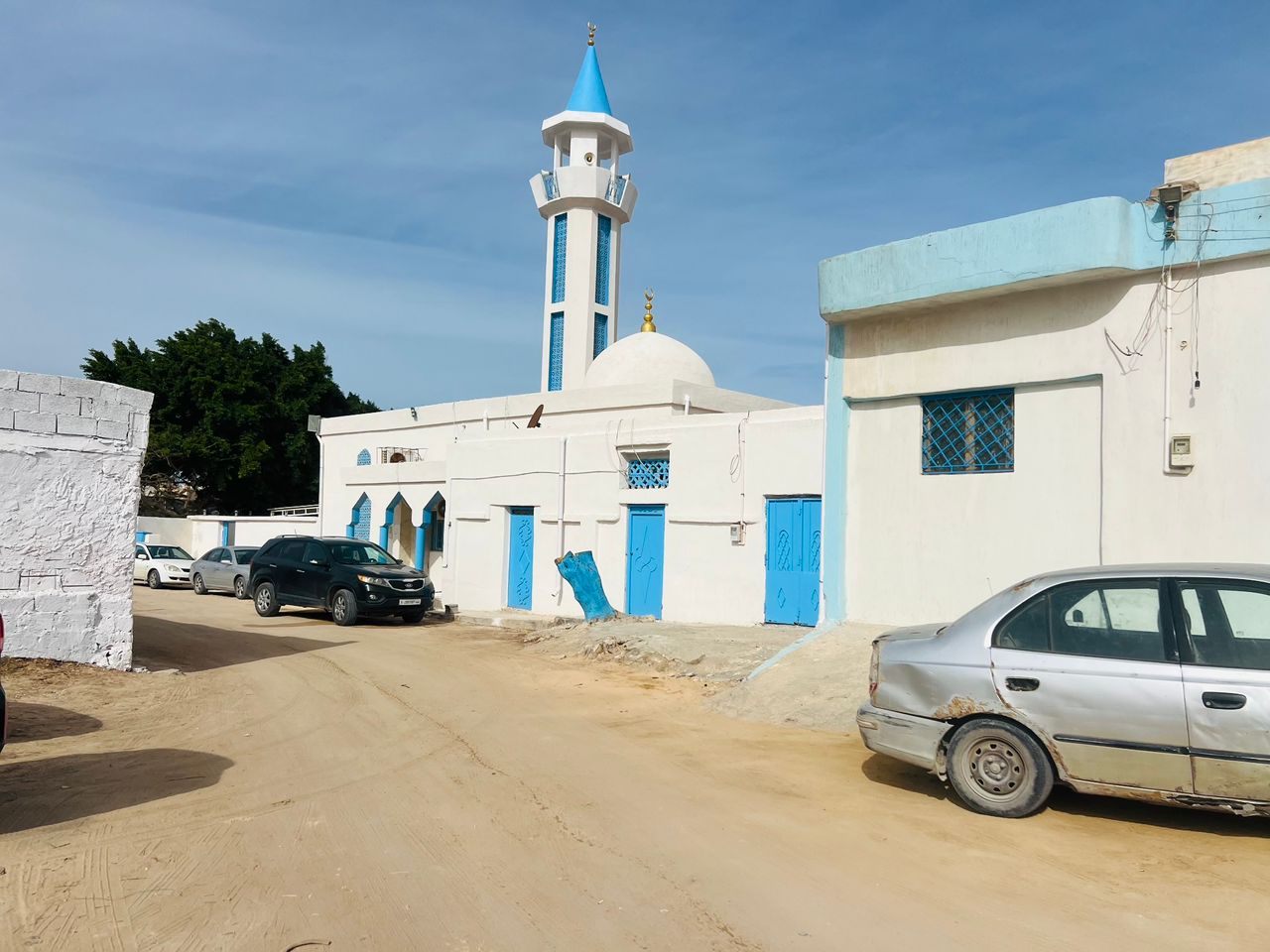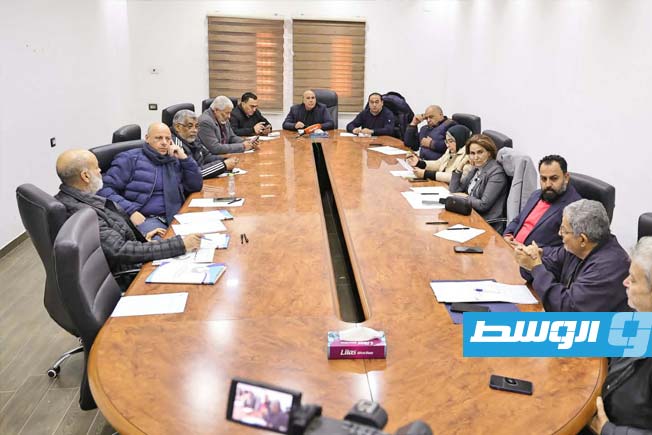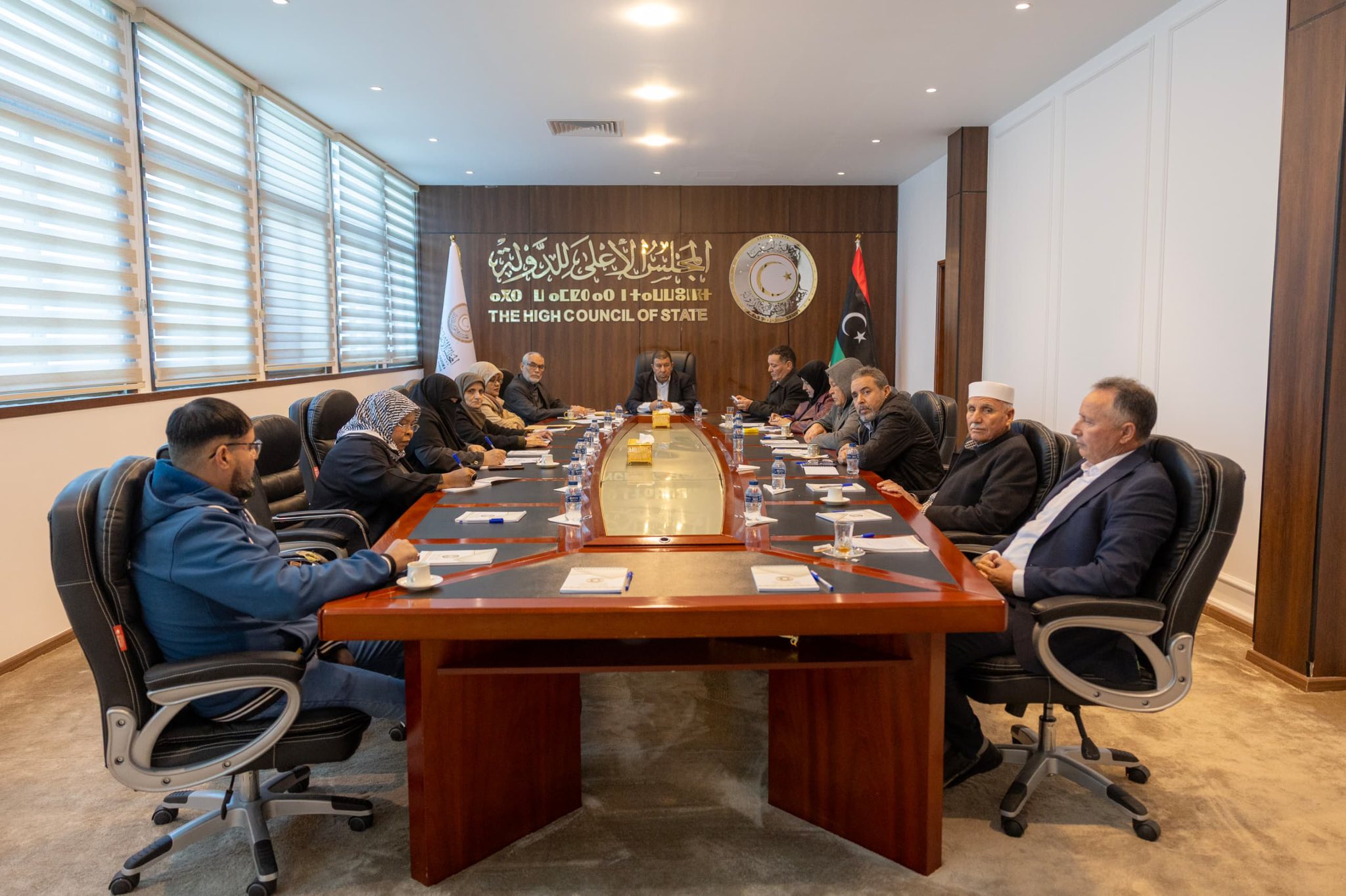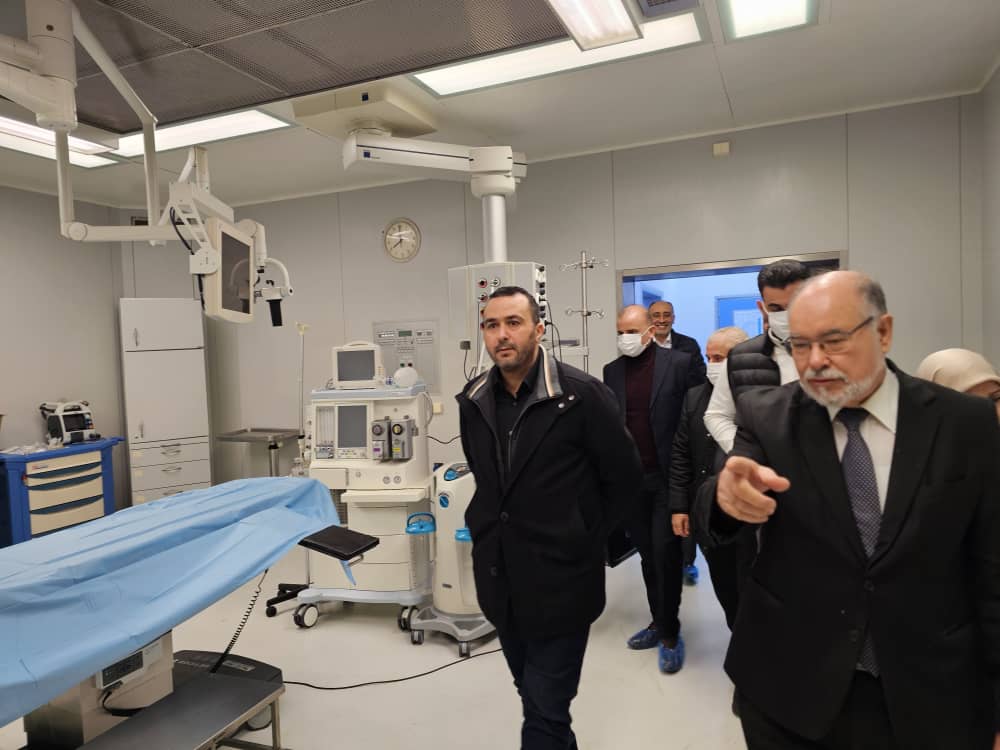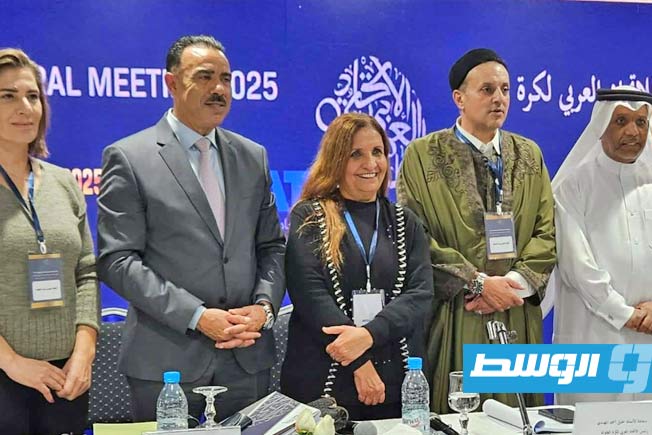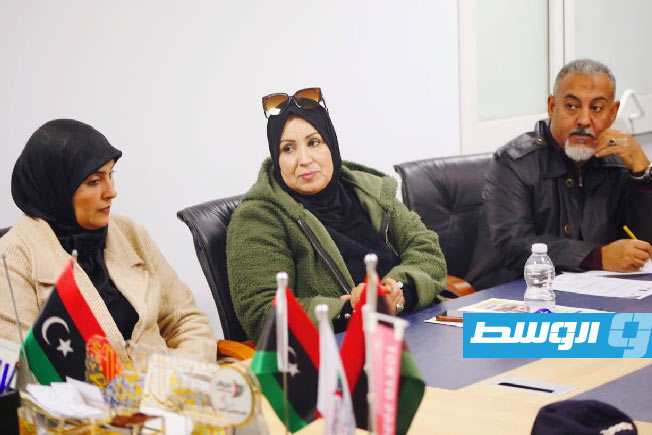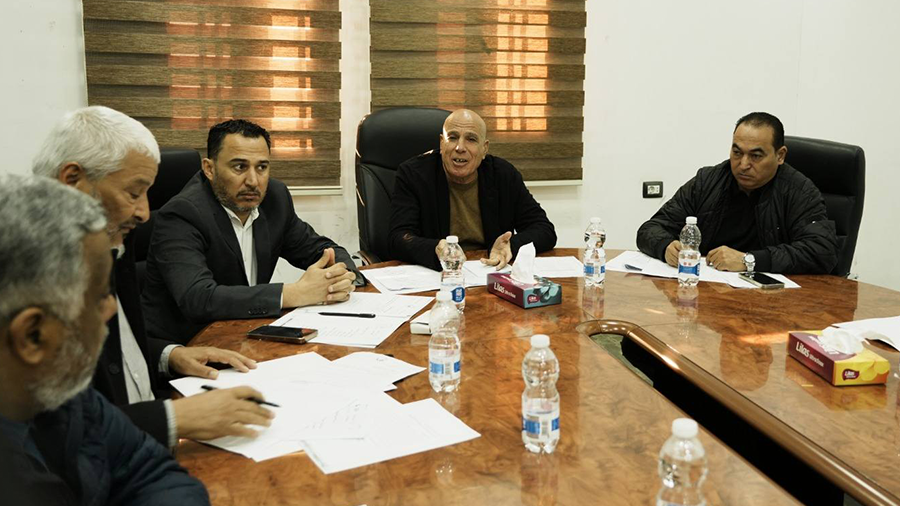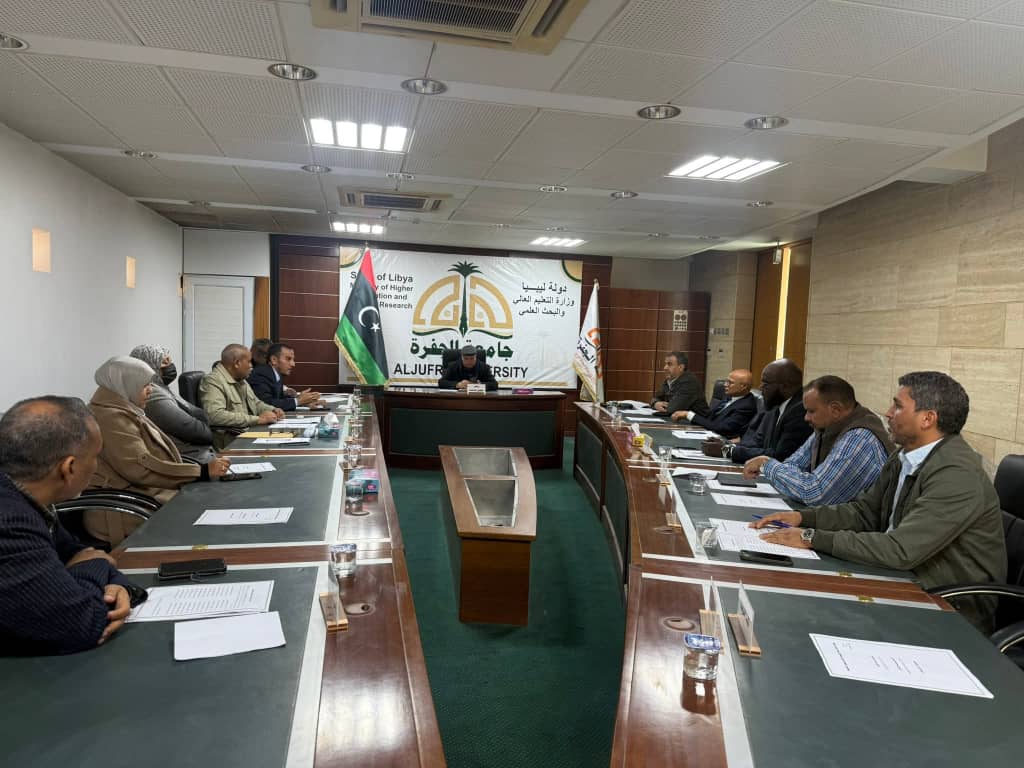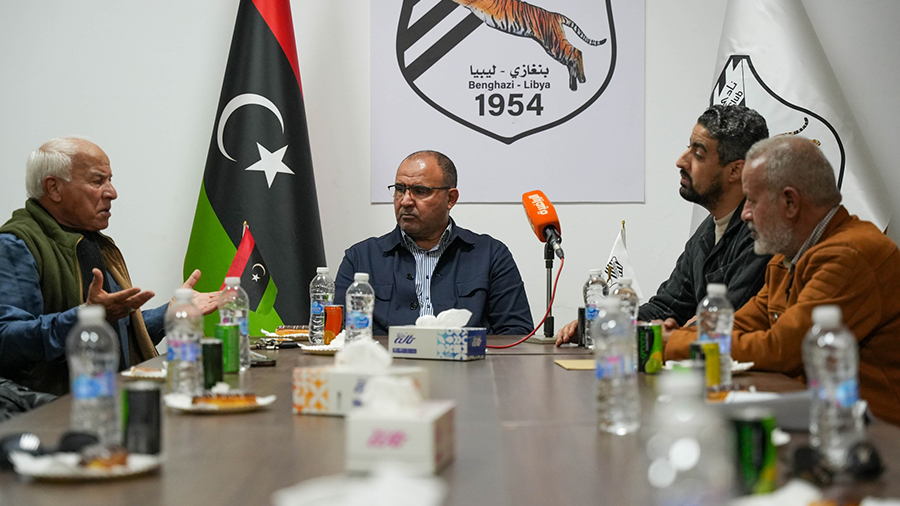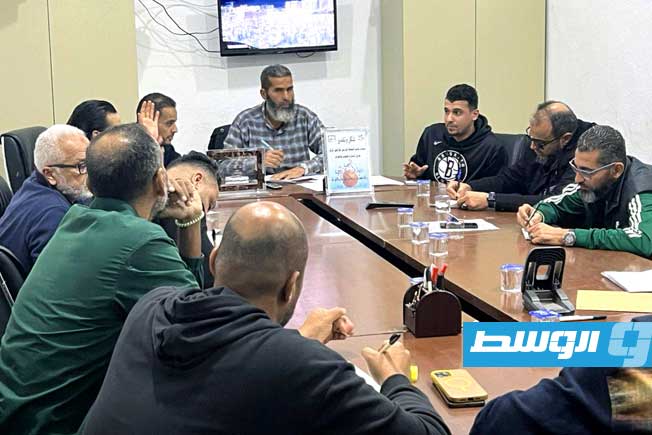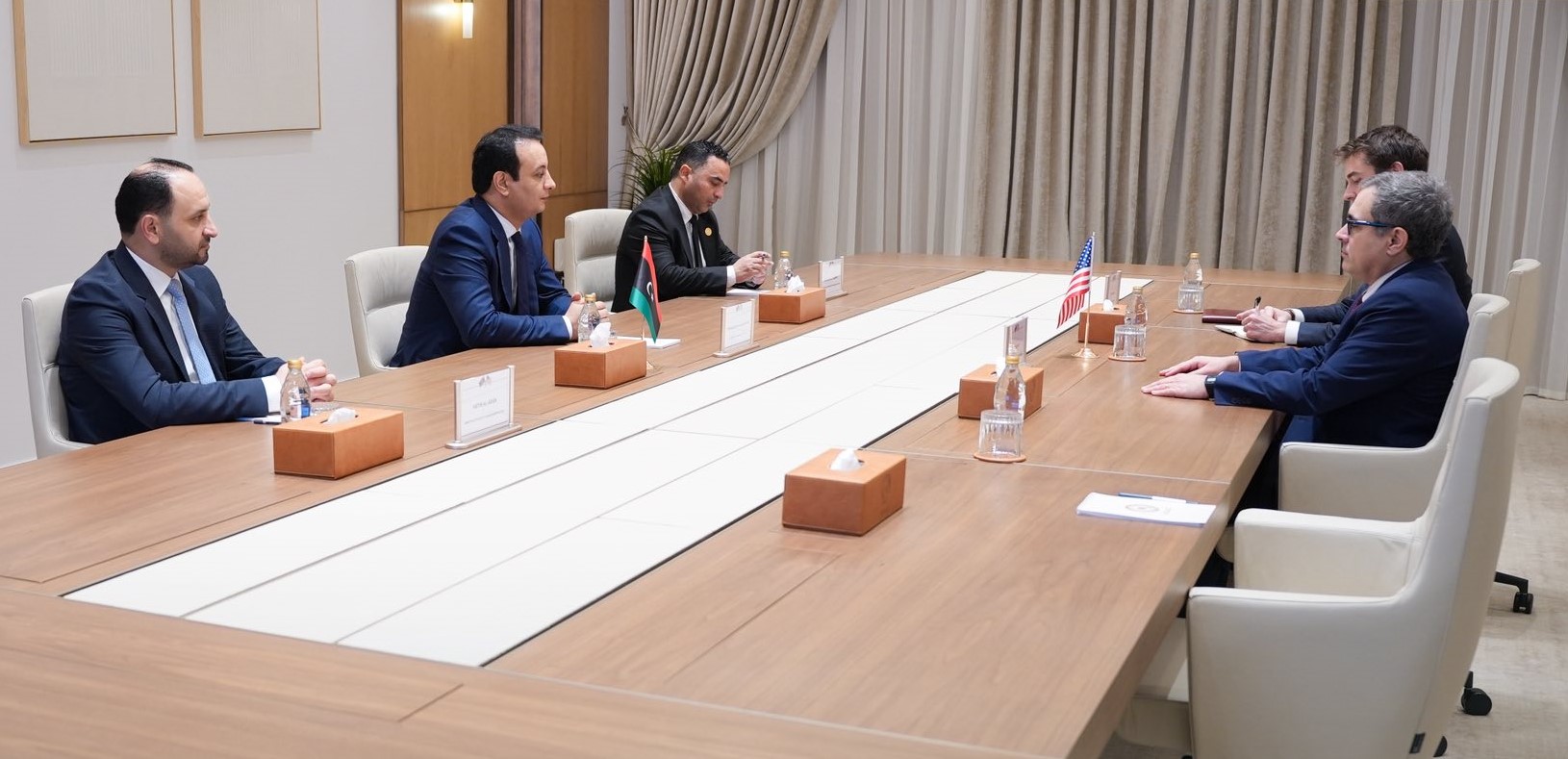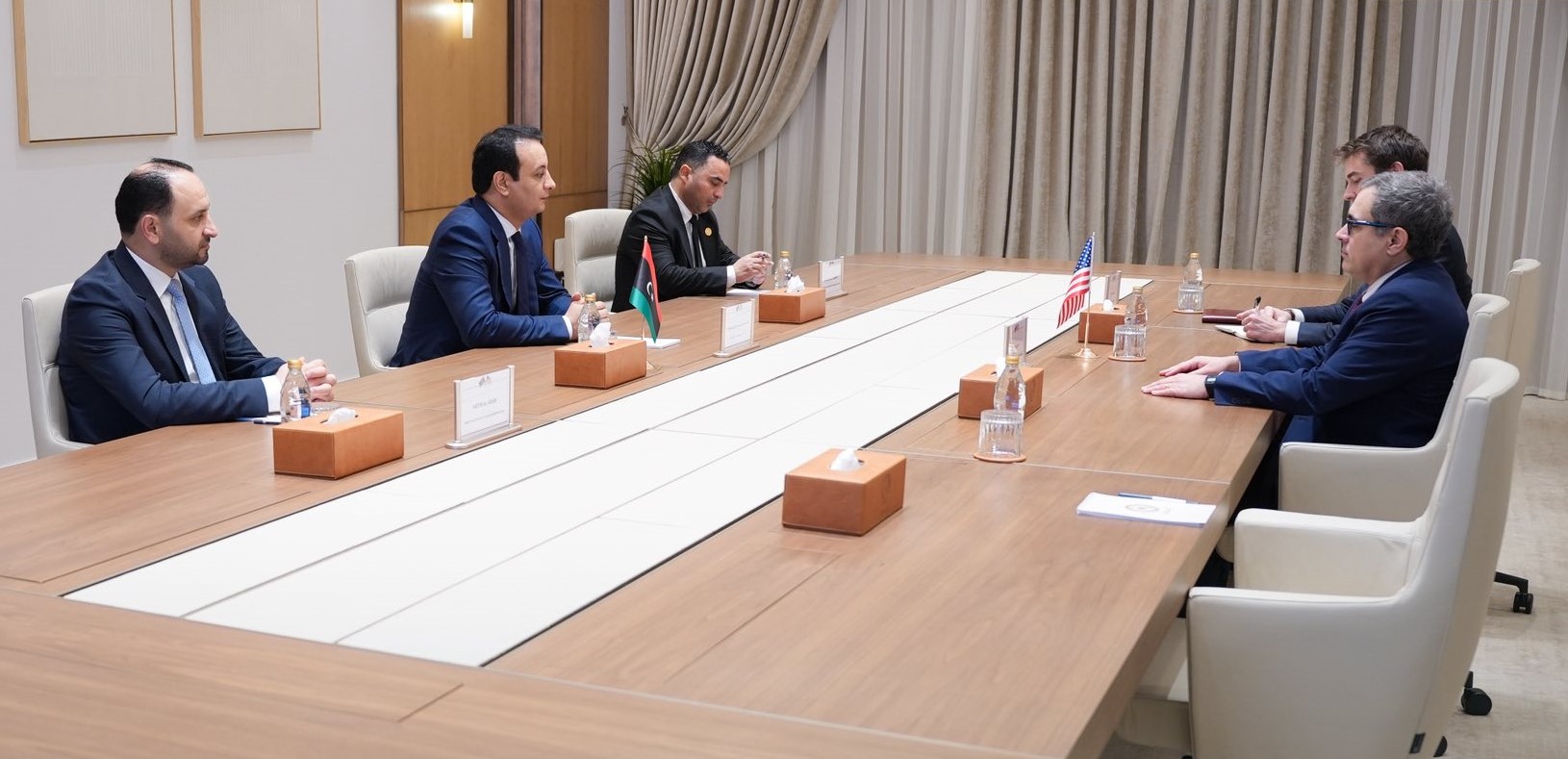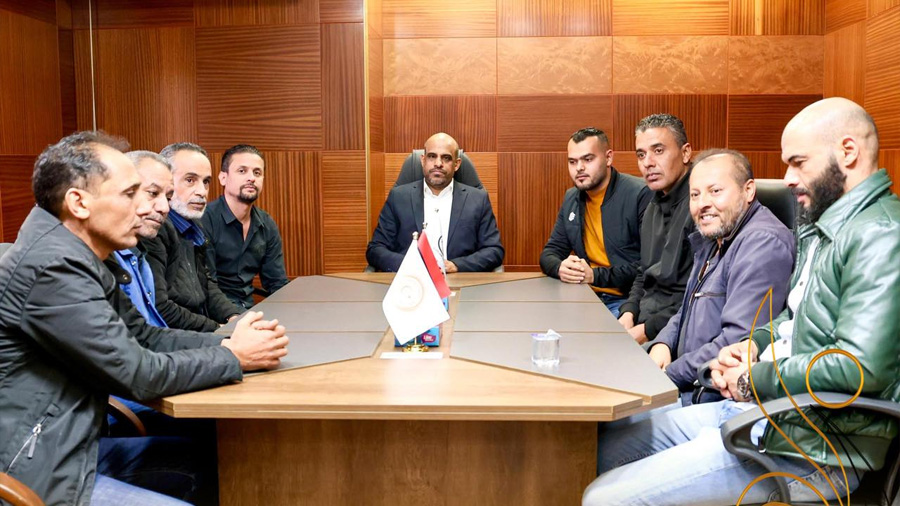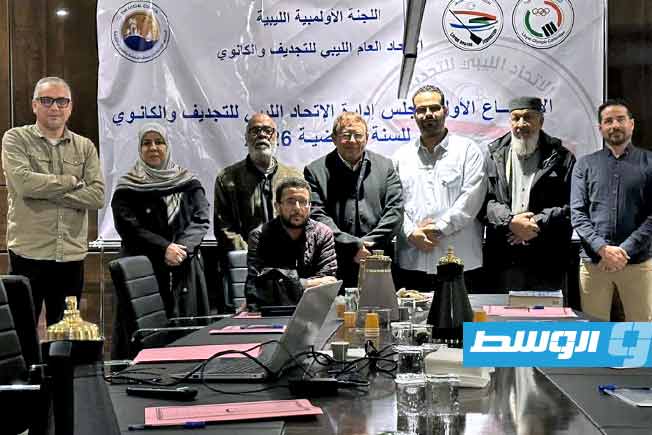
The Board of Directors of the Libyan Rowing Federation held its first meeting for the 2026 sports year on Saturday in Tripoli. The meeting took place in the meeting hall of the Social Council in Souq Al-Jumaa and the Four Districts, with the majority of board members in attendance.
The meeting discussed a number of important items related to the sport of rowing at both the local and international levels, according to a pre-prepared agenda. The session began with an opening, followed by a presentation of the General Federation’s activity report for the 2024–2025 sports year, which highlighted the most prominent activities and results achieved during the past period.
Adoption of the 2026 Plan and Budget
The board also discussed and approved the federation’s plan for the 2026 sports year, along with its estimated budget. Additionally, the closing of the General Federation’s budget for the 2025 sports year was presented, within the framework of enhancing principles of transparency and financial organization.
Evaluation of Sub-Federations and Technical Committees
The meeting addressed evaluating the operational mechanisms of regional sub-federations from both administrative and technical perspectives, and their effectiveness in developing the sport. This included an assessment of the performance of specialized general technical committees, such as the Technical Committee, the Refereeing Committee, and the Competitions Committee.
Focus on Qualification and Training
The Board of Directors emphasized the importance of focusing on internal qualification at the regional level by organizing diverse training courses in coaching and refereeing. This aims to enhance the technical and administrative competence of those working in the sport of rowing.
Field Visits and Activating Regional Activity
The board stressed the need to activate the role of the Regional Visits Committee to closely assess the organizational, administrative, and technical conditions of clubs, with a detailed report to be prepared as soon as possible.
The meeting also discussed mechanisms for activating rowing sports activities at the regional level, in both classic and beach rowing, alongside studying the main problems and difficulties faced by clubs and athletes.
Financial Support and Essential Equipment
In the context of supporting the sport’s infrastructure, it was confirmed that efforts are necessary to secure support for the General Federation through board members’ communication with public and private institutions. Additionally, providing essential equipment needed by the federation, such as ergometers, beach rowing boats, and oars, was highlighted.
The board also approved financial support for sub-federations to contribute to the success of their administrative and technical operational mechanisms at the regional level.
Conclusion of the Meeting
The meeting concluded at 3:00 PM following fruitful and constructive discussions on the various issues raised. This is expected to strengthen the path of developing the sport of rowing in Libya and align with its future aspirations.
At the end of the meeting, the Board of Directors of the Libyan Rowing Federation extended its sincere thanks and appreciation to the Social Council of Souq Al-Jumaa and the Four Districts for their gracious hospitality and for providing a suitable atmosphere for holding this meeting.