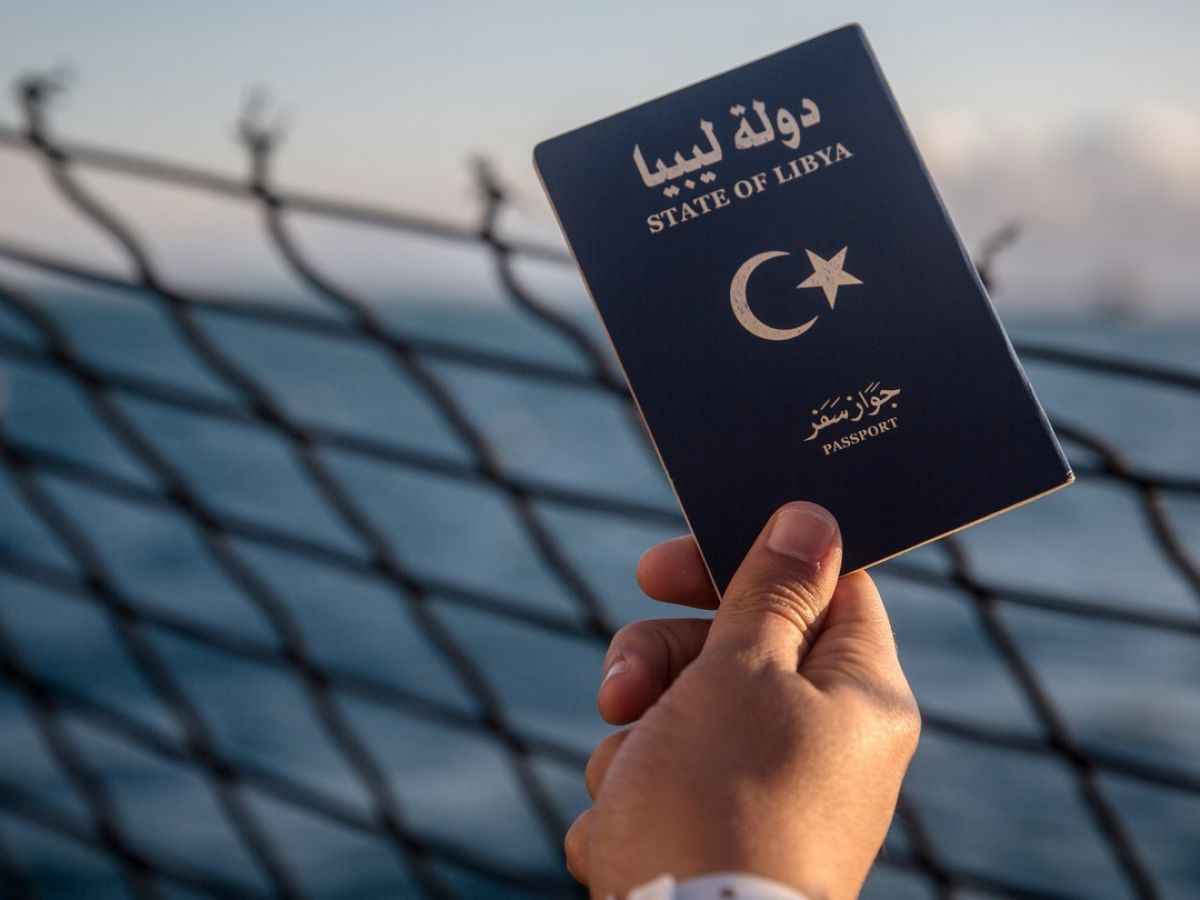
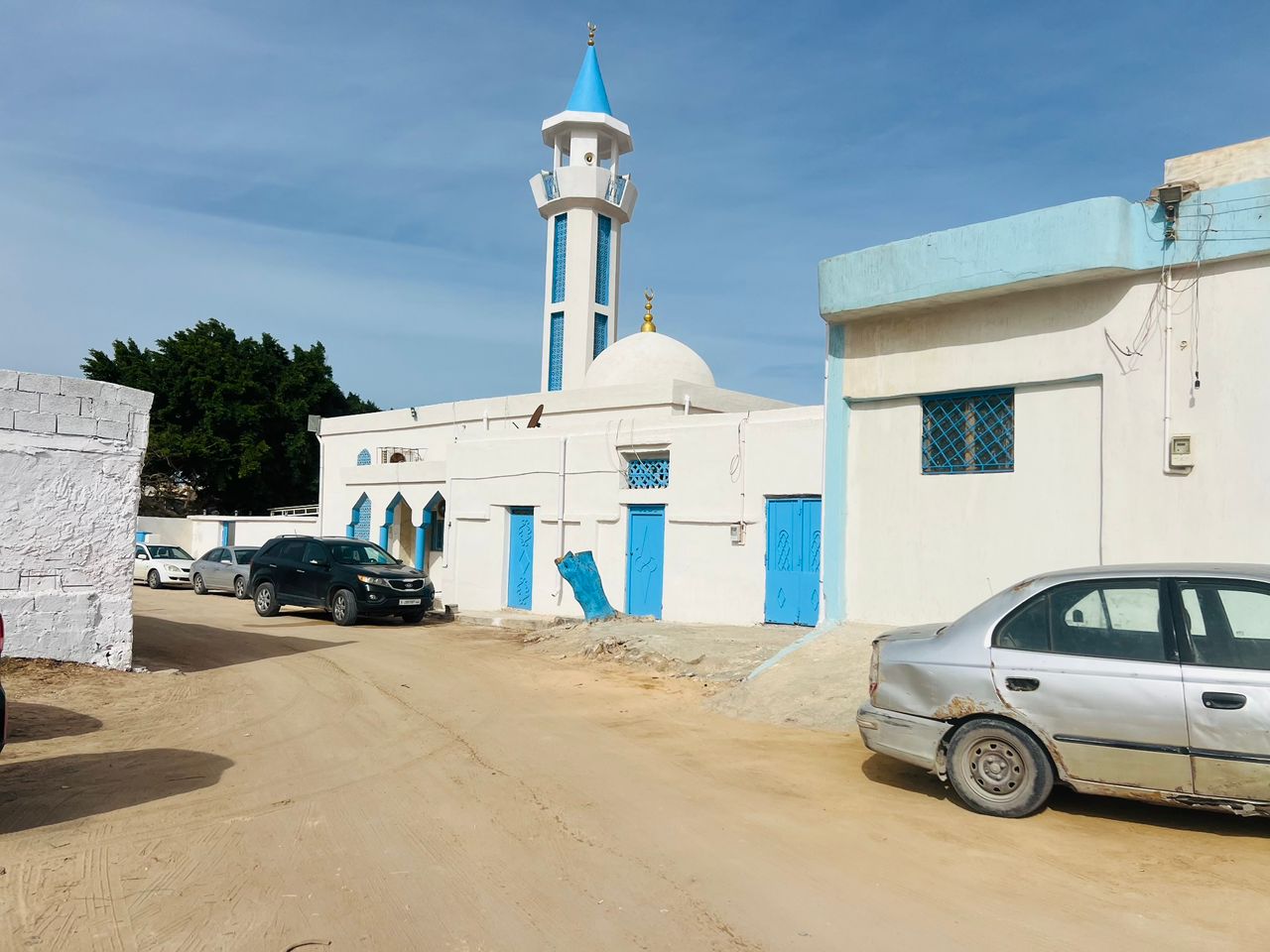
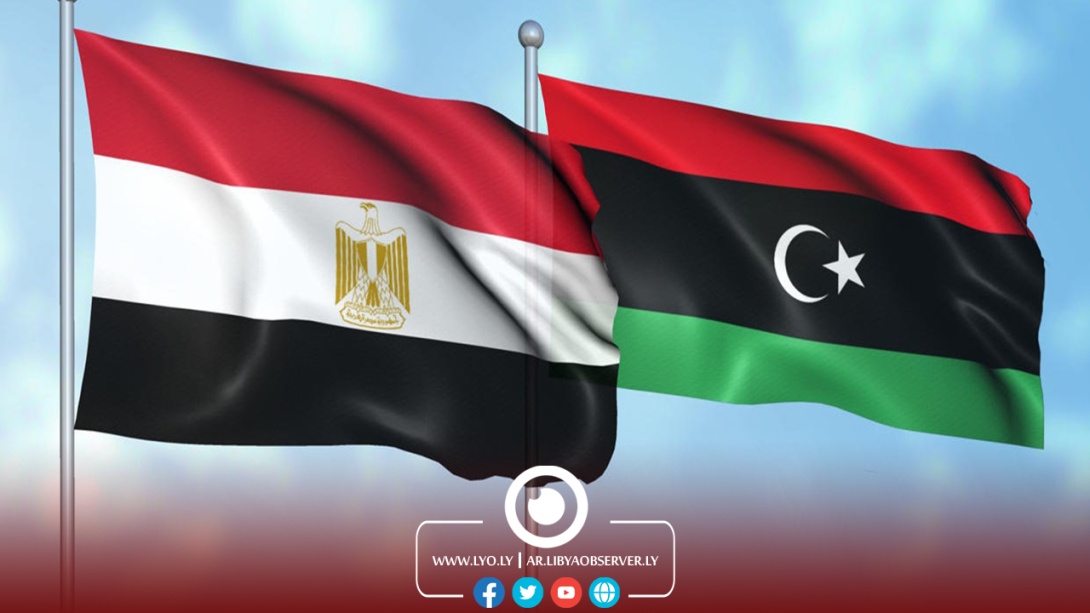
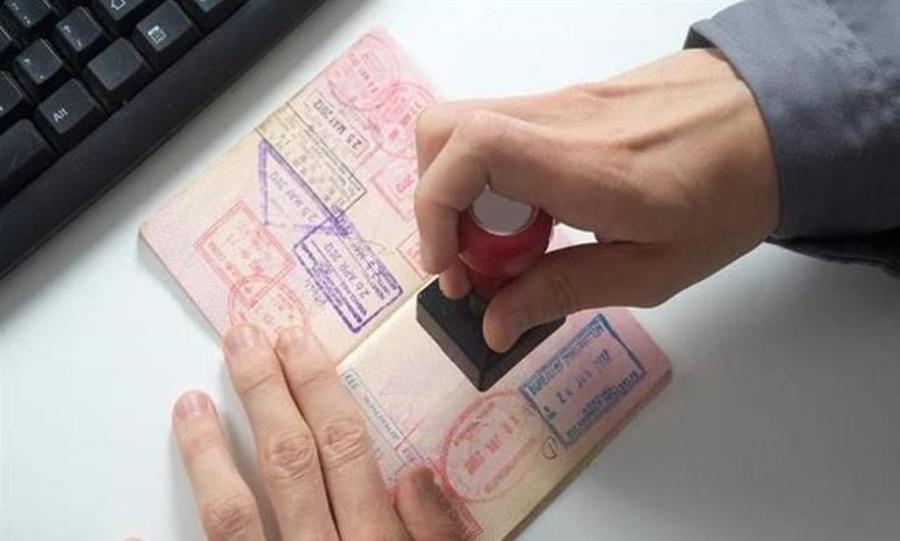
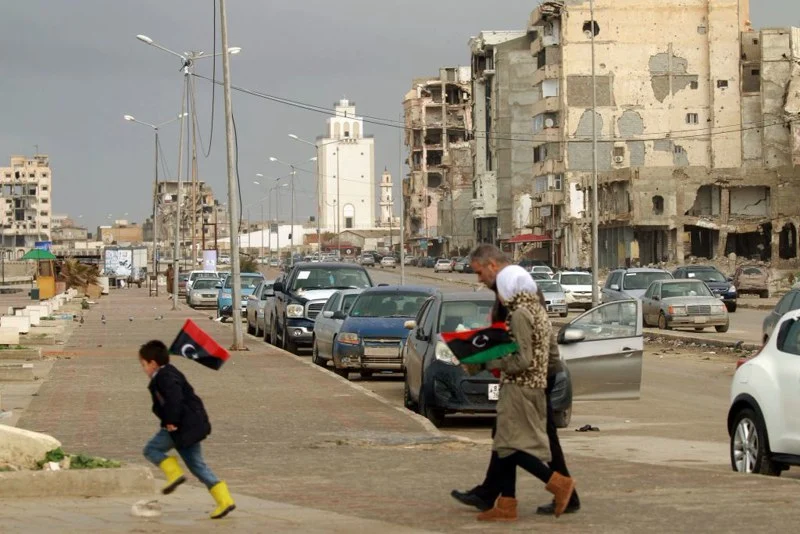
Tripoli – The decline in ranking of a number of countries in the global passport power index contributed to the Libyan passport exiting the list of the world’s ten worst passports, now ranking 88th with visa-free or visa-on-arrival access to 51 countries. This development reflects a relative improvement in the position of the Libyan passport within international rankings.
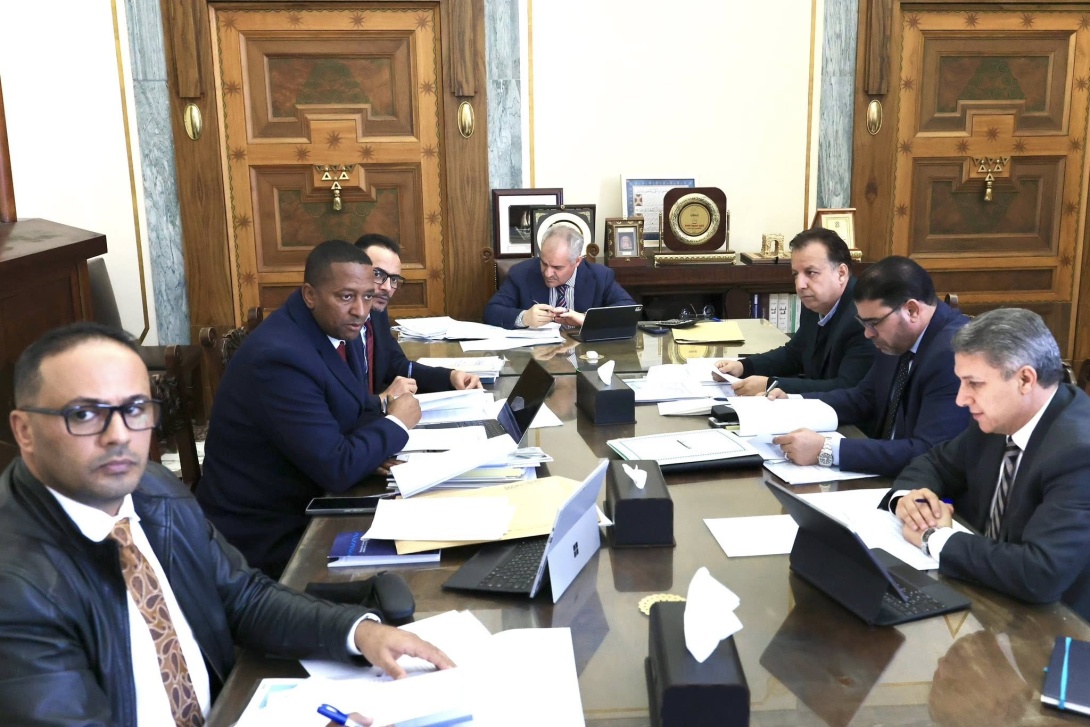
Praise was given for the efforts of the Public Prosecutor’s Office in pursuing those involved in cases of forging national numbers within the civil registry system. This step is considered a necessary foundation for restoring trust in Libyan citizenship and enabling the Ministry of Foreign Affairs to enhance the standing of the Libyan passport.
It was added that addressing the issue of forgery is a pivotal element in any path aimed at strengthening official documents and improving their image with international bodies.
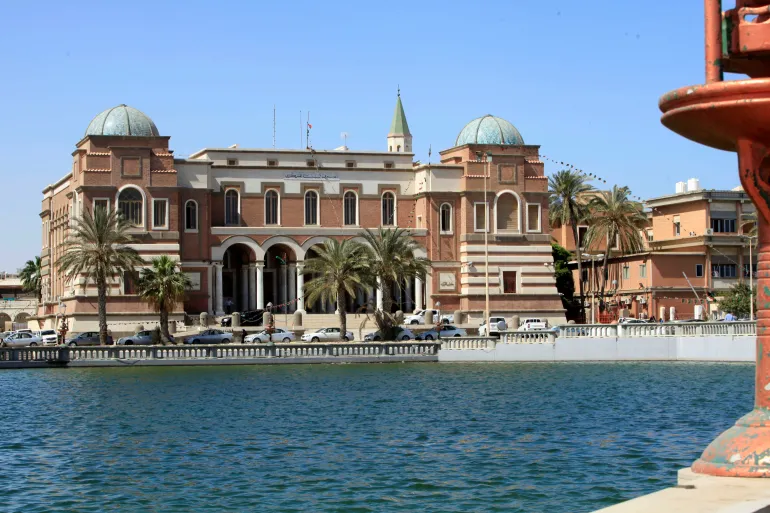
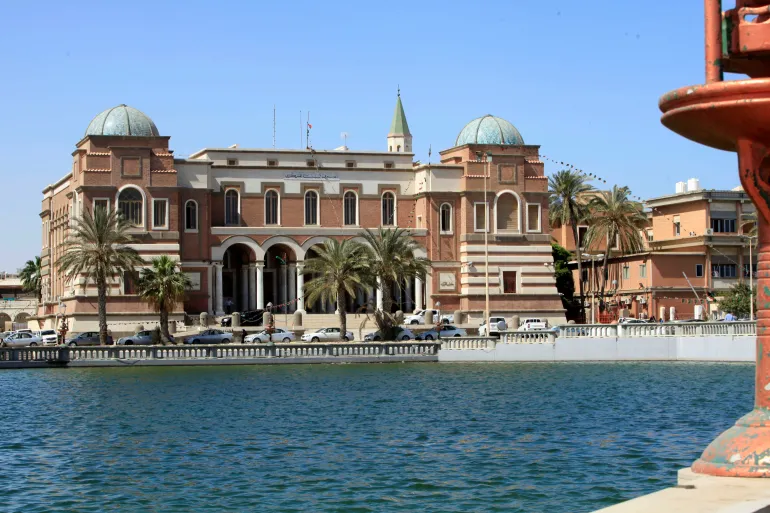
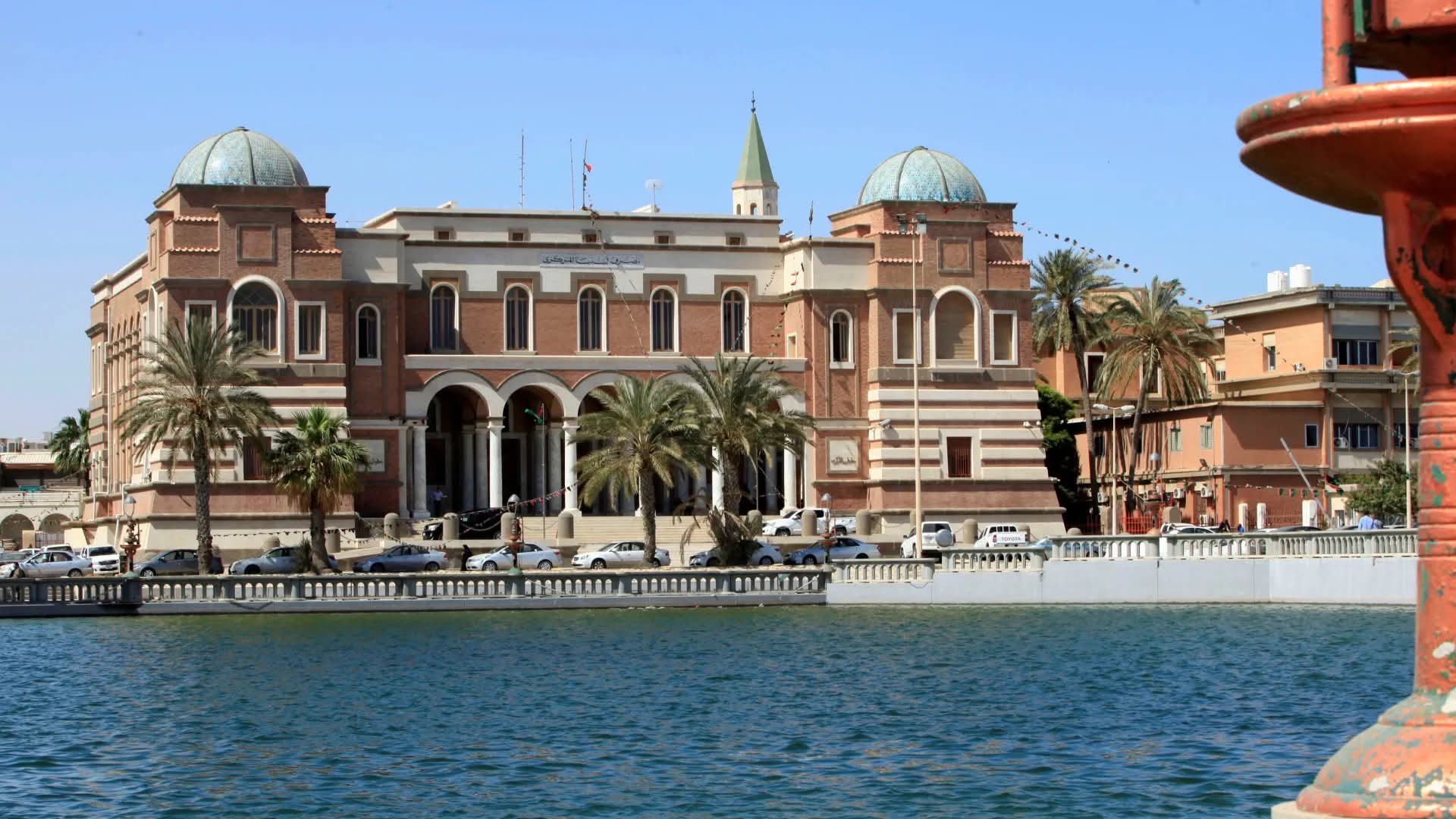
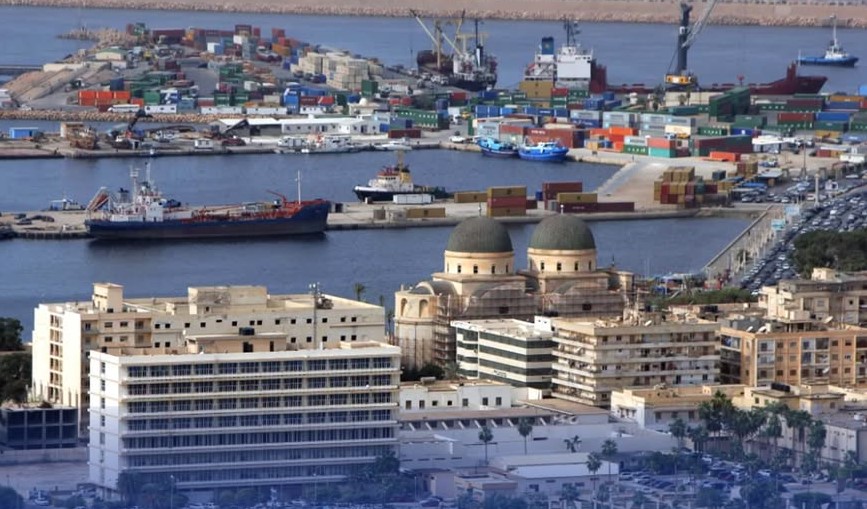
Tripoli
Tripoli is the capital and largest city of Libya, located on the country’s Mediterranean coast. Historically, it was founded by the Phoenicians in the 7th century BC and has since been ruled by the Romans, Arabs, Ottomans, and Italians, serving as a major port and cultural crossroads. Its historic core, the medina of Old Tripoli, contains significant architecture from these various periods.
Libyan passport
The Libyan passport is an official travel document issued to citizens of Libya for international travel, with its modern form emerging after the country’s independence in 1951. Its design and international standing have been significantly affected by the nation’s political changes, including periods of sanctions and varying global diplomatic relations.
Public Prosecutor’s Office
The Public Prosecutor’s Office is a key institution in many legal systems, responsible for representing the state in criminal proceedings and ensuring the law is applied correctly. Its modern form, often independent from the judiciary and executive branches, evolved from historical roles like the French *parquet* and the English Attorney General to uphold justice and prosecute crimes on behalf of society.
civil registry system
The civil registry system is a government-operated administrative framework that records and certifies vital life events, such as births, marriages, and deaths. Its history is often tied to the rise of the modern nation-state, evolving from religious or local record-keeping into a standardized, secular system for legal identification and population statistics.
Ministry of Foreign Affairs
The Ministry of Foreign Affairs is a government department responsible for managing a nation’s diplomatic relations and foreign policy. Historically, such ministries emerged in Europe during the 17th and 18th centuries, with entities like the French *Ministère des Affaires Étrangères* established in 1589, to centralize and professionalize the conduct of international affairs.