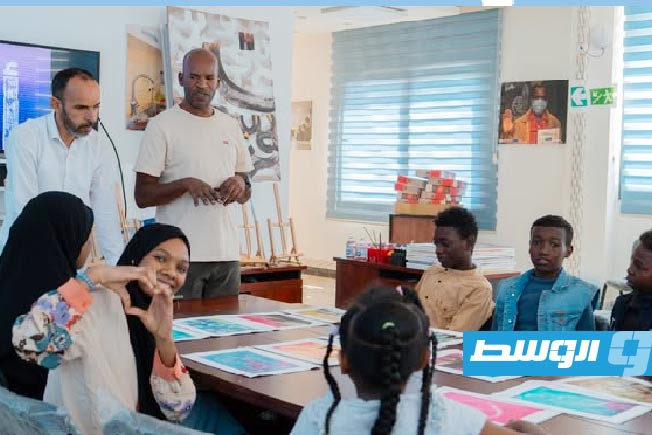
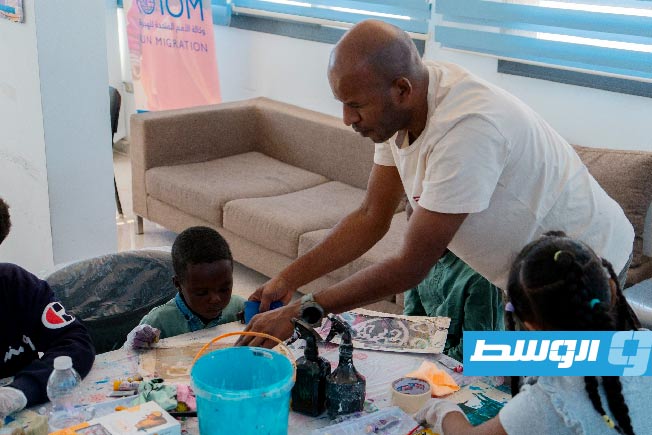
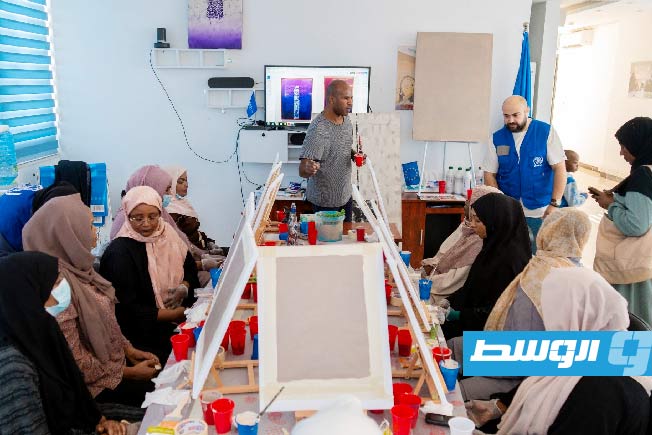
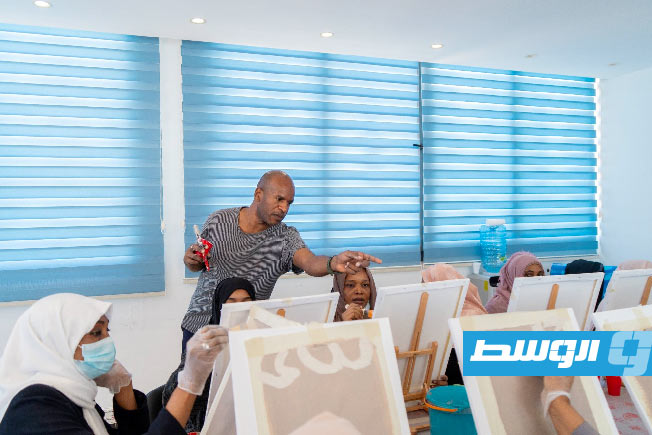
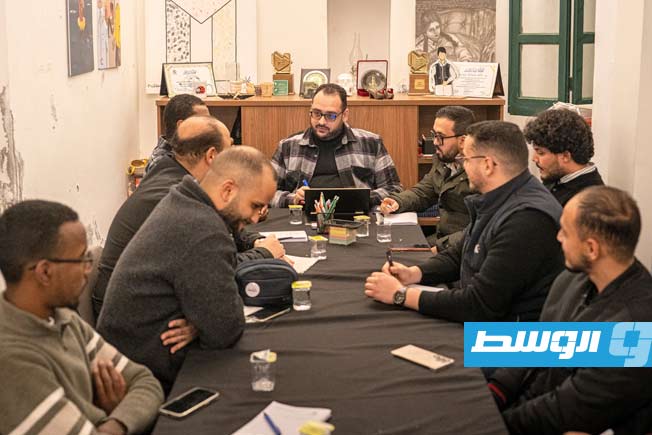
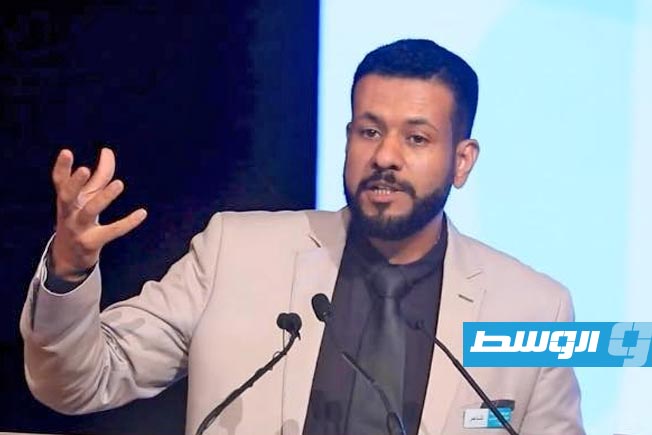
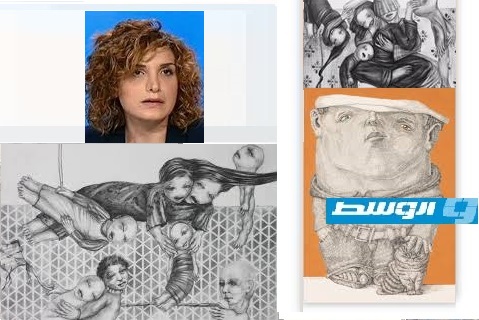
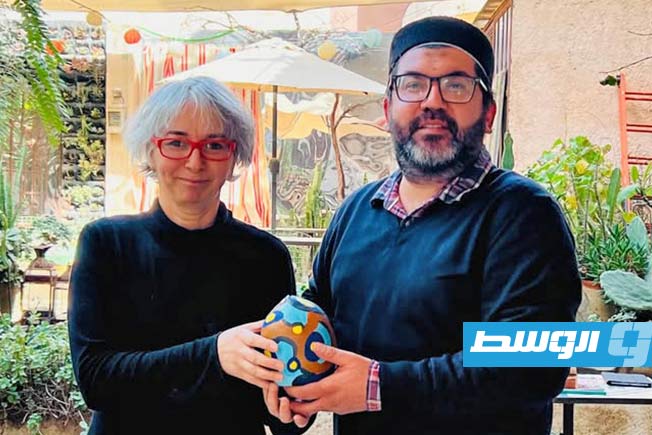
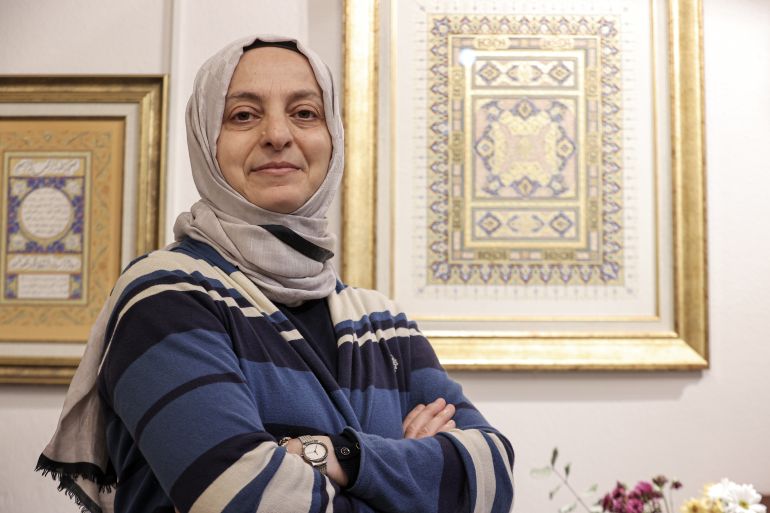
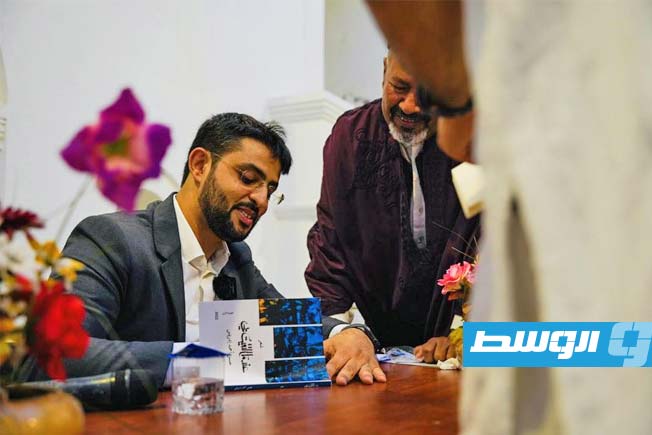
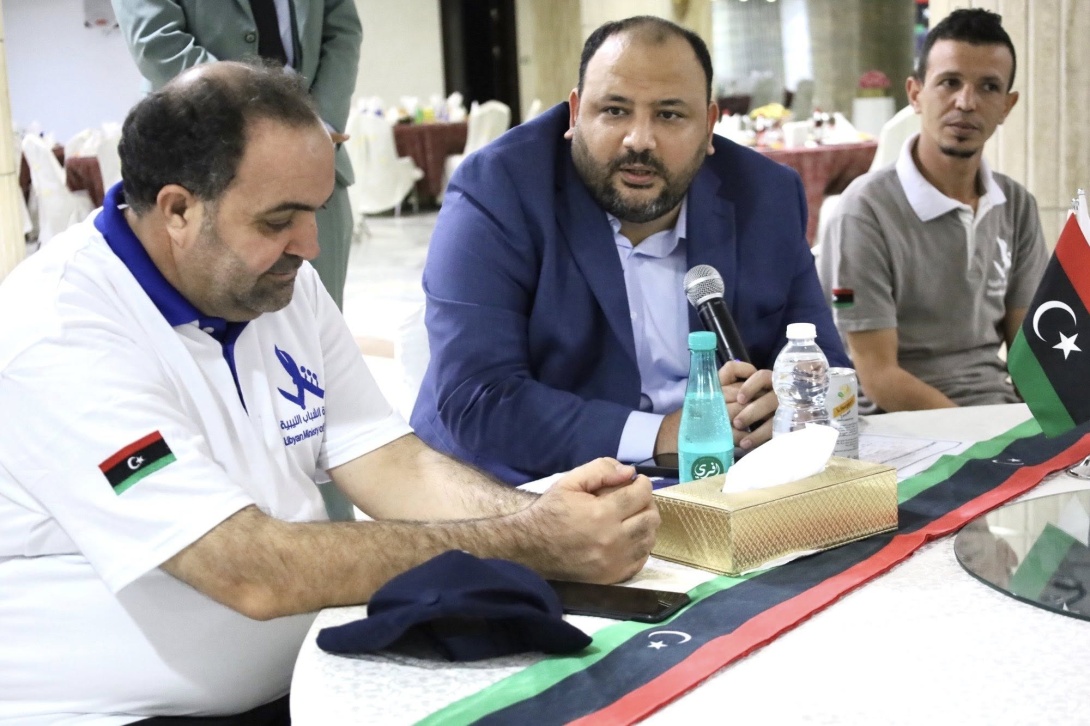
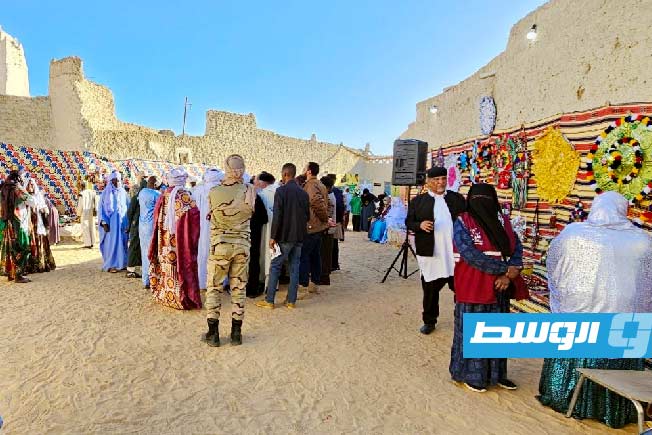
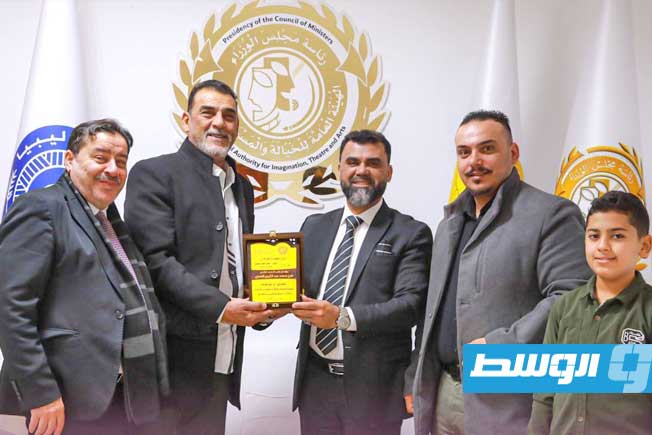
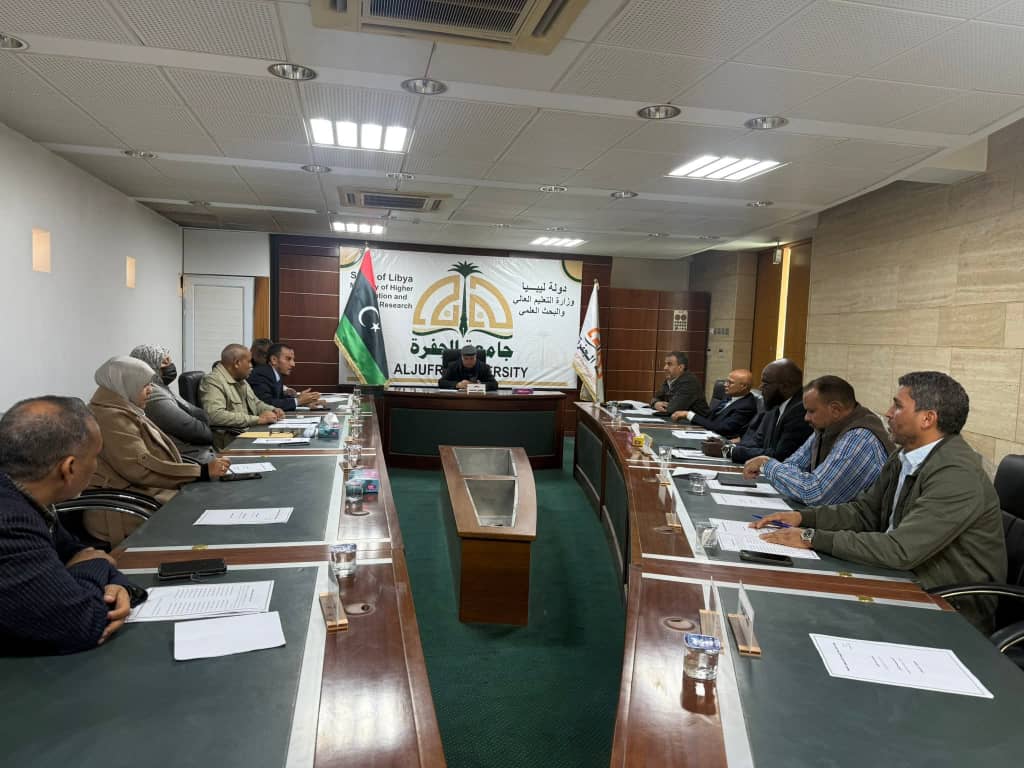
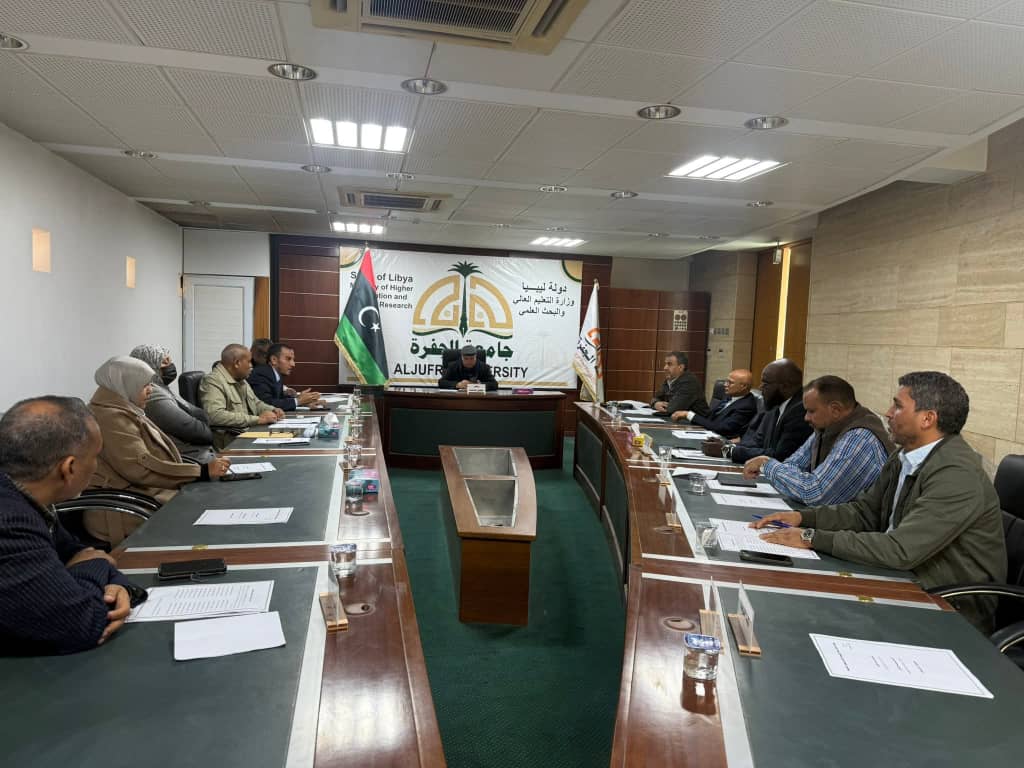
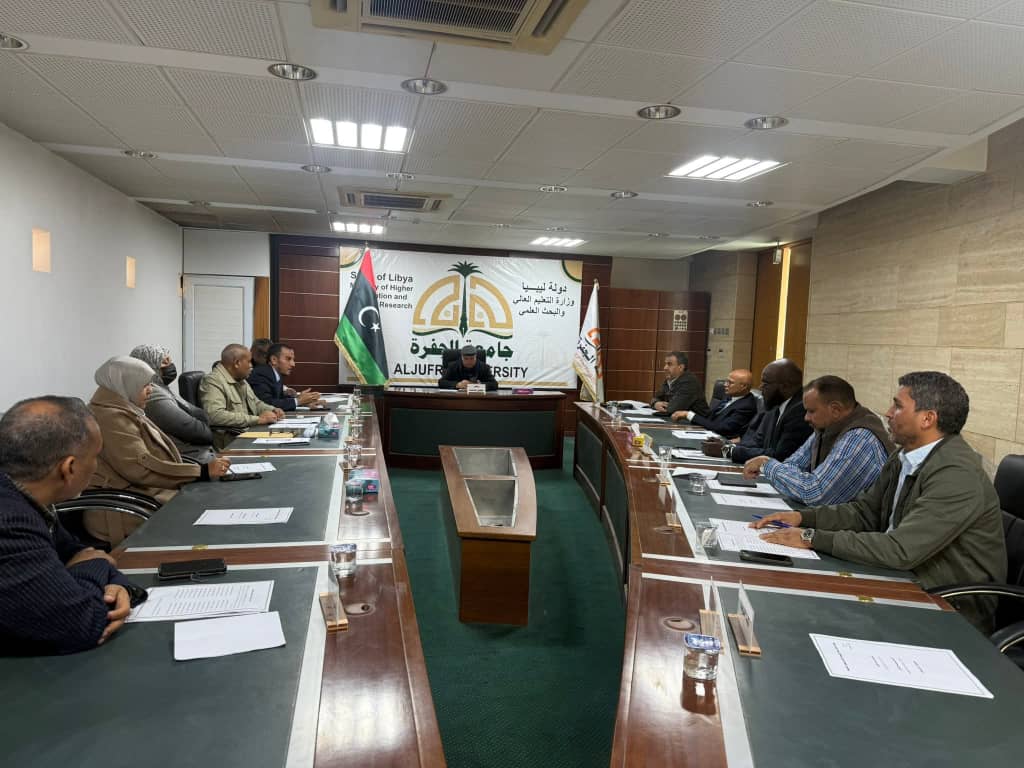
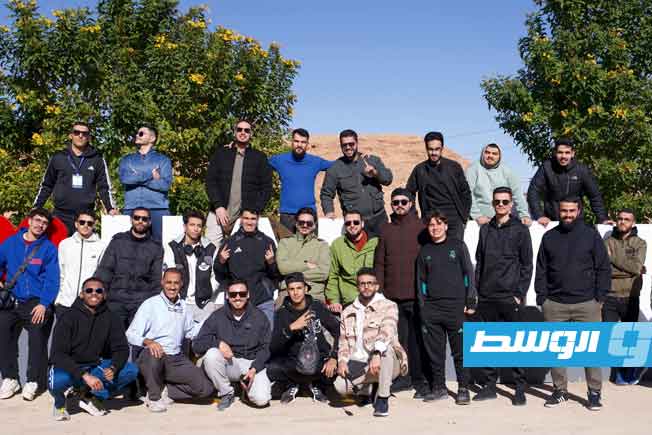
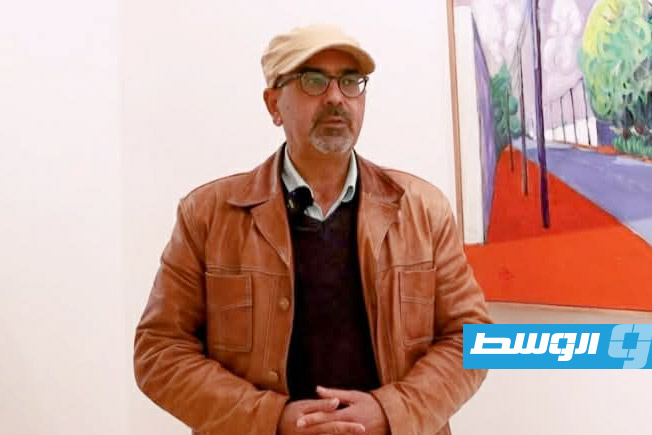
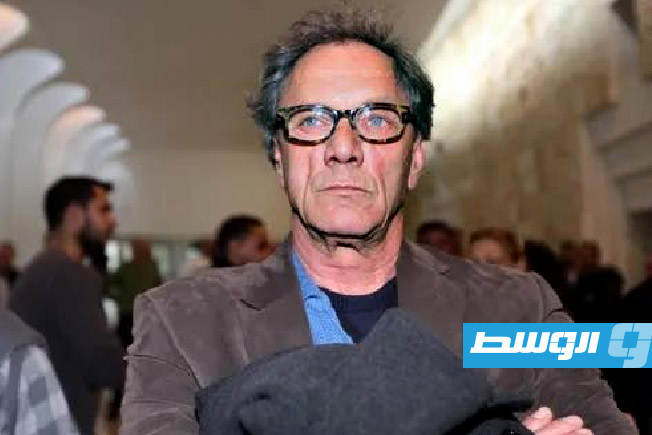
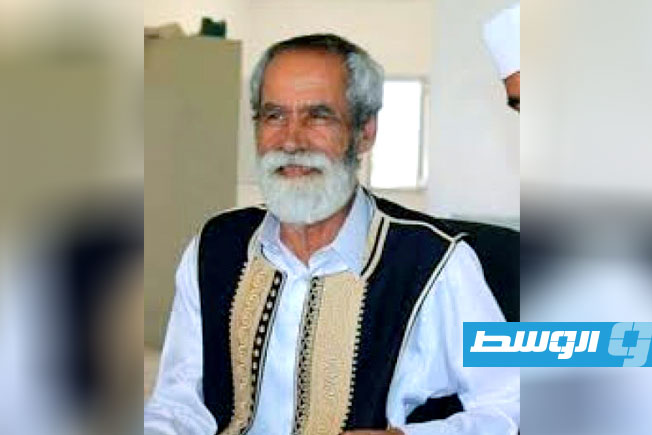
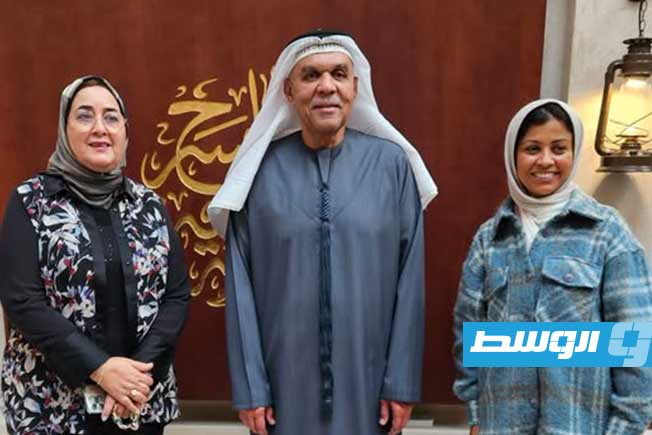
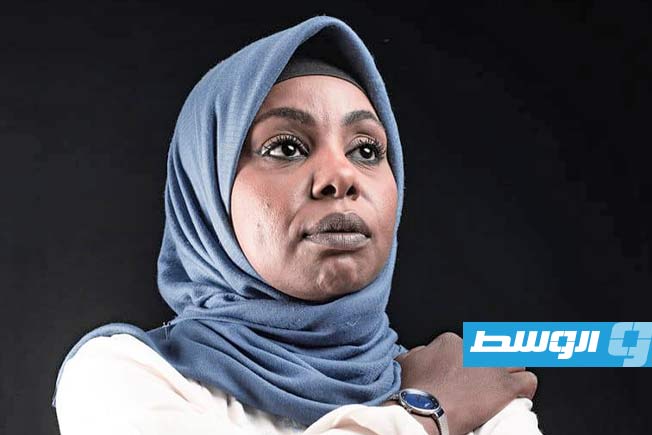
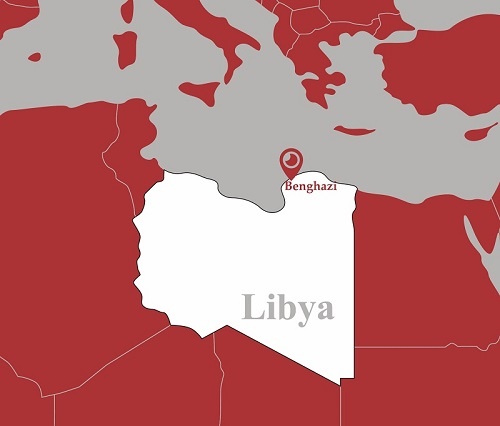
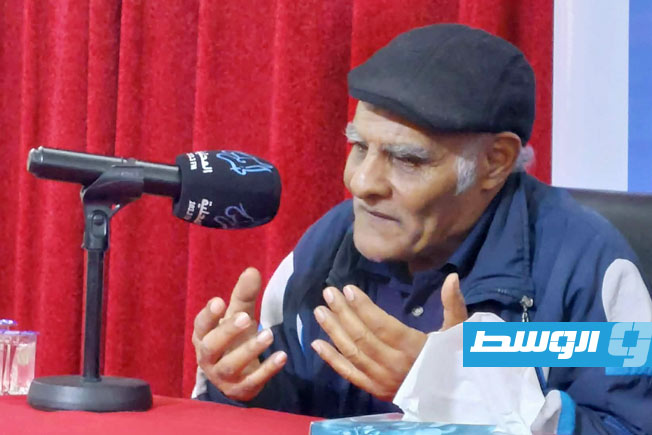
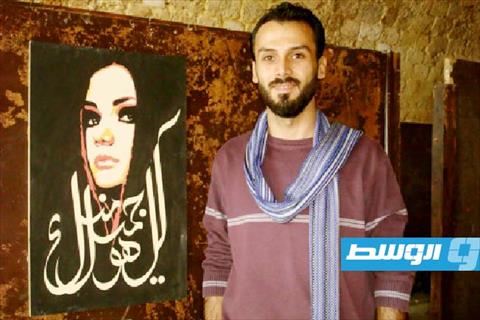
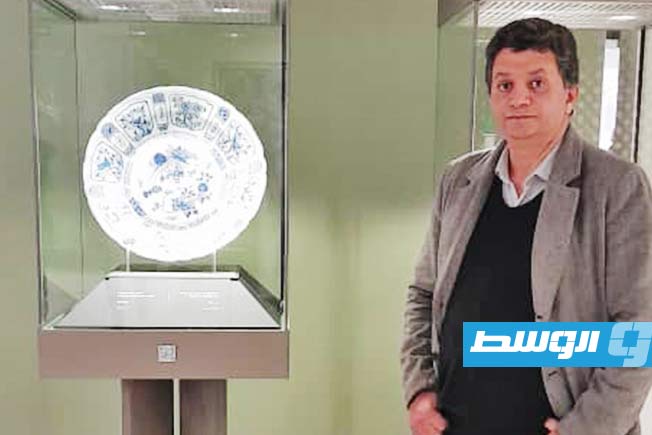
A Libyan painter has concluded an artistic tour, which included six specialized sessions on “Letter Art.” The sessions were held in the cities of Ajdabiya, Benghazi, and Sabha, starting from the capital, Tripoli. This was part of a humanitarian initiative aiming to employ art as a tool for psychological support and care.
These sessions were organized under the supervision of the International Organization for Migration “IOM Libya,” as part of its programs concerned with mental health and community support. The tour sought to provide a safe space for participants to express their feelings and internal struggles through art, enhancing human connection and psychological balance.
During the tour, the painter shared his artistic experience in letter art, exchanging expertise with attendees and encouraging participants to explore their creative energies. This was reflected in the level of interaction and harmony that prevailed during the sessions and in the artworks completed.
The tour highlighted art’s ability to create a positive psychological impact, with clear signs of joy and creative engagement visible on the participants, confirming art’s role as a safe haven for expression and recovery.
Six artistic sessions in Libyan cities confirm the role of art in mental health careSix artistic sessions in Libyan cities confirm the role of art in mental health care
Ajdabiya
Ajdabiya is a city in northeastern Libya, historically significant as a major crossroads for trade and pilgrimage routes across the Sahara. It gained modern prominence during the 2011 Libyan Civil War as a key strategic location contested by rebel and government forces.
Benghazi
Benghazi is a major city in Libya, historically significant as a center of trade and culture since its founding as the ancient Greek colony of Euesperides. It played a pivotal role in the 2011 Libyan Civil War as a key base for the uprising against Muammar Gaddafi. Today, it remains an important economic and political hub in the country’s eastern region.
Sabha
Sabha is a major city in southwestern Libya, historically serving as a key hub along the trans-Saharan trade routes. It is known for the Sabha Fortress, a historic mudbrick structure that stands as a testament to the region’s past significance in commerce and cultural exchange.
Tripoli
Tripoli is the capital and largest city of Libya, historically founded in the 7th century BCE by the Phoenicians. It later became a significant Roman city and was subsequently ruled by a succession of powers, including the Vandals, Byzantines, Arabs, Ottomans, and Italians, which has given it a rich and layered architectural and cultural heritage.
International Organization for Migration
The International Organization for Migration (IOM) is a United Nations-related agency established in 1951 to help resettle displaced persons after World War II. It now operates globally as a leading intergovernmental organization focused on humane and orderly migration, providing services and advice to migrants, governments, and other partners.
IOM Libya
IOM Libya refers to the International Organization for Migration’s mission in Libya, established to address migration challenges in the country. Its work focuses on providing humanitarian assistance, protection, and voluntary return support to migrants, refugees, and internally displaced persons within a complex environment shaped by Libya’s political instability and its role as a major transit route.