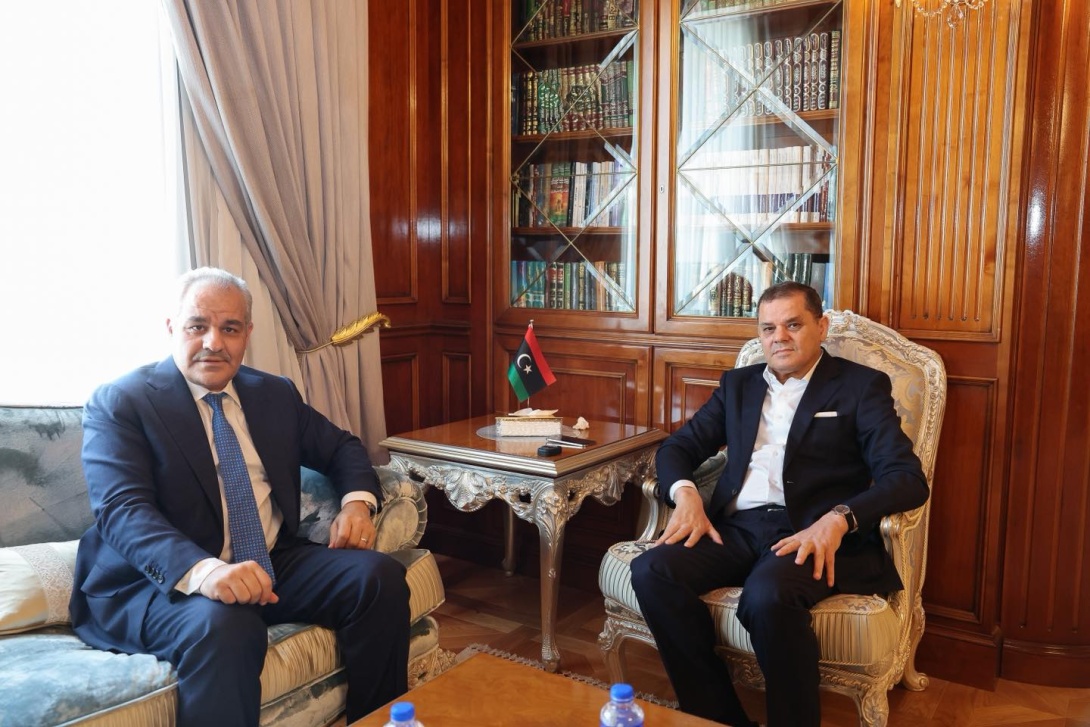
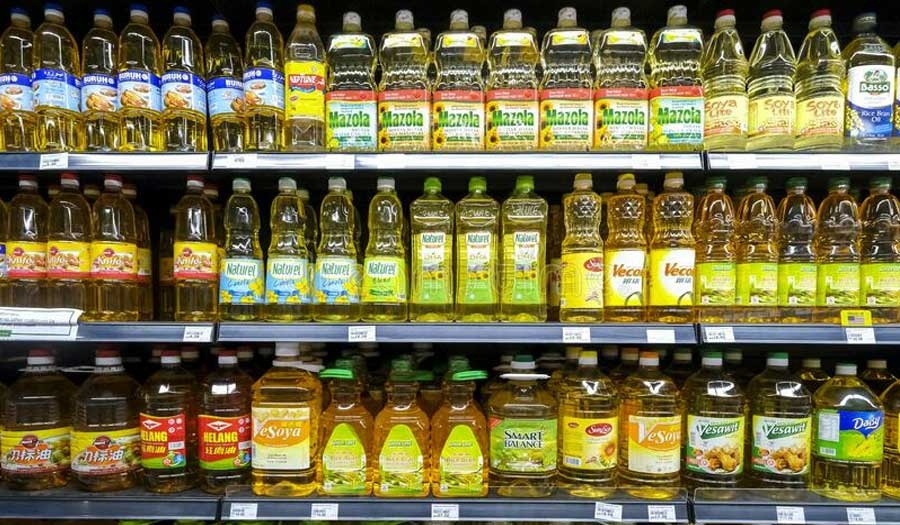
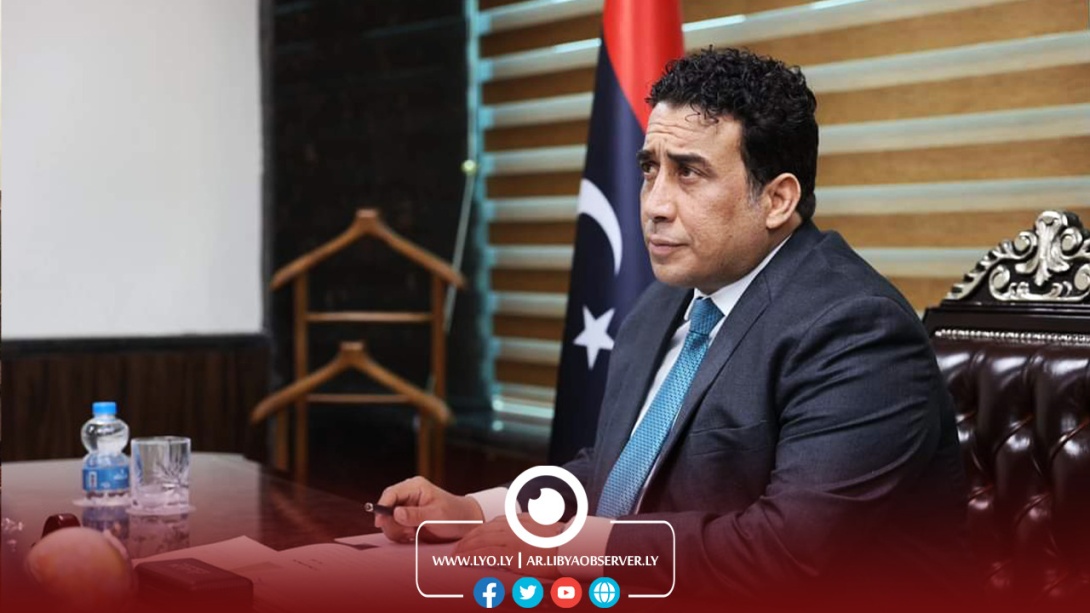
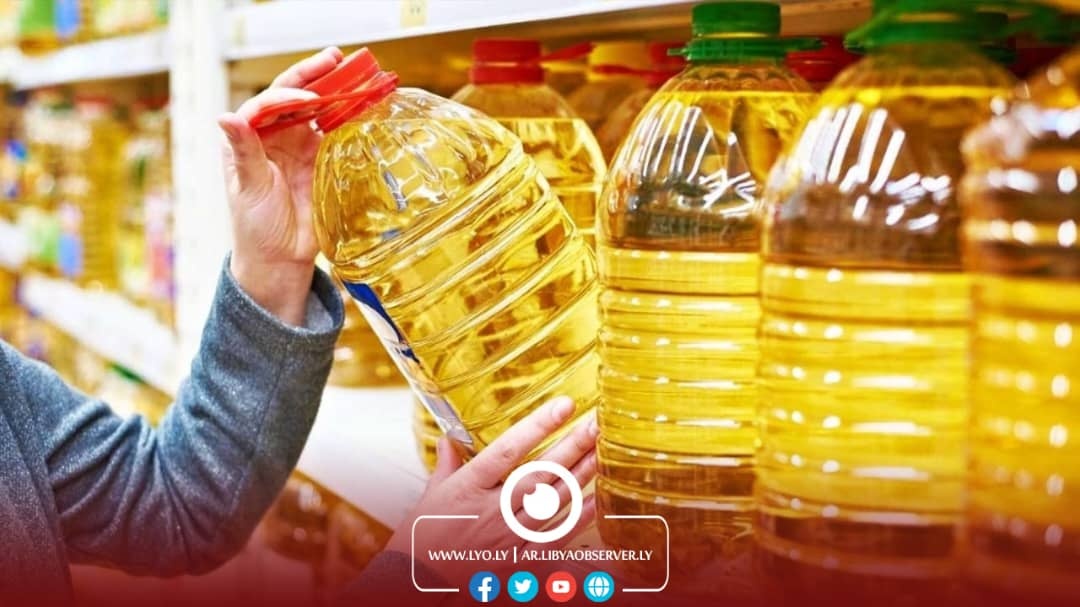
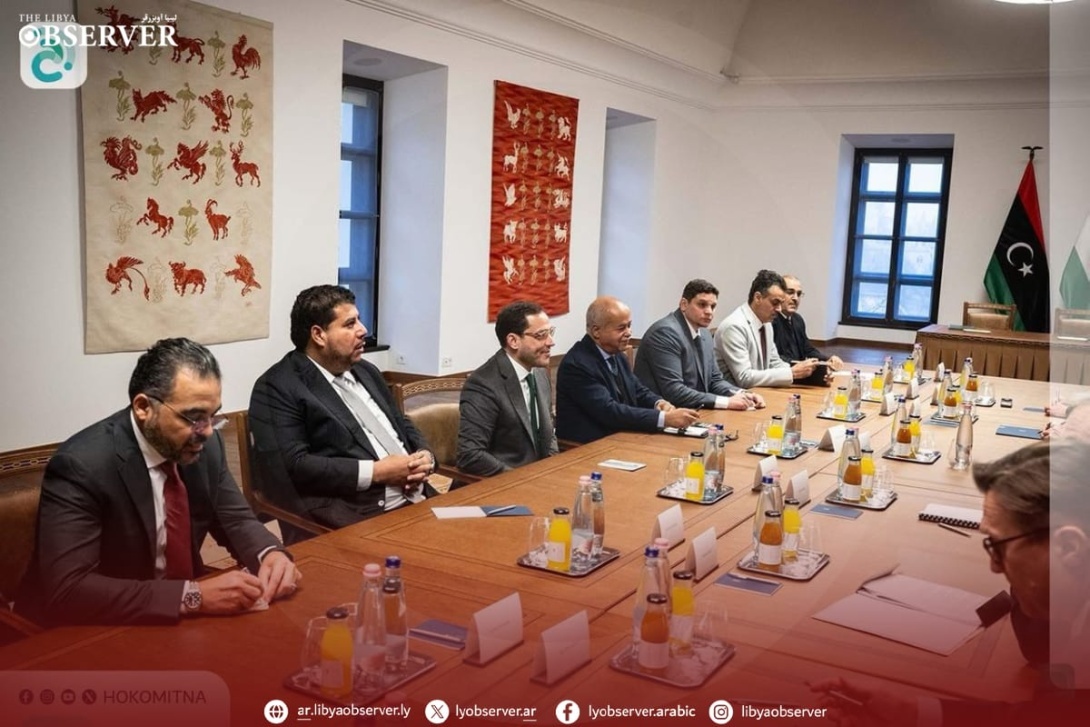
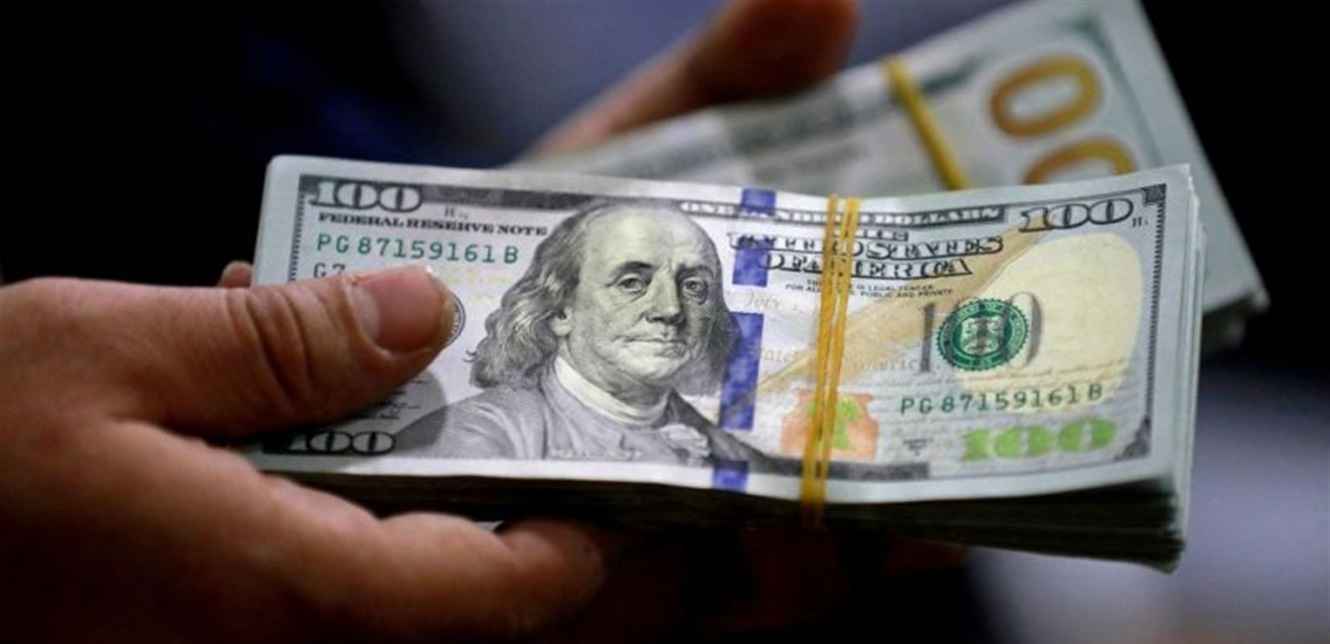
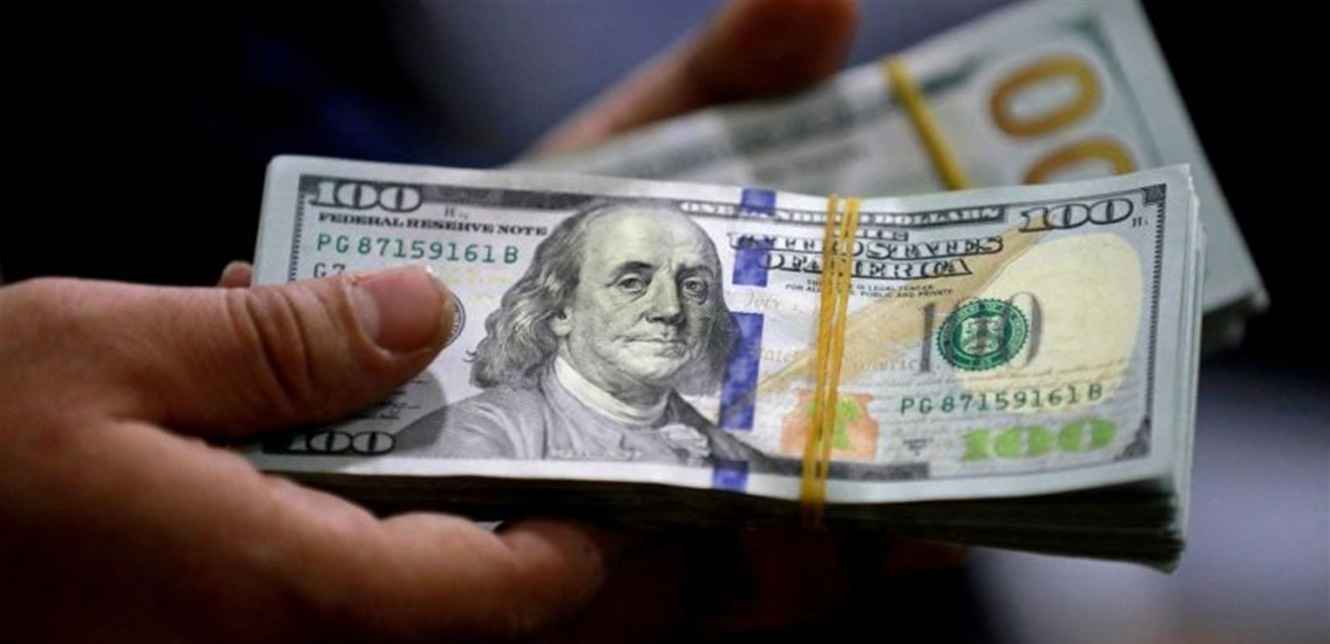
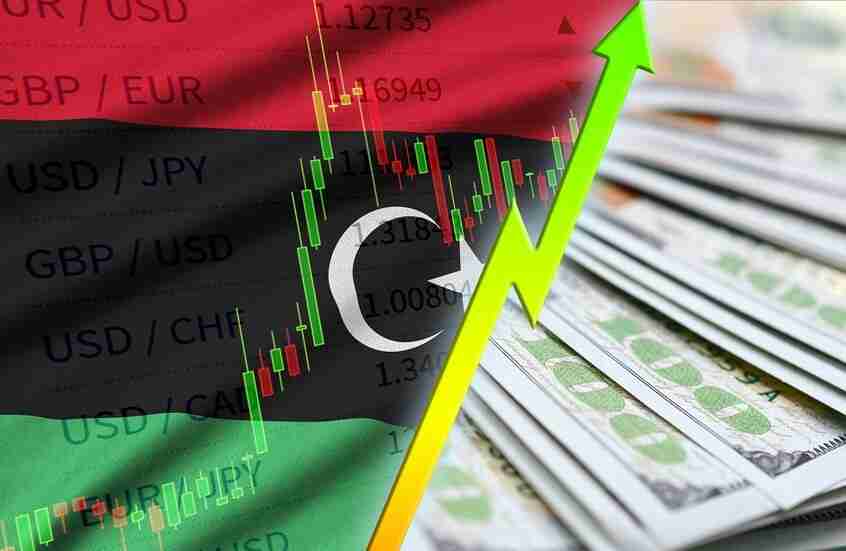
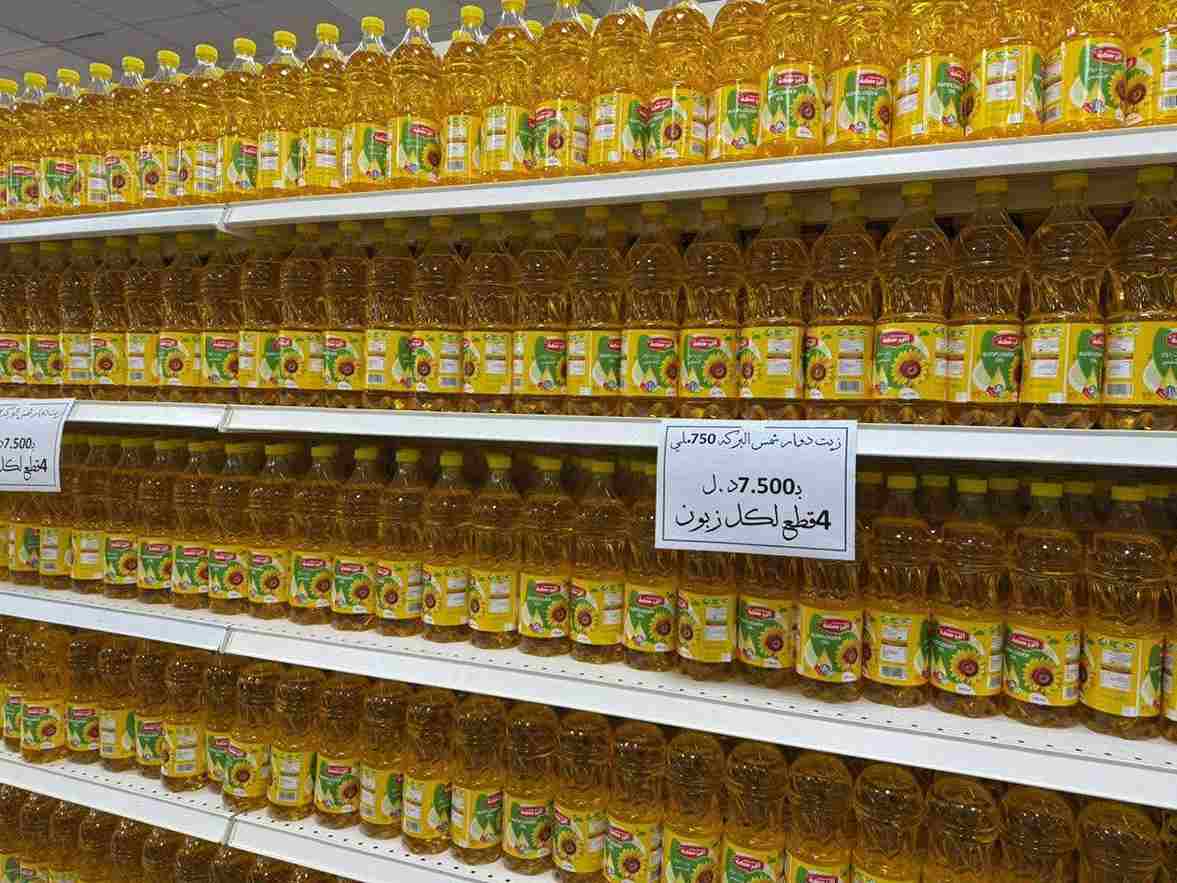
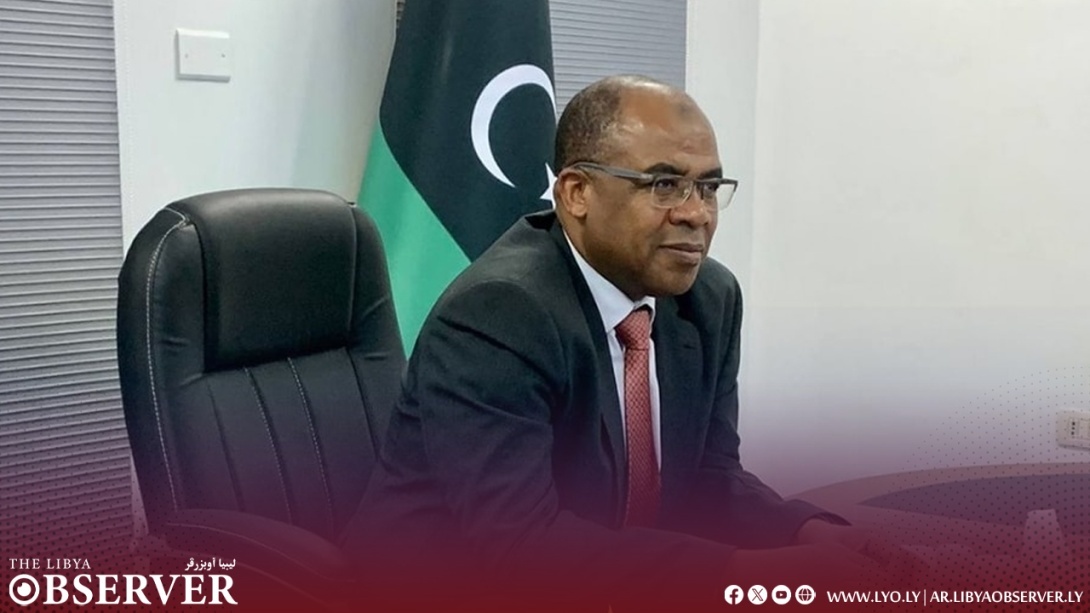
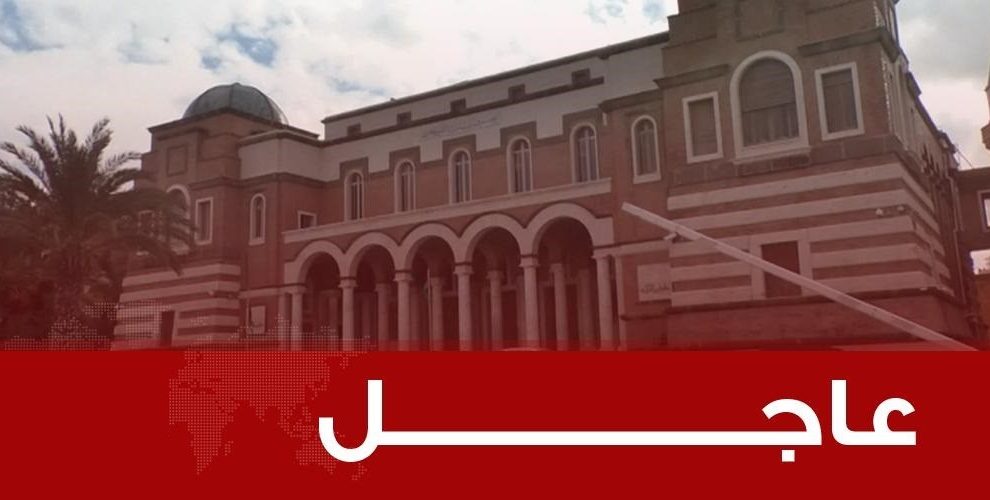
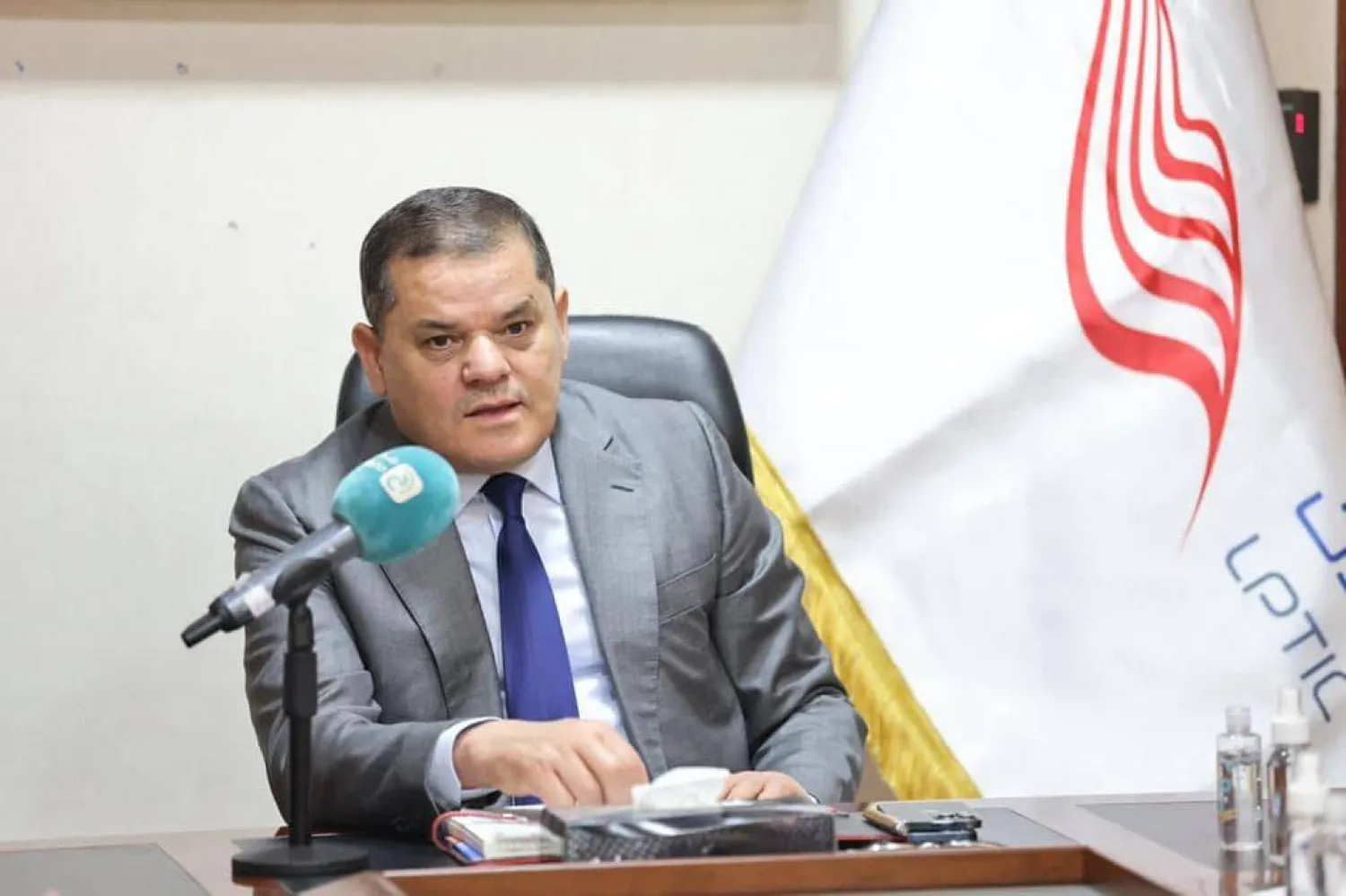
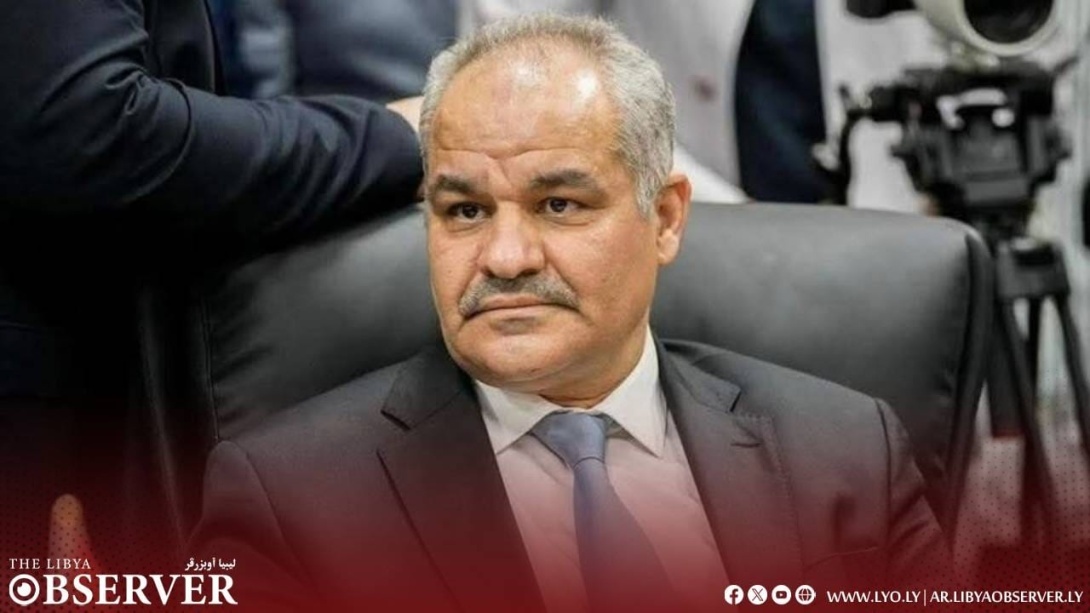
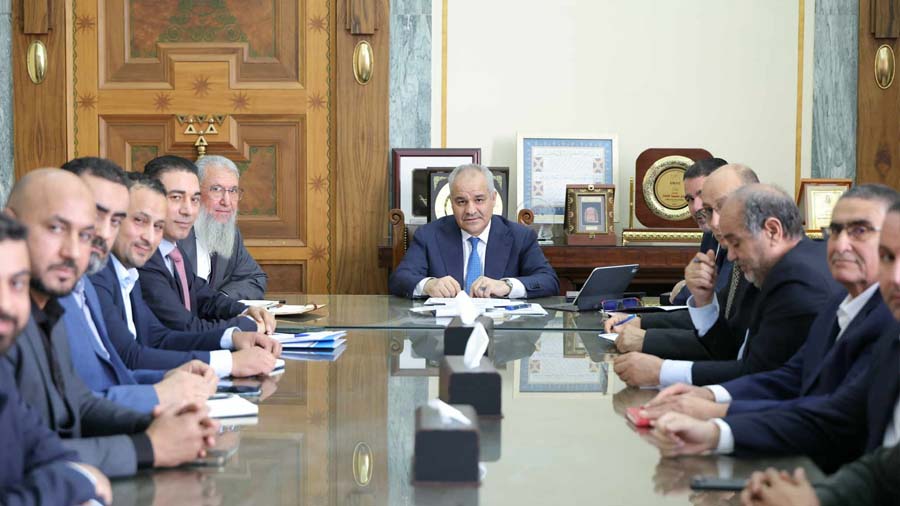
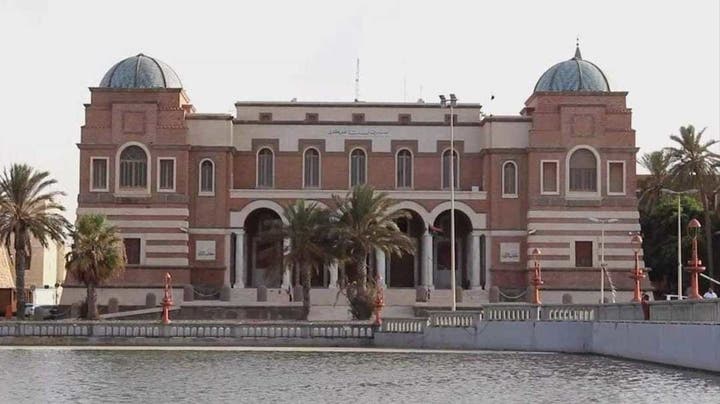
Tripoli – The Deputy Minister of Economy and Trade in the Government of National Unity, Suleiman Bushiha, has called on the Administrative Control Authority to open an investigation into 30 suspicious exchange companies that have not submitted any files or documents proving their supply of cooking oil. This comes within the framework of following up on the crisis of basic commodities in the local market.
The Ministry of Economy had earlier lifted the freeze on a number of companies supplying cooking oil, after accusing them of speculation and monopolizing goods, according to documents published by the *Echo of Economics* newspaper. The decision came days after the ministry backtracked on setting a price for oil, following the failure of the Minister of Economy, Mohammed Al-Hawaij, to provide the commodity in the local market.
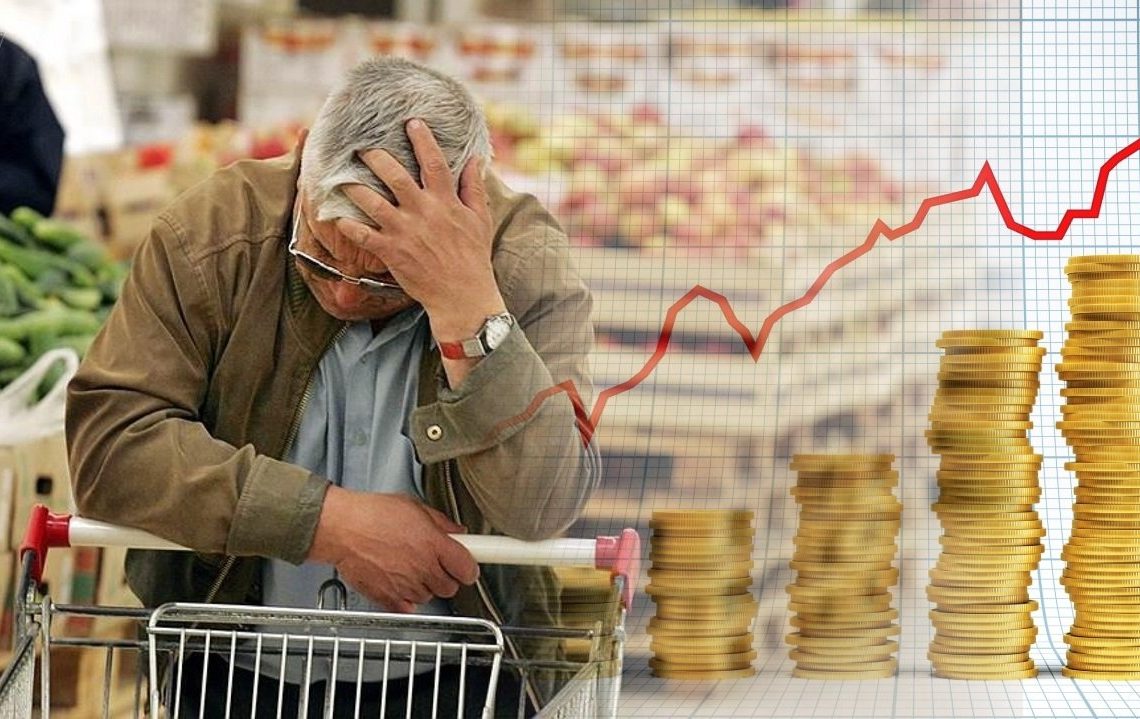
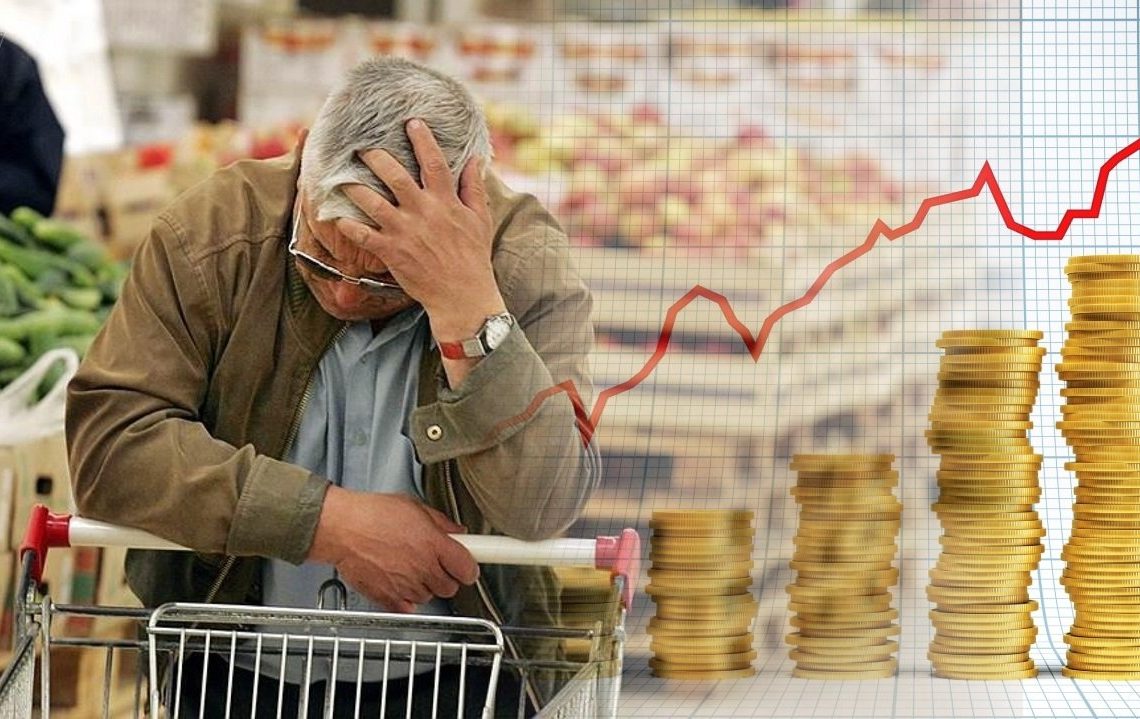
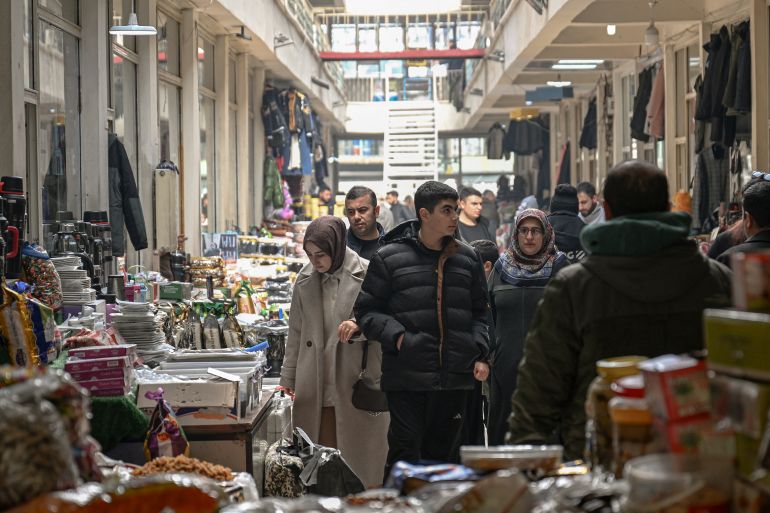
The move sparked widespread controversy in economic circles, especially as the cooking oil crisis continues to cast its shadow on consumers, amid calls for more transparency in managing the file of basic commodities and ensuring they reach citizens at appropriate prices.
Tripoli
Tripoli is the capital and largest city of Libya, located on the country’s Mediterranean coast. Historically, it was founded by the Phoenicians in the 7th century BC and has since been ruled by the Romans, Arabs, Ottomans, and Italians, serving as a major port and cultural crossroads. Its historic center, the medina, features well-preserved architecture from these various eras.
Government of National Unity
The Government of National Unity (GNU) is a term most notably applied to the post-apartheid coalition government in South Africa, formed in 1994 following the country’s first multiracial elections. Led by President Nelson Mandela, it brought together the African National Congress, the National Party, and the Inkatha Freedom Party to oversee the transition from minority rule to a multiracial democracy.
Administrative Control Authority
The Administrative Control Authority is an Egyptian government body established in the 1960s, primarily focused on combating corruption and ensuring integrity within state institutions. It operates as an oversight and investigative agency, tasked with monitoring administrative and financial compliance across the public sector.
Ministry of Economy
The Ministry of Economy is a government department responsible for formulating and implementing national economic policy. Its history is tied to the development of the modern state, with such ministries typically being established or significantly reformed during periods of industrialization or major economic restructuring to guide fiscal, trade, and industrial strategies.
Echo of Economics
The “Echo of Economics” is not a widely recognized historical place or established cultural site. It appears to be a conceptual or metaphorical title, possibly for an art installation, exhibition, or literary work exploring economic themes, rather than a physical location with a documented history. Without more specific context, its precise origins and background cannot be definitively summarized.