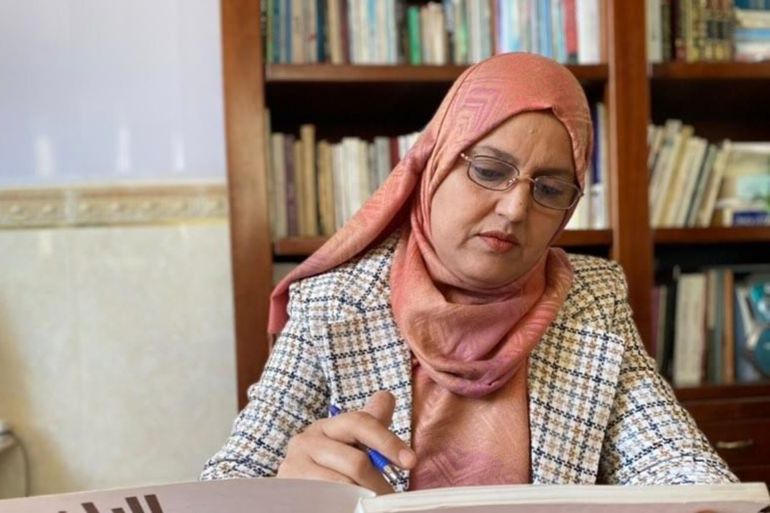
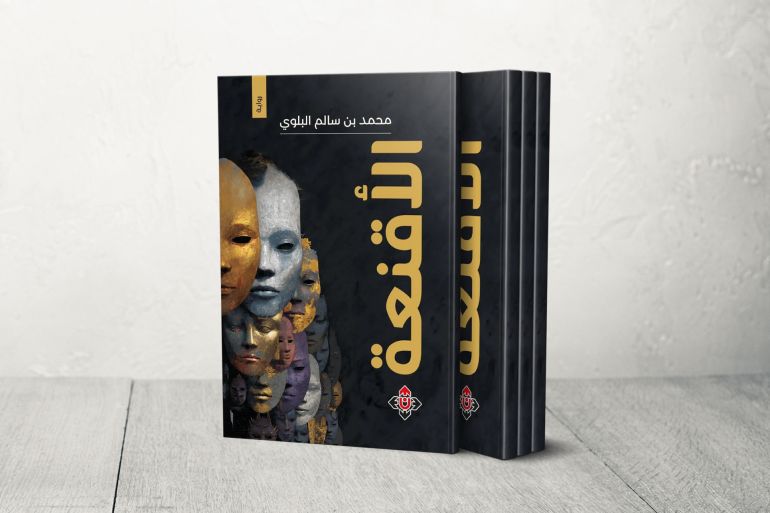
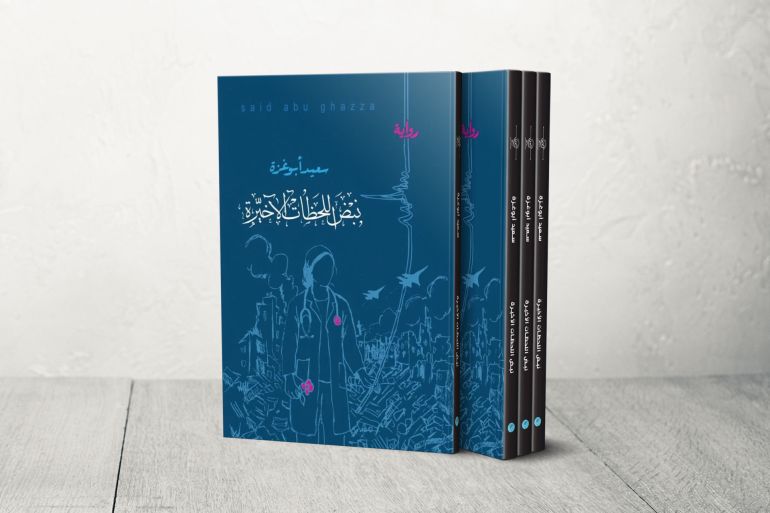
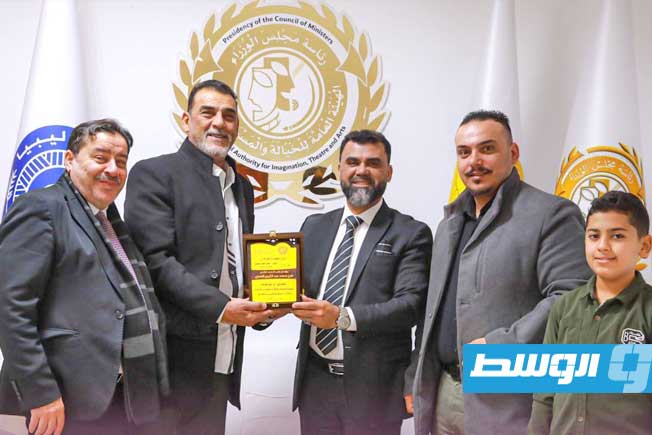
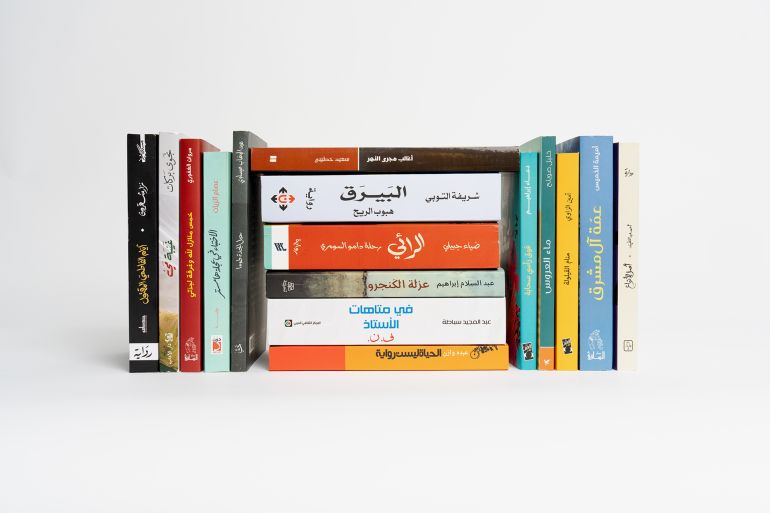
The Palestinian Minister of Culture has congratulated Libyan writer and novelist Aisha Al-Asfar on winning the “Al-Quds Award for Arab Women in Literary Creativity – Arabic Novel Category” for her acclaimed novel “Eshi.”
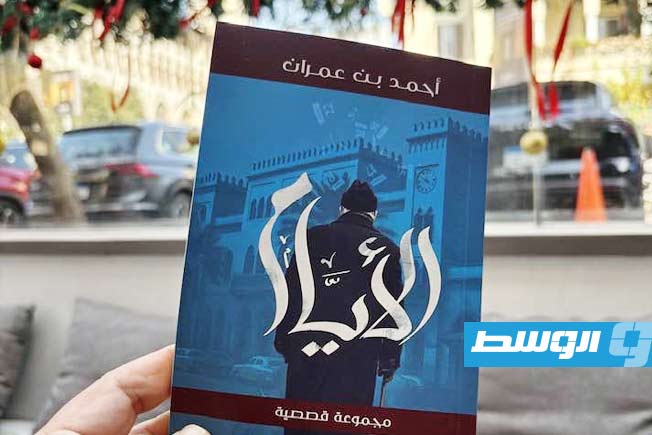
The award-winning work explores themes of Libyan and Arab identity, addressing marginalization, displacement, and social violence, and has been praised for its emotional depth and social realism.
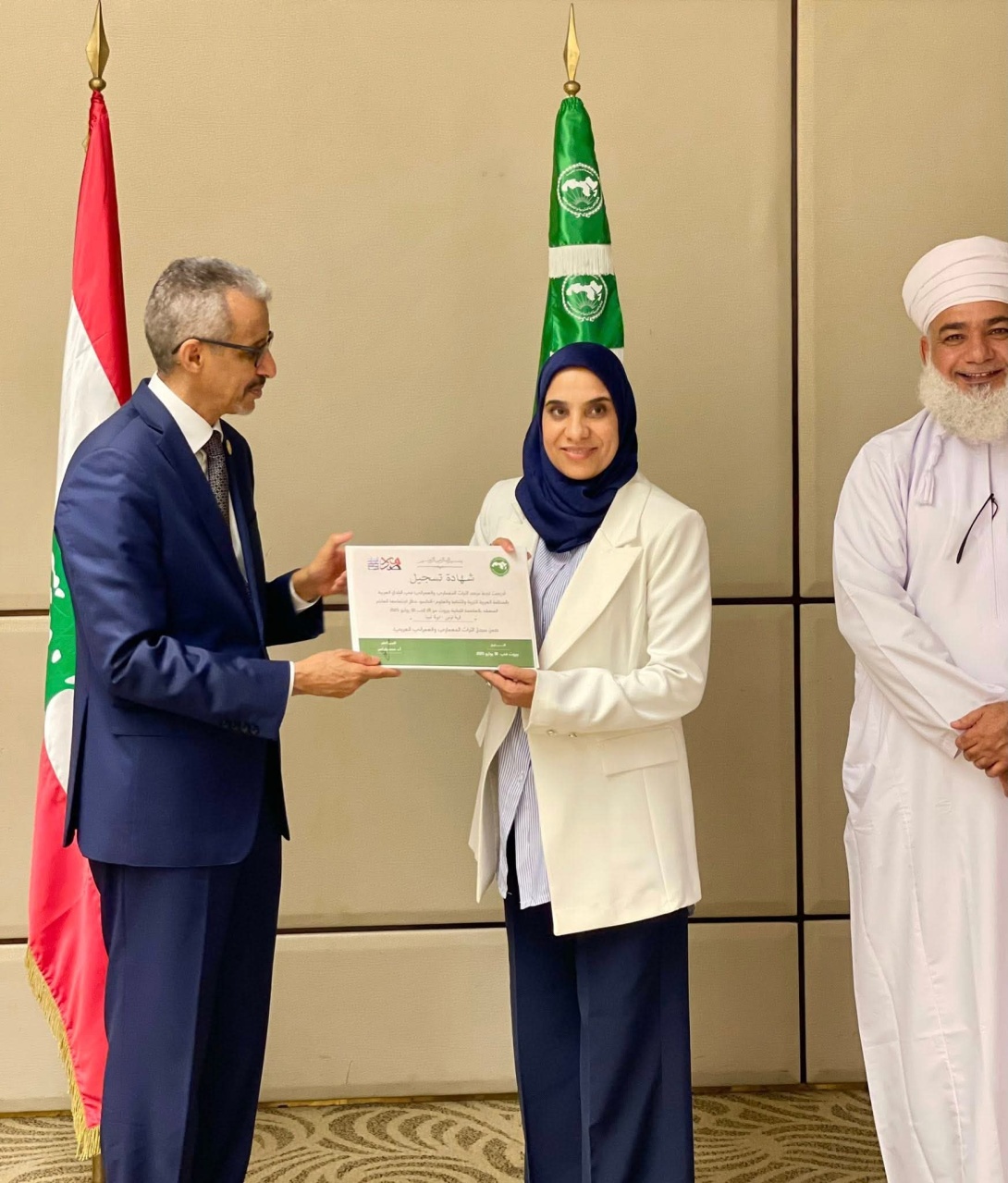
In an official statement, the Minister said Al-Asfar’s victory “reflects the pioneering role of Arab women in literature and thought” and affirms that “Palestine will always remain a beacon of creativity and Arab cultural identity.”
The Minister described Eshi as “a charter of honour and a creative testimony that preserves memory from distortion and offers nations a window to see their truths.” It was noted that the participation of 198 Arab novels in the competition underscores the strong and growing presence of women writers in the Arab literary scene and their influence on modern culture.
It was added that the award, which bears the name of Al-Quds – ‘our eternal capital and the cradle of stories’ – reflects a vision to strengthen cultural awareness rooted in national narrative. It also serves as a gesture of appreciation to Arab and Palestinian women for their historic role in advancing Arab cultural creativity.
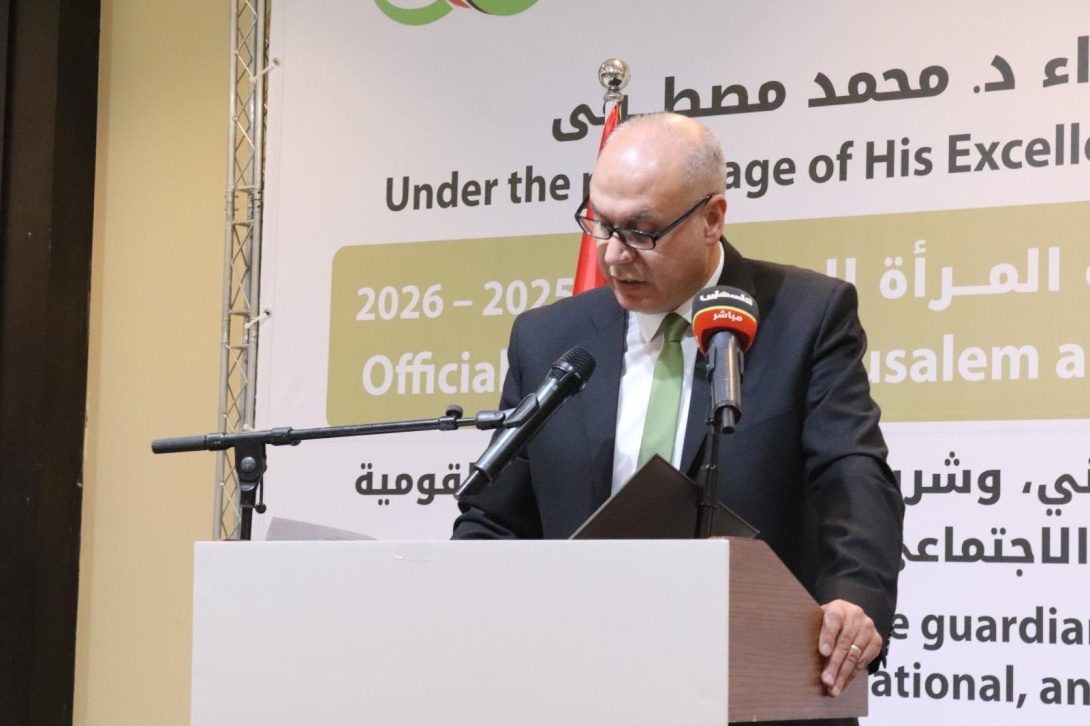
The award was announced in Ramallah. Her novel Eshi examines the memory of the desert and the social wounds of Libyan history, focusing on the power of circumstance and inner conflict throughout the country’s historical journey.
The Al-Quds Award for Arab Women in Literary Creativity was launched on 28 April 2025, attracting 198 Arab novelists and storytellers from across the region. The initiative forms part of celebrations marking Al-Quds as the Capital of Arab Women for 2025–2026, recognizing the contribution of Arab and Palestinian women to cultural, social, and literary life.
Palestinian Minister of Culture
The Palestinian Minister of Culture is a political position within the Palestinian Authority, responsible for overseeing cultural policy, heritage preservation, and the arts in the Palestinian territories. The role was established following the Oslo Accords in the 1990s as part of the creation of the Palestinian Authority’s governmental structure.
Libyan
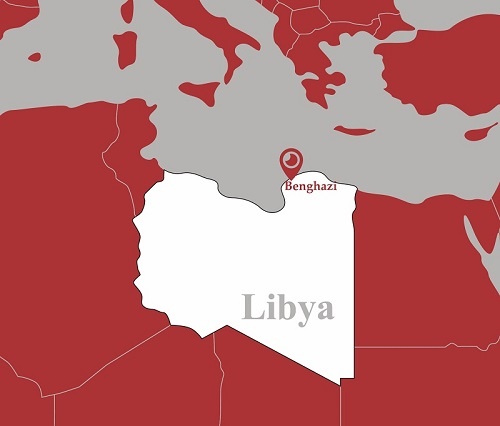
Libya is a country in North Africa with a rich history that includes ancient Phoenician, Greek, and Roman settlements, most notably at the UNESCO site of Leptis Magna. In the modern era, it was an Italian colony before gaining independence in 1951 and was later ruled by Muammar Gaddafi from 1969 until the 2011 revolution. Its cultural heritage is deeply influenced by both Mediterranean and Arab-Berber traditions.
Aisha Al-Asfar
Aisha Al-Asfar is a historic mosque and religious school located in the city of Fez, Morocco. It was founded in the 14th century during the Marinid dynasty and is named after a pious woman, Lalla Aisha, who was known for her religious devotion and scholarship. The site remains an important center for Islamic learning and spiritual practice in the old medina of Fez.
Al-Quds Award for Arab Women in Literary Creativity
The Al-Quds Award for Arab Women in Literary Creativity is a cultural prize established in 2013 by the Palestine International Institute. It specifically honors and promotes the literary achievements of Arab women writers, focusing on works that engage with themes of Jerusalem (Al-Quds) and Palestinian identity.
Arabic Novel Category
The Arabic novel as a literary category emerged in the late 19th century, heavily influenced by earlier narrative traditions and European literary forms. It developed significantly throughout the 20th century, becoming a primary vehicle for exploring social, political, and cultural issues across the Arab world.
Eshi
Eshi is a traditional Chinese architectural feature, specifically a type of stone or wooden archway or gateway often found at the entrances of villages, temples, or significant roads. Historically, these structures were erected to commemorate virtuous individuals, local officials, or important events, serving as symbols of honor and cultural identity.
Palestine
Palestine is a historical and geographic region in the Eastern Mediterranean, with a deeply rooted history as a crossroads for numerous civilizations, religions, and empires. It holds profound significance for Judaism, Christianity, and Islam, particularly due to sites like Jerusalem, and has been a central focus of the Israeli-Palestinian conflict in the modern era.
Al-Quds
Al-Quds is the Arabic name for Jerusalem, a city of profound religious significance to Islam, Christianity, and Judaism. Its history spans millennia, with key events including its establishment as the capital of the ancient Israelite kingdom, its centrality in early Christian tradition, and its status as the location of the Al-Aqsa Mosque compound, the third holiest site in Islam. The city’s control has shifted among various empires and nations, making it a central focus of the Israeli-Palestinian conflict.
Ramallah
Ramallah is a Palestinian city in the central West Bank that has served as the de facto administrative capital of the Palestinian Authority since the 1990s. Historically a Christian-majority town known for its pleasant climate, it grew from a small agricultural village into a major political and cultural center following the 1993 Oslo Accords.