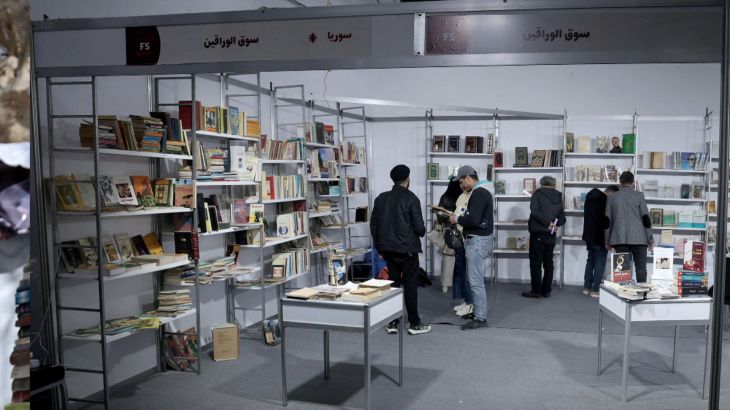
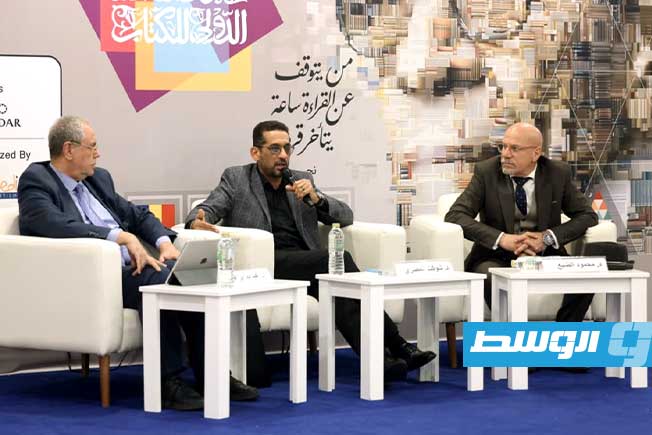
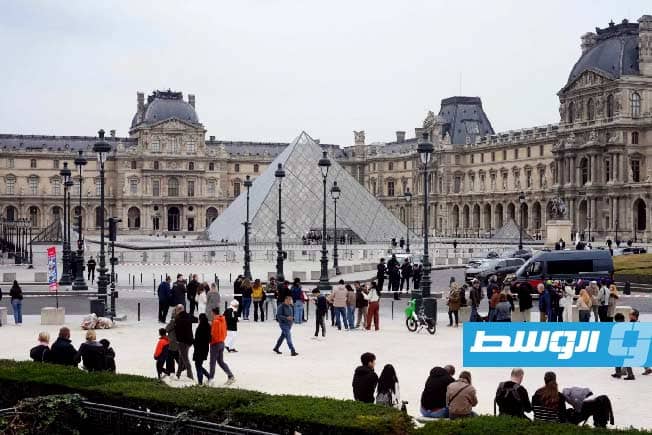
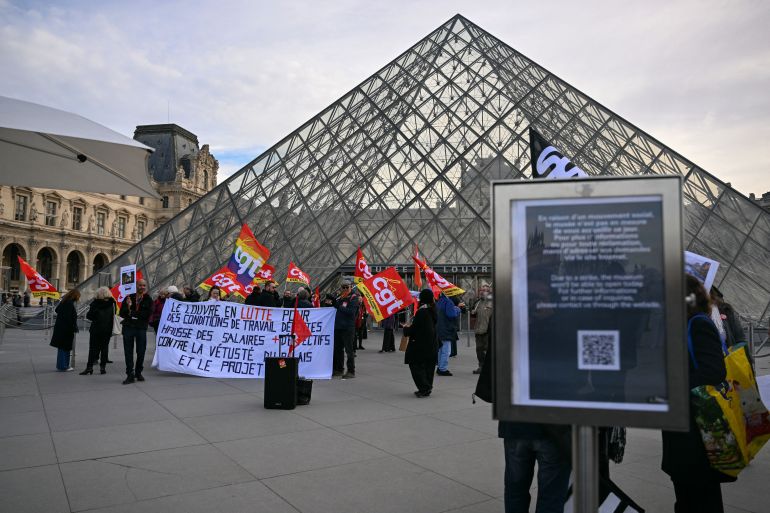
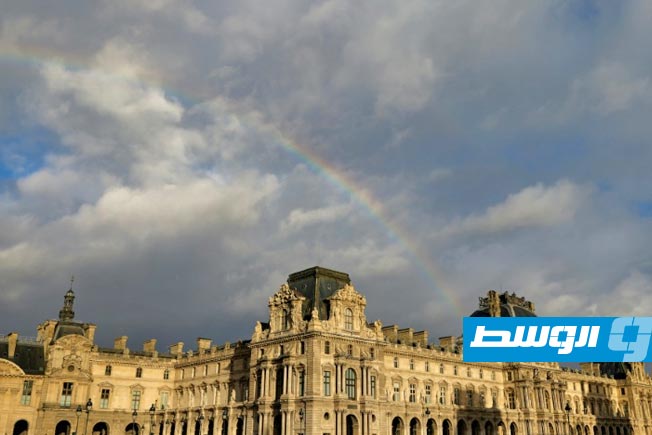
On Friday, February 13, 2026, the Paris Book Fair commenced, marked by significant official and cultural attendance, with broad participation from publishing houses and writers from various countries around the world.
The fair will continue until February 15, 2026, offering a rich program of literary seminars, book signing events, and cultural activities that reinforce France’s status as one of the world’s leading capitals for books and publishing.
Libyan Presence at the Fair
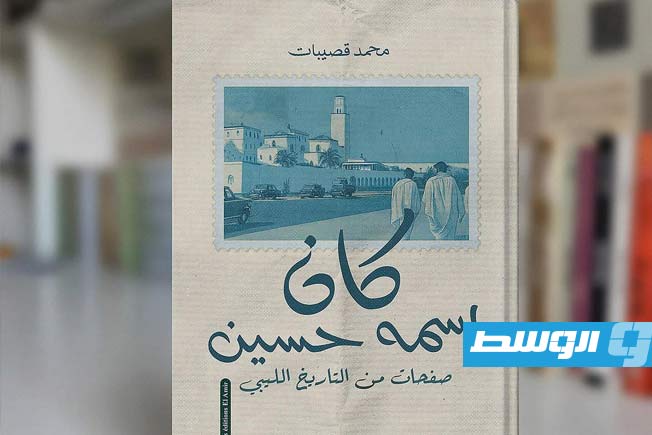
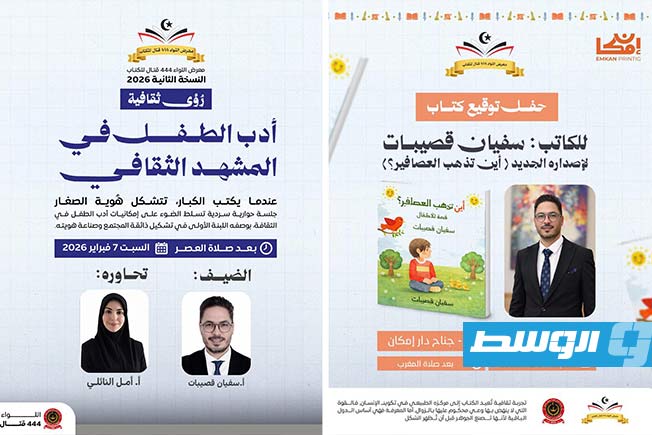
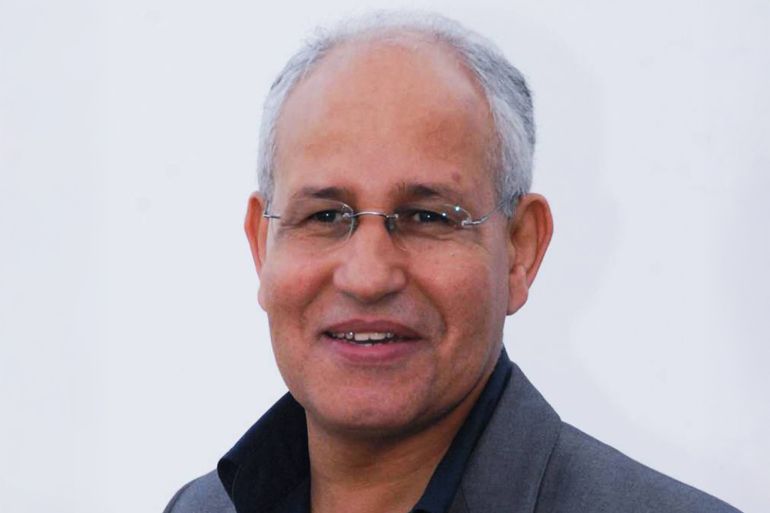
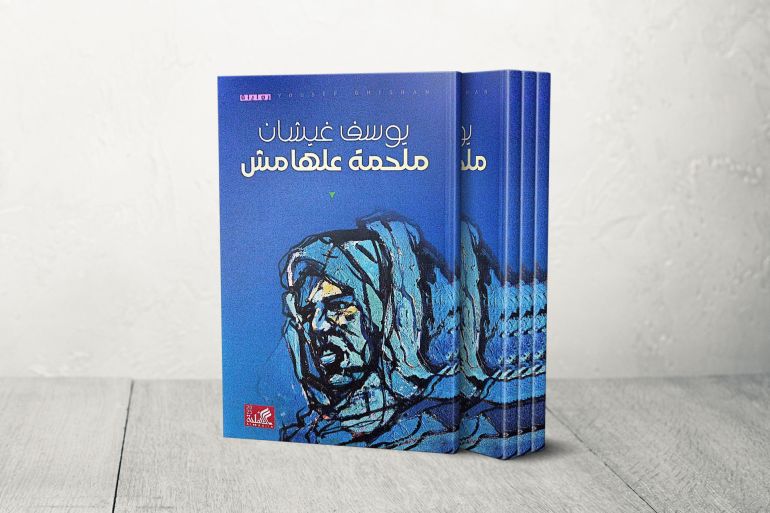
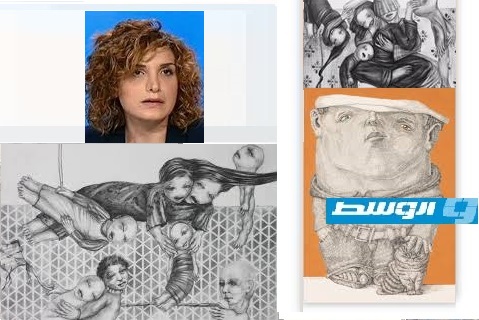
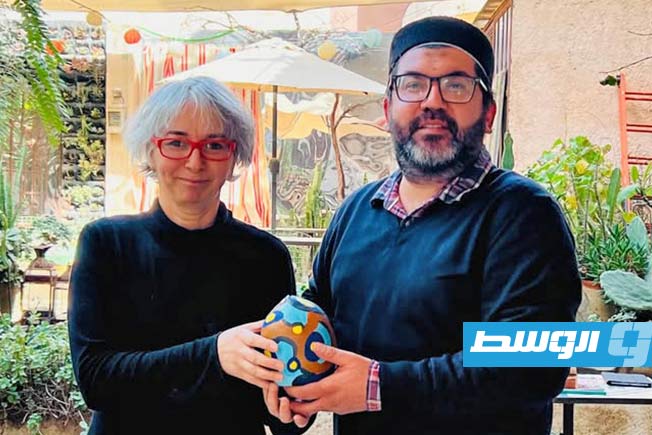
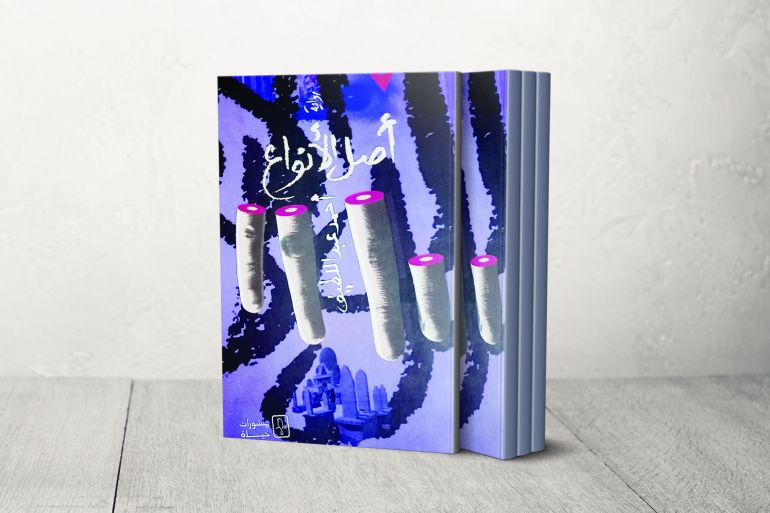
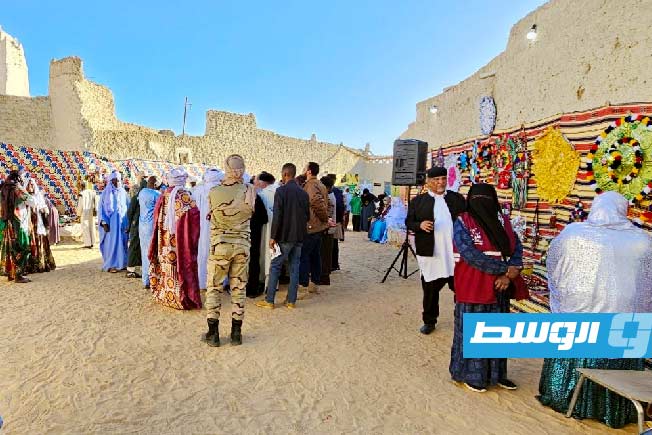
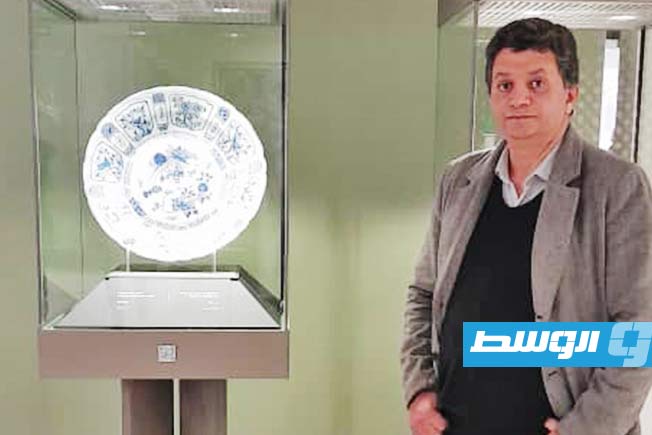
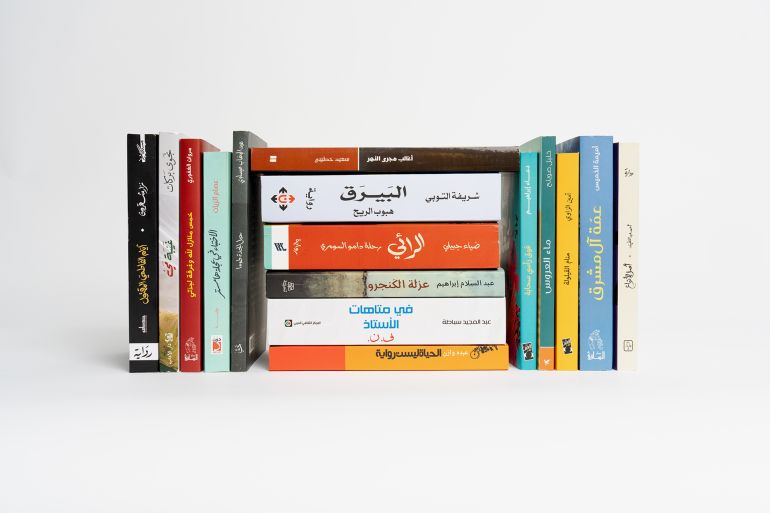
The current edition features a Libyan presence, with a Libyan writer presenting his novel titled “His Name Was Hussein… Pages from Libyan History,” which explores moments from the Libyan national memory in a documentary narrative style.
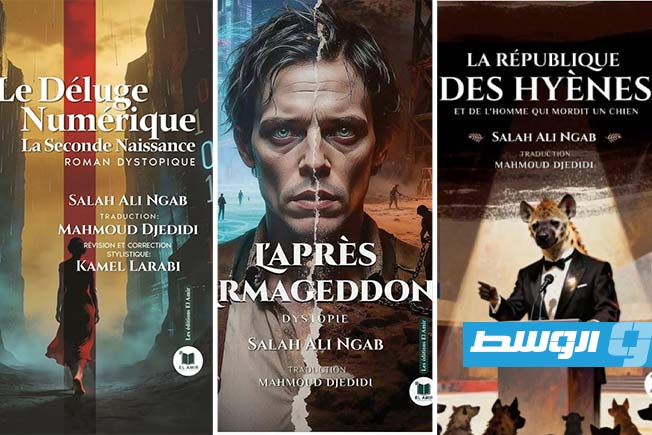
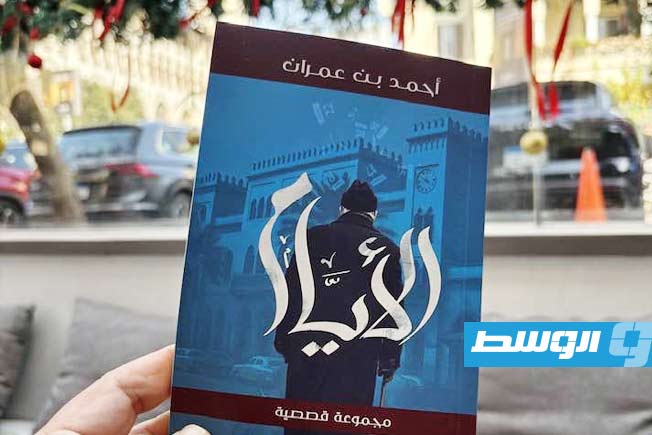
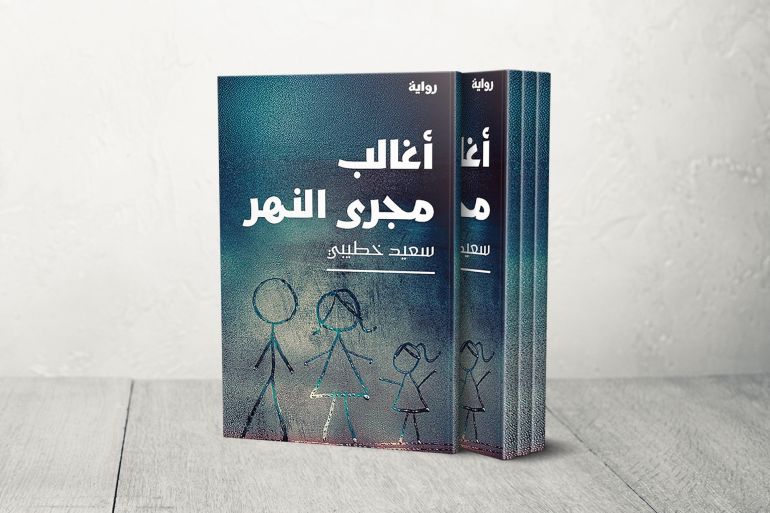
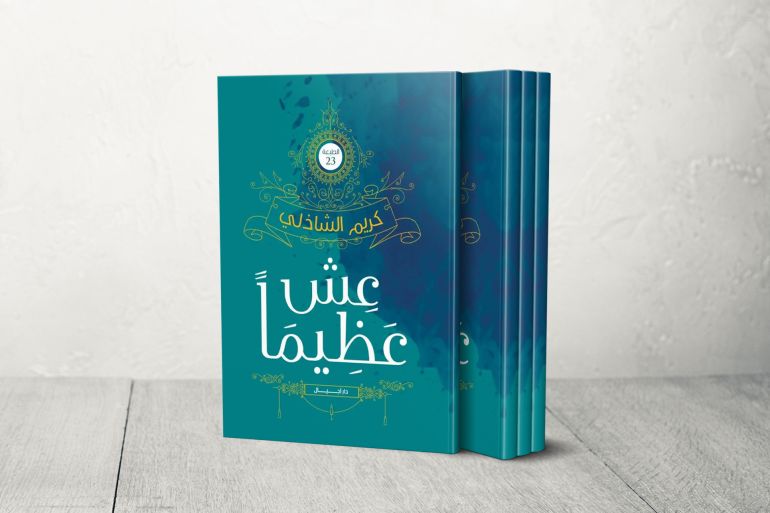
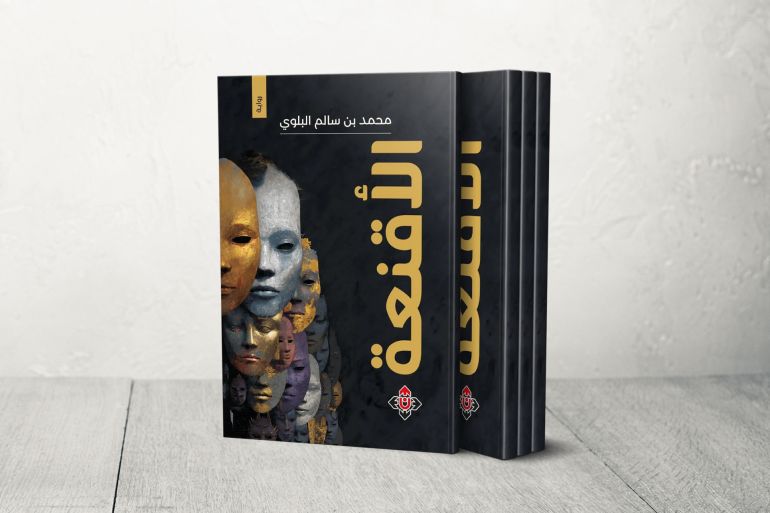
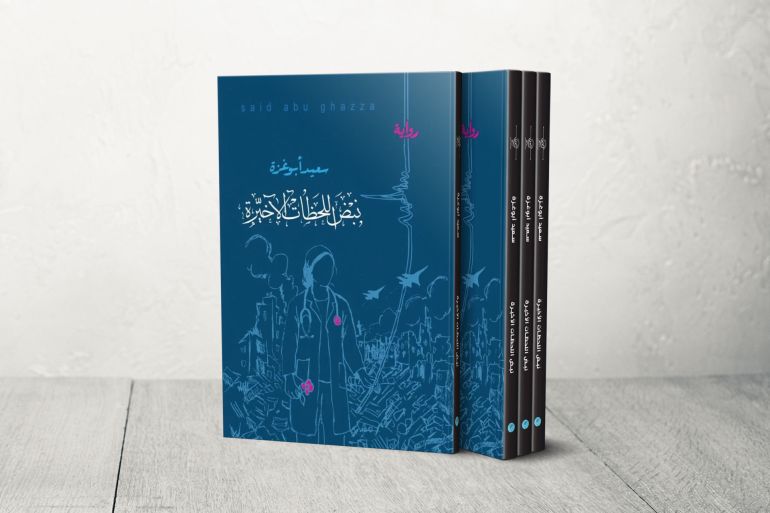
Another writer is also present with a number of his works, including his novel translated into French, “The Digital Flood,” alongside the novels “The Second Birth,” “Post-Armageddon,” and “The Republic of Hyenas.” This presence reflects the growing interest in Libyan literature on the European cultural scene.
This participation is part of a broader trend to enhance the Arab presence in international cultural forums and to highlight narrative diversity and contemporary creative experiences.
A novel at the Paris Book Fair 2026
Paris Book Fair
The Paris Book Fair (Salon du Livre de Paris) is an annual literary event founded in 1981, serving as a major international marketplace for publishers, authors, and readers. It celebrates literature through exhibitions, author signings, and discussions, reflecting France’s deep-rooted literary culture and its historical role as a global publishing center.
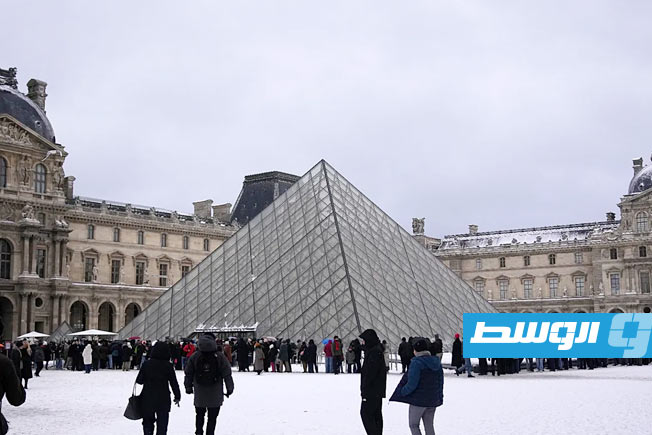
France
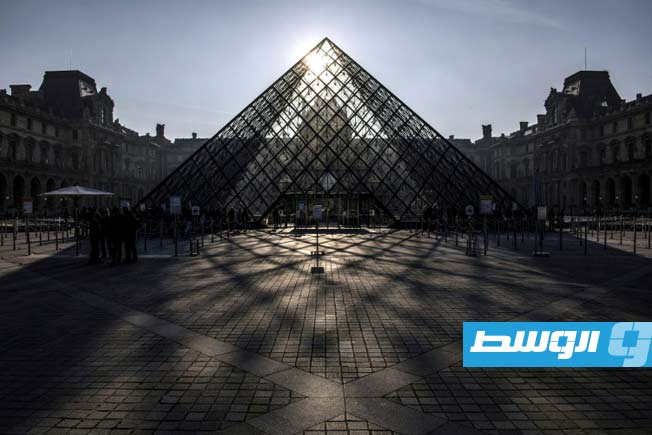
France is a Western European country with a rich history dating back to ancient Gaul, later evolving into a powerful monarchy and a center of the Enlightenment. It is globally renowned for its cultural influence, from art and philosophy to cuisine and fashion, and is home to iconic landmarks like the Eiffel Tower and the Palace of Versailles. The French Revolution of 1789 was a pivotal event that established it as a modern republic, profoundly shaping its national identity and political values.
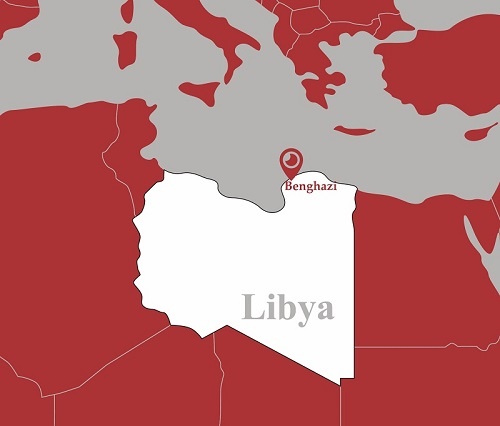
Libyan
Libya is a North African country with a rich history that includes ancient Phoenician, Greek, and Roman settlements, most notably at the UNESCO site of Leptis Magna. Its modern history was significantly shaped by the long rule of Muammar Gaddafi from 1969 until the 2011 revolution. The nation’s cultural heritage reflects diverse Berber, Arab, and Mediterranean influences.