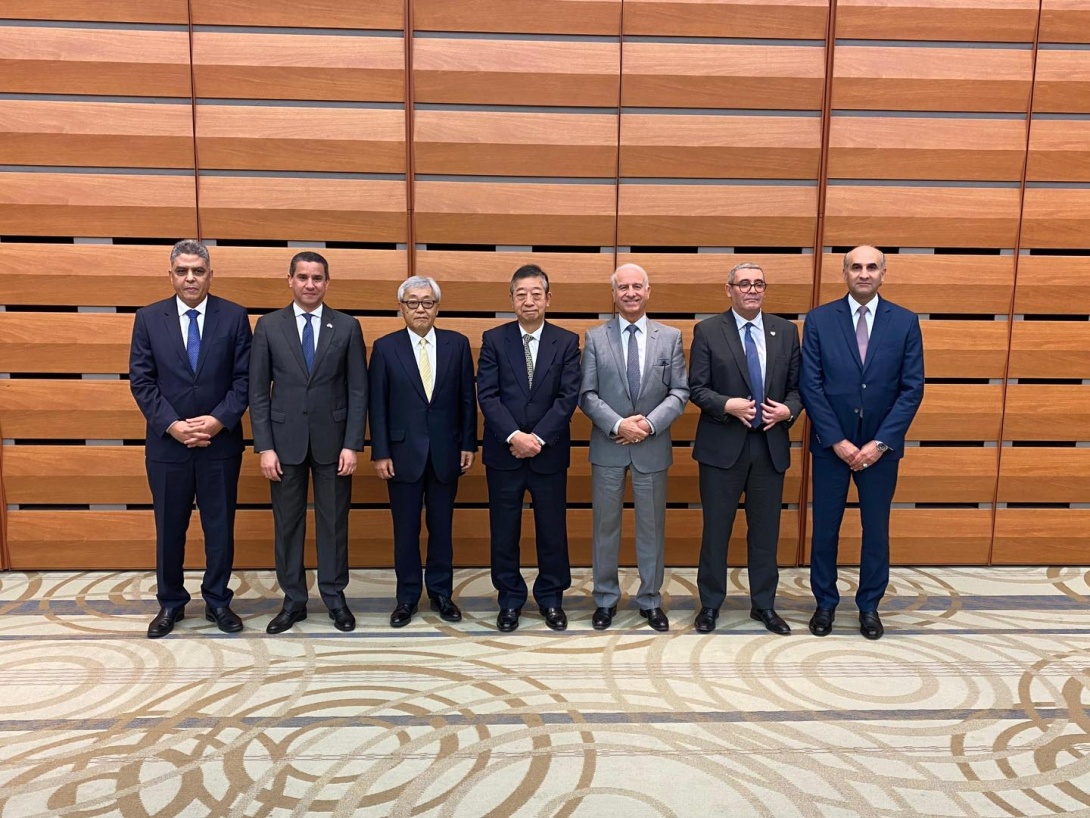
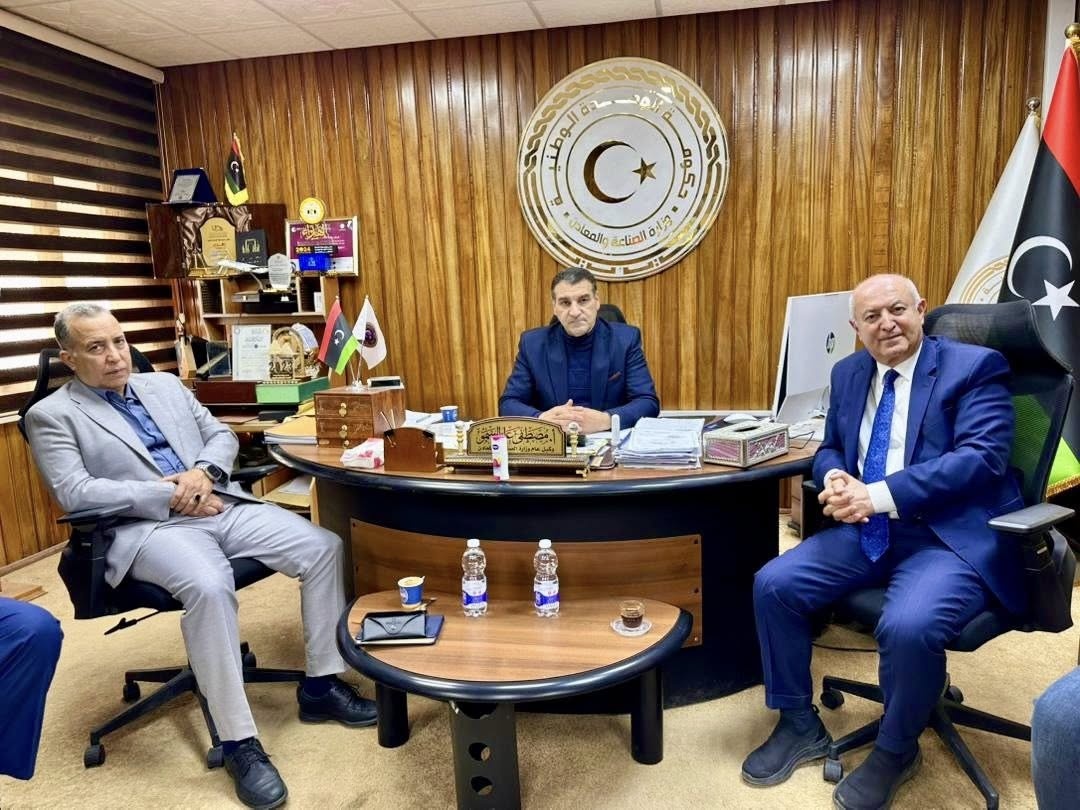
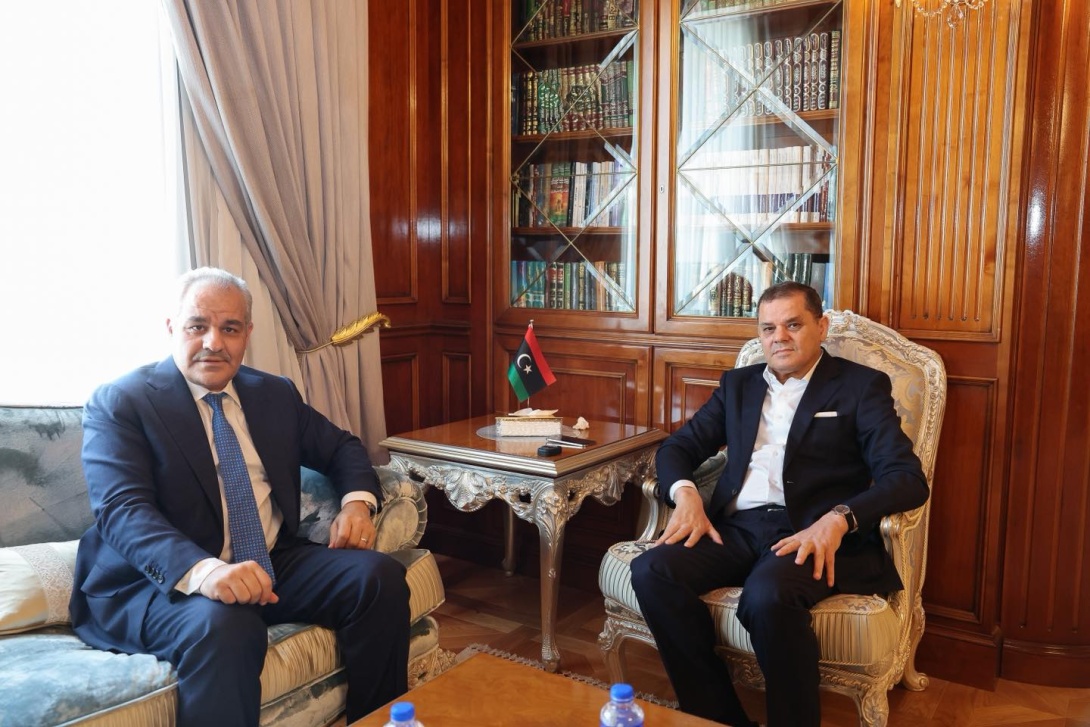
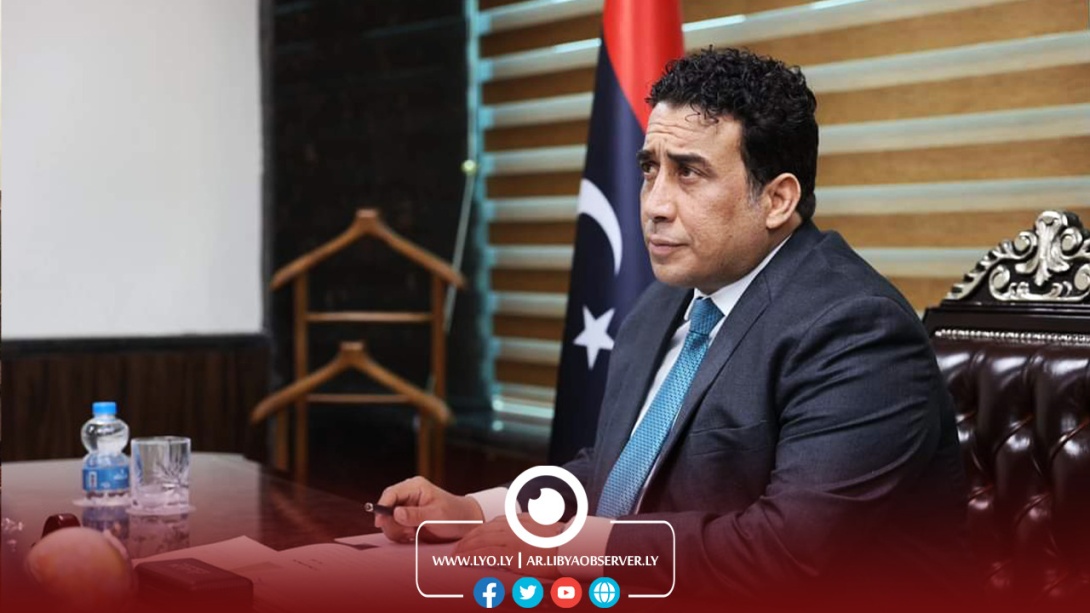
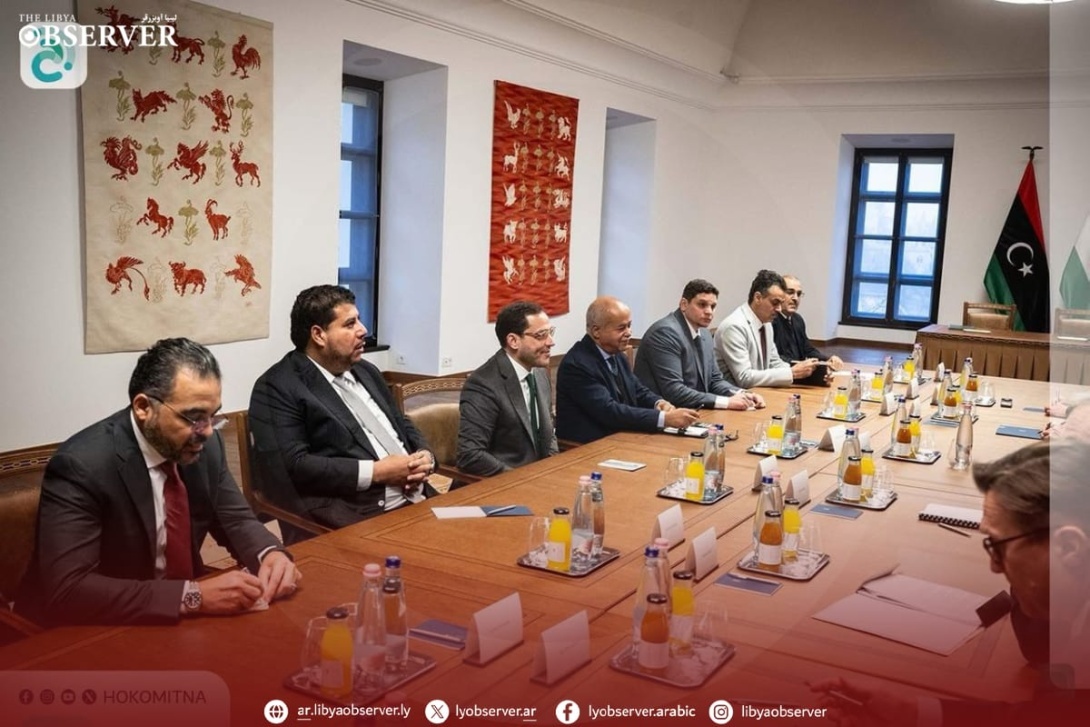
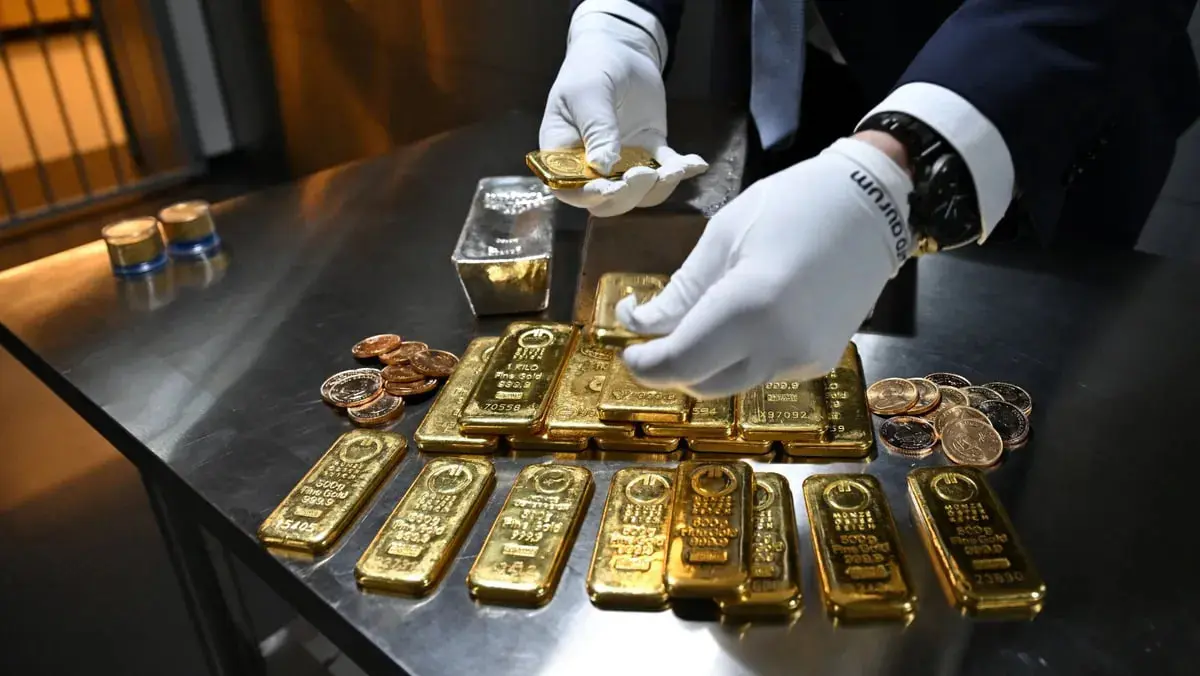
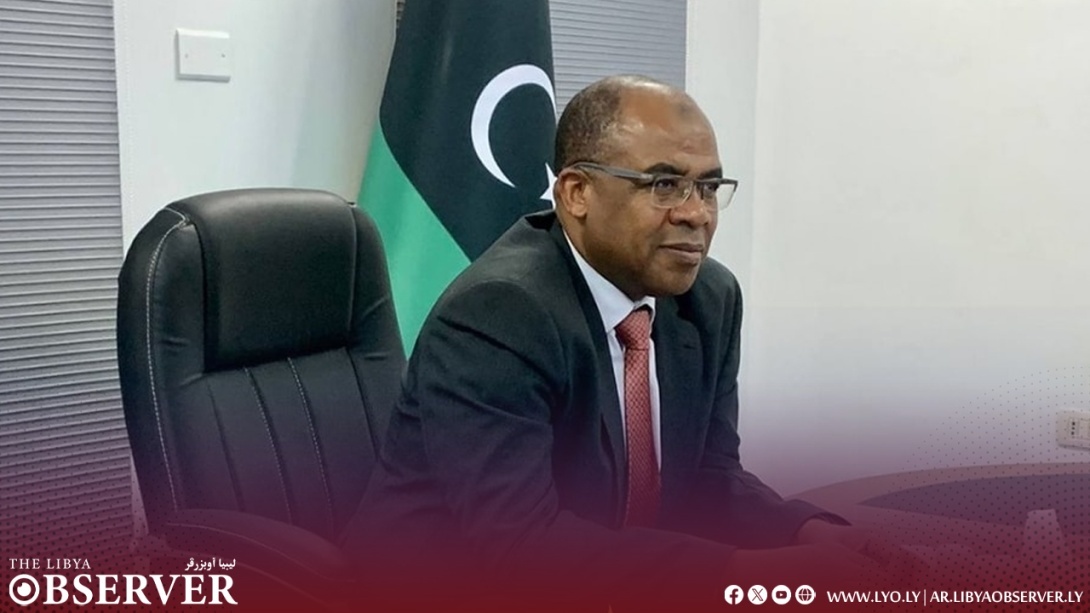
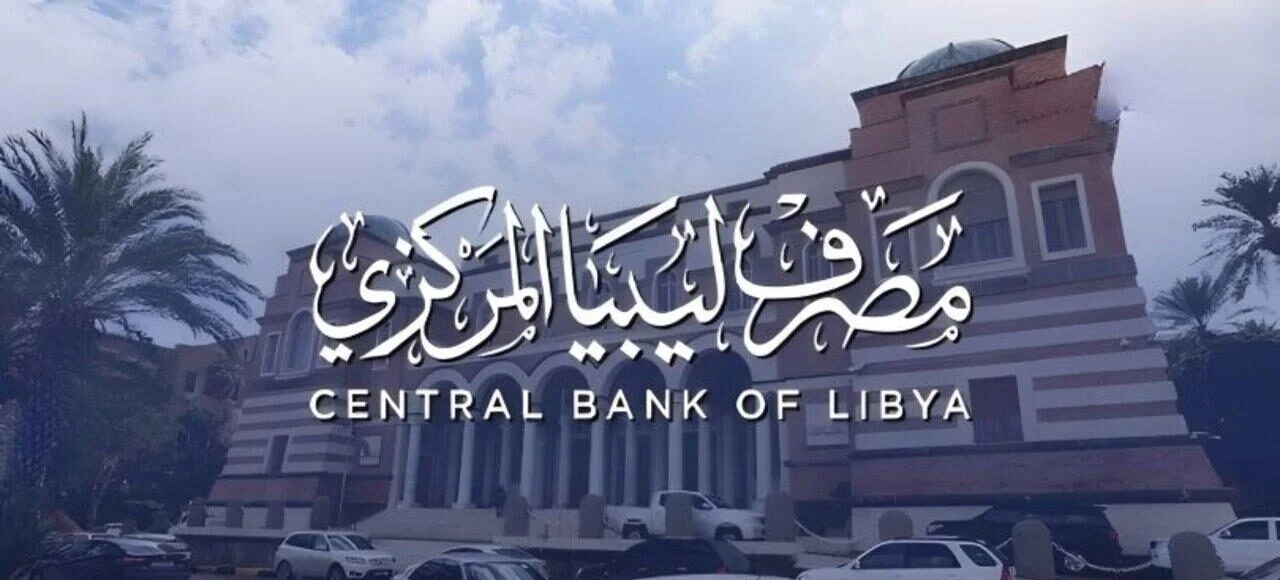
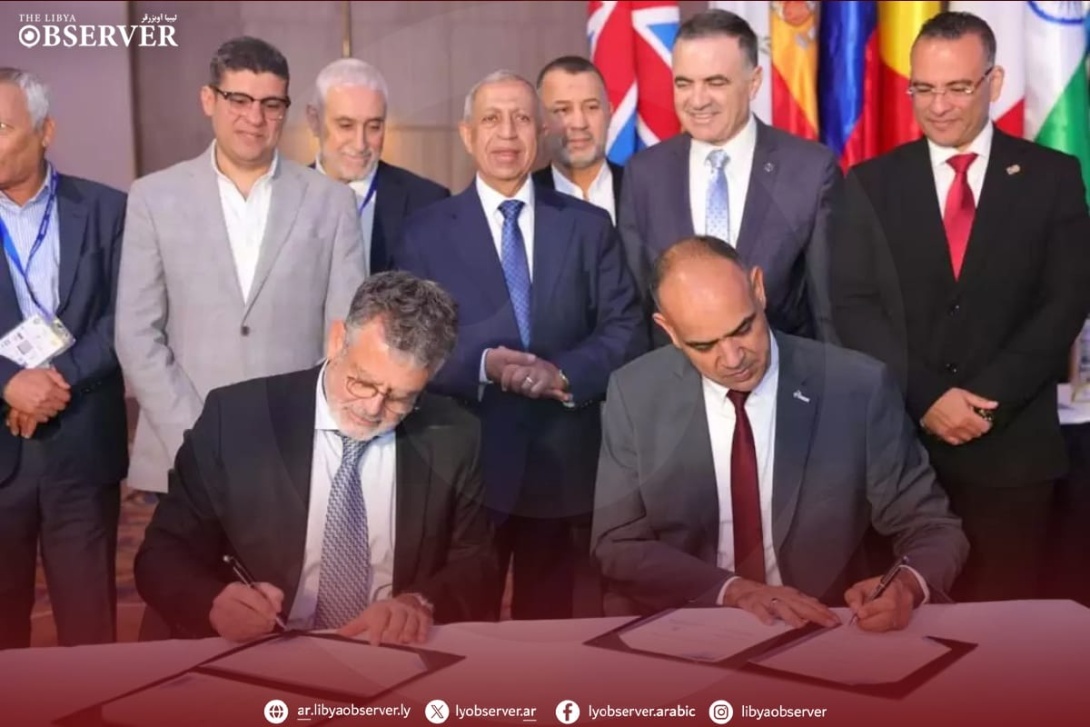
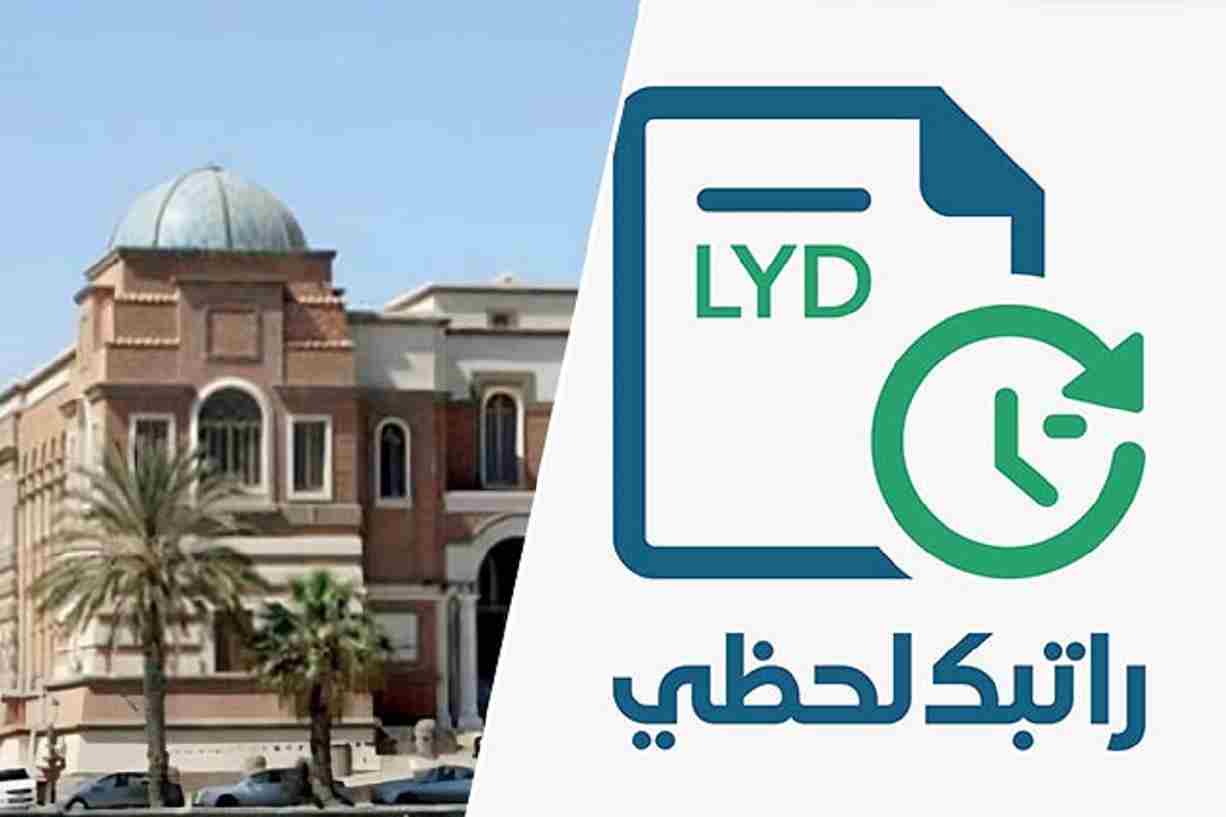
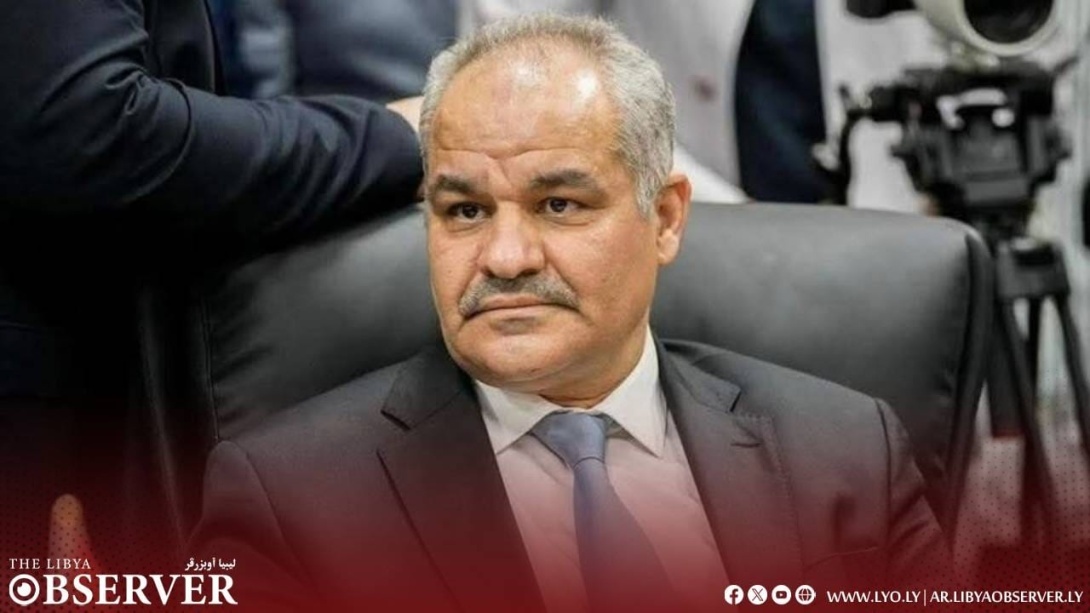
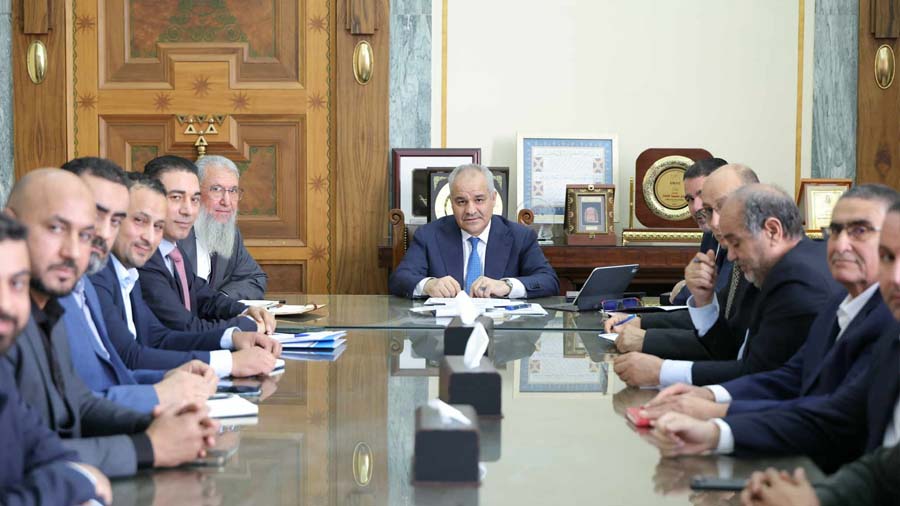
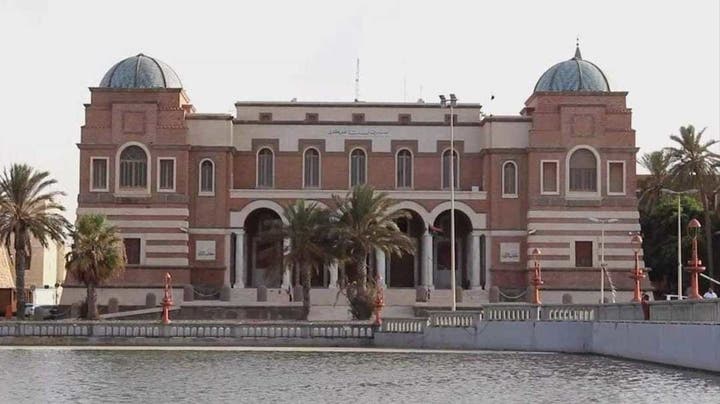
The LIA stated that the meeting, held on Monday, addressed Greece’s role in supporting efforts to reinvest frozen Libyan assets in a way that helps protect them, preserve their market value, and enhance their management in line with international best practices.
The LIA added that the meeting comes within the framework of strengthening international cooperation, particularly as Greece currently serves as Vice-Chair of the UN Security Council Committee on Libya, a position seen as important in supporting efforts to safeguard the LIA’s assets.
It stressed that it seeks to redeploy its non-invested assets while maintaining their frozen status, in a manner that ensures their protection and enhances their value.
In January, the House of Representatives’ Committee for Verification and Follow-up of Frozen Libyan Funds discussed the issue of frozen Libyan balances abroad with the Speaker of the Greek Parliament, the Chair of the National Defense and Foreign Affairs Committee, and the Greek Deputy Foreign Minister.
In October 2025, the parliamentary committee submitted a memorandum to the UN Security Council calling for the appointment of an independent international audit firm to audit and review all frozen Libyan assets, in order to strengthen transparency and protect these assets.
Libyan Investment Authority
The Libyan Investment Authority (LIA) is the sovereign wealth fund of Libya, established in 2006 to manage the country’s oil revenues for long-term economic stability and future generations. Its history has been marked by significant challenges, including international sanctions, asset freezes, and internal disputes following the 2011 revolution and subsequent political instability.
Greece
Greece is a southeastern European country renowned as the cradle of Western civilization, being the birthplace of democracy, philosophy, and the Olympic Games. Its rich history spans from the advanced Minoan and Mycenaean civilizations to the Classical Age of city-states like Athens and Sparta, followed by periods under Roman, Byzantine, and Ottoman rule before gaining independence in the 19th century. Today, it is famous for its ancient archaeological sites, such as the Acropolis in Athens, and its numerous sun-drenched islands.
Libya
Libya is a North African country with a rich history rooted in ancient civilizations like the Phoenicians and Romans, followed by centuries of Arab and Ottoman influence. In the modern era, it was an Italian colony before gaining independence in 1951, later becoming known for Muammar Gaddafi’s lengthy rule from 1969 until the 2011 revolution. The country is home to UNESCO World Heritage sites, such as the ancient Greek city of Cyrene and the Roman ruins of Leptis Magna.
UN Security Council
The United Nations Security Council is the principal organ of the United Nations responsible for maintaining international peace and security. Established in 1945 following World War II, its five permanent members—China, France, Russia, the United Kingdom, and the United States—hold veto power, reflecting the post-war geopolitical landscape.
House of Representatives
The House of Representatives is the lower chamber of the United States Congress, established by the Constitution in 1789. It is composed of representatives elected from congressional districts, with representation based on state population.
Greek Parliament
The Greek Parliament, located in Syntagma Square in Athens, was originally built as the royal palace for King Otto I in the 19th century. It has served as the seat of the Hellenic Parliament since 1934, following the abolition of the monarchy, and is guarded by the Evzones in their traditional uniform.
National Defense and Foreign Affairs Committee
The National Defense and Foreign Affairs Committee is a key legislative body, typically within a national parliament, responsible for overseeing matters of national security, military policy, and international relations. Its history is tied to the development of modern parliamentary systems, where specialized committees were formed to provide detailed scrutiny of government defense and diplomatic activities.
Greek Deputy Foreign Minister
The Greek Deputy Foreign Minister is a senior government official responsible for assisting the Foreign Minister in shaping and implementing Greece’s foreign policy. The role involves diplomatic missions, international negotiations, and representing the country’s interests abroad, with its specific duties evolving alongside Greece’s modern political history since the establishment of the Hellenic Republic.