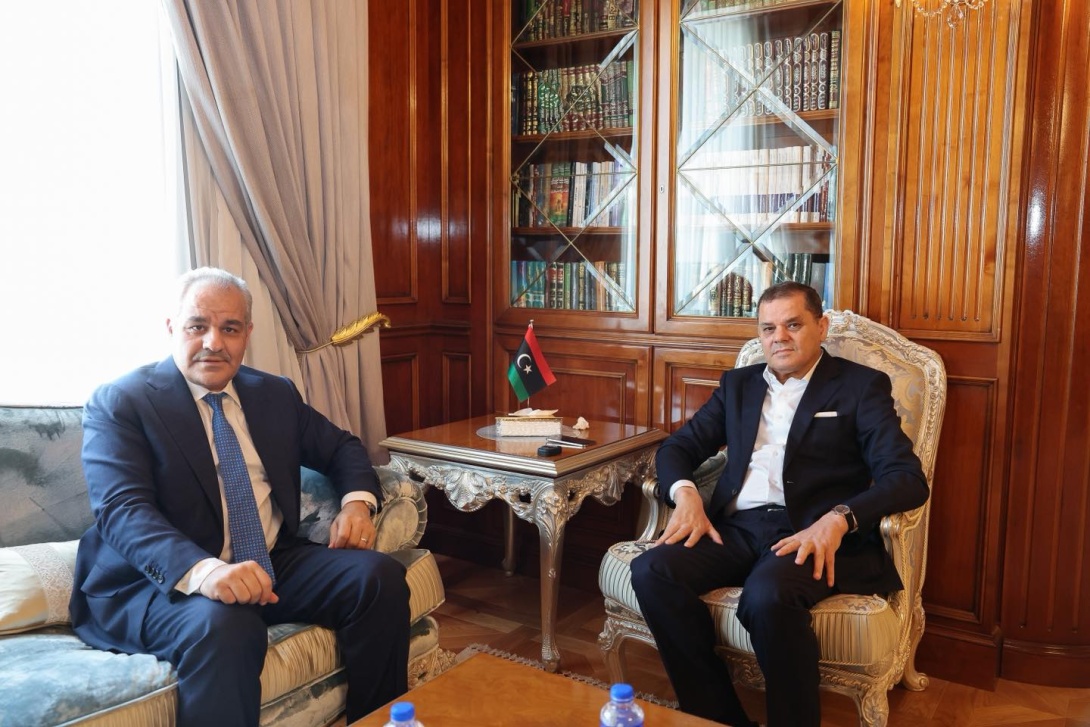
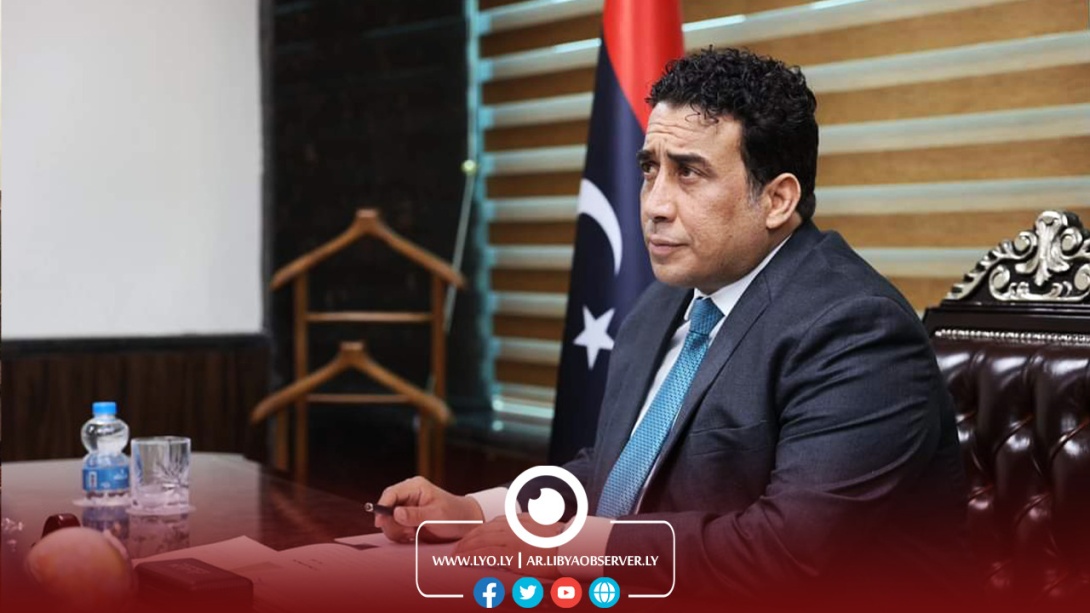
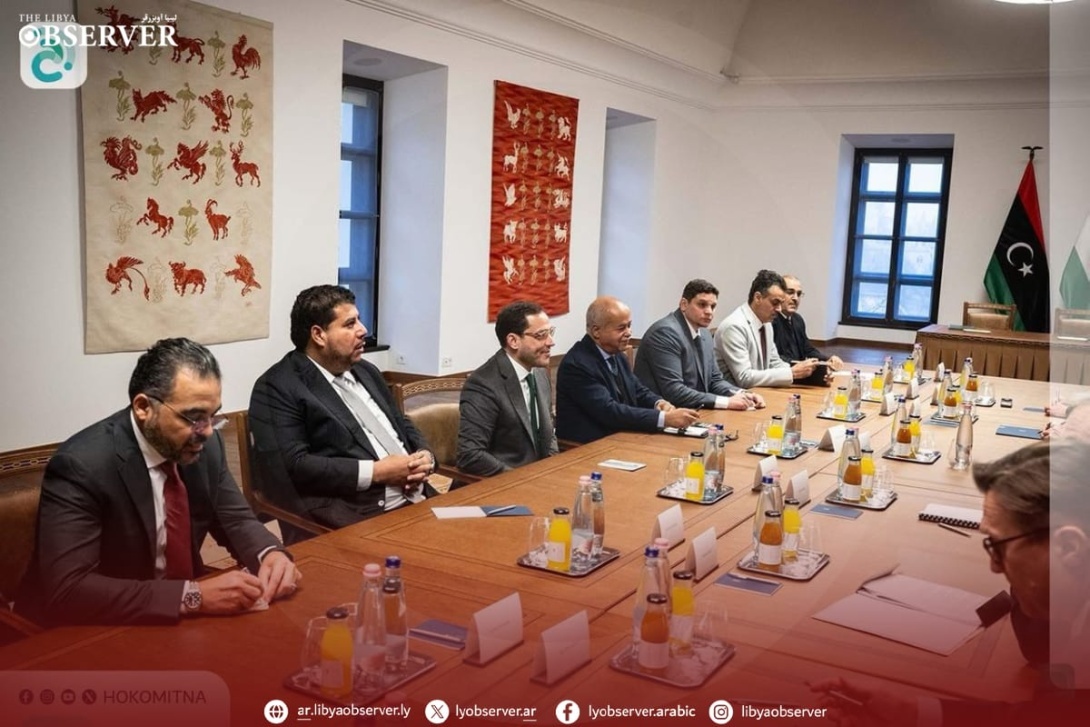
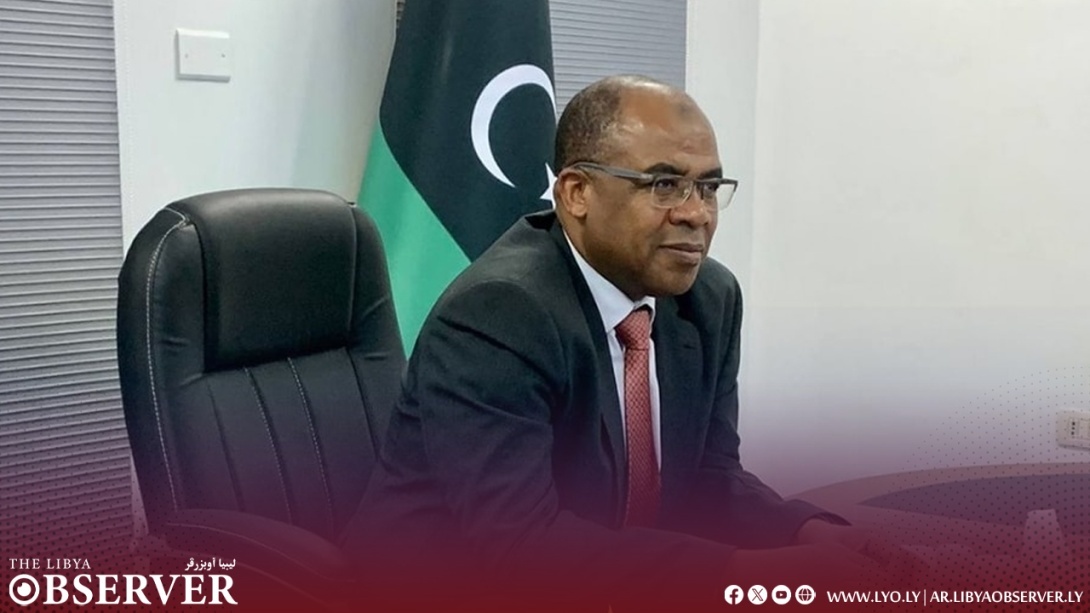
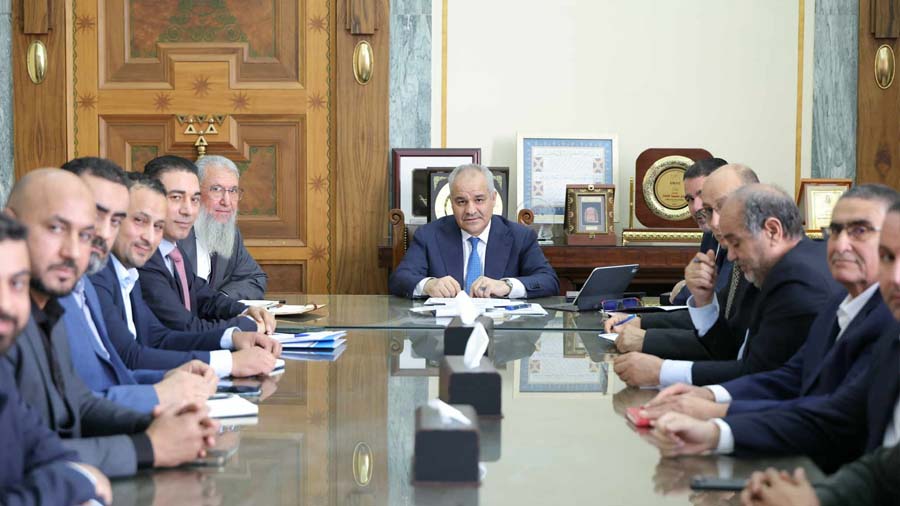
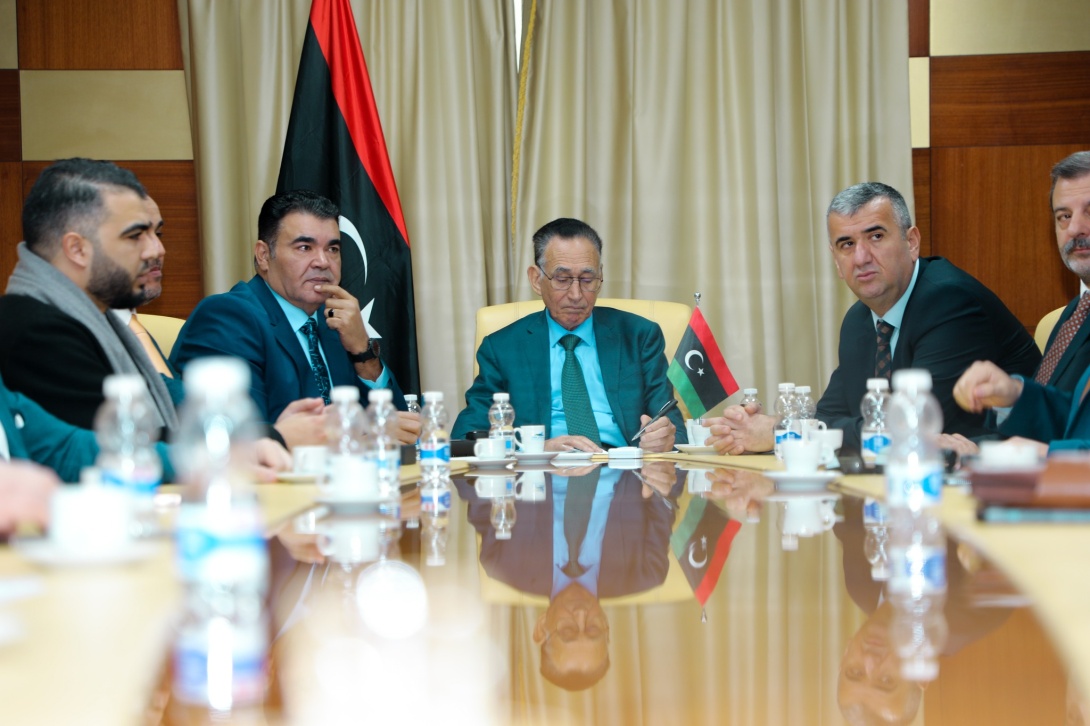
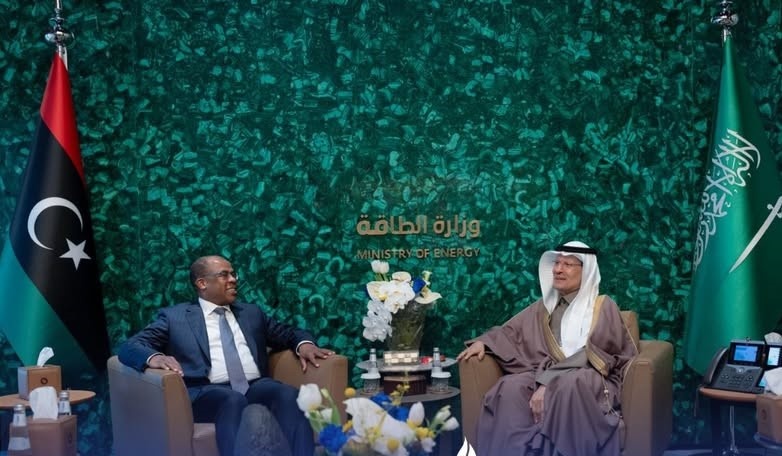
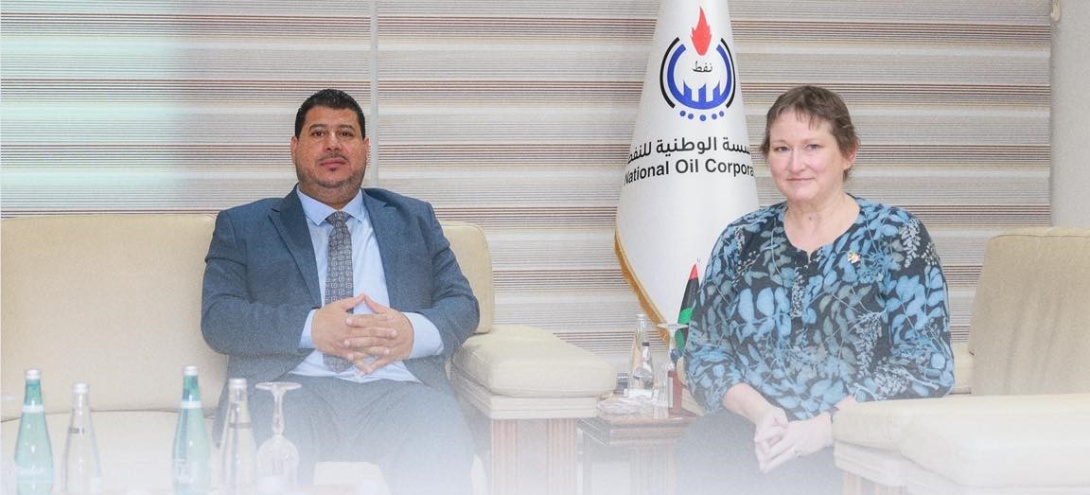
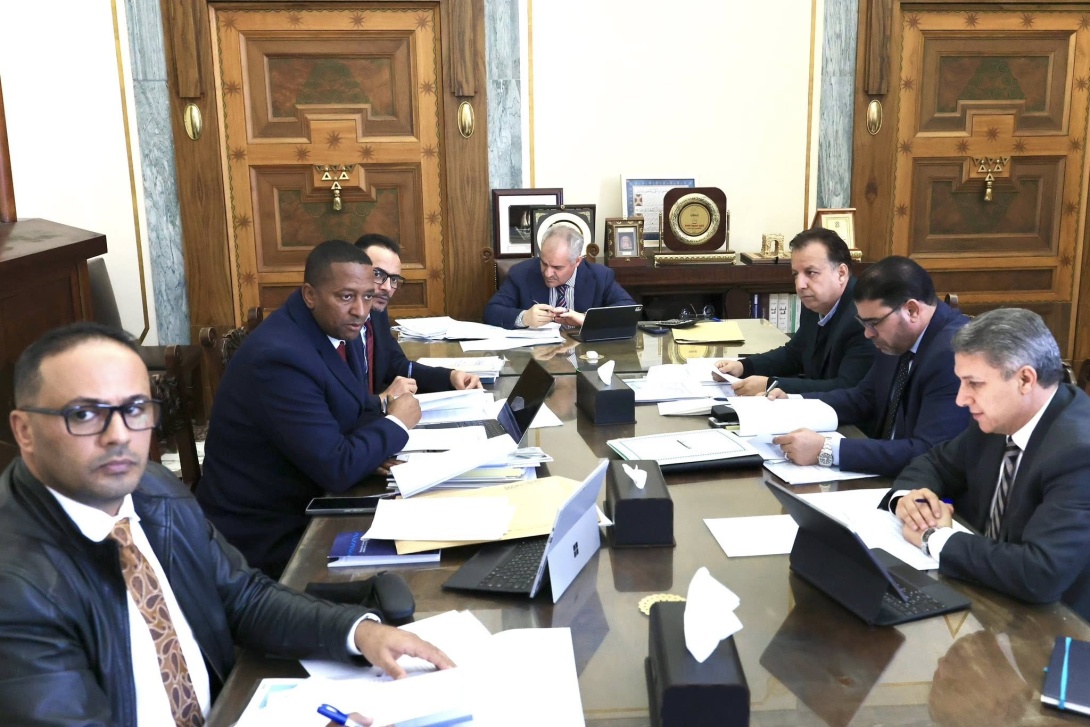
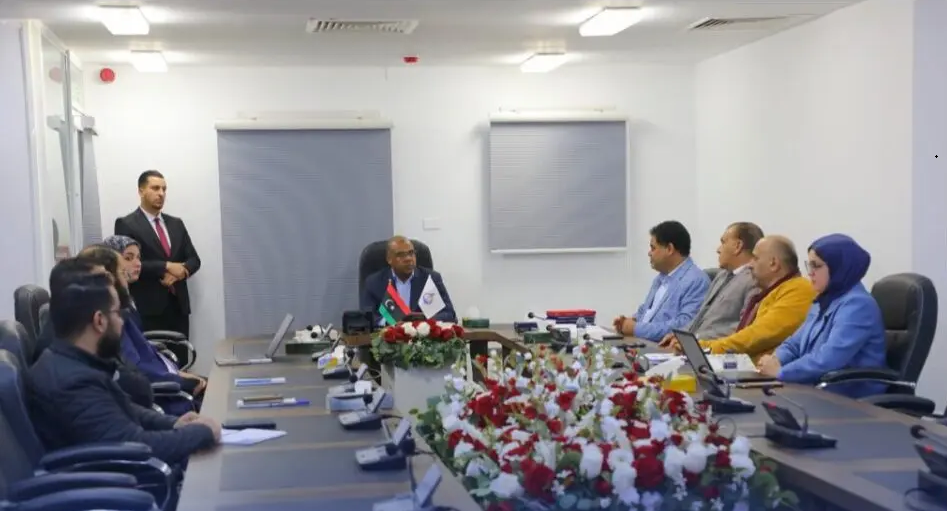
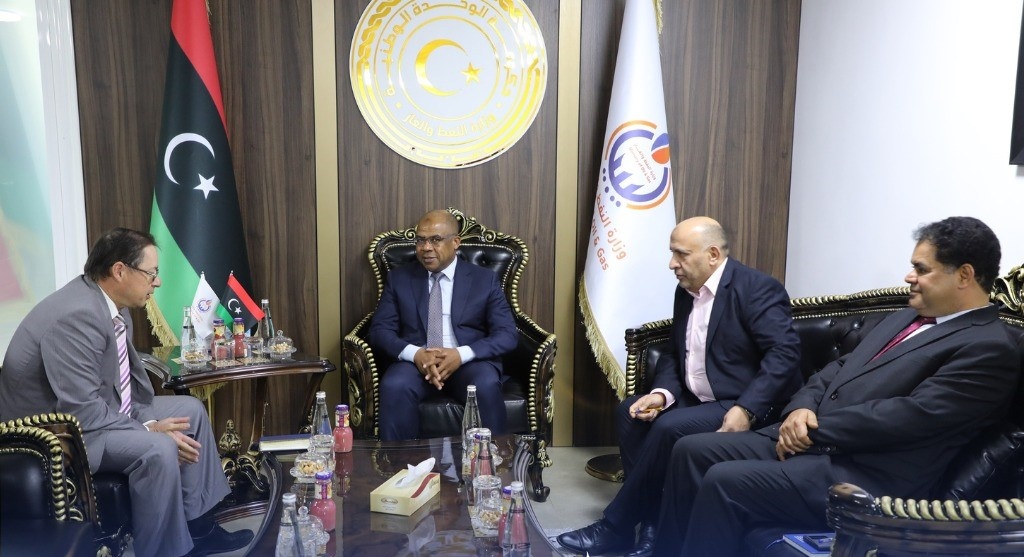
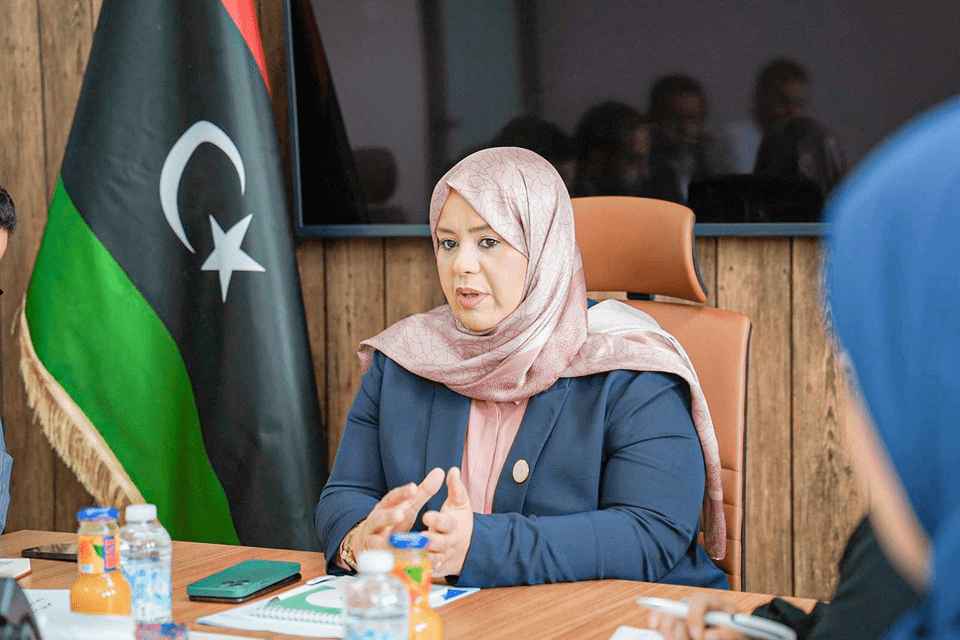
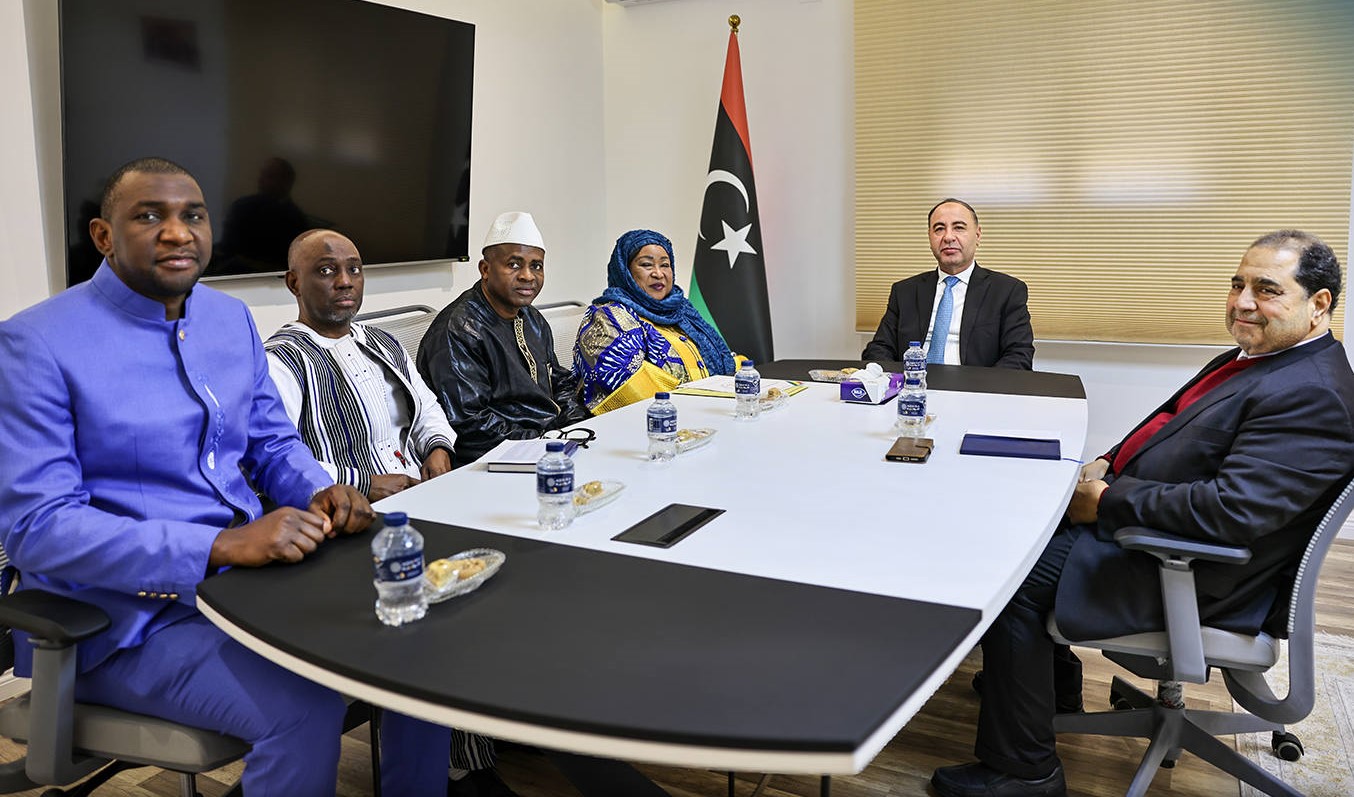
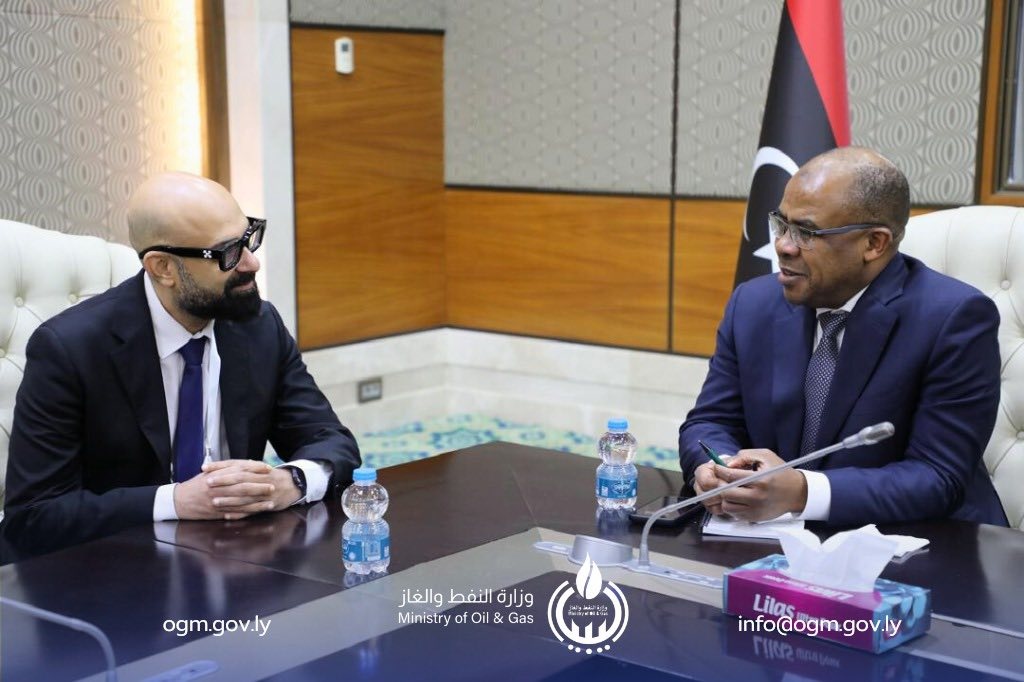
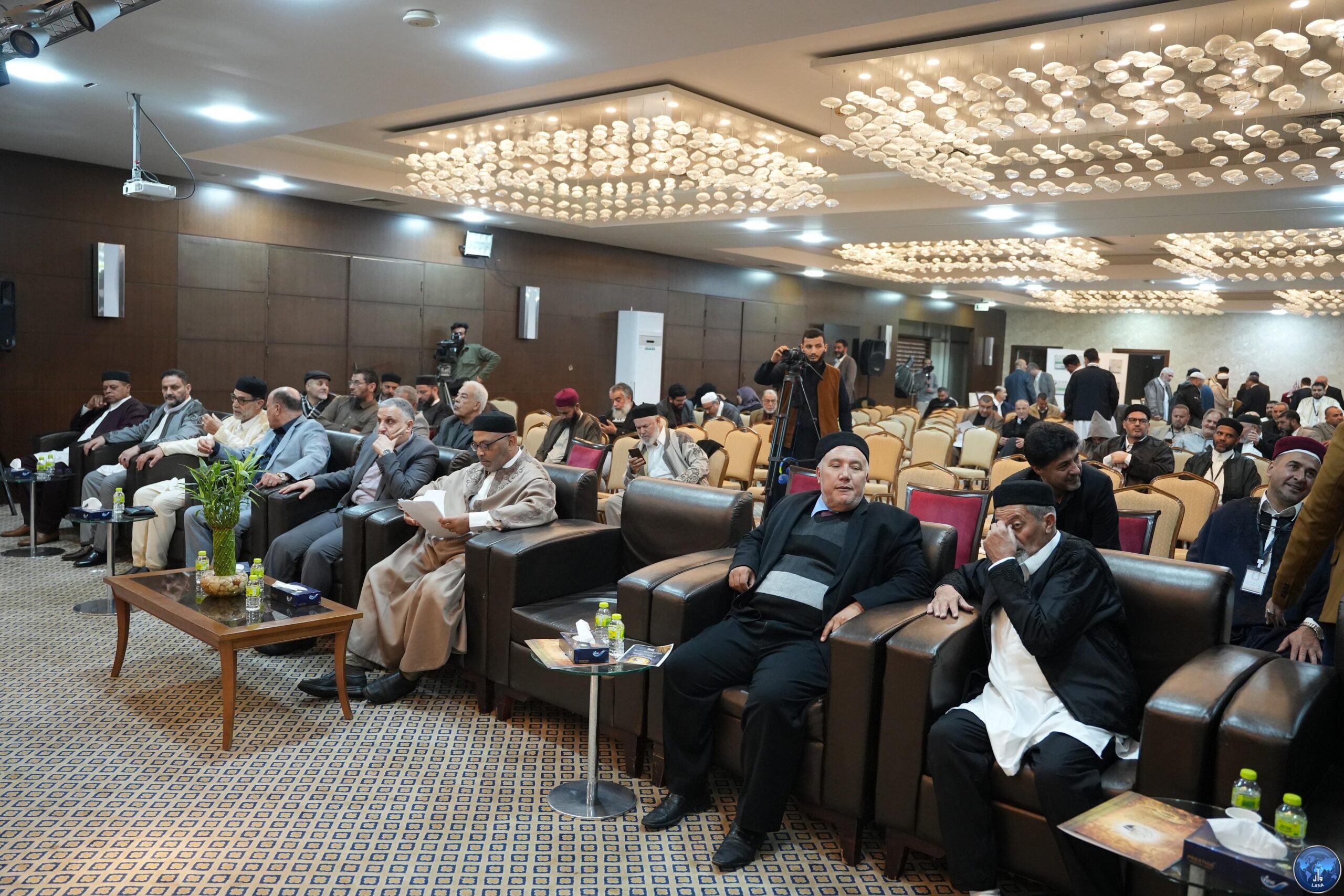
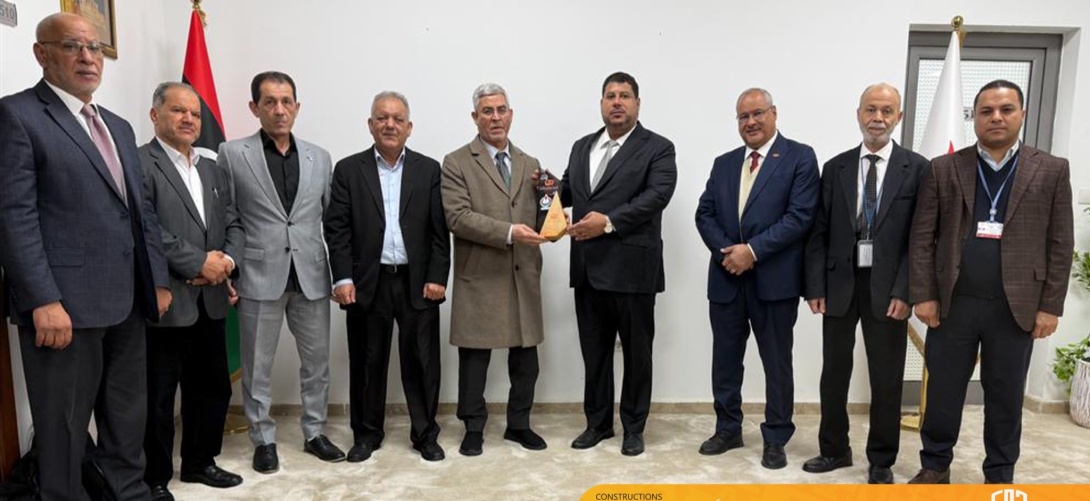
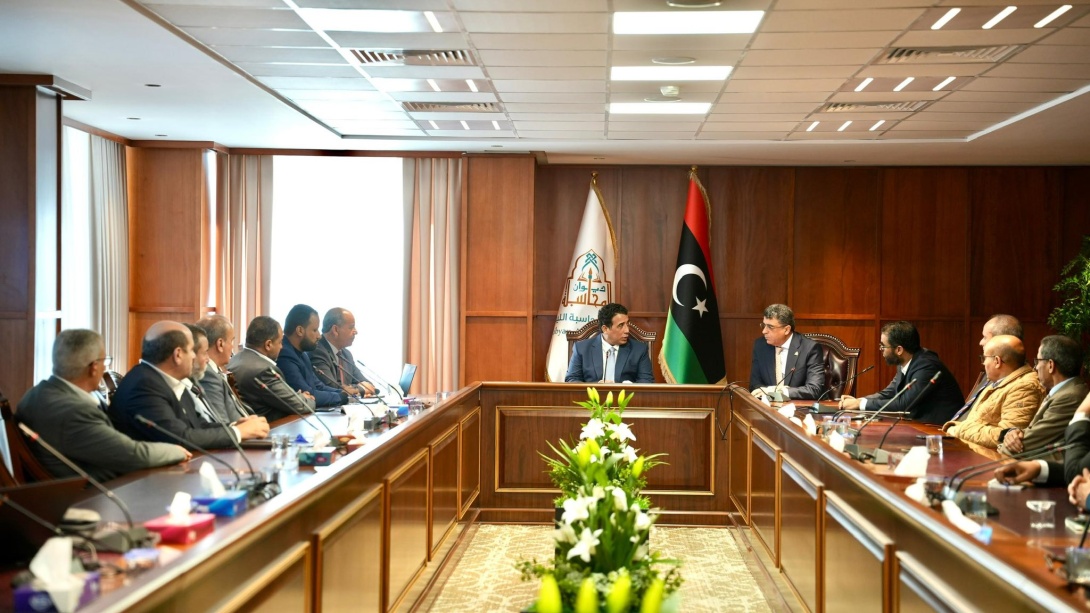
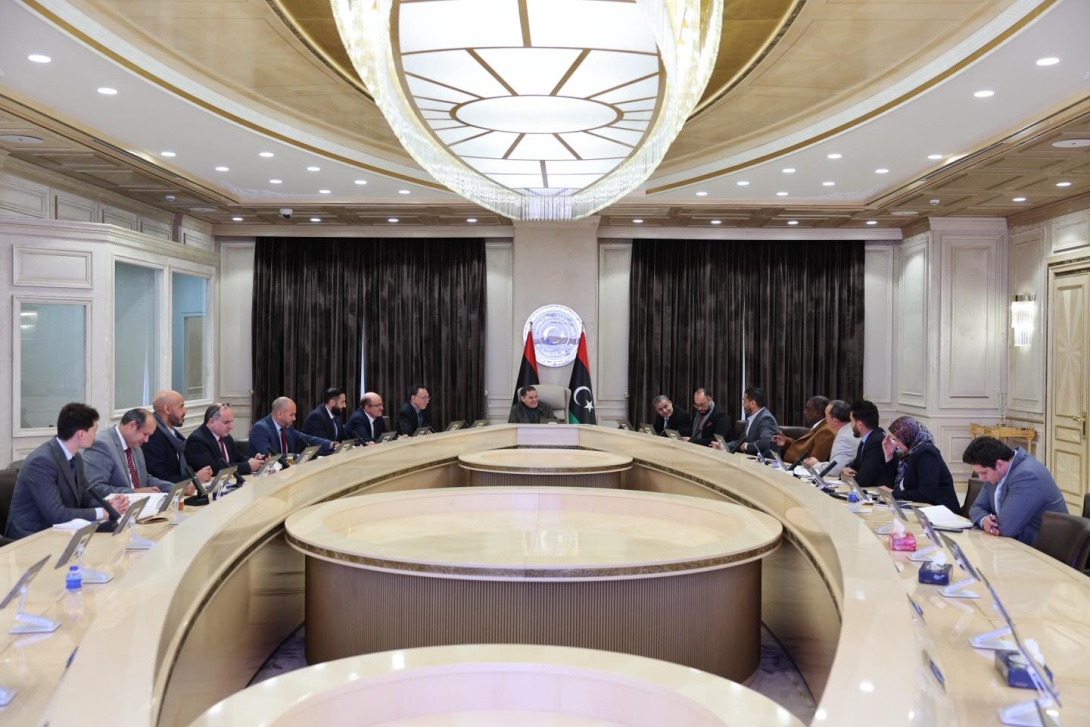
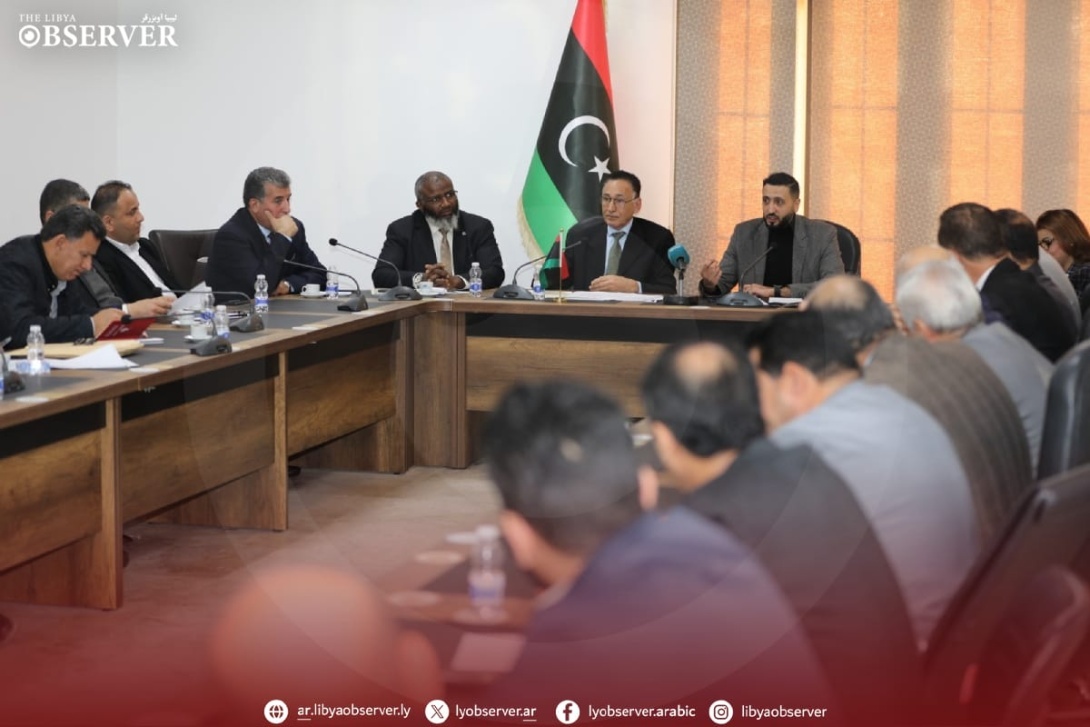
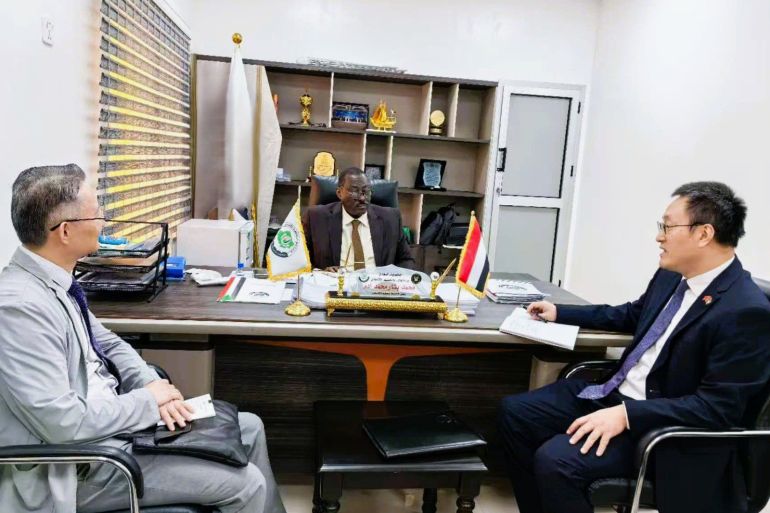
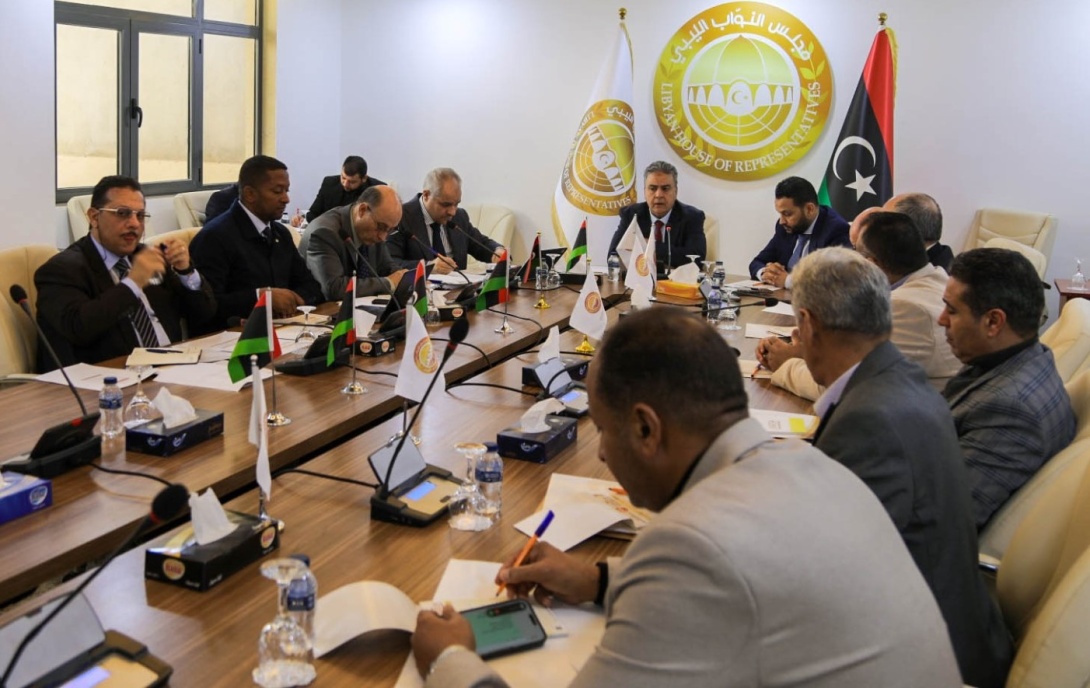
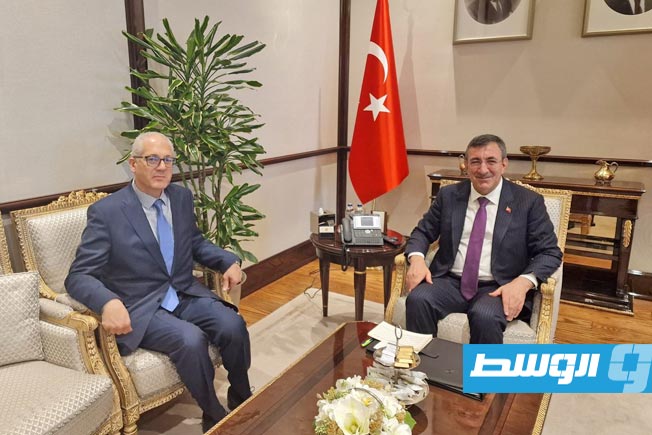
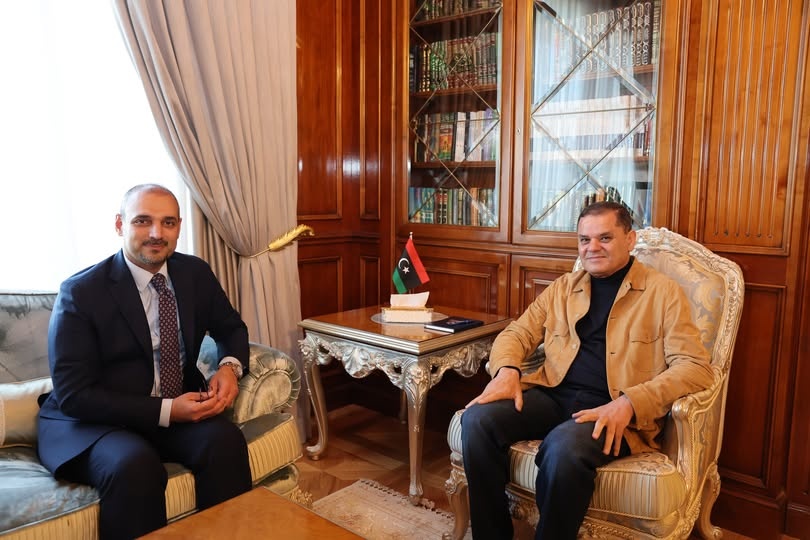
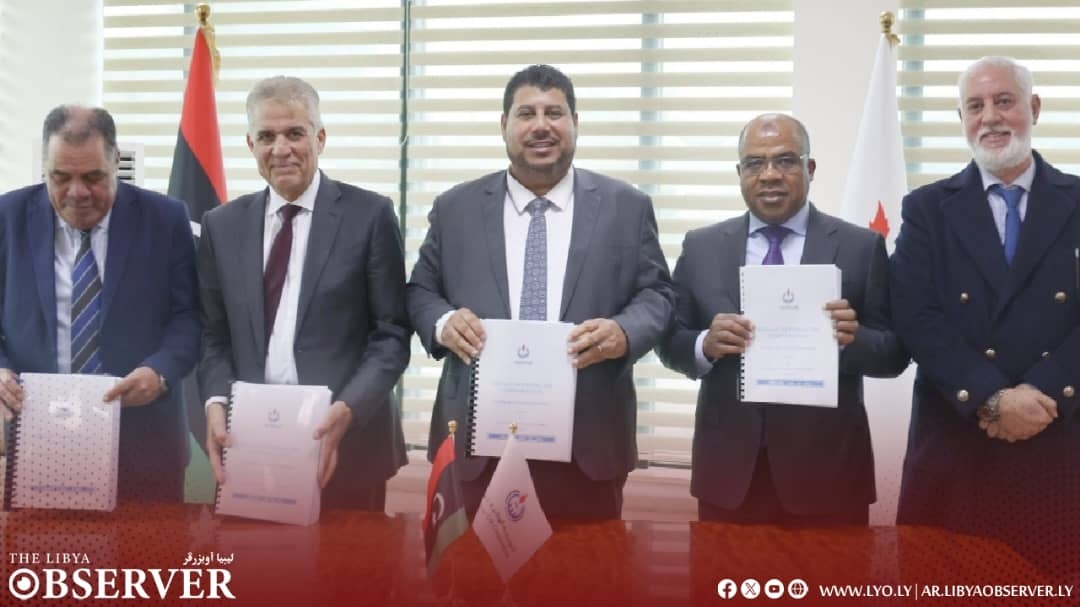
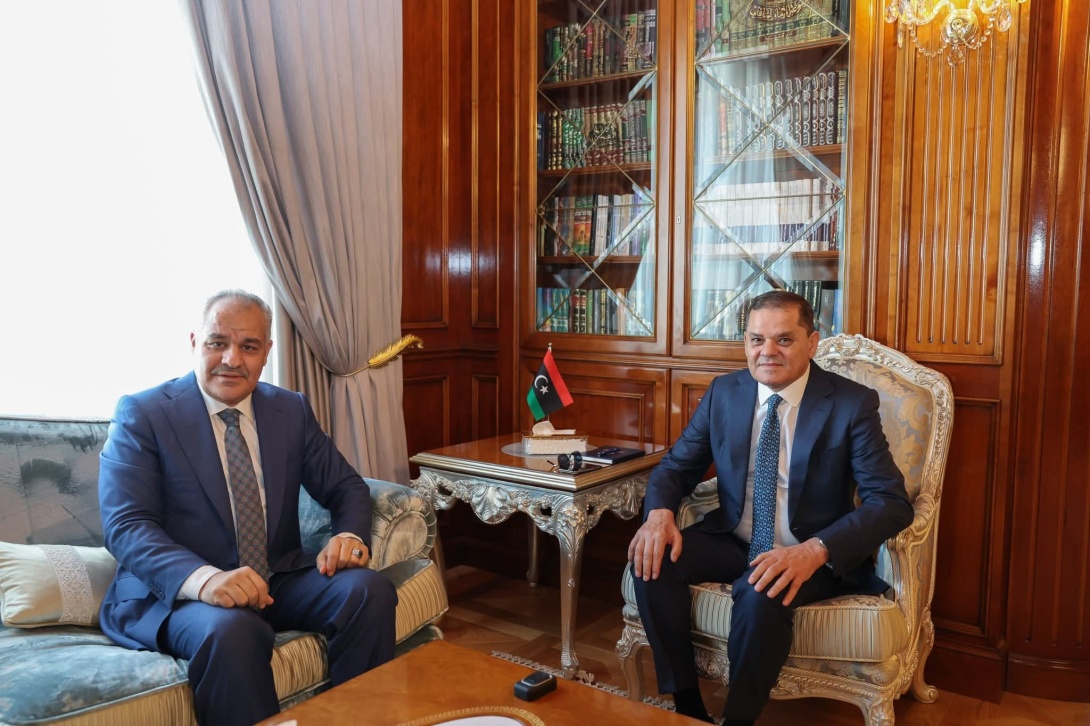
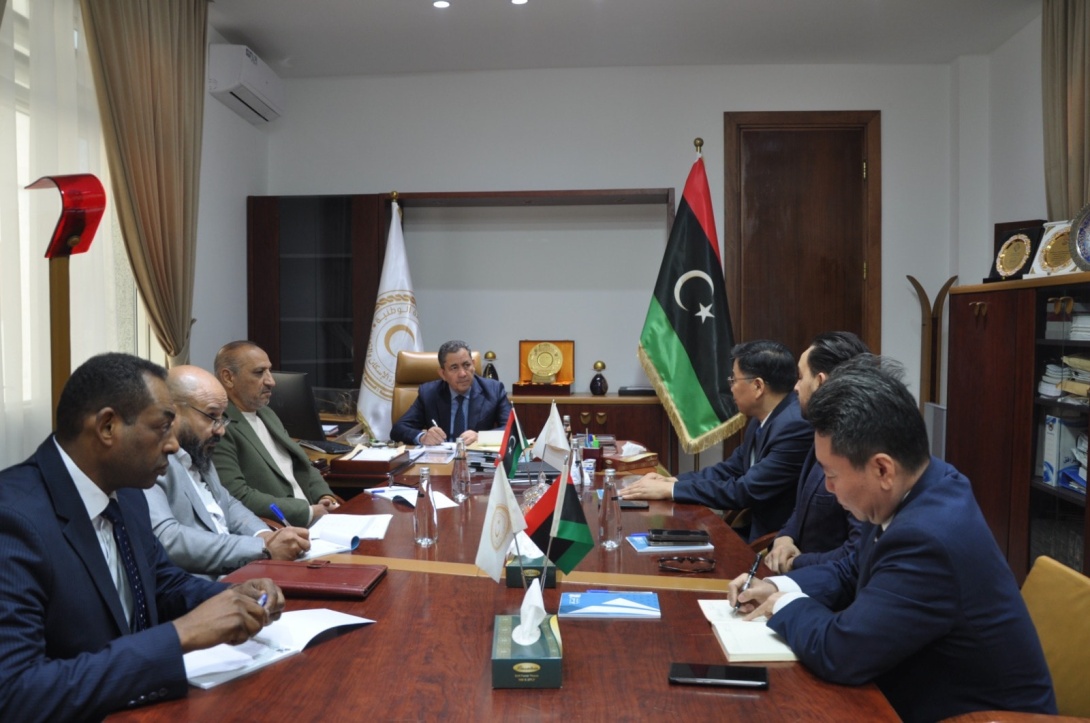
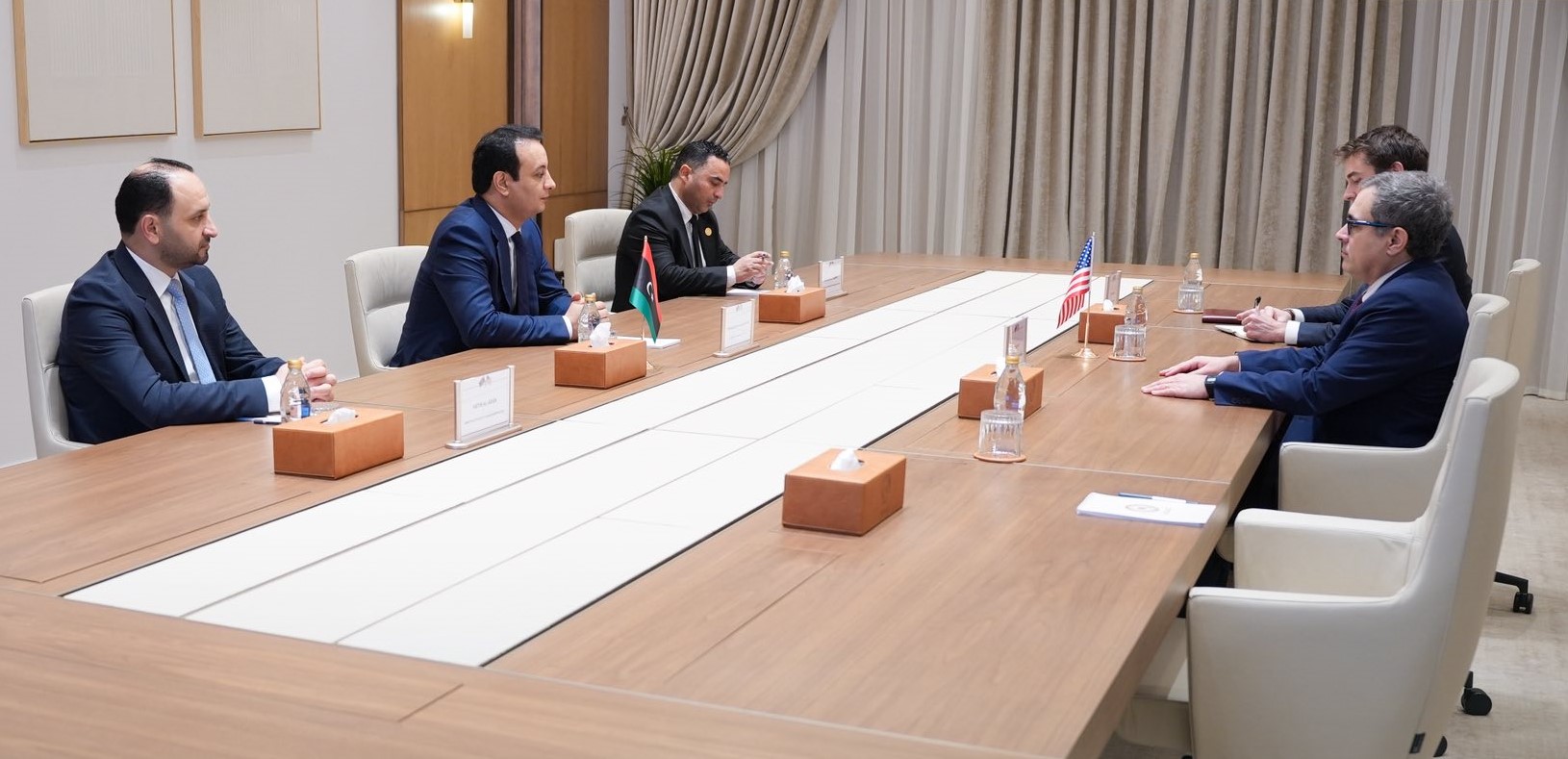
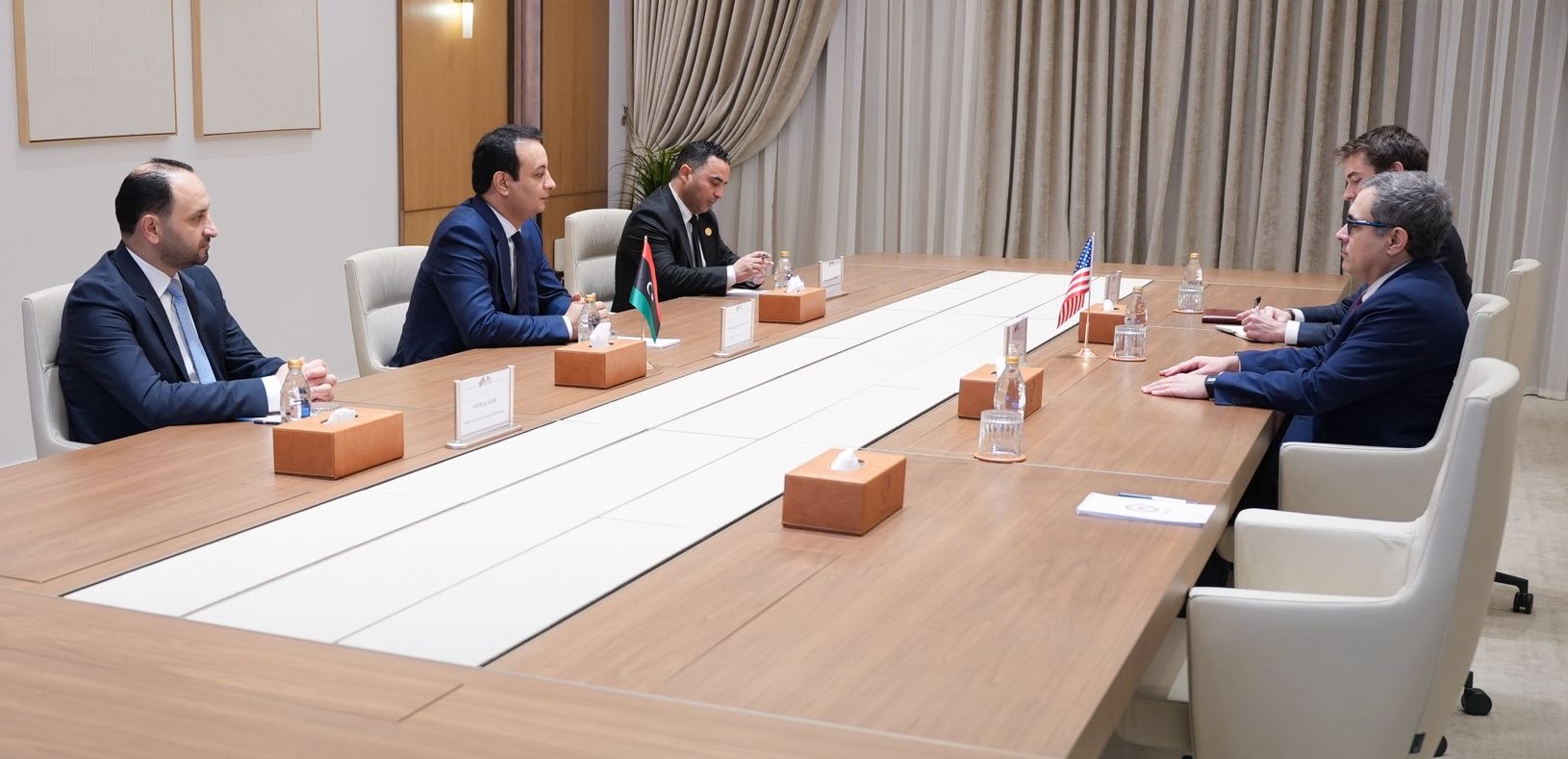
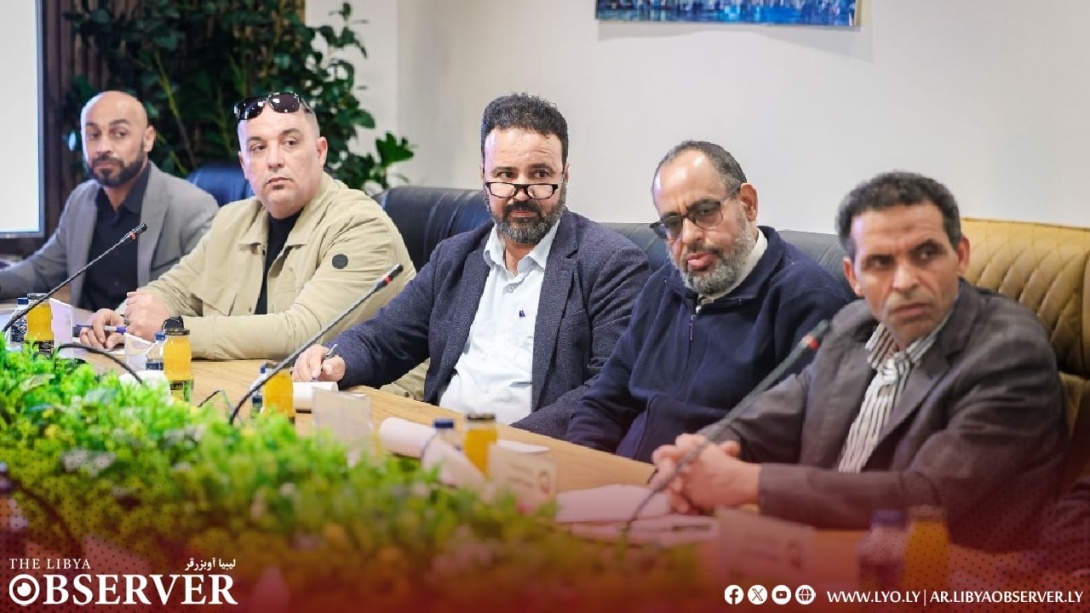
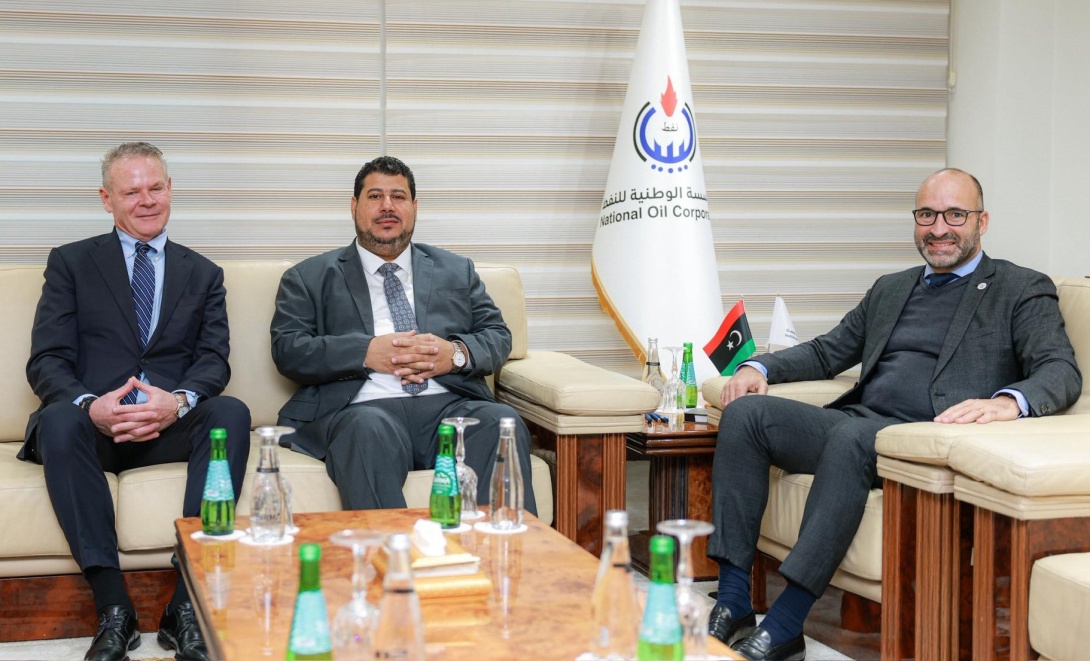
Paris, February 20, 2026 – A meeting was held between the Chargé d’Affaires at the Embassy of the State of Libya to the French Republic and the Director of the National Heritage Institute to discuss a framework for enhancing bilateral cooperation in the protection and valorization of cultural heritage.
The meeting discussed prospects for strategic cooperation between the two sides in a number of priority areas, foremost among them the development of museum management, supporting programs for the conservation and restoration of archaeological collections, enhancing coordination in combating the illicit trafficking of cultural property, in addition to expanding areas of scientific publishing, documentation, and the exchange of technical and administrative expertise.
The discussion also included exploring opportunities for institutional cooperation with relevant Libyan national entities related to the Institute’s work, primarily the Libyan Department of Antiquities, the National Museum (Al-Saraya Al-Hamra), and the Libyan Center for Archives and Historical Studies. This aims to contribute to building more specialized and integrated joint programs in the upcoming phase.
Both sides emphasized the importance of building on the long history of Libyan-French cooperation and working to advance it to a more progressive stage that responds to current challenges and aligns with international best practices in heritage management.
For his part, the Libyan Chargé d’Affaires stressed Libya’s keenness to expand institutional partnerships with the French side, contributing to the protection of Libyan cultural heritage and enhancing its presence on the international level.
Meanwhile, the Director of the National Heritage Institute expressed the Institute’s readiness to continue supporting and developing joint cooperation programs in the upcoming phase.
…
Paris
Paris is the capital of France, historically founded as the Roman town of Lutetia in the 3rd century BC. It is globally renowned as a center for art, fashion, and culture, home to iconic landmarks like the Eiffel Tower, the Louvre Museum, and Notre-Dame Cathedral.
State of Libya
The State of Libya, located in North Africa, is a country with a rich history rooted in ancient civilizations like the Phoenicians and Romans, followed by periods of Arab and Ottoman rule. It gained independence in 1951 and was later governed by Muammar Gaddafi from 1969 until the 2011 revolution, after which it entered a prolonged period of political instability and conflict.
French Republic
The French Republic, established in 1792 following the French Revolution, is the modern democratic nation-state of France. Its current Fifth Republic was formed in 1958 under Charles de Gaulle to provide a stable executive authority. It is characterized by a semi-presidential system of government and the principles of liberty, equality, and fraternity.
Embassy of the State of Libya
The Embassy of the State of Libya serves as the diplomatic mission representing Libya’s government internationally. Historically, its status and operations have been directly affected by periods of political instability and conflict within Libya, including the 2011 revolution and subsequent civil wars.
National Heritage Institute
The National Heritage Institute is a state-funded organization in the Czech Republic responsible for the care, preservation, and presentation of cultural monuments. It was established in 2013, succeeding earlier state heritage bodies, and manages hundreds of castles, chateaux, archaeological sites, and other historic properties across the country.
Libyan Department of Antiquities
The Libyan Department of Antiquities is the state authority responsible for protecting, managing, and researching Libya’s archaeological heritage. It was established to oversee significant historical sites, such as those in Cyrene and Leptis Magna, which reflect the region’s rich Phoenician, Roman, and Byzantine past. Its work is crucial for preserving these ancient monuments amidst modern challenges.
National Museum (Al-Saraya Al-Hamra)
The National Museum, also known as Al-Saraya Al-Hamra (the Red Palace), is a major cultural landmark in Tripoli, Libya. It is housed in a historic building that served as a royal palace during the Karamanli dynasty in the 18th century and later as a seat for Italian colonial administration. The museum’s collections showcase Libya’s history from prehistoric times through the Islamic period.
Libyan Center for Archives and Historical Studies
The Libyan Center for Archives and Historical Studies is a national institution in Tripoli responsible for preserving Libya’s documentary heritage. It was established to collect, archive, and study historical records, manuscripts, and official documents pertaining to the country’s history. Its work supports academic research and aims to safeguard Libya’s historical memory for future generations.