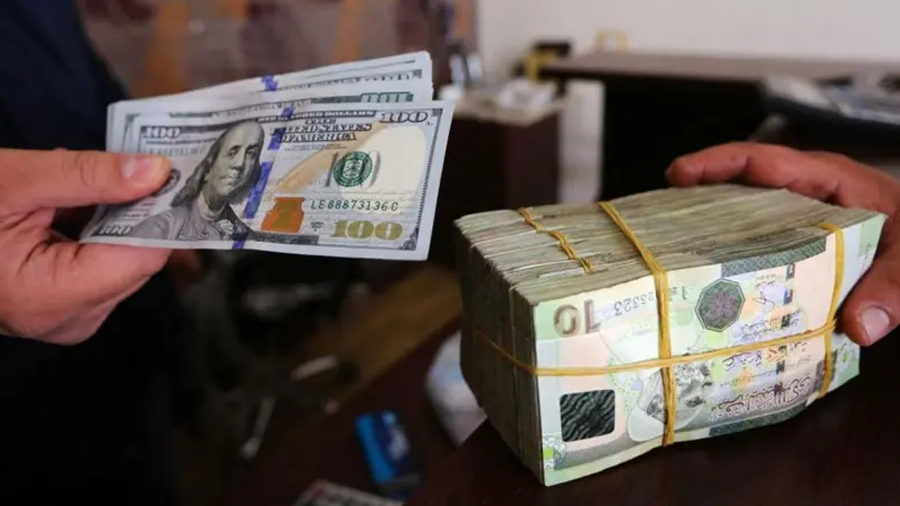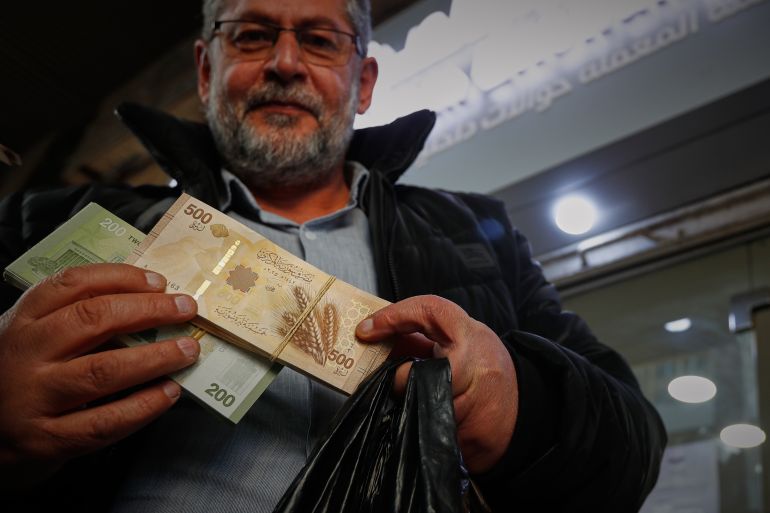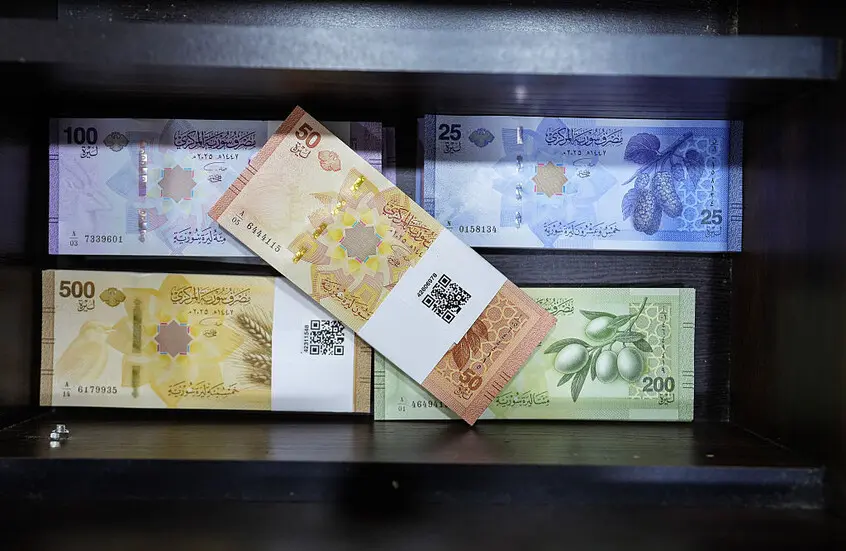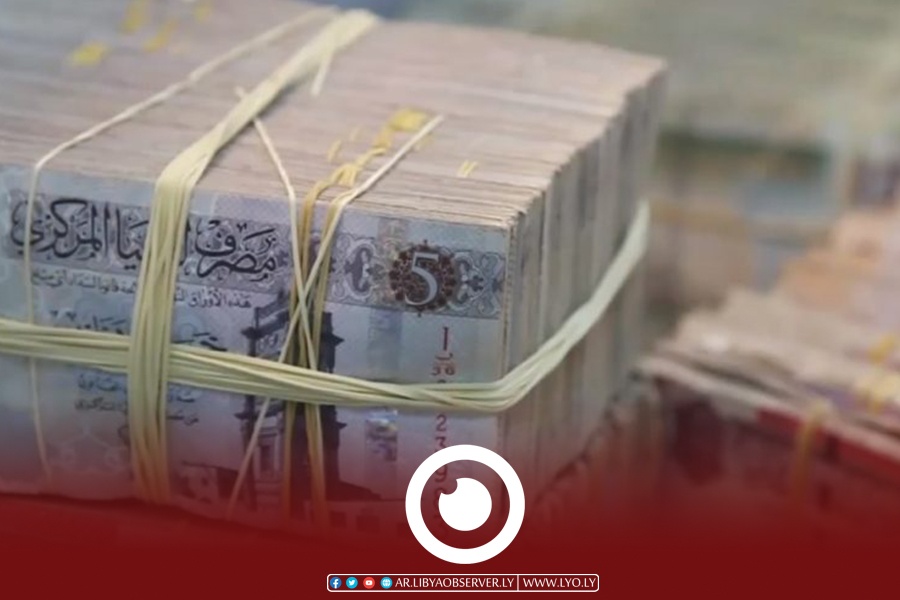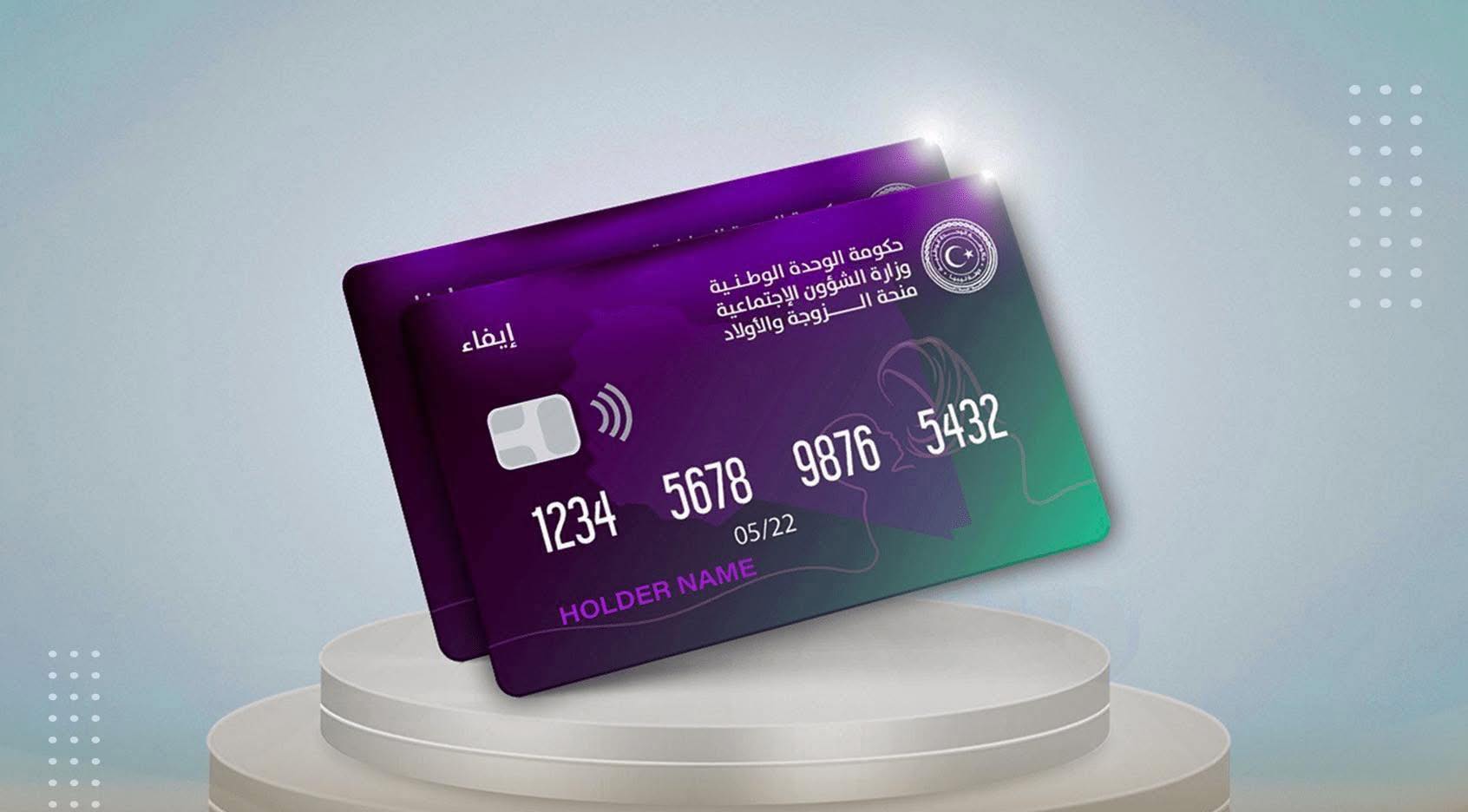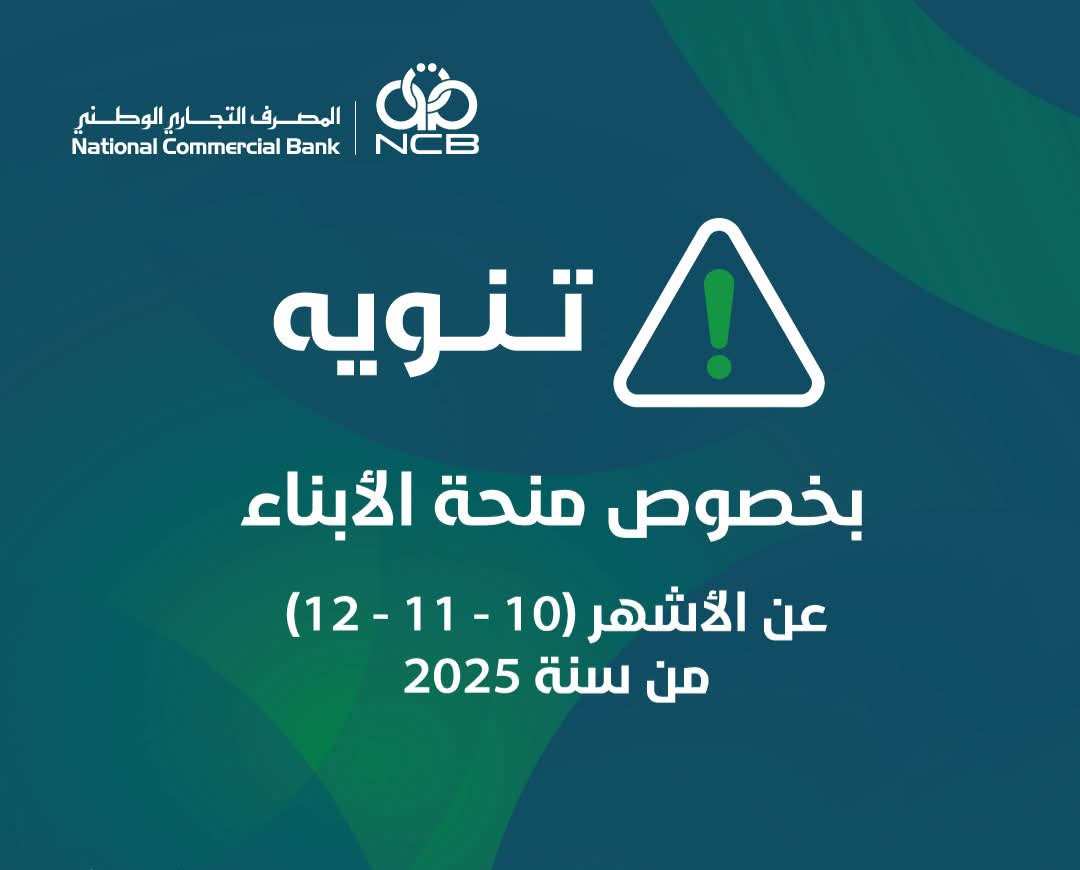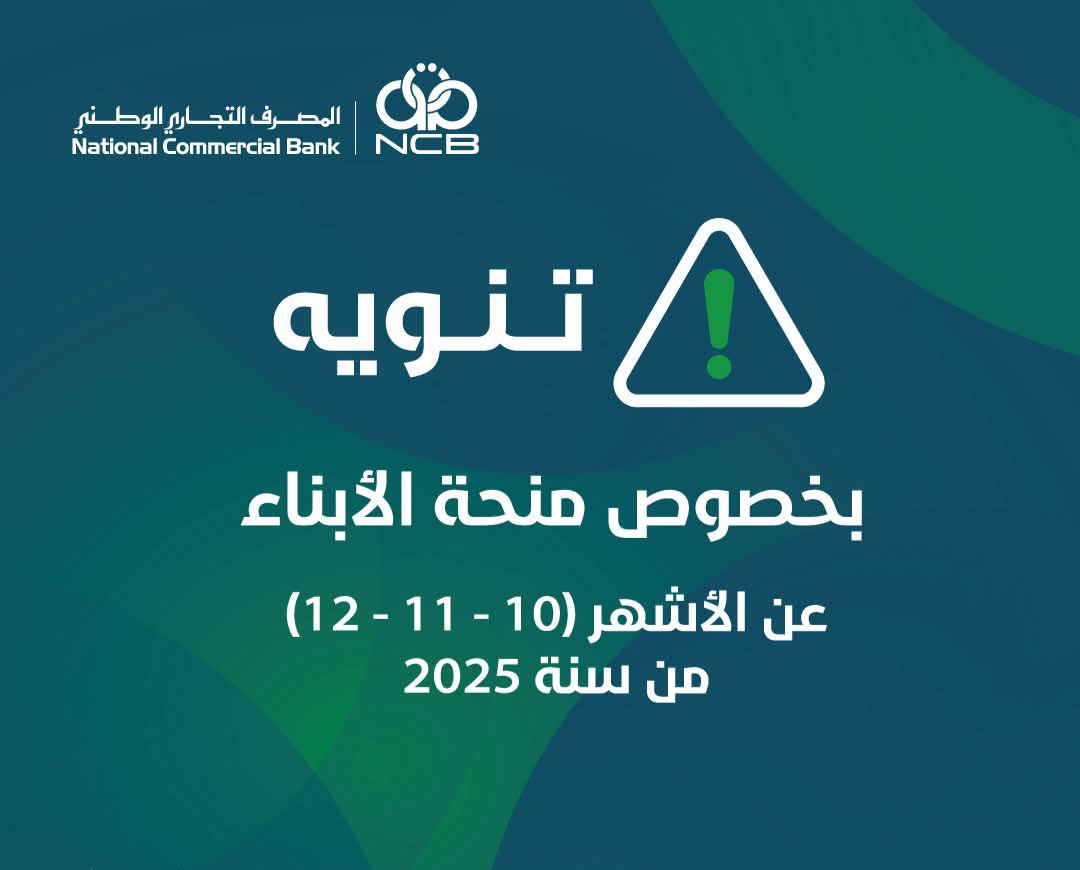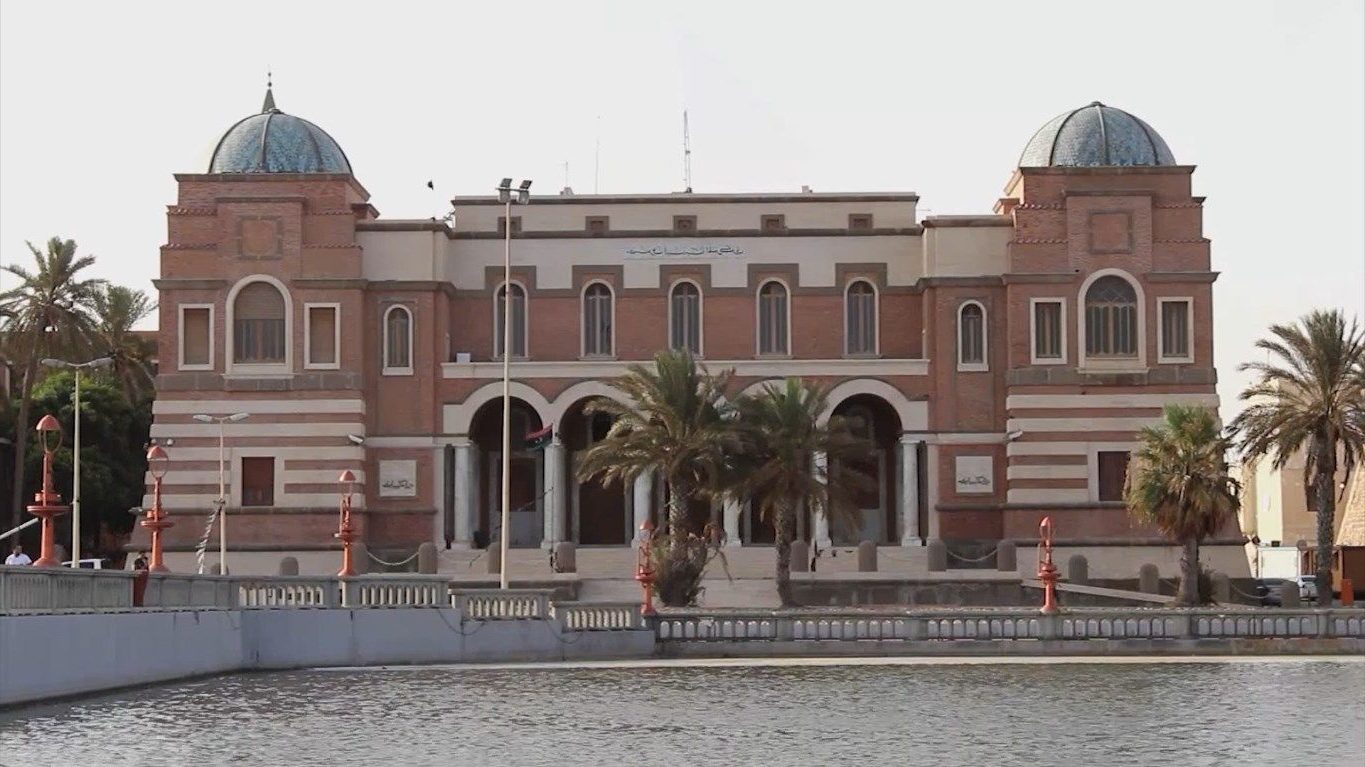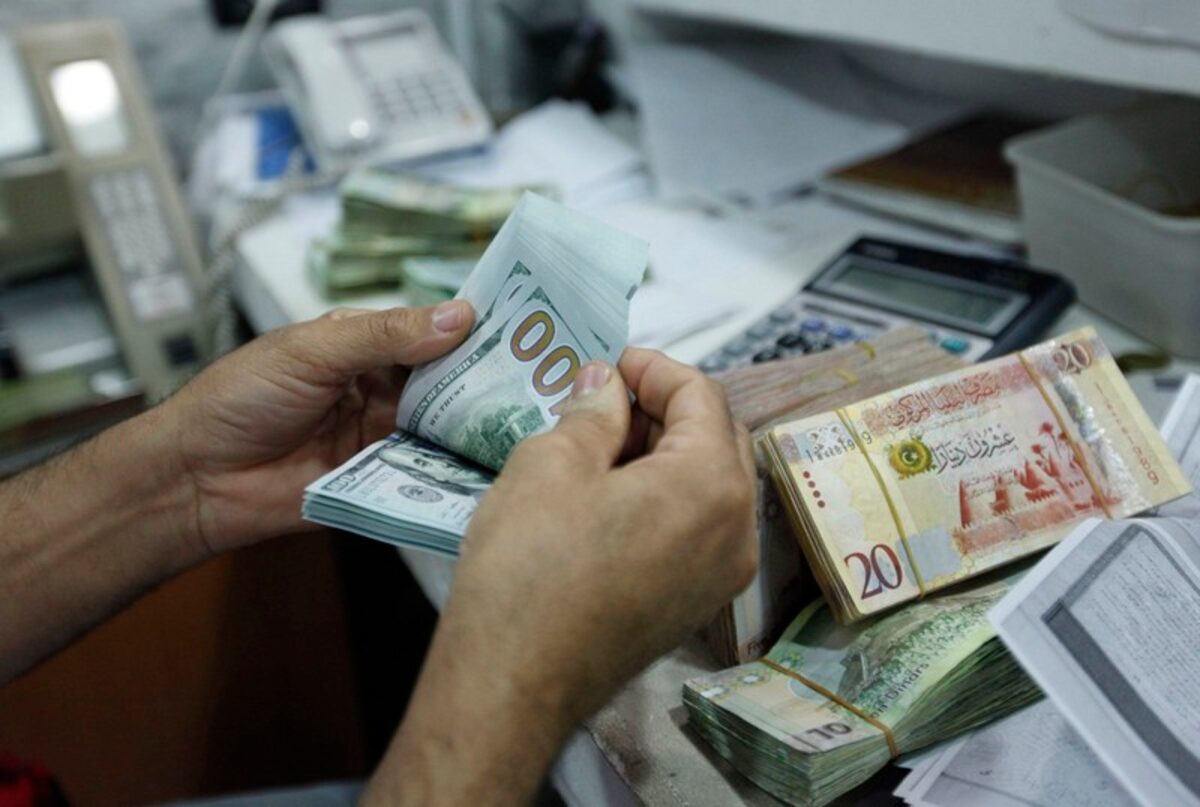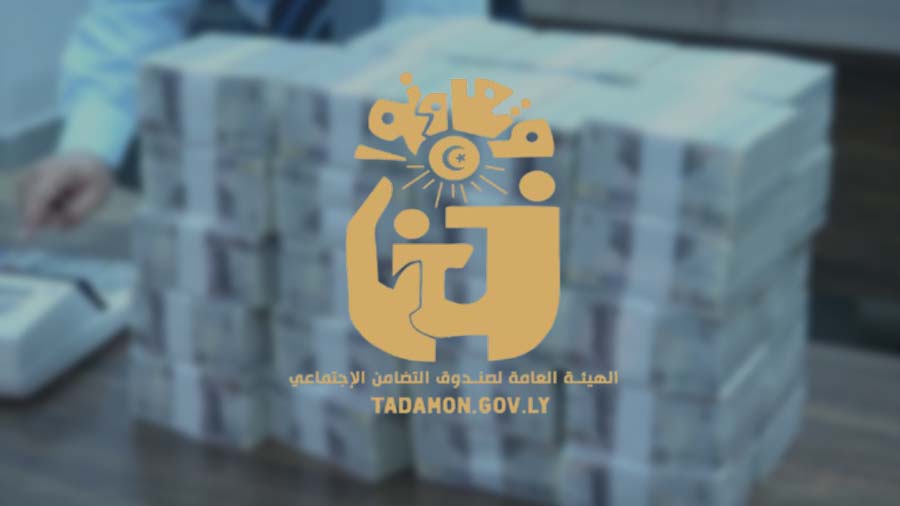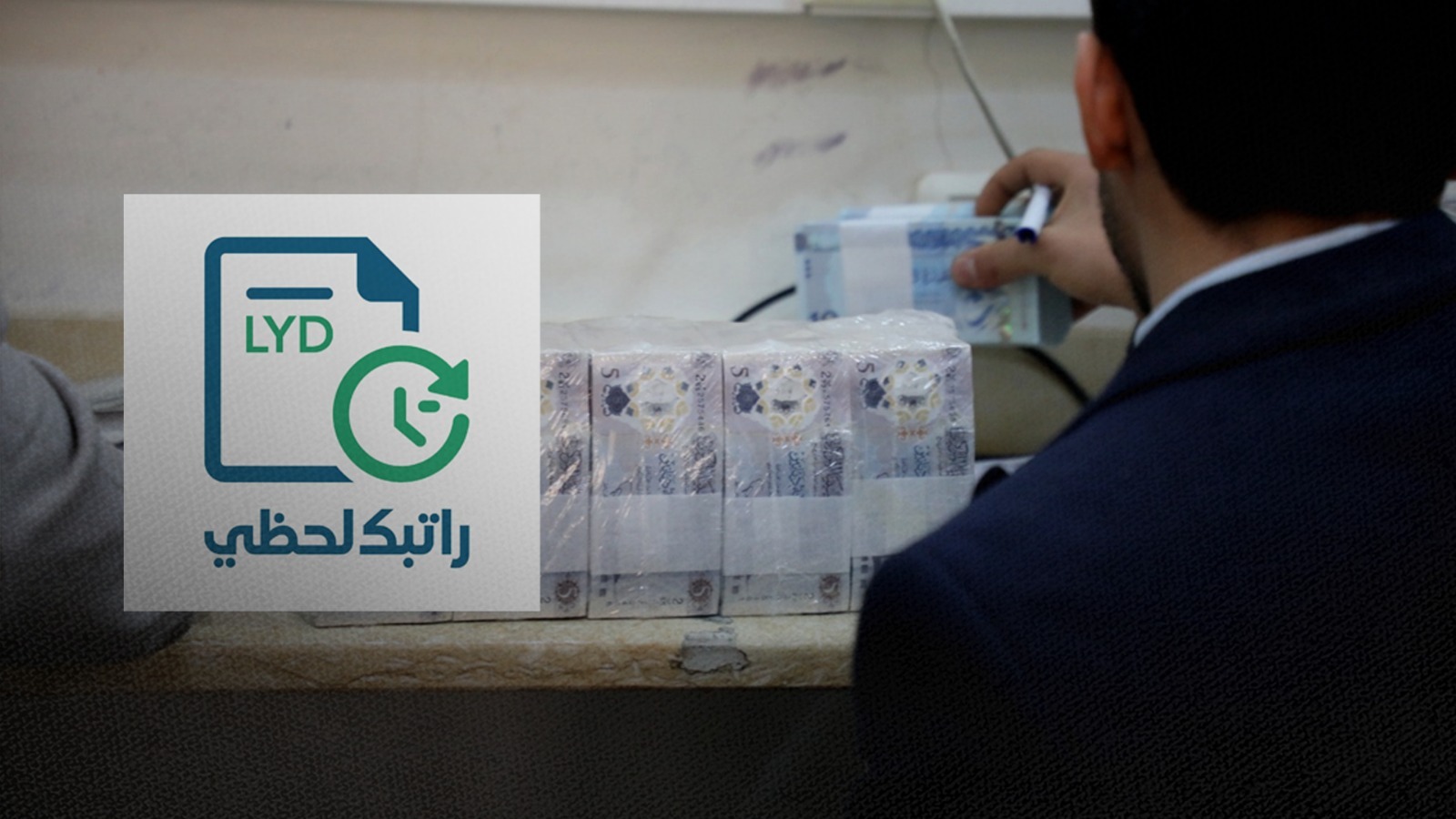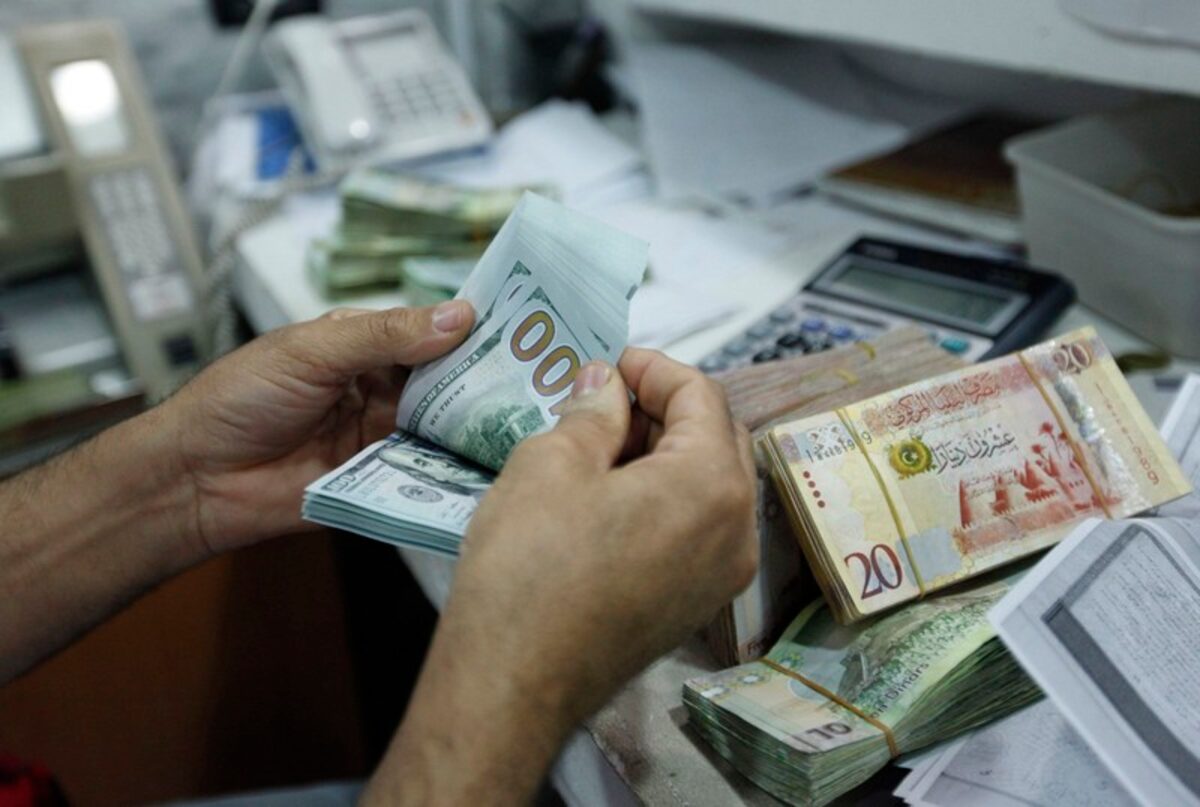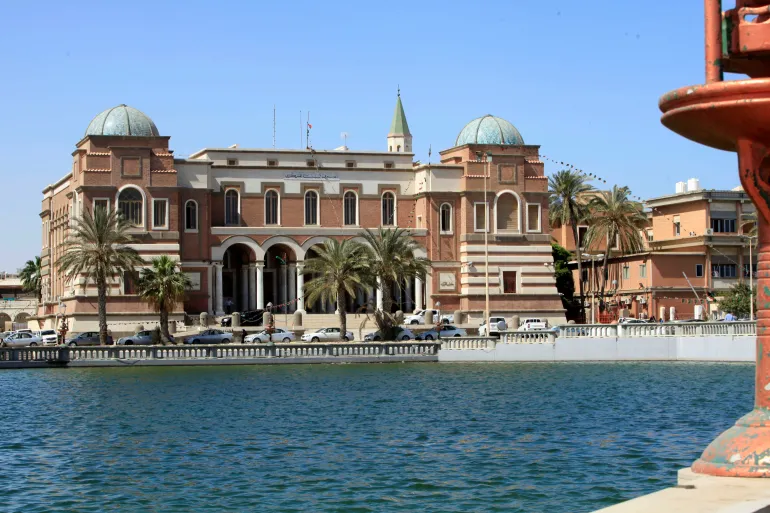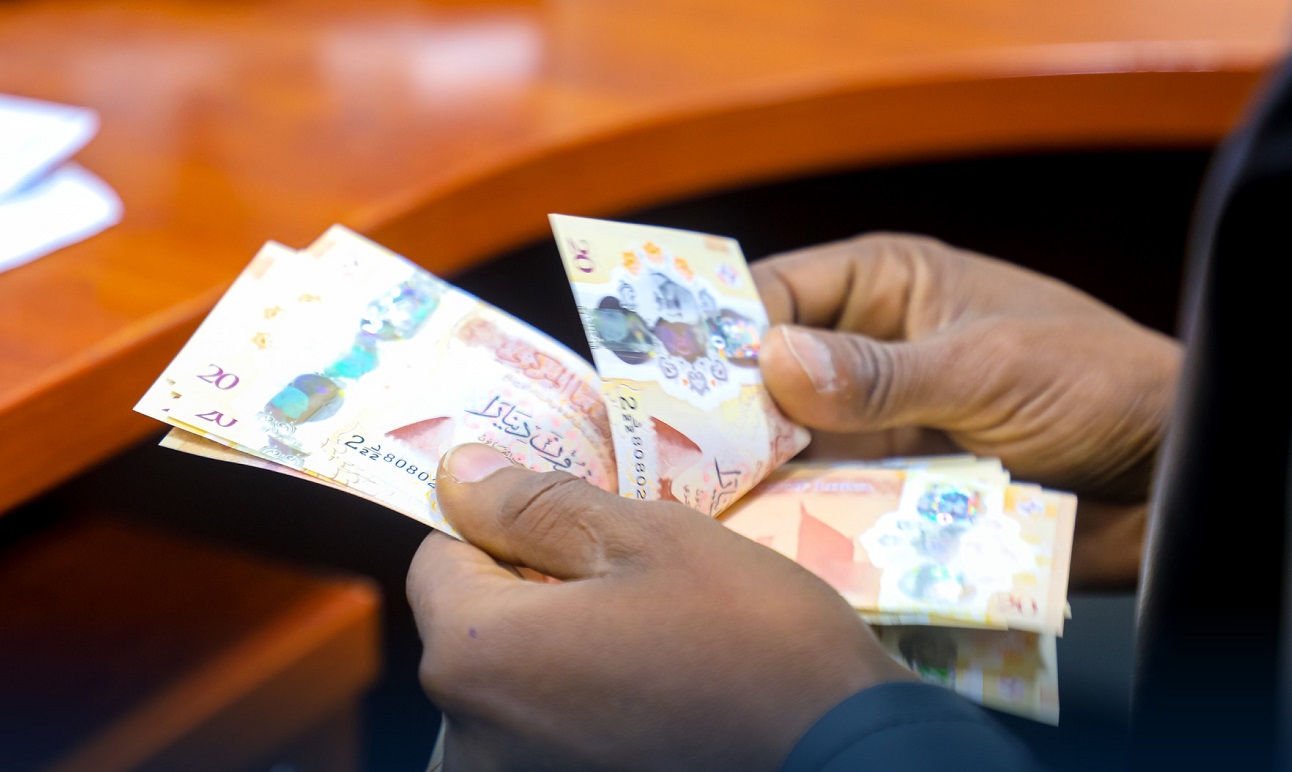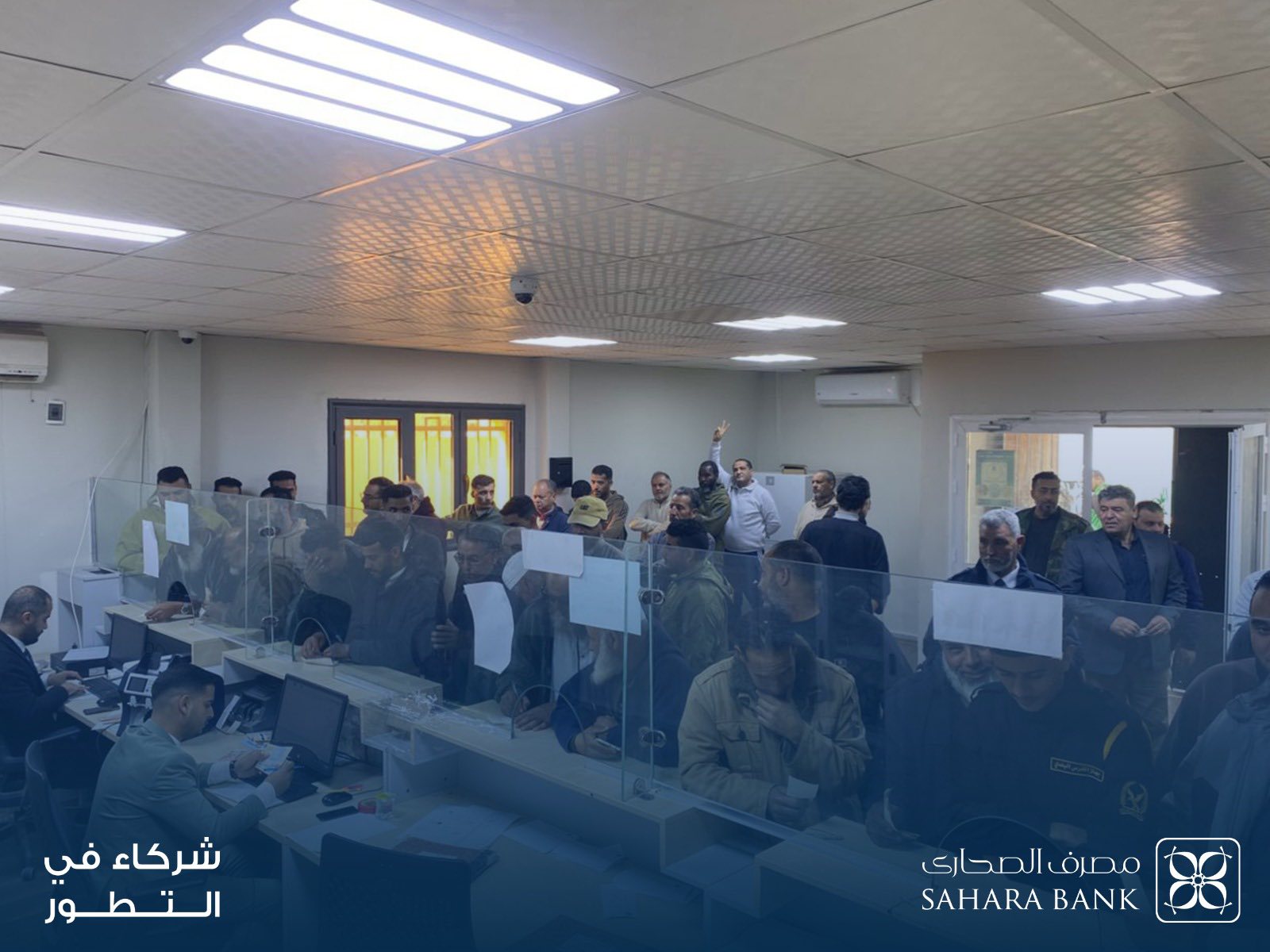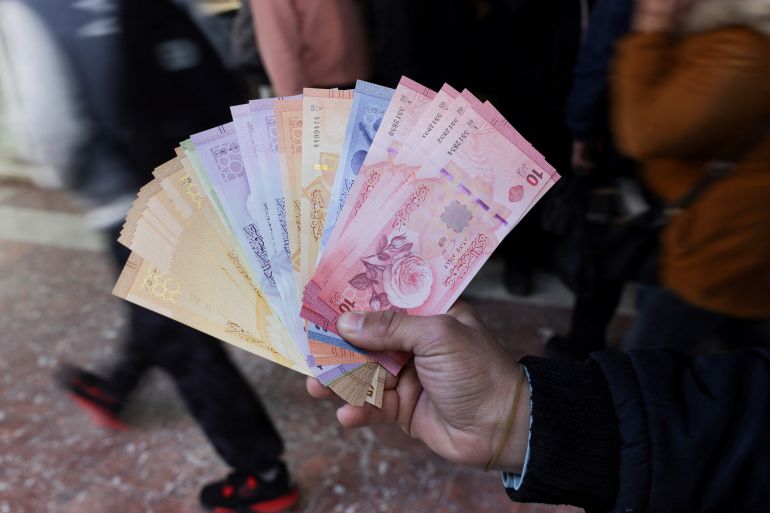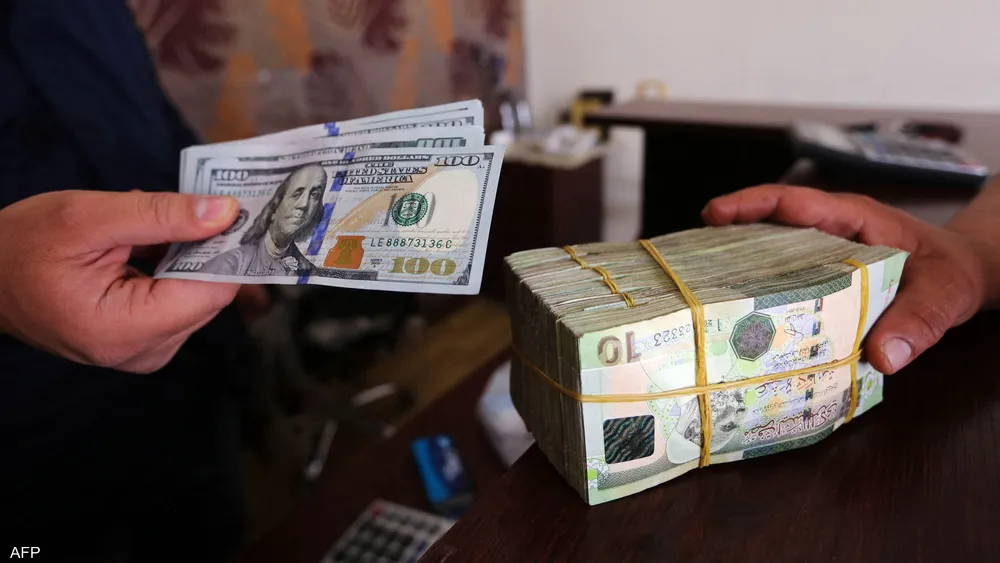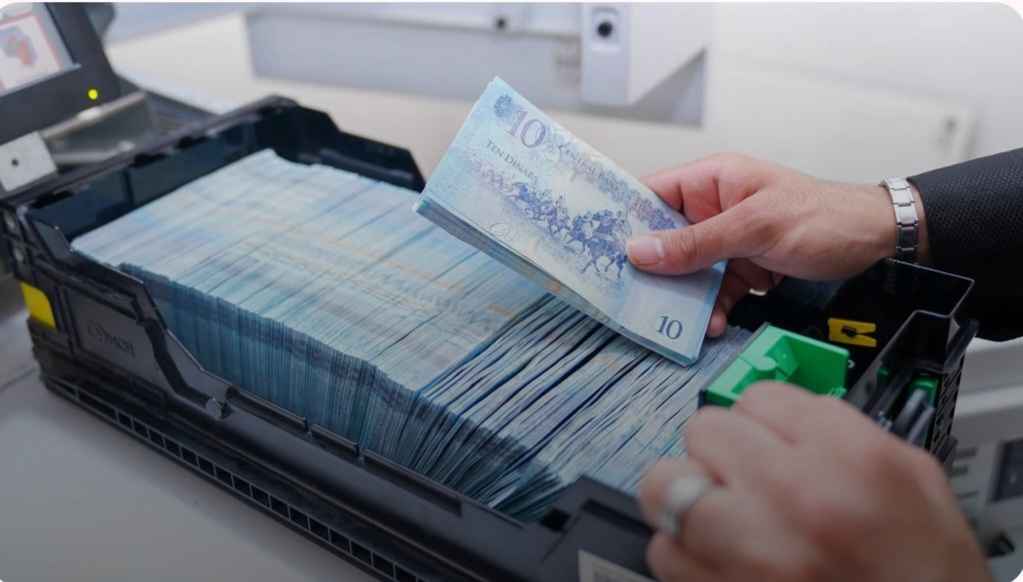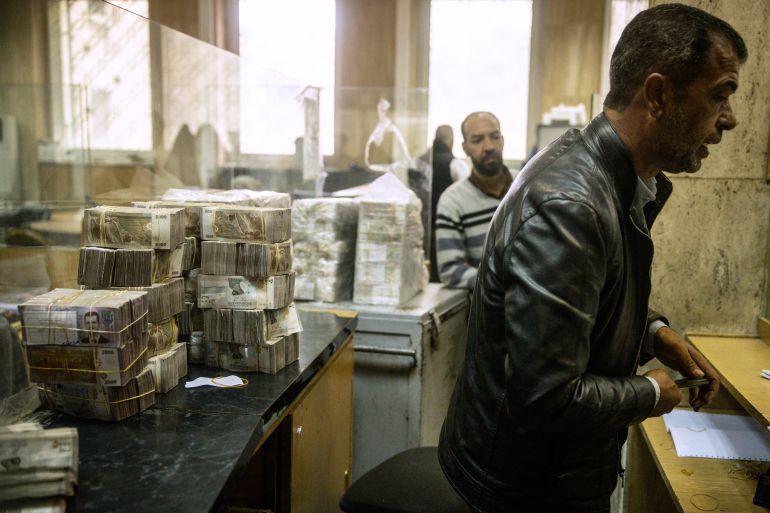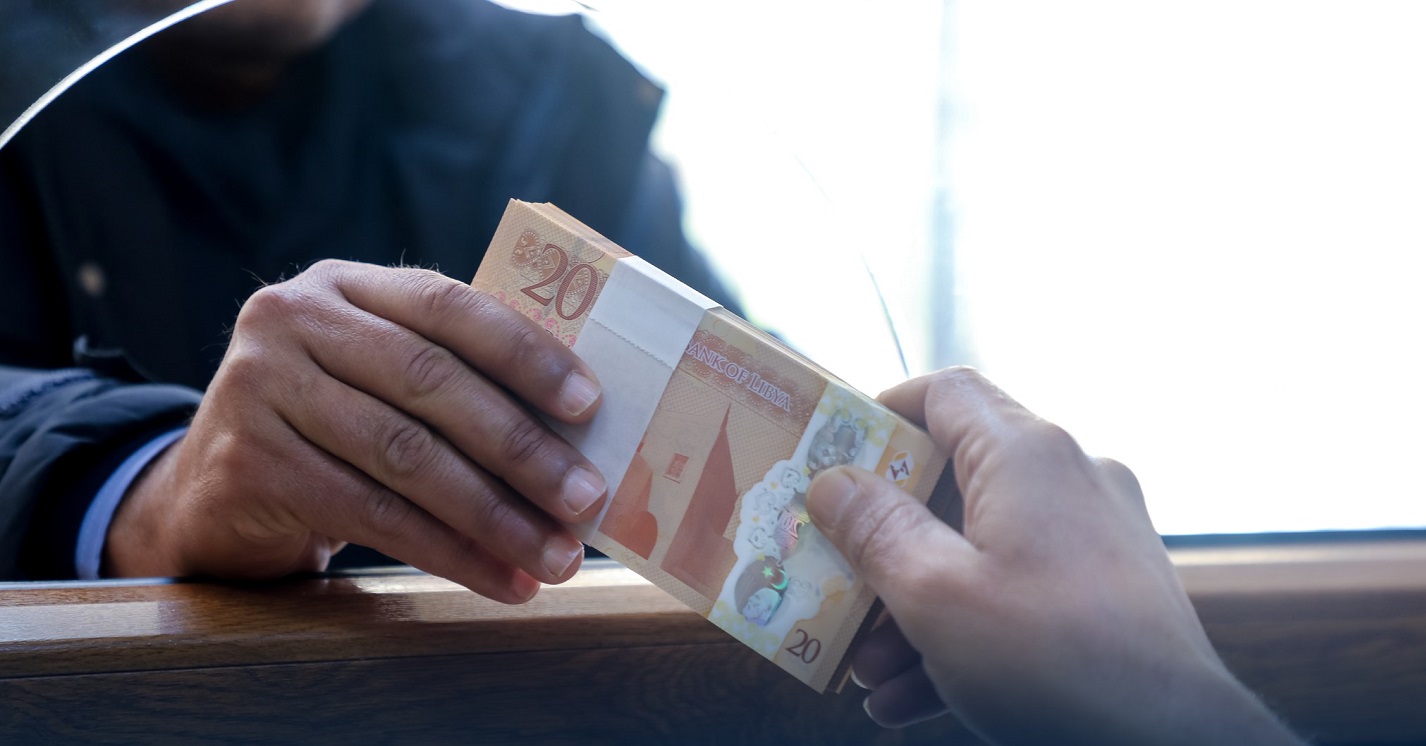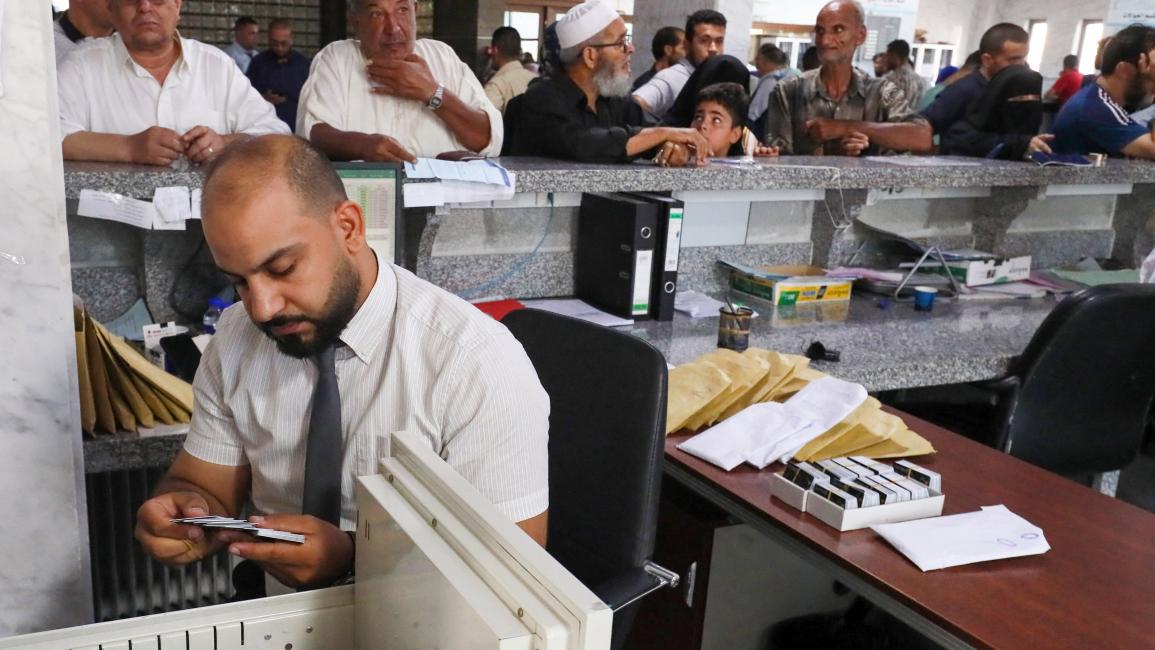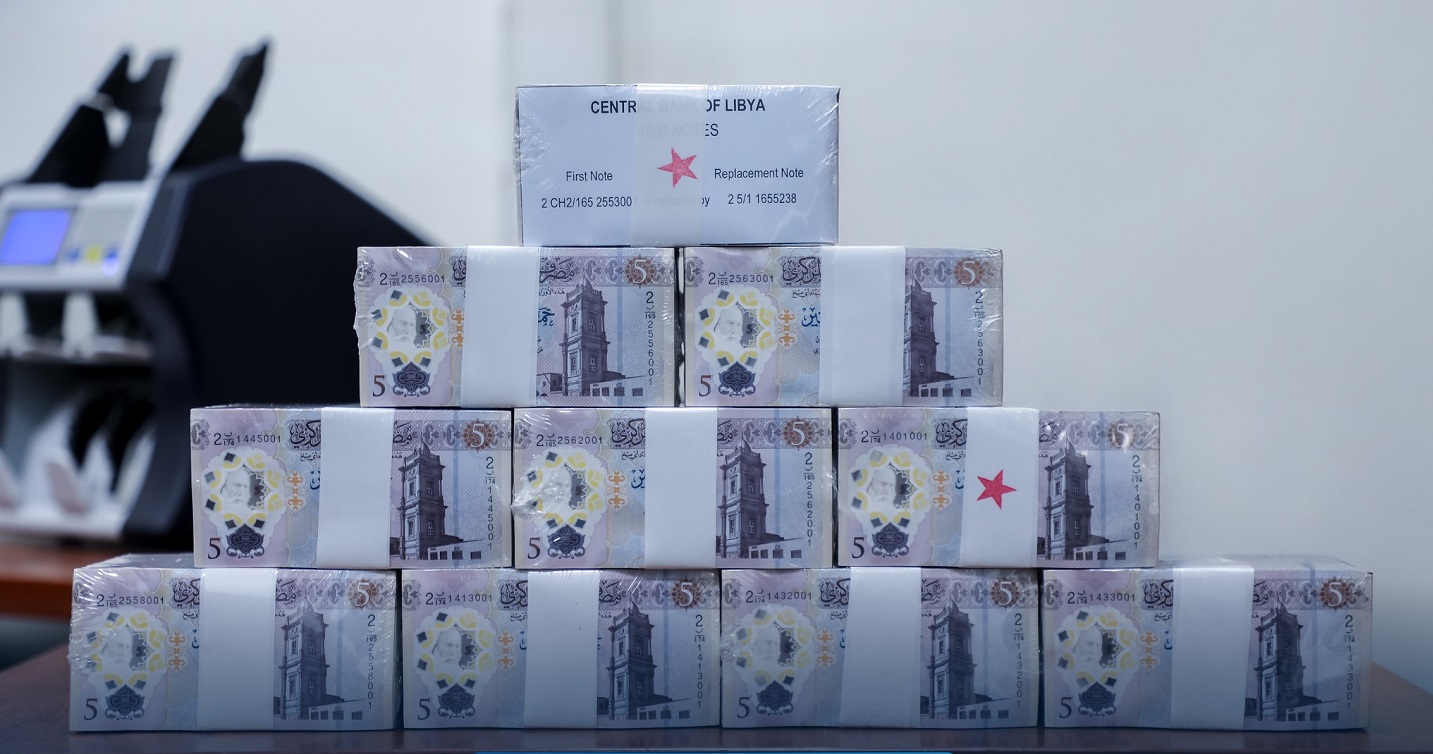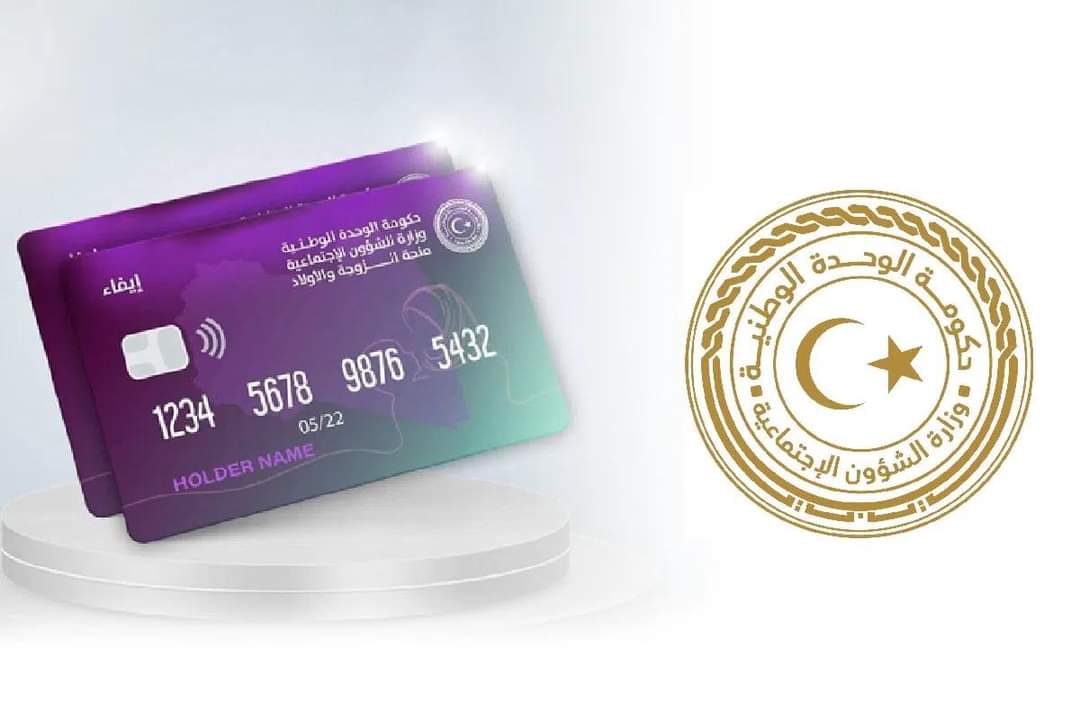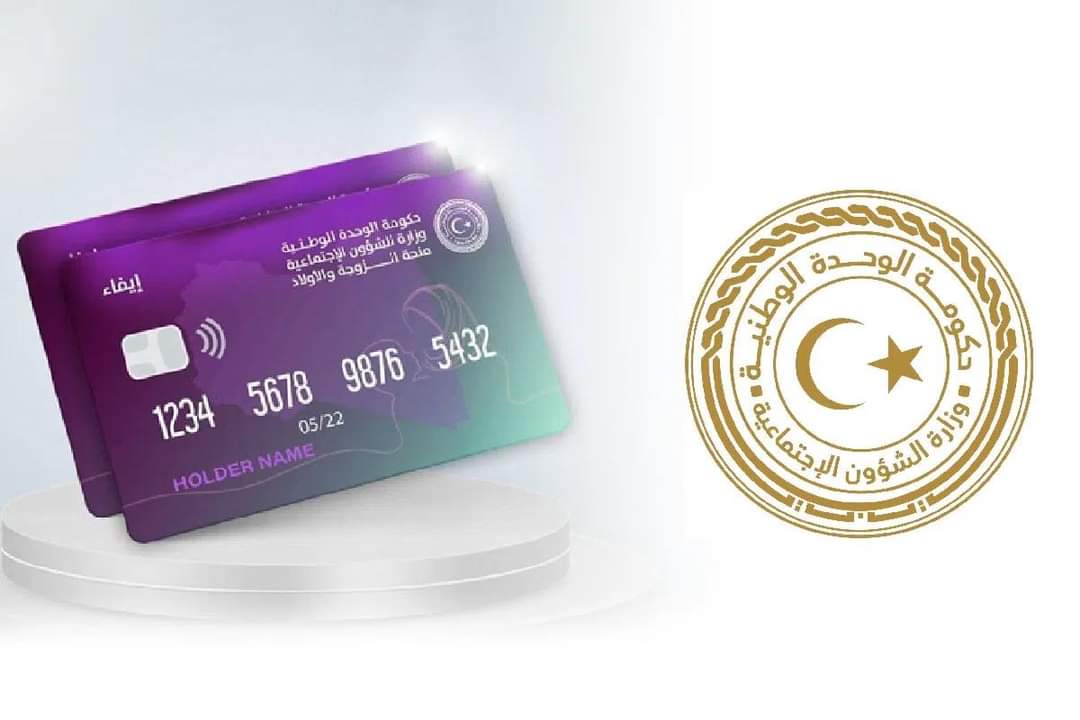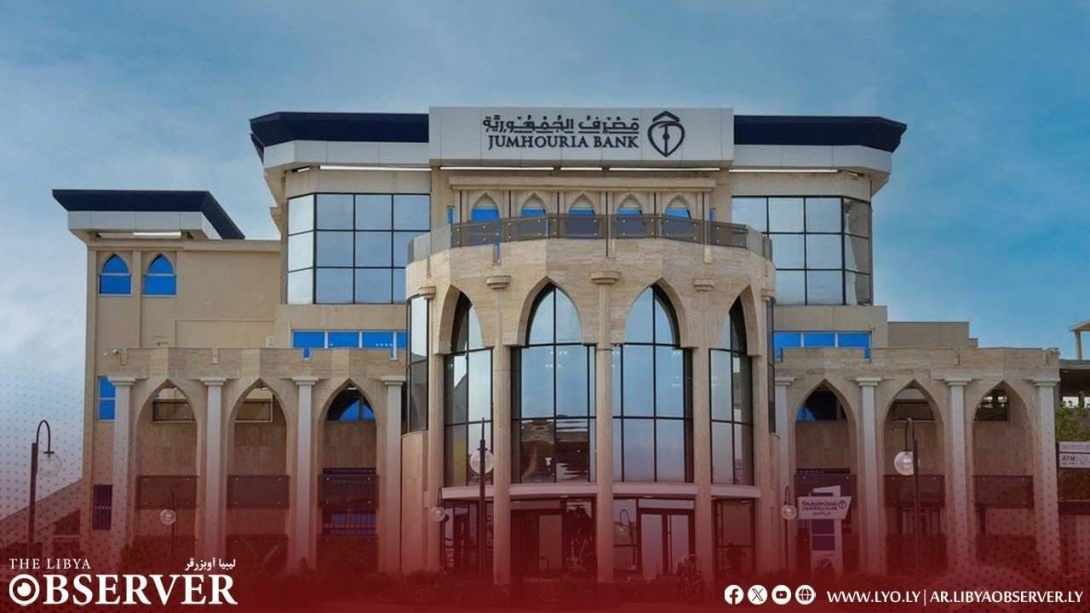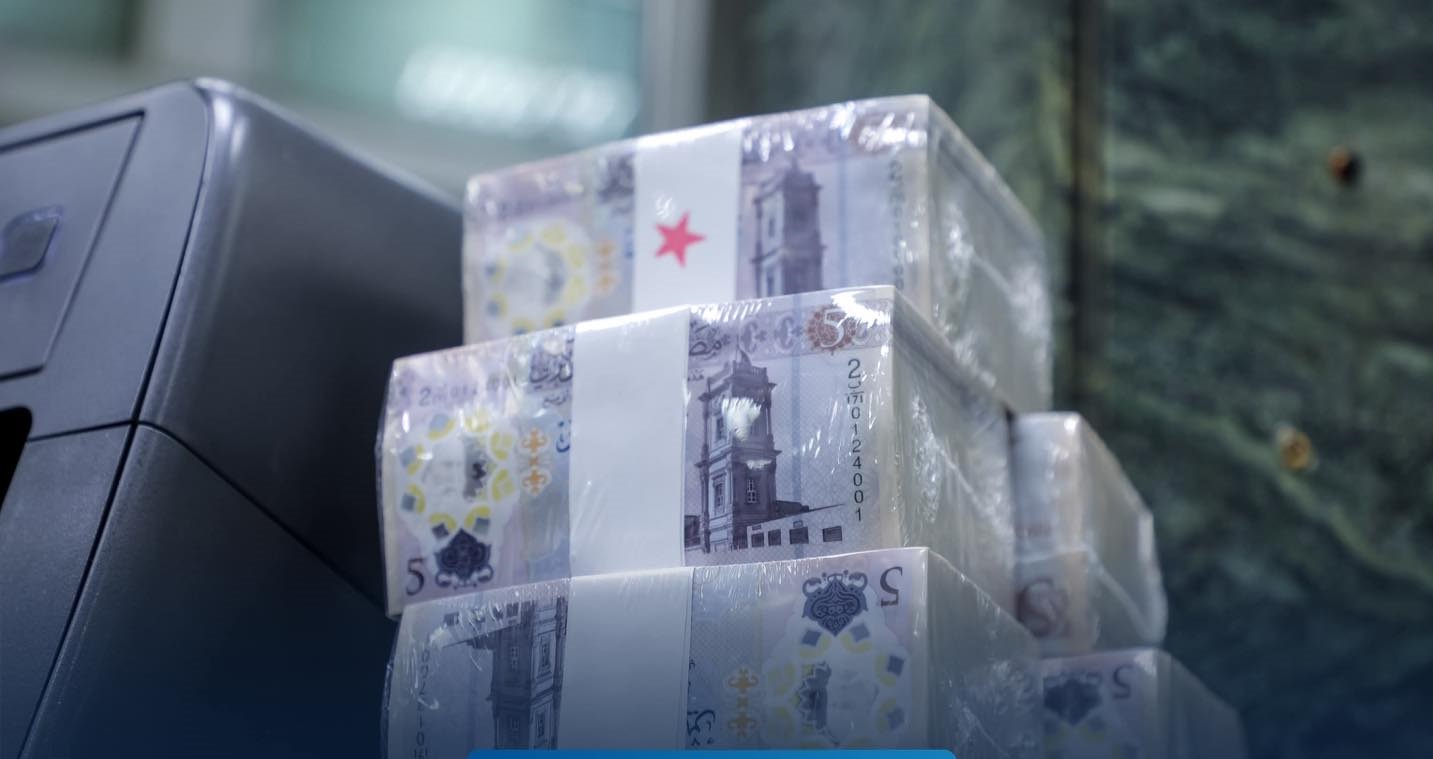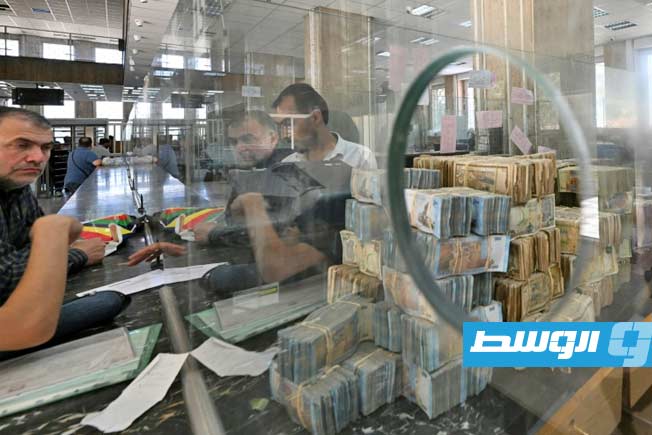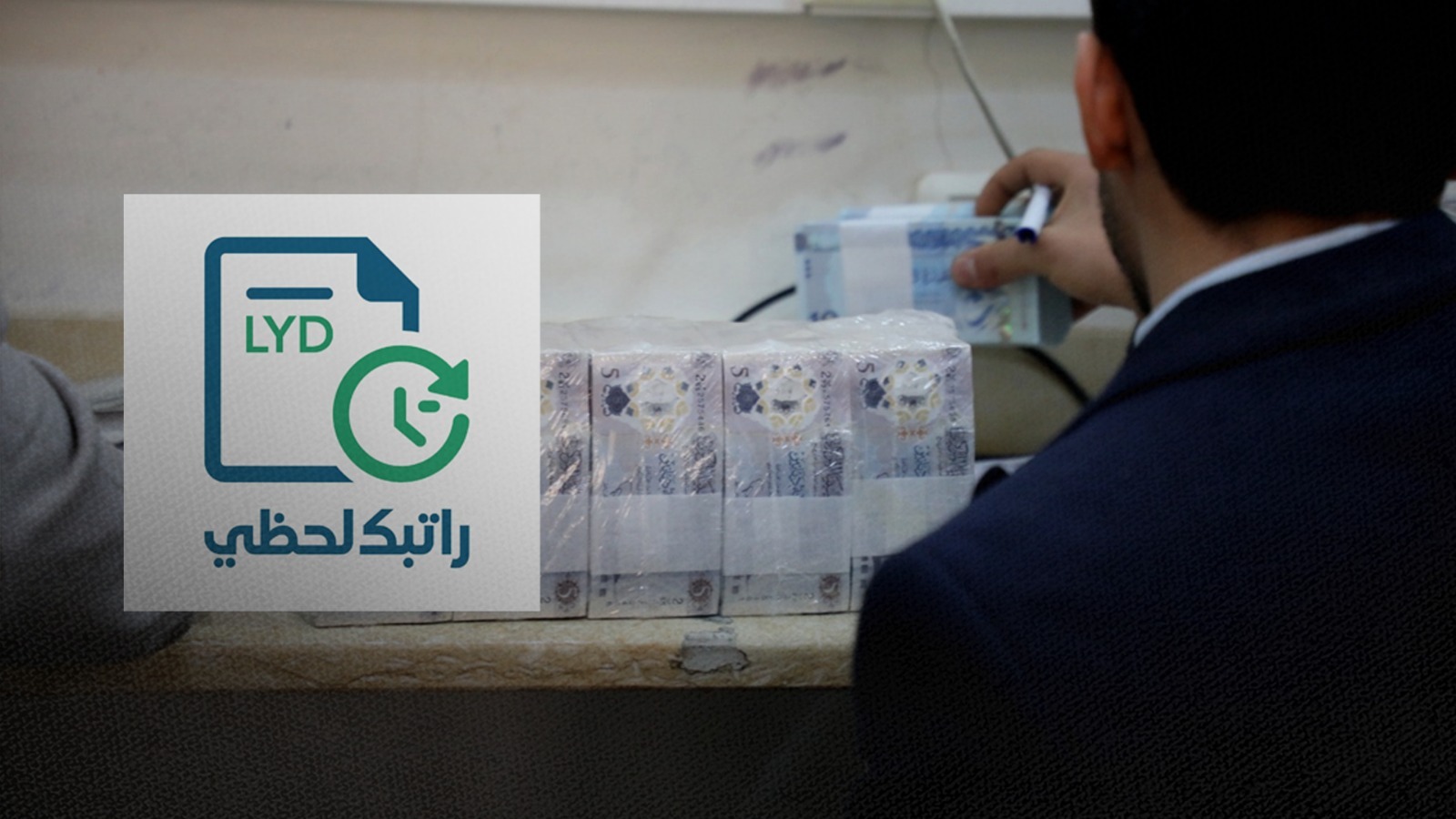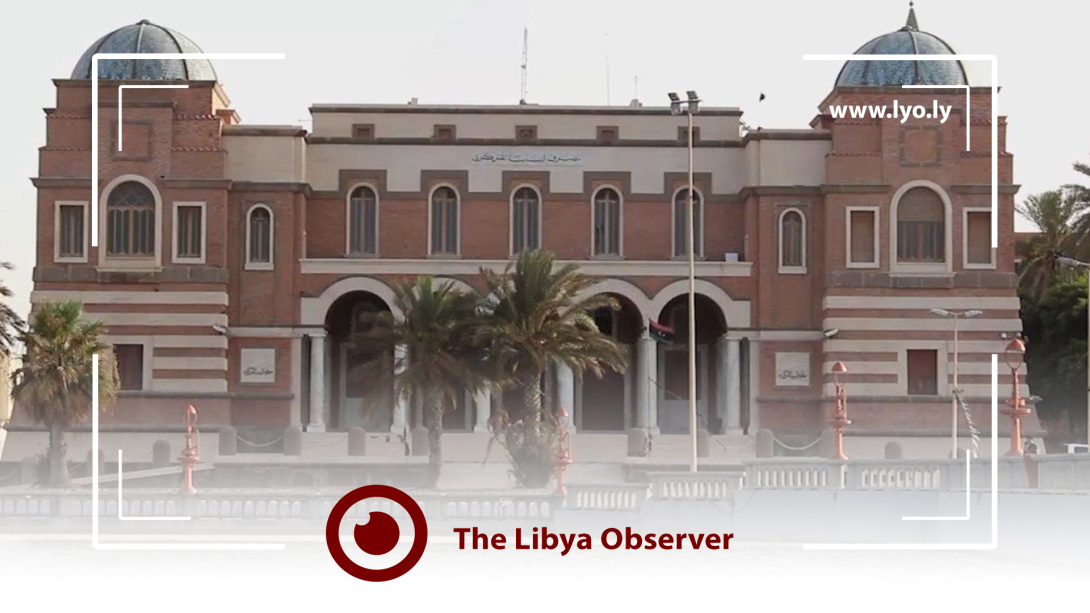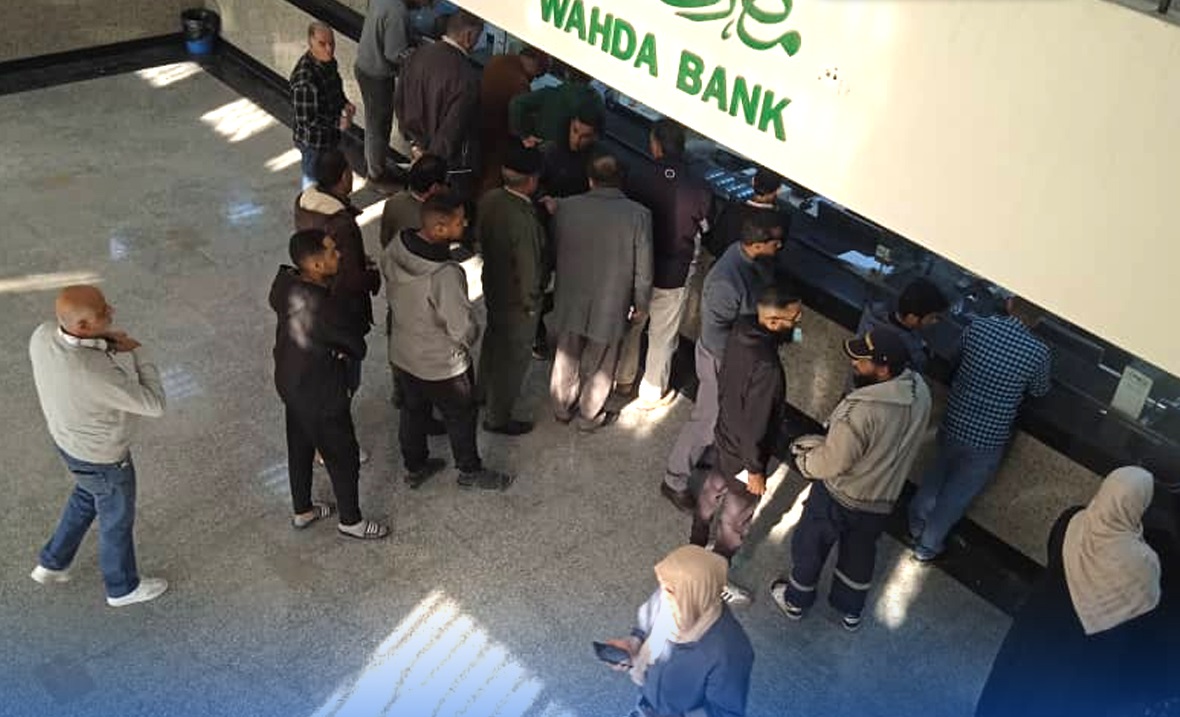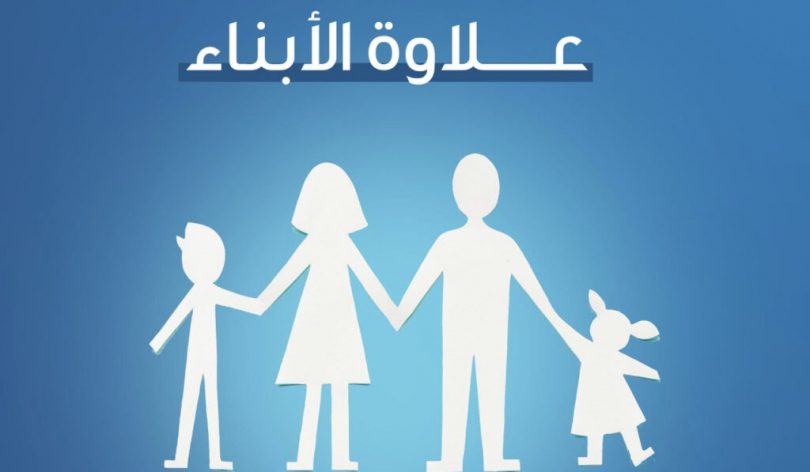
North Africa Bank has announced to its clients that it has effectively begun the gradual deposit of children’s allowance supplements into beneficiaries’ accounts. This process covers the years 2023, 2024, and 2025, with confirmation that the deposit operation will continue until all submitted lists are completed.
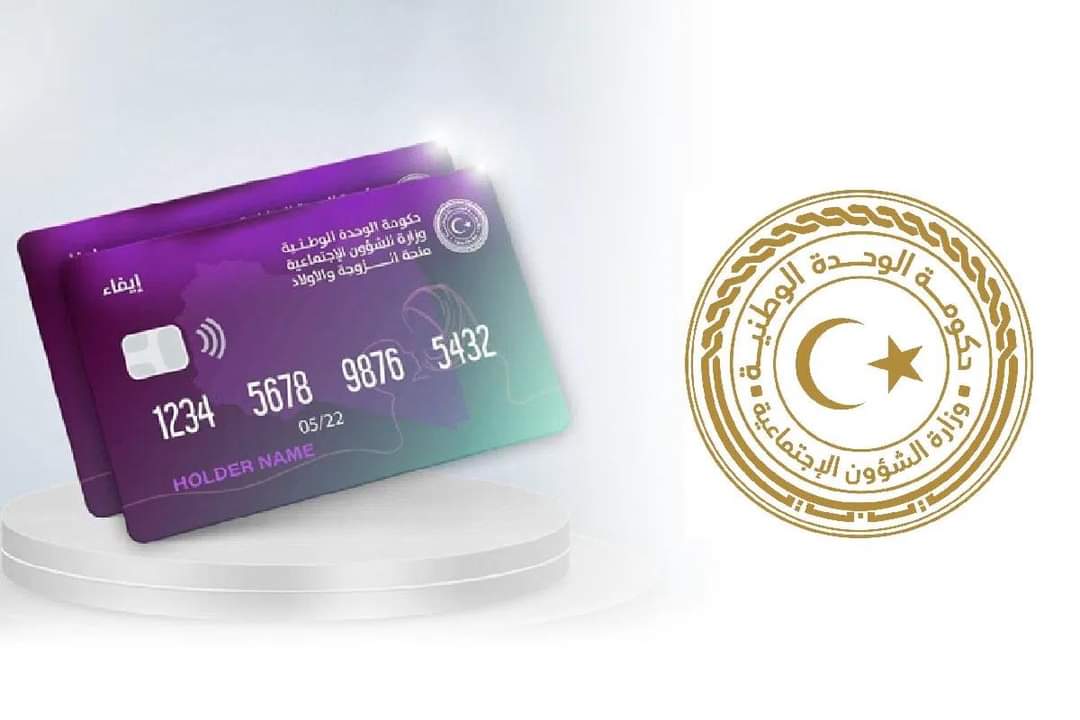
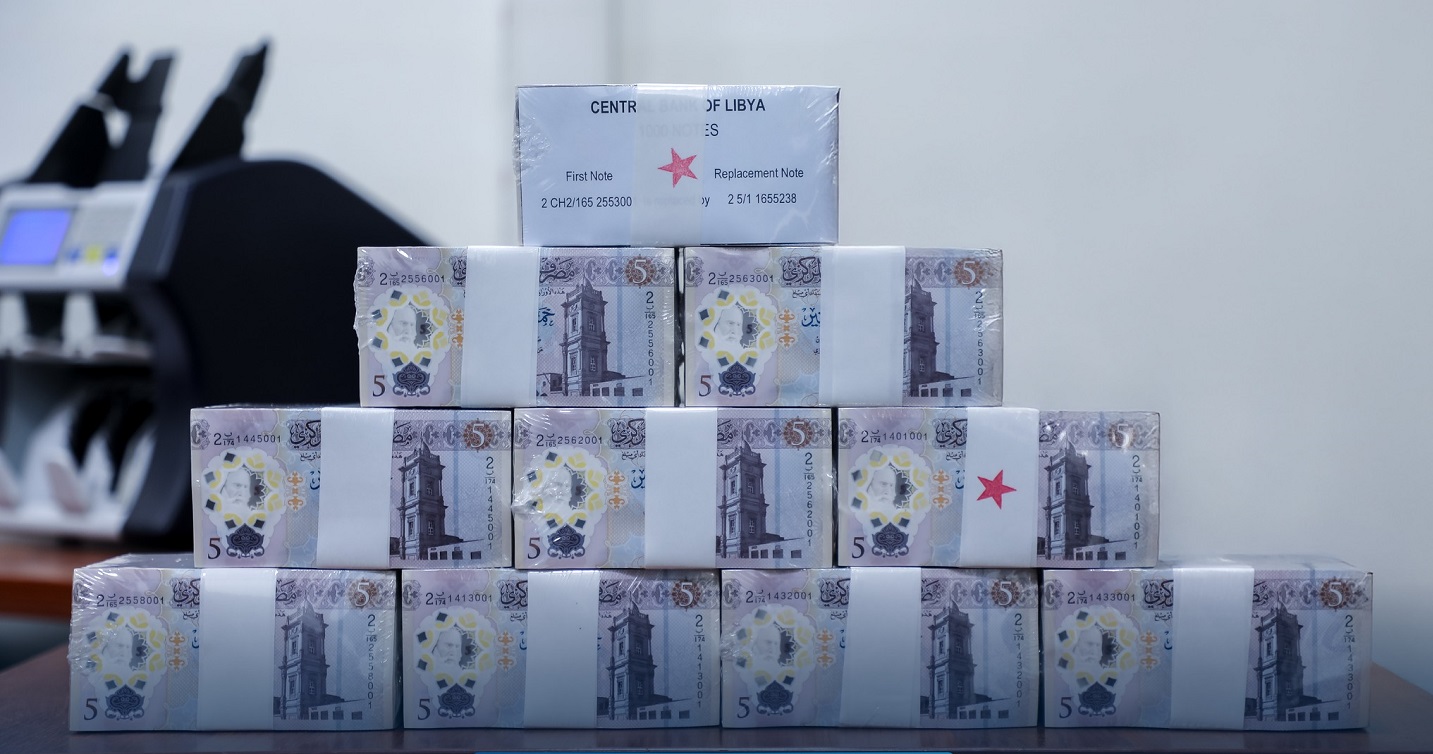
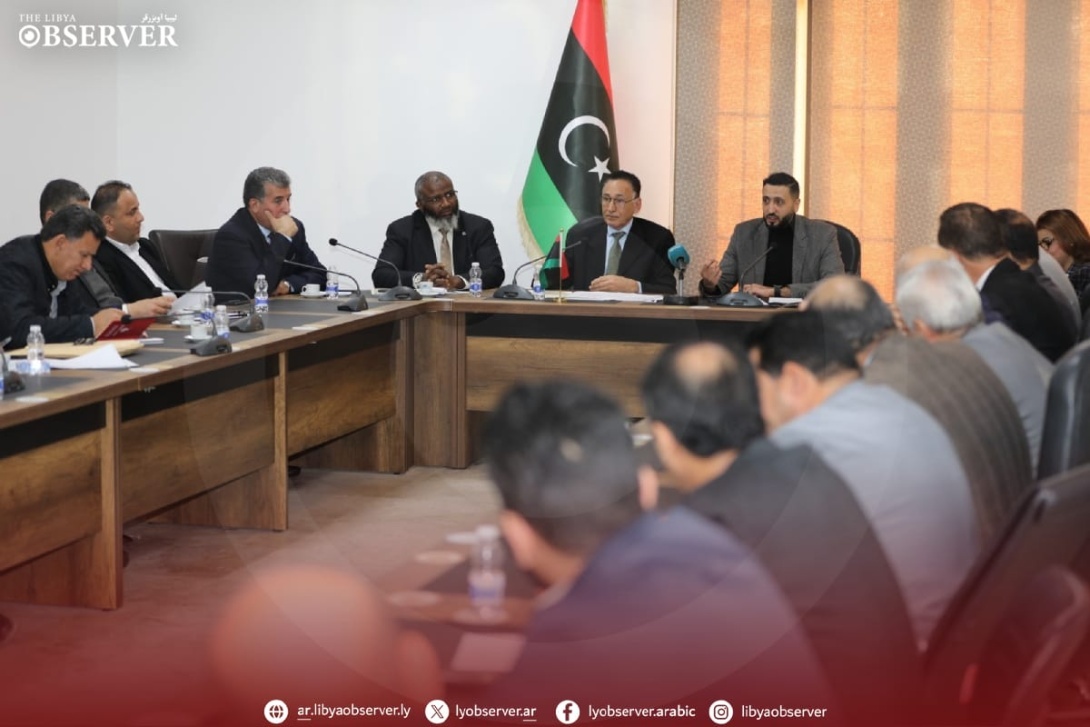
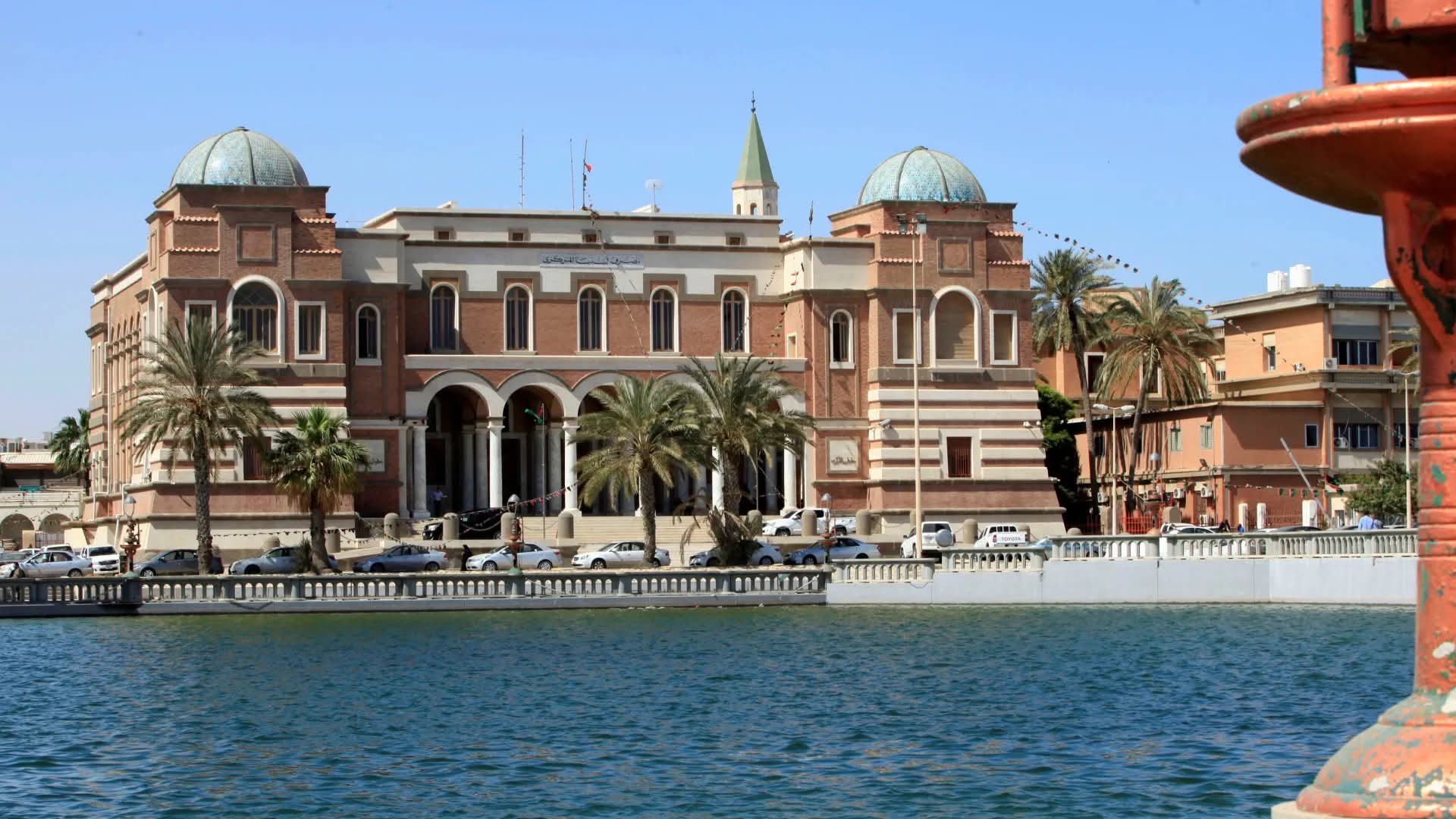
This action follows an announcement regarding the referral of lists of beneficiaries for the wife and children’s allowance to the Central Bank of Libya, in addition to the supplements for the years 2022, 2023, 2024, and 2025. This referral came after the completion of financial and administrative procedures, as well as auditing and review processes to ensure the allowance reaches those entitled to it.
Details of Previous Supplements According to Ministry Data
🔹 Supplements for Wife and Daughters Over 18 Years Old (2022–2025)
- Number of Beneficiary Cards: More than 340,000 cards
- Total Value: 117.977 million Libyan dinars
🔹 Supplements for Children Under 18 Years Old (2023–2025)
- Number of Beneficiary Families: More than 127,000 families
- Total Value: 59.718 million Libyan dinars
- Number of Beneficiary Children: 336,000 children
This step is part of the government’s efforts to ensure the regular disbursement of social allowances and to address previous accumulations, at a time when the country is witnessing widespread demands to accelerate disbursement procedures and improve follow-up mechanisms.