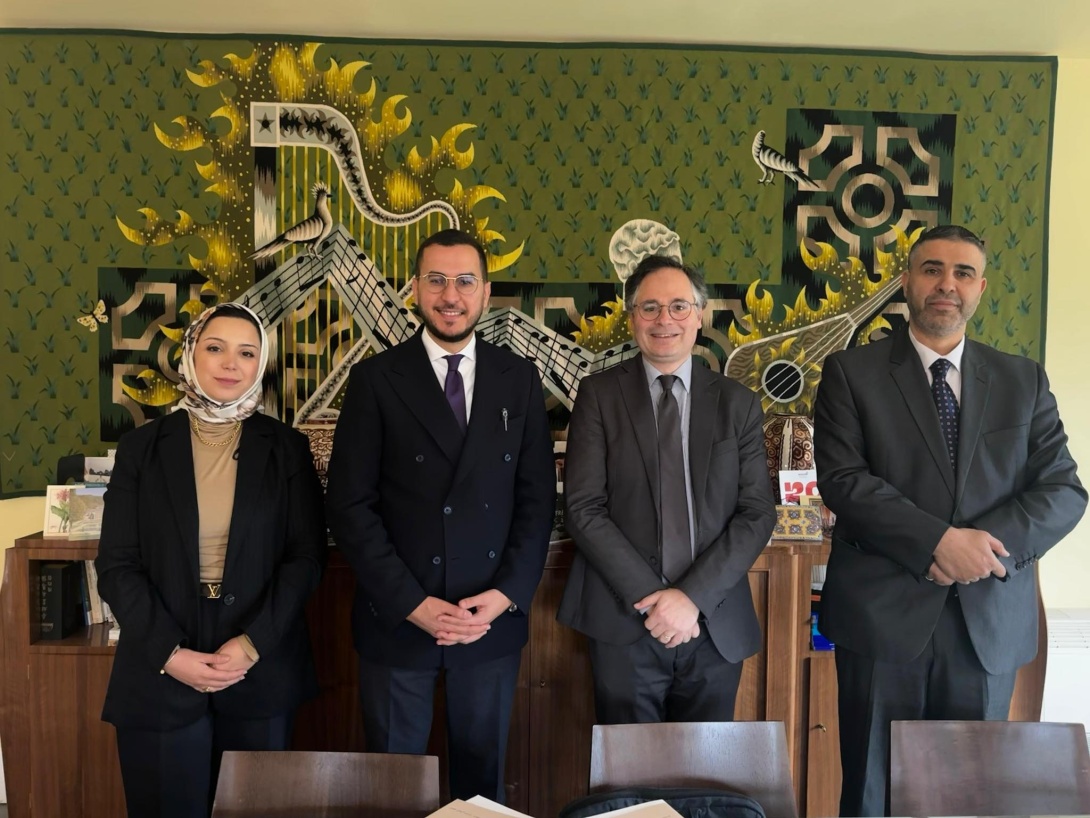
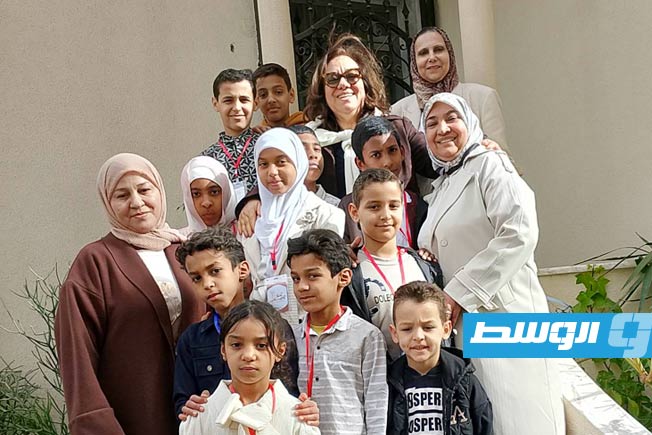
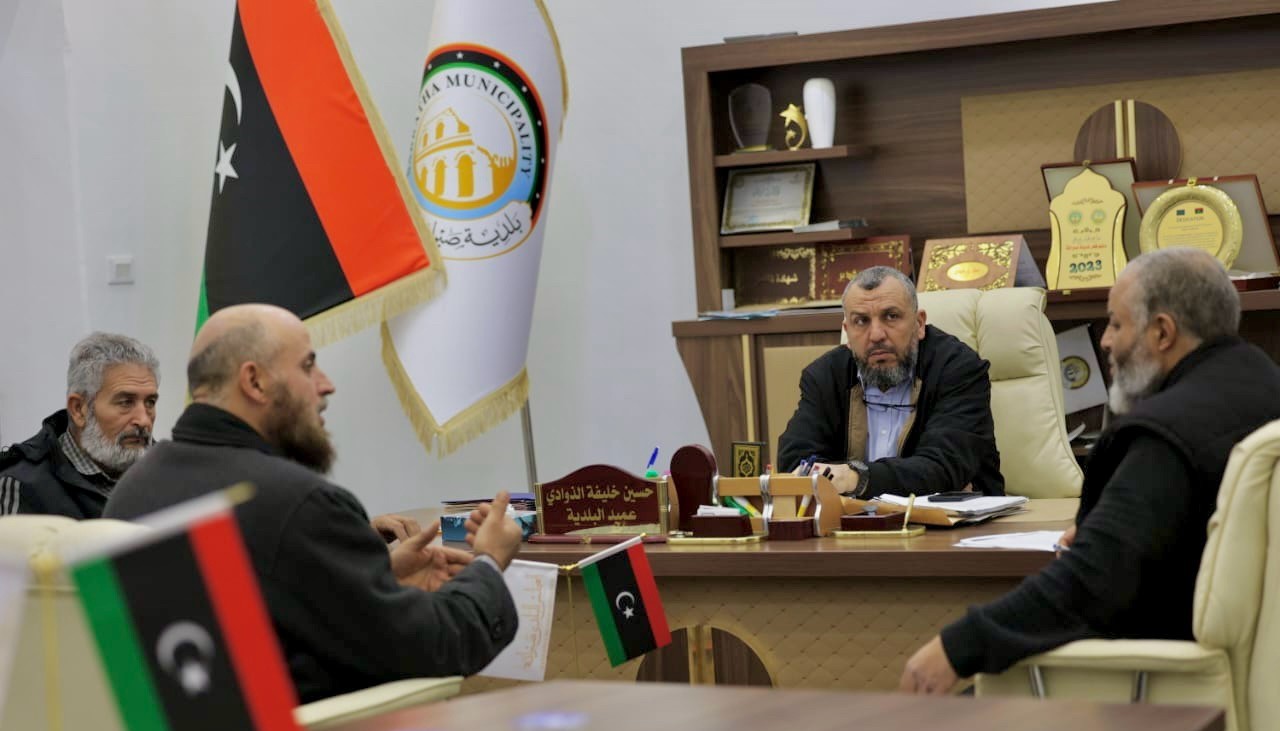
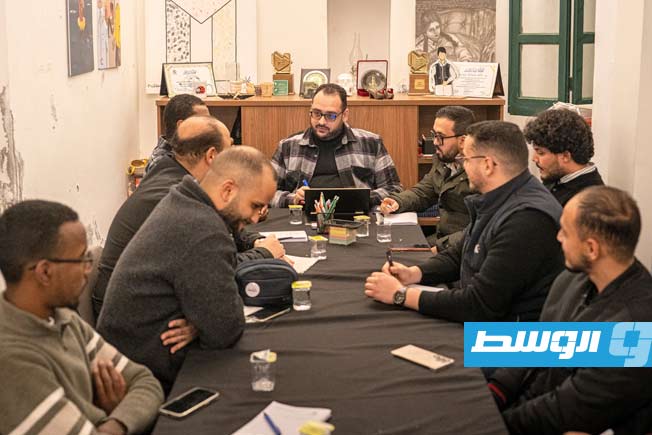
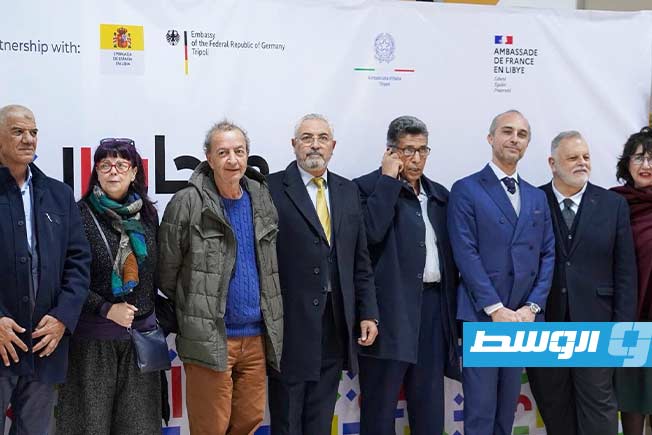
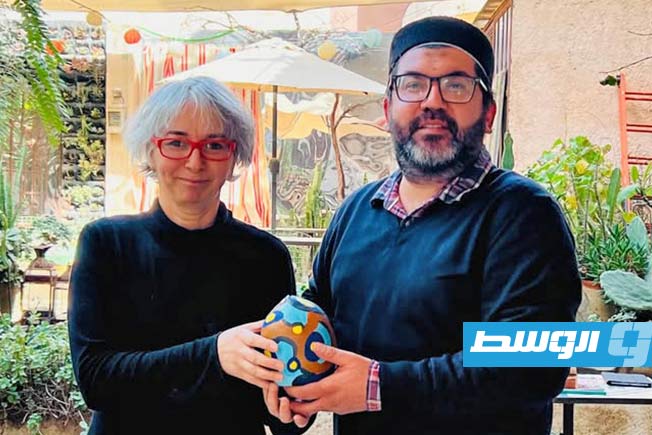
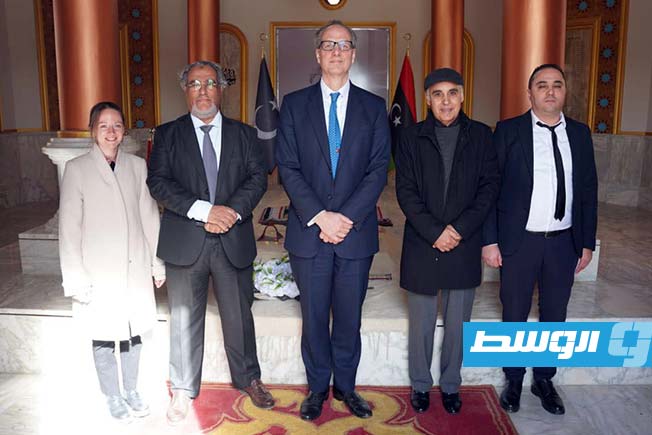
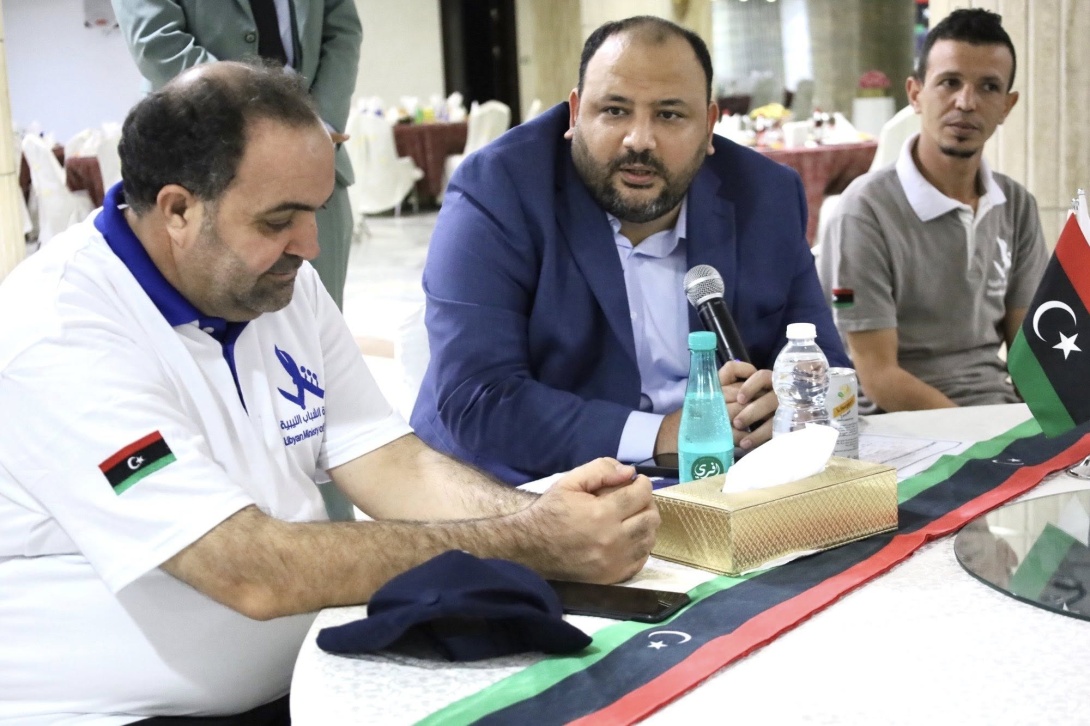
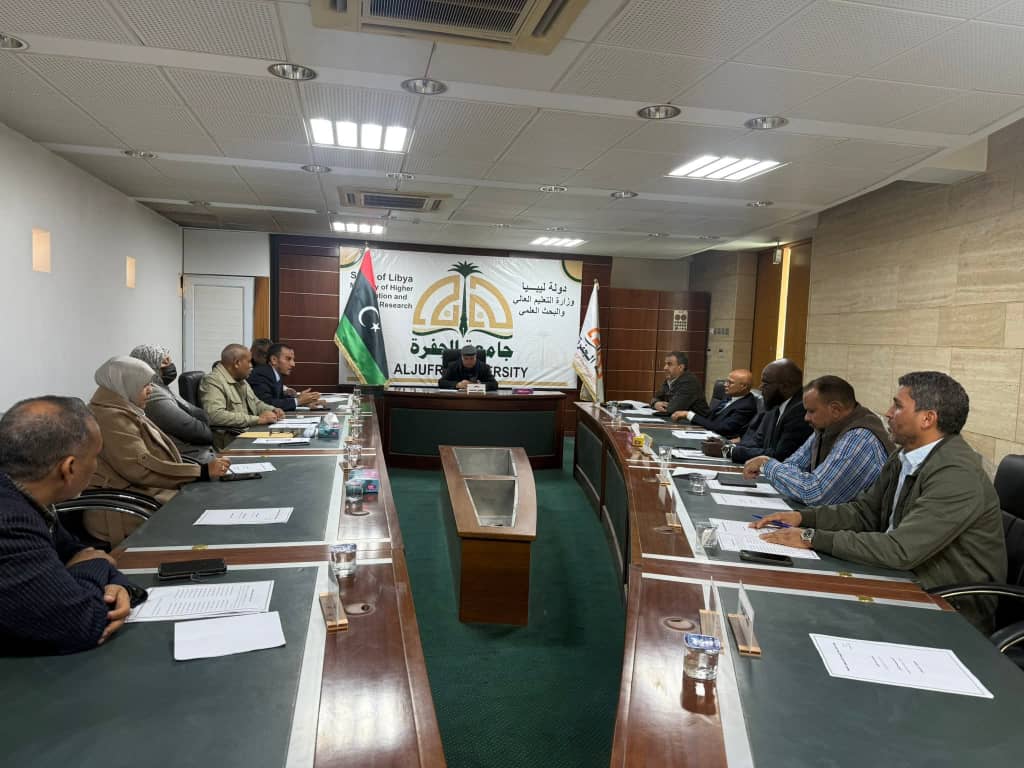
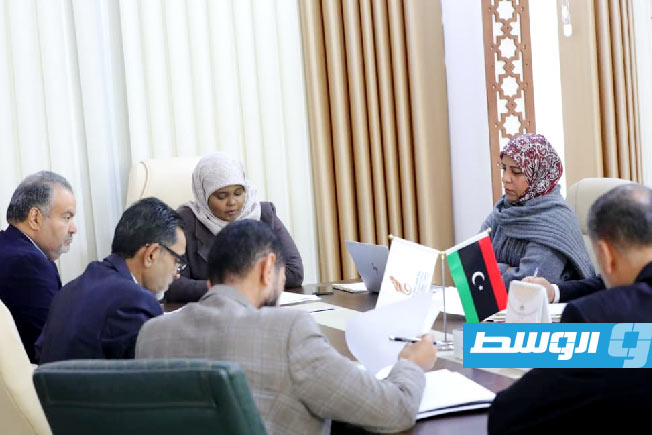
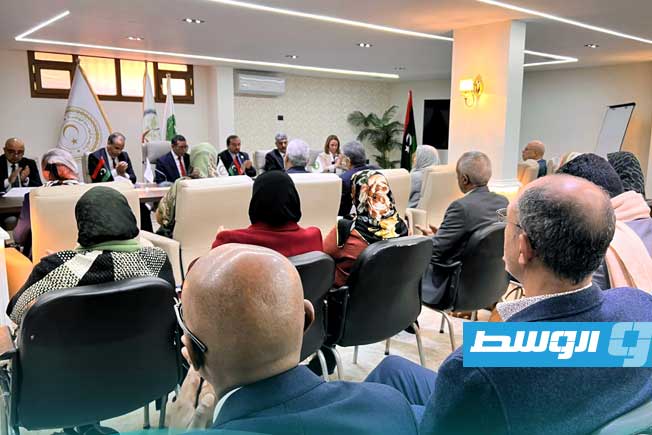
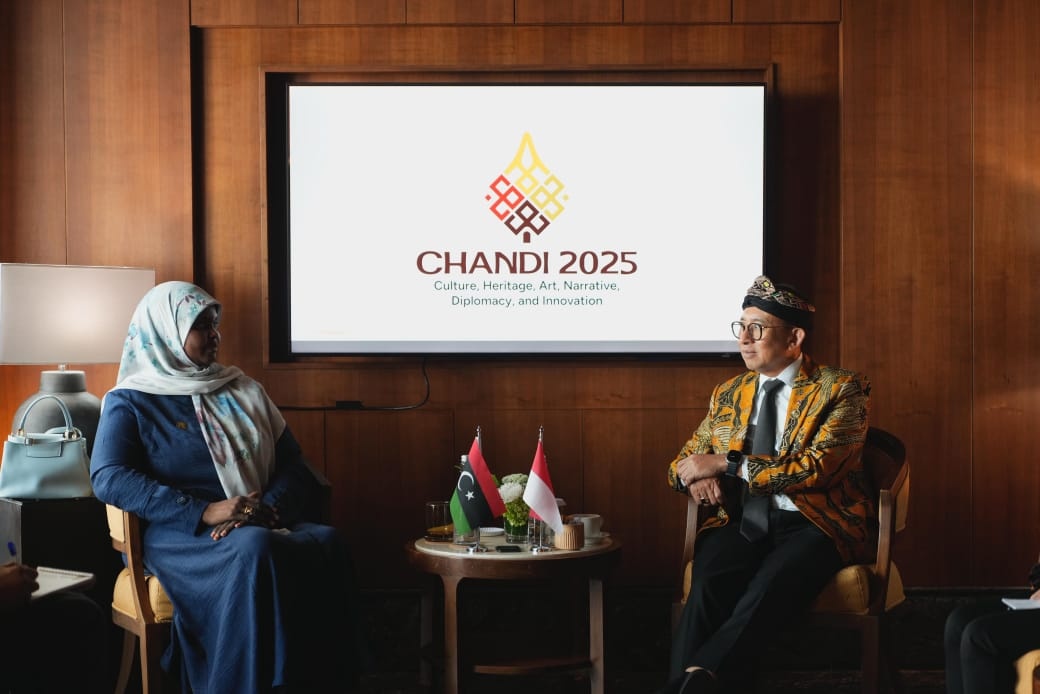
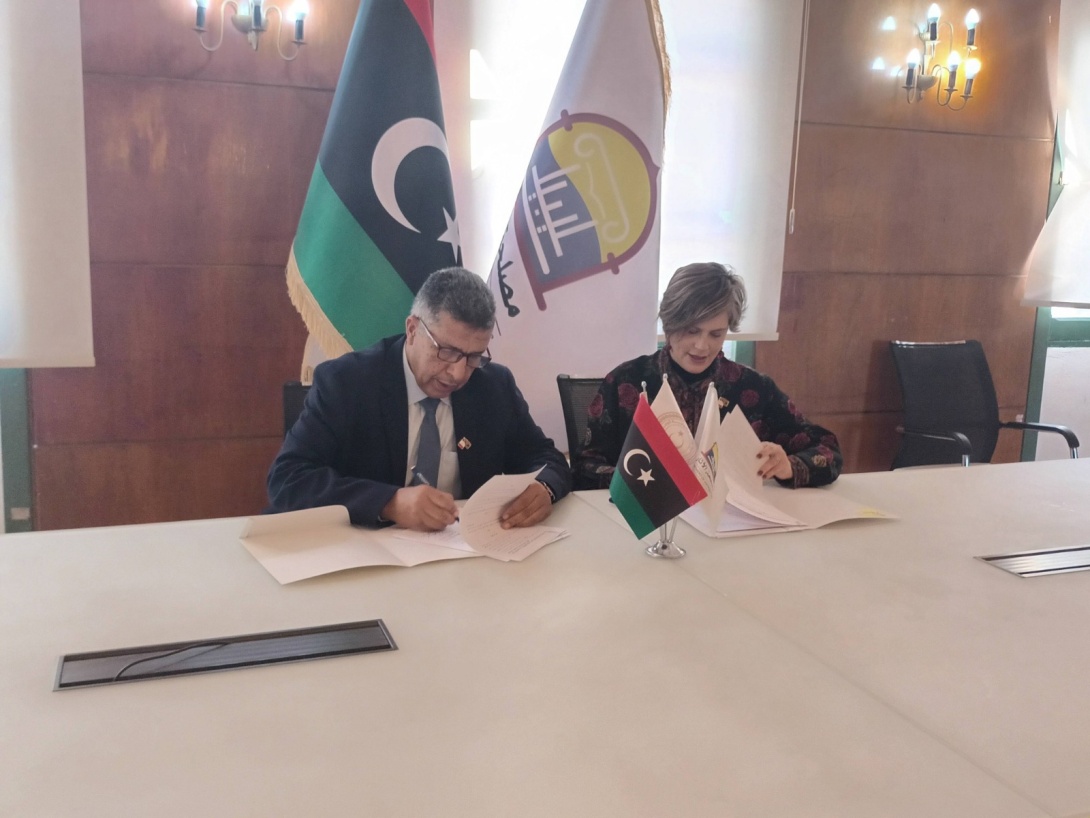
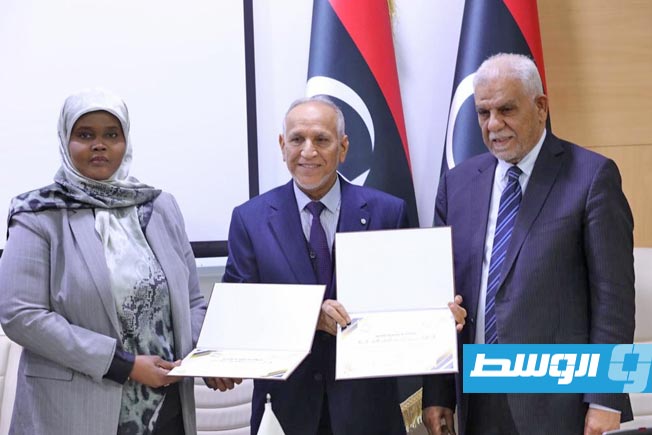
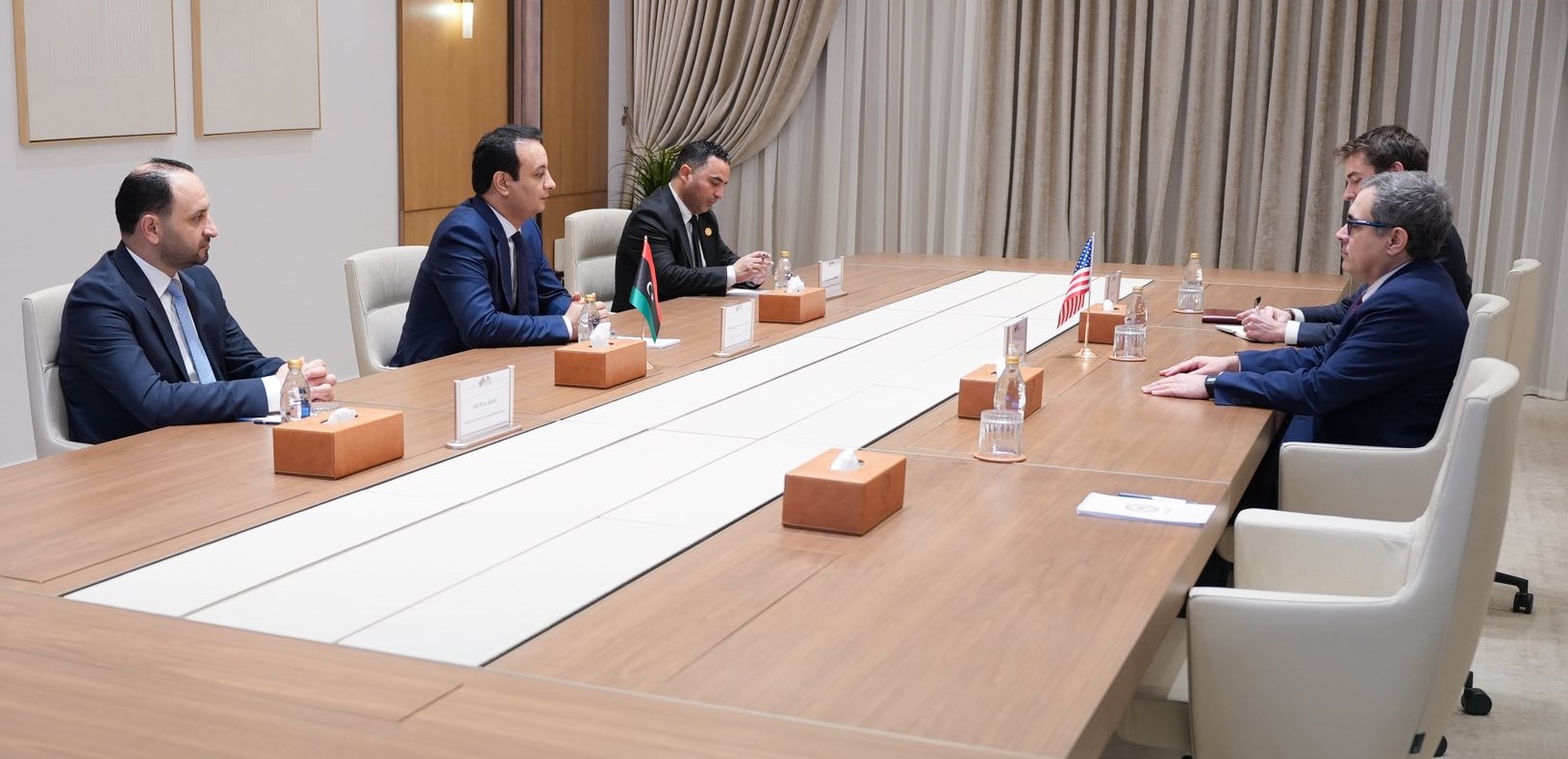
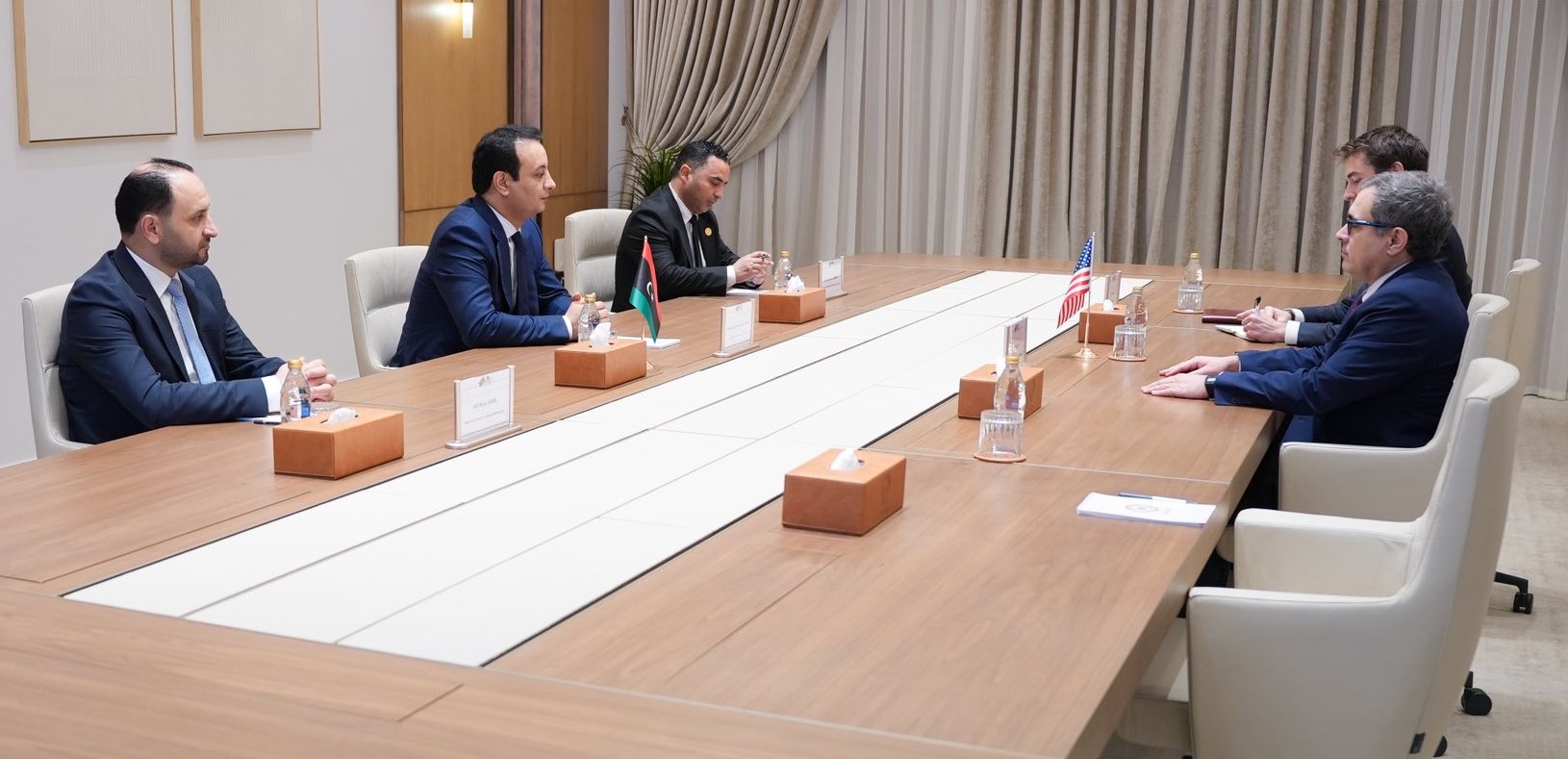
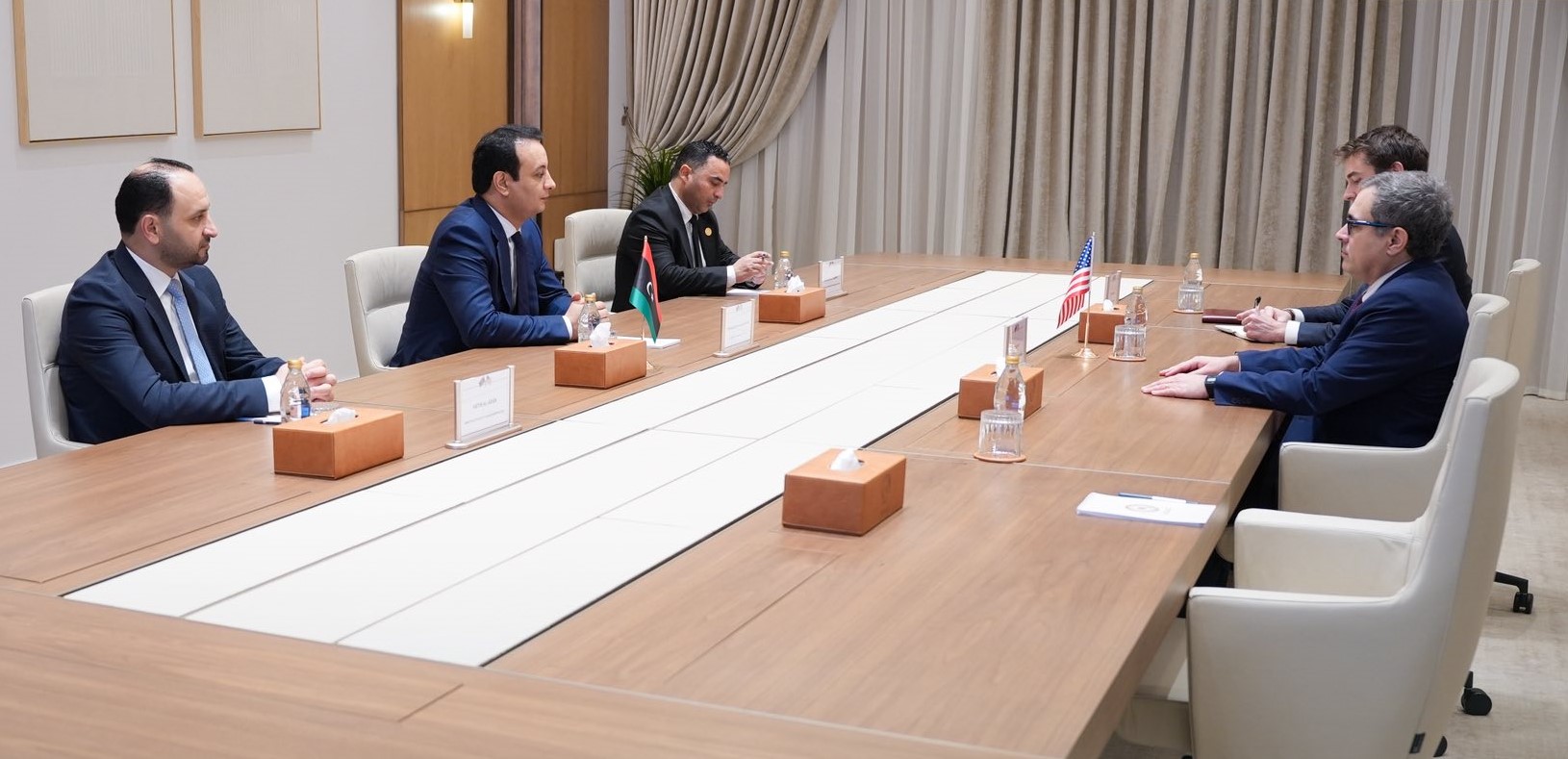
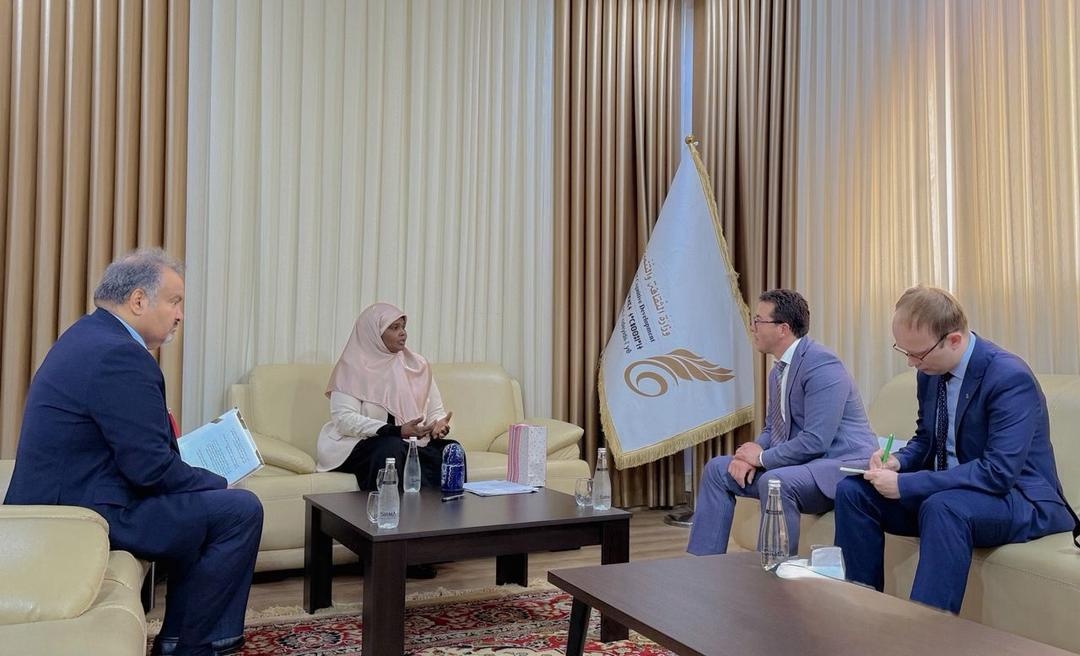
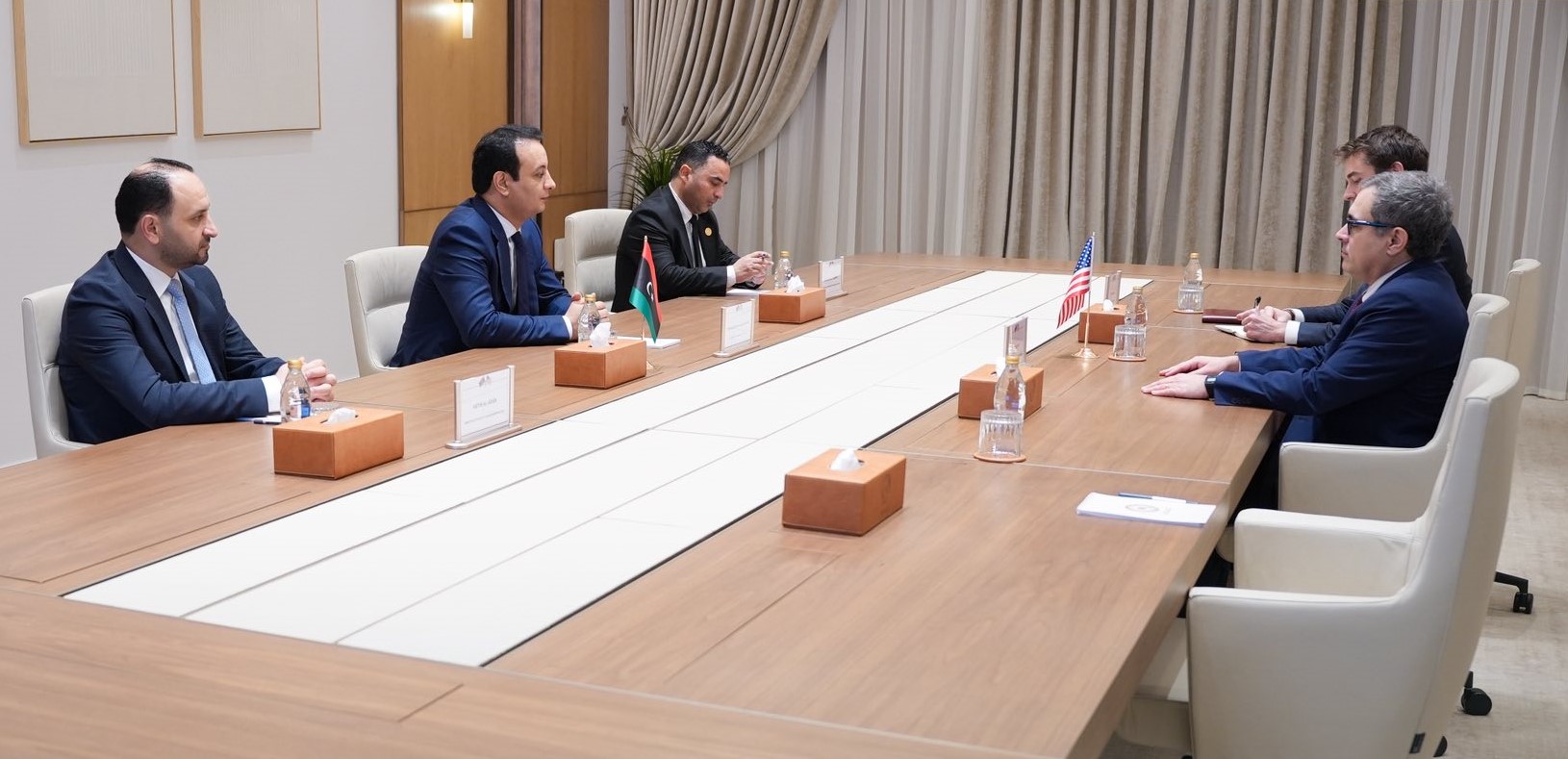
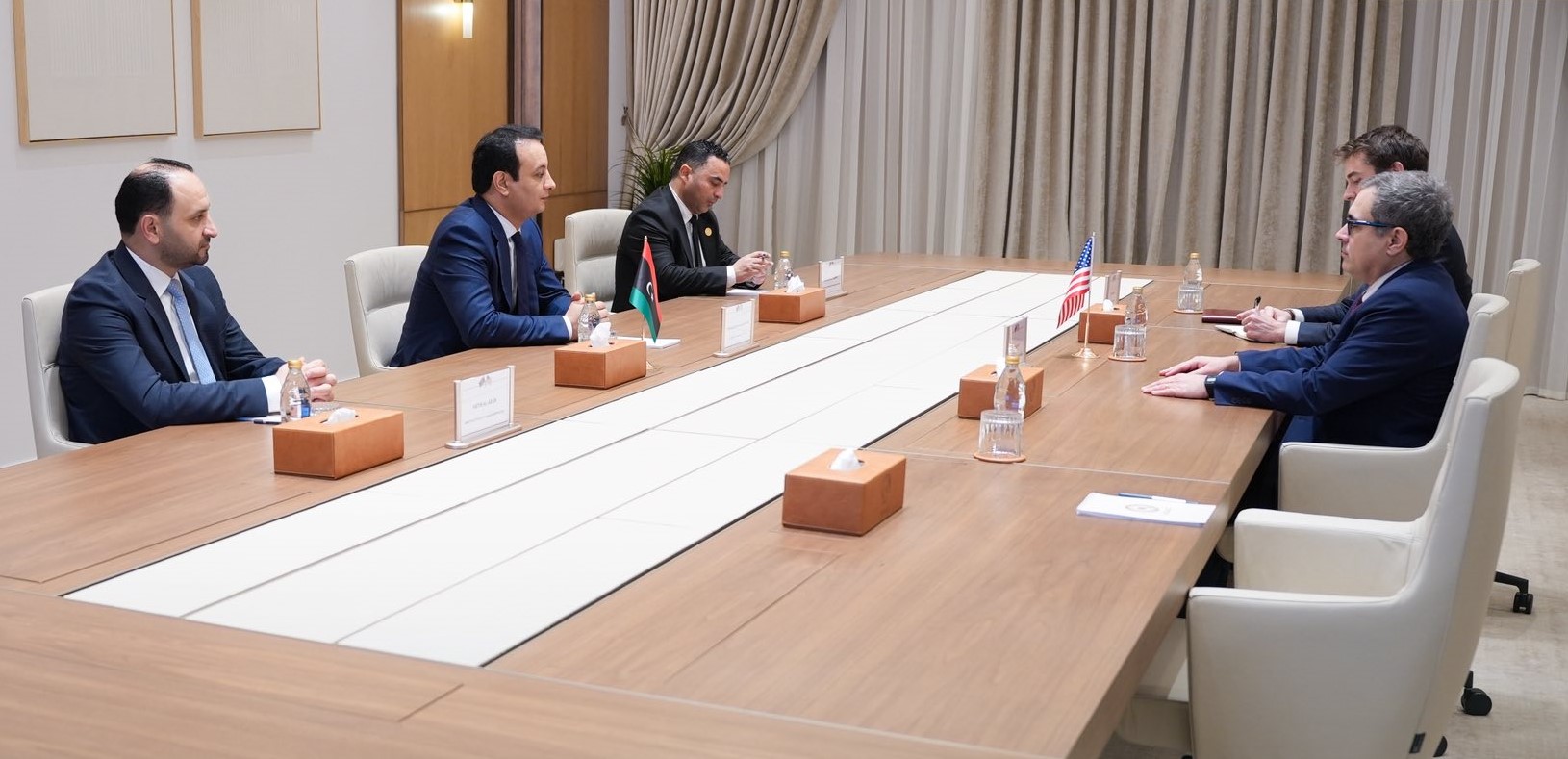
The Chargé d’Affaires of the Libyan Embassy to France held a meeting with the Director of the National Institute of Heritage to discuss frameworks for enhancing bilateral cooperation in the protection and valorization of cultural heritage.
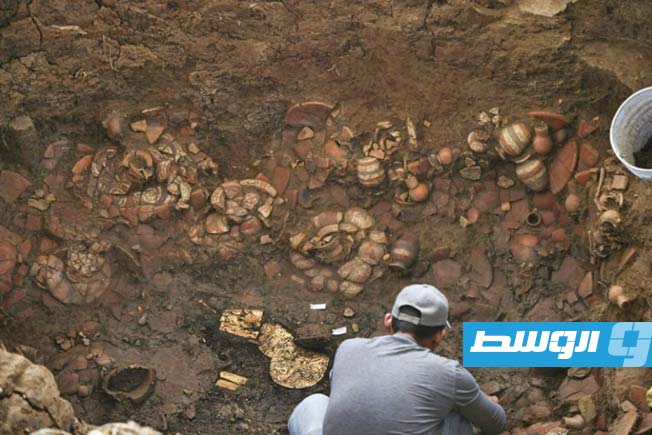
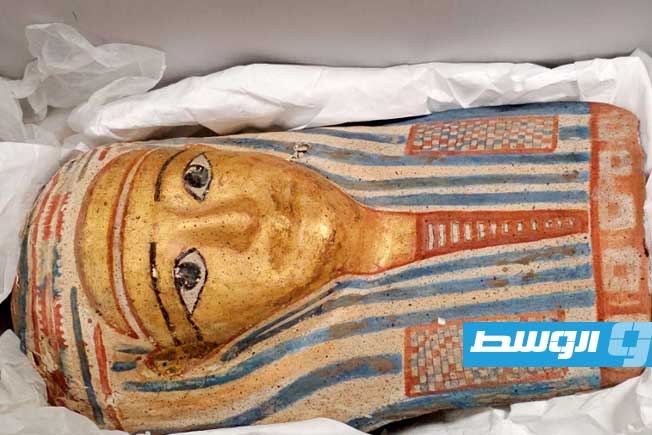
The meeting addressed prospects for strategic cooperation in several priority areas, particularly the development of museum management, support for the conservation and restoration of archaeological collections, and strengthened coordination in combating the illicit trafficking of cultural property. Discussions also covered expanding scientific publication and documentation, as well as exchanging technical and administrative expertise.
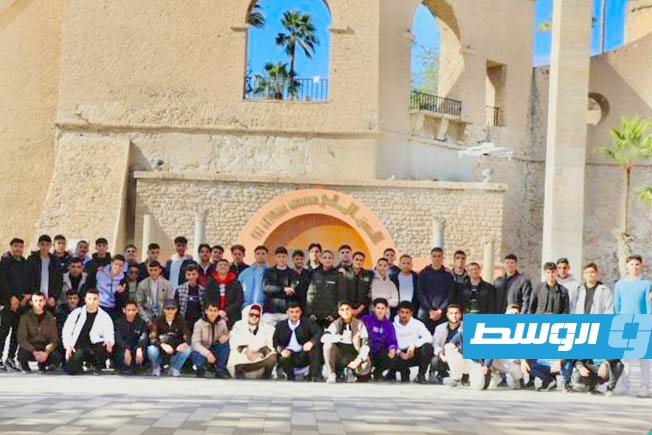
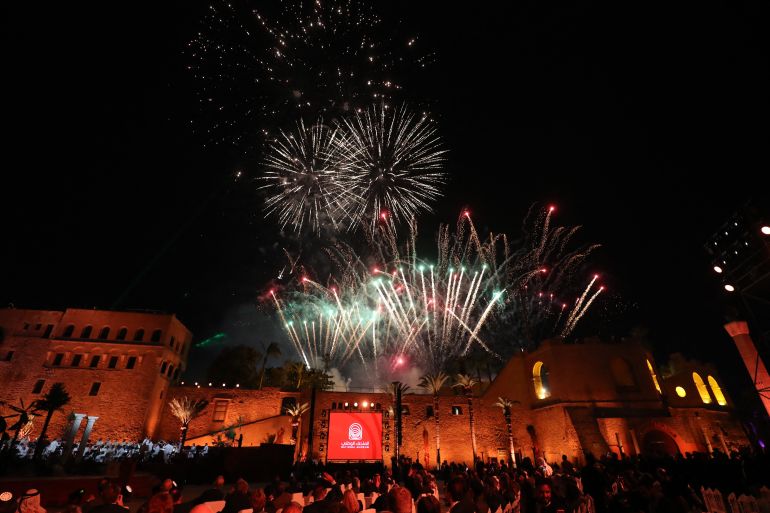
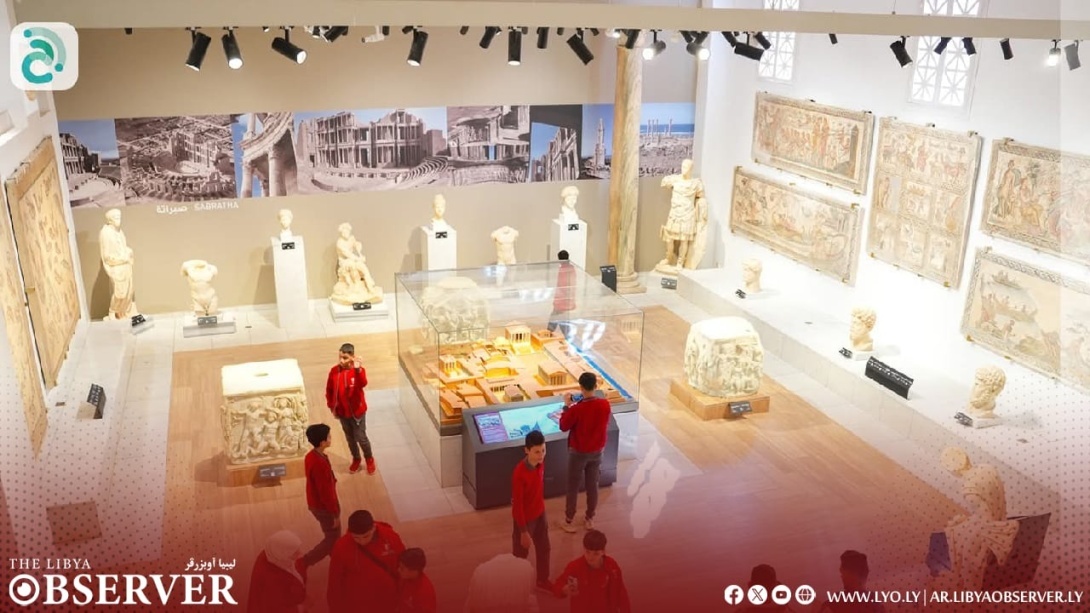
The talks further explored opportunities for institutional cooperation with relevant Libyan national bodies connected to the institute’s work, particularly the Libyan Department of Antiquities, the National Museum (Red Castle – Al-Saraya Al-Hamra), and the Libyan Center for Archives and Historical Studies, with the aim of building more specialized and integrated joint programs in the coming phase.
Both sides emphasized the importance of building on the longstanding history of Libyan–French cooperation and advancing it to a more developed stage that responds to current challenges and aligns with international best practices in heritage management.
The Libyan side reaffirmed its commitment to expanding institutional partnerships with the French side in order to protect Libya’s cultural heritage and enhance its international presence. The French side expressed the National Institute of Heritage’s readiness to continue supporting and developing joint cooperation programs in the coming period.
France
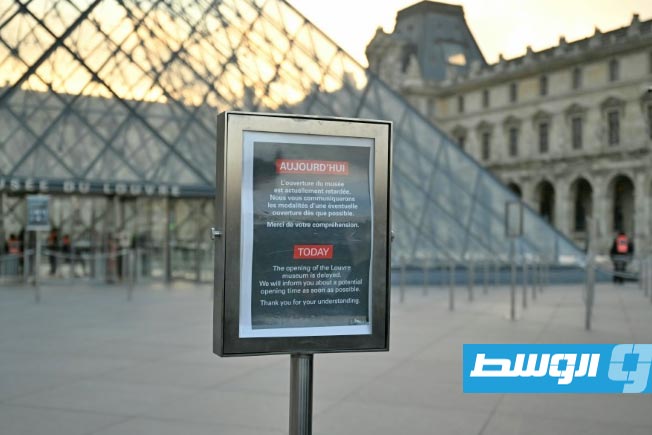
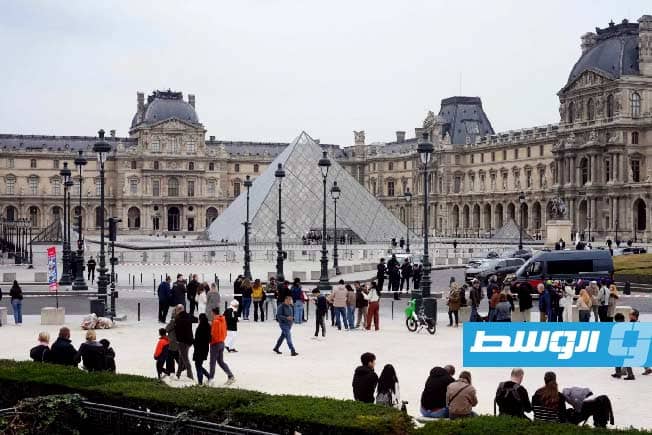
France is a Western European nation with a rich history dating back to ancient Gaul, later evolving into a powerful monarchy and a center of the Enlightenment. It is globally renowned for its cultural influence in art, cuisine, and philosophy, and was the birthplace of the French Revolution in 1789, which established foundational republican ideals. Today, it is a major democratic republic and cultural hub, home to iconic landmarks like the Eiffel Tower and the Louvre Museum.
Libyan Embassy to France
The Libyan Embassy to France serves as the diplomatic mission of Libya in Paris, representing the state’s interests in France. Its history reflects Libya’s modern political shifts, having operated under the Kingdom of Libya, then the Gaddafi government, and the subsequent administrations following the 2011 revolution.
National Institute of Heritage
The National Institute of Heritage is a Polish state institution responsible for the documentation, protection, and conservation of cultural heritage. It was established in 2011, succeeding the former National Heritage Board of Poland, to centralize and manage the country’s efforts in preserving historic monuments and sites.
Libyan Department of Antiquities
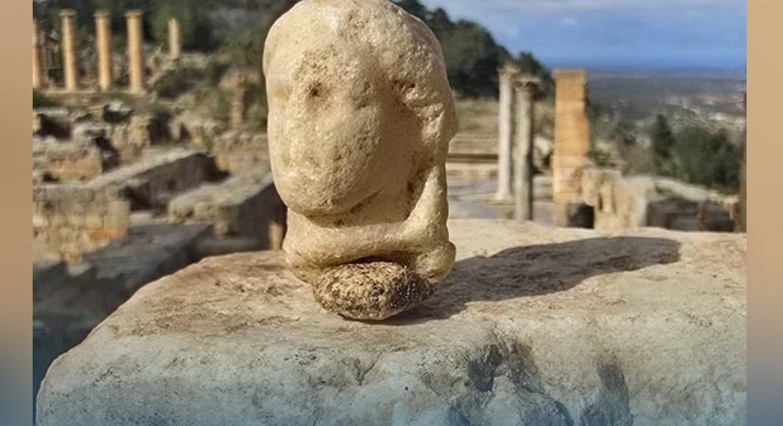
The Libyan Department of Antiquities is the state authority responsible for protecting and managing Libya’s archaeological heritage, including sites like Leptis Magna and Cyrene. It was established to oversee excavations, conservation, and museums following the country’s independence, operating under various governmental structures throughout Libya’s modern history.
National Museum (Red Castle – Al-Saraya Al-Hamra)
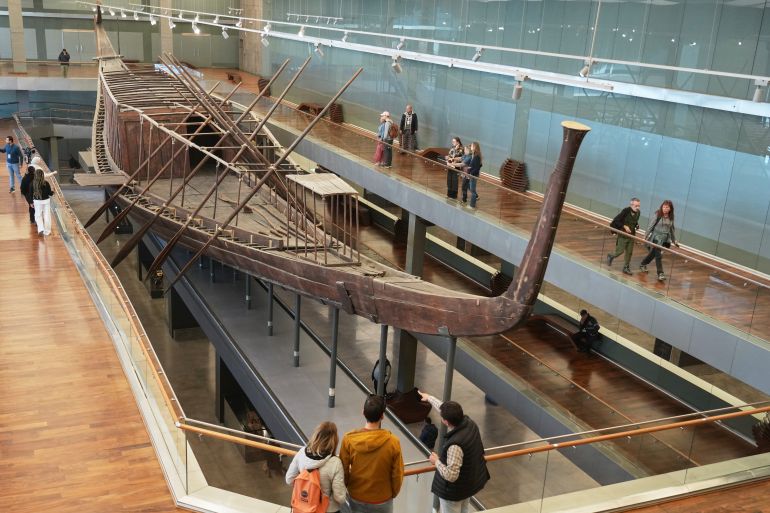
The National Museum, located in the Red Castle (Al-Saraya Al-Hamra) in Tripoli, Libya, is housed within a historic fortress originally constructed during the Spanish occupation in the 16th century. It serves as the country’s primary museum, showcasing artifacts from prehistoric times through the modern era, including significant Greco-Roman and Islamic collections.
Libyan Center for Archives and Historical Studies
The Libyan Center for Archives and Historical Studies is a national institution in Tripoli dedicated to preserving Libya’s documentary heritage. It was established to collect, archive, and study historical records, manuscripts, and official documents pertaining to the country’s history. Its work is central to safeguarding Libya’s historical memory and supporting academic research.