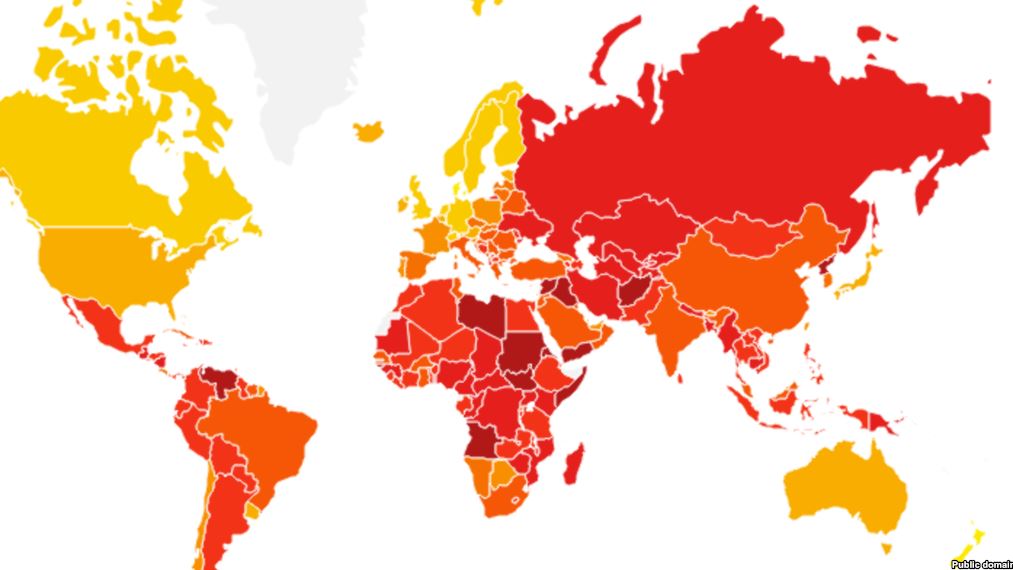
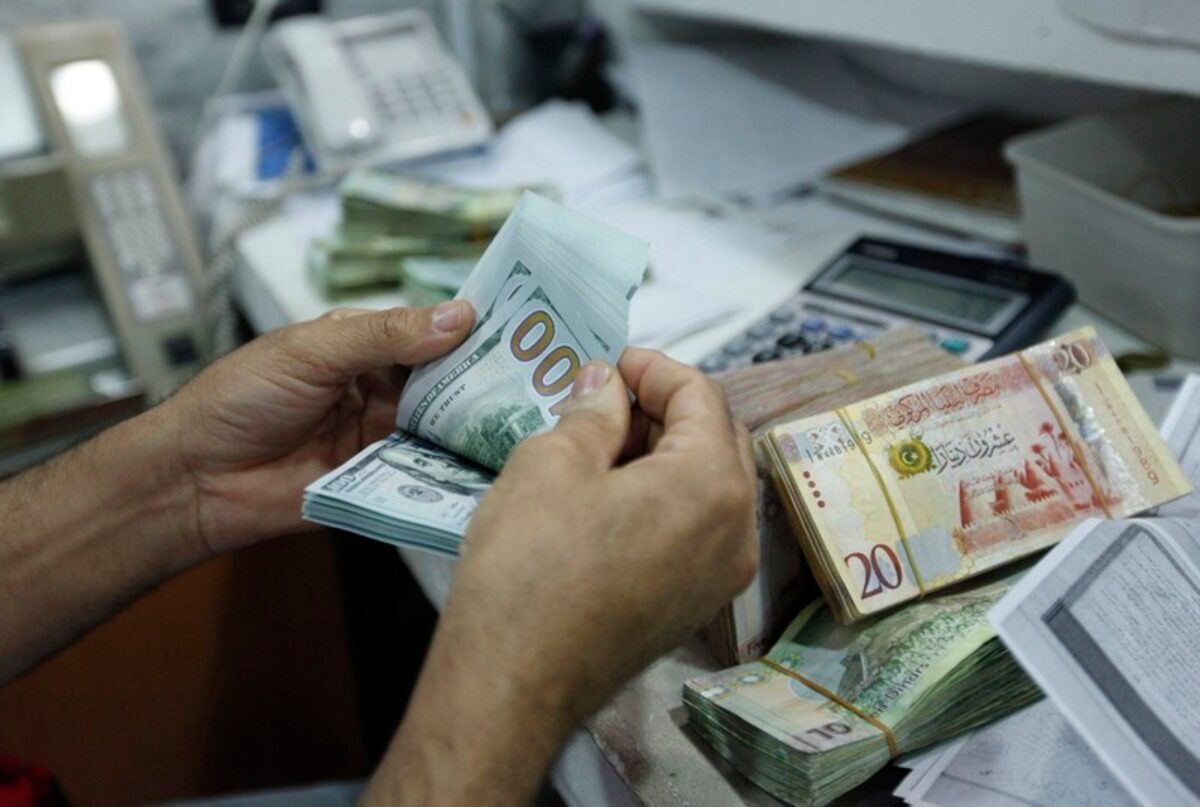
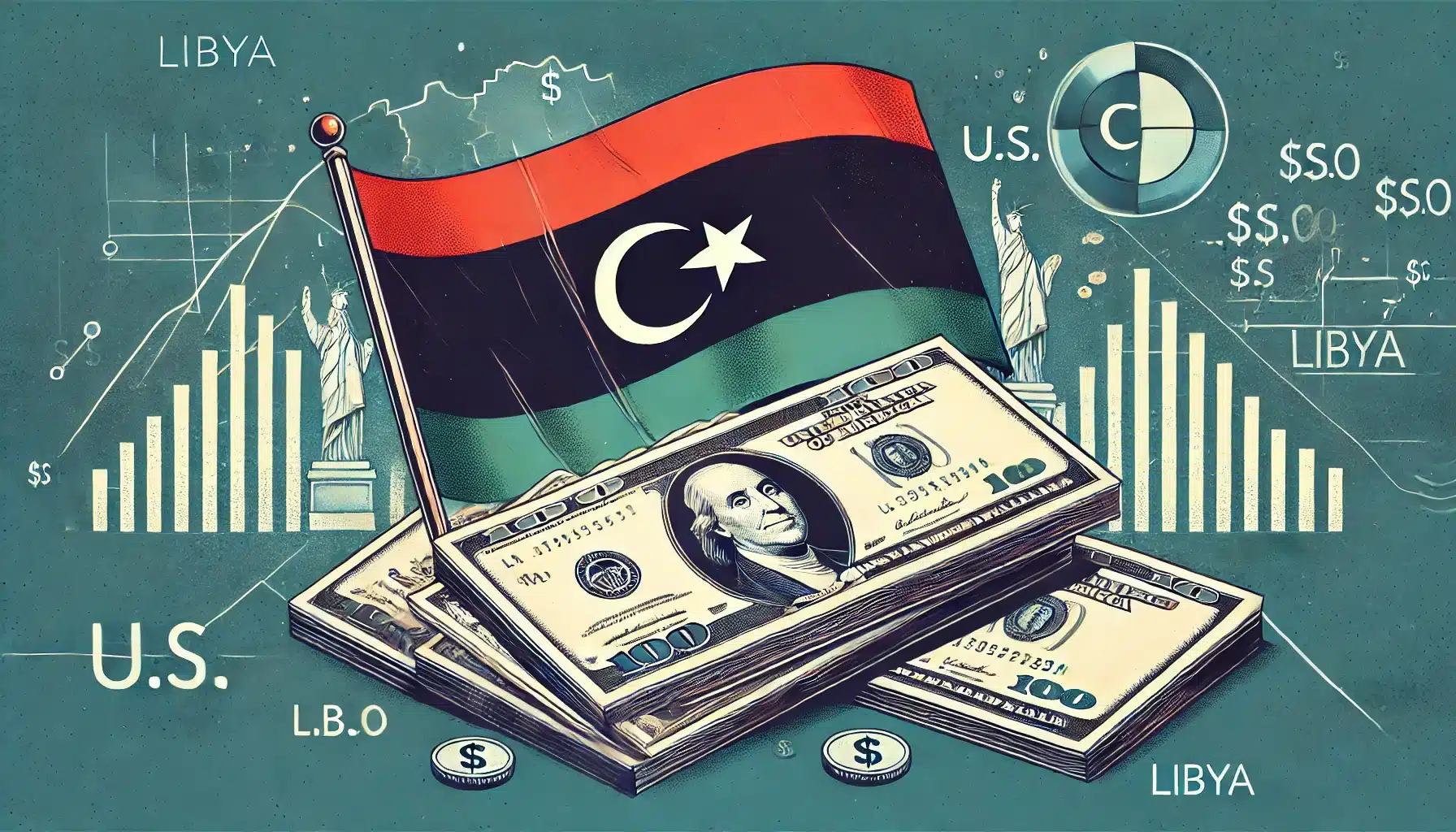
Tripoli – Libya ranked among the world’s five worst countries in the 2025 Corruption Perceptions Index, placing 177th out of 182 nations, according to a report released on Tuesday. The index showed no improvement in Libya’s position compared to the previous year, as it scored only 13 out of 100 points.
The report indicated that Somalia, Venezuela, Yemen, and Eritrea topped the list of the world’s most corrupt countries, while Libya maintained its low position unchanged from last year. The index relies on expert assessments and opinion surveys to measure levels of corruption in the public sector.
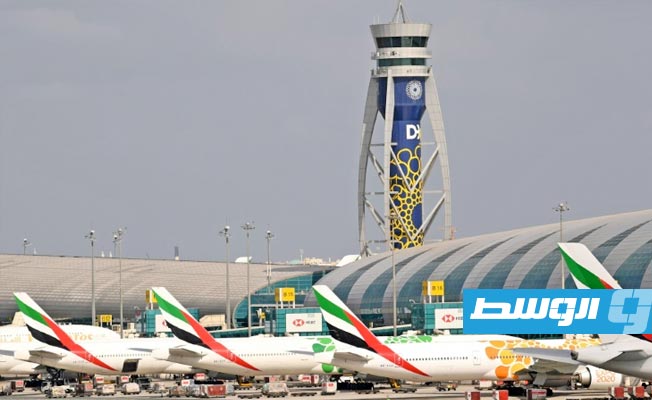
Regarding the Middle East and North Africa region, the report clarified that the majority of countries in the region have failed to address corruption, with two-thirds scoring below 50 points. The United Arab Emirates ranked best in the Arab world, scoring 69 points for 21st place globally, followed by Qatar in 41st place with 58 points, then Saudi Arabia in 45th place with 57 points.
The report added that weak democracy in Sub-Saharan Africa, alongside armed conflicts, insecurity, and rising civil unrest, undermines governance, economic stability, and development efforts. It also confirmed that governments in the Middle East and North Africa remain unable to confront public sector corruption due to weak institutions and fluctuating leadership commitment.
On a global level, the report concluded that most countries have not achieved tangible progress in combating corruption, noting that the average score was only 42 points, the lowest level in over a decade. It considered that pressures stemming from competition among major powers, armed conflicts, and the climate crisis further complicate the situation, calling for strengthened institutions and integrity to protect public interests.
In contrast, Denmark continued to top the list of least corrupt countries for the eighth consecutive year with 89 points, followed by Finland with 88 points, then Singapore with 84 points, while New Zealand and Norway tied for fourth place with 81 points each. The ranking is based on aggregated data from thirteen different surveys and assessments, including reports from the World Bank and the World Economic Forum.
Tripoli
Tripoli is the capital and largest city of Libya, located on the country’s Mediterranean coast. Historically, it was founded by the Phoenicians in the 7th century BC and has since been ruled by the Romans, Arabs, Ottomans, and Italians, serving as a major port and cultural crossroads. Its historic core, the medina of Old Tripoli, contains significant architecture from these various eras.
Libya
Libya is a North African country with a rich history rooted in ancient civilizations like the Phoenicians and Romans, followed by centuries of Arab and Ottoman influence. In the modern era, it was an Italian colony before gaining independence in 1951, later becoming known for Muammar Gaddafi’s lengthy rule from 1969 until the 2011 revolution. The country is home to UNESCO World Heritage sites, such as the ancient Greek city of Cyrene and the Roman ruins of Leptis Magna.
Somalia
Somalia is a country located in the Horn of Africa with a rich history as a major center for trade and commerce for centuries, home to ancient port cities like Mogadishu. Its modern history has been marked by civil war and political instability following the collapse of the central government in 1991. The country possesses a distinct cultural identity rooted in a common language (Somali), a predominantly Sunni Muslim faith, and a strong nomadic pastoralist tradition.
Venezuela
Venezuela is a South American country with a history shaped by Spanish colonization beginning in the 16th century, leading to its independence in 1811 under Simón Bolívar. It is culturally renowned for its natural landmarks like Angel Falls, the world’s highest waterfall, and its significant oil reserves, which have defined its modern economy and geopolitics.
Yemen
Yemen is a country in the Arabian Peninsula with a rich history as a center of ancient civilizations and trade, home to the famed Kingdom of Saba (Sheba). Its cultural landscape includes unique architectural sites like the mud-brick skyscrapers of Shibam and the historic Old City of Sana’a, both UNESCO World Heritage Sites. In recent decades, the country has faced a complex and devastating civil war, causing a severe humanitarian crisis.
Eritrea
Eritrea is a country in the Horn of Africa with a long history of trade and colonization, most notably by Italy from the late 19th century until World War II. It later fought a decades-long war for independence from Ethiopia, officially becoming a sovereign state in 1993. The country’s cultural heritage is reflected in diverse archaeological sites, such as the ancient port city of Adulis, and its capital, Asmara, is renowned for its well-preserved Italian Modernist architecture.
Middle East
The Middle East is a transcontinental region centered on Western Asia and Egypt, historically home to some of the world’s earliest civilizations, including Mesopotamia and Ancient Egypt. It is the birthplace of major Abrahamic religions—Judaism, Christianity, and Islam—and has been a central crossroads of trade, empire, and cultural exchange for millennia. Its modern history has been profoundly shaped by the Ottoman Empire, European colonialism, the discovery of vast oil reserves, and ongoing geopolitical conflicts.
North Africa
North Africa is a region encompassing countries along the Mediterranean coast and the Sahara Desert, historically home to ancient civilizations like the Egyptians, Carthaginians, and Numidians. It later became a major part of the Islamic world following the Arab conquests in the 7th century, profoundly shaping its cultural and architectural heritage. The region’s modern history includes periods of Ottoman rule and European colonization before the emergence of independent nation-states in the 20th century.
United Arab Emirates
The United Arab Emirates is a federation of seven emirates on the Arabian Peninsula, formed in 1971 after gaining independence from British protection. Historically a region of pearl diving, fishing, and trade, it has rapidly transformed into a global hub of commerce, tourism, and modern architecture, most notably in cities like Dubai and Abu Dhabi.
Qatar
Qatar is a sovereign country located on the northeastern coast of the Arabian Peninsula. Historically, its economy was based on fishing and pearling before the discovery of oil and natural gas in the mid-20th century transformed it into one of the world’s wealthiest nations. The nation is also known for its modern cultural sites, such as the Museum of Islamic Art in Doha, which showcases artifacts from across the Islamic world.
Saudi Arabia
Saudi Arabia is a modern nation founded in 1932 by King Abdulaziz Al Saud, unifying various tribes and regions on the Arabian Peninsula. It is the birthplace of Islam, home to the religion’s two holiest cities, Mecca and Medina, which have been central to Islamic history and culture for over fourteen centuries.
Sub-Saharan Africa
Sub-Saharan Africa refers to the vast region of the African continent located south of the Sahara Desert, encompassing diverse countries, cultures, and ecosystems. Historically, it has been home to powerful pre-colonial kingdoms and empires, such as Mali and Great Zimbabwe, before experiencing European colonization and the subsequent era of independence movements in the 20th century.
Denmark
Denmark is a Scandinavian country in Northern Europe with a rich history dating back to the Viking Age, when it was a major seafaring power. Today, it is known for its constitutional monarchy, modern welfare society, and cultural landmarks like the Tivoli Gardens and Kronborg Castle, the setting of Shakespeare’s *Hamlet*.
Finland
Finland is a Nordic country in Northern Europe with a history shaped by centuries of Swedish and Russian rule before declaring independence in 1917. It is renowned for its vast forests, thousands of lakes, and cultural highlights such as the sauna tradition, the design legacy of brands like Marimekko, and the architecture of Alvar Aalto.
Singapore
Singapore is a modern city-state in Southeast Asia that was founded as a British trading colony in 1819 by Sir Stamford Raffles. It gained independence in 1965 and rapidly transformed into a global economic hub, known for its multicultural society and blend of Chinese, Malay, Indian, and Western influences. Today, it is celebrated for its efficient infrastructure, iconic landmarks like Marina Bay Sands, and lush green spaces integrated into its urban landscape.
New Zealand
New Zealand is an island country in the southwestern Pacific Ocean, first settled by the Māori people around 1300 CE before British colonization began in the 19th century. Its history is deeply shaped by the 1840 Treaty of Waitangi, a foundational but contested agreement between the British Crown and many Māori chiefs. Today, it is a modern nation known for its stunning natural landscapes and a bicultural society that continues to evolve from its dual heritage.
Norway
Norway is a Nordic country in Northern Europe known for its dramatic fjords, Viking heritage, and modern prosperity. Historically, it was unified into a single kingdom in the Viking Age and later entered a union with Denmark and Sweden before regaining full independence in 1905. Today, it is a constitutional monarchy celebrated for its natural landscapes and high quality of life.
World Bank
The World Bank is an international financial institution founded in 1944 at the Bretton Woods Conference, with its initial mission focused on the post-World War II reconstruction of Europe. Today, its primary goals are to provide loans, grants, and expertise to developing countries for capital projects and programs aimed at reducing poverty and fostering sustainable economic development. It comprises two main institutions: the International Bank for Reconstruction and Development (IBRD) and the International Development Association (IDA).
World Economic Forum
The World Economic Forum is an international non-governmental organization founded in 1971 by German engineer Klaus Schwab, originally as the European Management Forum. It is best known for its annual meeting in Davos, Switzerland, which brings together political, business, and cultural leaders to discuss global economic and social issues. The forum’s mission is to improve the state of the world by engaging stakeholders to shape global, regional, and industry agendas.