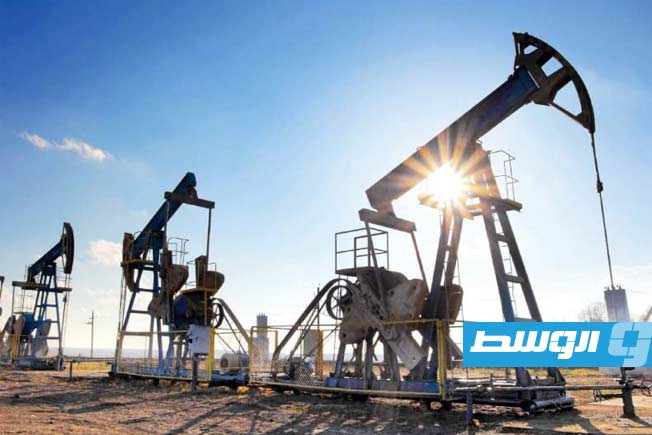
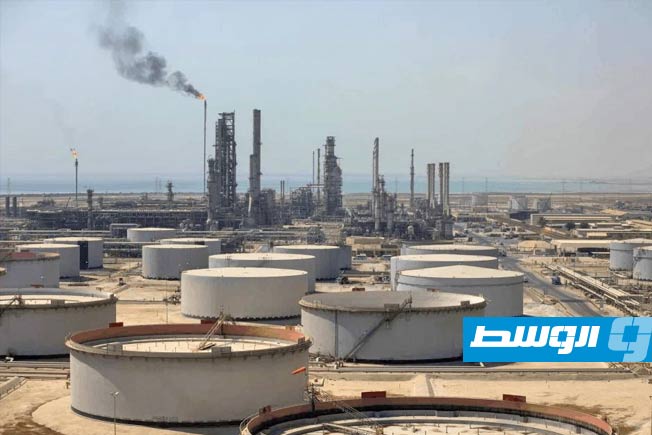
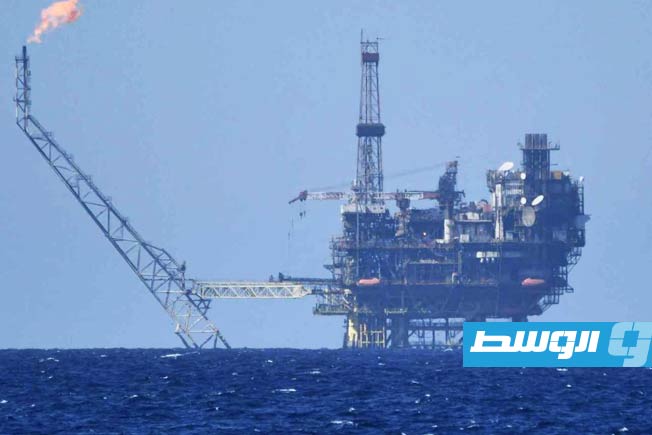
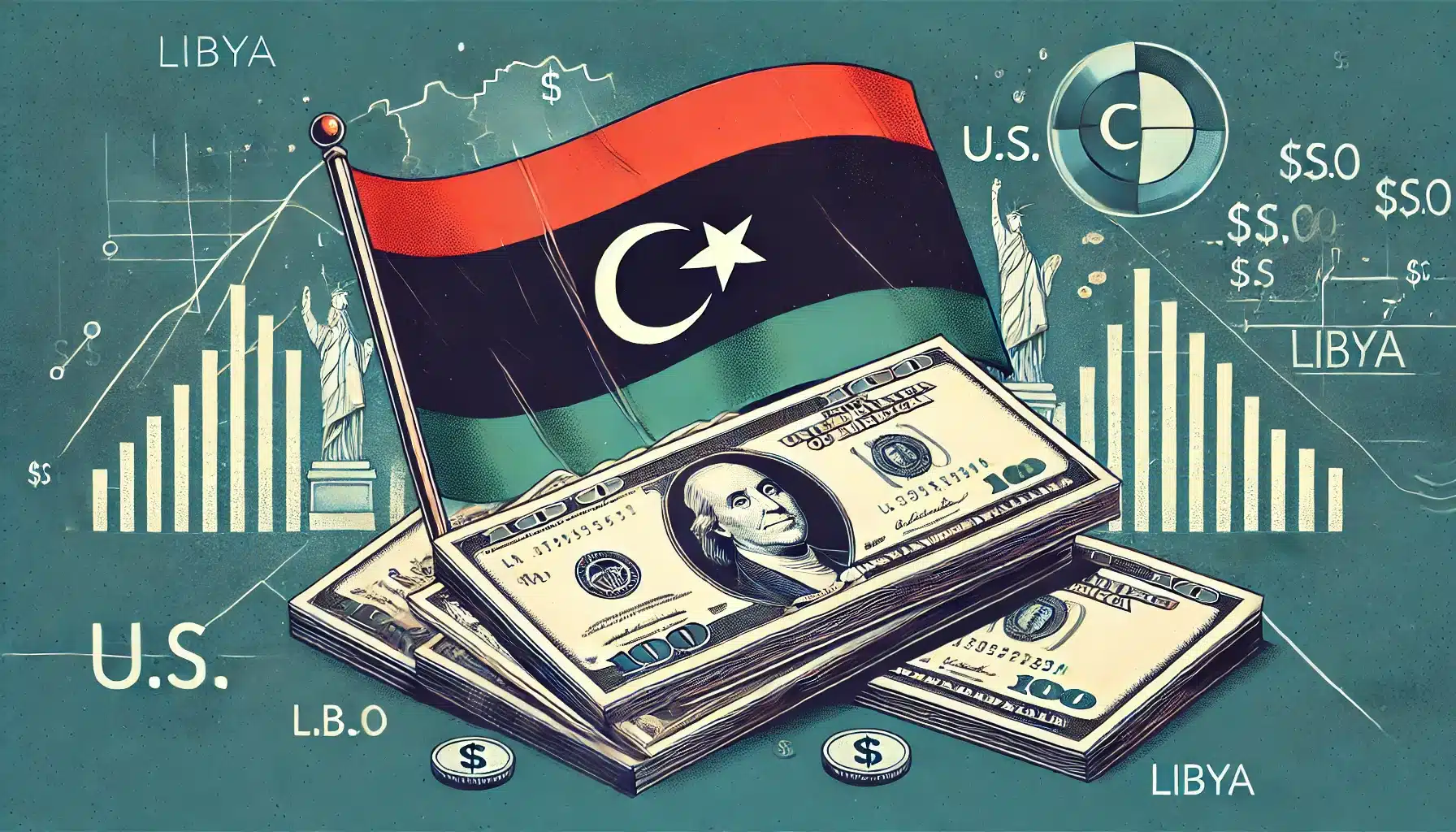
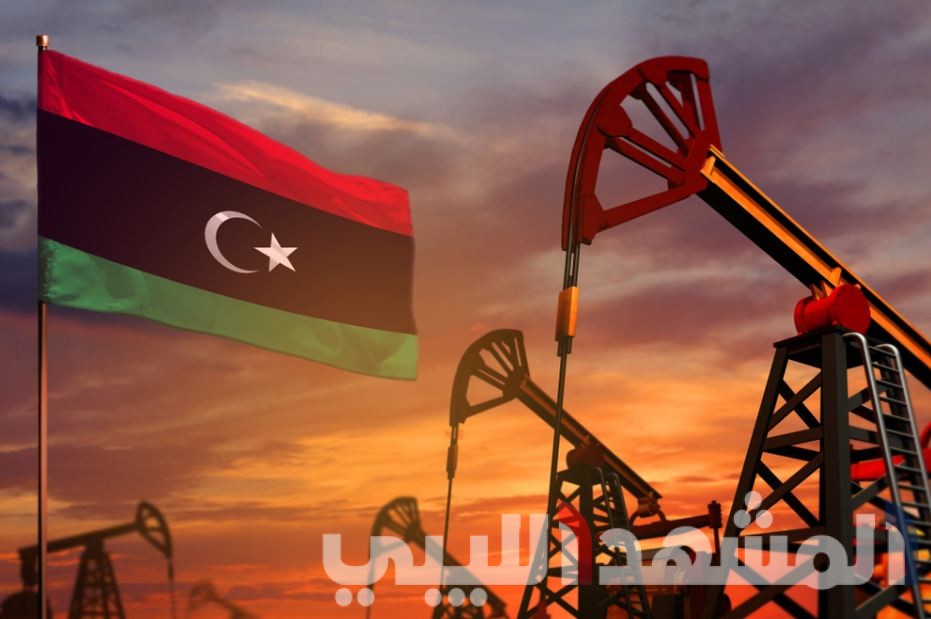
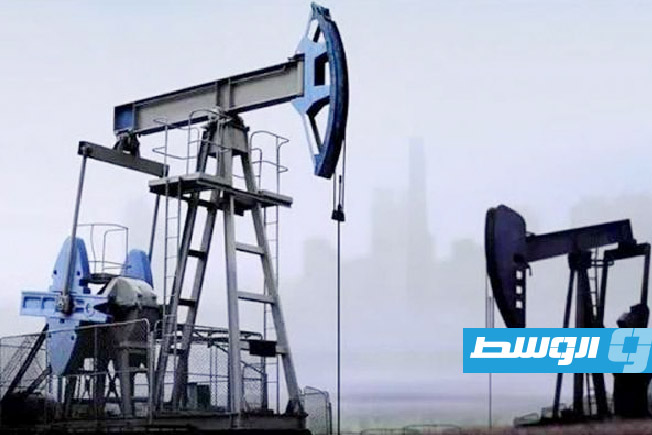
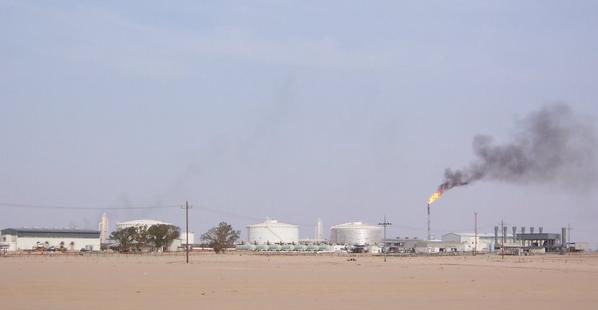
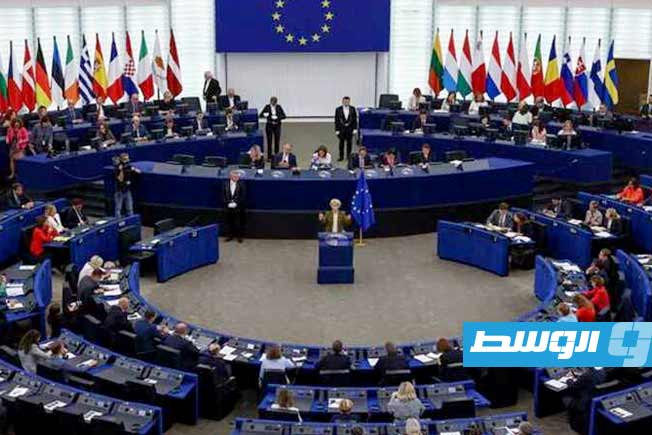
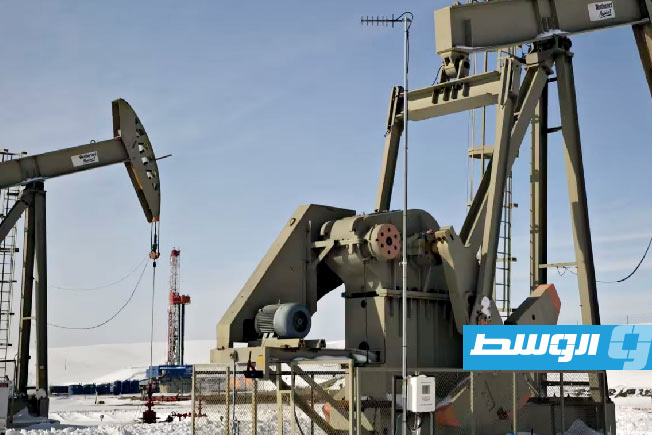
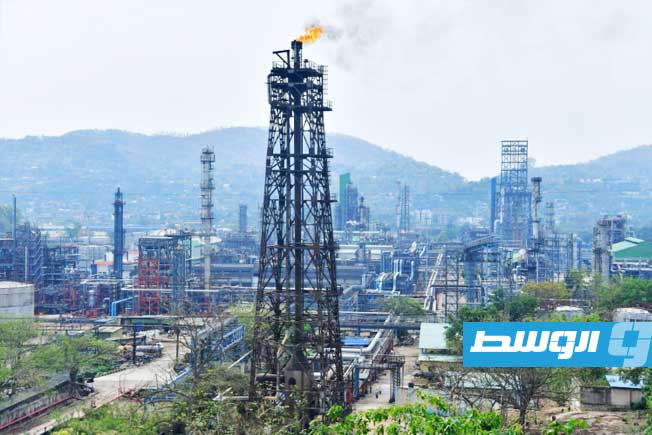
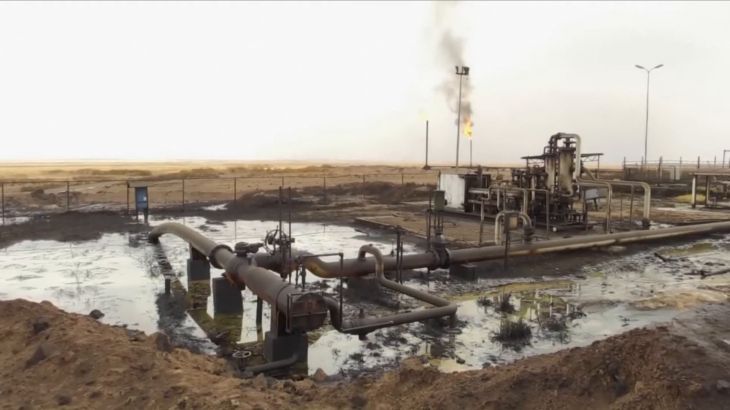
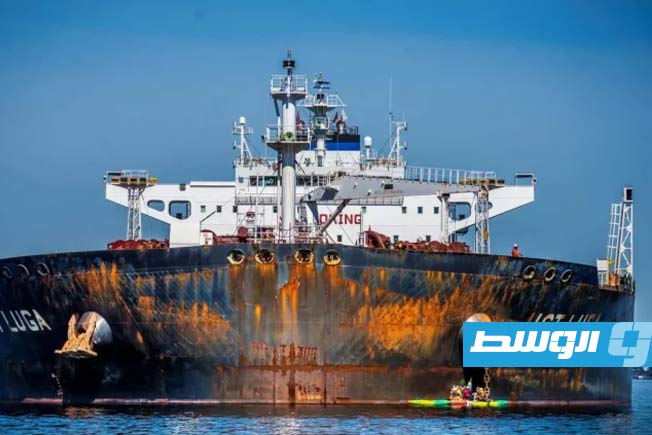
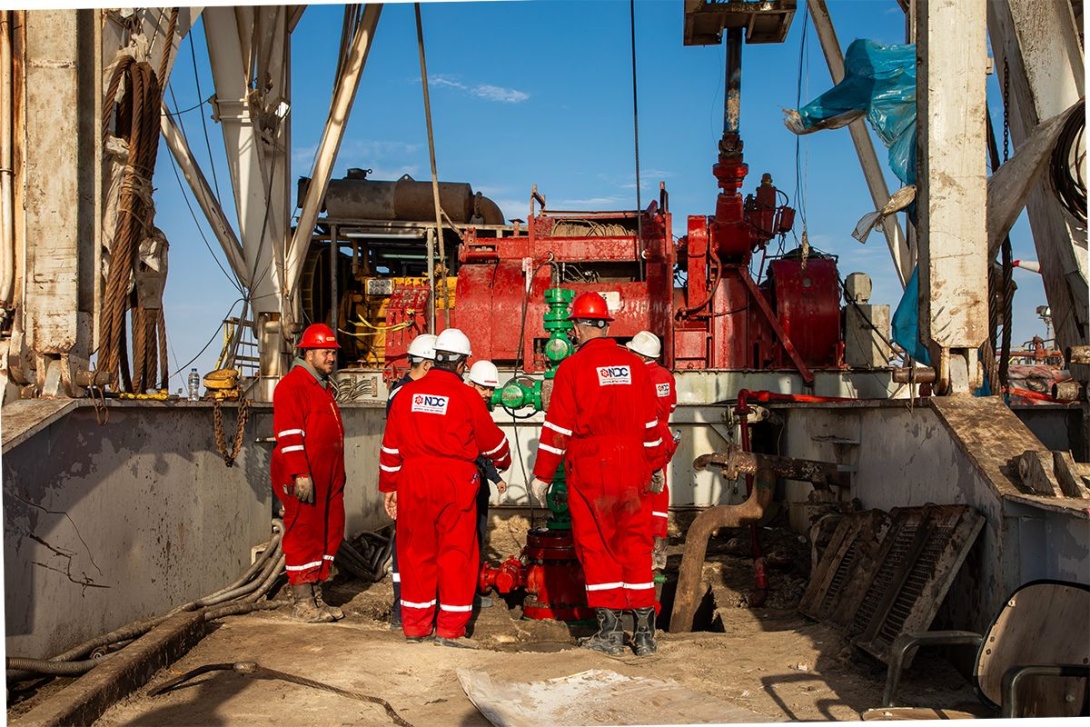
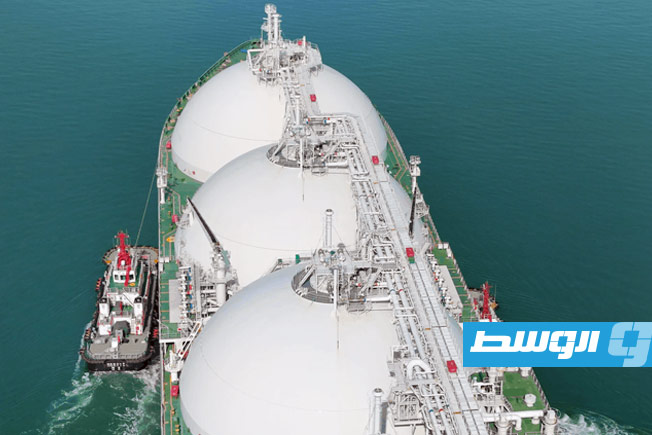
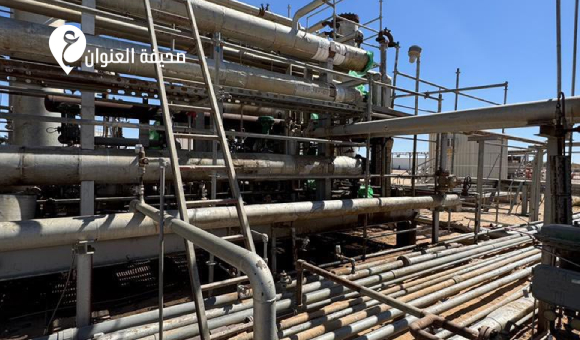
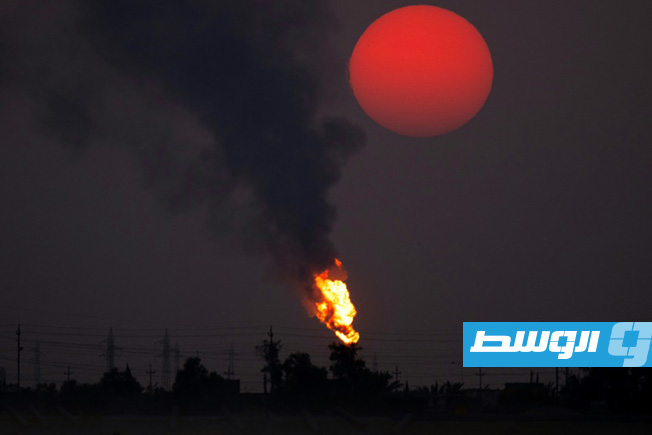
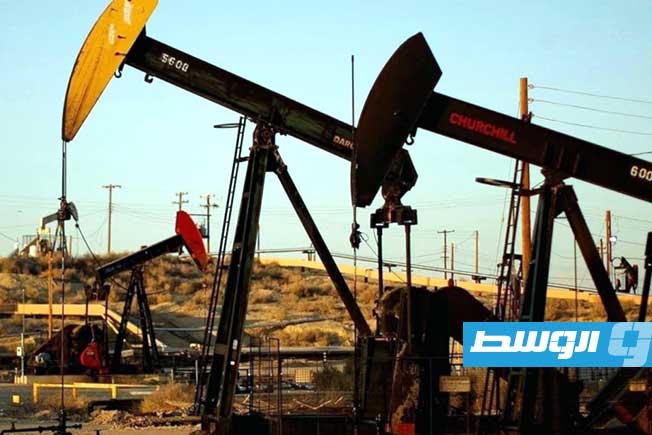
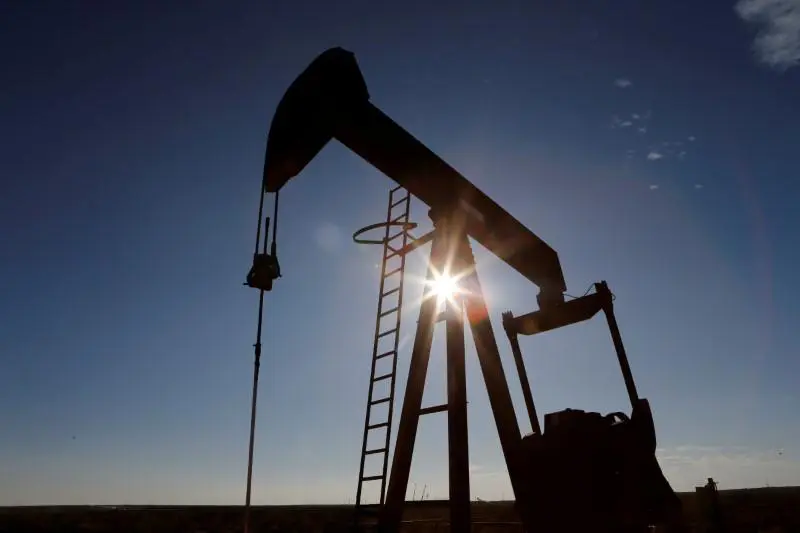
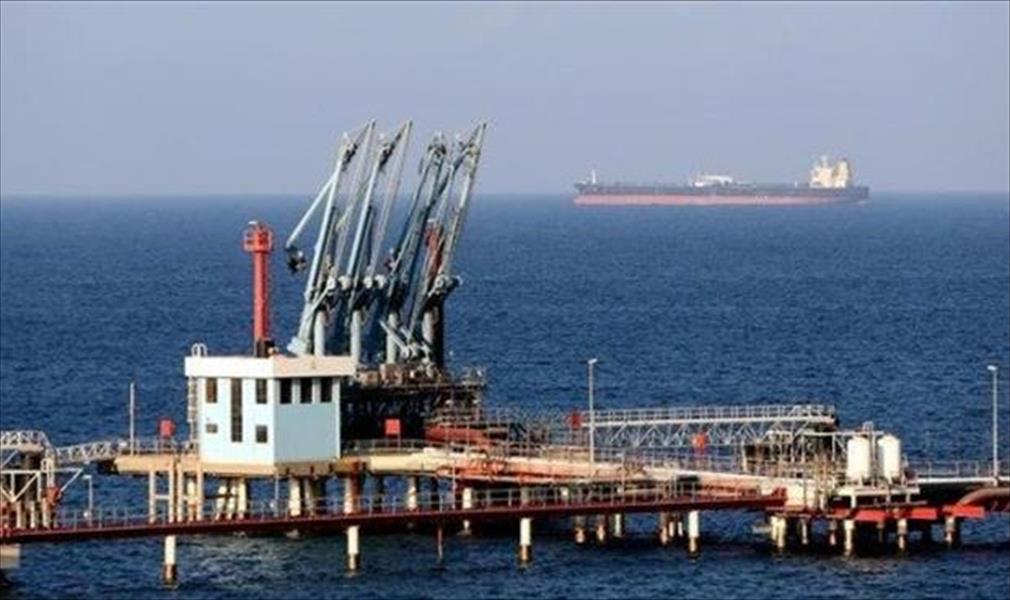
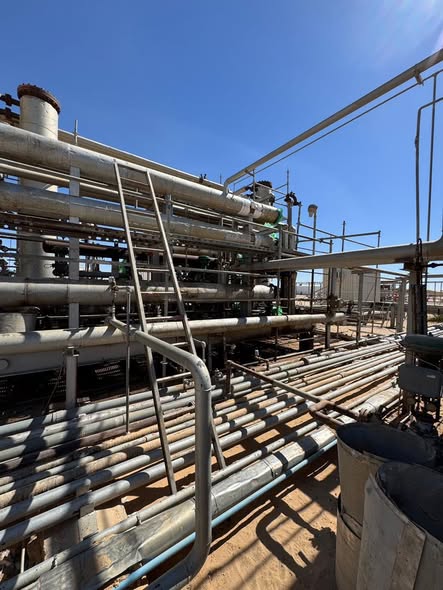
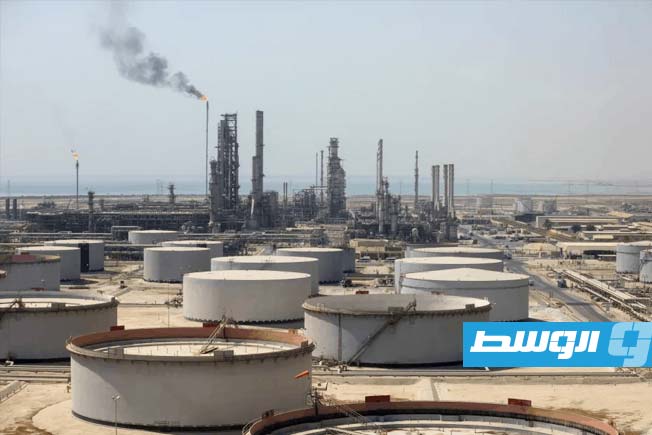
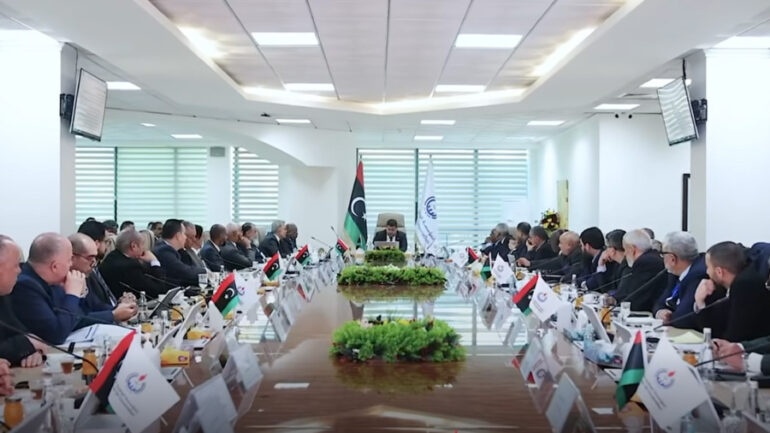
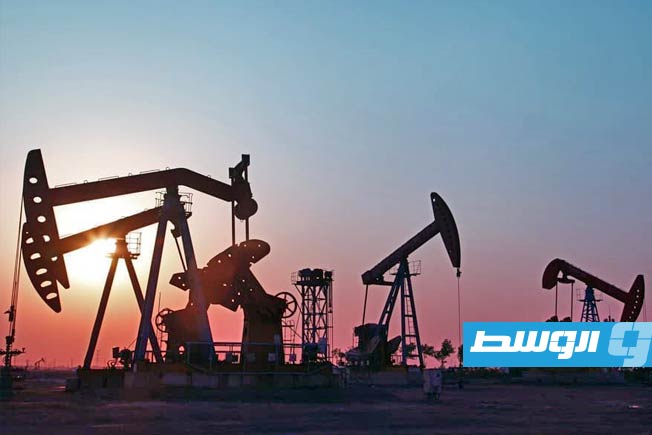
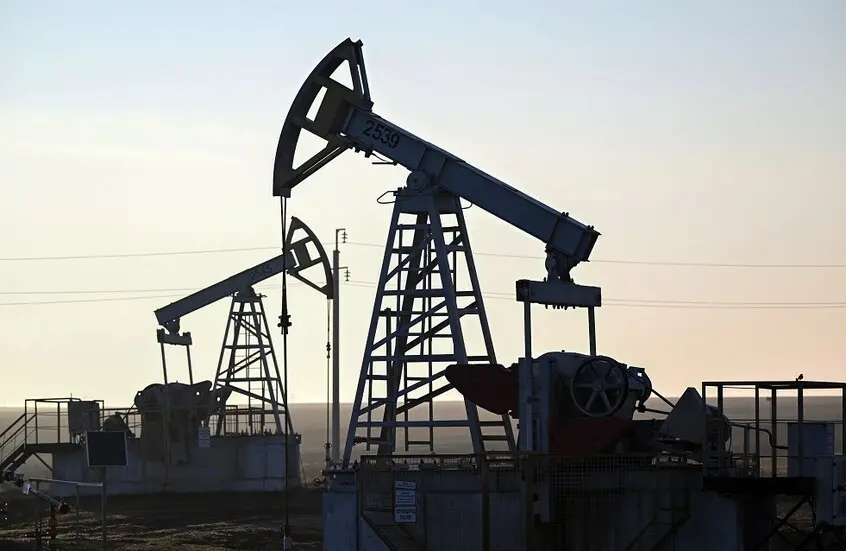
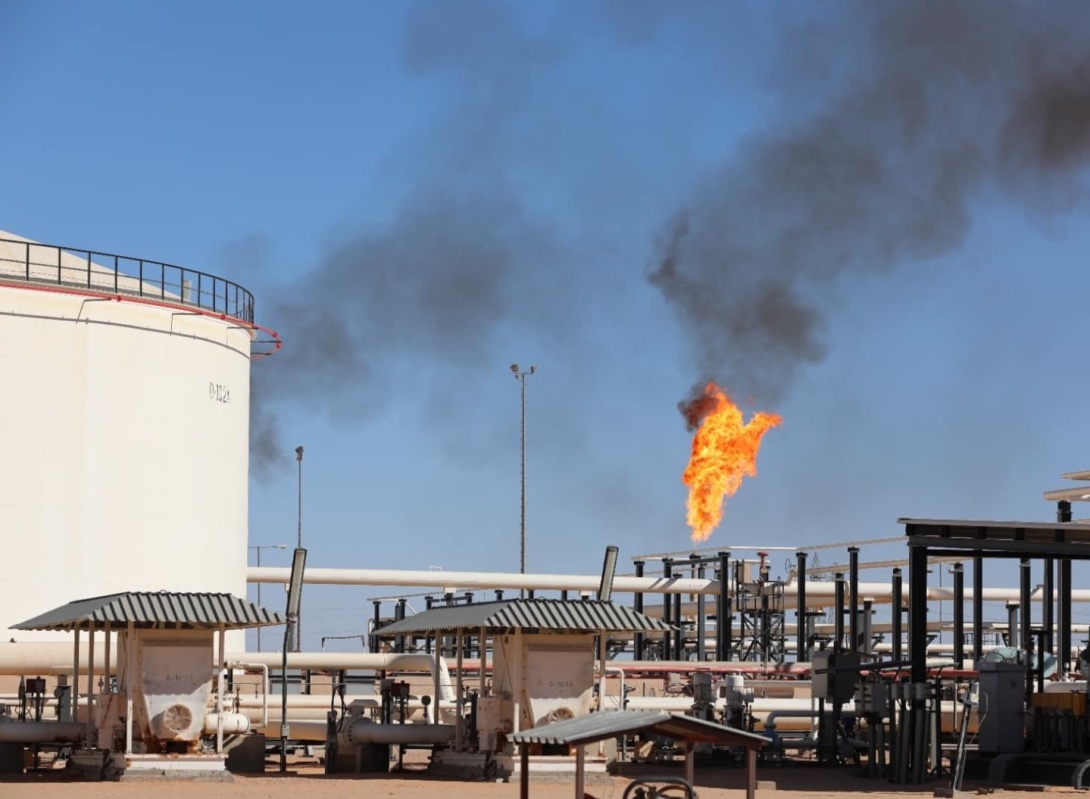
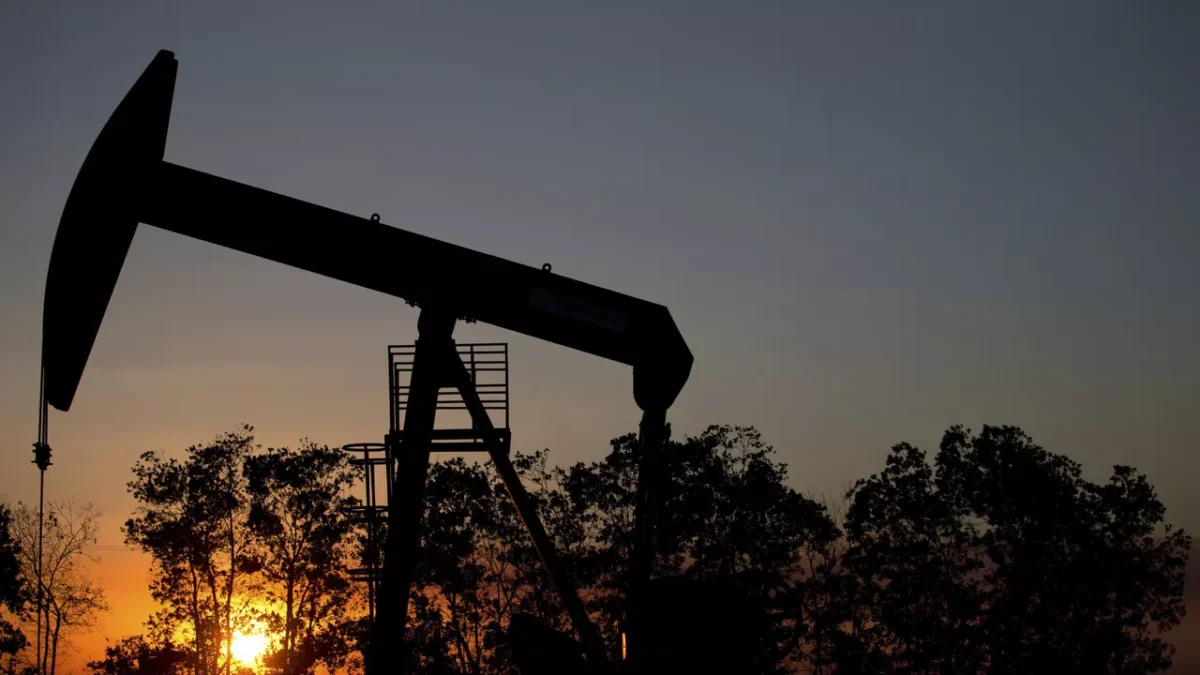
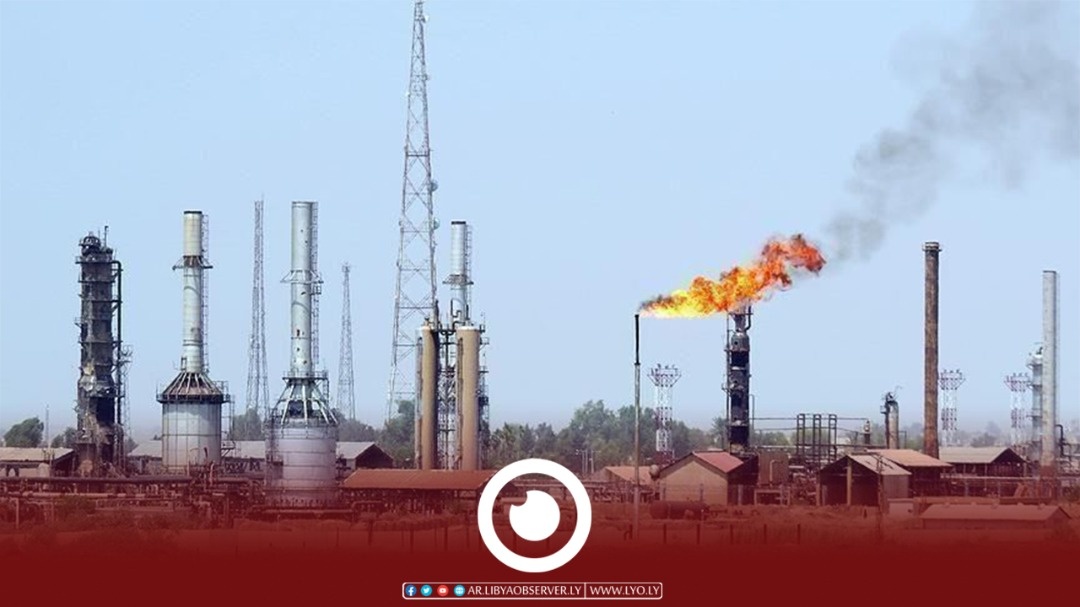
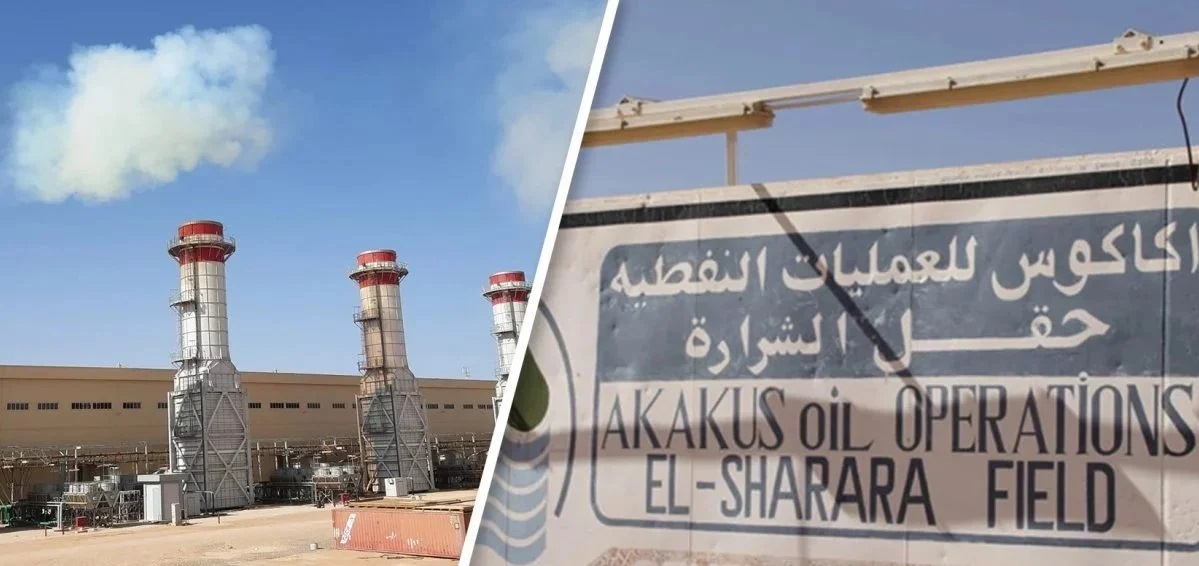
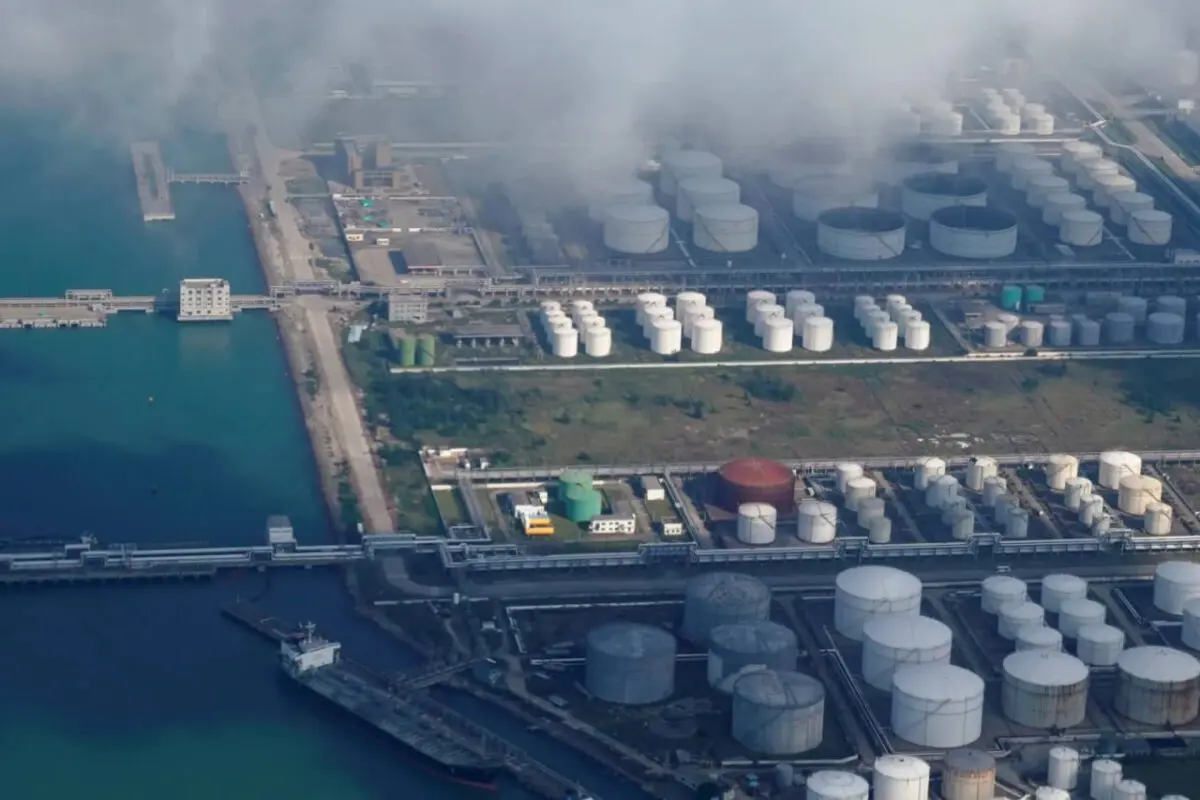
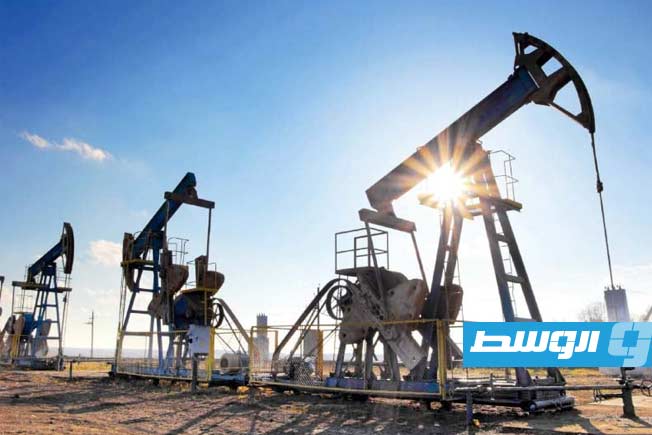
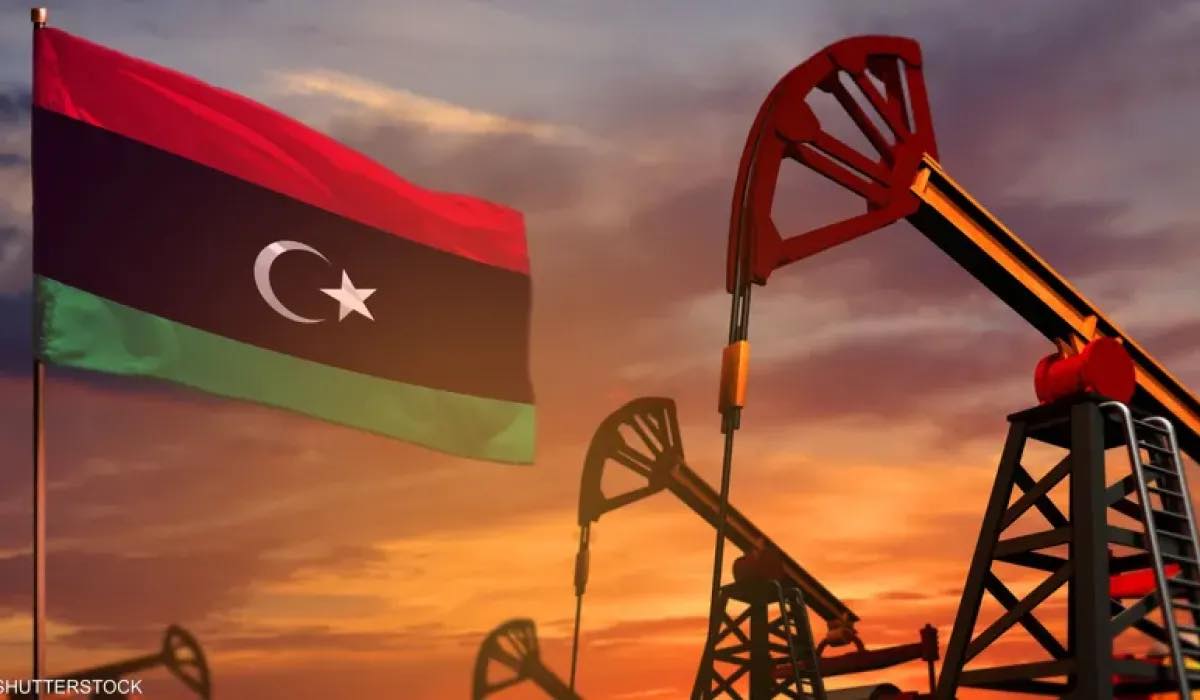
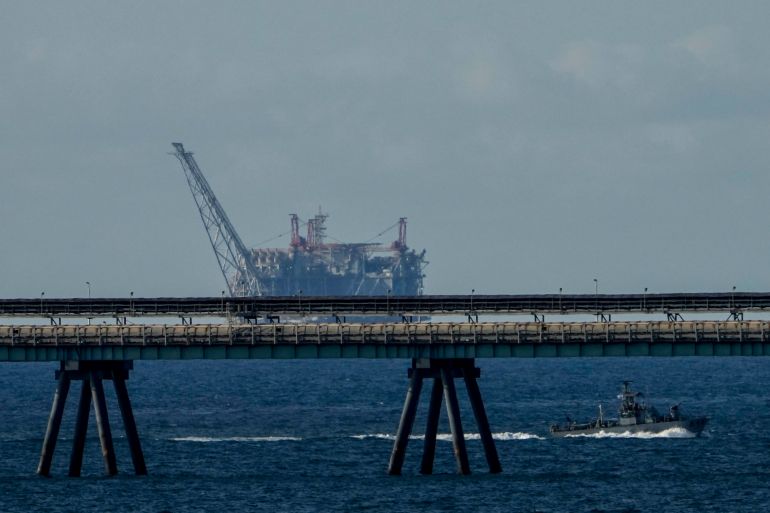
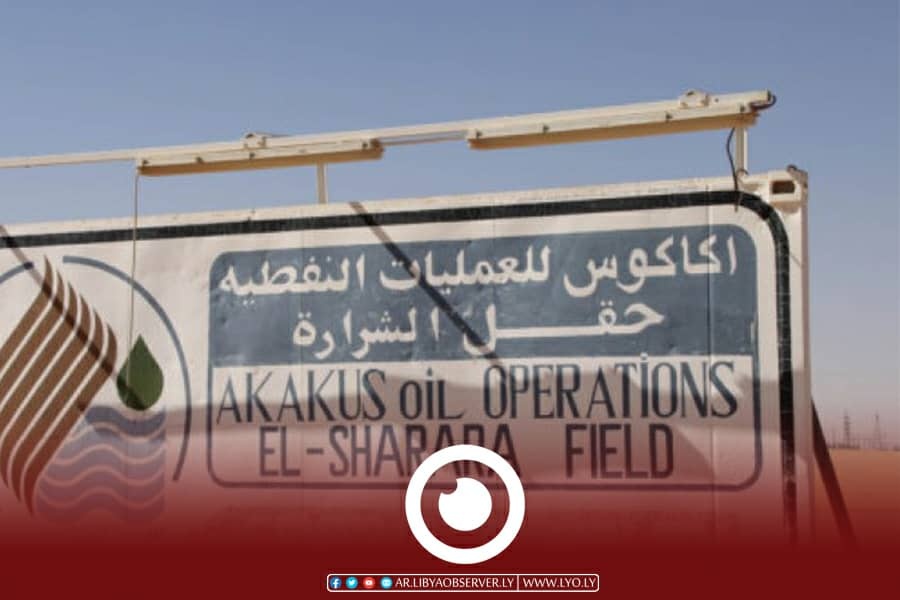
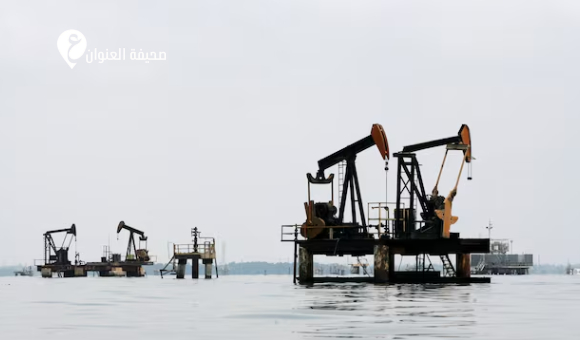
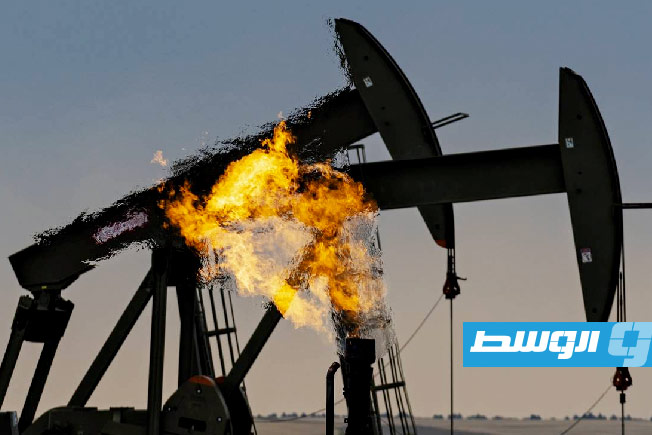
Libya intends to increase its natural gas production over the next five years, aiming to boost its exports to Europe by early 2030. This move seeks to leverage the country’s substantial reserves and strengthen its position in the global energy market.
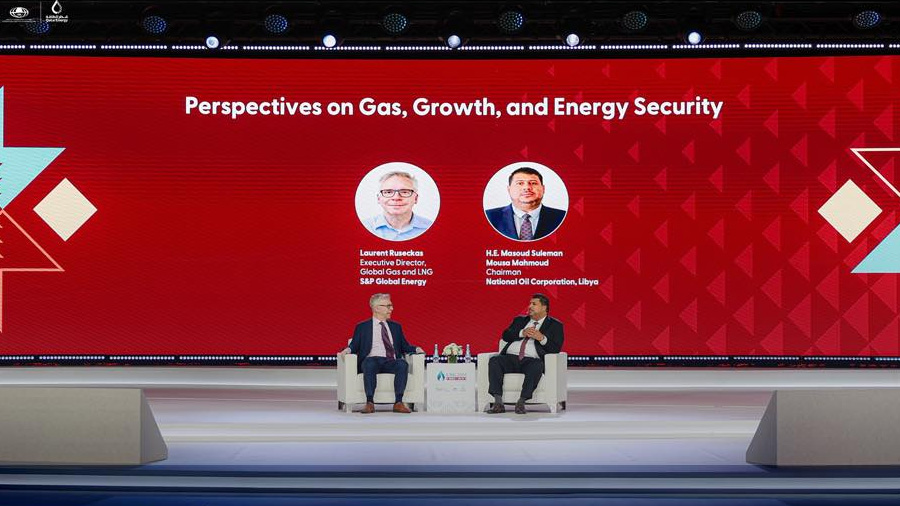
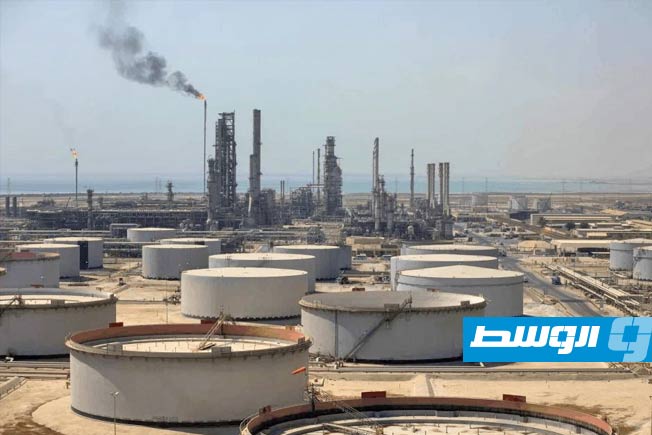
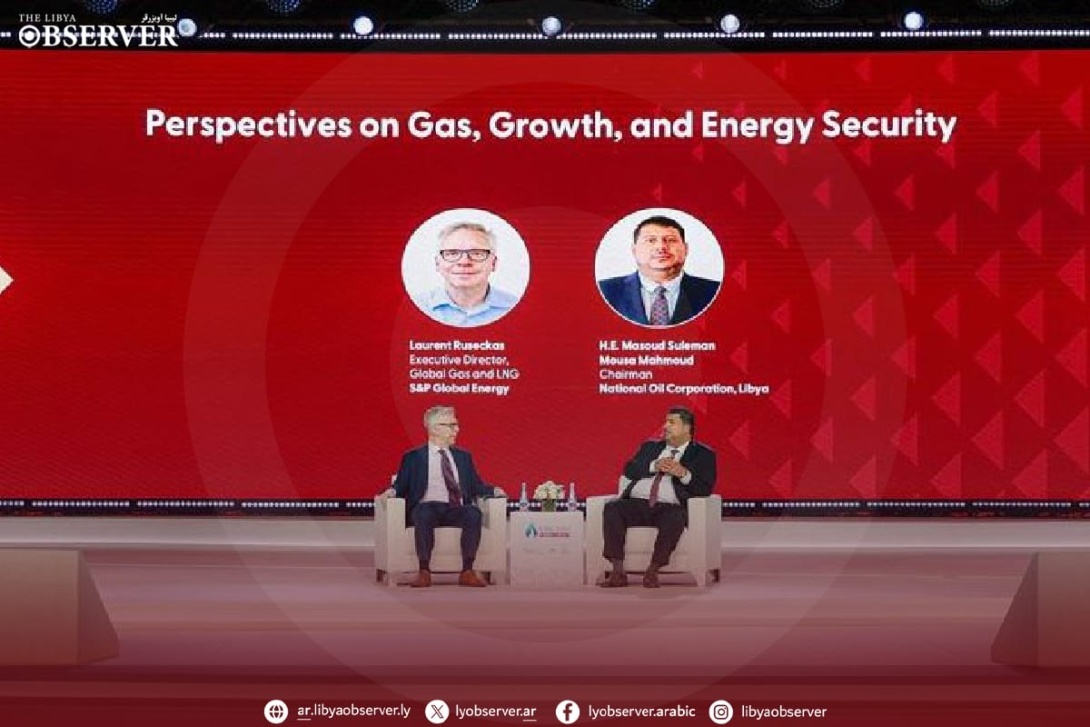
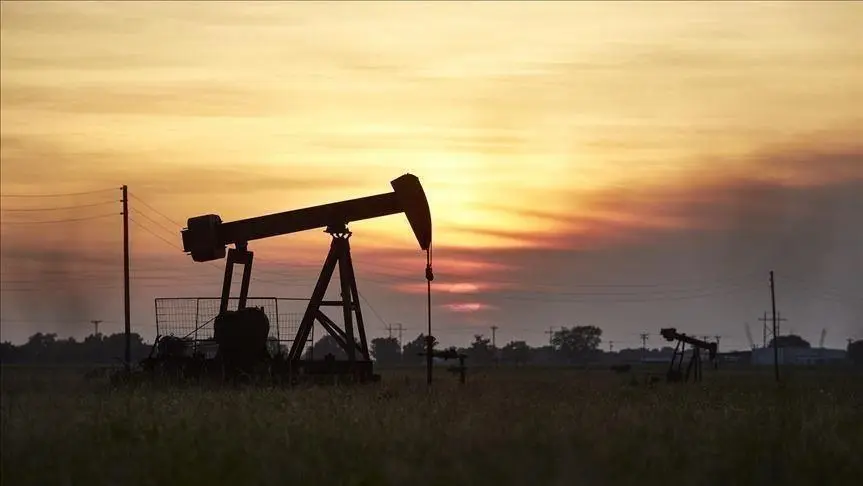
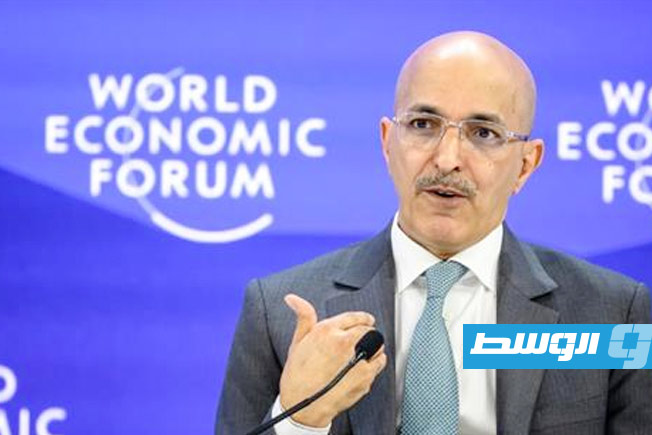
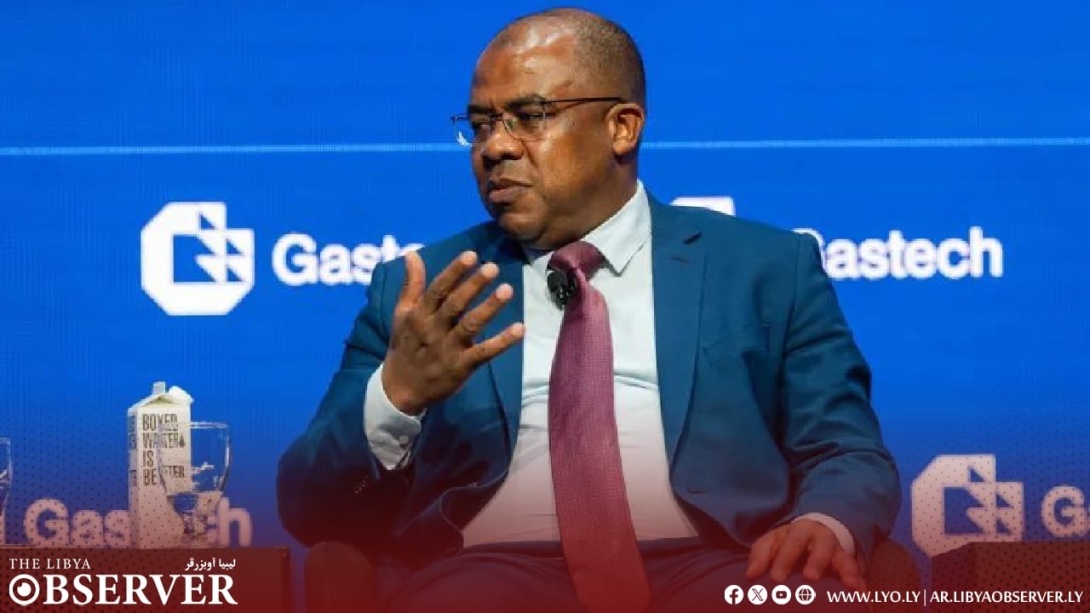
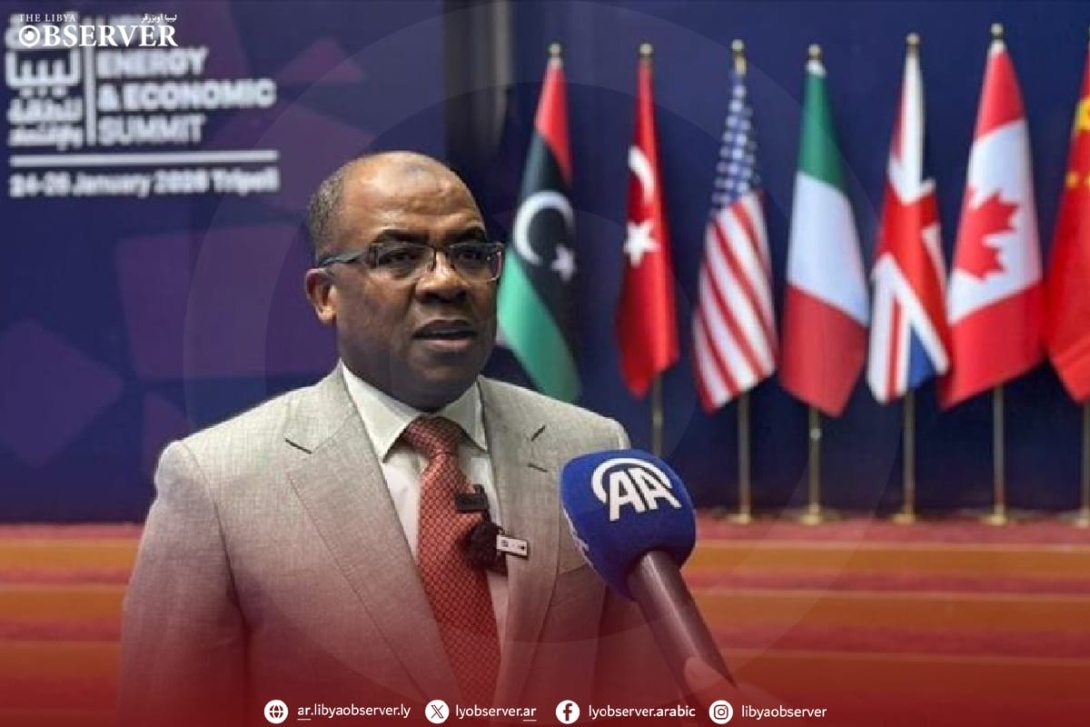
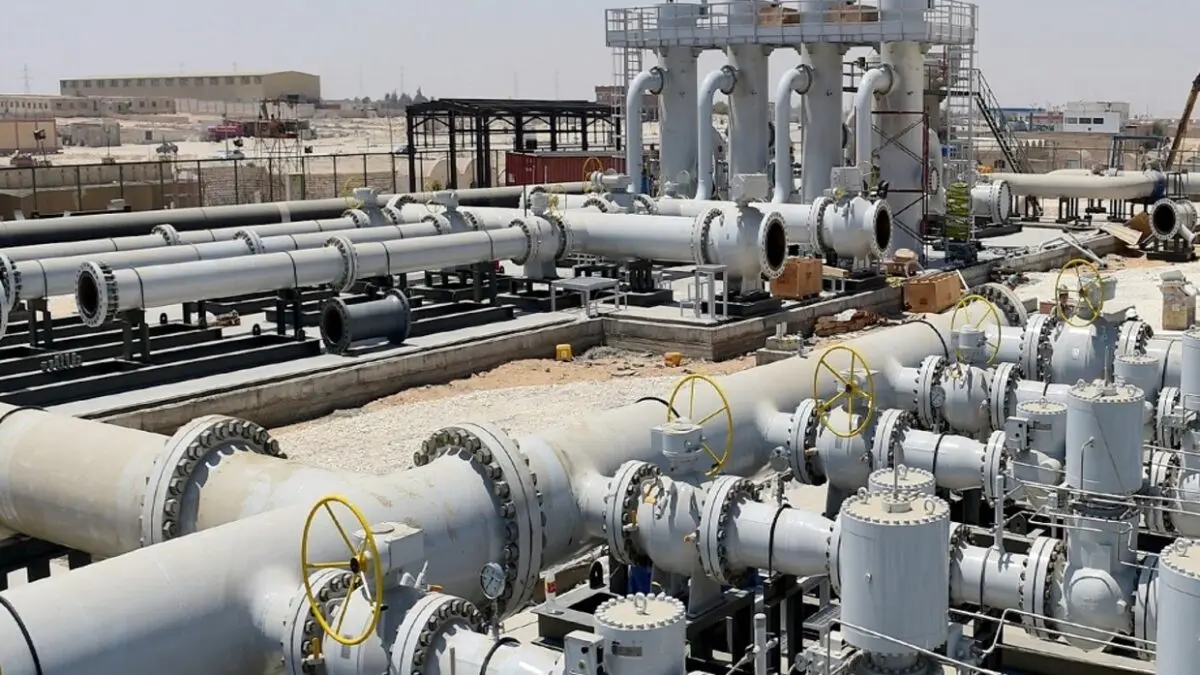
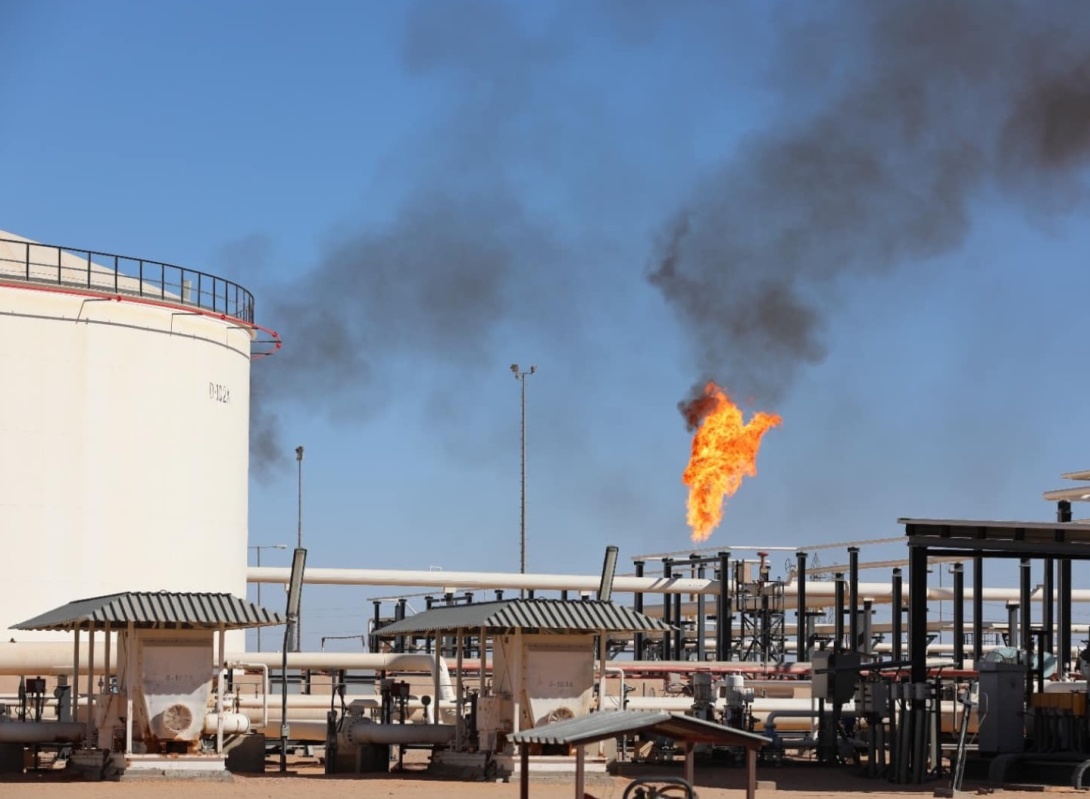
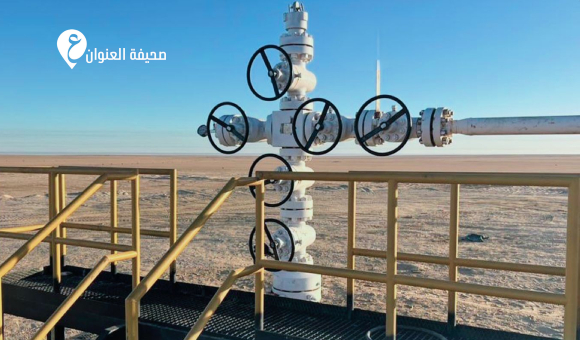
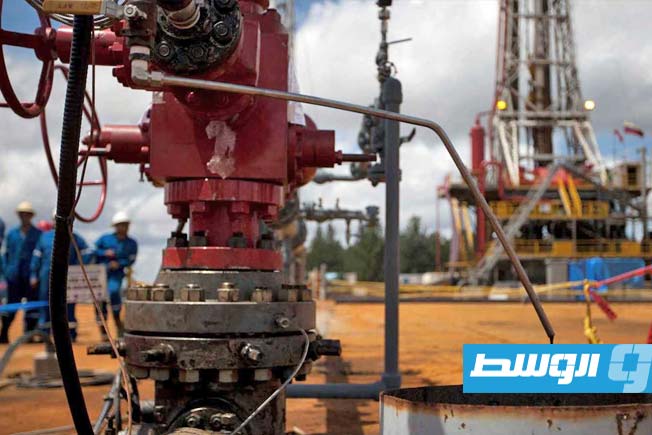
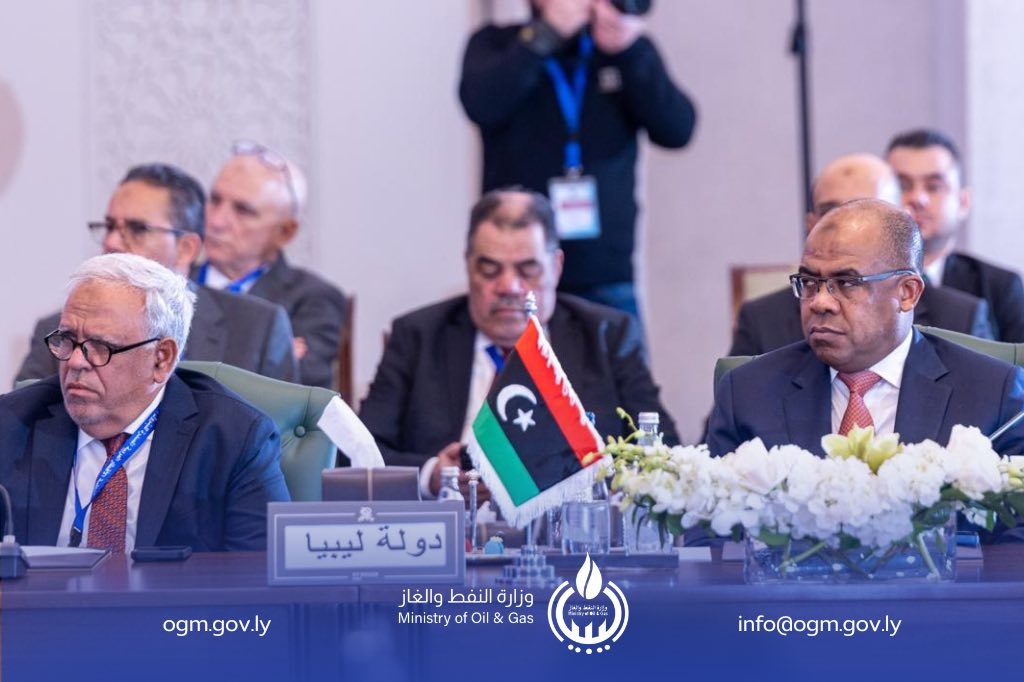
Speaking at the LNG2026 conference in Doha, Qatar, it was announced that Libya plans to raise gas production to approximately one billion standard cubic feet per day. Additionally, operations for shale gas exploration are set to begin in the second half of this year.
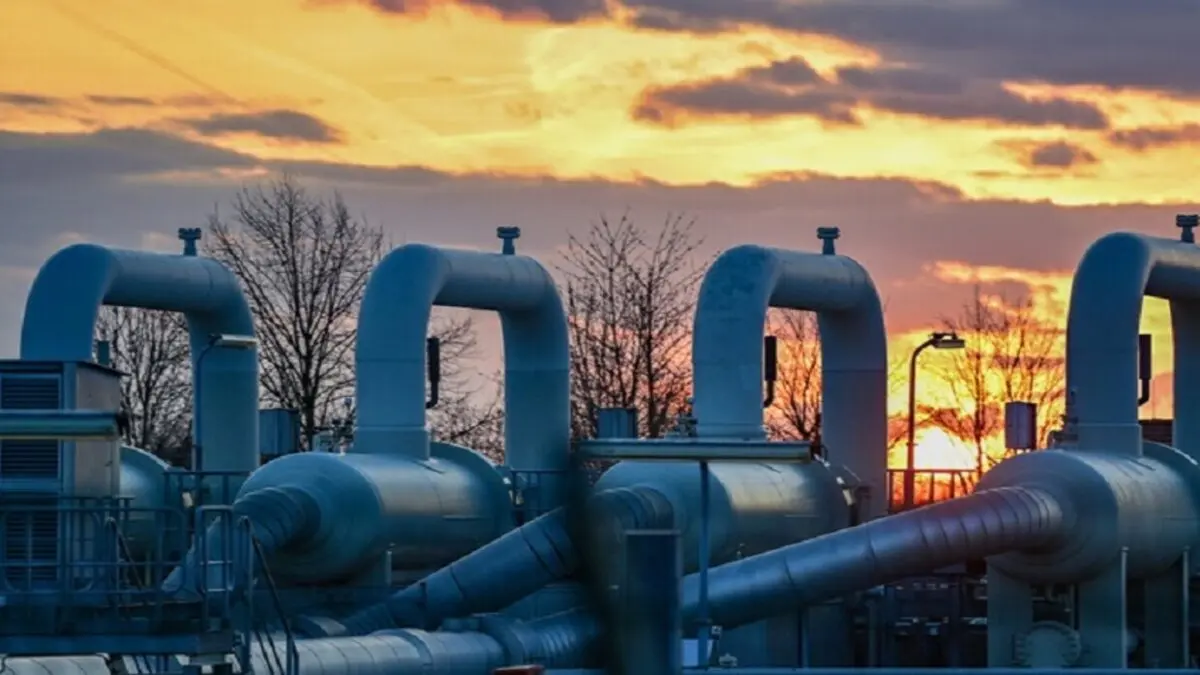
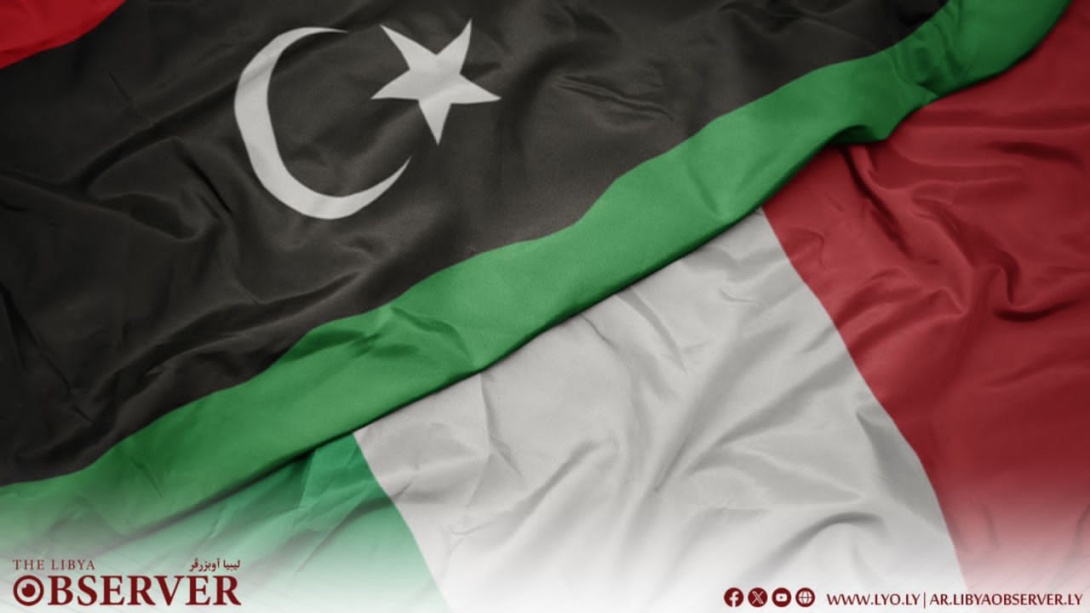
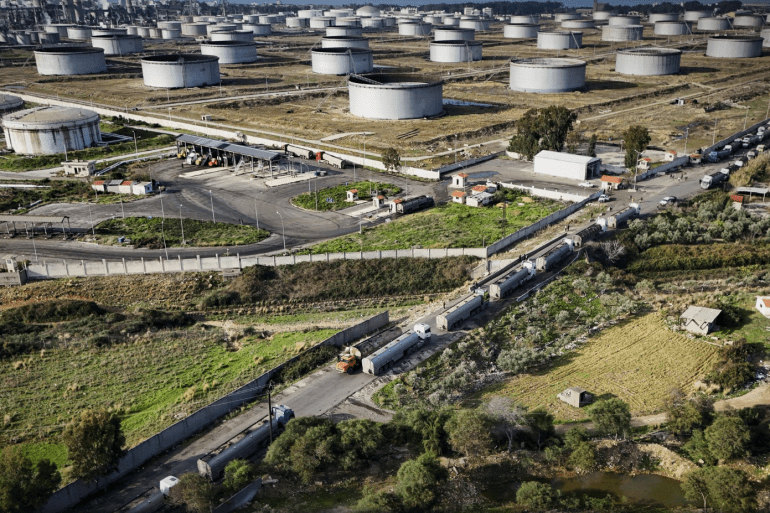
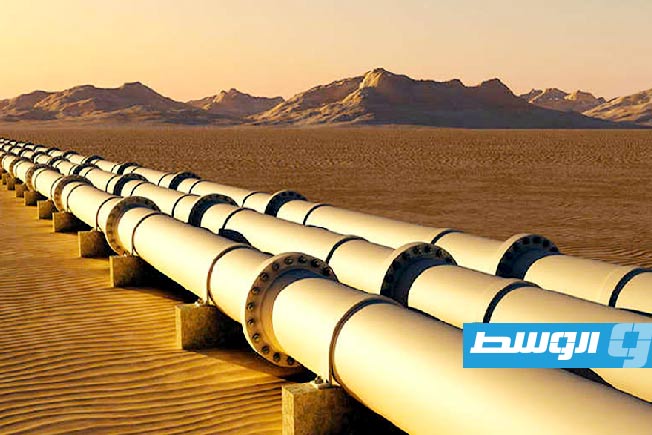
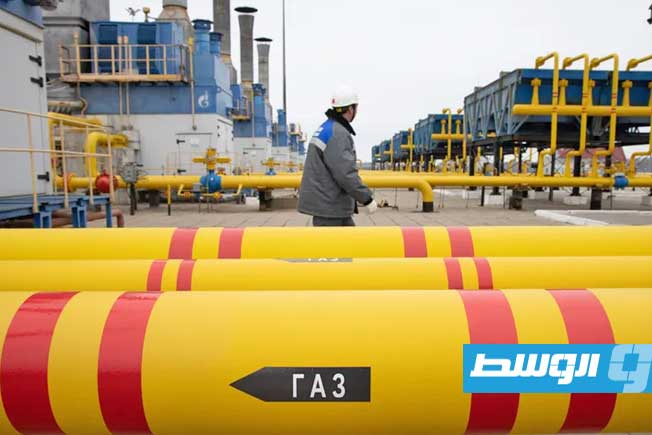
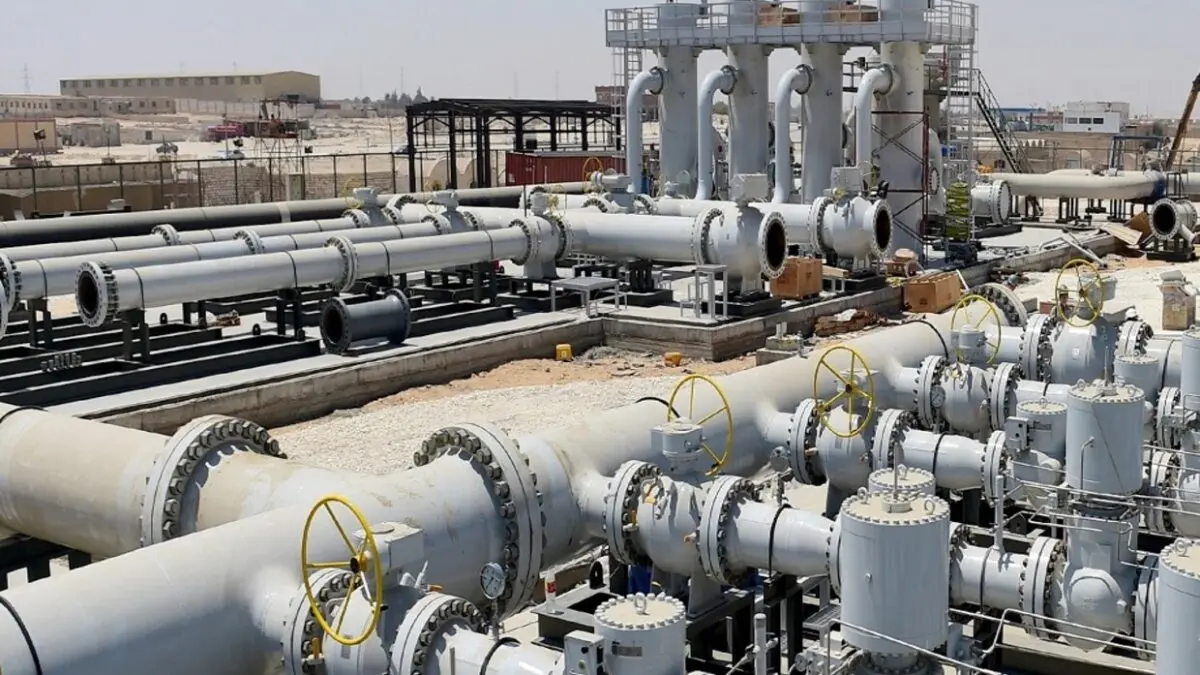
It was clarified that Libya possesses estimated reserves of about 80 trillion cubic feet of gas, including both conventional and unconventional resources. Current exports remain limited and are conducted via the Green Stream pipeline linking to Italy.
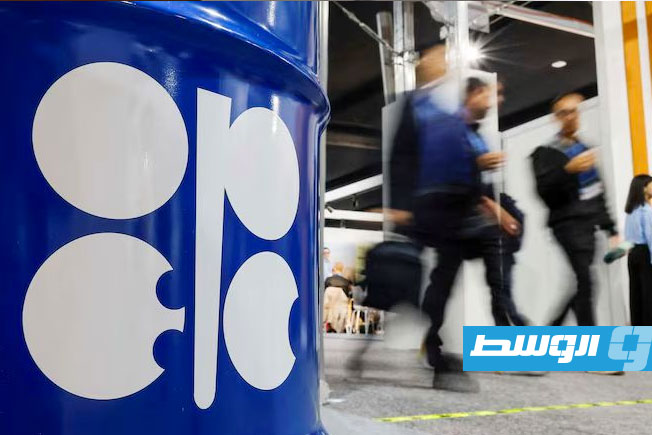
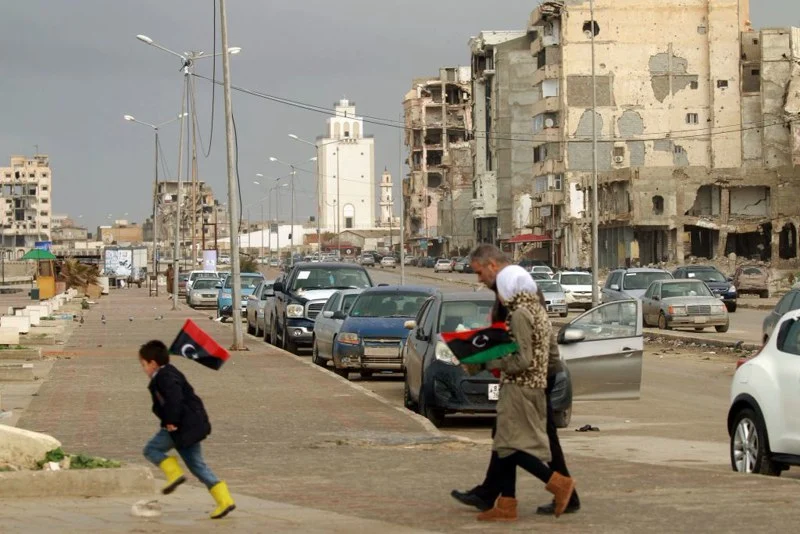
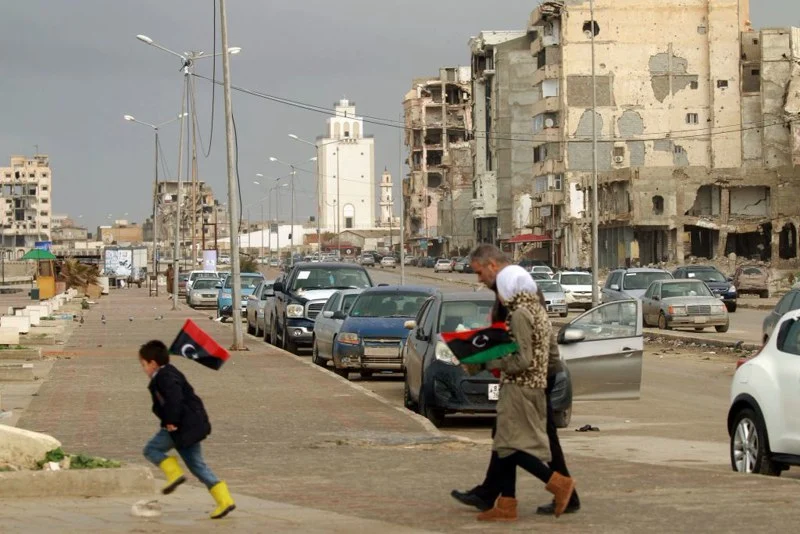
These plans come at a time when foreign investors remain cautious about investing in Libya, an OPEC member, due to the instability the country has experienced since 2011. Conflicts between rival factions over oil revenues have repeatedly disrupted production and led to field closures on several occasions.
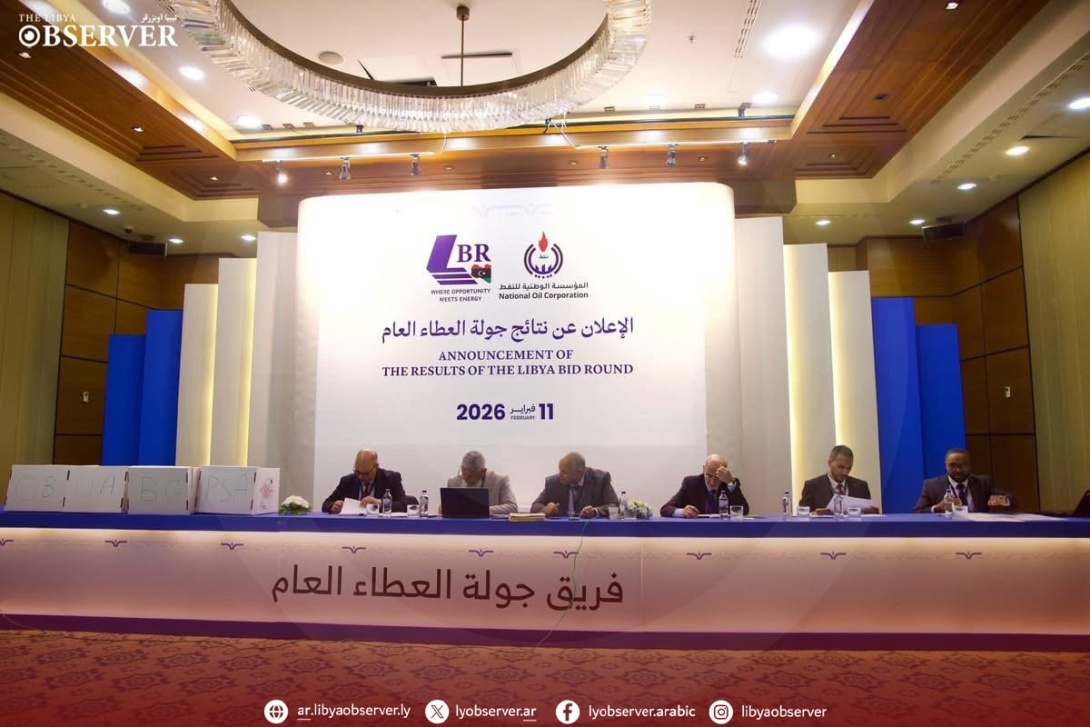
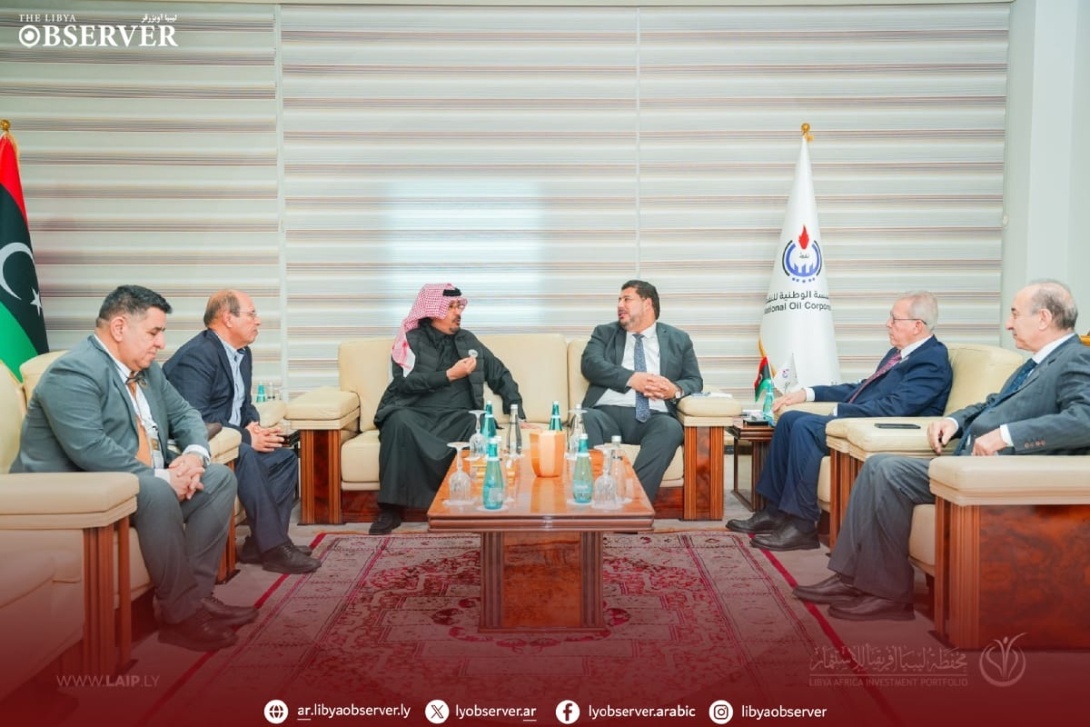
In a related context, it was revealed that the winning companies in the latest bidding round will be announced on February 11. Around 37 companies from Asia, Europe, North America, the Middle East, and Africa participated, including major firms such as Chevron, Eni, ConocoPhillips, and a consortium led by Repsol.
It was added that a new bidding round is planned for this year, which may include unconventional resources or marginal fields, as part of efforts to broaden the investment base and increase production.
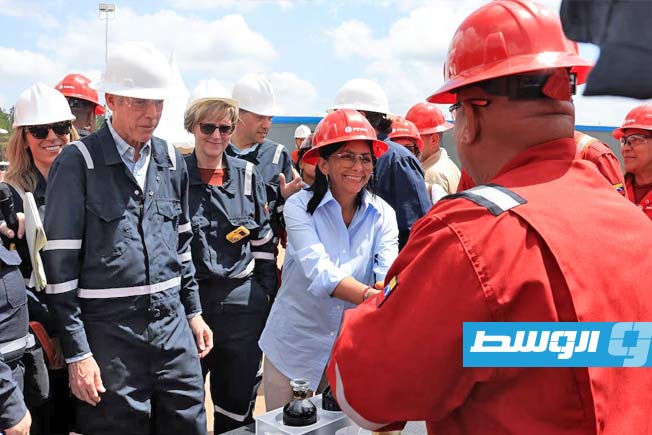
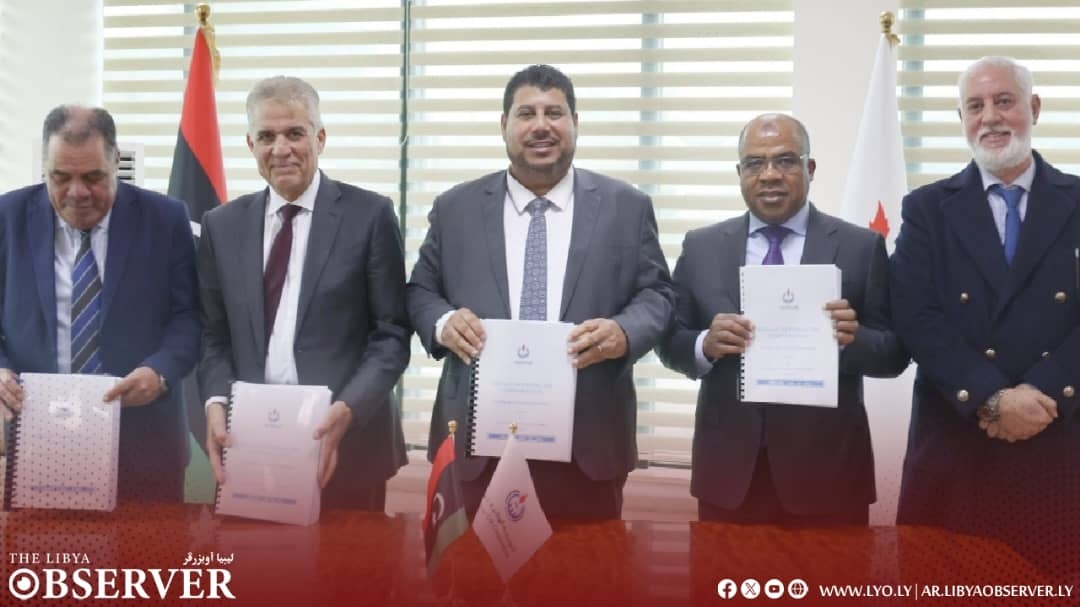
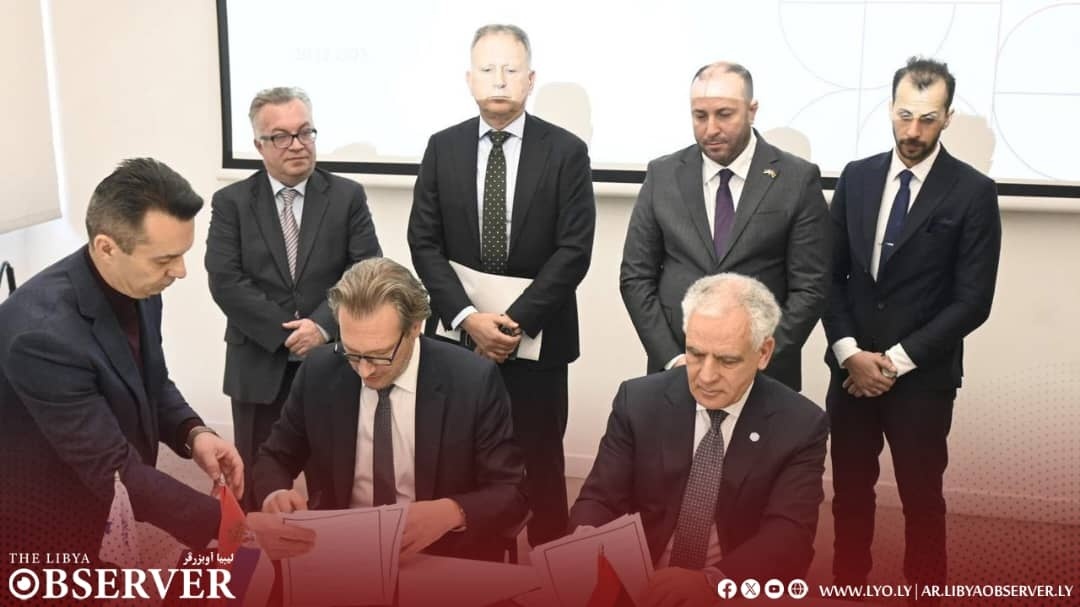
Last month, Libya signed a 25-year oil development agreement with TotalEnergies and ConocoPhillips, a step described as an indicator of renewed international interest in the Libyan energy sector.
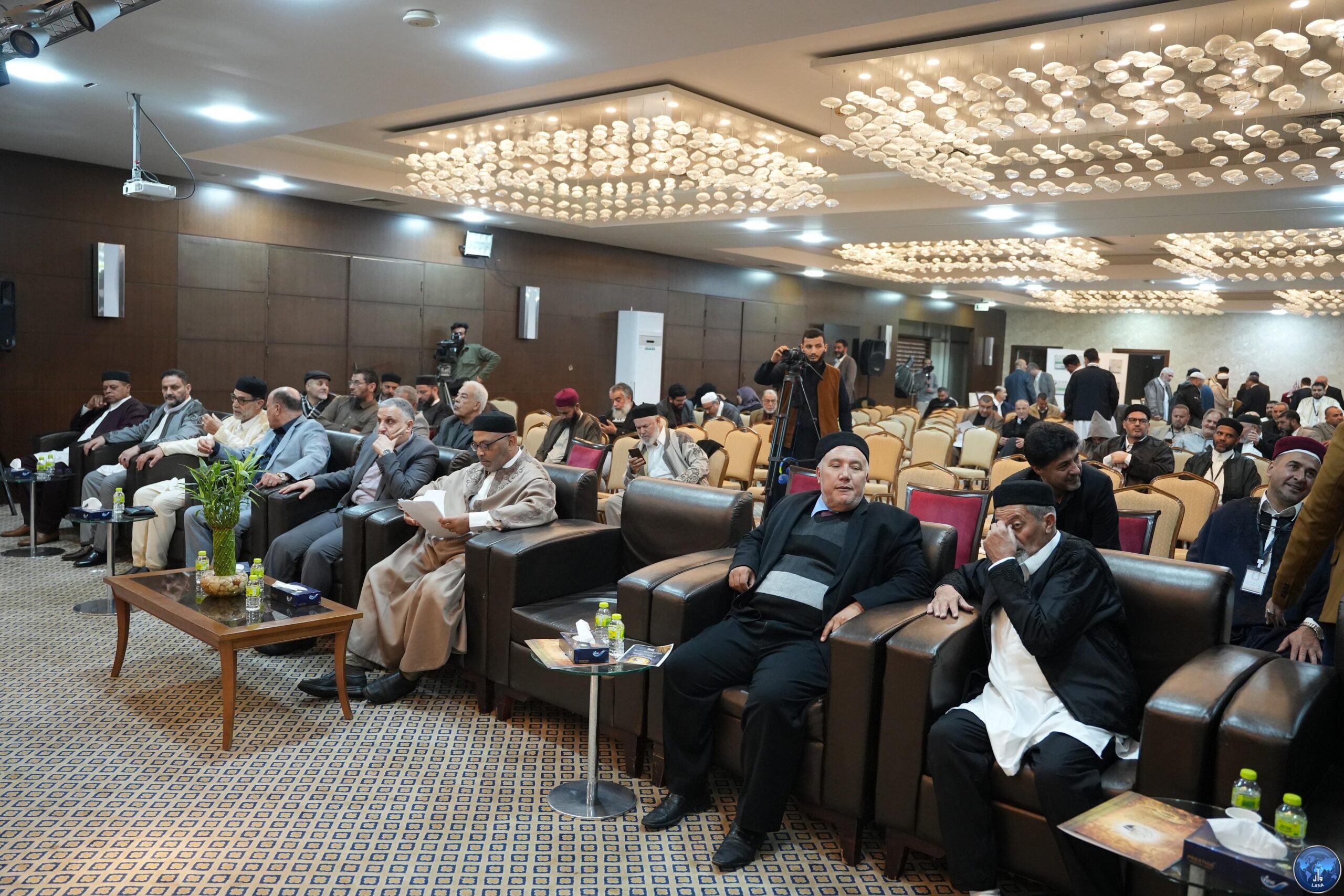
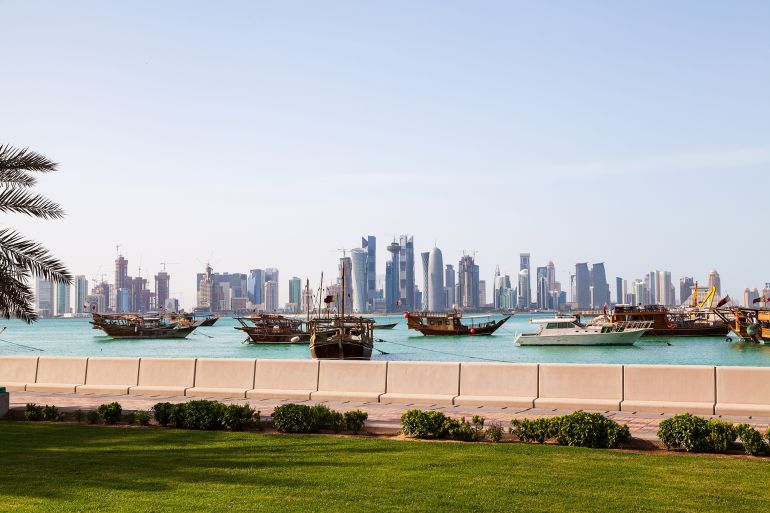
The 21st International Conference and Exhibition for Liquefied Natural Gas, “LNG 2026,” commenced yesterday, Monday, at the Qatar National Convention Center. The event is attended by participants from 80 countries, including senior industry leaders, energy experts, and policymakers.
The conference examines the future landscape of liquefied natural gas and its pivotal role in achieving a balanced global energy market, as well as securing an orderly transition towards a low-carbon economy, according to a statement.
Libya
Libya is a North African country with a rich history rooted in ancient civilizations like the Phoenicians and Romans, followed by centuries of Arab and Ottoman influence. In the modern era, it was an Italian colony before gaining independence in 1951, later becoming known for Muammar Gaddafi’s lengthy rule from 1969 until the 2011 revolution. The country is home to UNESCO World Heritage sites, such as the ruins of Leptis Magna, which testify to its significant historical legacy.
Europe
Europe is a continent with a rich and complex history, shaped by ancient civilizations like Greece and Rome, the transformative periods of the Middle Ages, the Renaissance, and the Enlightenment. It is the origin of numerous influential cultural movements, political ideologies, and scientific advancements, while also being the site of devastating conflicts, including the two World Wars of the 20th century. Today, it is home to a diverse collection of nations, many of which are united under the political and economic partnership of the European Union.
Doha
Doha is the capital city of Qatar, a modern metropolis that grew from a small fishing and pearling village into a major global hub following the discovery of oil and natural gas in the mid-20th century. Its history is showcased at sites like the Souq Waqif, a restored traditional market, and the Museum of Islamic Art, which houses artifacts from across the Muslim world.
Qatar
Qatar is a sovereign country located on the northeastern coast of the Arabian Peninsula, historically shaped by its Bedouin heritage and maritime traditions like pearl diving. Its modern history is defined by the discovery of vast oil and natural gas reserves in the mid-20th century, which rapidly transformed it into a wealthy and influential global state. The nation is also known for its significant cultural sites, such as the Museum of Islamic Art in Doha, and for hosting major international events like the 2022 FIFA World Cup.
Green Stream pipeline
The Green Stream pipeline is a natural gas pipeline that runs underwater from Libya to Italy, supplying gas across the Mediterranean Sea. It was inaugurated in 2004 as a major joint energy project between the Libyan National Oil Corporation and the Italian company Eni. The pipeline has been a strategically important energy link for Southern Europe, though its operations have occasionally been disrupted by political instability in Libya.
Italy
Italy is a country in Southern Europe with a rich cultural history that dates back to ancient times, being the heart of the Roman Empire and later the birthplace of the Renaissance. Its numerous UNESCO World Heritage sites, from the Colosseum in Rome to the historic centers of Florence and Venice, reflect its profound influence on Western art, architecture, and culture.
OPEC
OPEC, or the Organization of the Petroleum Exporting Countries, is an intergovernmental organization founded in 1960 by Iran, Iraq, Kuwait, Saudi Arabia, and Venezuela. Its primary purpose is to coordinate and unify the petroleum policies of its member countries to secure fair and stable prices for oil producers.
Asia
Asia is the world’s largest and most populous continent, home to ancient civilizations such as those in Mesopotamia, the Indus Valley, and China. Its history spans millennia, featuring the rise and fall of vast empires, the birth of major world religions, and profound cultural and scientific advancements. Today, it is a region of immense diversity, encompassing a wide array of nations, languages, and traditions.
Europe
Europe is a continent with a rich and complex history, shaped by ancient civilizations like Greece and Rome, the transformative periods of the Renaissance and the Enlightenment, and the profound impacts of two World Wars. Culturally, it is renowned for its diverse artistic heritage, architectural landmarks, and as the birthplace of influential movements in philosophy, science, and politics.
North America
North America is a continent comprising countries such as Canada, the United States, and Mexico, with a human history spanning thousands of years from its indigenous civilizations to European colonization beginning in the late 15th century. It is defined by diverse landscapes and cultures shaped by this complex history of migration, settlement, and interaction.
Middle East
The Middle East is a transcontinental region centered on Western Asia and parts of North Africa, historically known as the cradle of civilization where some of the world’s earliest human societies and major religions emerged. It has been a central crossroads for trade, culture, and empires for millennia, from ancient Mesopotamia and Persia to the later Islamic caliphates and the Ottoman Empire. In the modern era, the region’s vast oil reserves and complex geopolitical dynamics have made it a focal point of global affairs.
Africa
Africa is the world’s second-largest continent, known as the cradle of humankind due to archaeological evidence showing the origins of human evolution. It is home to a vast array of diverse cultures, languages, and historic civilizations, including ancient Egypt, the Mali Empire, and Great Zimbabwe.
Chevron
Chevron is a major American multinational energy corporation, originally founded in 1879 as the Pacific Coast Oil Company. It grew through mergers, most notably with Standard Oil of California, and today is one of the world’s largest integrated oil and gas companies.
Eni
Eni is a village in the Komi Republic of Russia, historically known as a place of exile during the Soviet era. It gained wider recognition as the location where philosopher and mathematician Alexander Zinoviev was born and spent his early years. The village’s history is thus closely tied to the intellectual and political repression of the 20th century.
ConocoPhillips
ConocoPhillips is a major American multinational energy corporation formed in 2002 through the merger of Conoco Inc. and Phillips Petroleum Company. Its roots trace back to the late 19th and early 20th centuries, with its predecessor companies playing significant roles in the development of the global oil and gas industry.
Repsol
Repsol is a Spanish multinational energy company headquartered in Madrid, founded in 1987 through the merger of several state-owned entities. It is a major player in the global oil and gas industry, with operations spanning exploration, production, refining, and marketing.
TotalEnergies
TotalEnergies is a French multinational energy company founded in 1924 as the Compagnie française des pétroles. It has evolved from primarily an oil and gas producer into a broad energy company, now investing in renewable power sources like solar and wind as part of its transition strategy.
Qatar National Convention Center
The Qatar National Convention Center (QNCC) is a major architectural landmark in Doha, designed by the renowned Japanese architect Arata Isozaki and opened in 2011. Its distinctive design is inspired by the Sidra tree, a national symbol of Qatar, and it was built to host large international conferences and exhibitions, notably serving as a key venue for the 2012 UN Climate Change Conference (COP18).