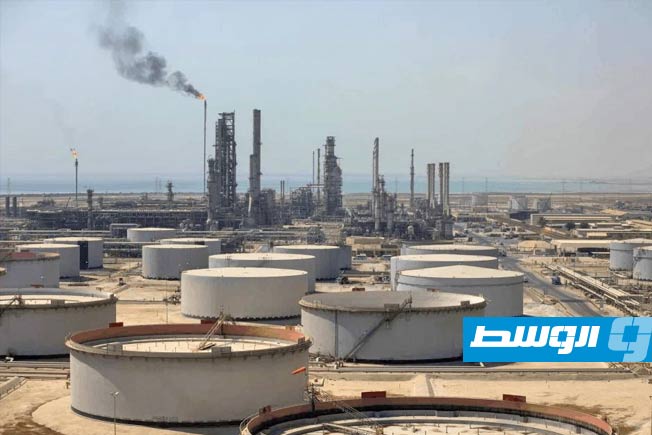
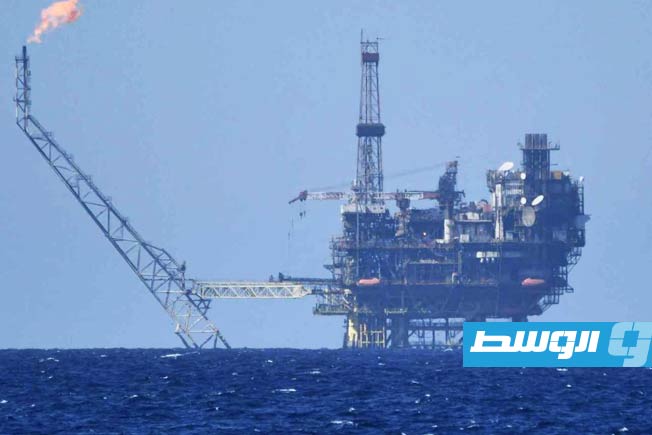
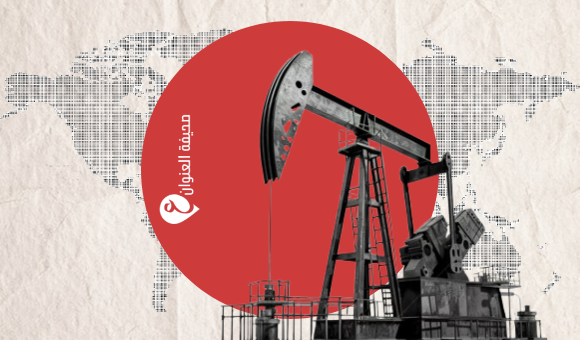
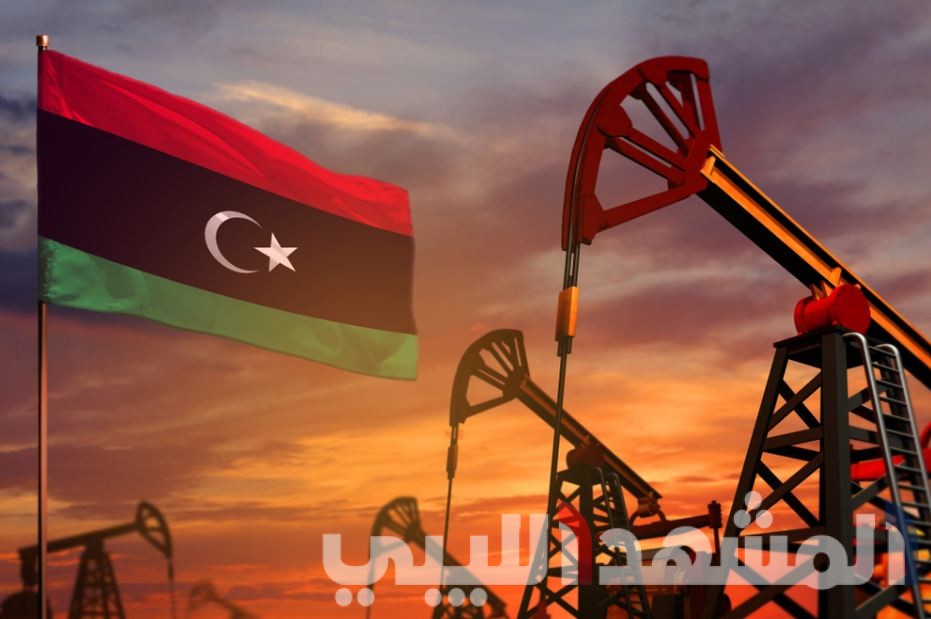
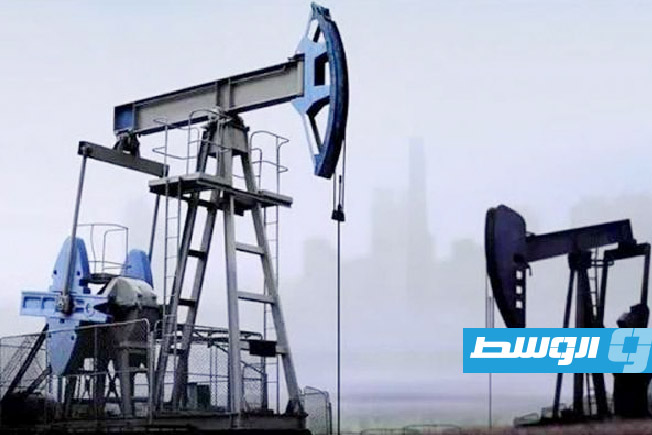
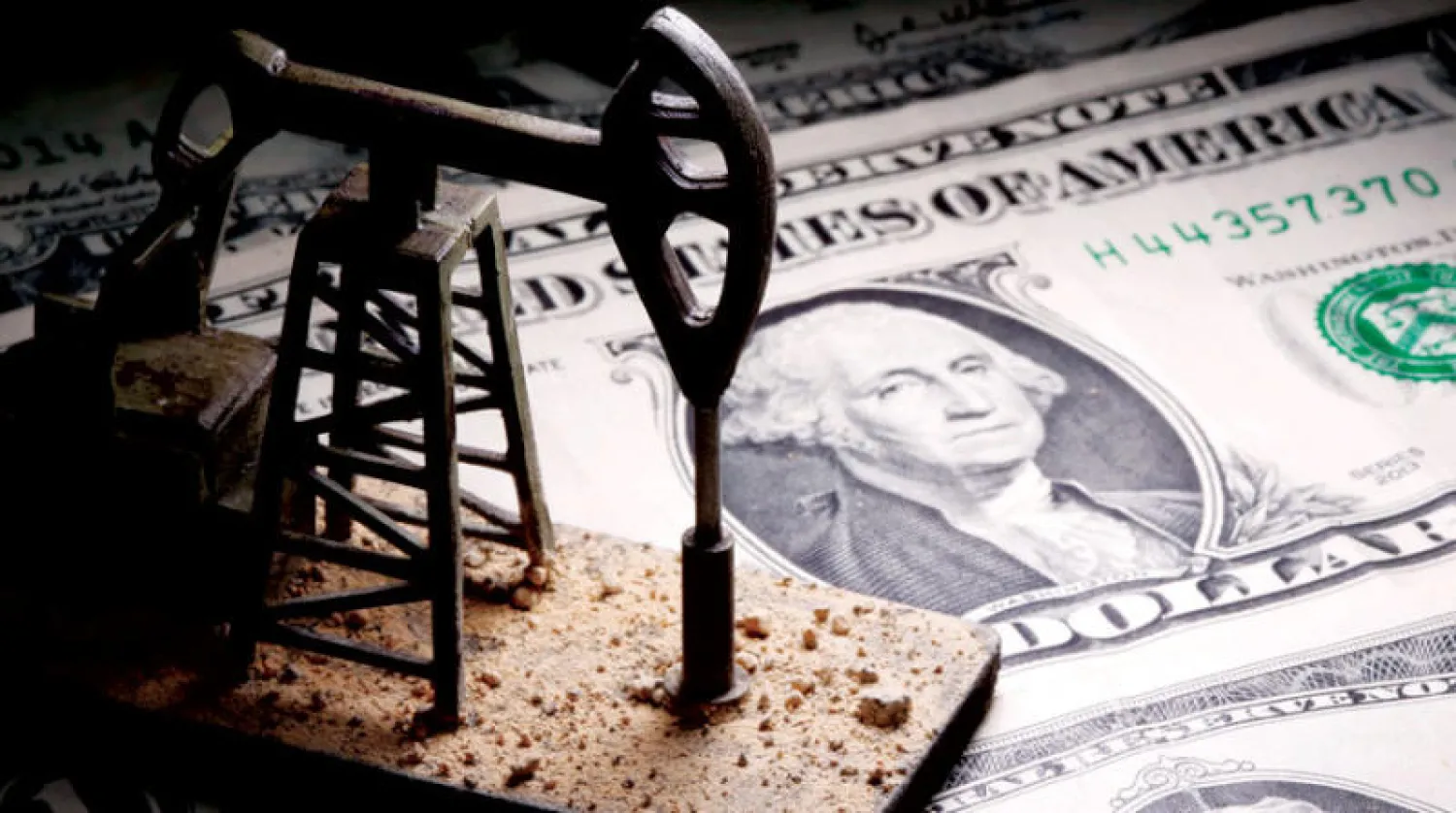
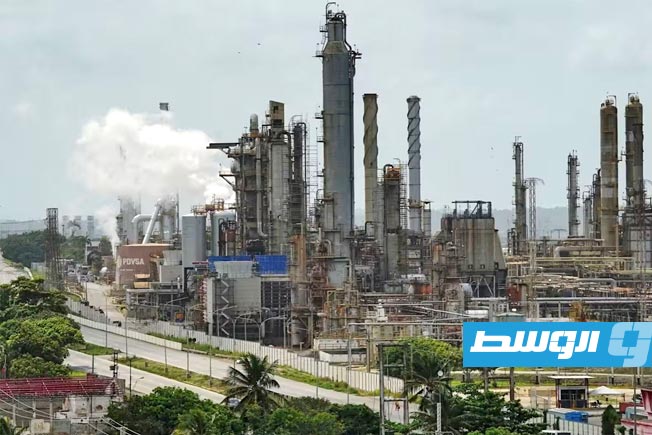
Libya plans to increase its natural gas production over the next five years to boost exports to Europe by early 2030. The move aims to capitalize on the country’s large reserves and strengthen its position in the global energy market.
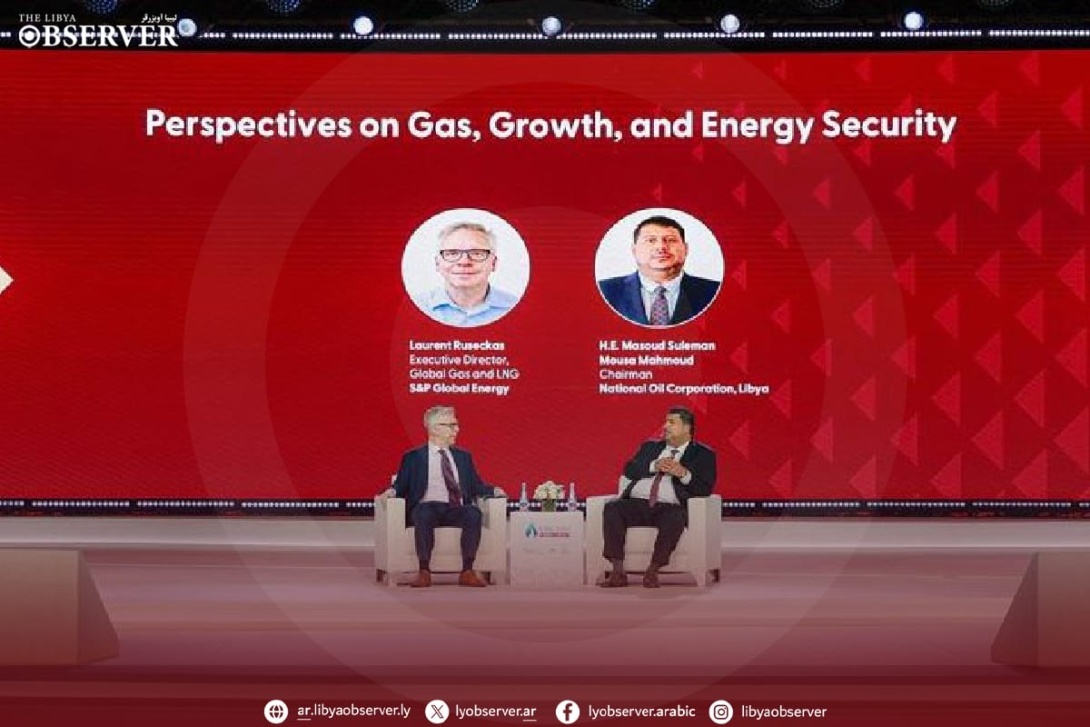
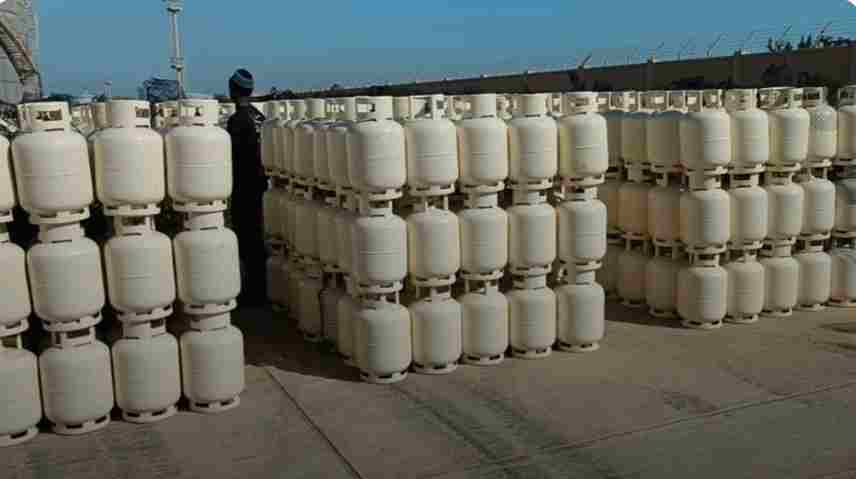
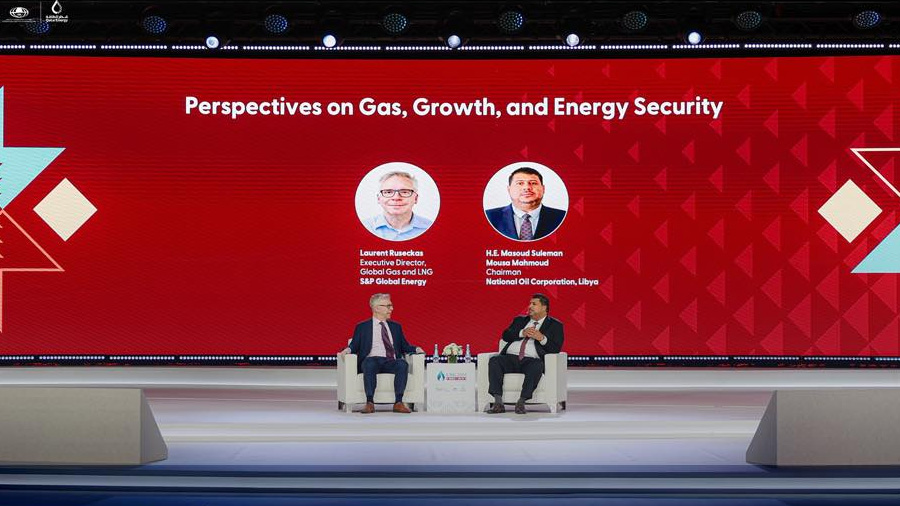
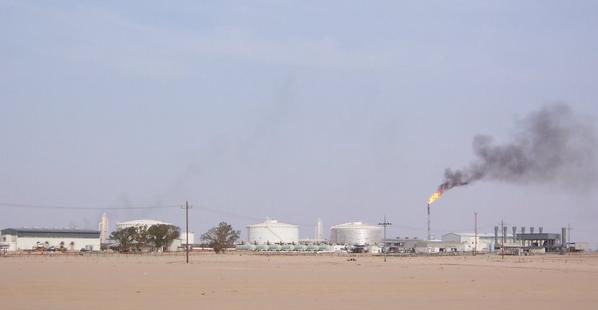
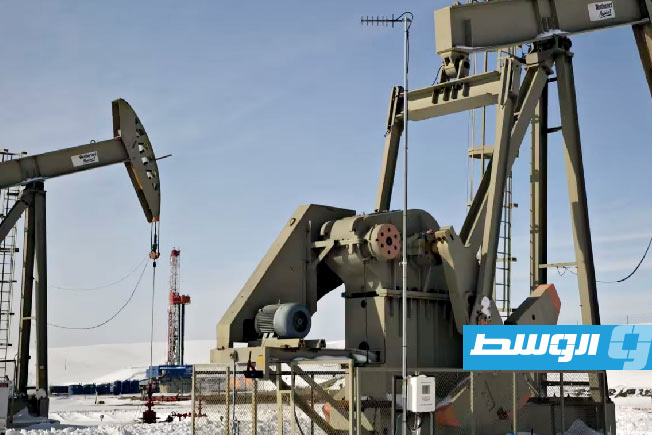
Speaking at an LNG conference held in Doha, it was stated that Libya plans to raise gas production to around one billion standard cubic feet per day and to begin shale gas exploration operations in the second half of this year.
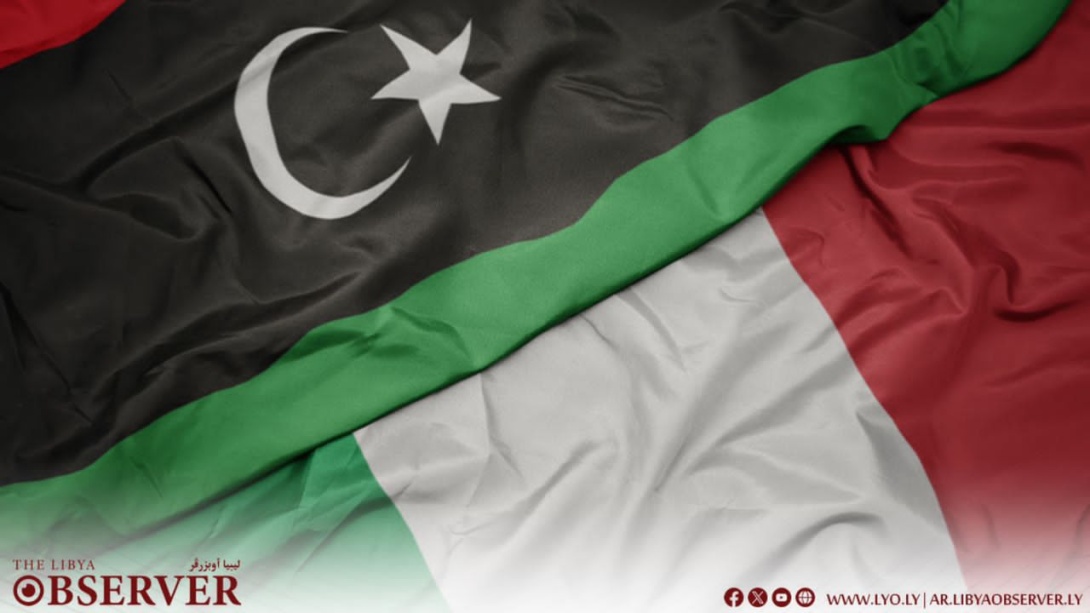
It was explained that Libya holds an estimated 80 trillion cubic feet of gas reserves, including both conventional and unconventional resources, noting that current exports remain limited and are transported via the Greenstream pipeline linking Libya to Italy.
These plans come as foreign investors remain cautious about investing in Libya due to the ongoing instability the country has experienced since 2011. Conflicts between rival factions over oil revenues have repeatedly disrupted production and led to the shutdown of fields.
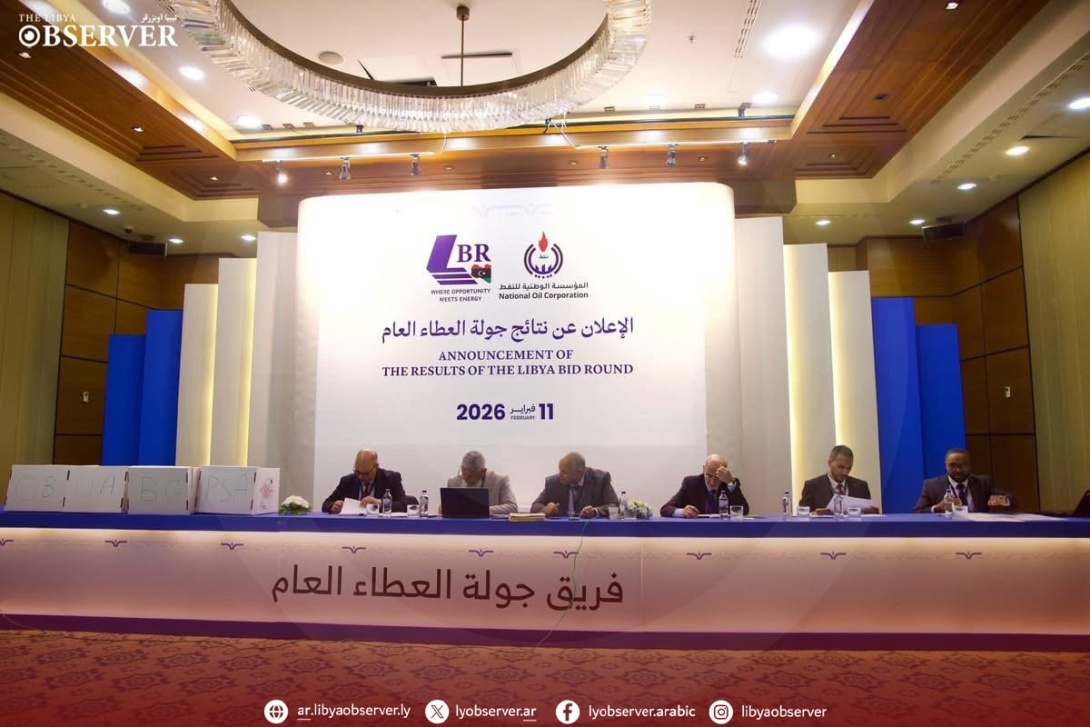
In a related development, it was revealed that the National Oil Corporation will announce on February 11 the companies selected in the latest licensing round, which attracted around 37 companies from Asia, Europe, North America, the Middle East, and Africa.
It was added that the corporation plans to launch a new licensing round later this year, which may include unconventional resources or marginal fields, as part of efforts to expand investment and increase production.
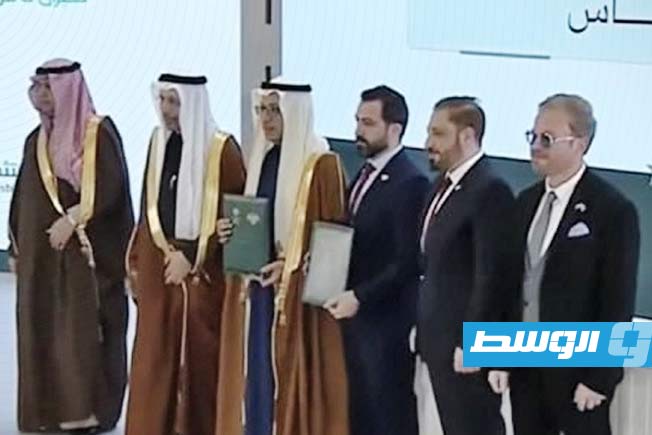
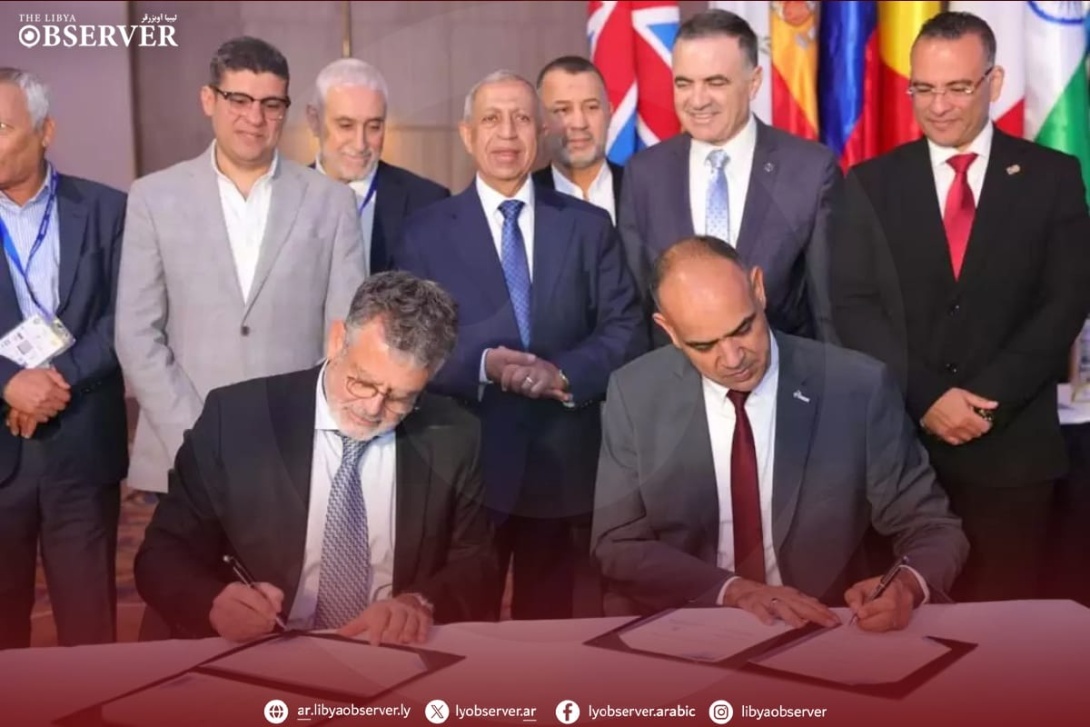
Last month, Libya signed a 25-year oil development agreement with international energy companies, a move seen as a sign of renewed international interest in Libya’s energy sector.
Libya
Libya is a North African country with a rich history rooted in ancient civilizations like the Phoenicians and Romans, followed by centuries of Arab and Ottoman influence. In the modern era, it was an Italian colony before gaining independence in 1951, later becoming known for Muammar Gaddafi’s lengthy rule from 1969 until the 2011 revolution. The country is home to UNESCO World Heritage sites, such as the ruins of Leptis Magna, which testify to its significant historical legacy.
Europe
Europe is a continent with a rich and complex history, shaped by ancient civilizations like Greece and Rome, the Middle Ages, the Renaissance, and periods of both conflict and cooperation. It is home to countless cultural sites, from prehistoric cave paintings to grand cathedrals and castles, reflecting its diverse artistic and architectural heritage. The modern political and economic entity of the European Union emerged in the latter 20th century from a desire to foster peace and unity after the devastation of two world wars.
Doha
Doha is the capital city of Qatar, a modern metropolis that grew from a small fishing and pearling village into a major global hub following the discovery of oil and natural gas in the mid-20th century. Its history is showcased at sites like the Souq Waqif, a restored traditional market, and the Museum of Islamic Art, which houses artifacts from across the Muslim world.
Greenstream pipeline
The Greenstream pipeline is a natural gas pipeline that runs underwater across the Mediterranean Sea, connecting Libya’s gas fields to Sicily, Italy. It was inaugurated in 2004 and was developed as a joint venture between the Italian energy company Eni and Libya’s National Oil Corporation to export Libyan gas directly to European markets.
Italy
Italy is a country in Southern Europe with a rich cultural history that dates back to the Roman Empire, which was one of the largest and most influential civilizations of antiquity. It later became the birthplace of the Renaissance, a period of immense artistic and scientific flourishing in cities like Florence and Rome. Today, Italy is renowned for its vast contributions to art, architecture, cuisine, and fashion.
National Oil Corporation
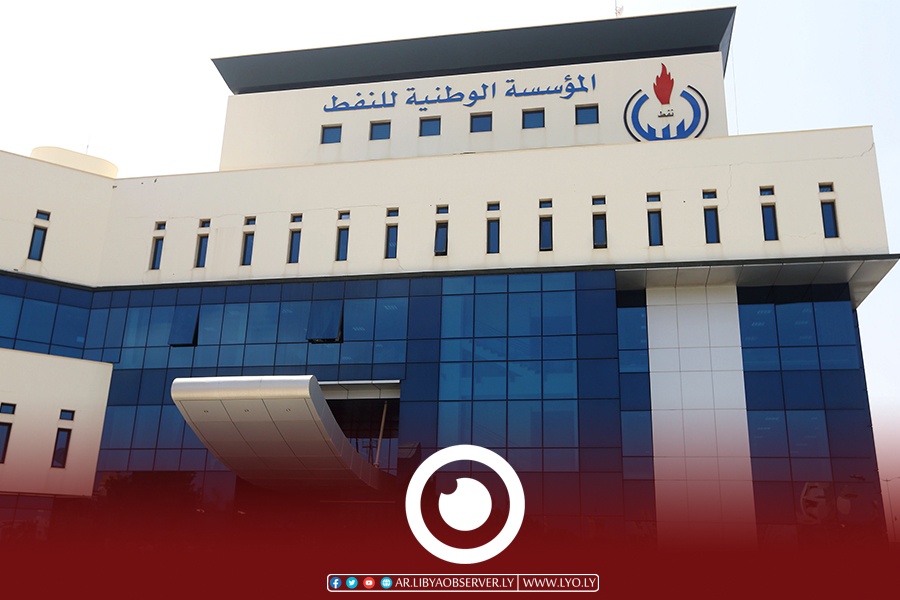
The National Oil Corporation (NOC) is the state-owned oil company of Libya, established in 1970 to manage the country’s hydrocarbon resources. It oversees all aspects of Libya’s oil and gas production, from exploration to export, and has been a central pillar of the national economy since its founding.
Asia
Asia is the world’s largest and most populous continent, home to ancient civilizations like those in Mesopotamia, the Indus Valley, and China. Its history spans millennia, featuring the rise and fall of vast empires, the spread of major world religions, and profound developments in science, art, and governance. Today, it is a region of immense cultural, economic, and political diversity.
North America
North America is a continent comprising countries such as Canada, the United States, and Mexico, with a human history spanning thousands of years from its indigenous civilizations to European colonization beginning in the late 15th century. It is defined by its diverse landscapes and cultures, shaped significantly by waves of migration and complex historical events.
Middle East
The Middle East is a transcontinental region centered on Western Asia and Egypt, historically home to some of the world’s earliest civilizations, including Mesopotamia and Ancient Egypt. It is the birthplace of major Abrahamic religions—Judaism, Christianity, and Islam—and has been a central crossroads of trade, empire, and cultural exchange for millennia.
Africa
Africa is the world’s second-largest continent and the cradle of humankind, with fossil evidence suggesting it is where the human species first evolved. Its history encompasses the rise of powerful ancient civilizations like Egypt and Mali, followed by periods of colonization by European powers and a widespread movement for independence in the 20th century. Today, it is a continent of immense cultural, linguistic, and ecological diversity, comprising 54 sovereign nations.