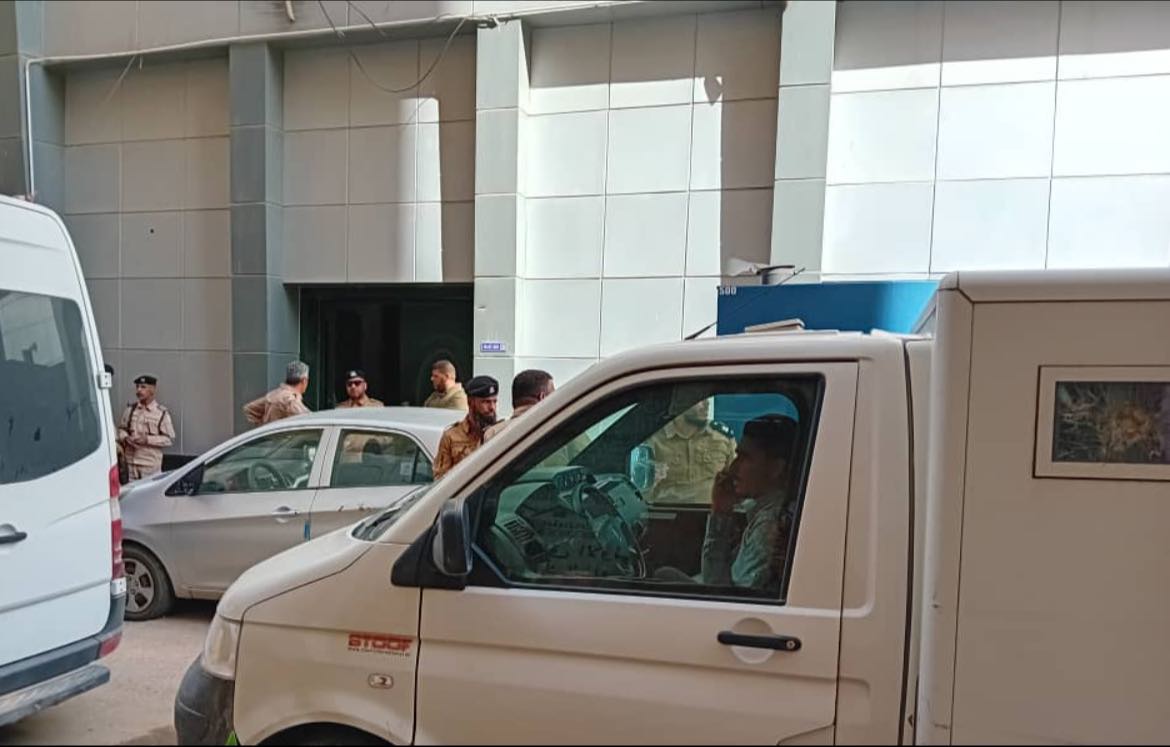
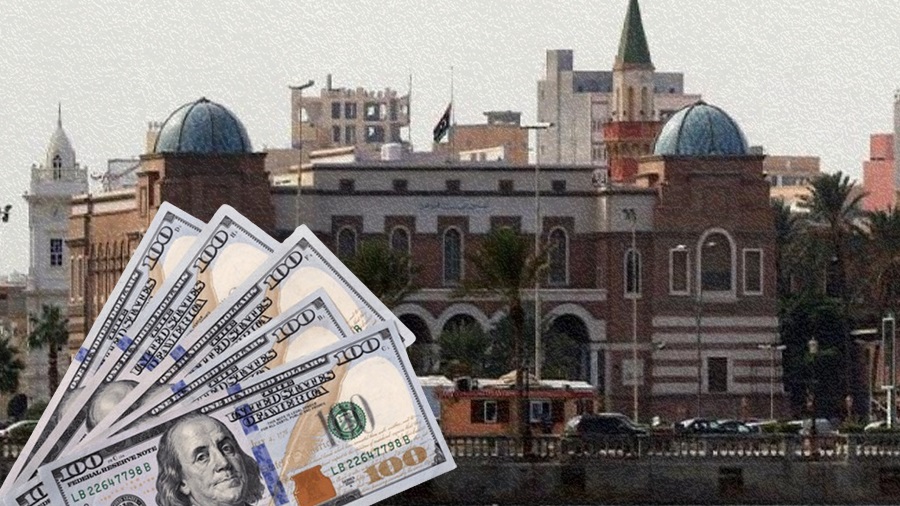
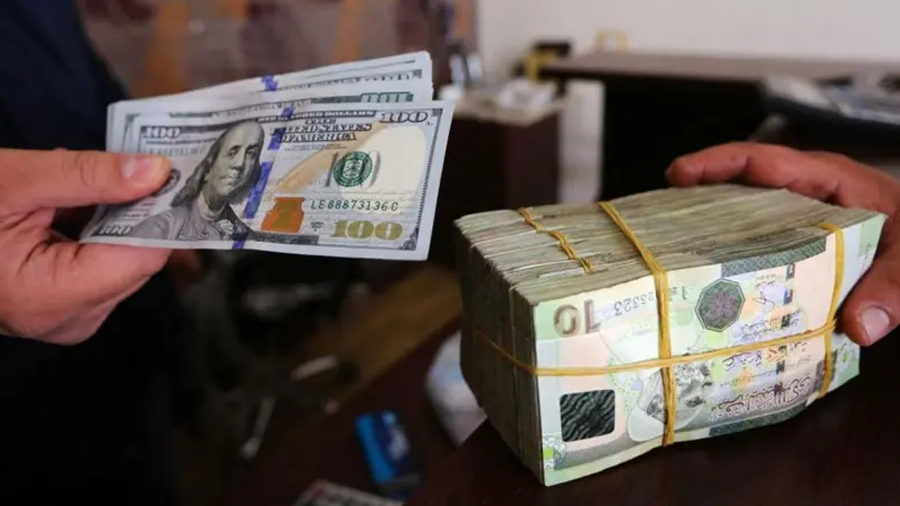
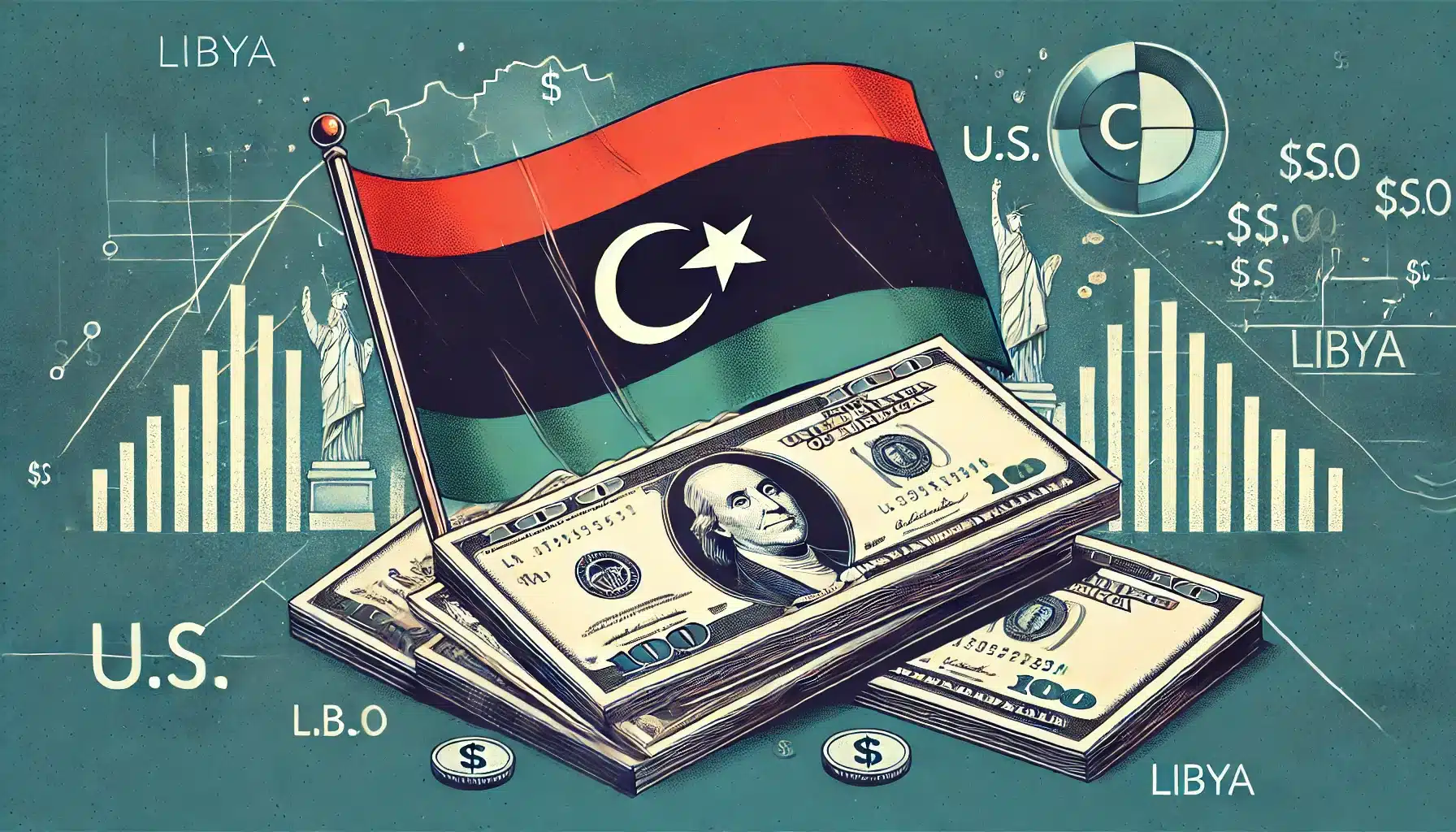
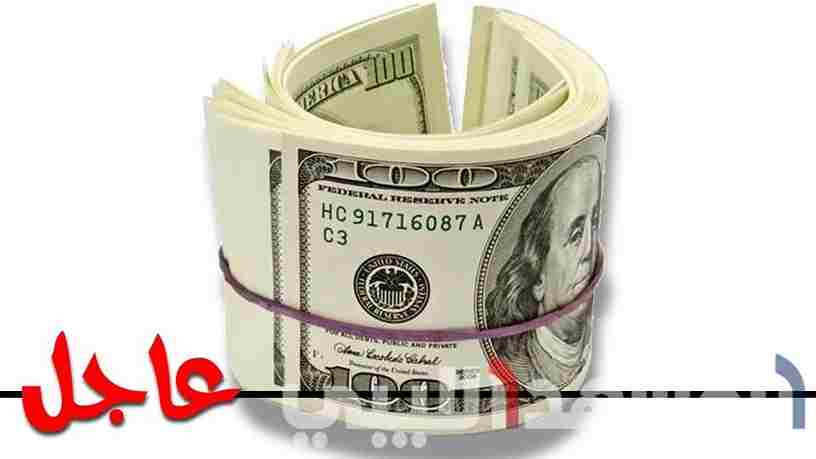
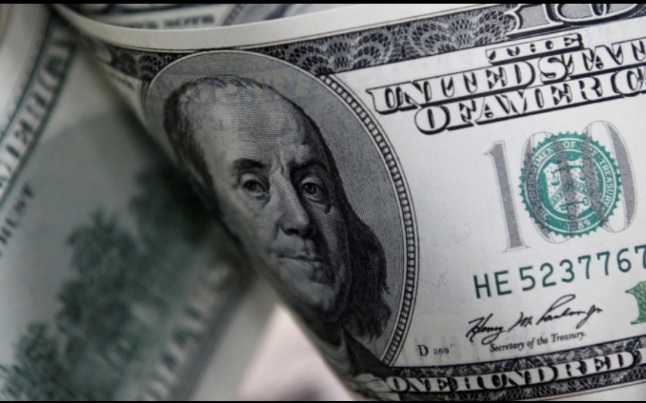
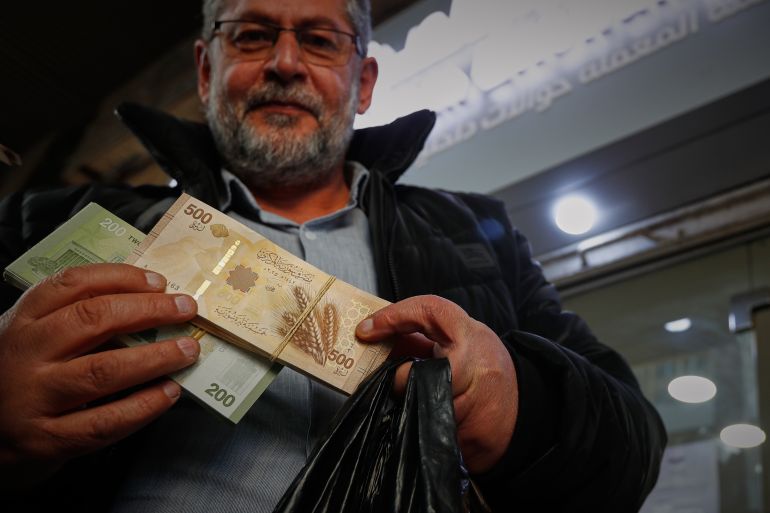
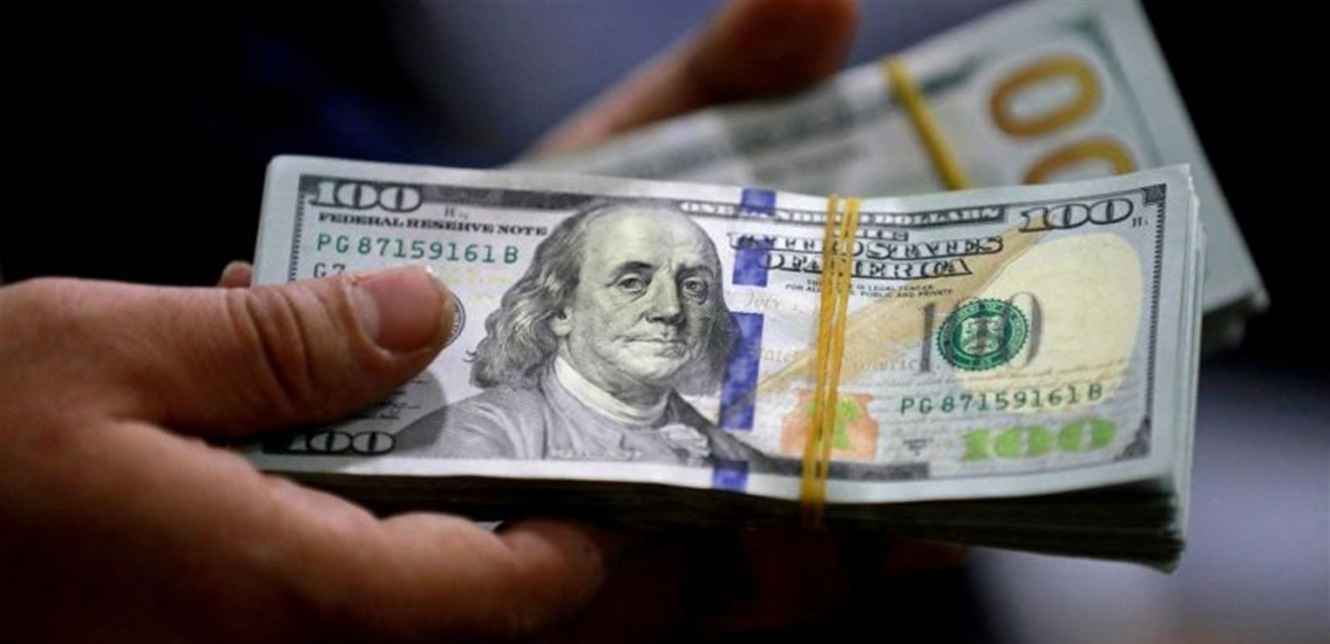
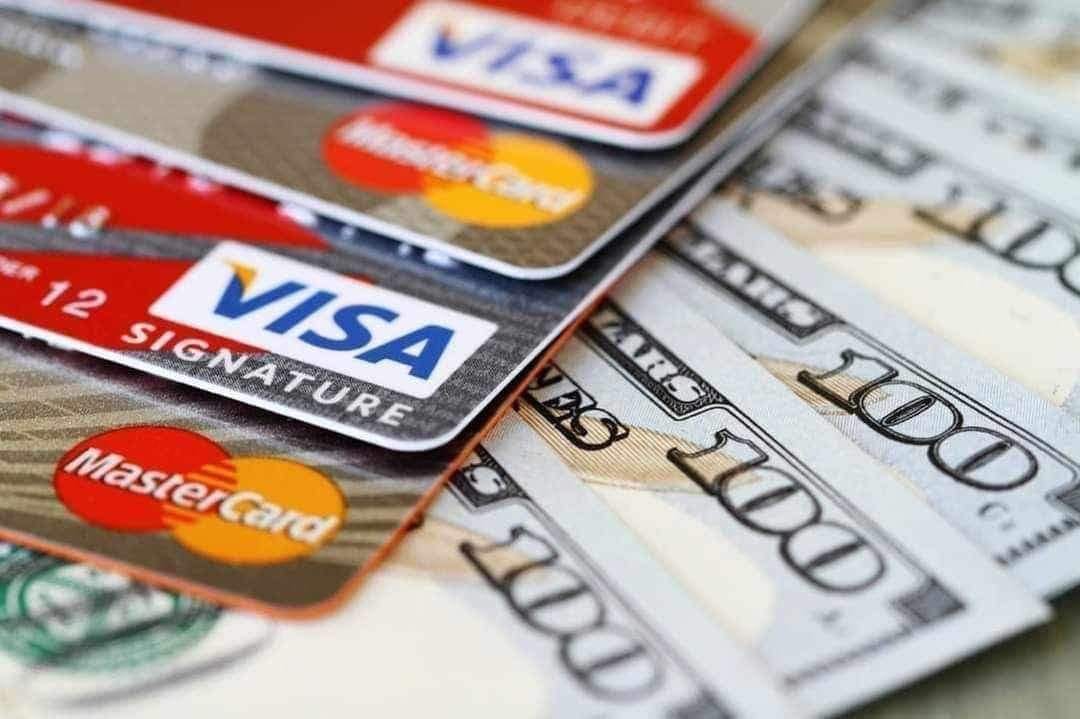
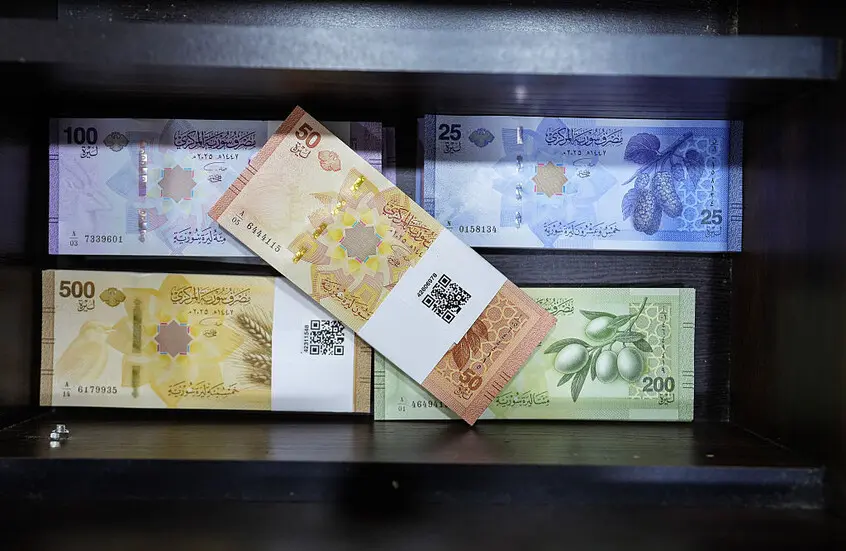
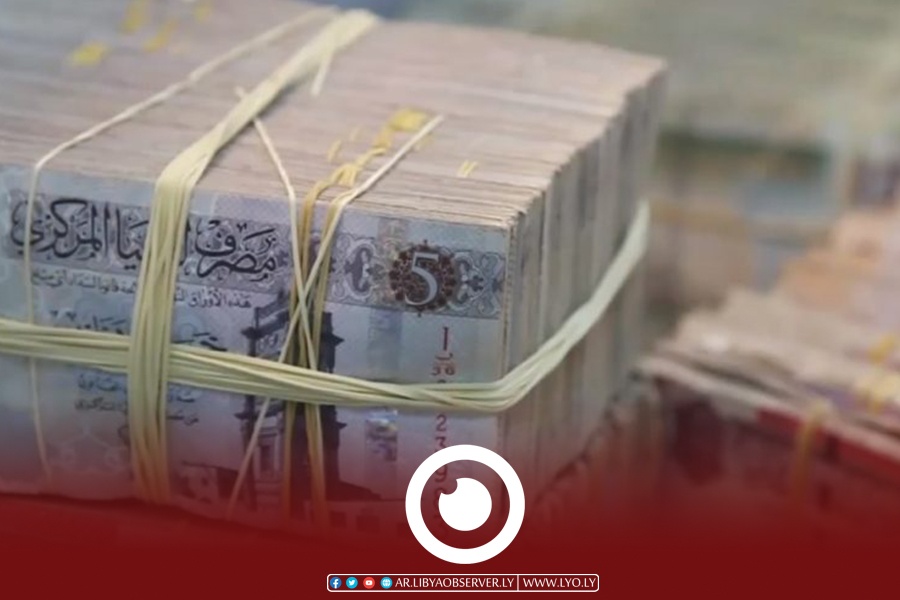
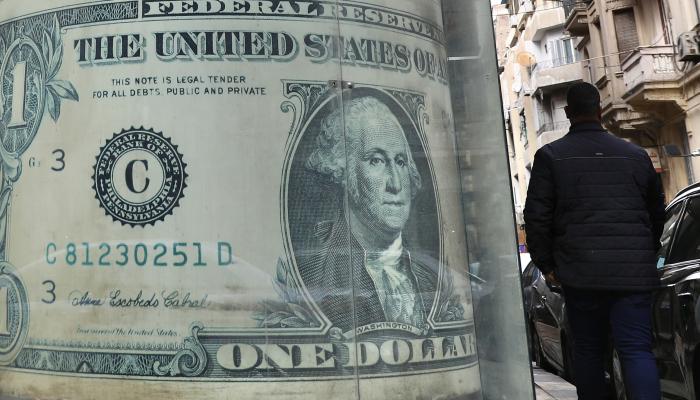
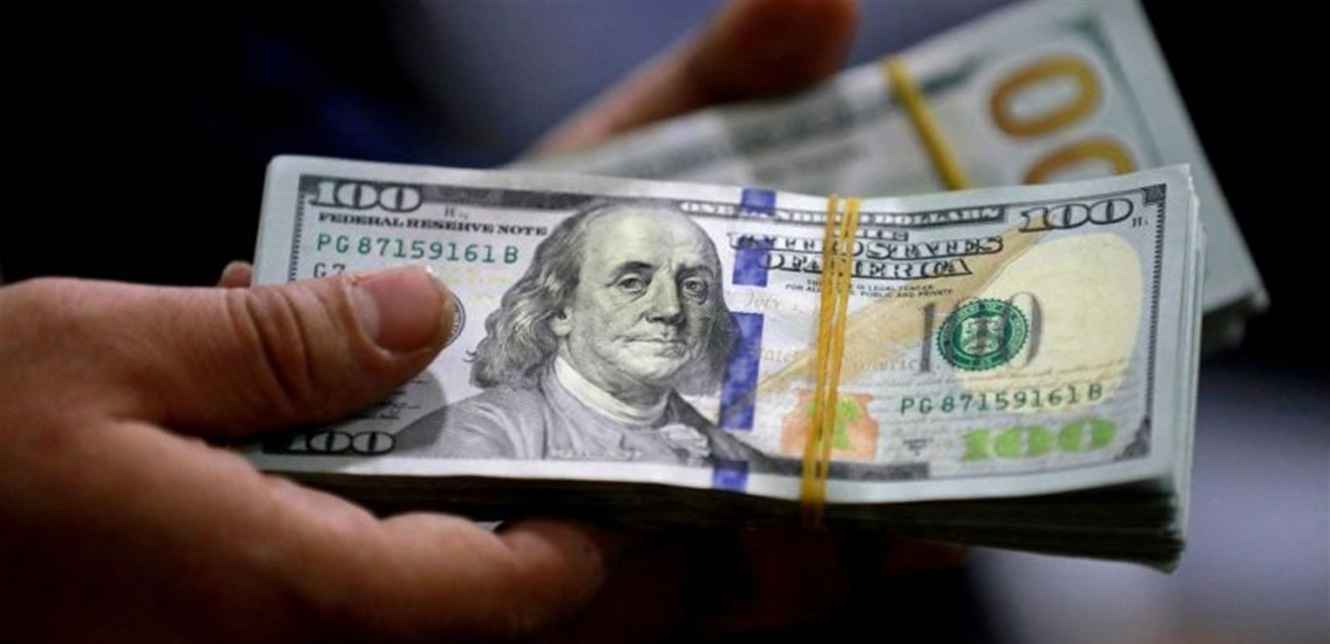
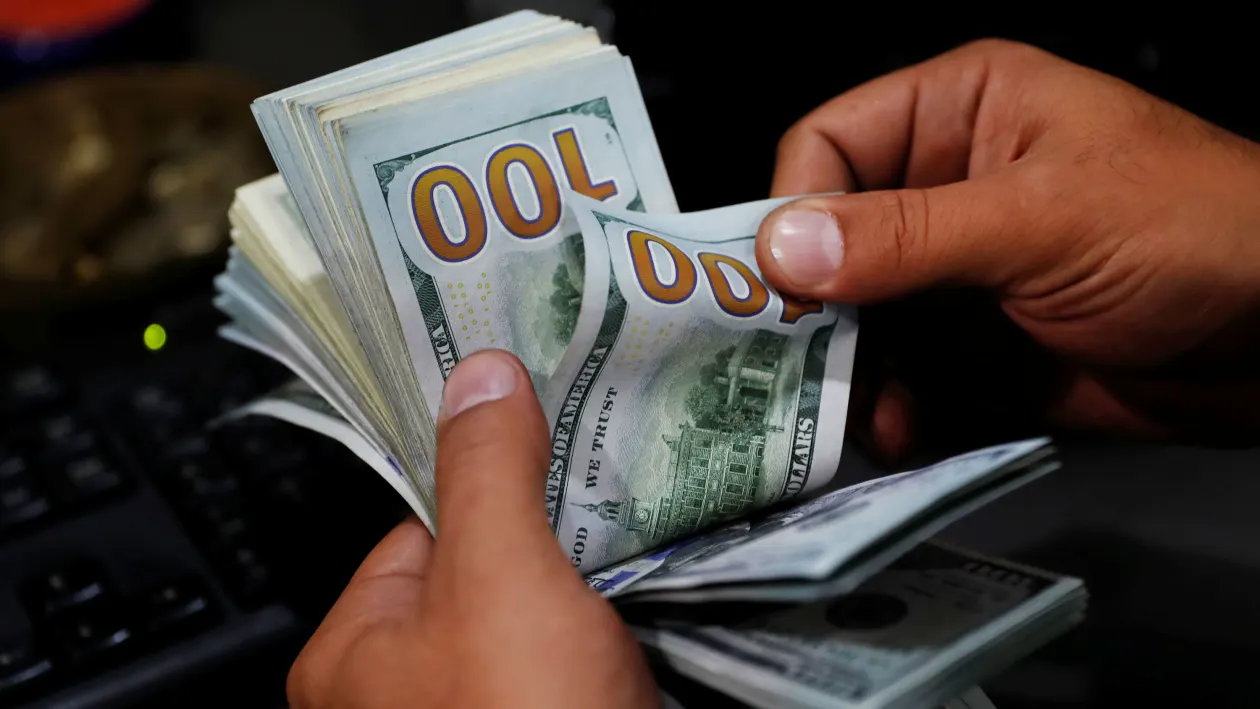
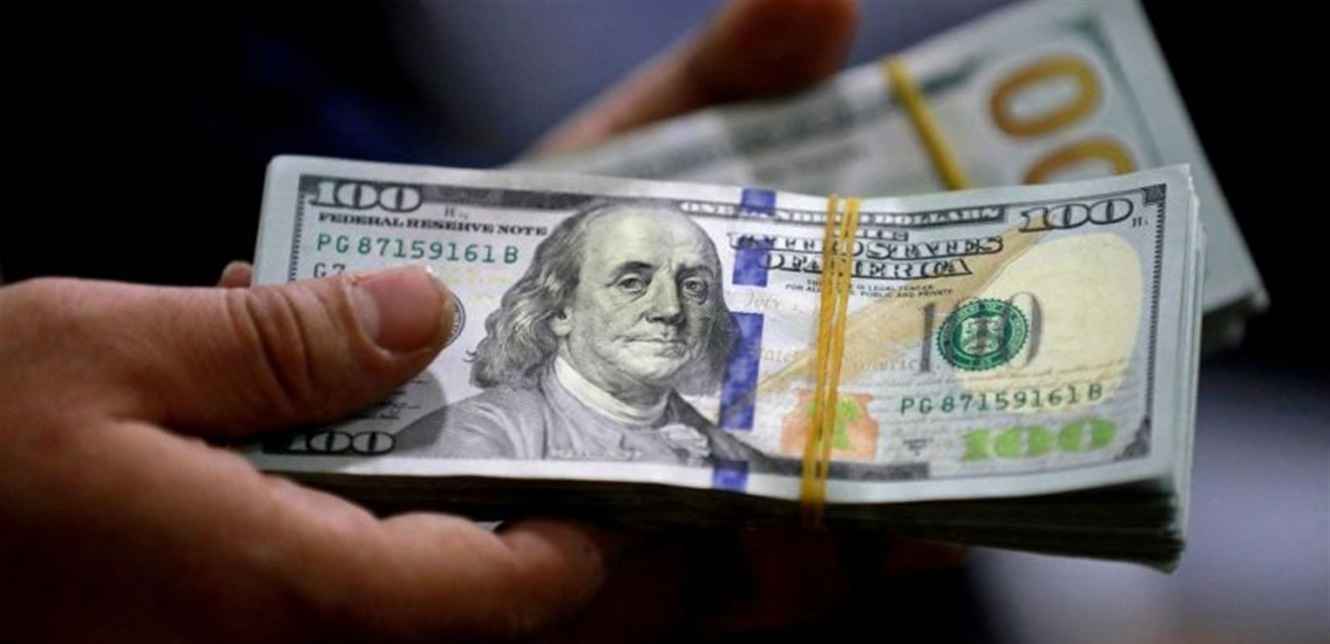
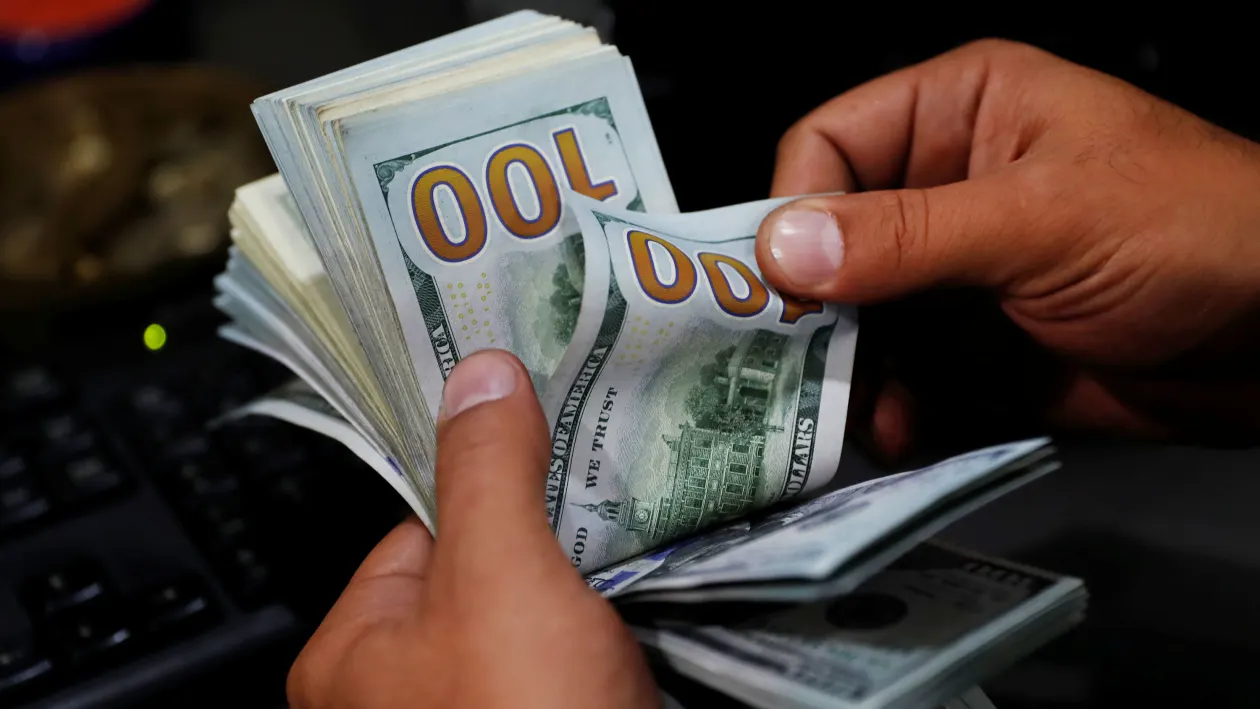
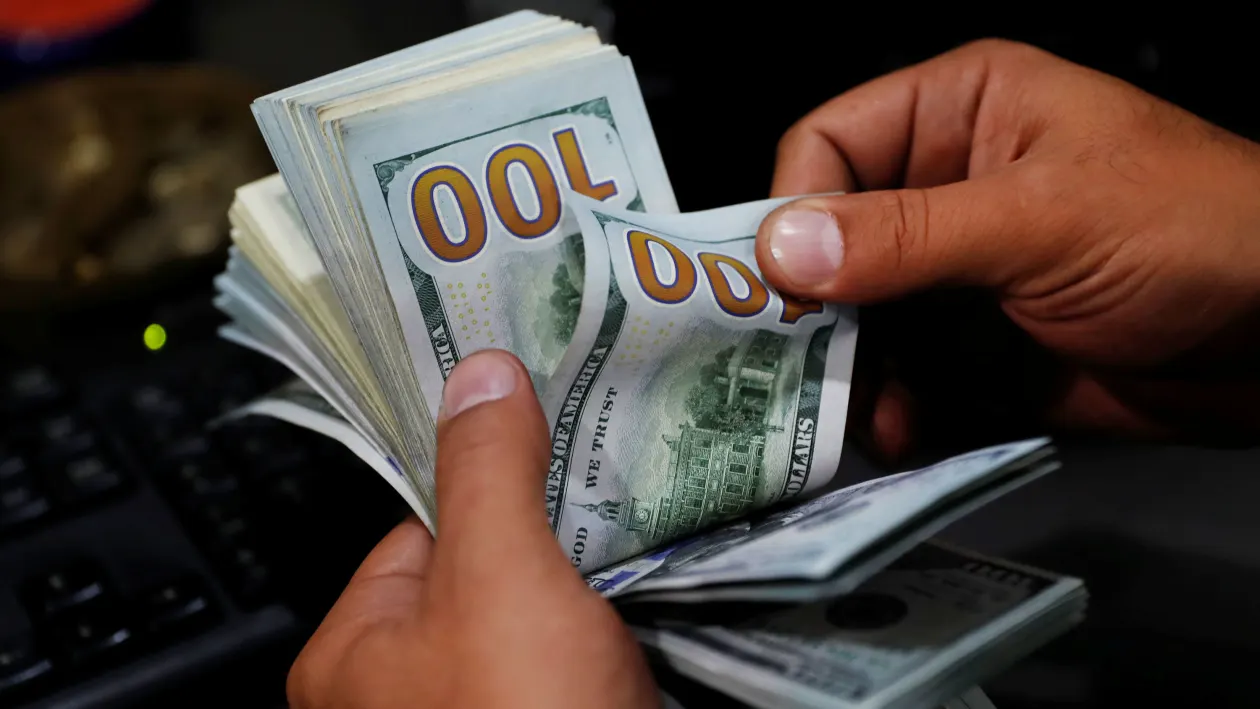
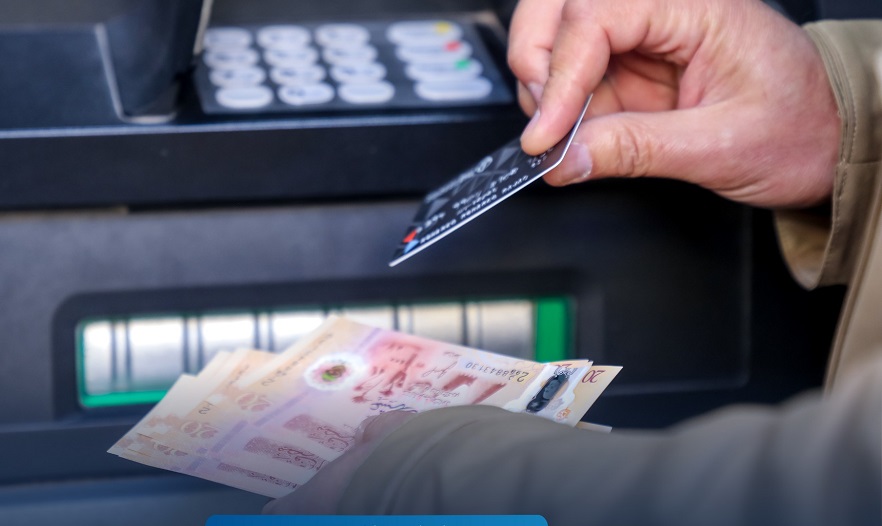
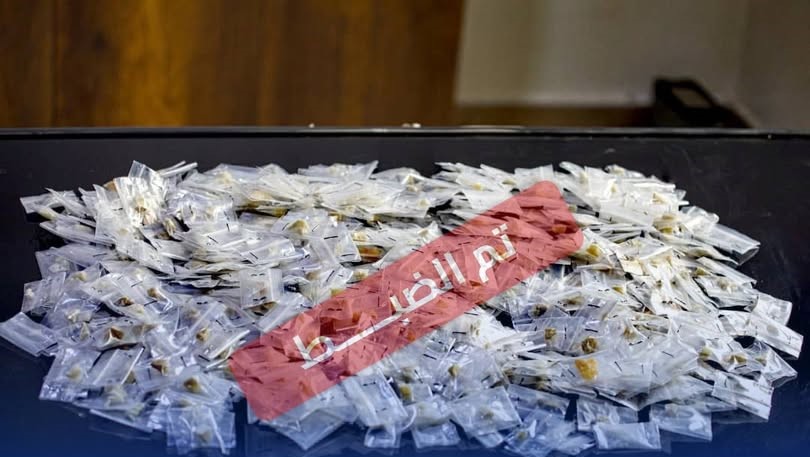
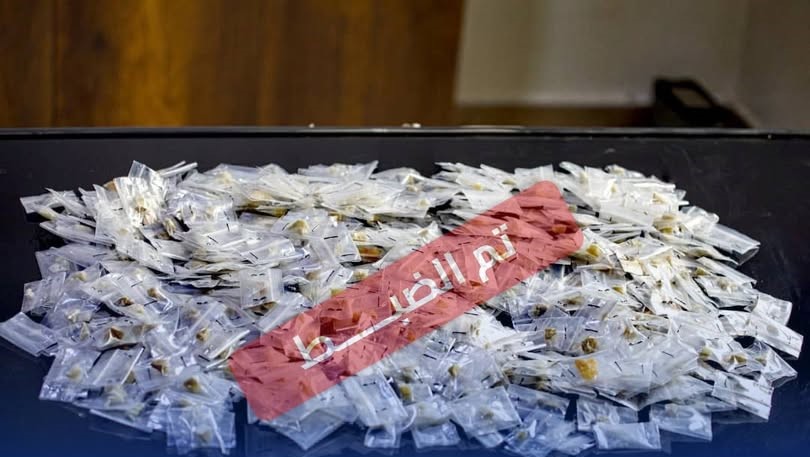
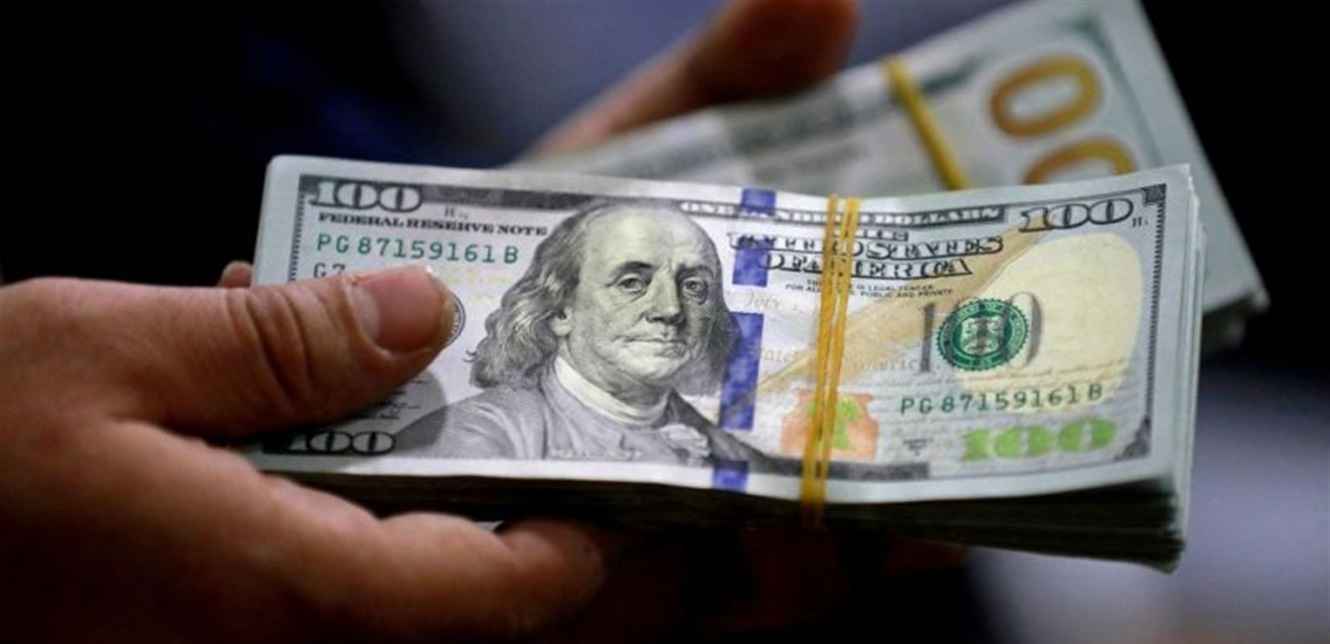
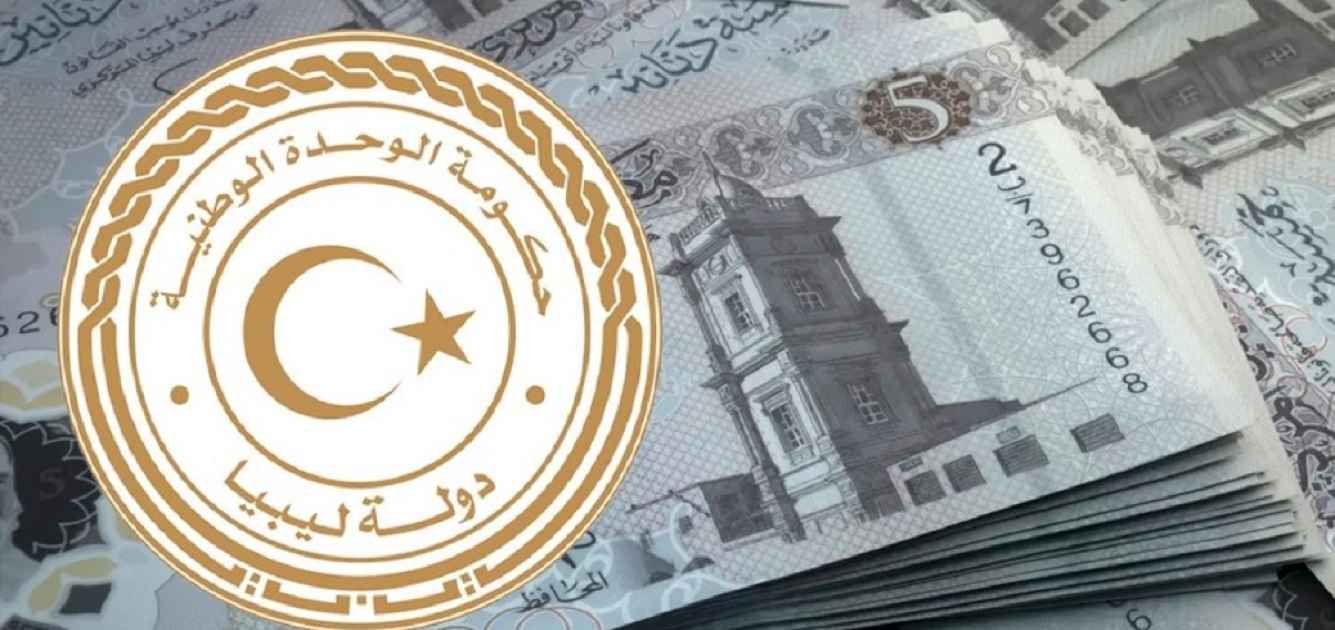
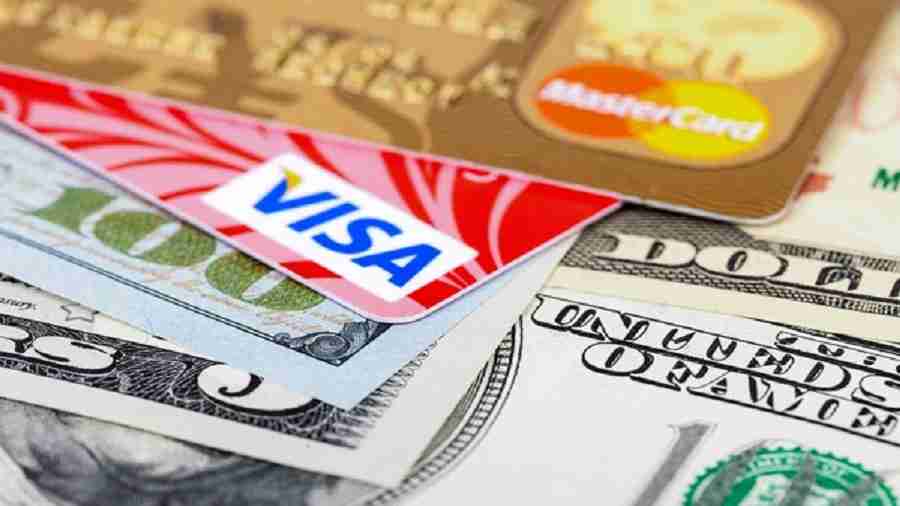
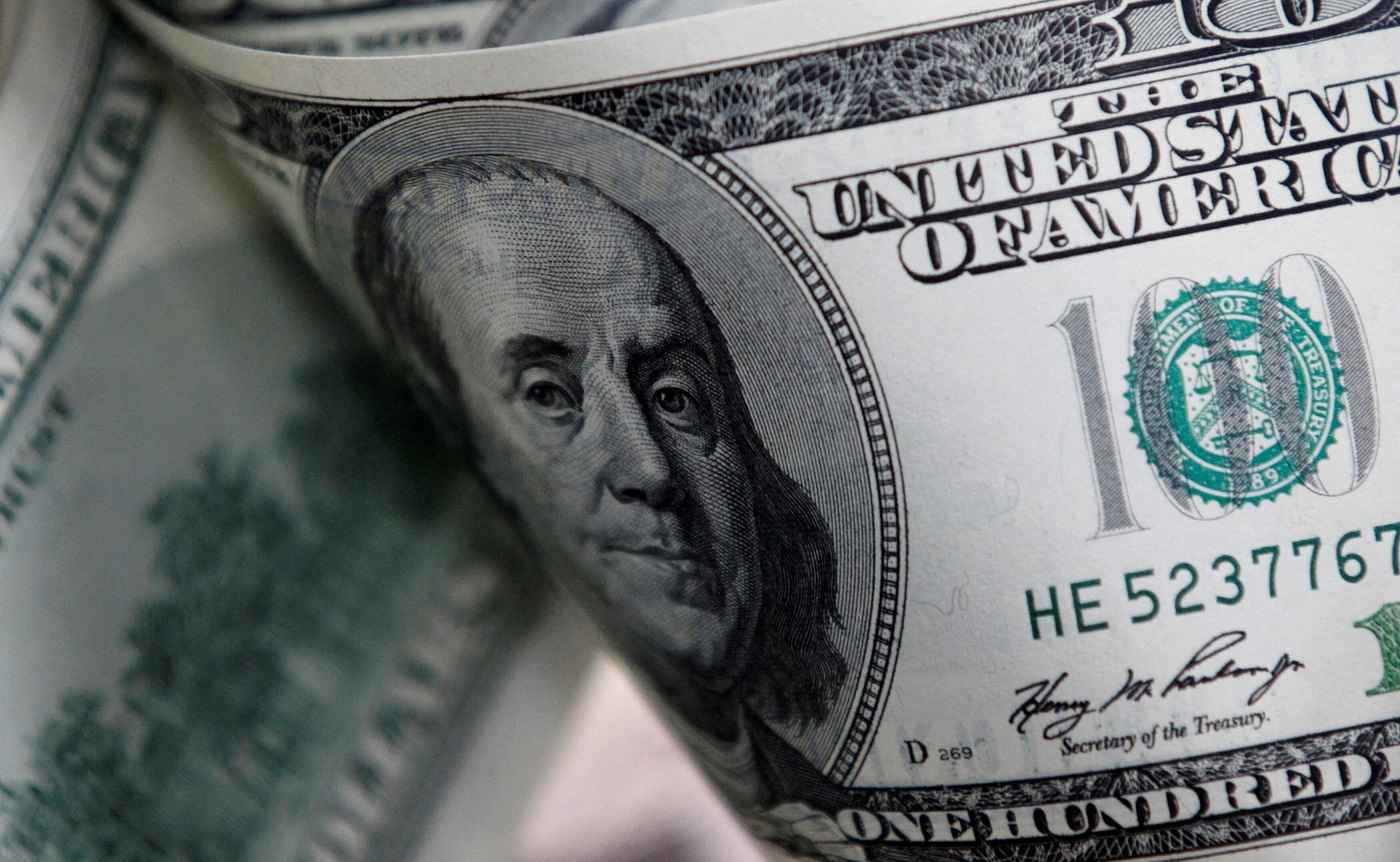
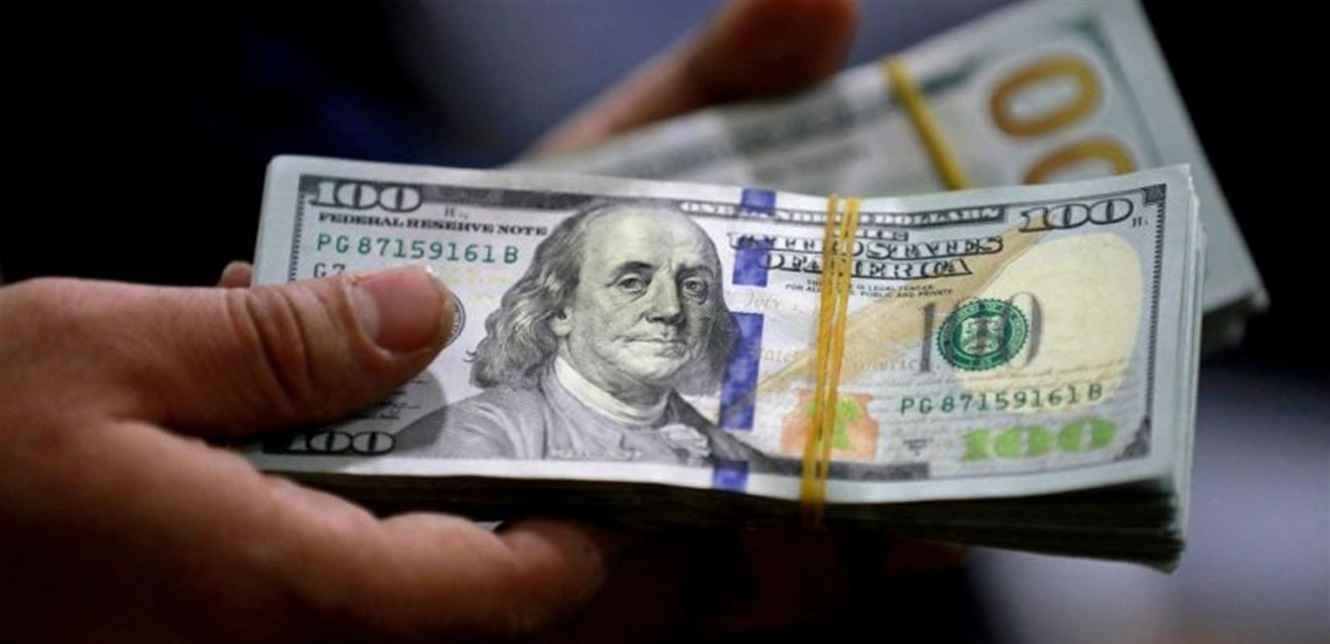
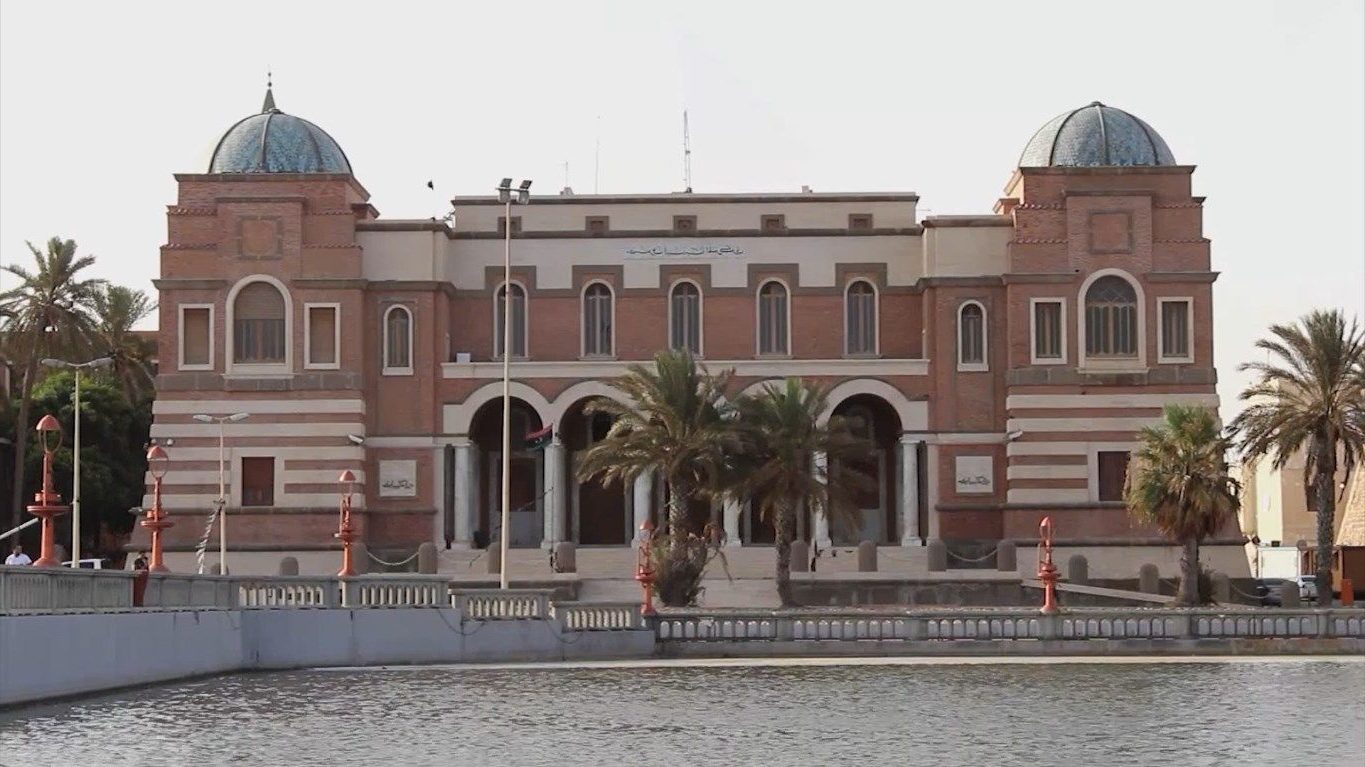
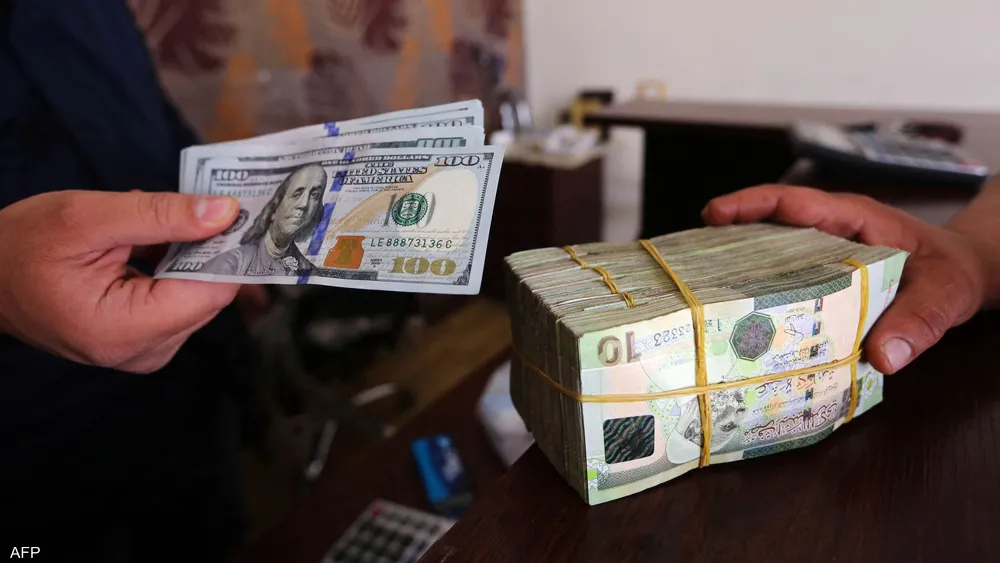
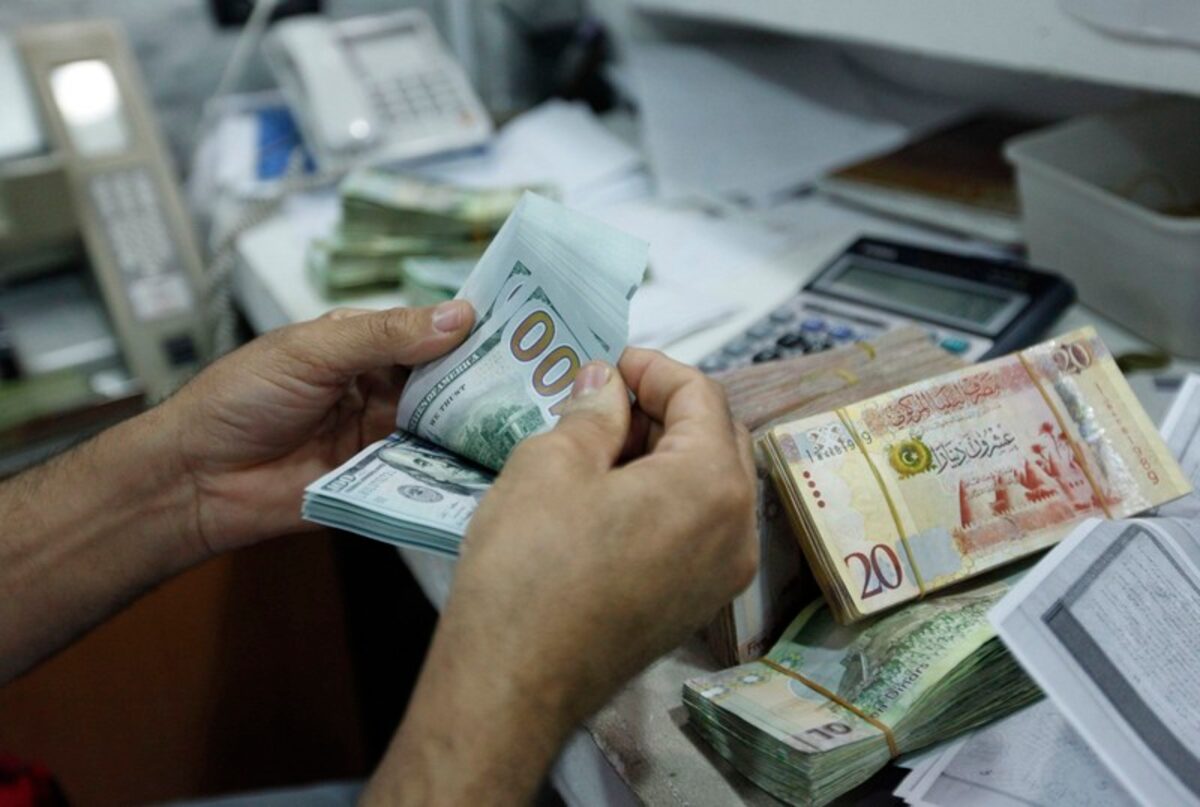
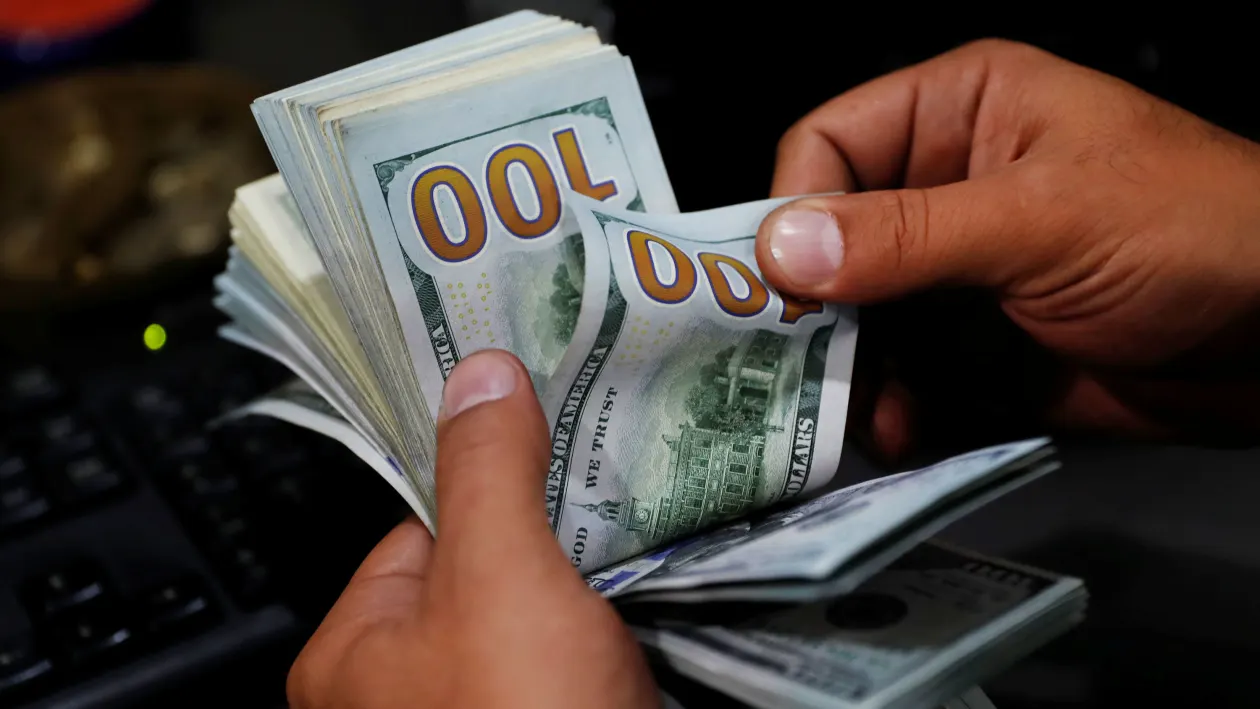
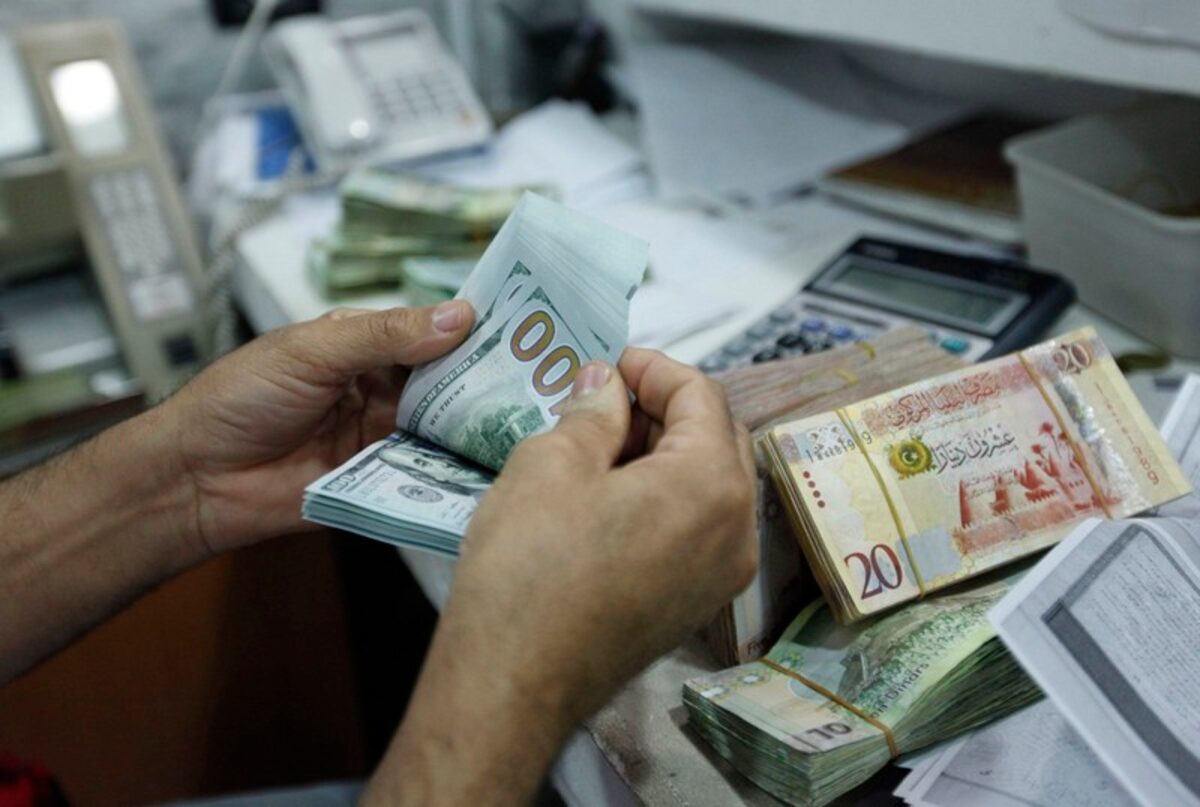
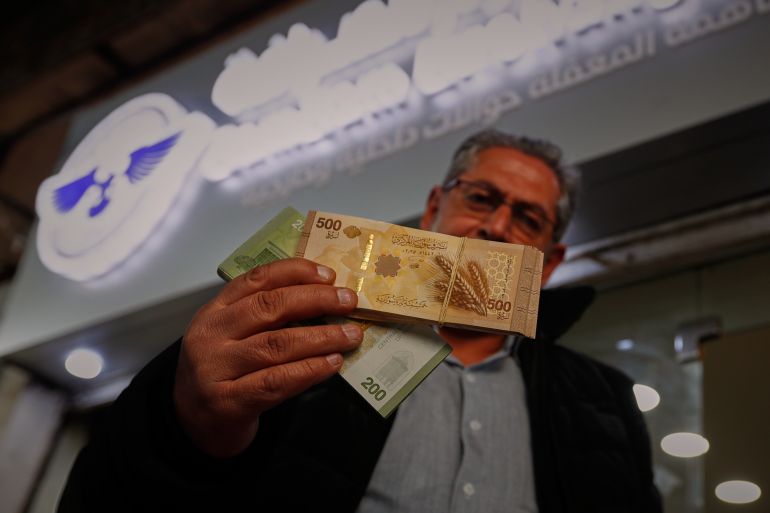
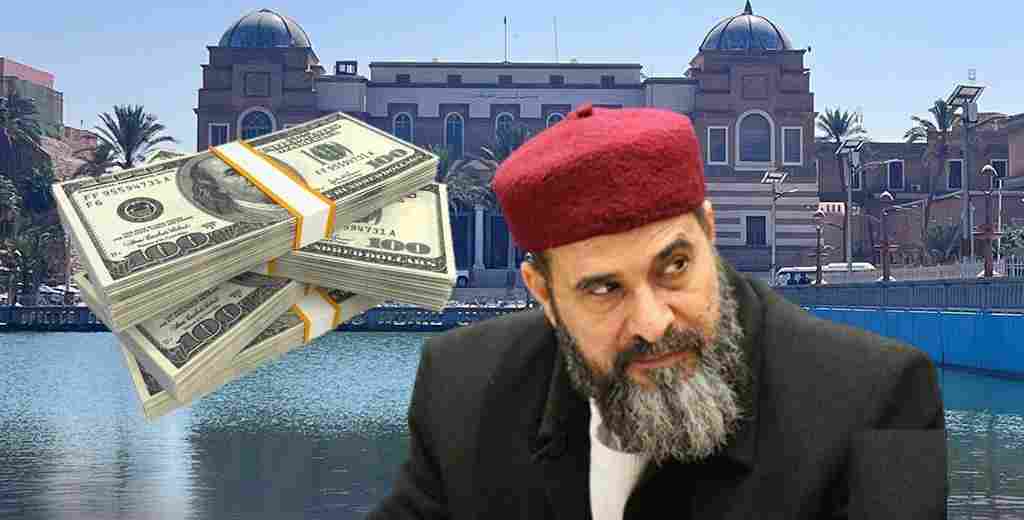
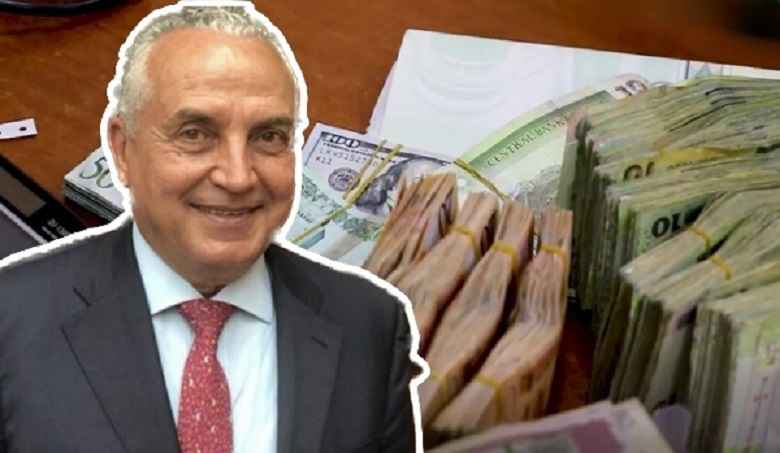
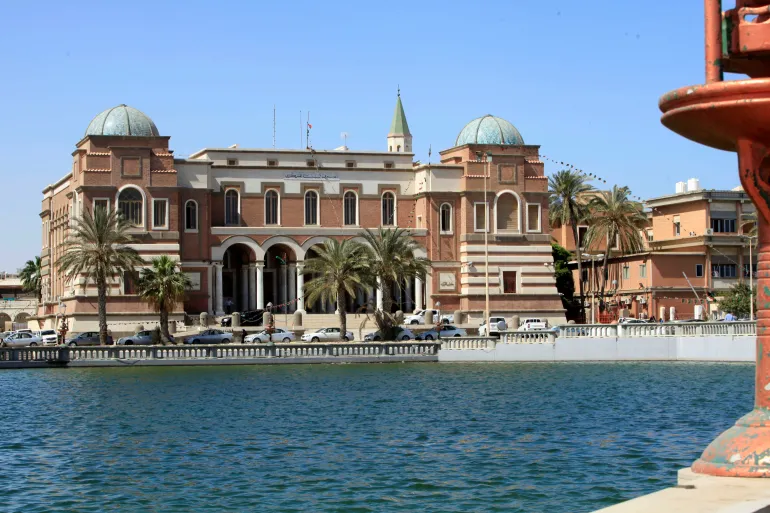
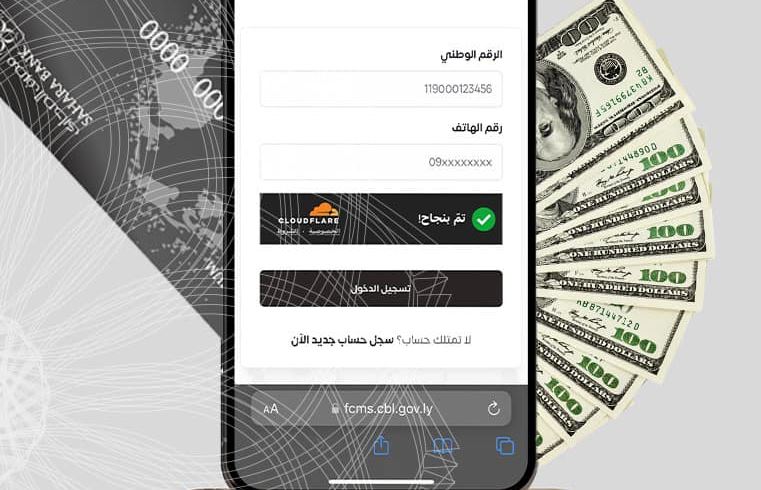
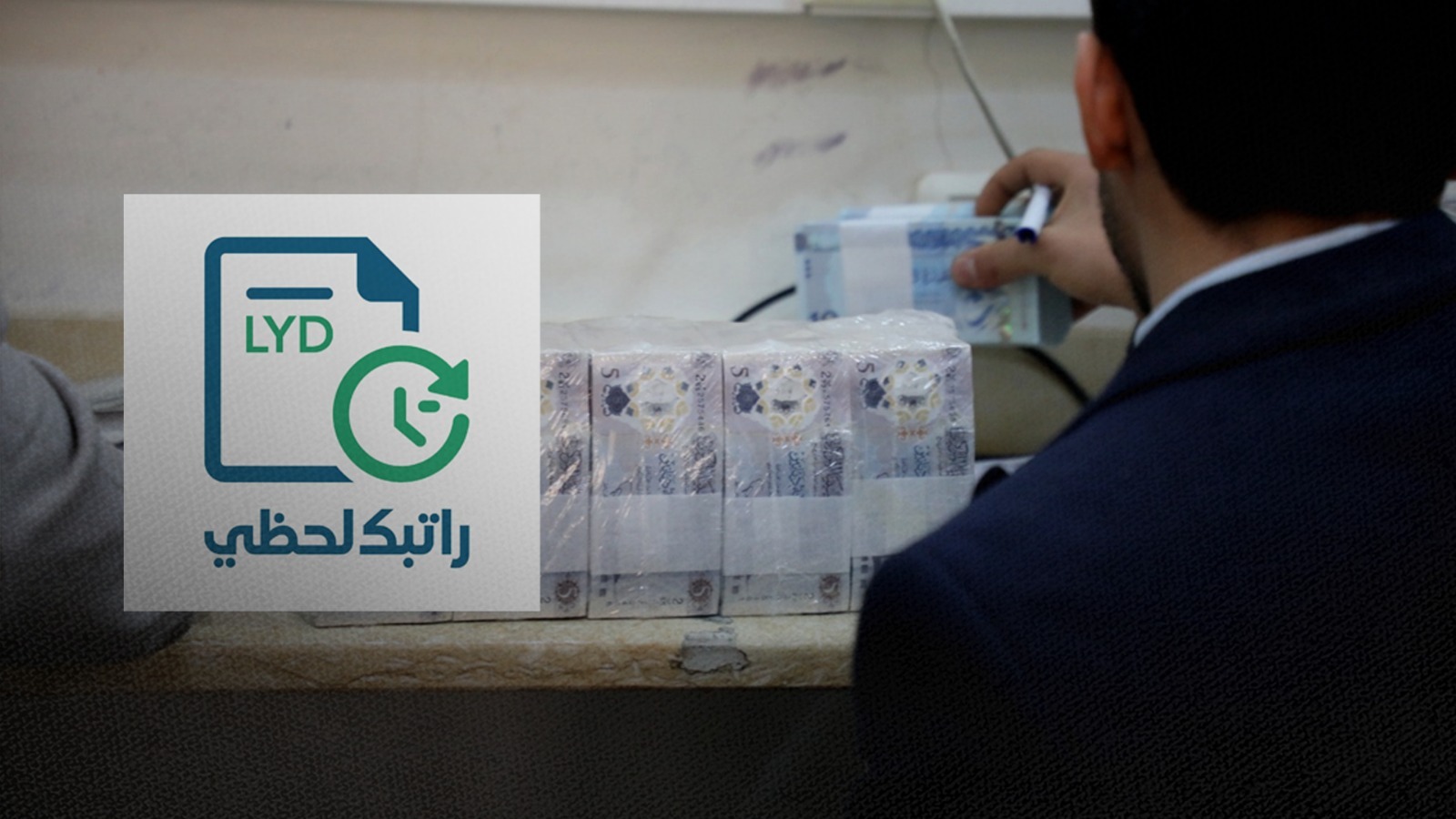
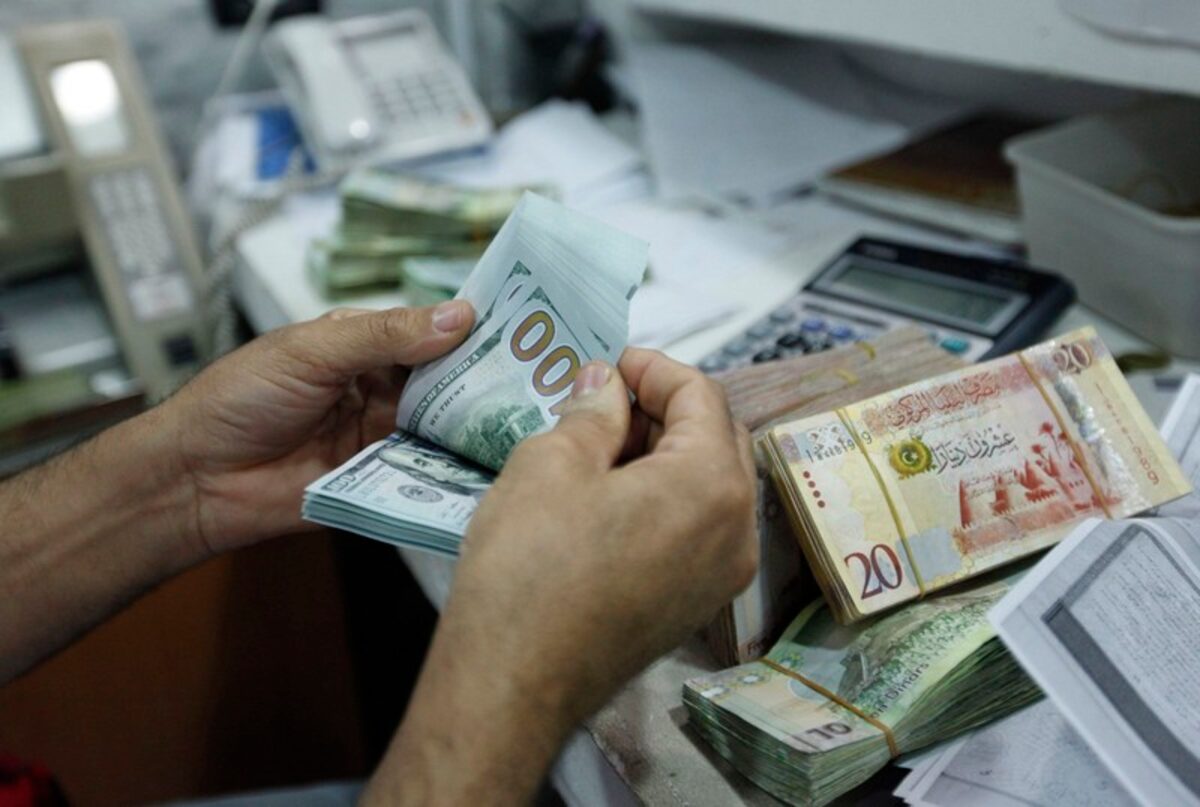
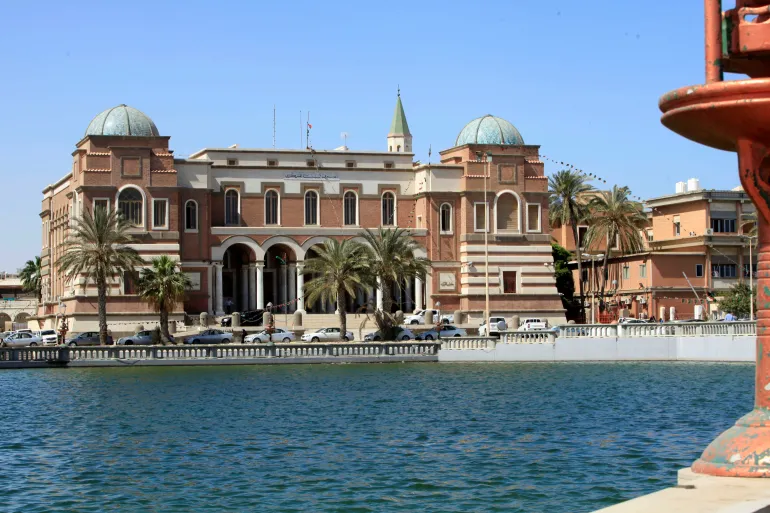
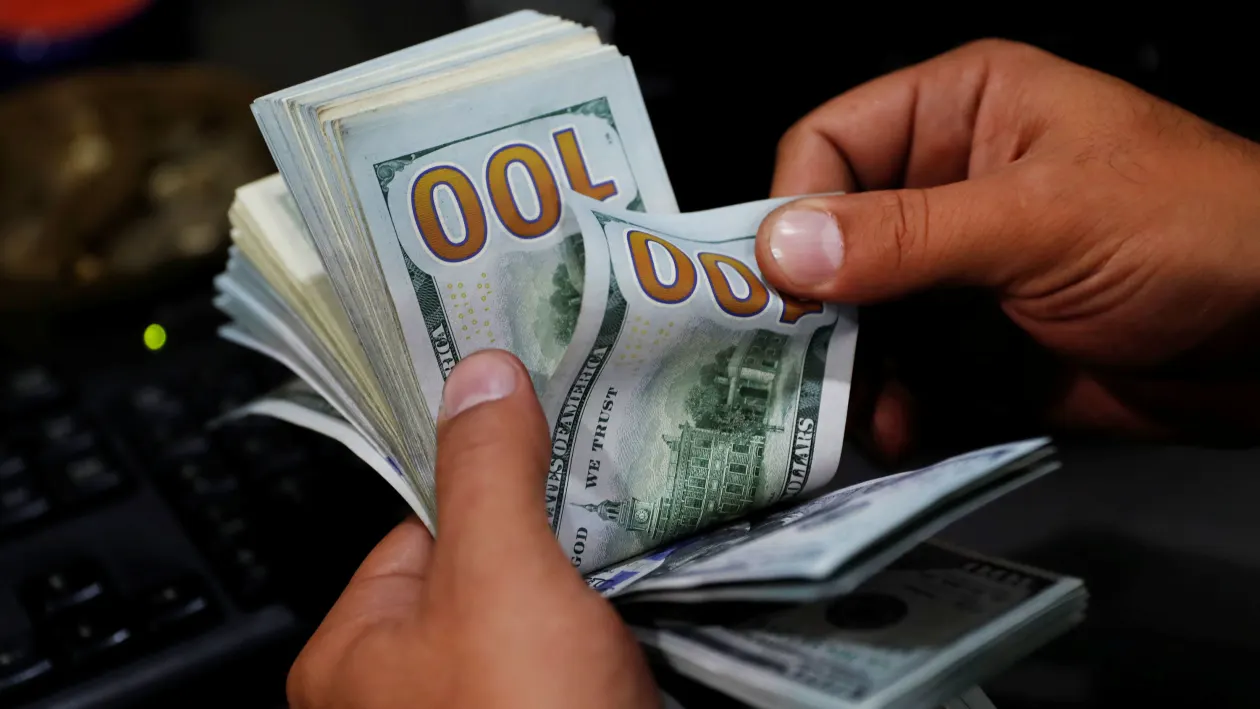
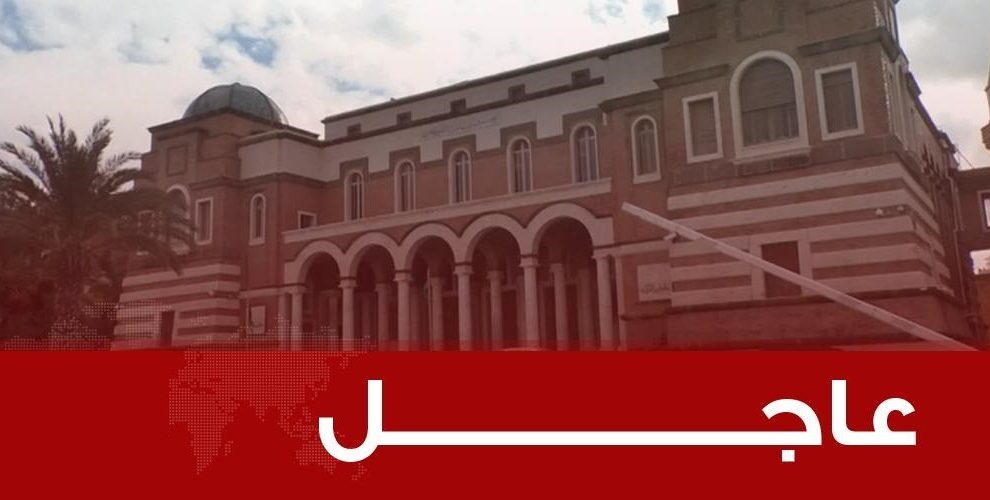
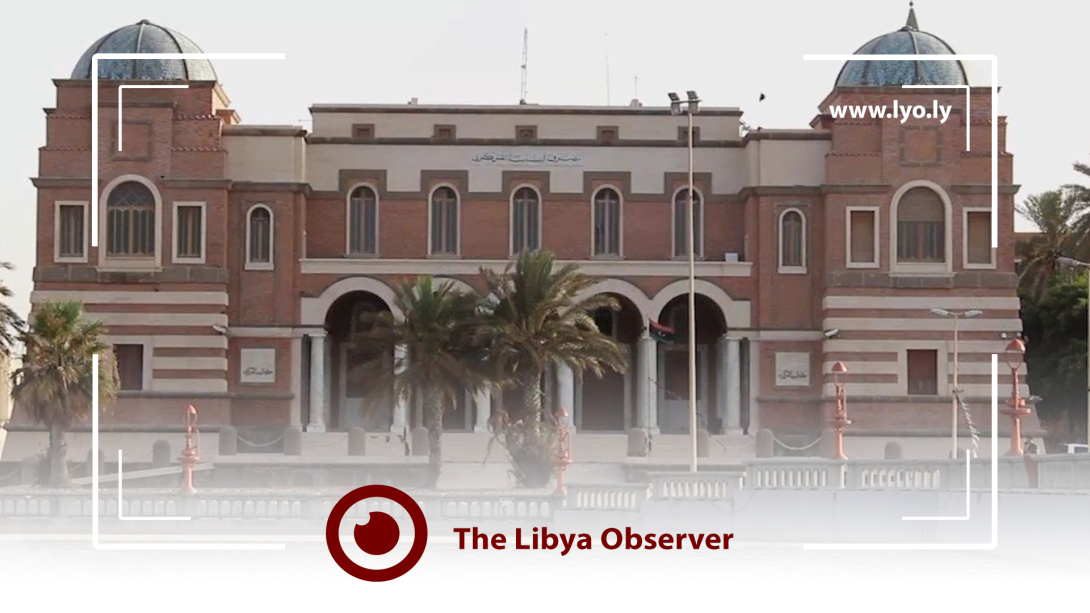
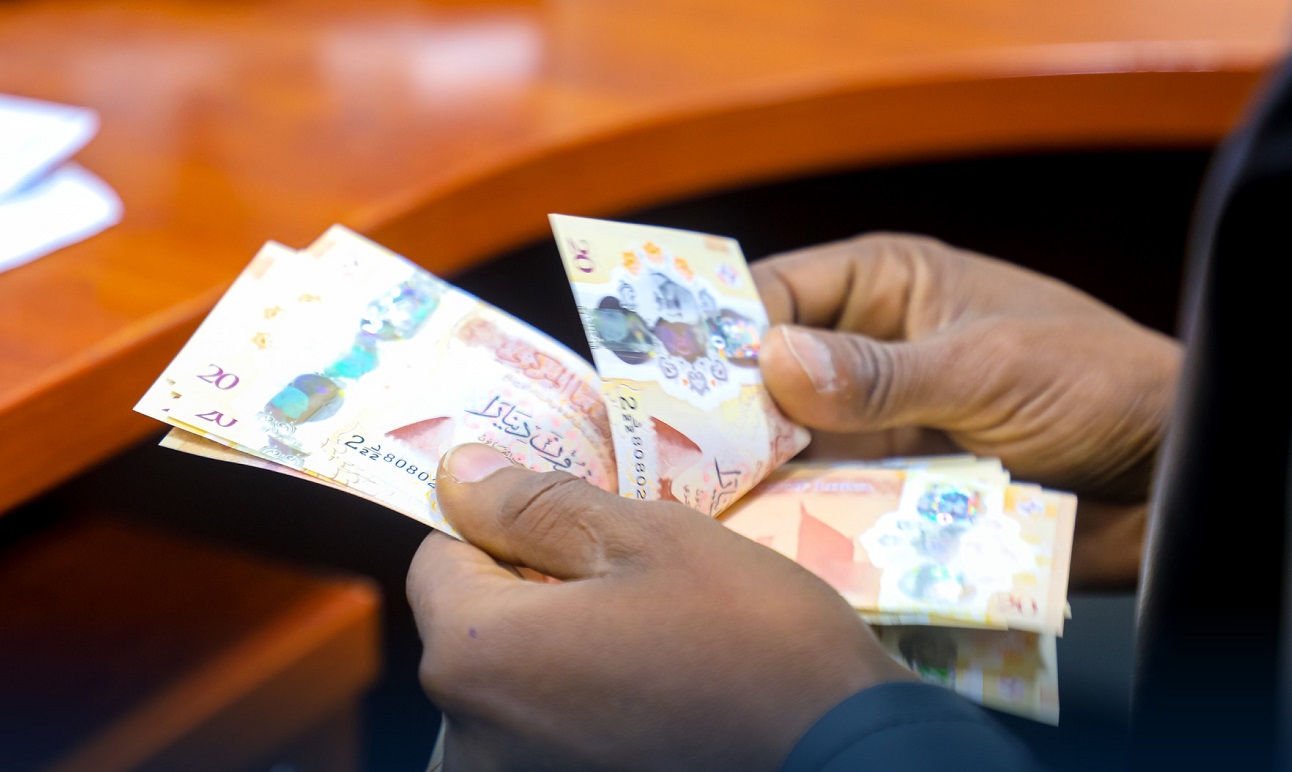
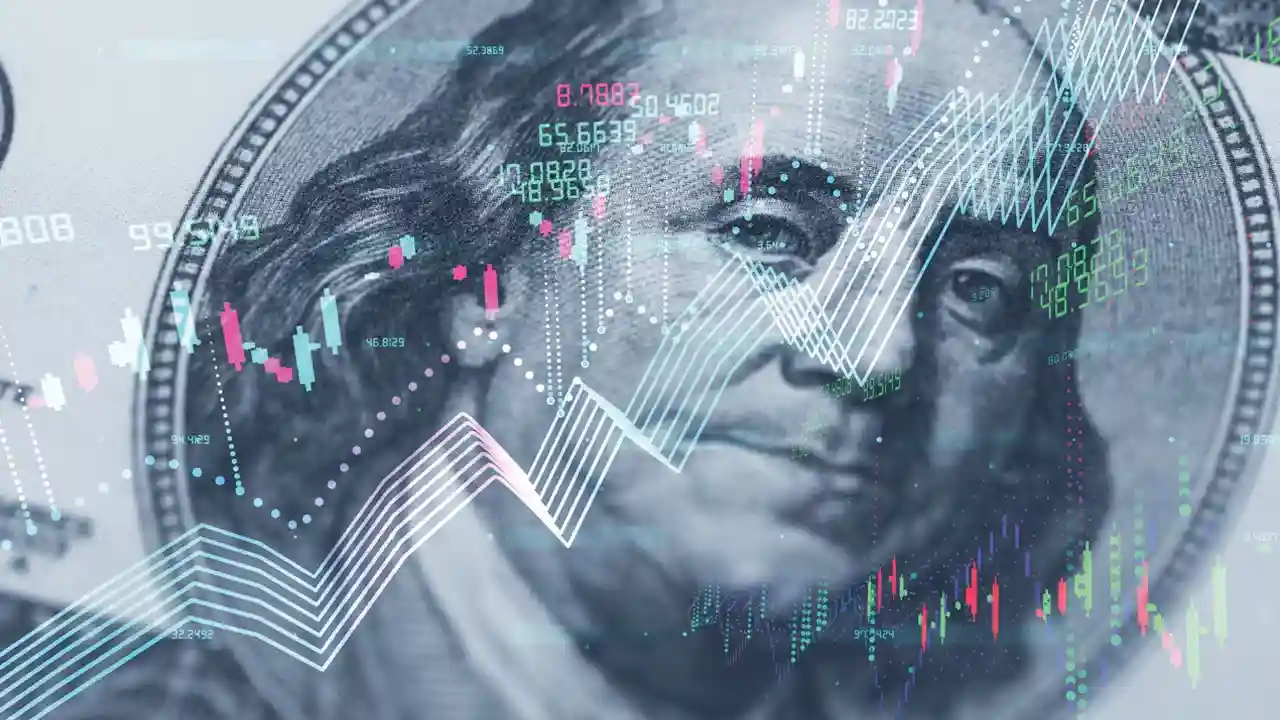
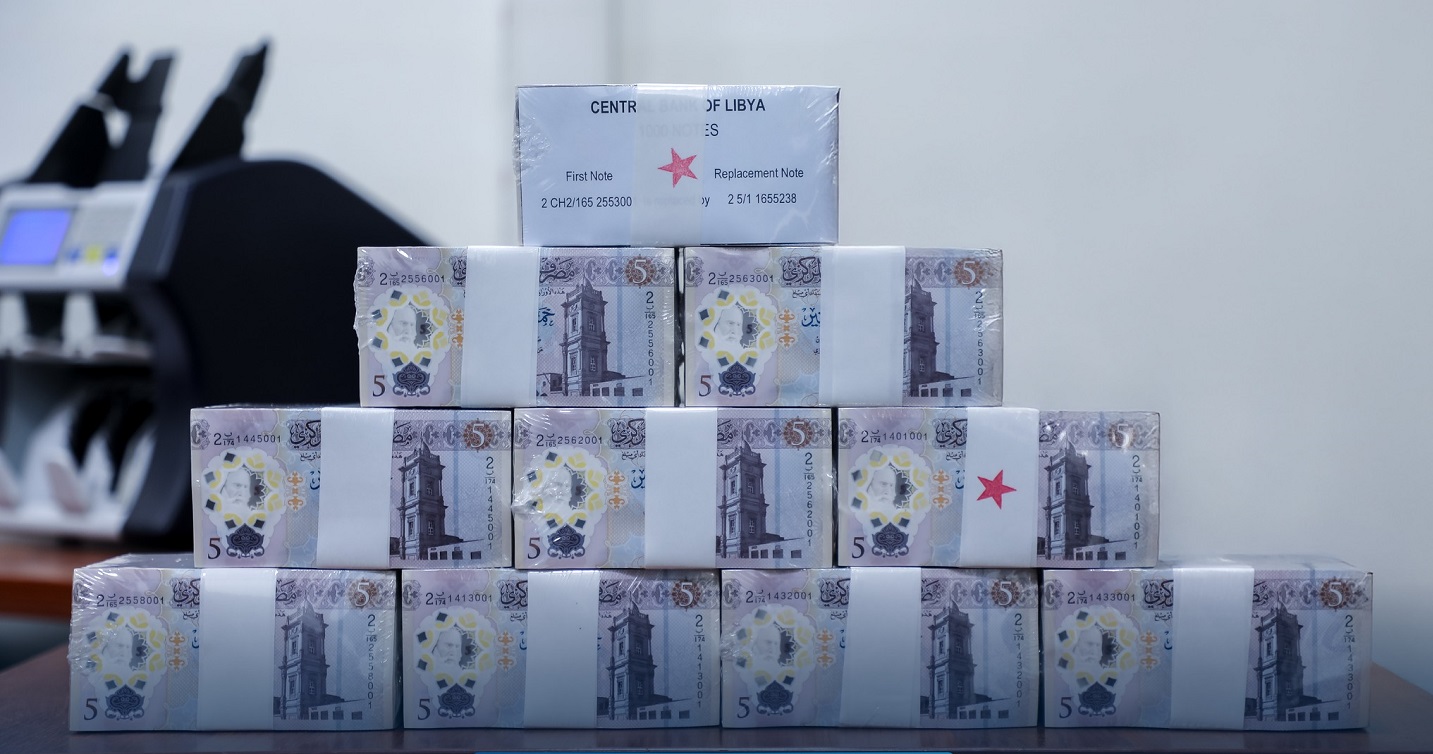
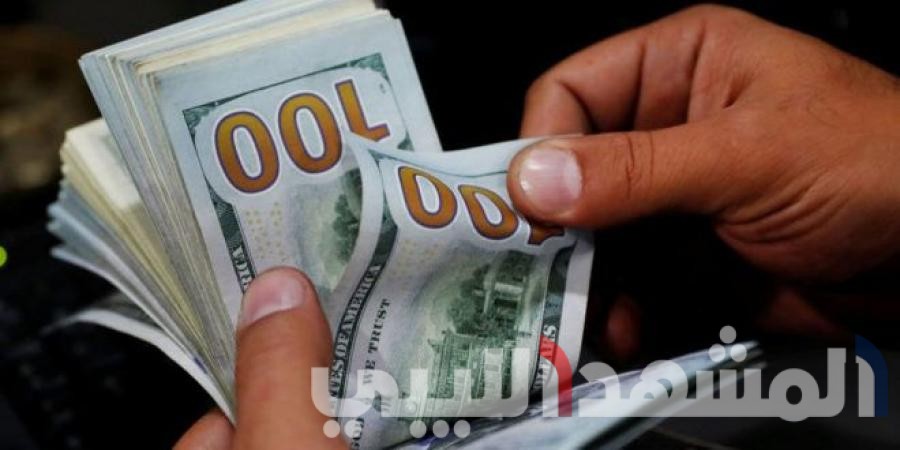
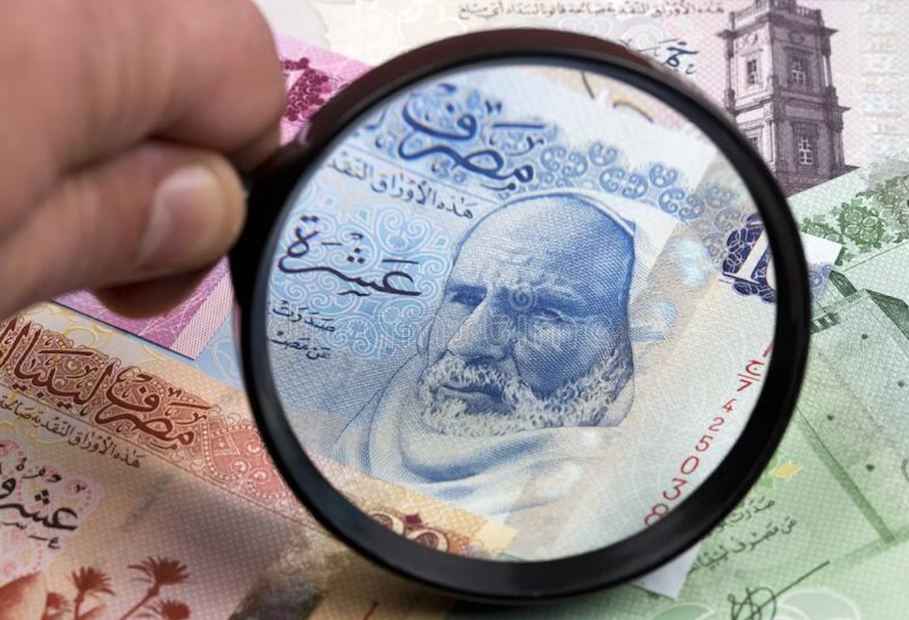
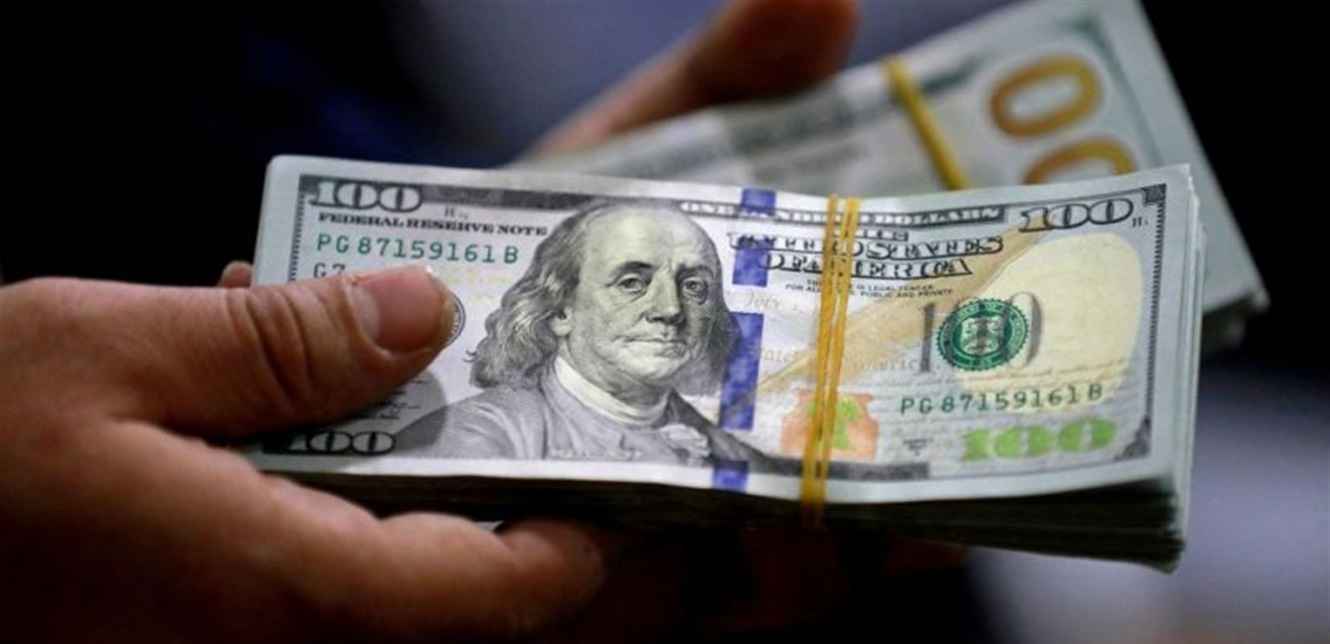
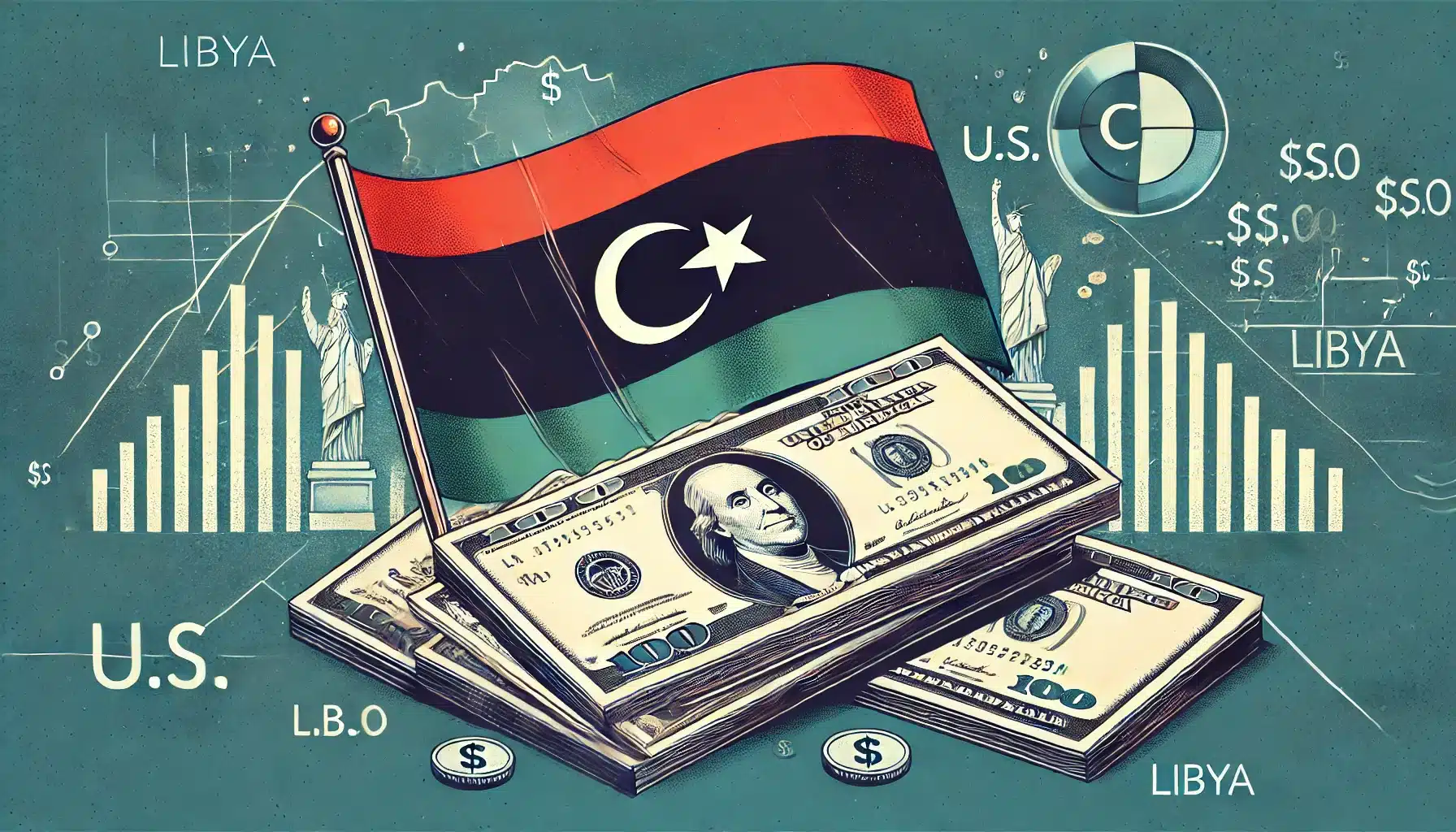
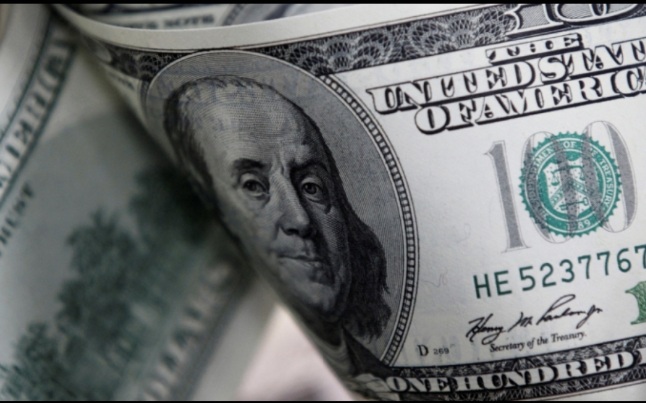
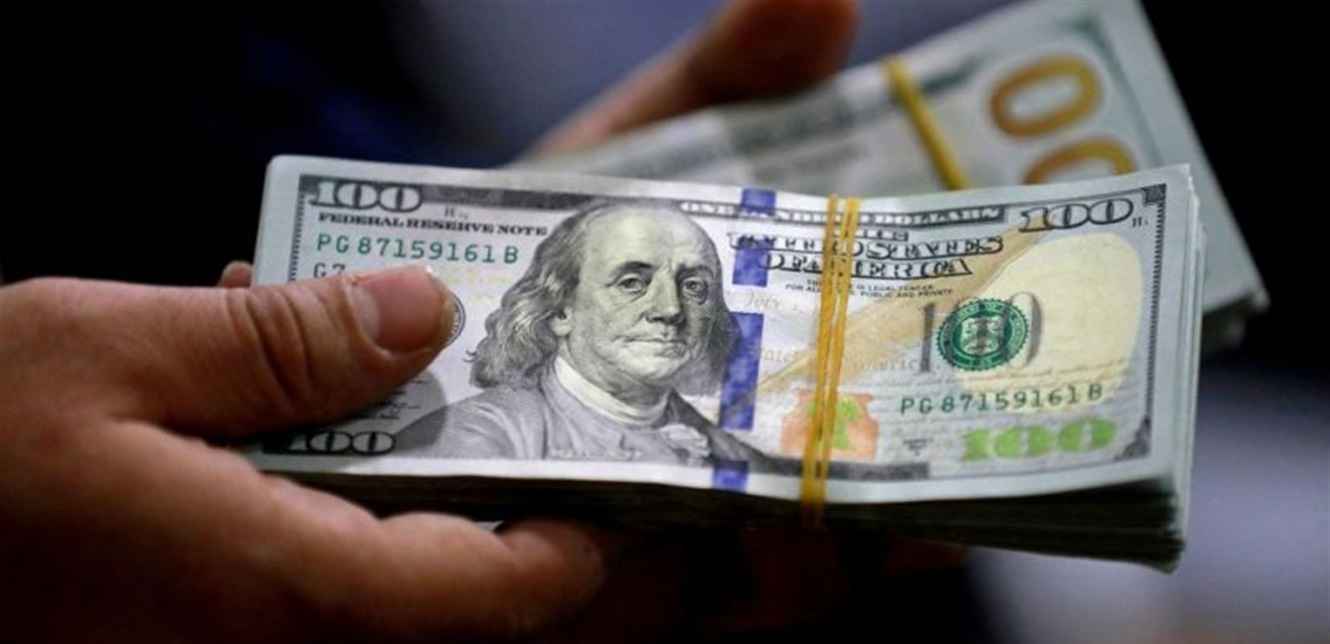
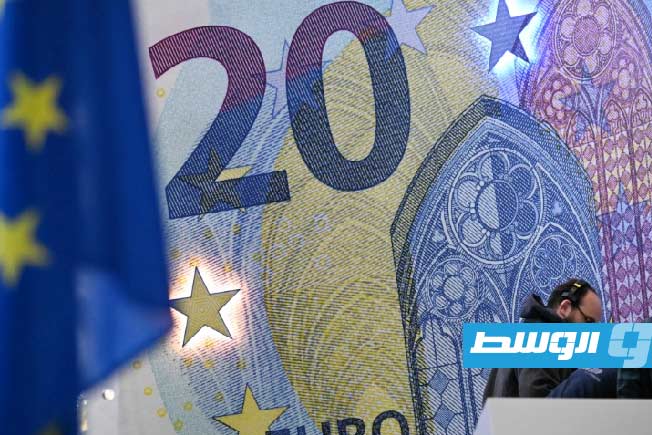
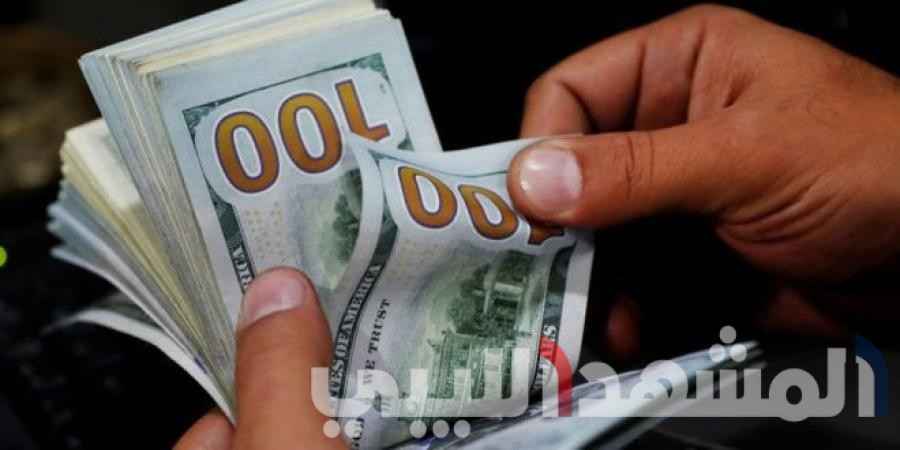
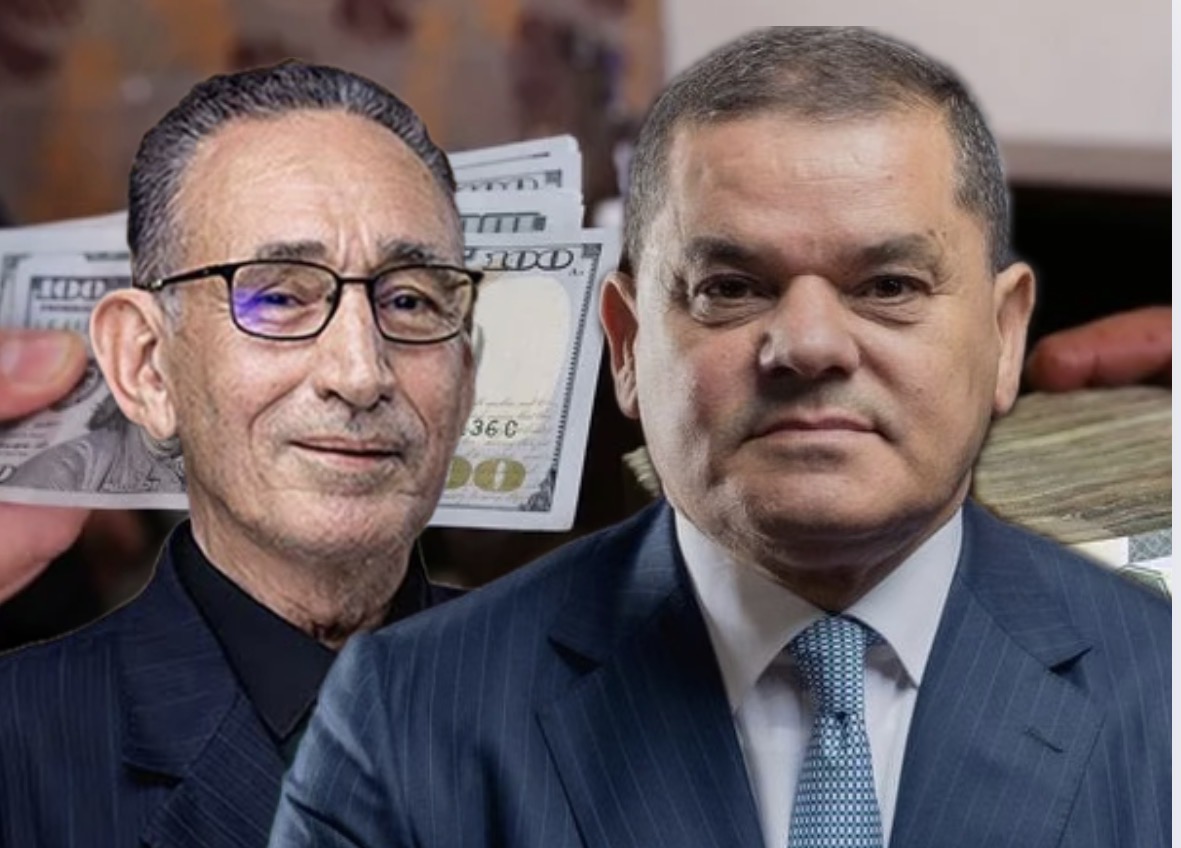
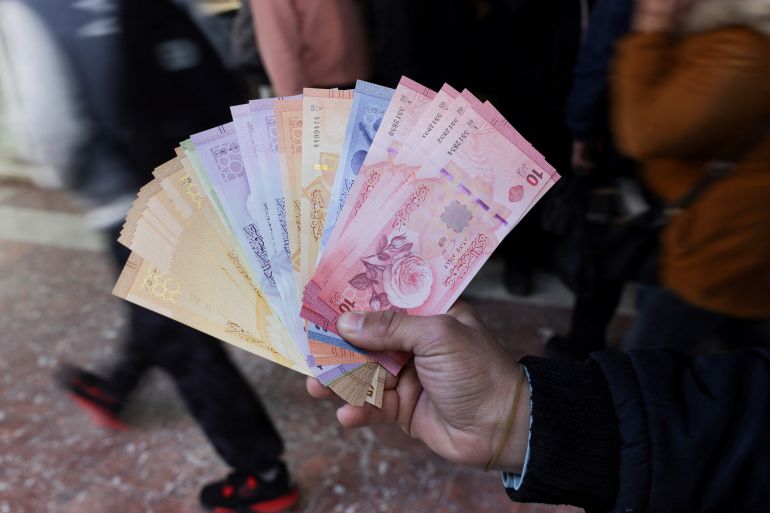
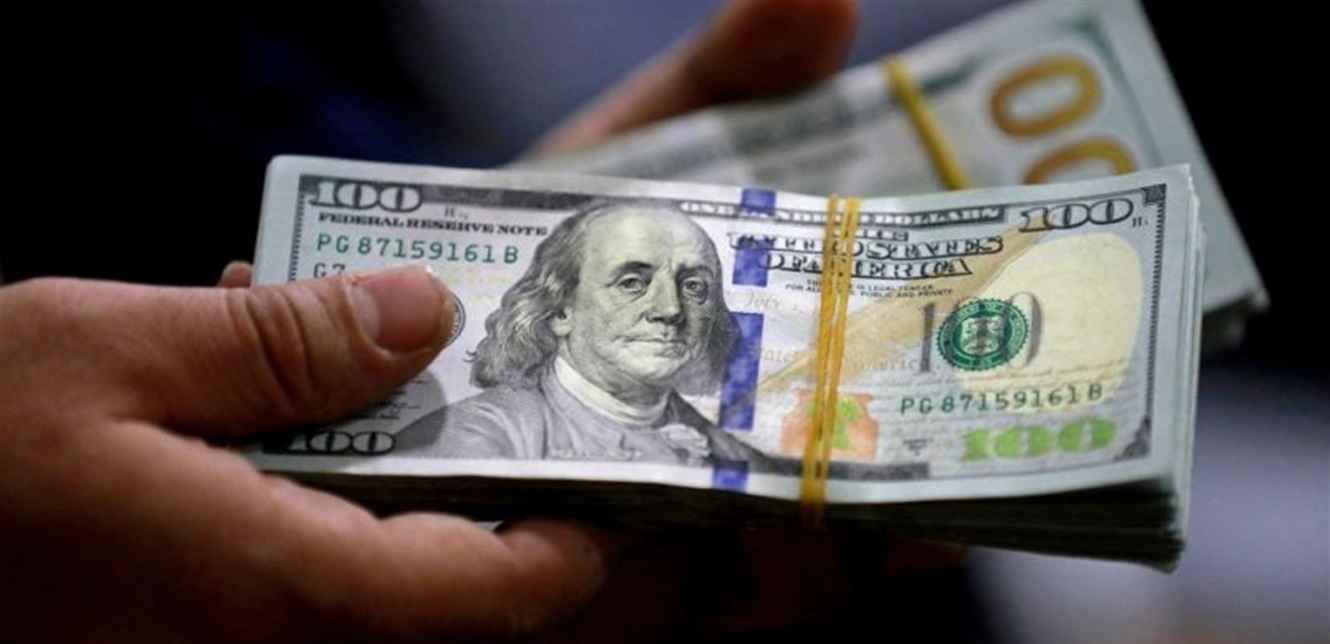
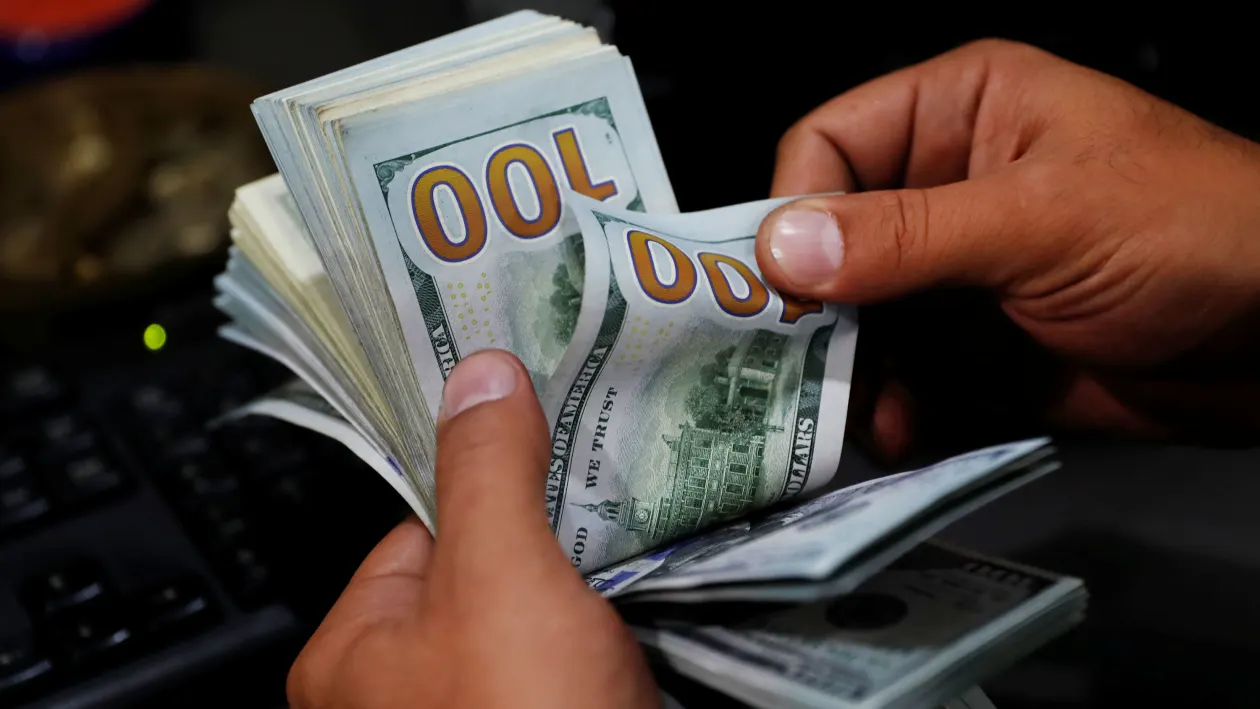
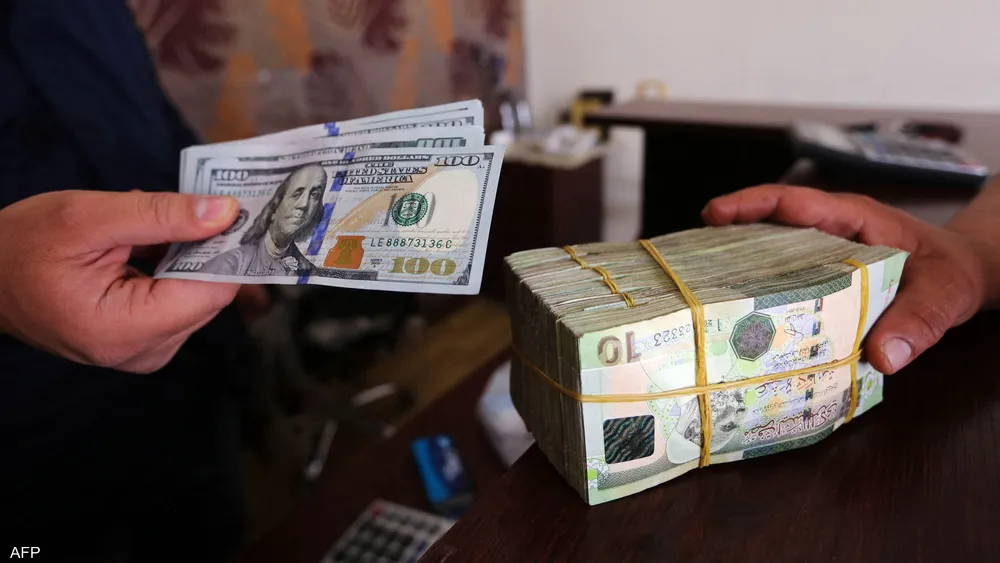
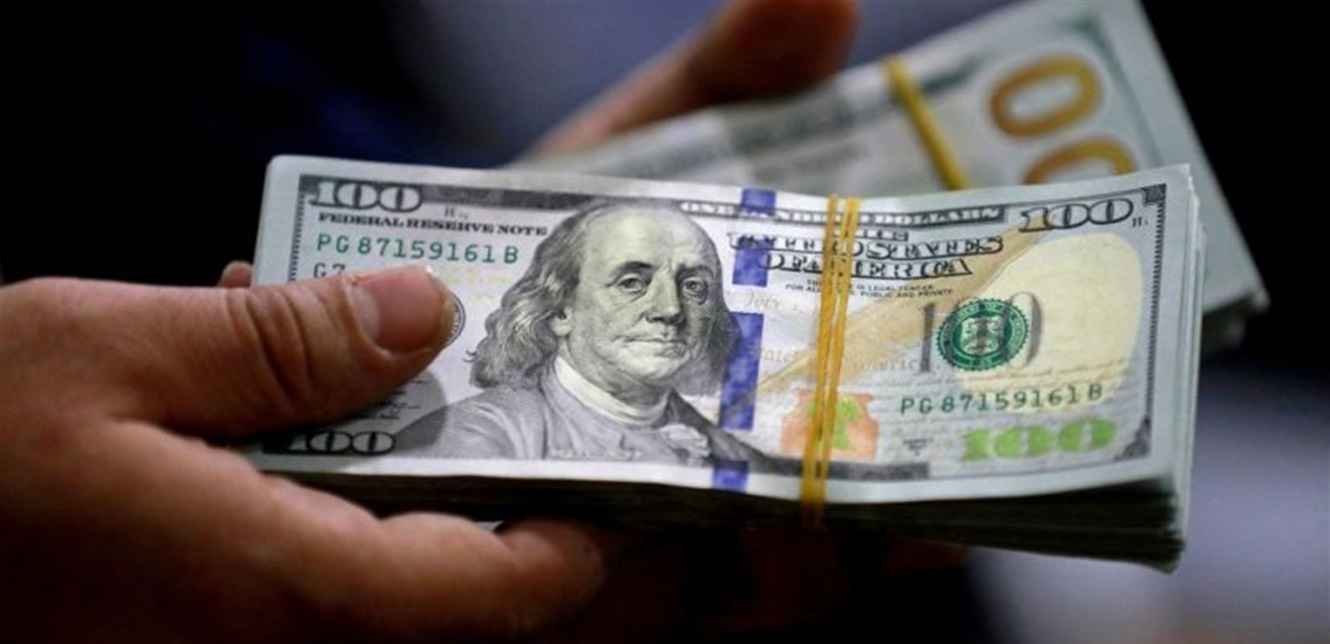
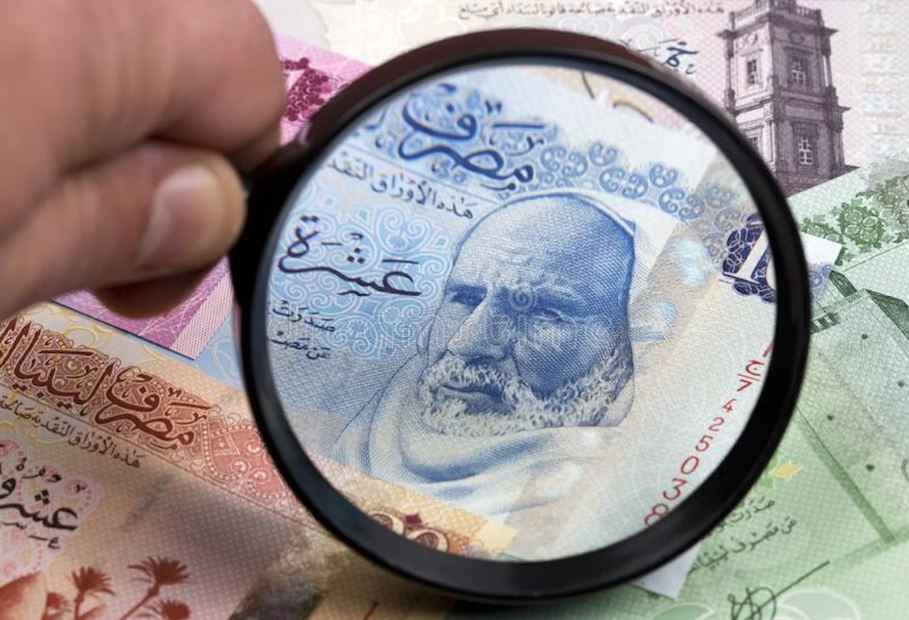
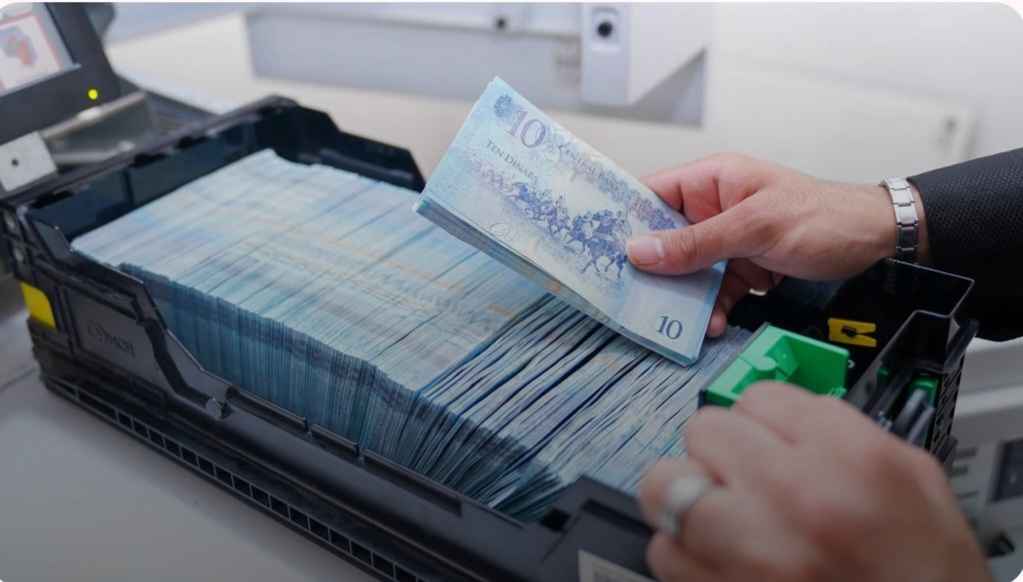
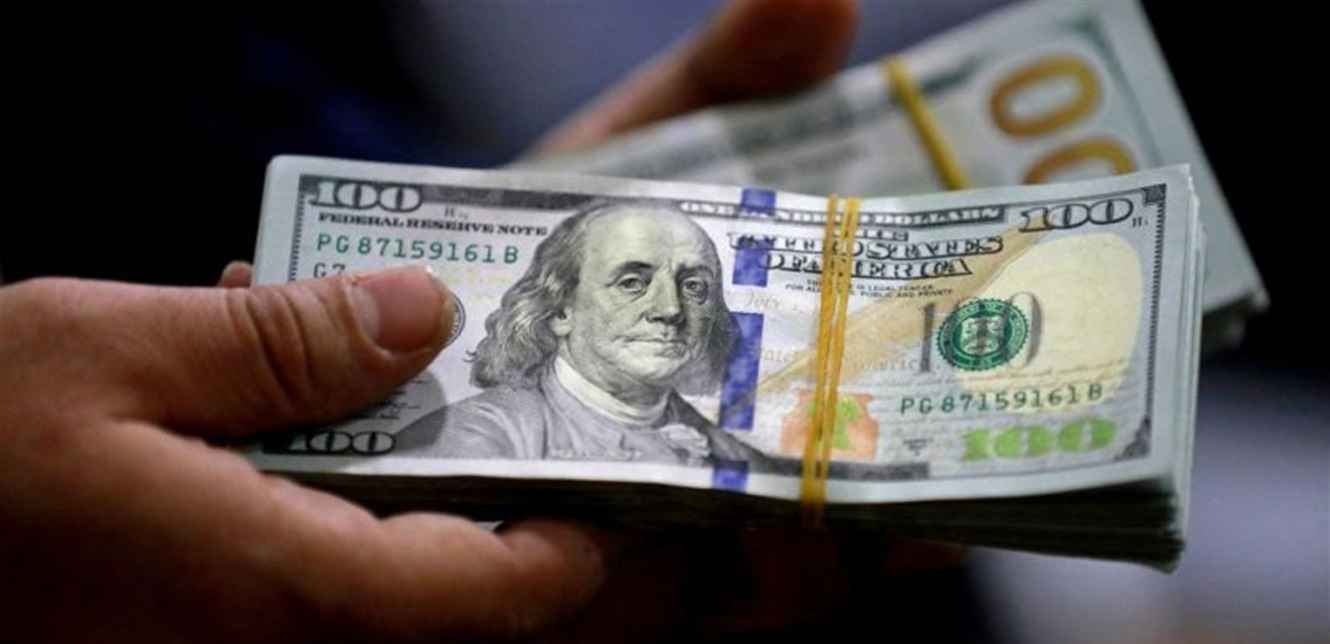
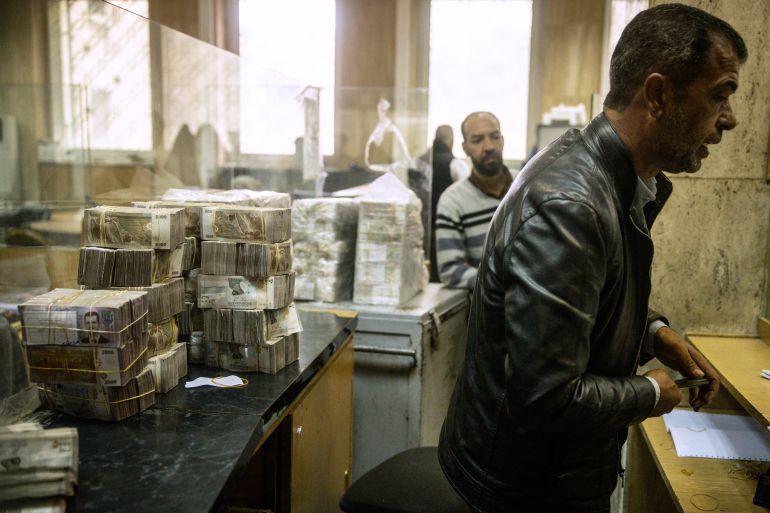
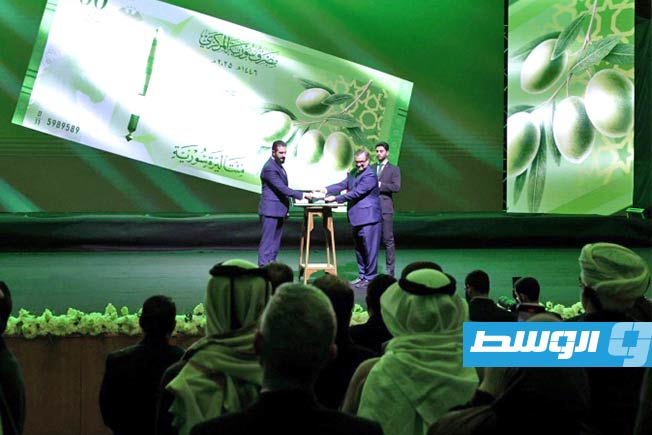
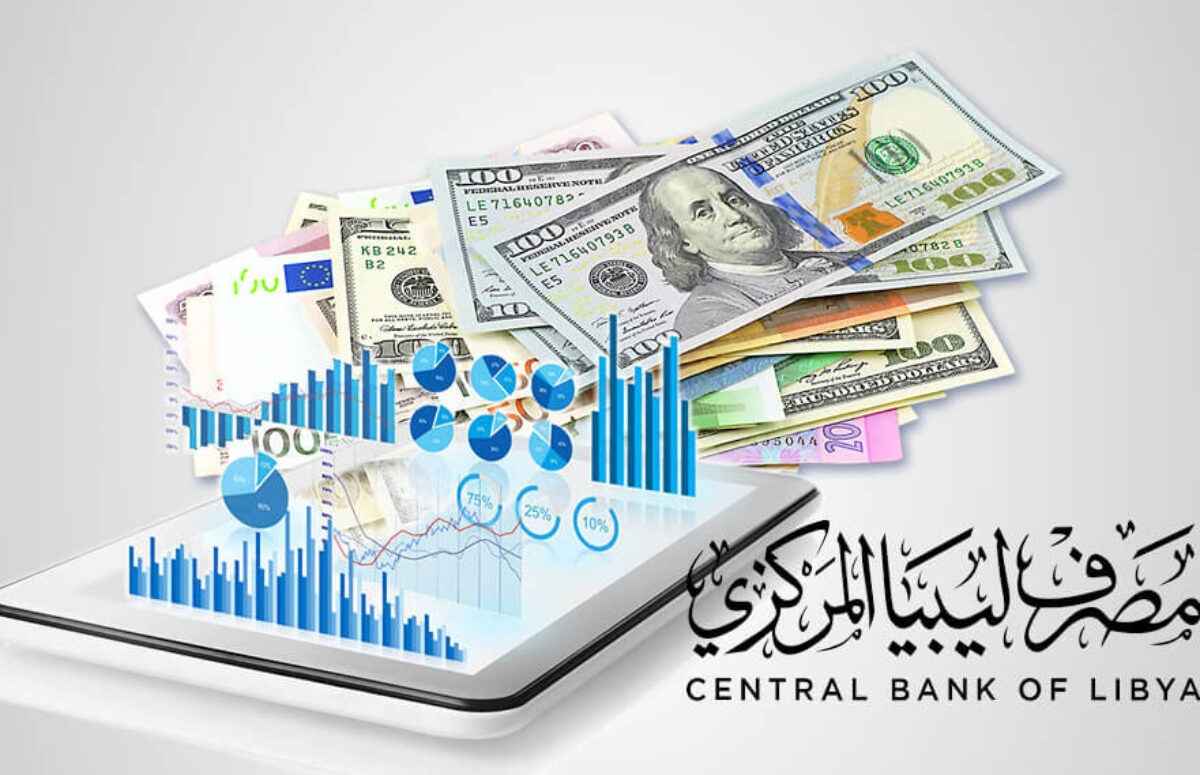
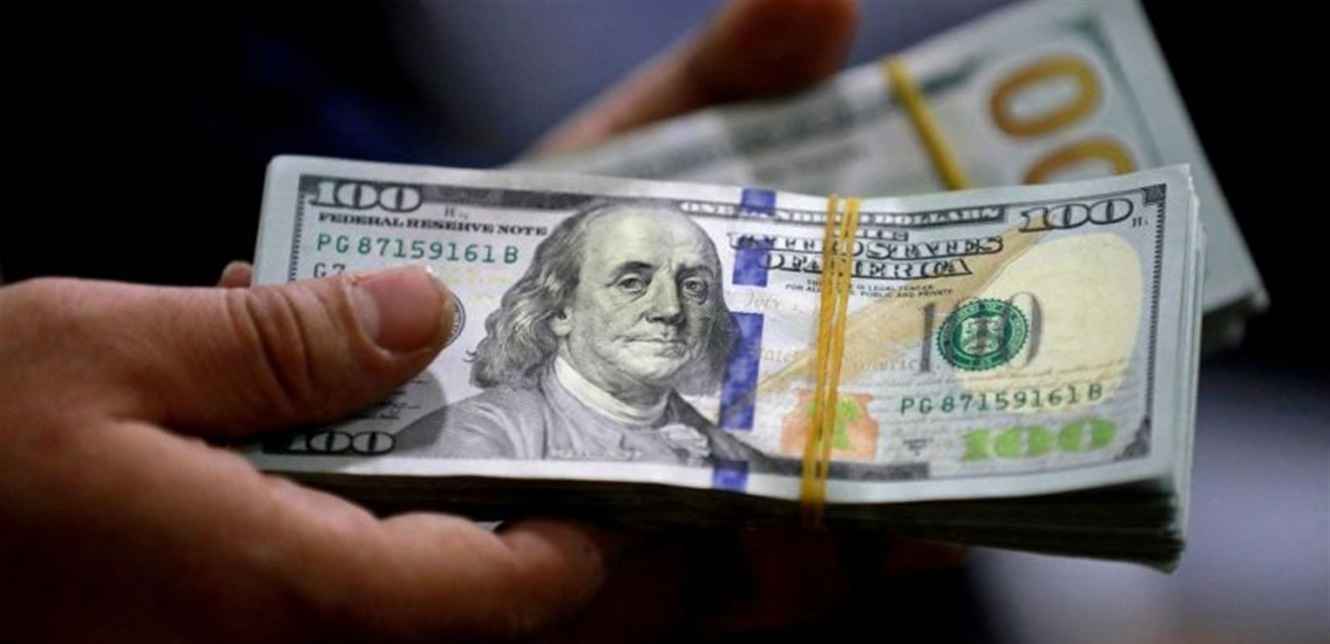
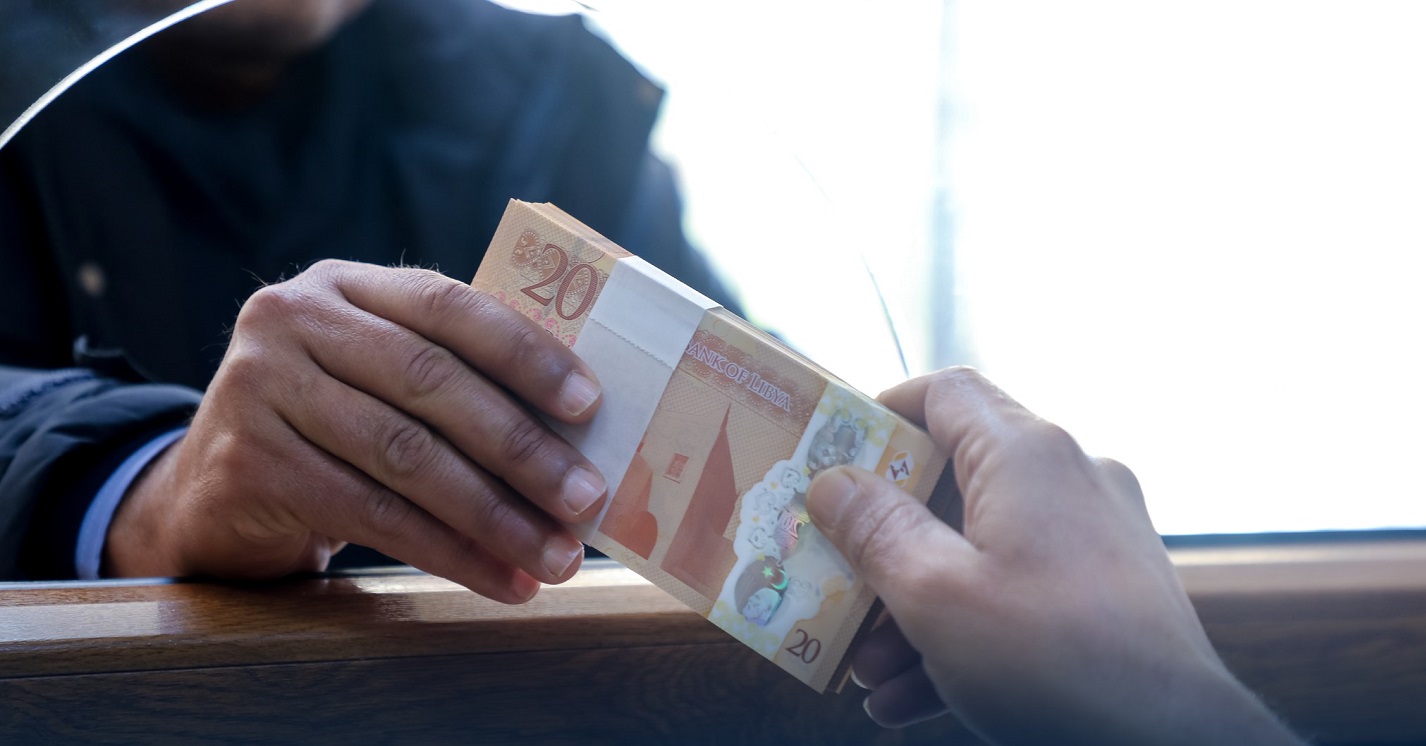
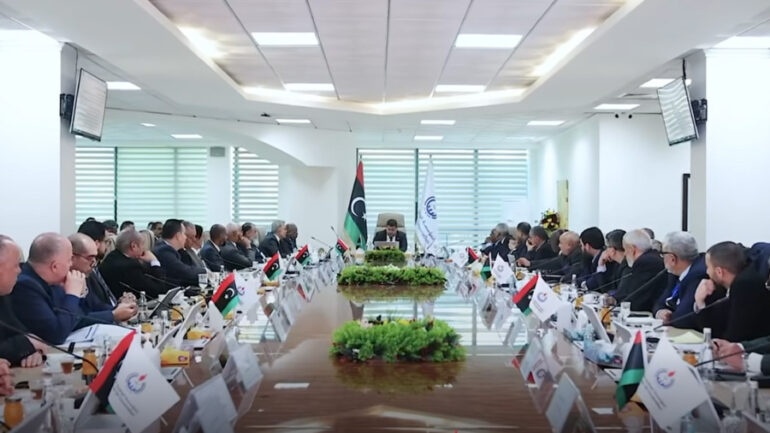
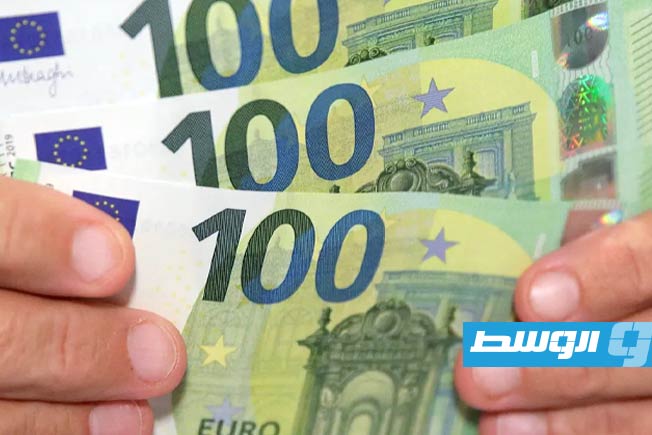
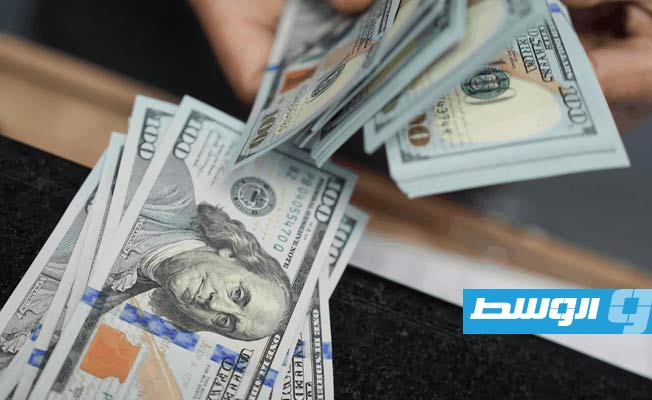
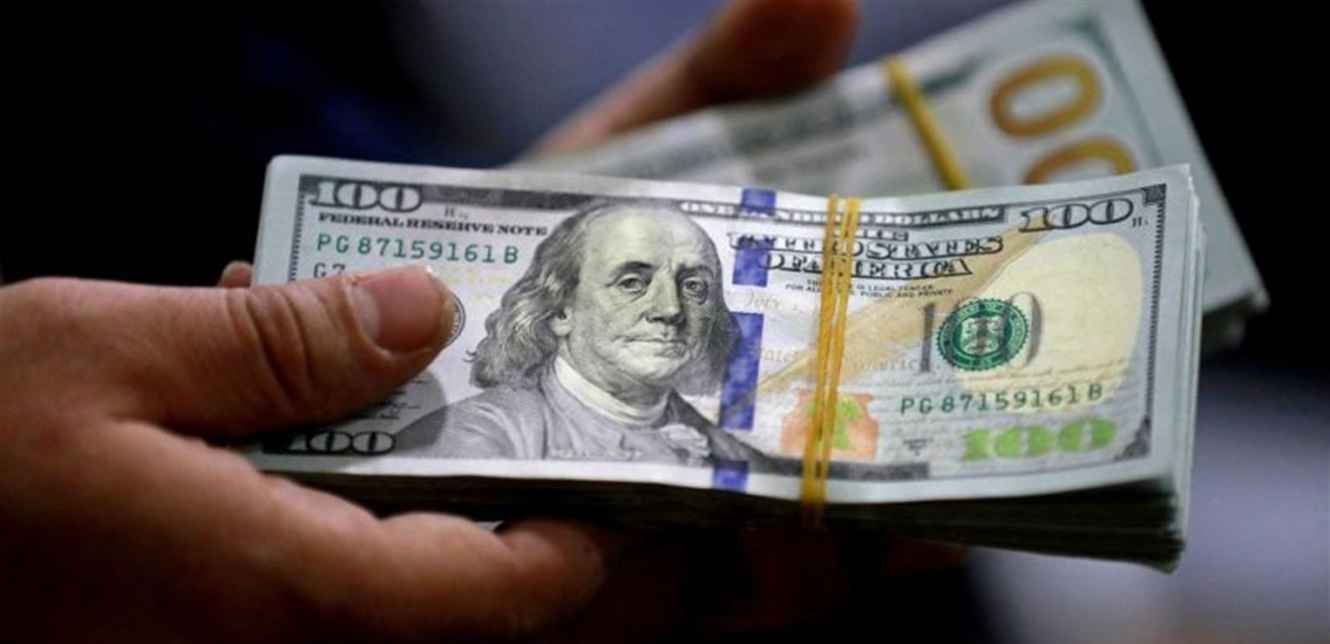
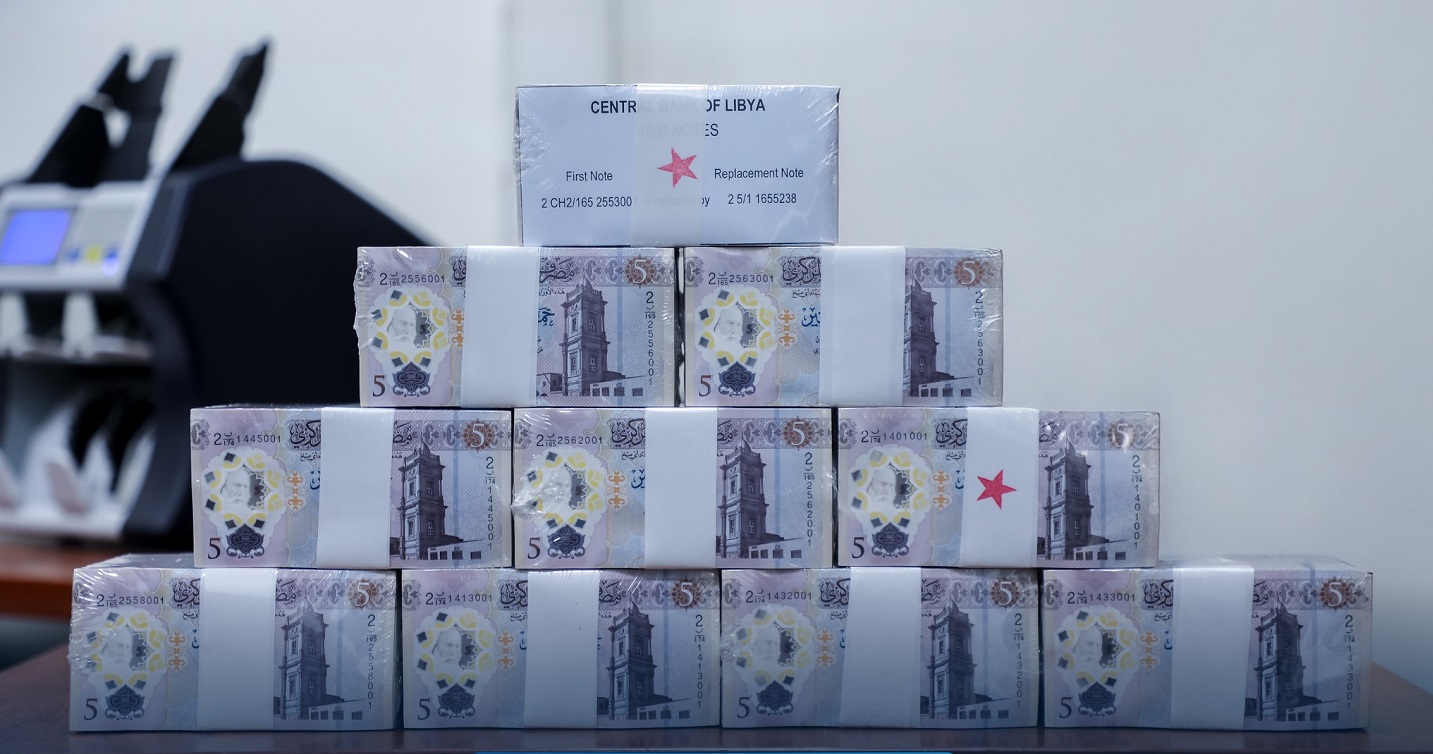
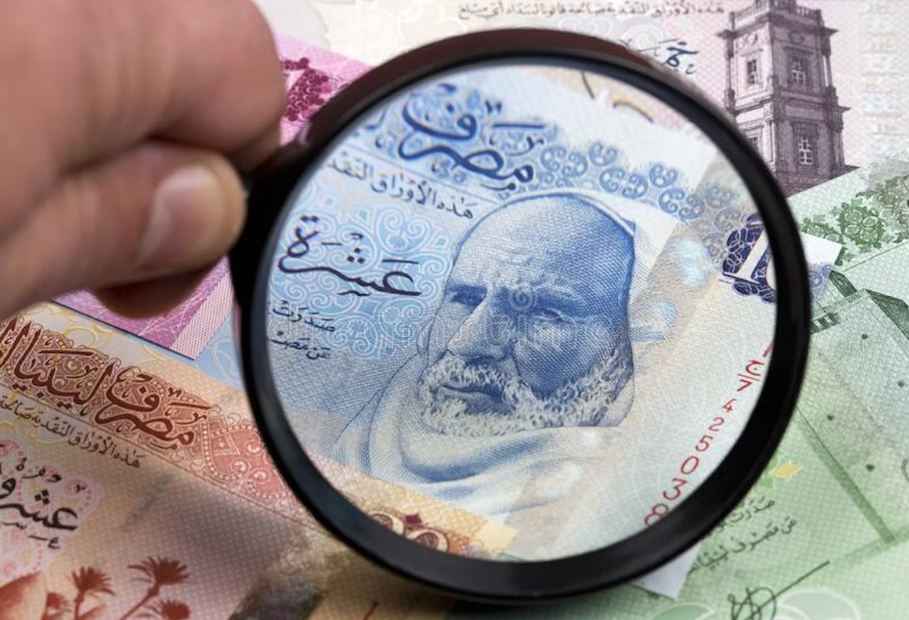
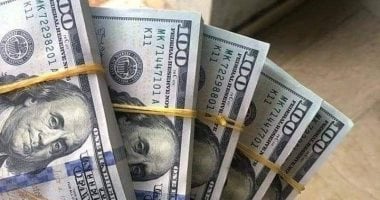
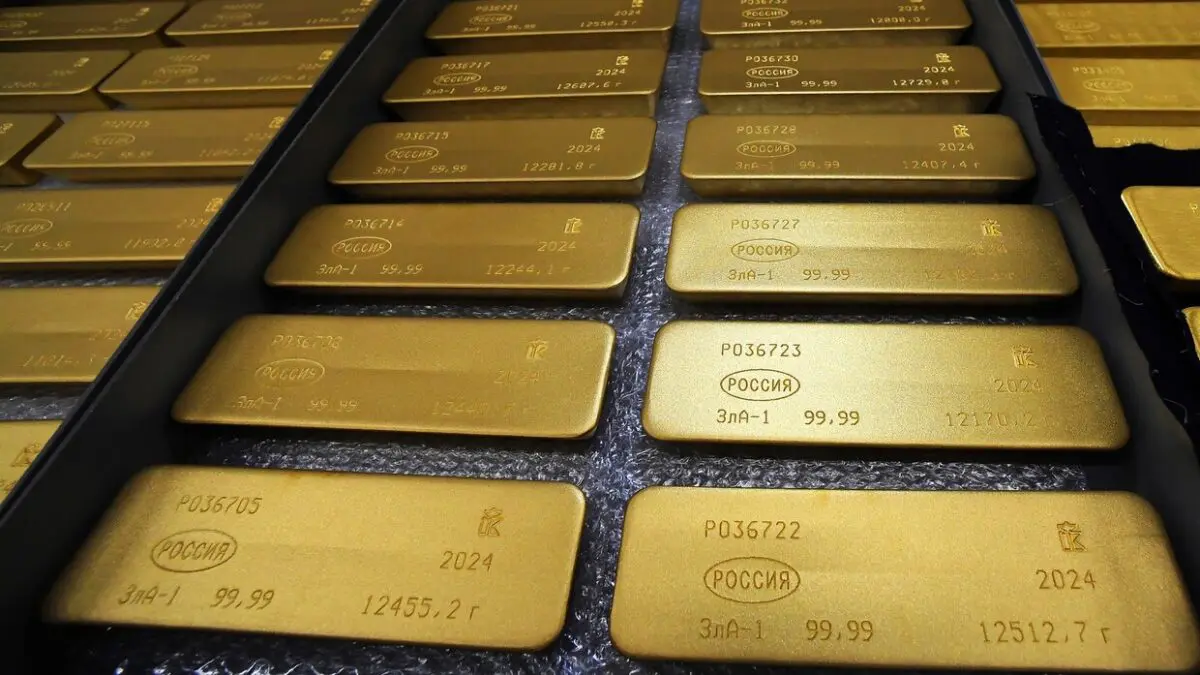
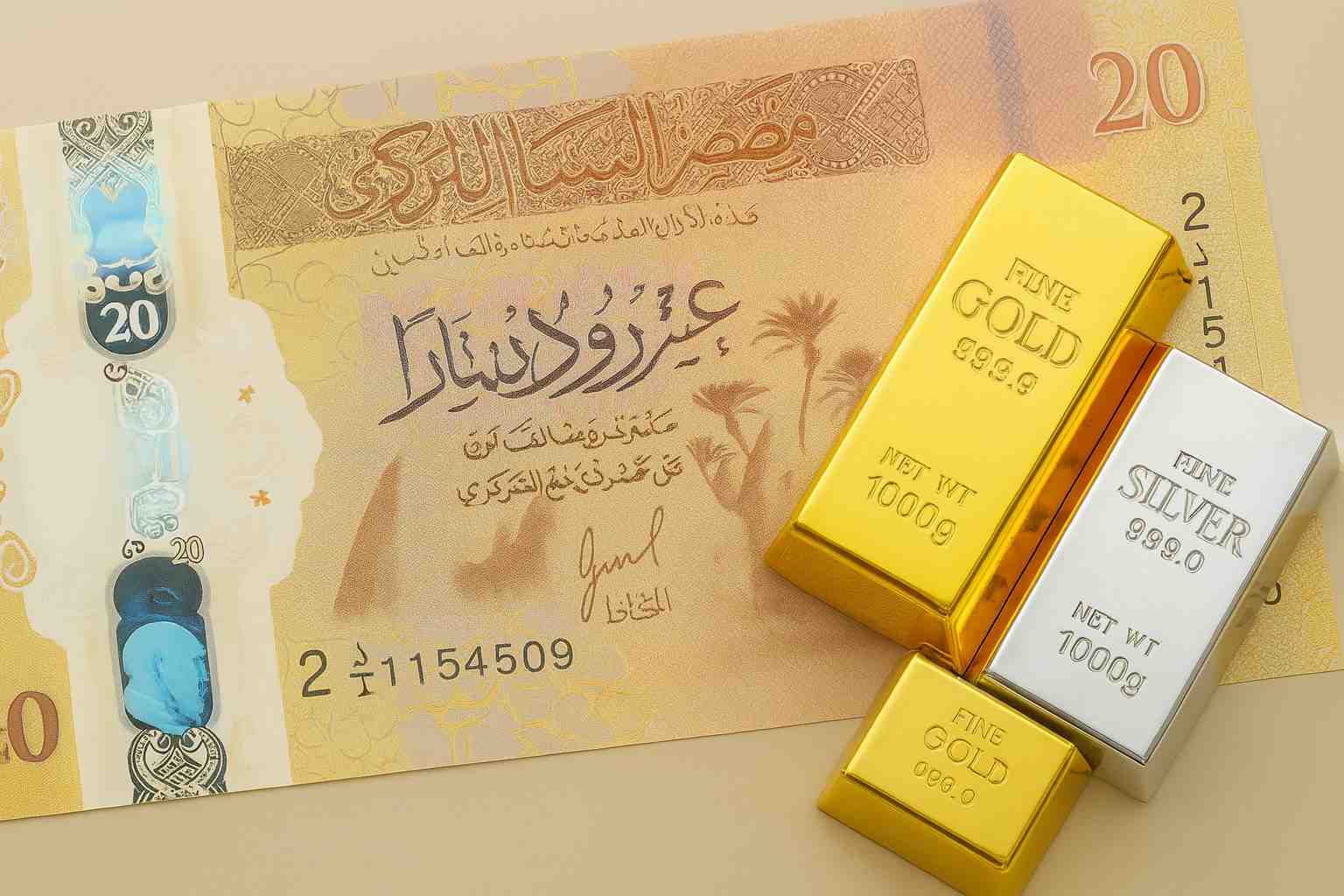
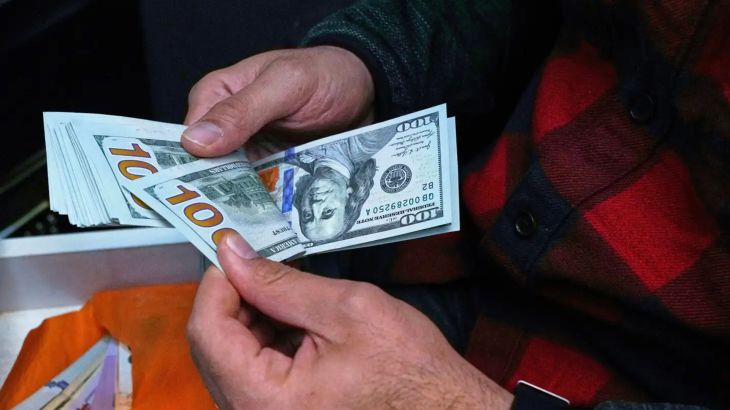
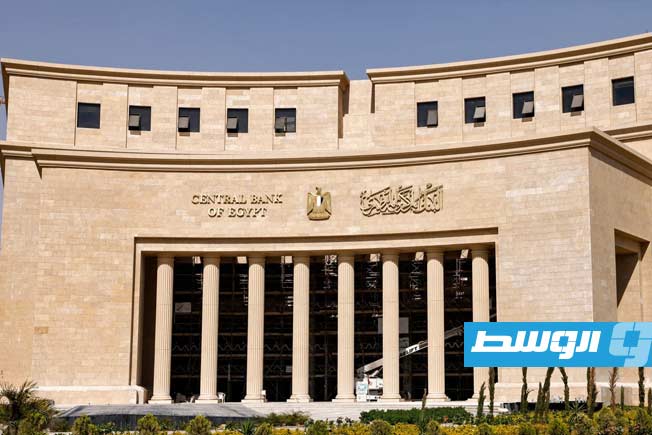
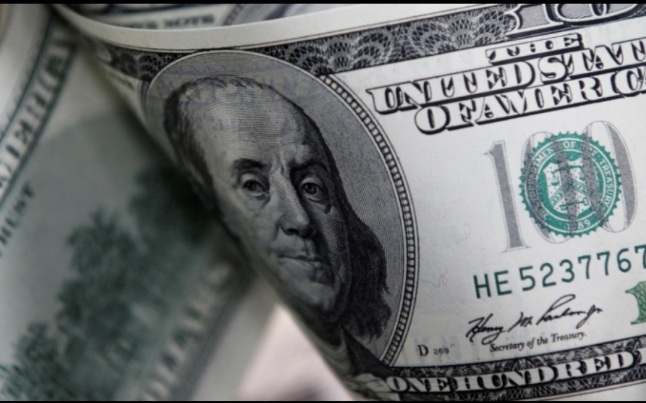
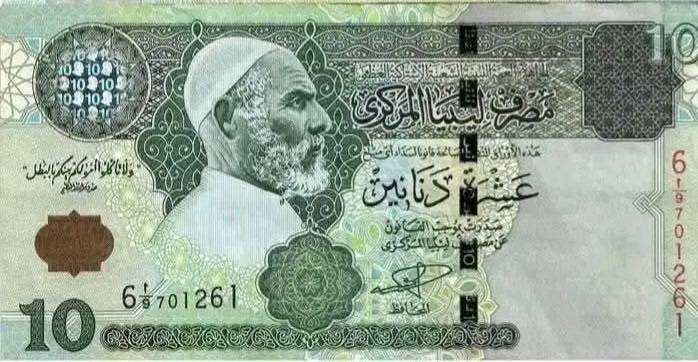
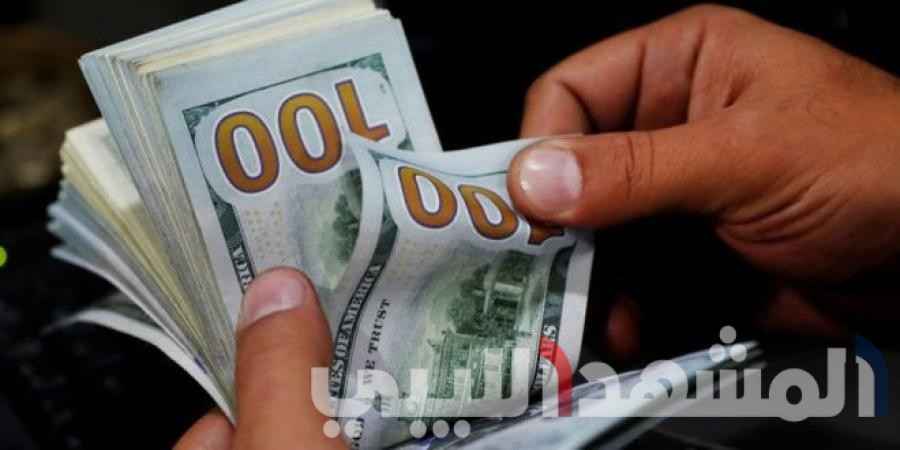
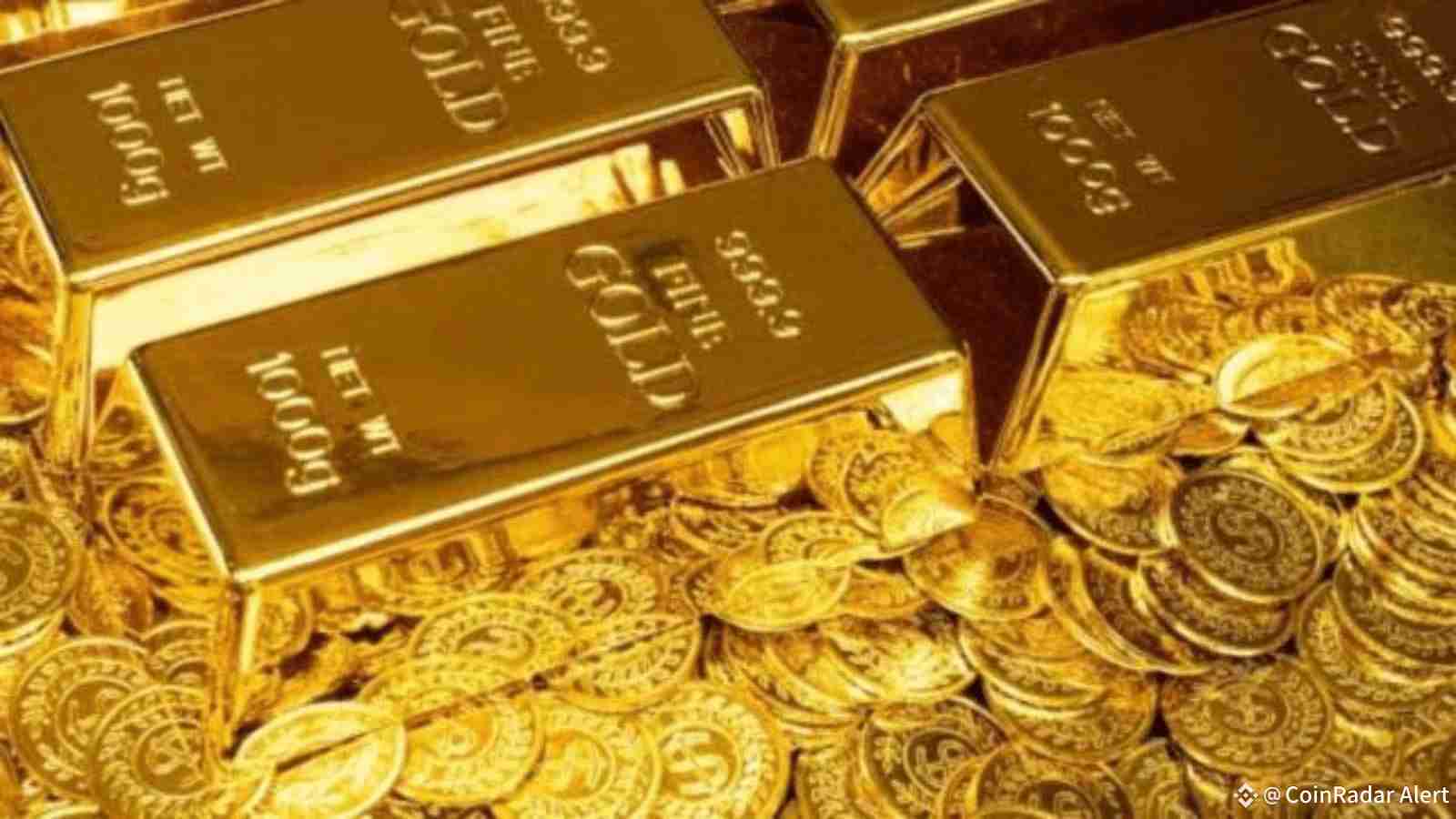
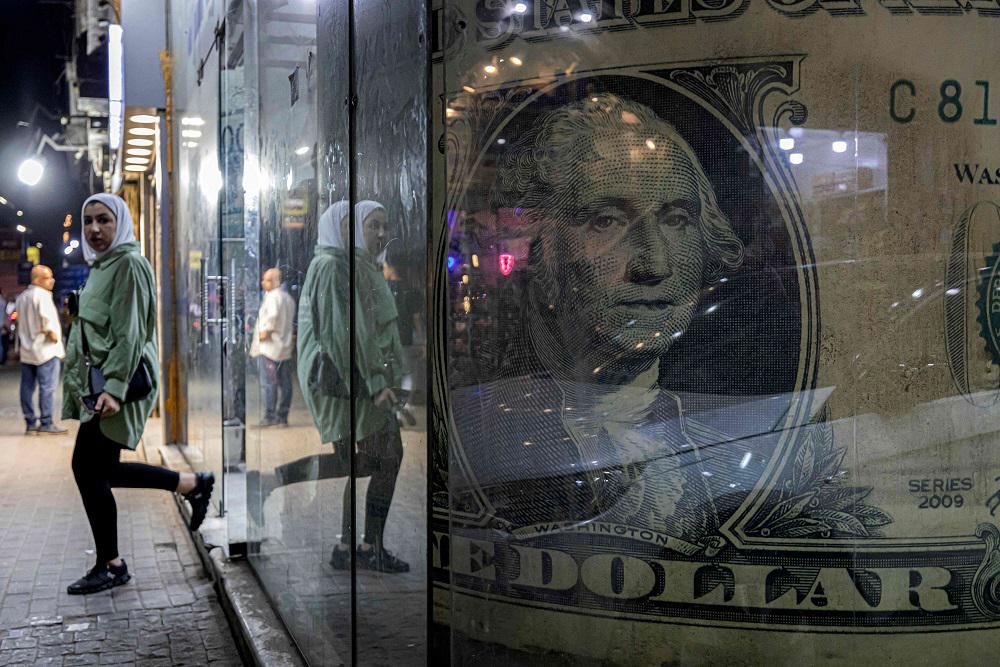
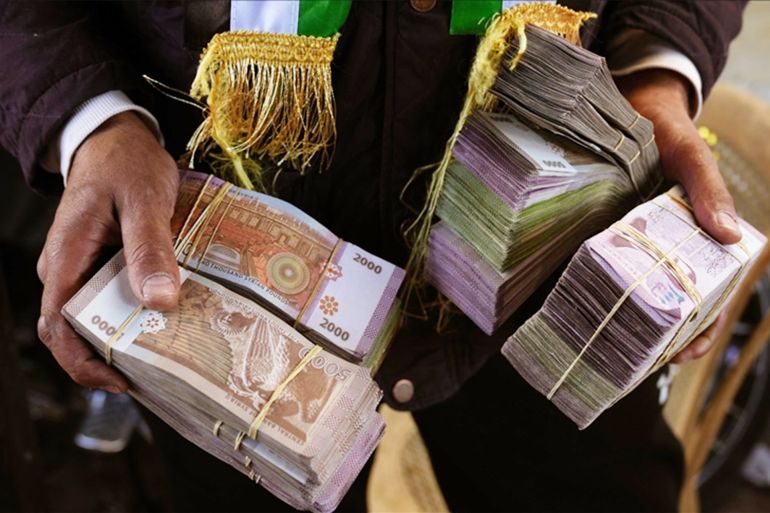
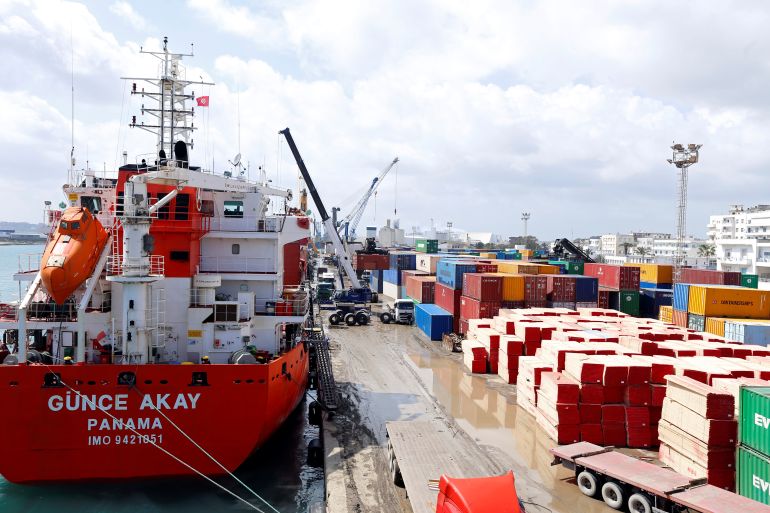
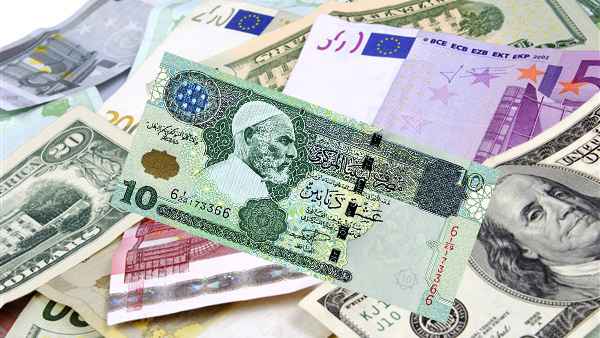
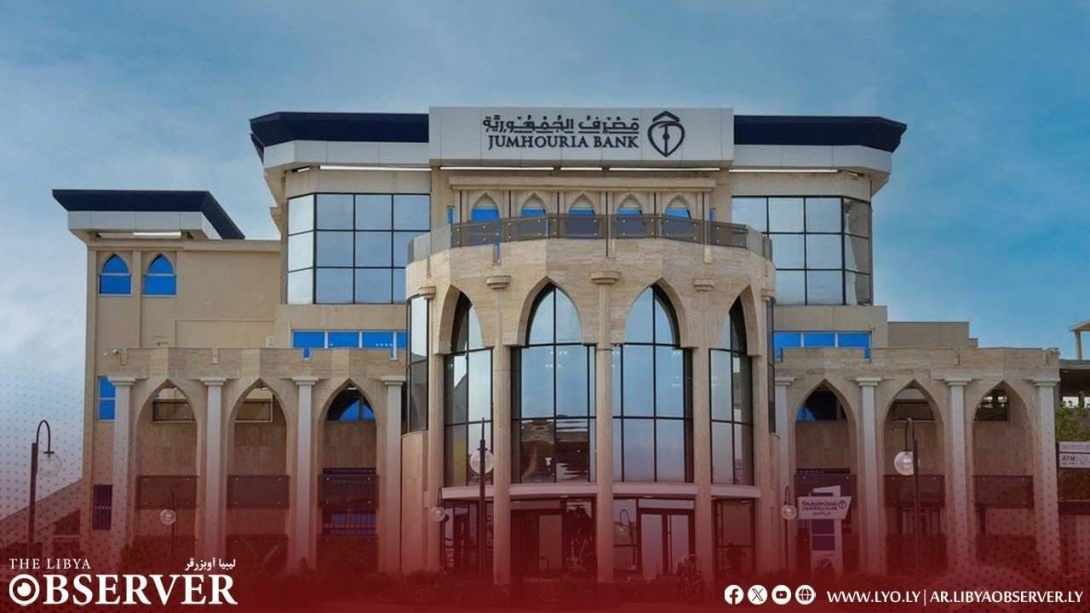
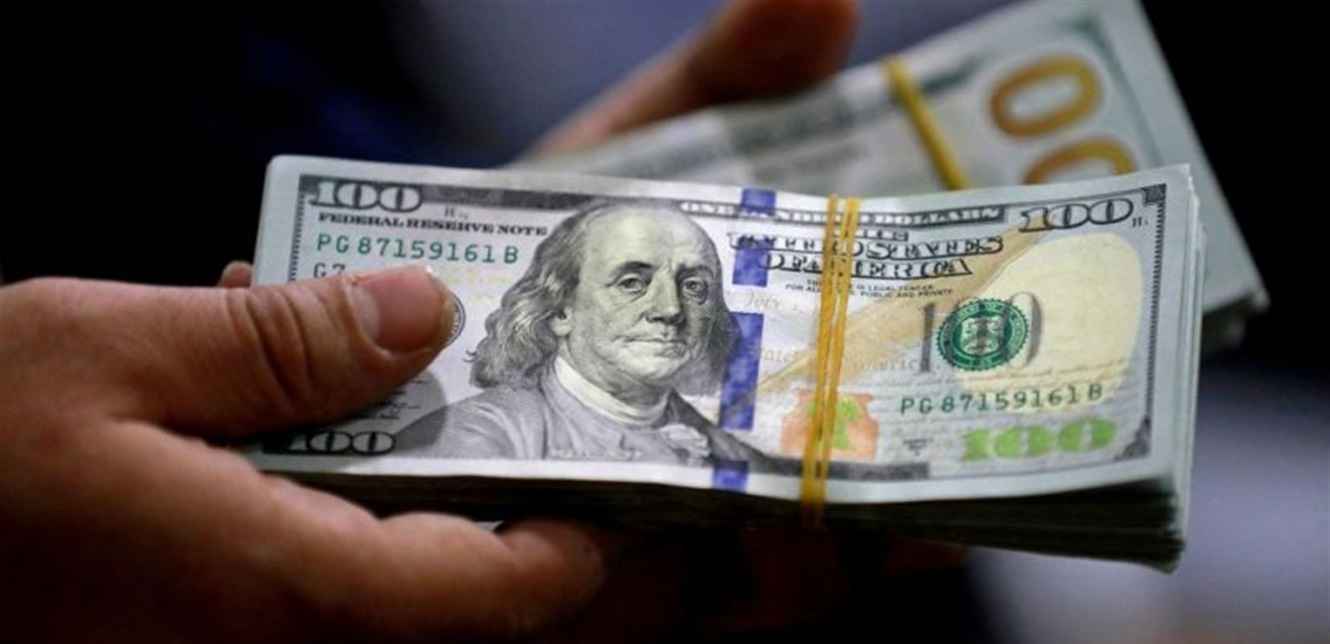
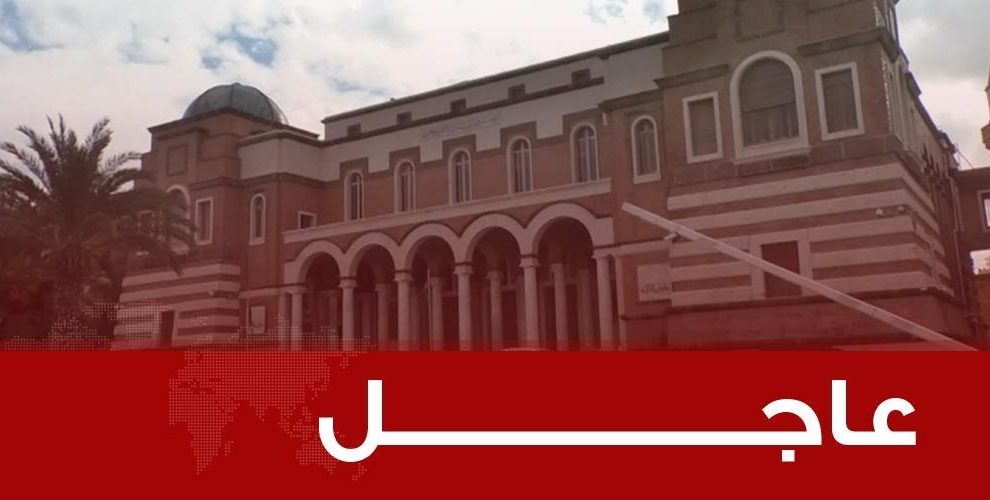
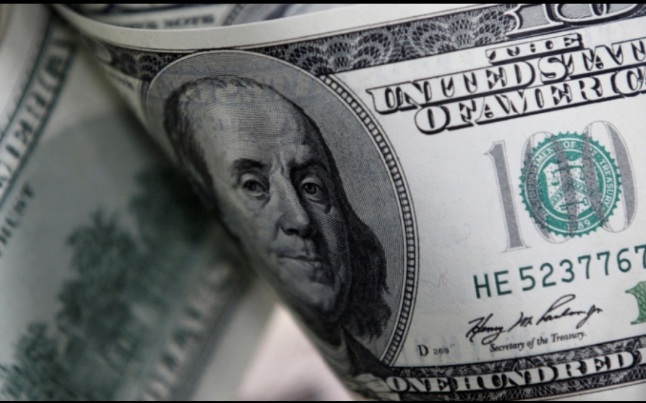
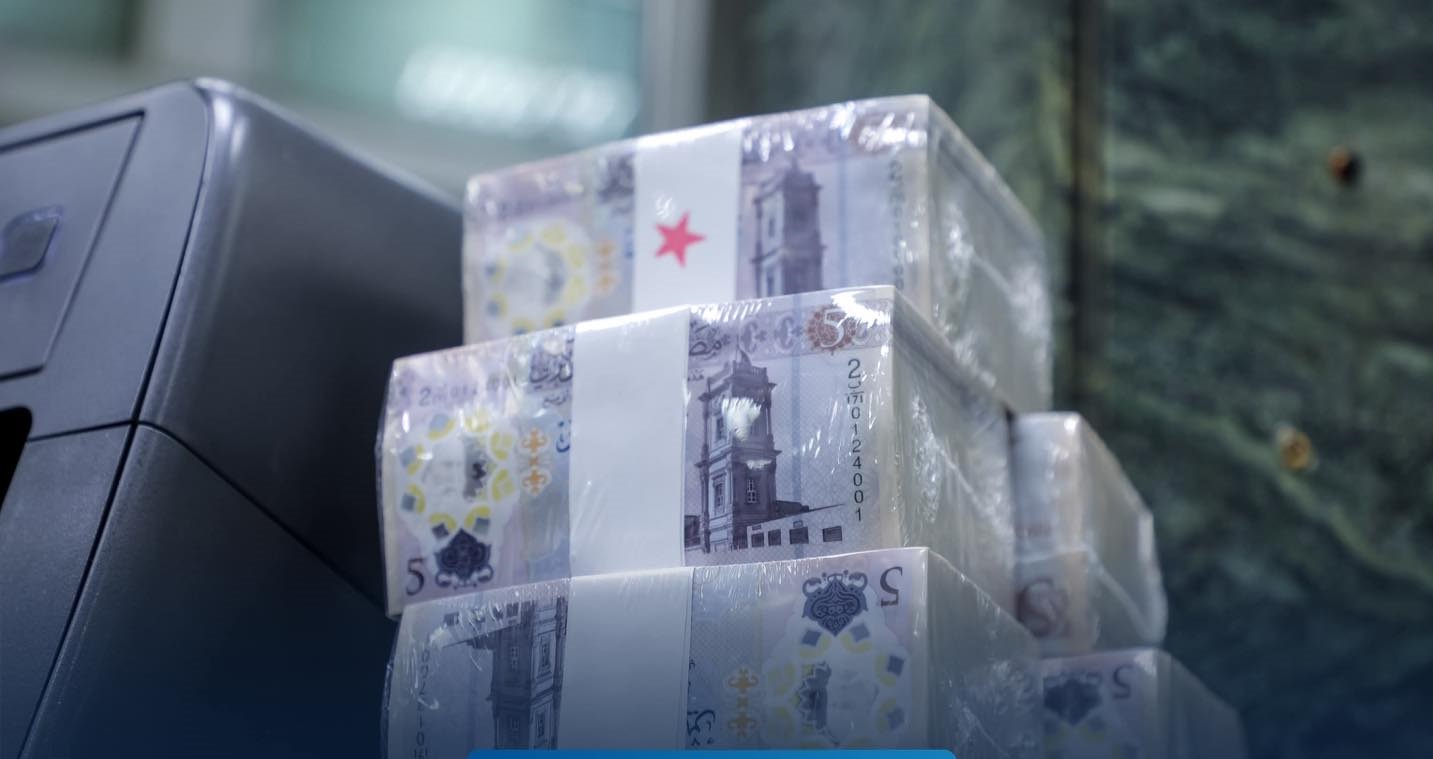
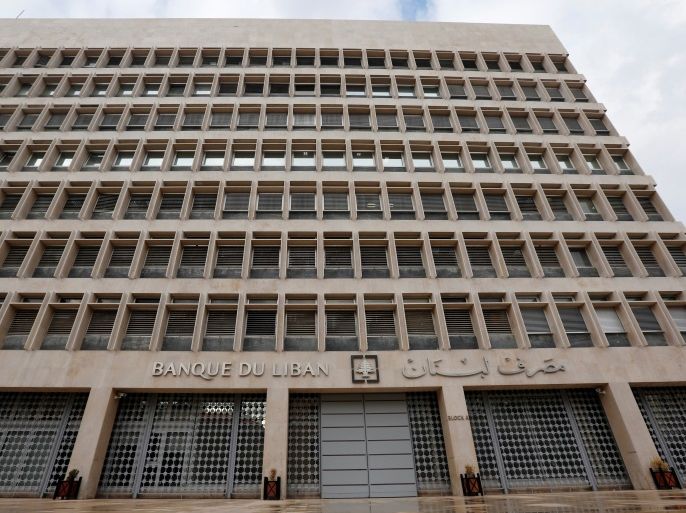
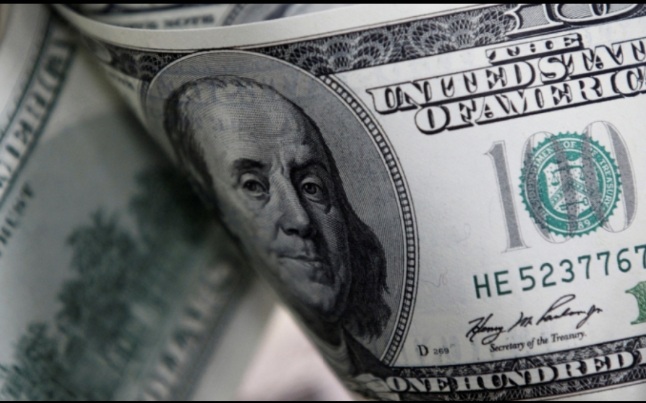
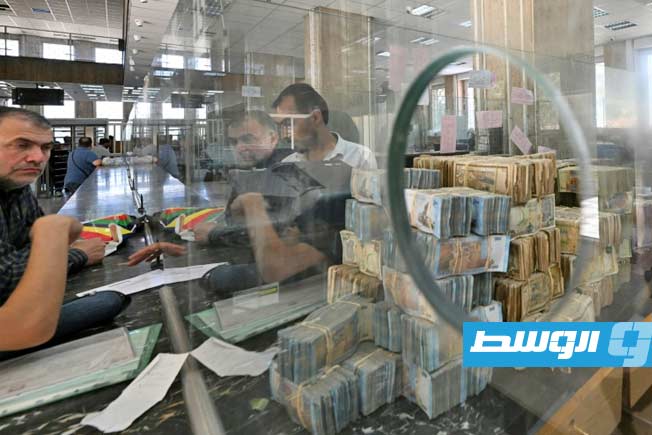
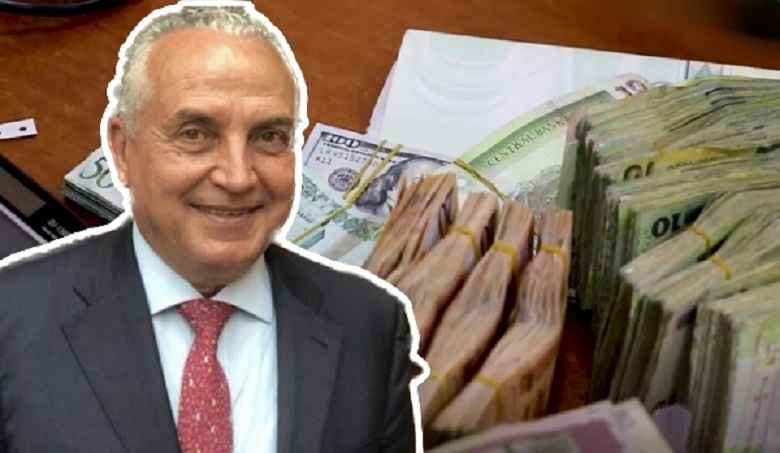
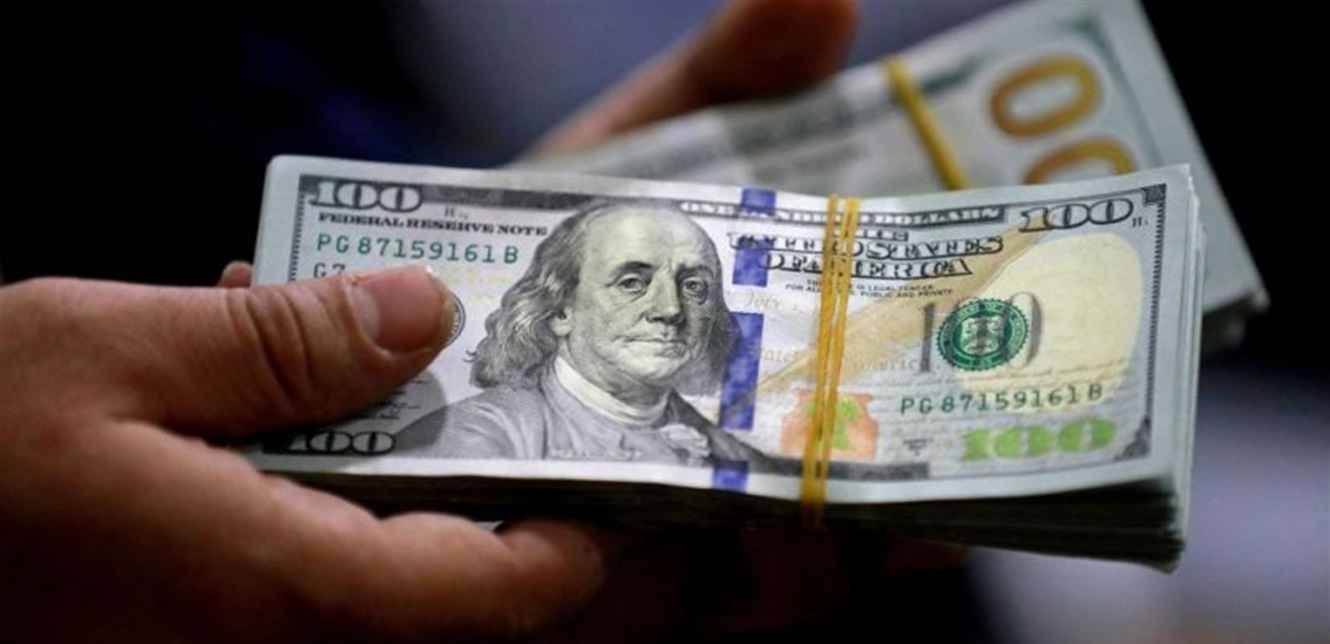
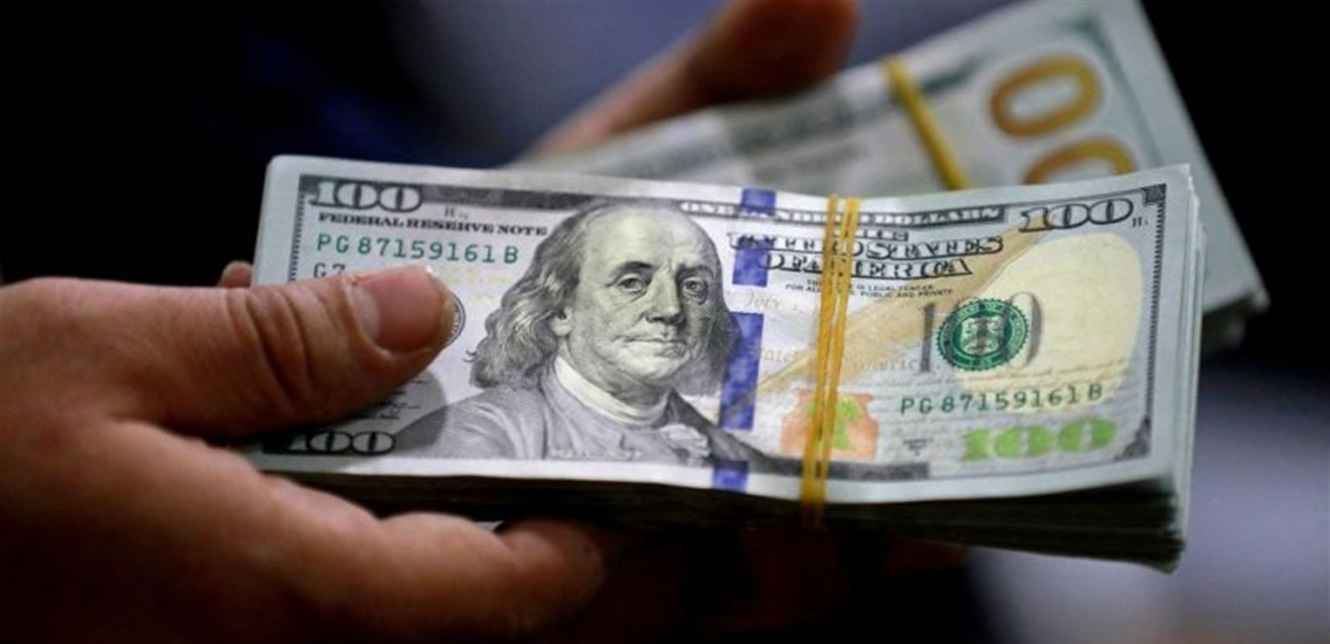
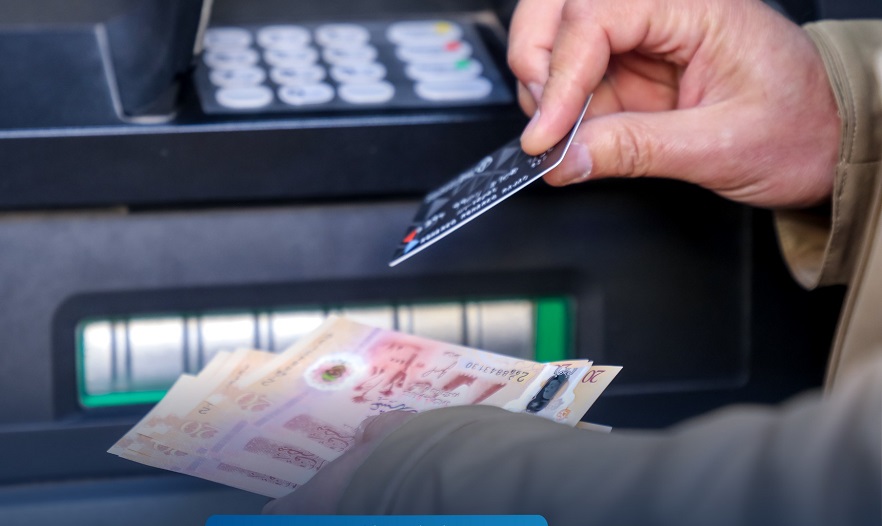
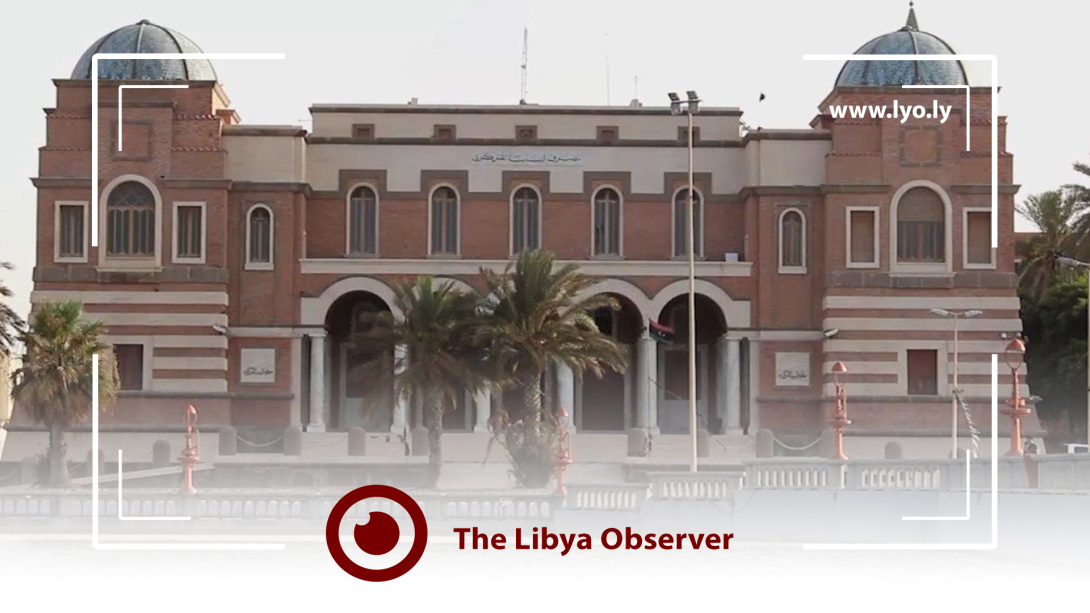
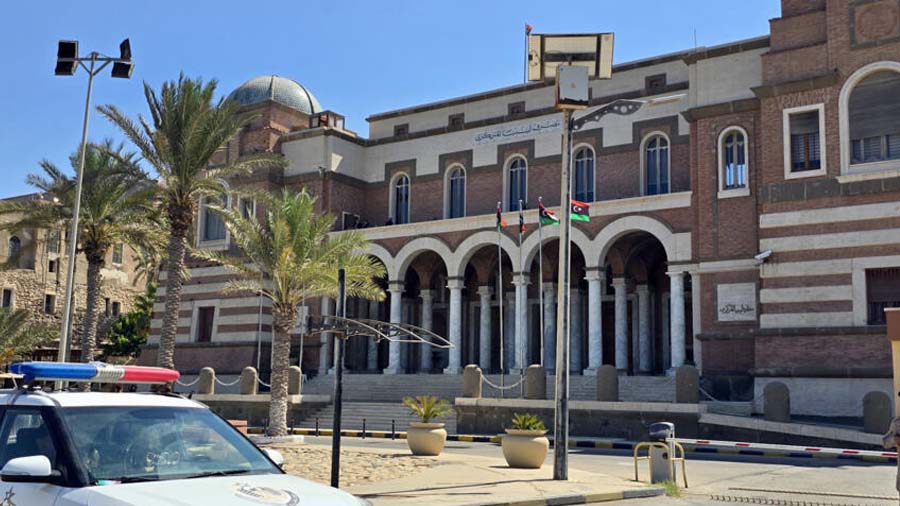
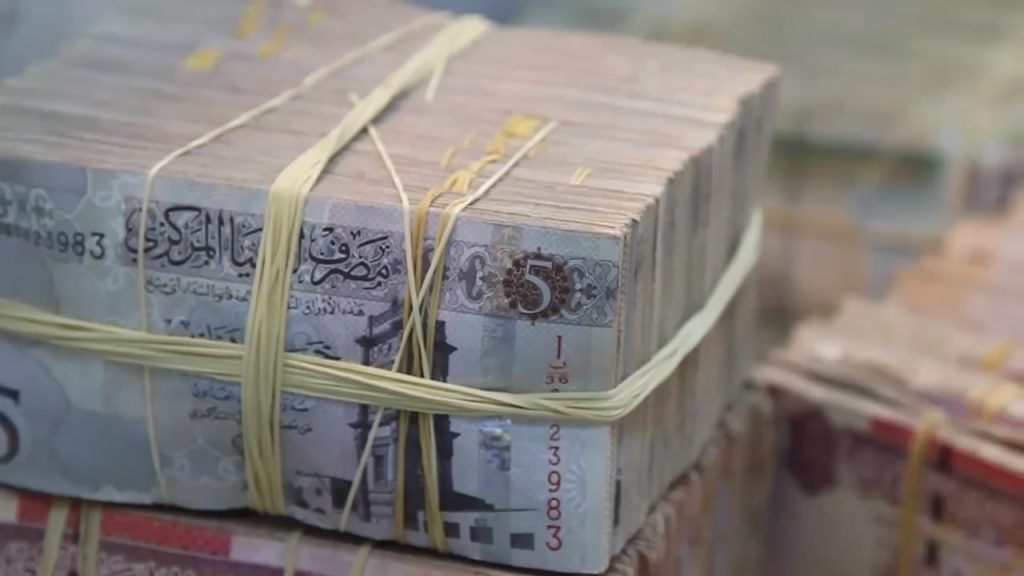
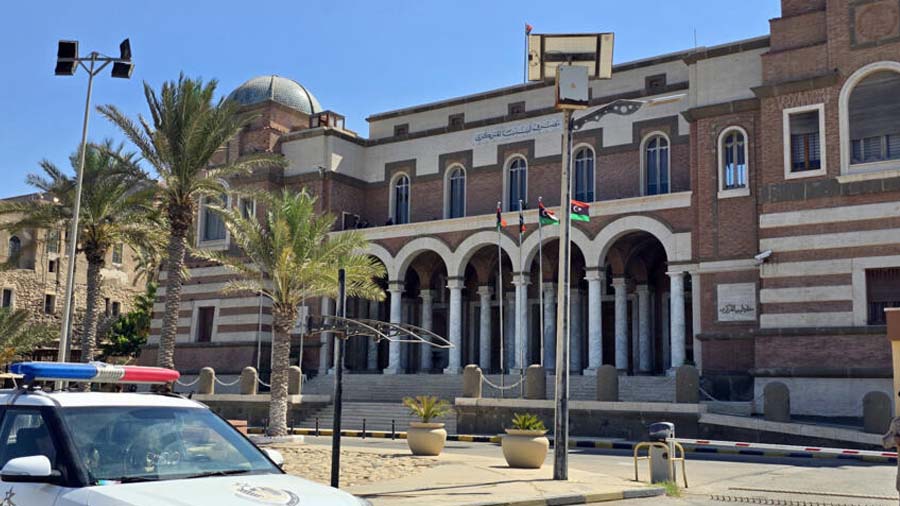
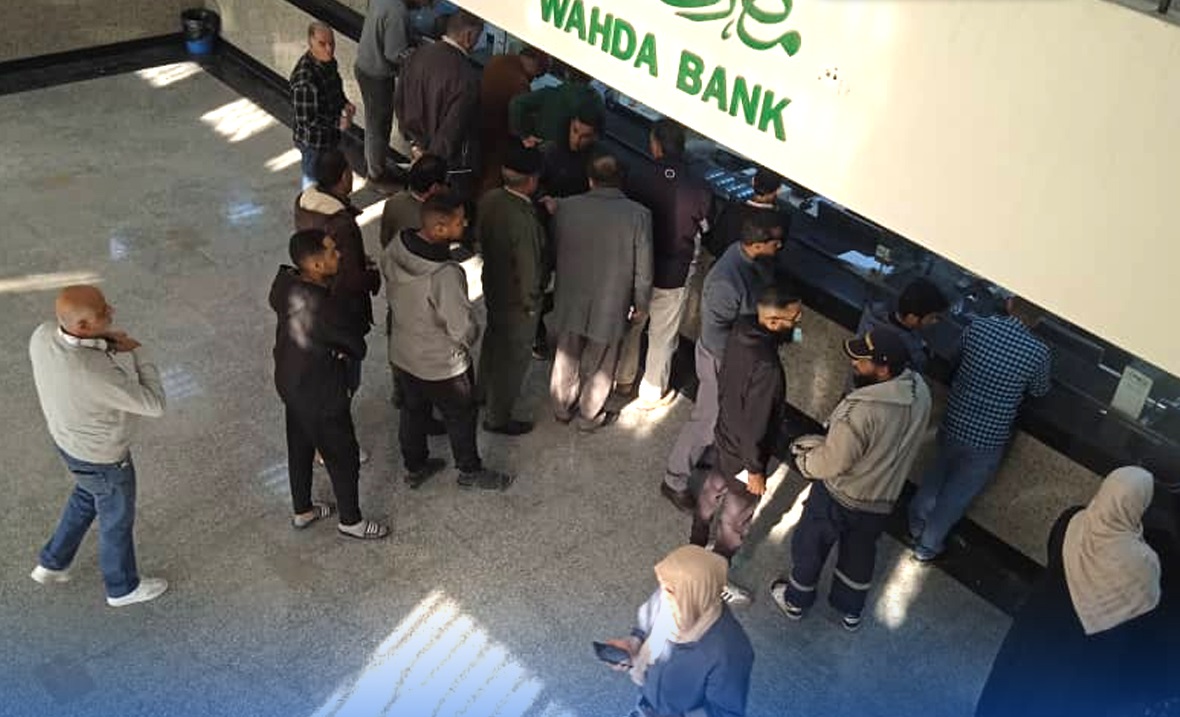
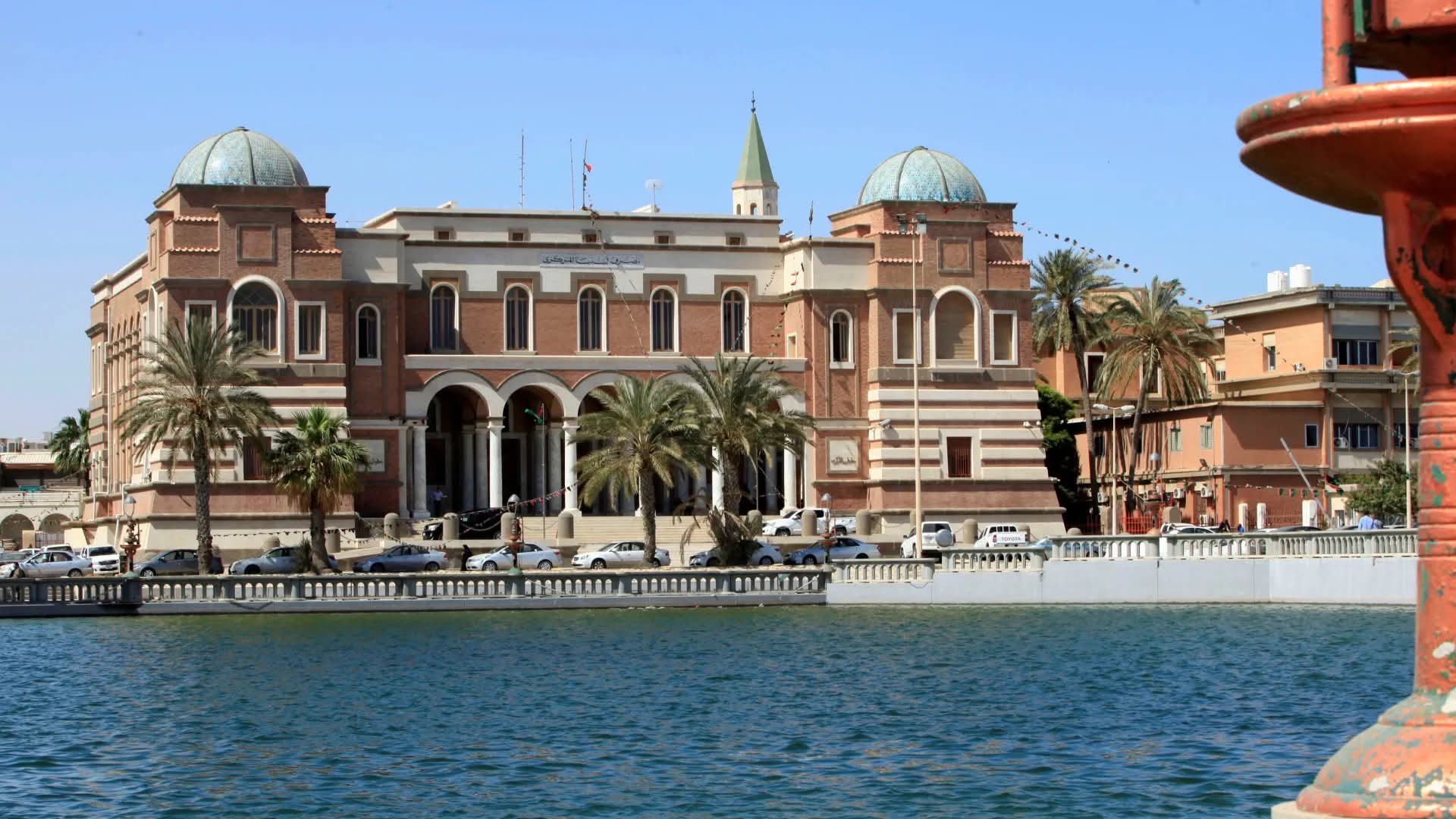
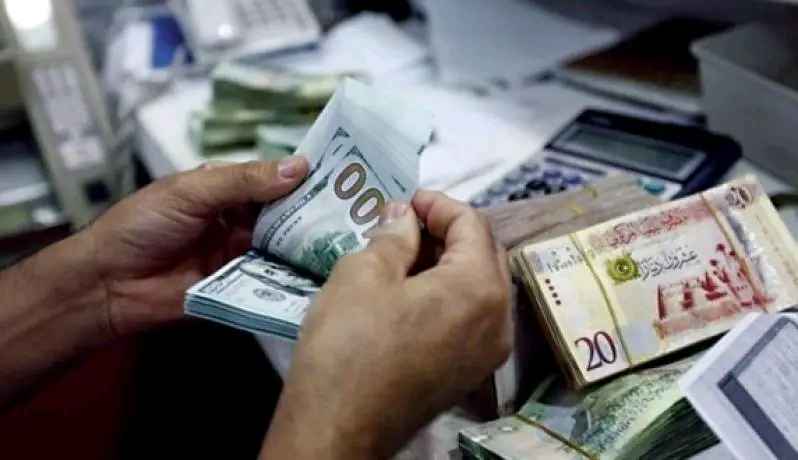
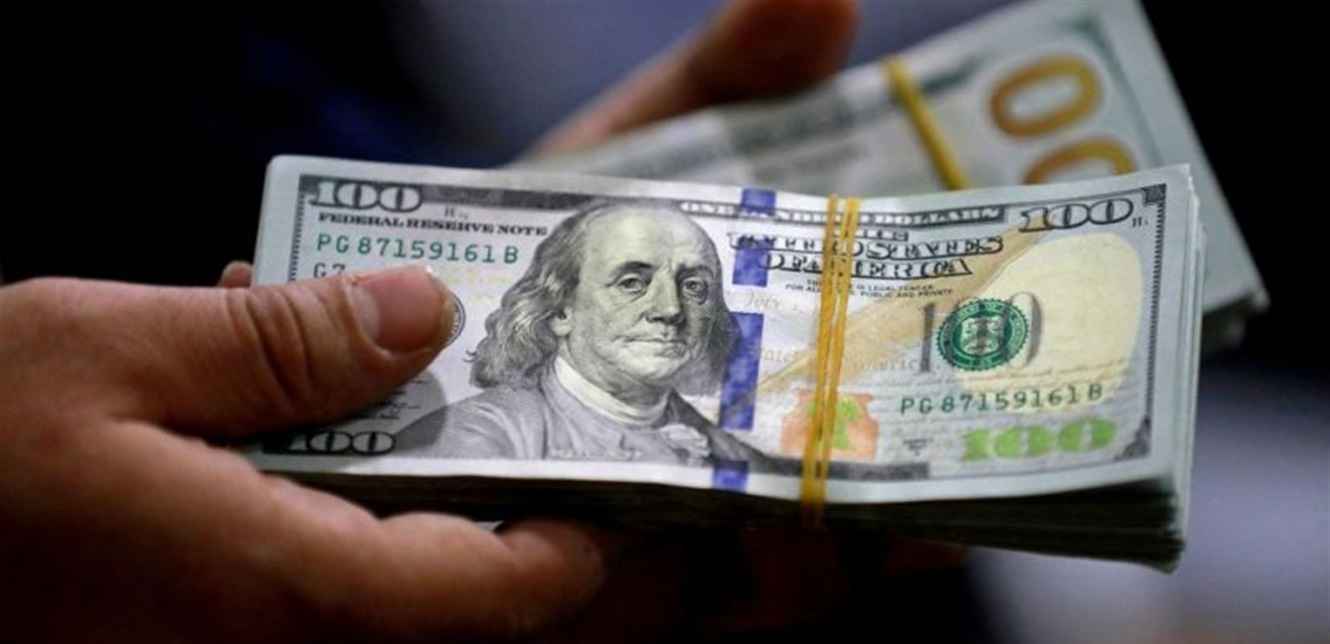
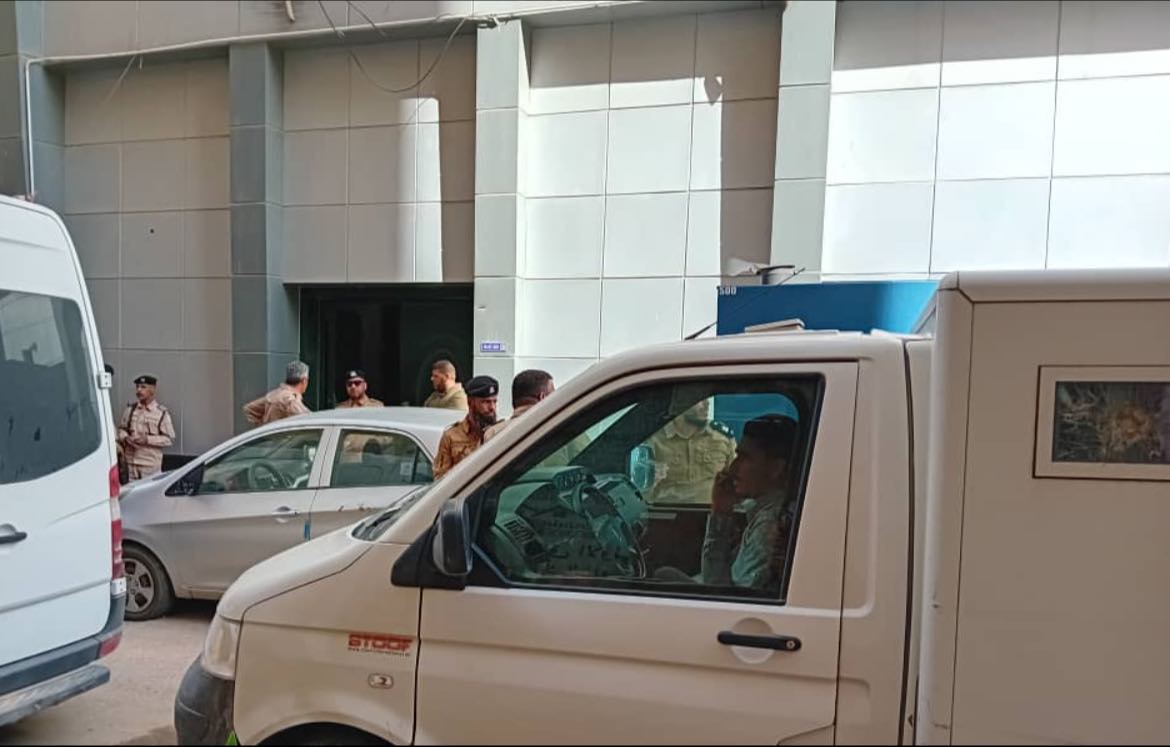
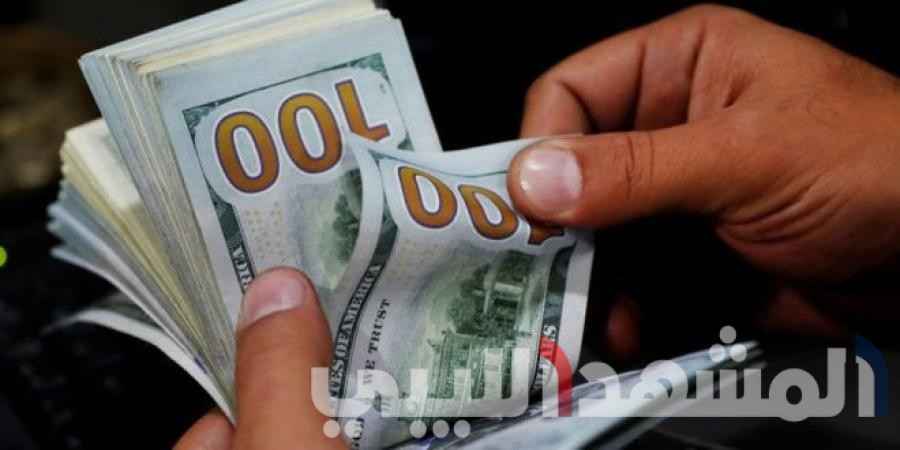
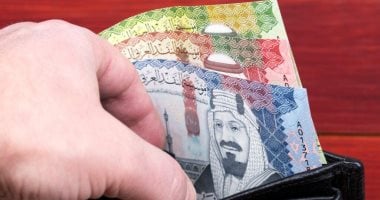
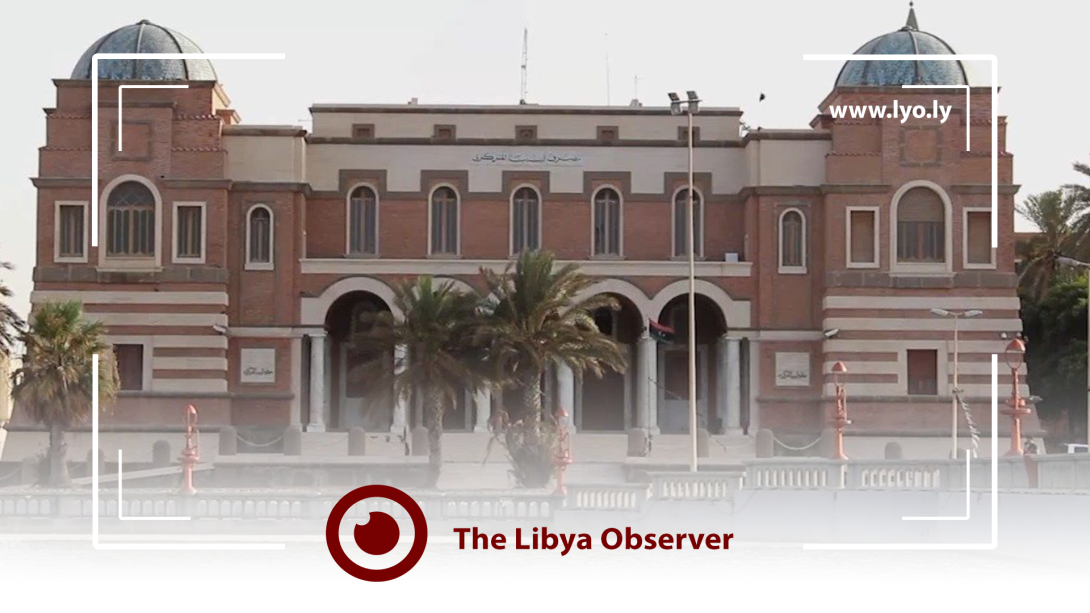
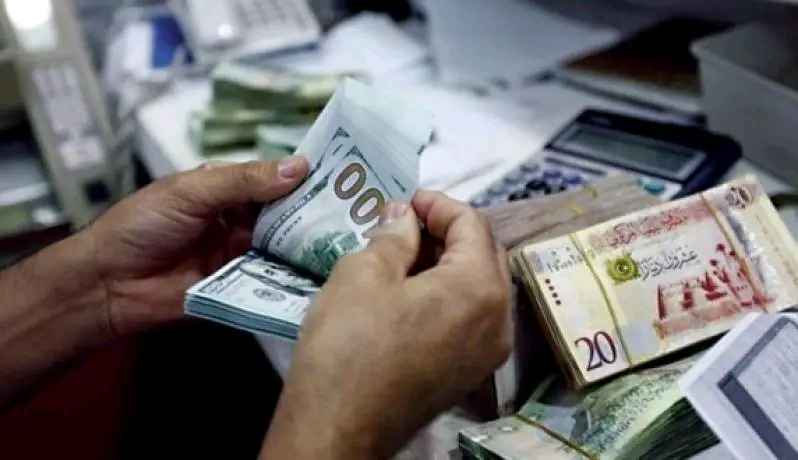
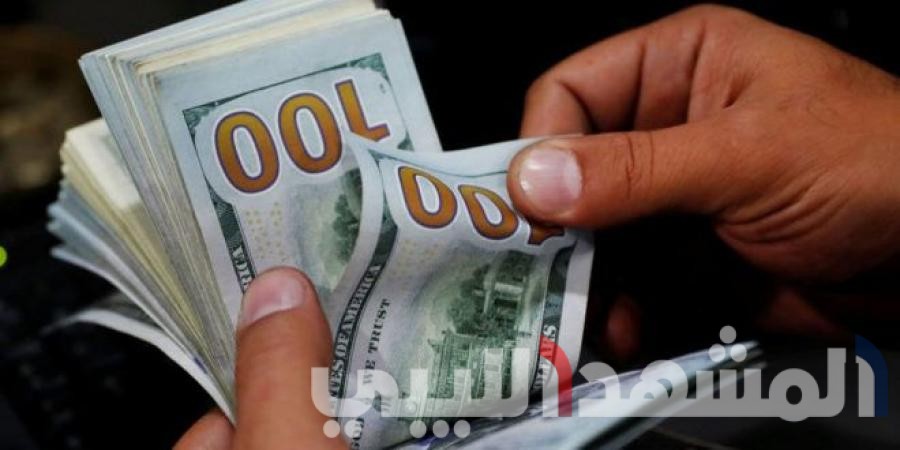
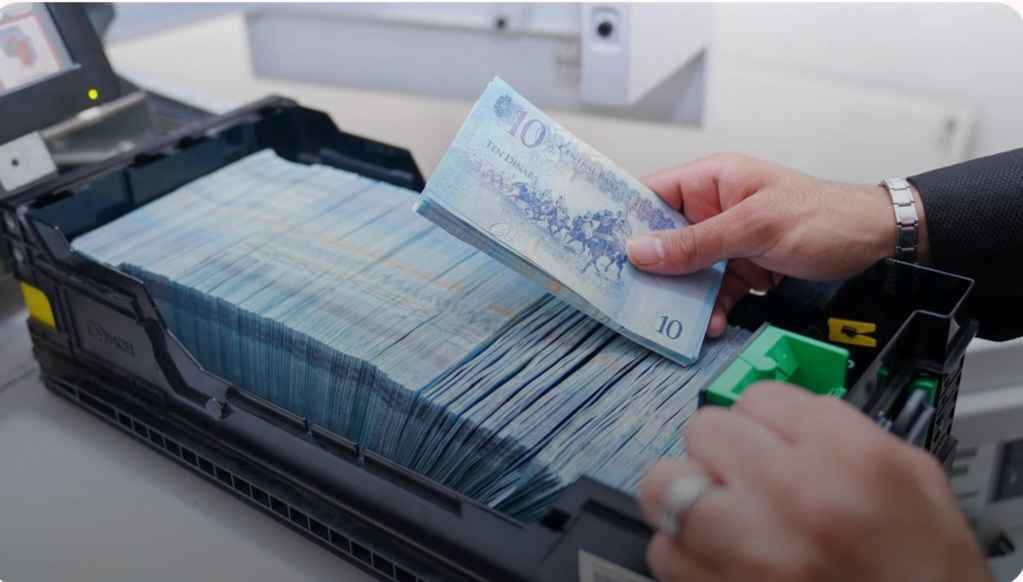
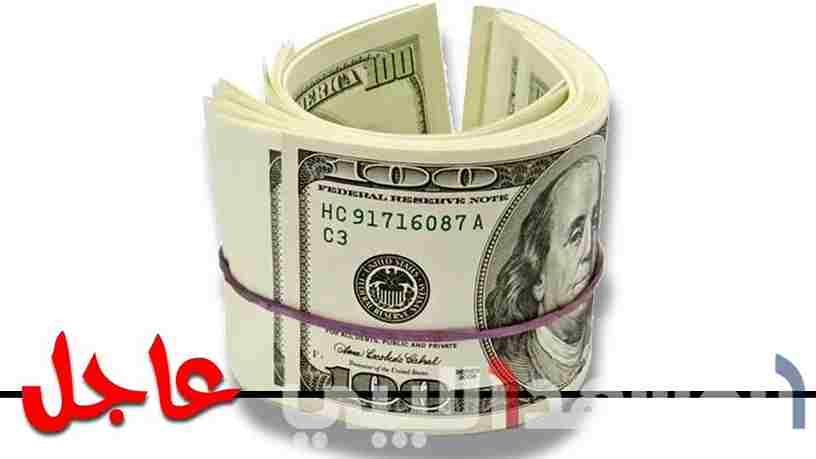
Tripoli – A shipment of cash liquidity arrived last night from abroad, according to a statement. It was transported directly to the central bank’s vaults in preparation for distribution to branches of commercial banks in various Libyan cities.
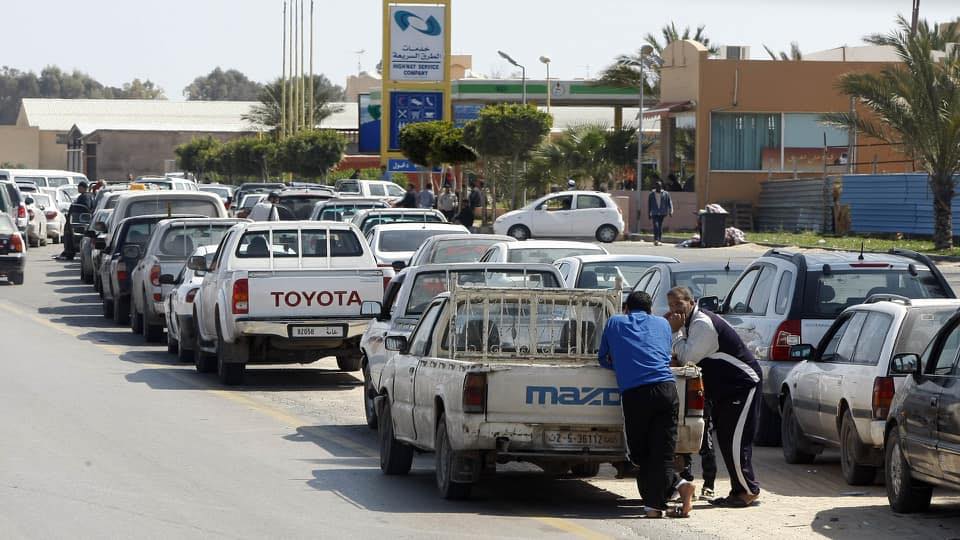
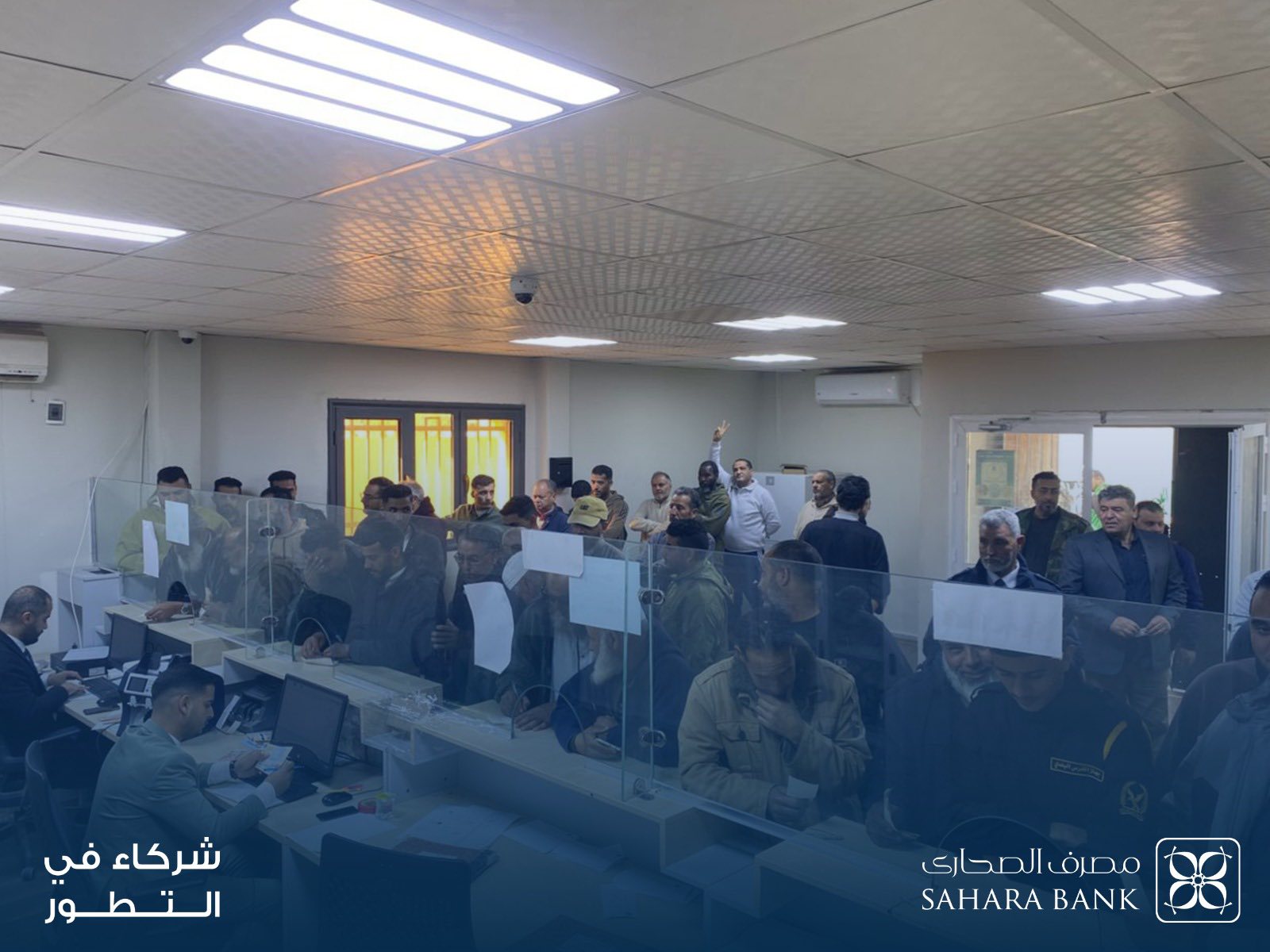
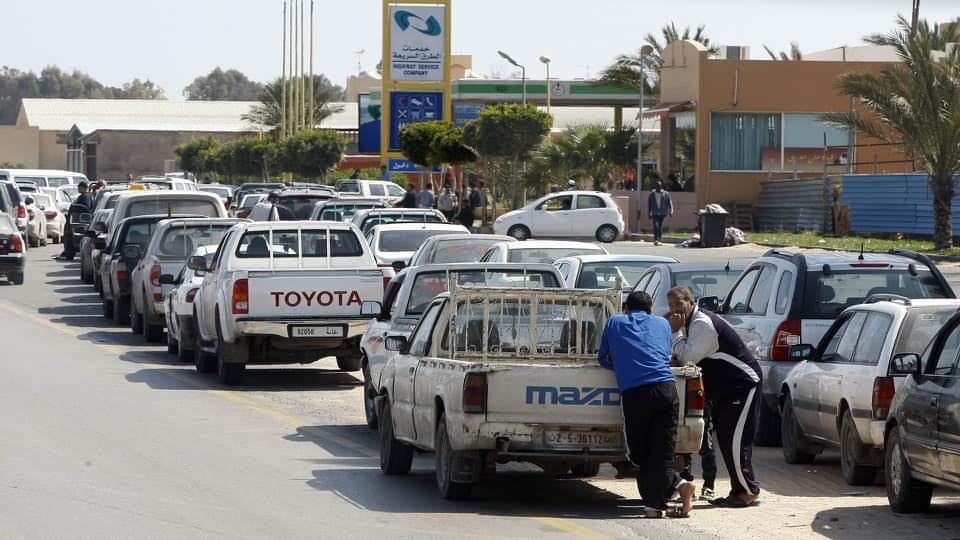
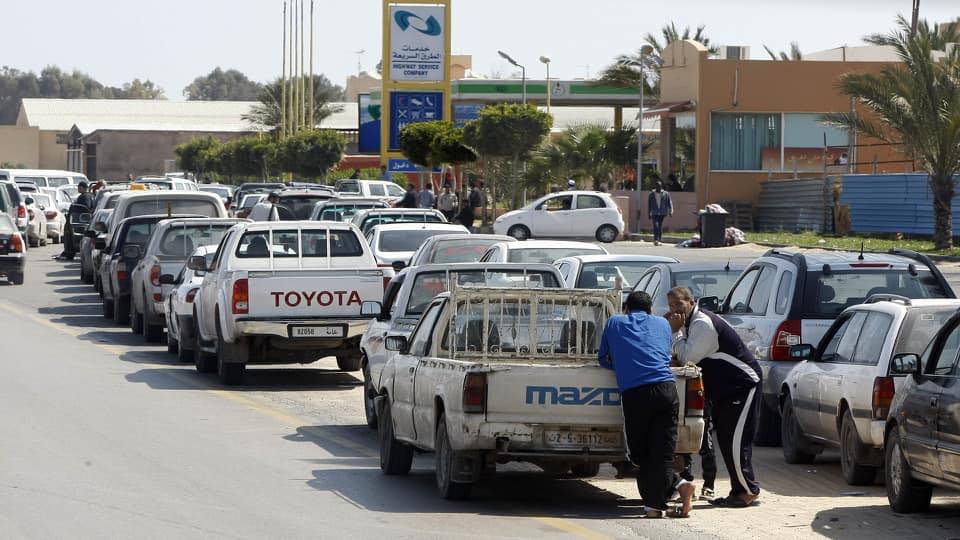
The official explained that this step is part of the central bank’s plan to address the cash shortage crisis that citizens have been suffering from for some time, confirming that the bank will continue to receive and send additional shipments consecutively until the needs of the local market are met and cash availability is ensured stably.
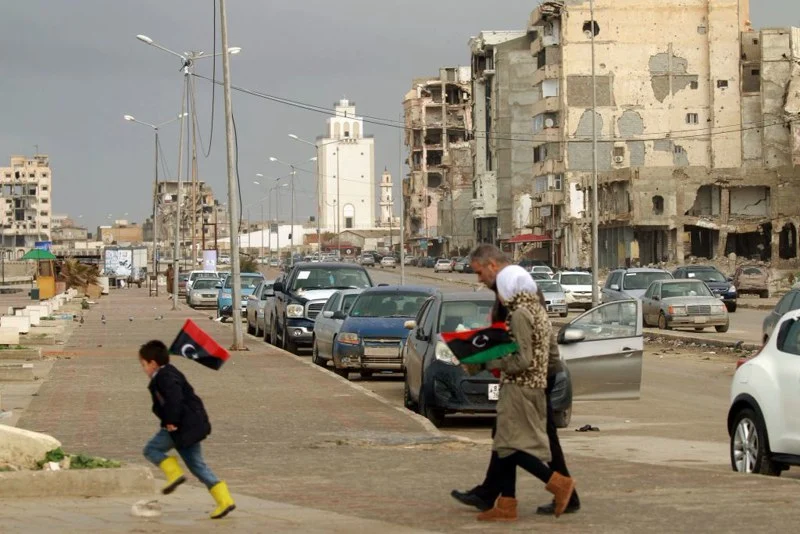
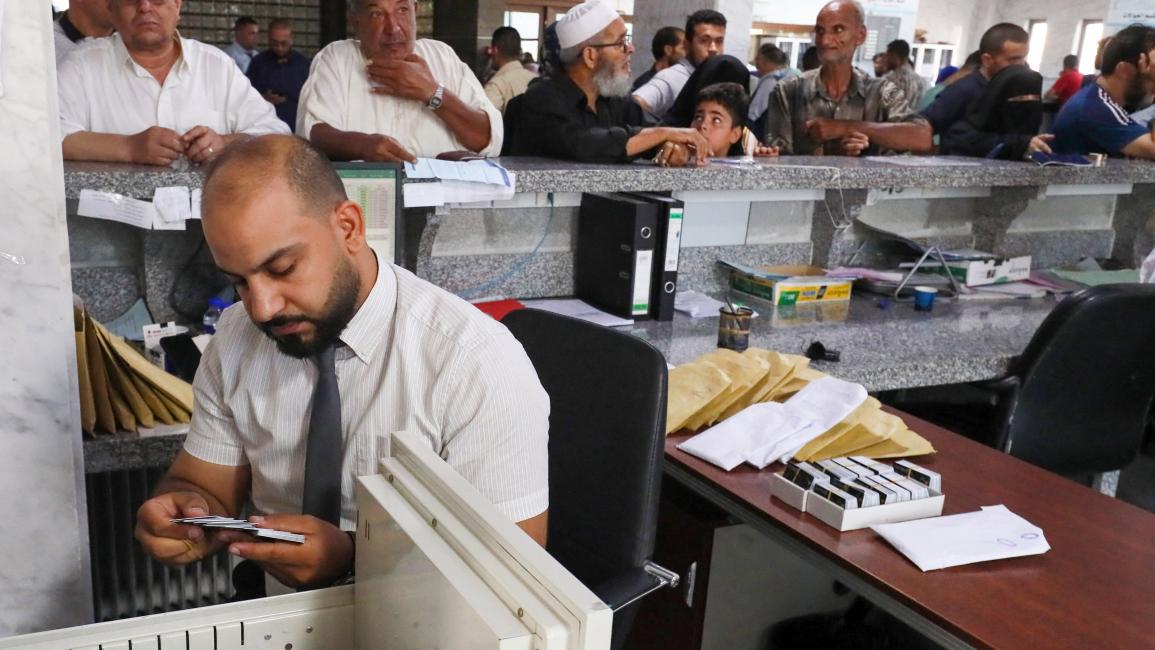
It was indicated that the distribution process will include all Libyan cities through the network of commercial branches, ensuring liquidity reaches citizens in various regions, as part of implementing the prepared plan to eliminate the current financial crisis.
Tripoli
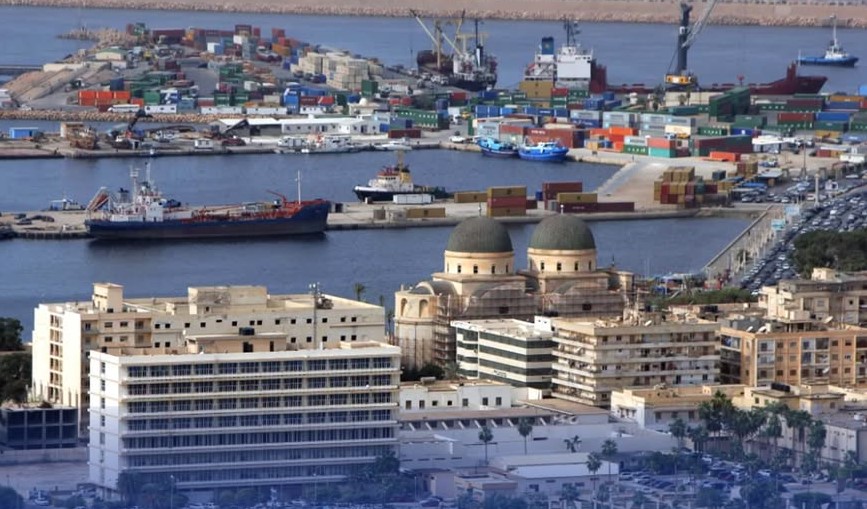
Tripoli is the capital and largest city of Libya, with a history dating back to the 7th century BC when it was founded by the Phoenicians. It later became a significant part of the Roman Empire, known as Oea, and has since been ruled by the Byzantines, Arabs, Ottomans, Italians, and finally achieved independence as part of modern Libya. The city’s historic core, the medina, features architecture reflecting these diverse cultural influences.
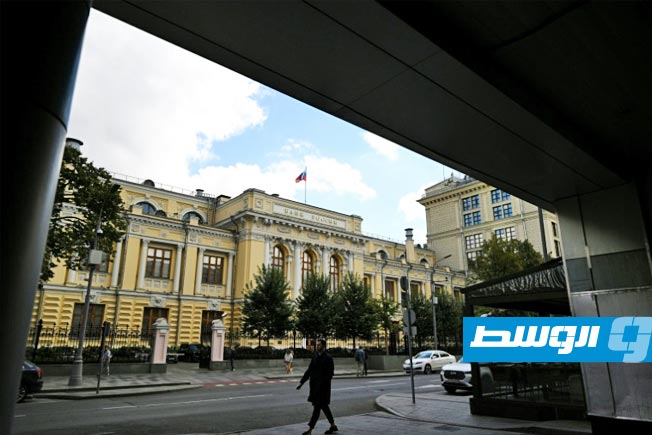
central bank
The central bank is a nation’s primary monetary authority, responsible for managing currency, controlling interest rates, and ensuring financial stability. Its modern history began with institutions like Sweden’s Riksbank (1668) and the Bank of England (1694), which evolved from financing governments to become key regulators of the broader economy.
Libyan cities
Libyan cities, such as the ancient Phoenician and Roman settlement of Leptis Magna, showcase a rich history of Mediterranean civilizations. Many urban centers, including the capital Tripoli with its historic medina, bear layers of influence from Berber, Roman, Arab, and Ottoman rule. The country’s modern cities also reflect its 20th-century history as an Italian colony and an oil-producing state.