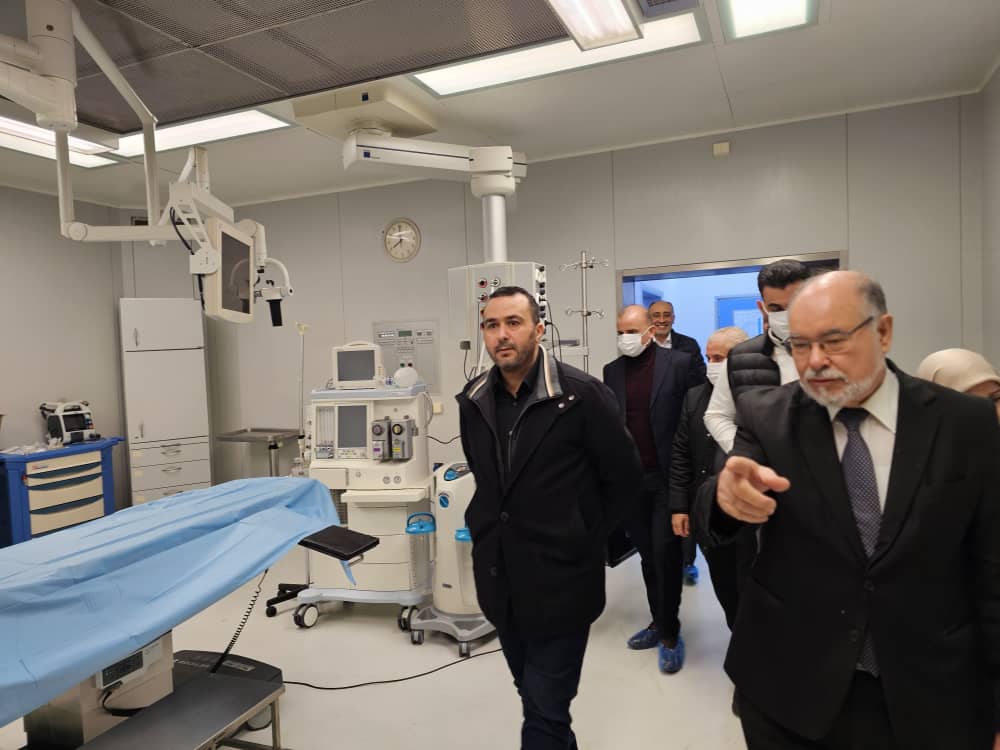
Libya declared free of polio virus by the National Center for Disease Control, as confirmed by the World Health Organization.
libyawire.org > News > Culture > Libya declared free of polio virus by the National Center for Disease Control, as confirmed by the World Health Organization.
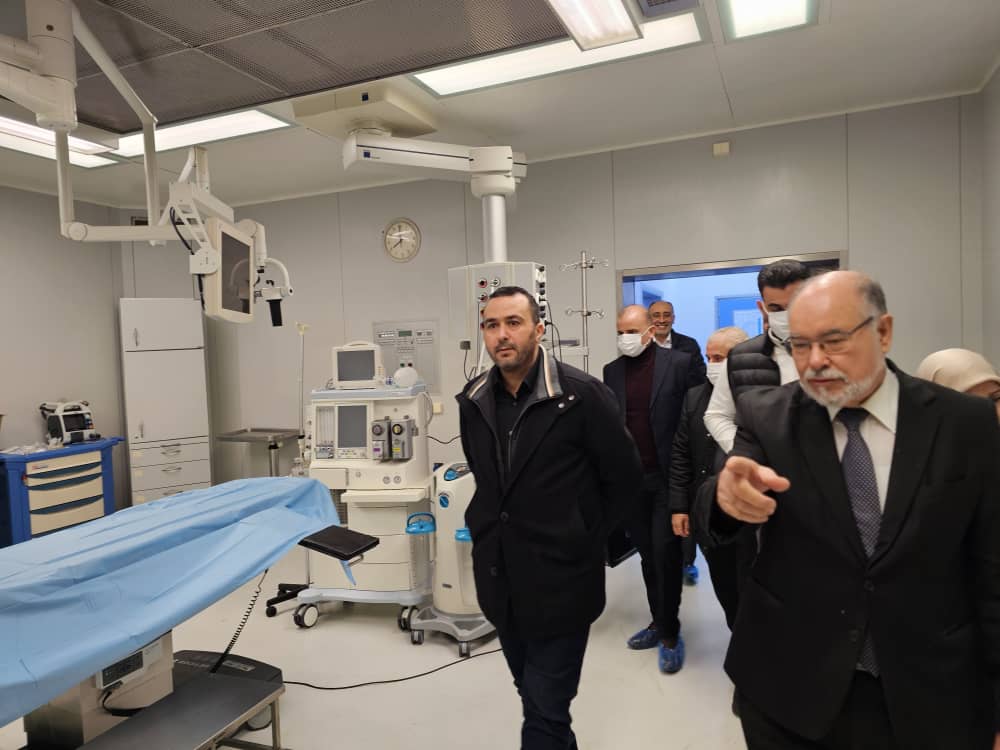
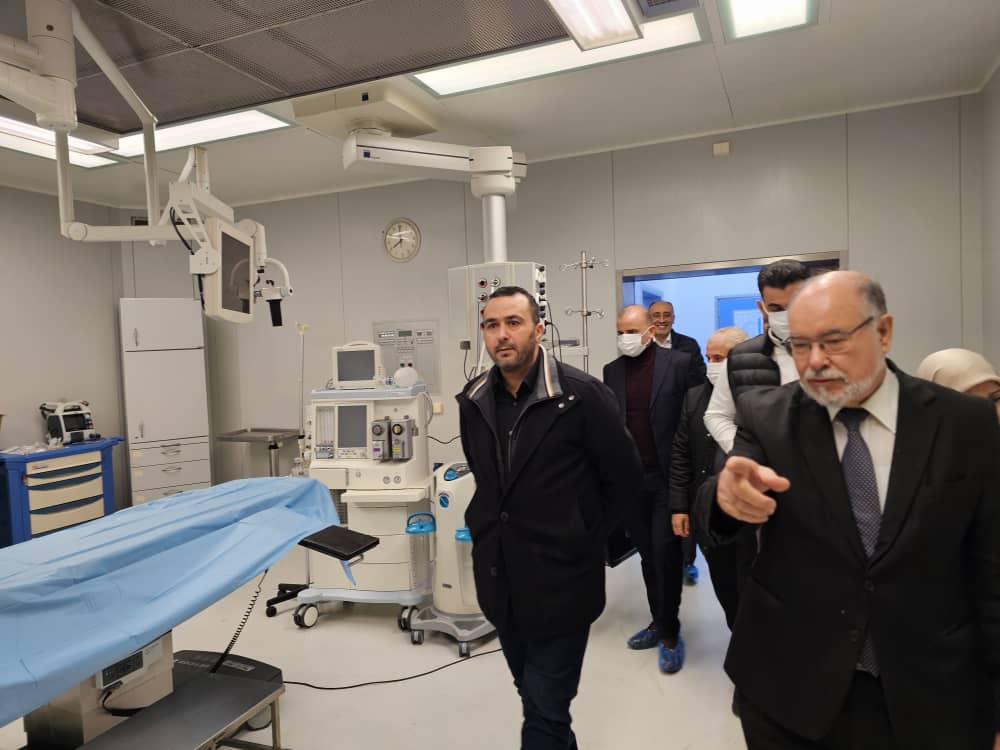
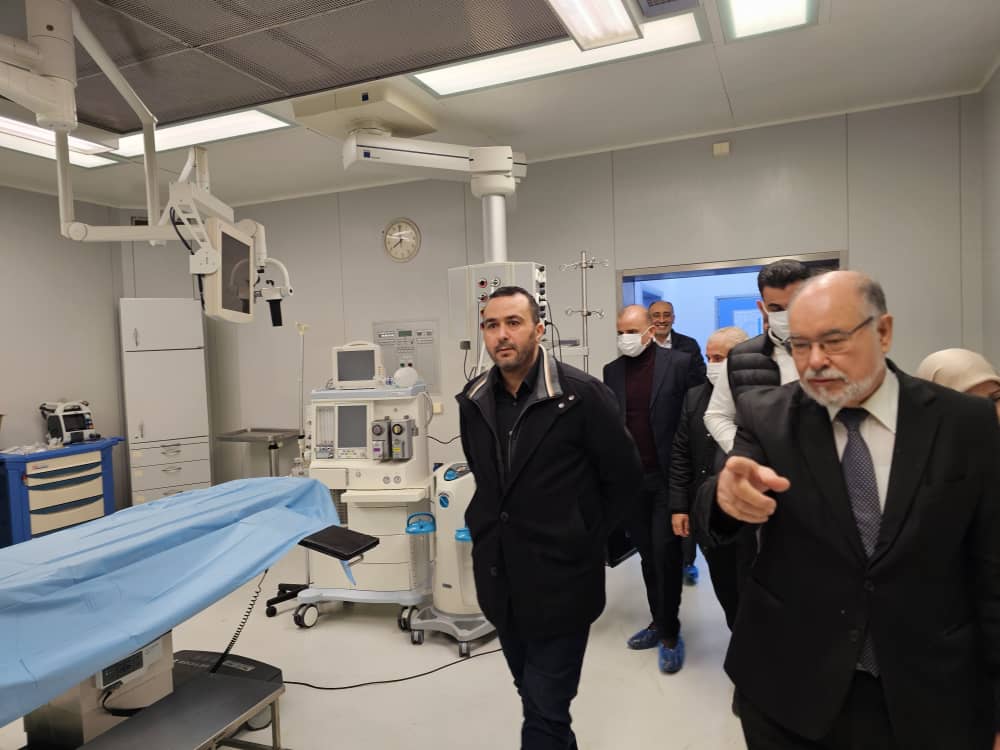
Tripoli, January 25, 2026 – The National Center for Disease Control announced that Libya is free from the poliovirus, based on a certificate of eradication obtained from the World Health Organization.
The Center stated in a release that the WHO confirmed Libya’s freedom from all three types of poliovirus (1, 2, 3), marking a significant public health achievement that all citizens can take pride in.
The Center confirmed that this achievement resulted from the effectiveness of the national vaccination program, alongside the continuous surveillance system for acute flaccid paralysis cases implemented by monitoring teams across various municipalities.
The Center emphasized in its statement the importance of commitment to polio vaccination, to protect the health of future generations and ensure a society free from this disease.
…
Tripoli
Tripoli is the capital and largest city of Libya, with a history dating back to the 7th century BC when it was founded by the Phoenicians. It later became a significant part of the Roman Empire, the Ottoman Empire, and an Italian colony, which is reflected in its diverse architecture, such as the historic Medina and Red Castle.
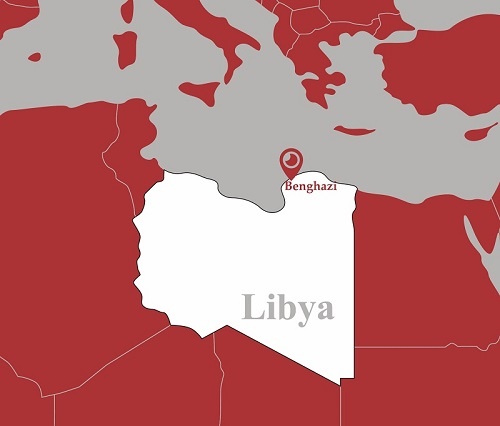
Libya
Libya is a North African country with a rich history that includes ancient Phoenician and Greek settlements, most notably at Cyrene, and later Roman rule. It was a central part of the Arab conquests in the 7th century and was part of the Ottoman Empire before Italian colonization in the 20th century. The nation gained independence in 1951 and was ruled by Muammar Gaddafi from 1969 until the 2011 civil war.
National Center for Disease Control
The National Center for Disease Control (NCDC) is a public health agency in Nigeria, established in 2011 to lead the country’s preparedness and response to infectious disease outbreaks. It was created to strengthen national health security following lessons learned from previous public health challenges, and it played a central role in coordinating Nigeria’s response to epidemics like Ebola and COVID-19.
World Health Organization
The World Health Organization (WHO) is a specialized agency of the United Nations, established in 1948, with the primary objective of promoting global public health. It coordinates international efforts to control disease outbreaks, sets healthcare standards, and provides technical assistance to countries worldwide.