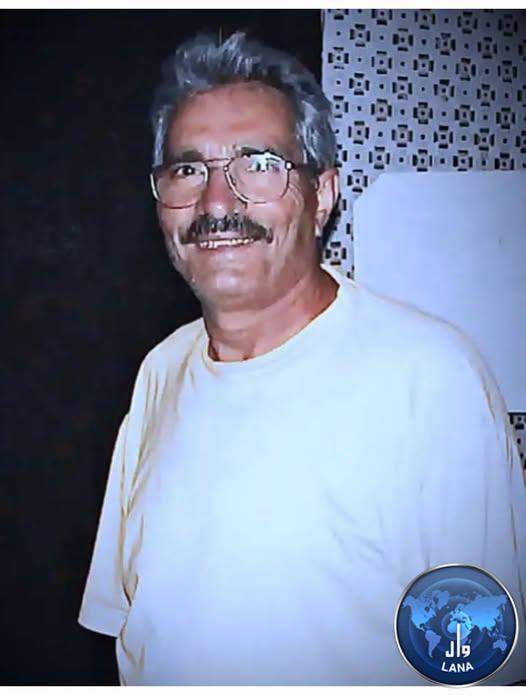
The sporting and academic community in the city of Misrata and Libya as a whole bid farewell to the former player and athlete, and the prominent academic and educational figure, who passed away after a journey full of contributions in the fields of sports, education, and teaching, leaving behind a human, scientific, and sporting legacy that will remain present in the national memory.
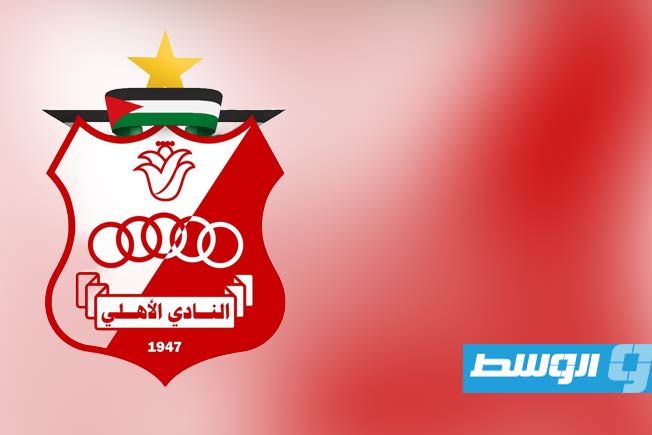
The late departed began his sporting career in the late 1950s with the former Al-Ahli Misrati team (currently Al-Swehli), where he played as a goalkeeper, attracting attention early on for his discipline and technical level, before paving his way towards a distinguished sporting experience outside his city.
Representing Al-Nasr and the University of Benghazi
With the beginning of the 1960s, he moved to the city of Benghazi to complete his studies at the Faculty of Arts at the University of Benghazi, where he continued his sporting journey as a player in the ranks of Al-Nasr Club until 1967, delivering notable performances as the team’s goalkeeper.
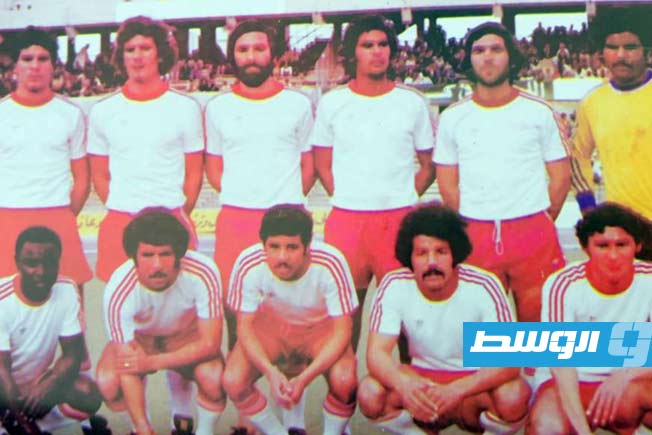
The late participated with a distinguished generation of Al-Nasr players, which included prominent names, under the leadership of the national coach and former goalkeeper.
During his university studies, the deceased represented the Faculty of Arts team and the University of Benghazi team in the university college league, in addition to his active participation in social and cultural activities within the university corridors.
Return to Al-Swehli and Administrative Work
After completing his studies, he returned to his parent club, Al-Swehli, and by the early 1970s, he left the playing fields to focus on administrative work, where he chaired the board of directors of Al-Swehli Club in several different periods, the last of which was in the mid-1990s.
During his administrative career, the late witnessed various sporting generations at the club and contributed to developing organizational work and enhancing Al-Swehli’s presence on the sporting scene.
A Multi-Talented Athlete
The deceased’s sporting interests were not limited to football only, as he practiced several other sports and excelled in them, including athletics, where he participated in long-distance races, the triple jump, and the high jump, in addition to cycling, reflecting his great passion for sports in all its forms.
A Prominent Educational and Academic Figure
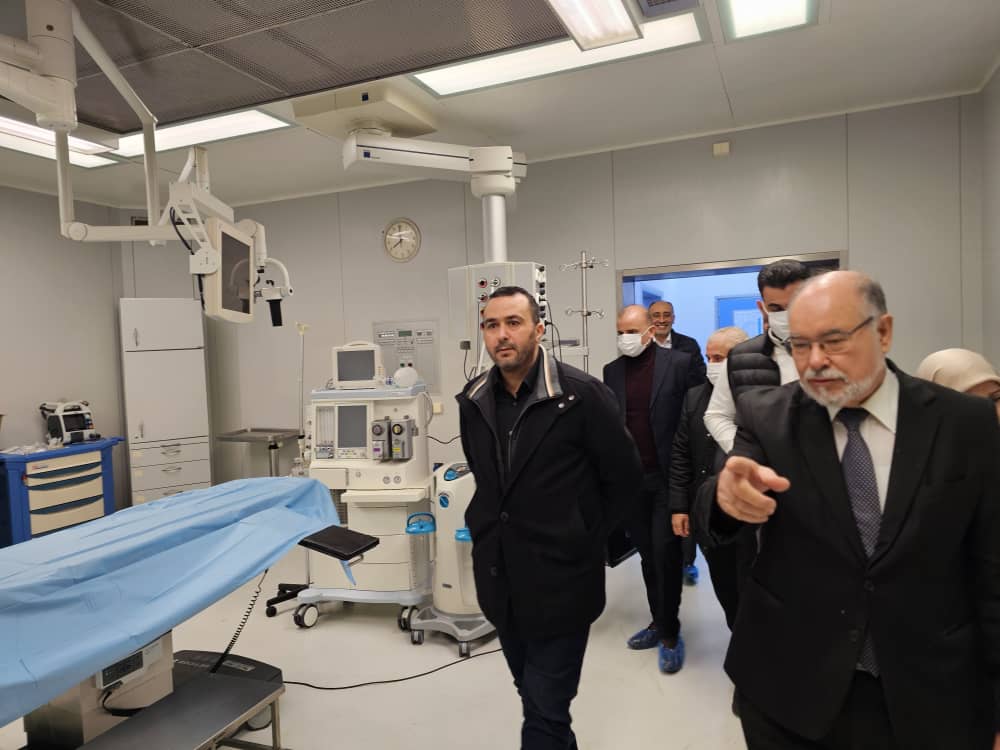
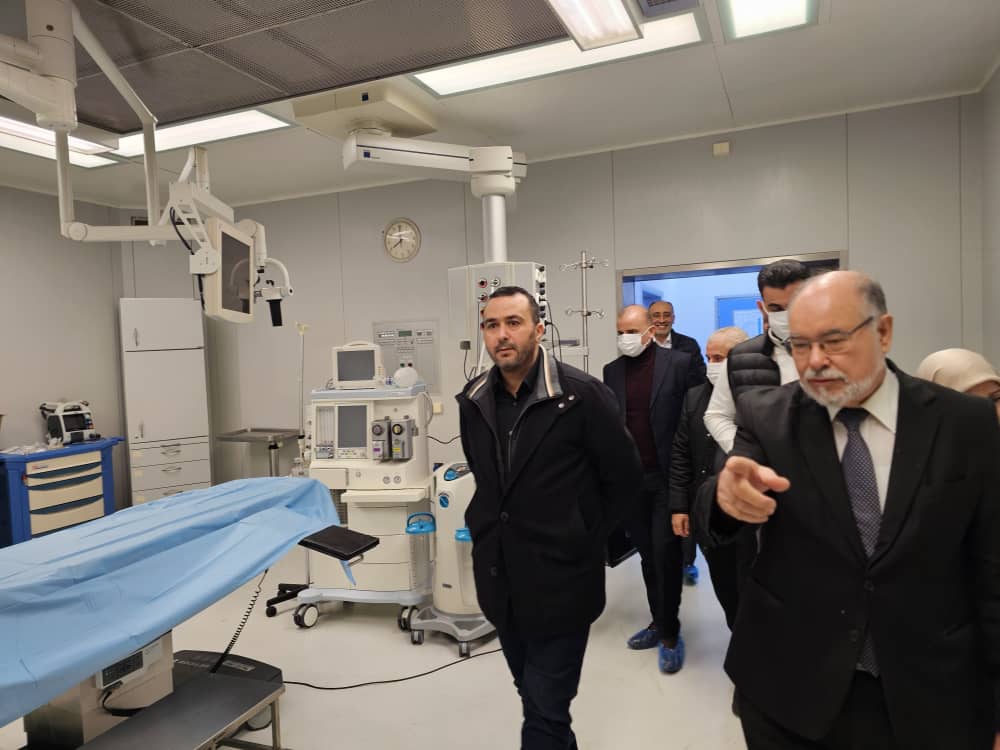
Alongside his sporting career, he is considered one of the most prominent figures in education and teaching in Libya, a scientific and educational figure recognized for competence and integrity. The late held many leadership positions in the education sector in the city of Misrata, where he headed it for several years and in different periods.
He also held the position of President of the University of Misrata, playing an active role in developing the educational process, leaving a clear mark on the journey of university and national education.
A Farewell Worthy of a National Legacy
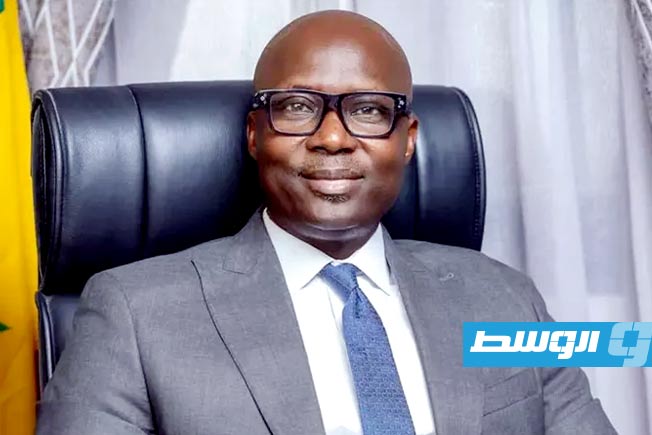
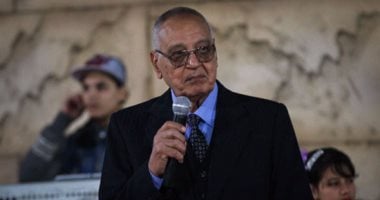
With the passing of Dr. Abdullah Mohammed Al-Ashhab, Libya loses an exceptional sporting, academic, and educational personality, who combined noble character, sporting contribution, and an educational mission.
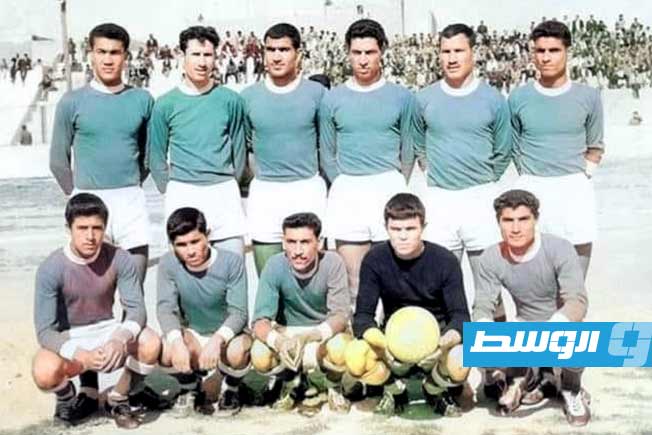
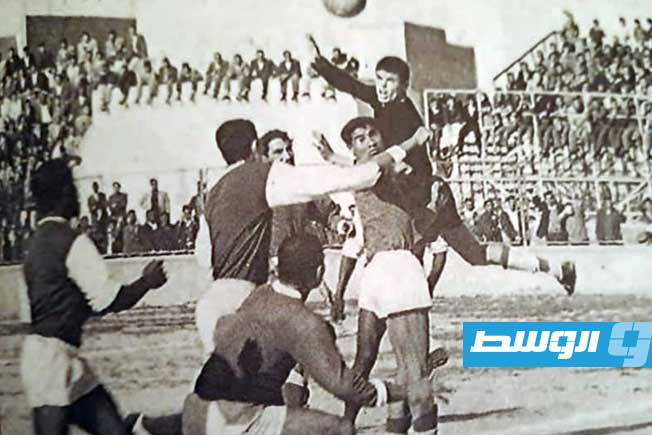
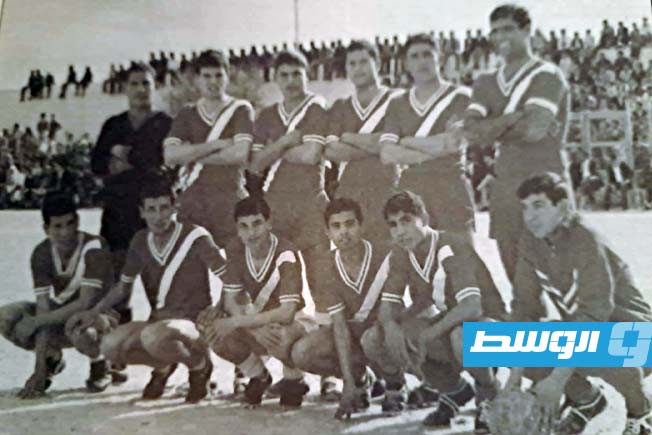
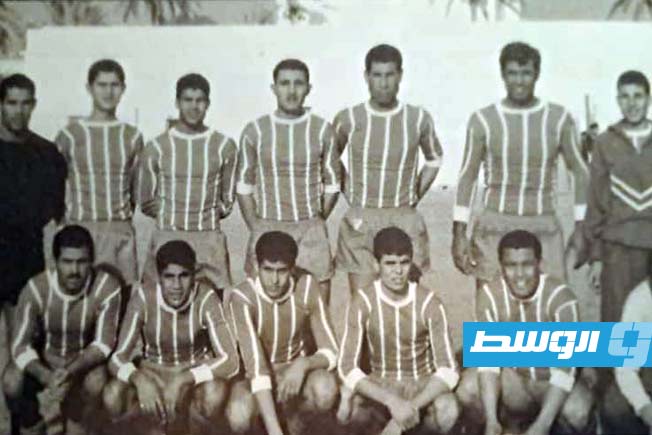
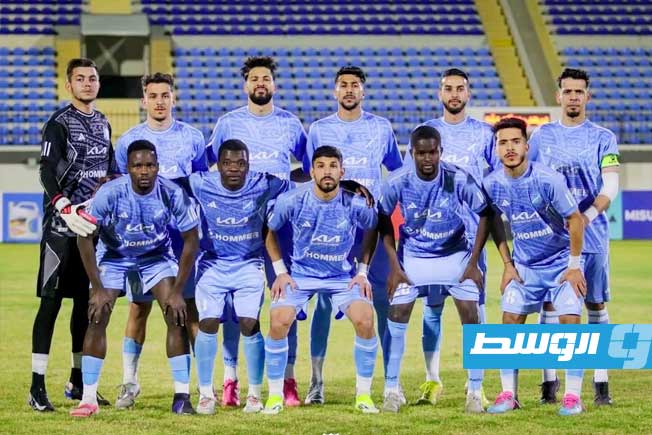
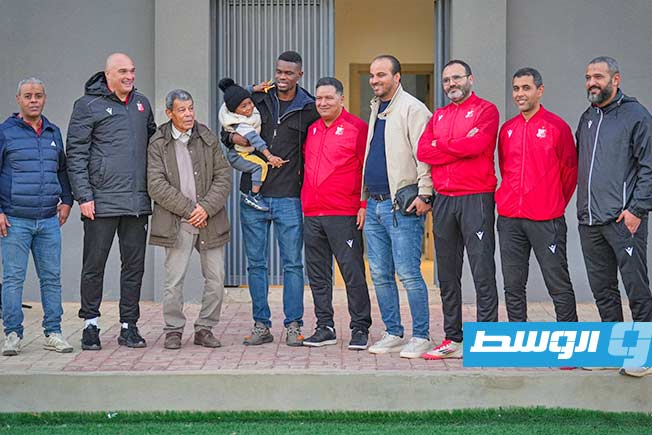
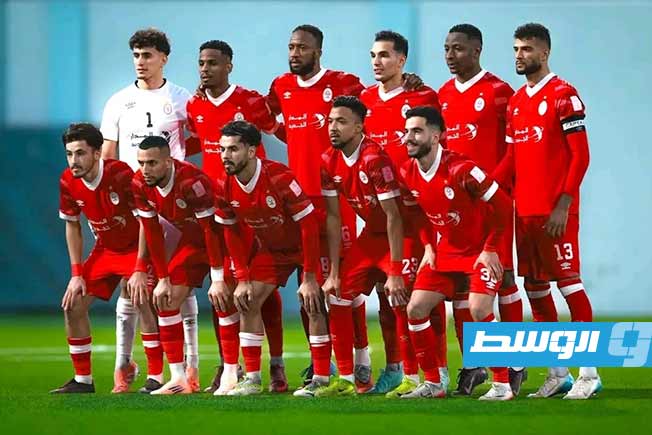
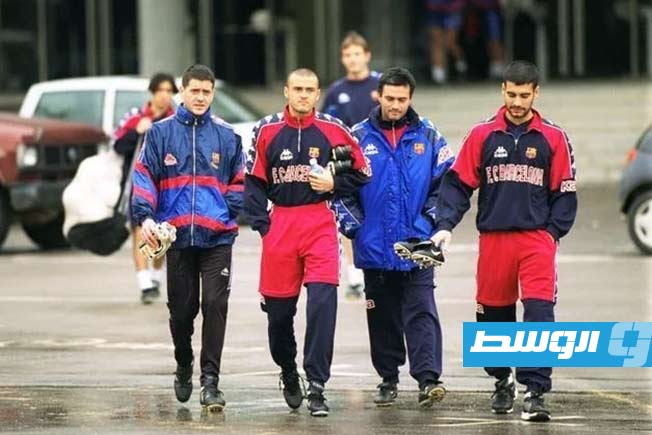
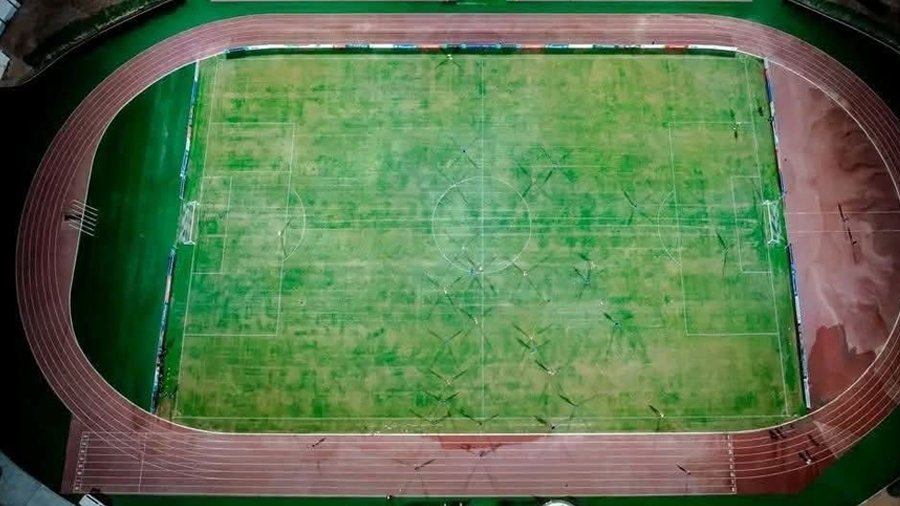
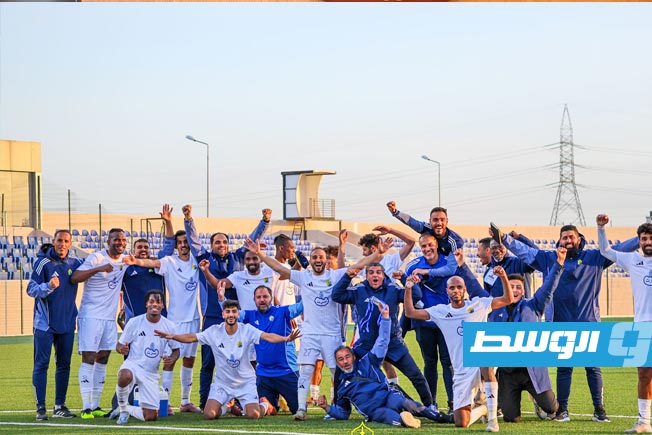
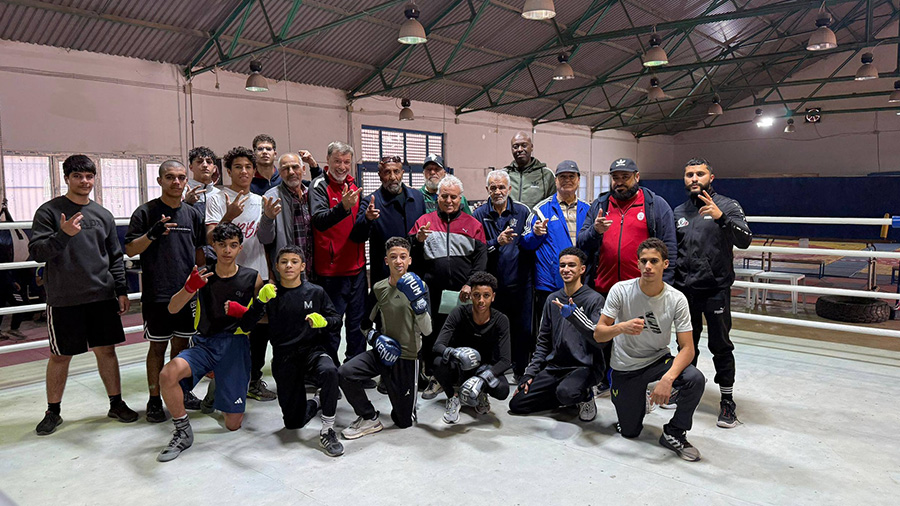
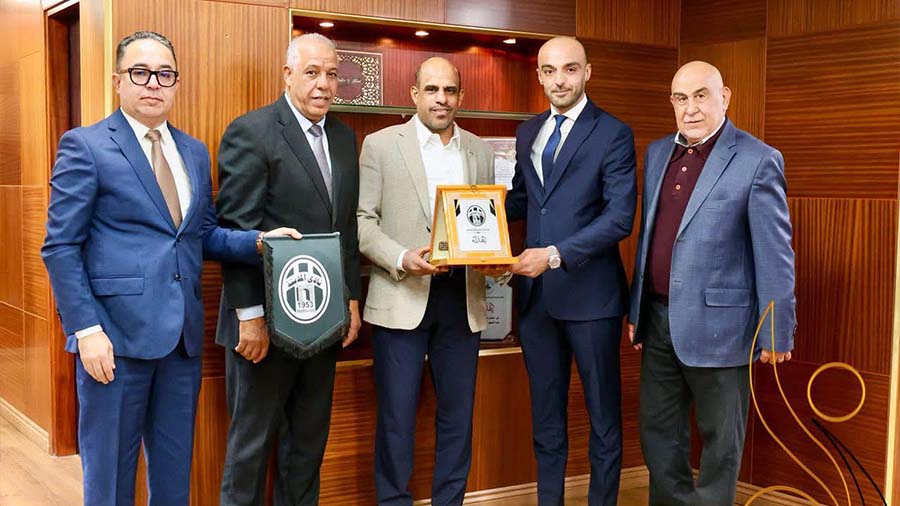
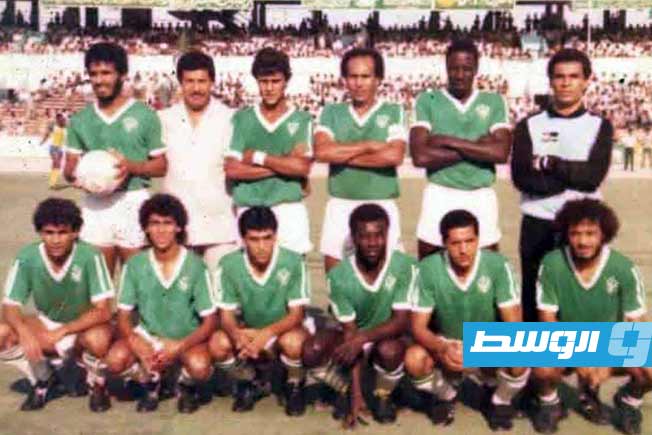
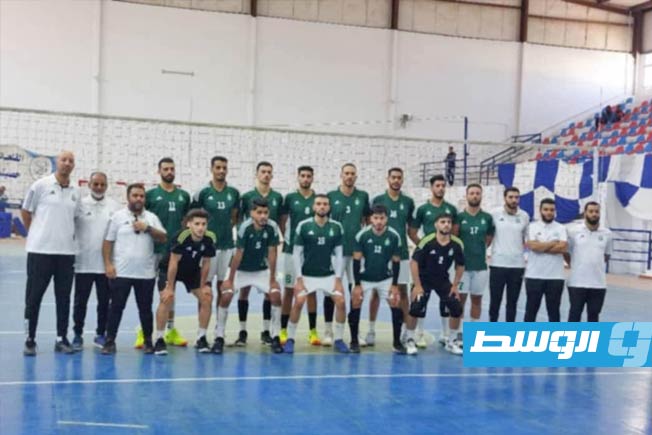
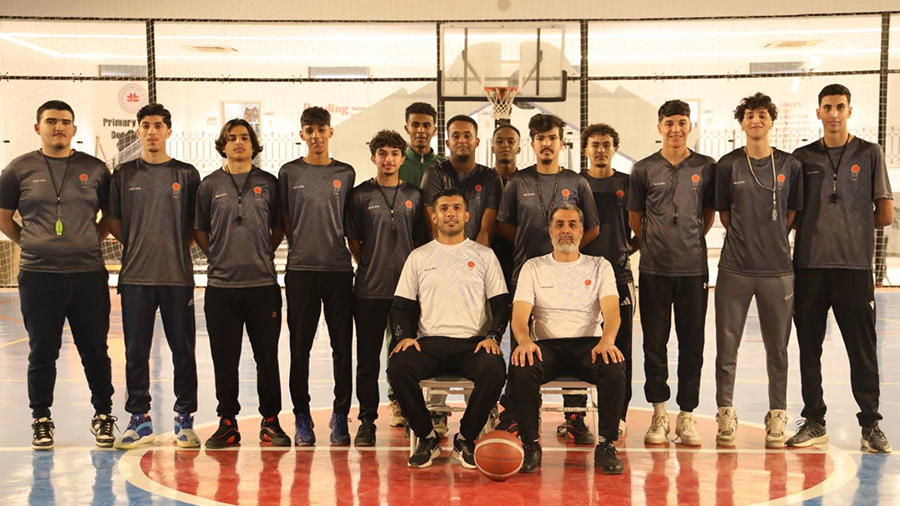
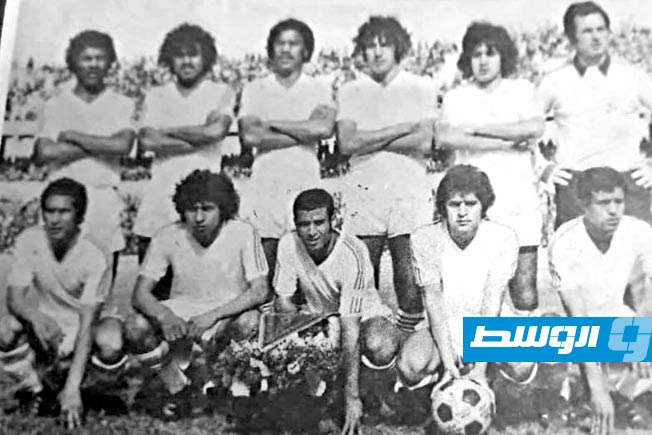
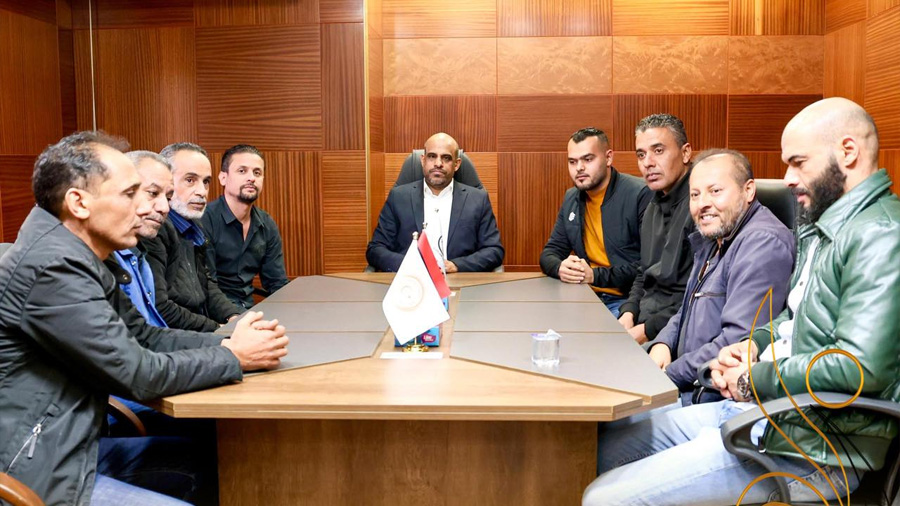
Goalkeeper Dr. Abdullah Mohammed Al-Ashhab in one of his matches with Al-Nasr team at Al-Burka Stadium.The late Abdullah Al-Ashhab, second from the left standing, with the Al-Swehli team.The late Abdullah Al-Ashhab, third from the right sitting, with the
Libya
Libya is a North African country with a rich history rooted in ancient civilizations like the Phoenicians and Romans, followed by centuries of Arab and Ottoman influence. In the modern era, it was an Italian colony before gaining independence in 1951, later becoming known for Muammar Gaddafi’s lengthy rule from 1969 until the 2011 revolution. Its cultural sites include the well-preserved Roman ruins of Leptis Magna, a UNESCO World Heritage site.
Misrata
Misrata is a major port city on the Mediterranean coast of northwestern Libya, historically known as a key trading and commercial center since ancient times. It played a pivotal and heavily contested role during the 2011 Libyan Civil War, serving as a stronghold for anti-Gaddafi forces and enduring a prolonged siege. Today, it remains one of Libya’s most important economic hubs, known for its industry and commerce.
Al-Ahli Misrati
Al-Ahli Misrati is a professional football club based in Misrata, Libya, founded in 1944. It is one of the oldest and most popular clubs in the country, with a significant historical role in Libyan sports. The club has a strong local fanbase and has competed in the top tier of Libyan football for much of its history.
Al-Swehli
Al-Swehli refers to Ramadan al-Swehli, a prominent Libyan resistance leader against Italian colonization in the early 20th century. He is particularly known for his role in the 1911-1912 war and for later establishing a short-lived republic in Misrata. Today, his name is commemorated in Libyan history and in landmarks like Tripoli’s Al-Swehli Square.
Al-Nasr
Al-Nasr is a district in Gaza City, Palestine, historically known for its bustling market and residential areas. Its history is deeply intertwined with the broader modern history of Gaza, having been a commercial and social hub for decades.
Benghazi
Benghazi is a major city in eastern Libya, historically significant as a center of trade and culture since its founding as the Greek colony of Euesperides. It played a pivotal role in the 2011 Libyan Revolution and served as a temporary seat of government.
University of Benghazi
The University of Benghazi, originally founded as the University of Libya in 1955, is a major public university and one of the largest higher education institutions in Libya. It was established in the early years of the Libyan monarchy and has since played a central role in the educational and cultural development of the country’s eastern region.
Faculty of Arts
The Faculty of Arts is a traditional academic division within a university, typically encompassing disciplines in the humanities, social sciences, and fine arts. Its history dates back to the medieval university model, where the “faculty of arts” served as the foundational undergraduate curriculum in the liberal arts (the *trivium* and *quadrivium*) before advanced study in law, medicine, or theology.
Al-Burka Stadium
Al-Burka Stadium is a football stadium located in the city of Al-Burka in the Gaza Strip. It has historically served as a home venue for local clubs and has been a central site for community sporting events in the region.
University of Misrata
The University of Misrata is a major public university in Libya, founded in 1983 in the coastal city of Misrata. It has grown to become one of the country’s largest higher education institutions, playing a key role in the region’s academic and cultural development.