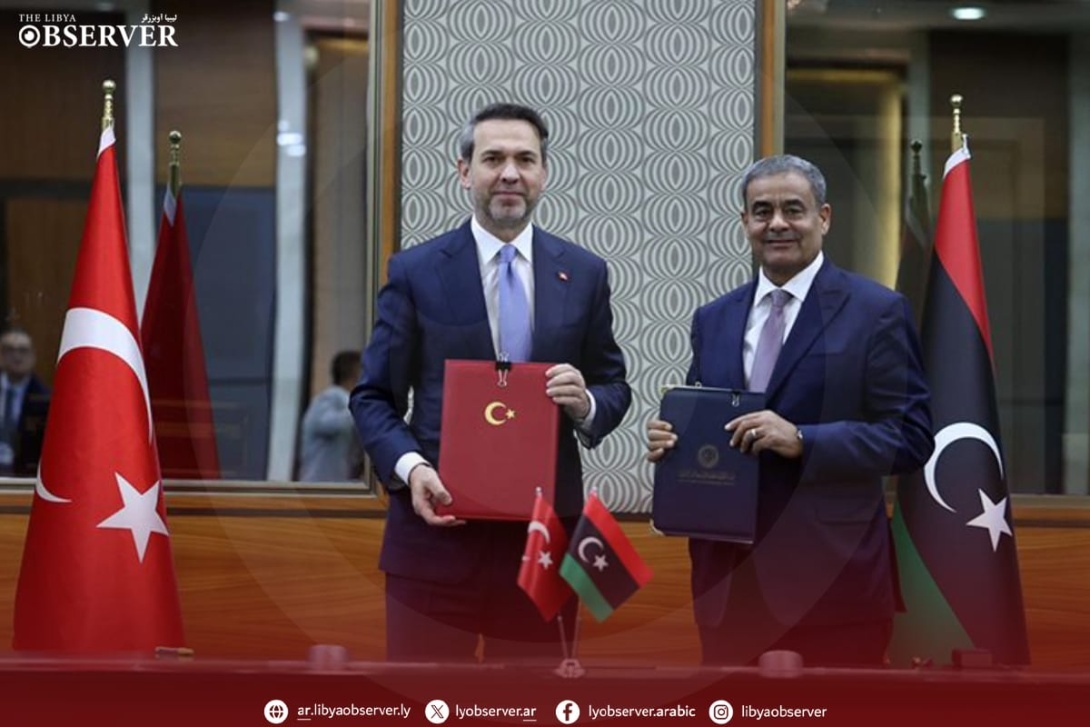
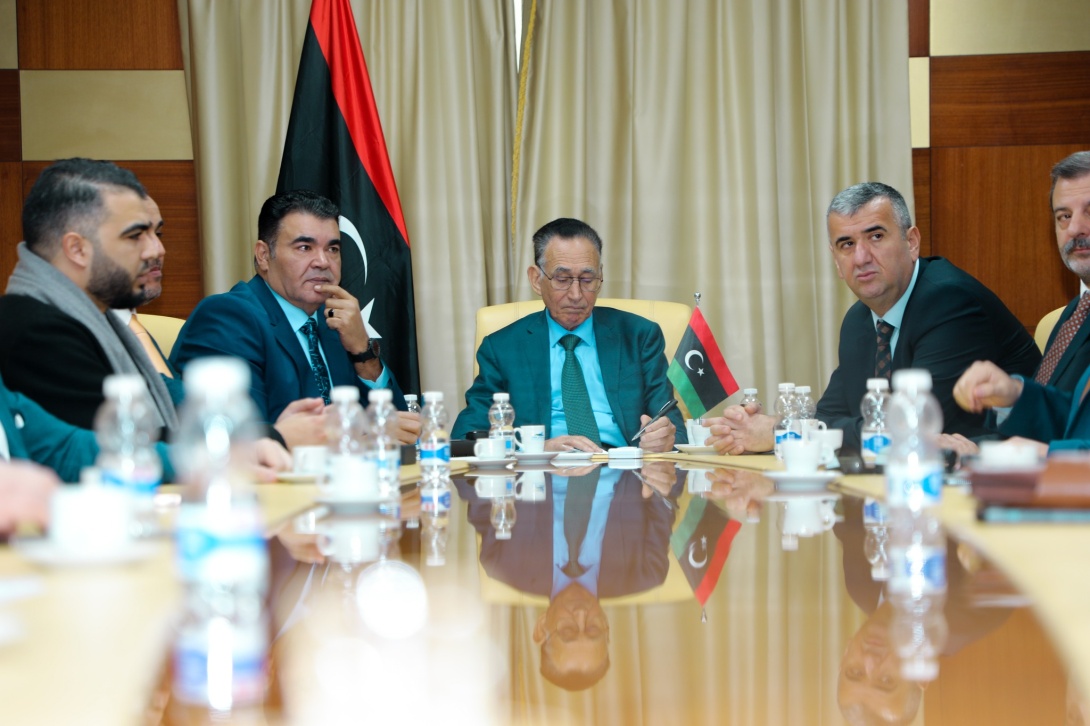
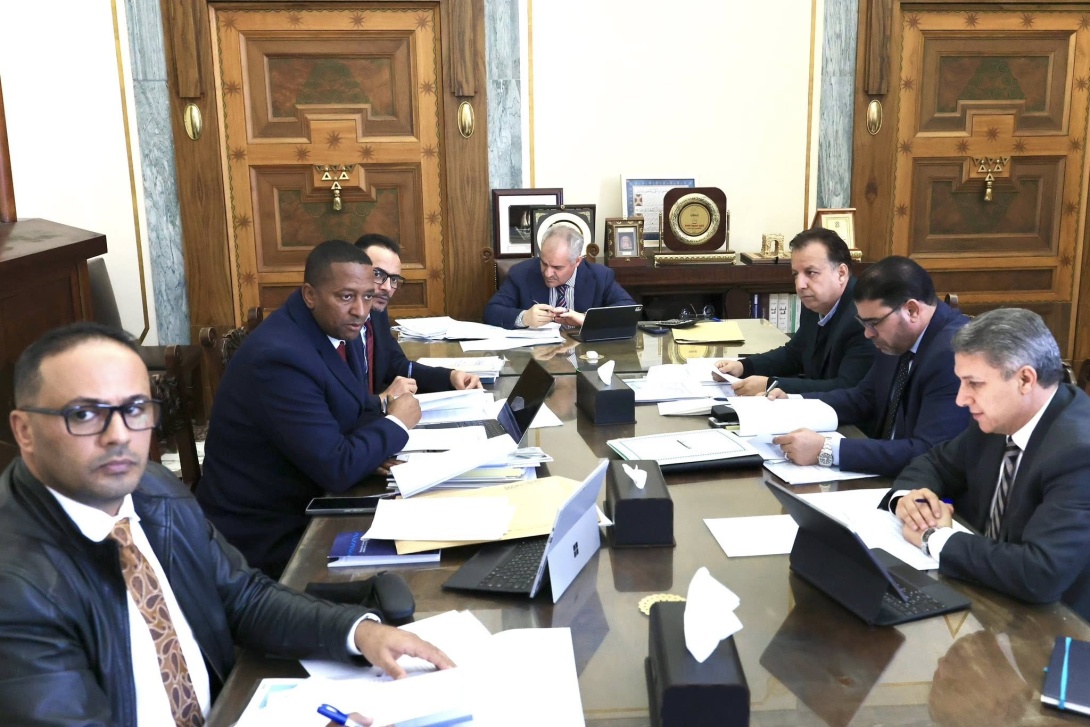
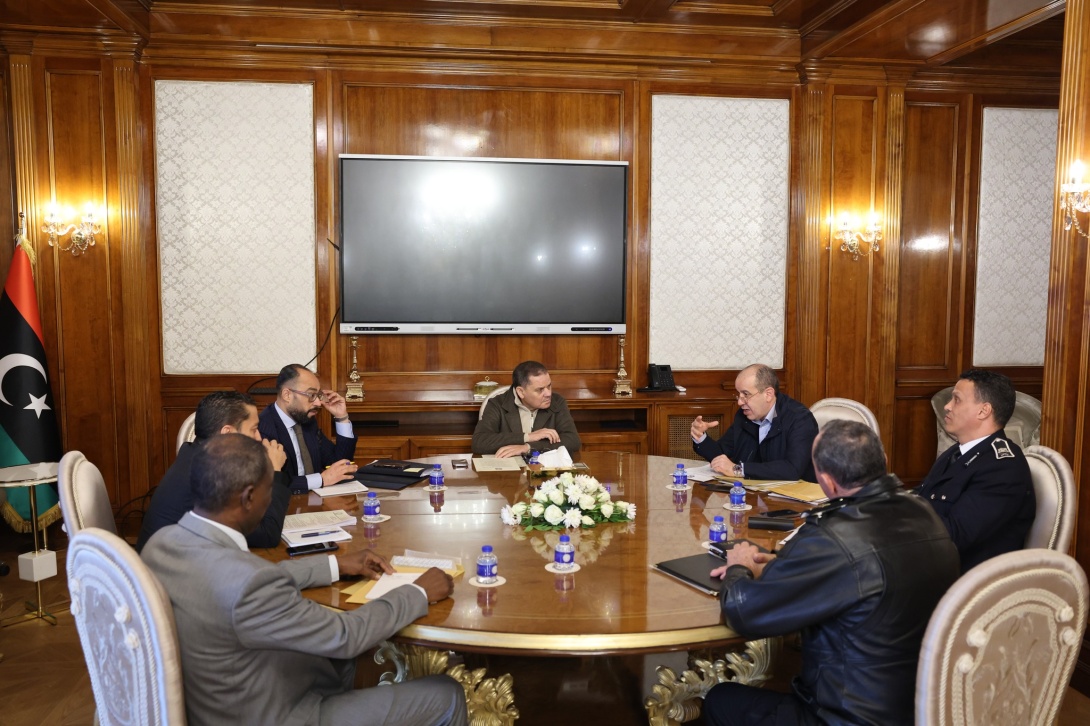
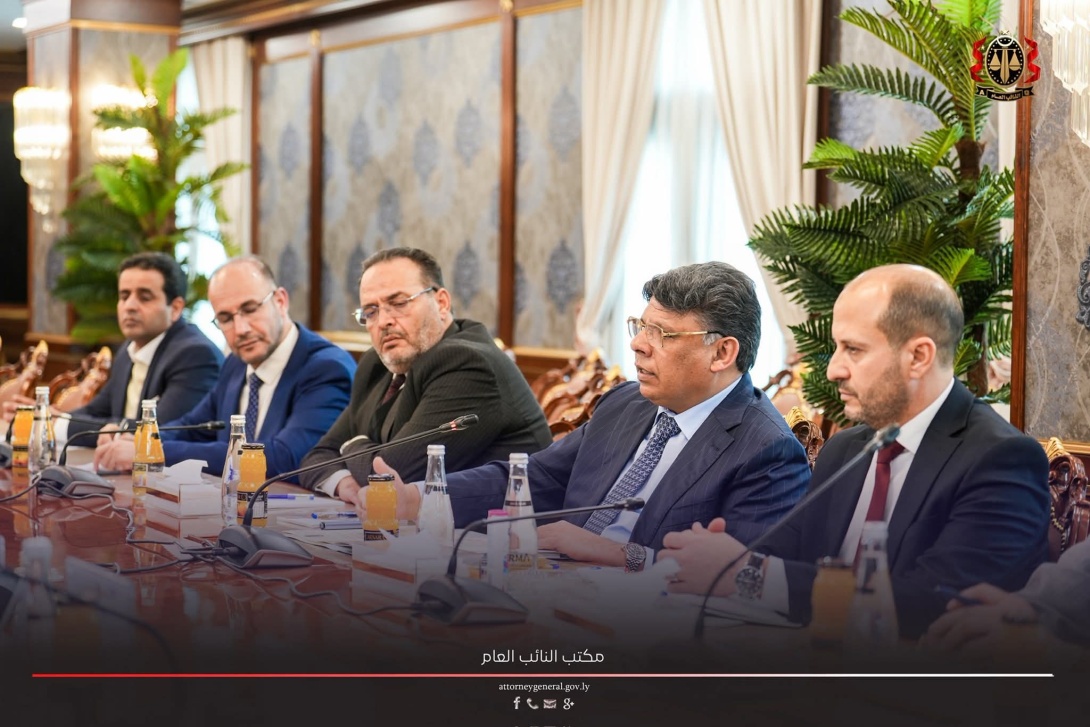
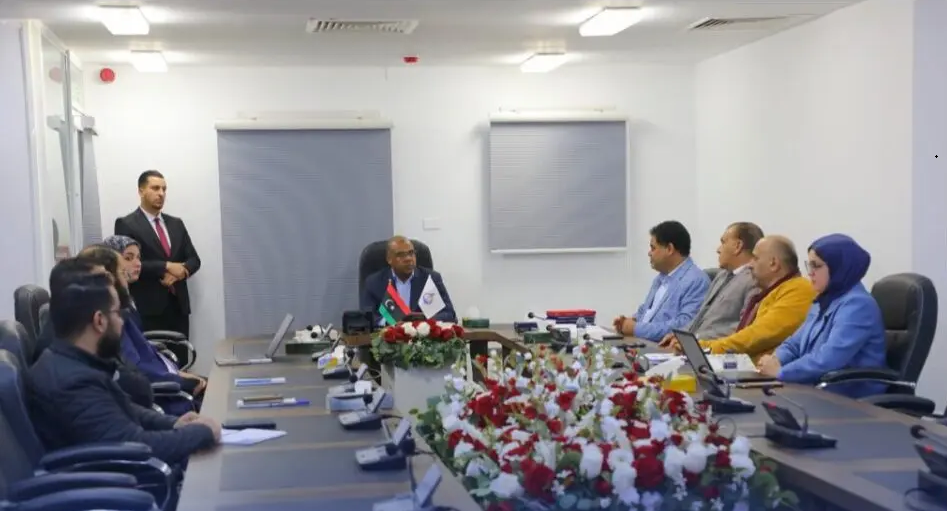
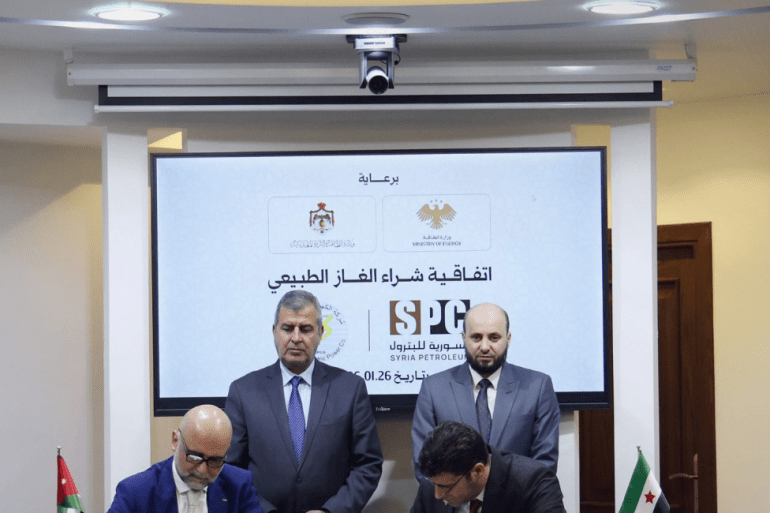
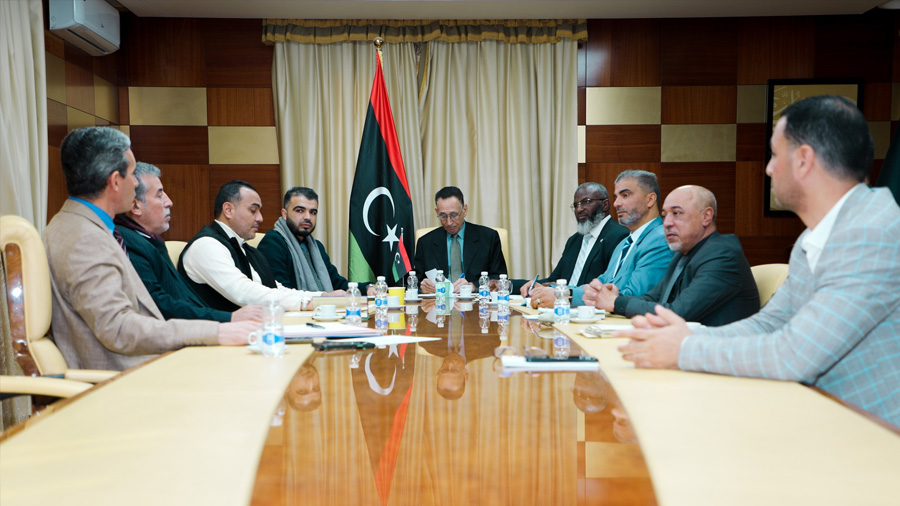
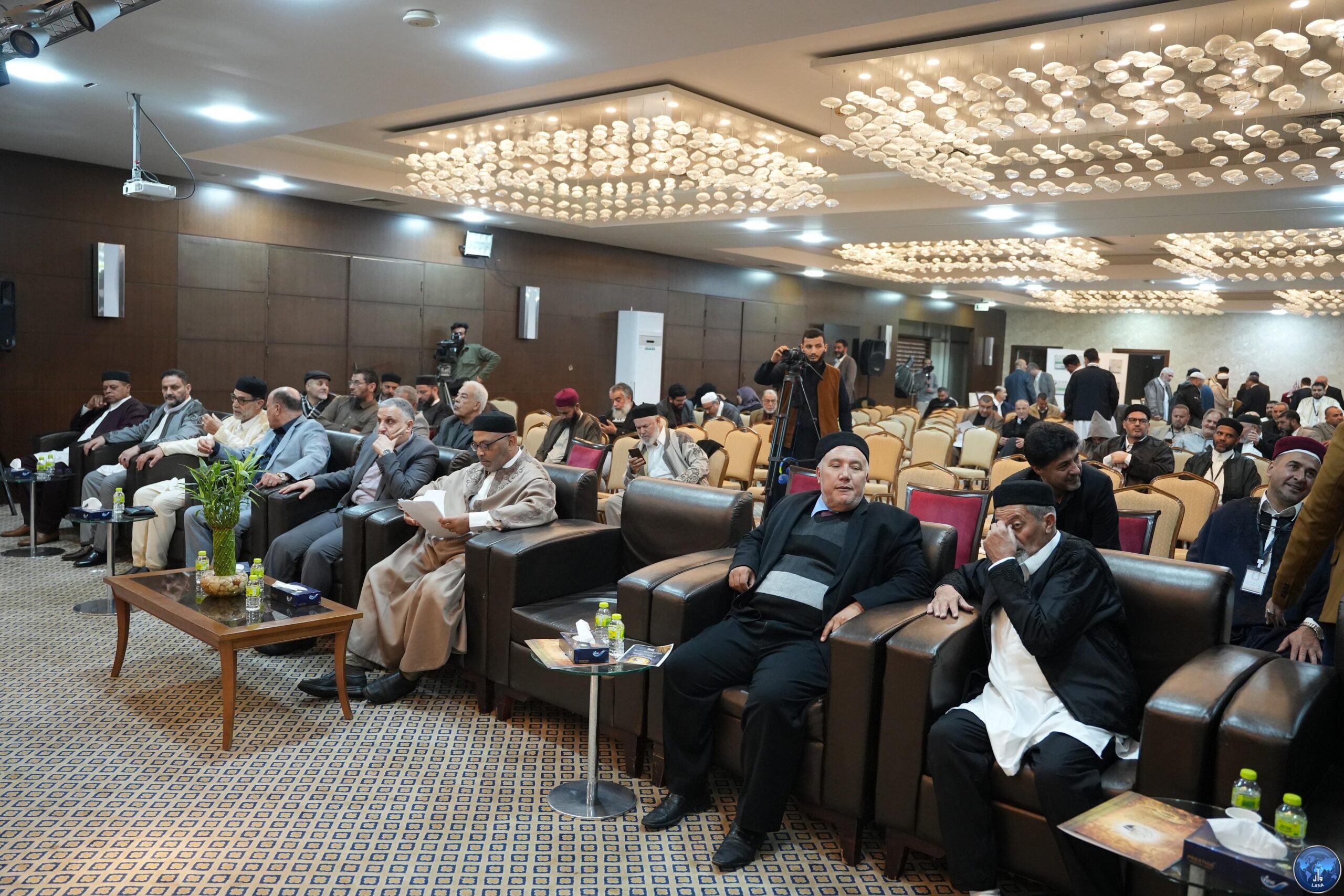
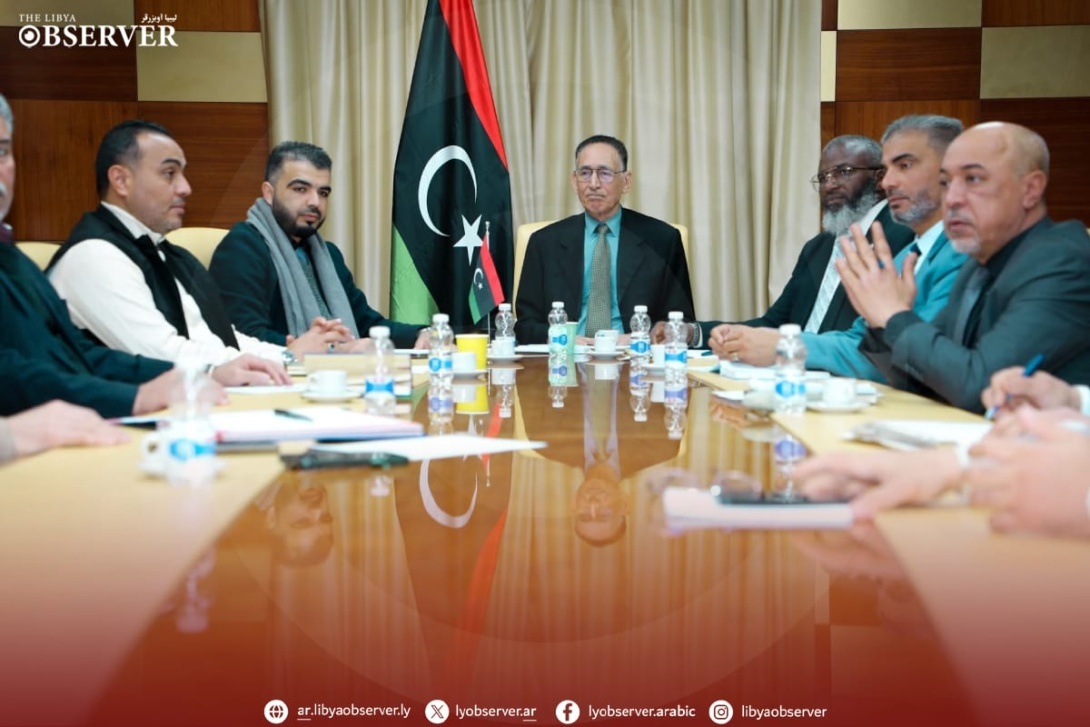
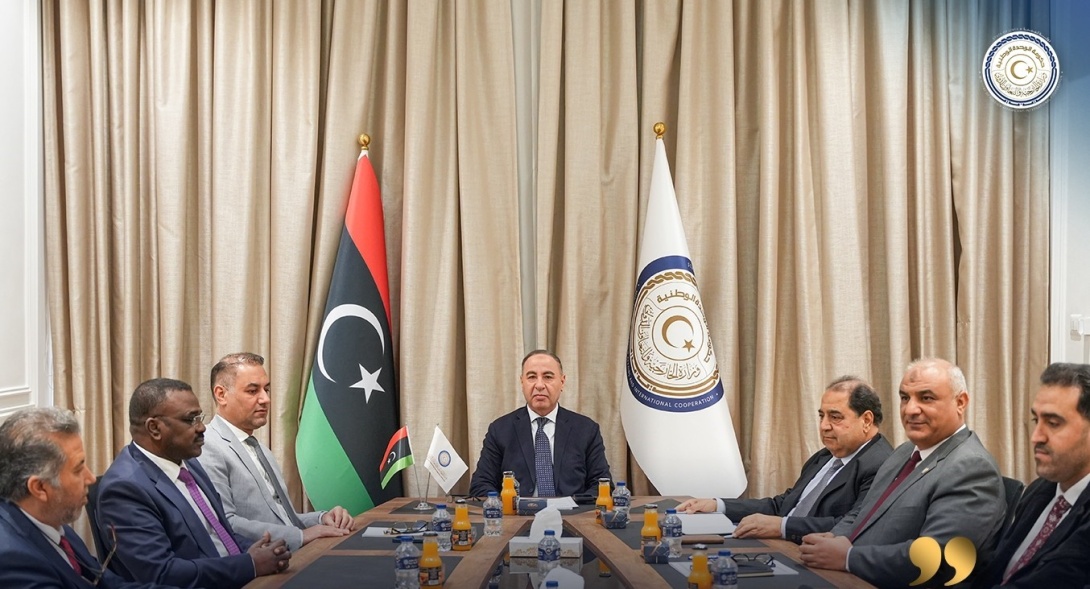
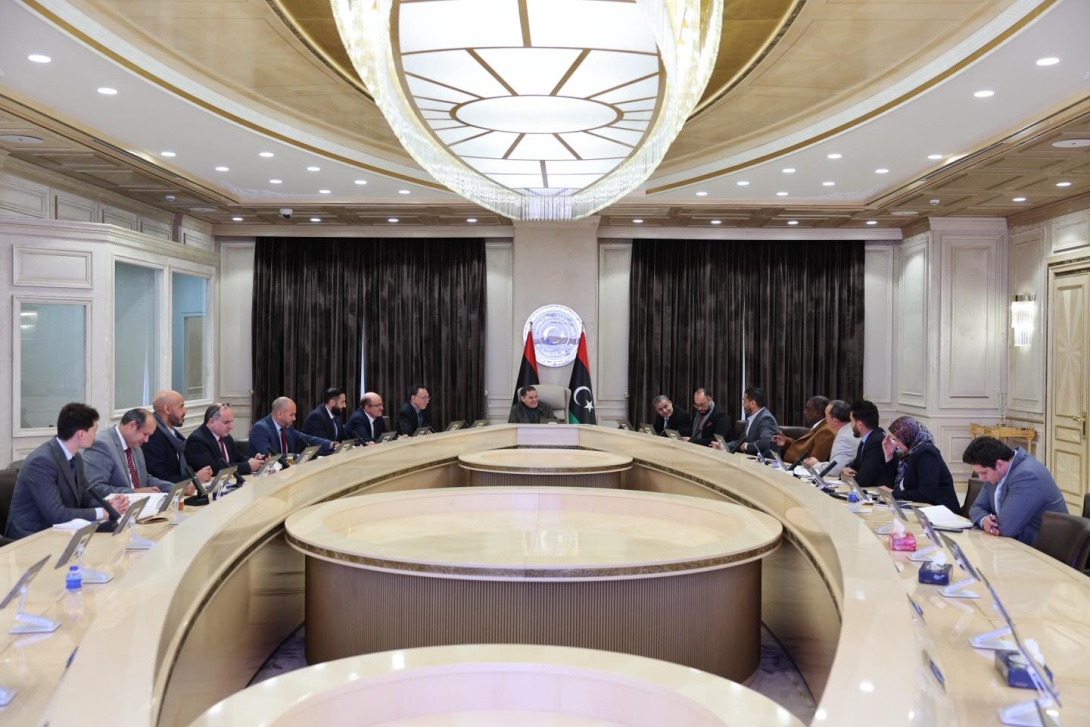
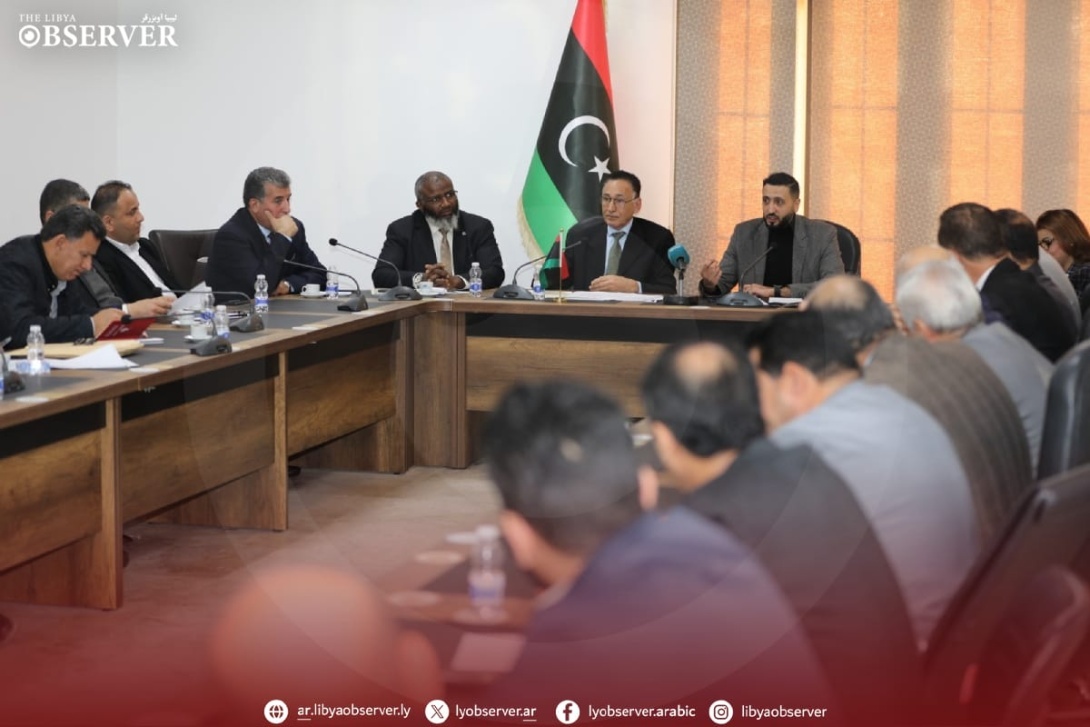
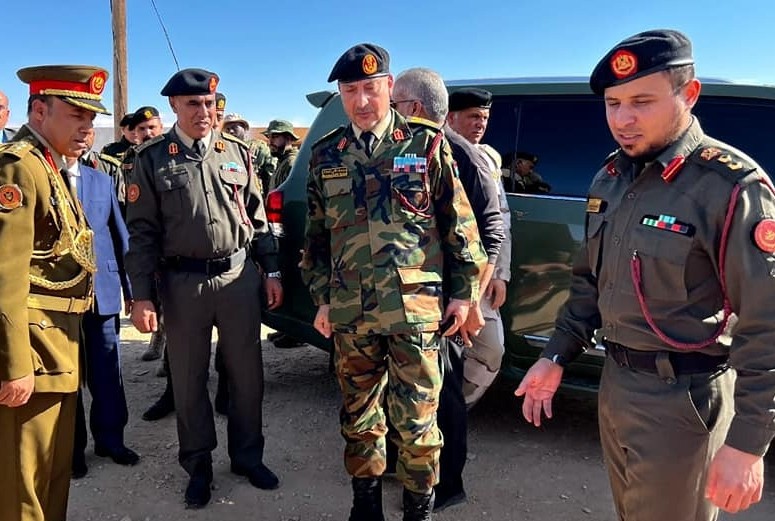
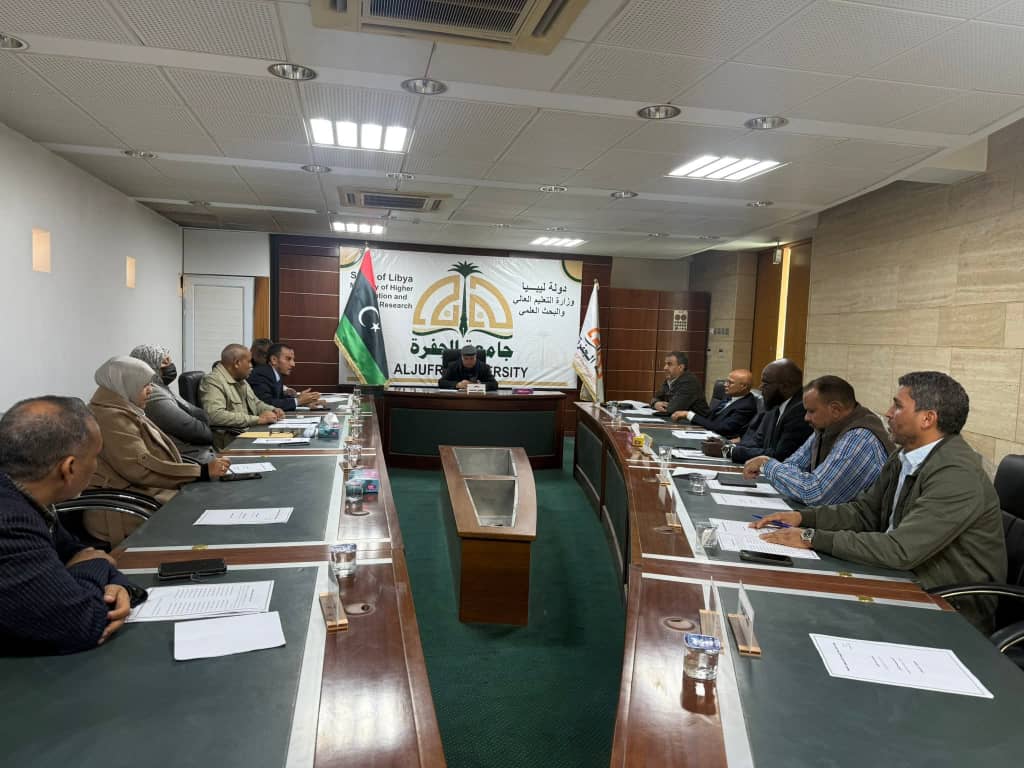
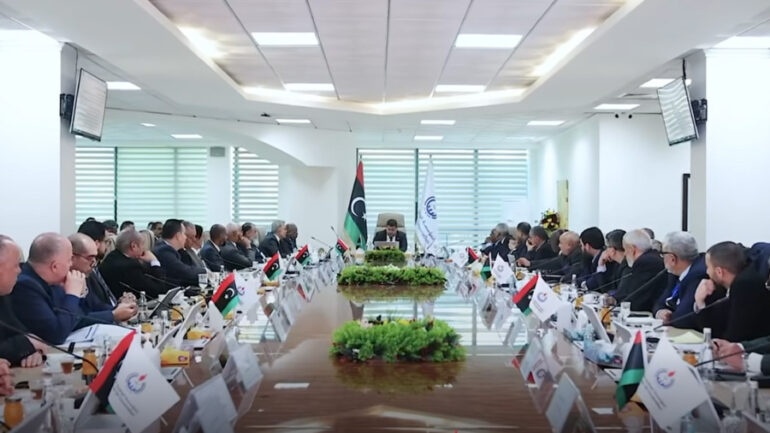
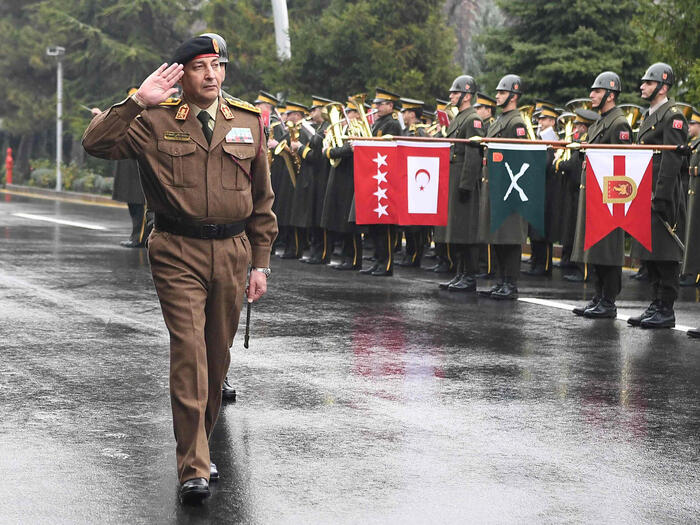
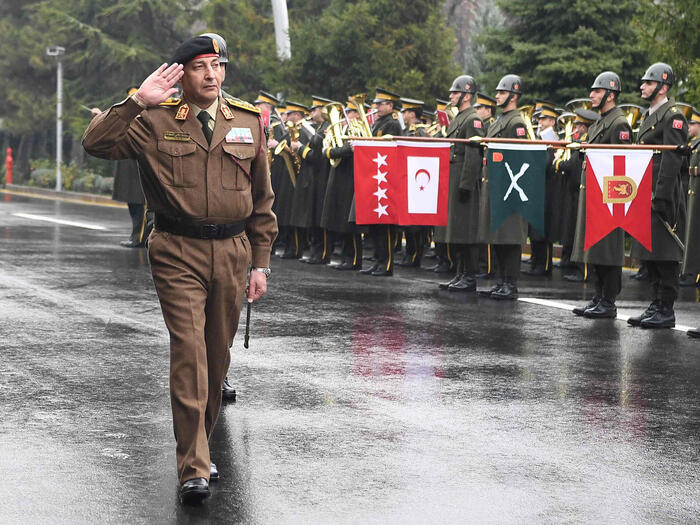
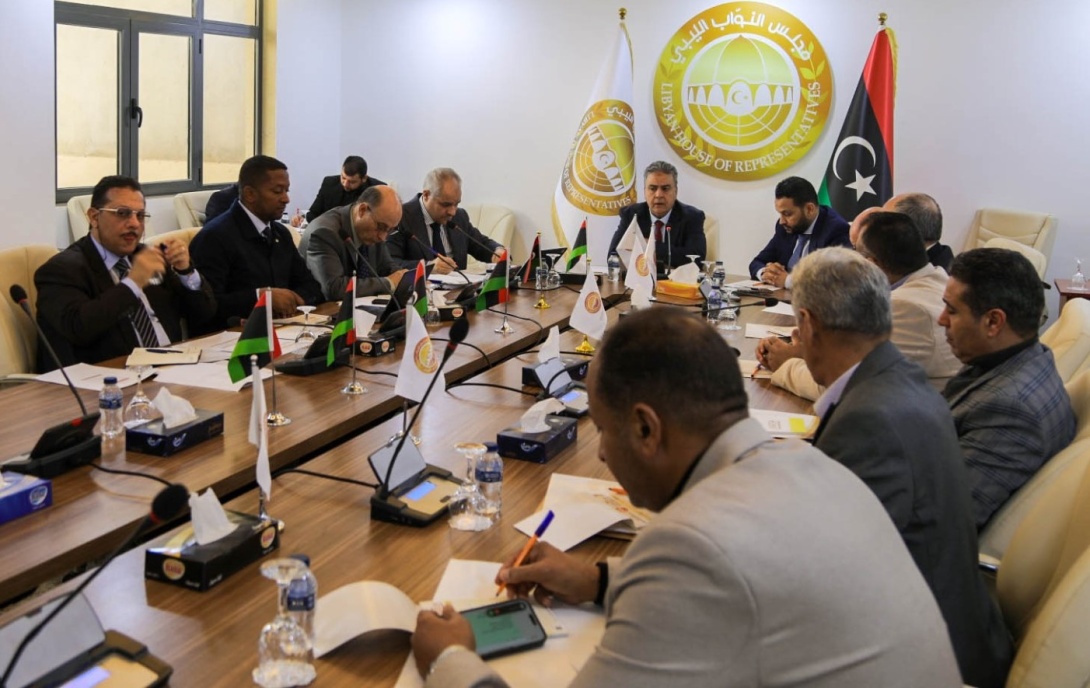
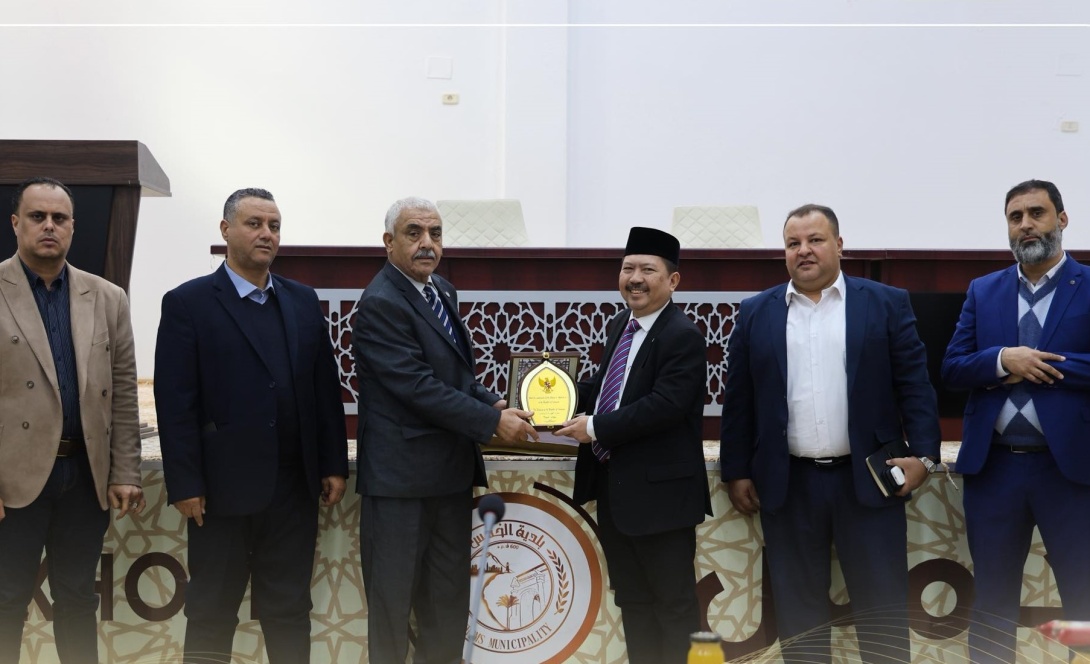
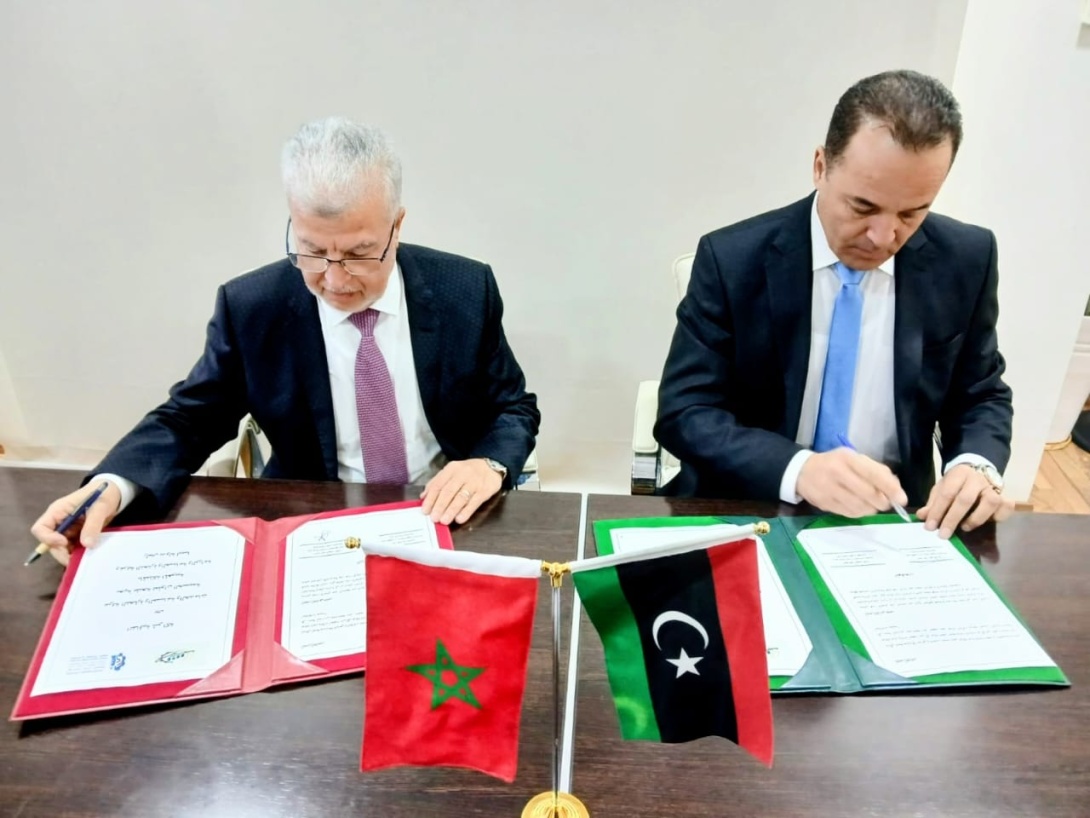
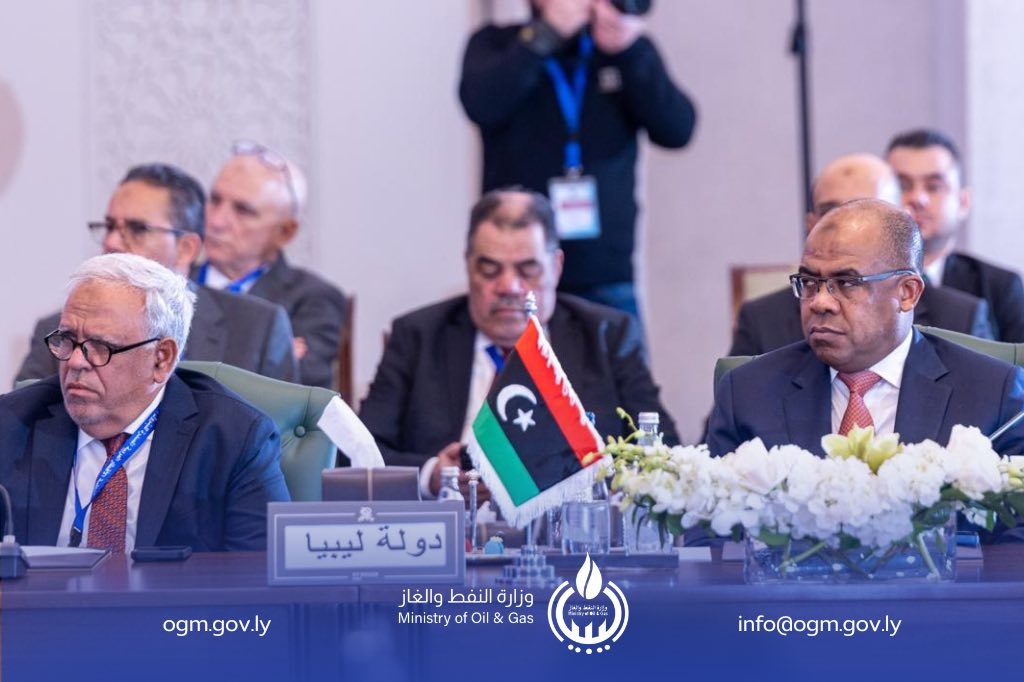
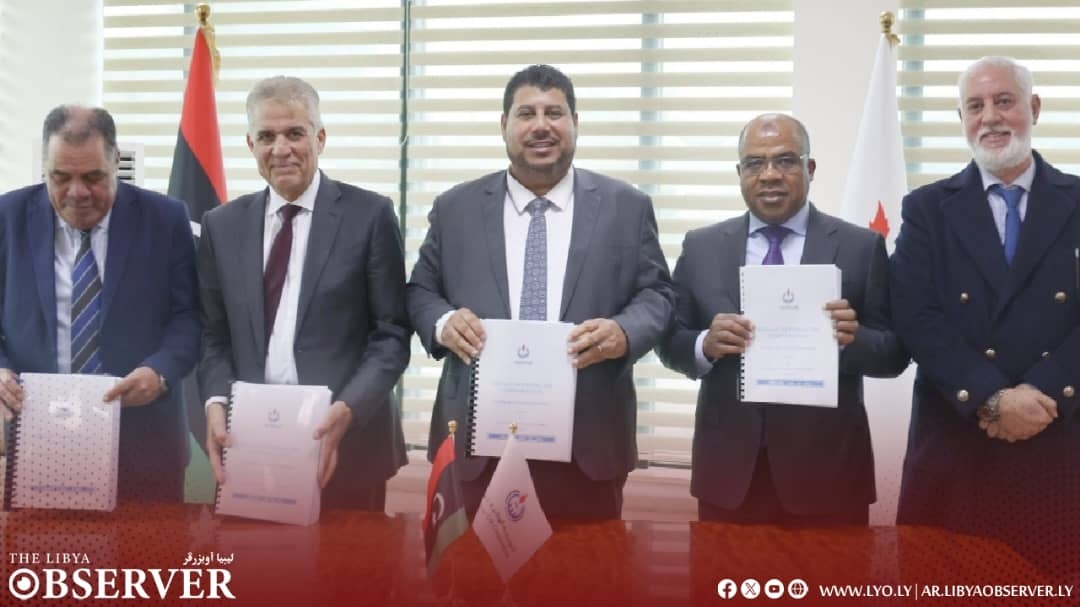
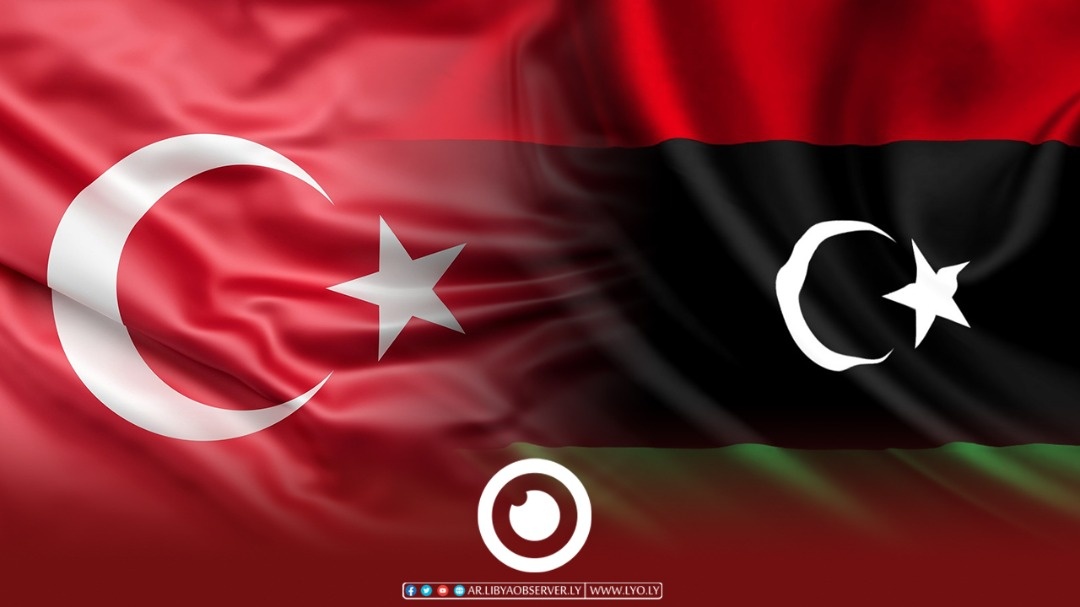
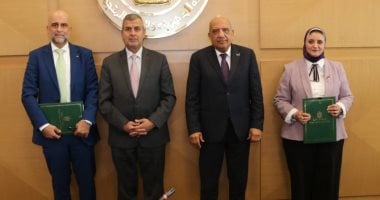
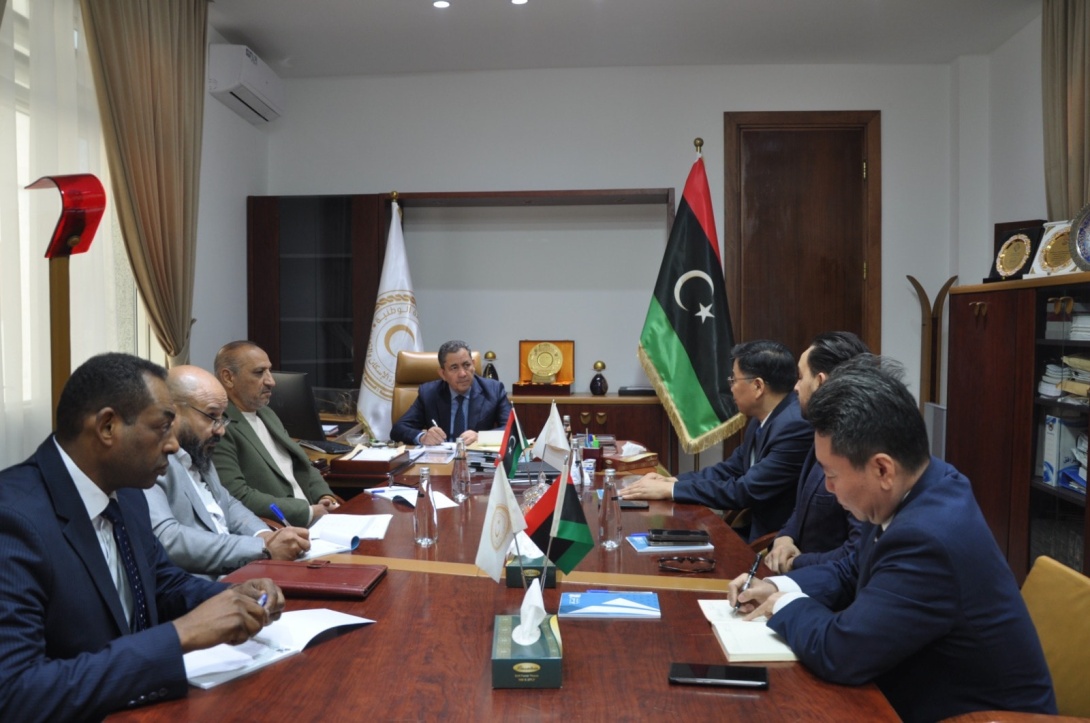
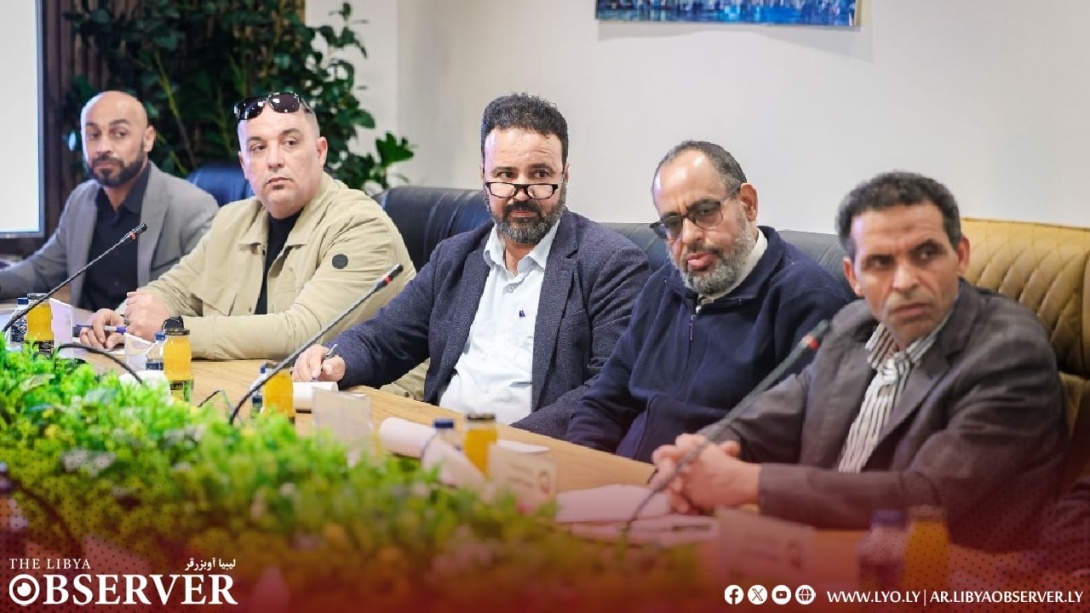
Libya and Turkey have signed the minutes of the 22nd meeting of their Joint Economic Committee, marking the resumption of the body’s work after a 17-year hiatus.
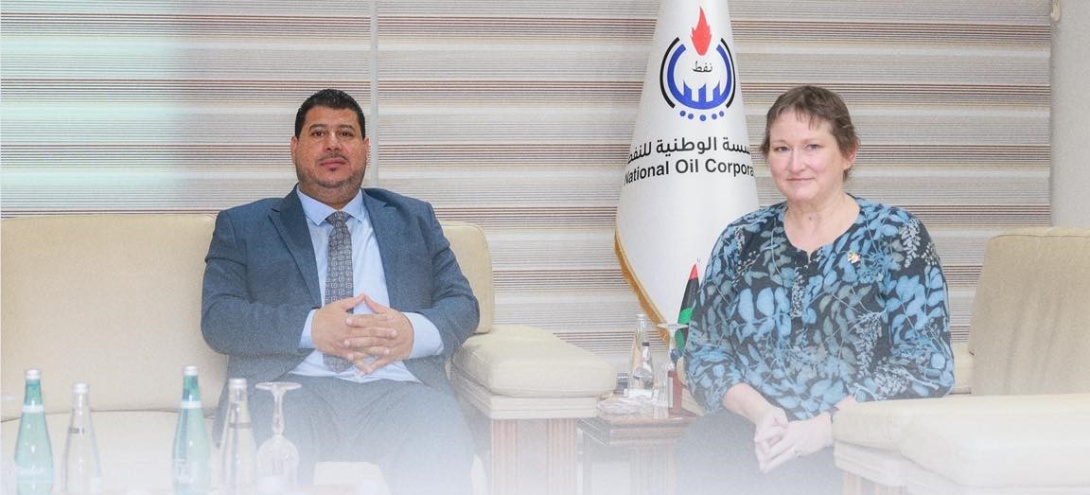
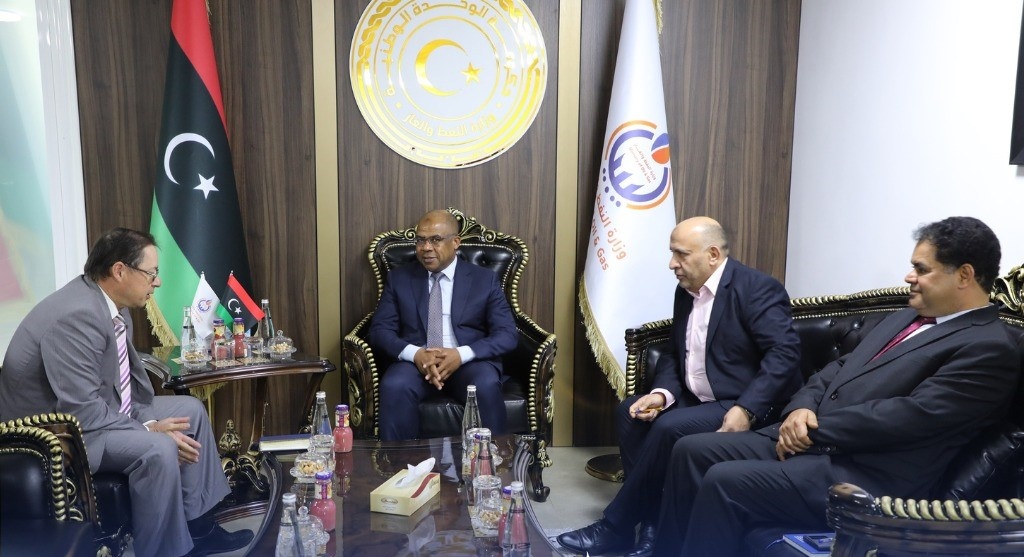
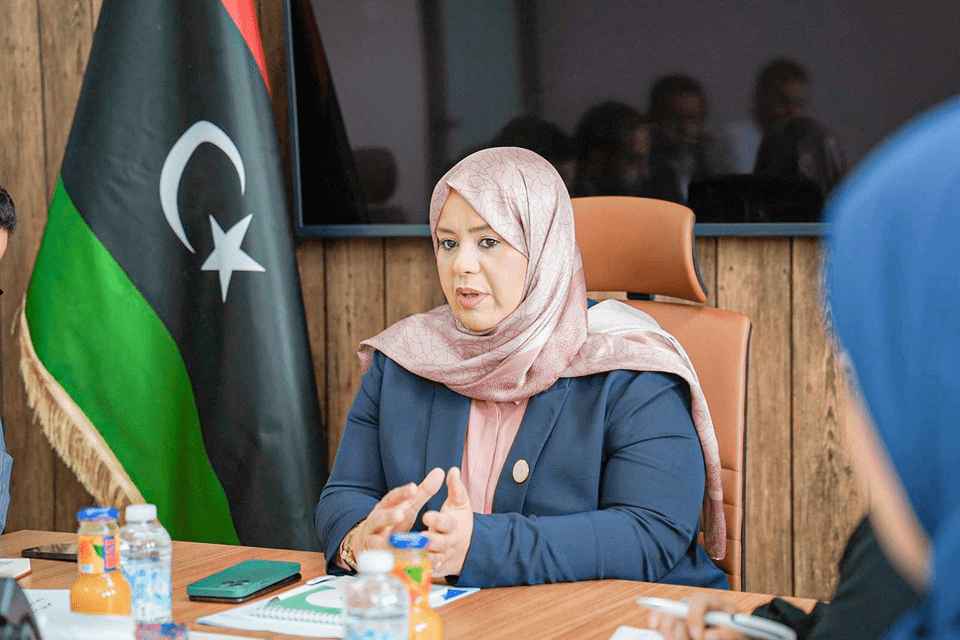
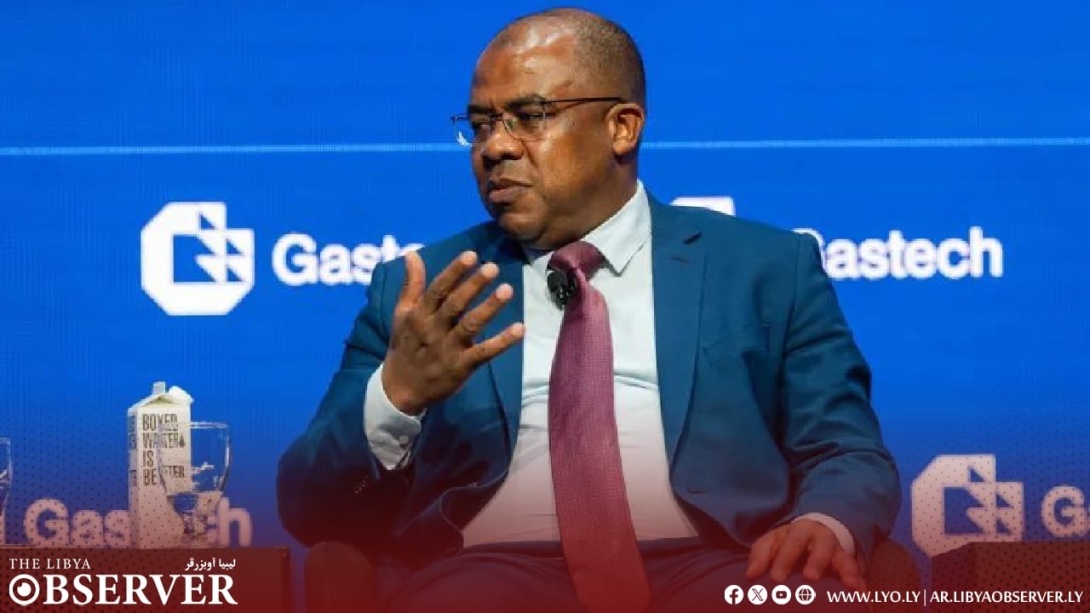
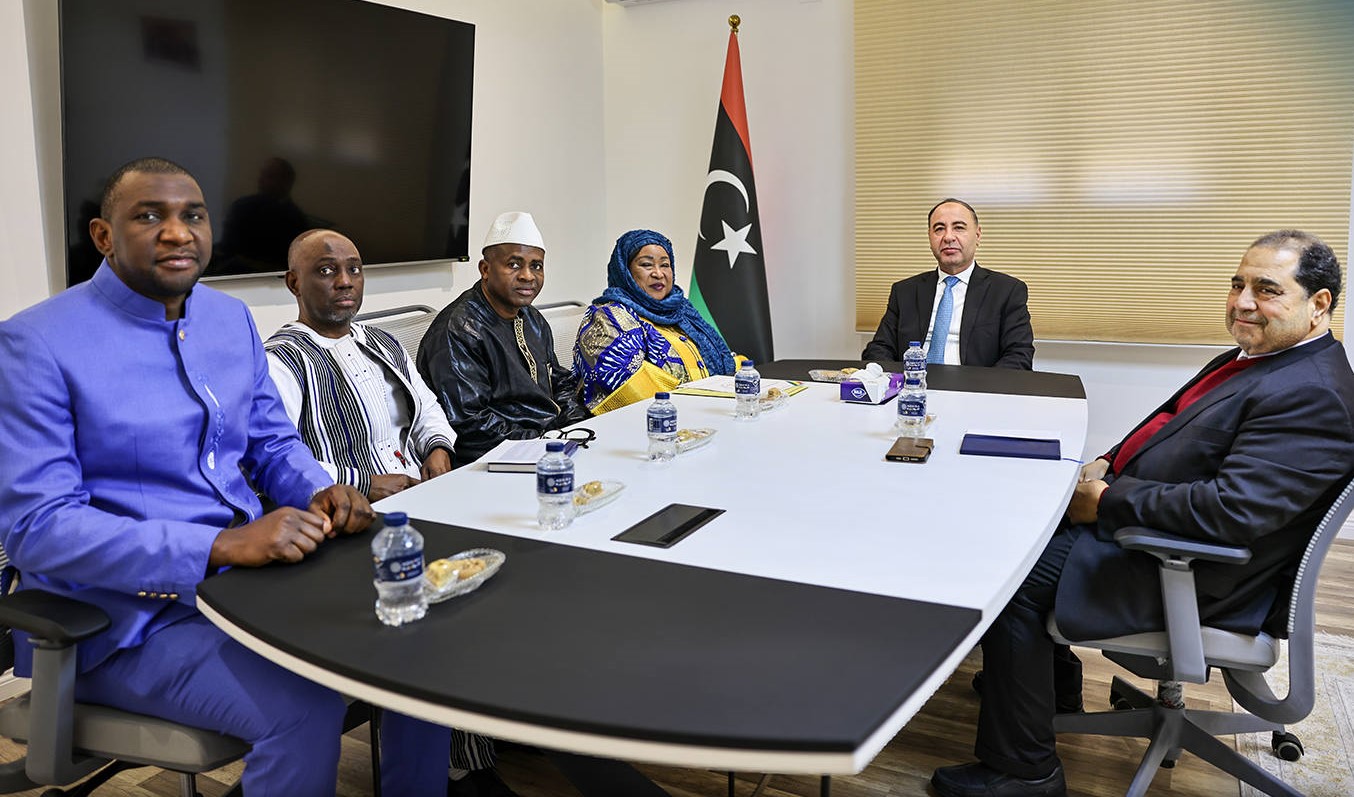
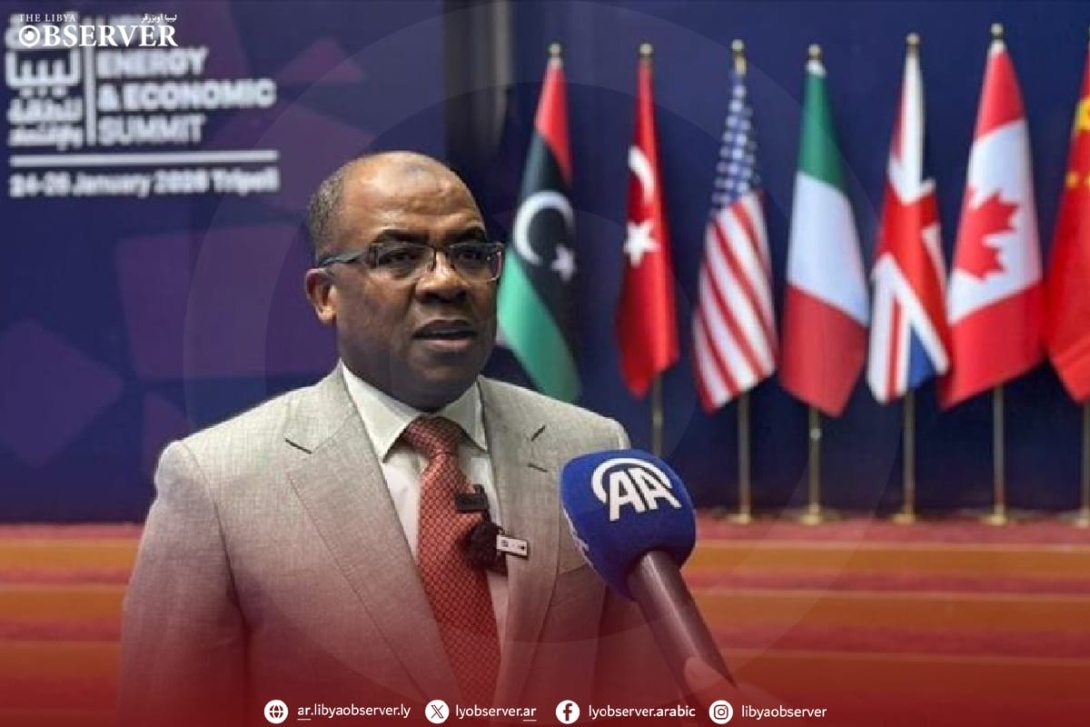
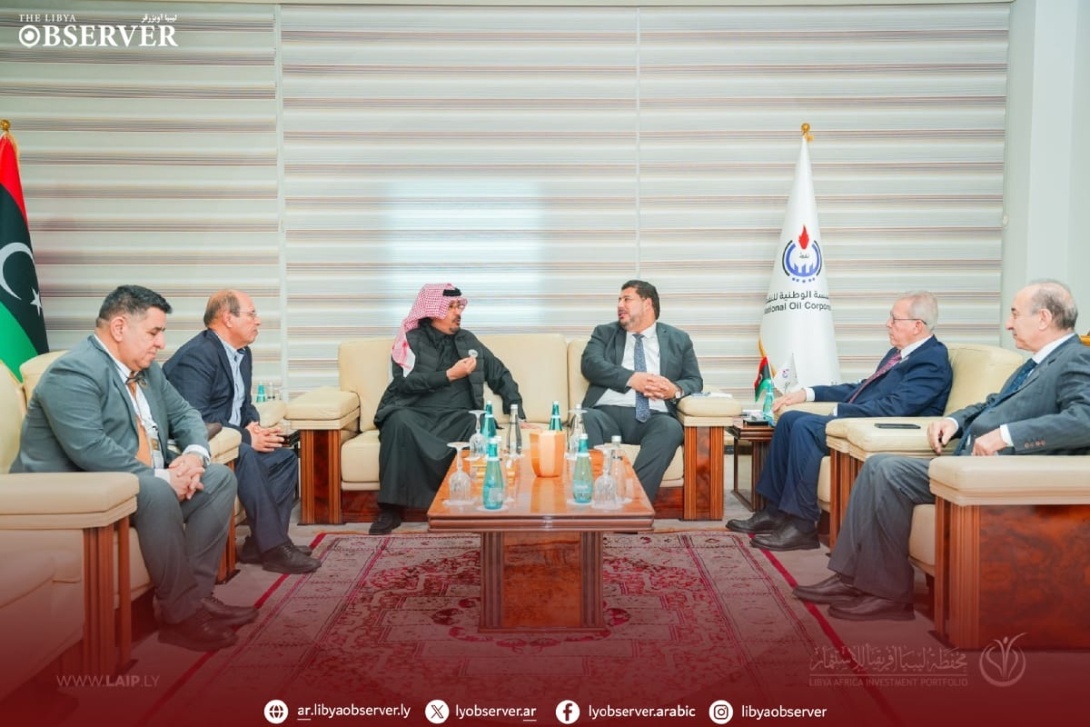
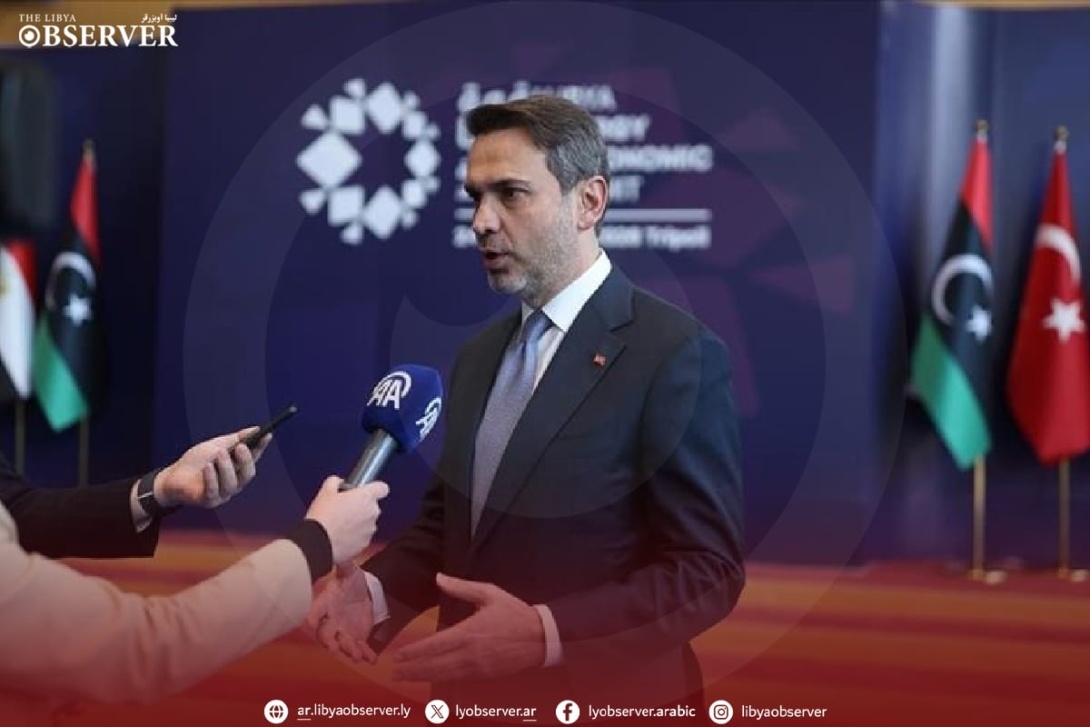
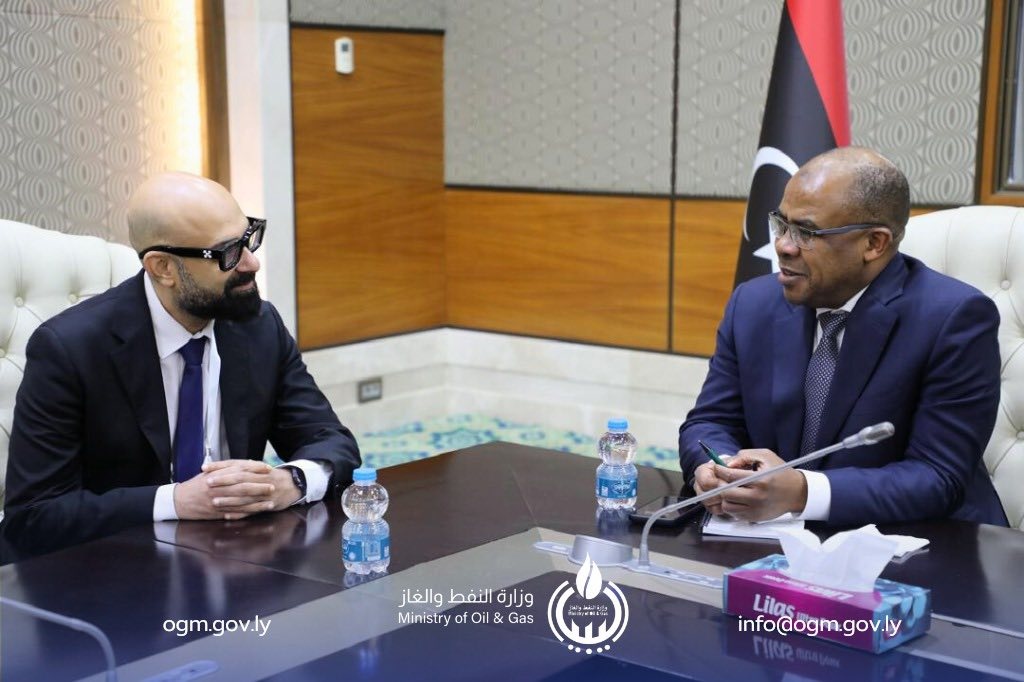
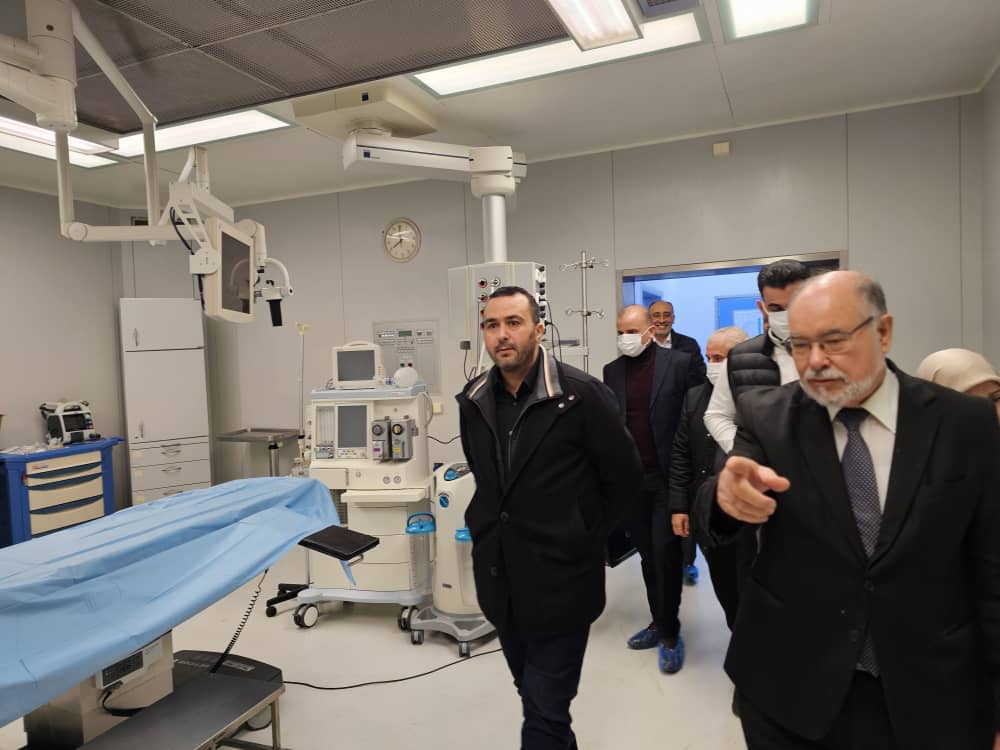
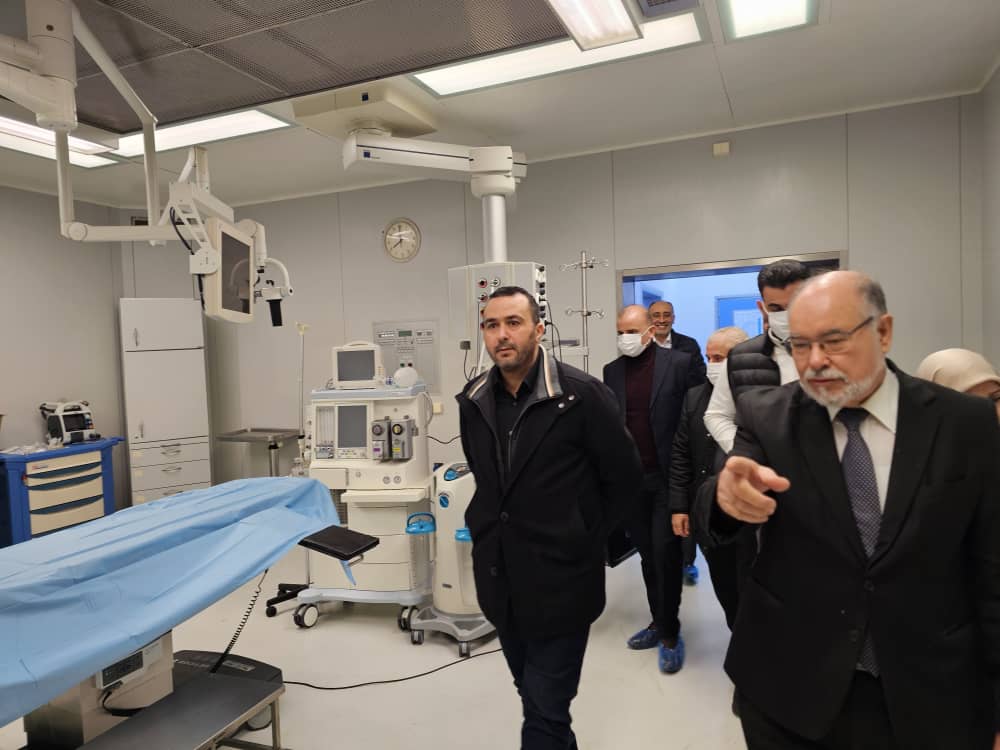
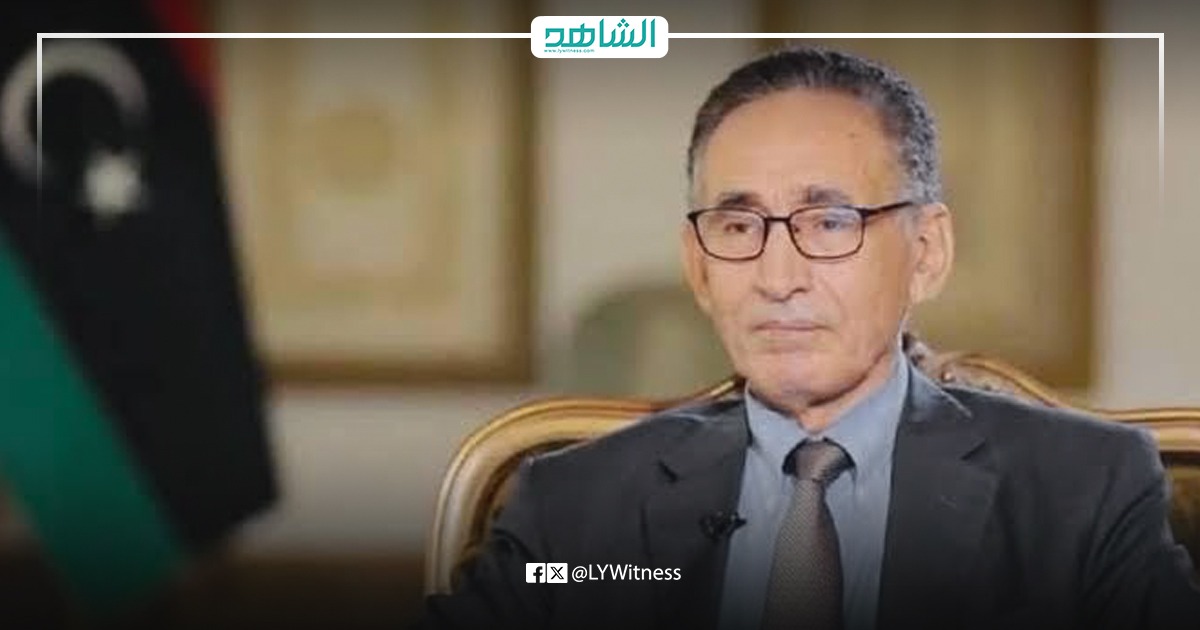
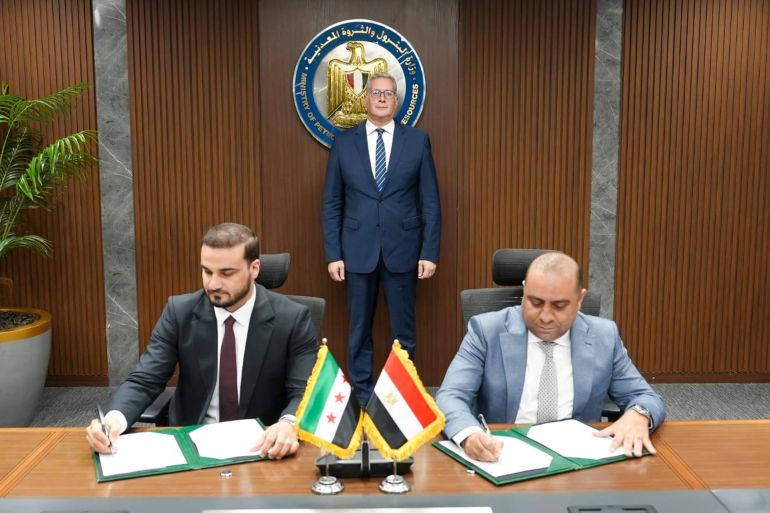
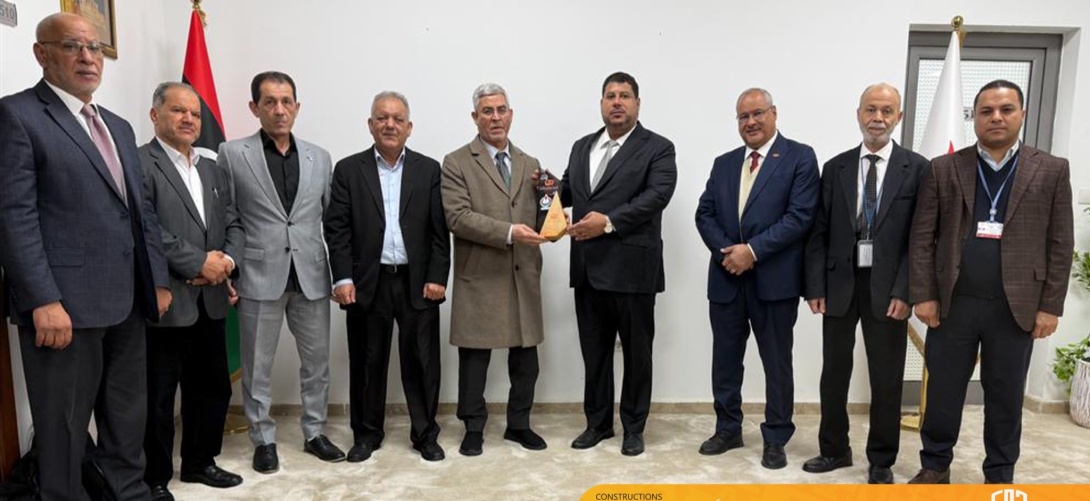
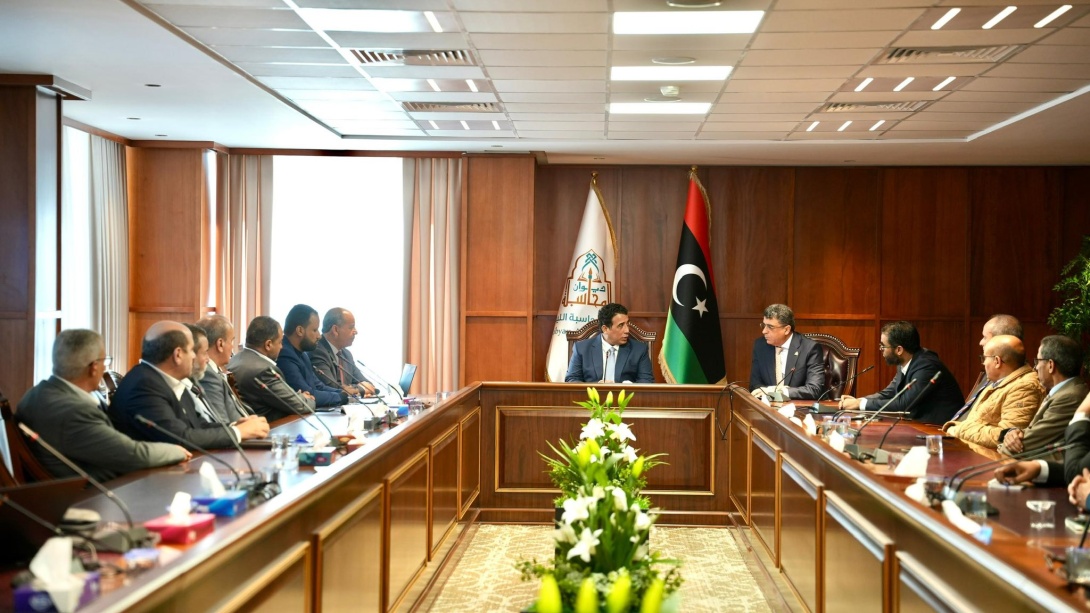
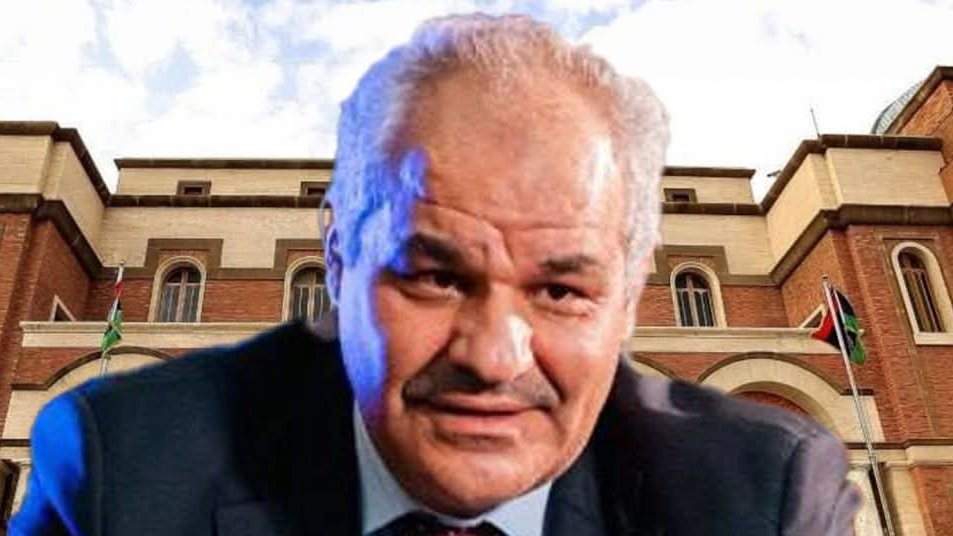
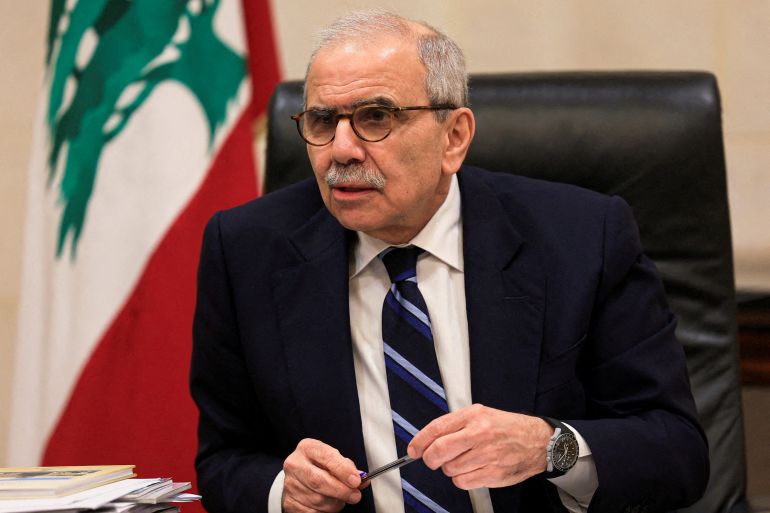
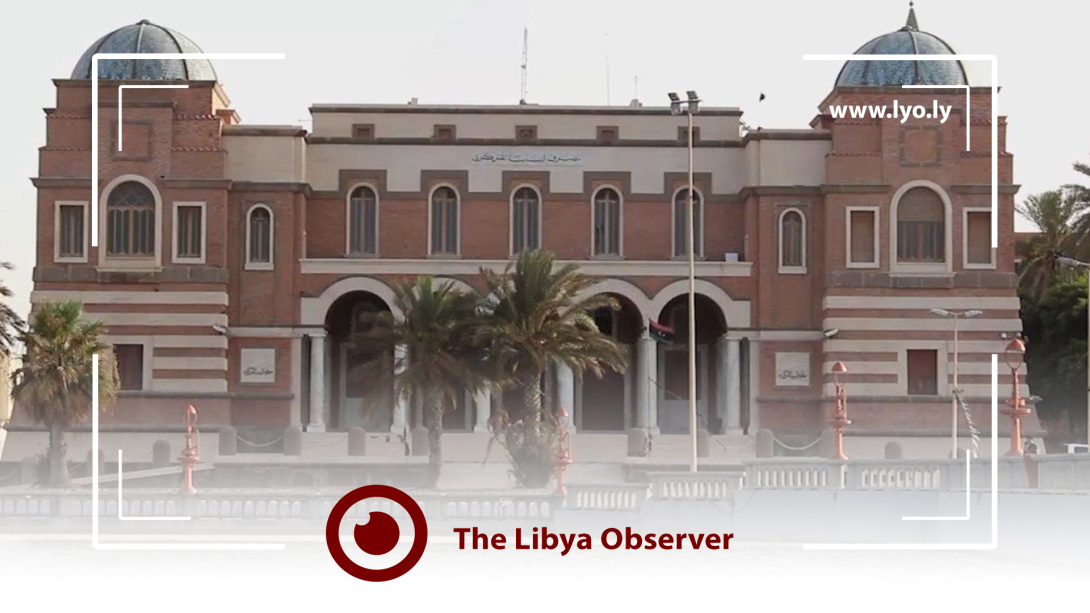
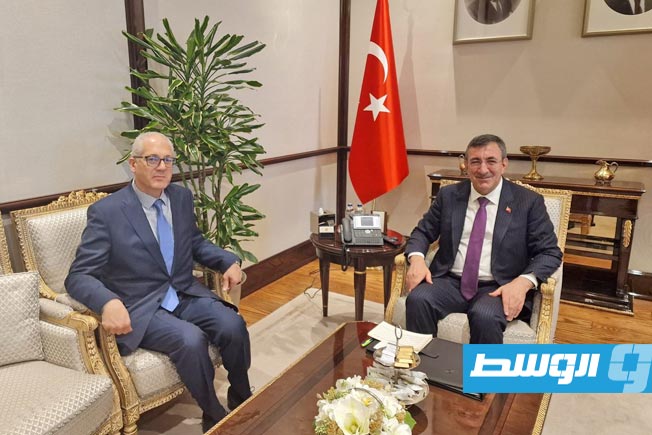
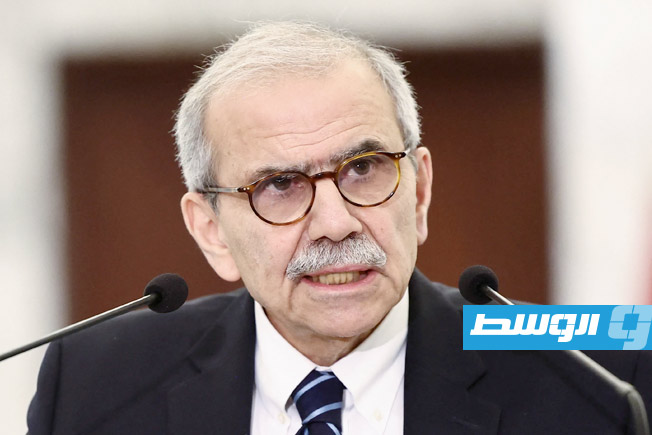
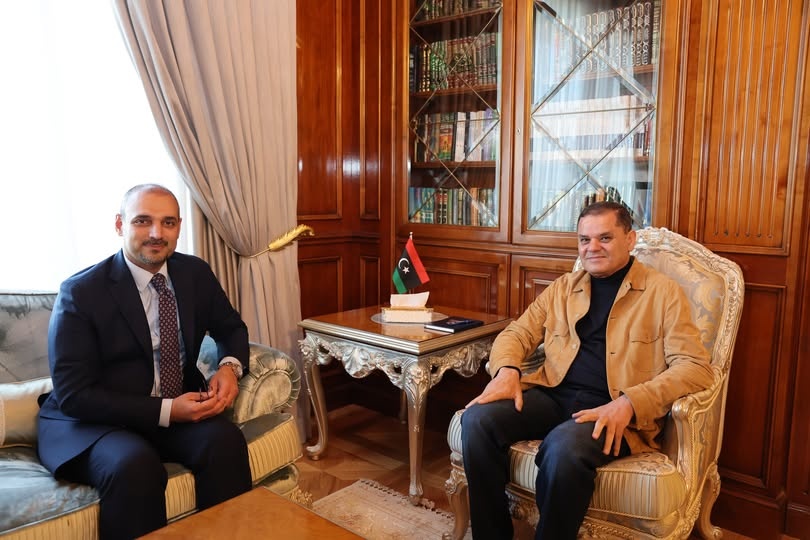
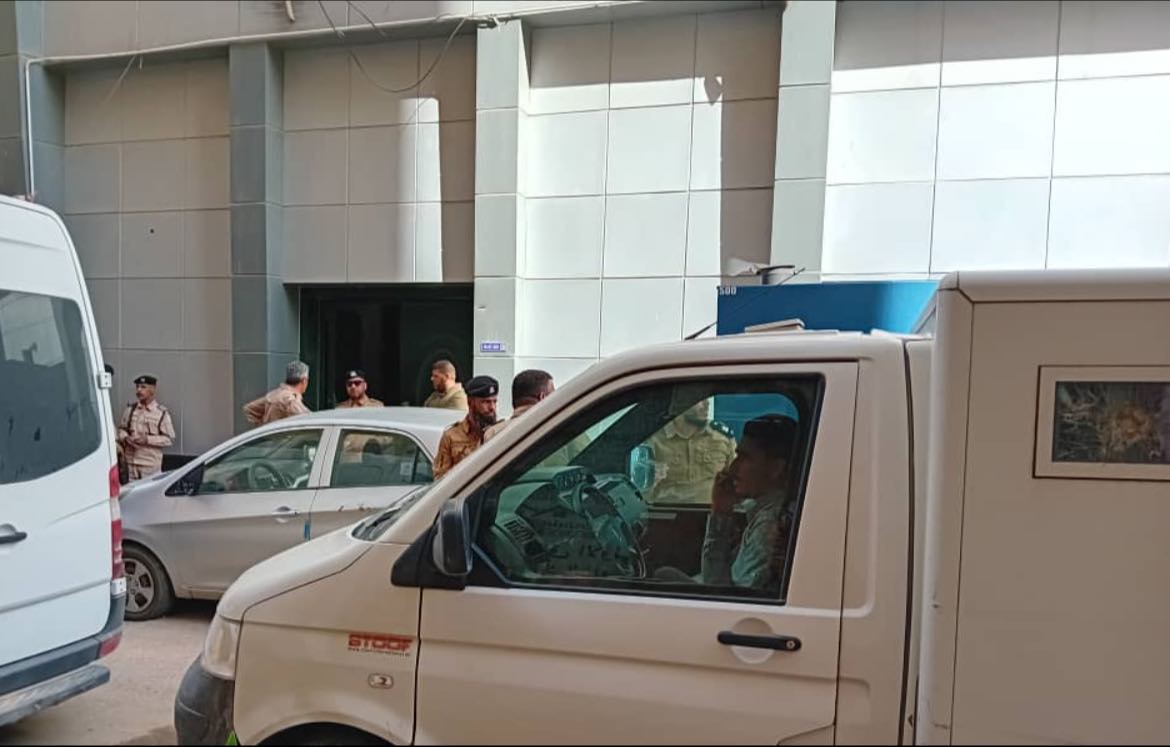
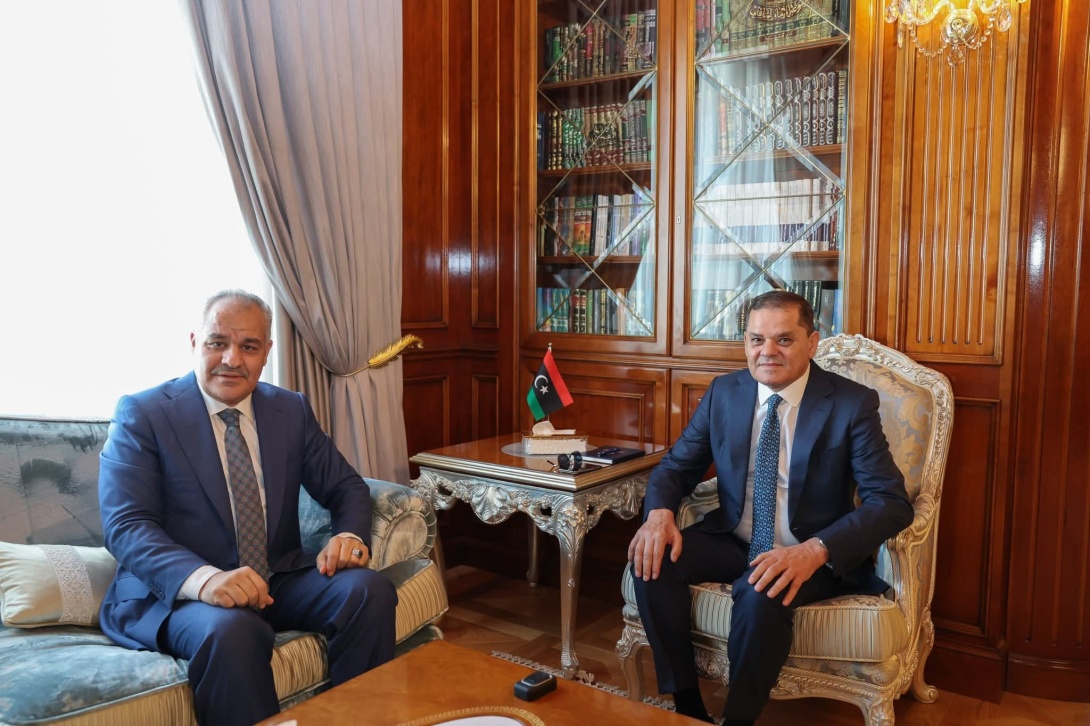
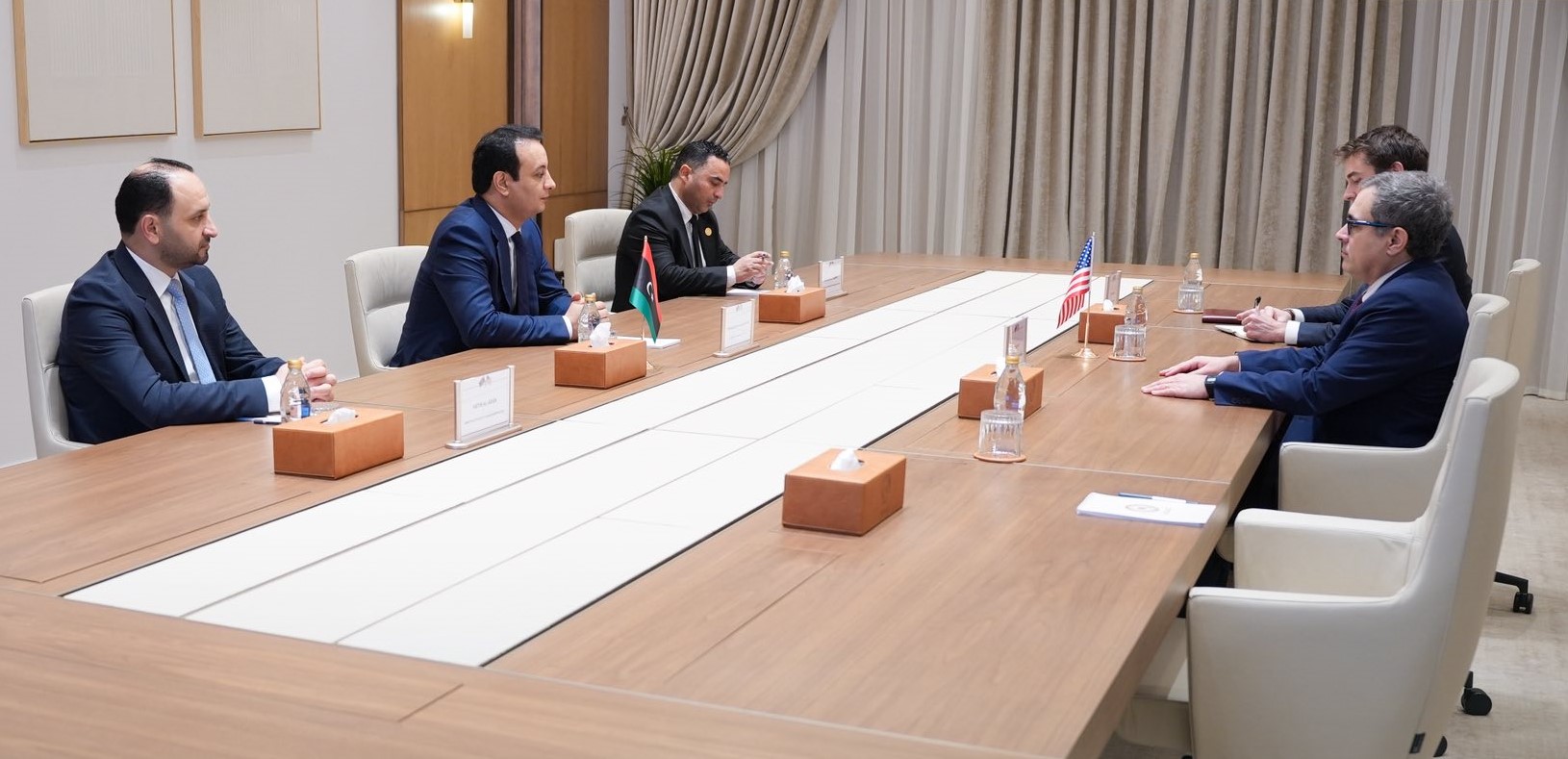
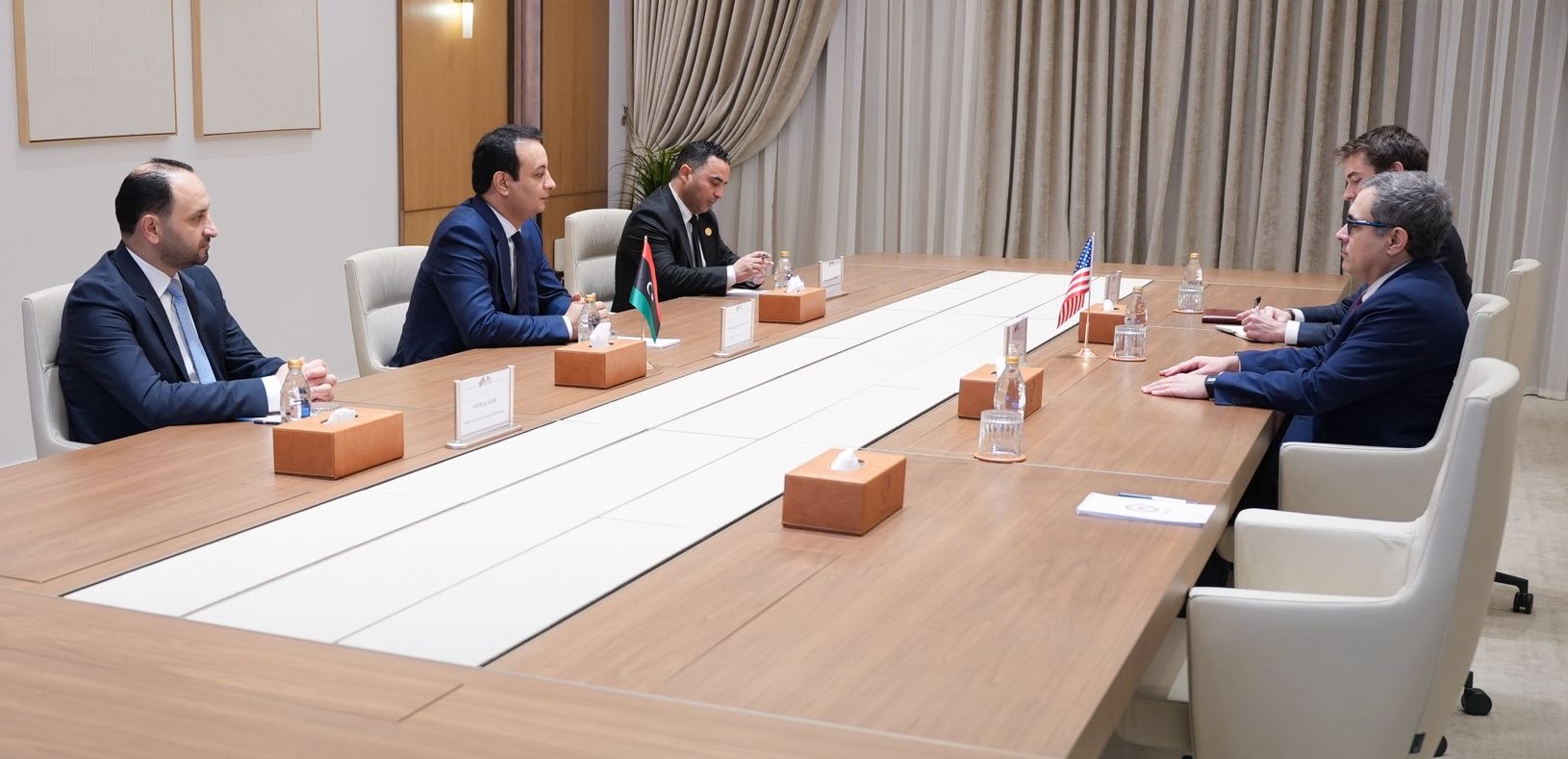
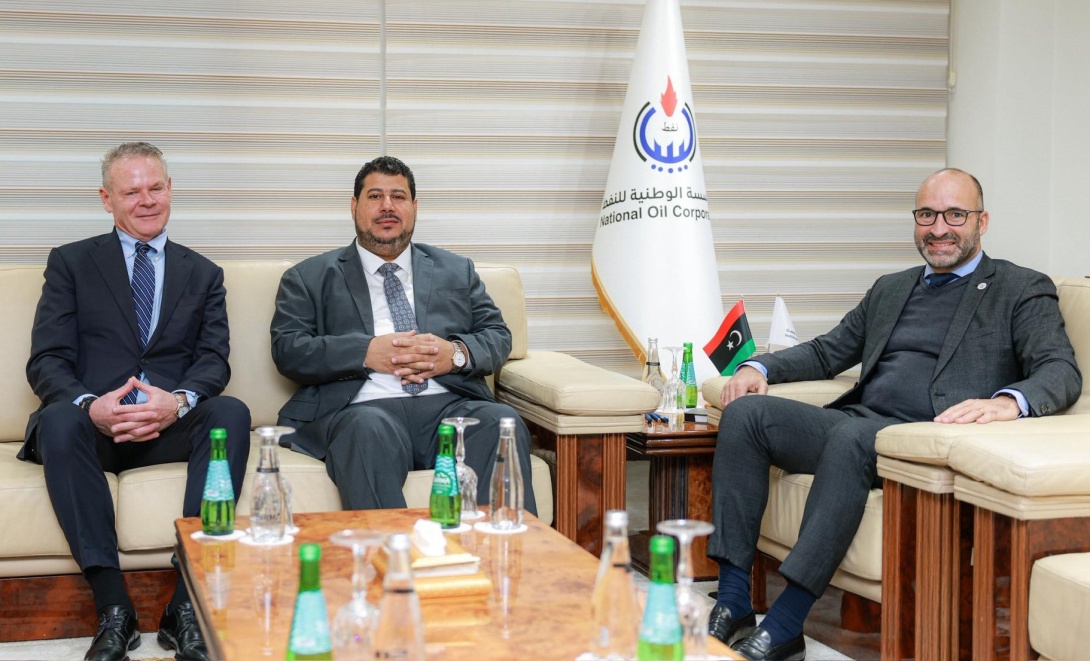
The agreement was signed in Tripoli by the Turkish Minister of Energy and Natural Resources and Libya’s Minister of Transport, who also serves as co-chair of the committee.
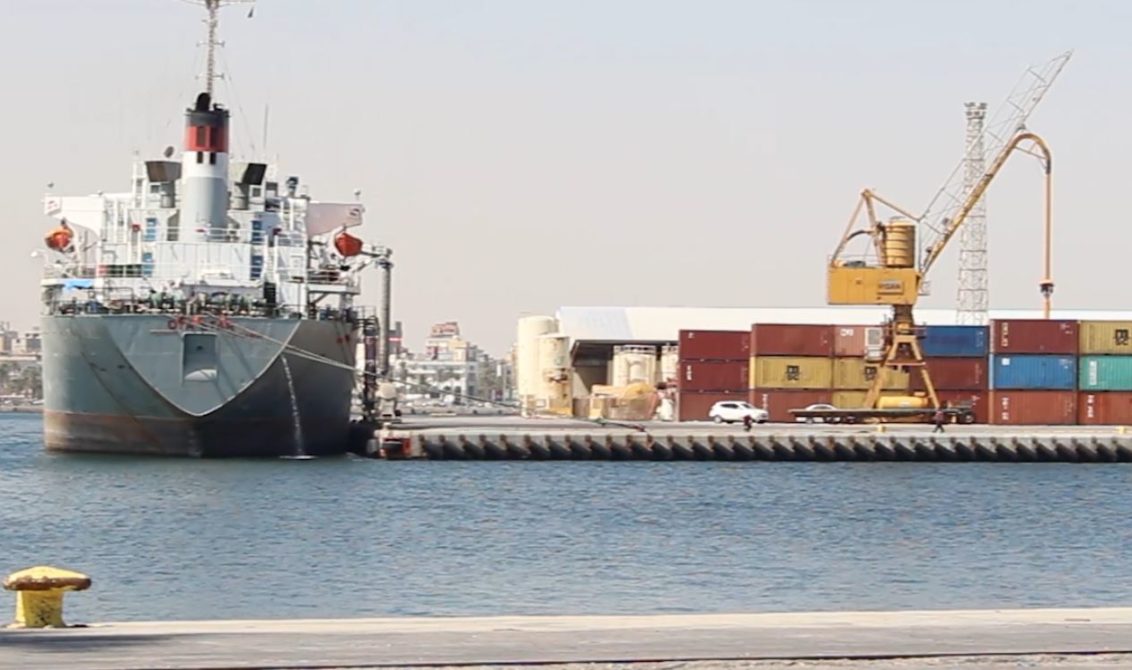
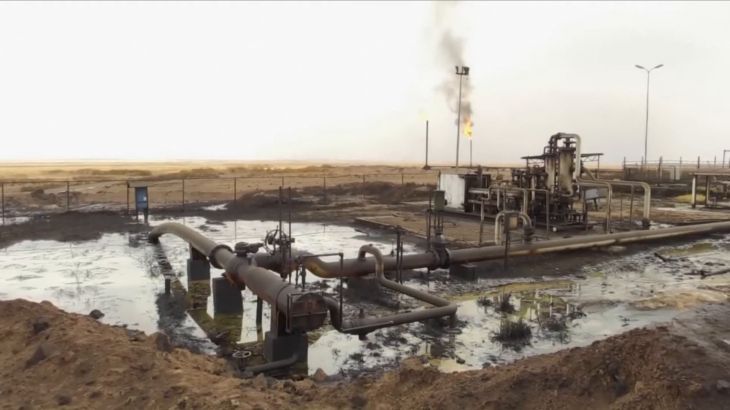
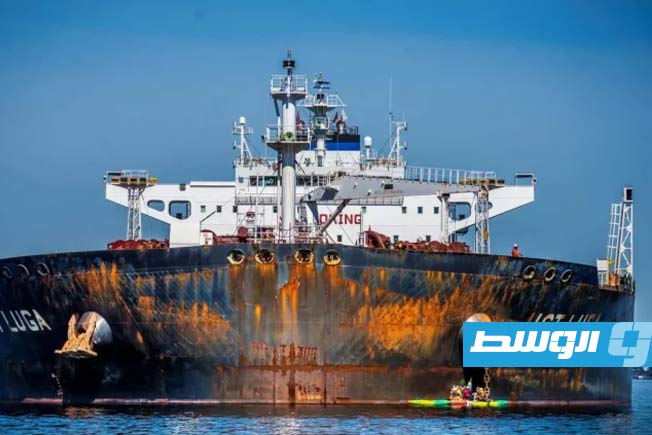
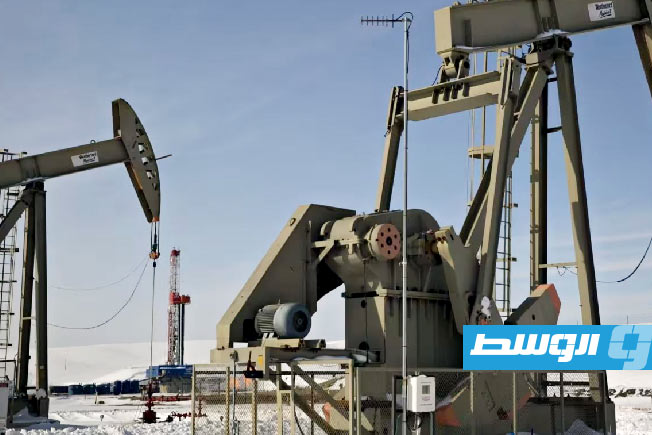
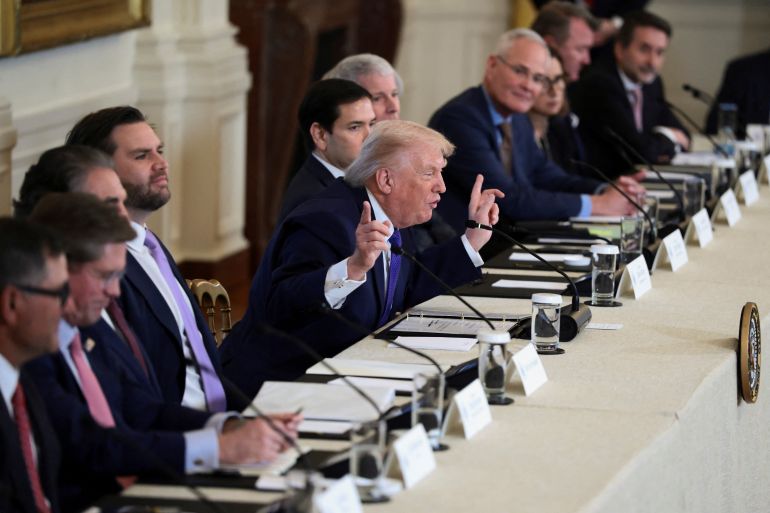
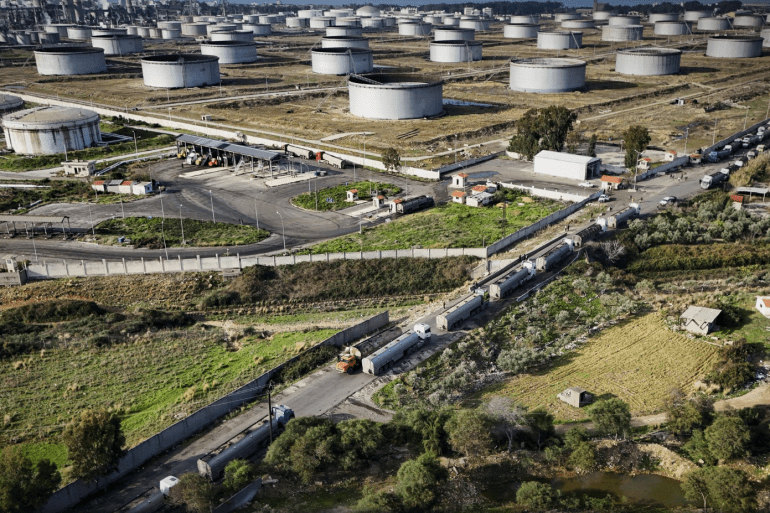
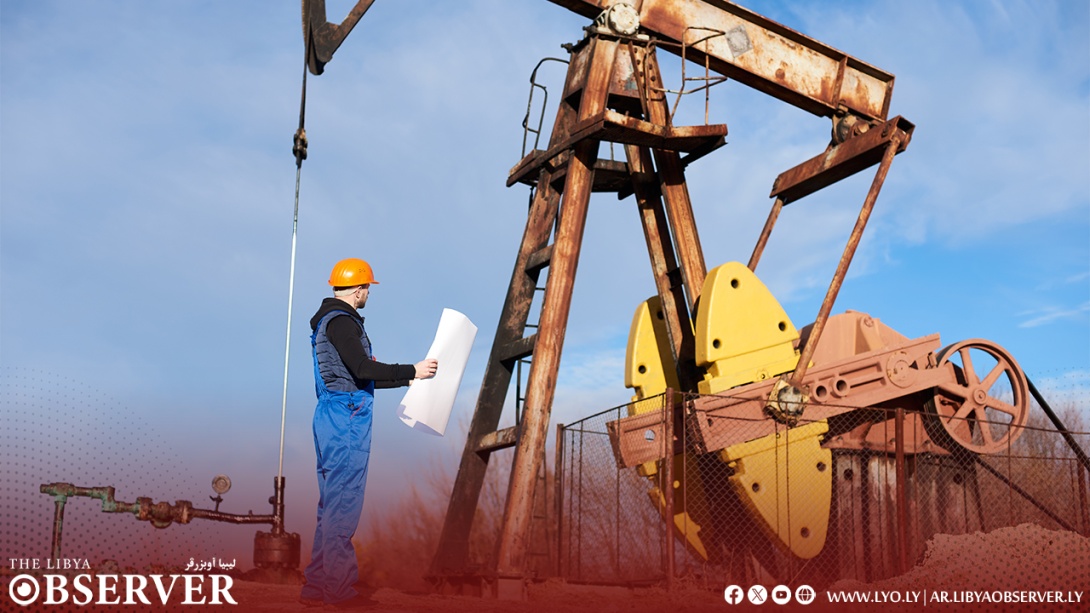
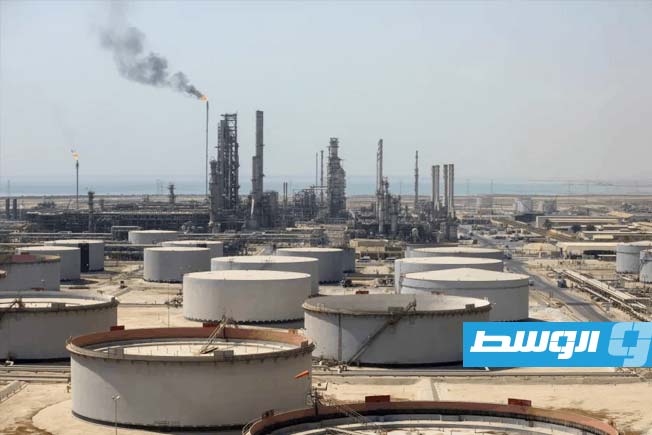
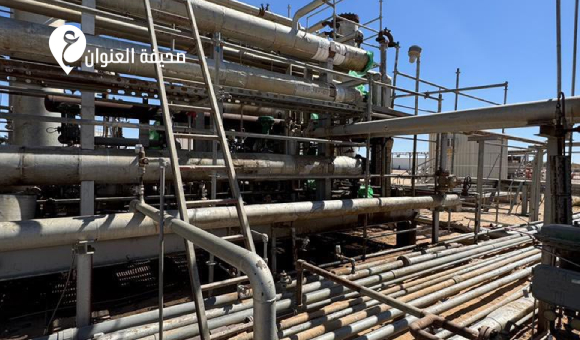
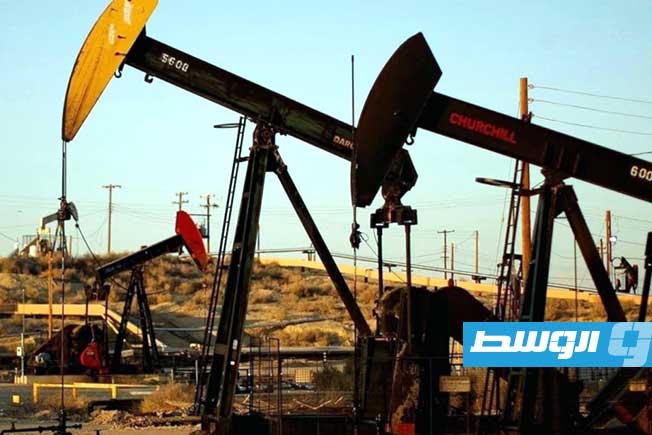
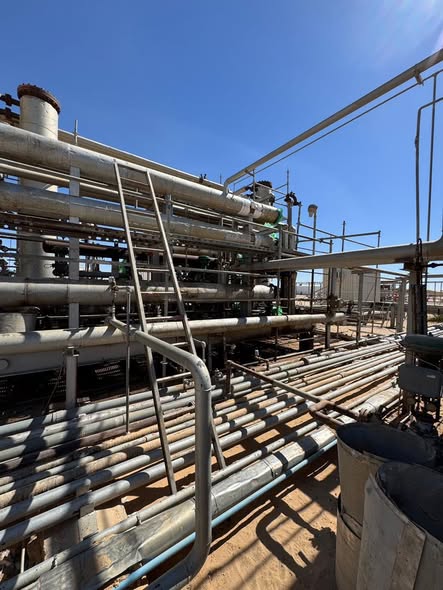
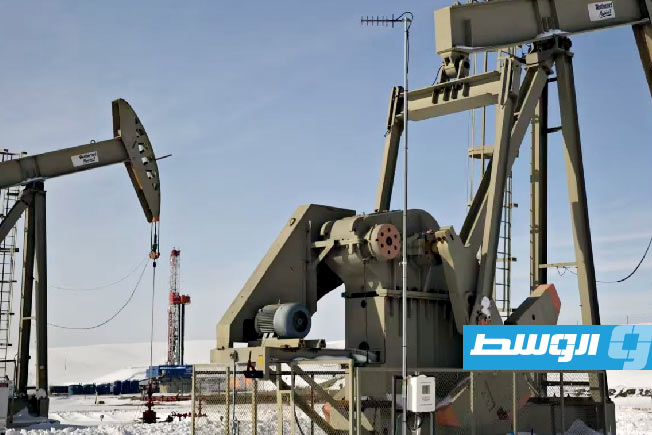
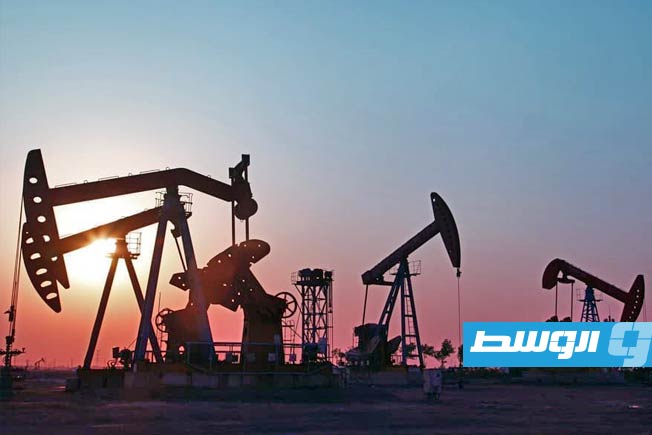
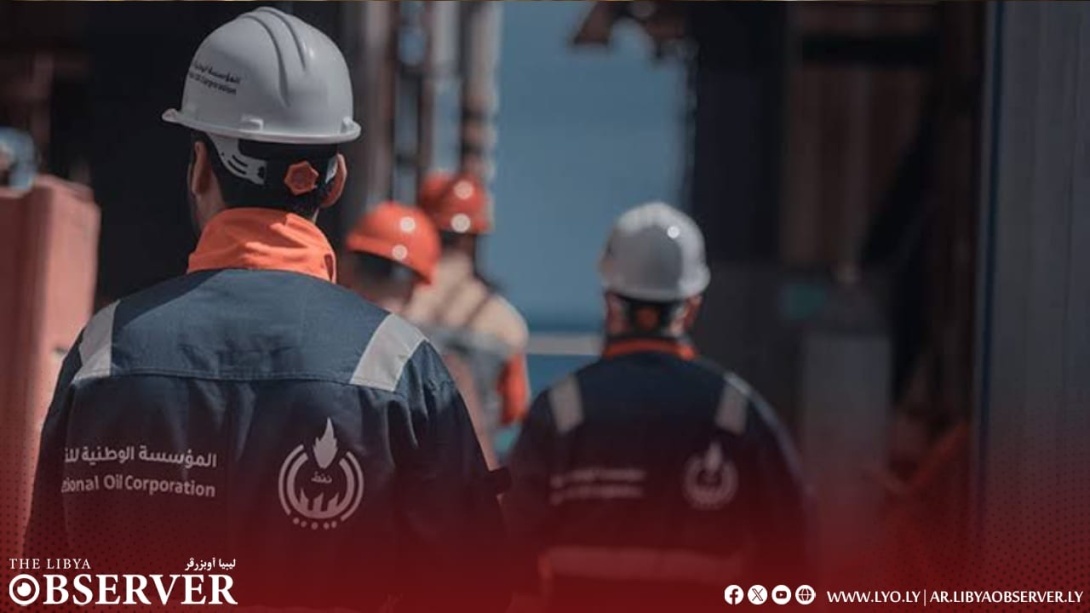
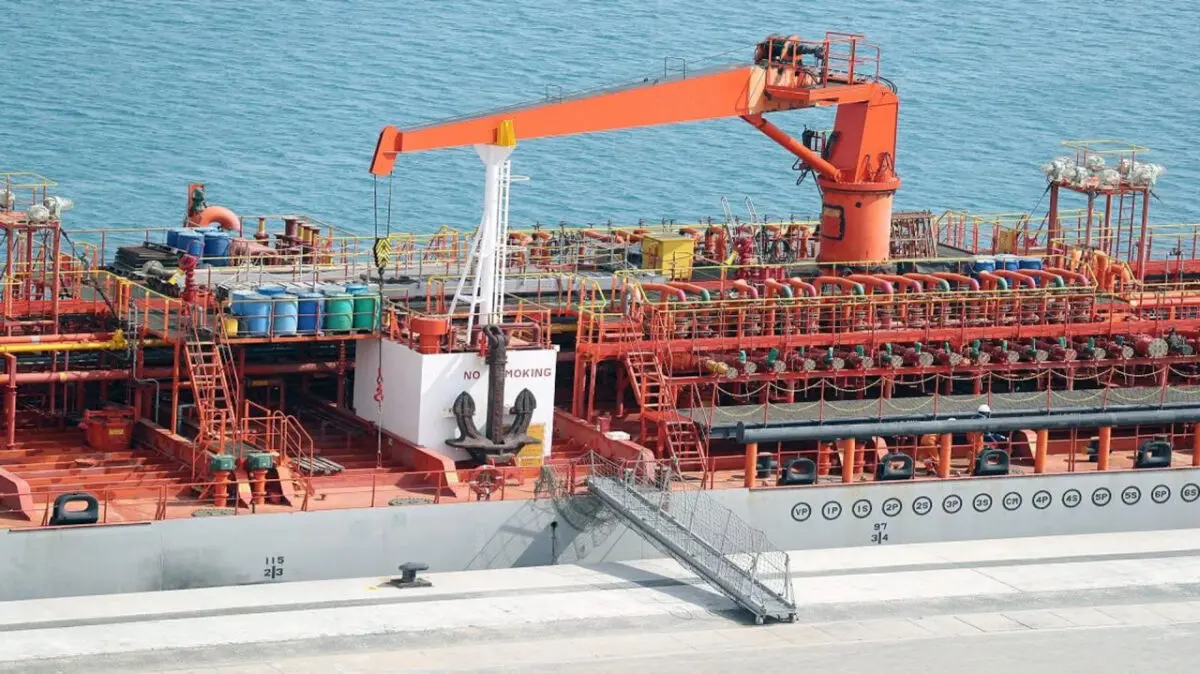
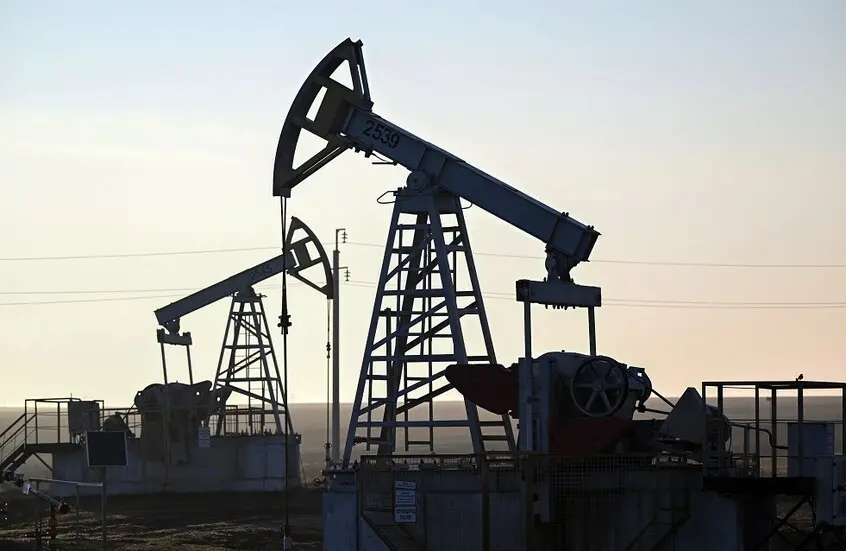
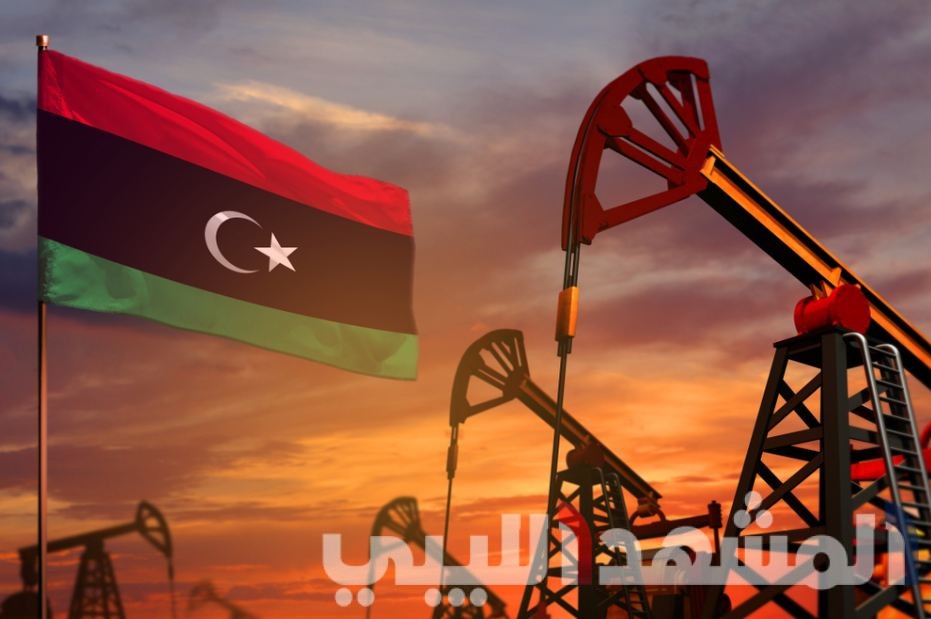
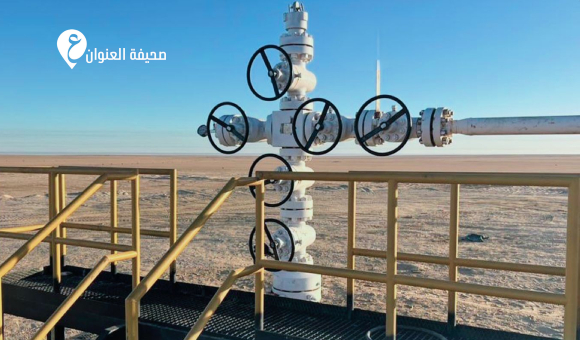
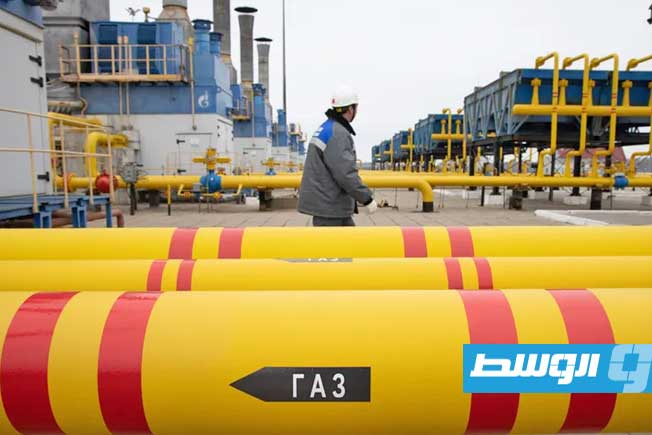
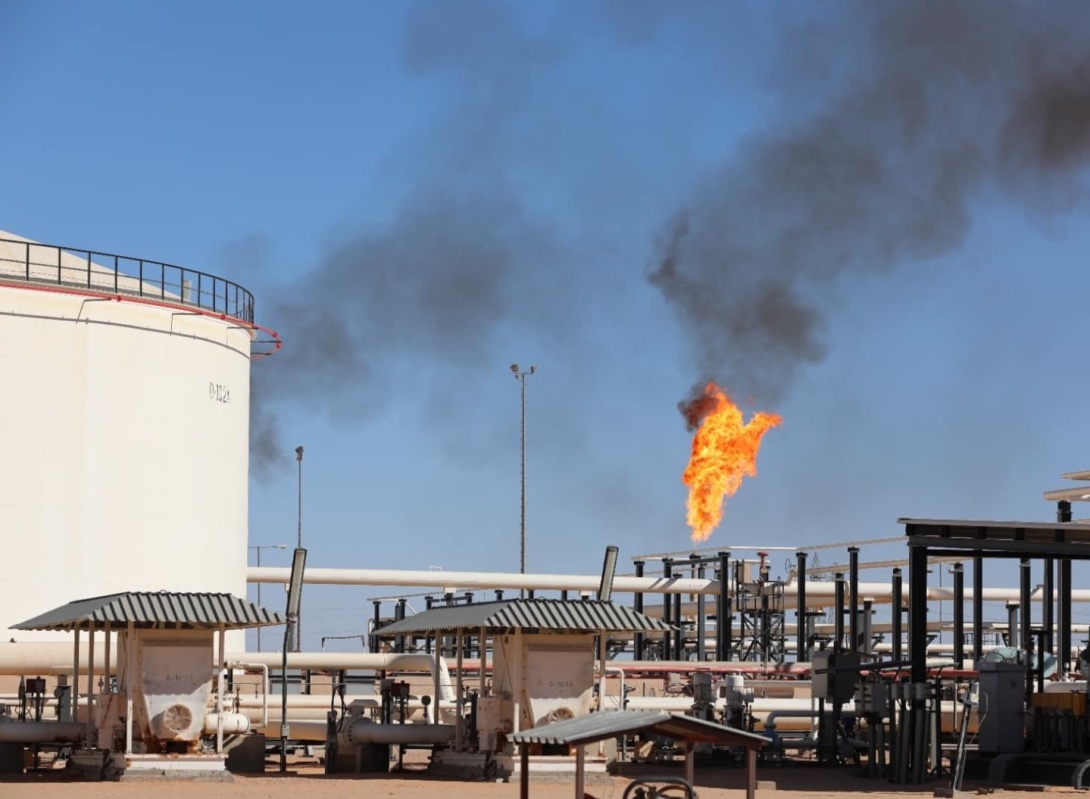
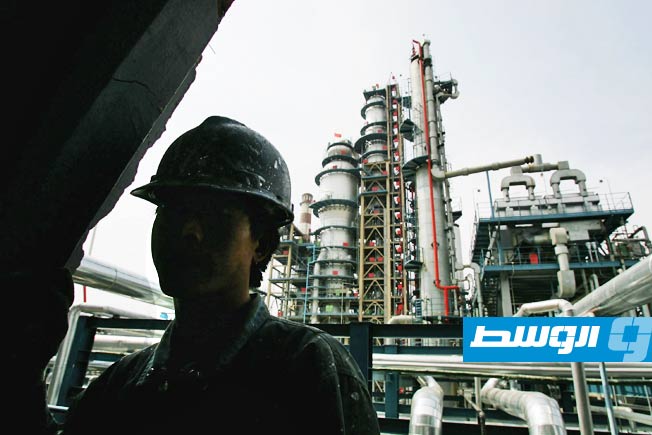
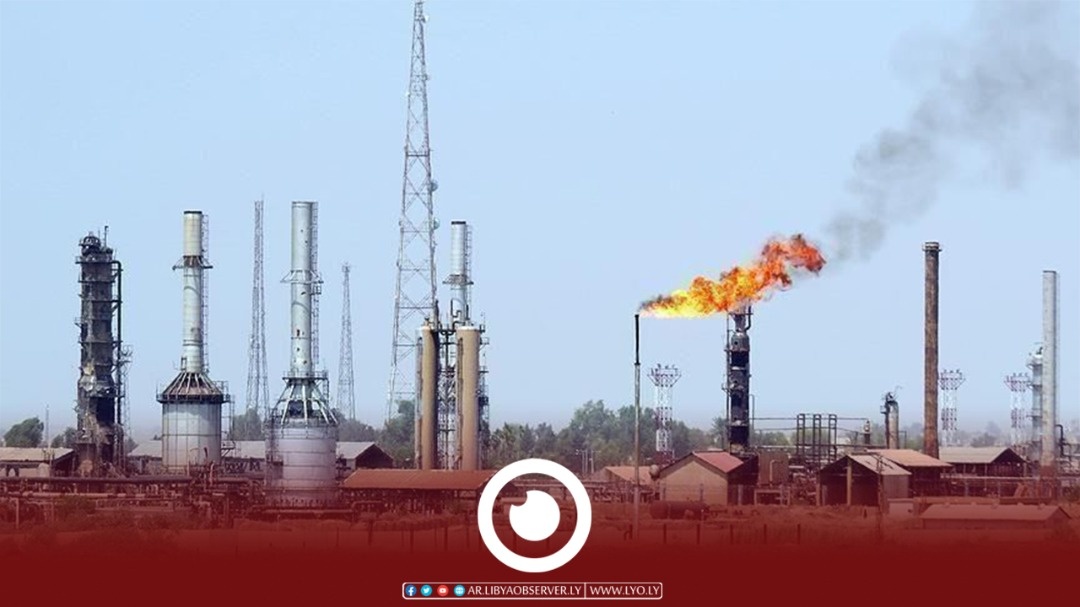
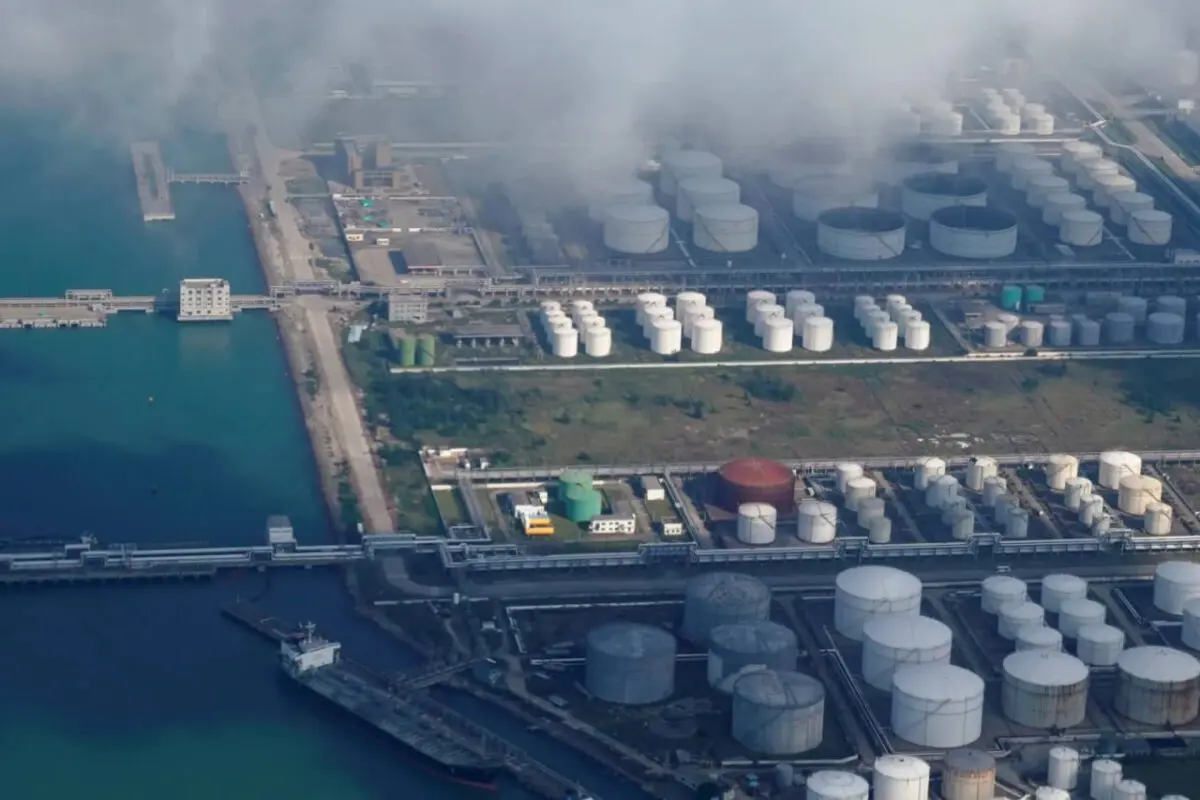
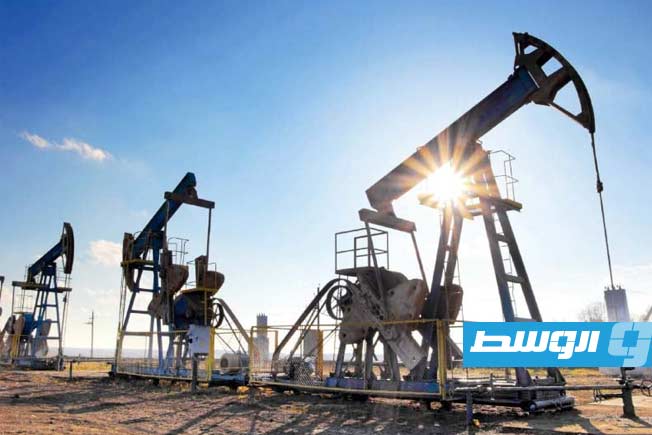
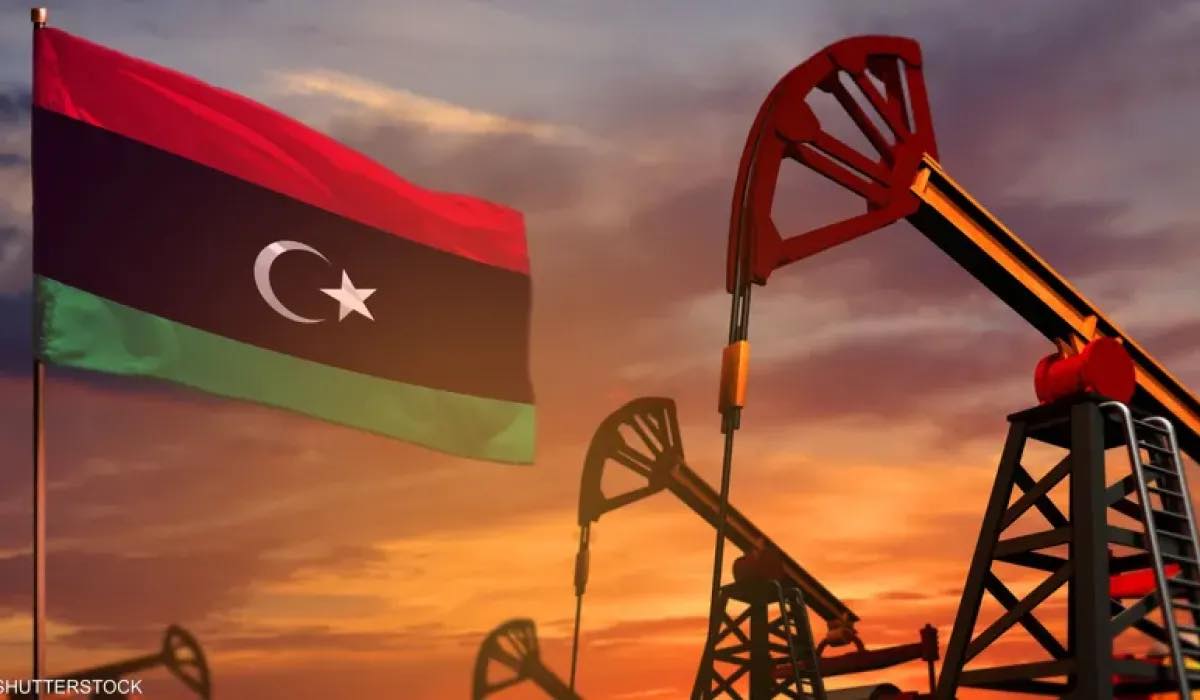
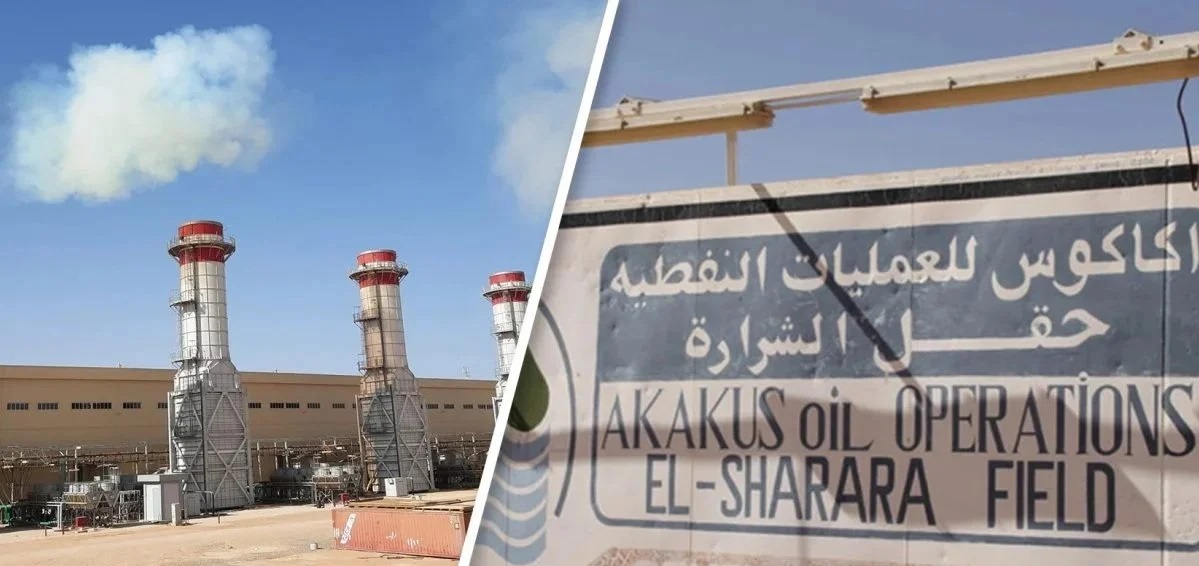
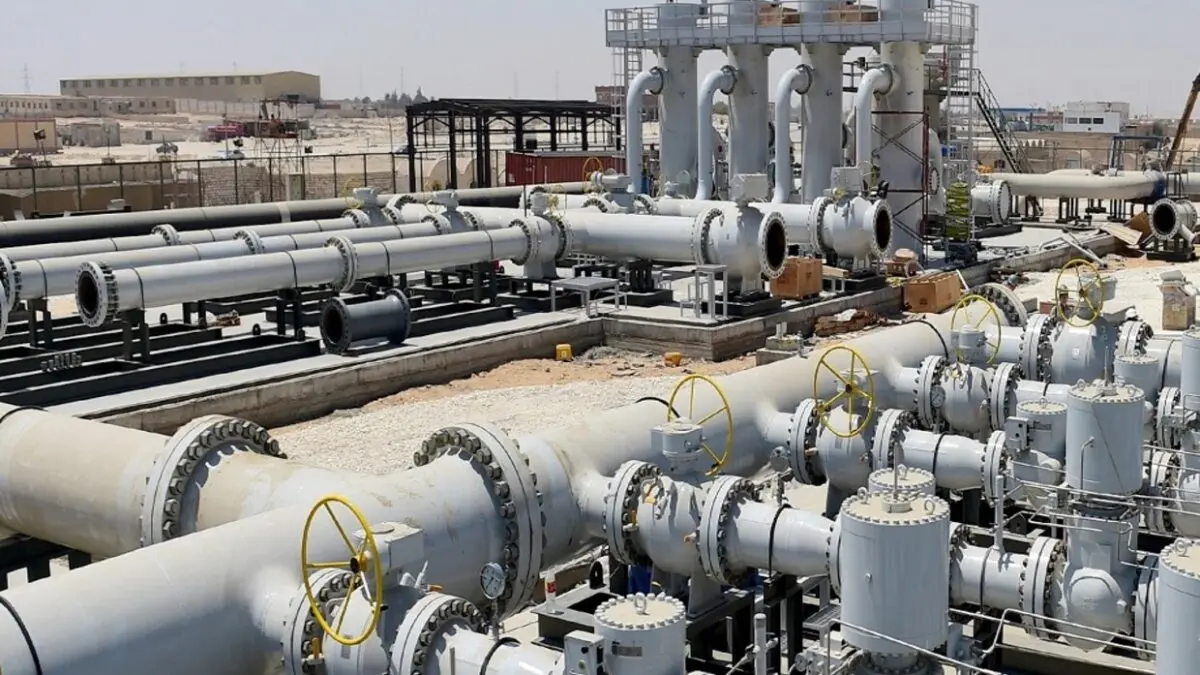
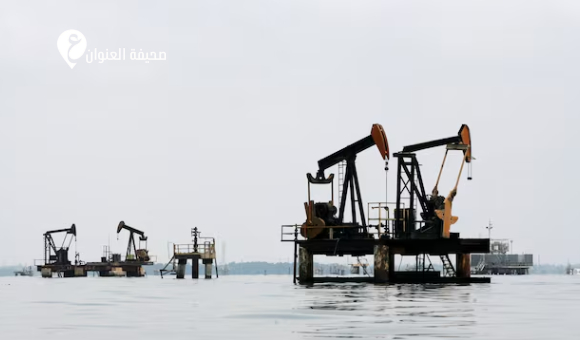
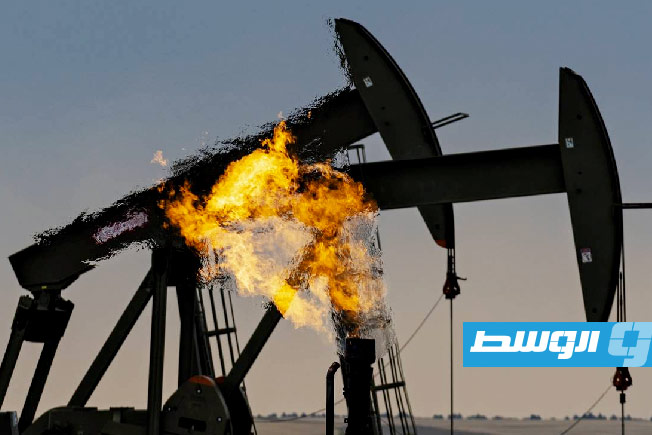
The head of the Turkish delegation stated that the two sides agreed to expand and diversify cooperation in oil and petroleum product trade between state-owned companies, within the framework of broader energy cooperation.
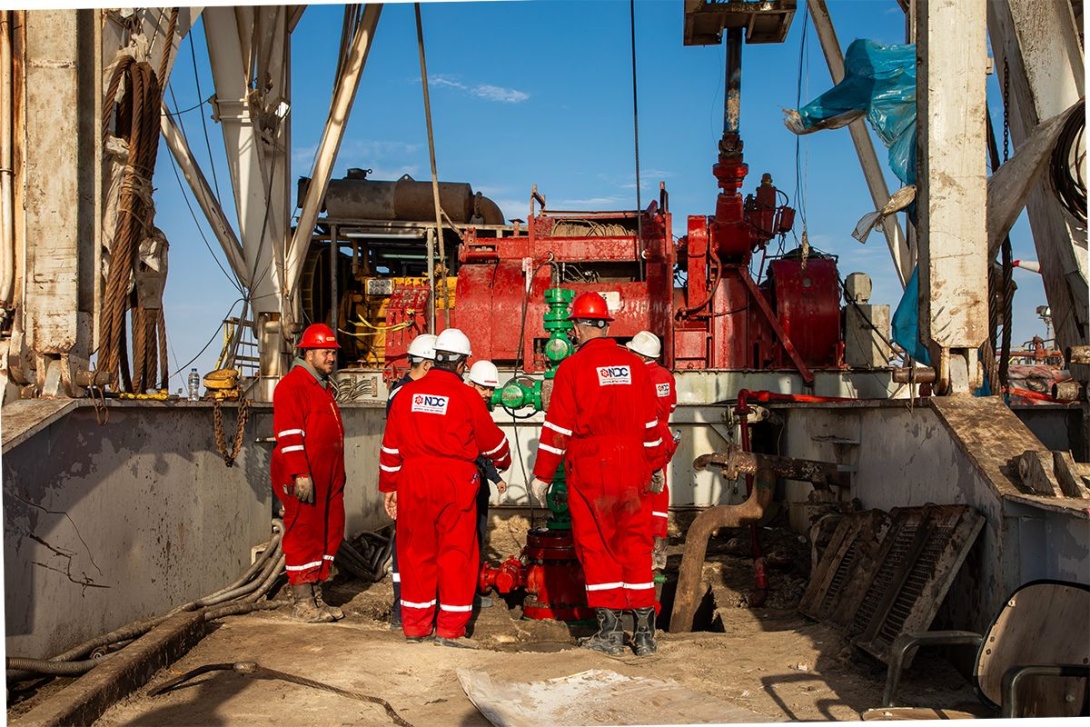
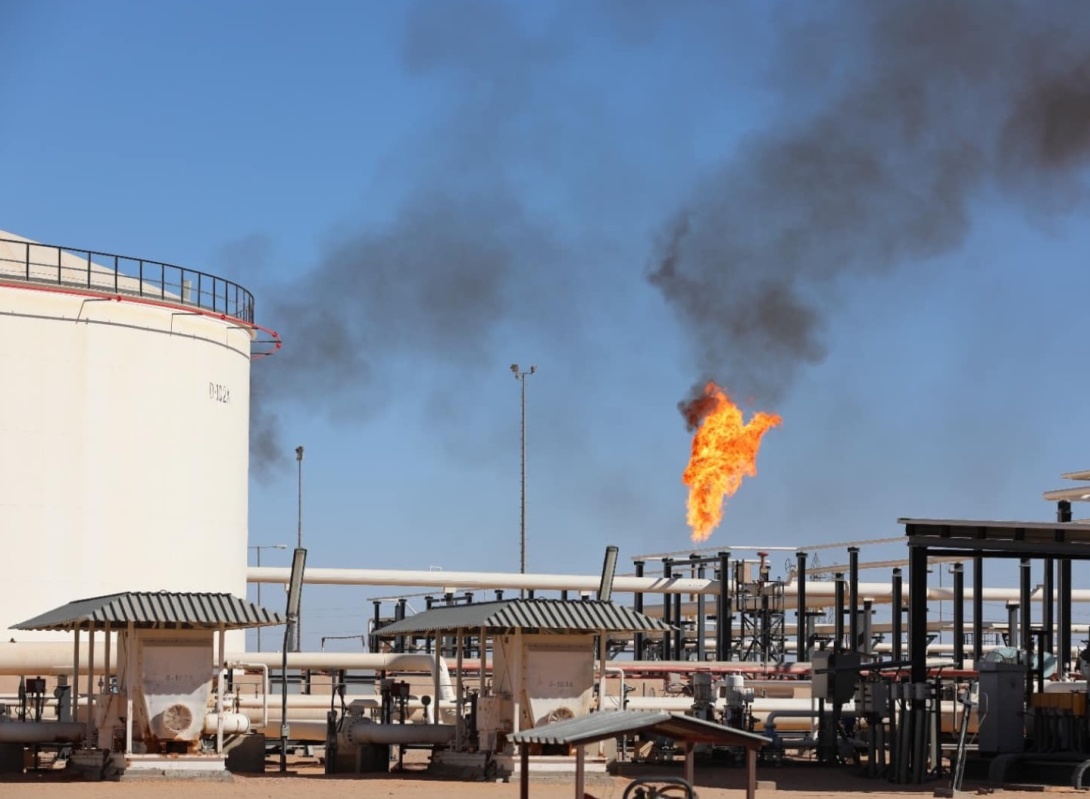
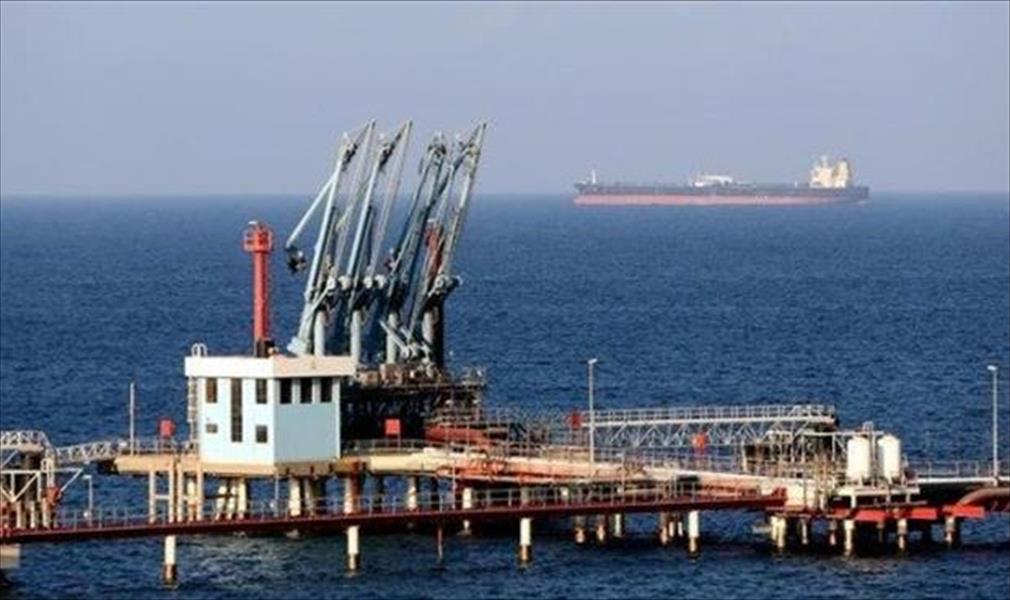
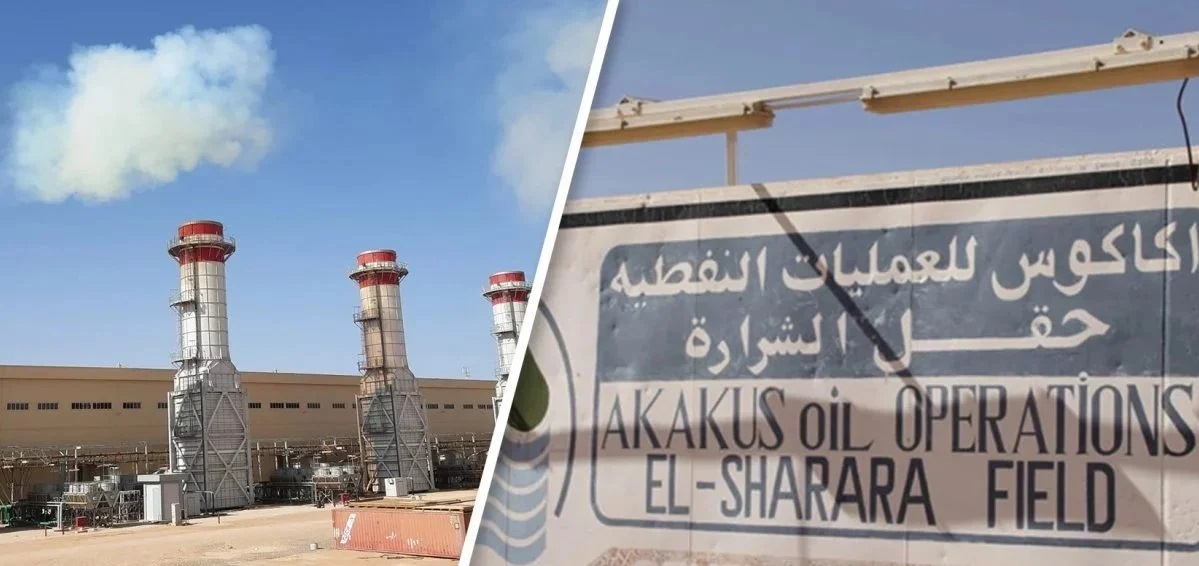
It was added that both countries expressed a shared commitment to developing cooperation in Libya’s onshore and offshore areas, as well as in renewable energy and mining.
Turkey aims to transform long-standing historical ties with Libya into a mutually beneficial economic partnership, reaffirming its support for Libya’s stability, development and long-term prosperity.
Turkey
Turkey is a transcontinental nation bridging Europe and Asia, with a rich history rooted in the ancient civilizations of Anatolia and later as the heart of the Byzantine and Ottoman Empires. Its modern identity was forged as a republic in 1923 under Mustafa Kemal Atatürk, blending this deep historical legacy with a contemporary secular state. Key cultural sites include the Hagia Sophia in Istanbul, which has served as a cathedral, mosque, and museum, reflecting the country’s layered past.
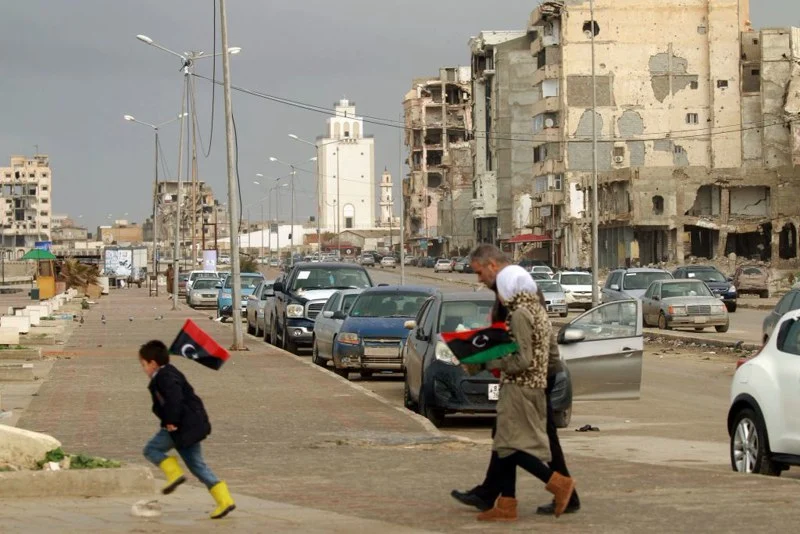
Libya
Libya is a North African country with a rich history rooted in ancient civilizations like the Phoenicians and Romans, followed by centuries of Arab and Ottoman influence. In the modern era, it was an Italian colony before gaining independence in 1951, later becoming known for Muammar Gaddafi’s lengthy rule from 1969 until the 2011 revolution. The country is home to UNESCO World Heritage sites, such as the ruins of Leptis Magna, which testify to its significant historical legacy.
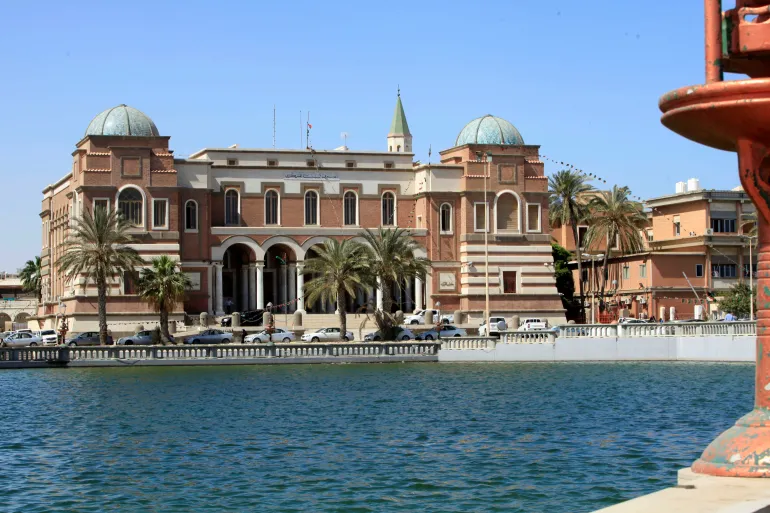
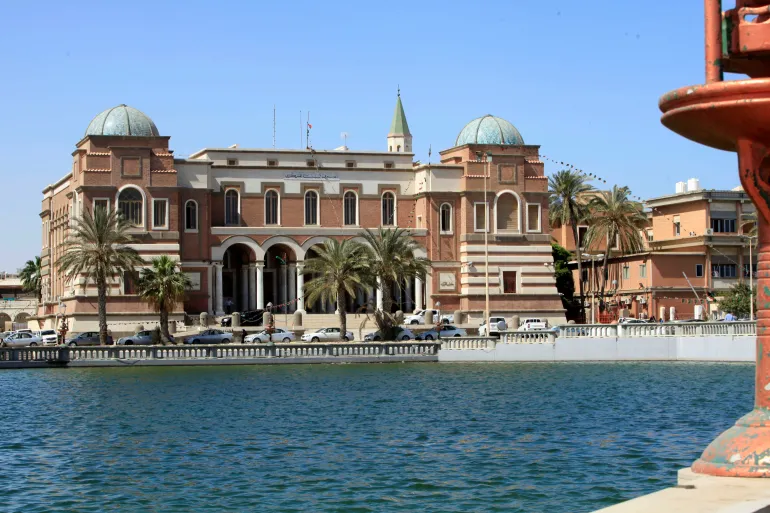
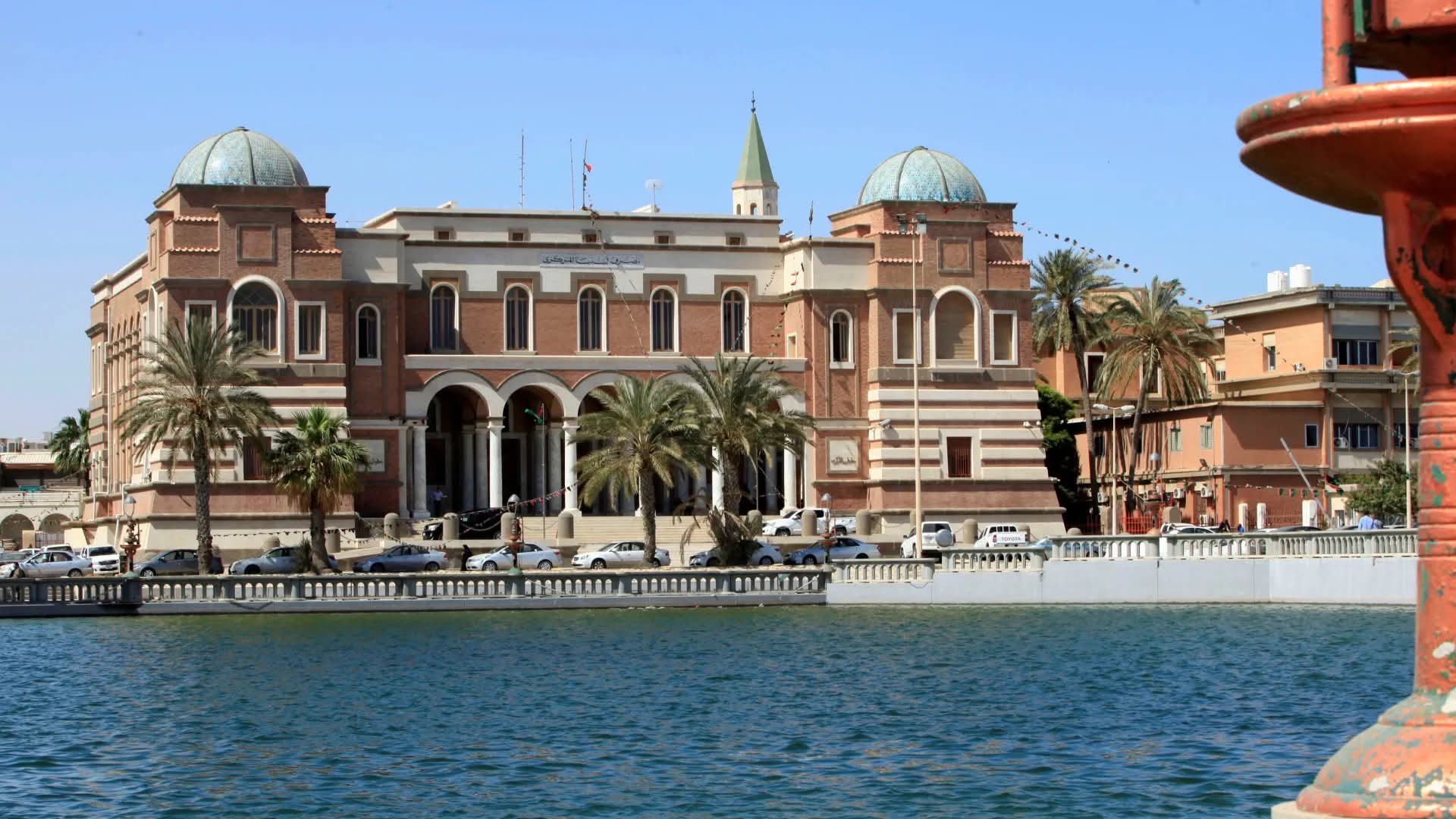
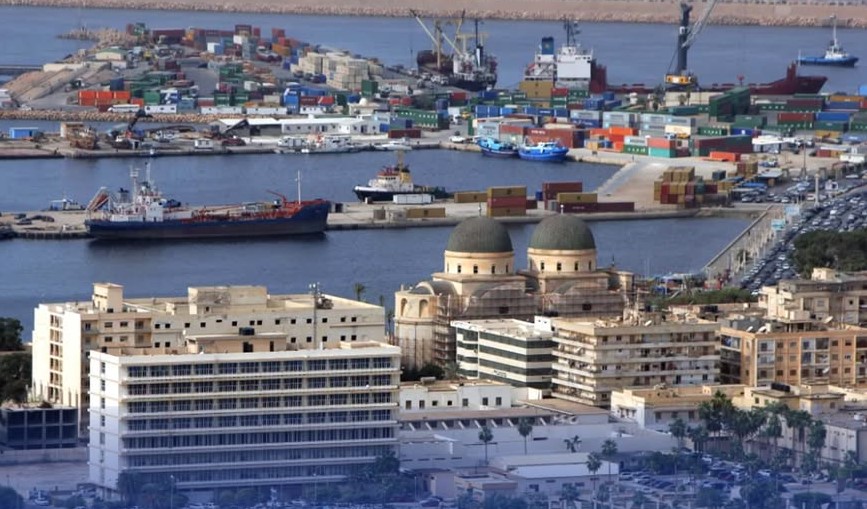
Tripoli
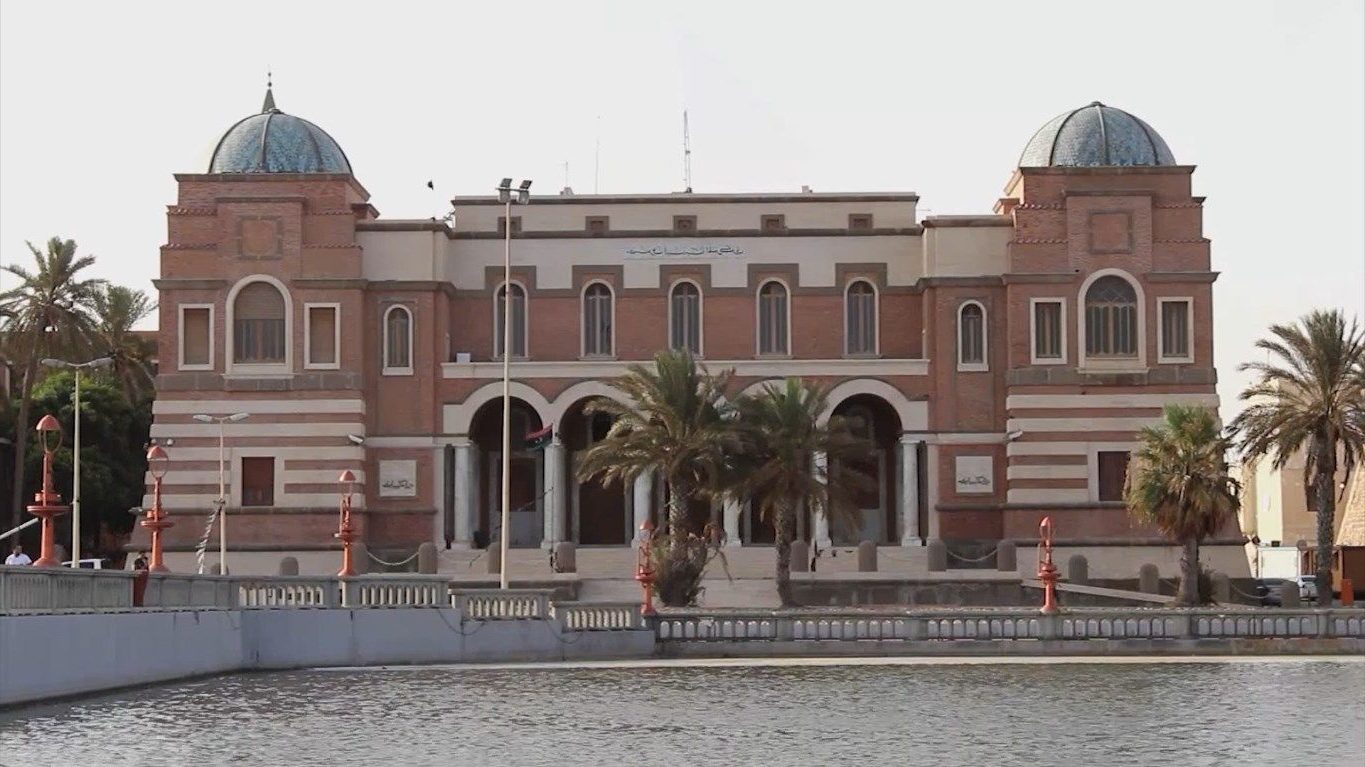
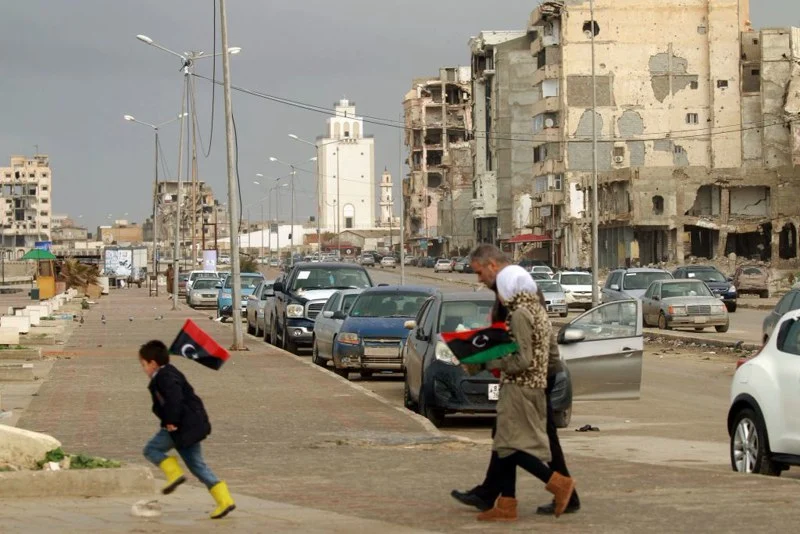
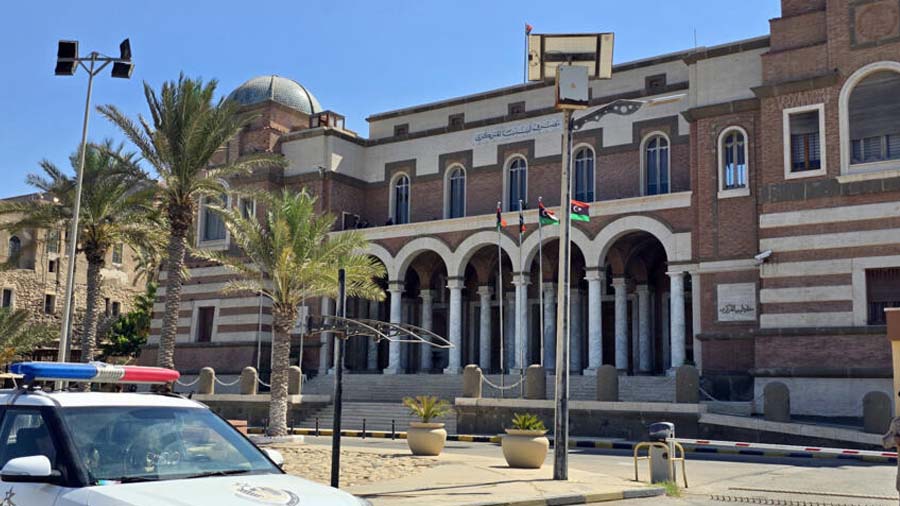
Tripoli is the capital and largest city of Libya, located on the country’s Mediterranean coast. Historically, it was founded by the Phoenicians in the 7th century BC and has since been ruled by the Romans, Arabs, Ottomans, and Italians, serving as a major port and cultural crossroads. Its historic core, the medina of Old Tripoli, contains significant architecture from these various periods.