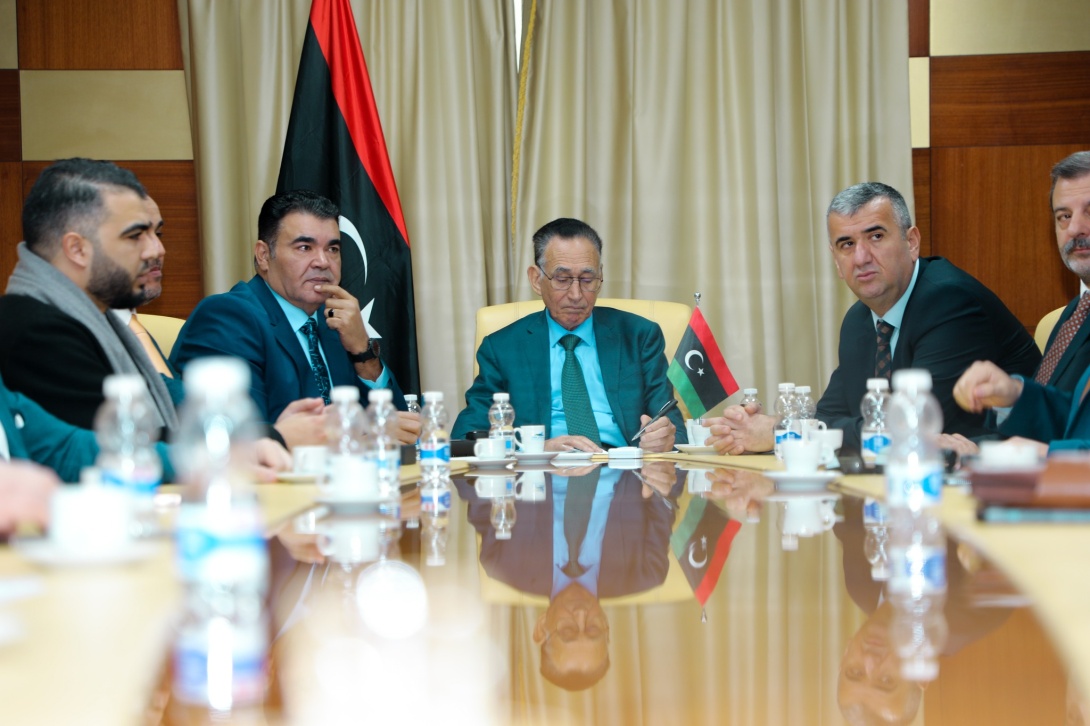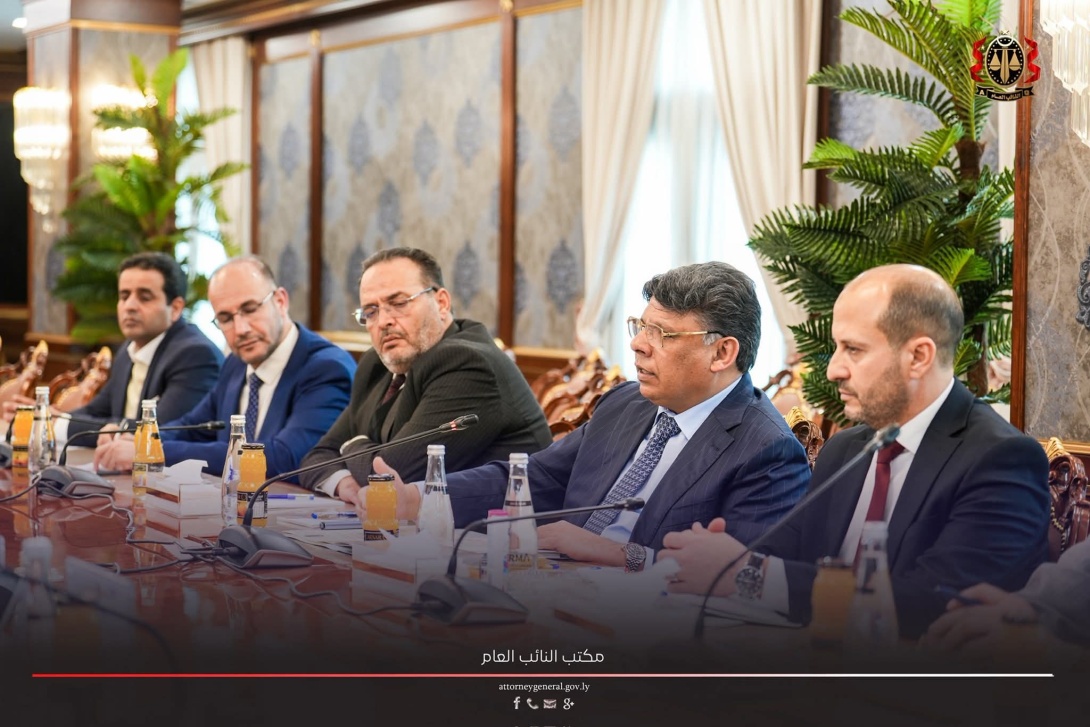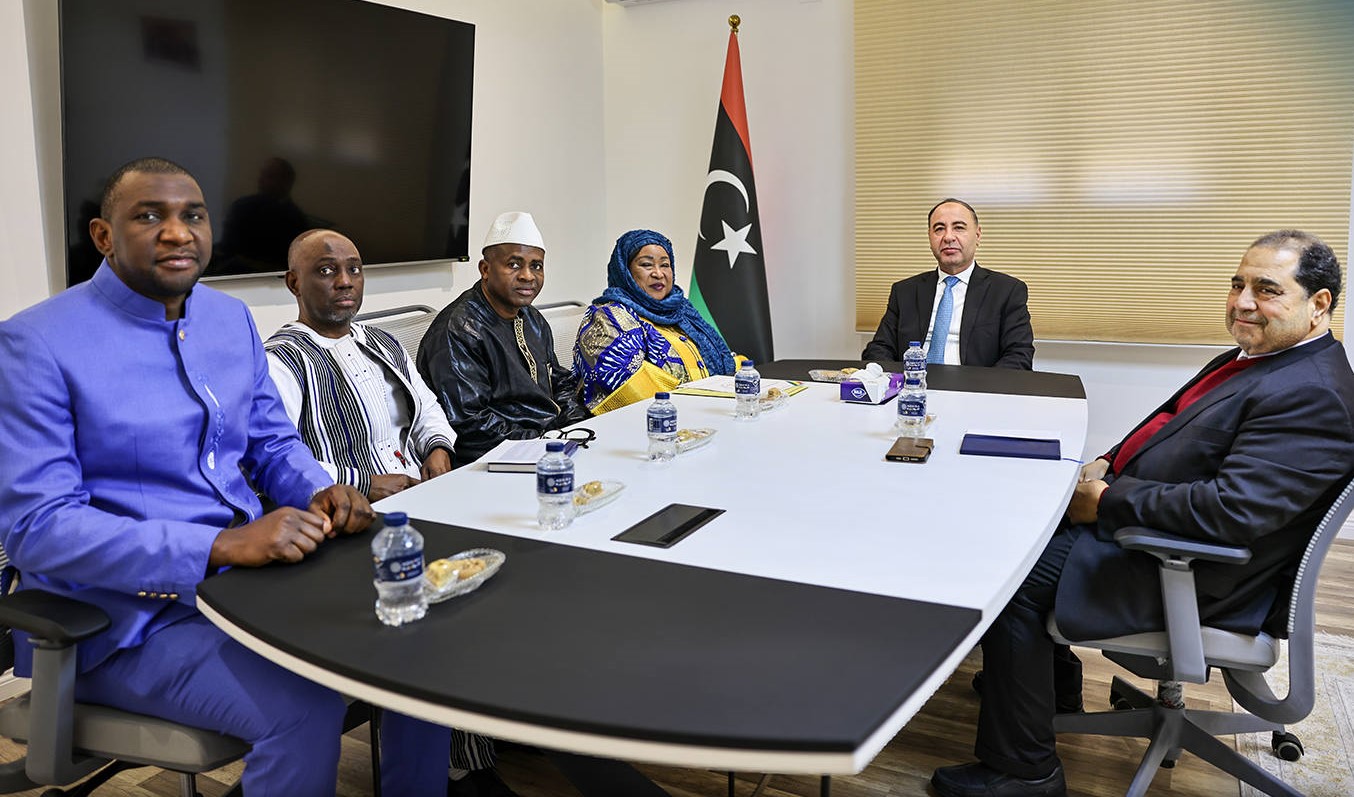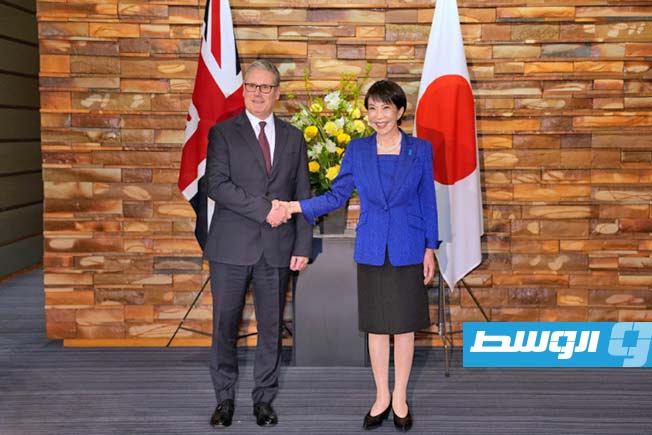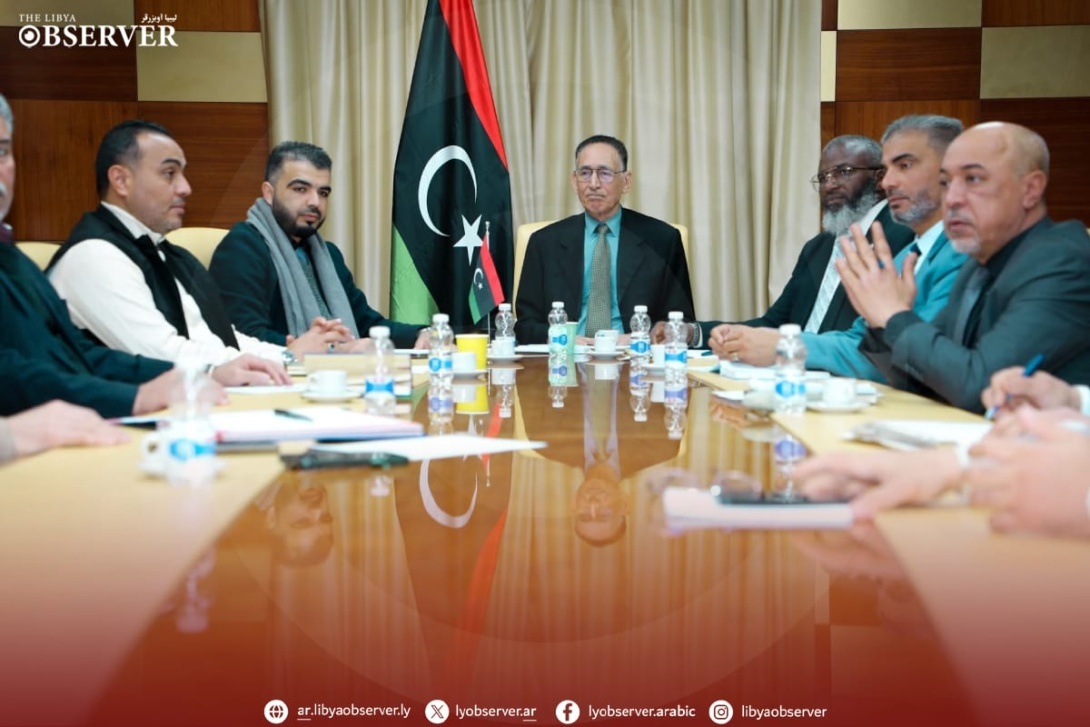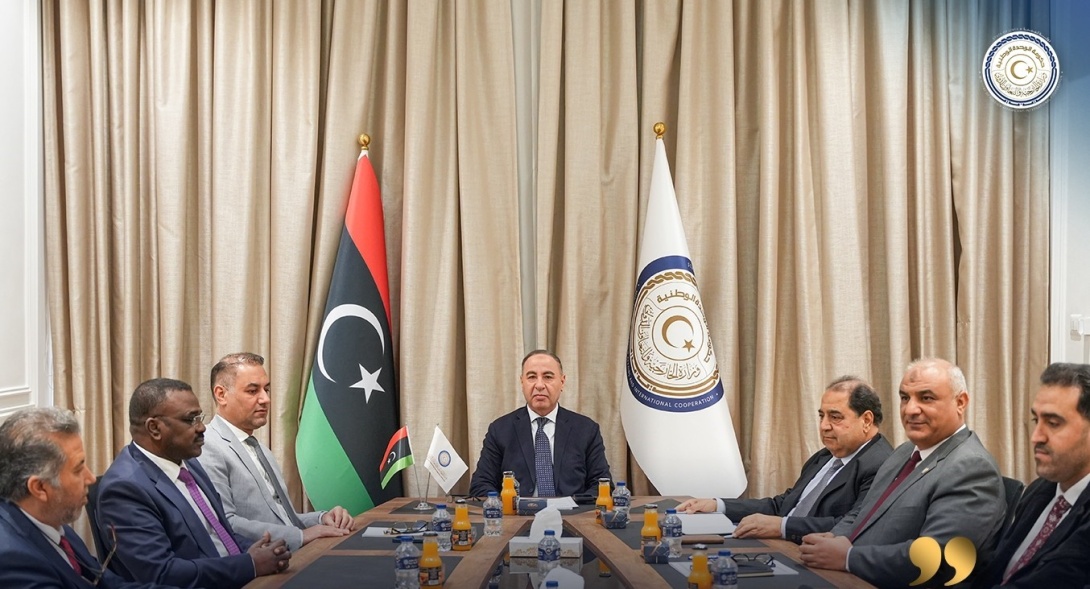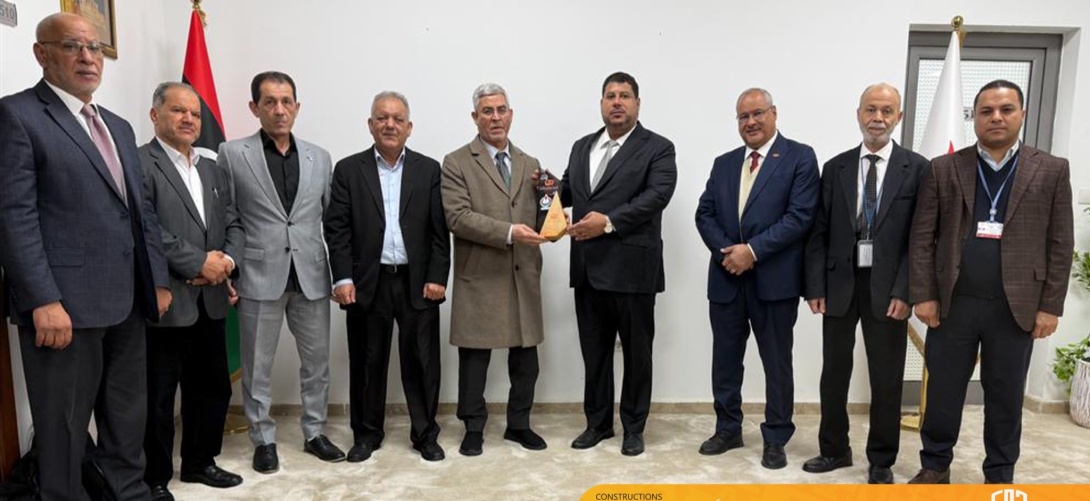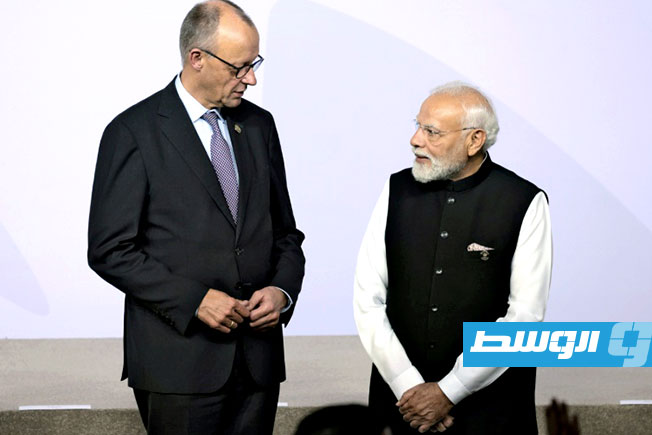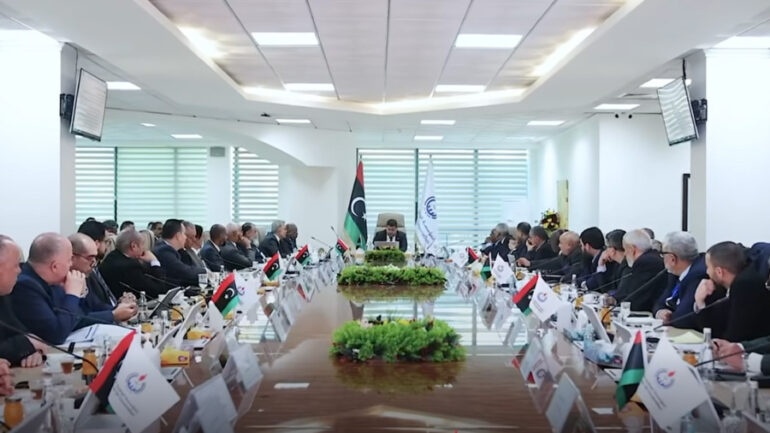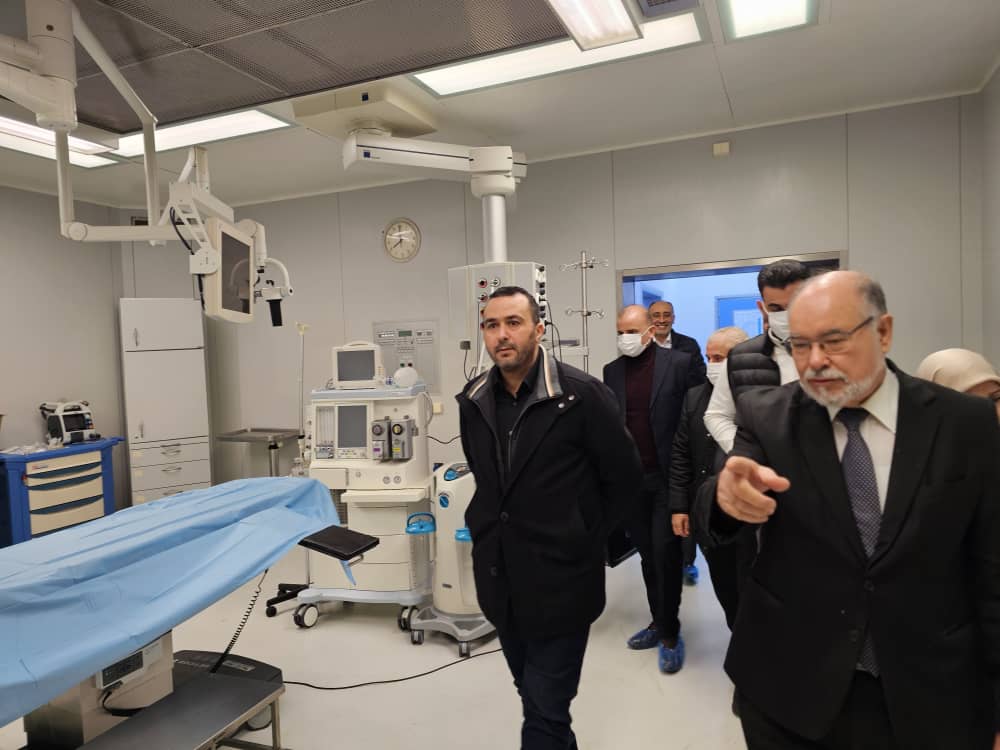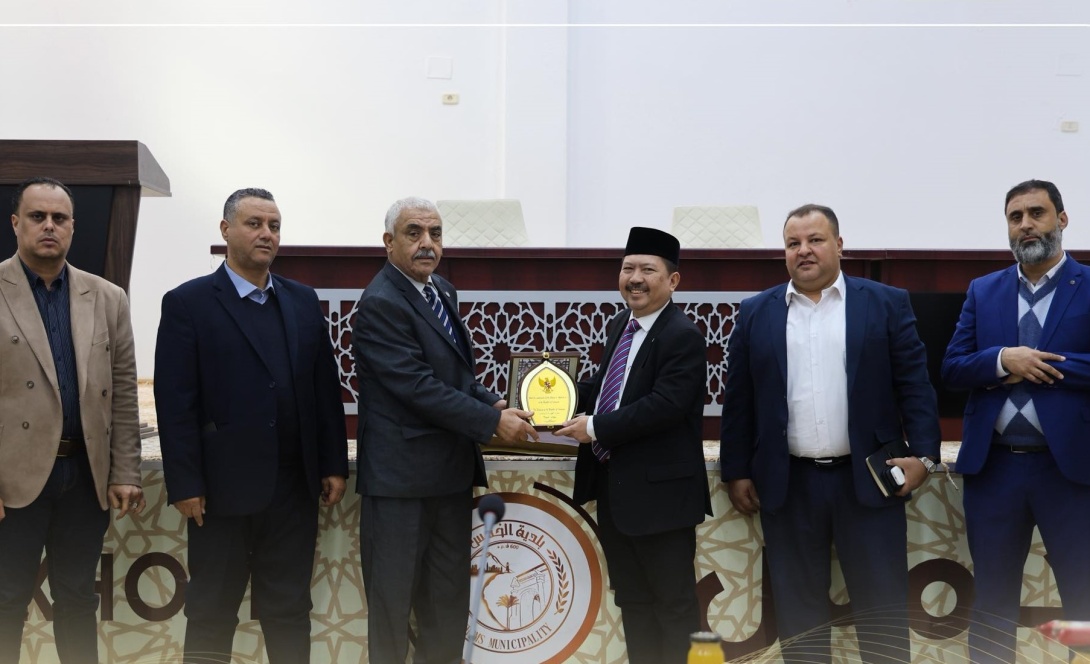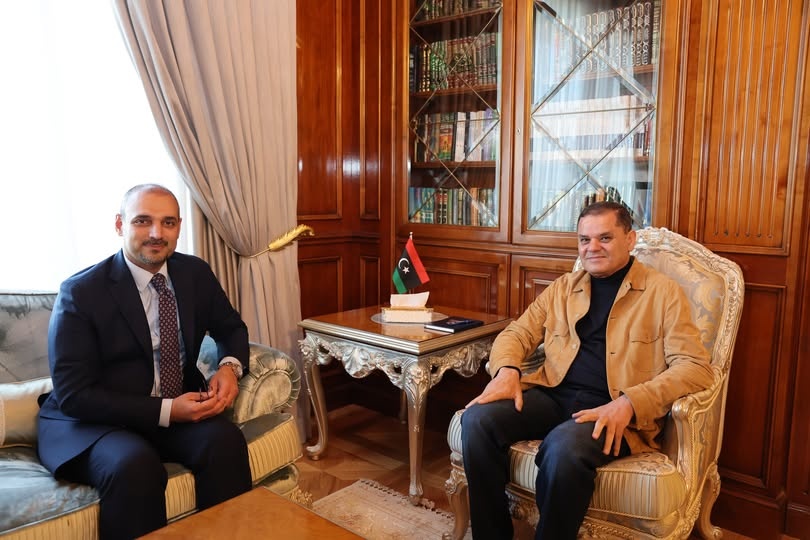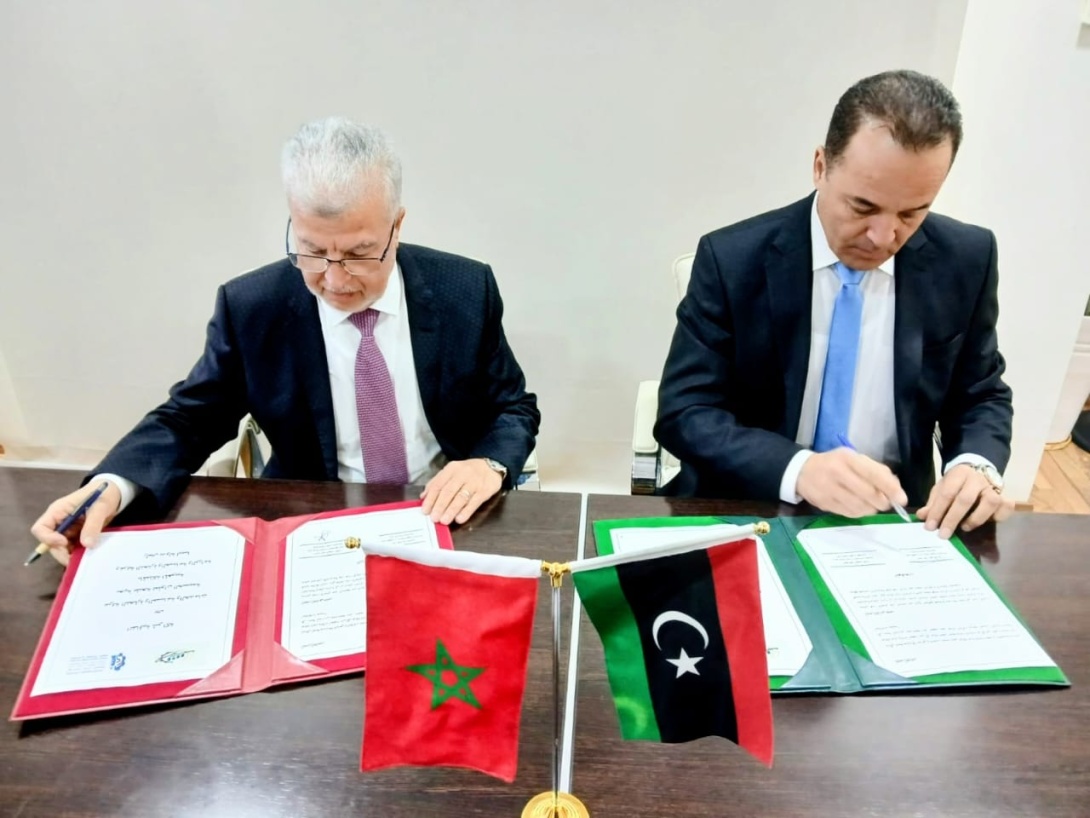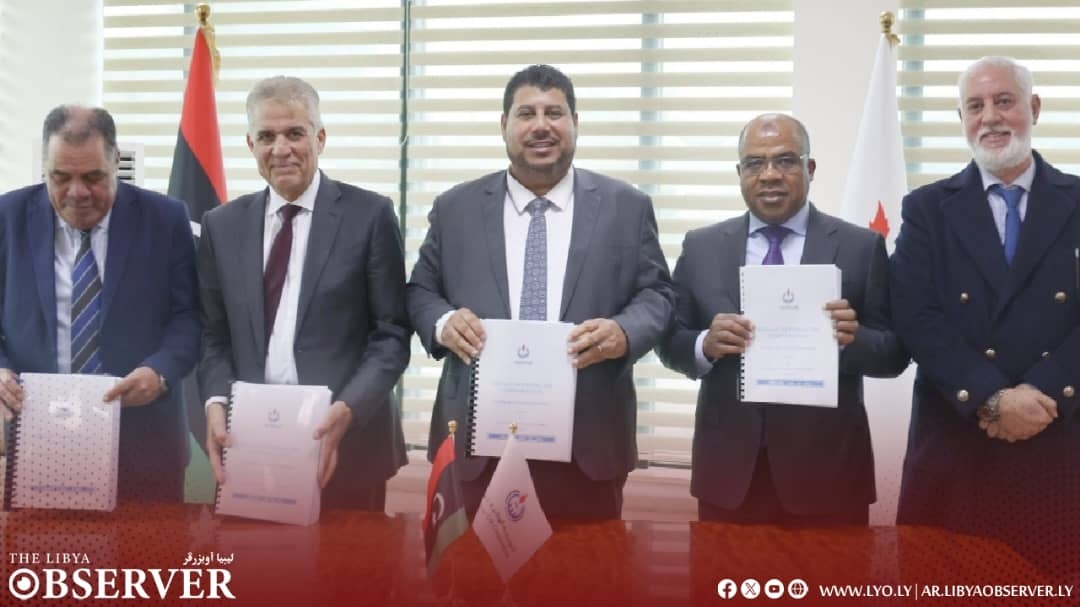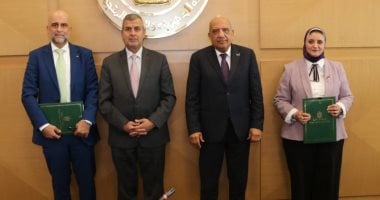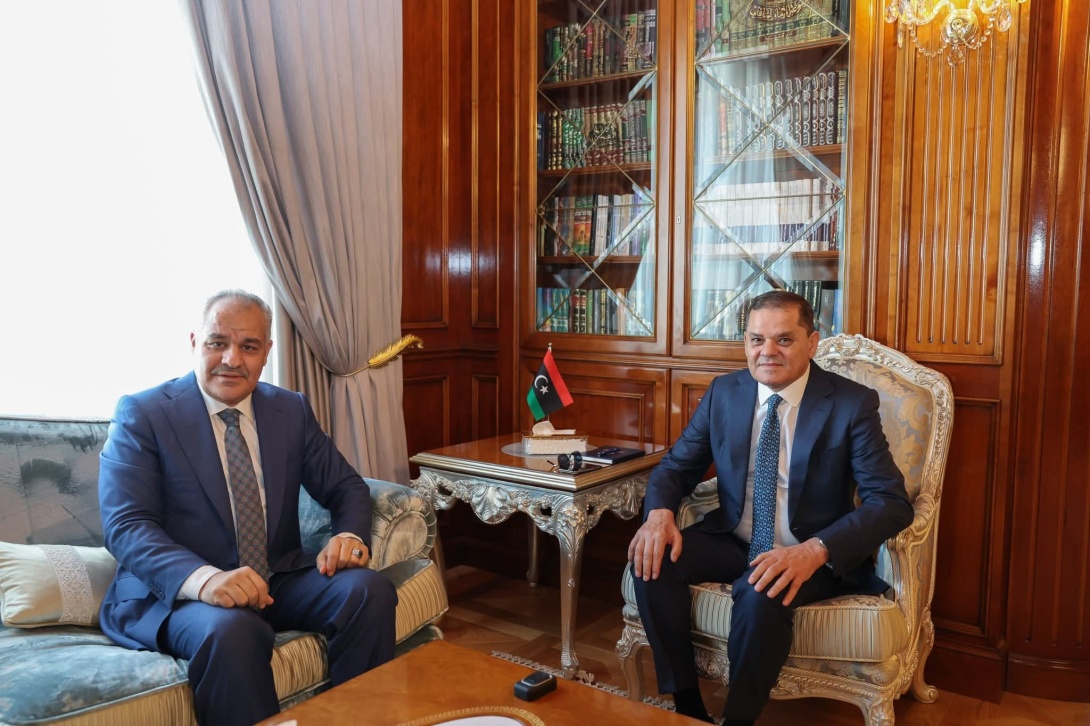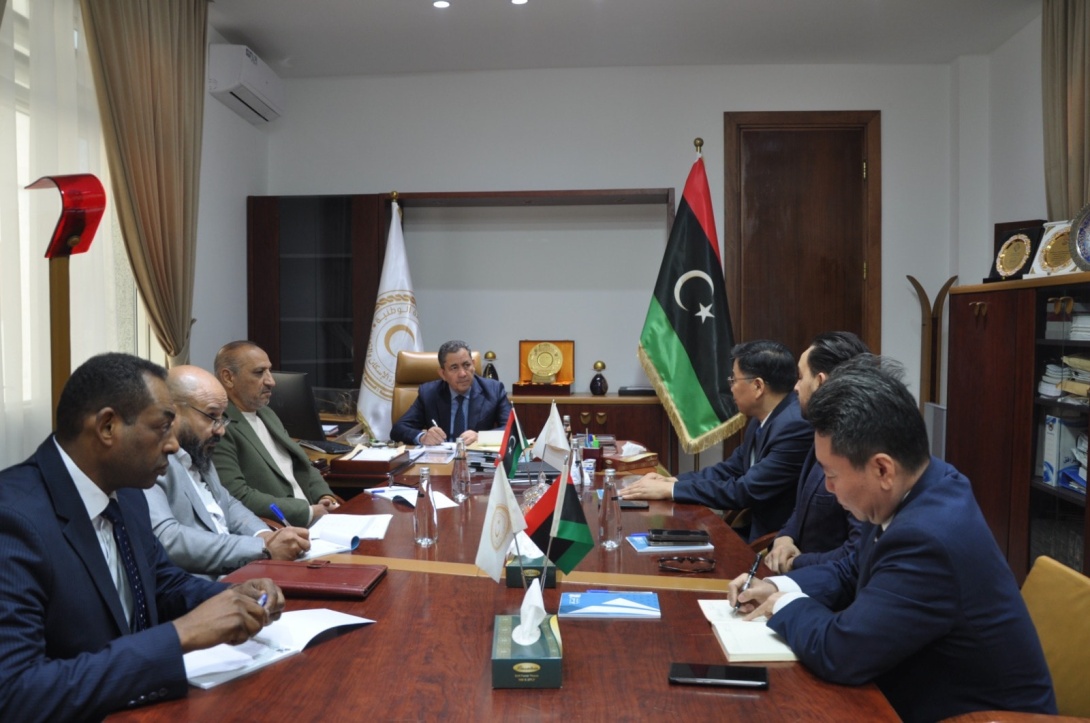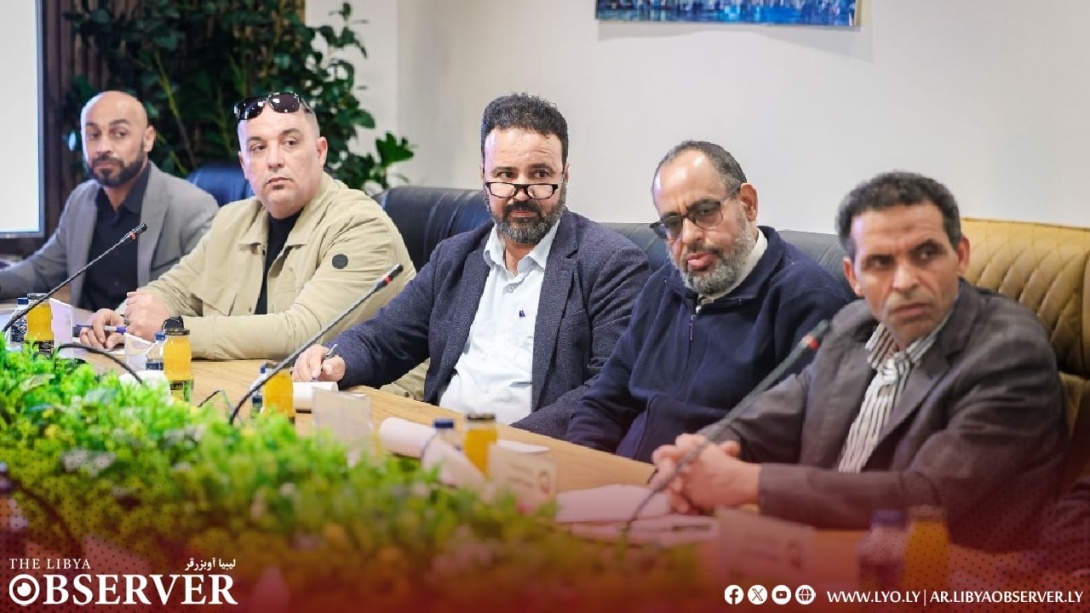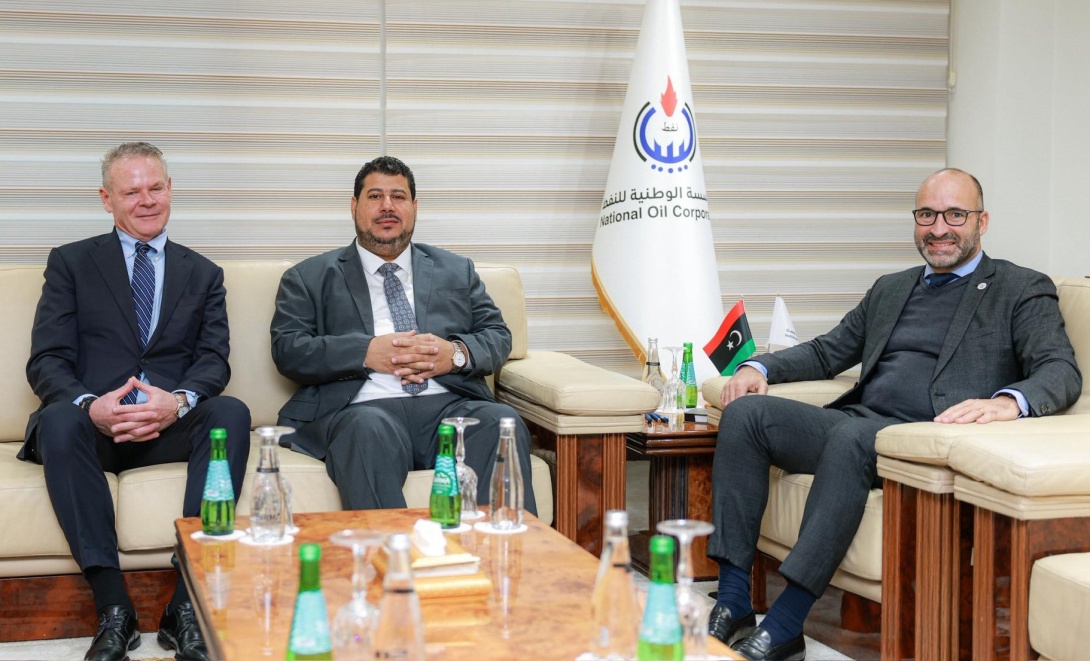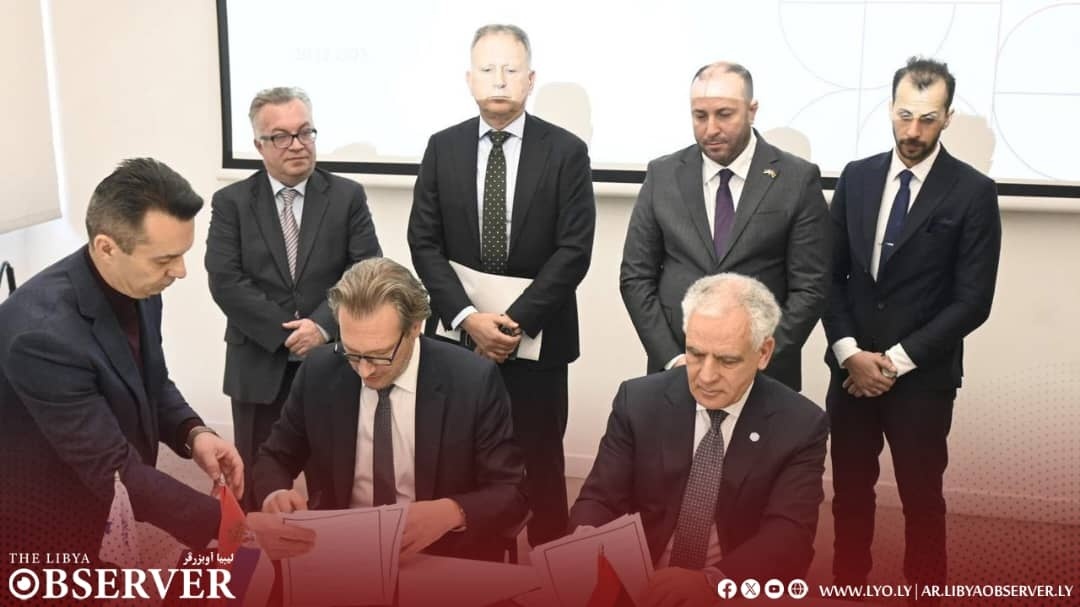
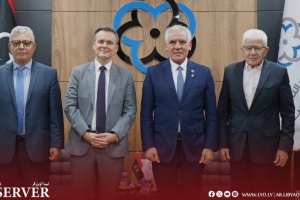
Libya’s General Union of Chambers of Commerce, Industry and Agriculture has signed a Memorandum of Understanding with Serbia’s Chamber of Economy to boost economic and trade cooperation.
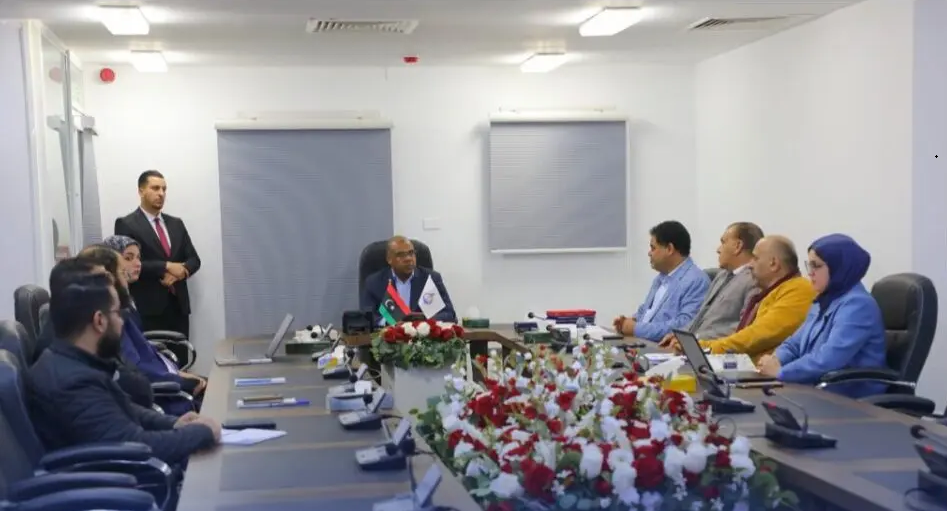
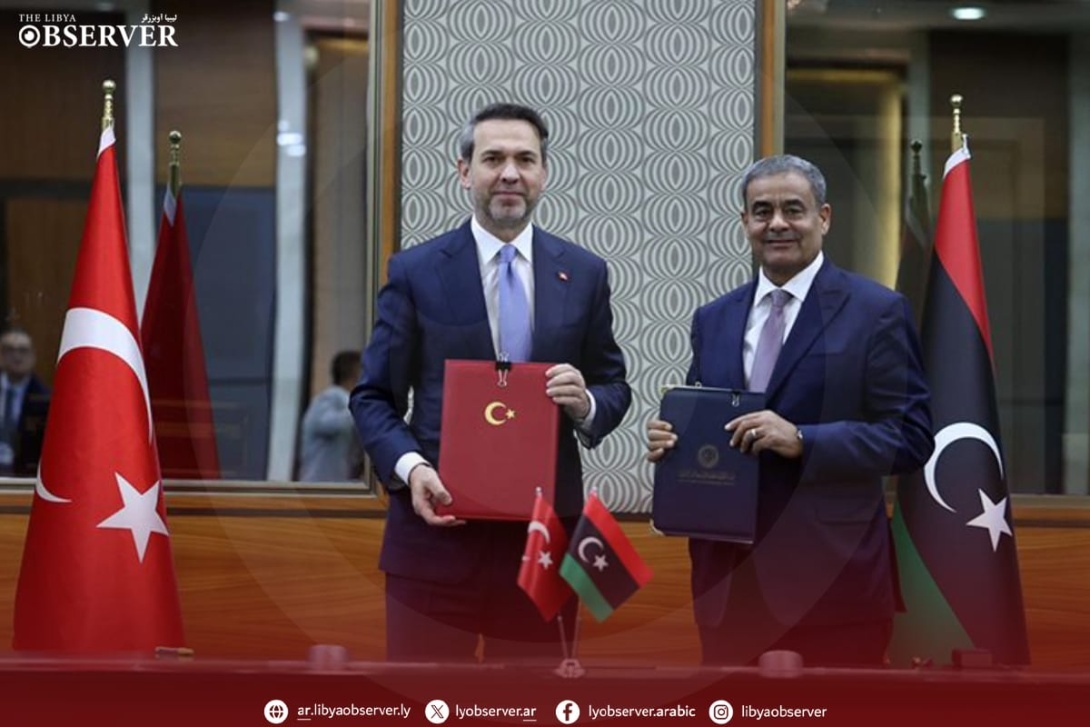
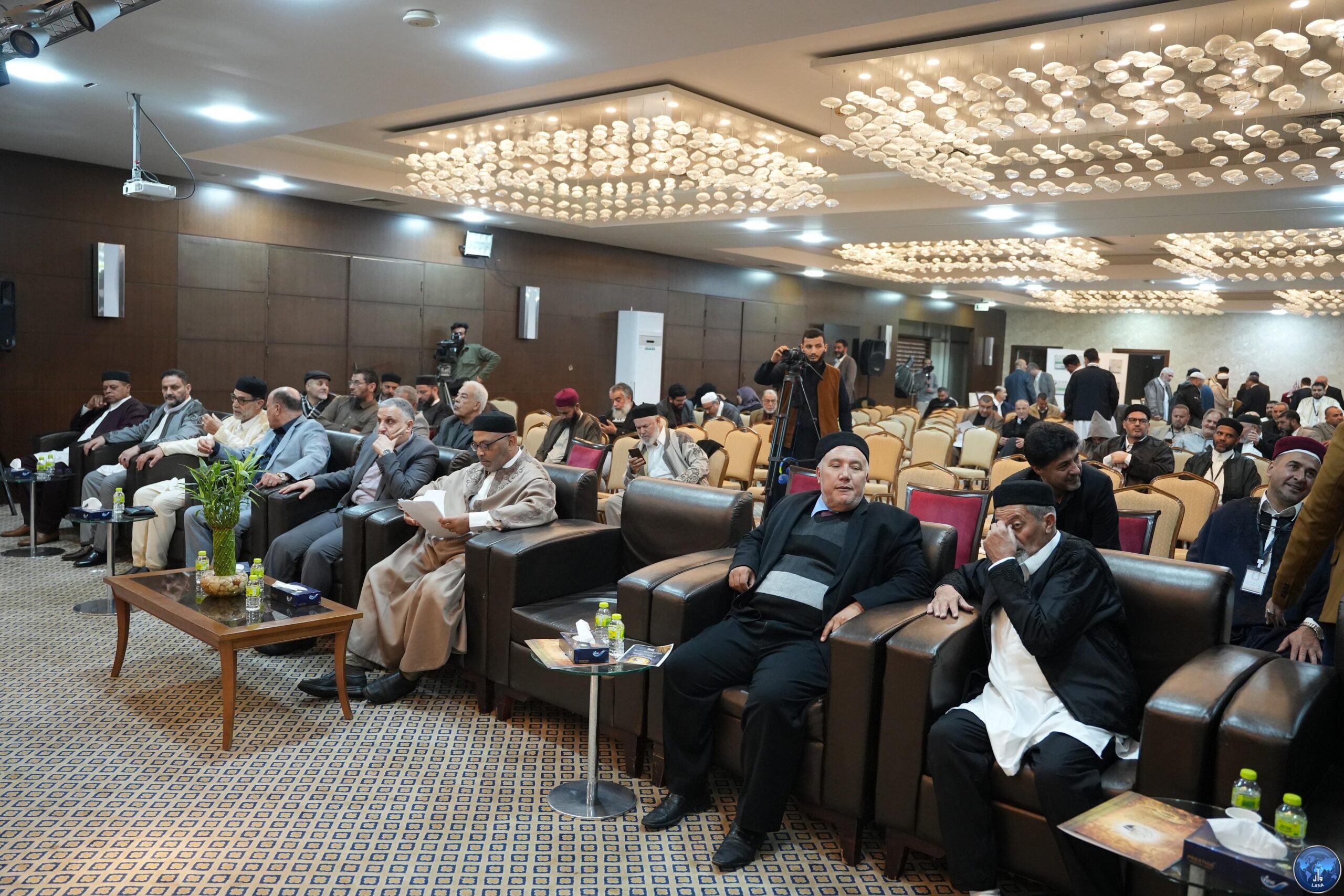
The agreement was signed in Belgrade in the presence of senior officials and business representatives from both countries.
The Union stated that the MoU establishes a framework for expanding trade and investment and includes the creation of a joint chamber to coordinate implementation and follow up on agreed projects.
Libya’s General Union of Chambers of Commerce, Industry and Agriculture
### **Overview**
The General Union of Chambers of Commerce, Industry and Agriculture is the **apex body** representing the private sector in Libya. It is a non-governmental, public utility organization that acts as the unified voice for businesses across the country, encompassing trade, industrial production, and agricultural activities.
### **Primary Functions and Roles**
1. **Private Sector Representation:** Serves as the official intermediary between Libyan businesses and both domestic government authorities and international entities.
2. **Advocacy and Policy Dialogue:** Works to shape economic policies, laws, and regulations to create a more favorable business environment. It lobbies on behalf of its members regarding taxation, customs, investment laws, and administrative procedures.
3. **Business Support Services:** Provides services to member companies, including:
* Issuing Certificates of Origin and other trade documents.
* Legal and commercial advice.
* Organizing trade fairs, exhibitions, and B2B meetings.
* Facilitating arbitration and dispute resolution.
4. **Economic Development:** Promotes investment, both local and foreign, and works on initiatives to diversify the Libyan economy beyond hydrocarbons.
5. **International Linkage:** Represents Libya in international bodies like the **Union of Arab Chambers** and the **International Chamber of Commerce (ICC)**. It facilitates connections between Libyan businesses and their global counterparts.
### **Structure**
The Union has a federal structure:
* **Headquarters:** Located in Tripoli.
* **Member Chambers:** It is a federation of **local chambers** spread across Libya’s major cities (e.g., Tripoli, Benghazi, Misrata, Sebha). These local chambers are the direct points of contact for businesses in their respective regions.
* **Leadership:** Typically governed by a President and a Board of Directors elected from representatives of the local chambers.
### **Challenges and Context**
Operating in Libya’s complex post-2011 political and security landscape presents significant challenges:
* **Political Division:** The country’s institutional split has often affected its operations, sometimes leading to parallel administrations or hampered functionality.
* **Economic Instability:** It operates within an economy struggling with inflation, liquidity crises, currency exchange issues, and fragmented regulations.
* **Security Concerns:** Ongoing instability can disrupt business activities and the Union’s events or outreach programs.
* **Bureaucratic Hurdles:** Despite its advocacy role, businesses still face a cumbersome bureaucratic environment.
### **Importance**
Despite the challenges, the GUCCIA remains a **critical institution** for:
* **Unifying the Private Sector:** It is one of the few national bodies that strives to represent business interests across Libya’s regions.
* **Economic Recovery:** Seen as a key partner for international organizations (UN, World Bank, EU) and foreign governments in efforts to rebuild Libya’s economy and support the private sector.
* **Legitimacy and Documentation:** Its role in issuing internationally recognized documents like Certificates of Origin is essential for Libyan importers and exporters.
### **Contact and International Perception**
* **Website:** It maintains an official website (though accessibility can be inconsistent) and social media presence.
* **International Partners:** It is the primary point of contact for foreign chambers of commerce, trade delegations, and economic diplomats seeking to engage with the Libyan private sector.
In summary, the **General Union of Chambers of Commerce, Industry and Agriculture** is Libya’s most important private sector institution. Its effectiveness is intrinsically tied to the country’s broader political and economic stability, but it continues to play a vital role in advocacy, business services, and representing Libyan commerce on the national and international stage.
Serbia’s Chamber of Economy
It is the country’s leading, independent, and non-profit business association, representing the interests of the entire Serbian economy.
Here are the key details about it:
### **Core Functions and Roles:**
1. **Representation:** Acts as the unified voice of Serbian businesses in dialogue with the government, state institutions, and international organizations. It advocates for better business conditions, legal reforms, and economic policies.
2. **Support for Businesses:** Provides a wide range of services to companies (especially SMEs), including:
* **Information and Advice:** On regulations, markets, and procedures.
* **Education and Training:** Seminars, workshops, and certification programs.
* **Business Networking:** Organizes B2B meetings, fairs, and business missions.
* **Internationalization:** Helps companies with export promotion, finding foreign partners, and navigating international trade. It houses the **Serbian Export Promotion Agency (SEPA)**.
3. **Issuance of Documents:** Authorized to issue various certificates required for international trade, such as Certificates of Origin, ATA Carnets (for temporary export of goods), and other commercial documents.
4. **Arbitration:** Runs the **Permanent Arbitration Court**, a popular alternative for resolving domestic and international business disputes outside the state court system.
5. **Policy Development:** Actively participates in drafting laws and regulations affecting the economy (commercial law, tax law, foreign trade, etc.).
### **Structure:**
* **Headquarters:** In Belgrade, at Resavska 13-15.
* **Regional Presence:** Has a network of **Regional Chambers** (15 of them) and **Local Offices** across Serbia, ensuring nationwide coverage and support.
* **Membership:** It has a **mandatory membership** for all business entities registered in Serbia. This gives it a comprehensive reach and makes it a truly representative body.
### **International Affiliation:**
The PKS is a member of key international organizations, including:
* The International Chamber of Commerce (ICC)
* The European Association of Chambers of Commerce and Industry (EUROCHAMBRES)
* The Balkan Chambers of Commerce Association
### **Key Takeaway:**
When someone mentions “Serbia’s Chamber of Economy,” they are referring to the **Privredna komora Srbije (PKS)**, which serves as the central hub for Serbian business—supporting companies, shaping economic policy, and facilitating connections both domestically and globally.
**Website:** [www.pks.rs](http://www.pks.rs) (available in Serbian and English)