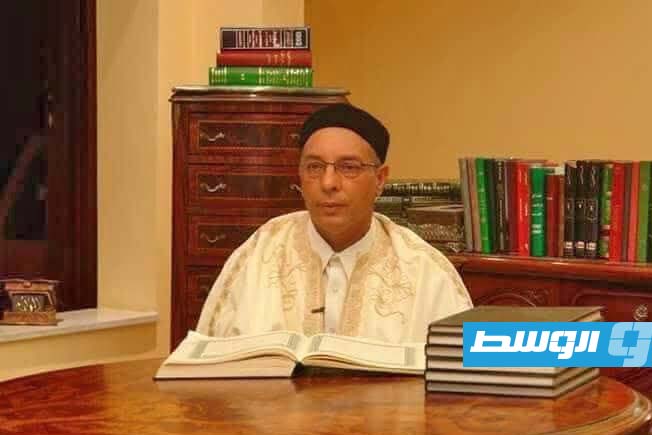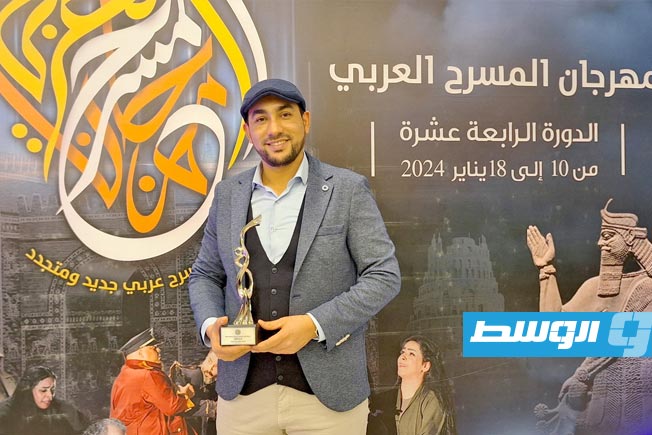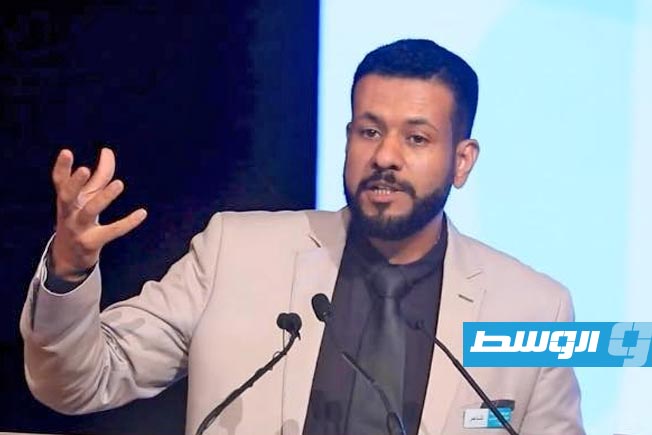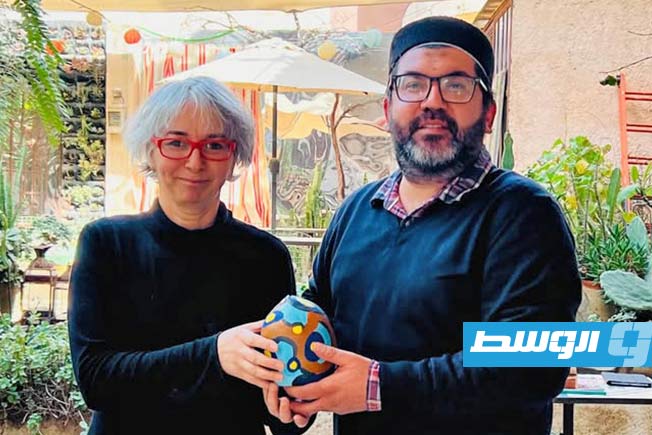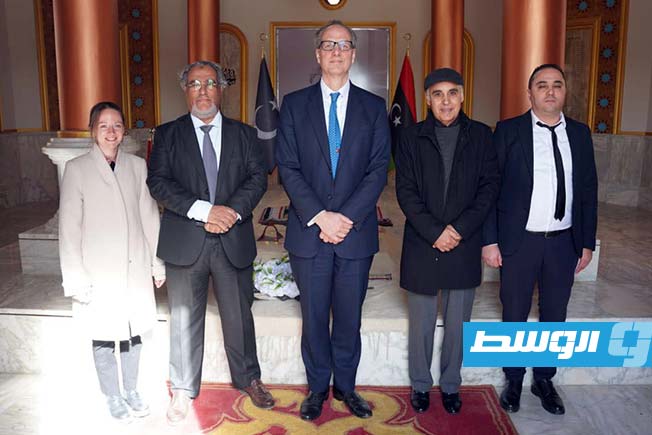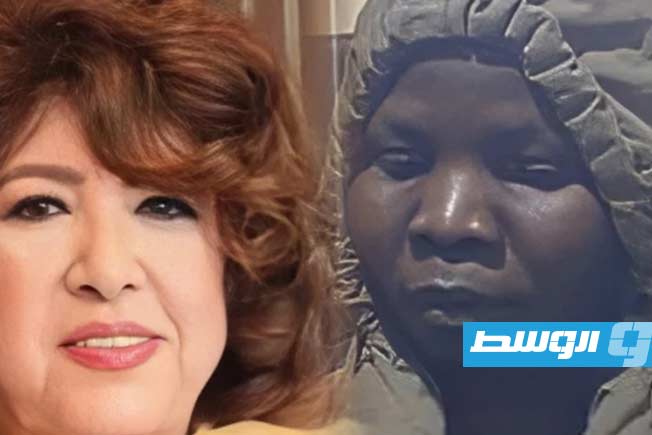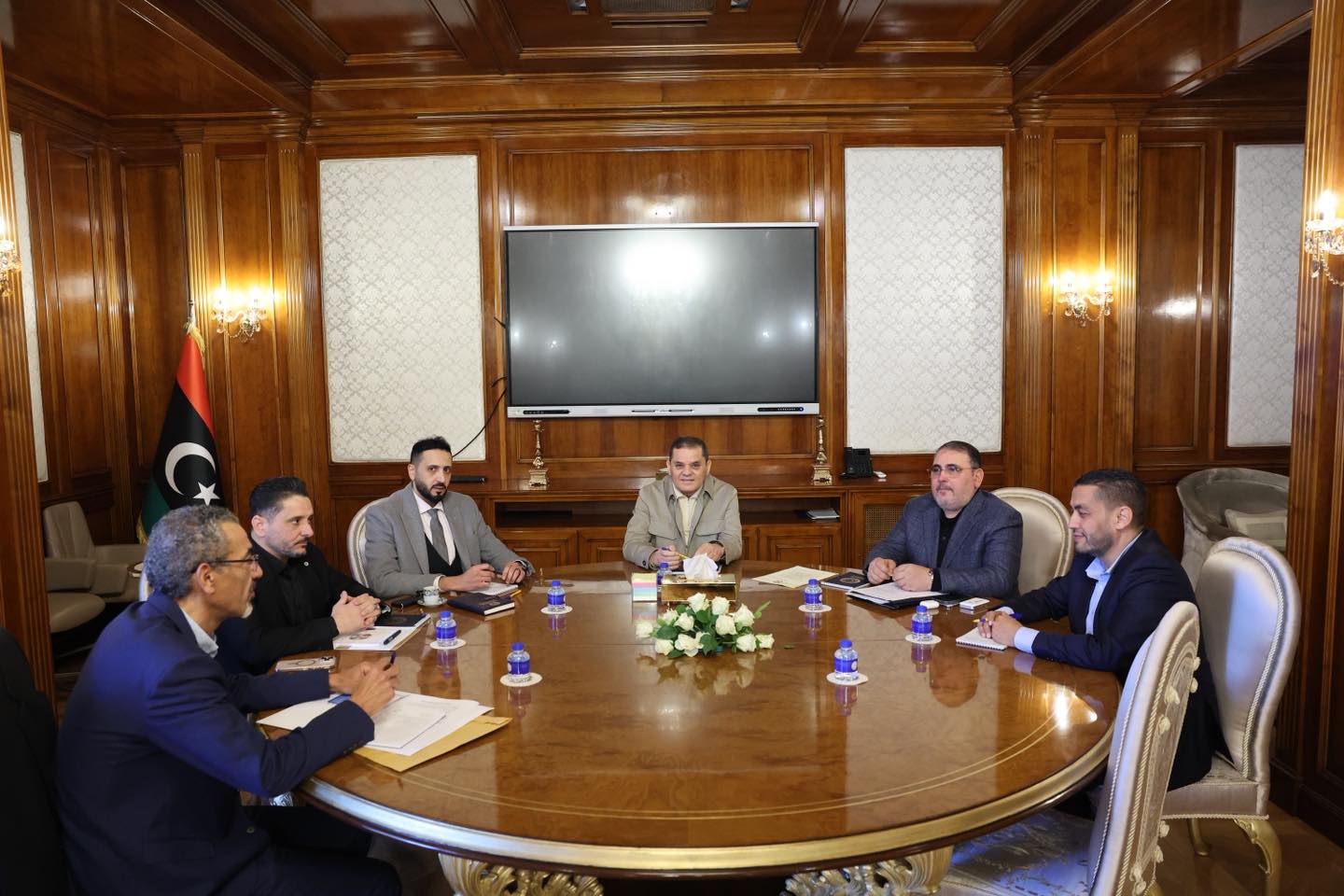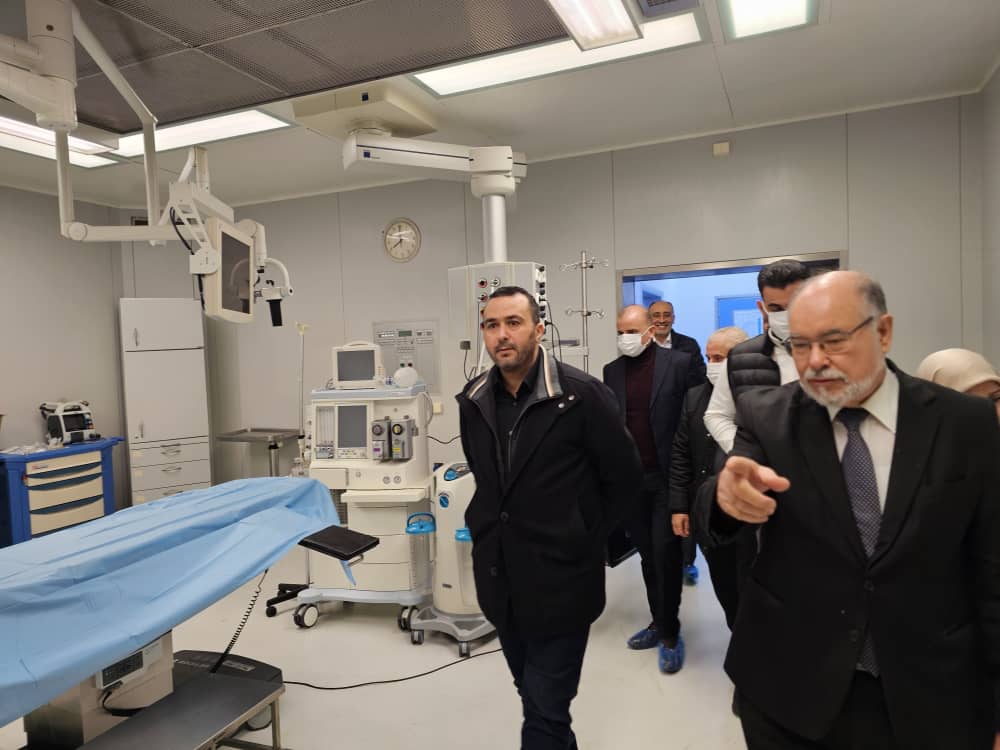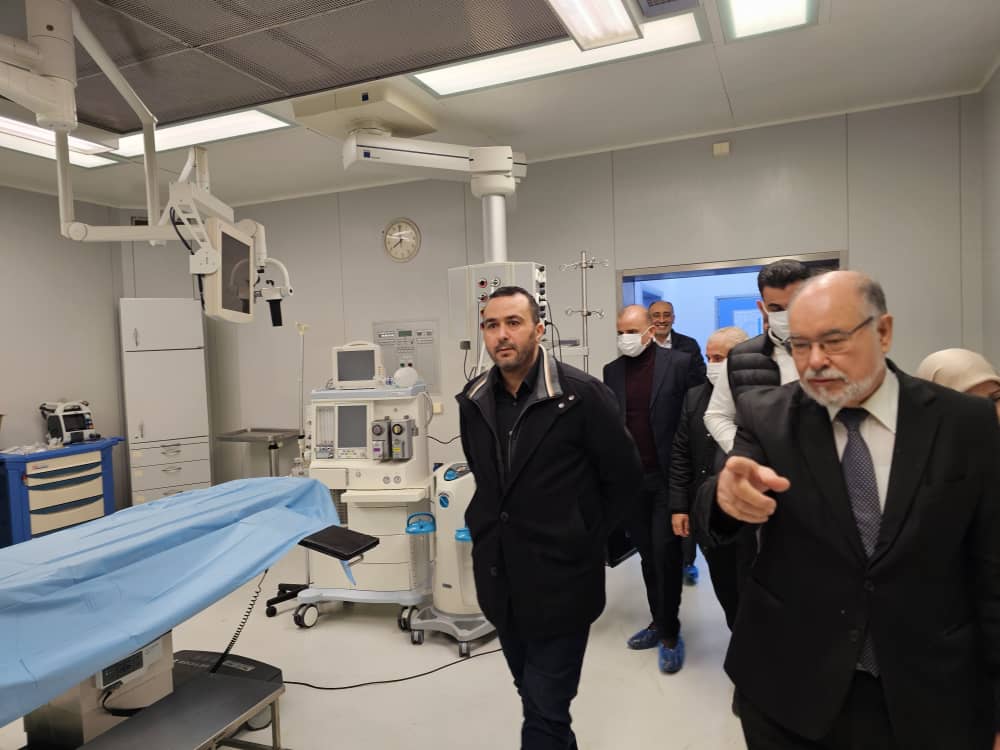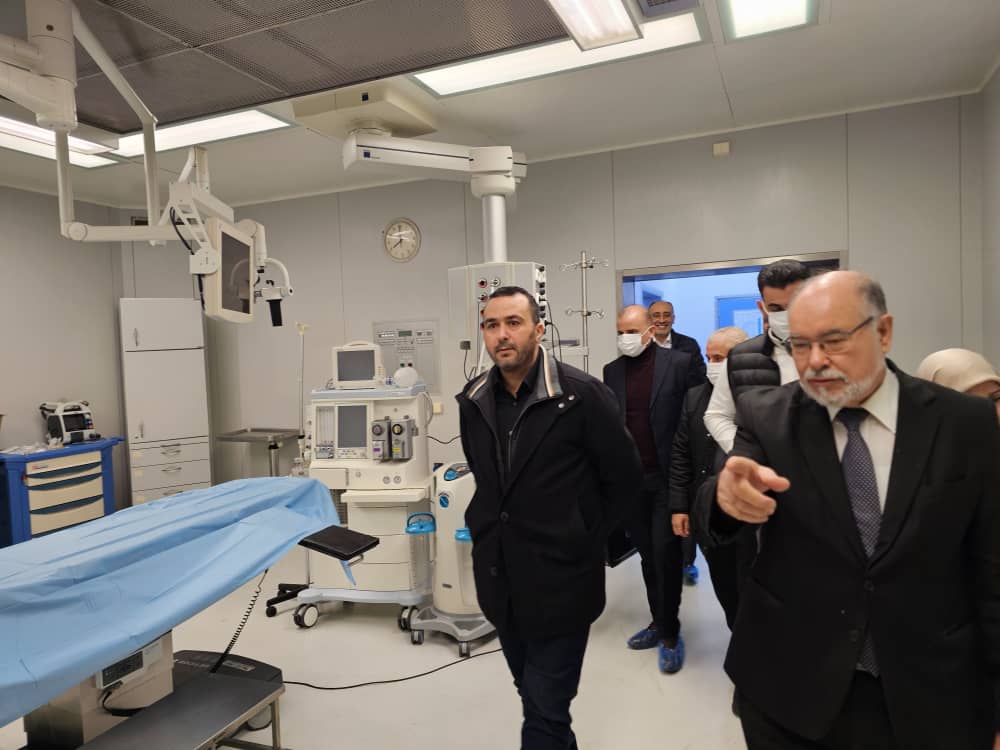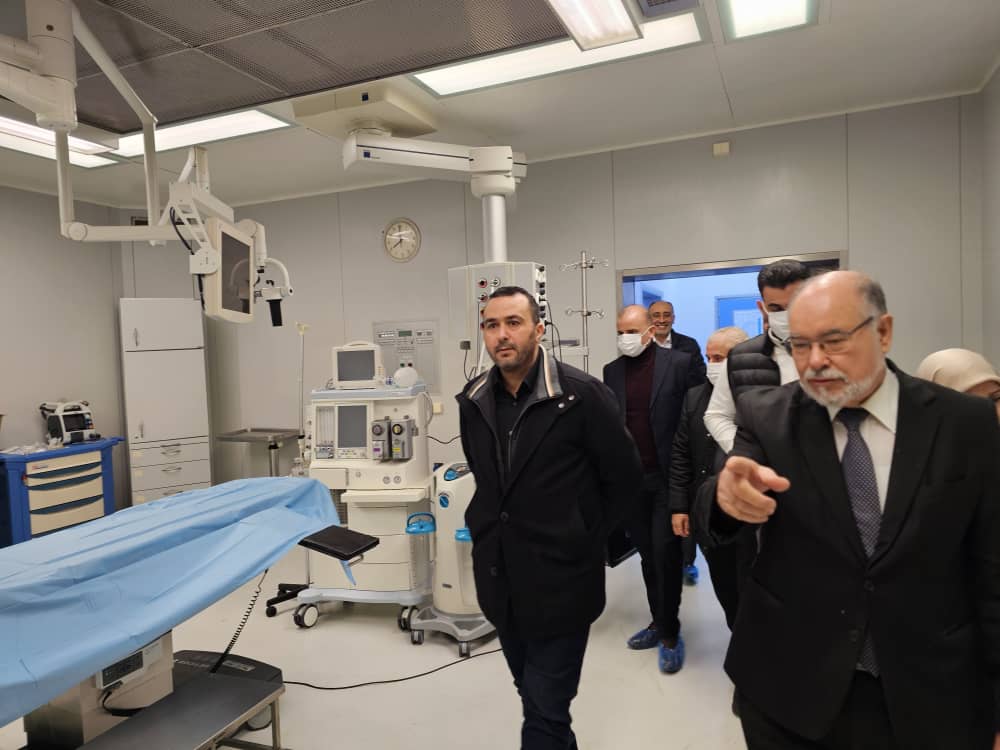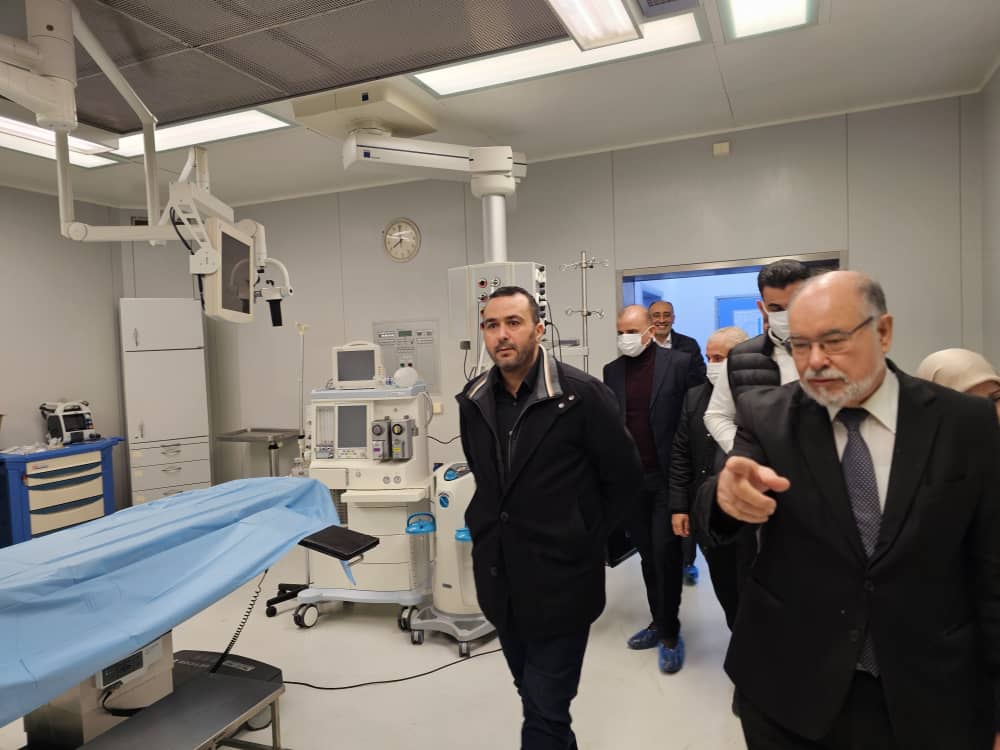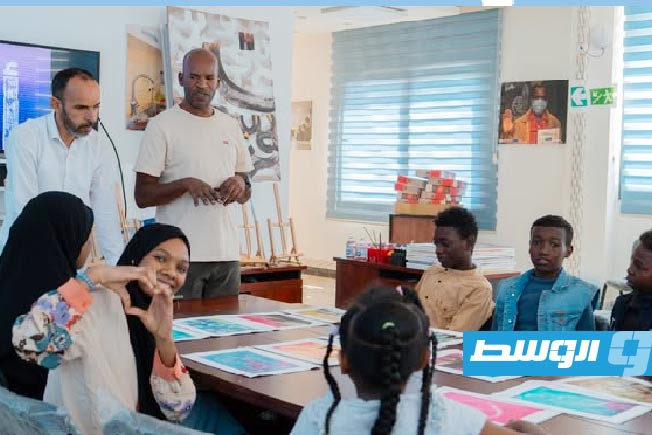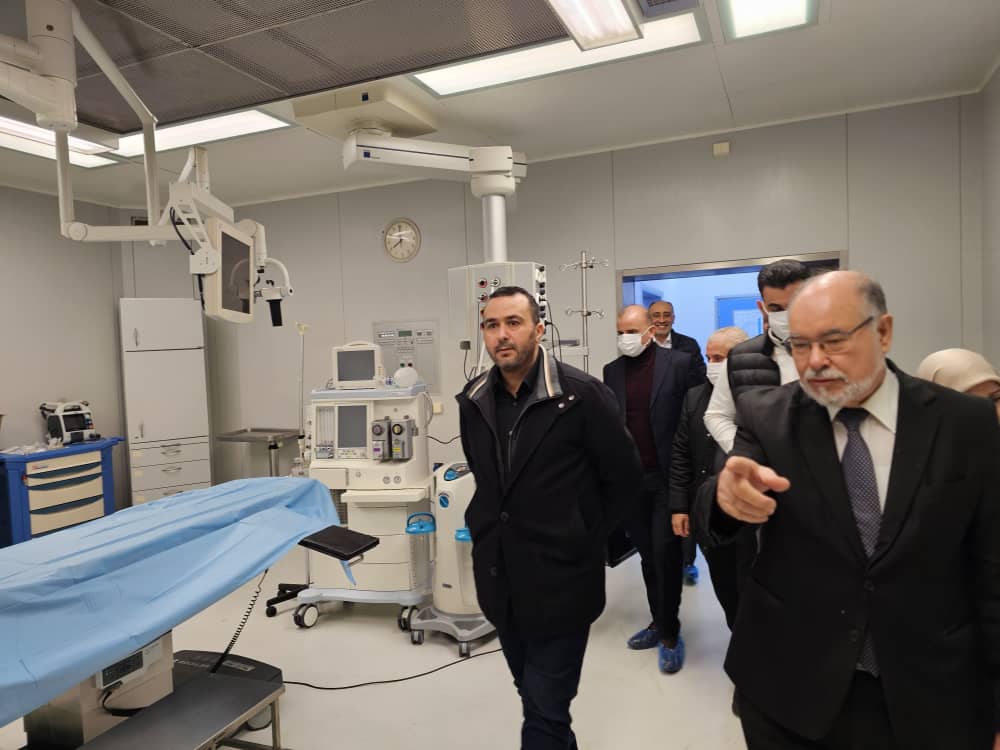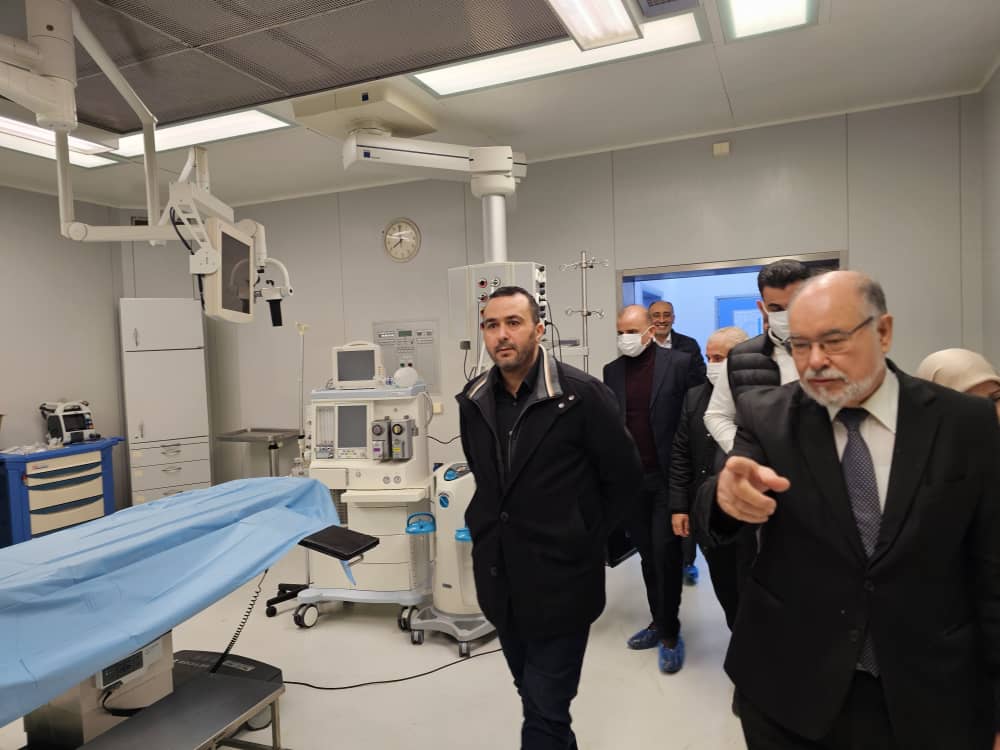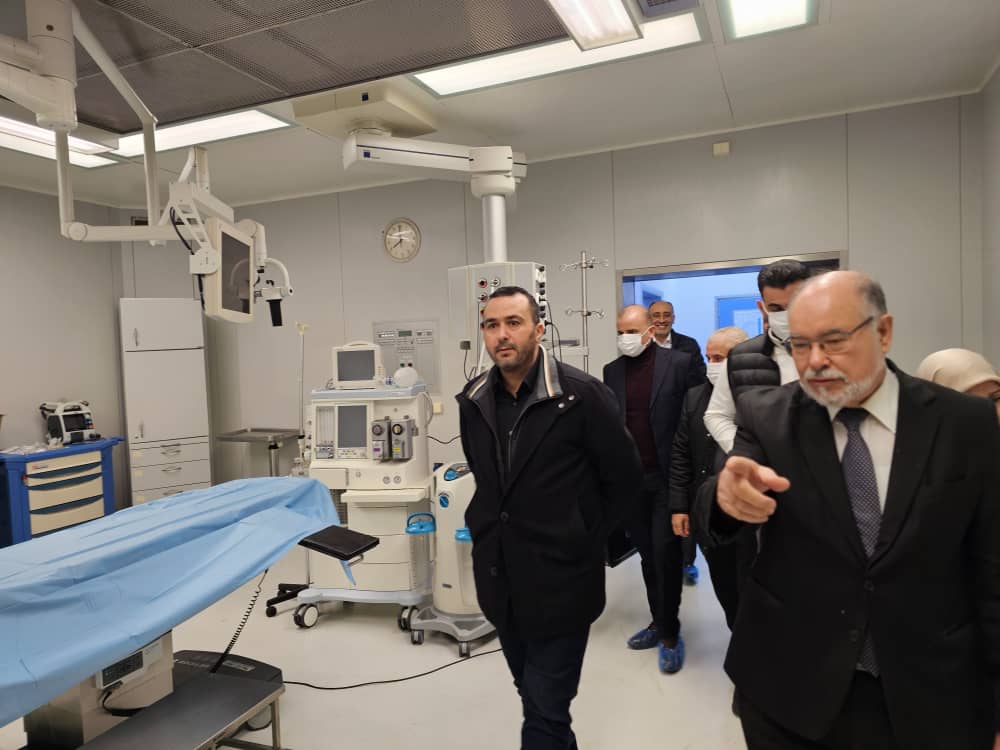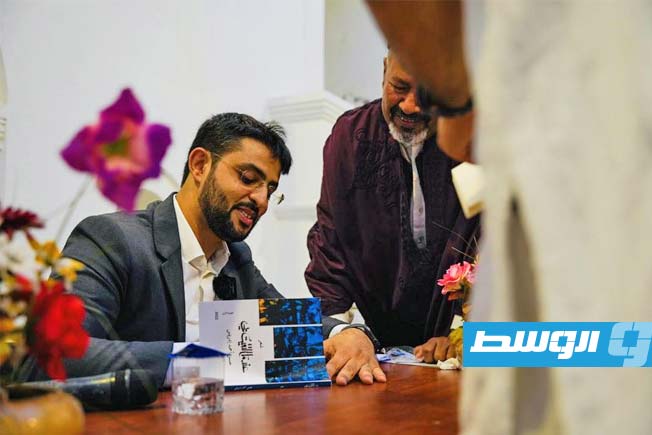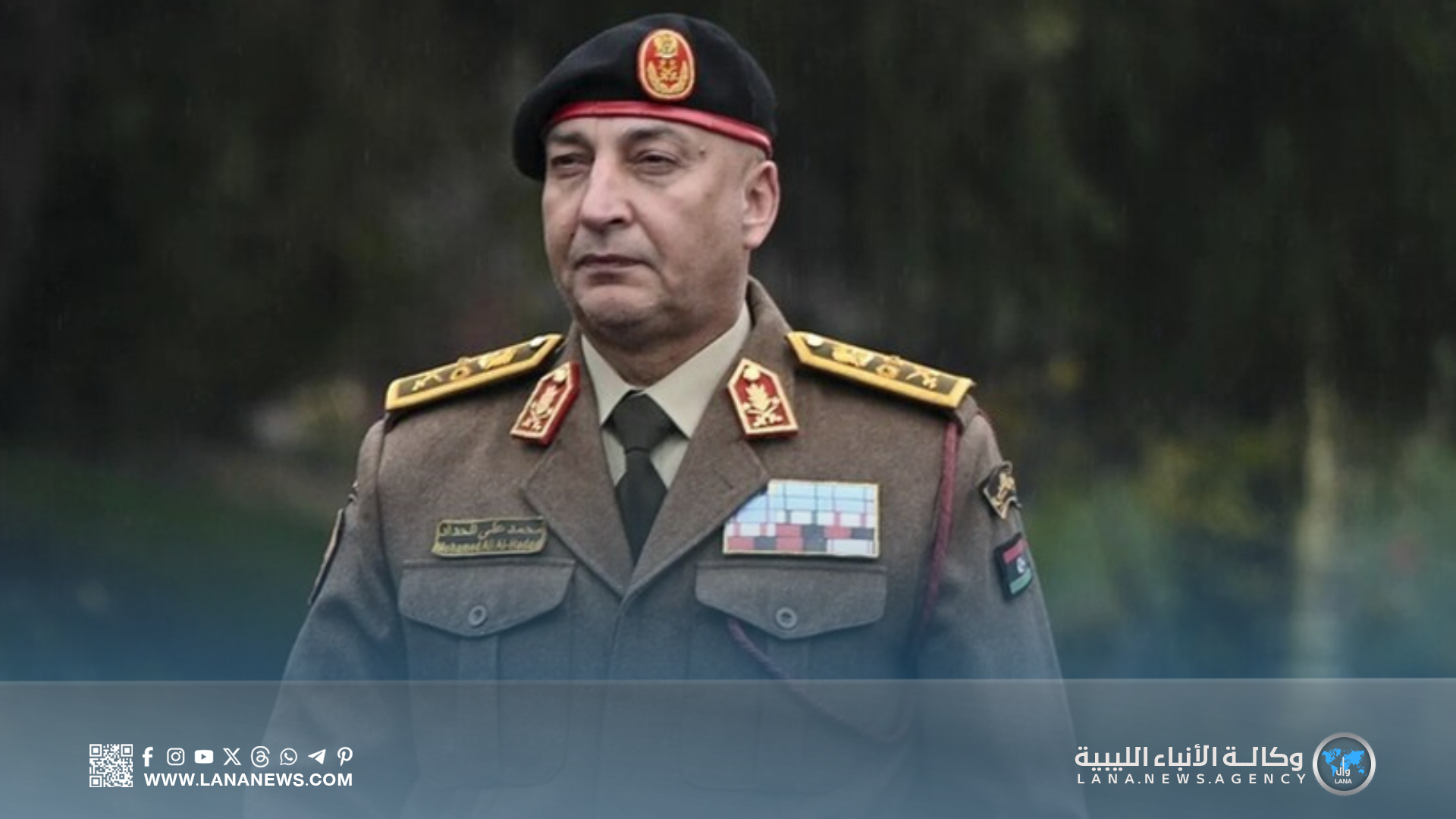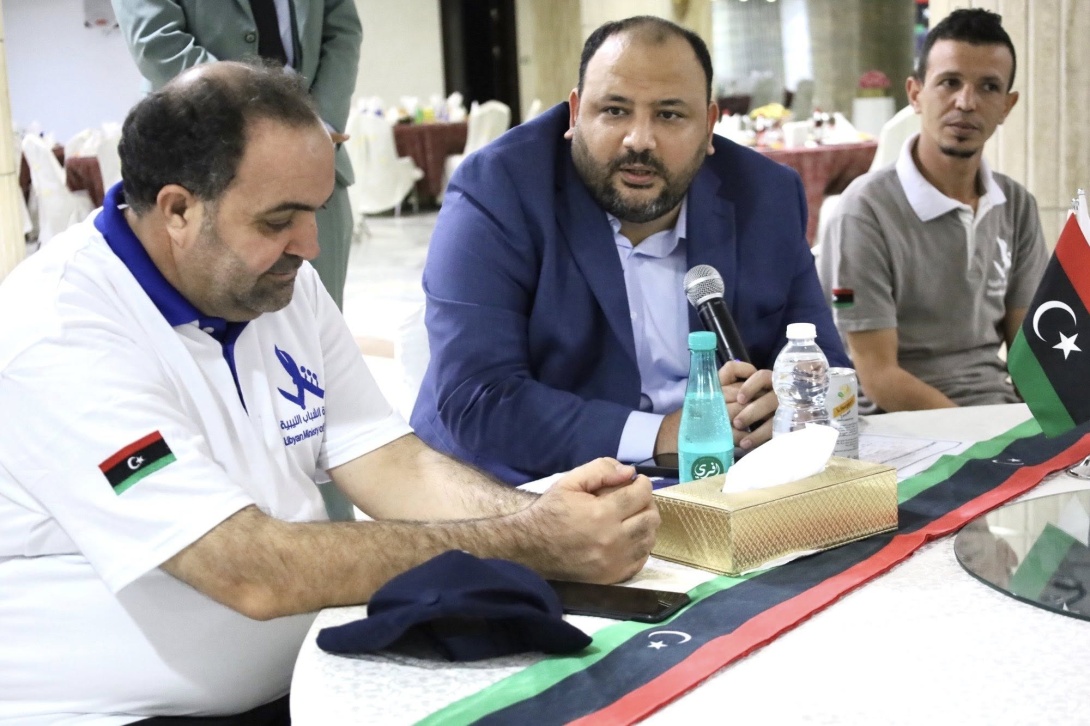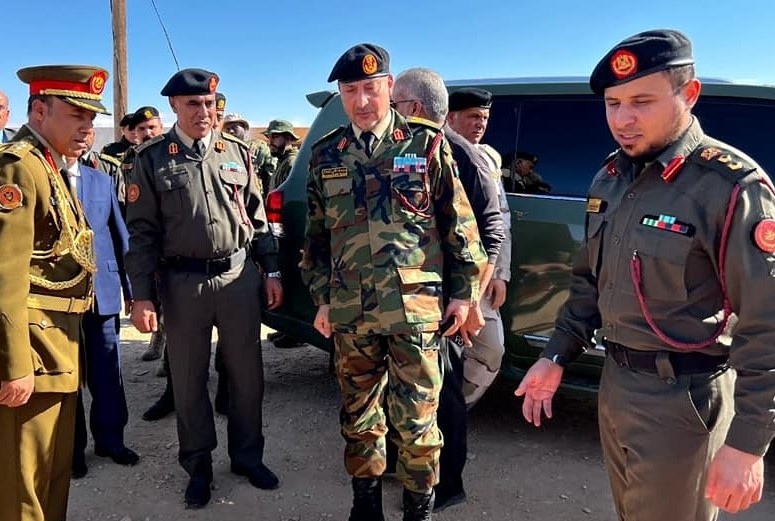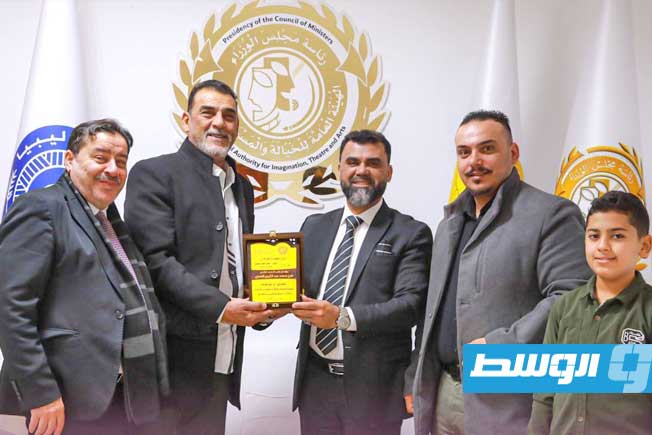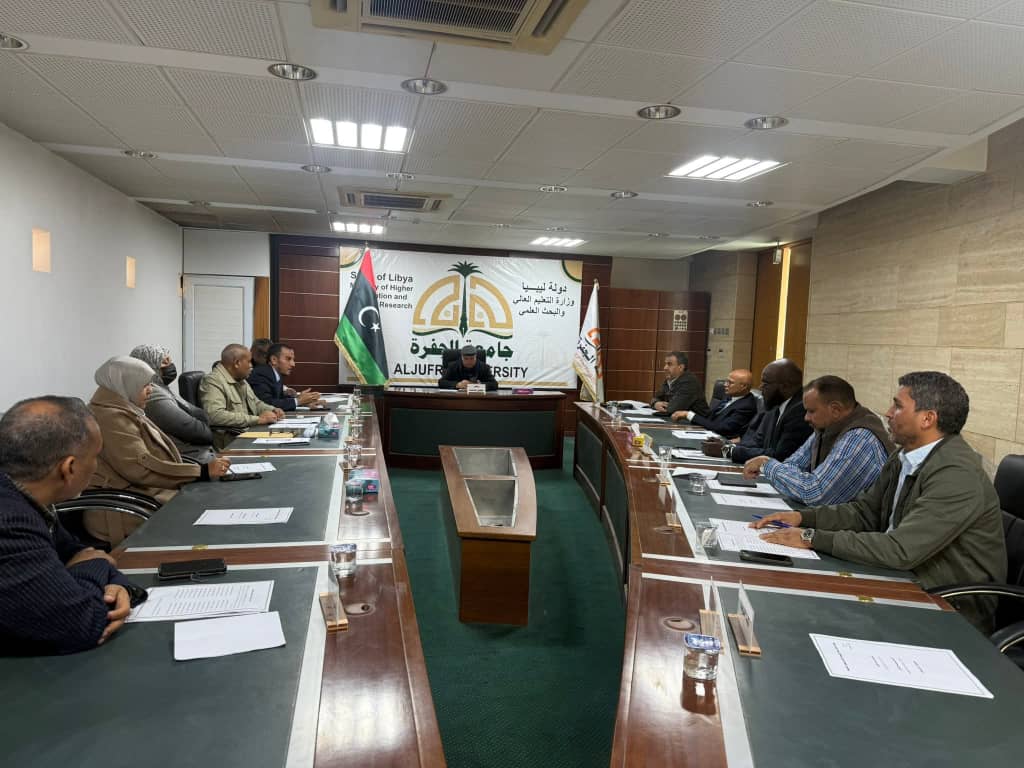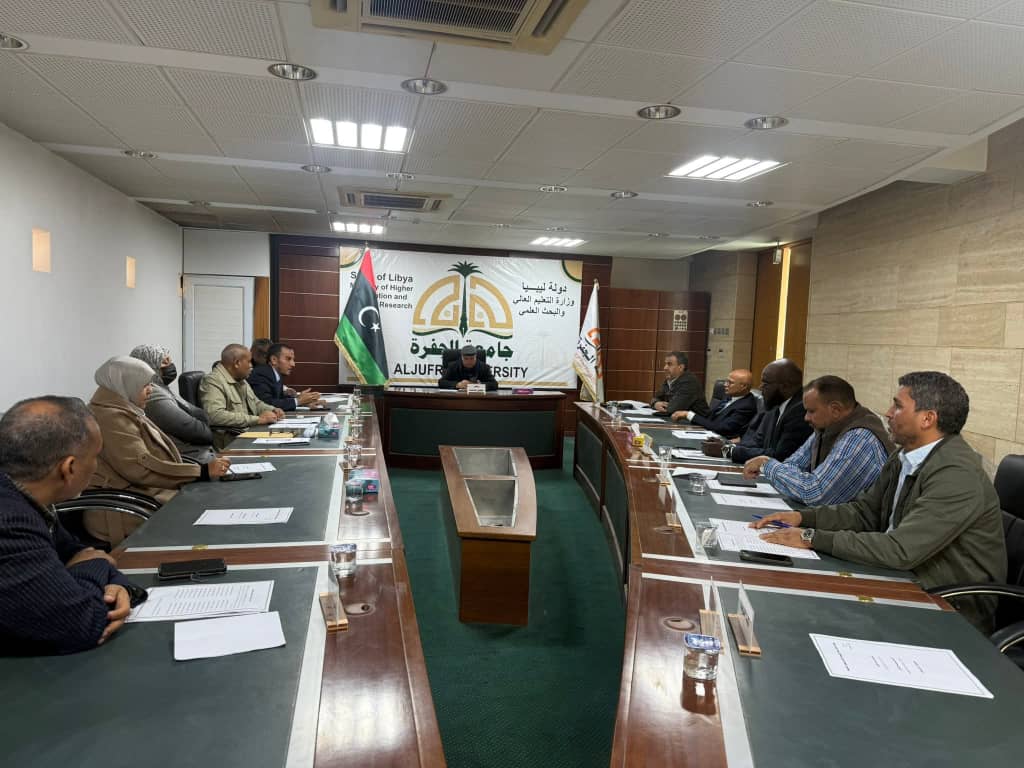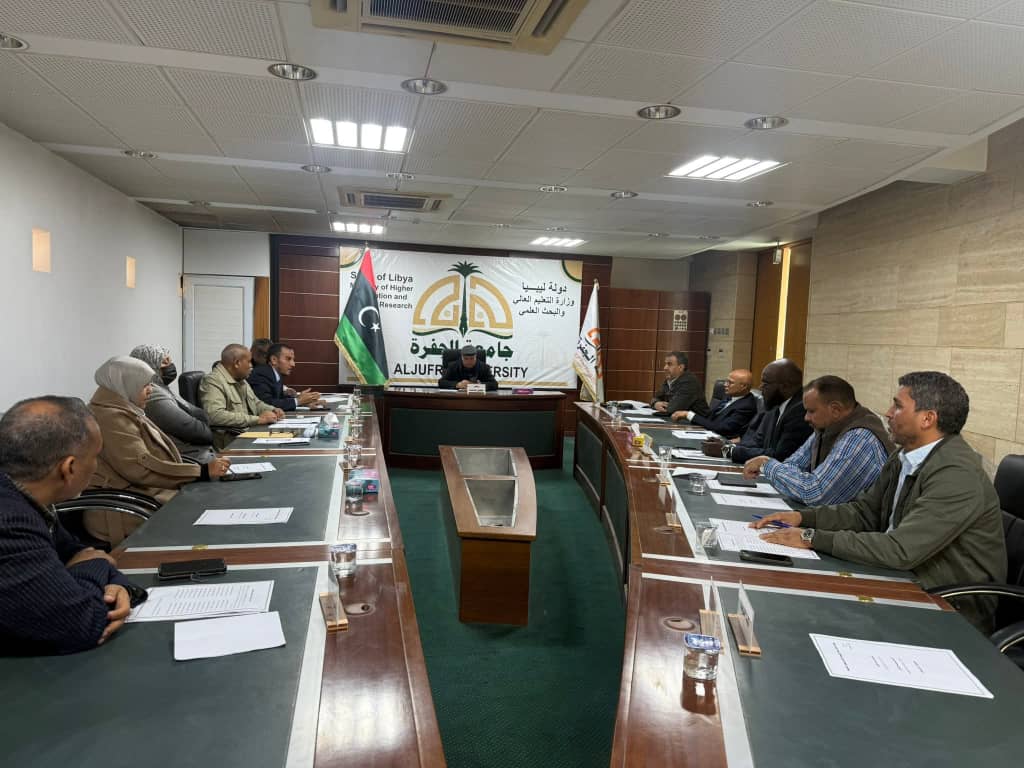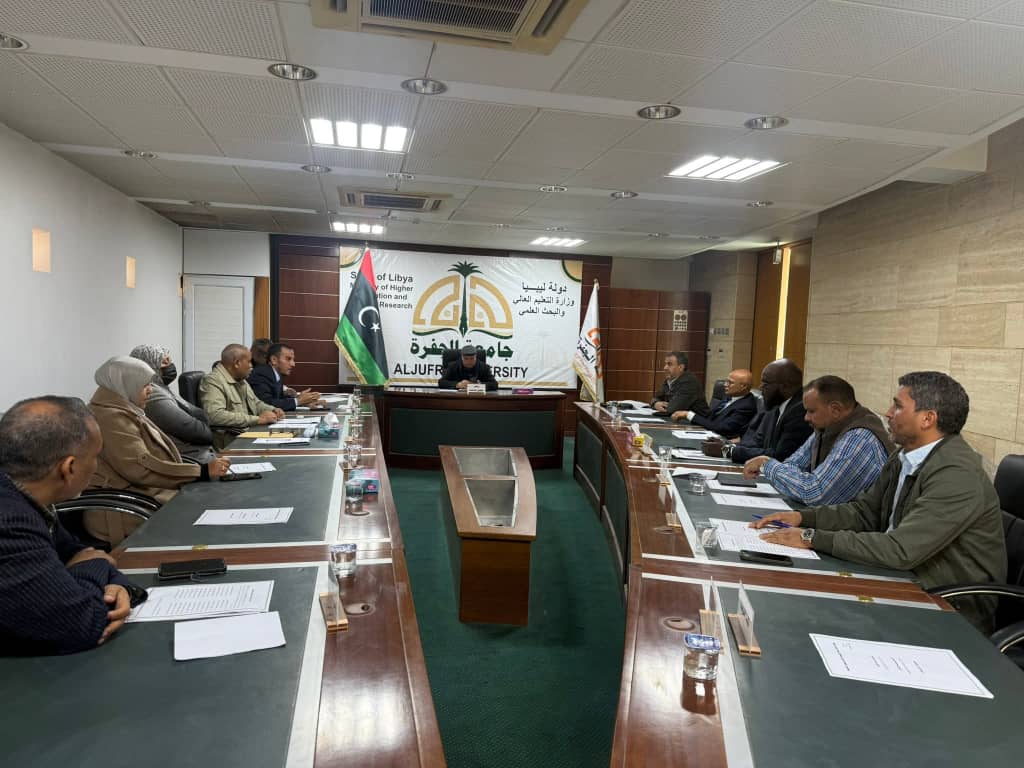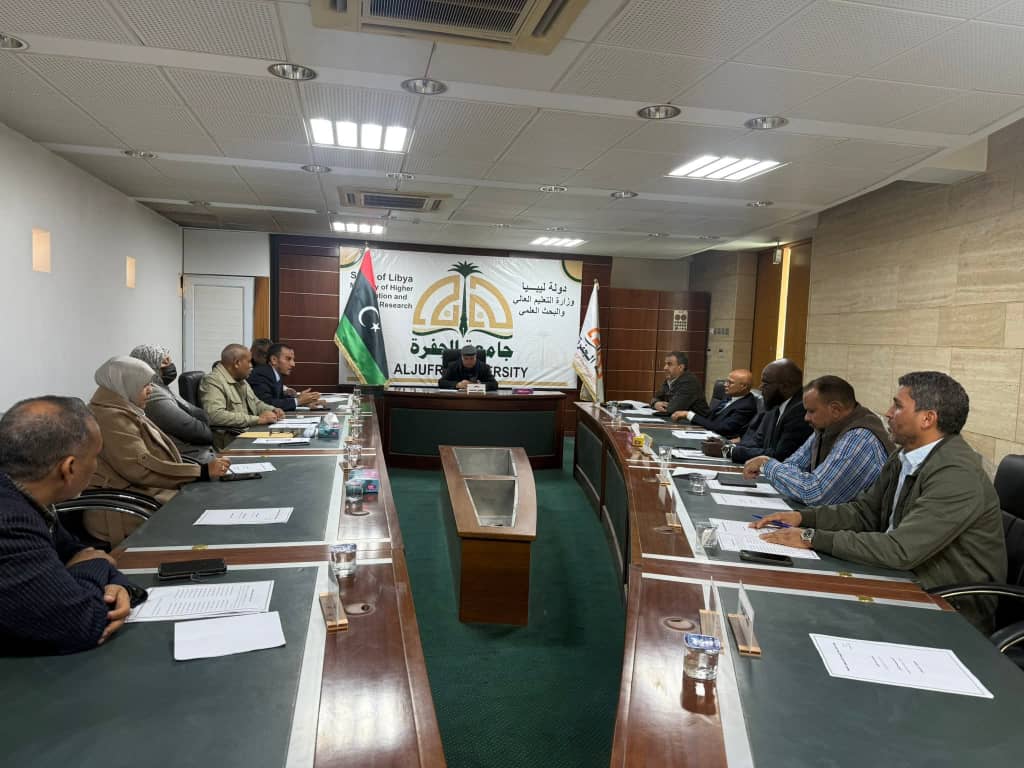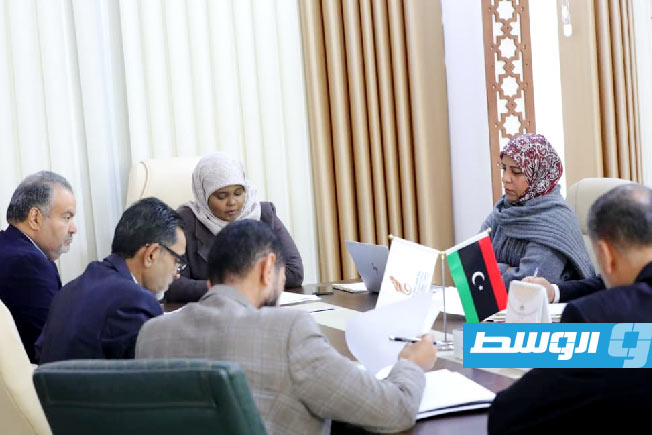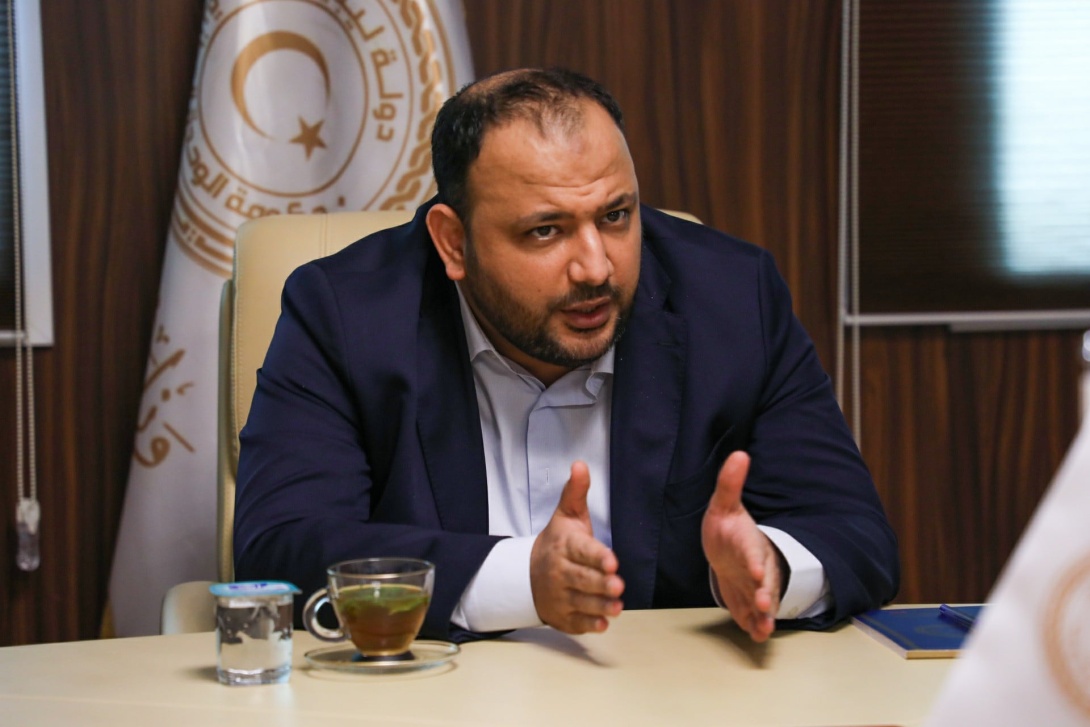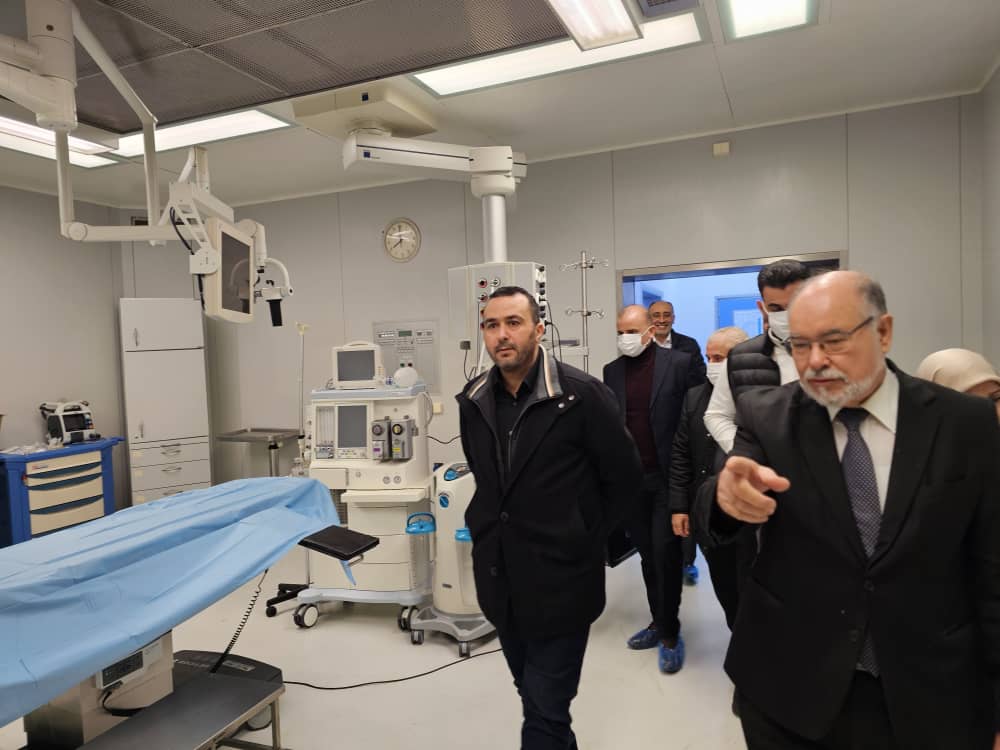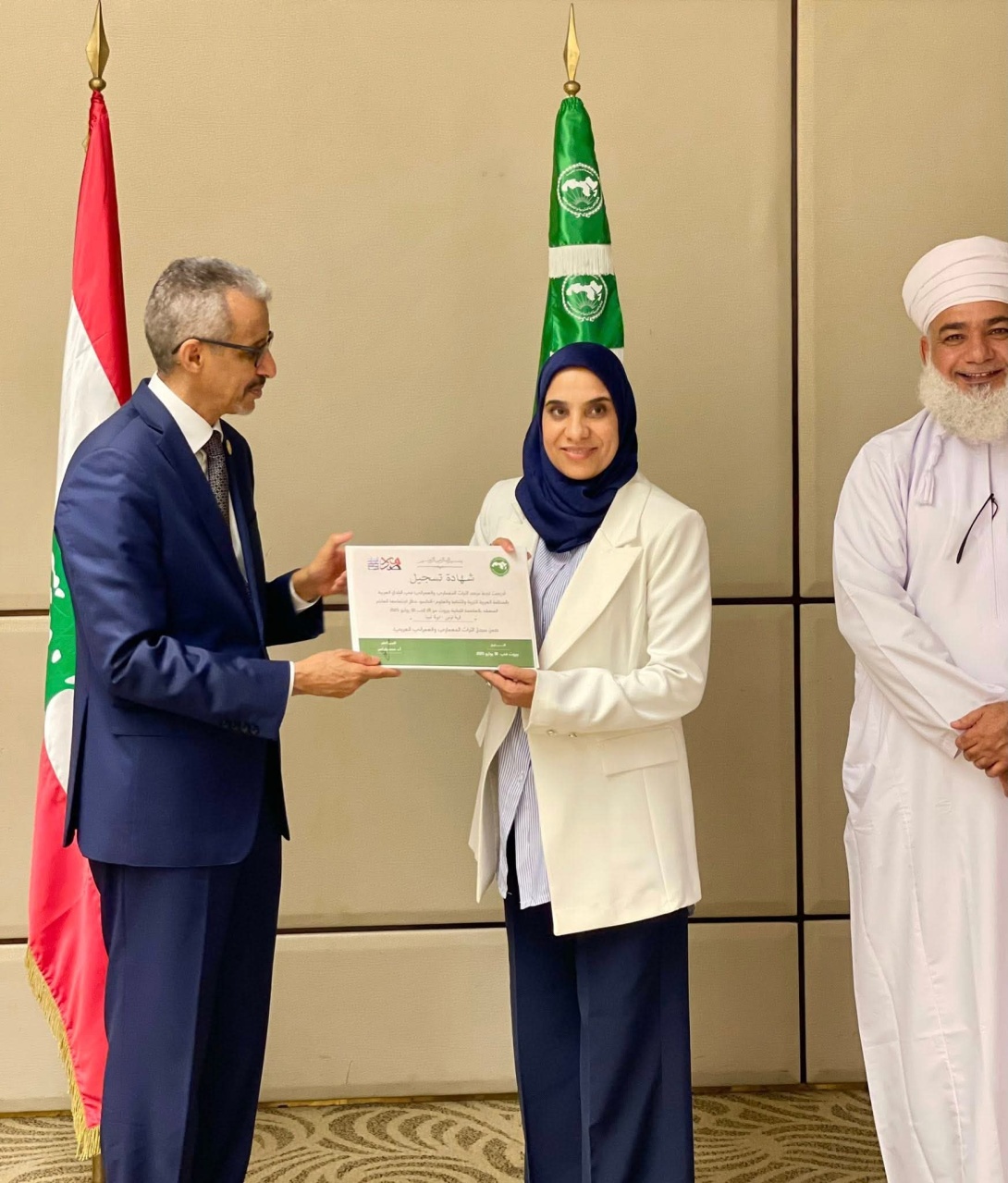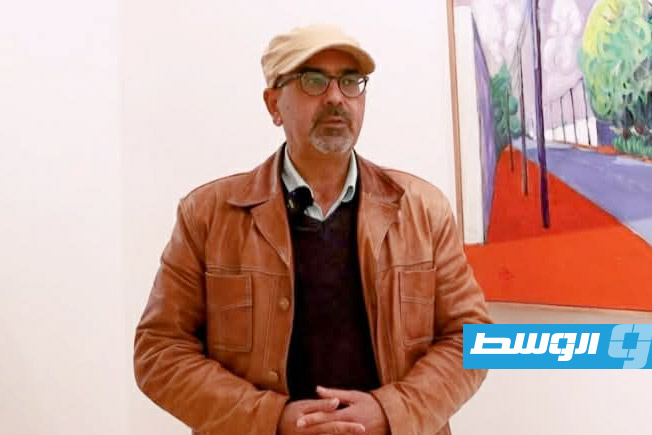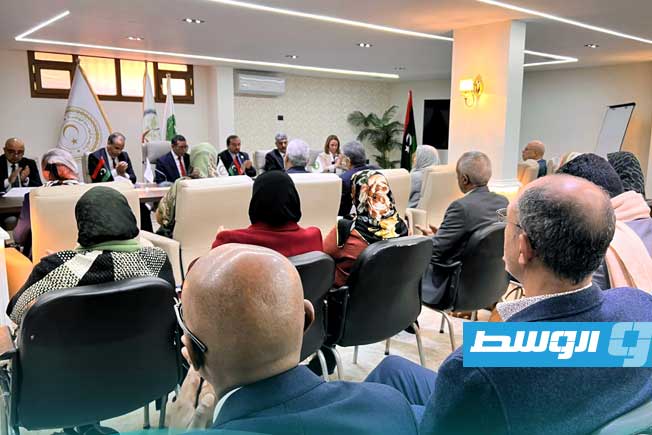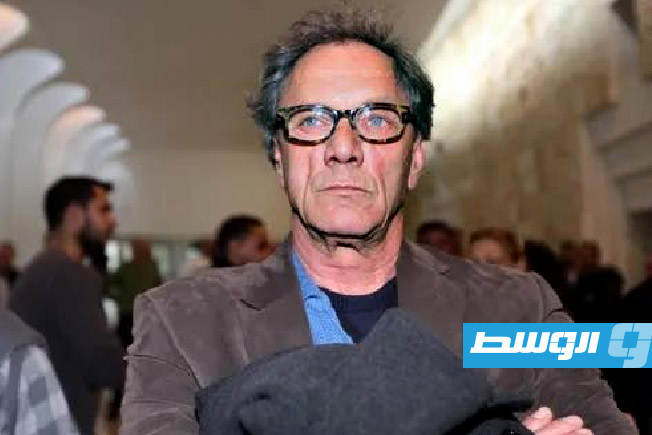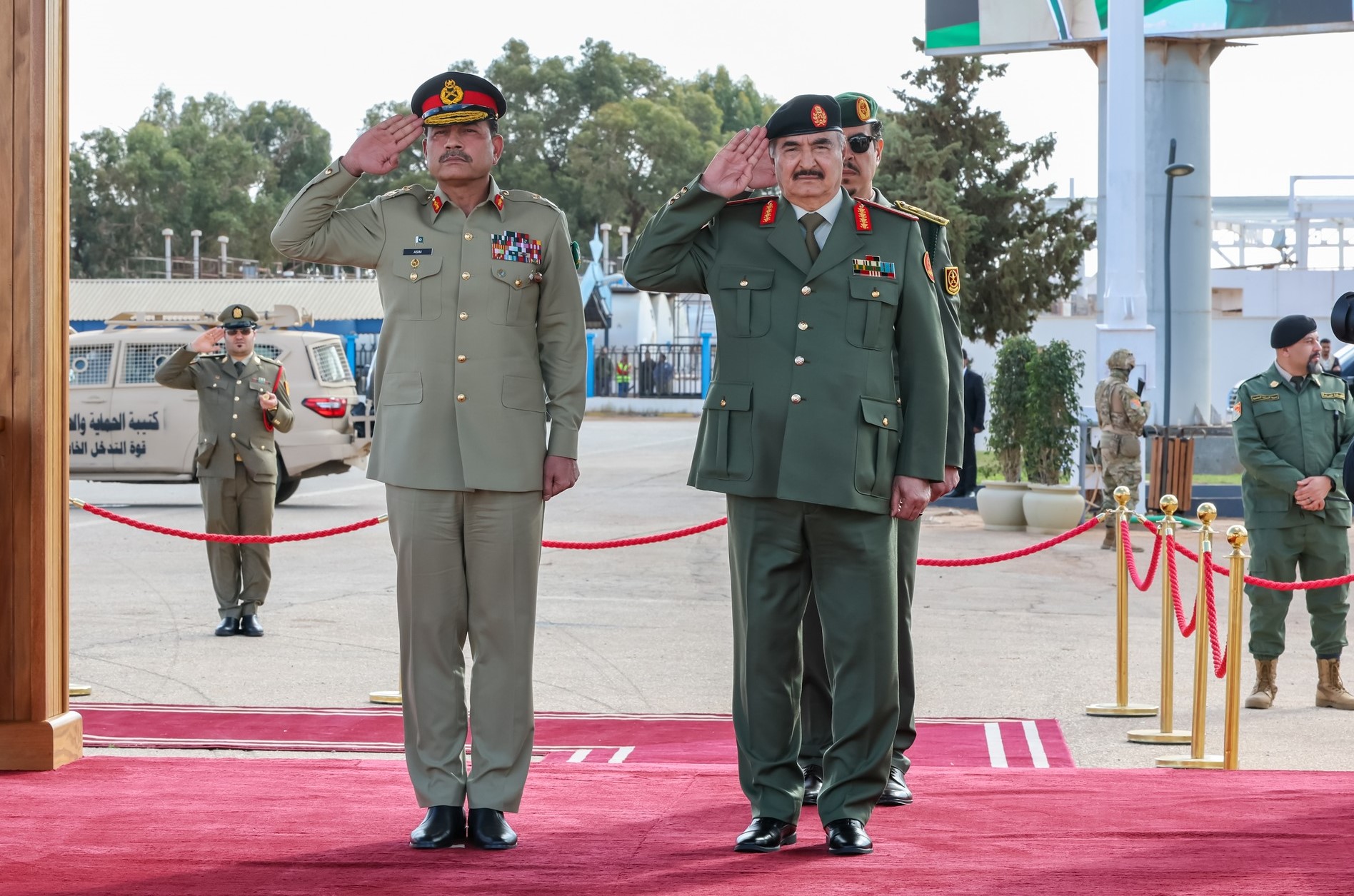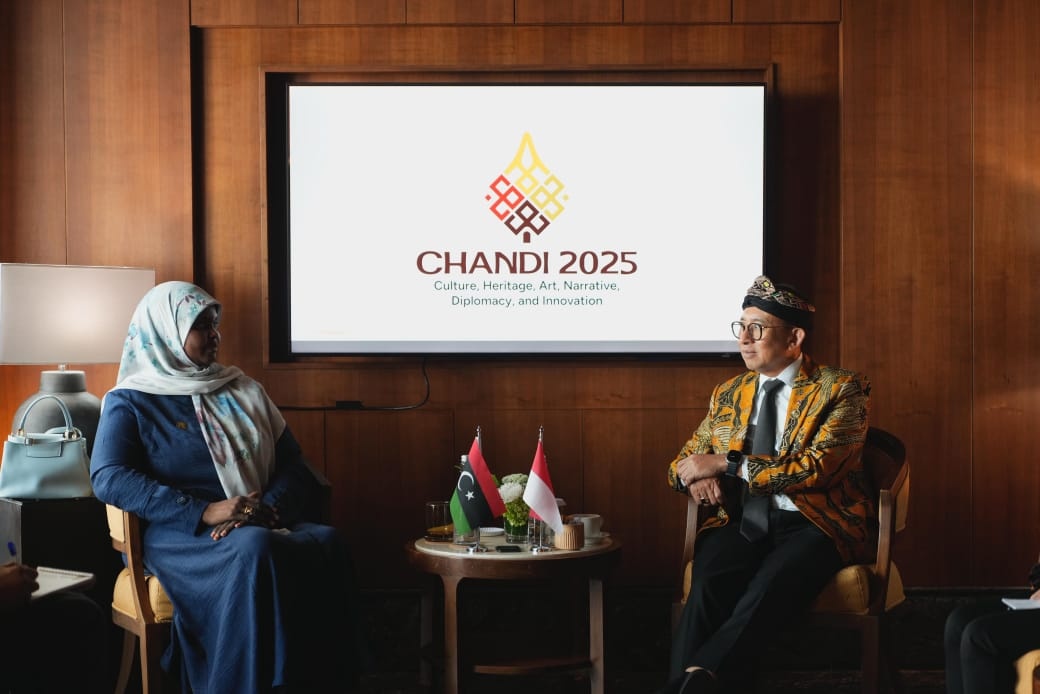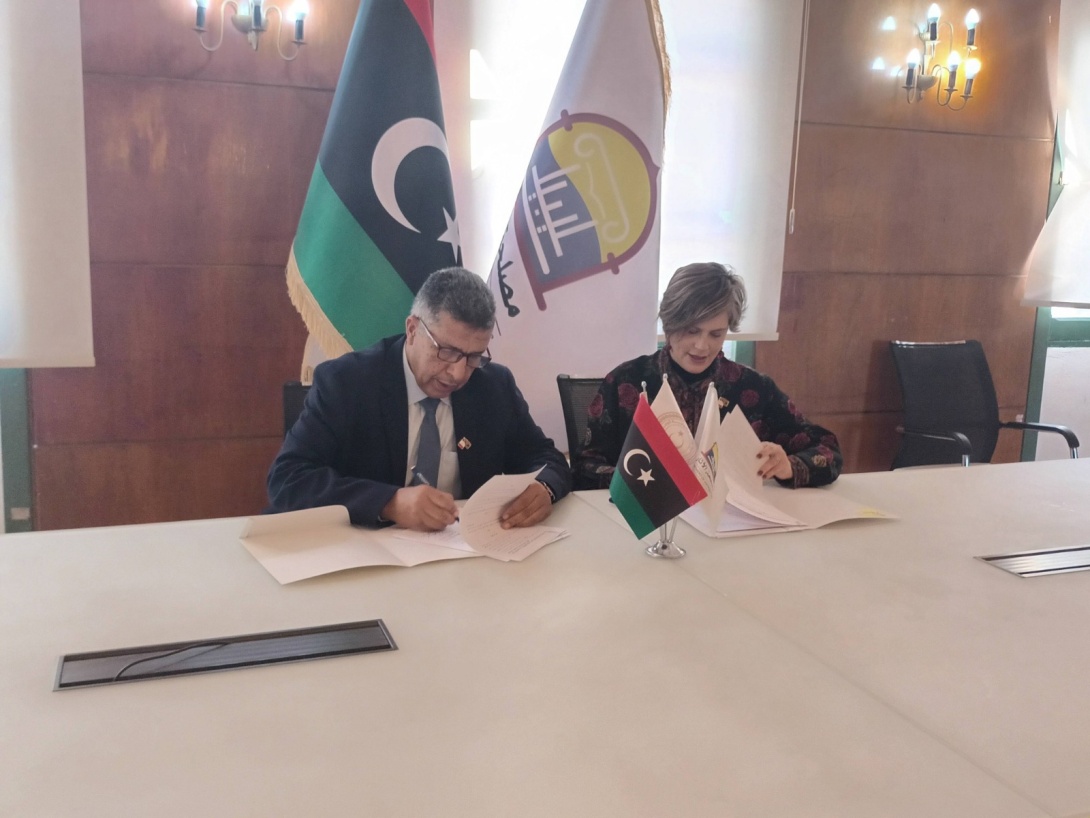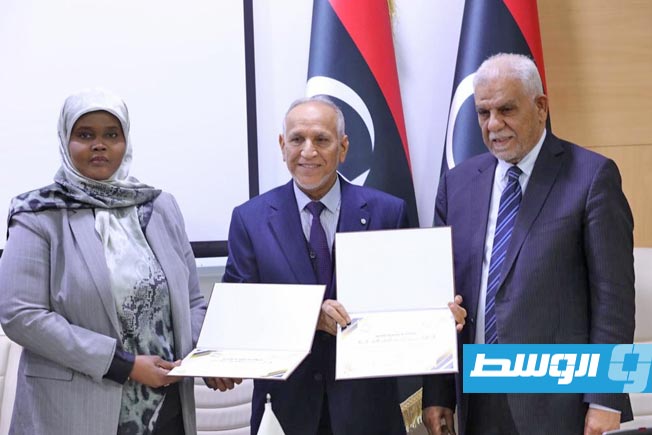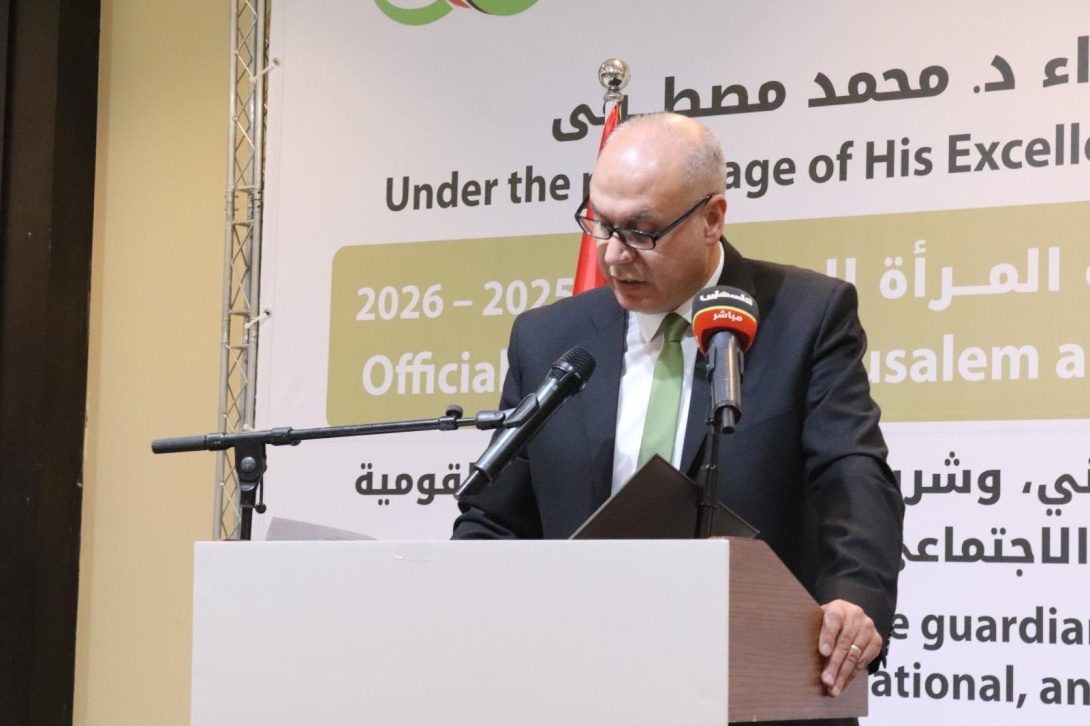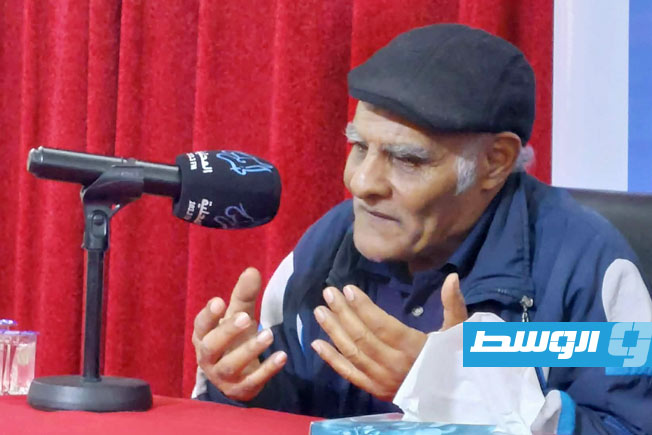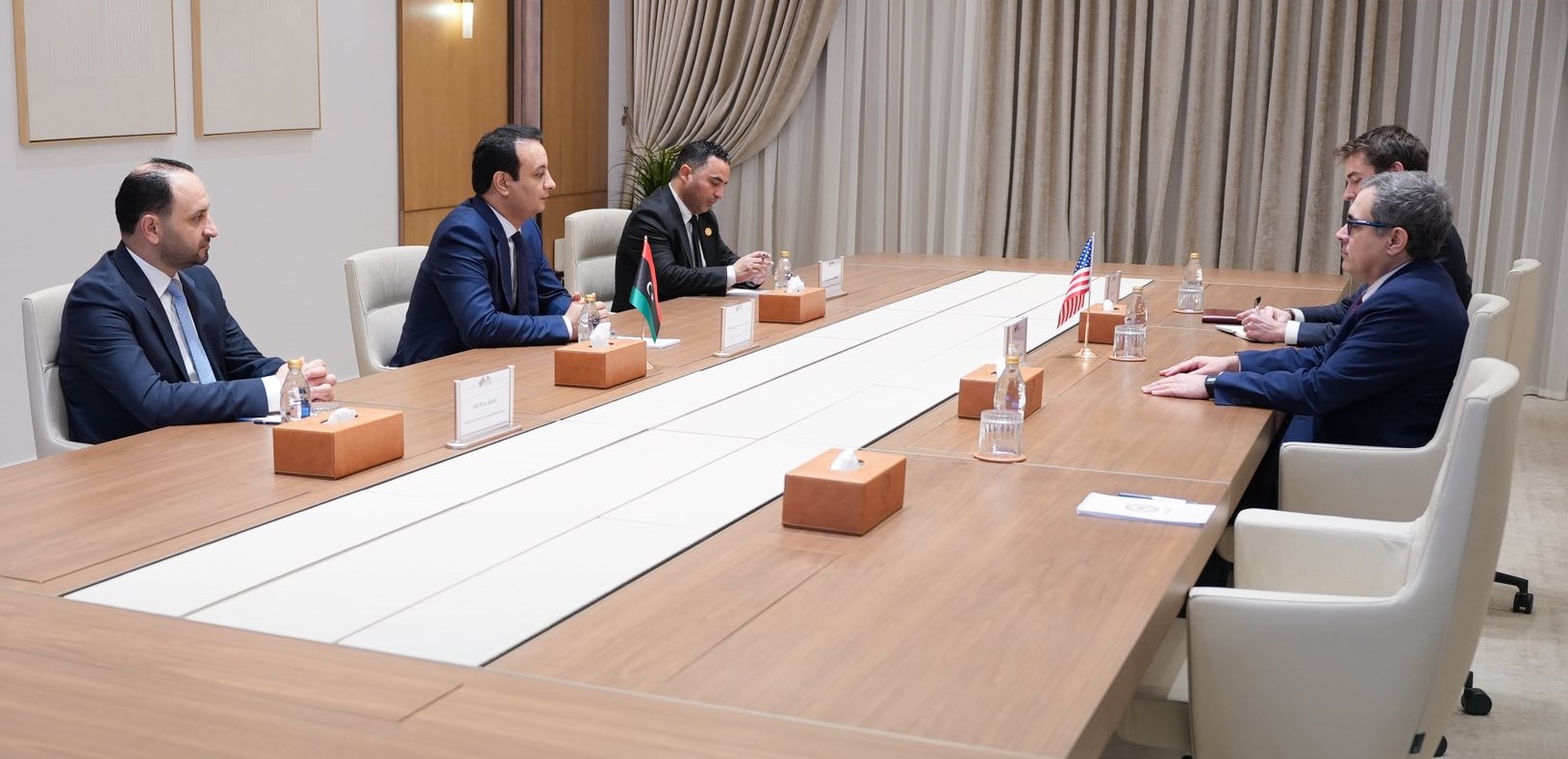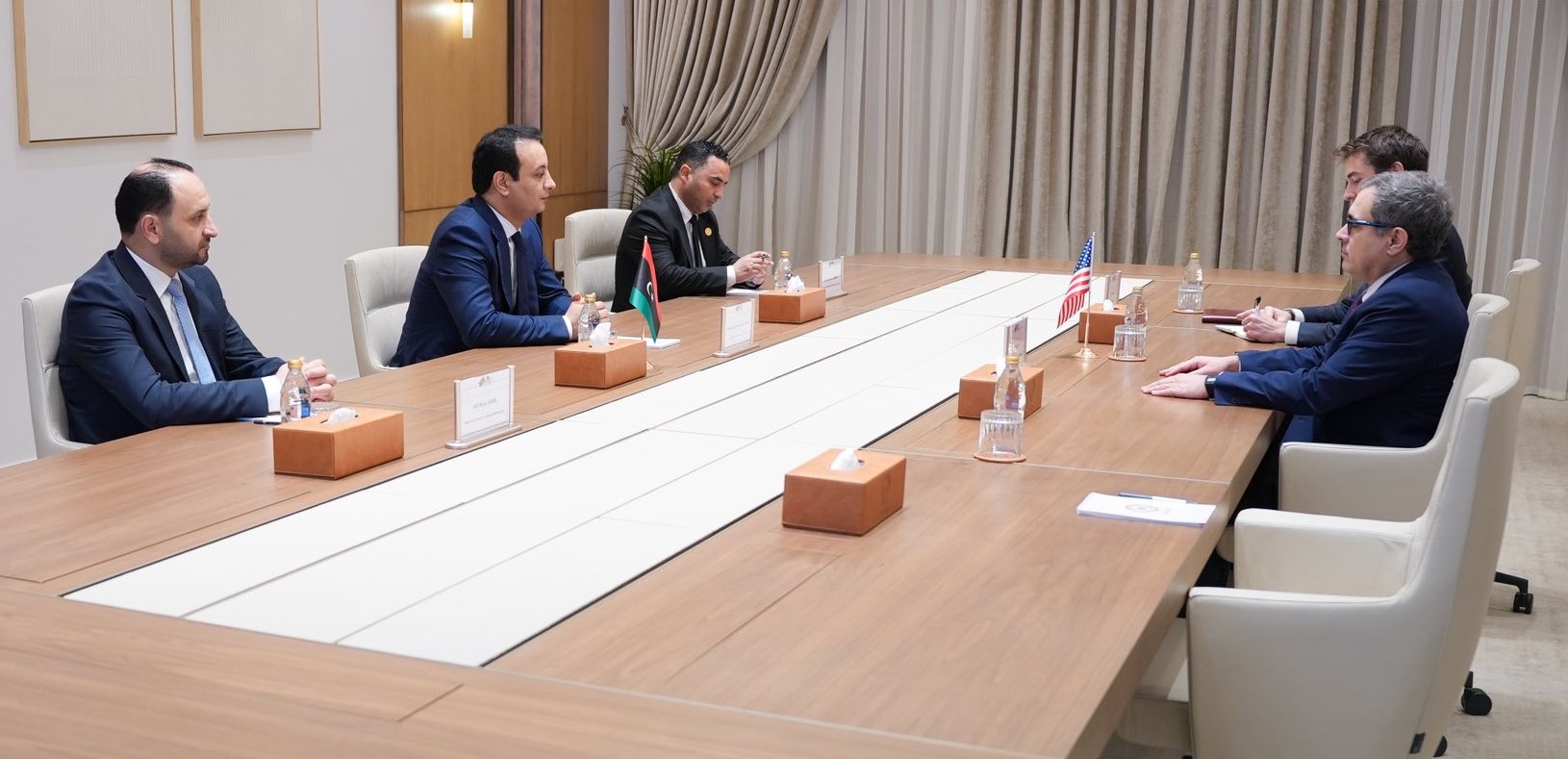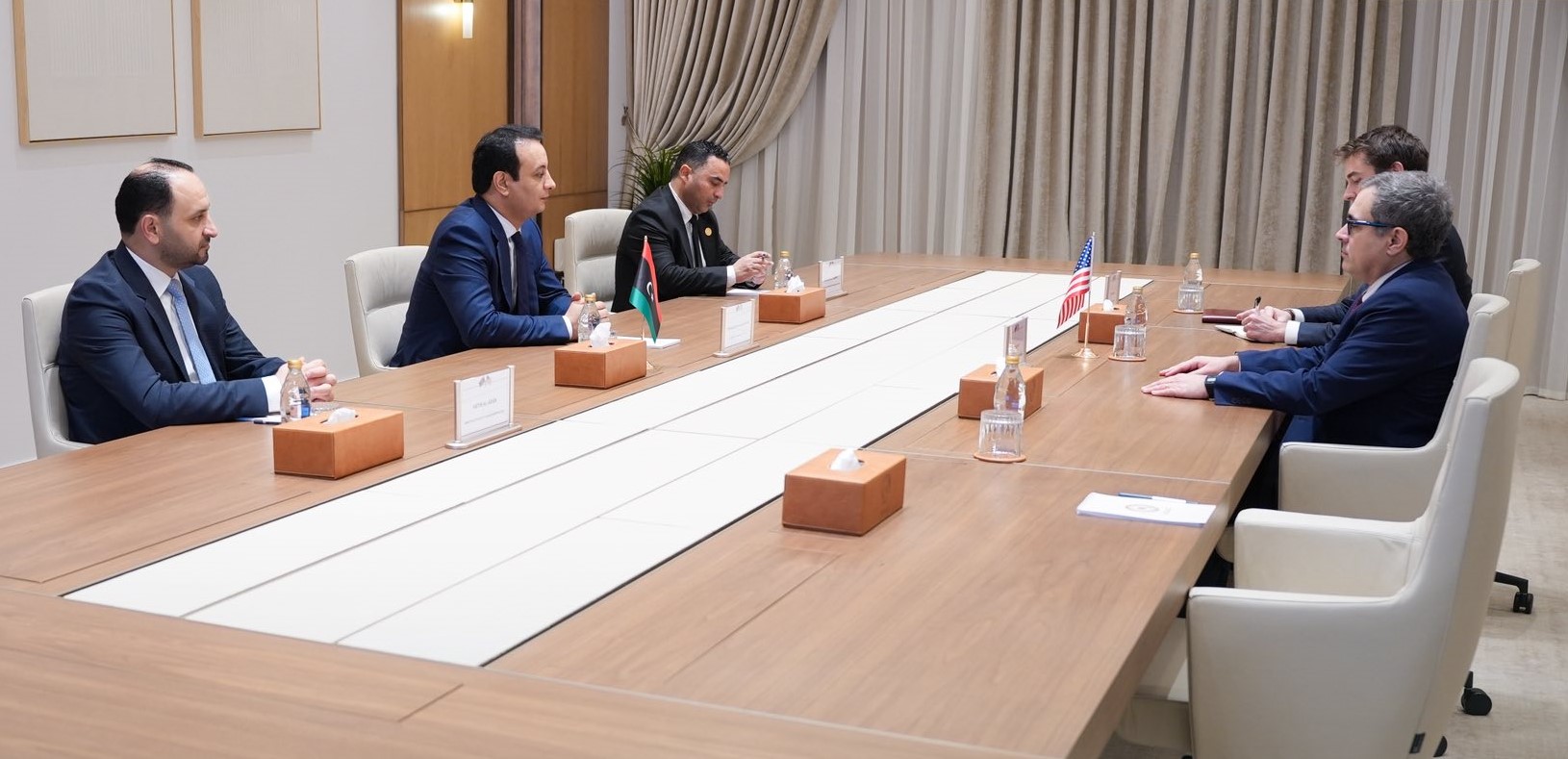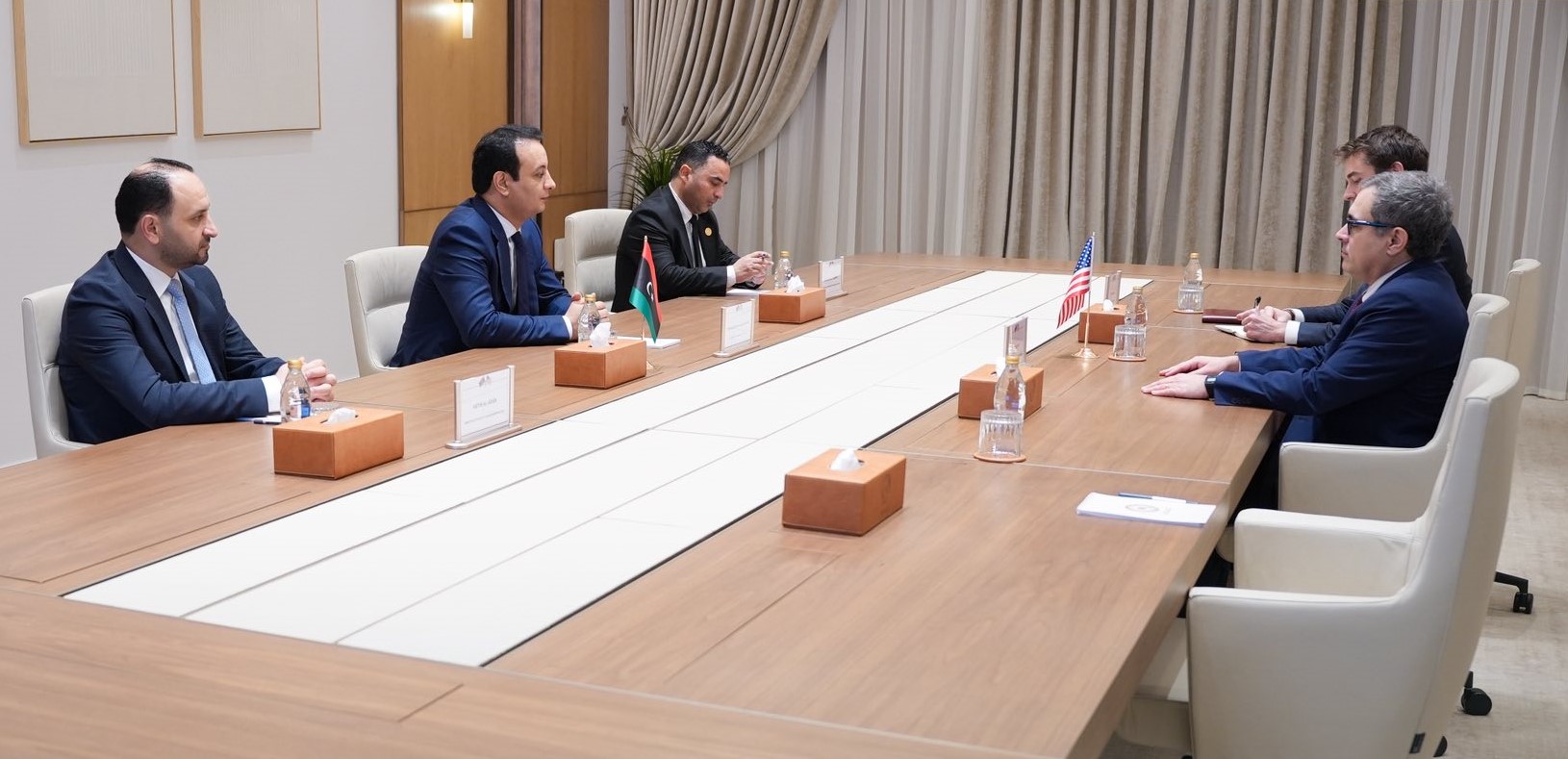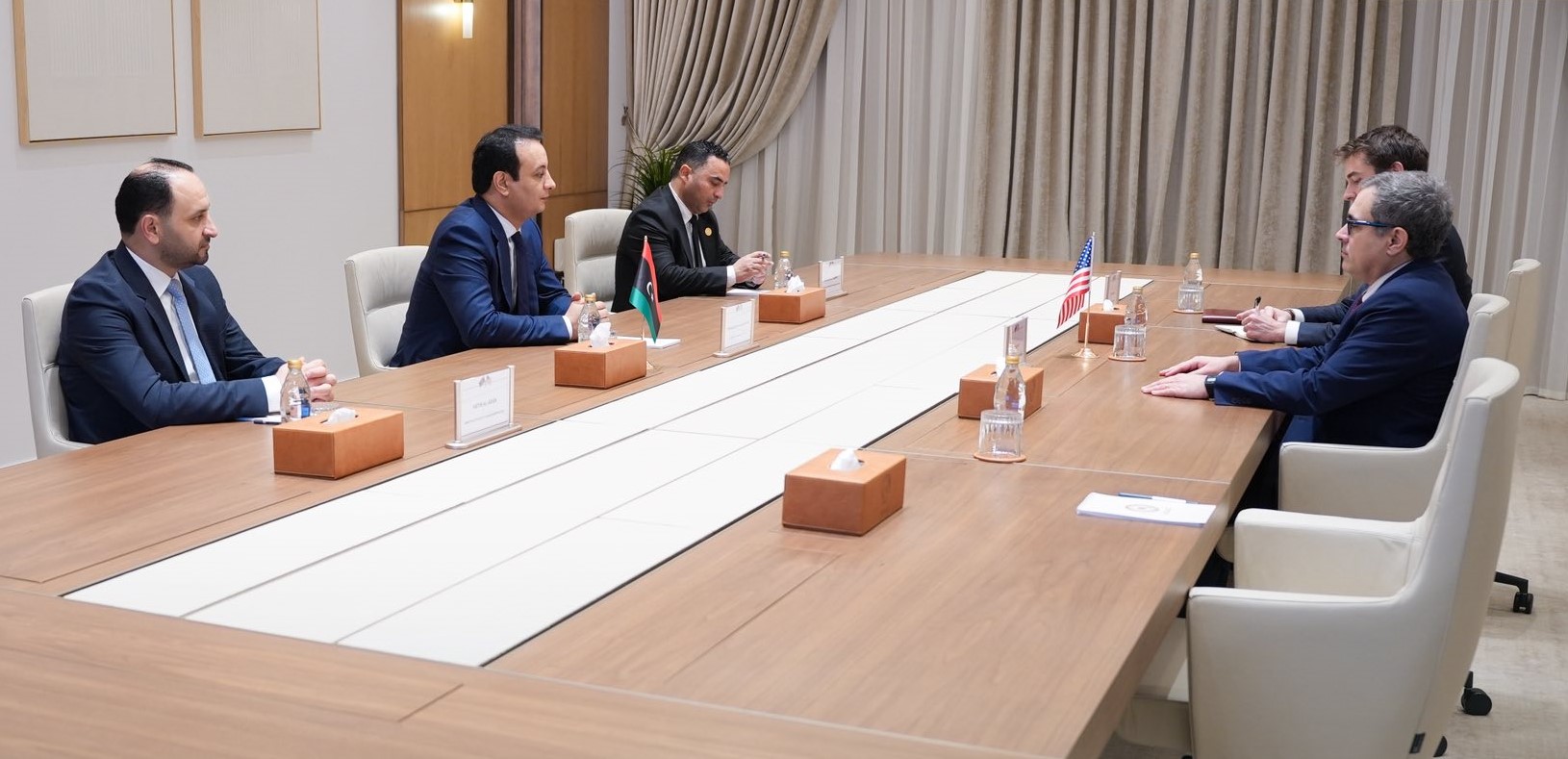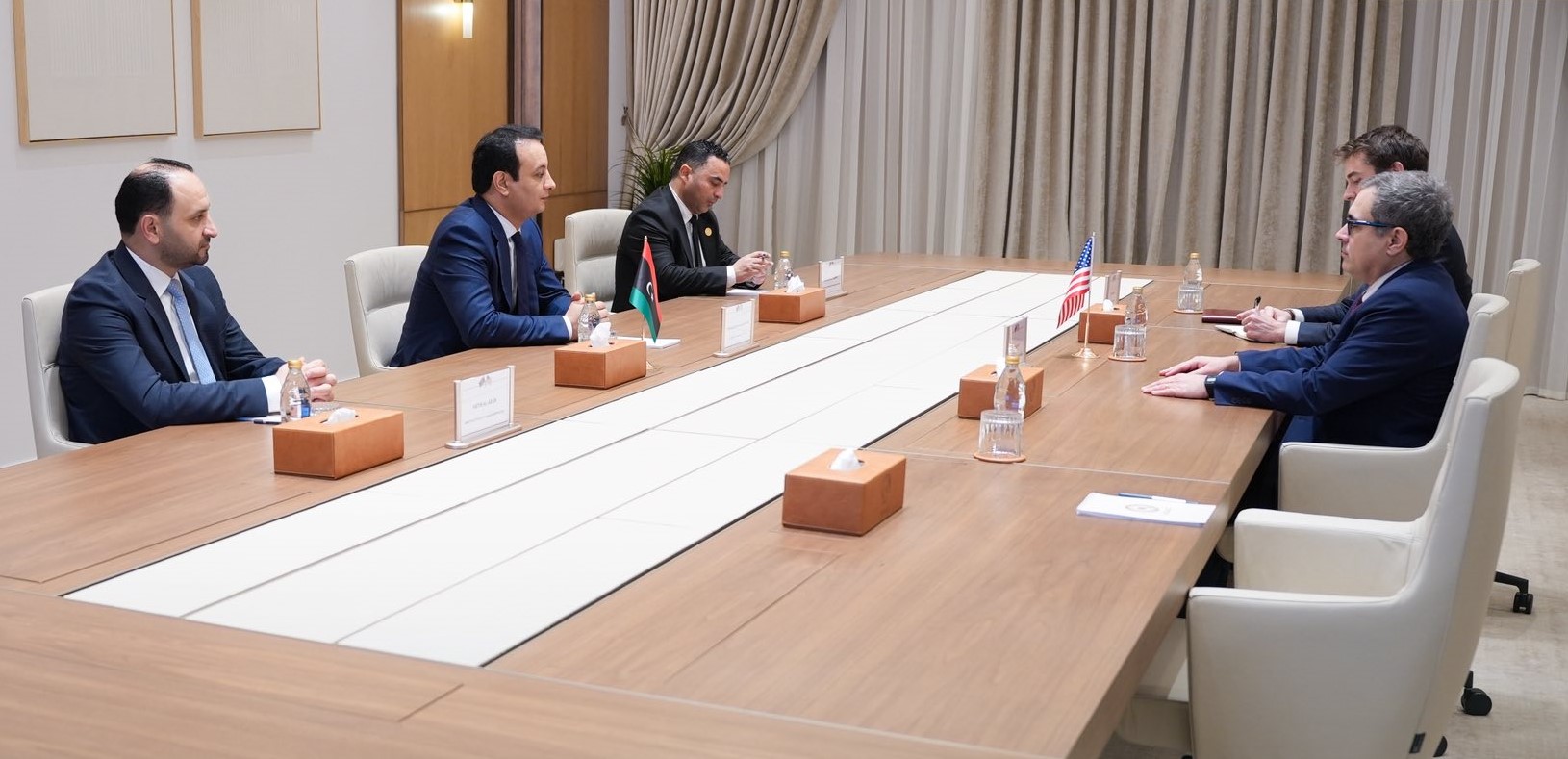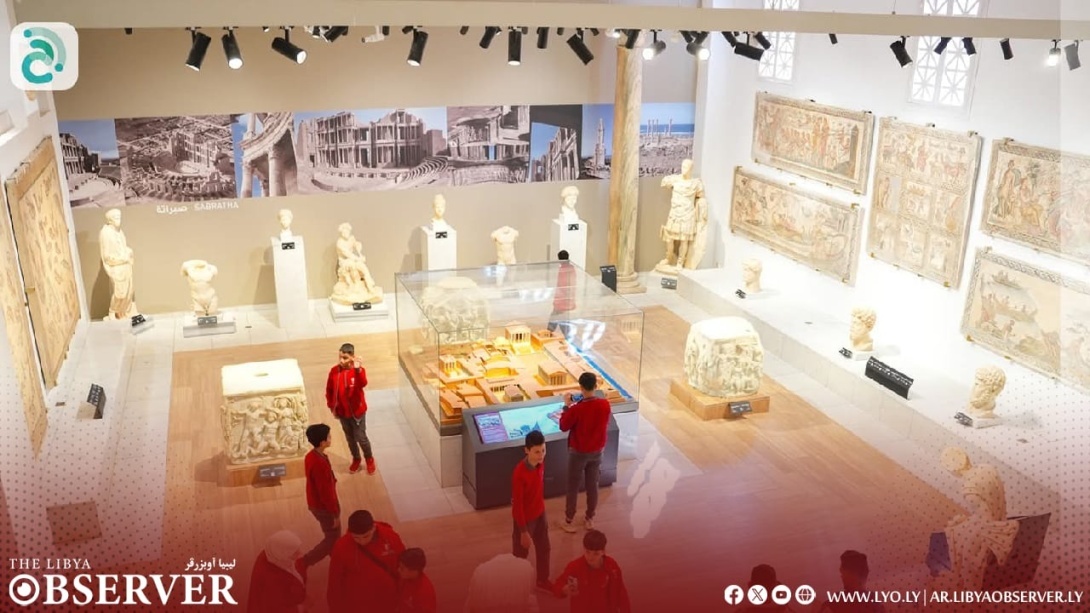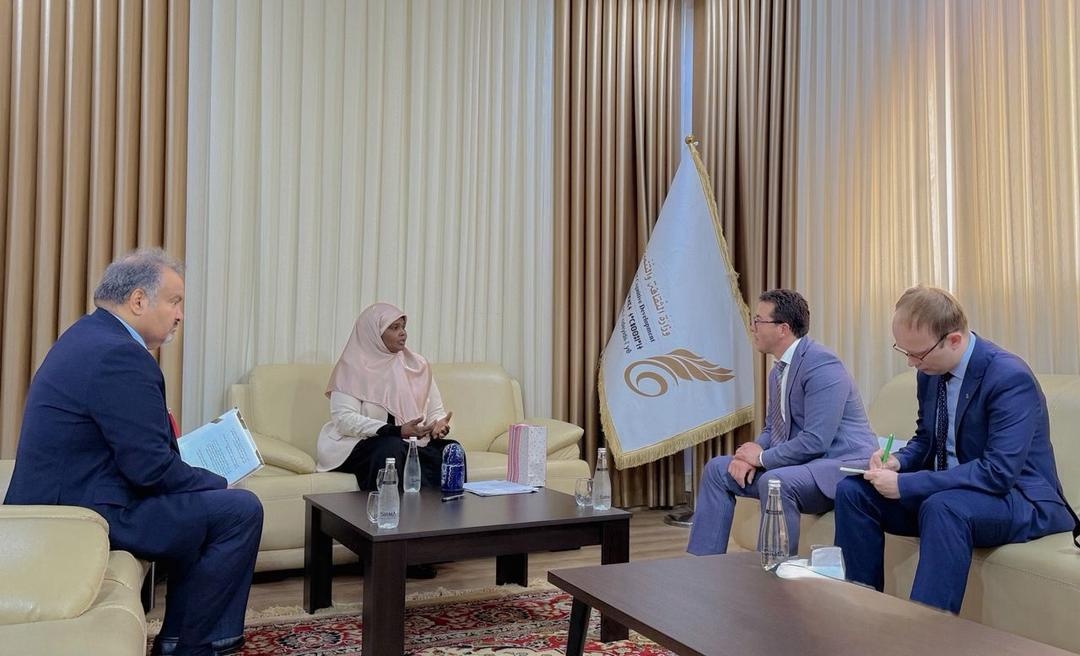
The Minister of Culture and Knowledge Development held talks with Russia’s chargé d’affaires to discuss ways to strengthen bilateral cooperation in the fields of culture and the arts.
The two officials explored mechanisms for supporting and enhancing cultural exchange between the two countries, building on their longstanding historical ties. Discussions also focused on activating joint initiatives aimed at fostering dialogue and creative collaboration between cultural institutions in both nations.
The meeting comes as preparations are underway to mark the 70th anniversary of the establishment of Libyan-Russian diplomatic relations, set to be commemorated in 2025.
During the meeting, the chargé d’affaires presented the Minister with an official invitation from Russia’s Minister of Culture to participate in the 11th United Cultures Forum.
Minister of Culture and Knowledge Development
Here’s a detailed breakdown of what this role typically entails, using the UAE as the primary example:
### **Core Responsibilities**
This ministry merges two critical domains: **cultural preservation/expression** and **knowledge-based economic development**. Its mandate is to foster a vibrant national identity while driving innovation and future-readiness.
**1. Culture & Heritage:**
* **Preservation:** Protecting and promoting tangible and intangible cultural heritage, including archaeological sites, traditions, languages, and folklore.
* **Promotion:** Supporting the arts (visual arts, theater, music, literature) and organizing festivals, exhibitions, and awards.
* **National Identity:** Strengthening social cohesion and national pride through cultural programs and narratives.
**2. Knowledge Development:**
* **Libraries & Archives:** Managing the national library and archives system, ensuring access to information.
* **Reading & Literacy:** Promoting a culture of reading and lifelong learning across all segments of society.
* **Creative Industries:** Developing sectors like publishing, design, film, and gaming as part of the knowledge economy.
* **Research & Development:** Encouraging scientific research and innovation, often in partnership with educational institutions.
### **The UAE Example: H.E. Noura bint Mohammed Al Kaabi**
In the UAE, this position is held by **Her Excellency Noura bint Mohammed Al Kaabi** (as of my last update in October 2024). Her role is pivotal in achieving the UAE’s vision, such as the **”National Strategy for the Cultural and Creative Industries.”**
Key projects under her purview include:
* **The UAE National Library and Archives.**
* **The “UAE Reads” initiative.**
* **Overseeing the country’s participation in major international events like the Venice Biennale.**
* **Developing policies to support artists, authors, and creators.**
### **Global Context**
While the exact title is unique, similar combined portfolios exist worldwide, often under names like:
* Minister of Culture and Innovation (e.g., some European countries)
* Minister of Arts, Culture and Heritage (with a separate ministry for science/education)
* Secretary of Culture (with knowledge development handled by a ministry of science/technology)
### **Significance of the Combined Portfolio**
This fusion reflects a modern governance understanding that:
* **Culture is a driver of soft power and tourism.**
* **Knowledge and creativity are key economic assets in the post-oil era.**
* **A strong cultural foundation is essential for a innovative, cohesive society.**
In summary, the **Minister of Culture and Knowledge Development** is a forward-looking role tasked with balancing the preservation of a nation’s soul (culture) with the nurturing of its mind (knowledge) to ensure comprehensive and sustainable development.
Russia’s chargé d’affaires
Here’s a breakdown of what it means and their role:
—
### **Meaning and Role**
– **Chargé d’affaires** (French for “in charge of affairs”) is a diplomatic title.
– In Russia’s case, this person is usually a senior diplomat who temporarily assumes the duties of the head of mission.
– They have the authority to conduct diplomatic business, meet with host country officials, and represent Russia’s interests, though their rank is below that of an ambassador.
—
### **When This Position Is Used**
1. **Ambassador is absent** – for consultations, leave, or during a transition.
2. **Ambassador has been recalled** – sometimes as a diplomatic protest or before a new appointment.
3. **No ambassador appointed** – after a rupture or cooling in relations, or when a new ambassador hasn’t been confirmed.
4. **Lower-level diplomatic relations** – in cases where full ambassadorial relations aren’t established or are downgraded.
—
### **Example Context**
– If Russia recalls its ambassador from a country due to a political dispute, the chargé d’affaires would run the embassy until relations normalize.
– In some countries where diplomatic ties are tense, Russia might only have a chargé d’affaires instead of an ambassador for an extended period.
—
### **Key Points**
– They are **accredited to the host country’s foreign ministry**, not the head of state (as ambassadors usually are).
– They can sign agreements and conduct negotiations depending on their instructions from Moscow.
– In protocol, they rank below ambassadors and ministers plenipotentiary.
If you’re referring to a **specific person or country** in the news, I can look up current details for you.
Russia’s Minister of Culture
**Key Details:**
* **Role:** As Minister, she heads the **Ministry of Culture of the Russian Federation**, which is responsible for state policy and legal regulation in the fields of culture, arts, cultural heritage, cinematography, and archives.
* **Background:** Prior to her appointment, Lyubimova held several positions within the ministry and was the director of the Russian Film Fund. Her career has been focused on the film industry and cultural policy.
* **Predecessor:** She succeeded **Vladimir Medinsky**, who served as Minister from 2012 to 2020.
The Ministry oversees a wide range of institutions, including museums, theaters, libraries, and orchestras, and is a key body in implementing Russia’s cultural policies both domestically and internationally.