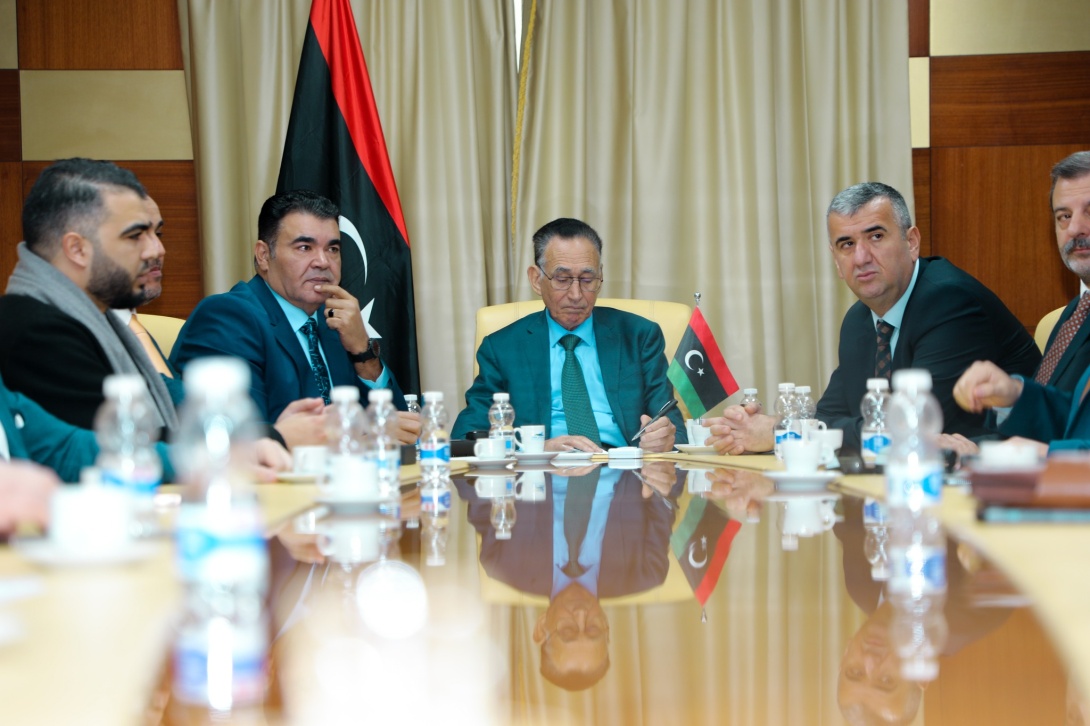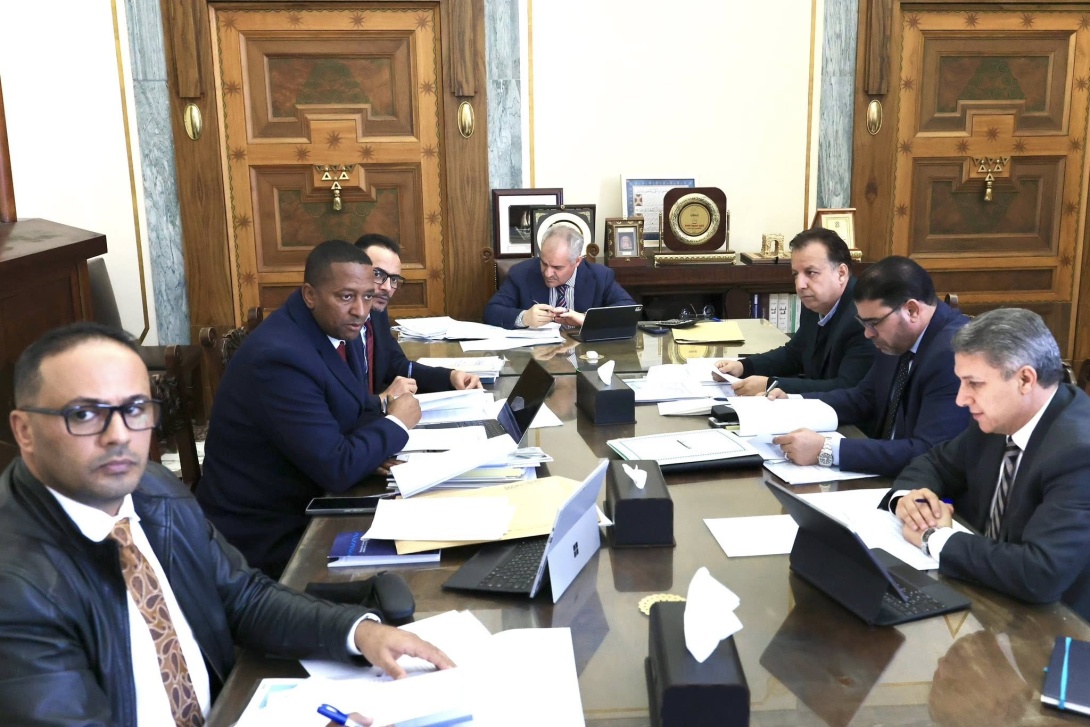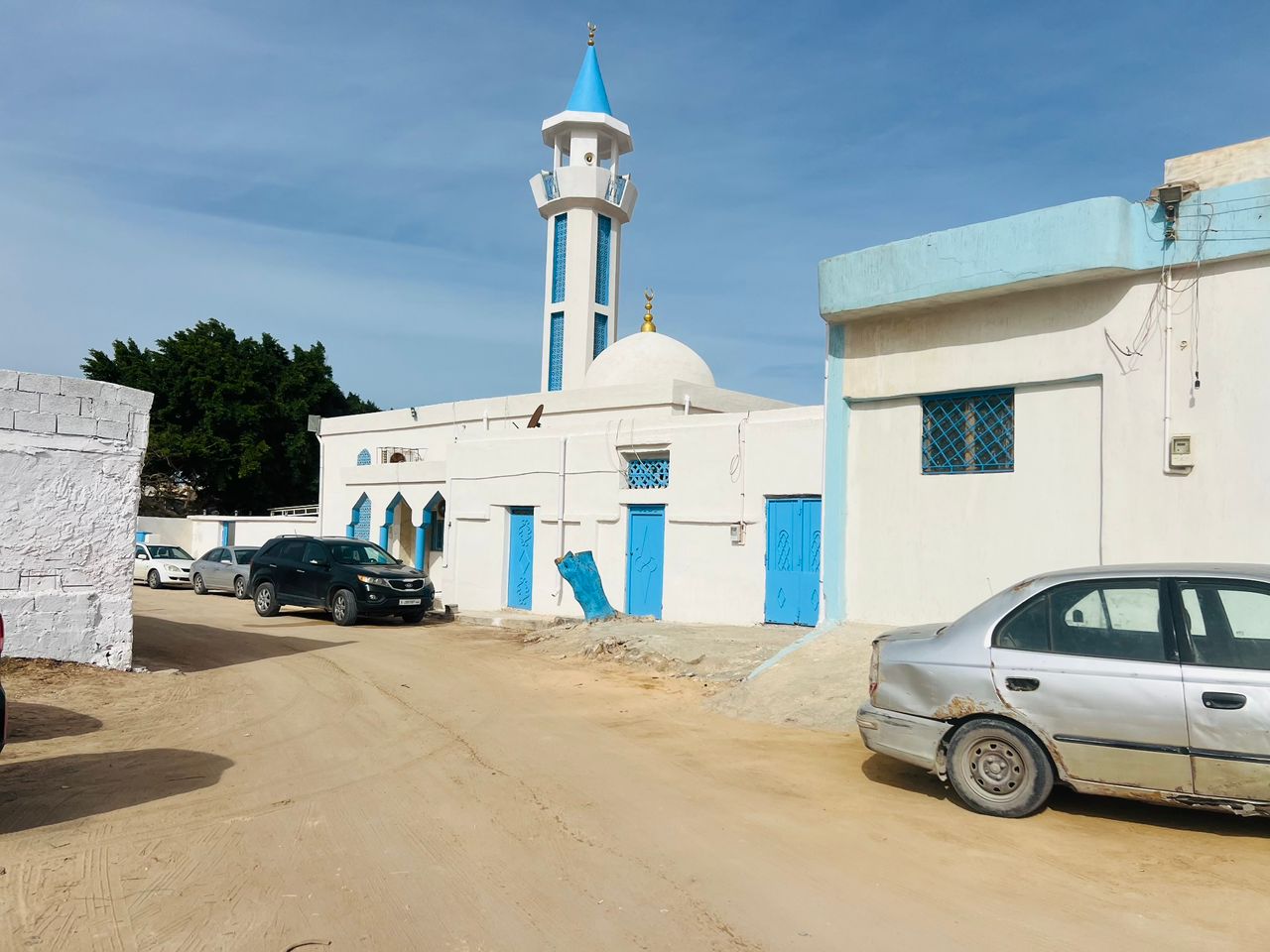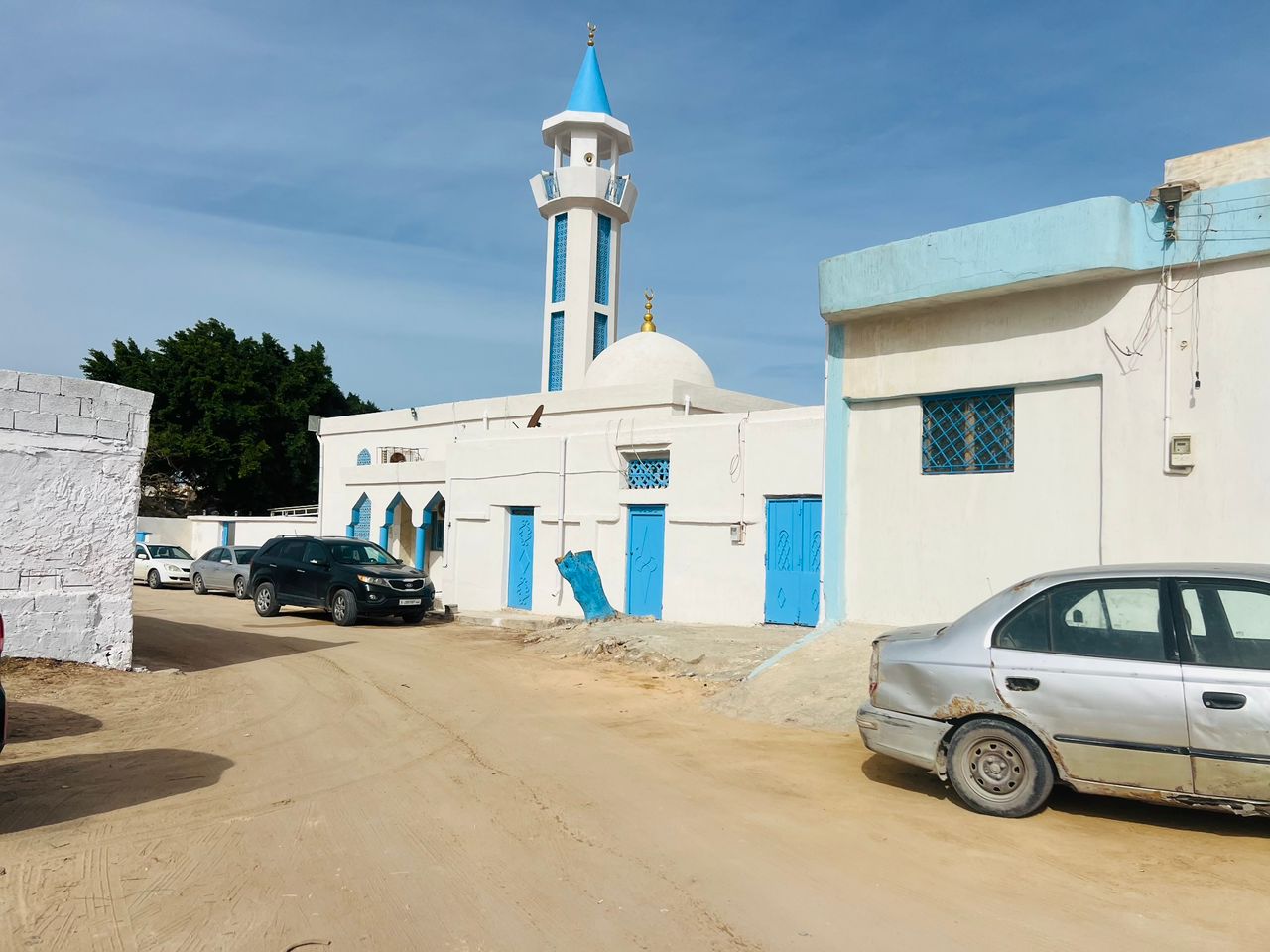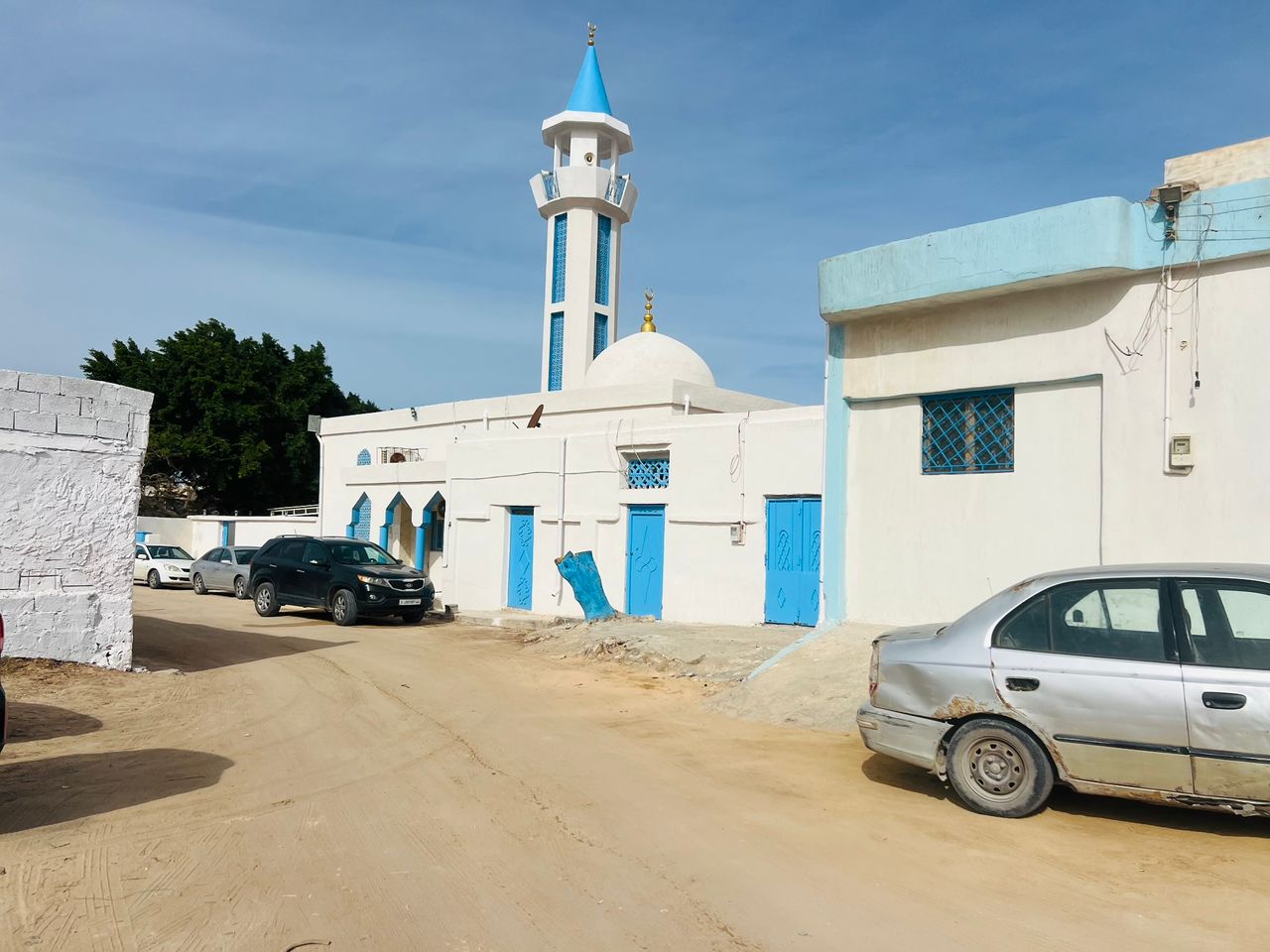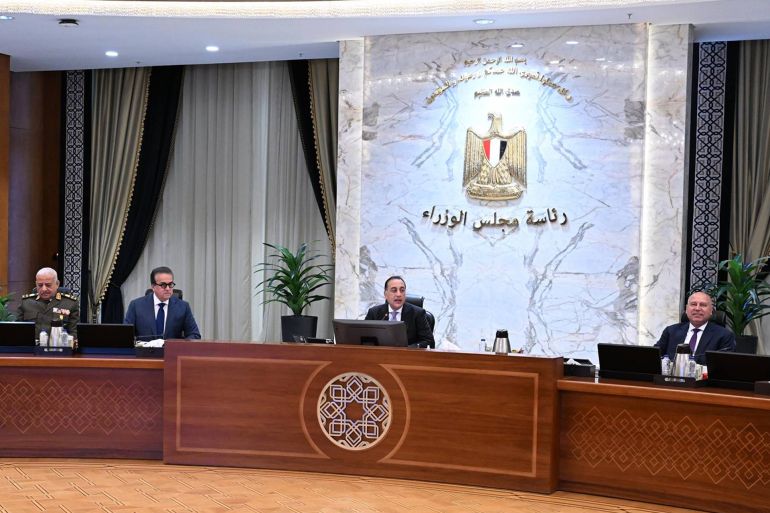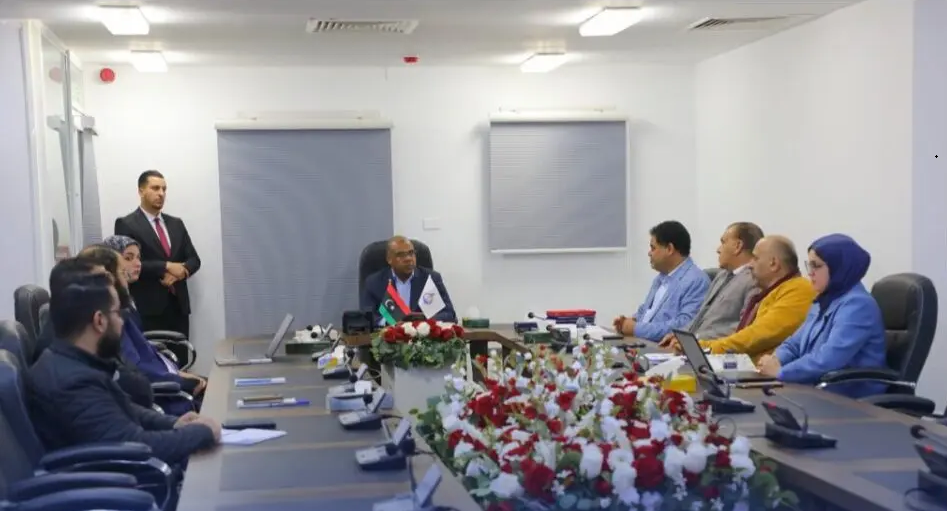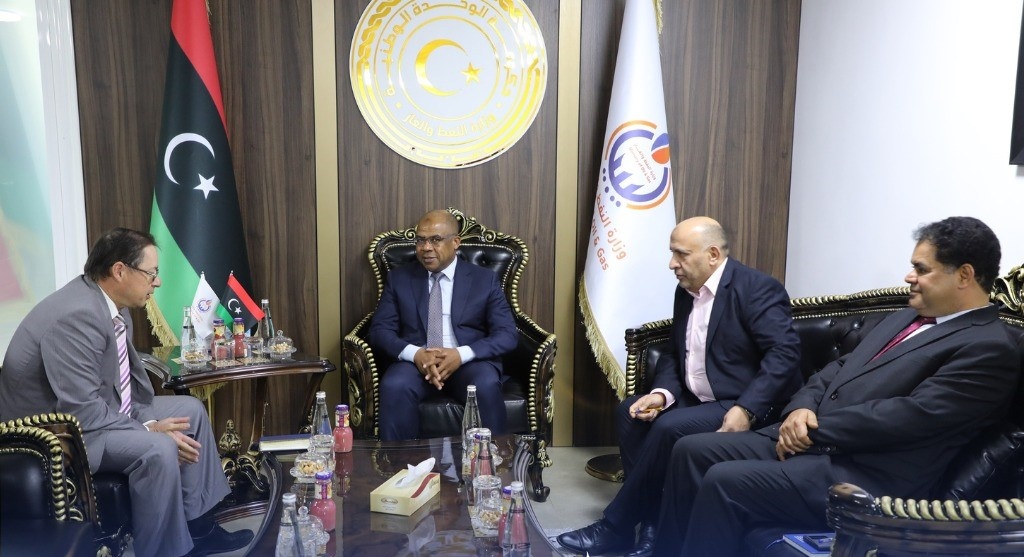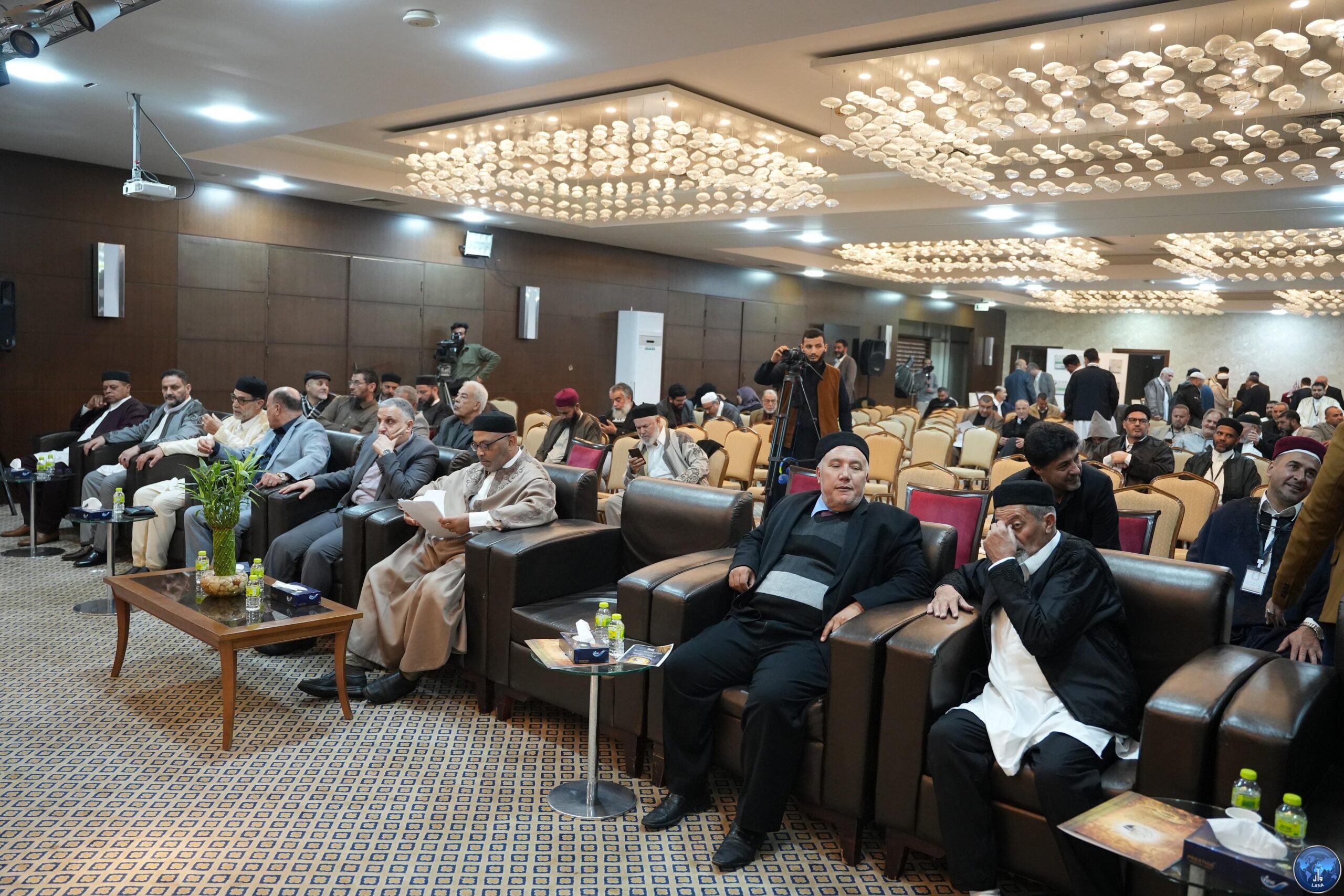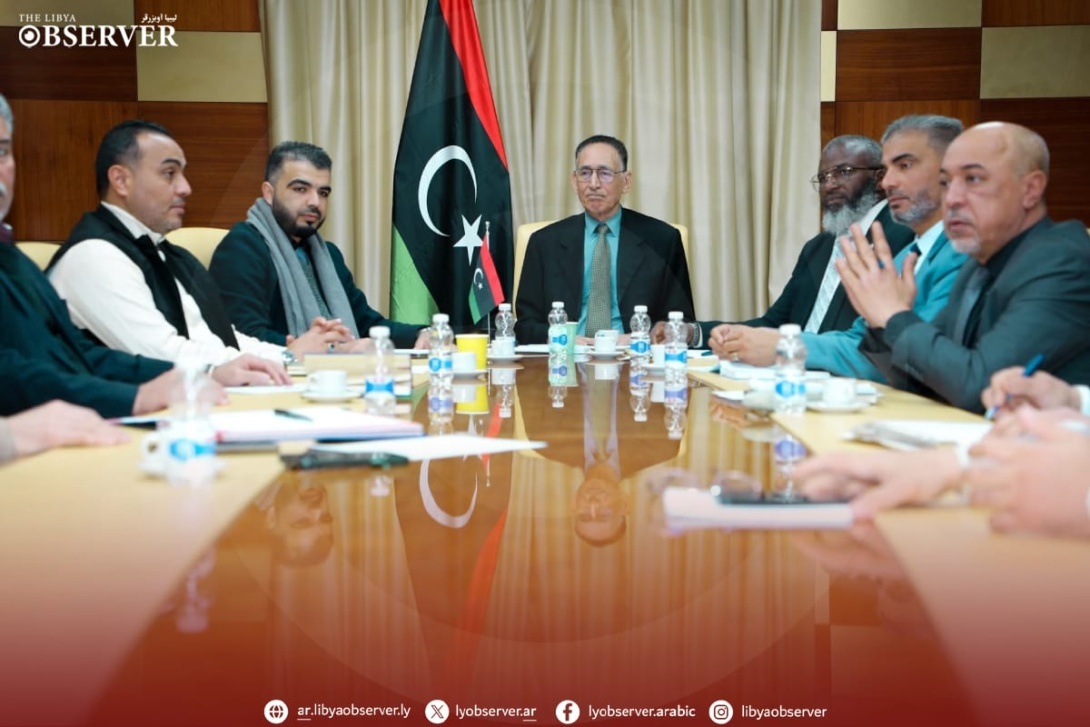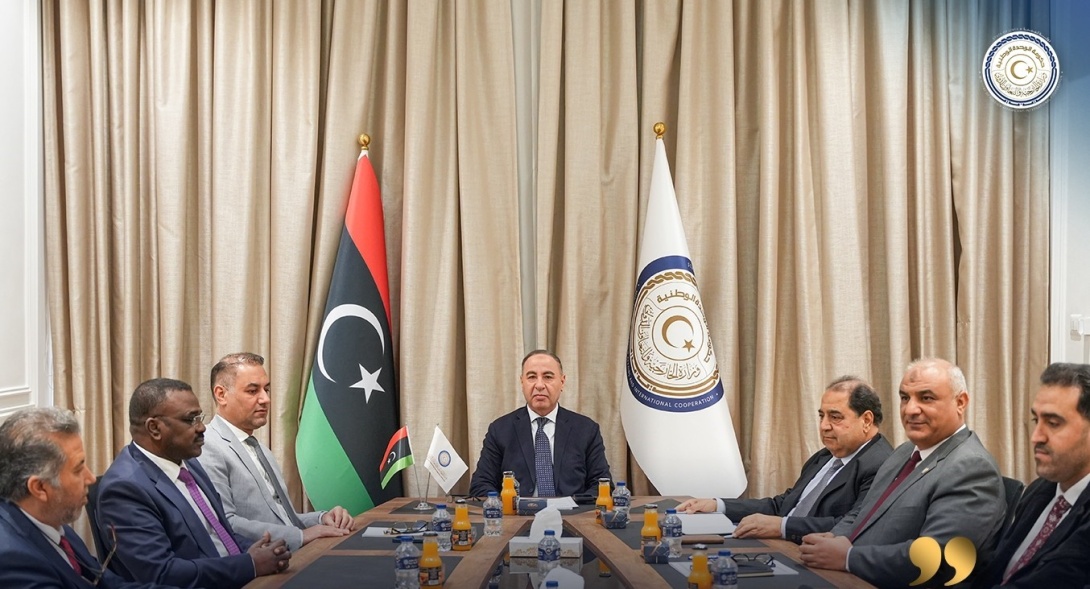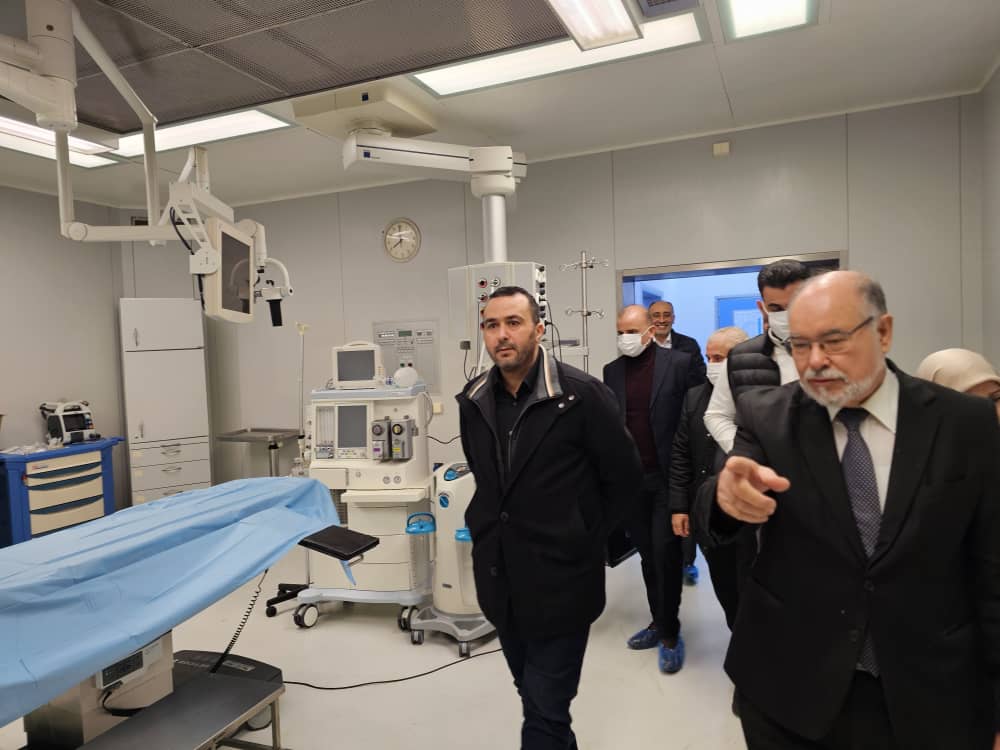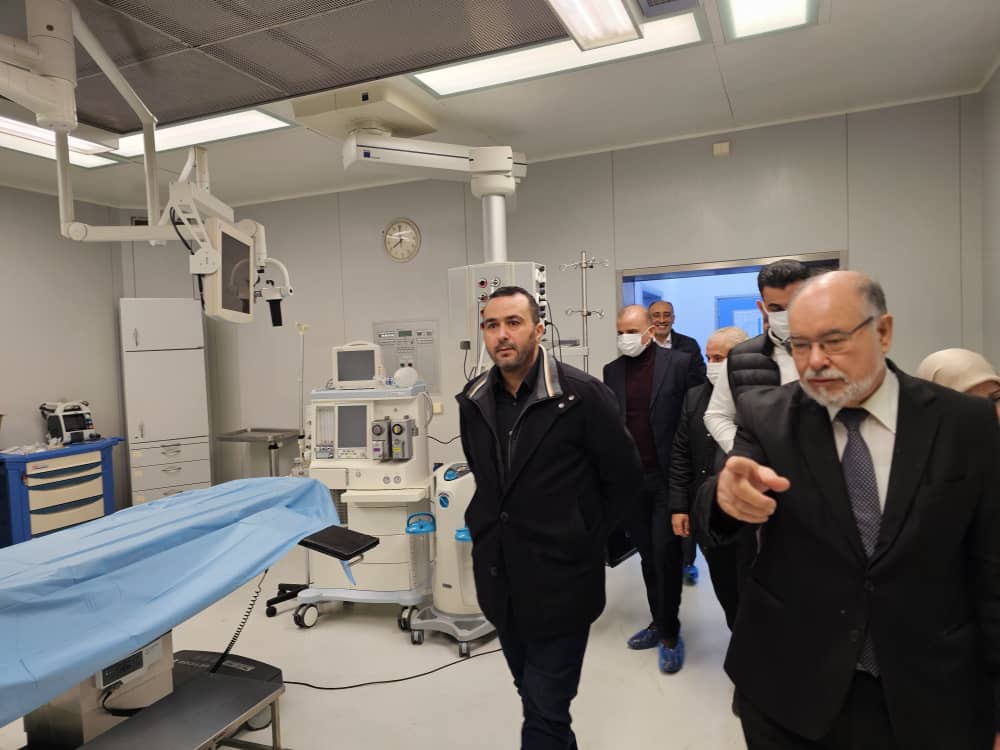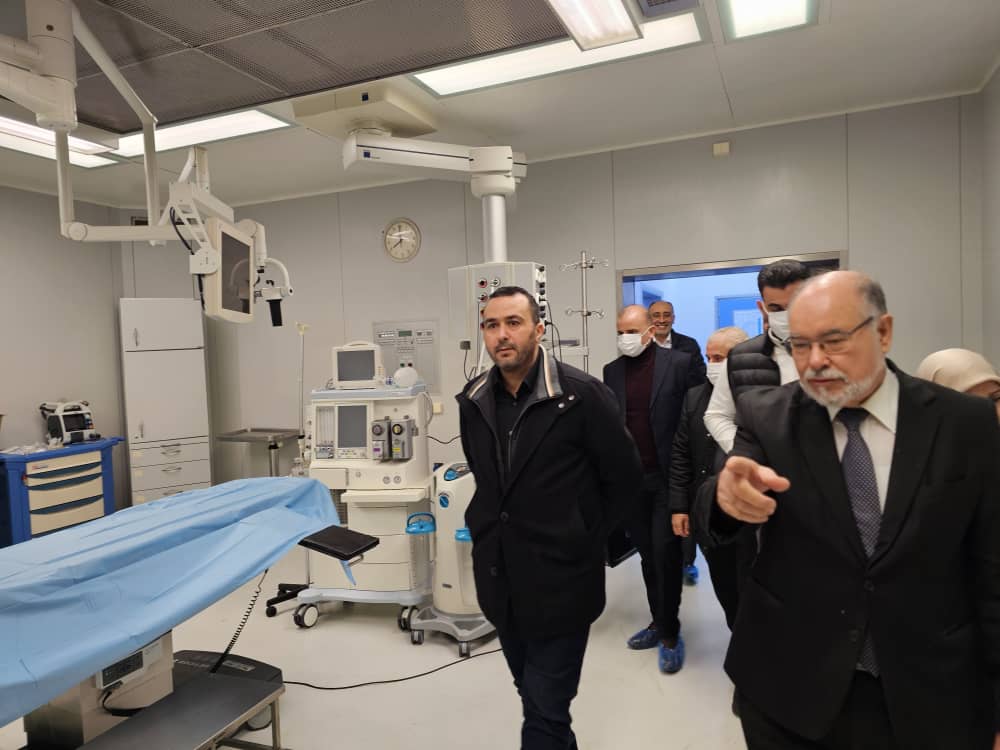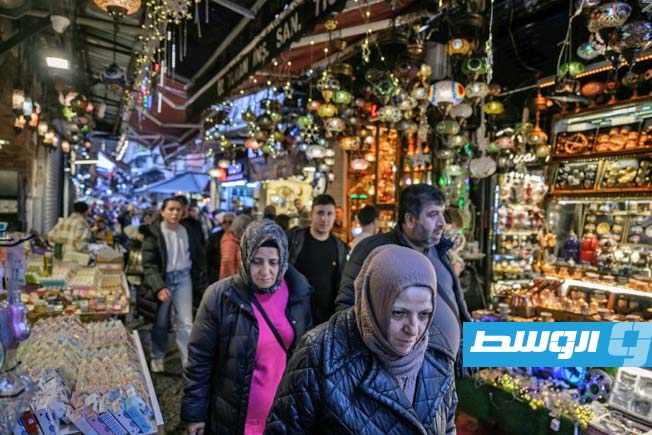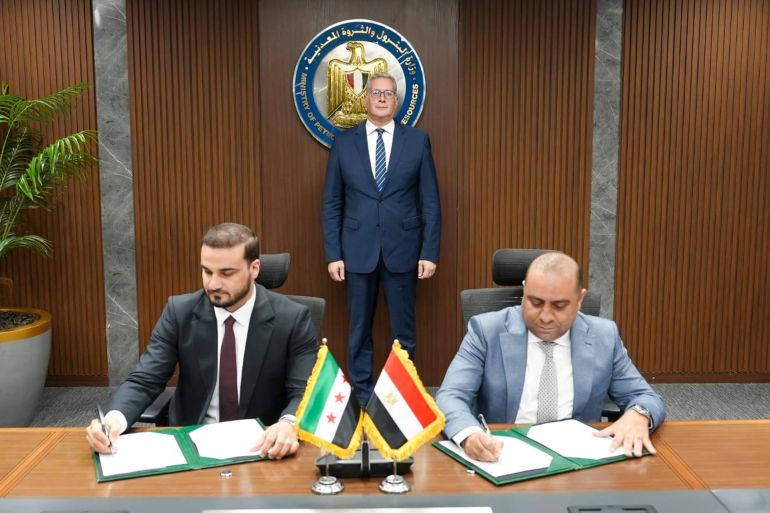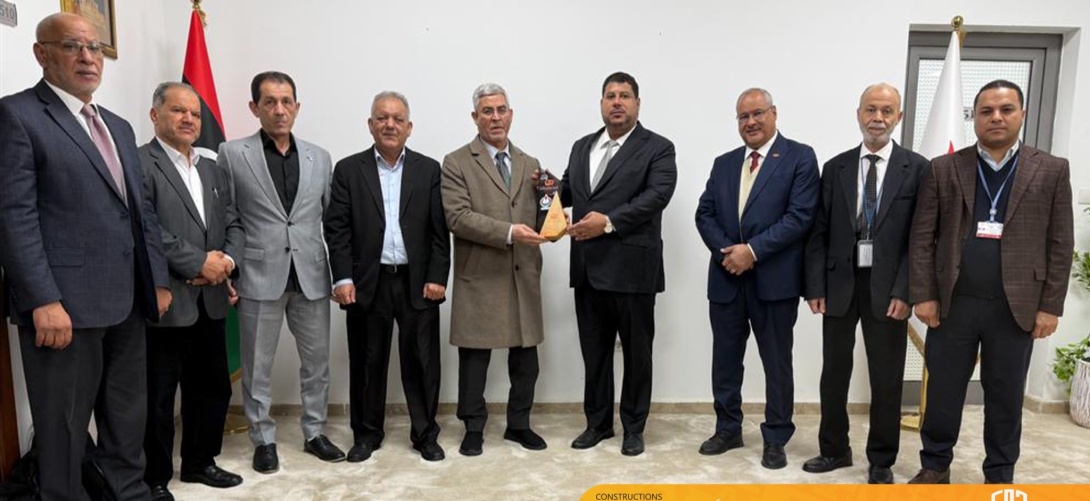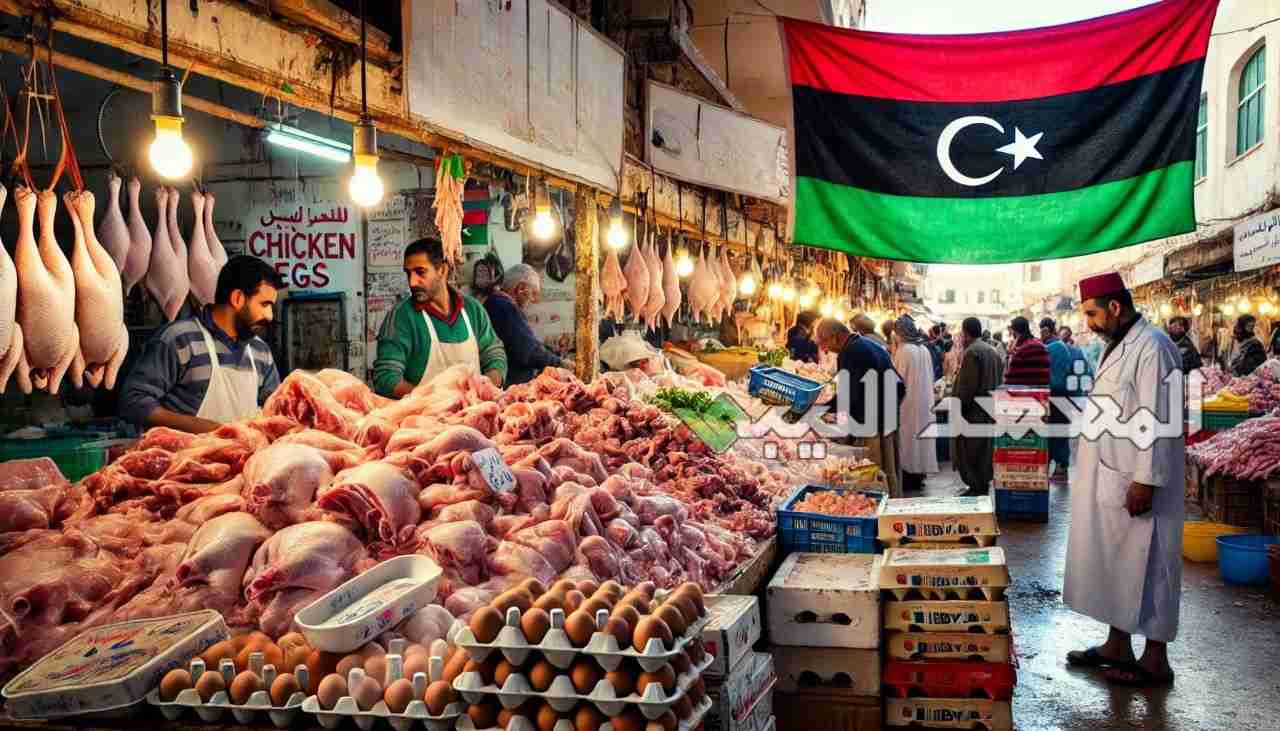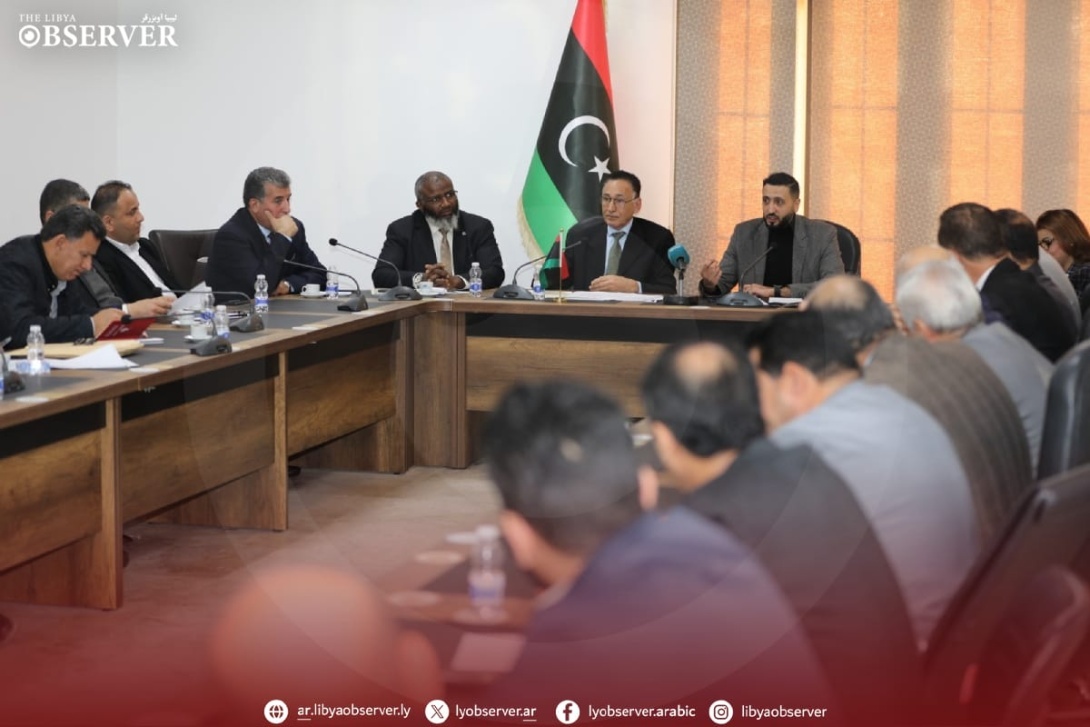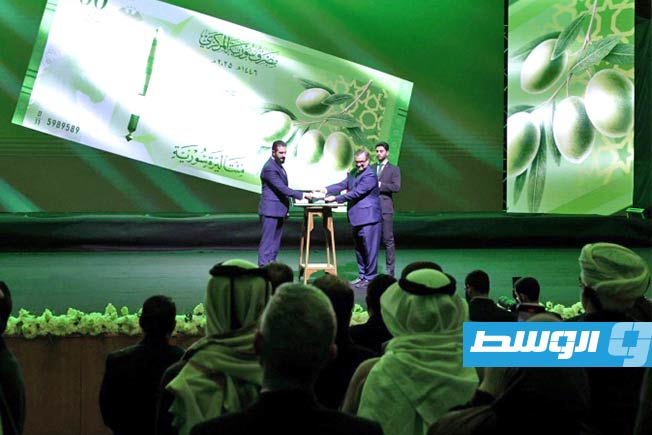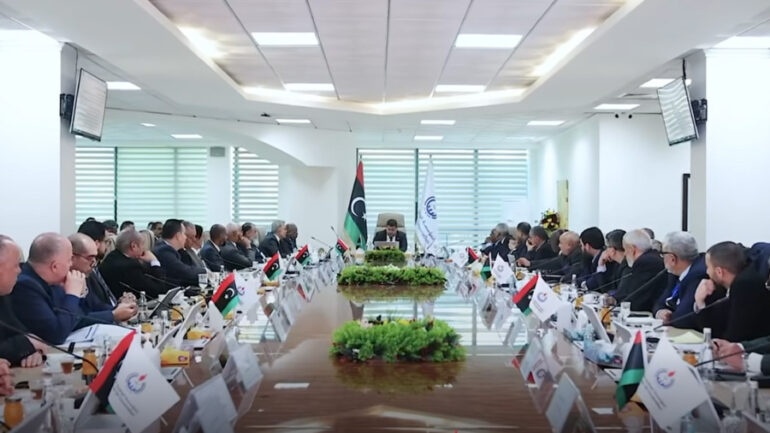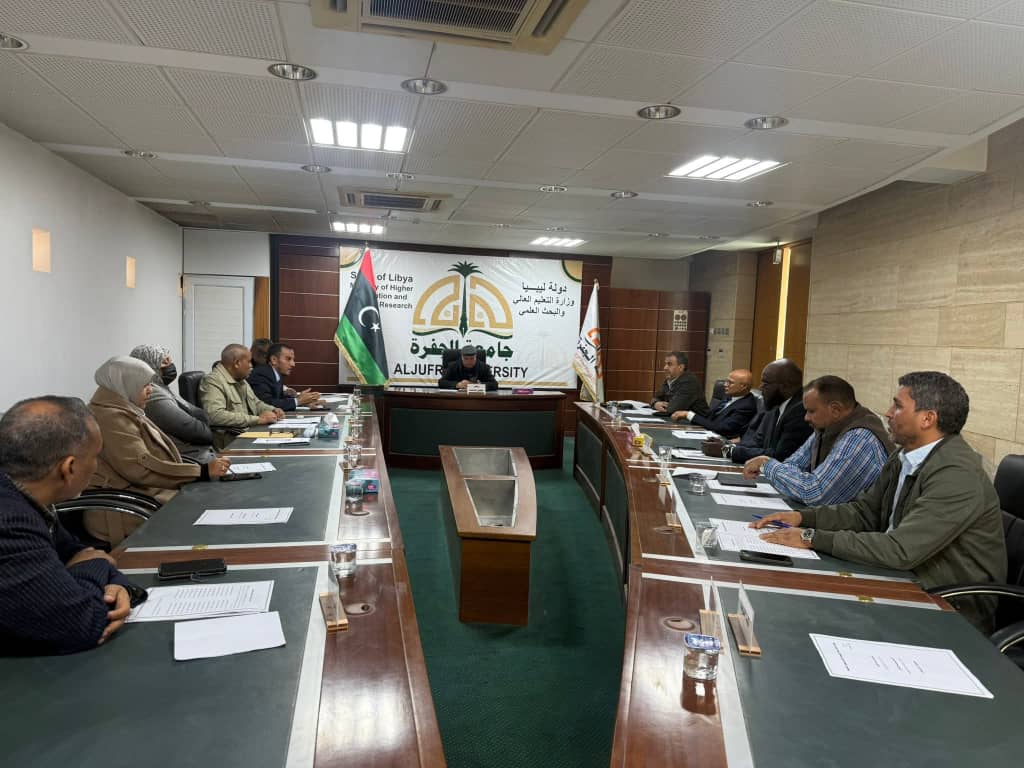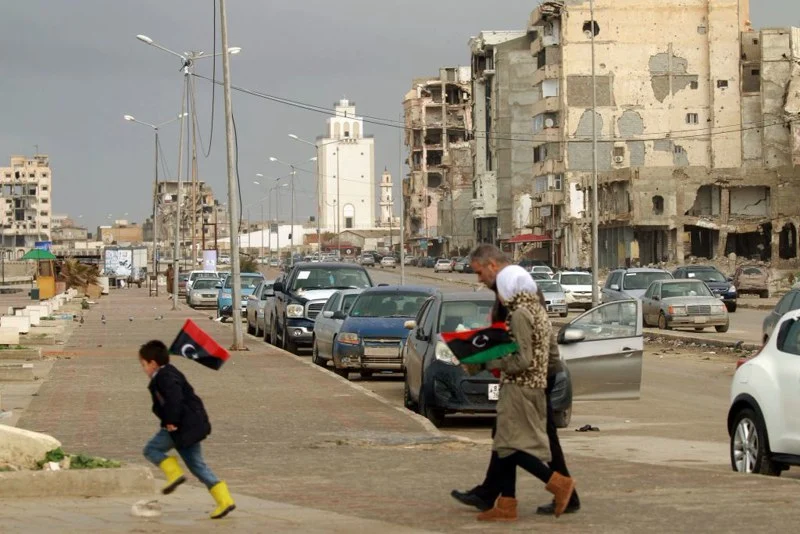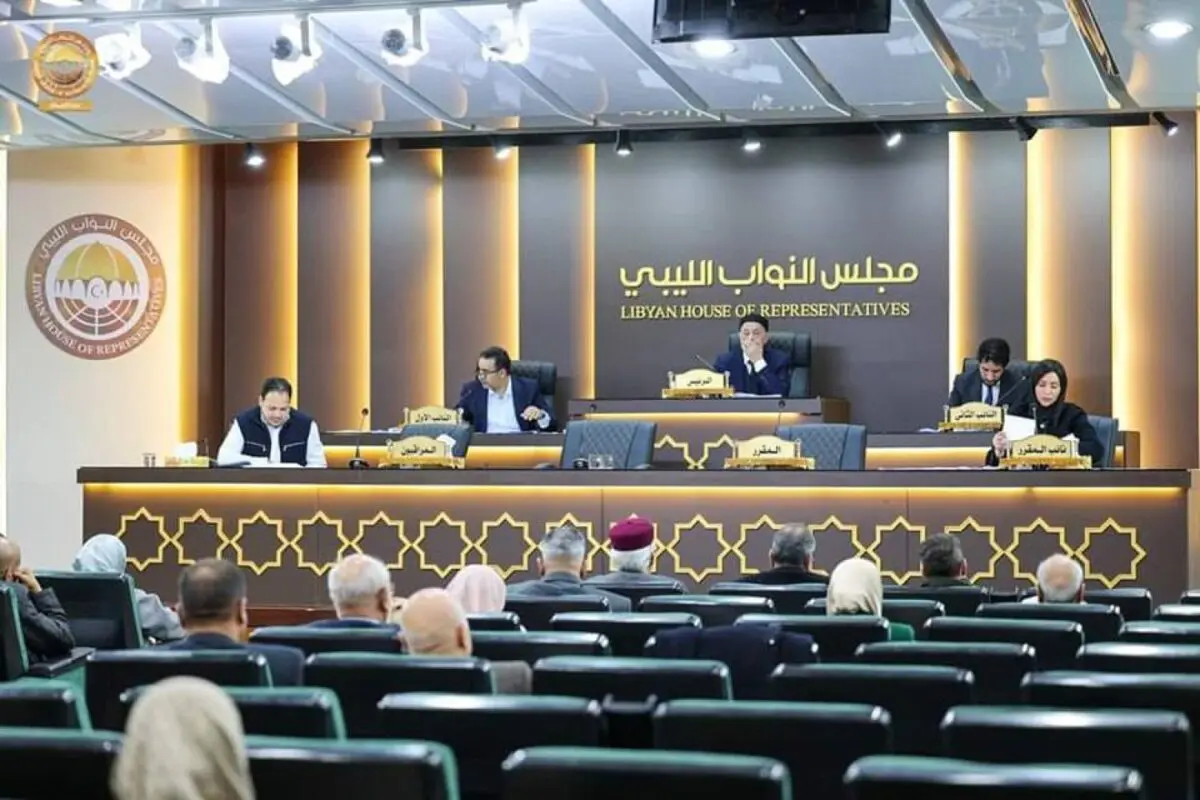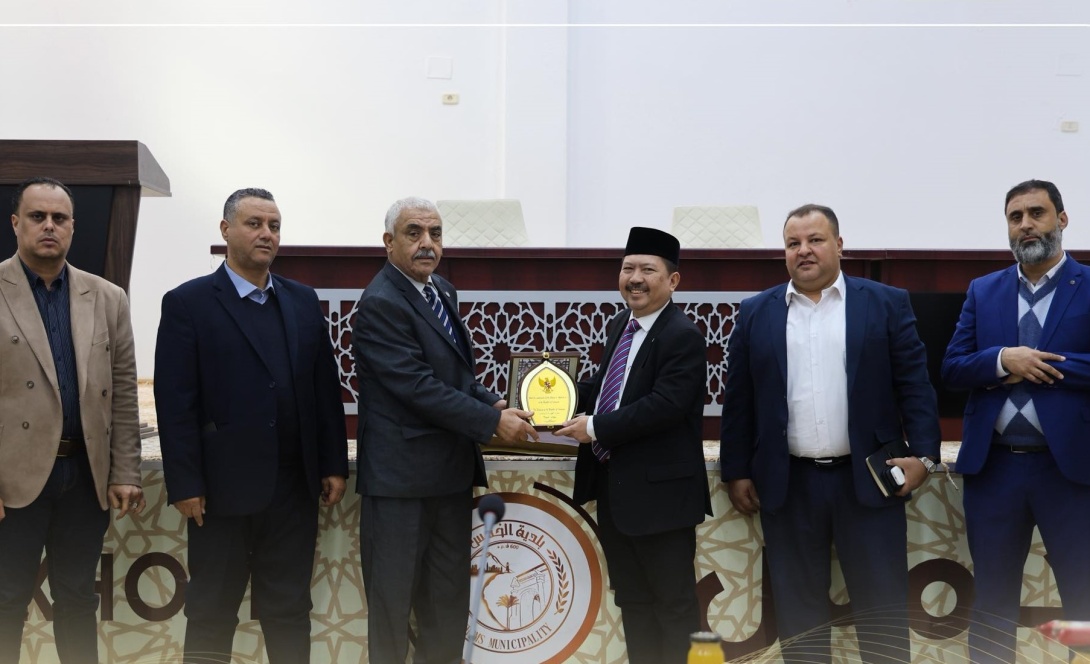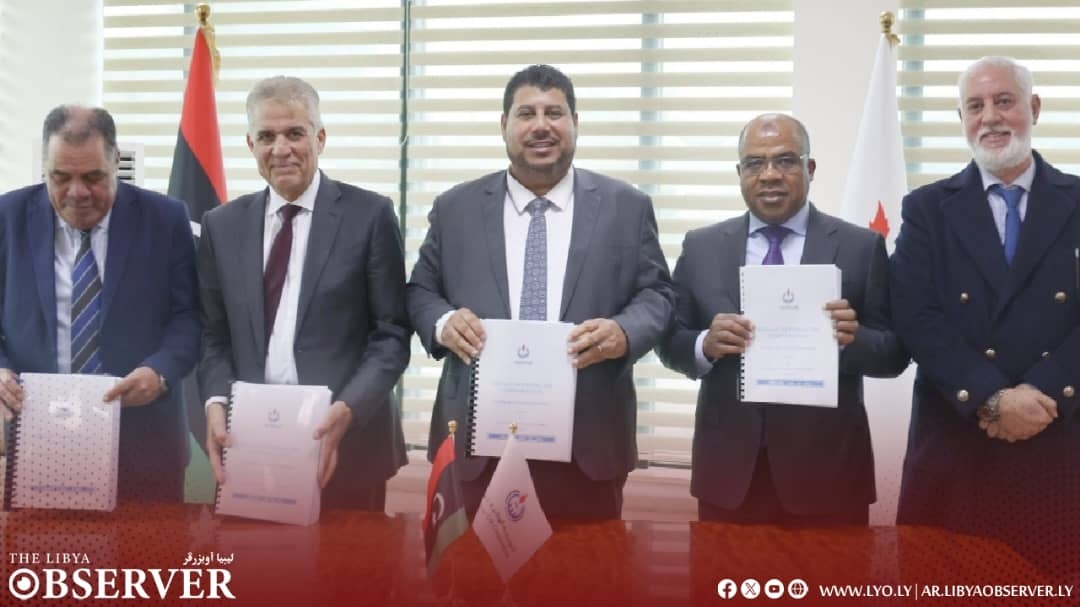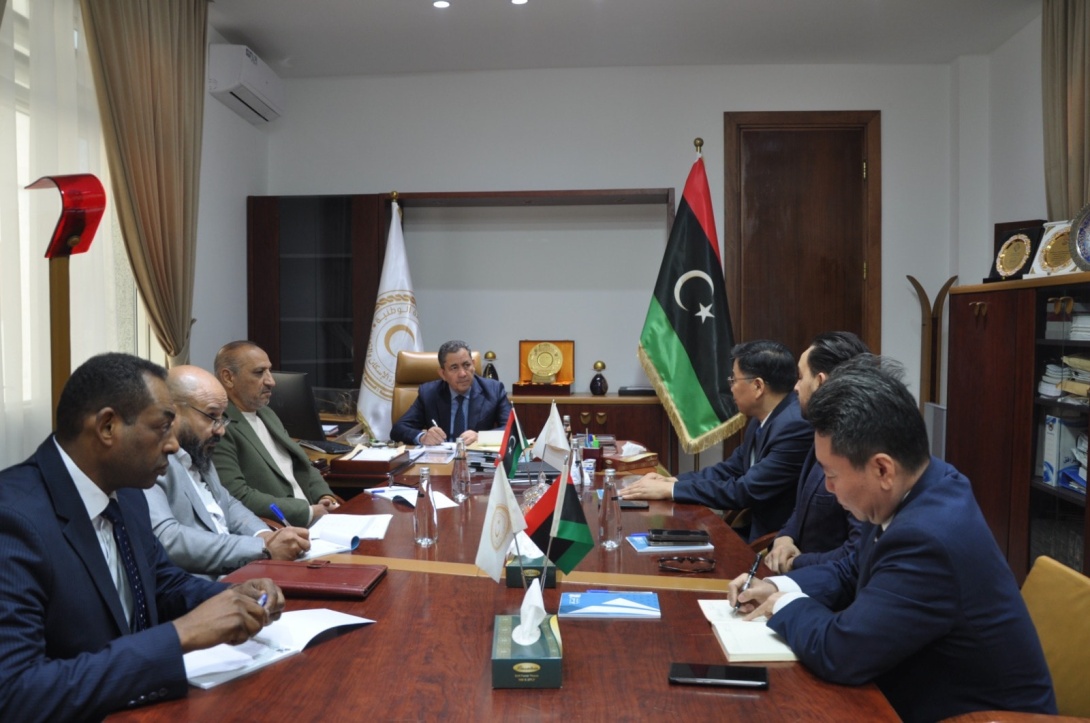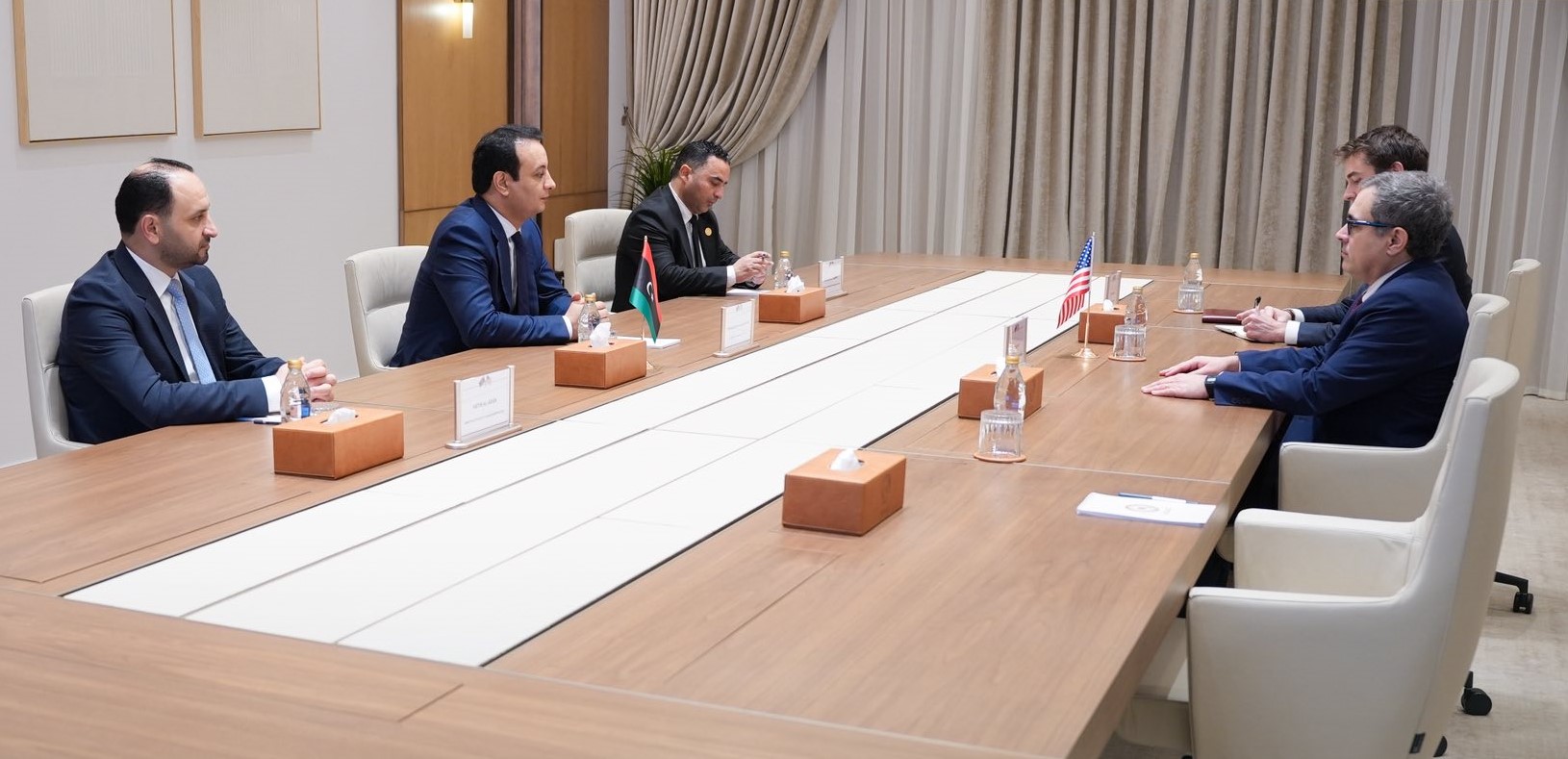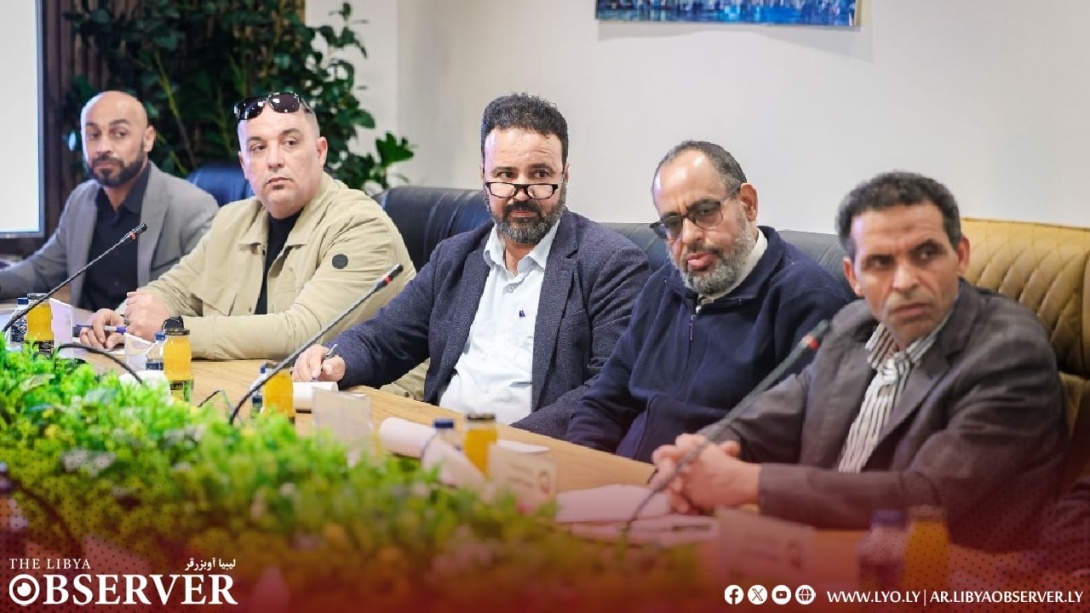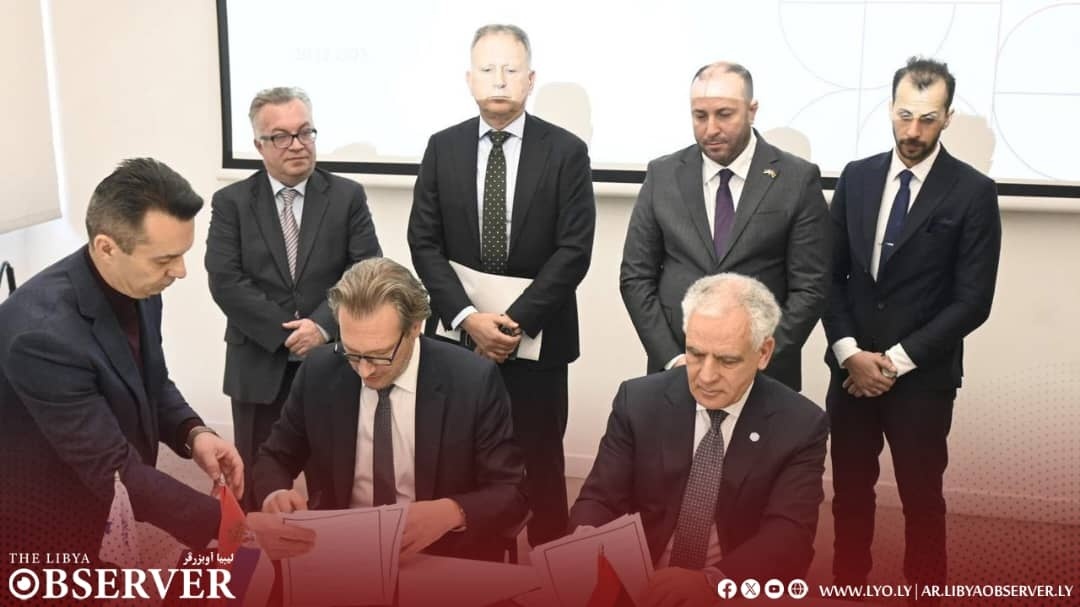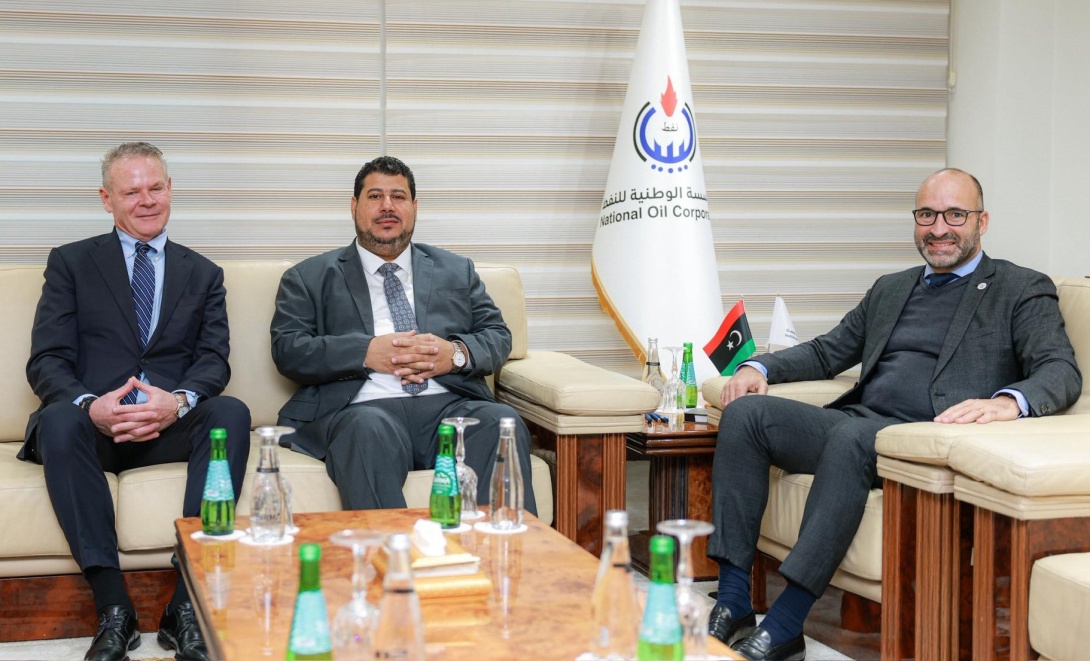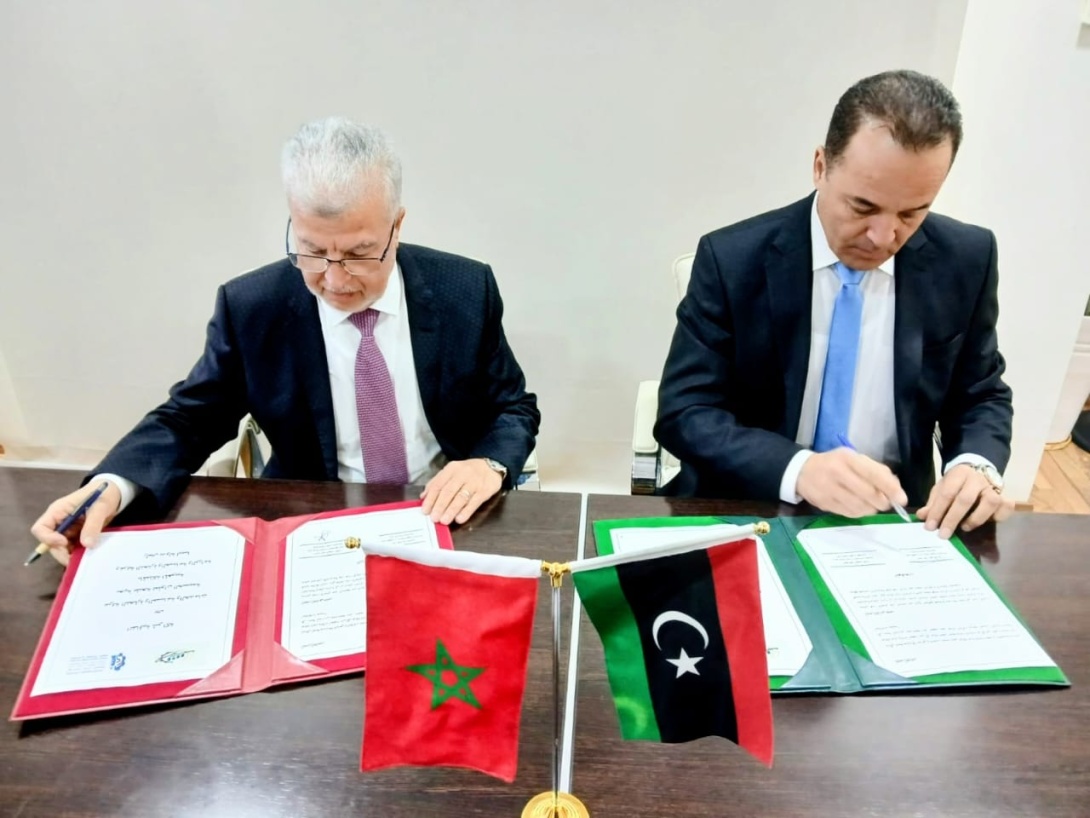
Libya and Morocco have signed a memorandum of understanding aimed at strengthening economic cooperation and encouraging private-sector investment.
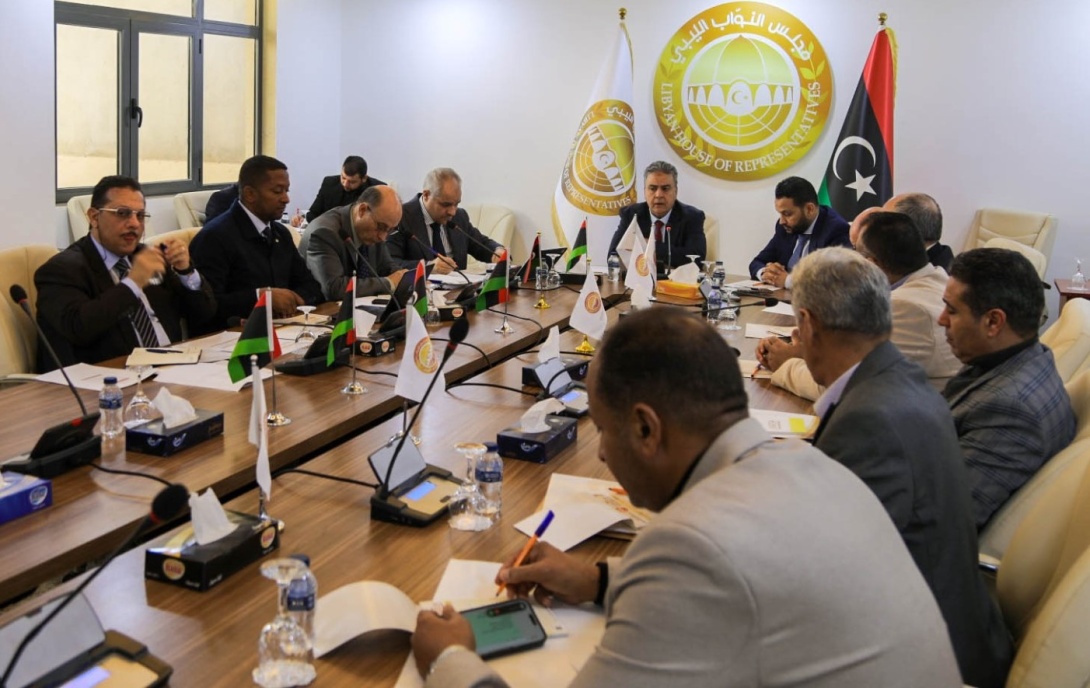
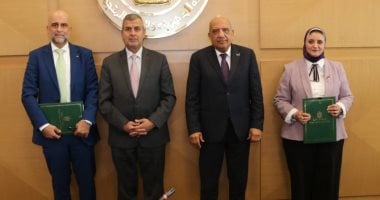
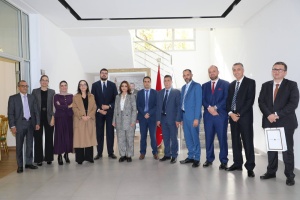
The agreement was concluded between the Zliten Chamber of Commerce, Industry and Agriculture and the Tangier–Tetouan Chamber of Commerce, Industry and Services.
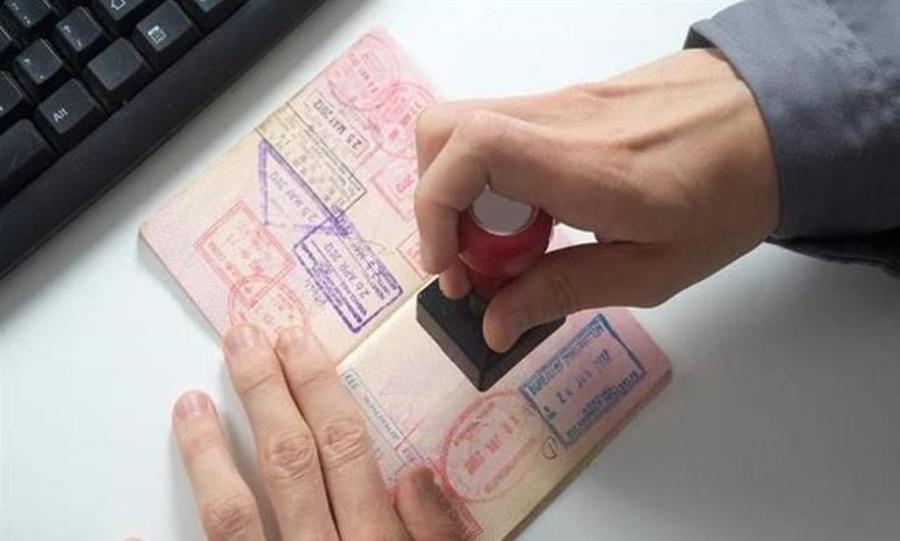
It includes measures to facilitate business visas, organise joint trade fairs, and expand the exchange of information, expertise and training.
Plans also include holding “Made in Libya” and “Made in Morocco” exhibitions in each country, as well as a Libyan–Moroccan economic forum in Tripoli.
The deal supports efforts to diversify income sources, attract investment and create a more favourable business climate.
Libya
Libya is a North African country with a rich history rooted in ancient civilizations like the Phoenicians and Romans, followed by centuries of Arab and Ottoman influence. In the modern era, it was an Italian colony before gaining independence in 1951, later becoming known for Muammar Gaddafi’s lengthy rule from 1969 until the 2011 revolution. Its cultural sites include the well-preserved Roman ruins of Leptis Magna, a UNESCO World Heritage site.
Morocco
Morocco is a North African country with a rich history shaped by indigenous Amazigh (Berber) cultures, Arab influence from the 7th century, and successive dynasties like the Almoravids and Almohads. Its cultural sites, such as the ancient city of Fez and the Koutoubia Mosque in Marrakech, reflect this blend of Arab, Islamic, and Amazigh heritage. The country is also known for its well-preserved medinas, imperial cities, and historic trading routes across the Sahara.
Zliten Chamber of Commerce, Industry and Agriculture
The Zliten Chamber of Commerce, Industry and Agriculture is a professional association established to support and develop the economic sectors in the Zliten Municipality of Libya. Its history is tied to Libya’s broader economic development efforts, typically formalized in the late 20th century to organize and promote local business, agricultural, and industrial activities.
Tangier–Tetouan Chamber of Commerce, Industry and Services
The Tangier–Tetouan Chamber of Commerce, Industry and Services is a regional economic institution in northern Morocco that supports and regulates business activities in the area. It was established to foster the economic development of the Tangier-Tetouan region, which has a long history as a strategic commercial crossroads between Africa and Europe.
Tripoli
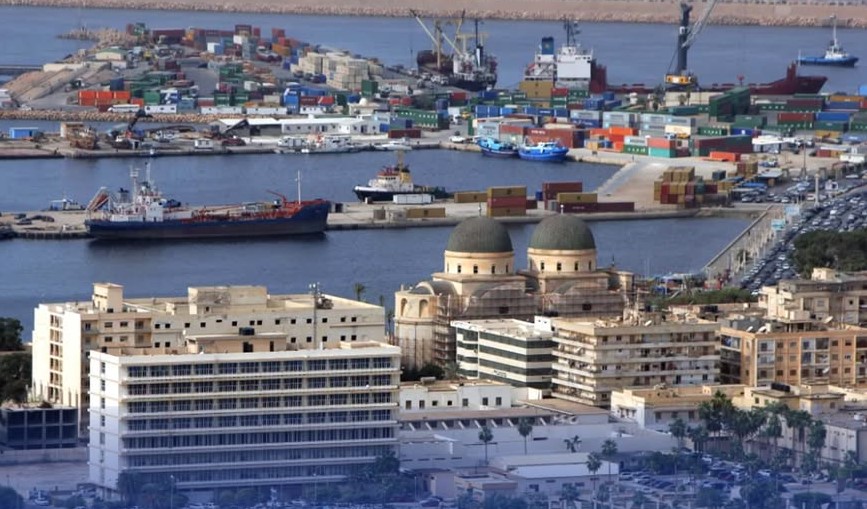
Tripoli is the capital and largest city of Libya, located on the country’s Mediterranean coast. Historically, it was founded by the Phoenicians in the 7th century BC and has since been ruled by the Romans, Arabs, Ottomans, and Italians, serving as a major port and cultural crossroads. Its historic center, the medina, contains significant landmarks like the Arch of Marcus Aurelius and the Red Castle (Assaraya al-Hamra).
Maghreb
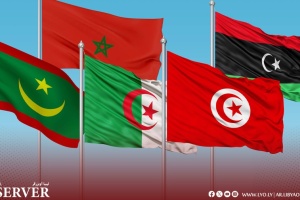
The Maghreb is a region in North Africa encompassing the countries of Morocco, Algeria, Tunisia, Libya, and Mauritania, whose name derives from the Arabic for “west.” Historically, it has been home to indigenous Amazigh (Berber) peoples, saw the rise of powerful medieval Islamic dynasties, and was later colonized by European powers before achieving independence in the 20th century.
Algeria
Algeria is a North African nation with a rich history shaped by indigenous Berber cultures, successive empires, and a pivotal struggle for independence from French colonial rule, which it achieved in 1962. It is home to diverse cultural and historical sites, including the ancient Roman ruins of Timgad and Djemila, as well as the Casbah of Algiers, a UNESCO World Heritage site.
Casablanca
Casablanca is Morocco’s largest city and a major economic hub, originally established as a Berber settlement before becoming a Portuguese trading post in the 15th century. Its modern identity was heavily shaped by French colonial rule in the 20th century, which left a significant architectural legacy, including the iconic Hassan II Mosque.