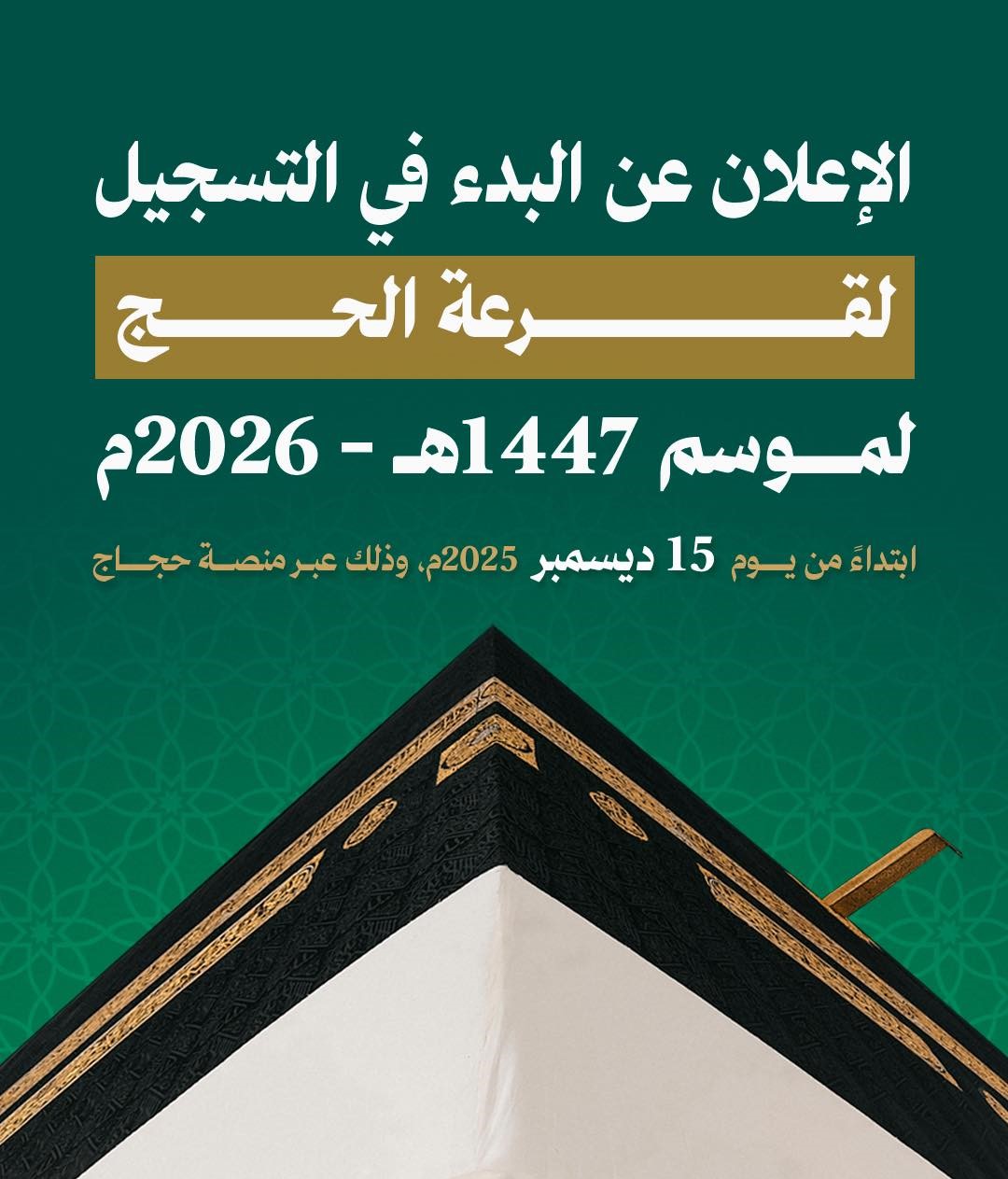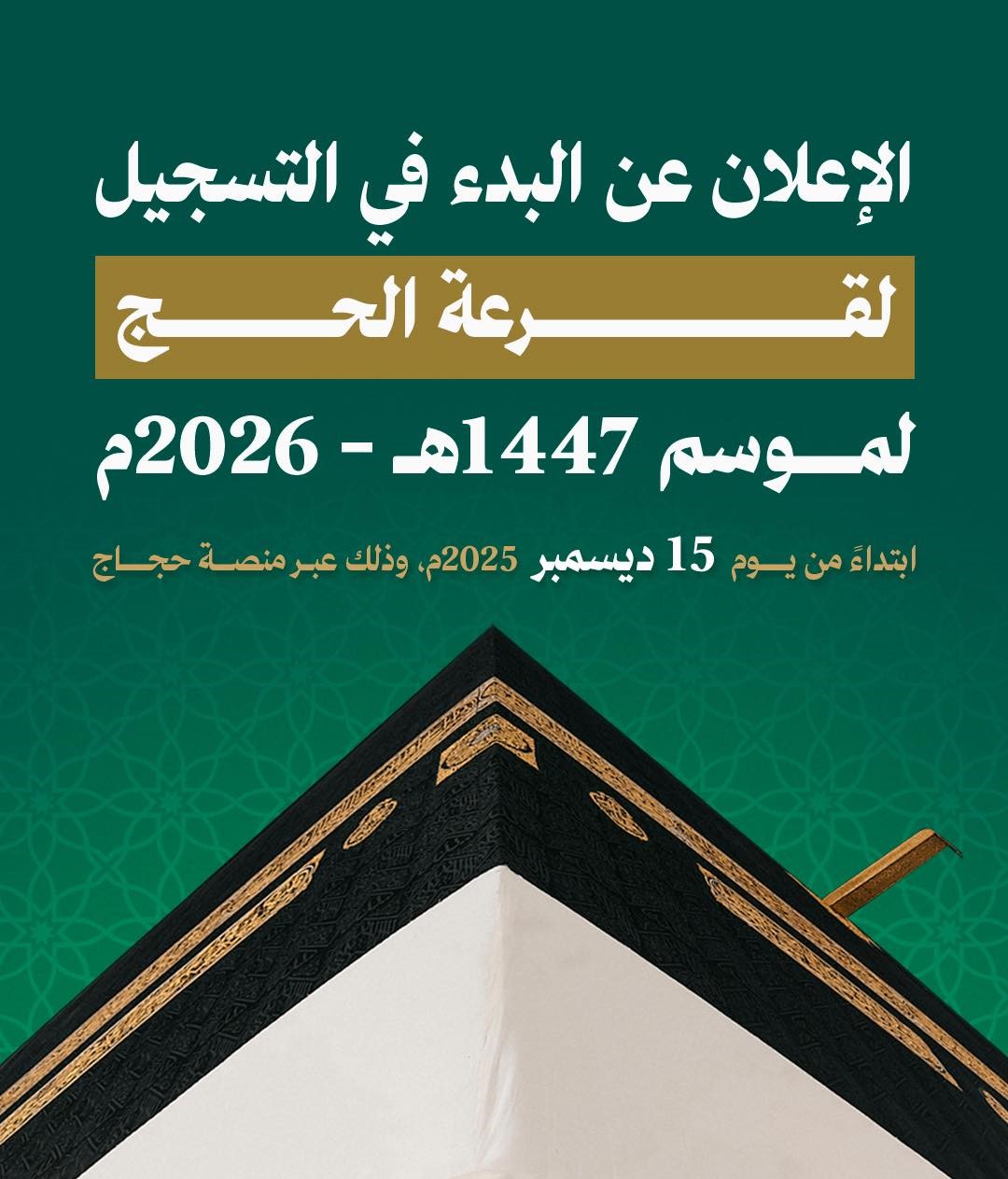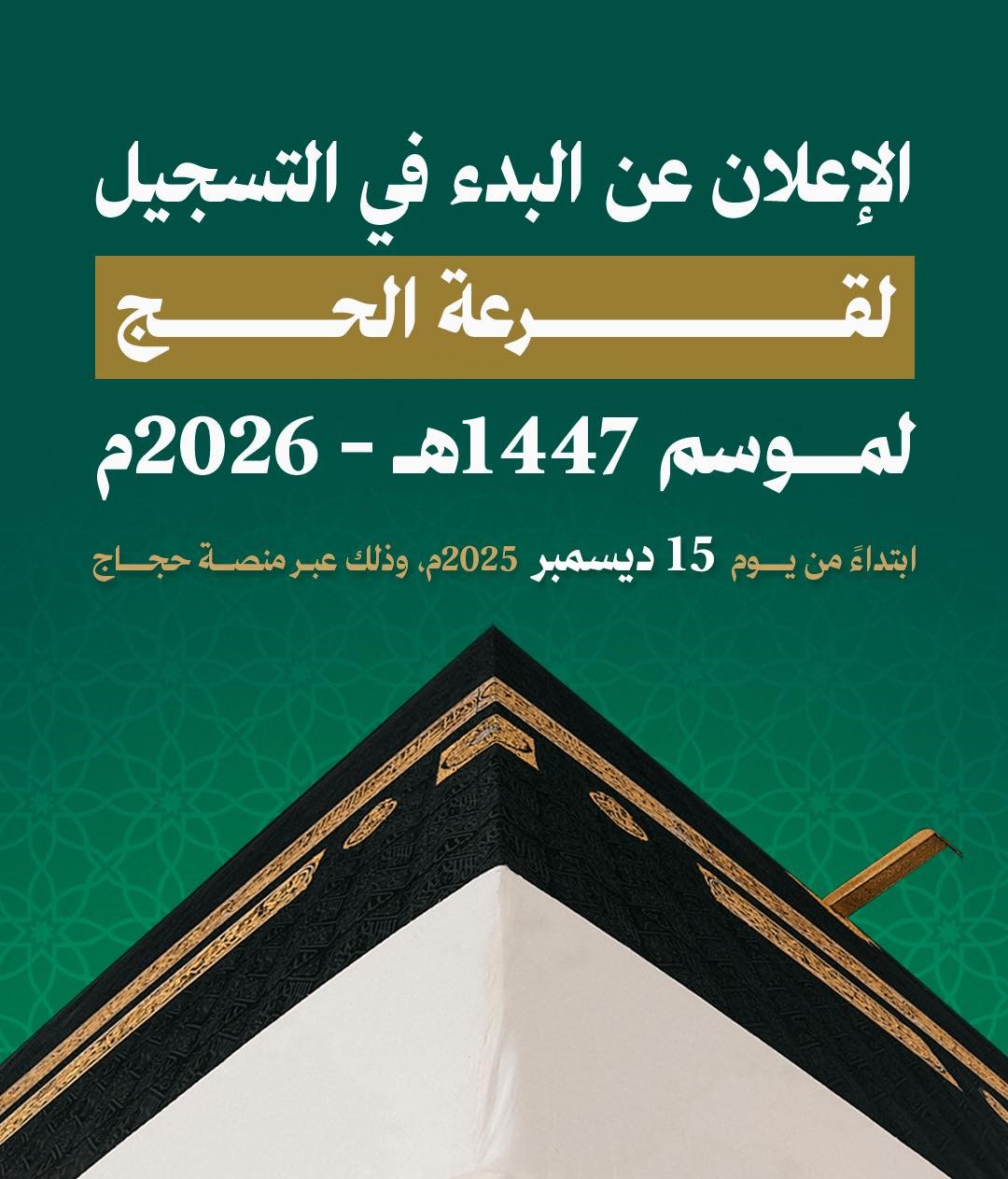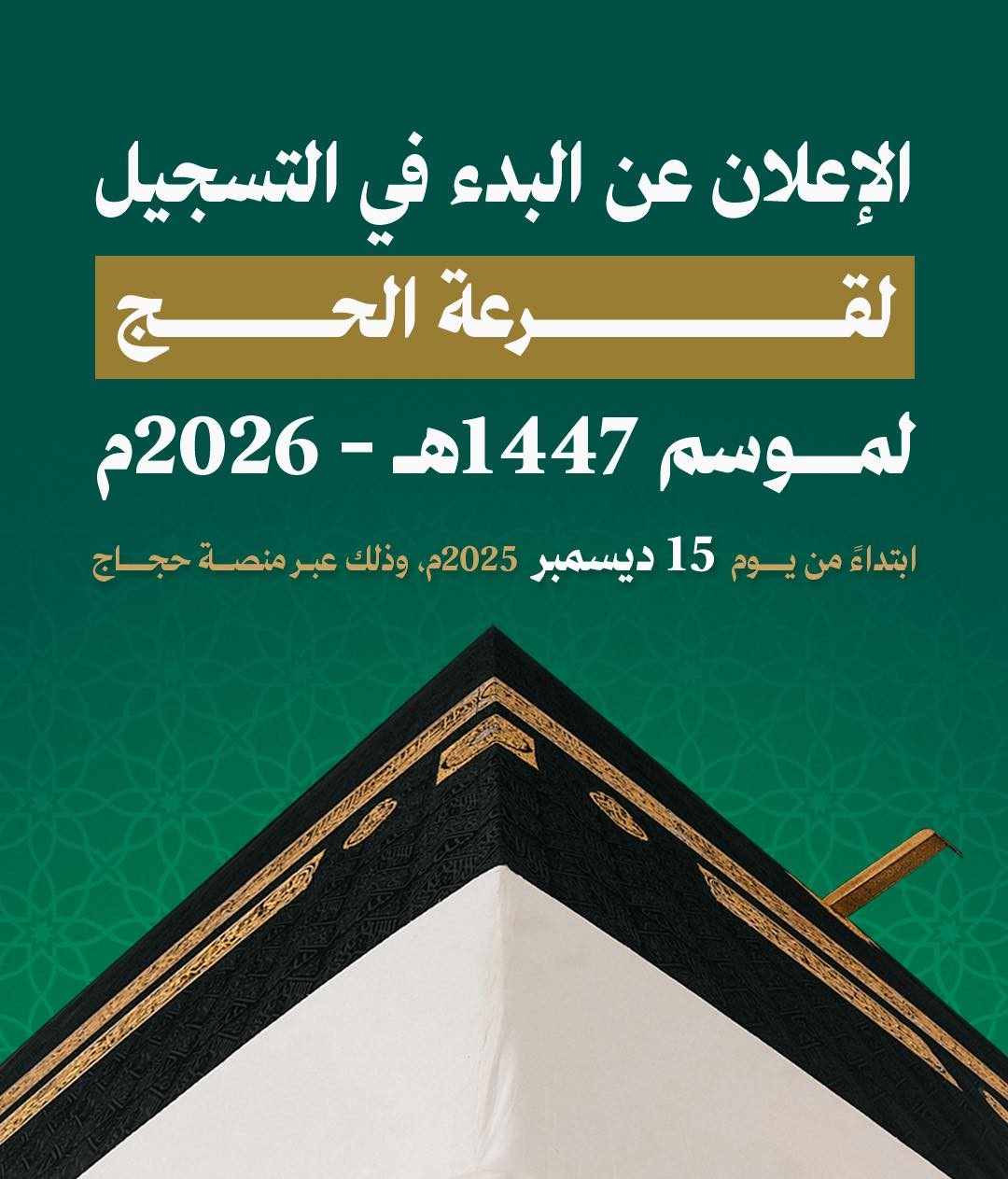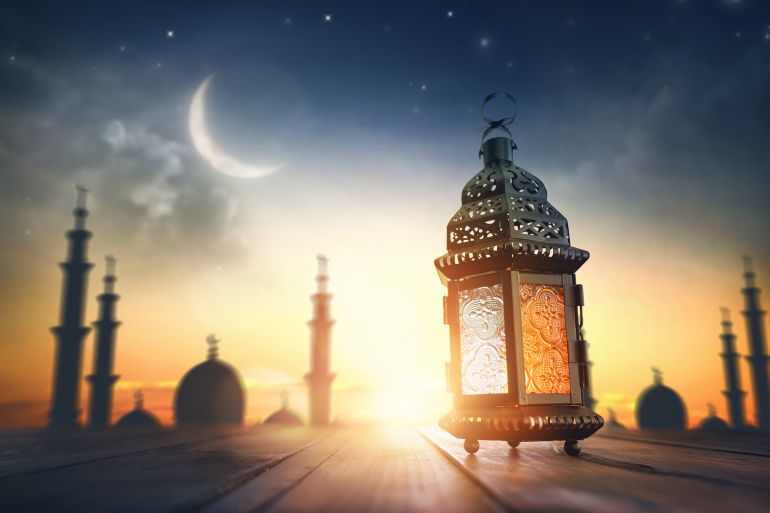
As the blessed month of Ramadan for the year 2026 (1447 AH) approaches, astronomical calculations indicate that its astronomical beginning will be on February 19th. This means the month will occur in late winter and early spring in the Northern Hemisphere. This timing results in a noticeable moderation in fasting hours compared to years when Ramadan coincided with the peak of summer.
Fasting hours vary from one country to another, and even from one city to another within the same country, depending on its geographical location and latitude. The day lengthens as one moves northward and shortens when moving towards the equator or the Southern Hemisphere.
Longest and Shortest Fasting Hours
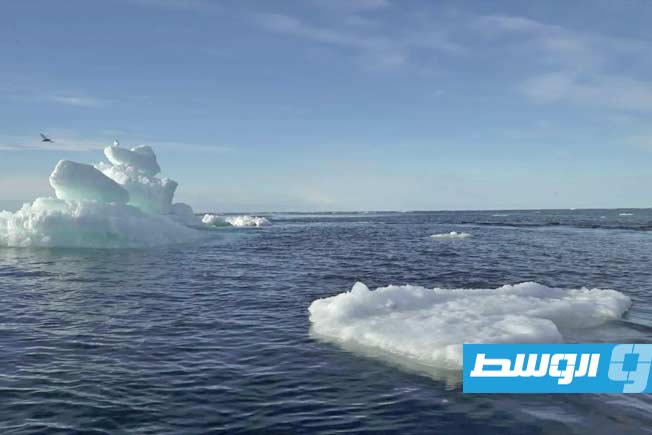
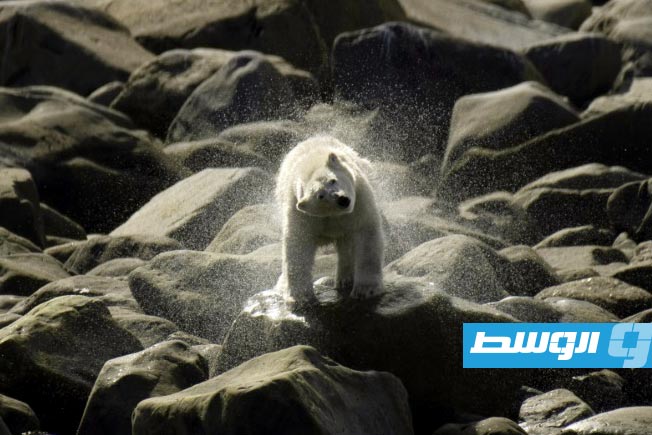
The longest fasting hours globally are recorded in the far north of the Earth, especially in countries and regions near the Arctic Circle, where the day gradually lengthens as the spring equinox approaches.
Some of the most notable of these regions include:
- Greenland (Nuuk)
- Iceland
- Northern Norway
In these areas, fasting hours may exceed 16 hours, raising recurring jurisprudential questions about the mechanisms for estimating fasting in regions with long daylight.
In contrast, the shortest fasting hours are recorded in countries of the Southern Hemisphere, where the day is shorter during this time of the year. Prominent examples include:
- Chile
- Argentina
- New Zealand
- South Africa
Fasting duration in these countries ranges between approximately 11 and 12 hours.
Fasting Hours in Arab Capitals
Most Arab capitals will experience moderate fasting hours during Ramadan 2026, averaging between approximately 12 and a half to 14 hours, with slight variations due to geographical location.
Shortest in the Arab World
- Moroni (Comoros): about 12 hours and 45 minutes.
- Mogadishu (Somalia): about 12 hours and 55 minutes.
- Djibouti (Djibouti): about 13 hours and 5 minutes.
Gulf States and Egypt
- Riyadh, Abu Dhabi, Doha: about 13 hours and 22 minutes.
- Cairo: about 13 hours and 35 minutes.
Longest in the Arab World
The capitals of the Maghreb countries record the longest fasting hours in the Arab world:
- Algiers: about 13 hours and 50 minutes.
- Tunis: about 13 hours and 52 minutes.
- Rabat: about 13 hours and 55 minutes.
Islamic Capitals Outside the Arab World
Longest Fasting
- Astana (Kazakhstan): about 15 hours and 30 minutes.
- Sarajevo (Bosnia and Herzegovina): about 14 hours and 50 minutes.
- Ankara (Turkey): about 14 hours and 40 minutes.
Moderate Fasting
- Islamabad (Pakistan): about 14 hours and 5 minutes.
- Tehran (Iran): about 14 hours and 20 minutes.
- Dhaka (Bangladesh): about 13 hours and 45 minutes.
Shortest in the Islamic World
Cities near the equator are characterized by relative stability in fasting hours throughout the year:
- Jakarta (Indonesia): about 13 hours and 5 minutes.
- Kuala Lumpur (Malaysia): about 13 hours and 10 minutes.
- Kampala (Uganda): about
Greenland
Greenland is the world’s largest non-continental island, located between the Arctic and Atlantic Oceans. It has a long history of Inuit habitation and was later settled by Norse Vikings in the 10th century before coming under Danish rule, from which it now exercises extensive self-government.Nuuk
Nuuk is the capital and largest city of Greenland, founded as a Danish colony in 1728 by the missionary Hans Egede. It serves as the cultural and economic heart of the island, blending modern infrastructure with traditional Inuit heritage and history.Iceland
Iceland is a Nordic island nation in the North Atlantic, first settled by Norse and Celtic explorers in the late 9th century. It is renowned for its dramatic volcanic landscapes, geothermal activity, and a rich cultural heritage preserved in medieval sagas. The country established one of the world’s oldest parliamentary assemblies, the Althing, in 930 AD.Northern Norway
Northern Norway is a vast region above the Arctic Circle known for its dramatic fjords, the midnight sun, and the northern lights. Historically, it has been home to the indigenous Sámi people for millennia and grew through fishing and mining industries. Key cultural sites include the North Cape cliff and the modern Arctic Cathedral in Tromsø.Arctic Circle
The Arctic Circle is an imaginary line of latitude located at approximately 66°33′ North, marking the southernmost point where the sun can remain continuously above or below the horizon for at least 24 hours. This region has been inhabited for millennia by Indigenous peoples like the Inuit and Saami, whose cultures are deeply adapted to the extreme environment. In modern history, it has become a focal point for scientific research on climate change and geopolitical interest due to natural resources and shipping routes.Chile
Chile is a long, narrow country stretching along South America’s western edge, known for its diverse landscapes ranging from the Atacama Desert to Patagonian glaciers. Its history is marked by pre-Columbian cultures like the Mapuche, Spanish colonization beginning in the 16th century, and independence achieved in 1818. The 20th century included significant political periods, including a military dictatorship from 1973 to 1990.Argentina
Argentina is a South American nation with a rich cultural heritage shaped by indigenous traditions, Spanish colonization, and later waves of European immigration. Its history includes declaring independence from Spain in 1816 and periods of economic prosperity, political turmoil, and military rule in the 20th century. The country is globally renowned for the tango, its passionate football culture, and the vast, scenic landscapes of Patagonia and the Pampas.New Zealand
New Zealand is an island country in the southwestern Pacific Ocean, first settled by Polynesian explorers who developed the distinct Māori culture from around 1300 CE. It was later colonized by the British, with the signing of the Treaty of Waitangi in 1840 forming the basis of its modern national identity. Today, it is known for its dramatic natural landscapes, indigenous Māori heritage, and unique biodiversity.South Africa
South Africa is a country located at the southern tip of the African continent, known for its diverse cultures, languages, and dramatic landscapes. Its modern history is profoundly shaped by colonialism and the institutionalized racial segregation of apartheid, which ended in 1994 with the establishment of a constitutional democracy and the election of Nelson Mandela as president.Mecca
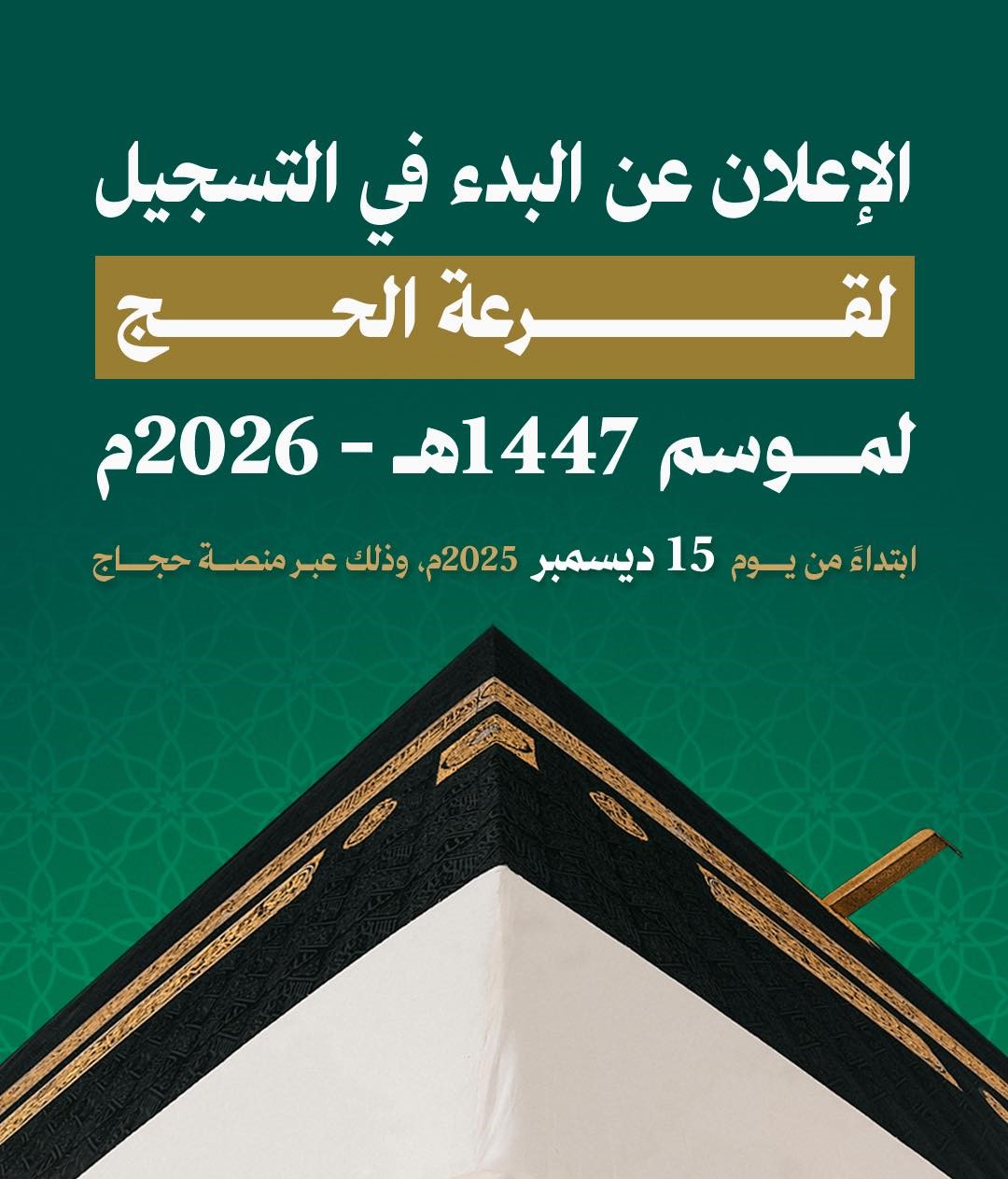
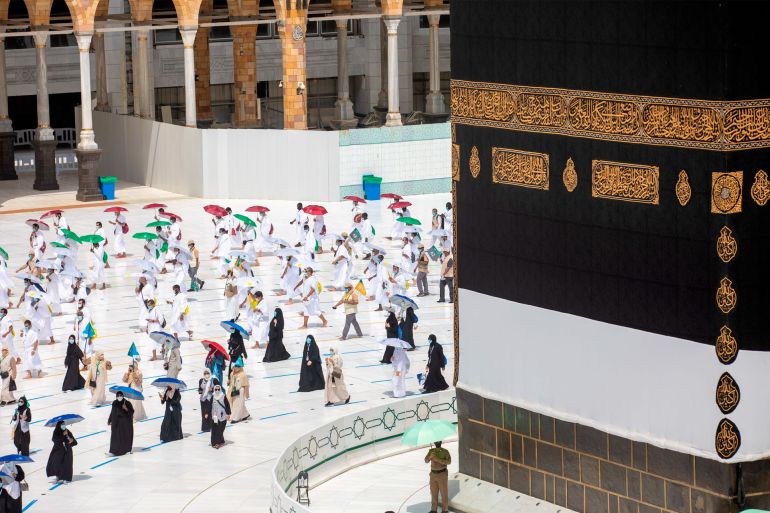
Mecca is the holiest city in Islam, located in present-day Saudi Arabia, and is the birthplace of the Prophet Muhammad. It is the site of the Kaaba, a sacred structure within the Masjid al-Haram, which Muslims believe was built by Abraham and his son Ishmael and towards which all Muslims pray. Every year, millions of Muslims perform the Hajj pilgrimage to Mecca, a mandatory religious duty that has been a central Islamic practice since the 7th century.Moroni
Moroni is the capital and largest city of the Comoros, located on the island of Grande Comore. It has served as a major port and administrative center since the era of the Sultanate of Bambao, with its history deeply influenced by Arab, Swahili, and later French colonial rule. The city’s notable landmarks include the Old Friday Mosque, which dates back to the 15th century.Comoros
The Comoros is an archipelago nation in the Indian Ocean, with a history shaped by a blend of African, Arab, and French influences. It was an important hub in early Indian Ocean trade routes and later became a French colony before gaining independence in 1975. The country is known for its volcanic landscapes, diverse culture, and being one of the world’s leading producers of ylang-ylang.Mogadishu
Mogadishu is the capital and most populous city of Somalia, with a history dating back over a millennium as a major medieval trading port on the Indian Ocean. It was historically influential in the Somali Sultanates and later came under Italian colonial rule before becoming part of independent Somalia. Today, the city is known for landmarks like the Arba’a Rukun Mosque and the Mogadishu Cathedral, though it has faced significant challenges from prolonged conflict.Somalia
Somalia is a country located in the Horn of Africa, historically known for its ancient trading ports and as a center for commerce in the Indian Ocean. Its modern history has been marked by civil war and political instability following the collapse of the central government in 1991.Djibouti
Djibouti is a small East African nation strategically located at the confluence of the Red Sea and the Gulf of Aden. Historically, it was a French colony known as French Somaliland and later the French Territory of the Afars and Issas before gaining independence in 1977. Today, its capital city of the same name is a major global port and hub for international naval forces.Riyadh
Riyadh is the capital and largest city of Saudi Arabia, historically a walled oasis town and the historic seat of the Al Saud dynasty. Its modern transformation began after it was established as the national capital in 1932, accelerating dramatically with the oil boom of the 20th century into a major global metropolis and financial hub.Abu Dhabi
Abu Dhabi is the capital city of the United Arab Emirates, founded in the 18th century around a freshwater well. Historically a pearling and fishing village, its modern transformation began after the discovery of oil in the late 1950s, leading to its rapid development into a global metropolis.Doha
Doha is the capital city of Qatar, a modern metropolis that grew from a small fishing and pearling village into a major global hub following the discovery of oil and natural gas in the mid-20th century. Its history is showcased at sites like the Souq Waqif, a restored traditional market, and the Museum of Islamic Art, which houses artifacts from across the Muslim world.Cairo
Cairo is the sprawling capital of Egypt, founded in 969 CE by the Fatimid dynasty and situated near the ancient pyramids of Giza. It has long been a major political and cultural center of the Islamic world, renowned for historic landmarks like the Citadel and the Al-Azhar Mosque.Algiers
Algiers is the capital and largest city of Algeria, founded by the Phoenicians and later developed as a major port under the Ottoman Empire. Its iconic whitewashed buildings cascading down to the Mediterranean Sea earned it the nickname “Algiers the White.” The historic Casbah district, a UNESCO World Heritage site, remains a testament to its rich Ottoman and Islamic architectural history.Tunis
Tunis is the capital and largest city of Tunisia, historically founded by the Berbers and later established as a major settlement under the Hafsid dynasty in the 13th century. It is renowned for its UNESCO-listed medina and the ancient ruins of Carthage nearby, reflecting its strategic importance in Mediterranean trade and culture.Rabat
Rabat is the capital city of Morocco, founded in the 12th century by the Almohad Caliphate as a ribat (fortified monastery). It is now a modern political and administrative center, recognized as a UNESCO World Heritage Site for its well-preserved historic quarters, including the Kasbah of the Udayas and the Hassan Tower.Astana
Astana is the capital city of Kazakhstan, having been designated as such in 1997 when it replaced Almaty. The city, renamed Nur-Sultan in 2019 before reverting to Astana in 2022, was developed rapidly into a modern metropolis featuring futuristic architecture as a symbol of the nation’s post-independence identity.Kazakhstan
Kazakhstan is a Central Asian nation with a rich nomadic heritage, historically shaped by the Silk Road and the empires that traversed it. It gained independence in 1991 following the dissolution of the Soviet Union, which had previously incorporated the region. Culturally significant sites include the Mausoleum of Khoja Ahmed Yasawi, a 14th-century Turkic spiritual leader, which is a UNESCO World Heritage site.Sarajevo
Sarajevo is the capital of Bosnia and Herzegovina, historically known as a long-term crossroads of cultures and religions, exemplified by its Ottoman-era Baščaršija quarter and Austro-Hungarian architecture. It gained global prominence as the site of the assassination of Archduke Franz Ferdinand in 1914, an event that triggered World War I, and later endured a prolonged siege during the Bosnian War in the 1990s.Bosnia and Herzegovina
Bosnia and Herzegovina is a country in Southeastern Europe with a rich and complex history shaped by Slavic, Ottoman, and Austro-Hungarian influences. It is known for cultural and religious diversity, as well as historic sites such as the Stari Most (Old Bridge) in Mostar and the medieval stećci tombstone graves. The region experienced the Ottoman conquest in the 15th century, followed by Austro-Hungarian rule, and was a central stage of conflict during the Bosnian War in the 1990s following the breakup of Yugoslavia.Ankara
Ankara is the capital city of Turkey, strategically located in the central Anatolia region. It was declared the capital in 1923 by Mustafa Kemal Atatürk, replacing Istanbul to symbolize the new, modern, and secular Republic of Turkey. The city’s history dates back millennia, with ancient roots including the Hittites and a prominent role as a trading center in Roman times.Turkey
Turkey is a transcontinental nation bridging Europe and Asia, with a rich history spanning the Byzantine and Ottoman Empires. Its cultural sites, such as the Hagia Sophia in Istanbul and the ancient ruins of Ephesus, reflect this layered heritage from classical antiquity through to its modern founding as a republic in 1923.Islamabad
Islamabad is the capital city of Pakistan, purposefully planned and constructed in the 1960s to replace Karachi as the national capital. Its location was chosen for its strategic and climatic advantages, and it is known for its modern layout, green spaces, and proximity to the ancient Margalla Hills.Pakistan
Pakistan is a modern nation-state established in 1947 following the partition of British India, created as a homeland for Muslims of the subcontinent. Its territory encompasses ancient Indus Valley Civilization sites like Mohenjo-daro and has been influenced by a succession of empires, including the Mughals and the British Raj.Tehran
Tehran is the capital and largest city of Iran, officially becoming the national capital in 1786 under the Qajar dynasty. It serves as the country’s political, economic, and cultural center, home to significant modern landmarks and historical sites like the Golestan Palace, a former Qajar royal complex.Iran
Iran, historically known as Persia, is home to one of the world’s oldest continuous civilizations, with a rich cultural history spanning thousands of years. It features numerous UNESCO World Heritage sites, including the ancient ruins of Persepolis, the magnificent architecture of Isfahan’s Naqsh-e Jahan Square, and the sophisticated engineering of its historic Persian gardens. The country’s culture is deeply influenced by its pre-Islamic Zoroastrian heritage and its pivotal role in the Islamic Golden Age.Dhaka
Dhaka is the capital and largest city of Bangladesh, with a history dating back over a millennium. It rose to prominence as a provincial capital of the Mughal Empire in the 17th century and later became a major center for the worldwide muslin trade. Today, it is a densely populated megacity known for its vibrant culture, historic landmarks like Lalbagh Fort, and its role as the political and economic heart of the nation.Bangladesh
Bangladesh is a South Asian country that emerged as an independent nation in 1971 following the Bangladesh Liberation War. Its rich cultural history is deeply rooted in the ancient and medieval Bengal region, with significant sites like the historic Mosque City of Bagerhat and the ruins of the Buddhist Vihara at Paharpur, both UNESCO World Heritage Sites.Jakarta
Jakarta is the capital and largest city of Indonesia, located on the northwest coast of Java. Historically known as Sunda Kelapa and later Batavia under Dutch colonial rule, it became the center of the Dutch East India Company’s trading network before evolving into the modern political and economic hub of the nation.Indonesia
Indonesia is a Southeast Asian archipelago of over 17,000 islands, historically shaped by influential Hindu-Buddhist kingdoms, the spread of Islam, and centuries of Dutch colonial rule before gaining independence in 1945. Its diverse culture is a vibrant blend of these historical influences, evident in its languages, arts, and numerous cultural sites like the Borobudur and Prambanan temple compounds.Kuala Lumpur
Kuala Lumpur is the capital and largest city of Malaysia, founded in the mid-19th century as a tin-mining settlement at the confluence of the Klang and Gombak rivers. It grew rapidly under British colonial influence and later became a symbol of modern Malaysian prosperity, notably with the construction of the Petronas Twin Towers. Today, it is a bustling metropolis that blends colonial-era architecture, vibrant street markets, and towering skyscrapers.Malaysia
Malaysia is a Southeast Asian nation formed in 1963 through the union of former British territories. Its history is marked by ancient maritime kingdoms, colonial influence, and a diverse cultural blend of Malay, Chinese, Indian, and indigenous traditions. Today, it is known for its vibrant multicultural society, modern capital Kuala Lumpur, and significant natural landmarks like the rainforests of Borneo.Kampala
Kampala is the capital and largest city of Uganda, originally built on seven hills and historically the site of the Buganda Kingdom’s royal capital at Mengo Hill. It grew as a British colonial administrative center in the late 19th century before becoming the capital of independent Uganda in 1962. Today, it is a bustling economic and cultural hub known for its diverse population and landmarks like the Kasubi Tombs and the Uganda Museum.Uganda
Uganda is a landlocked East African nation known for its diverse landscapes, including the source of the Nile River and mountain gorilla habitats. Its history includes powerful pre-colonial kingdoms like Buganda, followed by British colonization until independence in 1962, and a subsequent period of political turmoil. Today, it is recognized for its rich cultural heritage and wildlife tourism.