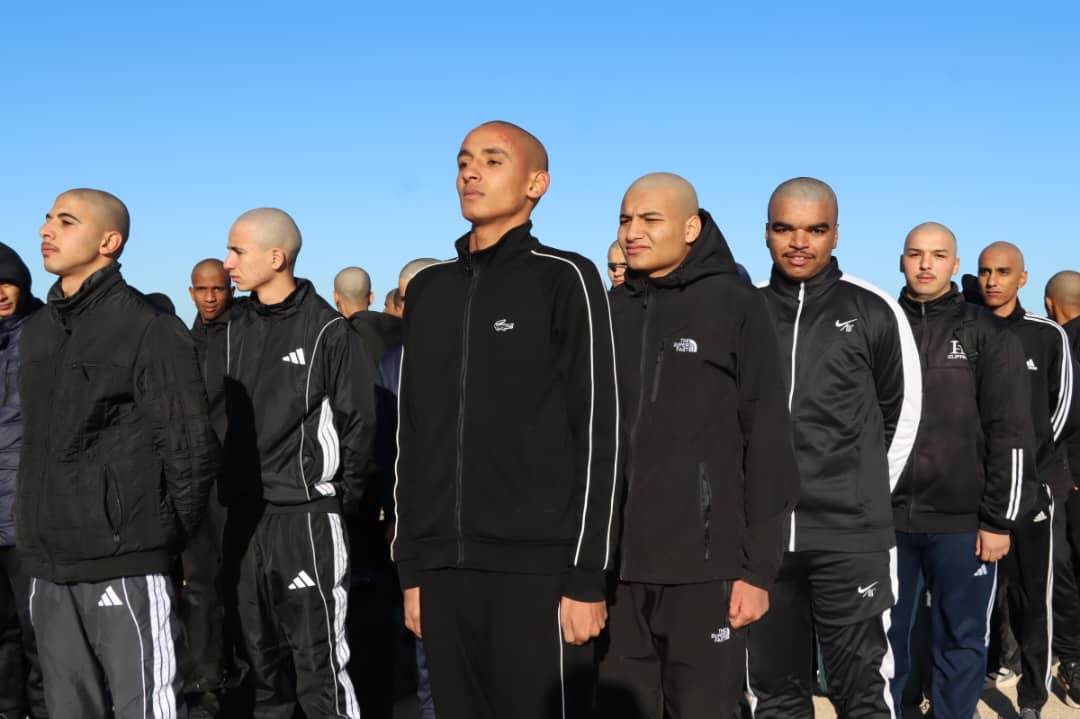
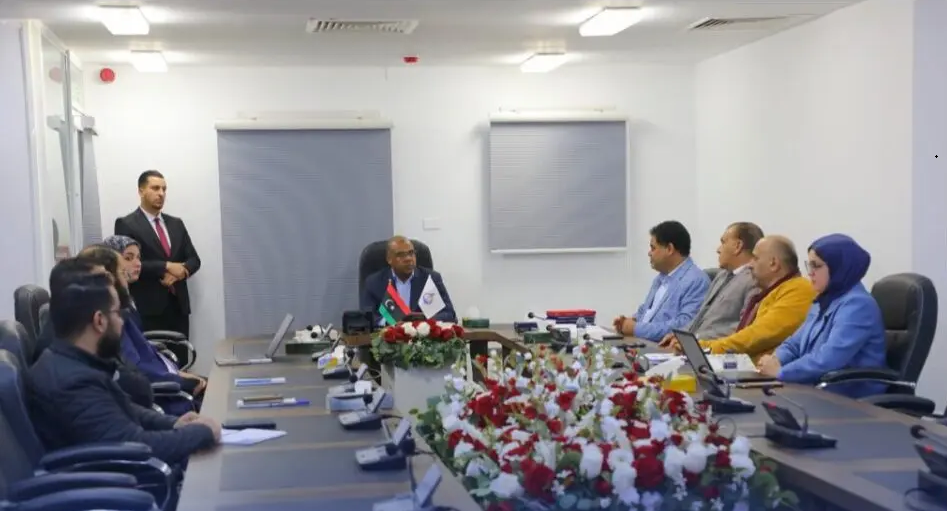
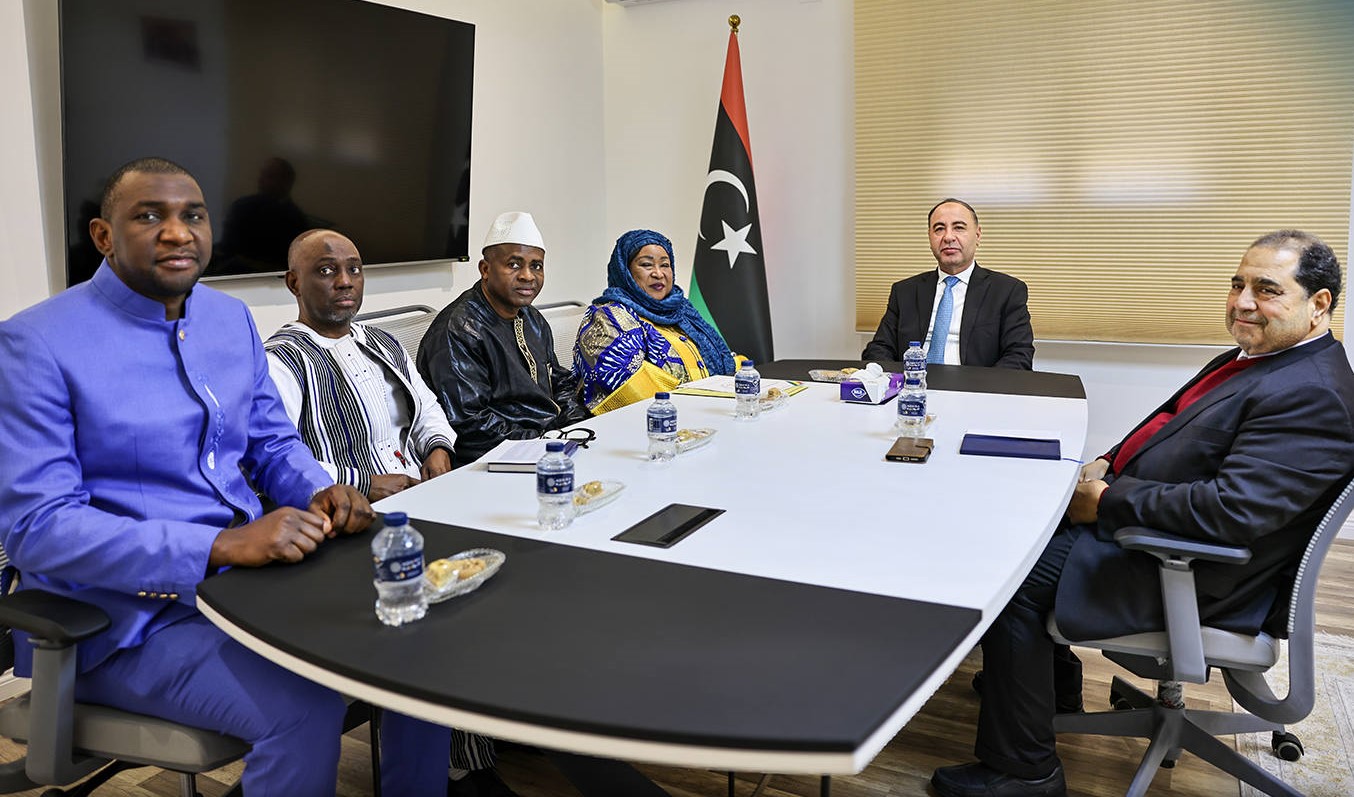
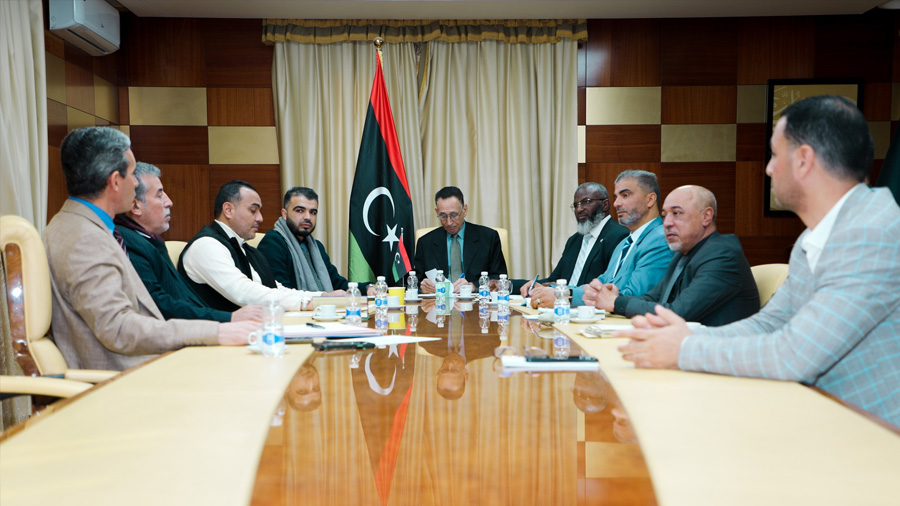
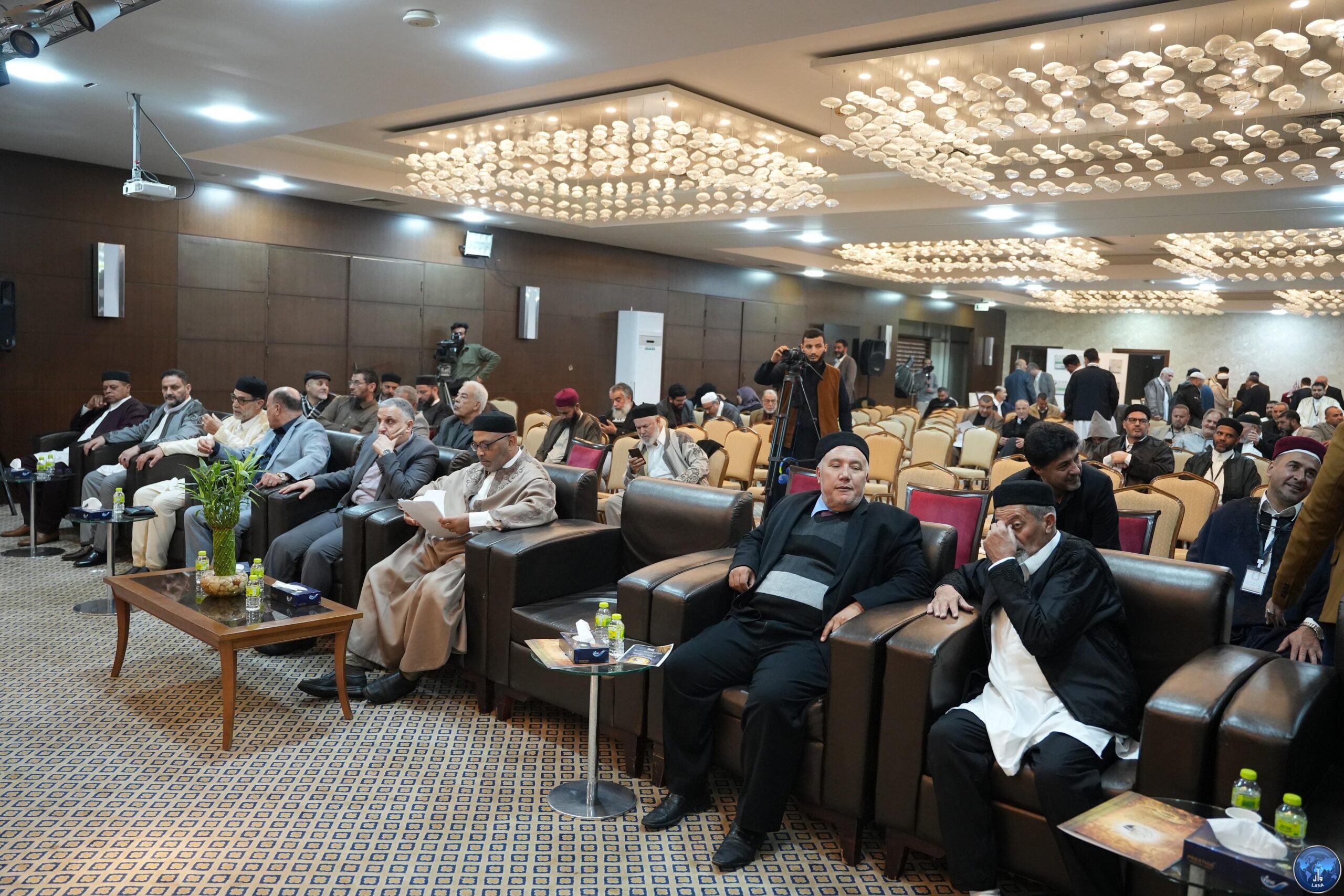
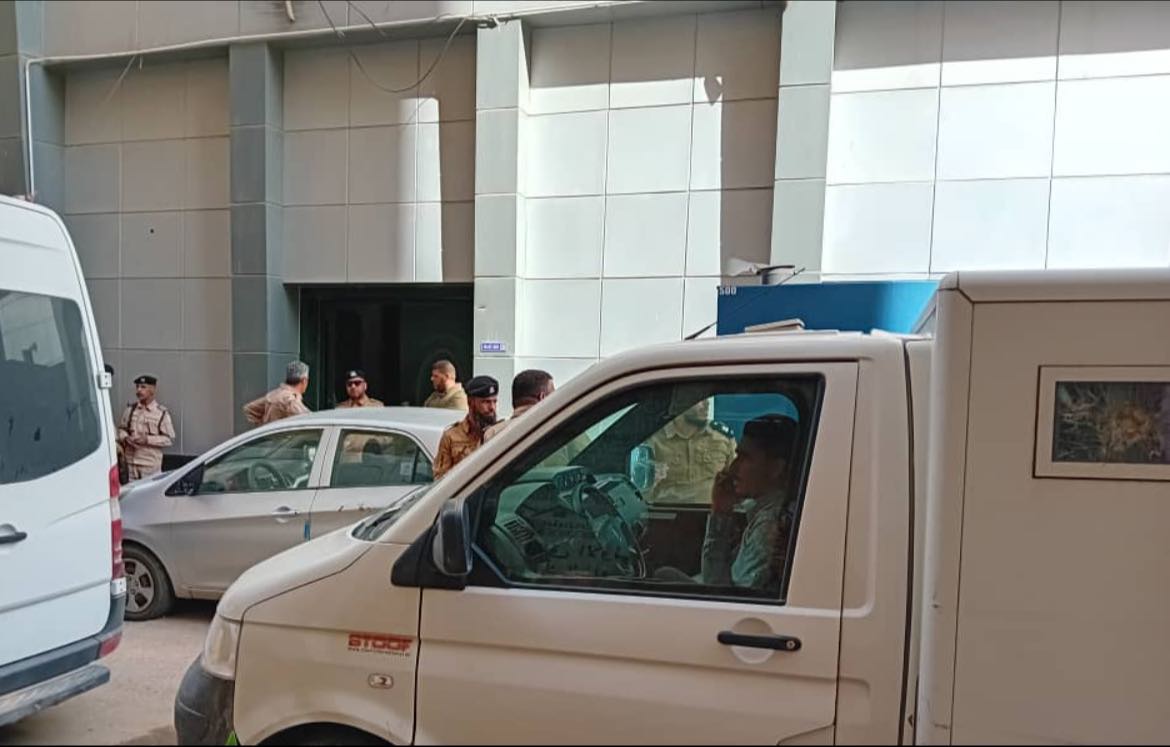
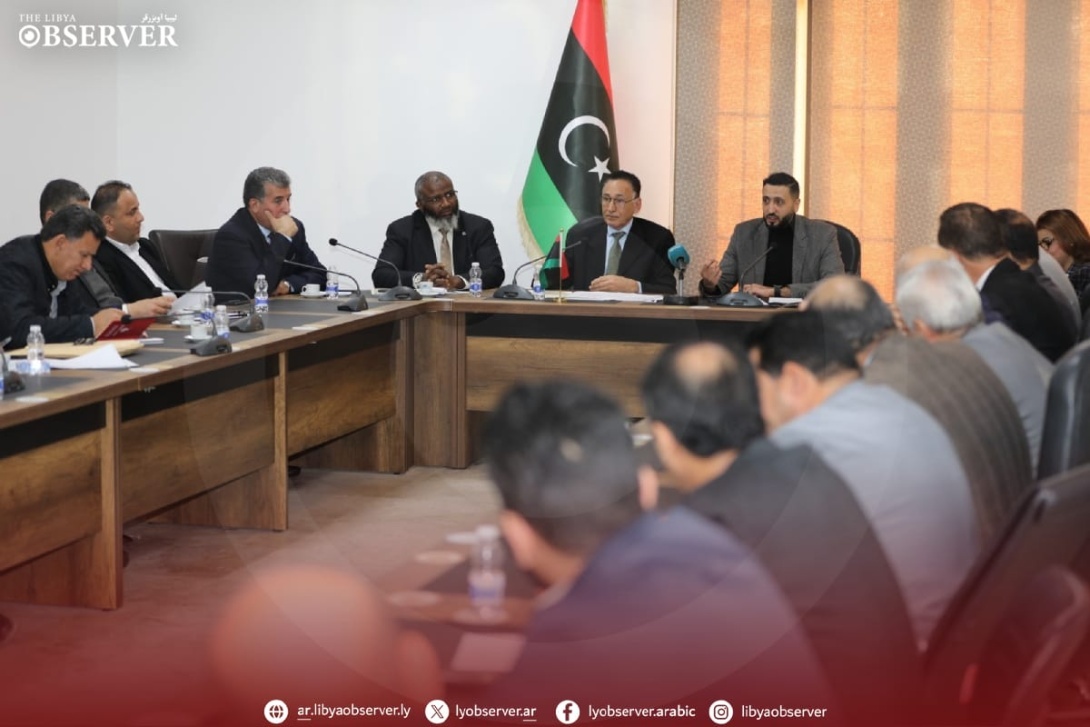
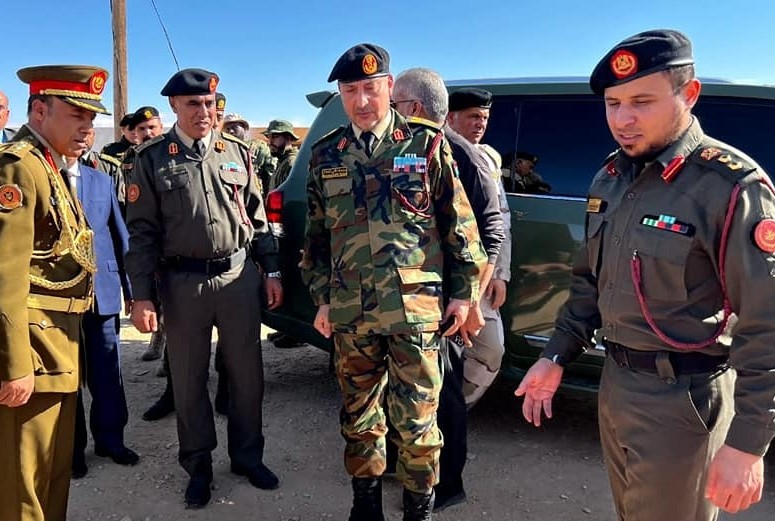
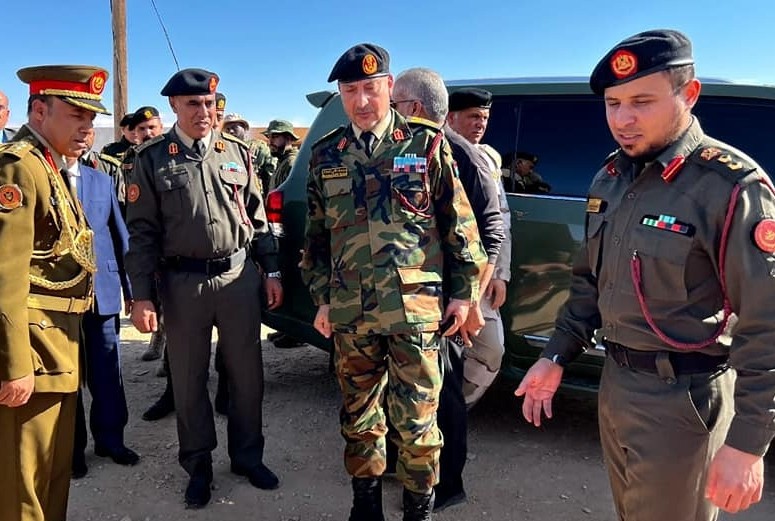
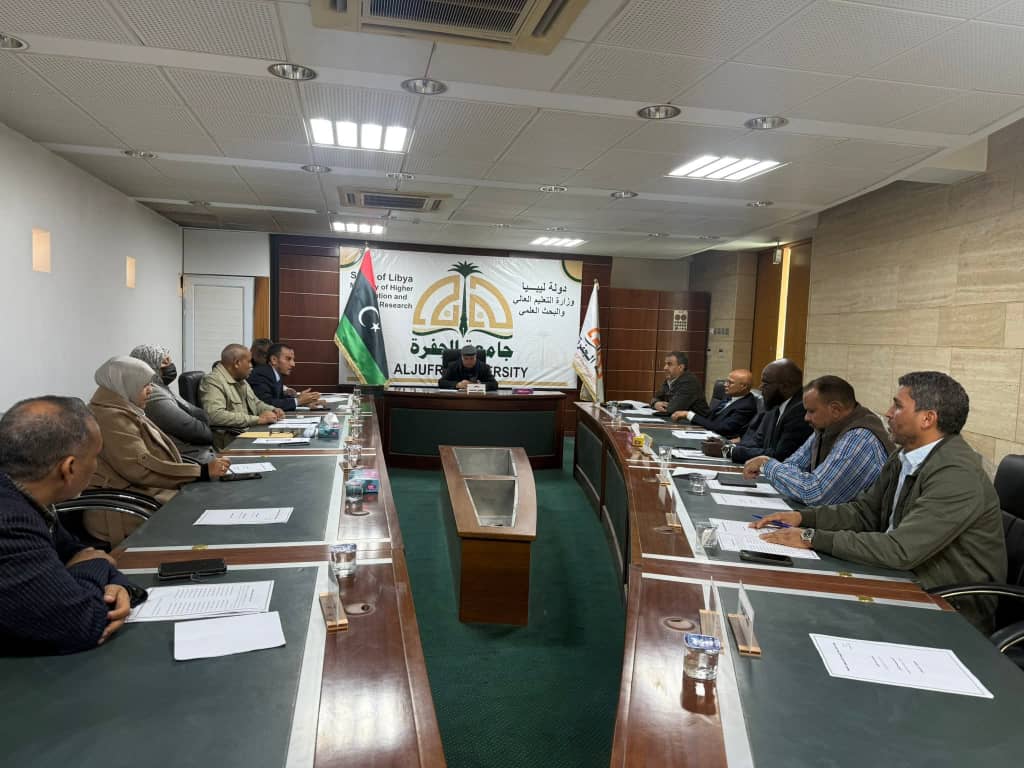
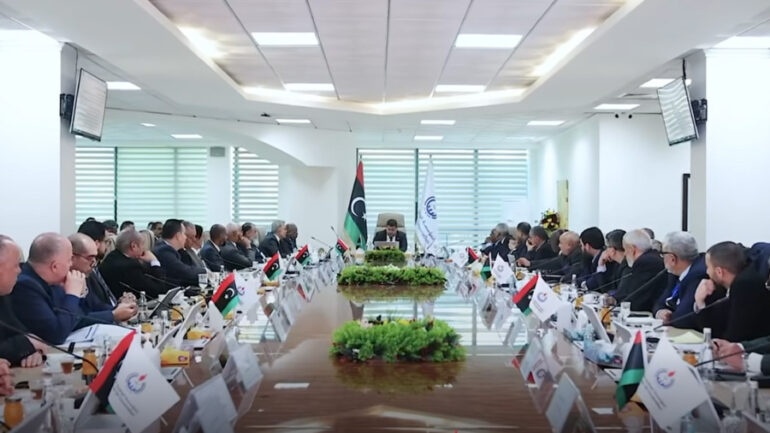
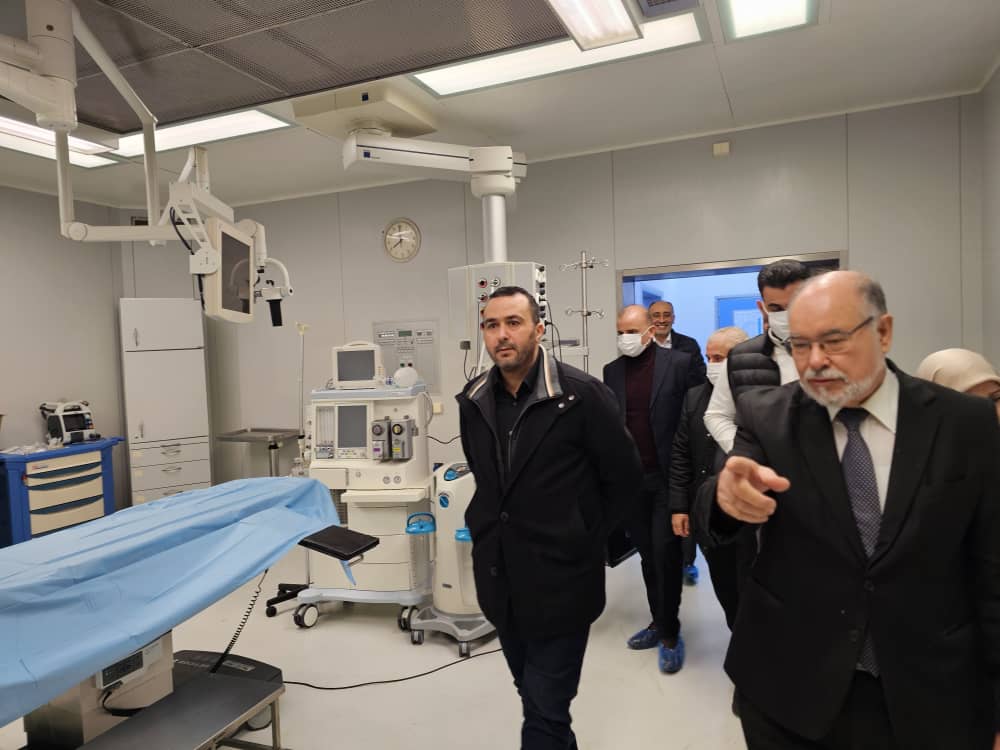
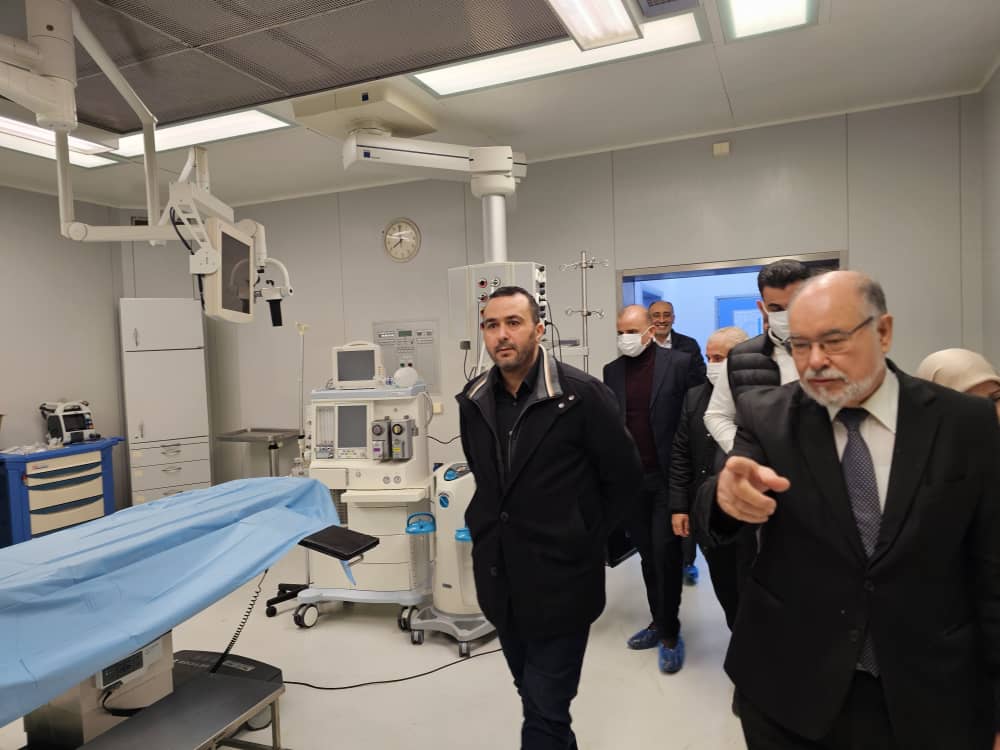
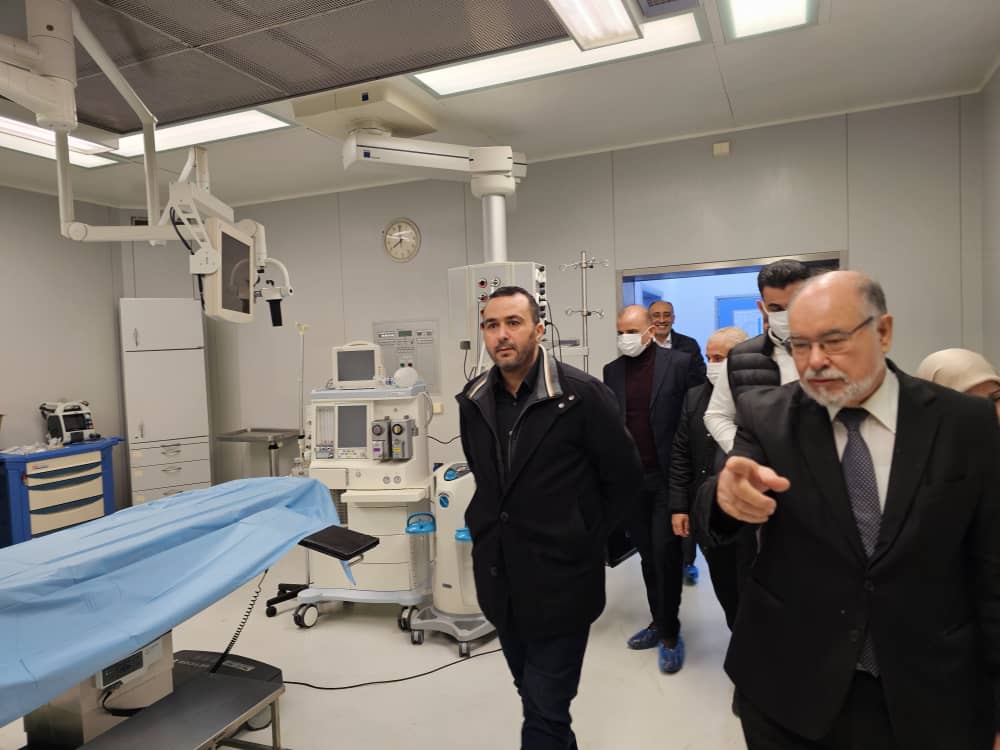
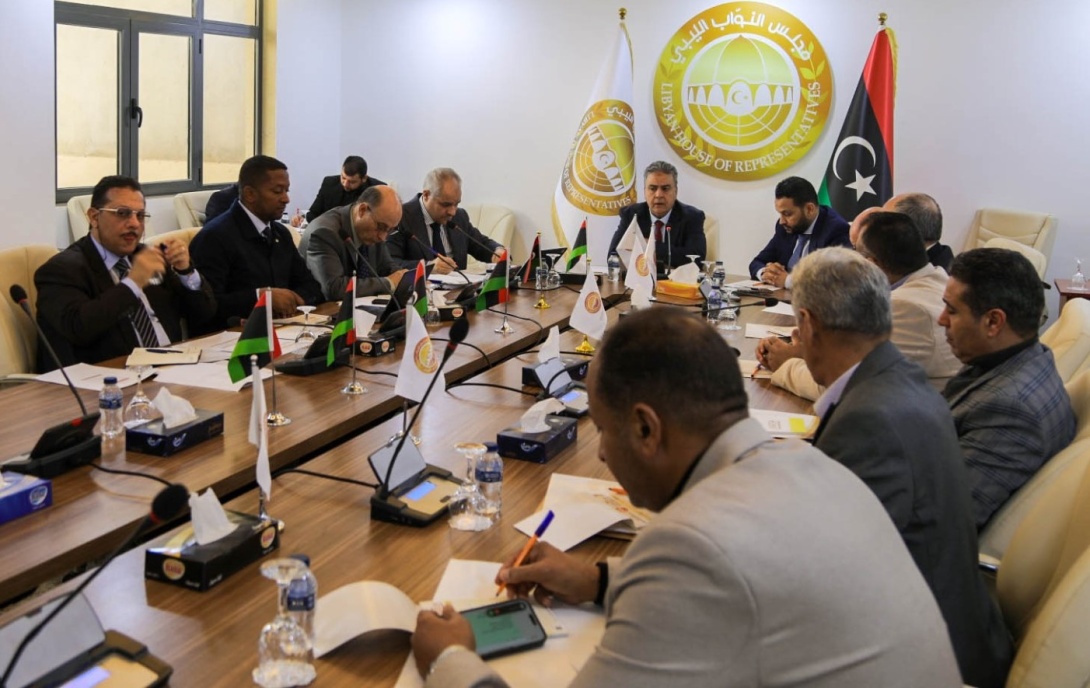
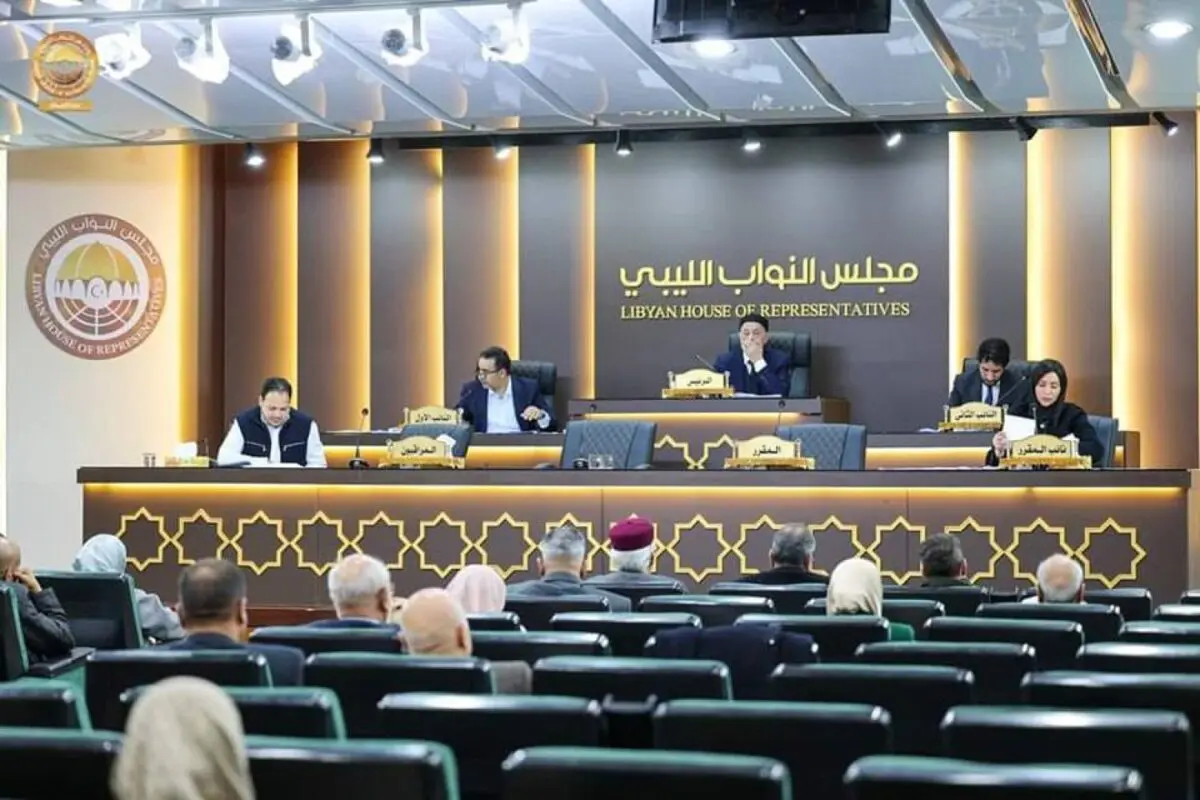
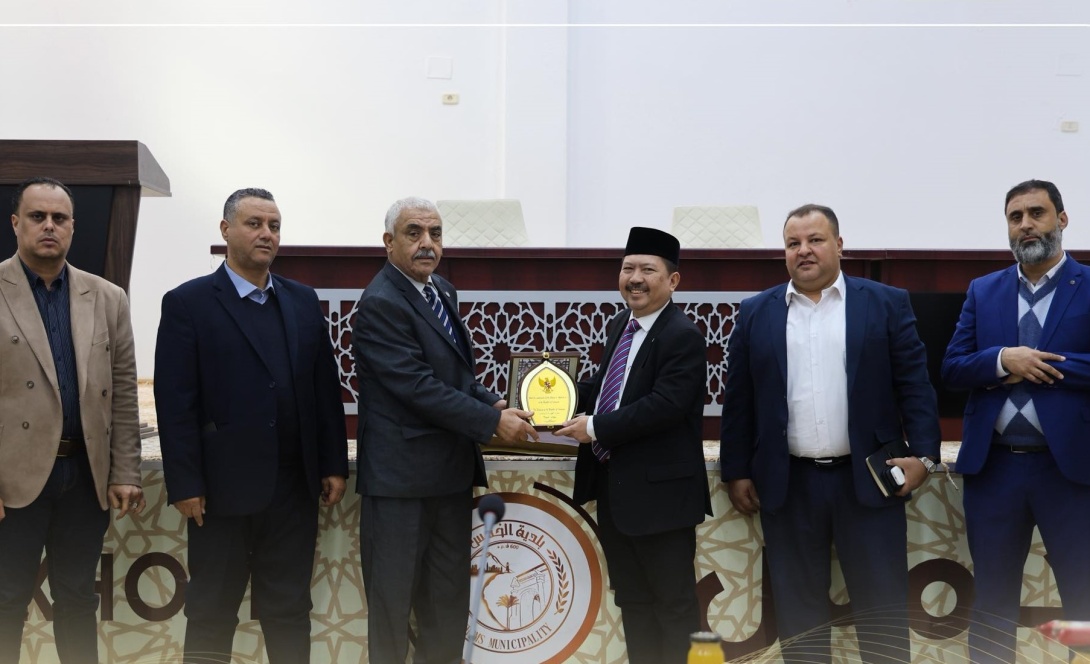
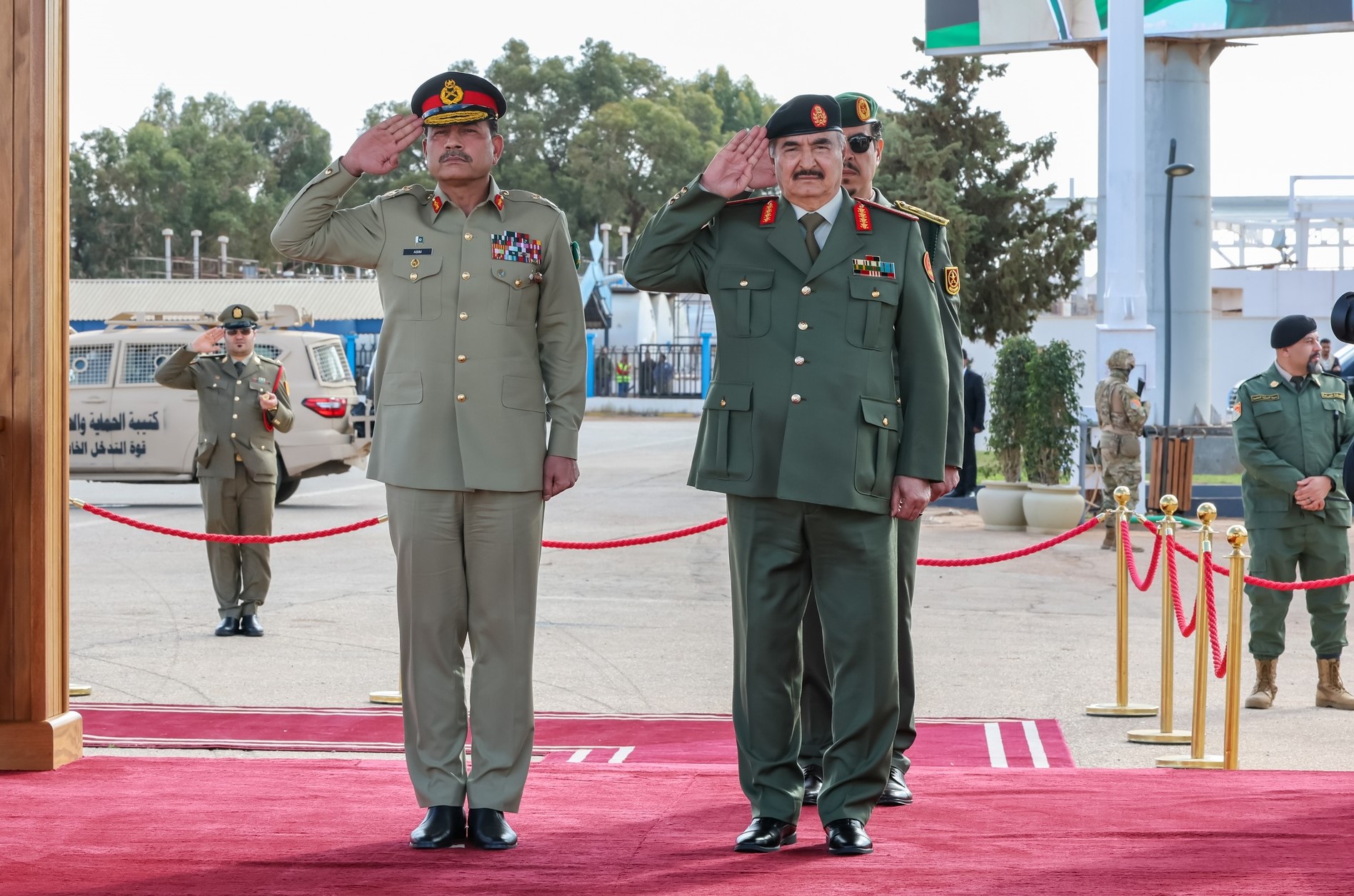
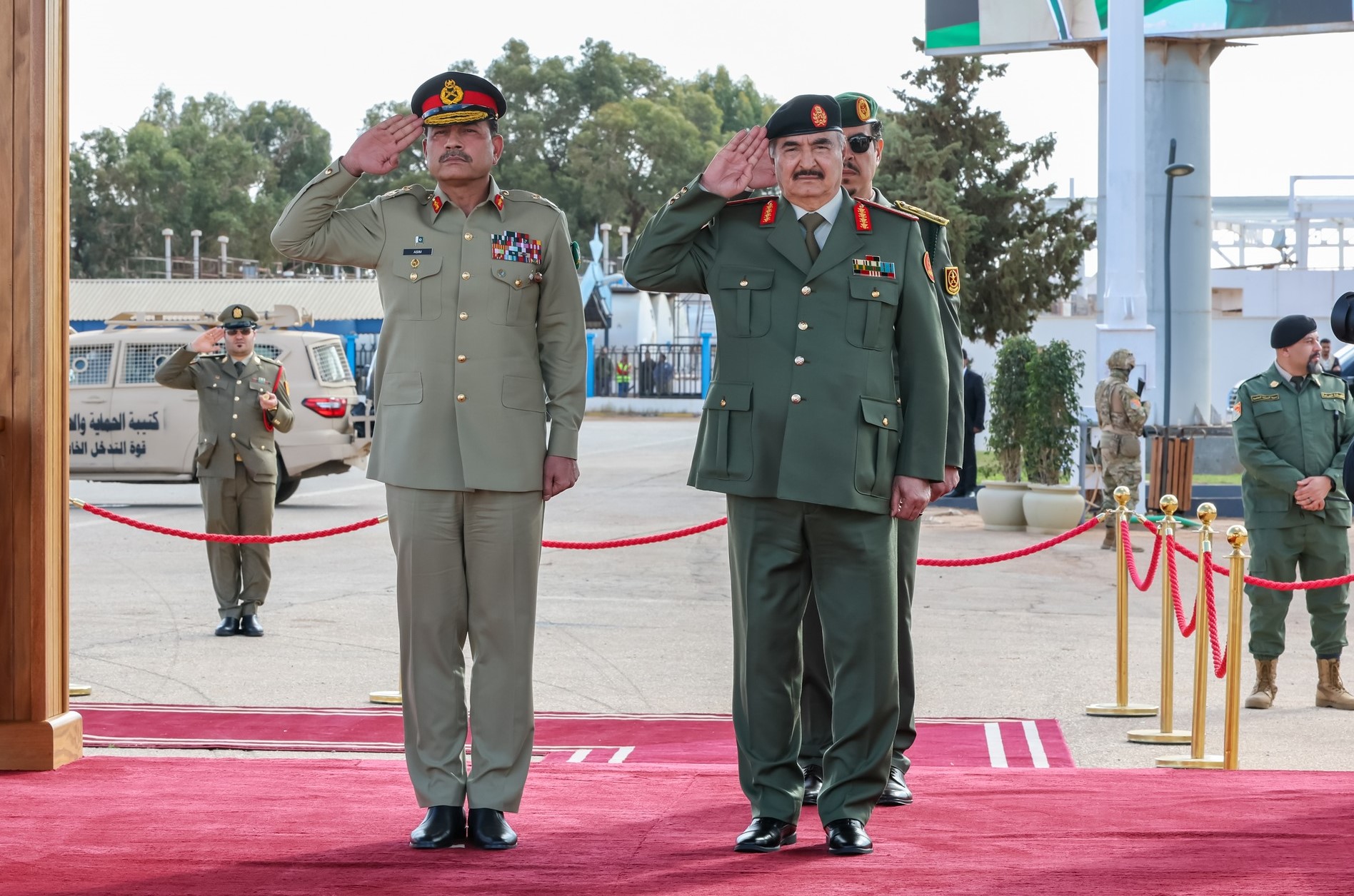
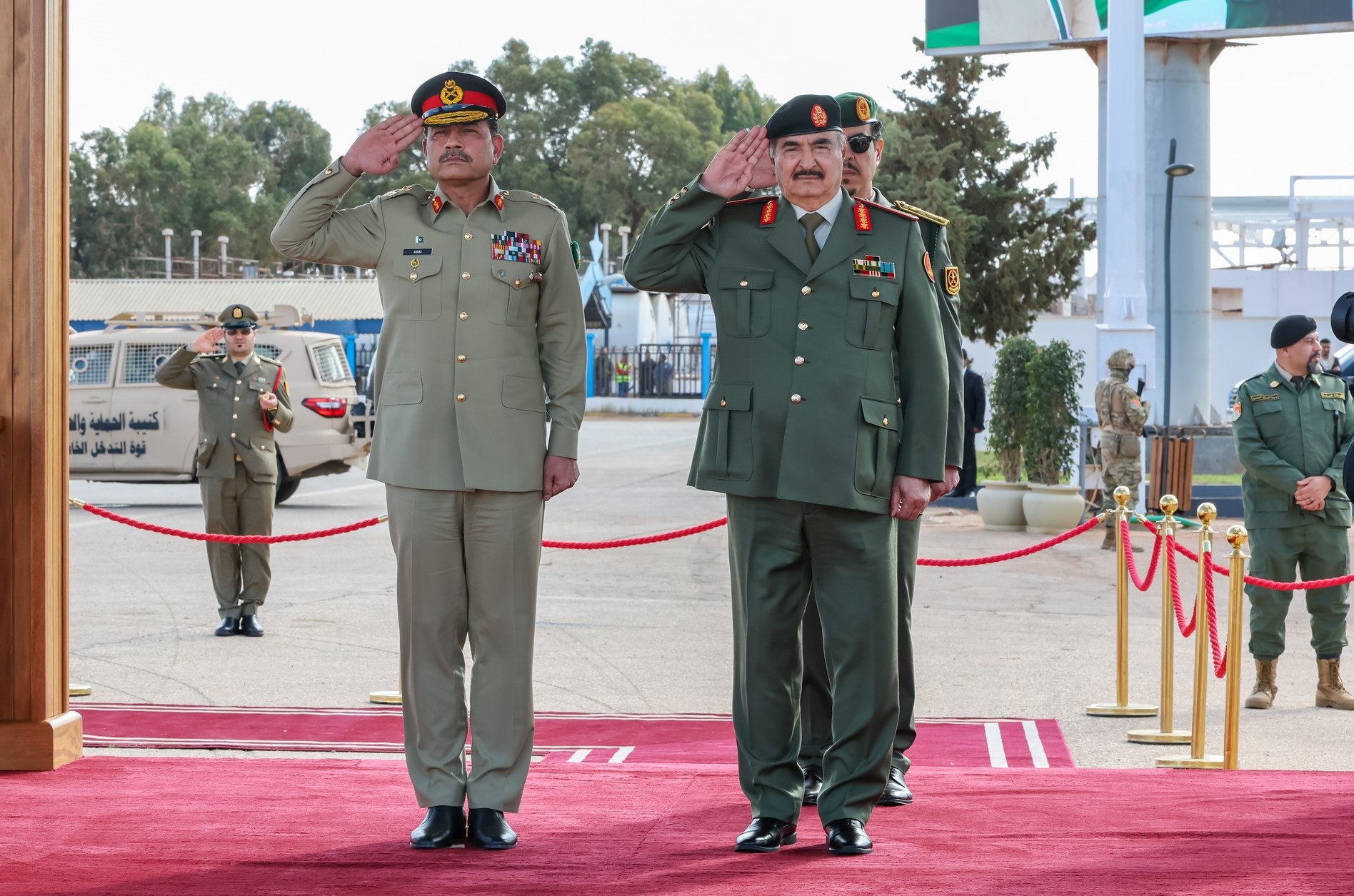
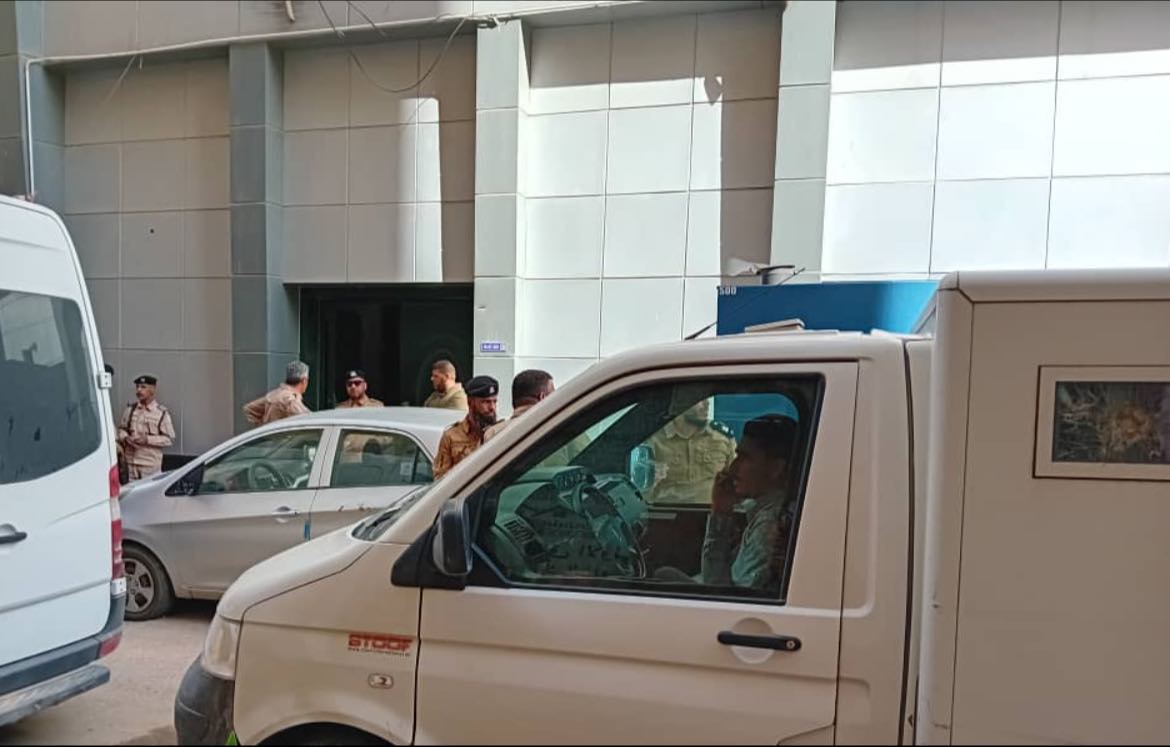
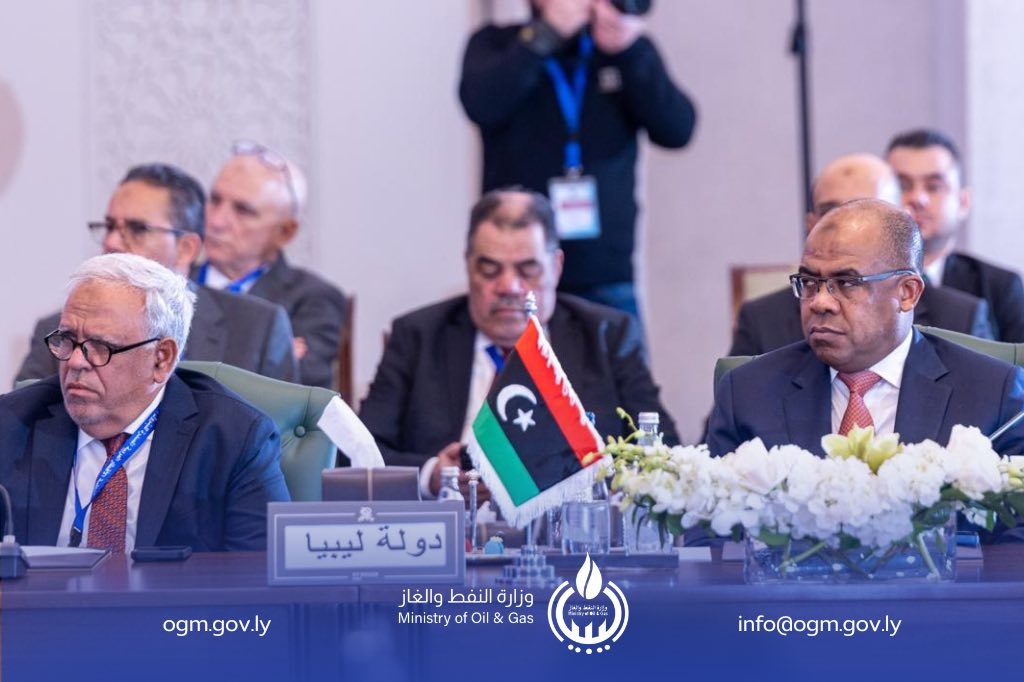
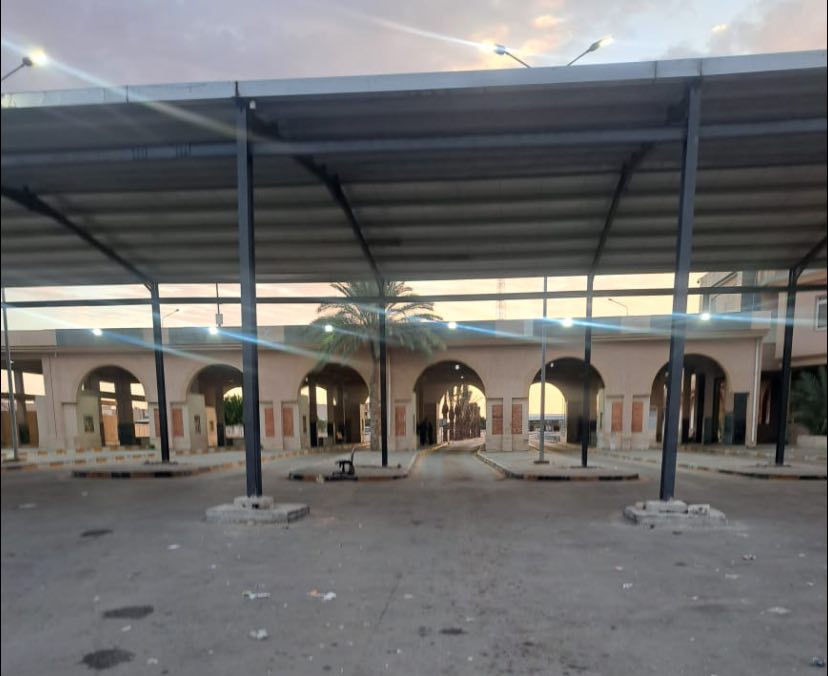
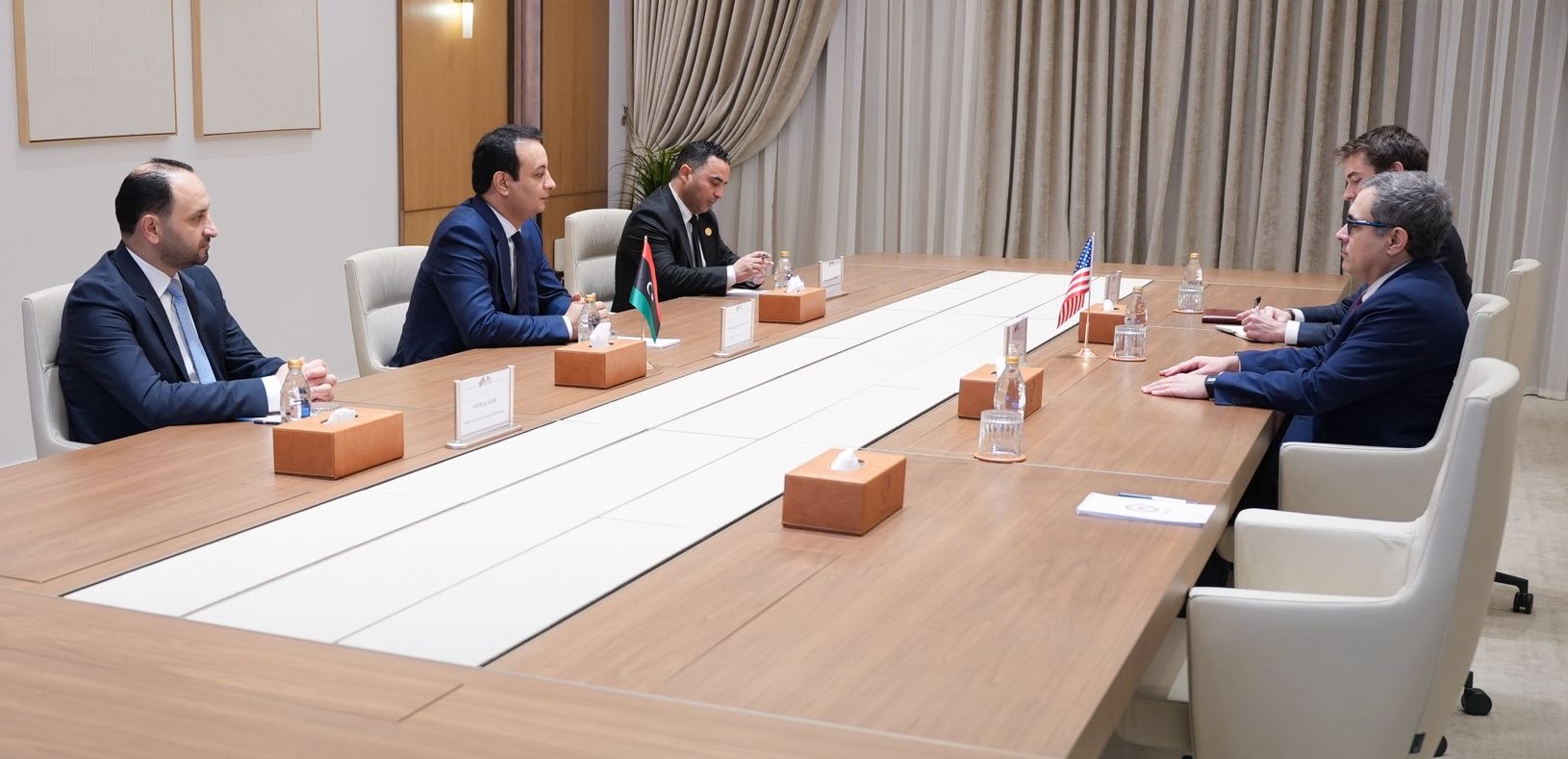
Tripoli, January 10, 2025 – The induction ceremony for new students enrolled in all military colleges began today at the headquarters of the Naval Academy. This marks the first step in launching the unified preparatory year.
According to the announcement, this new initiative is based on bringing all students together under a single educational and training framework during their first year. This ensures they receive a unified foundational knowledge and military base before moving on to specialized studies within their respective colleges.
It was confirmed that the key features of this stage are embodied in a unified training and educational curriculum applied to all enrollees without exception. It also involves creating a common environment by integrating students from the (Land, Naval, Air, Air Defense, and Military Engineering) colleges in one location to foster a spirit of teamwork. Additionally, the focus is on building fundamental skills and military discipline as a primary cornerstone for all specializations.
…
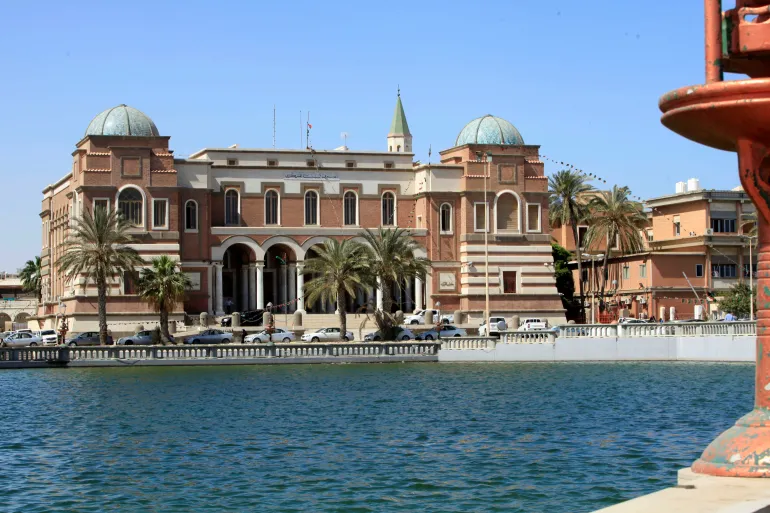
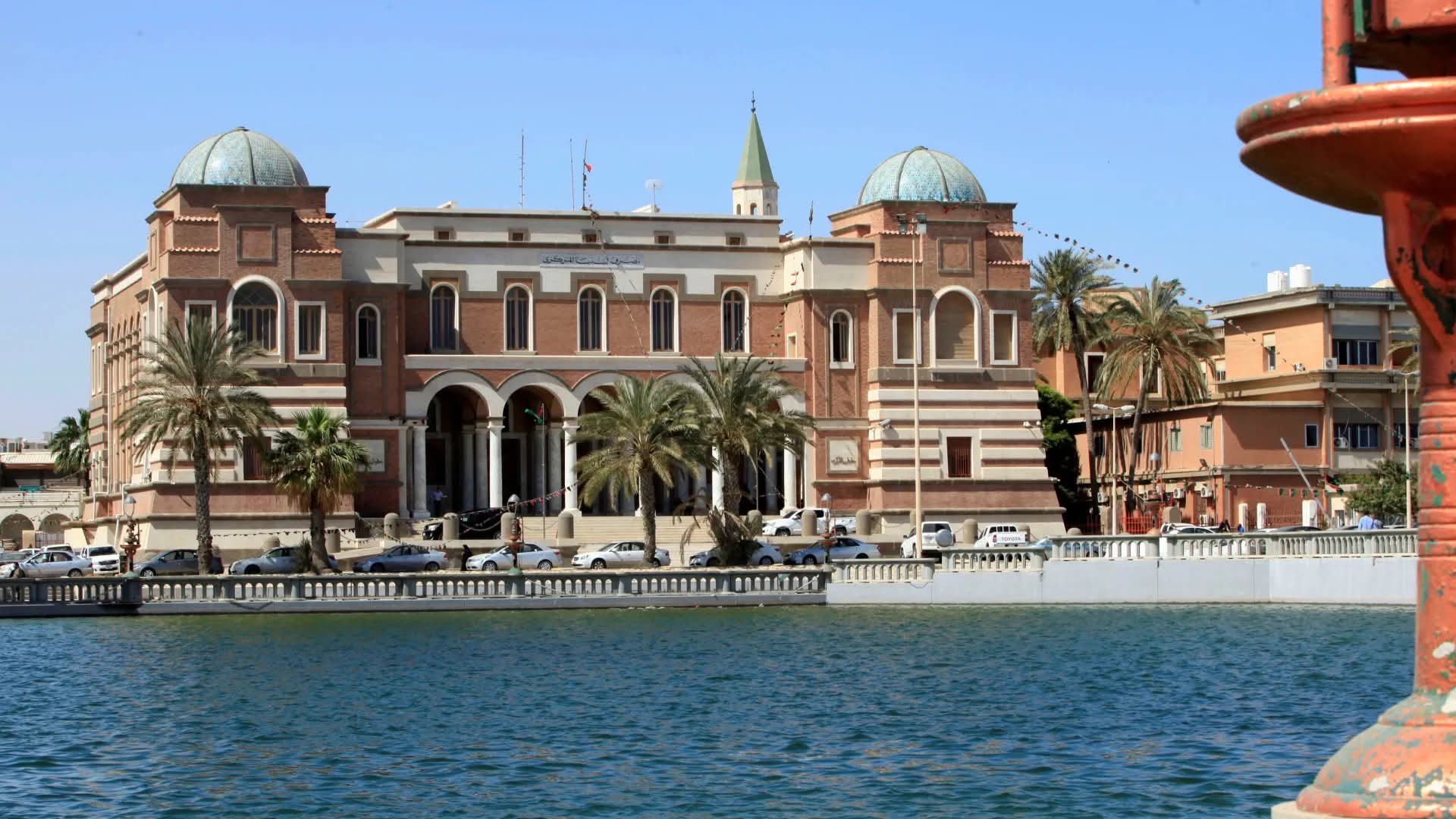
Tripoli
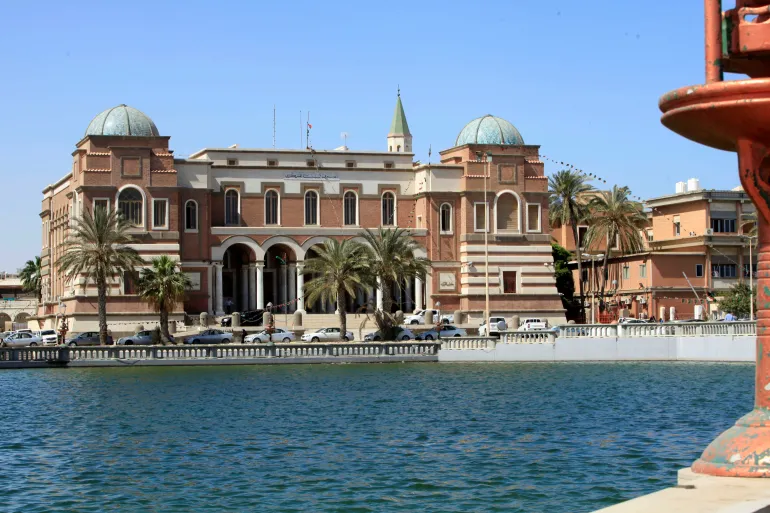
Tripoli is the capital and largest city of Libya, located on the country’s Mediterranean coast. Historically, it was founded by the Phoenicians in the 7th century BC and has since been ruled by the Romans, Arabs, Ottomans, and Italians, serving as a major center of trade and culture in North Africa. Its historic core, the medina of Old Tripoli, contains ancient architecture and landmarks like the Arch of Marcus Aurelius.
Naval Academy
The United States Naval Academy, founded in 1845 in Annapolis, Maryland, is the undergraduate college of the U.S. Navy and Marine Corps. It was established to educate and train officers, replacing the earlier practice of training midshipmen solely at sea.
Land colleges
“Land colleges” refers to land-grant colleges and universities in the United States, established following the Morrill Acts of 1862 and 1890. These institutions were created to provide accessible education in agriculture, science, engineering, and military tactics, funded by federal land sales. Their founding significantly expanded higher education and practical training across the country.
Naval colleges
Naval colleges are specialized military academies that train officers for naval service, with many having origins dating back to the Age of Sail when formal maritime education became essential for naval power. Notable examples include the United States Naval Academy, founded in 1845, and Britain’s Royal Naval College, which traces its lineage to the 18th century. These institutions combine rigorous academic, military, and physical training to prepare leaders for maritime and naval defense roles.
Air colleges
Air colleges are specialized military training institutions focused on aviation and aerospace education, often established to develop skilled personnel for national air forces. Their history typically dates to the early 20th century alongside the advent of military aviation, with many founded during or after World War I and II to meet the growing demand for pilots, engineers, and support staff.
Air Defense colleges
Air Defense colleges are specialized military academies focused on training personnel in the strategies and technologies of aerial warfare defense. Their history is generally tied to the broader development of air forces and anti-aircraft systems, particularly expanding during and after the Cold War era with advancements in radar and missile technology. These institutions are crucial for national security, preparing officers to operate and manage complex air defense networks.
Military Engineering colleges
Military engineering colleges are specialized institutions that train officers in the design, construction, and maintenance of military infrastructure and technology. Their history is deeply tied to the formalization of national armies, with many established in the 18th and 19th centuries to provide technical expertise for fortifications, logistics, and siege warfare. Today, they educate engineers in both traditional and advanced fields like cybersecurity and ballistic systems.