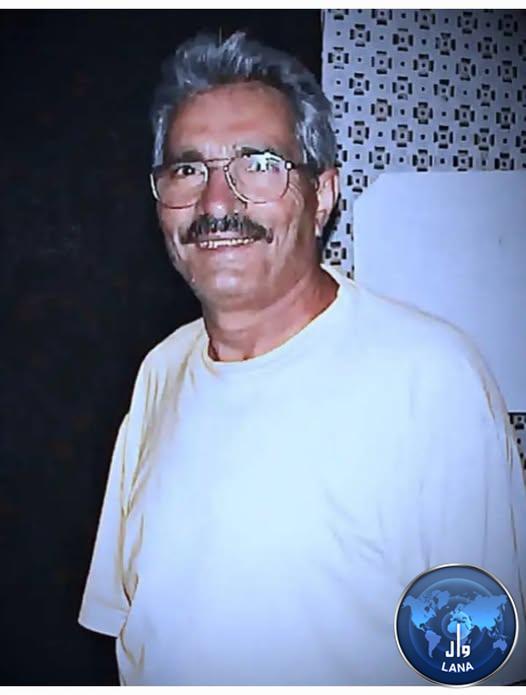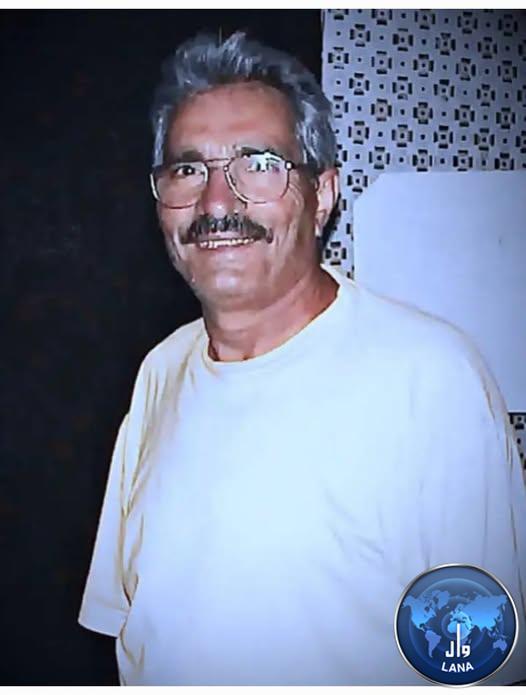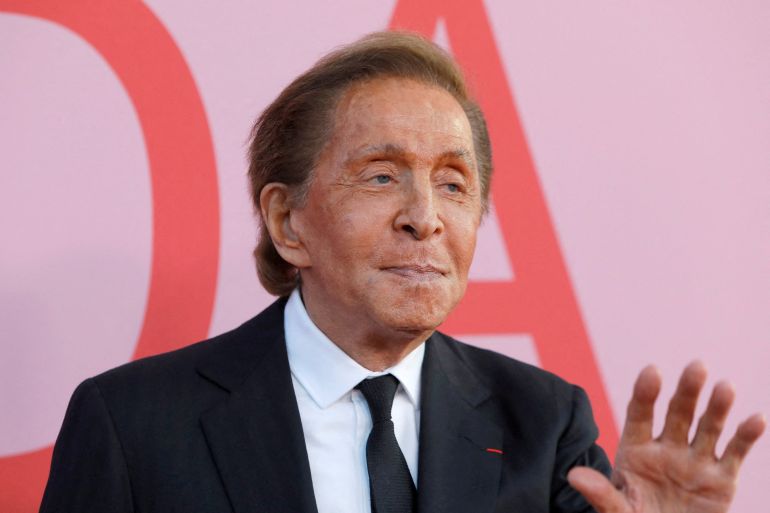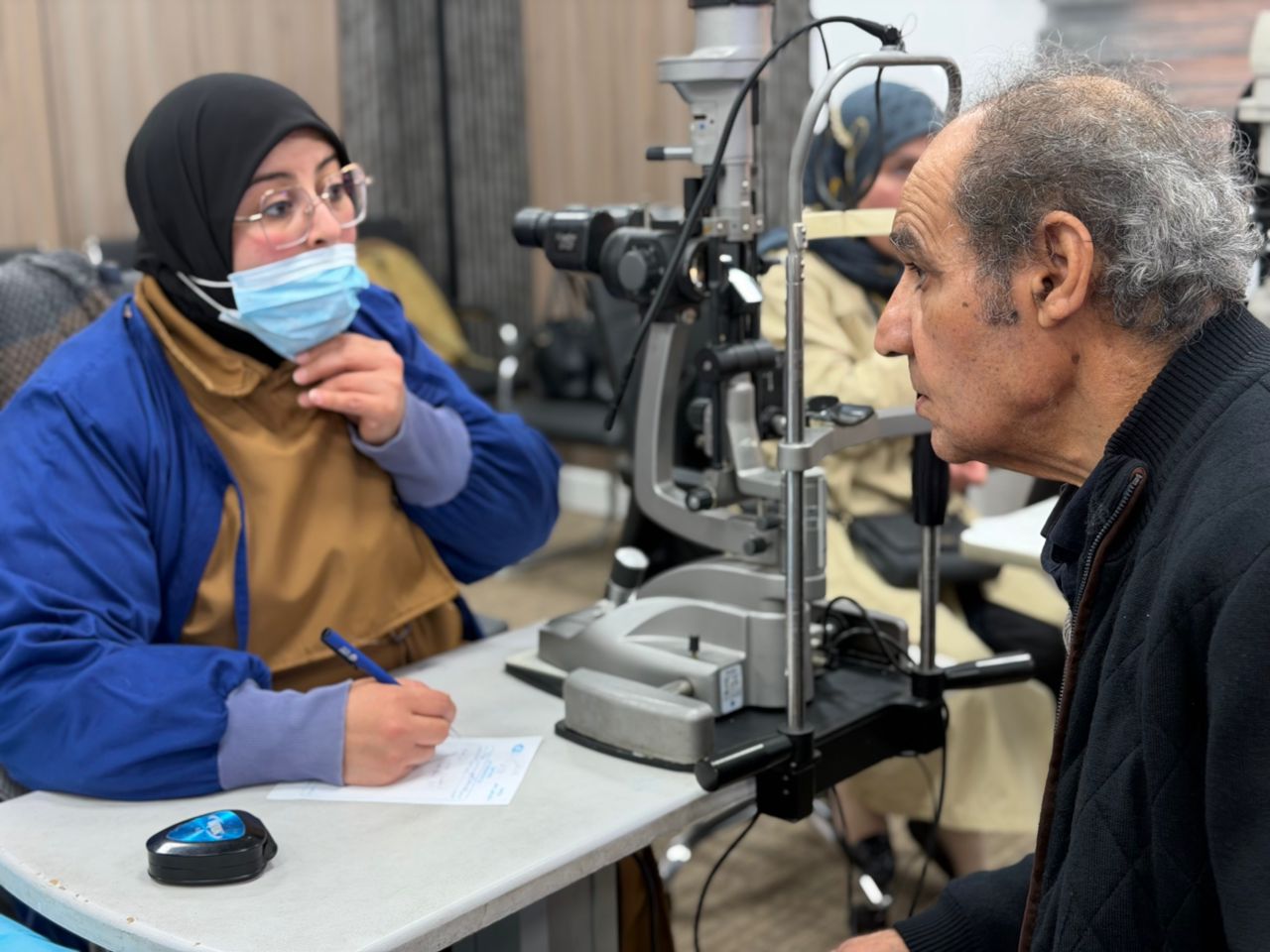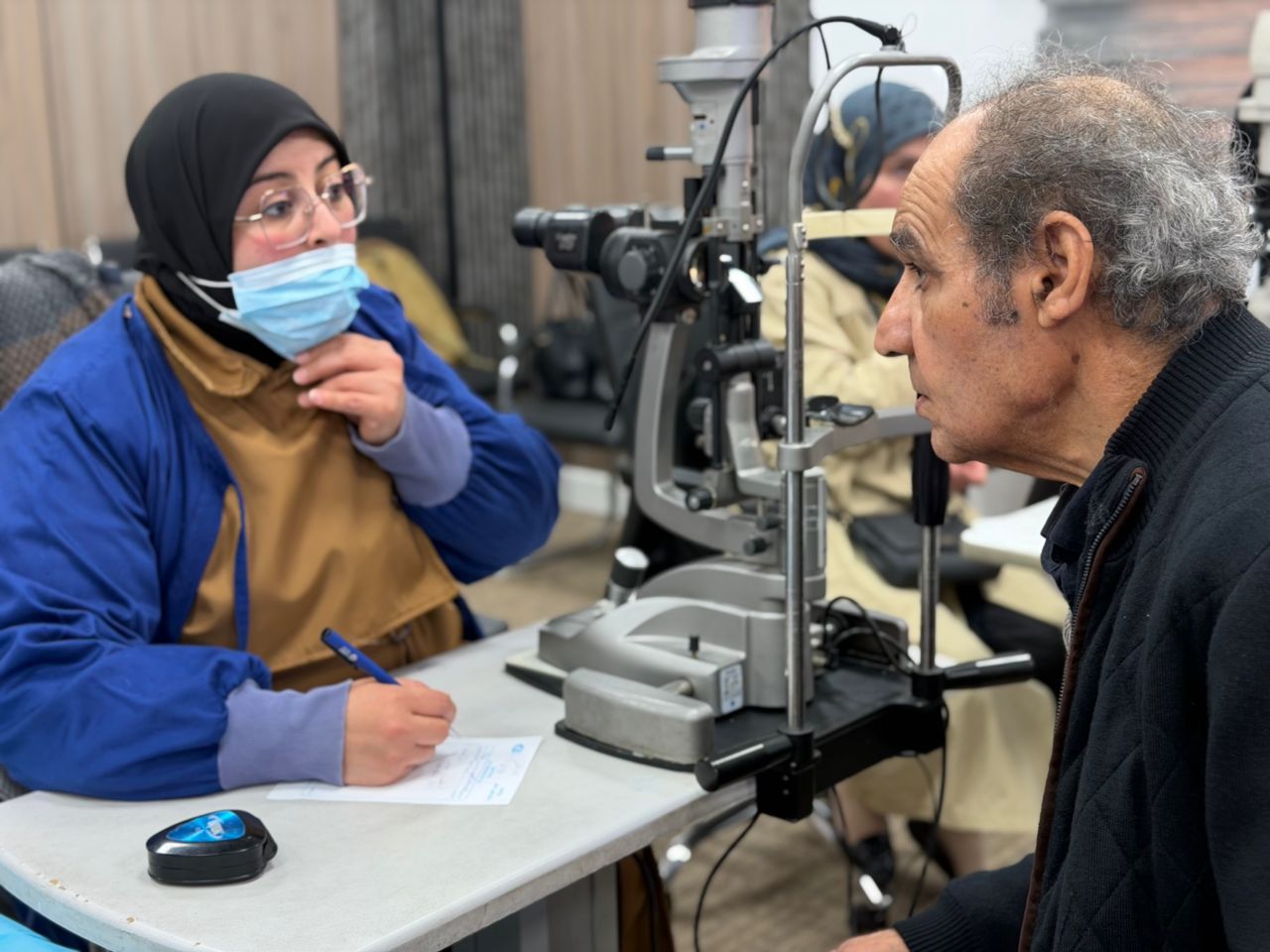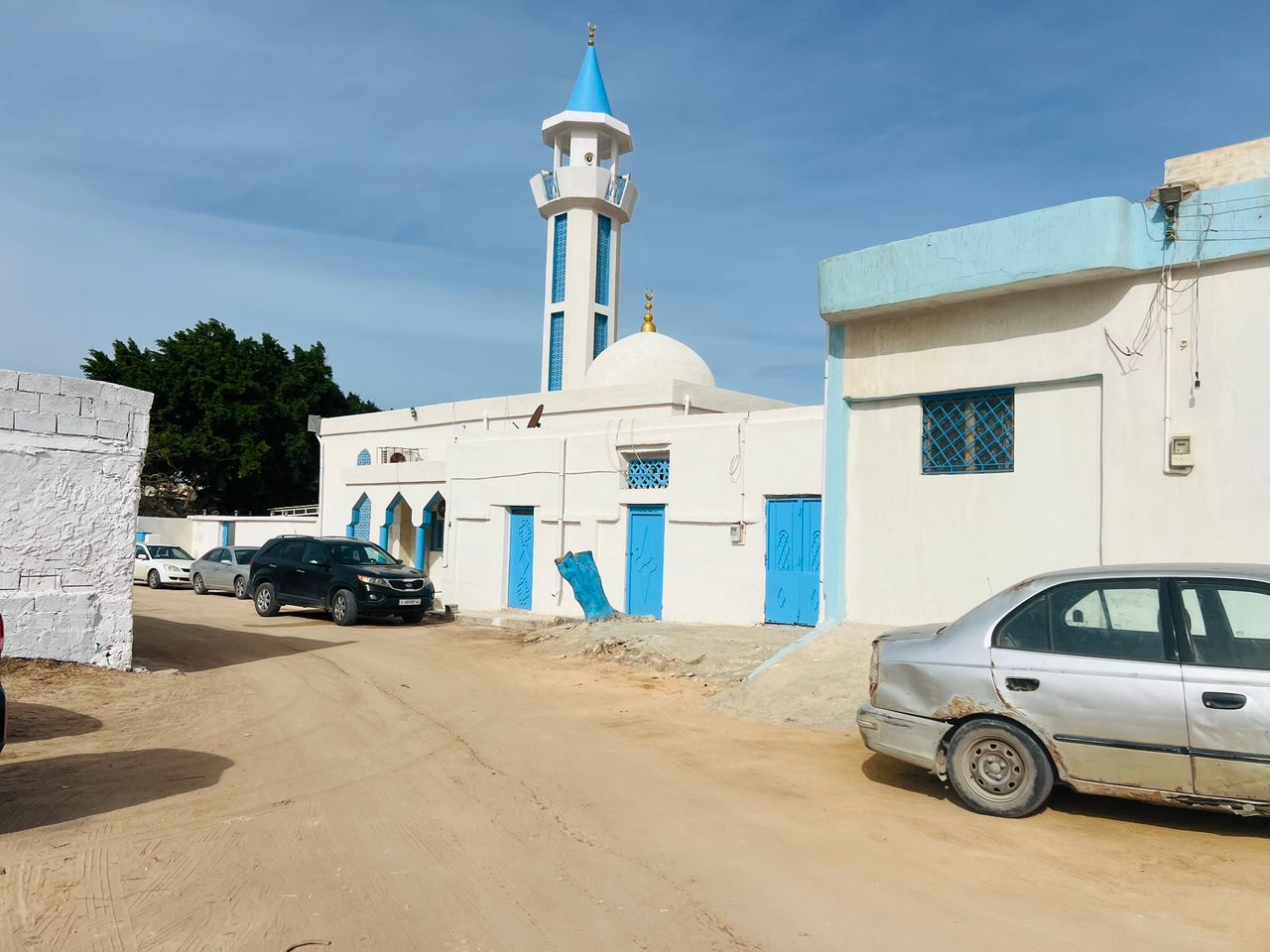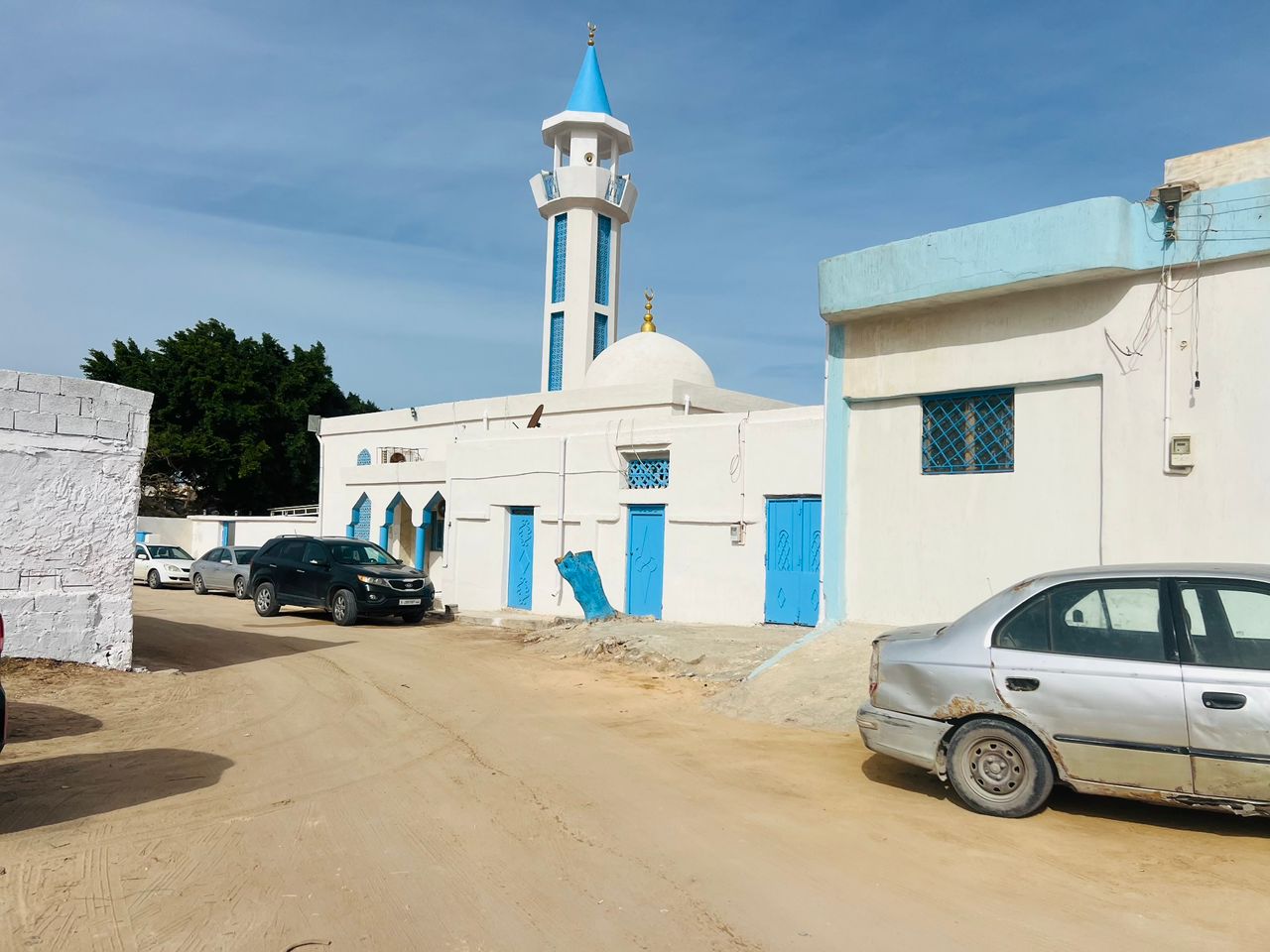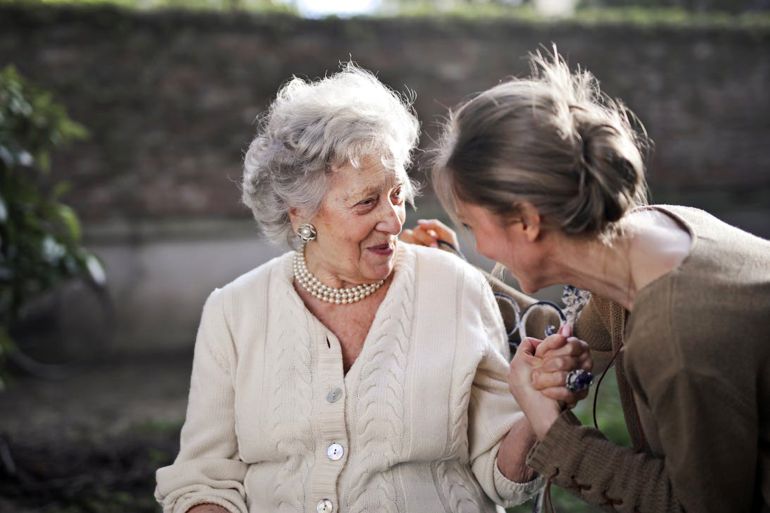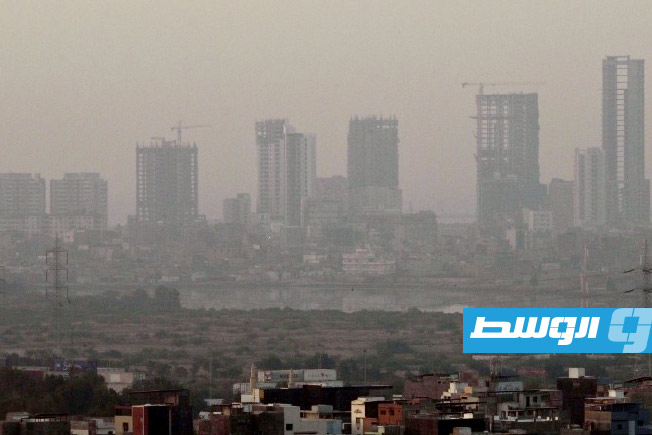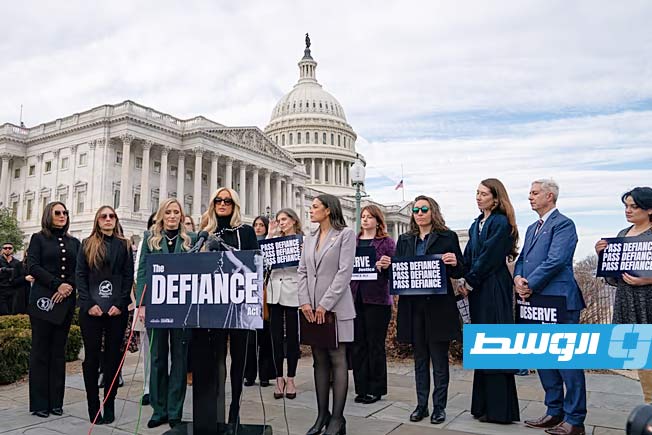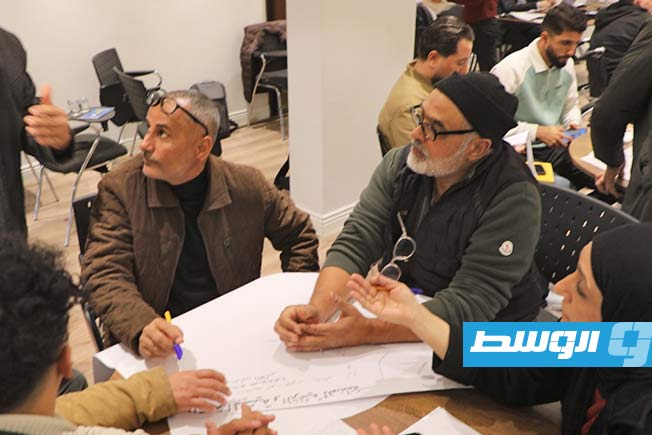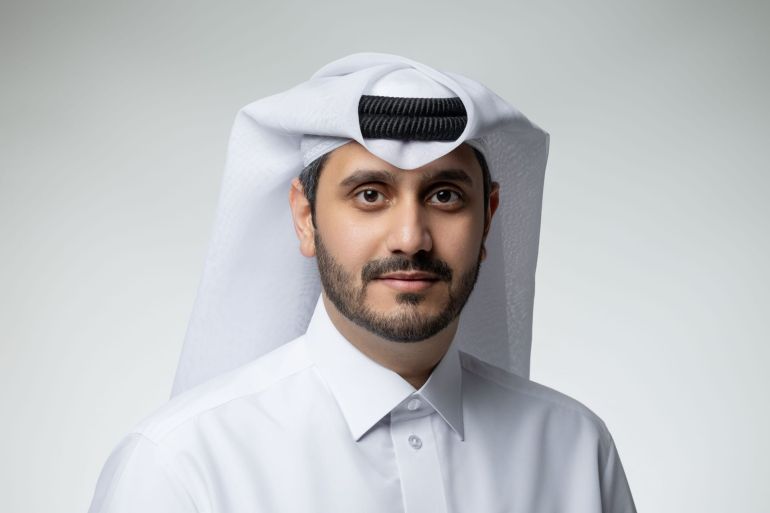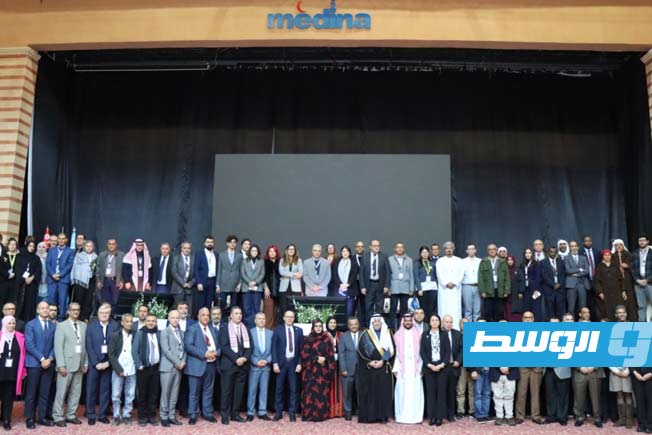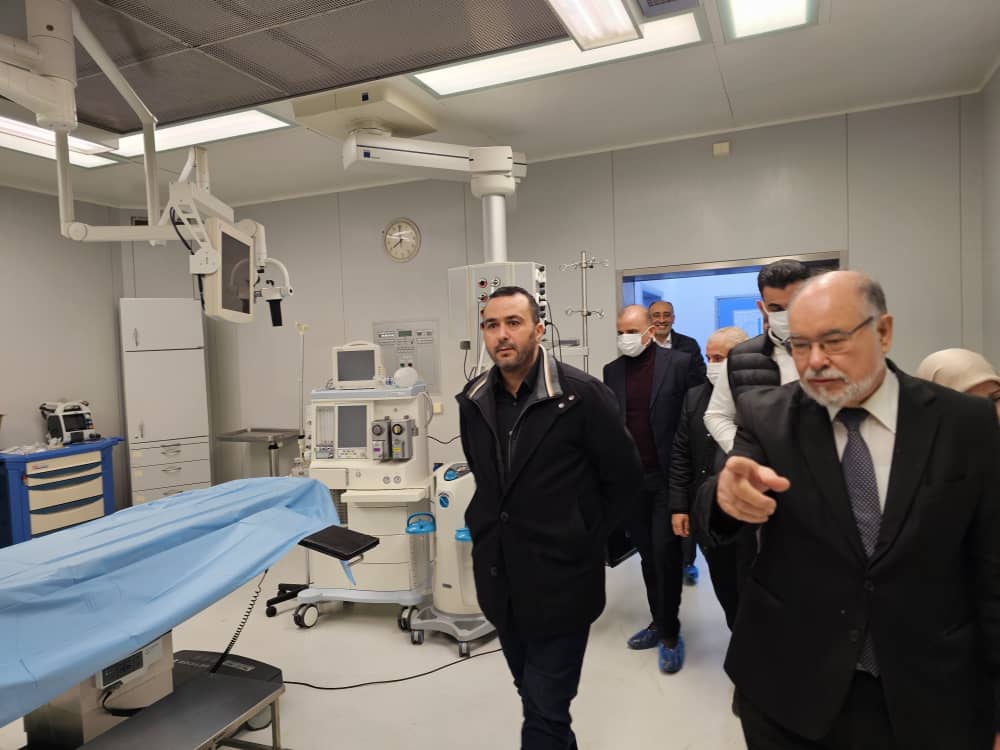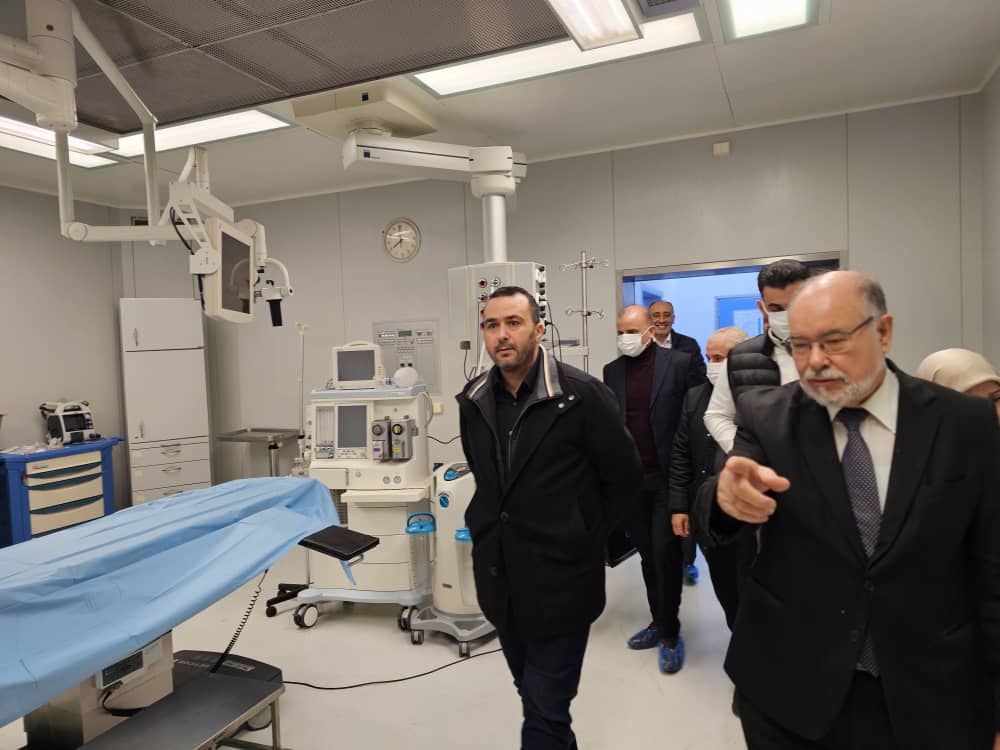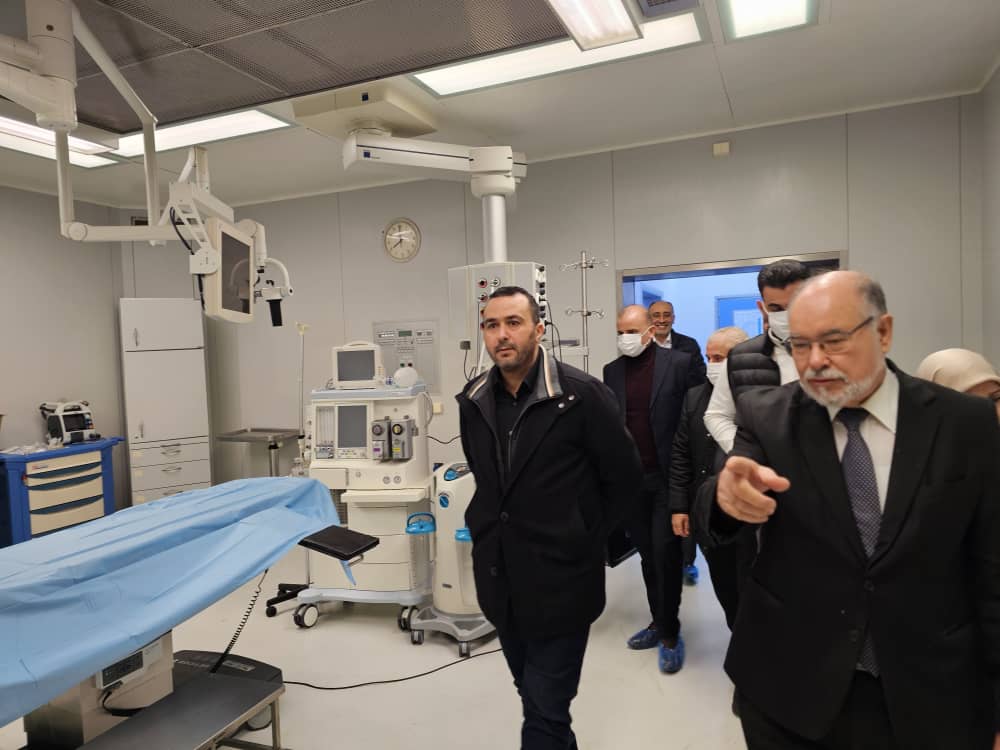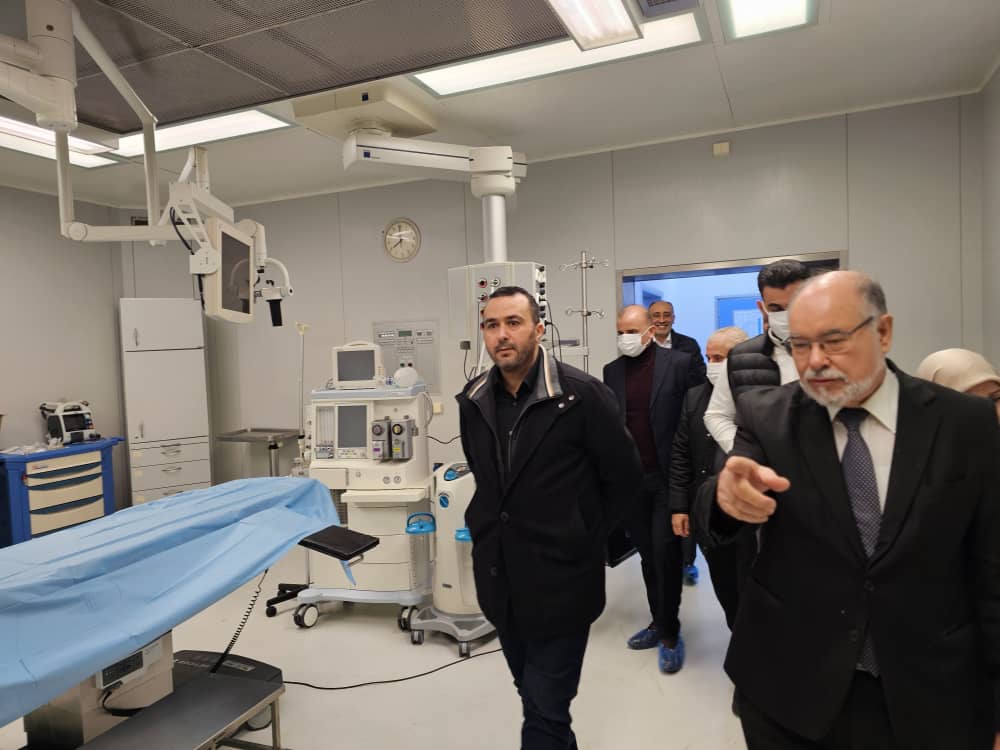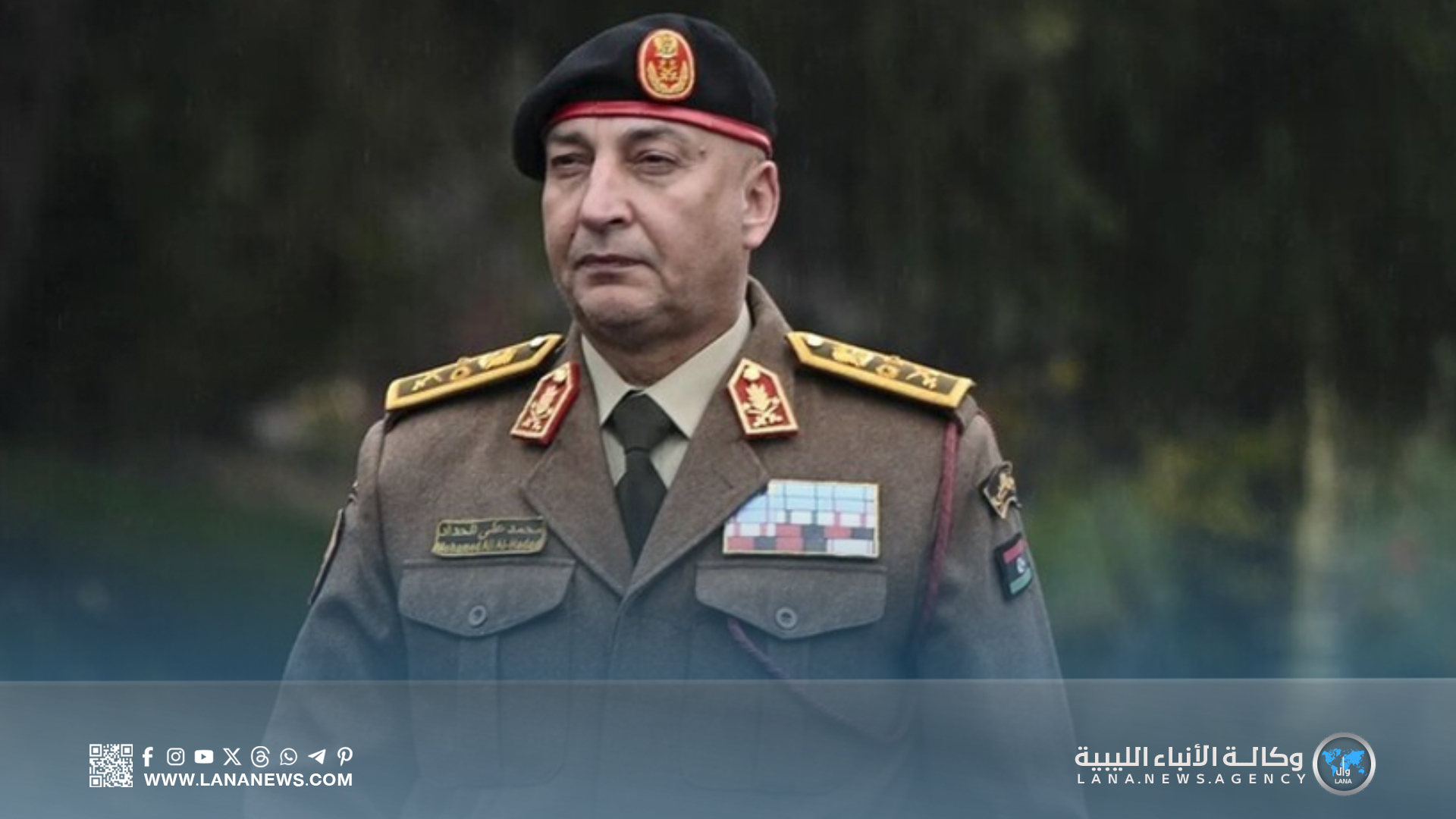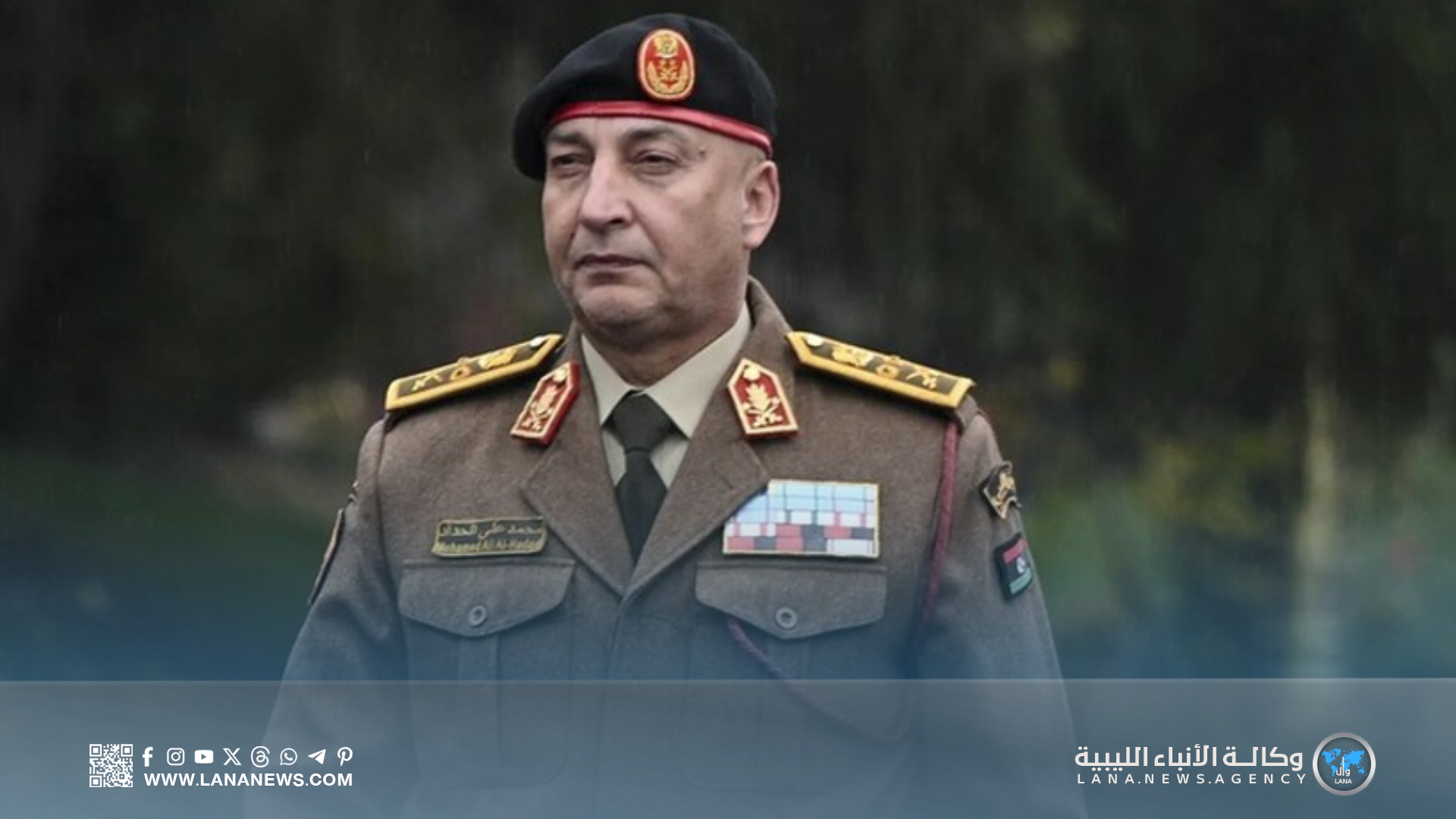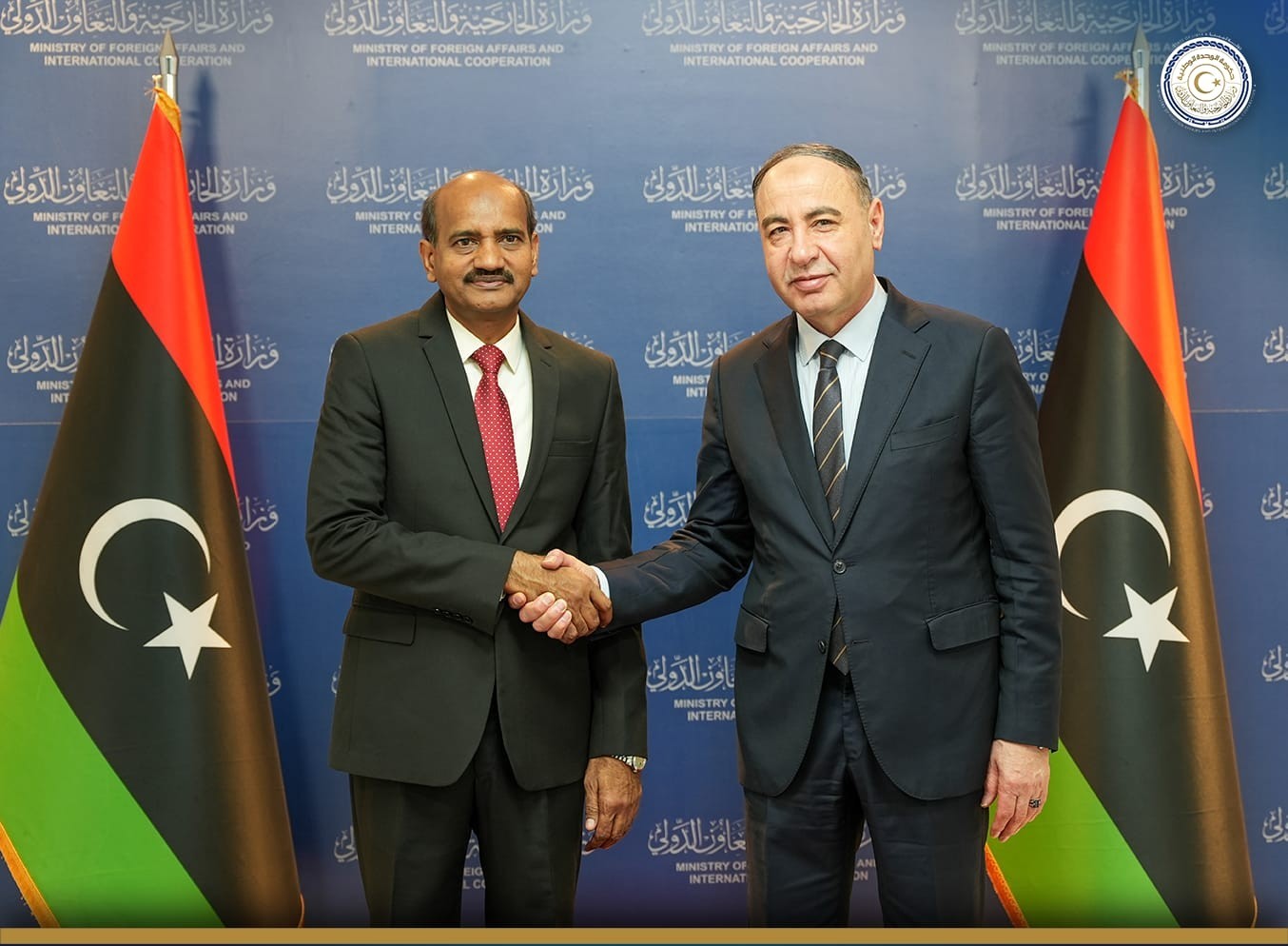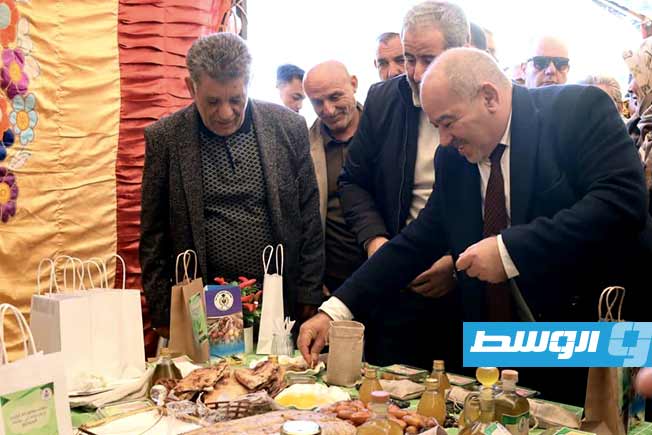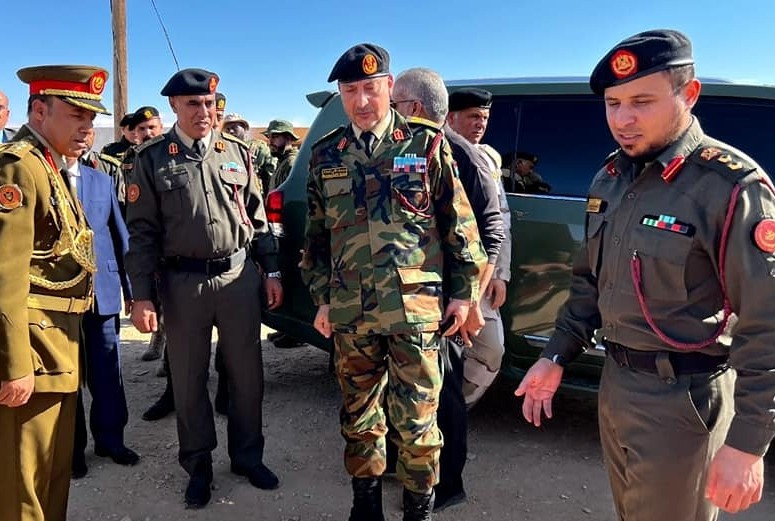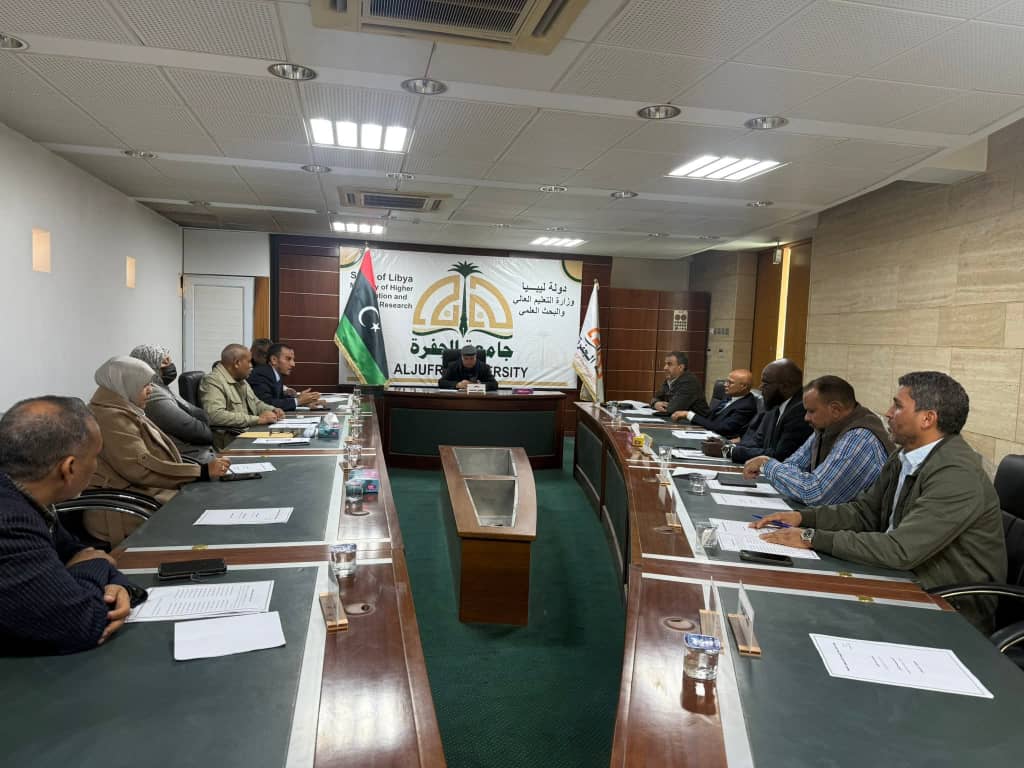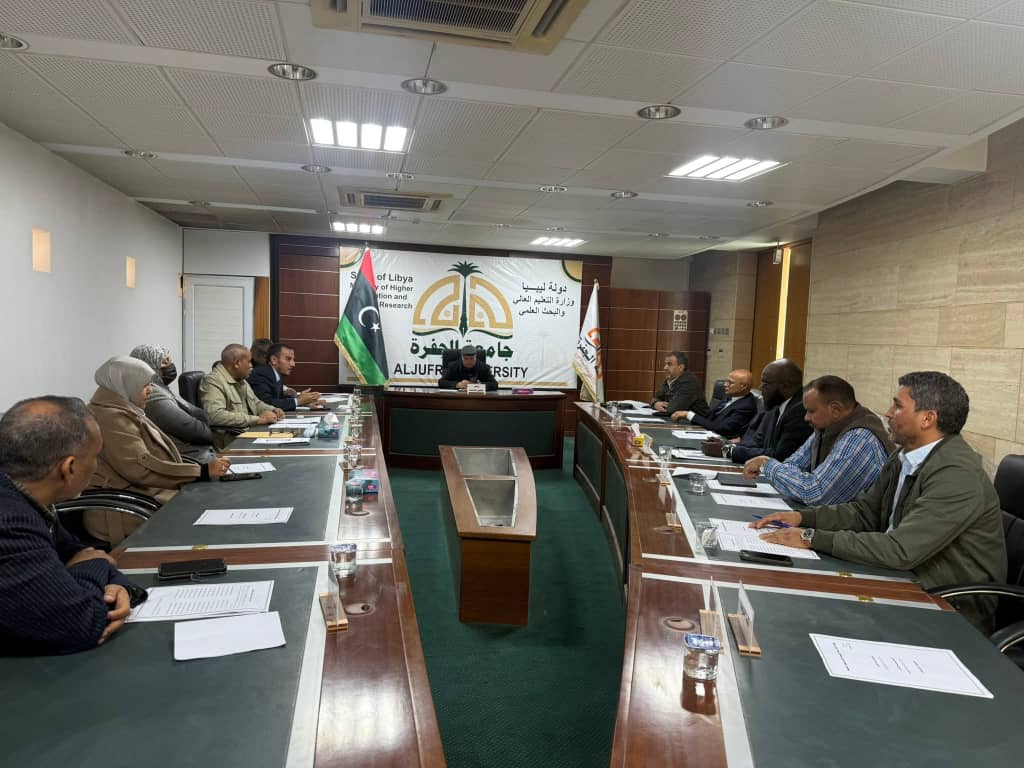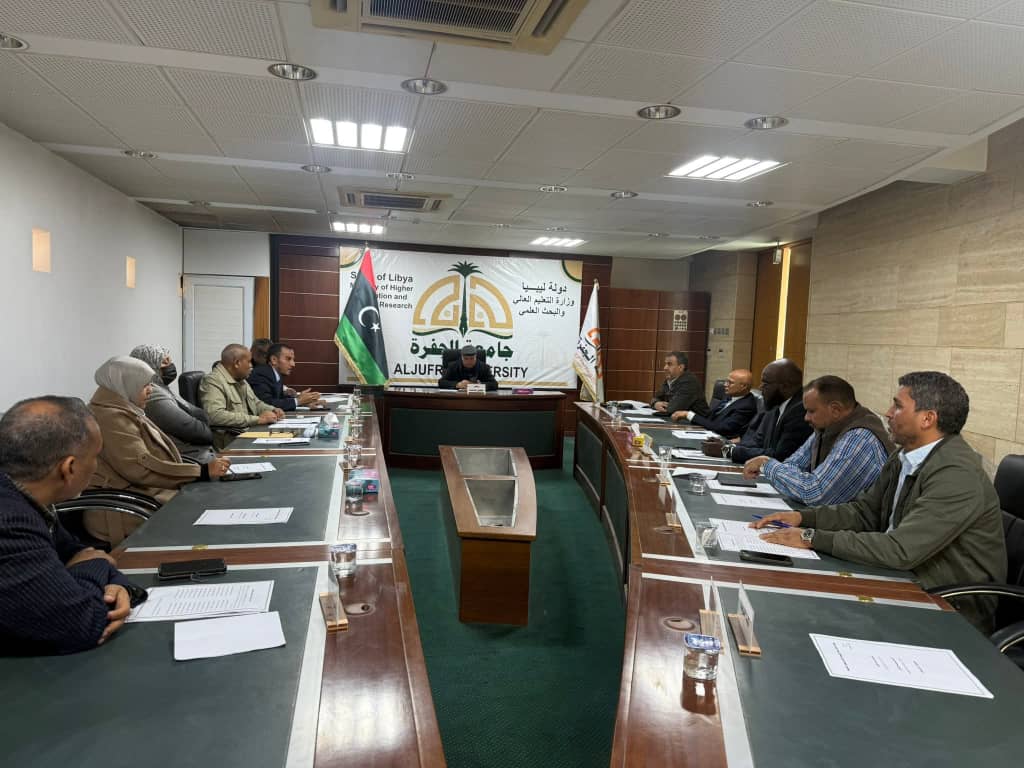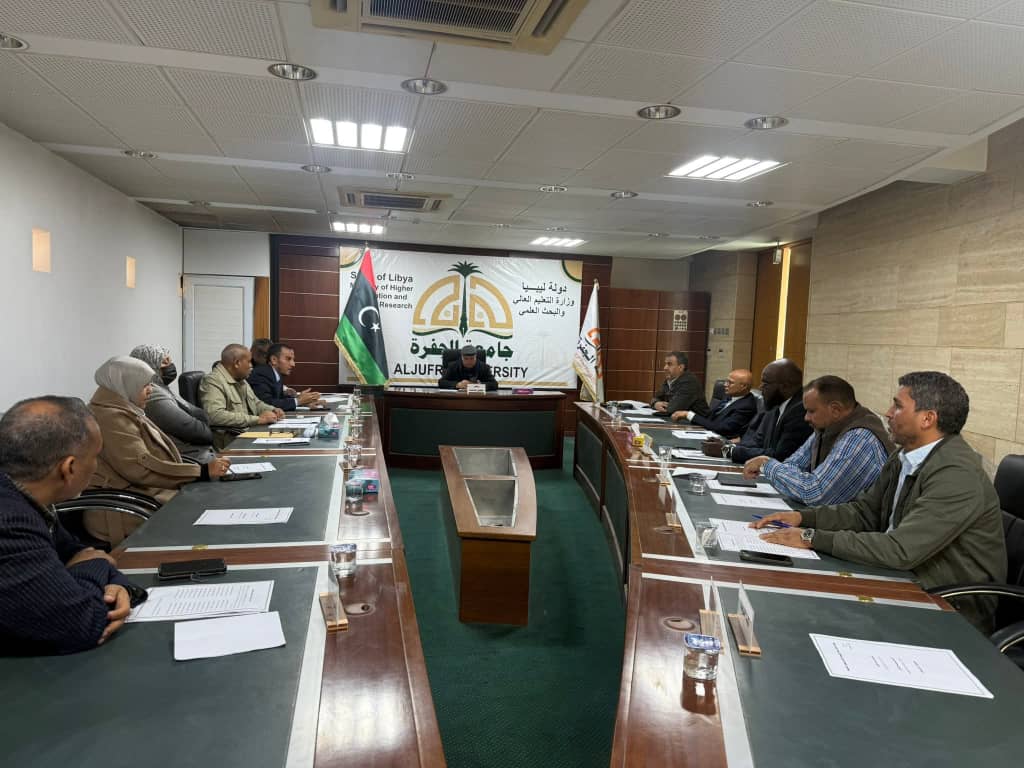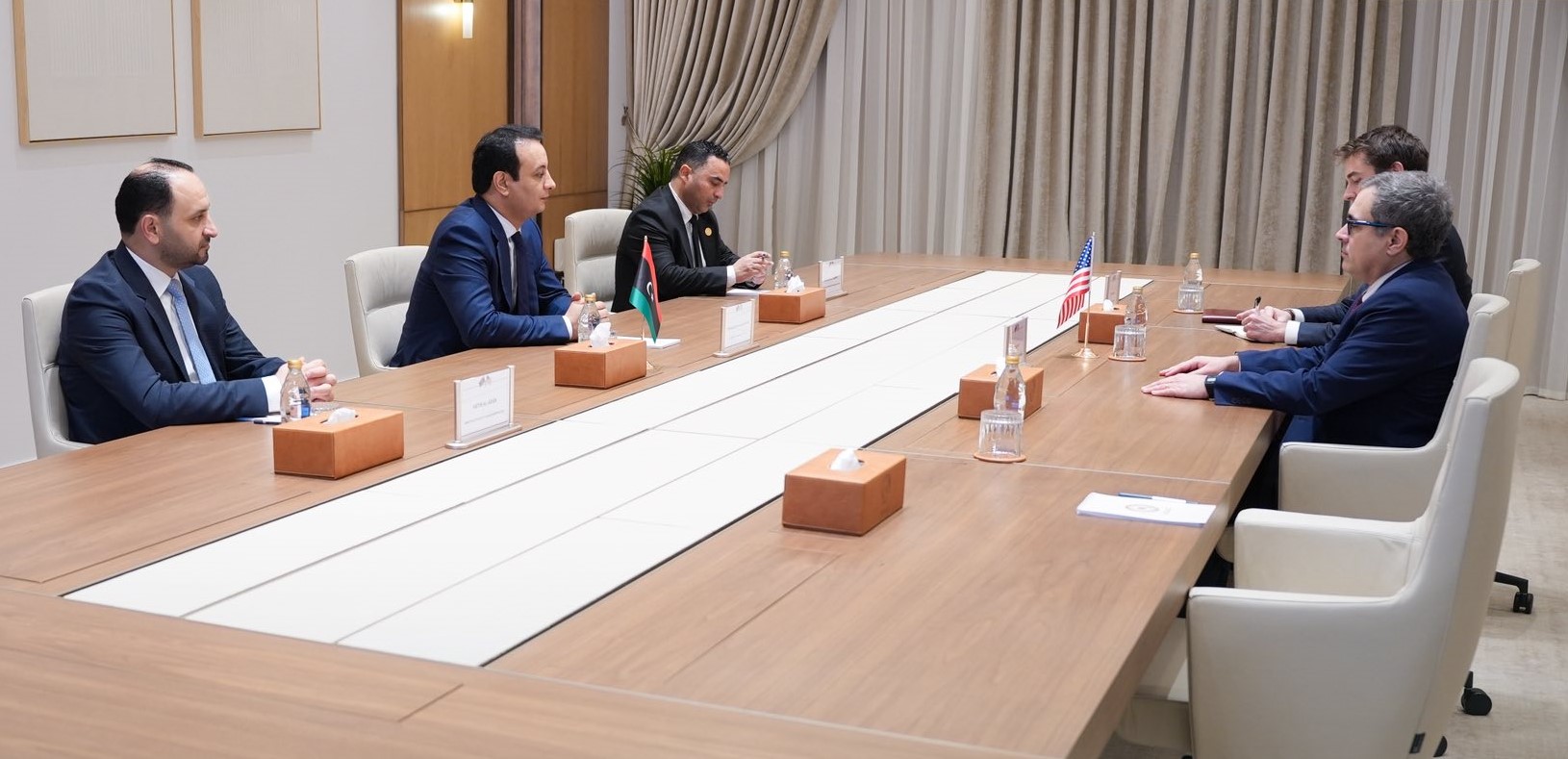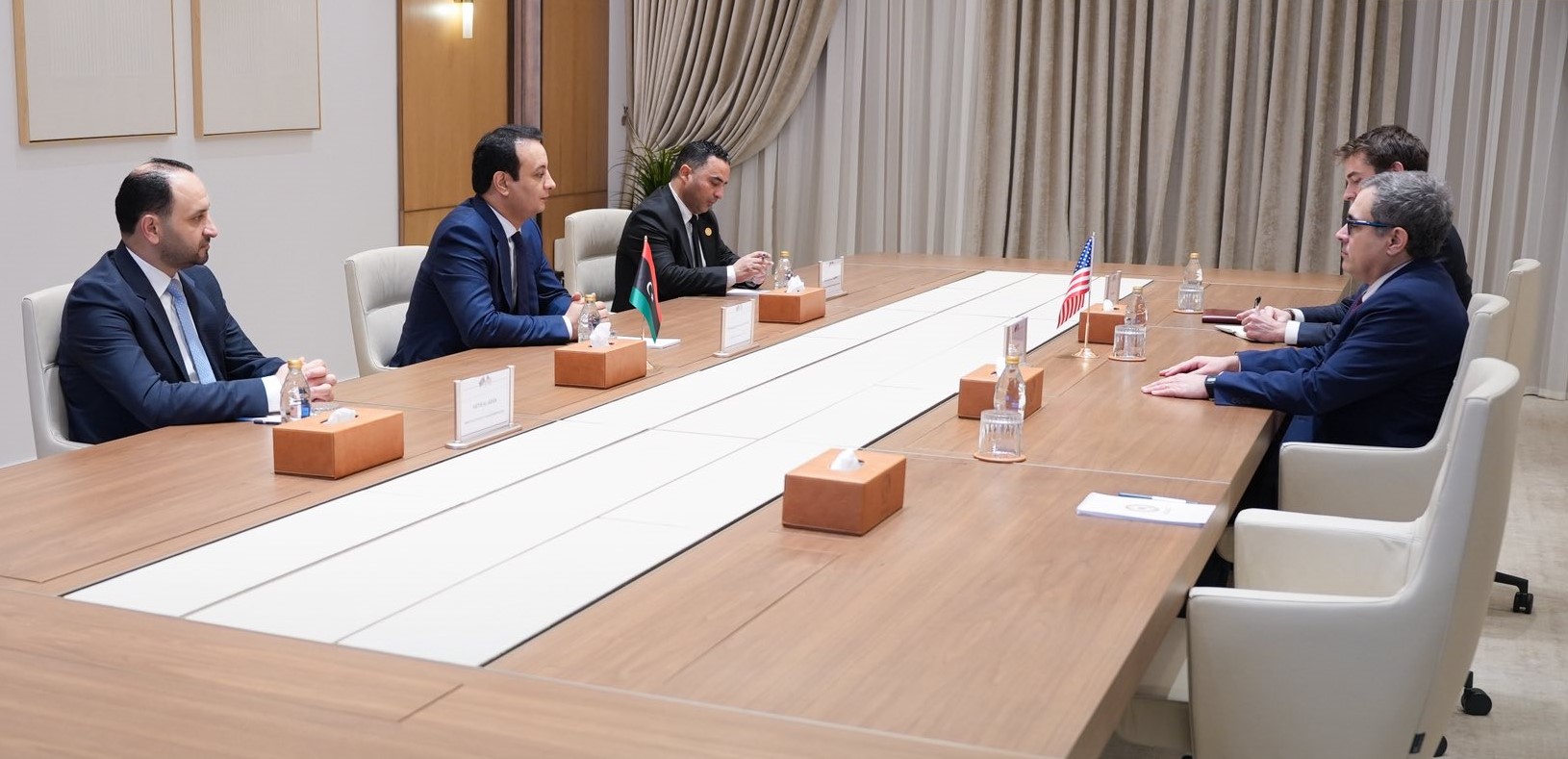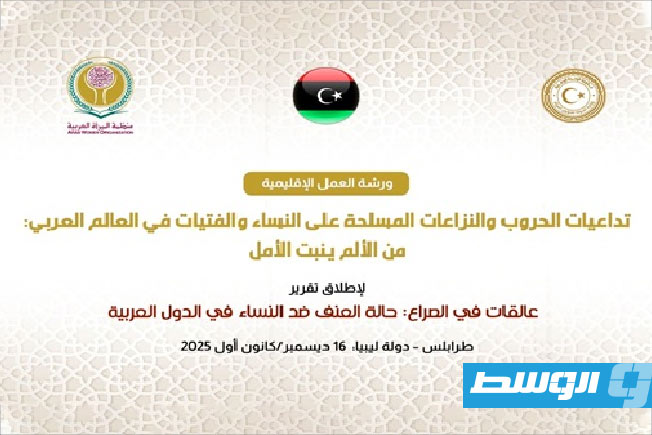
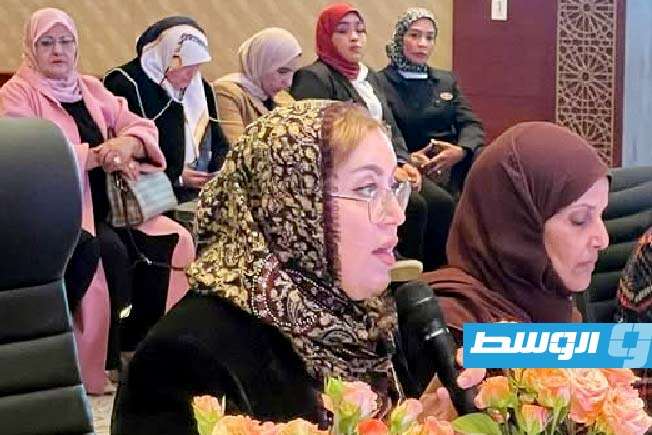
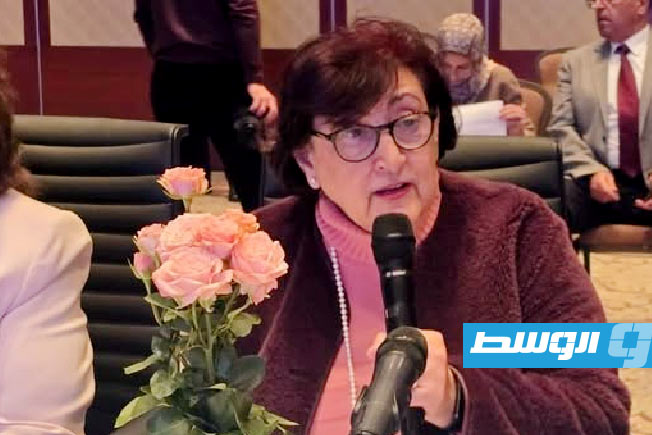
Launch of the regional workshop on “The repercussions of wars and armed conflicts on women in the Arab world” in Tripoli. (Arab Women Organization)
A regional workshop titled “The Repercussions of Wars and Armed Conflicts on Women and Girls in the Arab World: From Pain Springs Hope” was launched in the Libyan capital, Tripoli, on Tuesday. The workshop is sponsored by the Arab Women Organization in cooperation with the Libyan Ministry of State for Women’s Affairs.
The workshop features the launch of a report titled “Trapped in Conflict: The State of Violence Against Women and Girls in Arab Countries” as part of the Arab Women Organization’s “Arab Women, Security, and Peace” program. The report monitors and examines the reality of violence against women and girls in six Arab countries that have witnessed armed conflicts and occupation between 2019 and 2025: Libya, Palestine, Lebanon, Iraq, Yemen, and Sudan.
The workshop was opened with the attendance of numerous ambassadors, representatives of UN agencies and international organizations, in addition to the experts and researchers who prepared the study.
–
–
–
The report reveals the reality and indicators of violence, highlights the most important governmental and international measures, legislation, and programs taken to reduce this phenomenon during conflict stages, and relies on vivid narratives through which it explores the suffering of women and girls via personal stories.
From Pain Springs Hope
The report also reviews stories that reveal the perseverance of women and their ability to overcome the difficulties and repercussions of conflict, thereby embodying the workshop’s message of “From Pain Springs Hope.”
The report concludes by presenting practical recommendations aimed at reducing the escalation of violence against women and girls before, during, and after conflict, with the goal of promoting a safe and sustainable environment for them.
Arab Women Organization
### Key Objectives:
1. **Advocacy for Women’s Rights** – Works to advance legal, social, and economic rights for Arab women.
2. **Capacity Building** – Implements programs to enhance women’s skills in leadership, entrepreneurship, and political participation.
3. **Research and Data Collection** – Conducts studies on women’s status in the Arab world to inform policies.
4. **Combating Discrimination** – Addresses issues like gender-based violence, unequal access to education, and workplace inequality.
5. **Regional and International Cooperation** – Collaborates with UN agencies (e.g., UN Women) and other organizations to align with global gender equality goals (e.g., SDG 5).
### Structure:
– **Headquarters:** Cairo, Egypt.
– **Membership:** Includes most Arab League states.
– **Governance:** Managed by a General Assembly, Executive Council, and a Secretariat.
### Notable Initiatives:
– **Arab Women’s Development Decade** (launched in 2017).
– Projects focusing on economic empowerment, political participation, and combating violence against women.
### Challenges:
– Operates in diverse socio-political contexts where traditional norms may hinder progress.
– Faces funding constraints and varying levels of commitment from member states.
The AWO remains a key regional actor in pushing for gender equality, though its impact varies across Arab countries due to differing national policies and cultural landscapes.
Libyan Ministry of State for Women’s Affairs
### **Key Roles and Responsibilities:**
1. **Policy Development** – Advocating for laws and policies that support gender equality and protect women’s rights.
2. **Empowerment Programs** – Implementing initiatives to enhance women’s participation in politics, the economy, education, and public life.
3. **Social Protection** – Addressing issues such as gender-based violence, discrimination, and access to healthcare and legal support.
4. **Awareness and Advocacy** – Raising public awareness on women’s rights and working with civil society and international organizations.
### **Context and Challenges:**
– **Political Instability** – Libya’s fragmented governance since 2011 has often hindered consistent policy implementation.
– **Cultural and Social Norms** – Traditional views in some areas may limit women’s public roles, despite legal protections.
– **Security Issues** – Conflict and instability disproportionately affect women’s safety and access to services.
### **Recent Focus Areas:**
– Increasing women’s representation in political and peace processes.
– Combating violence against women and supporting survivors.
– Promoting economic opportunities and education for women and girls.
### **International Cooperation:**
The ministry often collaborates with UN agencies (e.g., UN Women, UNDP) and NGOs to advance women’s rights in line with international conventions, such as the **CEDAW** (Convention on the Elimination of All Forms of Discrimination Against Women), which Libya ratified in 1989.
If you need more specific or updated information, such as current programs or ministerial leadership, please let me know!
Libya
### **Geography and Climate**
– **Area:** Approximately 1.76 million km² (679,362 sq mi), making it the fourth-largest country in Africa.
– **Landscape:** Mostly desert or semi-desert, with the Libyan Desert covering much of the country. The northern coast has a fertile strip along the Mediterranean.
– **Climate:** Arid, with hot summers and mild winters along the coast, and extreme temperatures in the desert interior.
### **History**
– **Ancient History:** Home to ancient civilizations like the Phoenicians, Carthaginians, and Romans. The ruins of Leptis Magna and Sabratha are UNESCO World Heritage Sites.
– **Modern History:** Gained independence from Italy in 1951. Ruled by King Idris I until 1969, when Muammar Gaddafi seized power in a coup.
– **Gaddafi Era:** Gaddafi ruled for 42 years until his overthrow and death during the 2011 Arab Spring uprising and NATO intervention.
– **Post-2011:** Libya has faced ongoing conflict, political fragmentation, and instability, with rival governments and militias vying for control.
### **Economy**
– **Oil:** Libya possesses Africa’s largest proven oil reserves, and its economy is heavily dependent on oil exports.
– **Challenges:** Conflict, corruption, and infrastructure damage have hindered economic development and diversification.
### **Politics**
– **Current Situation:** Libya is divided between two main administrations:
– The **Government of National Unity (GNU)** in Tripoli (recognized internationally).
– The **Libyan National Army (LNA)**-backed government in the east.
– **Elections:** Planned repeatedly but delayed due to security and political disagreements.
### **Culture**
– **Religion:** Predominantly Sunni Muslim.
– **Language:** Arabic is the official language, with Berber languages spoken by indigenous communities.
– **Ethnic Groups:** Mainly Arab and Berber, with smaller communities like the Tuareg and Tebu.
### **Challenges**
– **Conflict:** Ongoing violence between militias, foreign interference, and terrorism.
– **Humanitarian Issues:** Displacement, migration (Libya is a major transit route for migrants to Europe), and human rights abuses.
– **Reconstruction:** Rebuilding infrastructure and institutions remains a significant hurdle.
Libya’s future stability depends on political reconciliation, economic recovery, and international support for peacebuilding efforts.
Palestine
### **Historical & Political Context**
– **Geography**: Historically, Palestine includes modern-day Israel, the West Bank, and the Gaza Strip.
– **Israeli-Palestinian Conflict**: A central issue is the dispute over land, sovereignty, and national identity between Israelis and Palestinians, dating back over a century. Key events include the 1948 Arab-Israeli War, the 1967 Six-Day War, and ongoing tensions.
– **Palestinian Territories**: Today, “Palestine” often refers to the **West Bank** (partially administered by the Palestinian Authority) and **Gaza Strip** (governed by Hamas since 2007). The United Nations recognizes Palestine as a **non-member observer state** (since 2012).
– **Israeli Perspective**: Israel asserts historical and security claims to the land, including Jerusalem as its capital. Many Israelis view Palestinian statehood as a threat to their security or identity.
### **Humanitarian Situation**
– **Palestinian Civilians**: Many face challenges such as restricted movement, economic hardship, and periodic violence. Gaza, under blockade, experiences severe poverty and infrastructure crises.
– **Refugees**: Millions of Palestinian refugees live in Jordan, Lebanon, Syria, and elsewhere, many seeking the “right of return” to ancestral homes.
### **International Stances**
– **Two-State Solution**: Widely supported internationally as a path to peace—creating independent Israeli and Palestinian states coexisting side by side. However, negotiations have stalled over issues like borders, Jerusalem, settlements, and security.
– **Recognition**: Over 130 UN member states recognize Palestine as a state. Others, including the U.S. and some European nations, support Palestinian self-determination but condition statehood on negotiations with Israel.
– **Controversies**: Topics like Israeli settlements in the West Bank, security barriers, and violence from both sides remain highly contentious.
### **Key Points to Consider**
1. **Complex Narratives**: Both Israelis and Palestinians have historical ties to the land, with competing narratives of displacement and survival.
2. **Human Rights**: International organizations often highlight humanitarian law concerns, including civilian casualties and access to basic services.
3. **Peace Efforts**: Numerous attempts (e.g., Oslo Accords, Camp David summits) have failed to achieve a lasting resolution. Recent trends include normalization agreements between Israel and some Arab states, shifting regional dynamics.
### **Conclusion**
The question of Palestine involves deeply held identities, rights, and aspirations. A just and lasting solution would require addressing security, dignity, and self-determination for both peoples, though the path remains fraught with political and practical challenges.
If you have specific questions (e.g., history, current events, or perspectives), feel free to ask for more detail.
Lebanon
Here’s a breakdown of the key aspects:
### 1. **The Country: Lebanon (الجمهورية اللبنانية)**
* **Location:** On the eastern shore of the Mediterranean Sea, bordered by Syria to the north and east, and Israel to the south.
* **Capital:** Beirut.
* **Key Characteristics:**
* **Cultural & Religious Diversity:** Known for its mix of 18 recognized religious sects, including Maronite Christians, Sunni and Shia Muslims, and Druze.
* **History:** A historic crossroads of civilizations (Phoenician, Roman, Ottoman, French). It gained independence from France in 1943.
* **Recent History:** Endured a 15-year civil war (1975-1990), periods of political instability, conflict with Israel, and heavy influence from Syria and Iran. It is currently facing a severe **economic crisis** (since 2019), considered one of the worst in modern history.
* **Culture:** Renowned for its cuisine, wine, vibrant nightlife (pre-crisis), and as a center for Arabic media and banking.
* **Famous Landmarks:** The Roman ruins of Baalbek, the Jeita Grotto, the coastal city of Byblos (one of the oldest continuously inhabited cities), and the Beirut Riviera.
### 2. **Other Common References**
* **Lebanon, Cedar of:** The Cedar tree (*Cedrus libani*) is the national symbol of the country, featured on its flag and currency. It represents resilience and eternity.
* **Places Named Lebanon:** Many cities and towns in the United States and other countries are named after the biblical and historical region of Lebanon (e.g., Lebanon, Pennsylvania; Lebanon, New Hampshire).
* **Biblical Reference:** In the Bible, “Lebanon” often refers to the mountain range famous for its cedars, used in building Solomon’s Temple.
### **Current Context (as of late 2023/2024)**
Lebanon is in a state of profound crisis, often described as a “failed state” by analysts. The situation is marked by:
* A collapsed currency and hyperinflation.
* Widespread poverty and shortages of basic necessities like electricity, medicine, and fuel.
* A paralyzed political system and a vacuum in the presidency.
* Massive emigration of its educated youth.
**In short, “Lebanon” evokes a rich historical and cultural heritage, but today it is synonymous with one of the world’s most acute humanitarian and economic crises.**
Would you like more detail on any specific aspect—its history, politics, culture, or current crisis?
Iraq
### **History & Culture**
– Often called the “Cradle of Civilization,” it was home to ancient Mesopotamian cultures like Sumer, Akkad, Babylon, and Assyria.
– Islam spread to the region in the 7th century, and it later became part of the Ottoman Empire.
– Modern Iraq gained independence from British mandate in 1932.
– The country experienced significant turmoil in recent decades, including the Iran-Iraq War (1980–1988), the Gulf War (1990–1991), the U.S.-led invasion in 2003, and subsequent instability.
### **Geography & Economy**
– Dominated by the Tigris and Euphrates rivers, which support agriculture in the fertile Mesopotamian plain.
– Economy heavily relies on oil exports, with some of the world’s largest reserves.
– Northern regions are mountainous (Kurdistan), while central and southern areas include deserts and marshlands.
### **Politics & Society**
– Federal parliamentary republic with a diverse population: Arab majority, Kurdish minority (mostly in the north), and other smaller groups.
– Official languages are Arabic and Kurdish.
– Post-2003, Iraq has faced sectarian tensions, terrorism (notably from ISIS), and political challenges, though efforts toward reconstruction and stability continue.
### **Notable Sites**
– Historical: Babylon, Ur, Nineveh, and the ancient city of Baghdad during the Islamic Golden Age.
– Religious: Najaf and Karbala, holy cities for Shia Muslims.
Iraq remains a nation of profound historical significance and ongoing transformation. Let me know if you’d like more details on any specific aspect!
Yemen
### Key Facts:
– **Capital:** Sana’a (though the government has temporarily operated from Aden since 2015 due to conflict).
– **Population:** Approximately 30 million (2022 estimate).
– **Language:** Arabic.
– **Religion:** Predominantly Islam (Sunni and Shia branches, with Zaydi Shias forming a significant portion).
### Recent History & Current Situation:
Yemen has been experiencing a devastating **civil war** since 2014, which escalated in 2015 when a Saudi-led coalition intervened against the **Houthi movement** (Ansar Allah). The conflict has led to one of the world’s worst **humanitarian crises**, with widespread famine, disease, and displacement.
### Economy & Geography:
– Historically known for its **coffee trade** (Mocha coffee originated from Yemen).
– Largely arid with mountainous regions, deserts, and a long coastline.
– Economy heavily reliant on declining oil reserves; severely impacted by war.
### Cultural Heritage:
Yemen has a rich history as part of ancient trade routes and kingdoms like **Saba** (Sheba). It is home to UNESCO World Heritage sites such as the **Old City of Sana’a** and the **Socotra Archipelago**, known for unique biodiversity.
### Challenges:
– Ongoing conflict with regional/international involvement.
– Humanitarian disaster: millions face food insecurity and lack access to clean water/healthcare.
– Political fragmentation and economic collapse.
If you have a specific question about Yemen’s history, culture, conflict, or current events, feel free to ask!
Sudan
—
### **Key Facts:**
– **Capital:** Khartoum
– **Official Languages:** Arabic and English
– **Population:** ~46 million (2023 estimate)
– **Area:** ~1.88 million km² (prior to South Sudan’s independence in 2011, it was Africa’s largest country by area)
– **Government:** Currently under military rule following a coup in October 2021; transitional government efforts have faced instability.
—
### **Recent History & Current Situation:**
1. **Independence & Civil Wars:** Sudan gained independence from Anglo-Egyptian rule in 1956. It experienced two prolonged civil wars between the north and south (1955–1972, 1983–2005), largely driven by ethnic, religious, and resource-related tensions.
2. **Secession of South Sudan:** Following a 2005 peace agreement, South Sudan voted for independence in a 2011 referendum, becoming a separate nation.
3. **Darfur Conflict:** Since 2003, conflict in the Darfur region has led to severe humanitarian crises, with allegations of genocide and war crimes.
4. **2019 Revolution & 2021 Coup:** Widespread protests in 2019 ousted longtime dictator Omar al-Bashir. A transitional civilian-military government was formed but was overthrown by a military coup in October 2021.
5. **Ongoing Conflict (2023–present):** Since April 2023, violent clashes between the Sudanese Armed Forces (SAF) and the paramilitary Rapid Support Forces (RSF) have caused a severe humanitarian disaster, with widespread displacement, famine risks, and atrocities reported.
—
### **Economy & Resources:**
– **Main Exports:** Gold, oil (though significantly reduced after South Sudan’s secession), agriculture (cotton, sesame, gum arabic).
– **Currency:** Sudanese Pound (SDG).
– **Challenges:** High inflation, debt, international sanctions, and the impact of ongoing conflict on infrastructure and livelihoods.
—
### **Culture & Society:**
– **Ethnic Diversity:** Over 500 ethnic groups, with Arab and African cultural influences.
– **Religion:** Predominantly Sunni Muslim in the north; diverse beliefs in other regions.
– **UNESCO Sites:** Includes archaeological sites like Meroe (ancient pyramids) and Gebel Barkal.
—
### **Humanitarian Issues:**
– Sudan currently faces one of the world’s worst humanitarian crises due to the 2023 conflict, with millions displaced internally and as refugees.
– International aid efforts are hampered by access restrictions and funding shortages.
—
If you have a specific question about Sudan’s history, politics, culture, or current events, feel free to ask!